
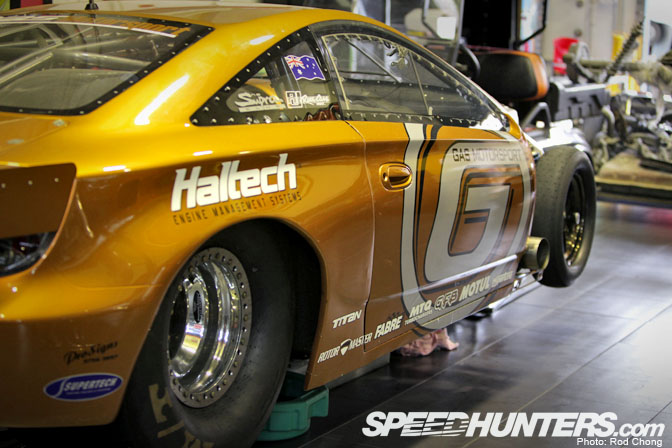
Our look at some of the best Australian drag shops continues with a place that truly impressed me, GAS Motorsport. Set up in 1994 by Joe Signorelli, GAS has been at the forefront of 2JZ tuning in Australia, achieving great results in all the cars these powerful engines were dropped into. The ex-Titan Celica is the car everyone knows in the drag racing circles, a car that Joe picked up in rolling-chassis form and then transformed into the beast you see in the opening shot.
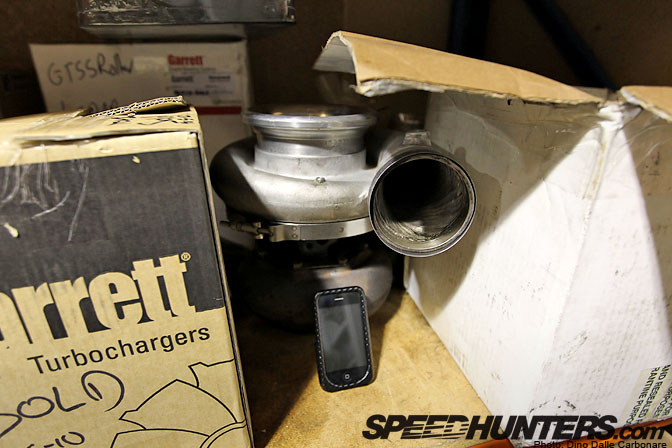
We were let loose around the state-of-the-art GAS workshop, including the vast warehouse area were I couldn't help but marvel at the huge turbos that were scattered everywhere!
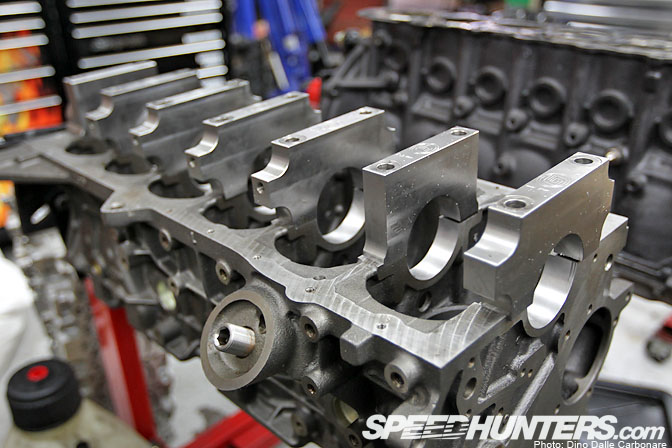
GAS develops a lot of their own engine components, like these billet end caps that are used on all their Pro drag engines.
The black tiled floor with the GAS Motorsport logo on the entrance really gives an idea of the professionalism of the whole establishment.
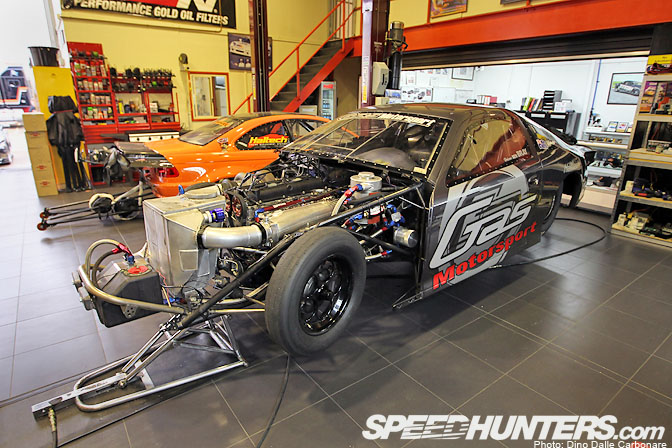
The 6.55 second Toyota Scion was begging to be examined in more detail, it was for me the first time I was face to face with a drag machine of this calibre.
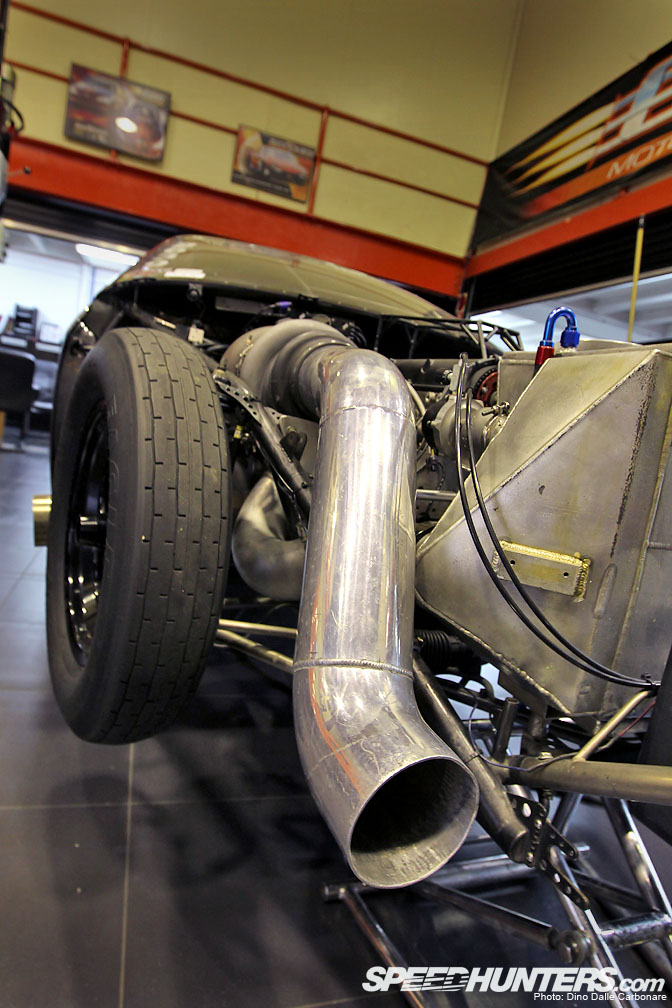
How is that for an intake pipe! This lines up with the large opening on the front cowl and provides a ram-air effect as soon as the car gets up to speed.
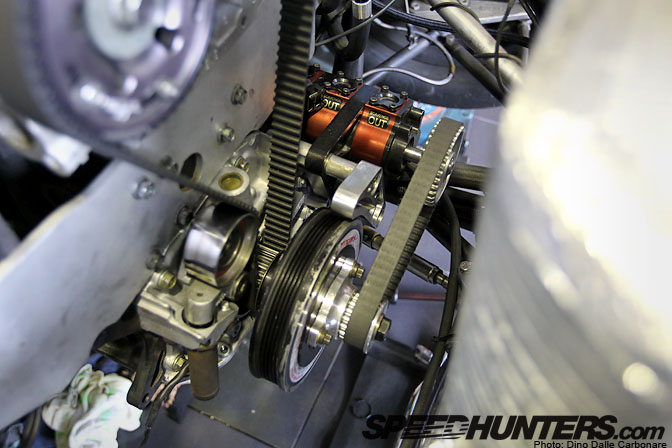
When pushing engines to 2,100 HP a lubrication system up to par is a must and the wet sump of the 2JZ has been dropped in favor of a custom dry-sump system.
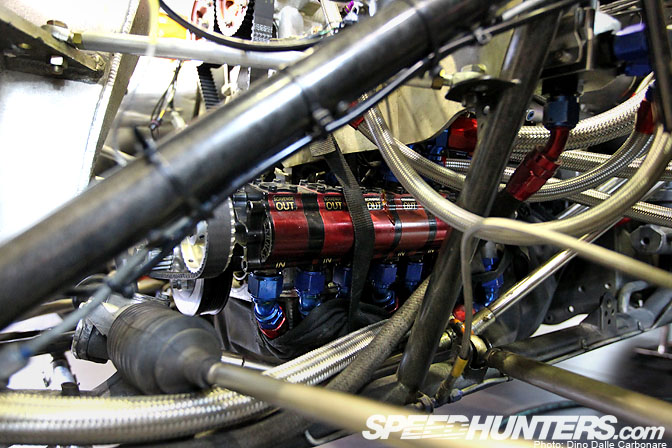
The dry sump guarantees oil is sent where it needs to go even under the fierce acceleration this car generates down the strip.
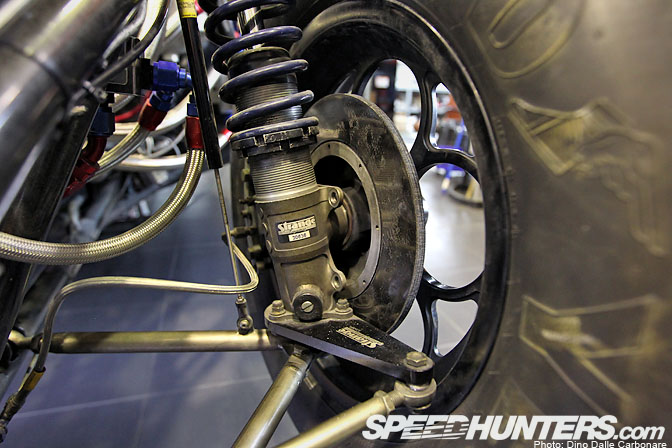
A look at the suspension layout and the carbon brakes.
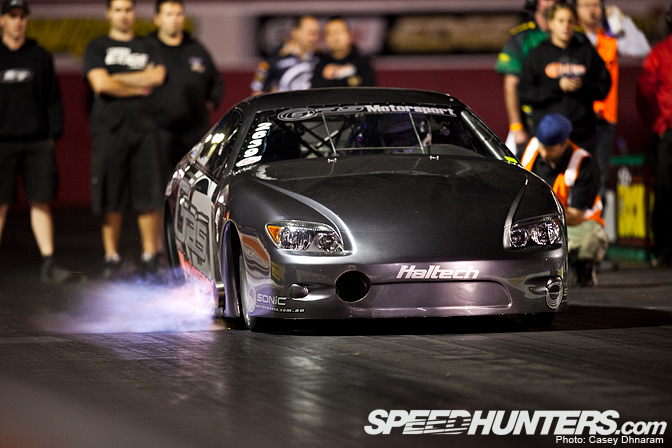
Here is a shot Casey recently took at the 2010 Jamboree. How mean does that look!!
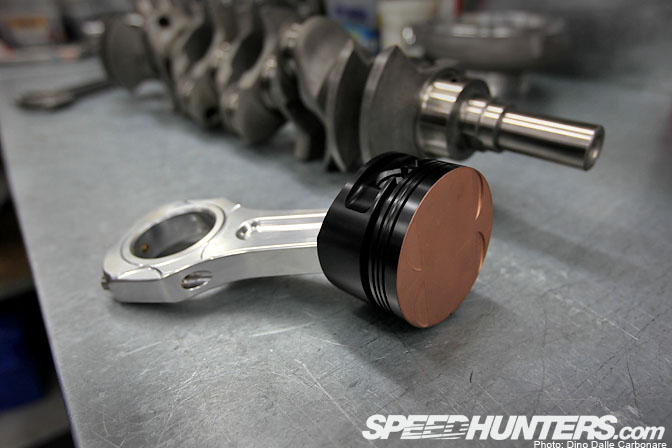
Back in the engine workshop I was shown some of the components they use in their motors, like titanium connecting rods and specially coated custom pistons.
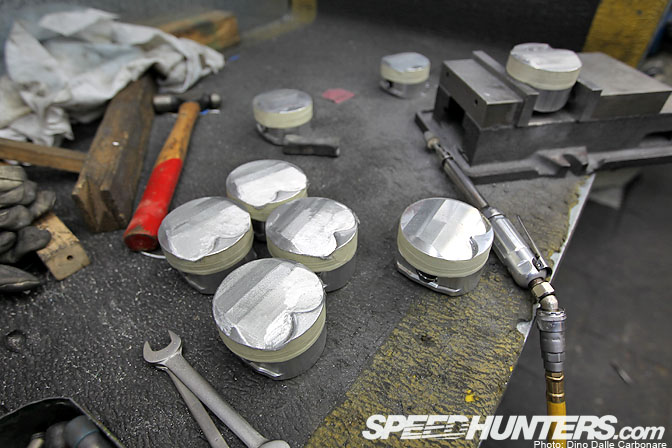
The chief engine builder takes care of all the machining and prepping of pistons, all done by hand using years of experience!
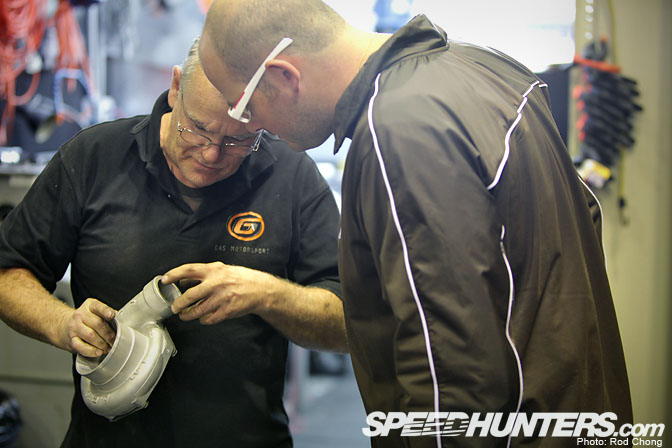
Here I am nerding out looking at how much actual prep work goes into porting the compressor side of the turbos they use. All is done to achieve the best possible flow.
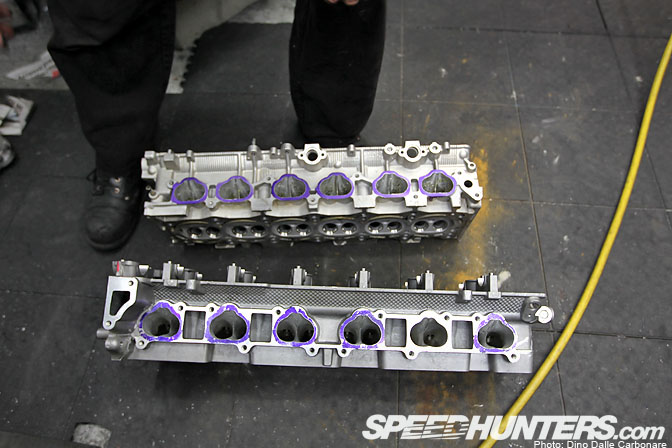
That is a 2JZ head lined up against the Ford XR6 4L straight six. The Ford engine is what GAS Motorsport will be moving onto next, now that they have gone as far as they can on 2JZ development. WIth 4 liters of capacity and a bigger potential for power the Ford straight-six will help them achieve even faster times in the future.
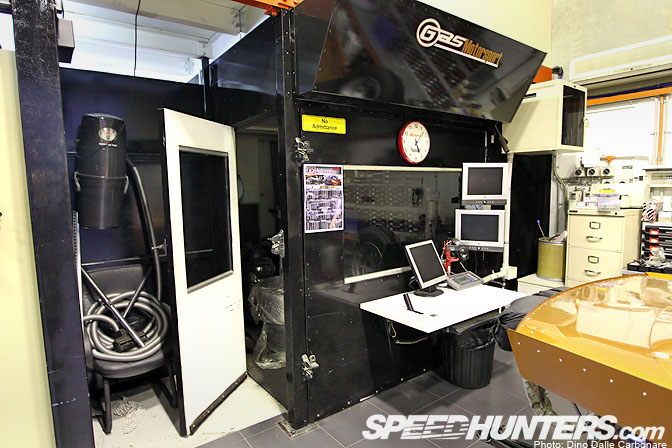
GAS do all their engine development in house so an engine dyno is a necessity to finely tune each of the parts they create.
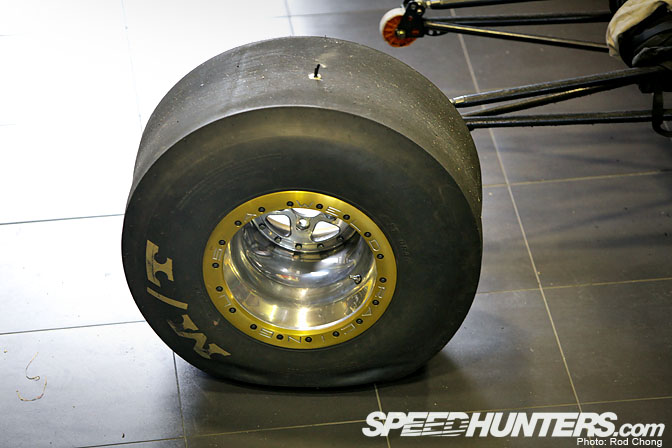
Random drag wheel!
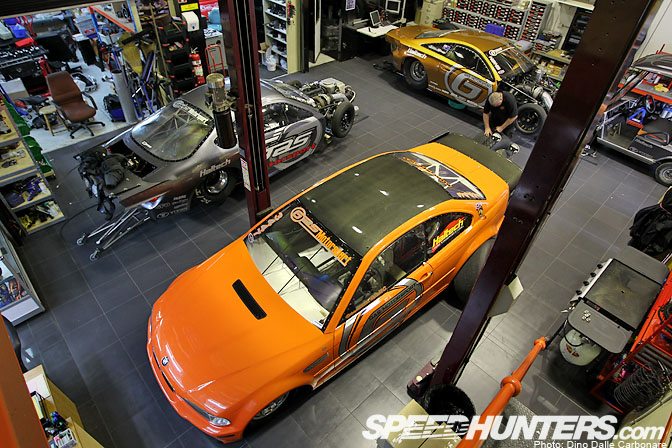
This shot, taken from the storage section upstairs, gives a good idea of what the main shop area looks like.
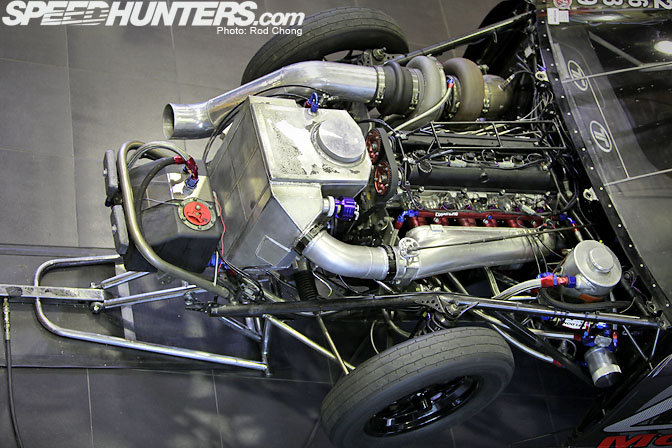
Notice how the fuel tank is in front of the charge cooler, the small tank only big enough for a burnout and a pass.
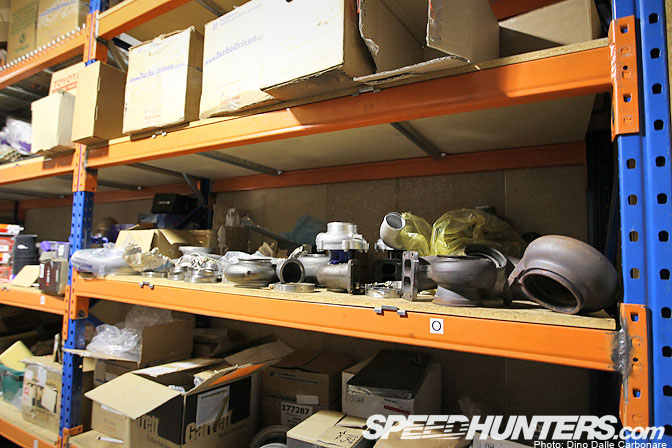
A look at some of the tens of compressor and turbine housings in the storage area…
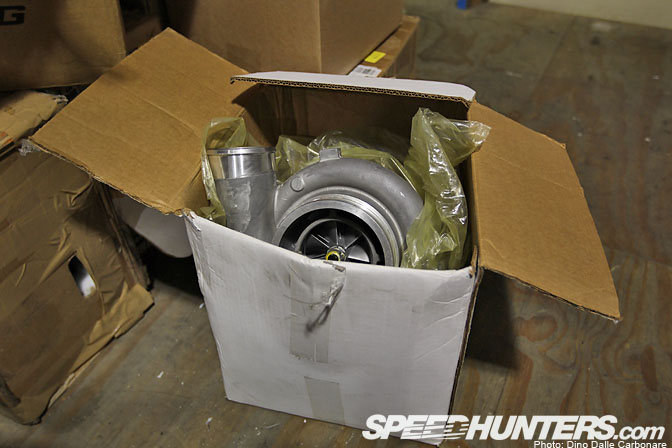
…as well as complete turbines, the size of my head!
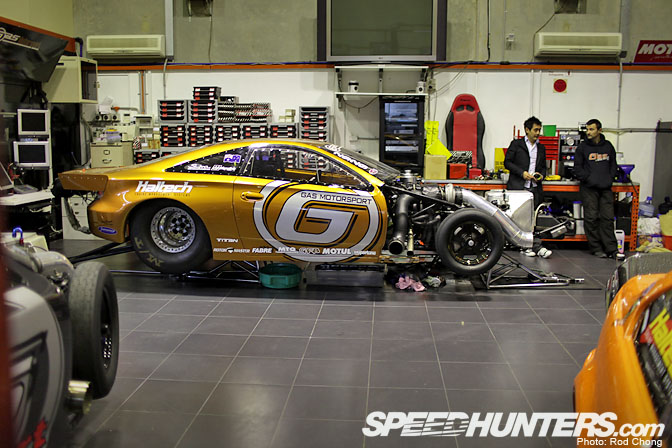
The Celica has managed to run a 6.48 sec pass at last year's Jamboree…
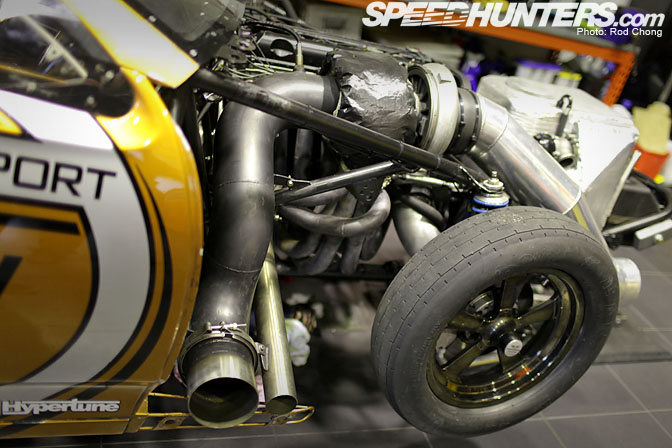
…and here is a look at the hardware necessary to run times like that.
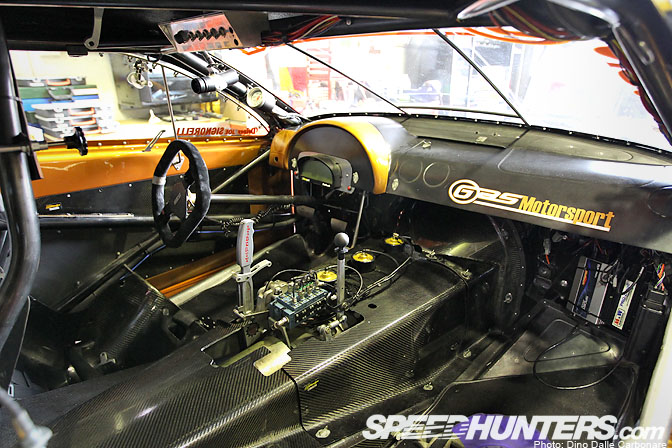
Carbon fiber inside and out helps keep weight in check…
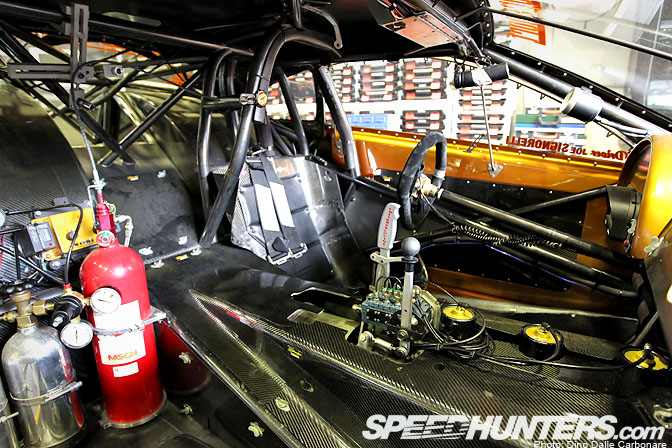
…notice how even the rear wheels tubs are carbon fiber. The pressurized air tanks are used for the Liberty air-shifter.
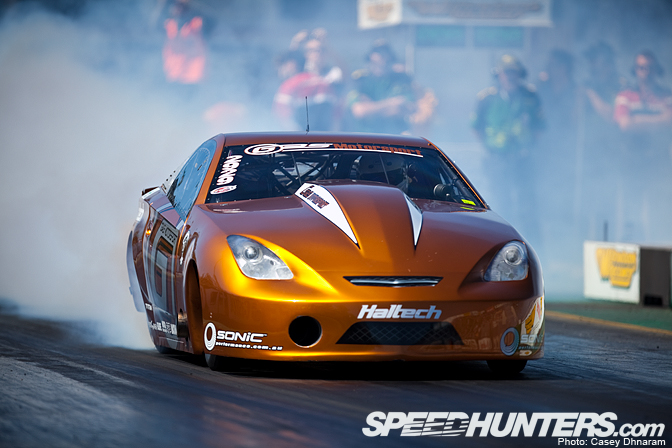
An image of the car in action at this year's Jamboree.
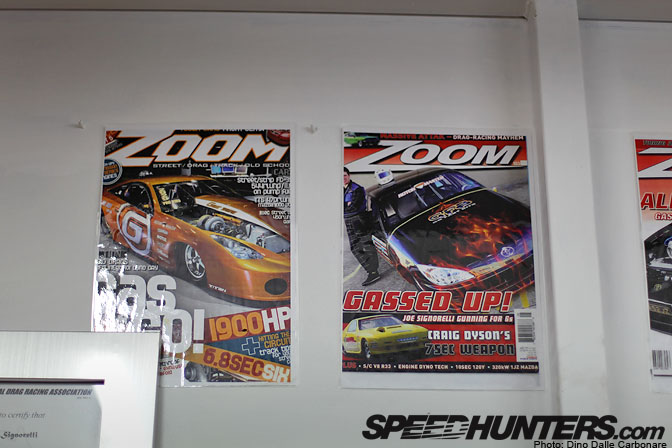
The office walls are lined in covers of of Australian publications like Zoom that the GAS Motorsport cars have appeared on, not to mention the trophies they have accumulated over the years.
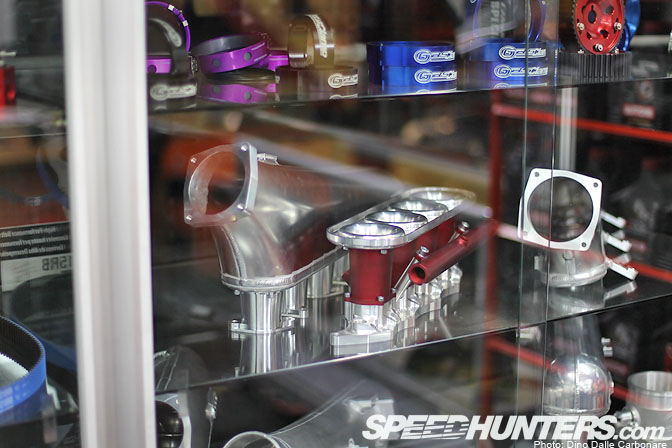
A few GAS and Hypertune parts on display on the cabinets, some of which you can also find on the Pro drag cars.
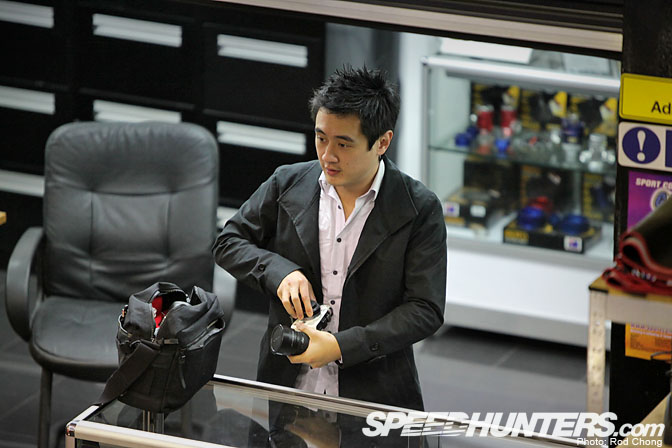
During our time in Australia Charles Kha, the newest member of the Speedhunters team, was our guide taking us to various shops and introducing us to key people in the scene. After years at AutoSalon Charles has developed a great relationships with all the tuning shops around Australia.
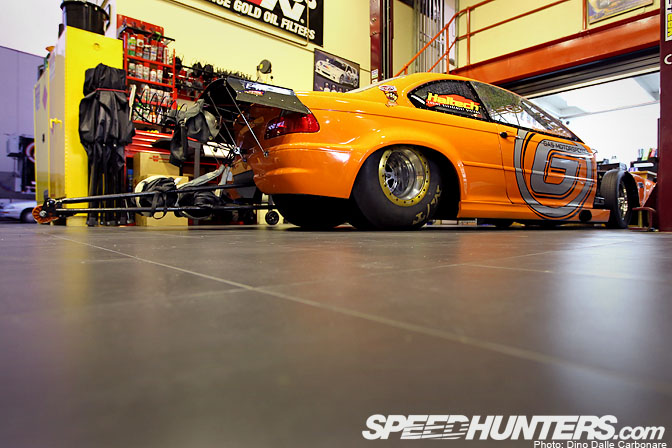
Next up is a look at the GAS "Pro BMW," a 2JZ powered beast that is known as the fastest BMW in the world. Stay tuned for more.
-Dino Dalle Carbonare