
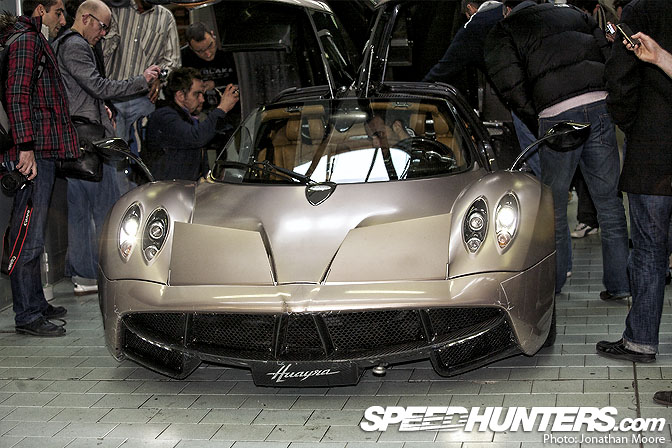
Pagani are beginning to switch their focus from the Zonda to the new Huayra supercar – another car named after a South American wind, as was the Zonda. Ahead of the official launch, a small group of select media were invited to take a look at the car at the Pagani headquarters in Modena as it was begin prepared. Most tours of Pagani begin and end in the lobby, but we were able to head through to the inner sanctum of the final-assembly room and the factory floor. Quite some access!
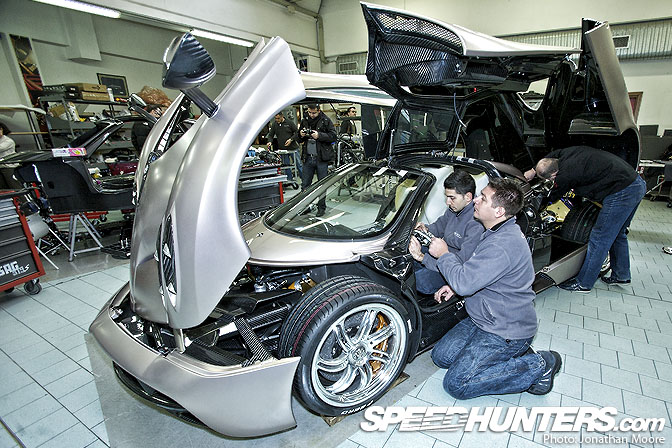
Rod and Dino had been lucky enough to have a private tour of here a couple of years back, so I won't repeat the things they showed off in their stories back in 2009. The big change from then to now is the of course the launch of the Huayra. Whilst one of the new models was having its interior, electricals and detailing installed in the assembly room…
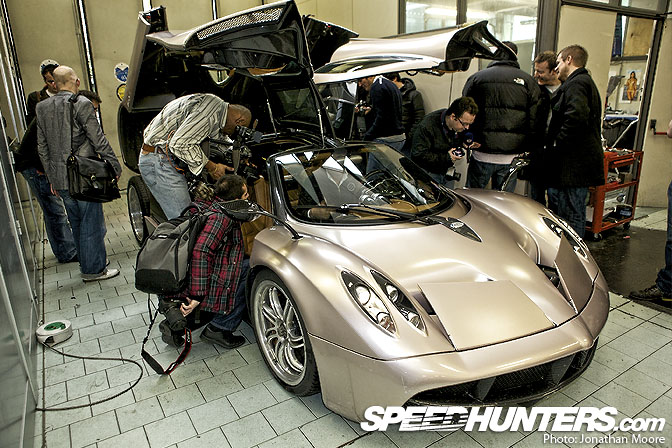
…out back was the Huayra that was to be unveiled the next day to the world's press in Milan. Last year I visited the McLaren factory for the debut of the MP4-12C (another car with a difficult name, in its own way) and the contrast couldn't be more stark. McLaren is stark white flooring; spotless tools; uniformed staff. Pagani is more… organic. Just 50 people people work here, and only around 15 cars are constructed per year – all to order. Even with the launch of the Huayra this figure will barely double – compare that to the custom-built, semi-automated production line for the McLaren, planned to be built in the thousands.
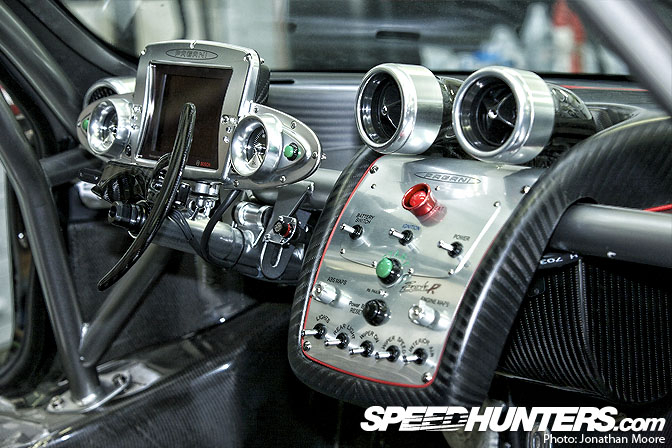
Also in production were a couple more Zonda Rs: one in assembly being fitted out alongside the Huayra.
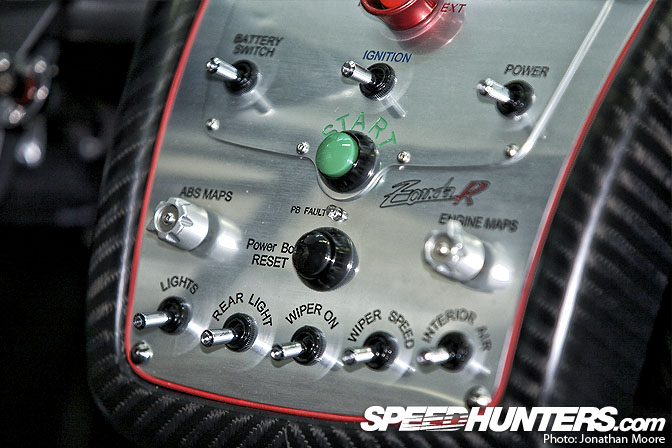
Even the central control panel looks great in an R! It might have been the shock of seeing something relatively simple: so few Pagani things are, which can get a bit overwhelming.
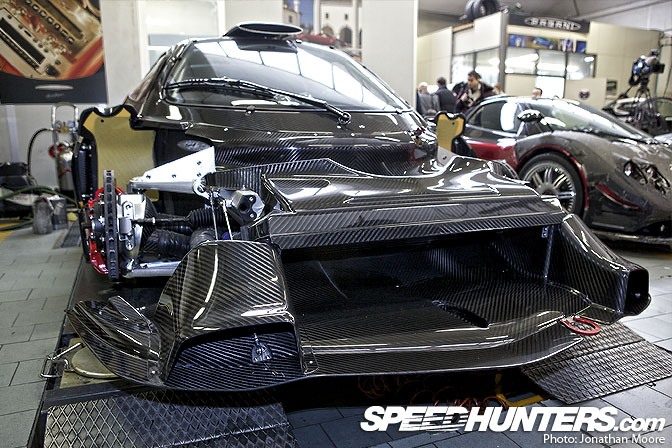
One thing that repeatedly struck me about the R is the fact that the front intakes are asymmetrical. I'm not sure why that is, and I kept forgetting to ask. I must find out!
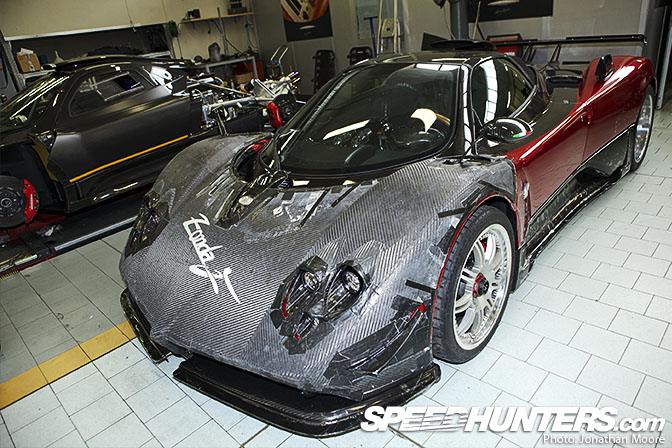
Next to the R in build was one of the five Zonda F Cinque variants.
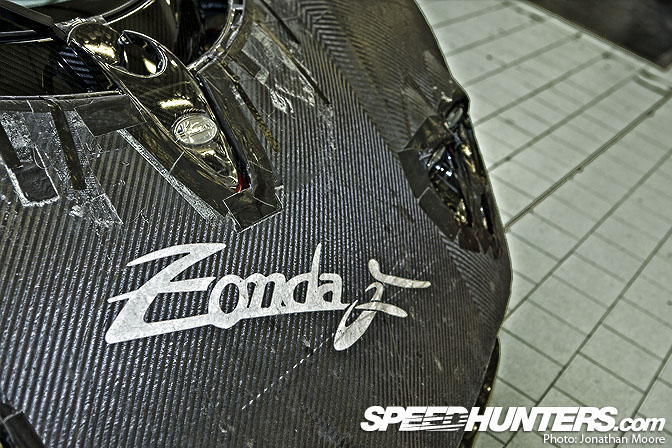
It looked like it had been out on a test run. Even the protective cover the engineers had taped onto the front of the car was made from carbon fibre! The metallic red paint was much more to my taste than the turquoise Uno out front.
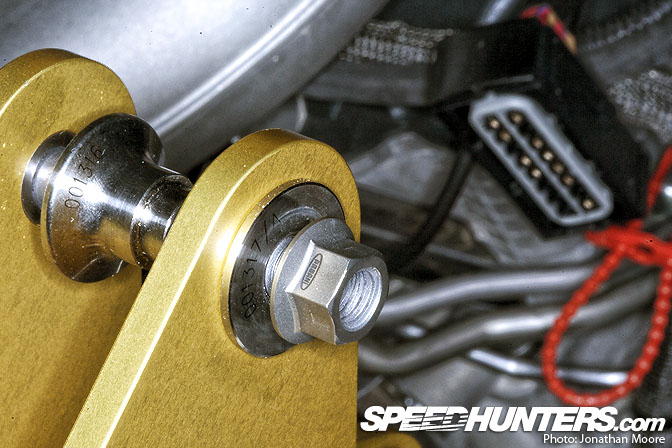
At Pagani it's all about the application of the individual touch: which goes right down to the branded Pagani nuts and bolts used on every car. If a component isn't identifiably Pagani by design, then it is by branding.
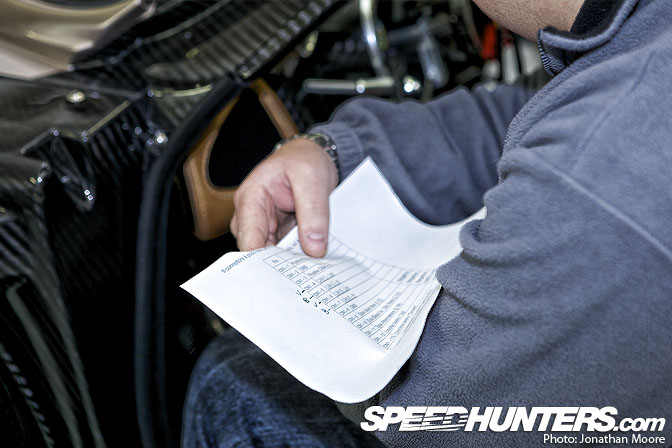
The Huayra in the assembly area was having its interior and wiring finished up. Checklists were being ticked off as the last components were installed and tested.
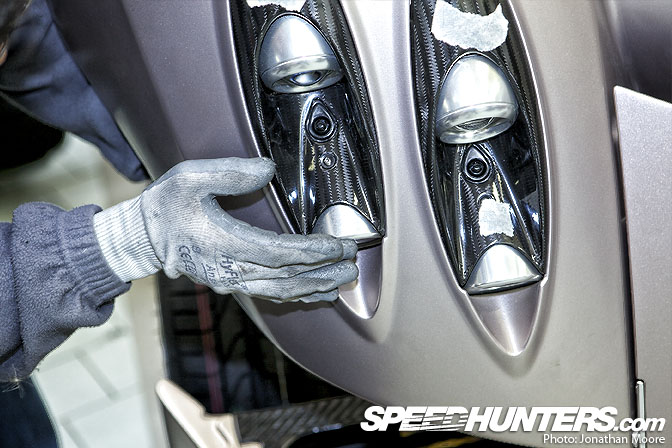
For work on the exterior, soft gloves were worn to protect the metallic paint finish.
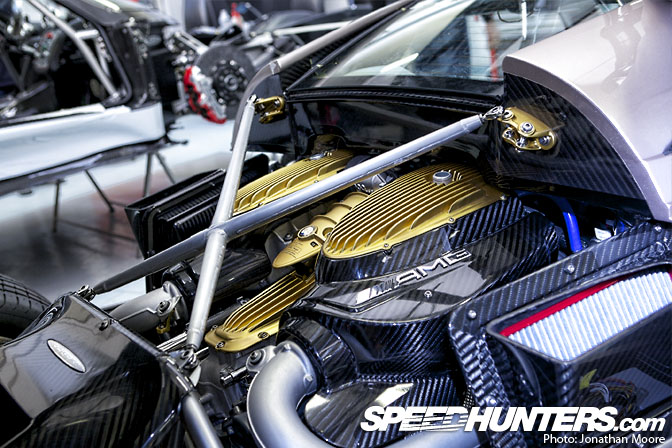
With the engine ready, the structural cross-brace was bolted back into place over the AMG V12 unit.
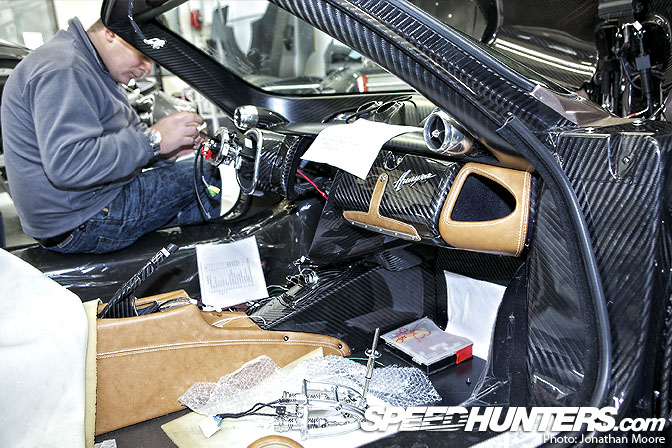
Like a full size model kit, the various parts to be installed were scattered around the interior.
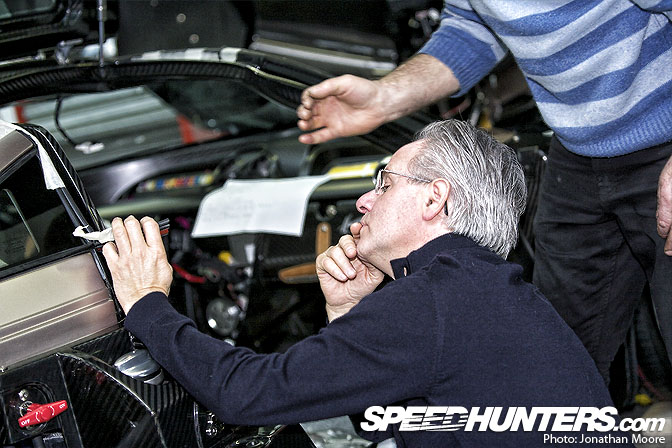
But then the most unexpected part of our visit: Horacio Pagani himself put in an appearance on the shop floor. Apparently this is not at all unusual. The problem? The beading around the edge of the gull-wing doors was seemingly causing some problems.
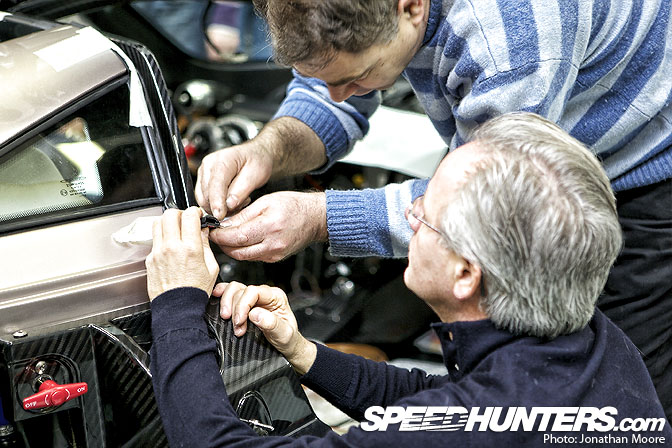
He and an engineer pondered over it for a while. Maybe it was just frustration over the fact that he couldn't use carbon fibre?! I just can't imagine many bosses of car companies getting their hands dirty on the shop floor, but it's all part of the Pagani spirit.
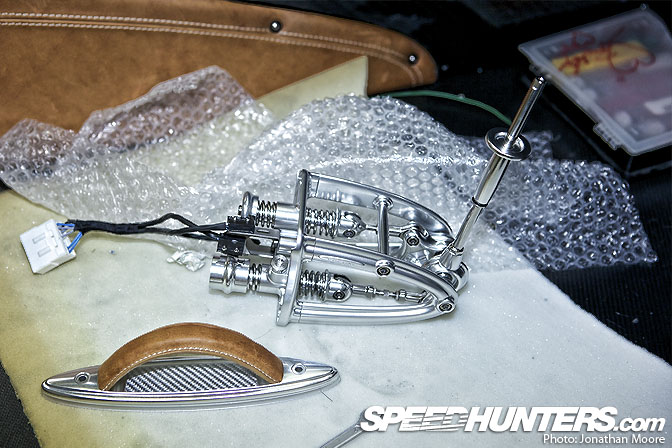
The gear-shift is another complex aluminium creation.
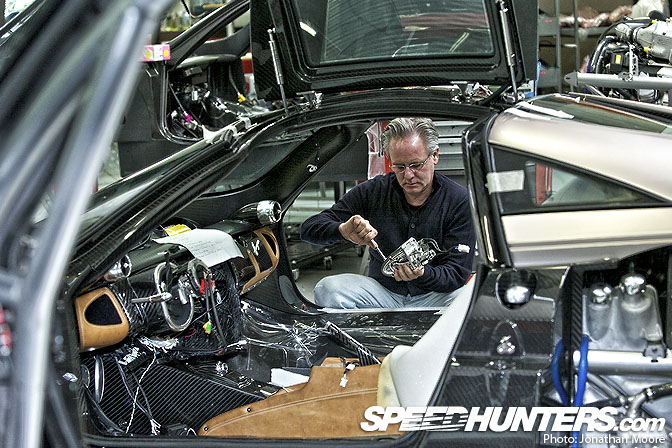
But it too seemed to be causing Pagani some head-scratching moments. Or, more likely, he just enjoys playing with his big toys.
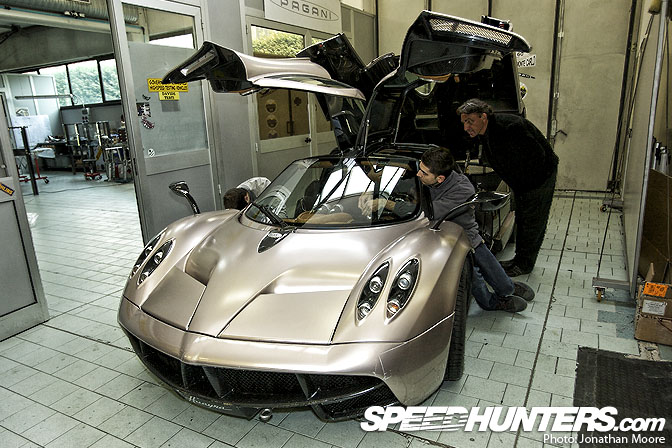
Tour over, we returned to the lobby for some final interviews. Out back, laptops were unplugged from the the show Huayra's dashboard and engine, and the final polishing finished. Then it would be time to truck the car to Pirelli's headquarters in Milan, a couple of hours away to the north-west.
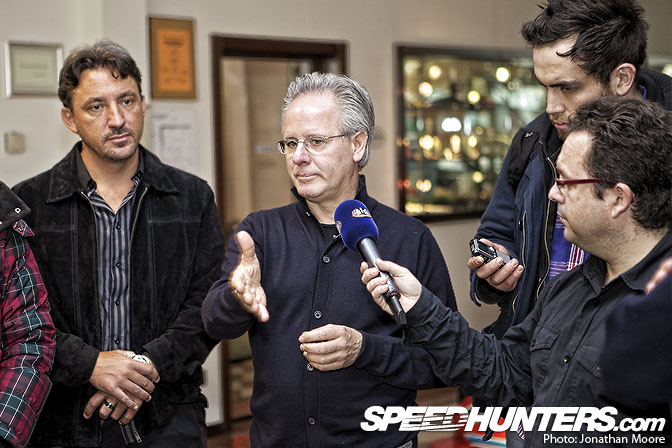
As Pagani was being interviewed by the media, you could sense his affection for the cars: his hand movements and looks gave it away. You can tell that his personality and passion shapes every Pagani car.
Jonathan Moore