
One of the first things to overcome with a Pagani Huayra is just how you pronounce it. I think the best explanation I've heard is to say 'Huh-Wire-Ah'. That seems to work. Consistently spelling it correctly is another matter… Thankfully it's not called by the original South American wind god's full name: Huayra-tata. Your comments from the launch shots and then subsequent stories have been full of views on the merits or otherwise of this car. A good thing I would suggest: this is not a car that provokes an ambivalent reaction. It's a car of challenging extremes. But whatever your views on its aesthetic quality, what can't be denied is the sheer beauty of its detailing.
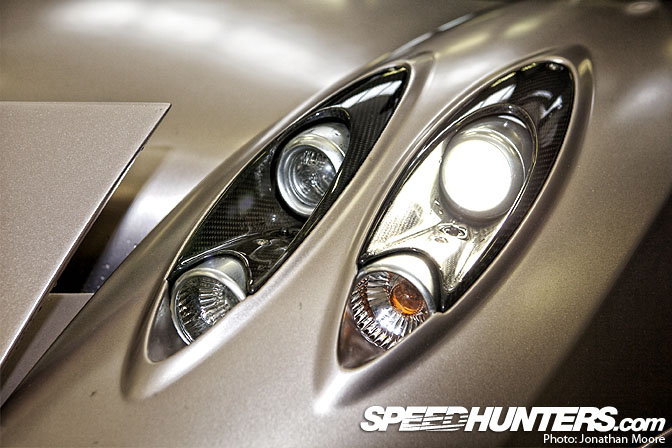
So, here is a gallery of shots focussing in on the design of the car.
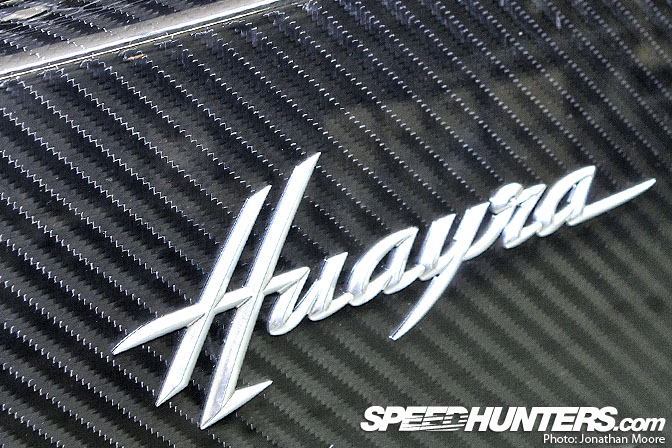
The Huayra is a completely carbon fibre, based on a carbon-titanium composite created during the development of the Zonda. Every unpainted external surface is carbon fibre; every painted surface has carbon-fibre underneath!
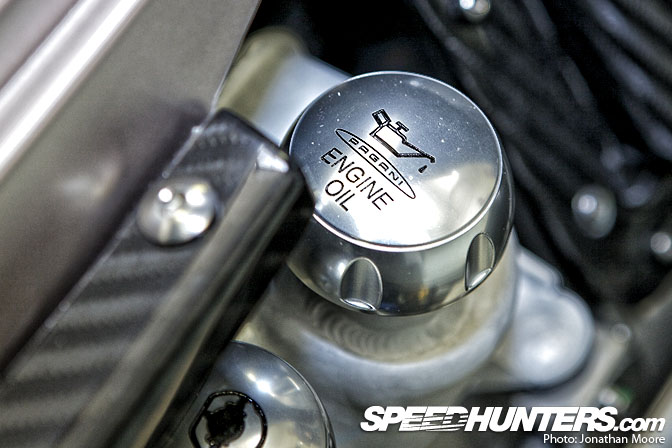
Anything which can't or shouldn't be made out of carbon is lightweight alloy or titanium – and as usual every part is bespoke and, if possible, features a Pagani logo.
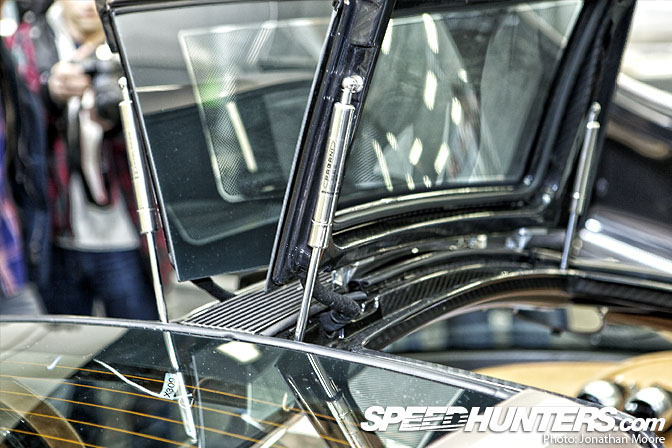
The gull-wing doors (with branded-hydraulics of course) open across almost the full-width of the roof, giving the biggest possible space to get in and out.
Horacio Pagani originally worked for Lamborghini in their composites team in the 1980s: he then formed his own specialist company creating composites for F1, bikes and sportscars before founding the Pagani car company in 1992. The first Zonda drove out of Pagani in 1997 – and just seven years later Horacio started working on its successor: the C9 concept.
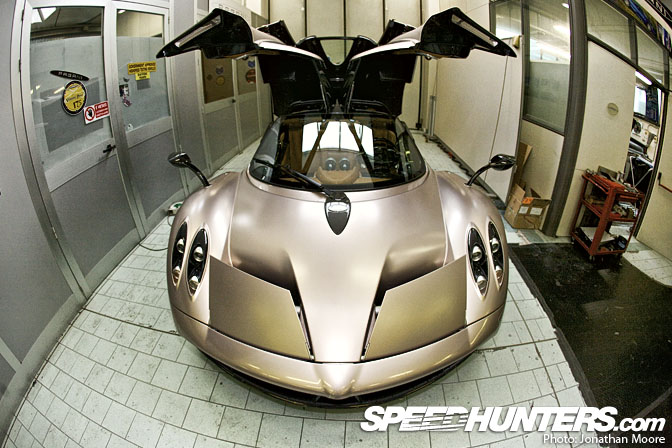
Another seven years later and here's the result: the Huayra. The launch car was painted in a shimmering oyster gold colour: perhaps a rather neutral colour to launch with, unlike the red rocket shown at the Geneva Auto Salon earlier this month. But it does have a lustre that changes colour when you view it at different angles – rather like a TVR Tuscan, but without the appalling build-quality.
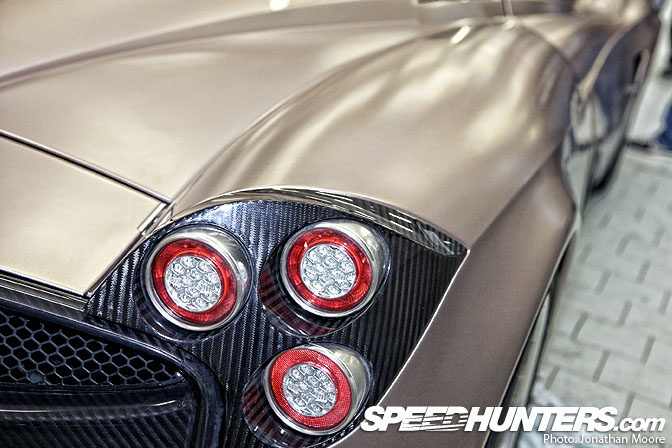
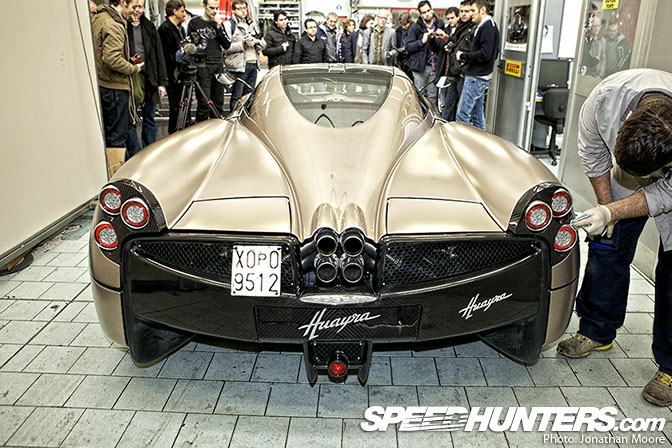
As with the Zonda, I think the Huayra looks prettiest from the front From the rear, it's all 1950s Buck Rogers rocketship – no bad thing, but perhaps best described as interesting than a drop-dead aesthetic nirvana.
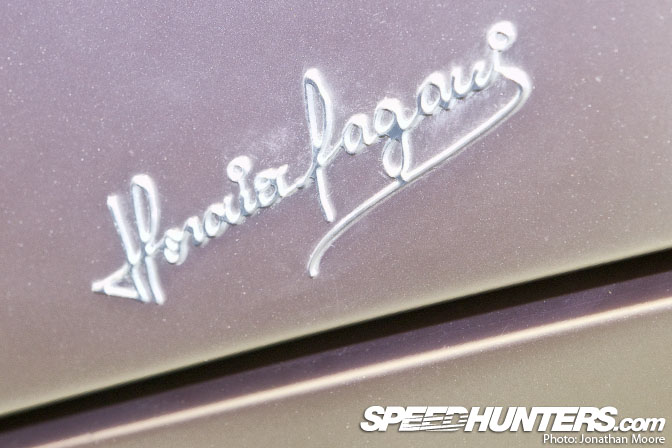
This is very much Horacio's car: reading the press release for the Huayra is more a personal declaration of automotive love from him than a bland piece of PR. His embossed signature on the rear of the car reinforces the point.
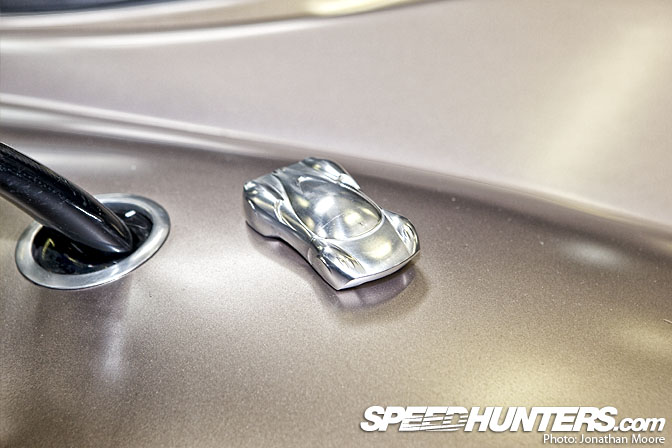
The model-Huayra-as-key is hardly a practical object – but it does feature a USB stick for transferring music to the car's multimedia centre.
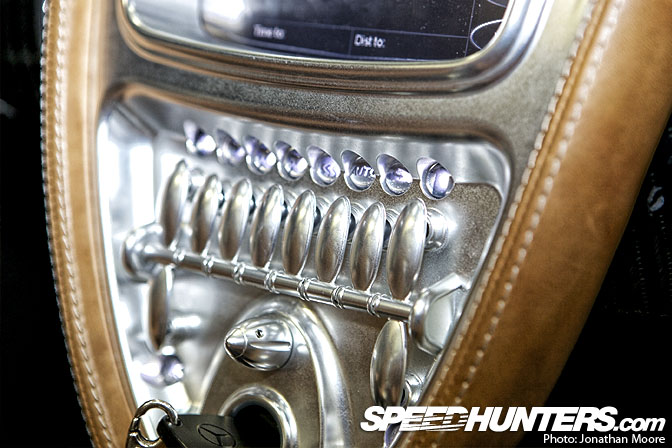
Inside the cockpit the switchgear is very Fritz Lang. And if it is labelled then it's very subtle! There could be a lot of learning to do when you buy a Huayra: far left, petrol flap. Second left, ejector seat! Don't get them mixed up.
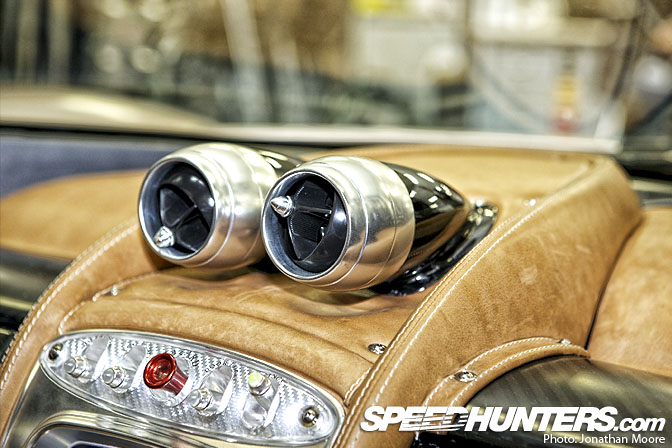
In Horacio's eulogy to the Huayra he often refers to air as being so important to the concept behind the car. Not just in its naming after a wind, but also with "a jet turbine, the silence of a glider… the elegance of the movements the wind creates but also the violence and force that it can unleash". Personally I can't see much of the former, just an awful lot of the latter, especially in these jet-engine-style air blowers. And what's under the rear deck.
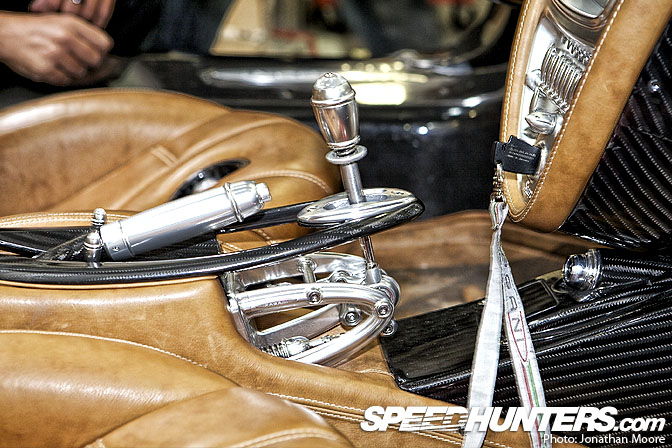
Here's the sequential shifter mounted in its proper place: completely over the top, completely amazing. The synchromesh gearbox is a sequential seven-speed with a dual-plate clutch, supplied by Xtrac.
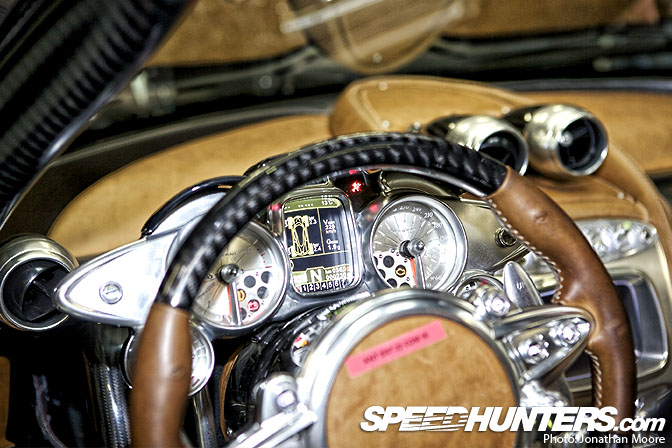
The main console is a riot of dials and read-outs – all set in a one-piece alloy moulding backed, of course, with carbon fibre.
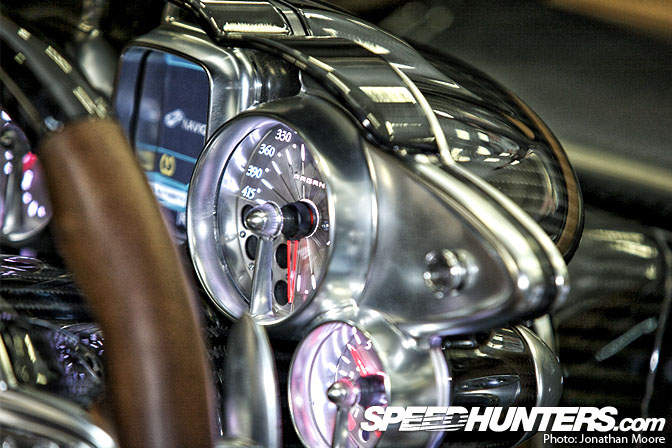
The dials all emit a warm glow when the ignition is switched on, furthering the SciFi feel of the car.
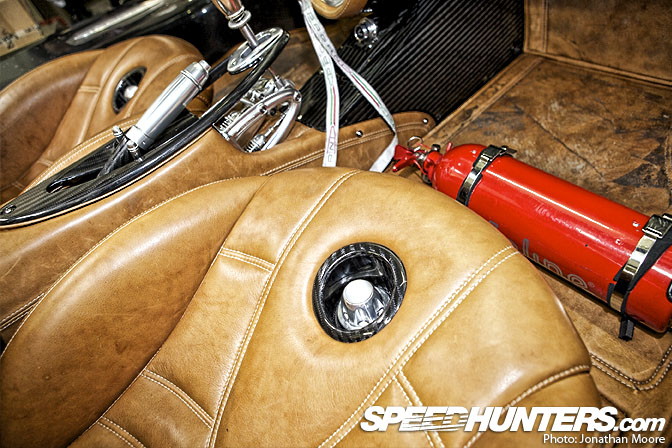
Race harness points are built into the sumptuous leather bucket seats. I'm guessing the fire extinguisher isn't there in the final production model!
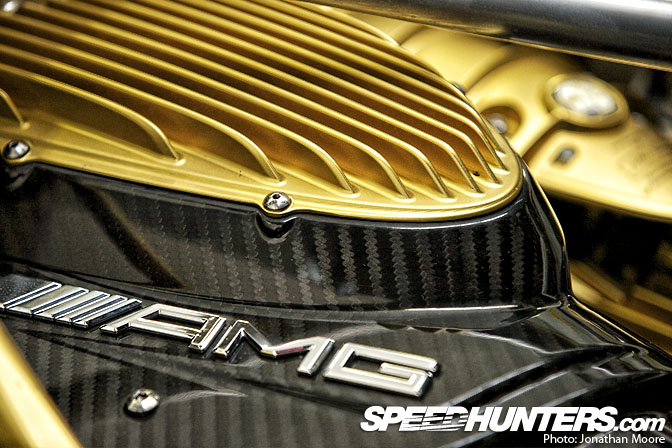
One of the most important components of the Huayra is kept tucked under the rear hood: the mighty twin-turbocharged V12 AMG motor. The M158 pushes out over 750hp, giving a top quoted top speed of 230mph. This thing is shockingly fast. Again, to quote Mr Pagani: the engine "gives a feeling that has motivated our research: that of the brute force of an airplane taking off". I believe him.
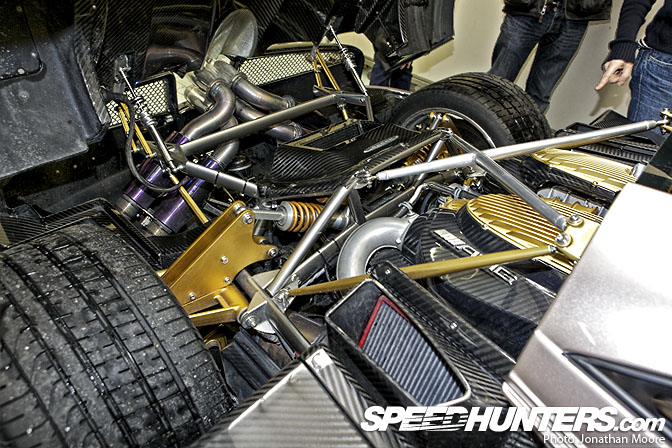
The engine is custom built by AMG just for the Huayra. Pagani's link to the Mercedes tuner comes from Horacio Pagani's Argentinian roots and his Grand Prix idol and fellow-Argentinian Juan Manuel Fangio. Fangio's great successes were at the wheel of Mercedes finest, and the Zonda prototype from the '90s was originally called the Fangio F1.
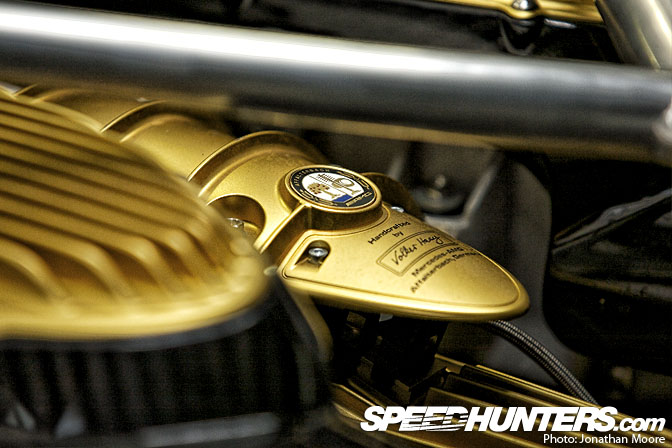
Every AMG engine is assigned an individual engineer, who tends to the engine during its entire build phase. His signature is then etched onto the cover: in this case Volker Haay. It's a personalised touch that you know strikes a chord with Horacio Pagani.
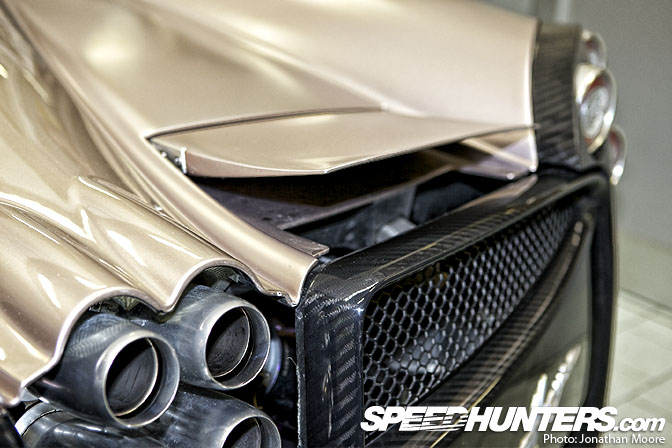
To further push the futurist side of the Huayra, the car features active aerodynamics: four flaps in each corner of the car work in conjunction with active suspension to dynamically balance the car on the road.
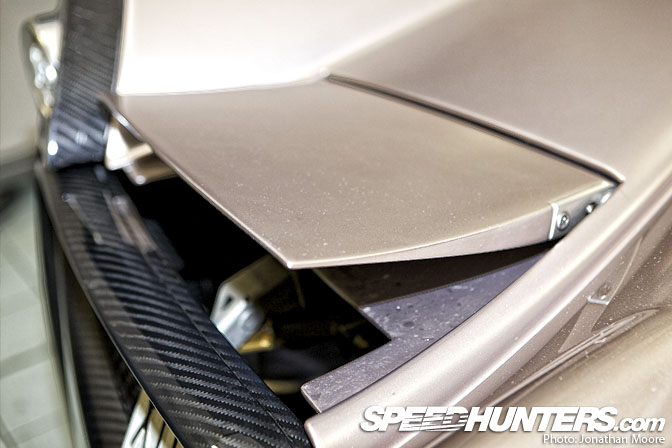
In the Huayra's promotional video it's like watching an arcade-game fighter jet as the car howls around country-roads, the four wings madly opening and closing as the car enters and exits corners.
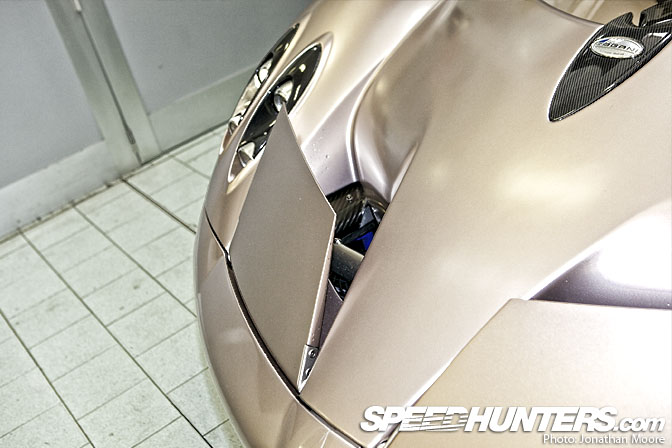
Everything about the car is monitored by the Huayra's control unit, which then controls the car's speed, yaw rate, lateral acceleration, steering angle and throttle position through the above mechanics. So, brake hard for a corner and the front suspension will raise up along with the rear flaps to stop the Huayra dancing on its nose.
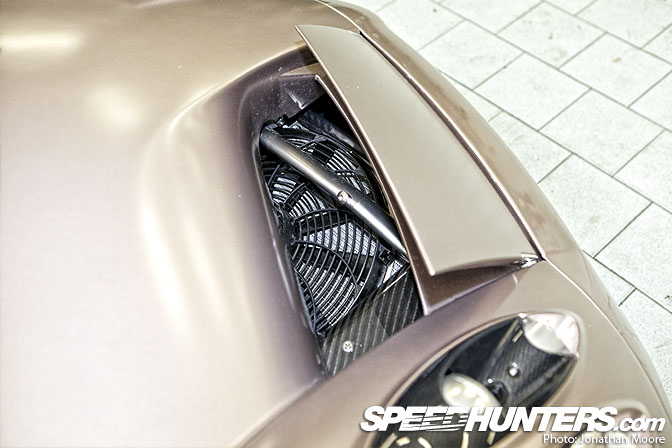
The entire body acts as a wing, so raising the flaps creates surprisingly large amounts of downforce. Even the radiator exits are angled so they won't affect the streamline effect of the body.
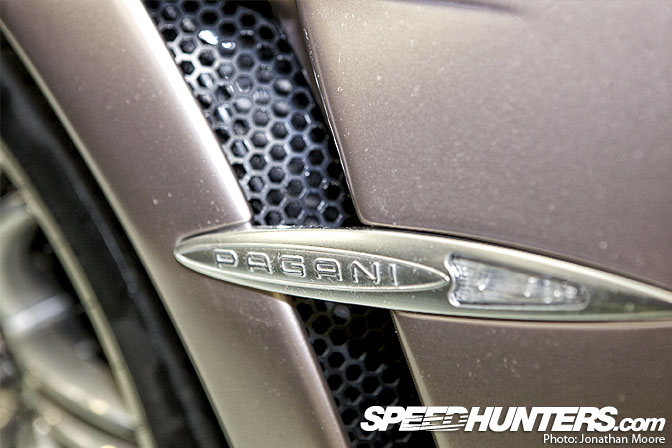
The side intakes generate negative pressure, resulting in yet more downforce.
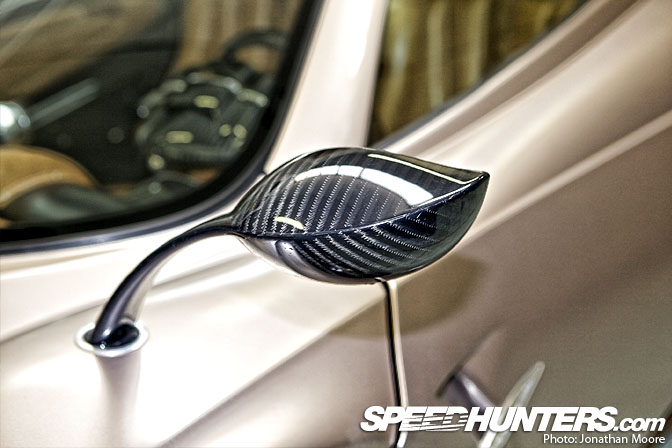
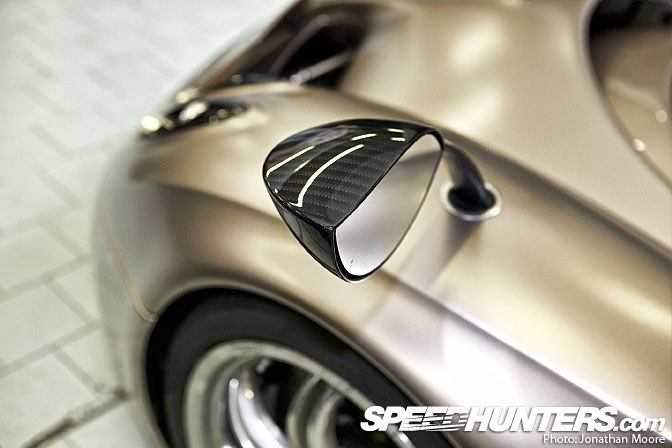
There are very few common components between a Zonda and the Huayra – the only obvious thing is the signature shape of the wing mirrors.
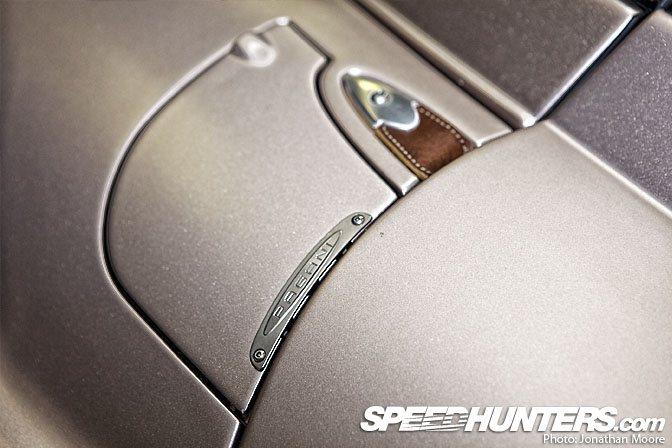
Even the fuel-filler flap is beautifully detailed, and as usual stitched leather straps are added for aesthetic body-panel security.
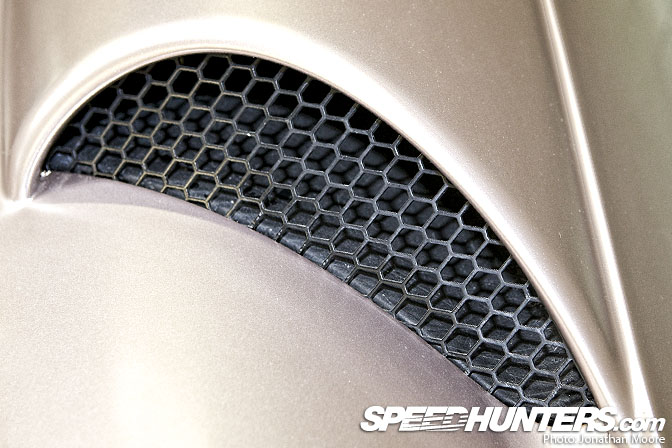
The curved rear intakes remind me of 1950s sports racers: something I would be sure is deliberate. Personally, I think the Huayra has a more coherent look than the aggressively chiselled Zonda, which from some angles can have a very stubby cockpit profile: I do like the balanced lines of the Huayra.
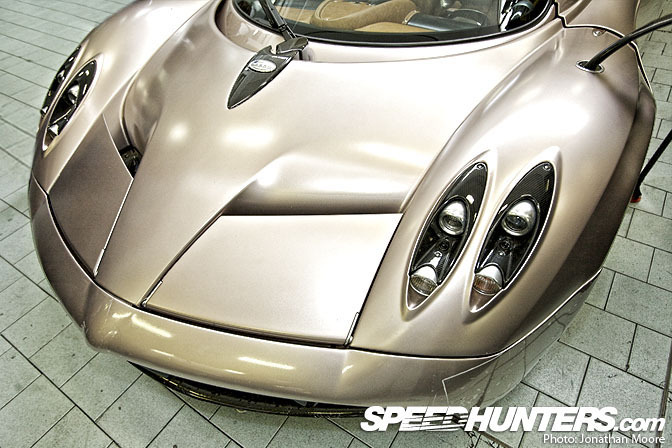
So, a worthy successor to the Zonda? Well, it appears that the Zonda isn't dead yet: the R was used as a test-bed for the Huayra and it seems that Horacio's love of the Zonda isn't over yet – a car he feared would be soon obsolete! So, expect more extreme Zondas to keep coming, along with Huayras. Ending up with two of the best cars in the world as the two cars you produce isn't really a bad result, is it?
Jonathan Moore