
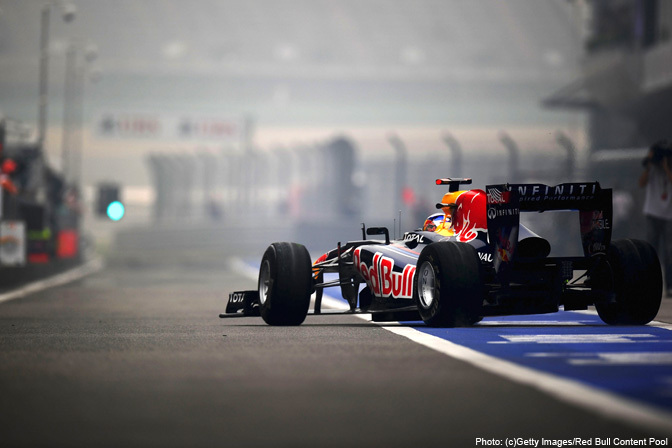
When the Speedhunters team was discussing the must-have inclusions for our Things to Do Before You Die special, one topic continually popped up in conversation. As you'd expect, that topic was Formula 1.
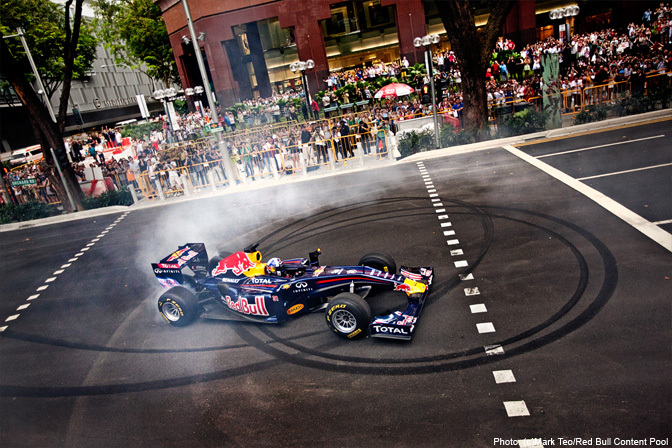
It's been interesting to see how F1 has established a new legion of younger fans over the past few years. Andy Blackmore and I were discussing this over lunch a couple of weeks ago, and he brought up a good point that the involvement of Red Bull, Honda and Toyota were big influences in bringing a new fanbase to what is arguably the pinnacle of motor racing.
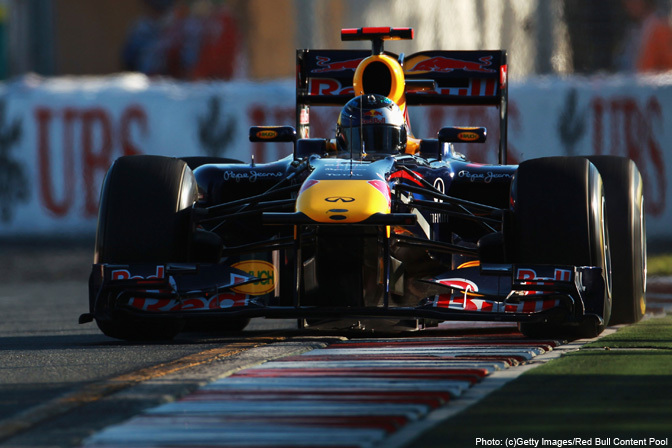
Anyone who has had the privilege of being at an F1 race will likely have a vivid recollection of their first sighting, that first glimpse, of a Formula 1 car in action. I was five years old when I became a diehard F1 fanatic, but it would be over a decade before I was able to see a race in person.
It was a typically grey Melbourne day, the Friday practice for the Australian Grand Prix. It was cold and wet; the type of weather that those new to Melbourne will instantly dislike. It had been raining on and off for the past few hours and the crowds were wrapped in plastic ponchos, shoes painted brown with mud. It was the type of morning you wish you were curled up in a warm bed, and I started asking myself why I didn't opt to watch the race on television instead.
I had taken up a spot on the hill between Turns 11 and 12 of the Albert Park street circuit, the high-speed left-right combo. It's a tricky corner in the dry, let alone in intermittent conditions like this. In the distance, I could hear them coming. The first car, a Jordan, came into view, the driver pausing on the throttle, its Honda engine cackling on over-run as he tentatively put a toe in to gauge the grip. Others enter with armfuls of opposite lock, the rears snapping out as slick tyres met damp asphalt.
The next to come through was Schumacher, back then in the lead Ferrari. You could hear the difference. You could see the confidence. Schumacher came in quick, dabbing the throttle progressively, feeling out the grip. I could see his hands flicking, catching slides before they became slides. And in an instant, he was gone, leaving nothing but a rooster tail of spray as he screamed off to the next corner to repeat the whole process again.
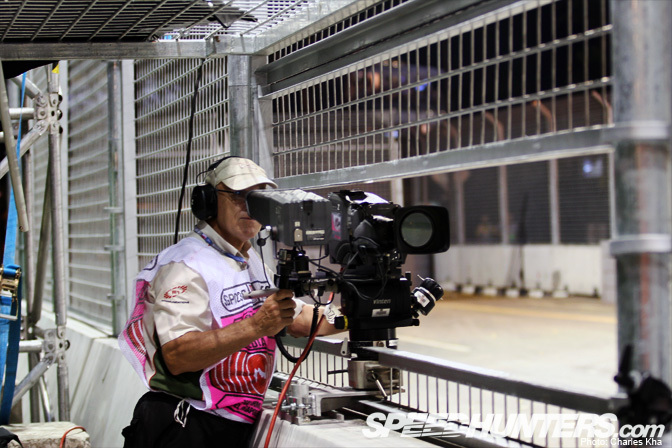
While I've never been a big Schumi fan, in those fleeting moments I understood what made him so special. And this is why attending an F1 race is something you must do before you die. Watching the television coverage has its obvious advantages. You're in the comfort of your living room, there's no inclement weather to deal with and, if you wanted to, you could watch the race in your underwear without being vilified.
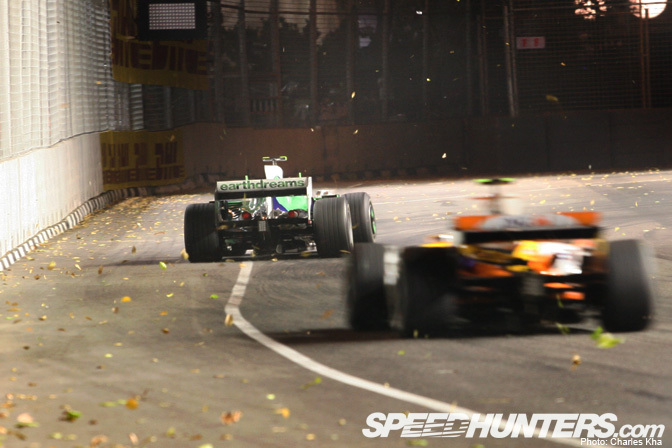
No matter how many cameras there are, no matter how great the commentators might be, TV is still a poor alternative to being there in person. Television fails to capture the experience or the nuances of a race. The leaves being kicked up, how close they run to the Armco…
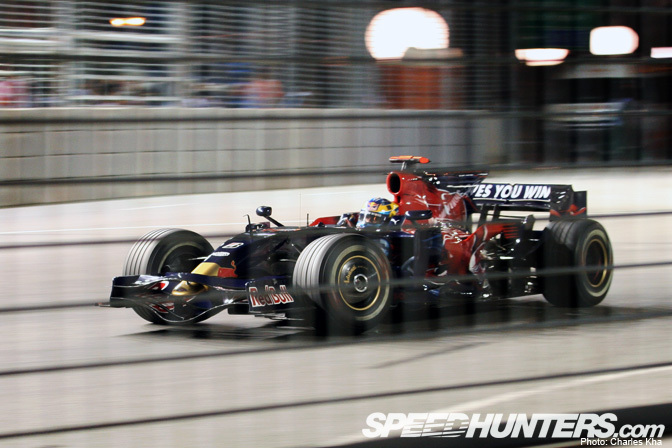
…And the driver errors as they overstep the limit. Seeing the best of the best dance these million dollar cars on the limit is something we all need to see up close. It's a birth right of every automotive enthusiast out there.
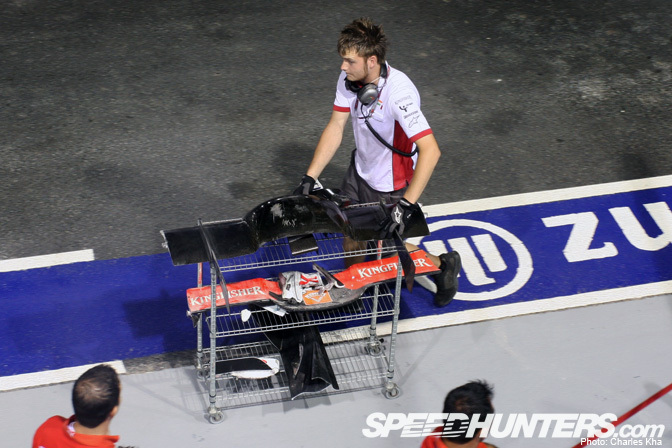
Of course, sometimes it all goes wrong for the drivers. I shudder to think how much the front wing parts on that cart would've cost!
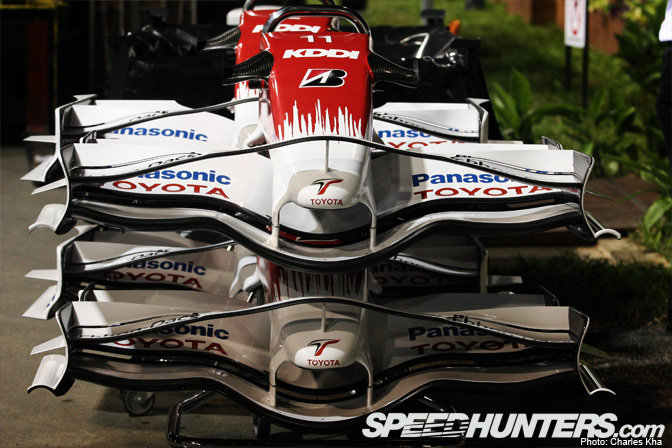
Some people are drawn to F1 because of how advanced the cars are. Technology plays a huge part in F1, with teams investing millions to shave every hundredth of a gram…
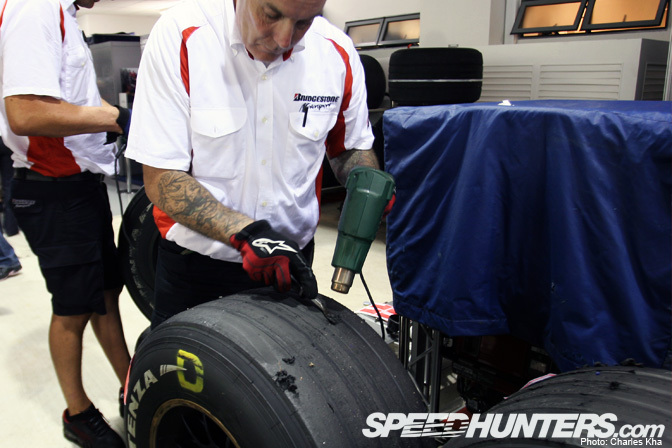
…And work around the clock to save every thousandth of a second. Some people have said that F1 has more in common with aircraft than cars, and it's hard to disagree with them.
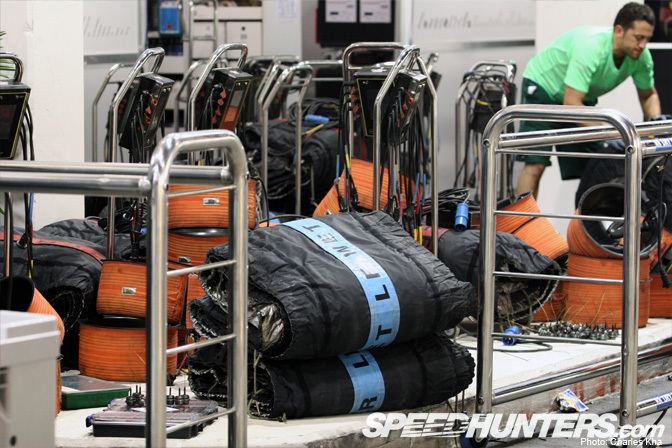
Anything and everything in F1 that can be controlled, will be. Modern day F1 is all about controlling variables, minimising risk and leaving nothing to fate. The chase for perfection is truly relentless in Formula 1.
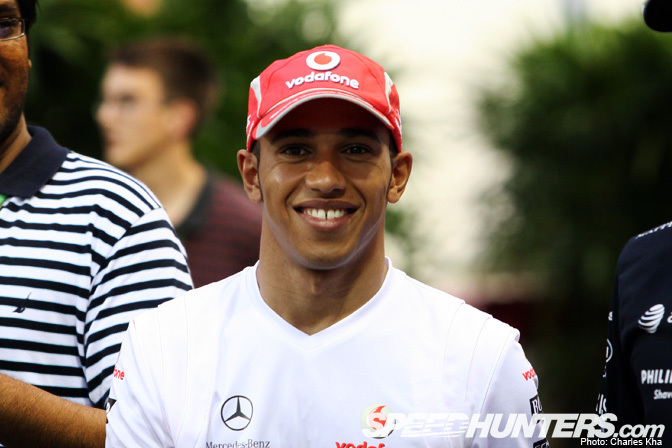
While some are attracted to F1 because of the racing or technology, others are fascinated by the off-track drama. Some have called it a soap opera on wheels, which has to be expected when two competitive drivers are fighting for the same piece of track. Hamilton vs Alonso. Schumacher vs Hakkinen. Senna vs Prost. There have been so many teutonic battles that have become etched into Formula 1 folklore.
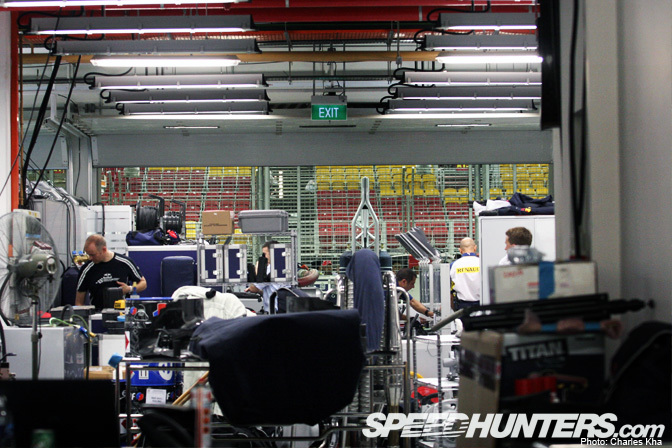
Formula 1 is one hell of a big circus. Each team travels over 100,000 miles over the course of a season, loading up multiple cargo planes for the flyaway races. The pits are a constant hive of activity. Just as the teams have set up their garages, unloaded their equipment and put the finishing touches on their hospitality suites, the whole thing is torn down and shipped off to the next country.
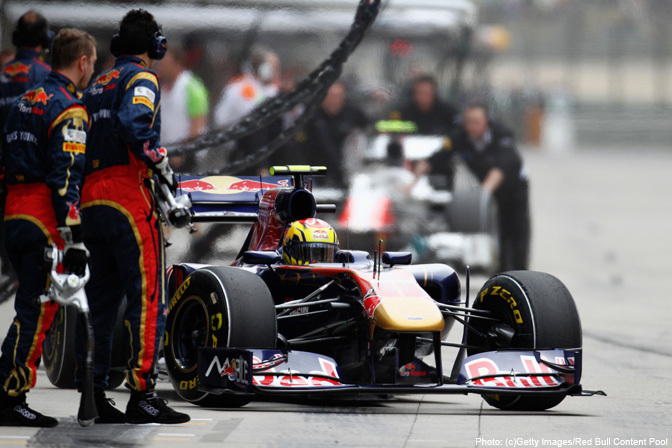
It's daunting to think that teams were spending half a billion of dollars and employing hundreds, if not thousands, of employees just to go racing every other Sunday. It defies comprehension, but that's how things are in the world of Formula 1.
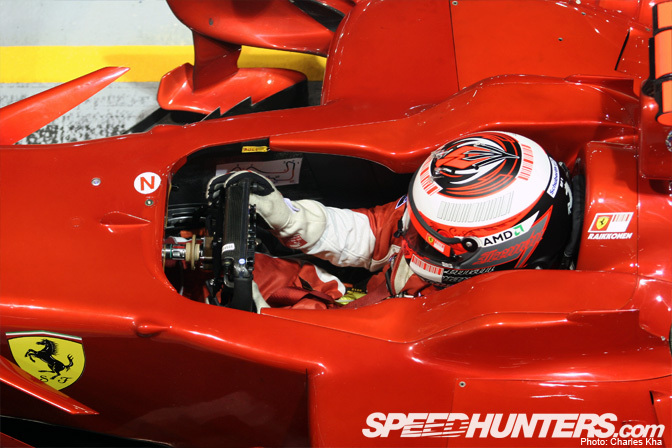
And while many outsiders see F1 as a battle between the drivers…
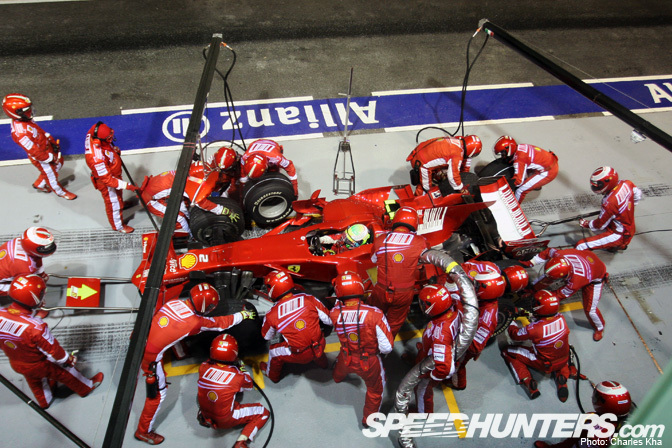
…It's actually a sport that requires seamless team work. The team itself, becomes part of the machine.
The F1 circus visits some truly amazing places. On one hand you have the old guard of notorious tracks. Circuits like Monaco, Spa-Francorchamps, Silverstone and Monza, that are all steeped in motorsport history.
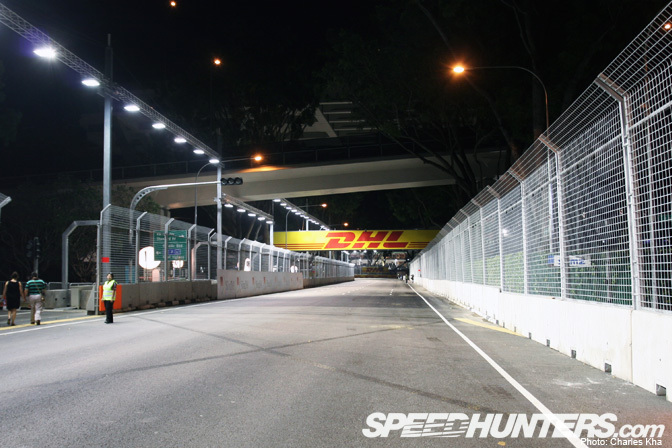
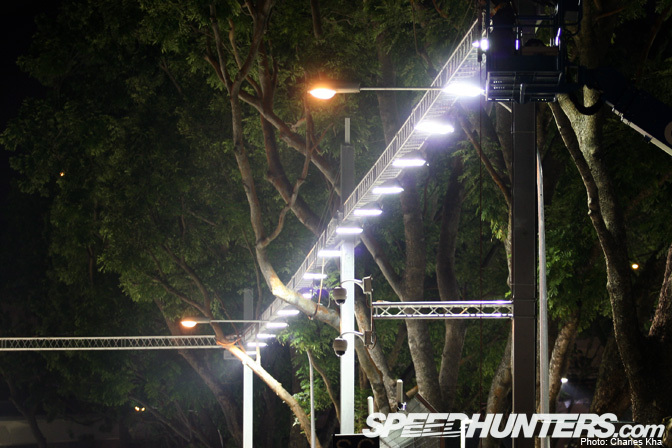
On the other, you have new tracks in new countries, such as the night race that runs through Marina Bay in Singapore.
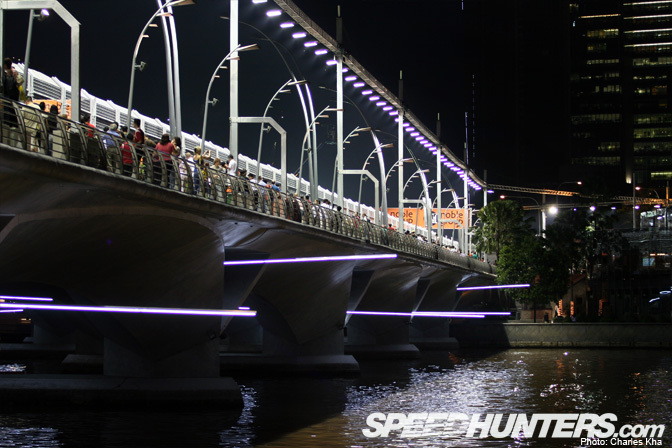
I was lucky enough to attend the inaugural F1 night race, and the experience was surreal. The perimeter fencing around the track effectively 'closes off' part of downtown Singapore creating a ghost town, with the track itself crossing two bridges while also featuring a tunnel that goes right beneath a grandstand.
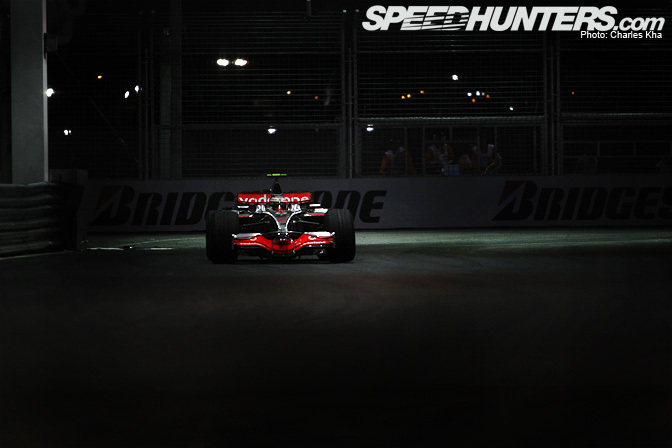
Seeing F1 cars at night is something special indeed. Things that you can't see during the day are suddenly visible at night. Like the blue flames lashing out of the exhausts on down-changes, or seeing the drivers' eyes wide-open as they throw these cars into the apex. While I'm dying to see F1 cars tackle Eau Rouge or 130R, GPs like Singapore and Abu Dhabi do offer a unique experience. The choice is yours…
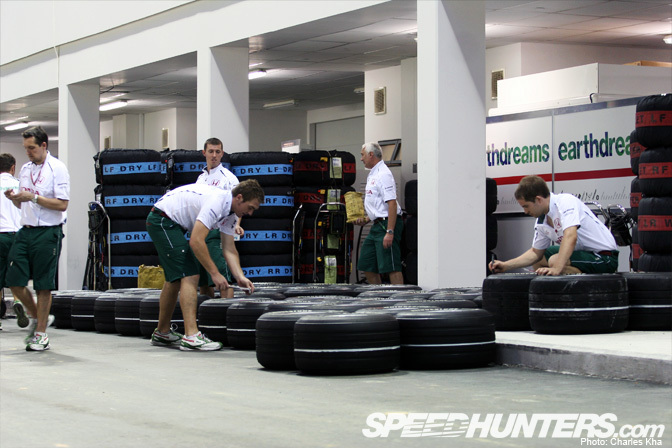
But what if you've already attended an F1 race? Then your next target should be getting into the exclusive Paddock area. Somehow. It's here, within the inner-workings of the F1 circus, hidden behind security measures that rival an international airport, that you see Formula 1 in a whole new light. A perspective unseen on television.
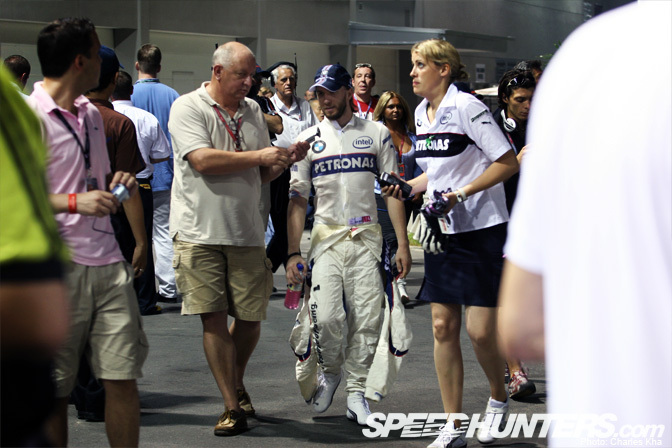
It's where drivers are hounded by the media for the latest sound bite…
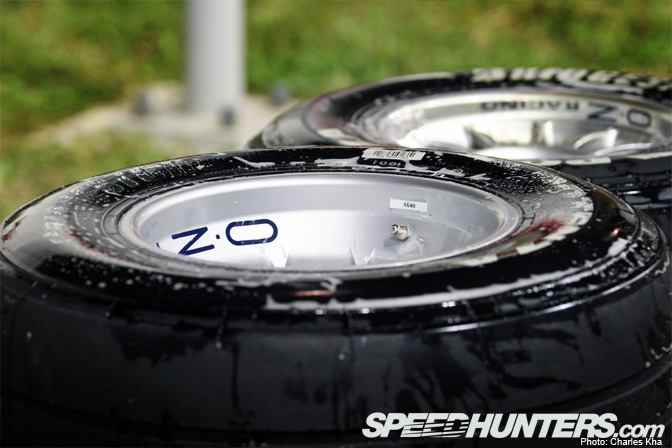
…While the teams go about the less glamorous jobs.
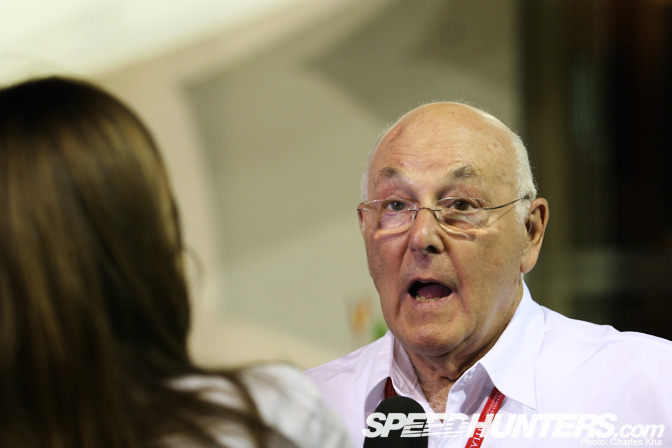
In the Paddock you're guaranteed to spot familiar faces and many a celebrity. For me, I had to decide between snapping a pic of Murray Walker or Maxi Jazz from Faithless.
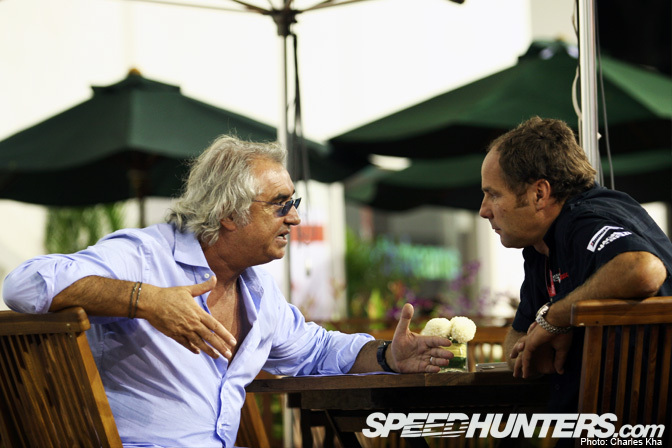
You'll find influential figures – here its Flavio Briatore and Gerhard Berger, perhaps two of F1's last 'playboys' – locked in discussions.
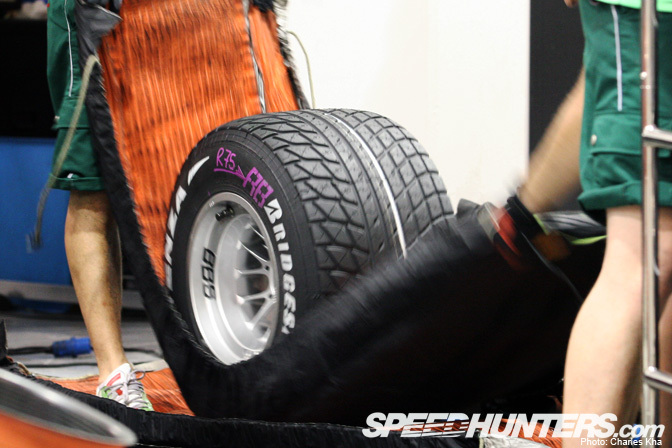
In the build up to the race start, you can cut the tension in the Paddock with a knife. The celebrities have retired to their air-conditioned vantage points, the drivers are being briefed in the garages. Only the crews remain, going through the routine of preparing for the race.
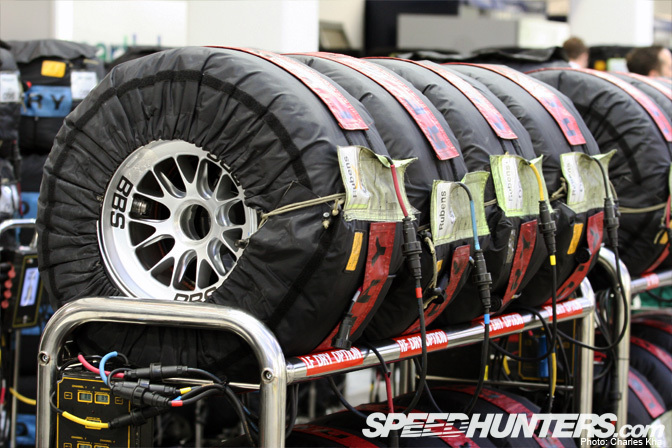
It's the calm before the storm.
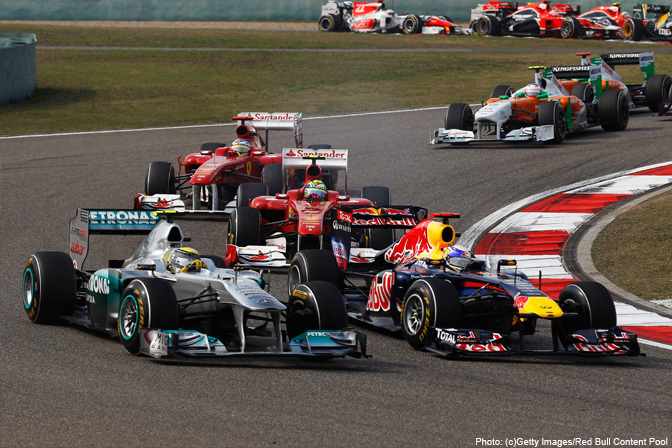
I think there are very few things on this Earth that can compare to the start of a Formula 1 race. A pack of F1 cars coming at you is like a wall of noise. A high-pitched, deafening roar that grows in intensity. Even if you're at the back of the track – heck, even if you're in the next suburb – the hairs on the back of your neck will stand on end. It's a terrible cliche, but there's no other way to describe it.
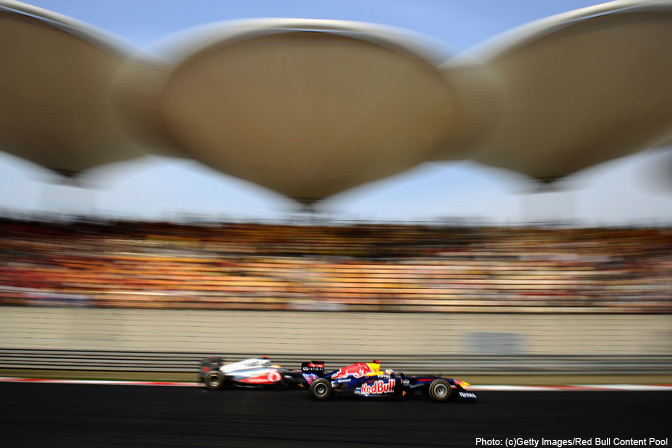
The sounds, the smells, the slivers of colour that flash by. The first lap of an F1 race is a shock wave that hits you square in the chest. The ground shakes as the drivers drop through the gears from 7th to 2nd, your ears bleed as they punch open the throttle. It's an overload of the senses, the onslaught so strong that you have to stop yourself from cringing.
And by the time you've gasped for air, the pack has gone. Leaving you with just enough time to catch your breath before the deafening banshee screams comes circling back again.
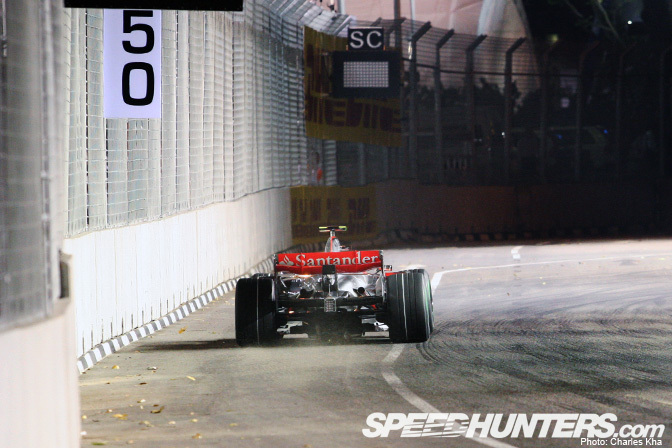
As I'm writing this, I'm already longing to be trackside again. It's been a year since I last attended an F1 race and, like a true junkie, I've started to go into withdrawals. I'm dying for my next fix. Seeing drivers like Lewis Hamilton using every inch (and then some) of the track, braking unimaginably late, and loading up 5g through the corners is something that surround sound and HD simply can't capture.
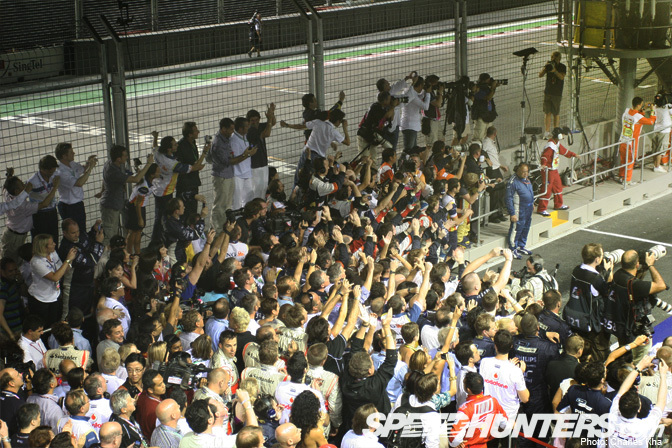
While watching the races from the comfort of your armchair has its obvious advantages, nothing beats seeing the action unfold before your eyes.
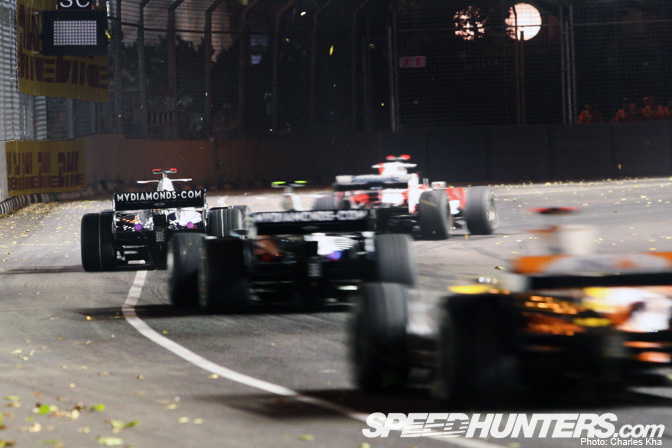
I understand that F1 can sometimes be labeled a procession, that its racing feels robotic.
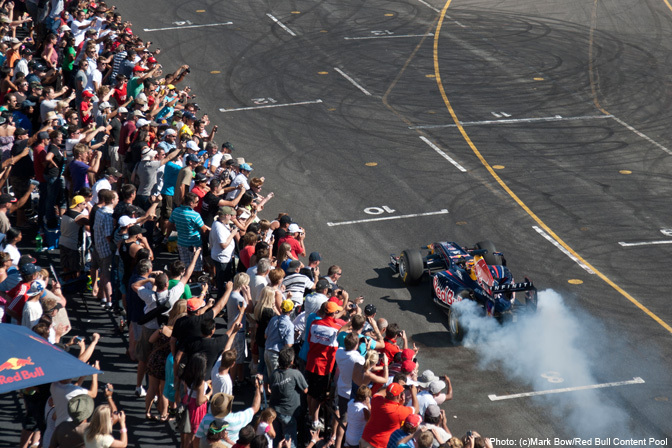
But in person, with your face squashed against the fence, surrounded by the fans with the F1 cars in front of you, it feels remarkably… human.
- Charles Kha
P.S. – If you've already ticked off attending an F1 race and managed to find a way into the Paddock, then the next thing to do before you die is to go for a ride in an F1 car. Here's my story of what that experience was like.
Photos by Getty Images, Mark Teo, Mark Bow, Red Bull Content P
ool and Charles Kha