
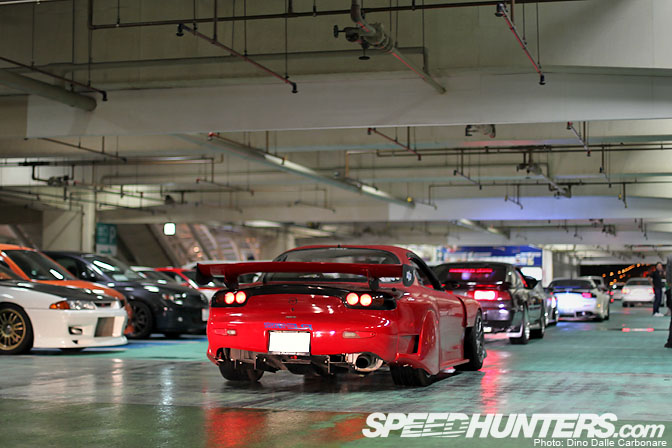
We’re just over the halfway point of our Things To Do Before You Die series and we hope you’re enjoying it! As you’ve probably noticed, our bucket list isn’t about material objects you must own. Instead, we’ve tried to focus on experiences that will enrich your car life. Experiences that will hopefully prove rewarding. Experiences that will be memorable; ever-lasting and something you’ll cherish for a long time. And while visiting Japan might seem like an obvious inclusion in our list of things to do, I think it offers a deeper reward for enthusiasts like you and I.
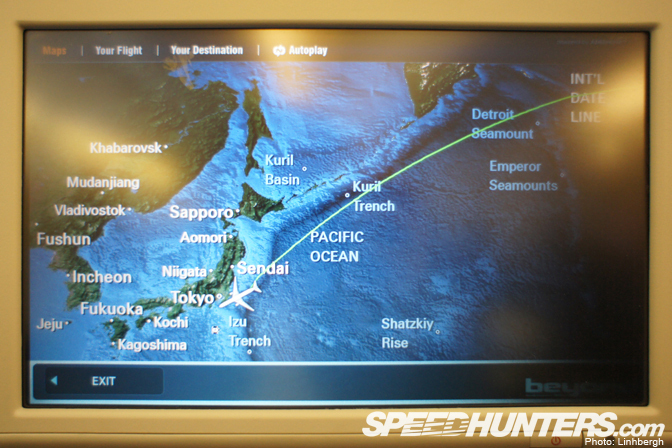
I’m one of the lucky ones who has been able to travel to Japan on a regular basis. While the shoot-all-day-write-all-night job description can get quite exhausting when you mix in long haul flights and jet lag, Japan is one of the destinations that makes it all worthwhile.
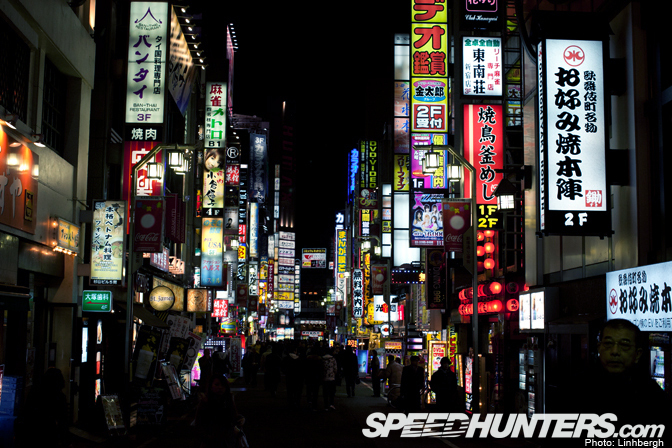
I don’t remember my first trip to Japan very well, mainly because I was four years old at the time. The memories I do have from that holiday are of being bewildered by the bright, flashing neon lights and the overcrowded sidewalks. 18 years passed before I was able to revisit Tokyo, and the first thing that struck me was how accurate my childhood recollection was.

Tokyo is, without doubt, a city unlike any other. It’s a futuristic wonderland. You can't help but feed off the energy of this place.
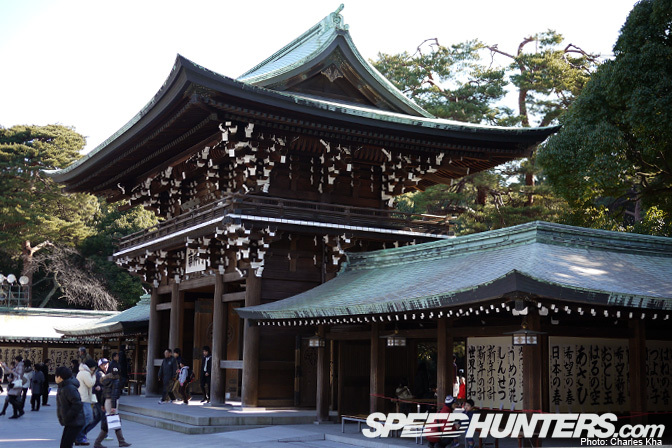
But there are many, many layers to Japan. On the surface its major cities can look like something out of Bladerunner, but as you delve deeper you discover a country steeped in history. It’s a wonderful juxtaposition between technology and tradition, and this filters through to their car scene as well.
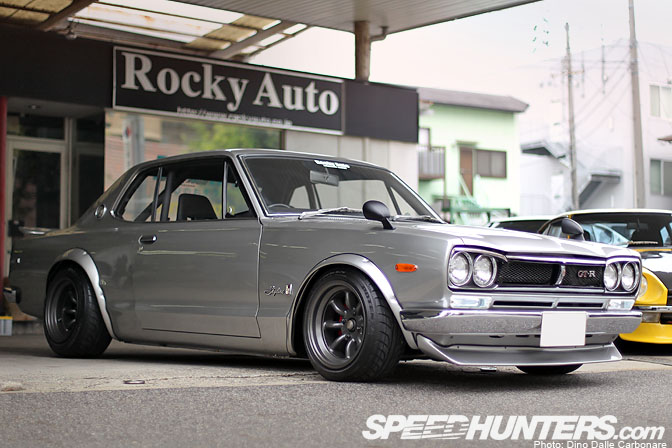
Both the old…
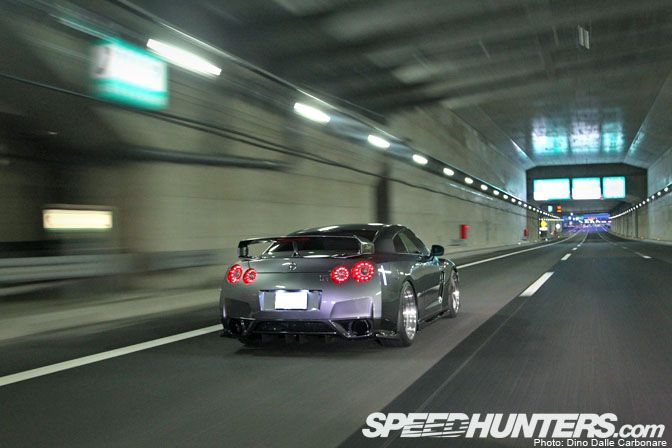
…And new, are equally appreciated.

It might not be the most comfortable of places in terms of accommodation (Linhbergh’s hotel room is a palace compared to some of the hotels I’ve stayed at!), but that adds to the adventure…

…As does your first experience with their electric toilet seats. Hopefully you won’t jump three feet in the air like I did when curiousity got the better of me.
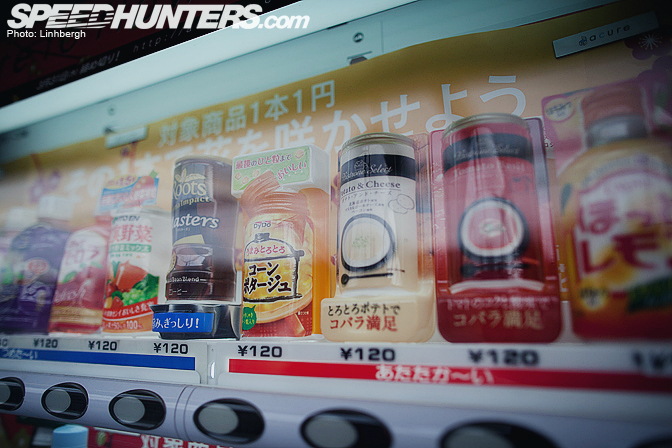
Japan is a truly wonderful place, and even the small things that are part of every day life for the Japanese will cause amusement and fascination to tourists.
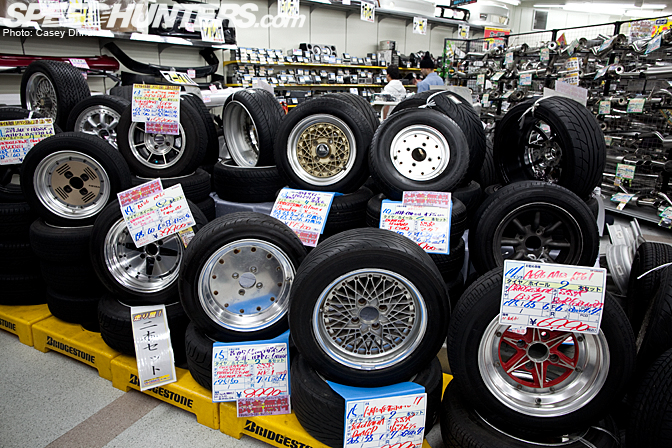
If you do go to Japan, it's worth doing some research into what you want to see and how you'll get there. It’s impossible for us to cram every must-visit place into this article, but I'm sure many of you will want to stop by a few parts stores. Some of them, like Crystal Auto, provide shopping trolleys for those who want to go a little bit crazy.
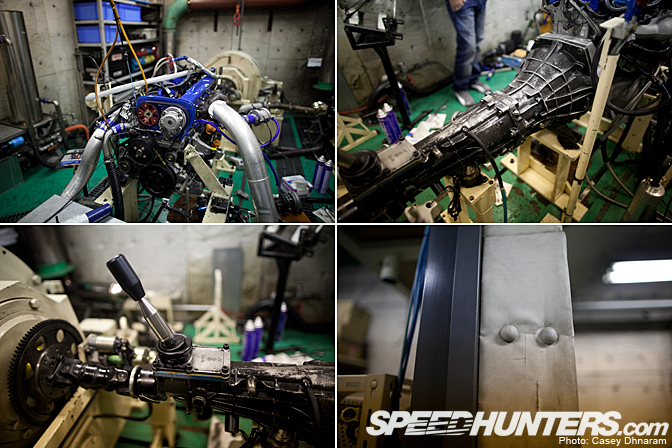
Browse forums, ask questions, and even try shooting an email off to your favourite tuner. Although English isn't commonly spoken, you may just luck into a tour of their facilities.
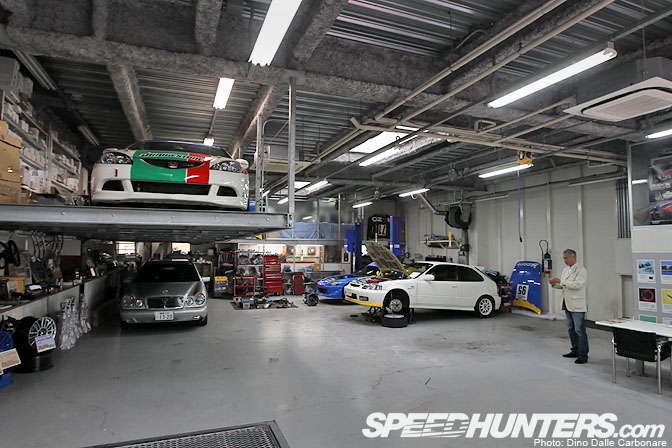
While many tuning houses are out in the middle of nowhere, some are located close to public transport, like Spoon Sports and Type One.
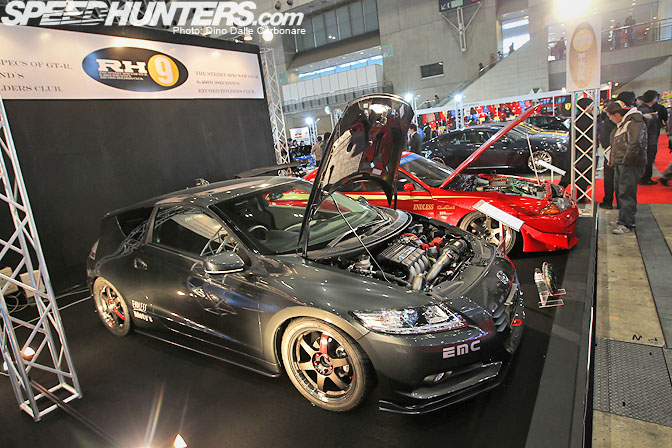
For first timers, I always recommend going in January, as the annual Tokyo Auto Salon is an amazing experience in itself. If you don't have the confidence to travel around Japan, then TAS is a great way to get your automotive fix.
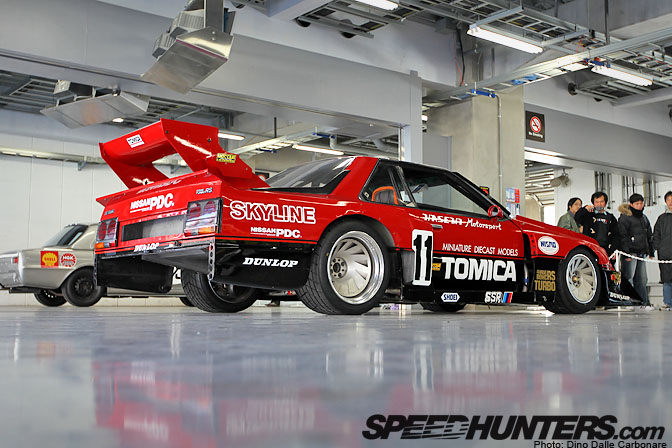
In Japan, you'll see the toy cars you played with as a child up close and personal. And maybe you'll hear them fire into life.
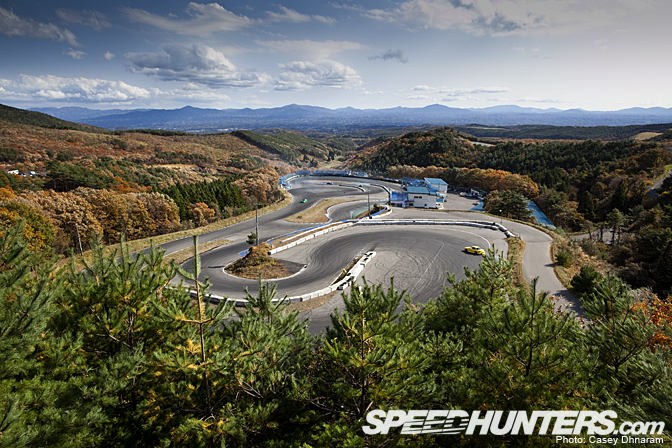
Even if you aren't a fan of drifting, you'll likely enjoy seeing some sideways action. You can time your trip to coincide with a D1GP or Drift Muscle event, or you can head to Ebisu – perhaps for a matsuri – to see grassroots drifting at its finest. The latter is a personal favourite of Casey Dhnaram. "Try to head to the smaller meets" he said after his recent trip. "Preferably a grassroots event as you never know what to expect."

If drag racing is your thing, then you can visit Central Circuit and Sendai Highland. I still remember those scratchy VHS tapes of the HKS GT-R bouncing its way to a 7-second pass.
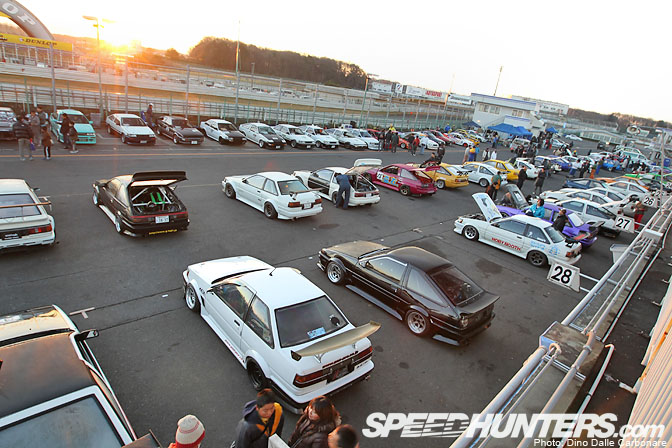
If circuit is your preference, well, where do I begin? There's Tsukuba, Suzuka, Fuji Speedway, Okoyama (Aida), and Twin Ring Motegi to name just a few…

Japan will truly blow your mind. If you've never been, imagine what it would be like to walk past these hachis at Tsukuba.
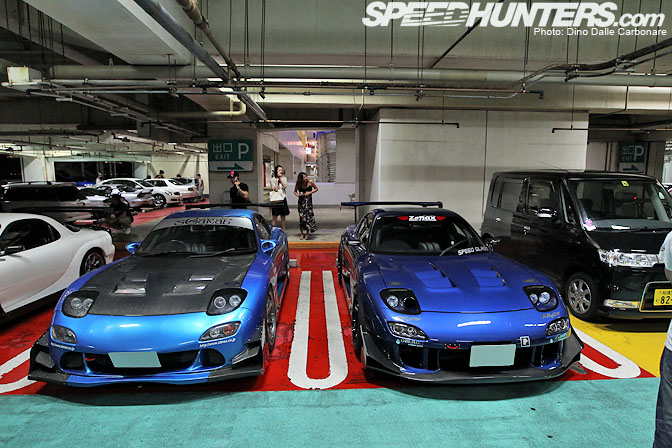
If you have access to a car, then the possibilities open up ten-fold. With a little bit of research, you can find the famous roads that you've seen in old Japanese videos. Like the Tokyo Bay Aqua-Line, a 6 mile (9.6km) underwater tunnel that was the scene of some rather well-known high speed runs. The light at the end of the tunnel (bad pun), is the Umihotaru rest area, where many car meets are held.
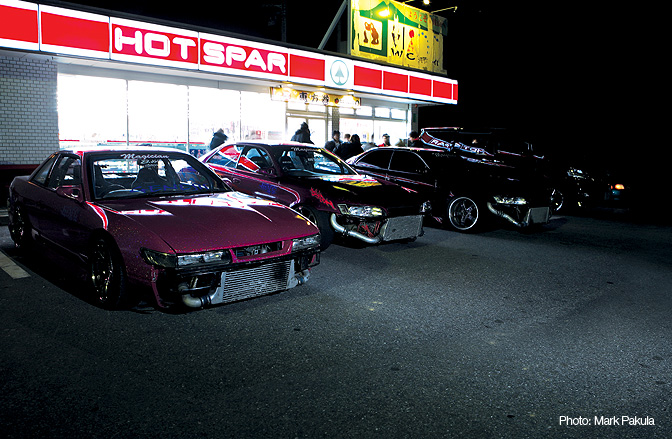
In the early hours, with the rest of Japan sleeping, you might find some activity in industrial areas and up in the mountains.
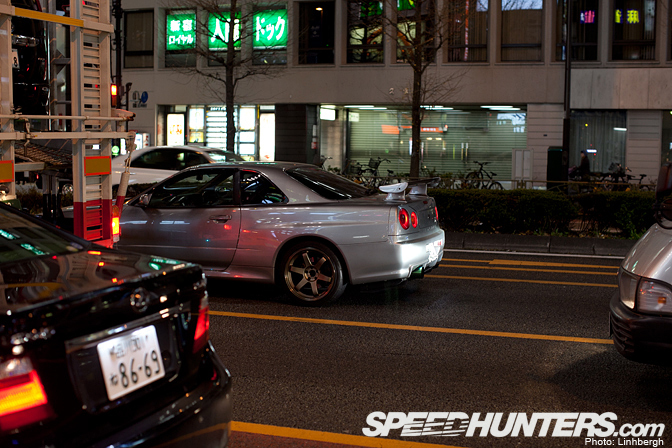
While in Japan you won't want to take a nap on the bus. Because blink and you might miss it…
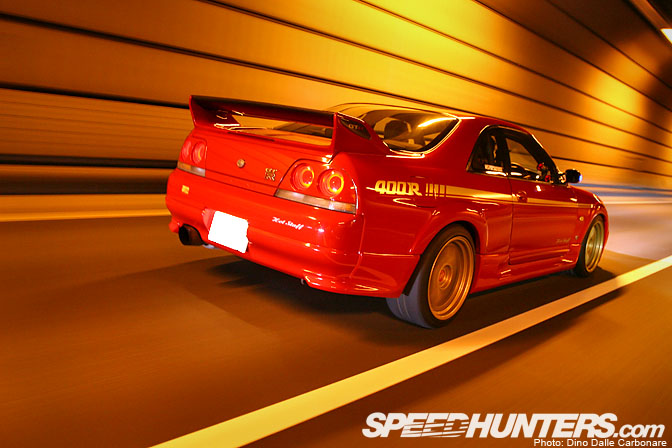
And if you're lucky, you might hear a wastegate crack open in a tunnel or on the expressway.
No matter where you look, there's a good chance you'll spot a car prowling the streets that in any other country would likely be locked up and pampered in a garage.
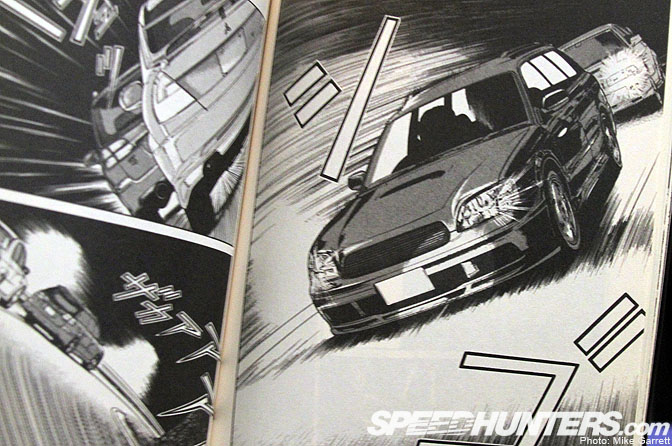
Cars form a big part of Japanese culture.
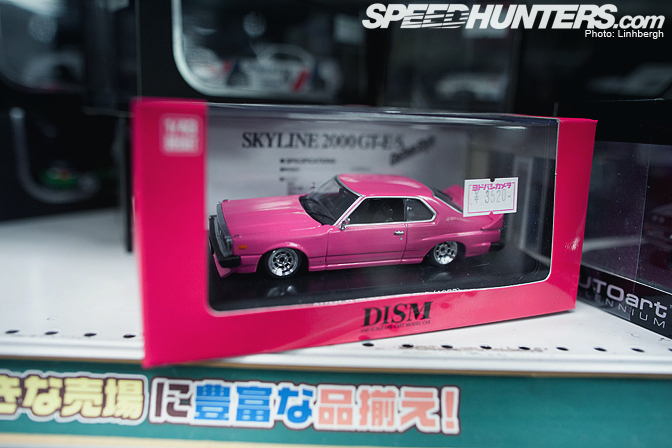
…And even if you don't have the cash (or luggage space) to buy some parts for your ride, you'll still be able to pick up some cool trinkets.
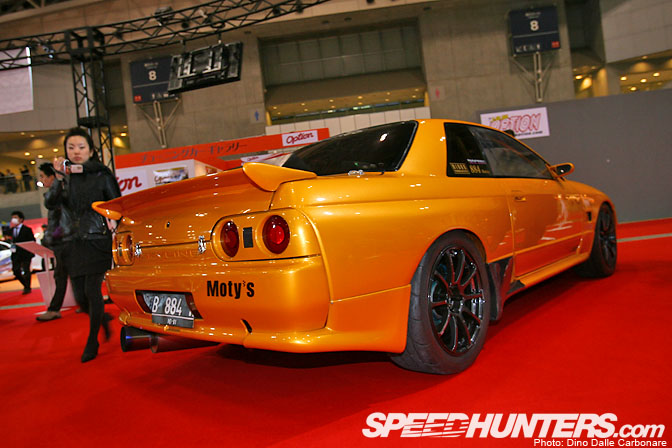
Mike Garrett summed it up pretty well when we were discussing Japan recently: "You don't see 'half-assed' cars in Japan. Whether it's a GT-R or a '32 Ford hot rod, Japanese enthusiasts take their cars seriously."

Even if your preference is for the quirky, Japan will likely have an insane monster for you to salivate over. I'm not a diehard Cap' fan, but I'd be on my hands and knees inspecting this wild creation in a heart beat.
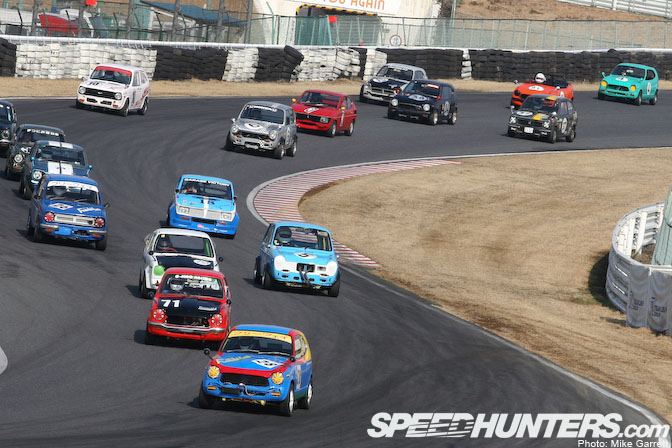
Whatever you're poison, Japan will have you covered.

The first time I walked through the halls of the Makuhari Messe, I was overwhelmed by what I saw. Row after row of demo cars, all comprehensively modified. Often when the Japanese decide to build a car, they won’t focus solely on power; they’ll strive to improve its braking, handling and driveability as well. While every country has hardcore cars, to see a few hundred side by side was sensory overload for me.

You can't help but be mesmerised. Because there’s simply so much to see, so much to take in and absorb, it’s easy to overlook the real beauty of Japan’s car culture.
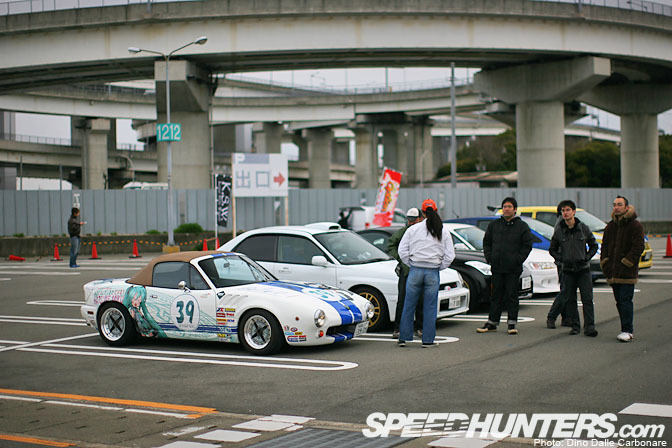
It took me a couple of visits to realise what that true beauty really was. And it had been staring me in the face the whole time.

I think Linhbergh once said that Japan is the land of rice and, in a round about way, this is exactly why you must visit this place.

You see, the thing that really makes Japan so special is its diversity.
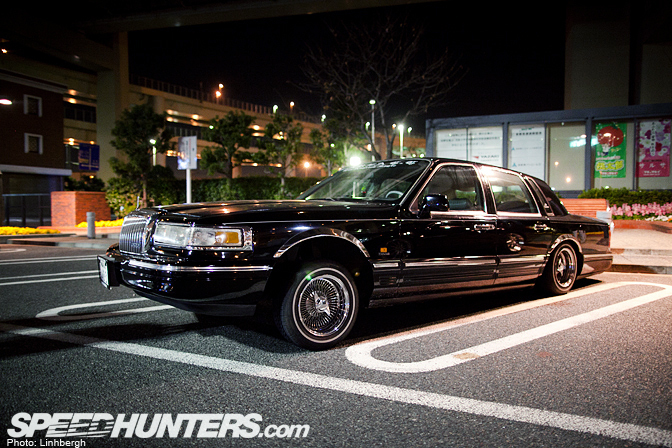
If you look back at the style of cars I’ve shown in this post, you’ll see an eclectic selection that covers a variety of tastes. And in Japan all these styles are embraced.

For me, the realisation came during a freezing winter night at Daikoku Futo. Para para dancers were doing their thing, moving in unison behind their vans packed full of PA speakers. Bosozoku bikes were revving against their limiters. A few feet away, a group of GT-Rs were parked alongside lowriders.
I think there are very few places where so many different sub cultures can co-exist in relative harmony.
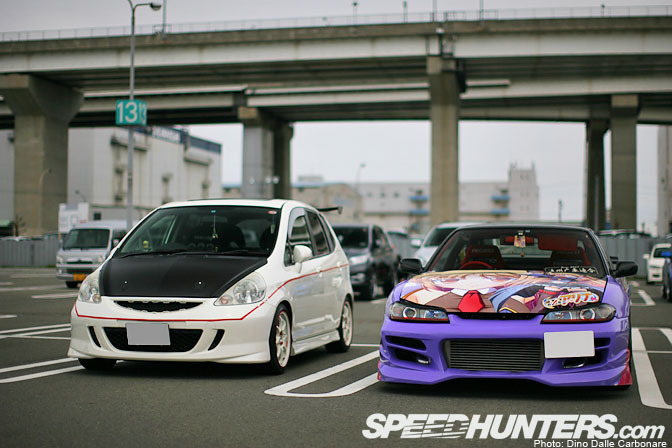
Where else in the world could two diametrically opposed cars rub shoulders with one another?

Everyone is different. Some people have mohawks, some prefer mullets. Some people have eccentric tastes in clothes while others, well, they might not have any fashion sense at all. And while we, as a society, accept these differences without even a raise of the eyebrow, when it comes to car enthusiasts, why is being an individual frowned upon?

It saddens me to see the type of negative reaction – sometimes even unbridled hatred – that is often leveled at one another, purely based on what someone’s car might look like. I'm sure we've all seen people get flamed and vilified because their car doesn't acquiesce to a particular style or modifying philosophy.
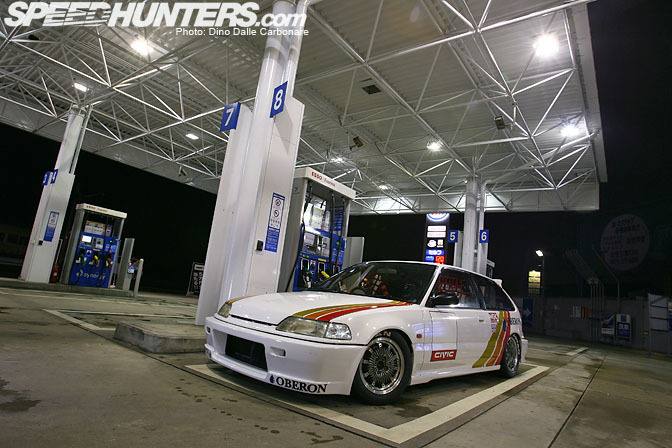
Don’t get me wrong, not for one moment do I think Japanese enthusiasts like every car style. But I think there is a mutual respect – an 'each to their own' mentality – that seems to be lacking elsewhere, particularly in some internet communities.
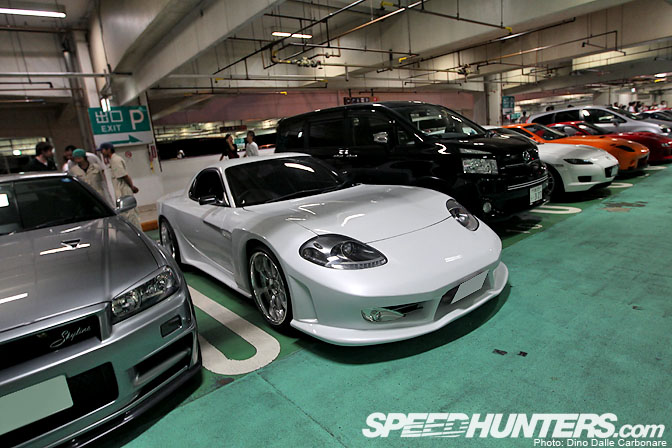
Of course, we are all entitled to our opinion. But does our opinion allow us to hate on someone because their car is not low enough, has too much or too little offset, or is painted the wrong hue?

One of the reasons why Japan’s scene is held in such high esteem is because they continually roll out new cars and new parts that rewrite the rulebook. I remember the excitement of seeing new parts unveiled like Tein's EDFC, HKS' V Cam, Defi's BF gauges.

Although Japan’s aftermarket has slowed down over the past couple of years, this push to innovate is borne from their desire to constantly try something new. To them being different was OK. That experimenting, even if the end results aren't stellar, was actually a good thing.
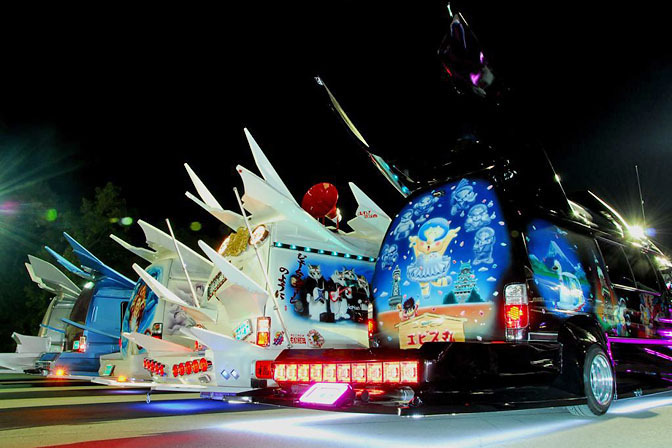
(Photo by Miguel Varella-Cid)
If no one pushes the boundaries, then the car scene would be pretty damn boring don't you think?
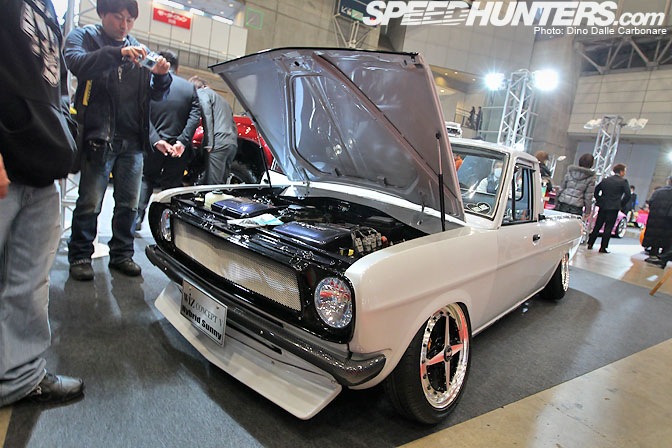
In one of my columns for ASM I raised a thought on people having forgotten one of the simple joys of modifying cars: that you are building a car that reflects you. Modifying is all about taking our car and changing whatever we don't like about it.
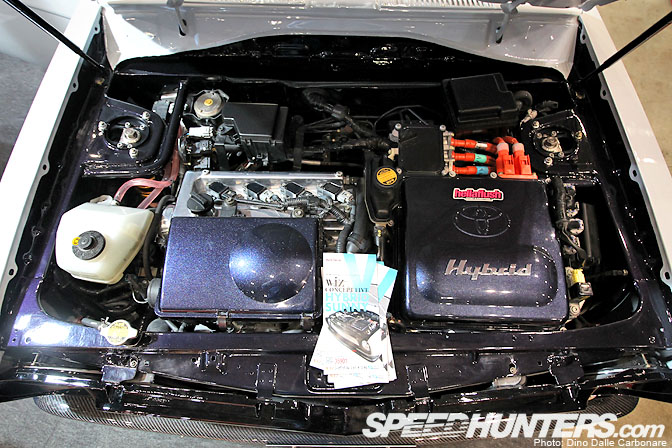
Japan really changed me. It made me realise that just because someone might have a different car, taste or tuning philosophy, doesn't mean I'm right and they're wrong. It also made me realise that I have no right to put them down.
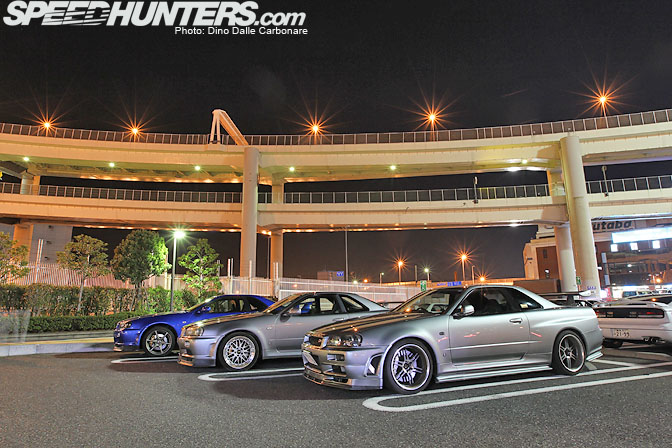
This is why visiting Japan should be on your list of things to do before you die. The insane cars, amazing race tracks, and parts stores are just the cream on top. The real gift is the privilege of witnessing a car culture that we should all be envious of.
- Charles Kha
Photos by Dino Dalle Carbonare, Mike Garrett, Linhbergh Nguyen, Casey Dhnaram, Charles Kha, Mark Pakula and Miguel Varella-Cid