
Exploiting aerodynamics has become the primary focus for racing cars in the last half century at least, and in the first article on racing game-changers I offered up some examples that had either introduced innovative new concepts or exploited existing aero ideas to the maximum. But there’s an important second thread to what I think makes a game-changer in racing terms: the cars that dominate through power.
This can be pure motive power or the more ephemeral power of a brand, where manufacturers create dynasties – whether democratic or monopolistic – that dig deep into our consciousness.
This side of things can be as much about picking the stand-outs in a steady evolutionary line, rather than the ace-in-the-deck, series-killers that featured in the previous article. But it doesn’t mean that the cars are any less impressive: after all, the Porsche 917/30 can hardly be described as a modest flower of a car.
It’s about making an impression, whether on a particular racing series or on us as fans of racing. And even if a car is dominating, it can still be impressive to watch as long as it looks good.?
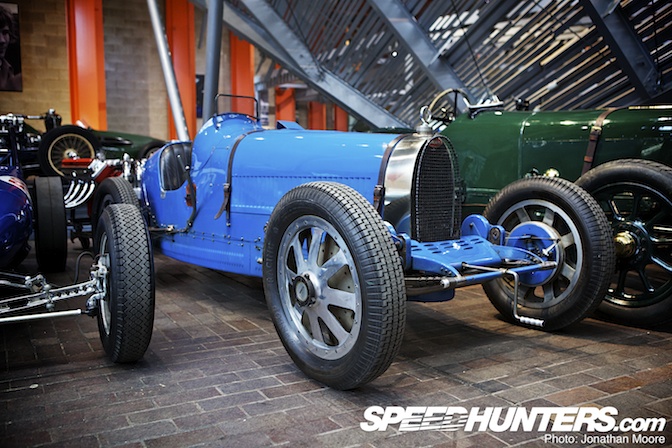
1925-29 Bugatti T35
Again, we’ll start early, with the legendary Bugatti Type 35. As with a number of cars in this list, the theme with the Type 35 is the democratisation of racing: a way for the everyman to kickstart their racing aspirations. This was a car you could buy one day and win in the next. Over 300 variants were built of this ground-breaking 750kg machine, a racing car that in its light blue livery is still instantly recognisable.
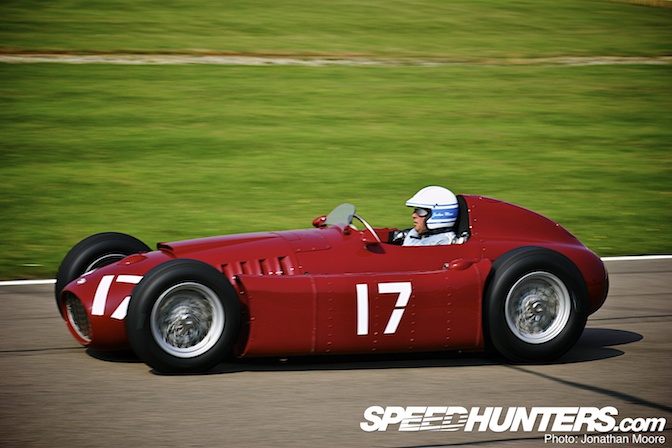
1954-56 Lancia D50
Another classic racer that is easy to identify is the Lancia D50. On the exterior, its side sponsons were designed to solve a number of problems: full of fuel, they helped with weight distribution whilst their shape helped smooth the airflow between front and rear wheels. Under the skin, the D50 was also one of the first cars to use the engine as a stressed member; the power unit was also slightly offset to enable it to be positioned lower in the chassis. Initially raced by the Lancia factory, Enzo Ferrari’s nascent team took over the development of the car – in the hands of Juan Manuel Fangio it delivered the 1956 drivers title. Just half a dozen D50s were built, though a number of faithful replicas of this iconic car have been constructed since.
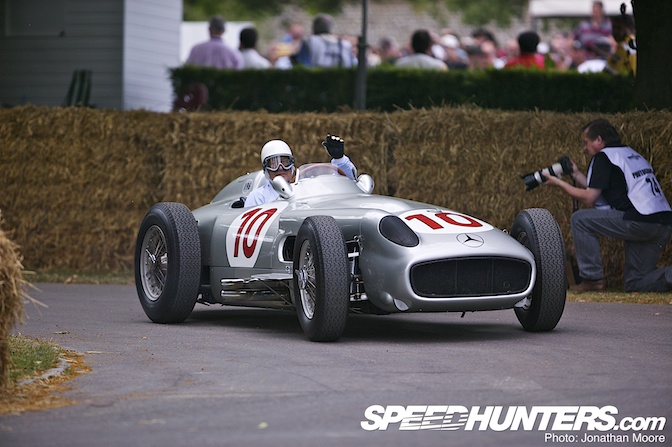
1954-5 Mercedes-Benz W196
The ’50s was the decade where the massive advances in engine technology that had taken place during the war years made their way into racing: not just their positioning and efficiency, but the very components and layouts of engines had taken a leap forward. Mercedes-Benz turned away from their pre-war approach of using supercharged units (in this period, supercharged engines were limited to a puny 750cc) and developed a new high-tech 2.5-litre, fuel injected, normally-aspirated unit featuring desmodromic reciprocating valves to cope with the higher power. Fangio, having moved from Lancia, teamed up with rising British star Stirling Moss to bring the W196’s combined total of Grand Prix victories to nine. A tip of the aero hat also goes to the W196 in its svelte streamliner form, where it blitzed the field at fast tracks like Reims and Monza.
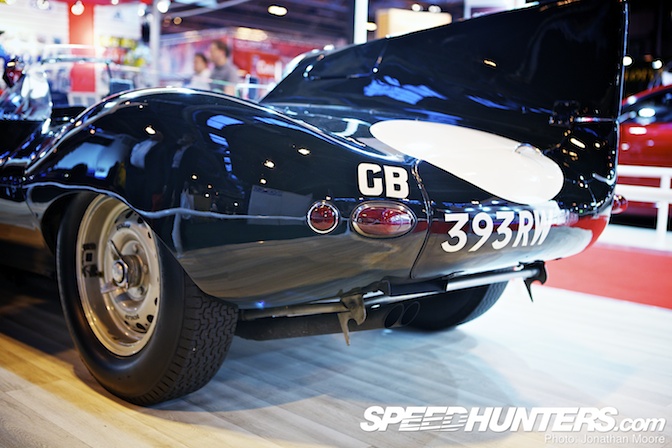
1955-57 Jaguar D-Type
Apart from its beautiful roadster looks and rocket-ship fin, the biggest innovations on the D-Type were the use of a monocoque chassis and disk brakes (the latter originally trialled on the preceding C-Type).
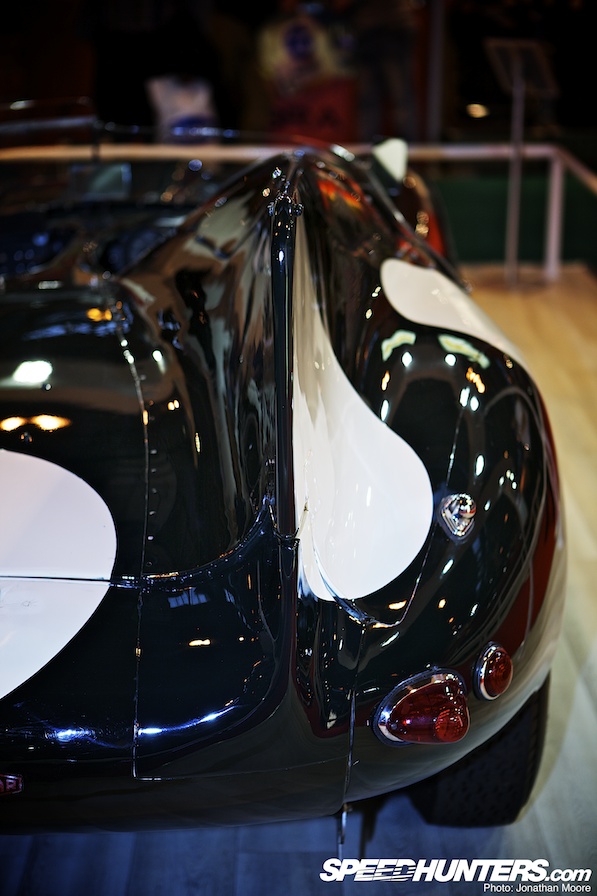
Monocoques were becoming increasingly utilised in racing after the technique had been perfected for the manufacture of aircraft and tanks, but the D-Type combined it with the highly efficient, sculpted body and a dry-sump, 3.4-litre XK engine canted over reduce the frontal area of the car to produce a car that won the Le Mans 24 Hours three years running – including five of the top six places in 1957. Although not the rarest car in production number terms, it is certainly one of the most desirable: surviving factory cars now sell for millions at auction.
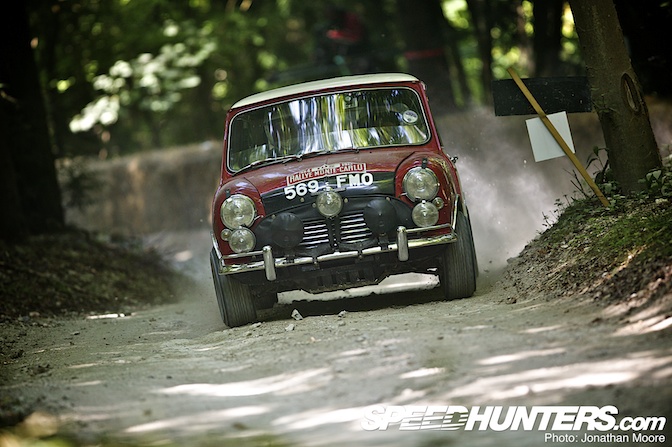
1959-2000 Mini
Now for the first of three great dynasties which all started within a decade of each other: and three which I think show very different approaches to achieving game-changing levels of success with what starts out as a very simple approach. Manufacturers have used racing as a platform to prove and subsequently sell road cars since the very beginning, but few stick with a single model for more than a few seasons. My first – and earliest – example is the of course the original, the one and only Mini. Not very big, but a very clever way to prove the credentials of a car that at first look must have looked like a laughable choice compared to what else was available. F1 constructor Cooper took the diminutive Mini, shoe-horned in a racing engine with twin SU carbs, a new gearbox and disk brakes – and started winning. A lot. First on the rally stages, then on tarmac. It must have been absolutely soul-destroying for the competition to be beaten by these little buzzbombs.
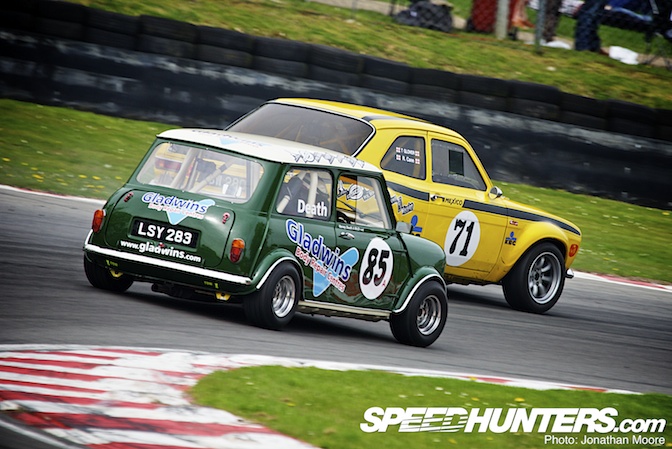
The Mini’s success wasn’t confined to just the rally stages of course: it became an effective track weapon as well, with its tiny size allowing it to fly through corners compared to the big, wallowing competition – even if they were then swallowed up on the next straight. And then th Mini would come flying past again at the next corner. It was the stuff of nightmares for Mustang and Falcon drivers. Flared arches, chunky magnesium Minilite wheels,frantic sawing at the wheel: class victories came in droves, including overall victory in the British Saloon Car Championship in ’61, ’62, ’69, ’78 and ’79.
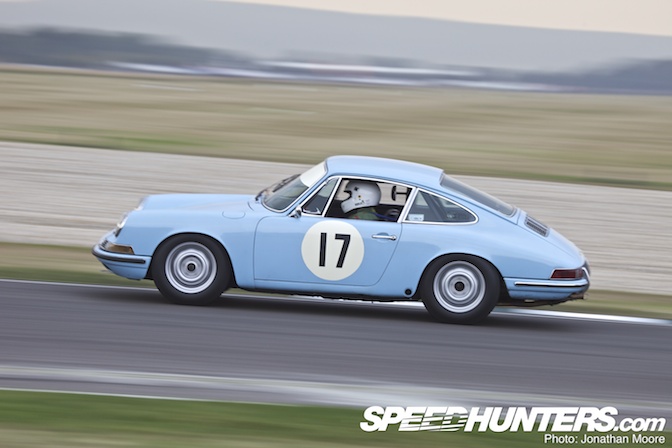
1963-forever Porsche 911 series
Is there a more timeless example of a racing game-changer than the Porsche 911, the ultimate example of successful customer sportscar programmes? With its drawing-board roots in the same year as the Mini’s birth, four years later the 911 was launched as the successor to Porsche’s first production car, the 356, and is still going strong today through its many iterations. Interestingly, the model was originally designated the 901 – but Peugeot protested on the grounds that it exclusive rights to using three-figure numbers with zeros in the middle! Initial forays into racing for the rear-engined, air-cooled machine quickly resulted in class victories – a 911 won in class at Le Mans in 1966 at the first time of trying, then again in ’68, ’69, ’70 and so on – and the car soon became a standard entry for a sportscar grid.
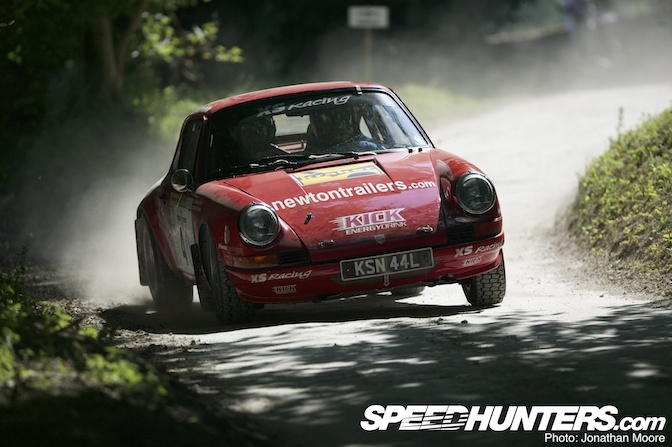
Just as the Porsche 917 was dominating the prototypes (incidentally backed up by hordes of 911 in the supporting classes) the 911 was winning at the top level in rallying: 911S drivers took the world title for four years out of five between 1968 and 1972. The platform was proving amazingly versatile even in relatively standard trim. Imagine what could happen if you tweaked it a bit?…
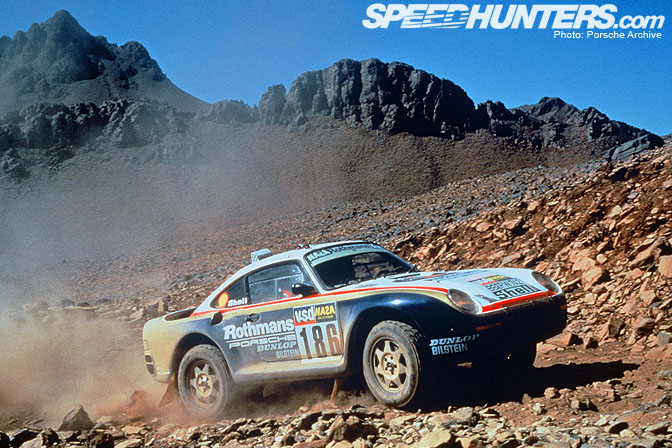
A lot, as it happened. The rallying 911 spawned a whole host of spin-offs, both on the track and stage. Off-road, the basic car expanded out, growing flared arches, flattened bonnets and wings, until it evolved into the ultimate off-road supercar in the shape of the 959.
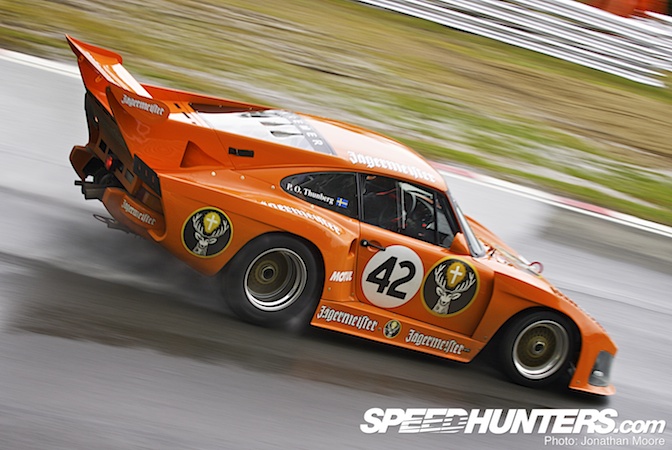
On track, things got even more extreme. In 1974 the legendary fattened-up Porsche 911 Turbo was birthed, and soon after came the 934 racing variant. Still initially recognisable as a 911, the Group 5 rules that followed led to an even more mutated, steroidal 911: the 935. Enormous power from the fuel-injected, turbo-charged engine pushed them to dominance, and as privateers got hold of them they crushed the opposition with lethal numbers. The 911 shape was gradually disappearing beneath the bulging bodywork, becoming just a greenhouse poking out from a mech-warrior body by the time of the privately developed K3 and K4 variants.
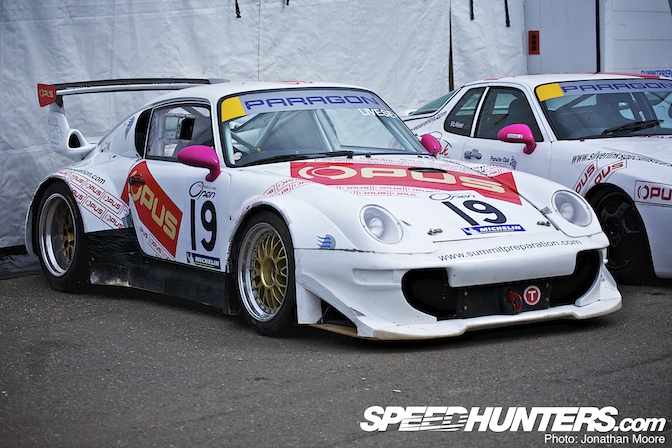
Things appeared to settle a bit in the ’80s, and Porsche returned to selling slightly more ‘normal’ 911s as a bread-and-butter commercial proposition whilst concentrating on the 956 and 962 prototype programmes. Of course, they still invariably won their classes at Le Mans. But on the death of Group C another opportunity presented itself as the GT cars were brought to the fore: the 993 GT2 Porsche was unleashed in 1995, with a welcome return to hugely flared arches and an enormous rear wing. This model continued to develop, and yes, win, right up to the turn of the century.
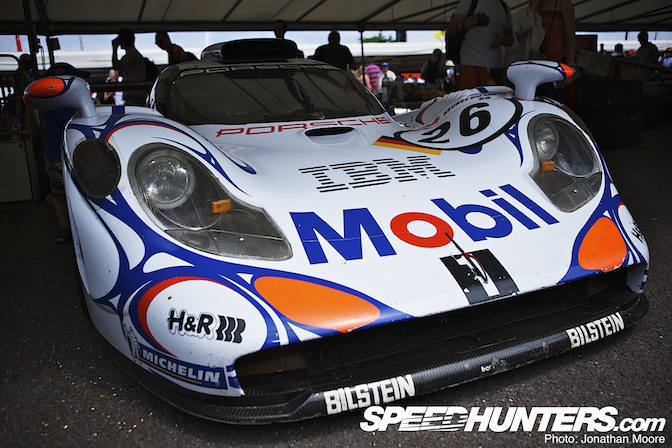
But manufacturers will be manufacturers. The good intentions of GT-based sportscar racing was quickly subverted with more and more extreme homologation specials: and the pinnacle was the Porsche GT1. A not-even-thinly-veiled prototype sports racer in what was supposed to be a new era of racing with cars with a road-going background, the GT1 and subsequent Evo and GT1-98 returned to the 935 idea that somewhere, deep down, there was still a 911 inside. A Le Mans win in 1998, Porsche’s last overall win, was the reward. Since then, 911 GT cars have continued to hoover up major victories in embarrassing numbers, including yet more class wins at Le Mans and even an overall victory at the Daytona 24 Hours. Sometimes it’s difficult to remember that Porsche were once the underdog…
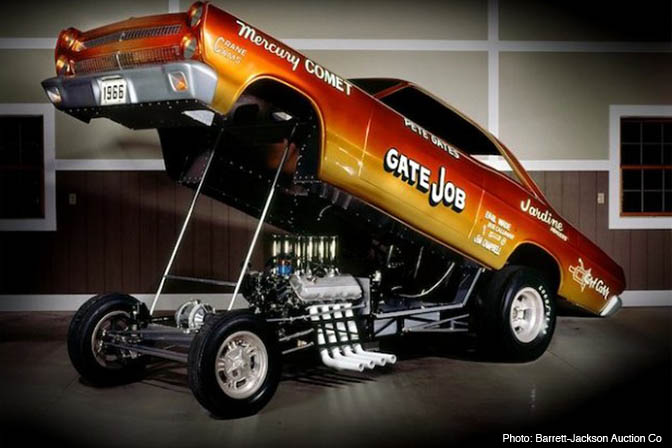
1966 Mercury Comet Funny Car
The Funny Car class in drag racing had been created when stock sedans and coupé competitors started moving their rear axles forward in the chassis to help with traction, whilst increasing their relative size: 1966 saw Mercury introduce the now-standard flip-top silhouette body in the shape of Don Nicholson’s tube-chassis Eliminator I, with which he dominated the season with a series of seven-second quarter-miles.
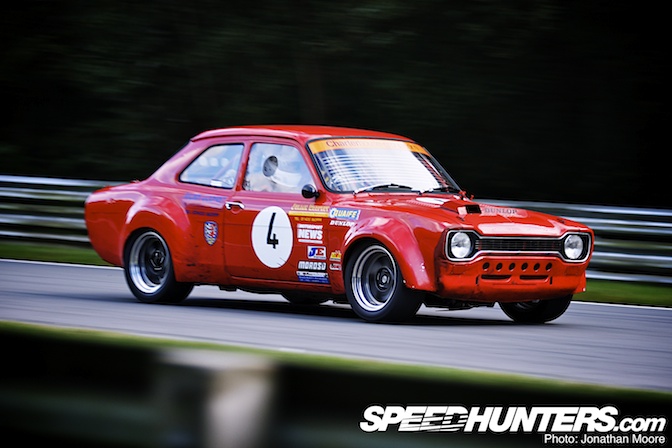
1968-2002 Ford Escort
If Porsche have aimed at the top from the beginning, with the 911 a successful backstop to prototype racers, Ford’s Escort was a much more modest proposition. There are similarities with the Mini, although Ford’s competition department had already tasted success with the preceding Anglia and were well set up to take their new charge racing.
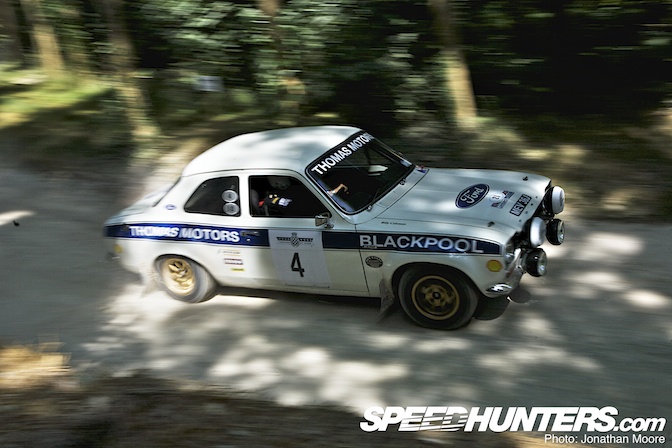
Escorts were soon tackling the rally stages of Europe, and a close tie was kept between the Escorts competing and the ones rolling off the forecourt. When you owned a Ford Escort RS1600, you had every right to feel an affinity with rally champion Roger Clark.
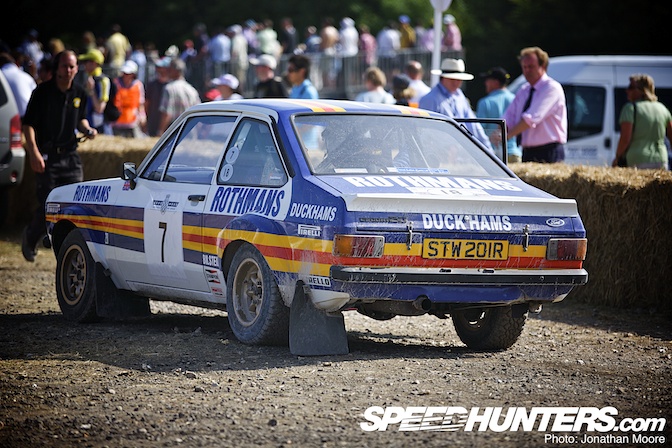
In just over a decade over two million Escorts had rolled off the production lines. Subsequent new models continued the success, putting a affordable, humble car on the same level as the expensive bespoke sportscars it beat on a regular basis.
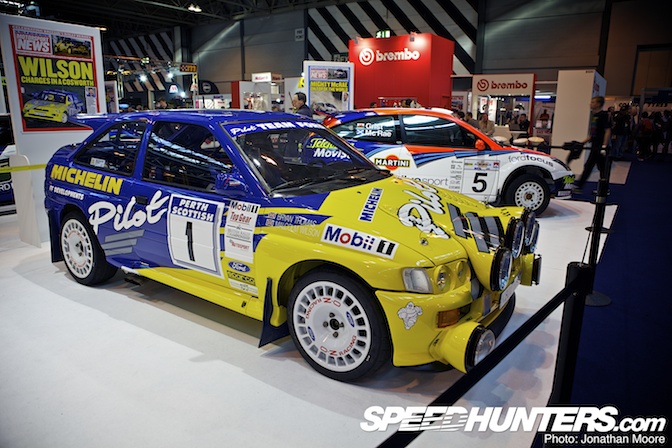
Although Mk1 and MkIIs are the most famous Escorts, the mid-90s saw a return to top-flight rally success for the Escort with the whale-tailed Group A RS Cosworth before the range was replaced by the Focus.
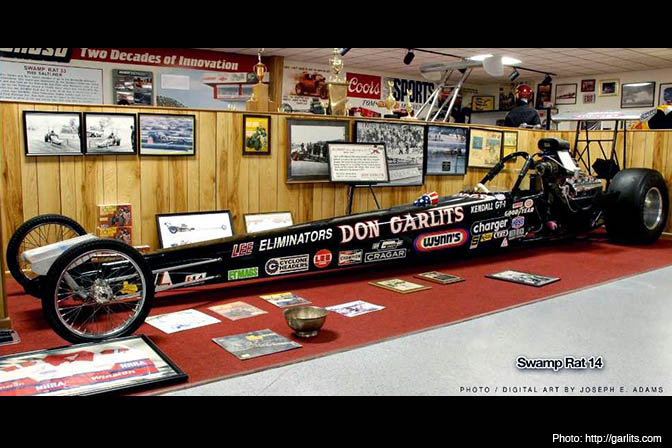
1971 Swamp Rat XIV
The moment when pullers turned to pushers in Top Fuel drag racing: an accident for NHRA pilot Don ‘Big Daddy’ Garlits led to him changing tack for his next effort and putting the engine behind the driver for the latest iteration of his Swamp Rat dragster. There were some problems to be overcome, such as weight distribution, but now you could actually see where you were going and an engine failure was less likely to end in hospital or worse. Swamp Rat XIV led to the now de facto layout for Top Fuellers: long, streamlined bodies, skinny front wheels, enormous rear tyres, mid-mounted engines and high wing. And ever higher terminal speeds…
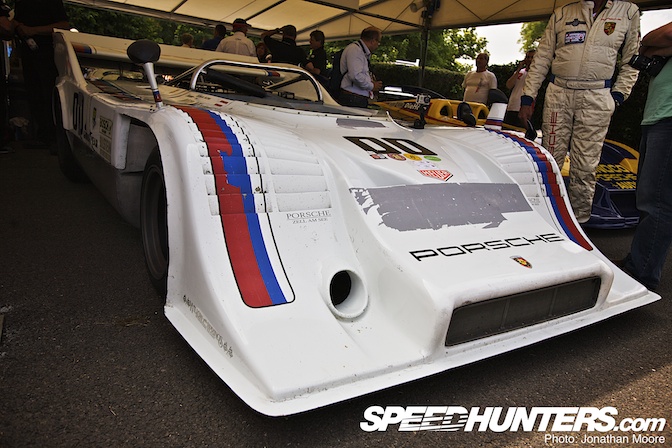
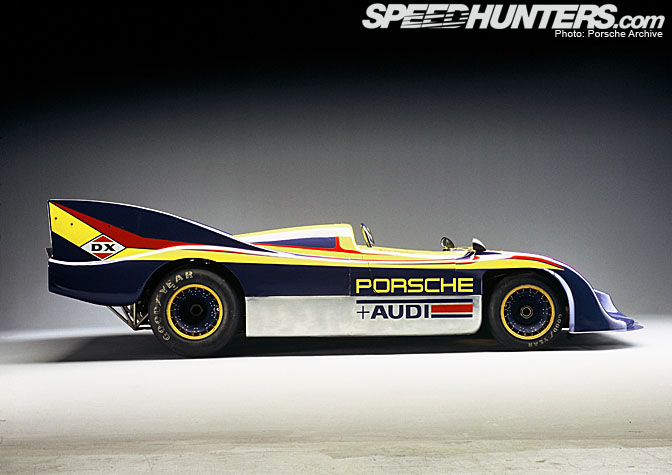
1972 Porsche 917/30
Porsche tired of taking on and losing to McLaren in North America’s CanAm series. Something had to be done. So, as is Porsche’s way, what they did was everything possible within the rules, and the result was the 917/30. Taking the successful 917 Le Mans racer’s chassis, Porsche lengthened it, mounted a raging battleship of an engine and bolted on a brutally effective aero package.
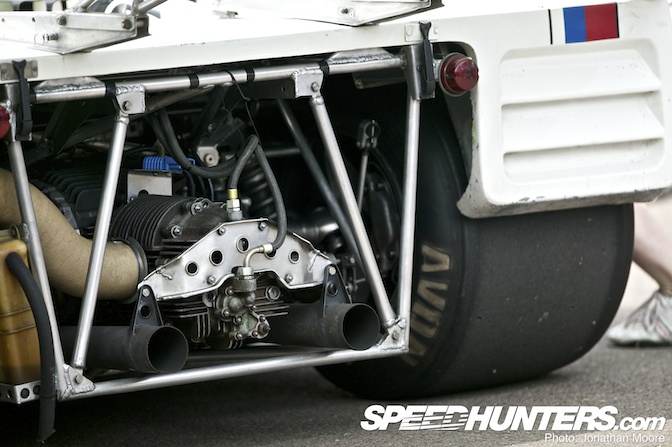
At its peak of domination during 1973 the 917/30’s 5.4-litre, 12-cylinder turbo-charged engine developed a frightening 1,500bhp in qualifying trim in a car weighing just 820kg. 820kg! Insanity. In race-trim the engine was detuned to a mere 1,100bhp to keep it from detonating. 60mph arrived in less than 2 seconds, followed by 100mph two seconds later and 200mph after less than 11 seconds. The top speed was 260mph. It is simply one of the most powerful sports prototypes ever built, and it effectively killed CanAm, the series that looked like it could take anything on.
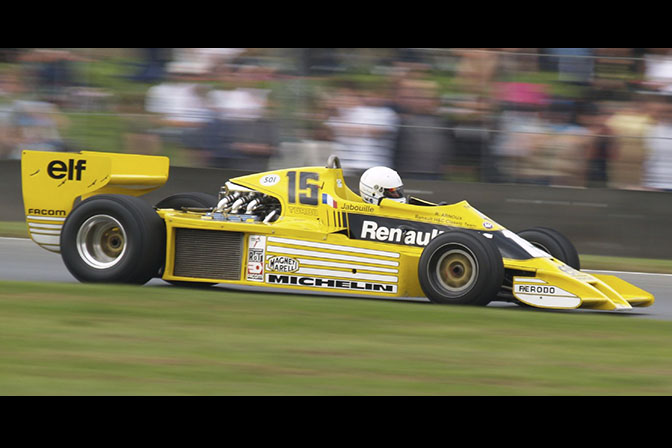
1977 Renault RS01 Turbo
Superchargers connected to engines had been commonplace even in the pre-war years, but the ’70s were when turbocharging came into its own. Another technology developed during WWII, turbos used exhaust gases to drive a compressor, increasing the pressure of air combusted by the engine without sapping power. Renault were the first Formula 1 team to take advantage of a clause in the F1 regulations allowing small-capacity turbo units, though they were by no means the first to turbocharge a racing car: a turbo car qualified on pole for the 1952 Indy 500, and more turbos appeared at the Brickyard in the ’60s. The RS01 was horribly unreliable in its earliest incarnation as Renault struggled to optimise the new approach, but the it laid the foundations of the obscenely high-powered turbo cars to come, like the Brabham BT55 and the 1,300bhp its 1.5-litre BMW unit produced. Turbo cars were to dominate F1 until they were banned at the end of the 1988 season. Game over for normal aspiration for a decade.
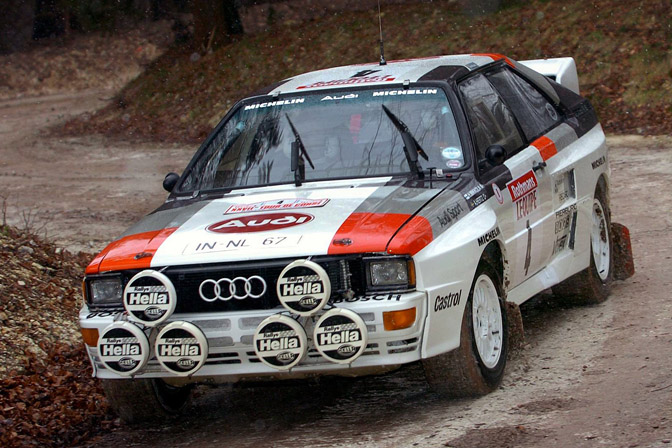
1980-1986 Audi Quattro and Group B
A German technology with an Italian name, again this was the successful implementation of a previously tried but not tested technology. As early as 1961, the British Ferguson team (of tractor producing ‘fame’) produced a 4WD F1 car driven at times by no lesser pilots than Stirling Moss and Graham Hill. This was followed by further, unsuccessful single-seaters, but rallying was where the game-changing was really going to happen, for obvious reasons. But like another car further on in this article, the Audi Quattro didn’t so much conform to existing regulations as force the rule-makers hand into changing regs just to allow the car to compete. [1983 Quattro A2 pictured]
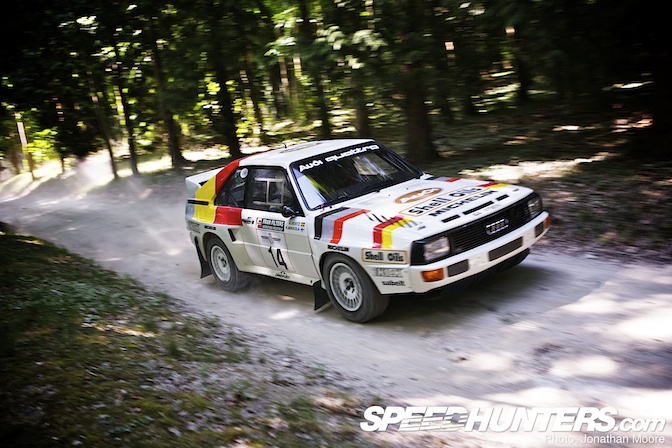
The initial Quattro coupé in 1980 seemed big and unwieldy despite its new-fangled four-wheel-drive system, and the rallying governing body were persuaded to let this wolf into the field of two-wheel-drive sheep. Given any rough or slippery conditions – not exactly a shock for a rally – the Quattro ruled. As the other manufacturers cottoned on that they’d been sold a dummy, they became more vocal in their complaints about a very uneven playing field. [1984 Sport Quattro S1 pictured]
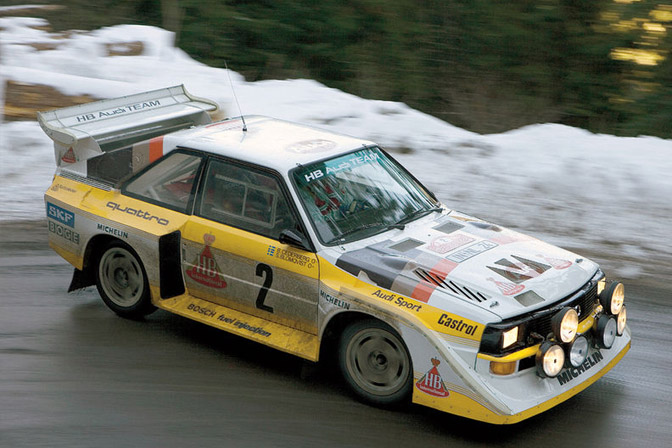
Few had dedicated four-wheel-drive models in their range, so rather than banning the Quattro as would be normal practice, the rules were changed again in 1982 to allow a pretty free interpretation of just what made a rally car tick. All-wheel-drive, low weight, insanely powerful turbos and a passing resemblance to a road car was the loose answer. [1985 Sport Quattro S1 E2 pictured]
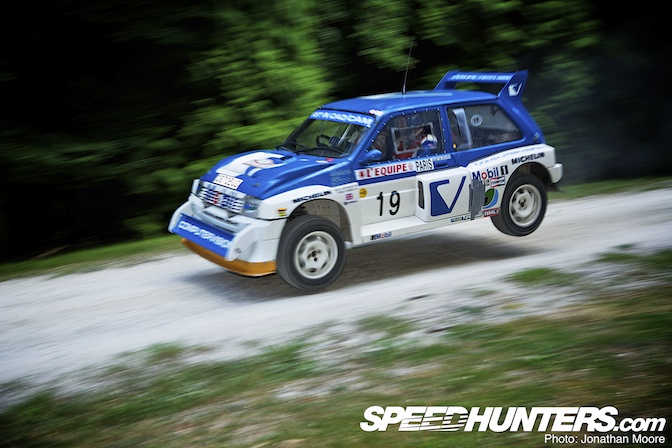
A paltry 200 car homologation level meant that car companies could afford to punt out road-going versions of their rally cars at a loss if necessary. Peugeot, Lancia, Opel, Porsche, Citroen, Toyota, Audi, Ford, Austin Rover all duked it out on the stages during this short glory period of rallying. Thank god for this moment of reckless regulation madness: Group B is still held up as the ultimate example of all that rallying should be.
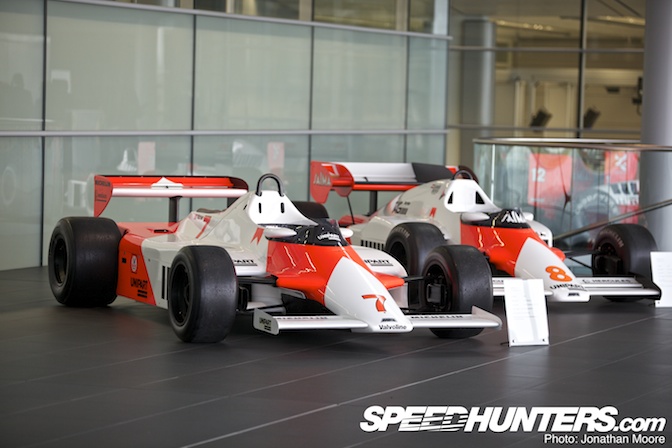
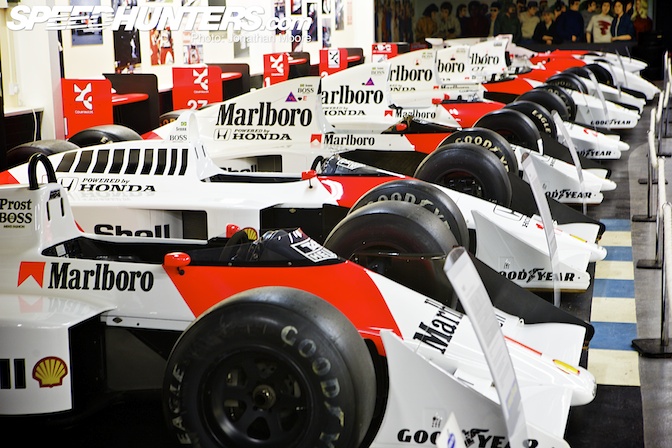
1981 McLaren MP4/1
Disk brakes, monocoques, turbos… what next? Back to the aeronautics industry, and a material developed for high performance military application: Carbon fibre composites. McLaren’s John Barnard was the first to use this new material to form the basic structure of the car, and turned round the team’s fortunes. The ability to mould the material at this early stage was limited, so the monocoque was constructed from five flat panels riveted together to form the rigid tub. Ground-effect aero provided the downforce, and power initially came from the trusty Cosworth DFV. Wins were thin on the ground for the MP4/1, but it’s another car that forged a new technological path that the whole grid was forced to follow.
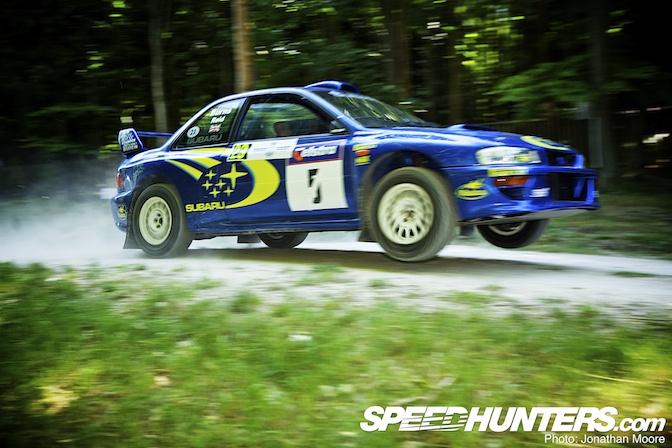
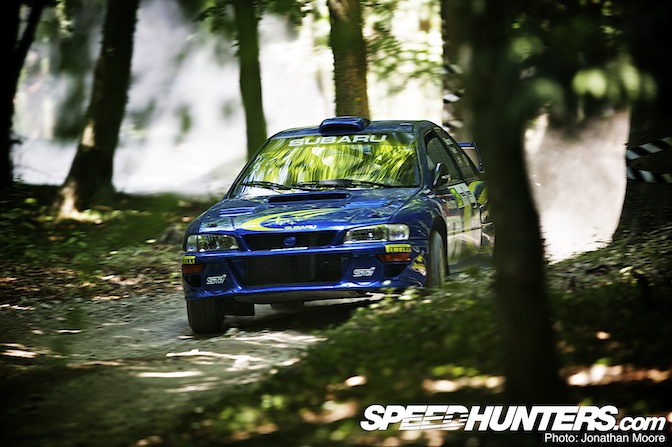
1993-2008 Subaru Impreza
That colour. That model. If there’s ever need for a proof that competition can turn your brand around, surely it’s Subaru. Closer ties with British preparation experts Prodrive led to a podium on the Impreza’s debut in 1993: an auspicious start for the new car and the starting point in the creation of a new legacy (pun fully intended) for Subaru. The Impreza evolved as the World Rally Championship regulations changed from Group A to WRC and the body shape changed over the years, but the driving talent was always top drawer (McRae, Sainz, Burns, Solberg for example).
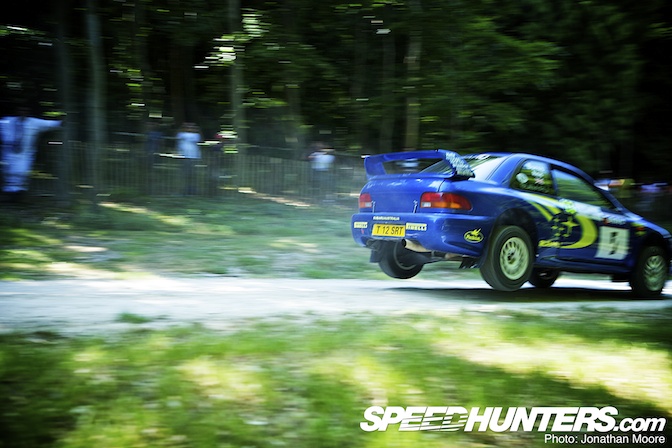
Three consecutive WRC driver titles went the way of Fuji Heavy Industries (’95-’97), with another three for the team – Imprezas won almost 50 rallies during its 15 years at the top. Subaru went from being non-entities on the road to serious choices for petrolheads.
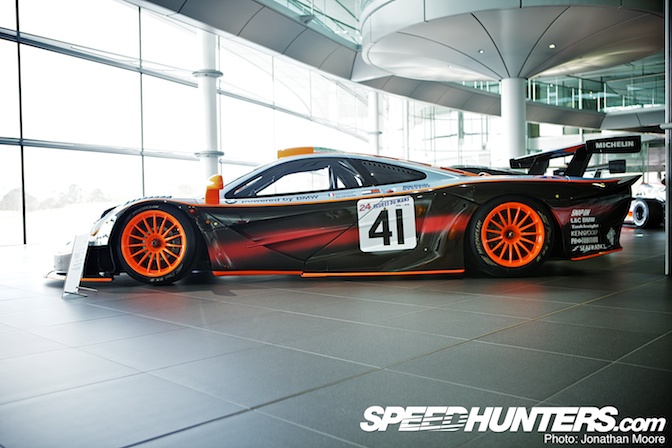
1995 McLaren F1
Supercar as racer: how to do it within the rules. As with the more recent MP4-12C, when McLaren launched the F1 super car in 1994 it said it had no intention of racing it, the big fibbers. And like the MP4-12C, the F1 effectively *was* a race car, so it was no great shakes to knock it into shape for competition. Come June of ’95 a swarm of F1 GTRs were buzzing round Le Mans, achieving not just victory in the first year, but also third and fourth places at the flag plus the highest top speed in practice of 381kph down Hunaudieres. BMW factory backing arrived in ’96, the Long Tail version (pictured, the second-place finisher and class winner at Le Mans) in ’97 and then a last hurrah for privateers in 1998.
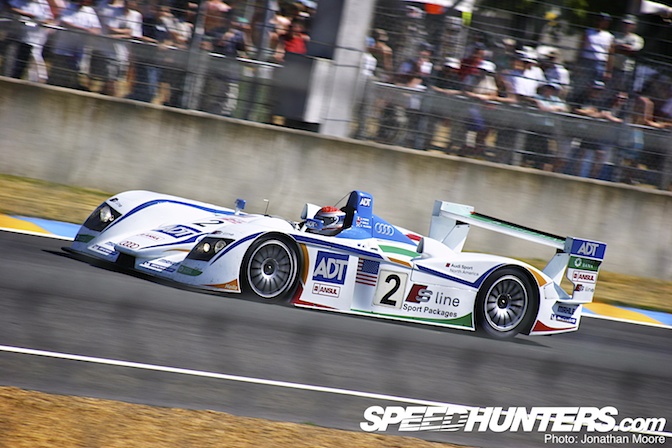
2000-2005 Audi R8
1999 was the zenith of sportscar racing in the recent era – multiple manufacturers entering cutting-edge, stunning prototypes resulted in an epically hard-fought Le Mans 24 Hours. That race saw the relatively low-key (in expectation if not numbers) entry of Audi into the premier class. A podium showed that going open-topped was the way, and in 2000 Audi unleashed the V8 twin-turbo R8 LMP, which would not only go on to be one of the most successful sportscars ever but would also start a new era of domination à la the Porsche 956/962 programme. Customer teams spread its success further, and victory at Le Mans was achieved five times from seven attempts. Radical engineering solutions were used to make it the ultimate enduro weapon: the clutch was computer-controlled, FSI engine technology increased range and efficiency (and made its way into the road-car range) and every part of the car was optimised around the principle of rapid replacement. The entire back-end, including gearbox, could be taken off in one go and a new one slotted into place – a race-winning time-saver.
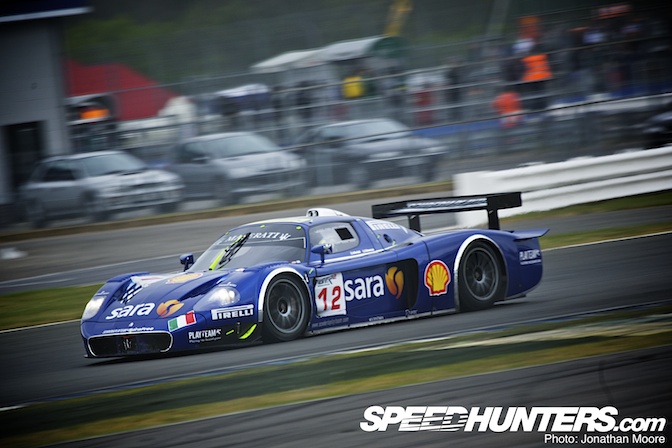
2004-2010 Maserati MC12
Supercar as racer: how to do it outside the rules. Manufacturer overkill had brought the Second Coming of modern GT racing to an abrupt end in 1998. Though not exactly in the wilderness, GT racing effectively ticked over for a couple of years, waiting for the next generation of cars to arrive whilst the prototype war was being won by Audi. Vipers had been usurped by Ferrari 550s, but then Maserati decided to stomp all over the GT1 class with the V12 MC12. It didn’t conform to the rules (too long, too wide, too much carbon – too much an obvious racing car), but for some reason the FIA caved in (despite the ACO railing against it) and the MC12 went on to win the GT championships every year it competed. Like with Group B, the MC12 was game-changing not just for its technology but also in the way that it showed that manufacturers could stand up to the rule-makers and prevail.
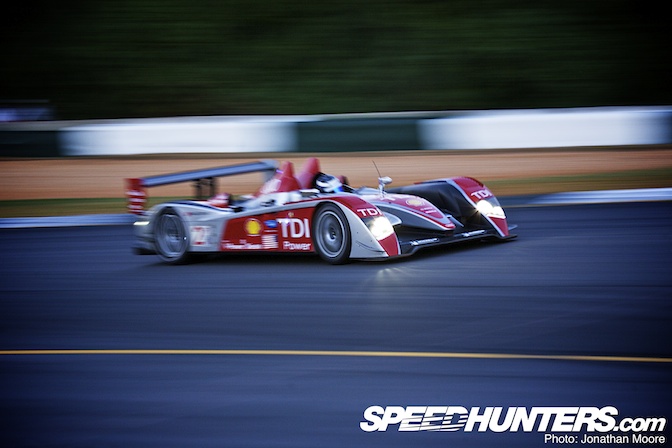
2006-10 Audi R10 TDi
A final technological implementation to end on, and one with no shortage of controversy. Diesel? In racing? Heresy surely! But until you’ve seen one of these silent marvels, it’s difficult to understand just how impressive they are. Fast doesn’t begin to sum up just how rapid a diesel LMP is. The lower sound level actually helps promote that impression, as sometimes wailing V12 petrol units make a car sound like it should be going faster than it is! The original heavyweight twin-turbocharged, 700hp 5.5-litre V12 was optimised with Audi’s Turbocharged Direct Injection technology, and the R10 achieved three consecutive wins at Le Mans between 2006 and 2008, multiple Sebring victories and multiple ALMS championships… The only competition to the R10 came when Peugeot stepped up with their own oil-burner – certainly the rules weren’t going to help petrol-powered opposition to compete on the same level.
So, what’s the next game-changer on the racing scene? Energy recovery systems and hybrid power is going to become a standard, if not actually mandated, in the very near future, and the differing requirements those technologies bring could result in radically different approached being taken in the coming years. Watch this space…
Jonathan Moore