
We all have our affiliations. For one reason or another, each one of us has some bias towards a particular manufacturer or model. It may be a slight bias or an overwhelming love, but inside every petrol head on this small planet, lies a deep seated passion for a particular automobile.
On the surface of it all, it seems ludicrous to have a genuine love for a collection of inanimate parts.
Individually they mean nothing, but when they are brought together in a particular way, they can become something very special.
I’ve been reading a lot recently about the soul of a car, but I’m one of the few that believes cars don’t have souls. I think it’s a bit of a misconception, conjured up by some journalist who tried and failed to describe that certain ‘je ne sais quoi’ that some cars do present.
For me, the idea of a car having a soul is a bit of a strange one. When does a car receive its soul? What happens when it dies?
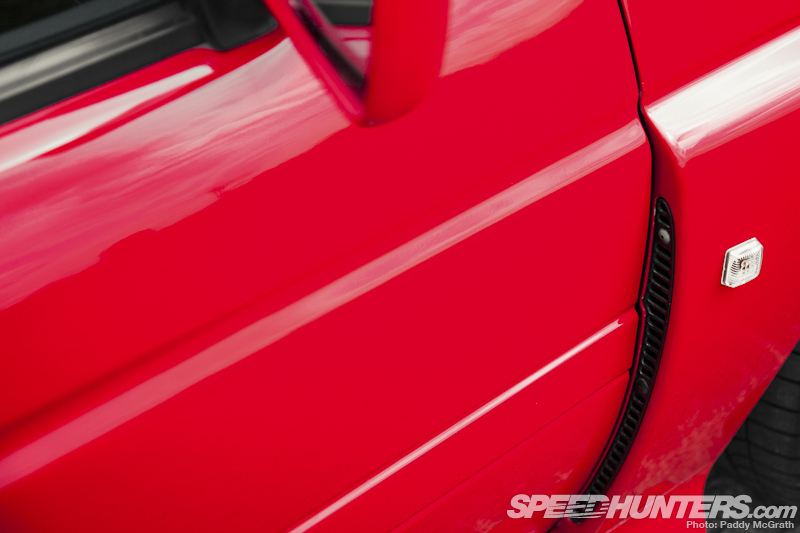
I love cars, in a way that probably isn’t healthy. I like to think that I can appreciate and understand every nuance and characteristic of any given car. Sure, I might not like a certain aspect but I can always find a way of understanding why something is done a certain way.
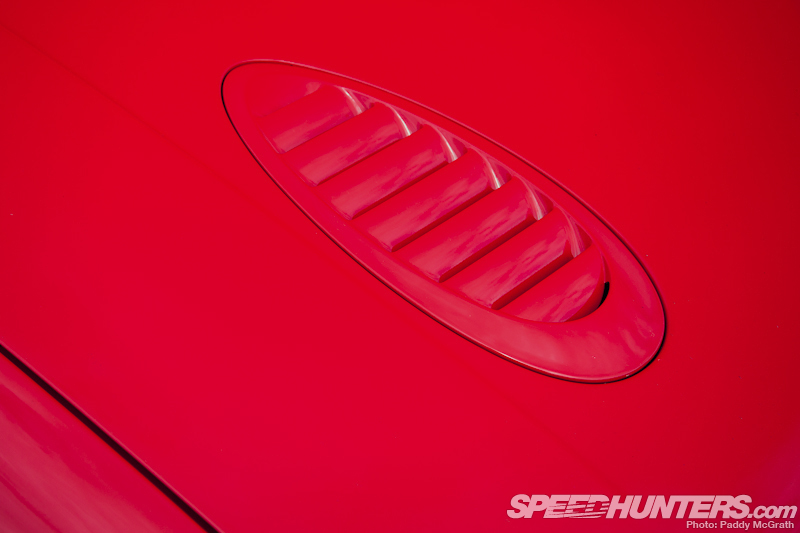
I think that it is these understandings and appreciations that cause cars to stir our souls. When we connect with a car on this level, it’s very hard to break that connection. When we are presented with a sequence of cars from one manufacturer that continue to make these connections with us, we form a loyalty to the brand.
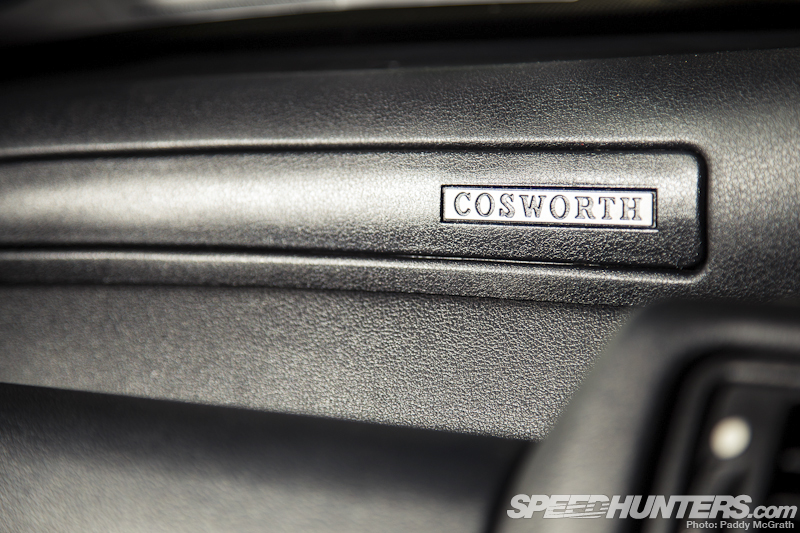
Growing up in Ireland, I always connected with Ford Motor Company. Watching the Escorts and Sierras on the rally stages as child, stirred my emotions and fuelled the hunger for seeking out more speed. But there was always one name, one badge that fuelled my passion like no other – Cosworth.
Even today, the name Cosworth has connotations of power and performance. It brings images to mind of flame spitting Sierra RSs, disappearing from view on a fast section of road, popping and banging all the way.
From their humble routes as an engine designer and builder in late 1950s London, the small British firm has been responsible for some of the greatest combustion engines ever built – the BDA, DFV and of course the YB to name but a few.
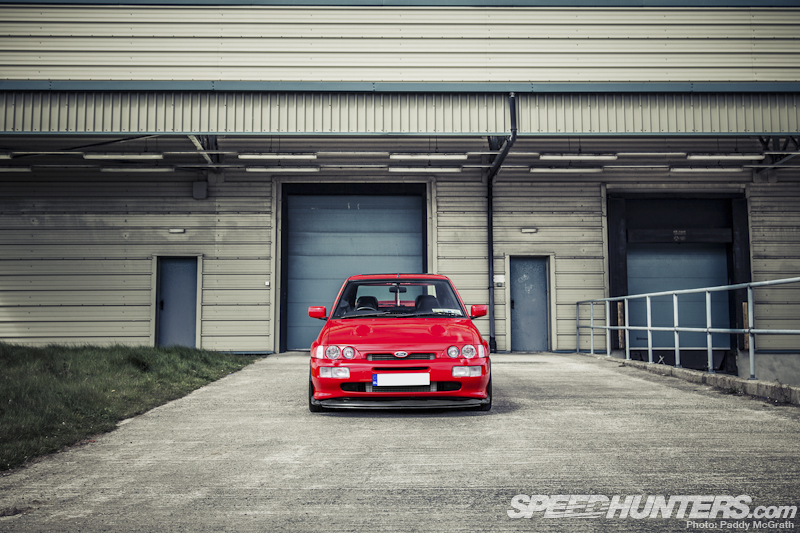
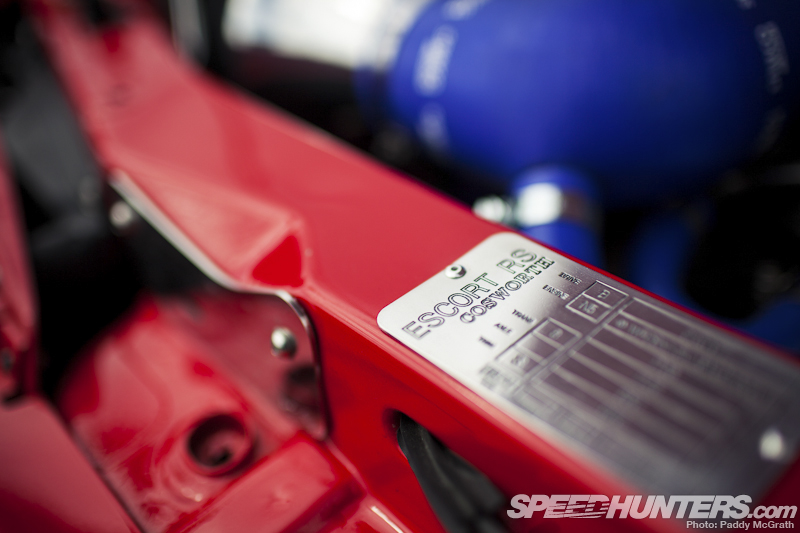
For me, my favourite examples of Cosworth’s work is when they tied their name to a particular model of car. In this case, the Ford Escort RS Cosworth.
What you have here is a combination of two of the most successful titles in Ford’s motorsport history – the Escort and the Cosworth. The Escort for its success on the World Rally stage, and Cosworth for its success with the Sierra RS500 touring car.
And it was from the Sierra Cosworth (the 4×4 version as opposed to the 2WD ‘whale tail’ RS Cosworth) that the Escort Cosworth evolved from.
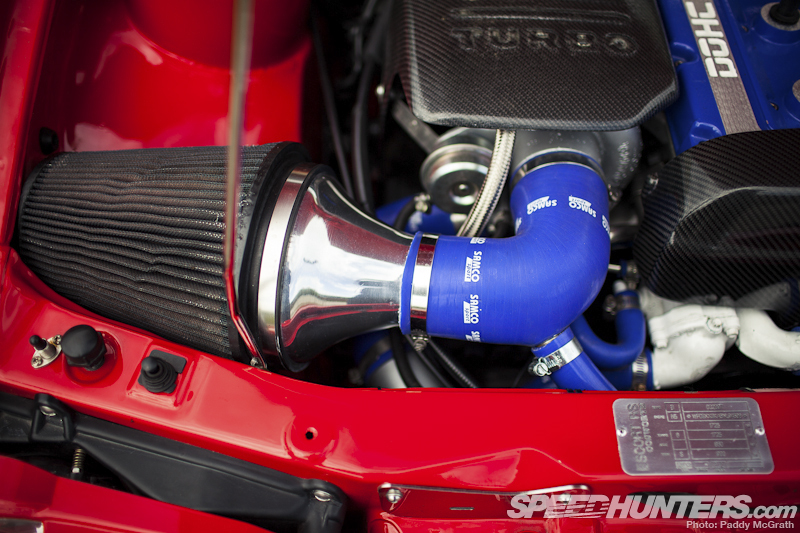
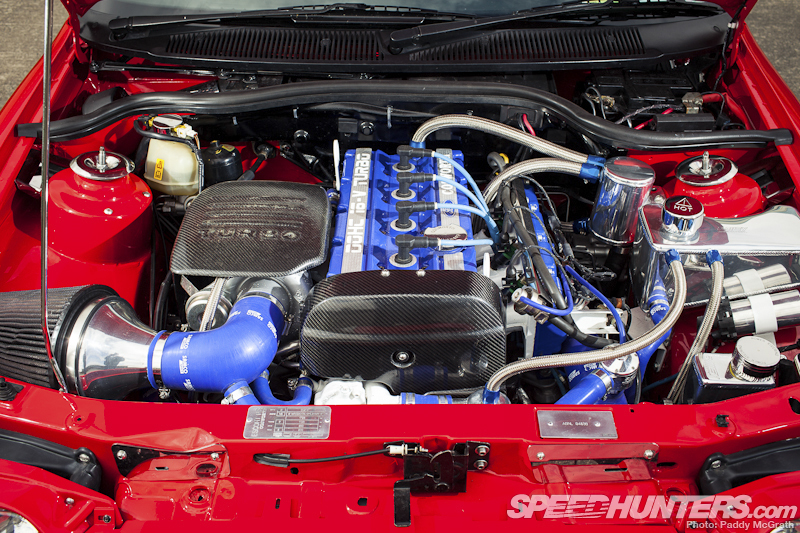
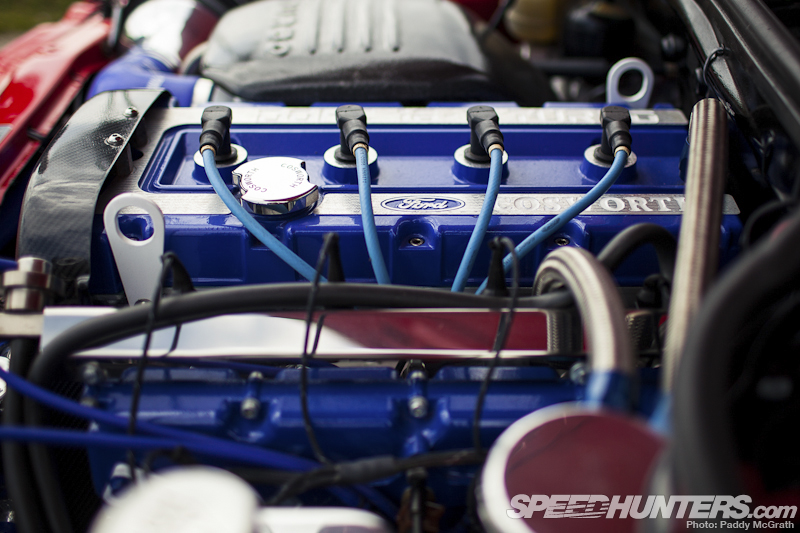
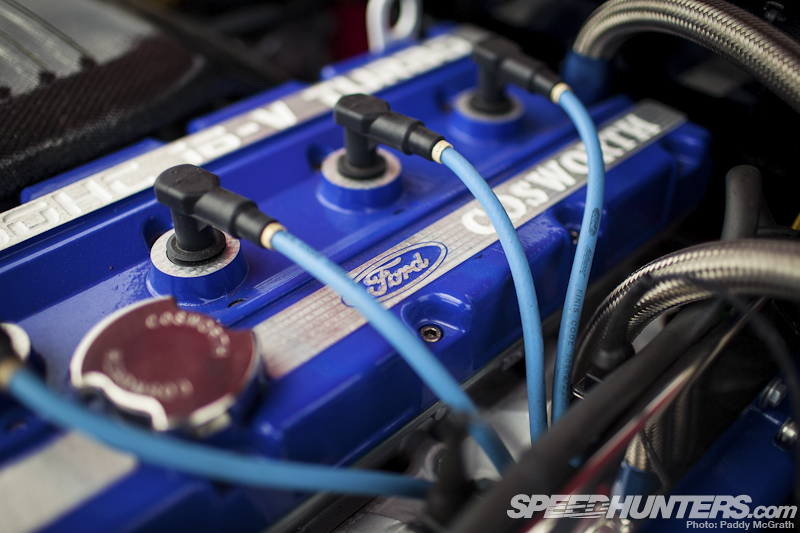
In essence, the Escort Cosworth was simply an evolved Sierra 4×4 Cosworth with an Escort shell on top. The same YB turbocharged engine, 4WD system, steering, cross members, front and rear suspension along with the brakes and the much loved Mt75 five speed gearbox were all brought across. A simple idea now, but quite a novel approach at the time (late 80s / early 90s).
The only reason the EsCos came about, was to win rallies. To become a sanctioned Group A car, Ford needed to build 2,500 road cars for homologation purposes.
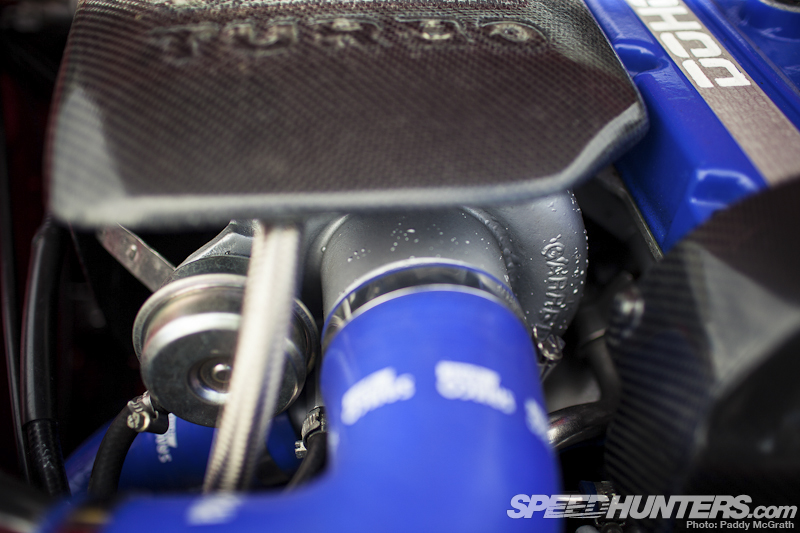
These early pre-homologation cars featured the ‘big’ Garrett T3/T04b turbochargers which are renowned for being quite laggy. These were replaced by a ‘small’ turbo later which proved much more responsive.
As part of the homologation process, the rally car would use a water injection system to reduce in-cylinder temperatures and prevent detonation. Rather than replicate this expensive system in the road cars, Ford put a water bag in the boot of the car, with a water pump which was the same item used for washing the windscreen. In other words, not at all effective but enough for homologation purposes.
It’s these details that for me, make a car. You can nearly imagine the people involved trying to figure out a dastardly plan to get around these things, it’s such a human touch.
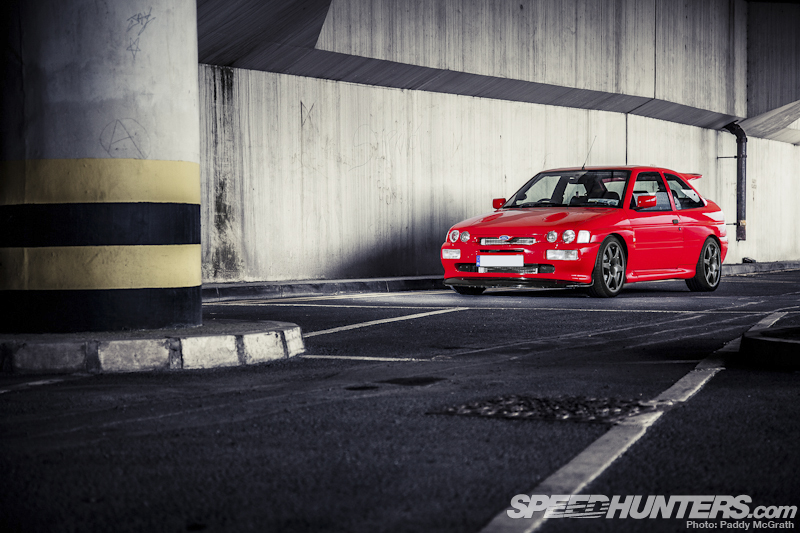
When I began to put together the plan for this shoot, I knew there was only one Escort Cosworth it had to be. This exact car appeared on Speedhunters back in 2010, as part of coverage from a local RSOC meet up.
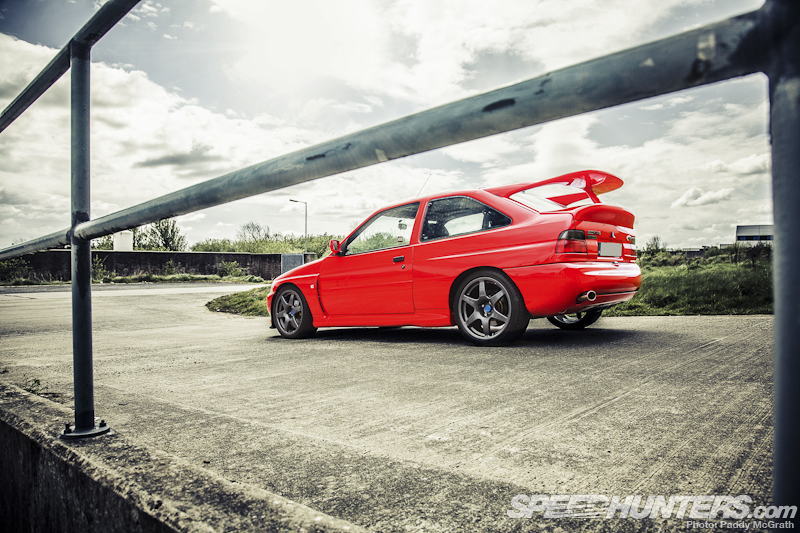
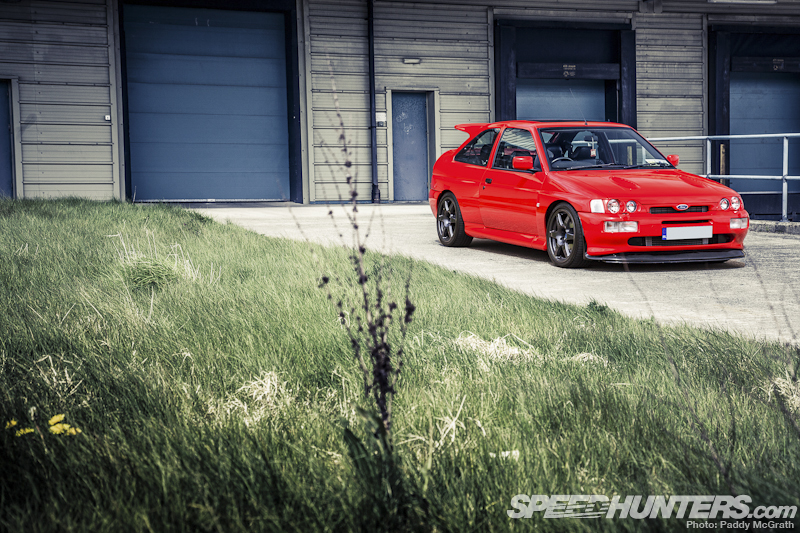
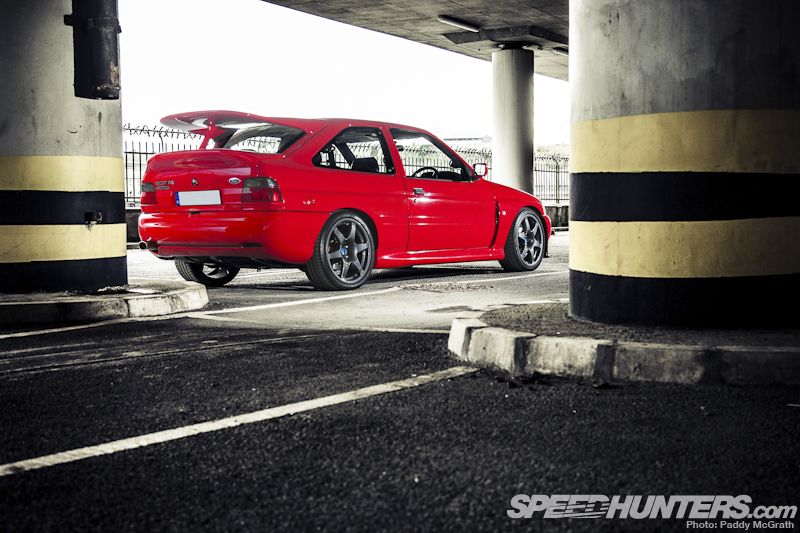
It only took one text message to arrange the shoot and before I knew it, I was pulling in behind that iconic whale tail in an industrial area on a quiet Saturday afternoon.
David Tennyson, the owner, is the sort of guy you might bump into once every year, but can talk for hours about all things motoring as if you were life long friends. It’s quite easy to see the passion he has for the blue oval, this Escort being only part of an impressive stable of cars.
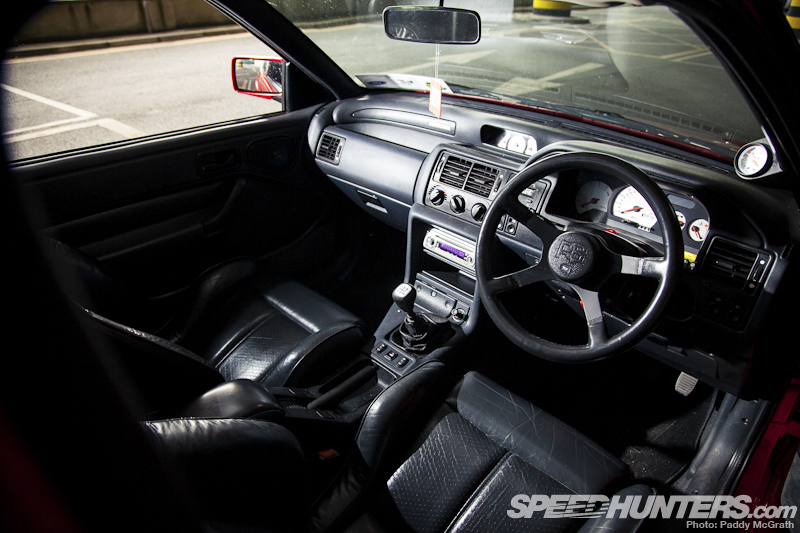
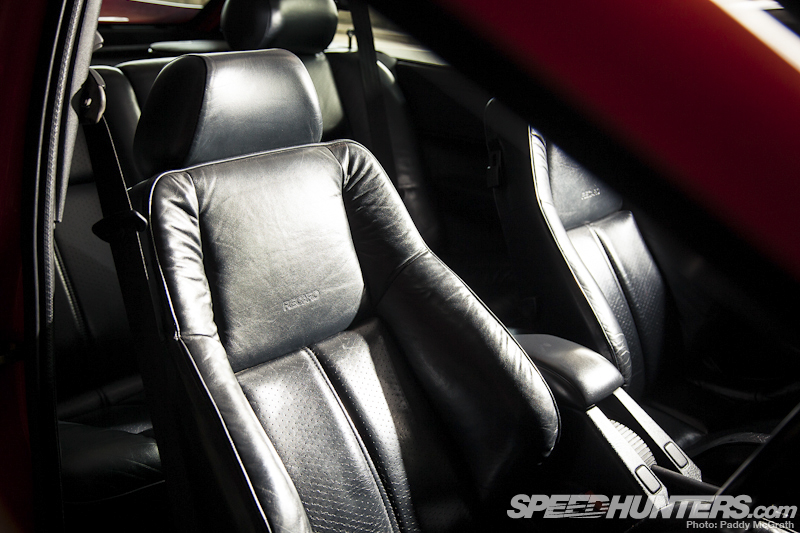
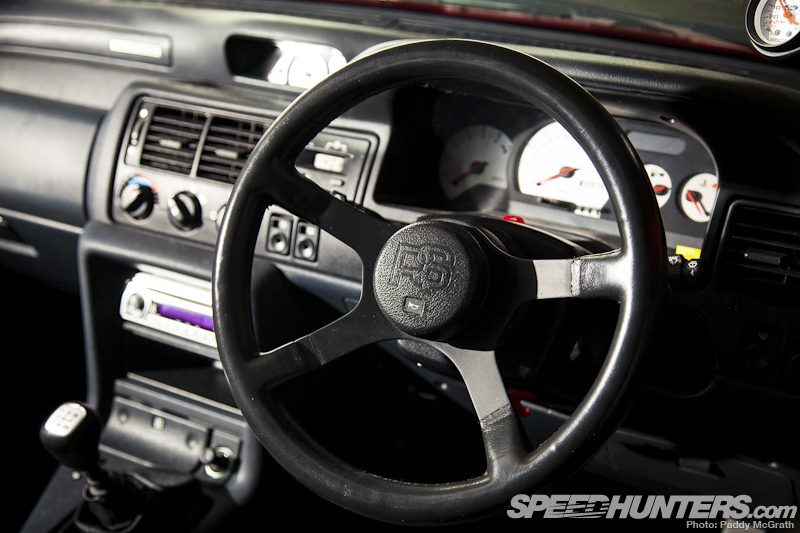
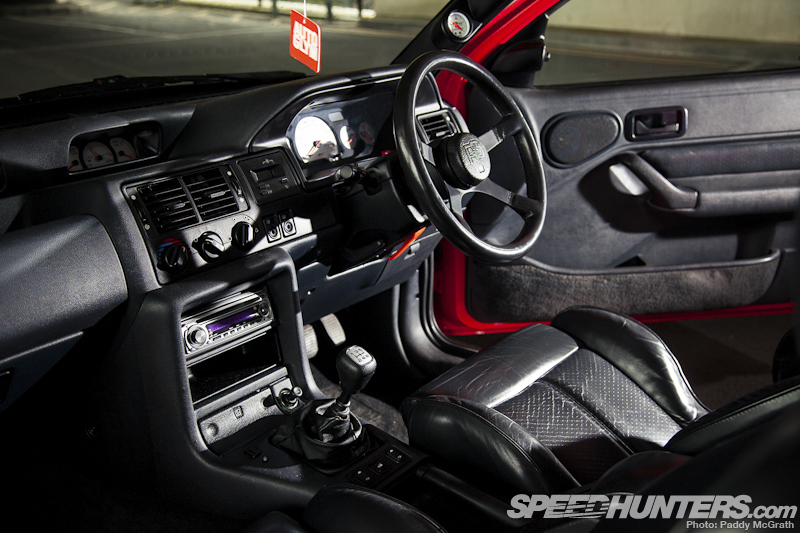
What drew me to David’s car is the attention to detail and the subtle modifications that enhance its character. David pays huge tribute to his friend who completed a two and half year nut and bolt rebuild on the car – which involved both restoring and improving the car.
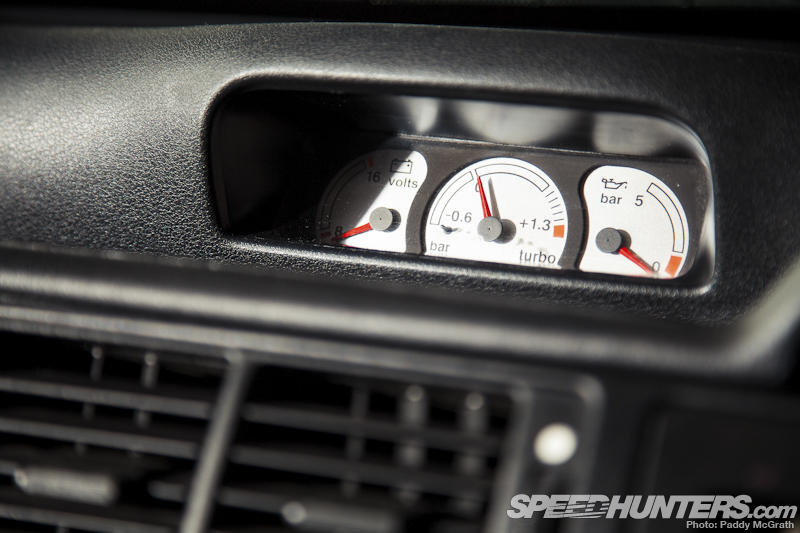
Whilst running at a respectable 340BHP, the rebuild focused on the car as a complete package, rather than just throwing horsepower at it.
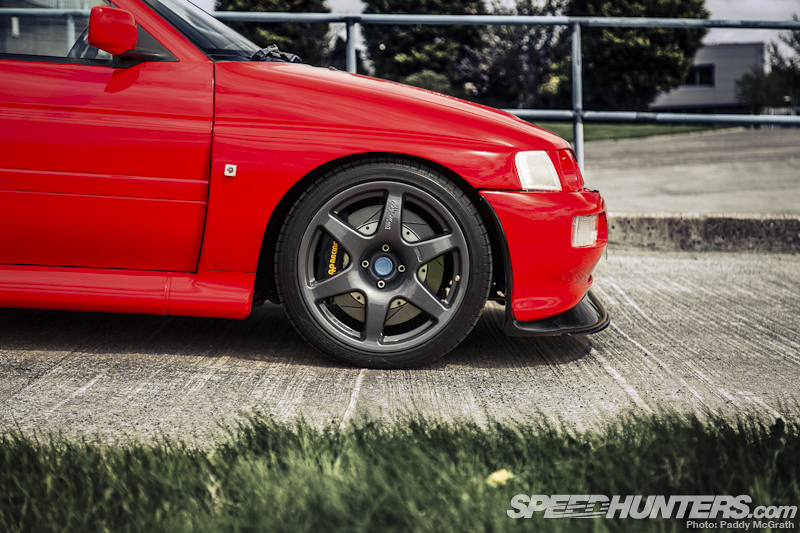
Gaz coilovers, fully polybushed, rebuilt gearbox and differentials with strengthening plates along with an AP Racing six pot BBK up front featuring 365mm discs and fully floating Reyland alloy bells.
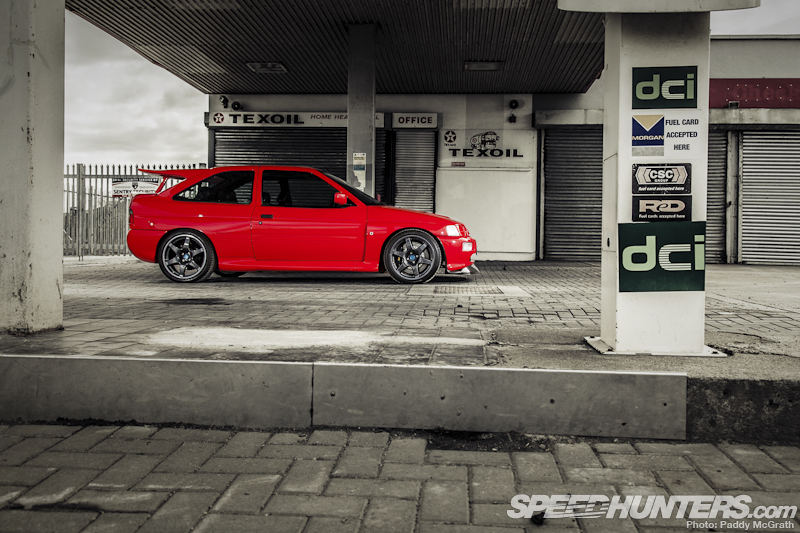
Lightweight Compomotive MO wheels in 18×8 ET15 with Goodyear Eagle F1s summarizes the well considered specification list.
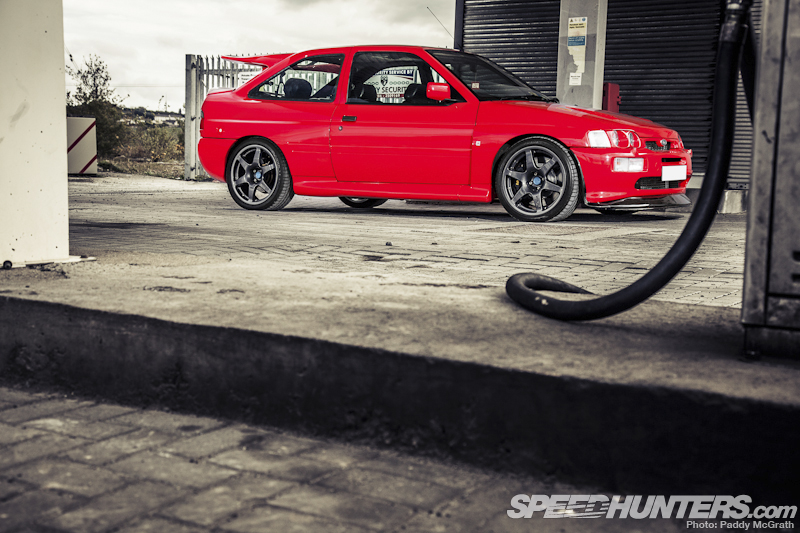
It’s a perfect example of how to take something iconic and leave your mark on it, maybe even improve it but without detrimentally affecting its character. Sometimes, it’s best to keep it simple.
–
More Ford Stories on Speedhunters
Vehicle Specification
- 1992 Ford Escort RS Cosworth
- Two and a Half Year Nut & Bolt Rebuild
- Pre-Homologation Car with Water Injection System
- 2.0L Cosworth YB
- Garrett T3/T04B
- RS500 Intercooler
- 3 BAR Map Sensor
- -31 Actuator
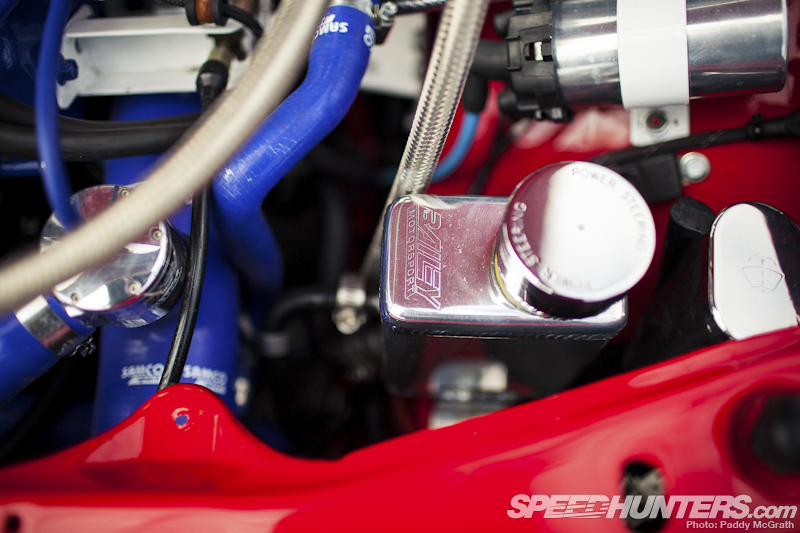
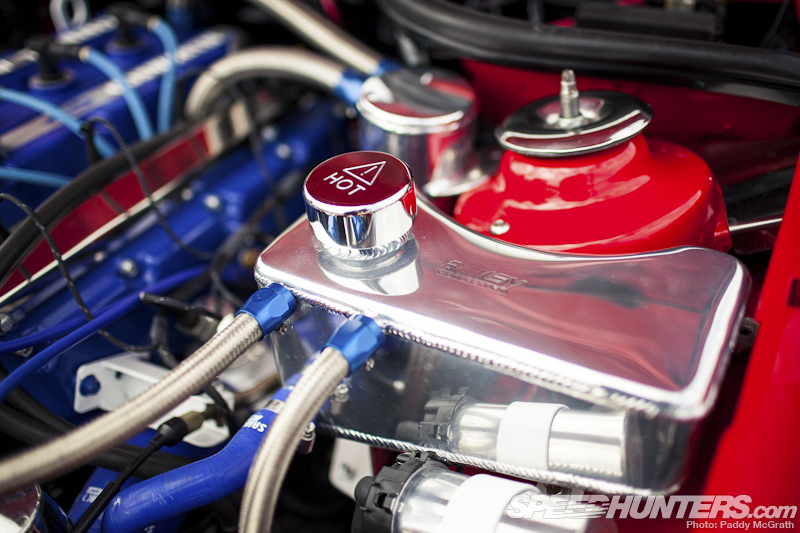
- Baileys Alloy Engine Bay Tanks
- Carbon Fibre Heat Shield
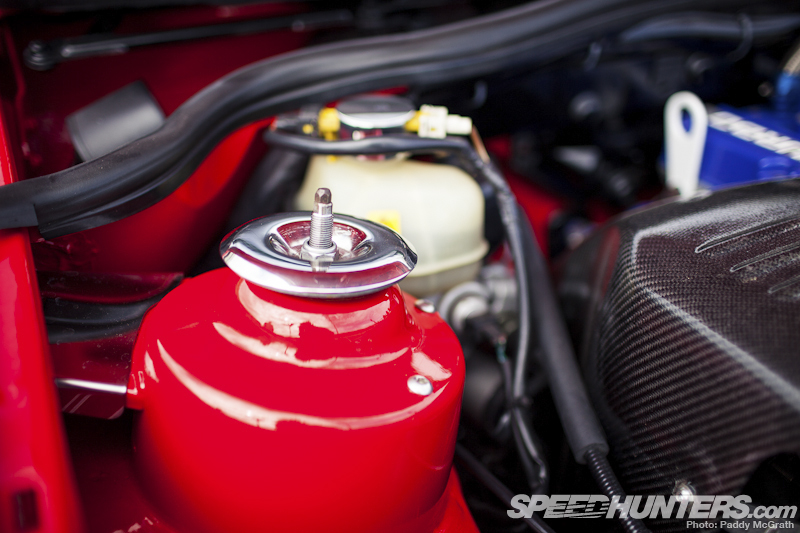
- GAZ Coilovers
- Fully Polybushed
- AP Racing Six Piston Front Brakes with Reyland Floating Alloy Bells
- Tarox Rear Discs
- Rebuilt Front & Rear Differentials with Strengthening Plates
- Rebuilt Gearbox
- Goodyear Eagle F1s
- 18”x 8 Compomotive MO ET15