
Kremer Racing: a name that is synonymous with Porsche racing successes of the ’70s and ’80s. Kremer took the best cars that Weissach produced – cars that were already winning in every series they drove in – and made them even more dominant. Everything that came out of the Porsche factory would be torn apart at Kremer, where they probed for weaknesses, improved, evolved, machined and twisted 911s into new, uncompromising racing battleships. Starting off with road-car tuning in the 1960s, Kremer’s racing reinterpretations have passed into legend, creating cars which still make grown men weep at the very mention of them: particularly the K-series of development 911s, the K2, K3 and K4.
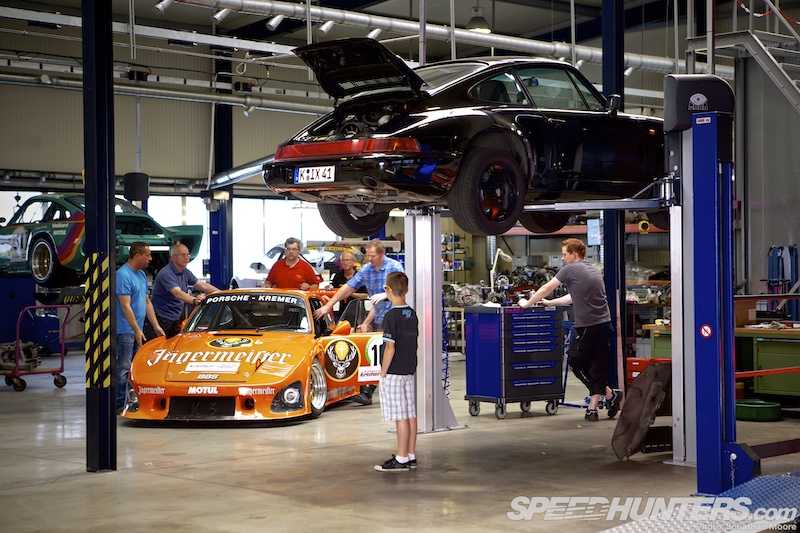
After Porsche withdrew its factory Group 5 effort in ’78, Kremer filled the vacuum and the K3 became the default car to have, starting an impressive run of success for the team that went on for the best part of 20 years. You can read Sean’s feature on the iconic Jagermeister K3 here.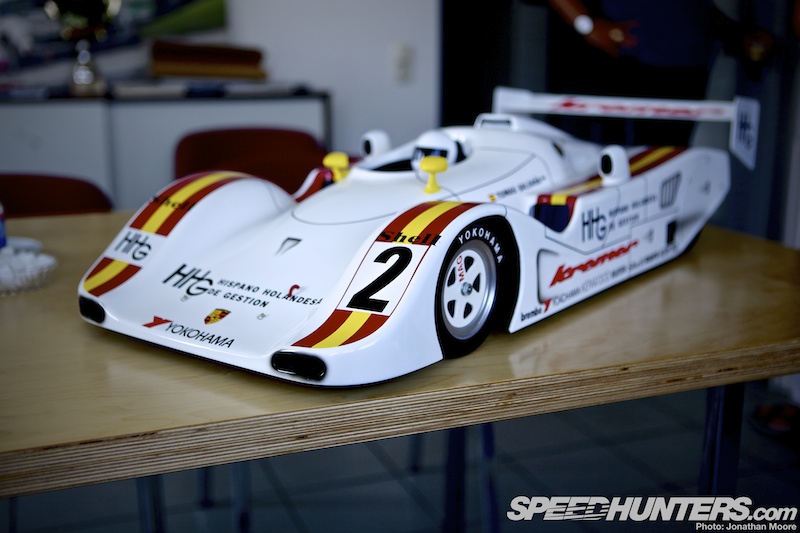
In the ’80s Kremer moved into prototypes, building their own bespoke CK5 to bridge the gap until privateer 956 chassis became available. Kremer then developed the 962 into the CK6 before pioneering open-top cars in the ’90s with the K7 (a model of which is in Kremer’s office) and Daytona-winning K8. Lower-key outings in GTs and prototypes continued into the early new century – but then Kremer seemed to disappear off the international radar. Not any more. Kremer are back.
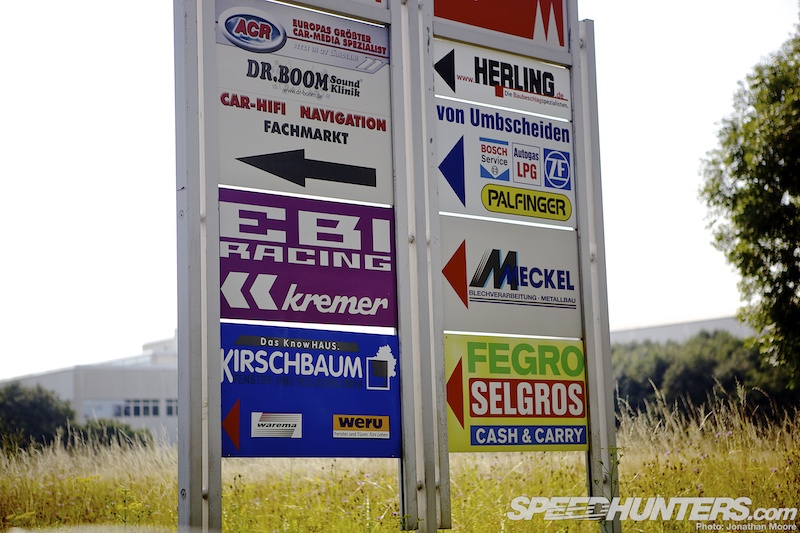
On the weekend of the Spa 24 Hours Sean Klingelhoefer and I drove across the border into Germany and on to Cologne for a rendezvous at the Kremer/Ebi Racing factory, twin sites on a nondescript industrial estate where the team are plotting their return to the top of GT racing. Dr Boom will have some serious competition in the noise department.
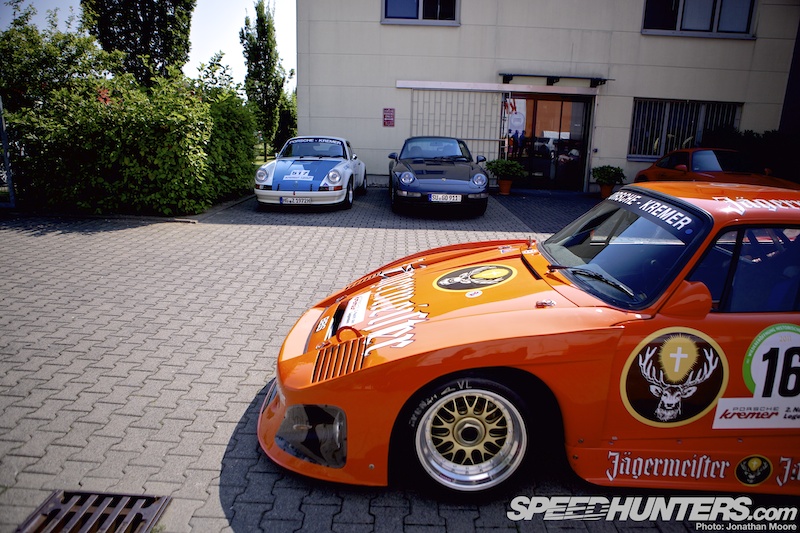
Kremer have always been based in Cologne, originally in the centre of town in the ’60s before the neighbours realised what kind of operation was being run. An engine test bay in the cellar for instance. So Kremer moved out to an industrial area on the edge of town in ’74, and then more recently to their current location.
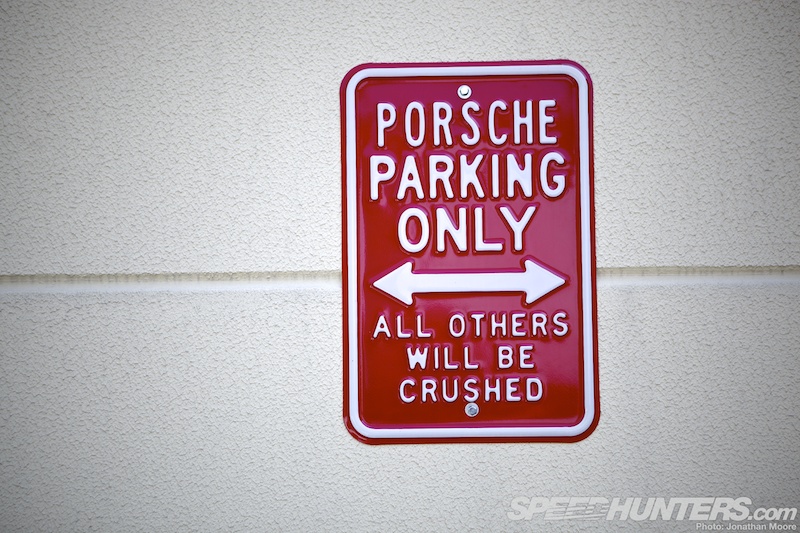
The main site consists of a two-storey office joined to a large warehouse: this is where the majority of the current maintenance and restoration business is carried out, with the new secondary manufacturing facility a couple of minutes drive away – the plan is for everything to come together under one roof in 2014. Whilst Sean shot the K3 outside I took the opportunity of looking around the workshop of the legendary team. With this sign in mind, we didn’t risk bringing our rental car into the courtyard…
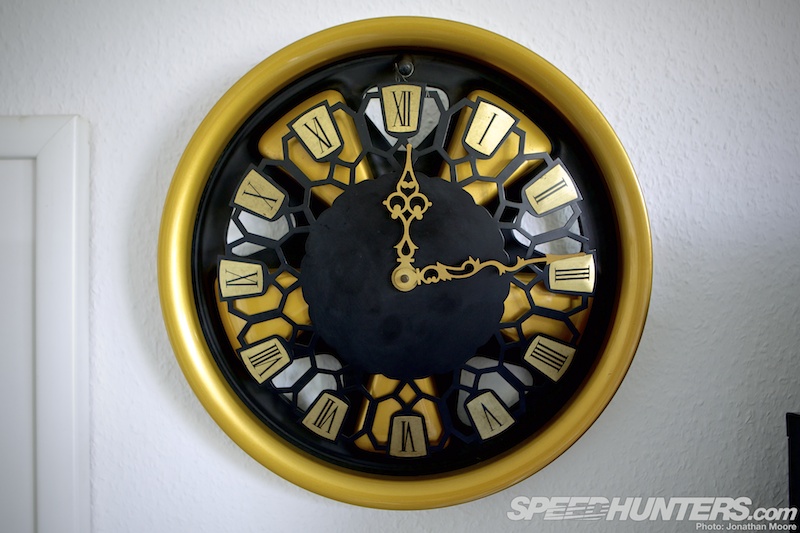
The Kremer facility is overflowing with momentos, photos and artwork celebrating Porsche and the team’s history.

Like so many team owners, team-founder Erwin Kremer started off as a driver himself before starting Kremer Racing with his engineer brother Manfred.

Kremer know a thing or two about winning. Display cabinets in their reception were overflowing, so the entire factory is covered in trophies which take up every available level surface.
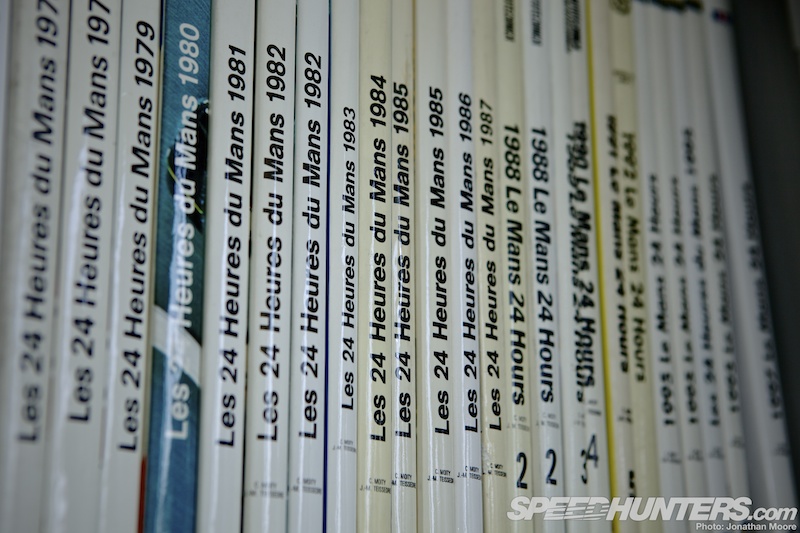
The team have been equally at home on the long straights of Le Mans (where in 1979 Kremer famously and unexpectedly won the Le 24 Hours Mans with the #41 Numero Reservo K3 against faster prototype opposition) and the twists of their beloved Nürburgring, but their cars have raced and won all over world.
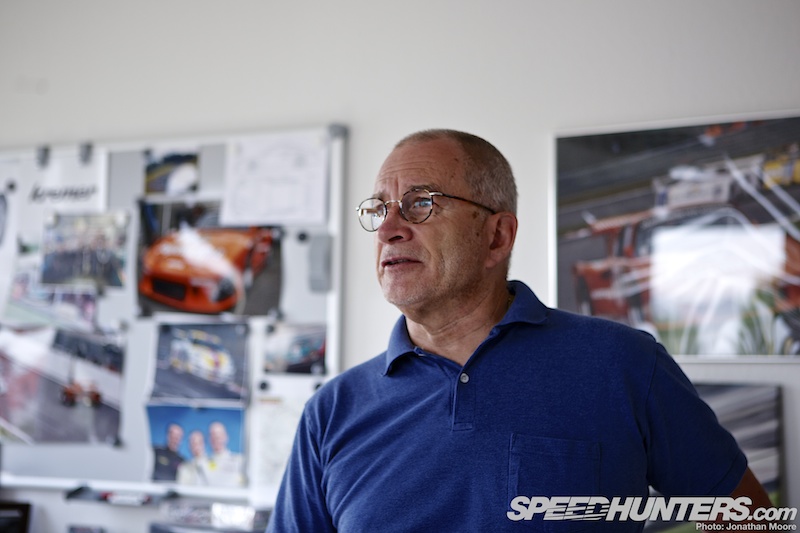
Our hosts were Sports Director Achim Stroth and Kremer’s owner, Eberhard Baunach. Herr Stroth’s connections to Kremer go right back to the ’70s, with his original tenure with the team running from 1974-98. The Kremer veteran has returned to the reinvigorated team, believing that the company’s new direction means that the time is right for the Kremer name to be back at the top.
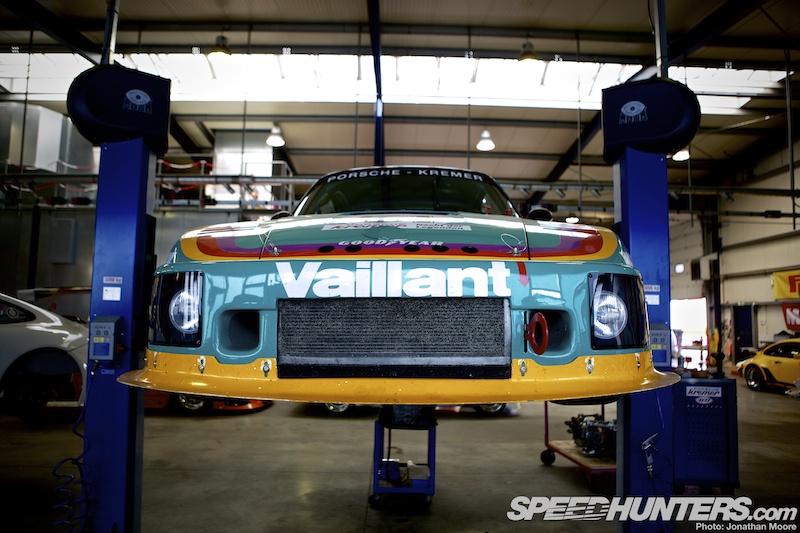
Herr Baunach initially came to Kremer as a customer, with the team supporting his ex-Bob Wollek K2 – a car that was sitting on the lift in the workshop during our visit. When Erwin passed away in 2006 leaving no one to continue the Kremer legacy and with the team looking like it might collapse, Herr Baunach stepped in and bought the company.
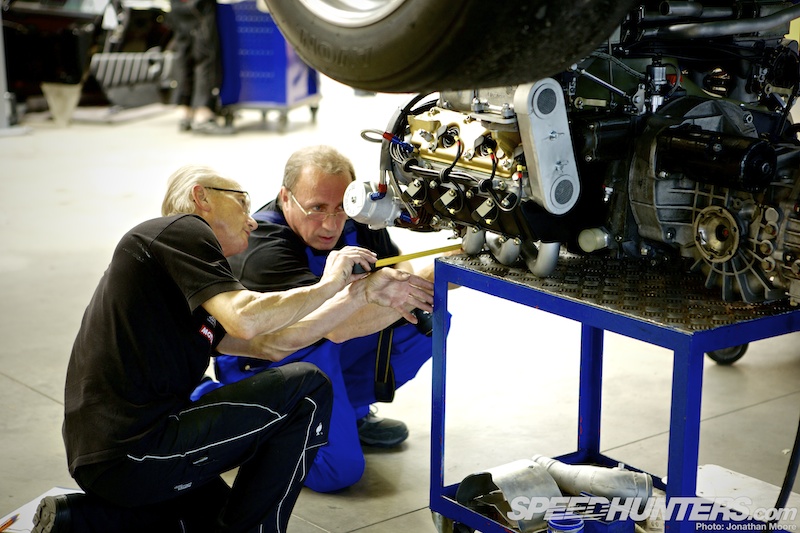
This wasn’t just about preserving the long history of the team and the knowledge residing with the nine expert employees: Herr Baunach wanted to make the Kremer name relevant again.
Achim Stroth: So long as the old guys like me are still alive we can share information, but in 10 years time you’ll have to read a book. Our engine technician has been working for us since 1973 and our bodywork expert for 30 years. We’re stabilising the historics business but we have to step into the future. You can’t do that by sticking just with the vintage cars: we’d just grow old alongside our cars and customers! Moving into new areas makes it much more attractive. That’s why we started our new racing programme at the Nürburgring last year.

At the Nürburgring 24 Hours, both Sean and I had the same thought when we saw the iconic Kremer Racing livery: ‘Is that the Kremer?’
AS: At the first 24-hour race we did last year, many people came up to ask us the same thing! Kremer is quite a common name in Germany! It was a bit like Suzuki in Japan – when a Mr Suzuki would ride a Honda, the factory would always be very upset…
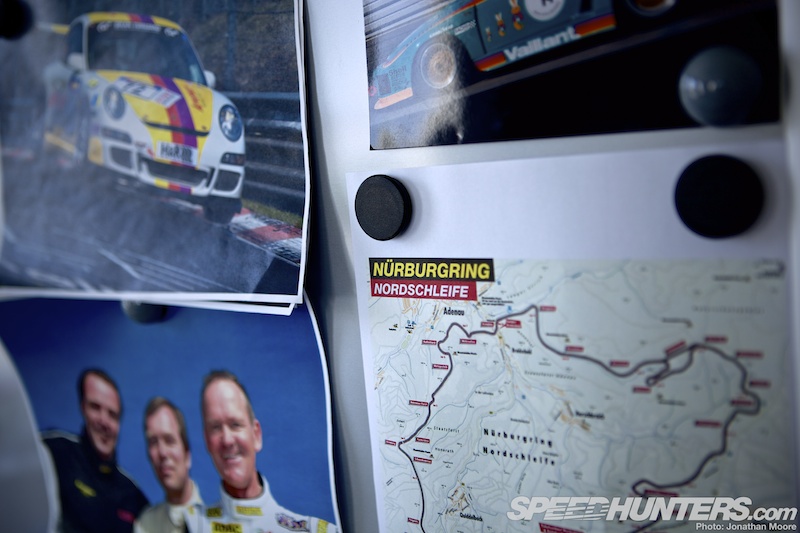
After a quiet decade, the team are now striking out again, starting off at the Nordschleife with a programme based on the 911 Cup car. In true Kremer style they have taken a standard Porsche and entered it into the freer SP7 class of the VLN, which means they’re not obliged to use stock Cup-car parts: out go obligatory Michelin tyres, Porsche-numbered clutch plates and so on. They have effectively become silhouette test-beds for Kremer to use for development, with the plan to create a Kremer Edition Porsche, optimised in dynamics and suspension. Just like the old days: the ultimate Porsche.
That said, historic racing is incredibly popular at the moment, so much so that not only are Kremer owners requiring the team’s support more than ever but there’s demand for continuation builds of old cars. The phenomenal results of this we would see in the annex building… More on that later.
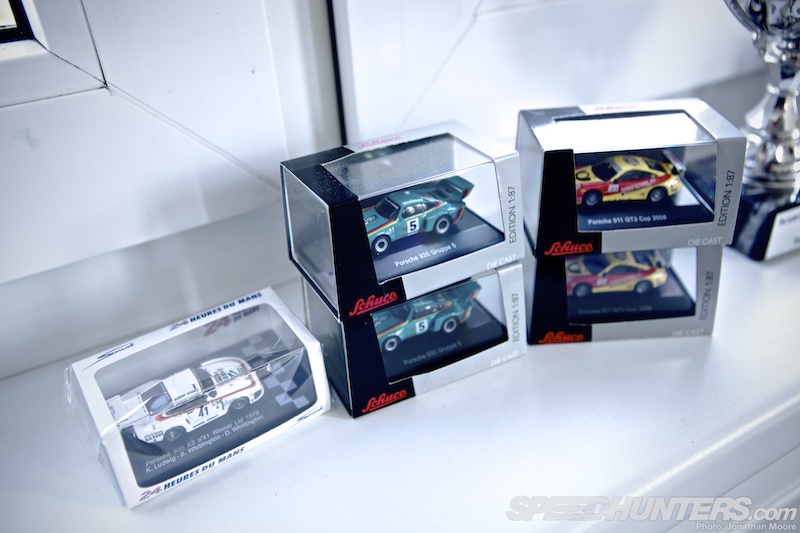
The models of old cars in Kremer’s meeting room are also gradually being replaced with the real things. The K8 WSC prototype is the next car due to return to Cologne.
AS: We’re beginning to collect some of our old cars back. It can honestly be said that it was Kremer that kicked off open-top prototypes at Le Mans. We’d developed the Spyder and were running it in Interserie, and at that time it wasn’t eligible for Le mans. The ACO changed the rules and we ran the K8.
It’s easy to regret selling them in the first place, but we always needed the money. I remember that we sold the #41 K3 in the pit-lane at Le Mans five minutes before the 1979 race. Don Whittington wanted his brother Bill to take the start; Erwin wanted Klaus Ludwig, and it was Erwin’s car. So Don asked how much Erwin wanted to buy the car. Erwin named a price, he paid it – so we pulled Klaus out of the car and strapped Bill in. It was cash, no bank draft! I was counting the money and we just thought we could build another. We didn’t expect it to win!

On the factory floor the space was separated into two main areas, the workshop and storage, divided in the middle by the dyno, paint shop and rolling road.
AS: It’s quite spectacular to have the K3 on the rolling road, with all its shaking and power. It’s difficult for the rolling road to keep up!
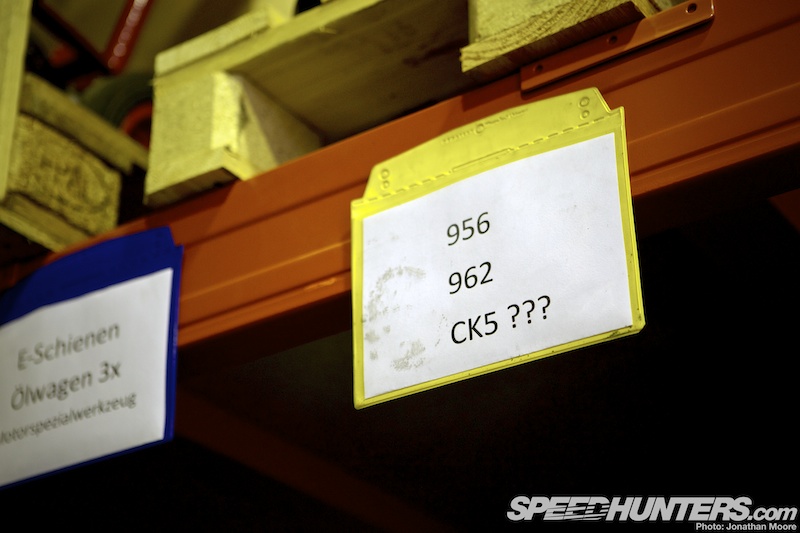
The racks of storage told their own story, with shelves dedicated to spares from cars across Kremer’s history – with apparently some parts not clearly identified!
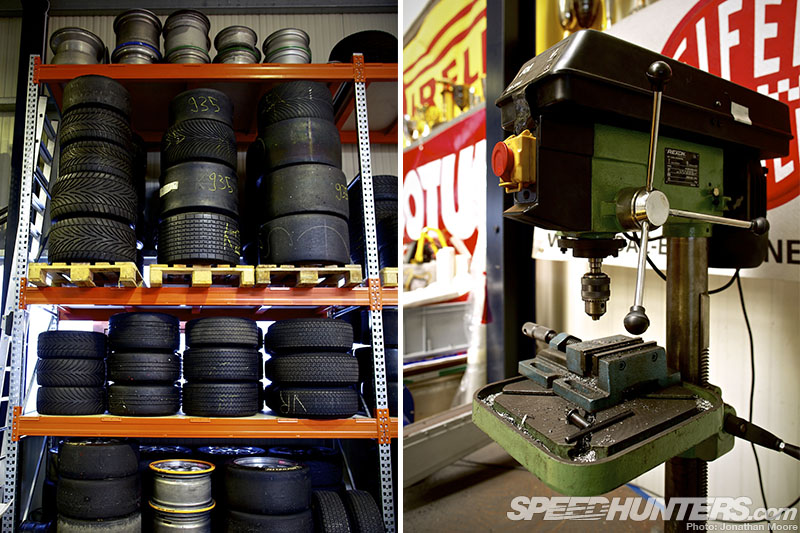
Enormous rims and tyres for 935 variants were sitting ready for action, along with many examples of the team’s bespoke engineering and manufacturing expertise.

Several pieces of bodywork were mounted on the wall, celebrating famous victories and cars and signed by team personnel…
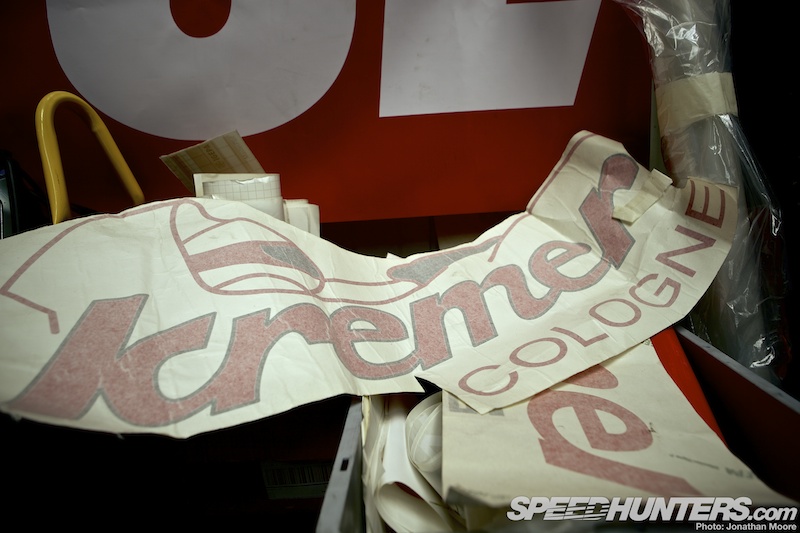
…and particularly interesting was this box containing decal sets.
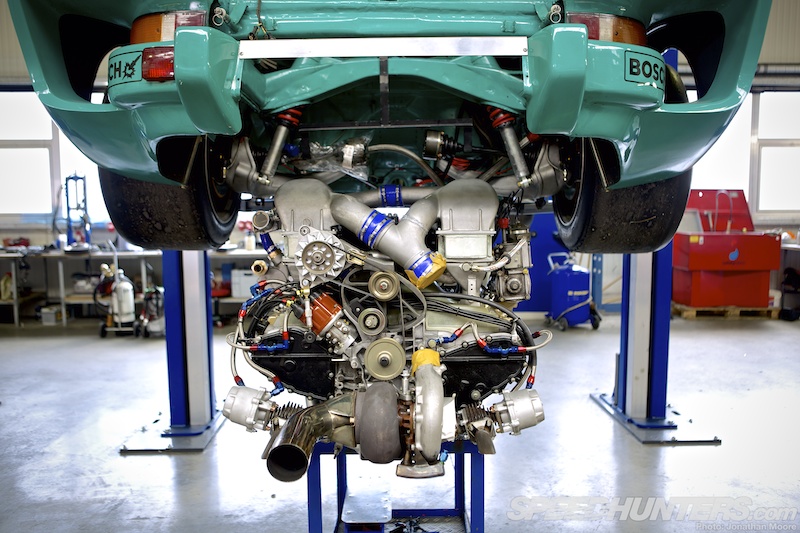
This is like staring into the face of pure power. Herr Baunach’s 1977 Vaillant Kremer-Porsche 935 K2 Turbo was awaiting its refurbished engine to be reinstalled: the enormous six-cylinder boxer block mounts a fearsome KKK turbocharger and produces 560hp. As with everything at Kremer, it looked like it had been freshly built the day before. Engines and mechanicals were always spotless, though Herr Stroth has a refreshing approach to vintage cars bodywork. For presentation to customers he believes cars should be in showroom condition, but active racing cars shouldn’t hide their stone chips and general wear: it’s what shows a car is alive.
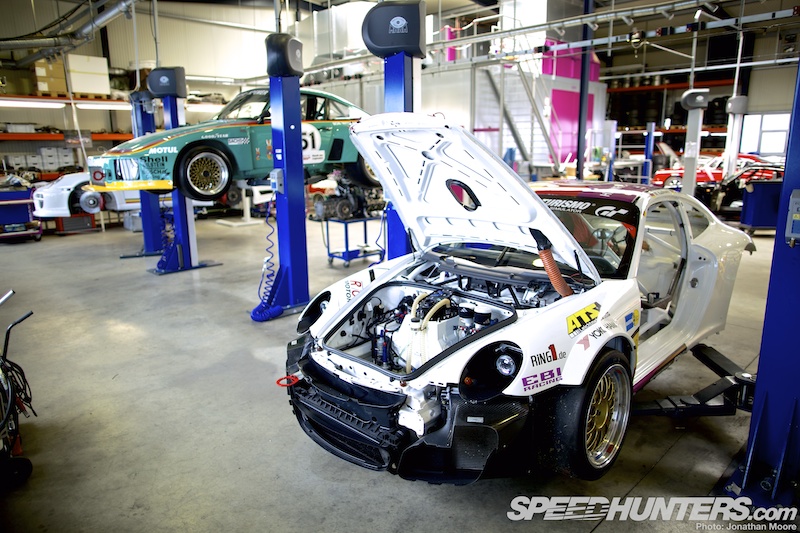
Next to the K2 was one of Kremer’s pair of modified Cup cars: the wide-body variant. It was undergoing a major rebuild after a fire in the the engine bay had taken the car out on the last lap of a four-hour race… A cheap gasket had given way, allowing oil to spew out – with predictable results.
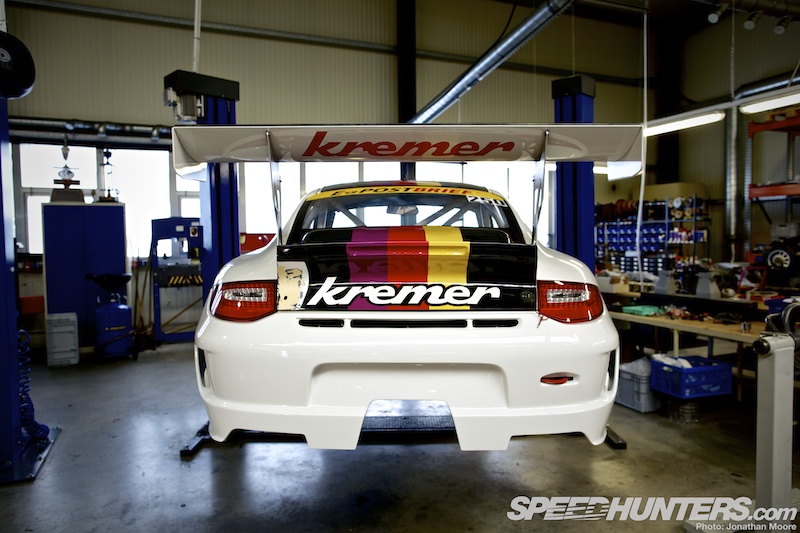
The two cars are being used to help the team get back in the habit of racing again: next year they want to be looking at overall wins in the shorter races and then move back into the top tier of endurance racing, budgets and sponsors allowing.
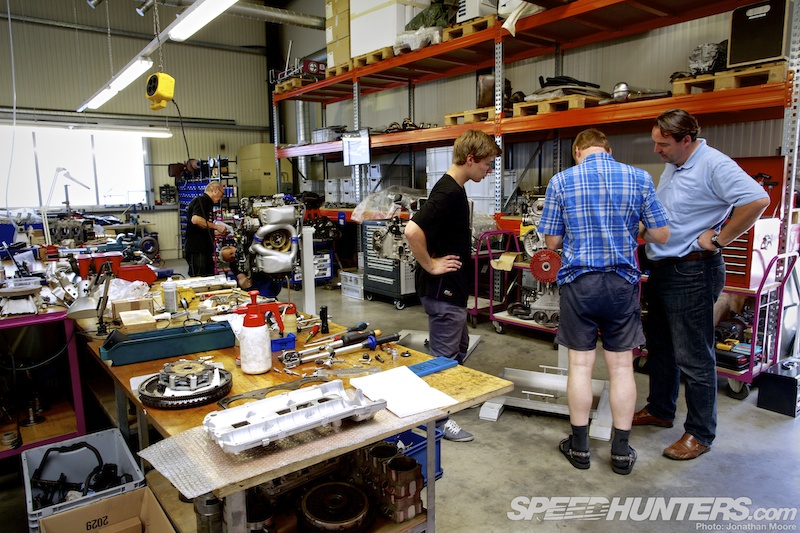
The engine department was buzzing with activity, with vintage and modern units in different stages of build. What these people don’t know about Porsche engines isn’t worth knowing…

The team continues to support both road and race-going Porsches, and shockingly even non-Porsche vintage racecars!
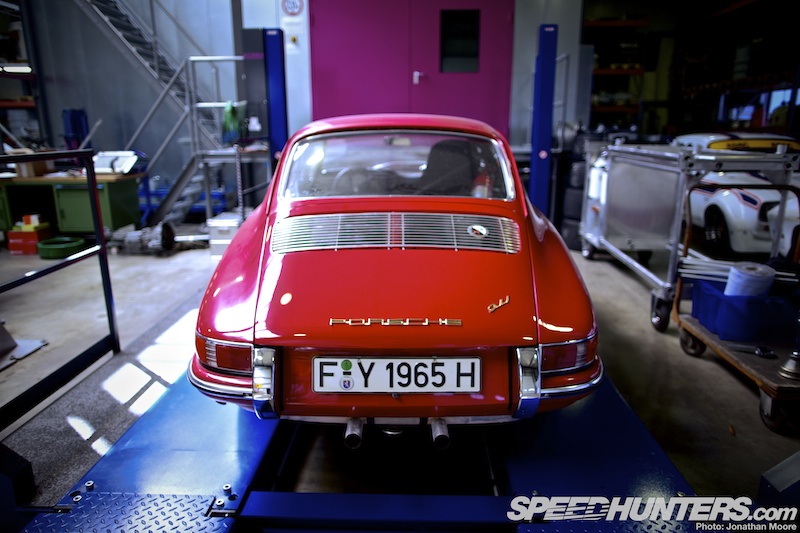
A full gamut of 911 models could be seen, with this 1960s model waiting to be tested up on the rolling road…
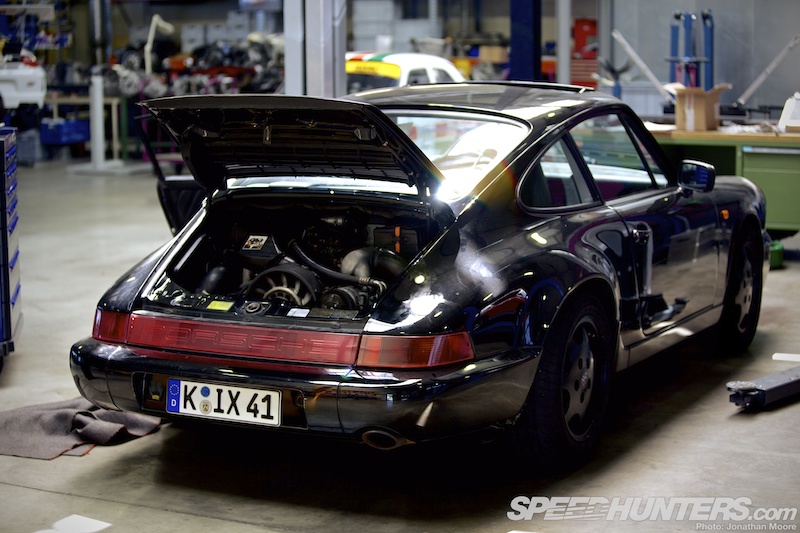
…with another 911 undergoing the final stages of a full service.
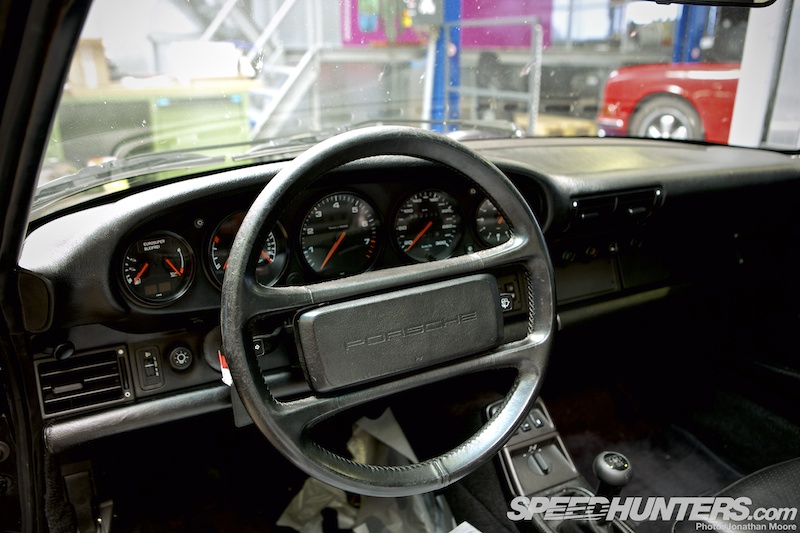
Porsche cabins are always so functional and spartan, something that other modern sportscars seem to be getting further and further away from.
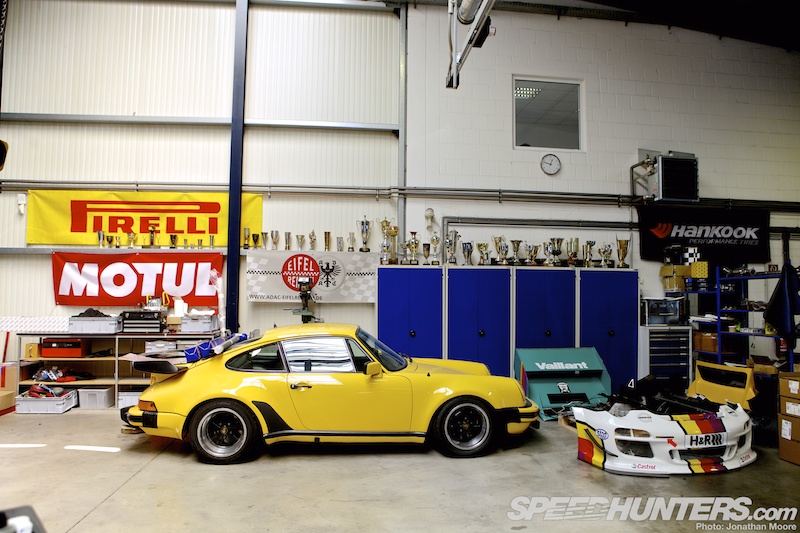
This Porsche 3.3-litre 911 Turbo 930 from 1978 was for sale. Its condition proved that high mileage was no obstacle when coupled with Kremer engine overhauls, and a high-grade steel exhaust meant the sound was sweeter than ever.
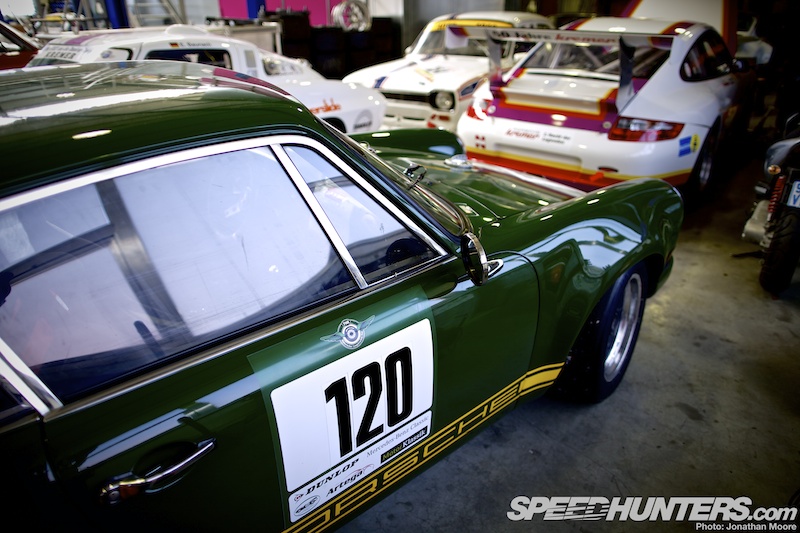
As you’d expect, vintage Porsche racers differ little from their road-going counterparts, given the Porsche approach to building cars.

A bit of weight saving, a racing wheel and you’re good to go.
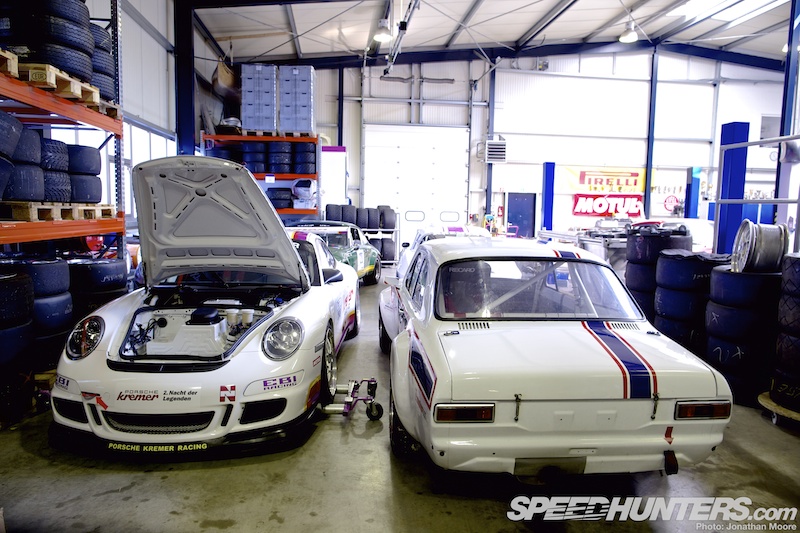
Tucked away was Kremer’s 911 Cup ‘taxi’ that they use for track-rides – a little less revs and a little more torque make for quite an exciting experience for passengers. In this corner were also some of Kremer’s other customer cars that they support: one of two Escorts, several vintage 911s and a Corvette.
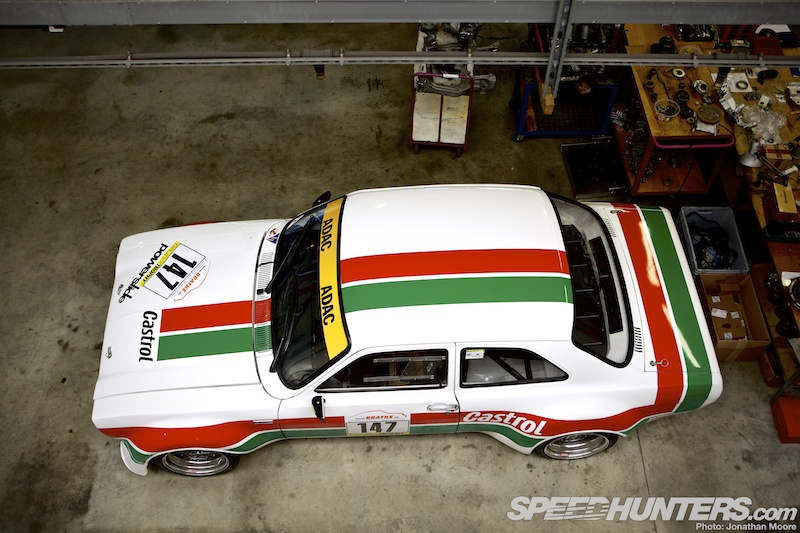
An immaculate Castrol-liveried MkI was in the main workshop.

AS: They only have two-litre four-cylinders engines, but they go like hell!
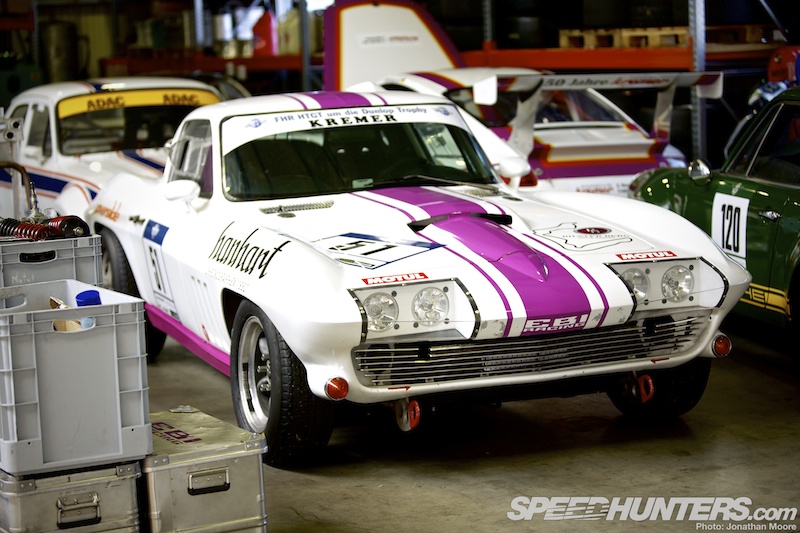
The 5.7-litre Corvette C2 Stingray is running to European Appendix K historic regs, which means that it’s in completely original spec. Everything has to be period, so things like the smaller disks with no modern cooling allowed make for a wild ride!
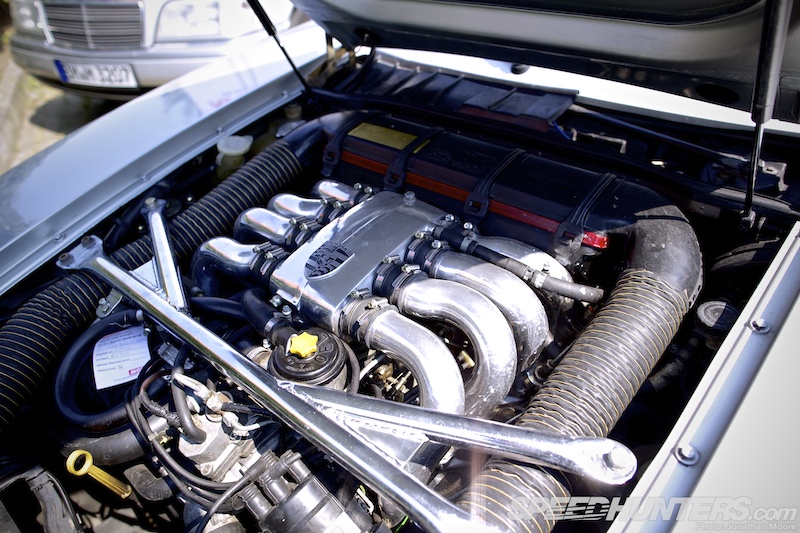
Next up was our brief drive to the secondary Kremer building, though out in the courtyard we had the chance to check out a pristine 928 with a sparkling V8 in its engine bay.
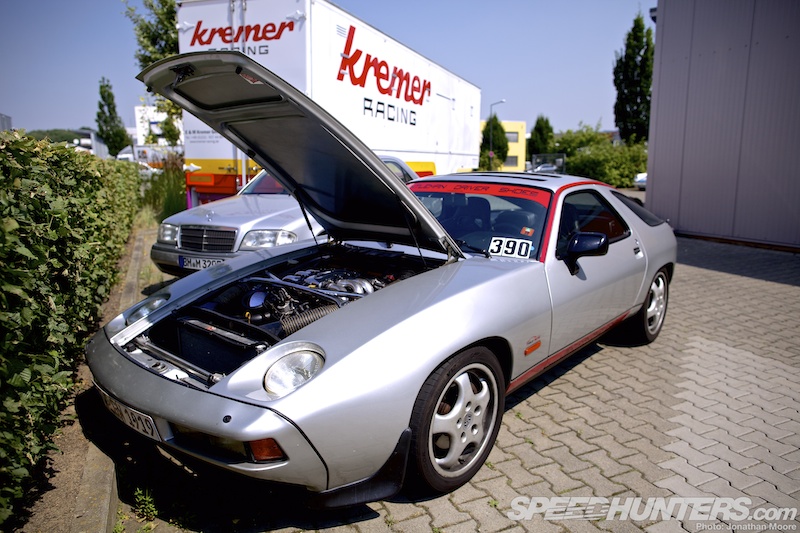
The 928 is another piece in the Kremer Racing jigsaw: the team proposed using its engine in an uprated 962 chassis to take on the second generation Group C opposition of the late-’80s, but a lack of funding meant the project fell through.
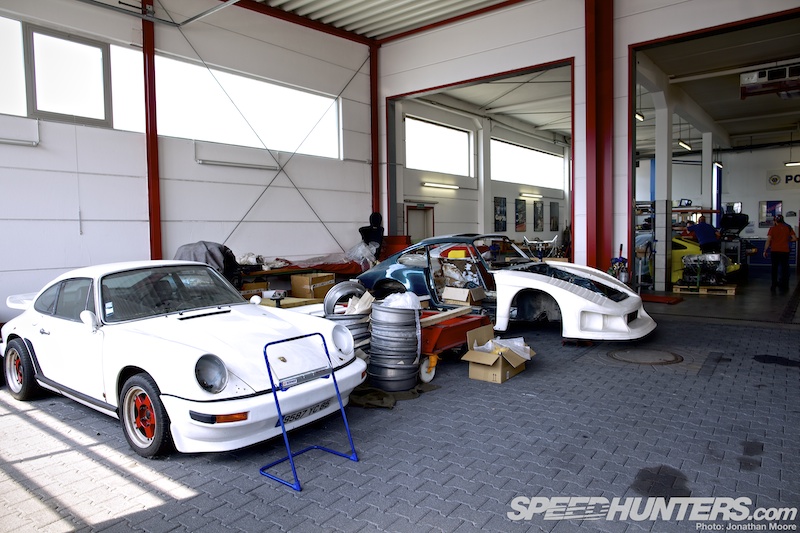
Through the door of the second factory building stood the evidence of Kremer’s new manufacturing base. Cue hyperventilating. Four new Kremer racers were in build, complete with donor cars on hand.
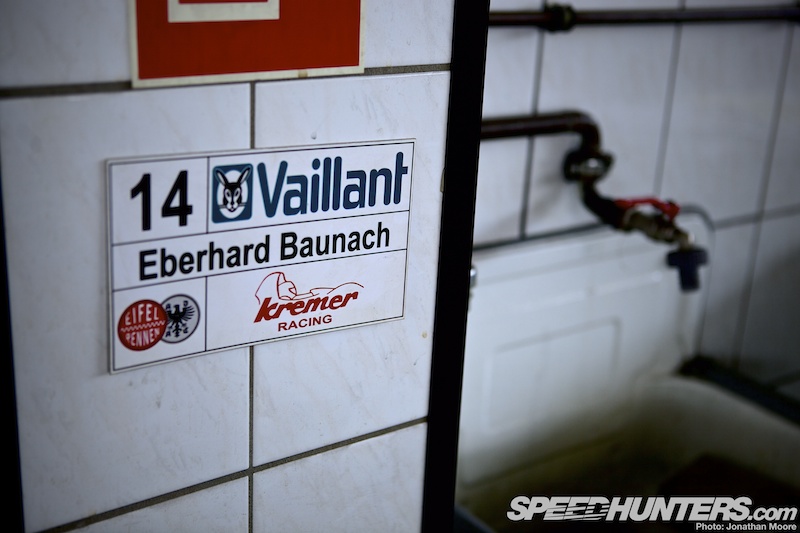
There was evidence too of Eberhard Baunach’s racing relationship with Kremer.
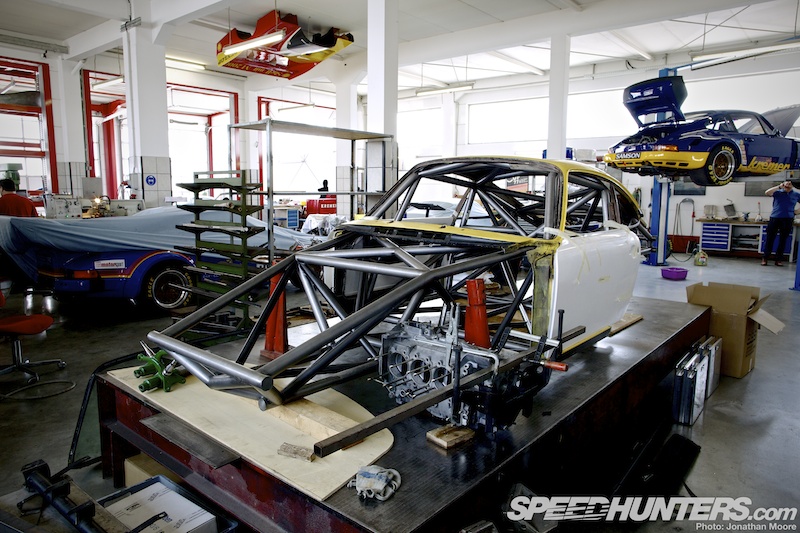
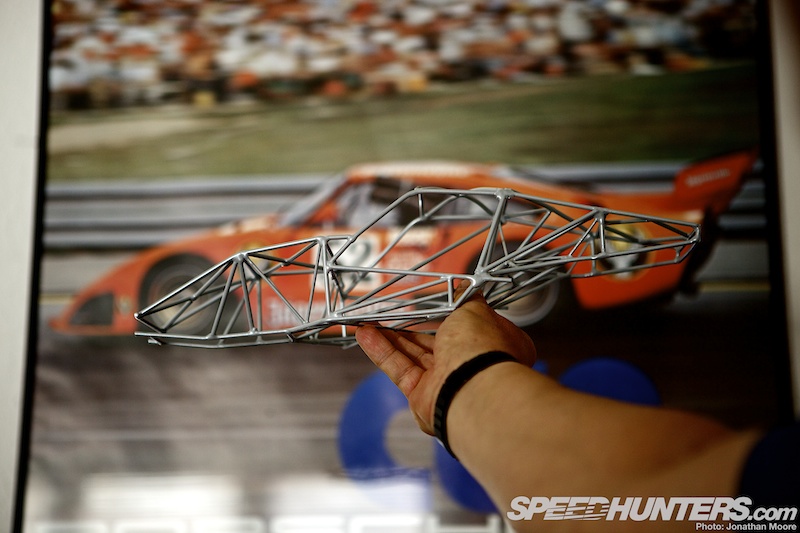
Two restoration projects were nearing completion and the rear deck of a 962 was hanging from the ceiling, but the centrepiece was the spaceframe for Kremer’s continuation K4.
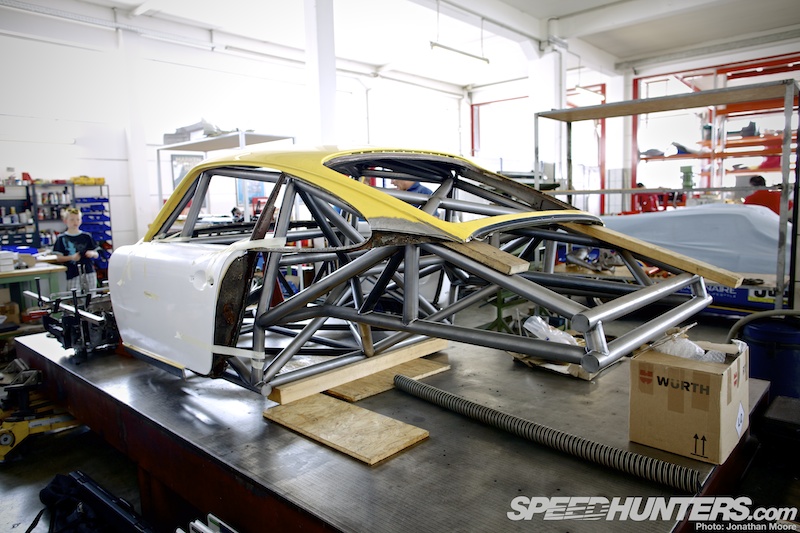
The K4 is a long-term project, which will be a true third chassis to complement the original two built in period. It will be original in every detail, with all components made to the original specification.
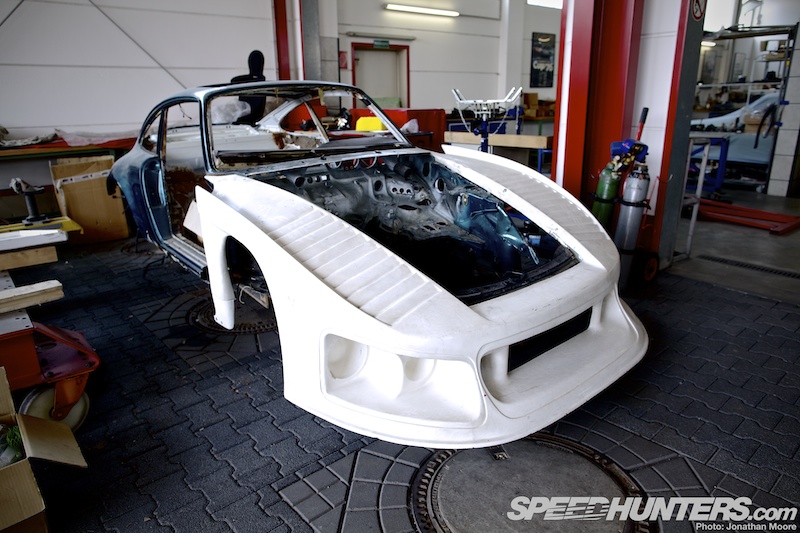
Next to it, K3s were also being built up. Here you can clearly see the road-car shell that’s used as the base.
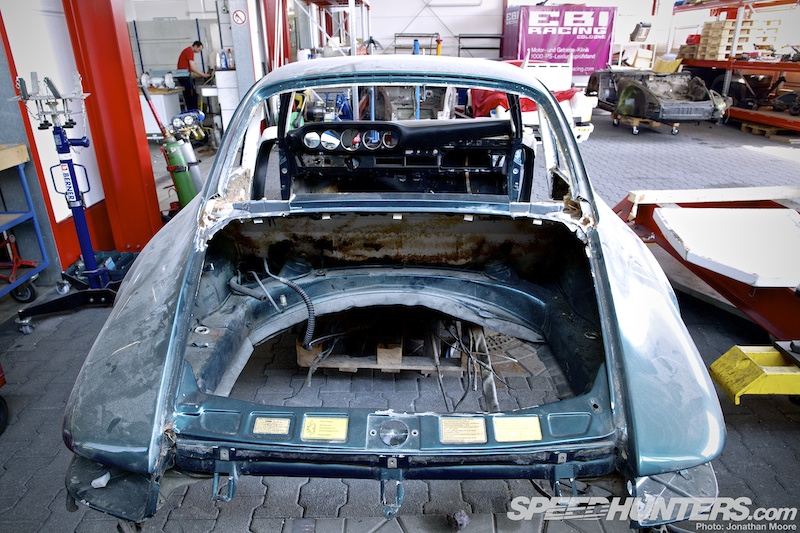
It would normally be sad to see a 911 in this state, but in this case it is truly going to a better place. In the background is the decimated remains of the 911 that had given up its unmistakeable roofline to the K4 – one of the few road-car parts that the K4 utilises. Surprisingly it was a British right-hand drive model in this case, but of course where the wheel was didn’t really matter any more…
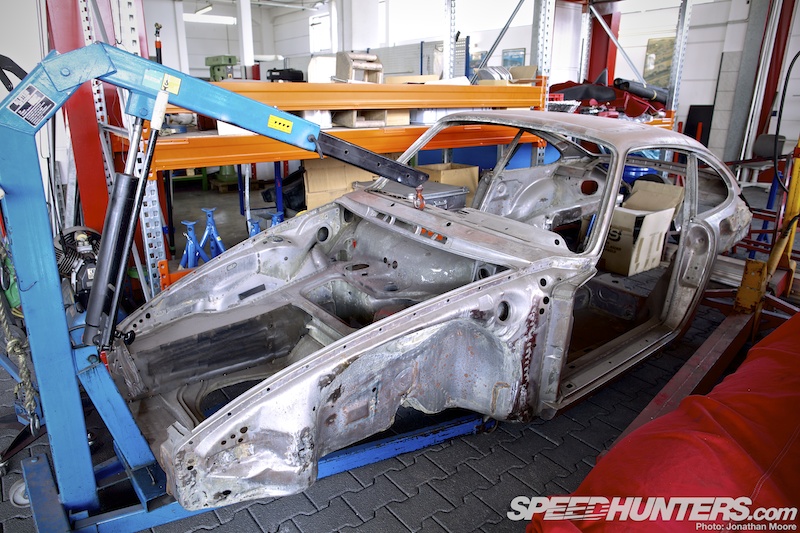
A second shell had been dipped and was ready for more K3 work to start.
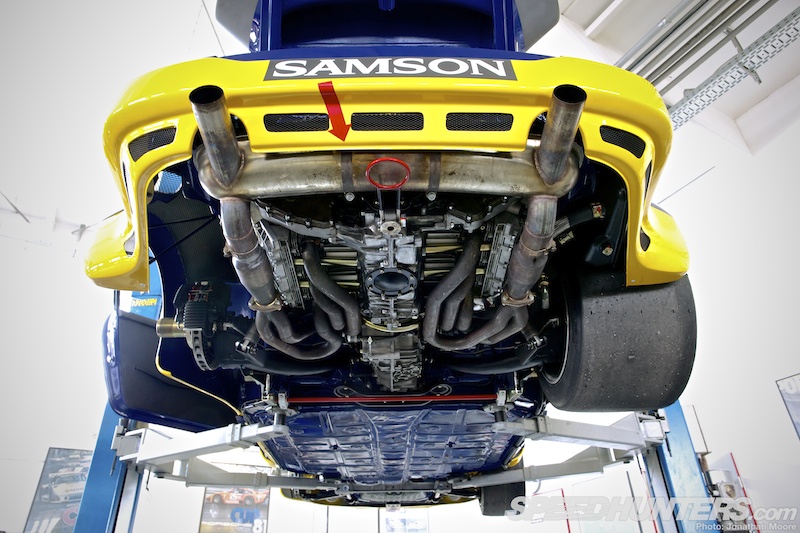
Up on the lift was a 1974 RSK, another car that literally looked like it was brand new.
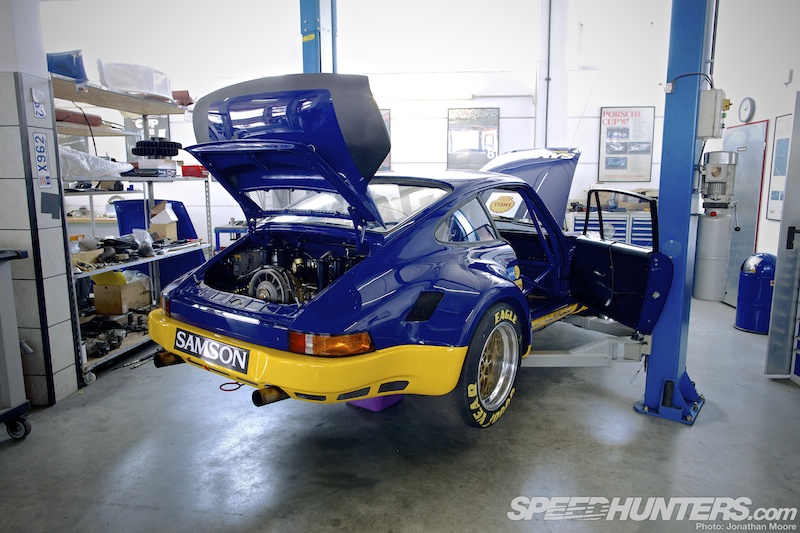
In period it competed at Spa, the Nürburgring and Le Mans. 38 years ago.
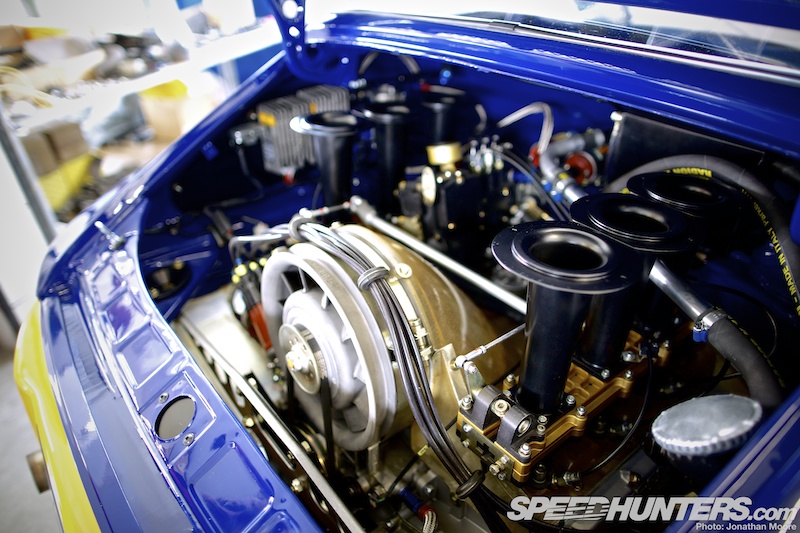
Its flat-six was just… perfection. There’s no other word for it. Sean almost needed airlifting out to hospital.
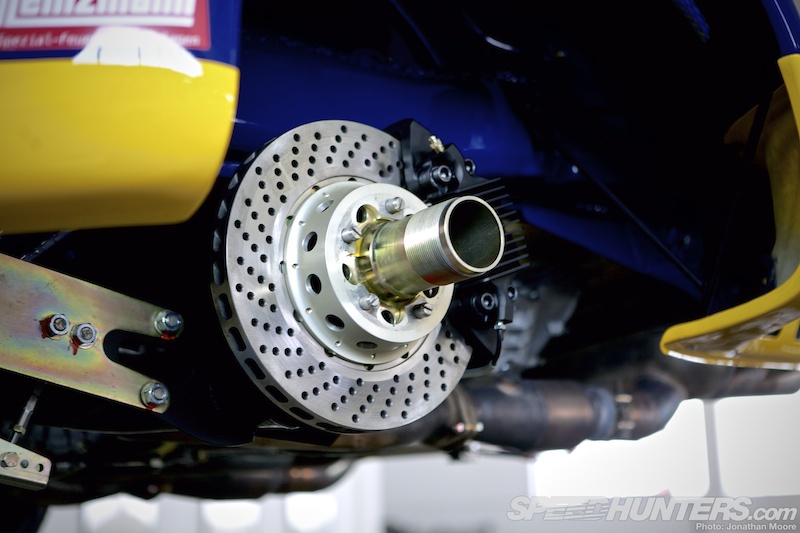
Every nut was freshly tightened and safety-marked, every piece of alloy shining, every disk, calliper and axle the definition of immaculate.
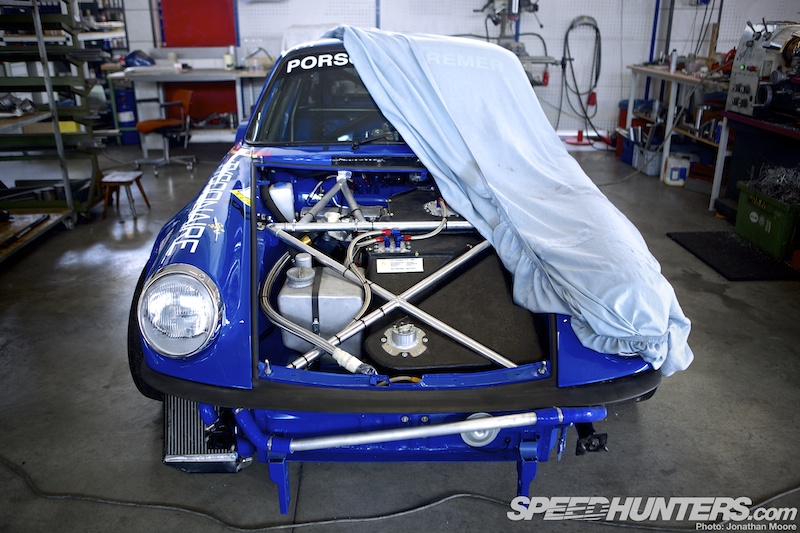
Opposite was a 934, again freshly rebuilt to delivery standard.
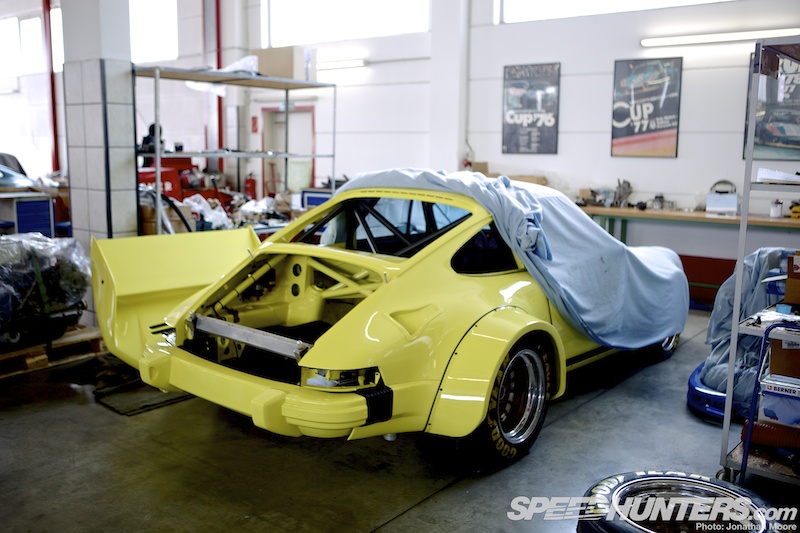
A wide-body RSR was awaiting the final stages of build.

With the team’s 50th anniversary this year, it’s certain that Kremer seem well set as they enter the second half of their first century.
Legendary teams like Kremer stir the heart of racing fans, and the grids of the world will be a richer place for their return to the top ranks of contemporary racing. Coupled with the quality and quantity of restored and continuation vintage racing cars the future is looking bright. We’ll be following the build of the K4 with interest!
Jonathan Moore

Photo by Jonathan Moore

Photo by Jonathan Moore

Photo by Jonathan Moore

Photo by Jonathan Moore

Photo by Jonathan Moore

Photo by Jonathan Moore

Photo by Jonathan Moore

Photo by Jonathan Moore

Photo by Jonathan Moore

Photo by Jonathan Moore

Photo by Jonathan Moore