
The Classic Motor Show at the Birmingham NEC is a Mecca for retro car fans: hall upon hall of clubs, cars for sale, restoration workshops, auto-jumble and auctions. For me it turned into an unexpected journey of nostalgic bliss, with cars at every turn that triggered memories from across my life: childhood pin-ups, cars that my grandparents owned, my dad’s first sportscar and more.
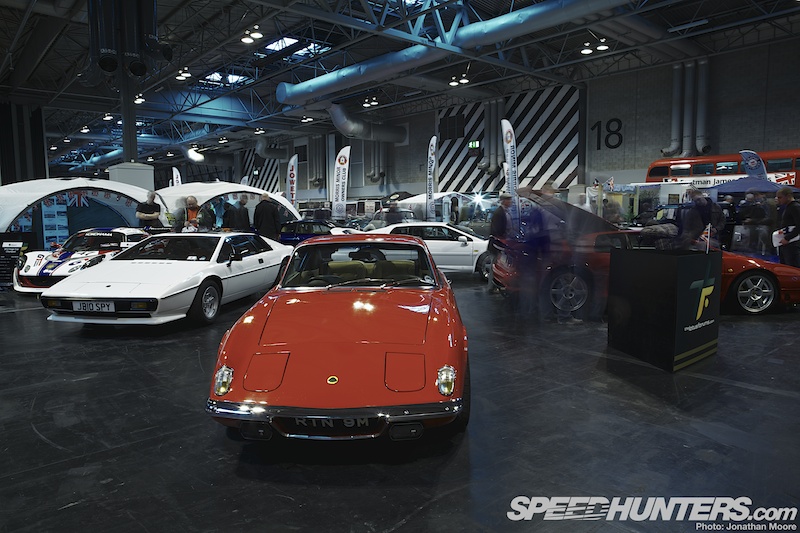
At these kind of shows you’re always faced with an overwhelming quantity of vehicles, and I usually find that it’s only when I get home and start editing that I find out which cars piqued my attention above others, by way of finding multiple shots of specific cars. Whilst gleefully shooting away I find it difficult to make deliberate decisions on which cars in particular stand out, so am happy to leave it to my subconscious. With that in mind, here are my stand-outs from the show – picked by the power of my mind.
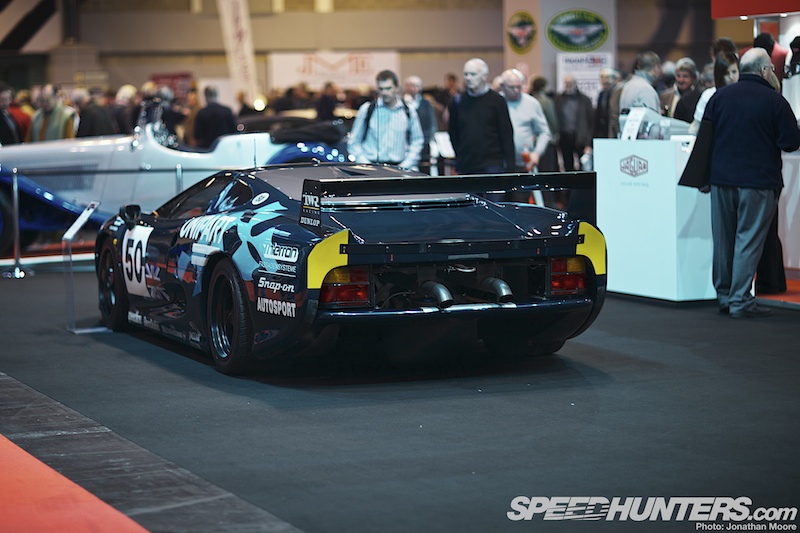
What with our recent visit to JD Classics, I’ve been on a bit of a Jaguar frenzy recently, but with the upcoming F-Type and the sheer quality of Jaguar’s heritage it’s well deserved. Talking of the brand’s history, the company have been putting a big push behind reminding people of exactly that fact. Jaguar Heritage turned up to the Classic Motor Show with a whole squadron of Jags to take up residence in the heart of Hall 20, which otherwise mostly contained sales and restoration firms. But this car put me into an immediate, irresistible orbit that was impossible to break out of.
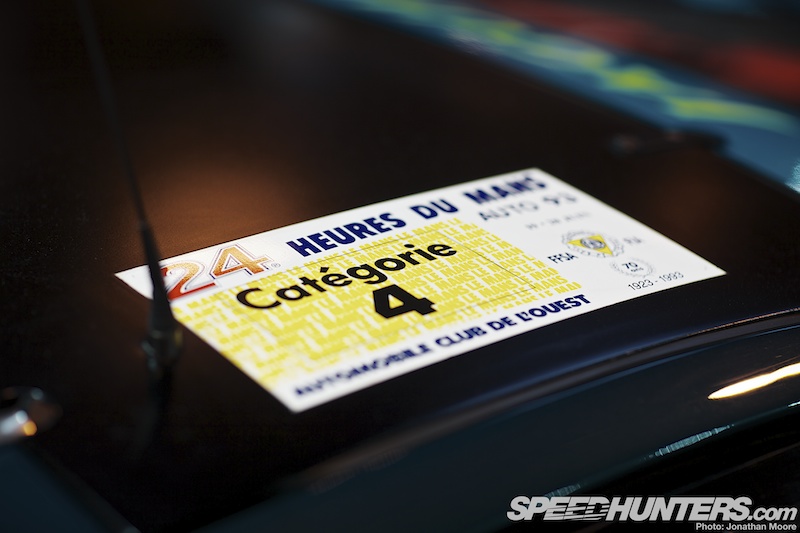
This is an XJ220C: one of three factory racers entered in the 1993 Le Mans 24 Hours in the new Grand Touring class, the precursor to the epic GT1s of the mid to late ’90s.
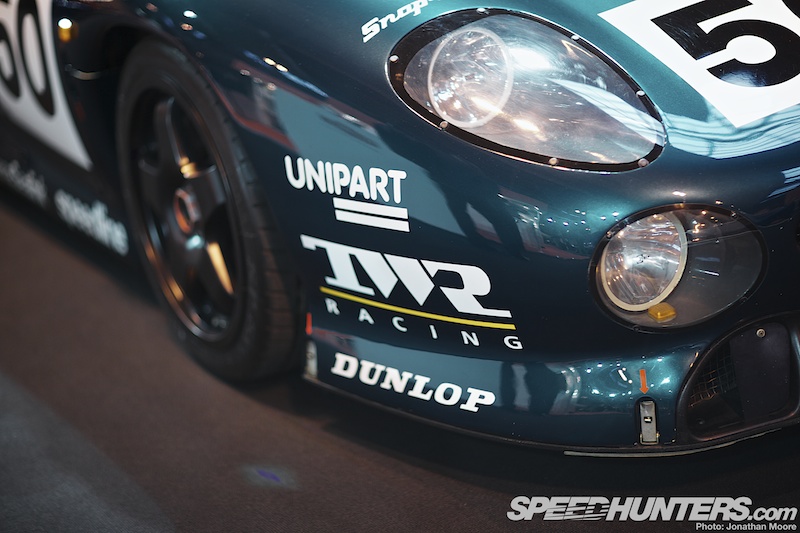
It’s not any old XJ220C either: it’s the class-winning car driven by David Coulthard, John Nielsen and David Brabham – and I say ‘win’ deservedly, as win it did despite the fact it was disqualified after the race.
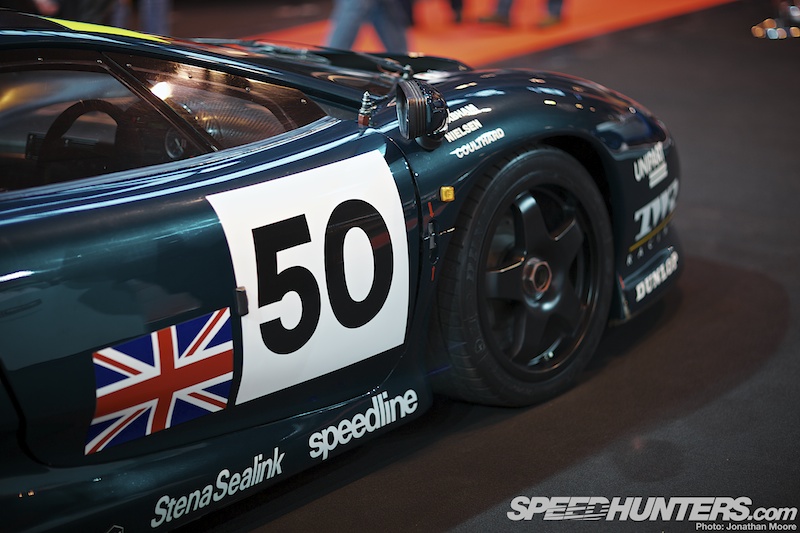
#50 beat the French #47 MMI Porsche 911 RSR by two laps on the day, only for the ACO to decide – one month later – that the Jags weren’t running catalytic convertors. Which no other car was either. The XJ220Cs were run by Jaguar stalwart Tom Walkinshaw’s TWR team: not the best chums of Le Mans’ organising body, the ACO… TWR won their appeal – but in turn the ACO ruled that the appeal had been lodged too late, so the win was taken still away, leaving rather a bitter taste in the mouth.
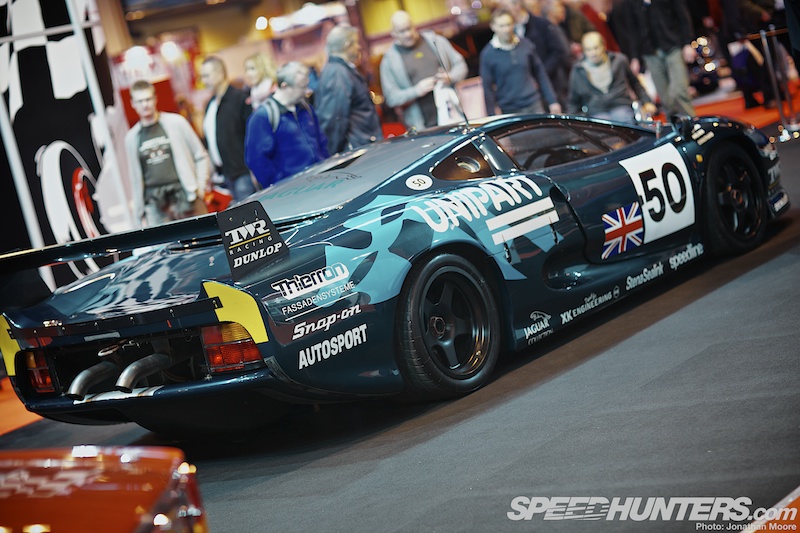
The racing XJ220C is an obvious forerunner to the big GT1s that were to come: supercars taken to the ultimate level, where the racing car began to be the catalyst for the road car rather than the other way round.

In racing form the XJ220C wouldn’t look out of place on a modern GT grid. Except in being bigger and better.
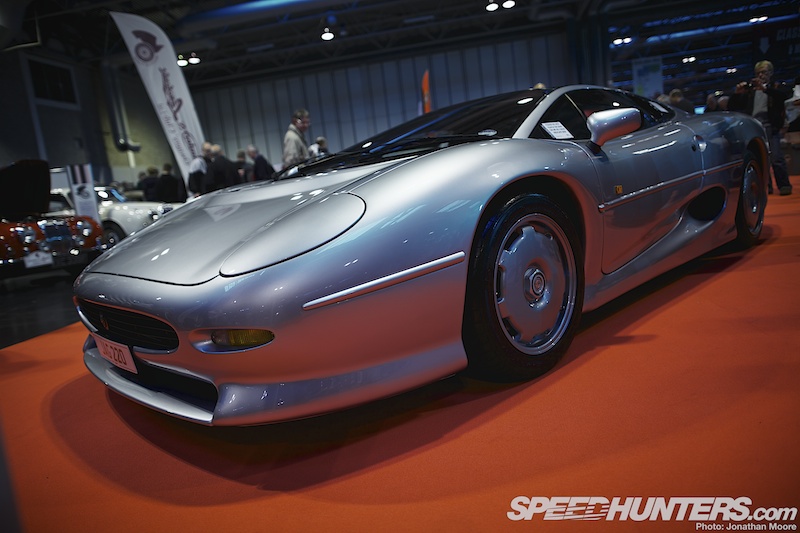
Just round the corner was this sleek regular 220: not that it looks anything but beautiful, but the road car does have a lot of stylistically dateable rounded edges and bulges that all had the knife taken to them for the GT, creating a much more brutally simple shape.
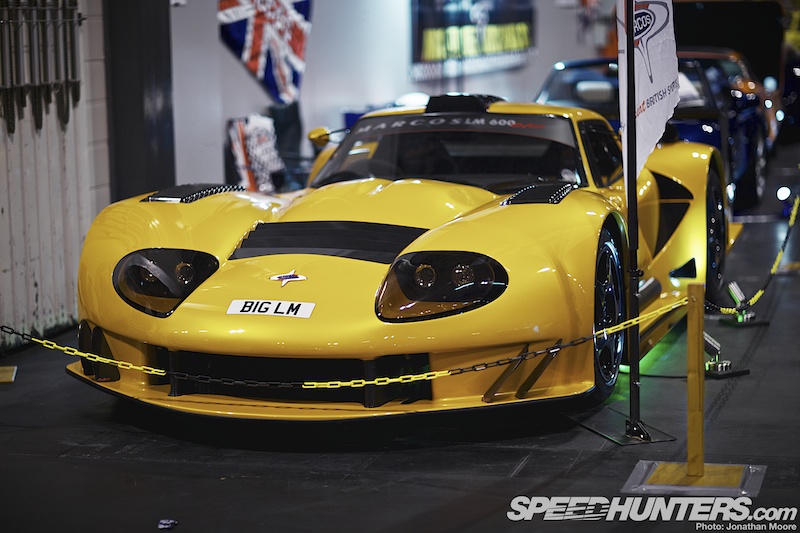
From brutal simplicity to just brutal full stop and the Marcos LM600 Evo: the ultimate version of Marcos’ GT racer and one of my favourite racing cars ever.
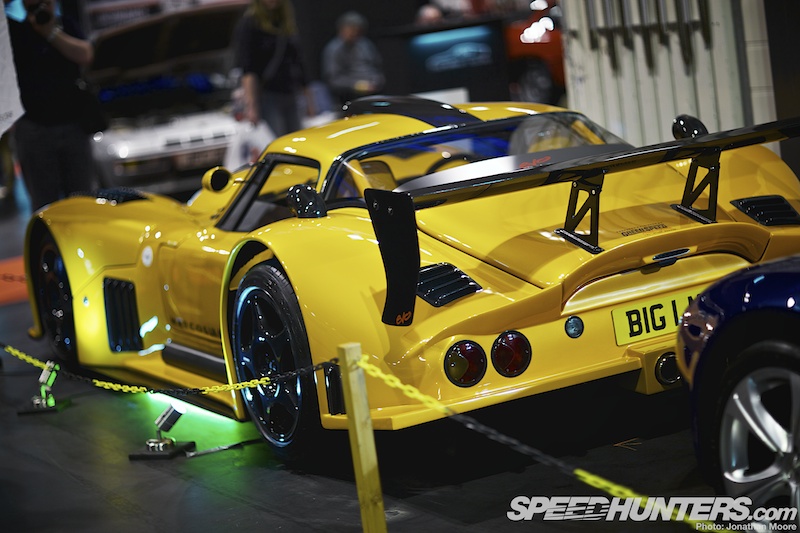
There was only ever one of these insane machines built for the road in the mid-’90s, complementing the half-dozen wide-body LM600 GT racers. But the LM600 Evo gave a whole new meaning the phrase wide-bodied: it looked like it had been put into a cartoon car-crusher, taking a car that already seemed the width of most tracks and flattening it to virtually pancake proportions. The Evo is just 39 inches high!
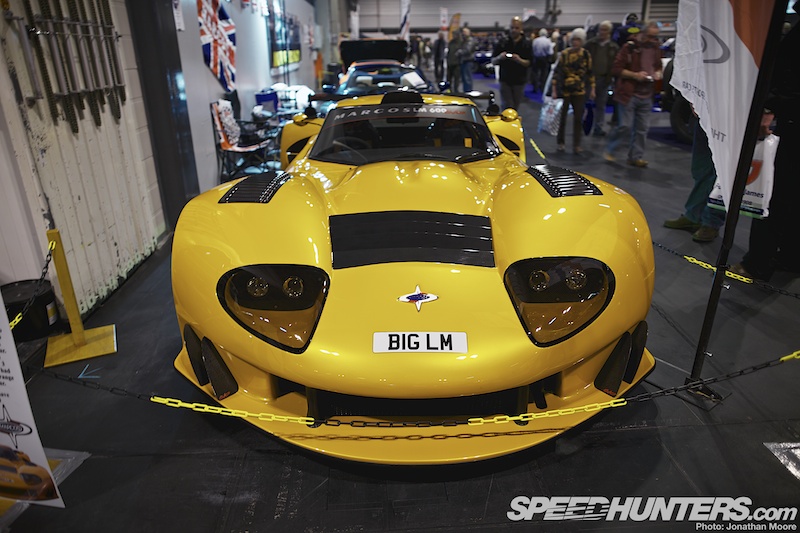
The original chassis was built in 1995 but never completed. Cor Euser’s Dutch Eurotech team bought the Marcos racing team in 2000, and Euser needed a road-going homologation special to get the required authorisation for his racing LM600 Evos. This chassis was dusted off and new bodywork made to satisfy the officials, although once again the car was never completed.
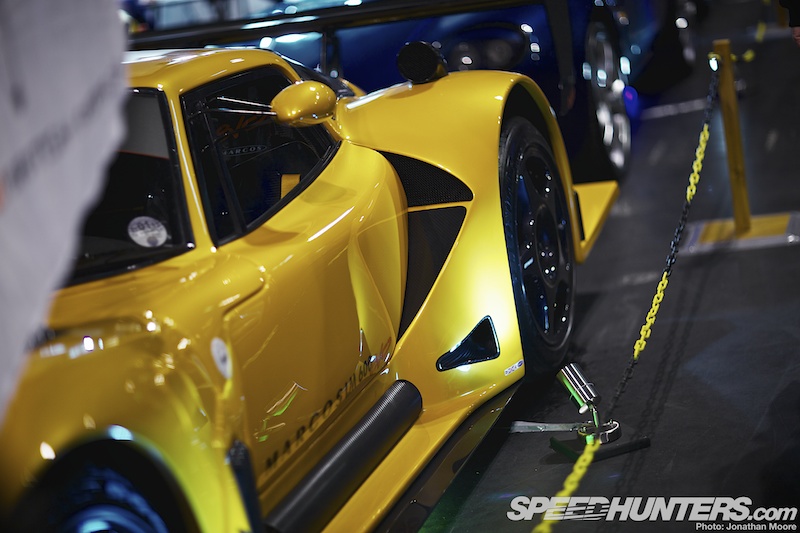
After sitting around for a decade it was bought by a Marcos enthusiast a couple of years ago and fully restored – and finally finished. For driving on the road it looks even more impractical than even, well, a normal Marcos. The bulge in the enormously long hood shrouds the 5.7-litre Chevy small block V8; even in racing form drivers said they had to drive looking diagonally out of the car, like in a fighter jet. Crazed brilliance.
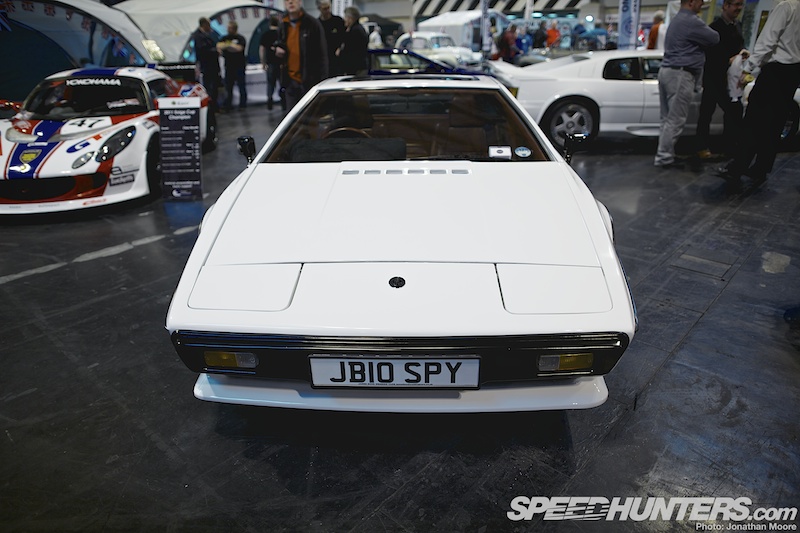
Keeping the British theme going, an iconic car with a very apt number plate.
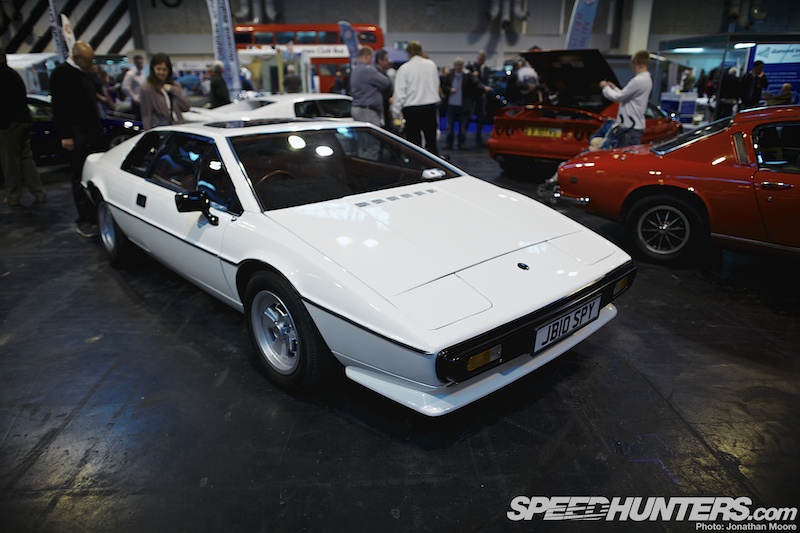
The Lotus Esprit, made famous by its appearance in several James Bond films, was a definite poster-child of the ’70s and ’80s. The uncompromising aero wedge shape created by Giugiaro is shown off to perfection in this classic white with black detailing, as seen in The Spy Who Loved Me (one of the best car chases ever) – though this is a Series 2 posing in Bond S1 guise.
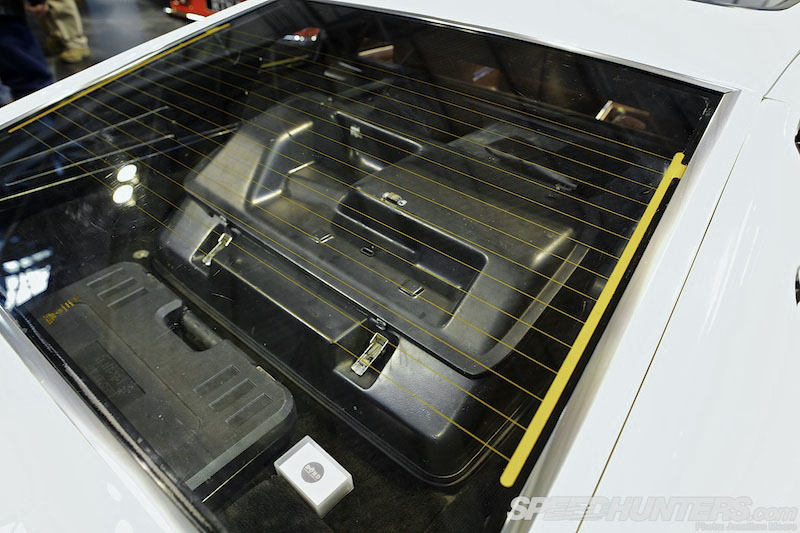
The rear-mid inline-four engine was mounted longitudinally right behind the cockpit: they always look like being an enormous pain to work on. Long arms and patience must be required…
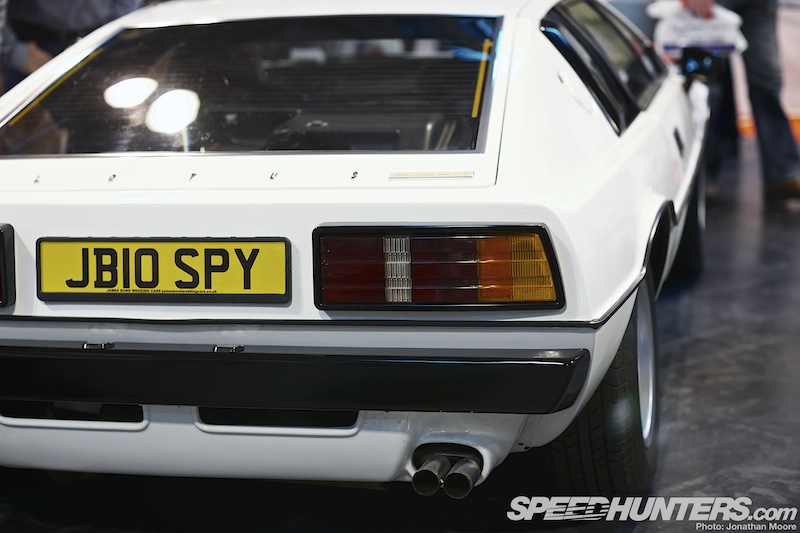
Specialist marque cars have always had an element of ‘bitsa’ to them, and the Esprit reused a number of components from the parts bins of other manufacturers. For the Series 2 the large rear light clusters were taken from the Rover SD1, replacing Fiat X1/9 lights used on the S1.
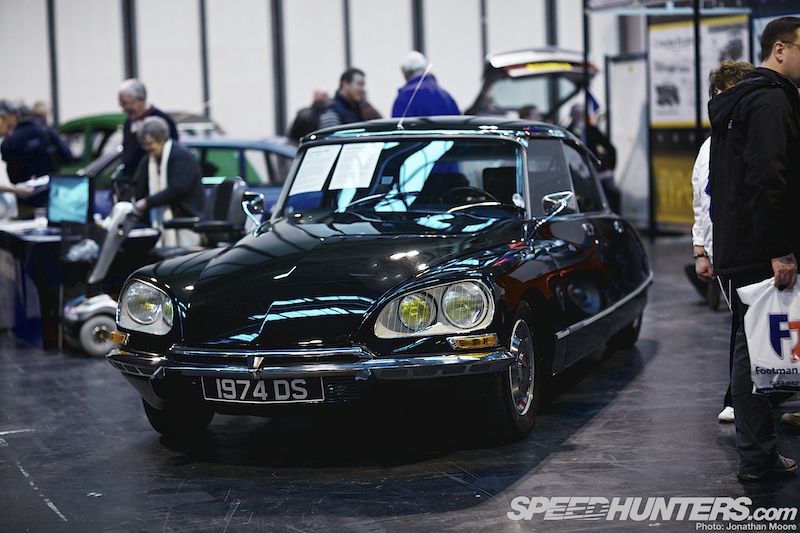
The Citroën DS looked like it was from the future: the result of mating a supertanker to a hovercraft, it’s incredible to think that the DS was introduced to an incredulous market as early as 1955. There’s never really been anything like it before or since.

The DS was all about hydraulics: it powered most mechanicals of the car, including the suspension and transmission. The self-levelling hydropneumatic suspension was a revelation in handling terms at a time when most cars still had solid axles, and even allowed for easy wheel changes by the use of a built-in stand when the car was pumped up to maximum height.
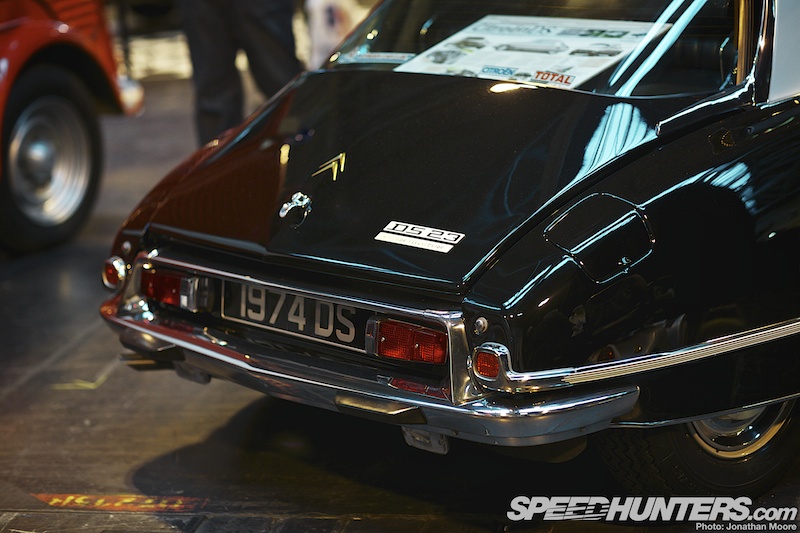
This lovely DS23 was a Pallas model: the luxury upgrade that added directional quad headlights, a leather interior, external detailing and improved noise insulation.

The cockpit of a DS was a calming place to be: floating along on the cushion of air, driving a DS was a luxurious experience. Though that didn’t mean that the handling was soft as well, as the car’s response was surprisingly sharp through the mono-spoked steering wheel. The selector stick for the hydraulics was mounted just behind the wheel, and the brakes operated by a small pad next to the gas pedal: more of a button than a pedal
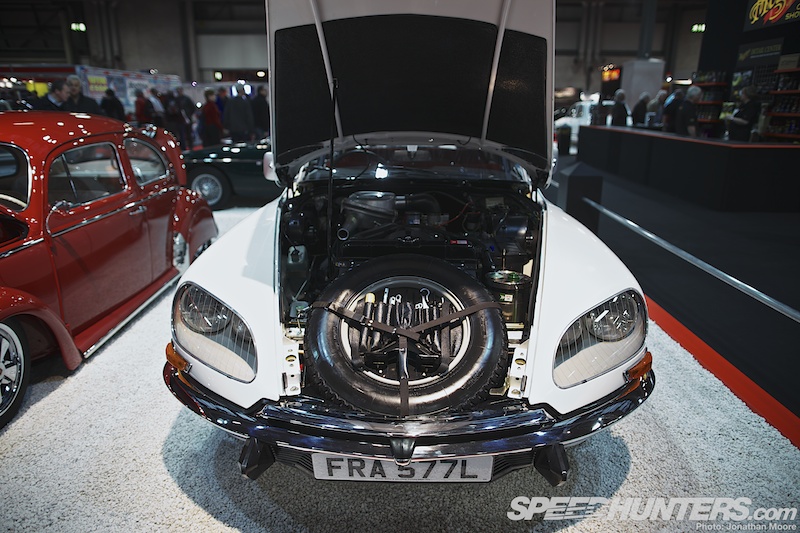
The only part of the DS that wasn’t modern was the original inline-four engine, though the Pallas model added in fuel injection which improved things. The cavernous bonnet also stored the spare wheel, which contained the factory-supplied tool-set.
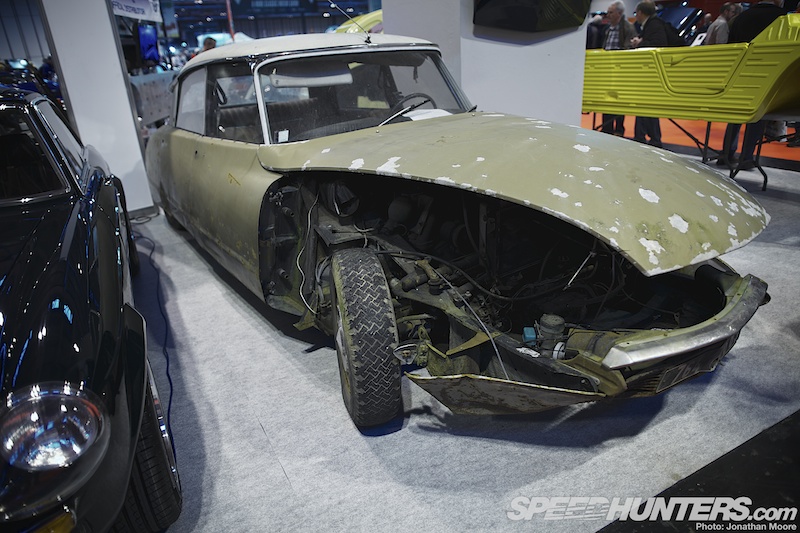
The DS is becoming ever more popular, with its quirky style, large size and intriguing ride quality enticing people into restoring them. This one was going for less than £4,000 in its current state – though ten times that if you wanted it fully restored!
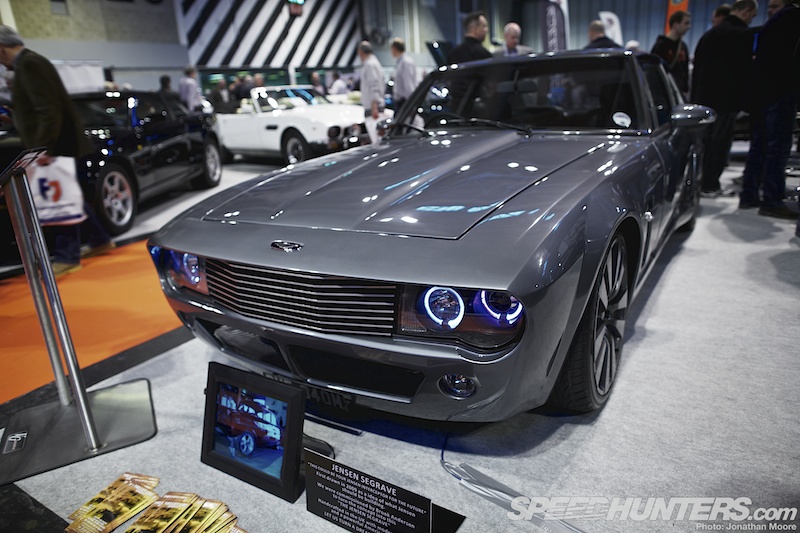
Next up, a car that is a modern reinterpretation of a past classic supercar: a Jensen Segrave. Based on a Jensen Interceptor, the Segrave is based on a heavily updated original Interceptor chassis and has been put together by Valley Gas Concepts.
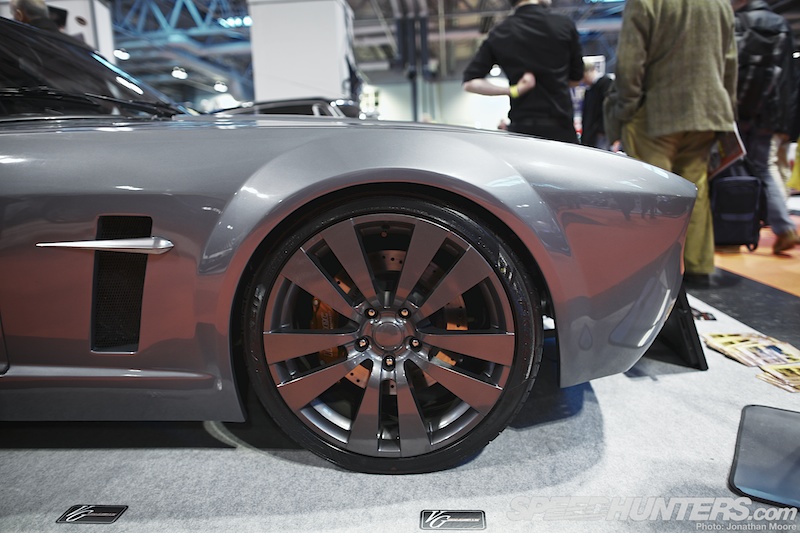
It’s also known as the Viperceptor, which gives a clue as to what’s under the bonnet.
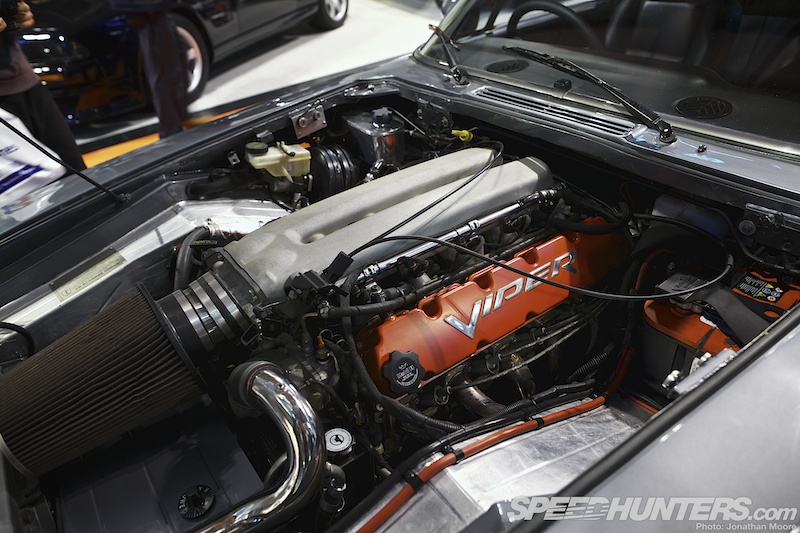
That would be a huge 8.3-litre Viper V10, putting out 630bhp.

The exterior lines stay true to the original, specifically with the iconic wrap-around rear screen and C-pillar shape. The name pays tribute to multiple Land and Water Speed Record holder Henry Segrave: the team hope to make a small run of the Segrave with optional engines on the cards.
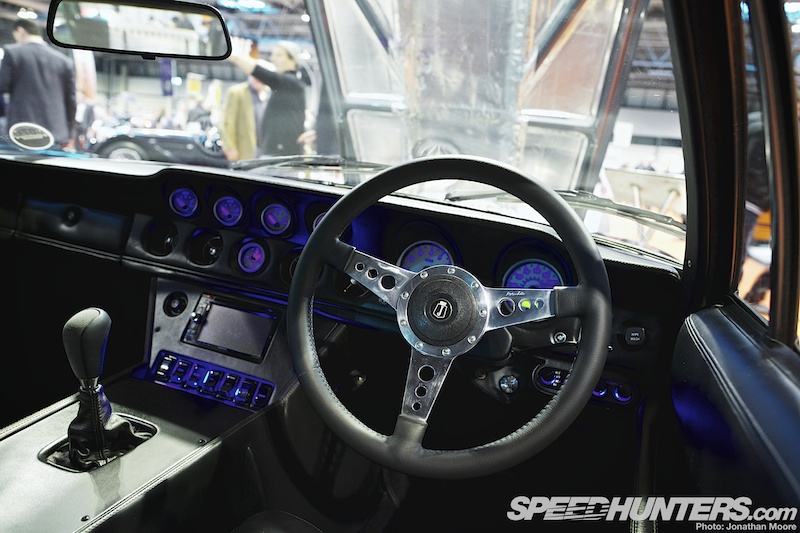
The interior features all modern switchgear, though the wheel continues the homage to the original.

Finally, a car that shows off the future from the past. In the future?

The Delorean DMC-12 links to the aforementioned Esprit: it was also designed by Giorgetto Giugiaro and used a similar Lotus-derived chassis backbone.
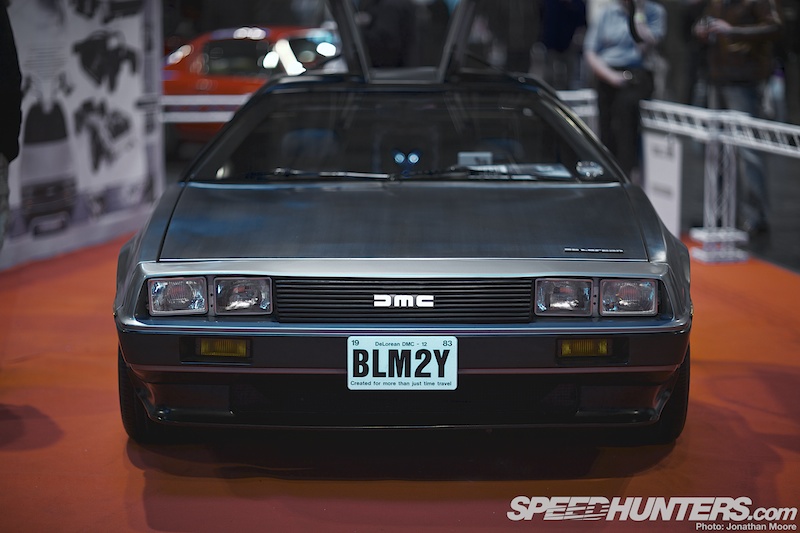
A surprisingly large number were constructed: over 9,000 during two years of production between 1981 and ’82. I’d always thought of it as a short production-run failure, but that’s quite a number of cars to be flying around.

The raw, brushed stainless steel bodies tend to look as pristine now as when they were new, and the body-shape looks far more modern than its ’80s origin. Back to the future indeed. The gullwing doors have lights on each interior edge when raised, giving a sort of Terminator robot aspect to them… That’s even more appropriate when you read the spec of the door support system: cryogenically-preset torsion bars and gas-charged struts!
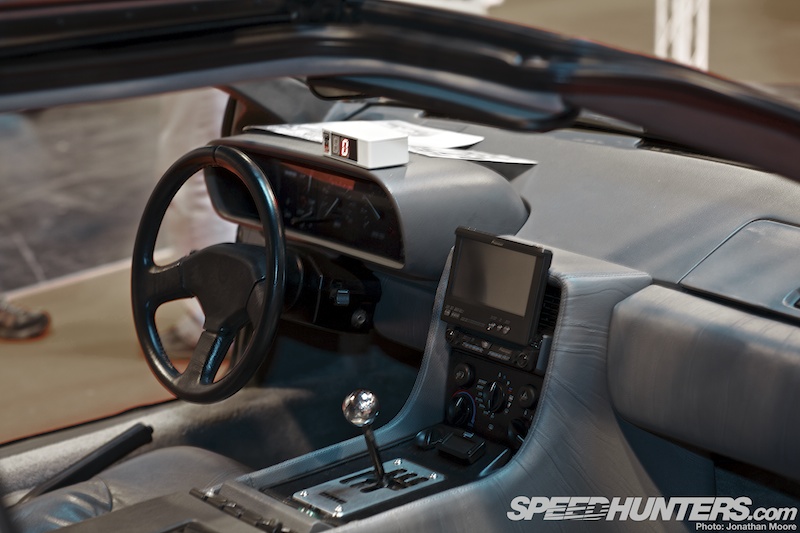
The interior is a definite nod to the ’80s though. The grey material doesn’t really travel through time that well – perhaps in black, the only other factory option, it would look less of the period…
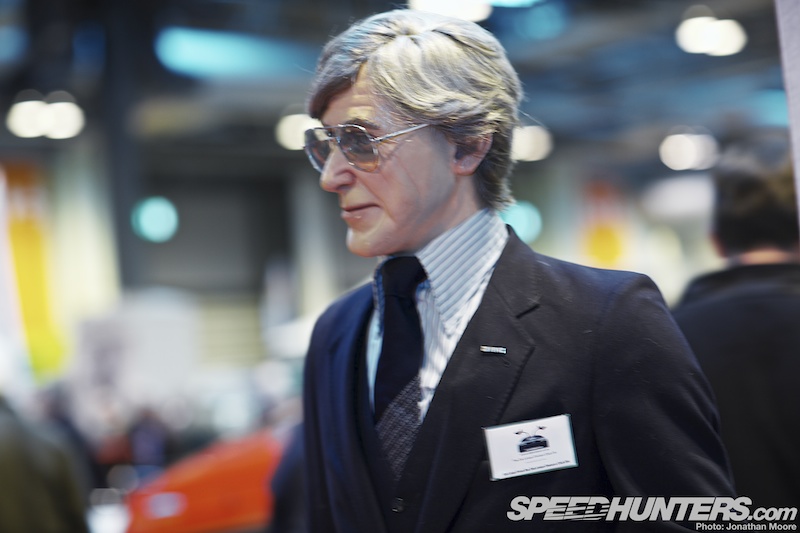
…though the Delorean salesman on the Owners’ Club stand also sported a rather wooden ’80s look.
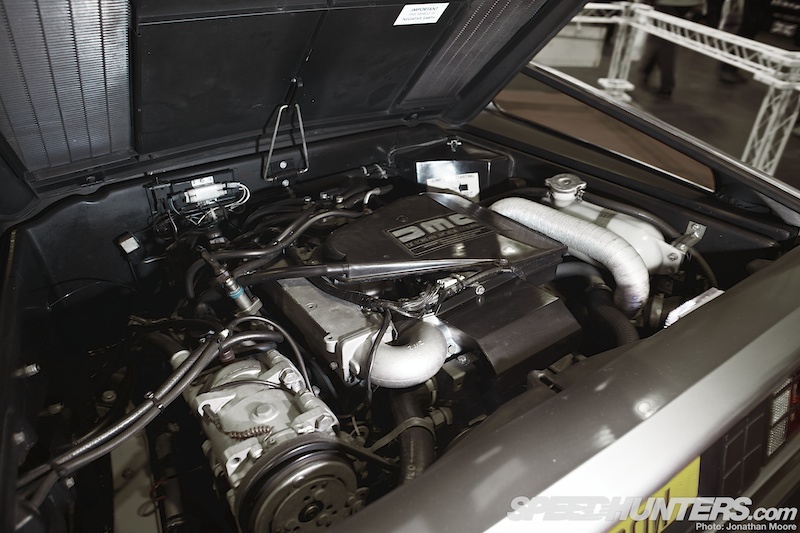
The three-litre V6 in the DMC-12 provided less than stellar performance, despite the continuing high tech theme (like the Vacuum Hose Routing diagram affixed to the interior of the bonnet – surely a Flux Capacitor?), and put out just 150hp. Still, it’s a car where looks do the talking…
With 11 halls at the Classic Motor Show, this has been just a small selection of the cars on display: I’ll be taking a deeper look around the whole event in the next story.
Jonathan Moore
Photo by Jonathan Moore
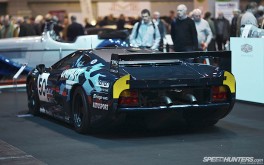
Photo by Jonathan Moore
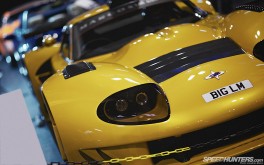
Photo by Jonathan Moore
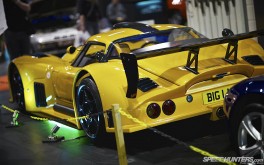
Photo by Jonathan Moore
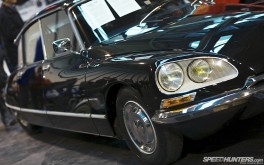
Photo by Jonathan Moore
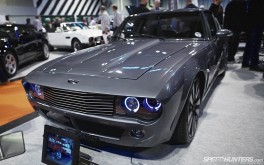
Photo by Jonathan Moore
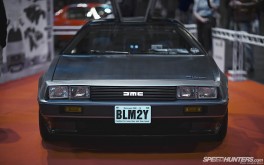
Photo by Jonathan Moore
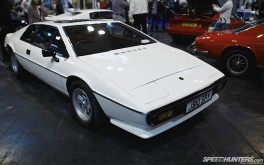
Photo by Jonathan Moore