
From 1975, turbos have run riot through the automotive world. Within a couple of years, manufacturers who previously had no real performance credentials would be producing cars that would worry the sports car elite off traffic lights – and they’d be coming from unexpected corners of the globe. We’re now at a stage where the average family car sports a turbo for efficiency reasons, whilst at the power end of the scale the performance of sports turbos has allowed the creation of the obscenely powerful hypercar genre.

But let’s start where we left off, with the original Porsche Turbo. The development that made the car viable for the street was Bosch’s new K-Jetronic electronic fuel injection system, as it finally allowed better metering of fuel delivery at the correct times – but that didn’t make it magically easy to drive. From the start the 911 Turbo was clearly something different in every sense.
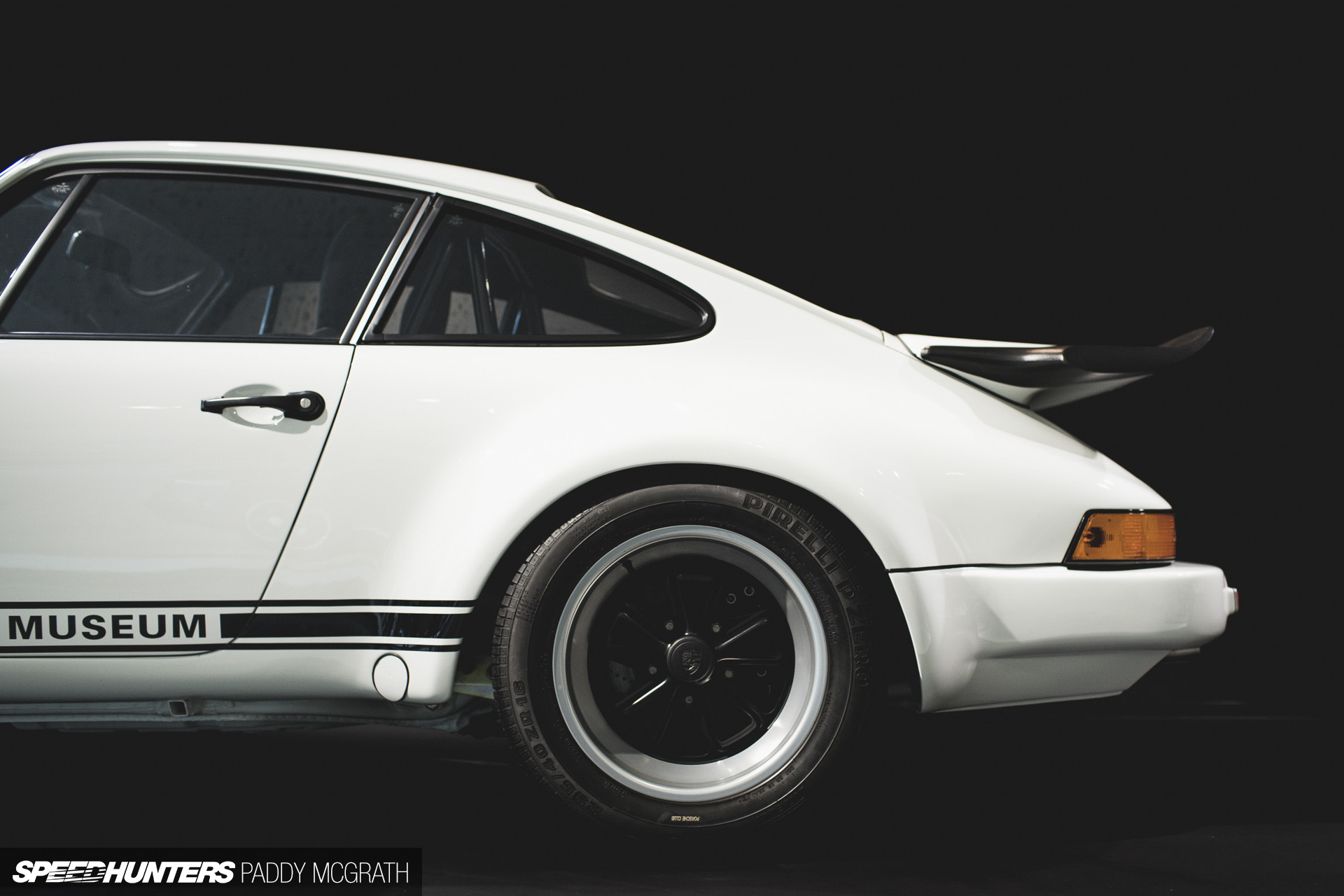
The enormous whale tail spoiler and wide bodykit warned you that getting behind the wheel would be an experience you wouldn’t forget. If you survived. Once again, fearsome lag meant that the slightest error in throttle control could decide which direction the car was facing when going round a corner, and this would continue to be a part of the mystique of turbo cars for quite some time: decades in fact.
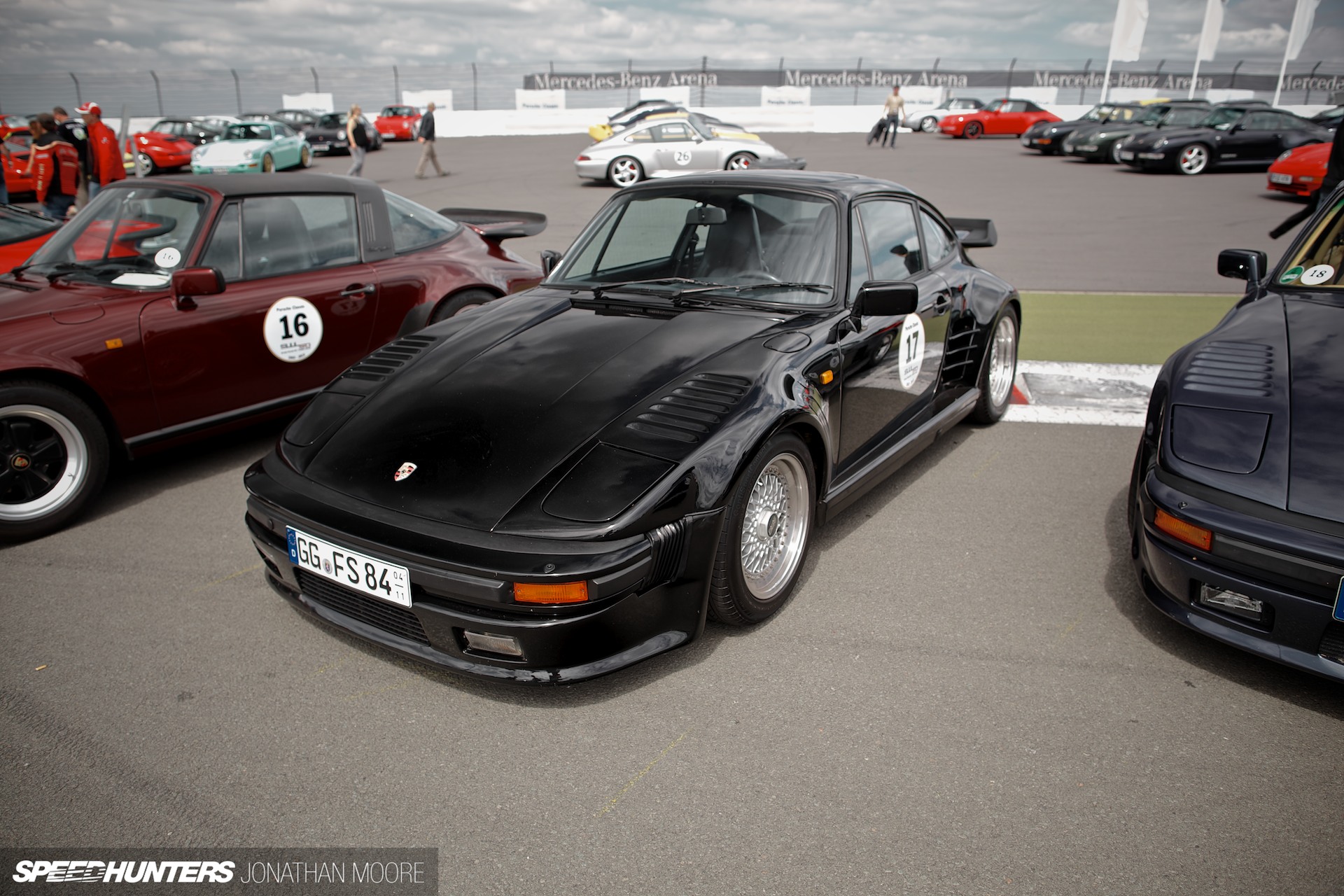
The 930 started rolling off the Porsche production lines in 1975, and would beget a whole family of legendary offspring both on the road and track. Widowmakers on the road, slayers on track. Was there anything more extreme than the brutal slant-nose Turbo of the early ’80s?
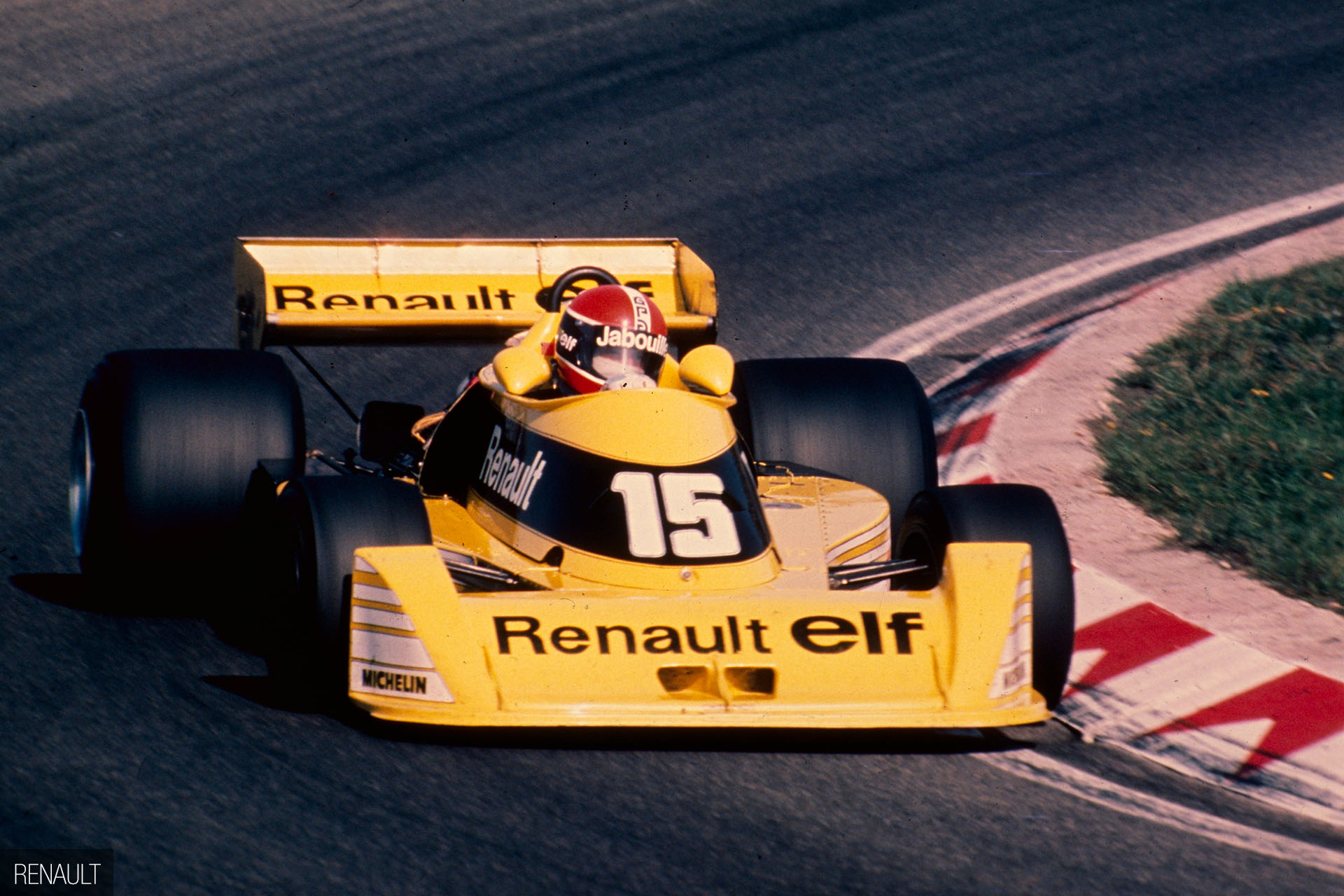
As ever, Formula 1 didn’t like being given a run on technology by rival series, so initially thumbed their nose at turbocharging. Turbos wouldn’t make their way into the rarefied atmosphere of F1 until 1977, with Renault’s RS01 powered by a 1.5-litre V6 with a Garrett turbo at 7.0:1 compression.
The car was heavy (the block made of cast iron to cope with the additional pressures the turbo created), and barely finished a race at first, but the speed wasn’t in question. The writing was very much on the wall. Ferrari followed suit soon after, and the yellow and red factory cars became the scourge of qualifying, starting the F1 turbo revolution that would last the next decade.

The search for reliability in F1 was helped by the parallel programme for Renault’s Le Mans endurance programme, which had started in 1976: another Garrett installation, this pushed Renault’s Gordini-badged two-litre V6 to deliver over 500hp. Renault’s Alpine A442B would win Le Mans in 1978, starting a 13-year-long run of turbo-powered victories in the great race. Turbos were now all over racing. What about the roads?
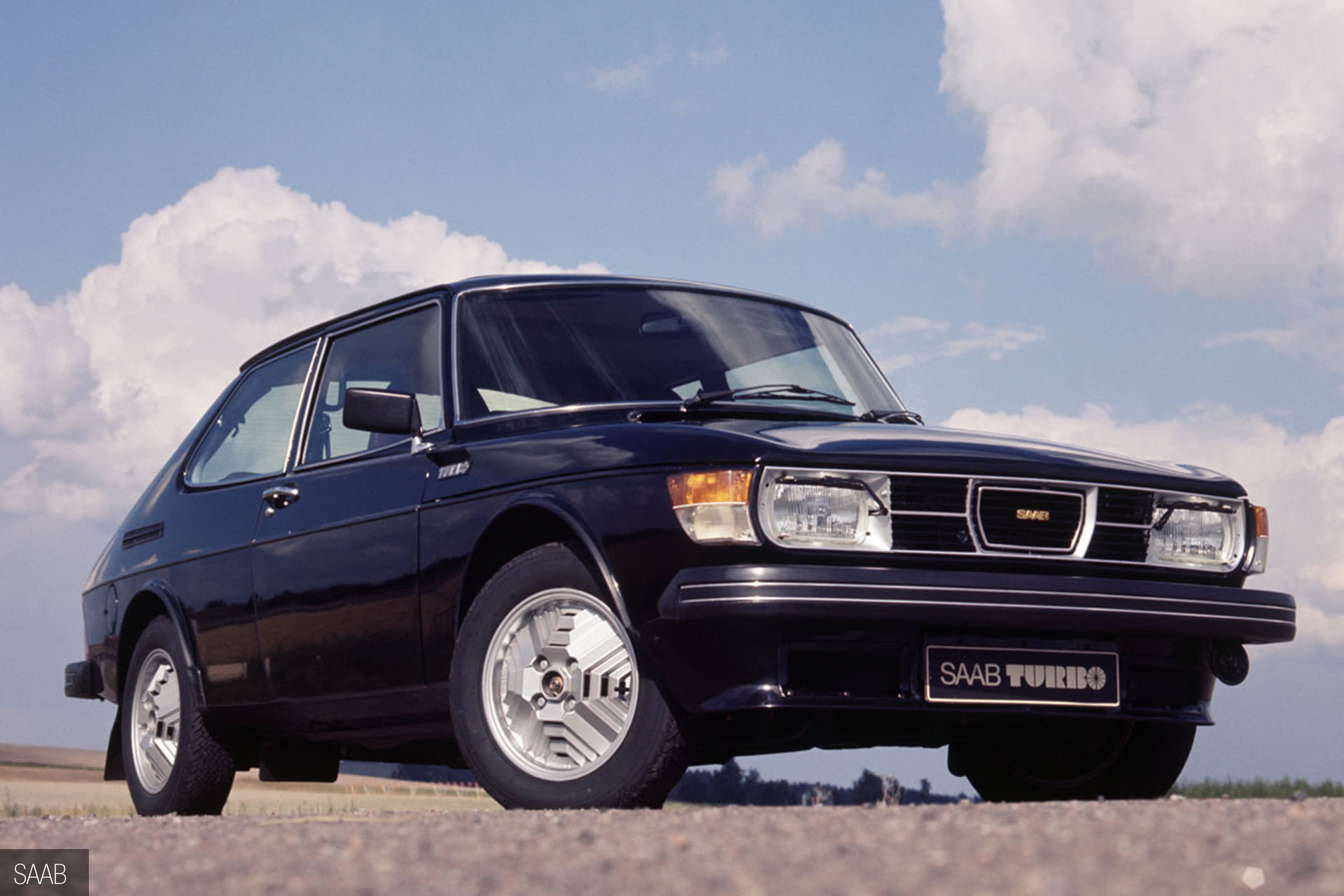
The next big name in the Western turbo story was rather more surprising. Safe and Scandinavian, no one expected Saab to be the ones to bring turbos to the mainstream car buyers. But boy did they bring it: in 1978 the 99 Turbo reinvented a model that was almost a decade old and started a tradition of unfeasibly quick sleeper saloons that lasted the history of the company. I still have a soft spot for these quirky beasts.
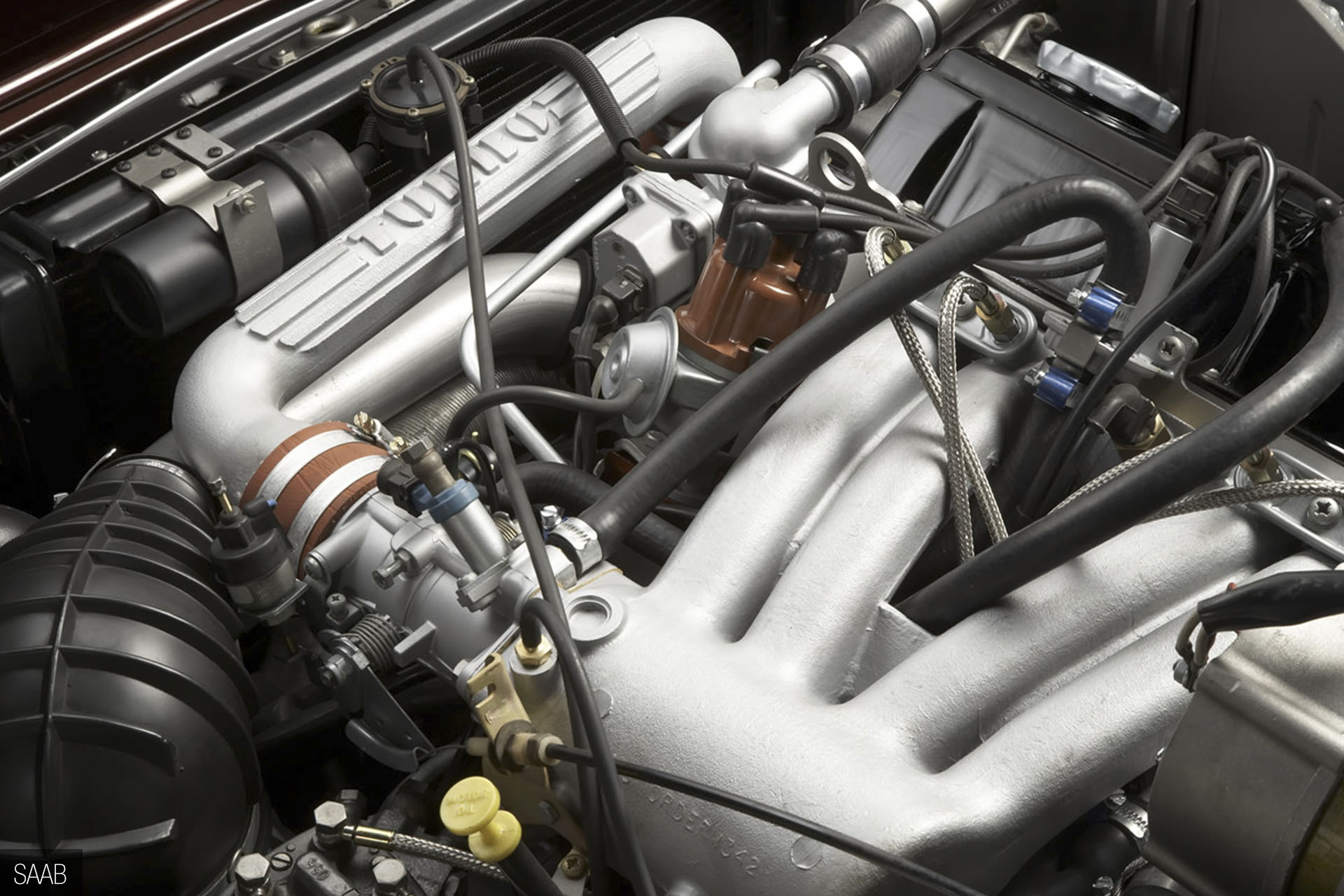
By opting for a smaller Garrett T3 turbo, the Saab was actually drivable; power was a sensible 135hp (which was actually pretty serious for the time) and delivered in a way that could be controlled by a sensible human being rather than requiring luck and a race driver’s reflex reactions. Bosch mechanical fuel injection also helped with cost and reliability. The Saab 99 Turbo was winning rallies by 1979, and in 1982 the company also introduced variable boost control, allowing higher compression ratios whilst acoustically monitoring knock.
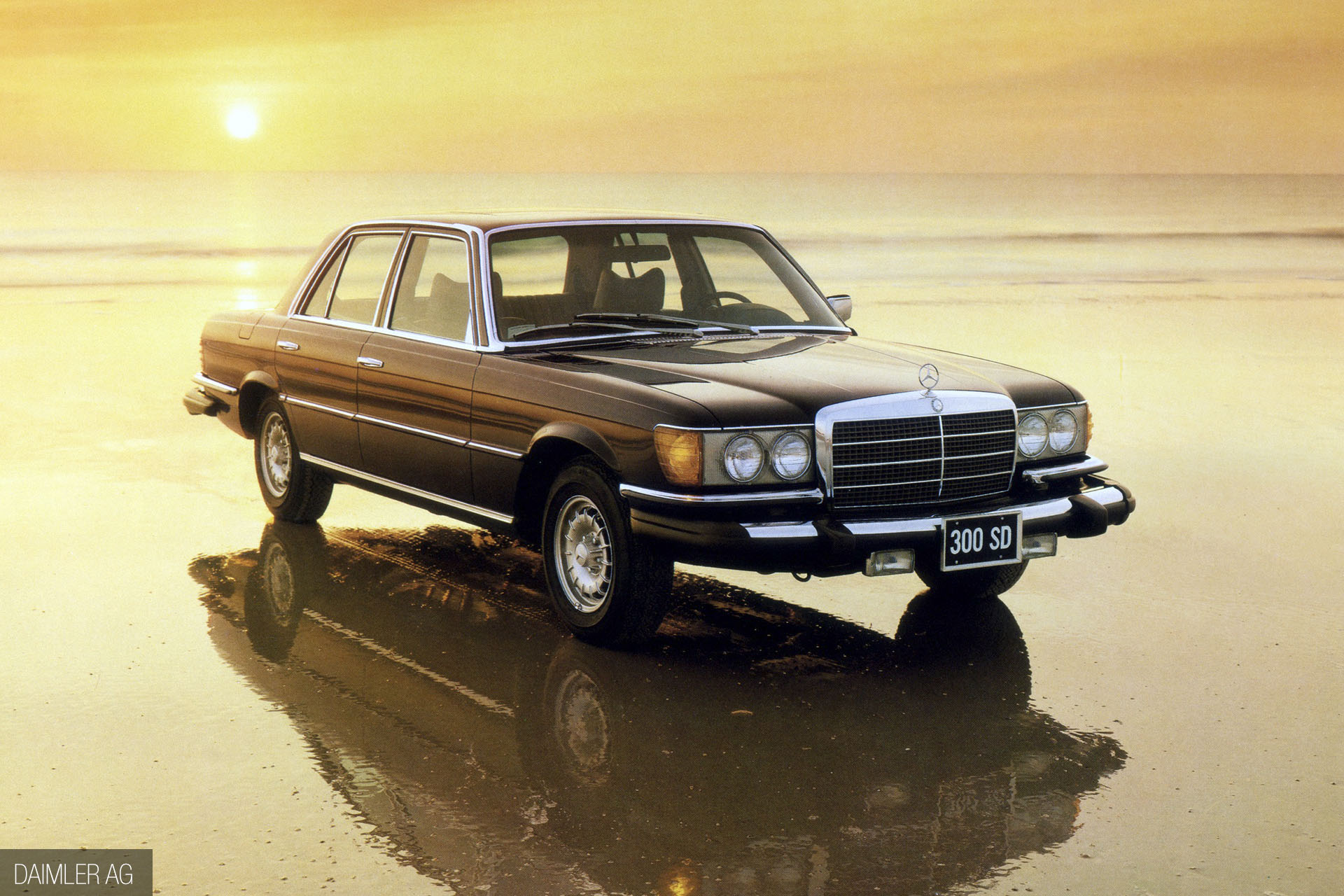
Whilst outright performance was being pursued on one hand, the next major parallel step in turbos coming of age also came in 1978 with the Mercedes-Benz 300SD and the first practical consumer turbo-diesel. Again using a Garrett turbo, Mercedes took what had previously been economical and long-range but cripplingly underpowered, unresponsive and smokey diesels, and rewrote the rulebook.
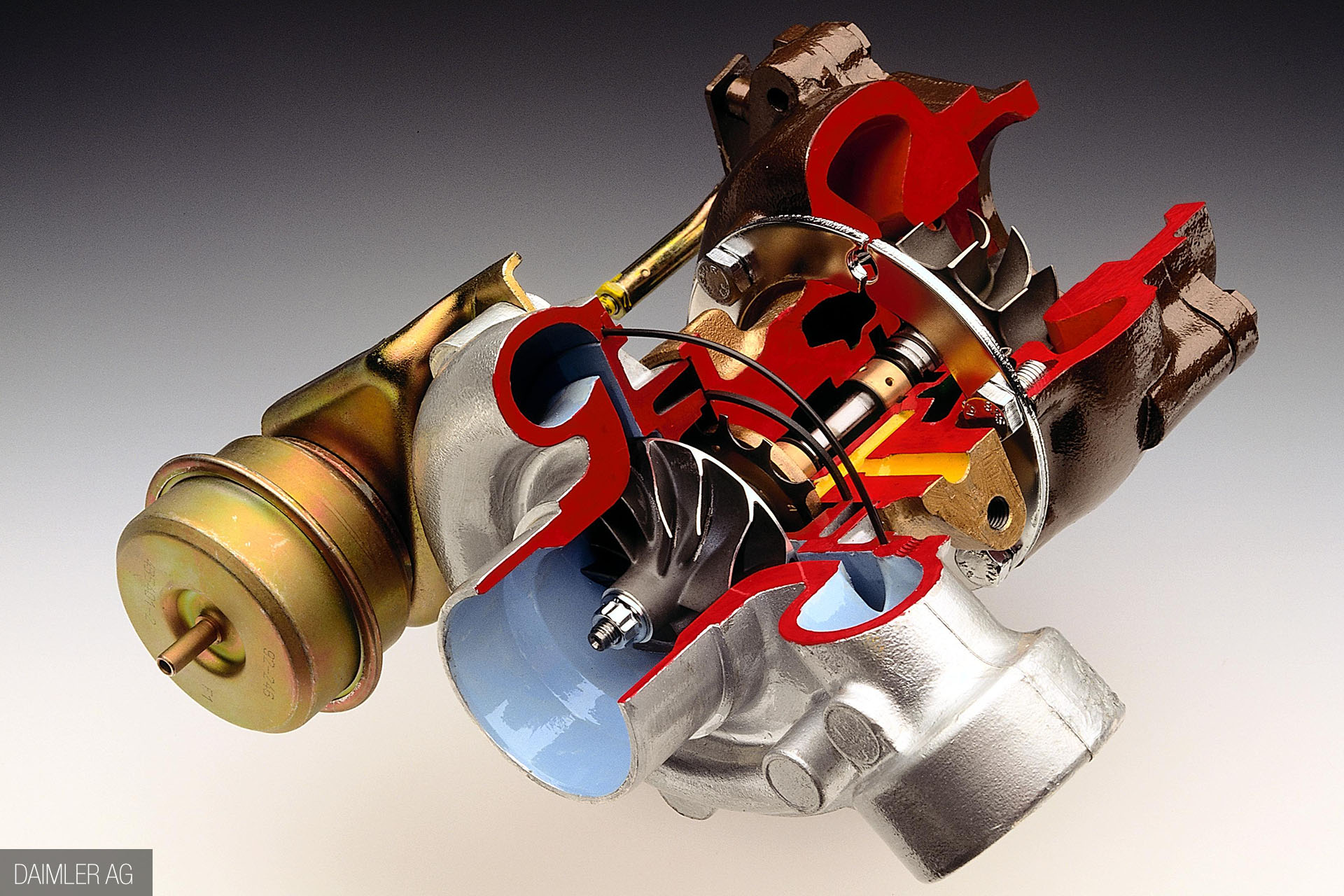
Turbocharging a big commercial diesel had been one thing, but getting them working on smaller blocks already subject to high compression was the problem Mercedes solved, carefully managing the combustion process and fuel delivery whilst also reinforcing the engine and developing improved wastegates.
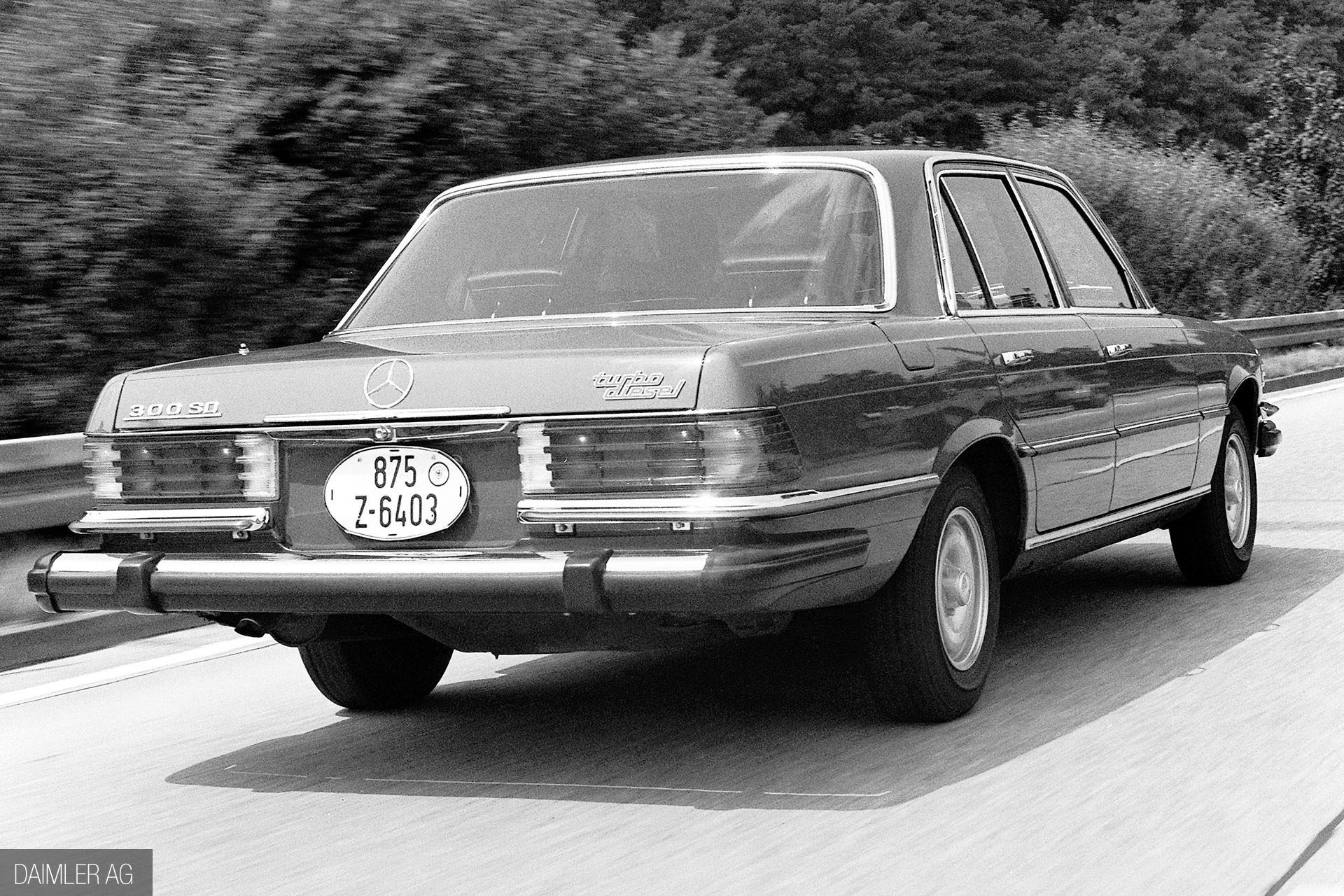
Three-figure horsepower numbers were now possible, and that second strand of turbo’s history, economy and efficiency, was back in play.
The anti-lag eighties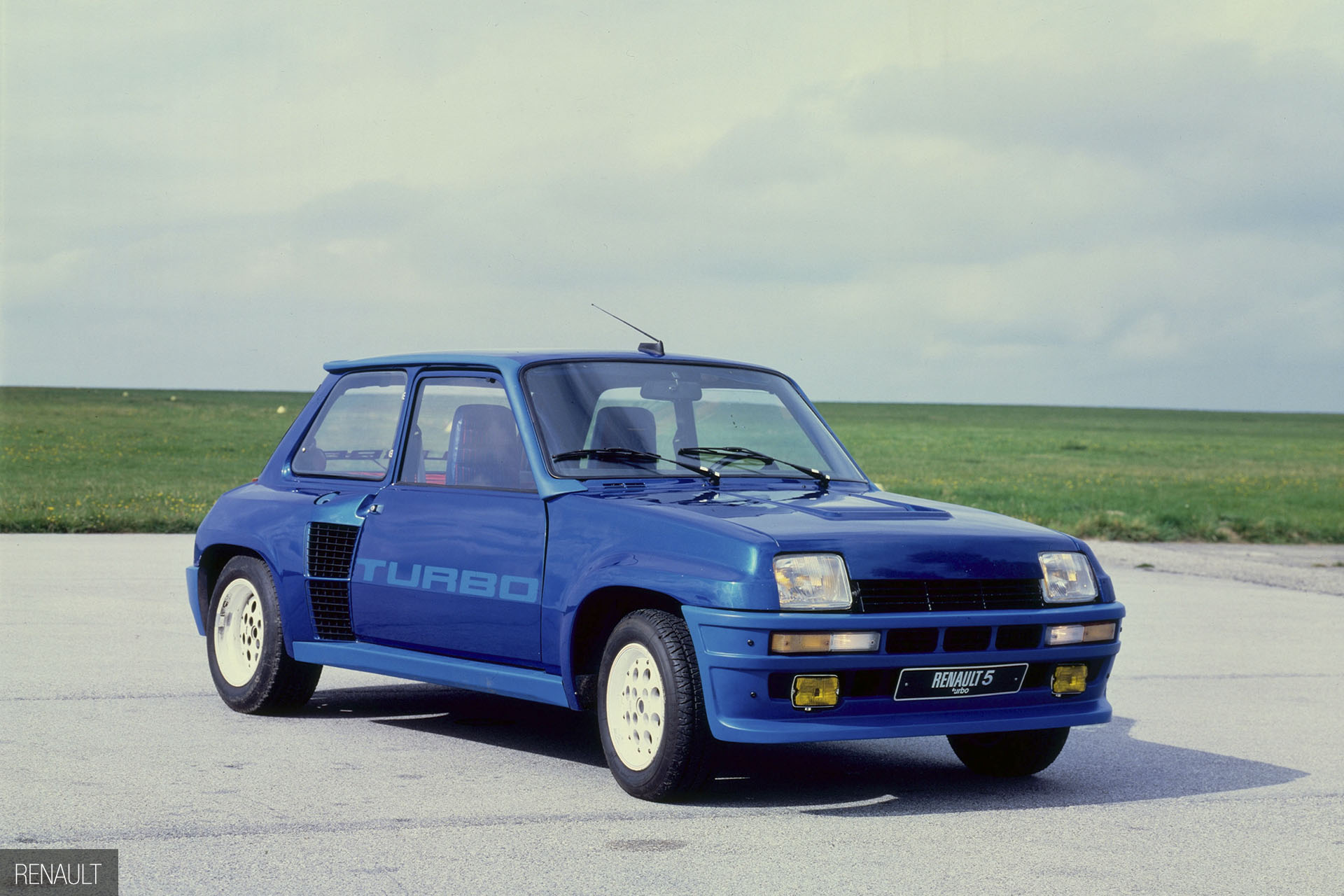
Le Mans… turbo-diesels… family rocketships… What next? Well, I think few people expected the Renault 5 Turbo of 1980. Setting both a precedent for homologation specials and new levels for hot hatch performance (read: inventing hot hatch performance), the mid-engined, bulked-up 5 really did break the mould. It had issues for sure: lag of course, cooling was a major problem and there were stories of having to leave the car running for a while before turning off to let everything settle down, but like the old 2002 Turbo it was a joyful, tail-out whirlwind to control. The GT Turbo that followed was a far more sedate affair: the original was the true mentalist.
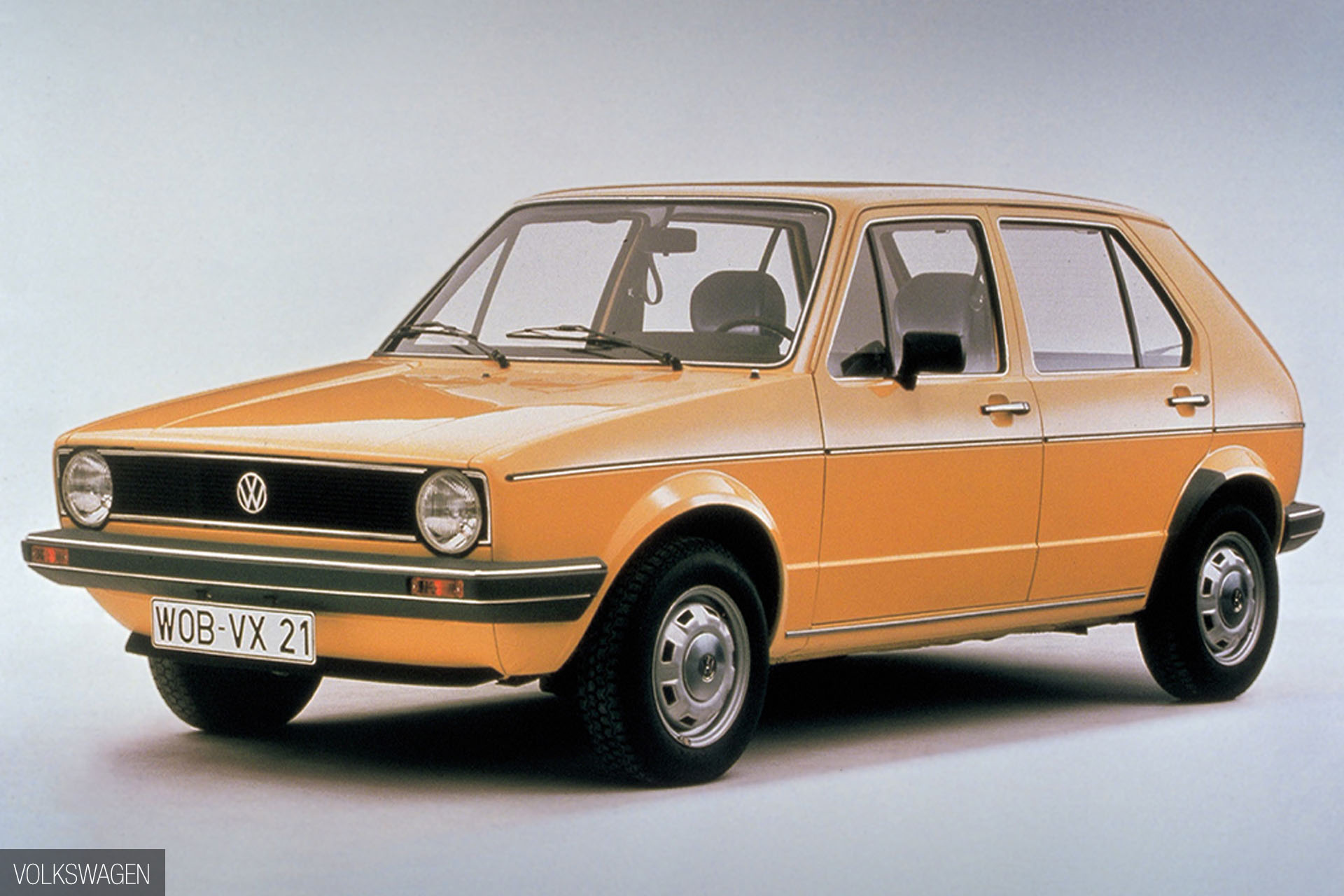
The Volkswagen Golf turbo-diesel followed in 1981, and gradually people’s negative perceptions of diesels began to recede. The cheaper fuel was one thing, but now throttle response began to rival petrol cars and emissions were reduced. Diesel was no longer a dirty word, even if you still wouldn’t necessarily want to be behind one in traffic.
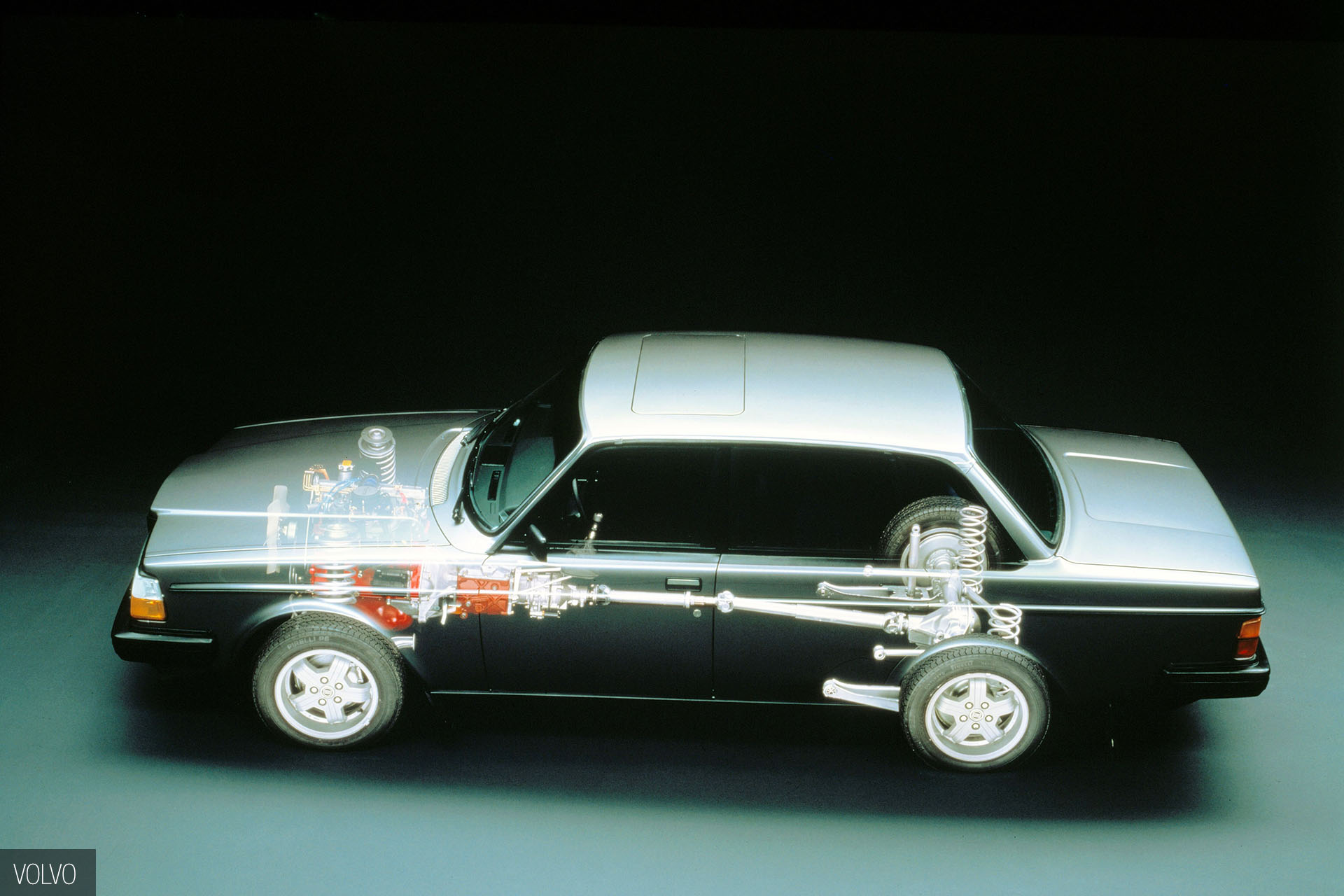
The Scandinavian’s turbo story didn’t begin and end with Saab: fellow Swedes Volvo took things a step further by turbocharging a… wagon. They started in ’81 with the saloon, and then moved to the boxy estate the following year.
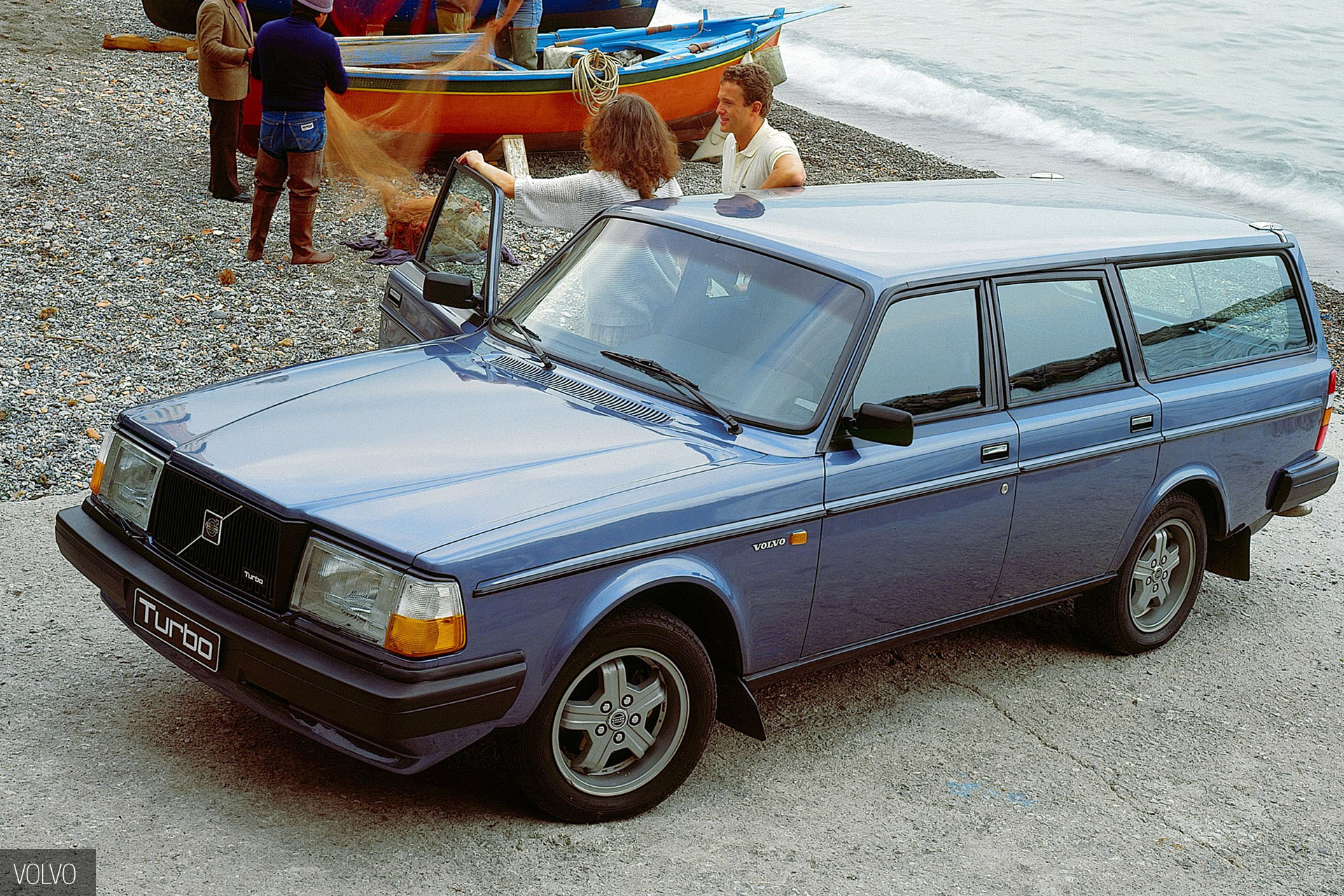
The 240 Turbo took a regular, inoffensive estate car that was more used to school runs or shopping trips and dropped in a turbo that hiked power by 50 percent and provided a turbo-whine soundtrack for the high street, reinforcing that turbos were here to stay.

But then, ah yes, we’re up to the 1980s, which can only mean one thing: Group B. Tick that one off your JM bingo card. Pitting 600hp and all-wheel drive against ice, gravel, tarmac and mud, well, what’s not to like? Forests were torn apart by these outrageous legends of the rallying world, gravel thrown into the stratosphere as they pummelled stages.
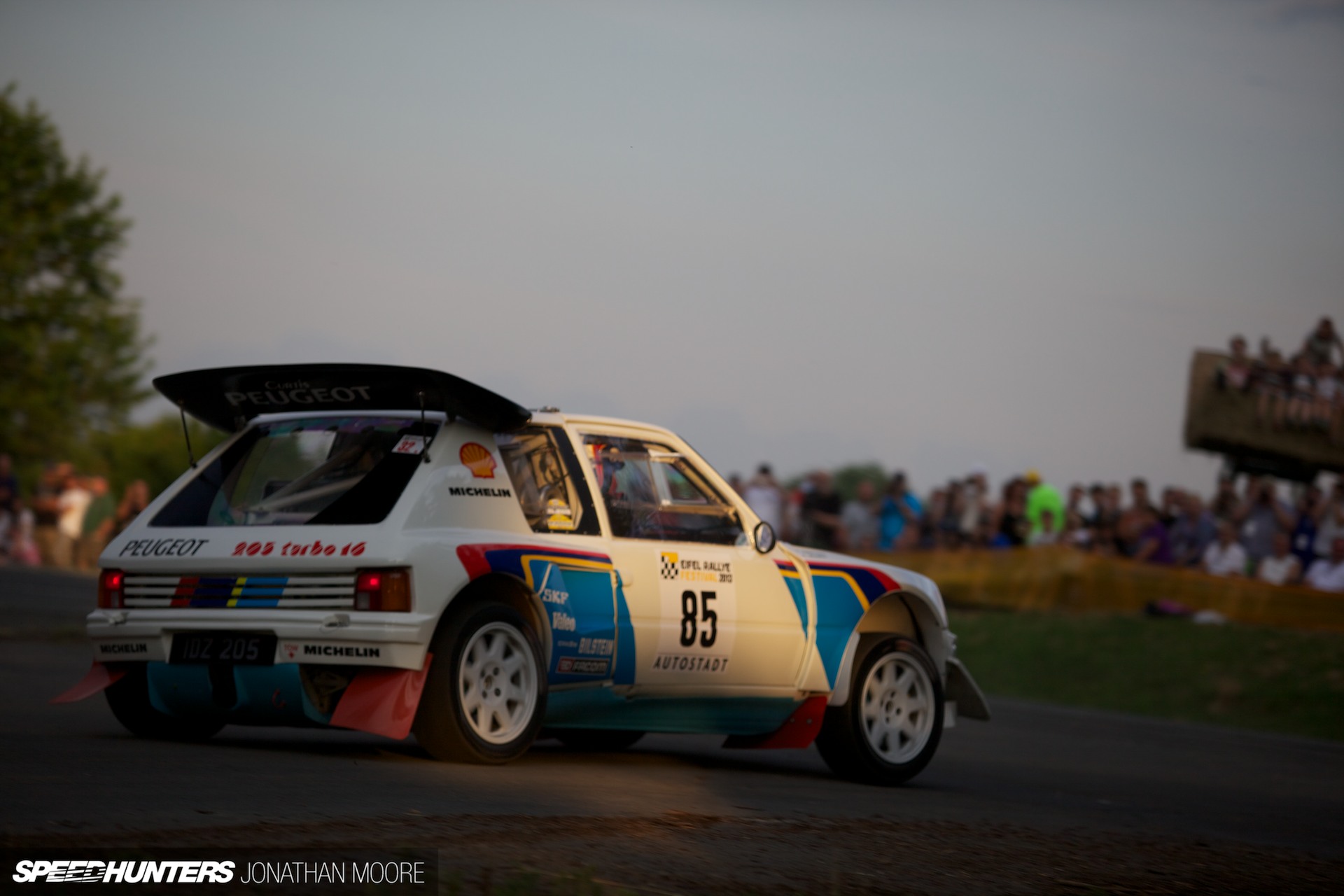
Too fast, too dangerous, Group B might not have lasted long but the turbo template has continued in rallying ever since, even if in a more subdued form. Thankfully there are more and more opportunities to relive those glory years (and in a much safer environment for all involved) through the myriad classic rally events around the world.
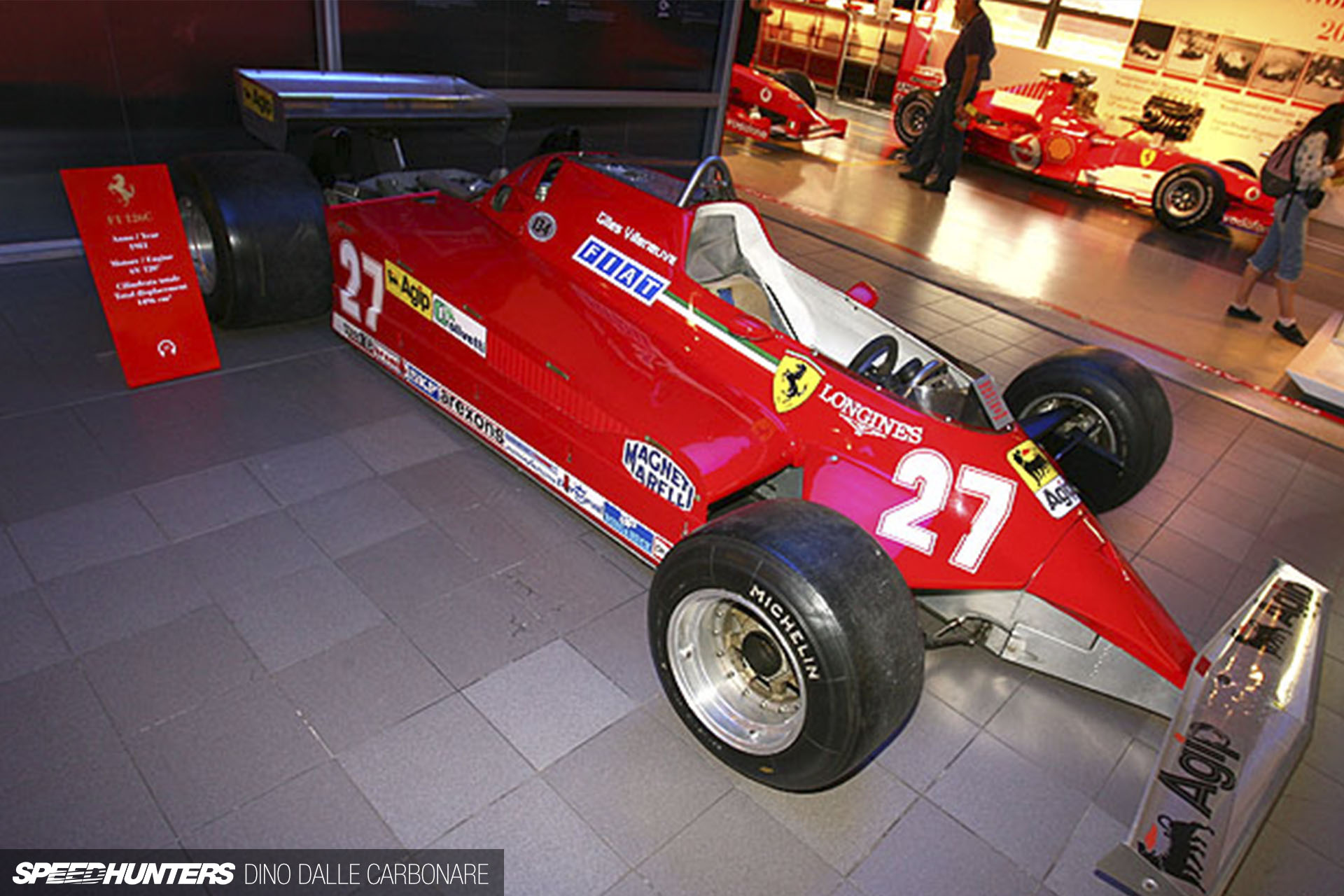
The 1980s also saw Maranello finally sit up and take notice. Ferrari finally relented and got on board the F1 turbo bandwagon. The 126C was not only a pretty car, but it was fast as well. It’s just a shame that it handled like a truck. But developments for the following seasons turned things round, and Ferrari would sweep the Constructors’ Championship two years running with the evolution of their turbo car.
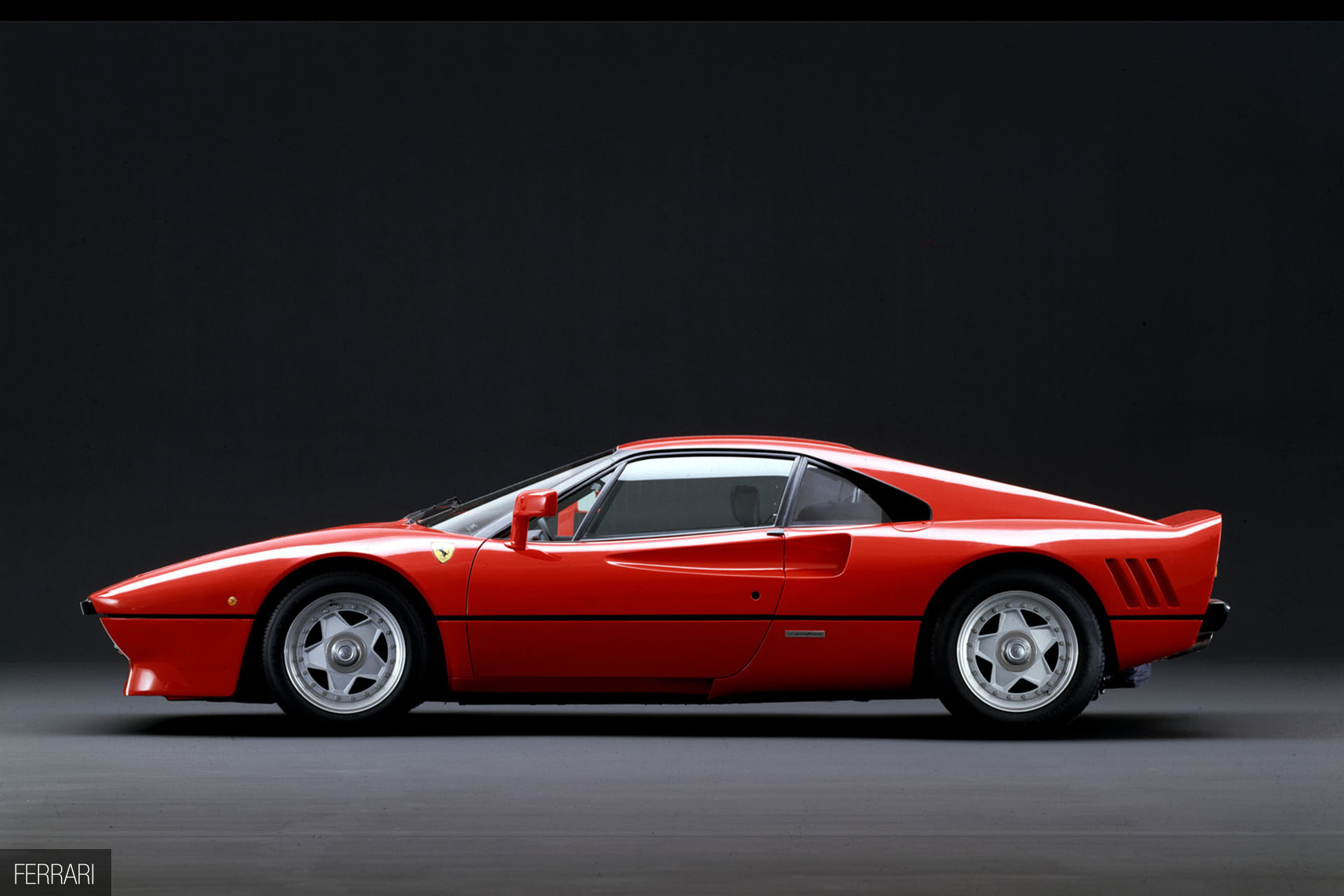
Just like their earlier reticence to put engines in the back and a glorious adherence to V12s, Ferrari took a while to develop a turbo car for the street. But when they did… the result was worth waiting for.

The steroidal 288 GTO of 1984 kicked things off in brutal style, delivering a scarlet beast that would pass 60mph in four seconds and top out around 190mph. It was built to unrestricted Group B rules, and was easily the fastest Ferrari ever up to that point.
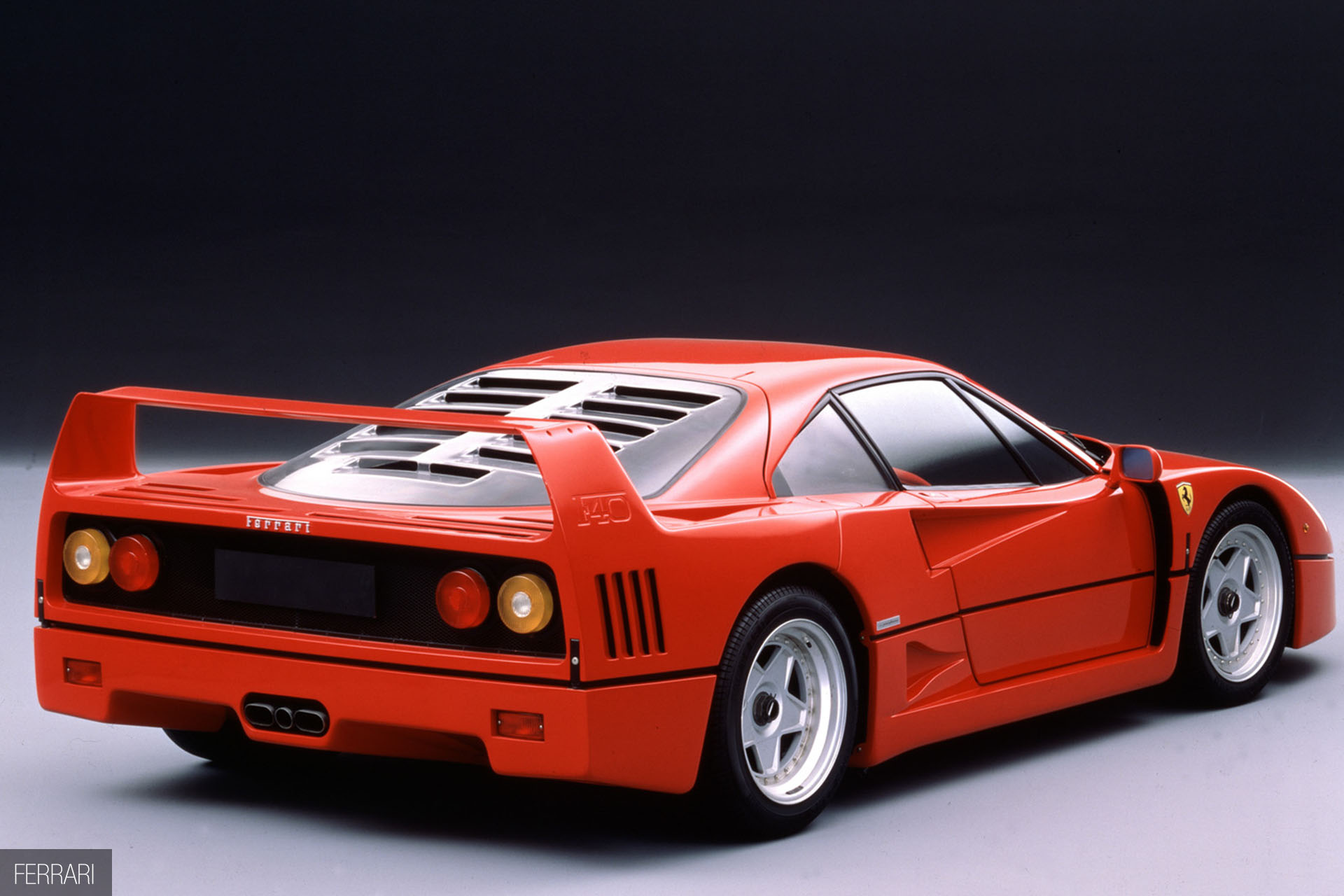
Three years later was a car that is up there – or perhaps even surpasses – the status of the original Porsche 930 as a turbo icon. The F40. Exotic and extreme in equal measures, there’s little to add; insert long eulogy here. In just a decade, turbocharging had allowed cars that previously would be considered edgy on a race track to become available to drive on the road (if you had enough cash) and to be posters on every kid’s wall.
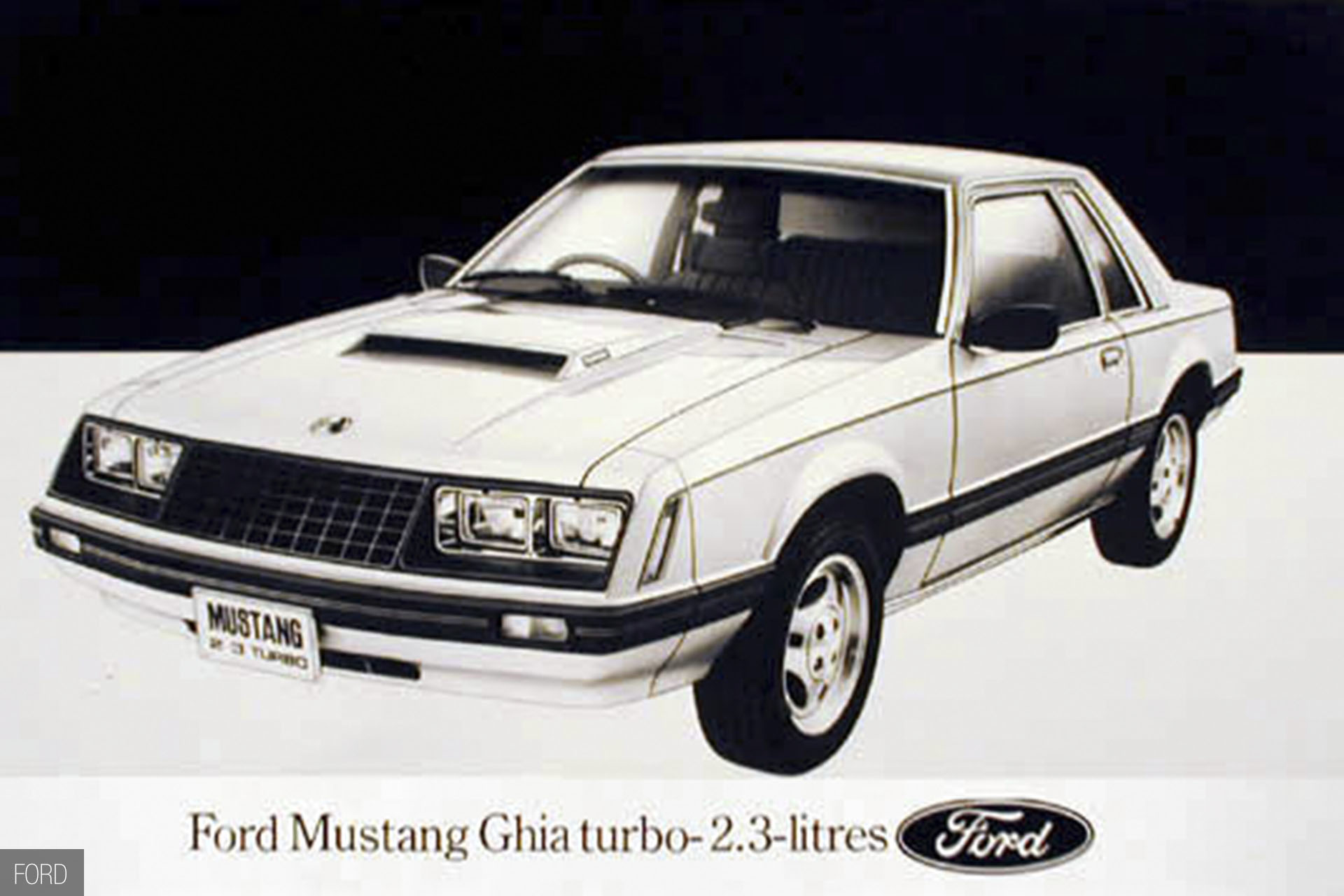
During this phase, it wasn’t like turbocharging was not being used in the US, so much as maybe it just wasn’t manly enough when loud, gas-guzzling V8s were still in vogue.
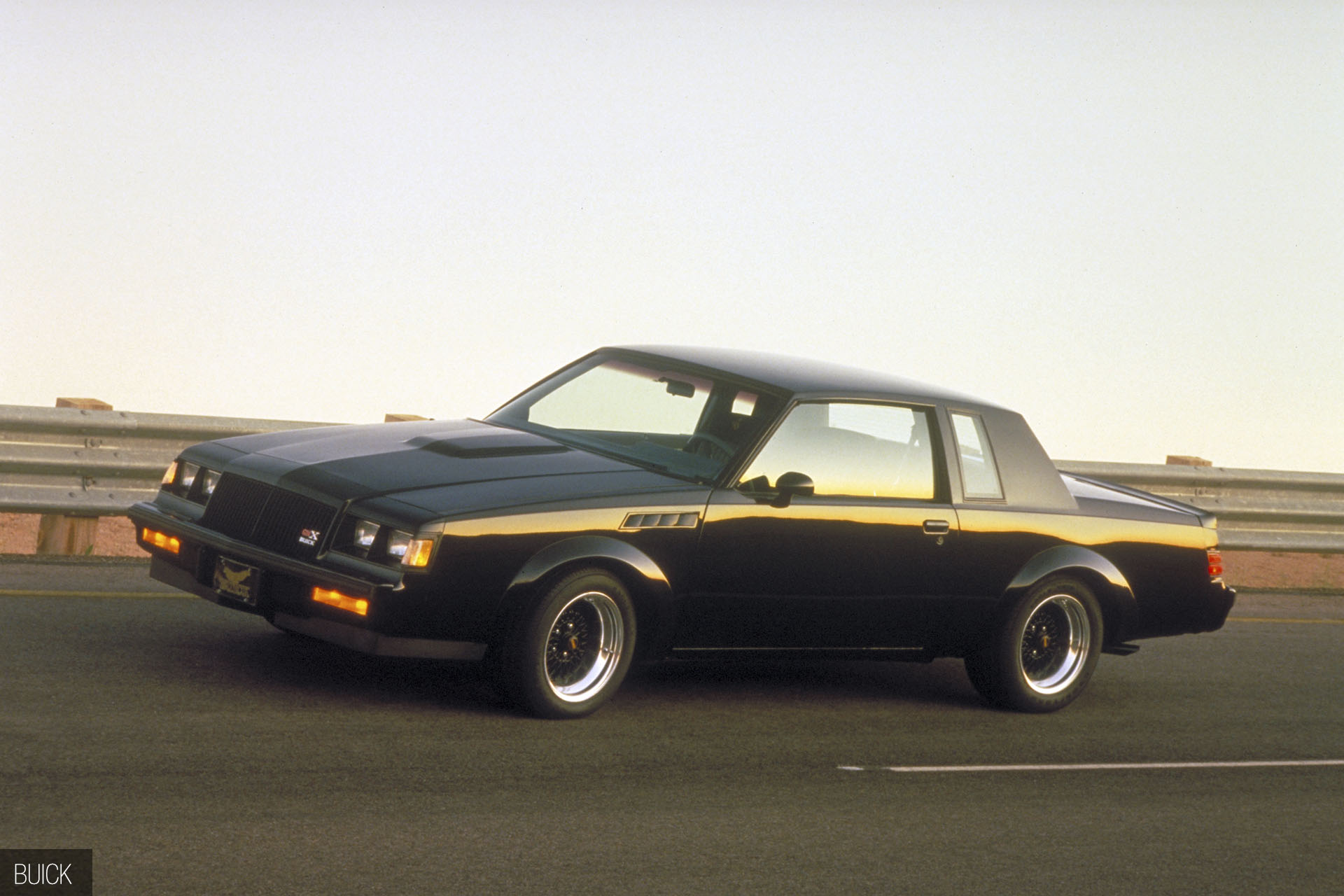
Having helped make turbocharging work in the first place, there were the odd North American forays into turbo cars over the decades, such as the Buick Grand National, GMC Syclone, V6 TransAm Turbo and Fox-body Mustang Turbo of the ’80s, but boost wasn’t really the de rigeur option for delivering power Stateside.
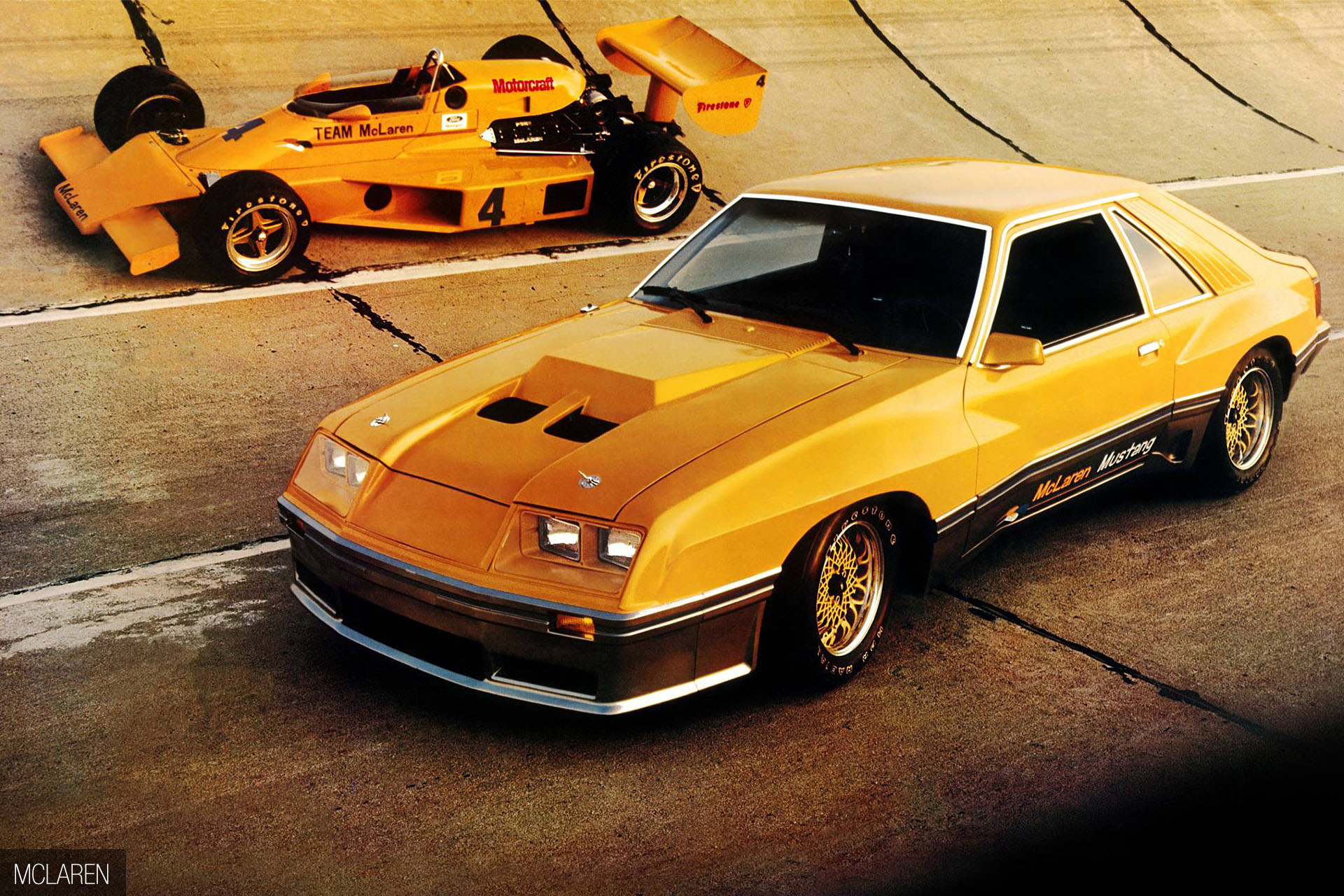
One interesting variant on the Mustang Turbo was the ultra limited edition McLaren M81: a lesser known tuning and branding exercise for the US market. However, across the water there was a turbo fire waiting to be blown into life…
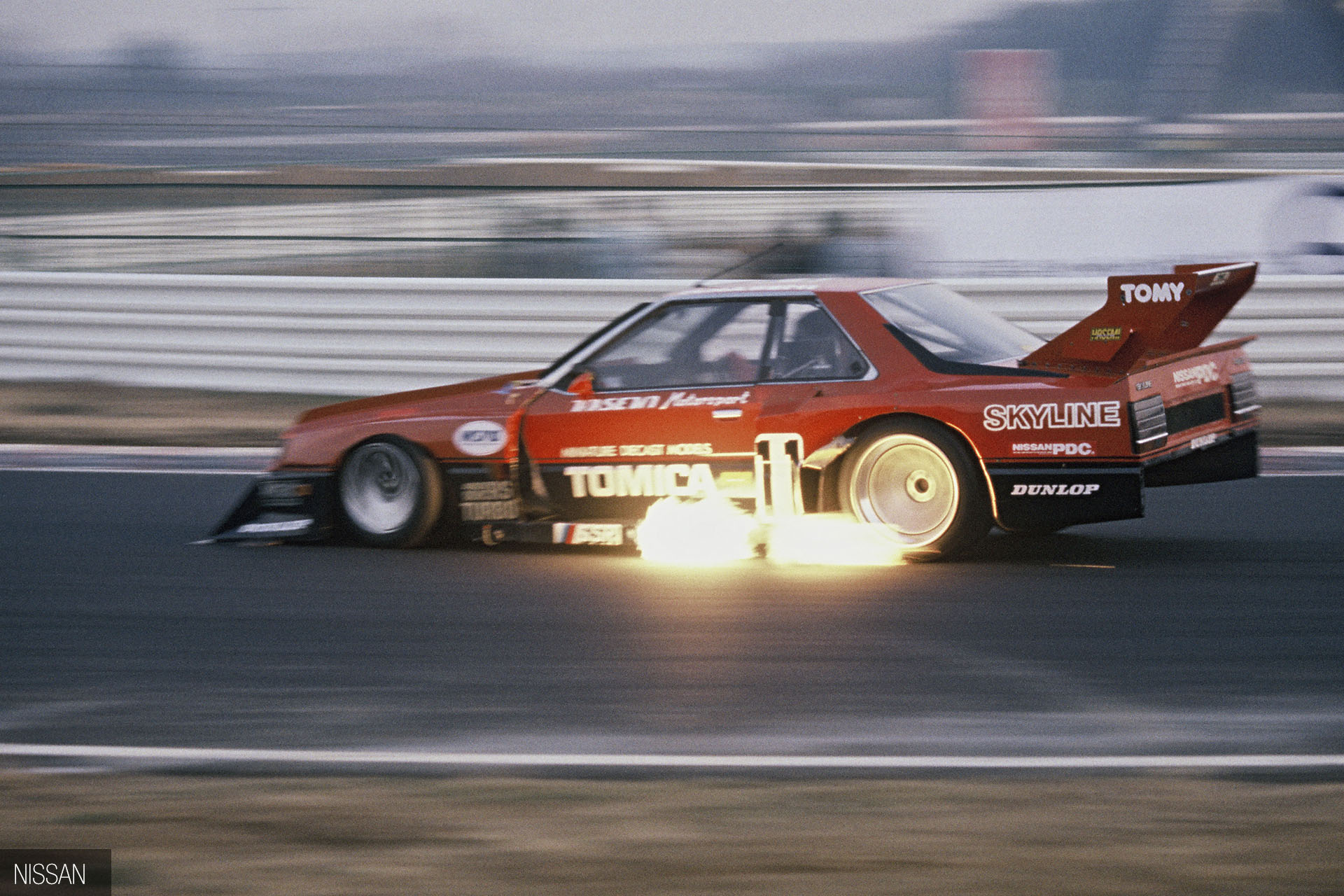
Okay, so I’m sure you’ve been thinking this for a while: where the hell are the Japanese cars?! Japanese manufacturers caught the turbo bug early, studied it in a laboratory and then unleashed it back on the West in evolved, viral form. I think it’s fair to say that since then, adding performance turbocharging has been a speciality in tuned Japanese cars from that point on, more so than in any other scene.
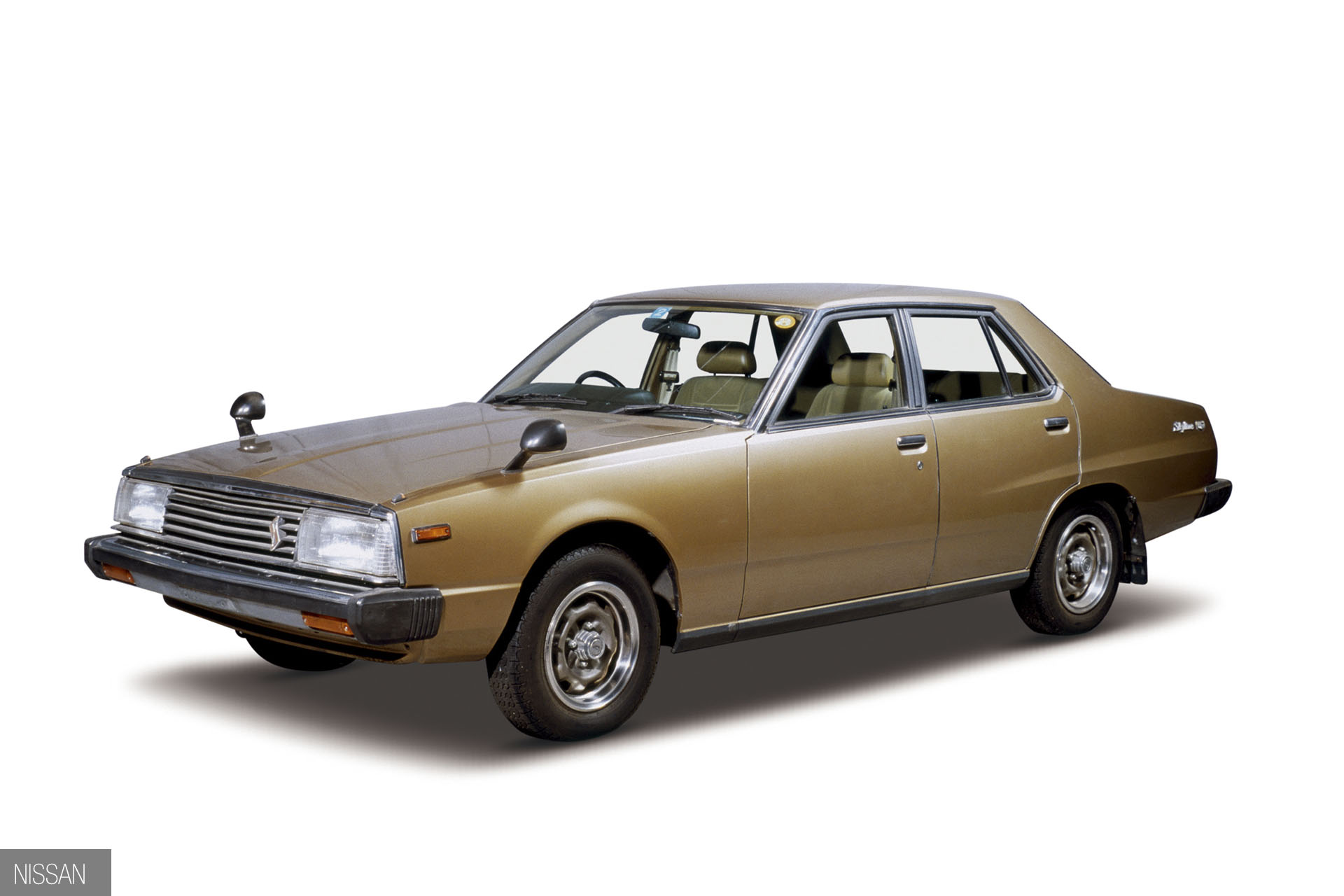
In the ’80s, a tsunami of turbo loving came washing in from the Far East. Iconic cars came in from Japan that changed both the landscape of affordable performance and what the West expected from Japanese cars. It was a right-hook of power, style and substance that overwhelmed most of the established brands.
These weren’t one-offs either: these were the beginning of epic turbo dynasties that last to this day, starting with cars like the Skyline. Nissan had turbocharged the C210 Skyline back in ’77, just after the initial European specialists’ forays but before the more mainstream breakout. A national treasure, it remained relatively rare outside Japan, but was the foretaste of what was to come.
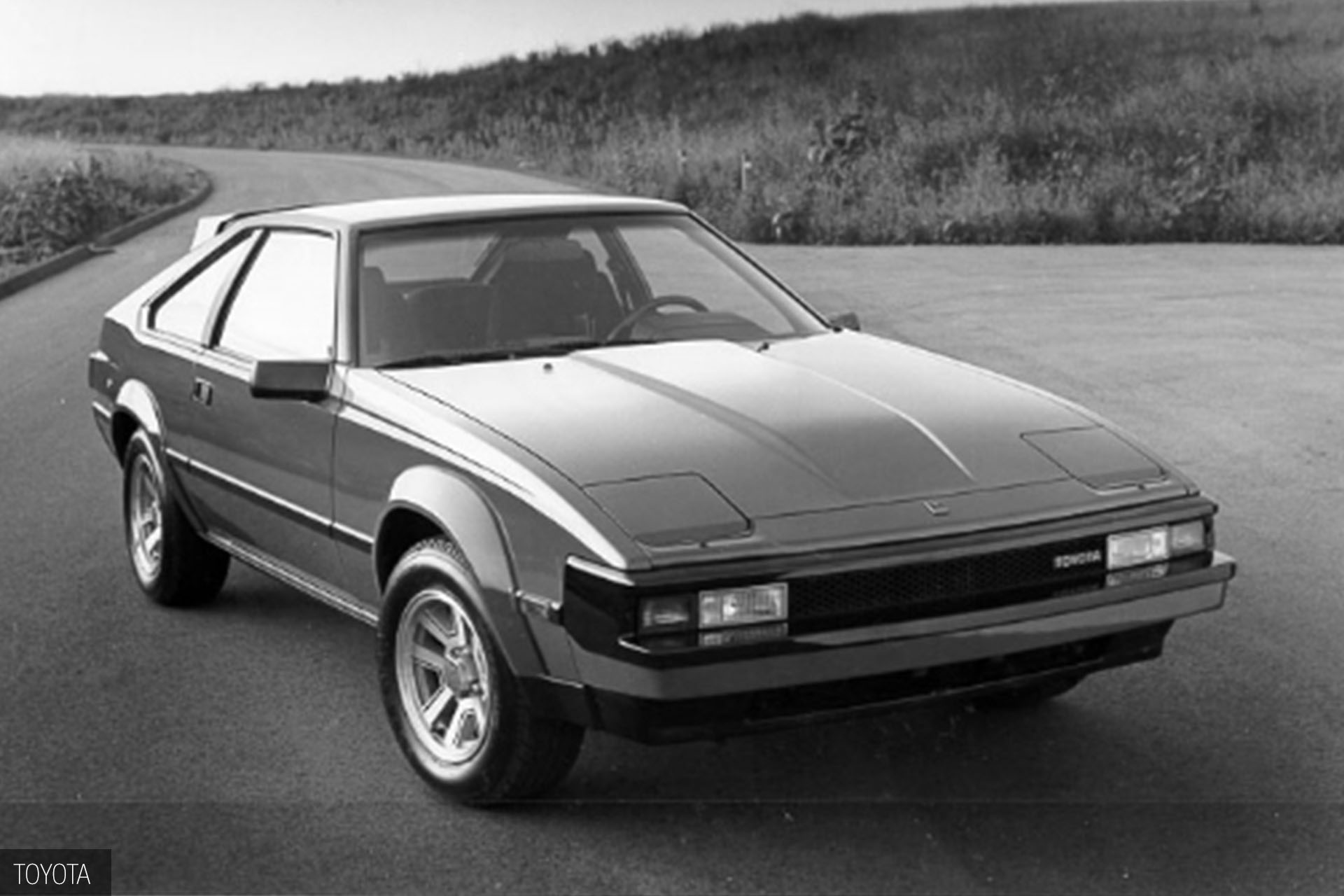
A different beast was the ’82 Supra Turbo: from the start this was a car that looked like it meant business. If the Skyline was Godzilla, then the Supra was T-Rex.
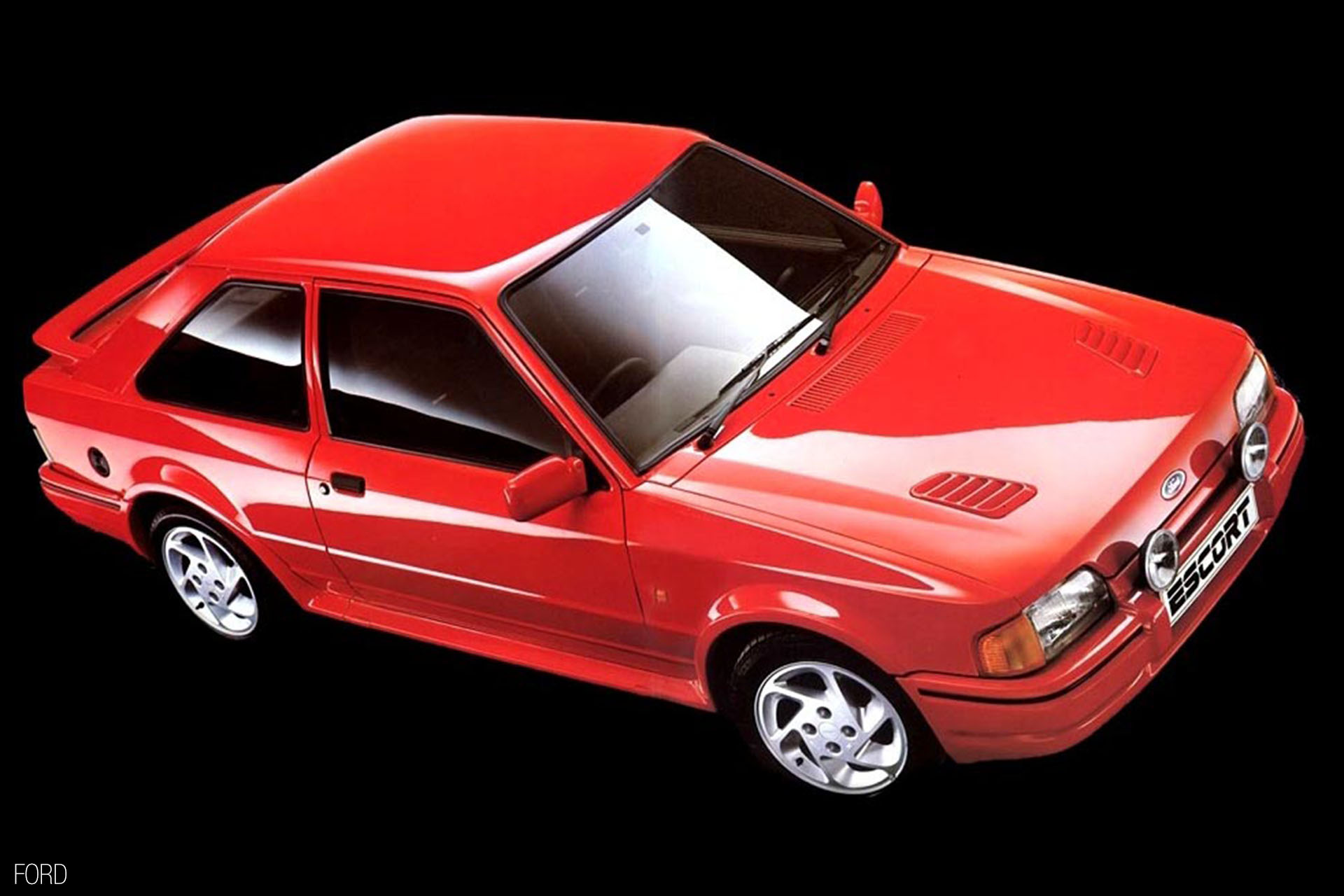
Back in Europe, turbocharging continued for high-end banner cars across model ranges, from sports car manufacturers like Porsche of course, but also made its way into the emerging hot hatch arena. Cars like the ’84 Escort RS Turbo trod a more Japanese line, providing relatively affordable, supercar-beating performance.
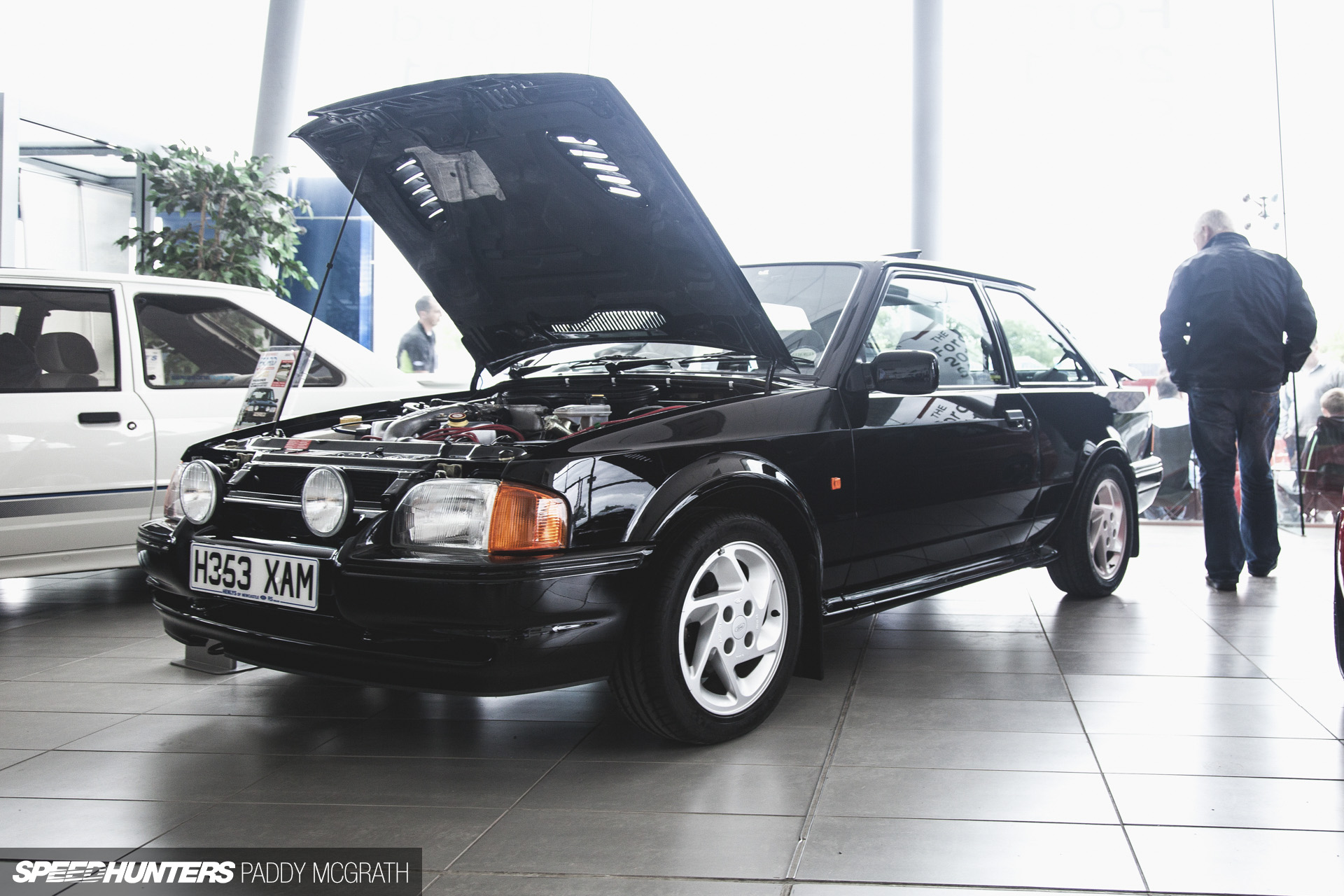
I still remember a ride in an Escort Turbo as a kid as one of my most enduring memories of childhood: that noise, watching the boost gauge needle jump, the wheelspin in every gear. It was unbelievable.
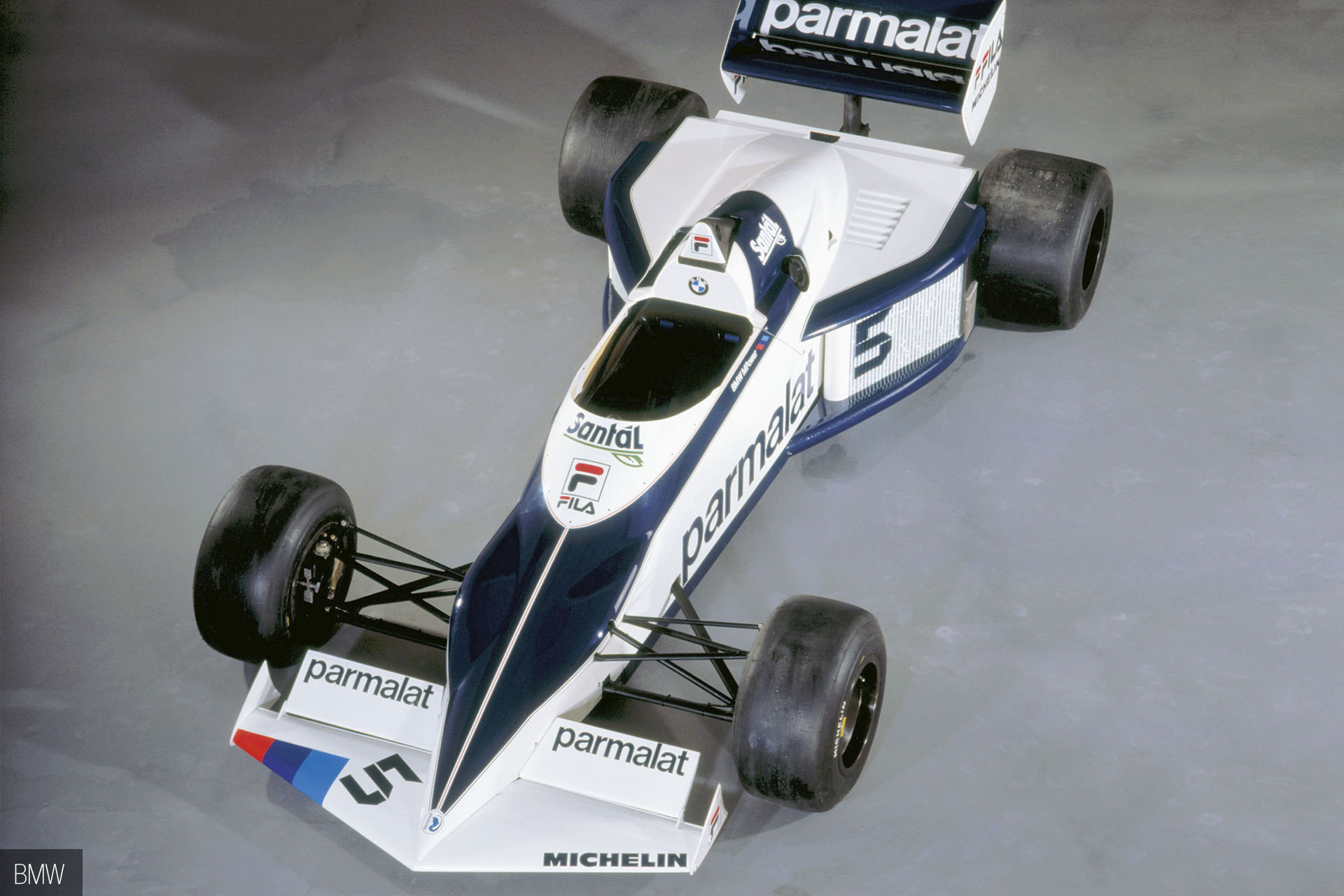
During the ’80s, Formula 1’s turbo affair went to a completely different level, recalling almost CanAm levels of power. In 1982 the Brabham BT53 became the first turbocharged F1 car to carry a driver to the World Championship.
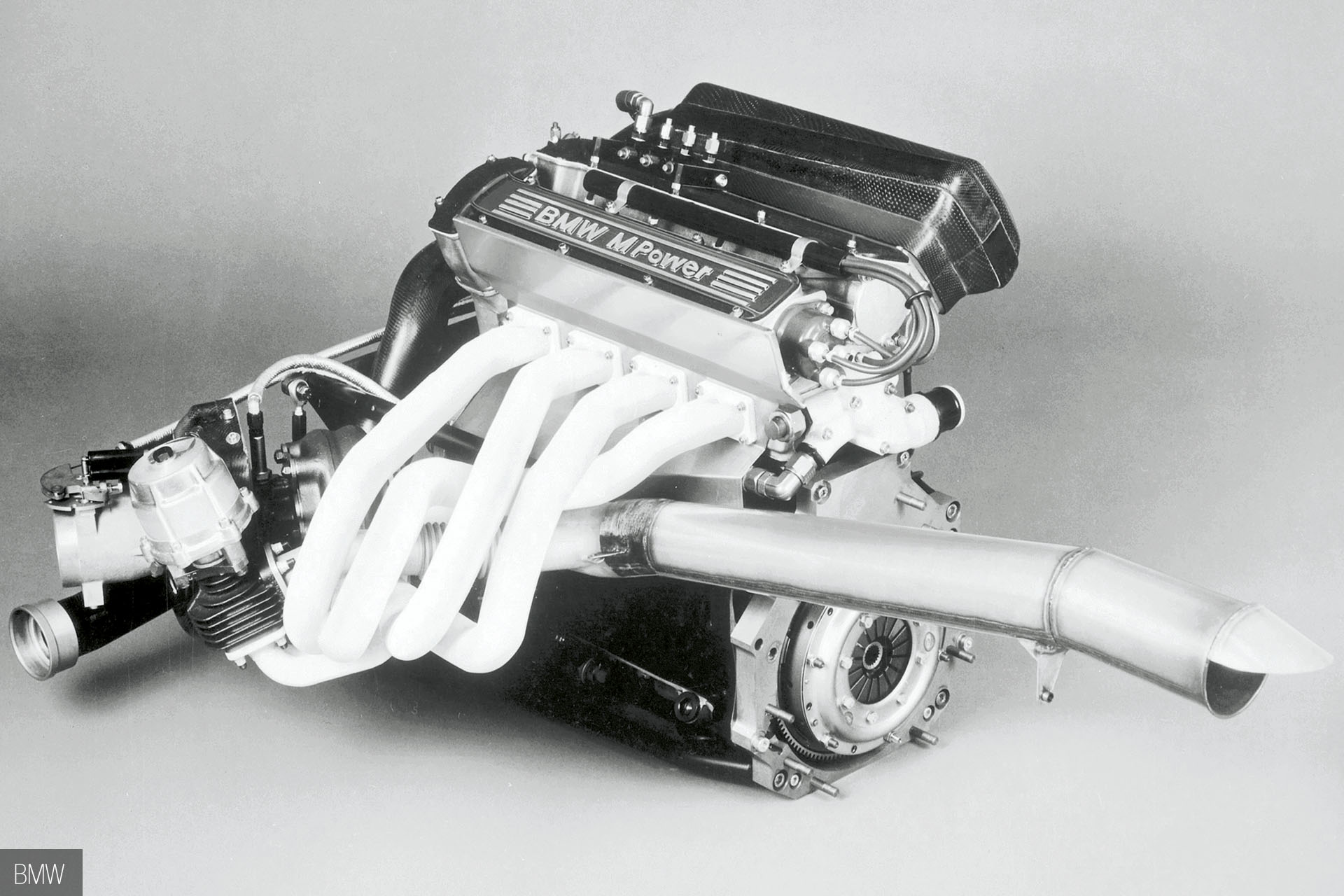
The lightswitch power delivery was still there, but power levels almost doubled within the span of just a couple of years, with the high point being the fearsome (in both power and unreliability) BMW turbo-powered Brabham BT55: 1,400hp of turbocharged insanity from a 1.5-litre, four-cylinder engine. It’s only now, and for factors other than the pursuit of power, that turbos are coming back to that arena.
Non-naturally aspirated nineties
Moving into the ’90s the Japanese influence became all-pervasive, and there are two models that have come to define the second wave of turbo invaders. Firstly, of course there’s the Mitsubishi Evo. For me, one of the reasons that these cars are so attractive is often because of their humble origins: it’s like with touring cars, where the starting point might be a snoozy saloon but the evolution looks like it will attack you with bats. Mitsubishi’s Lancer is a case in point: the 1980 base model was the first to feature a turbocharger, but it was when the Evolution series was launched in 1992 that things got serious and a legend was born.
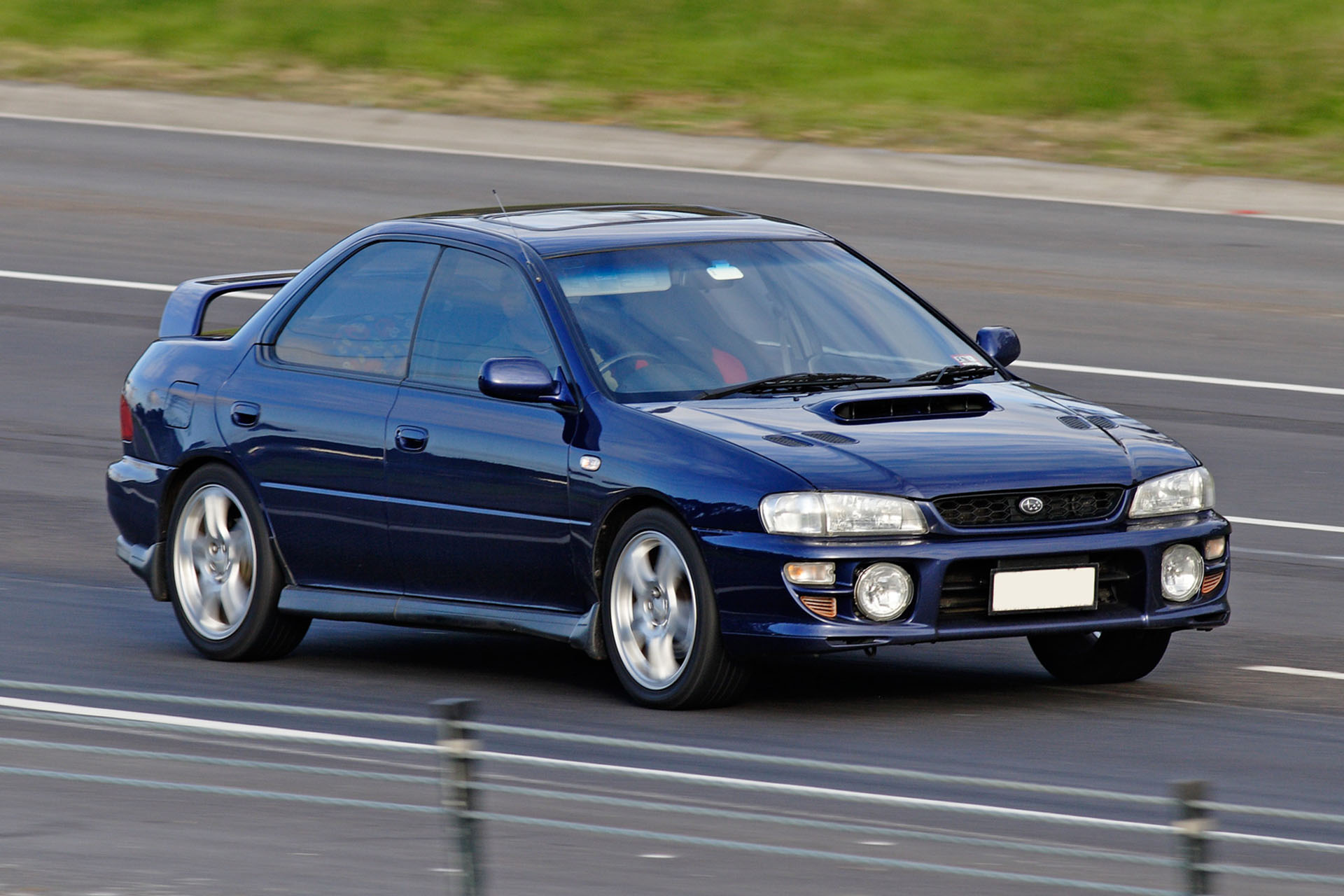
The same year saw the launch of another icon born on the rally stages of the world: the first Subaru Impreza and its big-winged, turbocharged big brother, the WRX series. Just as this pair had direct DNA from its WRC programme, so the MkIV Supras in particular looked like they had been driven straight off the race track and onto the road, and the twin-turbo 300ZX oozed power.
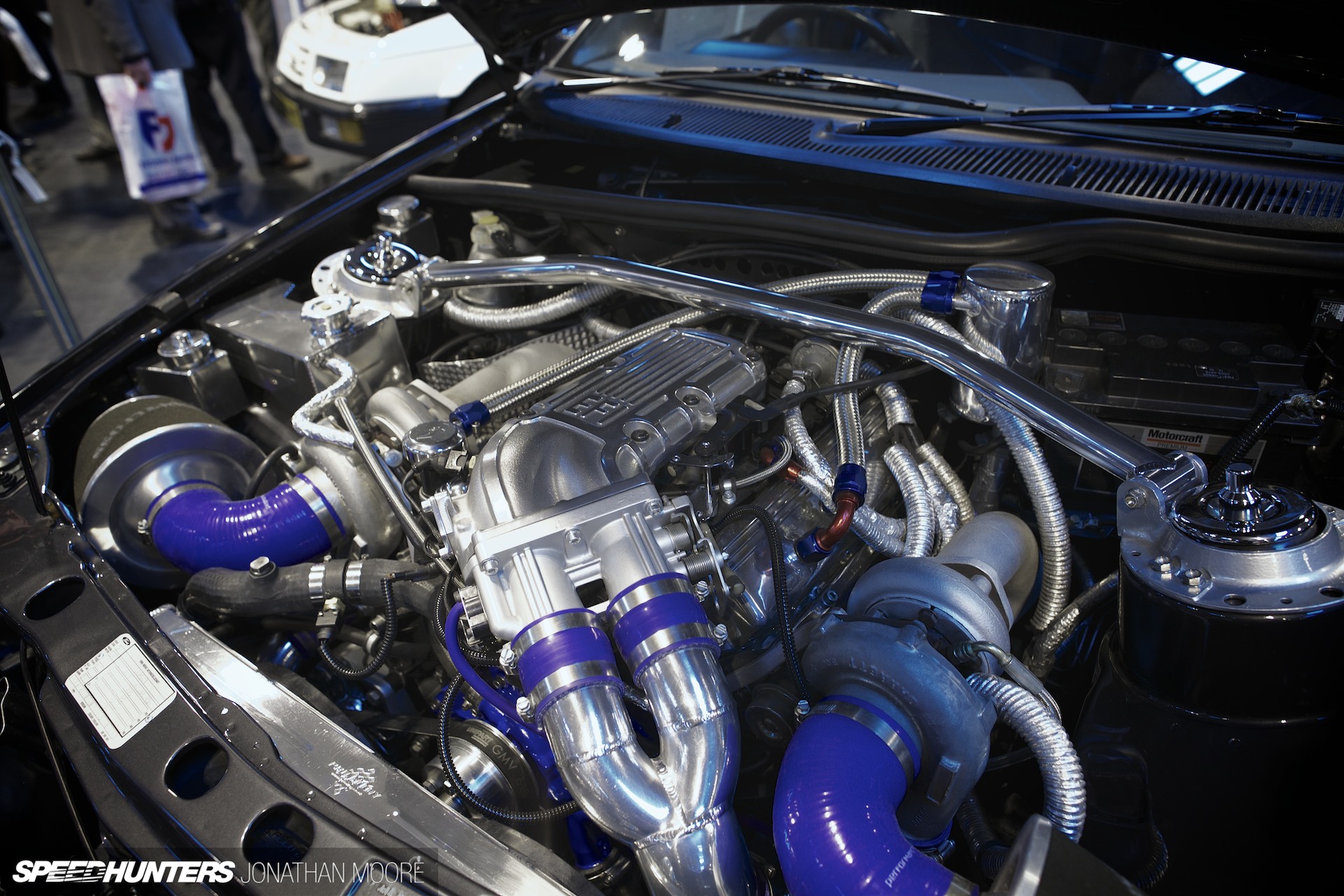
The tradition has continued ever since, and engine bays of tuned cars are awash with turbochargers. It’s beyond a trend: it’s a way of automotive life.
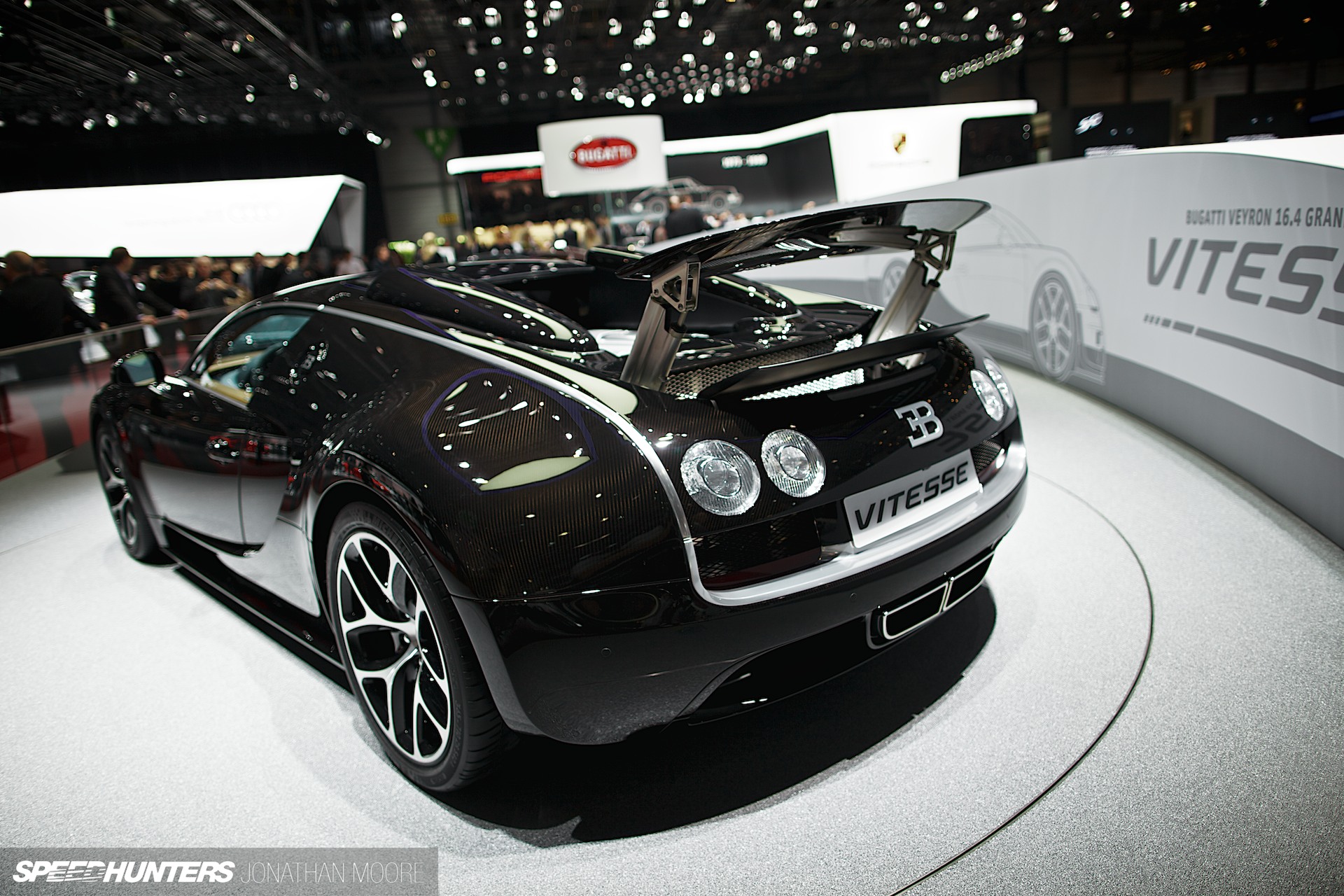
So what now for turbos? Modern hypercars boast boost in abundance, deploying four-digit numbers of turbocharged horsepower that reach towards even CanAm levels.
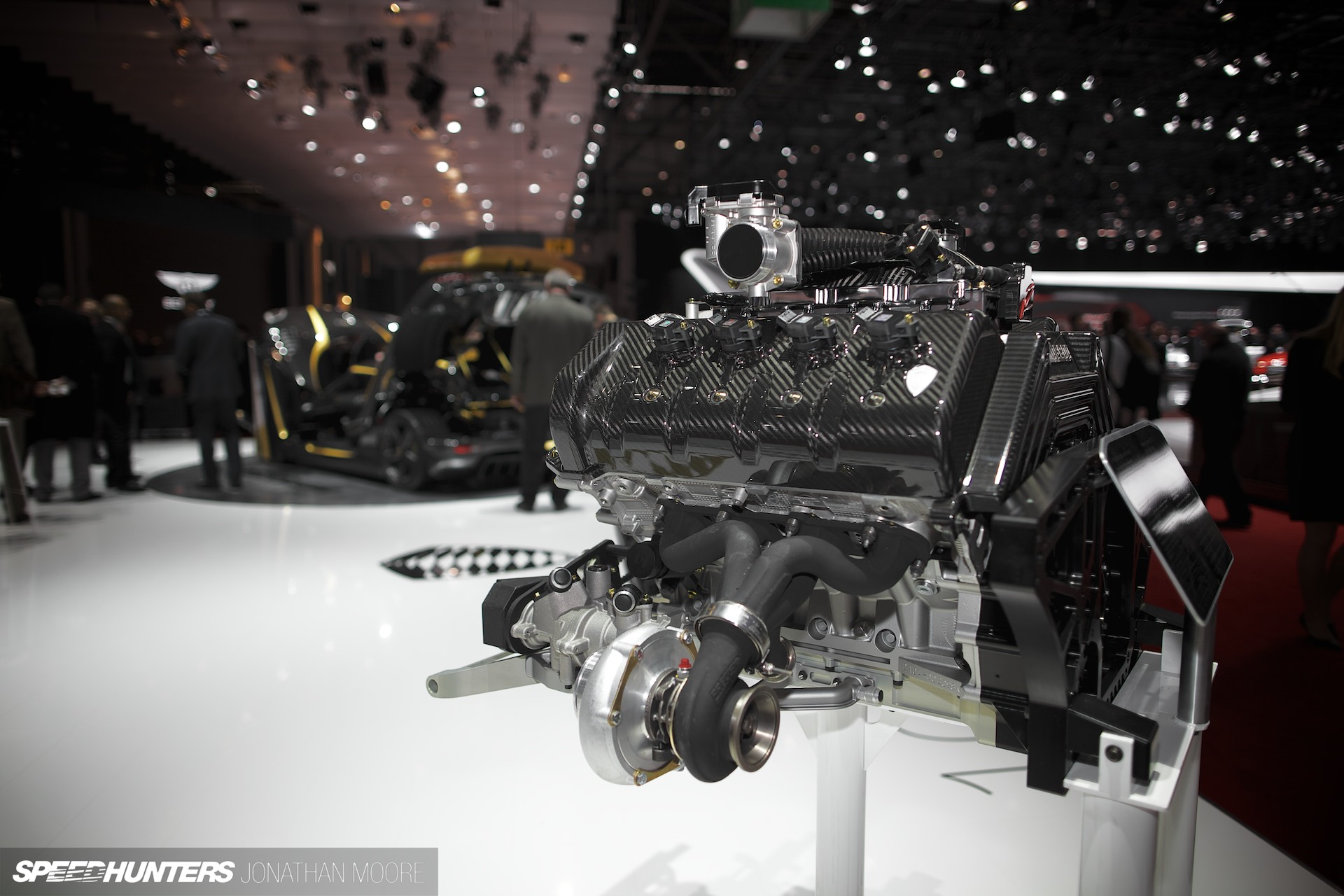
How anyone uses this stuff on the roads of an average town is anyone’s guess, and unfortunately as we know, many are consigned to static lives in dust-free, controlled environments in secret basements around the world. Not the life a turbo deserves.
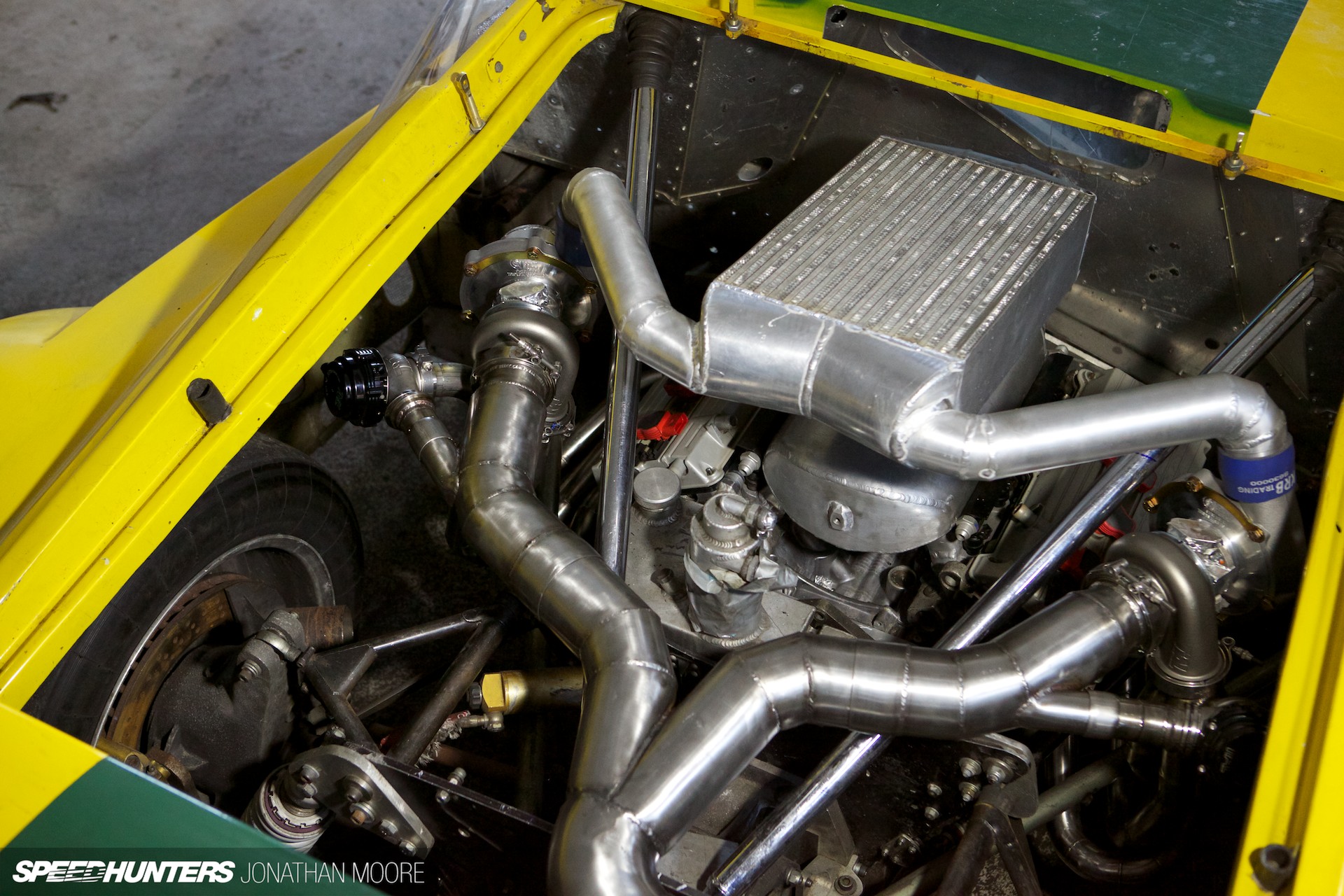
Thankfully there’s the passion of the tuning scene to allow the general public to witness that kind of thousand-horsepower-plus madness in the flesh: whether with specialised companies like 9ff or passionate individuals making lightcycle Supras or extreme Esprits.
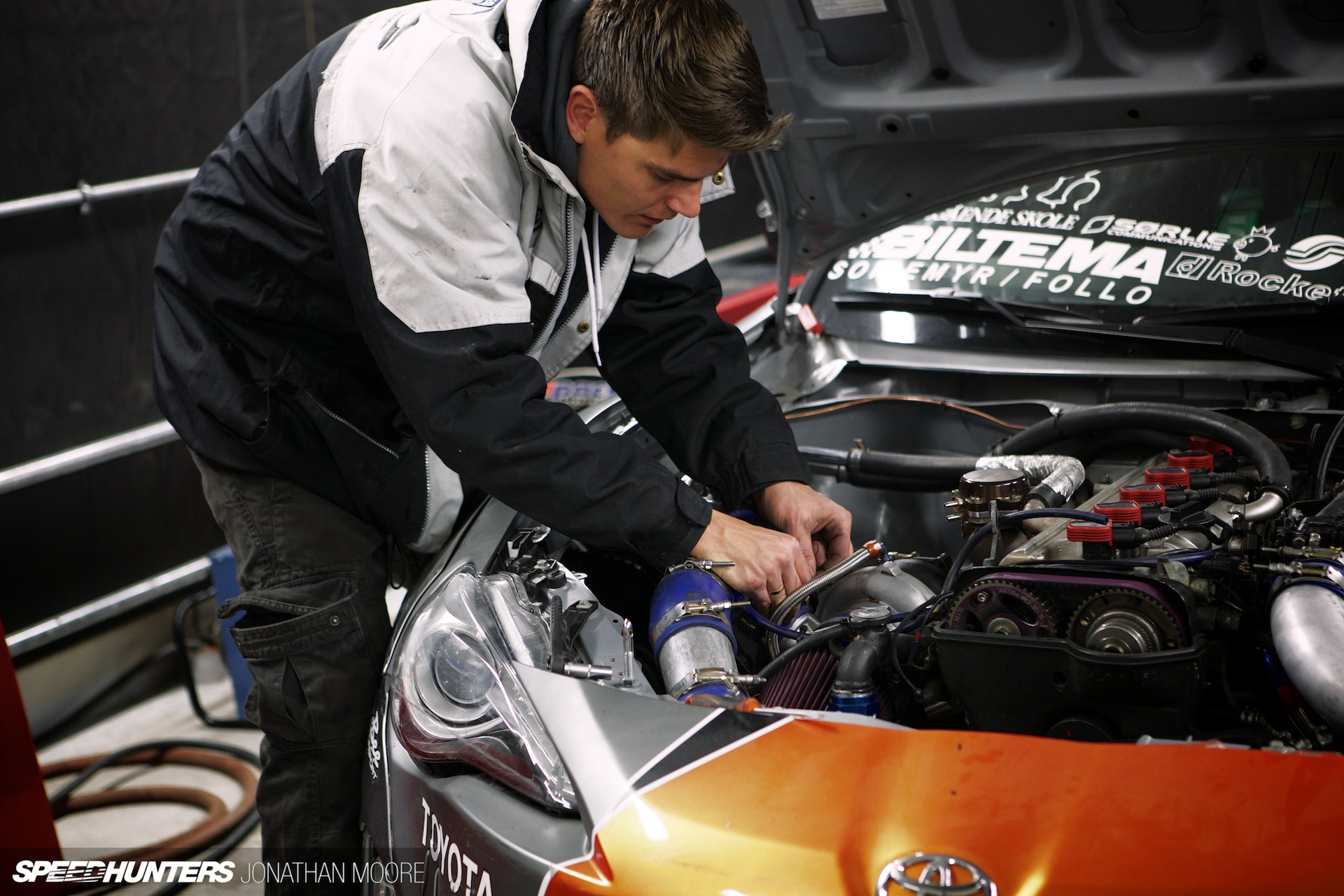
Scandinavia has emerged as the one of the new bastions of boost, turbocharging anything and everything. Gatebil’s forests echo to the whines of turbos and chirrups of wastegates.
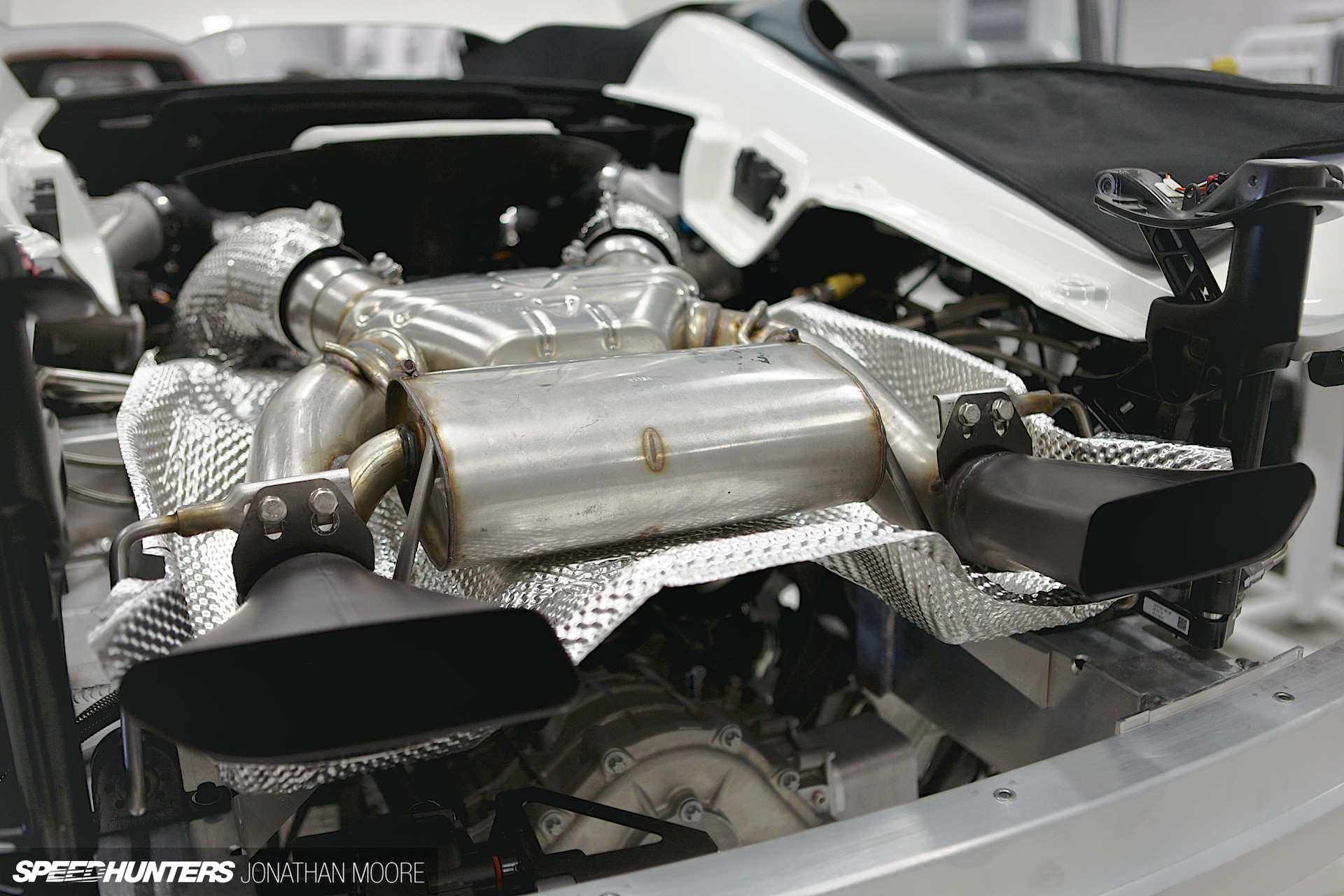
Turbos are also likely to see more common deployment in high-end sports cars, as fuel efficiency becomes more of an issue.
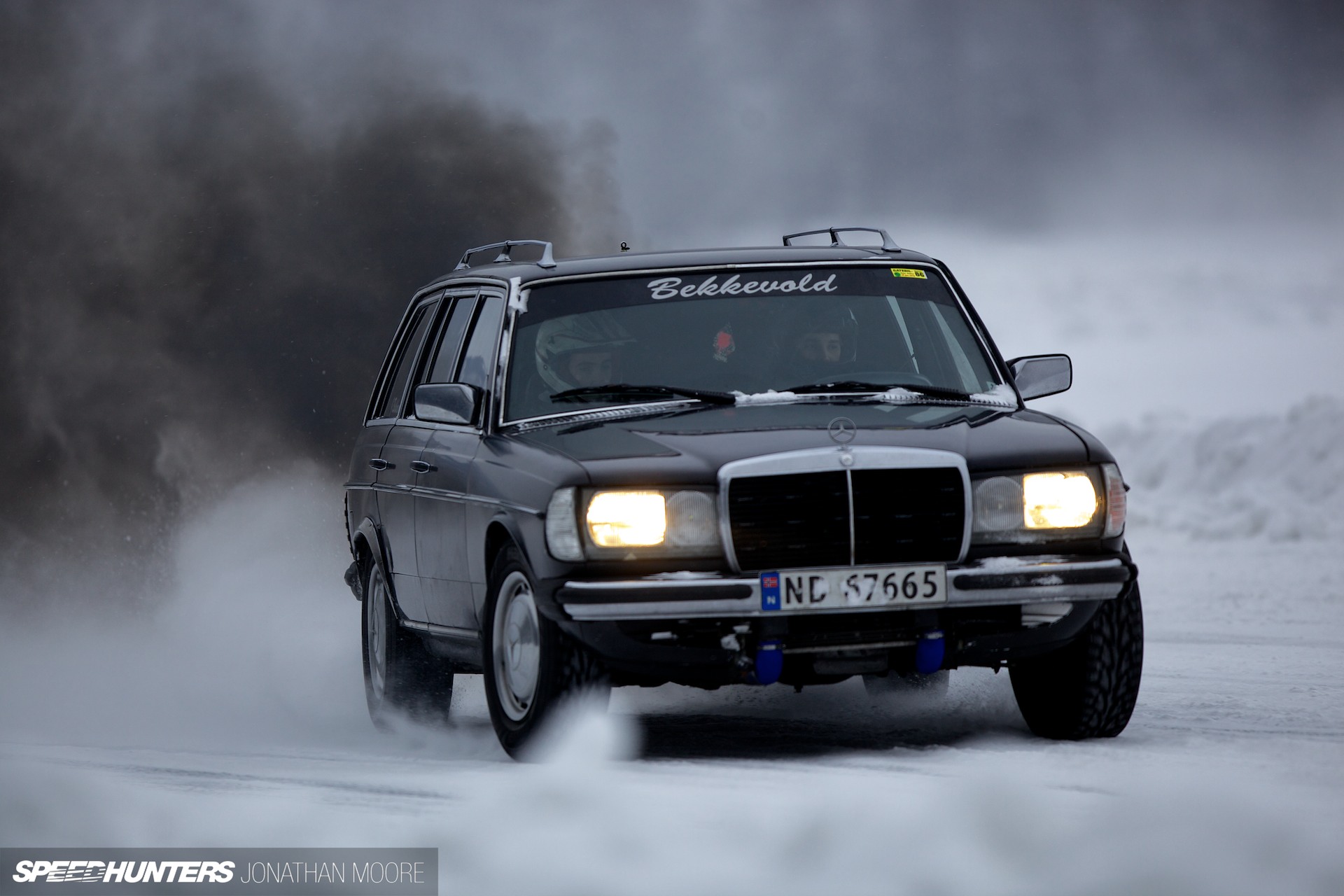
So it’s continued, with the two faces of turbocharging gradually converging towards today, where it’s likely that perhaps even the majority of cars will be turbocharged in the future. Nowadays, pretty much every family diesel has a turbine hiding away under the bonnet and black smoke machines have become a thing of the past. Well, except for deliberate attempts to rekindle that epithet…
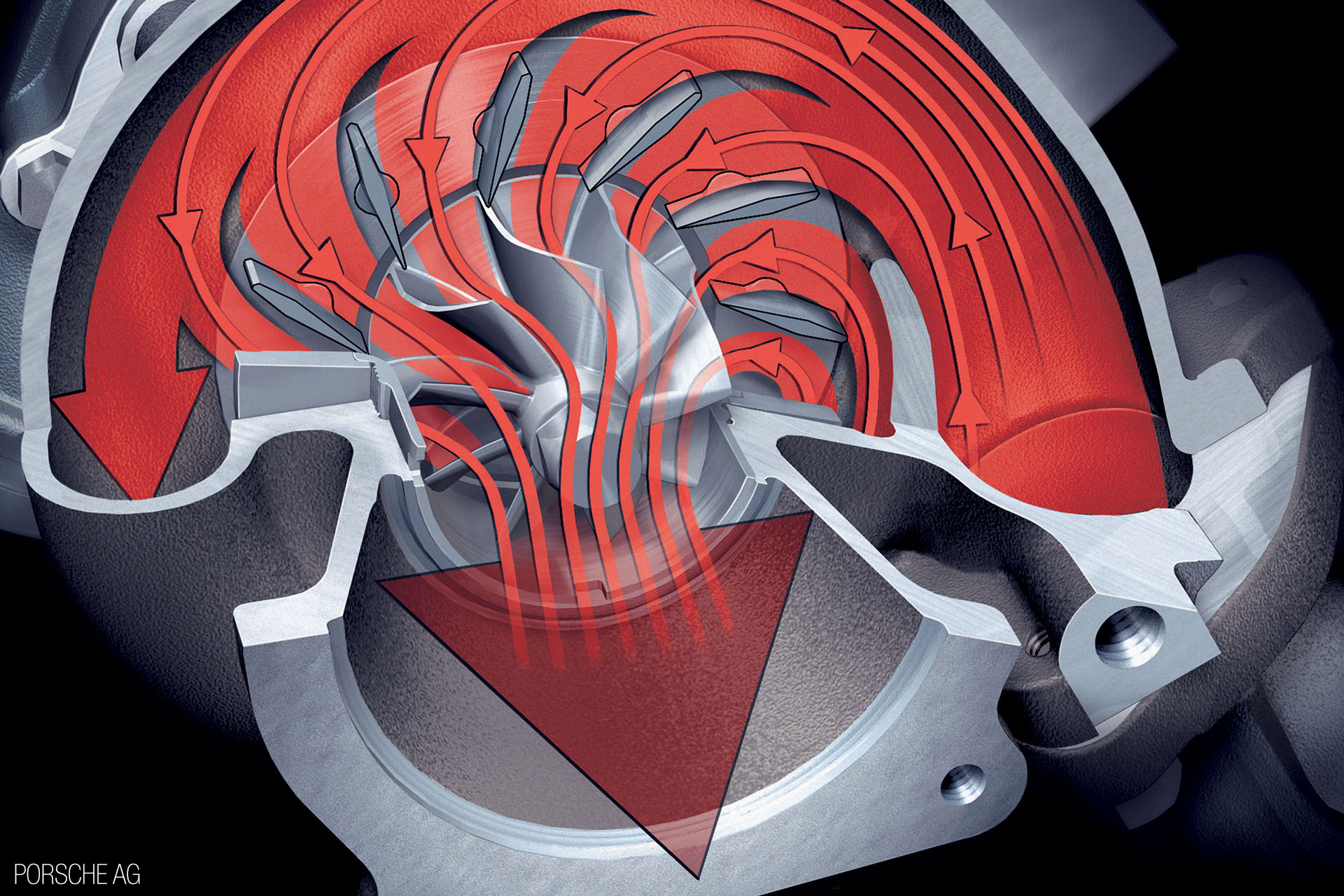
Developments in turbocharging have been anything but static as well: we now have things like variable turbine geometry, and things will only become more efficient as the automotive world turns to turbocharging generic engines in the name of efficiency and ecology, with even F1 moving to small capacity turbos.
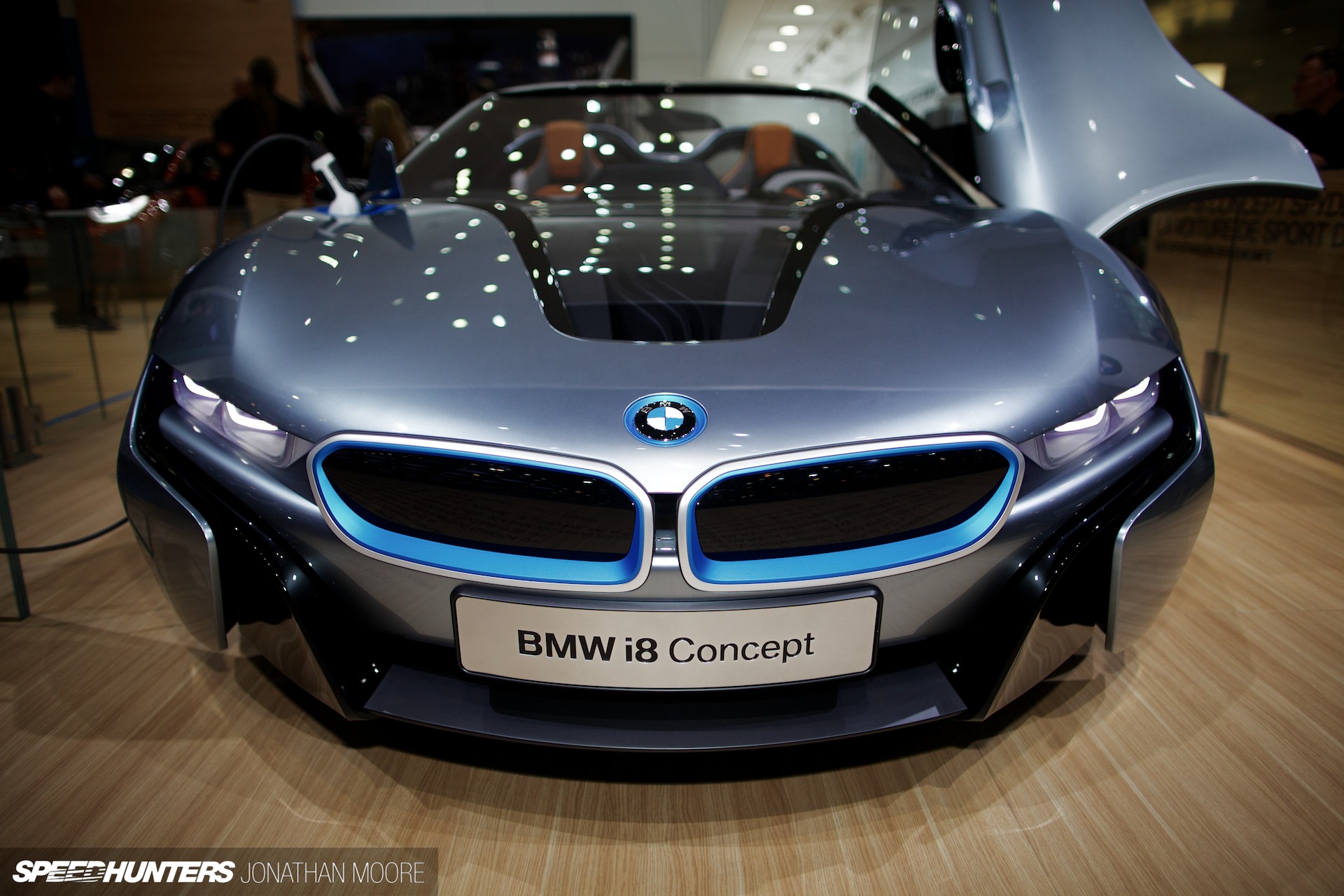
But we shouldn’t worry that this means turbos will become tame. That improved technology will only make for more extremes at the high end. The days of torturing air for fun are only just getting started.
Jonathan Moore
Instagram: speedhunters_jonathan
jonathan@speedhunters.com