
Matra racing cars attract love for their unswervingly patriotic French liveries, their line-up of stellar drivers (both domestic and international) and general out-there style. But another reason – perhaps the main reason – for that passion is purely based on aural pleasure. Why? Because Matras ran V12s. And V12s sound awesome. I mean, seriously, thuggish V8s are all very well, V10s can have their moments, but for class, style and the likelihood of losing your hearing, a V12 will always win. Howling, shrieking, banshee, attack-death war machines that leave your senses reeling. Too big, too heavy, too much everything… I love them.
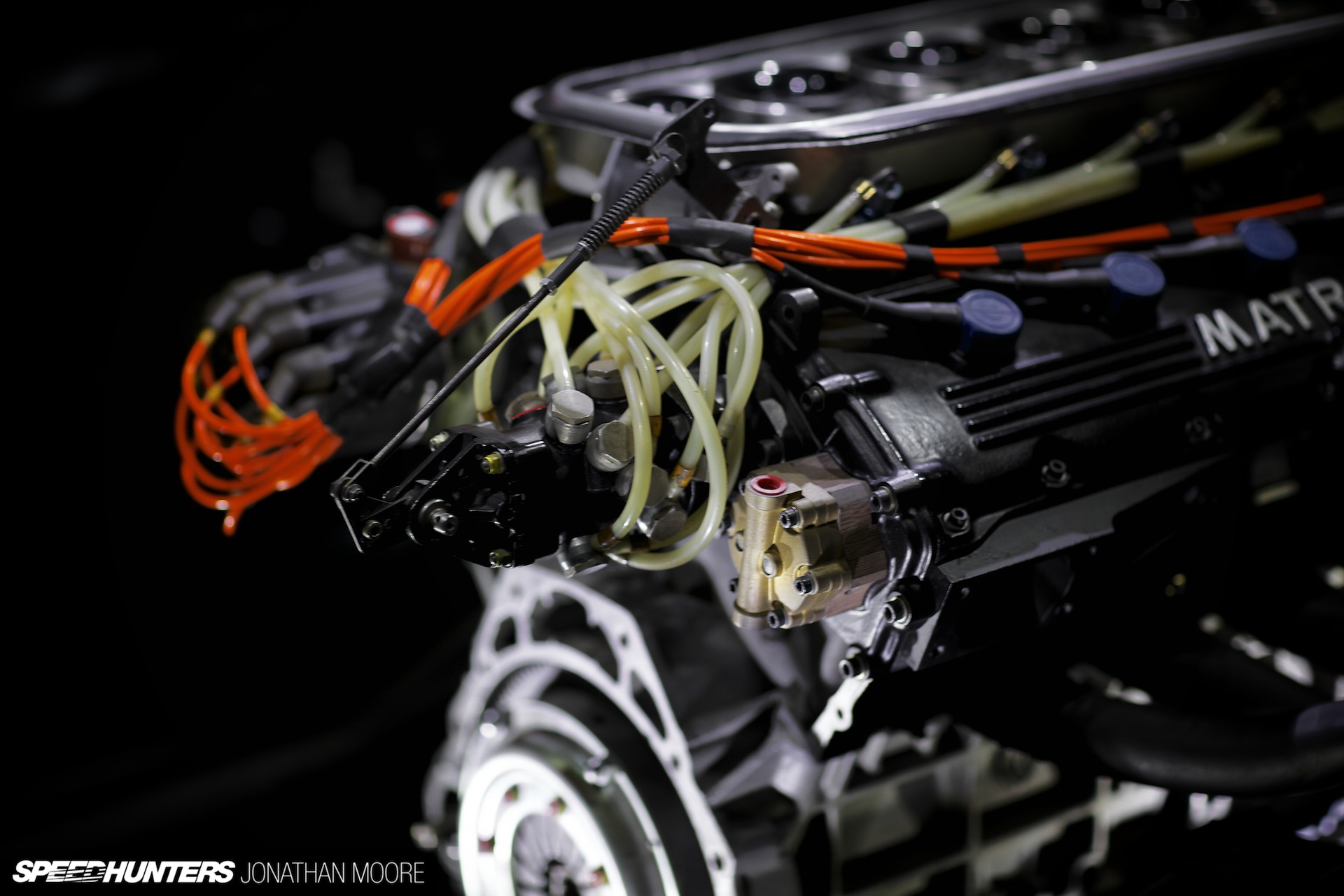
At the Musée Automobiles Matra in Romorantin, there’s a special, darkened sanctuary off to the side of the main displays of beautiful road and race cars. It’s a temple to the history of Matra’s engine division, a powerhouse place of worship for their V12s and more. Engines like these look beautiful anyway, but like the cars they go in you need to experience them alive and in the raw to get the full context.
In the museum there was the constant shrill song of racing V12s piped out of the speakers dotted around; to approximate the feeling and get the full spine-tingling sensation, I suggest you do likewise. Fire up this video and leave the sound looping on in the background whilst you fire up saucy Presentation Mode and look through the rest of the story…

These engines were originally developed at Matra’s Parisian suburb base of Vélizy-Villacoublay – Peugeot Sport are still based in the same area, and still apparently channeling Matra’s engineering extremes through projects like the recent Pikes Peak 208.

Matra weren’t totally new to engines, given their missile background, but that didn’t mean that anyone expected their first attempt at internal combustion to be so successful, or to become the first in a line of icons.
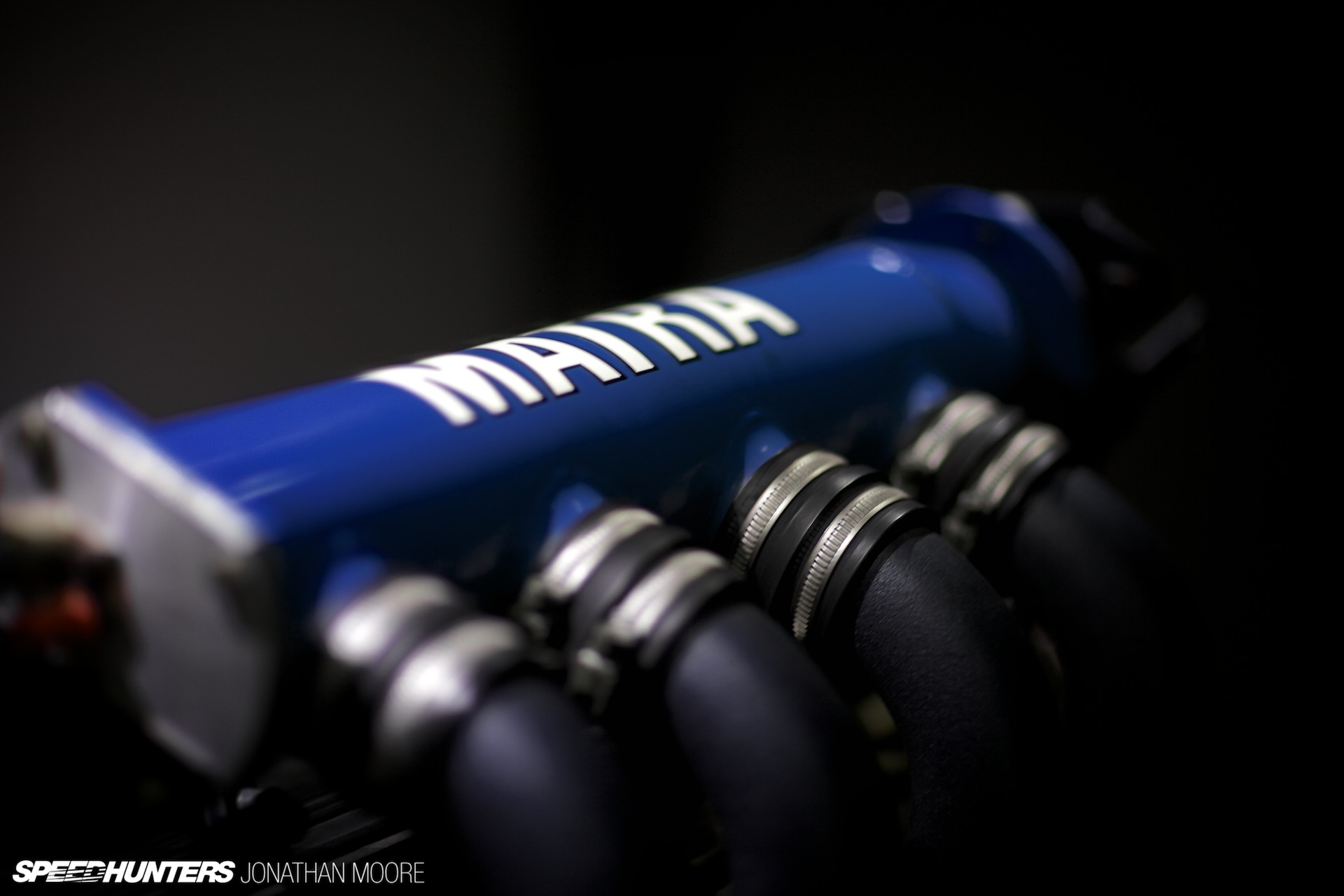
They weren’t exactly forced into making their own engine, but a partnership with French auto firm Simca precluded continuing with Ford power, and Simca didn’t really have anything particularly exciting to use as a base. For an engineering focused company like Matra, it provided the ideal excuse to get to work.

The first weapon deployed from Matra’s arsenal was the famous MS9, which made its debut in ’68. Designed and built from scratch, the 2,999cc engine used a 60-degree V-angle with four valves per cylinder, driven by a train of straight-cut gears. Power was modest, with 395hp delivered at 10,500rpm for the sports car version and well over 400hp @ 12,000rpm in F1 spec, but remember it’s what you do with horsepower – specifically, what you apply that horsepower to. And if it’s a lightweight F1 car or sports prototype weighing barely over half a ton, that horsepower can do a lot.
That meant the sound was… delicious. Ear-shatteringly so.
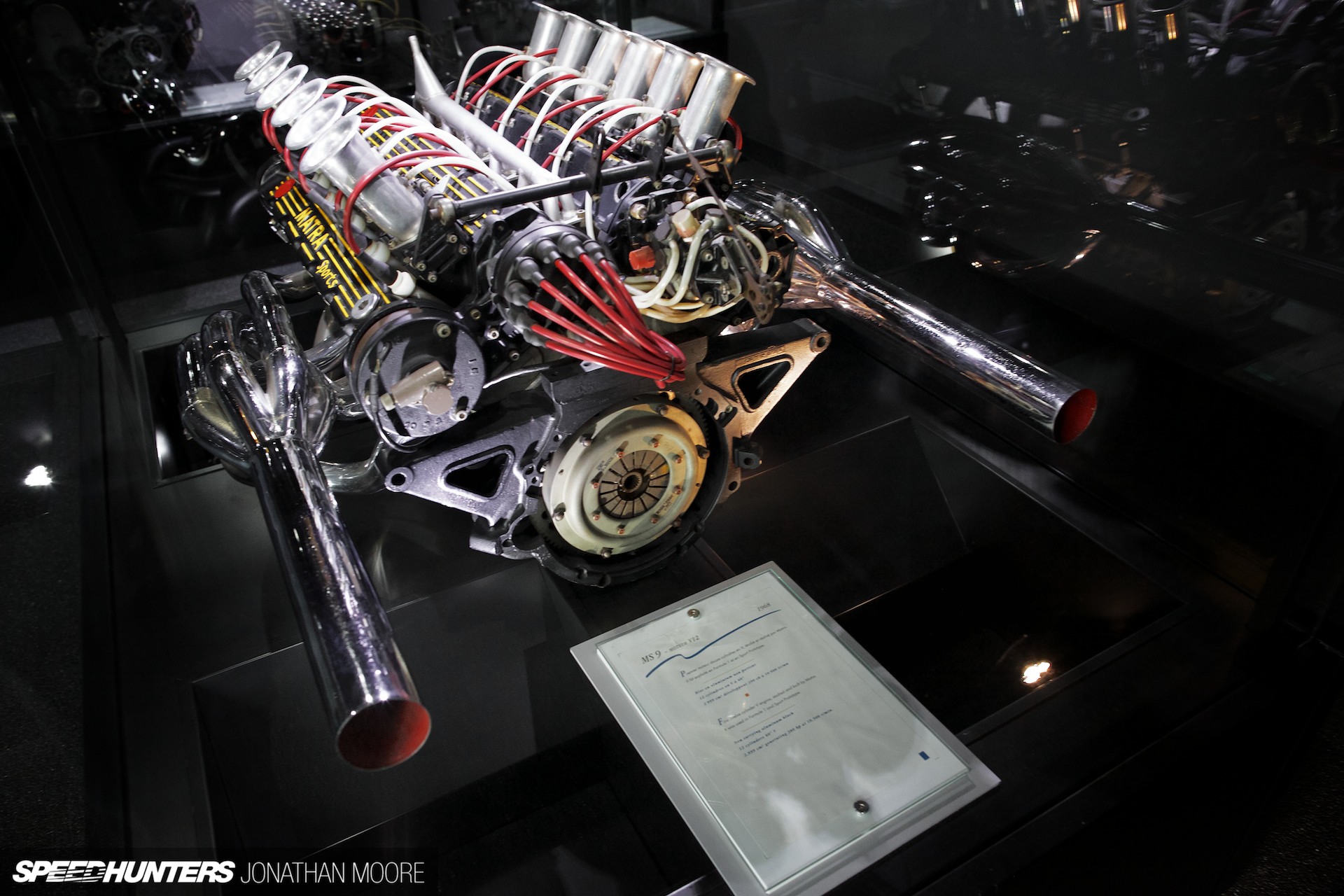
Originally the air intakes were angled, as seen here, but horizontal stacks were used in competition, which allowed for development of air-boxes (another thing Matra helped pioneer). The V12’s layout was fairly conventional; the block was tested in aluminium, but magnesium was used for the production units. Titanium was also used, the cylinder head angles greater than normal and the exhausts were moved to the sides from the centre of the vee typically used at the time. Chrome helps date it, but also adds to the charm.
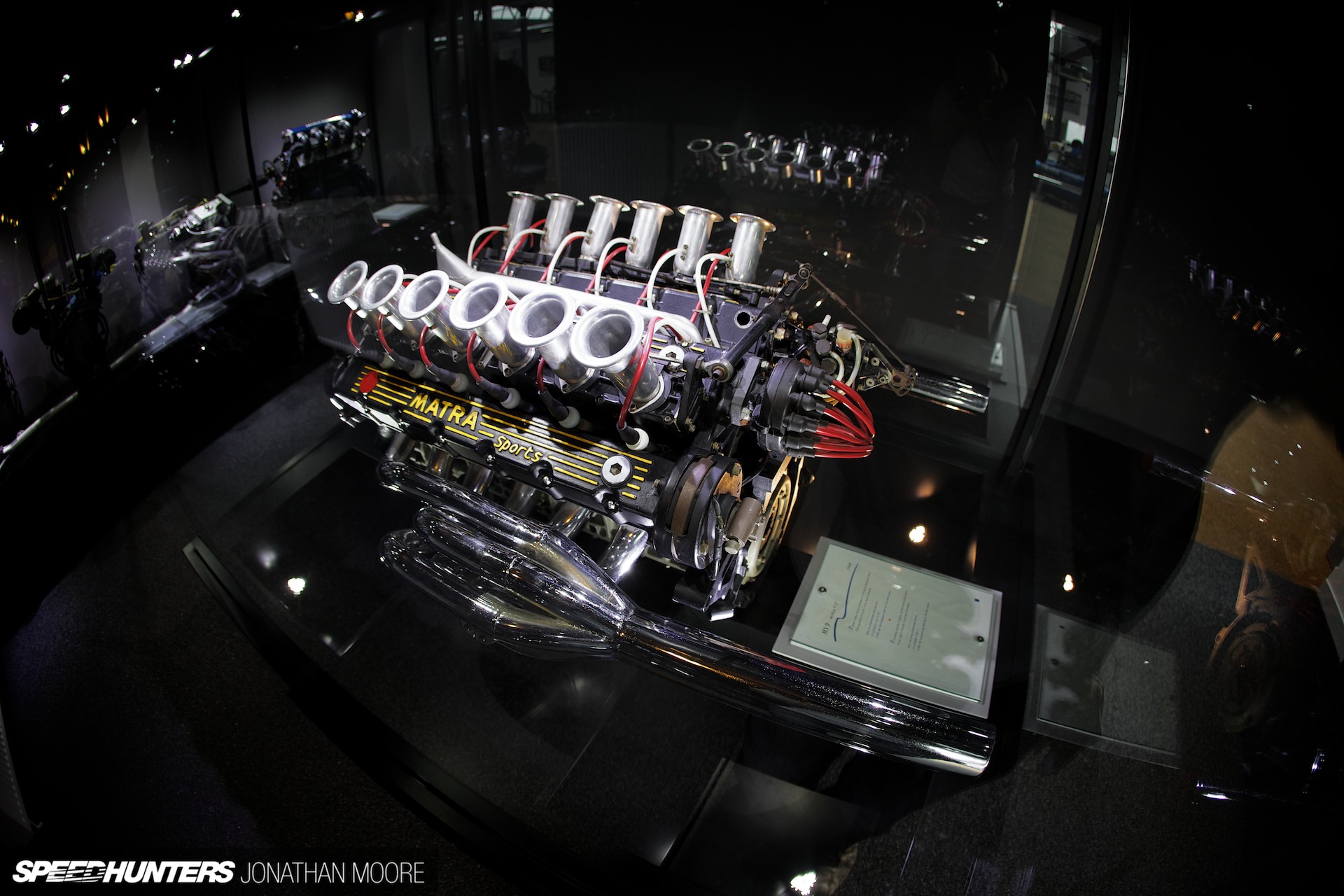
The MS9 was more powerful than the sports car competition such as the Porsche 908, but thirstier. It also wasn’t used as a stressed member, rather mounted in a subframe, and on the F1 MS11 used the straight-through organ-style exhausts, as seen in the lead picture on my first story from Romorantin. Matra boss Jean-Luc Lagardère bandied about the idea that the V12 might be given some relevance to the Matra road car division by being shoe-horned into the MS530. Though with the weight of the V12, I think the 530 would have simply collapsed on its suspension. Still. Nice idea.
Flat out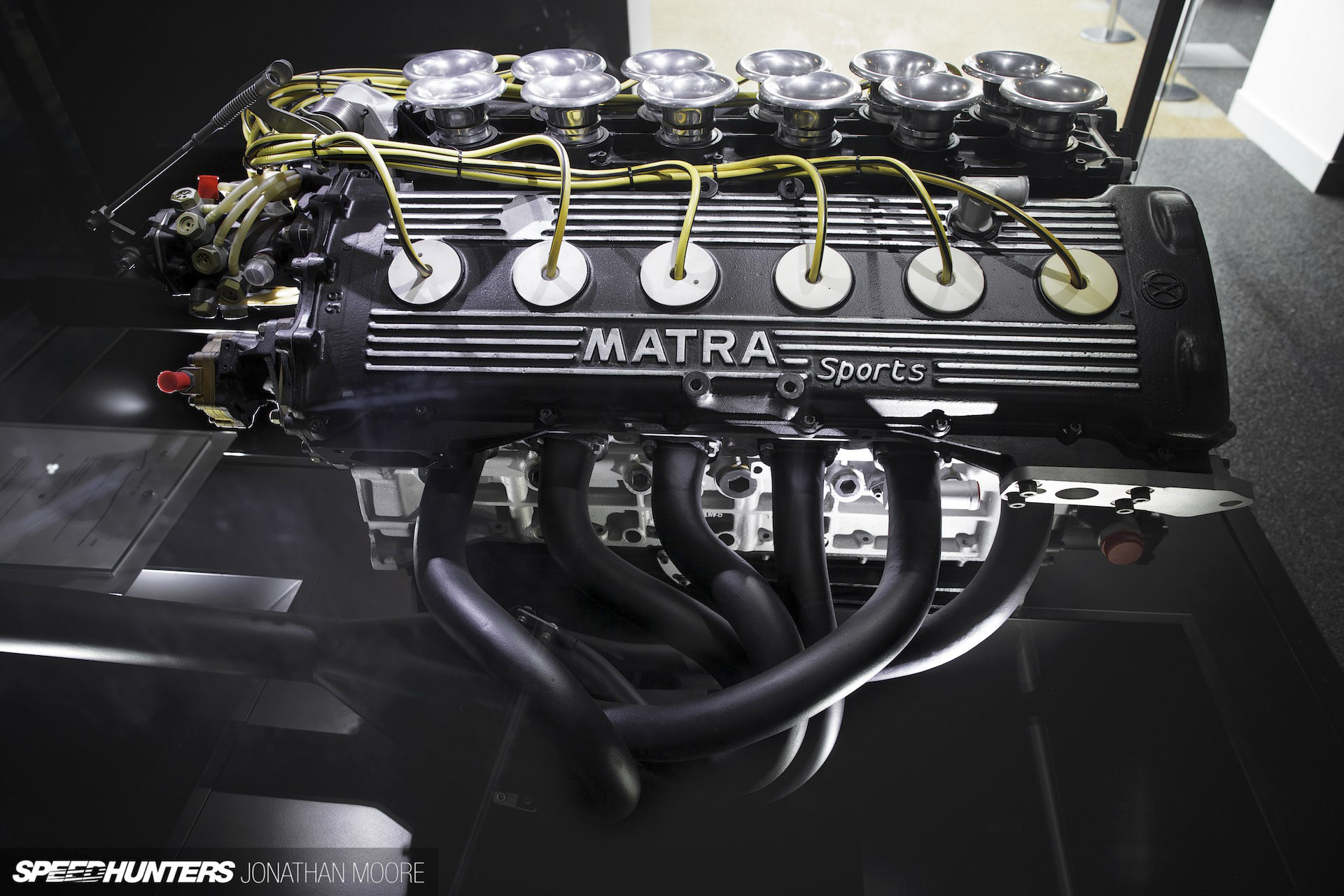
The MS12 followed in 1970, an optimised evolution of the MS9 directed at F1 following the split with Tyrrell and Ford.

The same 60-degree vee was used, but power was further increased (420hp @ 11,000rpm) and weight decreased with a new magnesium block.

Straight out of Robot Wars is the MS71 from 1971: a stunning flat 12 proposed for use in the Matra’s recalcitrant MS120B. This is the prototype three-litre aluminium block.
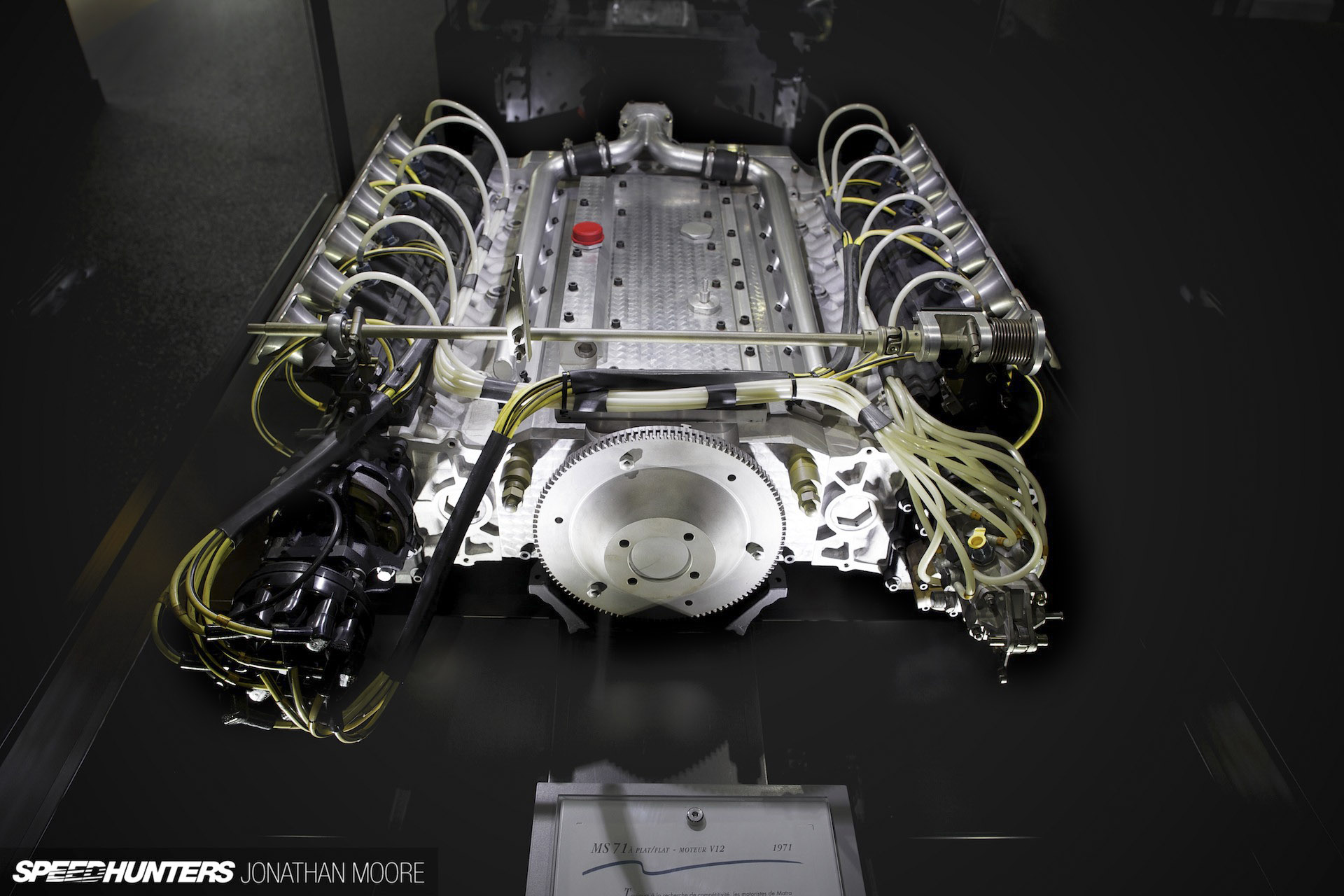
A completely different beast to all the shallow angles of the standard engines, the layout was tested by Matra’s engineers, but never made it to the race programme. We can only imagine what this would have sounded like… Most of the cars in the museum do run, by the way, but this is one of the few engines it will be almost impossible to ever hear.
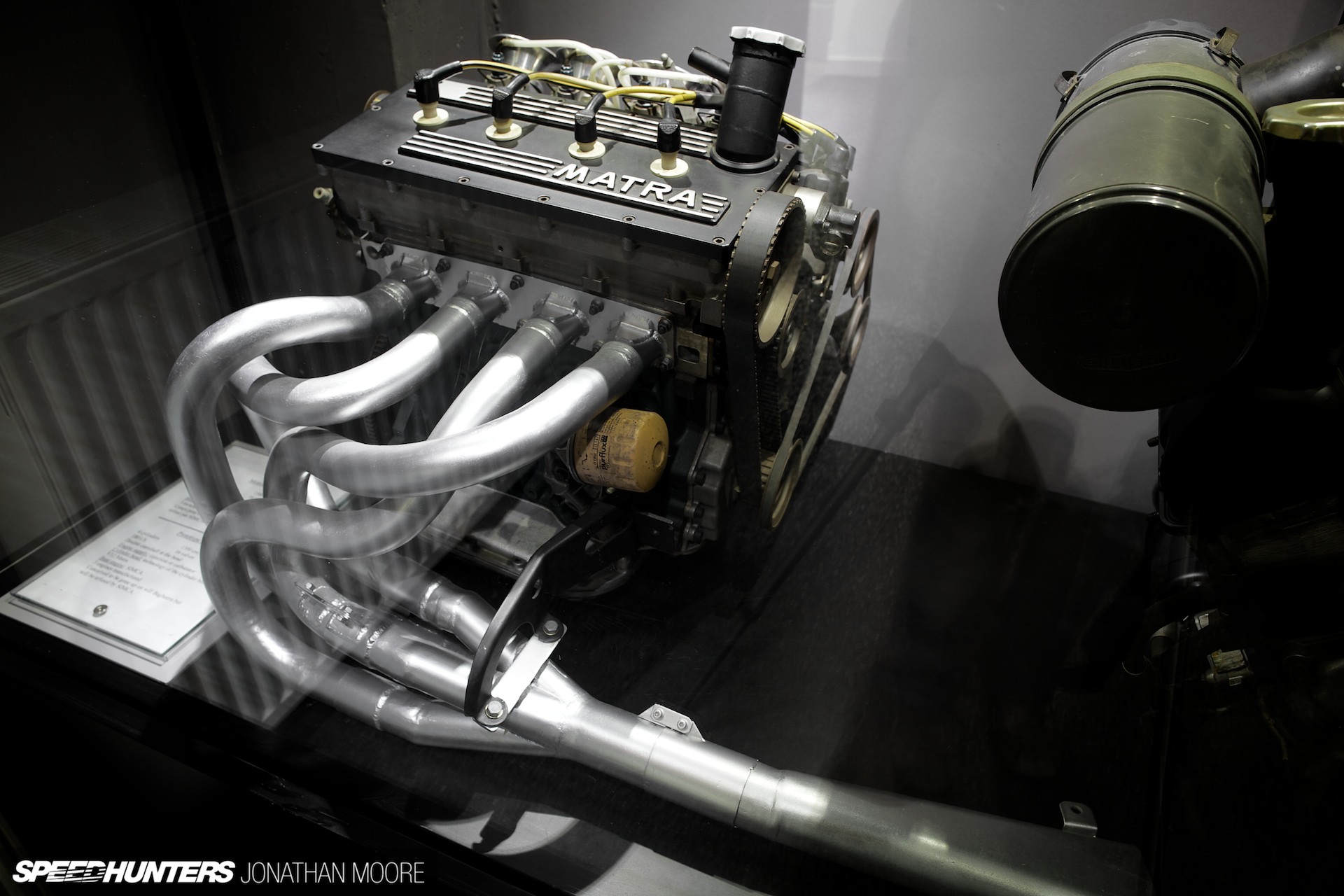
Although the V12 never did make it over to the road car division, it wasn’t for want of Matra trying to make better engines. This was another prototype engine, based on a Simca 16-valve four-cylinder. The 1.3-litre had a cylinder head derived from the F1 V12 programme, and made a handy 180hp; three engines were made, with the plan being to put this in the Bagheera, but Simca’s management refused, much to the car’s detriment.
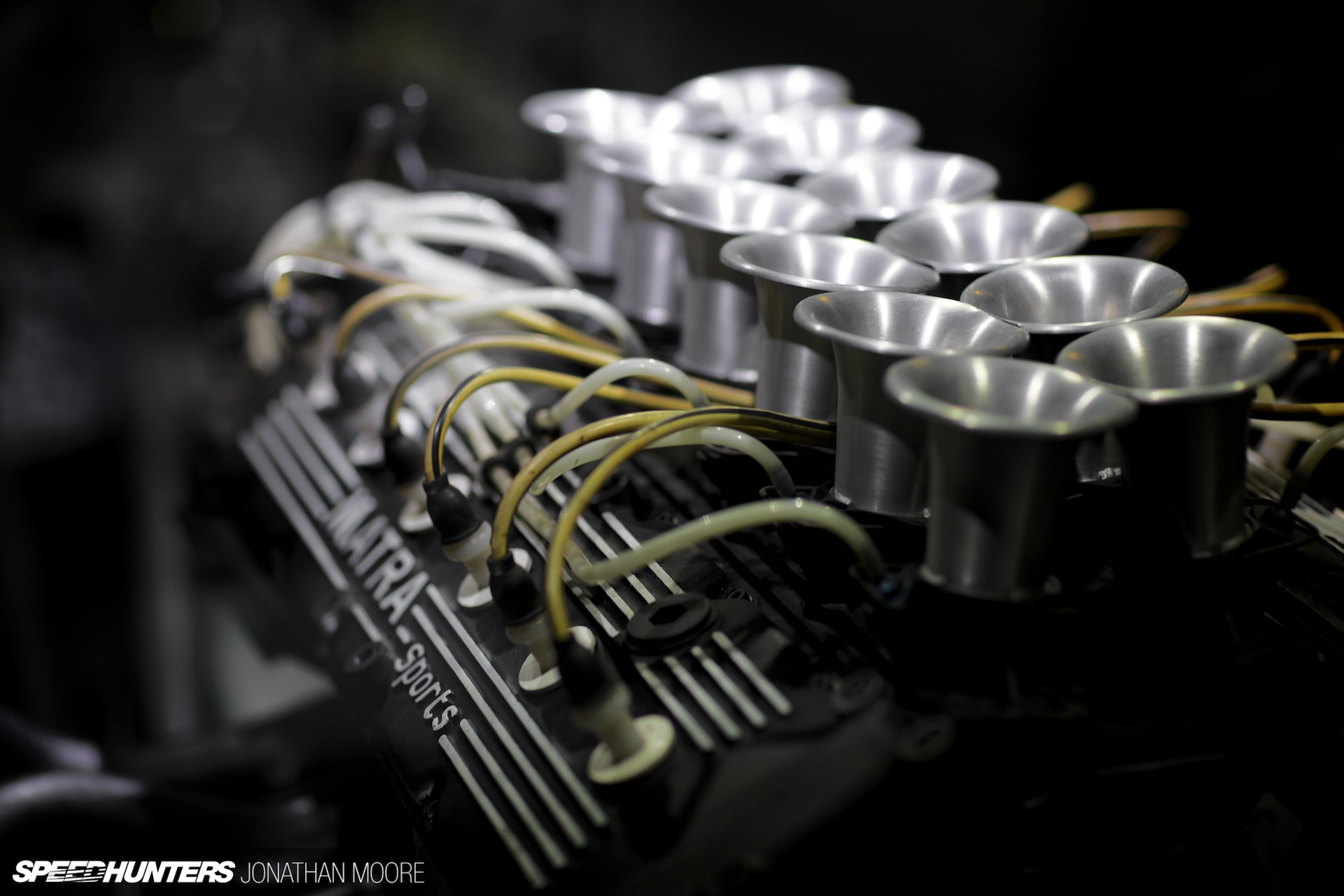
With road engines off the menu and the F1 project closed down, the focus was purely on sports cars. Matra worked away at their V12, each year making little improvements here and small tweaks there, all in the quest to find more power without adding to the weight. The MS12/73 was used in 1974, and powered Matra to the World Championship For Makes title in sports cars for the second time. This further evolution of the MS12 raised power to 485hp, and although Matra closed their WSC team at the end of the season, the engine lived on.
Ultimate evolution of the breed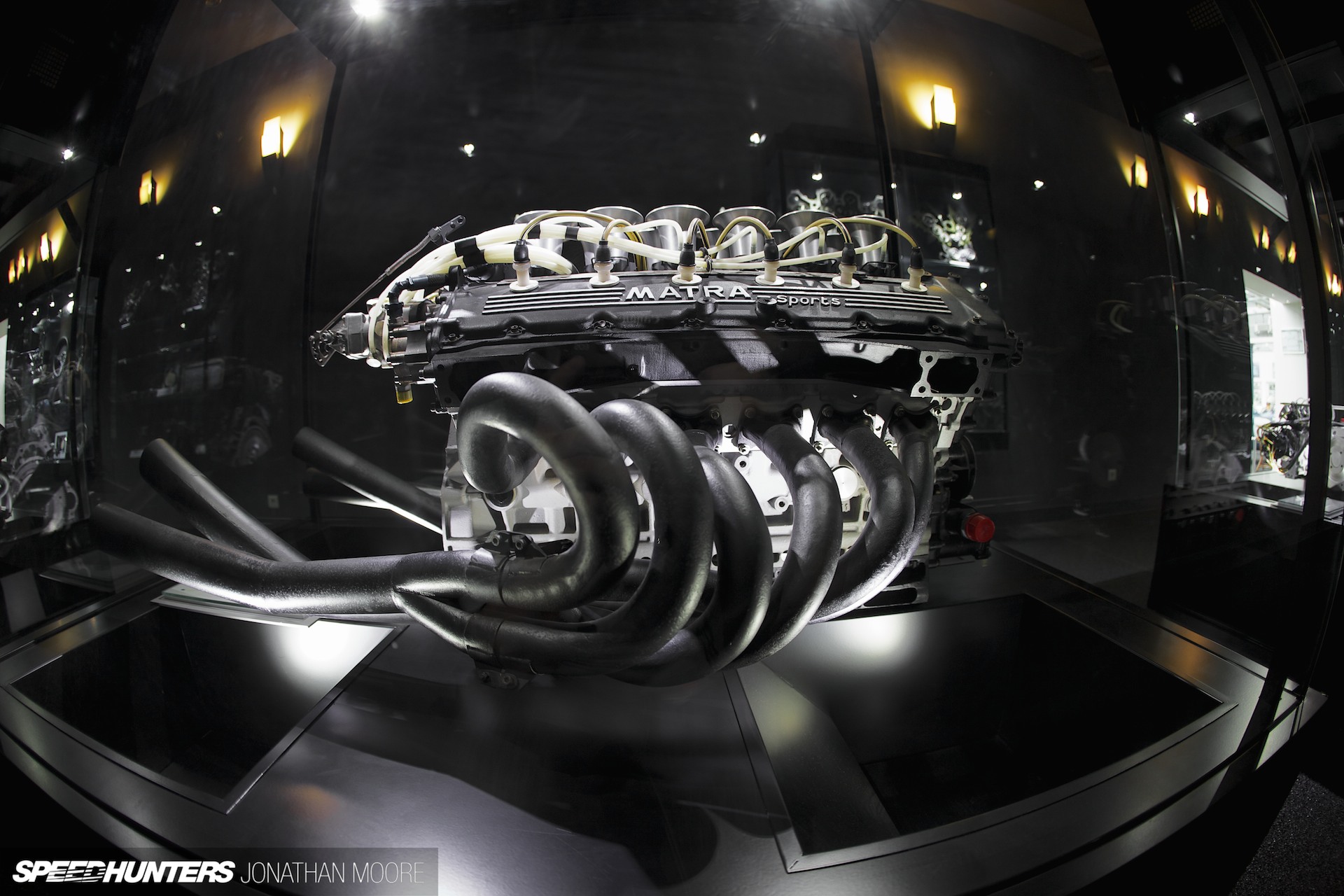
Matra agreed to supply a development of the MS12/73 to the UOP Shadow team in F1, to fit into their DN7 for a couple of European rounds, and then for 1976 Ligier took up the V12 for the JS5. Power went up, as did the revs. The peak power was 500hp at 12,000rpm in ’75 and 525hp the year after.
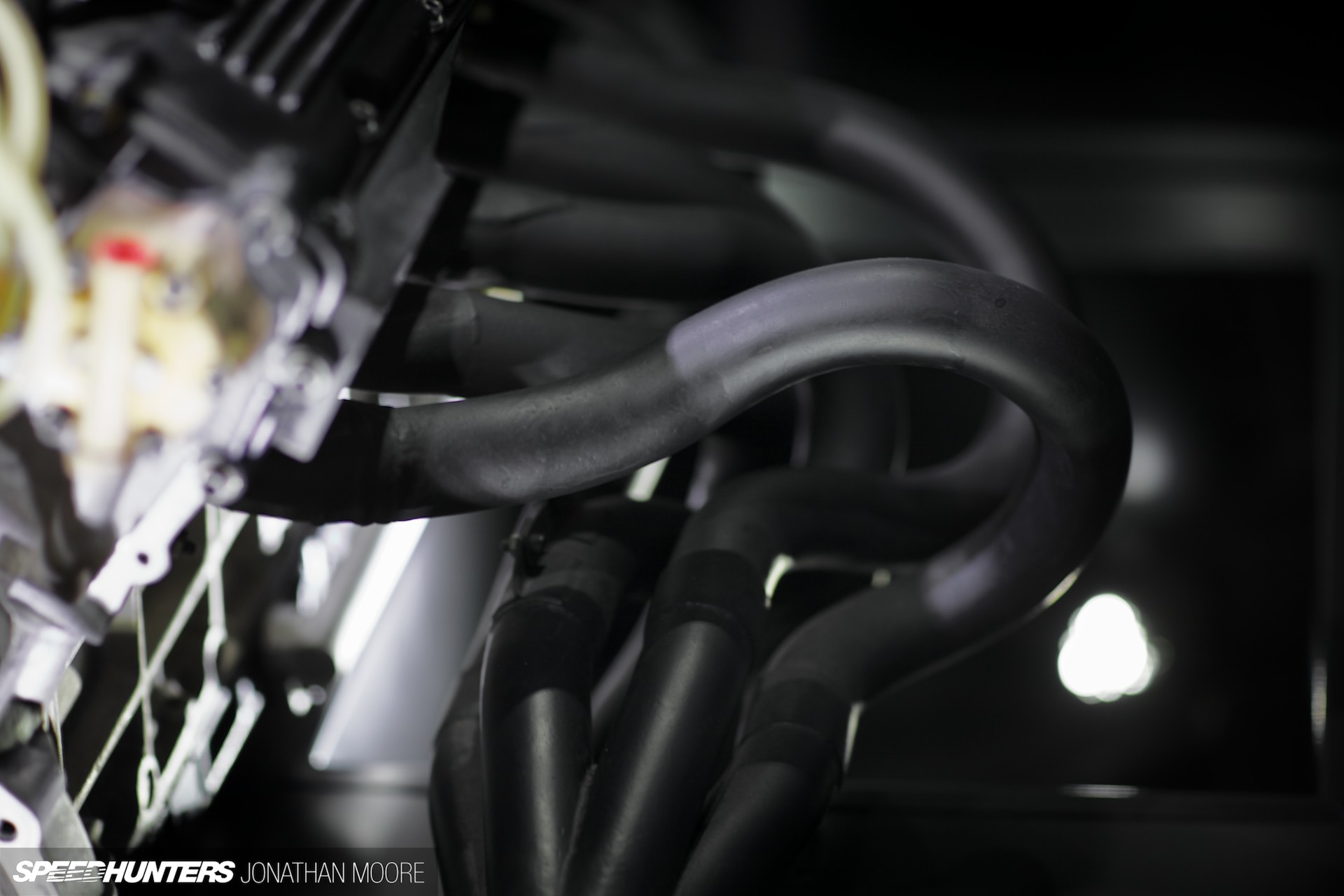
Although the metal in the middle might have changed little, it’s the increasing complexity of the exhaust system that really shows off the changing technologies. Increasingly complex shapes would be used, with wild curves and sculptural twists introduced.
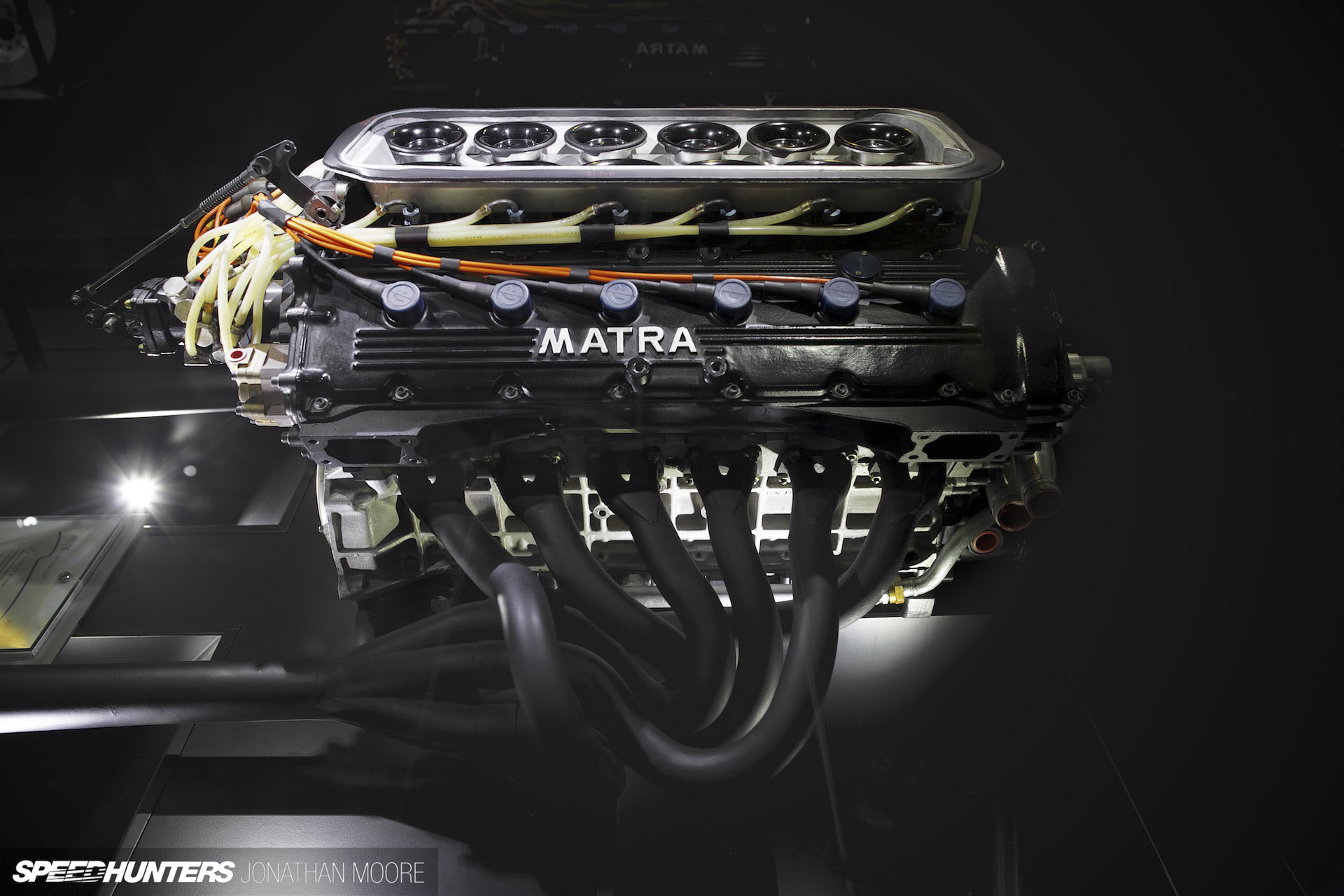
Ligier continued with Matra power in 1977: their JS7 mounted the new MS76 evolution V12, which featured major structural modifications, lowering the height by 27mm and again upping power and revs. Jacques Laffite would take a single win at the Swedish Grand Prix at Anderstorp: it quite wasn’t over yet for Matra and silverware.
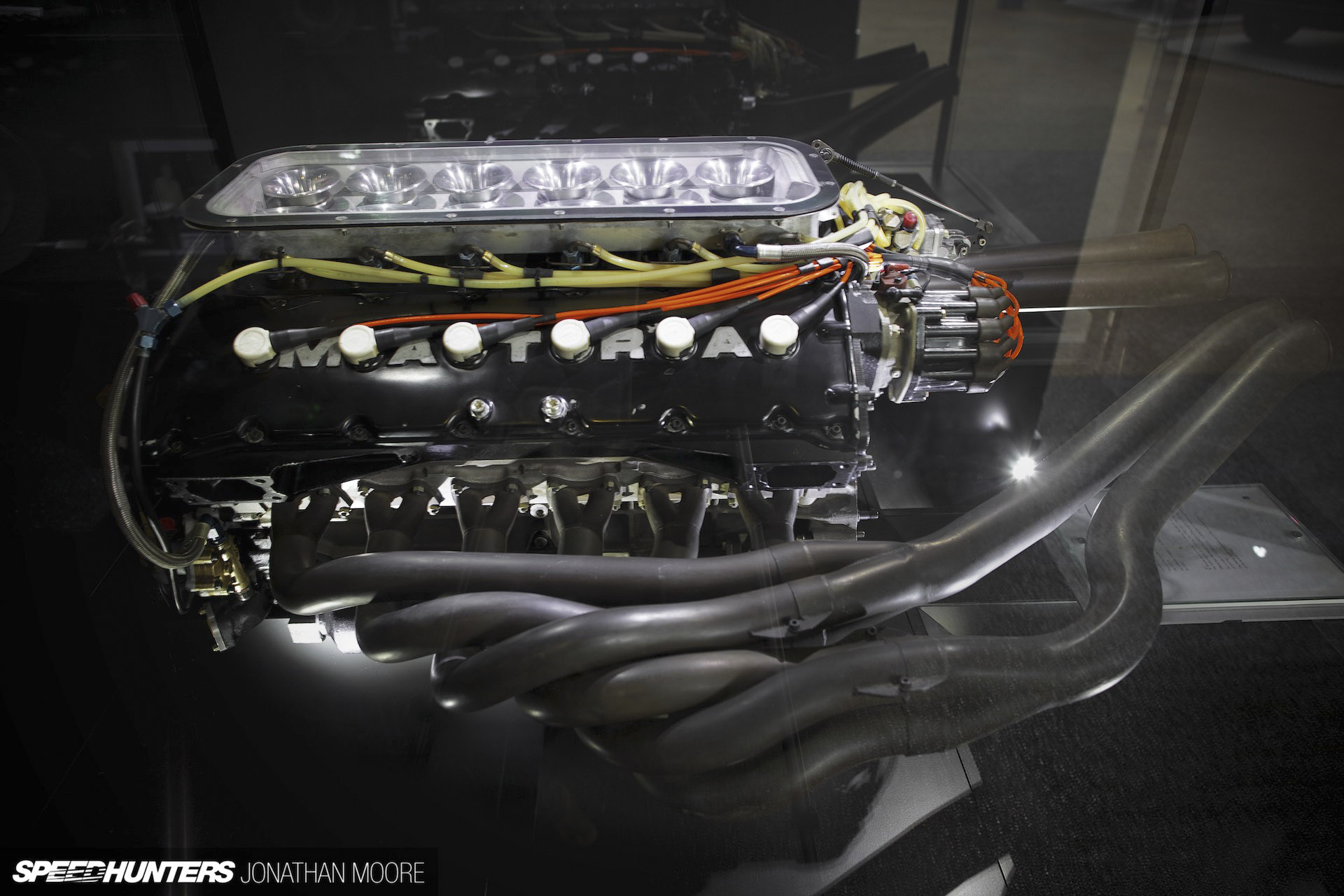
Ligier swapped to Ford for a couple of years, leaving Matra out in the cold until their swan song in 1981, when the Ligier JS17 returned to Matra for the ’81 and ’82 seasons. Laffite won twice in ’81, but in ’82 turbos had well and truly arrived. Big, heavy V12s were no match for the blown opposition.
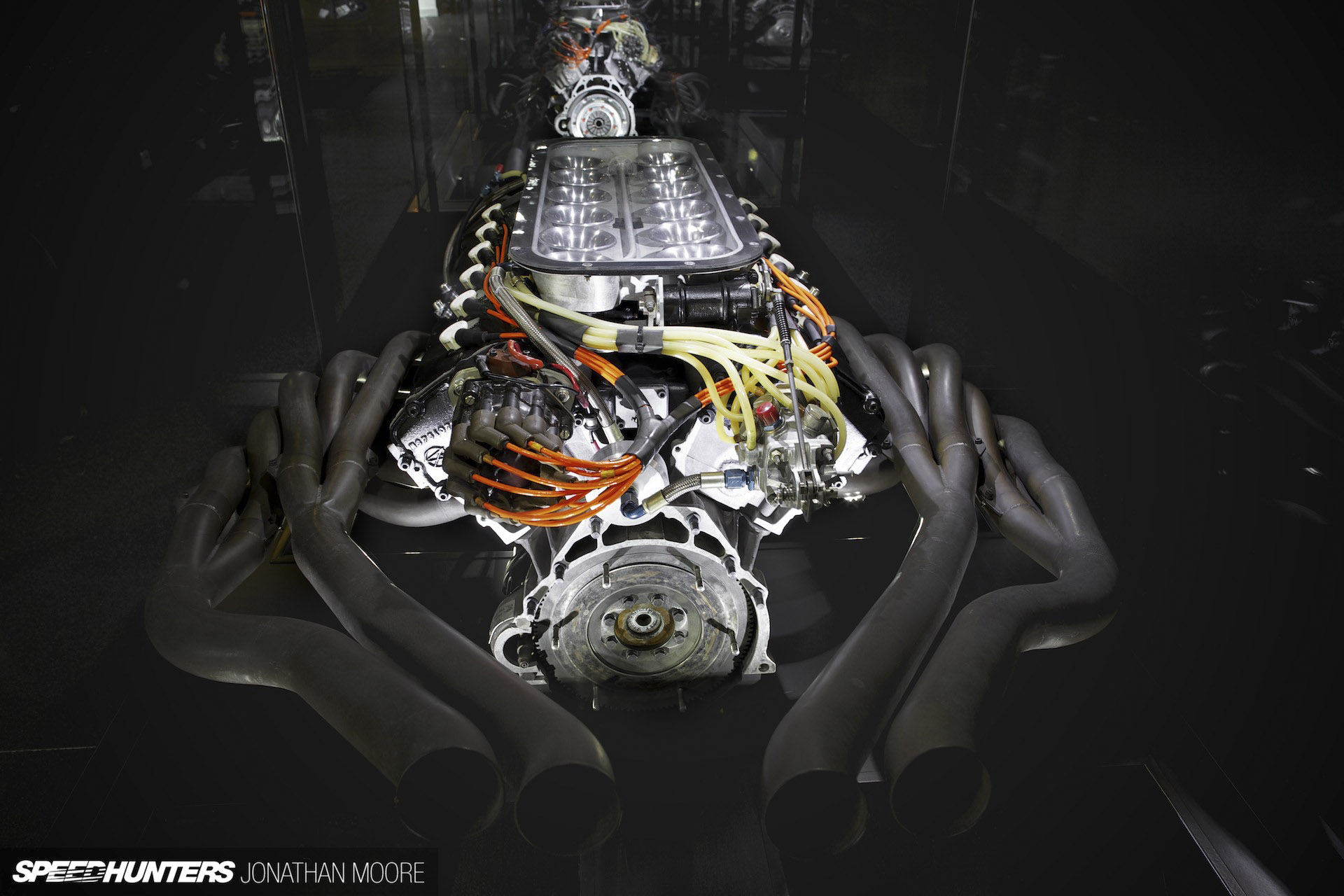
The MS81 was the ultimate evolution of the Matra V12 family, taking power to 535hp at 13,200rpm, though the engine still weighed a hefty 164kg.
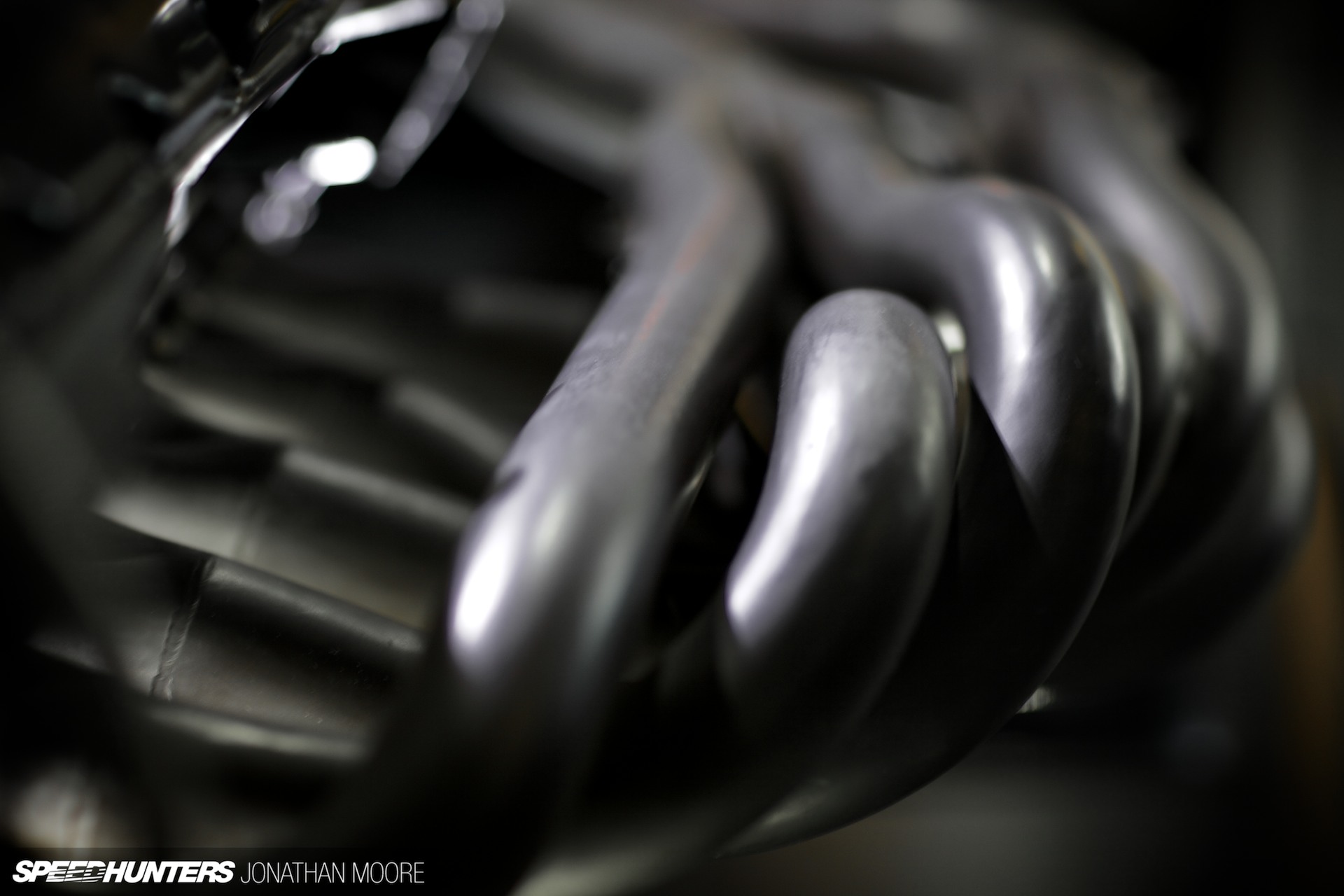
But again, it’s those exhausts systems, like gnarled tree roots or a disfigured hand…
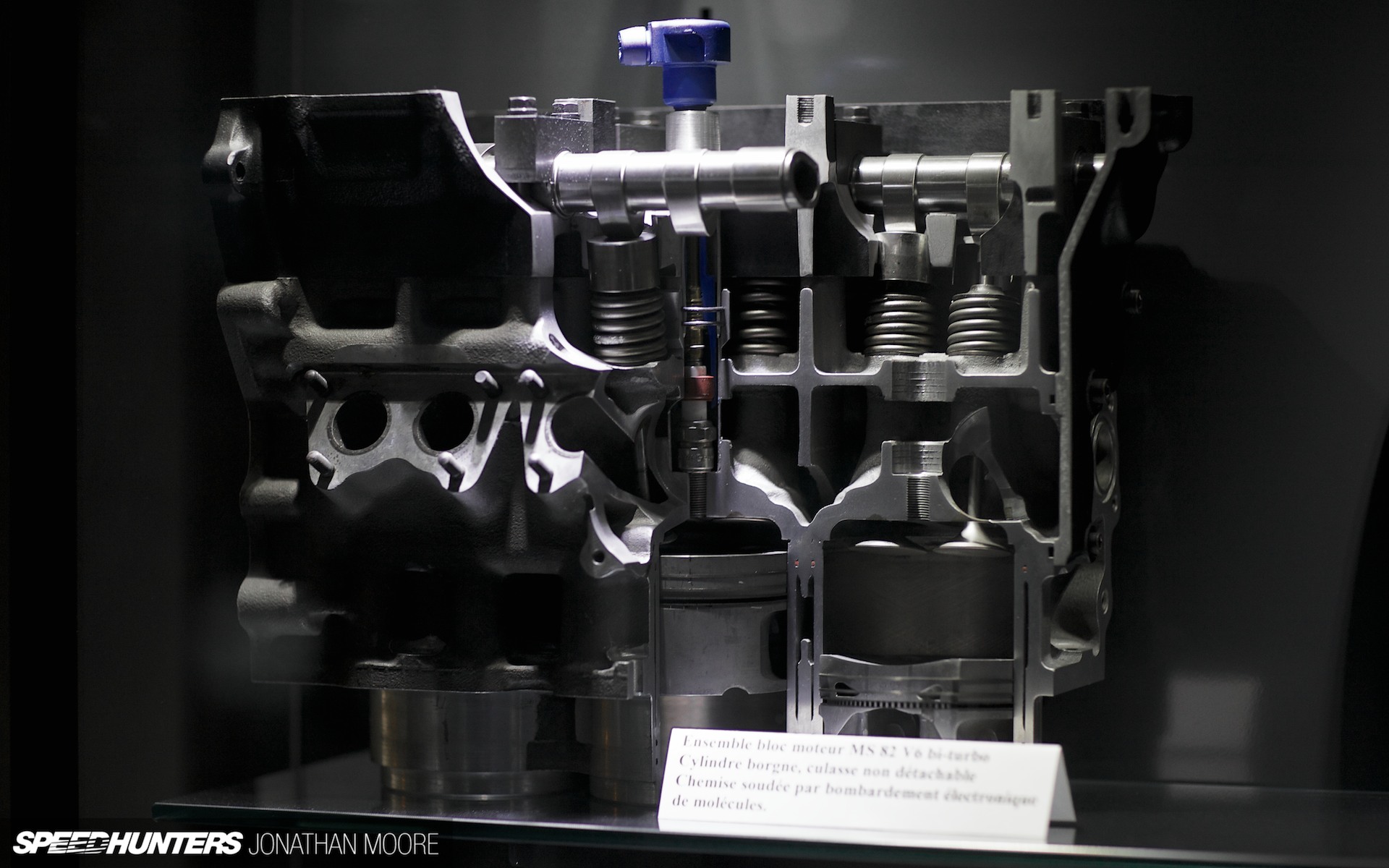
The final gasp for Matra in racing was almost heretical, in mind of what had come before.
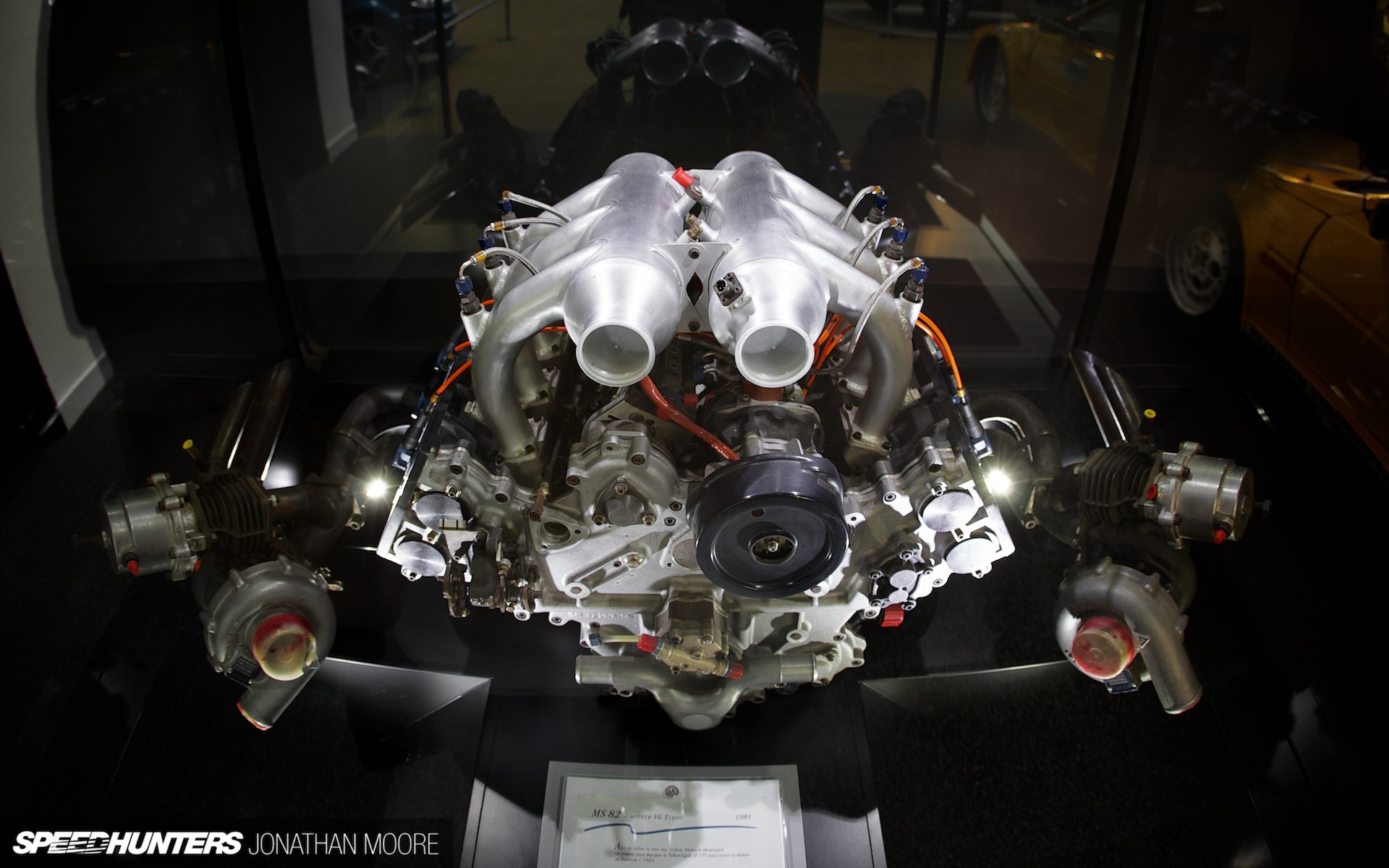
Count the cylinders… Half of them are missing! This was the MS82: a V6 turbo developed in 1981 to be used in the Ligier JS17T the following season.
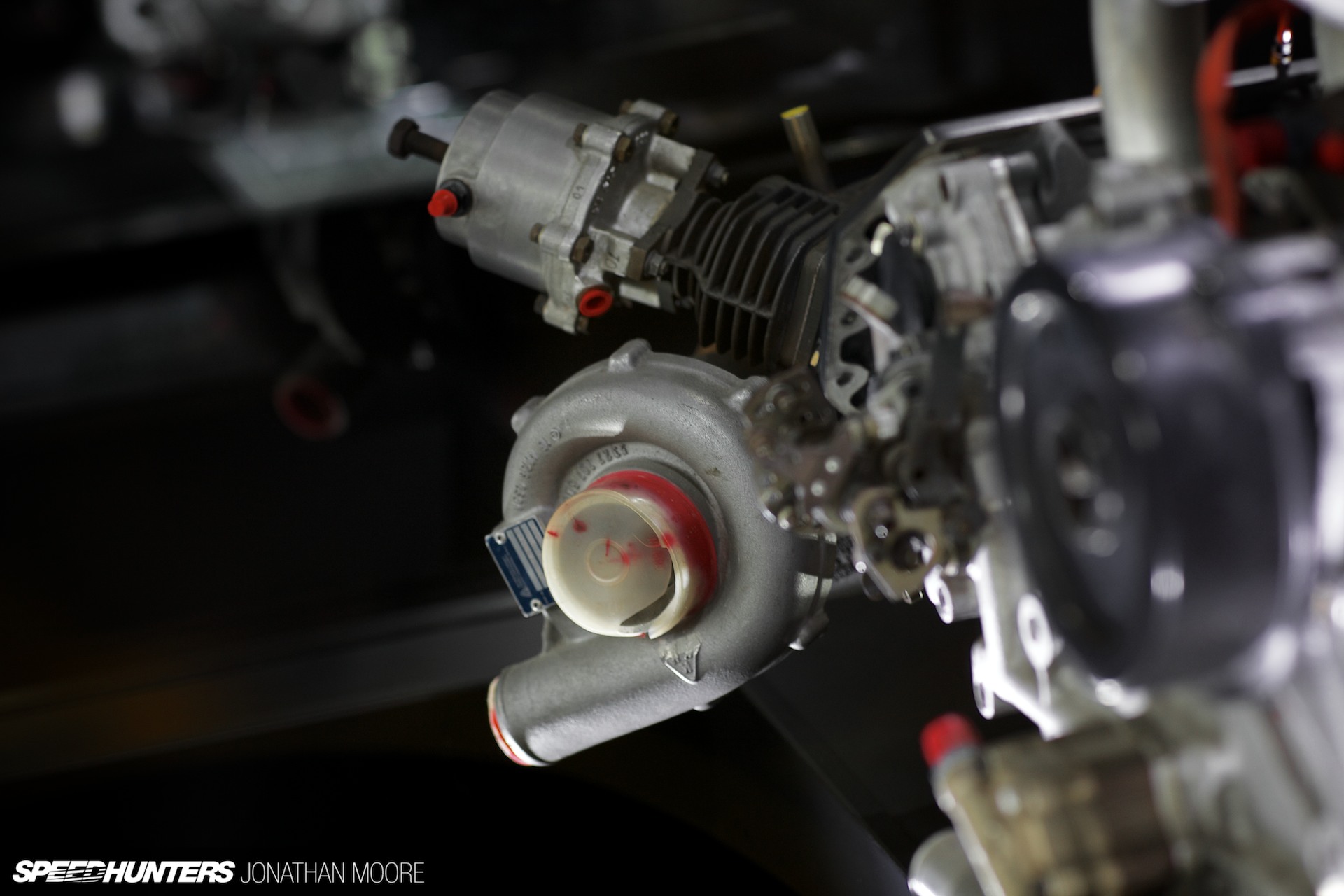
The wide-angle V6 (120 degrees) had a 1,496cc heart, amped up by twin KKK turbos. Power now got into seriously hardcore territory: the MS82 produced 804hp at 10,800rpm on the bench, far ahead of the Toleman, Ferrari and Renault turbo cars that ran in 1982.
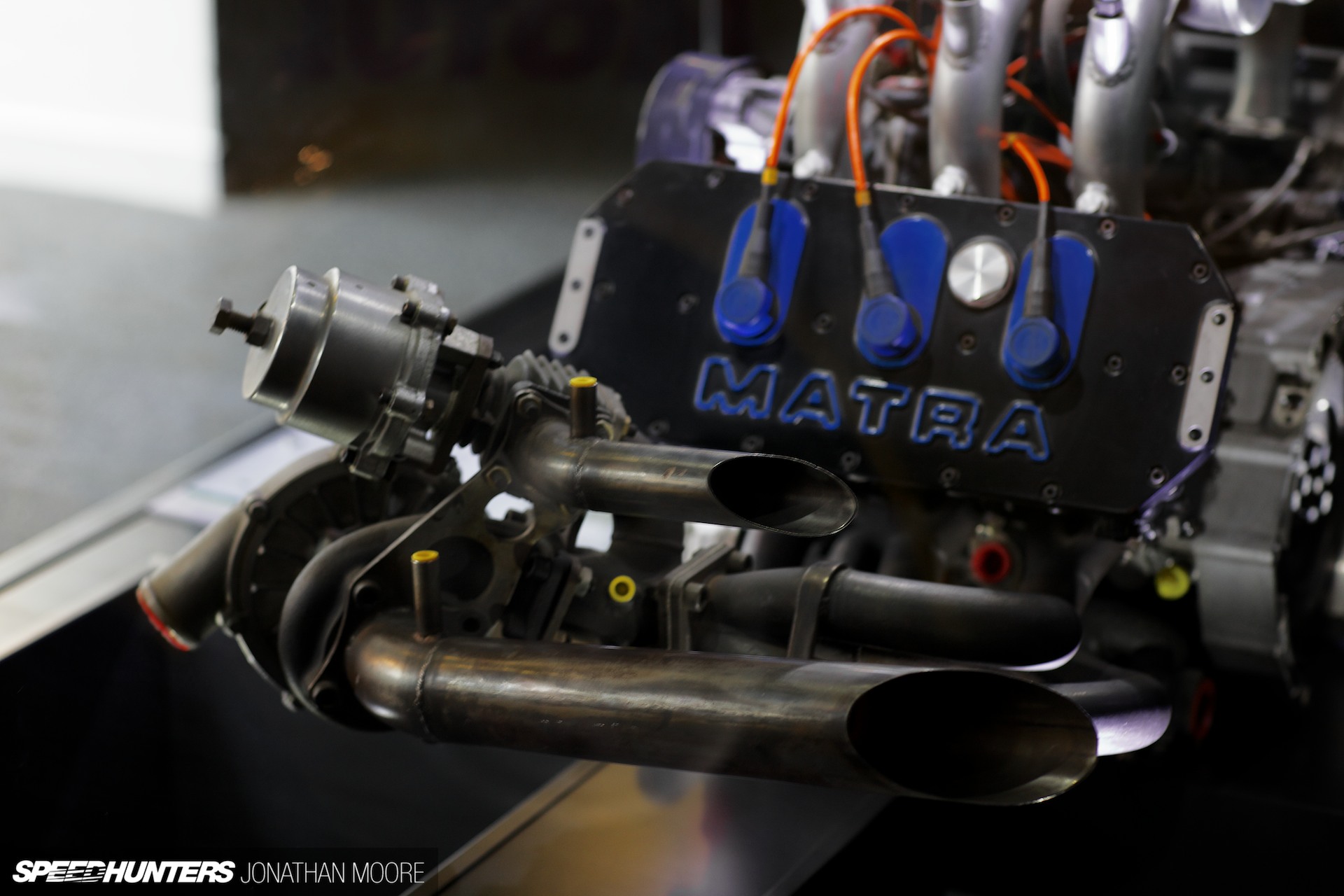
Sadly, the engine wasn’t taken up; Ligier endured a disastrous season and Matra Sport closed down for good at the end of the year.
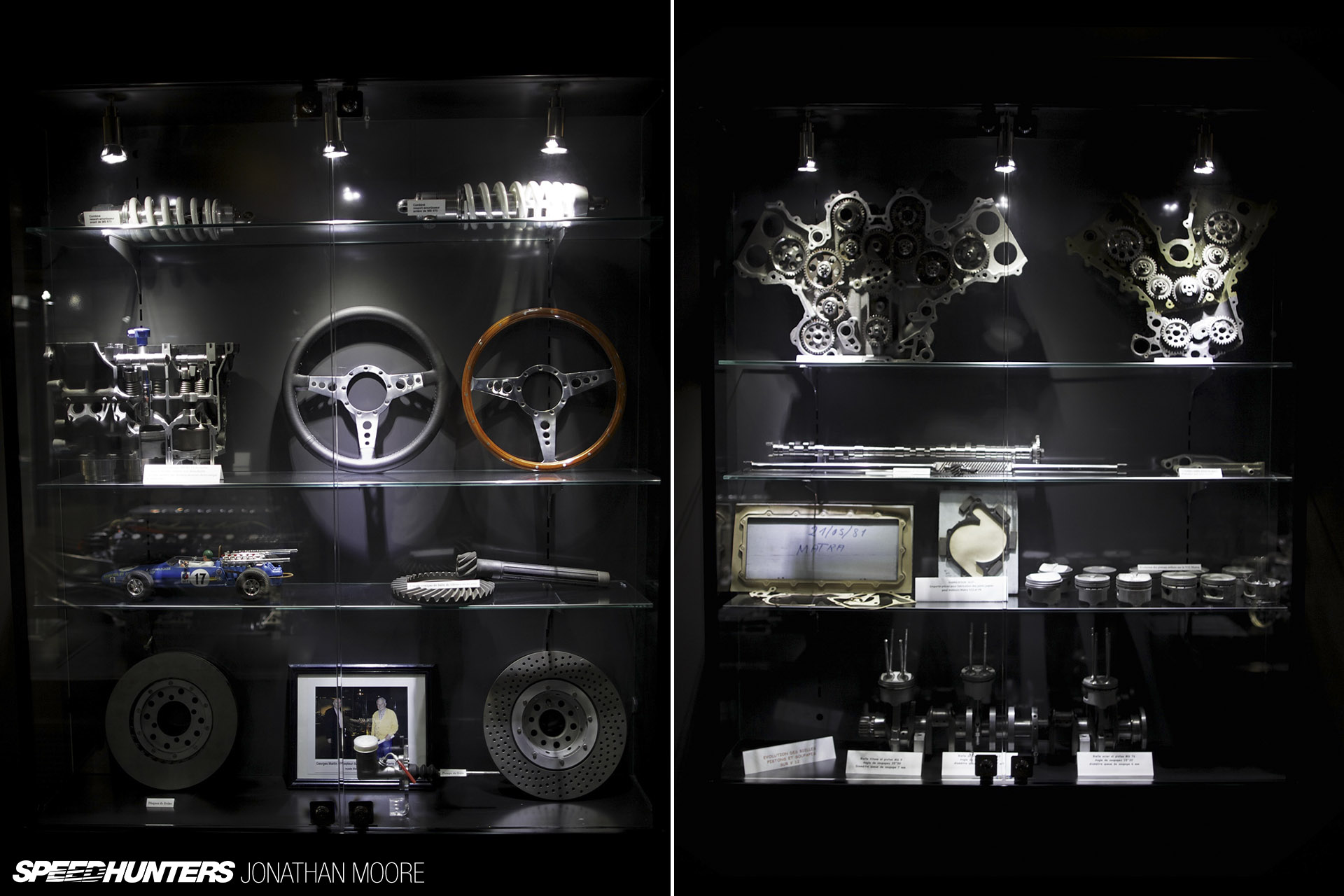
The shame is that the passion Matra put into producing these amazing units was never allowed to transition into the road cars – imagine what they would have been like had they had V12 screamers at their hearts, rather than the underpowered cast-offs of whichever major manufacturer they had to partner with at the time. But the glorious thing is that Matras can still be enjoyed at full chat at many historic meetings, and even better for your destroyed ears, hearing aids are now better than ever!
Jonathan Moore
Instagram: speedhunters_jonathan
jonathan@speedhunters.com
More Matra stories on Speedhunters
More museum stories on Speedhunters