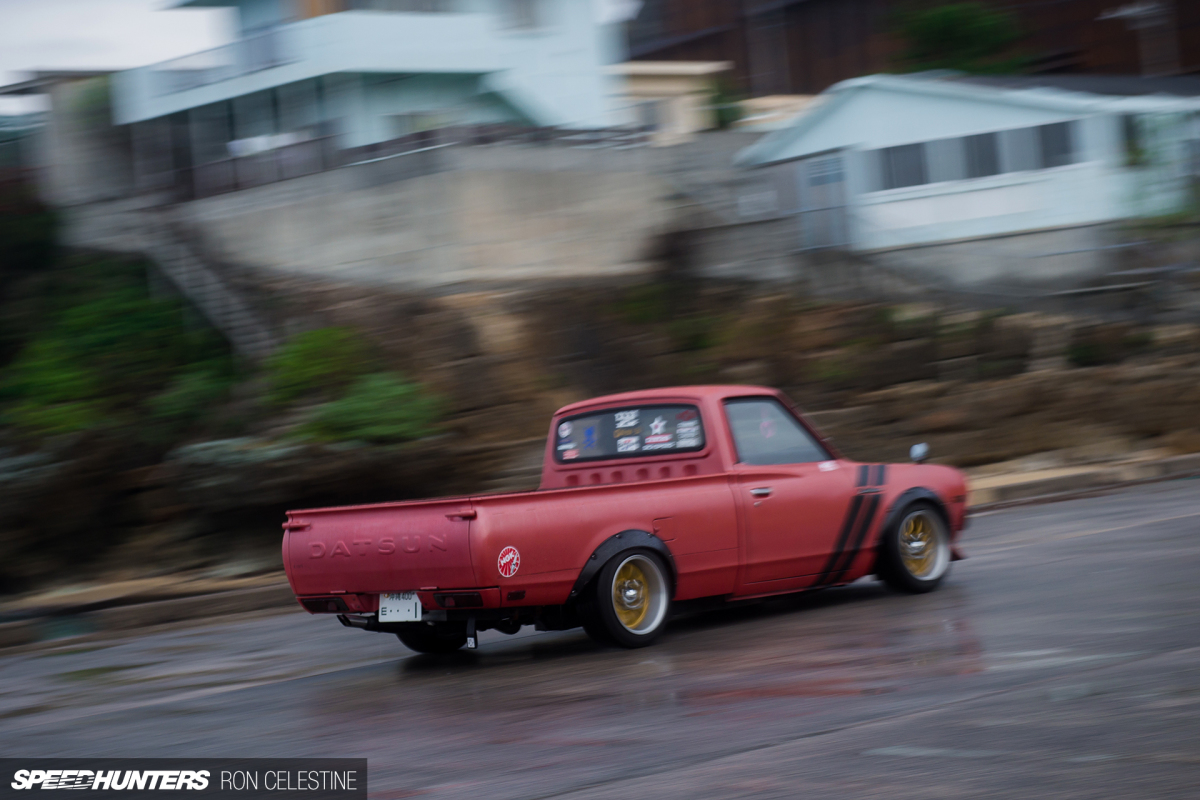
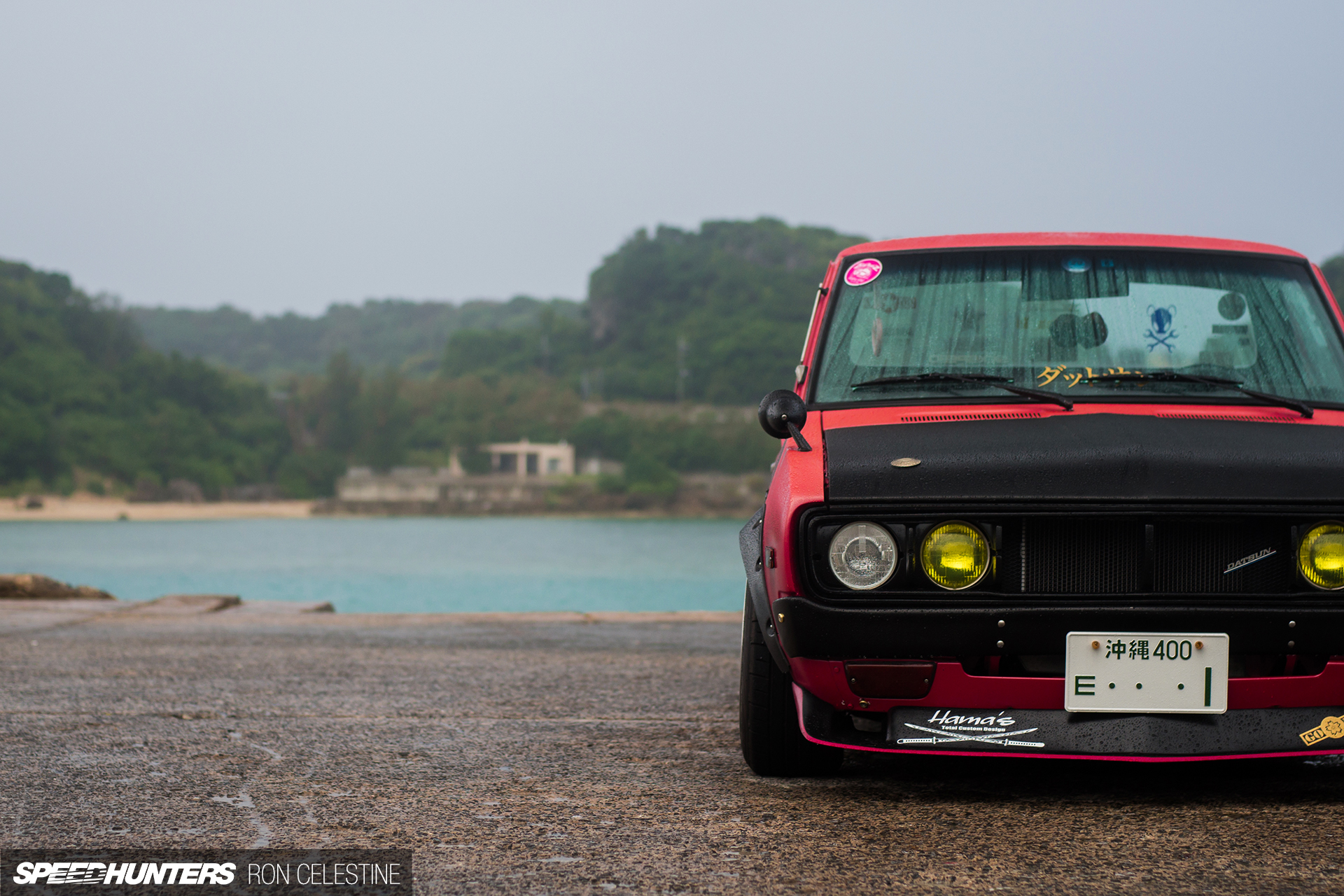
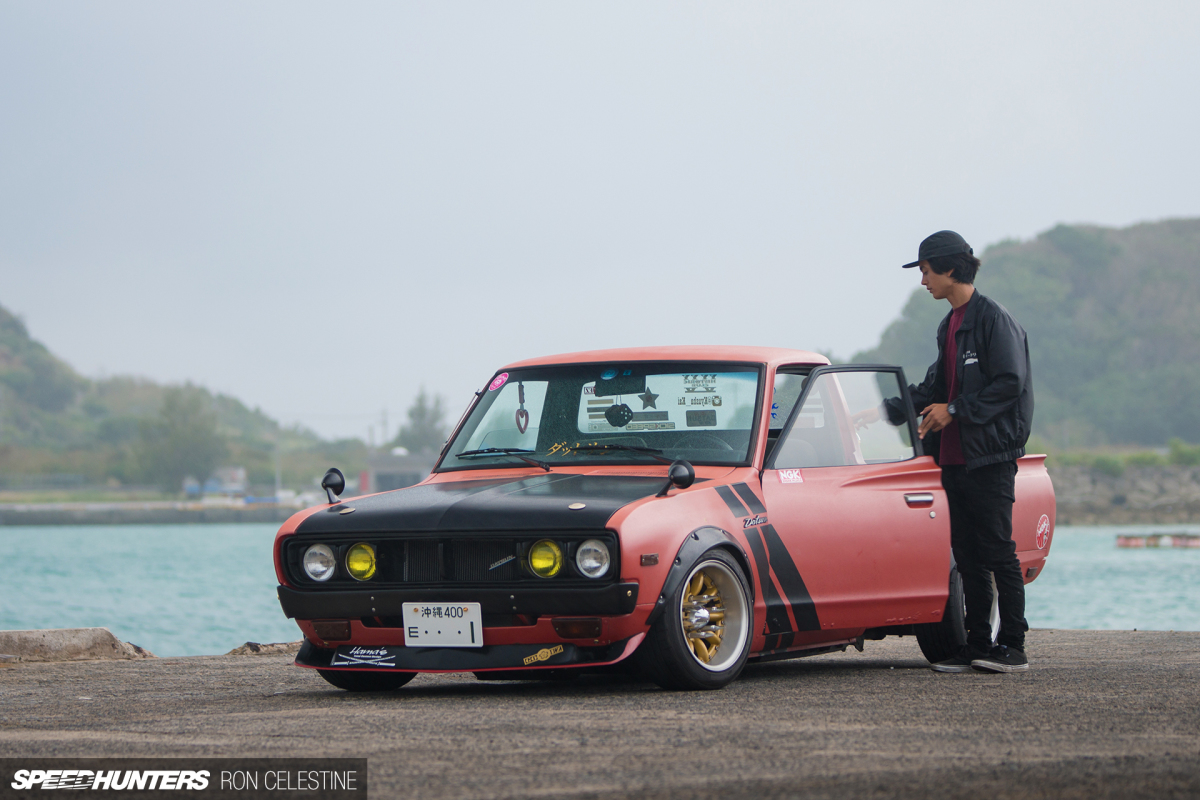
Back in September, I put together a few stories from my very first trip down to Okinawa, one of them being a look at the island’s official Cars and Coffee event run by Oki’s Finest. Within that coverage was a couple of shots of a 1973 Datsun 620 pickup, a vehicle that more than a few people contacted me about afterwards asking for more information.
Because I was headed back down to Okinawa for the Koza Motorsport Festival at the beginning of this month, I made a point to contact the Datsun’s owner, Kai, and arrange to catch up for a quick shoot and a chat about the build. With the weather looking less than ideal, we decided to meet on tiny Miyagi Island – which is connected to the main island by reclaimed land and a bridge – and just hope we wouldn’t get too wet.
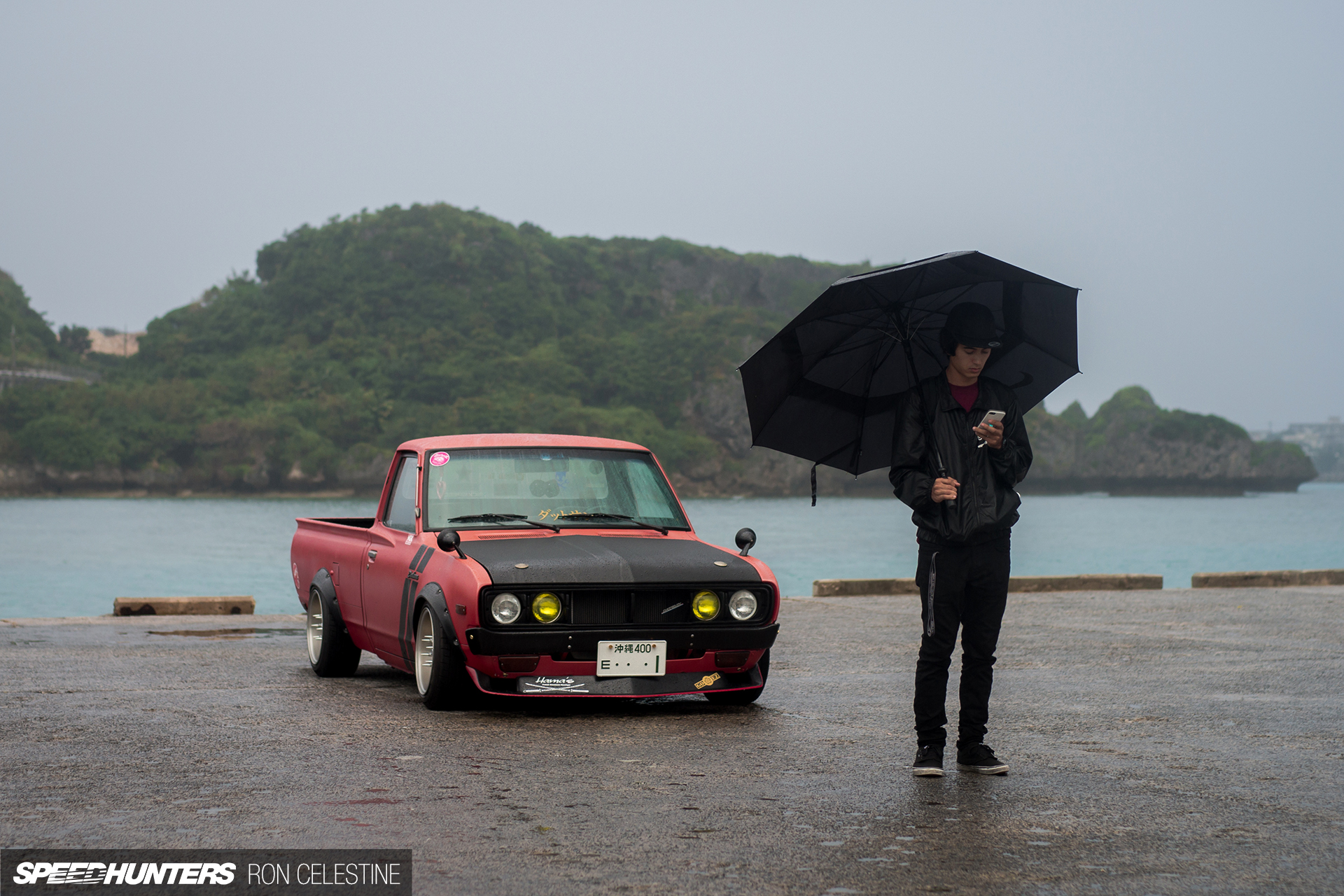
When living in the United States, Kai received the 620 as a birthday gift from his father. At the time, he really only thought of it as a compact pickup truck that took him to and from school, but Kai’s father had other ideas. It was the perfect base for a father and son project.
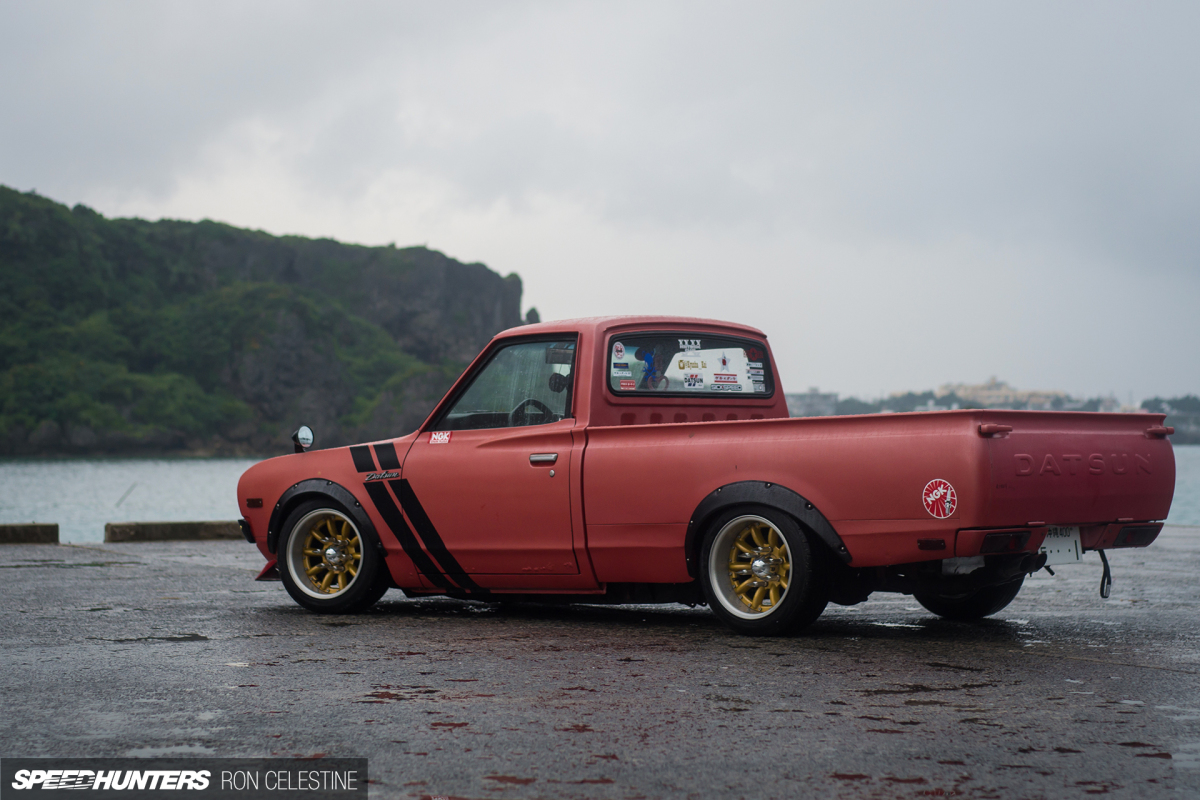
Given the Datsun’s uncomplicated mechanicals, not only was it a good car for Kai to learn the basics with, but the pickup’s classic styling lent itself to personalization, too. It also helped that Kai’s father, who himself owns and works on Datsuns in his spare time, would be the perfect teacher.
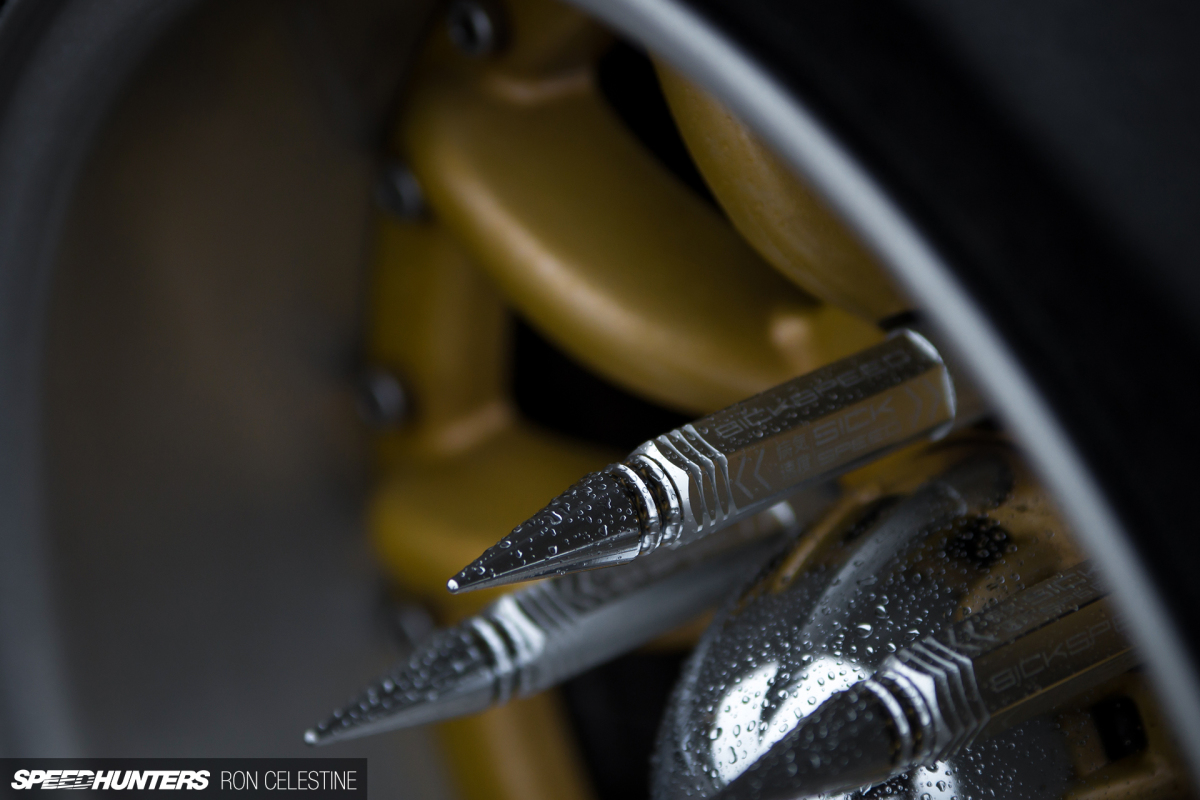
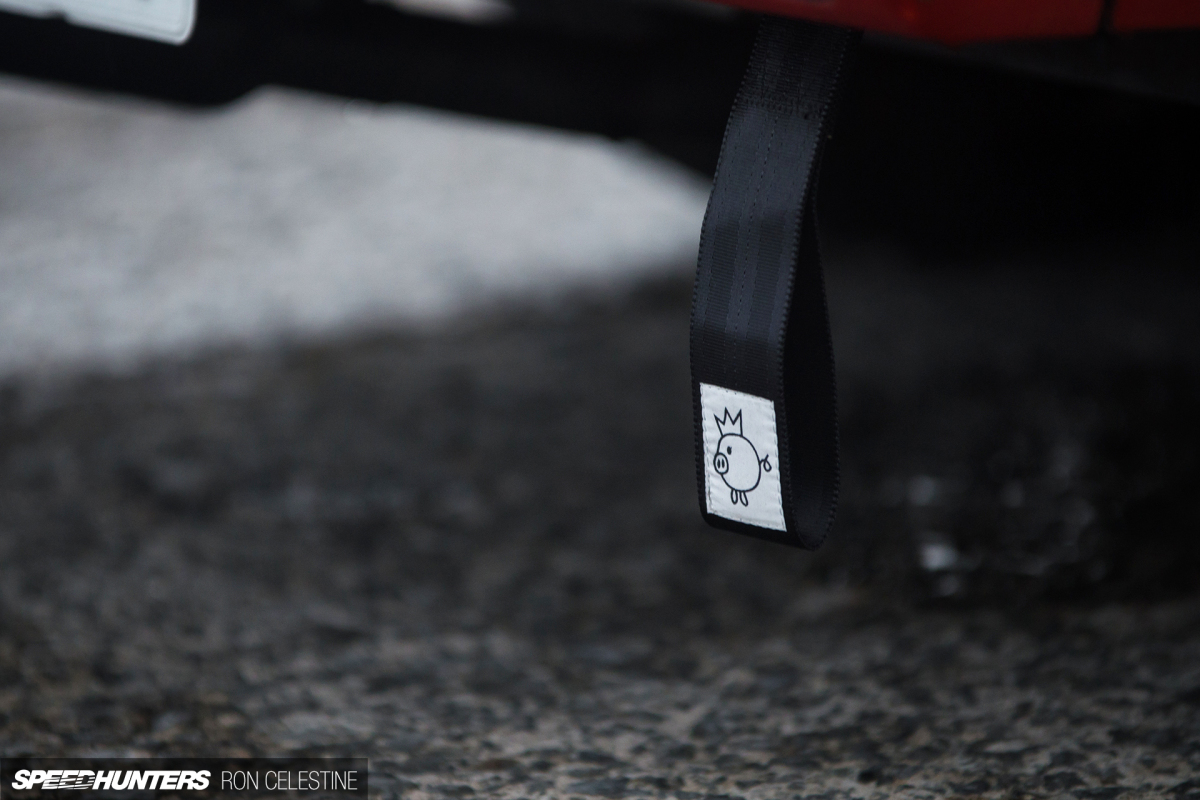
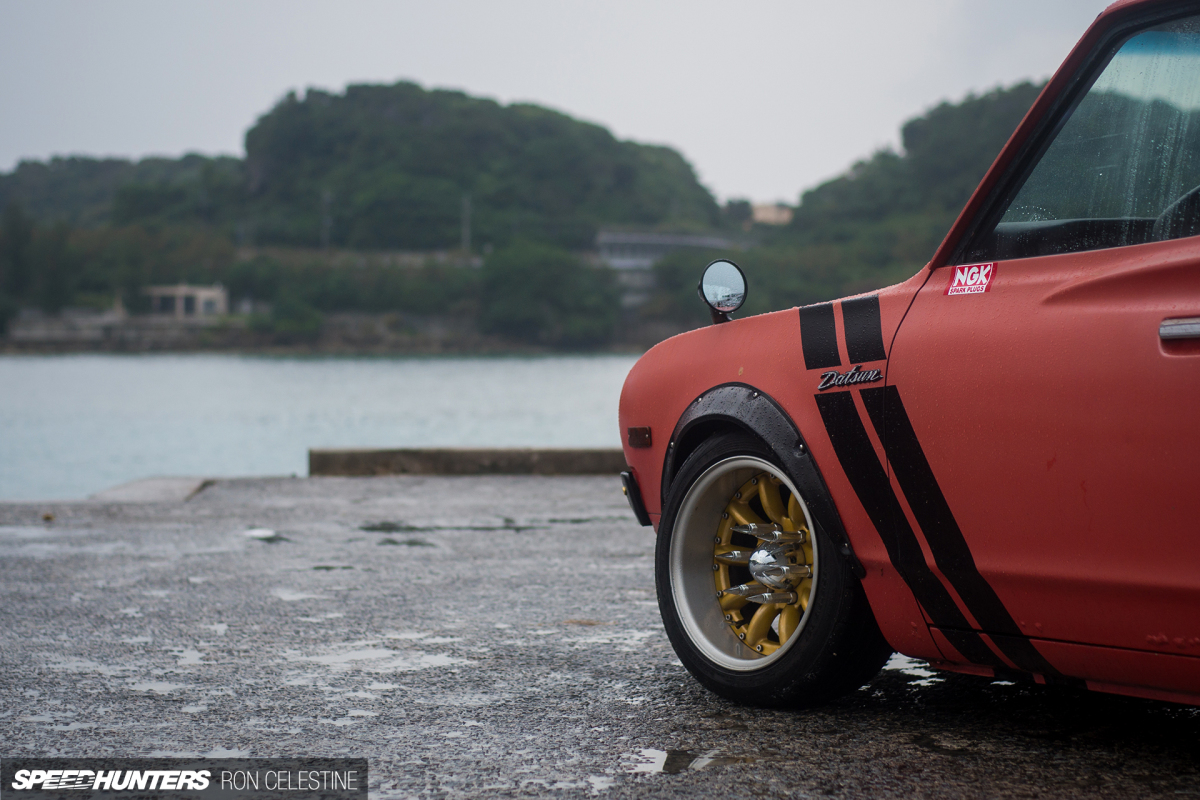
The next step would be deciding on which path to choose: restoration or customization. I think you can tell which route they took.
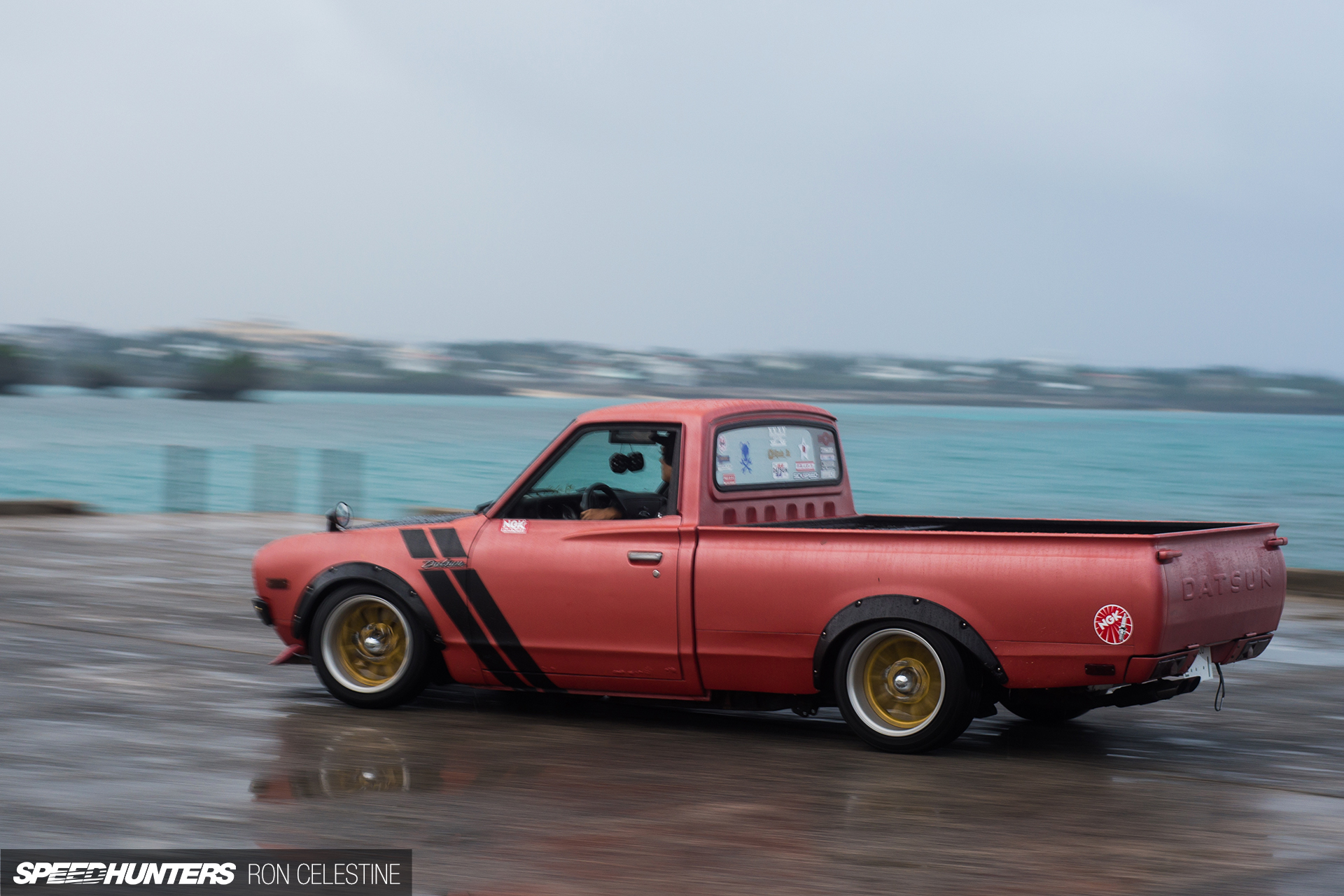
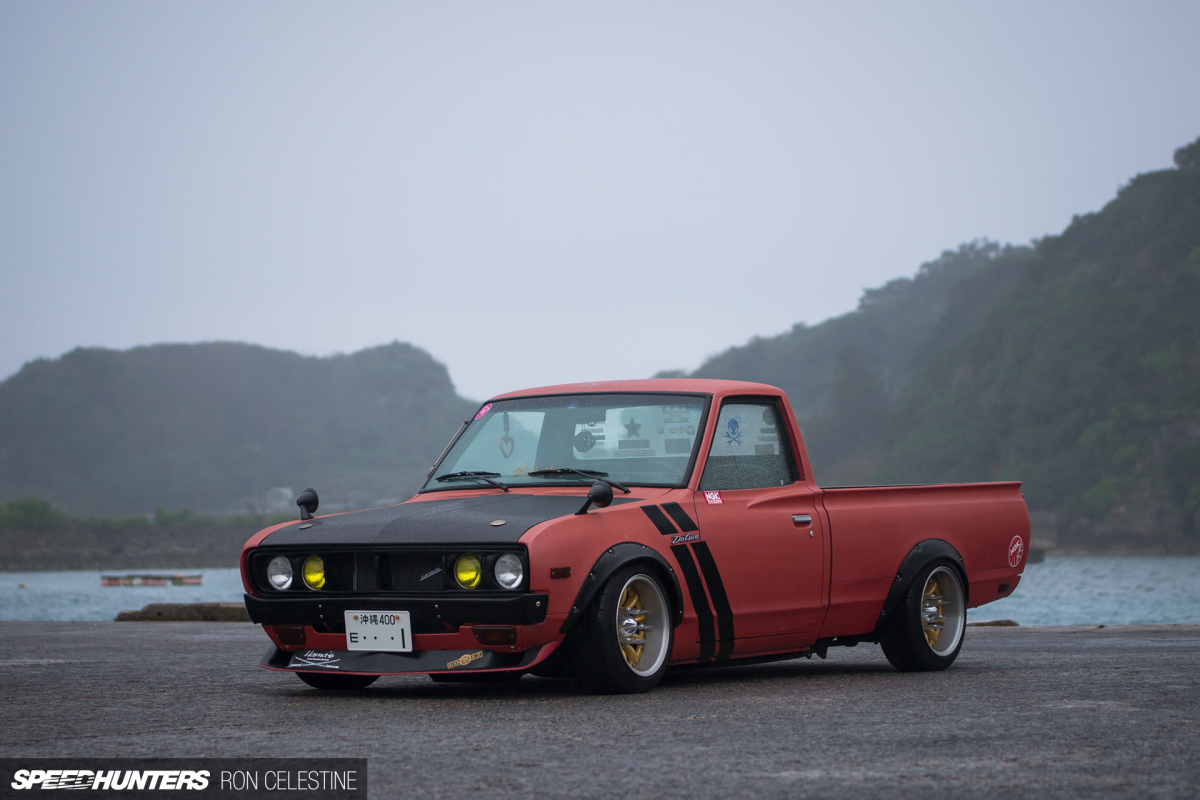
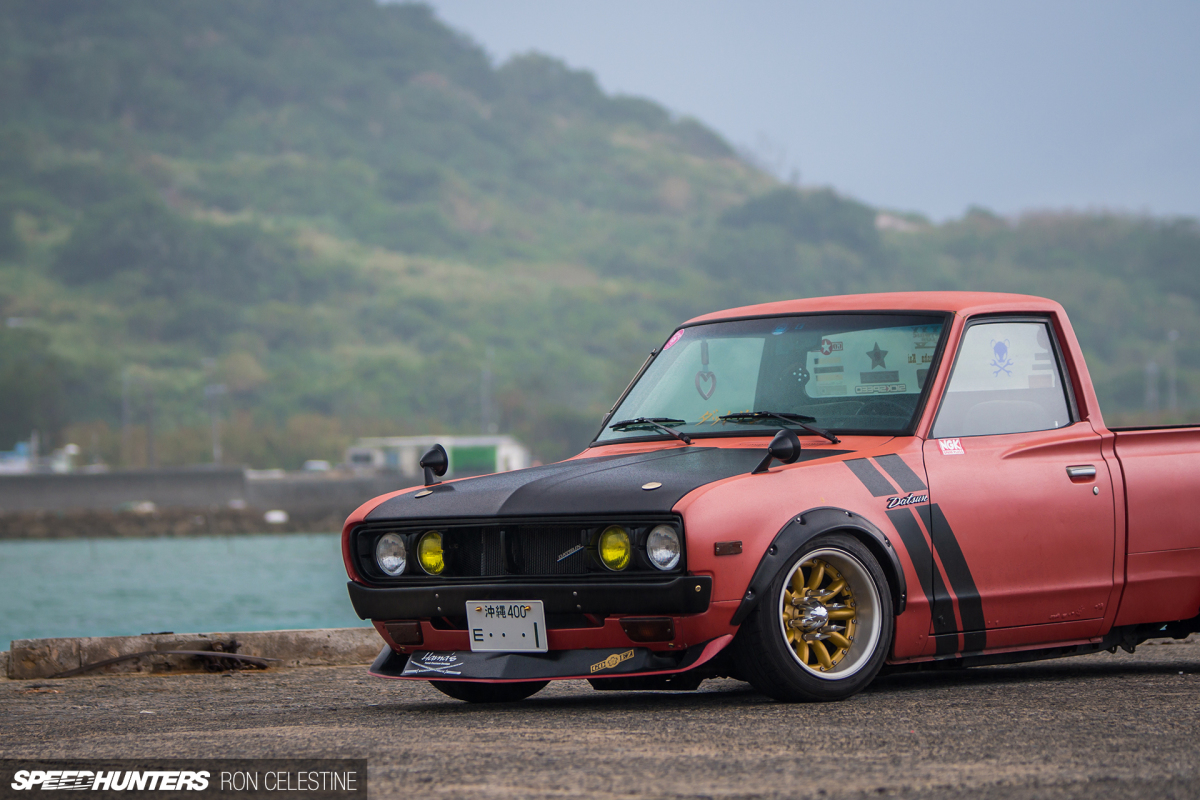
Everything you see on the Datsun is completely customized in one way or another. In most instances the alterations are subtle, but it’s these details that have had a profound effect on how the 620 looks and drives.
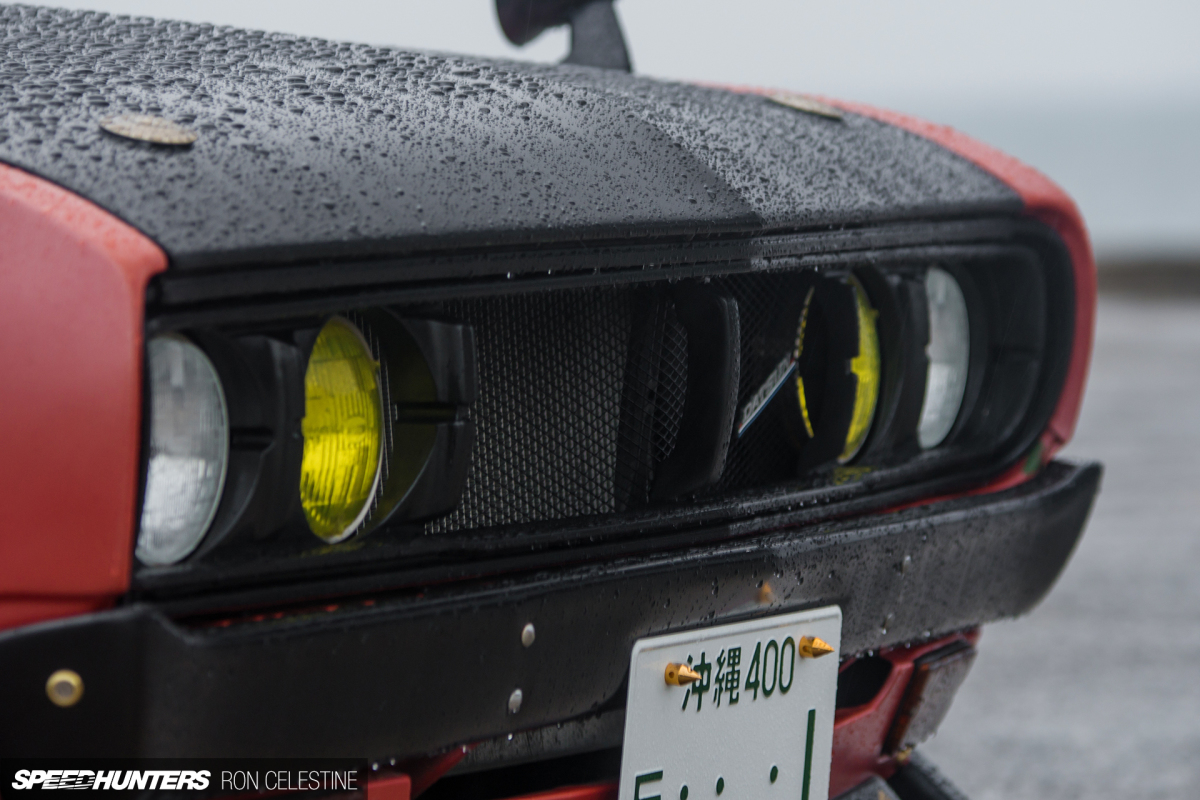
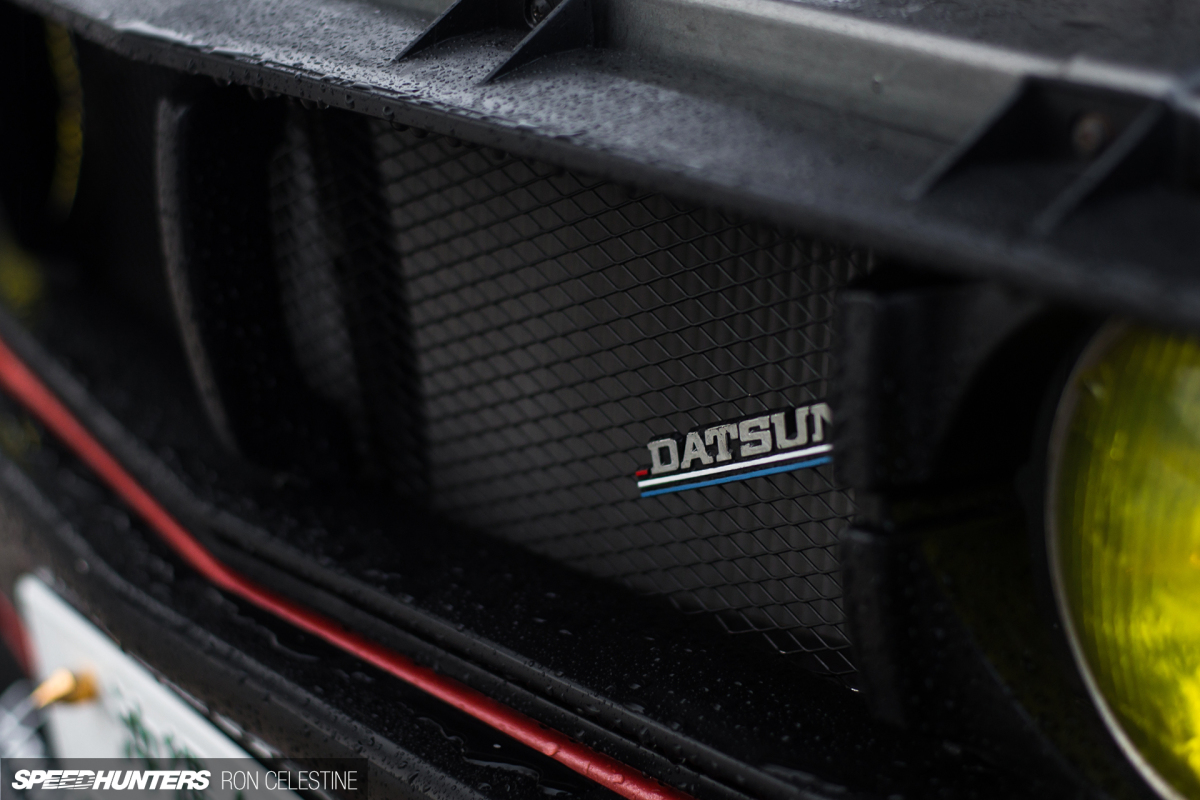
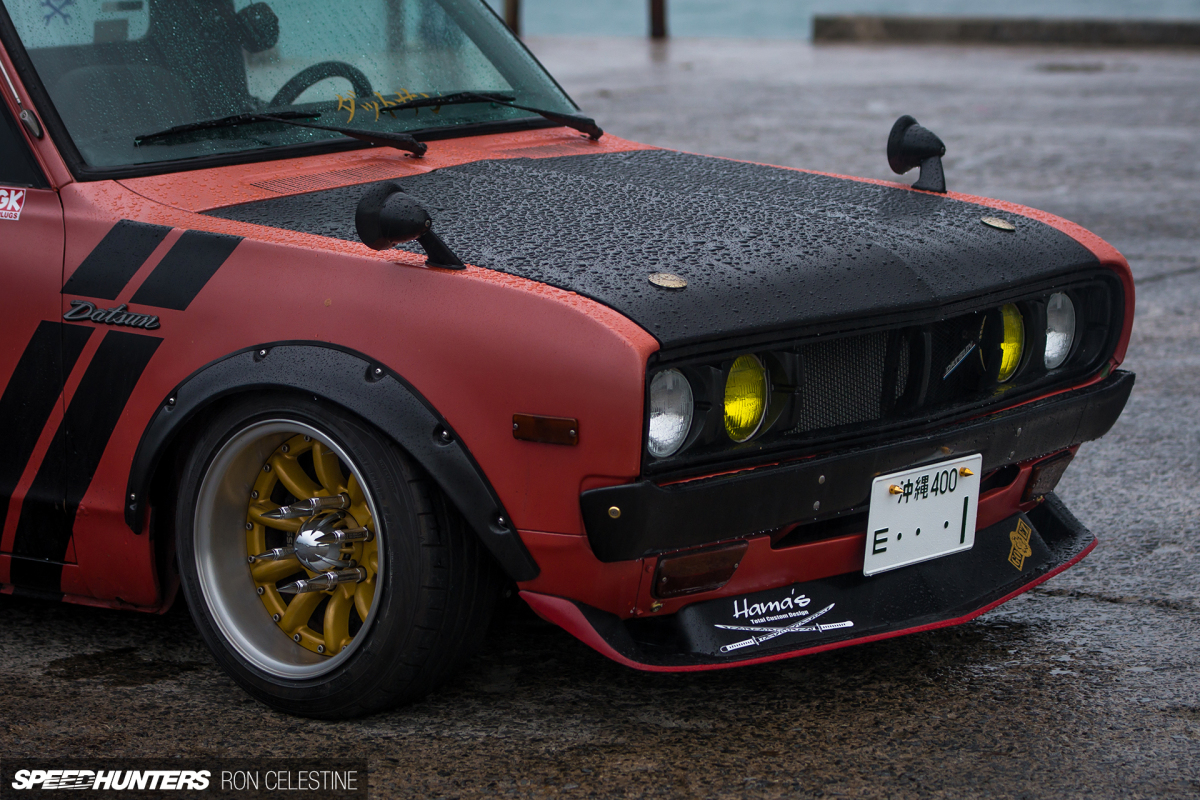
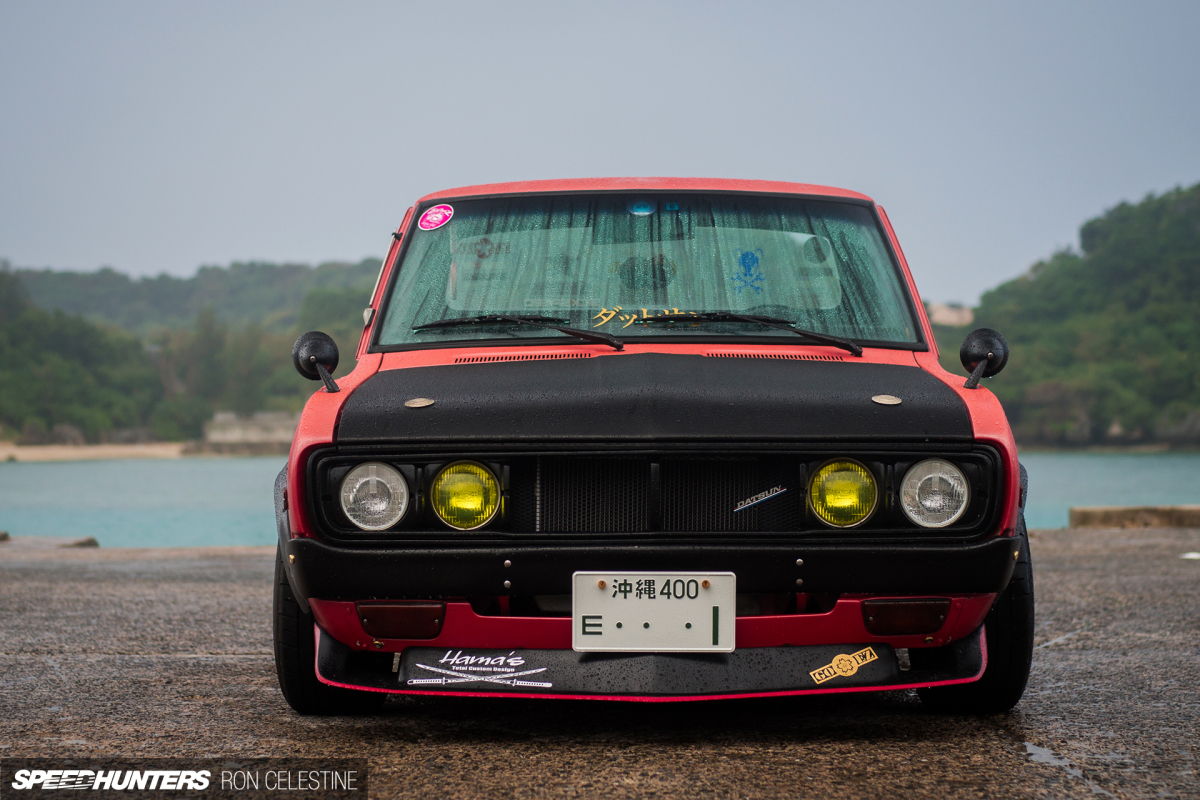
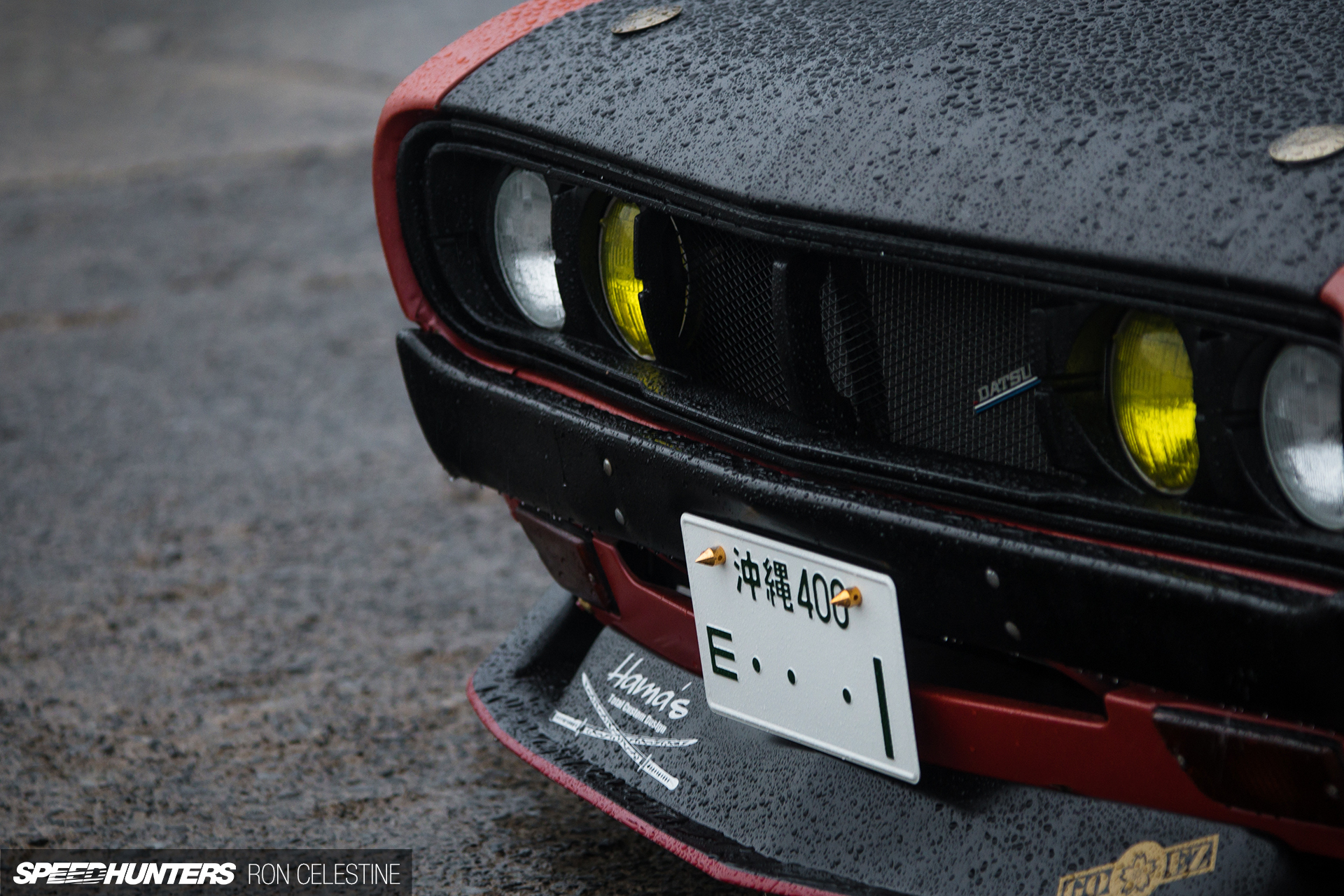
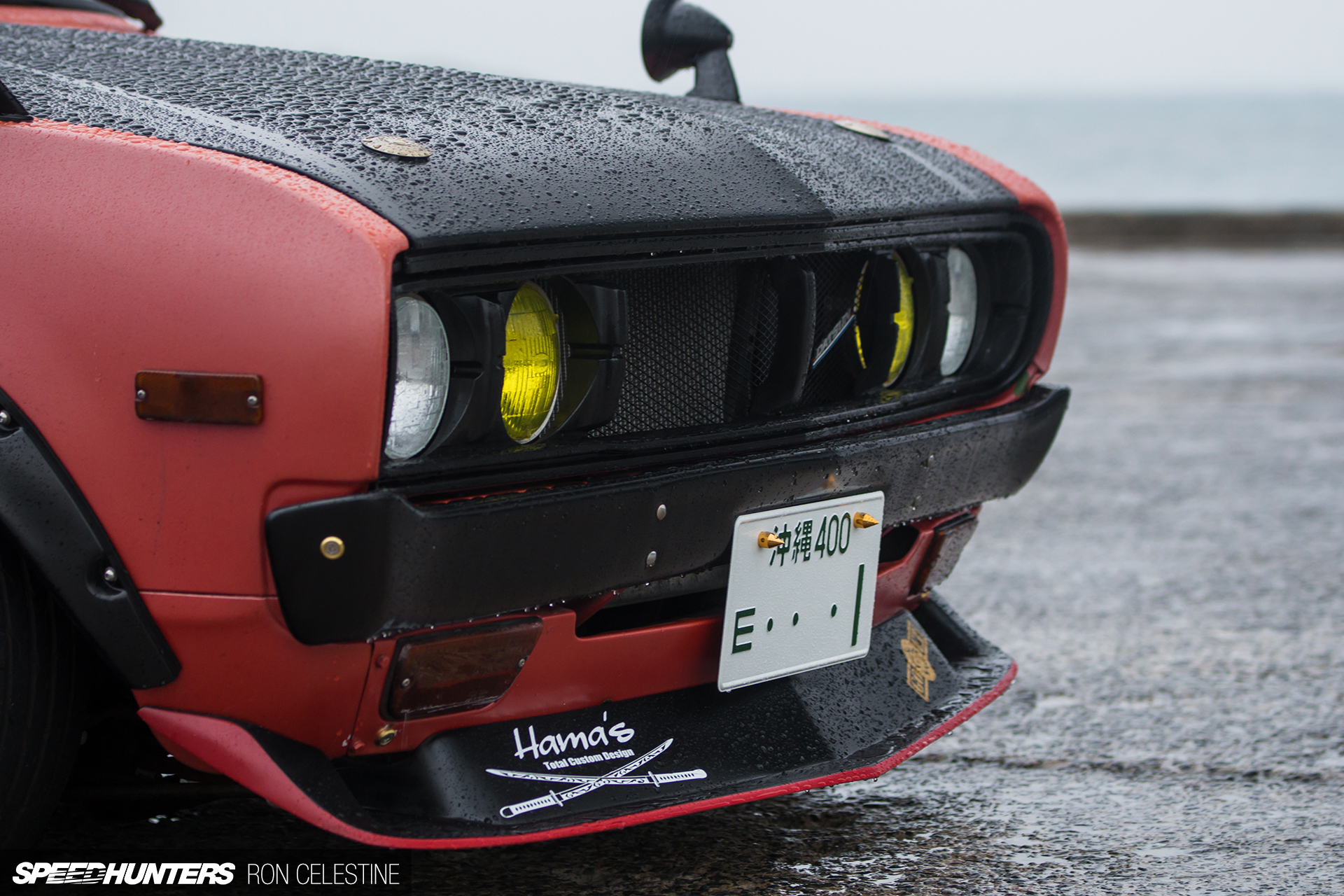
One example of this is the front grille. In paying homage to the legendary Hakosuka Skyline, the original vertical slats in the 620 grille were cut out, then a few were joined back together to create one large center slat.
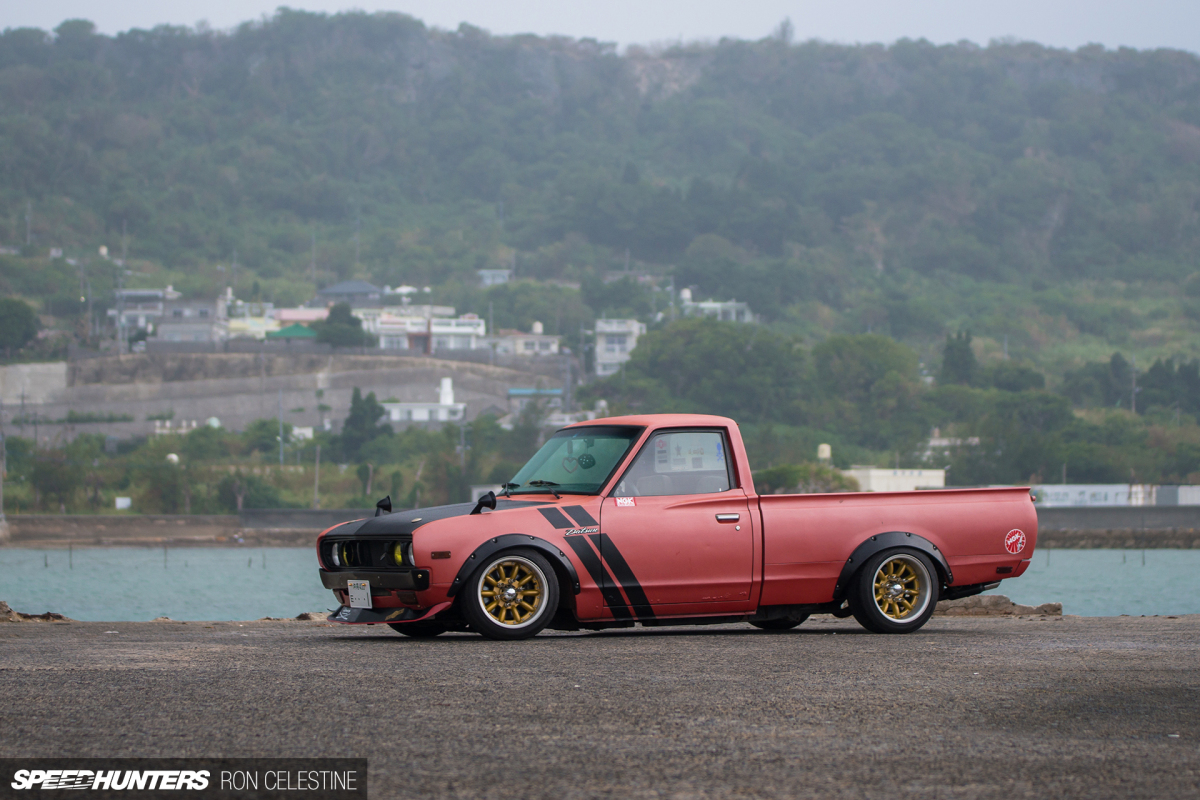
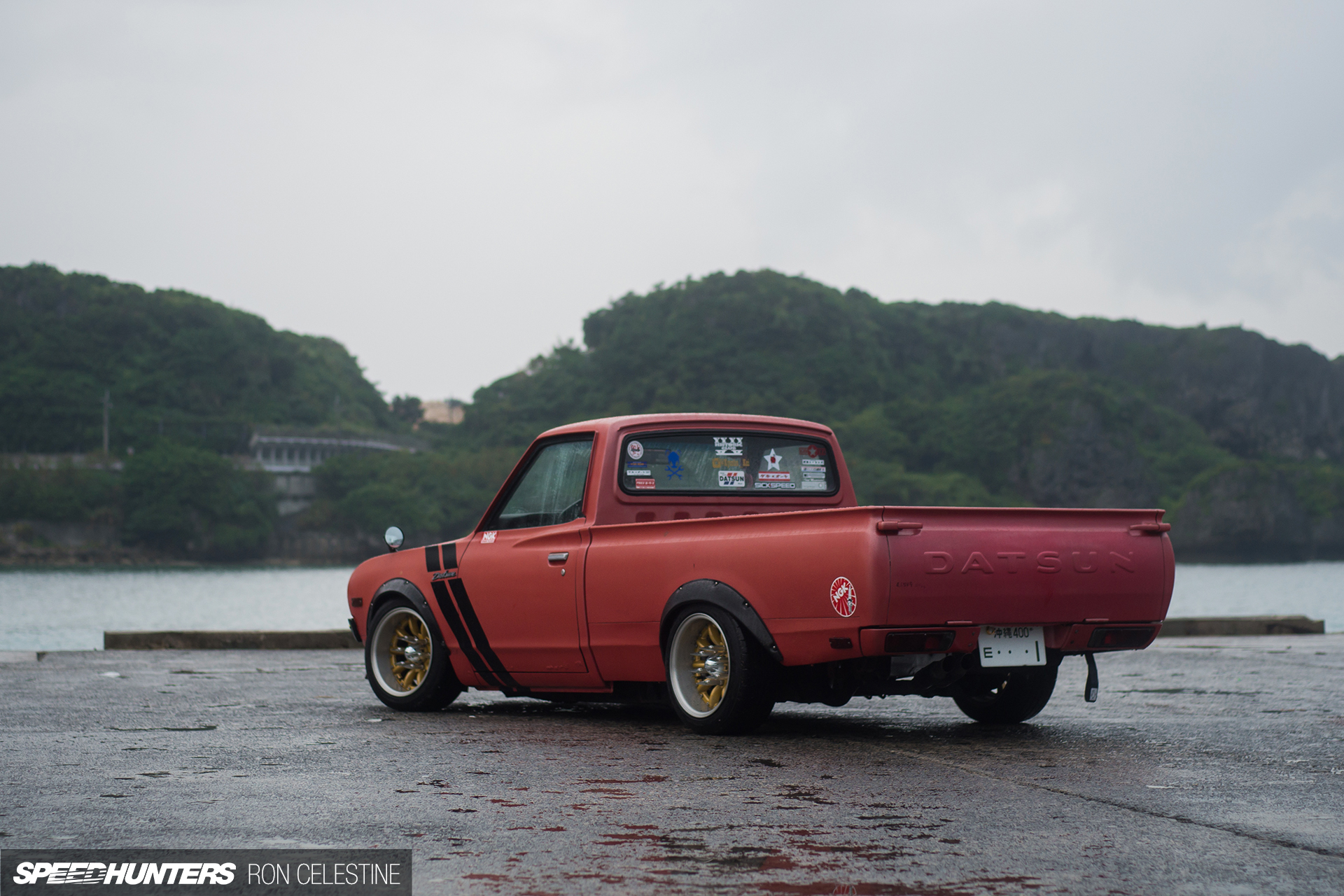
Modern day air suspension offers the best of both worlds when it comes to drivability and being able to hard park on command, and a lot of work went into adapting an air ride system for the old Datsun including cutting the frame and adding a c-notch.

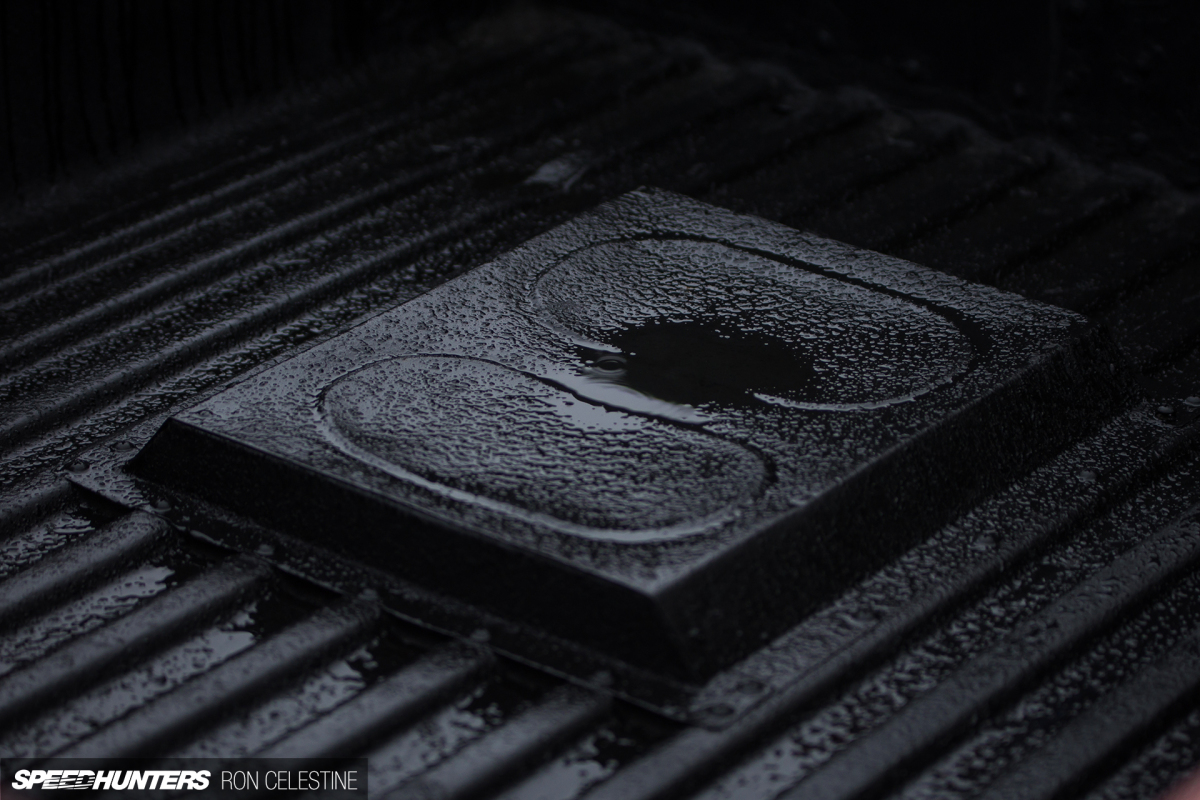
There was a domino effect to all this and one of the casualties was the original gas filler. Creatively, it’s now hidden away inside this fake tool box attached to the bed.
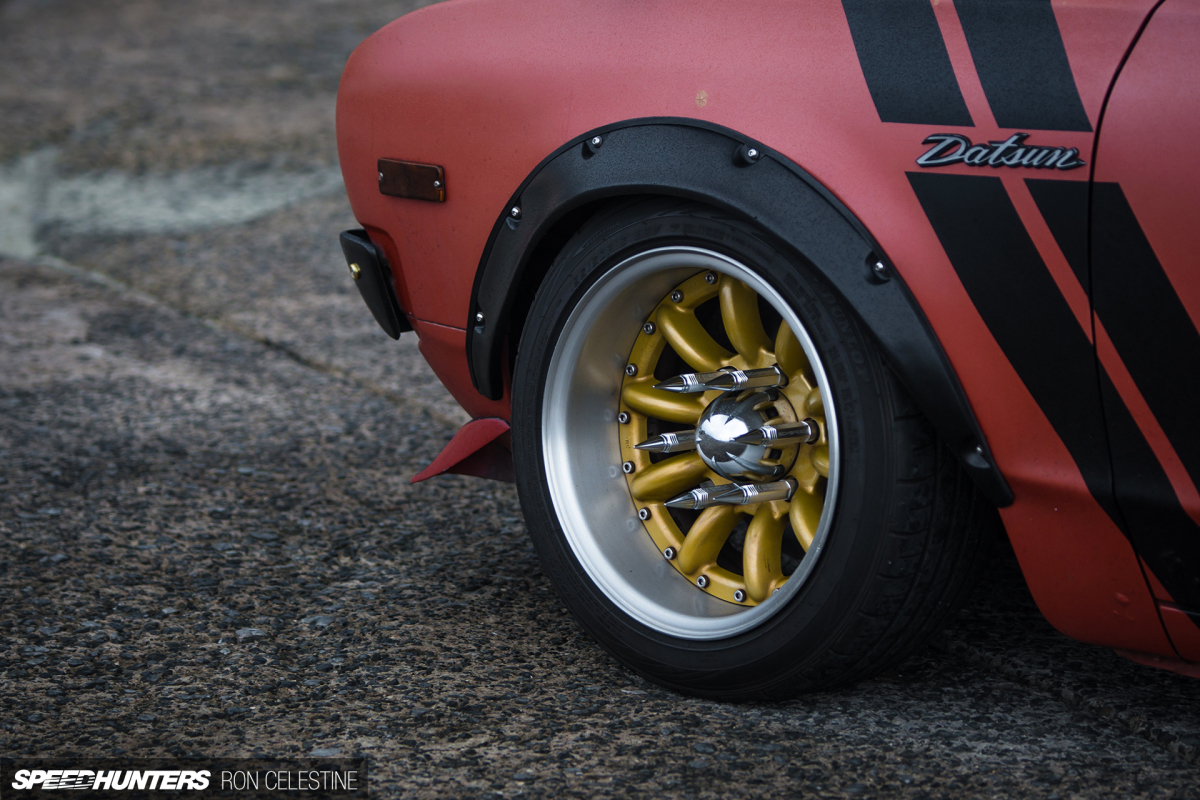
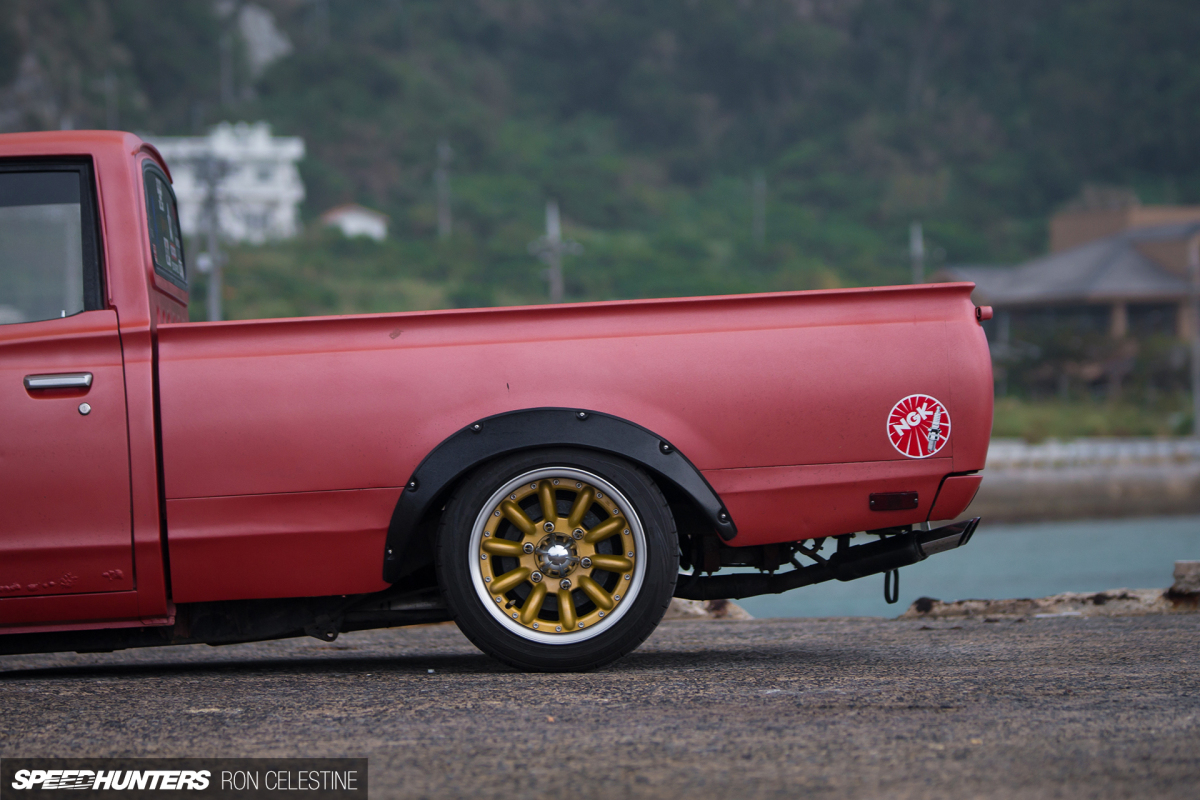
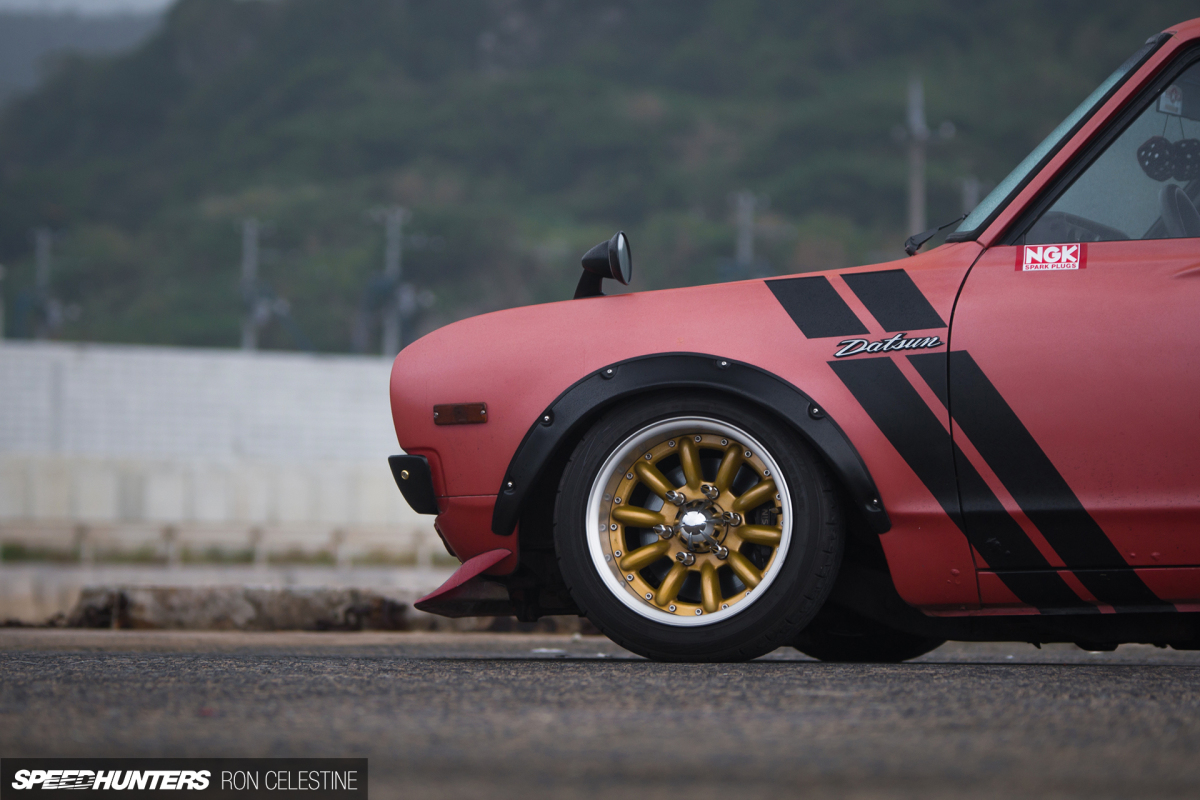
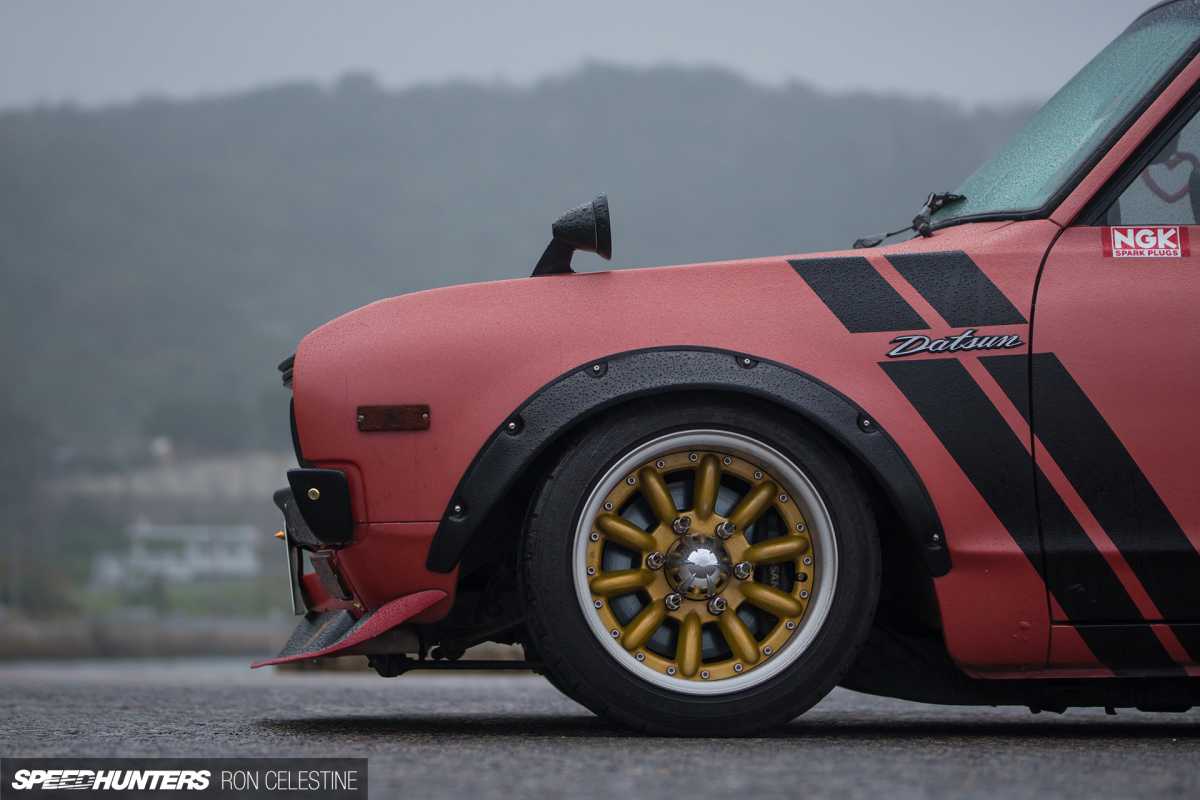
The bolt on overfenders came from Kai’s father’s Datsun 240Z; he felt they’d suit the 620 better and add a whole lot more character. When it came to the wheels, though, finding something suitable to fit the pickup’s 6-lug hubs was a little bit more of challenge.
Ultimately though, the pair found what they were looking for in a set of 15-inch Enkei Decem Sports.
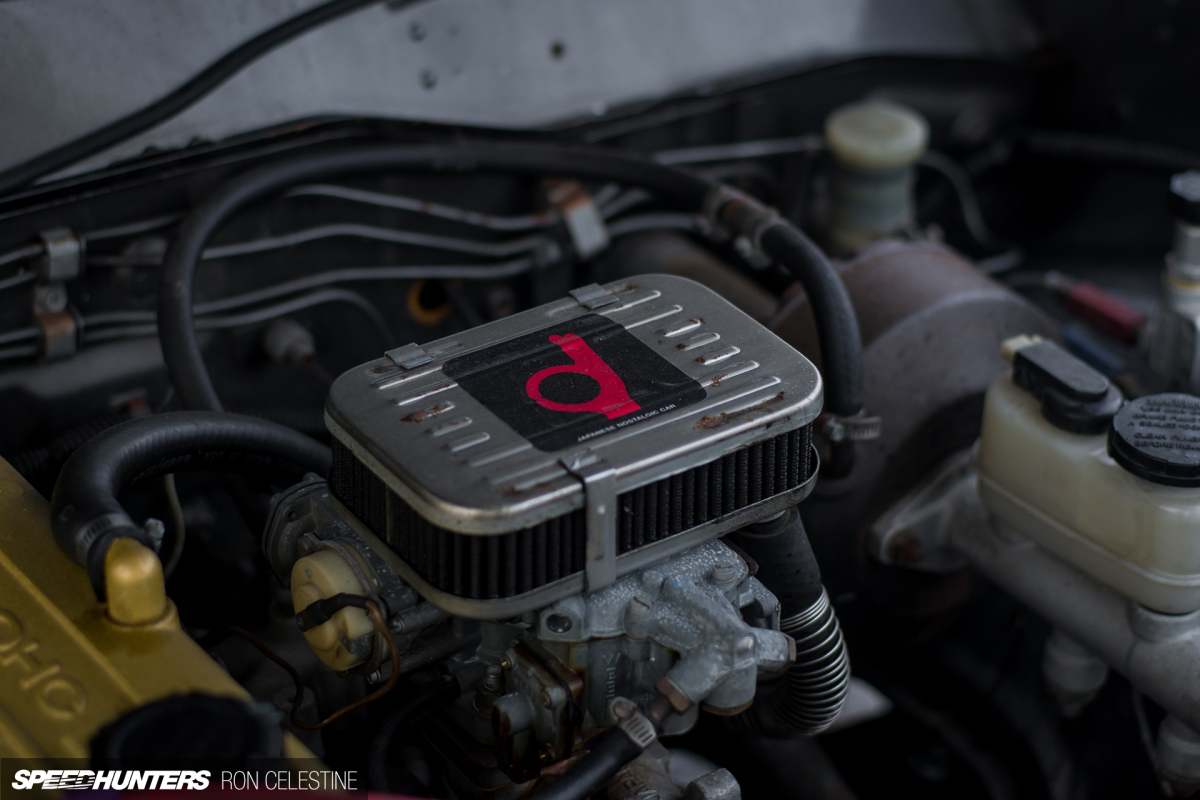
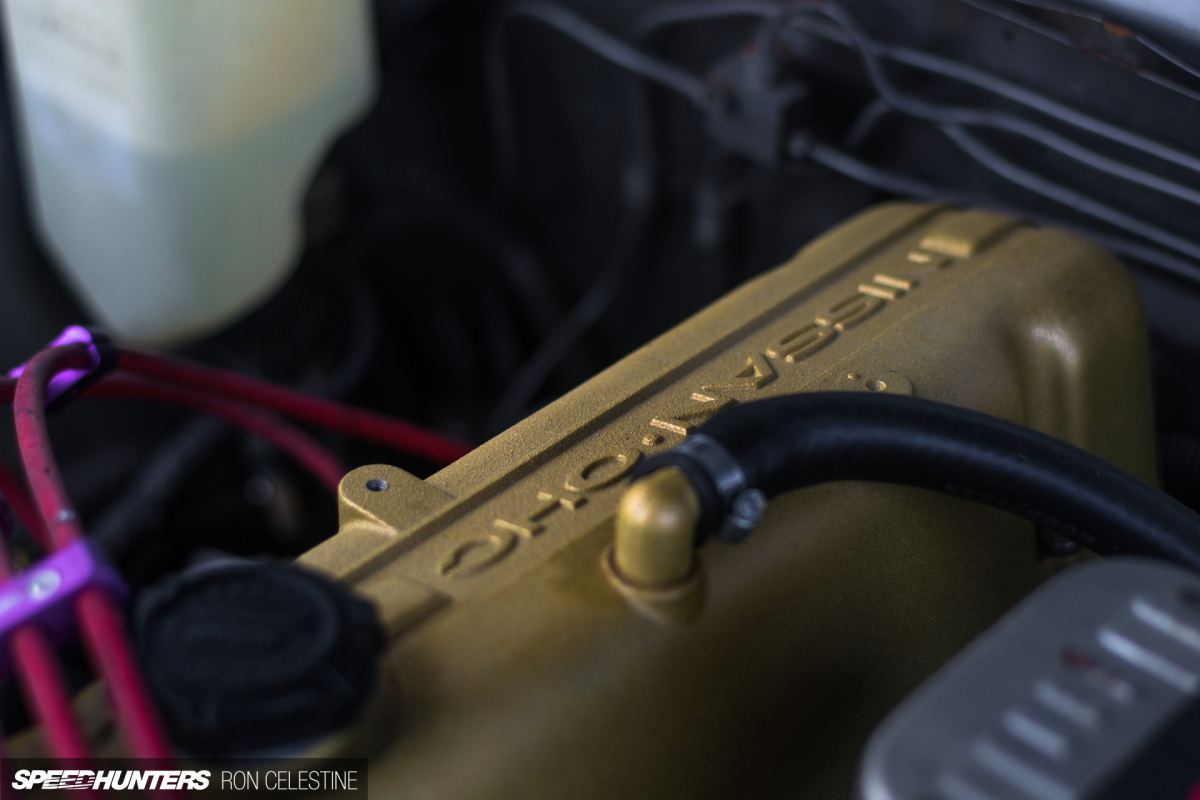
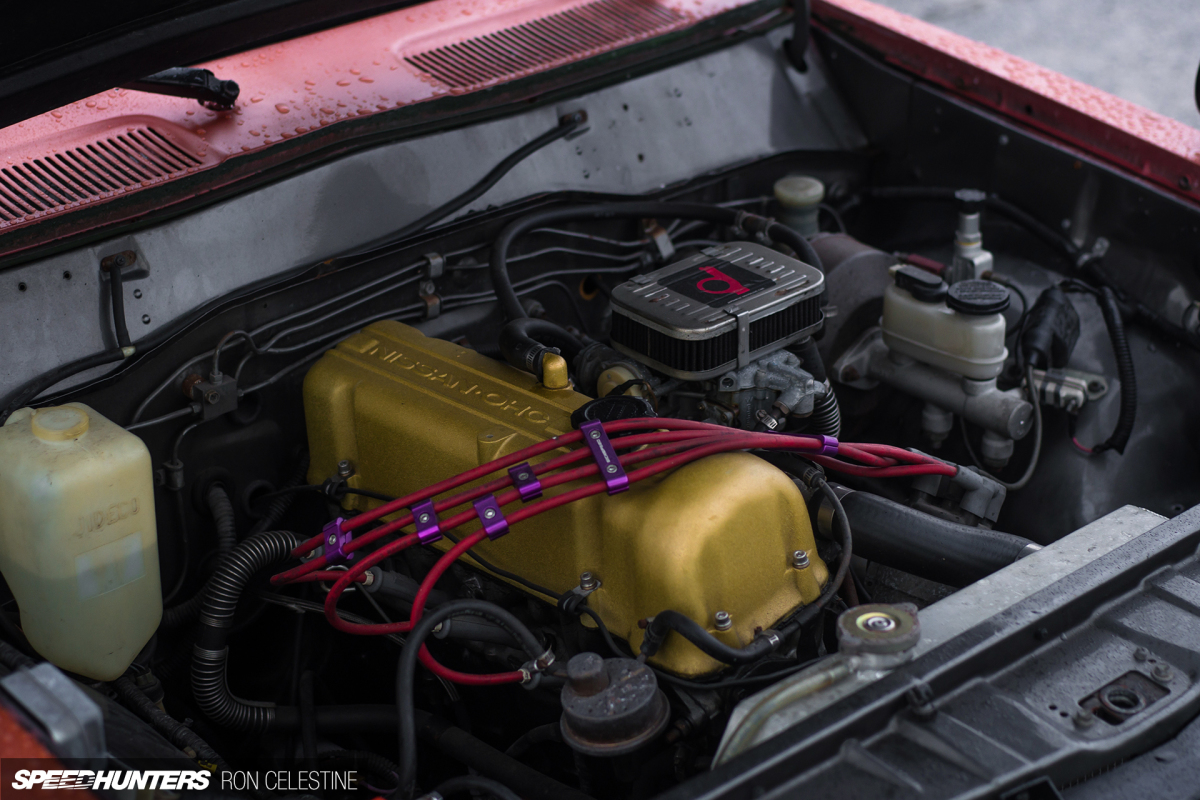
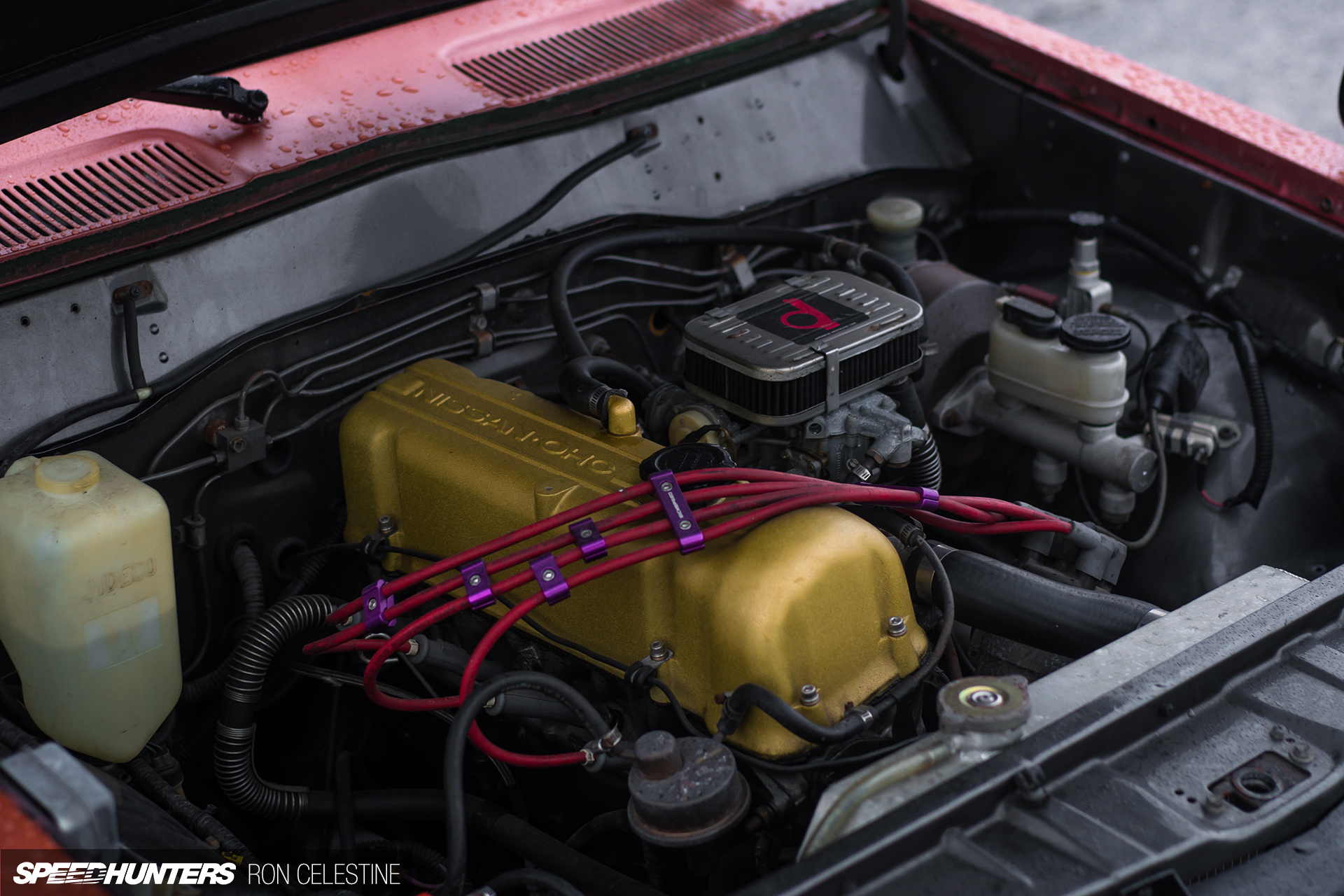
Underneath the hood the original L16 engine remains, but Kai tells me that it’s destined for retirement soon and a built CA18DET from an S13 will take its place. That should make it plenty of fun.

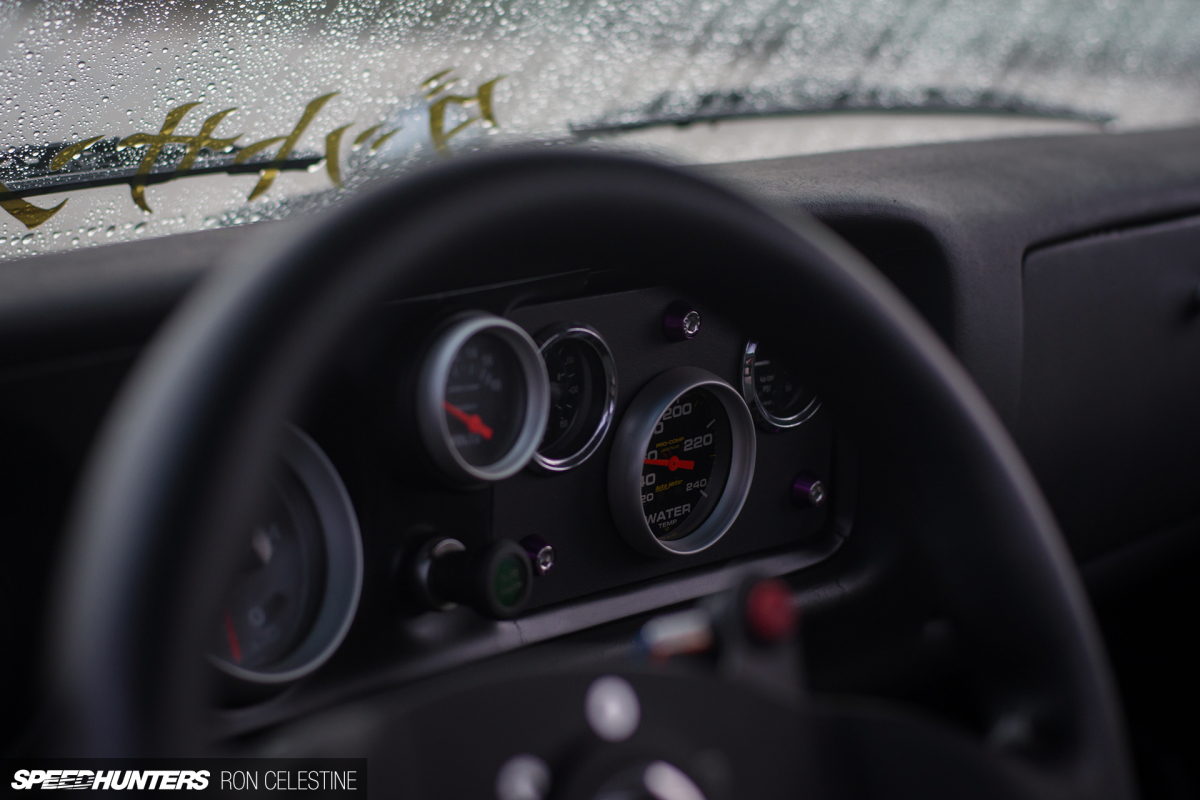
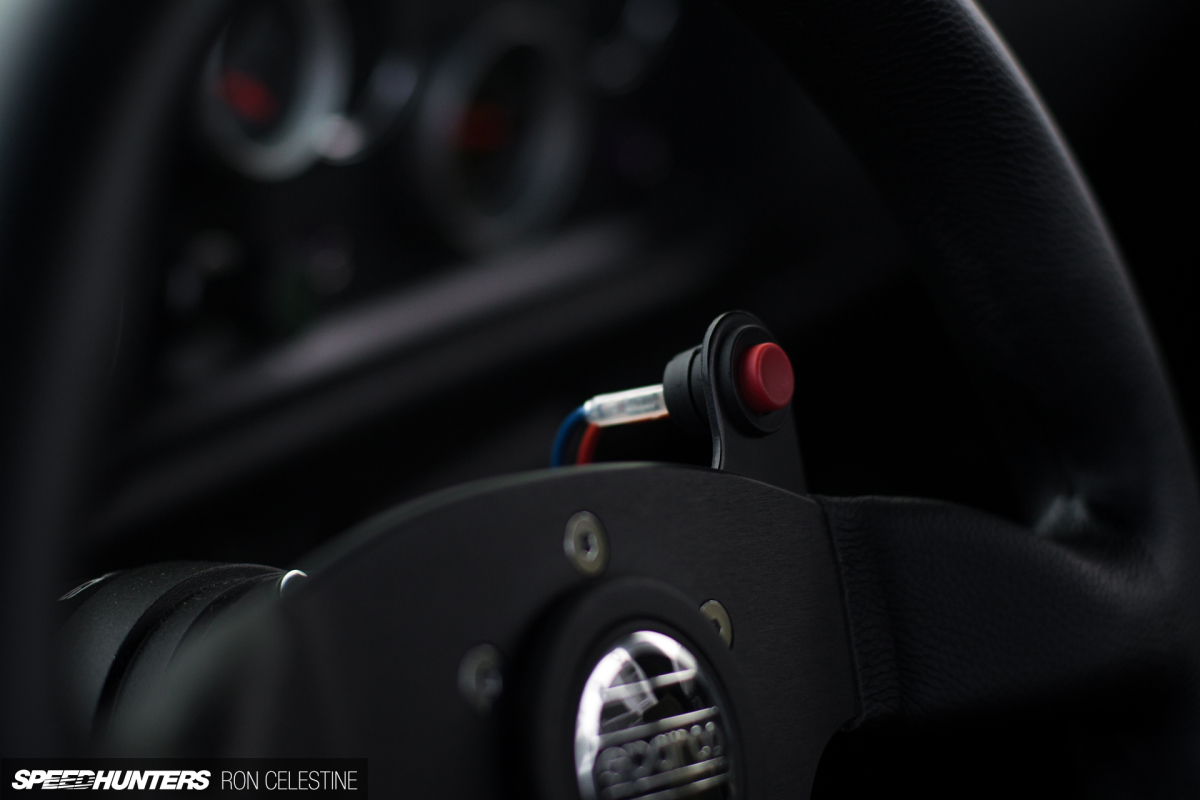
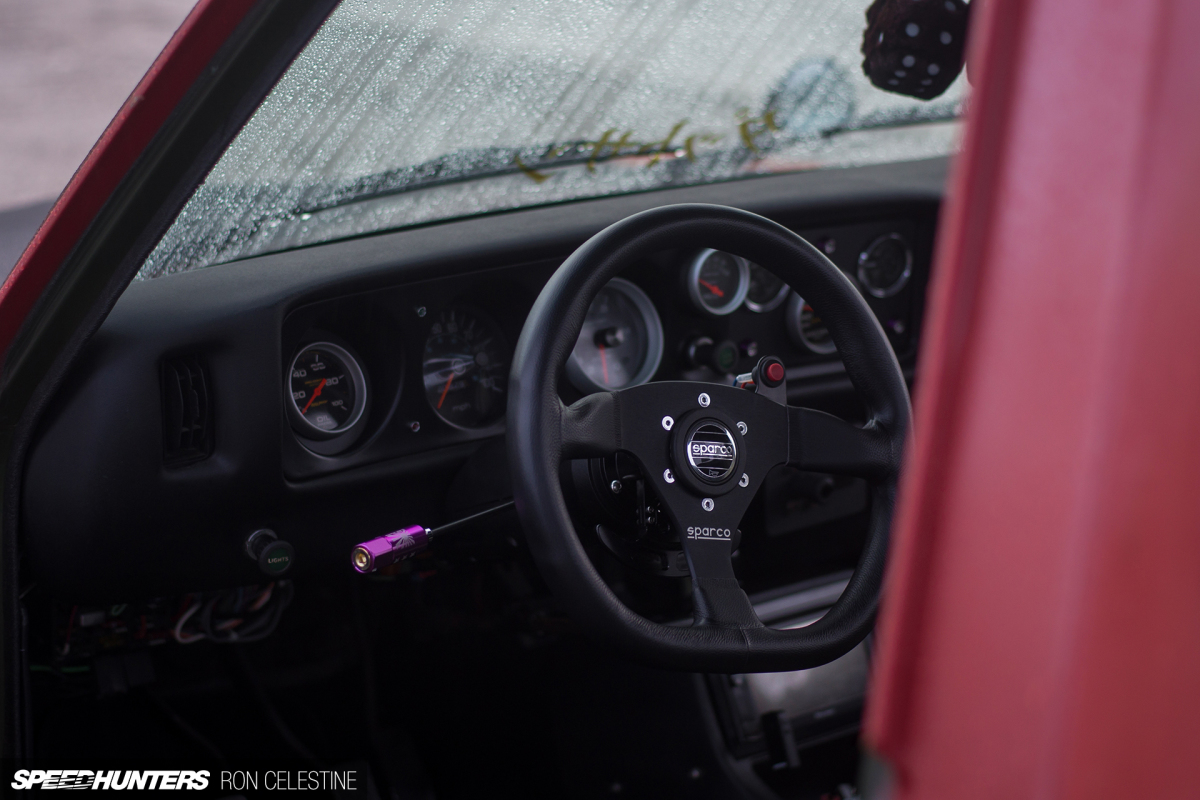
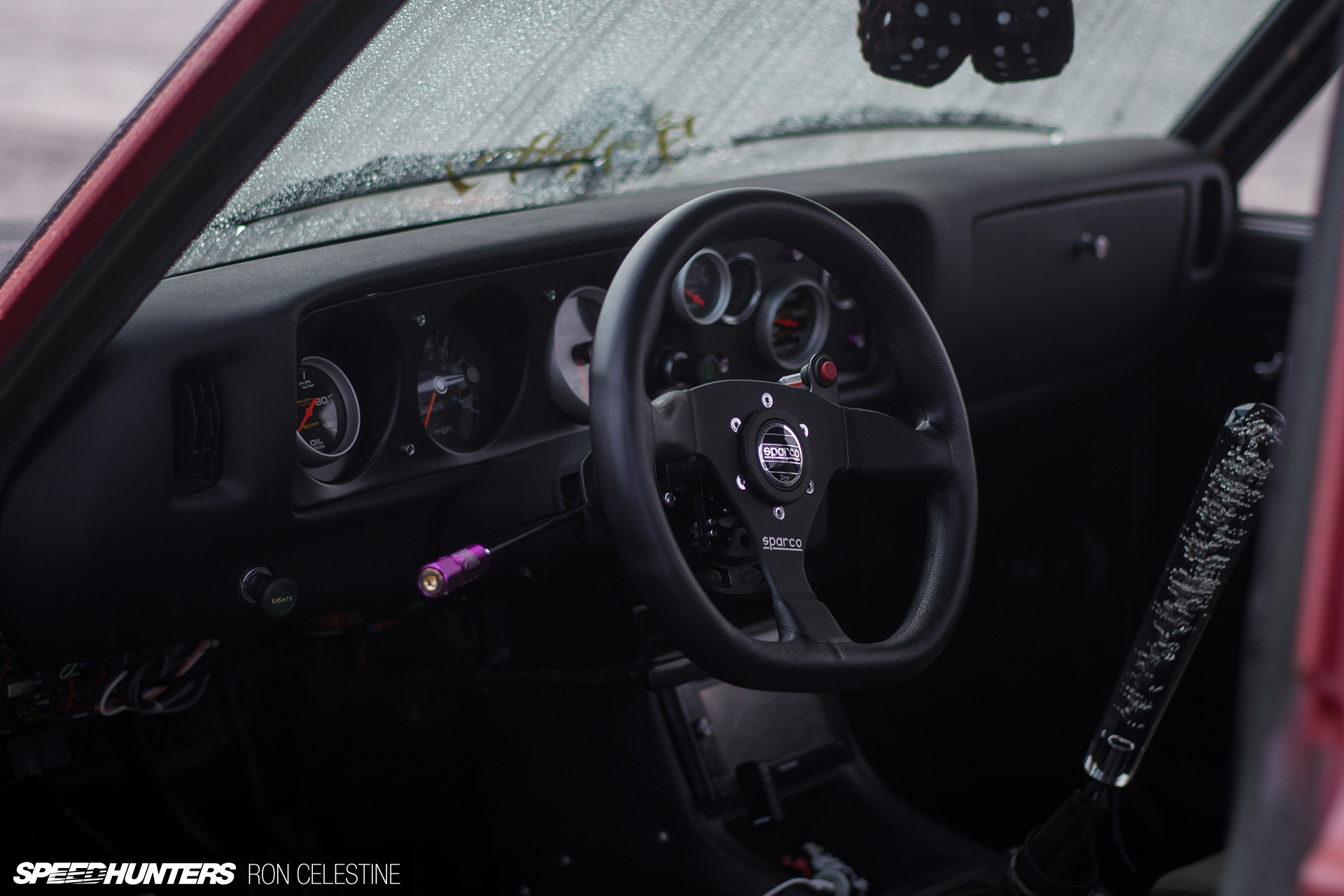
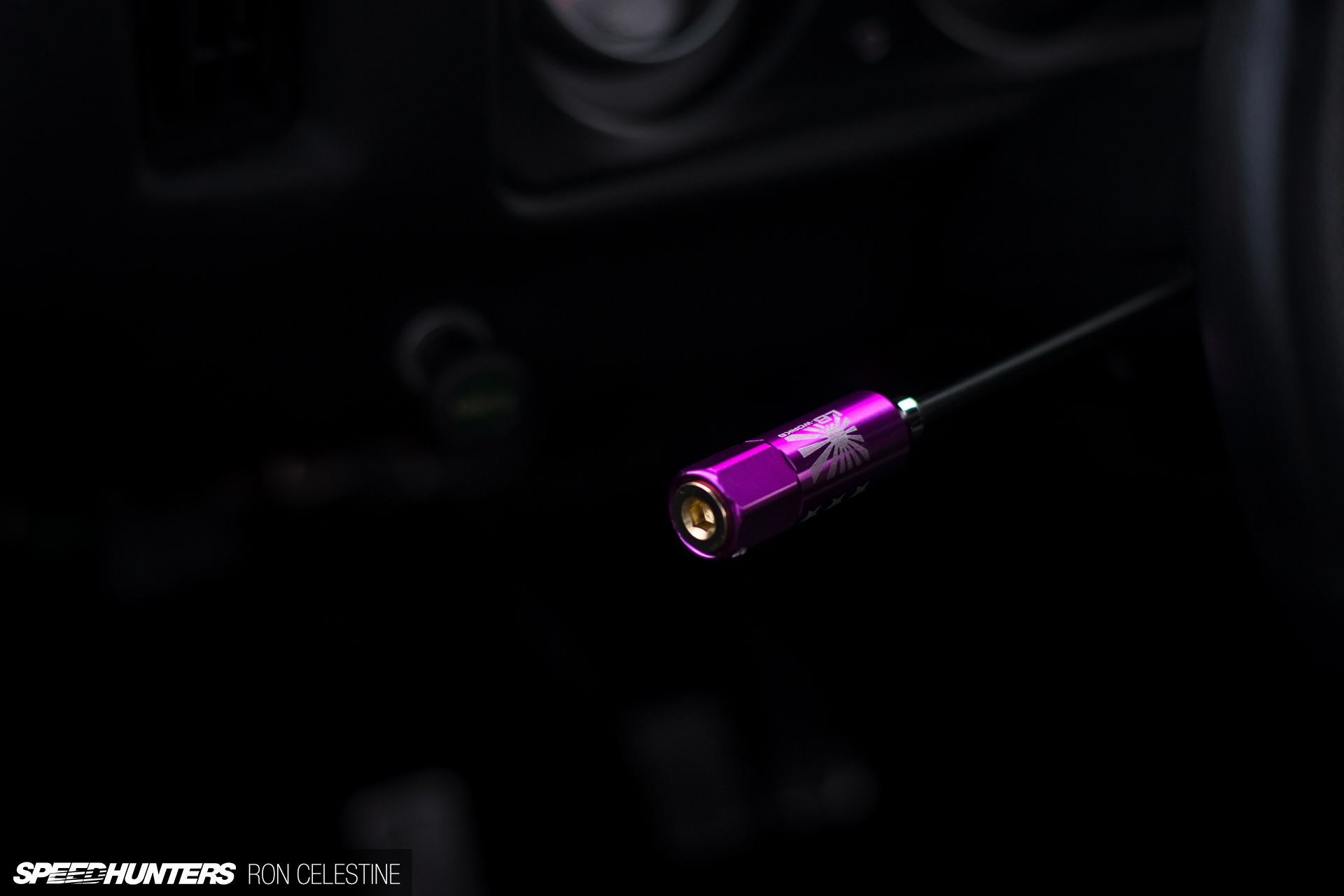
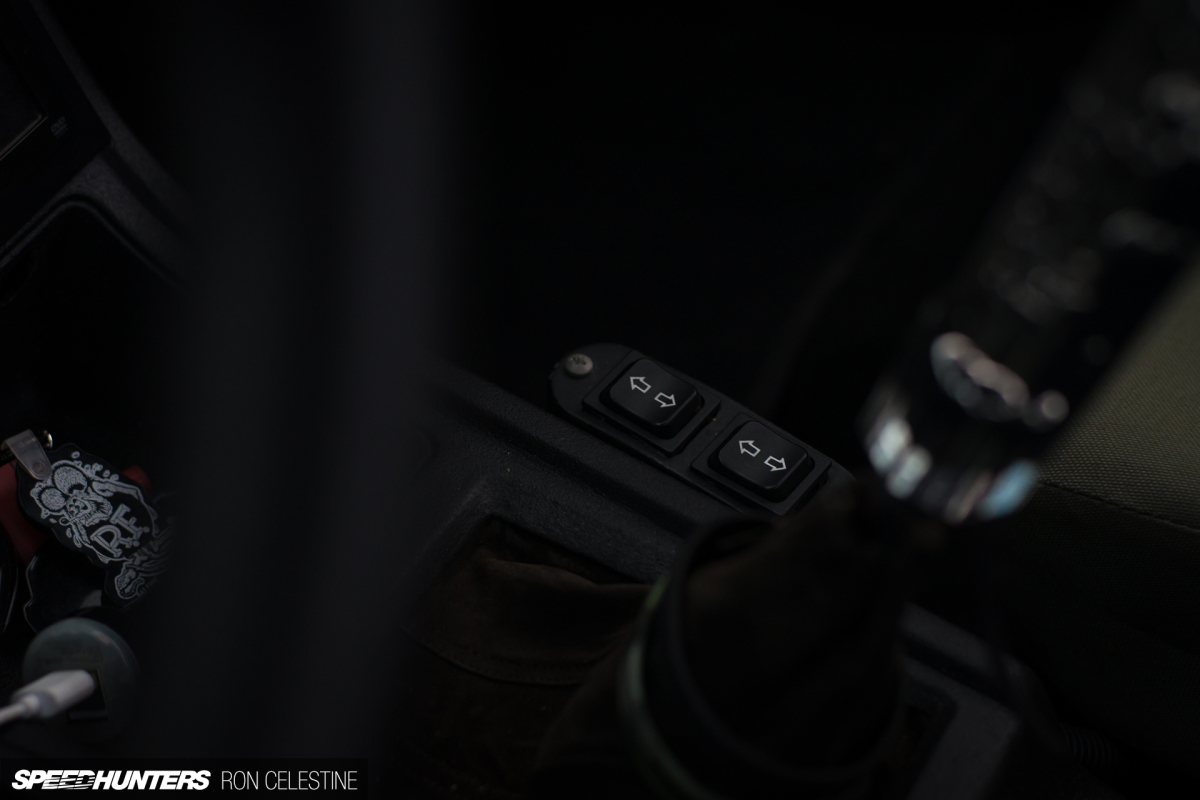
The customization work continues inside the cab with a retrofitted dashboard filled with AutoMeter gauges. The Sparco L360 steering wheel has been installed on a quick-tilt hub, while Japanese touches can be found in a long bubble shift knob and heart-shaped tsurikawa ring. The little red button doesn’t do anything absurd like destroy the world or activate a secret nitrous oxide system that I forgot to mention – it’s just the horn.
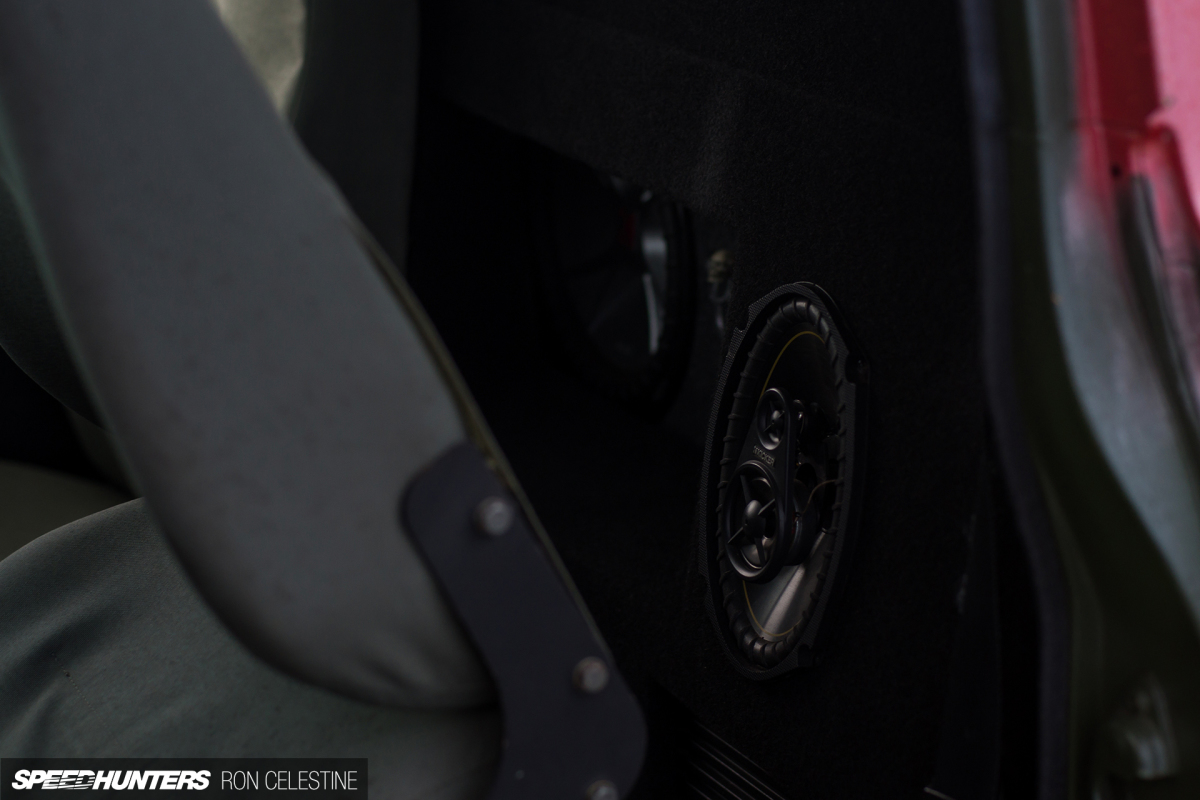
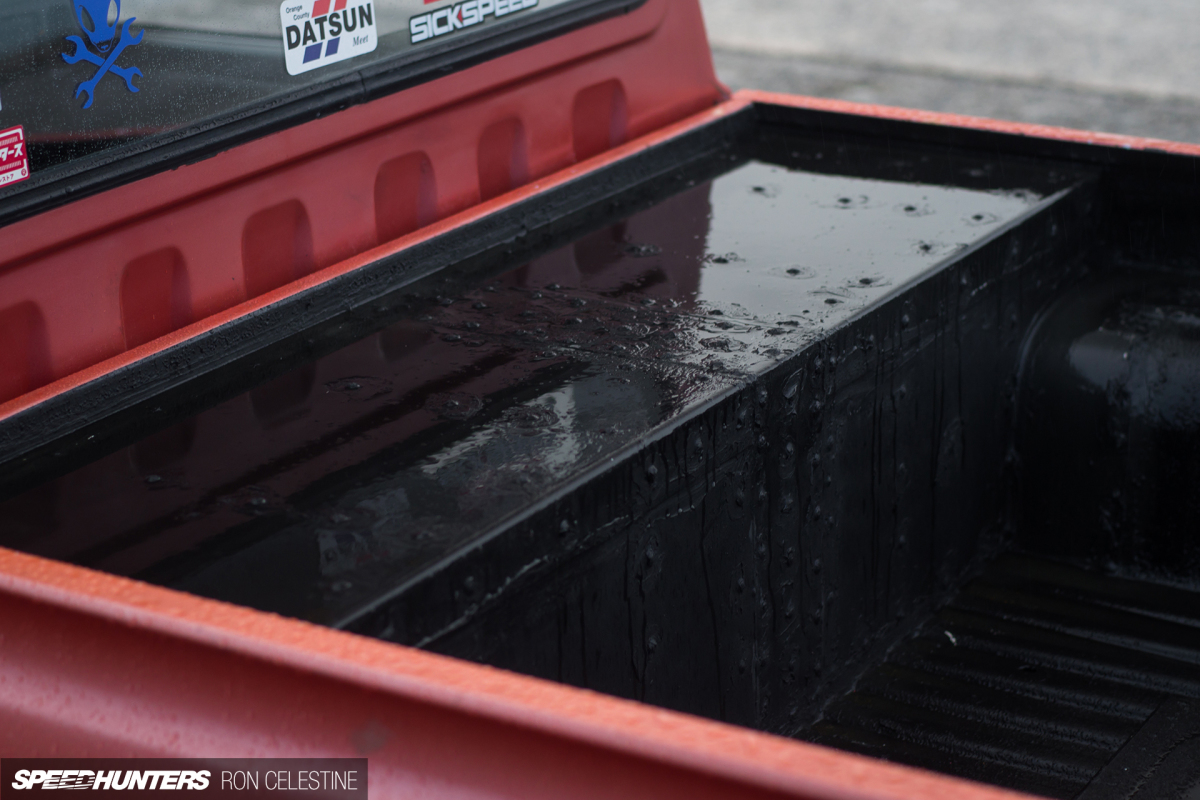
The audio side of the equation hasn’t be forgotten either, but with so little space to work with inside the cabin some more creative thinking was required. To that end, this custom housing in the bed pipes music inside the cabin through cut-outs in the cab.
The Final Boss
Countless hours were invested into the project, and the way the Datsun currently looks really reflects that. There was one final challenge that needed to be overcome though, one that ended up taking years to figure out. I’m talking about the Japanese government.
Through stories that Dino, Blake and myself have brought you from Japan, I’m sure many of you will know just how tough this country can be when it comes to regulations and random rules. You can always count on an absurd amount of paperwork to do even the smallest of things too; I’m currently in the midst of completing the documentation for my very own project car (spoiler alert), and it’s an absolute nightmare.
When Kai’s father was stationed in Okinawa, it was decided that the Datsun would come along, too. However, before it could be put on the road legally, the government wanted proof of structural rigidity after the modifications.
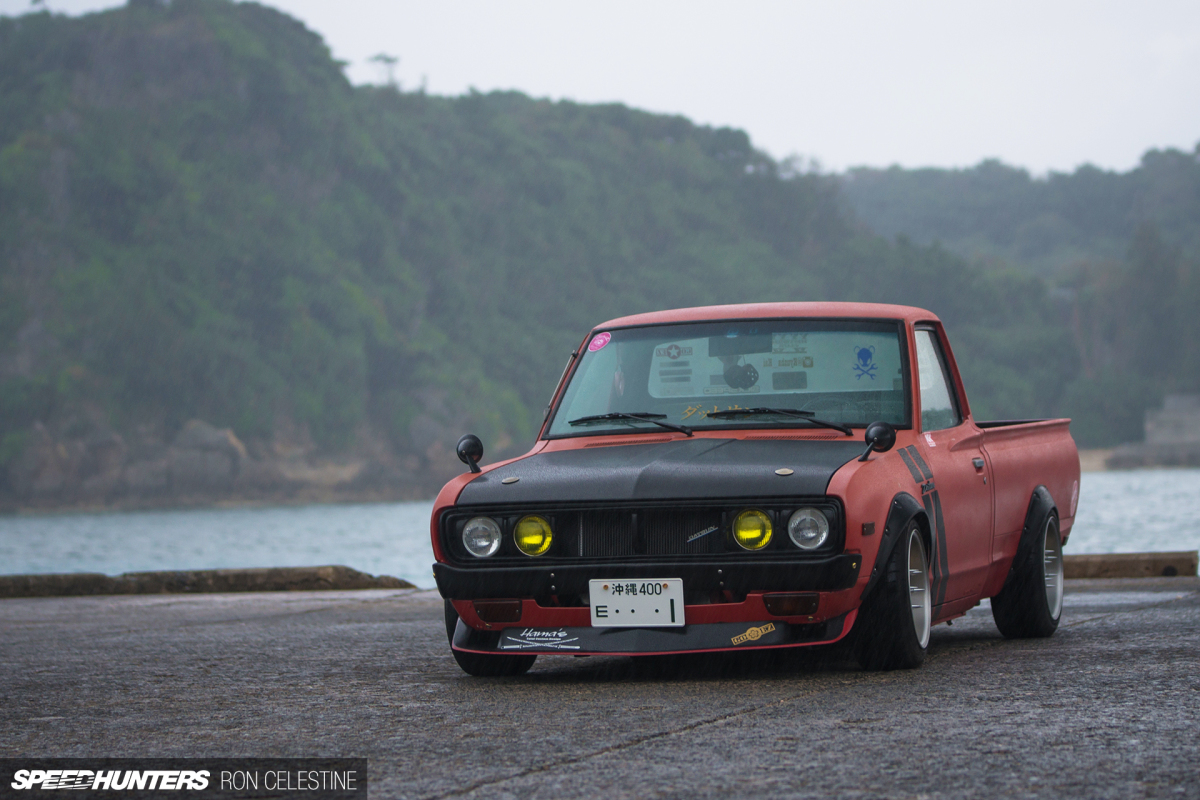
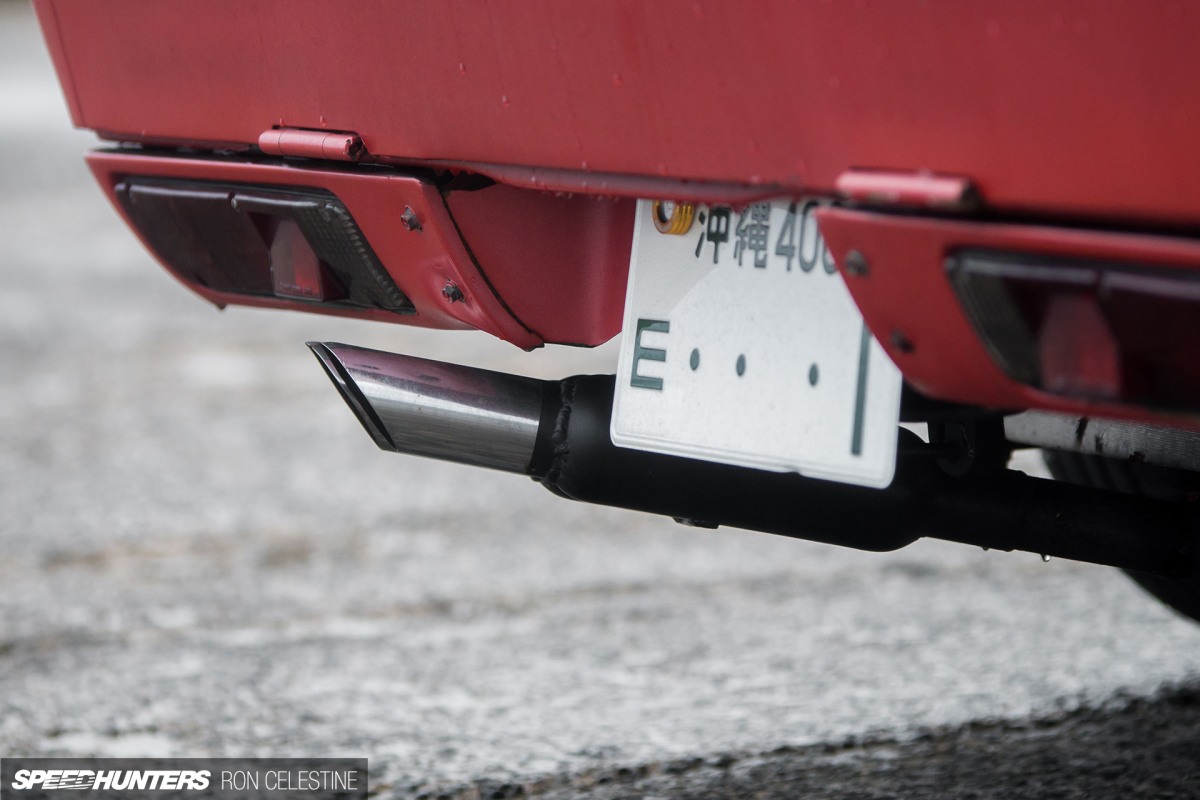
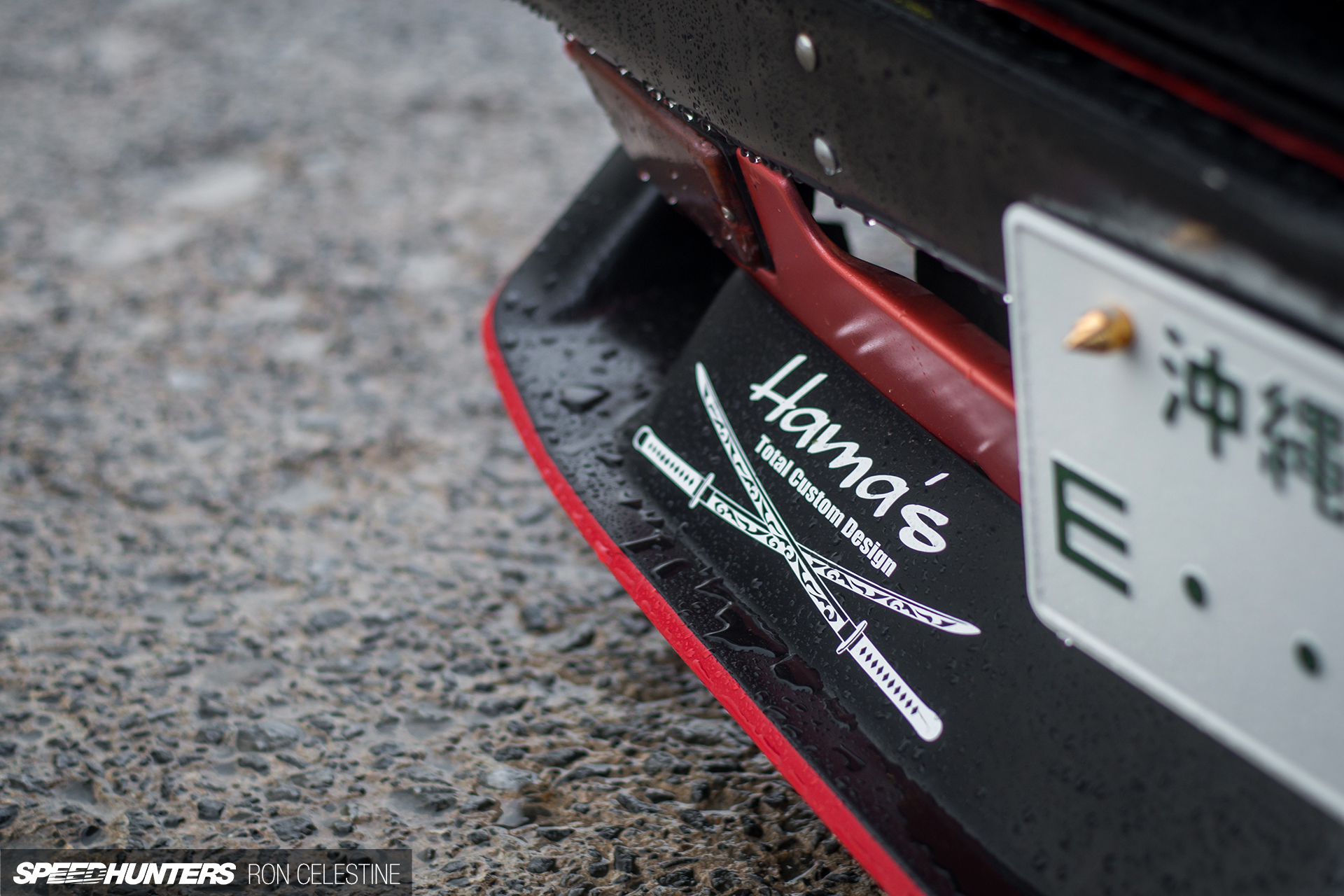
It didn’t matter that the car had come from the States (The ‘E’ plate represents this which is different from the usual ‘Y’ and ‘A’ plates which refers to a military service member buying the car in Japan), Kai and his father still had to prove that the chassis modifications had not in any way compromised the car’s strength. The only way they could do this was test the frame and suspension.

As I mentioned earlier, Kai’s father knows Datsuns inside out, but this was something beyond his realm of knowledge. It seemed all hope was lost until a random encounter changed everything. A Japanese guy saw the 620 parked outside Kai’s home, pulled over, struck up a conversation, learned about the issue, and then offered a solution – he had the necessary equipment to test the car and help pass the inspection test. Under the guidance of their new friend, 18 months later the 620 became fully road legal in Japan.
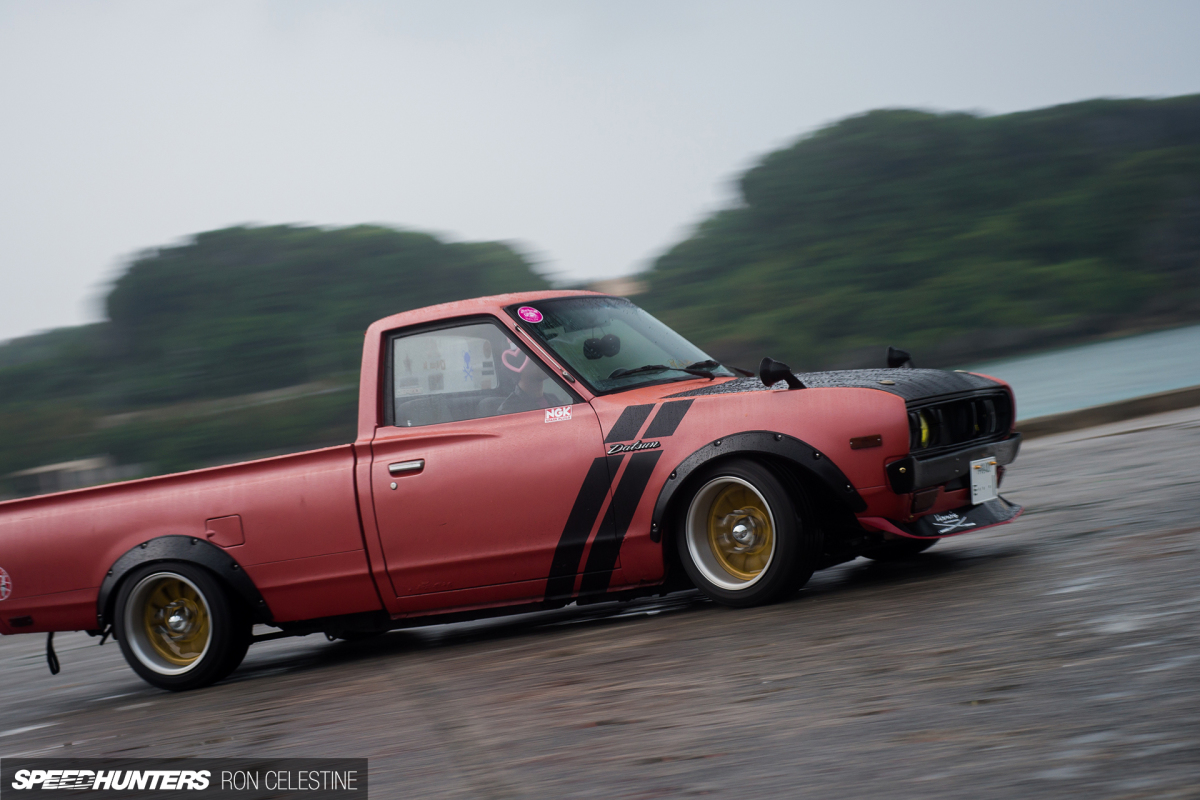
On top of the bonding and fond memories created in the process of building the car in the first place, it’s challenges like this that make father and son projects so special.
Ron Celestine
Instagram: celestinephotography
More stories from Okinawa on Speedhunters
The Cutting Room Floor