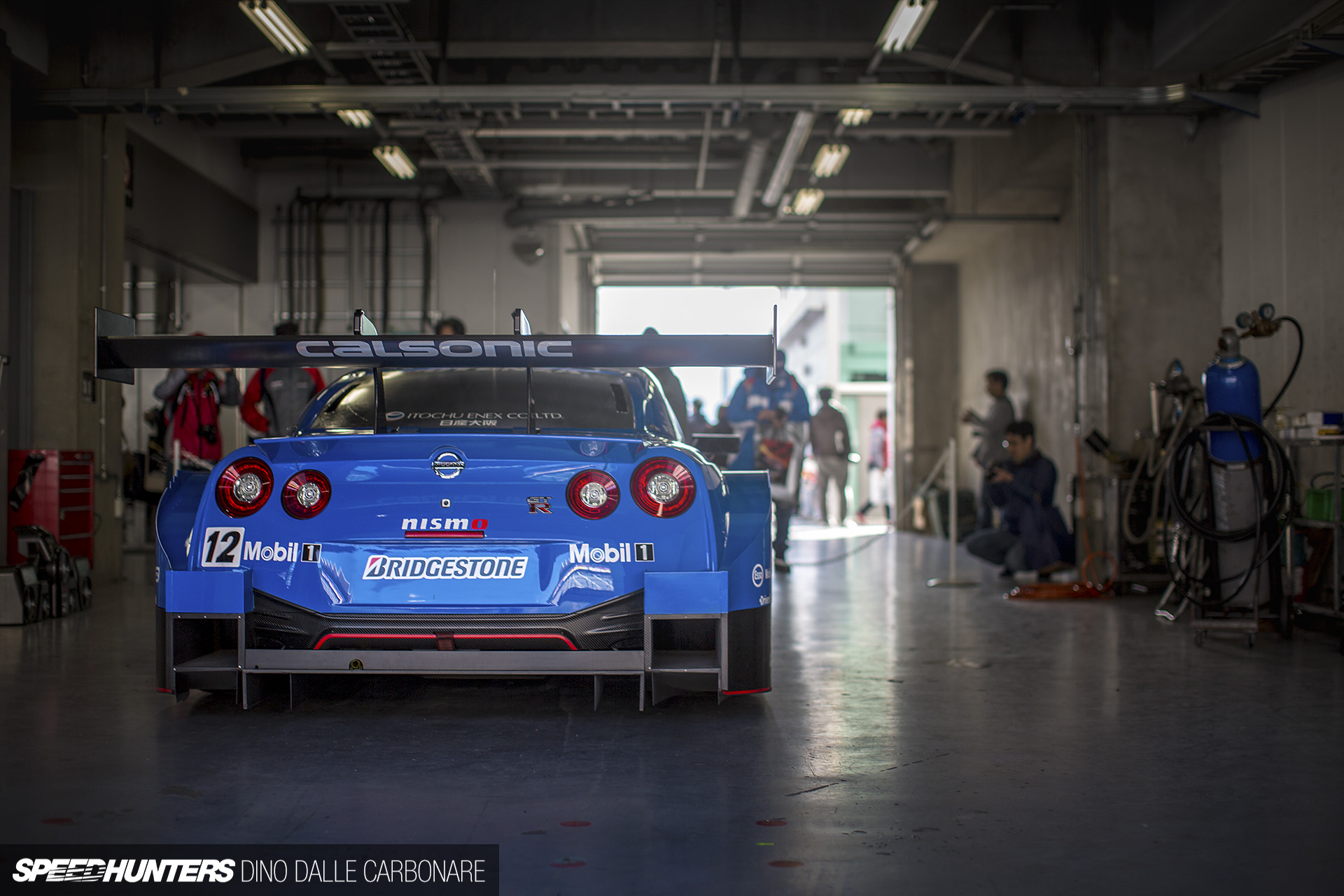
In 2014, when Super GT began to align its regulations with the DTM series in preparation for a combined ‘Class One’ future (which looks set to happen in 2019), GT500 underwent one of the biggest changes it’s ever seen.
Mechanically, all cars from the three manufacturers – Honda, Toyota and Nissan – switched to turbocharged 2.0-liter engines, immediately doing away with the unique character that separated them from each other. But this is for the good of the sport as GT500 cars will soon be able to mix with those in the DTM and vice-versa, creating more interesting racing.
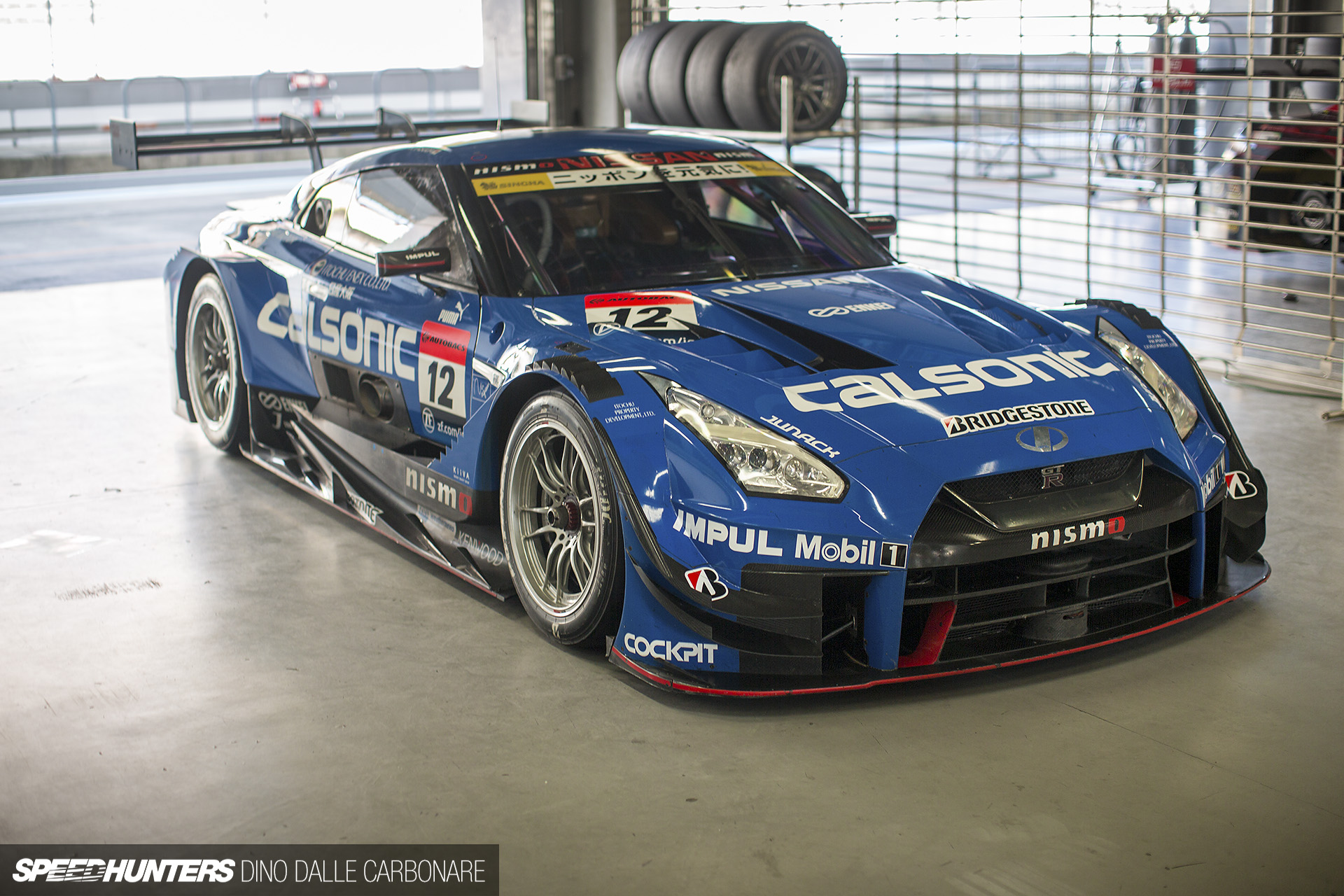
But before any of that happens, GT500 is still GT500, and this year in particular has seen some changes to the most striking part of the cars – their exteriors. After some concerns last season that the cars in the class were generating cornering speeds that were too high, the regulations were updated to reduce downforce by 25%. The result is what you see here – at least as far as the GT-R is concerned.
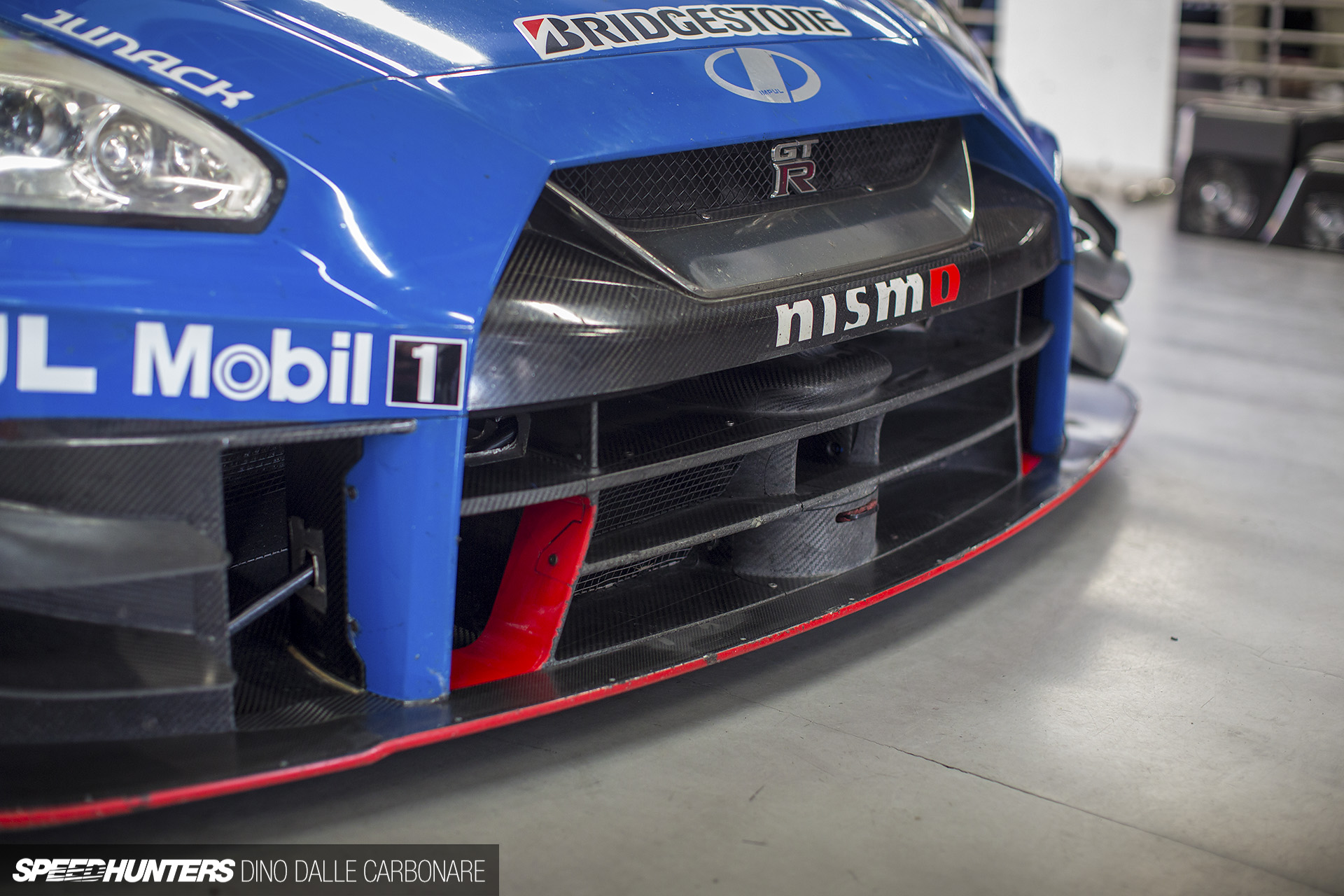
During a rare moment of silence in the Fuji Speedway pit where one of the Calsonic cars was housed for the recent Nismo Festival, I decided to hang around for a moment or two and take a closer look at some of the parts that make up its aerodynamic package.

From a distance these cars appear intricately complex, but if you take a step closer, you can kind of understand why a particular design cue may be there.
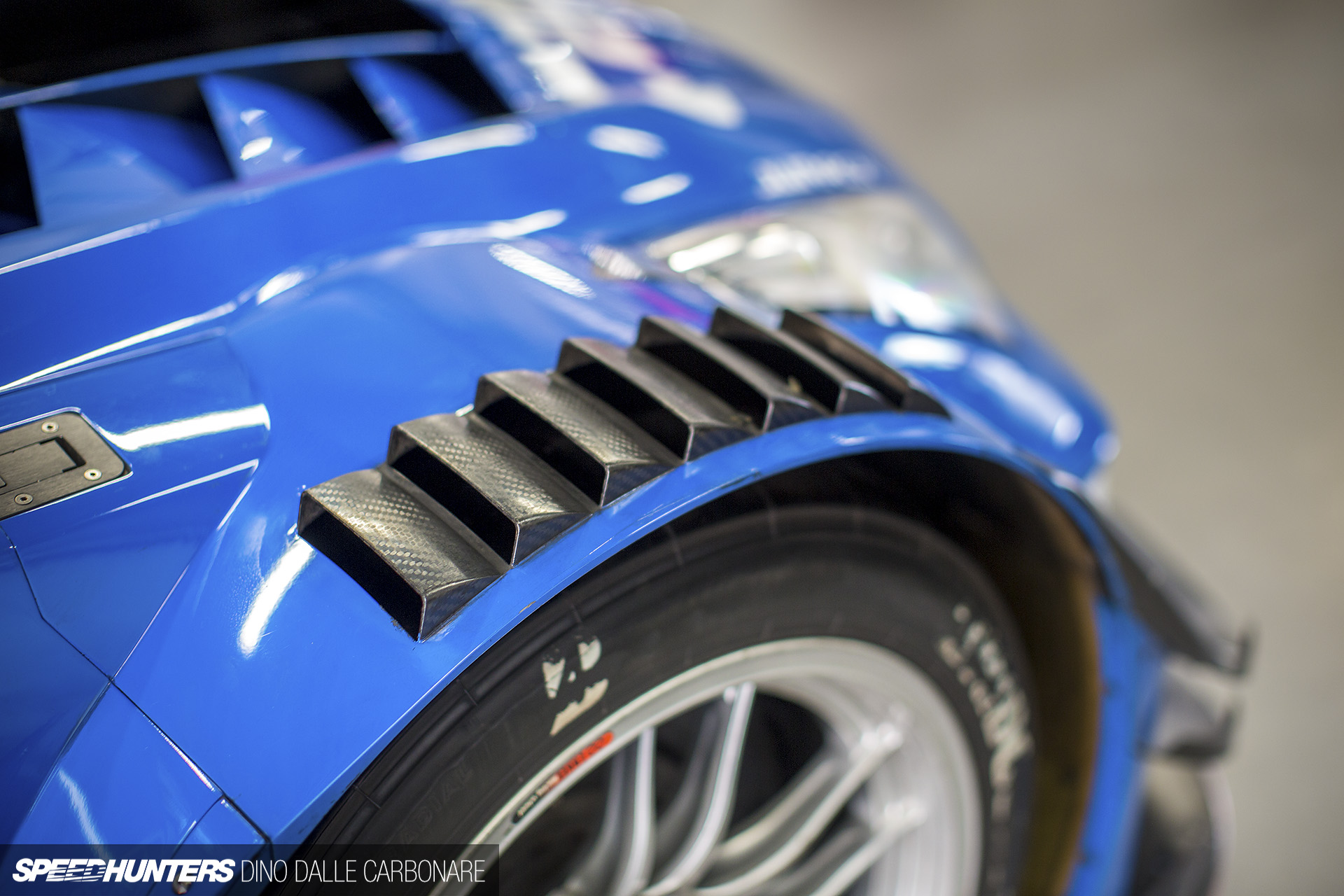
Fender-top extractors are something we’re now seeing used in time attack, and they’re there to take pressure developed in the wheel well and channel it as cleanly as possible around the car.


Aero management through the car’s gaping mouth and the air guides within it, around the engine and all that there is in there, is a critical part of the whole car. If you think about it, anything you draw up air into could potentially become a big air brake if you don’t manage the flow precisely and smoothly, and possibly make good use of it. One of the most noticeable differences from last year’s car is that the front splitter is quite a lot shorter, instantly cutting front downforce in one fell swoop.
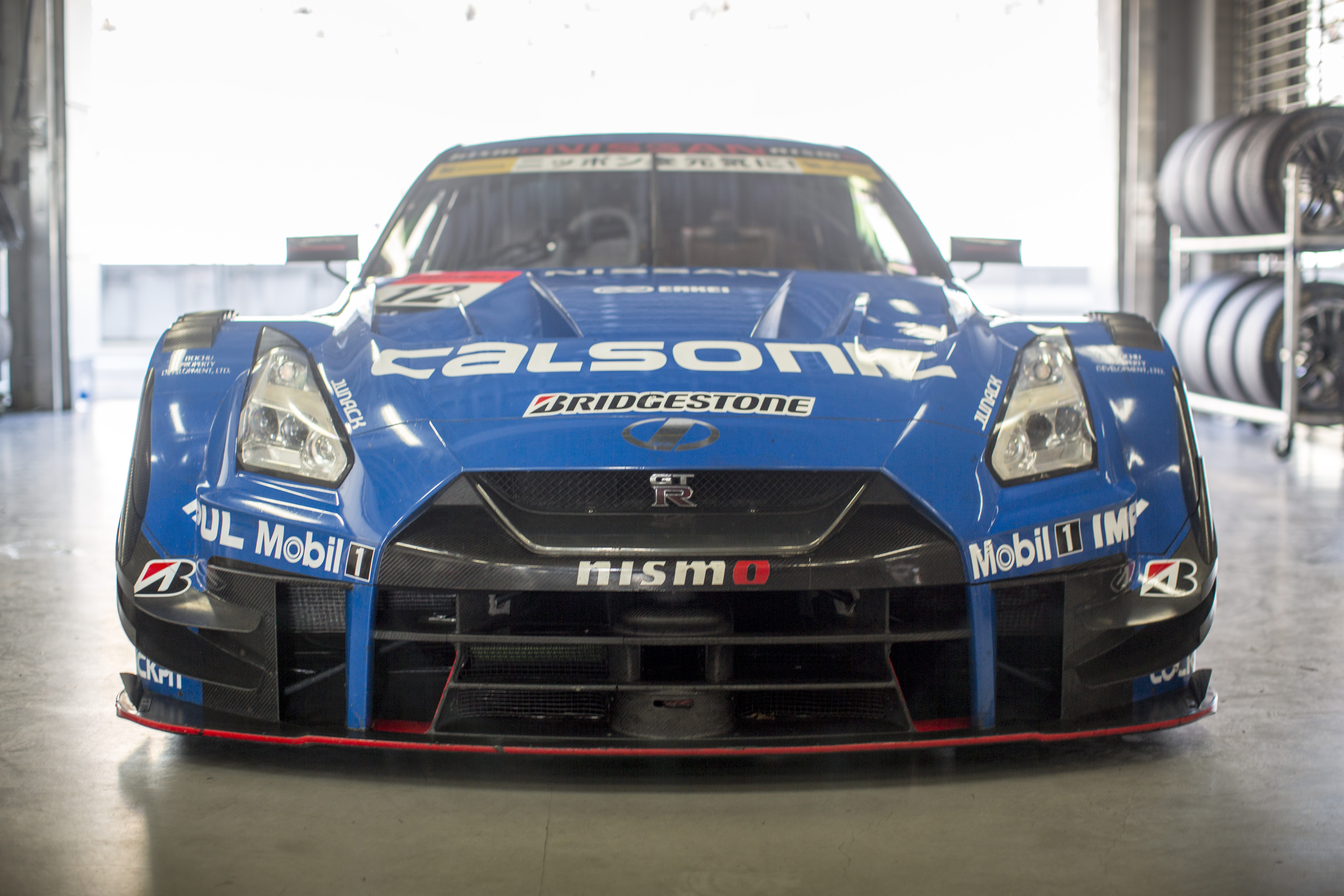
Imposing much?


Still on the subject of air management is what to do with the air that’s been used to cool, and thus has passed through the various heat exchangers that sit in the front section. That’s where hood venting comes in, and I’m really liking the way the 2017 design looks here. Function can indeed be one with form.
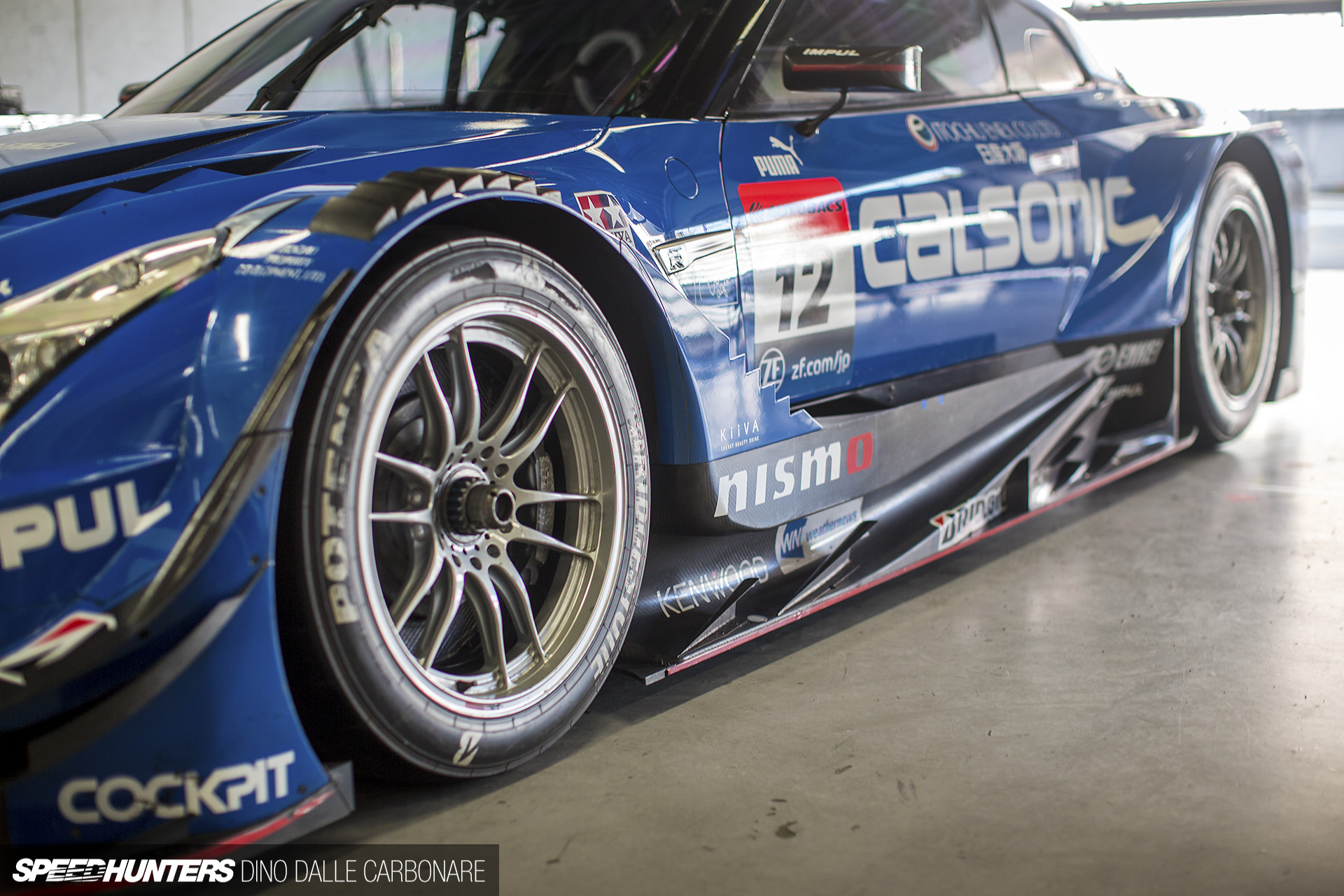
The rear section of the front fenders and the side skirt design are again quite different from last year. They do the best possible job of managing the air around over and under the car, but at the same time factor in that 25% decrease in aerodynamic load.


It’s crazy how the length, shape and rake of every little flap and wing is carefully engineered to do a specific job while staying within the class regulations.
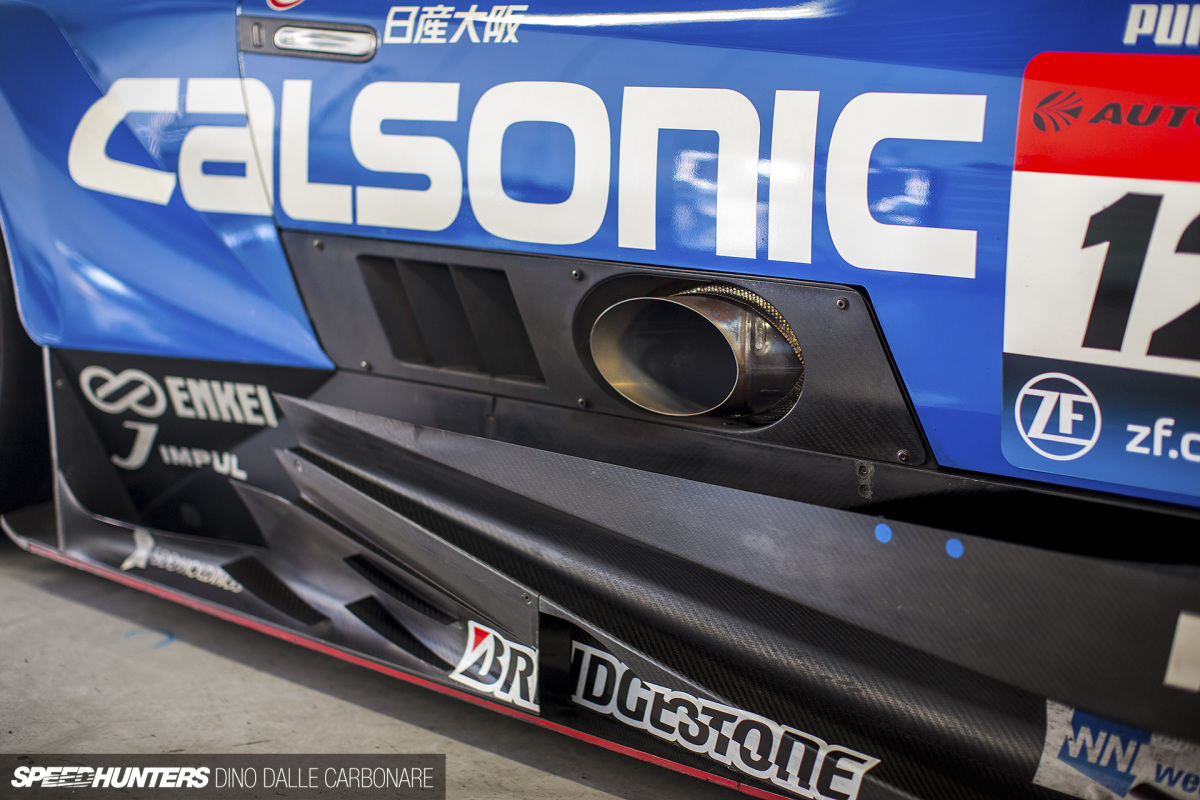

And one of those rules stipulates that all cars should have catalytic converters. The design of the core is pretty intricate, something you’d have to guess is to create just the right amount of back pressure so as to not upset the engine’s exhaust flow.
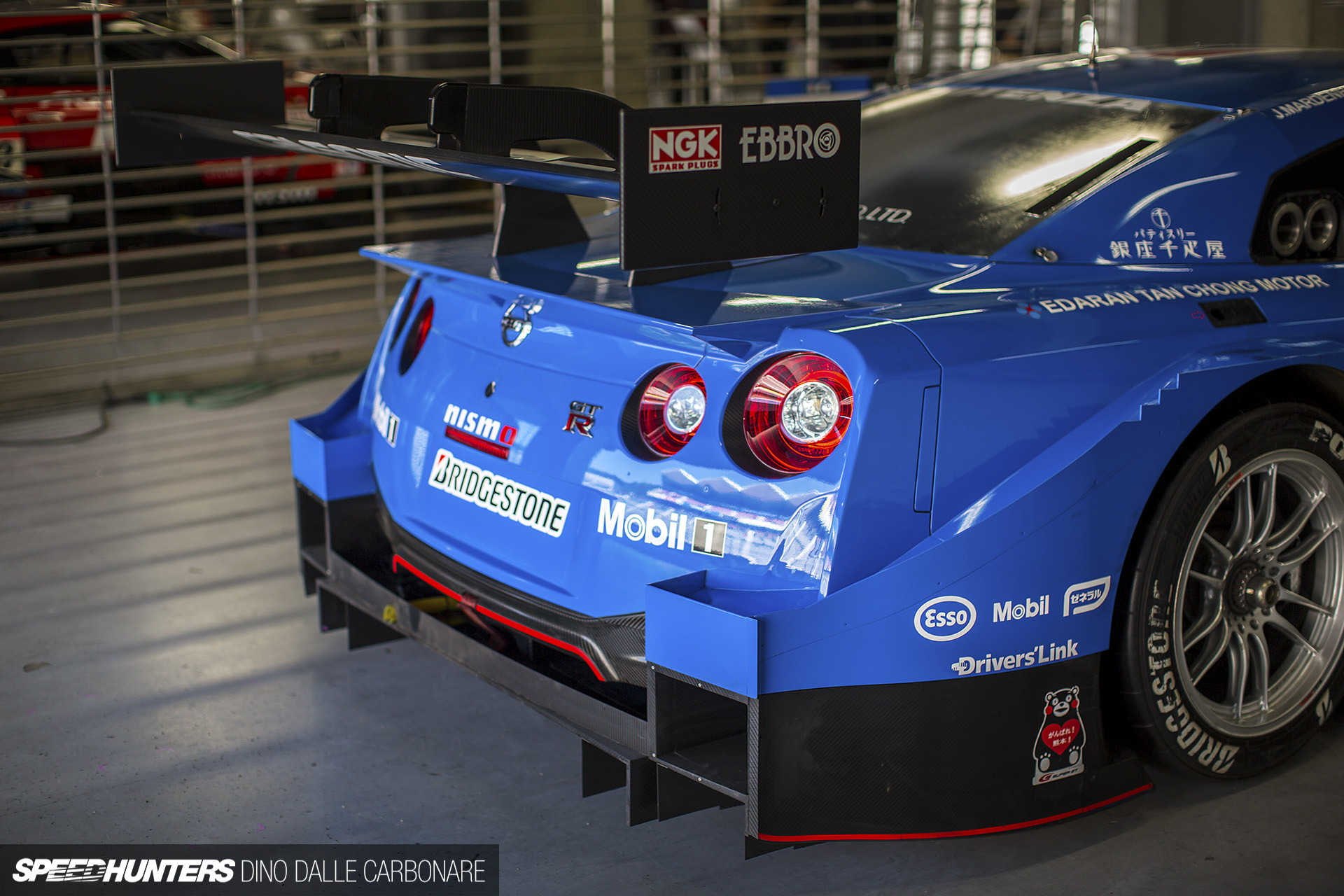
Compared to the front and front fender design, the rear looks a little less complicated. It’s a lot smoother and that’s because the lower section at least is trying to extract and flow away air without creating too much turbulence.
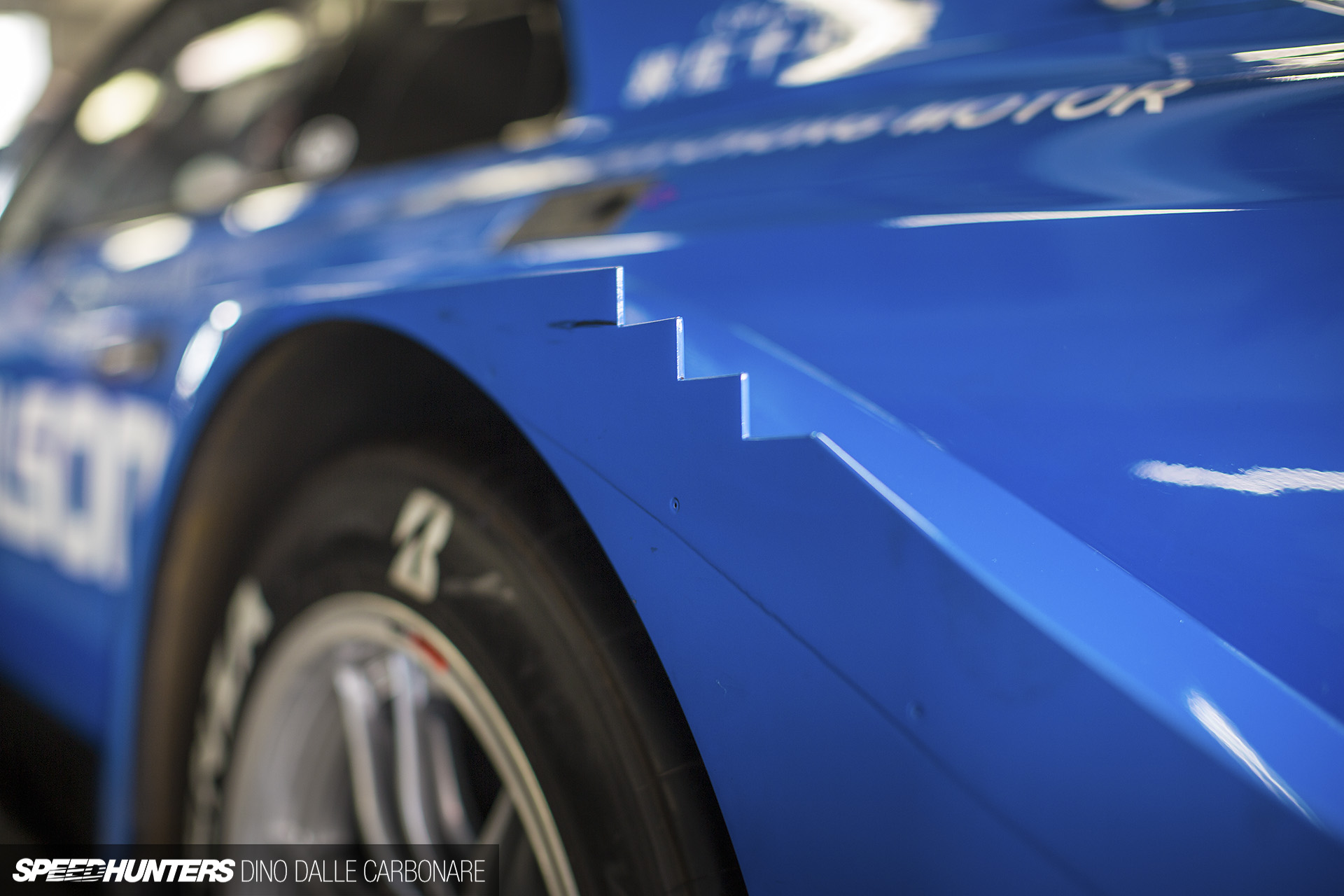
Then there are these little 90-degree, saw-edged details along the outer profile of the fenders. These are in place to shed vortices, helping clean up the airflow around the car.
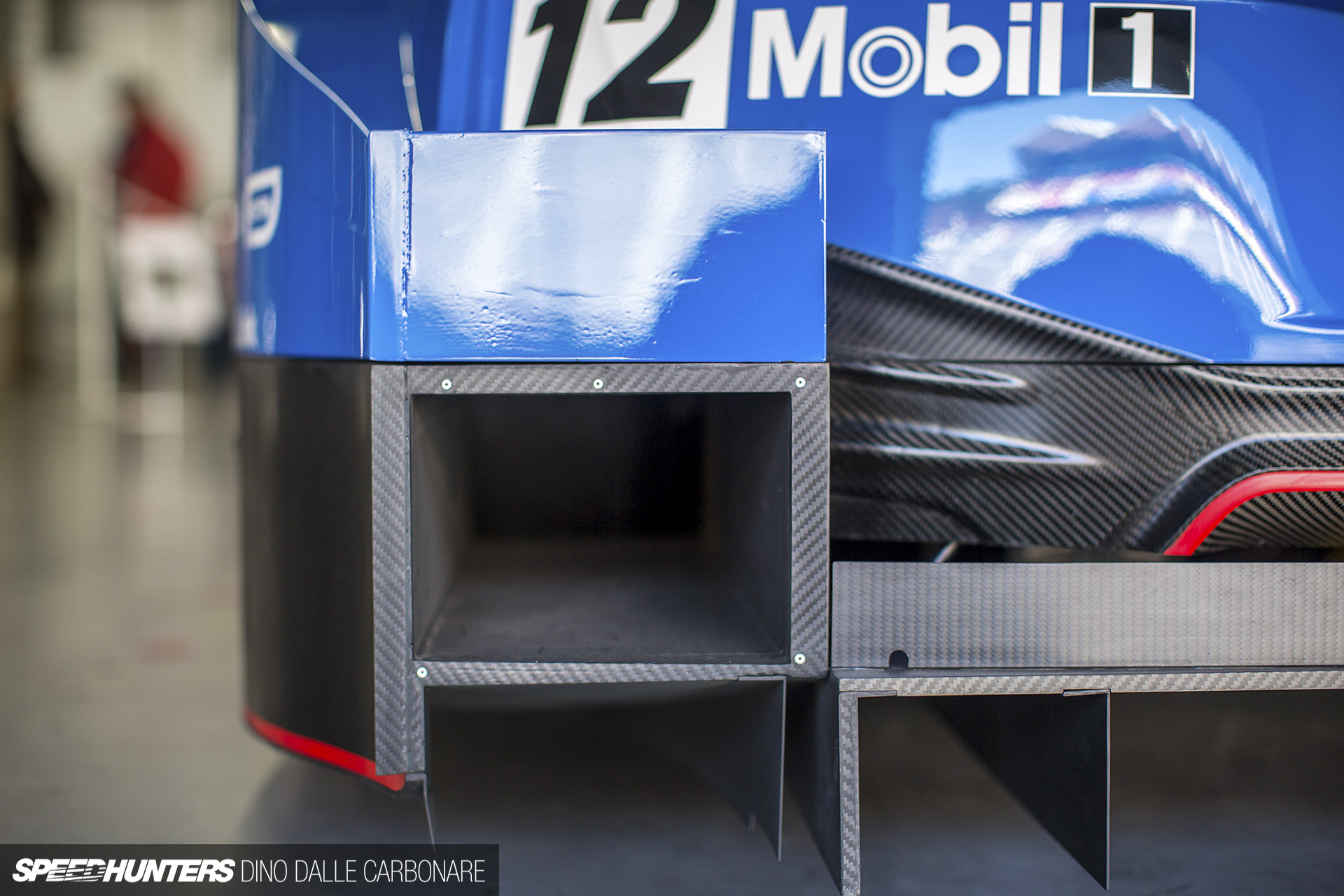
Here’s a look into the big rectangular extractors at the rear, where you can see right through to the massive rear slicks.
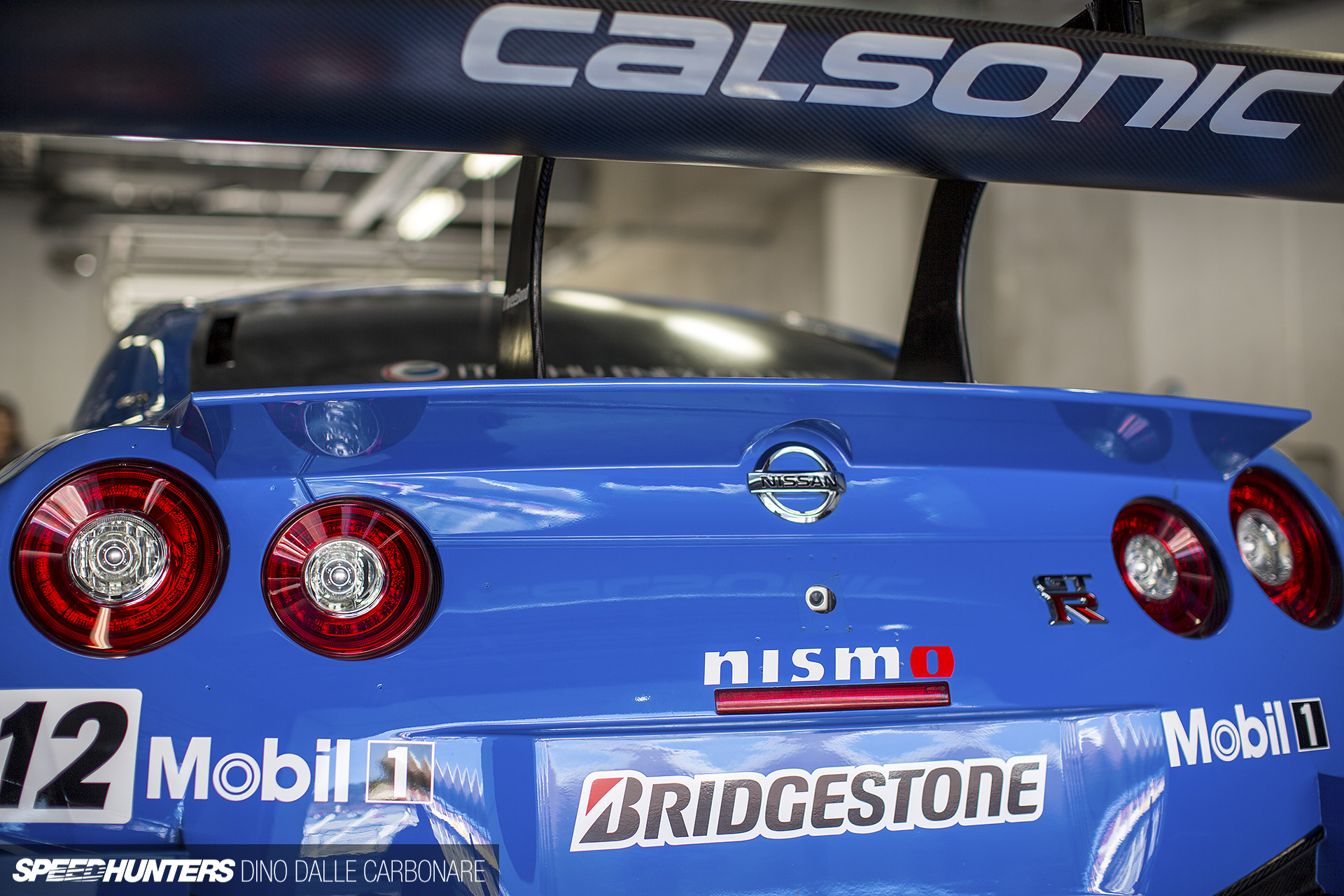
The rear section of the GT-R almost looks identical to the road car, and on the trunk section a little boot spoiler has been added.
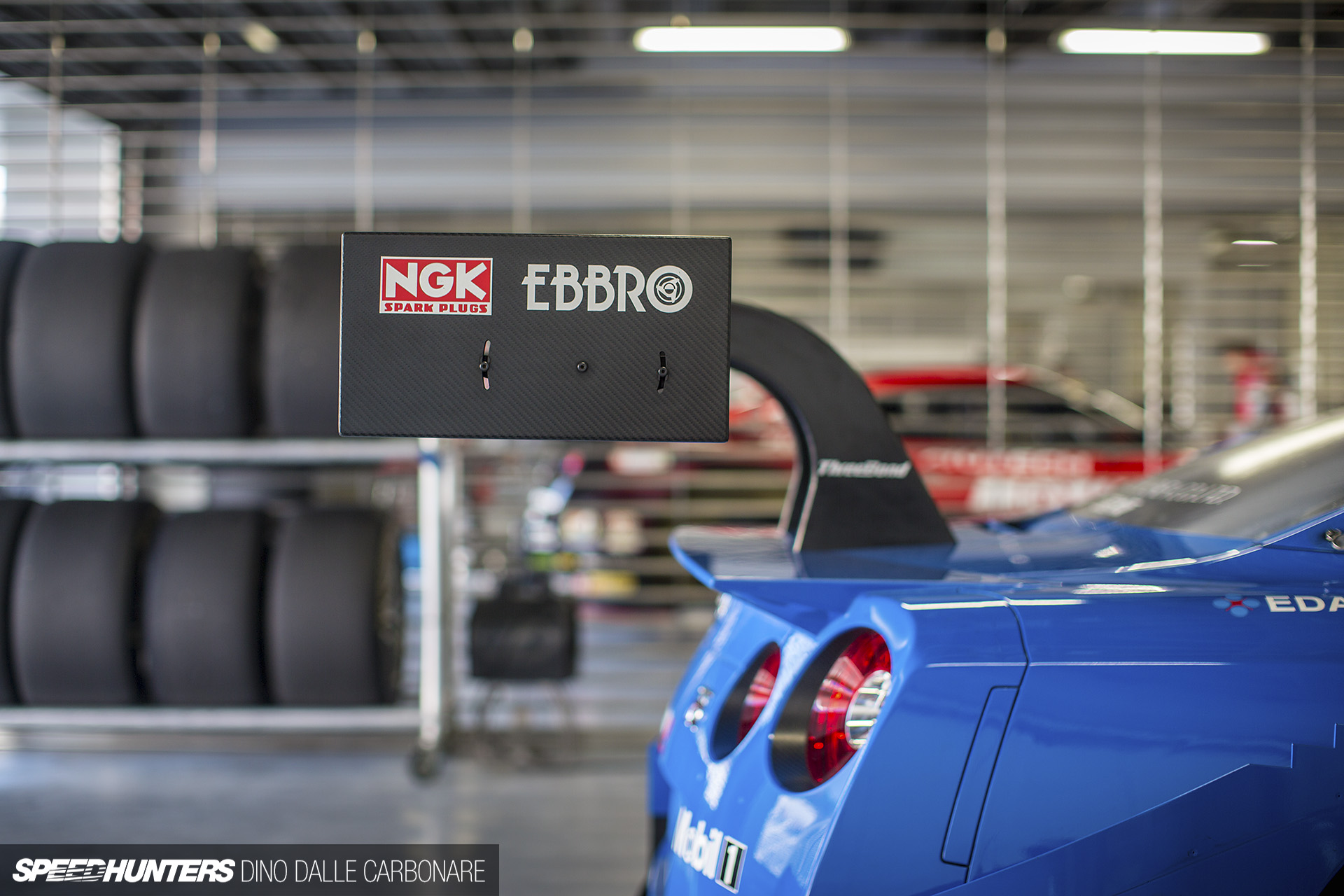
Of course, it all ends with the rear wing, which is relatively simple and not too big compared to even some of the fastest cars in time attack.
I always enjoy taking closer looks at race cars of this level; there’s much to take in and it’s fun just trying to make sense of it all.
Dino Dalle Carbonare
Instagram: speedhunters_dino
dino@speedhunters.com