For a man-child like me, there’s nothing quite like the prospect of playing with a new toy. To say that I was excited about the opportunity to upsize my 1:24th scale models for some actual 1:1 real-life Formula 1 cars at the Adelaide Motorsport Festival would be the understatement of the year.
I was intent on making the most of my all-access pass for December’s event and the racing heroes we’d be given access to. In all honesty, I probably spent longer than I needed in the garages of these former racing icons, but can you blame me?
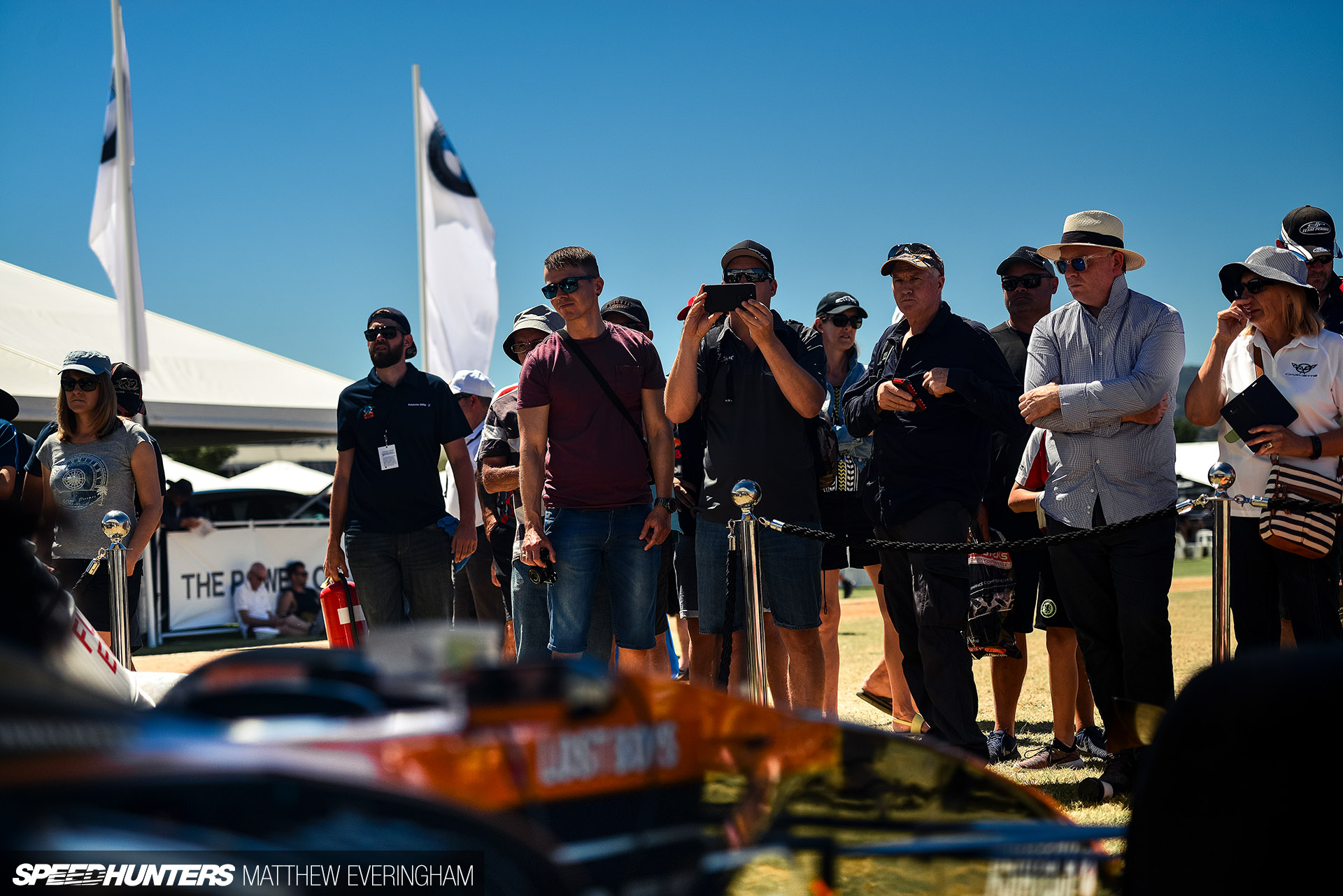
Once the initial awe of inhaling fumes from these icons of motorsport had passed and each car’s finer details were absorbed, my attention shifted to the very careful movements of the crew and support staff as they raced around the garage. It was interesting to witness firsthand the effort required to fire up one of these Formula 1 engines, safely.

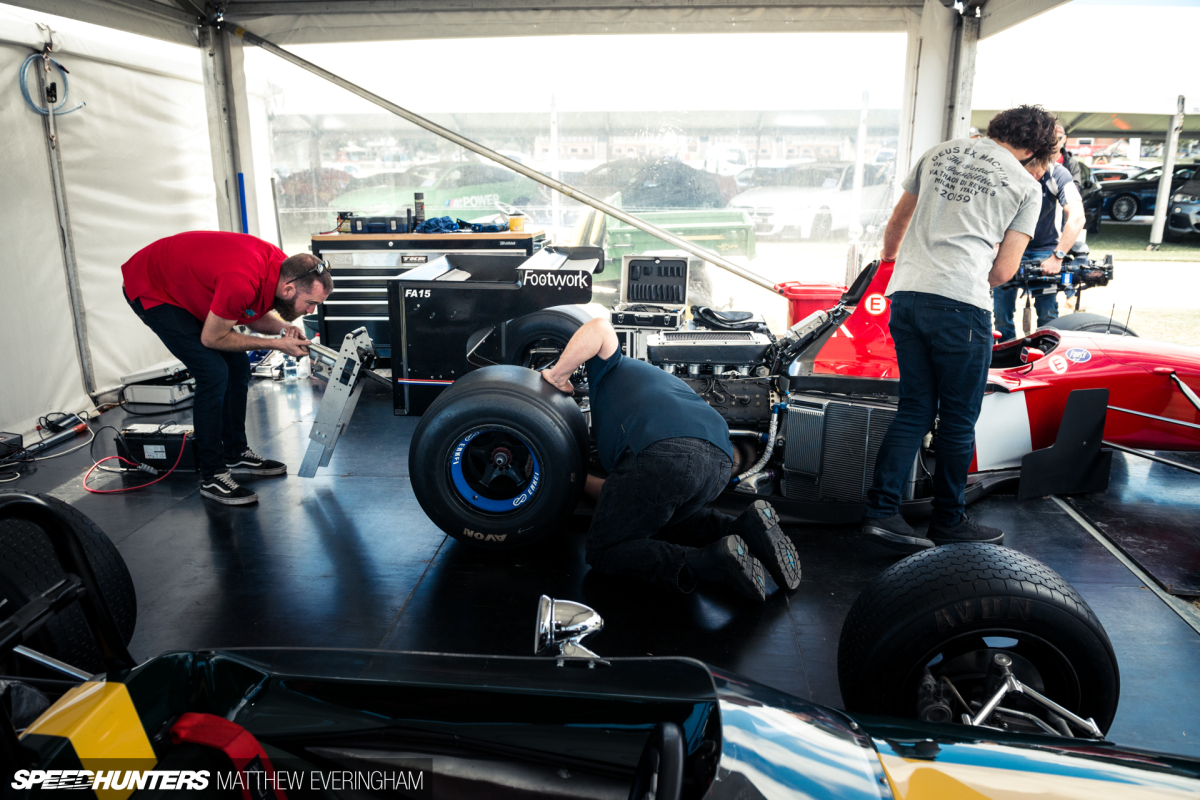
While I’m sure that this is no suprise to the vast majority of you, how many of you have actually had the chance to go through the motions and see exactly what it takes to get one of the world’s most highly strung engines ready to race?
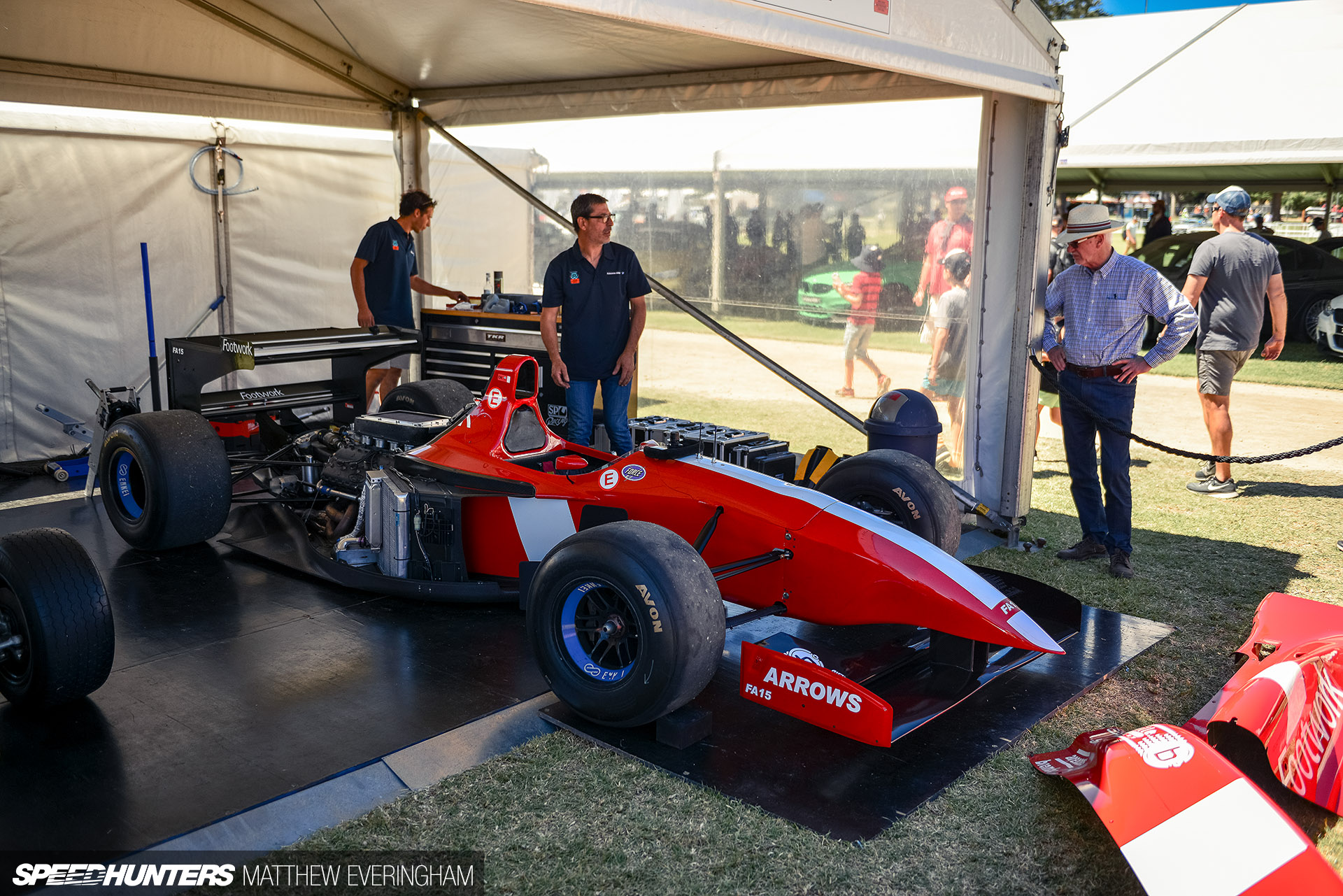
The car we’ll be running through the mechanical checklist on is the Footwork Arrows FA15. A pair of FA15s raced throughout the 1994 season, driven by Christian Fittipaldi and Gianni Morbidelli. Neither car managed a pole position but they were both quite competitive for the first half of the season, quite an accomplishment for a team without a major sponsor.

The FA15 is powered by a 700hp (522kW) Ford HBE7/8 3.5-litre V8, the same engine used in Ayrton Senna’s McLaren MP4/8 after Honda retired from Formula 1.
Following ProcedureThe first step on the checklist is to understand that all tasks are of equal importance. Overlooking, skipping or rushing even the smallest of steps has the potential to lose a race or destroy an engine.
First of all, the car will need power. It’s time to tick our first box and check the voltage, then place the battery on charge.
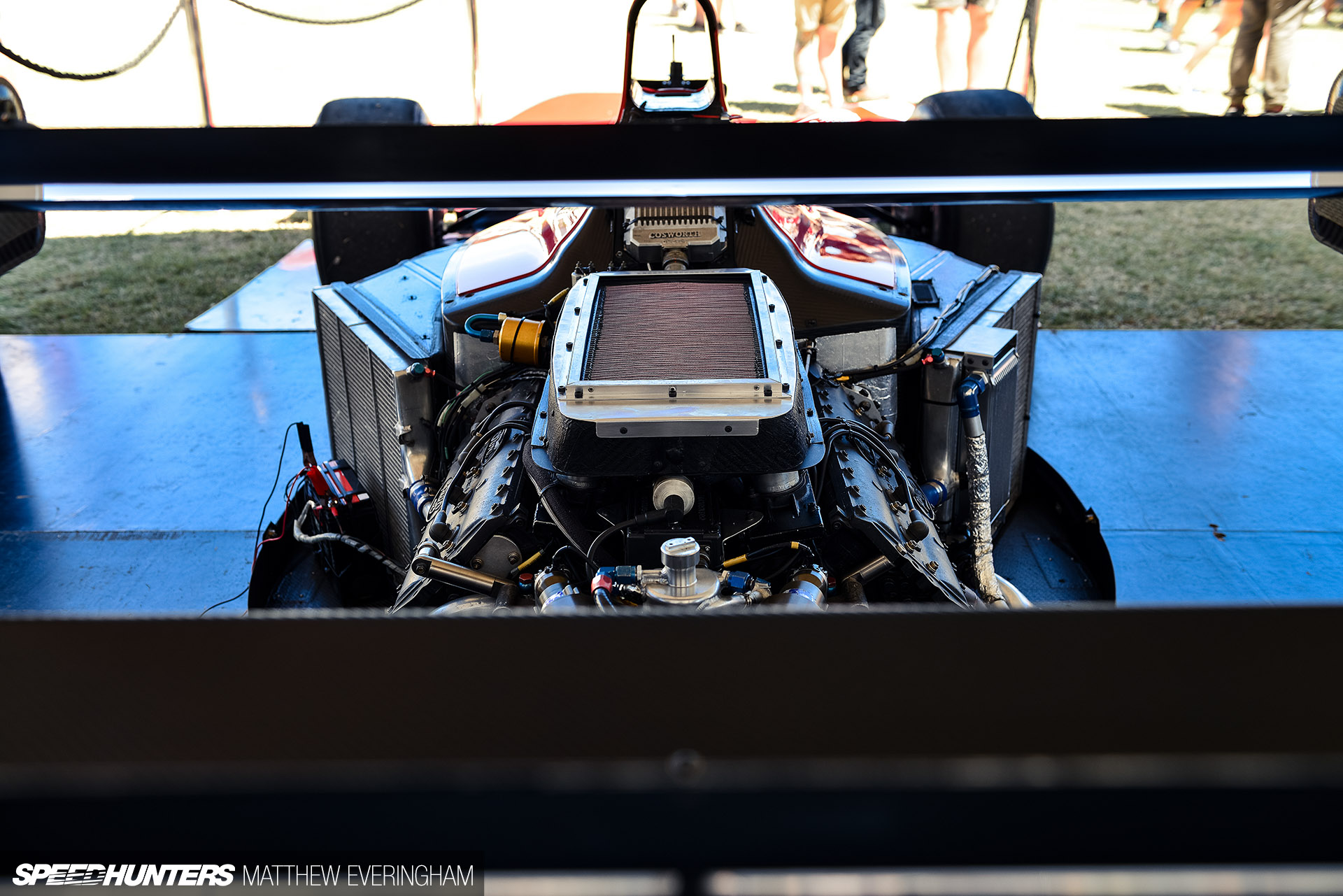
While the battery is charging, mechanics use this time for their initial checks which includes a quick look at the coolant level and adding the correctly calculated quantity of fuel. An overall inspection is made to confirm everything looks in order and to hunt down any potential issues before they occur.
The engine needs to be preheated before ignition, because metal, like everything else in the universe, expands in size with heat. Every item in the engine has been engineered with extremely precise tolerances and clearances, precise enough that those few micrometers difference between a hot and cold component really matter.
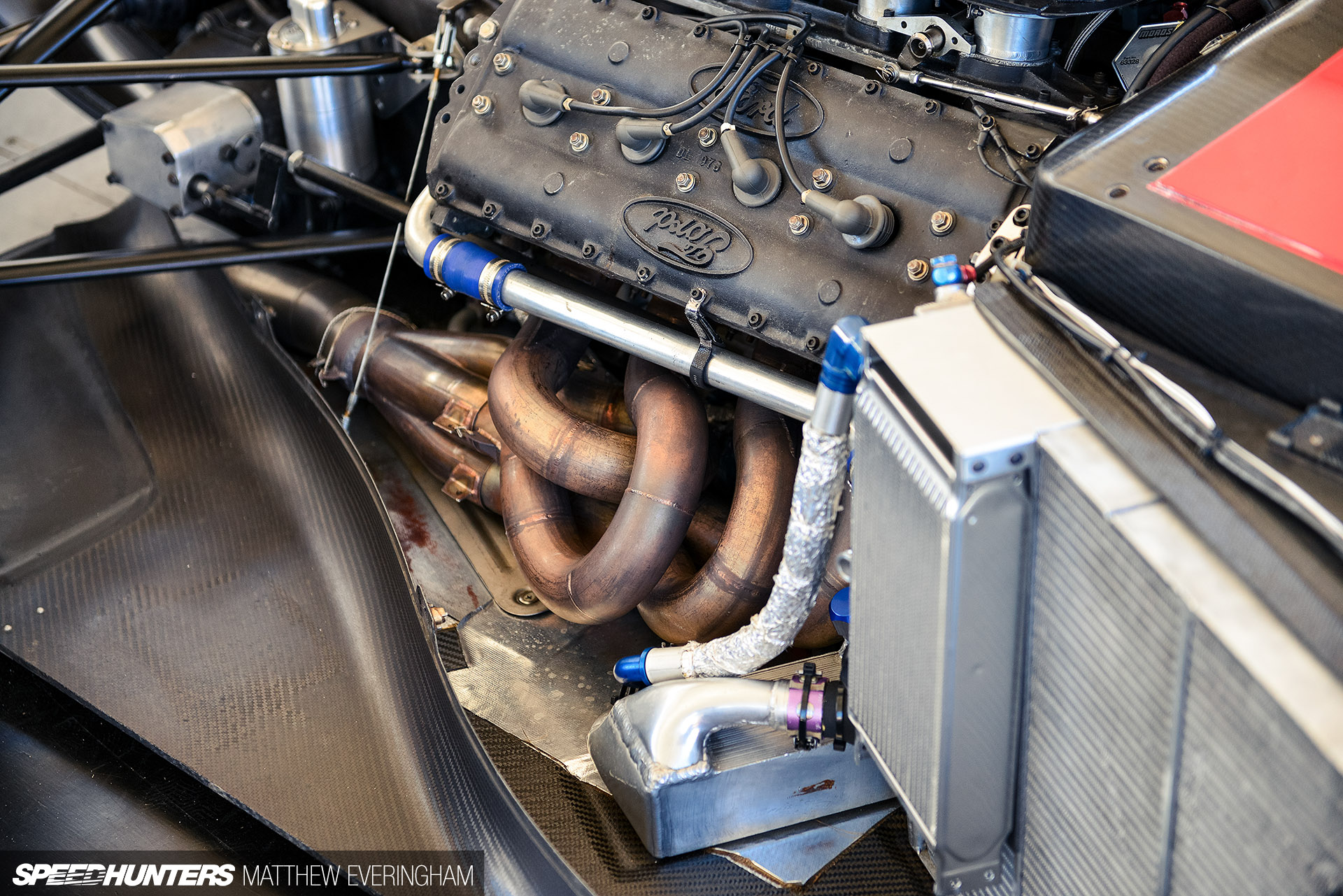
Fortunately for the team, preheating the FA15 is a relatively simple operation. An external pump with a heating element is connected via a quick-release, zero-loss connector on each side of the engine to raise coolant temps. The engine is also covered with an insulation mat to retain as much heat-soak across the engine as possible before it’s started up.
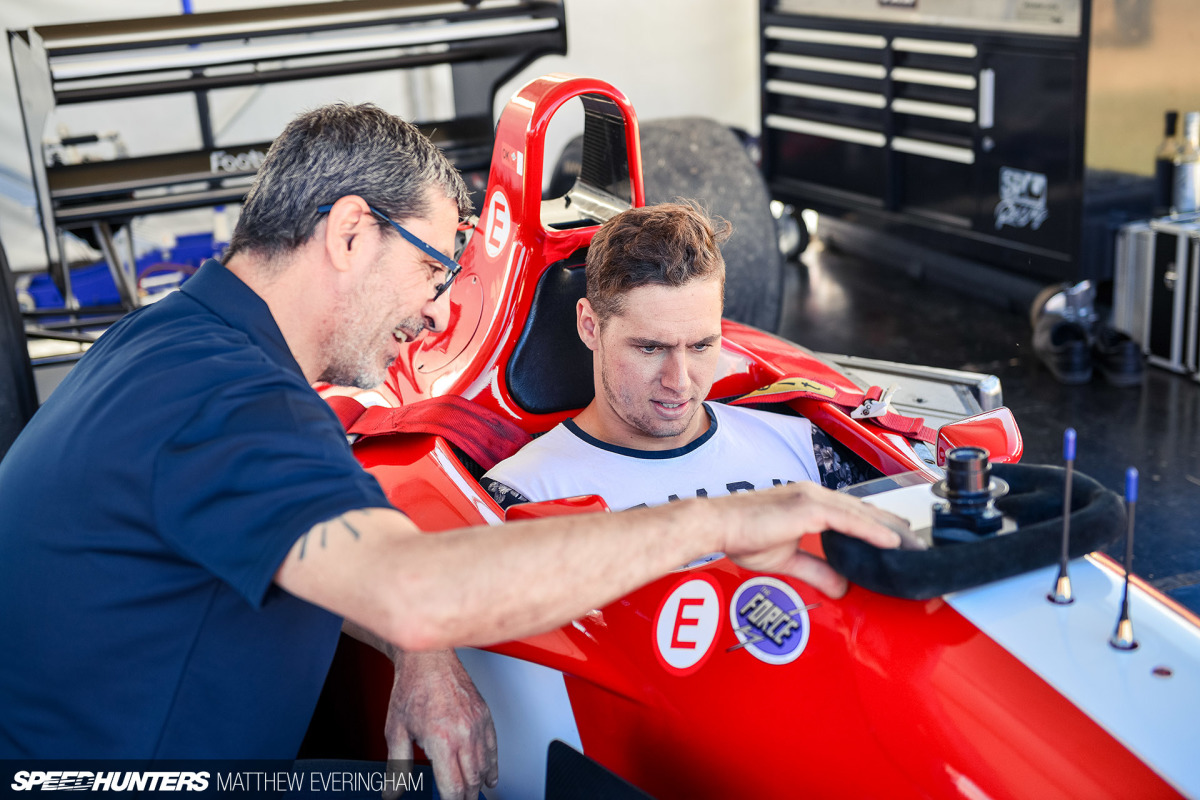
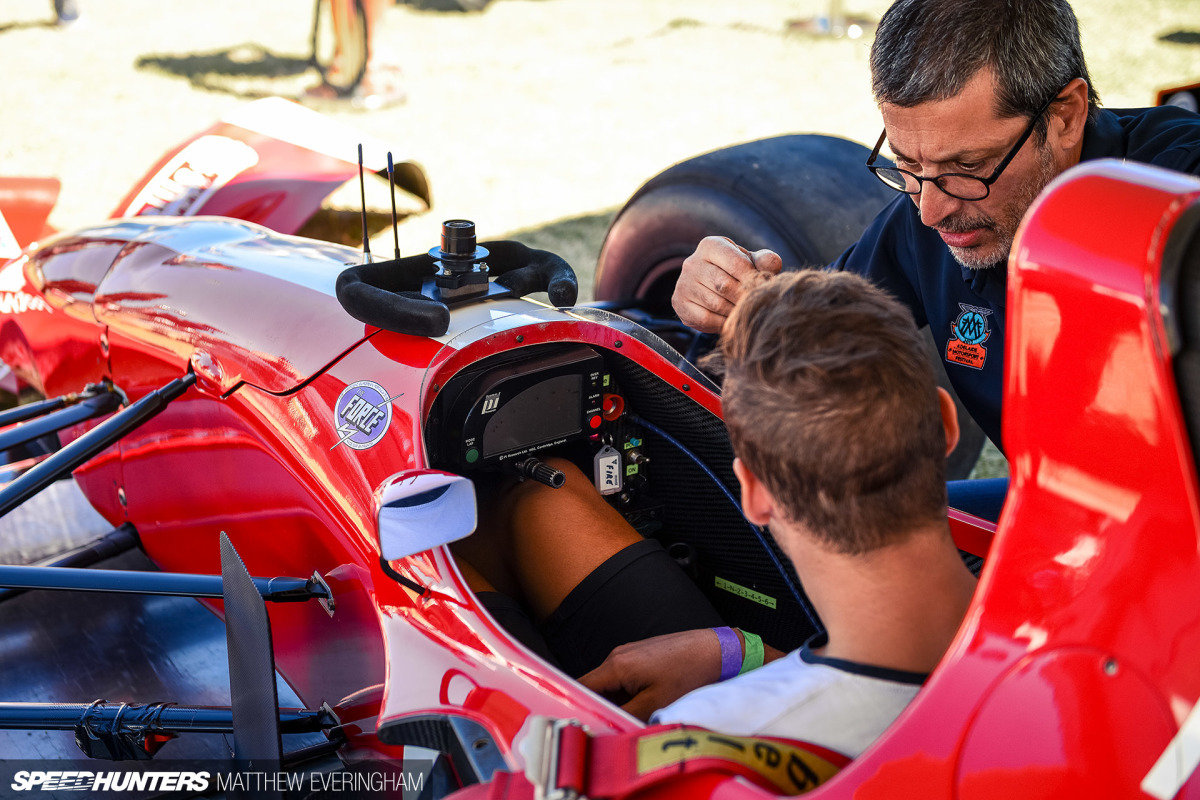
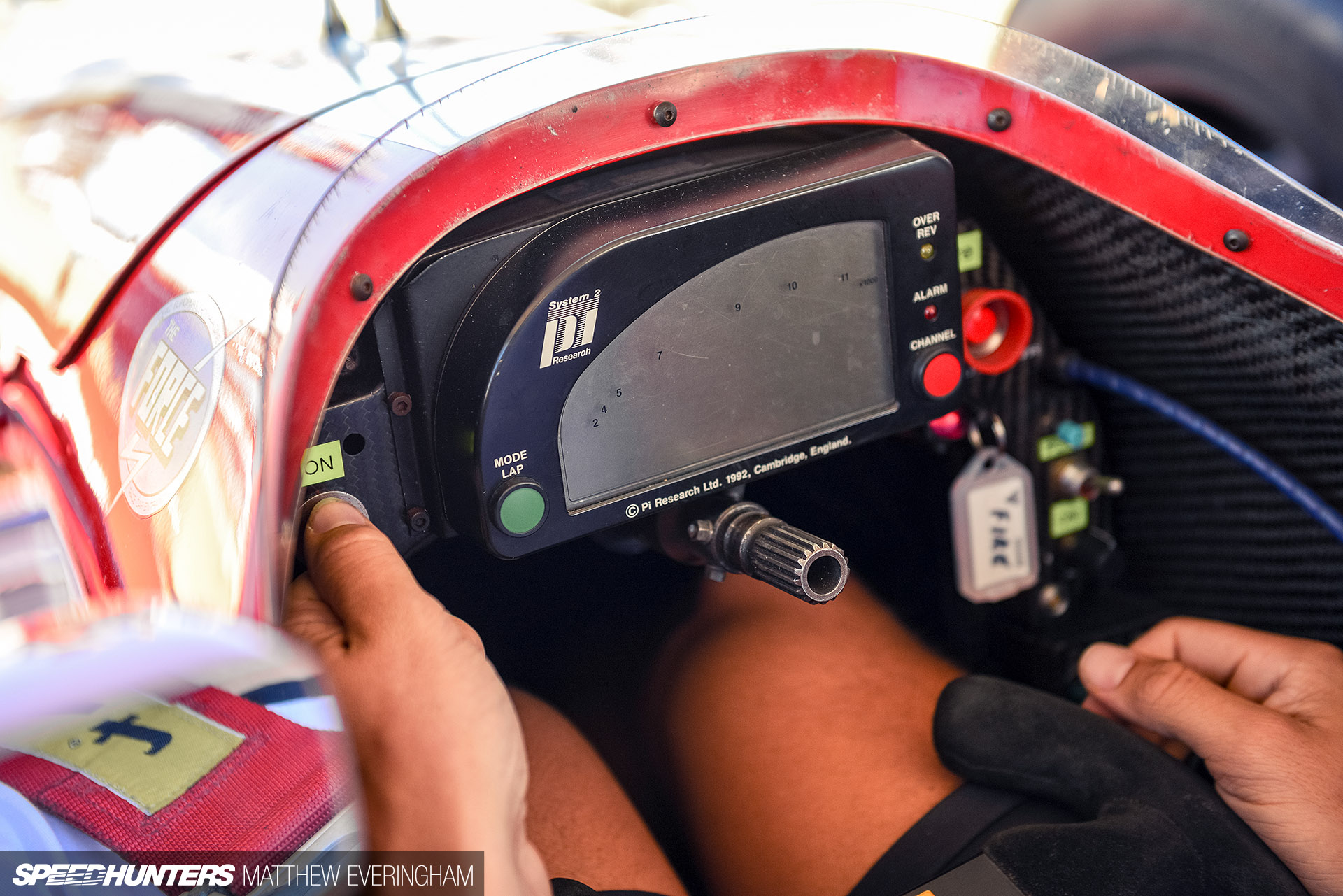
Finally, it’s time to turn the electrics on. The ignition is switched on using a toggle rocker switch. The engine computer first performs a self-diagnosis routine before handing over control to the driver and engineers. The ECU not only runs the engine but feeds information to the Pi Research System 2 data-logger and real-time display through a wide range of sensors. Twenty-five years later this all seems pretty standard, but at the time this was cutting edge hardware.

With the self-checks complete, the team cycle through each of the sensor channels to double check each output is in the expected range. Assuming it’s all fine, the focus is on the engine coolant temperature. Once the gauge reads 65°C (149°F), it’s time to start the motor.
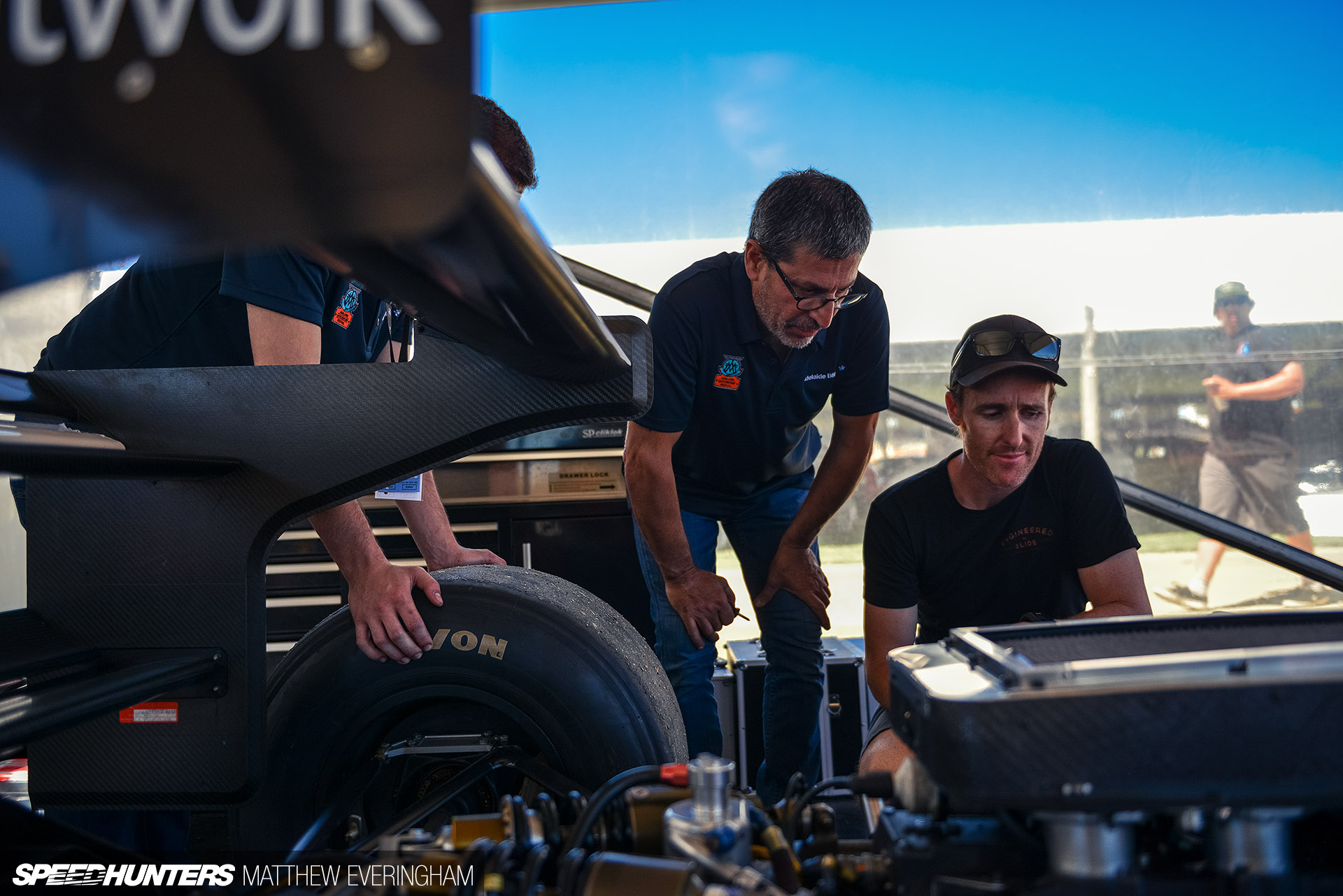
While the coolant reaches temperature, the team check that the transmission is in neutral by running through the gears. A second ‘idiot check’ is performed by simply ensuring that the rear wheels are free to be rolled by hand.
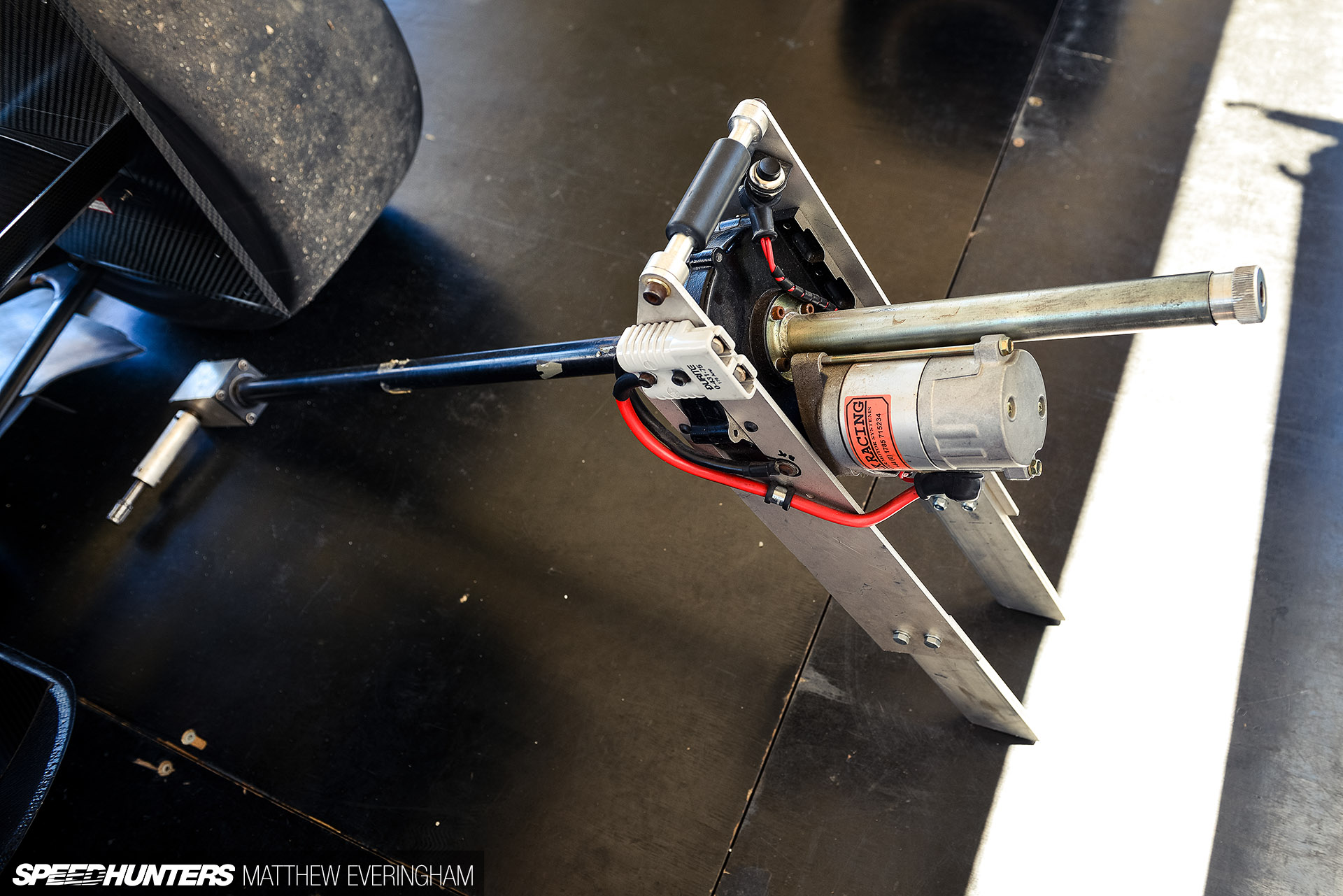
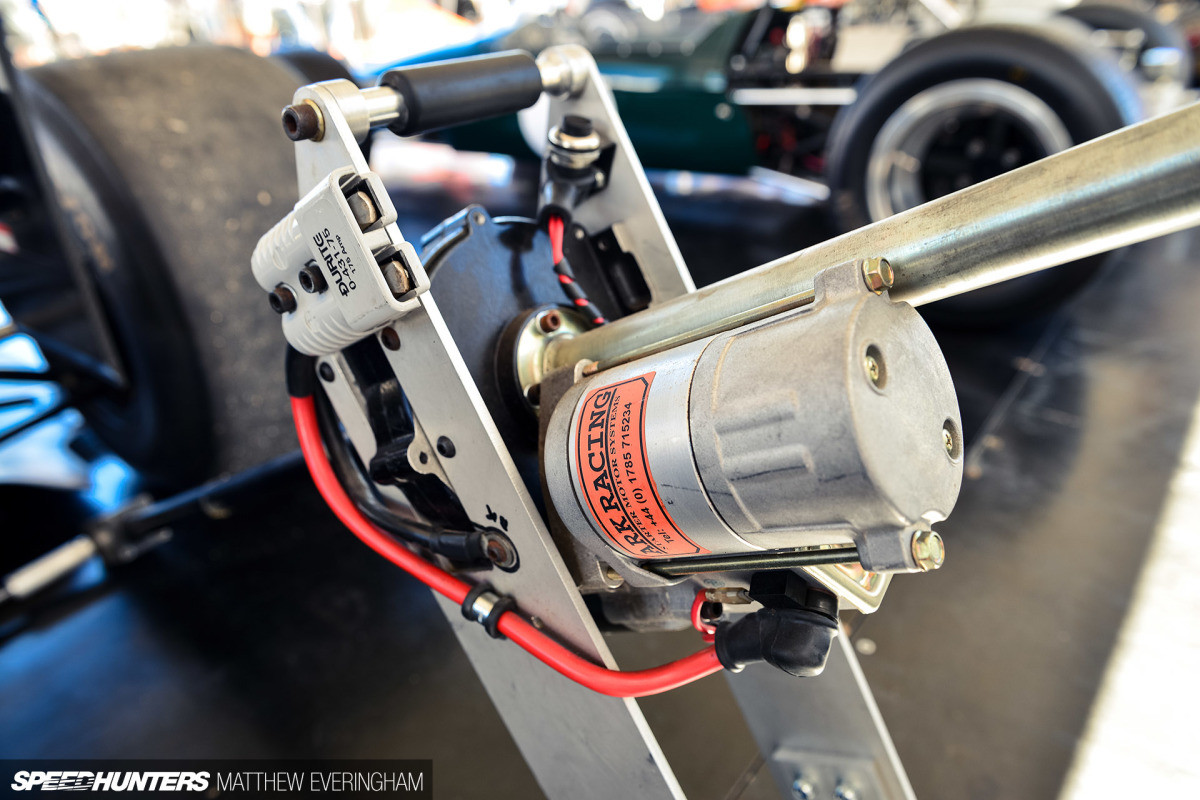
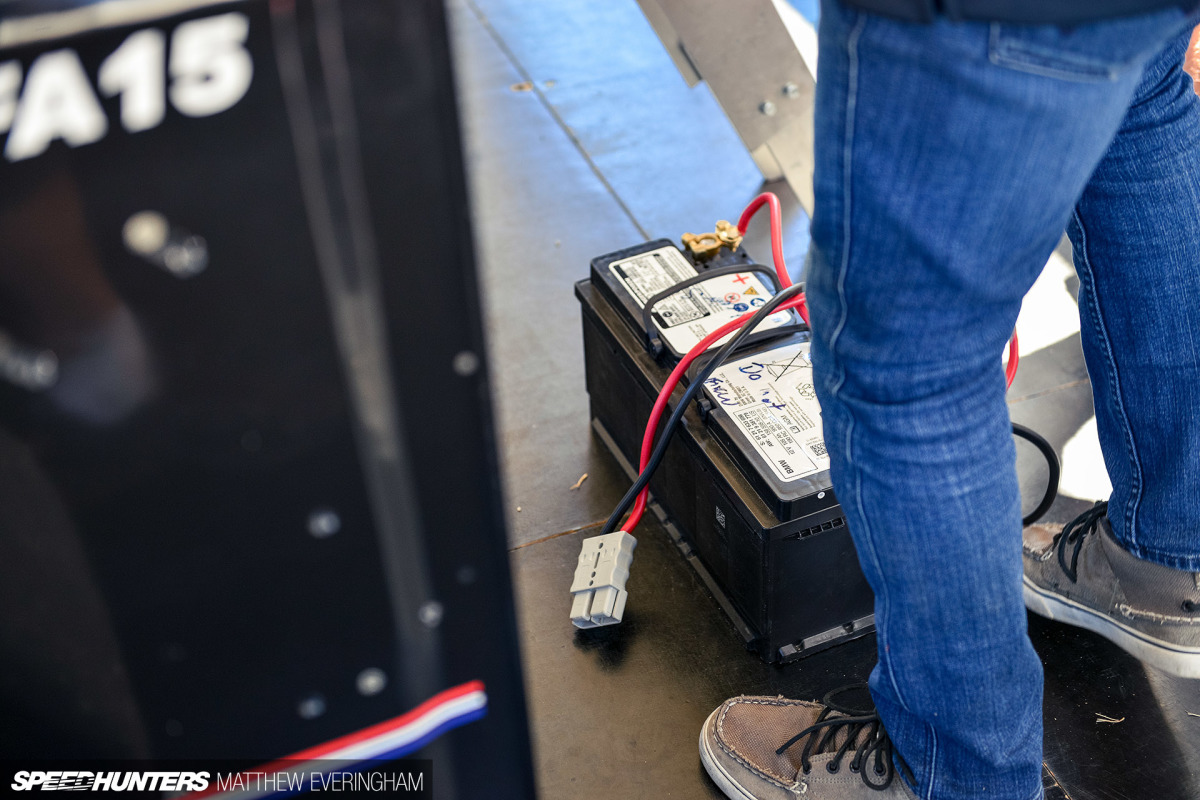
Unlike a regular car, Formula 1 racers use an external starter motor to save weight. The weight is saved by not only the missing starter, but being able to use much smaller and lighter battery in the car.
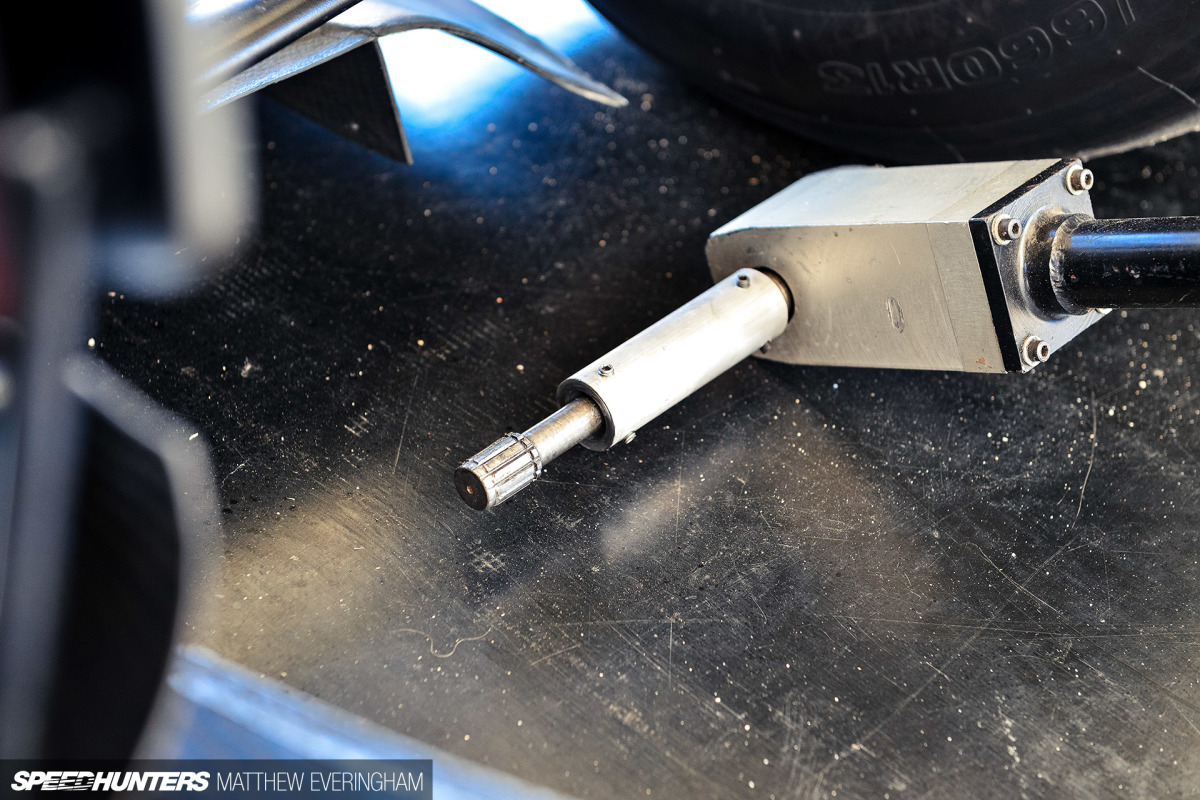
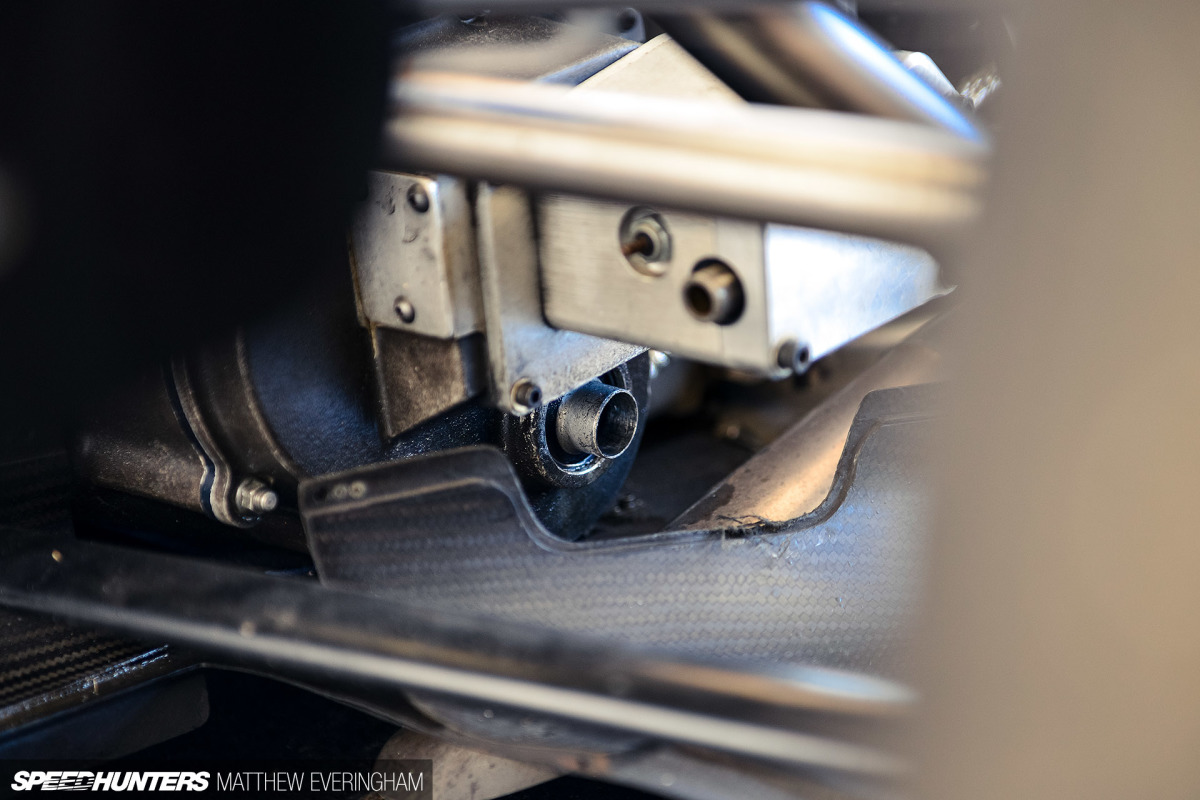
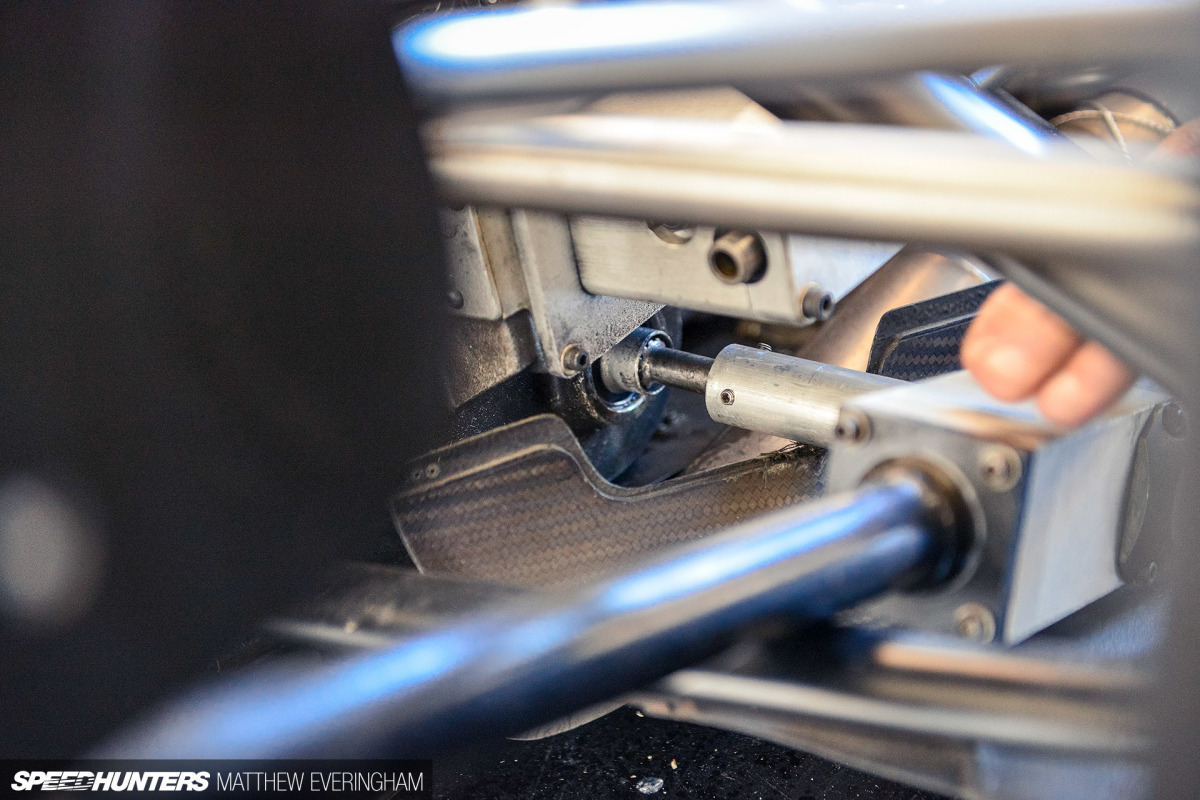
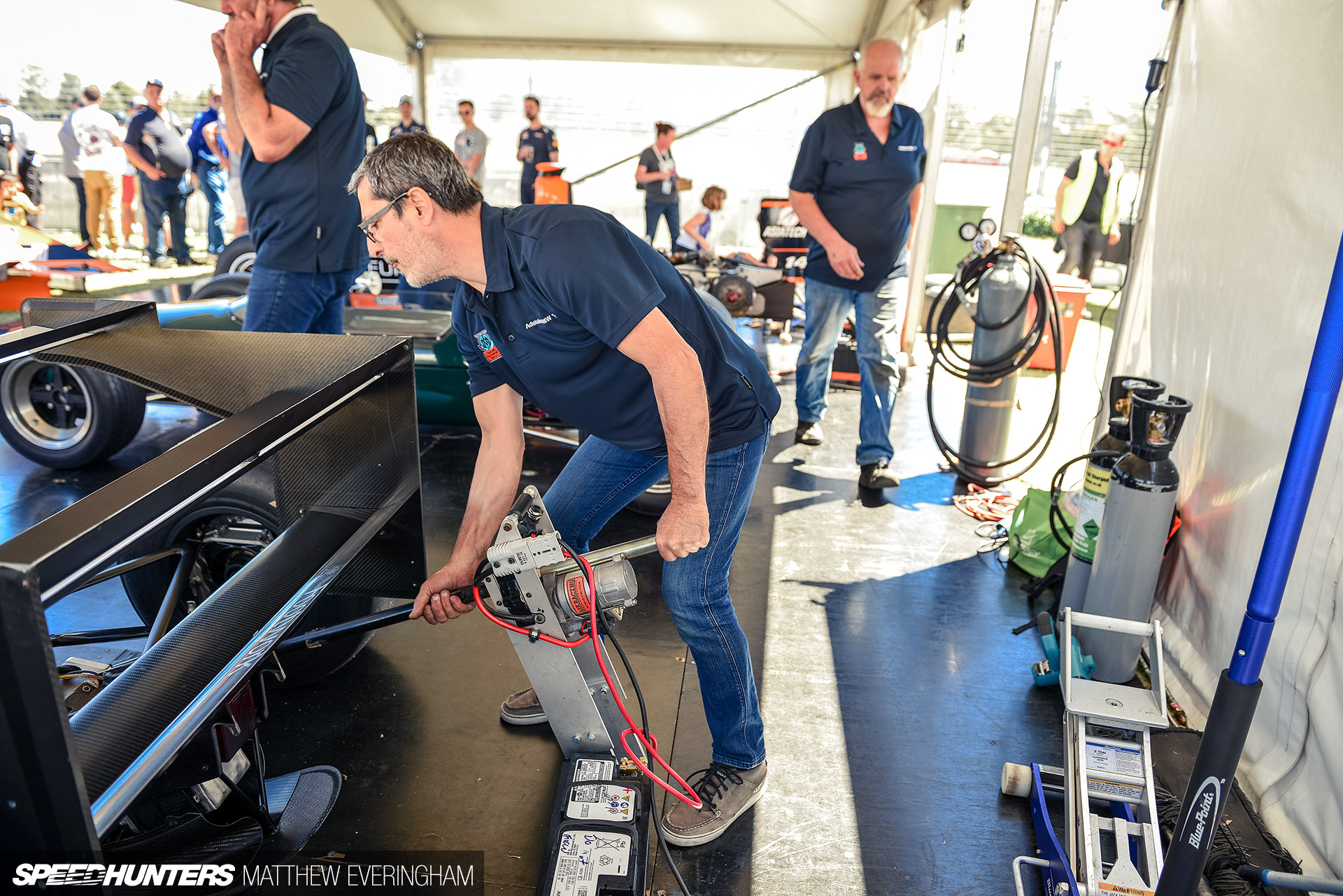
Where the external starter is tapped into the driveline is different on most cars, but usually they connect in an easy to access spot. However, the not so direct location on the FA15 means that fitting the starter is a two-man job.
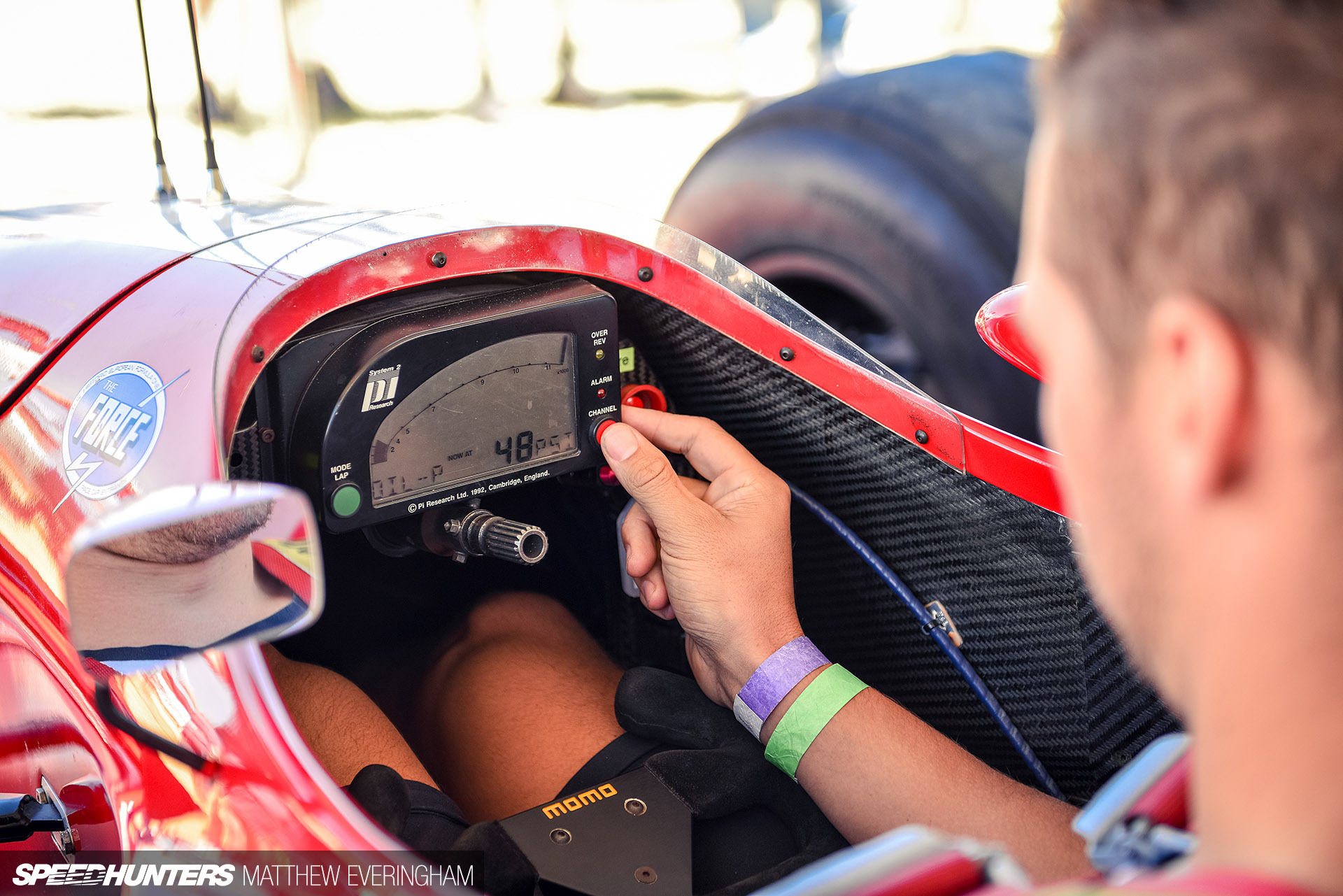
With the external starter motor fitted and the ECU operational, is it time to fire up the engine? Not quite, but we’re close. The starter gives the engine a quick spin with no ignition, just to be sure engine oil pressure is present, and the digital dash is also used to confirm this at the same time. If the engine has been preheated properly the team know exactly what sort of oil pressure to expect.
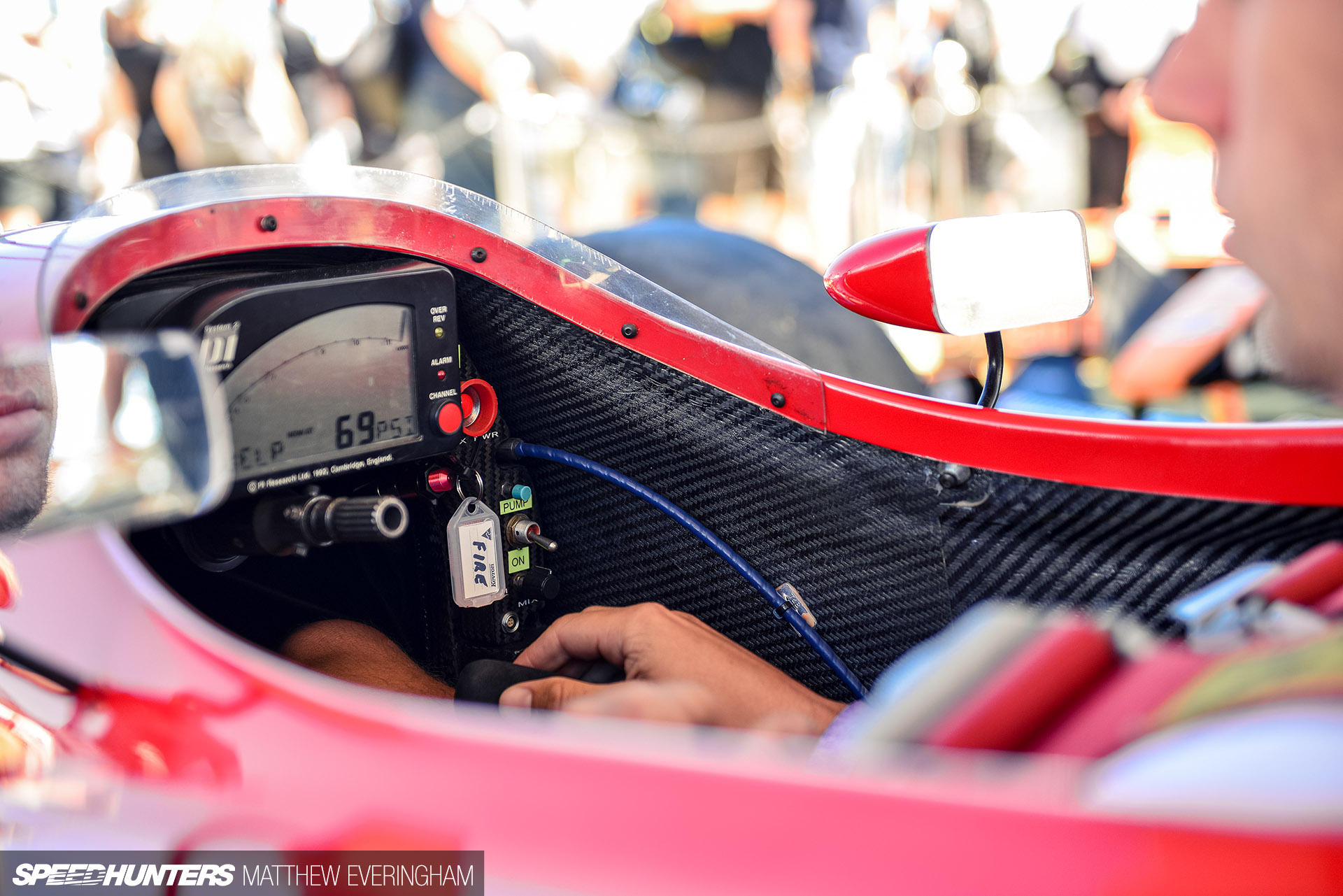
Next step is turning the fuel pumps on using the dash-mounted switch. You can see the ‘PUMP’ switch on the right side of where the wheel fits; with this activated, every time the ignition is switched on the injectors will pulse. Before starting, the injectors are pulsed three times, spraying each cylinder in the engine with exactly 102cc of fuel.
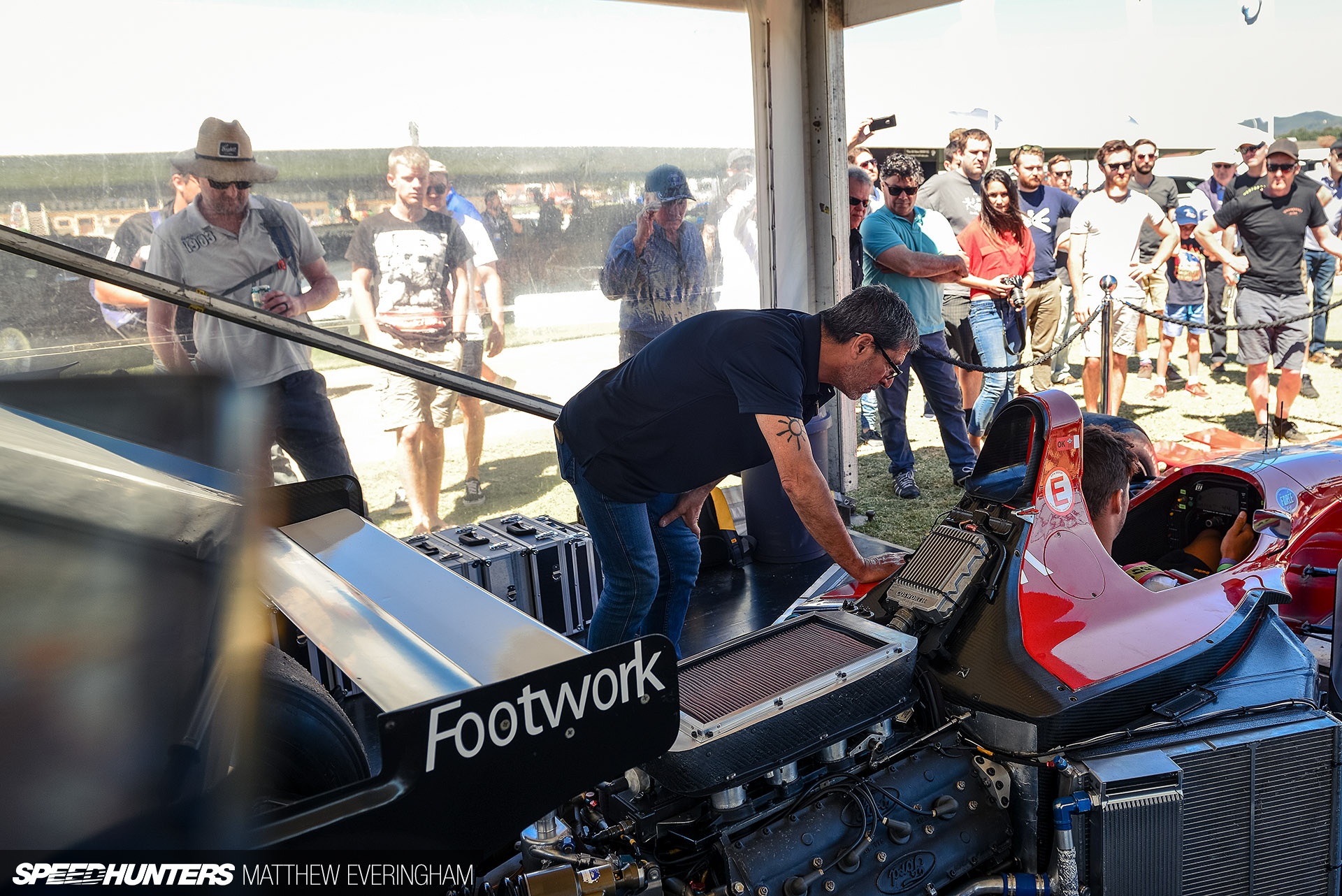
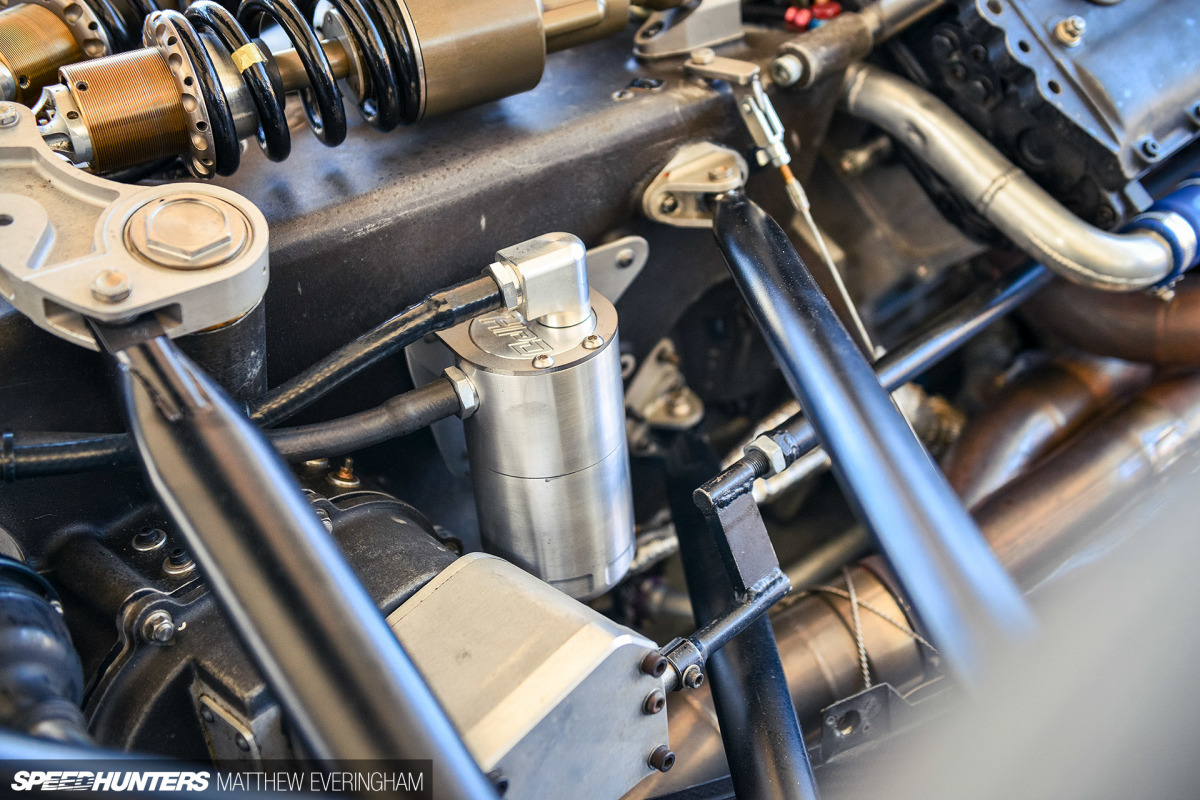
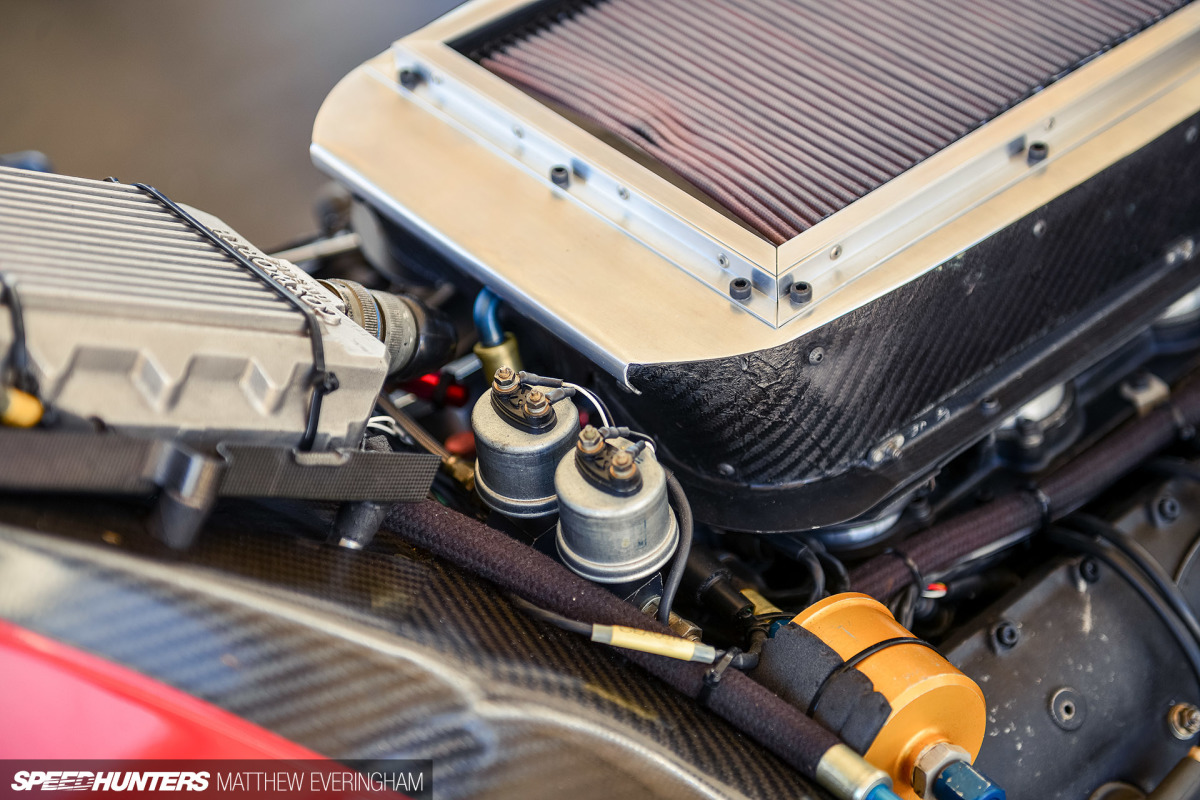
Fuel pressure is checked, and if it’s above 65psi the driver is given the signal to fire and bring the 3.5-litre V8 to life. The starter motor is quickly removed by the same two-man team and the car is finally ready to move under its own power.
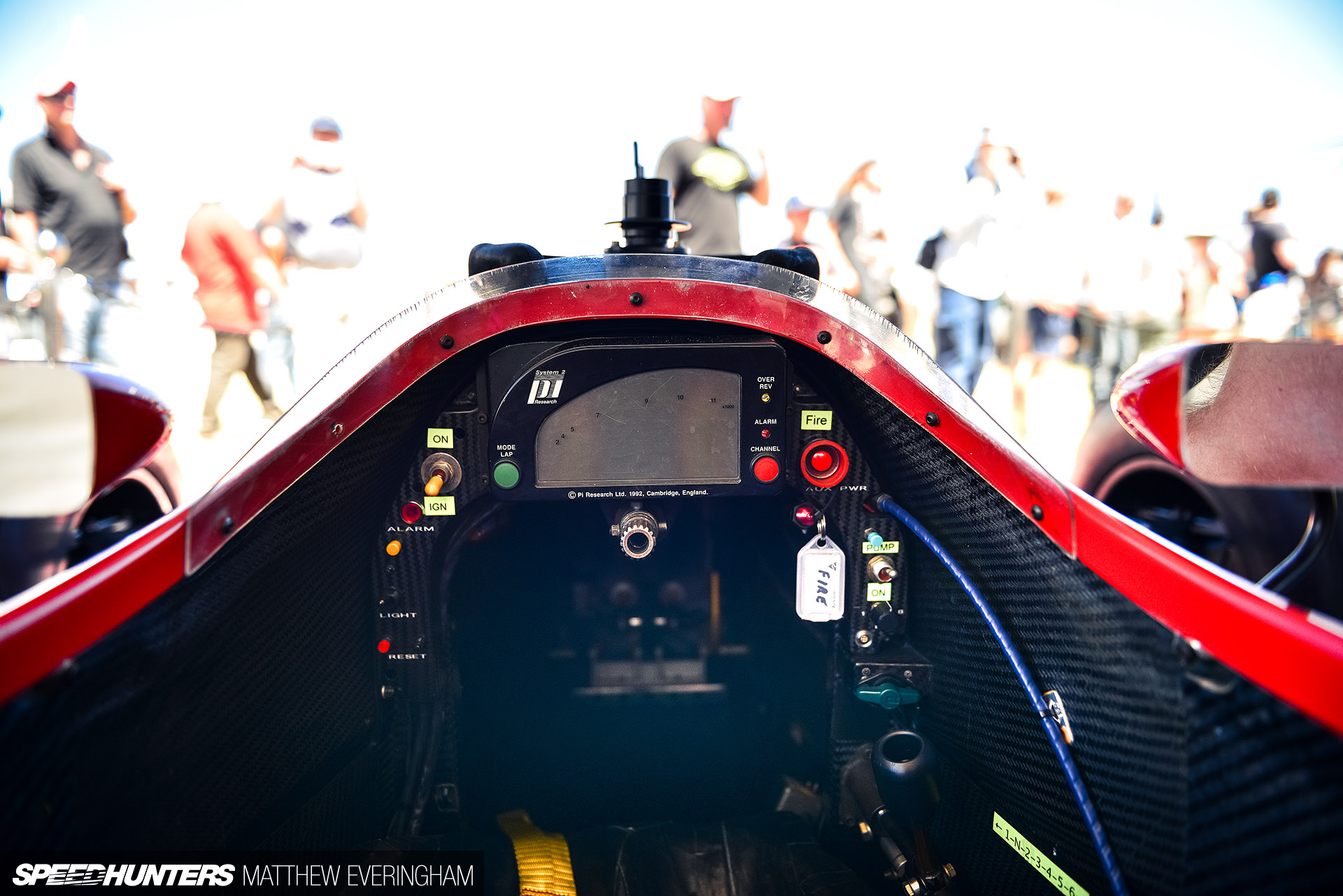
And there you have it. We’ve successfully started an F1 engine and we’re ready to roll out and create some beautiful noise.
Matthew Everingham
Instagram: matthew_everingham
matt@mattheweveringham.com