
Had the Dome Zero supercar concept actually made it to market, it could have ignited something great in the Japanese motoring industry.
It would have come at the perfect time – the beginning of the 1980s when the domestic economy was sailing full speed ahead towards the craziest decade that Japan has ever seen. And it came about a decade after the Toyota 2000GT had helped solidify the fact that Japanese auto manufacturers could indeed build great cars.
But it was just not meant to be.
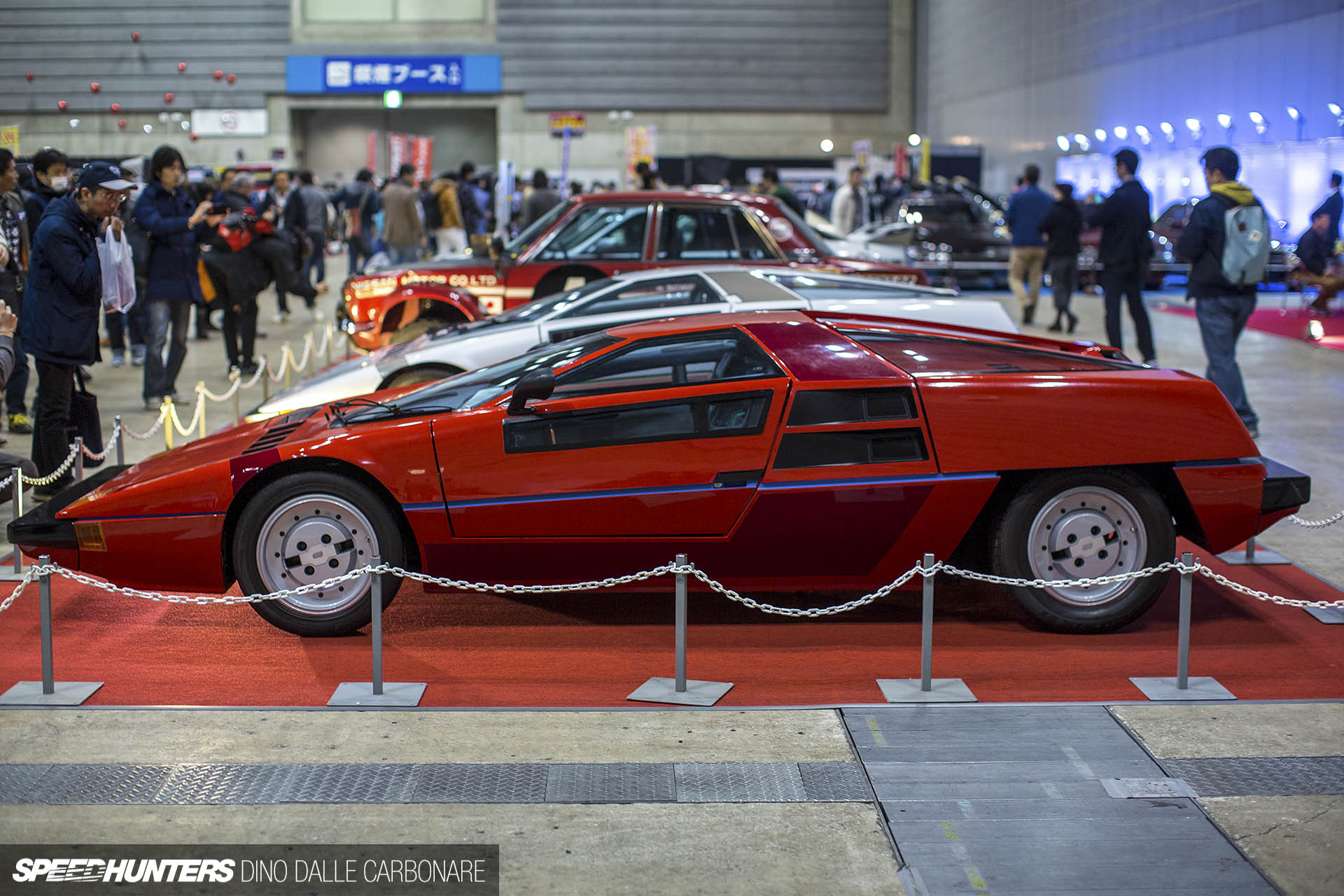
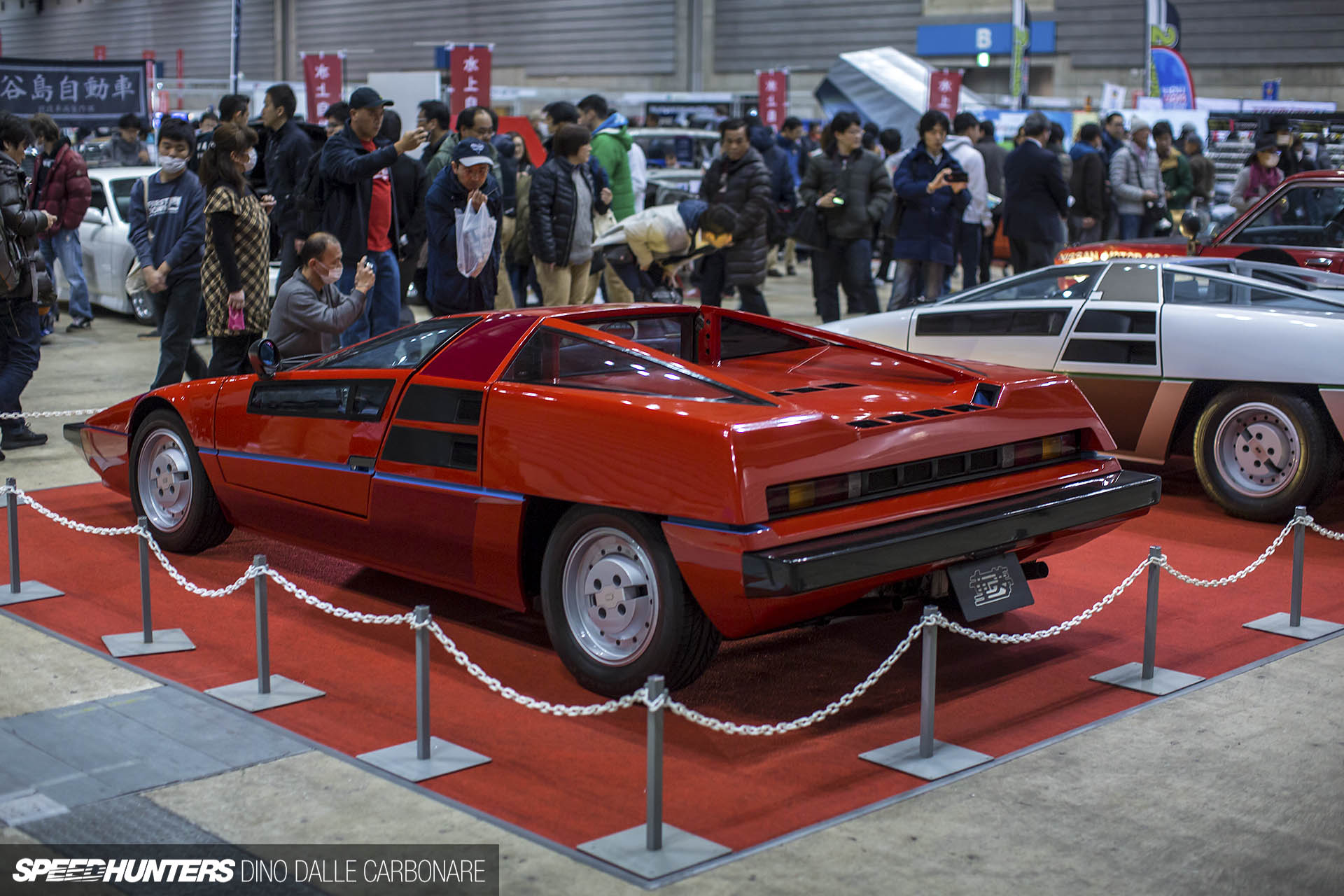
Dome sent out its silver 1978 Zero and red 1979 Zero P2 to Nostalgic 2 Days held at Pacifico Yokohama over the weekend, and people were going crazy over them.
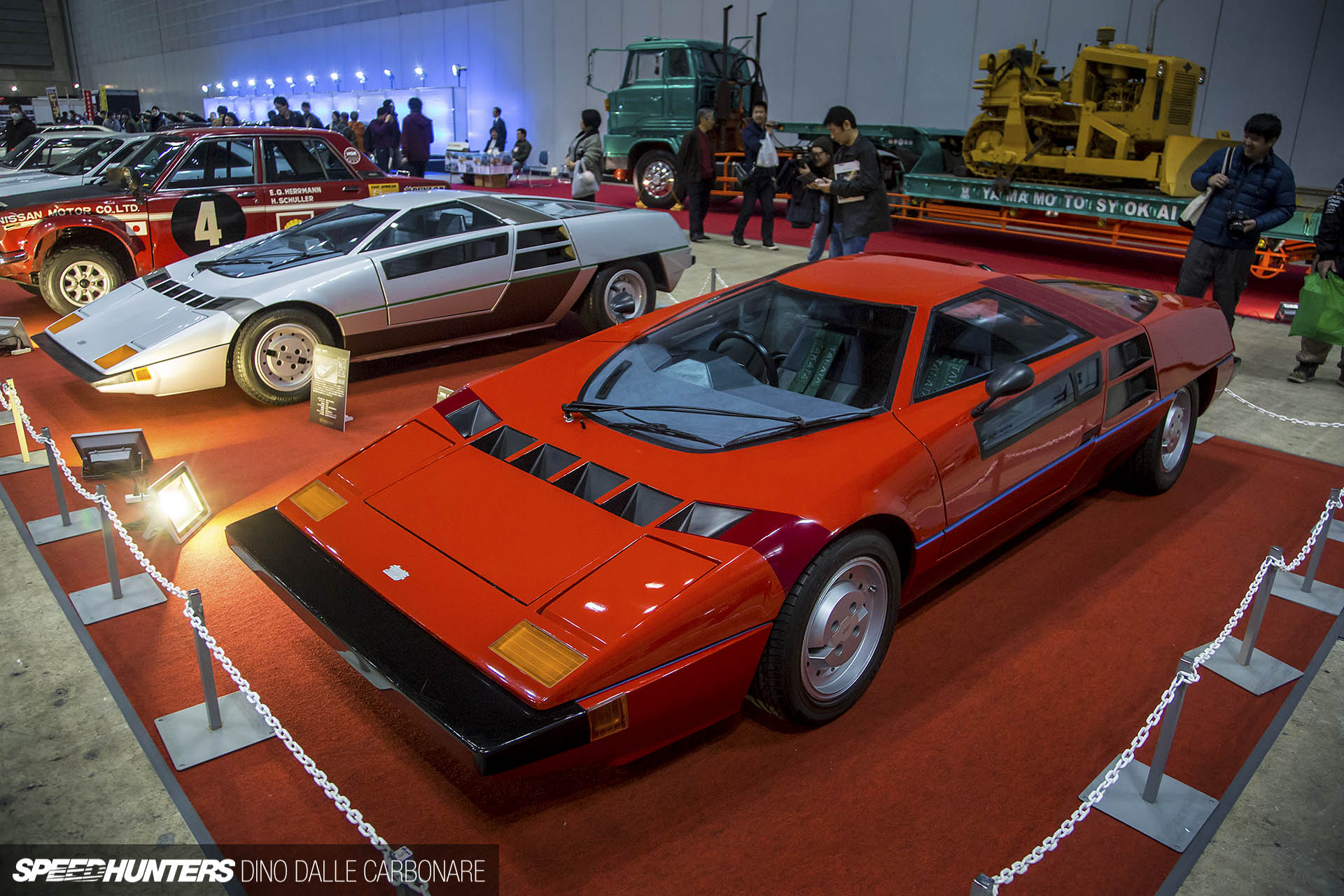
And rightly so too; in the realm of Japanese car design there’s never been anything quite so ‘out there’.
There were two reasons the Zero never materialized as production car, even in low volume. First up, it’s widely reported that Dome just couldn’t meet Japan’s homologation requirements with the car, but it’s not clear whether this was because of structural design, or to do with the driveline or the way the Zero was put together. Maybe it was all of the above.
The second reason was funding, or a lack of. Dome was a very small company back then, and to make this car a reality it needed a lot of money. That’s where the P2 came in.
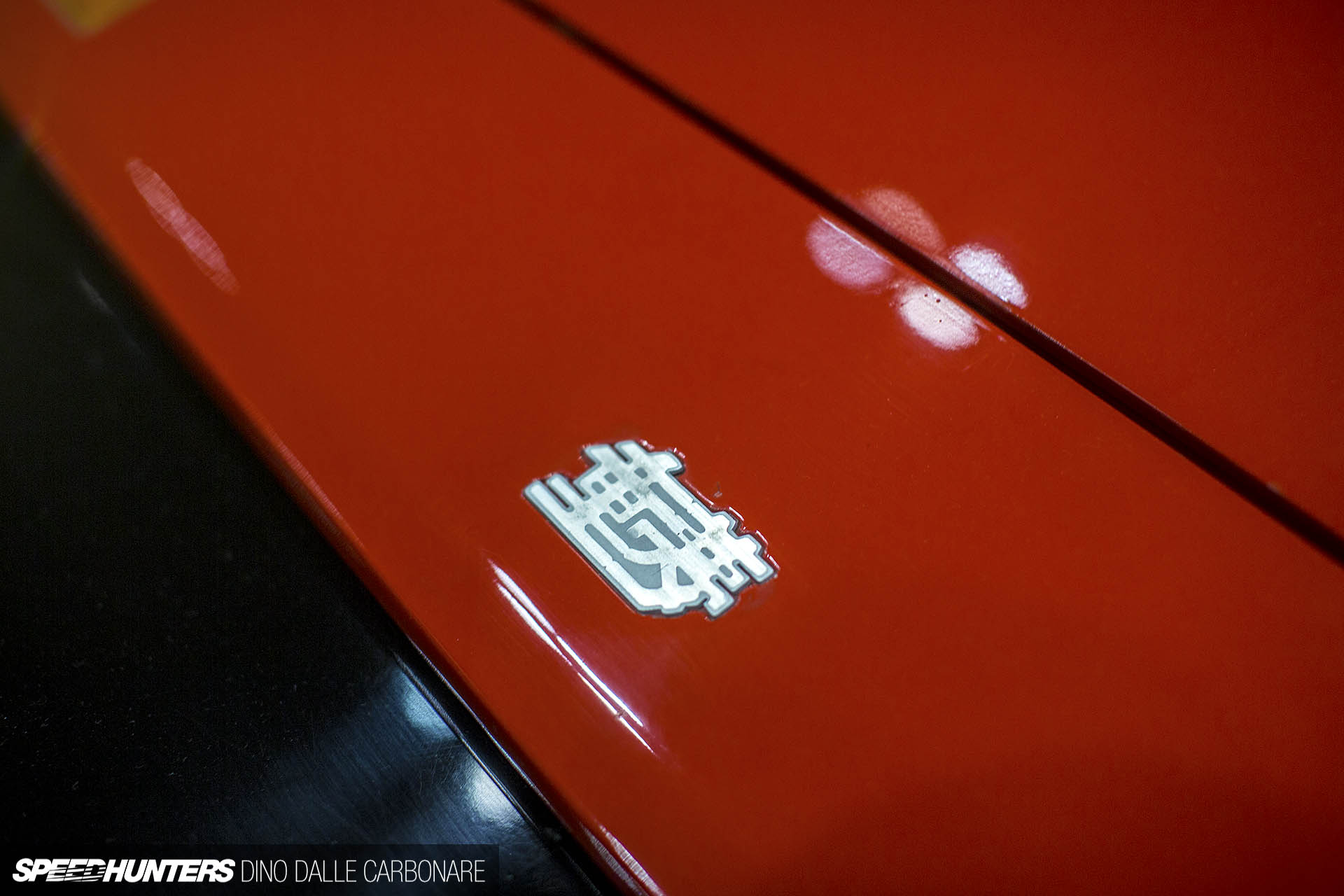
This was a slightly modified export version of the Zero, the notion being that if the car was impossible to legally put on the road in Japan, a few tweaks here and there would allow it to do so in other markets.

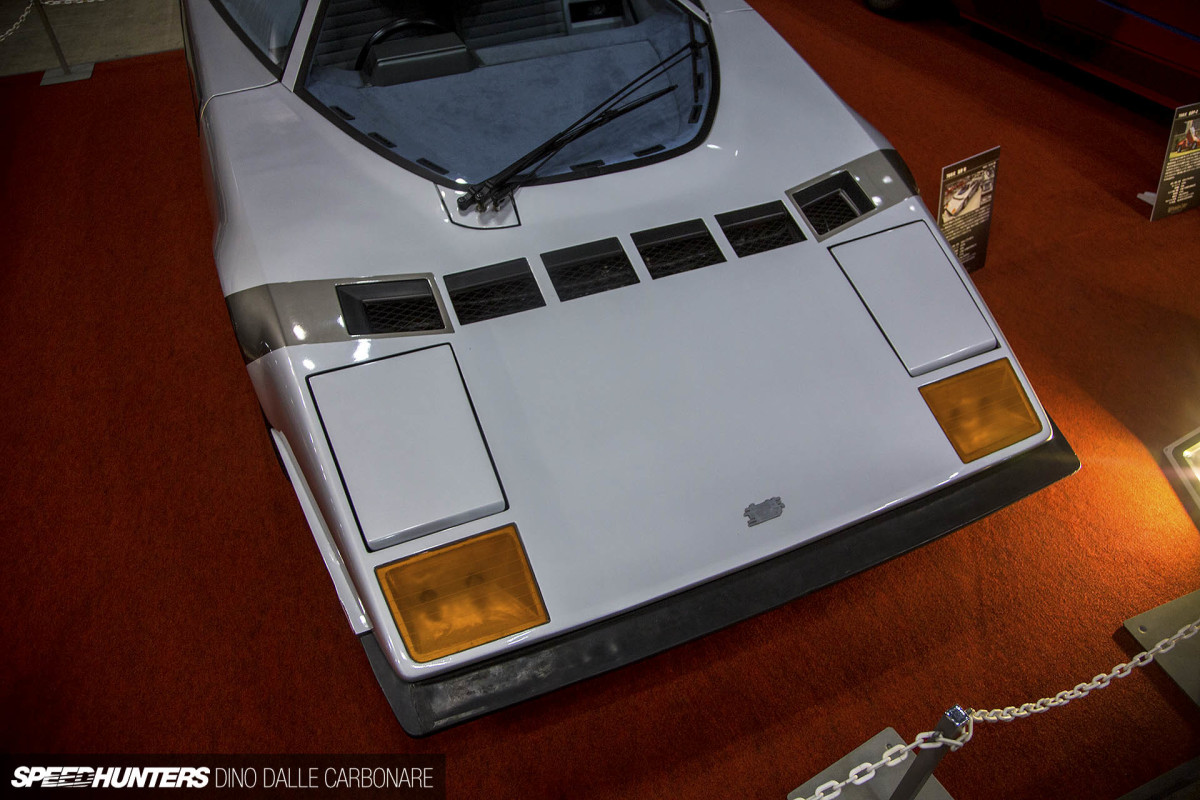
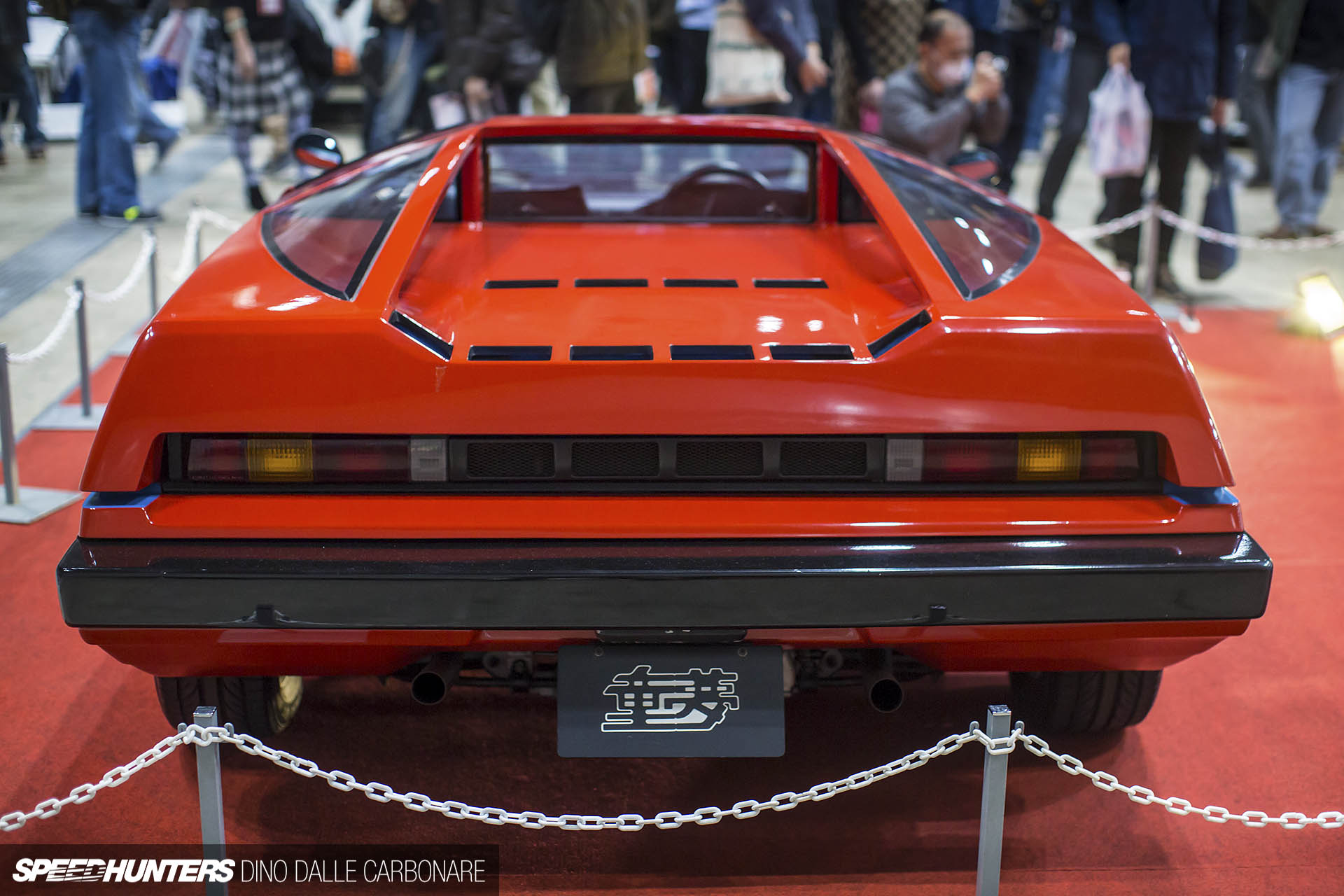
The red P2 was shown at both the Los Angeles and Chicago motor shows of 1979 and people loved it. You can see how the front bumper is much bigger on the red car, cutting into the space where the big orange position lights were on the first prototype. No points for guessing which market the second car was aimed at.

But despite both cars being loved by the masses, Dome never managed to make the street car function. A Le Mans race car called the Dome RL was created and raced, the aim of the program to generate interest and foreign investors. The investors never came though, and Dome eventually retired the idea as well as the race car from racing and just concentrated on building competition machines for other manufacturers and teams. The company – which some of you may remember me visiting back in 2013 – has enjoyed much success since.
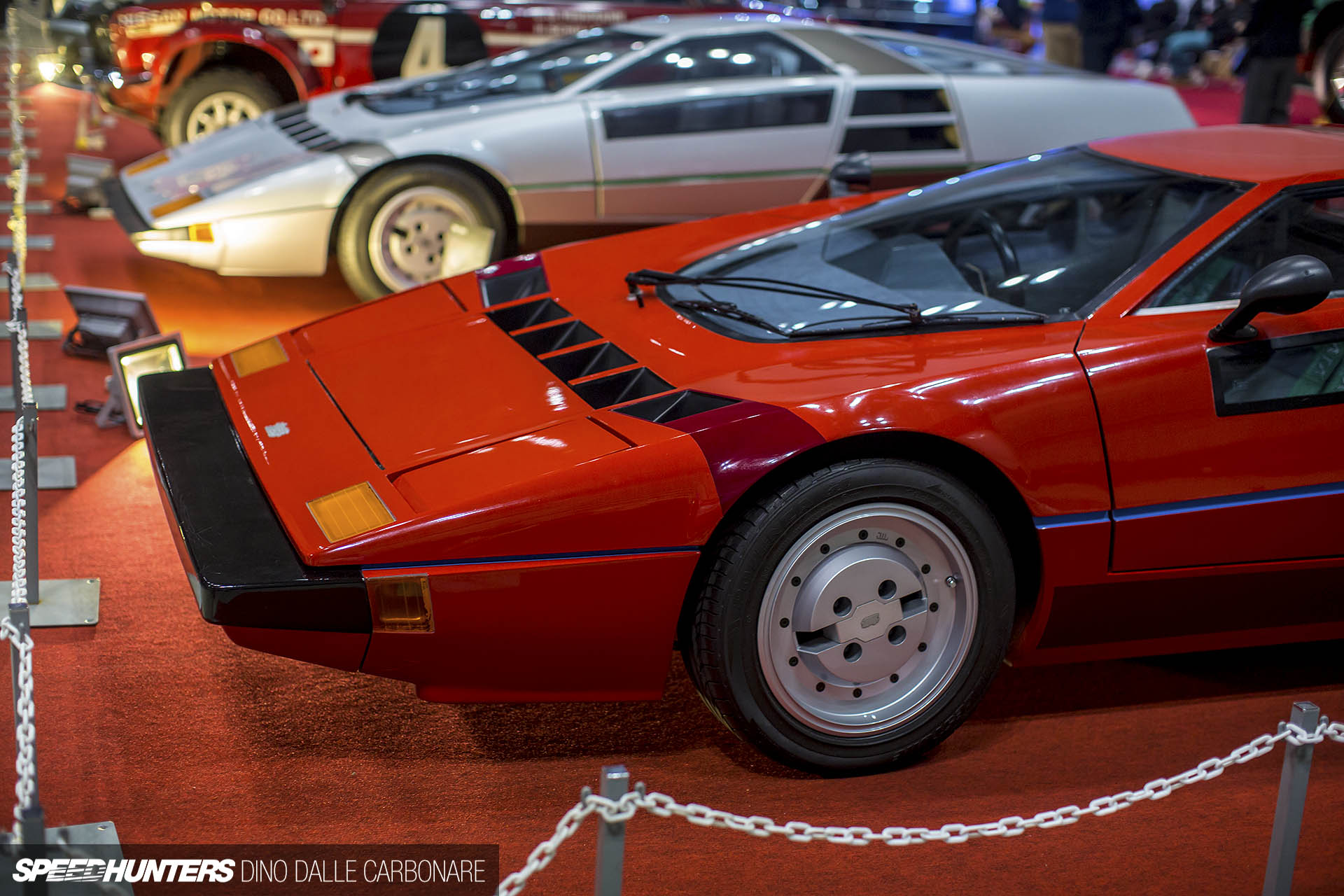
But the ‘what if’ is just too much to not think about. The ’70s wedge design has many elements of Gandini’s Countach and Stratos, but it’s all tied into a low-slung shape that has its own identity.

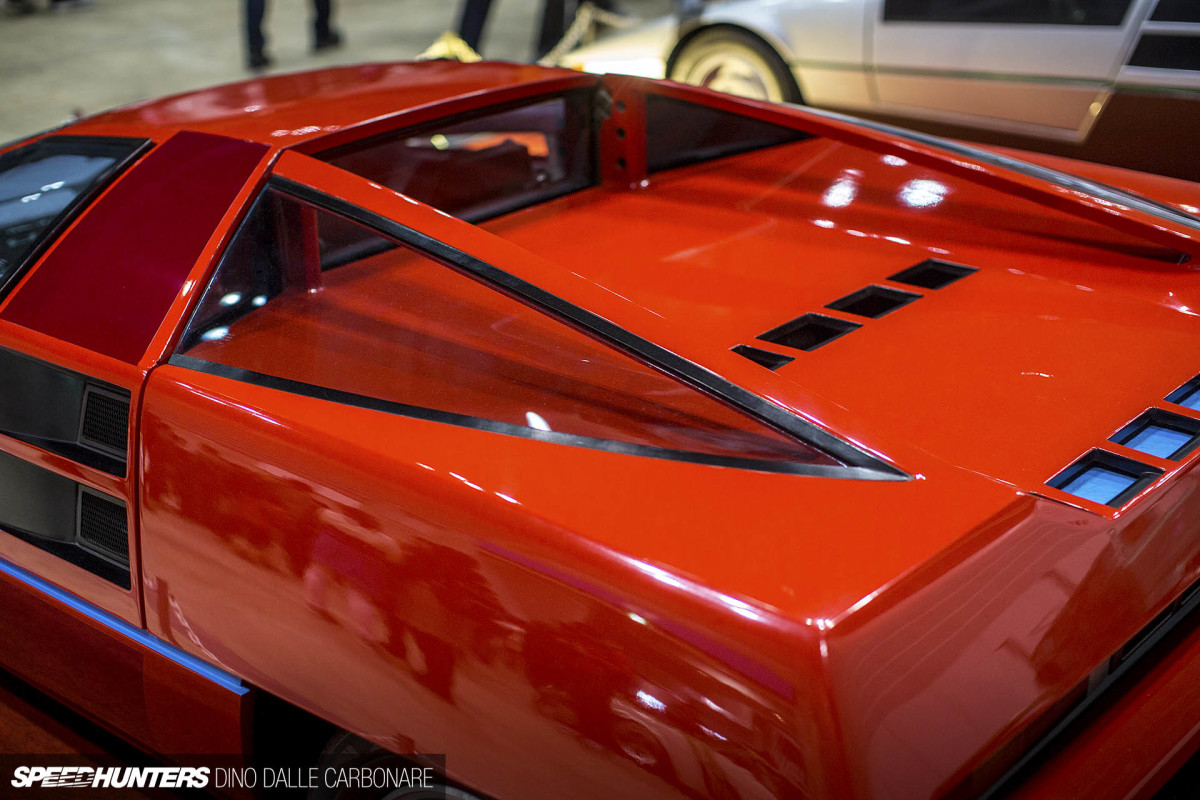
I love the glass pillars.
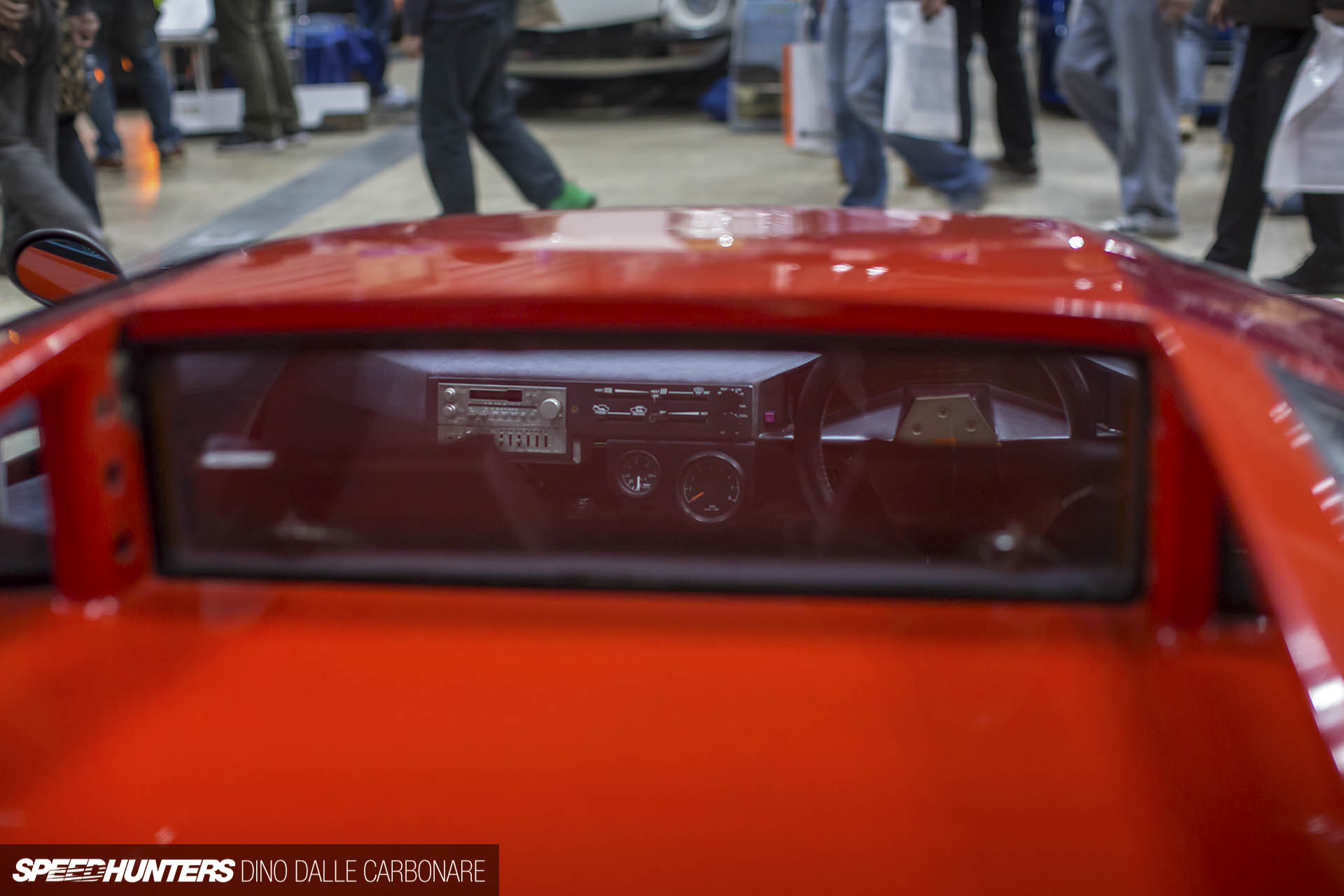
Back here is where the mid-mounted Nissan L28 from the Fairlady Z/280Z was located. It only brought 145hp to the table, but with the car weighing in just under a metric ton, the Zero had a decent power-to-weight ratio for the era. Plus, we all know how much tuning potential these inline-six engines have.
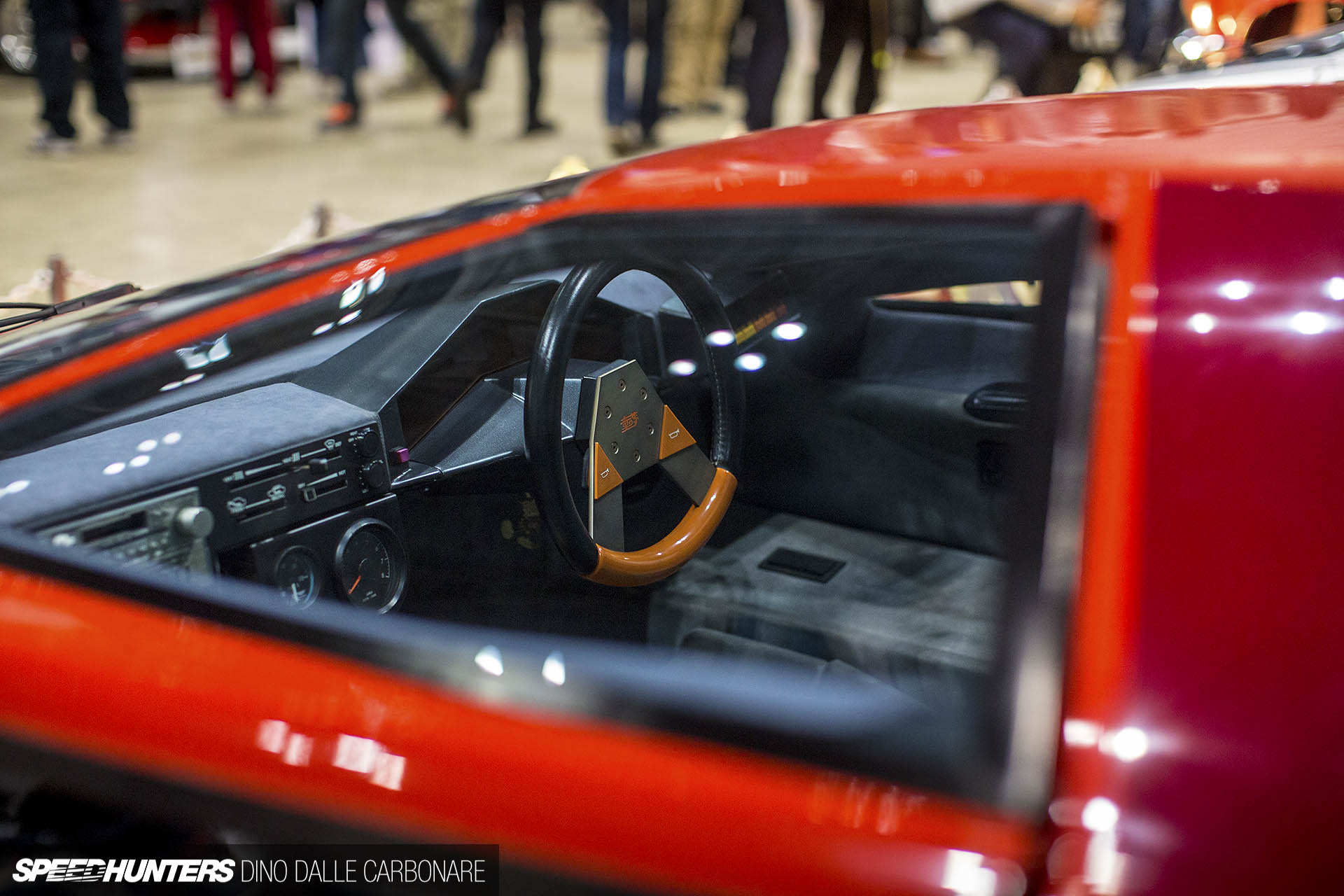
The interior is as ’70s as it gets – just look at that steering wheel! Curiously enough, even though the P2 was created for a potential US market debut, it was right-hand drive.
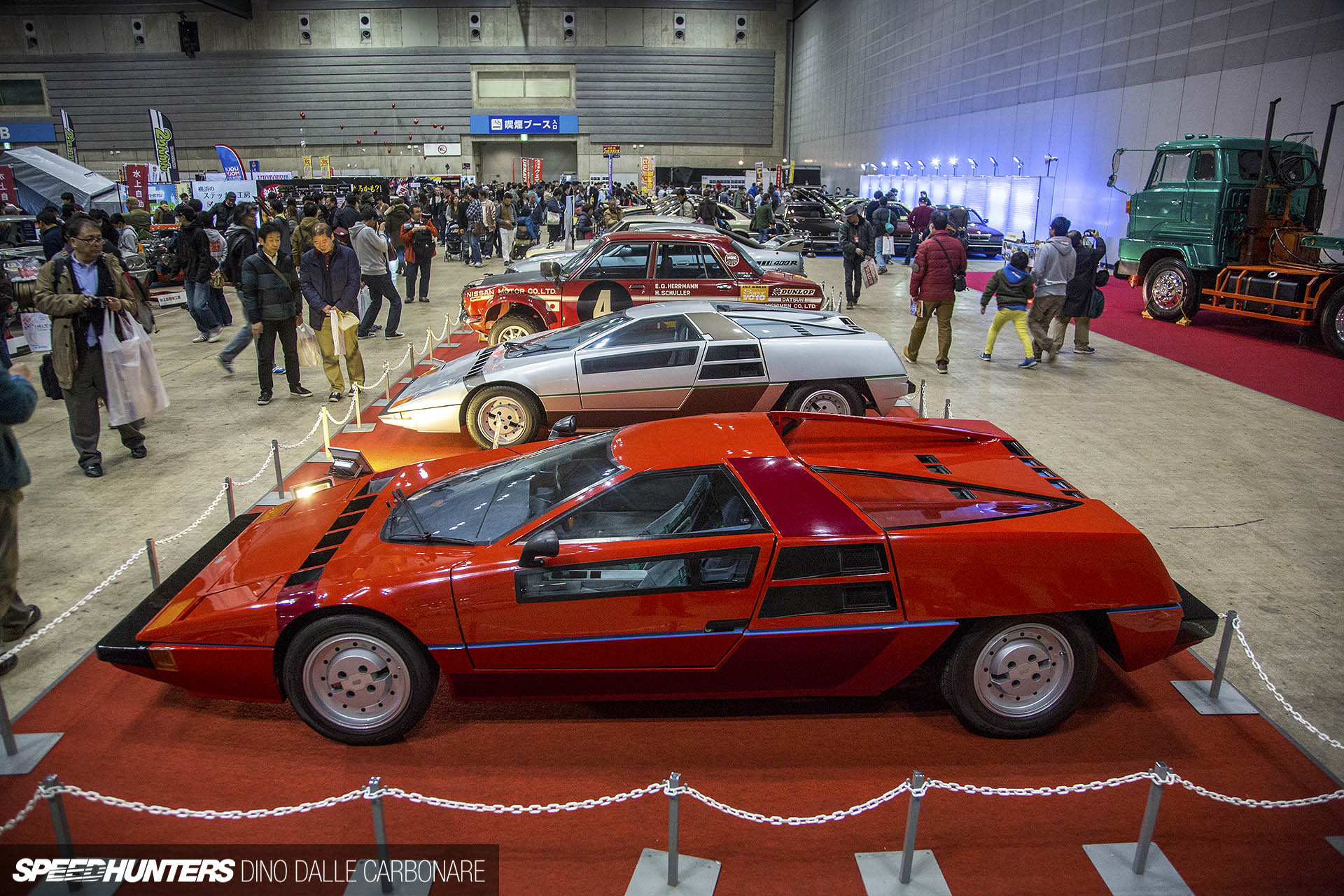
I’m of the opinion that if this car actually happened, there’s a good chance it would have sparked the big Japanese manufacturers into entering the lucrative supercar market in the ’80s.
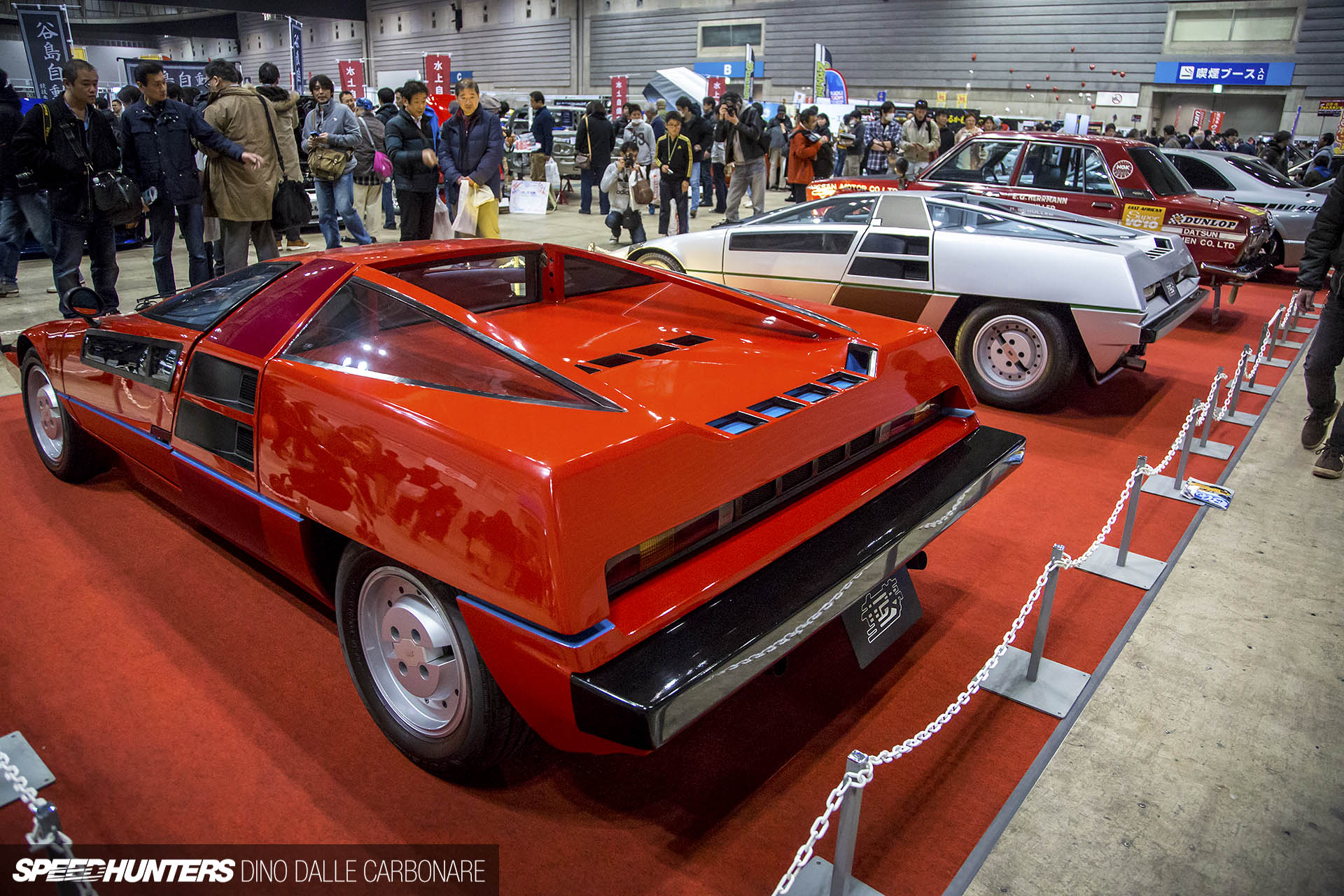
We all know the knowledge was very much there, not to mention build quality to rival the best, so it would have been cool to seen a mini Japanese supercar boom happen. We still got a ton of cool cars out of the ’80s, but you just can’t help but wonder what might have been…
Dino Dalle Carbonare
Instagram: speedhunters_dino
dino@speedhunters.com