
In what I’m considering an unforeseen and out of character turn of events, my Project RS4 updates are now actually happening with reasonable cadence.
Last time round I’d just received a worrying to-do list from local VAG specialists VRS Northampton, along with the arrival of a set of shiny new KW Variant 3s, so now it’s time to address the issues, and fit the suspension.

I’ve spent the weeks since the last update putting quite a few miles on the car during the crappy English winter, dealing with road salt, potholes and plenty of rain. I’ve also spent some of this time driving some rather posher and newer RS-age too.


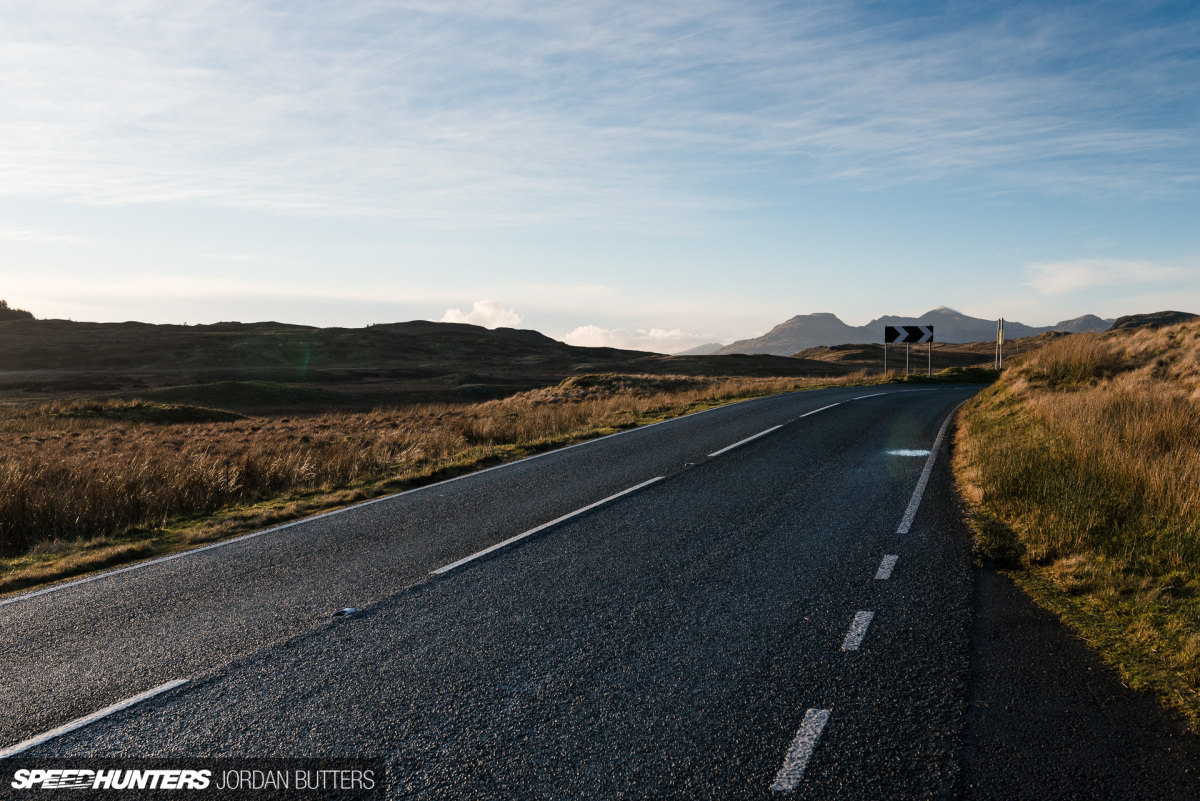
As I’ve written about before, some of my work involves partnering up with awesome car photographer Dean Smith to produce imagery for Audi UK’s press office. One downside to this is having to deal with Dean’s sense of humour on a regular basis, but a huge perk is that I often get handed the keys to fresh RS models with the task of driving them for the camera on some pretty incredible roads around the country. I’m also learning new and inventive ways to be insulted whilst on the job, so it’s a largely positive experience.

The one job I was most looking forward to was the brand new B9 RS4 Avant. Owning the B7 variant, I was interested to see how the new model compared to my own car – a brand new, out of the box RS4 compared to one that had seen a decade and a bit on the road.
Audi kindly sent a red one too, to make the comparisons even easier.
Is Newer Always Better?
After putting a few hundred miles on the B9 it’s interesting to see how the platform has evolved in the 12 or so years since the B7 landed to such great praise from the motoring press. It’s definitely more refined than my own car, as expected. The technology has obviously come on leaps and bounds, with Audi’s drive and ride control allowing you to set the car for comfort or performance.

It’s also blisteringly quick and surprisingly nimble. There’s no V8 any more, sadly, and there’s no more manual gearbox, although the latter point doesn’t bother me as much as you’d think. The DSG boxes in performance Volkswagen group cars really are amazing bits of kit, and changes gear far quicker than you or I ever could. The paddle shift makes you feel like you’re driving a true performance car too.
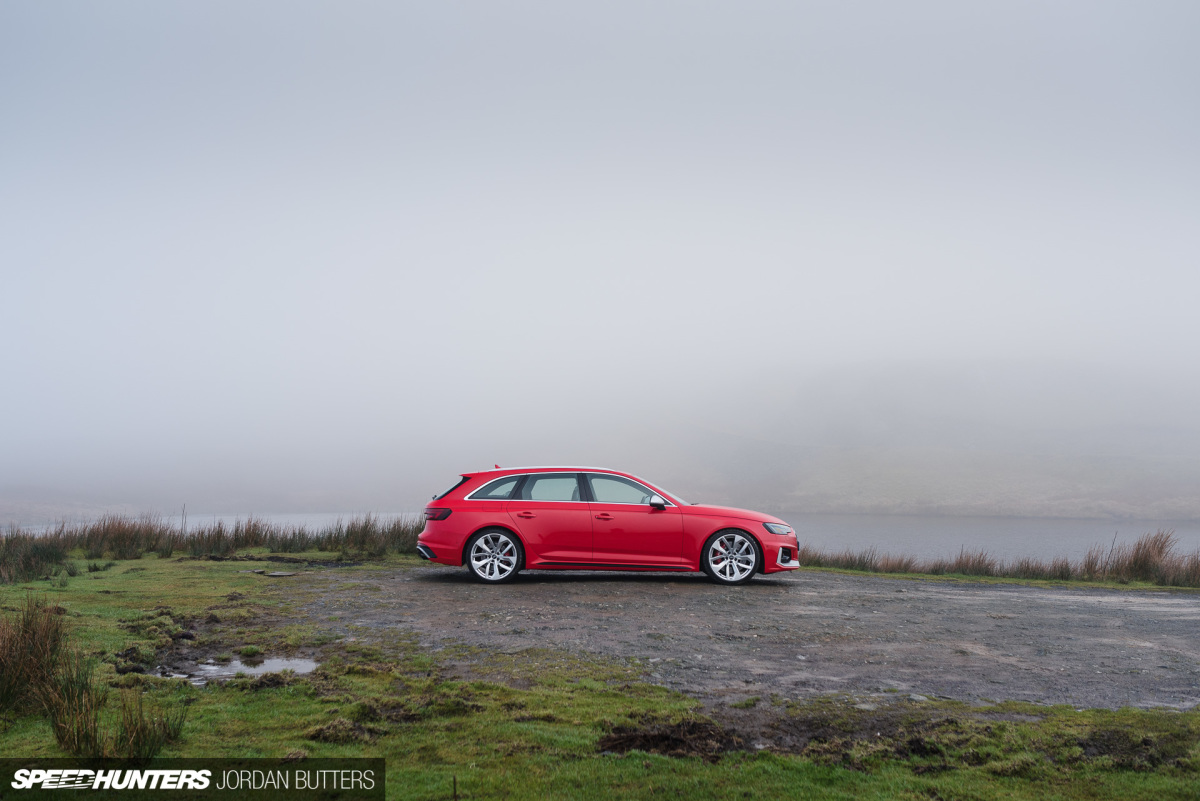
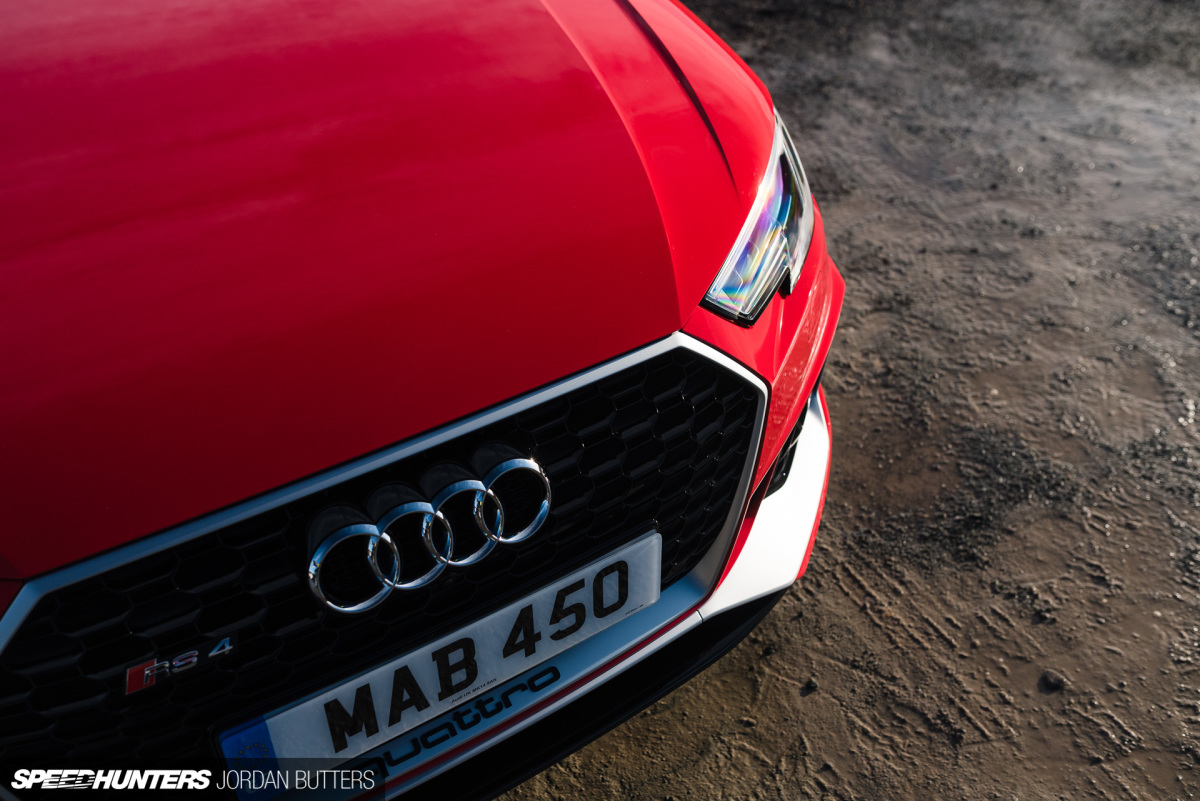
The crux of driving nice new cars is that you often come back to your own car with regrets that the new model is so much better to drive, but my feelings weren’t quite that way here. Although driving the B9 did highlight that my car was feeling a bit tired in the handling and performance department, if anything it made me appreciate just how good a job Audi did with the B7 RS4. Don’t get me wrong, the B9 RS4 is an incredible car, but I was apprehensive of the design at first. In the metal, though, it’s just the right shade of aggressive. In comparison to other newer cars of a similar ilk would definitely be something I’d consider were I in the market.

With the keys to the B9 gratefully handed back, it was time to give Project RS4 some overdue TLC and see if I could get it feeling a bit more like its newer brother.
Fitting The KW Variant 3s
After a couple of weeks putting plenty of miles on the car and ashamedly treating it like a complete workhorse on some pretty crappy roads around the UK, I cleared a day in my diary to visit VRS Northampton for a pamper session (the car, not me).
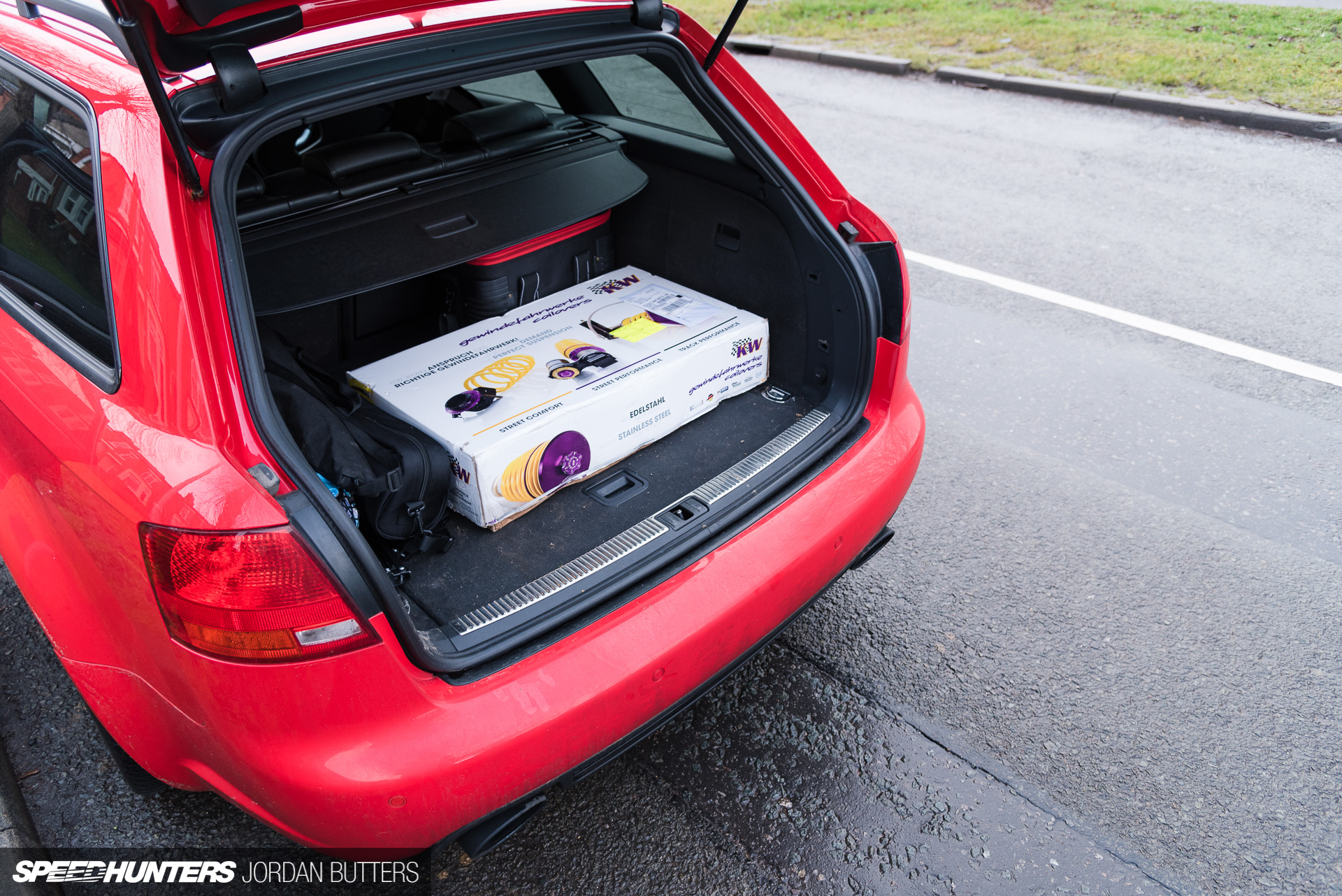
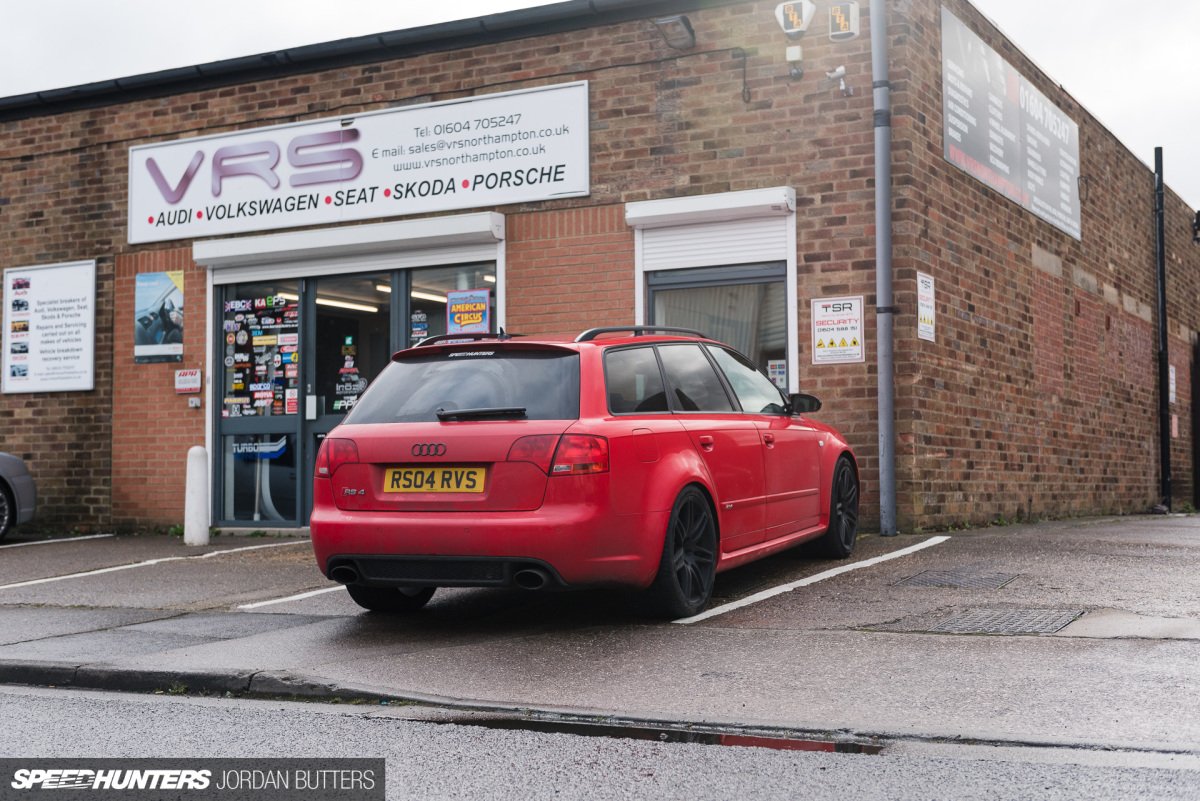
It would be a long day fraught with jobs that might go smoothly, or could be a nightmare, but we wouldn’t know until the car was up in the air and components started coming off.

First on the list was fitting the Variant 3s which was a relatively straightforward task. By the time I’d grabbed myself a coffee and made my way through the workshop Will and Al had already got the car on the ramp, had the rear DRC shocks off the car and were disconnecting the hydraulic lines.

The RS4 Variant 3 kit comes with all the necessary connectors and plugs to cap off the DRC system inside the rear wheel wells, so this was a quick and easy job (so I’m told, I was after all just wandering around and getting in the way).

The first hiccup came in the form of the OEM rubber rear spring mounts, which were pretty much falling apart after 11 years on the road, explaining why the rear ride height seemed to have dropped slightly. A quick phone call later and a pair of fresh mounts were on the way, so it was an easy fix.

I should probably explain why I’ve chosen to go this route with the suspension. From the factory, the B7 RS4 comes with Audi’s Dynamic Ride Control (DRC) system, a fully mechanical setup that uses a hydraulic system to link diagonally opposed dampers. With DRC, when you lean the car into a corner, body roll is controlled by oil passing via a central valve and providing support to the damper than needs it most, by relieving the damper that needs it least. It’s a very clever system, and because it’s all mechanical there’s zero lag or delay in it happening. The benefits are that the car can utilise relatively comfortable suspension without compromising handling ability.
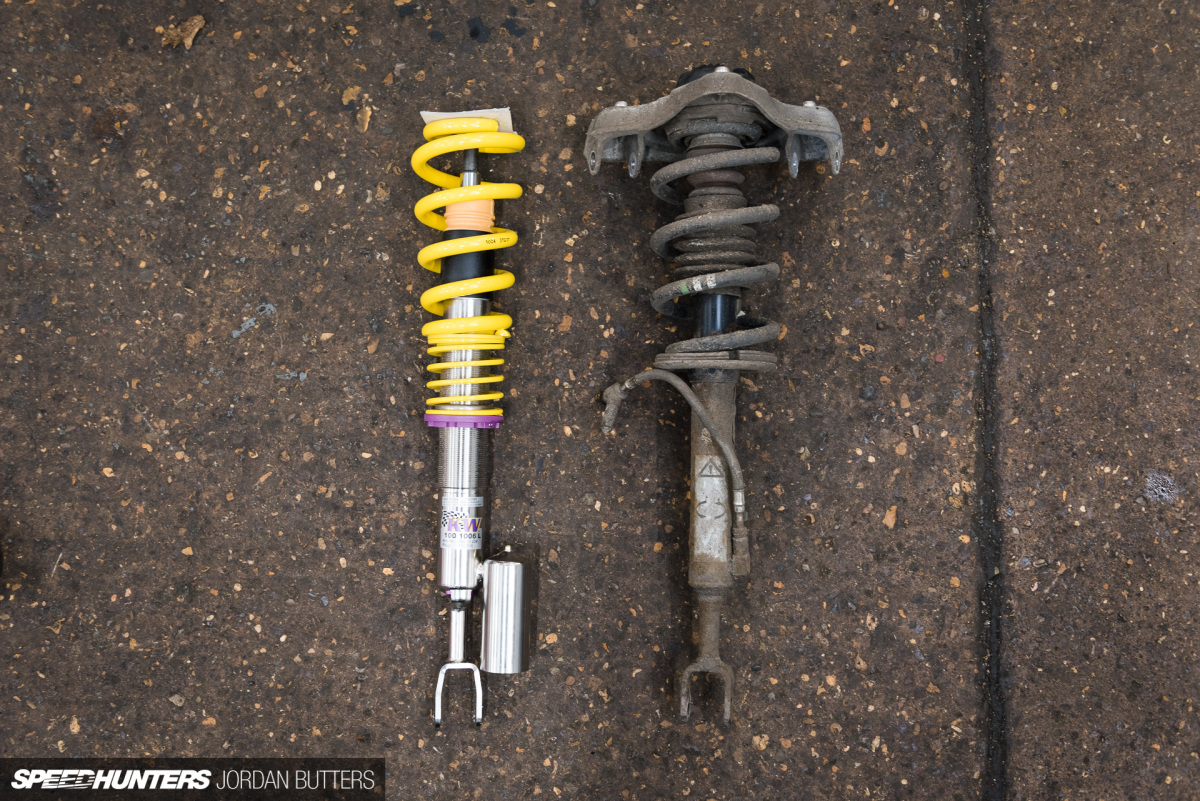
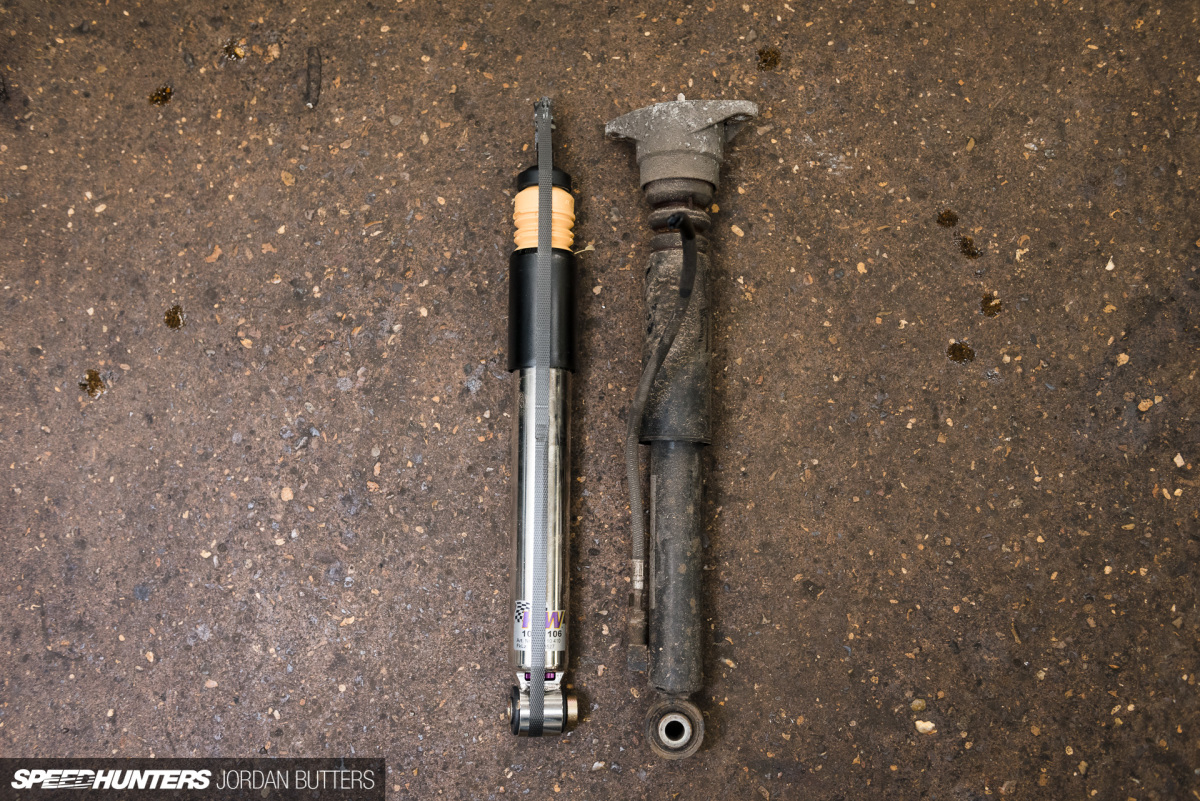
The cons? Well, after several years on the road the dampers can start to leak fluid. In fact, not can, they do start to leak fluid – at the age that the B7 is now, the DRC system is a known weak point. It’s not a case of if they fail, but when. With a loss of pressure comes wallowy handling, and all sorts of unpleasant noises. While my setup wasn’t in too bad a shape and there wasn’t any major leaks (two dampers had been replaced already a few years ago), I’d rather nip the problem in the bud before it became a real issue. The B7 is renowned for having very good handling out of the box, which is why I chose the Variant 3 system – any changes I made had to be of at least equal performance to the system I was removing, and the relative simplicity of coilover suspension means that that niggling worry is no longer in the back of my mind.

That said, there’s still plenty of adjustment there if I need it. KW kindly supply the kit with vehicle-specific default settings for the Variant 3 (in this case, they’re preset for the RS4), which is what I decided to stick to for now. As the rebound adjustment is done at the top of the shocks, any changes need doing prior to installation. I’ll be primarily using the car on the road, rather than track, so I can’t see me adjusting the settings on a regular basis, however if I find the inconvenience of dropping the shocks down to do so too much, I can easily create an access point for an adjuster inside the boot compartment.
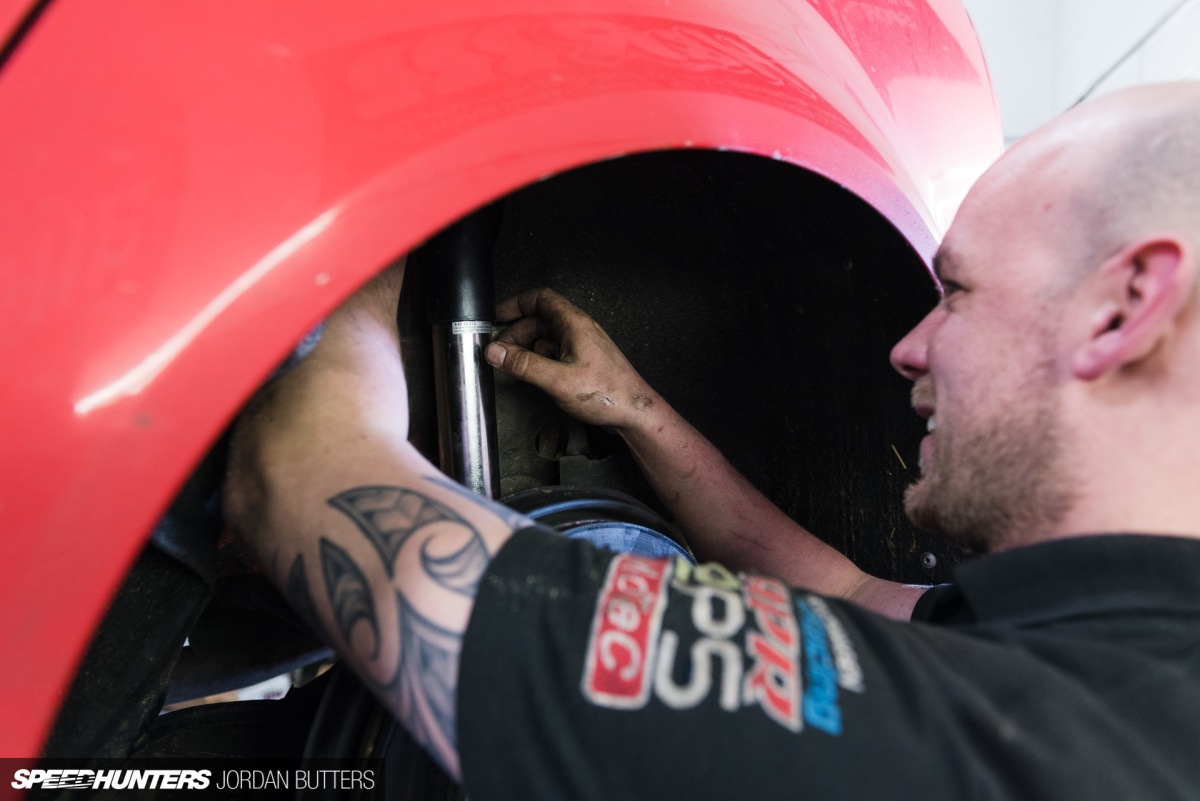

Al set the rear ride height using the adjustable collar prior to installing the springs, again using KWs measurements. We would then measure the ride height again once the car was down on the ground and adjust to suit.

The car’s previous check up had shown that the front suspension arm bushes needed replacing. Rather than mess around removing the bushes and pressing new ones in, Will went ahead and ordered a complete set of replacement front arms to swap over. Removing the tired old bushes and components, combined with the Variant 3s should have the footwork feeling like new.
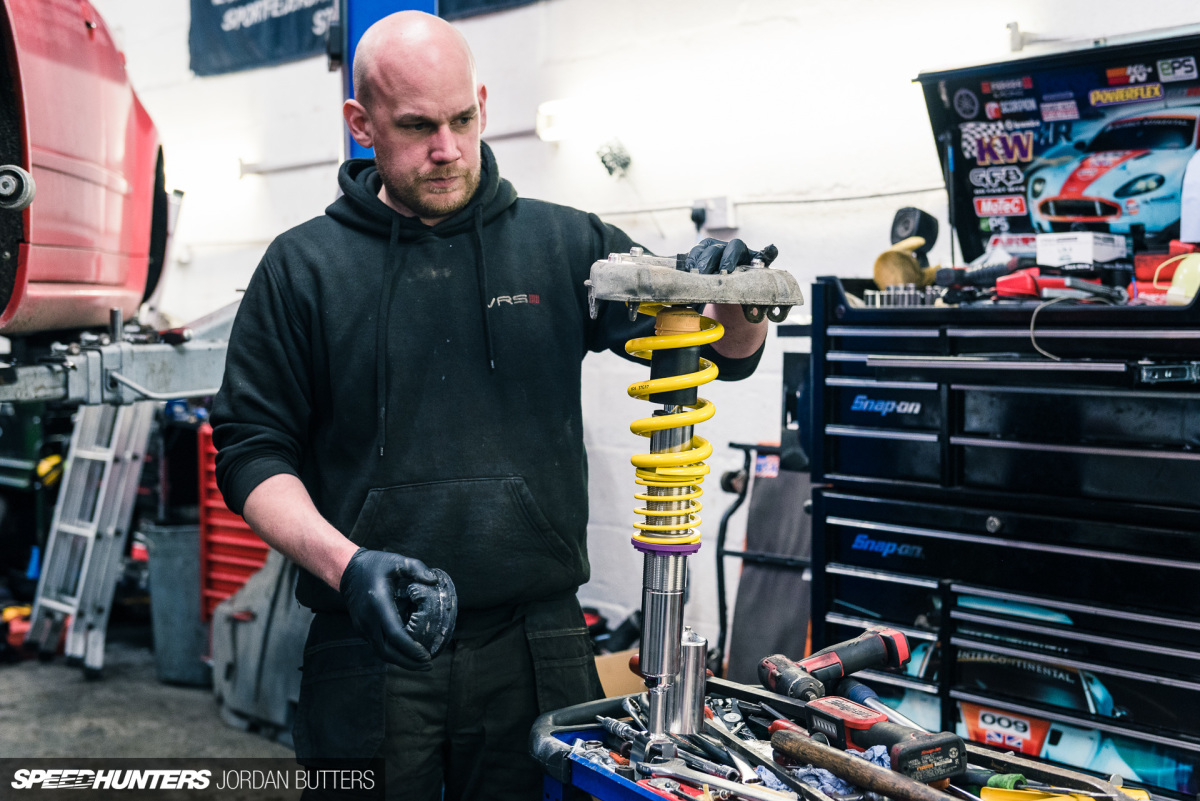
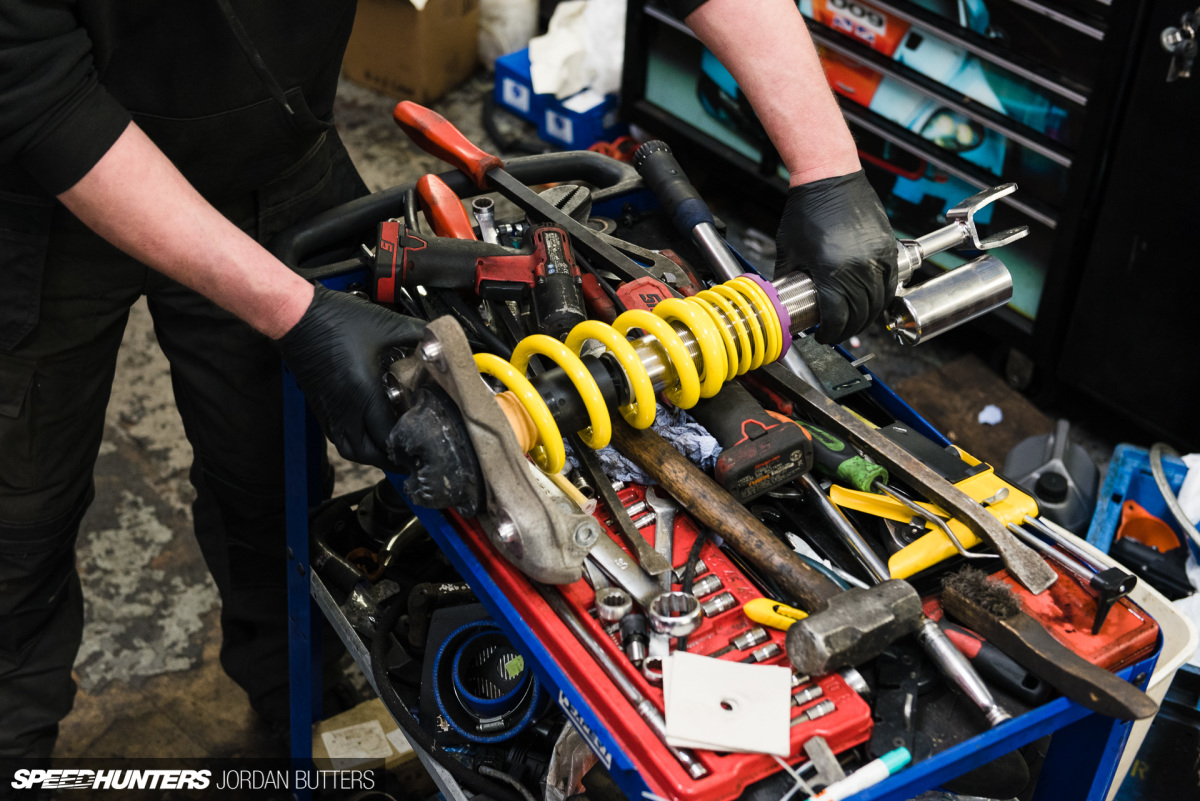

Installation was pretty simple (especially for me as I just watched). Before long, Will and Al had started work on the front suspension, swapping out the DRC uprights for the Variant 3s. Again, Will advised replacing the front top mounts to ensure that everything was nice and fresh before it went in, so that’s what we they did.

The same checks were done as on the rear, ensuring that the rebound and bump settings were as KW specified, before installing them on the car. Setting the car down on the ground and measuring, the front was roughly where I wanted it, while the rear needed to come down a bit. The RS4 has a slight reverse rake in standard form, but we’d gone to far the other way. Still, a quick adjustment and Al had it sitting about right, allowing for a bit of settling.
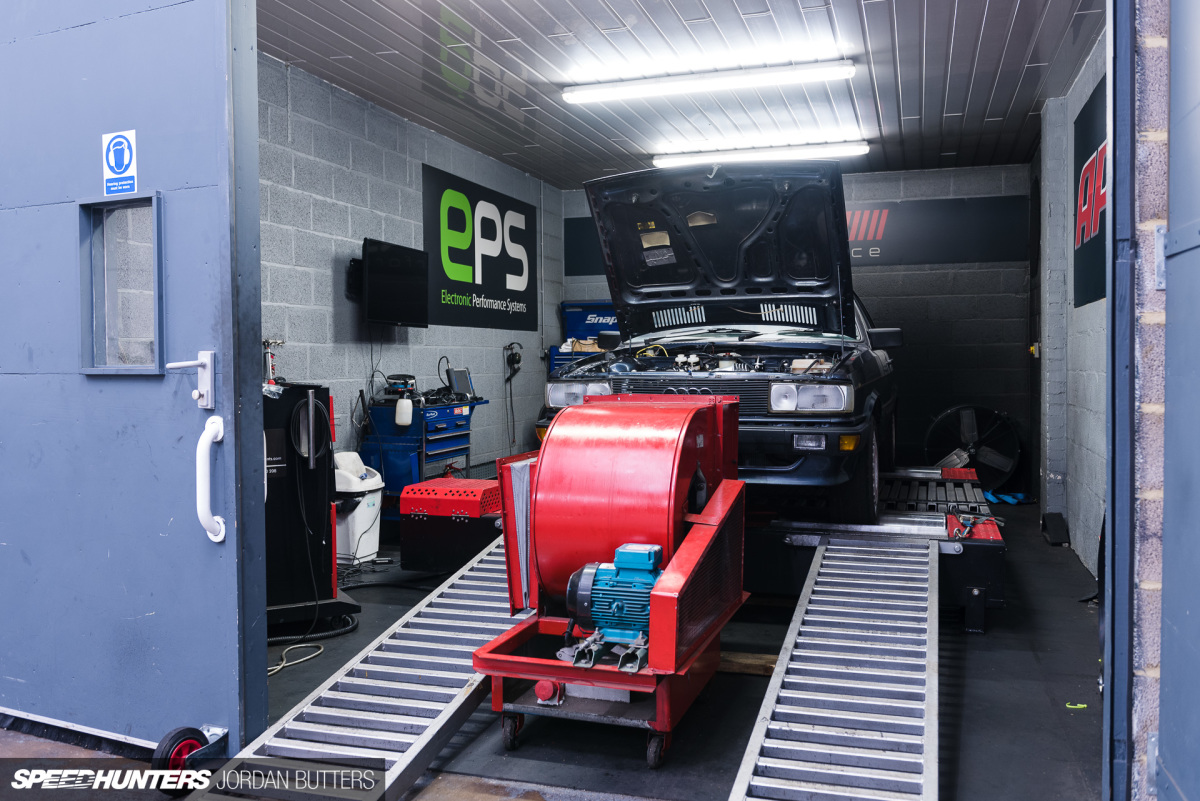
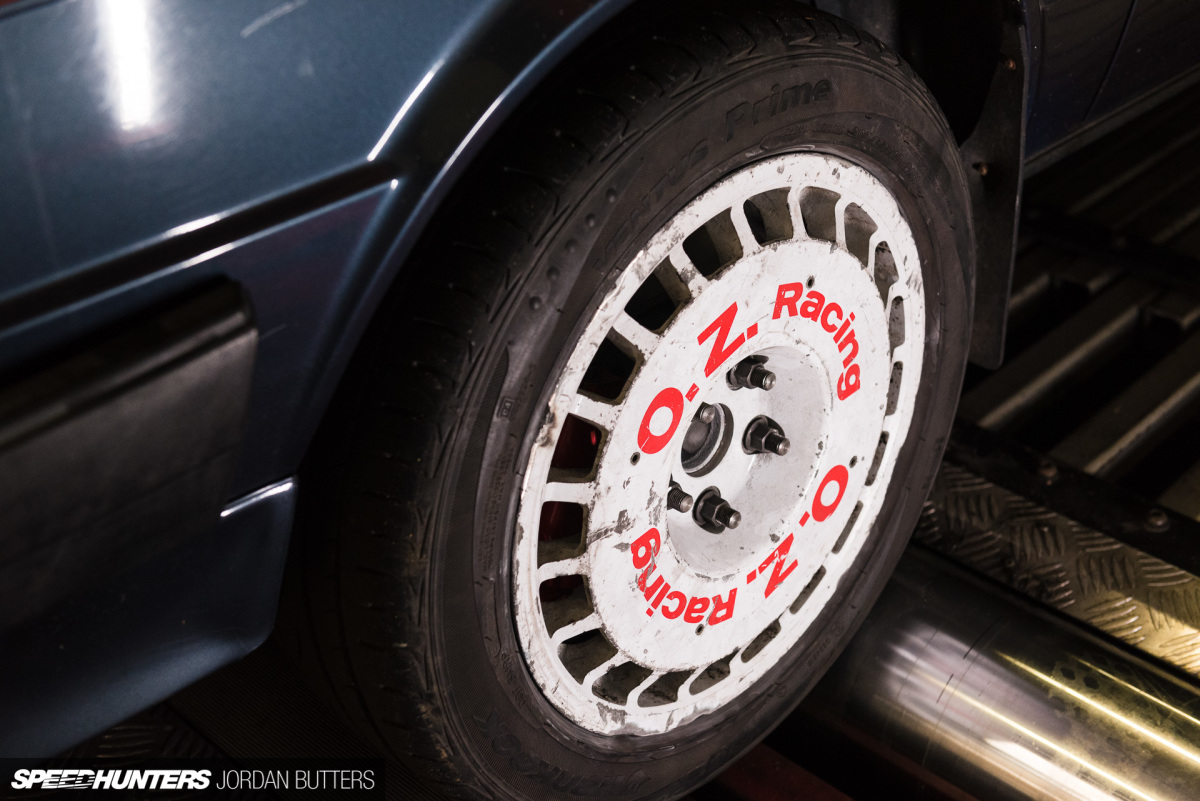

Conscious of the distractions caused by a guy sticking a camera in their faces and asking the sorts of silly questions that only someone as mechanically challenged as myself would ask, I busied myself by wandering around the VRS workshop. The team had just finished installing a five-cylinder with ITBs, MoTeC management and a full custom EPS wiring harness into this Audi 80 for a customer.
I believe he plans to leave the exterior as-is, so it’s a proper street sleeper – until the throttle opens up, that is. The scream this thing made on the dyno was unreal – it kicked out 241hp and 198lb/ft torque too!
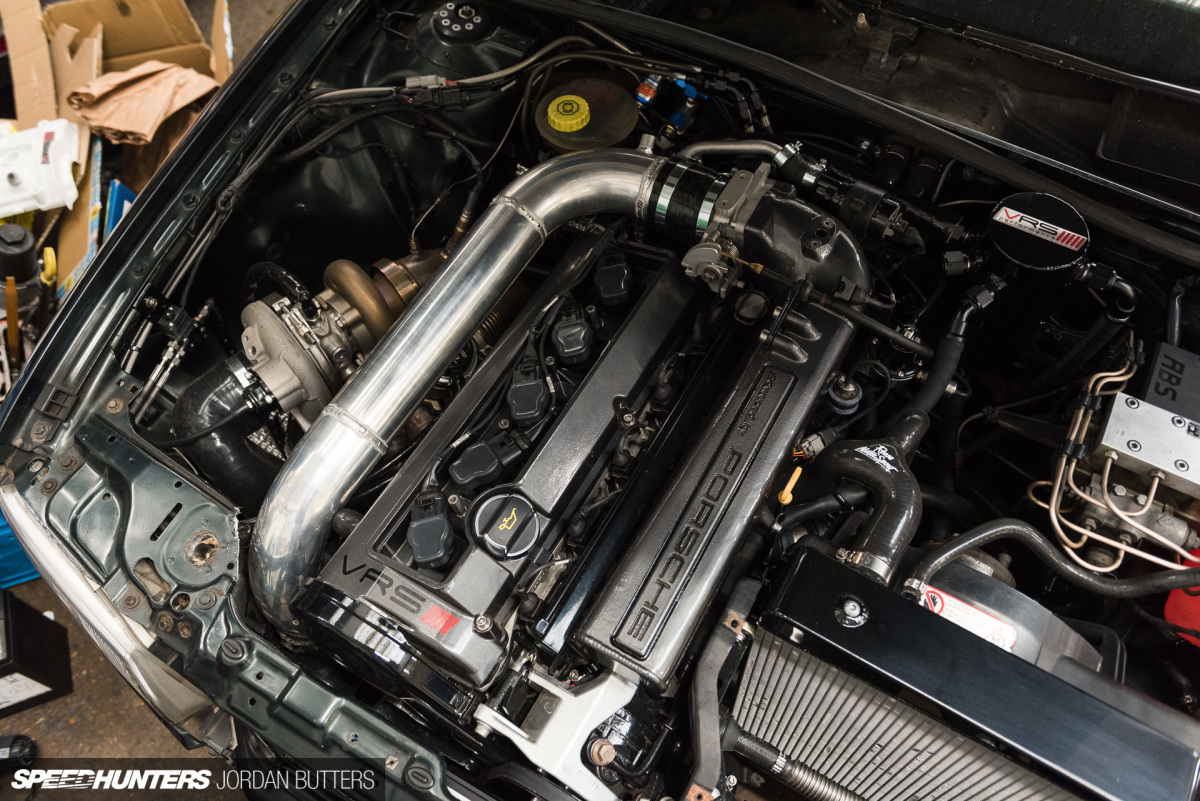
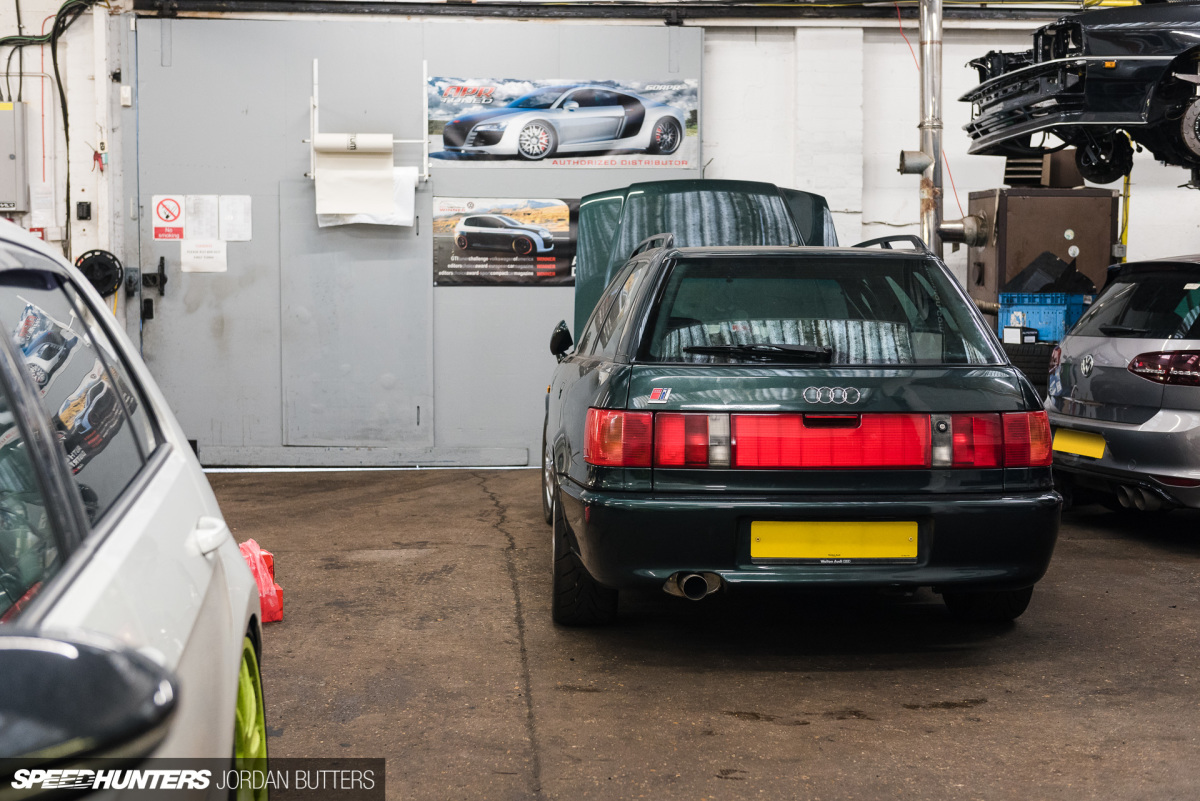
I’m also keeping my eye on this amazing RS2 build. A fully built engine, nitrous, half cage and some seriously trick suspension and rear end components will make this a proper weapon once finished.
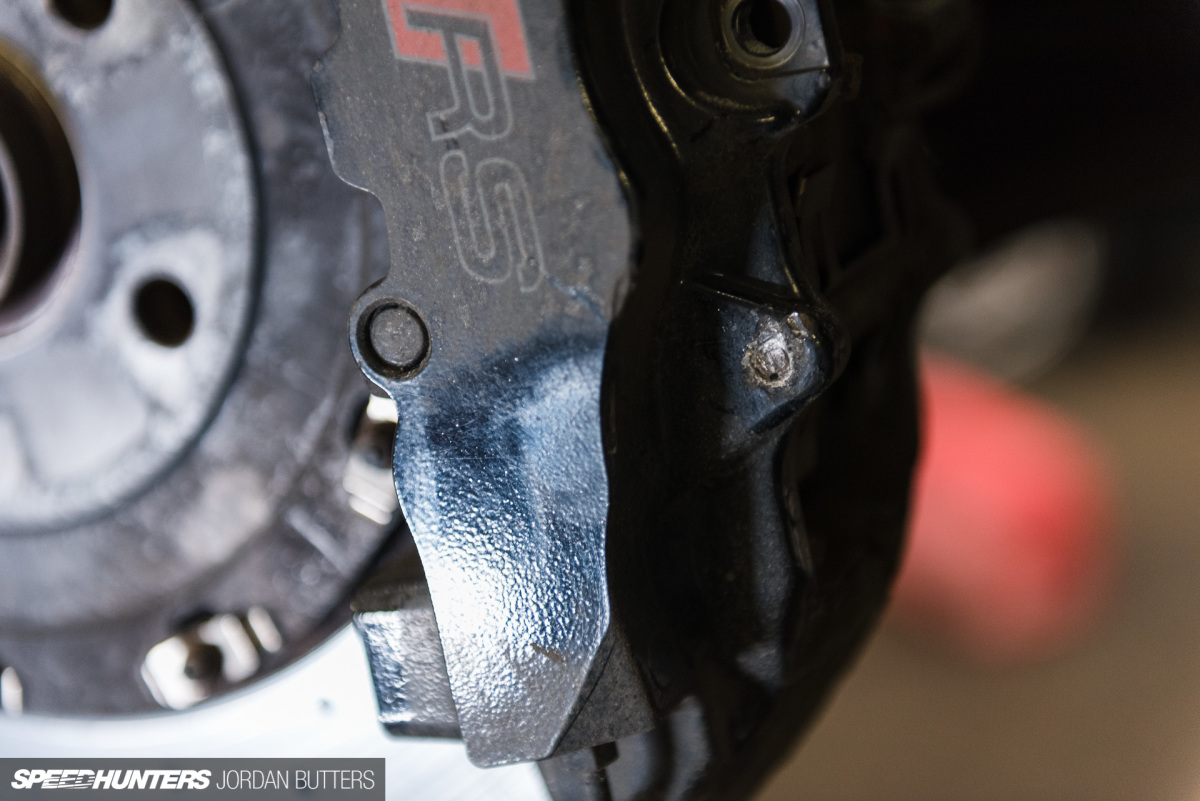
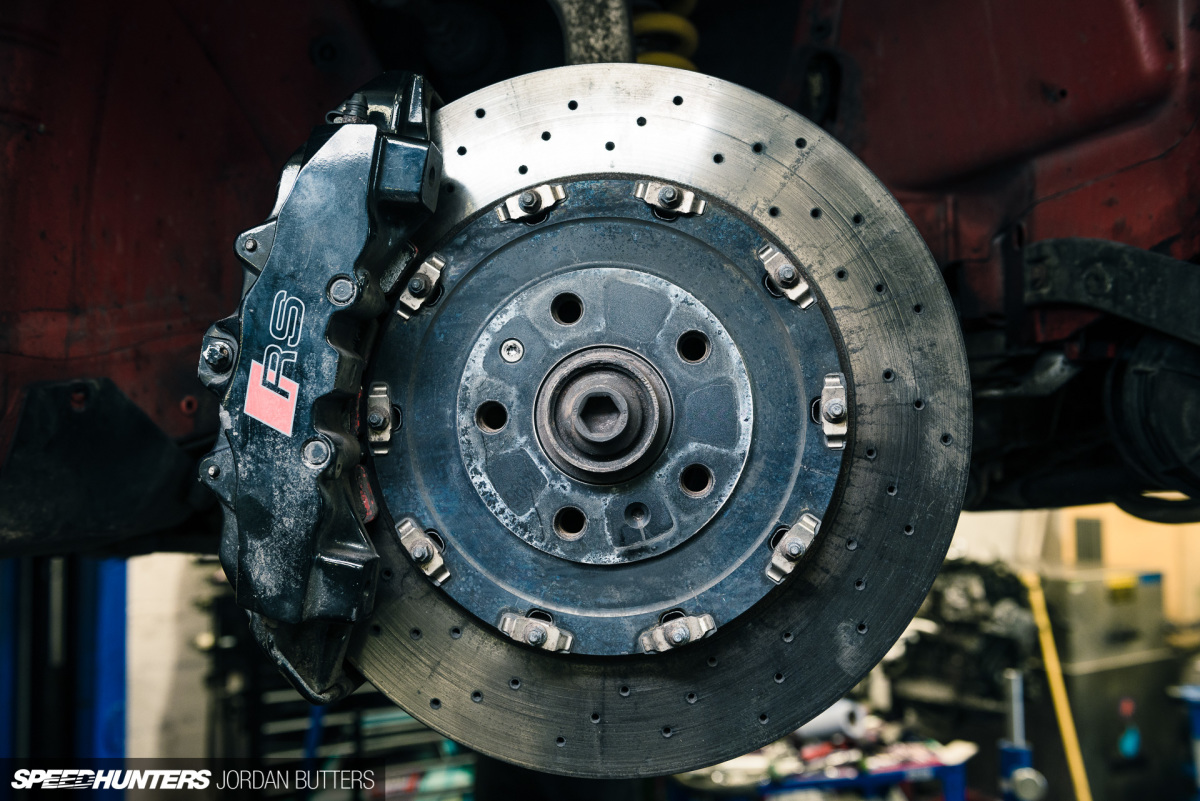

More progress – with the new suspension on, Will got to work overhauling the front brakes. Previous work had seen the caliper pins completely butchered, so these would need drilling out and replacing. Will also took time to teach me a plethora of new swear words whilst removing a build up of corrosion around the brake pad retainers.
Thankfully the discs looked in good shape – these aren’t cheap to replace I was happy for the positive news. The current pads turned out to be EBC Redstuff up front and Yellowstuff at the back, which are up to the job for now and have a few thousand more miles of life in them yet. At some point in the future I’ll probably have the brakes back off for an aesthetic freshen up and repaint.

One last job that needed doing was one of the auxiliary cooling radiators was leaking from the connectors – the radiator only kicks in at higher oil temperatures so the leaking was intermittent, but enough to see the coolant level need topping up every few thousand miles. The solution? As the leaky radiator on my car sits right in front of the OEM airbox, a common fix is to remove the radiator to make way for a cold air feed. While I had some reservations about reducing the coolant capacity, the RS4 was hugely over-engineered in this department, and features no less than three radiators. Under testing, it’s been shown that there are no adverse effects from removing the third radiator, especially in our northerly climates.

The guys at VRS have done this modification plenty of times, so I was in good hands, and before I knew it the bumper was off, the radiator was in the bin and the airbox was being modified. Part of the process involves removing the vacuum-controlled flap in the intake, which opens at around 5,500rpm to deliver more airflow, but is known to be a failure point, starving the engine of power. The flap helps with noise control at wide-open throttle, so with it removed you get a nice V8 roar from low down, as well as increased throttle response.

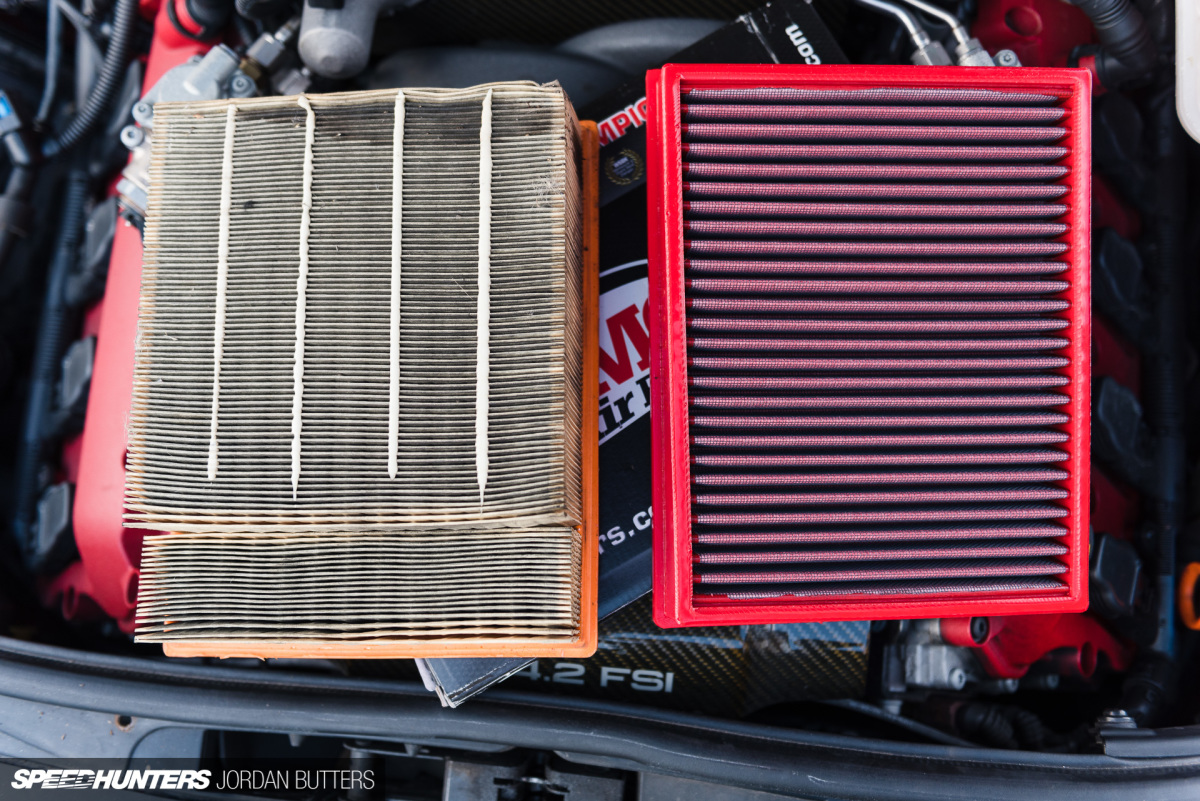
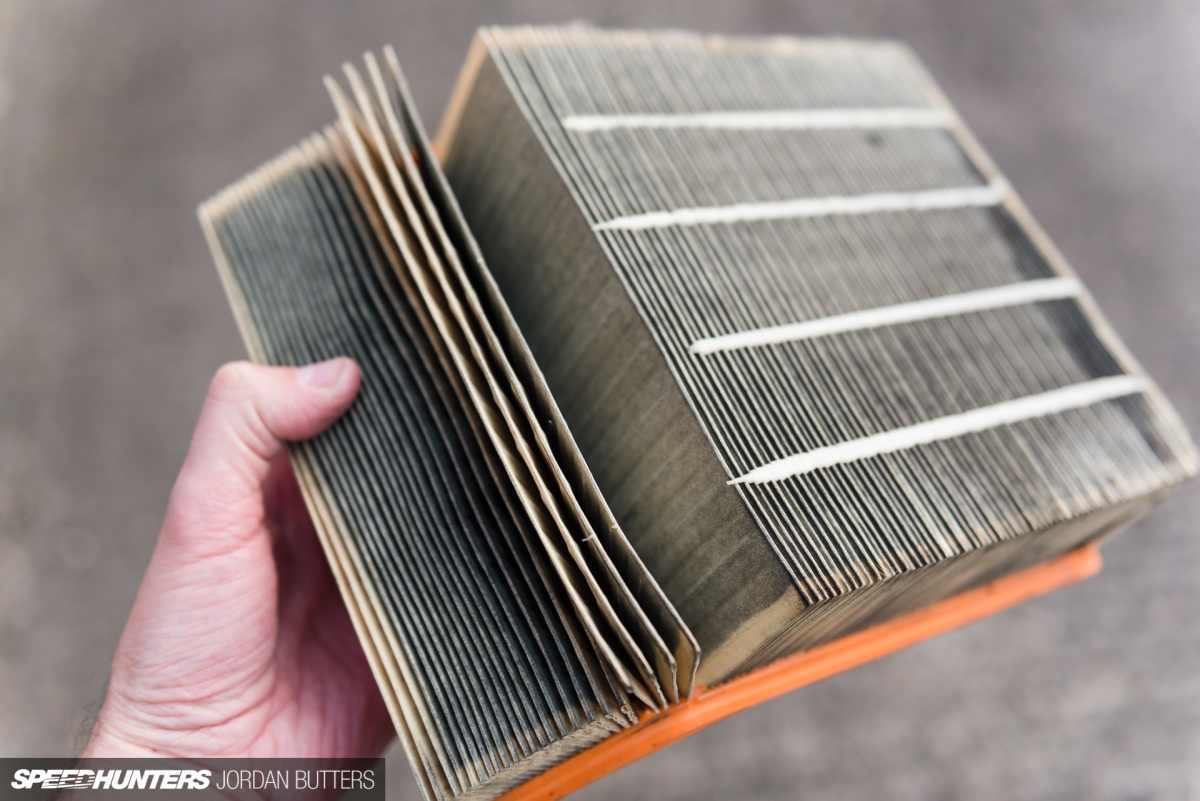
As part of this process, I also replaced the OEM Audi paper panel filter with a nice new BMC filter, which fits into the stock airbox. Given that the car had full service history, I was surprised that the air filter was only fit for the bin, and hadn’t been changed since 2012, but Will tells me that he’s seen 10-year-old filters come out of cars before.

Work done and wallet substantially lighter, I couldn’t be happier with how the car sits, handles and drives now.

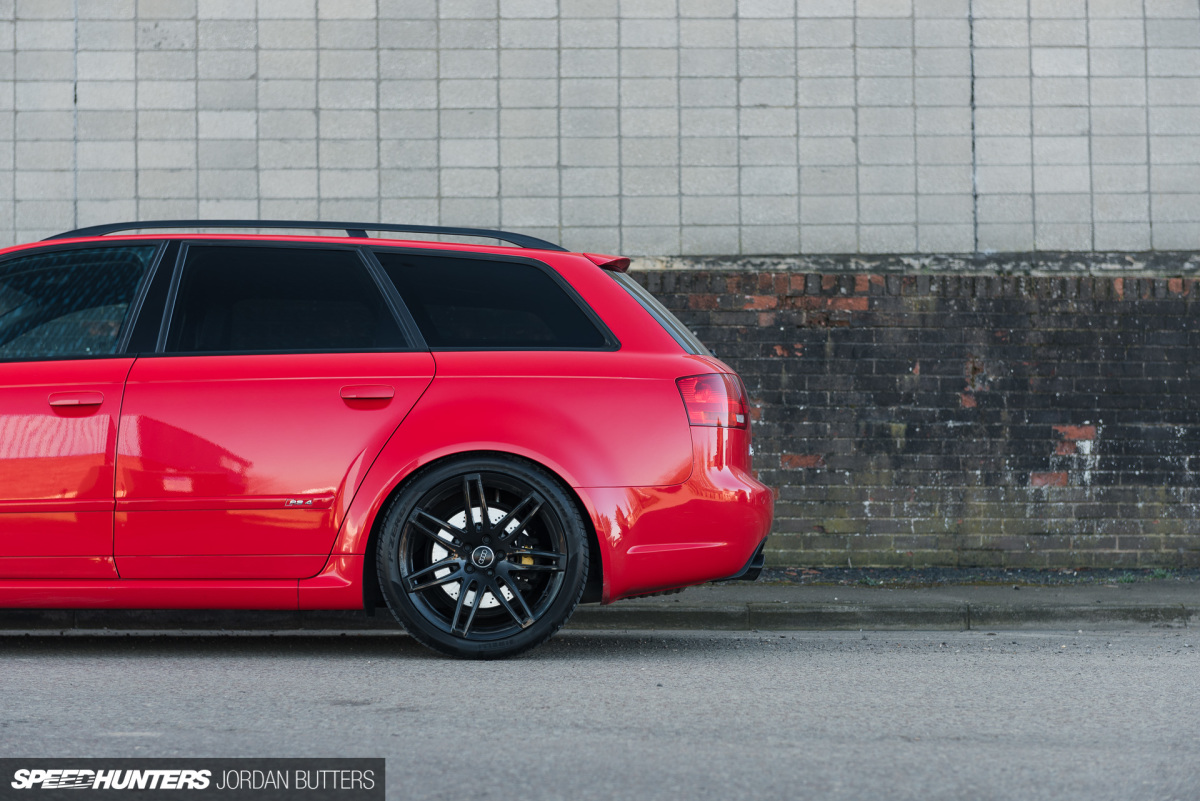
The KWs have transformed the ride. My previous experience with coilovers has been limited to the budget end of the market, and varied between ‘harsh’ and ‘crashy’. While the Variant 3s aren’t cheap, the difference in ride quality is more than apparent.

The ride is ever so slightly more firm than on the stock DRC suspension, but the Variant 3s take bumps and undulations in their stride. I’m sure the skeptical amongst you will say that this glowing review is due to KW being a Speedhunters partner, but I’m not the kind of person to mince my words and my opinions are completely my own. Hand-on-heart, the Variant 3s are a mighty impressive bit of kit.
Using KW’s standard bump and rebound settings, the drive now is more in fitting with how I’d expect and want an RS model to drive than it was in ageing stock form. I can’t see me deviating much from these settings for road use, although I am interested to chuck someone with more suspension experience in the driving seat and see what they think.

For now I’ve left the ride height and alignment set by eye to give it time to settle in, but it’s not far off where I want it. I’ll maybe come down by a bit at the front to level it out as it’s still slightly reverse raked. I might also need to add some small (8-10mm) spacers to set the wheels out slightly.

The airbox modification has had a surprising effect on how the car feels to drive too, with response and pick up from low revs noticeably improved. The sound is pretty intense as a bonus. In fact, it’s shown me the potential for how this car could drive, and has spurred me on to give the power plant some TLC next.
This works out nicely as I’ve recently been chatting to the guys at Regal Autosport about having the V8 carbon cleaned and remapped in the coming weeks. The next time I update you it’ll hopefully be with the always welcome news of extra horsepower…
Jordan Butters
Instagram: jordanbutters
jordan@speedhunters.com