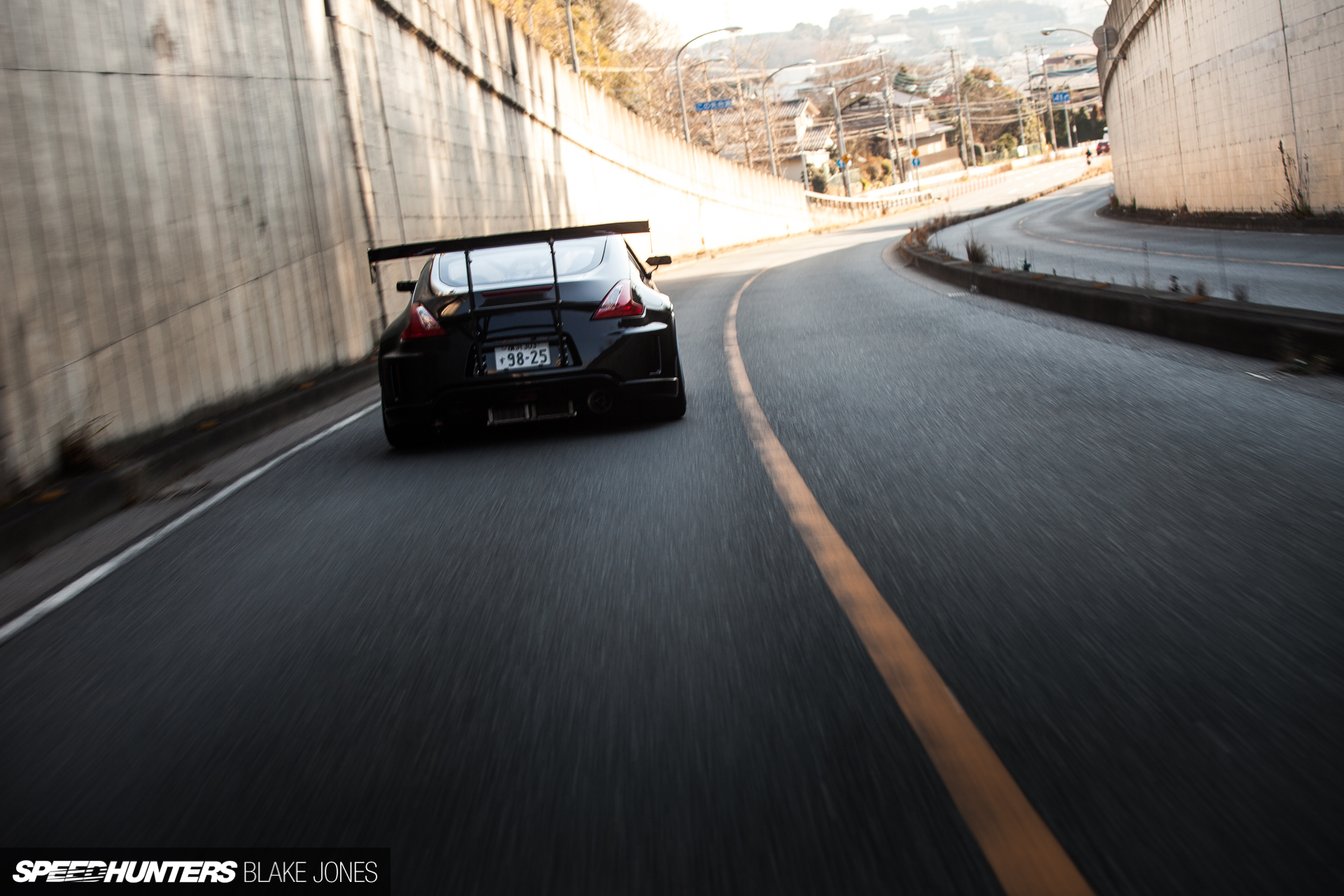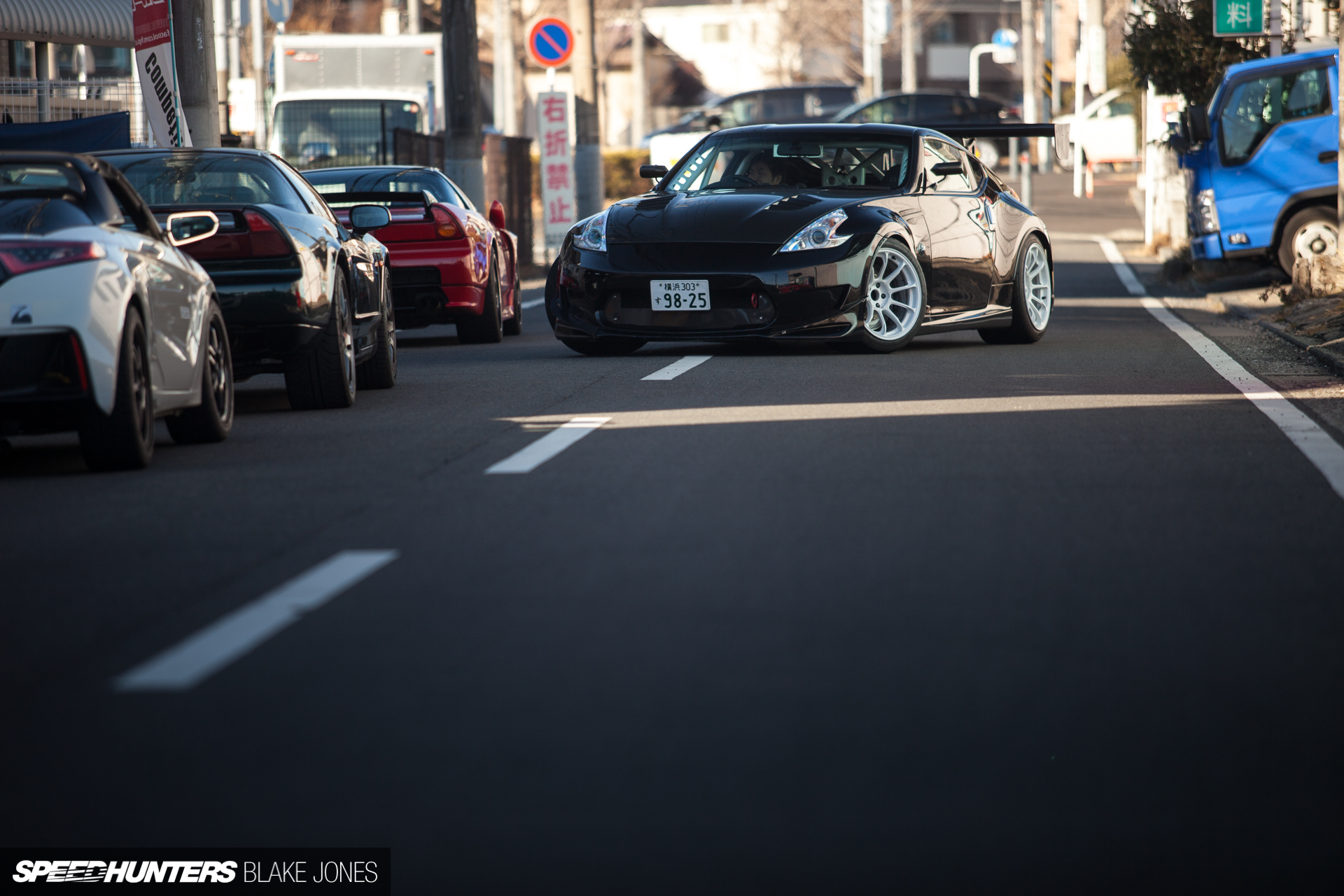
I’ve spent quite a bit of time in the Yokohama workshop of Advance recently as they worked on converting Project NSX from automatic to manual. Masa and Yagi have one of the most appealing lineups of customer cars I’ve come across in Japan, so while my car was up on the lift one Saturday, I took one of their latest customer builds aside for a closer look.
The shop specialises in preparing customer cars for attacking Fuji Speedway, and is perhaps best known for their NSX work thanks to the exploits of a certain yellow demo car as driven by Masa and his father before him. However, walk into the shop any day of the week and you’ll quickly realise that the Advance repertoire encompasses any and all performance platforms that have come out of Asia or Europe.
There exists a sweet spot for tuning cars where the purchase price has depreciated significantly but OEM and aftermarket parts are still plentiful and cheap. Early (CBA) R35 GT-Rs have fallen into this category, but due to their high-power and high-tech nature are still an expensive proposition to modify and race.
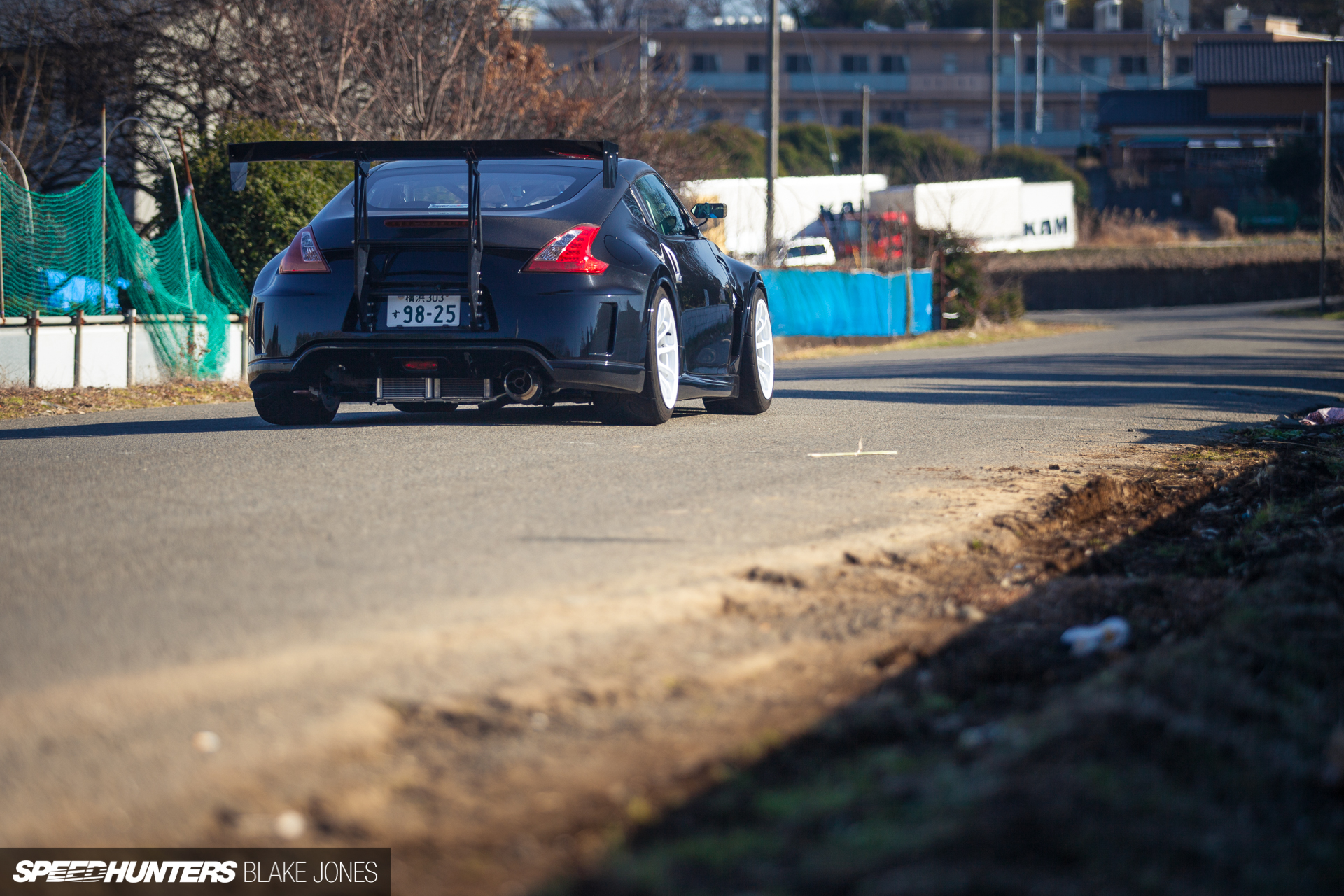
The Z34, on the other hand, can now be had for less than 2 million yen (approximately US$20,000), and with a proven naturally aspirated 3.7L V6 and traditional 6-speed gearbox, is a platform that can be enjoyed without frequent trips to shake the money tree growing in the backyard.
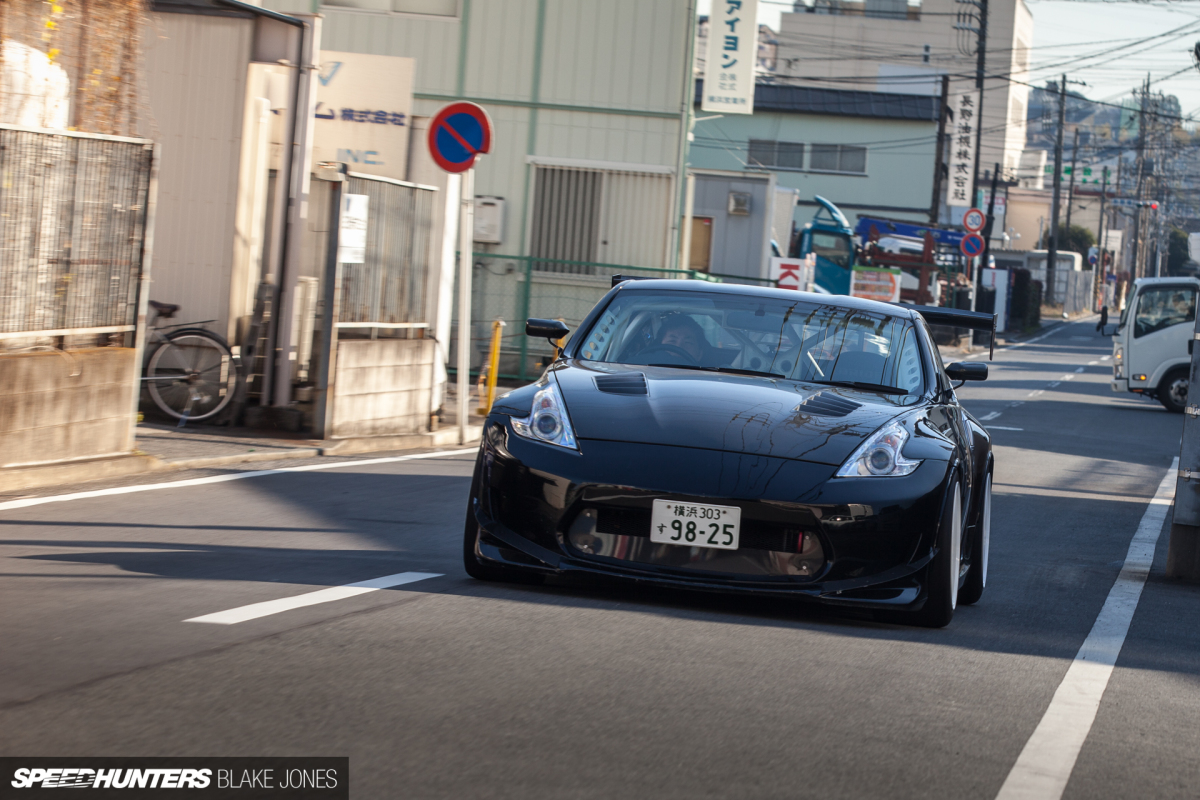
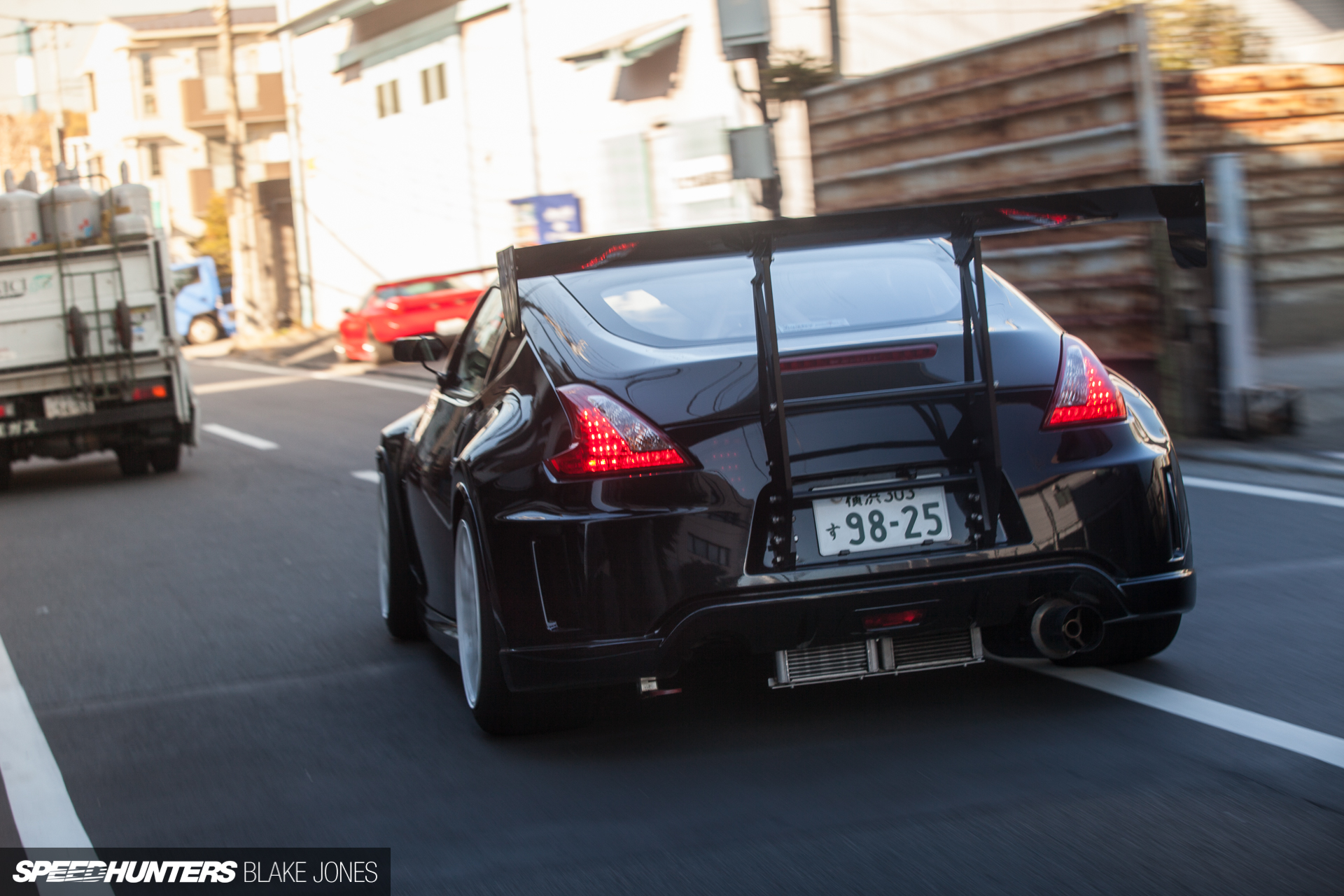
Although this is a car undoubtedly built for speed, I can’t go further without pointing out just how damn good it looks. This ‘privateer time attack’ aesthetic that you see at events like Idlers is something I just can’t get enough of – a classic example of the Japanese tuners getting that mix between function and form just right.

The cars that come out of Advance are never over the top. I like to think if Colin Chapman ended up running a workshop in Japan instead of building Formula One cars he’d probably create customer cars just like this Z: ‘Simplify, and add lightness’.
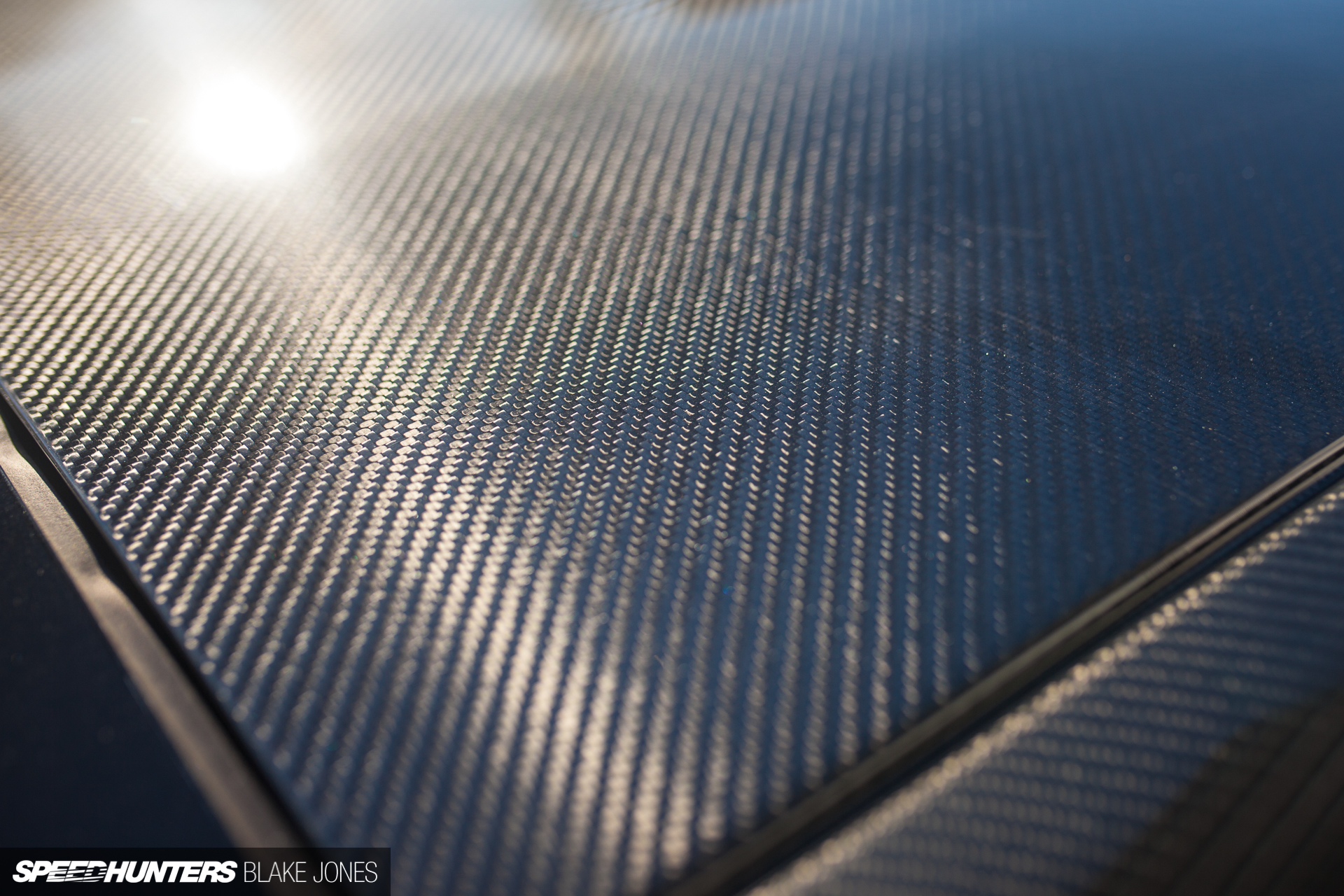
The last F1 car that Chapman developed before his death – the Lotus 91 – was the team’s first foray in to carbon fibre. In the decades since, the strong, lightweight material has become much more accessible to the masses, and Advance has taken full advantage when piecing together this 370Z. The replacement carbon roof from Garage Chikara saves kilograms high up, where it matters most.
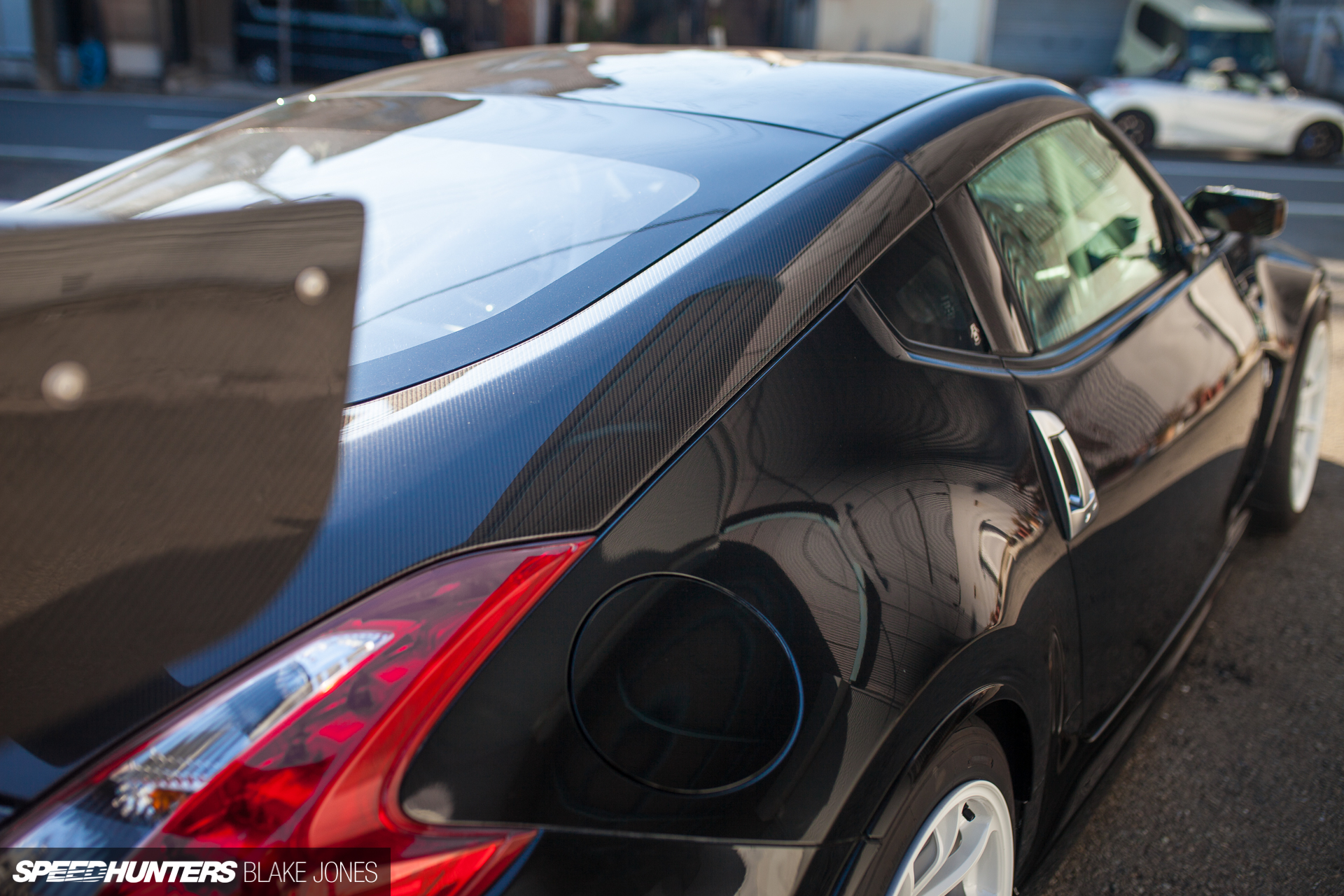
The weave flows through to the Seibon carbon hatch with custom polycarbonate rear window.
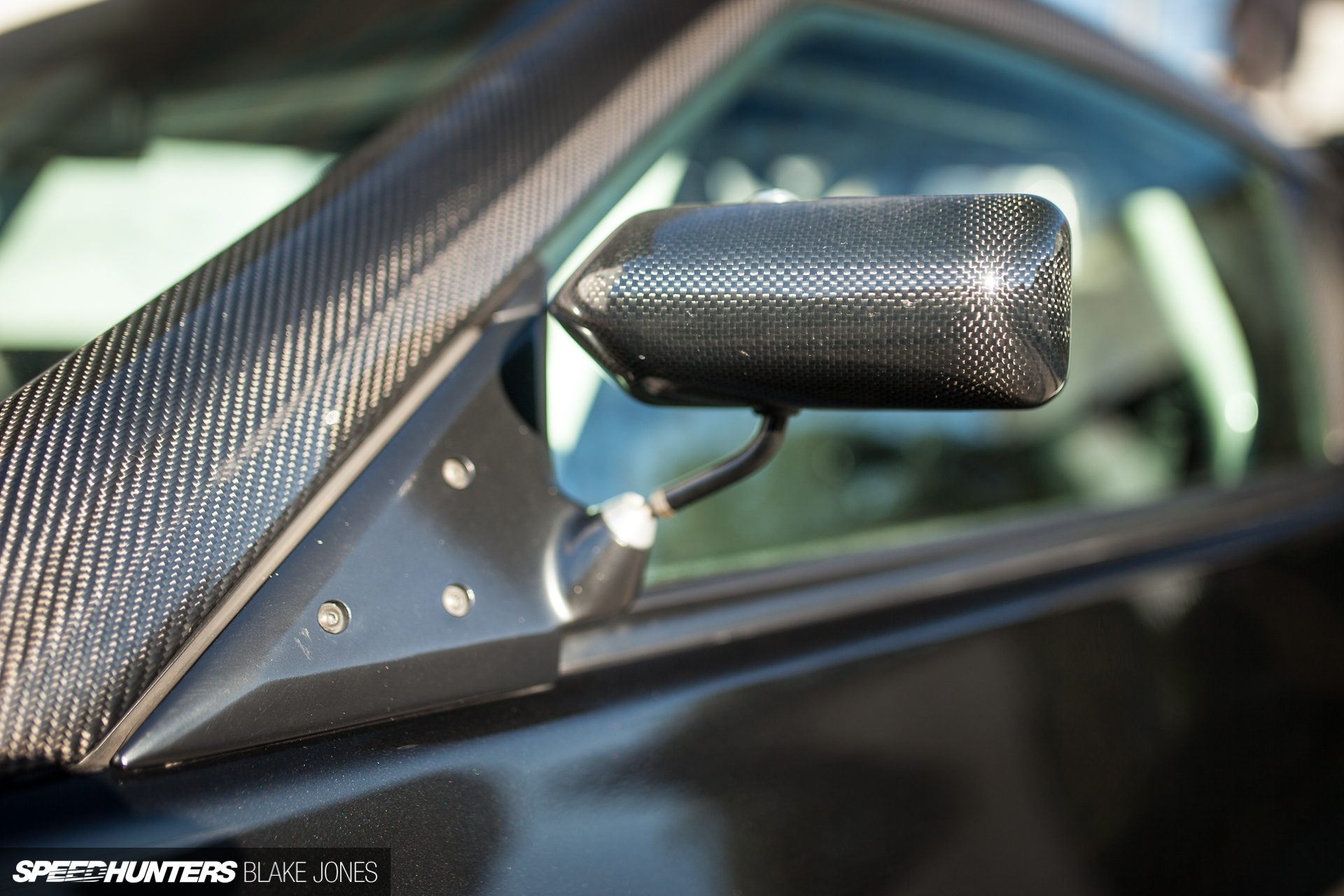
Seibon also provided the carbon A and B pillars, while the mirrors are Craft Square items.
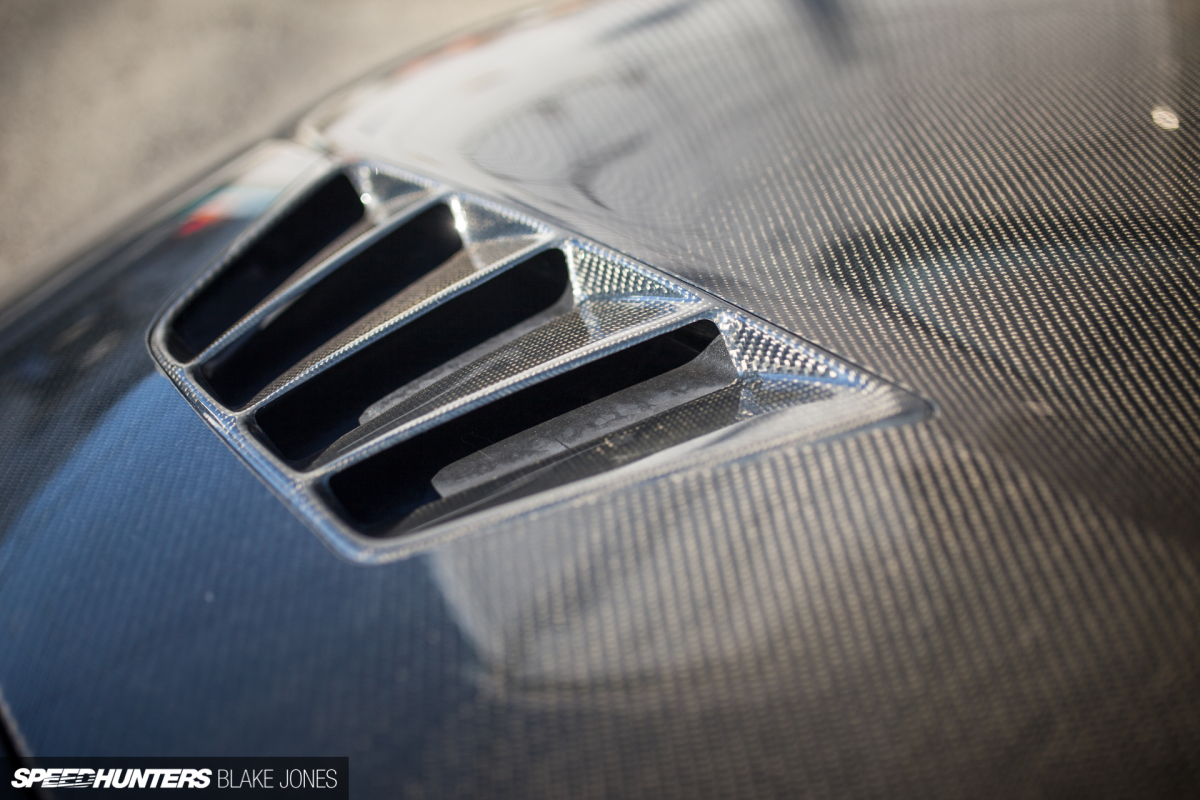
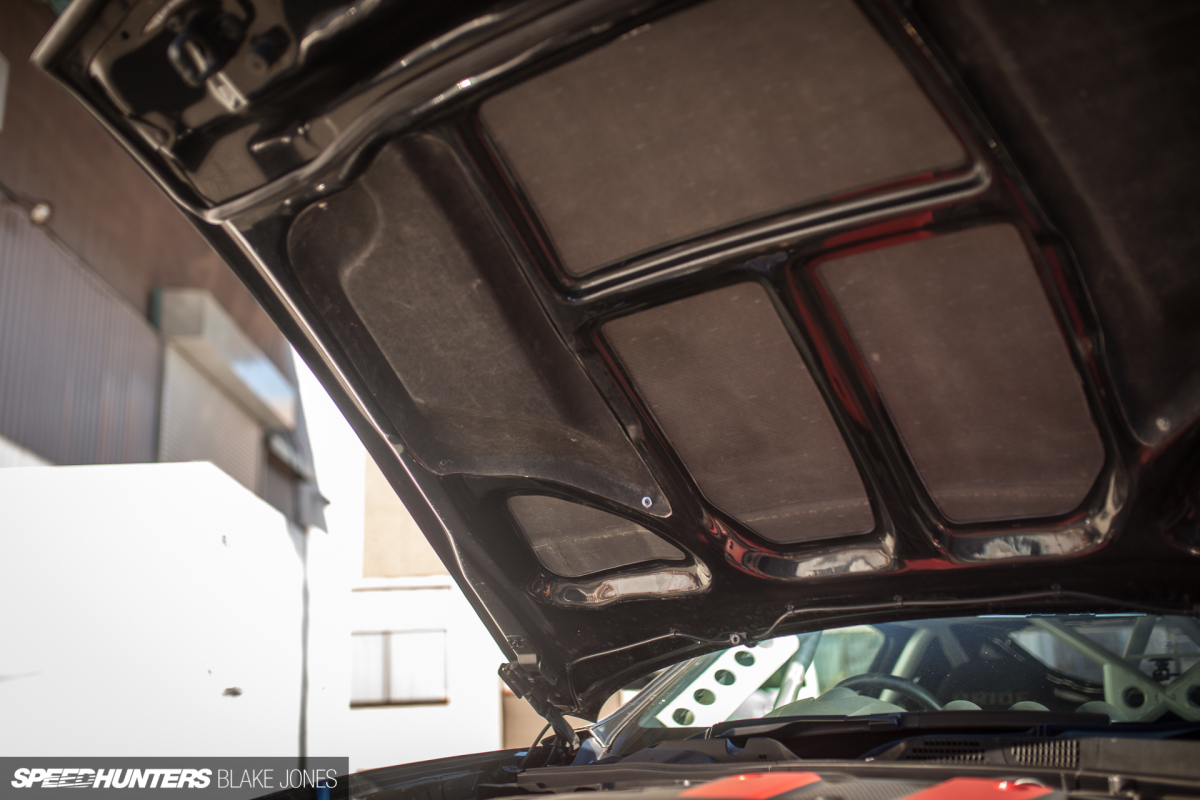
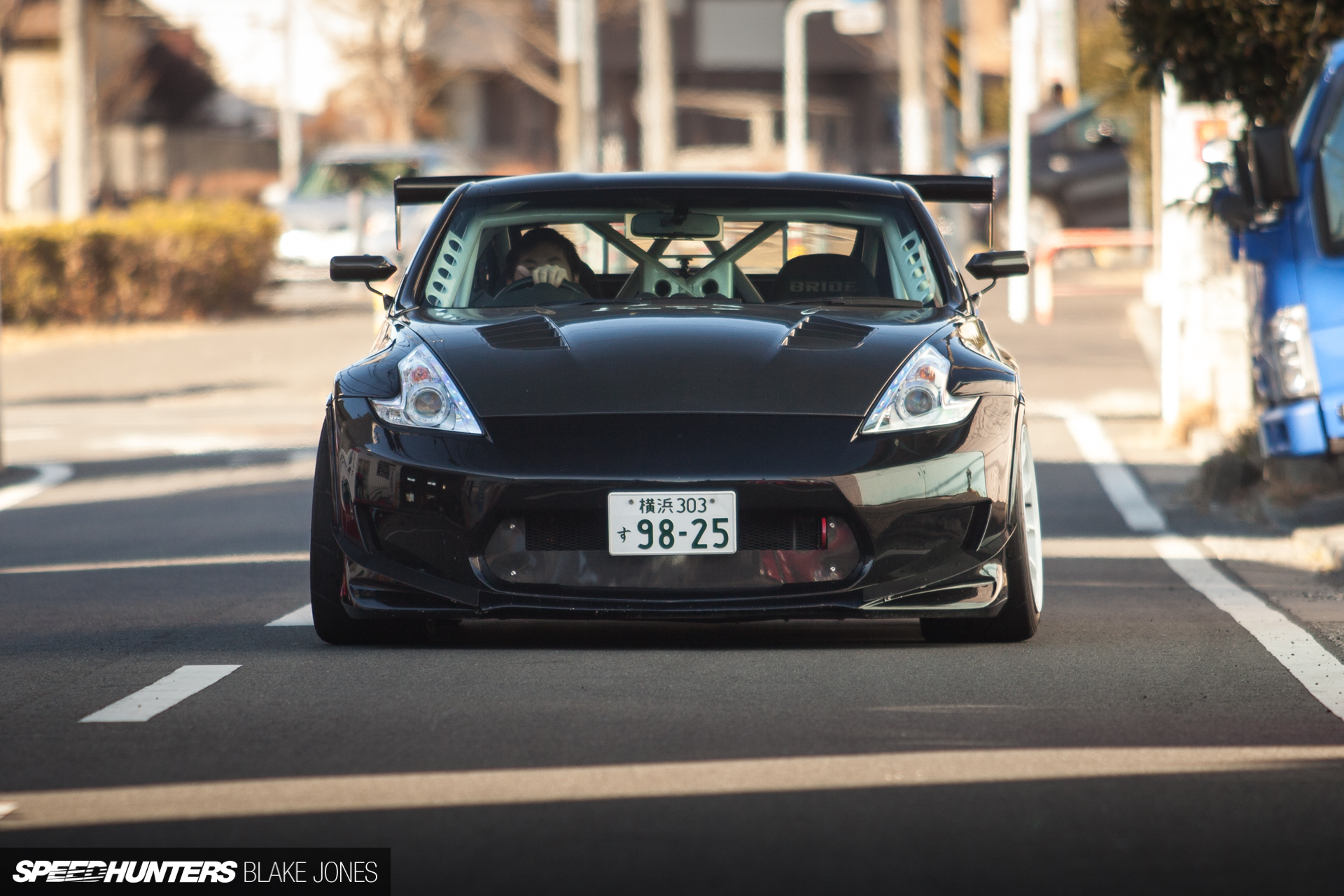
The vented carbon bonnet from Varis helps keeps temps down on the track, but the vents are sealed up during street driving to prevent rain and other nasties from making their way into the engine bay.
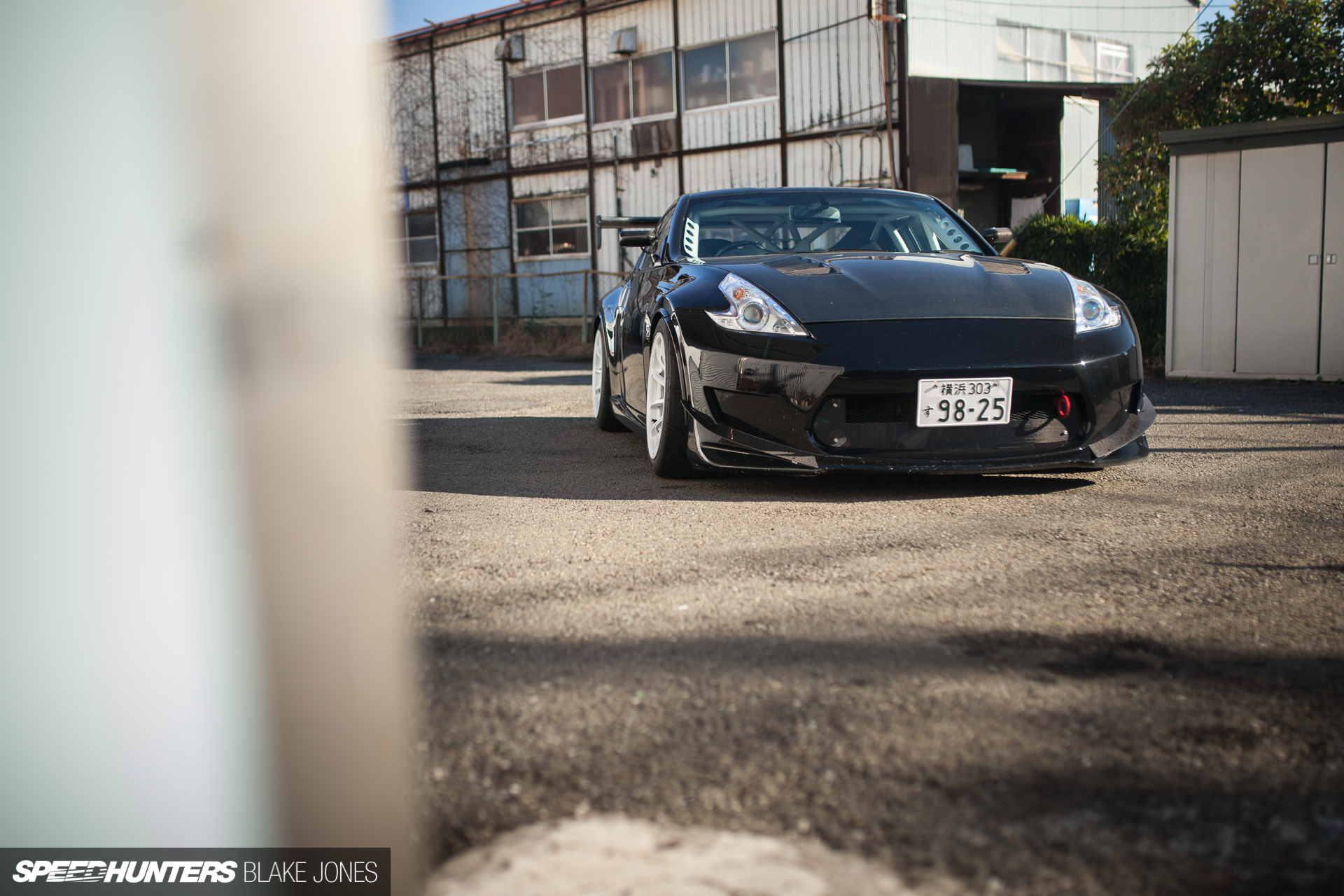
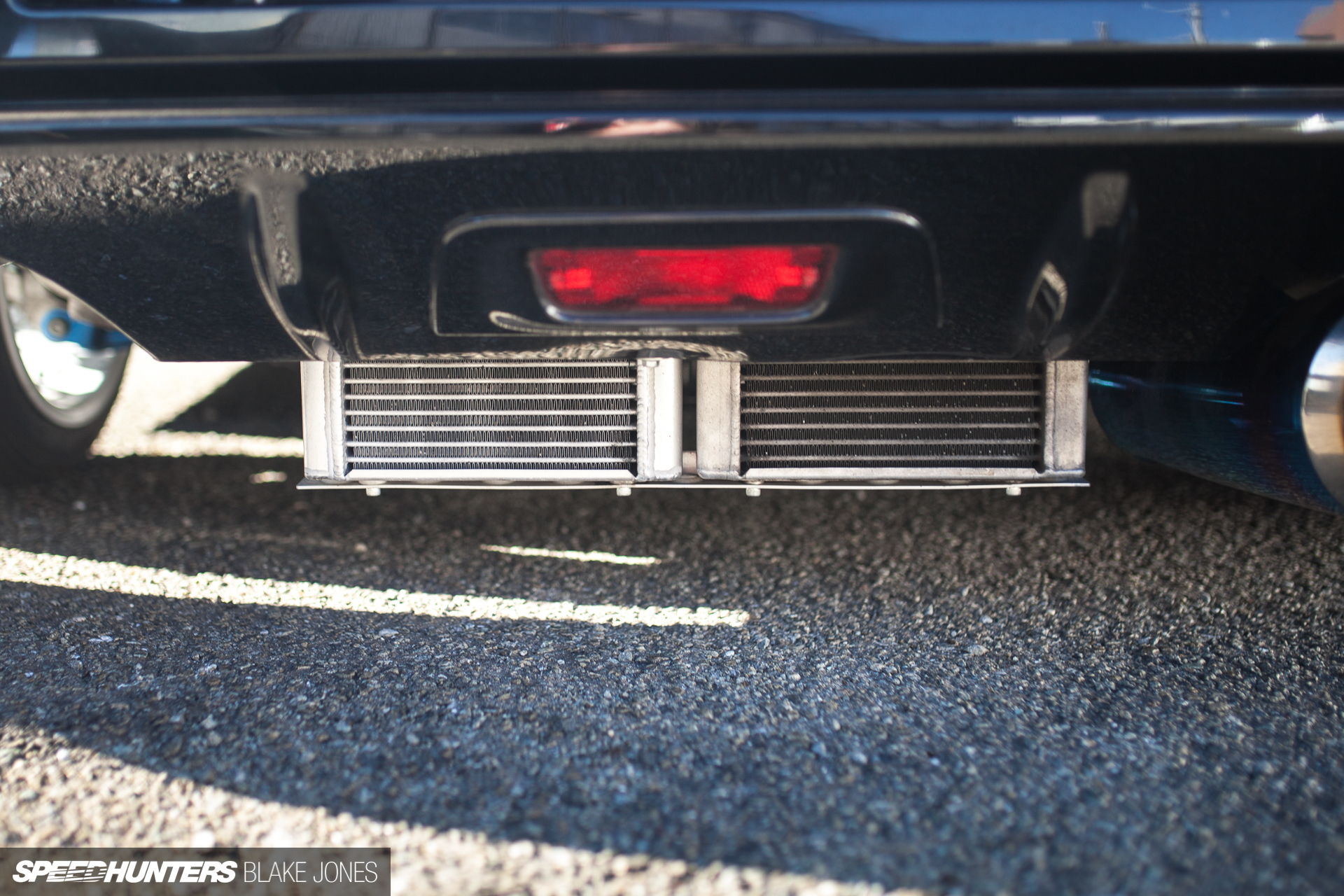
From this angle you can see the carbon blanking plate installed in the Amuse bumper that Advance fabricated to shroud the radiator in the colder winter months.
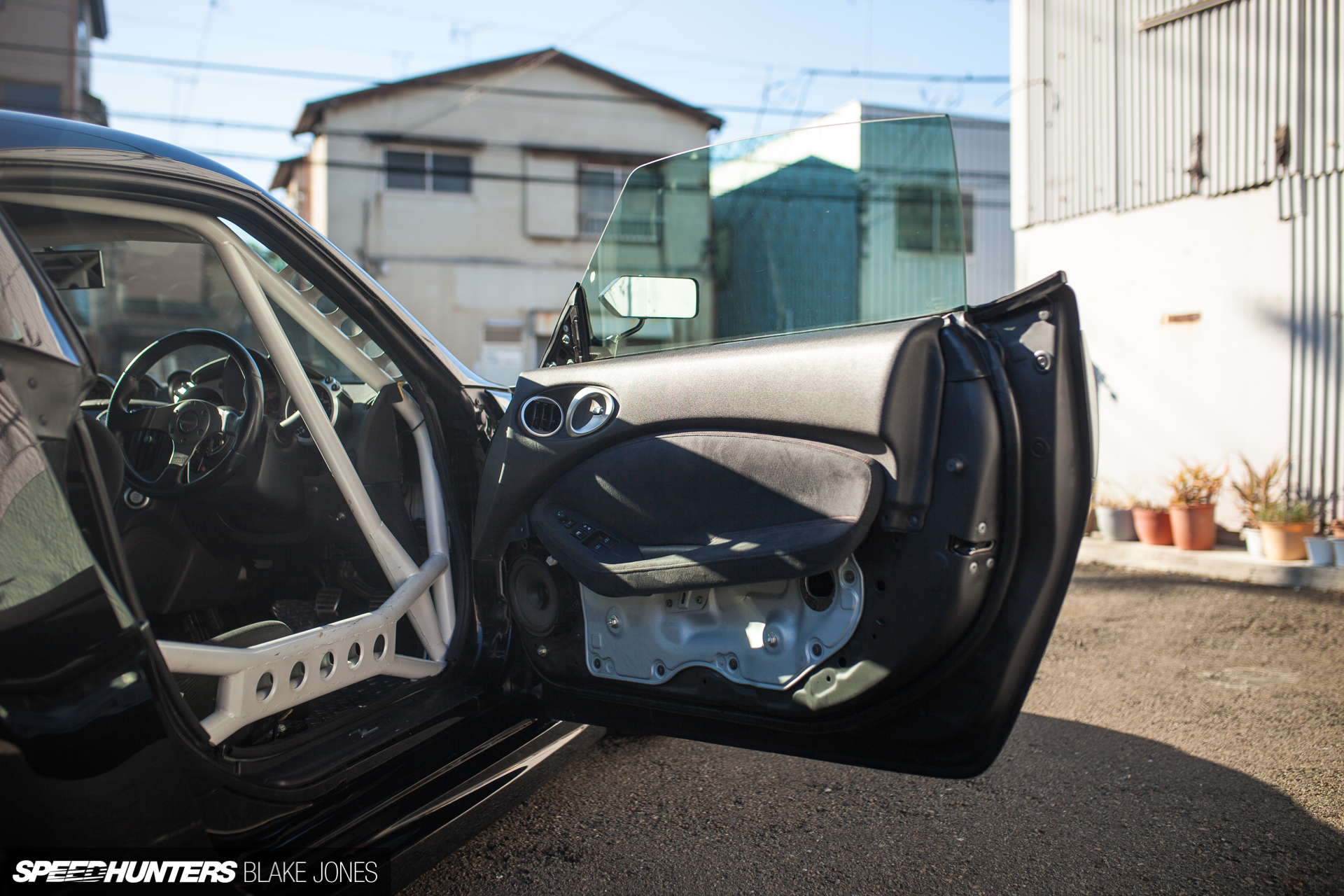
Most of the carbon has been left unpainted, with the exception of the Seibon carbon doors which also retain power window controls and even the factory speakers.
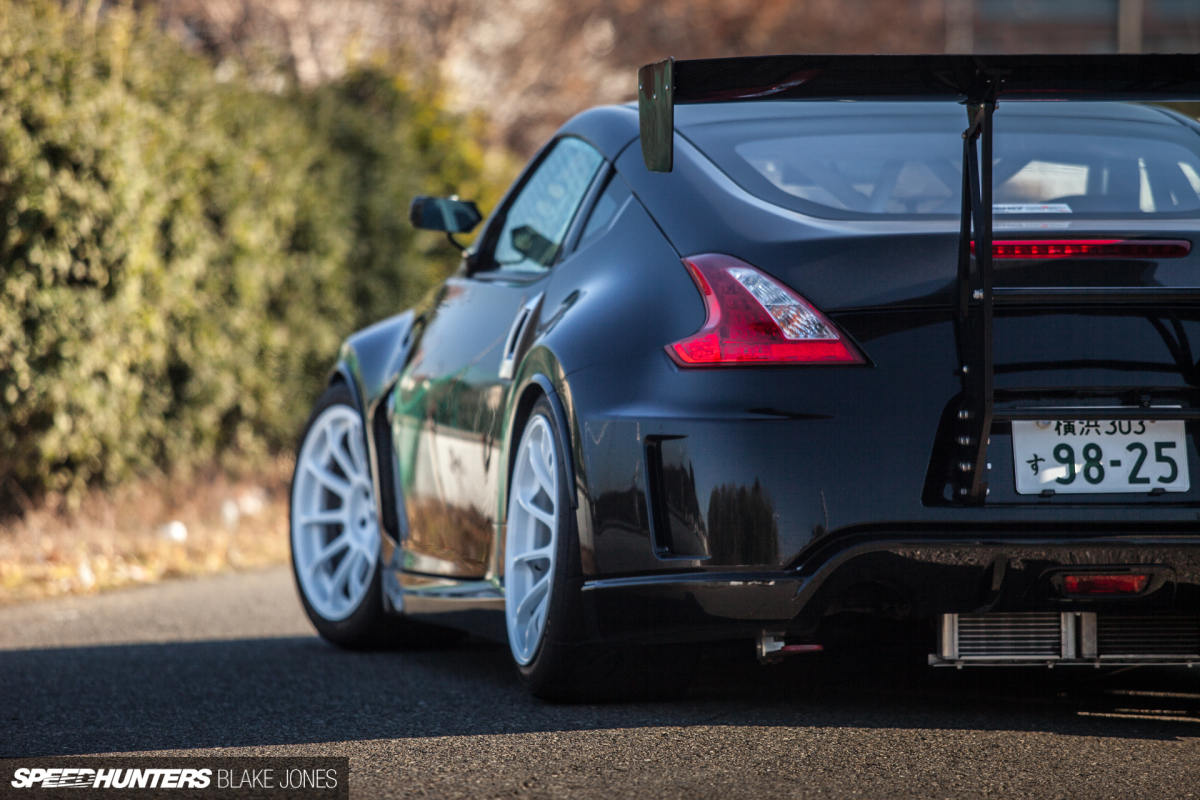
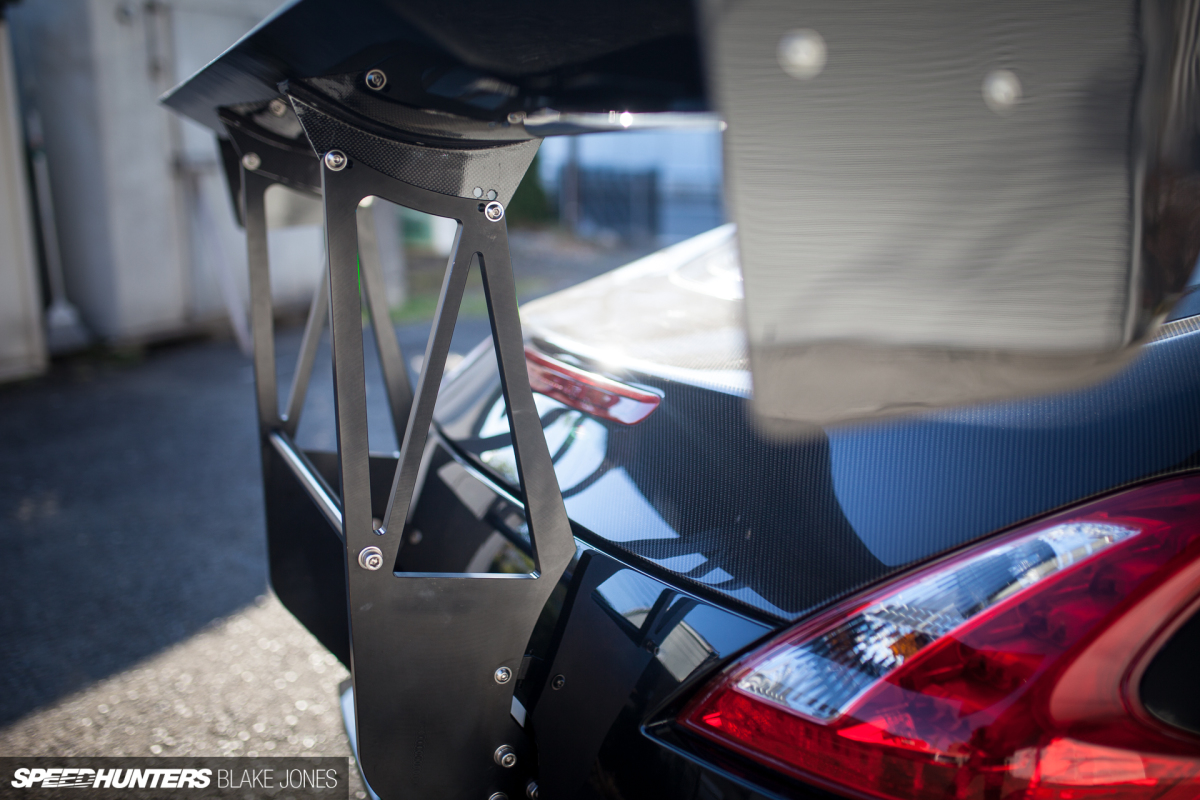
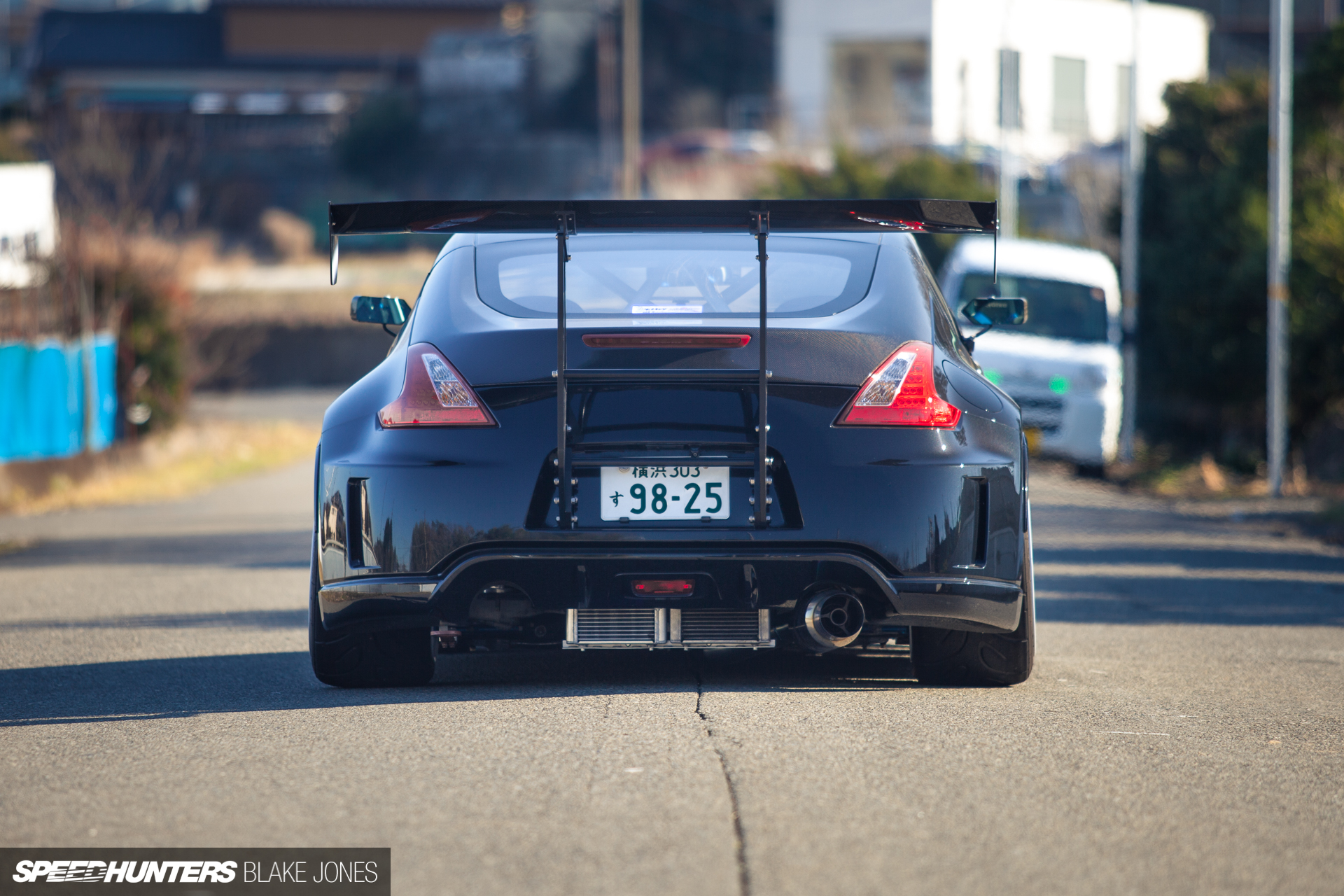
It’s impossible to ignore the massive Sard GT wing hanging off the rear bumper. The lovely mount was machined in-house at Advance, so don’t go looking to buy it online.
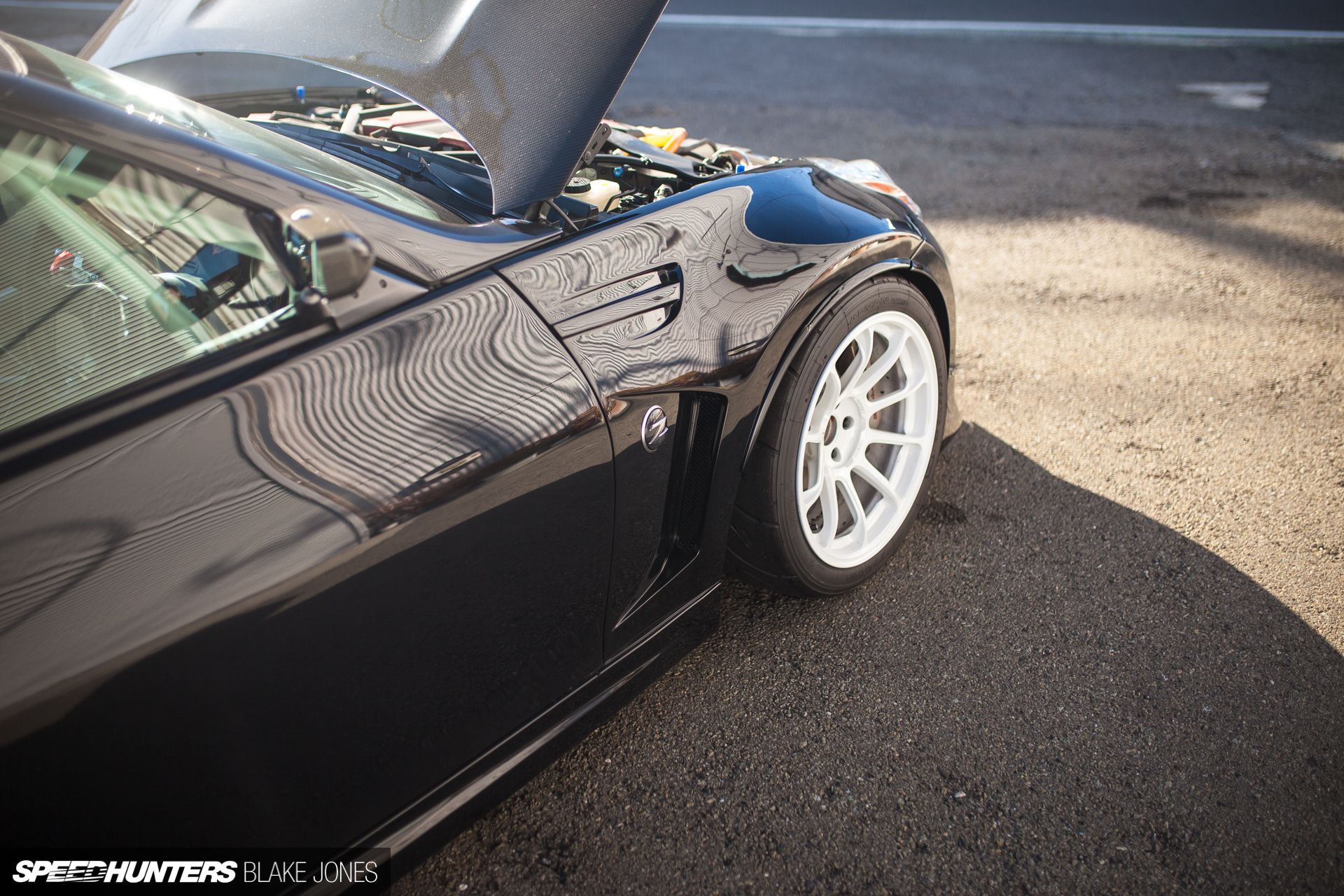
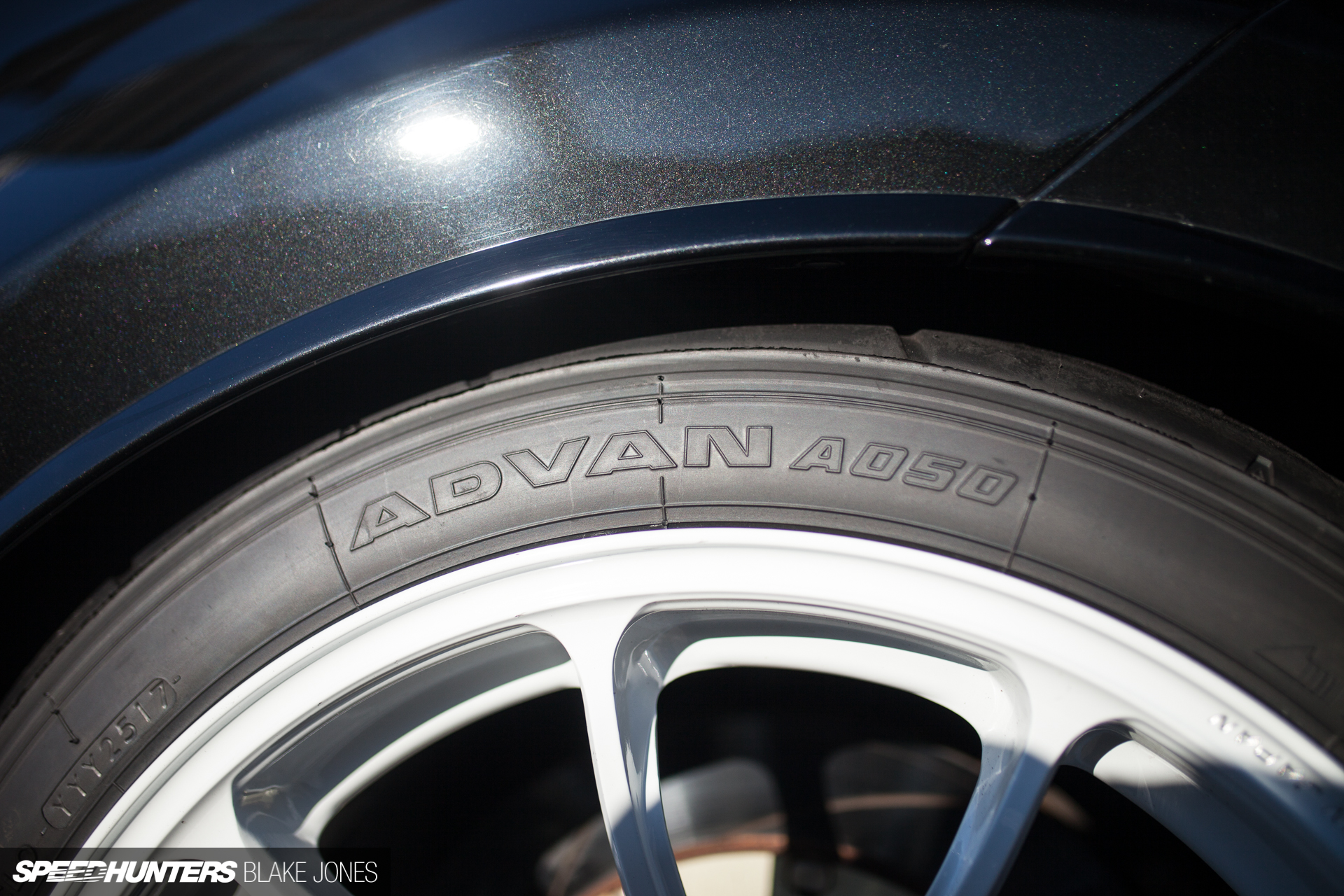
In order to fit the massive 295-section Yokohama Advan A050 tyres at the front, ings wide front fenders were installed, albeit in fibreglass.
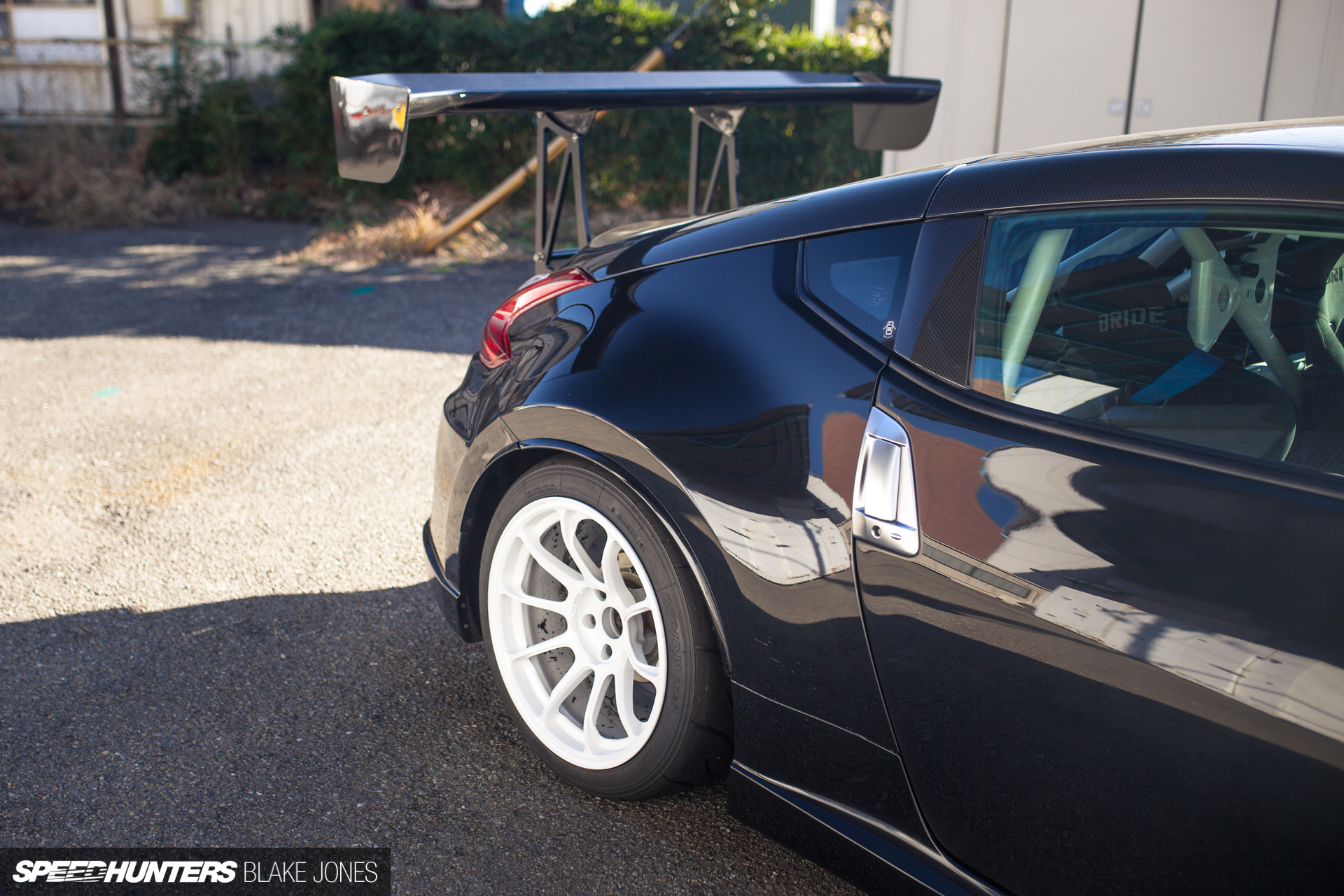
For a completely square setup the rear tyres are 295s as well, although the stock rear fenders could handle the girth.
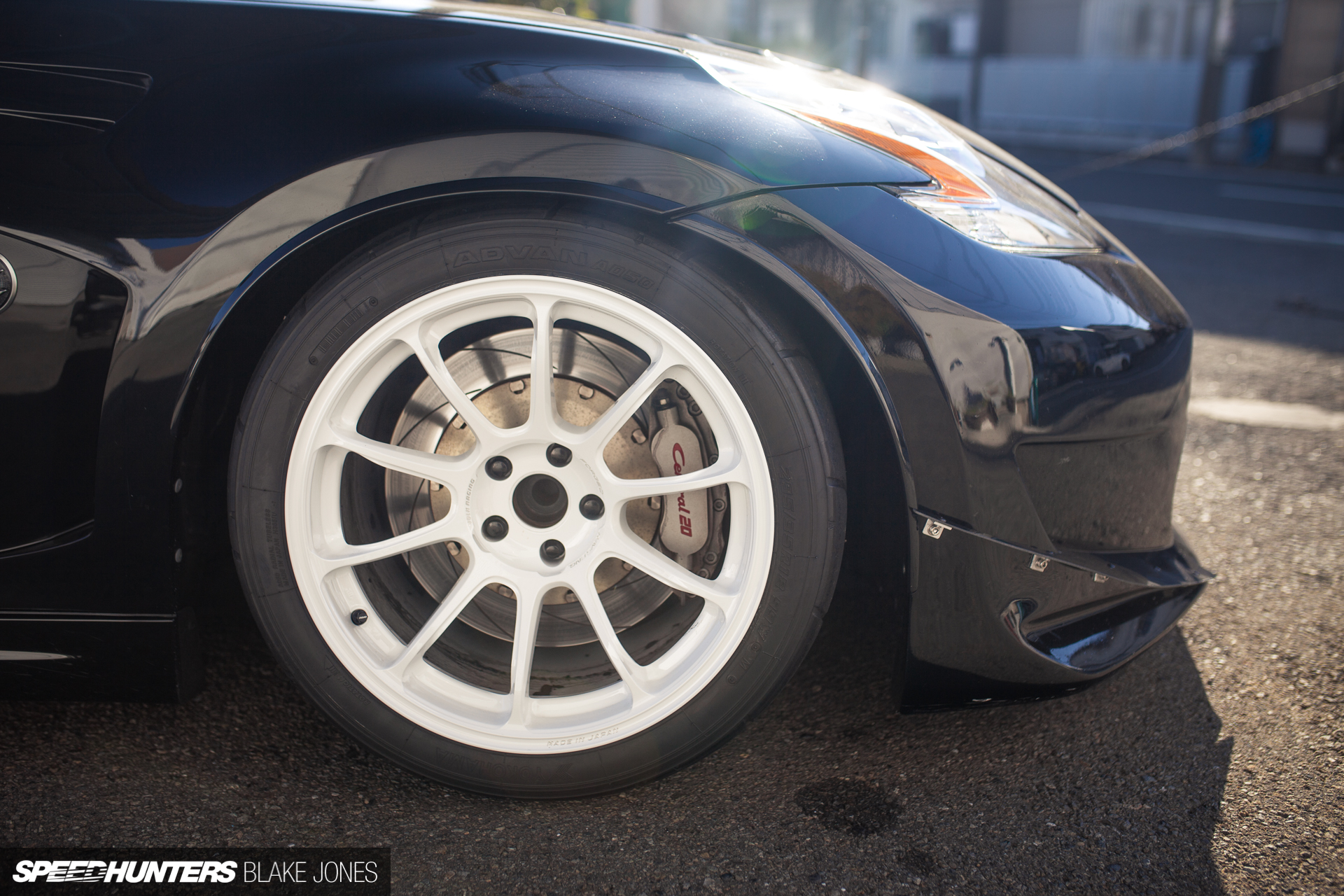
Behind the powder-coated RAYS Volk Racing ZE40 wheels sit massive Endless brakes, 6-pot front and 4-pot rear. Coilover suspension is from Endless, too.
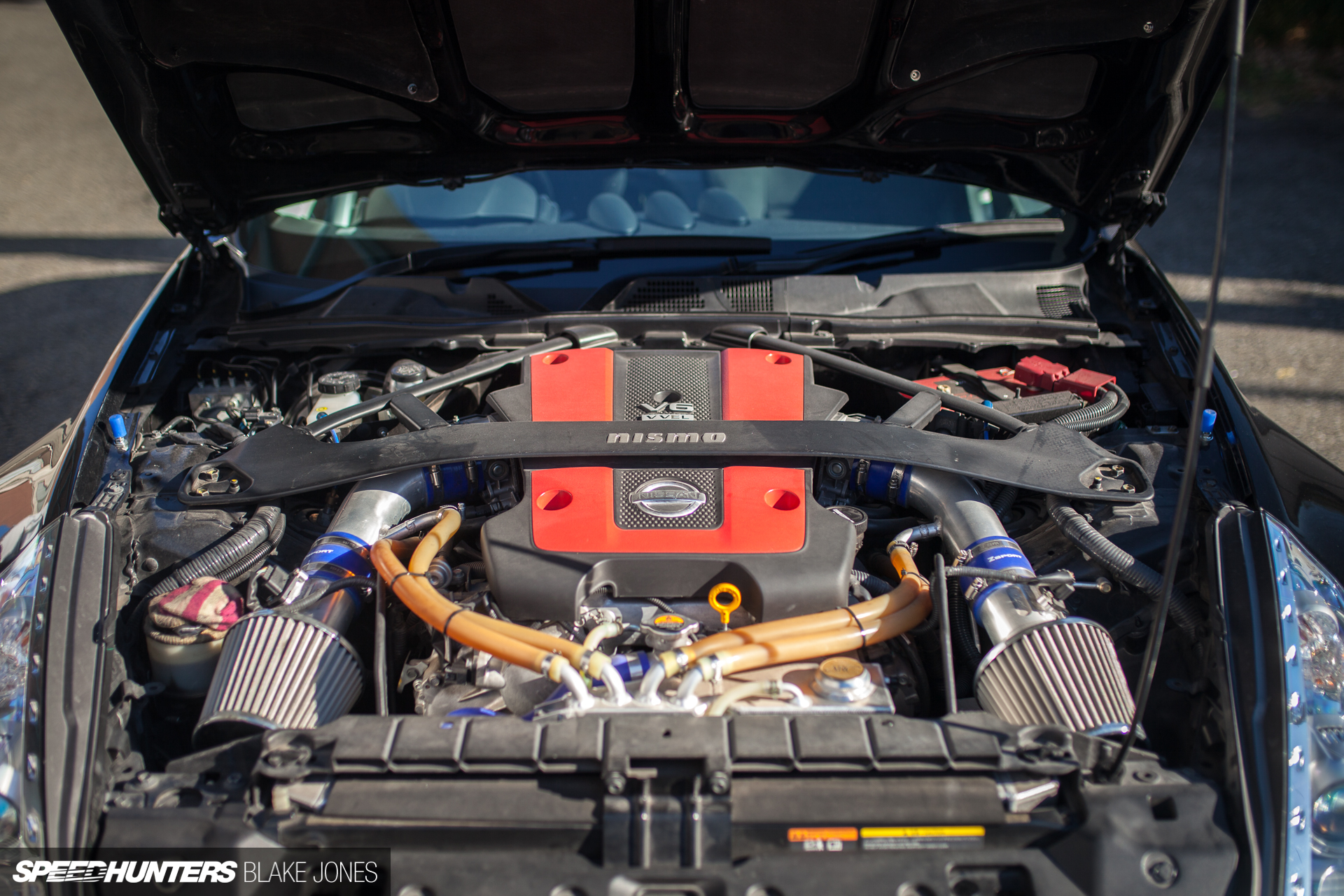
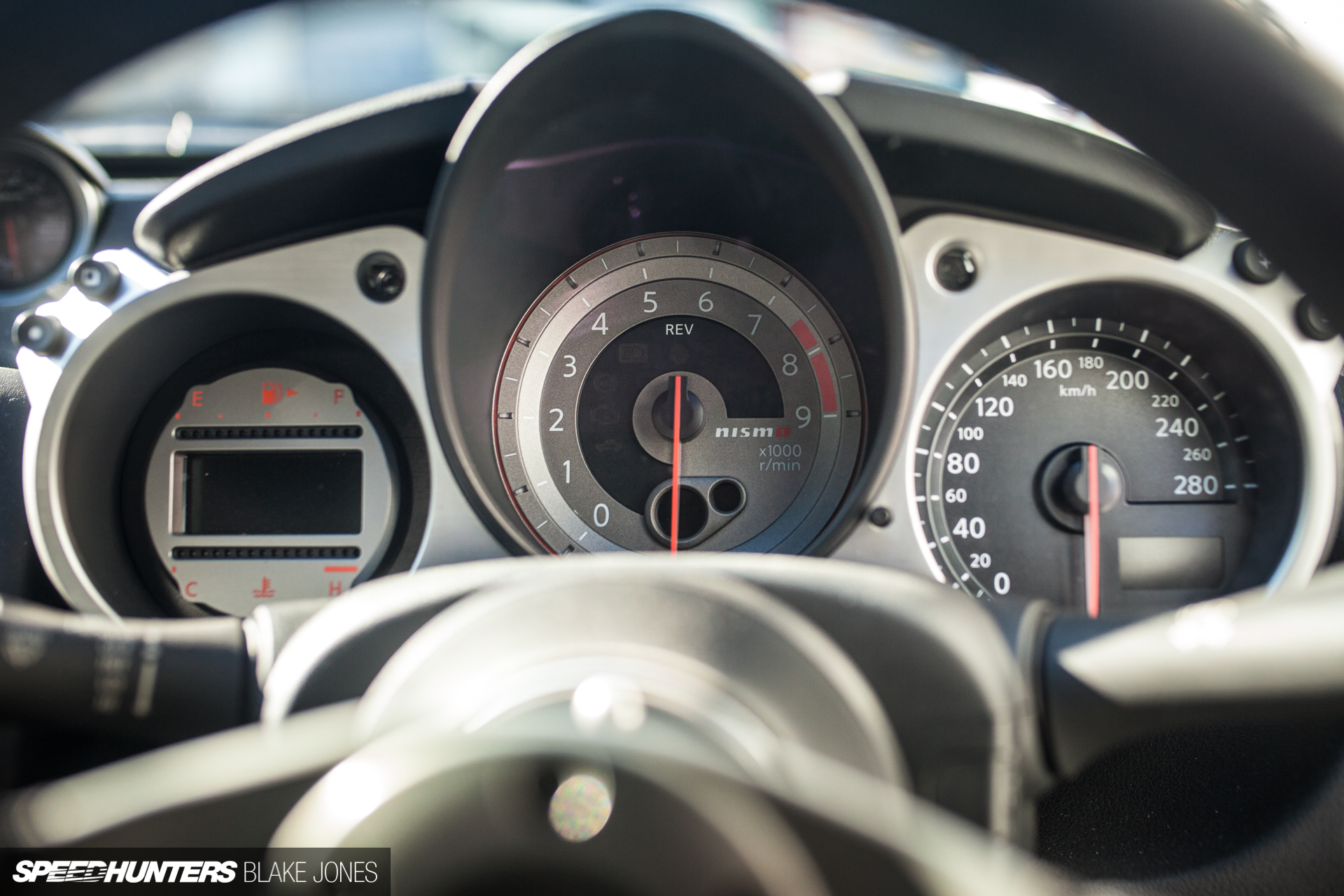
As the triangulated strut brace suggests, this particular car started life as one of Nissan’s factory-tweaked high performance variants, although most of what identified this car as a Nismo edition has been binned and upgraded at this point.
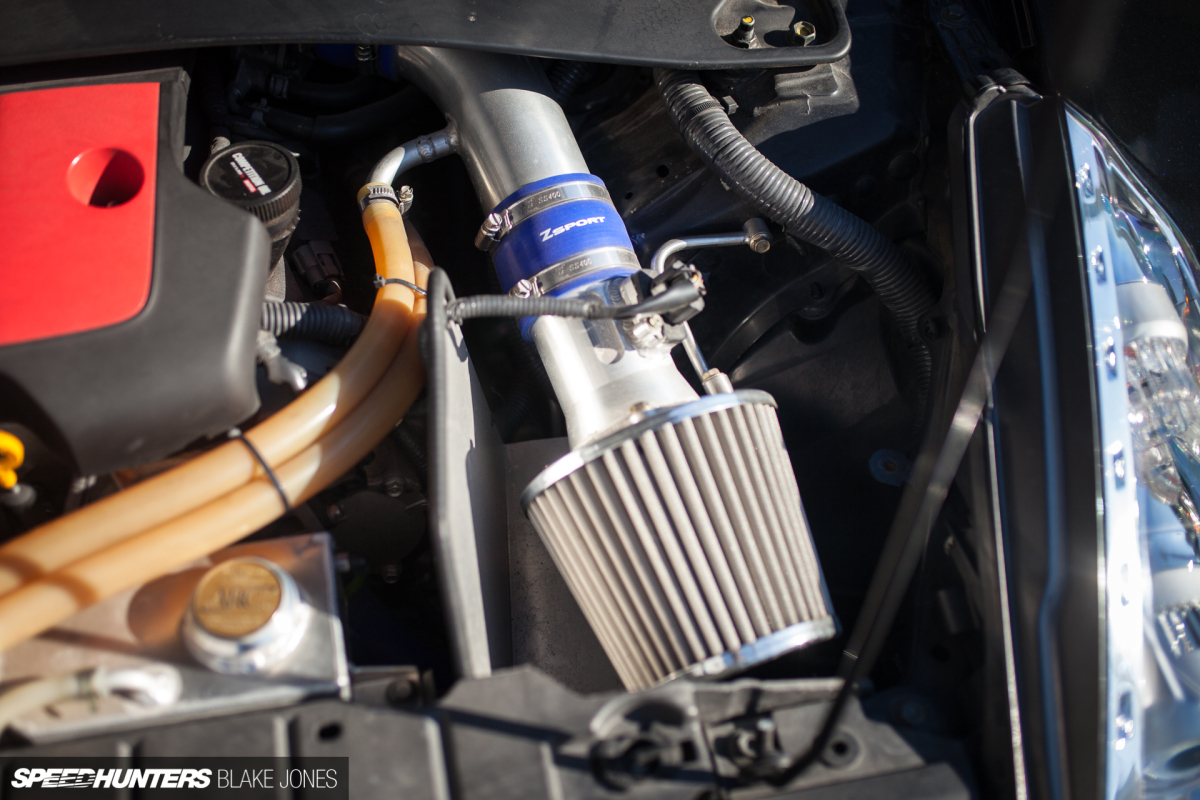
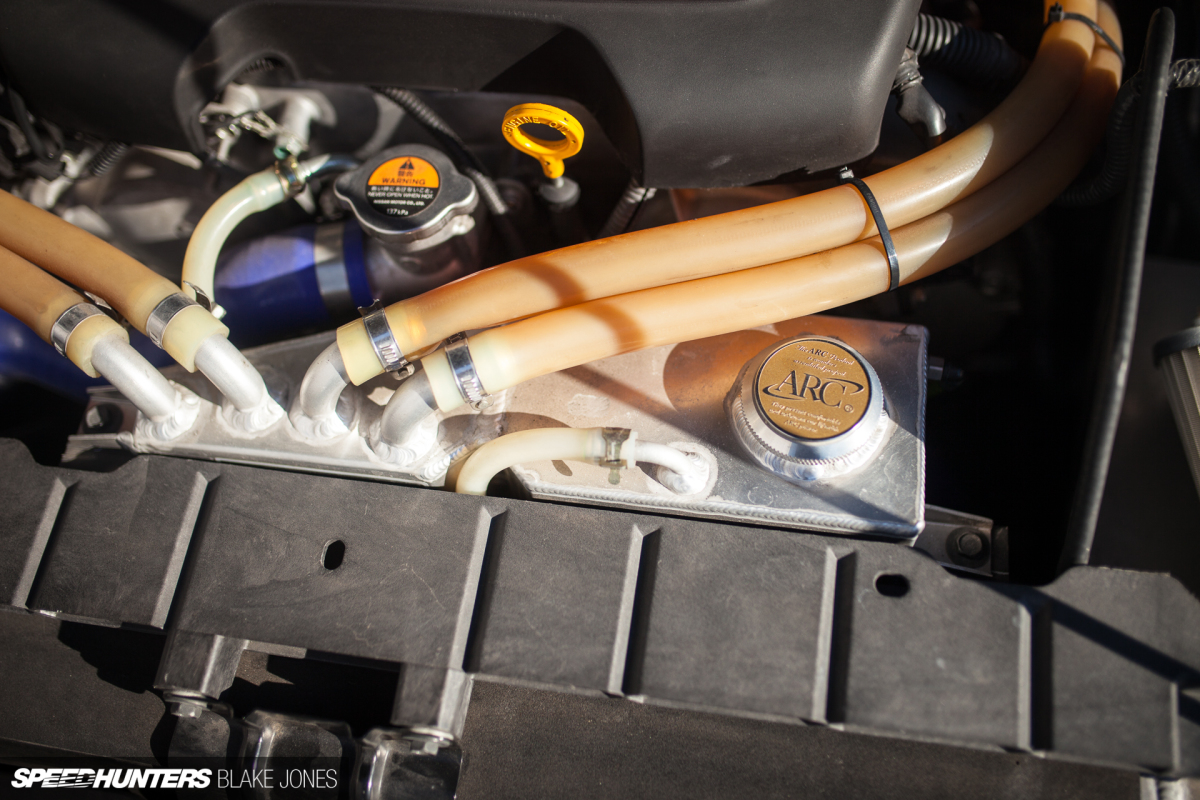
Until recently the VQ37 was unopened, with only simple breathing and cooling modifications made to allow the V6 to operate to full potential during the extended sessions lapping Fuji Speedway. However, Masa tells me that after this shoot performance camshafts from JUN were installed.

On the hot side, two banks of Z sports manifolds channel exhaust gasses into a single 80mm Amuse titanium R1000 system. From these simple modifications we’re talking 380PS of naturally aspirated, reliable power – nothing to be sneezed at!
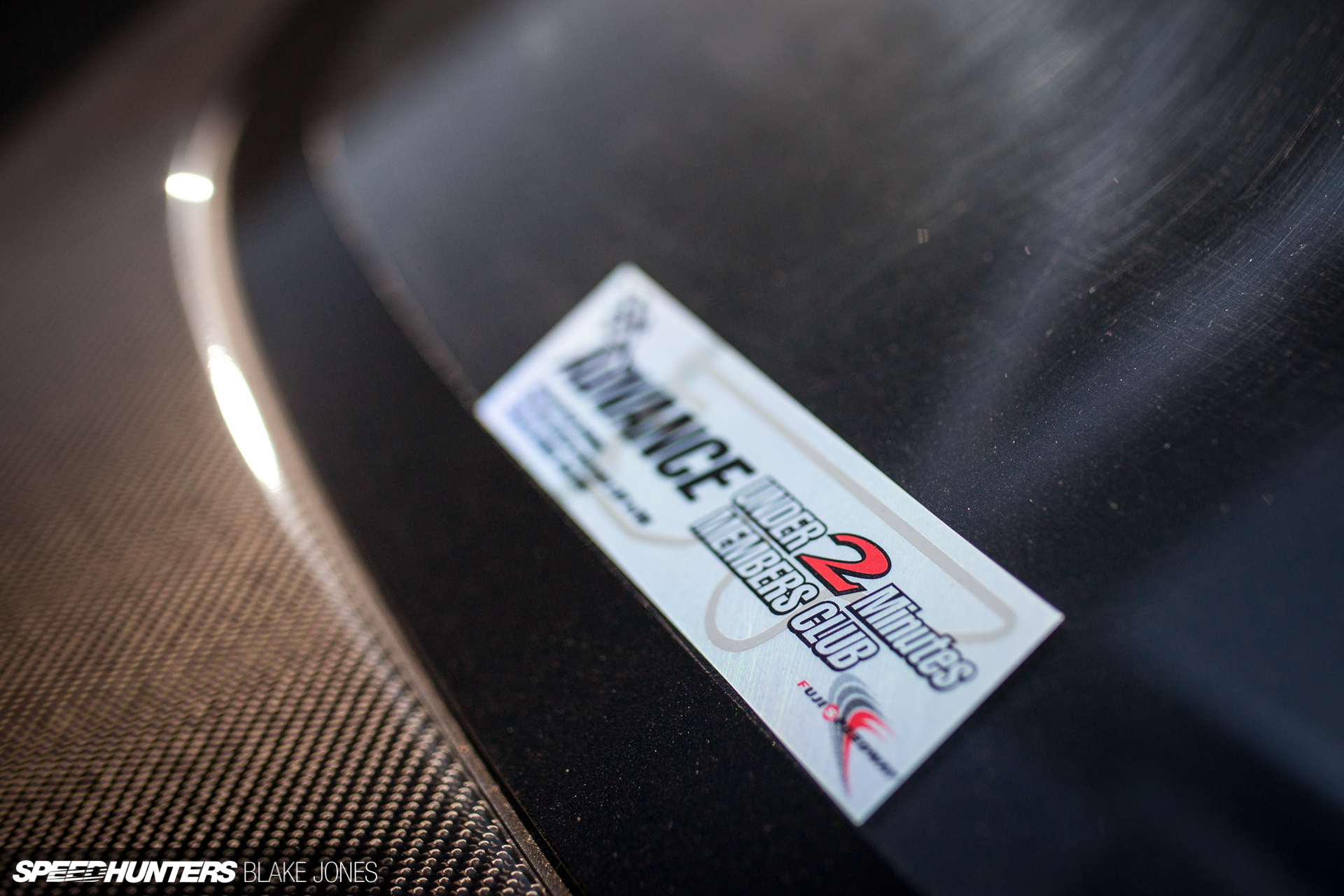
Something cool that Advance does for all customers that take part in the Fuji Speedway days is issue stickers based on what time the owner is able to put down around the 4.56km circuit. Breaking the two-minute barrier is a big deal for road cars on street legal tyres, but this Fairlady has actually trimmed the lap down to an impressive 1:55.992.
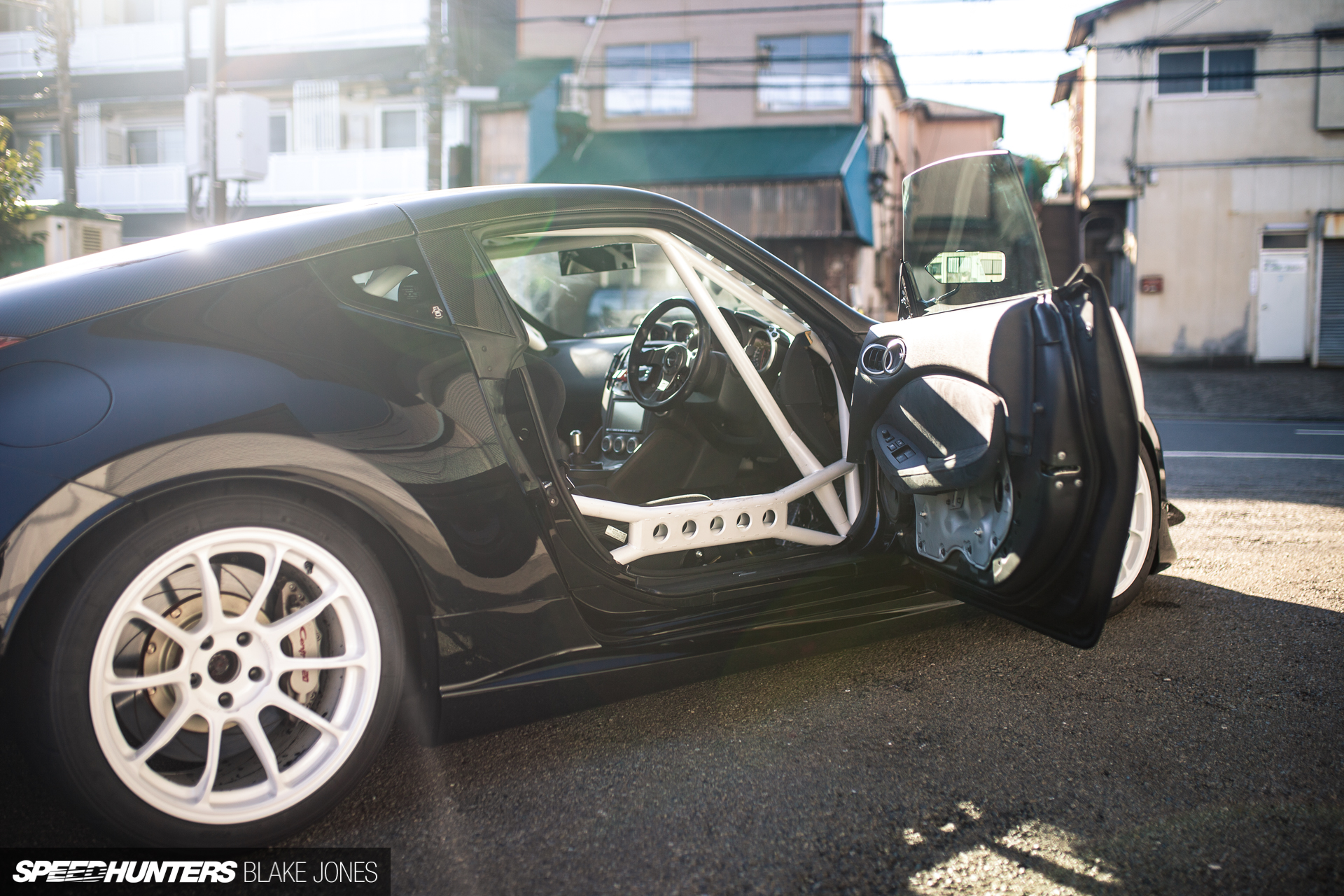
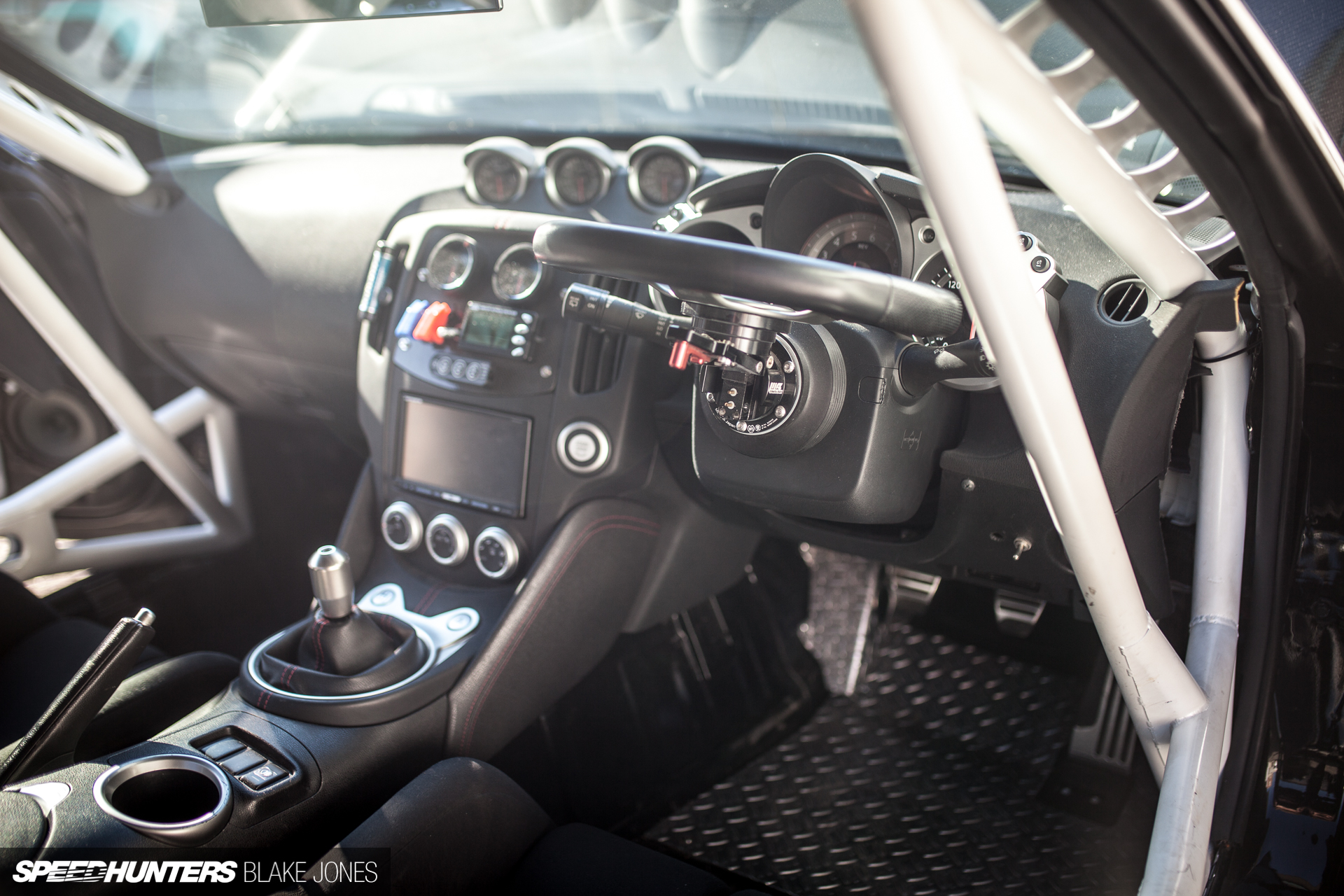
Considering the high speeds the Z is hitting around Fuji, it’s great to see an appropriately beefy roll-cage in place to protect the owner in case the worst happens. Gusseted cross bars are an absolute necessity considering that the carbon doors are unlikely to have an internal steel bar like the factory doors.
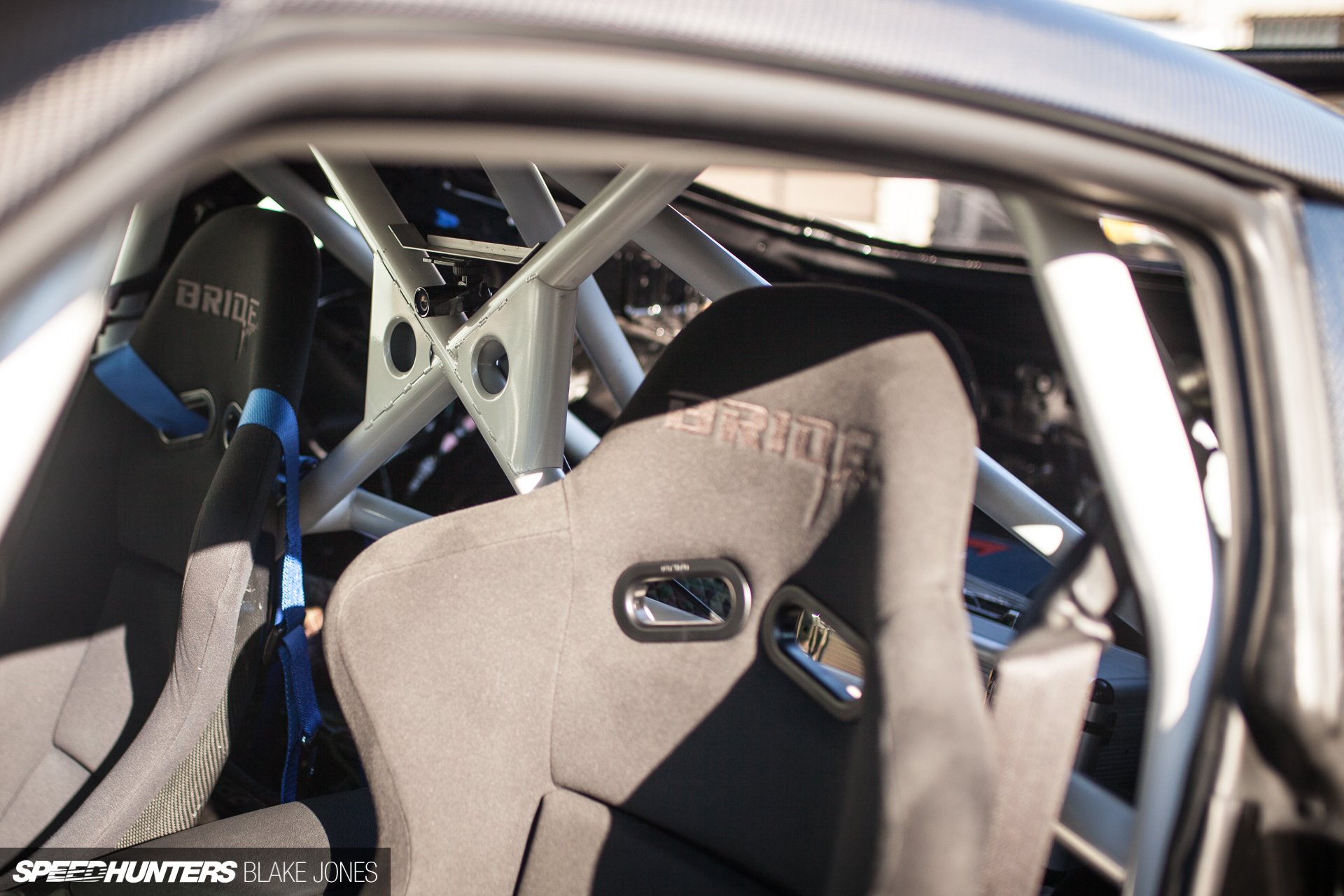
The cage is a one-off fabricated again by Advance, showing just how versatile the two-man workshop is. Good roll cages are still a rarity in Japan, but the tide is slowly starting to change.
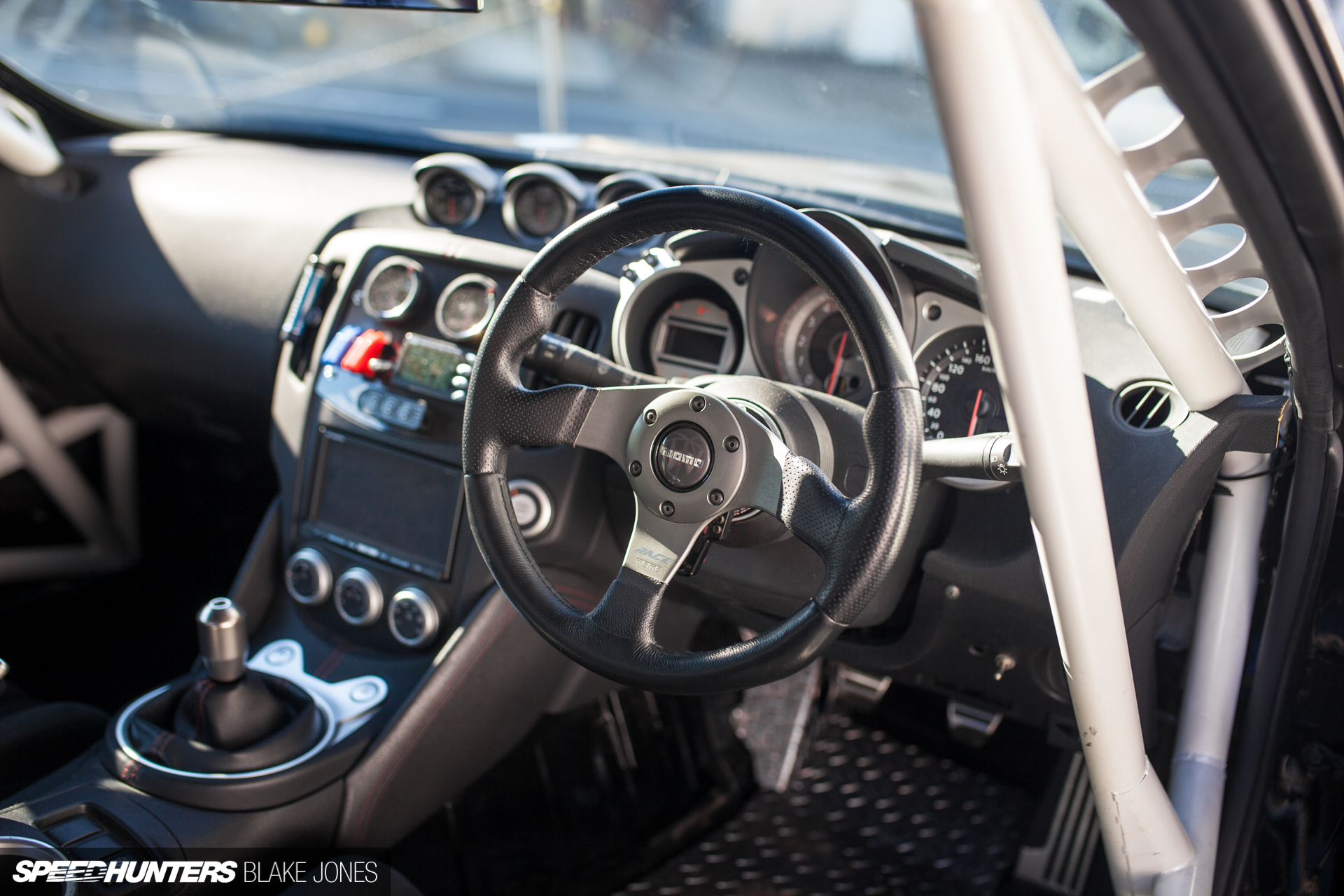
The rest of the interior is exactly as you would expect: non-airbag steering wheel, fixed Bride buckets and harnesses, and a bevy of additional gauges from Defi installed into the centre console. Even navigation and audio to make the long drives back from Fuji Speedway a little less bothersome.
If you’re looking for a platform from which to build a fun track car, the Z33 and Z34 are absolutely worth a look. Although the stock car was criticised for being too soft and too heavy, take a leaf out of the Advance book and go chase down some 911s.
Blake Jones
Instagram: blaketjones
blake@speedhunters.com
Nissan related stories on Speedhunters
Cutting Room Floor