Retro styling and restomodding are popular terms used these days when talking about approaches to building and modifying cars, new and old. But what about remixing?
Chatting to Ash Thorp about his latest render for our ALT Series, he used this expression to explain his thinking behind this boxy Ford coupe from the mid-1960s. The way an artist like Ash can interact with a base car in the digital realm truly opens up opportunities for quickly visualizing ideas and solutions, and this in turn helps sculpt a shape that not only looks good, but simultaneously pushes the boundaries of what’s possible.
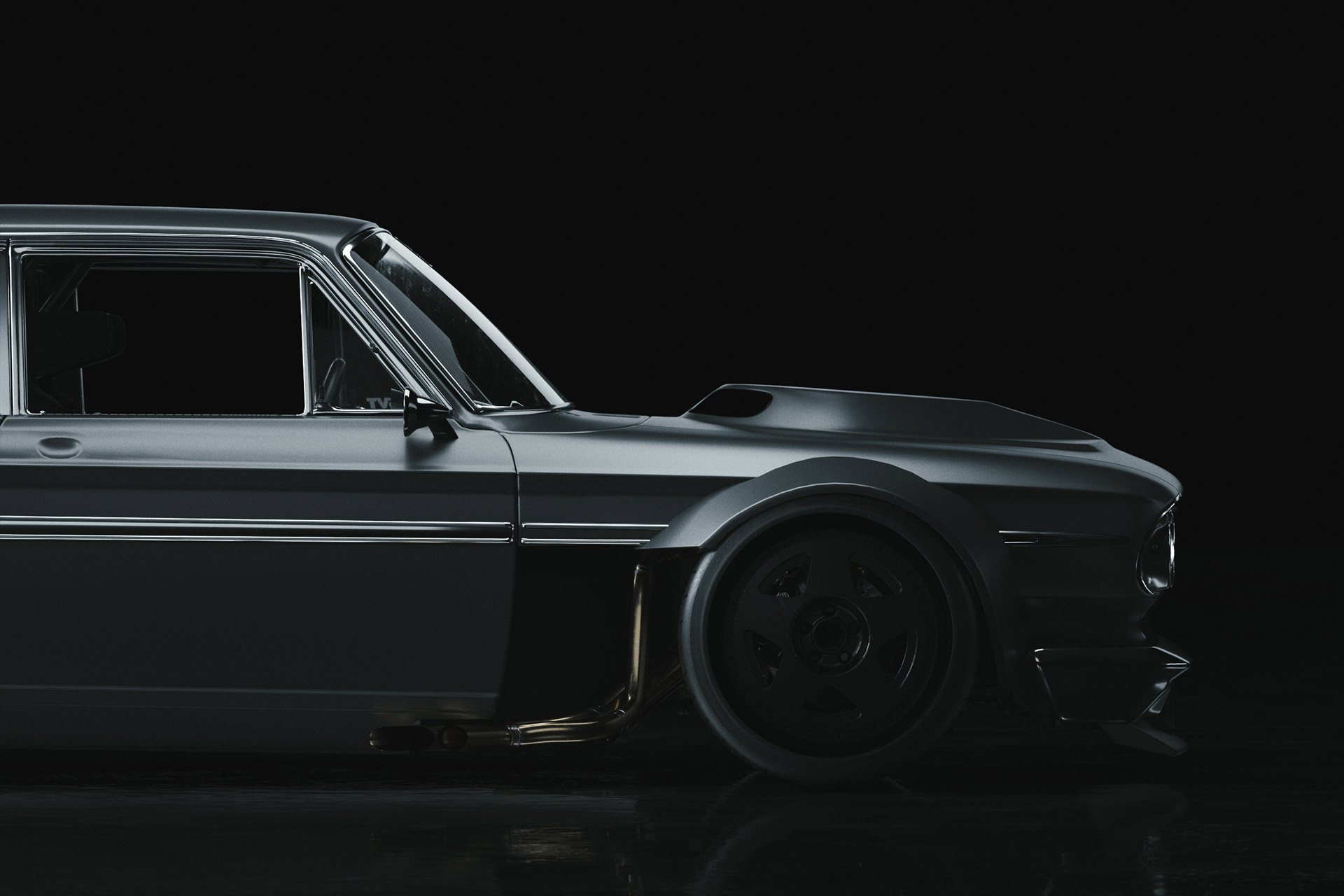
Ash believes this could well be the best set of renders he’s created thus far, something partly due to the personal interest he has in the Ford Fairlane which took his imagination further.

Unlike his digital Volvo 240 and Karmann Ghia concepts, Ash’s approach with the Fairlane was less about integration and more about aggression, all without much worry for making things look pretty.
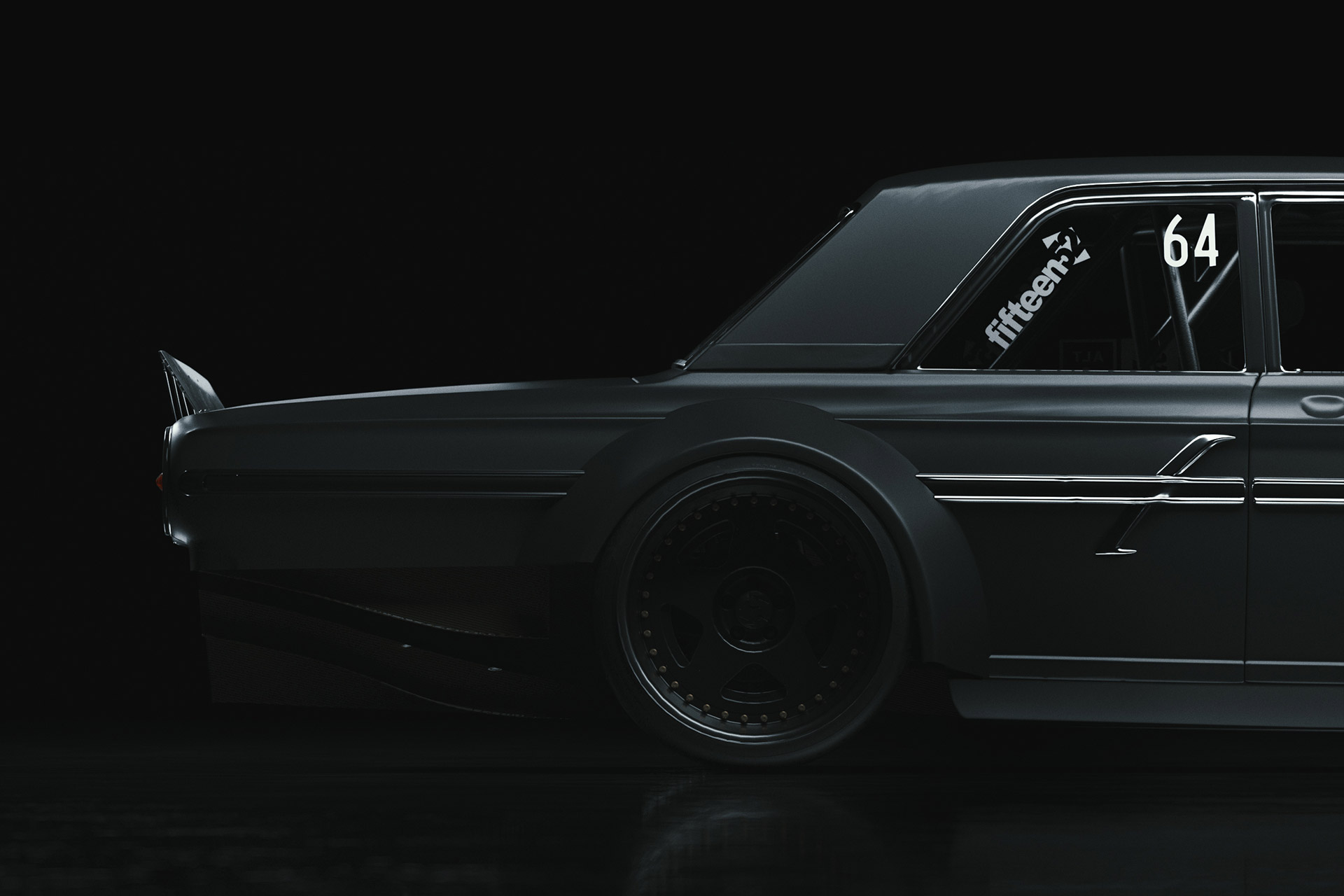
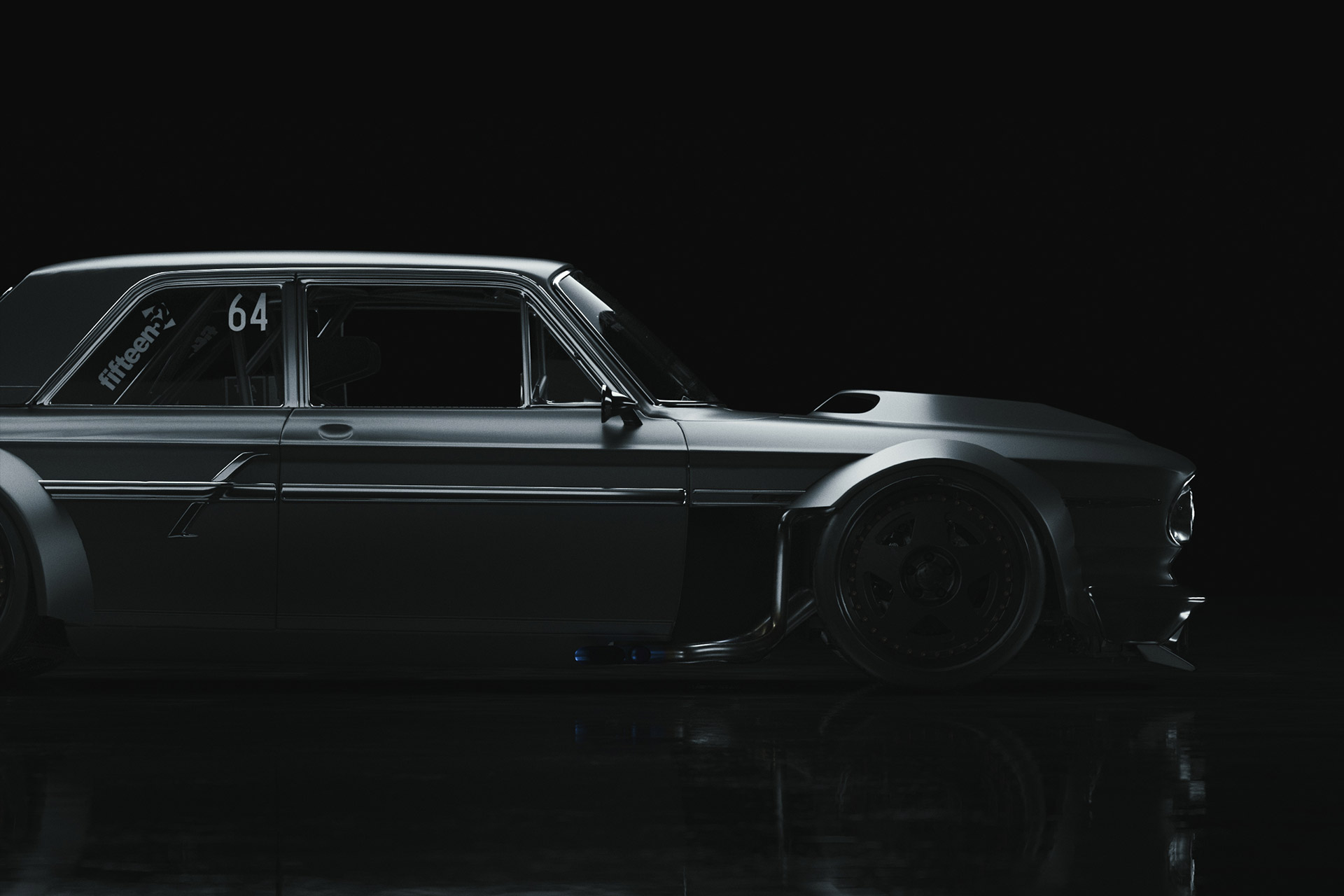
In fact, that boxy shape is almost brutally interrupted by the constant radius flares that have been slapped on. Maximum effect is what Ash was going for and it’s obvious he’s achieved it.
In a way it’s a lot like what Ken Block and his crew did in the real world with the Hoonicorn, and being a Ford of the same generation there are some similarities in the Fairlane’s finished form.
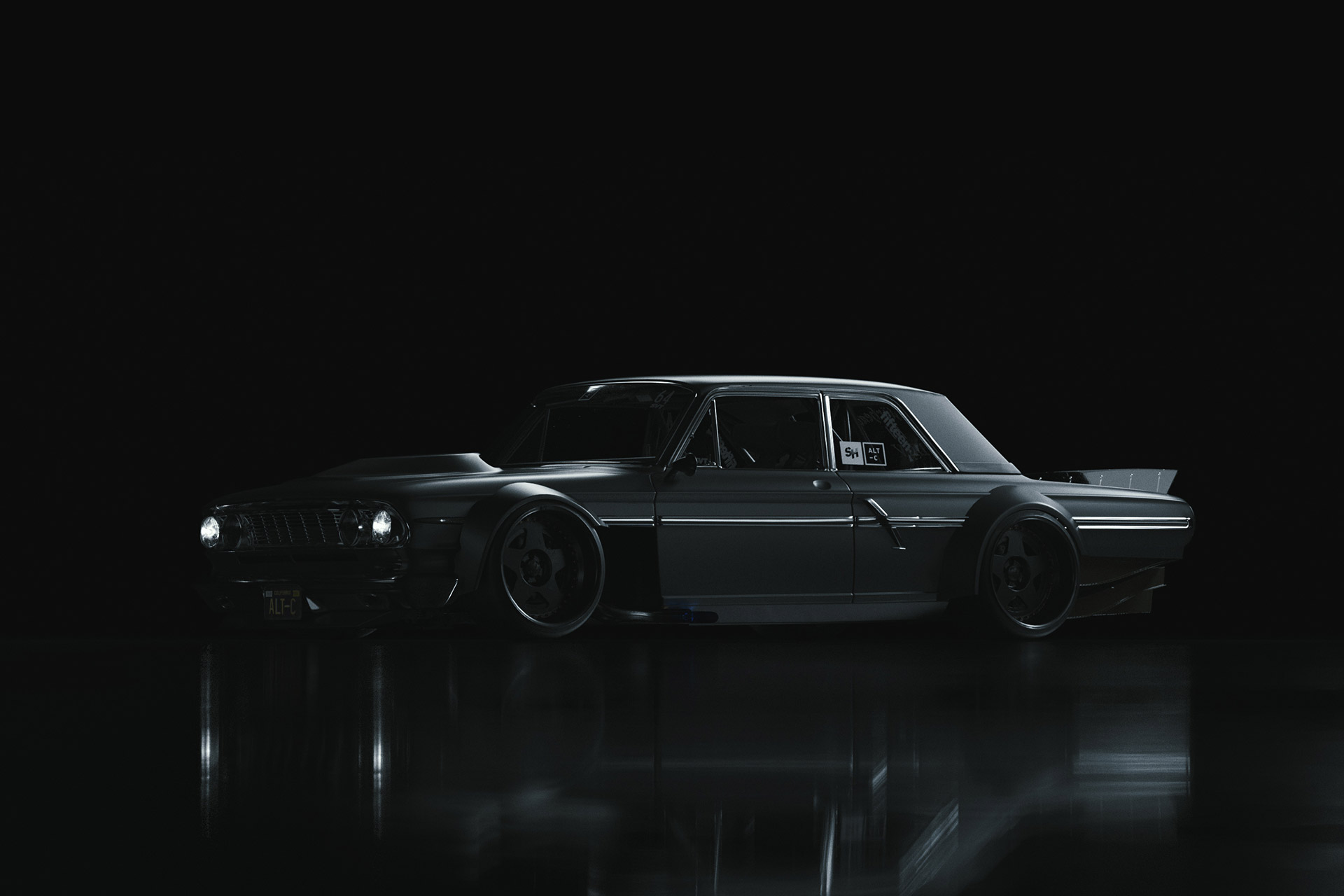
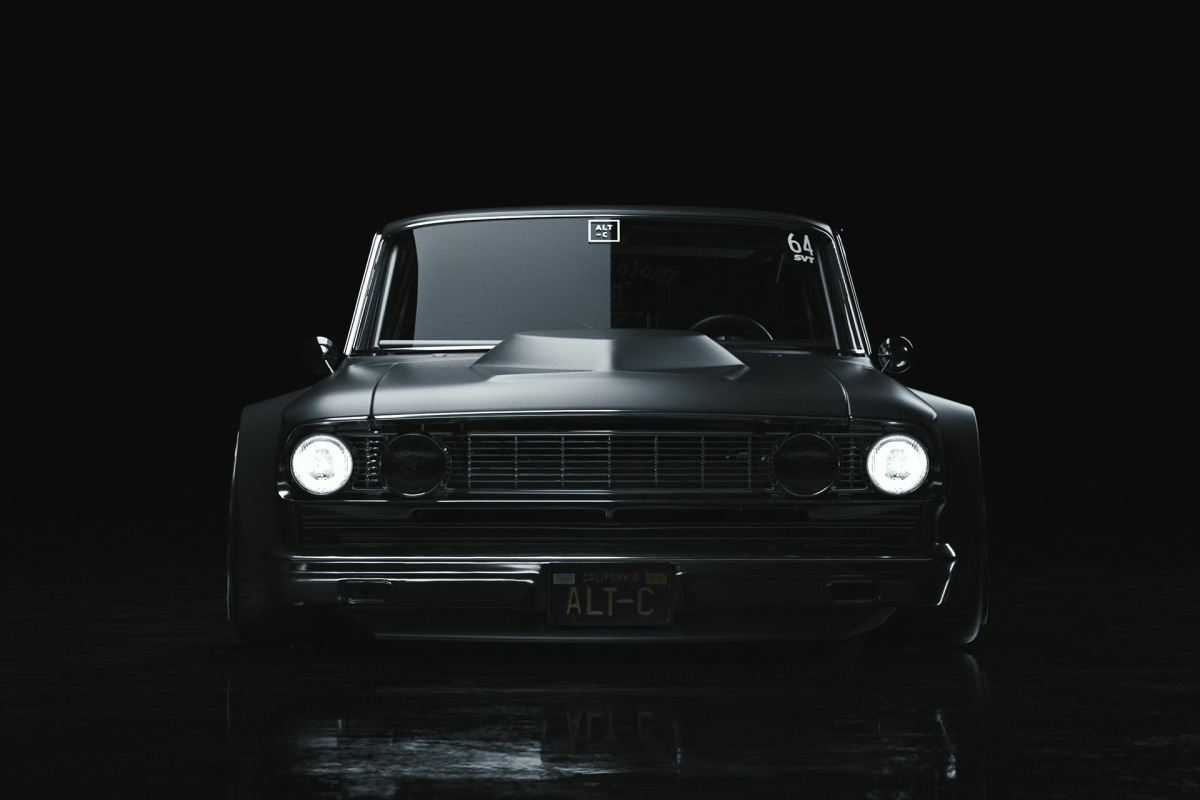
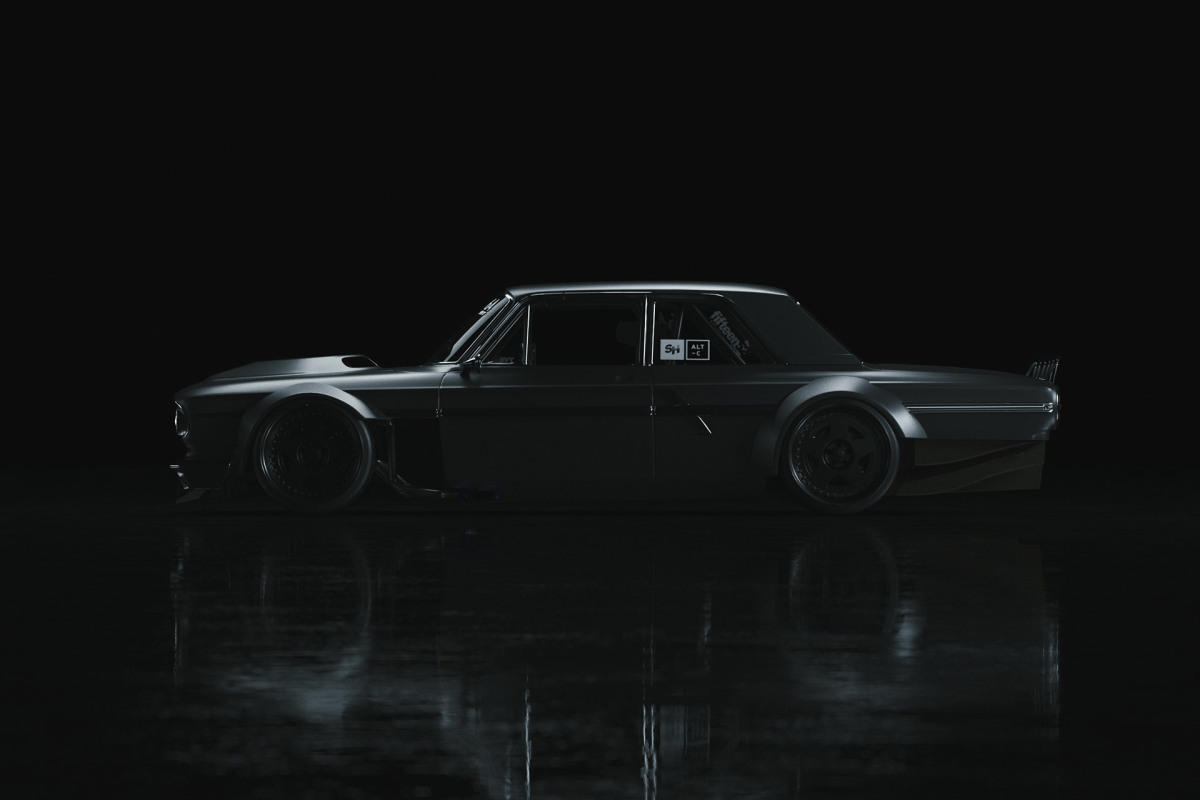
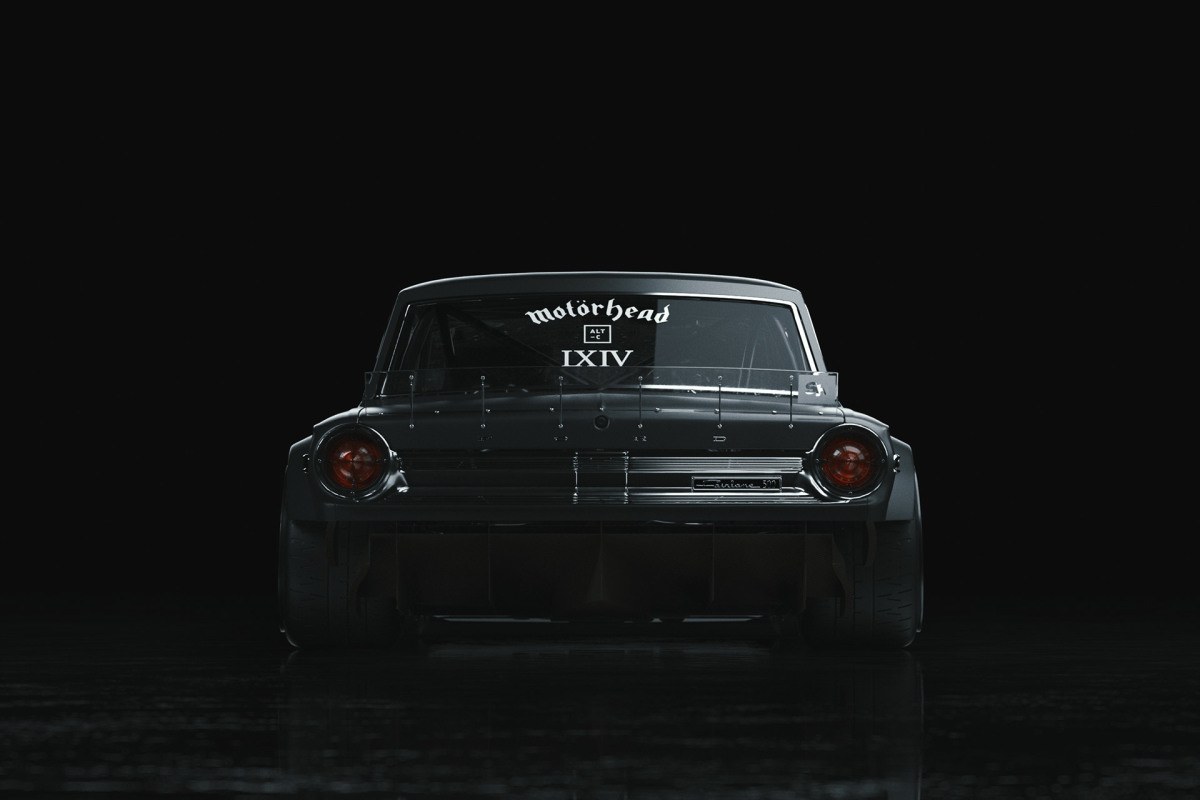
I like to hear about what goes through the mind of designers when they are deep in the process, and there are a few cool little details that have come through to the final car that were directly influenced by interesting, random things.
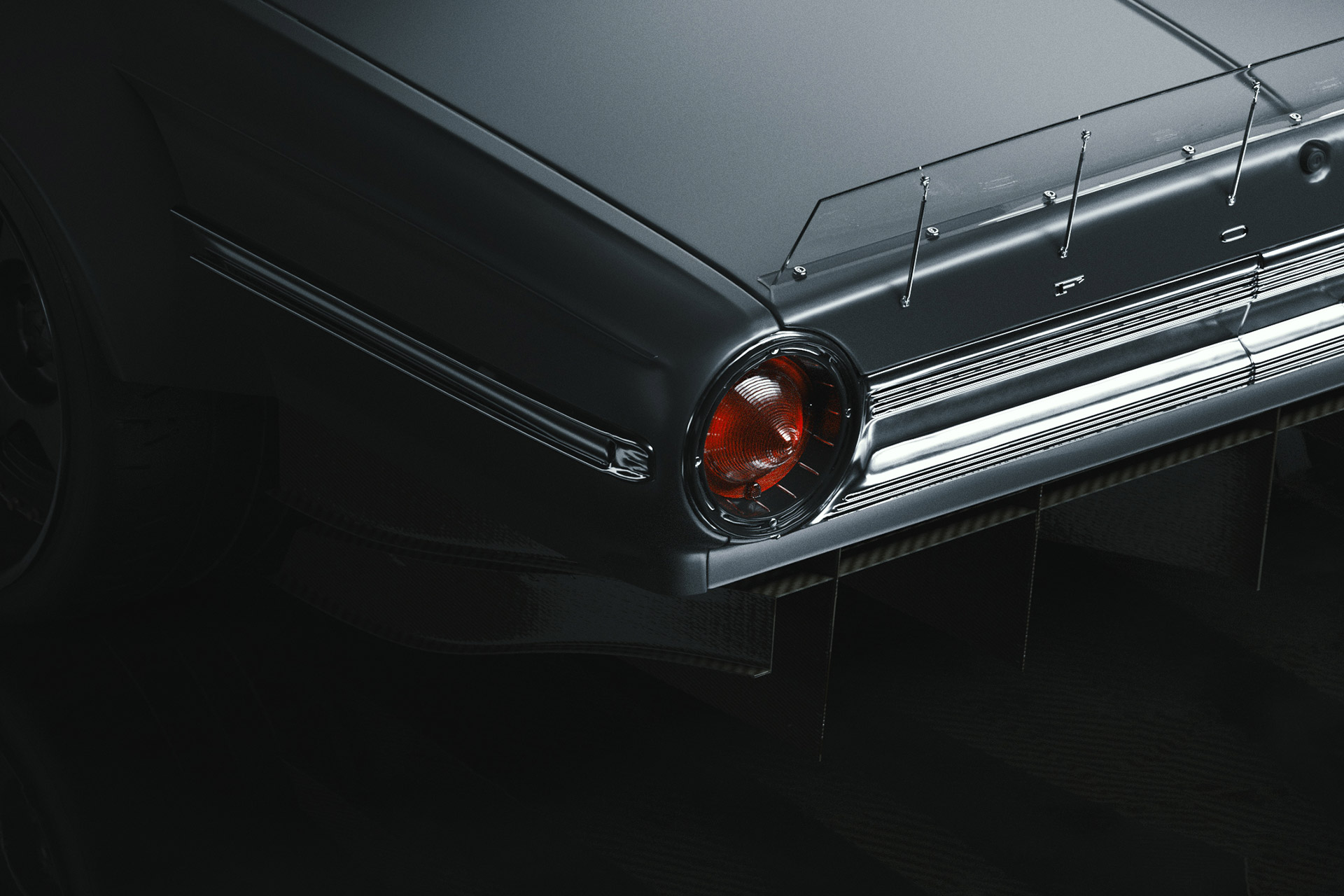
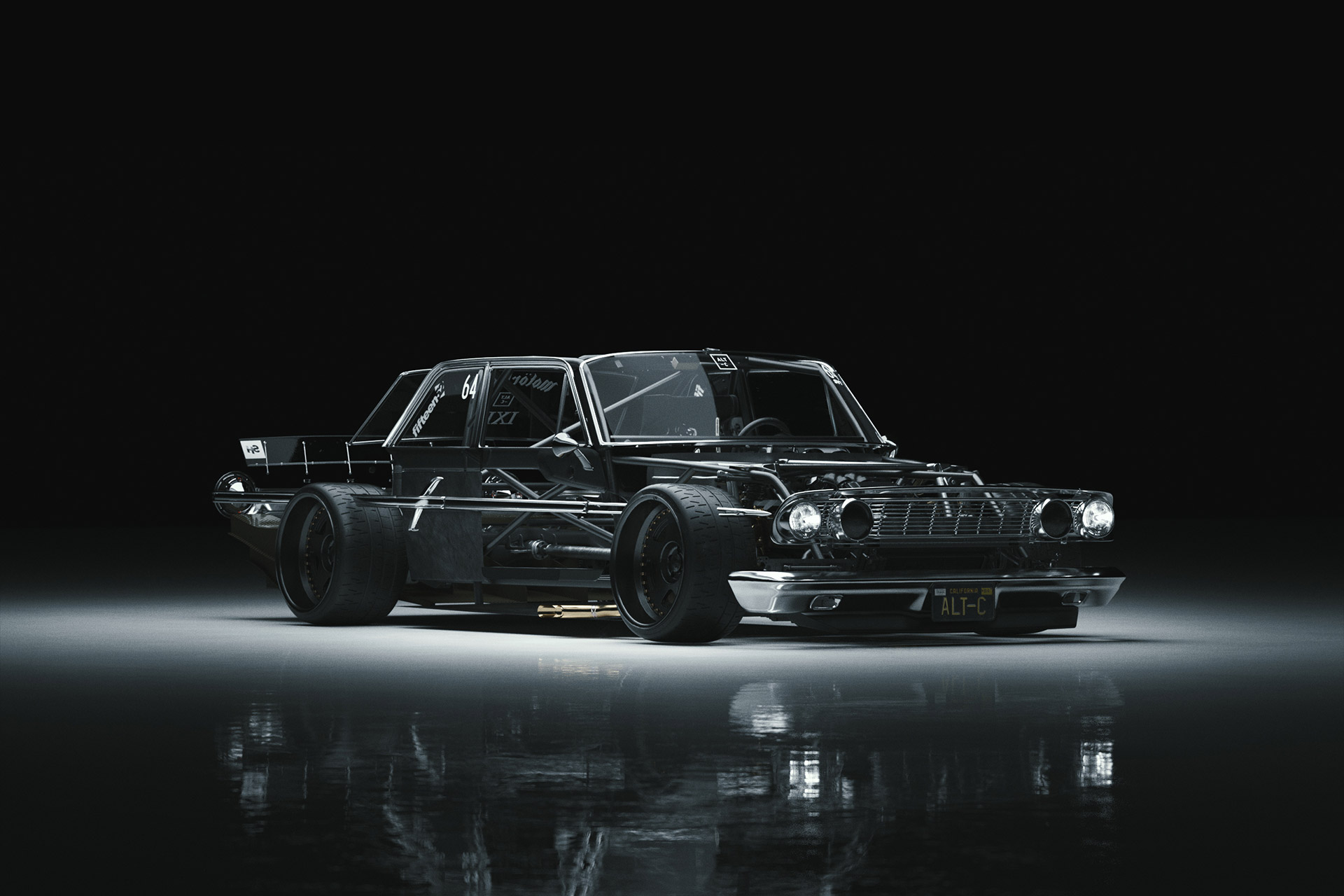
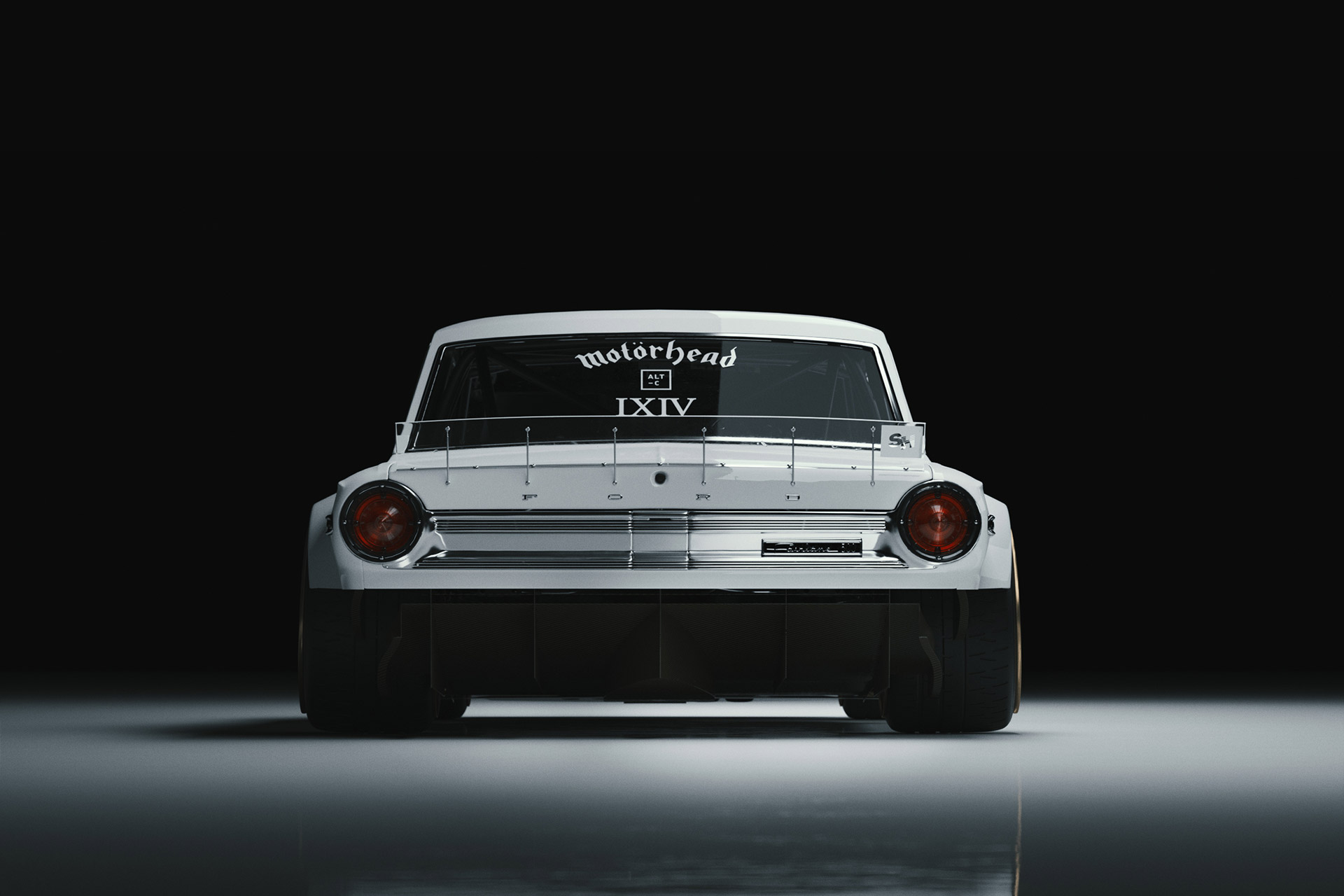
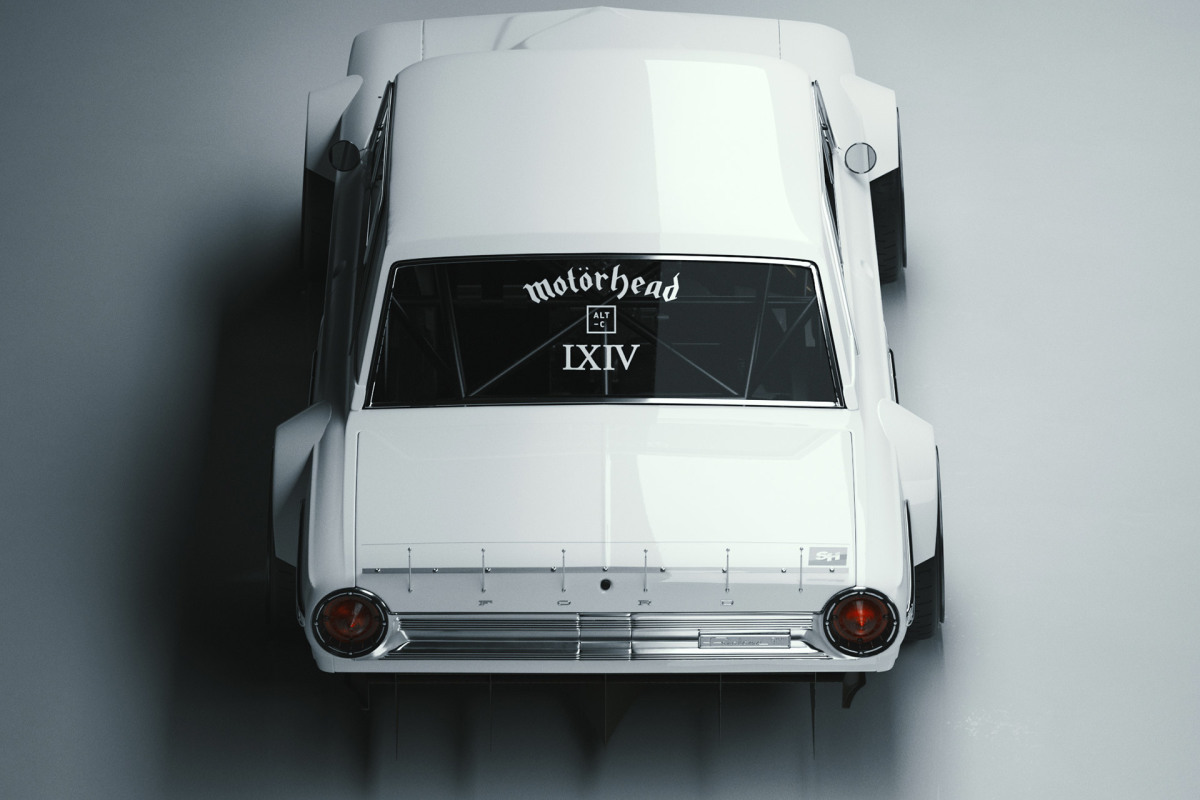
Take the transparent trunk spoiler for example. It’s there because Ash remembered seeing it on other cars of the same period when there was need for greater downforce, but also the obvious need to not impair visibility out of the back. Why the Motörhead logo? Simple – there was some metal being listened to during the creation of this car.

The LXIV on the back is the Roman numeral for ’64’, the year of the car, but my favorite touch is the translucent Speedhunters sticker on the corner of the spoiler.
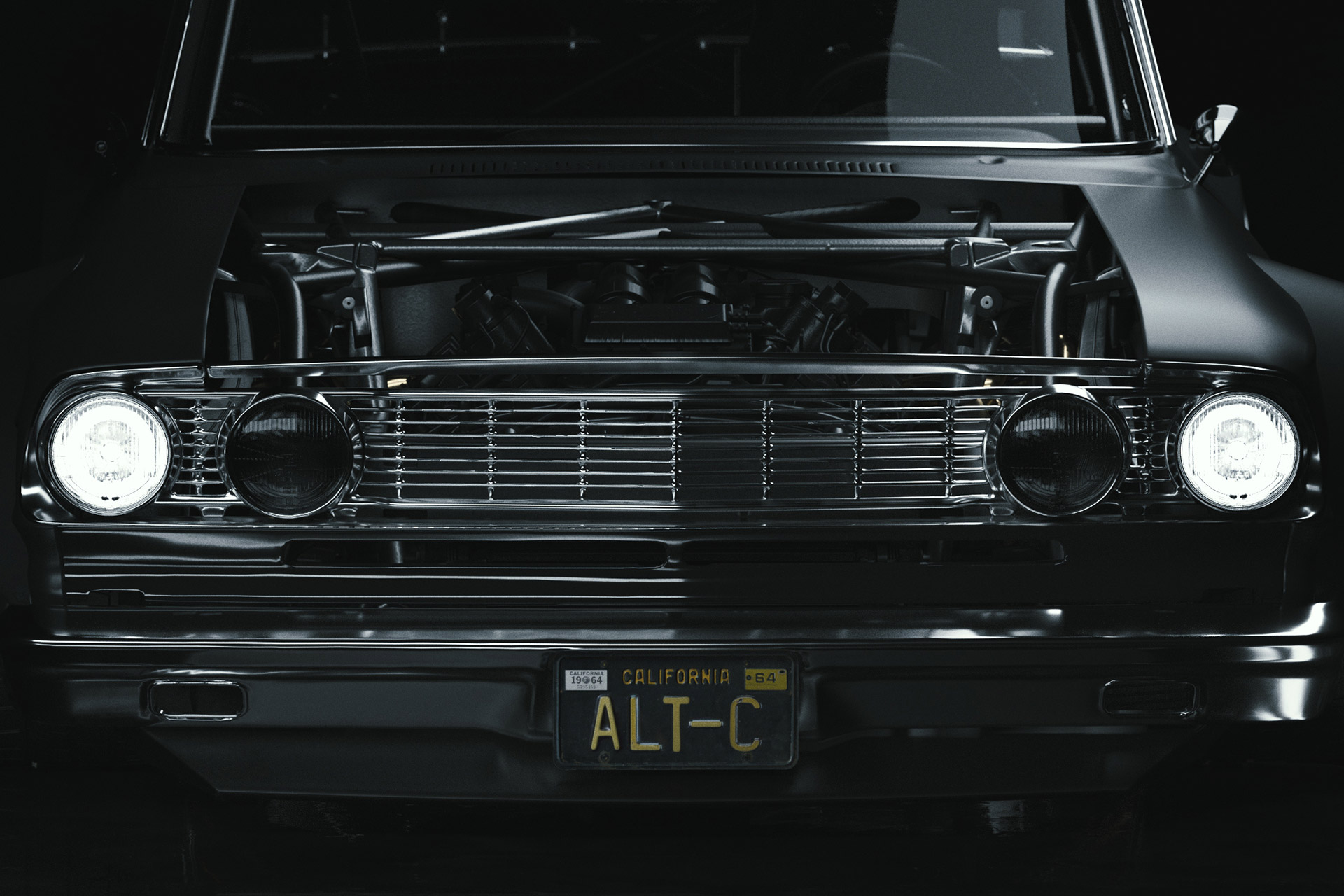
If you’ve followed the ALT Series of posts thus far, you’ll know that the design and rendering process begins at the chassis, and everything is designed and thought through with almost engineer-like precision. It’s almost like a full build, but in the digital realm.
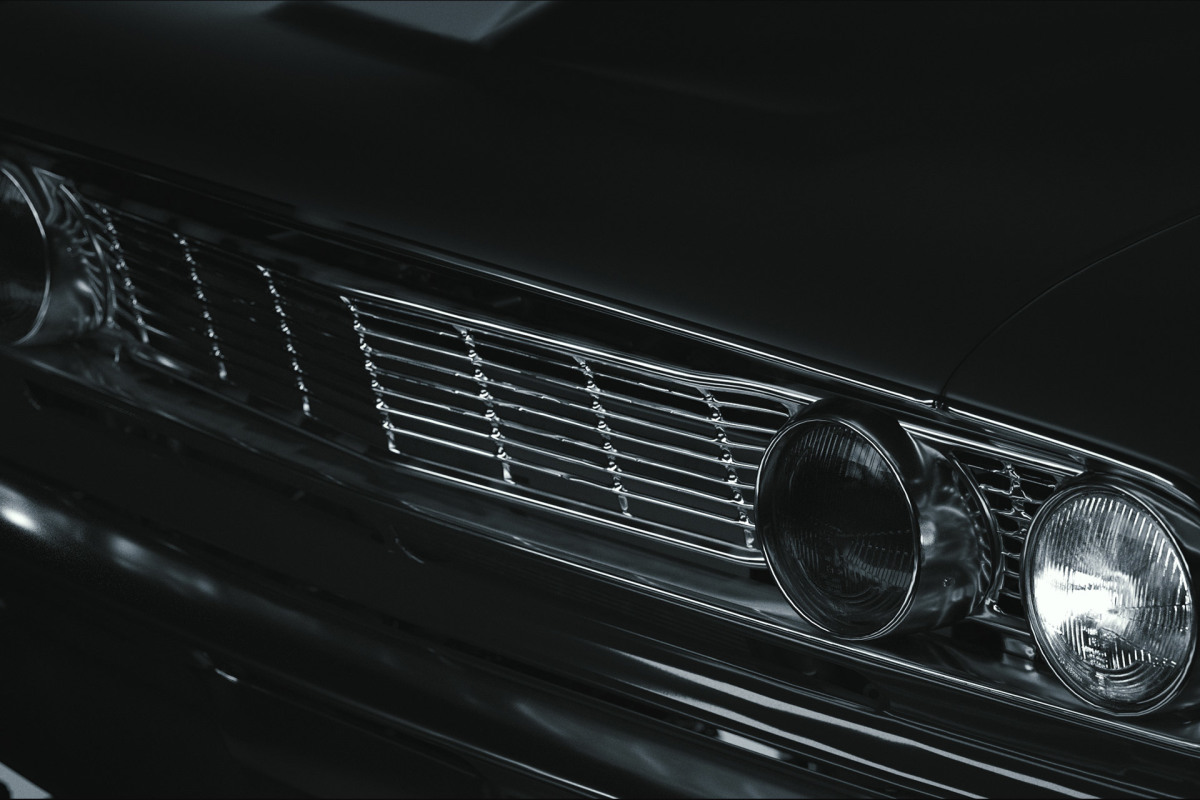
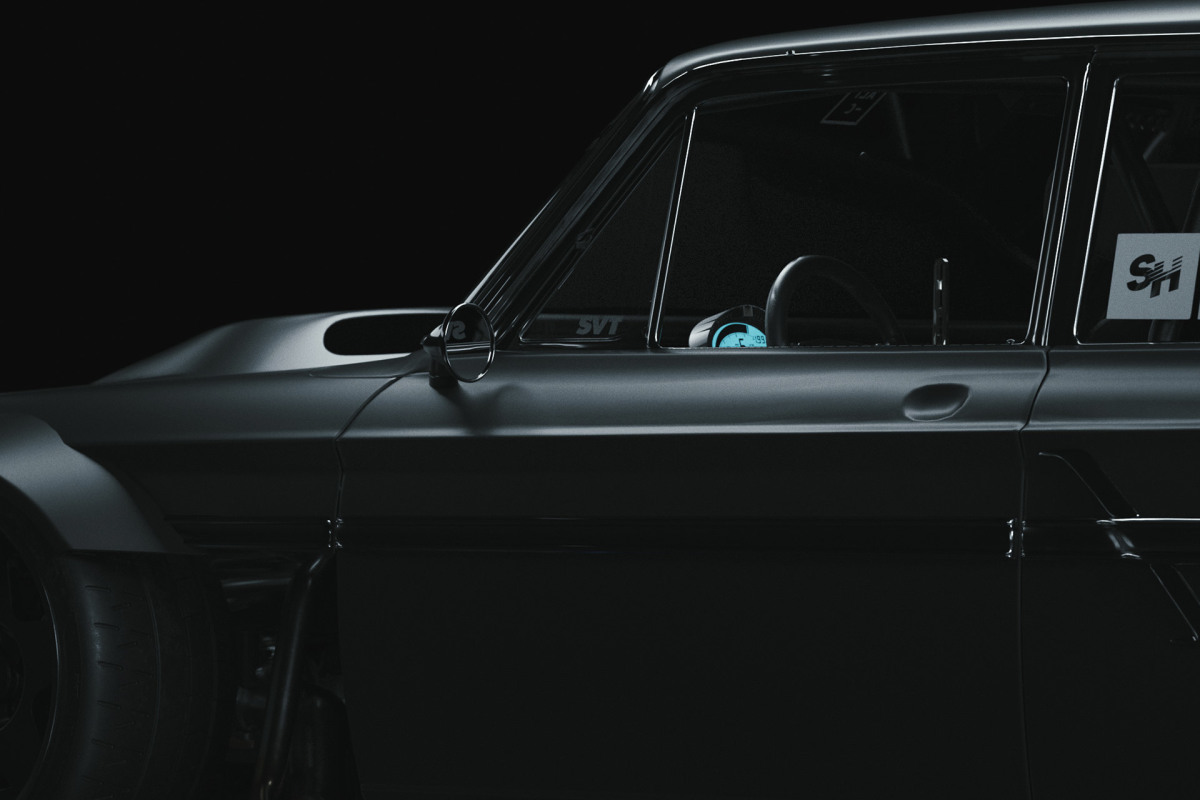
For this project Ash called in the help of his friends. TurboSquid provided the 3D base rendering of the car and Leo Esteves added some realistic finishes and textures to the surfaces.
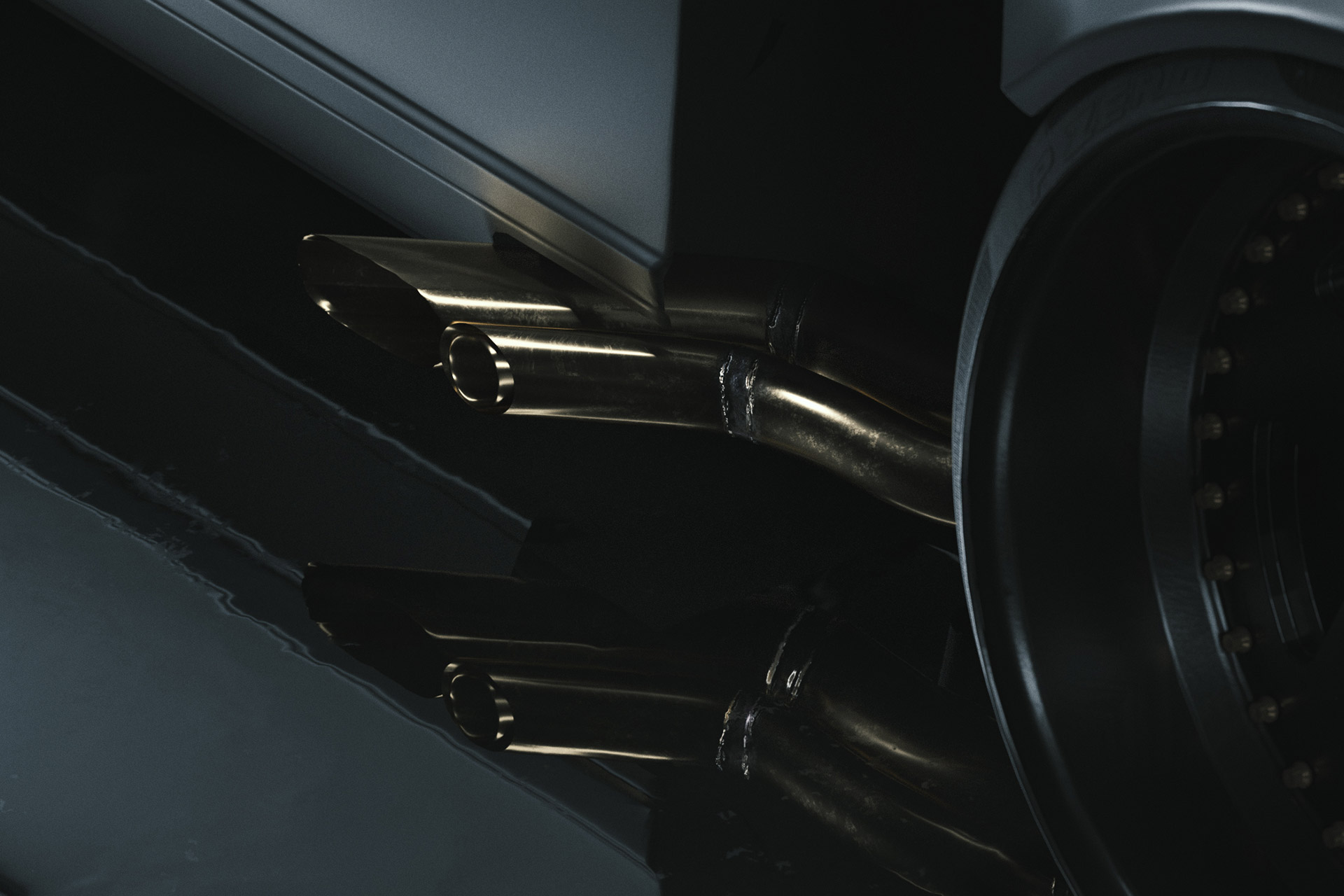
And that’s right down to the heat discoloration on the side-exit exhausts. Click to enlarge the image and marvel at the ultra realistic beads across the welds.
White For A Different Feel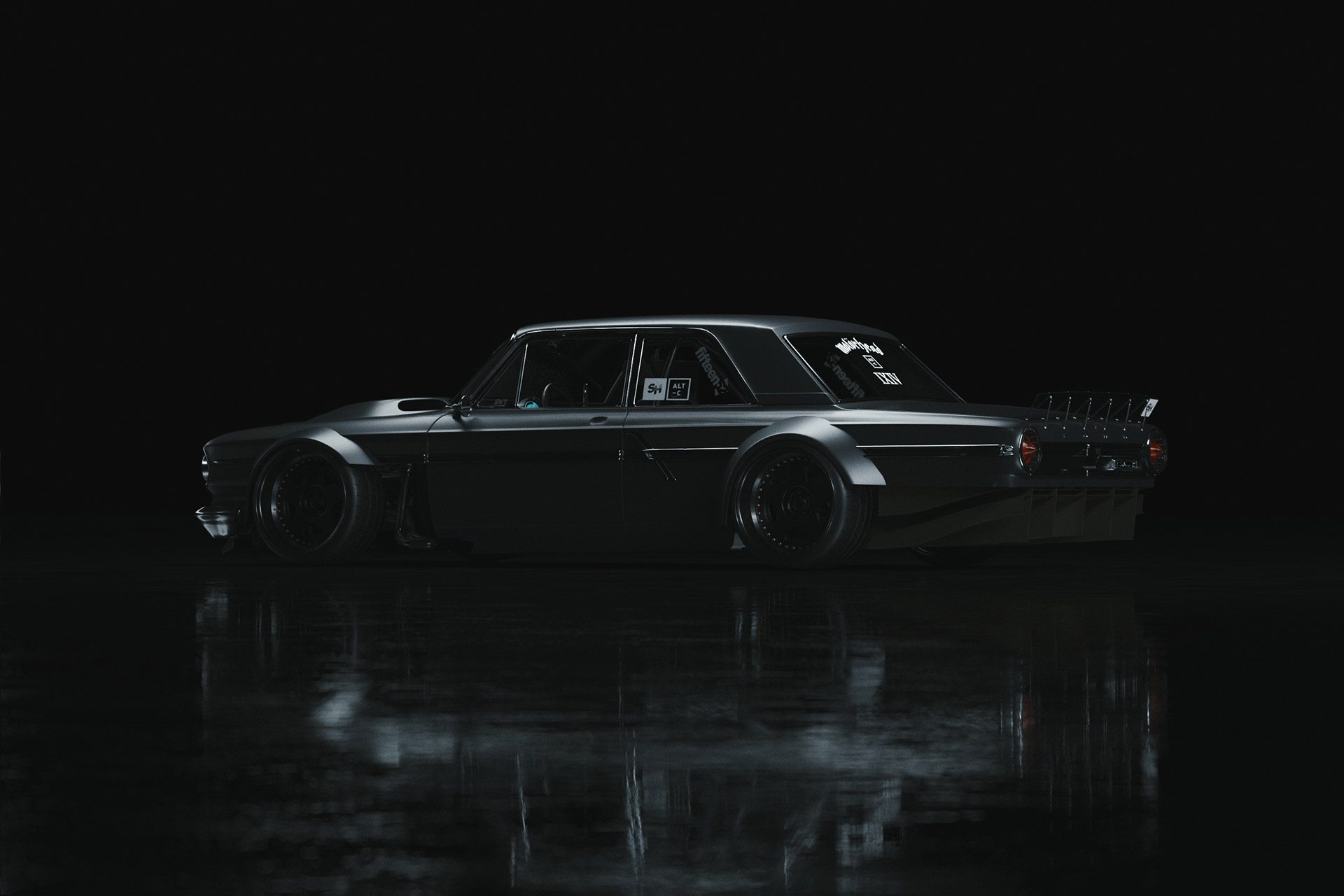
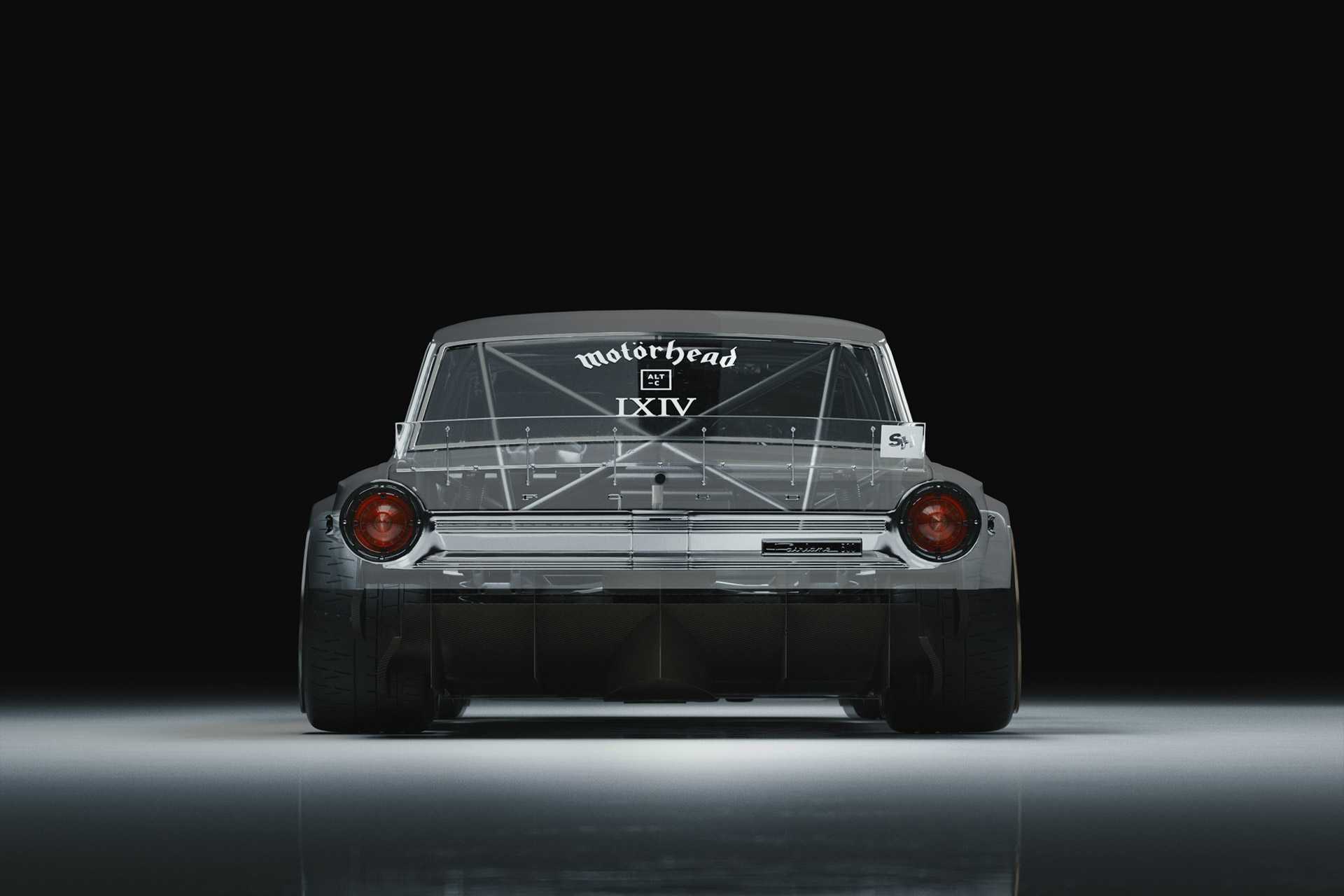
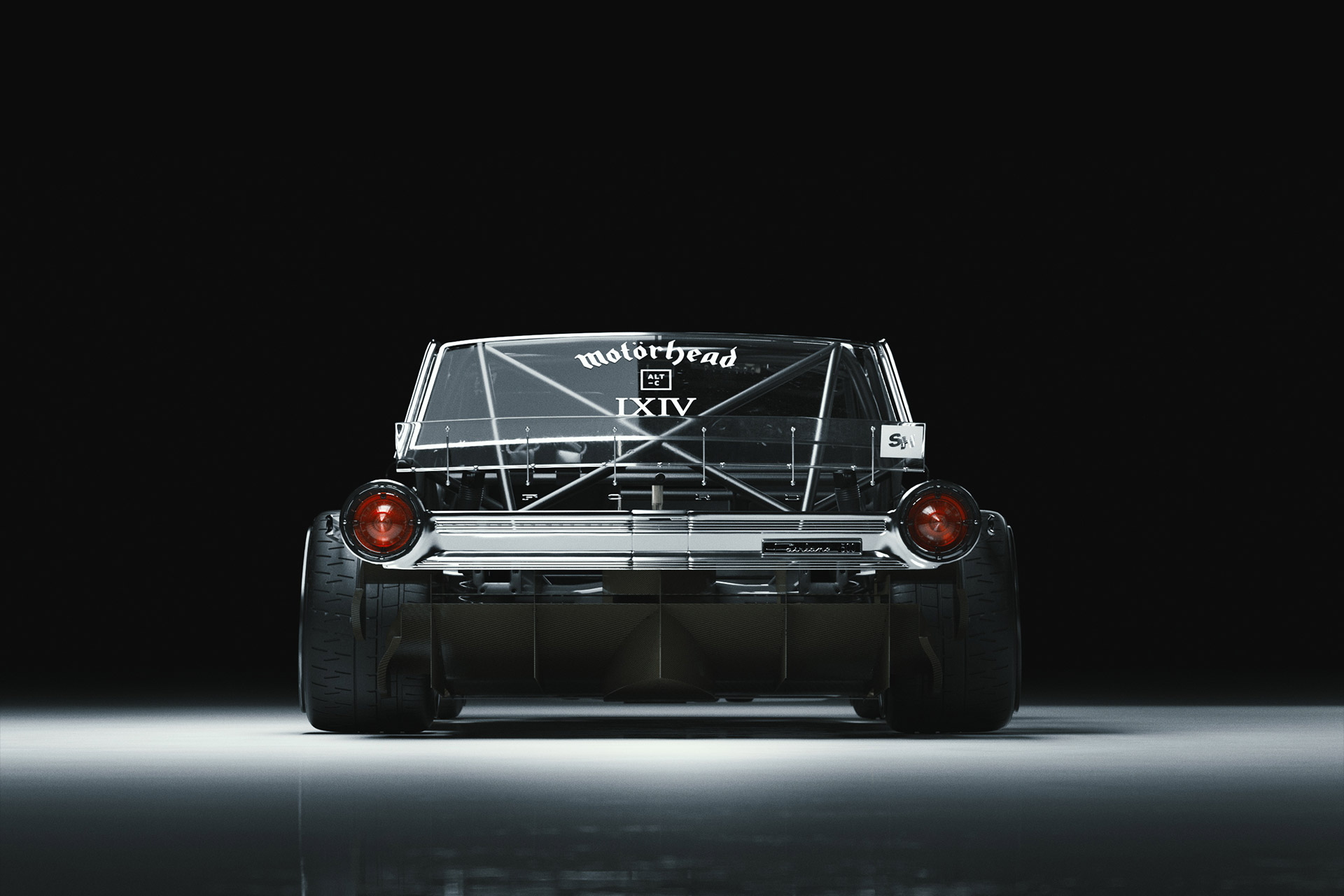
The Fairlane’s real ‘remixing’ has comes into its own at the rear of the car with the underbody aero package.
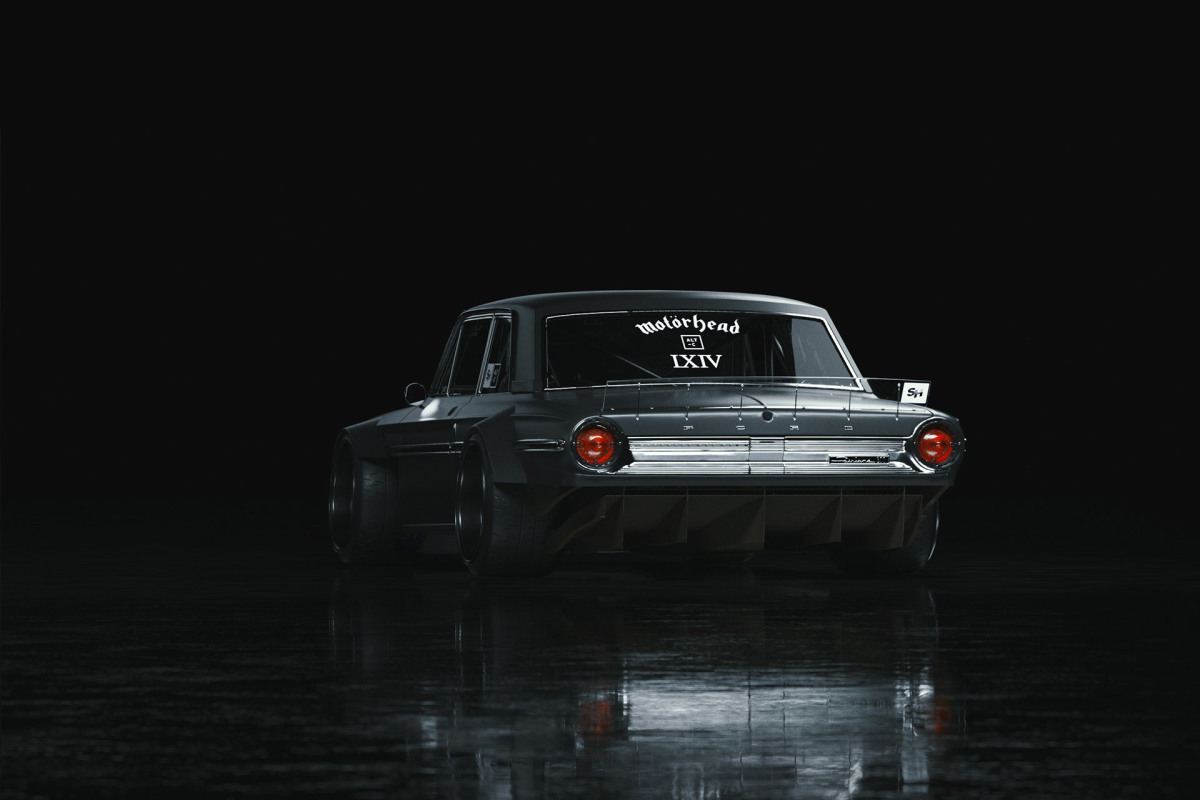
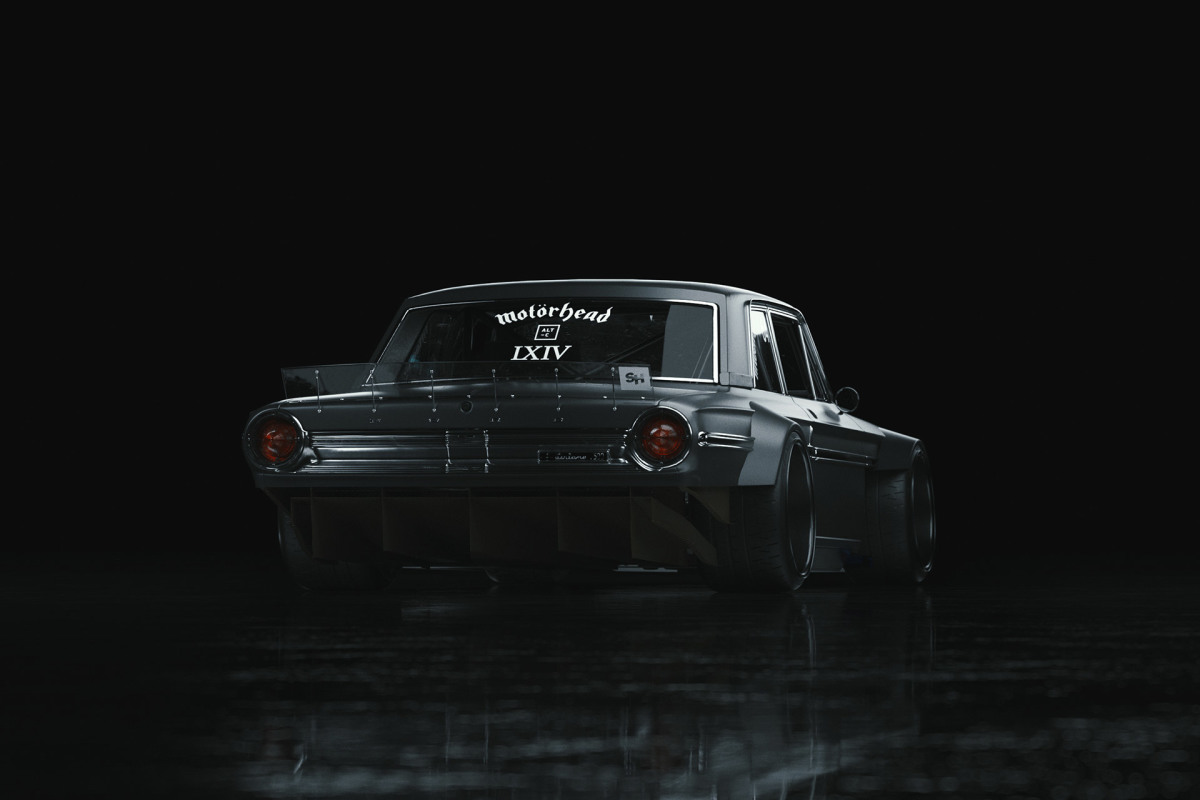
You can see how the raked rear diffuser would help to extract air from underneath the car.

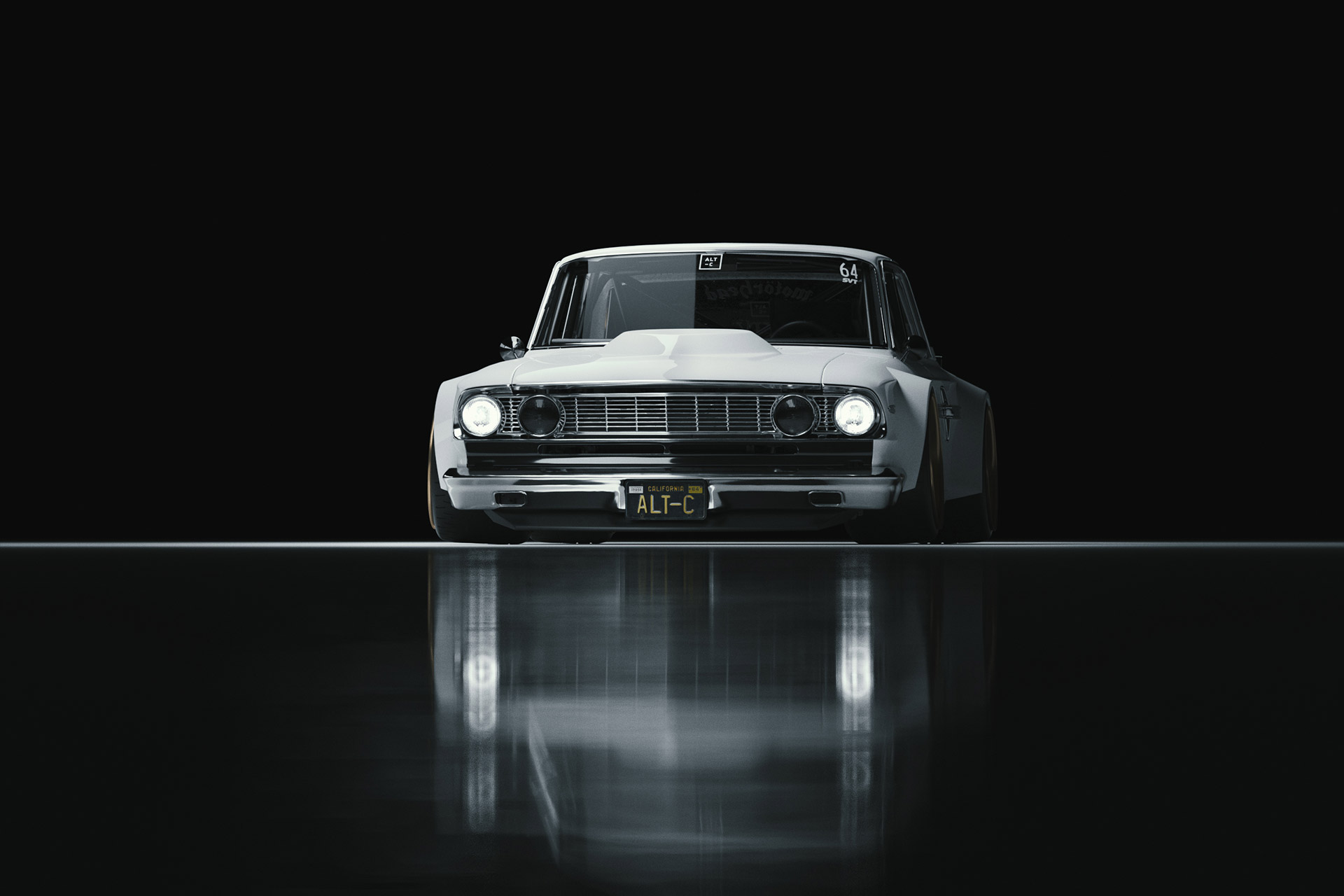
I really like the moody lighting over the body of the satin black version of the car, but for stark contrast Ash created a glossy white alternative to his design.

It’s still imposing but has a very different feel about it, don’t you think?
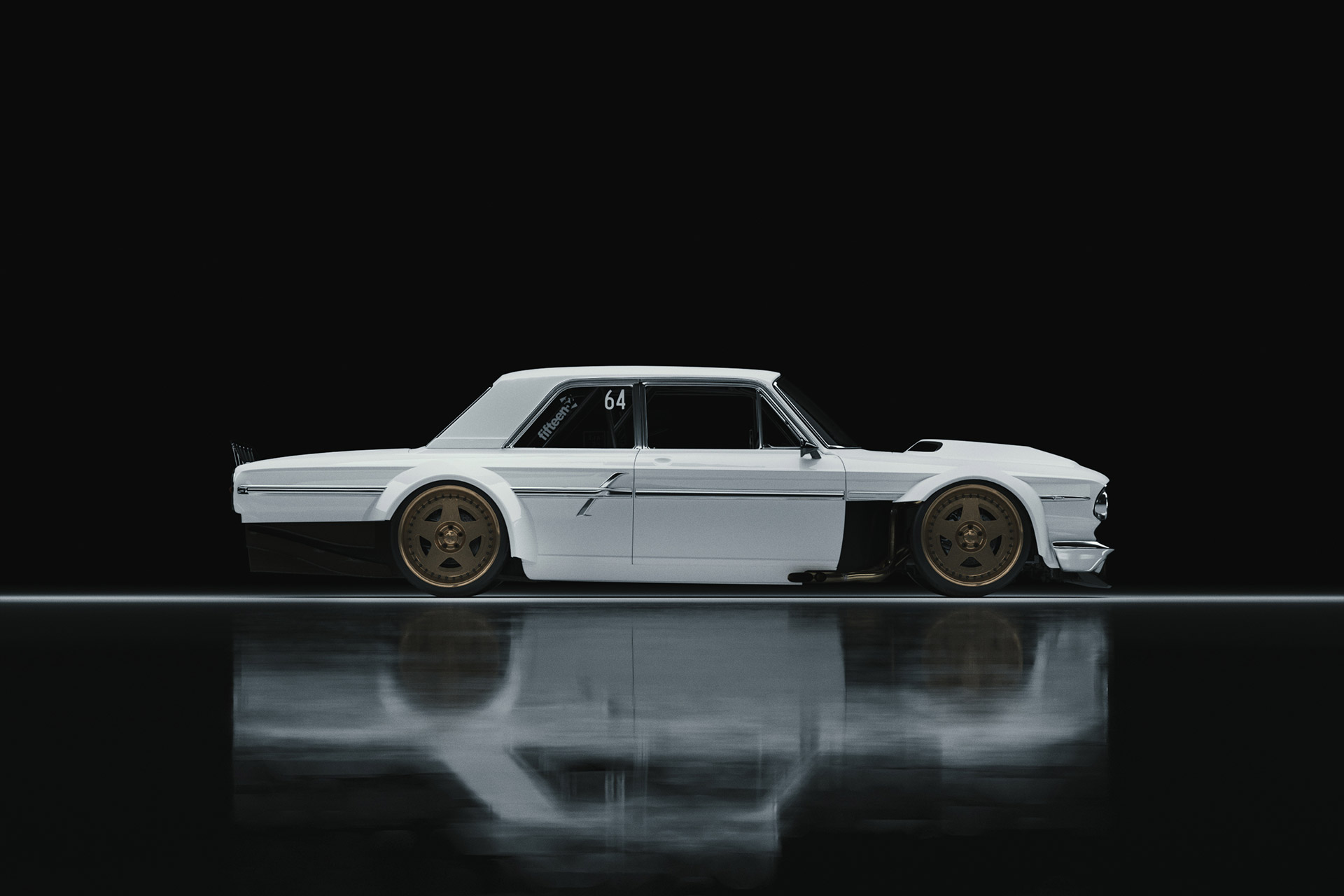
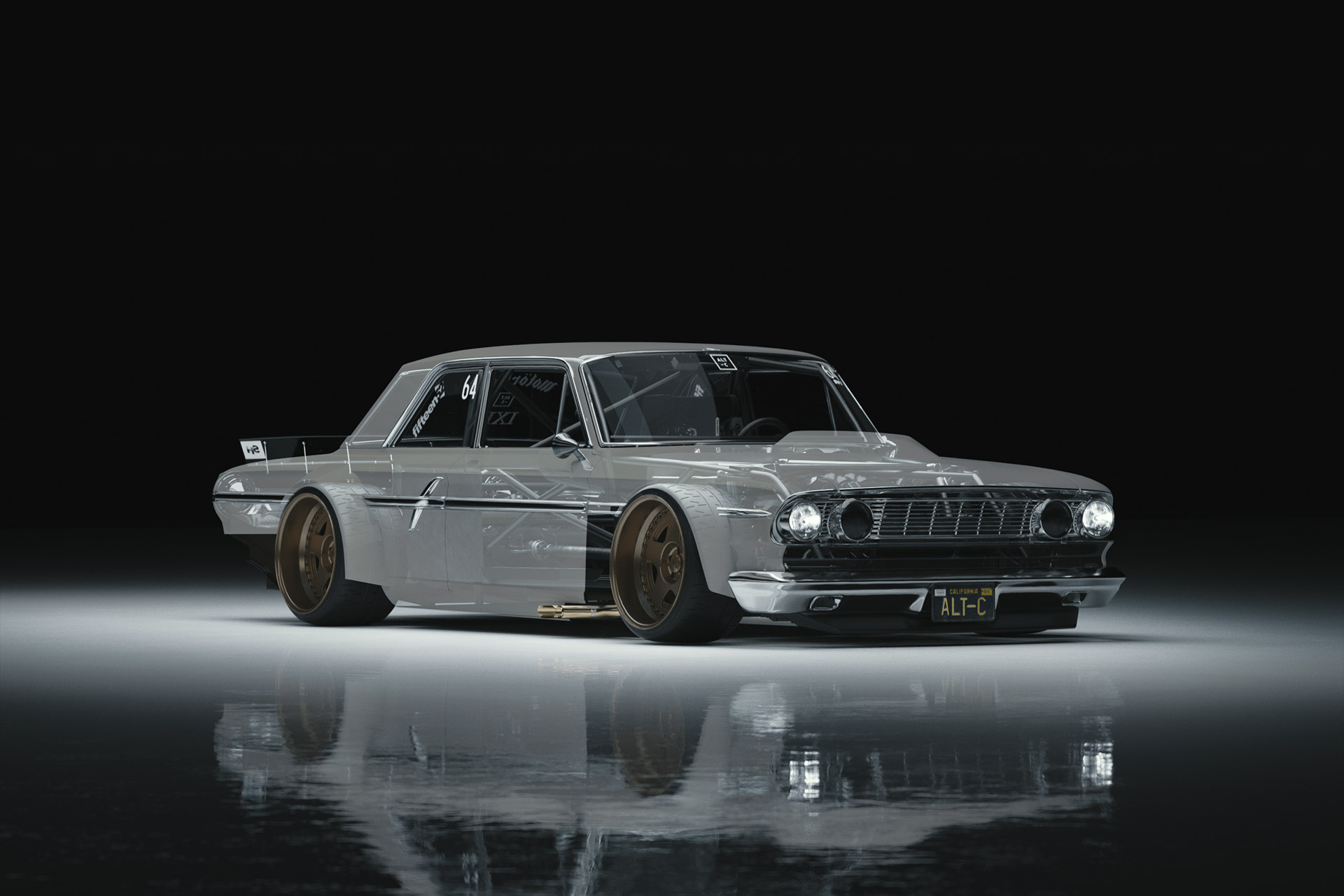
You can really get a feel for how the body has been broken up, the cut-out section after the front wheel arches from where the side pipes curve out from, as well as the dissected rear end where the entire lower section of the bumper line has been hacked off to allow space for the underbody and extractors to fit.
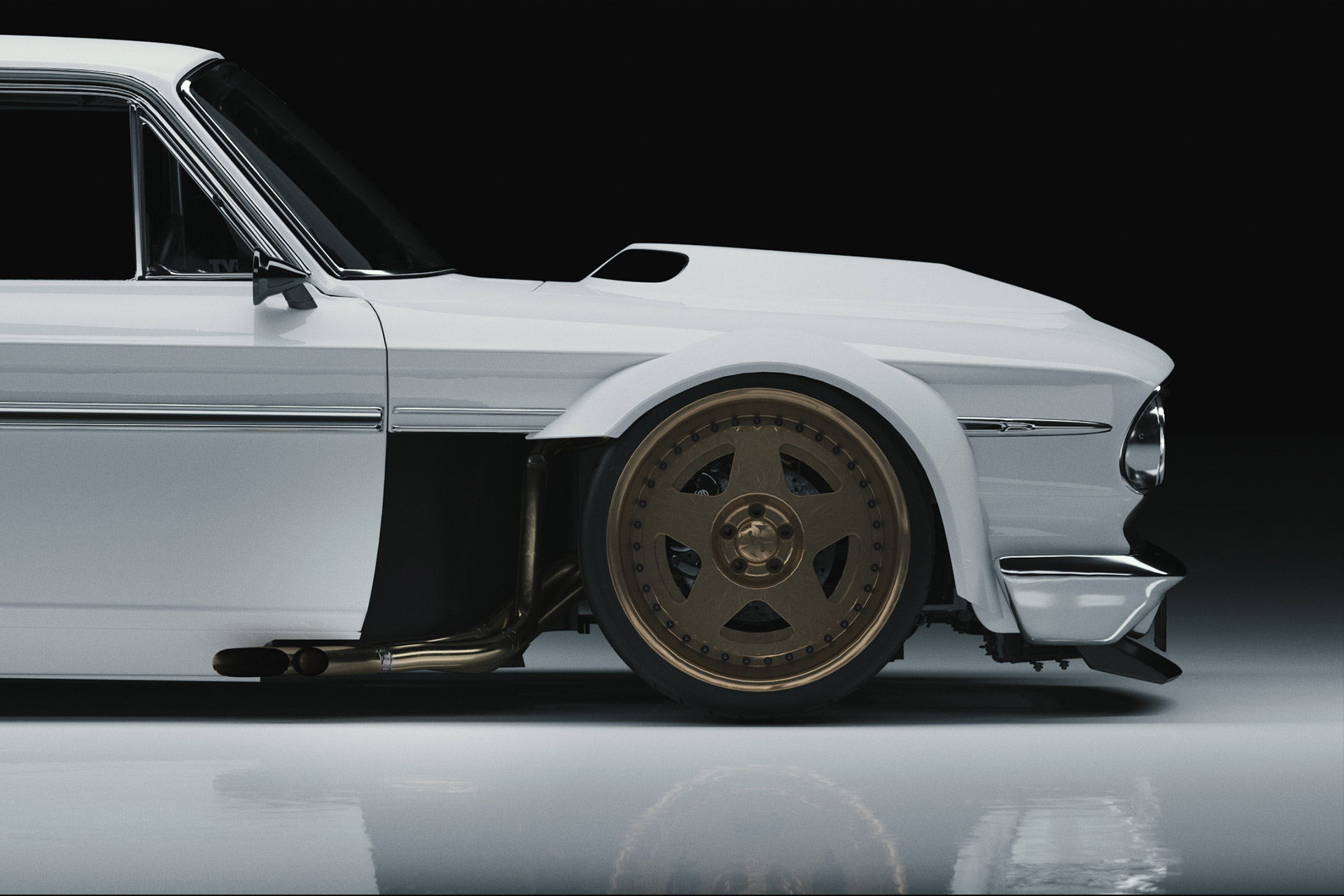
You also get a better sense for the wheels. To render these perfectly, Ash was given the tech drawings from Brad Beardow at fifteen52, and by using those was able to introduce the right amount of dish needed to fill out the generous fender flares. Look under the chrome front bumper and there’s a little bucktooth spoiler there to help out the front aero. No lift for this powerful brick.
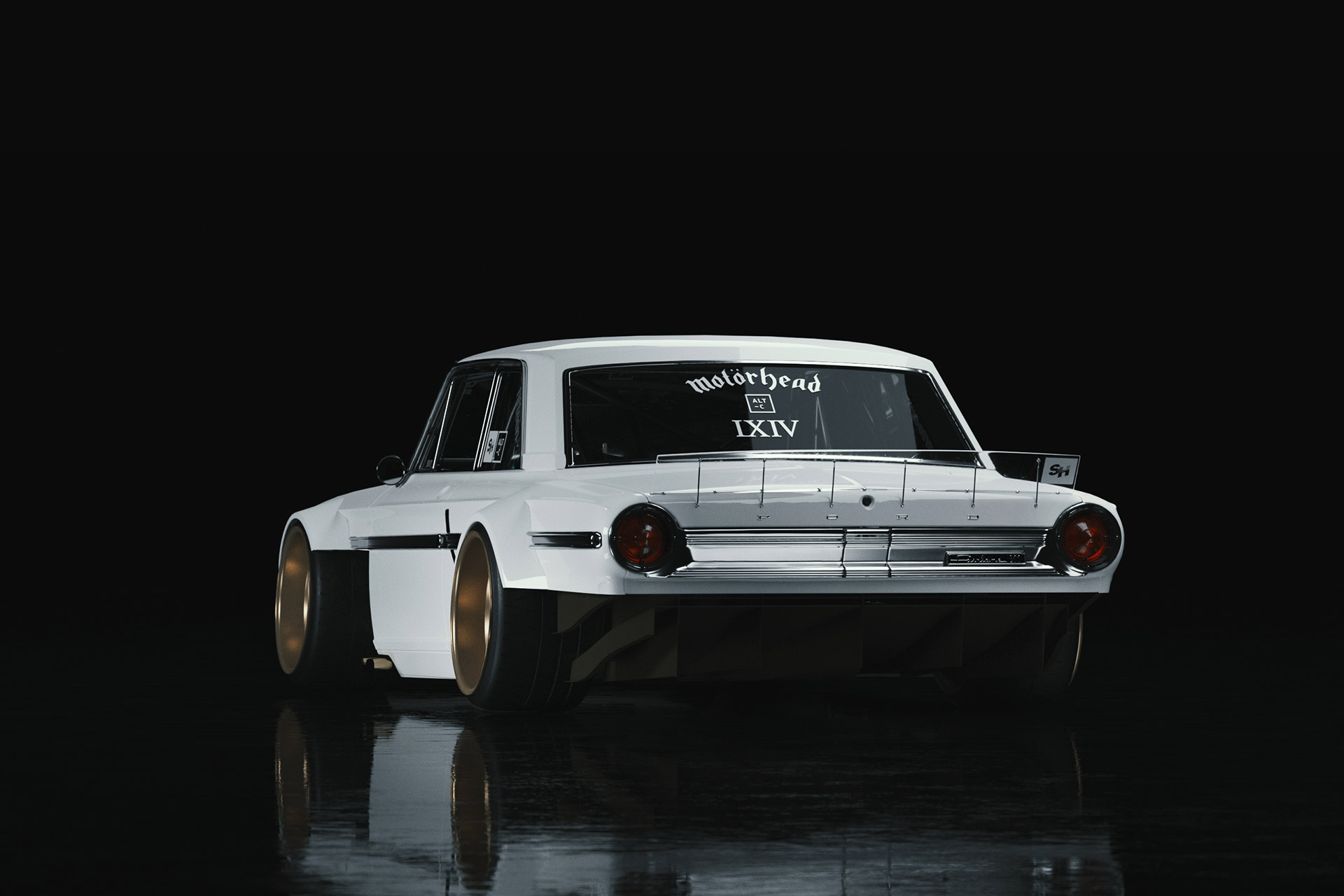


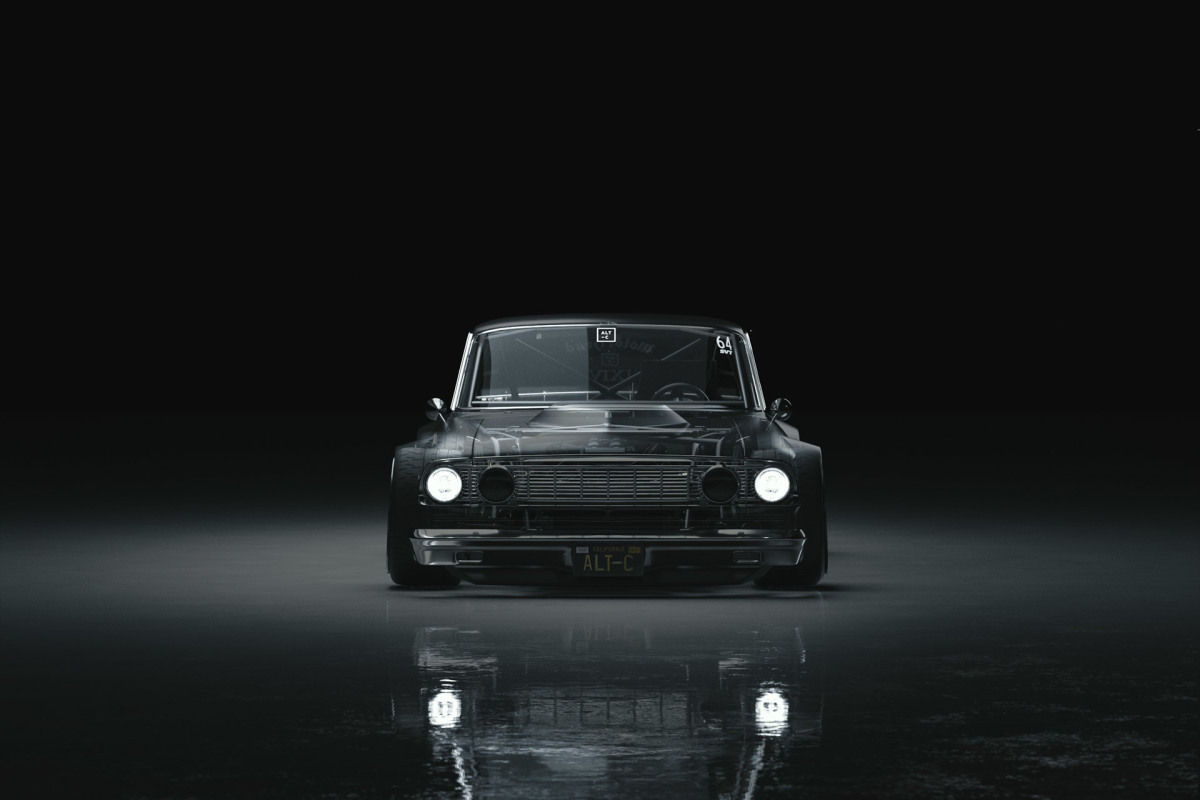
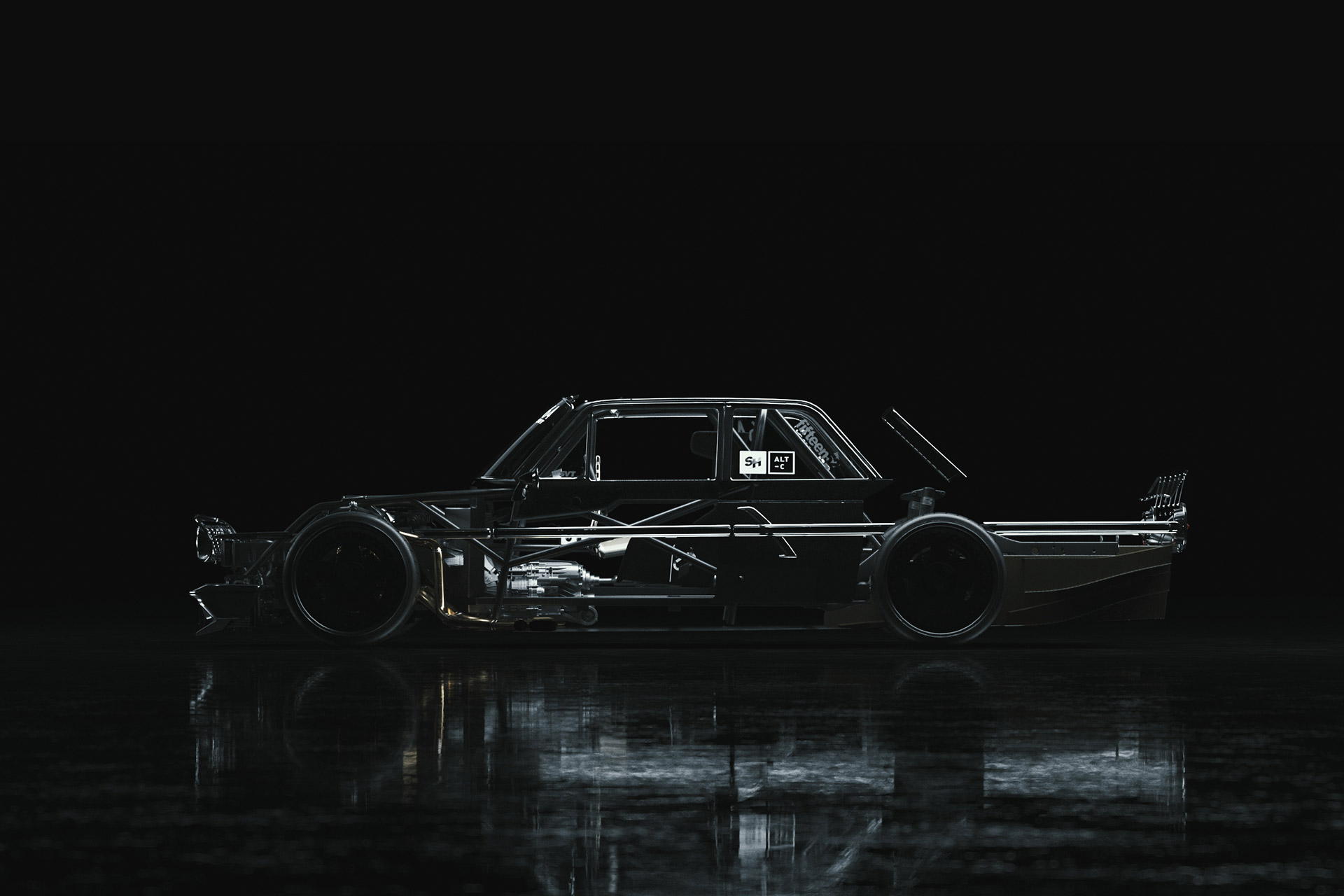
To break up and illustrate the depth and detail of the design, we’ve got a series of images of the Fairlane from different angles, shown in varying states of transparency so you get a good idea of what’s going on underneath.
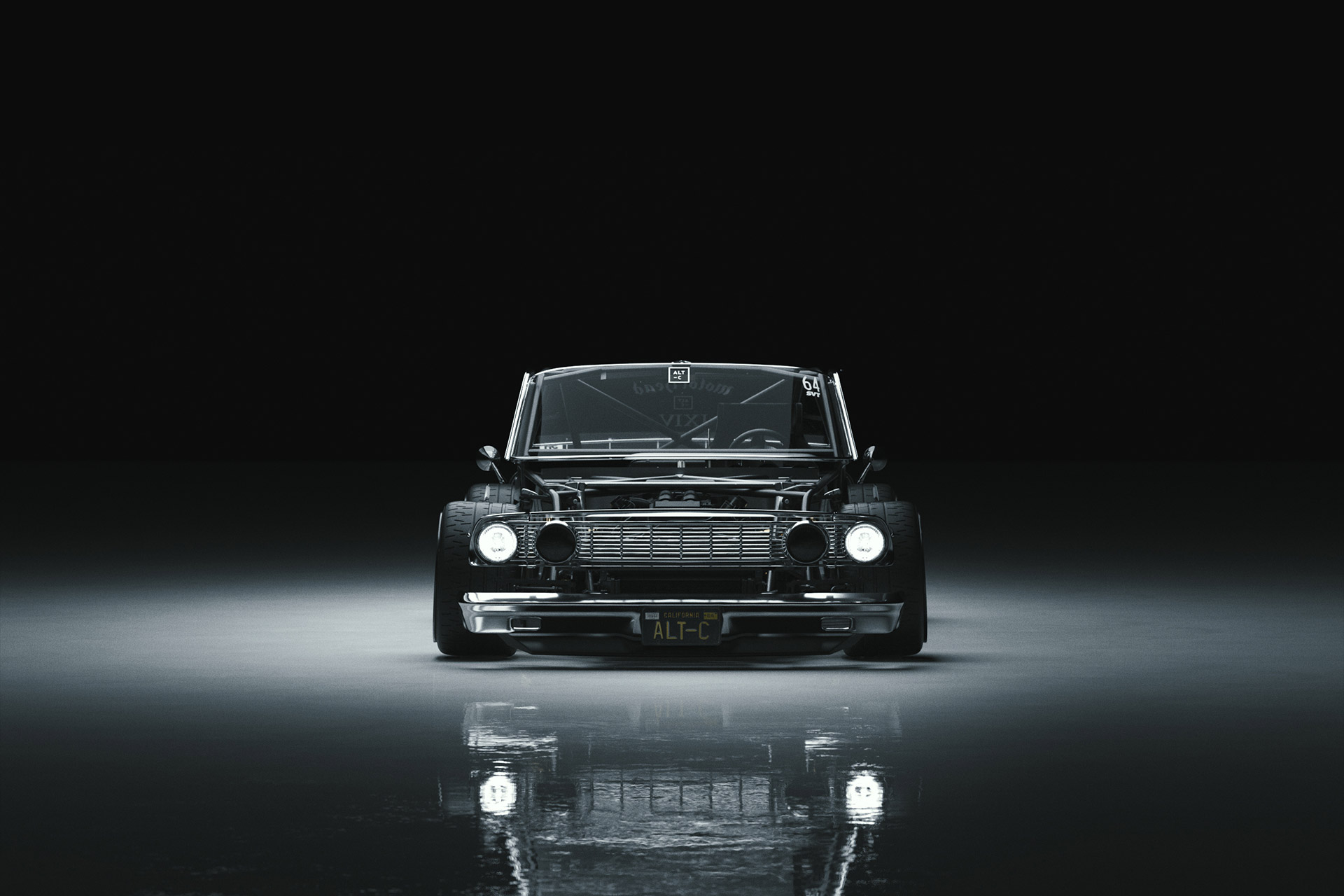
Beauty isn’t always on the surface, in fact, the more you dig the more there is to discover.
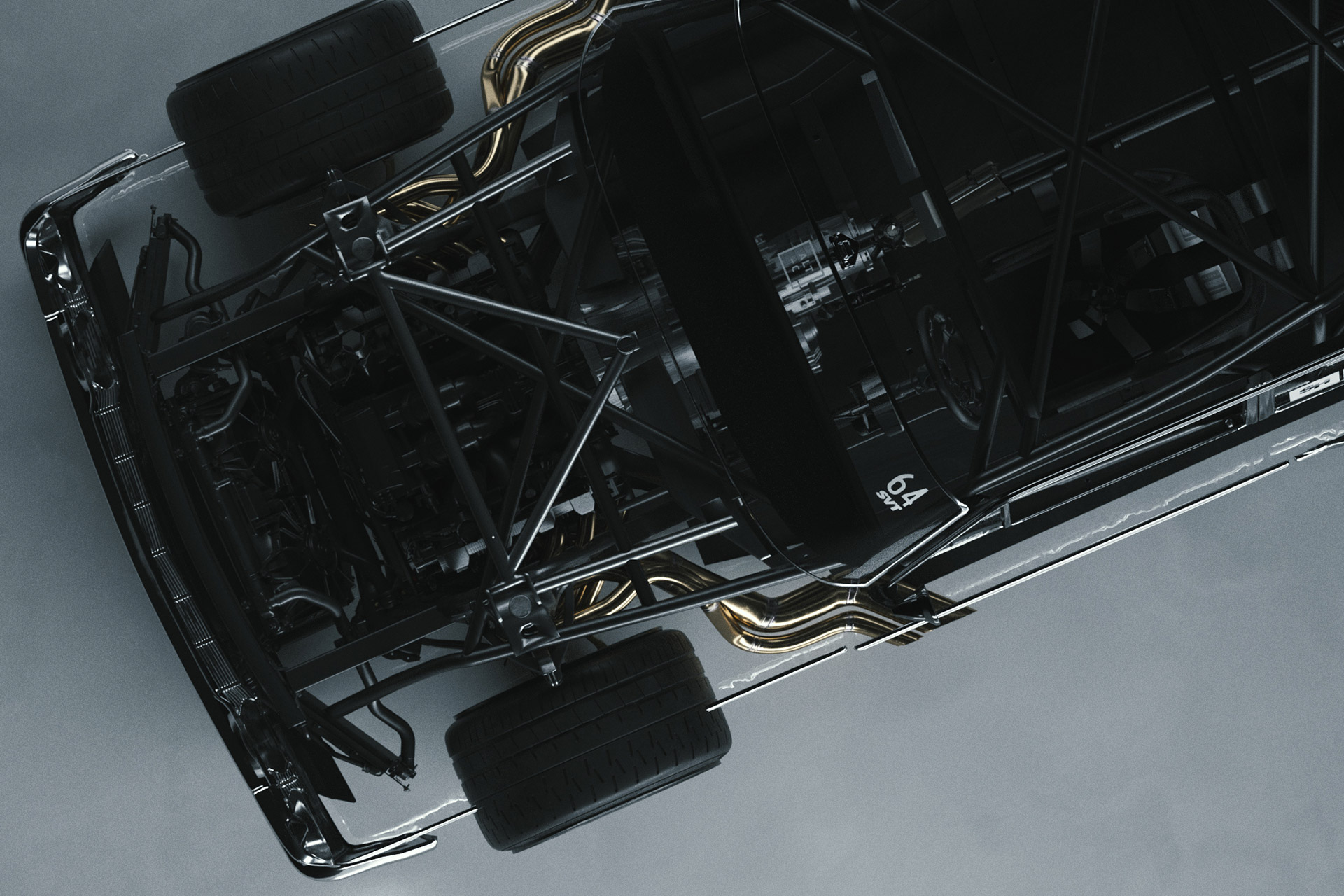
This top view of the exposed chassis and mechanicals has to be my favorite as you get to see what’s actually powering this car. And here we really get more of the whole remix idea that I opened with.
Ash is not afraid to mix and match powerplants from other manufacturers, and the engine used here is an Audi V8 that’s been twin-turbocharged as the screamer pipes on either side hint at. Power would be very high, into the four-figure zone possibly, and there’s a tubular chassis and custom suspension geometry to support it.
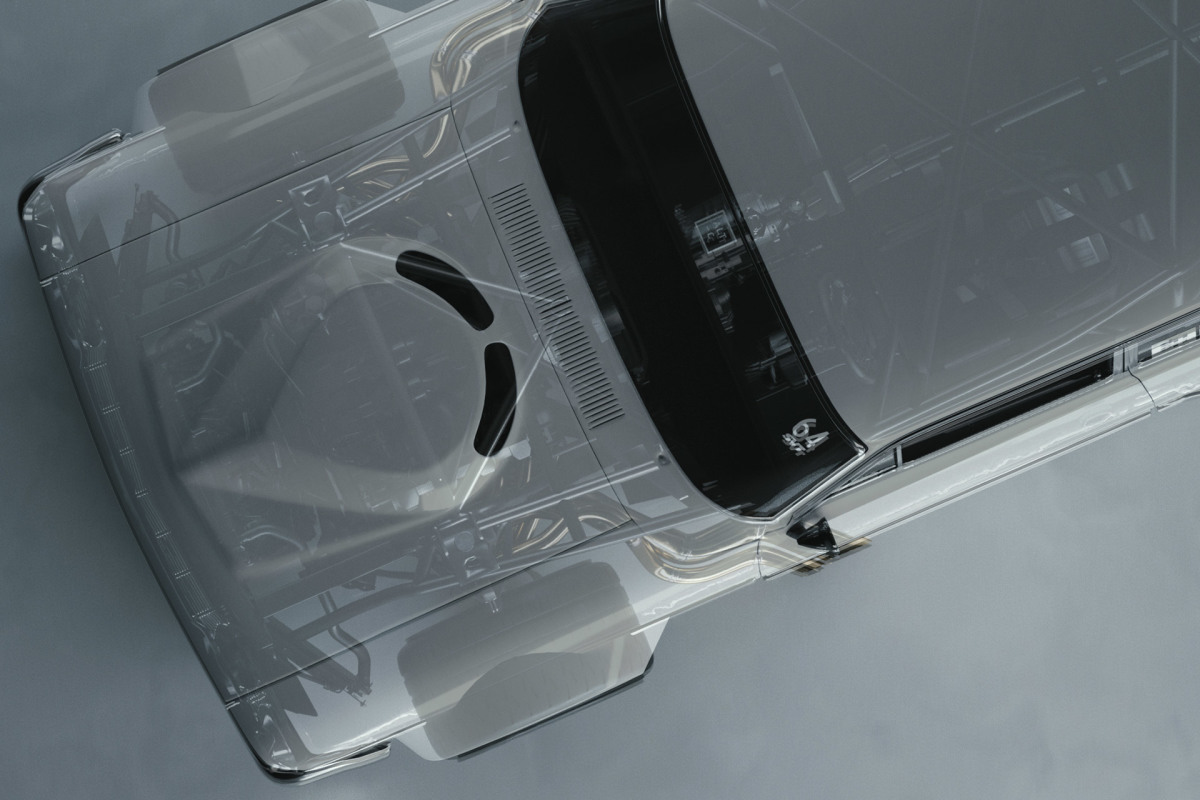
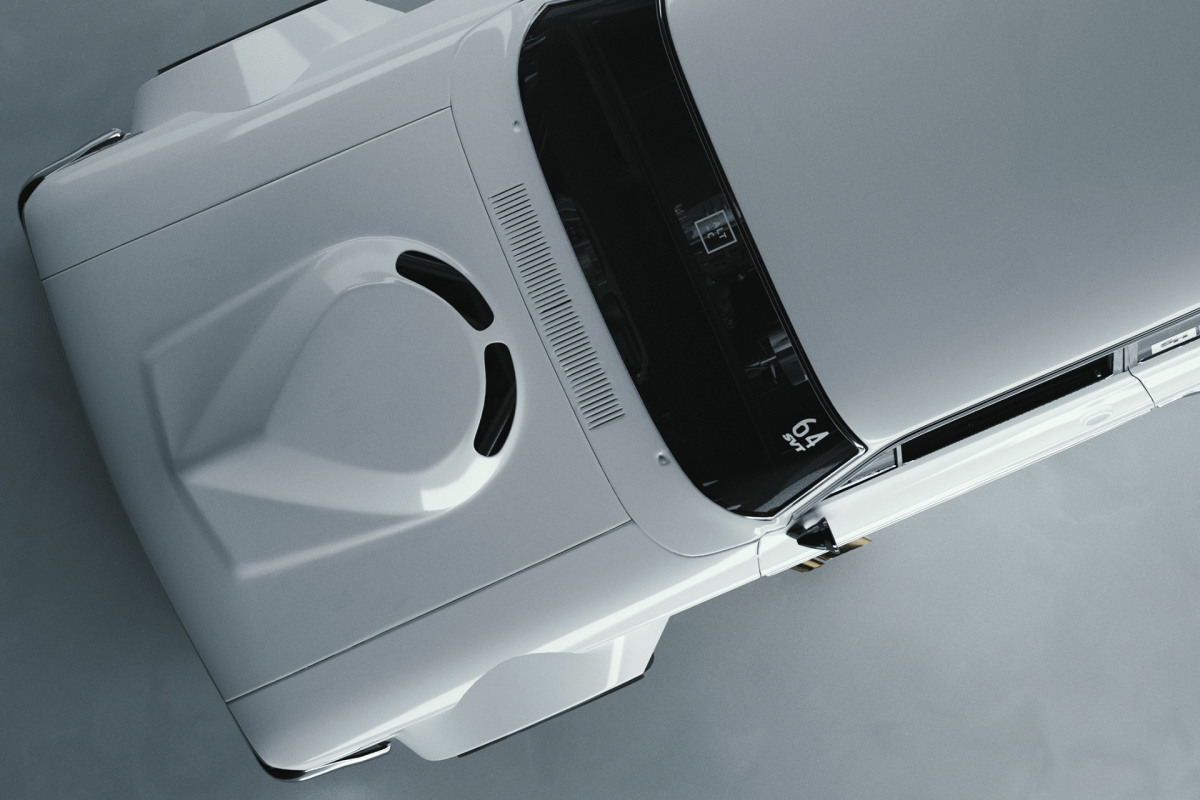
Slap the body on top and the mechanicals are hidden away and left to do their jobs.
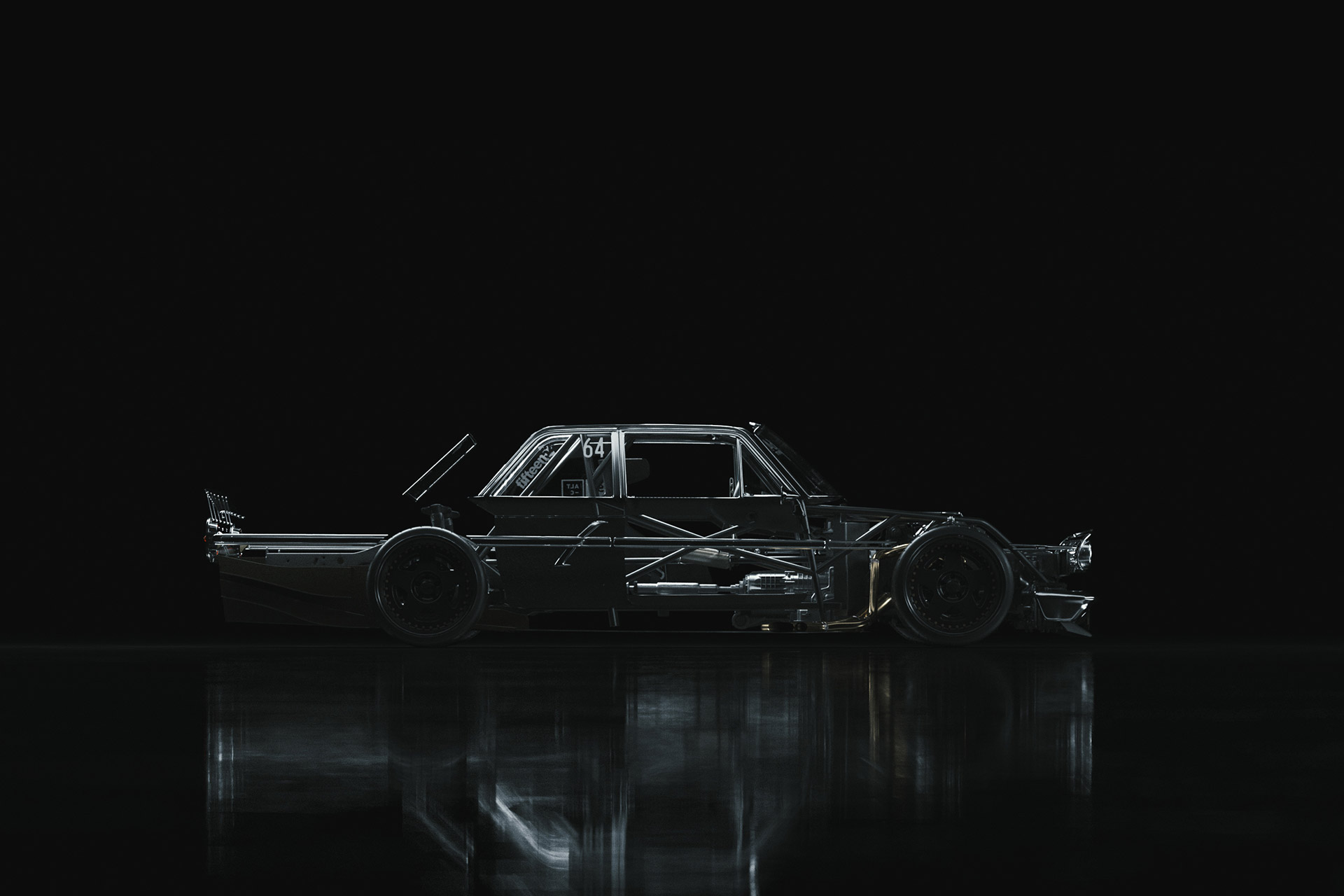
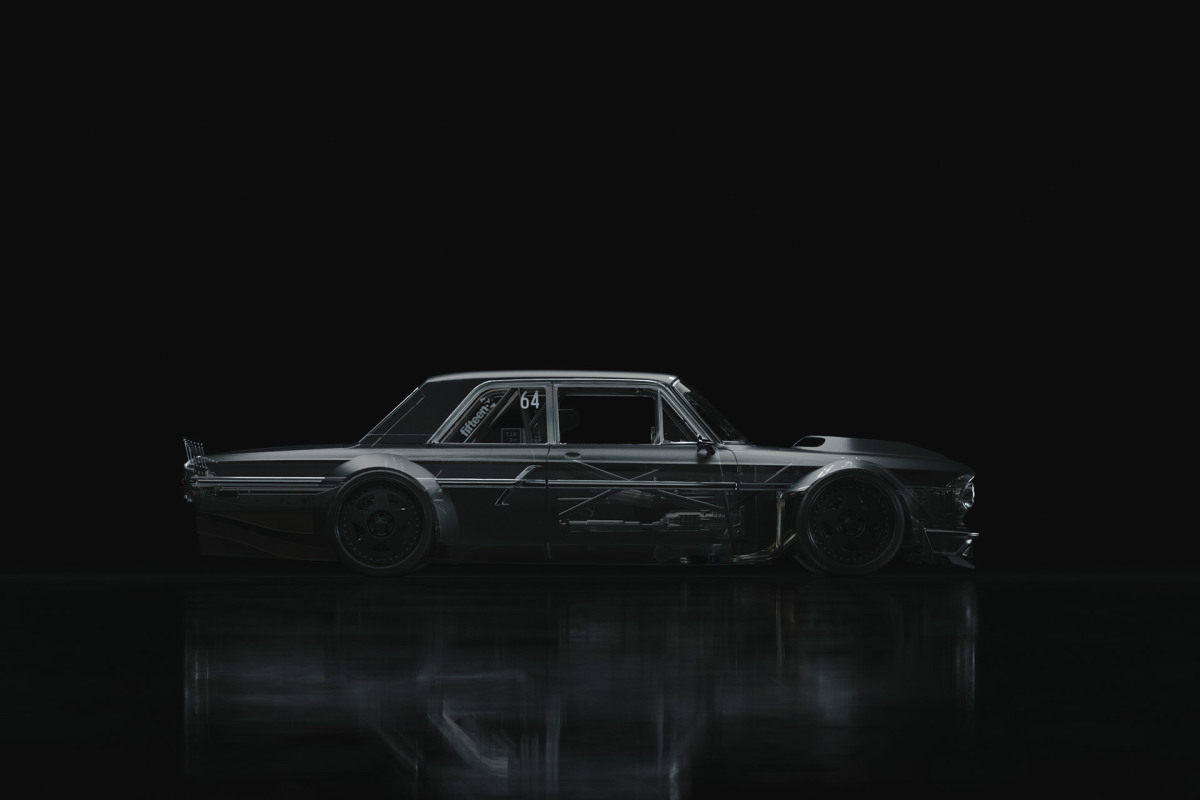
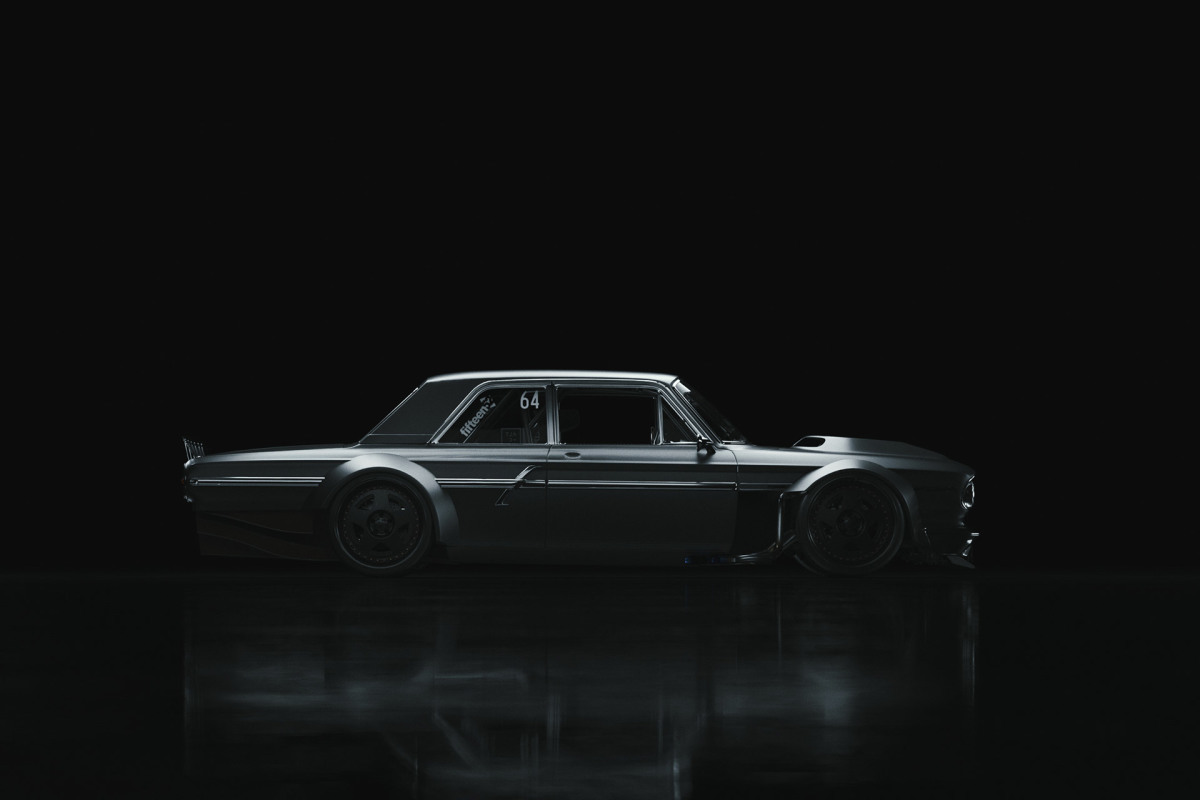
This transparent profile image shows just how low the motor and transmission are set, and also how deep into the car the tunnels/extractors extend.
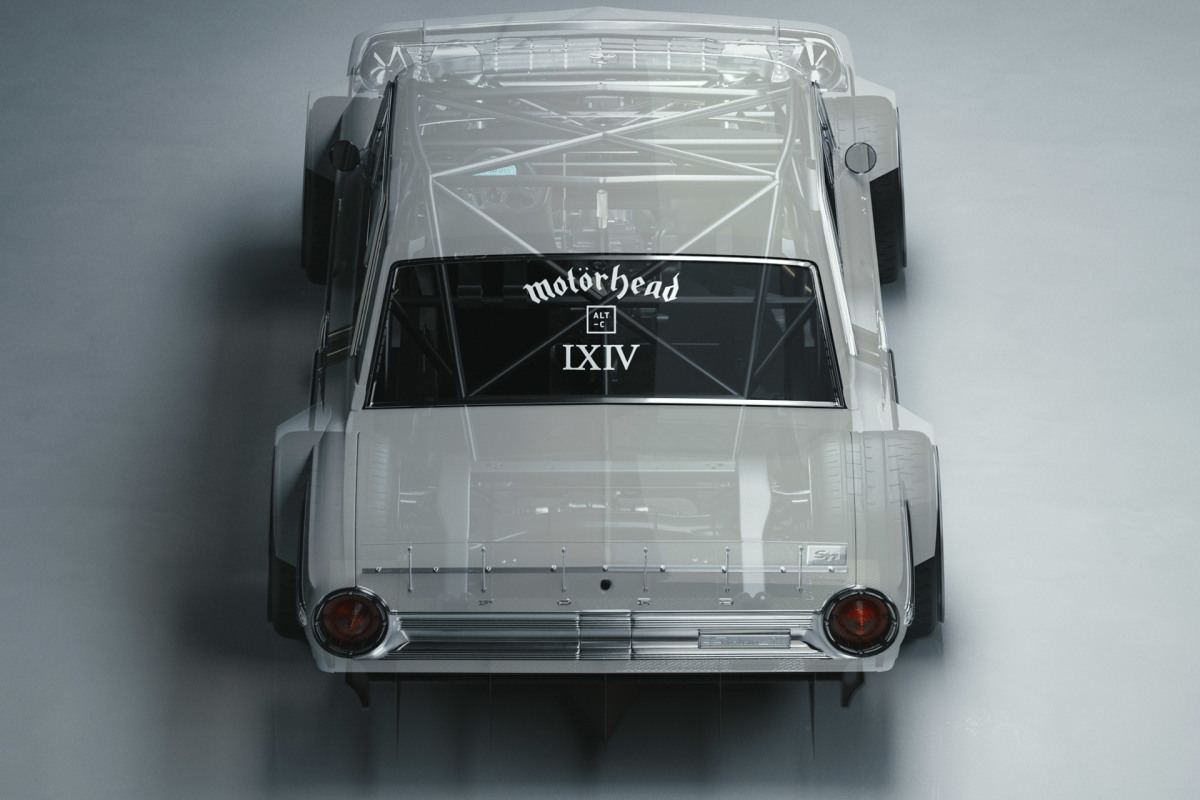
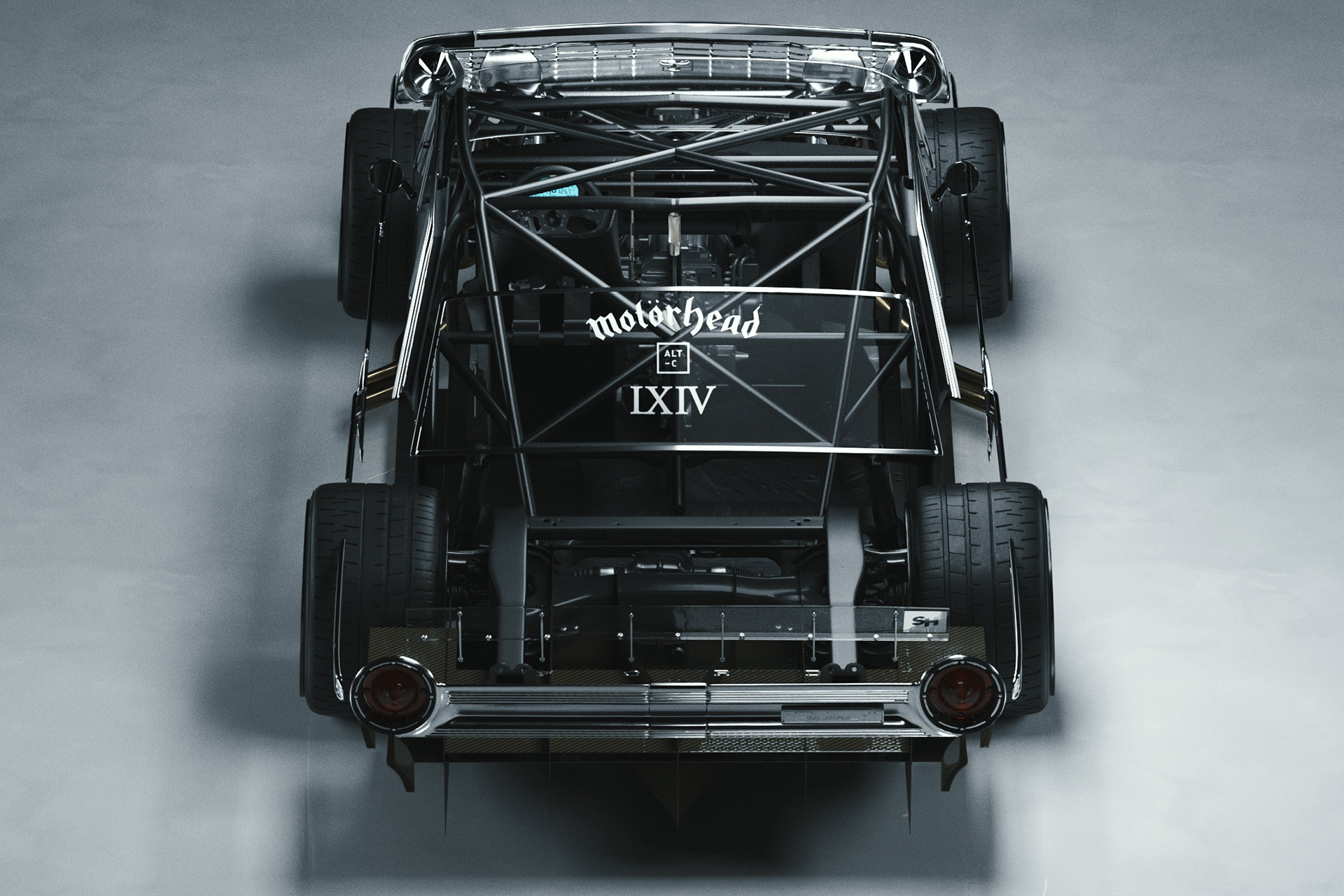
And here’s an elevated view of the frame with some body pieces and perimeters left in place to give a sense of scale and dimension. Zooming into the full-res image will give you a glimpse of the minimalistic approach taken with the interior.
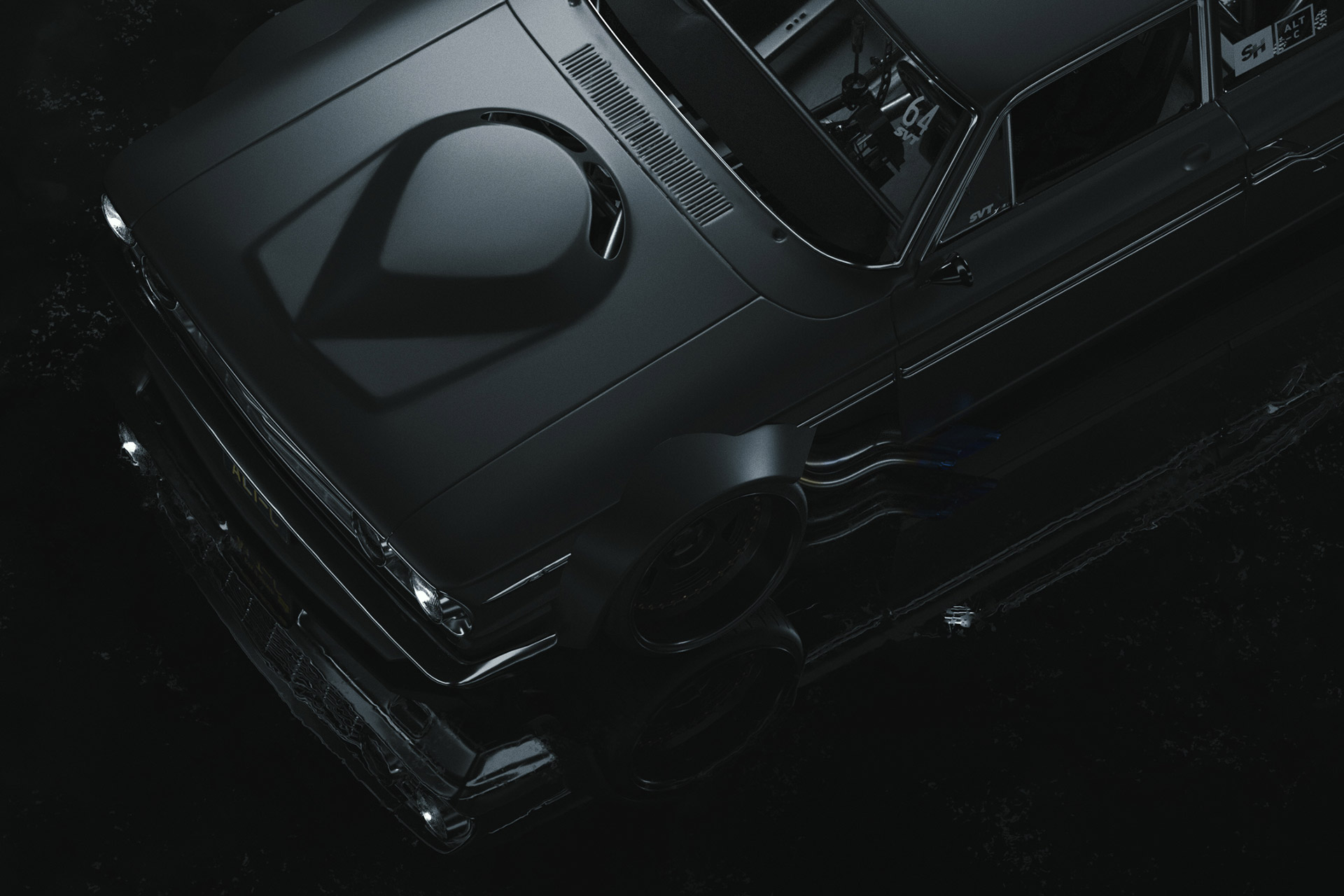
So what could a car like this be used for? Drift? Time attack? Hill climb? It’s safe to say that any chassis built to this level of performance is only a suspension and tire setup away from being used for another motorsport discipline.
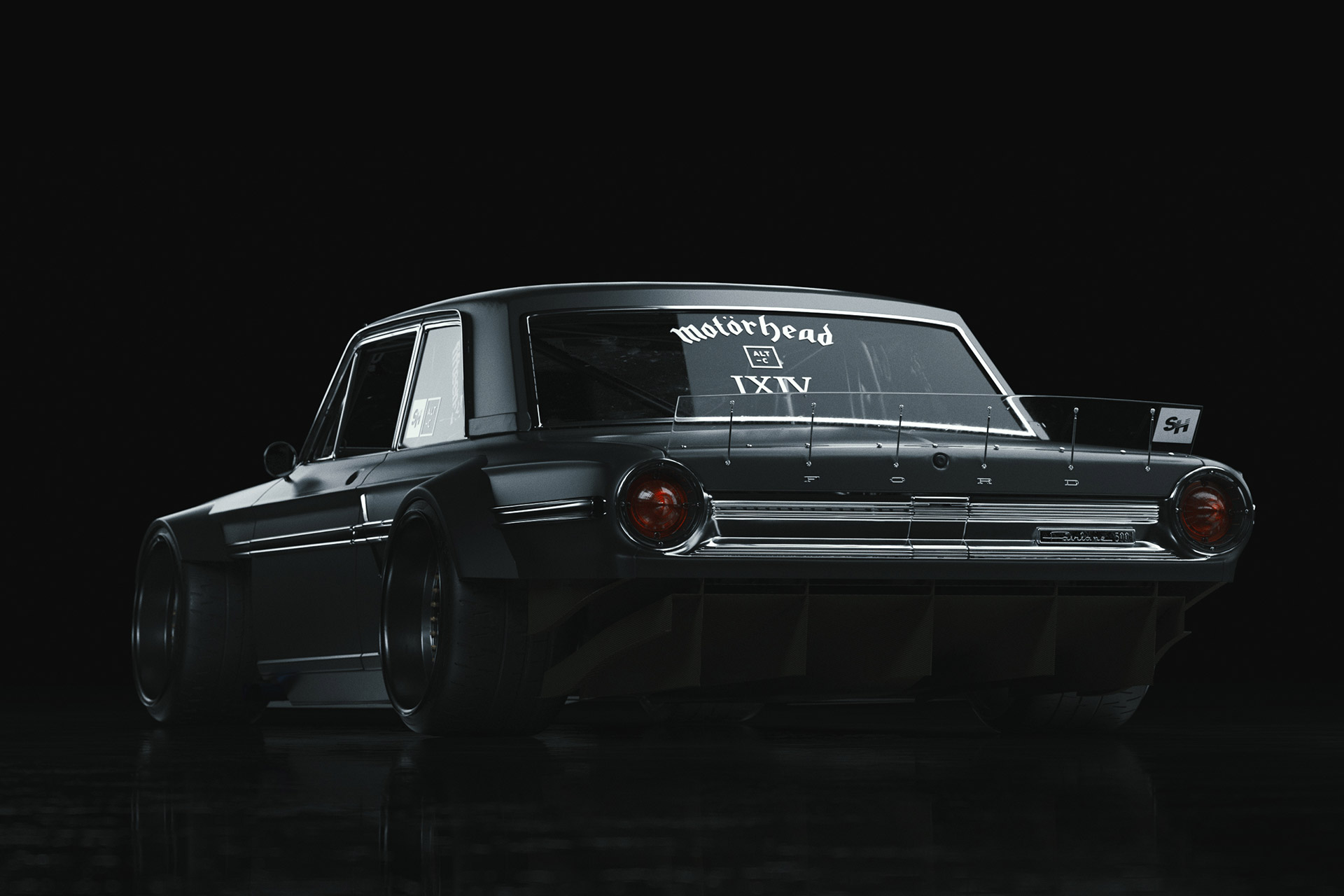
Again, it’s all down to the imagination.
I’ll finish up by asking you guys to chime in with some suggestions for the next platform that Ash can reimagine or remix for us. As always, the more unique the better, so let your own imagination and car knowledge flow.
Dino Dalle Carbonare
Instagram: speedhunters_dino
dino@speedhunters.com
Renders by Ash Thorp
Instagram: ashthorp
Website: altcinc.com
More Automotive Art related stories on Speedhunters
Cutting Room Floor