
Setting a trend or making a mark on fashion isn’t an easy thing.
Creating something so iconic that it becomes a de facto style in itself is elevating things to the highest level. You can confidently say that this is where RAYS’ Volk Racing line up sits; an ever expanding collection of wheels that are synonymous with the highest echelons of JDM performance tuning and racing.
But where did it all begin? How did it all evolve? And how are RAYS building on this dominance? These are some of the questions I’ll be answering in a series of posts from my recent visit to their headquarters in Osaka. Think of it as a way to get to know these well known wheels a little better. We’ll be talking about materials, production methods, stiffness and rigidity, and design itself.
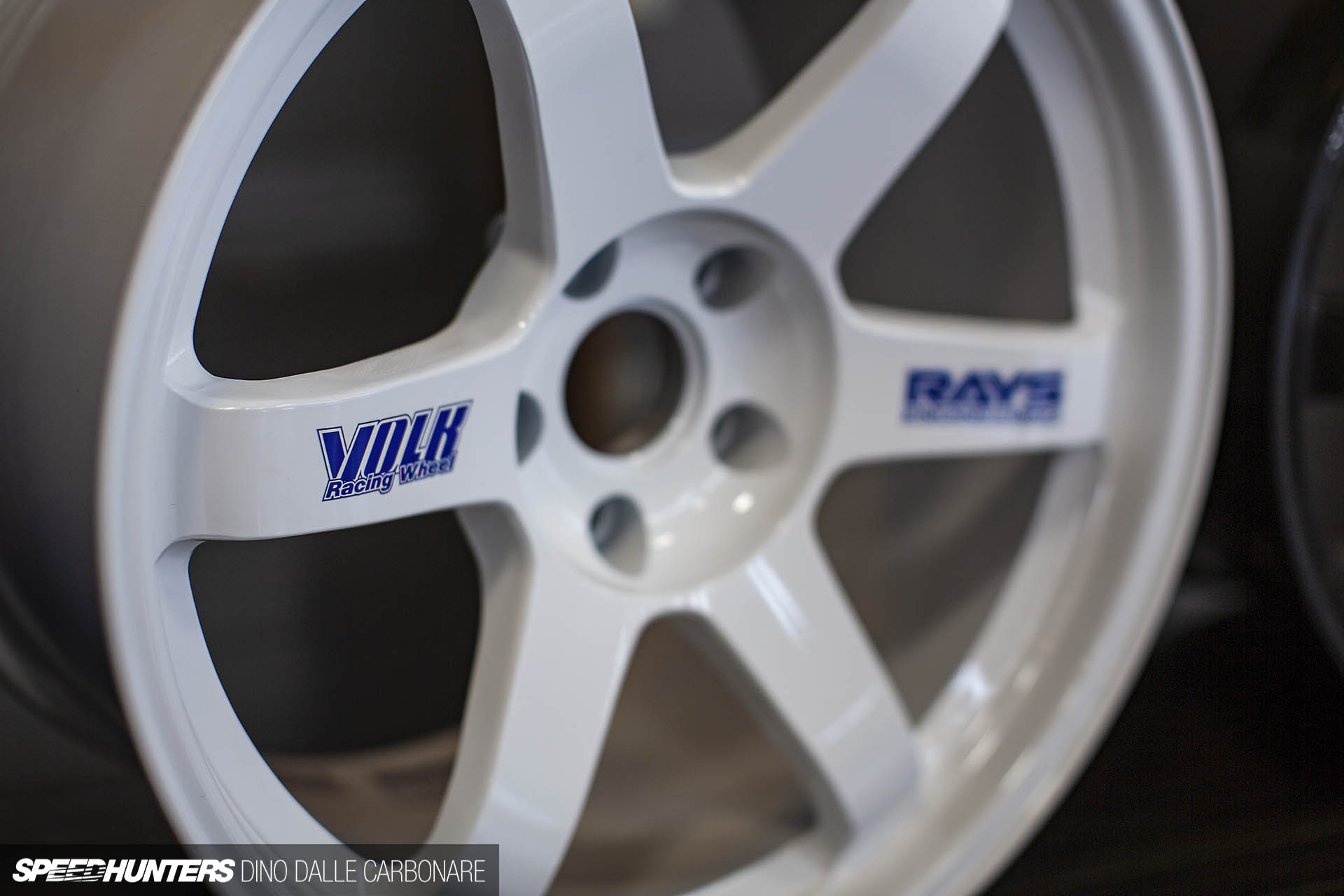
To kick things off there was only one wheel we could really pick, the Touring Evolution 37 – or TE37.
The lightweight, single-piece, forged six-spoke design was introduced in 1996 as a performance-oriented offering for the domestic market, coming directly from the world of motorsport. The idea was to create a wheel that was as rigid as possible, yet extremely lightweight. That’s where the ’37’ comes from. A mere 3.7kg (8.15lb) was the weight of the entry-level 15×6-inch wheel.
With feedback from the racing world, the wheel was also designed and constructed with a large inner rim diameter in order to accommodate large brake setups. It was, for all intents and purposes, the ultimate performance wheel.
Twenty-two years on, the TE37 is still king.


RAYS’ iconic wheel really found its stride in the late 1990s and early 2000s thanks to its widespread use in JGTC. This 12-inch wide magnesium, single-lug version was used on the NSX with teams including Autobacs-Arta and Raybrig, and on the Supra with Denso.
From this, a special lighter ‘Forged Mag’ version of the TE37 was made for street use; it cost 60% more than the normal aluminium alloy version and was only offered in the blue colour you see above.
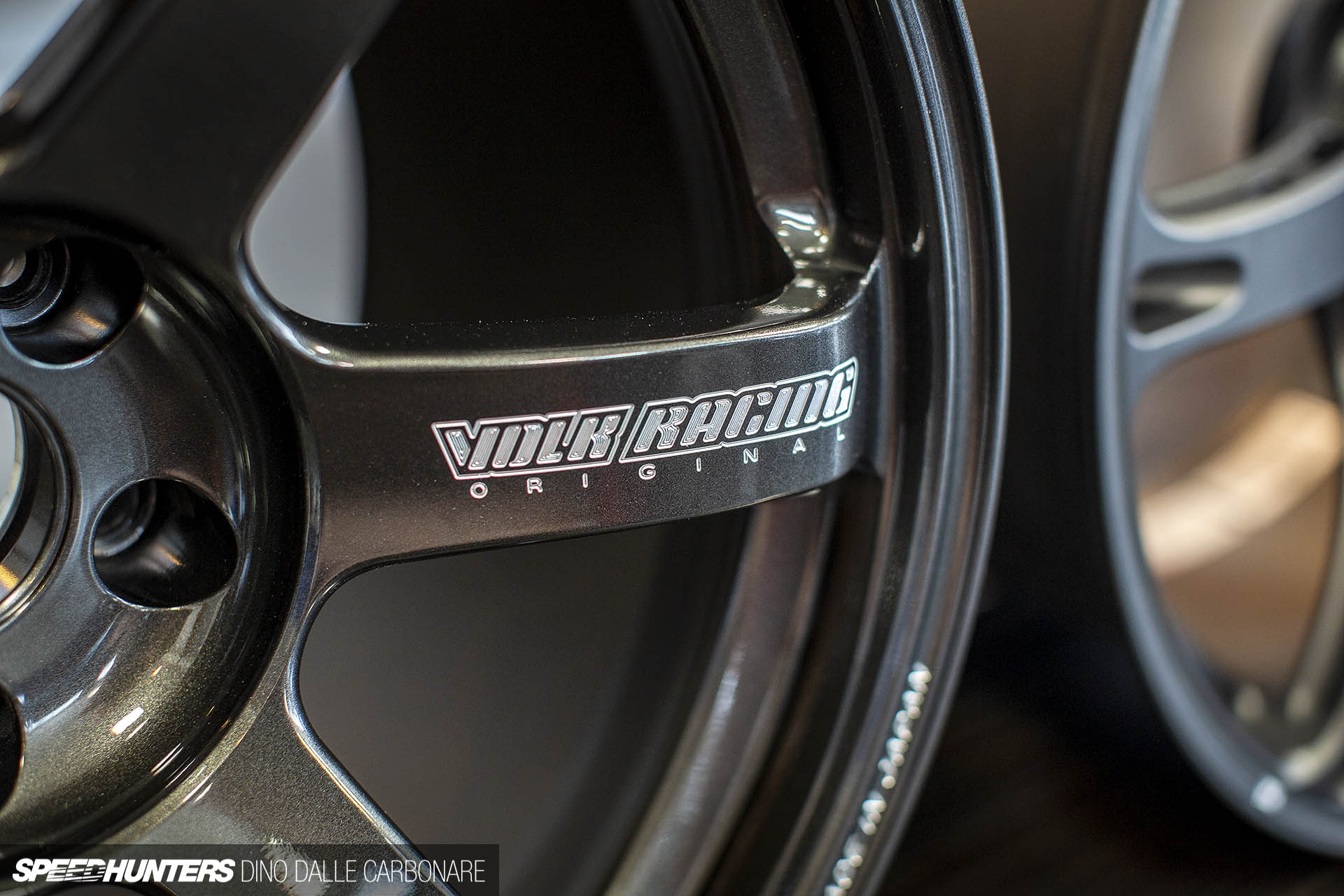
This is what the TE37 looks like today in its ‘normal’ form.
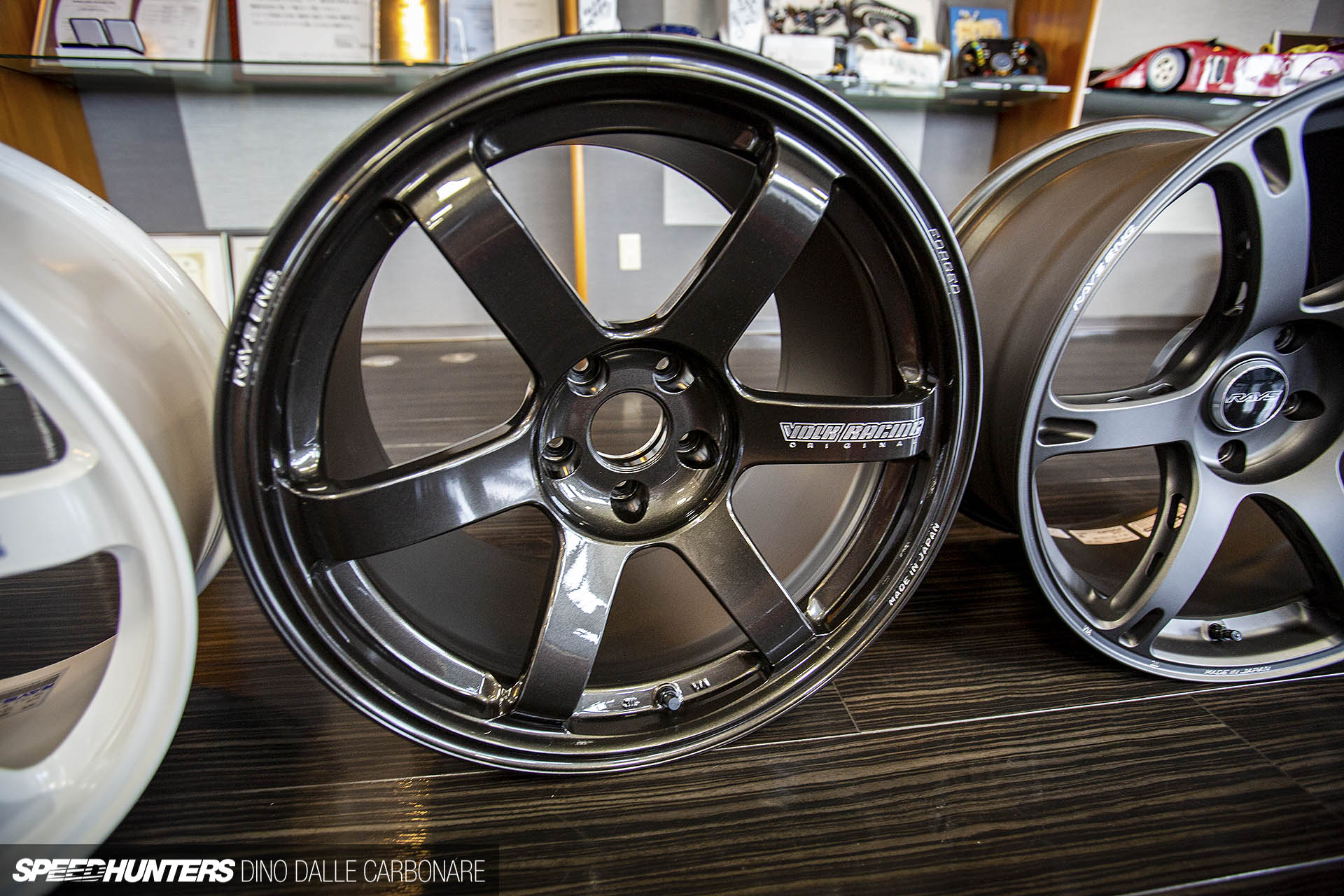
While the recognizable six-spoke design is still very much there, there have been countless small refinements made over the years, from the rim design to the barrel shape and where the spokes meet the outer portion of the wheel.
On top of that, to make it harder for the wheels to be counterfeited, logos are now machined both on one of the spokes as well as the rim itself, then sealed to protect against corrosion.
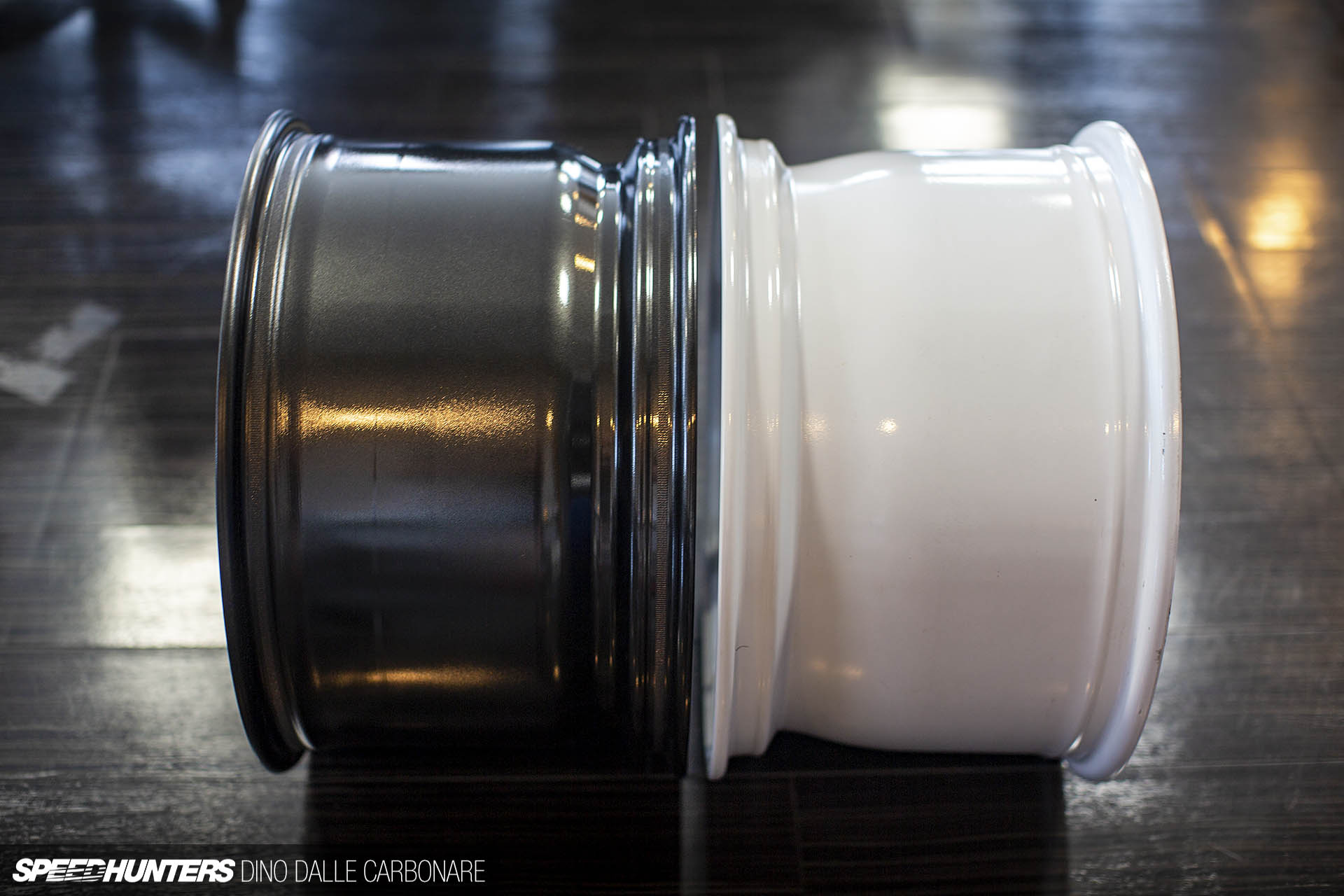
Putting the latest version beside an original white TE37, the difference is obvious.

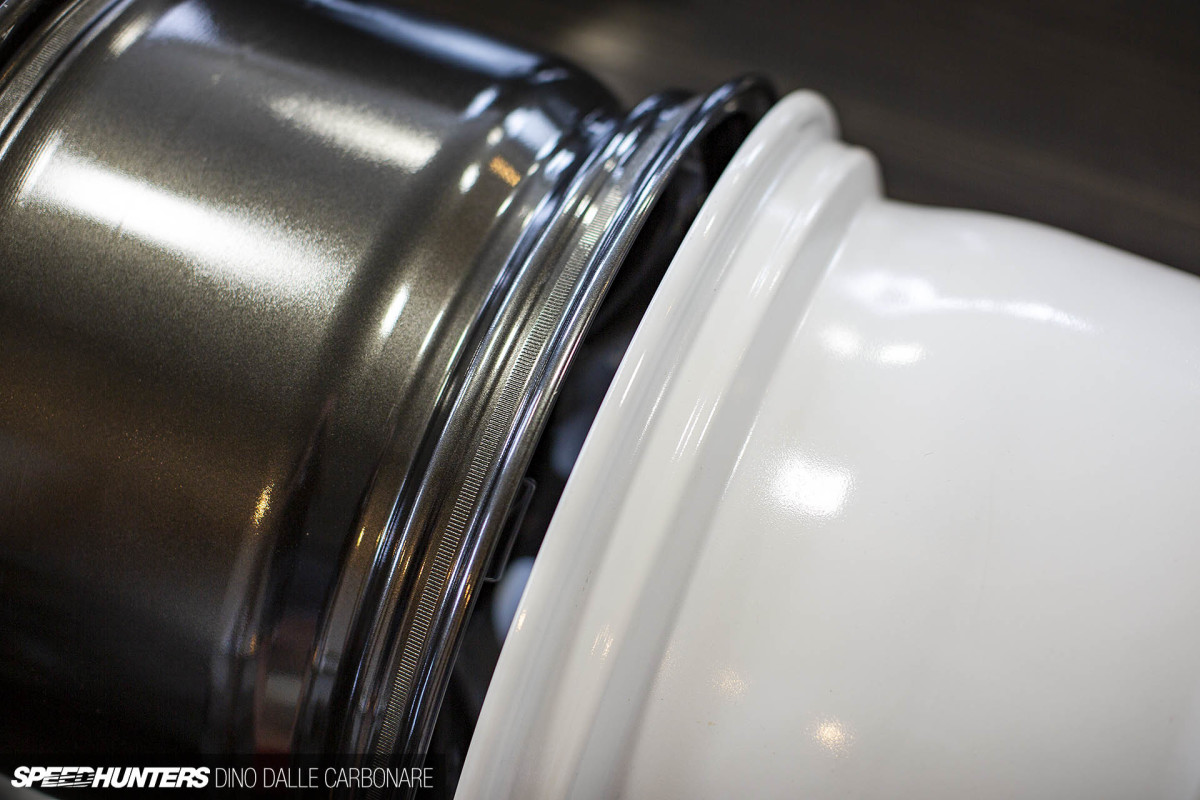
The barrel and outer rim section are designed in a more angular way now, and it all come from two decades worth of data and testing, fine tuning the weak spots, and adding rigidity where it’s needed the most.
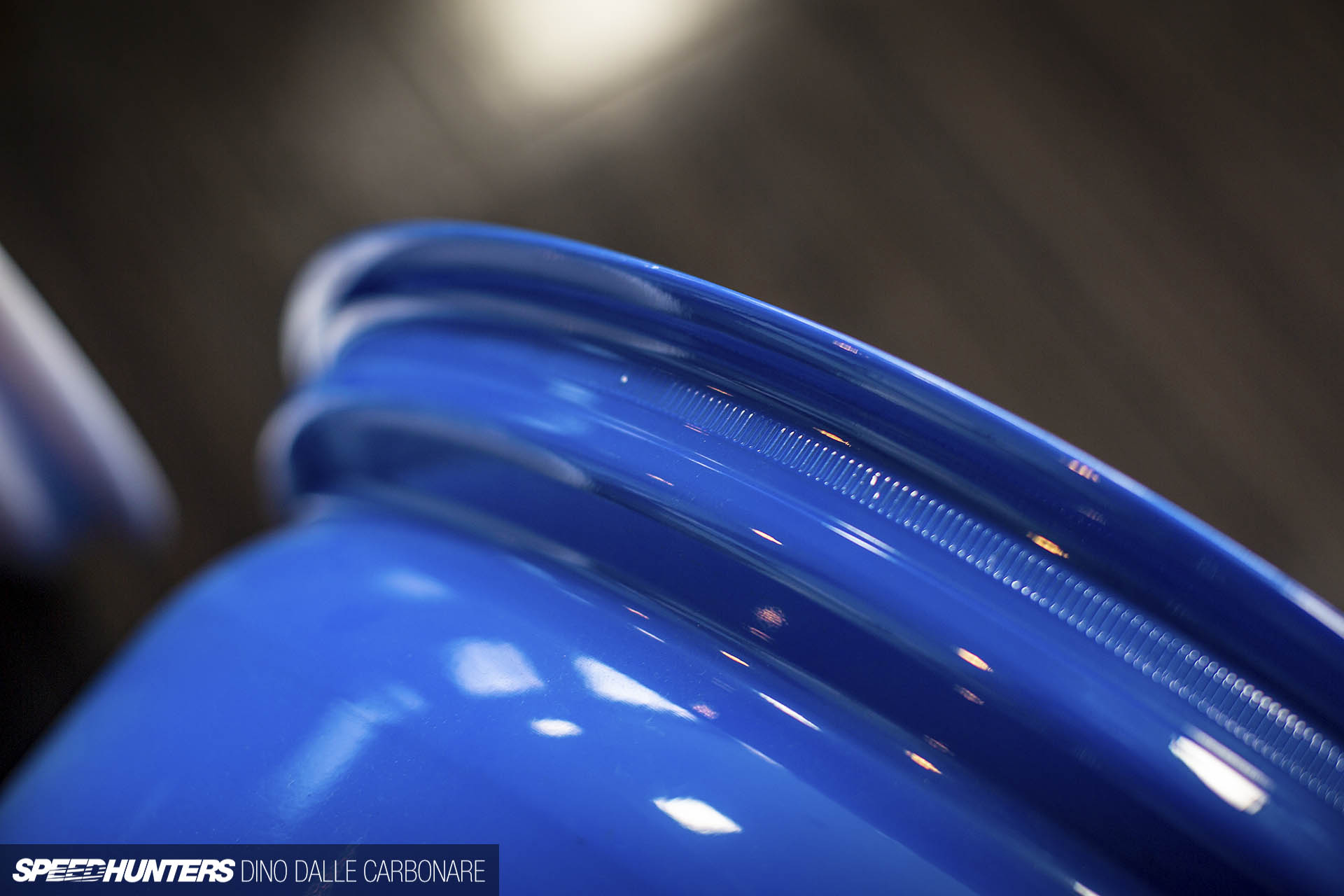
One standout detail of the newer wheel is the knurling along the surface where the tire bead sits, something that was initially only used on race versions of the TE37. This adds another important aspect to the wheel, especially now that street cars are getting so fast and can generate such high levels of mechanical traction and lateral grip.
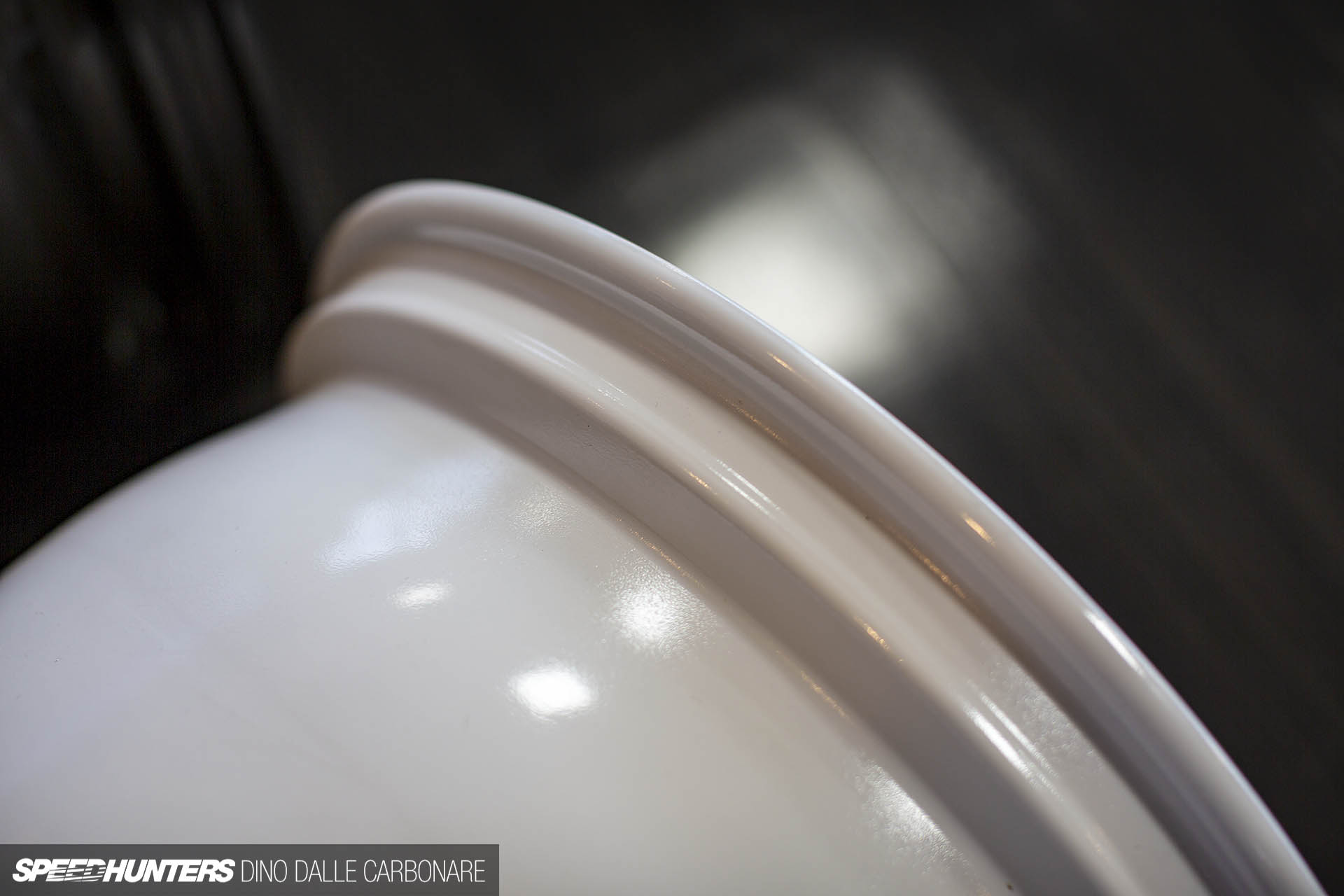
As you can see, there is no such thing on the first generation of the TE37. But get this, Wakana-san of RAYS told me that this no-frills, first-generation edition of the wheel is still being produced to this day.
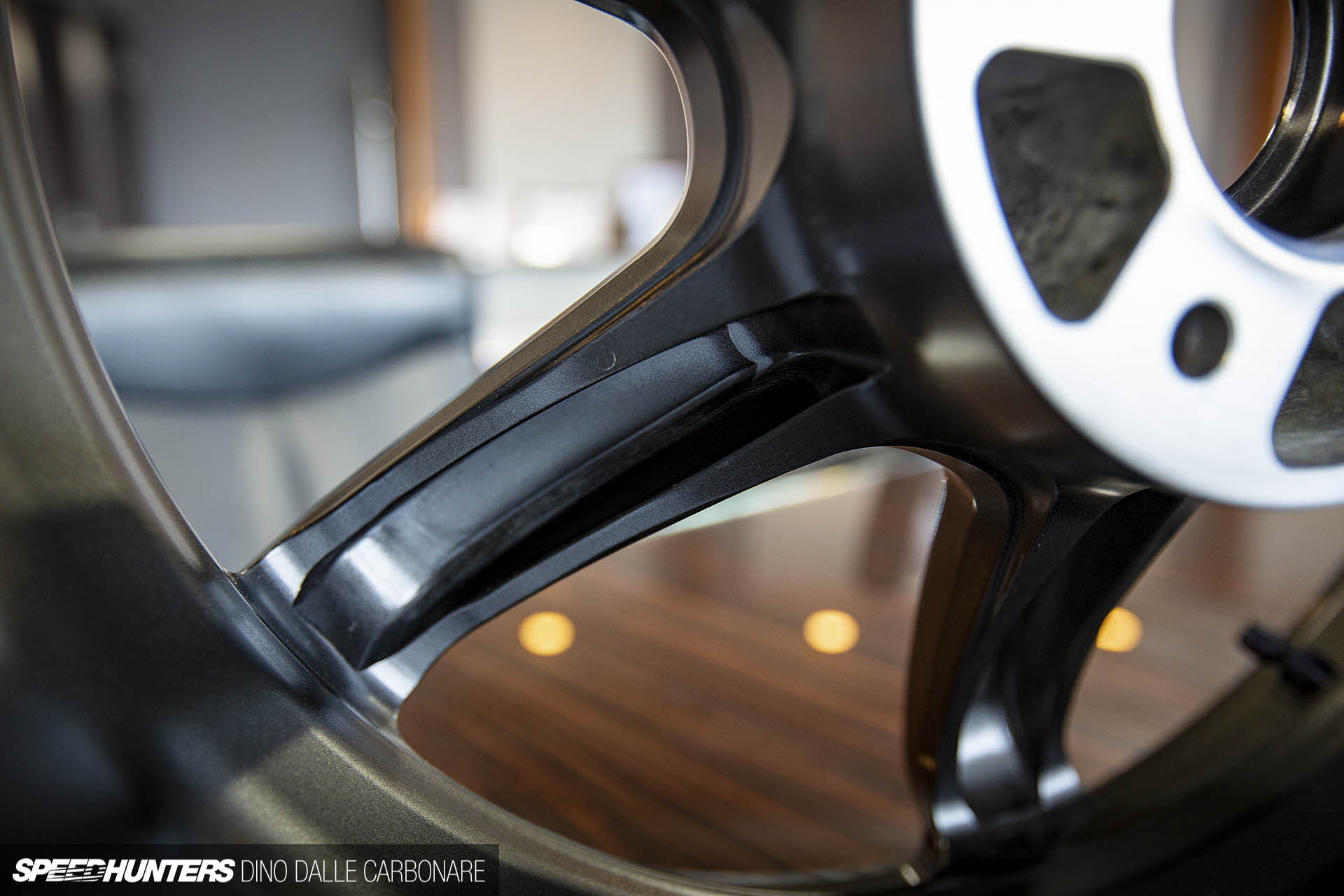
One of the main difference between the 1996 version of the TE37 and the 2018 one is the fact that forging techniques used at RAYS have evolved greatly. This means the back of the six spokes can be carved out to save even more weight without taking a toll on the overall toughness and structure of the wheel.

The guys at RAYS prepared some cross-sections for me to get a better understanding of how the aluminium alloy is distributed around the mold when the wheels are forged.
The thicker the metal, the more load is applied on that part of the rim, and thus more strength is directed there.
Here you get a good idea about the spoke and hub thickness.
Pushing Evolution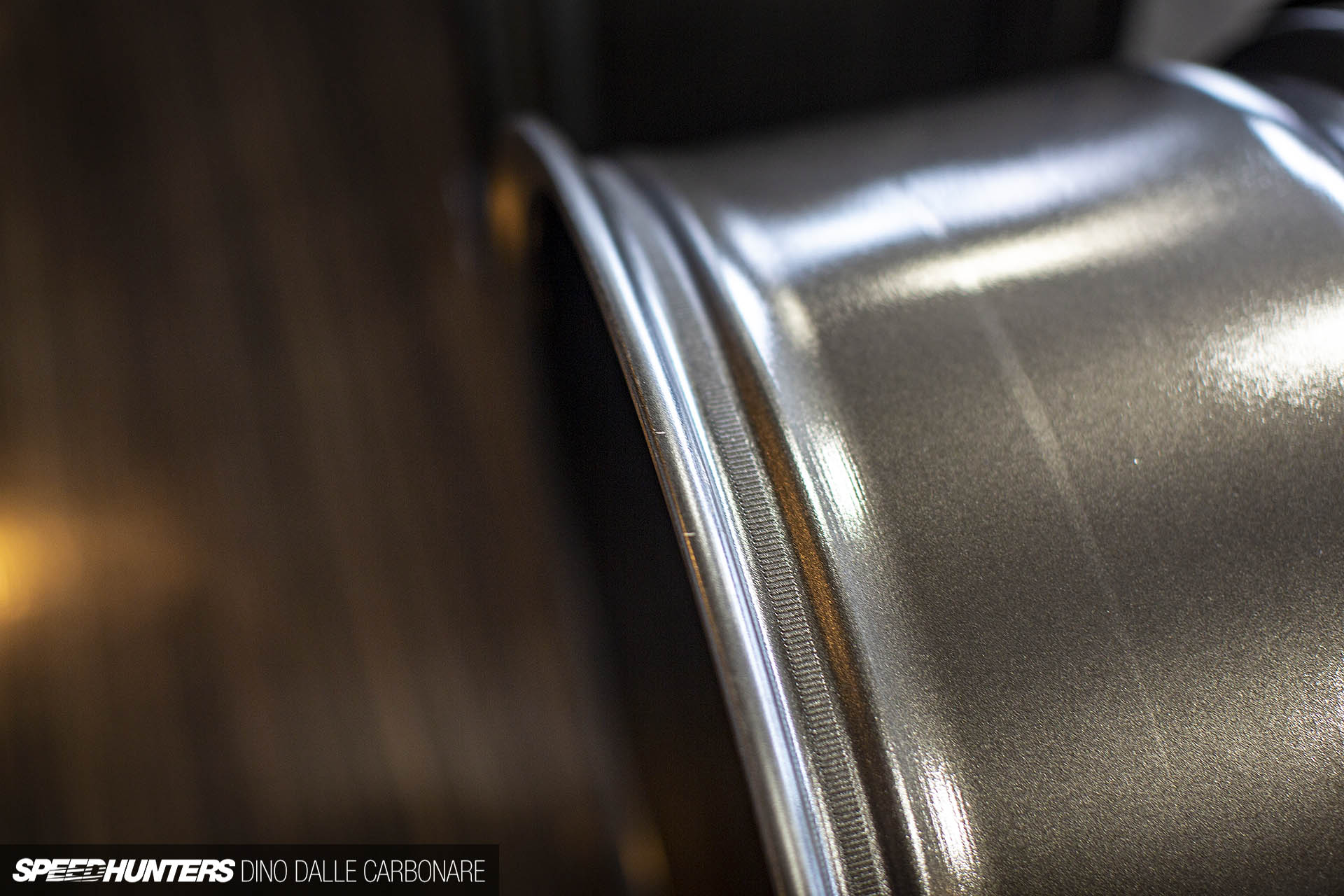
As you can see, the 2018 version of the TE37 has the knurling too; it’s not as pronounced as on the race wheel, but still offers the same benefit.


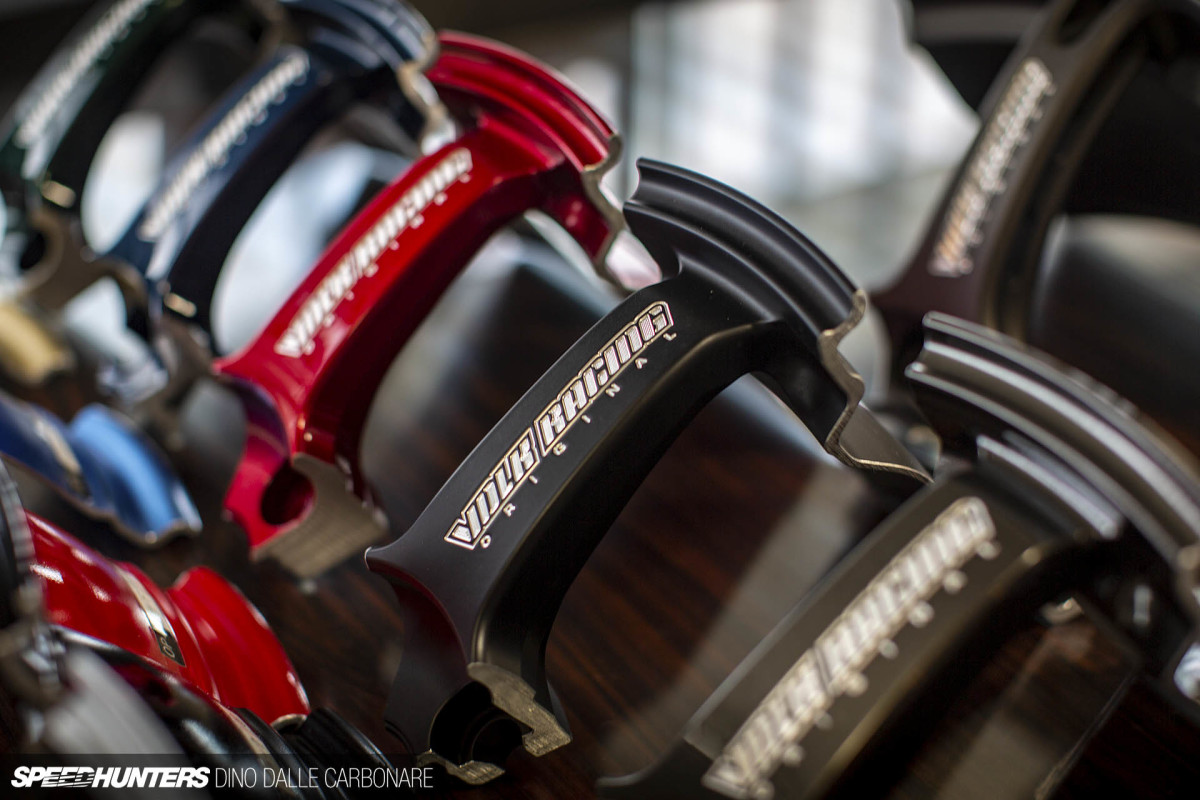
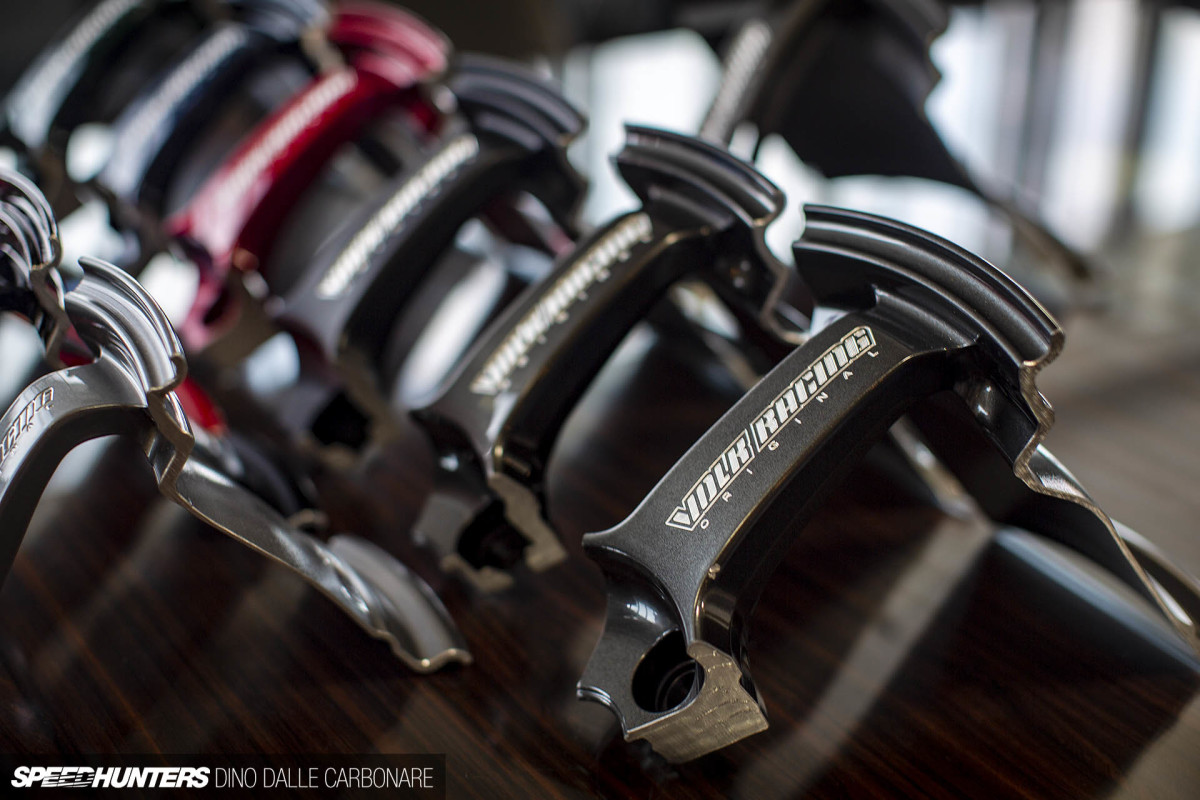
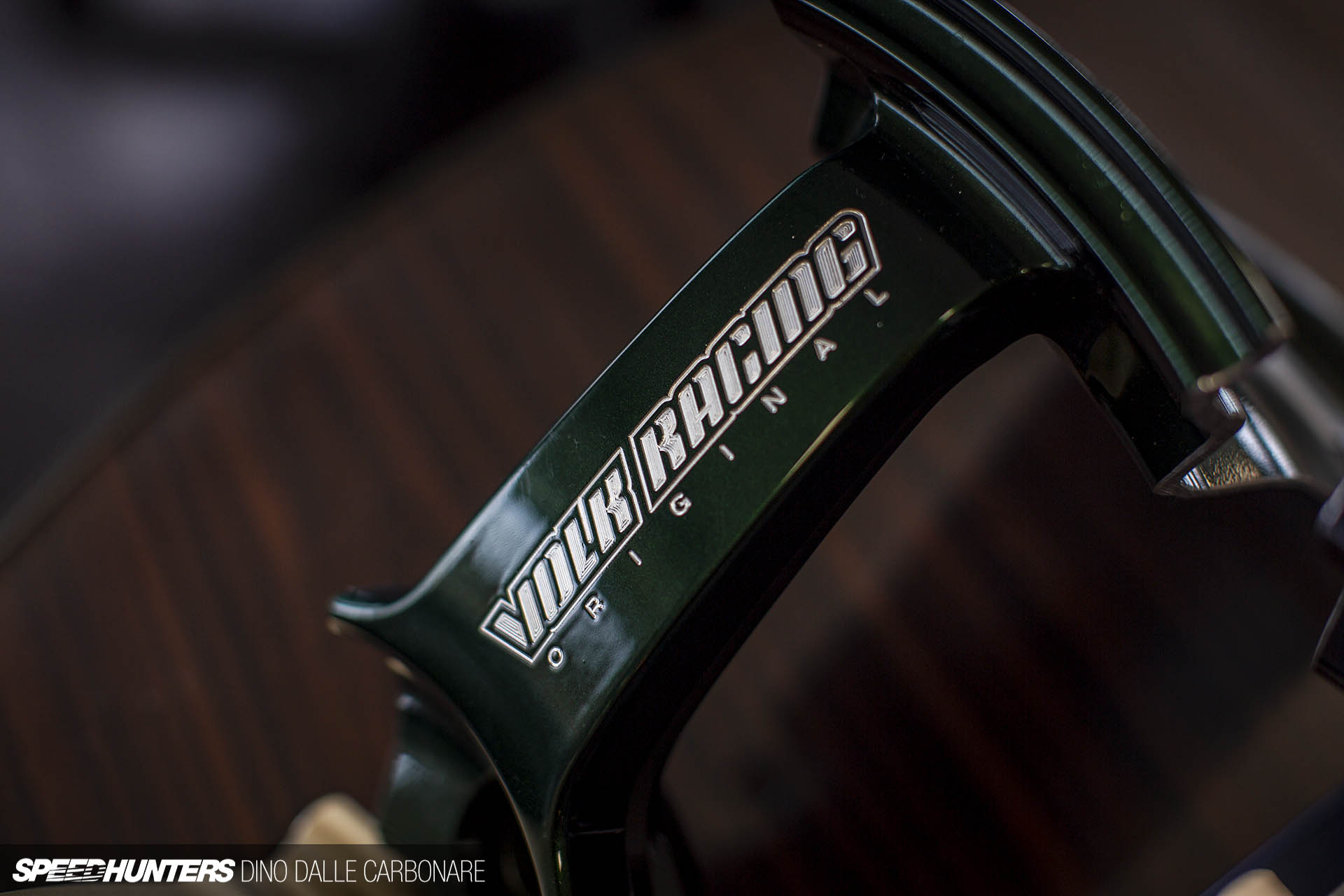
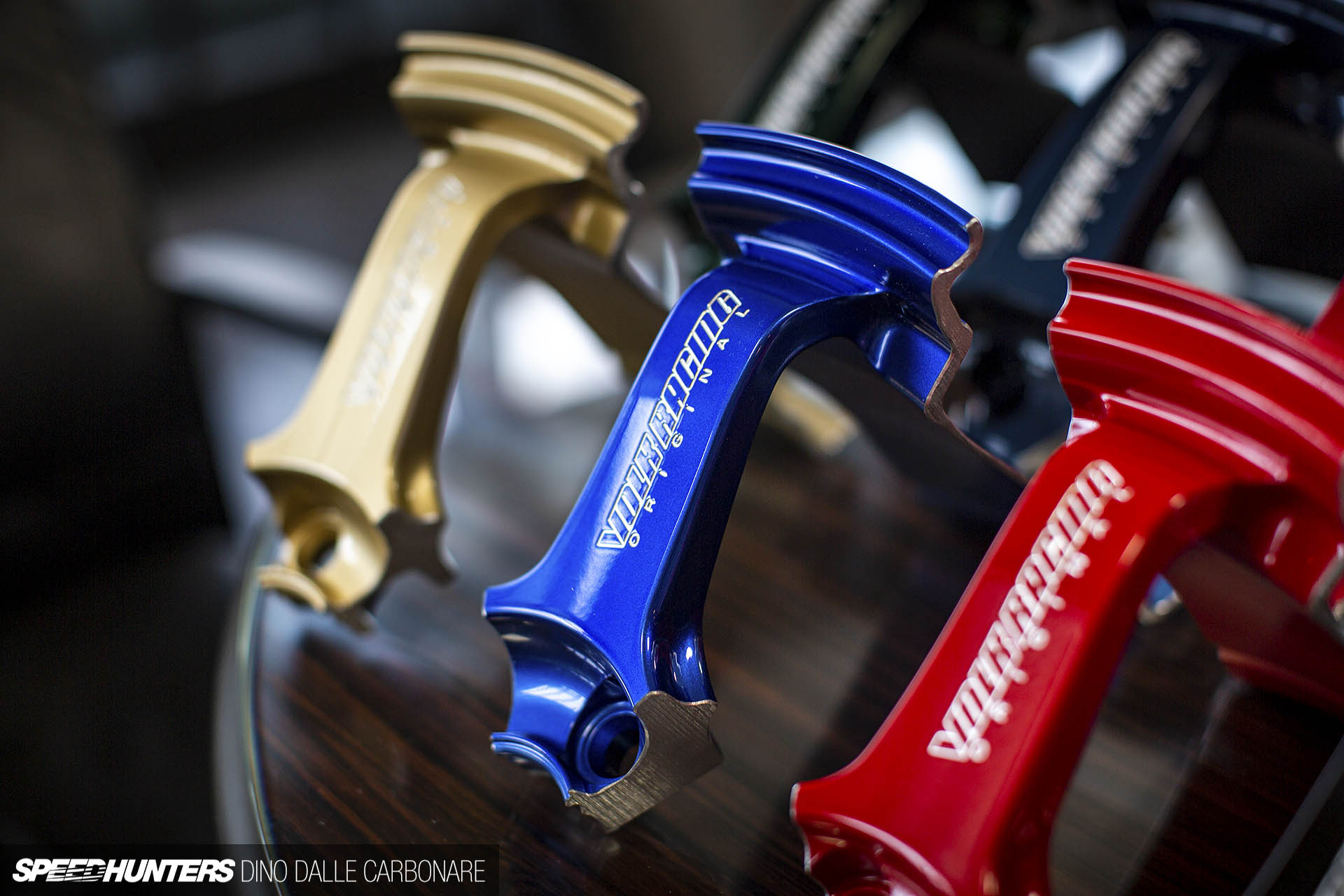
One other thing RAYS has decided to overhaul is the way it offers different colours. Back in the day, you could order your Volk Racing wheels in custom colours for a fixed fee. This wasn’t really a service a lot of customers opted for, which meant RAYS was stuck with countless colour supplies that were hardly getting used.
To make the whole thing more efficient, they’ve come up with a selection of 21 colours that represent the most popular ones people went for, and now offer these at an extra fee depending on which colour is selected. New colours are added from time to time, but the images above should give you a rough idea of what’s available right now.
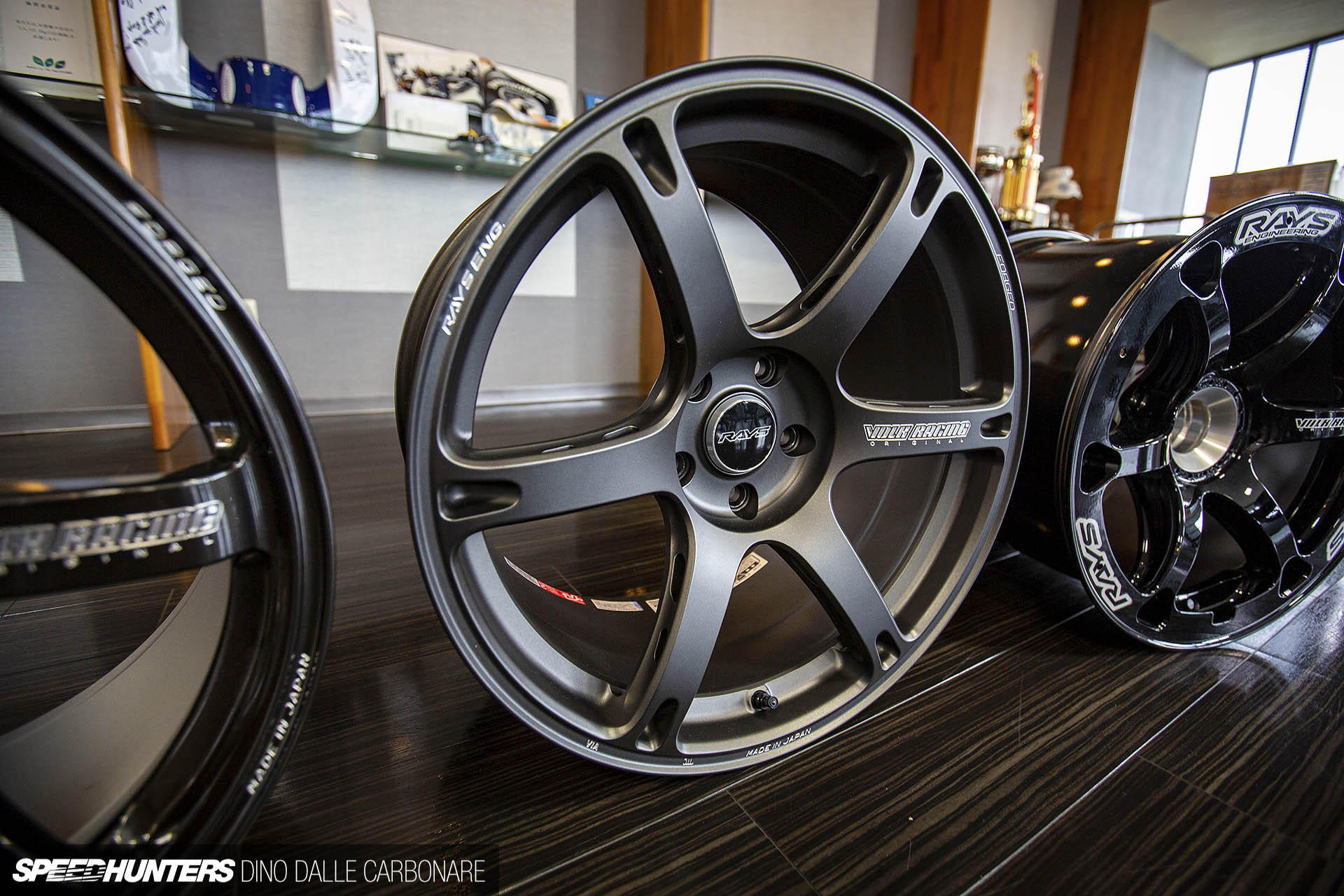
While TE37s are produced in a variety of sizes, offsets and PCDs that take in everything you’ve seen here all the way to kei car and off-road applications, RAYS have evolved the whole concept creating the TE037.
Forged in A7075 duralumin alloy, and first shown in 2017 in only 20-inch sizes, the TE037 was created specifically to bring the lightness and rigidity TE37s are known for to the modern day crop of (heavier) high performance cars. The TE037 6061 followed this year, offered in a 19-inch diameter with six width variations and at half the price of the DURA version, which currently sits as the top of the line wheel in the Volk Racing forged wheel line up.
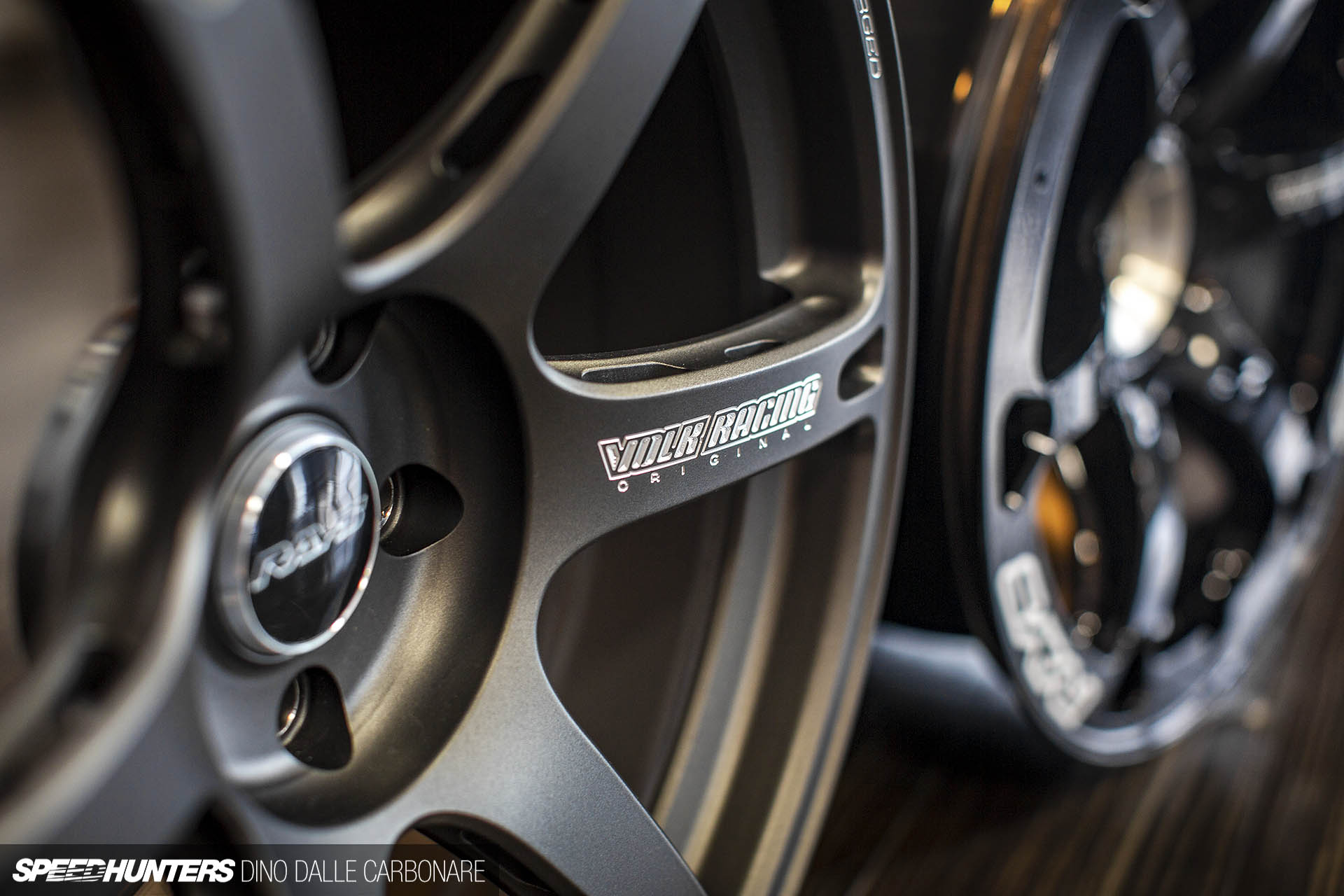
The 6061 brings the same carved-out spoke design, which eliminates as much excess material from the wheel as possible, with the A6061 aluminium allowing for high levels of rigidity. Again, you can see the machining done to each wheel.


Weighing in at 8.15kg (18.7lb), this is one of the lightest 19-inch aluminium alloy wheels out there.

Check out how much material is removed from the spokes, let alone the lateral holes.
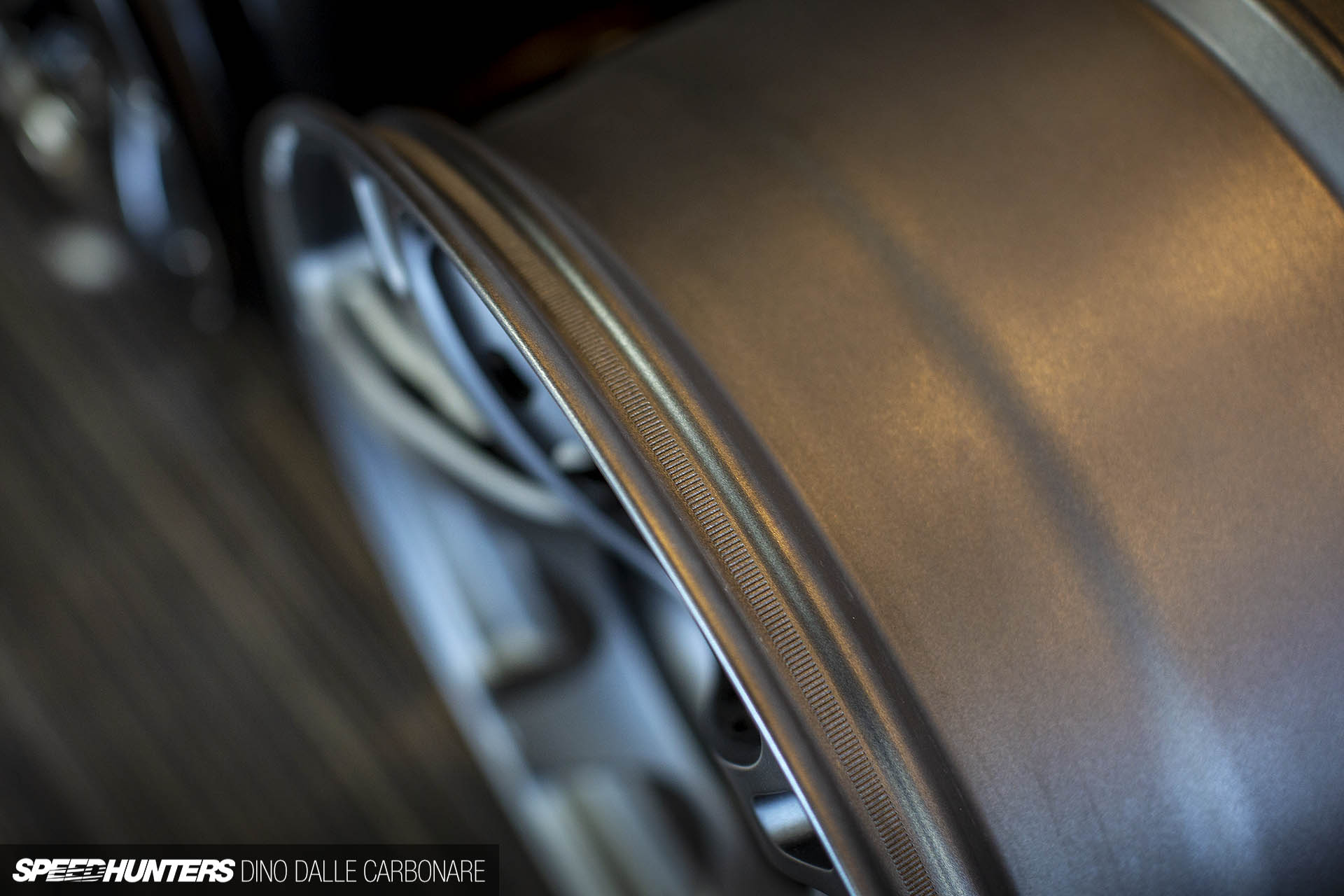
The knurling we saw earlier is of course part of the 6061 and DURA version construction.
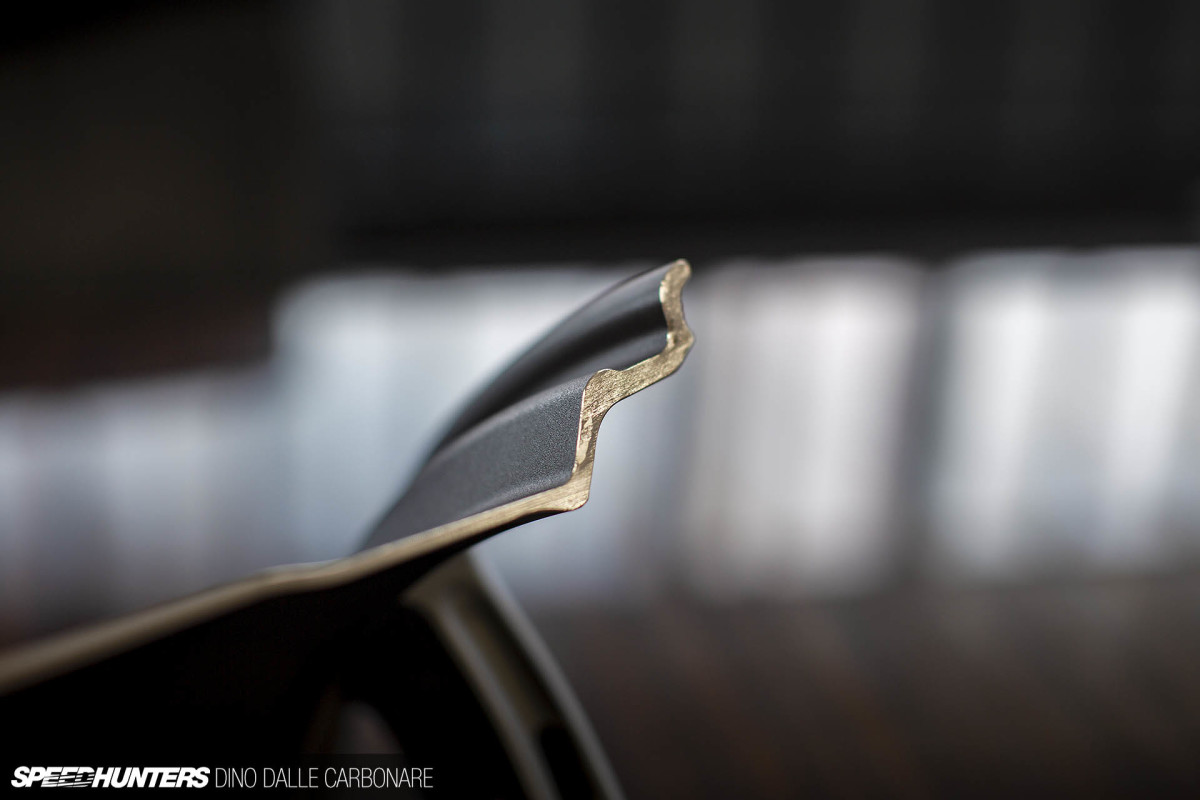

The A6061 alloy allows the thickness of the rim to be slightly thinner, again adding to the TE037’s impressive lightness.
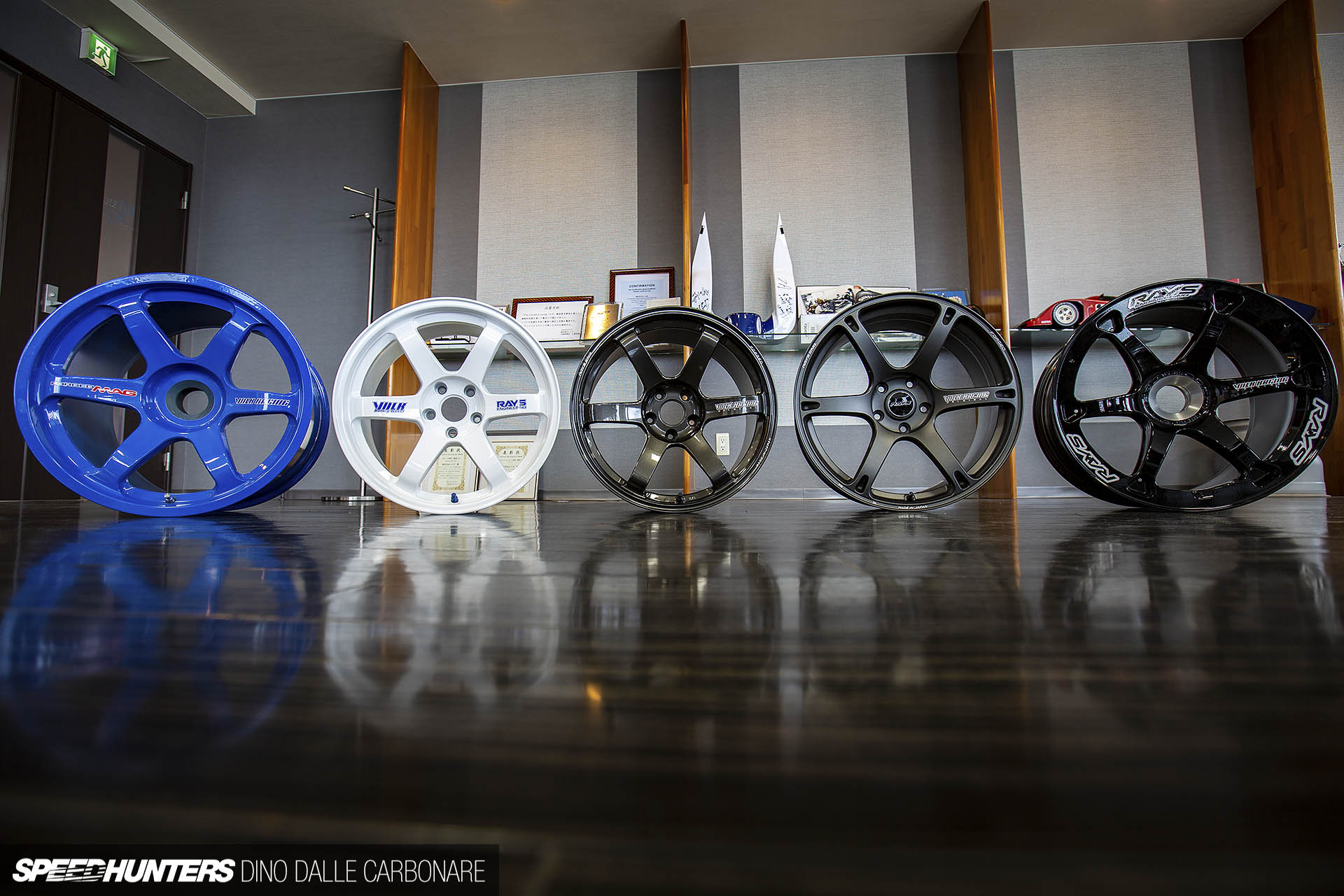
The TE37 line up that was set out for us to see was topped off by the most evolved version of the six-spoke design yet; the black wheel right at the end.
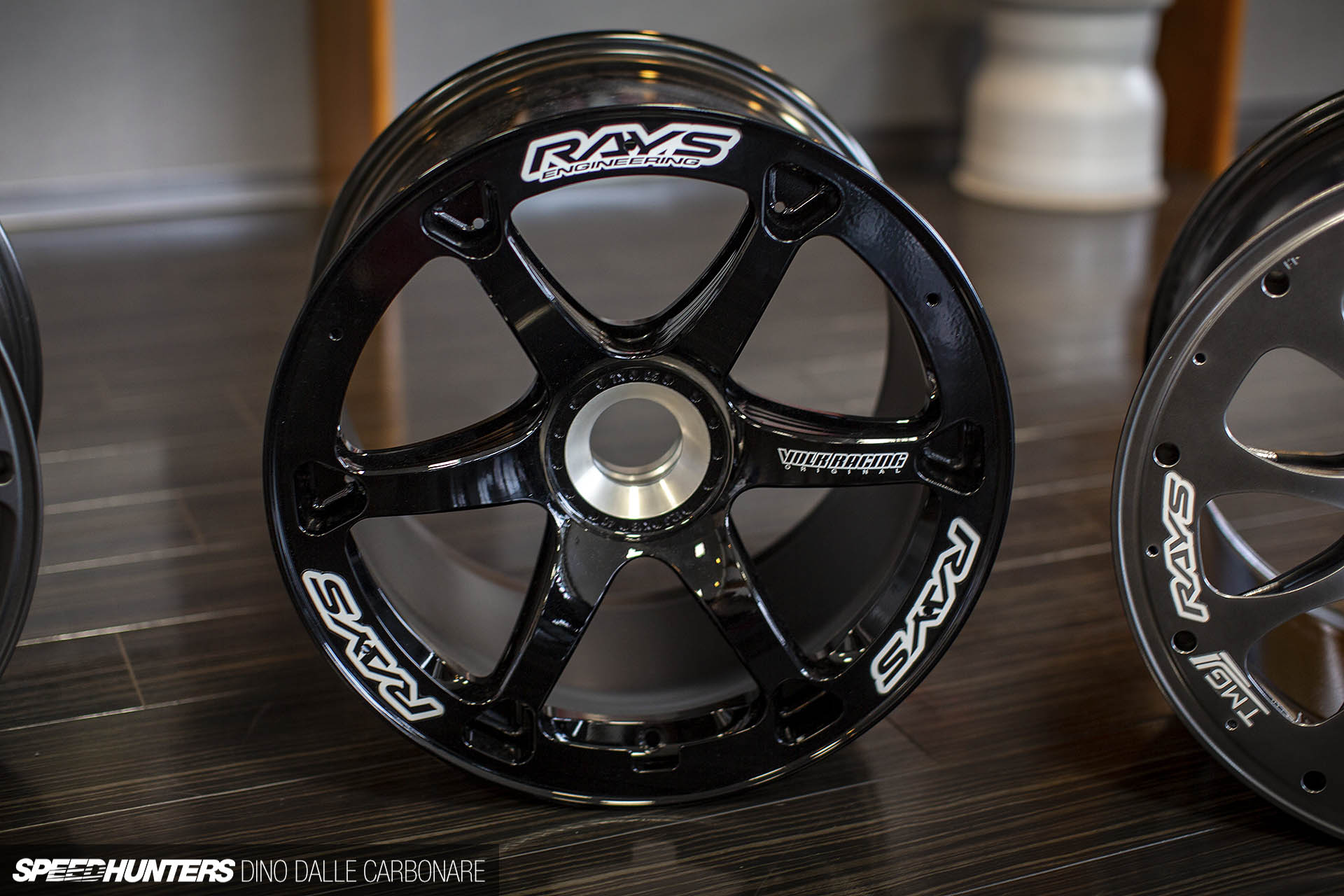
This is currently being used in the GT500 class of Super GT, and while still maintaining the recognizable design, features a few interesting solutions.

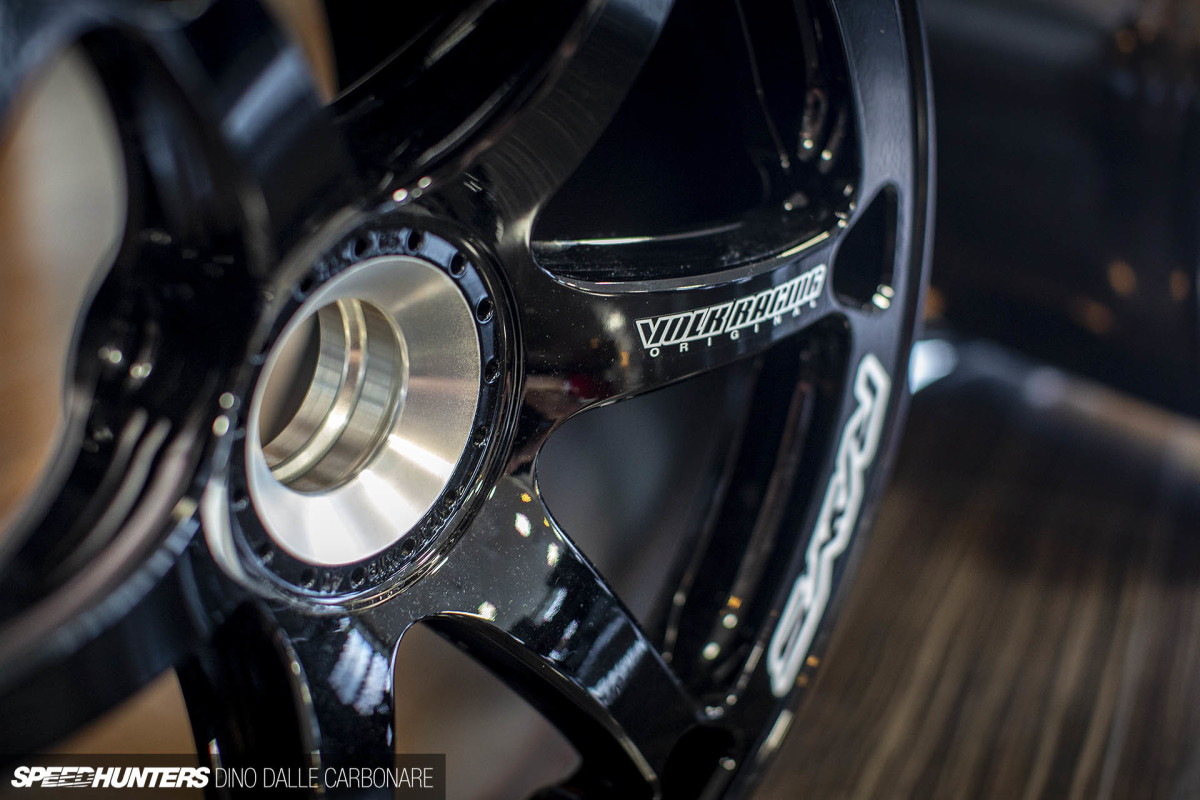

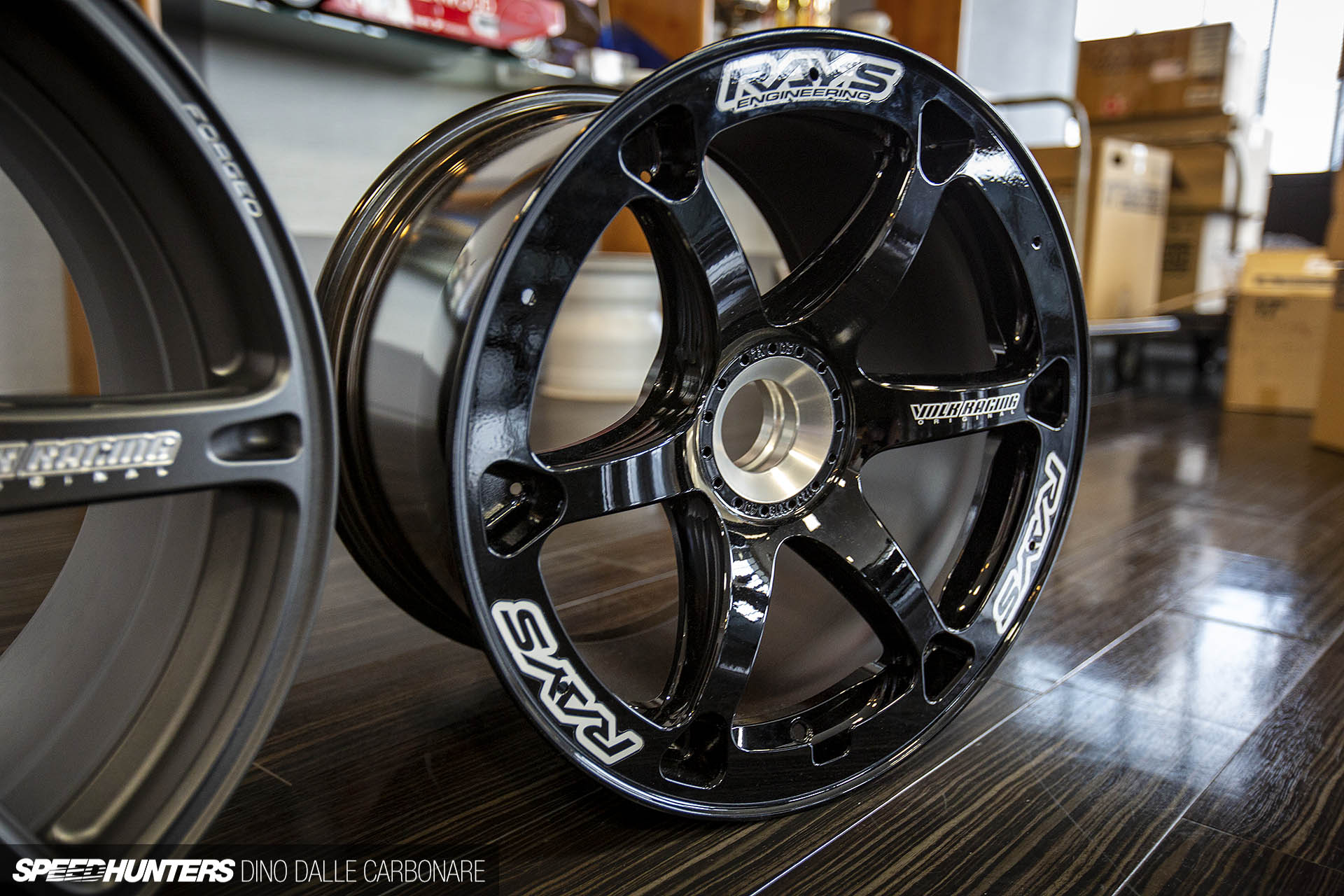
From the finned lip which helps add extra structure and even impacts aerodynamics positively, there are six rather large and visible areas where material has been removed, right where each spoke meets the eternal portion of the wheel.
On top of that, the spokes have been ‘pinched’ in the middle (for lack of a better term), again helping shave away material, but at the same time forged to create a stiffer structure, sort of like an I-beam. Due to the fact that magnesium burns quite easily, the material has been banned in use for wheels in Super GT, so these are all aluminium.
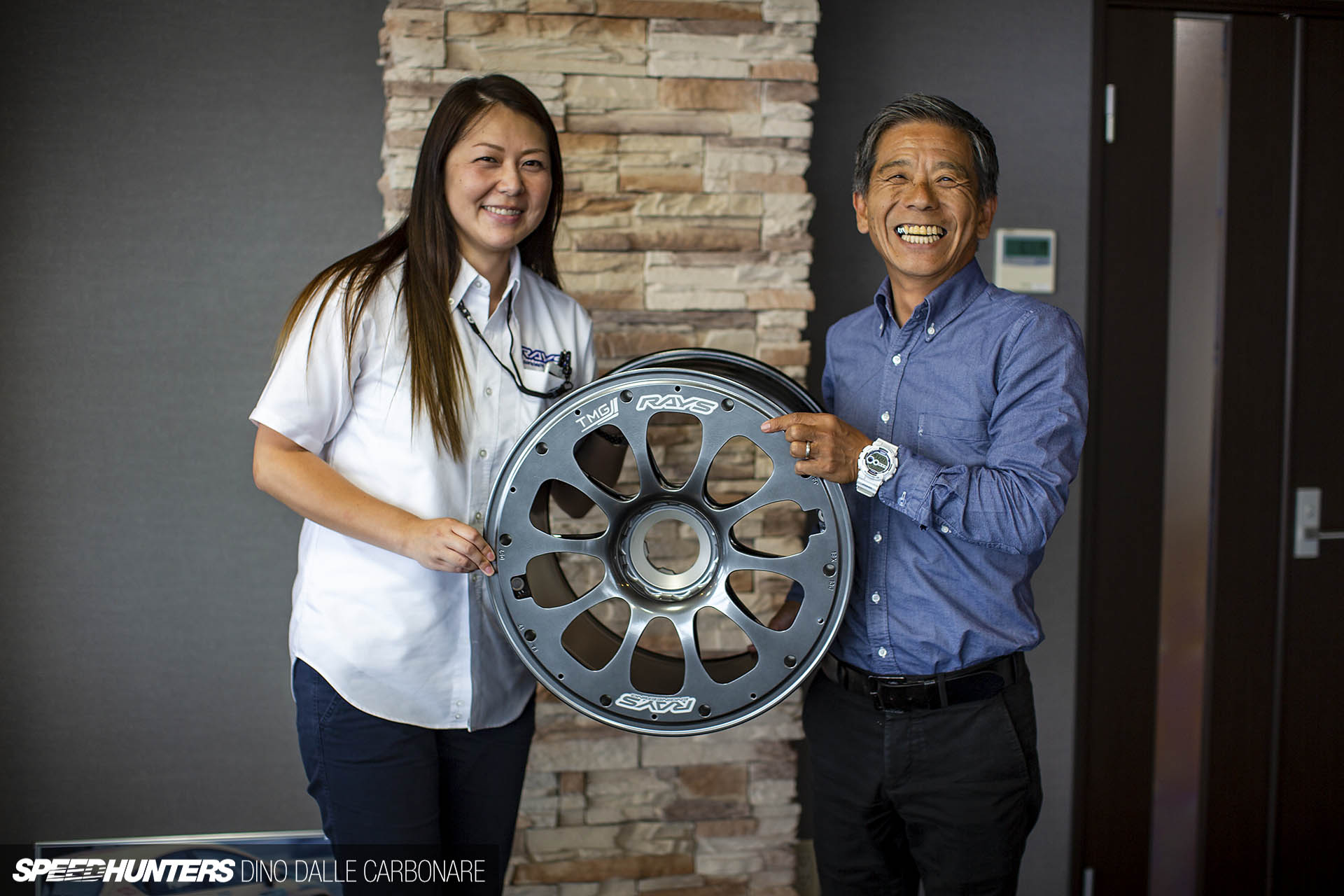
And what is RAYS latest and most advanced concept? The lightest and strongest wheel that they can create with today’s technology? The WEC Forged Magnesium race wheel, which Wakana-san and RAYS’ brand manager KJ-san are proudly holding up here.
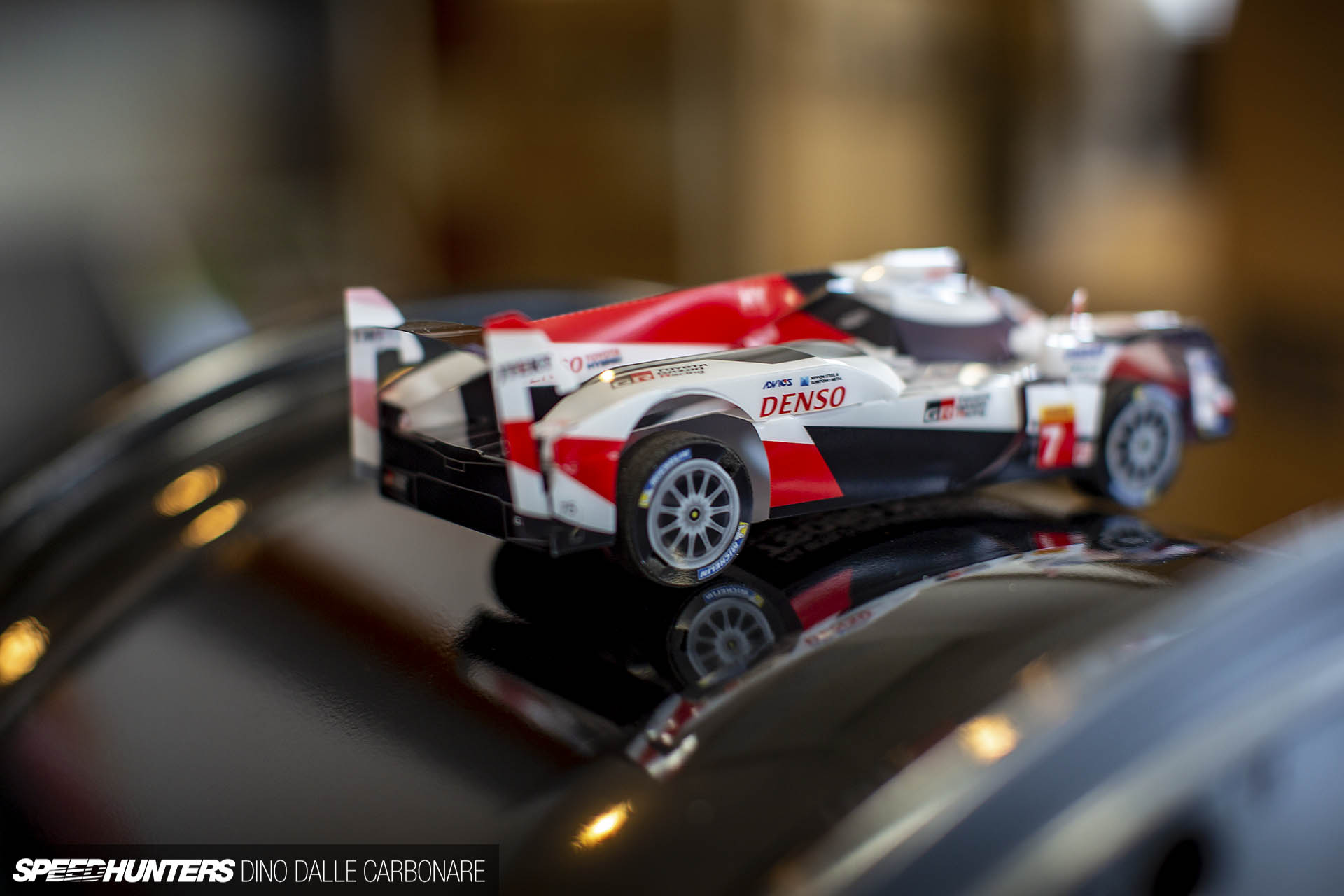
This was built for the Toyota Gazoo Racing TS050 hybrid race car that won Le Mans this year, and they even had a paper model of the car to show me.
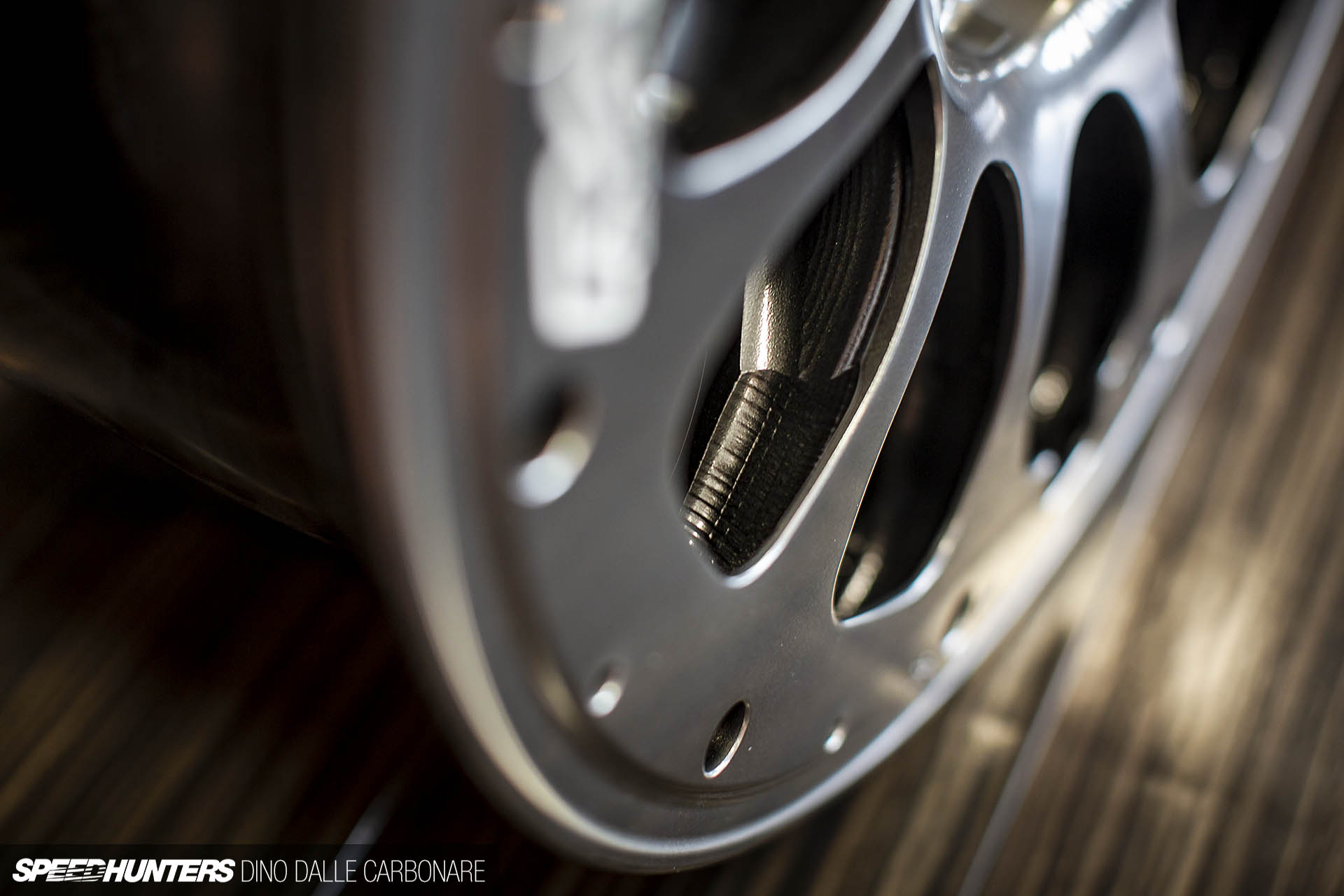
This is a magnesium-alloy forging which has an evident rib strengthening the outside portion of the spokes, sort of webbing them out as they meet the extremities of the rim. Each wheel is then placed on a five-axis CNC machine where the lateral portions of each spoke are milled out.
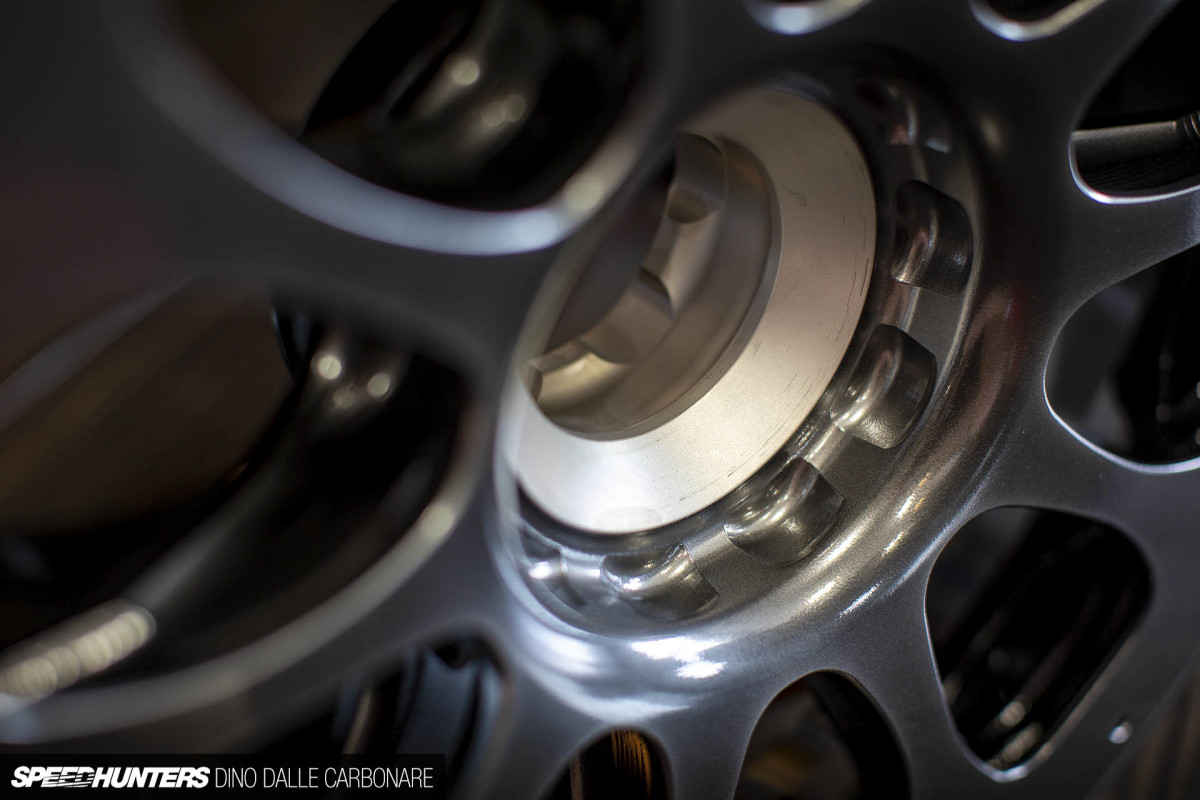


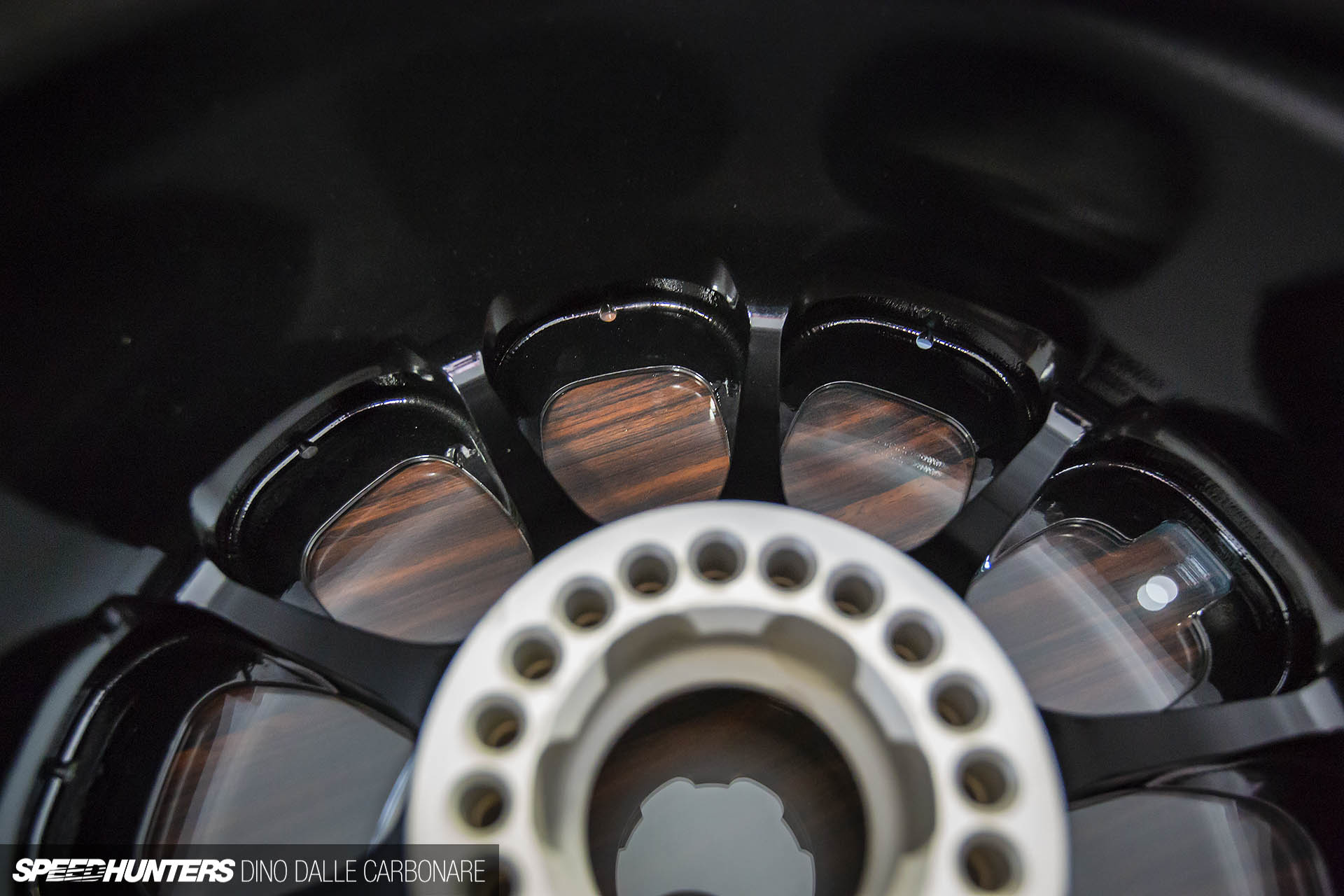
A special tool had to be made up in order to get the drill bits to reach such tight and awkwardly positioned areas. The result is an 18×13-inch wheel that weighs in at 6.5kg (14.3lb) and manages to decrease drag, increase brake cooling and has a positive aerodynamic impact.

Shaving a few grams off a wheel used in endurance racing can equate to milliseconds saved over the course of a lap; multiply that over 24 hours of racing and you have the advantage you need to better your results. The ultimate test of wining Le Mans meant the wheels were used at speeds over 200mph, covering almost 3,300 miles over 388 laps.
I hope you enjoyed nerding out on some forged wheel technology; next up we’ll take a closer look at another RAYS favorite; the Volk Racing CE28N.
Dino Dalle Carbonare
Instagram: speedhunters_dino
dino@speedhunters.com