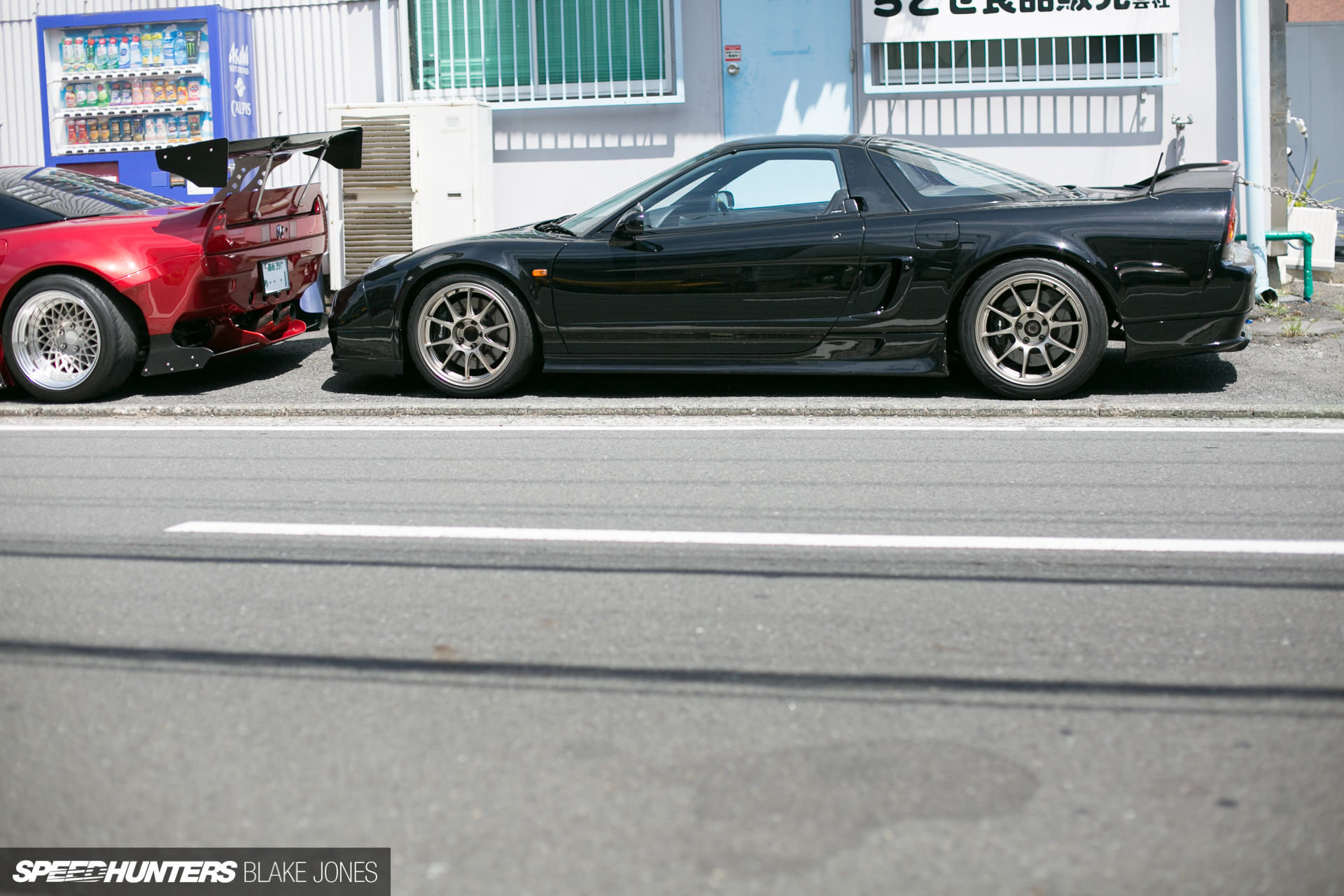
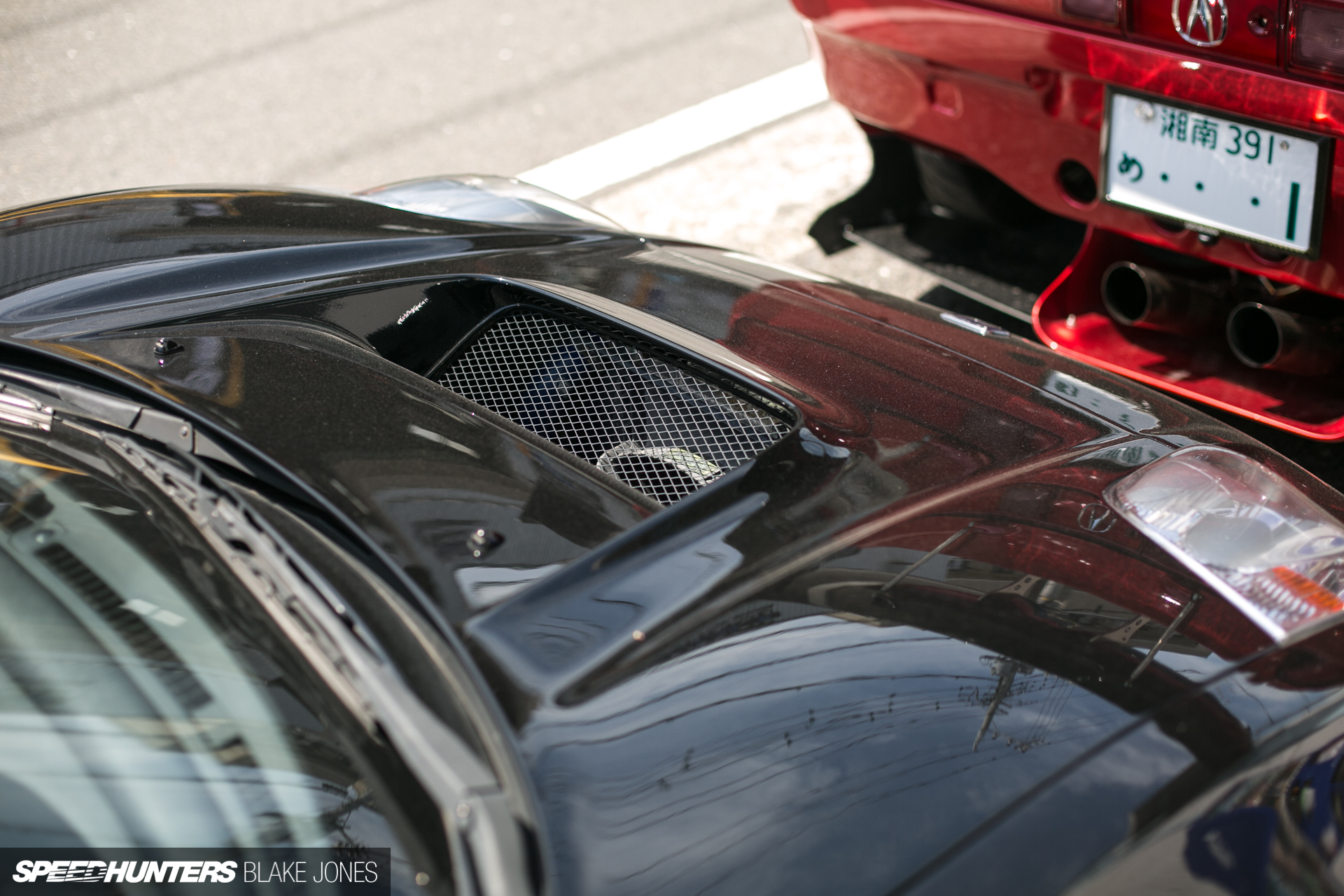
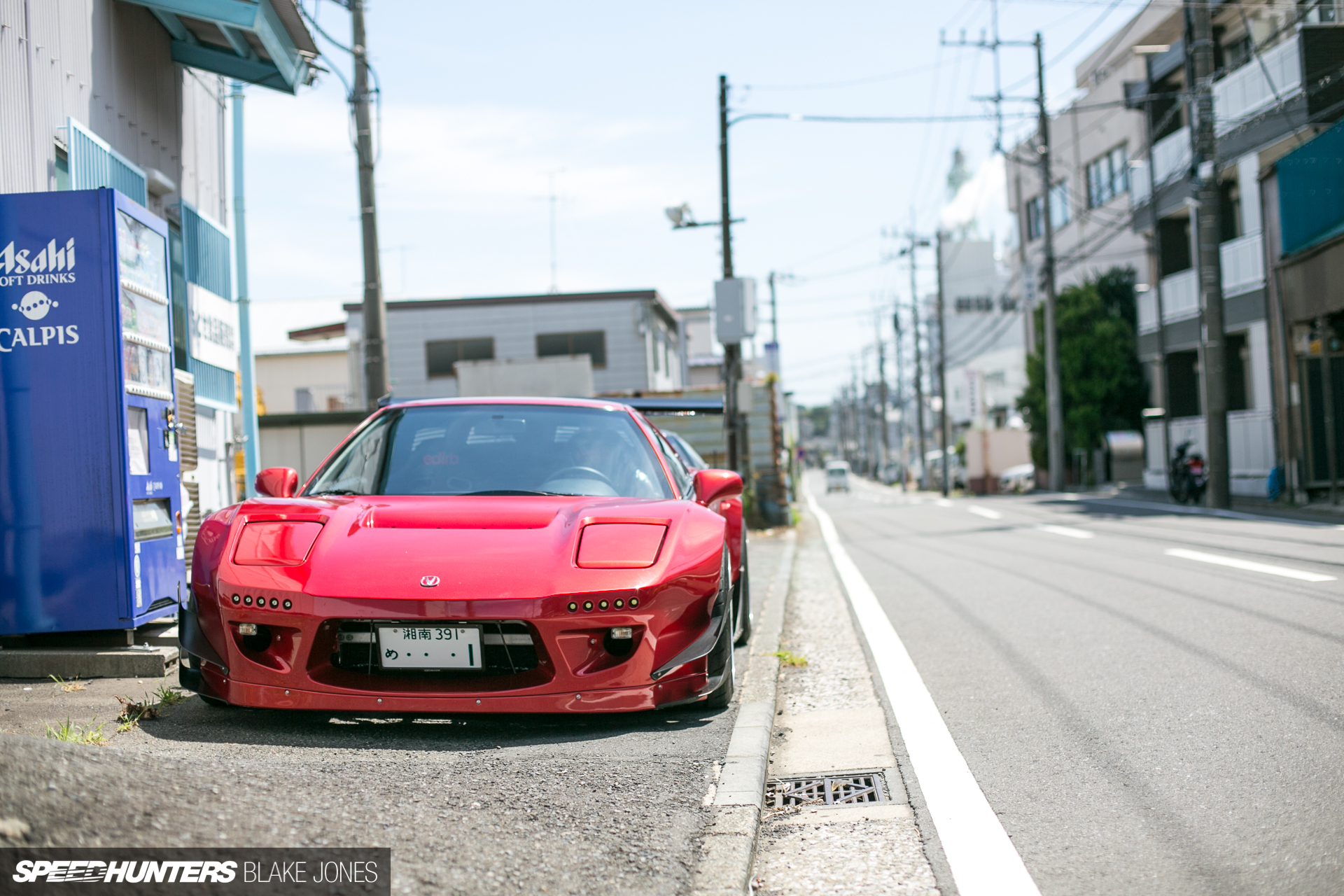
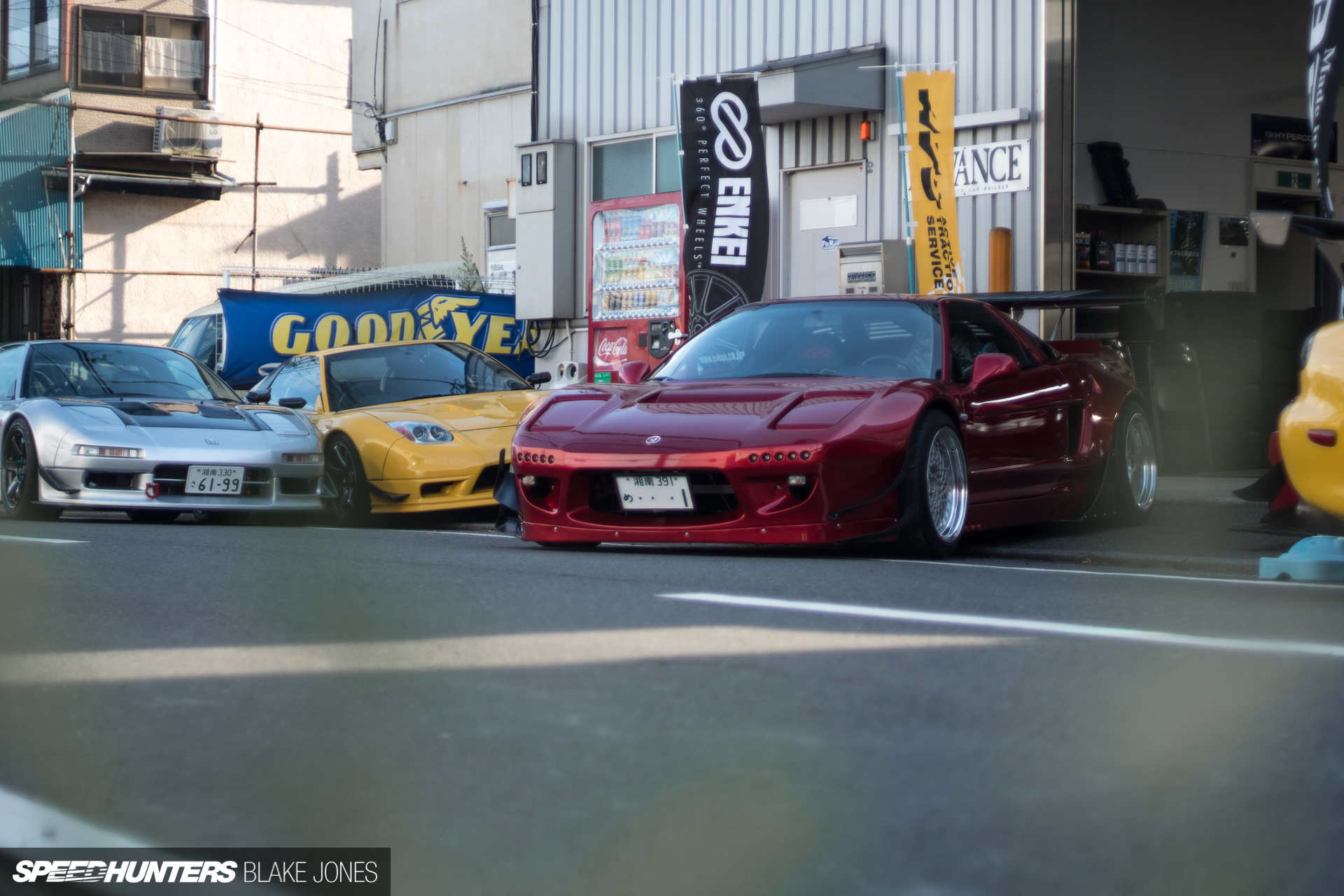
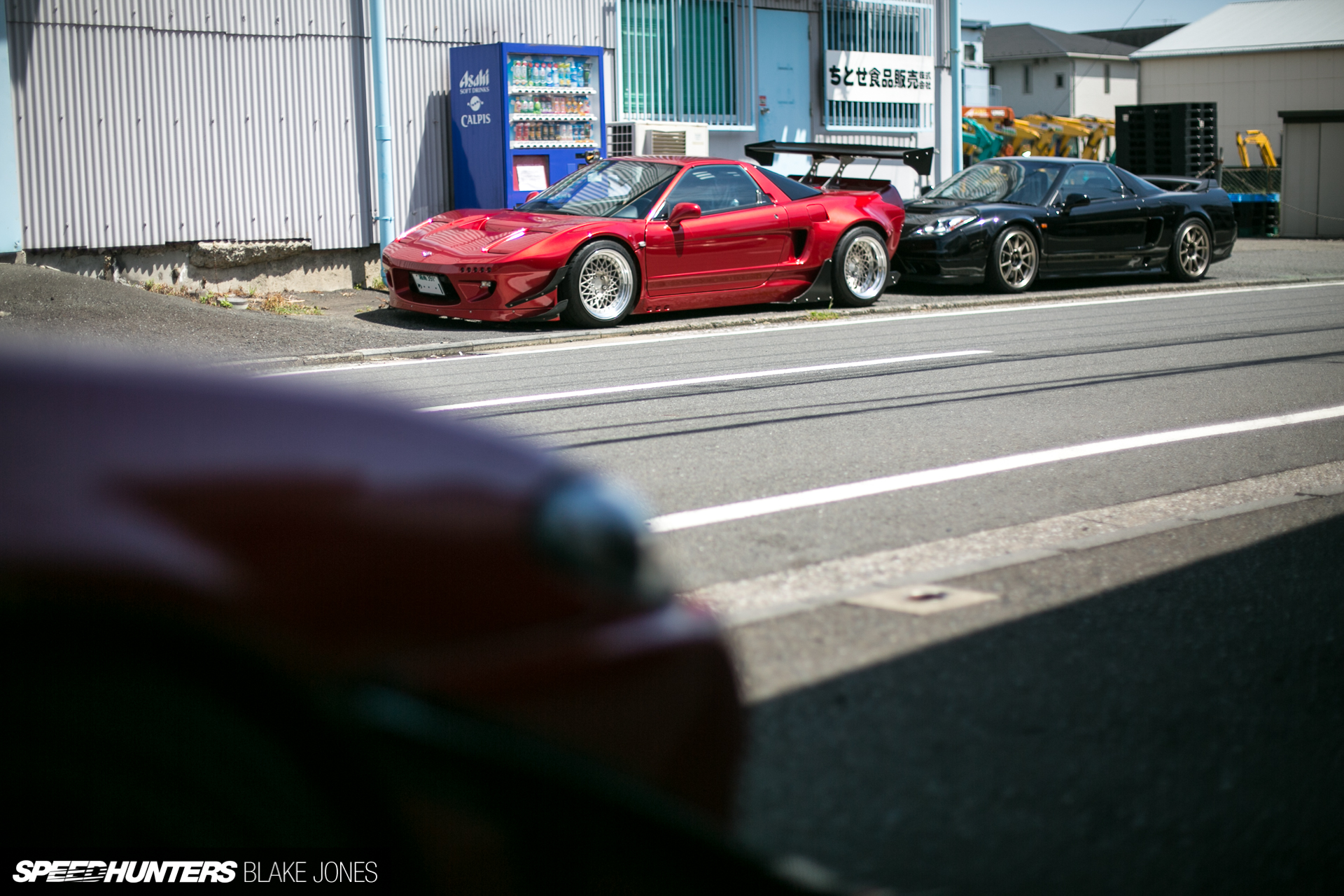
Welcome back to another Project NSX update from the Land of the Rising Sun.
I’m always excited to share the progress with you and today is no exception. In fact, this could be one of my favourite updates yet.
The car has been continuing to rack up the kilometres on road and track, even doing its best impression of a show car at our Speedhunters Live event at Fuji Speedway earlier in the month. But the best project updates always involve shiny new parts, and that’s exactly what I have for you today.

You might recall that in the last Project NSX update I outlined my interim performance goals for the car.
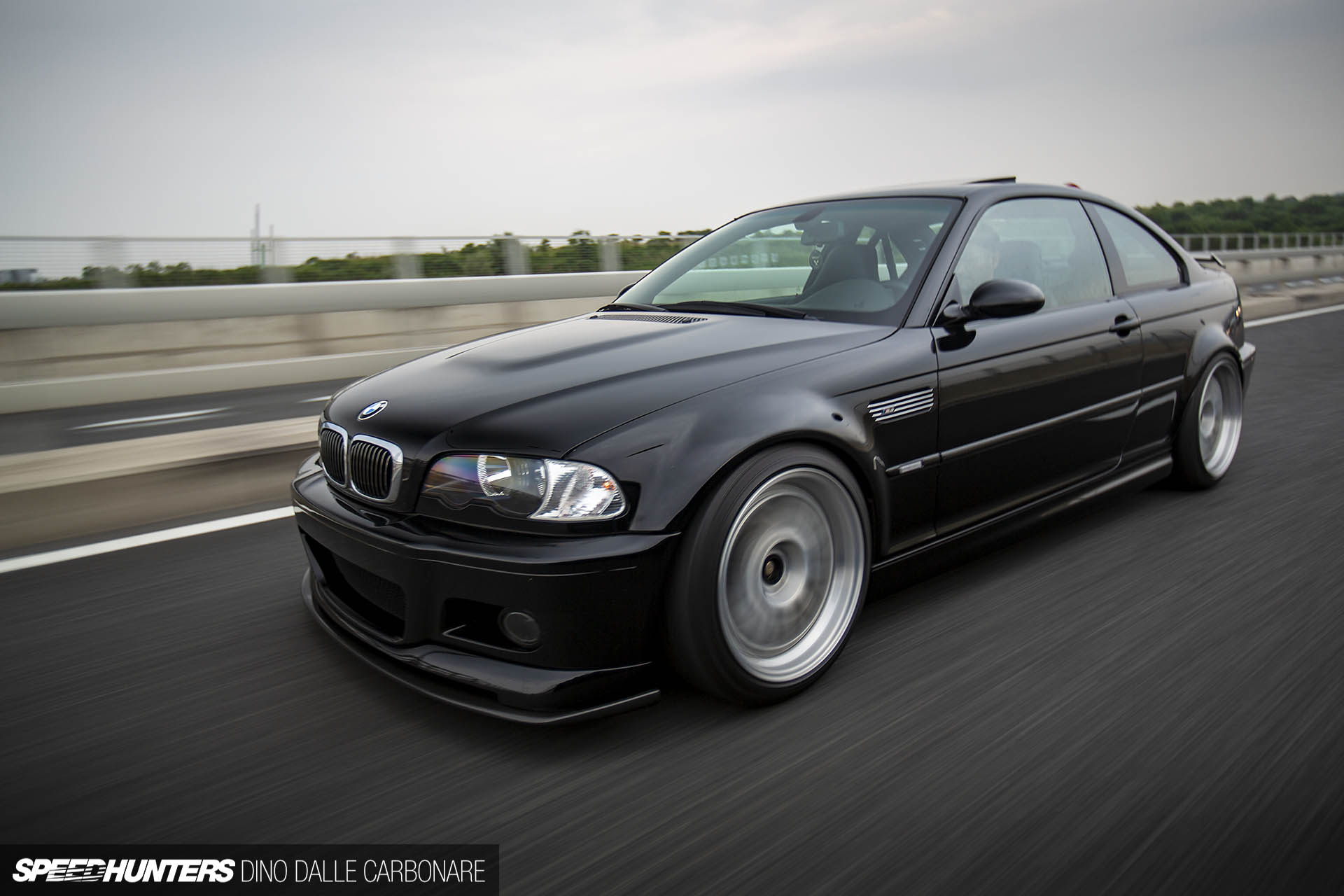
Before matching the real-world speed of the Porsche 996 GT3, I would first have to surpass another great naturally-aspirated six-cylinder sports car: the 343hp E46 M3. Project NSX had been shedding weight at a good pace, but hadn’t made any real progress towards closing that power gap. Until now.
A good exhaust header is a recipe for more power than factory on most naturally aspirated cars, but for the NSX things get a little more interesting. I’ll get into more detail below, but a header upgrade is considered an essential part of the ‘starter pack’ for owners looking to modify. In fact, when I asked NSX-tuning legend Ichishima-san of Spoon Sports what I could do to get the most out of my NSX, he simply said “install a good exhaust manifold – the rest of the car is good.”

With that advice ringing in my ears, I started to investigate the different manifolds available. Both the US and Japan had their fair share of NSX-specific shops churning out header systems, but the designs, quality, and cost varied greatly. But at Advance, while getting some other work done, I put the question to Masa about which system he thought would be best. His answer came without hesitation: “Fujitsubo.”
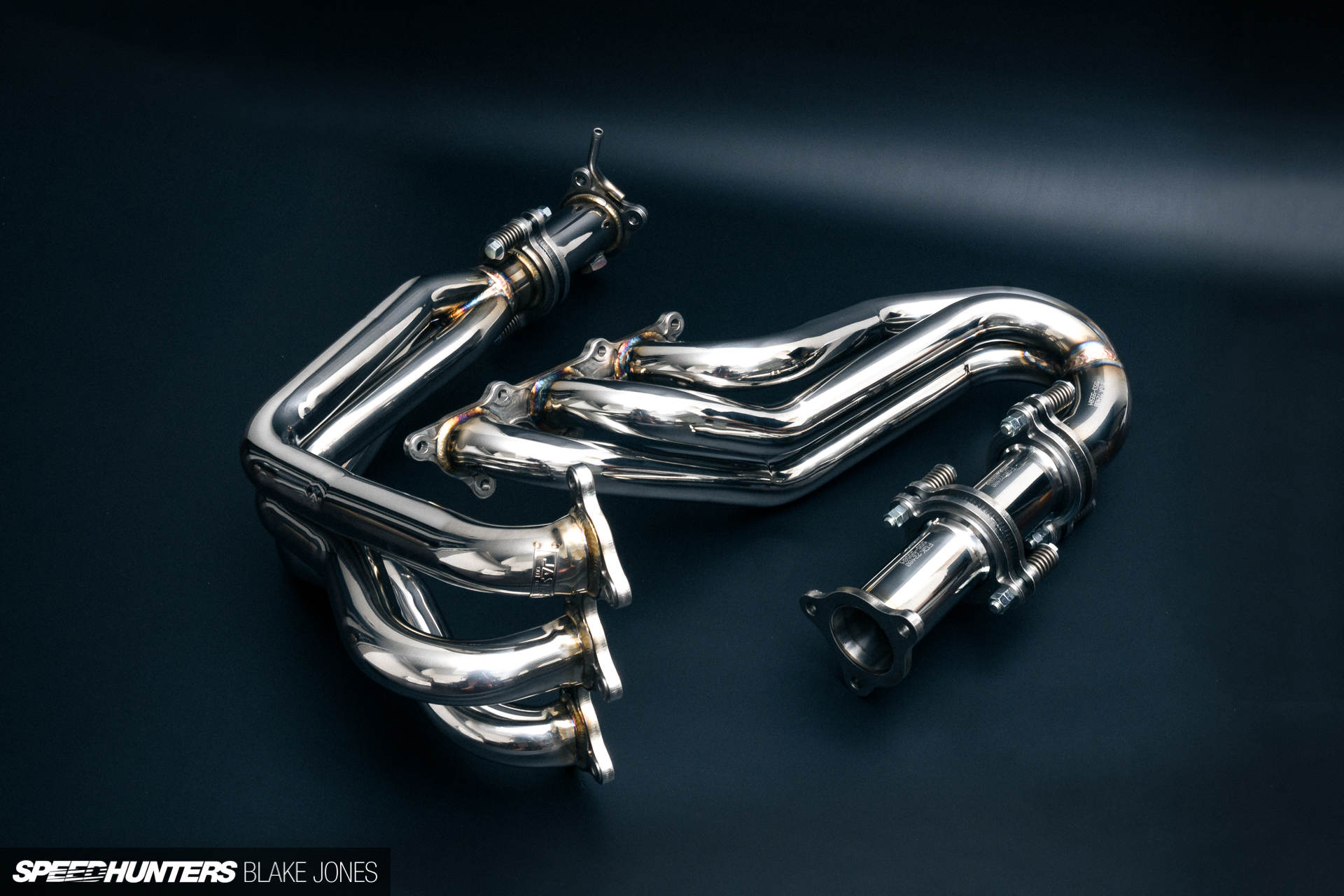
If you’ve read the factory tour story you’ll have a good understanding of the Fujitsubo design and manufacturing ethos that has earned the brand the respect and patronage of Japan’s race teams, tuners and even vehicle manufacturers. You’ll also know that I’d chosen them to be installed in Project NSX. Considering the workmanship that went into these pieces, I wanted to take some decent glamour shots before they disappear up into the NSX’s undercarriage for the rest of eternity. Let’s take a closer look…
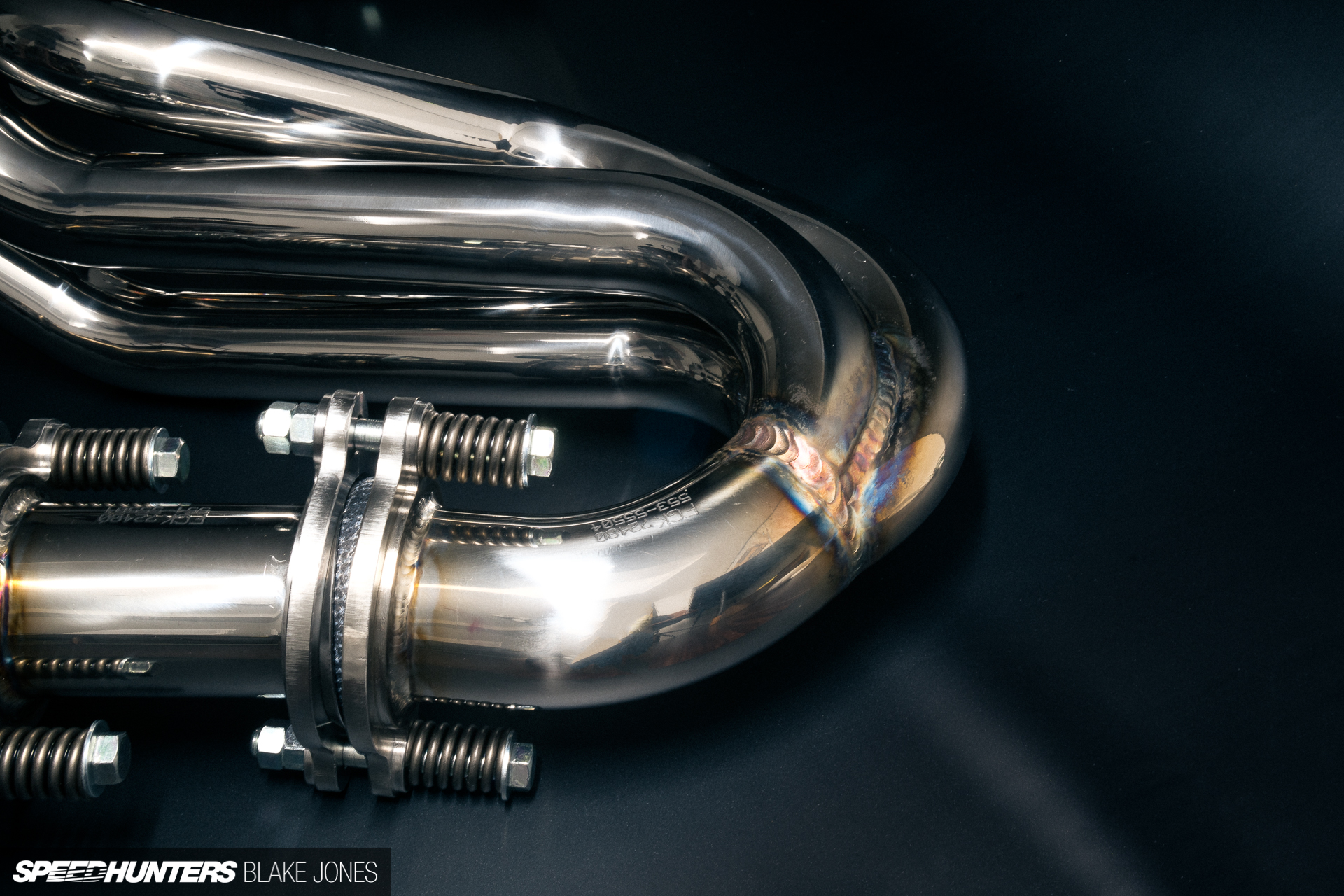
My favourite detail on the whole exhaust is this section where the three runners merge into the primary on the rear bank manifold. Again, if you’ve read the Fujitsubo story you’ll know how important it is for the design of these merge collectors to be as smooth as possible.
Most other NSX manifolds available will simply move this collector to a straight section of pipe for ease of manufacture, but this has the side-effect of meaning the front and rear exhaust manifolds may not be optimised, nor truly equal-length. This has a noticeable negative effect on sound and powerband.
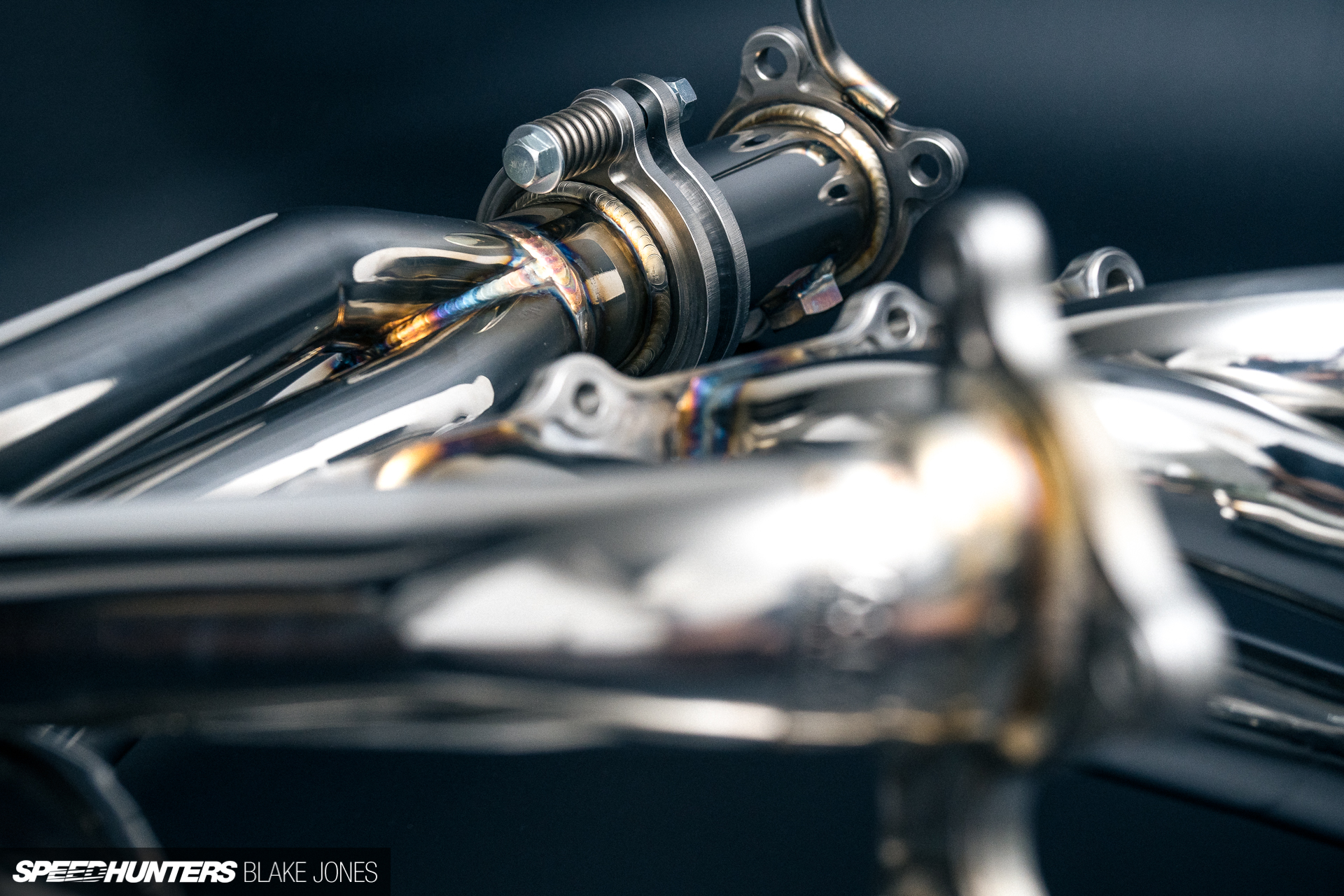
The placement of the merge collectors was calculated after repeated testing to determine ideal runner length to optimise power and torque characteristics for a range of stock and moderately modified engines.
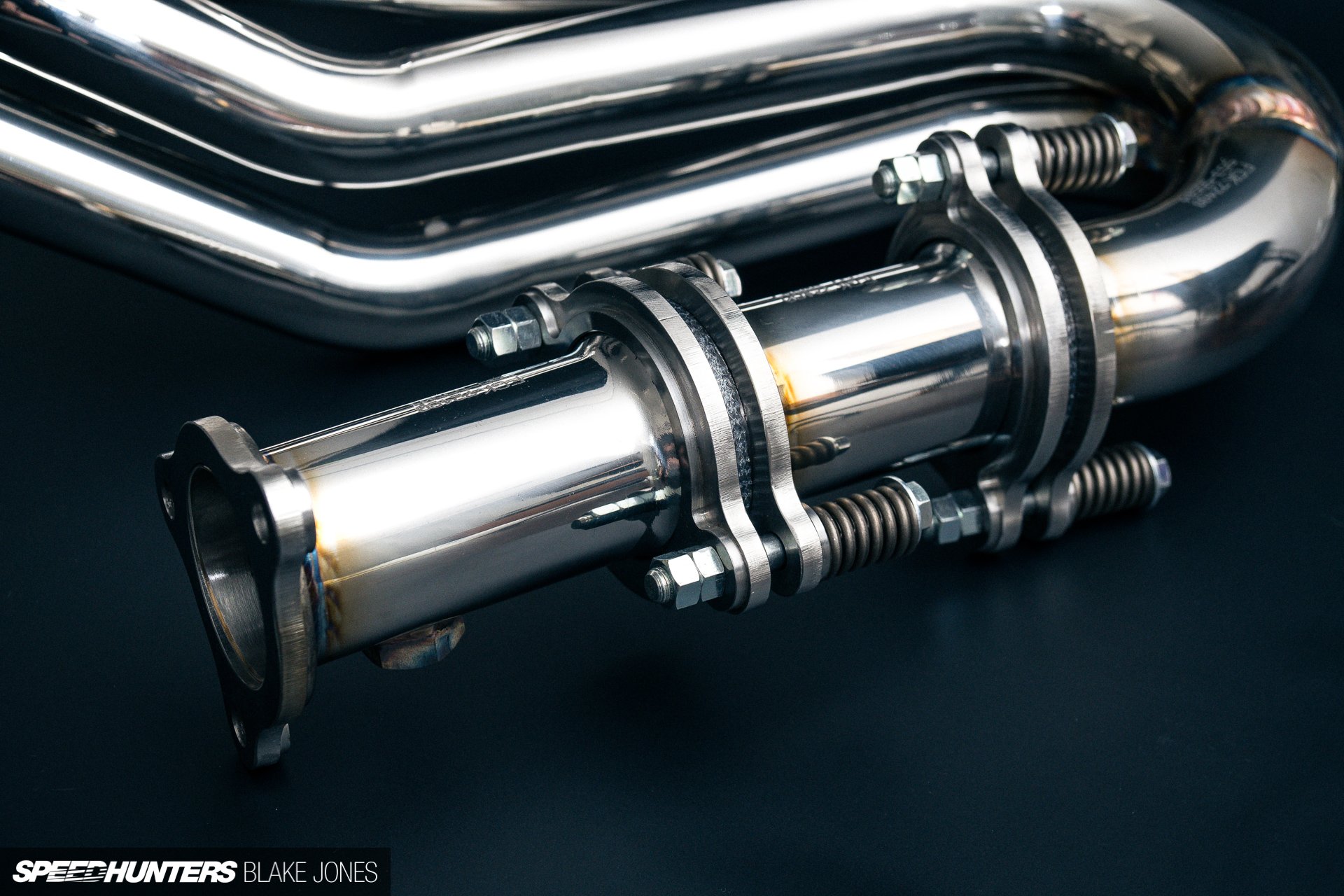
Donut flex joints allow the manifold to isolate vibrations from the engine and chassis to improve overall durability while minimising the disruption to exhaust flow of a regular expansion joint.
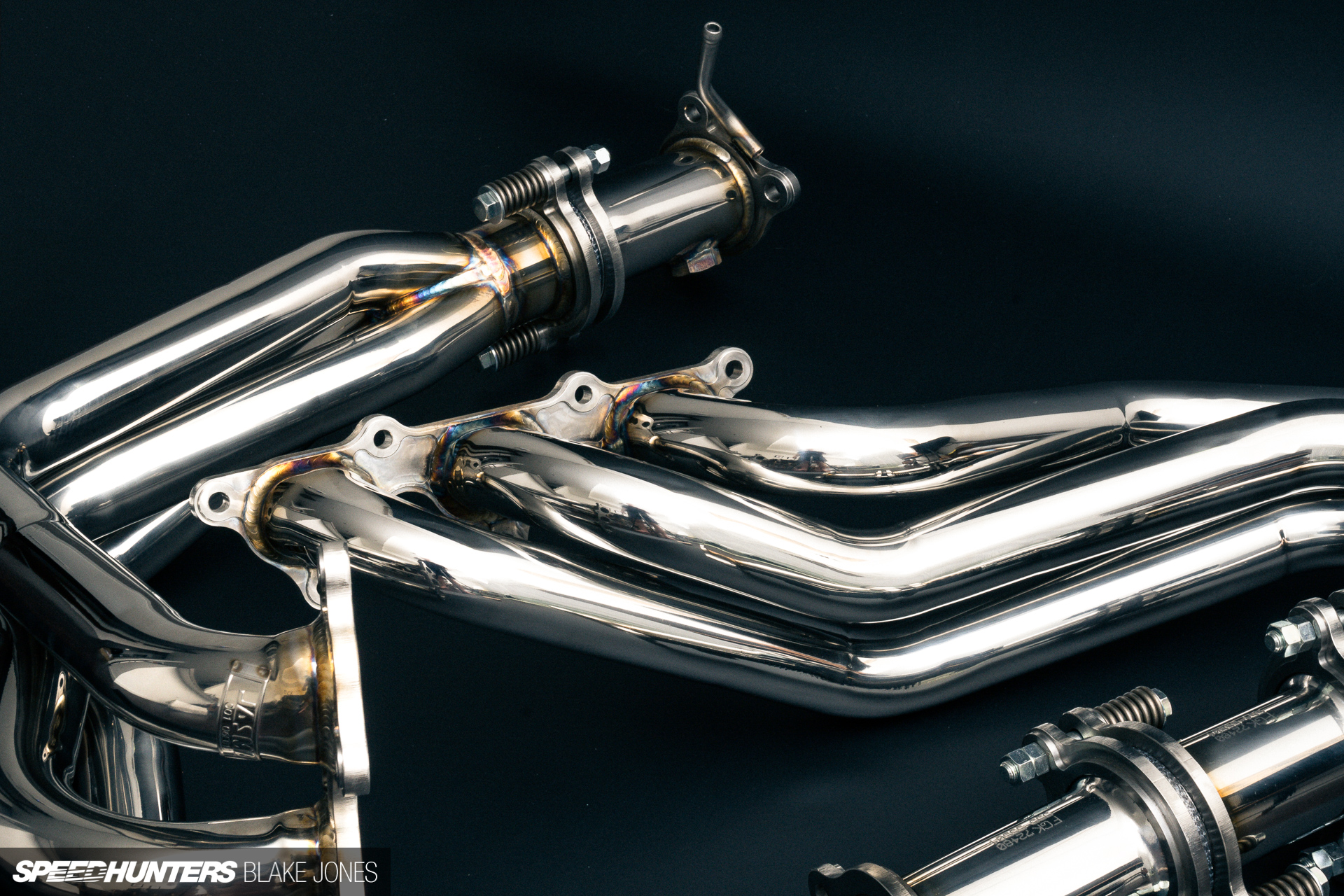
Other small details – like the hollow exhaust hangers that save weight and improve the NVH/anti-vibration qualities of the manifold and the machined flanges that shave grams – put Fujitsubo’s attention to detail on display.

Fujitsubo-san told me that the NSX actually has quite a loud exhaust from factory (although it didn’t seem that way from the cabin), and this made designing the new headers to JASMA (The Japan Automotive Sports Muffler Association, i.e. road legal) specification quite a challenge.
A quirk of the regulations allows a manufacturer to basically brute force the test, so three identical NSXs (with identical manifolds) were taken to the certification centre to test them for volume. Two failed with slightly louder than permissible volume and one passed, but Fujitsubo got that all-important JASMA certification number which is displayed on every unit.
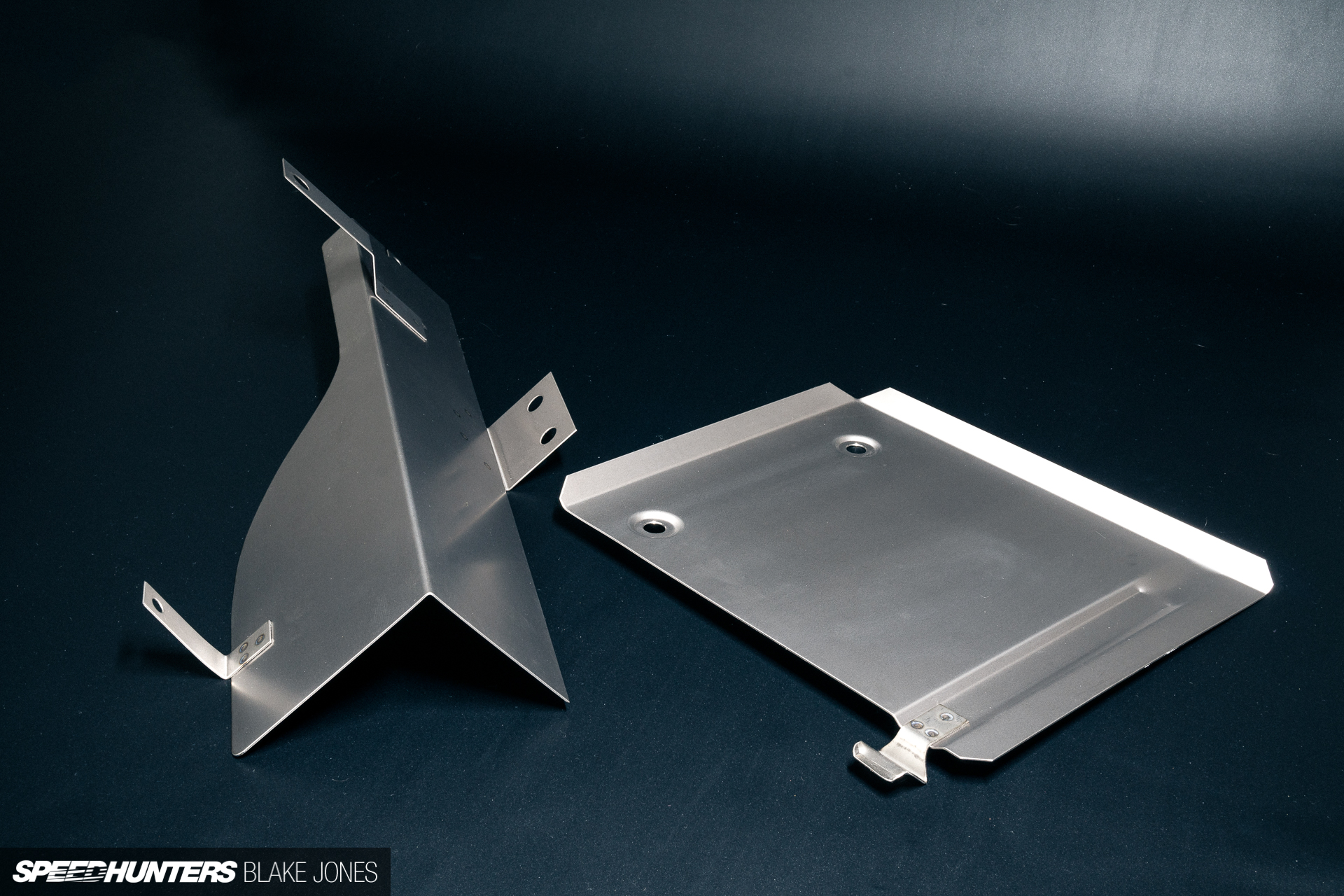
In addition to the headers themselves, two titanium heat shields are included to add extra protection to the front and rear firewalls. Neat!
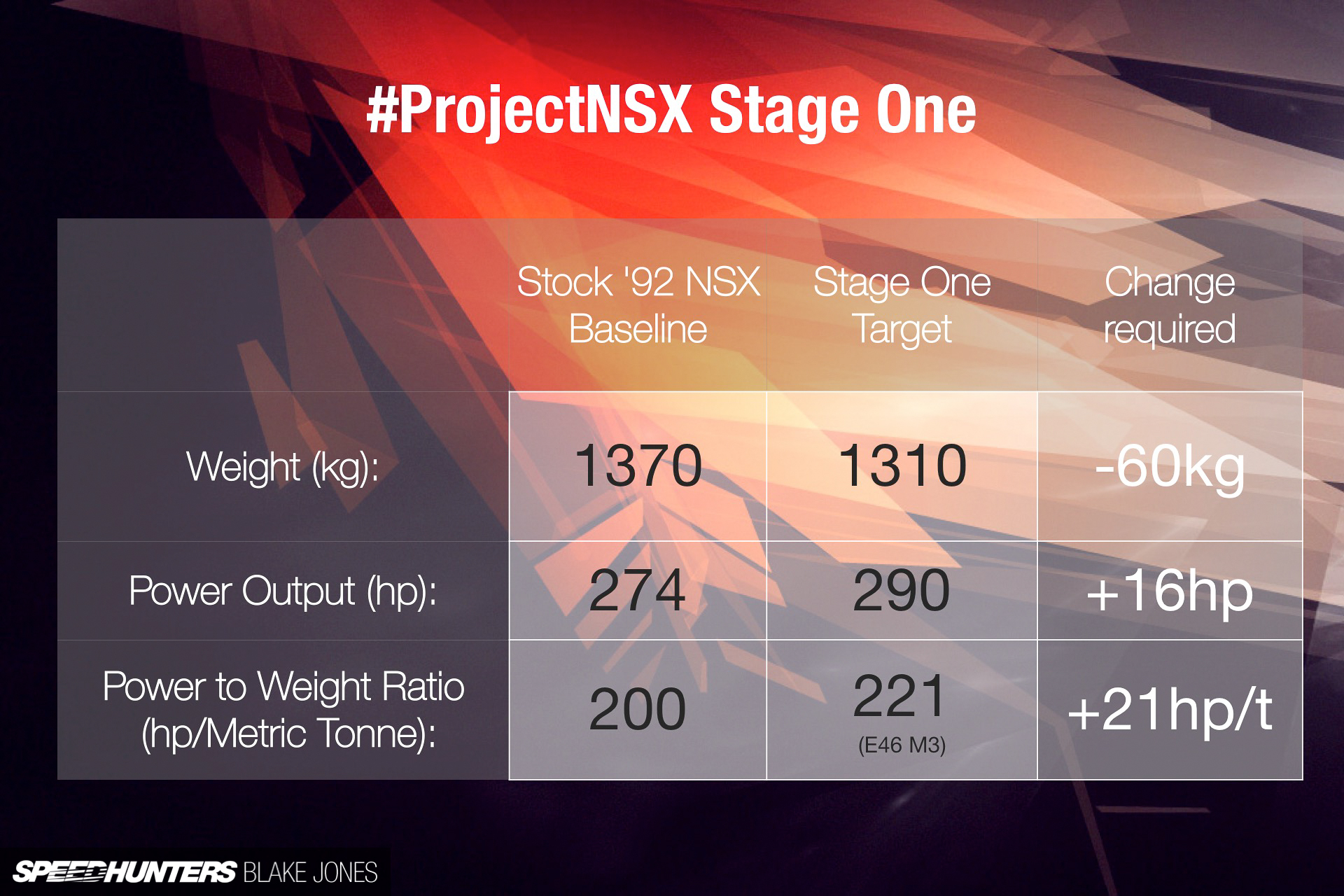
On a stock engine, Fujitsubo told me to expect a gain of around 23 peak horsepower and more usable power all the way through the rev range. This should nicely close the gap between my car – which is still equipped with less aggressive cams from its automatic days – and a factory manual NSX, and also get me closer to my Stage One power goal of matching the E46 M3 power-to-weight ratio.
More importantly, the upgraded manifolds will support any future work done to extract more power from the engine; with the bottleneck of the stock headers removed, any gains from intake, fuelling, timing and so on should be amplified.
The Install
This is a flat-lay the Speedhunters way, all the parts ready to be installed on the Advance shop floor.
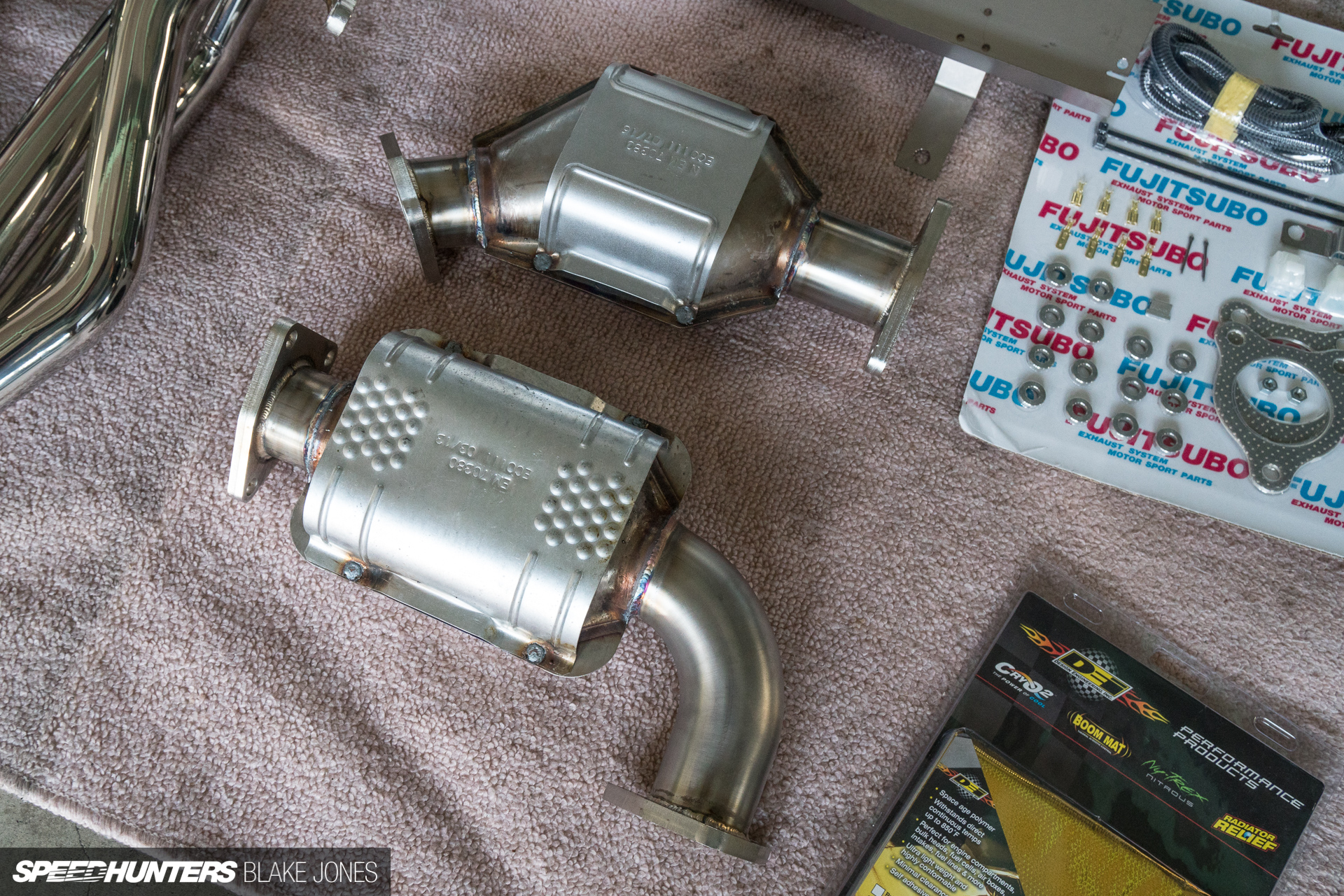
These sports cats came from the US, but will bolt directly to the new headers.

The Fujitsubo kit includes literally everything that will be required for the installation, even down to the zip-ties to secure the wiring harness.
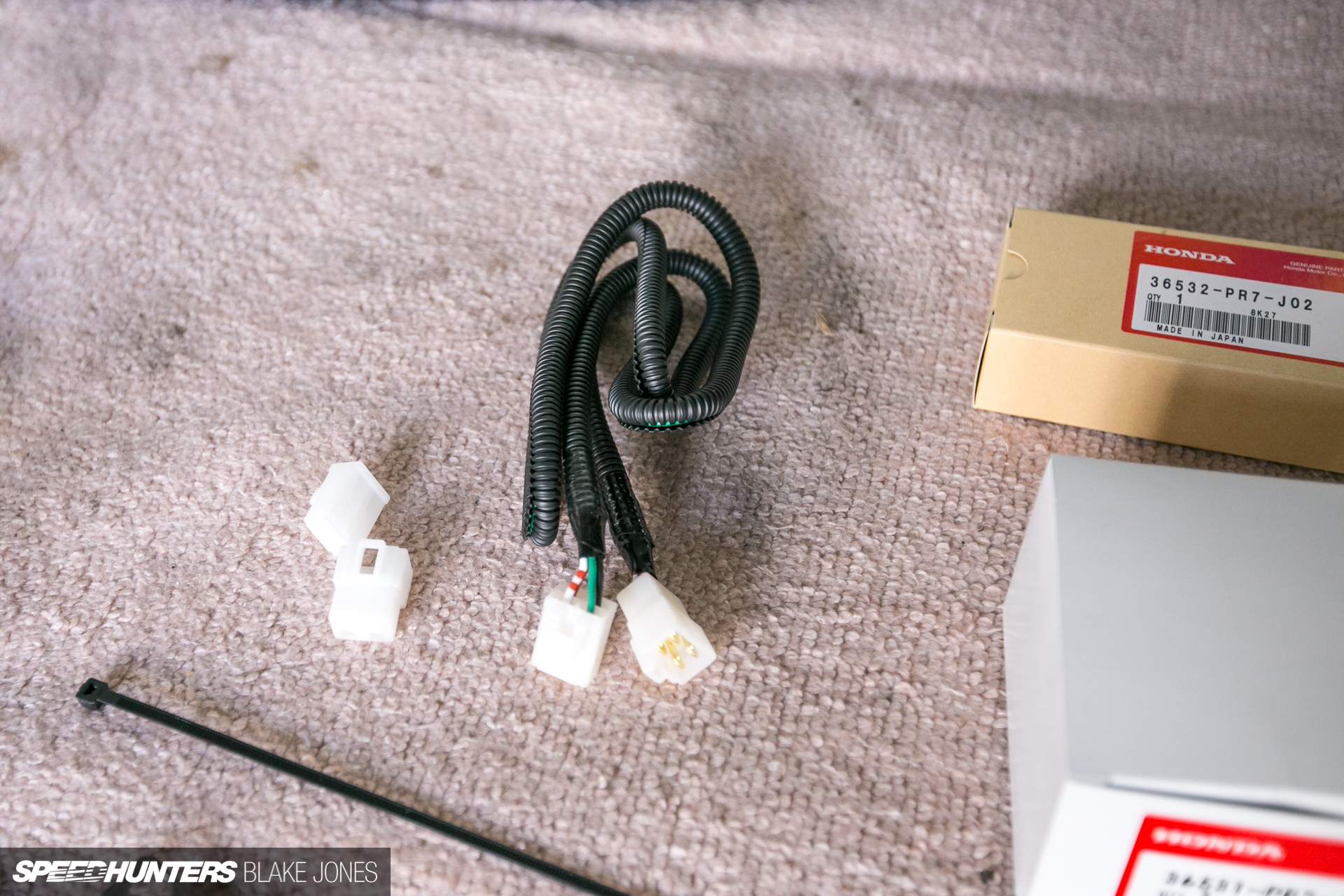
The O2 sensors are relocated to a position further down the exhaust manifold, and an extended cable harness is included too.
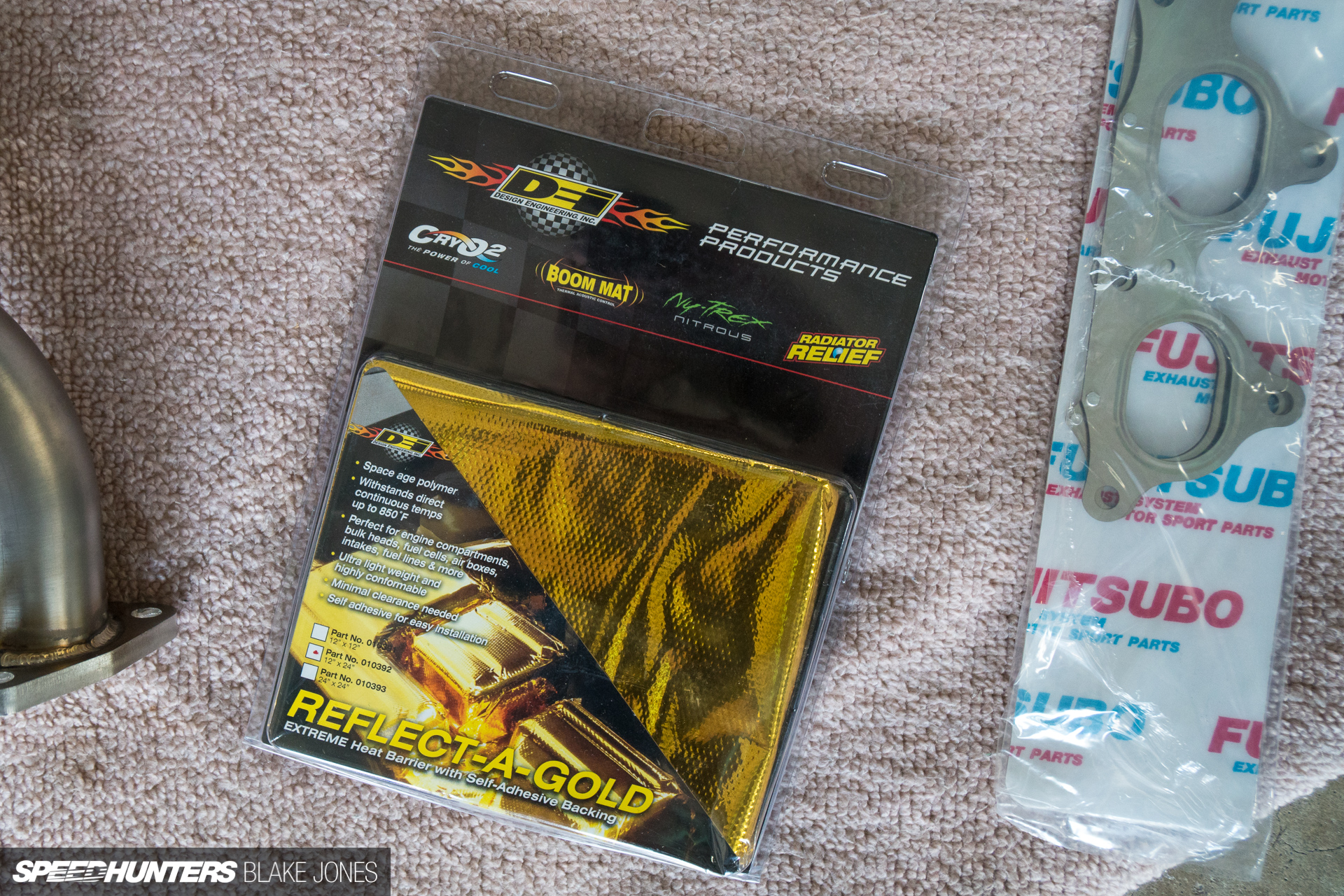
I’d also decided to wrap the oil pan with some heat protection after seeing it done on some track-built cars. There’s less conspicuous colours available, but I went for the gold because it reminds me of my two favourite vehicles – the McLaren F1 and the Apollo Lunar Module.
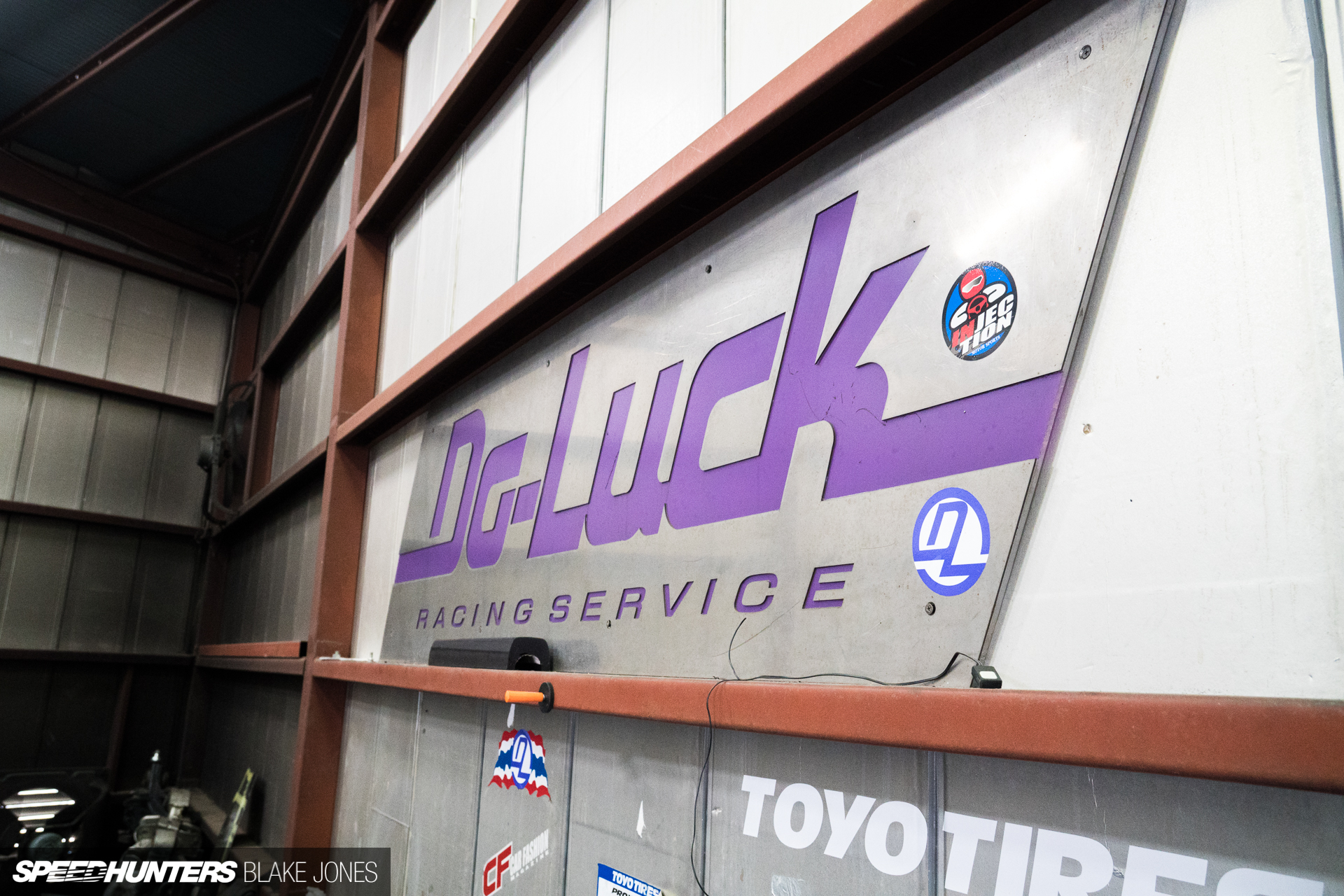
But before putting Yagi to work, it was time for a quick stop into Do-Luck’s workshop (conveniently located not 10 minutes away from Advance) to get a baseline reading for Project NSX in its current ‘stock’ state of tune.
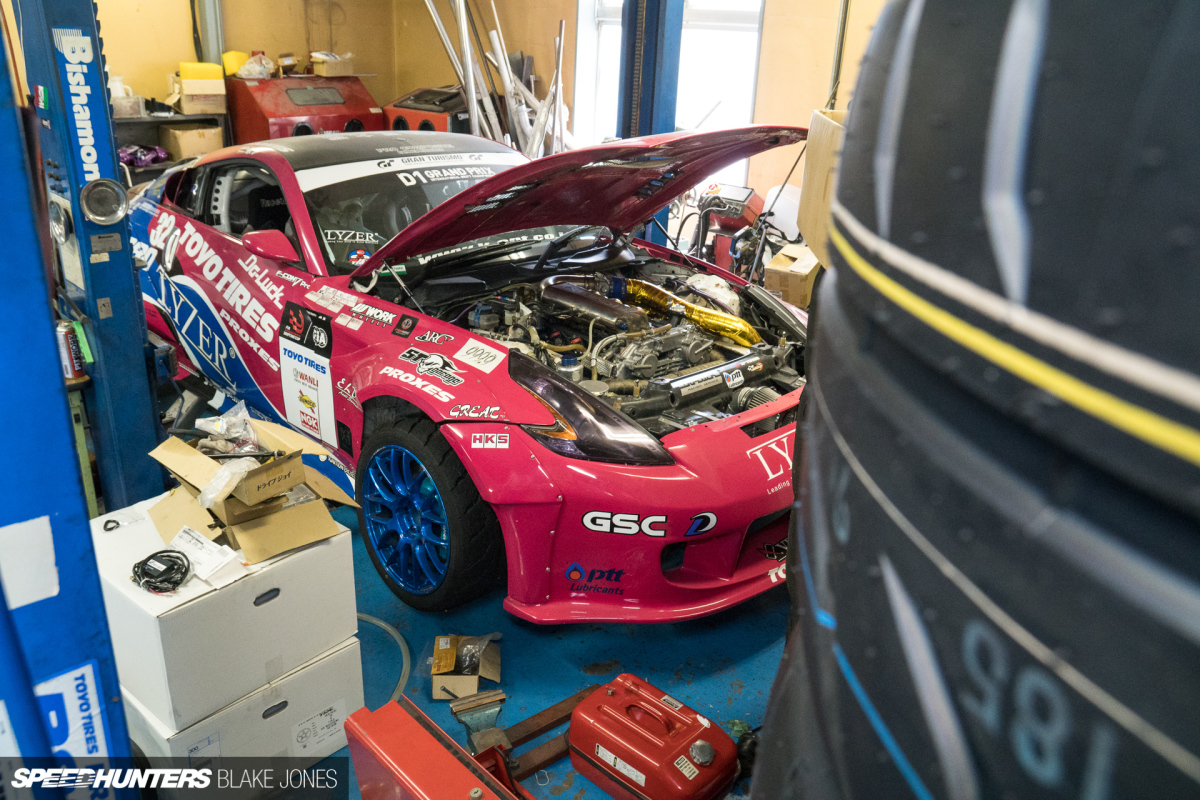

As well as being where Dino’s Project GT-R receives most of its upgrades, Do-Luck runs a VR38-swapped 86 in D1GP. The car it replaced – this pink 370Z – currently resides behind a fresh stack of Toyo Proxes R888 tyres. I wonder what will happen to it?
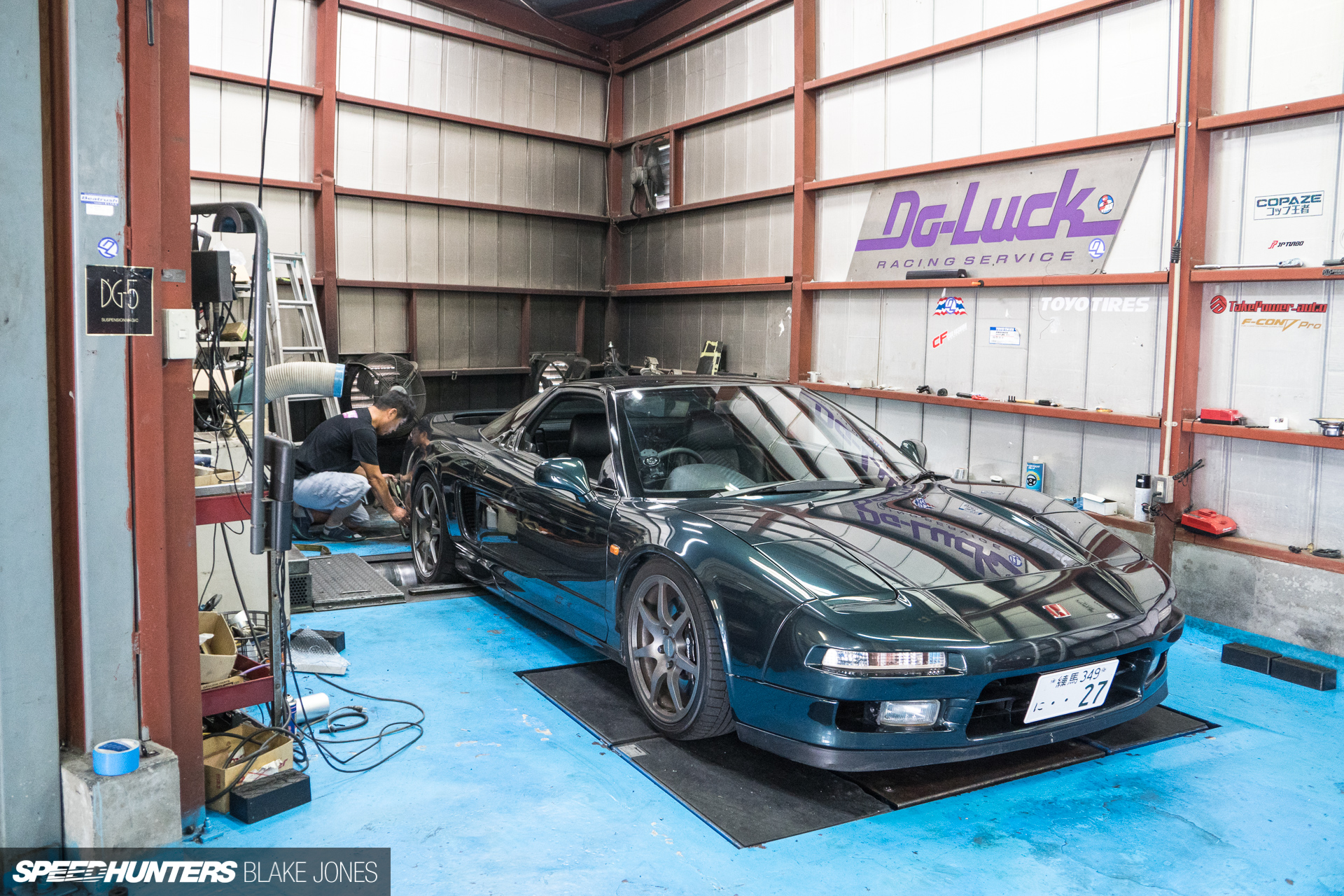
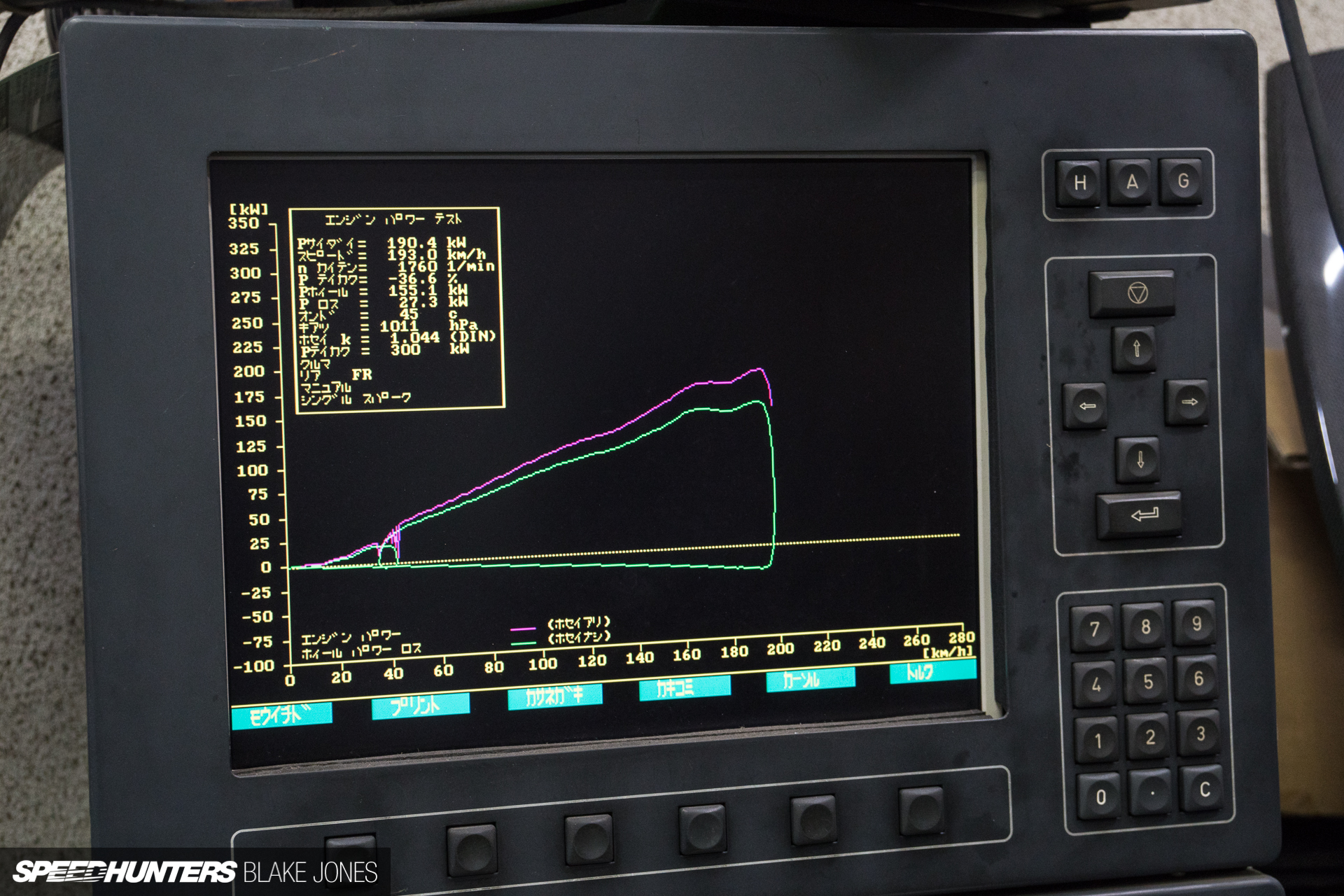
Unfortunately, we couldn’t get a proper RPM signal on the dyno to get a torque reading, so we were only working with power output. The headline figure was 190kW (254hp), which considering the factory quoted these automatic engines at 252hp seems to be an accurate number for a stock engine with just a muffler and intake tube upgrade. This is a nice characteristic of Honda engines – they typically continue to make factory power levels even as the engine racks up kilometres. Of course, different dynos give different numbers on different days, but when I come back and test the car, it will provide a good indication of the improvement.
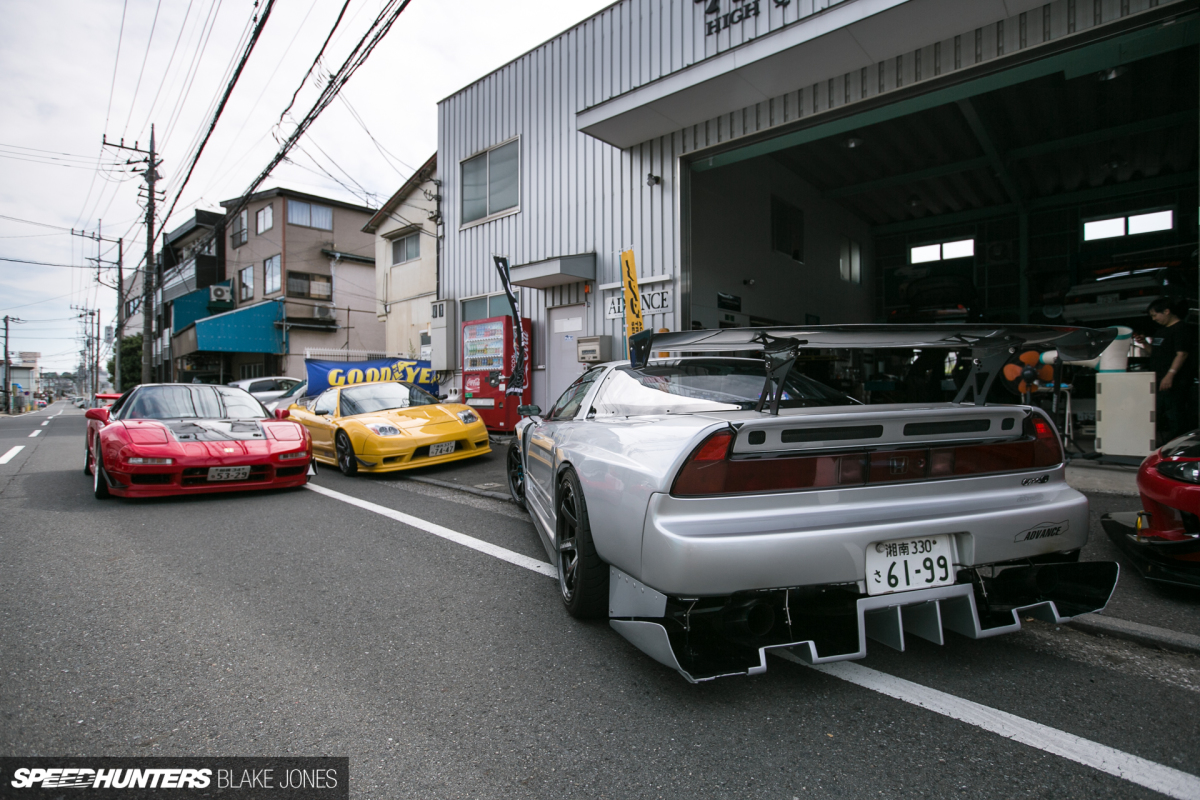
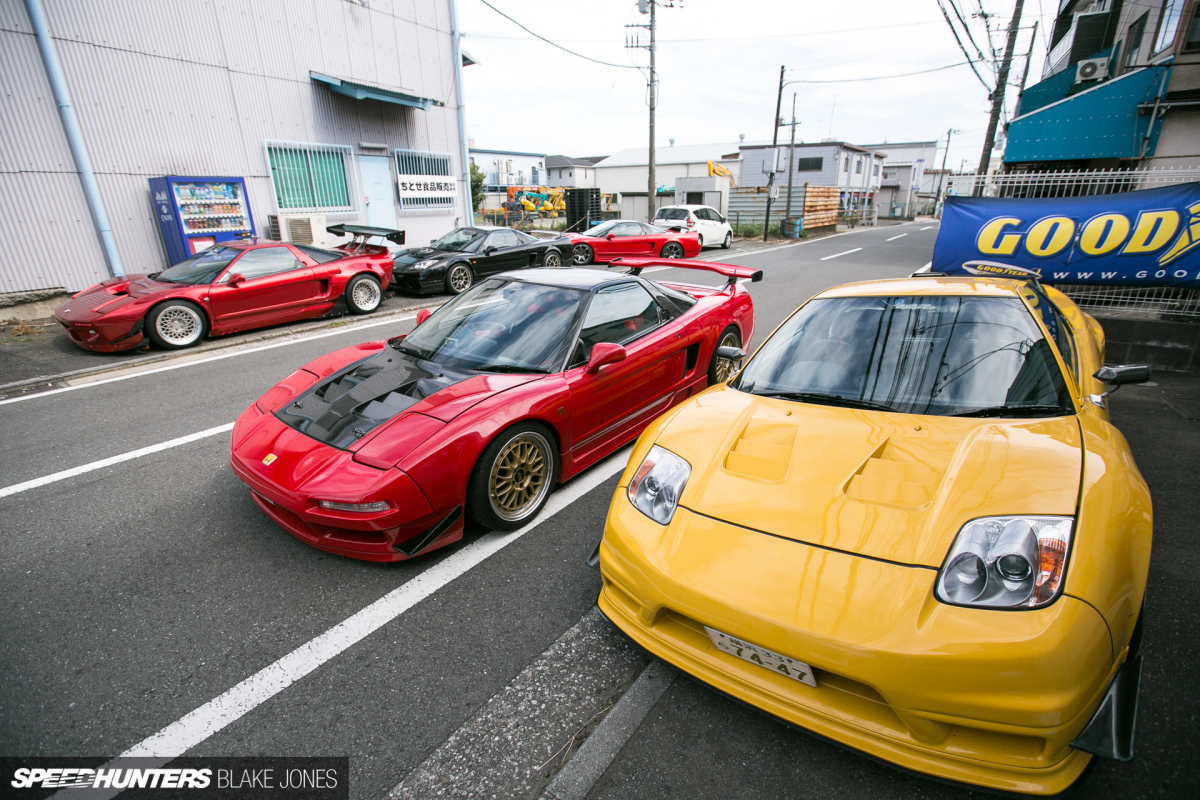
Then it was a quick trip back to Advance, where the usual mixed bag of NSXs had gathered, including this track-tuned Type S I spotlighted a few weeks back.
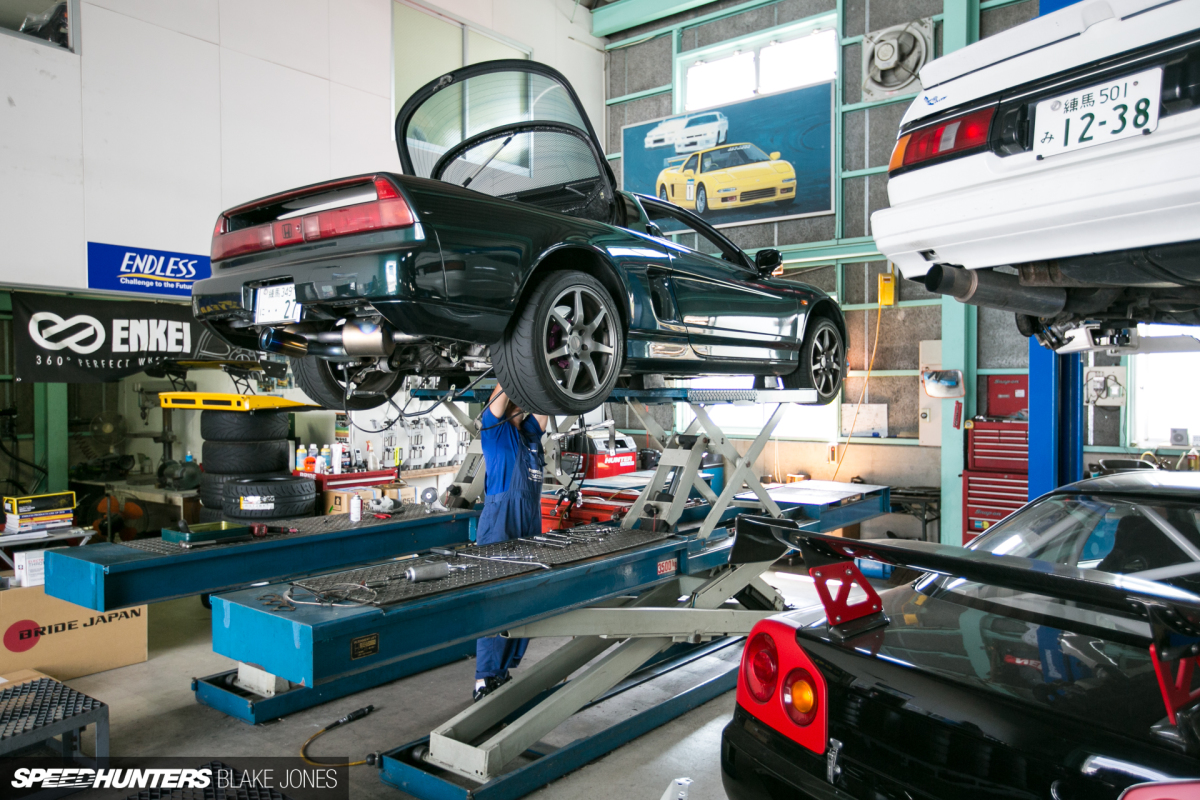
Yagi wasted no time in getting Project NSX up on the lift. This is when my wallet starts to have a Pavlovian response and money starts dripping out.
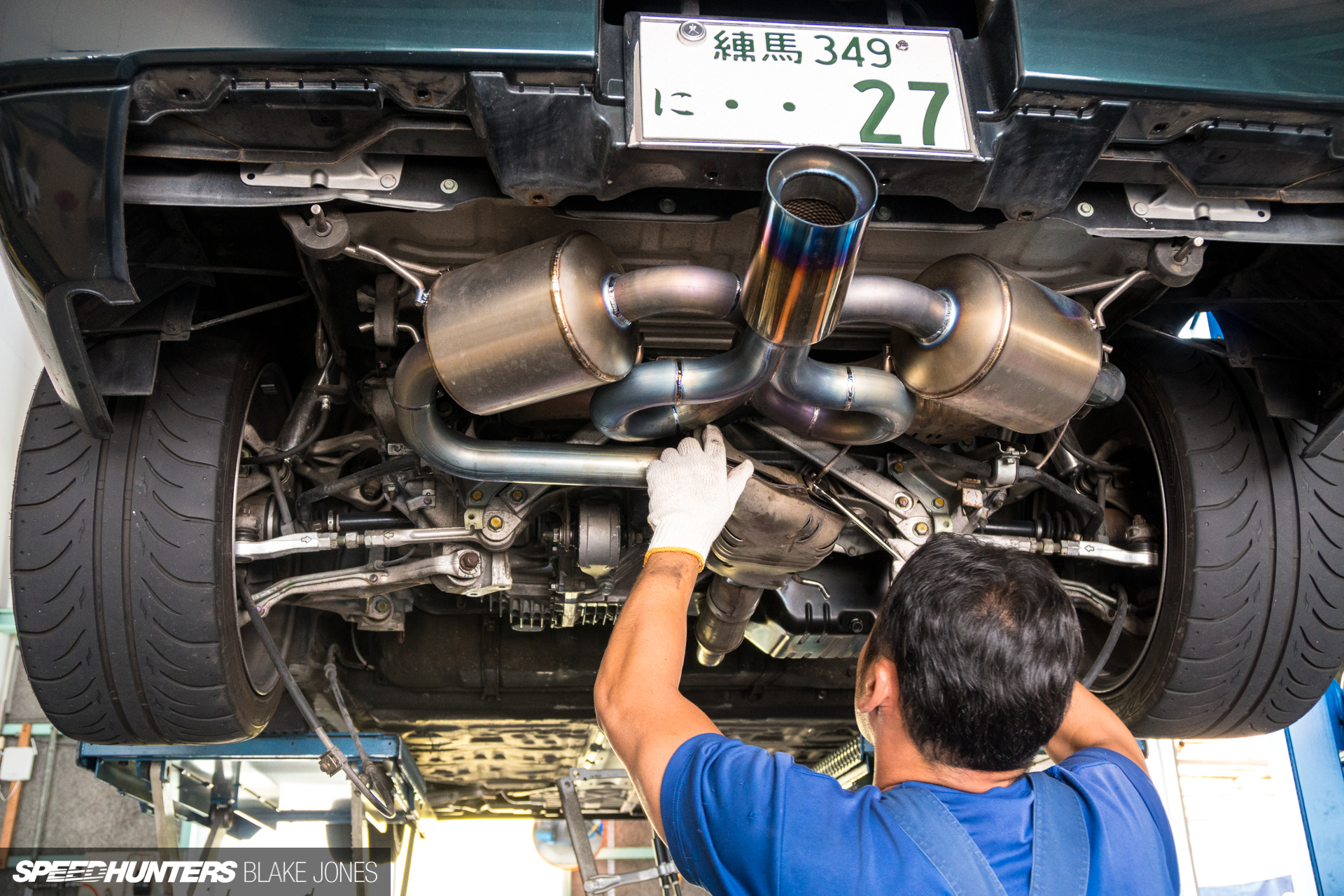
A few factors conspire to make this job more difficult on an NSX than on other vehicles. Not only is it mid-engined, but the engine also runs transversely. On top of that, it’s V-configured, meaning space is even tighter between the front and rear firewalls than an inline engine, not to mention there being twice as much work to remove and install two manifolds.
The layout is a bit uncommon – only a handful of early Ferraris and Lamborghinis and more recent V6-powered Lotus models come to mind. Oh, and the Pontiac Fiero, but let’s not talk about that.
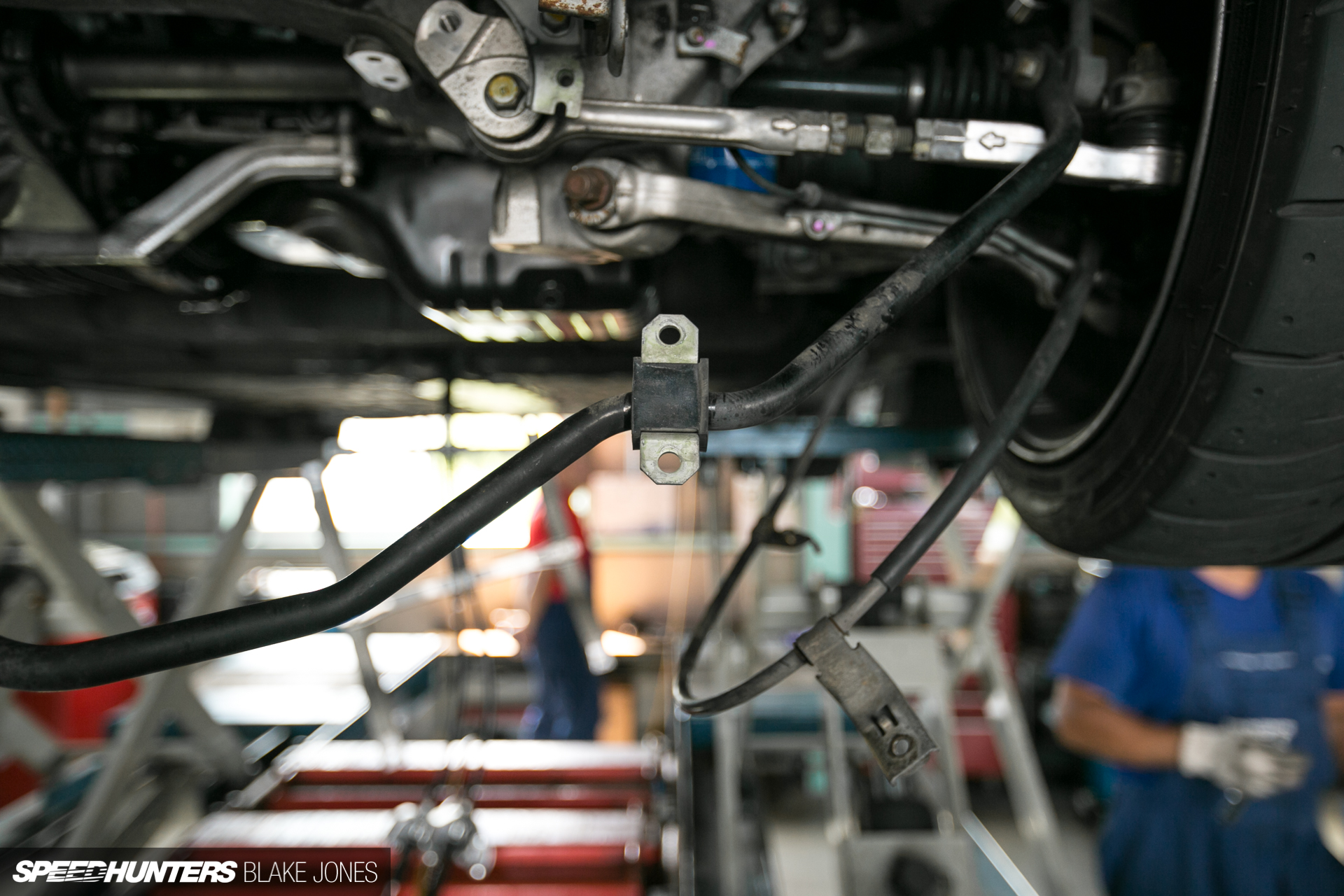
This is where the presence of a lift and a very experienced set of hands make quick work, whereas mere mortals would spend hours trying to find the right mix of components to be left connected or removed. For the record, rear sway bar and brake lines should have their central brackets detached, but are fine to leave hanging.
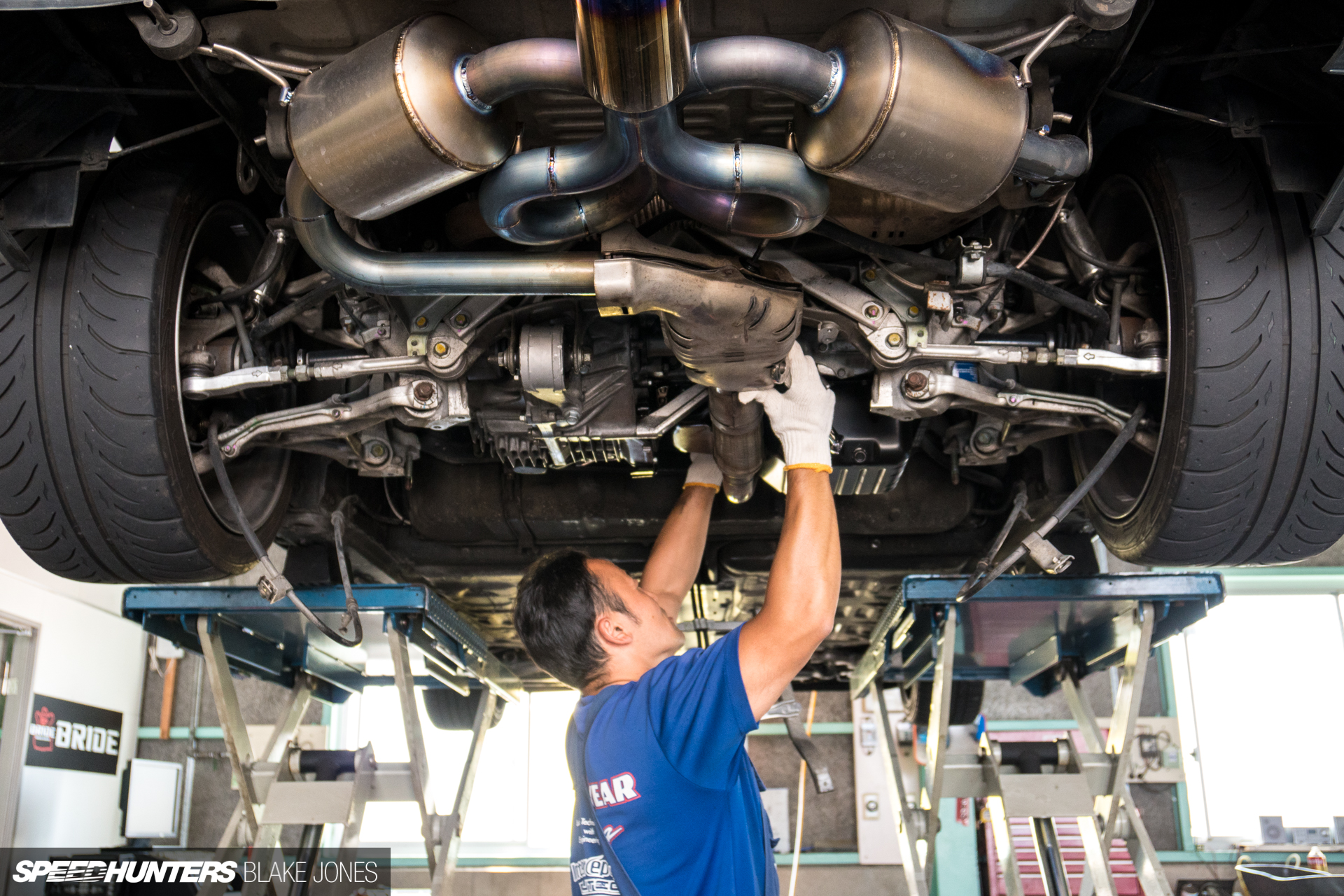
Yagi was so quick that I completely missed him removing the front crossmember of the rear subframe, but here he is about to pull out the piece of the exhaust that runs underneath the sump.

You can get an idea of how tight things are in this shot. That circular engine mount sits close to the heat shield protecting the cabin firewall and fuel tank, and needs to come out for access.

Just being in a position to take these photos without being on top of Yagi was tough. Using a pneumatic wrench, the bolts holding the rear manifold to the block were removed one-by-one.
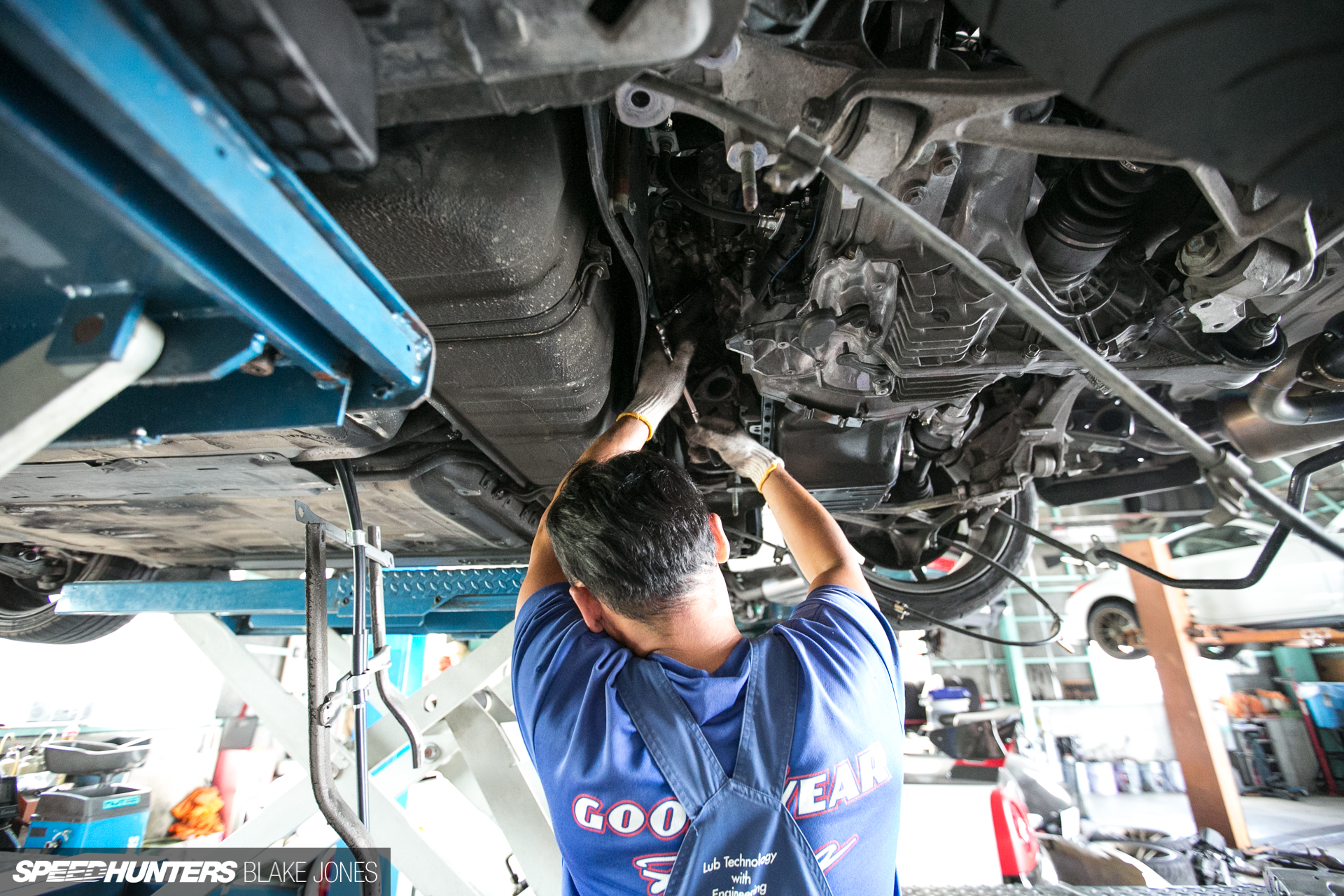
Gloves to protect from skinned knuckles are a necessity. It helps that Yagi can basically do this job by feel alone, as actually being able to see what your hands are doing is not possible.
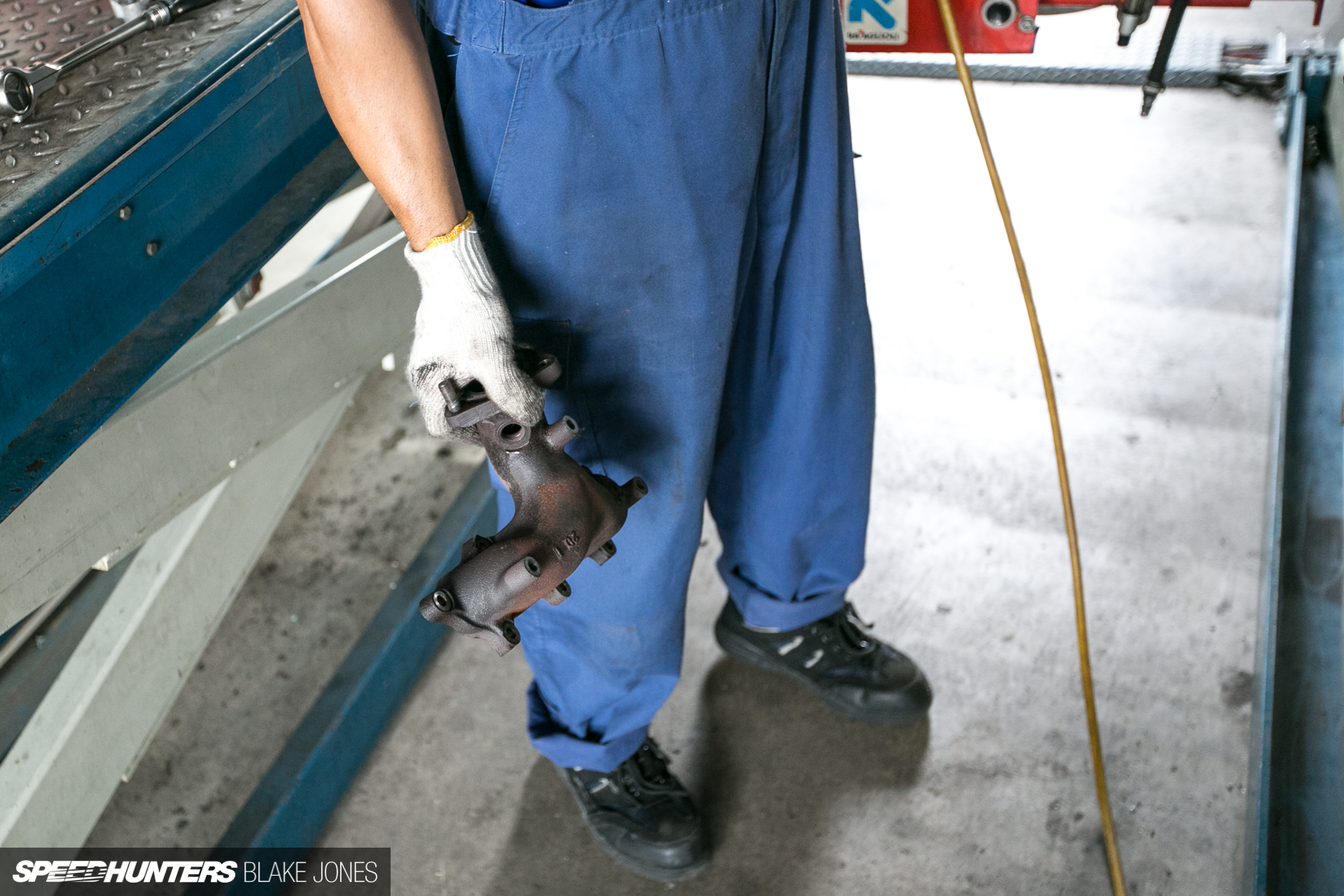
Out comes the original manifold.
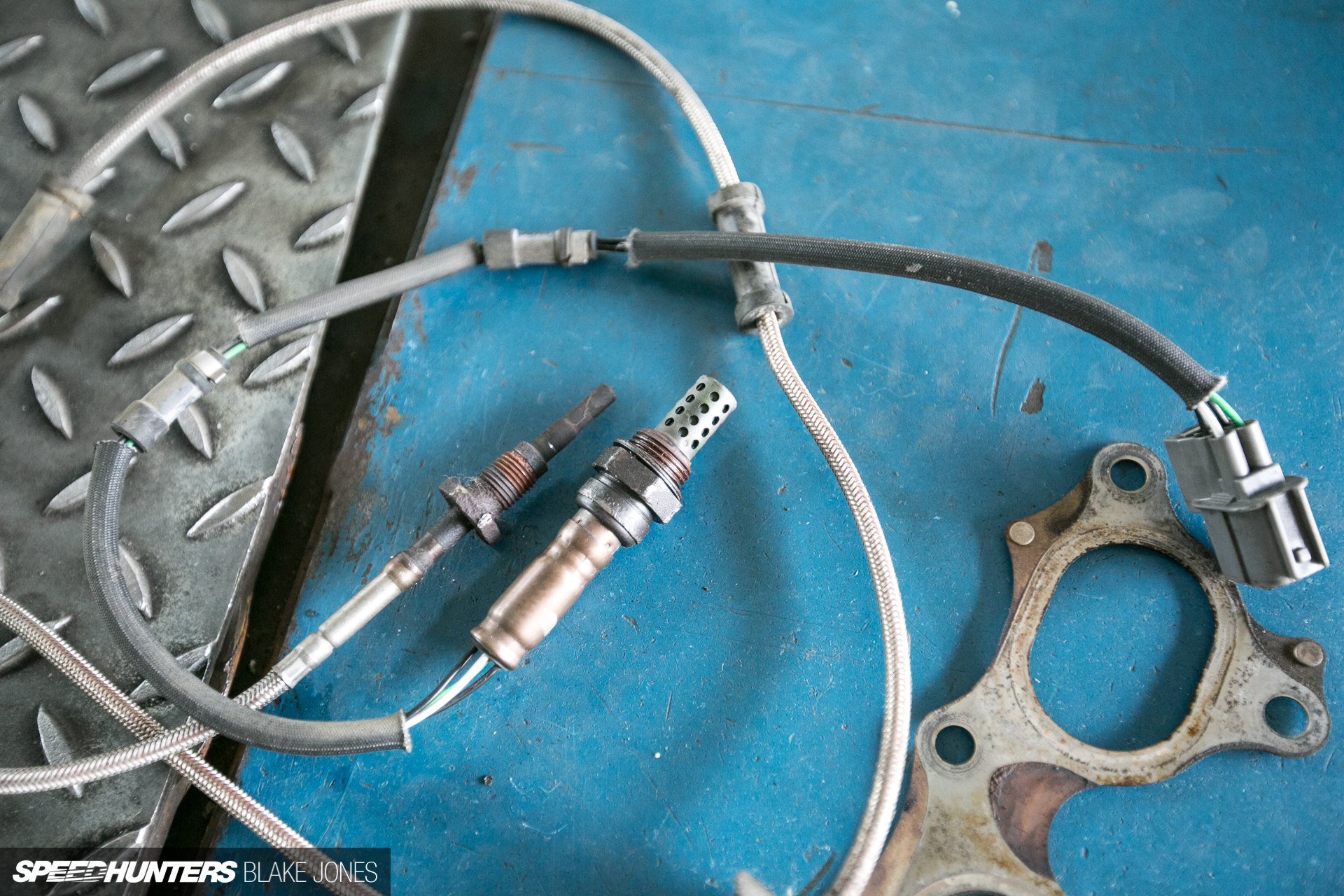
We’d also be replacing these old O2 sensors that were the main suspect for the CEL (check engine light) that killed my fun at Fuji Speedway back in July.
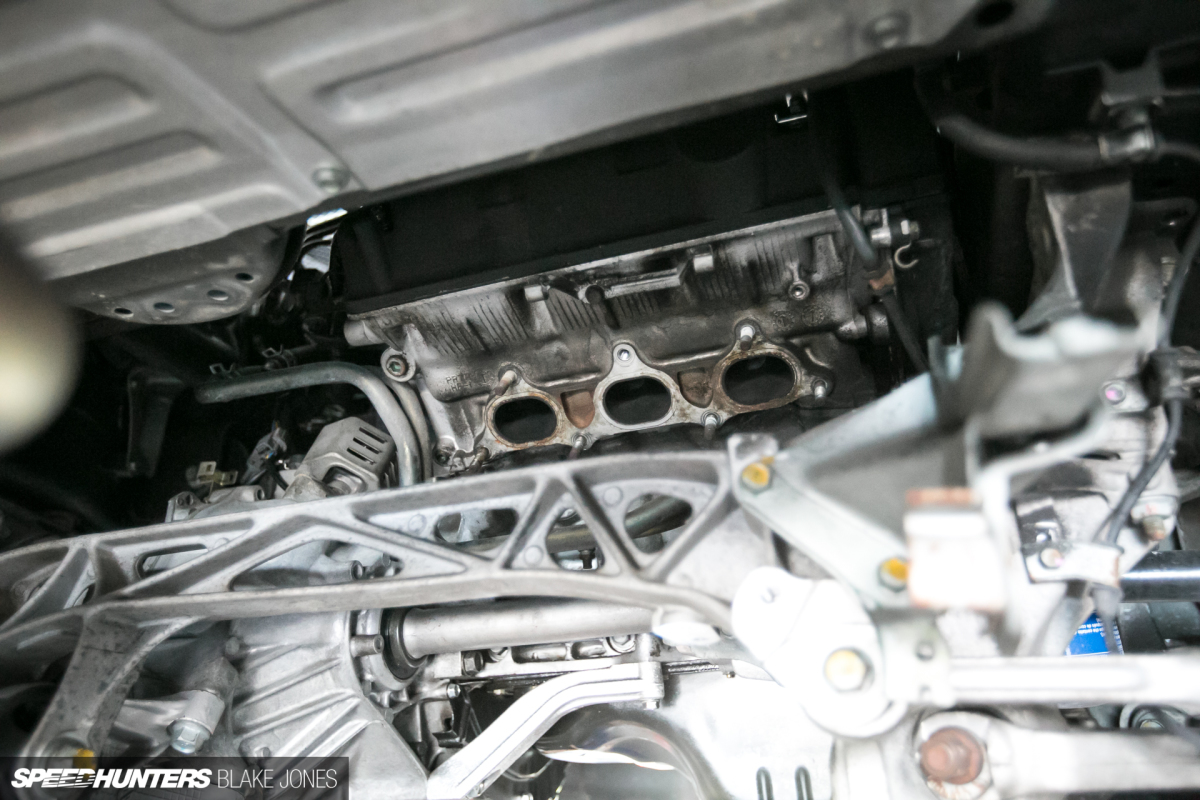
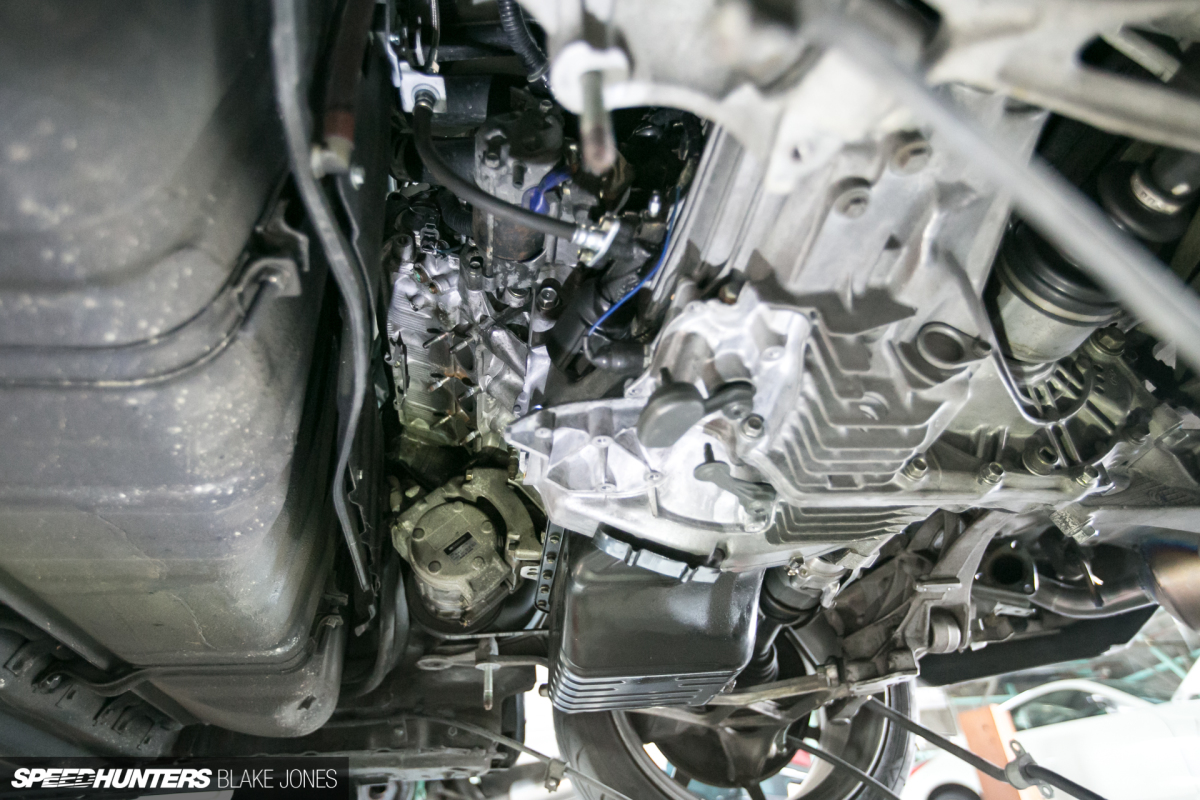
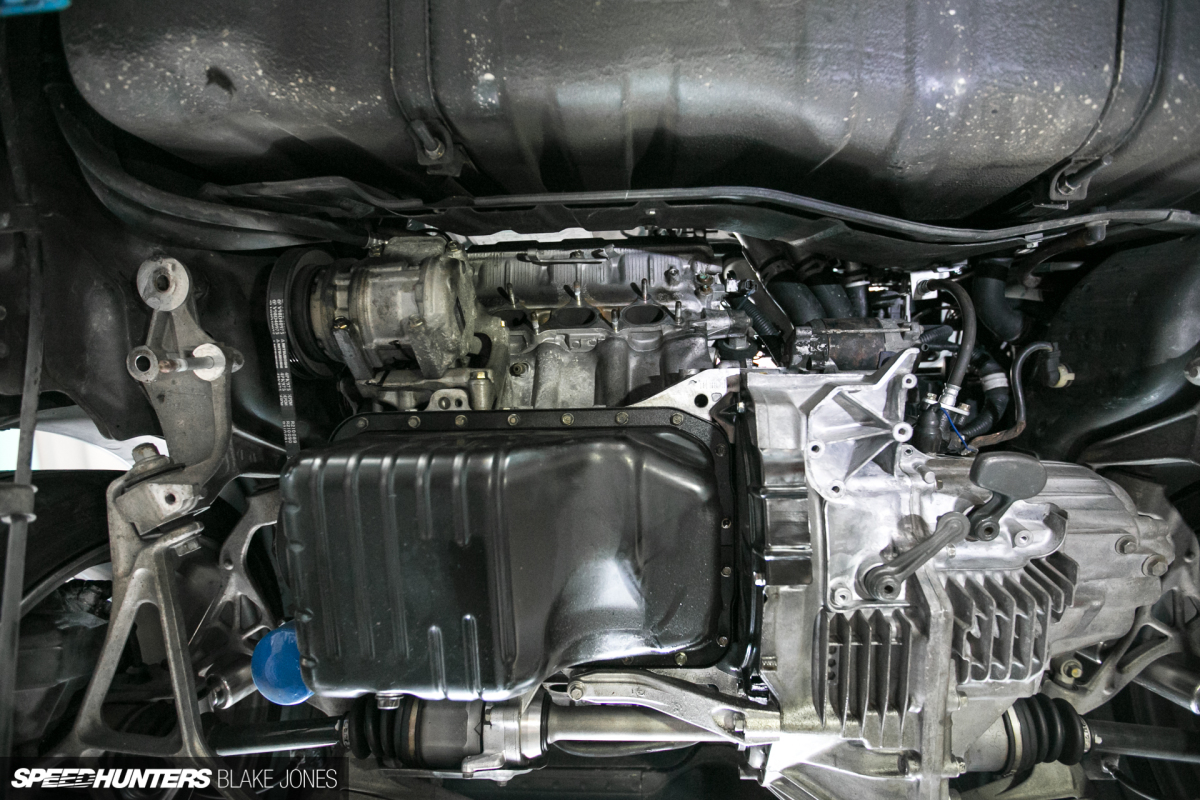
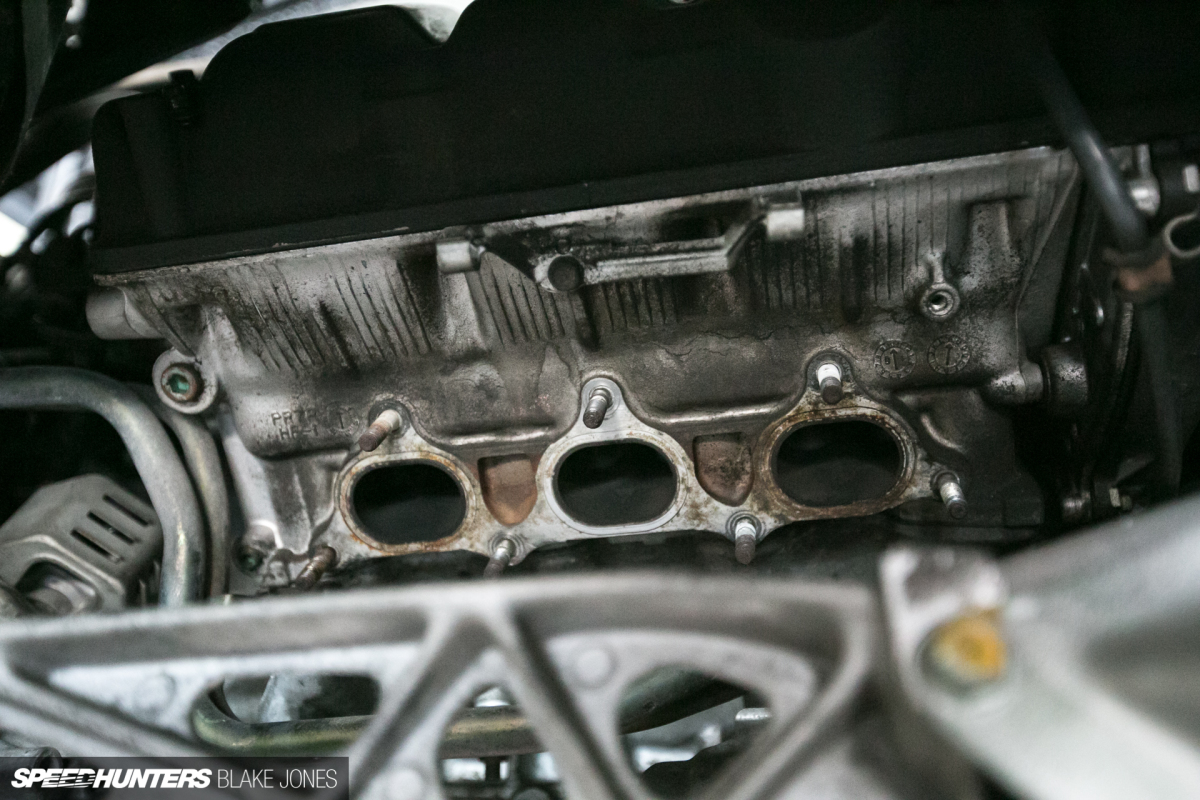
Here’s a few shots of the block and surrounding components with the headers removed. From here more than anywhere else you can really appreciate the obsessive engineering and design that went into the NSX. I could stare at those cast, almost abstractly formed aluminium subframe parts for hours.

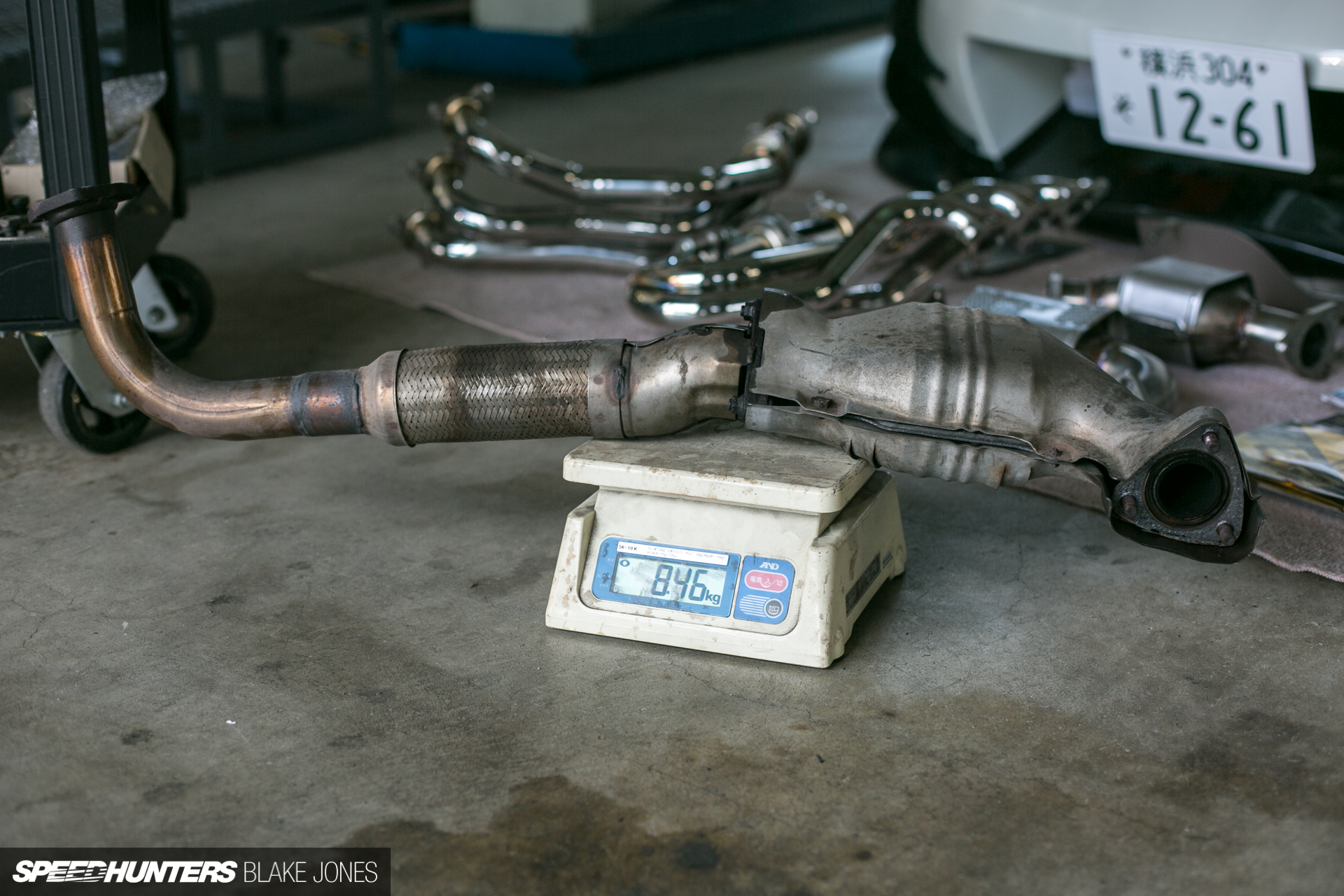
As Yagi pulled each piece from the car, I used the shop’s digital scales to check their weight.
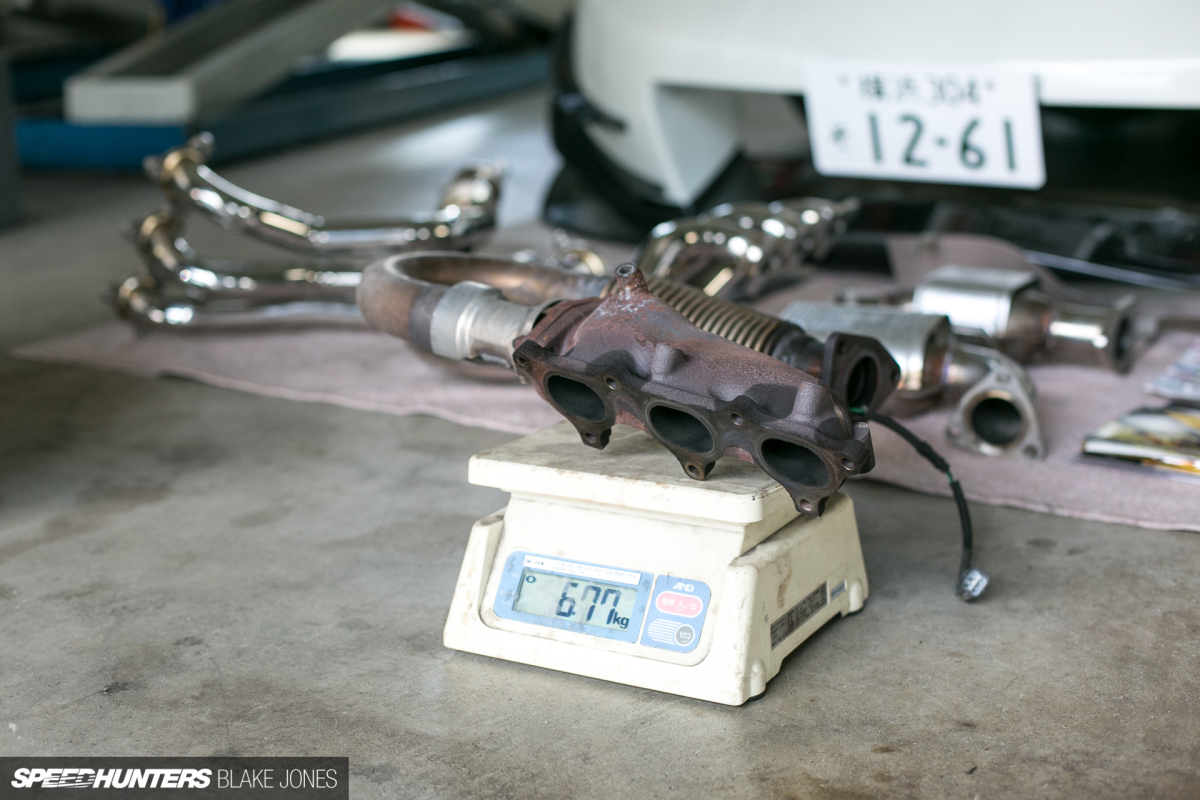
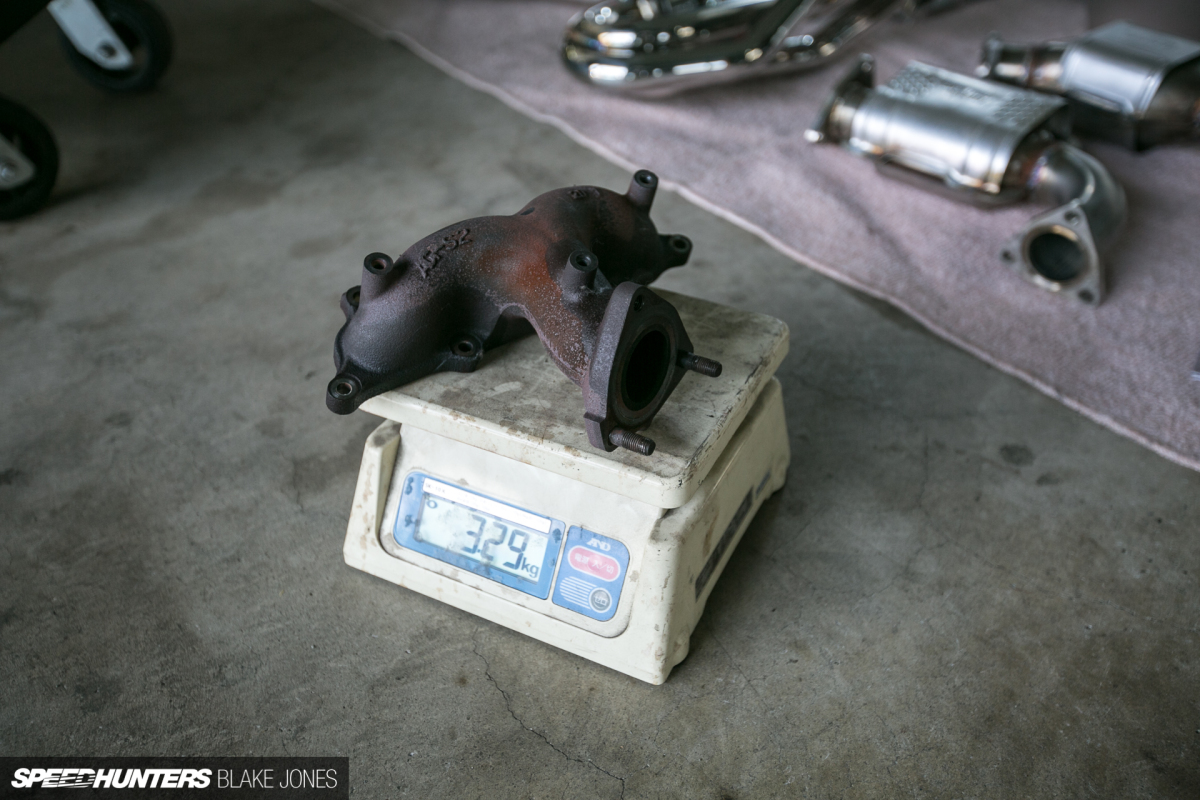
As expected the cast manifolds had a bit of heft to them, but nothing too extreme.
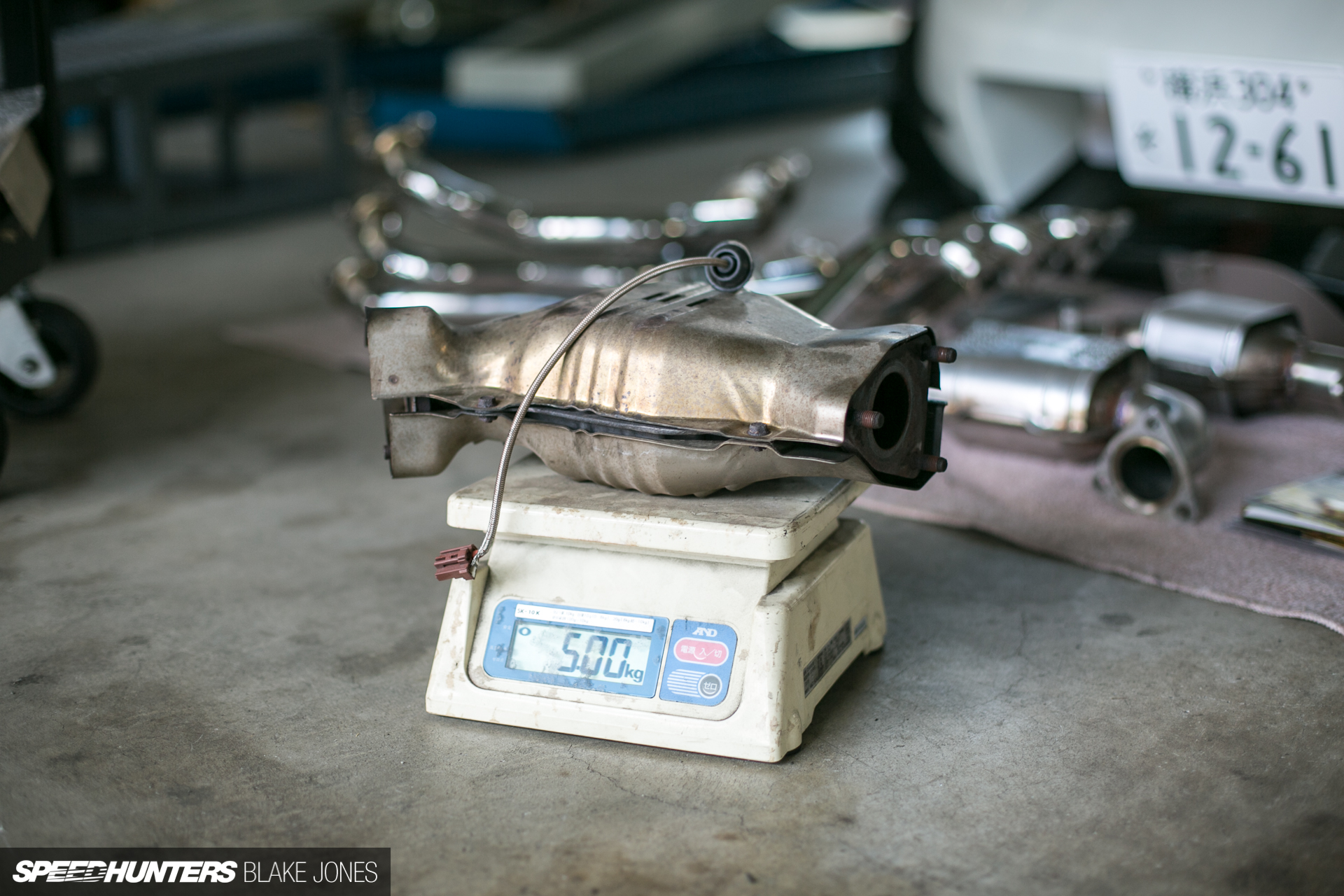
The total of all the original system removed including original catalytic converters came to 23.5kg or 51.8lbs.
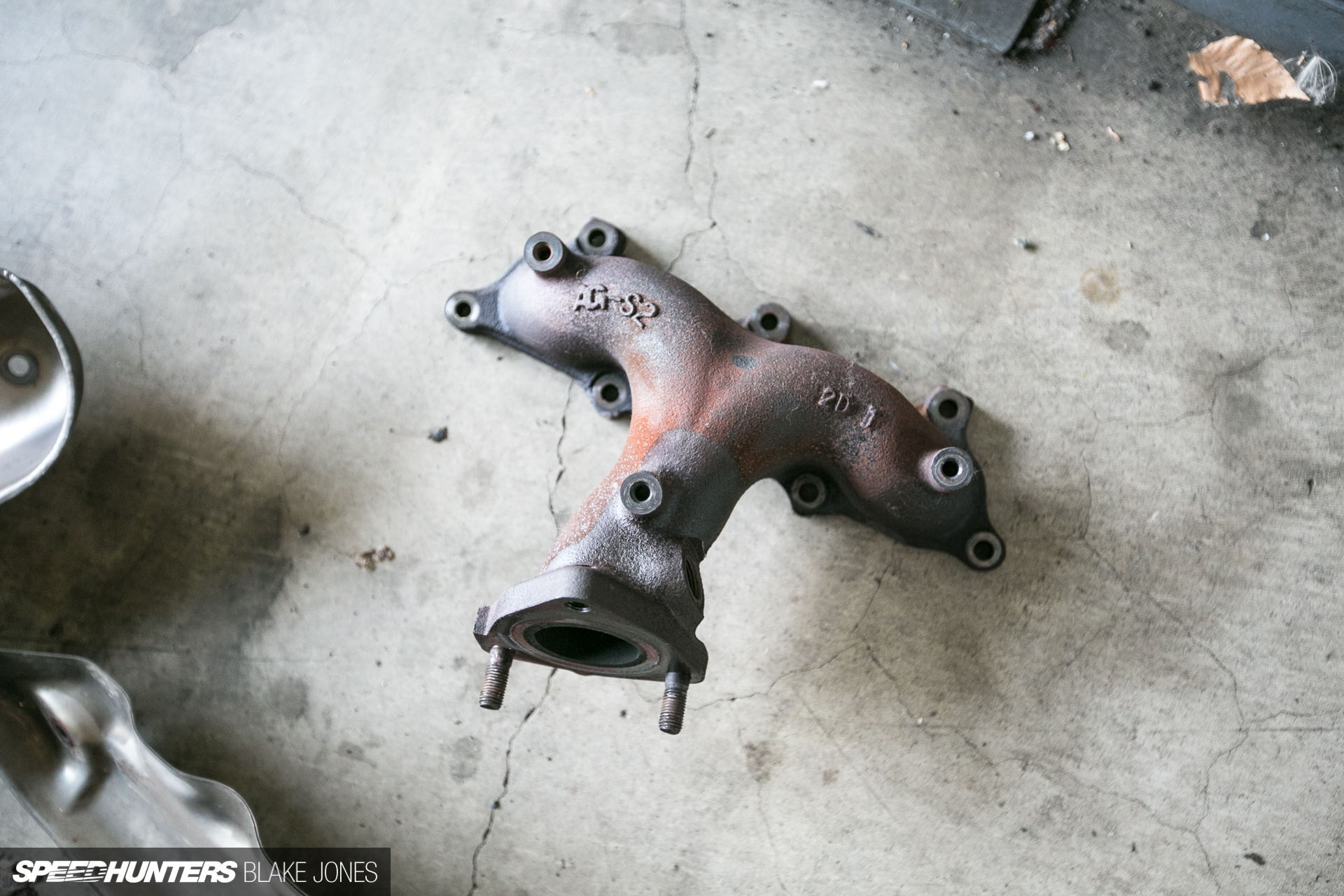
Here you can see the cast manifold from the front cylinder bank. The design manages to bring three exhaust ports to one outlet in a very small space, but this spacial efficiency comes at the cost of power. You can see that the exhaust flows have to make two tight turns before the flows collide.
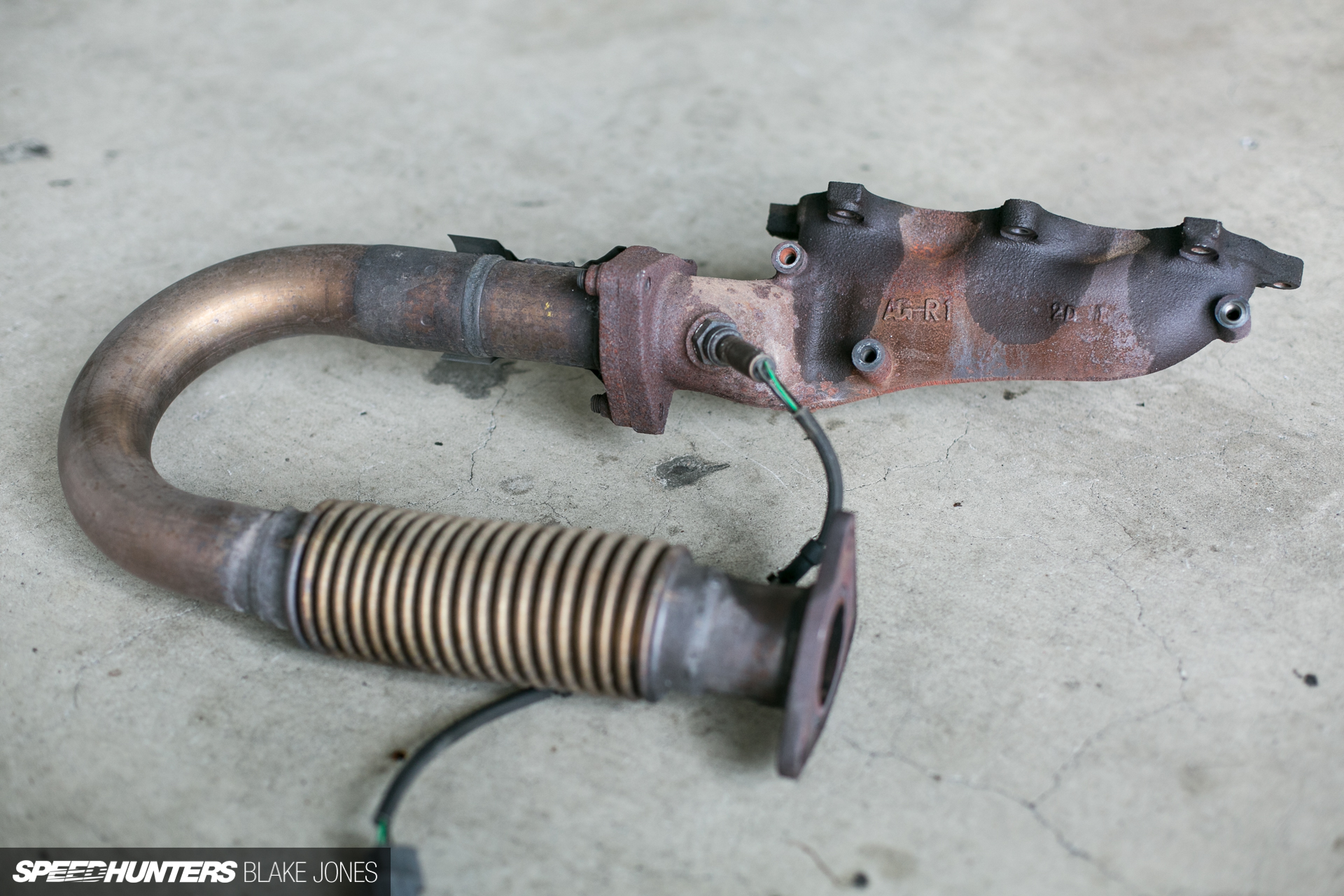
It’s much the same story on the rear bank. Every NSX enthusiast knows the unconfirmed rumours that these parts were actually designed specifically to choke the engine’s output to meet the ‘Gentleman’s Agreement’ between Japanese auto manufacturers, which limited their sports cars’ performance outputs to no more than 280PS (276hp).
As it was, the manual NSX was quoted to have exactly 280PS at launch, and dynos actually show the car achieving that until the NA2 upgrades of 1997 went beyond. By that stage all the big manufacturers had started to push the limits of that agreed power limit. Do you think the GT-R, Supra or Evo actually made just 276hp?
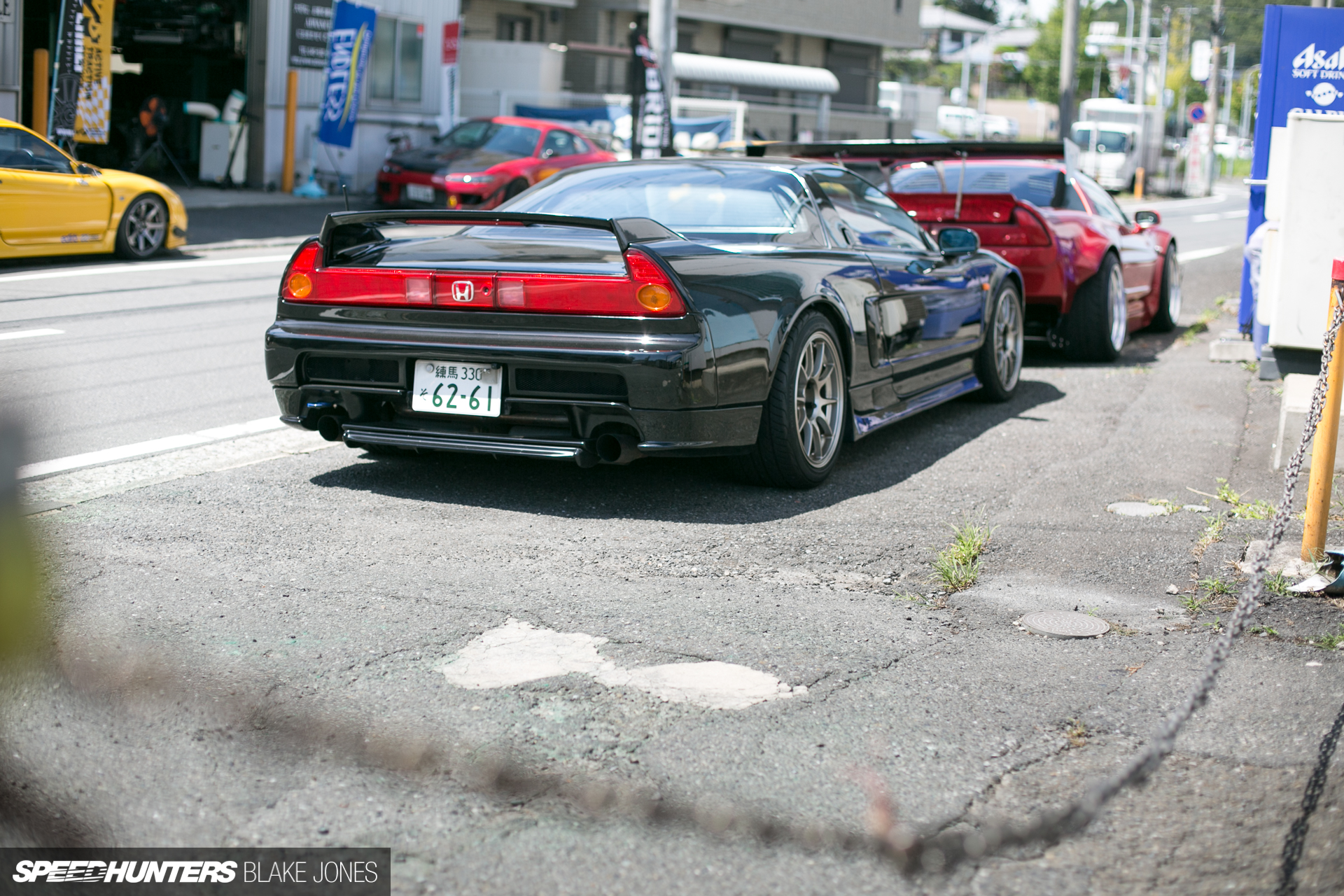
The NA2 cars of course featured increased displacement to 3.2 litres and a raft of other small enhancements including improved headers. Interestingly, by just retrofitting these improved (but far from optimised) headers, around 80 percent of the NA2’s overall performance increase can be realised on an NA1 (3.0L) car. This certainly gives credence to the theory of intentionally de-optimised headers on the NA1 cars.
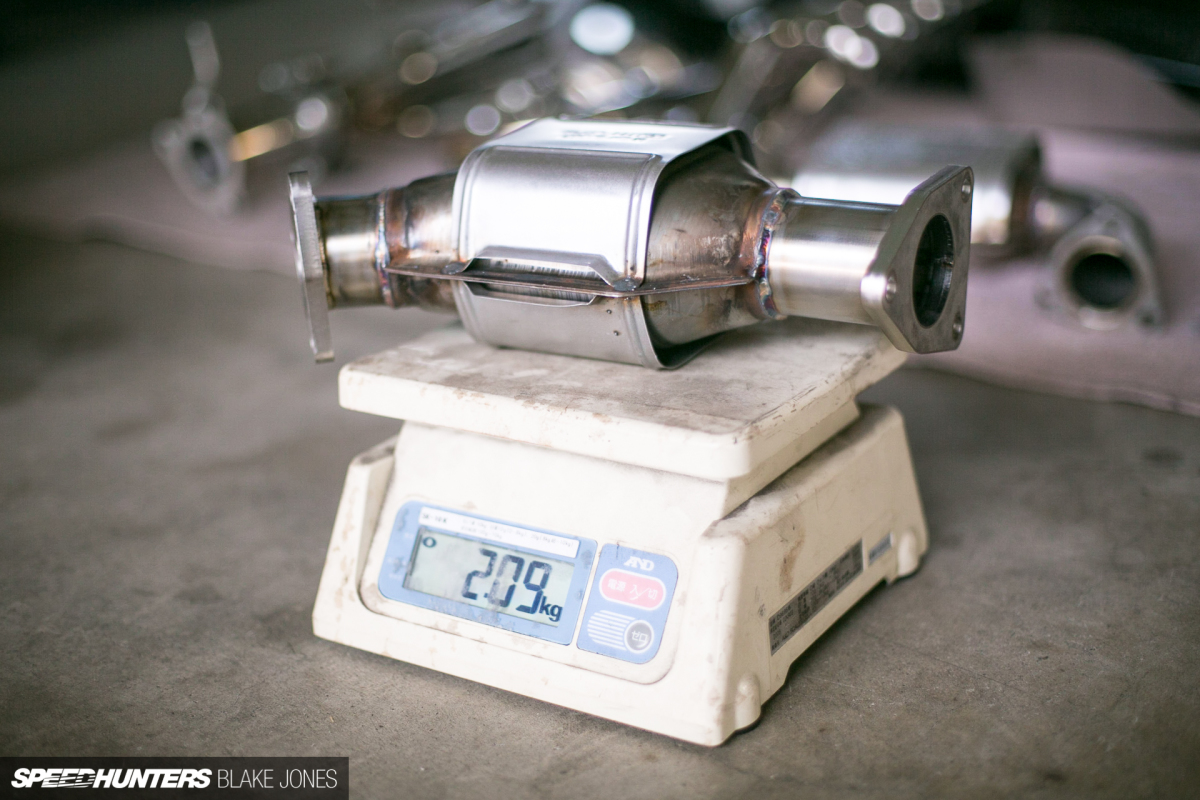

The Science of Speed sports catalyzers that would be installed at the same time were half the weight of the original units. These were a lot cheaper than stock replacements too, and should flow better to make the most of the Fujitsubo manifold. They don’t reuse the stock sensor like more expensive alternatives do, but we don’t expect that to cause any problems.
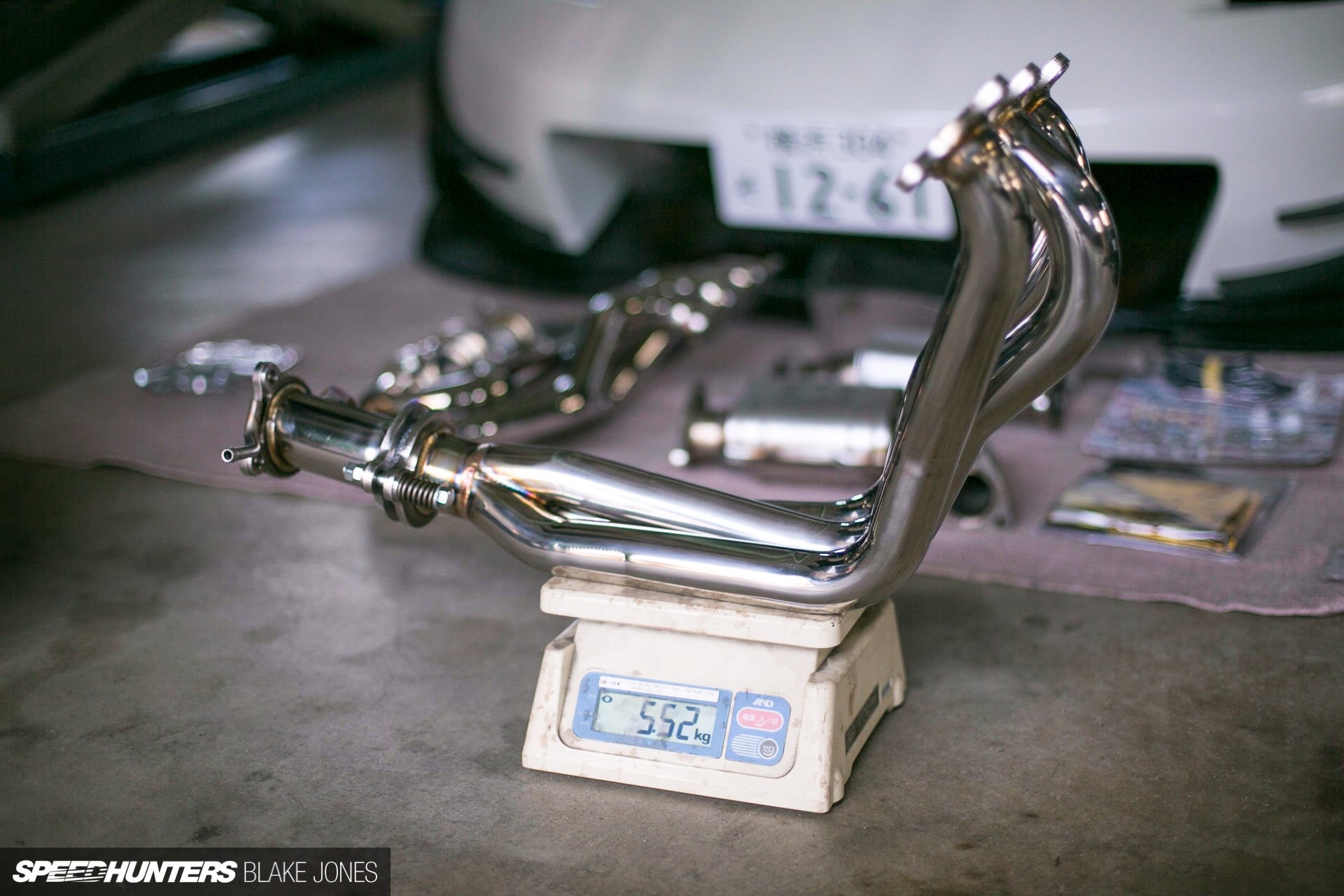
Despite being significantly larger pieces (thanks to the presence of actual runners where the stock manifold had none), the weight is lower on the new Fujitsubo header.
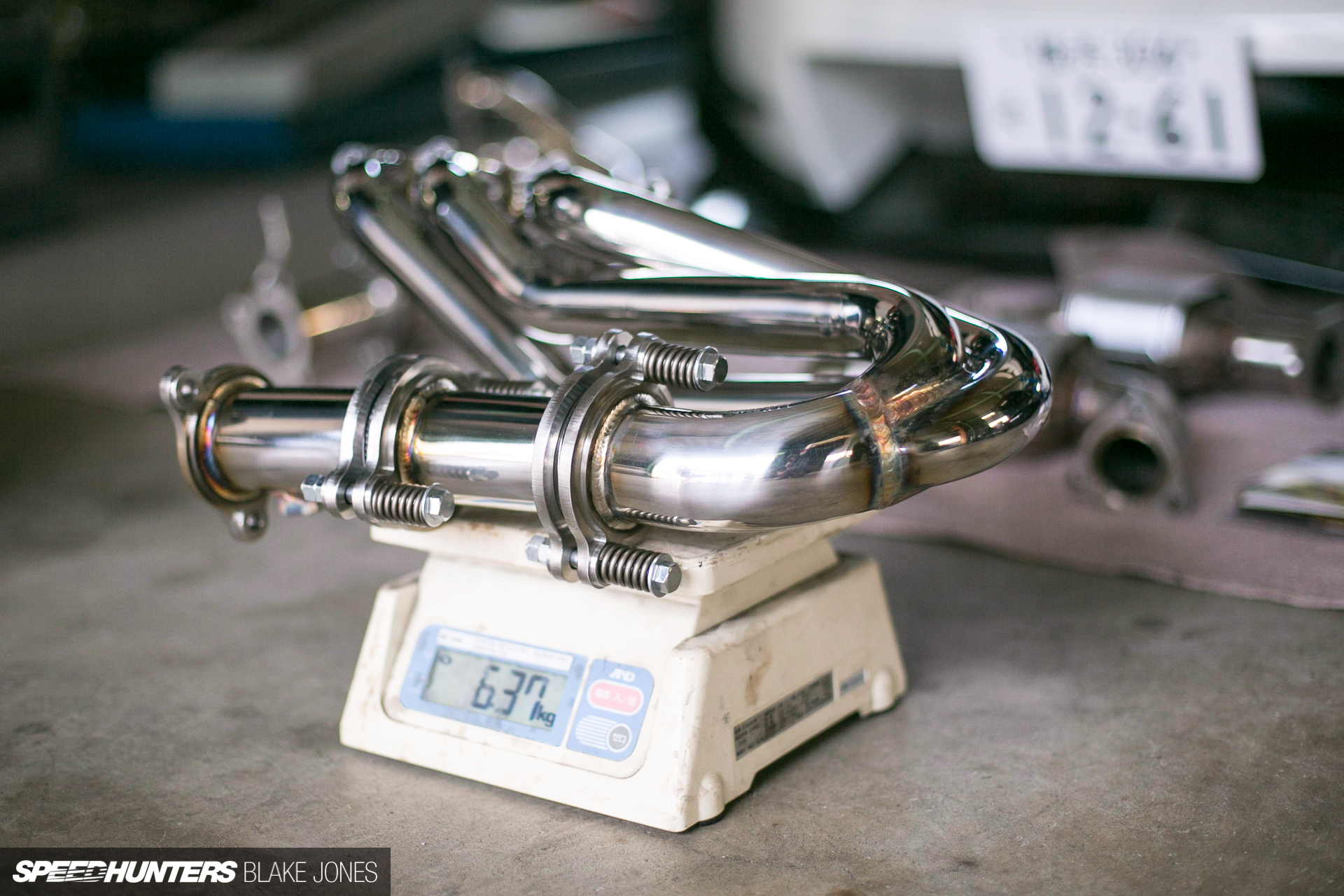
That means a total saving of 7.27kg (16lbs) from the car’s kerb weight, a result I’m more than happy with.
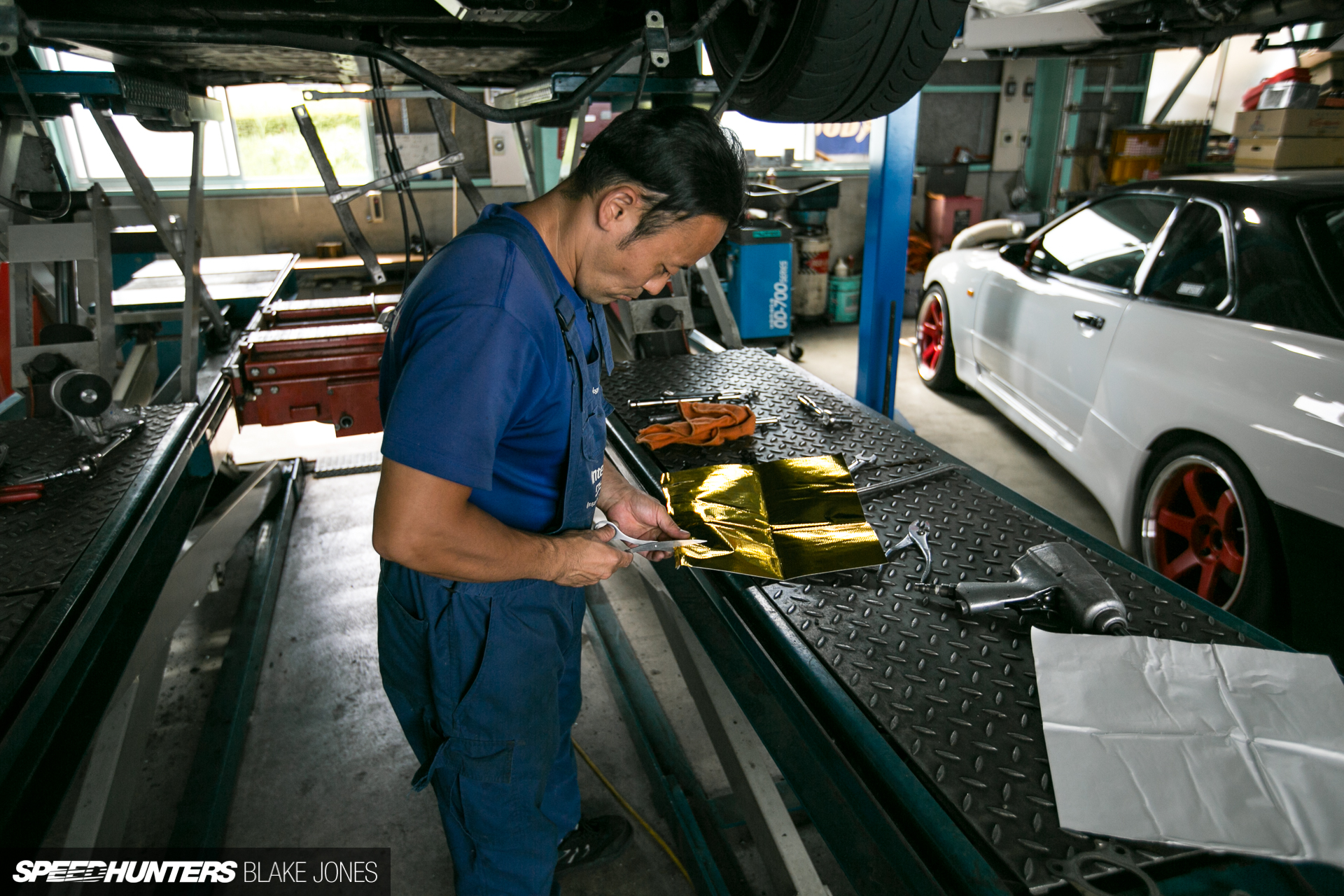
Now time for some more functional bling – Yagi set to measuring and cutting the reflective gold sheet to size.
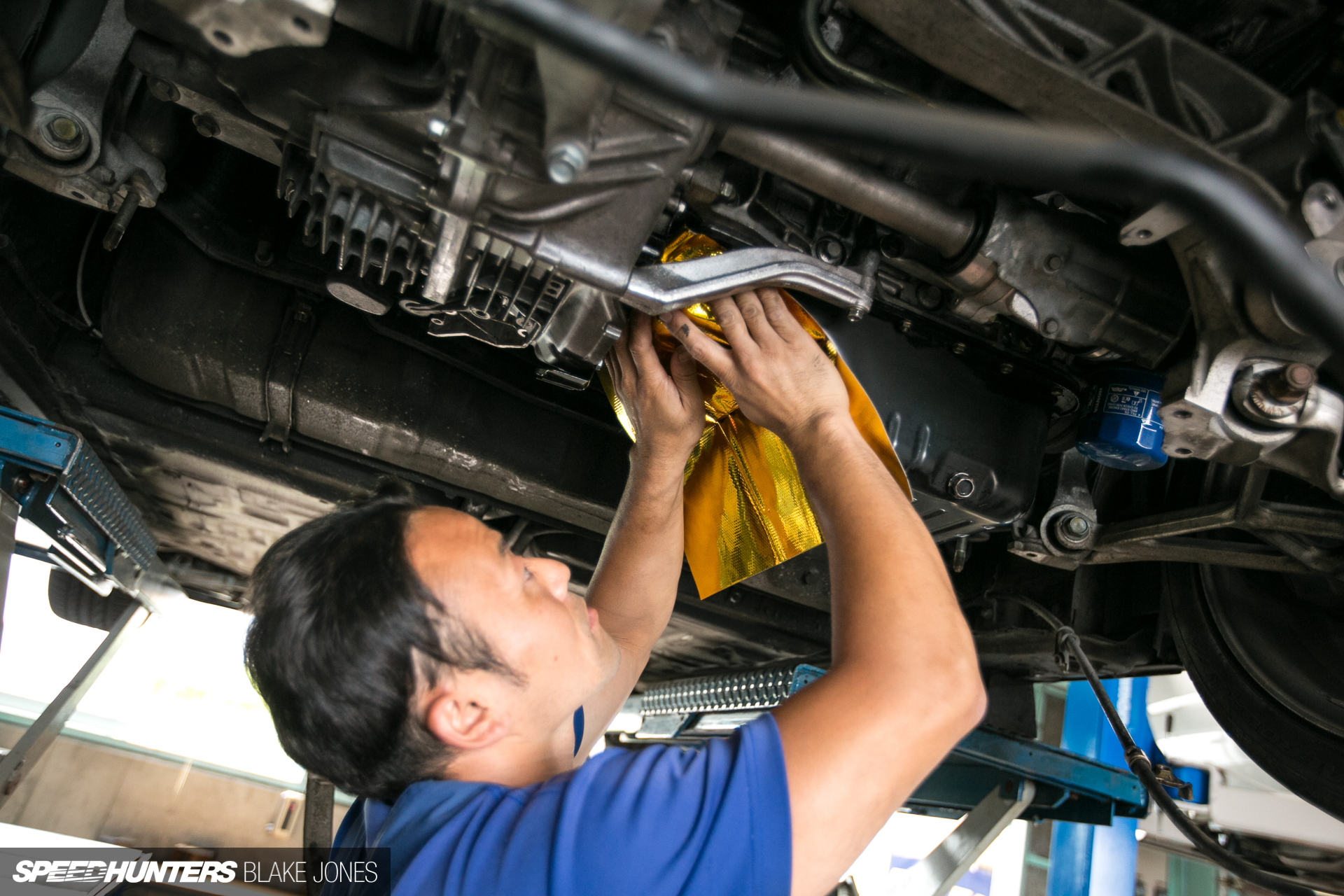
It’s self adhesive, so fairly easy to apply. Apparently cheaper versions of this product can have problems maintaining adhesion over longer periods of time, so I stuck with the established ‘Reflect-A-Gold’ brand.

Job done. The exhaust passes right through that rounded clearance so this will be a nice safety against overheating at the racetrack.
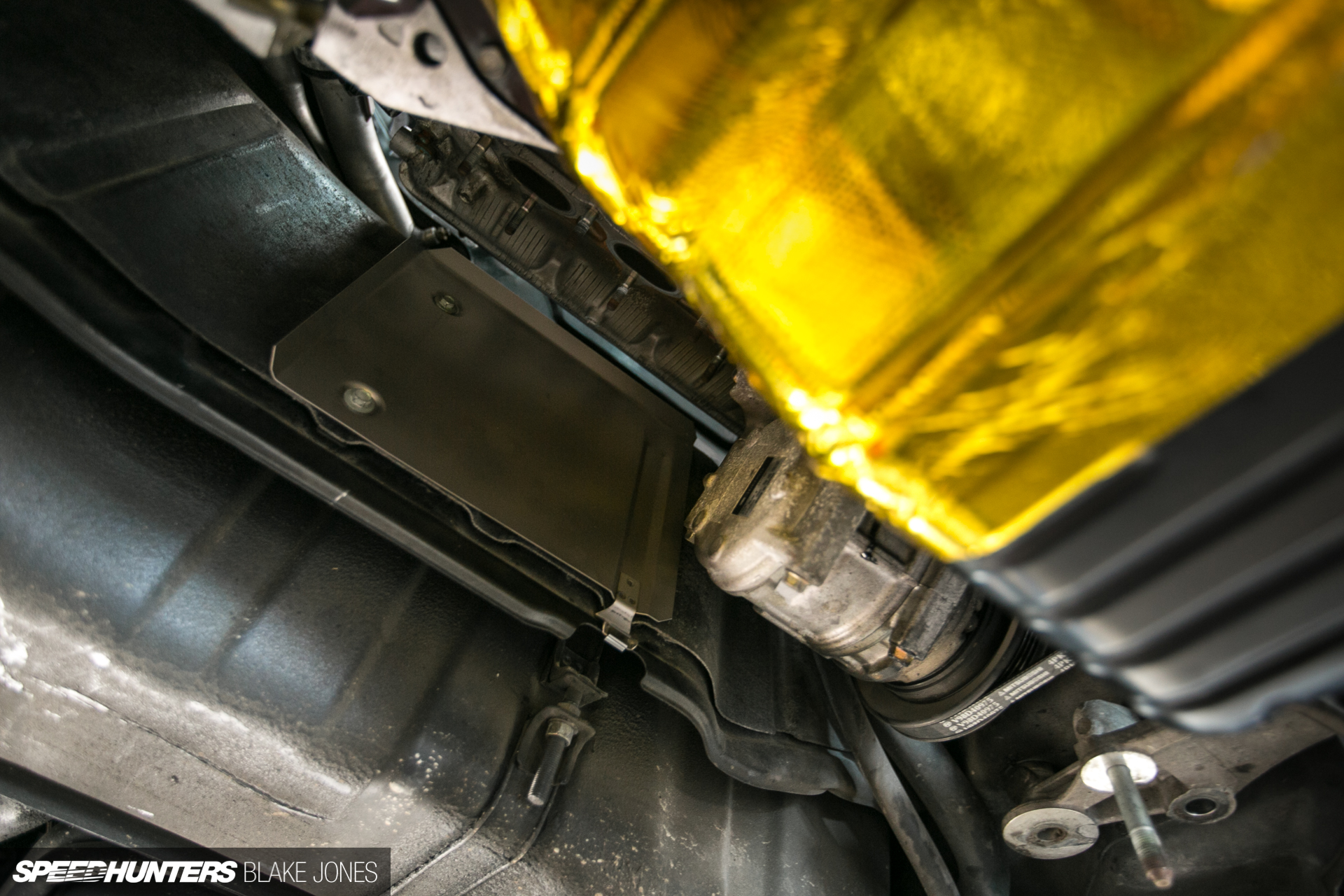
The Fujitsubo titanium heat shield mounts on top of the existing pressed aluminium shield using existing mounting points and will keep the extra heat on this side of the firewall. A simple but lovely detail – just look at the small lips to redirect that radiant heat. Not pictured is the other shield in position on the rear firewall, hopefully keeping temperatures in the trunk down a little (even with the original headers and OEM-style HKS muffler things got rather toasty in there).
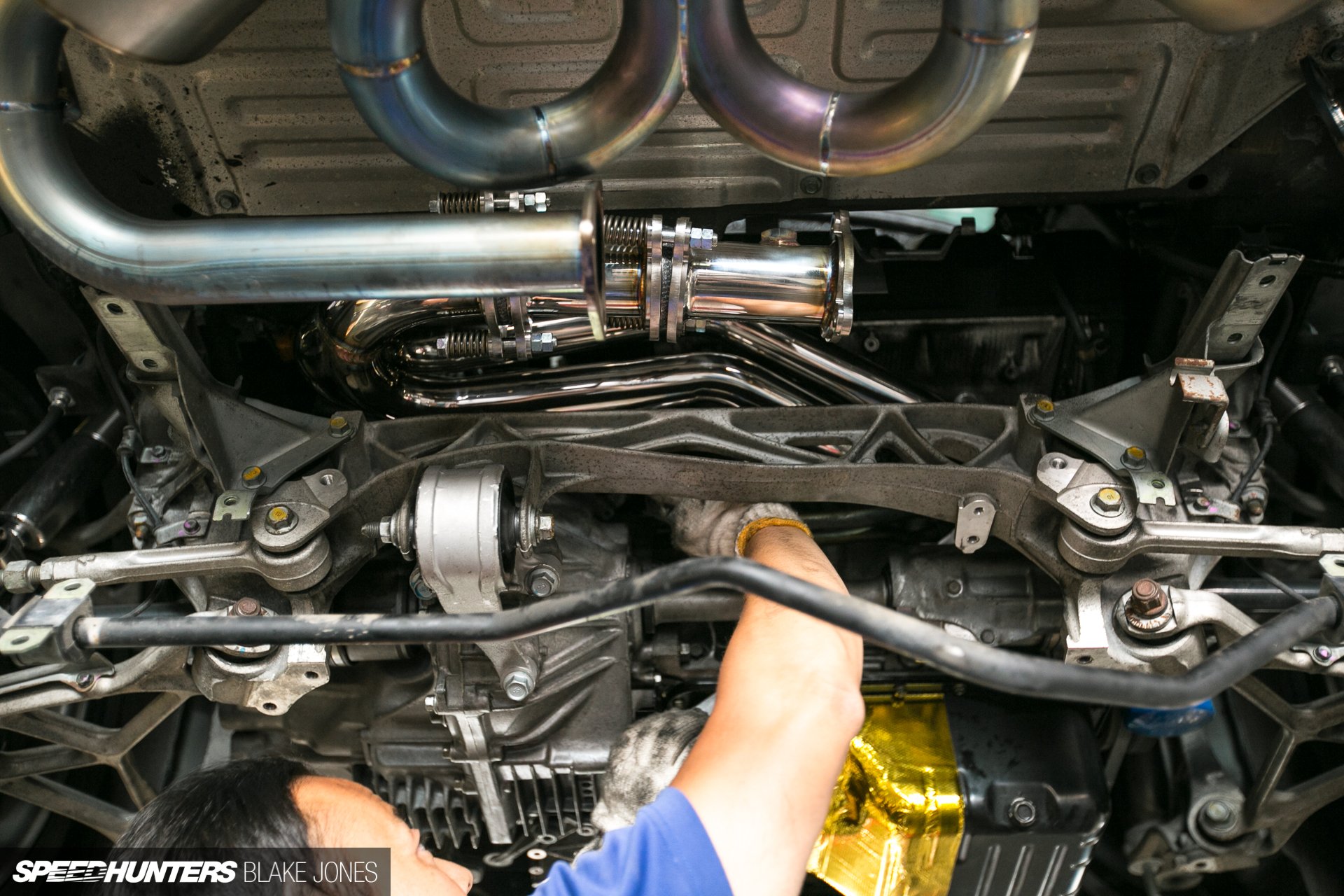
The rear manifold went in first, Yagi using his best Tetris skills to get the manifold into position.
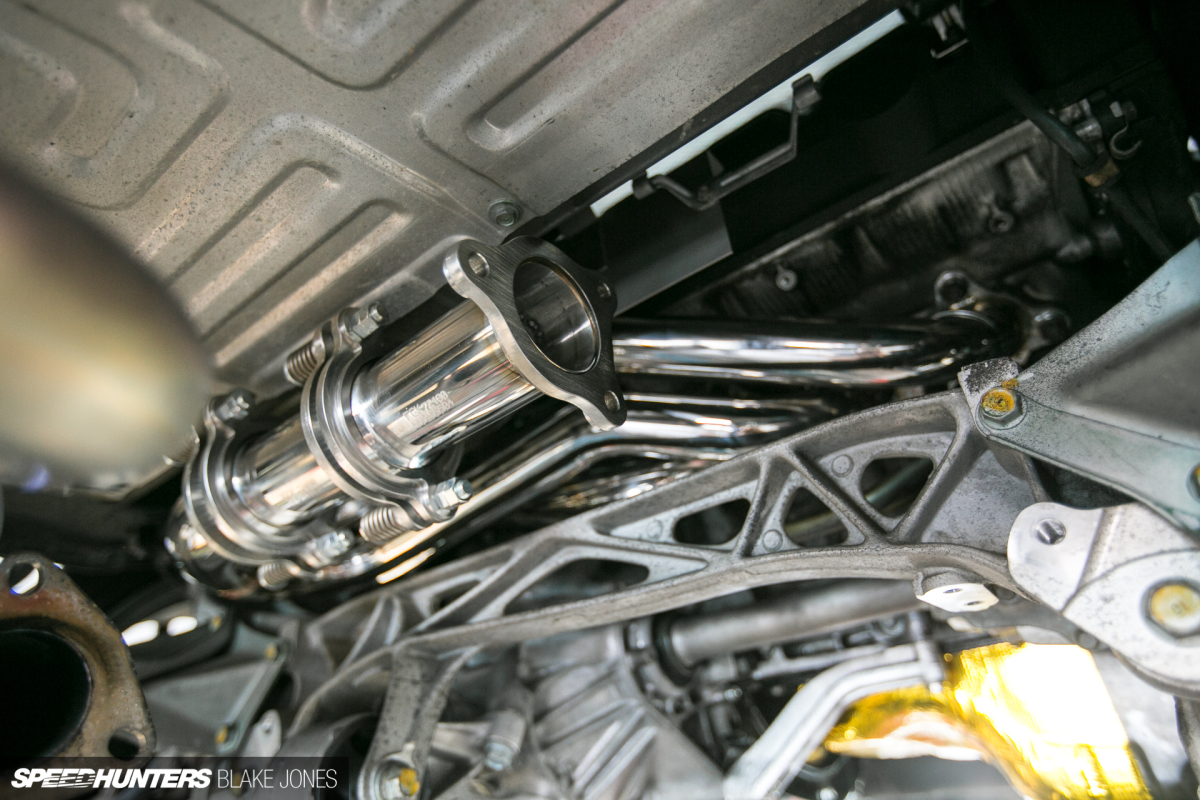
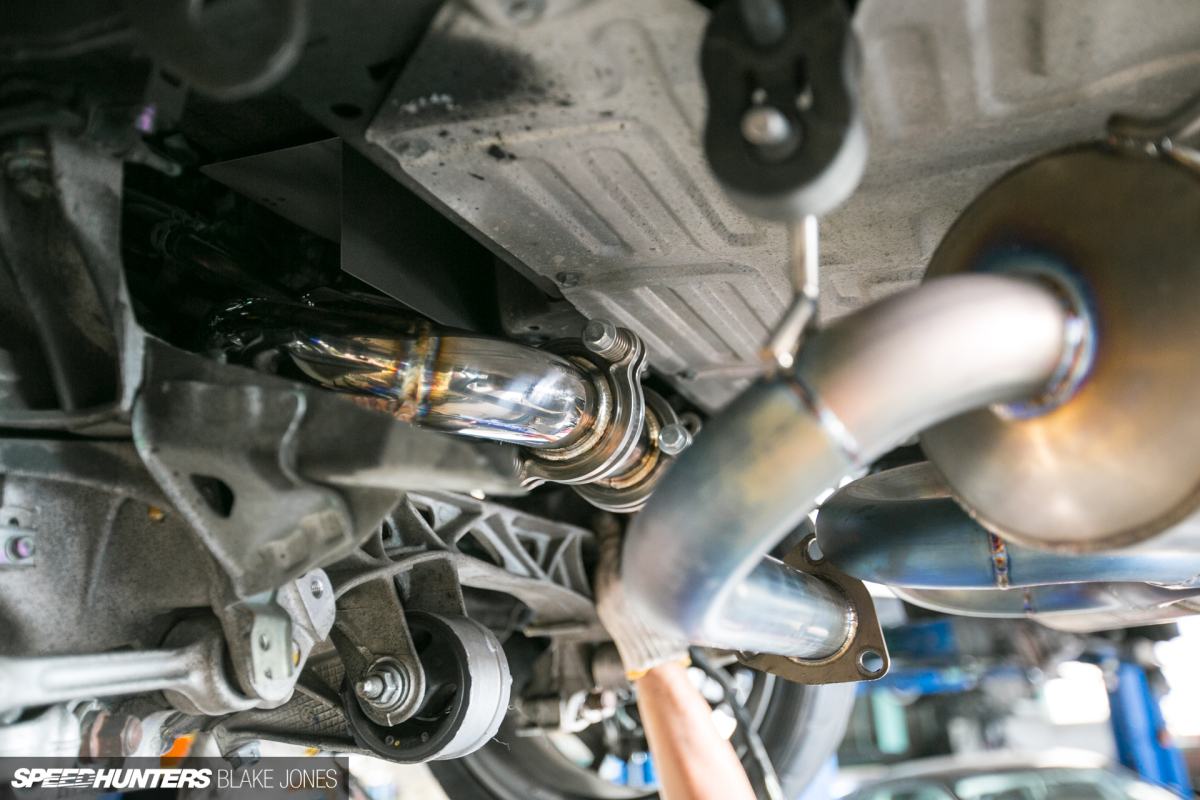
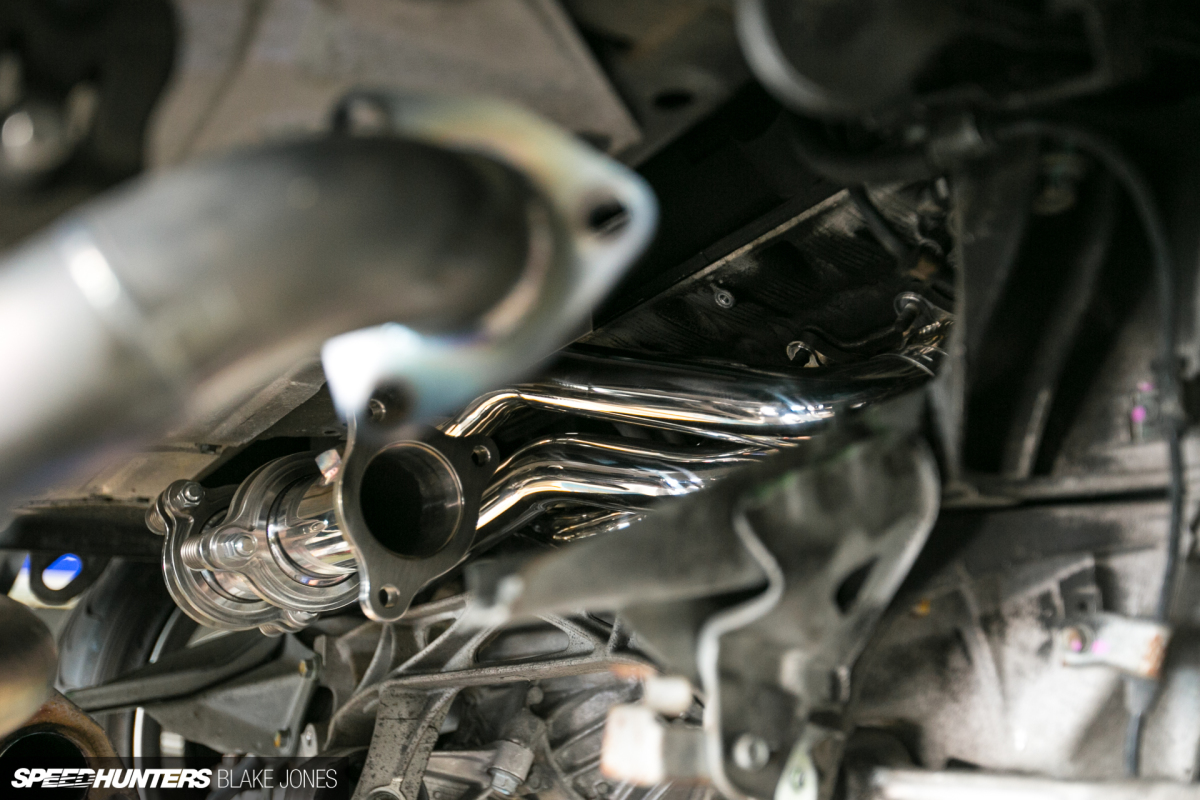
Some more detail shots of the rear bank.
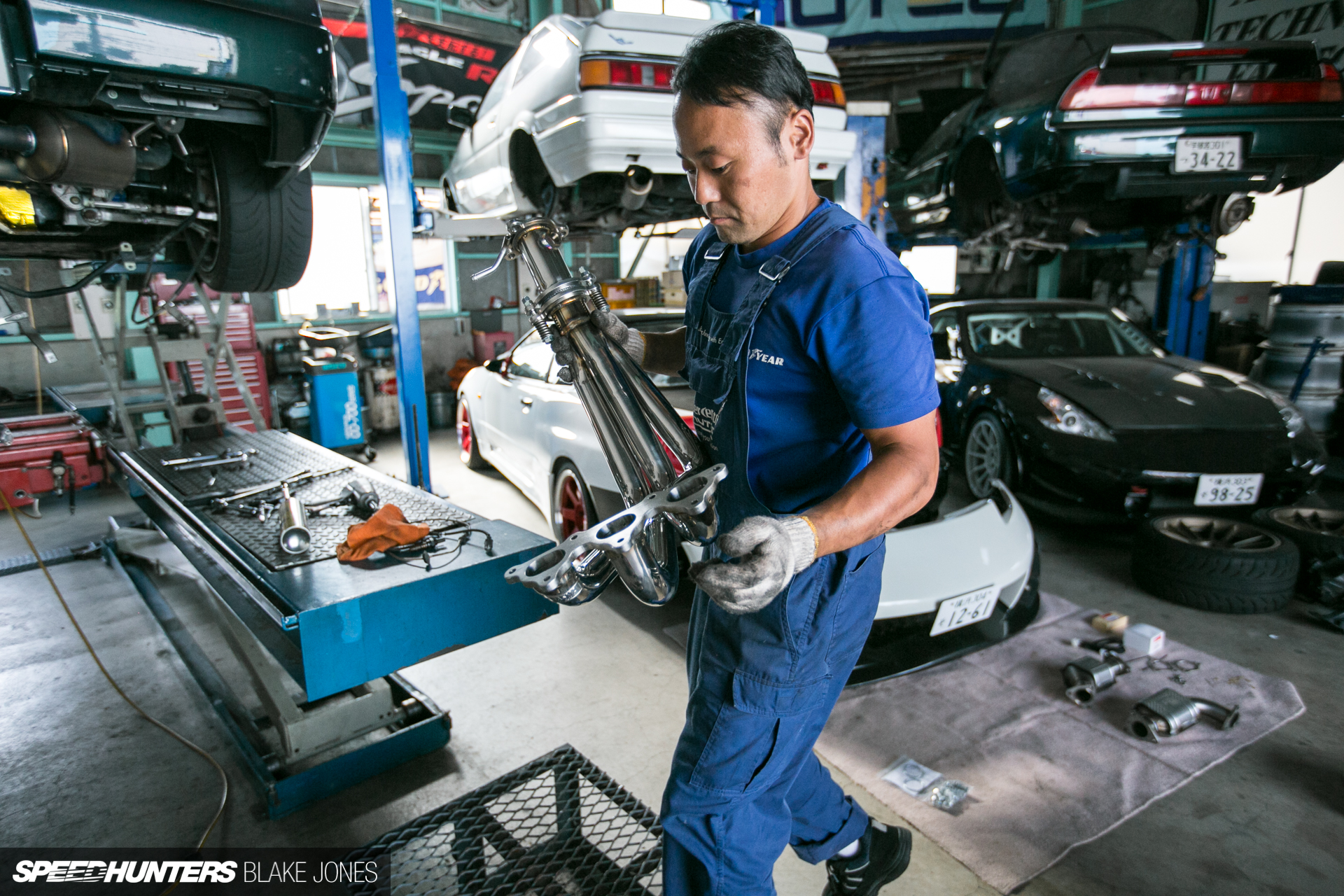
No slowing Yagi down – now for the front bank.
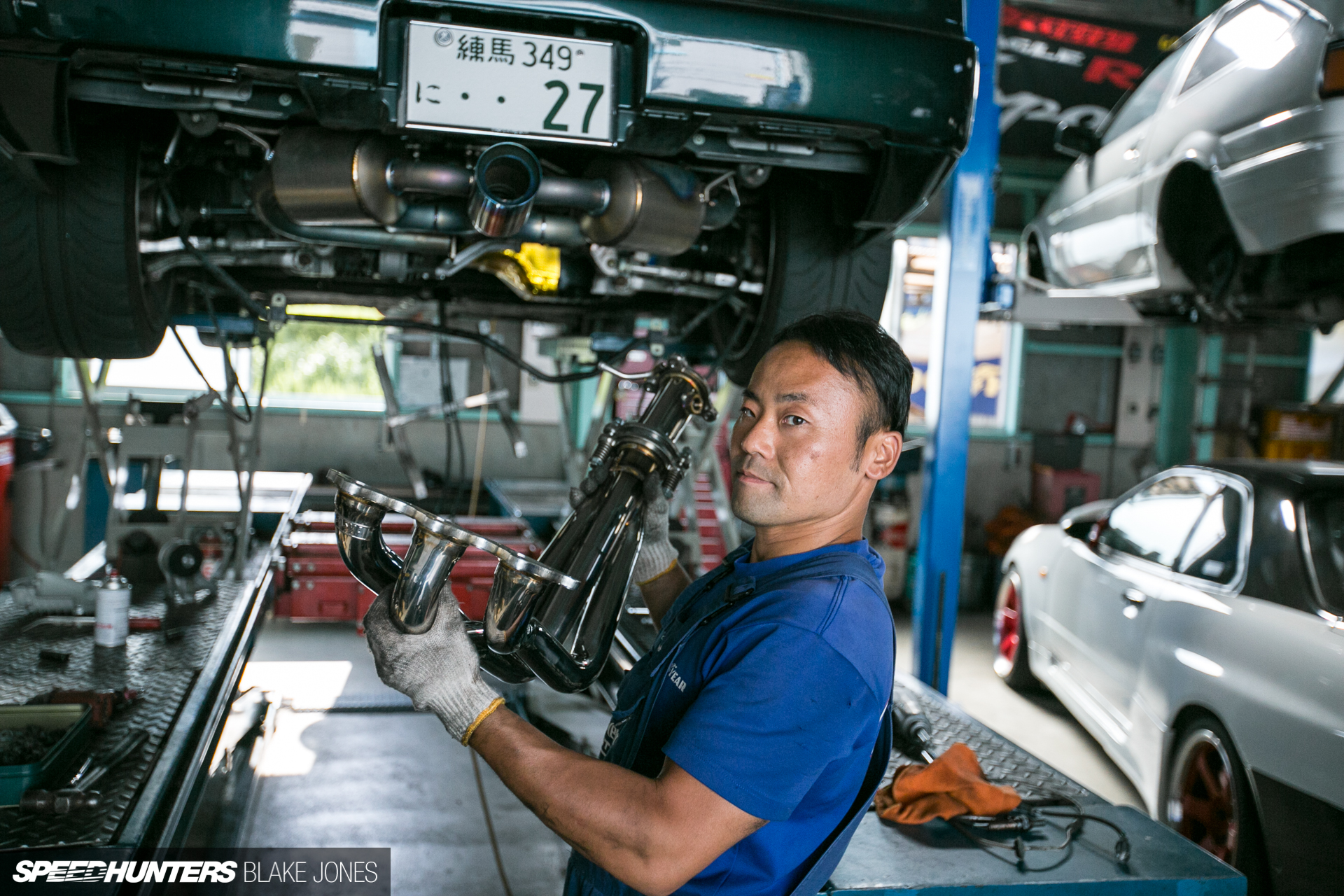
Say cheezu, Yagi!
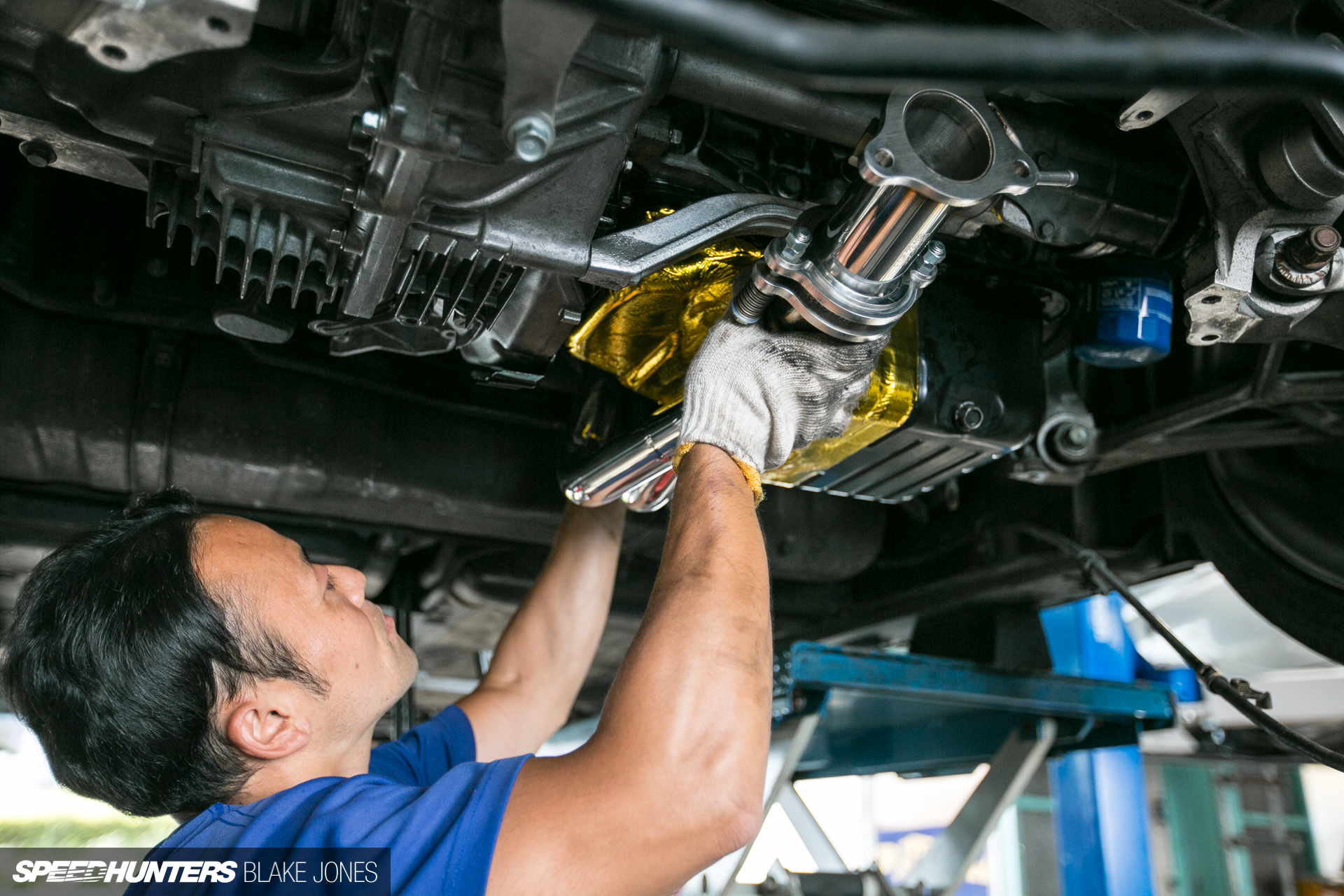
Carefully placing the front manifold into position.
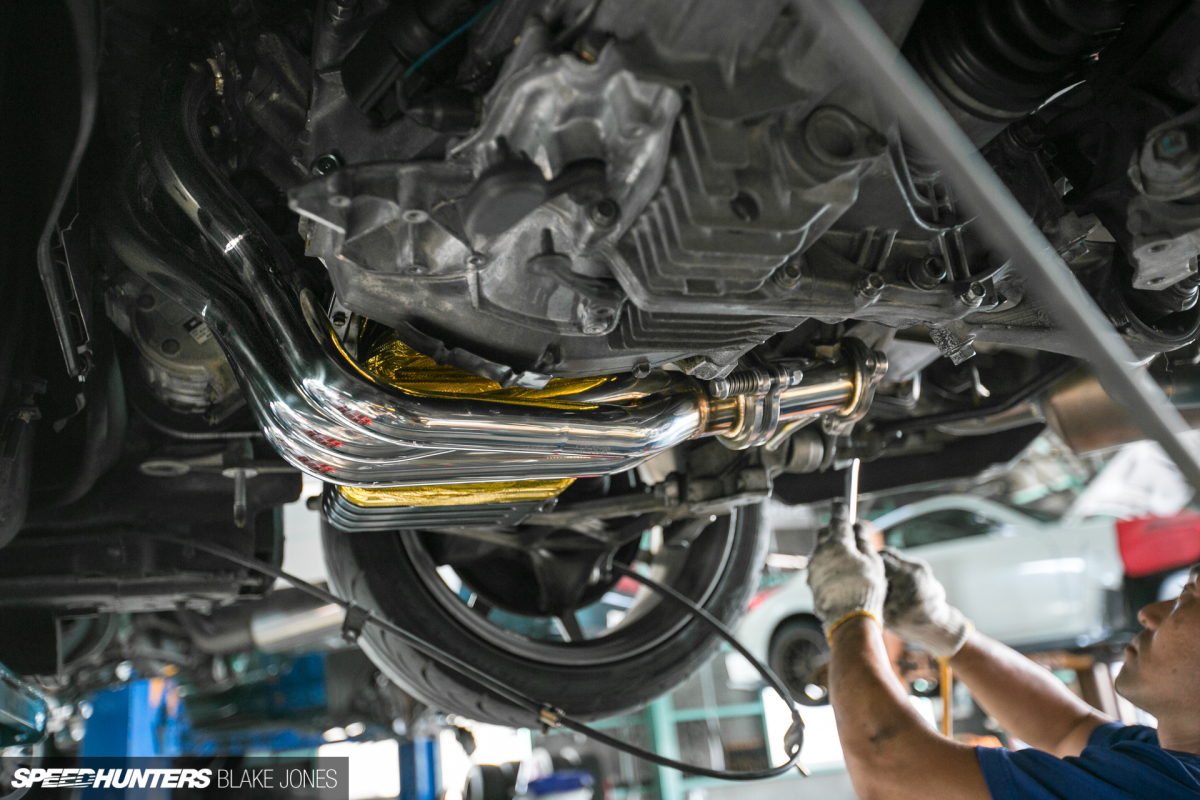
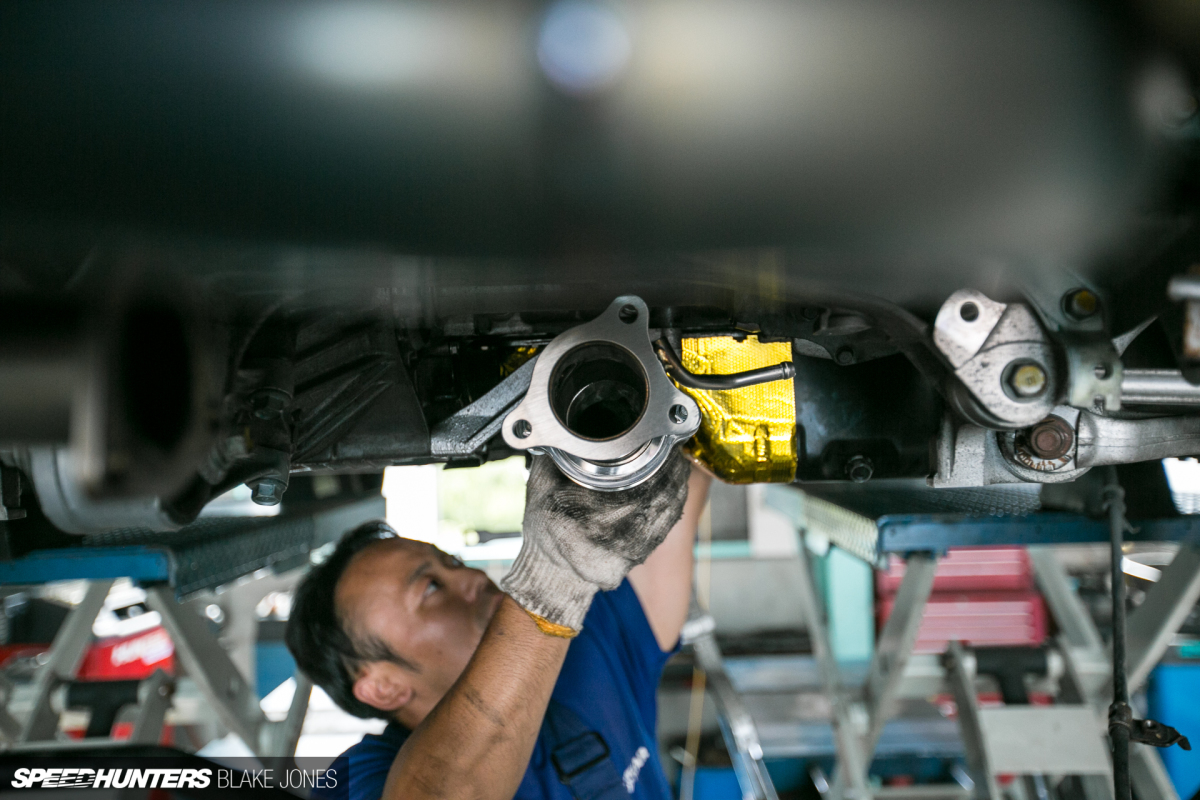
You can see how close this runs to the oil pan. These components are protected by some chassis bracing bars, to prevent a tragic incident if the car were to bottom out, but it’s not yet reinstalled in this photo.

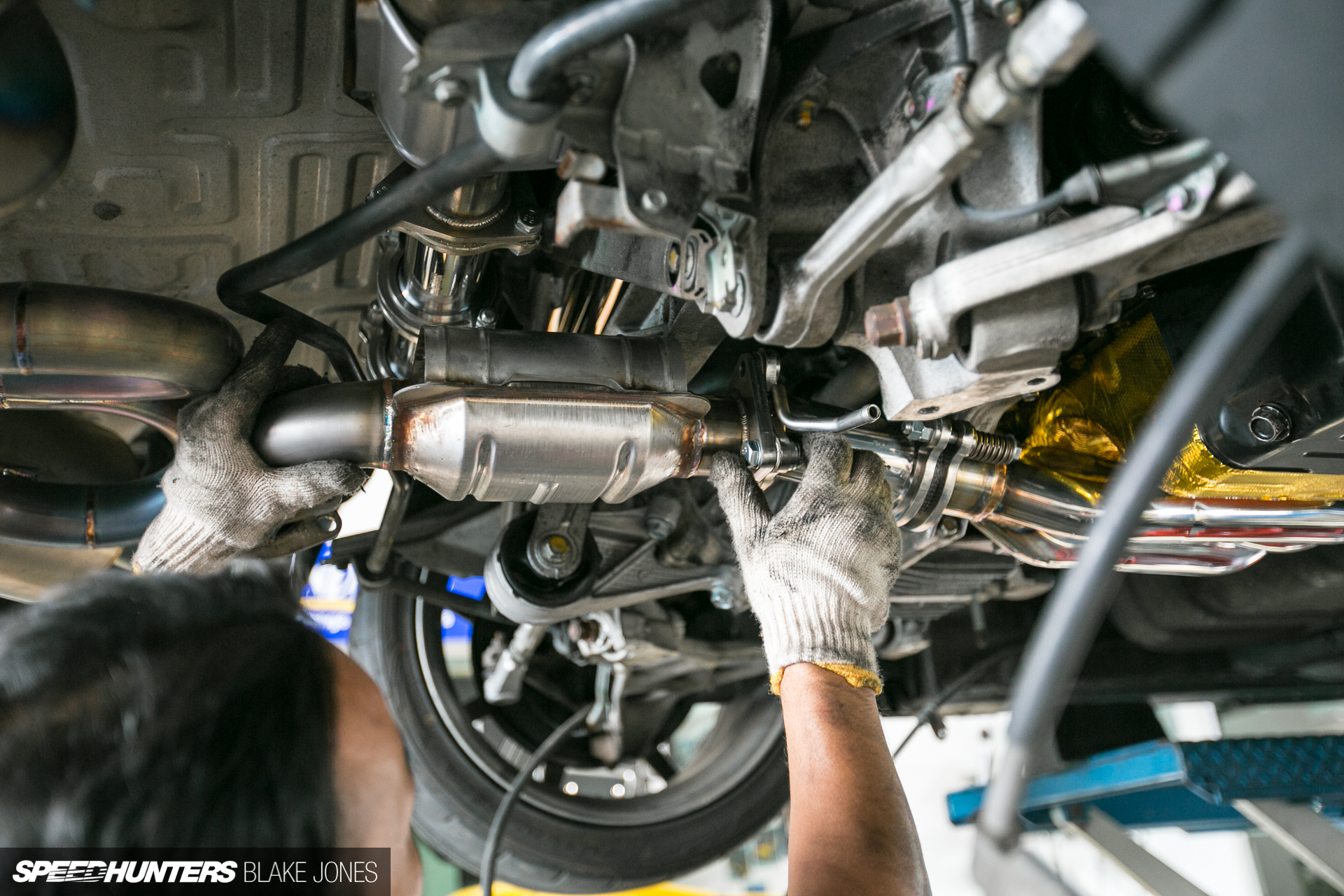
The muffler didn’t need to be removed, so the next step was simply to place the cats into position and slightly tighten the bolts to check everything lined up. Rear bank first – like a glove.
Front bank was fine too.
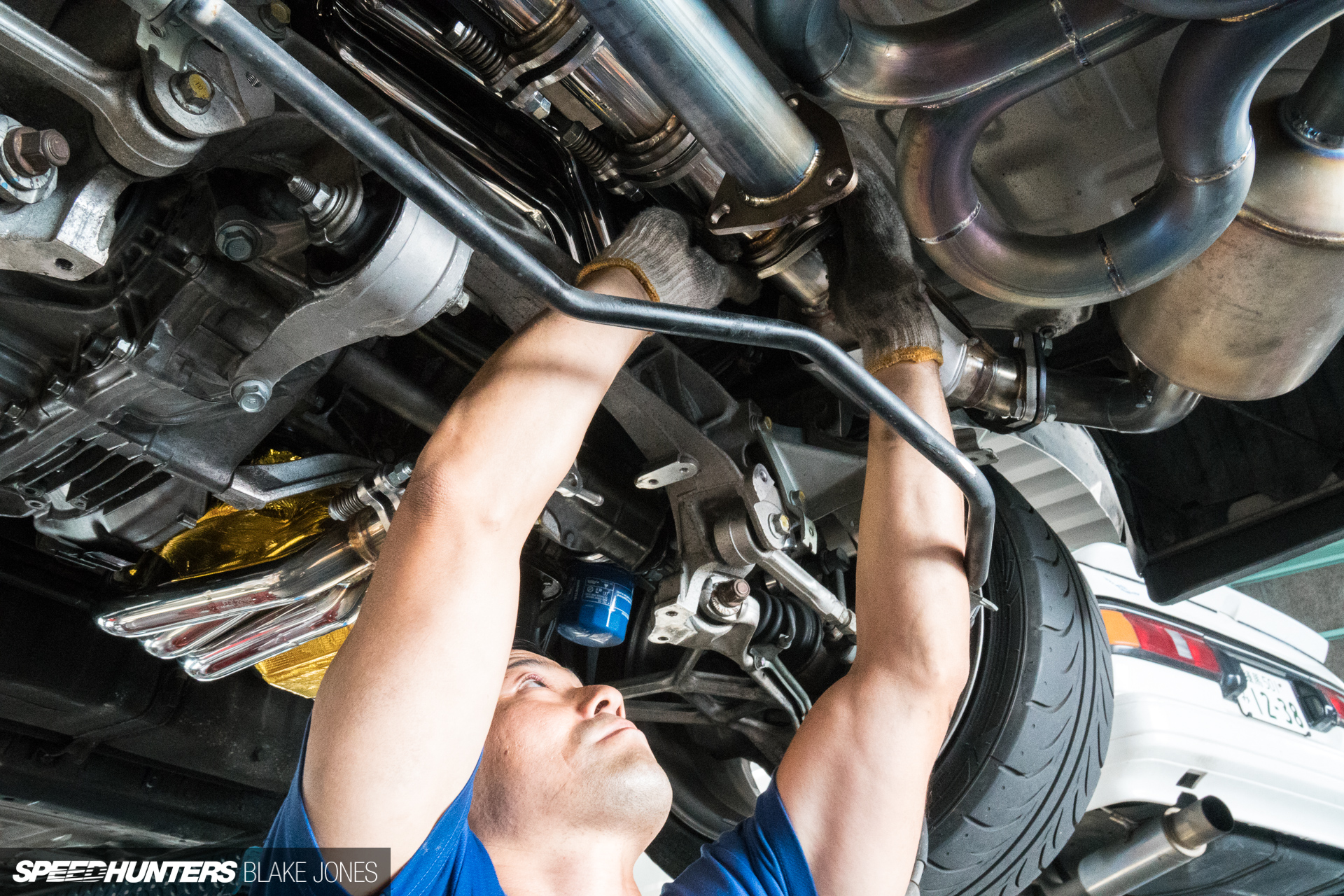
All that was left to do was tighten the bolts.
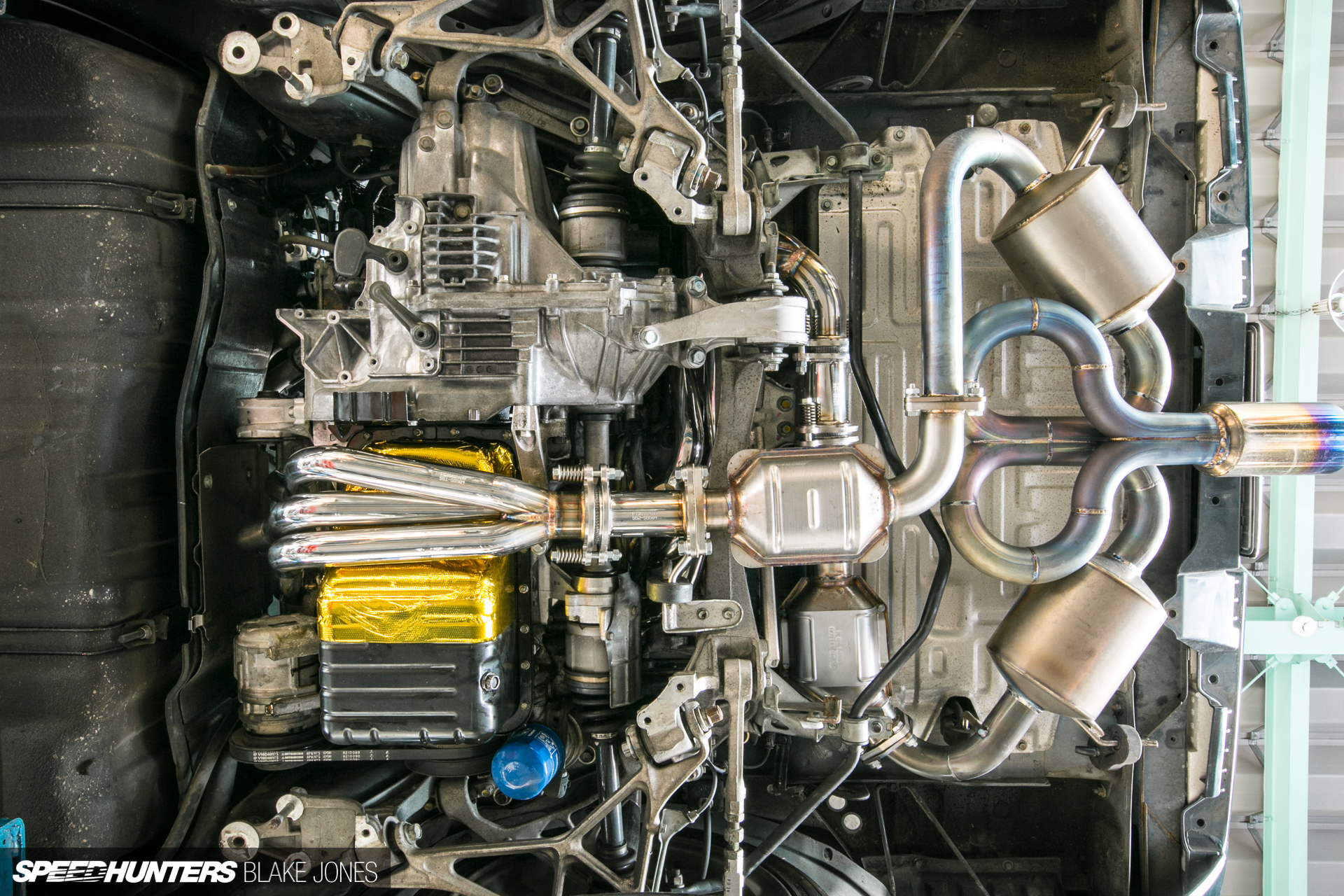
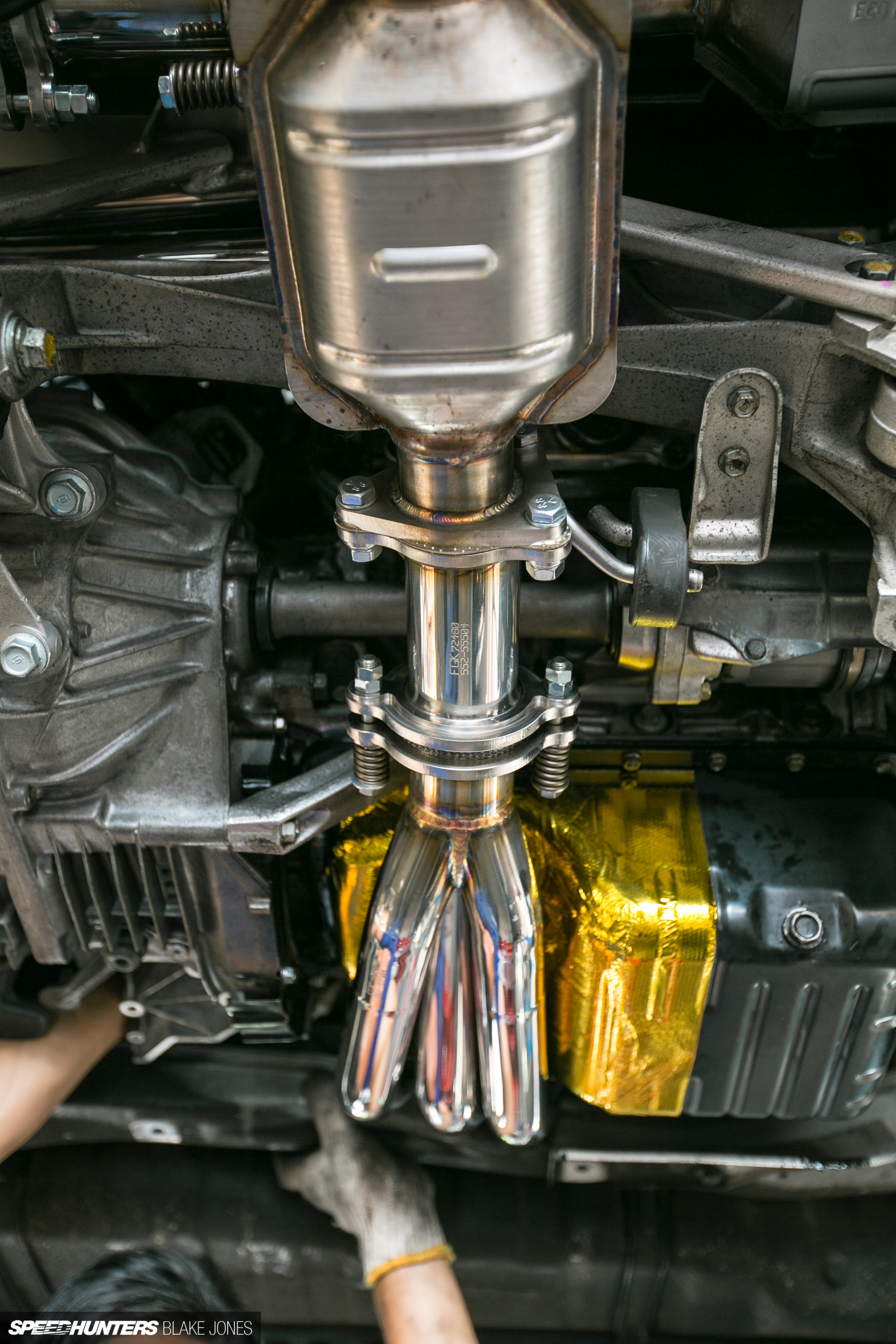
That’s how an NSX exhaust should look.
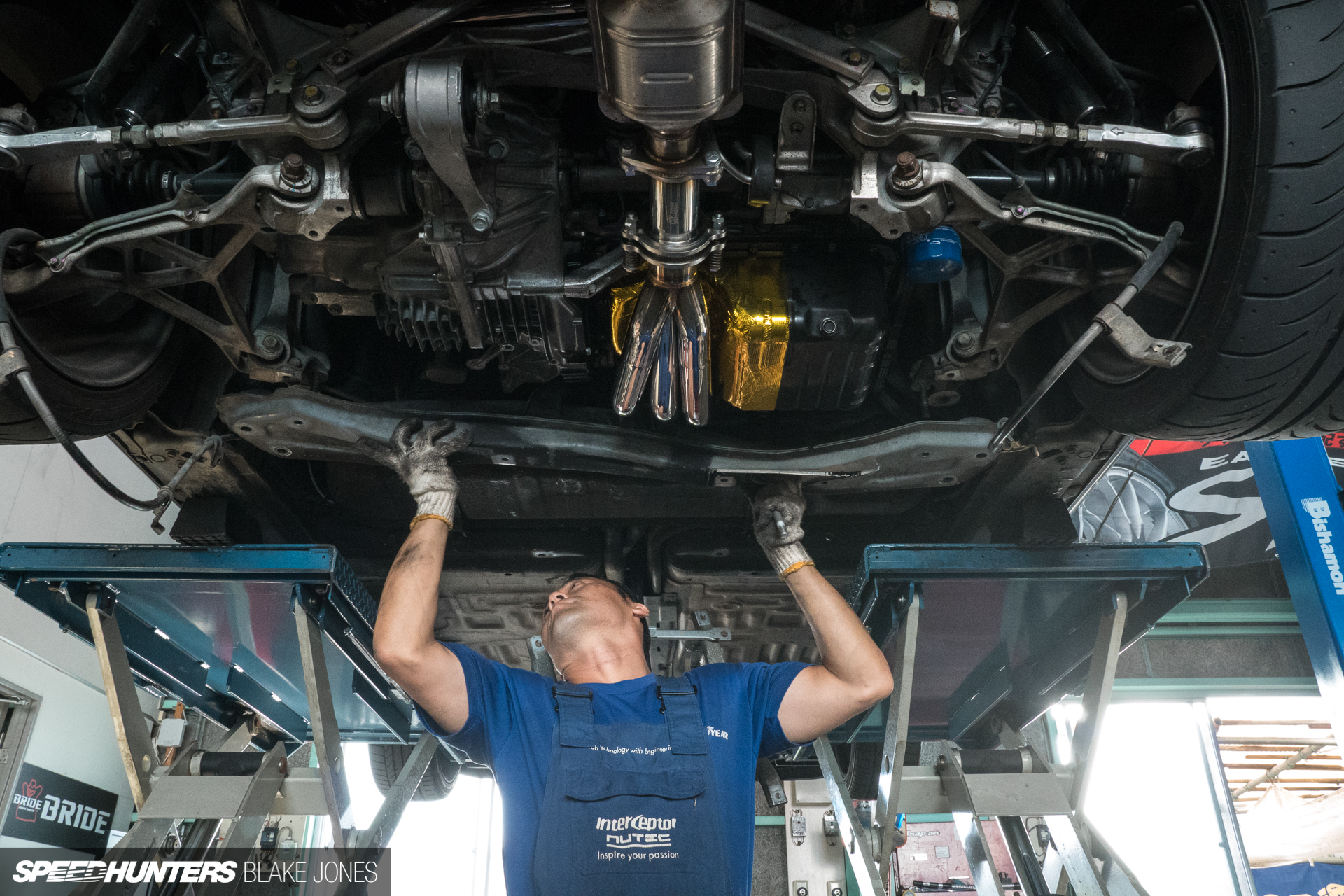
The reassembly begins, first with the rear crossmember being lifted back into position. I think I understand why Yagi is so muscular now – he spends so much time working on cars from underneath.
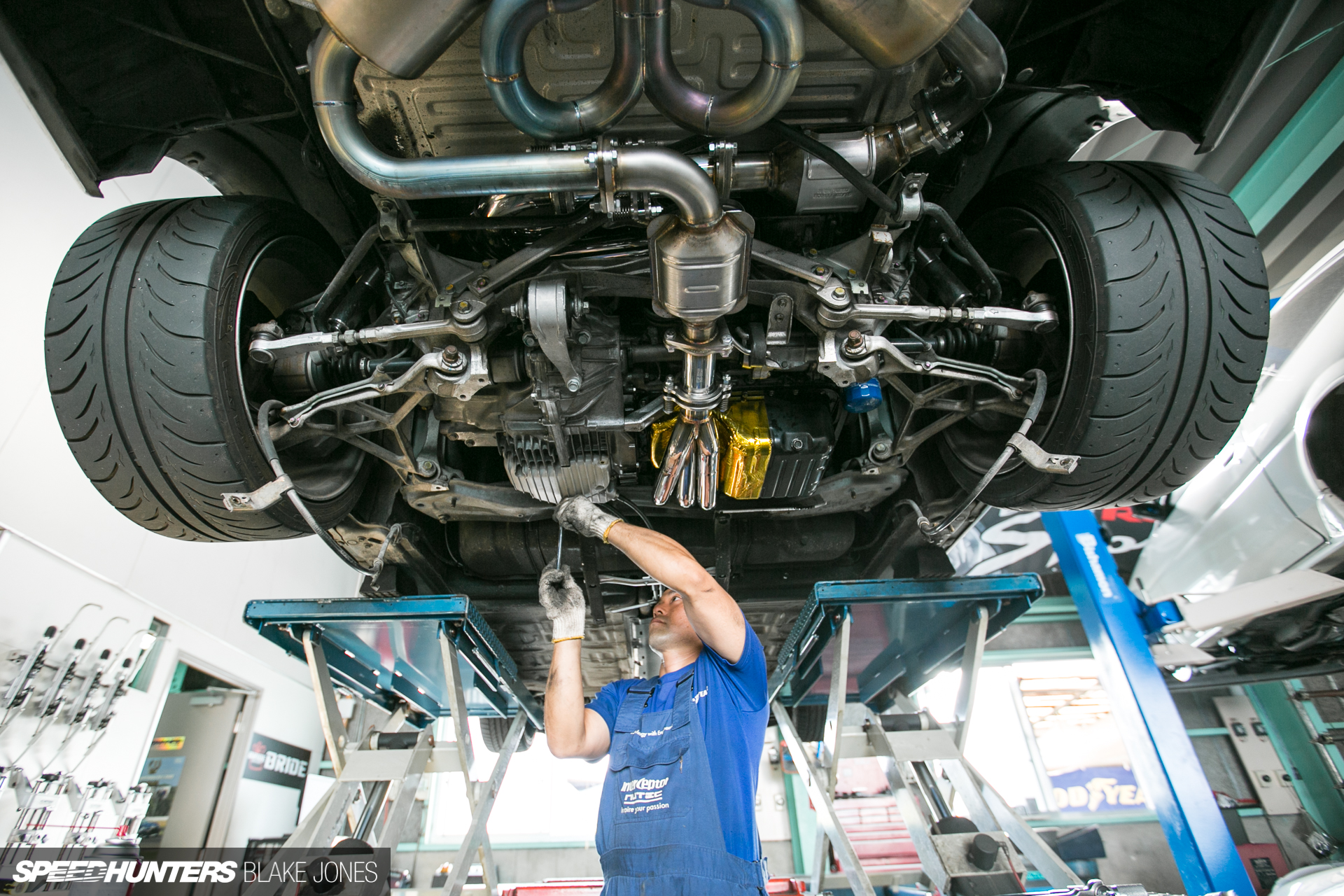
Next it was the small items that had to be disconnected, like the shifter cables.
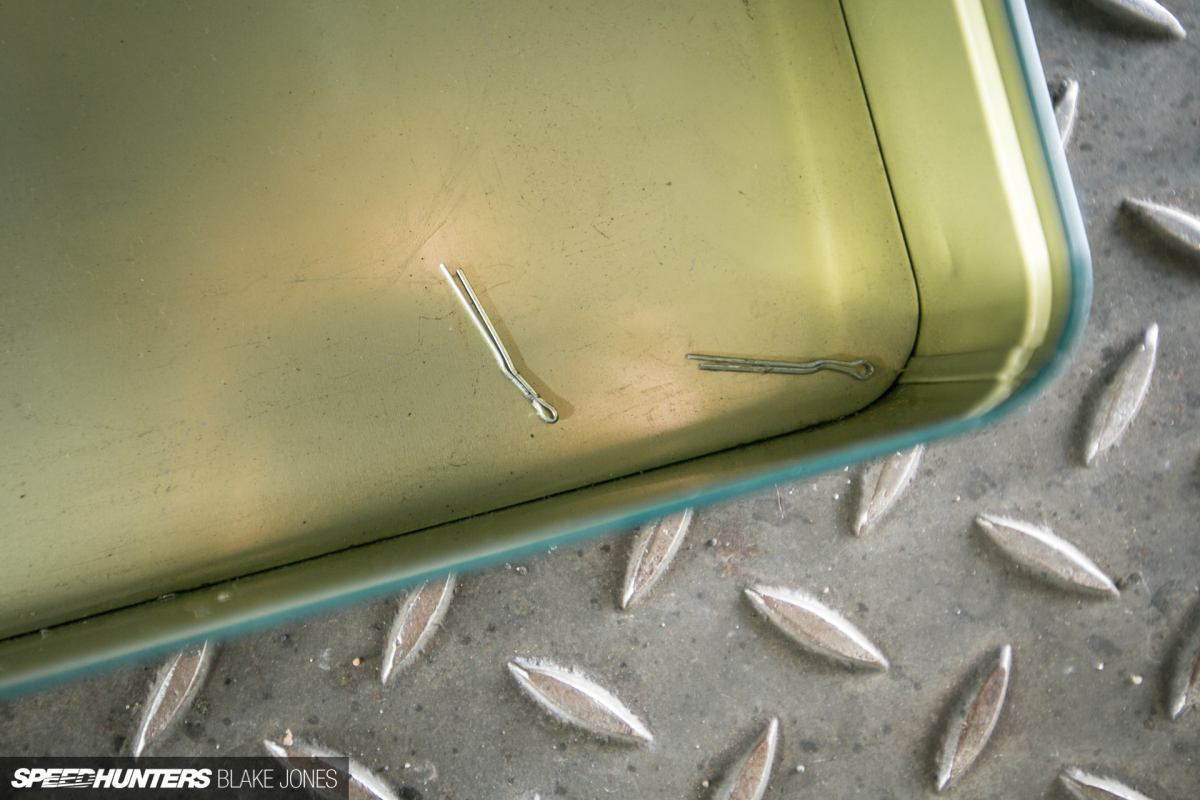
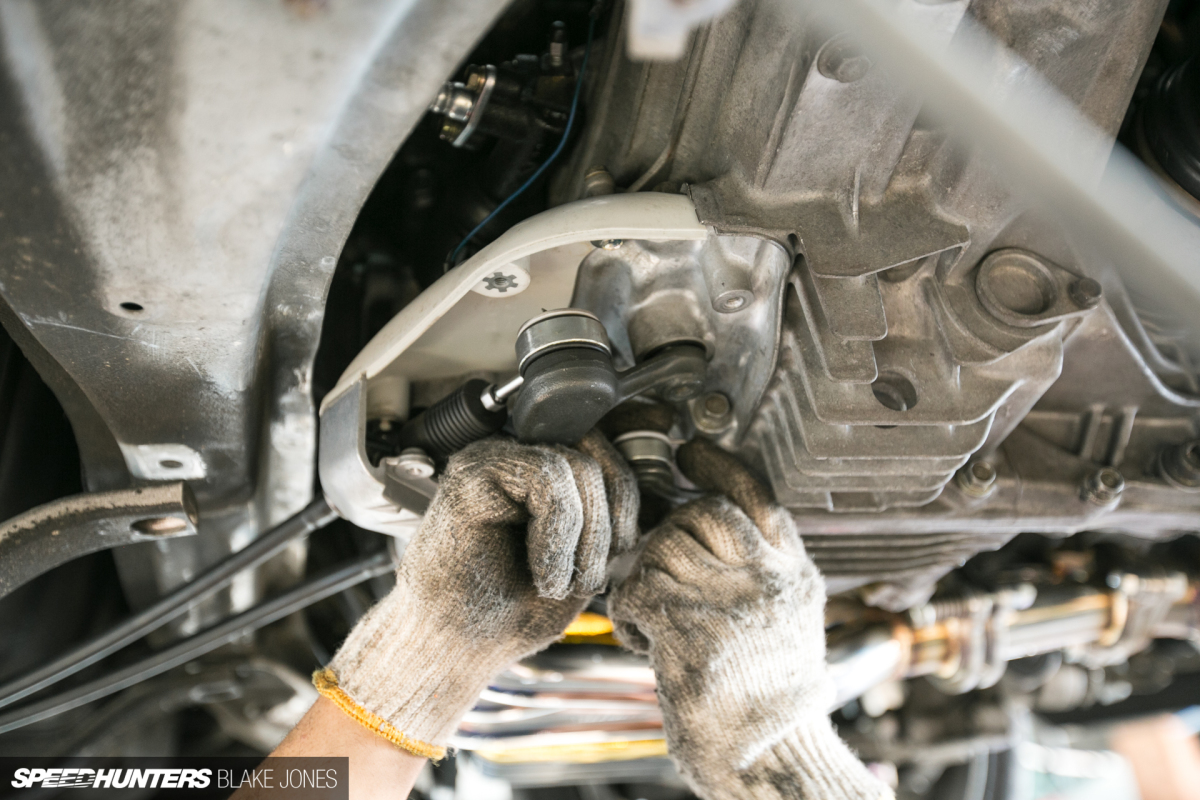
The pins that lock the cables to the gearbox could probably be reused, but Fujitsubo supplies new ones (they really thought of everything) and so in they went.
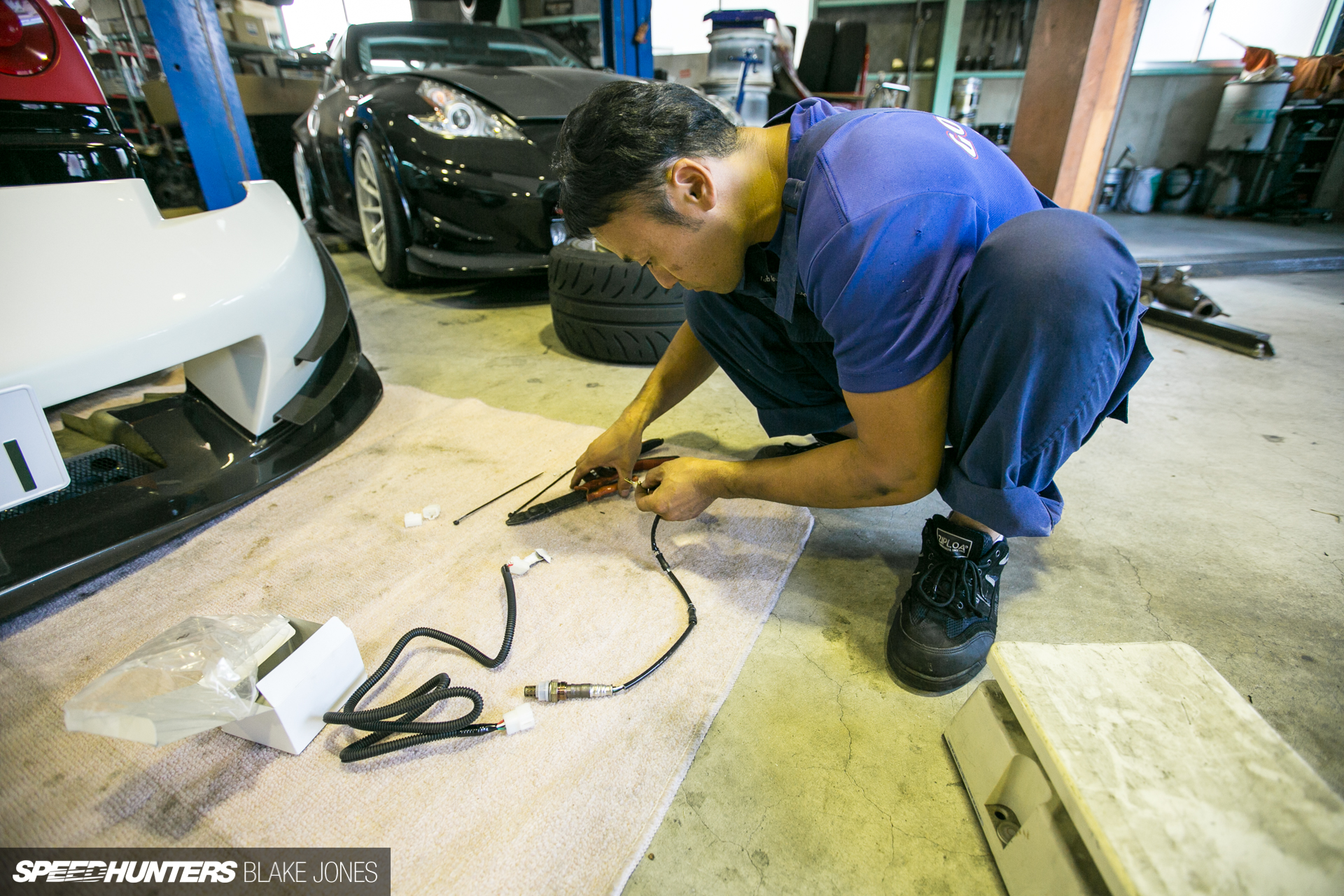
The final job was an extension of the 02 sensor harnesses provided by Fujitsubo. This isn’t a mandatory job – they can be used as is – but Advance prefers to run the cables via a slightly longer route up and over the engine for better serviceability and safety. Screw the O2 sensors into place and it’s job done.
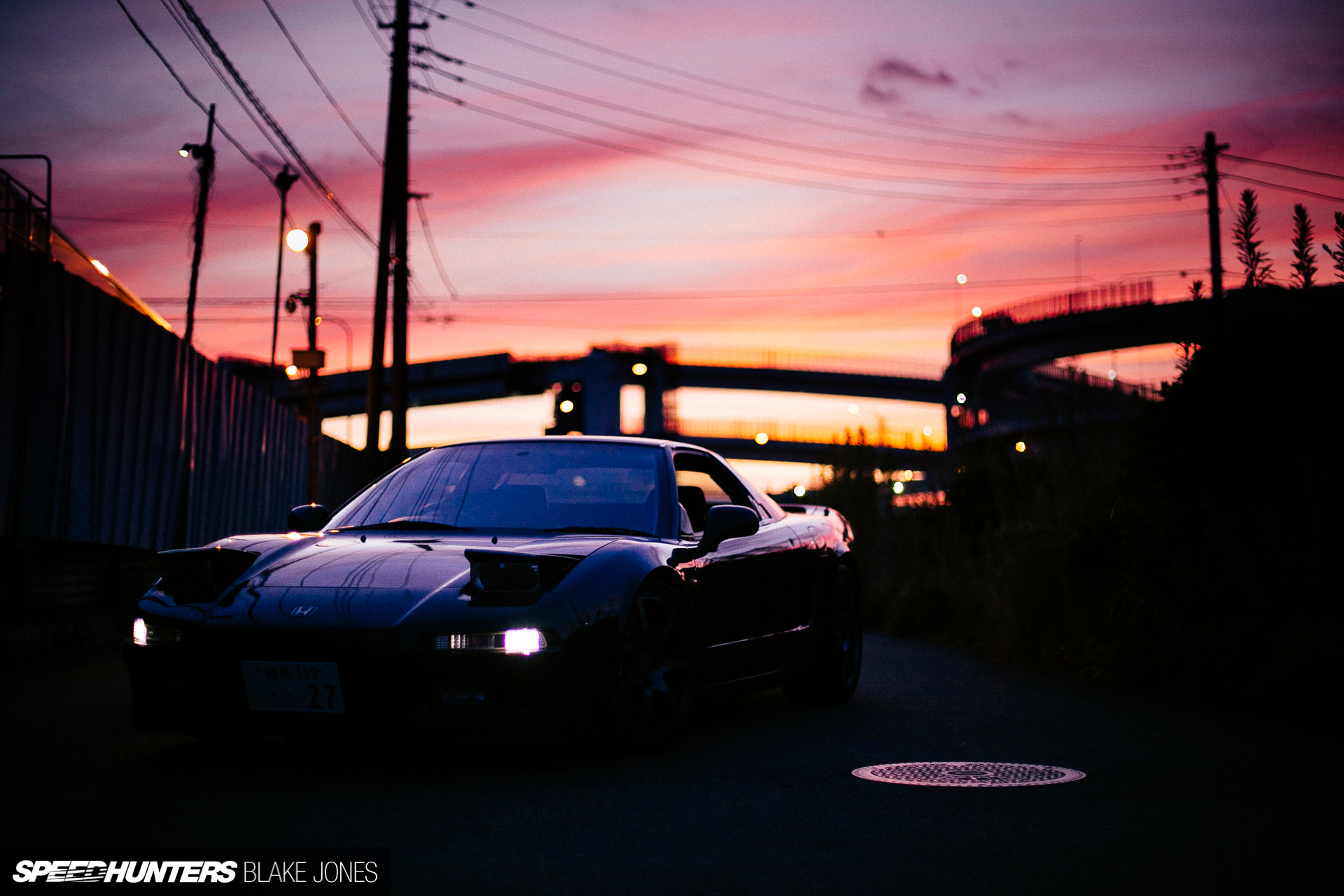
The whole process took the best part of a day, so with the sun setting I headed straight for Daikoku PA, about 25 minutes from Advance, although I couldn’t resist a little pit stop on the way to capture one of Tokyo’s most colourful sunsets of the year. Creeping through the streets was torture without the opportunity to really open the throttle – the exhaust sounded much throatier and a quick squeeze of the throttle revealed a newly tapped reserve of torque from the C30A.
Without having time to get back to the Do-Luck dyno I’m yet to get that final power figure, but by feel the engine is much stronger. There’s a real willingness to pull from any RPM, and where with the stock manifold the top end felt strained or choked, the car sings freely towards the redline now. The video above is a small snippet from the car’s first outing at Tsukuba Circuit – an admittedly slow session to get a feel for the track and some new tyres. However the car sounded amazing. In fact, a few different people even came over in the pits to tell me just how good the car sounded out on track.
We’ll be back at Do-Luck shortly to get the final numbers for the upgrade, but based on feel alone I’m very optimistic. The Fujitsubo exhaust manifolds (and all the supporting components) are well designed and extremely high quality, so all said and done it’s an upgrade worthy of the NSX.
Blake Jones
Instagram: blaketjones
blake@speedhunters.com