For the past few years we’ve seen the continuous evolution of aerodynamic packages on cars entered in the World Time Attack Challenge. It’s always been something I’ve looked forward to seeing with my own eyes at Sydney Motorsport Park on the set up day of the event, embarking on a pit walk and stopping at each garage to check out what wild solutions teams have come up with. For 2018, however, it seems like we’ve pretty much hit a wall.
Sure, the refinements to aero are there, but they are more to do with fine tuning. They’re hard-to-spot changes that don’t catch the eye. It makes sense and is something that sooner or later had to happen; no one could expect things to progress at the same rate year in and year out.
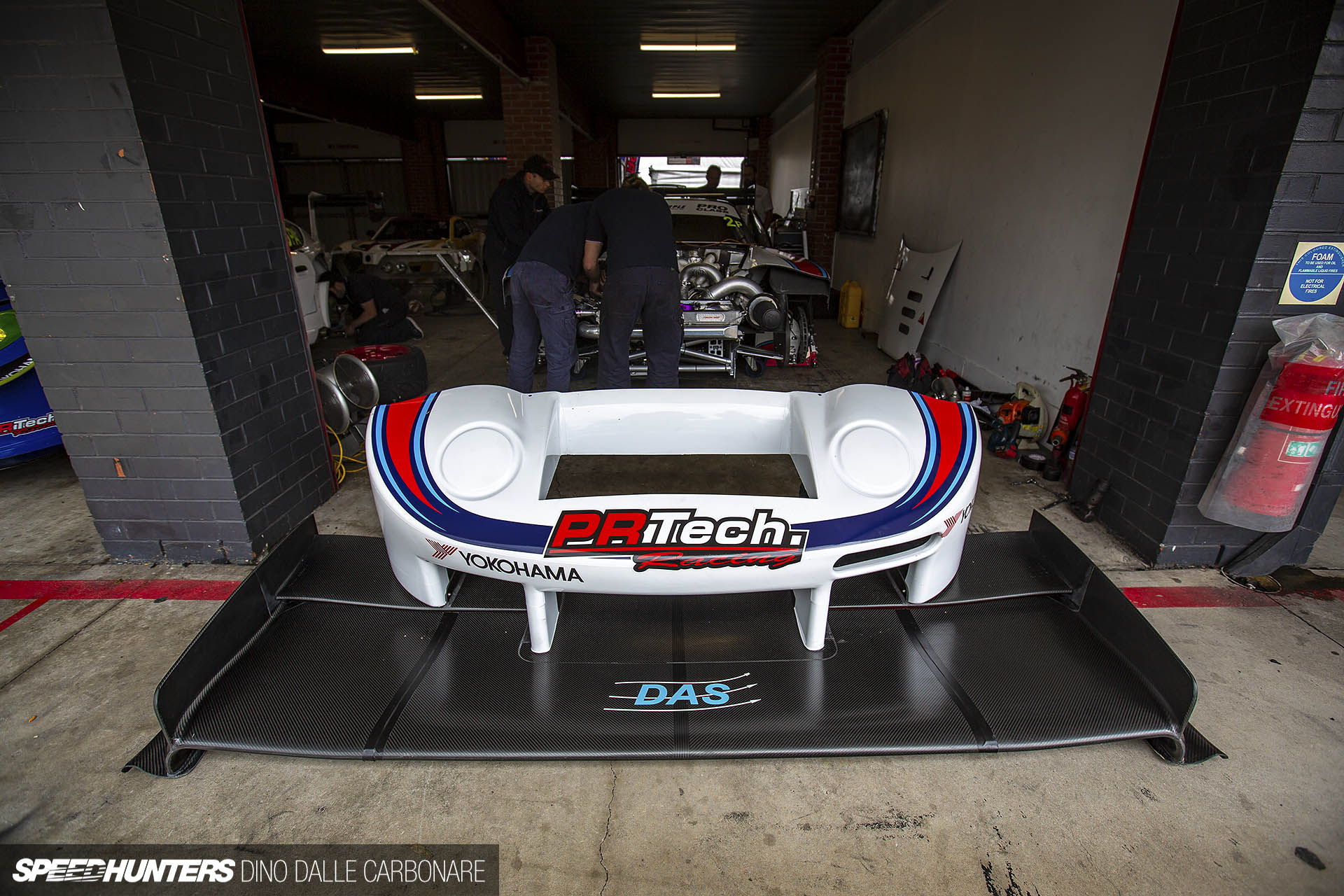
There may still be solutions around the corner that edge things on further – who knows what guys like Andrew Brilliant are working on next – but I think we’ve pretty much reached the highest point of aerodynamic experimentation in time attack.
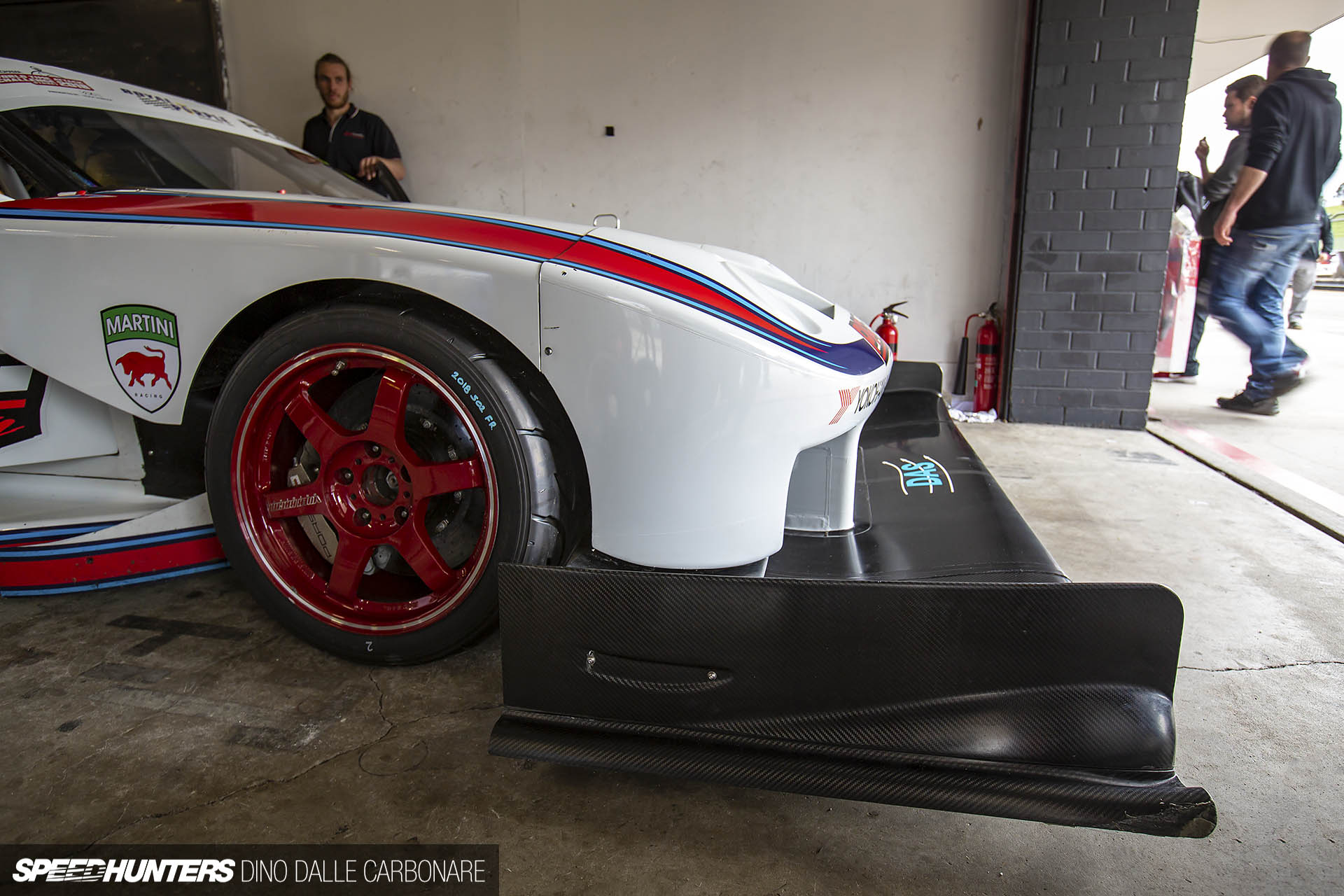
It was obvious at WTAC this year that the more extreme cars hadn’t evolved much further. Thus, I wanted to dig a little deeper and see if there was any common thing that teams had been working on over the last year of R&D.

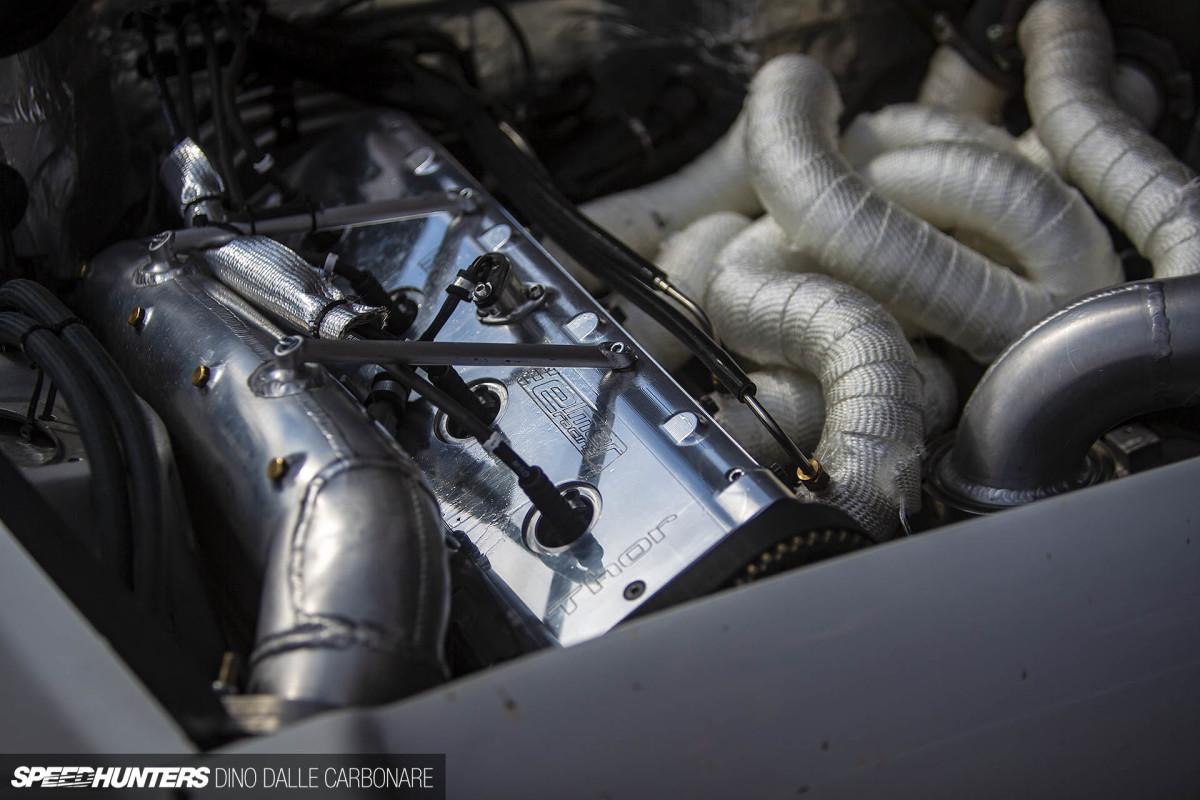
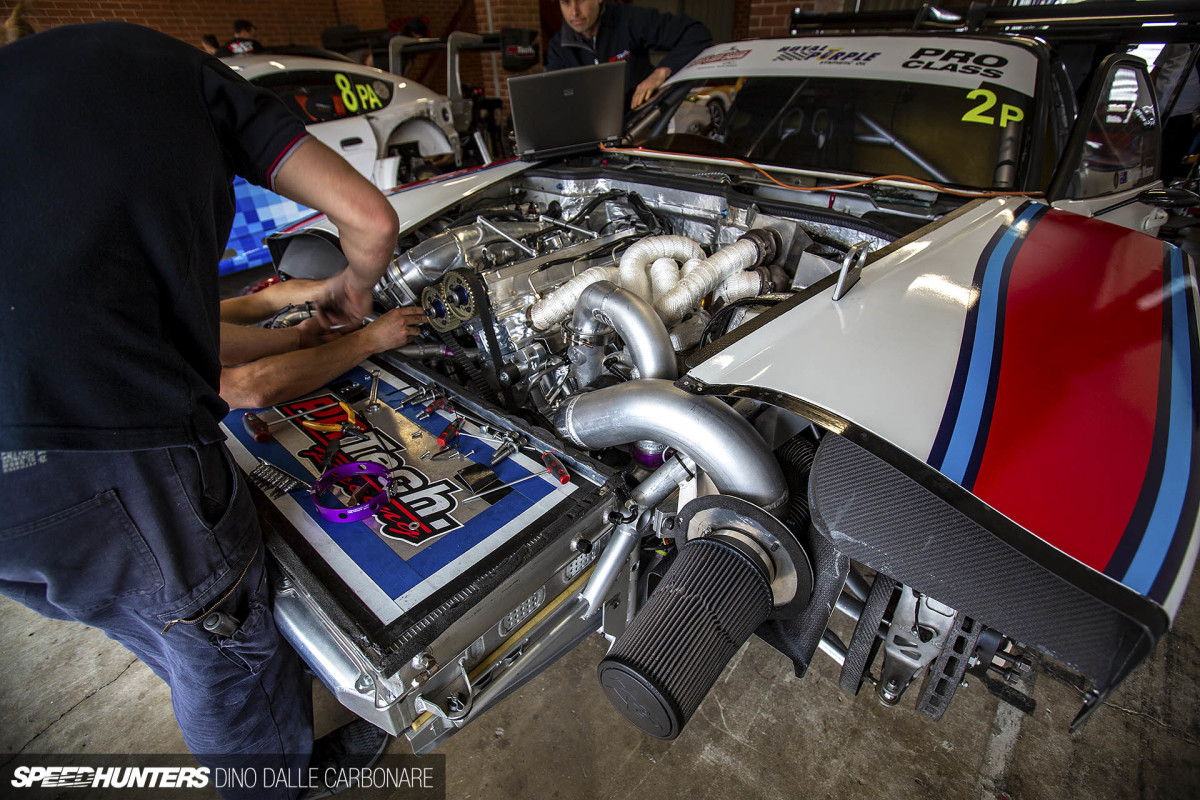

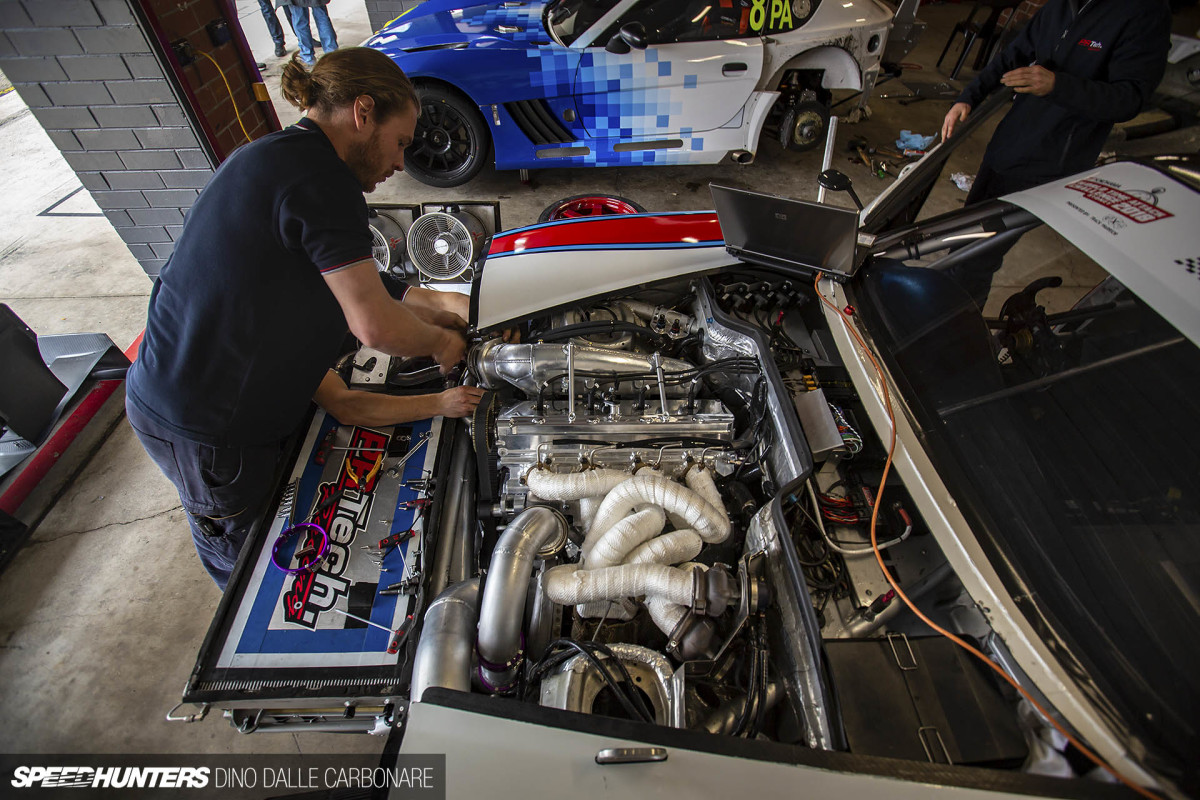
Of course, generating high levels of downforce also means you are introducing equally high levels of drag, and to combat this and get the car to the speeds it needs to be at in order to generate said downforce, power becomes a very important aspect. It really is a vicious circle. The RP968 team are the hands-down winner at this; their monster 4.0-liter four cylinder billet engine is a real powerhouse that’s rumored to produce 1,300hp in race trim, but able to more than double that if it was tuned for drag use (not that they will, it’s just to give an idea of how strong it is).
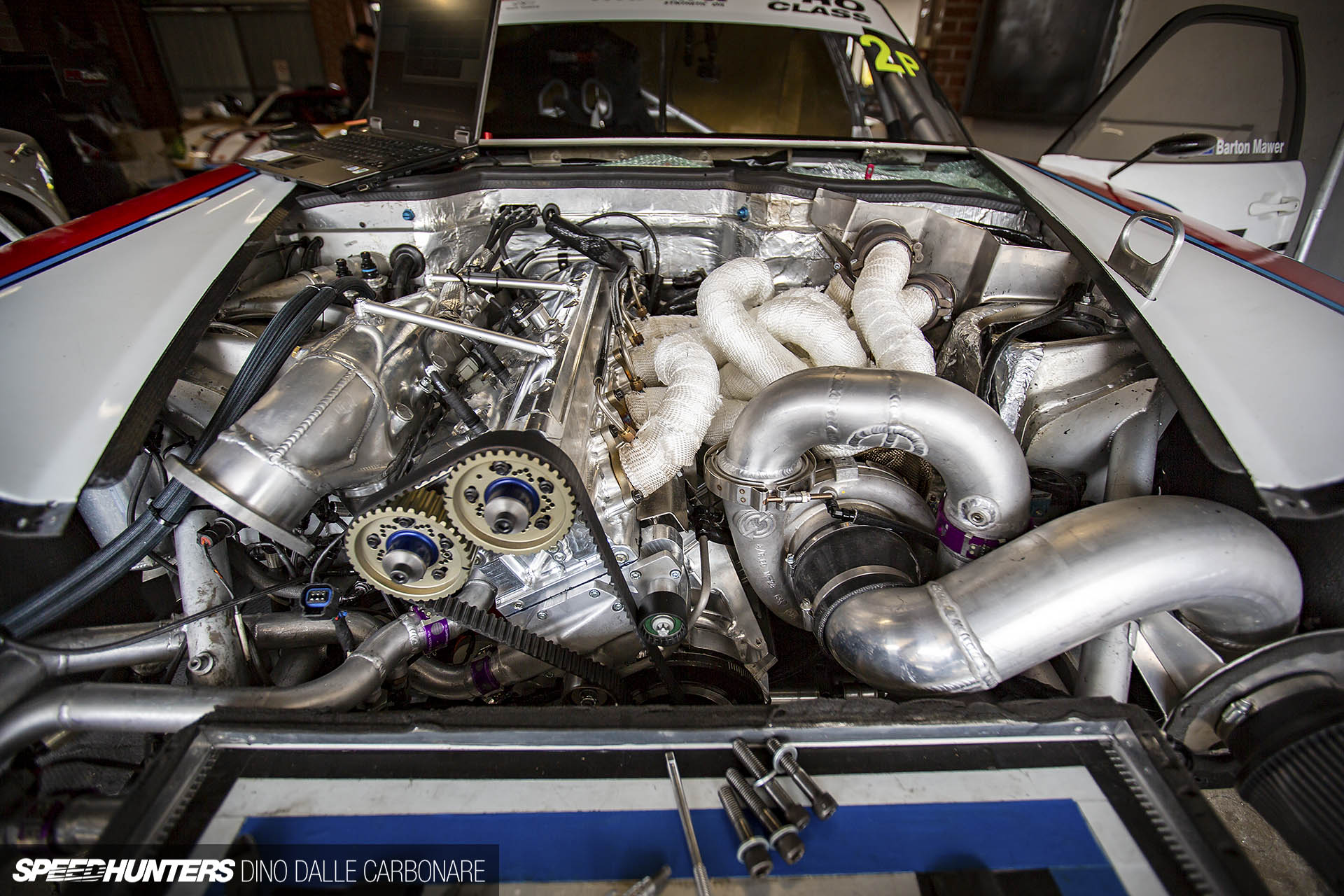
‘Thor’ is the name given to this massive inline four built by Elmer Racing Engines in Finland, and it’s a thing of beauty. From what has to be the most complex exhaust manifold in existence, to the twin wastegate setup needed to control the generously sized turbo, I couldn’t help but take a look every time I passed by the car in the PR Tech pit garage. I just love seeing how time attack cars now need drag motors to realize their maximum potential.
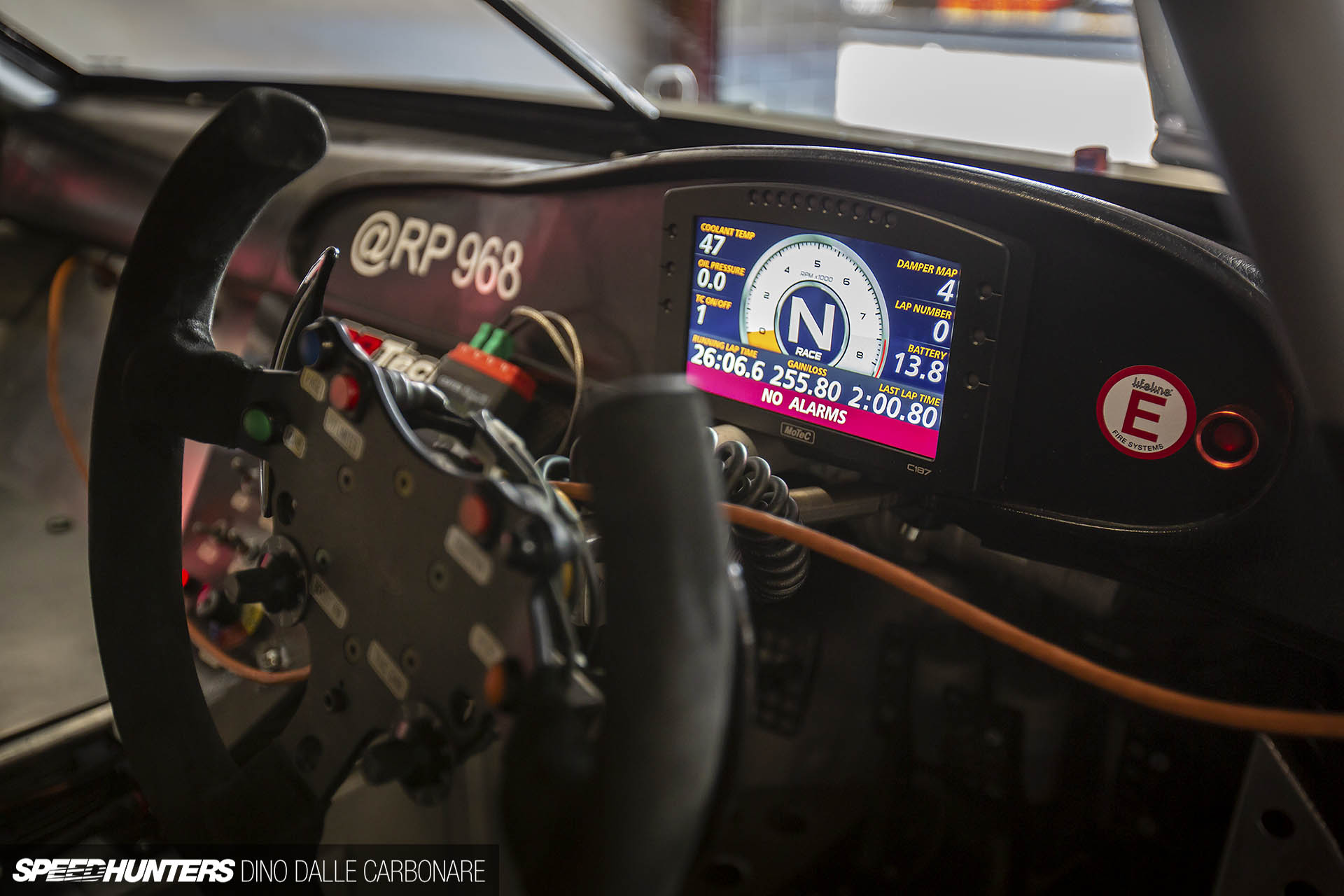
Look around builds like this Porsche and you realize that they’re essentially unrestricted and uncategorized race cars, right down to the cockpits. Some people might look at this as something to criticize, but I personally think there isn’t enough of this happening. There should always be aspects of motorsport that allow engineers and the teams behind the cars to push things with no or little limitations, just to see what can be achieved.
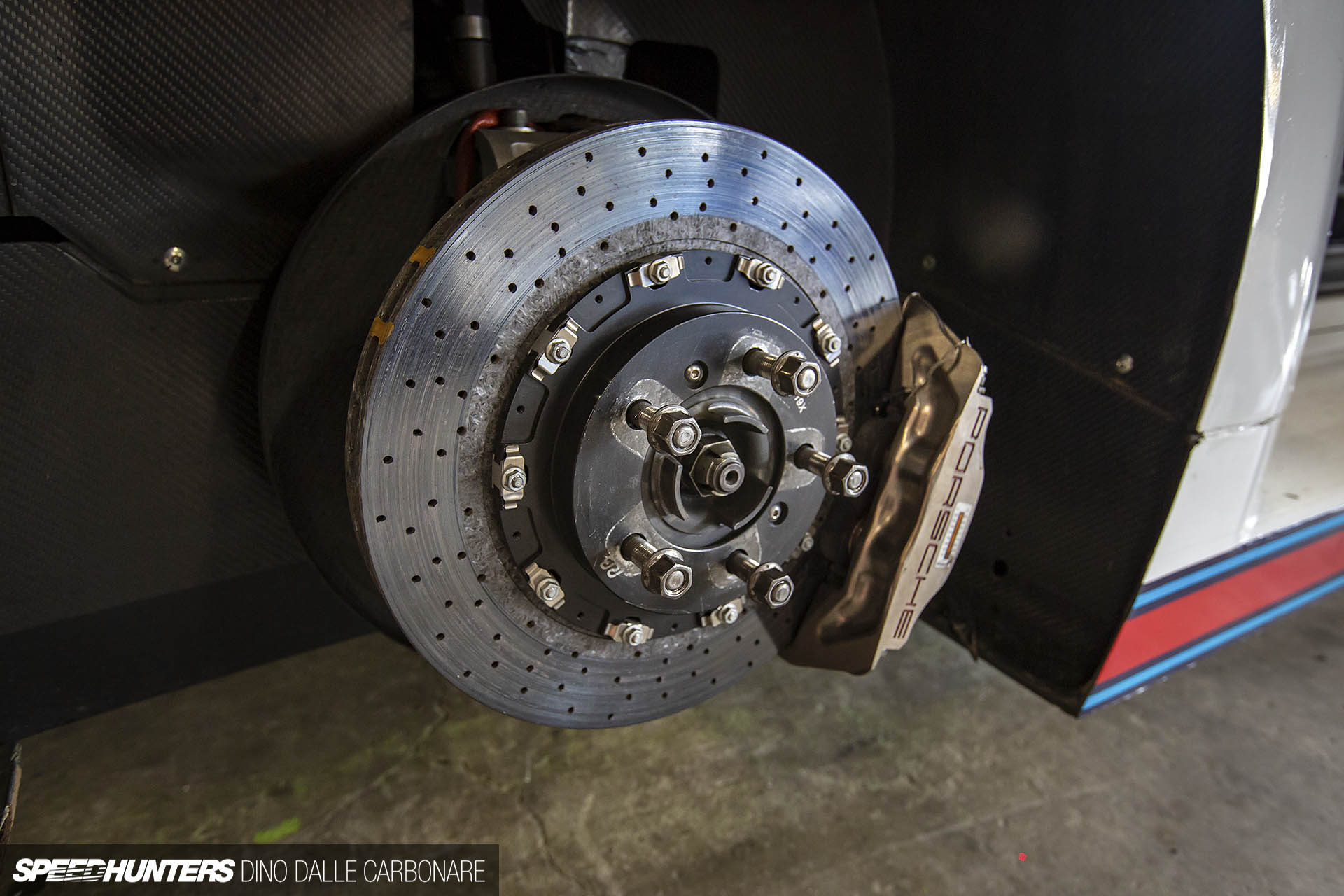
One area that many teams appeared to be working on and trying to improve this year was suspension and brakes. More and more teams have made the jump to either carbon-ceramic rotors or carbon-carbon rotors/pads, to not only get the braking performance required at this level, but also a substantial weight reduction where it counts the most: unsprung mass.

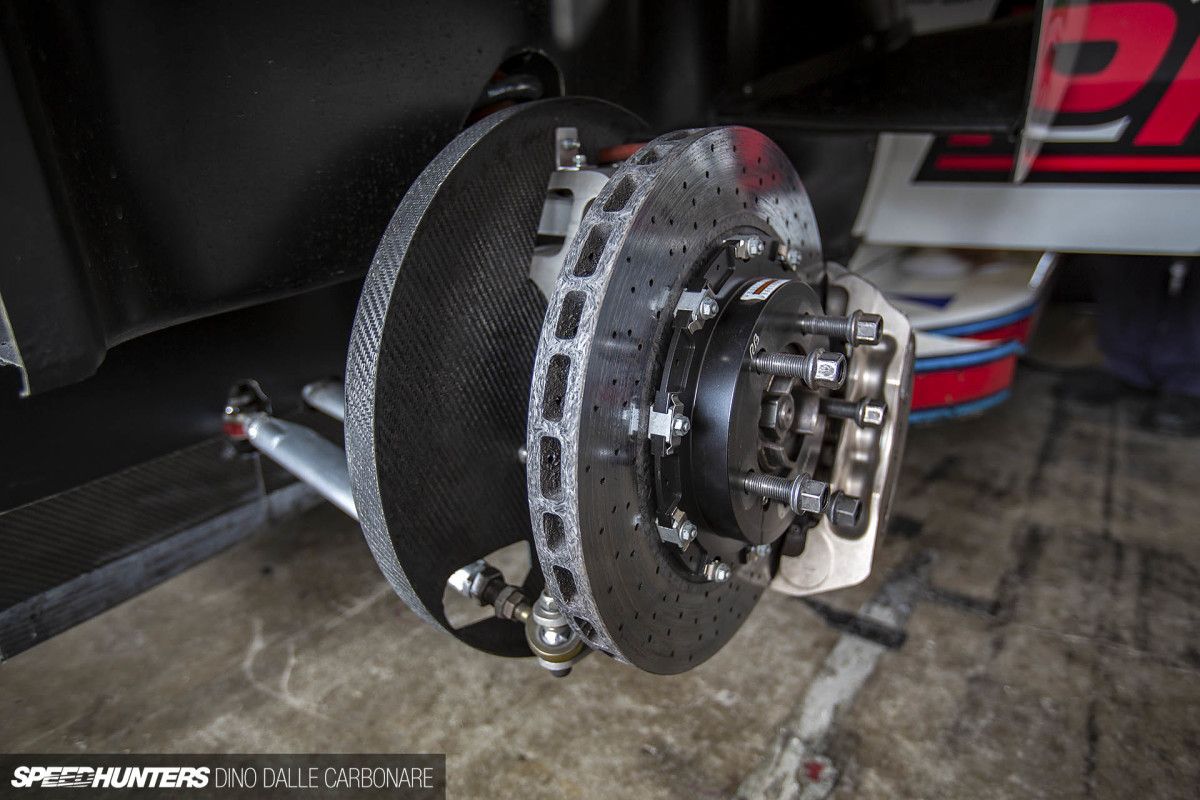
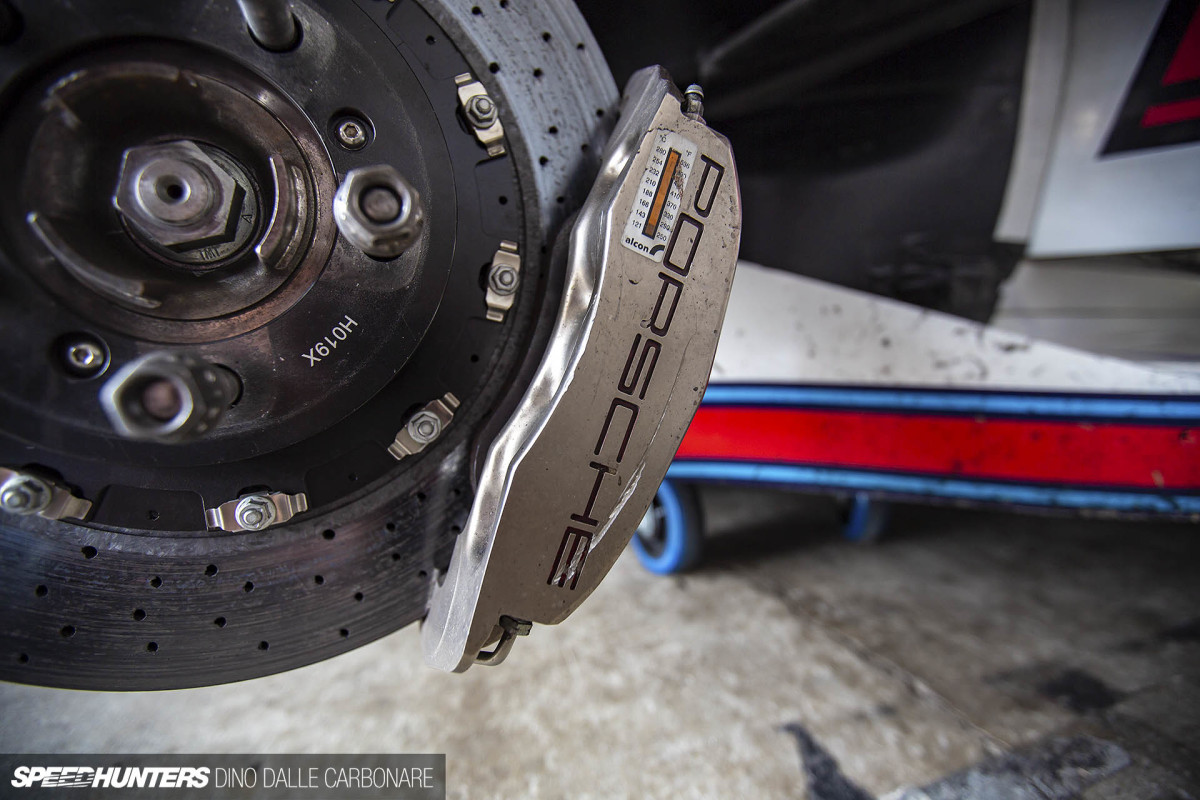
These are the carbon-ceramic front discs that the RP968 uses, mated to 6-pot Porsche race calipers positioned as low as possible to keep weight distribution in check.
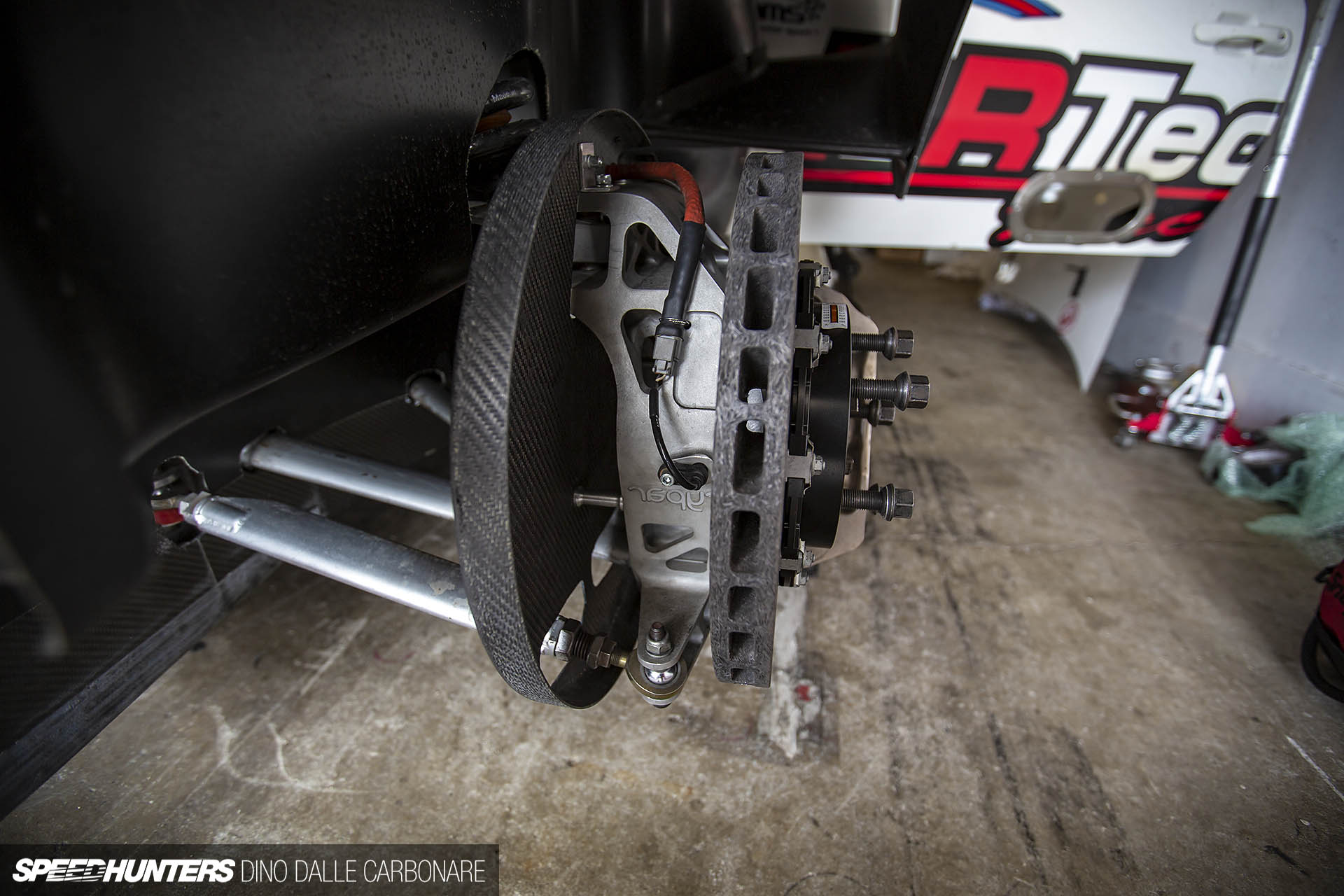
It’s all mounted to another component that has become a very important part to address: the upright. Components like these Brypar units have slowly but surely been making their way into this form of motorsport. It’s something that was not even considered until tech had been pushed to the point it is now, but these days it’s become an indispensable part of any Pro car at WTAC.

A lightweight billet upright brings nothing but advantages, from the ability to customize it to match the suspension layout you want to use front or back, to geometry adjustability, lightness, ability to rethink caliper location, integrate different steering boxes, and use motorsport wheel bearings. The latter is especially interesting as these are the first components that suffer when you start loading up aero downforce.
Every Detail Counts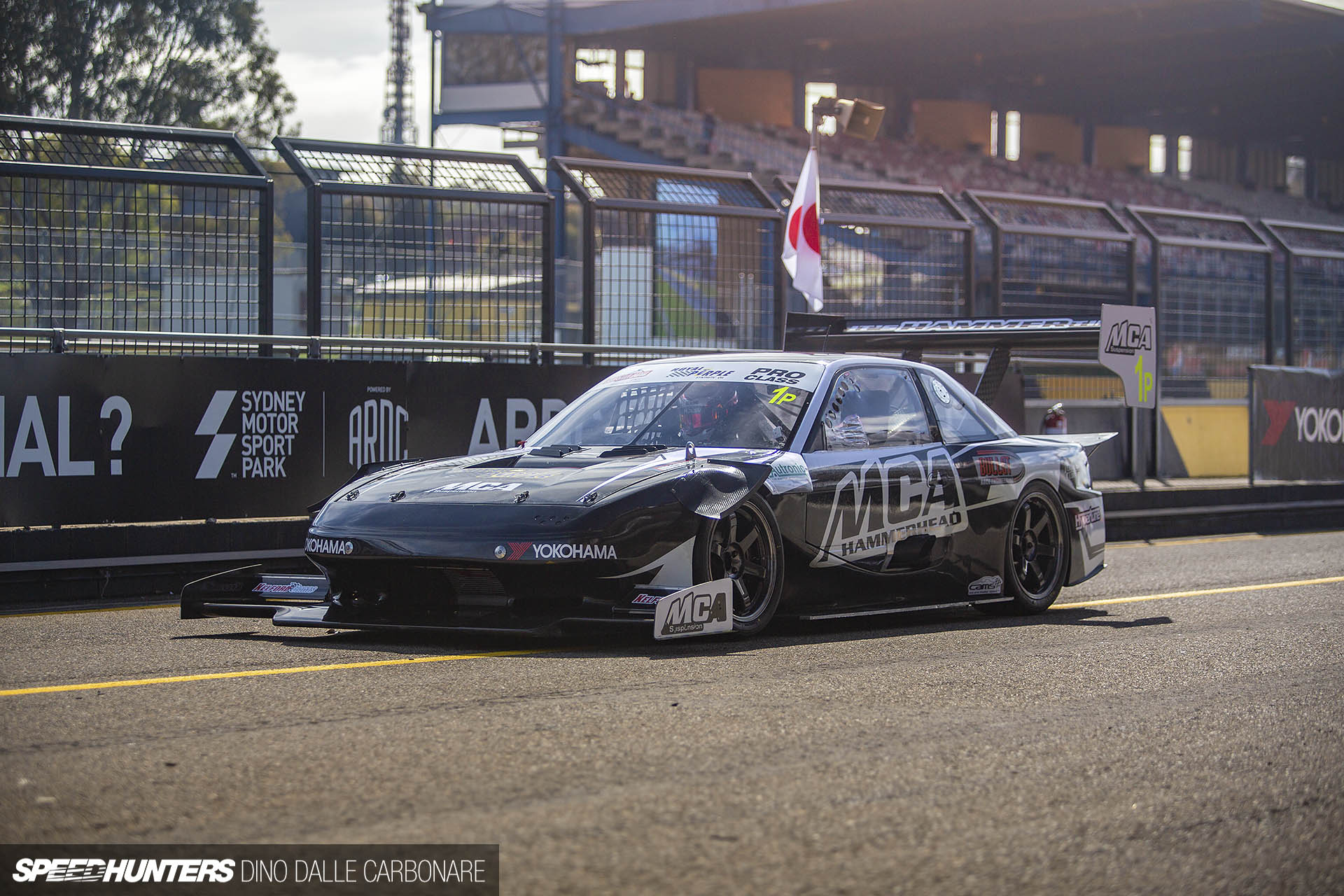
It all makes sense, right? It’s as if aero was pushed first, now everyone is trying to figure out how to not make as much stuff break, or at least make it last for a lap before it lets go.
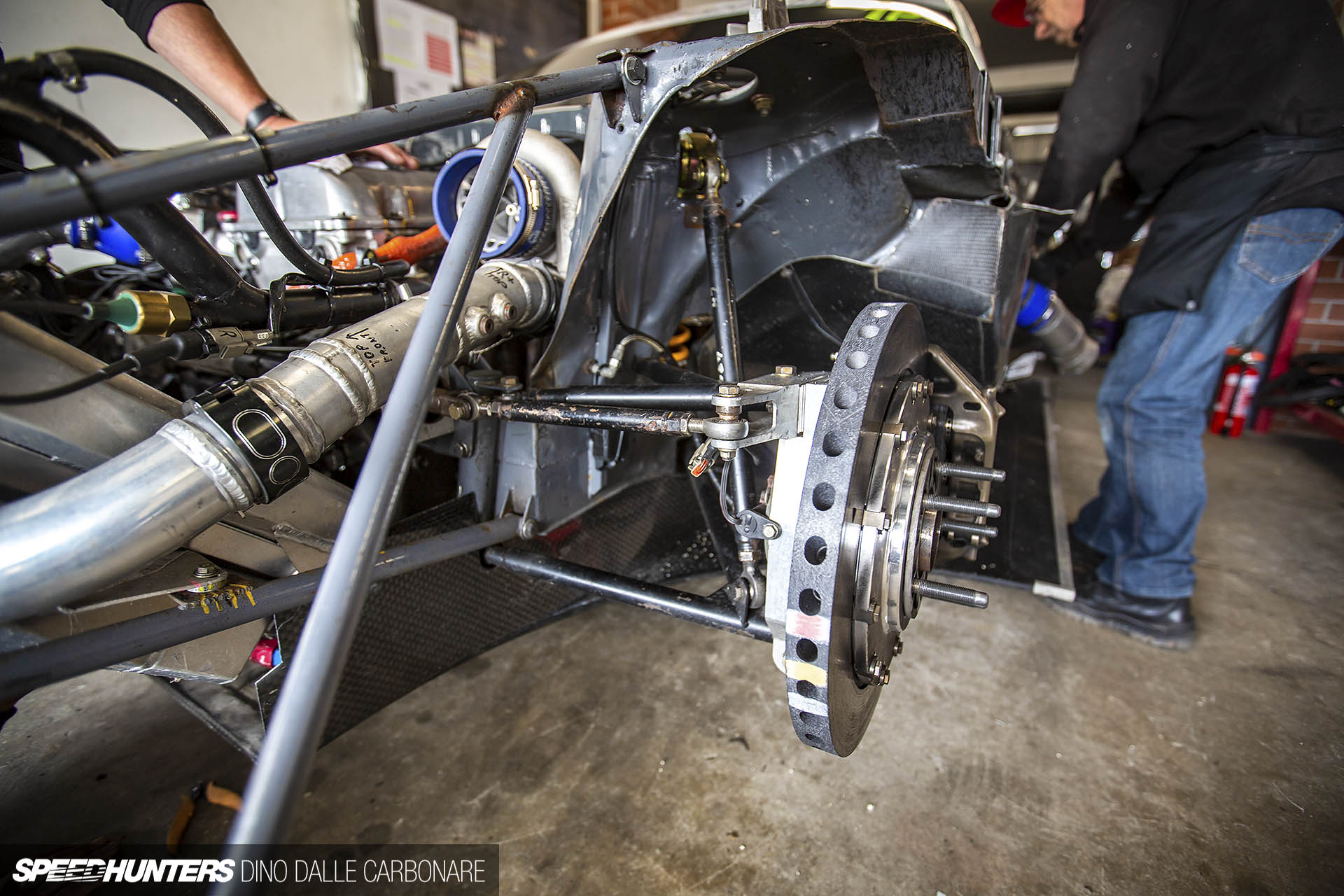


The MCA Hammerhead S13 is a great car to look at when hunting for such components as it’s very minimalistic. Here you can see its custom front uprights onto which adjustable top and lower rose-jointed arms connect, as well as the push-rods that actuate the inboard dampers.
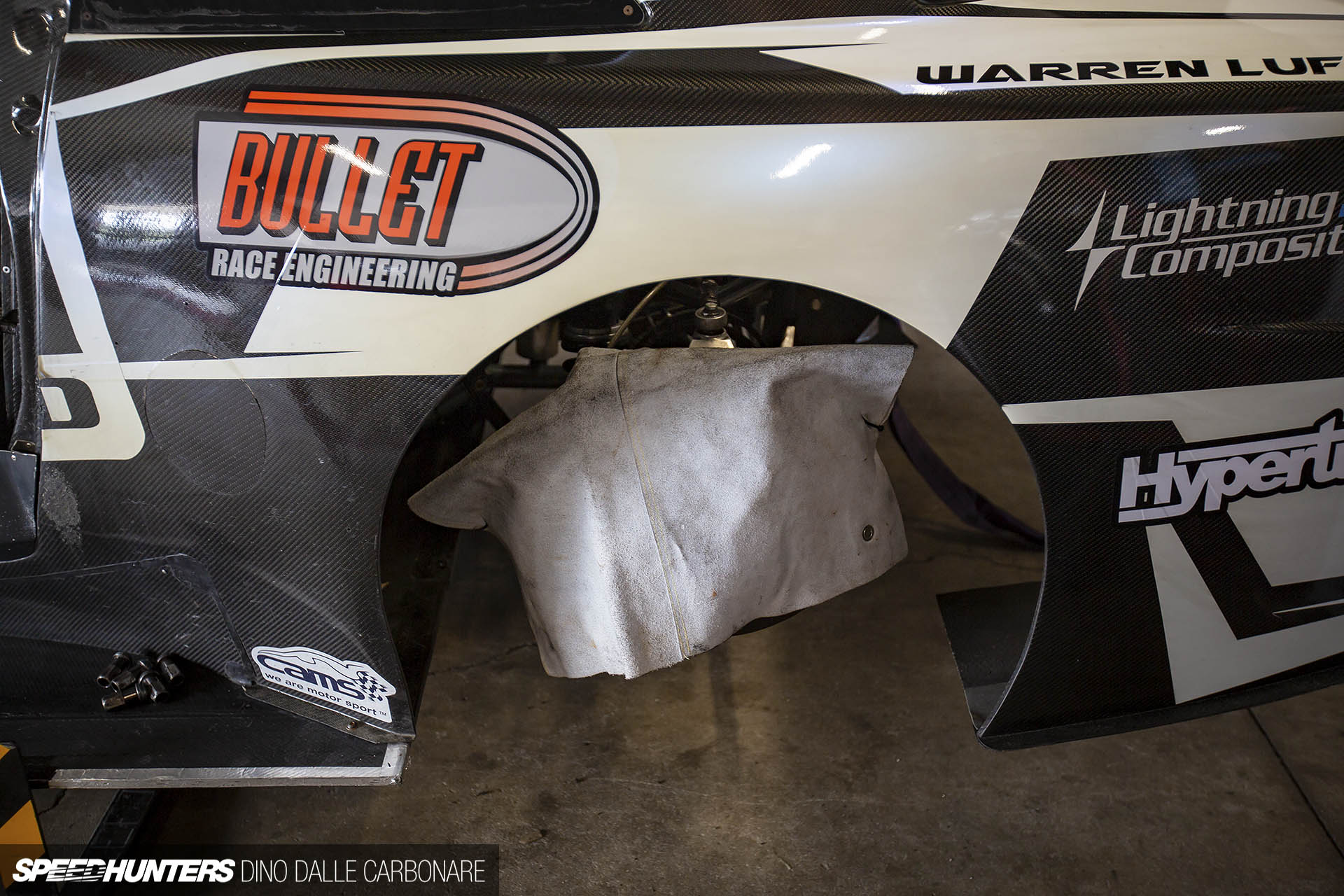
There was something secretive going on at the back, obviously some kind of solution the MCA Suspensions team weren’t too keen on letting other teams see.
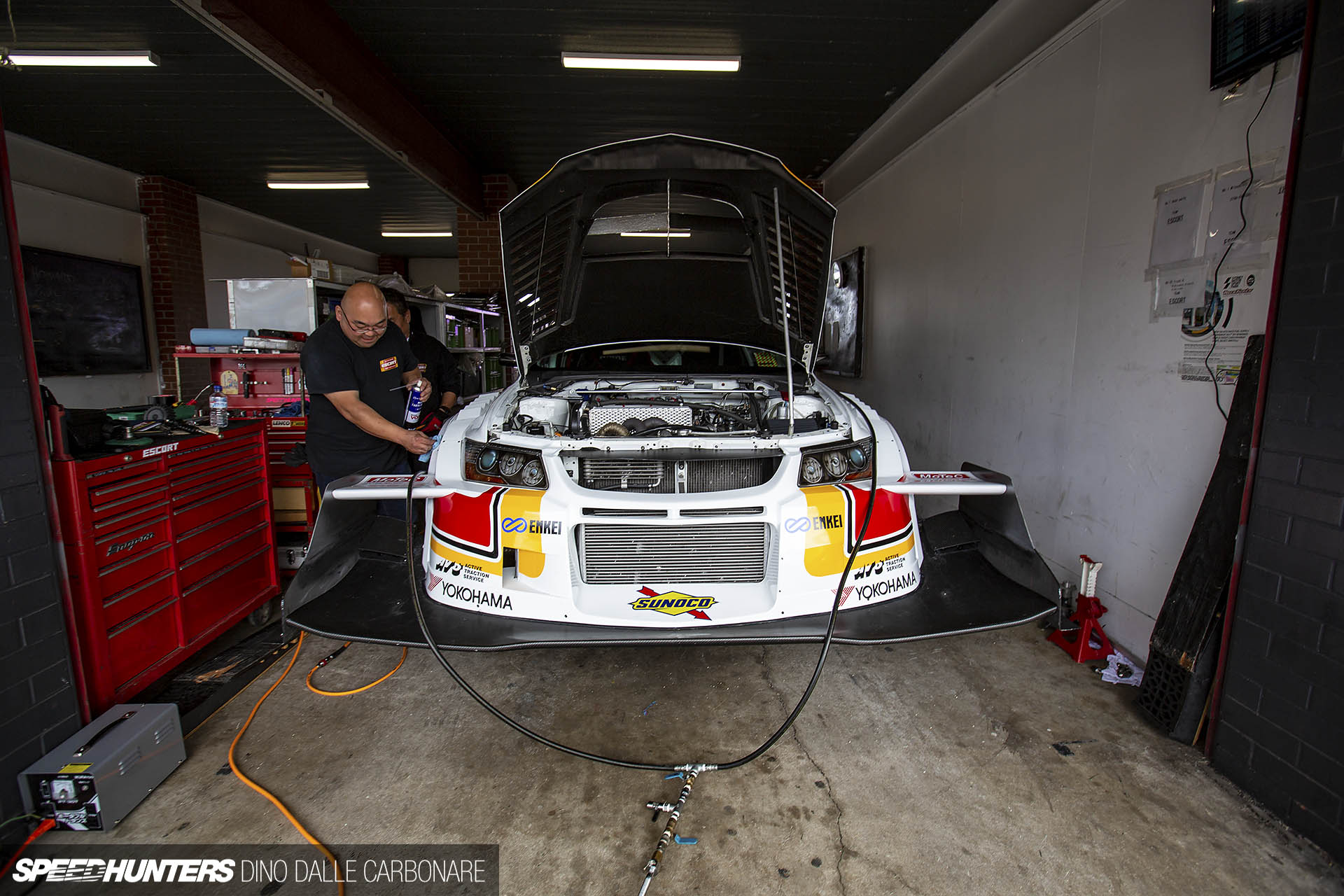
Yoshiki ‘Fire’ Ando and Team Escort had definitely pushed their car even further this year, starting with an all-new and very different aero package now that they have moved away from Voltex.

However, it was their braking package that intrigued me the most. Or more specifically, the discs.
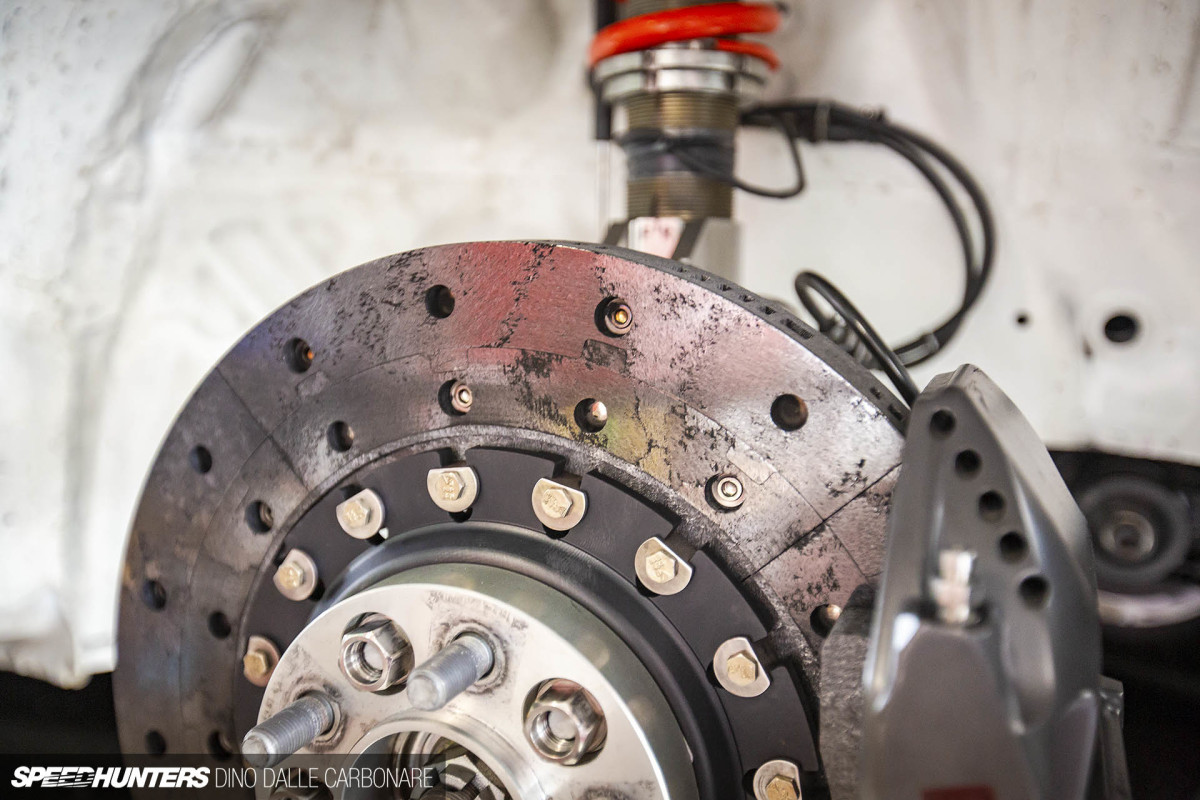
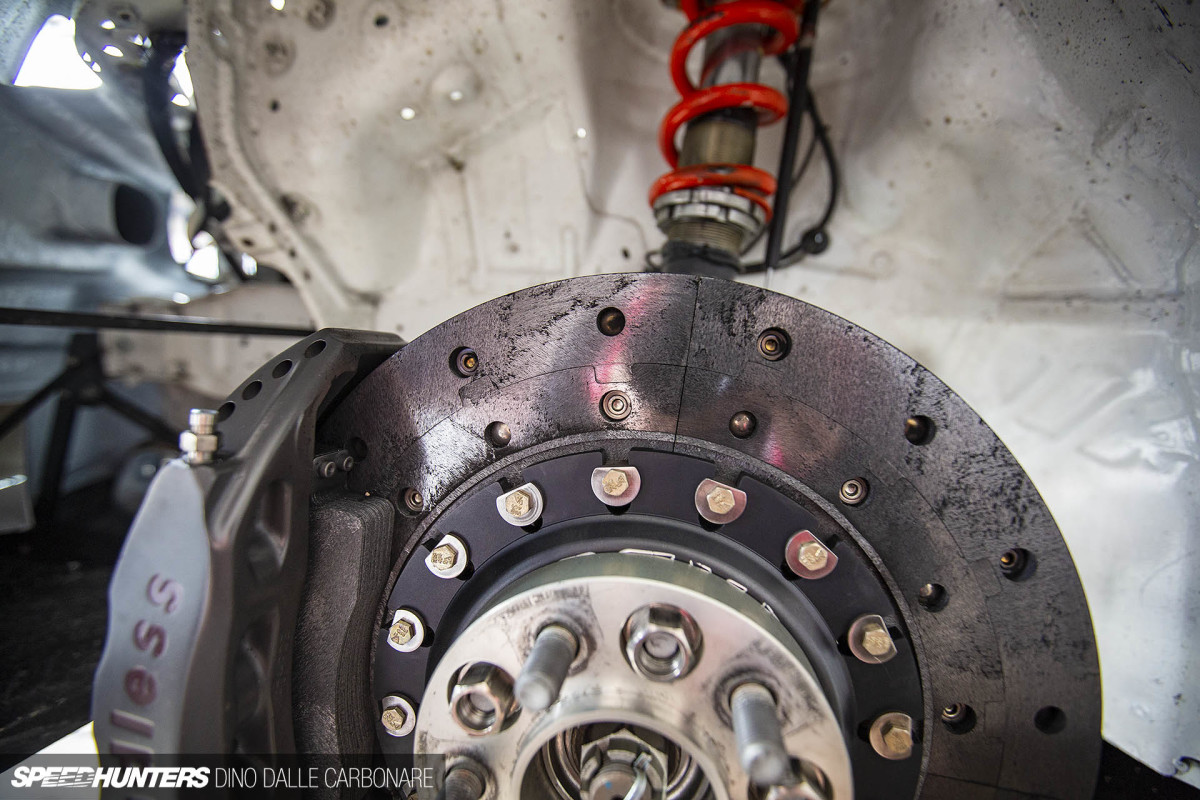
Unlike the carbon-ceramic ones other teams were using, these guys jumped onto a new type of rotor tech pioneered by RPS Carbon Brakes in California. This is a true carbon-carbon setup, yet is able to perform better than a carbon-ceramic rotor when it comes to warm up, bite and resilience to wear. You can see above how the brake pads are also carbon fiber, as is the backing plate, and they are a perfect fit for the 6-pot and 4-pot Endless monoblock calipers the Evo uses. It’s the modular way in which they are made up that is really interesting, though. One side of the rotor is constructed in one single circular piece, while the face is made up of eight separate pieces. These are then bolted together, hence the drilled pattern.
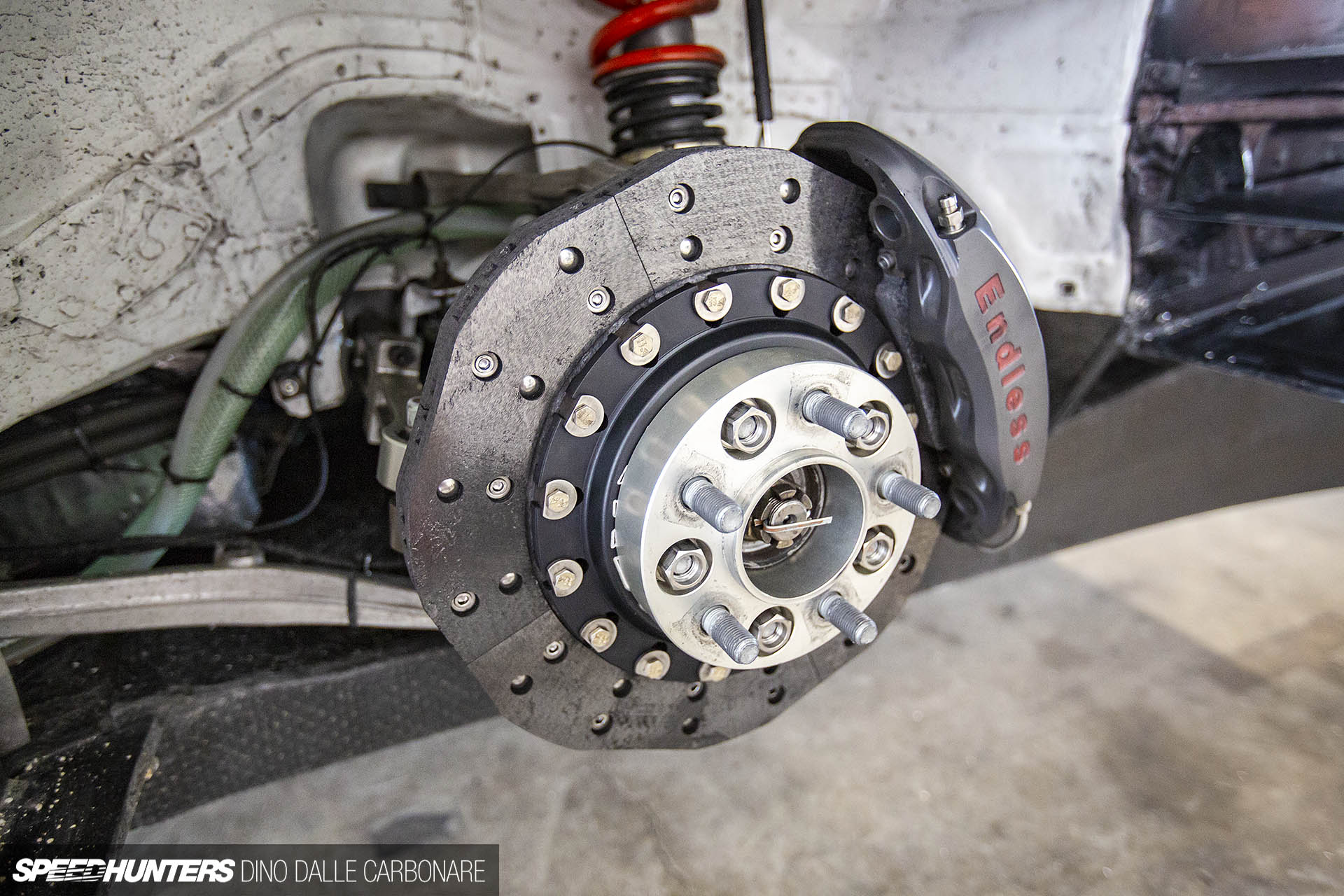
What you don’t see is that these are the first carbon-carbon rotors to have curved cooling vanes on the inside of the rotors, something that massively improves cooling. As seen on some of the other cars, cooling vanes are usually nothing but straight drilled holes or square gaps created during the creation of the rotors themselves.
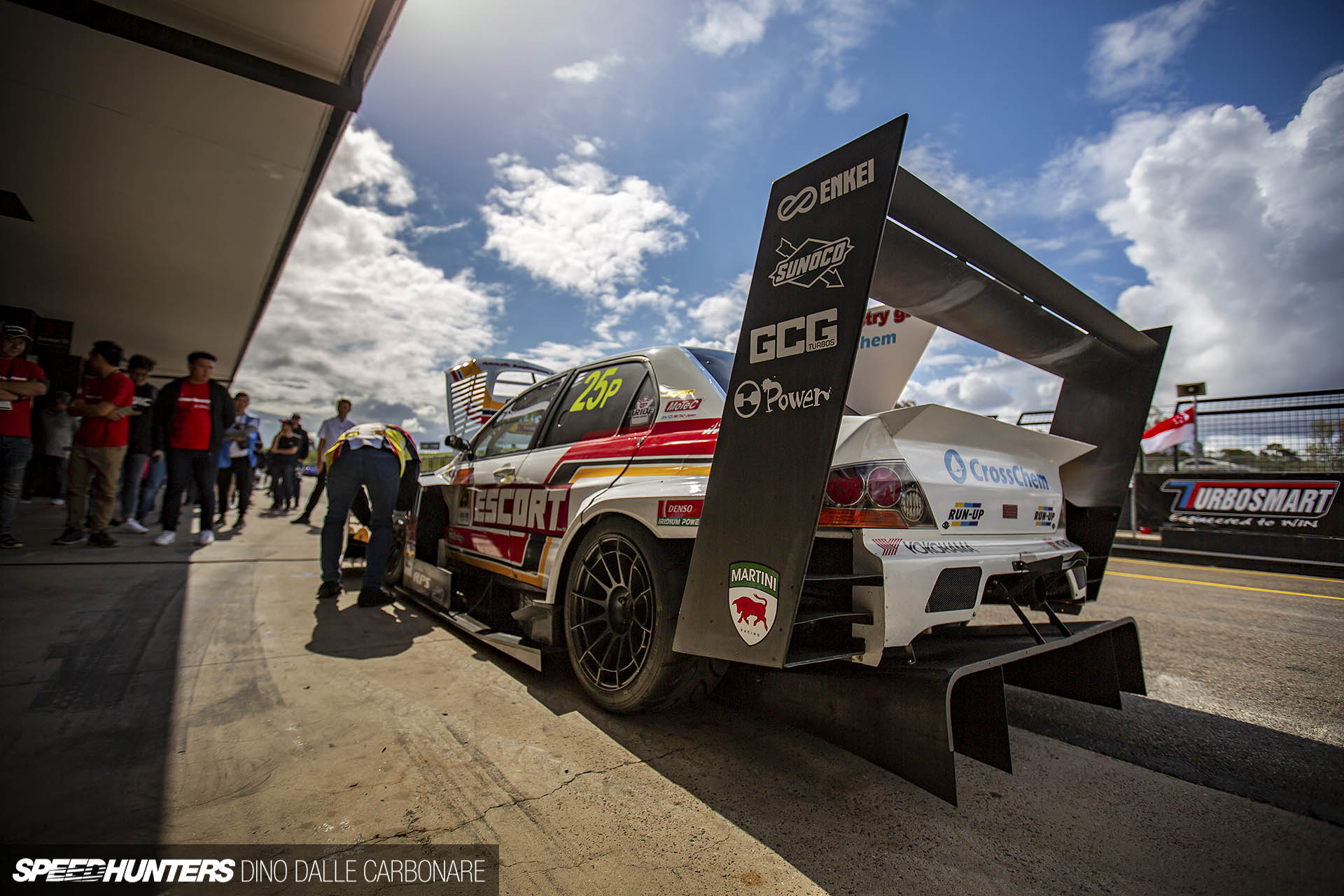
Ando was really impressed by how much nimbler the car felt through the corners, not to mention the immediate and powerful brake performance. They had steel rotors ready to go in if he didn’t like the feel of the carbon, but they never even came out of their boxes.
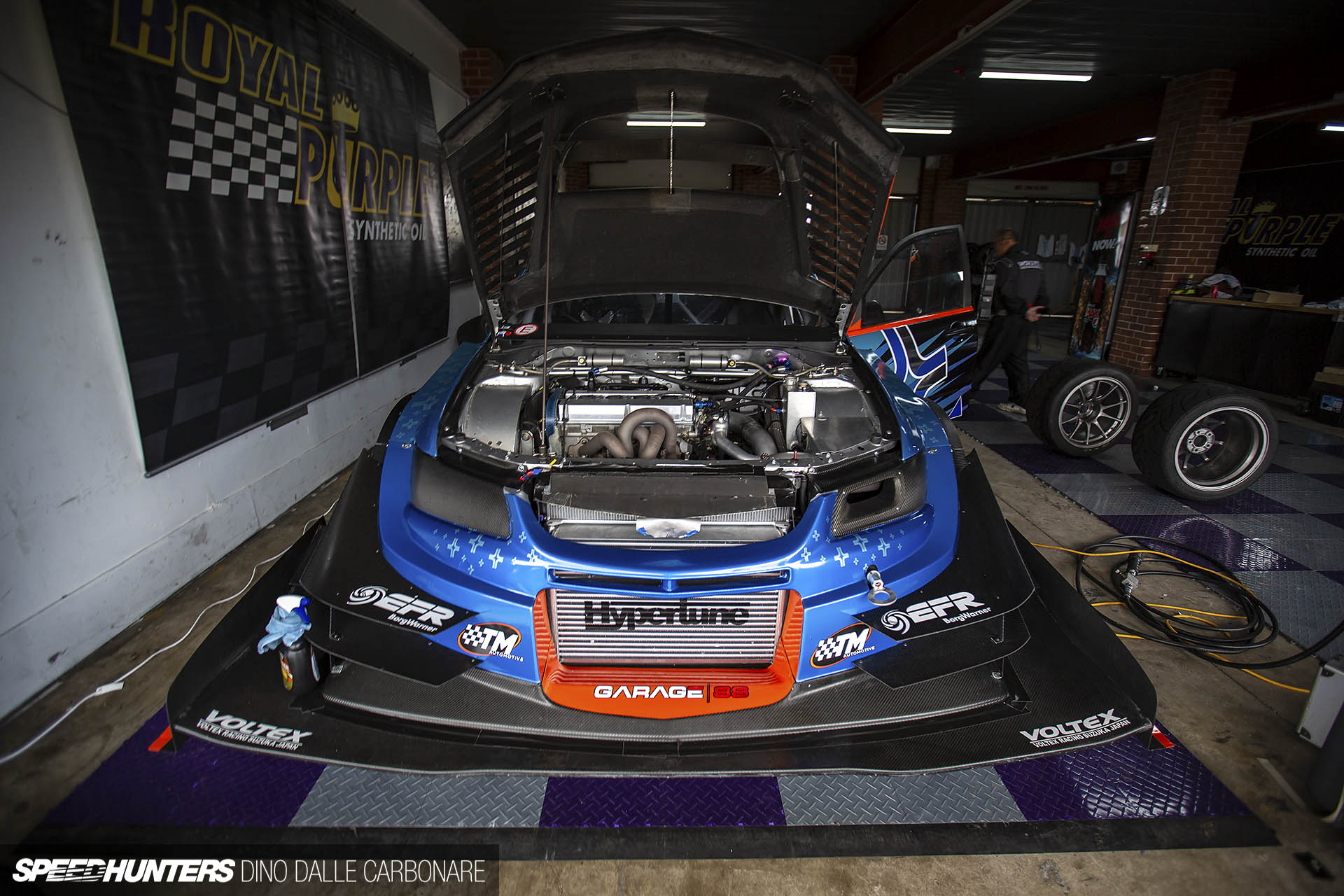
Kosta Pohorukov’s Tilton Interiors Evo ended up scaring us all when it hit the concrete wall after Sydney Motorsport Park’s high-speed first turn. Although he’s in a lot of pain, Kosta wasn’t seriously hurt in the crash and the car is already being fixed in anticipation of a planned attack on Japan in a month or so.
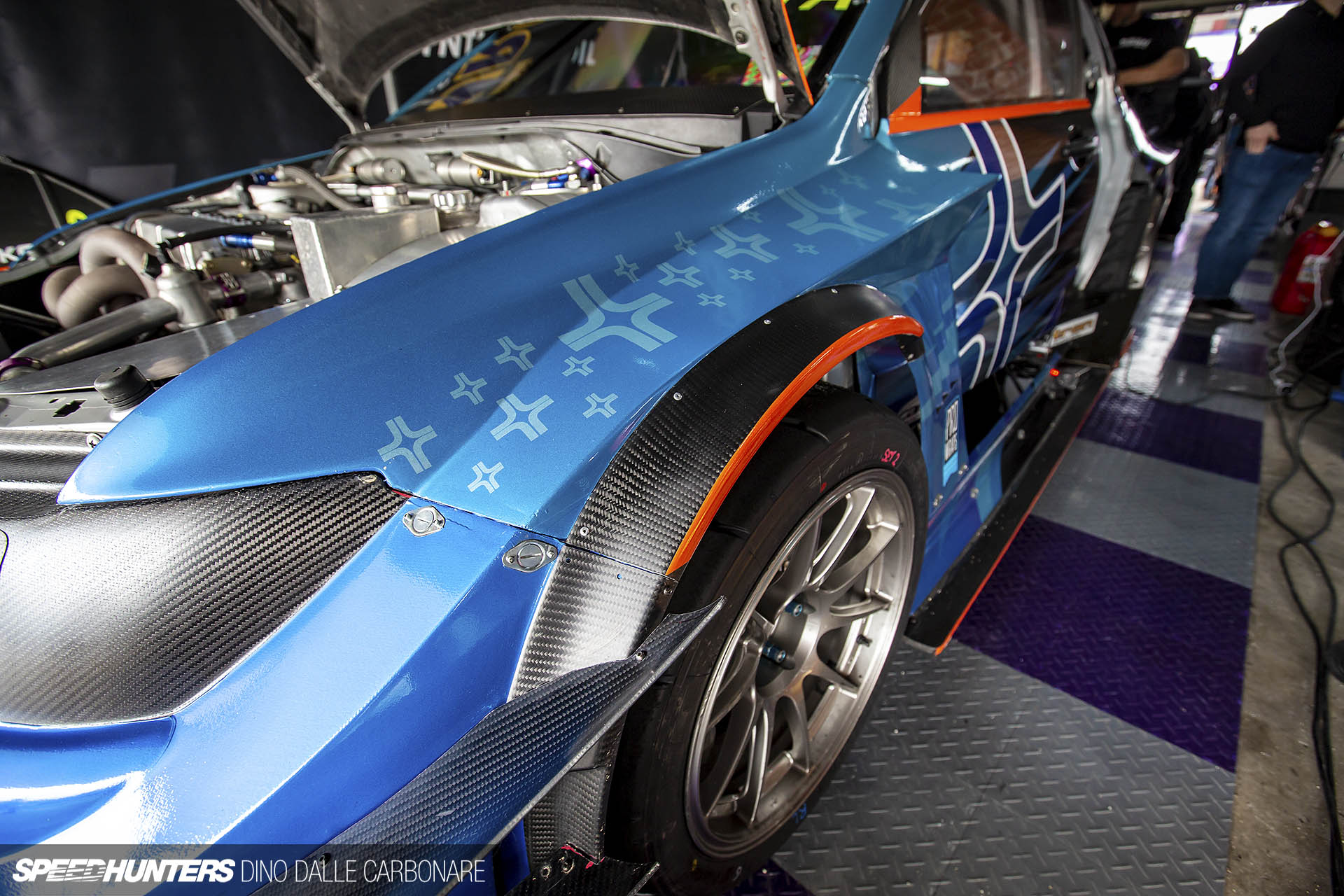
Voltex refined the aero on the car, and while each change is there to make a difference it’s hard to spot them visually without comparing the car to its previous iterations.
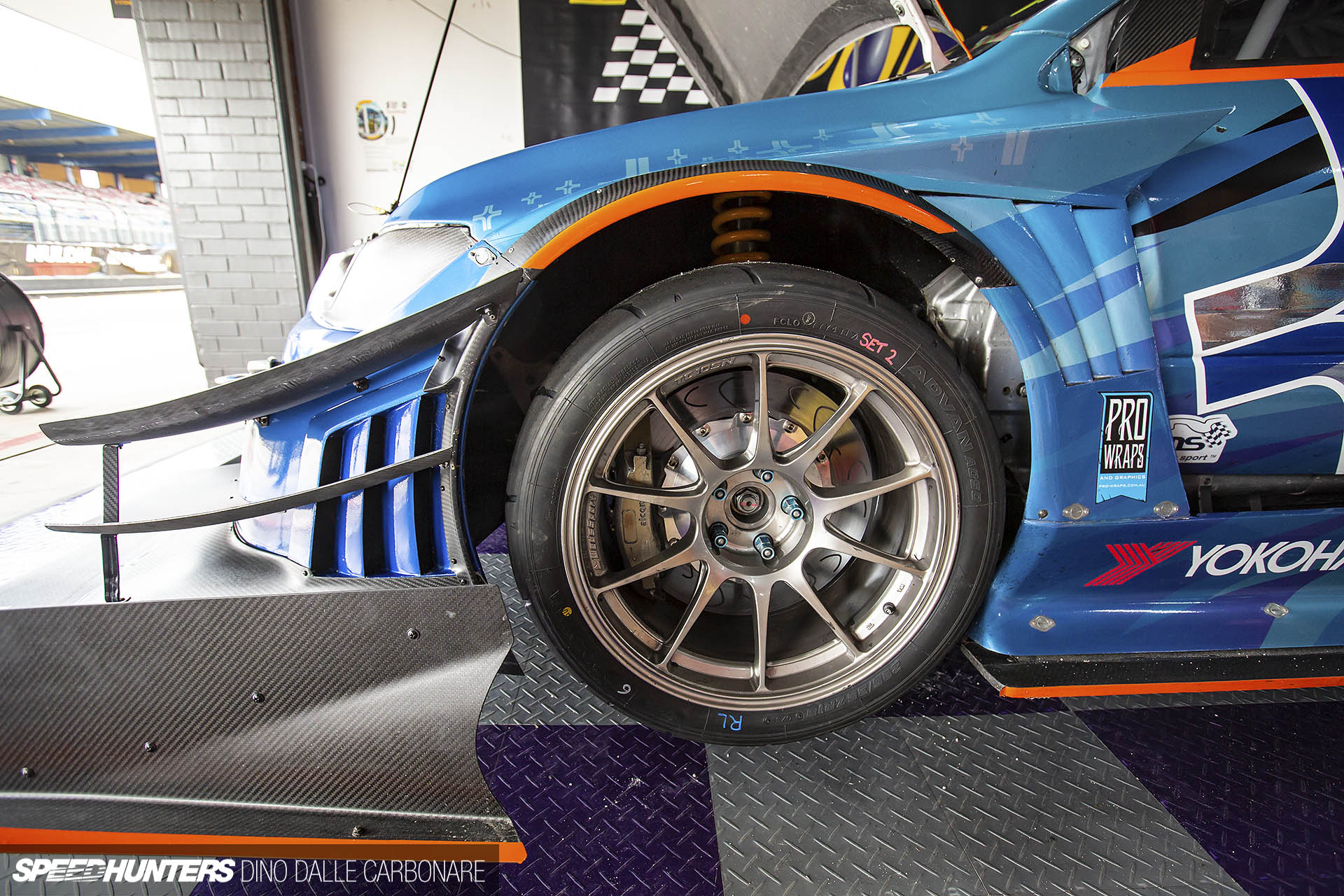
But I was more interested on what was hidden behind the wheels.
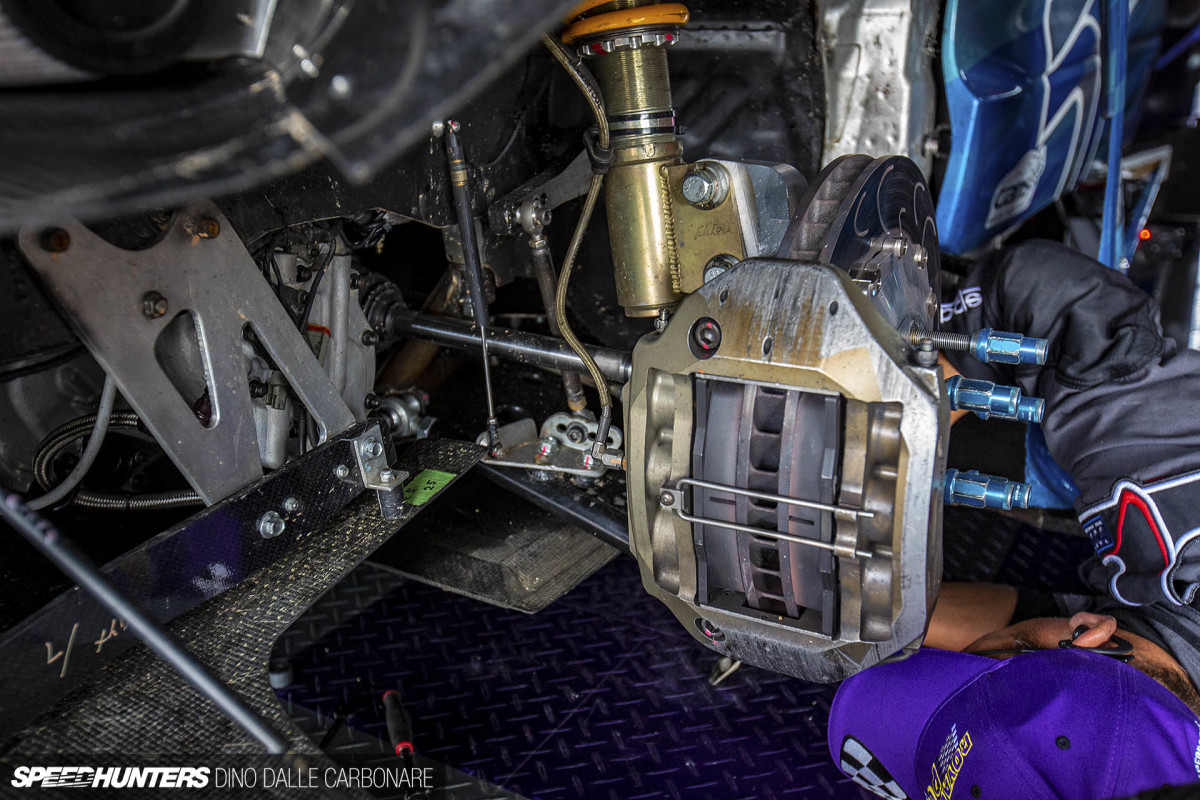
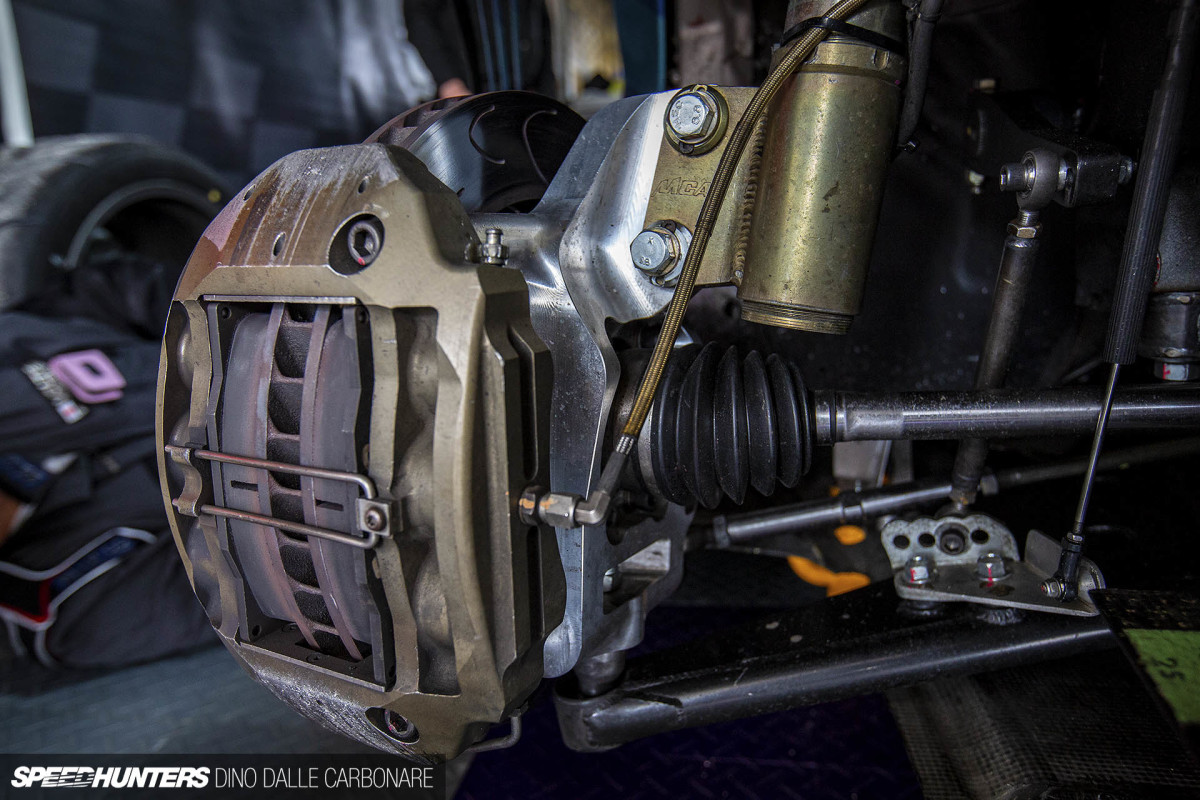
Despite the car running close to factory suspension pick-up points, it still sports lightweight billet Brypar uprights, bringing in that significant drop in unsprung weight and the ability to move to motorsport-grade wheel bearings.
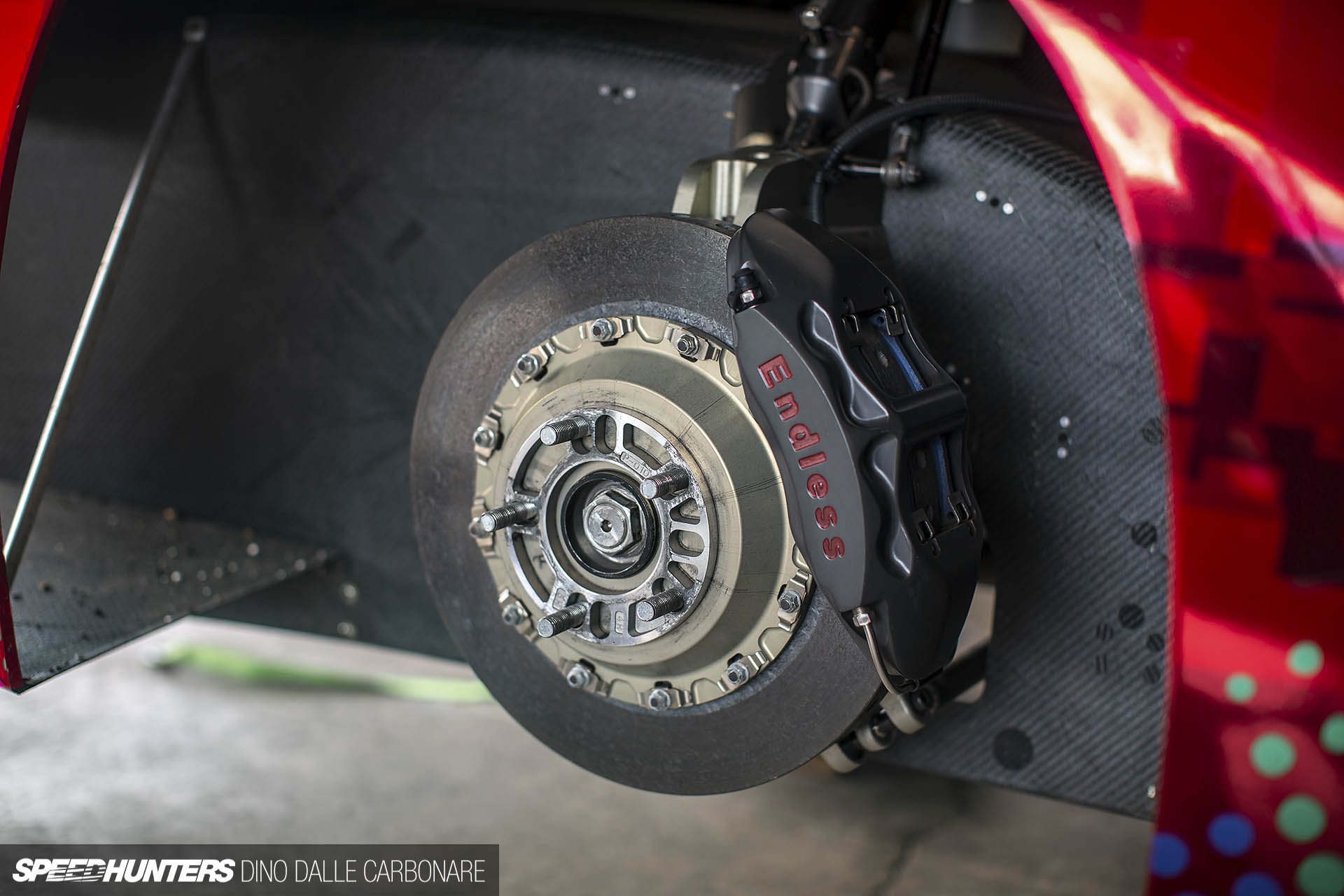
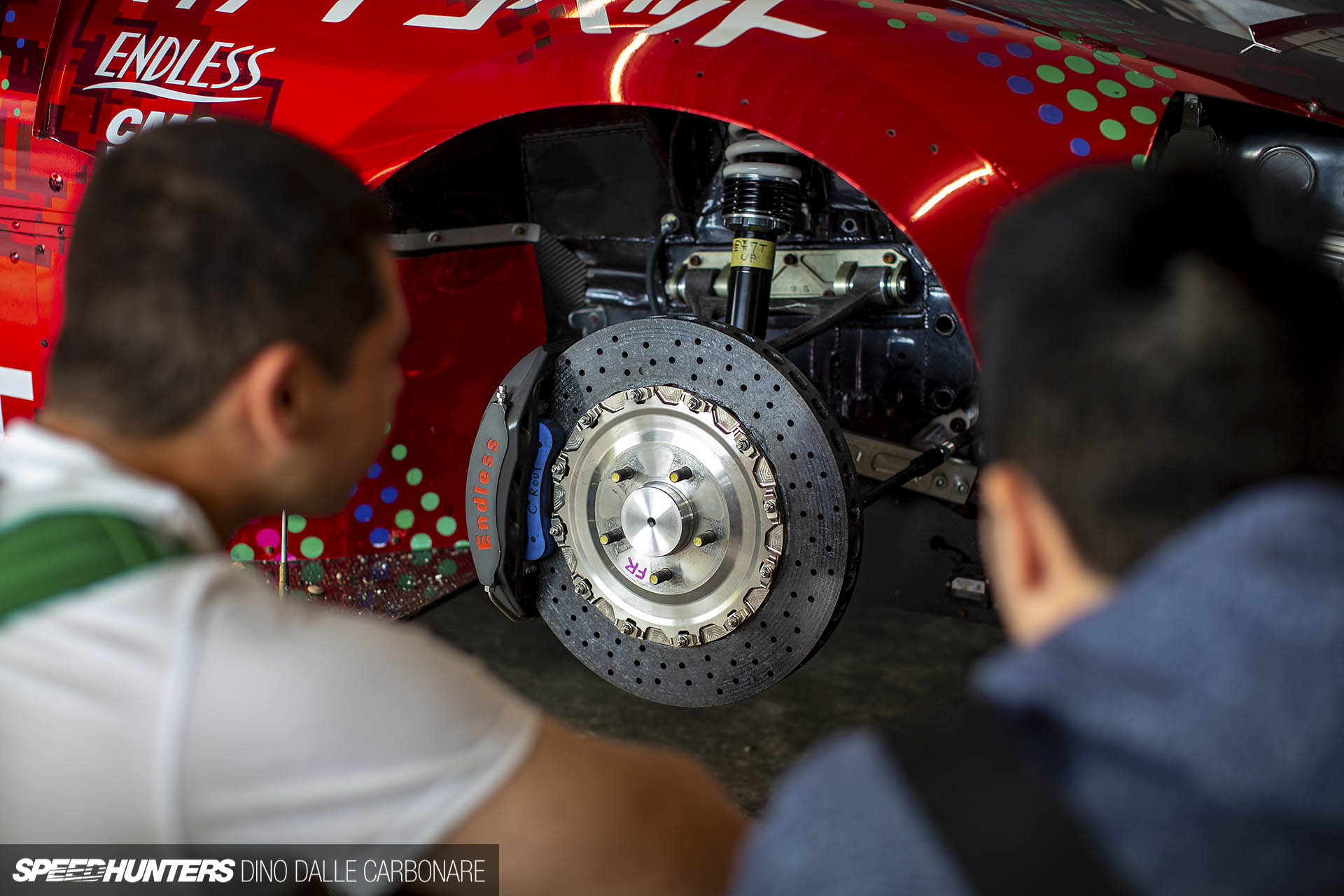
The opening shot to this post is of the HKS TRB-03, which couldn’t have had a worst time at the event. Again, just like on Ando’s Evo we see Endless calipers matched to carbon-ceramic rotors. Curiously enough, the fronts are cross-drilled while the rears are solid, with straight/drilled cooling passages.
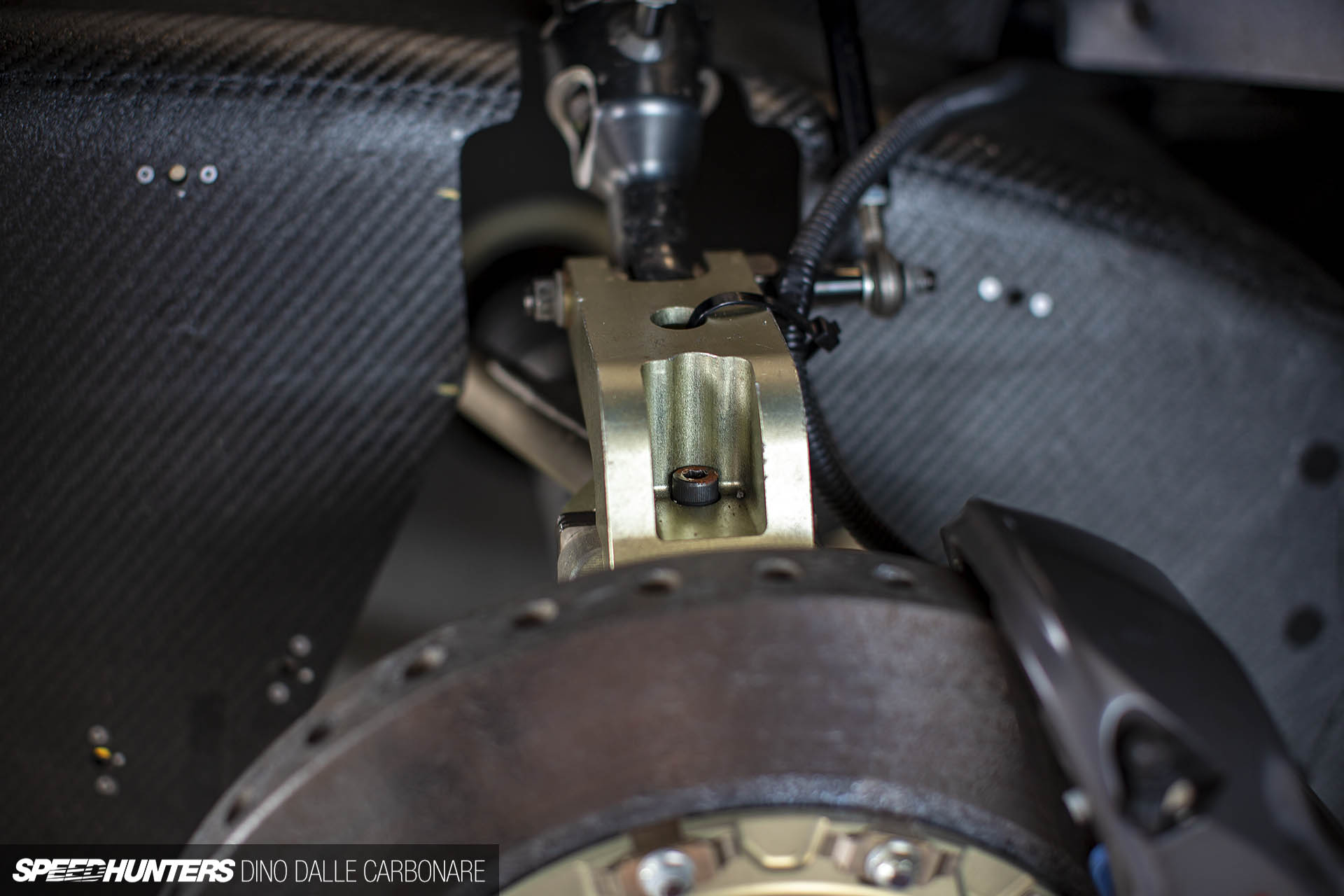
A lot of work went into altering the 86’s rear suspension layout, it’s all new and designed to take full advantage of the AMB Aero package, which of course was designed with the suspension alterations in mind. No matter what part of the car it’s all interlinked; you can’t alter one thing without thinking of how it will effect everything else.
Power Can Never Be Forgotten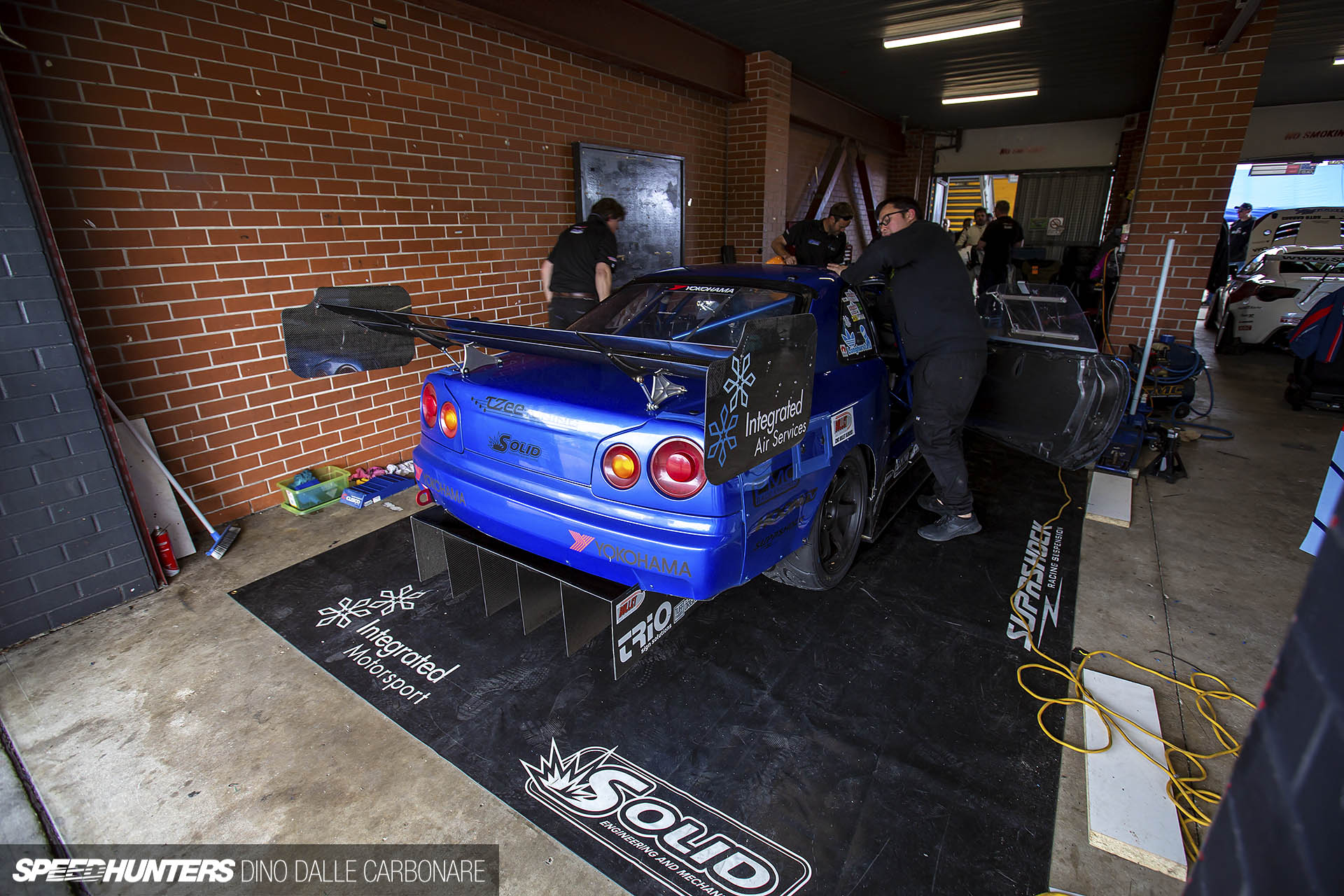
If WTAC had a ‘Best Effort’ award, it surely would have gone to the guys from Integrated Motorsports. The whole team worked so hard trying to sort out issues with the car, including doing an engine out quick fix after the 1,200hp RB26 disintegrated its front diff under the immense torque it’s able to generate, as well as swapping in a new engine.

Again, we have carbon-ceramic rotors, this time mated to AP Racing motorsport calipers front and rear.
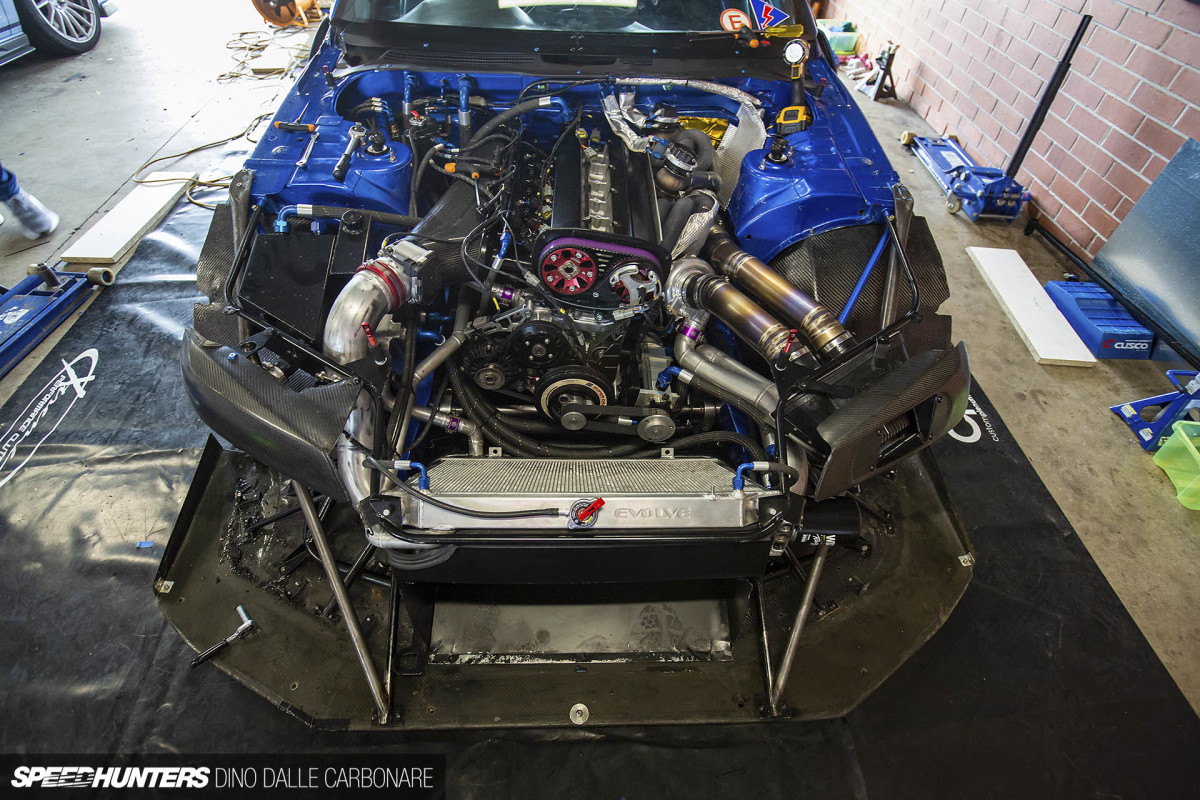
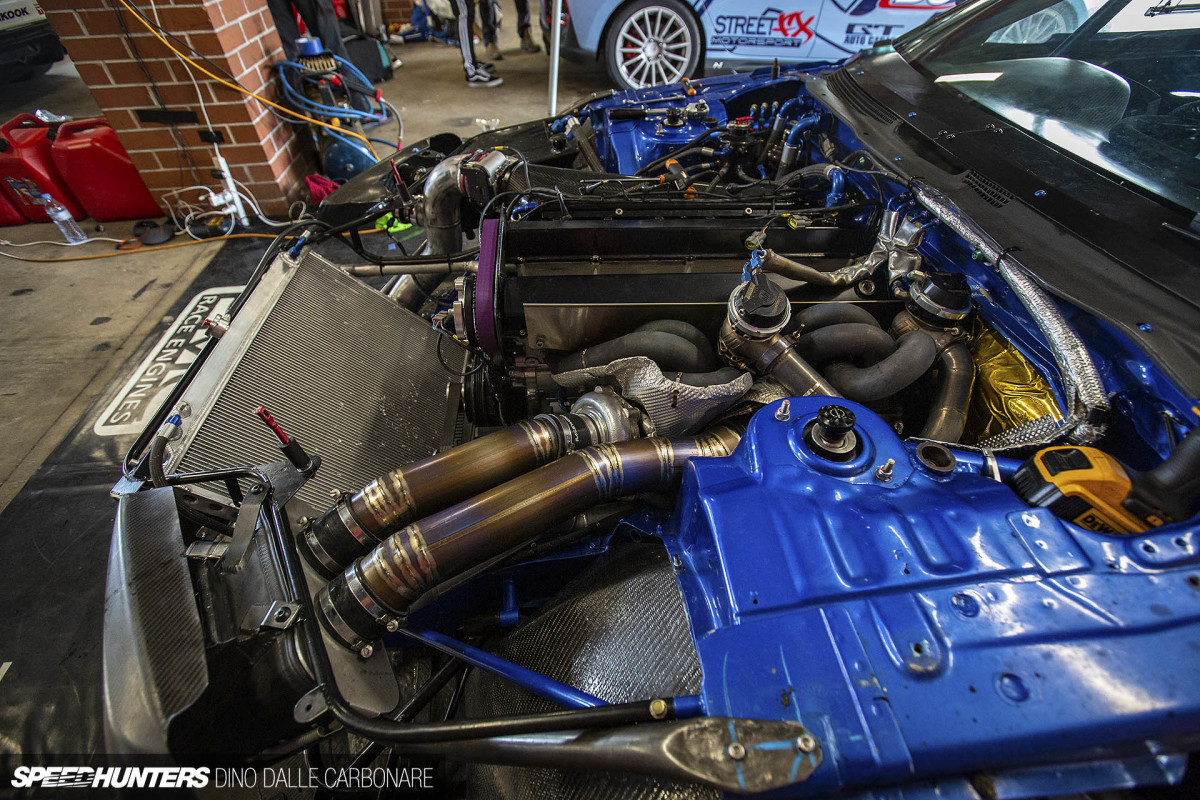
The team’s move to a low-mount twin-turbo setup has seen them gain slightly more low-RPM torque and pick up, as well as the stronger top end they were looking for after ditching the single turbo setup. I can’t quite explain what this billet-block, dry-sump RB sounds like at full throttle down the main straight, but it’s amazing. It’s the most ballistic R34 I’ve seen with my own eyes.
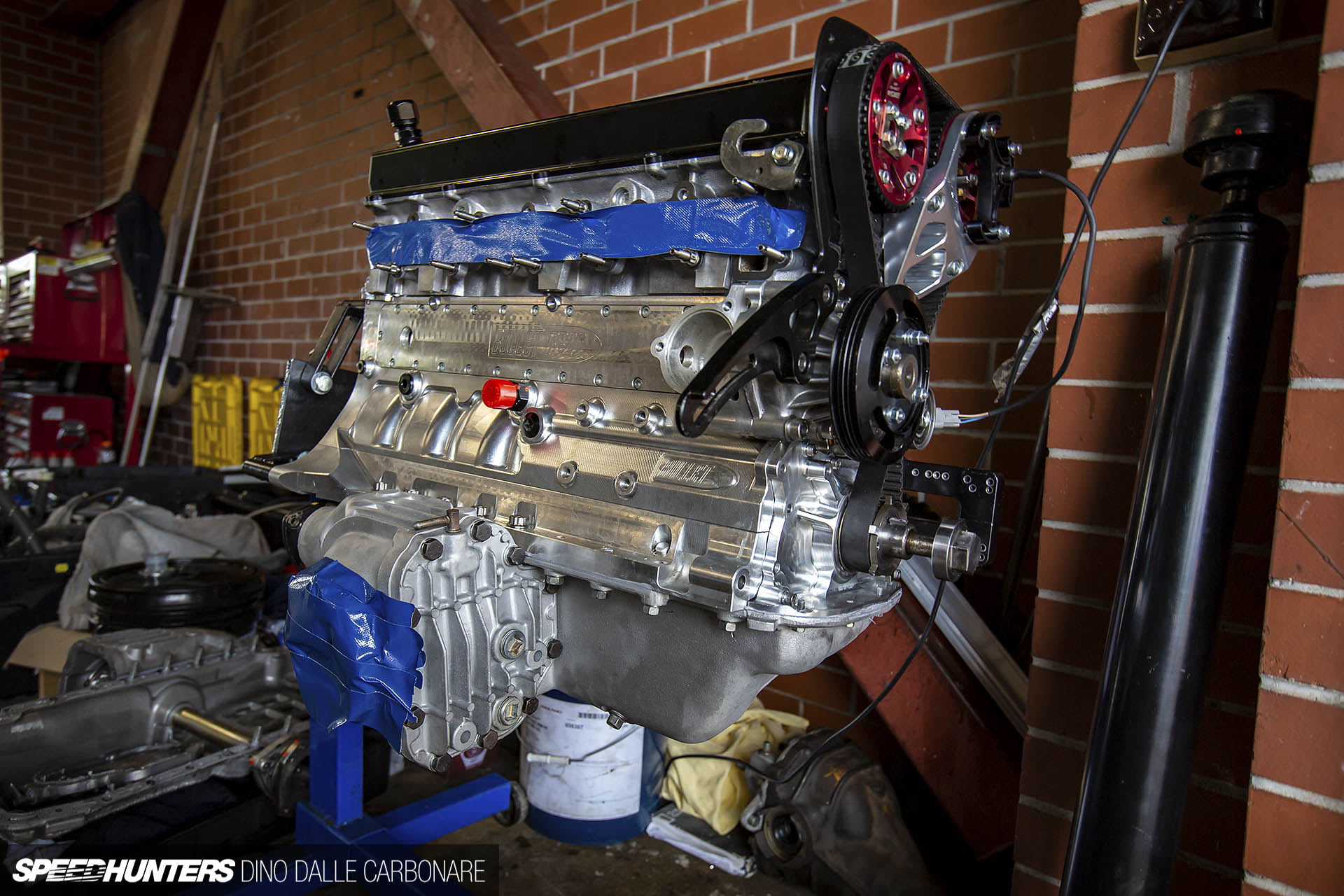
That’s what their spare engine looked like. They struggled in the beginning dealing with the inherent heat expansion that an aluminum block will have from cold to a fully warmed up state, their pulley setup and tensioner location taking care of the belt slack and tightening that will occur. This game is definitely a black art.

This Croydon Racing Developments R34 is one car you may see in Sydney Motorsport Park’s pit garages at next year’s WTAC.
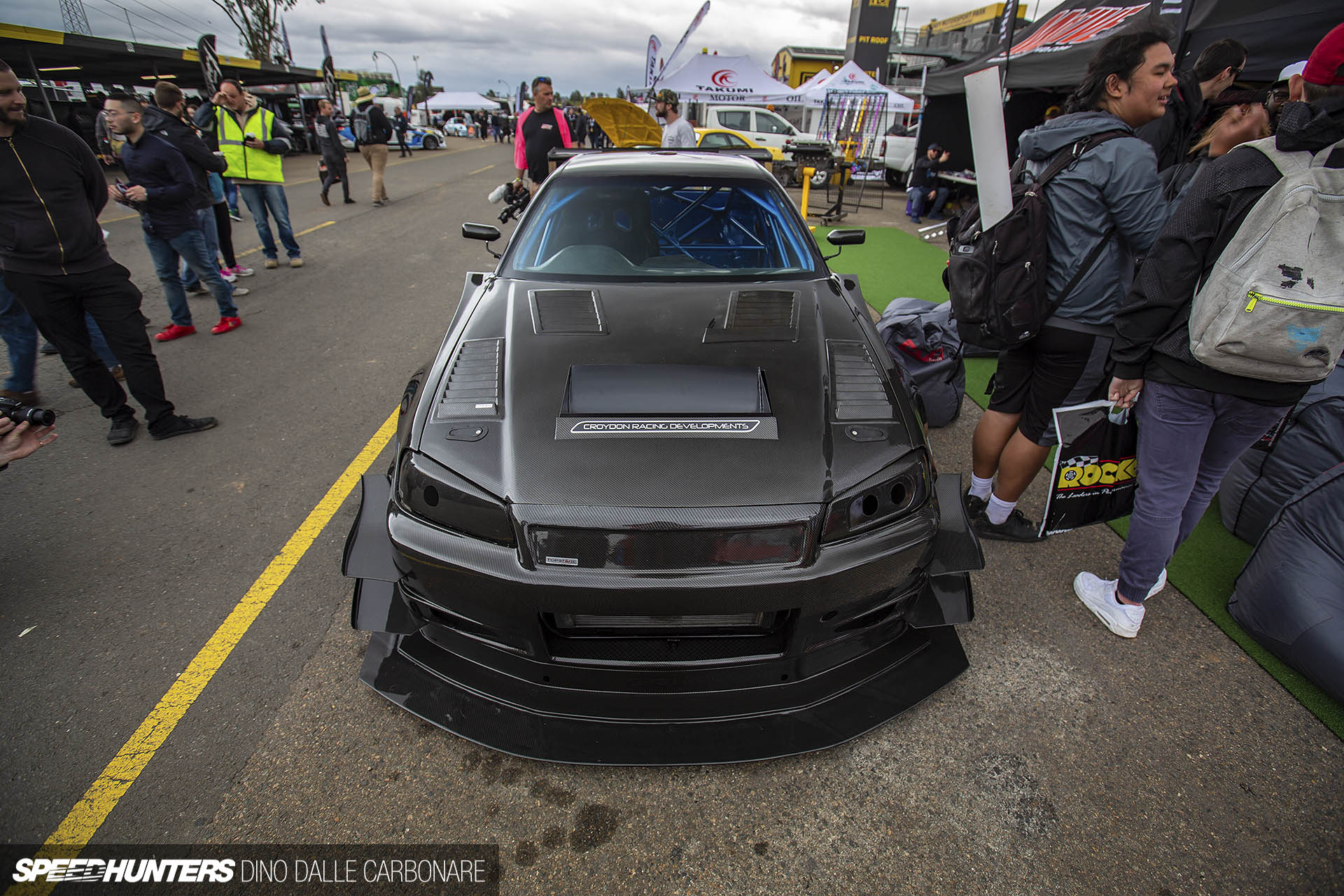
The reason I took some time to check it out was because it’s in the perfect state of ‘not quite done yet.’
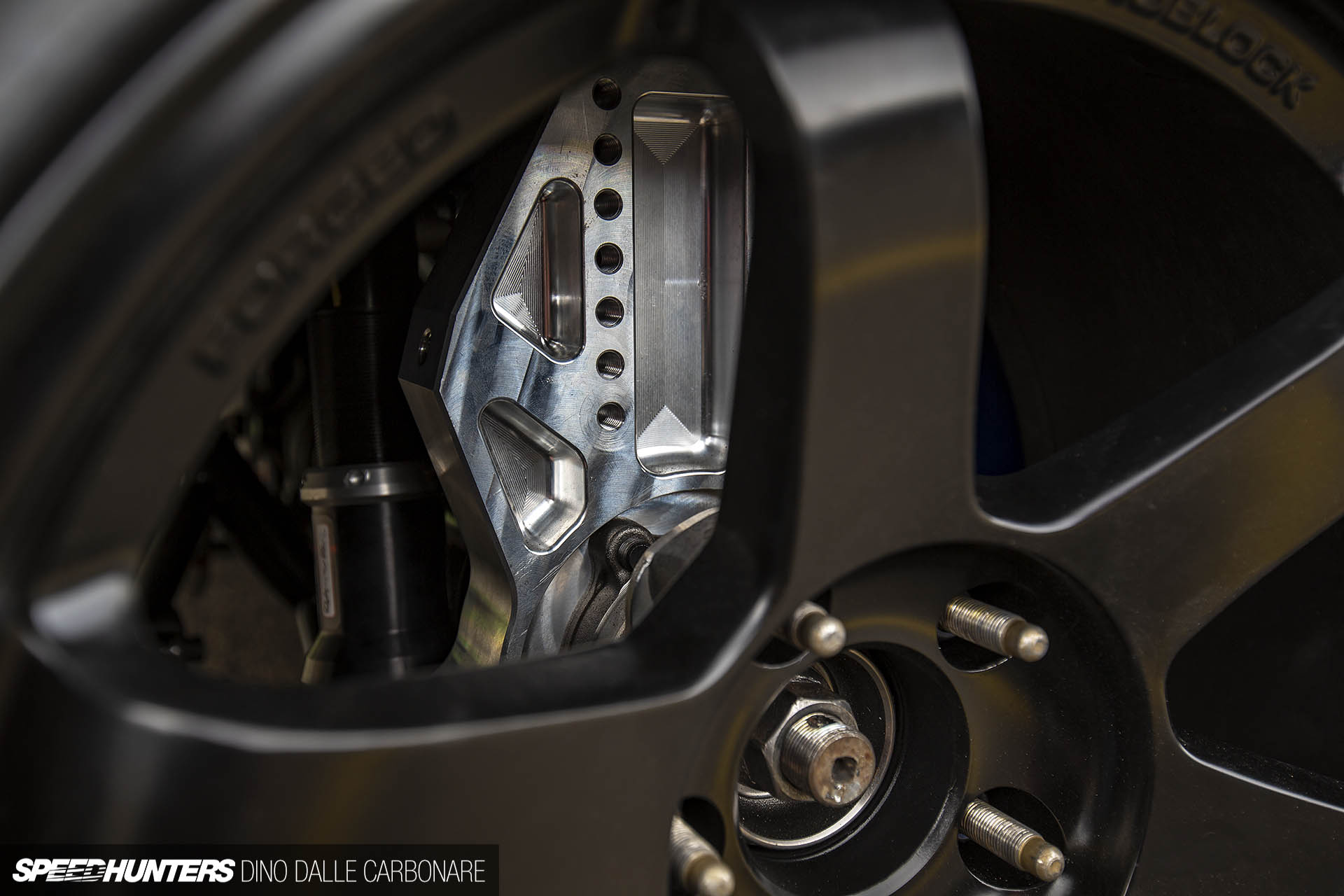
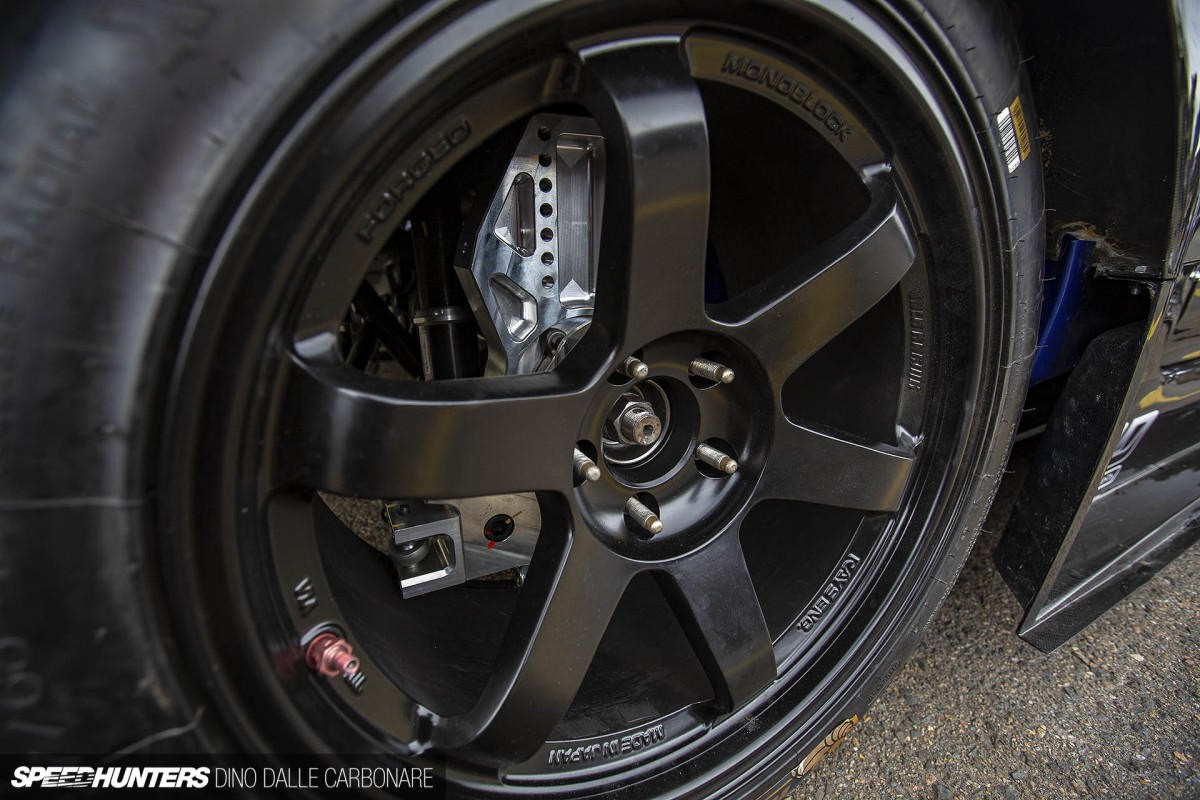

As the car hadn’t been fitted with any brakes, I could get a proper look at more front billet uprights through the spokes of the RAYS Volk Racing TE37s. It’s so cool to see GT-R tuning continuing to evolve thanks to the madmen in Australia.
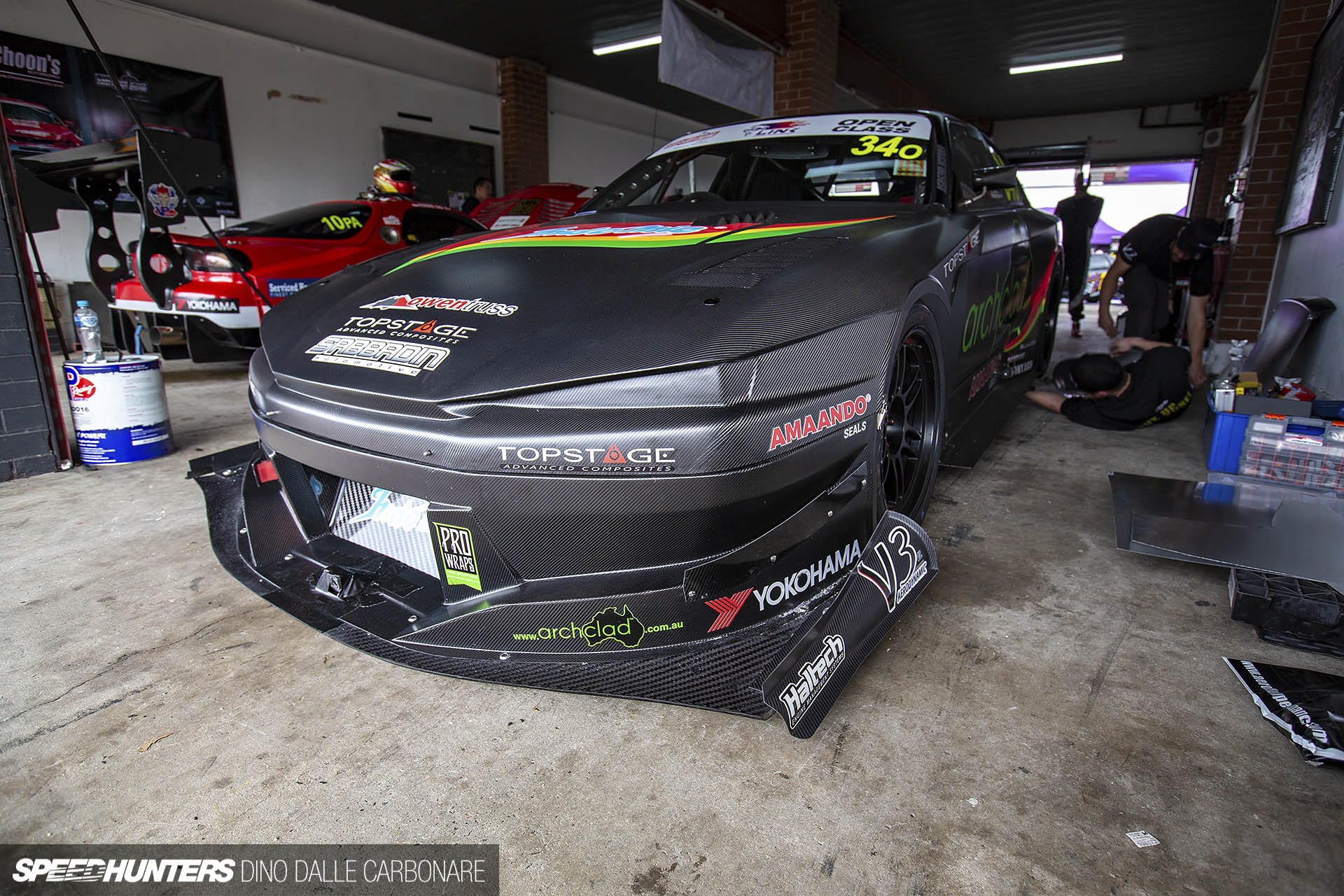


Not having Under Suzuki’s S15 at the event this year was a bit of a bummer, but from what I’ve seen thus far the upgrades he’s making will be worth the wait and missing WTAC 2018. It was cool to see the Topstage Silvia in the pits, though. It kind of reminded me of a time when Suzuki’s car wasn’t quite so wild: Do you guys remember this feature?

This event provides the perfect opportunity to see how teams from other countries approach their cars, and the Vibrant Honda Civic Si of Canadian William Au-Yeung was one that I spent some time looking over.
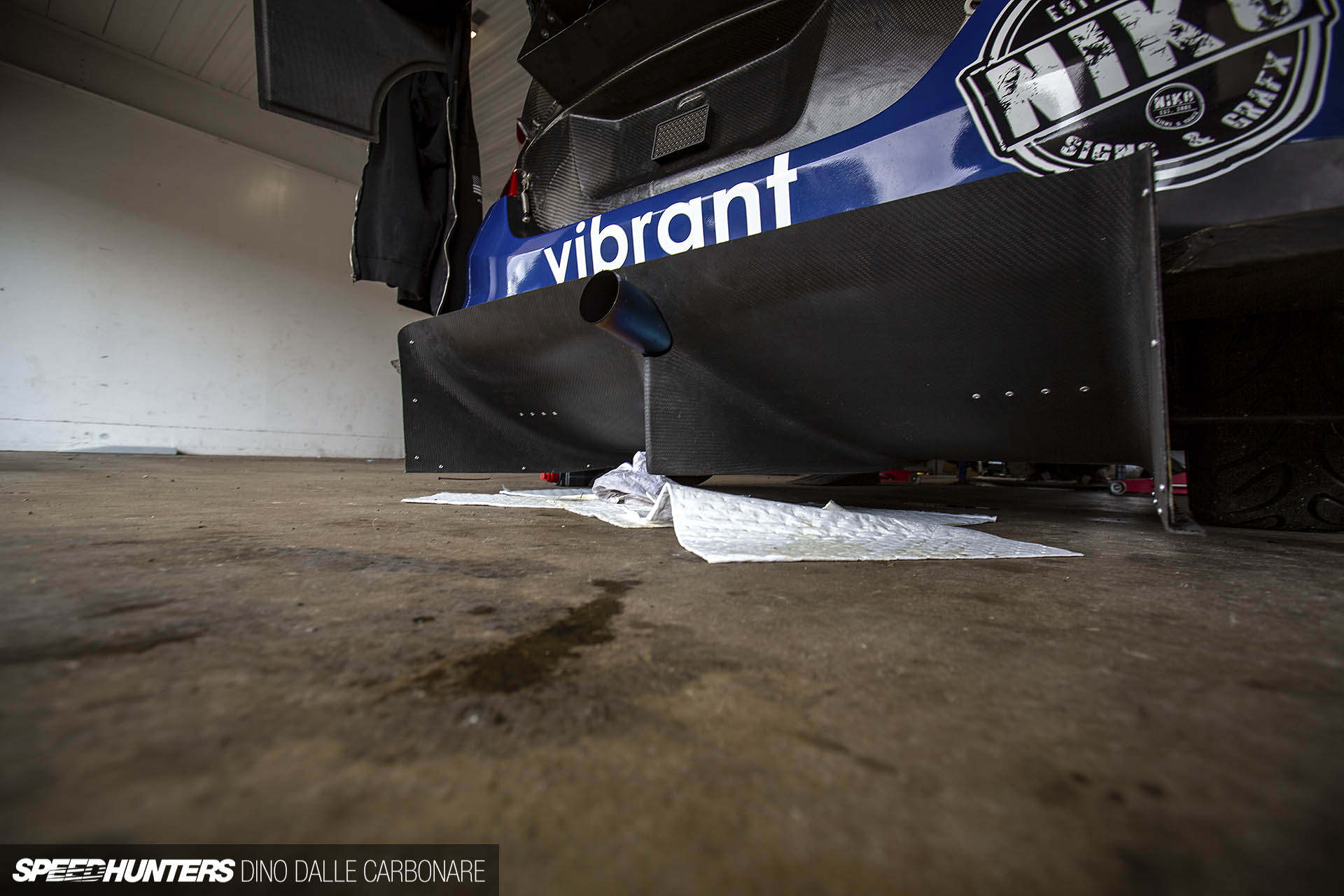
And under. Being FF, the aero is able to tuck in nice and clean on the underside of the car.
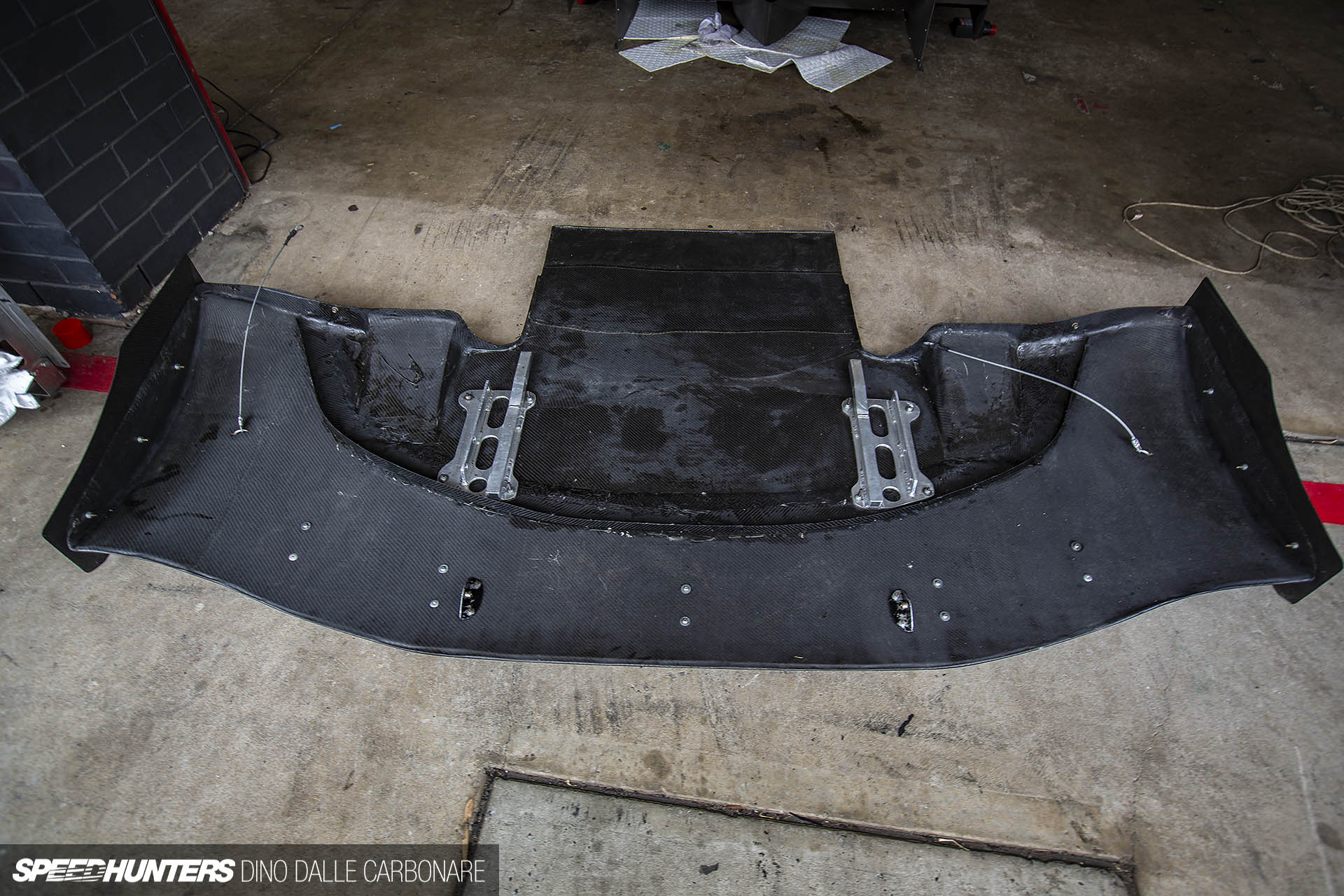
But after all this consideration of the various technical aspects of time attack, what will be the next step that will help teams eat away even more precious tenths? Will there be a further refinement in aero? Maybe the tires are the next thing that needs to be looked at, or possibly just improving the overall and underlying package beneath. We can all ponder over this and chat about it in the comments below.
One thing I’ll say is that I haven’t been this excited about time attack in a while. Maybe it’s because I’ve gotten the OK from Under Suzuki to start shooting the final stages of his new car. Now I just have to figure out when he’ll allow me to share it all with you…
Dino Dalle Carbonare
Instagram: speedhunters_dino
dino@speedhunters.com