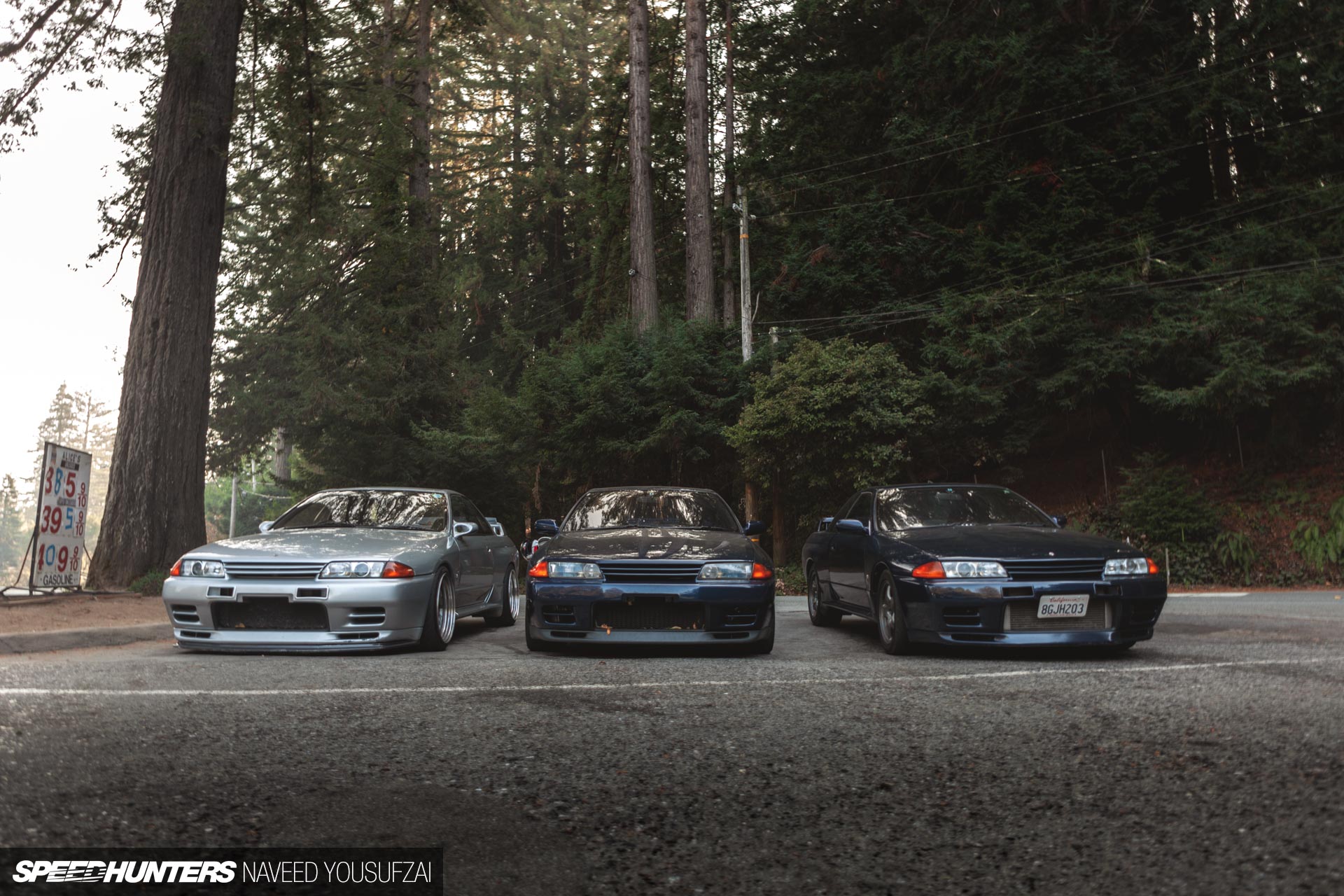
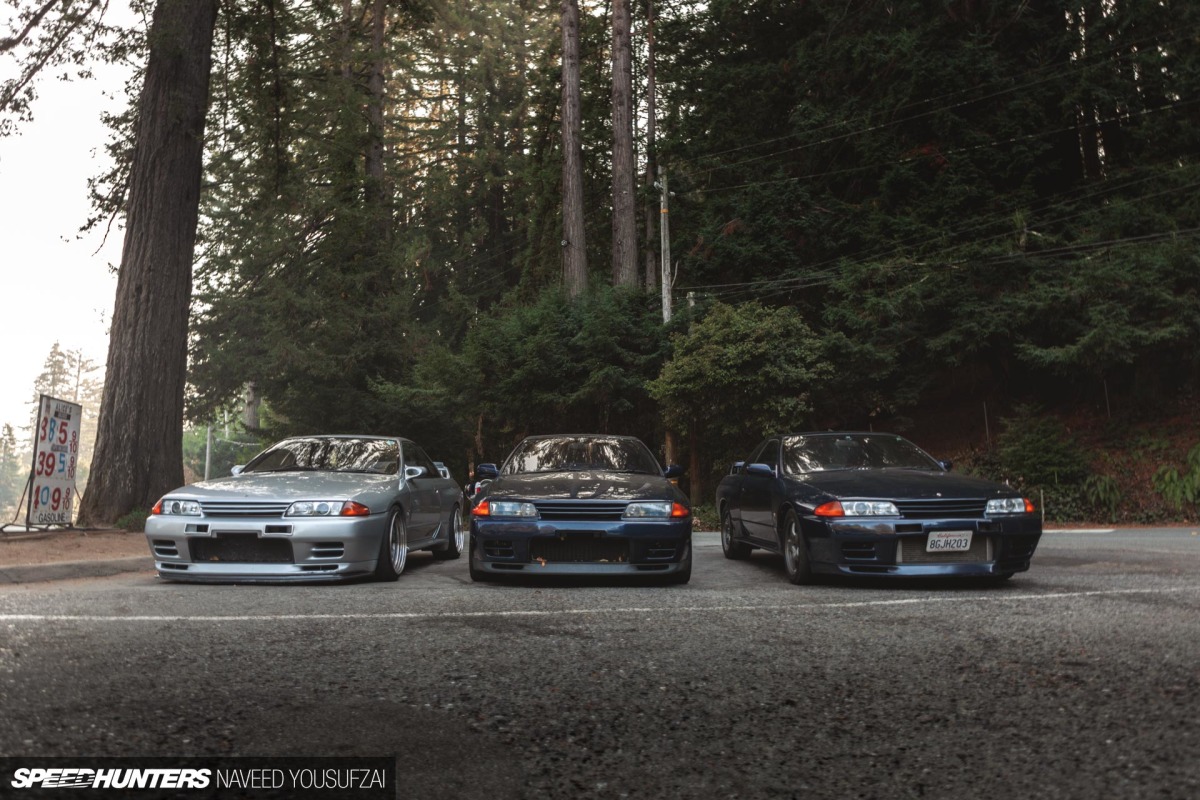
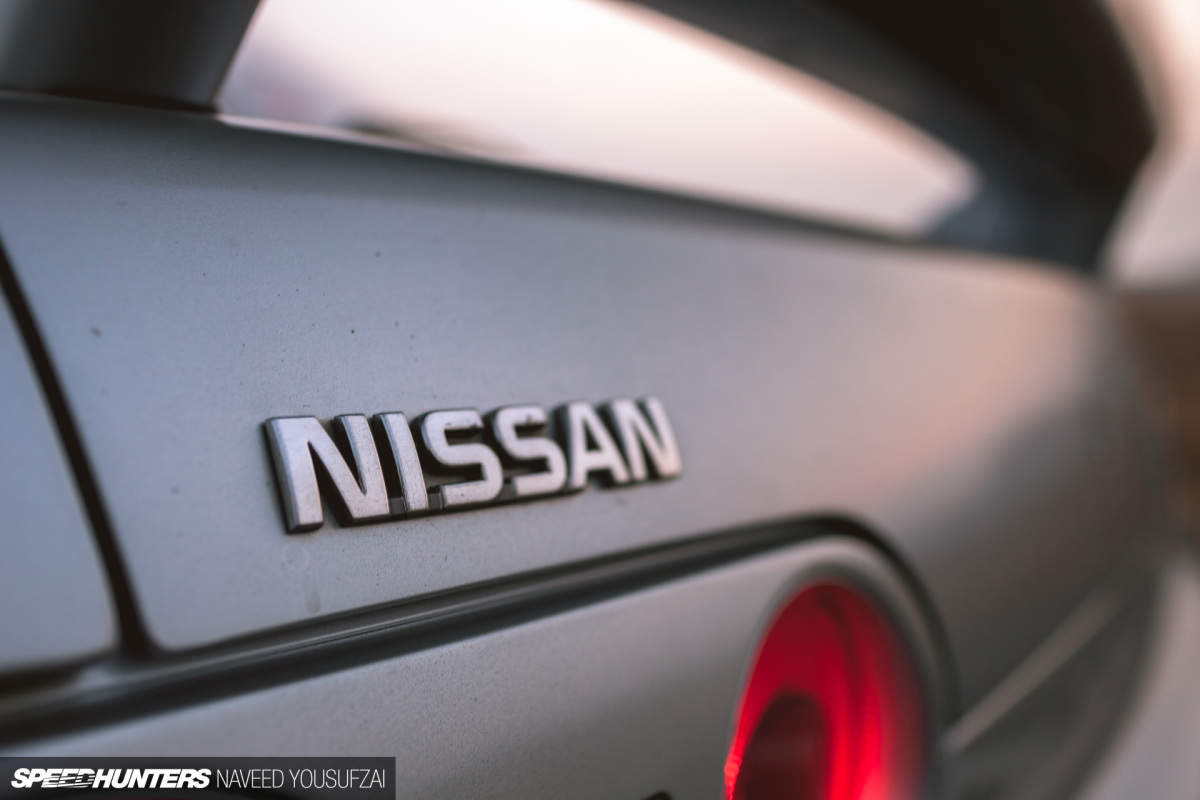
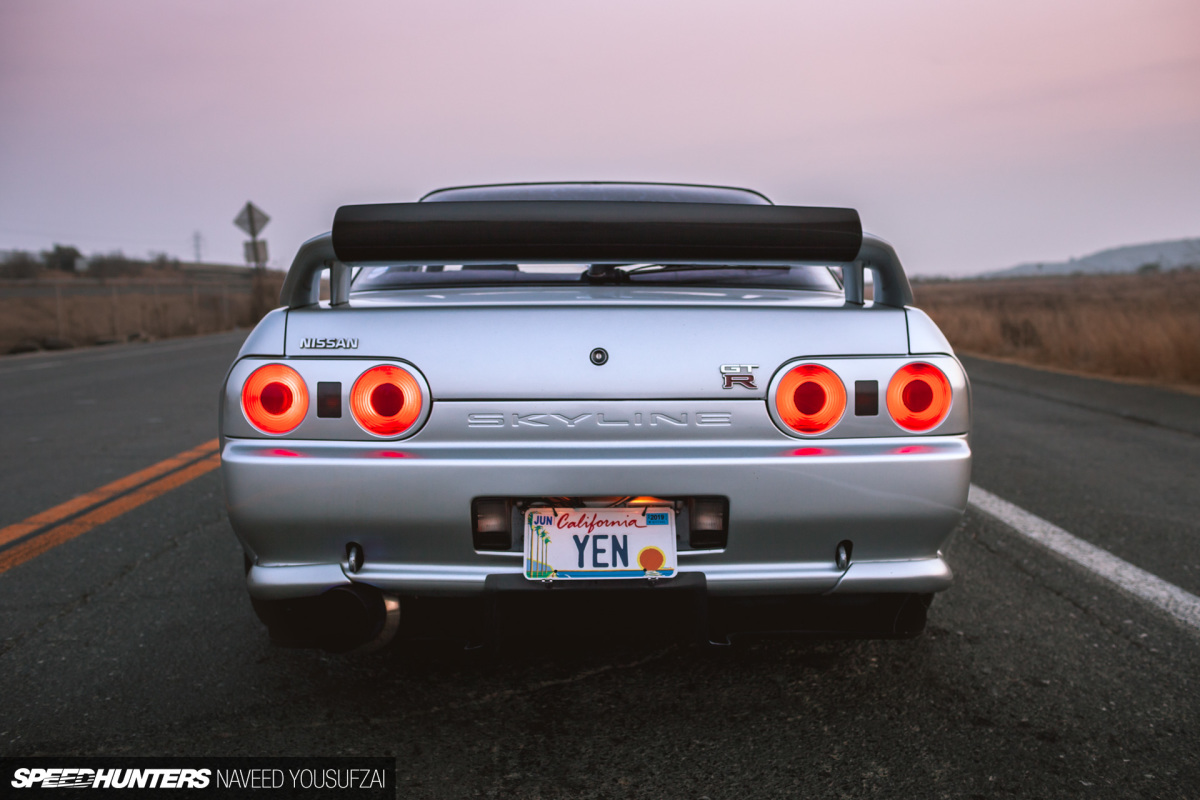
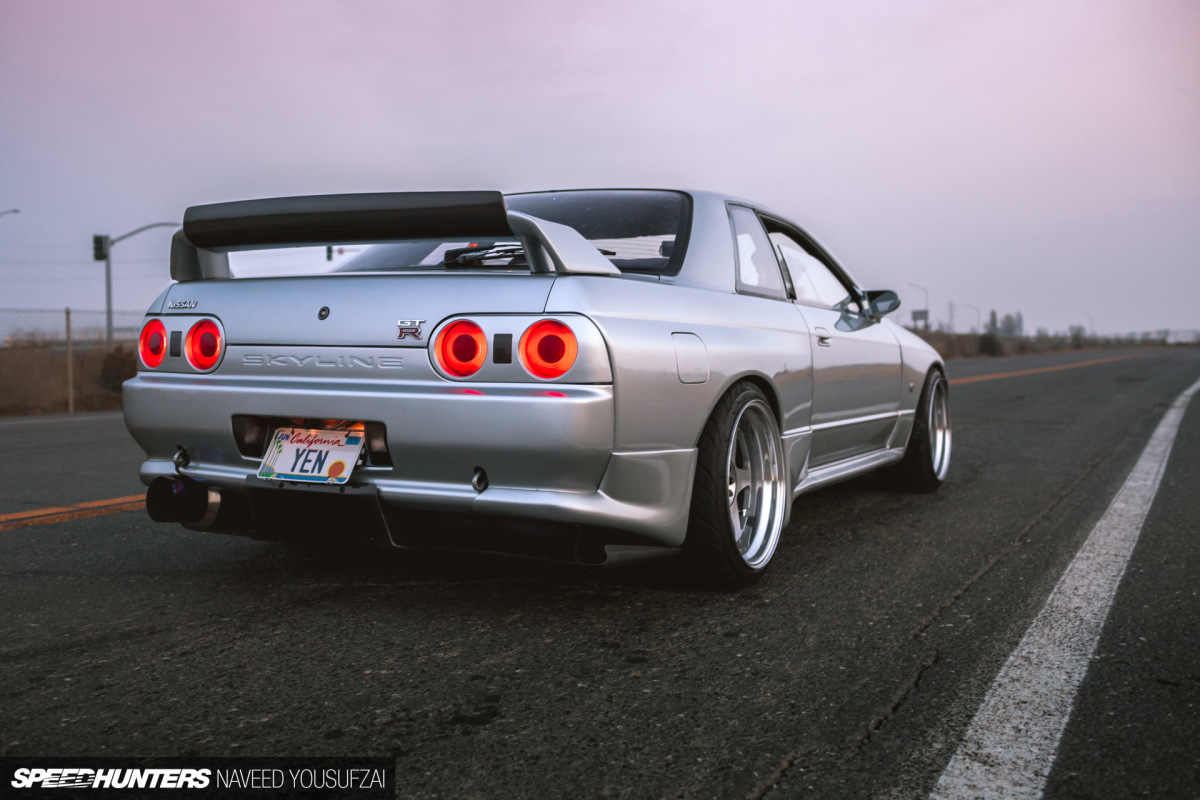
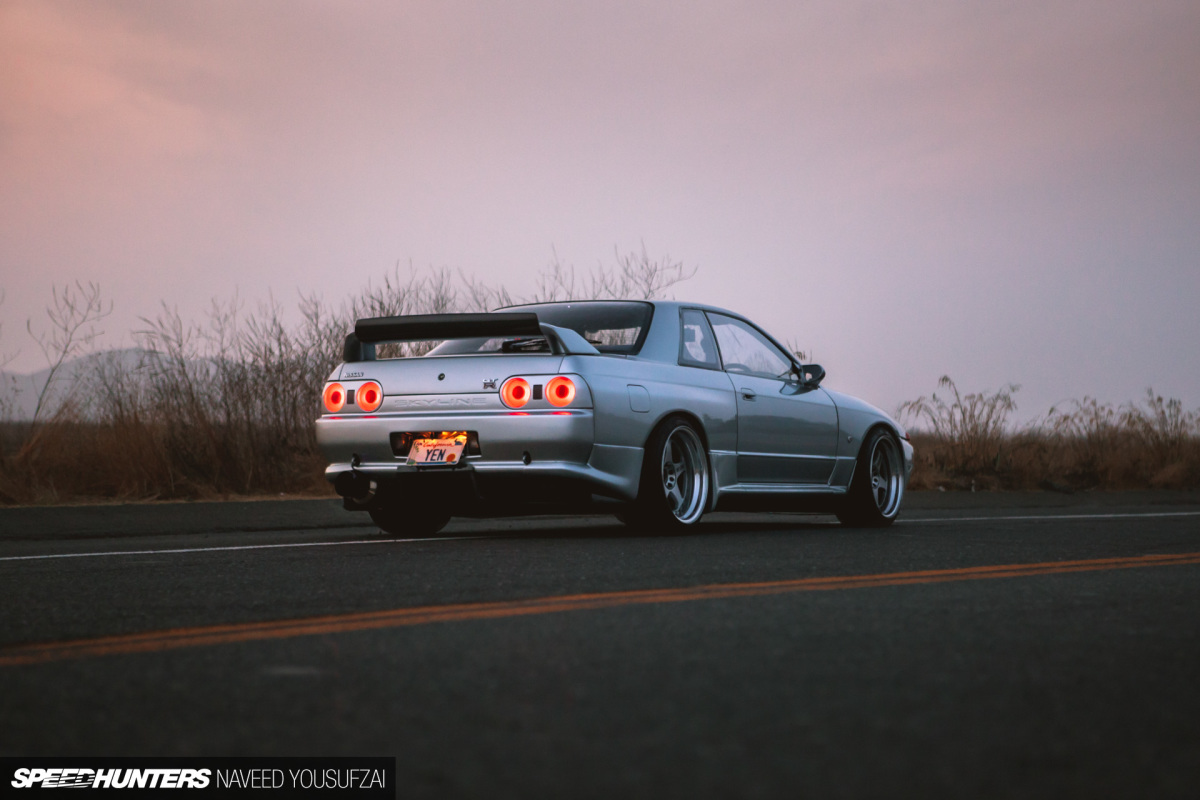
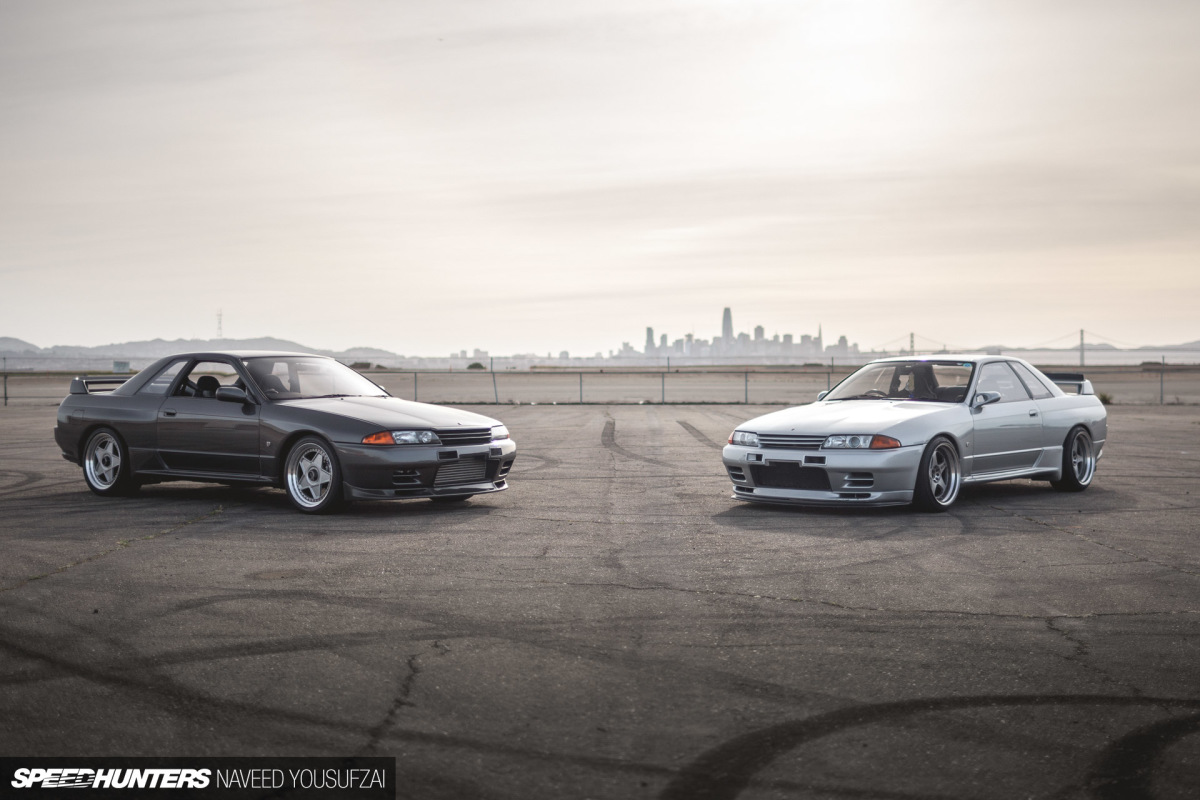
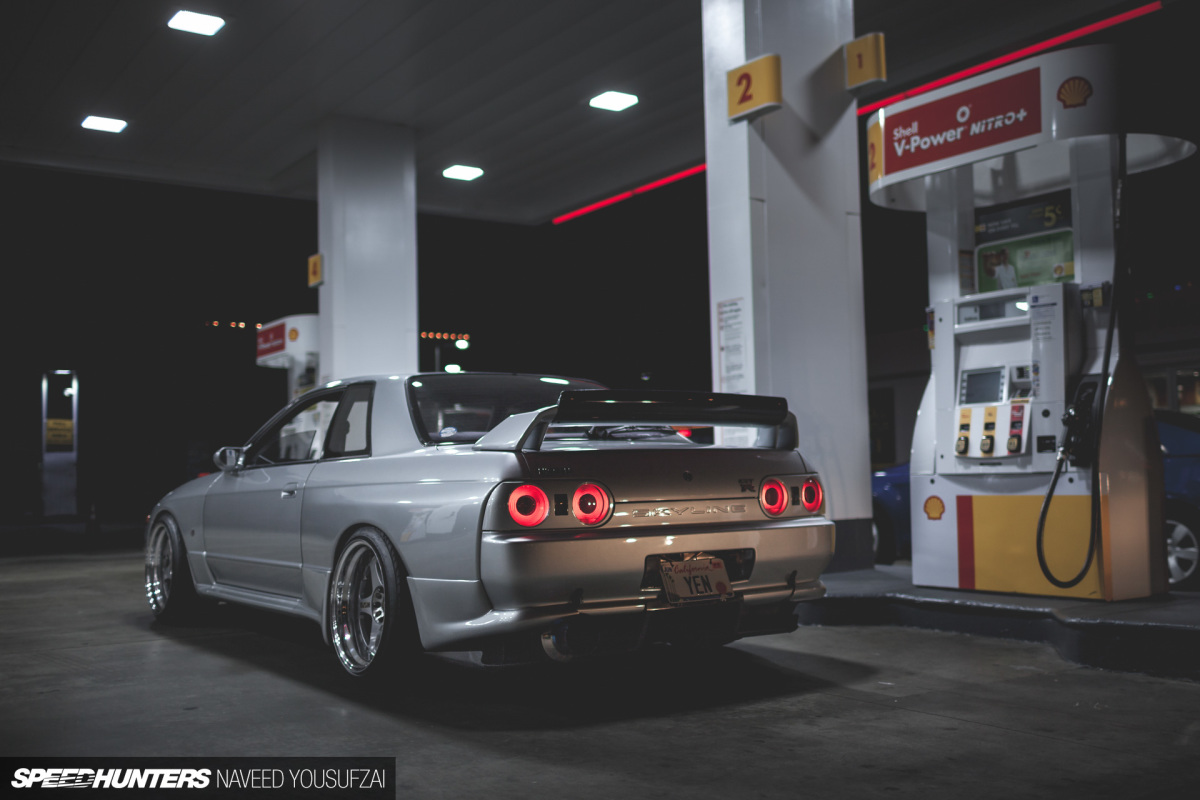
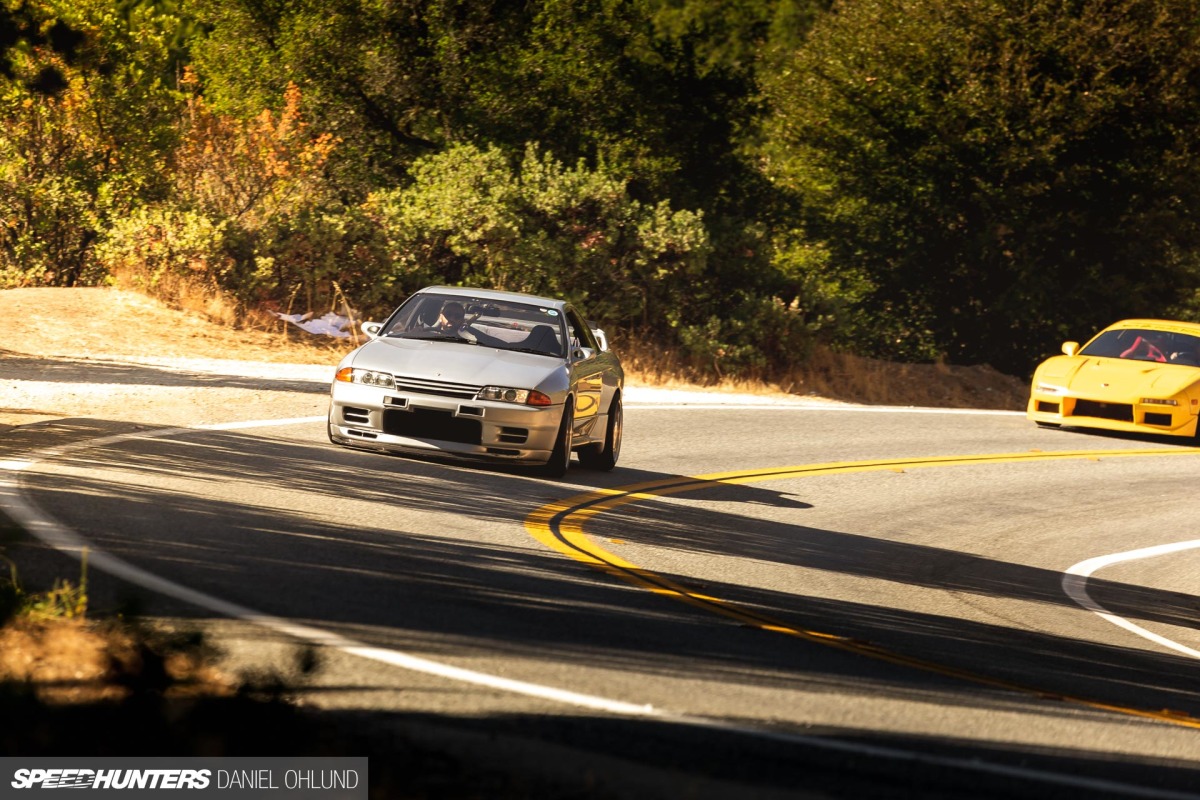
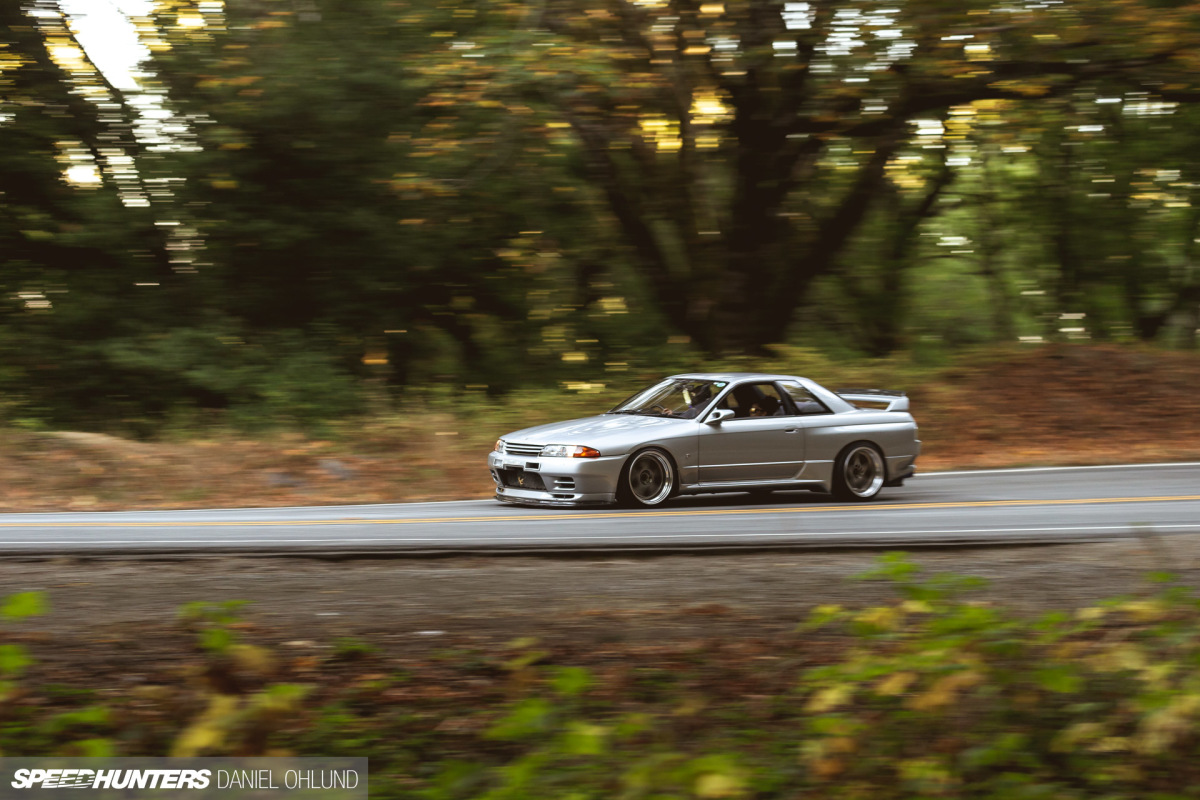
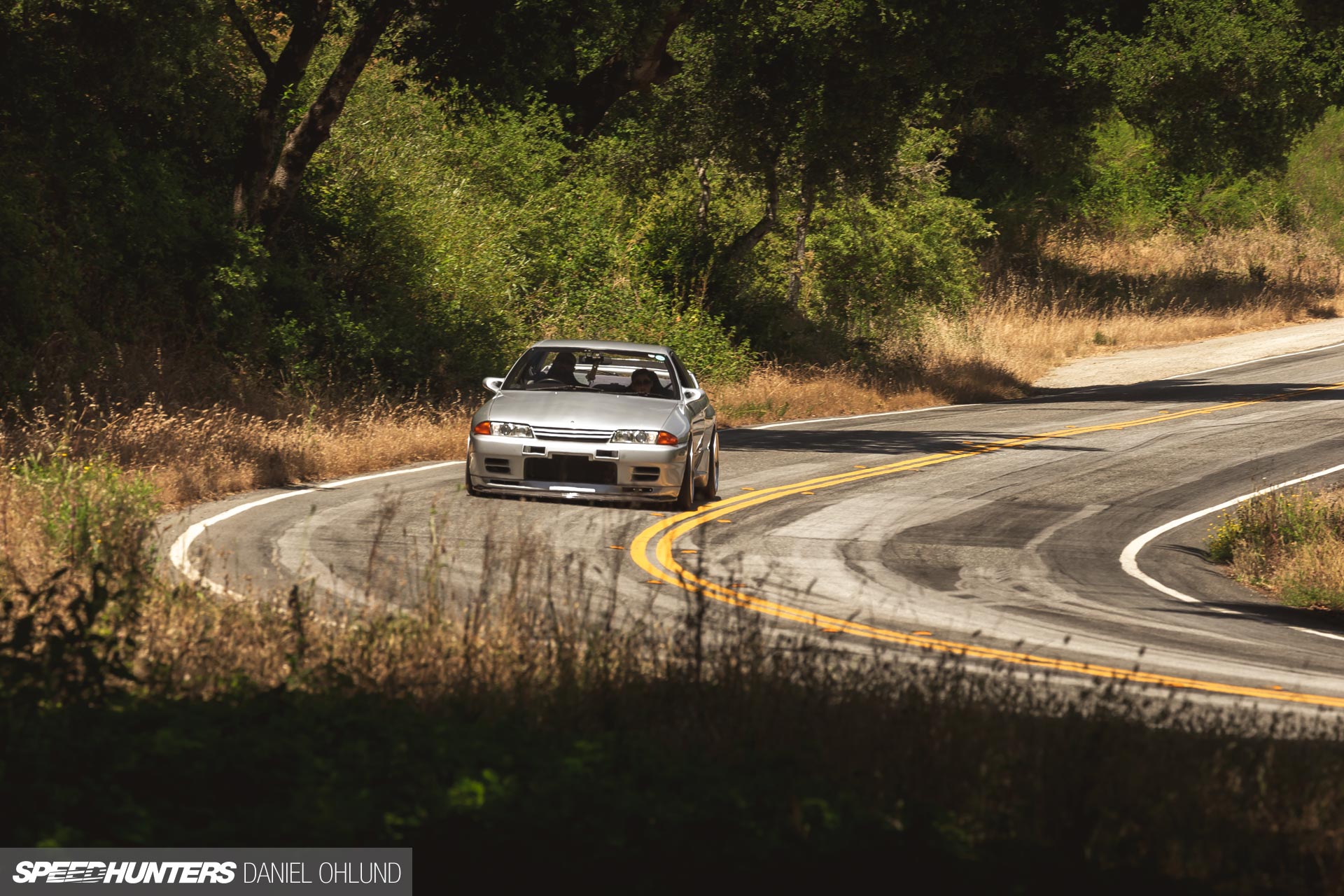
Dubbed “Godzilla” by the Australian motoring media, the new generation BNR32 Nissan Skyline GT-R was the almighty of the Japanese super car regime.
That’s a statement that I will always stand confidently behind, whether anyone cares to doubt me on it or not. Name another car that won 29 of 29 races in Group A, or 29 of 30 races in N1, or holds 92 wins of 98 races total in Super Taikyu from 1991 until 2003 inclusively. I’ll wait…
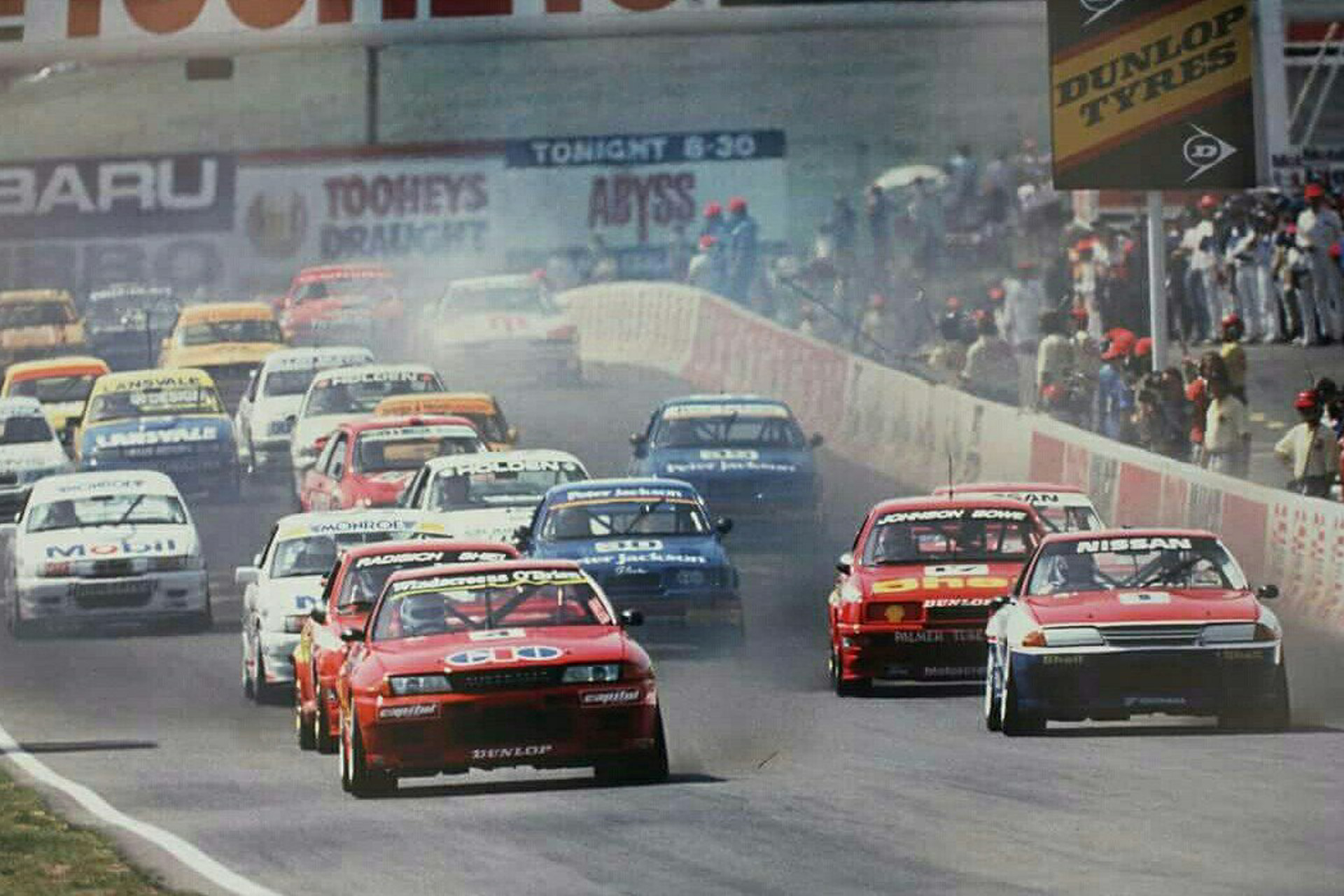
Now that you’ve spent a few minutes trying to Google answers to the GT-R’s unparalleled performance numbers, I’m certain we can agree the king still holds its throne.

In 1985, Naganori Ito succeeded Dr. Sakurai’s crown and became responsible for all of Nissan’s sports car production. After the R30 and R31’s poor racing success (but they were utterly beautiful race cars nonetheless), Ito-san knew the only way to revive the brand and pay proper homage to the KPGC10’s 49-win streak in the 1970s would be to start from scratch. Mind you, this was an era where Japan’s economy was booming, so money was basically obsolete.
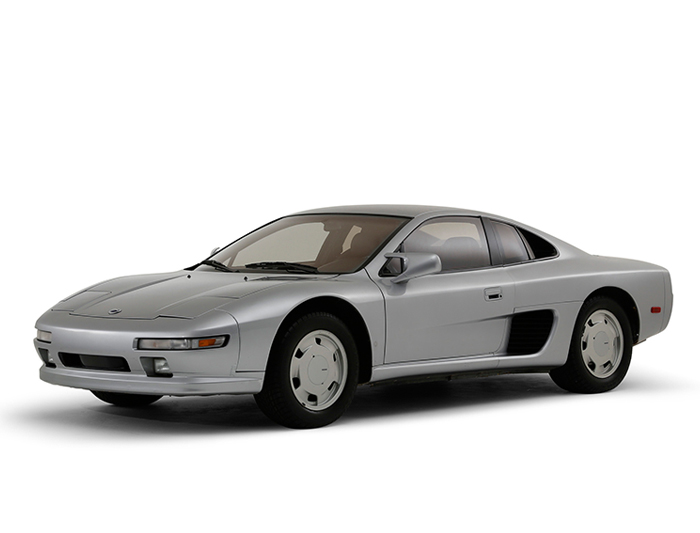
With that type of freedom at hand, Ito-san took to the drawing boards and ‘Project GT-X’ was born. Almost all supercars and prototype cars at the time featured all-wheel drive systems, all-wheel steering systems, turbochargers, and were made of composite materials. Ito-san drew inspiration from these technologically advanced vehicles within the industry, but there were two that stood out most.
The first was Nissan’s own MID-4, a prototype mid-engined supercar; the second was slightly more practical and realistic, the Porsche 959. If you dig deep enough into the 959, you’ll unveil an electro-hydraulic all-wheel drive system that vectored torque between the front and rear wheels based on the weight distribution of the car at any given moment – a system quite similar to the ATTESA E-TS found in the R32 GT-R.
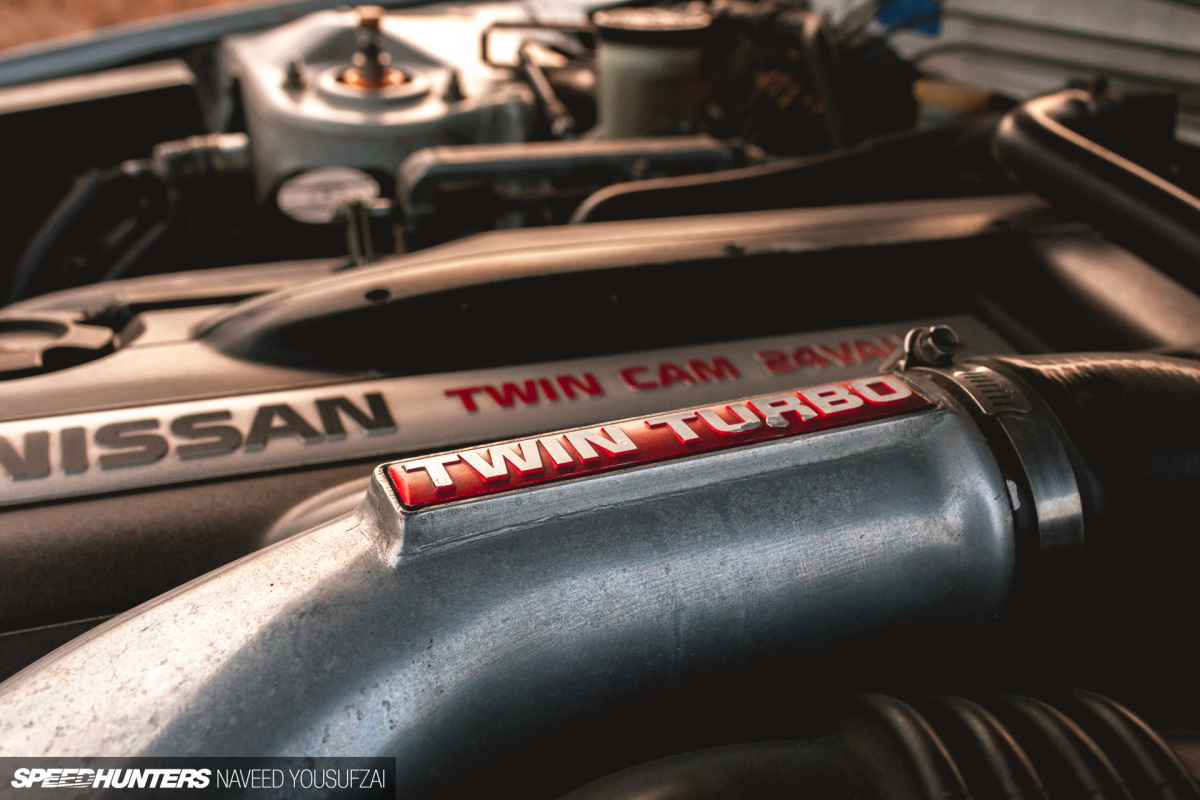
Other notable similarities include the lightweight six-cylinder engine, mated with not one but two Garrett T25 turbos. To push boundaries even further, the RB26DETT was equipped with a large intercooler, large intake plenum, and six individual throttle bodies, which drastically improved throttle response in comparison to any of its rivals at the time.
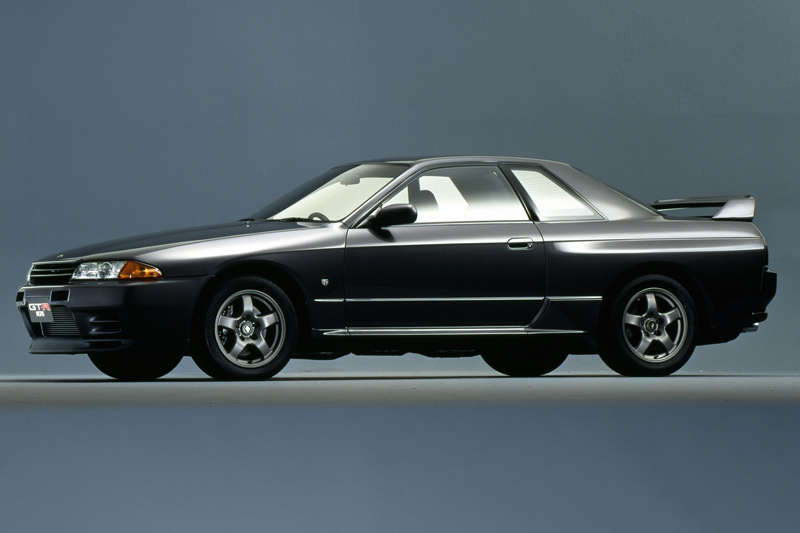
Come May of 1989, Project GT-X saw its completion, and the R32 GTE, GTS, GTS-T, and GTS-4 found their way onto showroom floors for the general public to purchase. But it wasn’t until later that year, August to be exact, that consumers had their go at the Gran Turismo Racer edition.
Though sharing the same general appearance as the GTS-4 coupe, the GT-R was a totally different animal (or evil Japanese dinosaur) beneath its skin. It was a homologated race car making 320hp from the factory, with the most advanced engineering to ever be put into production by Nissan.

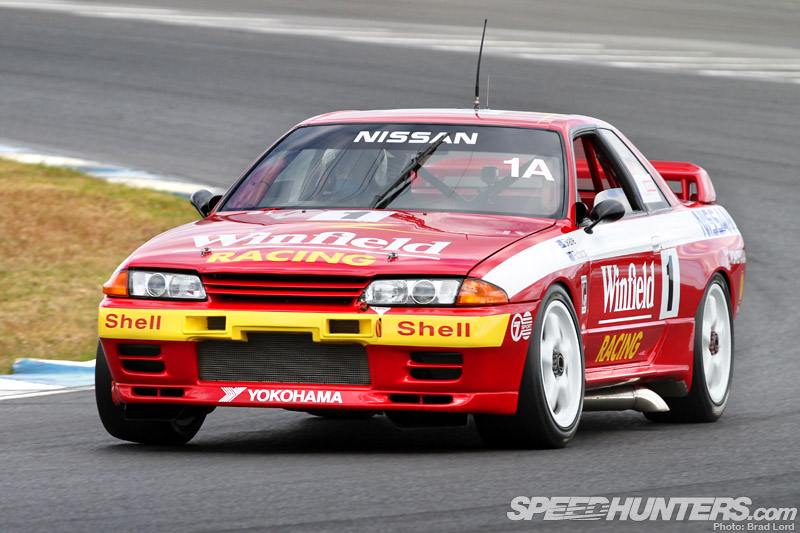
Development of Project GT-X clearly had one thing in mind: dominating the track. If you’ve been an avid Speedhunters reader, you may recall a couple of articles by Brad and Matt where they look at this more in depth. You can find their articles here, and here, which they cover a tremendous amount of history and technicalities on why the GT-R was as good as it was.
Making The DecisionWhen I found myself looking for a new project two years ago, I had a laundry list of expectations to check-off on. After ownership of the cars mentioned prior, I yearned for historical significance, performance, drivability, reliability, abuse-ability, rarity, aesthetically appealing design, and most importantly, driver feel.
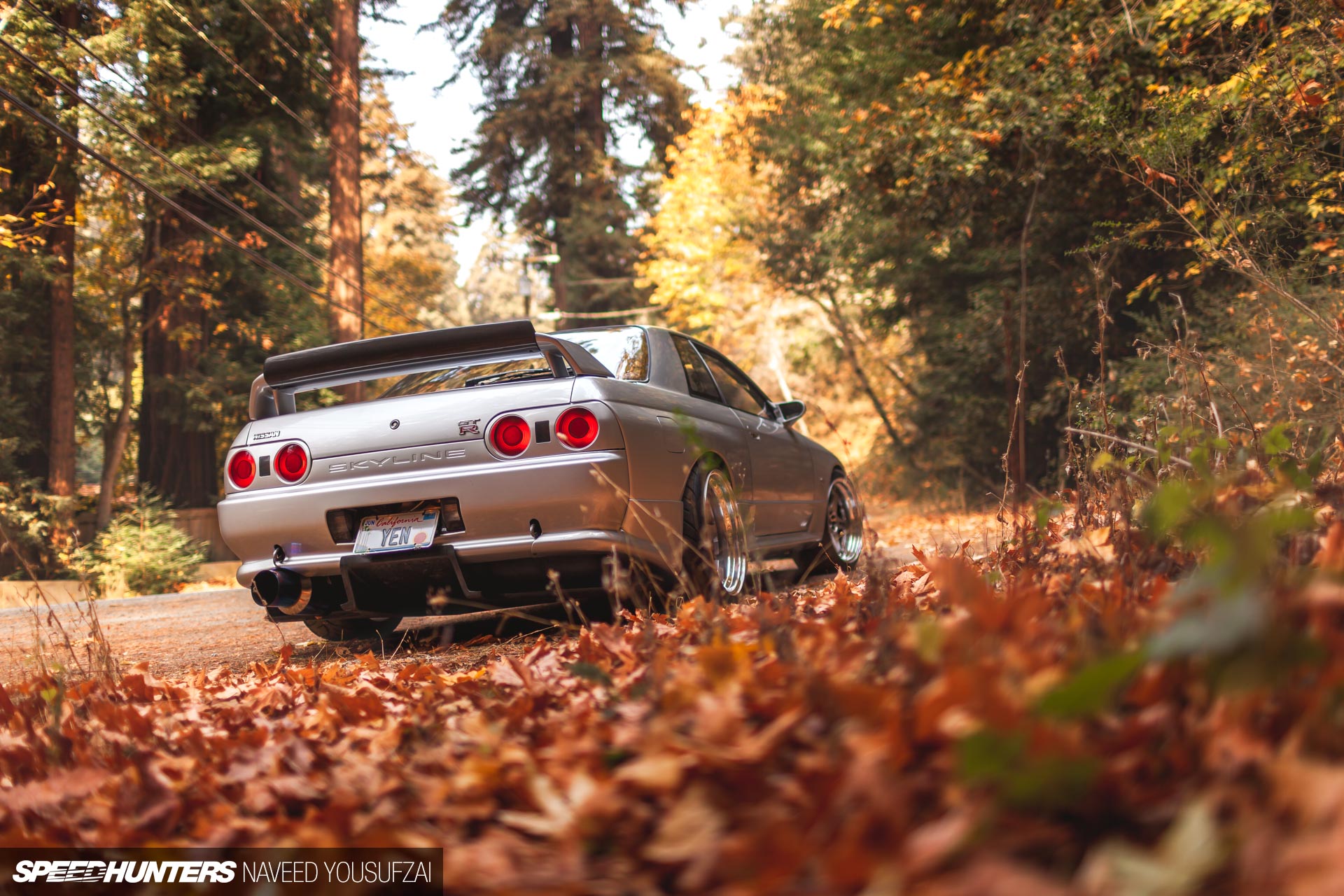

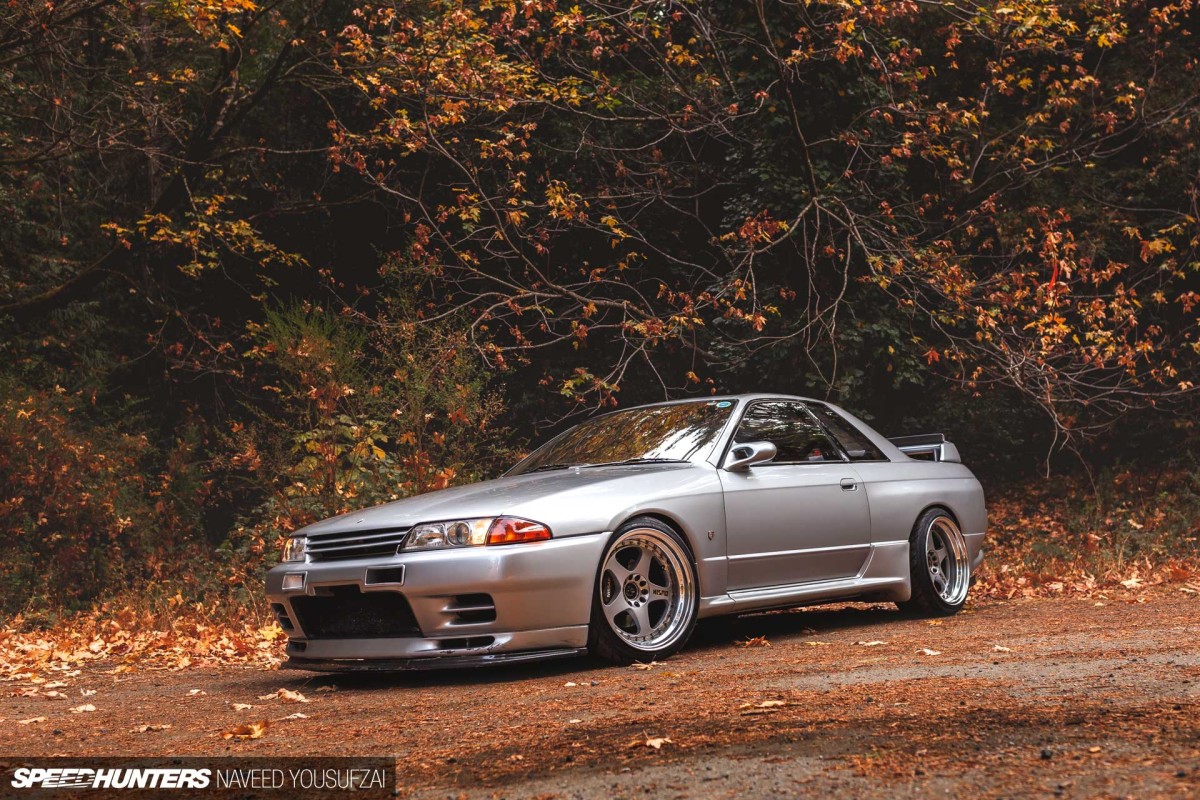

So a few years ago, after going down a deep rabbit hole drooling over articles of Group A racing one night, I realized that the BNR32 was the only justifiable car for me. It checked each and every box, and it was a car I had only dreamt about as a child growing up in the ’90s. Luckily for me, the timing couldn’t have been any better: the 25-year rule we have in place for imports here in the States had just cleared the R32’s legality, which made the choice inevitable.
Within that year, I managed to network around and came across a mutual friend who had just completed the California CARB compliance on an R32 GT-R through American GT-R Senpai, Sean Morris. I’m not quite sure what made him not want the car, but I believe it had something to do with funds, so we’ll just leave it at that. A few phone calls later, I found myself en route to his place, a couple of hours away from home.
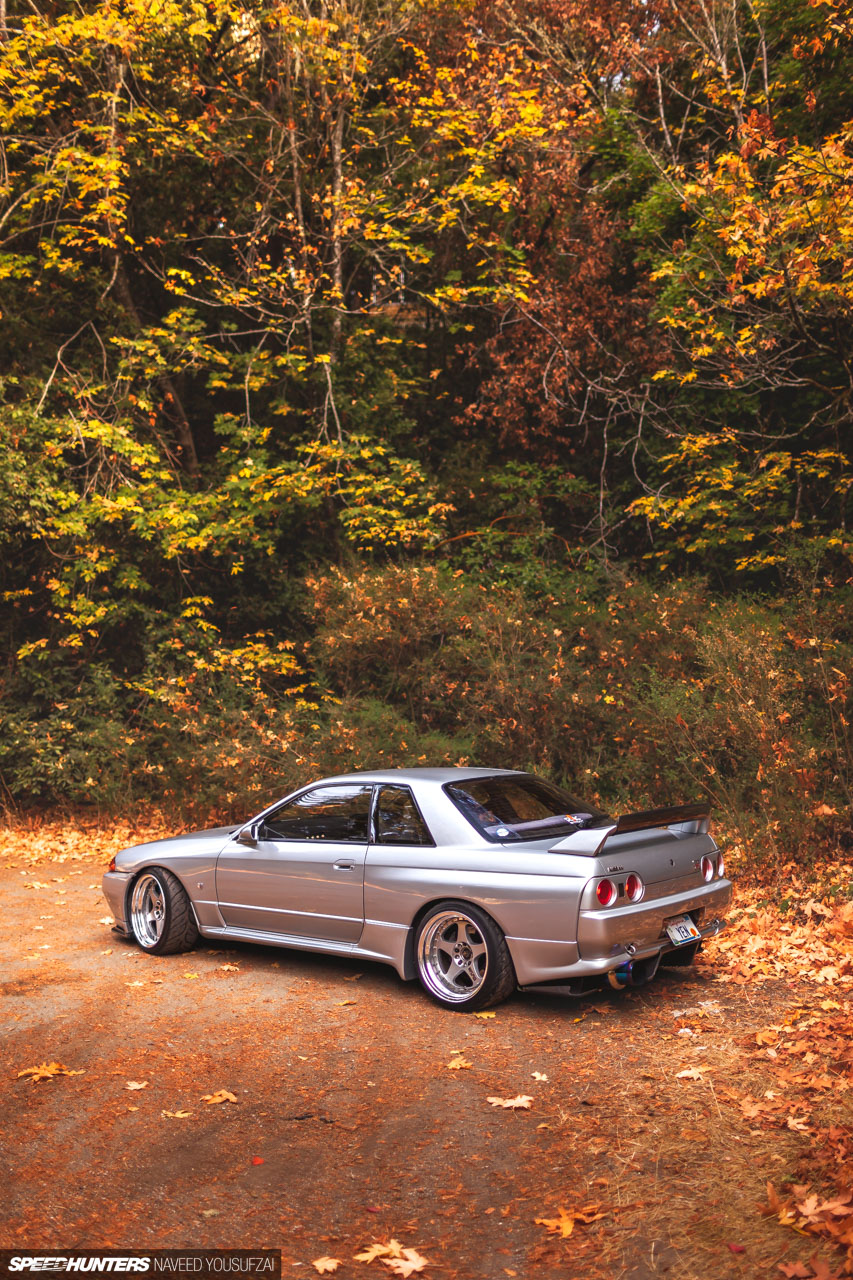
I still remember the night I picked it up. It was a couple of weeks before my birthday in February, and I had my girlfriend borrow her mother’s minivan to help carry some additional parts that my buddy included. I don’t think I’d ever been so excited to purchase a car, and no one knew other than myself. So when we showed up and saw it stowed away behind a mountain of boxes and clutter in the garage, both of our jaws dropped. As cliché as it might be, it was love at first sight.
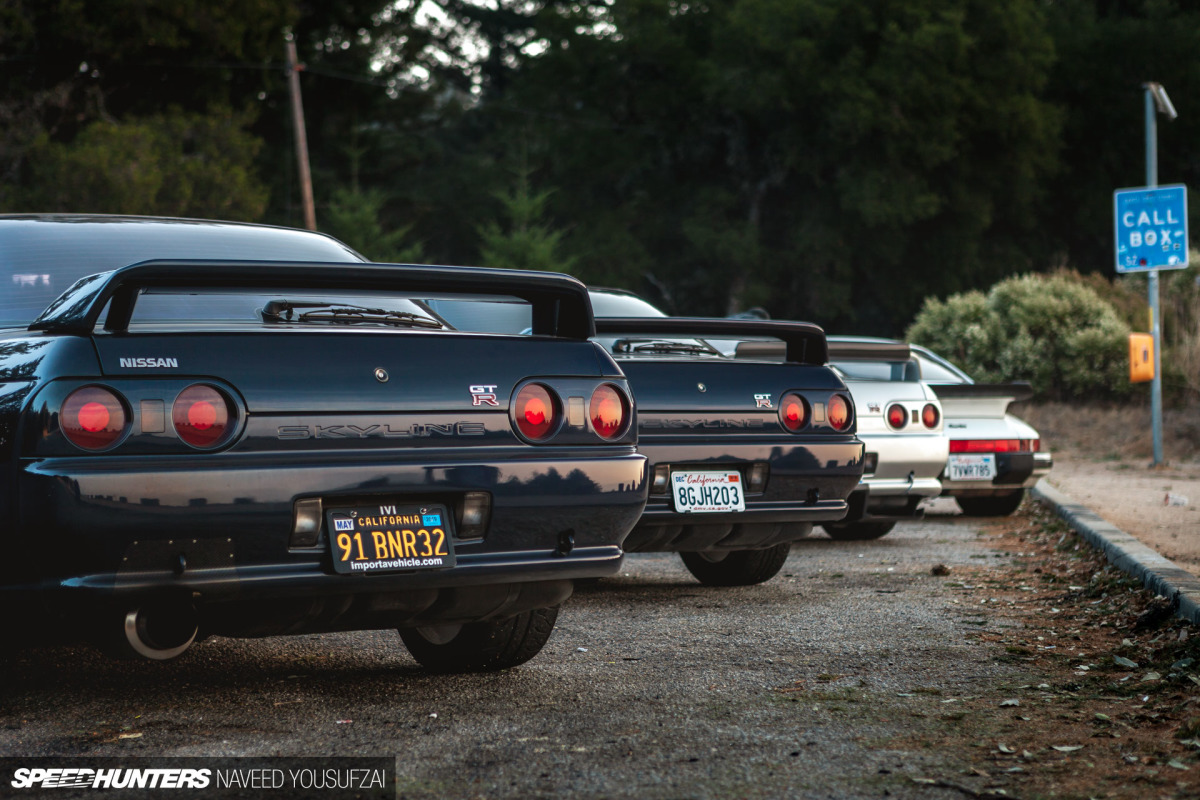
Little did I know then, this car actually had a story of its own to tell, being the first California registered R32 GTR under the 25-year rule.
The 25-Year RuleCalifornia is considered the Golden State for numerous reasons, but for us automotive enthusiasts, it’s everything but that. We are the front line in a constant tug-of-war battle against the Environmental Protection Agency, California Air Resources Board, California Highway Patrol, and Federal Government, just to name a few. It sounds like a suicide mission, right? In all honesty, it sometimes really is. I cannot express enough how difficult it is to get an imported car legally registered here, but truth of the matter is, if you stick to your guns (and have a blank check book ready to go), it can be done.

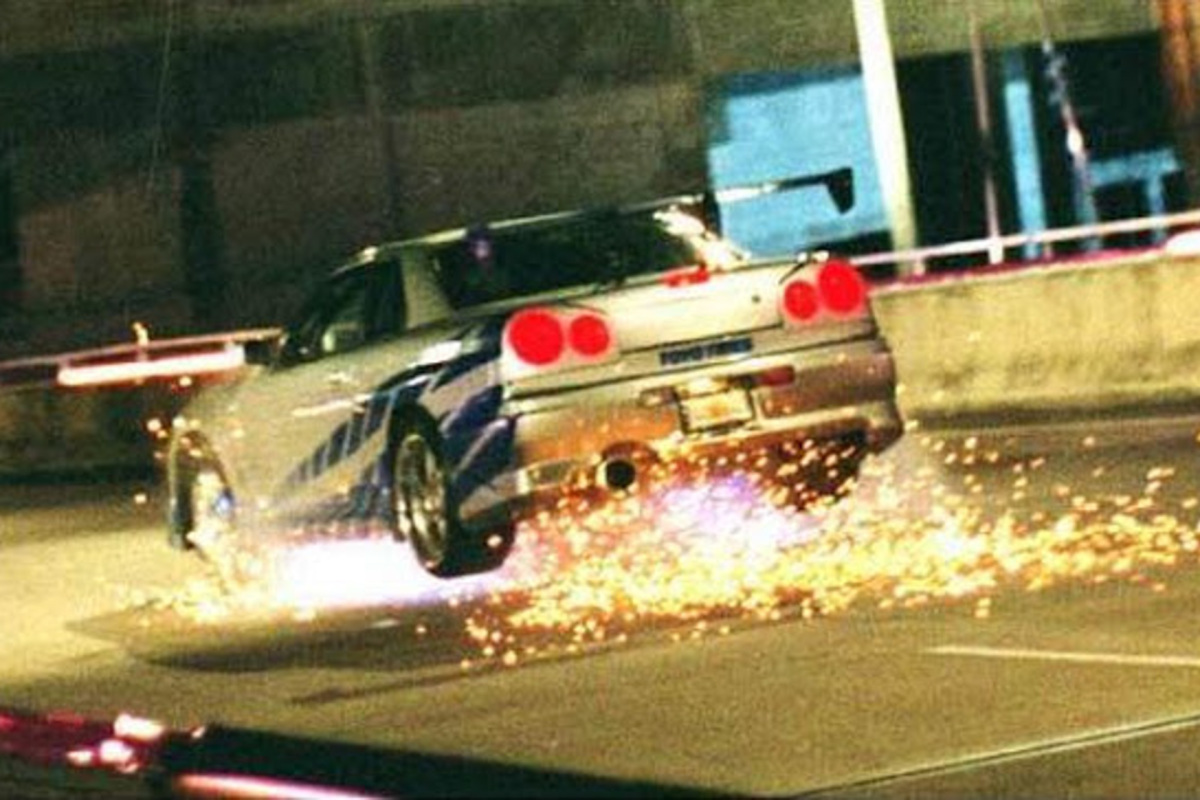
First things first, you have to do some thorough research on who and where to buy your car from. Luckily for me, this step was already complete with the GT-R, and it was done through the most reputable person within the importing industry. Sean Morris is the guy that brought us the Skylines in The Fast and the Furious franchise, and the same man who worked alongside legend Paul Walker. So you could say he knows a thing or two about how the government system works.
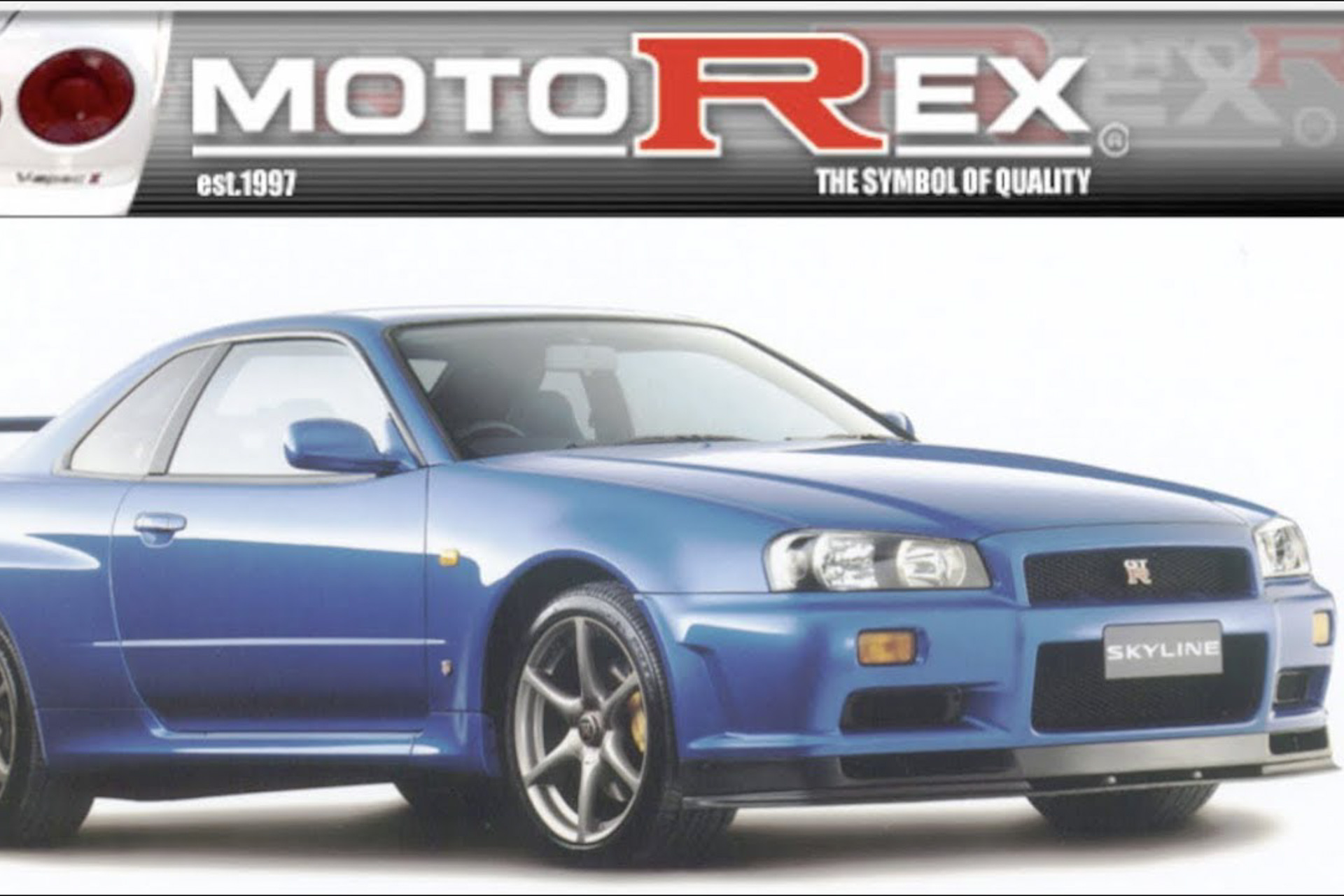
Prior to being owner and operator at Top Rank Imports in Southern California, Sean had a stake in MotoRex – yes, that infamous MotoRex of the early 2000s. For those who might not be familiar with the MotoRex name, they were the ones to bring in the Skylines for Hollywood, but also the first to import them for the general public. It’s an excruciatingly long story with what happened to that company, but long story short, MotoRex had great success bringing imports up to federal spec requirements – for a while. They even went as far as crash testing the R33, a million-dollar task alone.
Then, things took a turn for the worst. After some illegal activities, they were shut down by the federal government, and the whole federalizing process became extremely difficult to do. All of the cars already here were grandfathered in, but hardly any other companies pursued importing cars after the crackdown. It was a huge market that was left untouched by the citizens of the United States, Sean being an exception.
With the 25-year rule set in place, Sean took advantage of the untouched opportunity and began importing cars on his own, under his own company. With that, he managed to work a deal with the conformance agency to get these cars registered within the state of California.
Basically, the cars need to be 25 years old to begin with, so that they are exempt from having to conform to federal regulations. What are these federal regulations? Well, though the list is quite long, but it basically consists of general guidelines that auto manufacturers have to comply with in order to offer their cars in the States. Amongst that list are things like crash test ratings, proper impact bumpers, proper emissions controls, proper safety equipment, and so forth.
This is why if you ever look at cars like a US-spec 993 Turbo versus a Euro-spec 993 turbo, the bumpers are totally different, the headlights and third brake light placing are different, and the US model will typically have more airbags, just to name a few things. The only loophole around the 25-year rule, is to wait until a car is 25 years old, where the law states that cars are exempt from conforming to said regulations and guidelines.
But don’t get your hopes up, because that’s not all.
In about 45 or so of the 50 states, this is all you need to get the Nissan Skyline of your dreams. For those of us in California though, we are blessed with having to abide by the states regulations on smog (emission controls). I find myself torn in this argument, so bear with me…
California has been cracking down on air pollution ever since the smog and congestion issues brought up by scientists of global warming research and development labs across the state in the late 1970s. Part of me totally understands where this comes from, and I support solutions for cleaner air and making less of an impact on our already polluted global environment. But on the contrary, the enthusiast side of me feels attacked and targeted by these rules and regulations set in place, because they are contradictory to their state’s arguments. The state supports electric cars which require energy usage in the process of building said cars – it just doesn’t make sense. But that’s a whole other article that we will touch base on in due time. My point here is that because of the state’s efforts to keep air clean, we suffer from having to deal with a ridiculous amount of emissions controls on our vehicles.
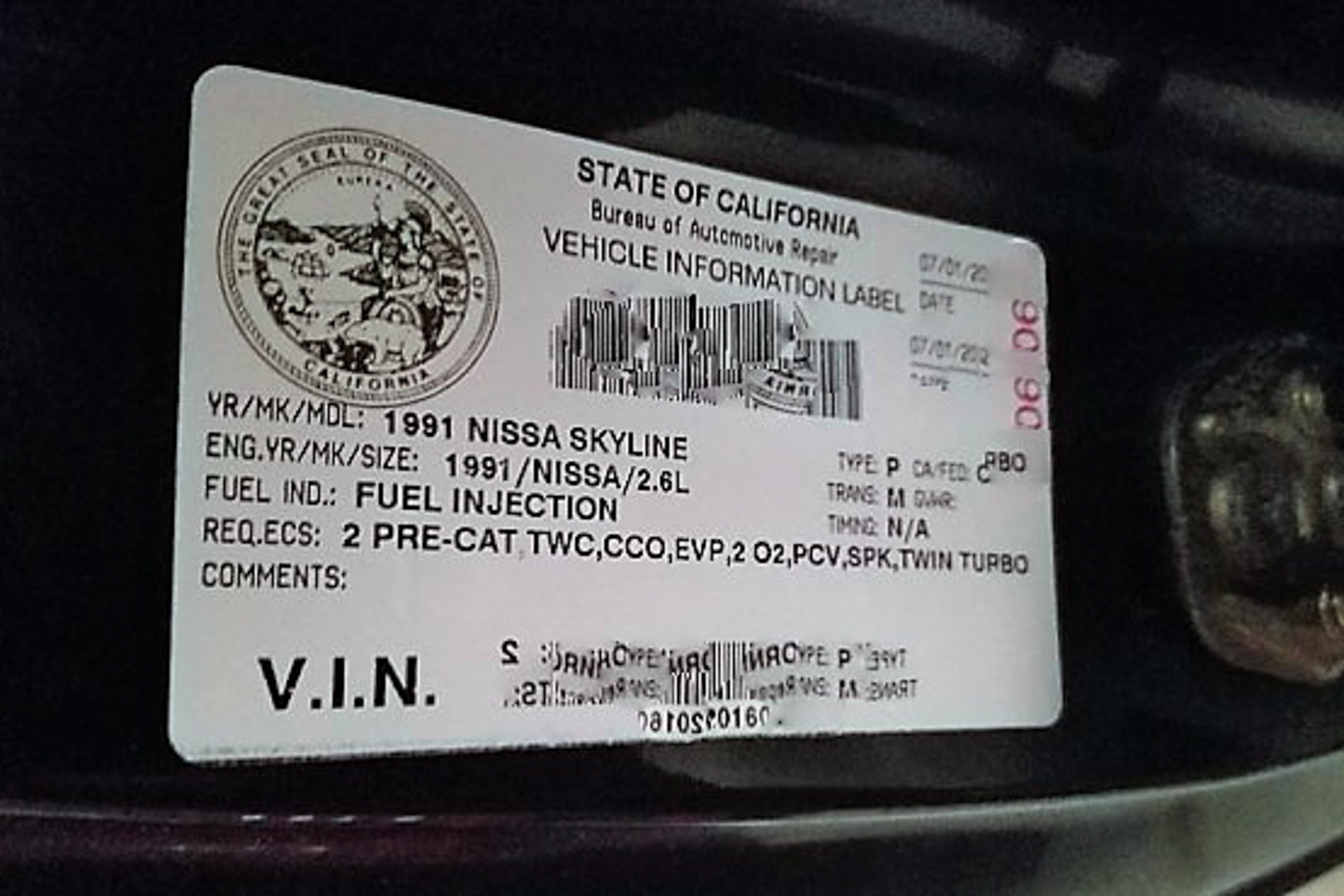
So, when it comes to getting an import registered in the state, it has to go through this whole process of being brought up to factory spec (so it runs right), having numerous amounts of emissions controls added onto the car, and then it has to be sent to a state-certified laboratory to get tested. From there, once testing is successful (it costs a lot of money each time it fails), it gets sent to the California Highway Patrol for further inspection, and finally completed with a sticker placed on the inner door jam, for proof of completion.
But wait, there’s more.
Now that you’ve gone through this entire process, you have to take your mountain of paperwork to the Department of Motor Vehicles, or as I like to call it, Satan’s first home. You will be greeted with a few hours of wait time, which ultimately leads you to a confused worker who has no idea how to process Japanese import documentation, because well, it’s in Japanese. You will get a supervisor involved, they will turn you away multiple times, but as I mentioned before, you must stand your ground, and eventually you will prevail.
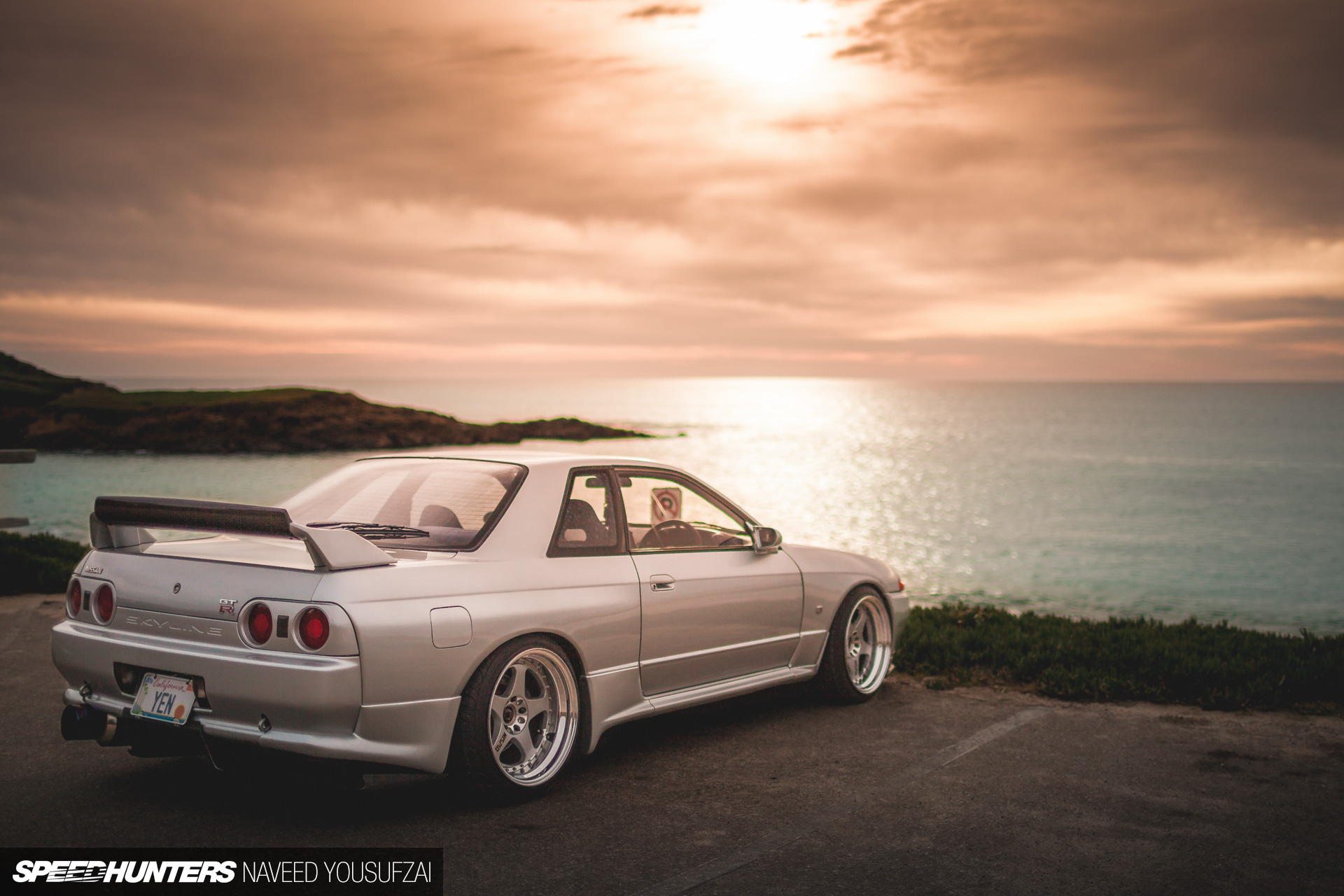
Is it worth it? Probably not, as it would be easier to just title it out of state, as many seem to get away with going that route anyways. But one thing is certain, once you nail this process and have it complete, you will be headache-free for as long as you own the car. Some may even argue that they would never want to live in a state where you have to deal with this type of governing, and that’s absolutely okay.
I for one, love it here in California. There is nowhere else in the world where I can wake up on an early November morning, where the sun is shining bright and temperatures are at a cool 70 degrees, and make my way towards the beach, whilst driving scenic mountain roads and stopping in the city for some Philz Coffee on the way – all in any single given day.
OEM+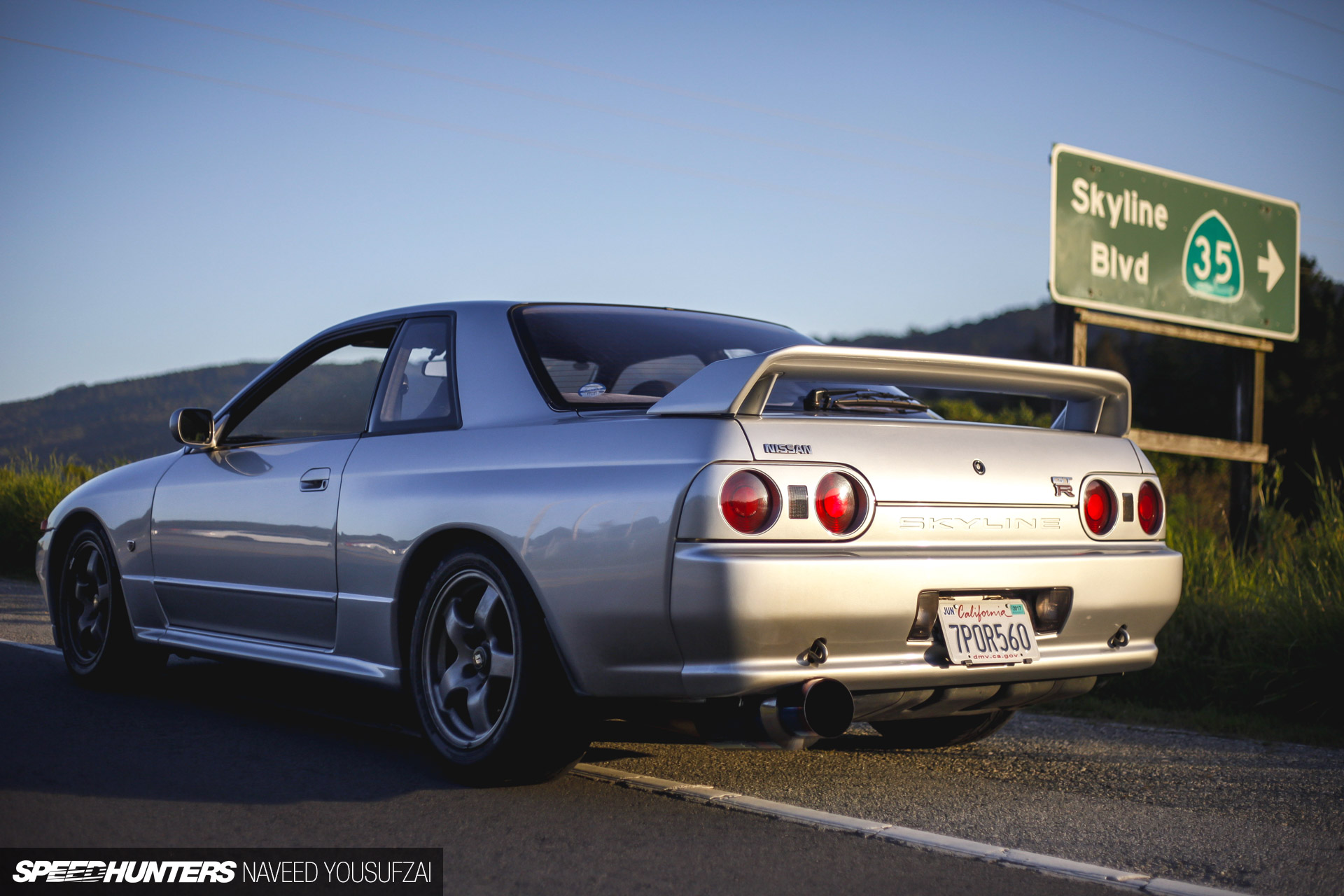
So let’s dive back into details of my car’s progress. Shortly after the headache was over, I found myself at a fork in the road.
On one hand, I wanted to create a full-blown tribute to the Group A racers of the 1990s. On the other, the modest purist in me wanted to keep it as original as possible, as if I was responsible for portraying what a factory example GT-R truly was to California enthusiasts. So what better way to find a happy medium between the two than to go OEM+?
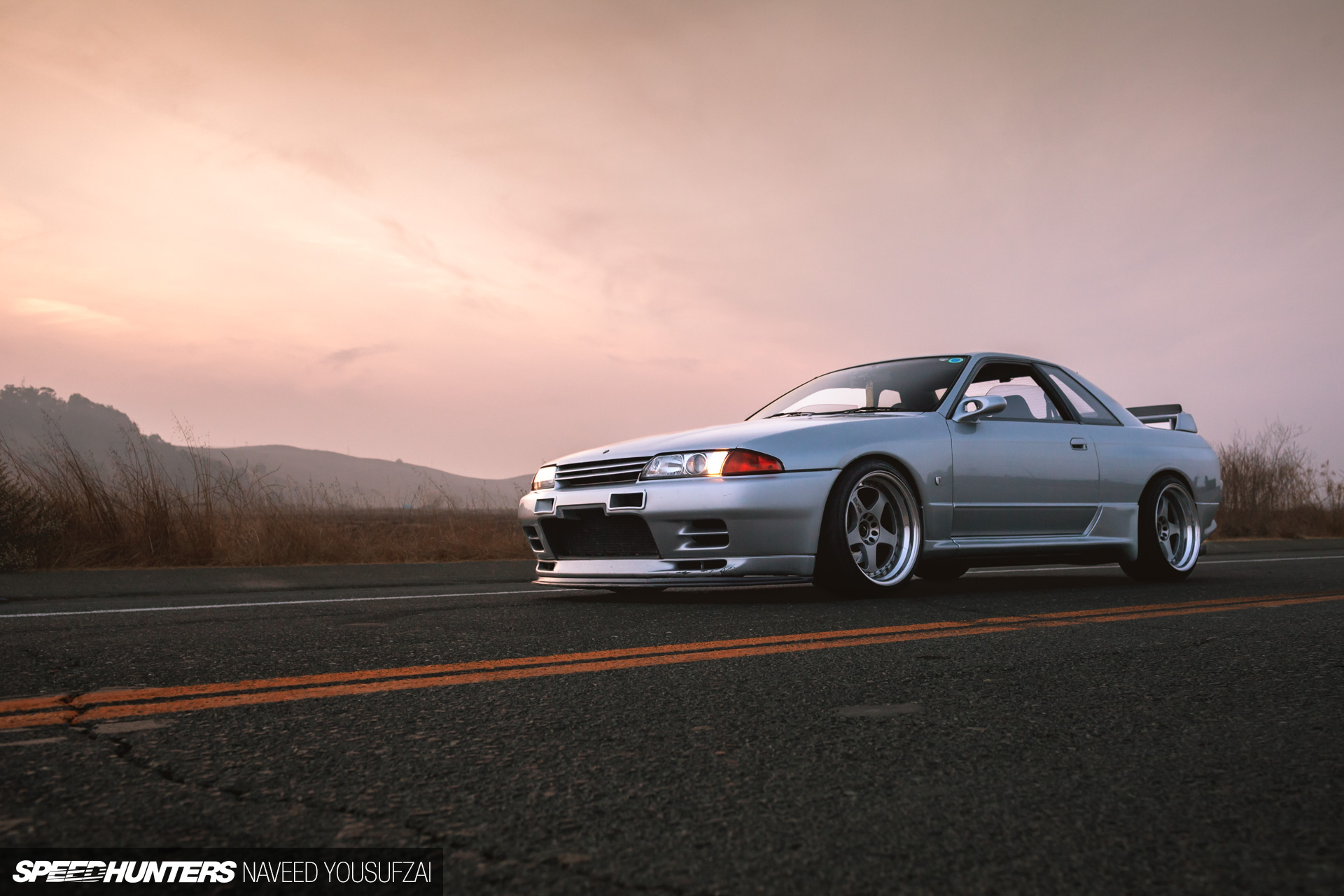

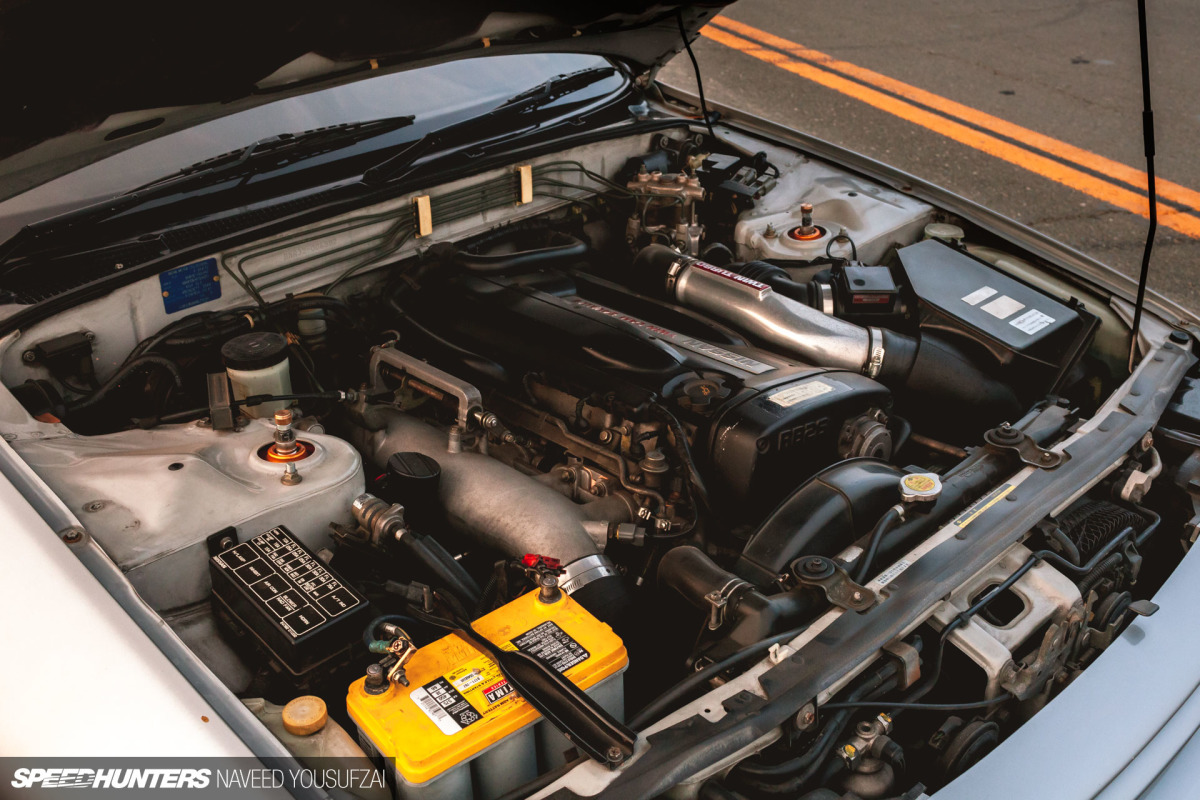
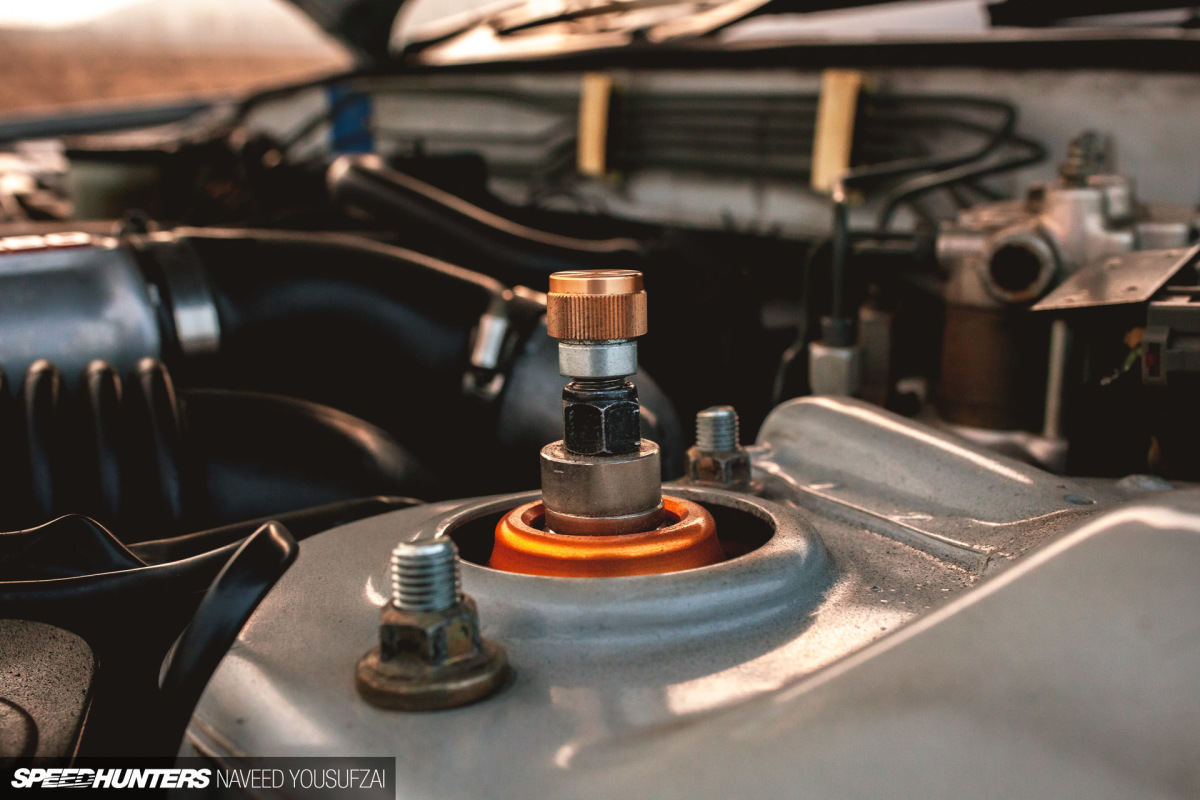
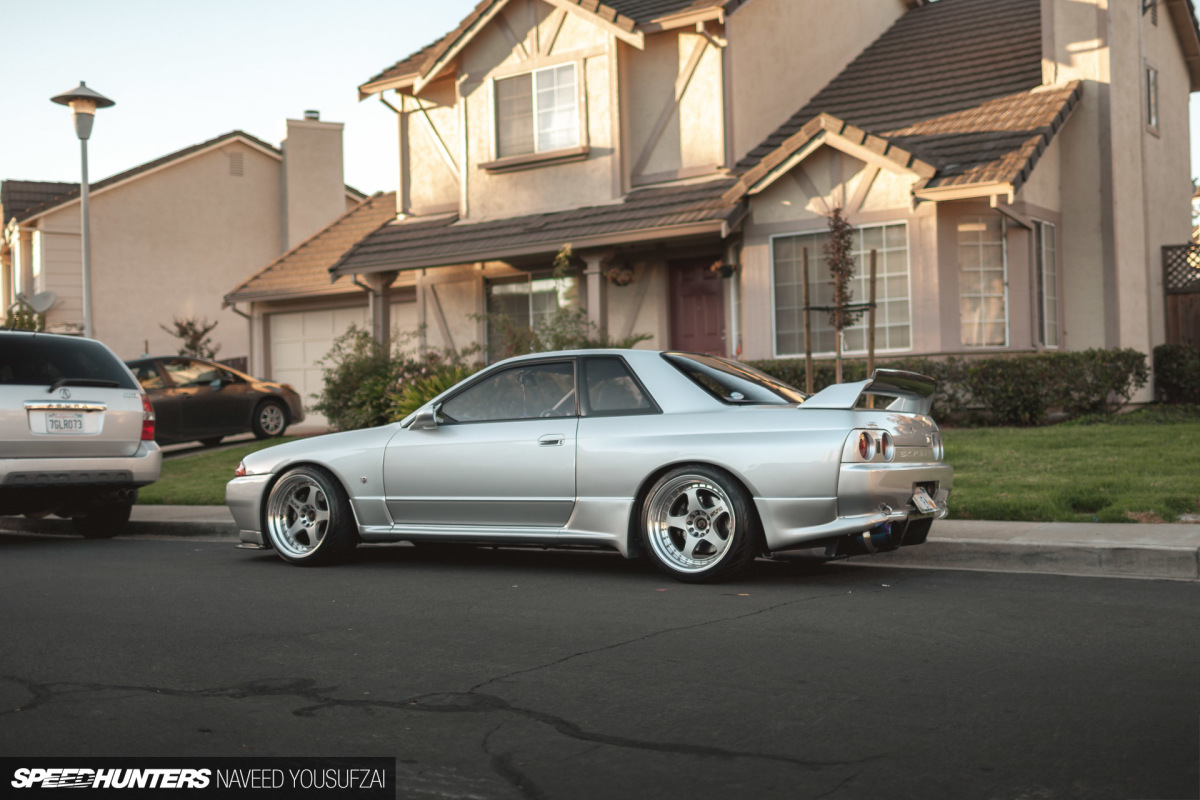
I knew I’d be using the car for its initial purpose so my first priority was to get everything up to proper spirited-driving spec. As with any 25-year-old car, the bushings were pretty worn, the suspension was quite soft, and the ride height was unbearable. My solution ended up being a gorgeous set of Öhlins DFV series coilovers, new bushings all around, and a lowered ride height for a better center of gravity. Of course, maintenance like fluid changes, coil packs, and MAF cleaning was taken care of as well.

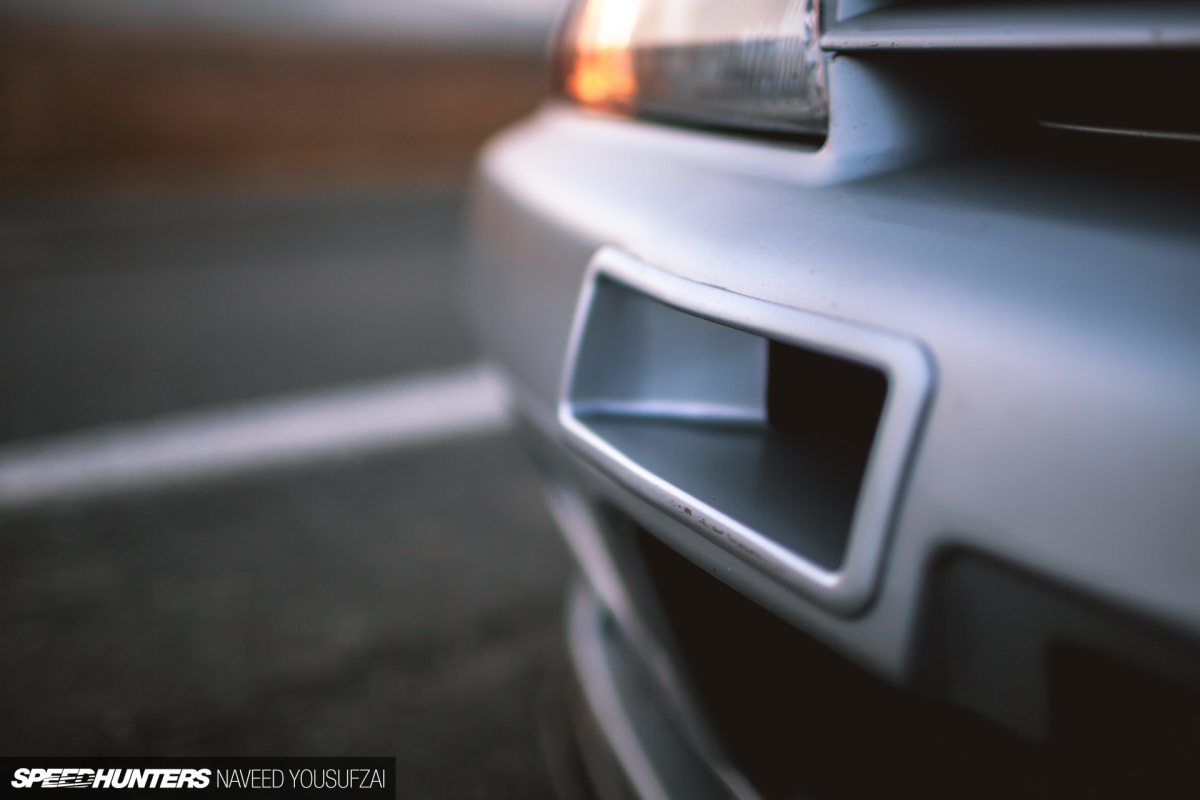
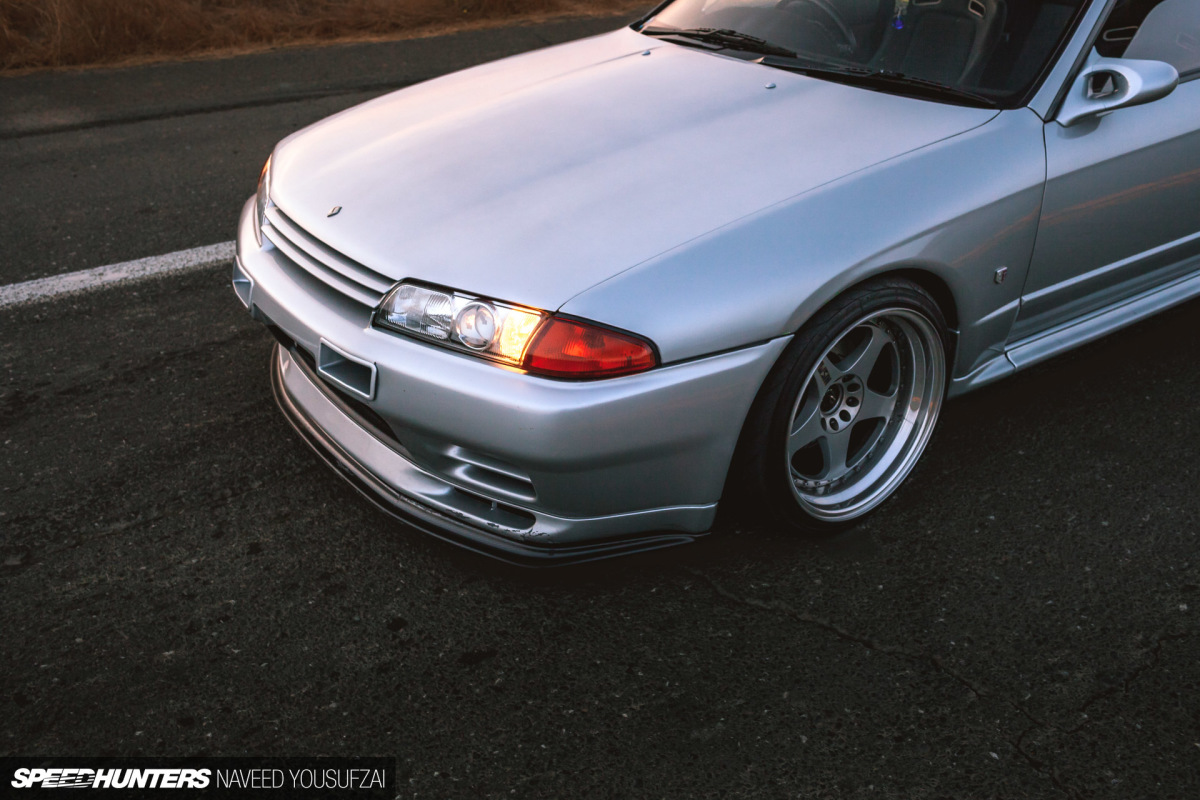
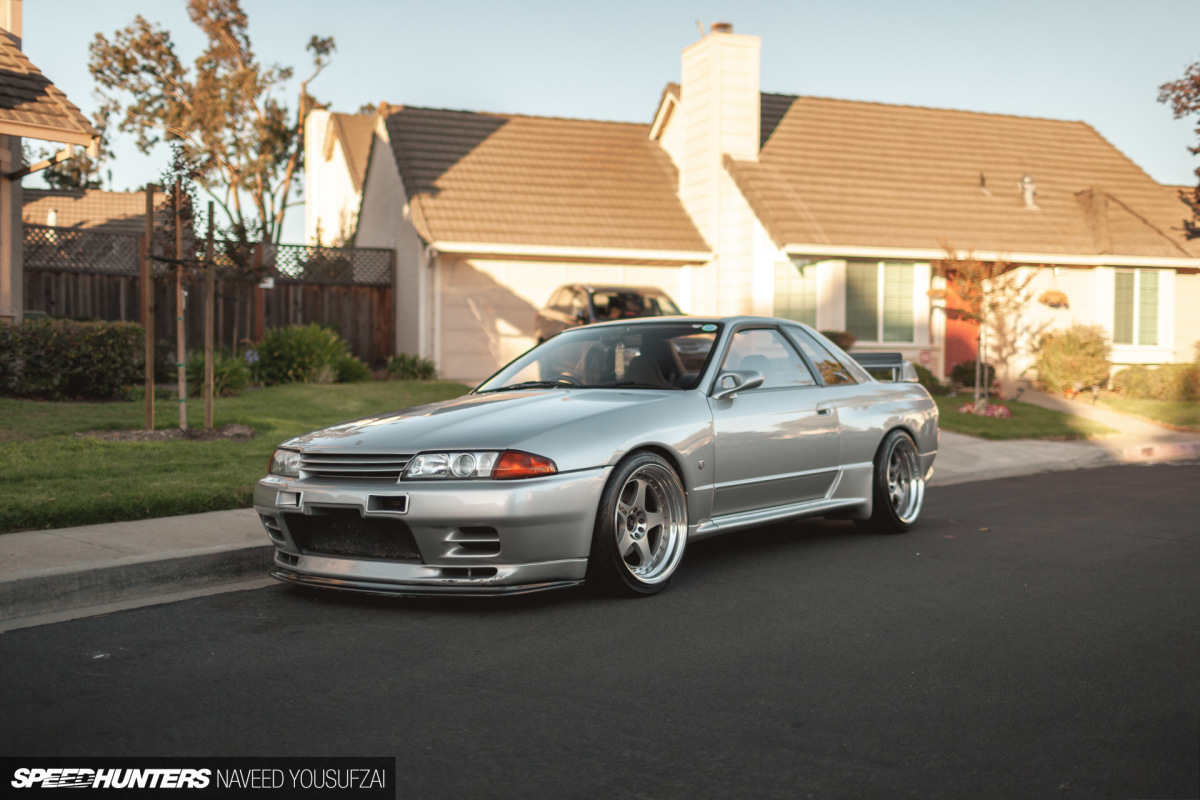
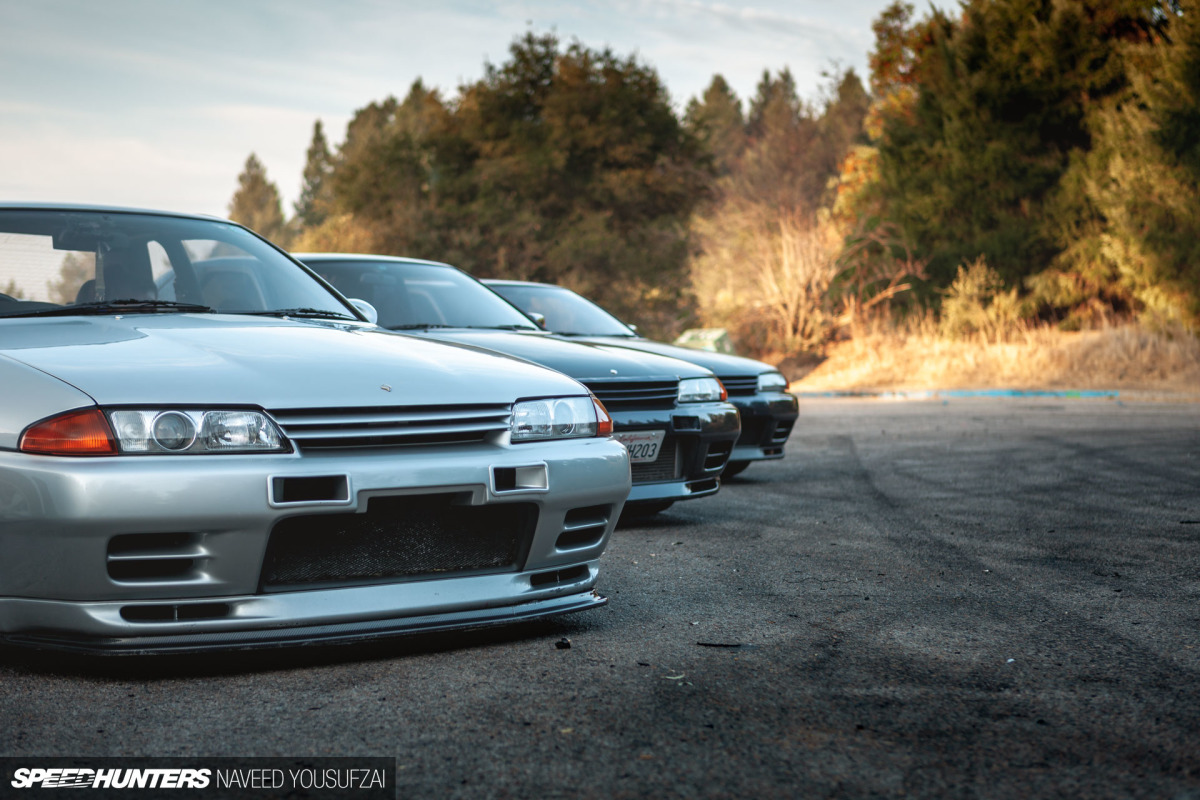
Now that things were grounded, I began the hunt for the few Nismo bits on the car. I scavenged the Japanese auctions for months, bidding and constantly losing to Japanese locals on all of the old original parts. But eventually luck struck, and I found myself authentic Nismo N1 bumper vents and Nismo N1 six-piece side skirts, the two most critical parts in R32 aesthetics.
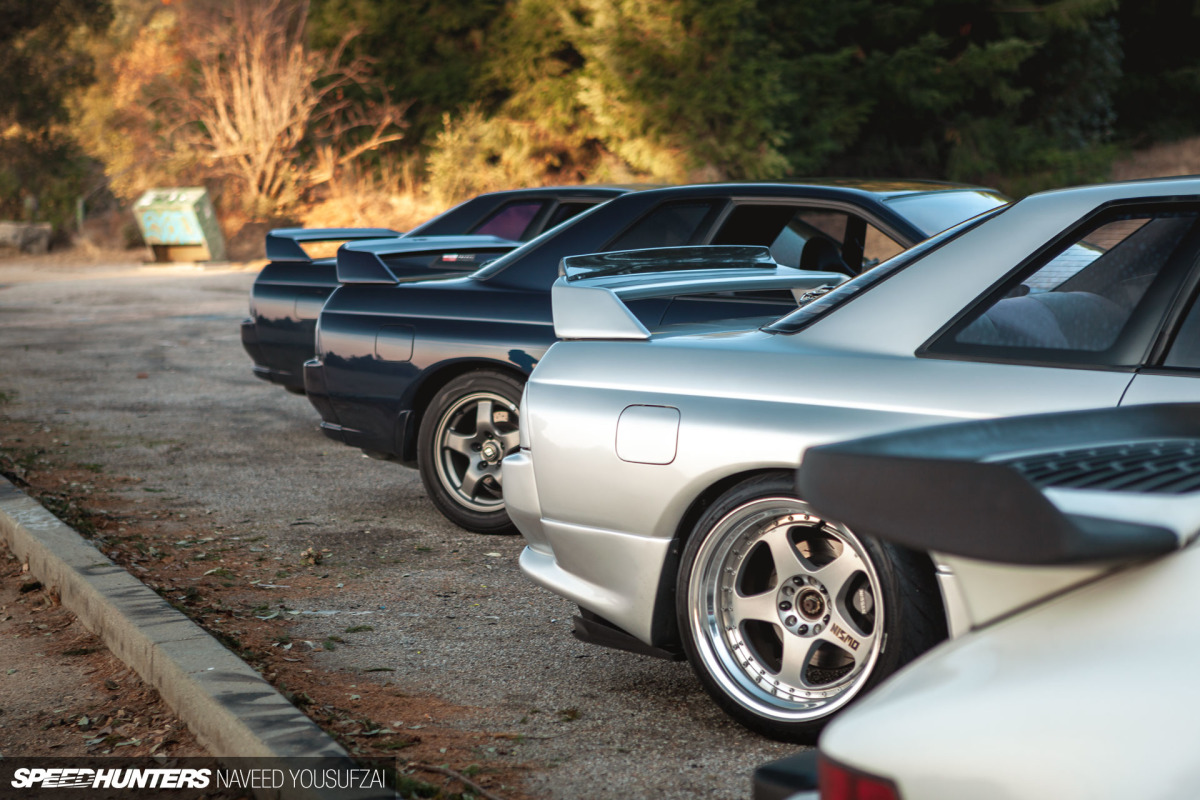
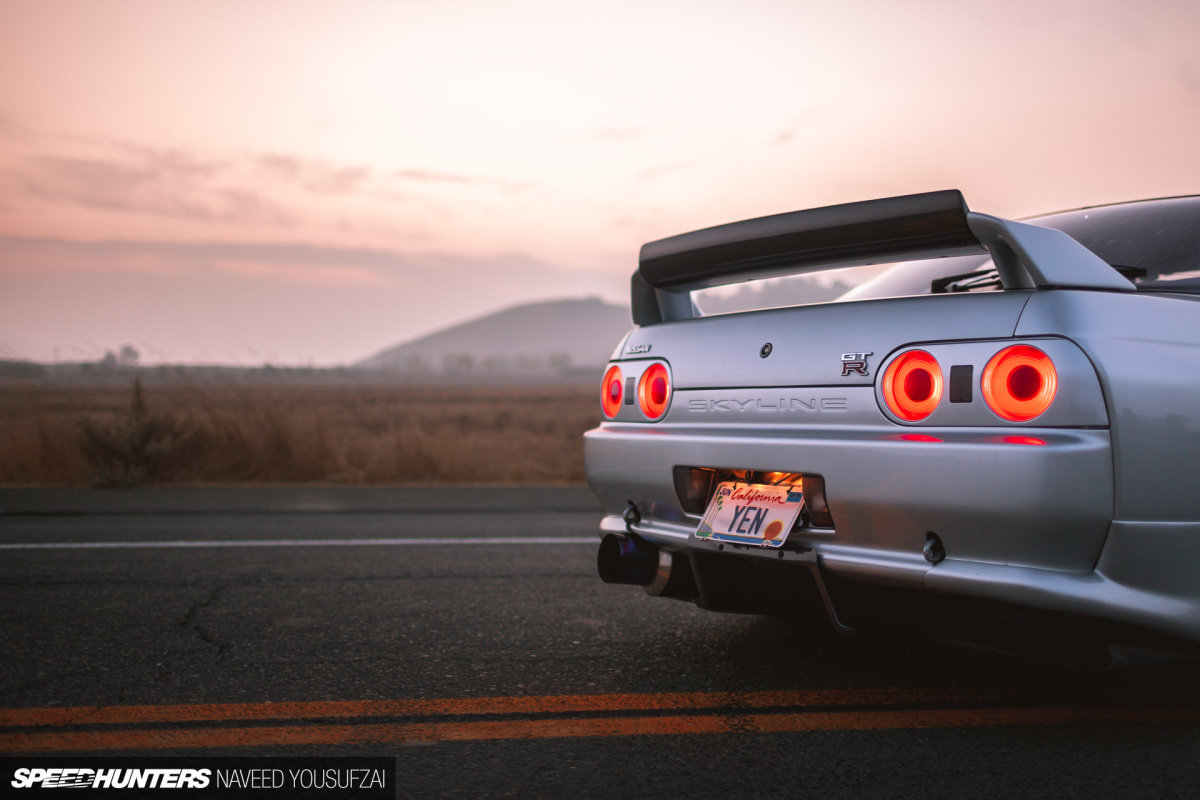
From there, I felt that the car needed just a tad bit more, so I went ahead and purchased the carbon AB Flug front lip, carbon Fujimura Rocket Dancer wing gurney, and the carbon Top Secret rear diffuser.

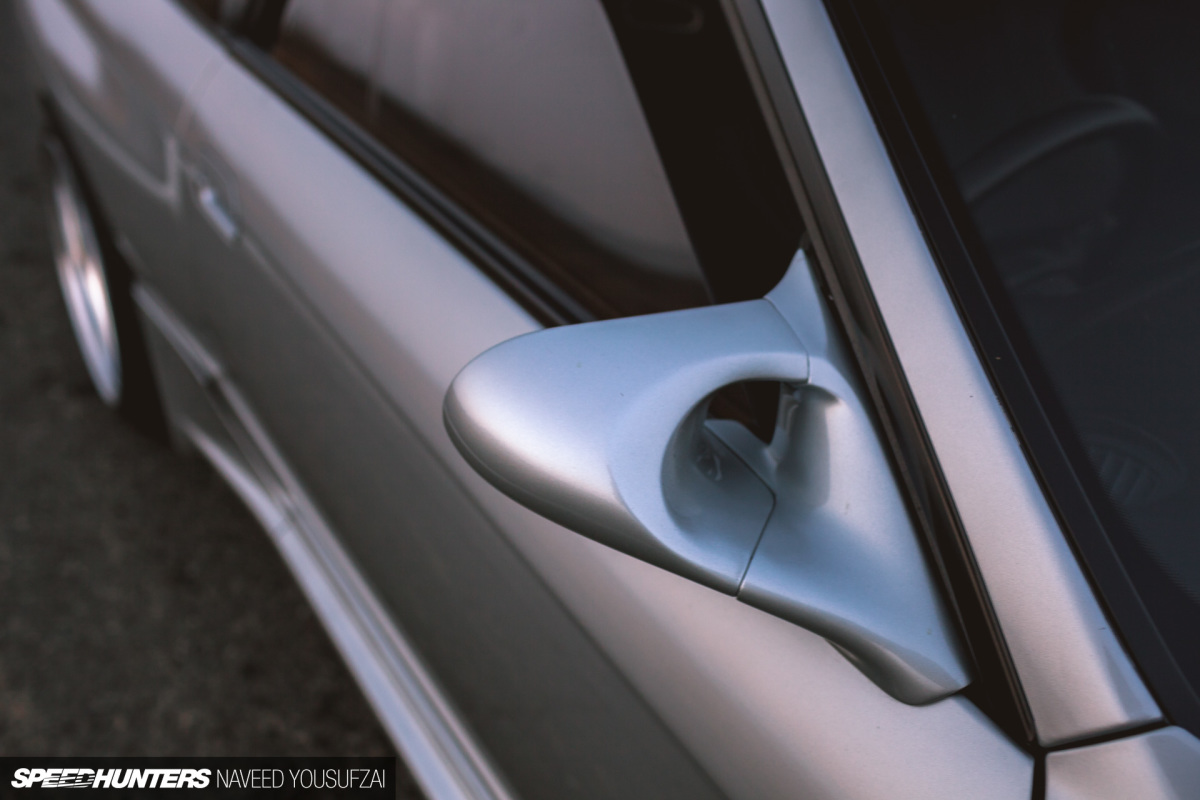
Whilst searching for more aesthetics, I came across a pair of Trust rear bumper spats and a pair of Ganador mirrors, which I quickly jumped on as well. And I’m glad I did; they add subtle touch of aggressiveness, and further help enhance the aerodynamics on the car.
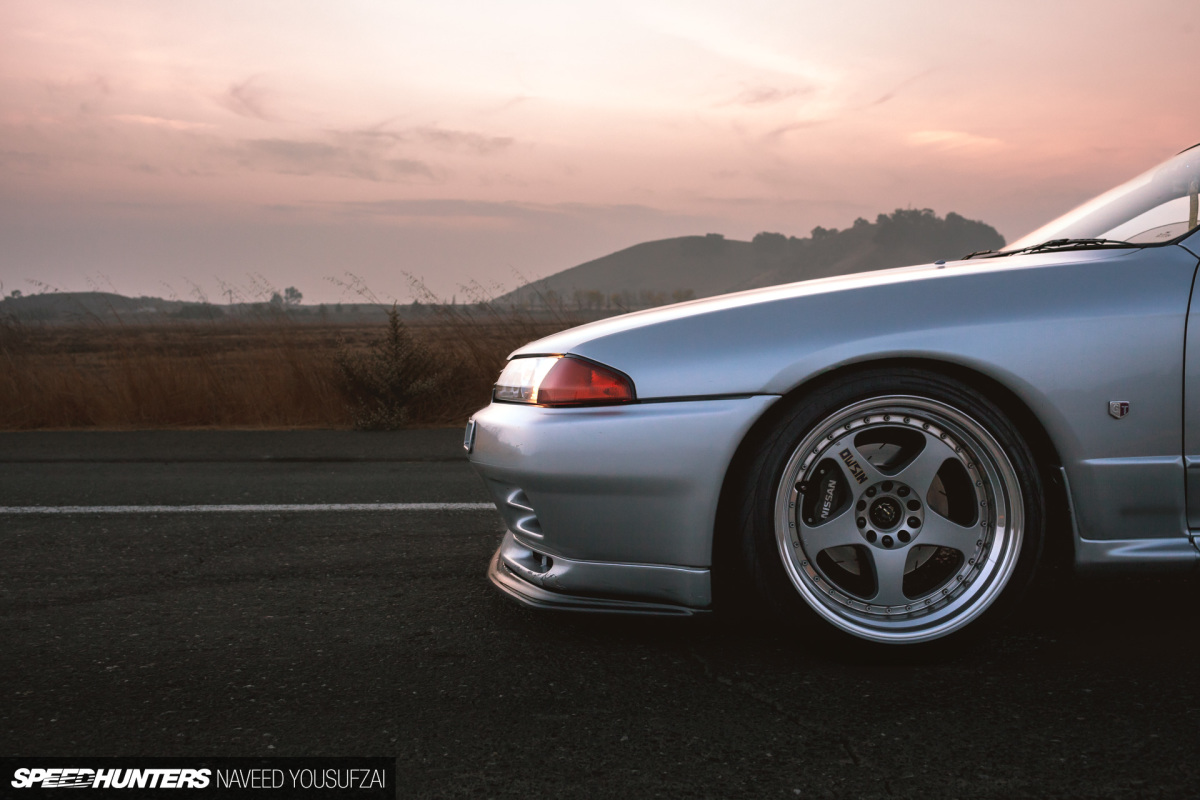

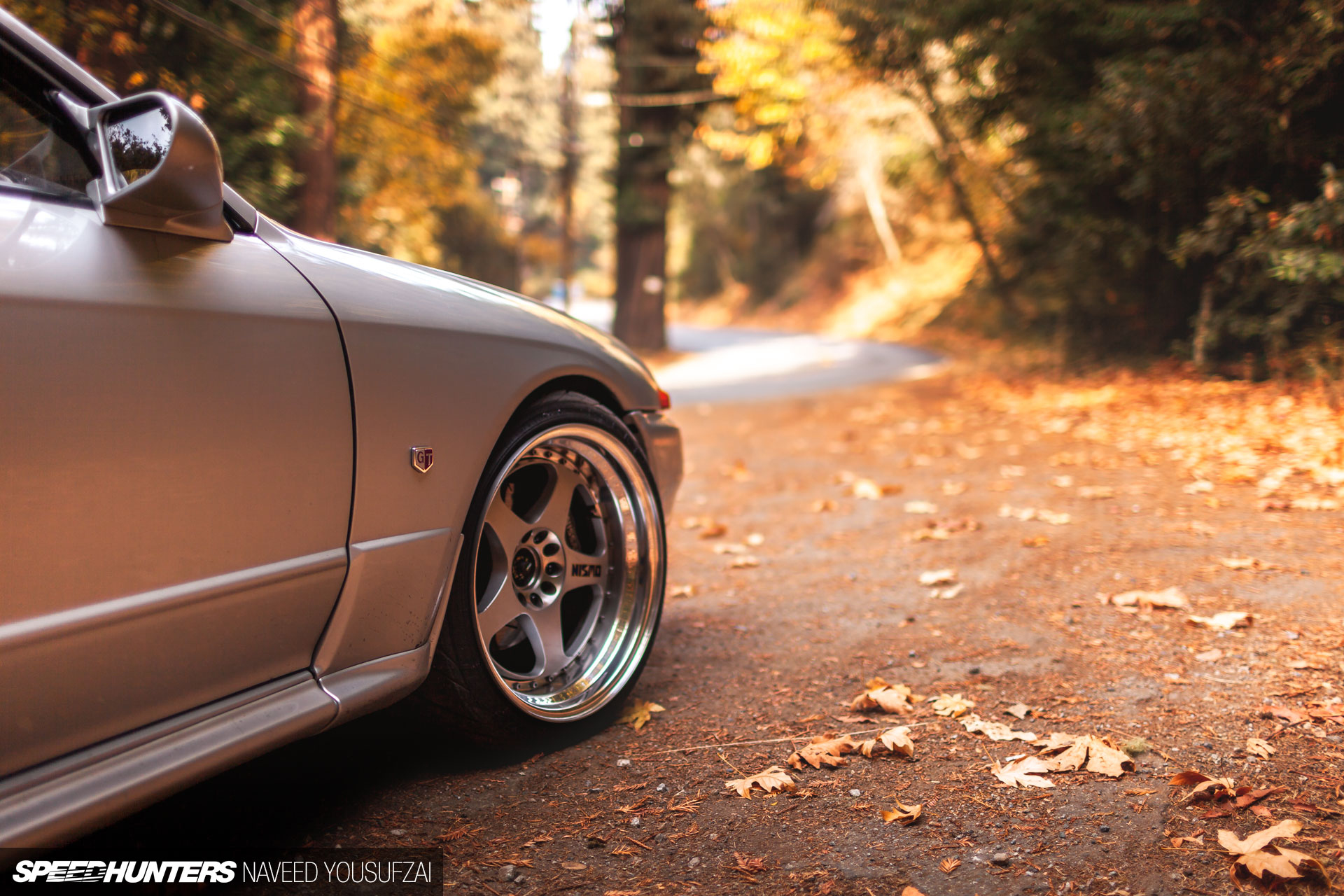
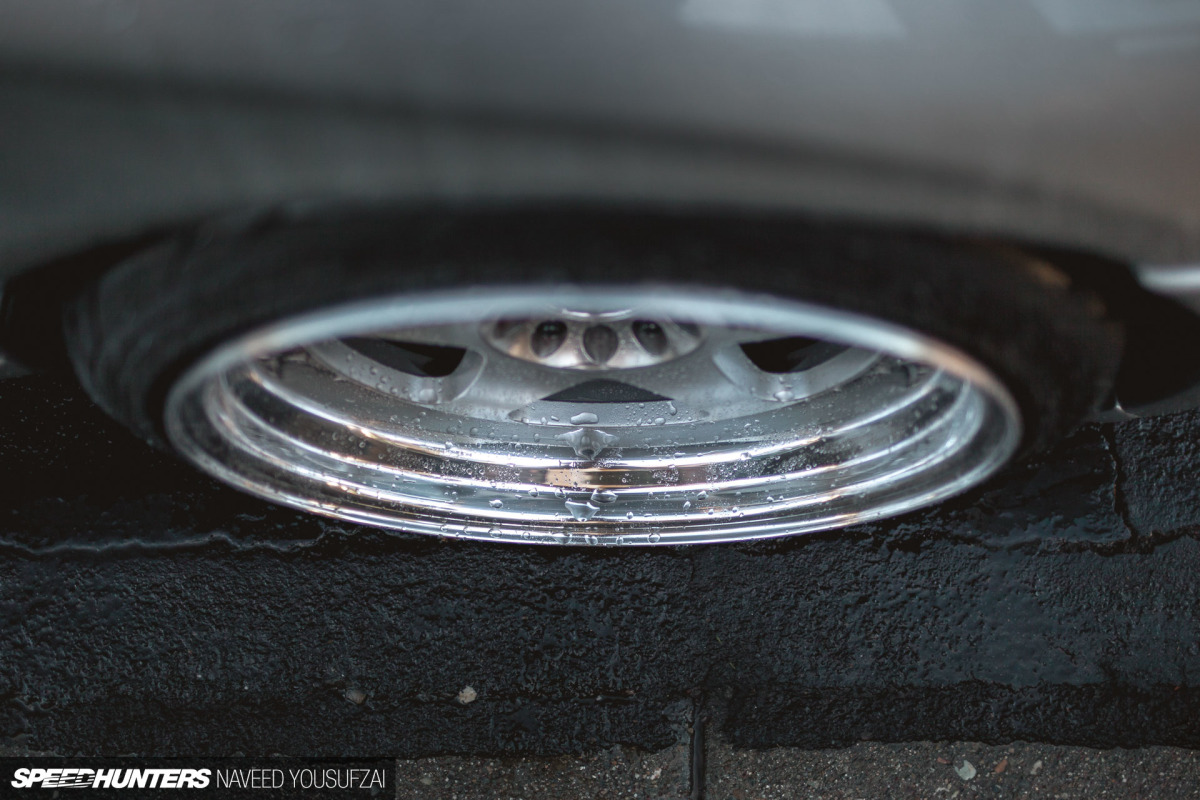
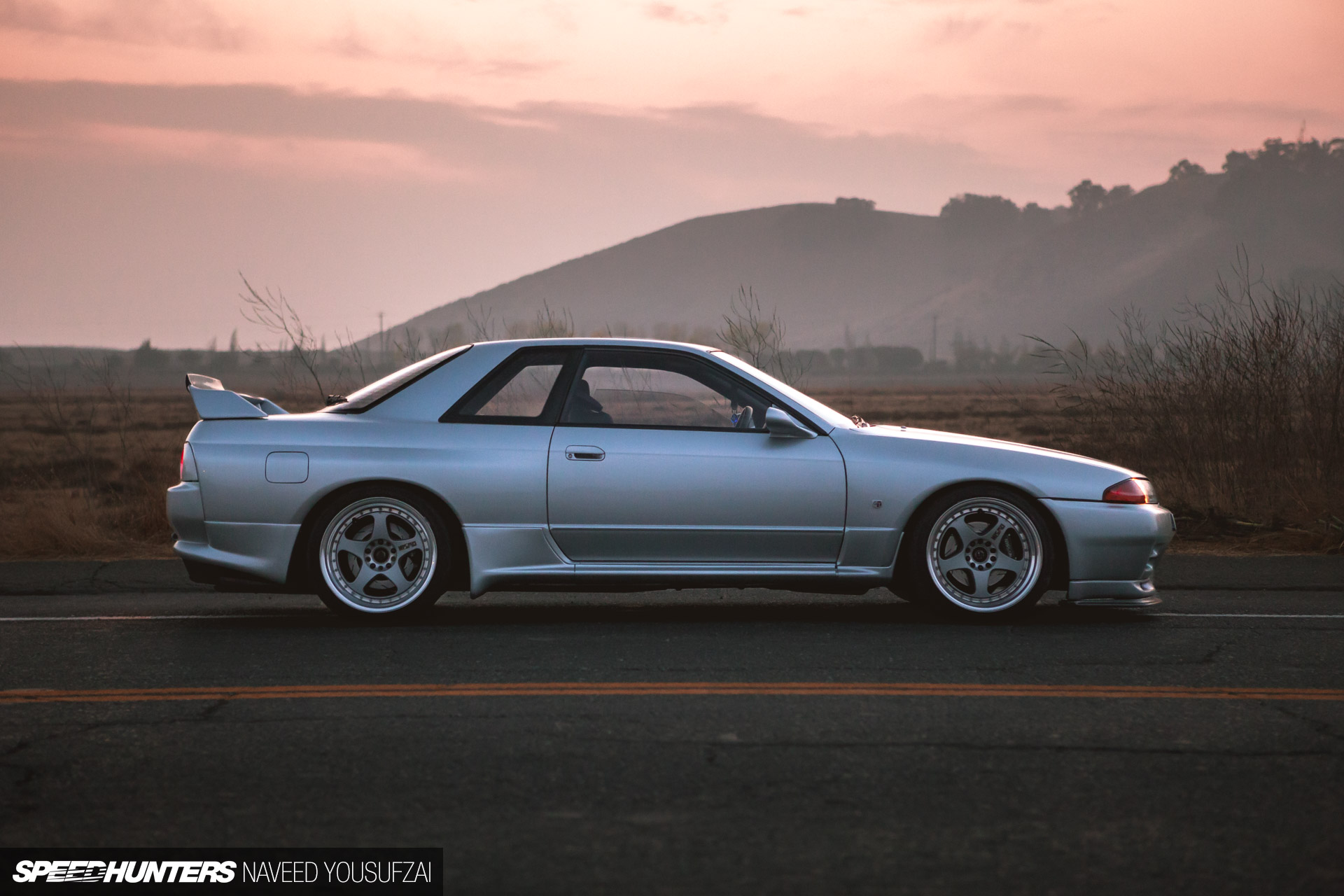
Wanting to keep true to the OEM+ look, I had my mind made on a good set of Nismo LMGT-2 wheels to rebuild. The problem was, they’ve always been difficult to come across in the States. But one night, while I was chatting with a buddy from Fresno about other wheel choices as I had nearly given up, he mentioned that there was a dealership local to him that had an old beat up Z31 sitting on their lot, with the LMGT-2s in factory spec on the car. He asked me what I’d be willing to pay for them, and the next day went to the used car lot and asked the owner if he’d sell just the wheels. After some back and forth negotiation, the wheels were purchased.
A week later, I picked up the wheels and immediately dropped them off to my buddy Jesse over at Griplow for refinishing. I’ve always been intrigued by wheels, and had have owned quite a few sets that were refinished by Jesse for previous builds. But these wheels were special in a sense that they were going on my ultimate pride and joy. After discussing some fitment requirements, the overall specifications came out to be 18×10-inch +13 up front with high back-padding, and 18×10-inch +11 in the rear with low back-padding, resulting in 3.5 and 4-inch lips respectively.
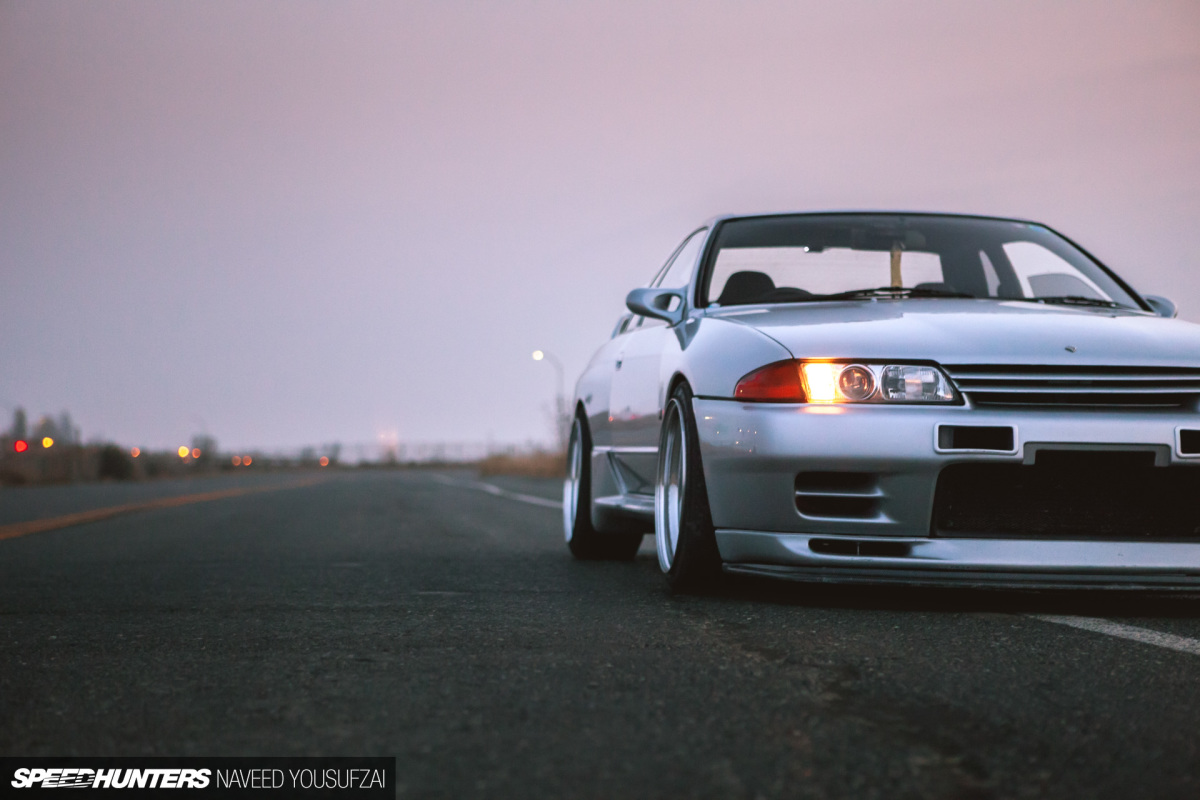
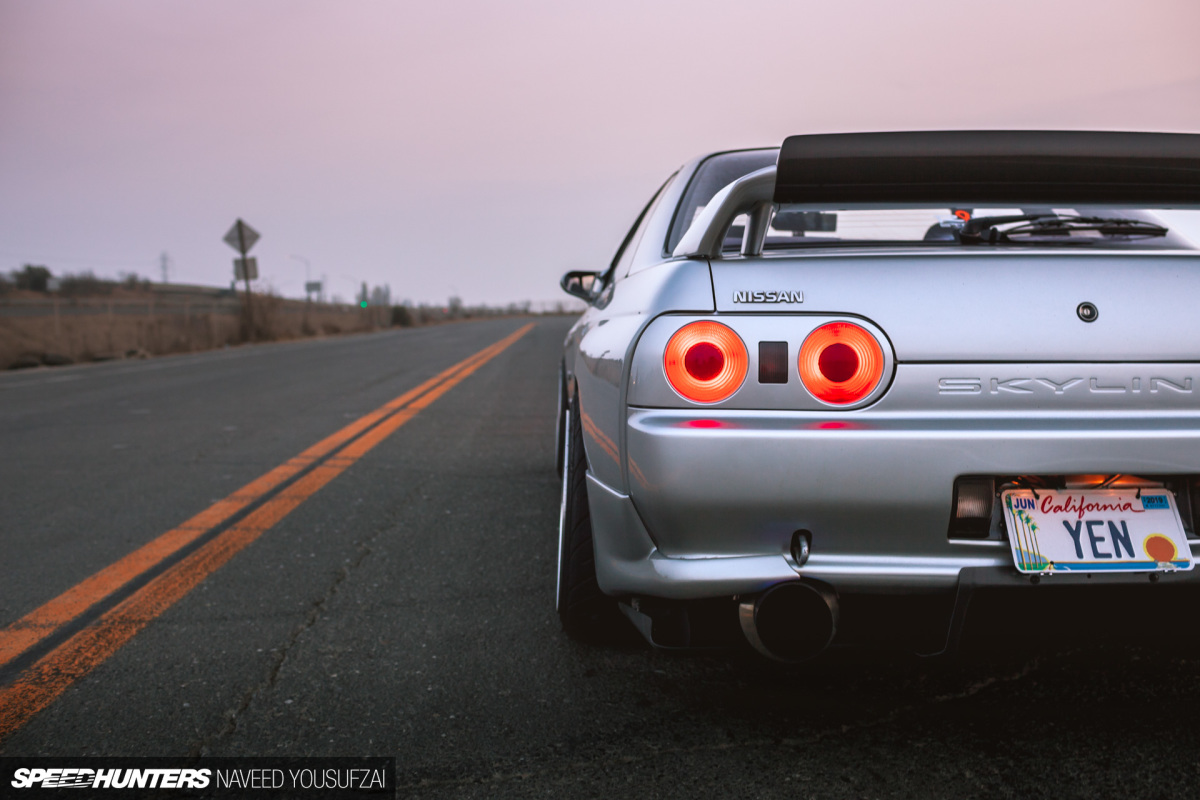
Fitment was spot on for the look I was going for, sitting a few millimeters outside the fender wells, with 245/35R18 Federal 595 RS-RRs all around. Technically, I should’ve gone with something in the 17×9-inch range for proper OEM+ fitment, but being the stance-loving kid I am, I couldn’t help but fully fill the wheel arches for that ultimate look.
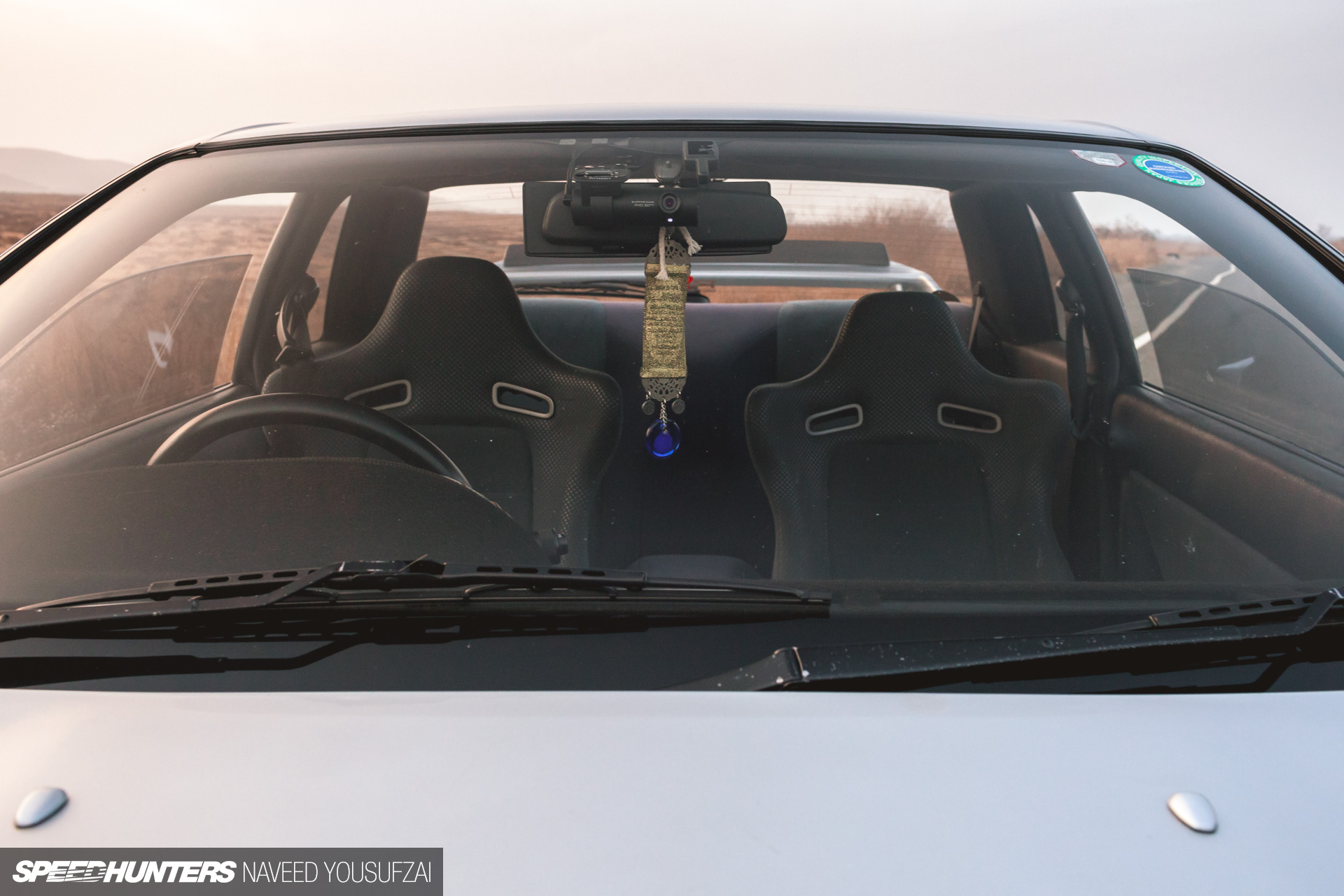


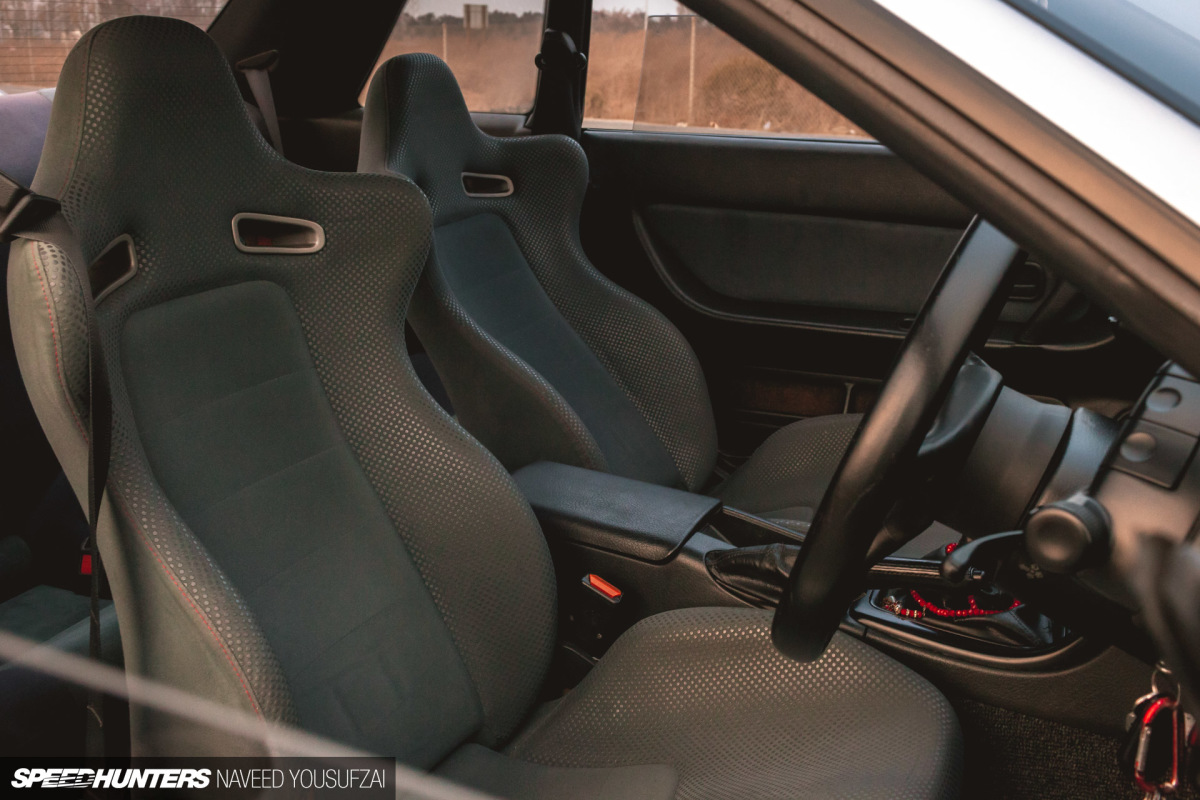
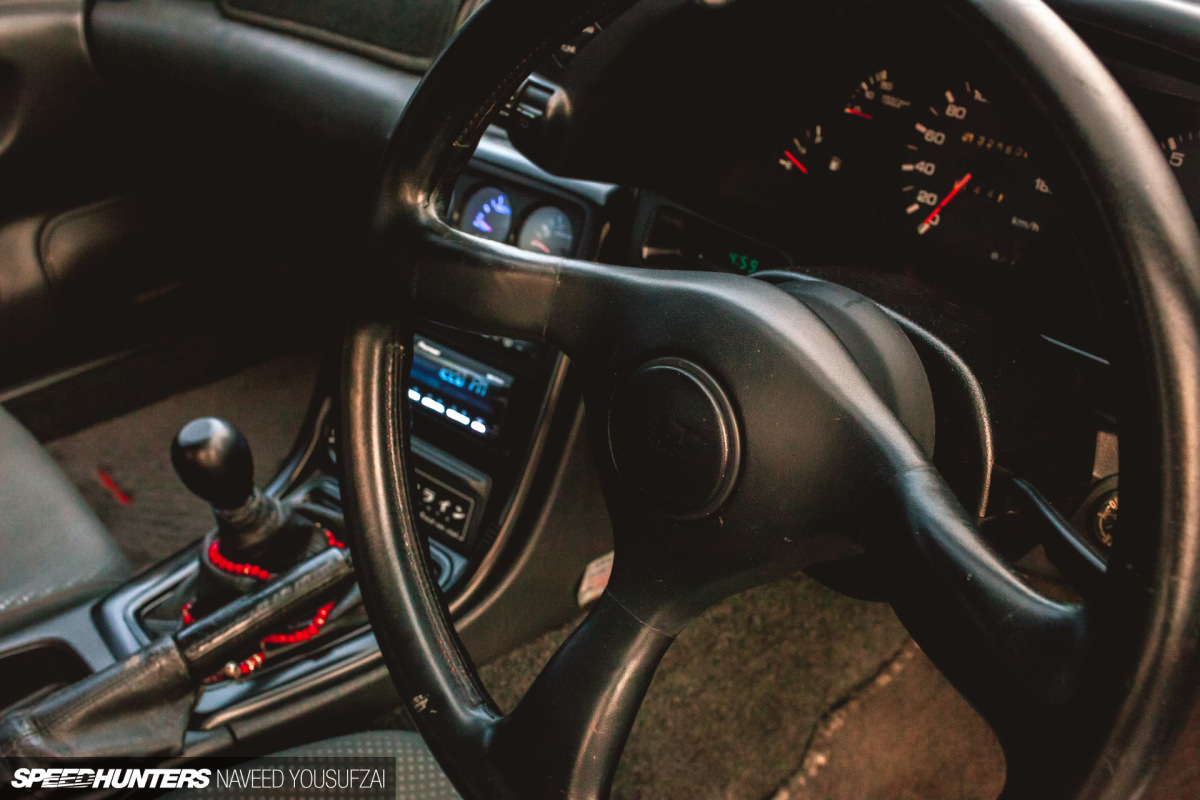
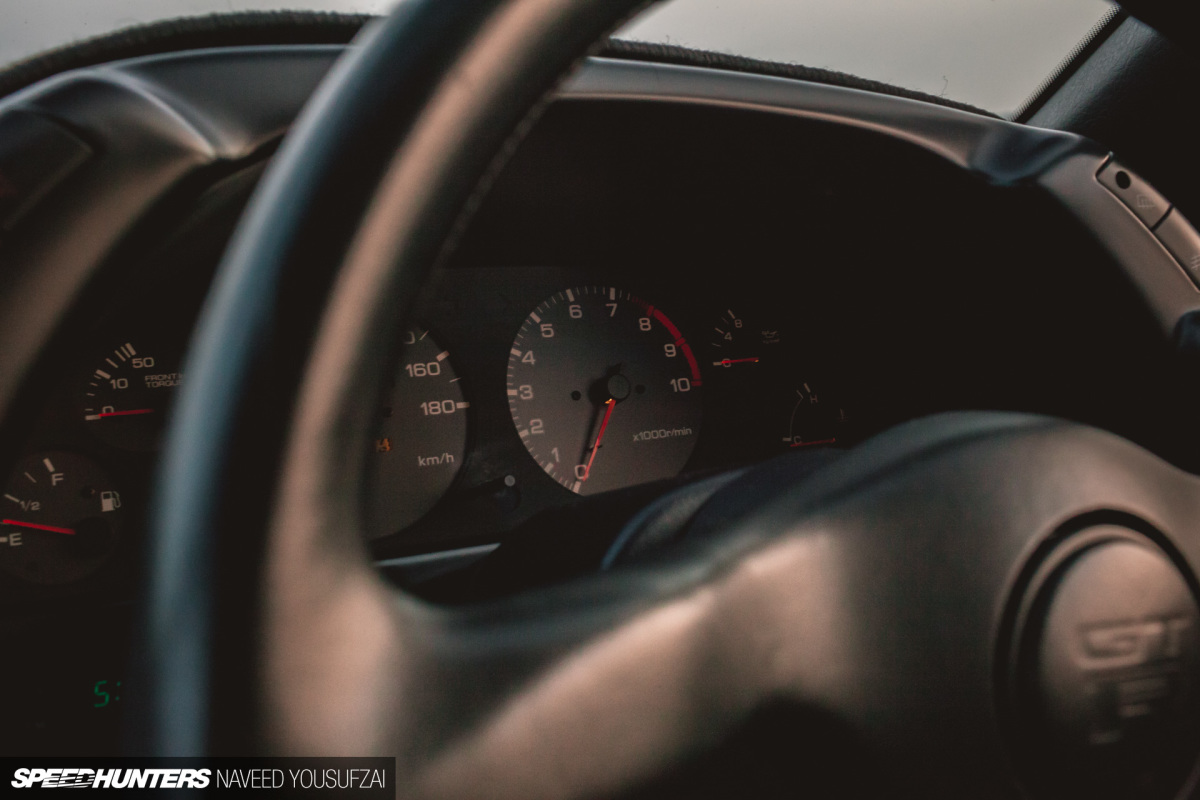
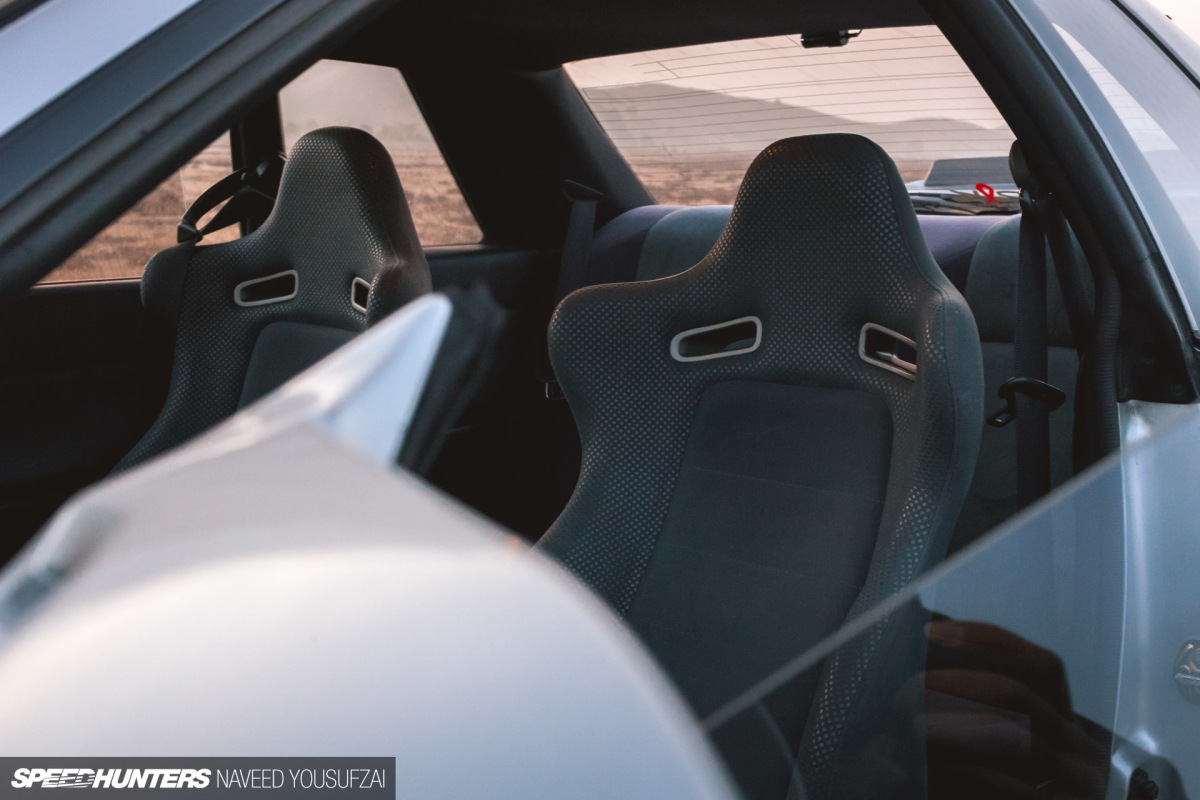
Moving on to inside the car, everything was already perfect. Since my GT-R was maintained fairly well by the previous owner in Japan, there were no common R32 bubbles or cracks on the dash, no faded trim pieces, and all of the door panels and seats still had their proper fastening equipment on them. Because of this, I couldn’t find it in me to make any drastic changes to the interior, other than upgrading the front seats to R34 GTR V-Spec parts, which matched up perfectly with the rest of the interior.
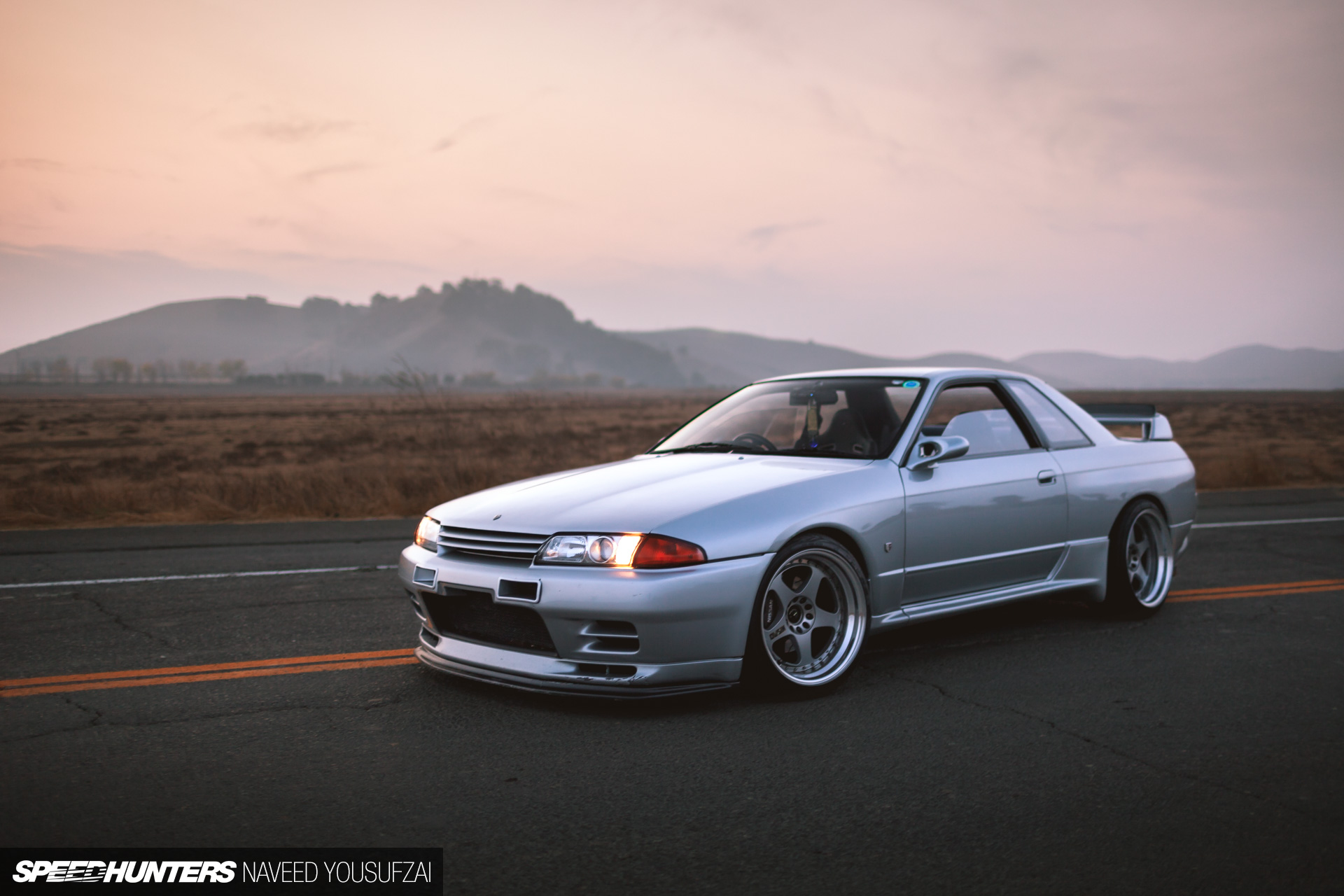
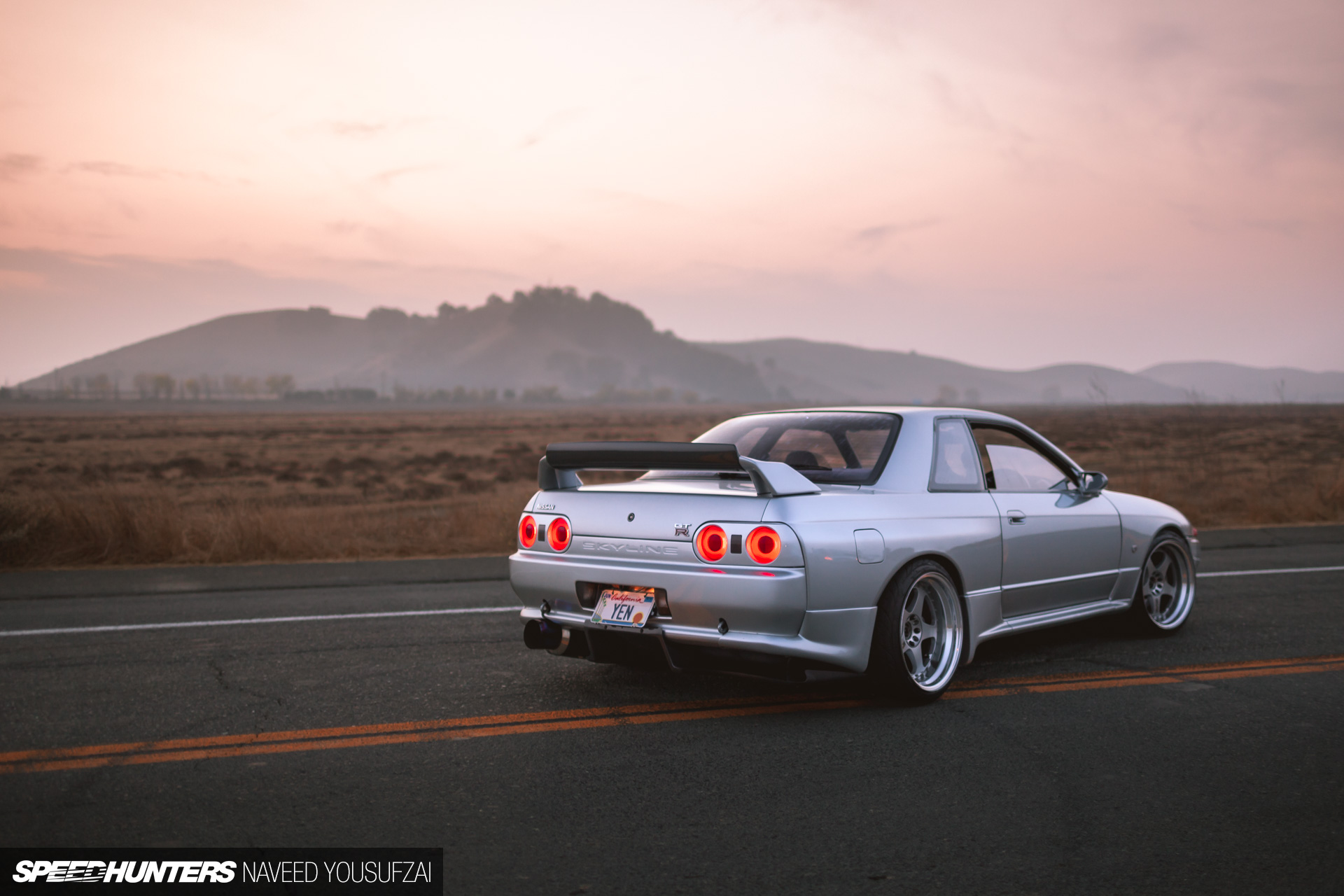
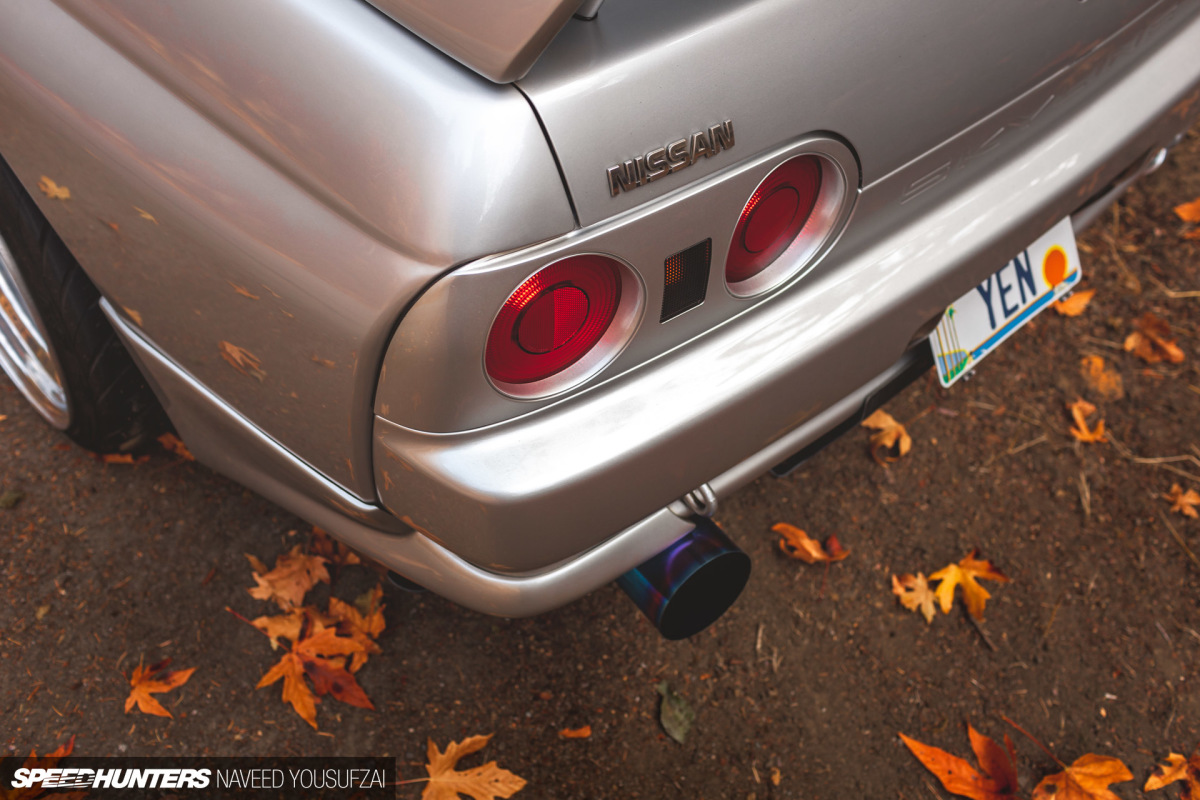
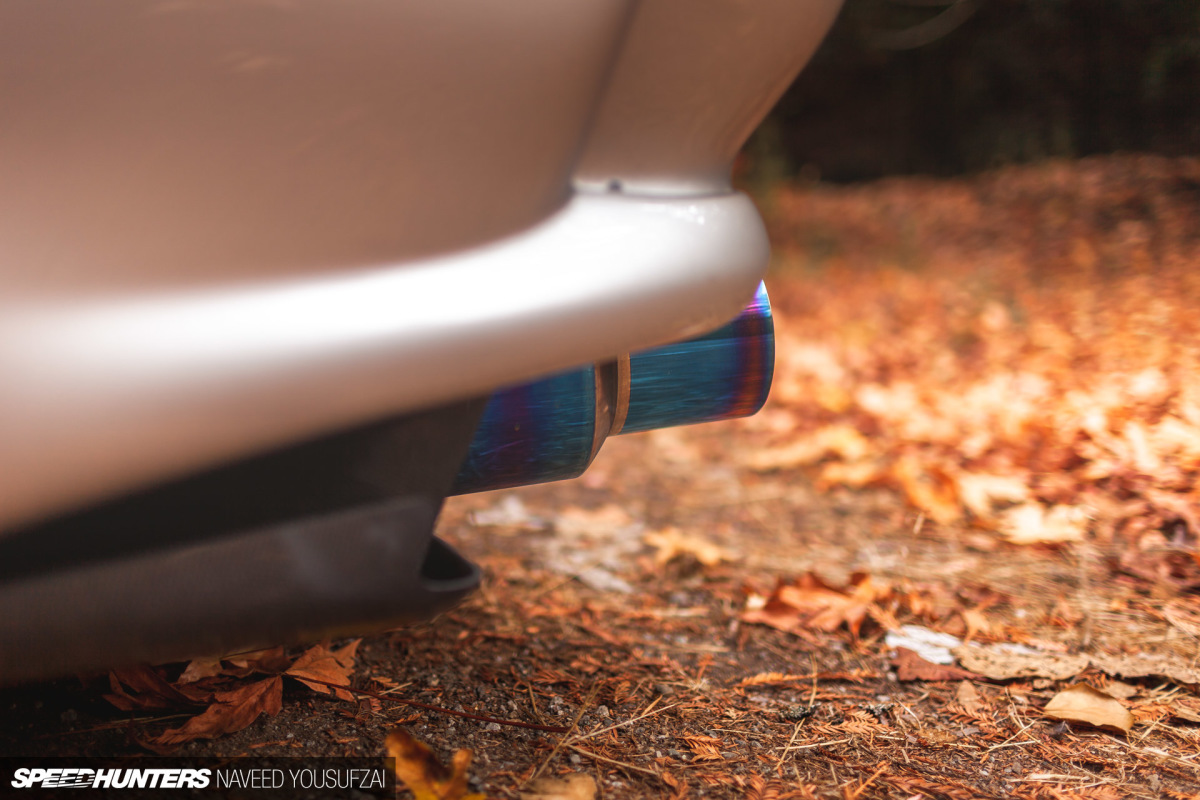
There are a few other changes that are currently in the works for the car, including some touch-ups from the abuse it’s sustained on roads over the past couple of years. You’ll notice some road rash and a few chipped pieces on the carbon accents of the car, but overall, I’m quite content with where it sits. I can proudly say I’ve got it dialed in to a point where I’ve kept up with, and even surpassed some supercars in the back roads that I frequent. It still blows me away with how well this car perform.
I’m An Open Book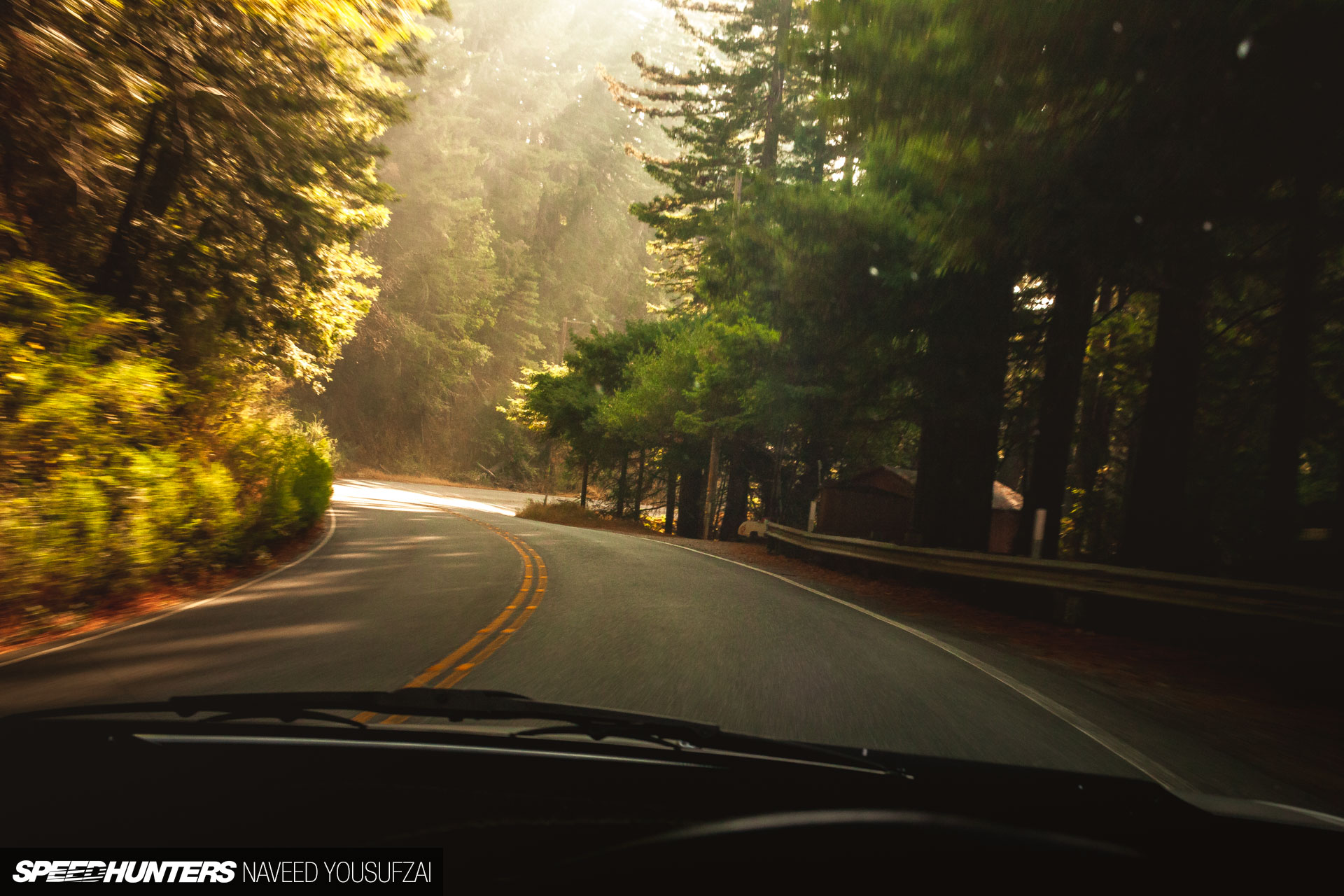
I’ll cut the rest of this short, as we’ve covered quite a few different topics. There are plenty of other stories that I’ll be sharing with you all in the near future. I’ll leave room for a gallery, and also want you guys to know that I’m a complete open book when it comes to the comments section.
Please, feel free to chime in and let me know your thoughts on everything I’ve talked about here, whether it’s asking me questions about the community, myself, processes of importing cars, or critiquing my choice of mods. Don’t be shy, I’m all ears.
Naveed Yousufzai
Instagram: eatwithnaveed