As enthusiasts in the automotive world, I think we can all agree that we take great pride in our passion for the machinery.
But how many of us can say that we’d be willing to sacrifice or push back life changing opportunities in search of fulfilment of our dreams?
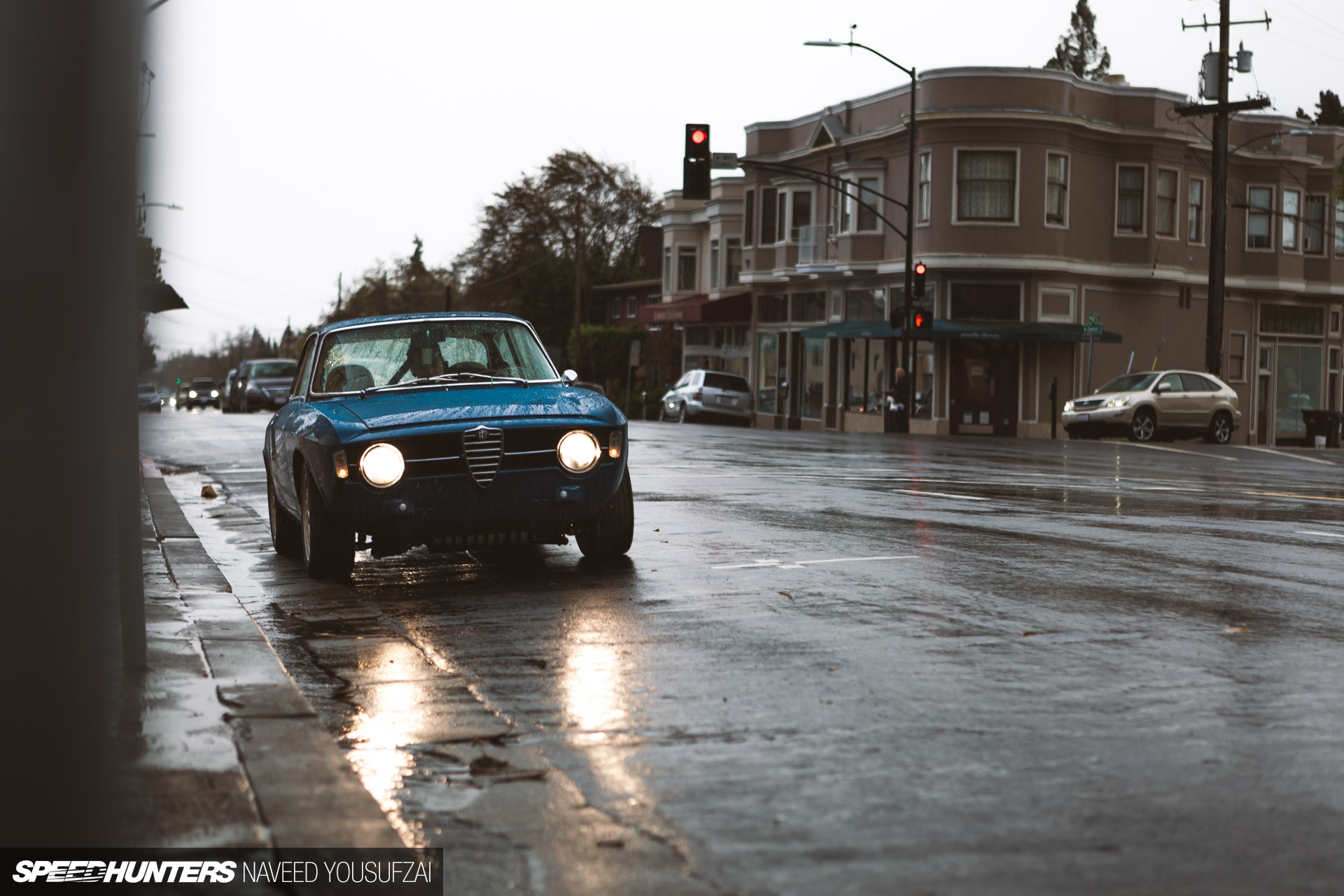
For instance, if you were on track to becoming a lawyer, would you be willing to set that aside for a full year, just to sweep floors as an apprentice at your local restoration shop? Or would you wake up the next morning realizing that your parents would absolutely disown you for even fathoming that type of ideology in the first place? I think most of us would relate to the latter.
But as crazy as the former may be, it wasn’t at all crazy for Justin Chou.
A Teenager & His Robot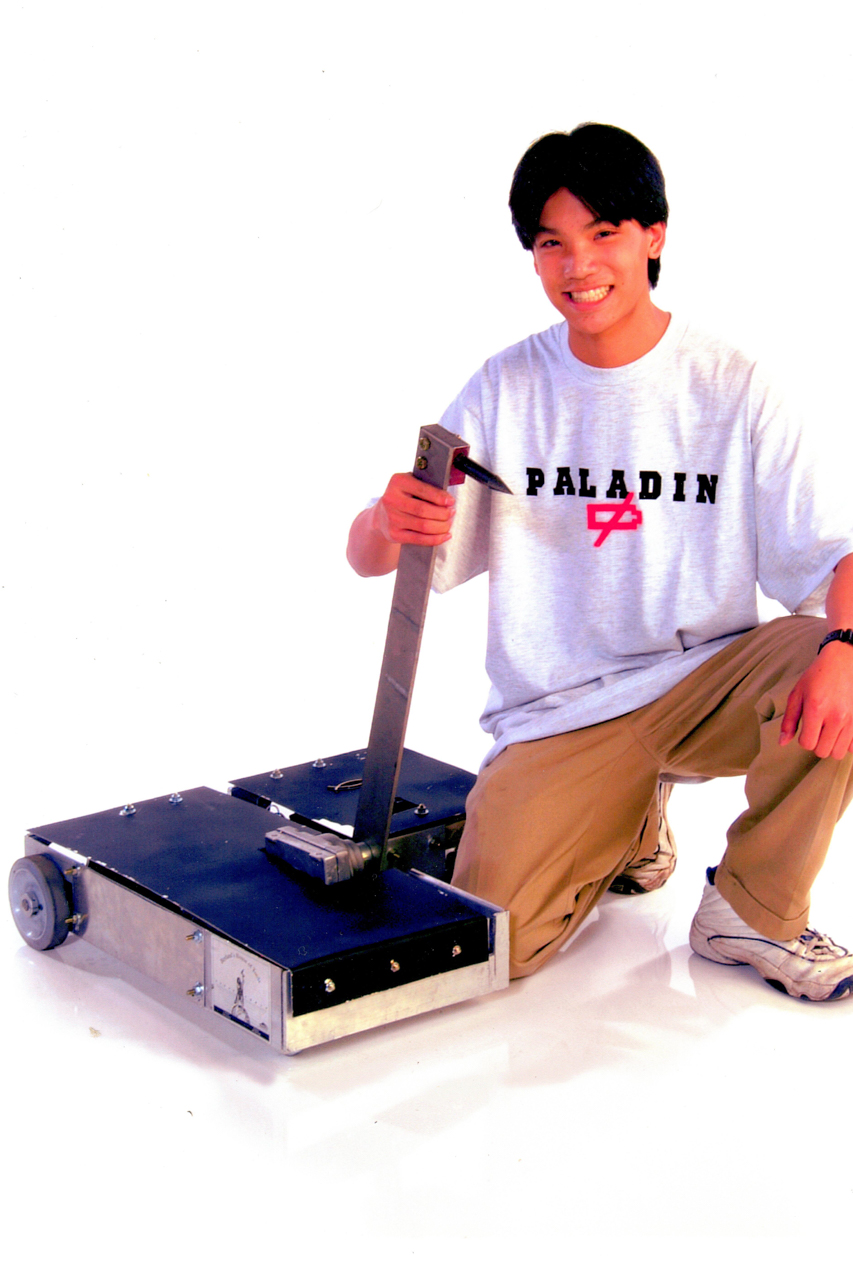
As a young lad during grade school, Justin was rather unconventional when it came to interests and hobbies. While most boys his age were chasing girls, Justin found himself taking interest in all things mechanical. So much so that even some of the faculty members at his school realized he was different from the rest of the boys in his class.
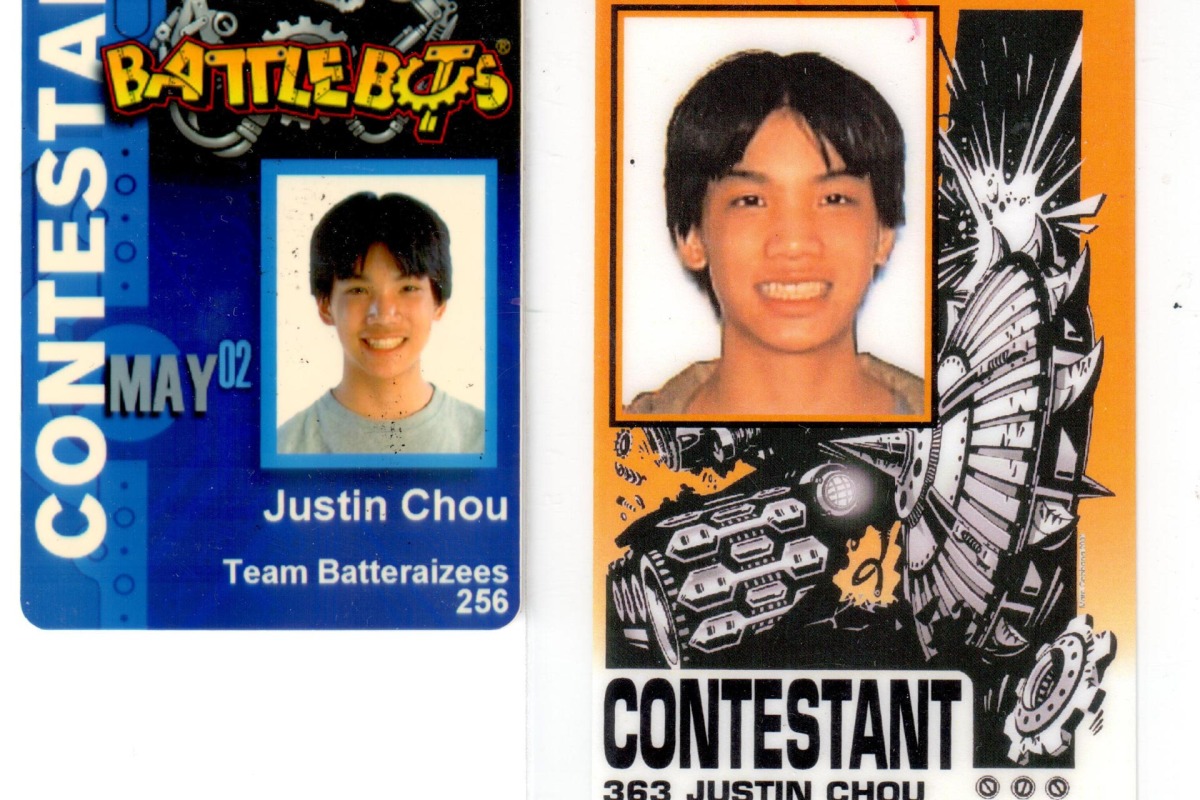
It wasn’t too long after when one of his science teachers approached him and asked if he had ever watched a show called BattleBots – where people build robots to fight one another in an arena. Justin took his teachers word, and sure enough, fell in love with the show. “Robots with saws, robots with axes, and speedy robots that would body-slam other robots against the spiked walls, battled against each other for guts and glory – my 13-year-old self was mesmerized; I had to build my own,” he says. I don’t think he nor his teacher realized how much of a spark this ignited for Justin’s future.
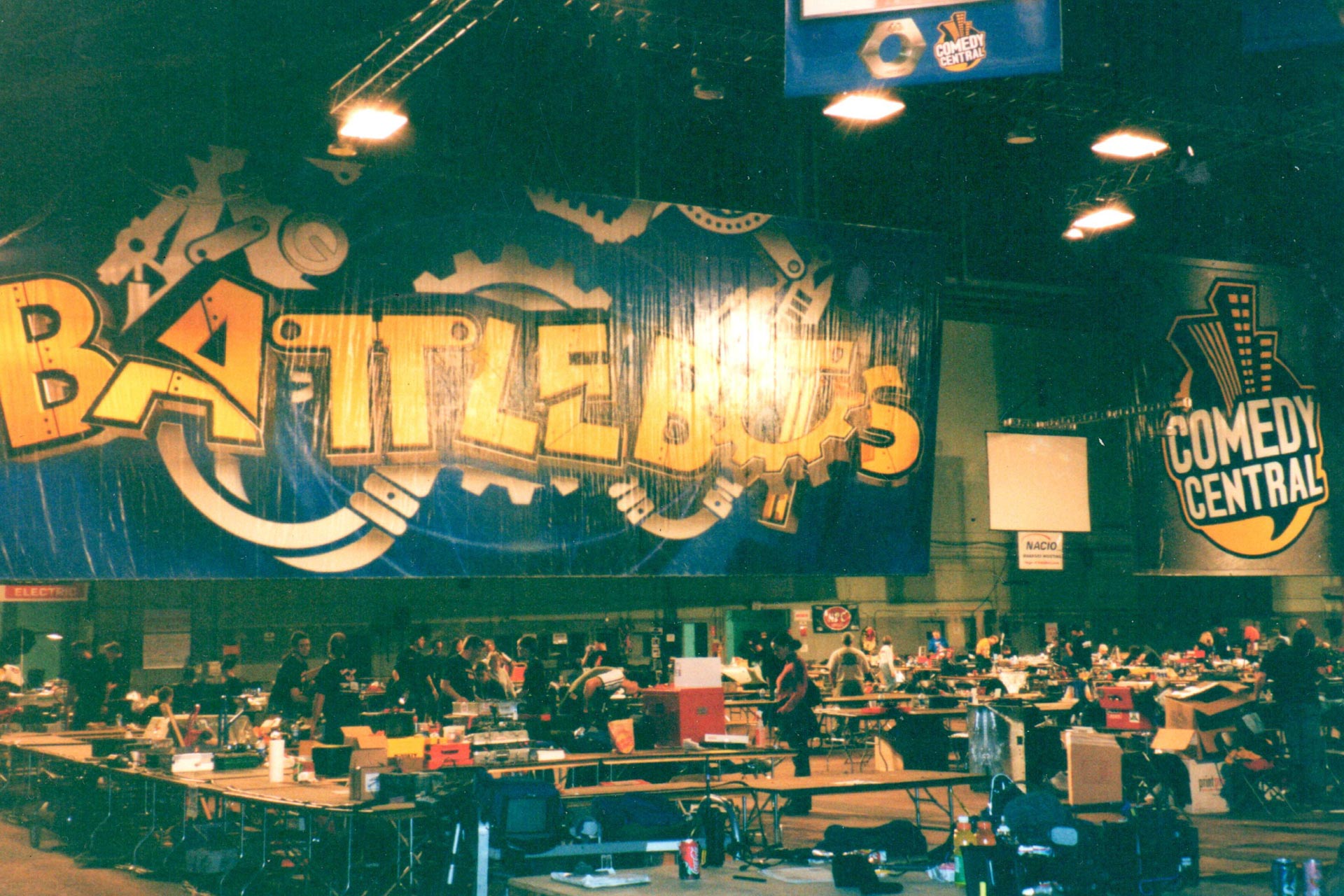

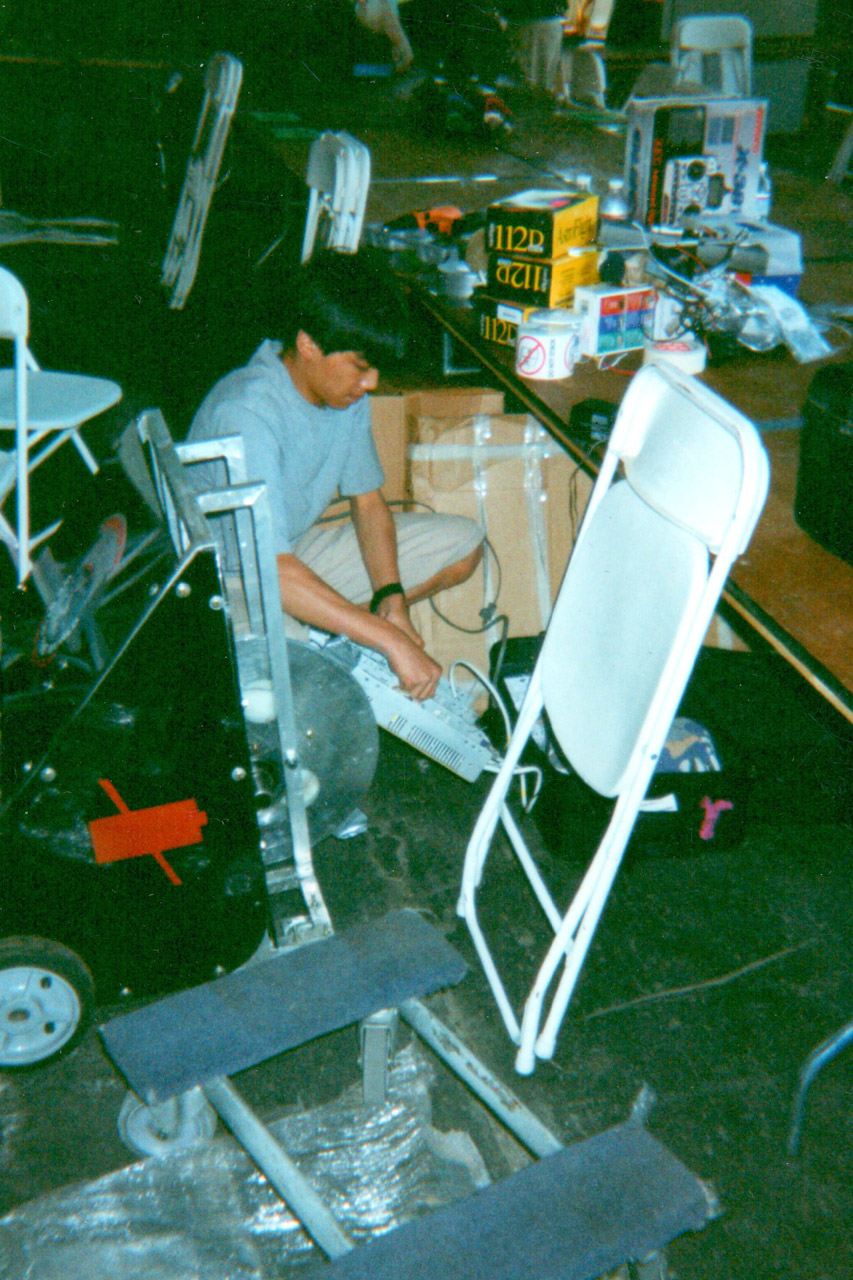
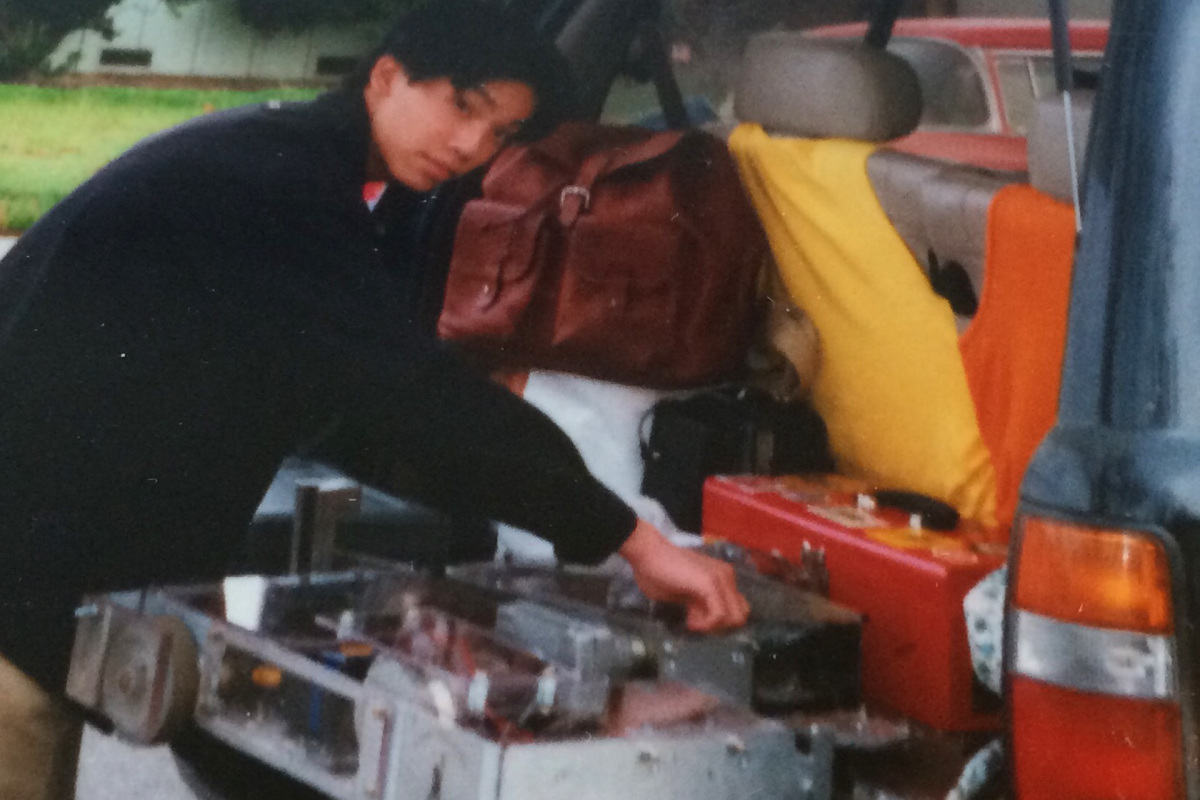
The odd part about this is that no one else in Justin’s family was mechanically inclined. This wasn’t some sort of passage from an ancestor or even family friend, it was just Justin, being Justin. So with no one to turn to for guidance, he reverted to the only mentor he could think of: the internet.
“I read everything I could find about metal fabrication, powertrains, and circuitry. I got special permission from my high school to attend community college classes in welding, drafting, and engineering. I talked to every craftsman and mechanic who would spend two minutes with me. I started cobbling together combat robots in our suburban two-car garage, armed with a smattering of Harbor Freight tools, some online forum threads, and a reckless indifference of personal safety,” Justin says.
Though his parents were genuinely concerned for him, they still supported his rather odd interest in the world of battling robotics. After some time, Justin’s robot saw completion, and he became the sole engineer and operator of his self-started BattleBots team. He travelled around the country and entered into many national competitions, and had a rather successful run with it as well. Right up until The Fast and the Furious came out.
From Robots To Automobiles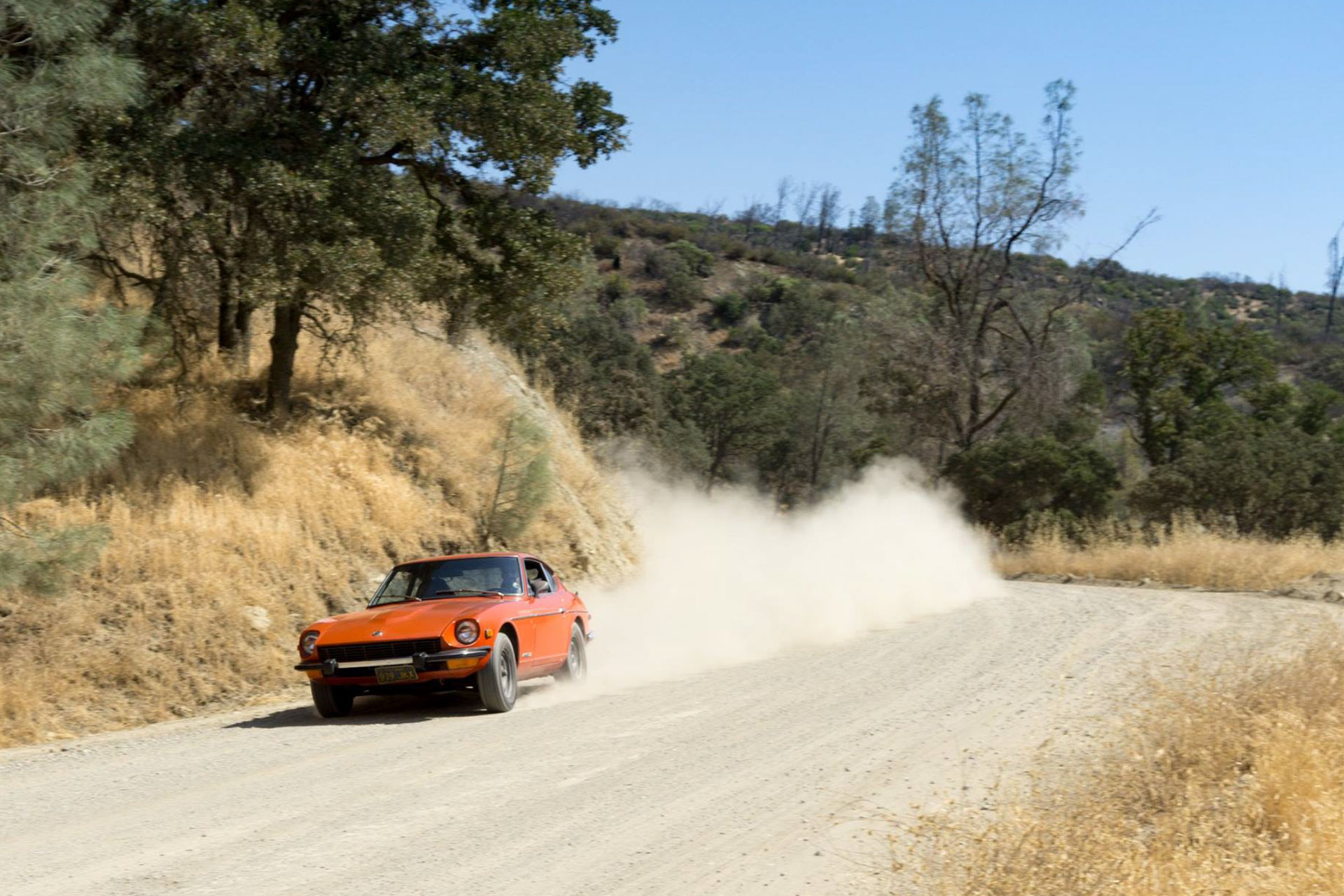
In Justin’s words, “the transition from combat robotics to cars was obvious and natural.” He’d already spent hundreds of hours learning the ropes of engineering and building mechanically-driven machines, so why not go bigger and better? Plus, having the ability to pilot a build from a first-person perspective rather than a joystick, was exciting to say the least. So with Hollywood making its second impression on Justin, he took to the building blocks.
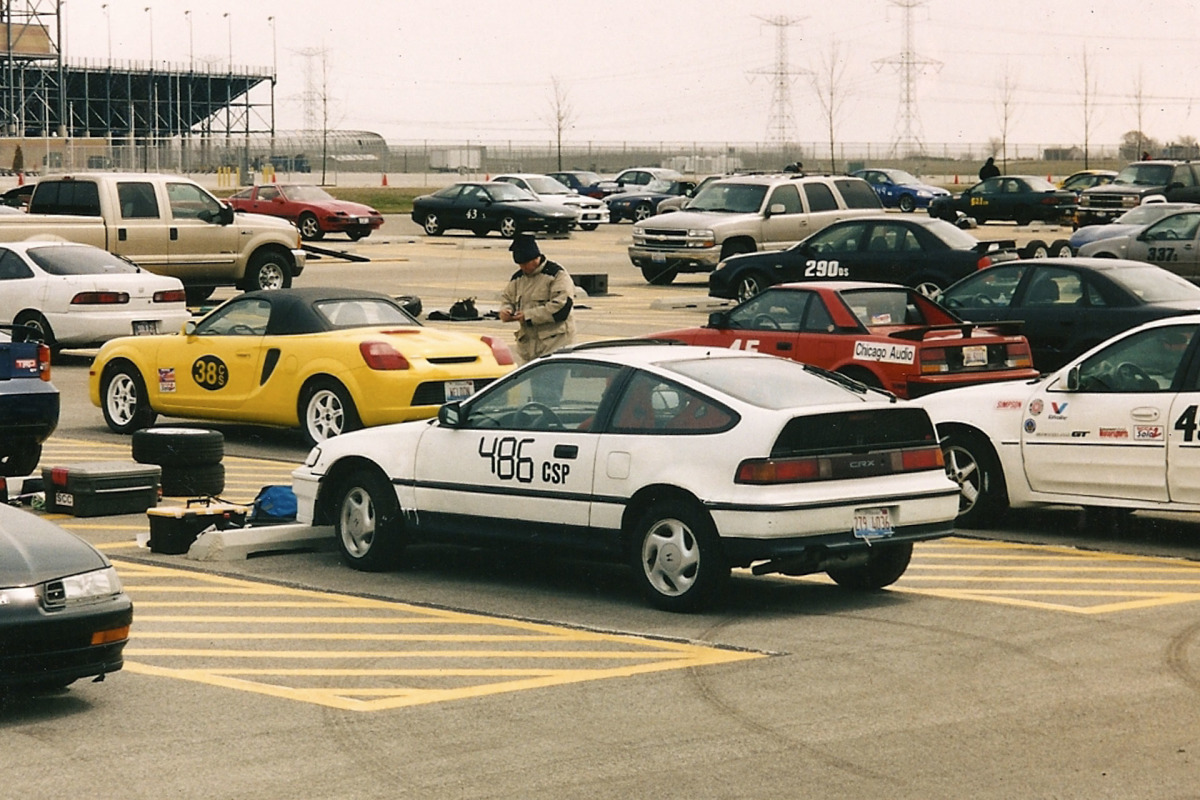

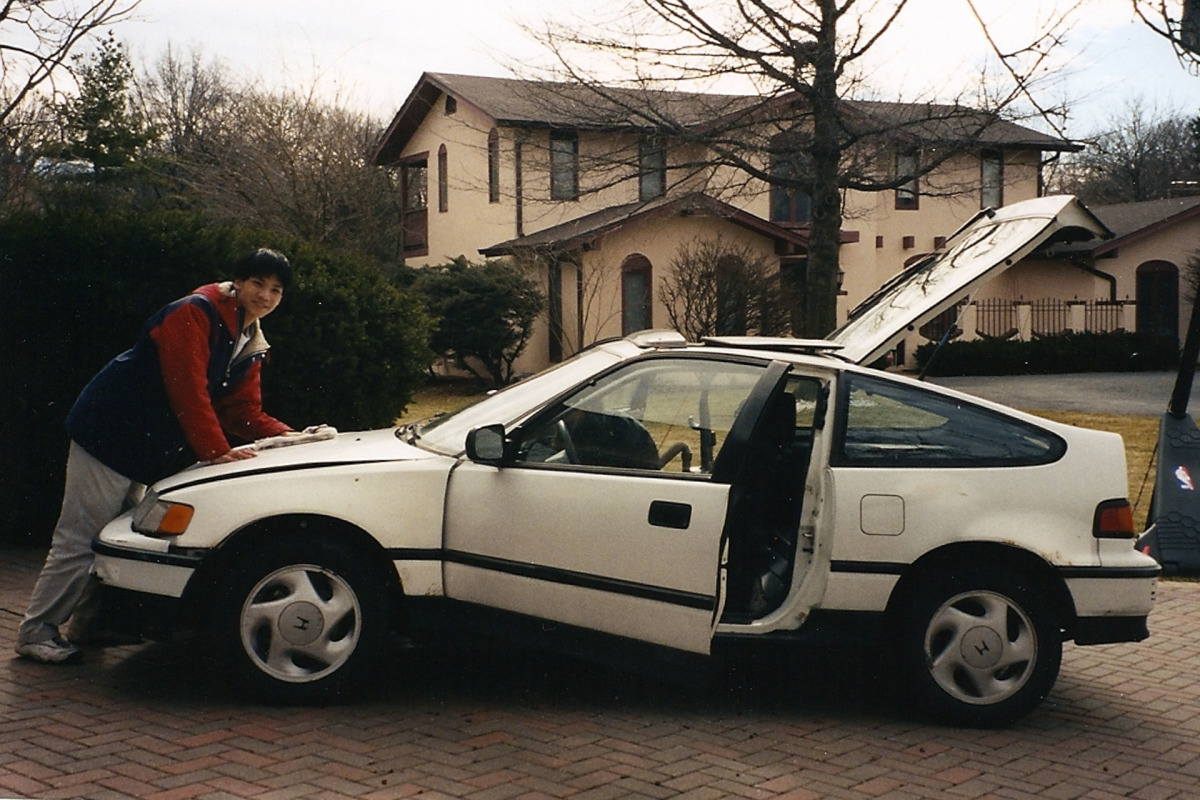
Justin’s first automotive purchase was a Honda CR-X Si, and it was kept fairly modest with a few bolt-ons and suspension bits. At the time, people were building all sorts of funky stuff (this was the early 2000s – I think we all know how that went…), but with experience building robots from scratch and having to ‘Frankenstein’ things together to make them work, Justin found himself looking to build something a bit more ‘weird’. So what better than a V8-powered S30Z?
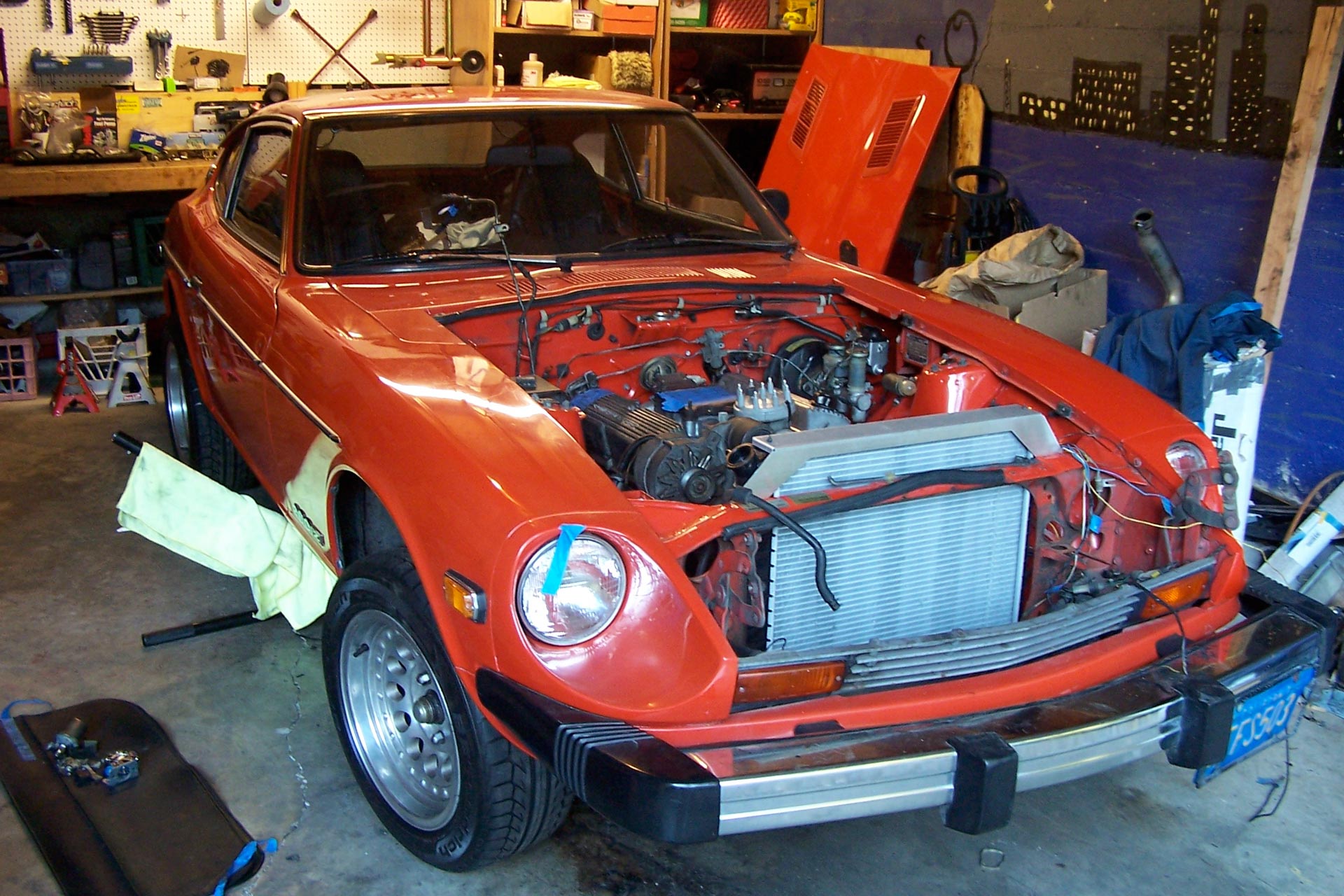
Over the following couple of years, Justin spent the majority of his free time trying to build a Datsun Z with a V8 power plant, but would eventually fail in doing so. He purchased a bucket 260Z, and an assortment of parts to get the V8 swap completed. Though to his demise, the parts ended up being all sorts of wrong, and he wound up in over his own head with the project, ultimately leading him to scrapping it and selling it for pennies on the dollar. With a defeat in the books, he headed off to college and eventually ended up in law school.
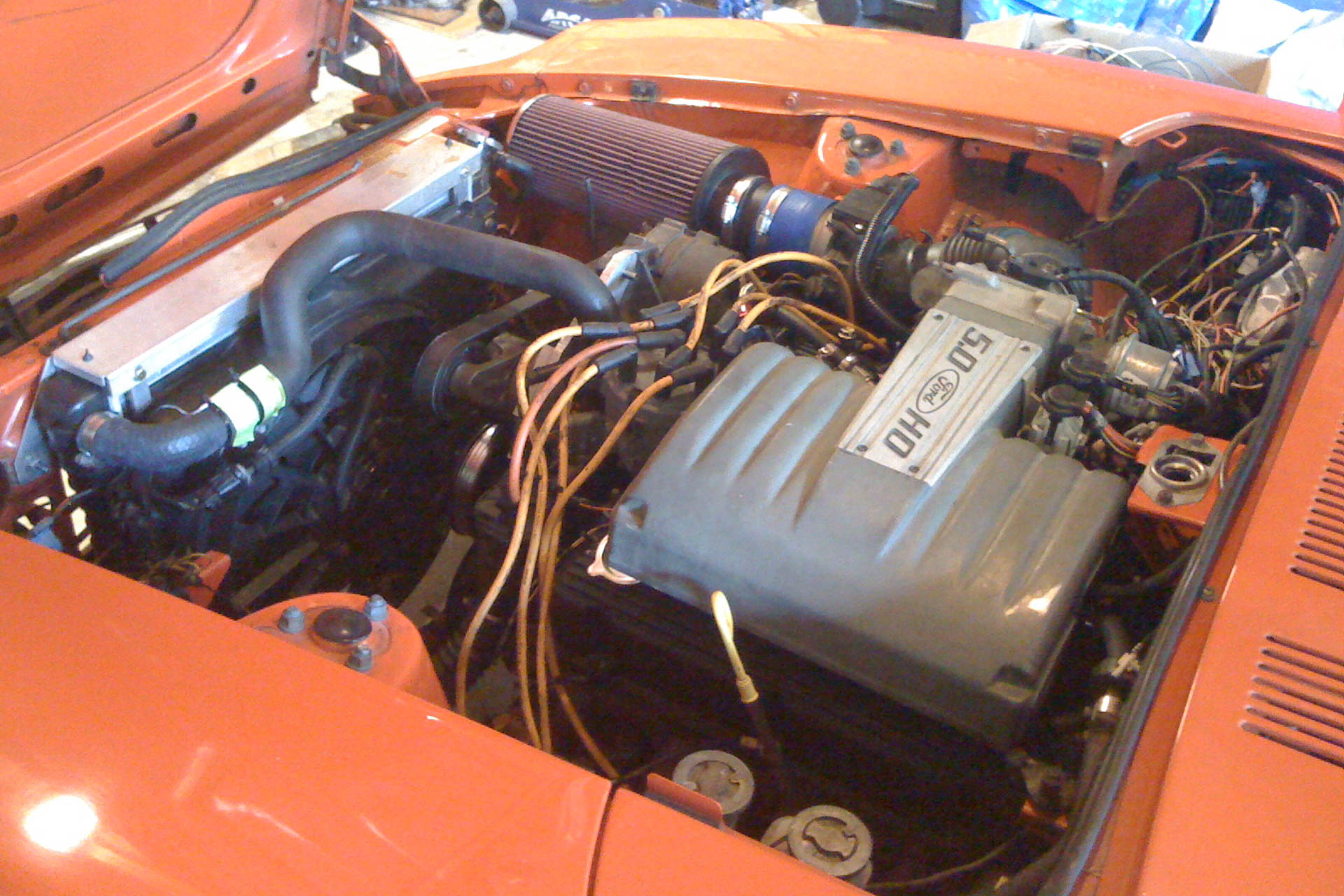

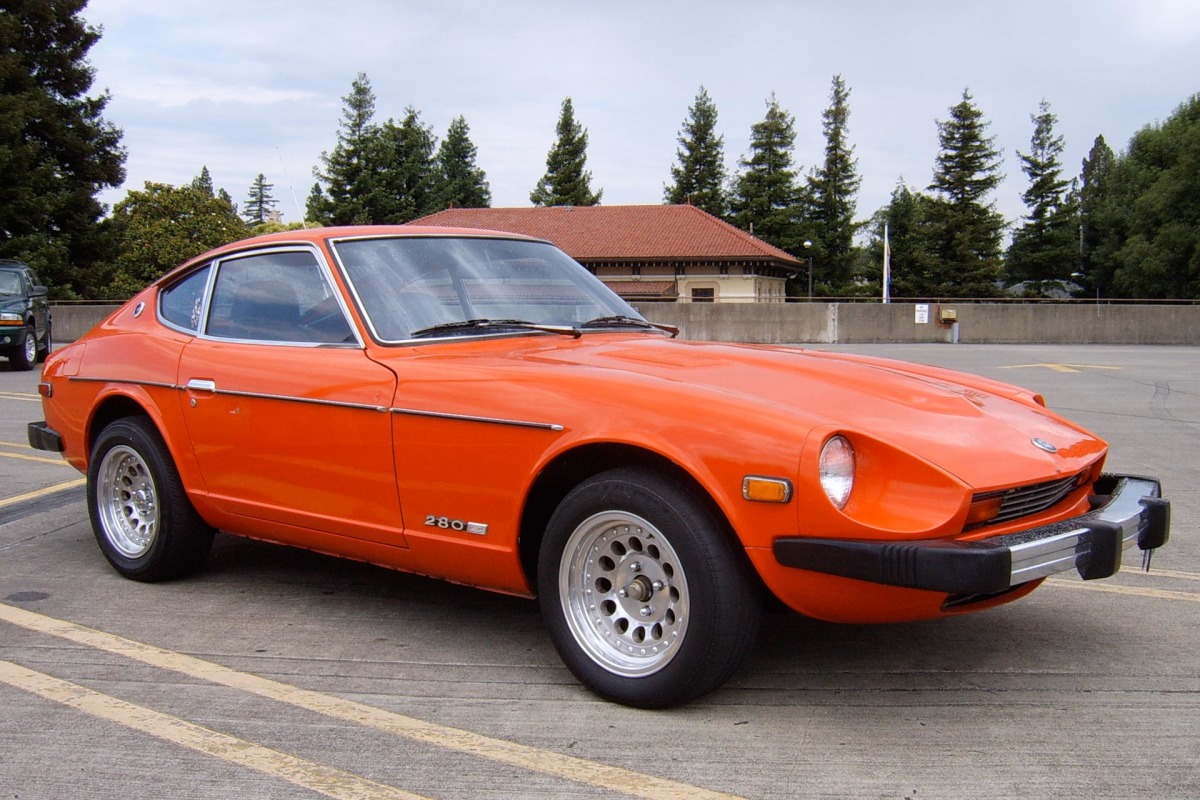
But as Justin further explains, the dream never died. “The idea of building something that was unusual and interesting still appealed to me.”
Constrained by time, but bothered by the fact that he failed in his first attempt at building his Z, Justin rebooted his efforts and took on another V8 Z build. This time however, he was guided by a friend in the Pacific North West who helped talk him through the challenges of the unconventional motor swap, and a few months after graduating law school, the Ford 302-powered 280Z lived.
Mad Man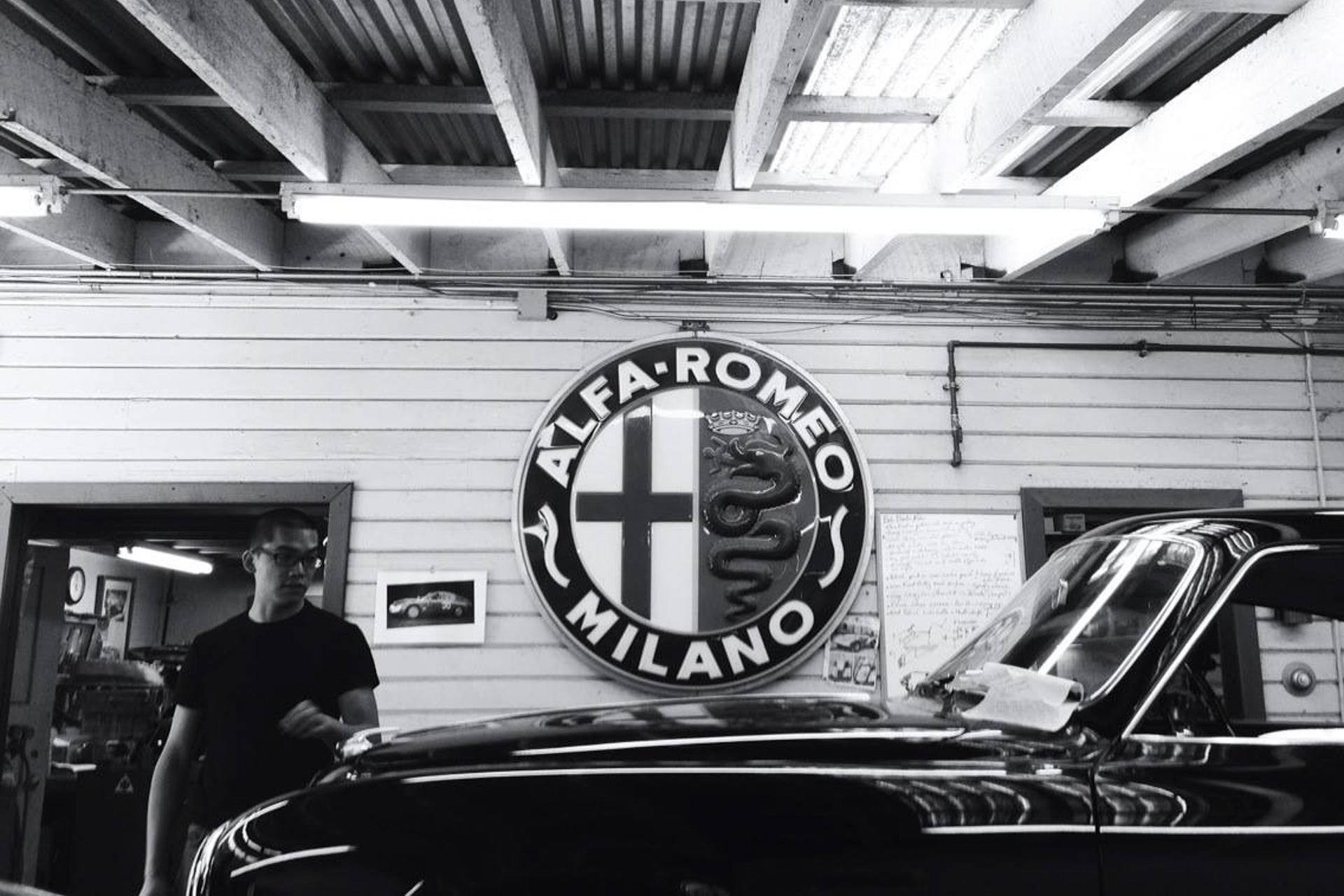
With Z ownership completed and a few years of law practice under his belt, Justin’s network of friends in the close-knit vintage automotive community led him to the good fortune of meeting Conrad Stevenson. Conrad is a well known Alfa restoration guru in the Bay Area, who specializes in highly-complex, high-dollar, concours-level restorations. Many of the cars he has built have been seen and awarded at prestigious events such as the Pebble Beach Concours d’Elegance and the Mille Miglia.
Justin had the opportunity to tour the one-man shop in Berkeley one day, and found himself “enamored with the beauty of the machines he [Conrad] built by his humble, roll-your-sleeves-up-and-do-it attitude towards car restoration.” I guess you could say fate played its role in this situation, as it would turn itself into an opportunity of a lifetime for Justin.
As mentioned prior, Justin’s infatuation for all things mechanical led him to dream about working in the automotive industry. But as most of us can relate, it had remained a dream. Even for Justin, the thought of going against his family’s specific occupational ambitions for him to join the white collar ‘professional’ workforce was no easy thought to swallow. But he found himself in position where he had to ask: “Conrad, can I sweep your floors in your shop?”
Blown away by the thought, Conrad replied, “Sure, but what about your job as a lawyer?” Justin’s response was that he’d quit, and of course Conrad refused to believe anyone could be that much of a mad man – to leave a promising career, just to sweep floors and learn a thing or two under an ‘apprenticeship’.
But sure enough, a couple of months later, Justin was cleaning the scrap metal pile next to Conrad’s band saw.
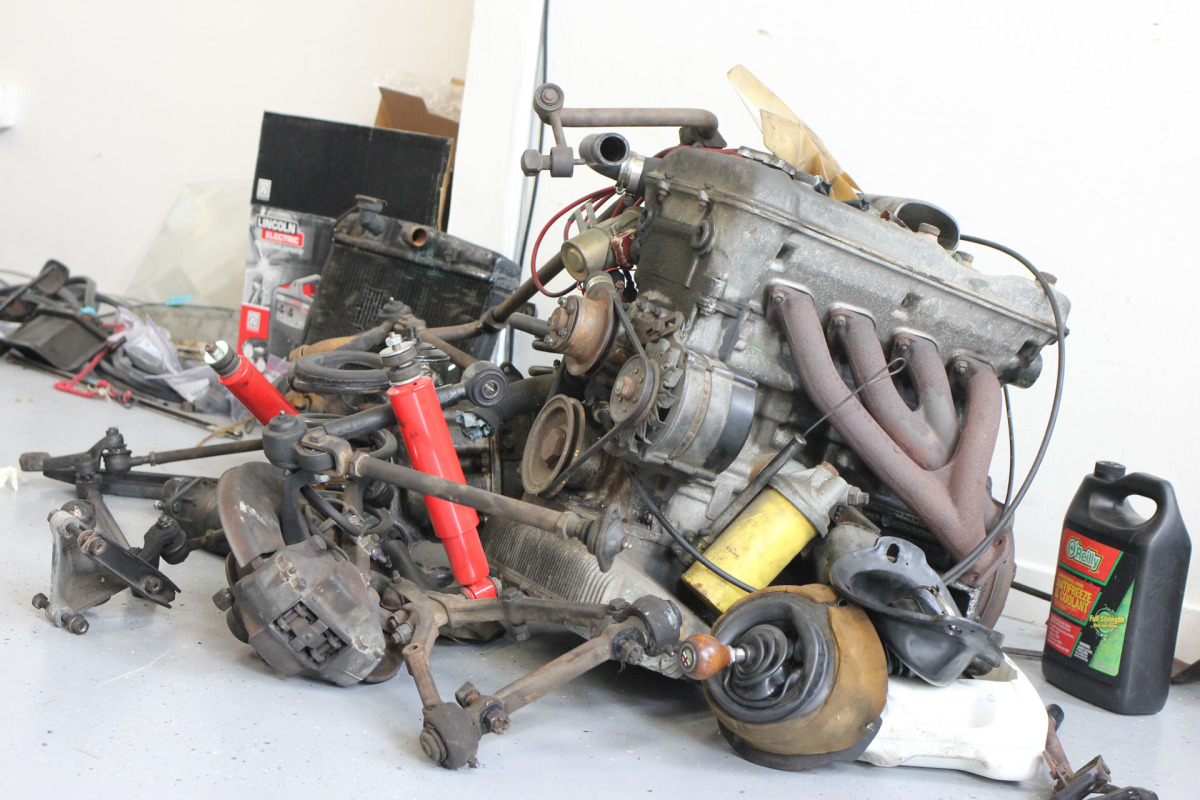
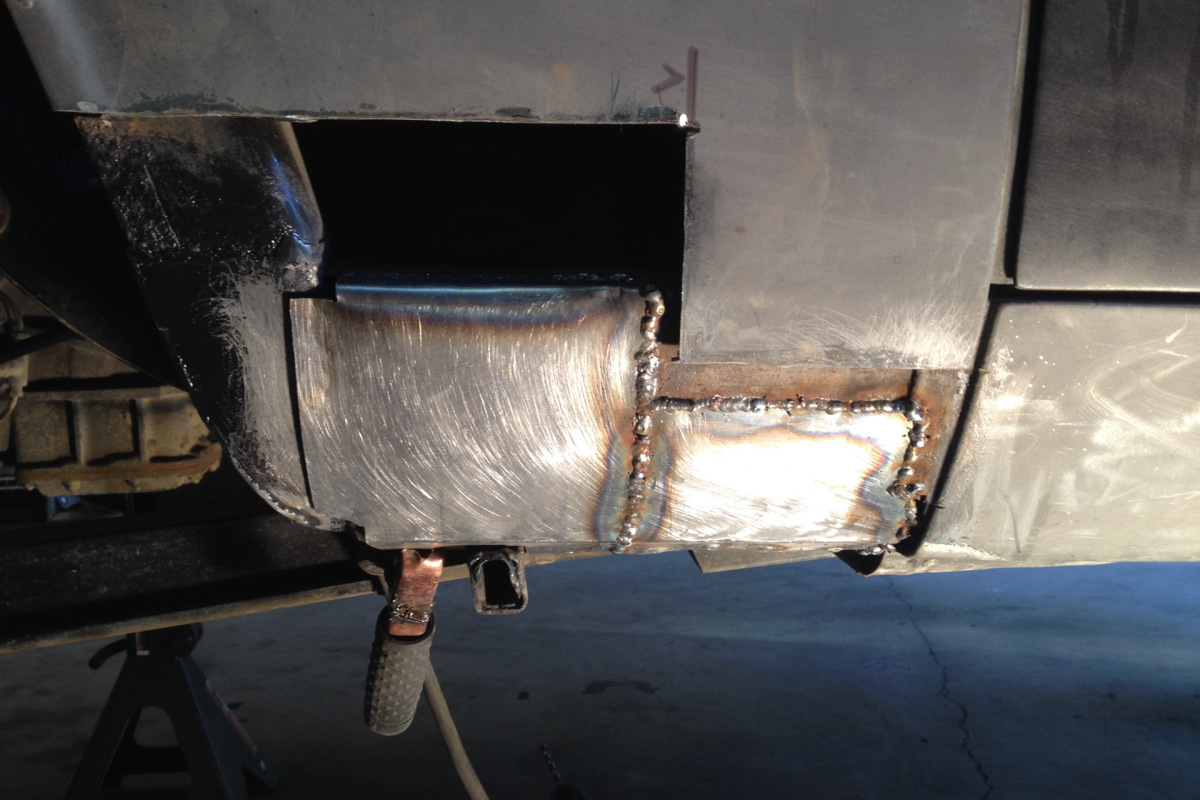
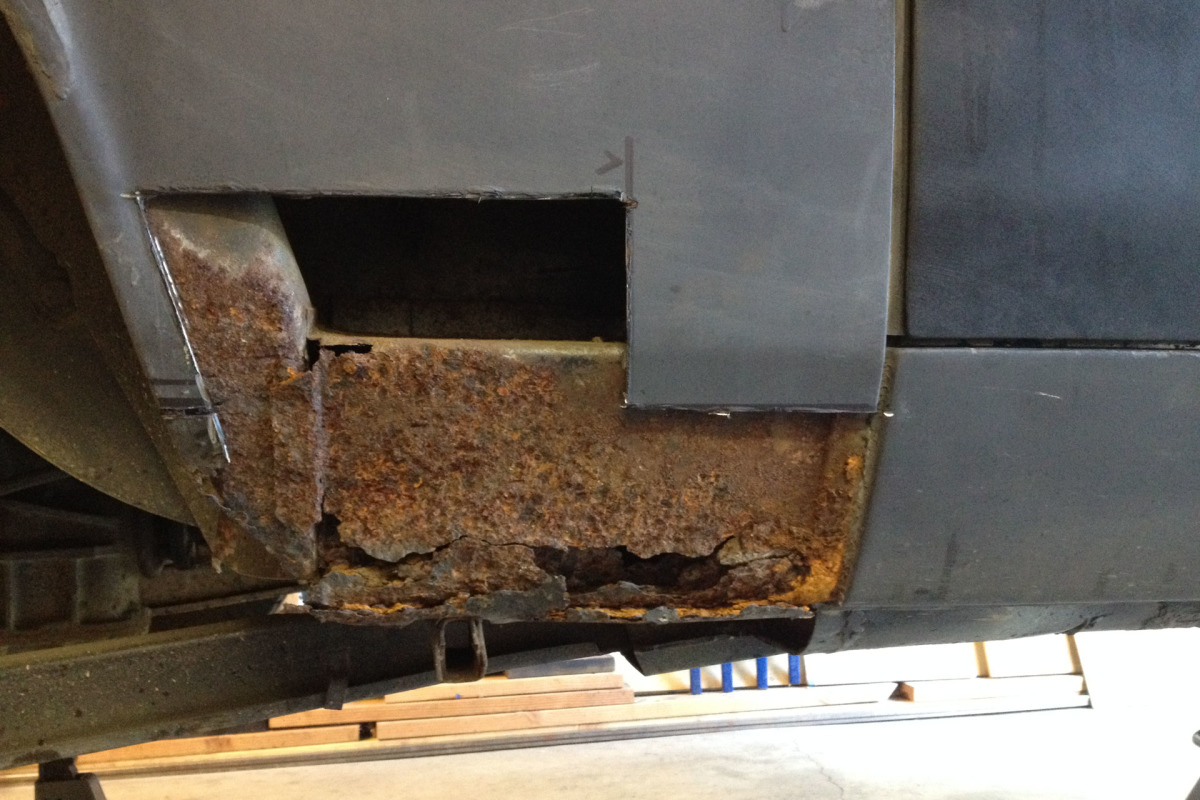
Justin explains the next year as being hard. “I learned a lot about building cars: This is how to spot straight and well-gapped panels; this is how you hammer-form sheet metal, rebuild suspension, and freshen up a head. I learned why common wisdom, propagated on the internet, should defer to experience-based intuition. Most of all, I learned that building a show-stopping car is hard, painstaking, and frustrating work. And the only way to get through it is to keep moving forward.”
Ultimately Justin finished his apprenticeship and went back into practicing law, but the skills and craft he learned from Conrad are tools he utilizes in not only his automotive work, but his every day life as well.
The Italian Rat Rod
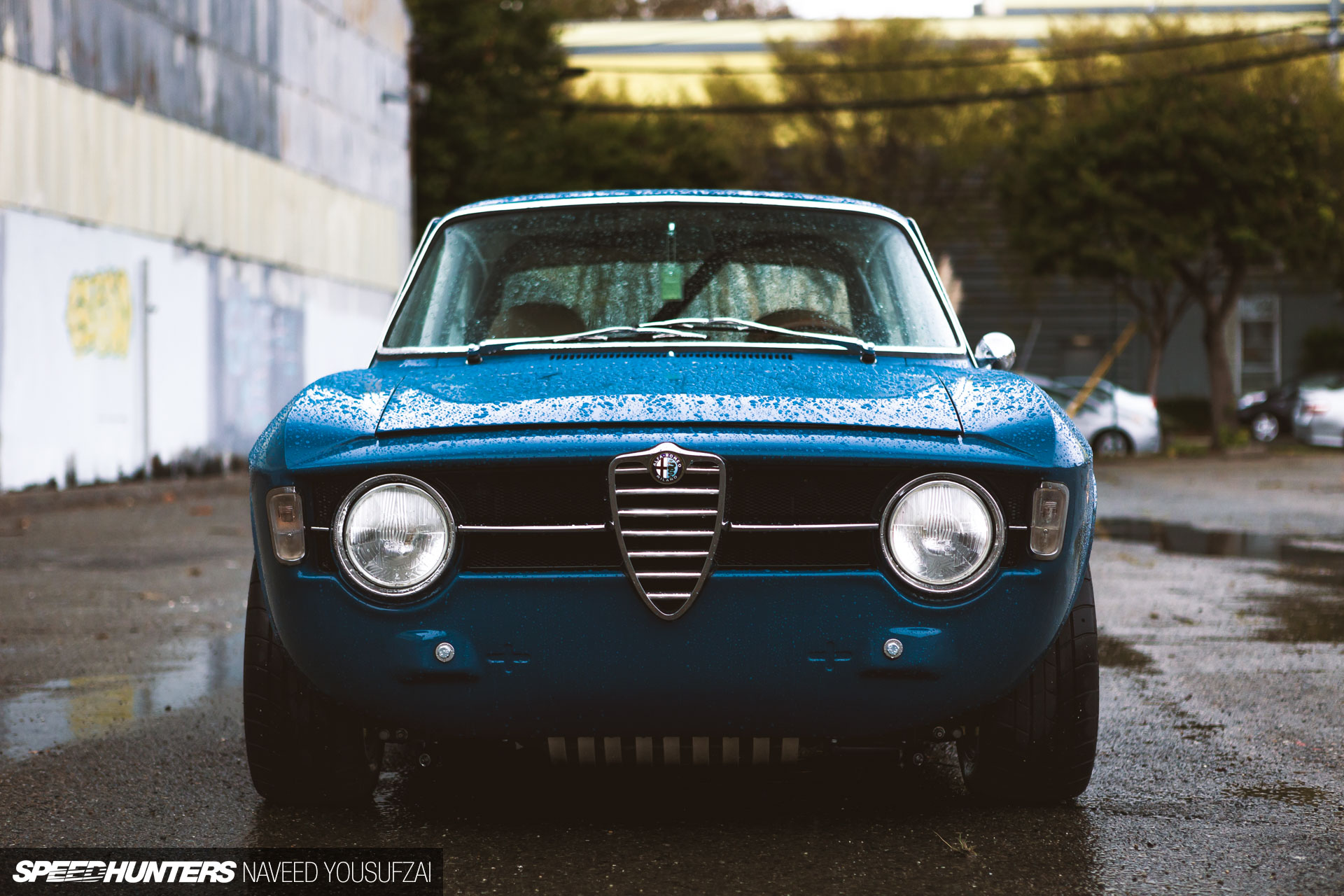
Moving on to the main purpose of this article, Justin found his love for the Alfa Romeo Giulia after driving the car in an old video game. He was drawn to the elegant lines of the ‘Bertone’ design, and thought it was one of the most beautiful cars ever penned. His first encounter with an Alfa dated back to his high school years, when a maroon GTV pulled into a parking space in his school lot. Justin recollects, “two minutes into my chat with the owner, a police officer walked over and handed me a $450 ticket. I had pulled into a handicapped parking space just to speak with the owner. This car was already costing me money a decade before I started building it!”
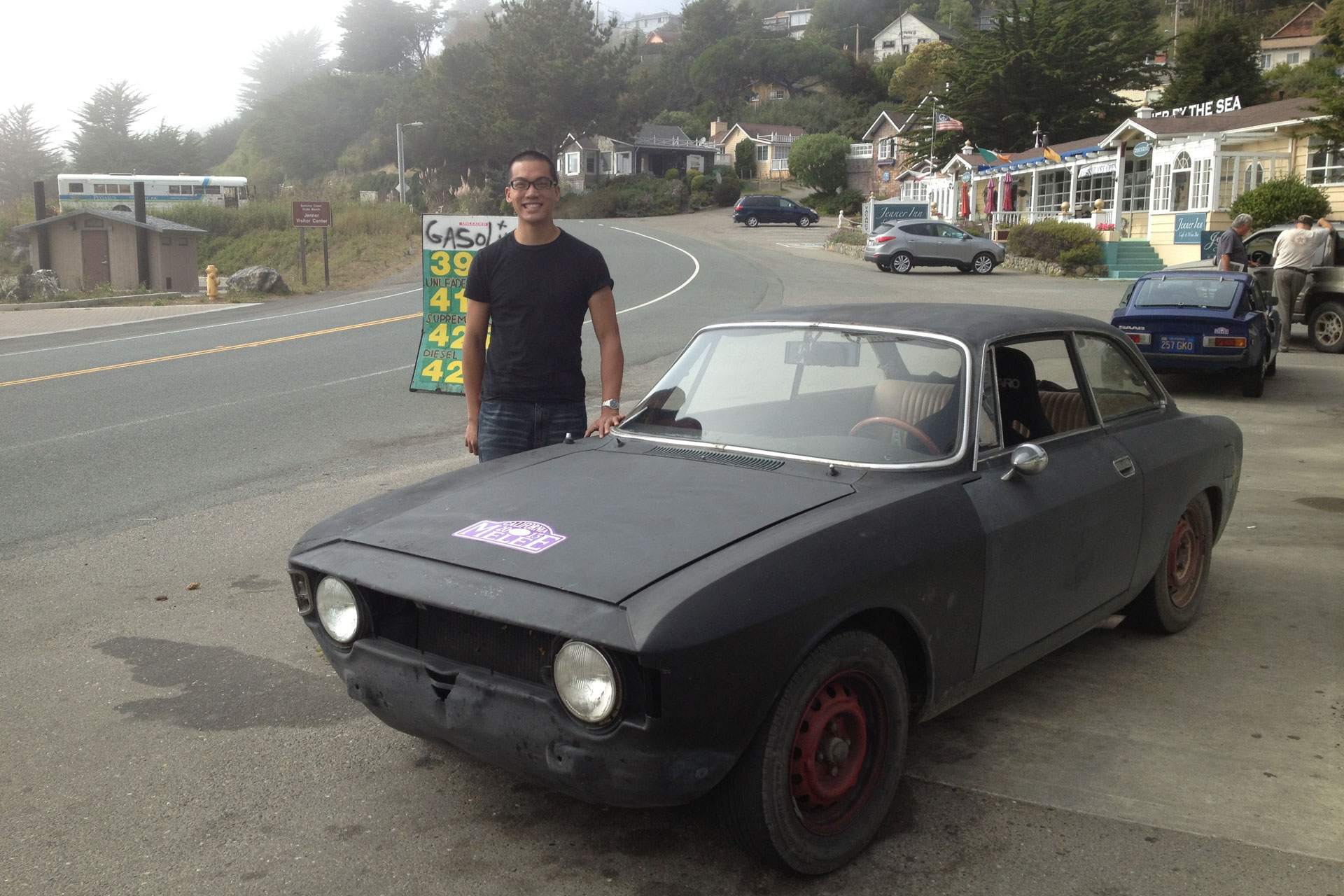
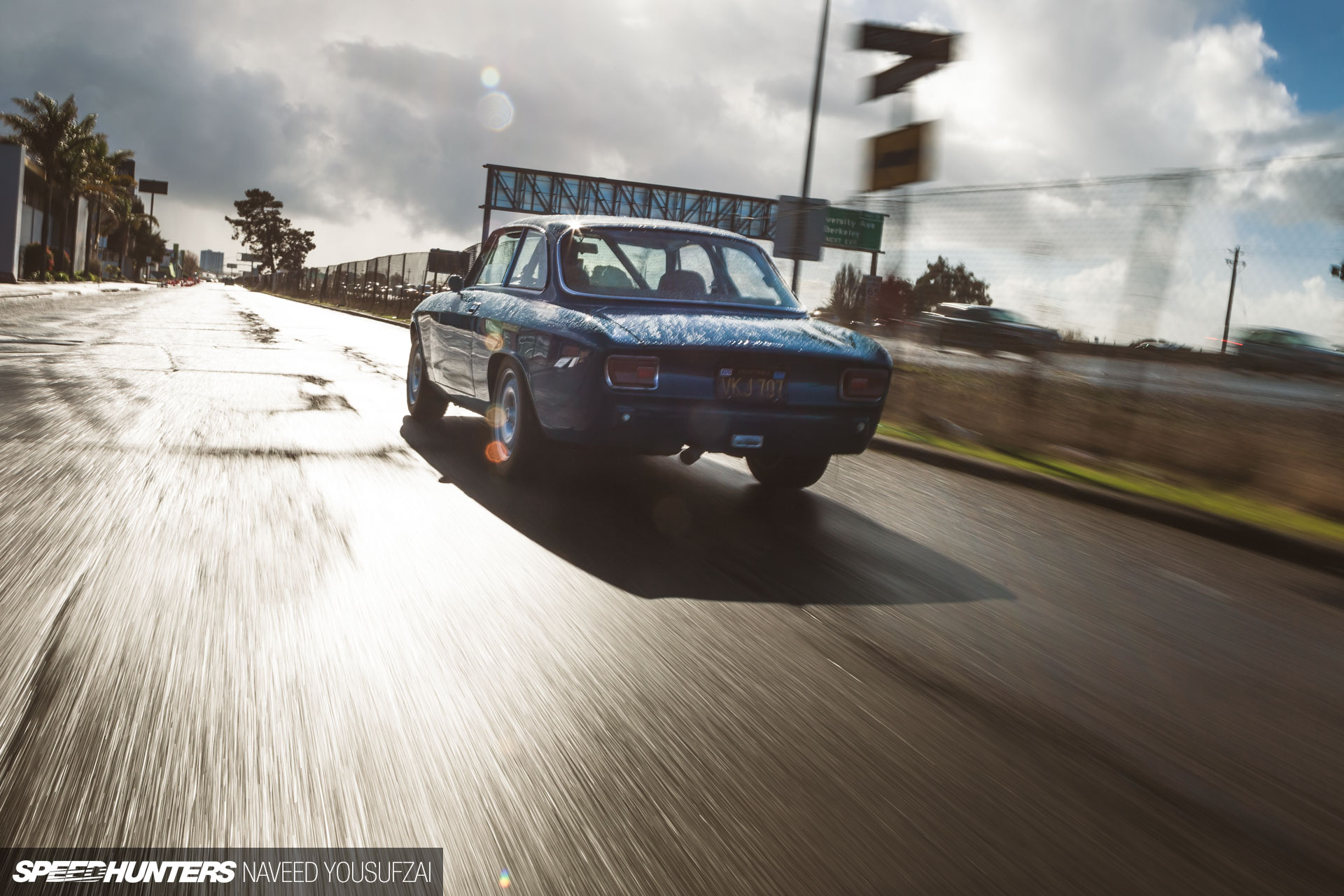
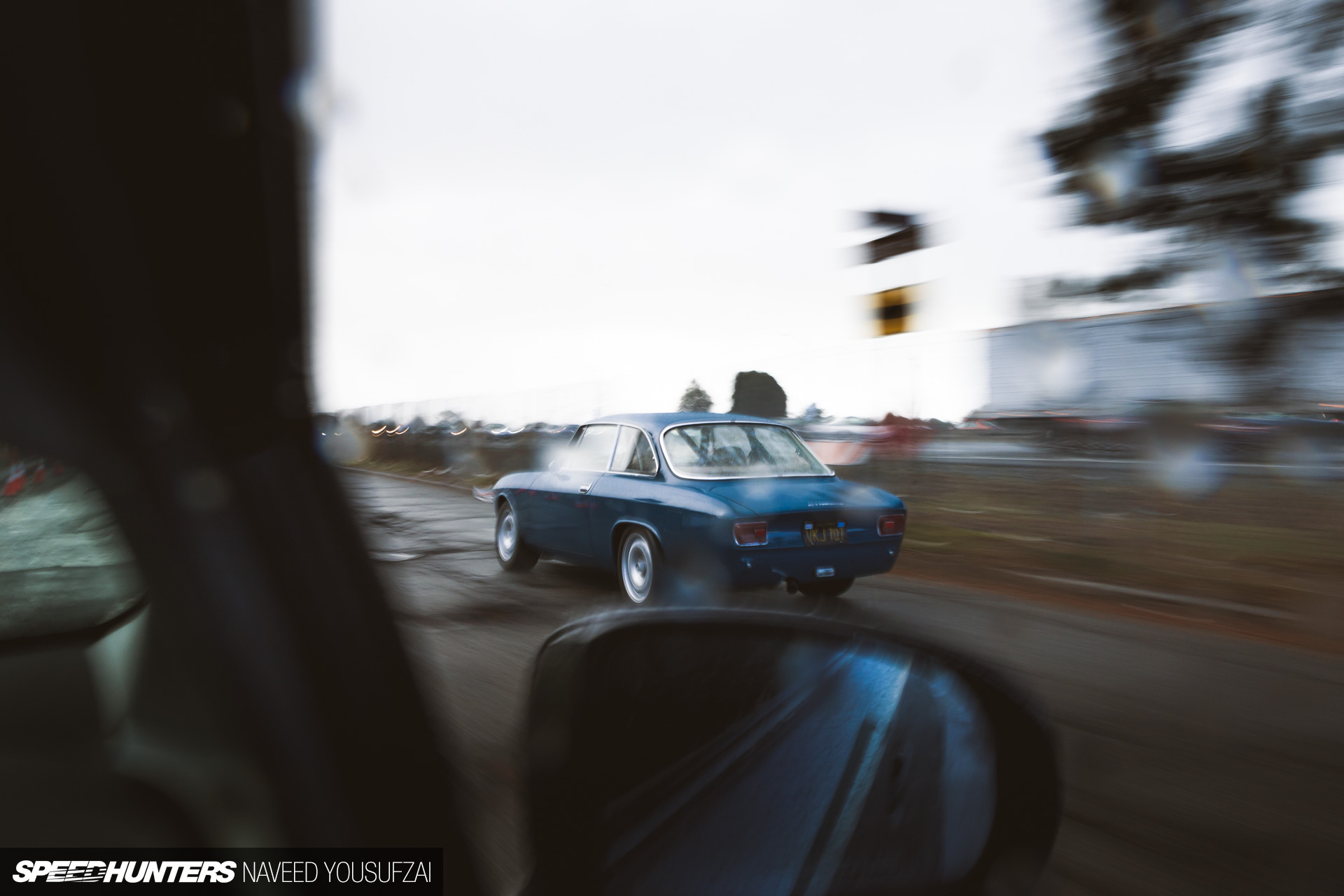
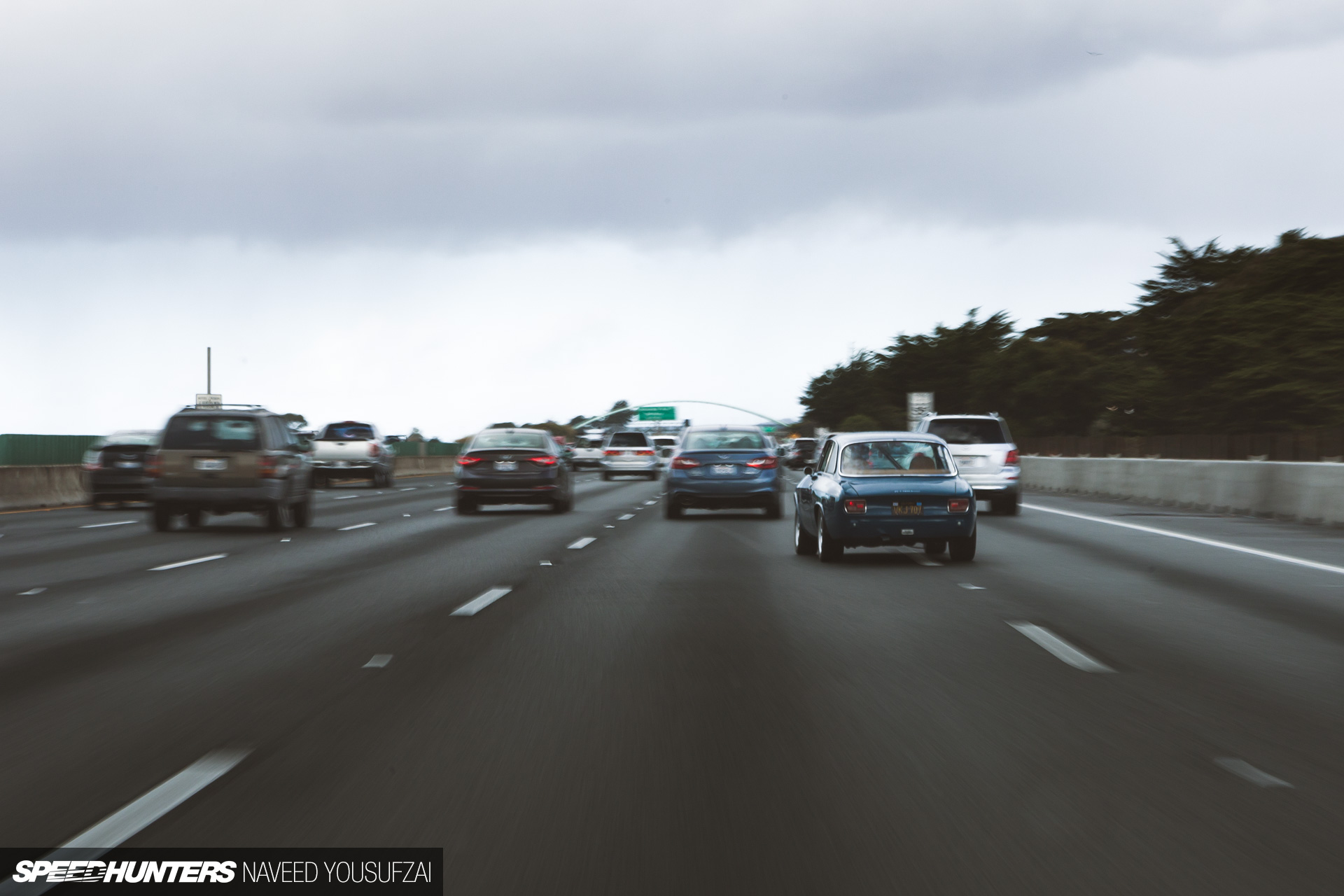
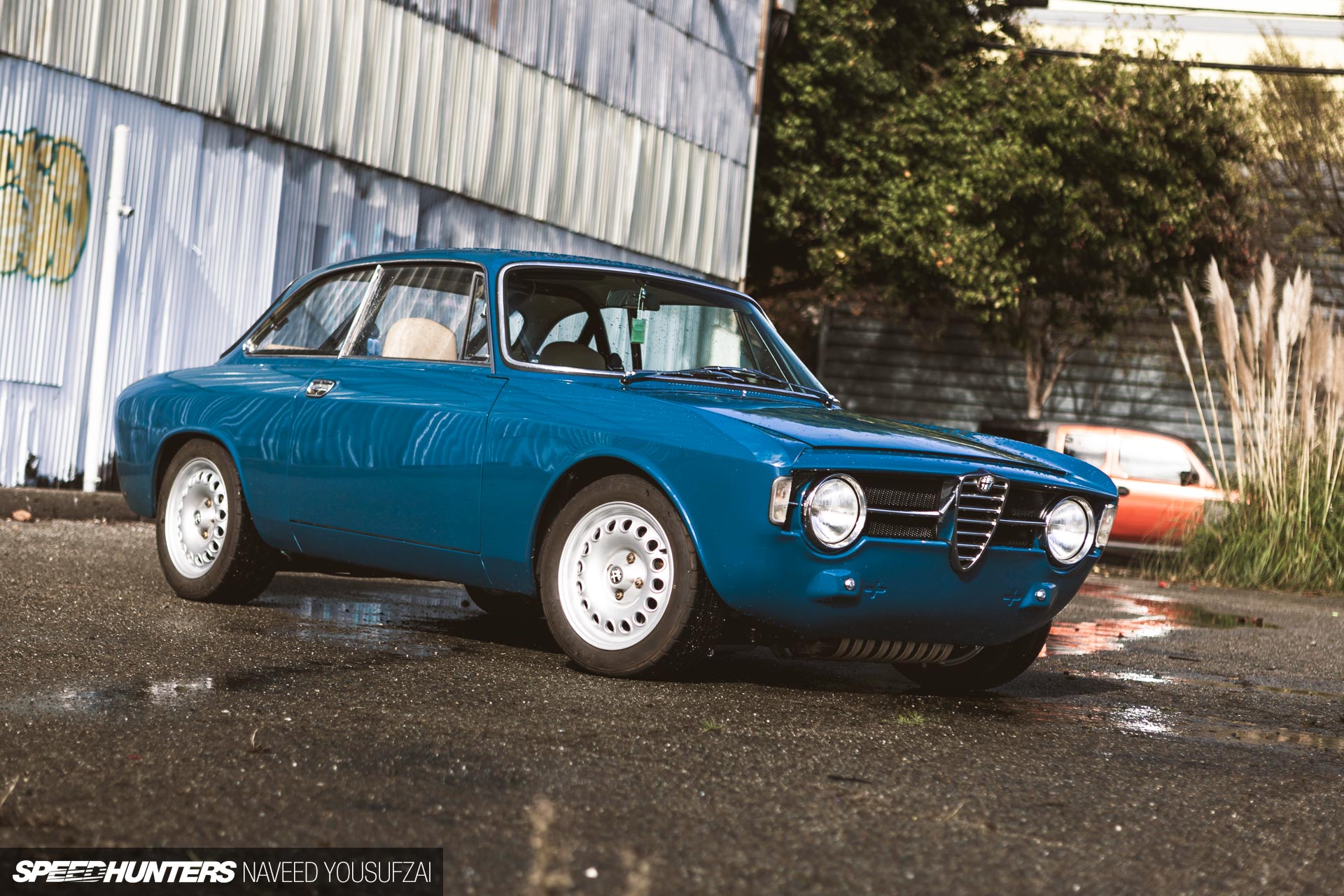
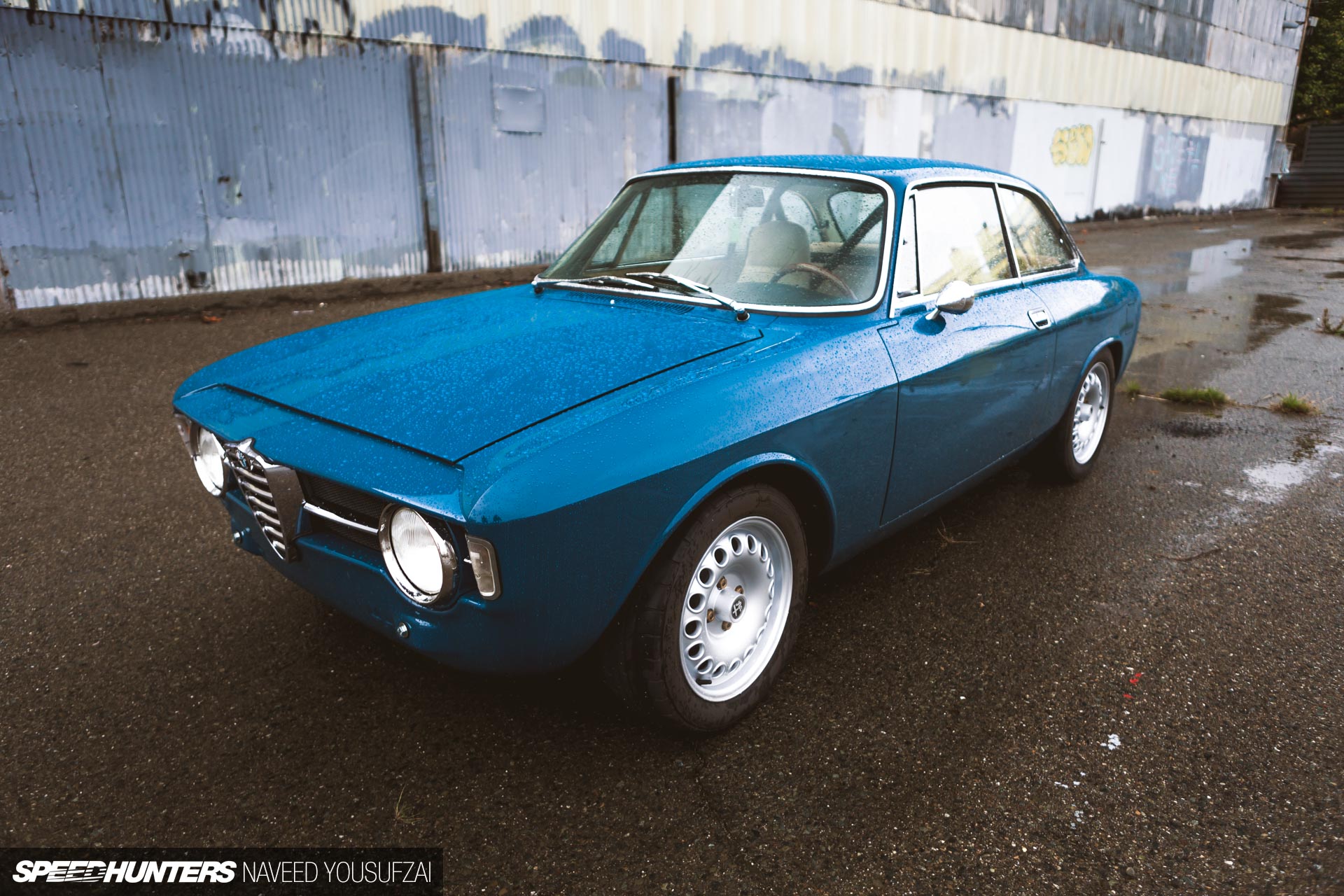
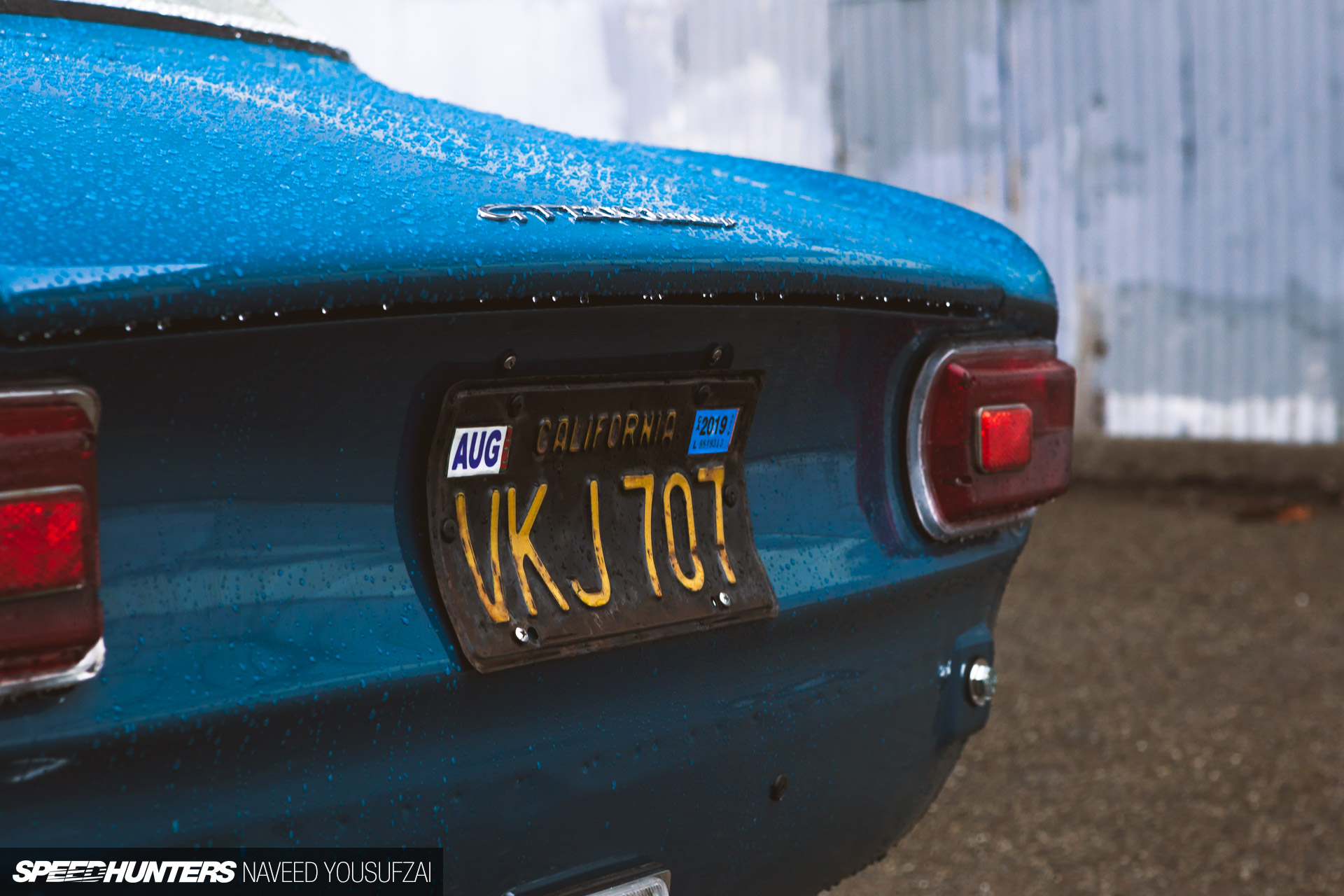
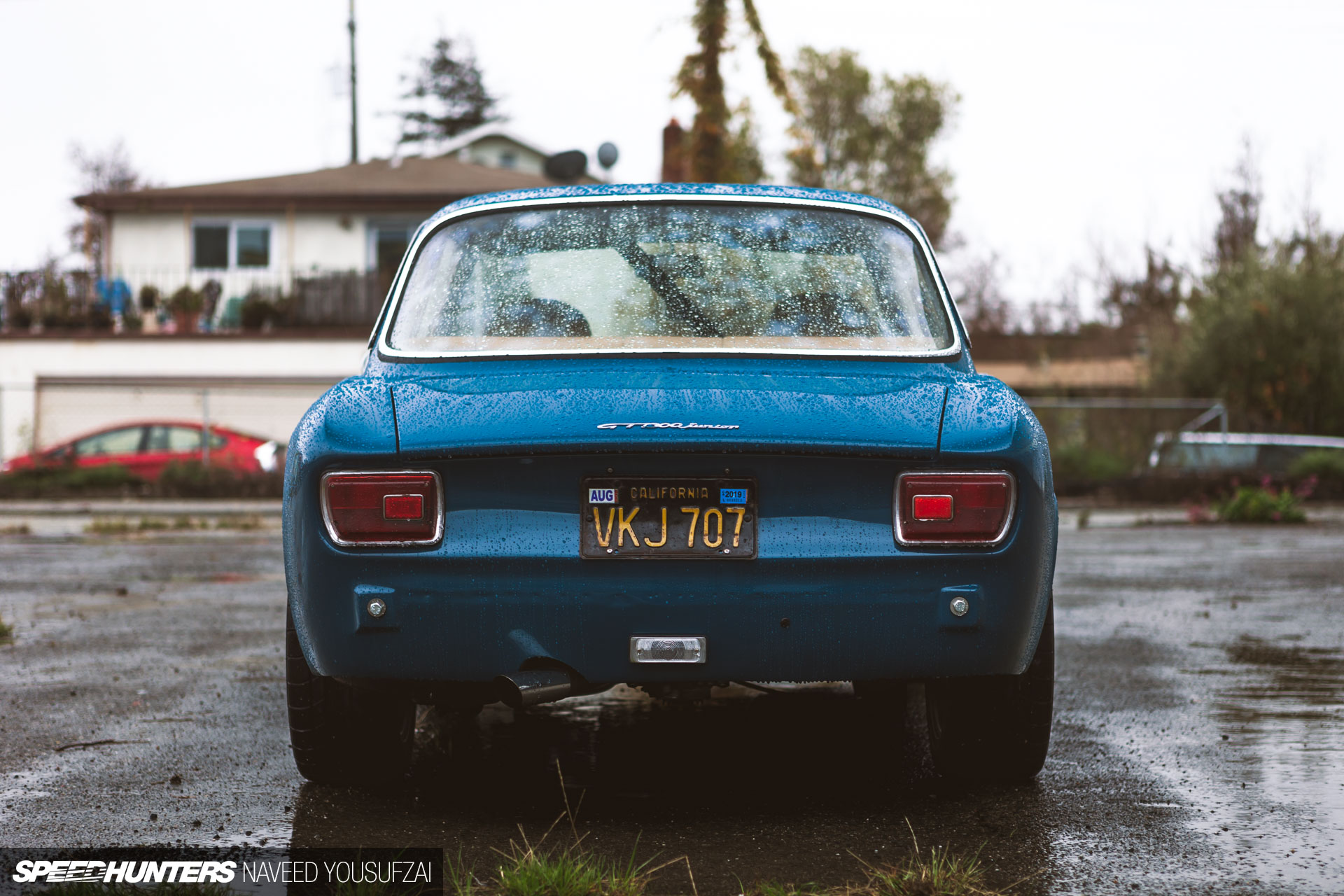
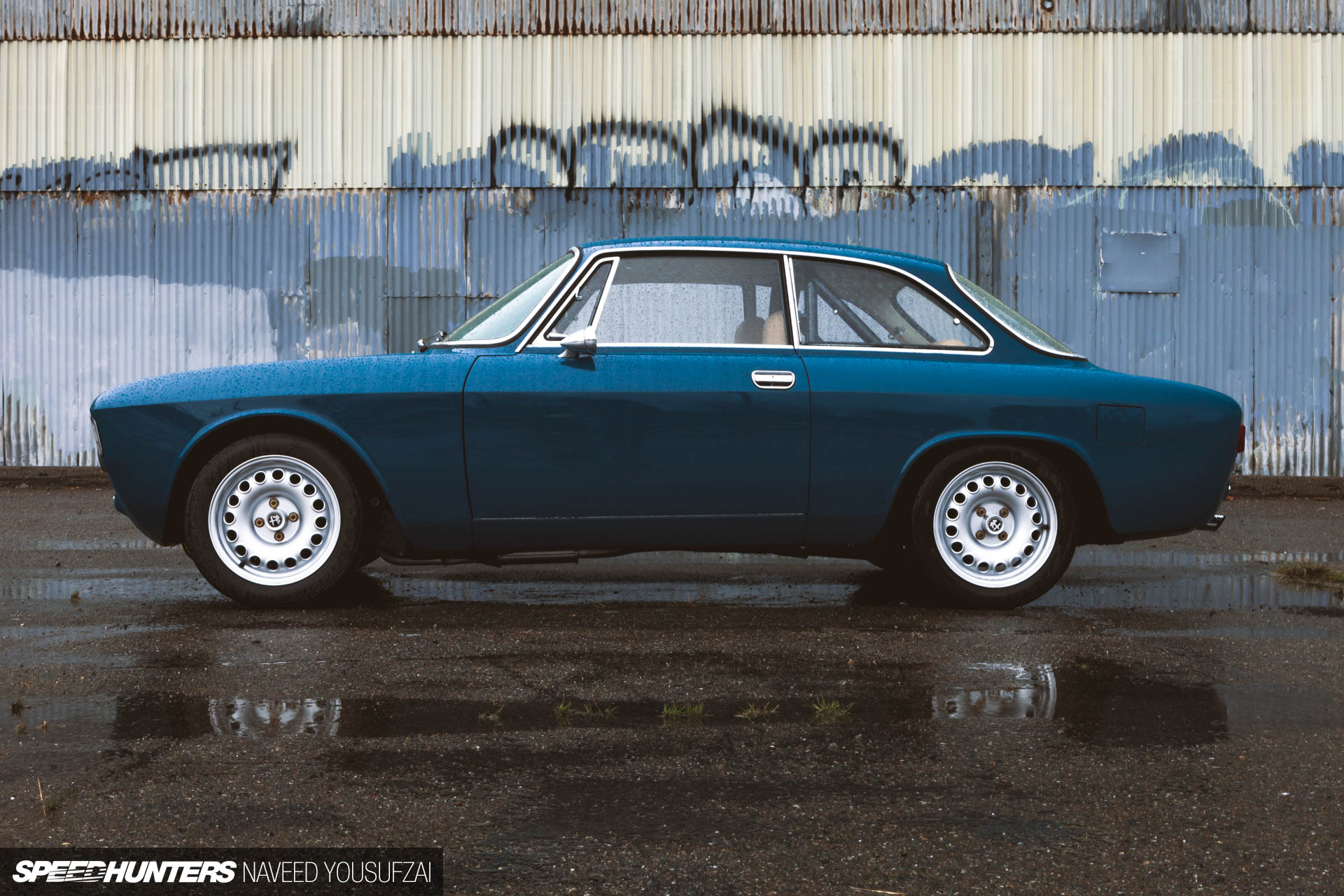
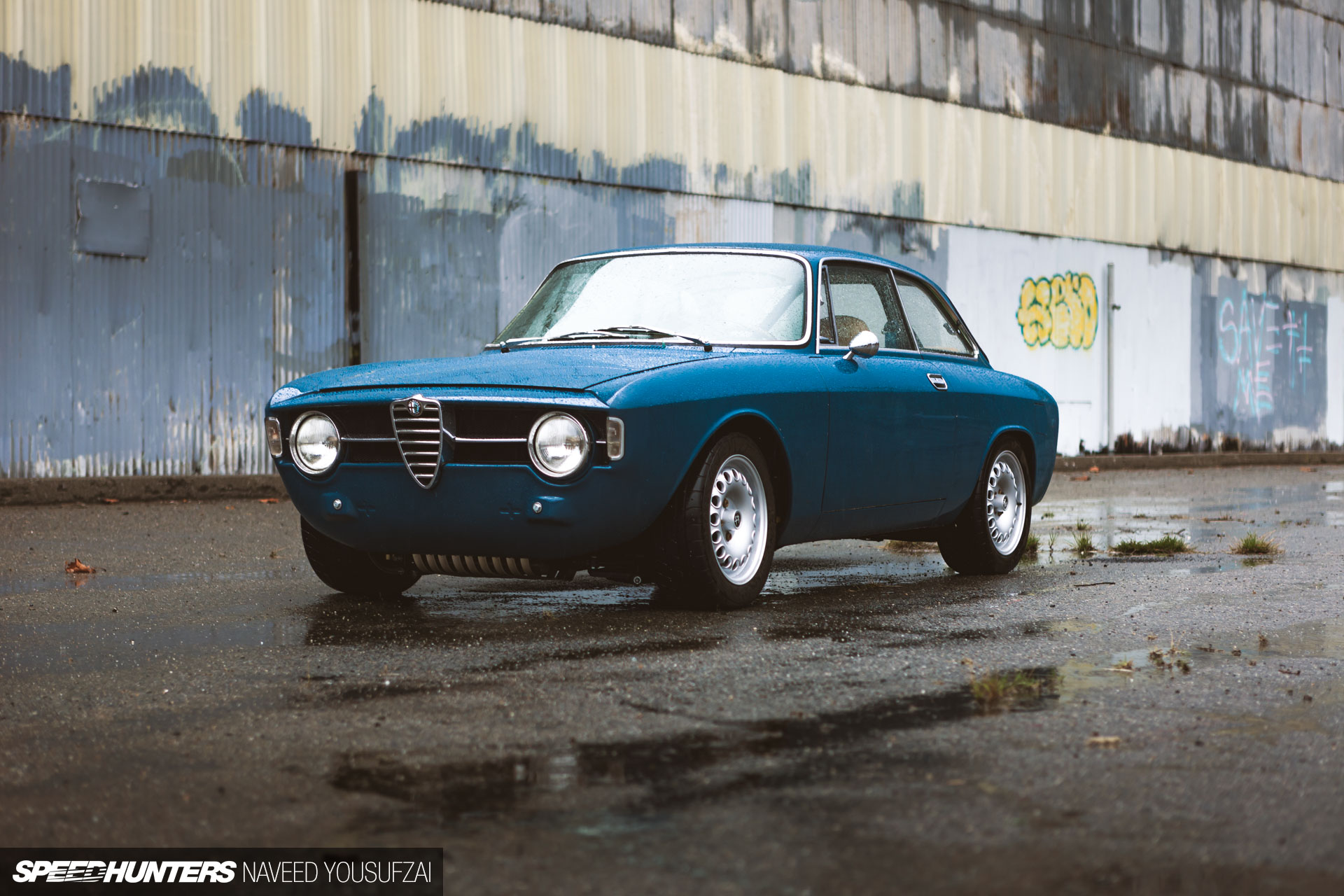
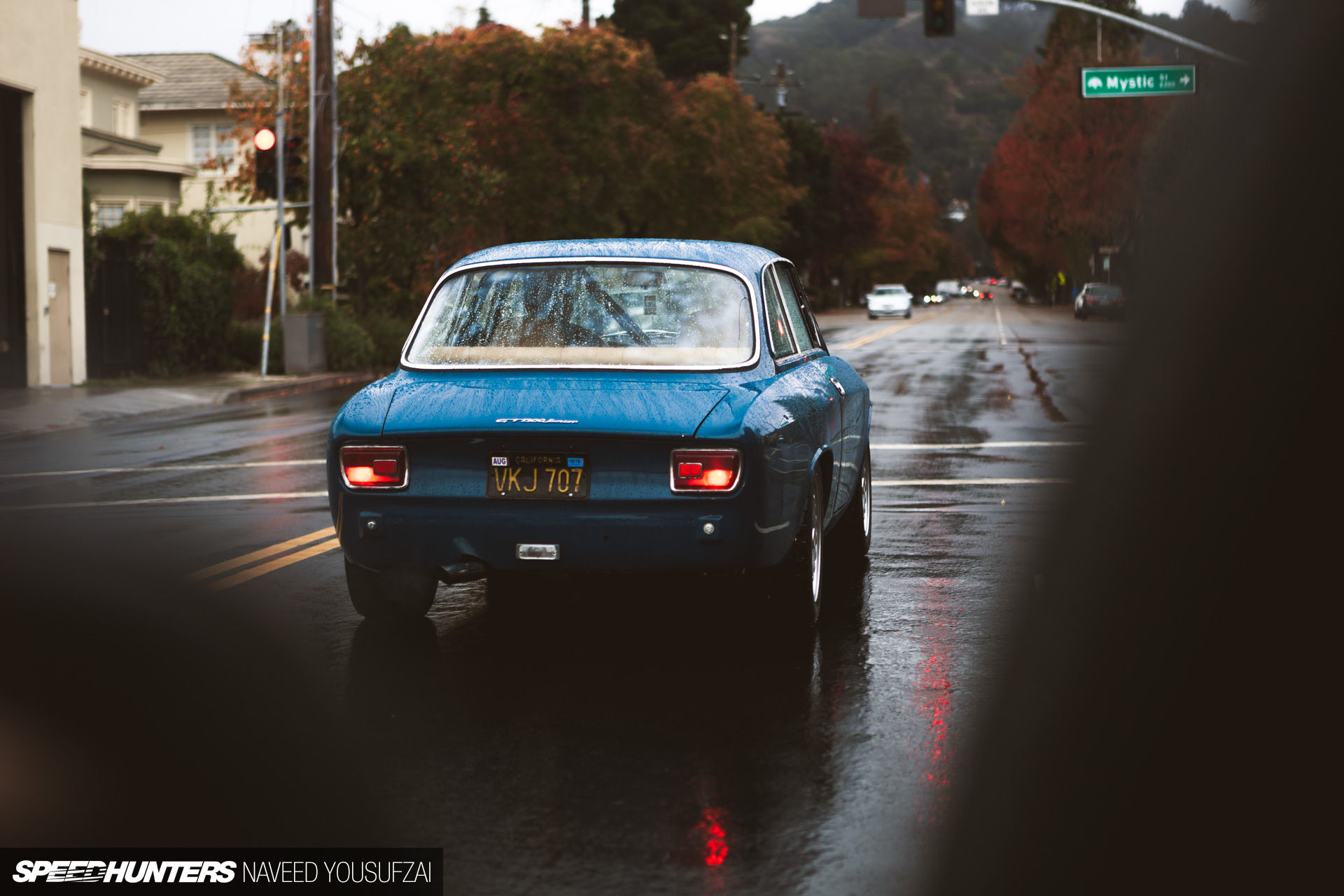
His purchase of the 1967 Giulia GT1300 Junior took place while he was under apprenticeship at Conrad’s shop. The car had been parked under a tarp for over 20 years, so it had its fair share of patina to say the least. Despite its ratty appearance, Justin was on a grand adventure in professional car restoration, and in his words, “I decided this car would be the vehicle that I would take, and would take me, through it.”
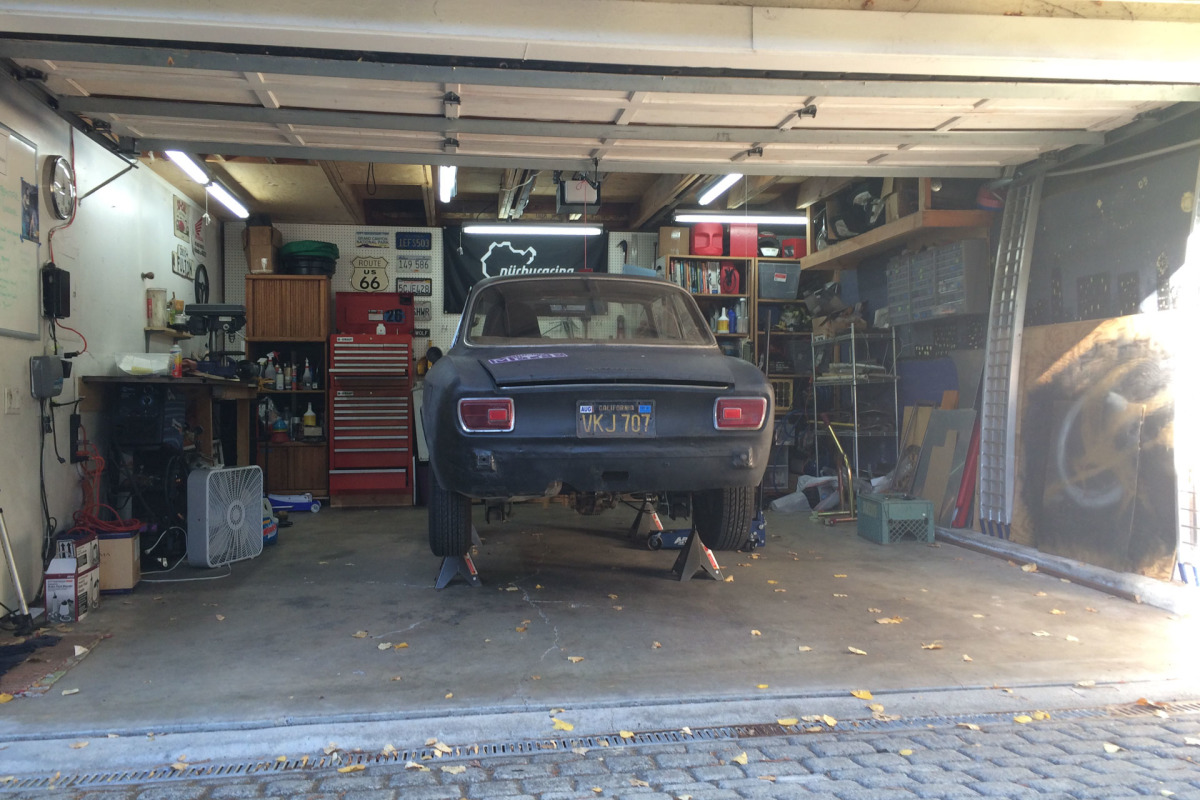
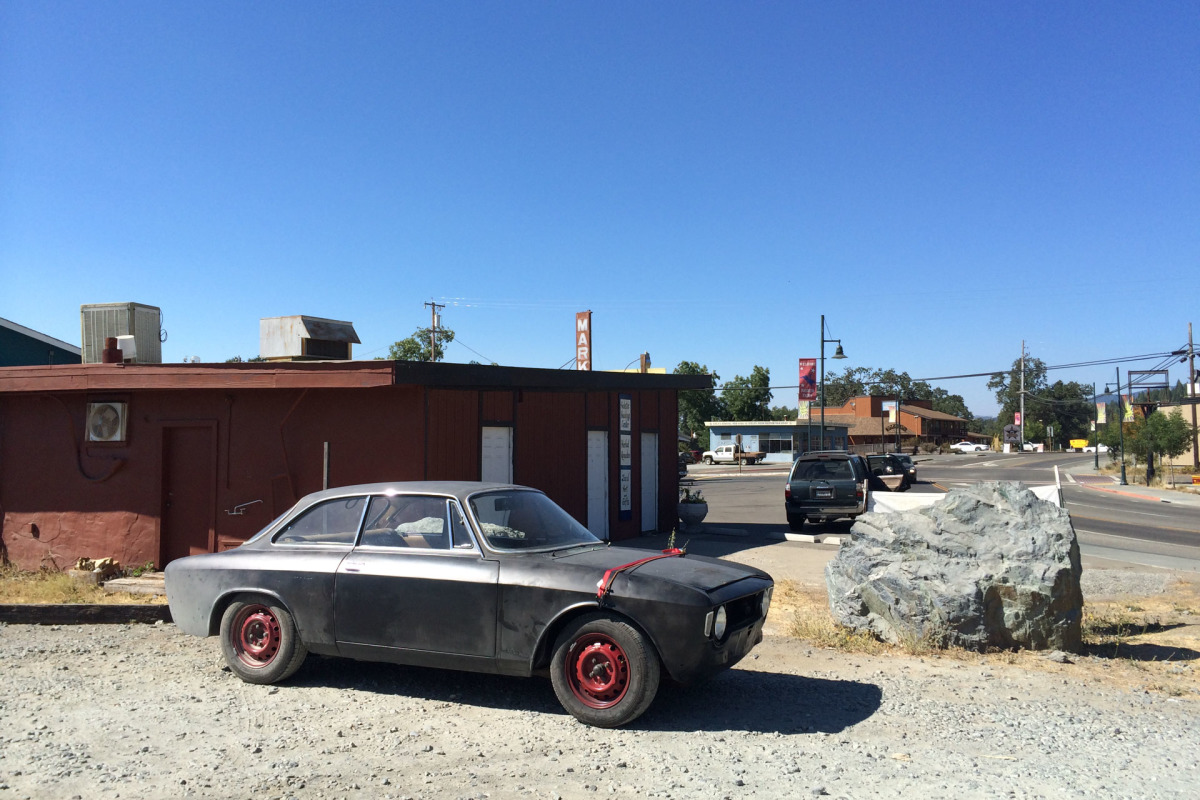
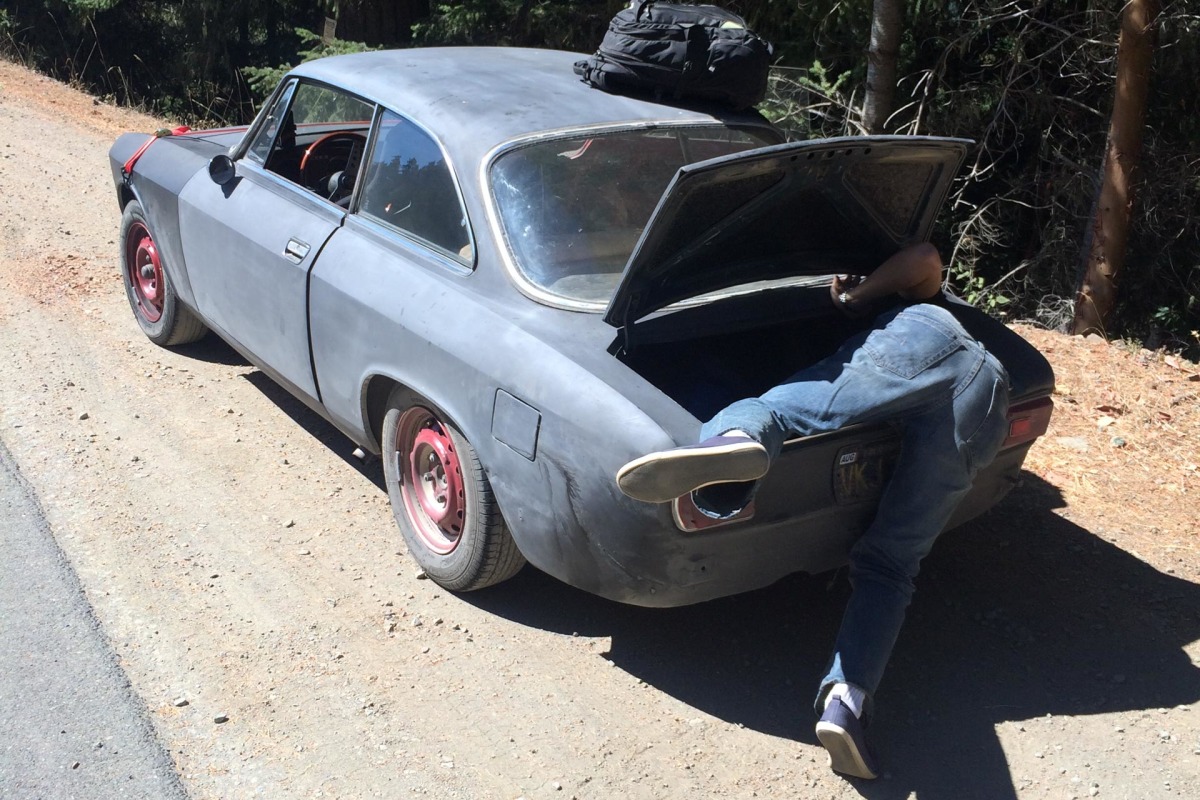
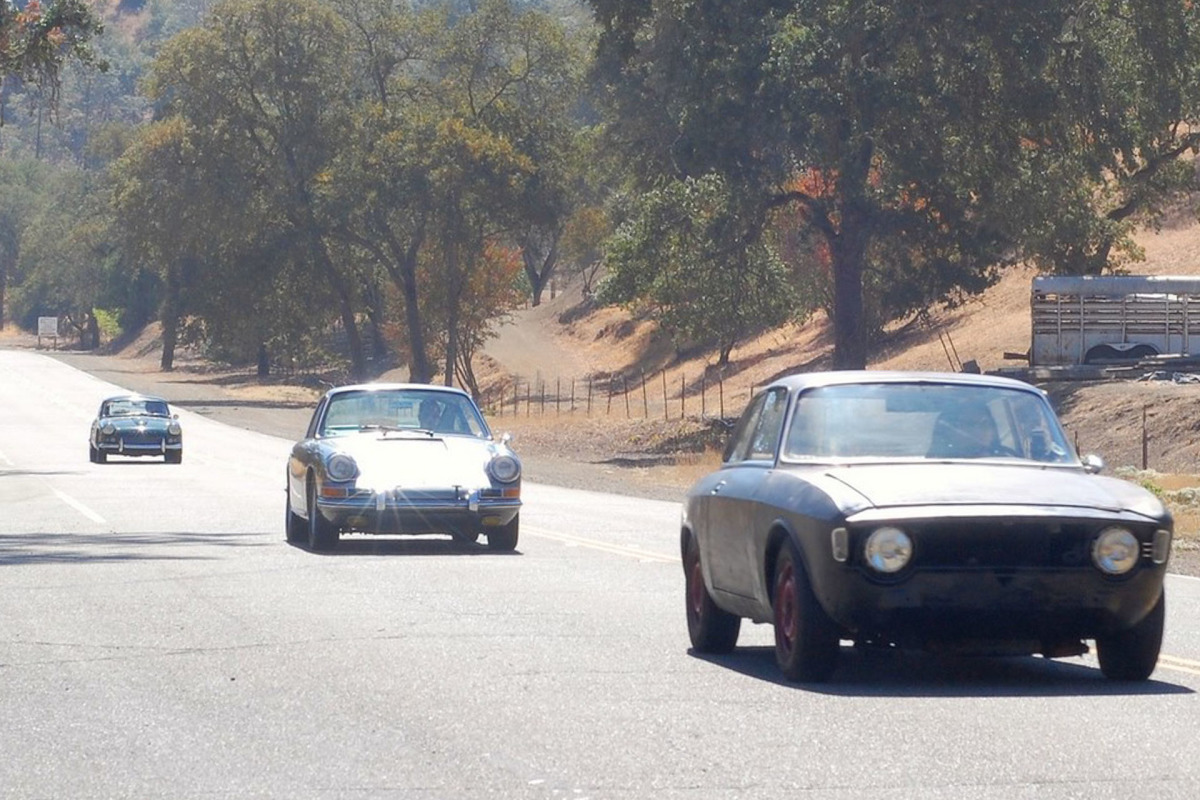

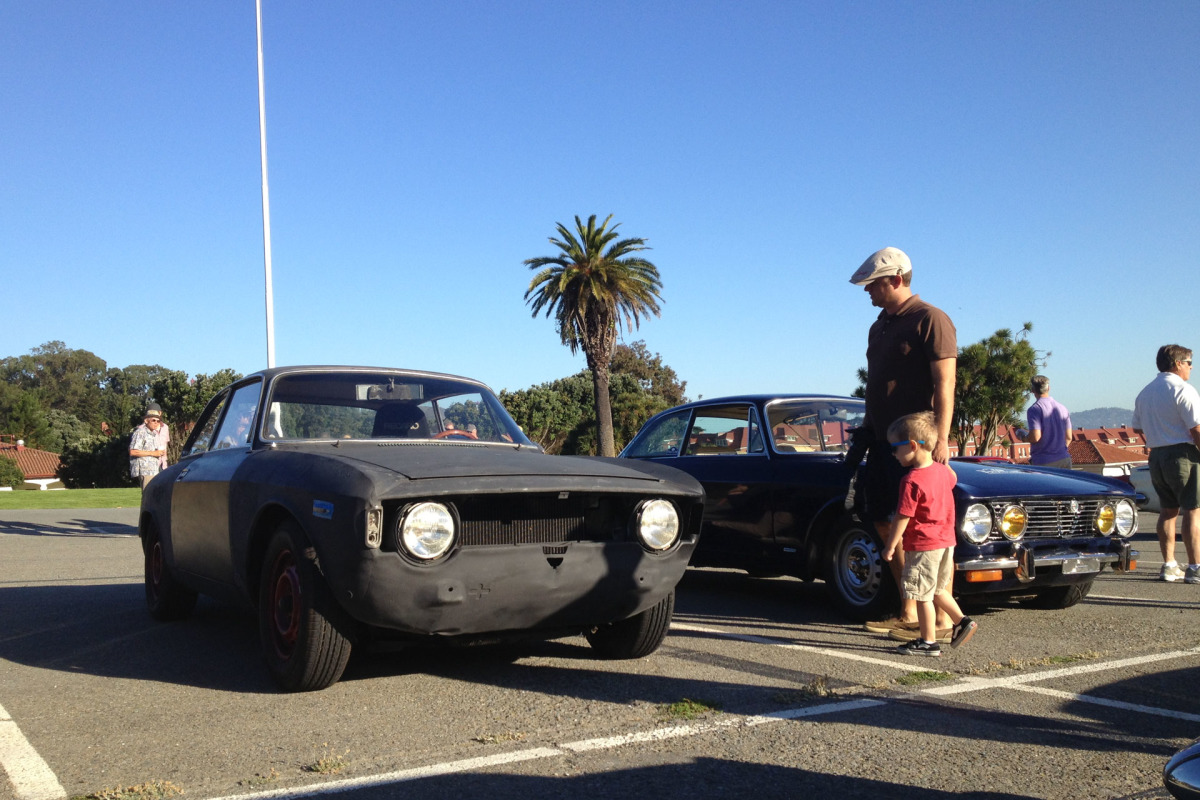
Before starting any sort of restoration, Justin sorted the car out enough to get it into driving condition, and proceeded to run it in the 2013 and 2014 California Melee rallies in full rat-rod trim. It was rattle-canned primer, had a single Recaro bucket seat, and none of the gauges worked. “I stuck duct tape over the rust holes in the floorboards so that road dust wouldn’t fill the cabin. I’d always been drawn to cross-genre cars, so I welded up a side-pipe exhaust and painted the wheels bright red as a nod to American rat-rods.”
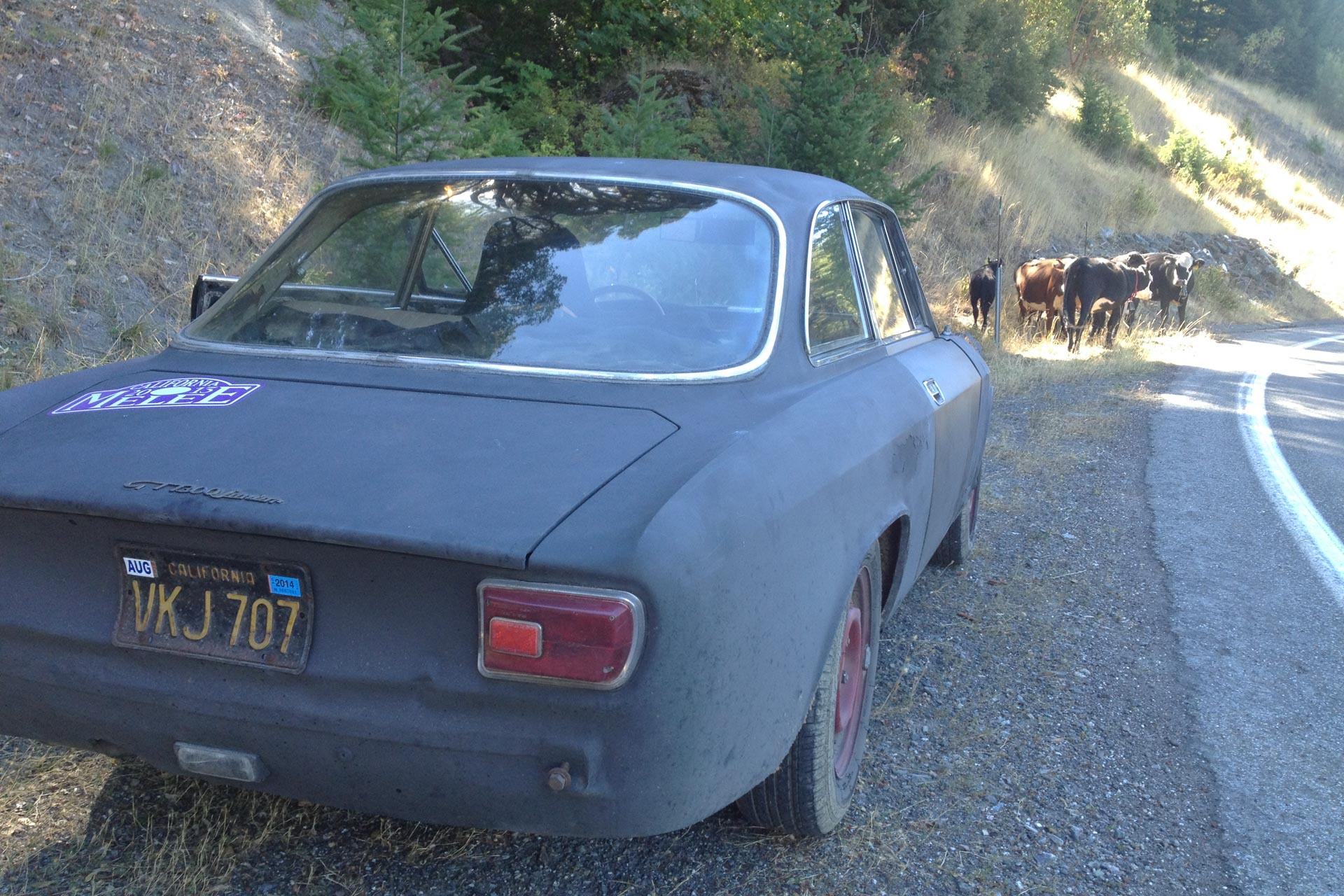
But eventually Justin realized that he wanted the ability to take the car everywhere, and not just through the back roads. He loved it enough to know that it truly had potential to be the elegant little Italian sports car it was meant to be. So he took the plunge and started a full restoration.
AR506 – Bluette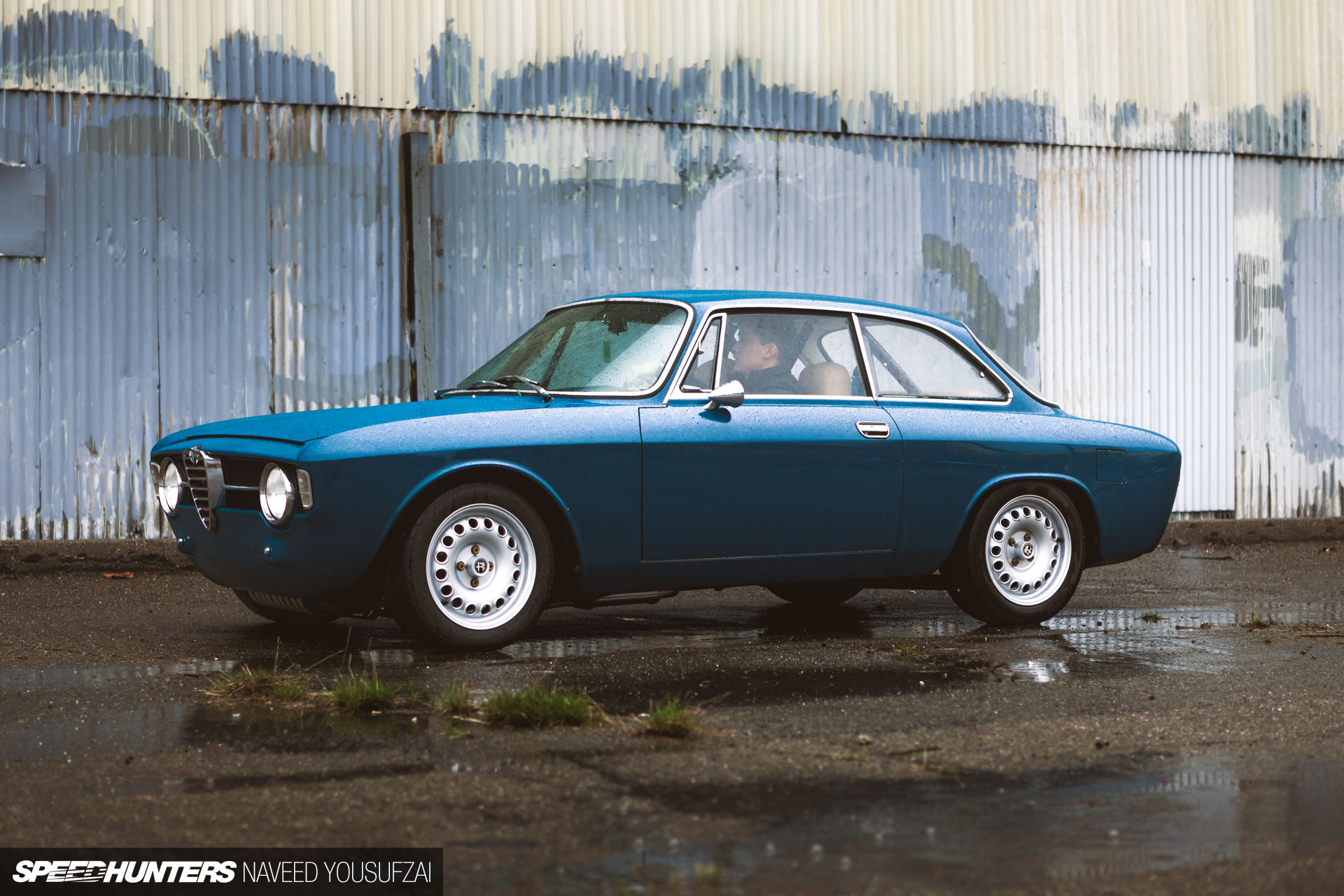
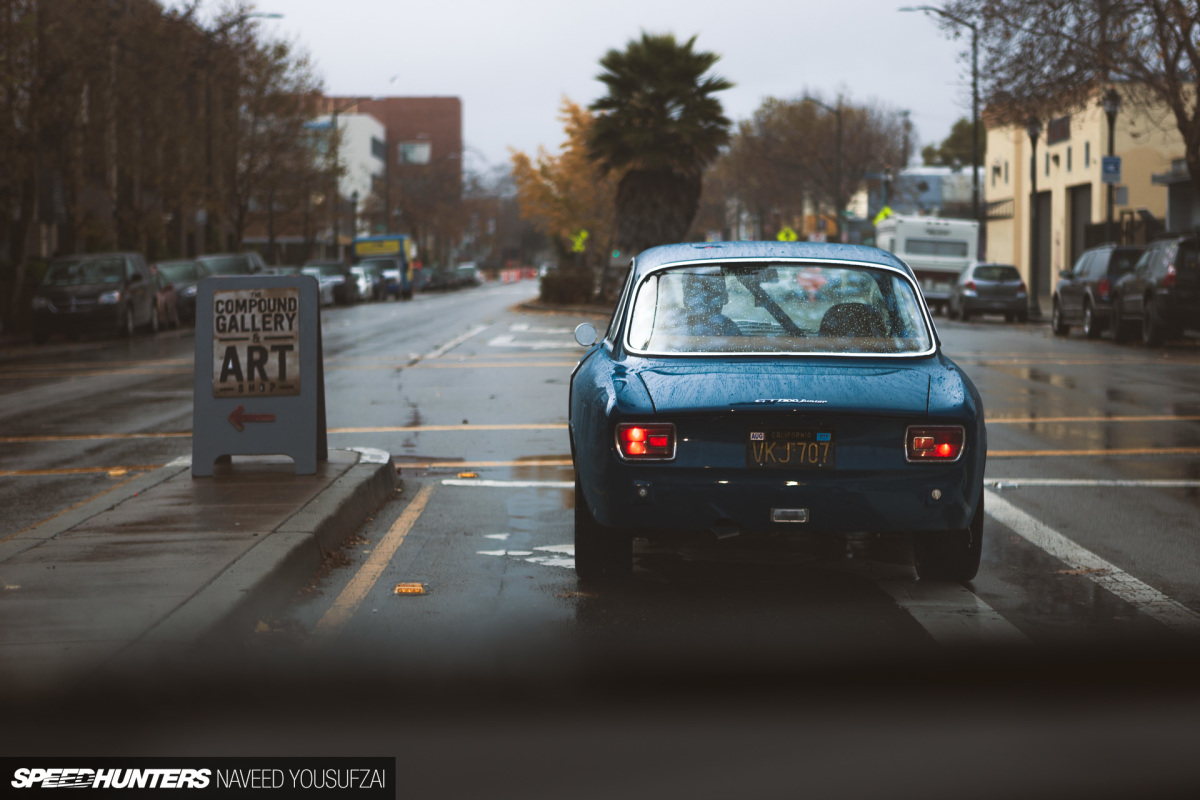
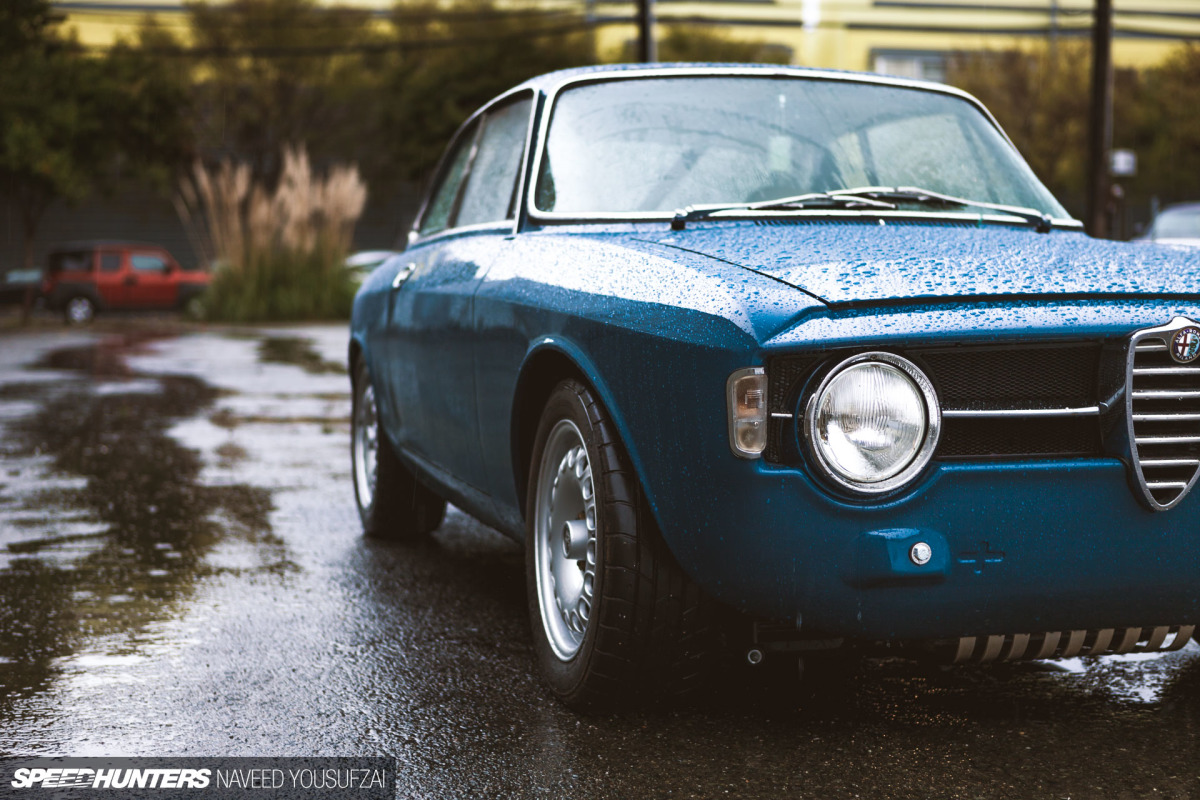
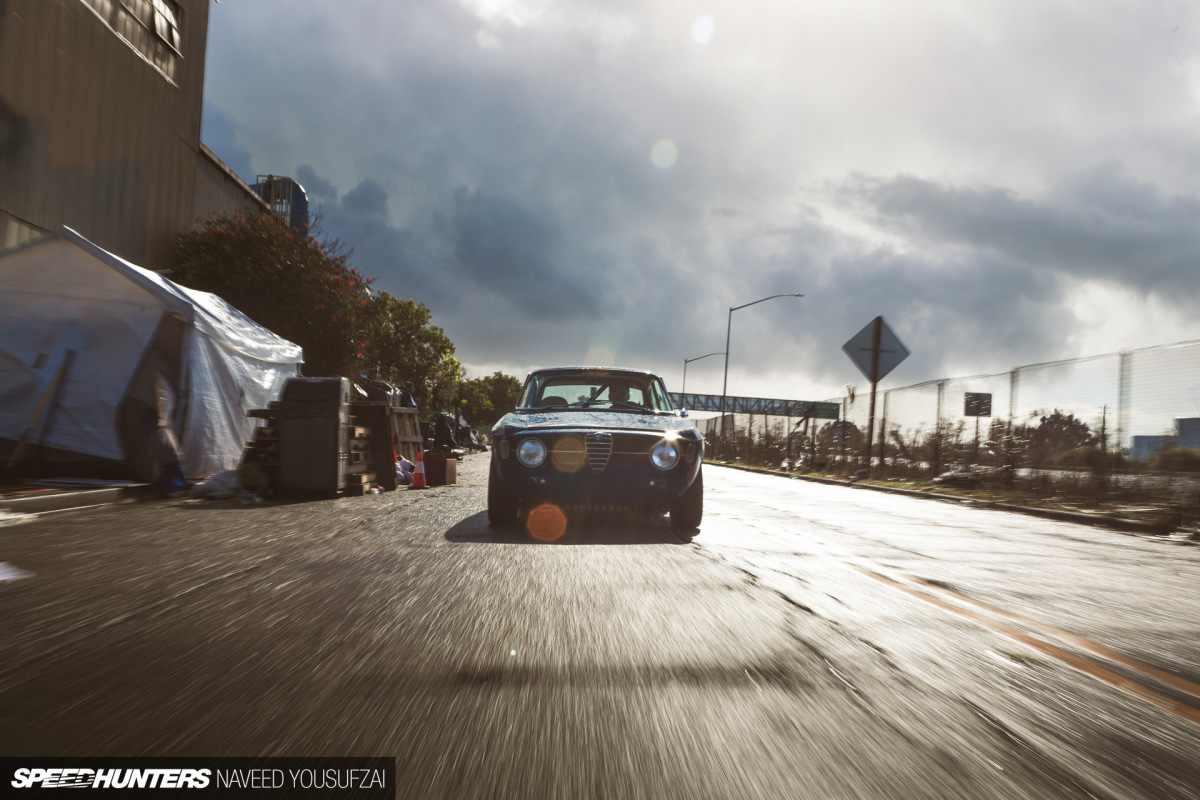
Justin laid out a plan that would see the Alfa brought back to its former glory in the space of one year. However, as we all know and Justin explains, “building a car is 25% project management, 25% technical skill, and 50% perseverance. Everything will take longer than expected. Everything will be more expensive than expected, and having the ability and willingness to keep making decisions – even if they might later turn out to be the wrong ones – is paramount.”
Well said, and unfortunately true for anyone and everyone who can relate to restoring a car.
The build ultimately took three years to get to its current state, so let me elaborate on that a bit, as there’s quite a bit of detail with this particular GT1300 Junior.
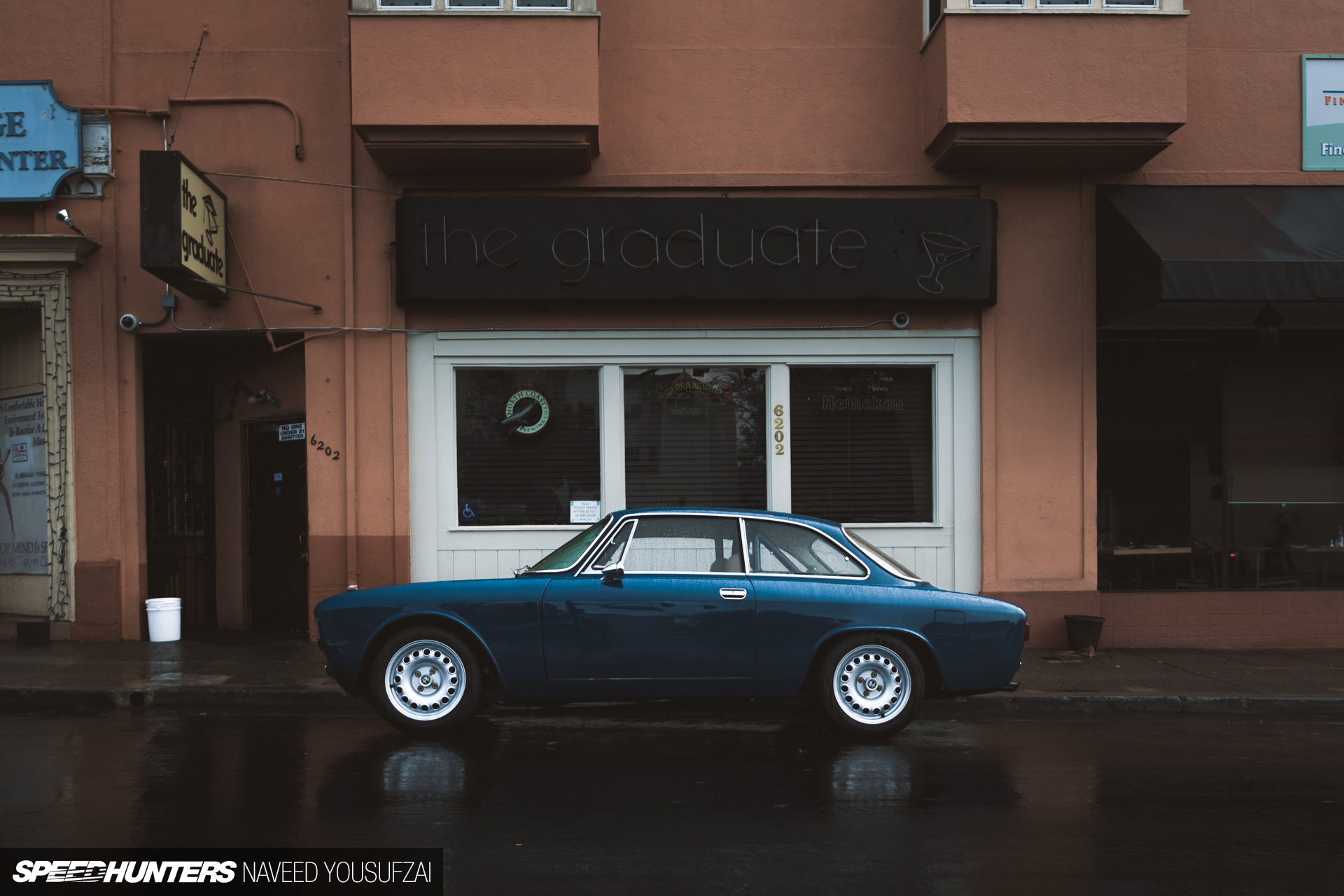
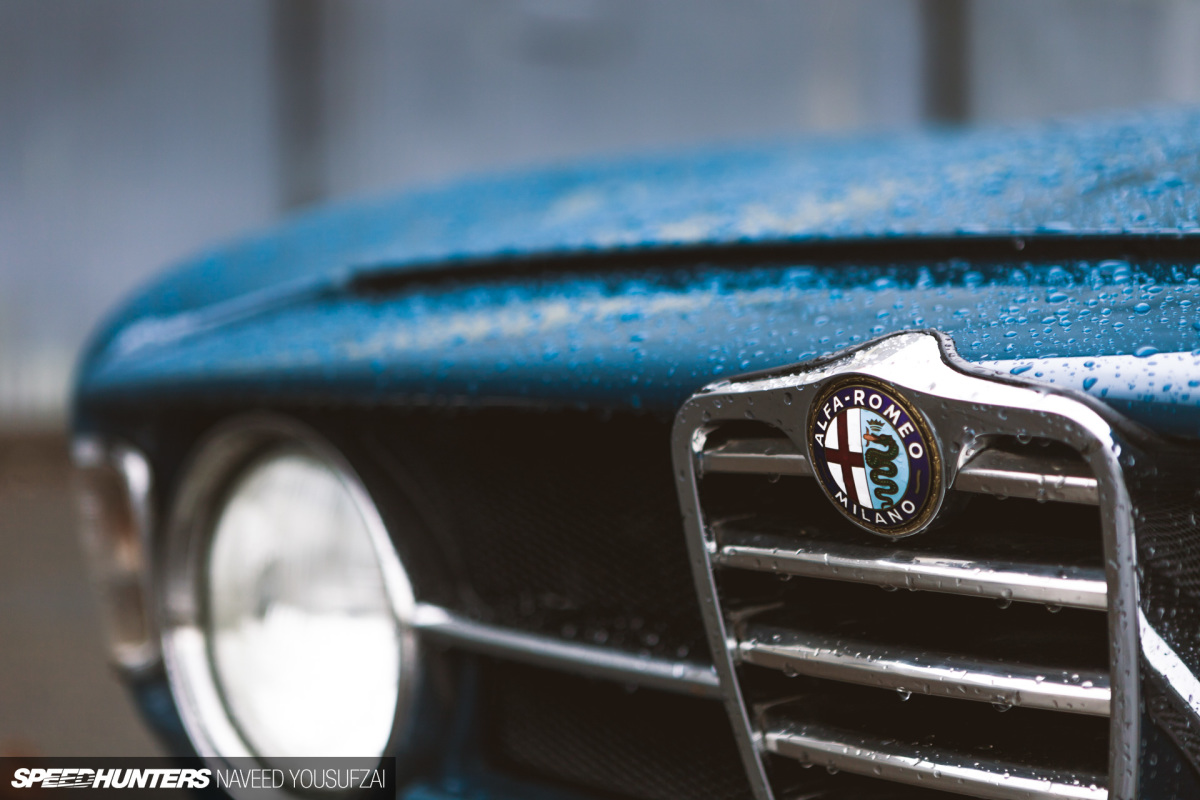
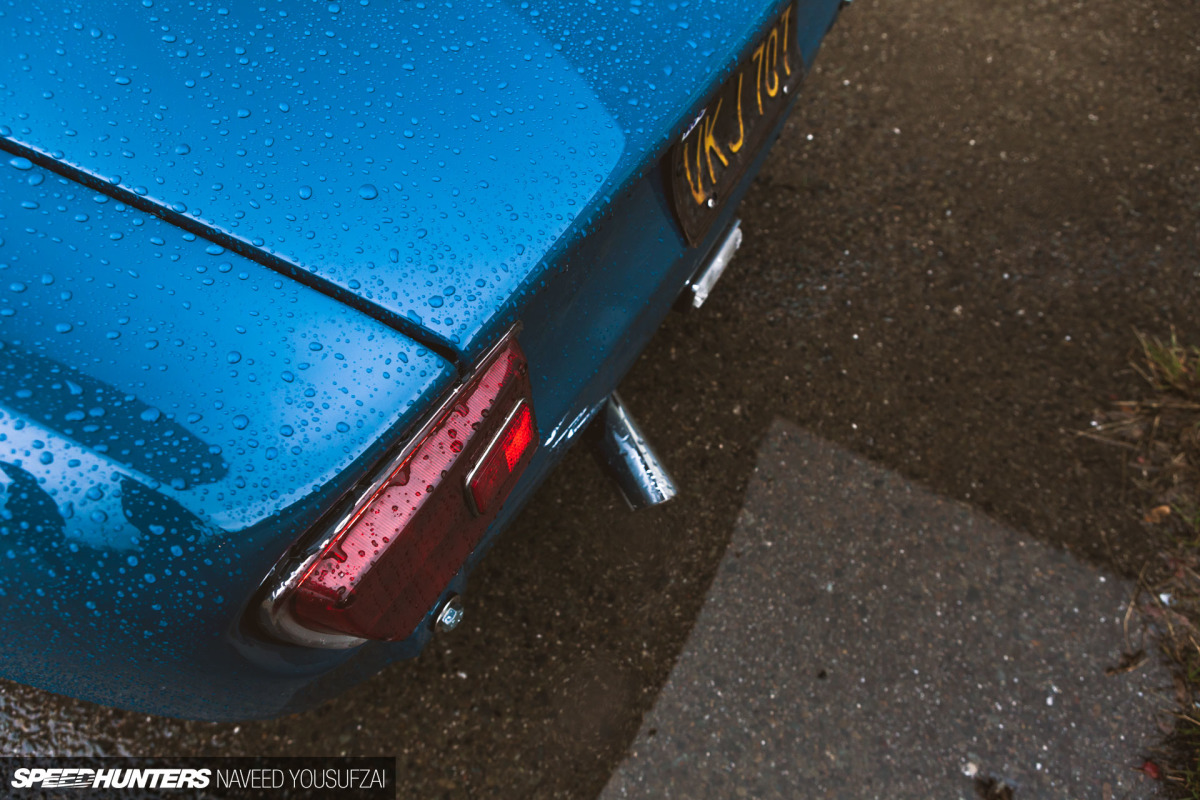
As all Alfa enthusiasts know, the Juniors were Euro market only cars that were built with the gas-tax-friendly purpose in mind, sporting a 1,300cc twin cam engine, instead of the 1,600cc to 1,750cc engines found in normal Giulias. Alfa also implied that the Junior was the entry-level car for those who shied away from the high prices associated with GTAs and GTVs at the time.
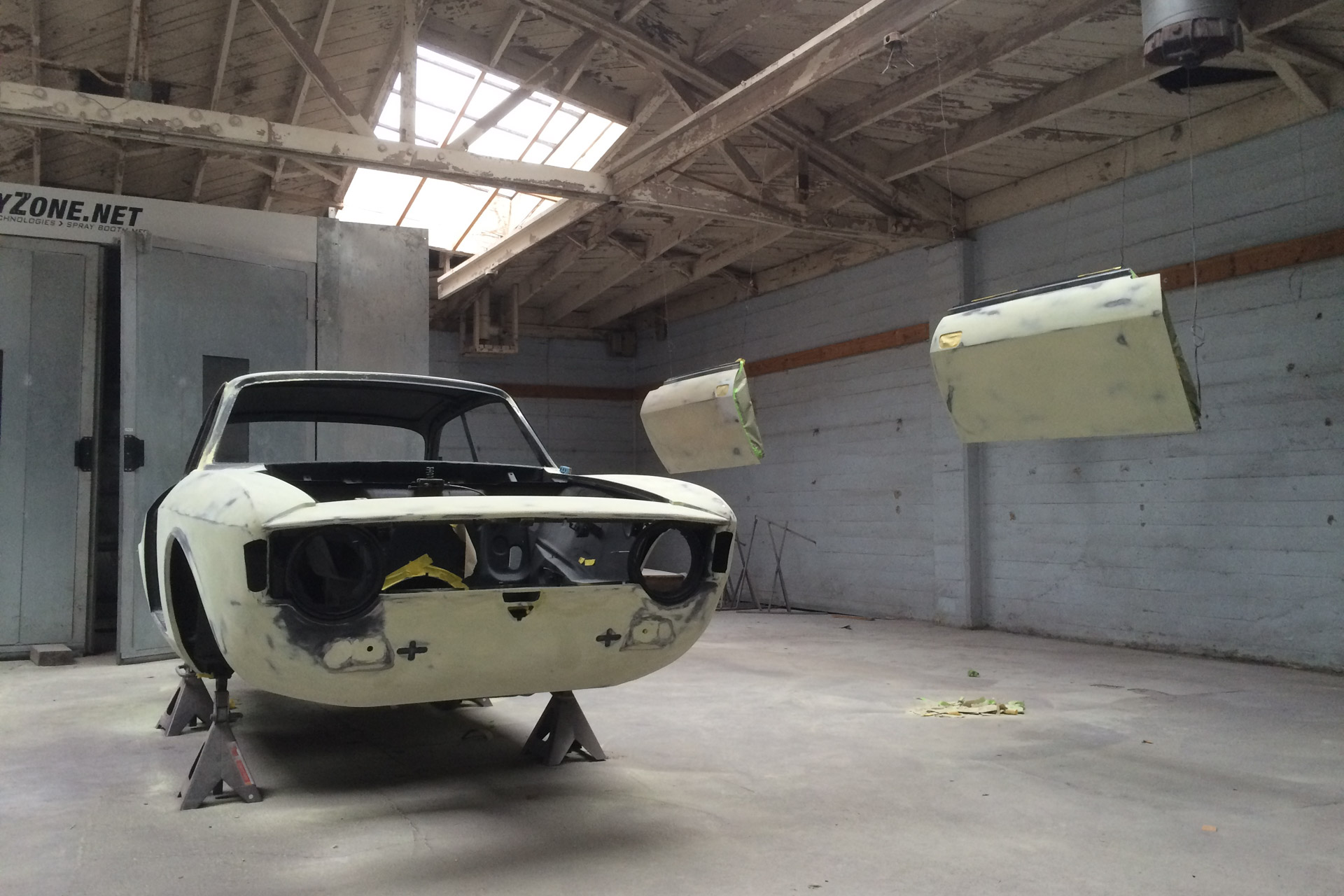

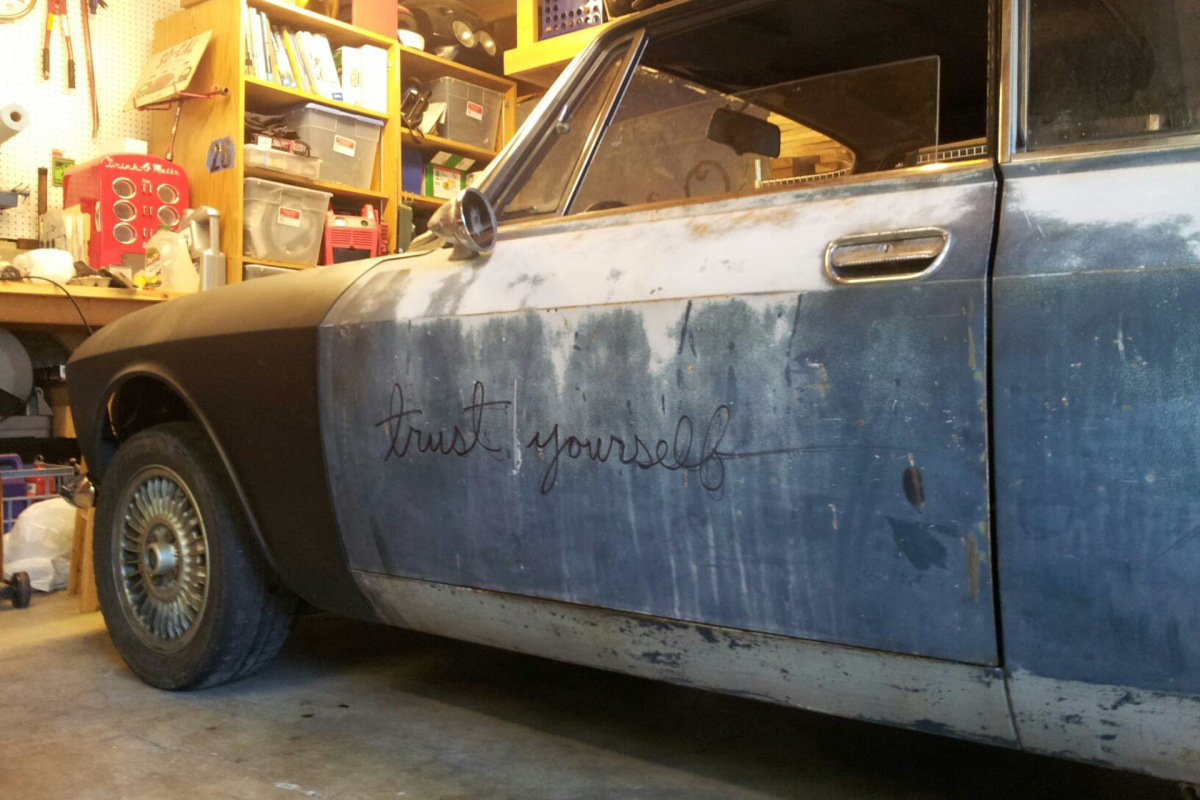
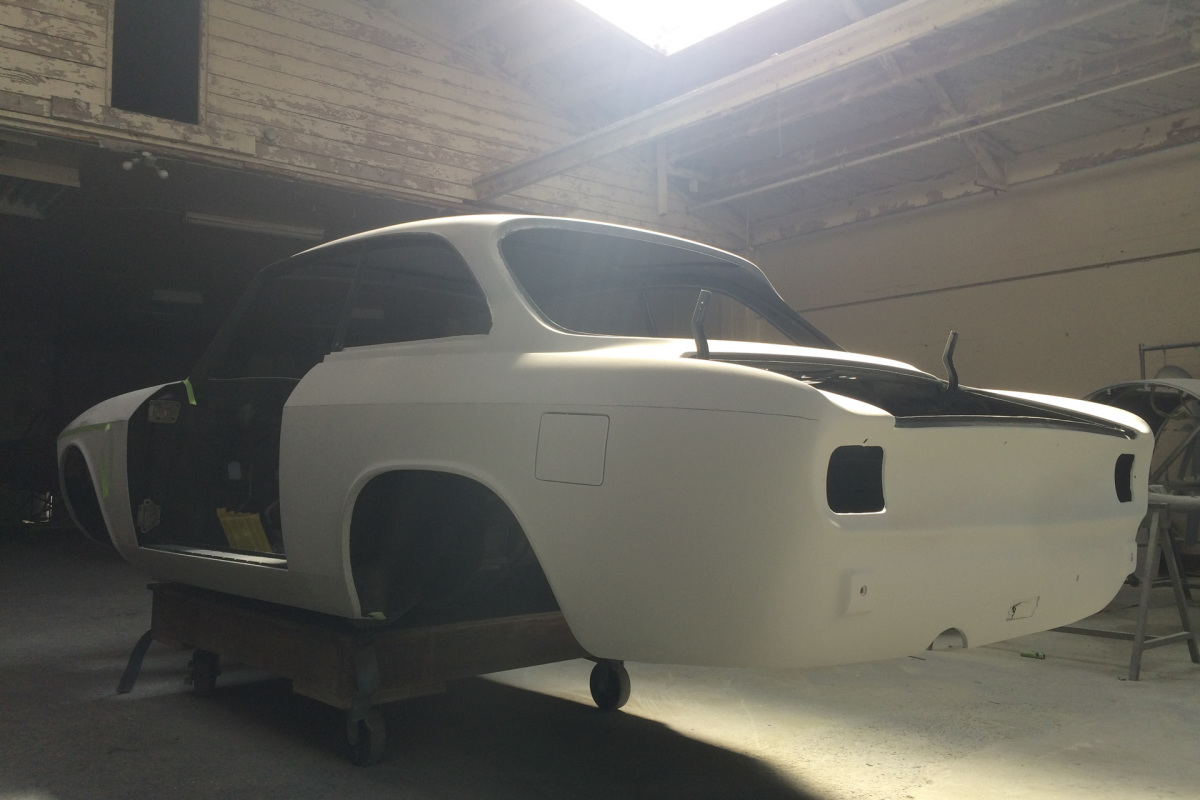
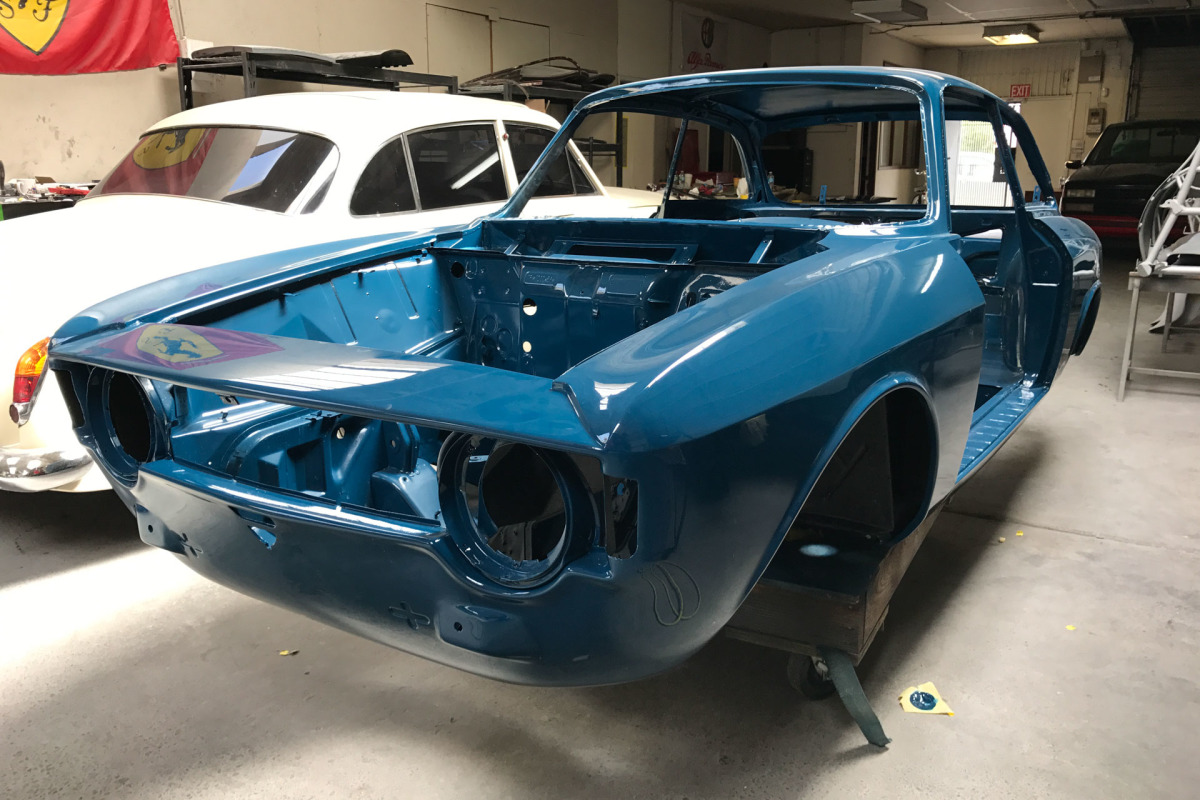
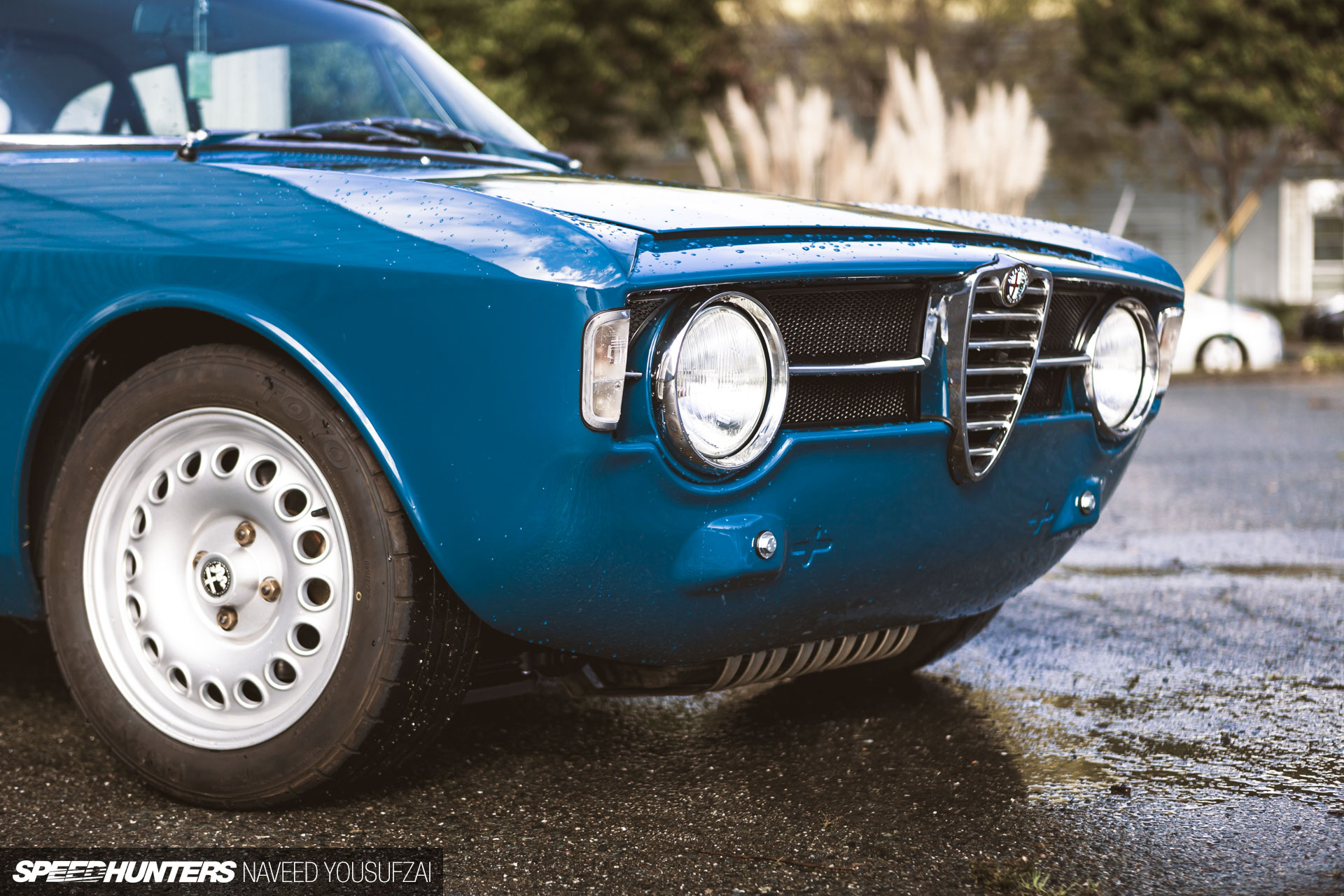
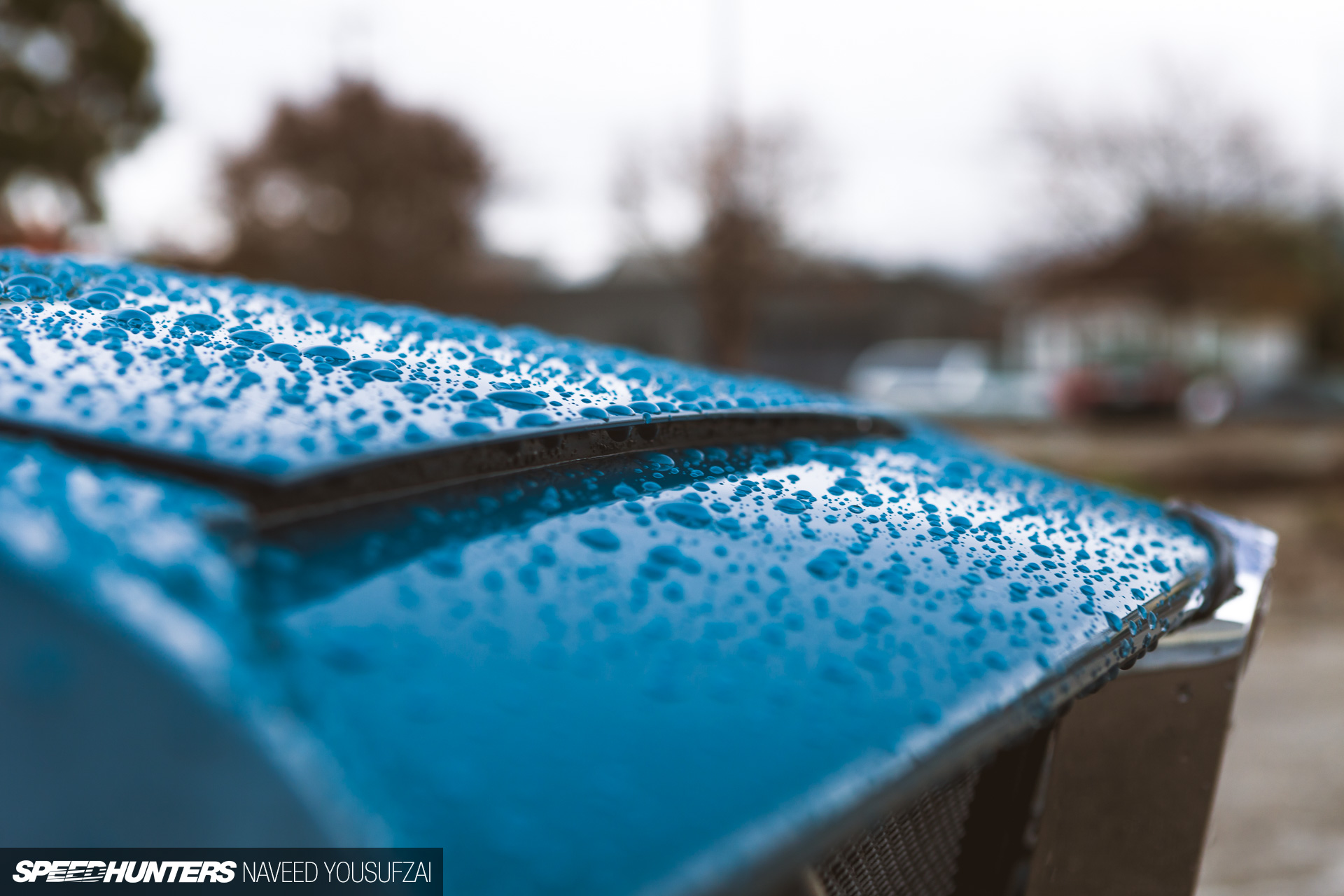
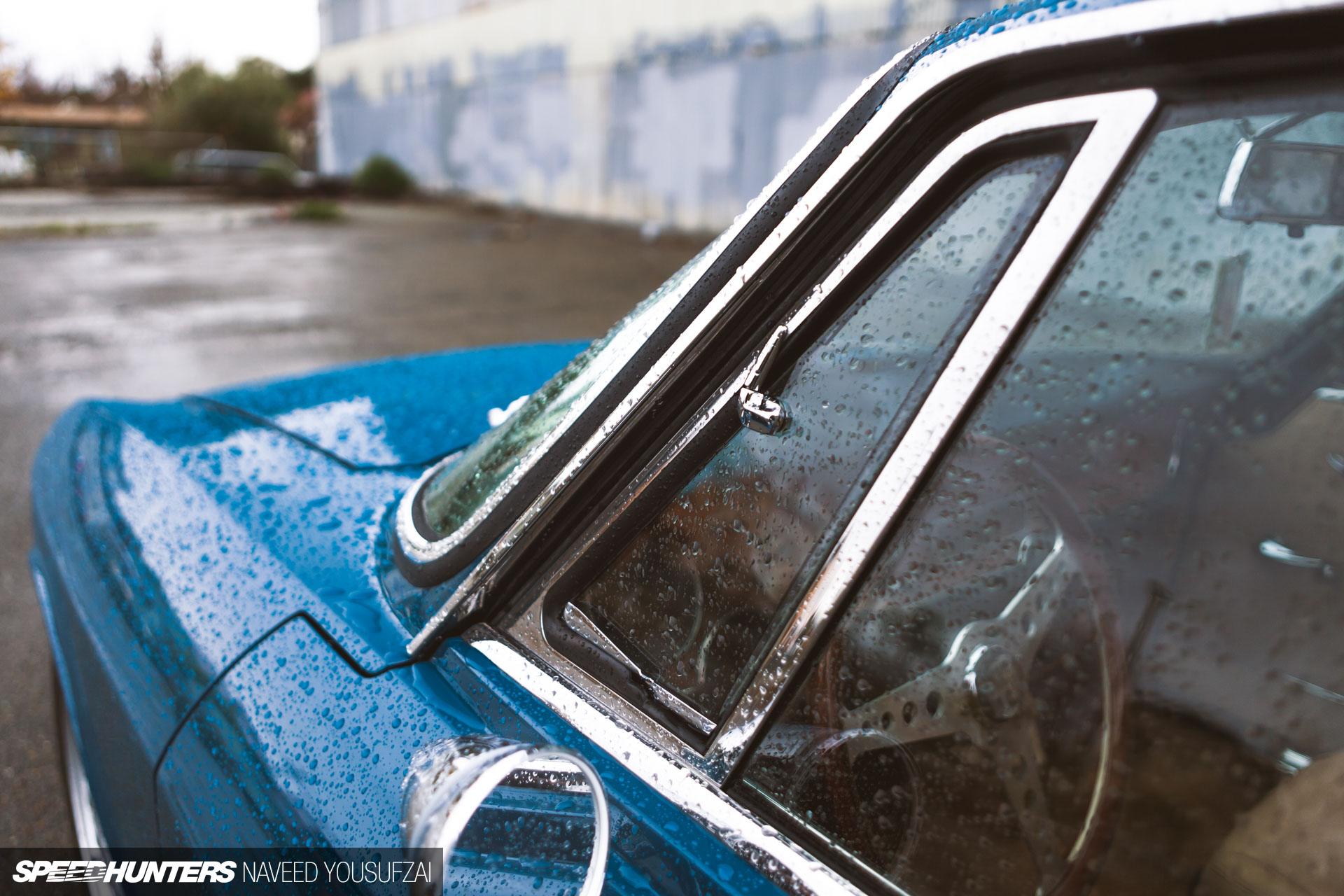
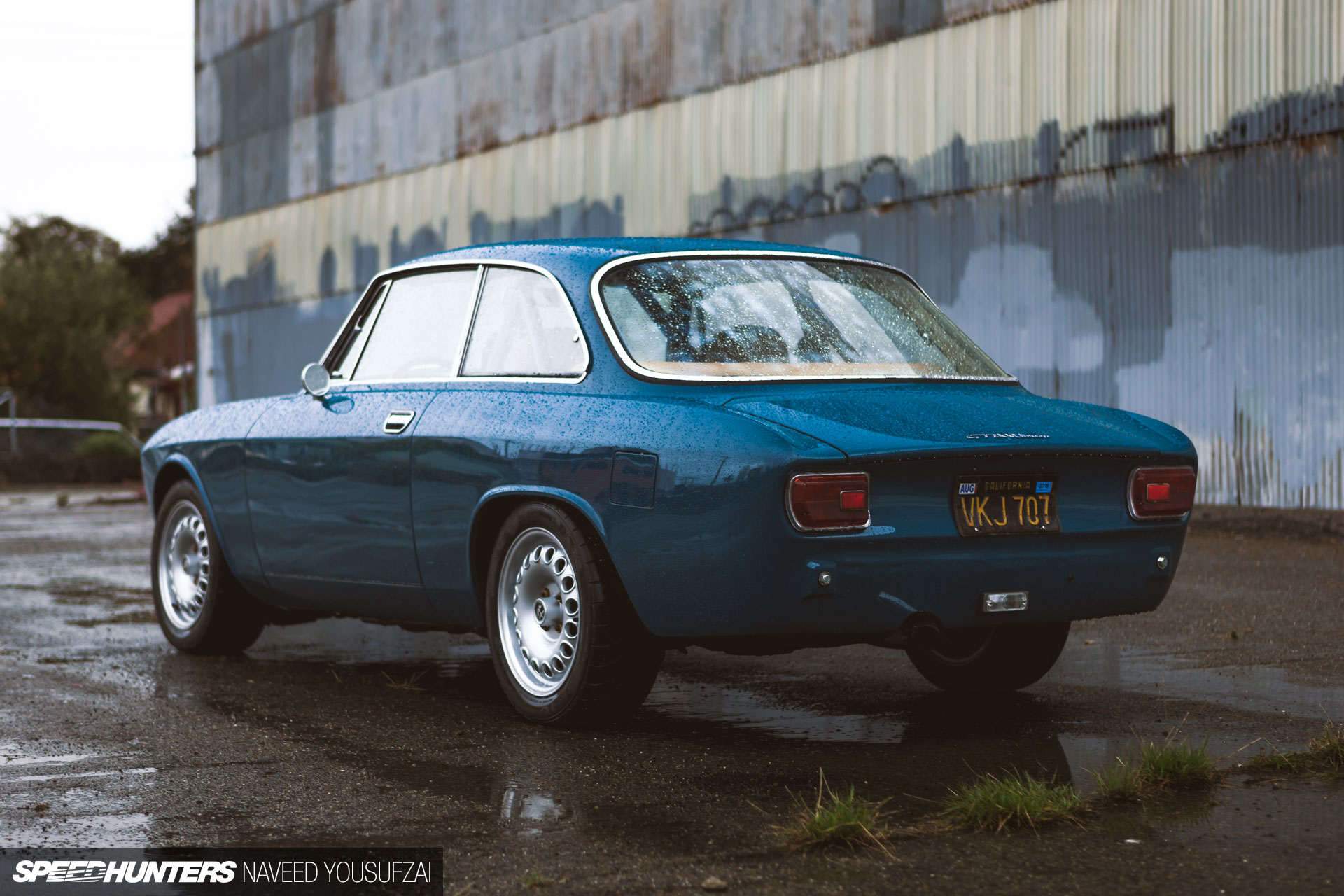
Justin began disassembling the car, and found more rust than was visible to the naked eye. After stripping everything, he cut acres of rotten metal out of the car and fabricated new metal replacement panels to reshape the bodywork to its factory design. The whole body was sand-blasted, straightened, skim-coated, and blocked. In that process, Justin remarkably discovered that the car’s original paint was a particularly rare ‘Bluette’ – a color he was rather fond of in the Alfa Romeo swatch book.
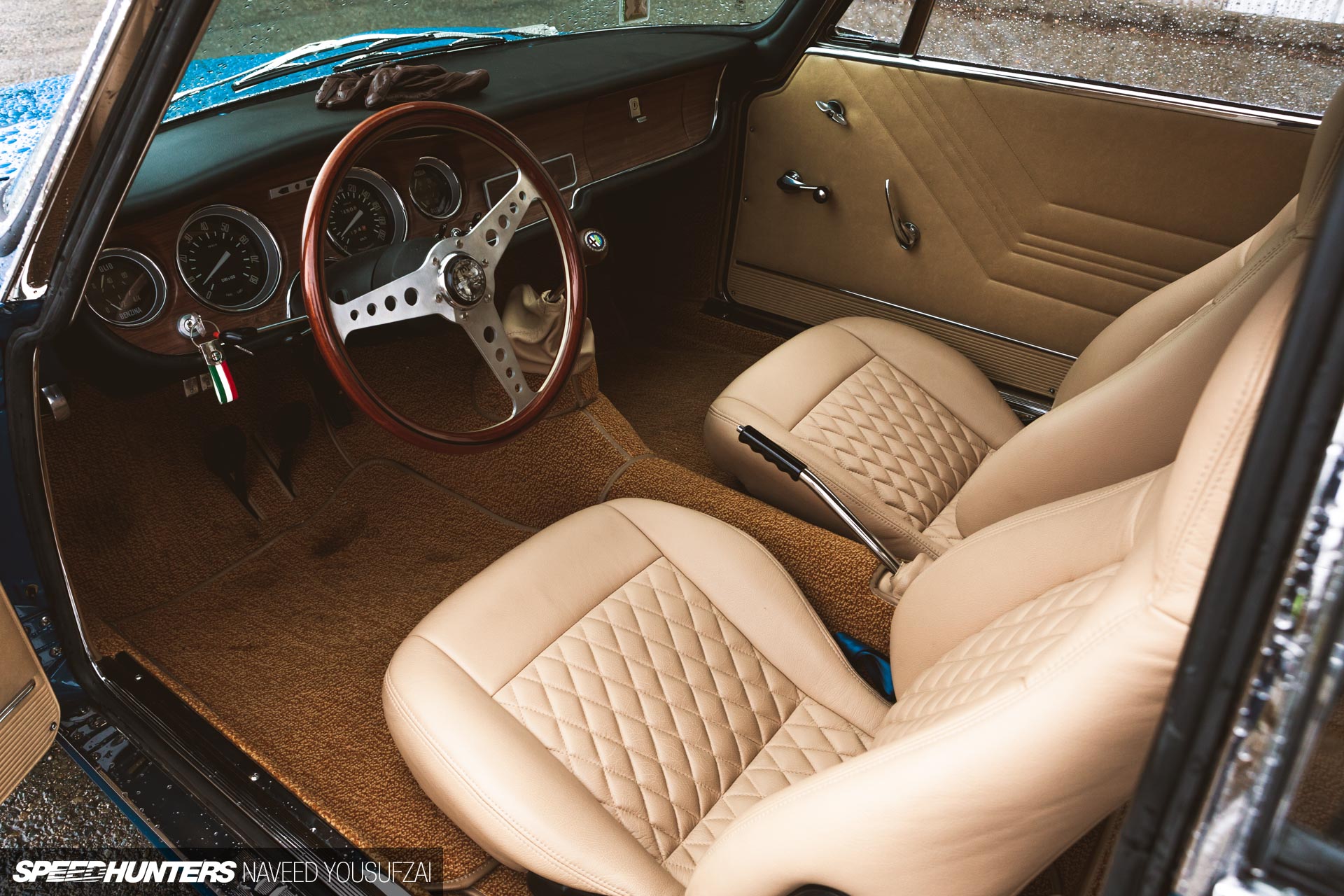
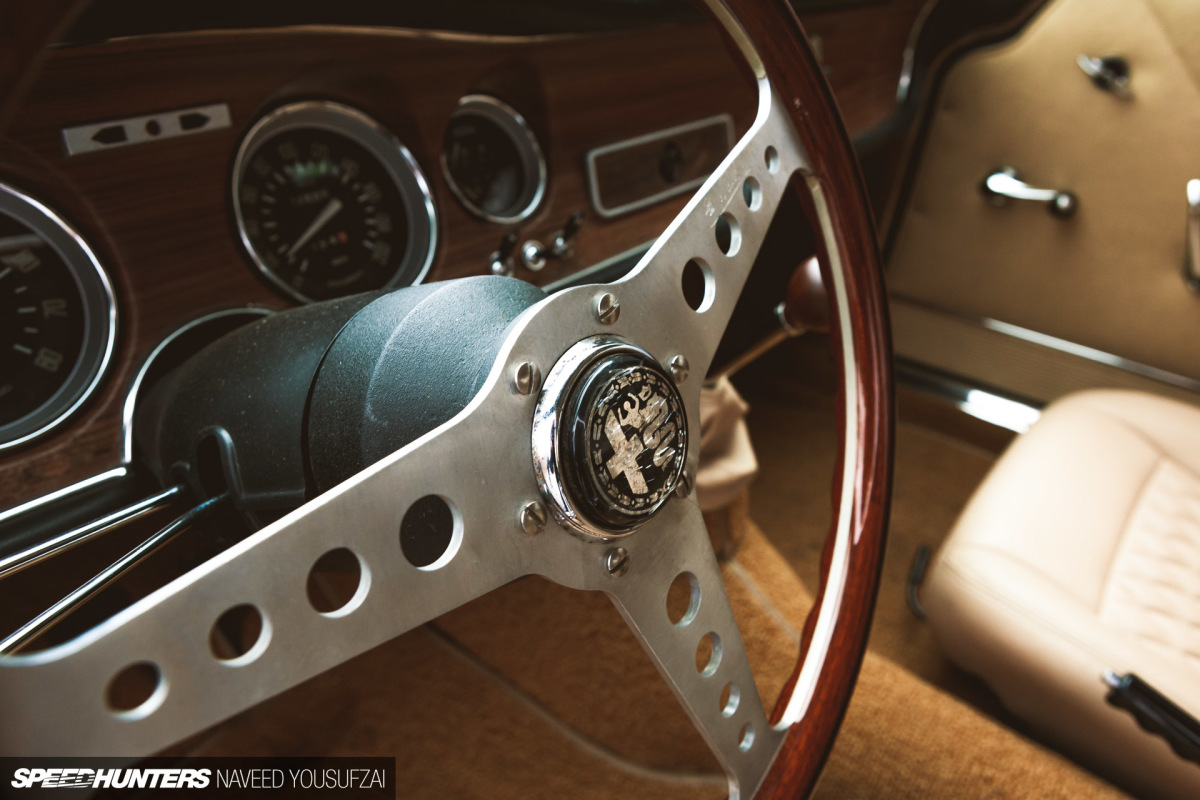
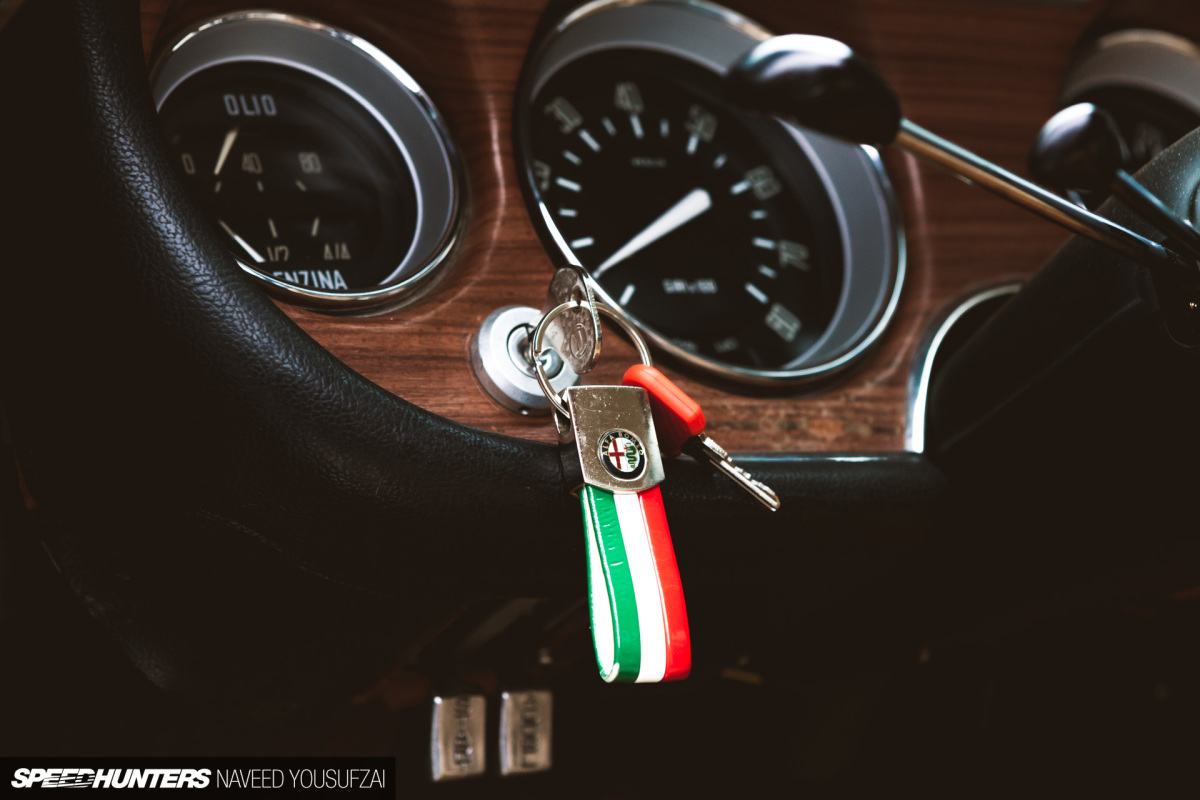
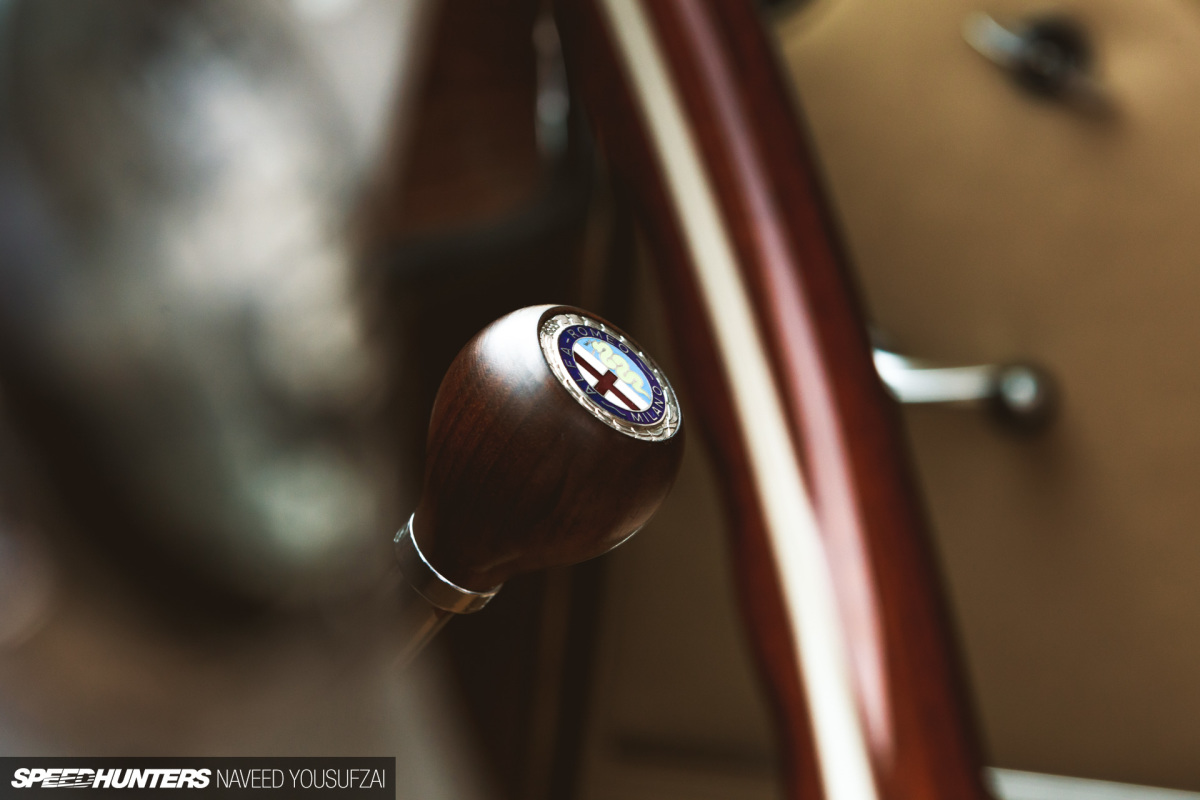
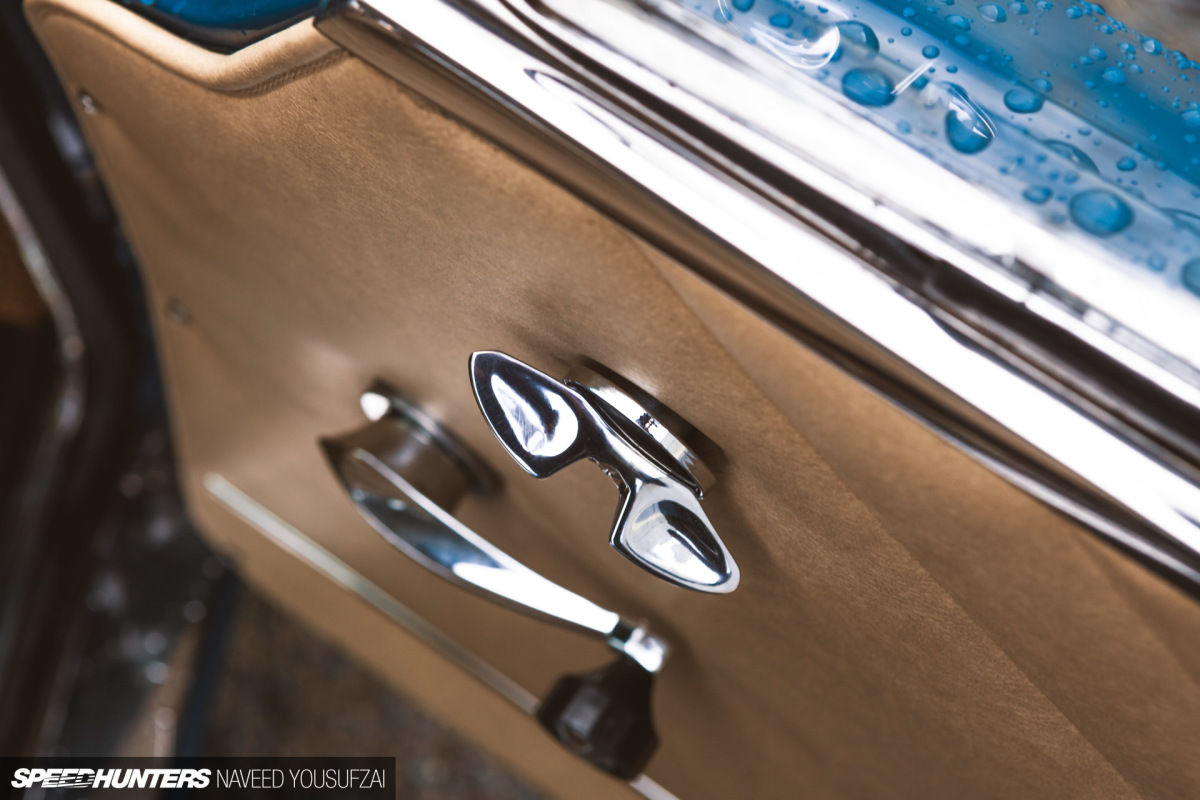
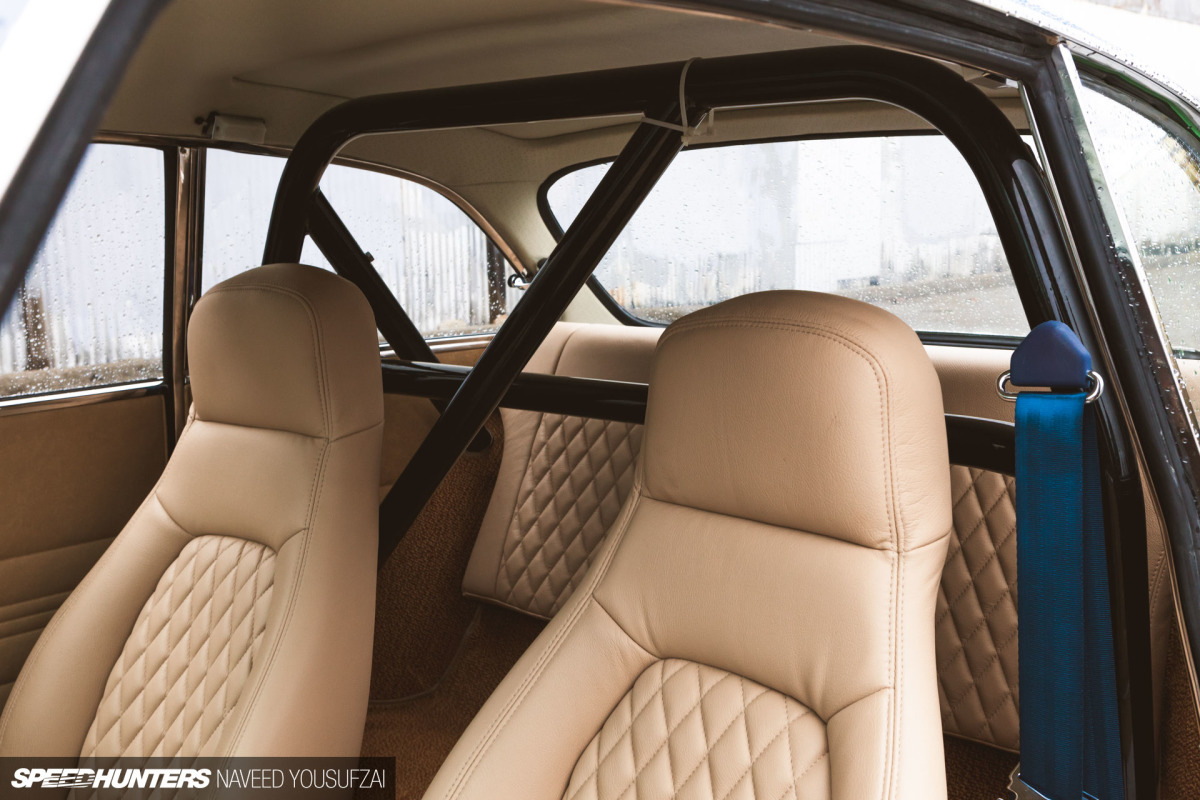
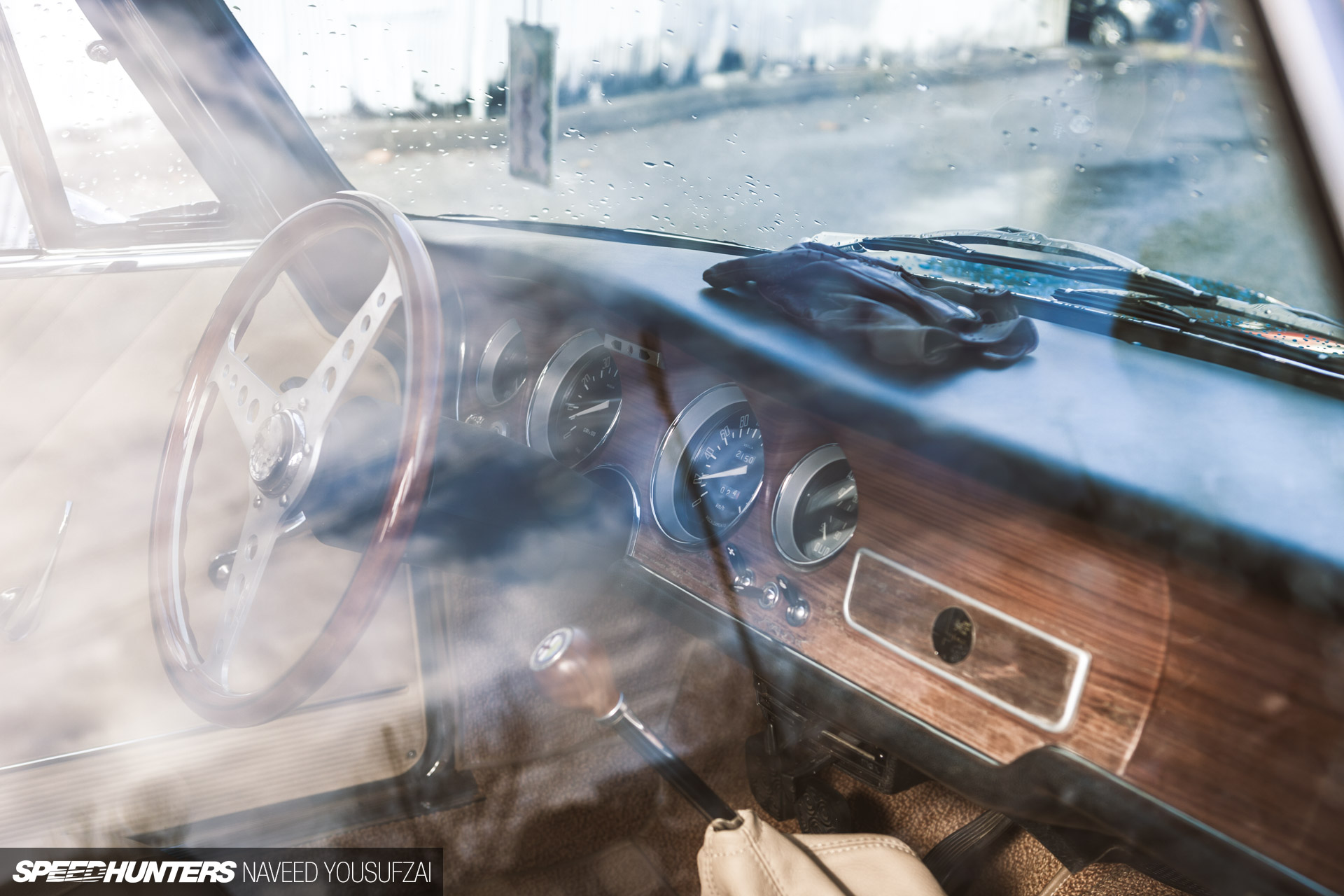
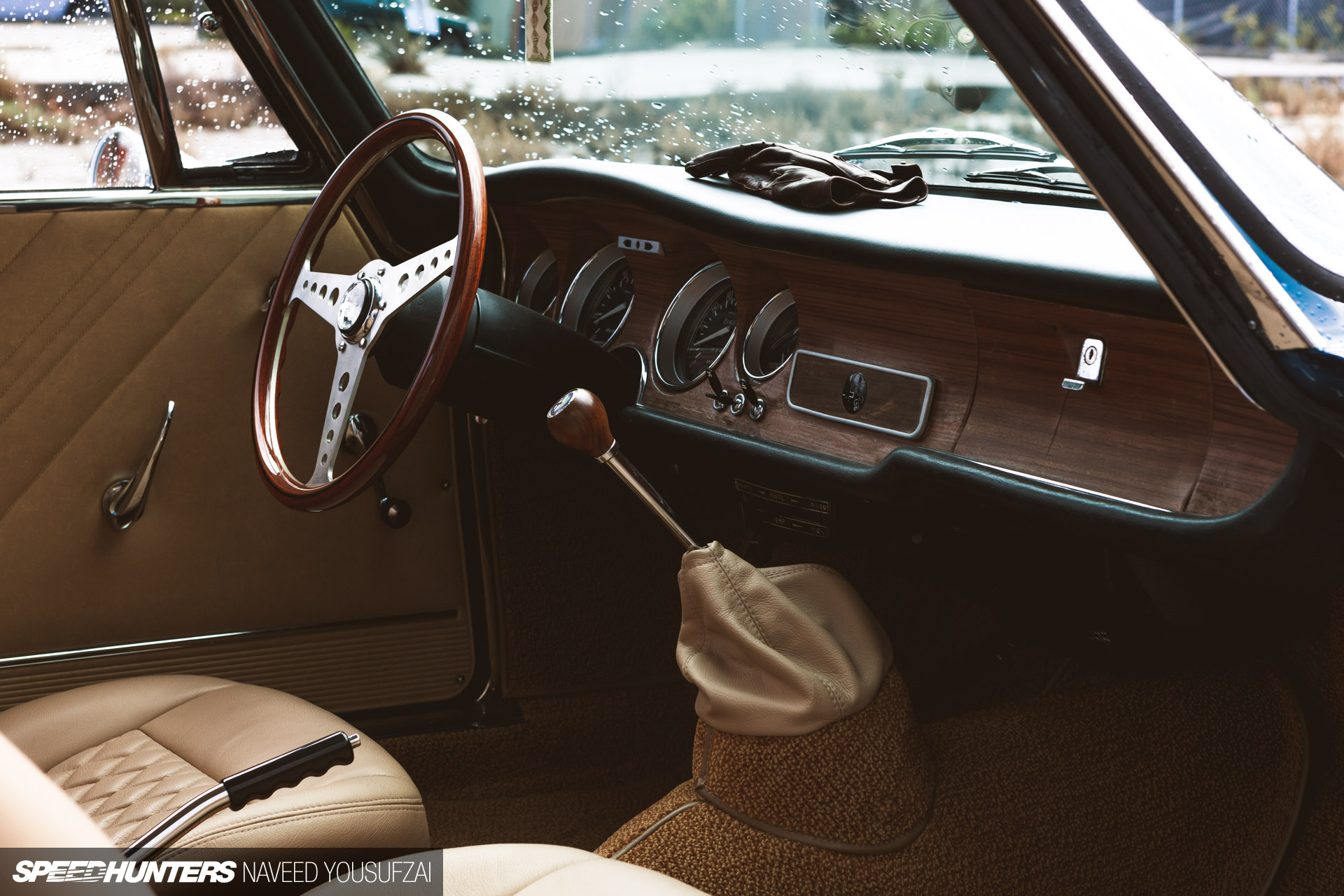
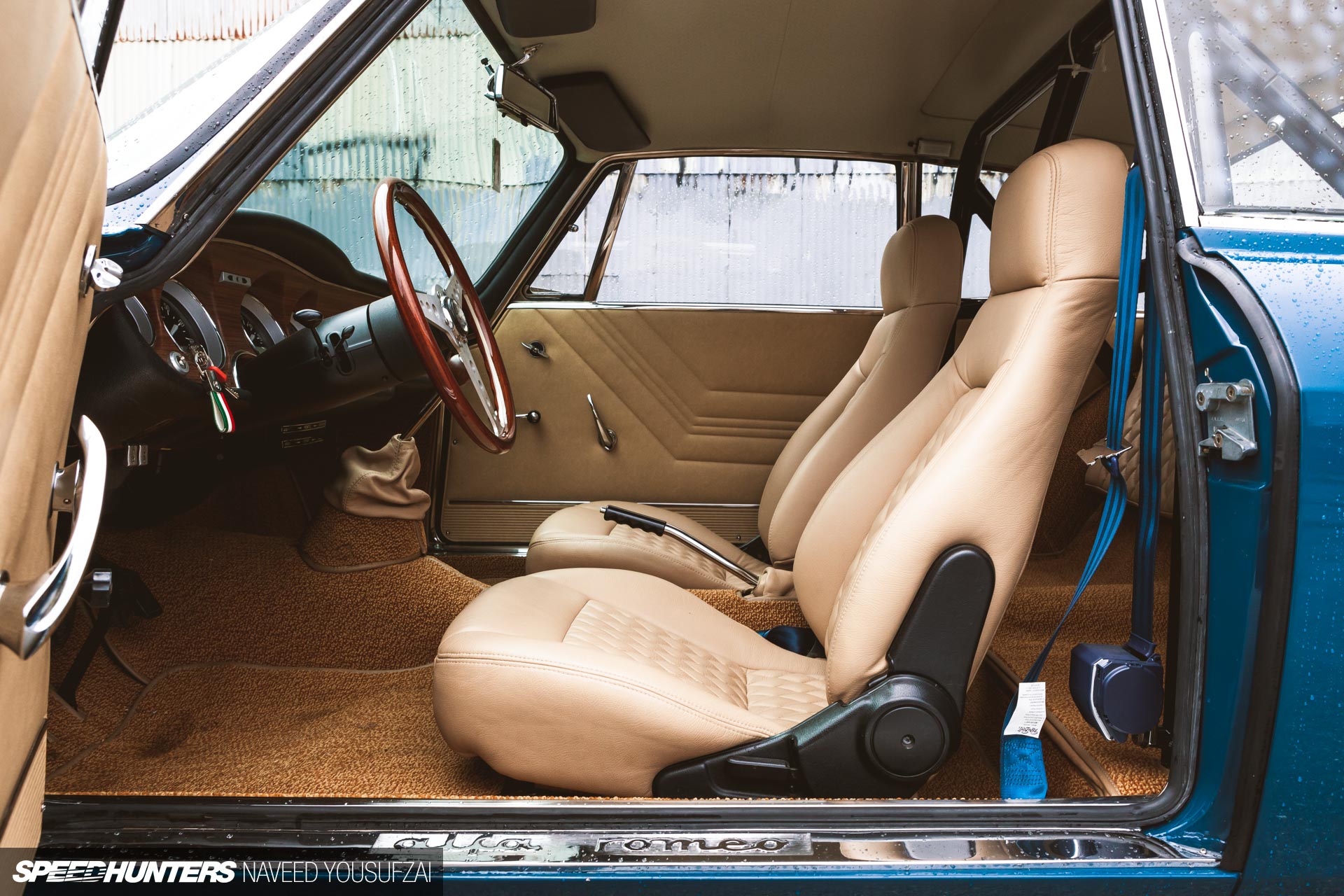
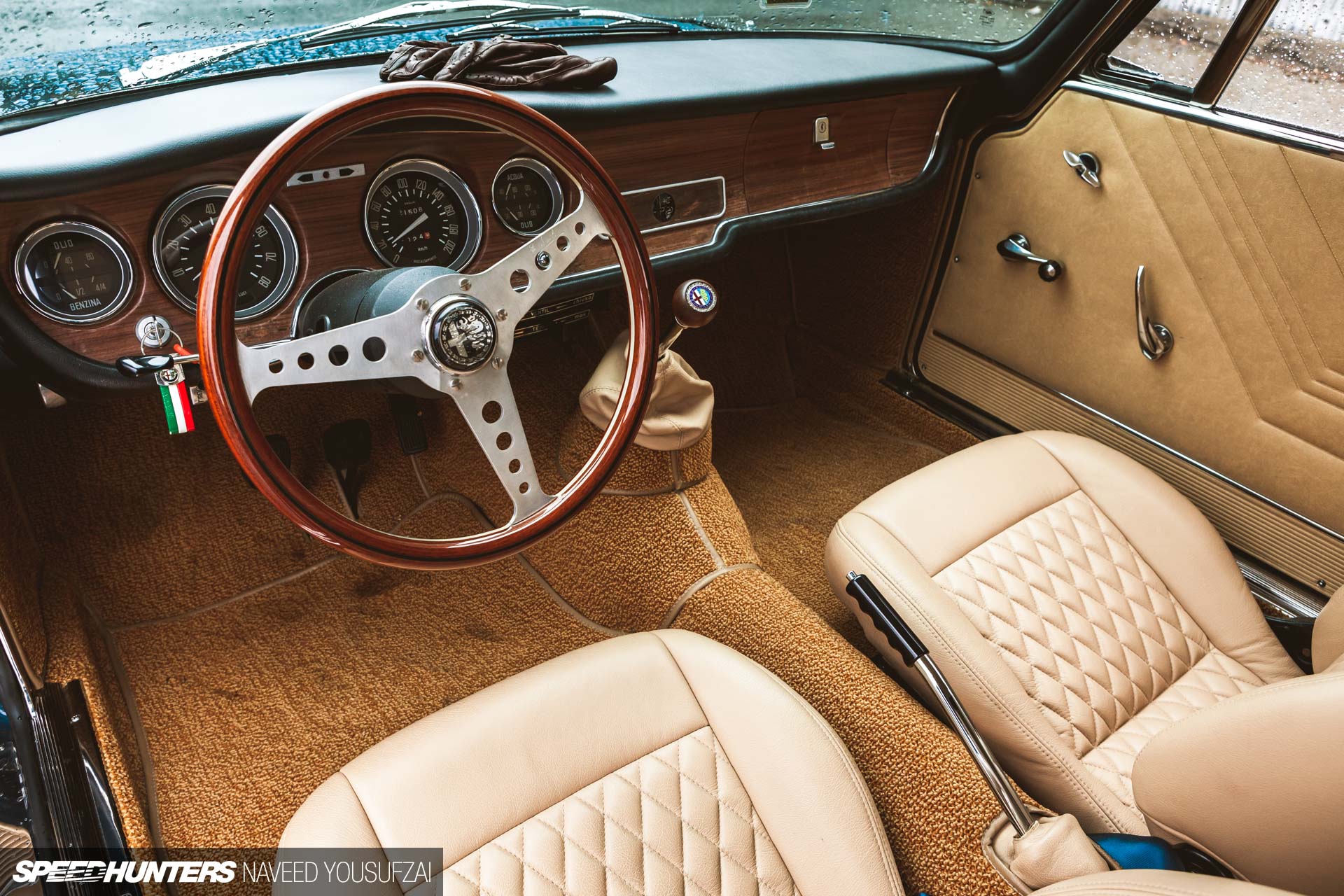
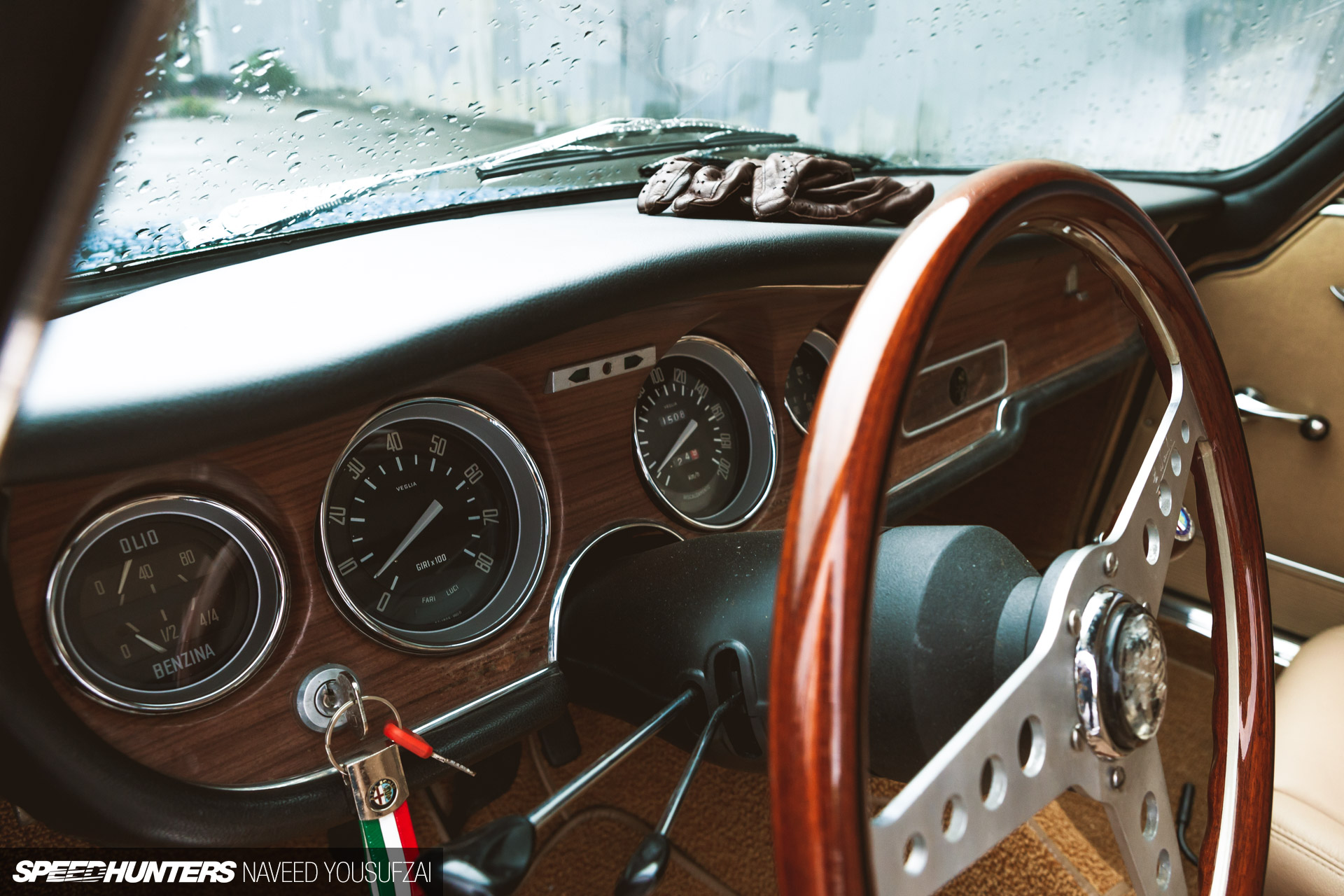
From the factory, Junior’s interiors are known to be spartan and retain rubber and vinyl everywhere. They were simple, but a little too simple for Justin’s liking. He decided to design an interior that served all aspects of comfort, luxury, and aesthetically pleasing styling, all while retaining functionality.
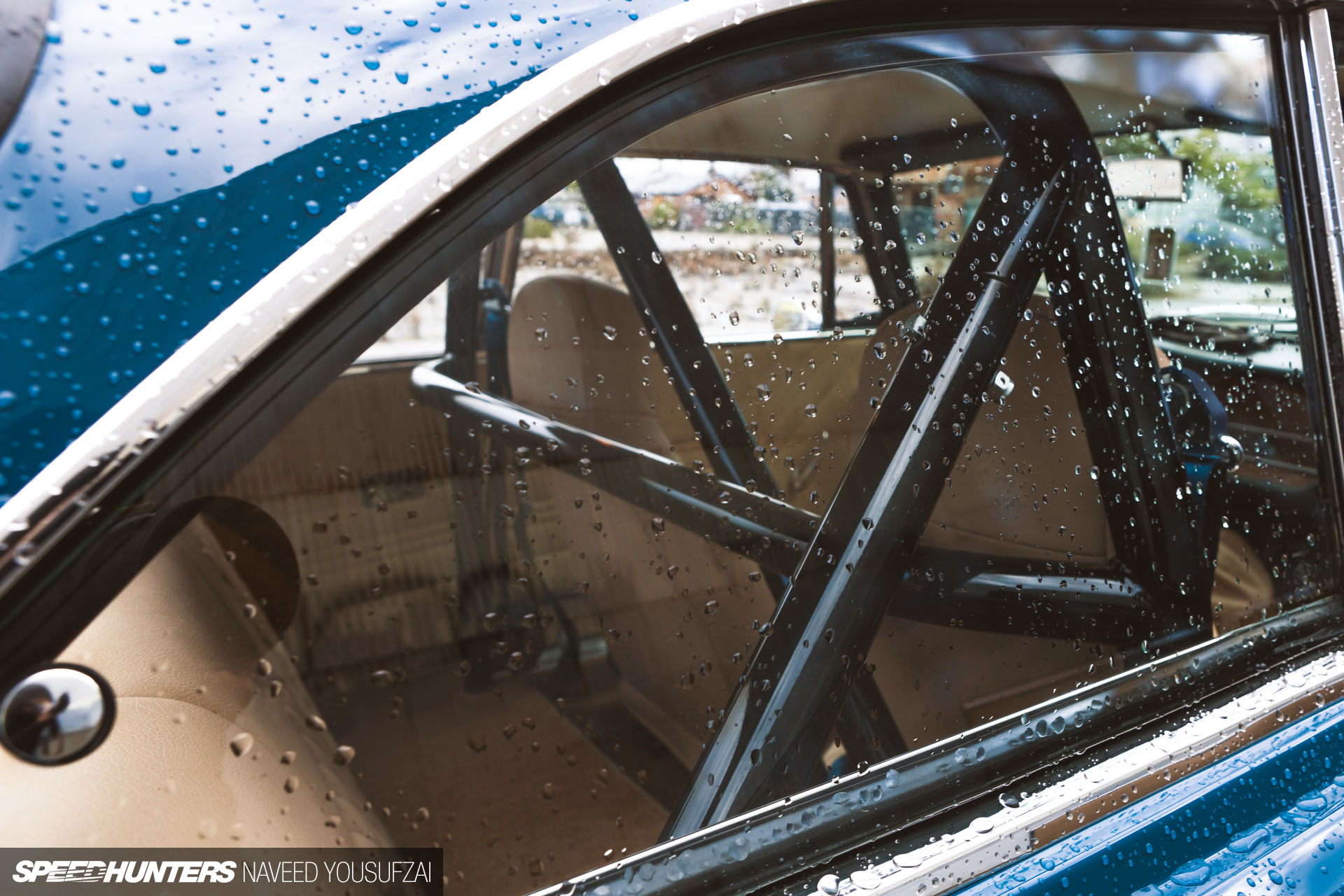
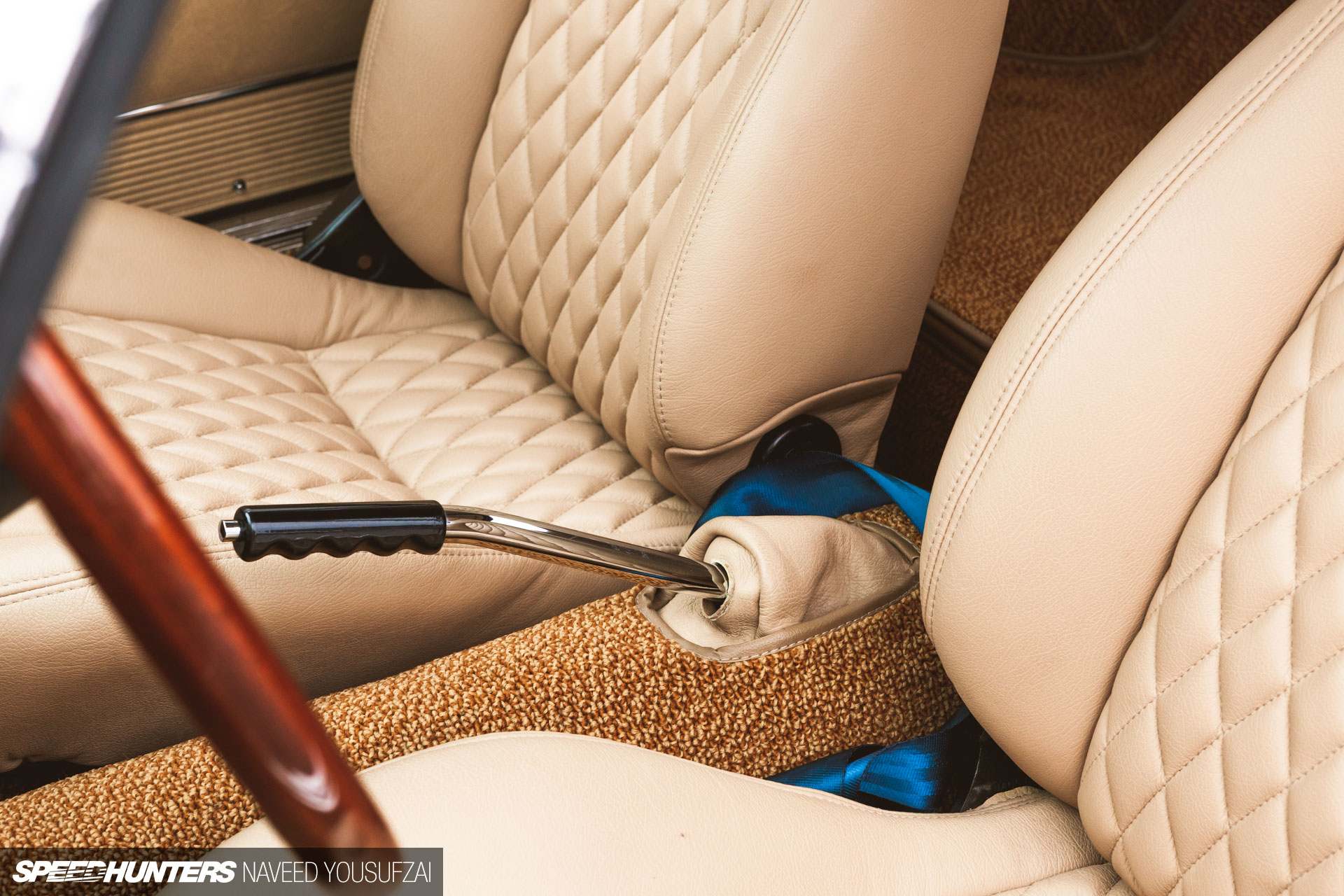
The headliner and side panels were replaced with reproduction pieces, and interestingly enough, he sourced a pair of first generation Miata seats to replace the factory seats in the car. He chose a light saddle color offered in Mercedes-Benz leather, with a diamond quilted pattern in the centers – a “flight of fancy,” in Justin’s words. To complete the elegant yet sporty inspiration, Justin had an AutoPower race roll bar installed, modified to accept the RetroBelt inertial reel three-point safety belts.
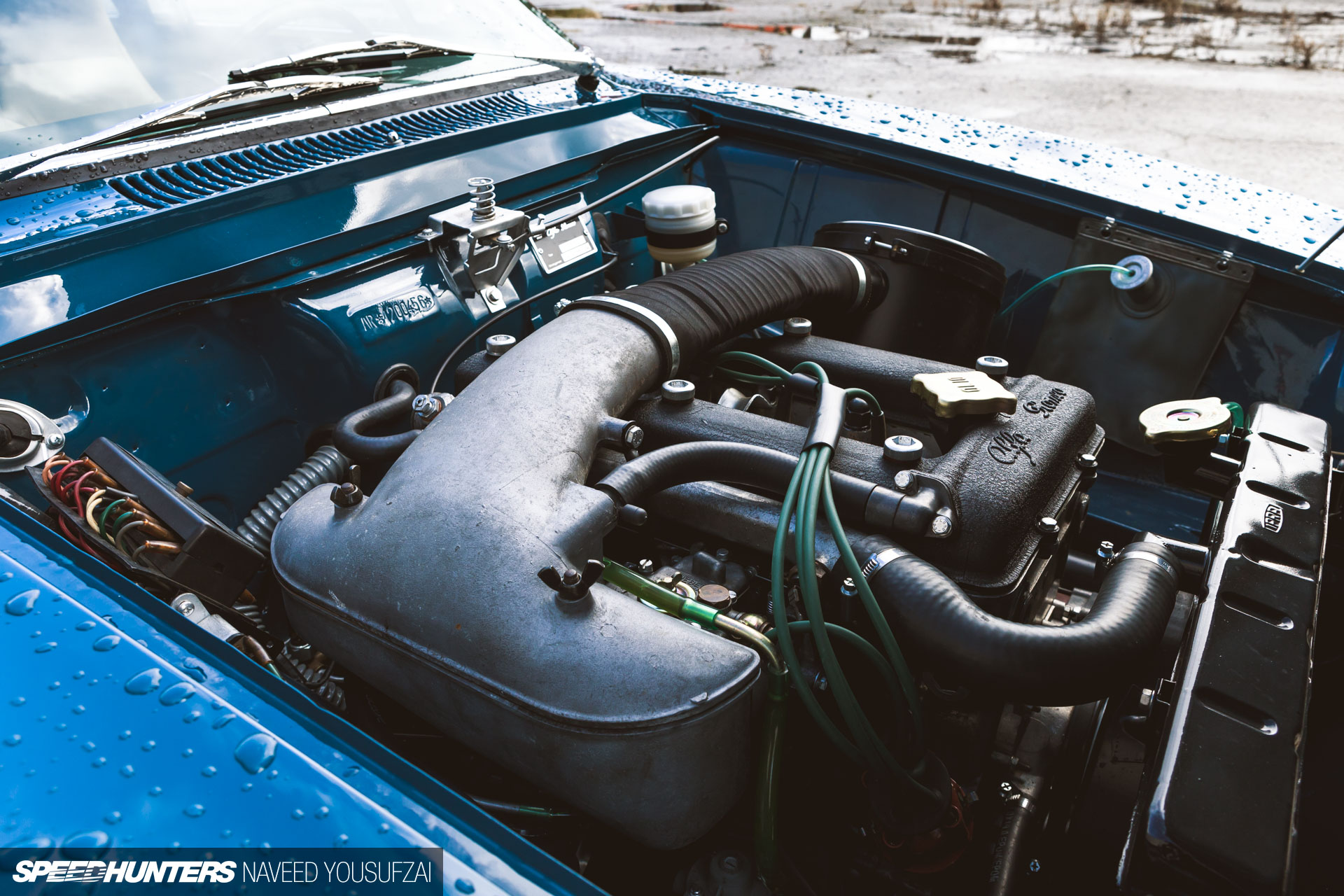
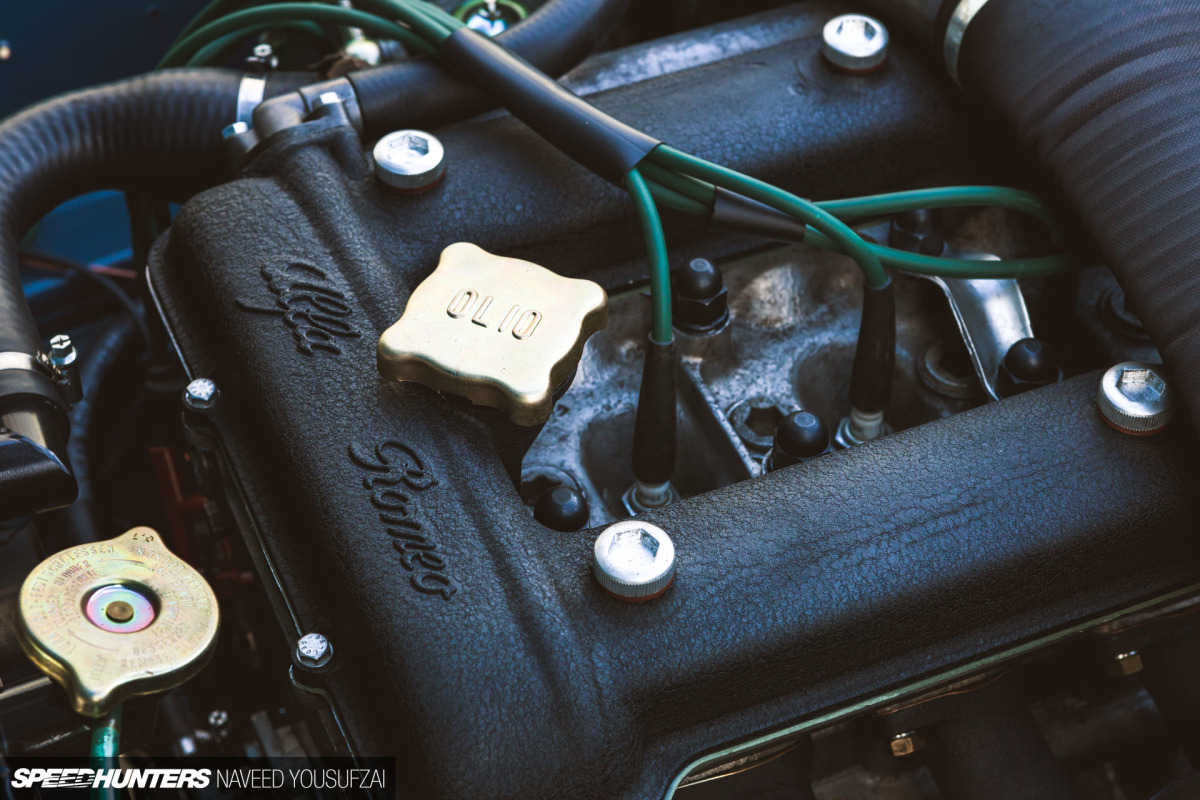
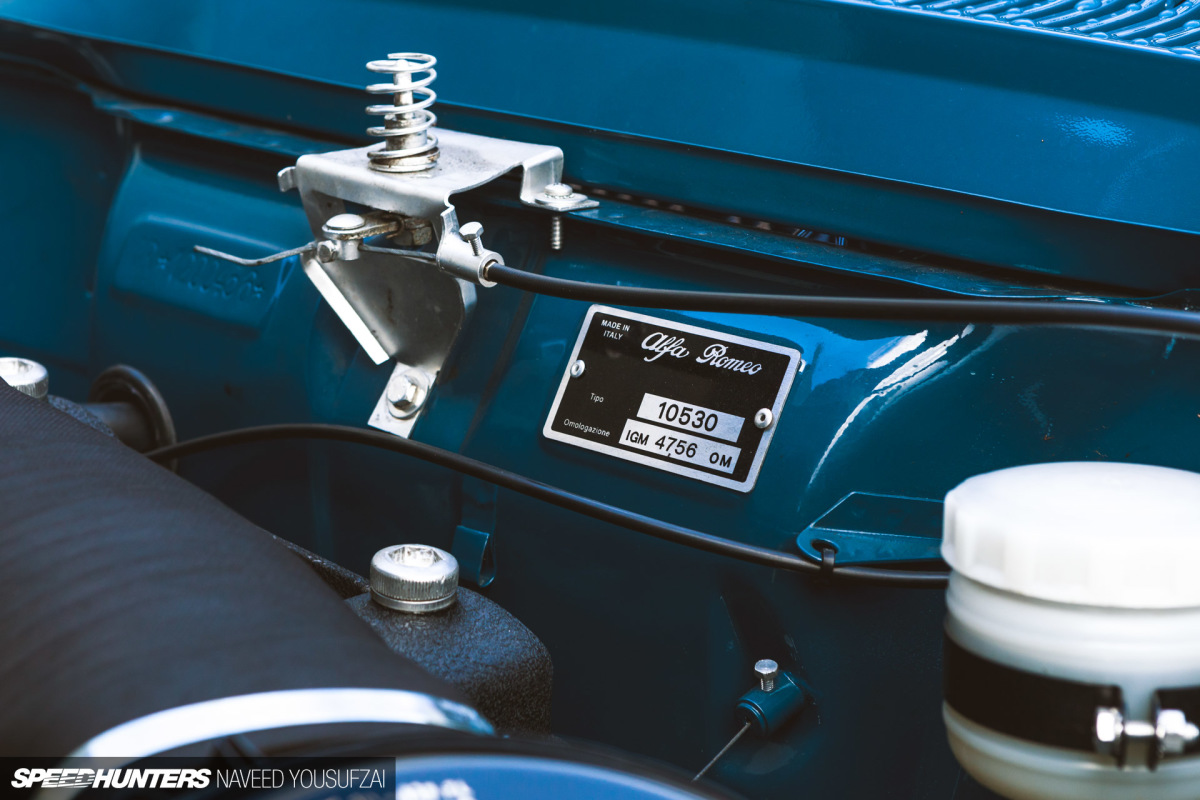
Since the Alfa was rather sluggish from the factory, Justin decided to transplant in a refreshed 1,750cc motor, which breathes through a pair of Weber side-draft carburettors. The transmission was also refreshed by his mentor Conrad, and the rear end was replaced with a short-ratio LSD rebuilt by Larry Dickman of Alfa Parts Exchange in California.
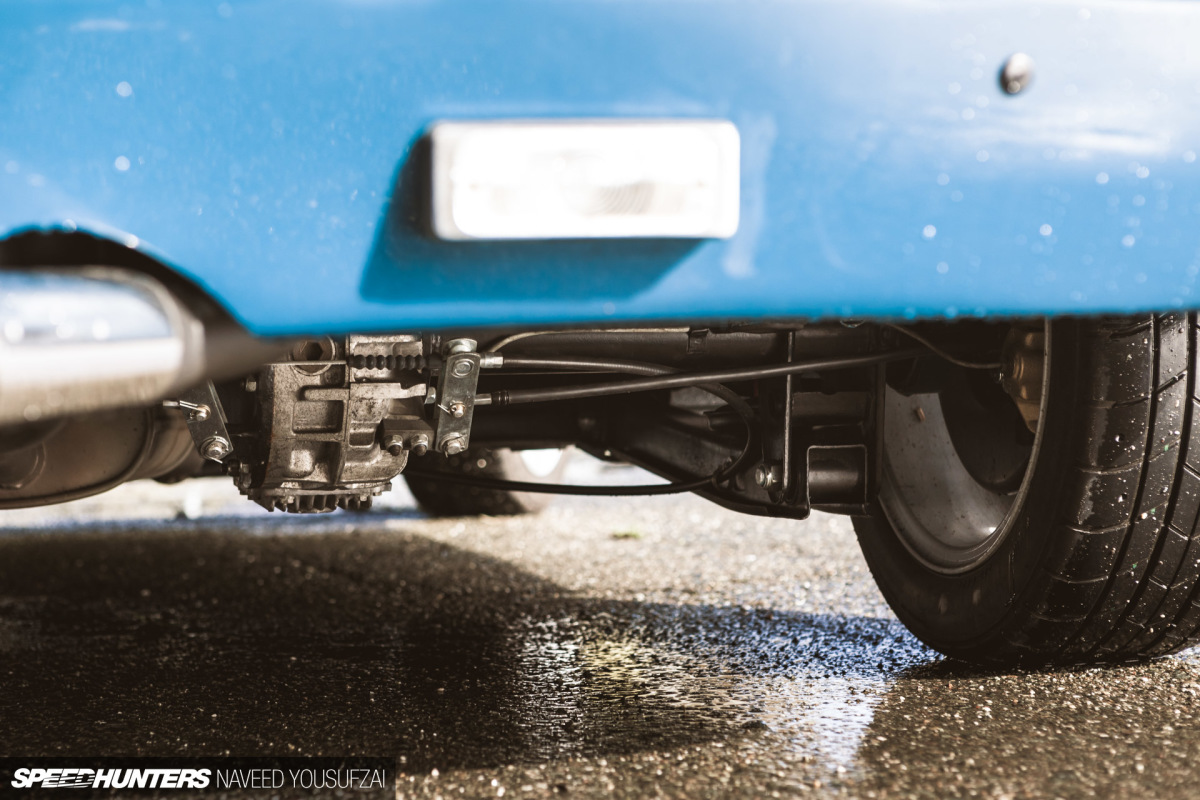
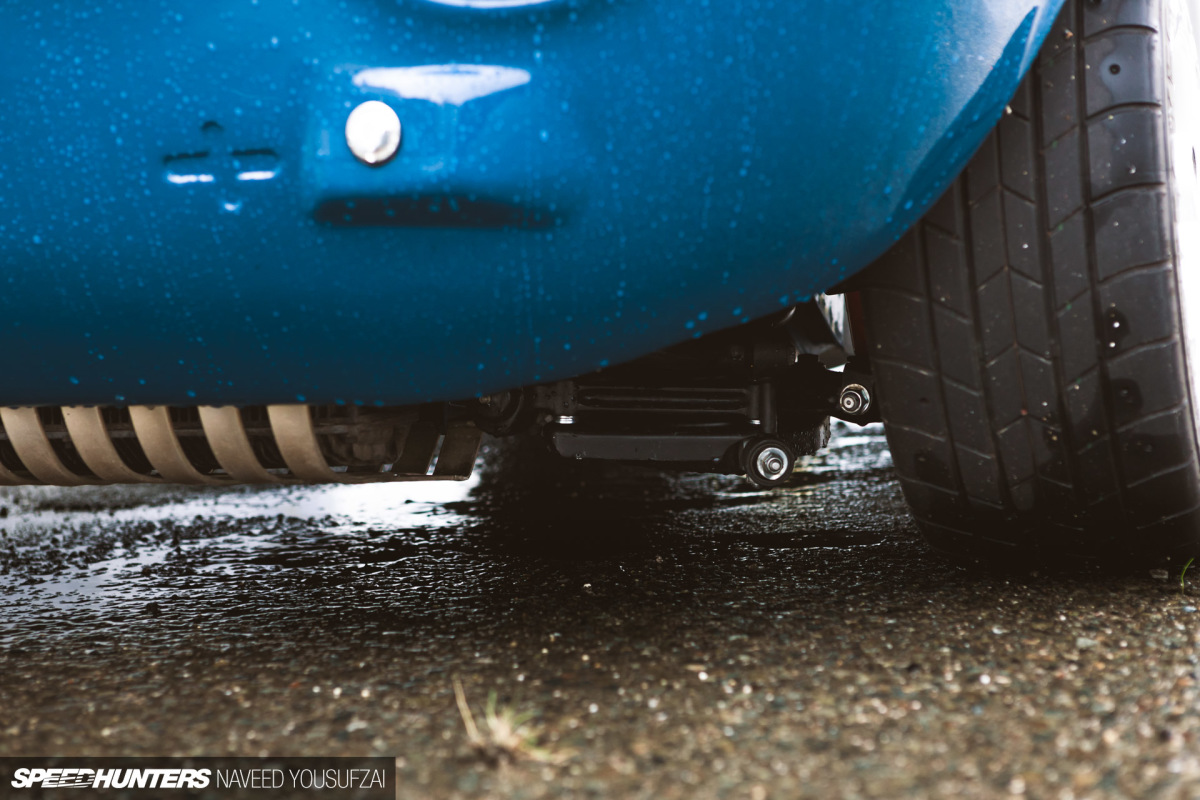
With all that sort of power increase, it only made sense to engineer a custom set of dropped front spindles, custom springs, and custom sway bars front and rear.
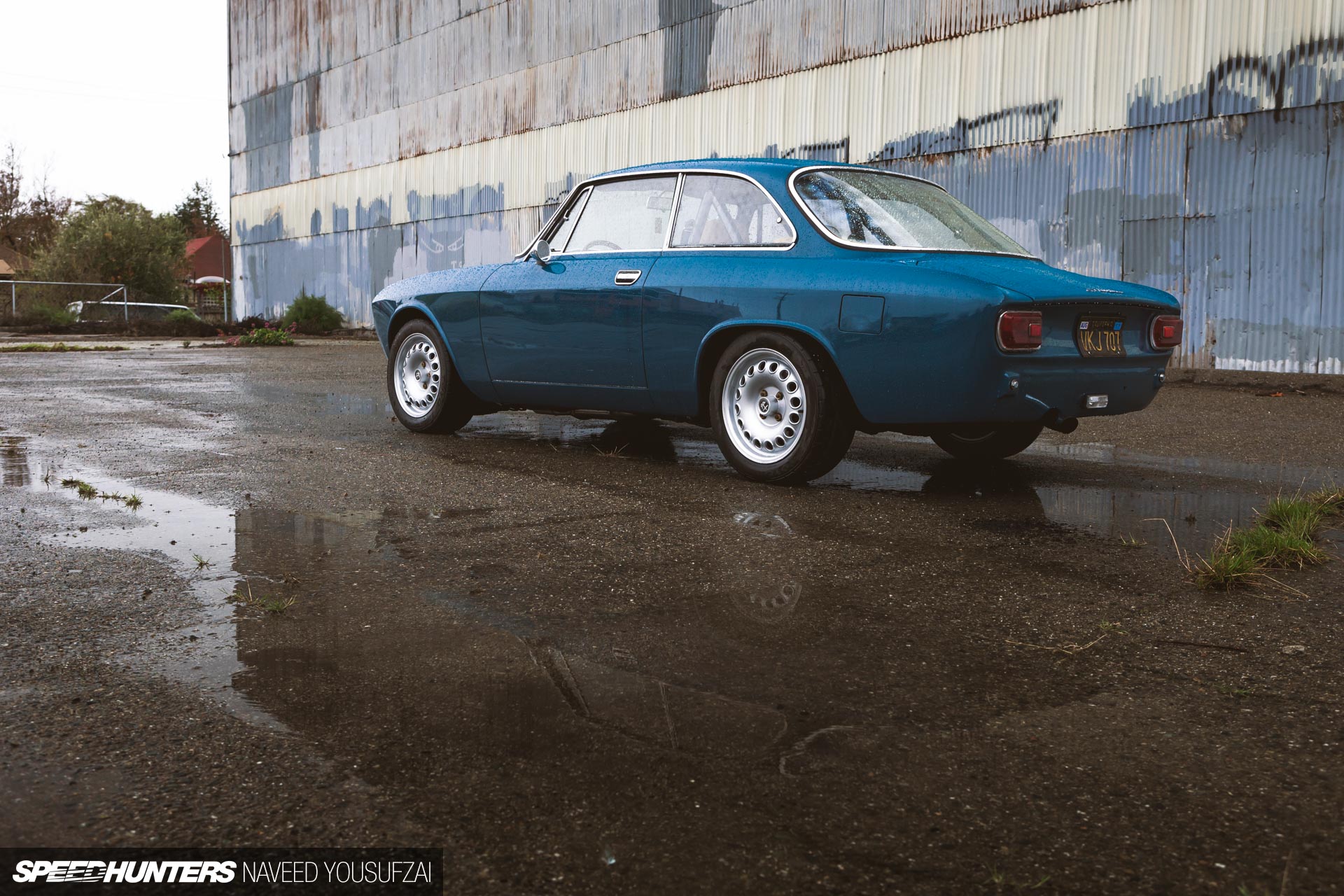
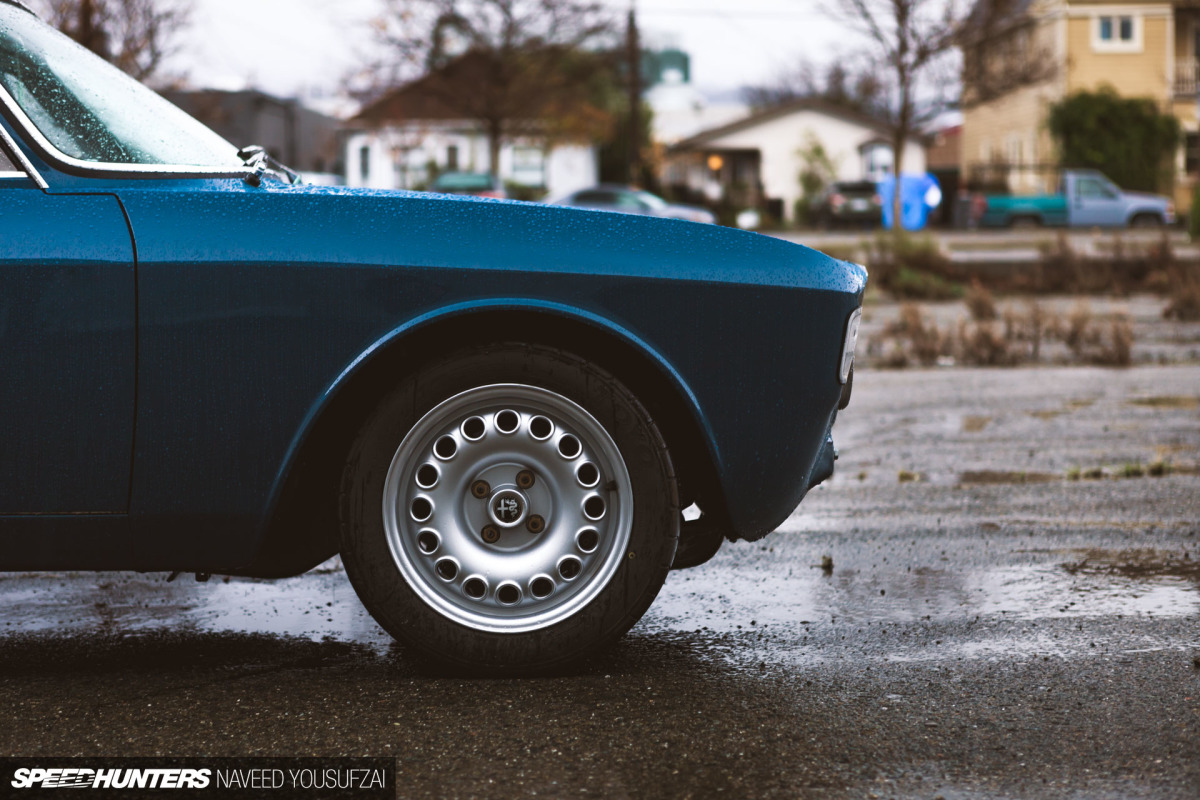
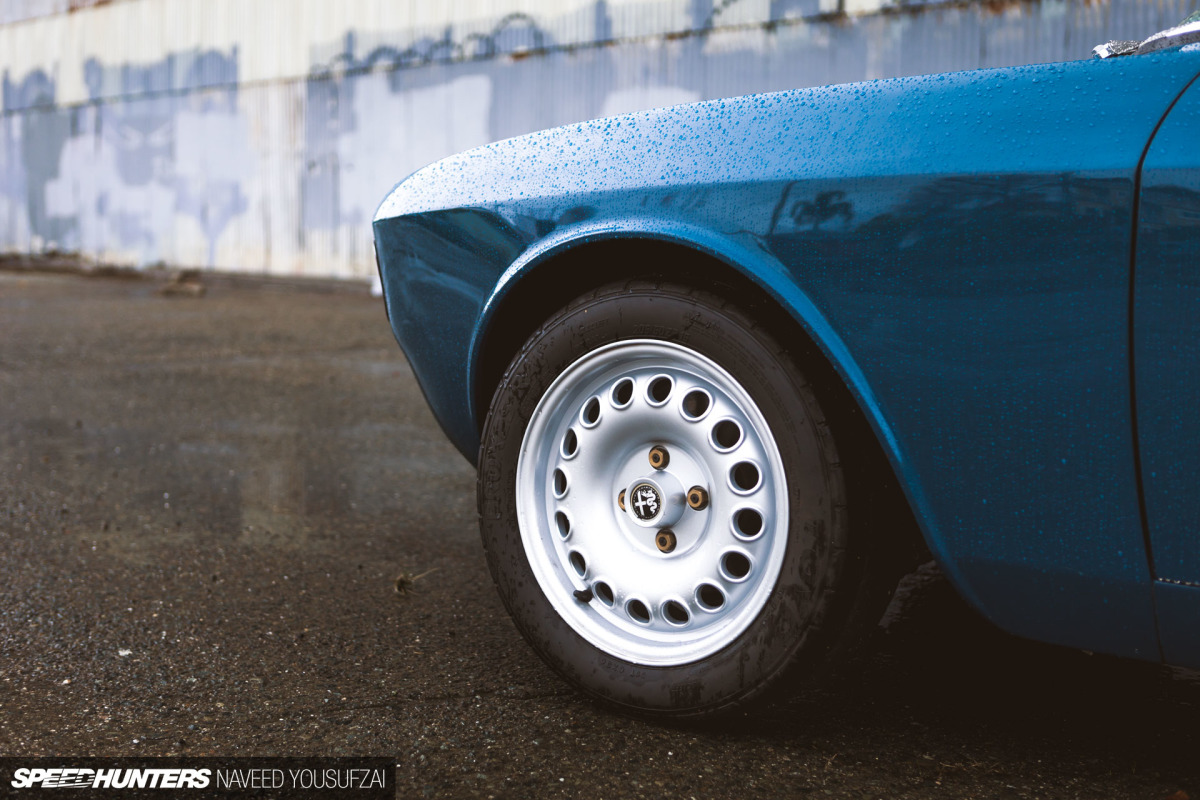
For wheels, Justin decided on a set of 15-inch Alfaholic GTA alloy reproduction items wrapped in a sticky set of Toyo Proxes RA1s. This wasn’t an easy fit for such a tiny car, so the inner fender wells were sectioned and slightly tubbed to accept the meatier fitment all around.
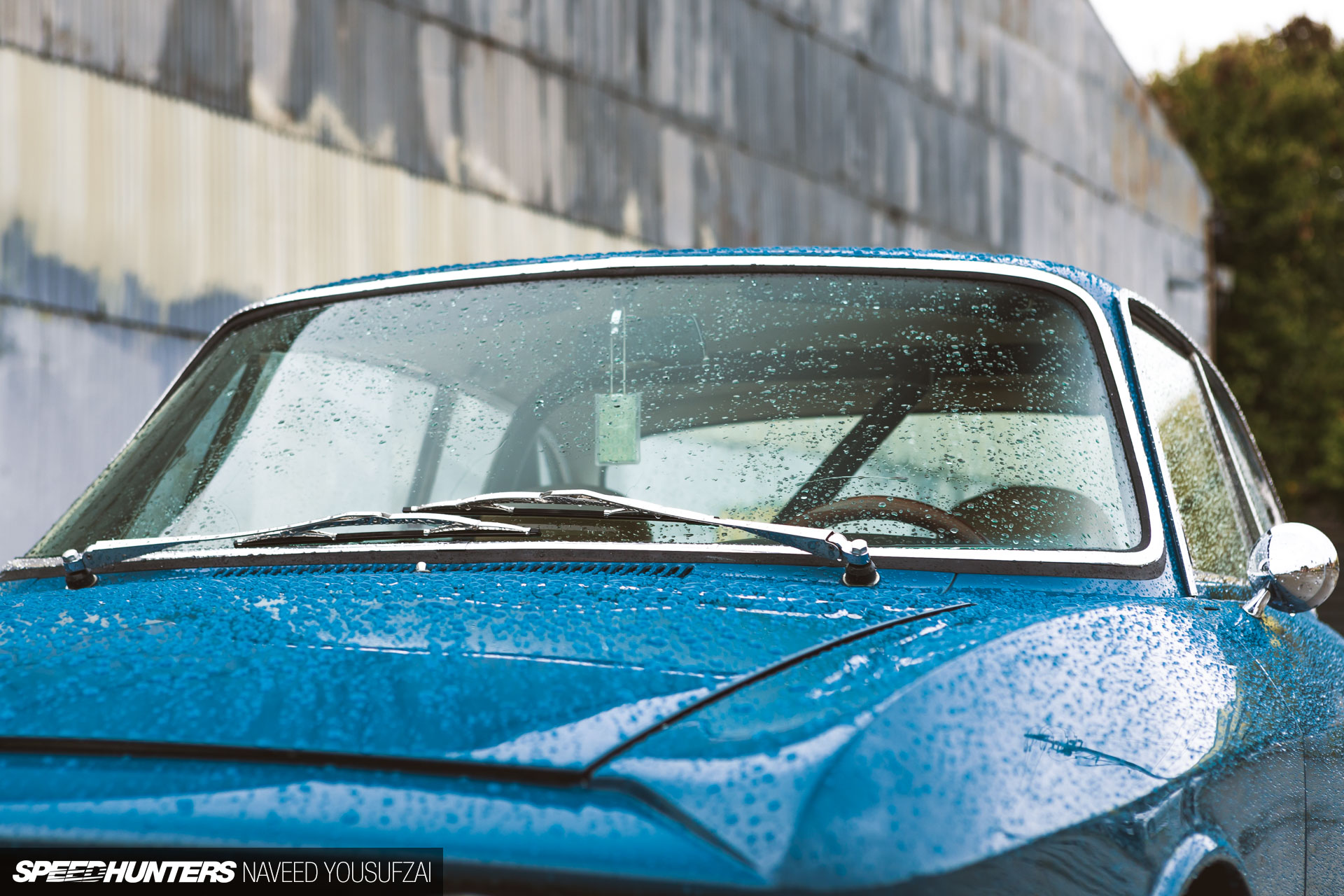
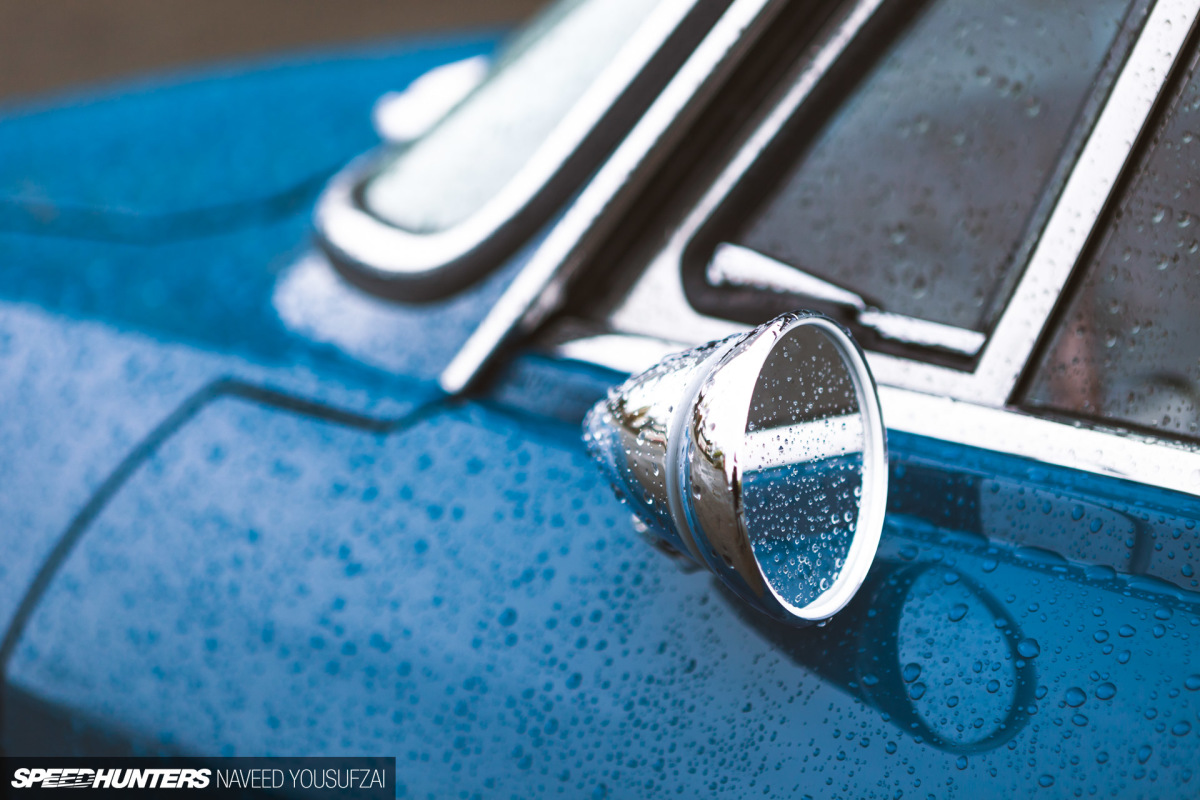
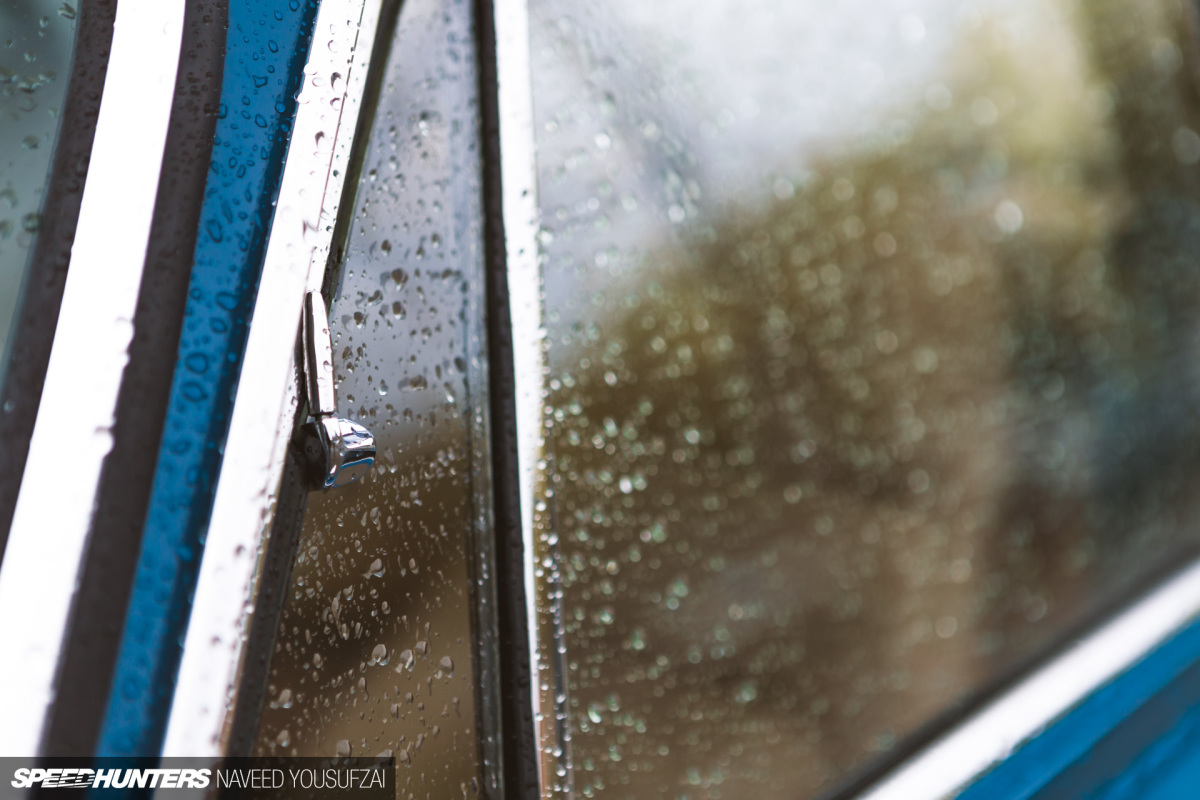
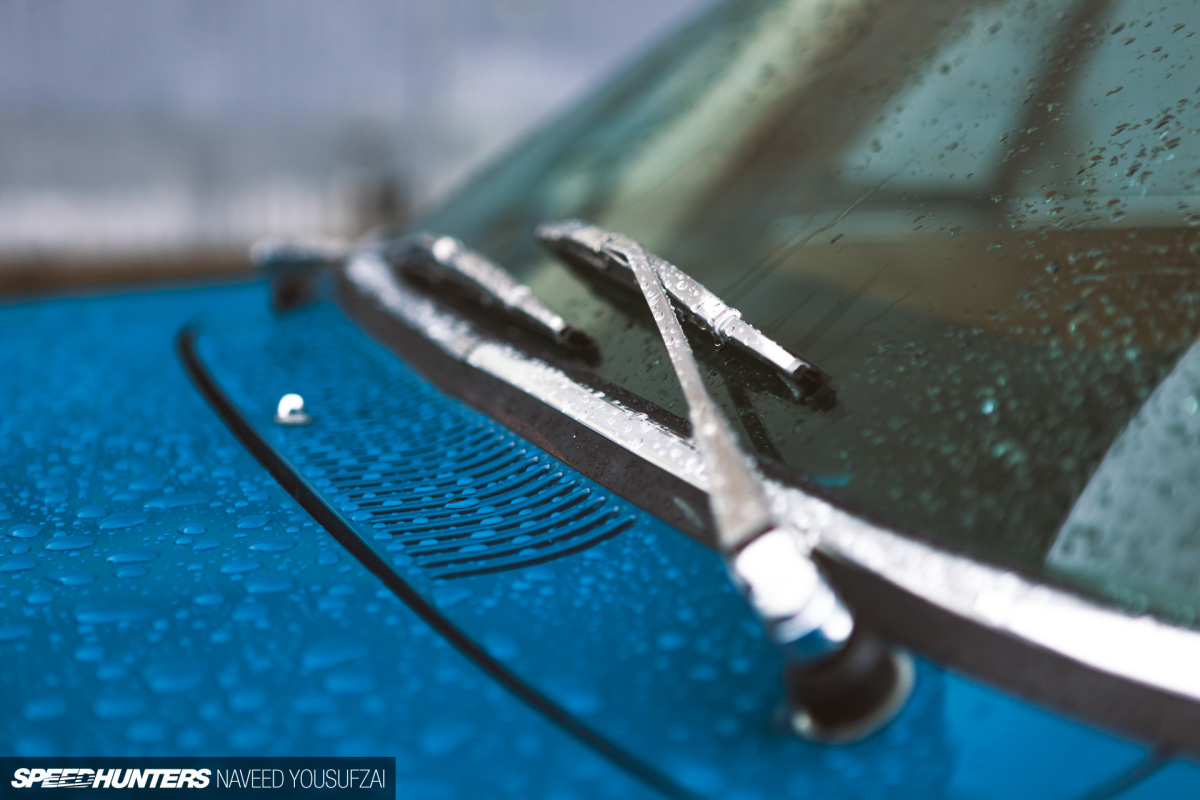
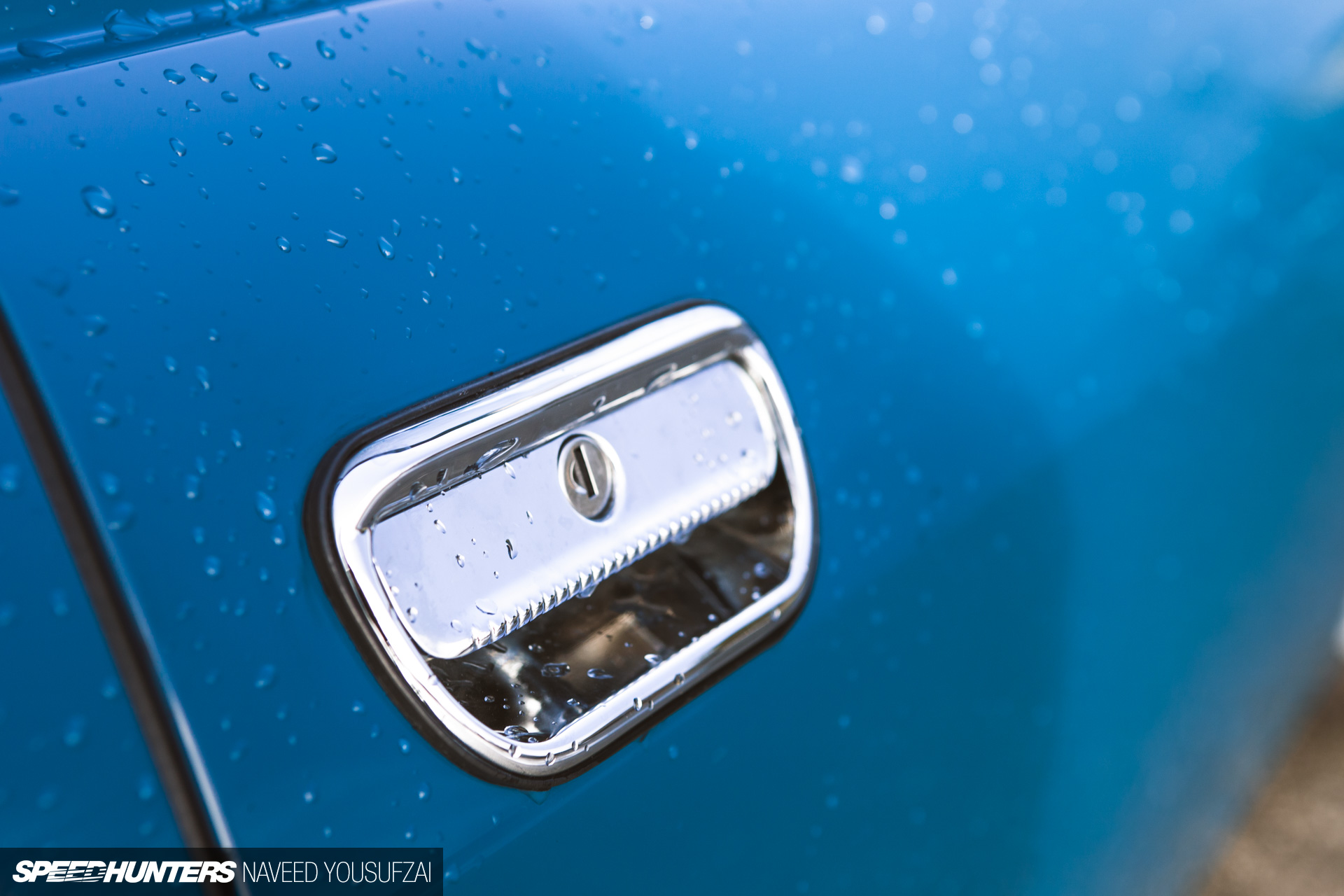
I’ll add that my favorite element about these cars are the endless amounts of detail in design. To any novice, it may look like another vintage automobile with an odd arch that almost doesn’t belong, but when you really give the car a proper look over, it portrays a rather elegant persona. Justin did this car plenty of justice by having gone through every painstaking line and trim piece, to ensure everything was as mint as absolutely possible. I applaud that type of dedication.
Completed… Kind Of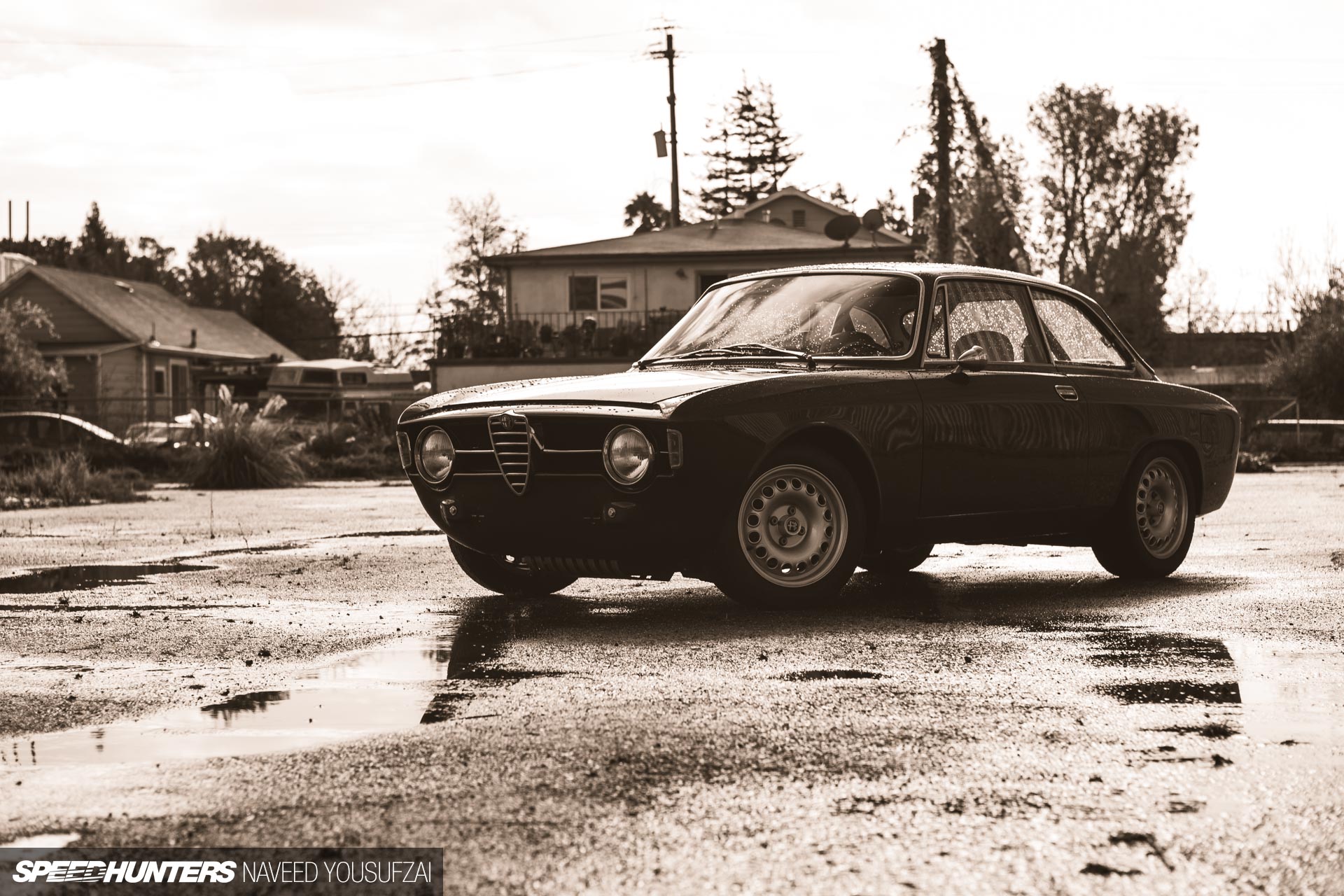
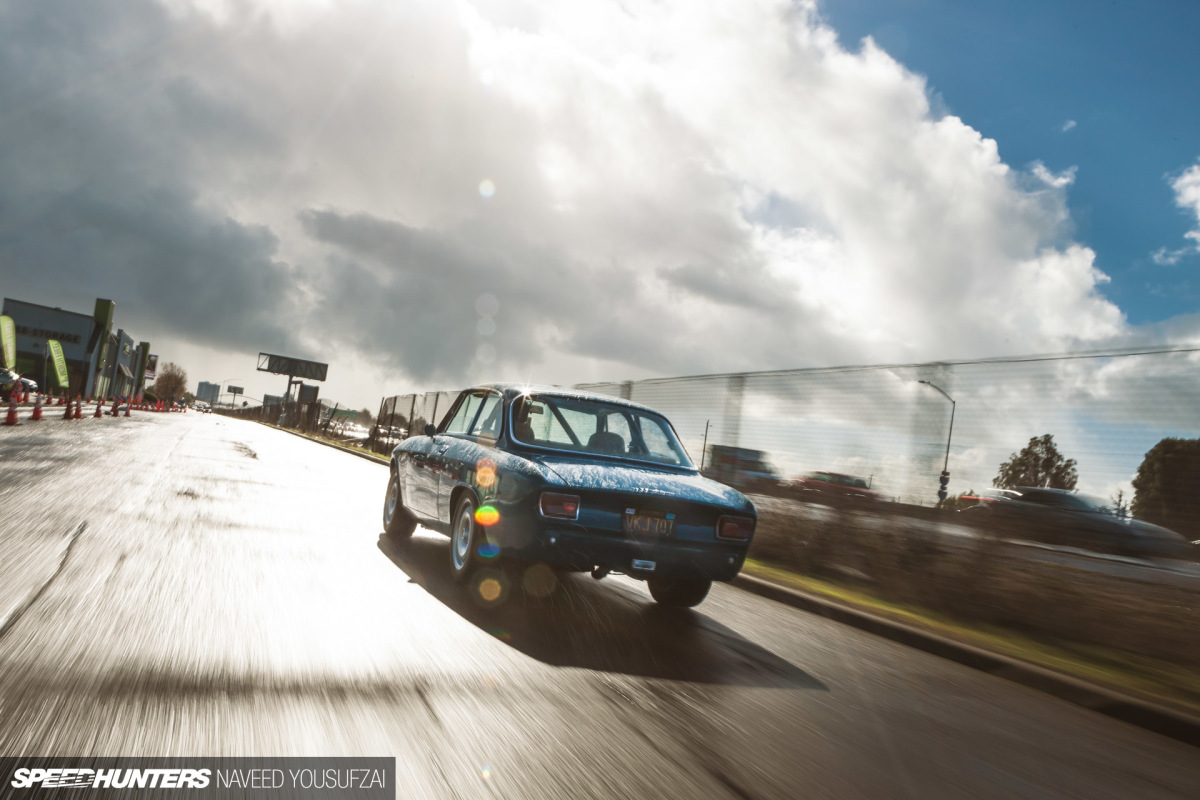
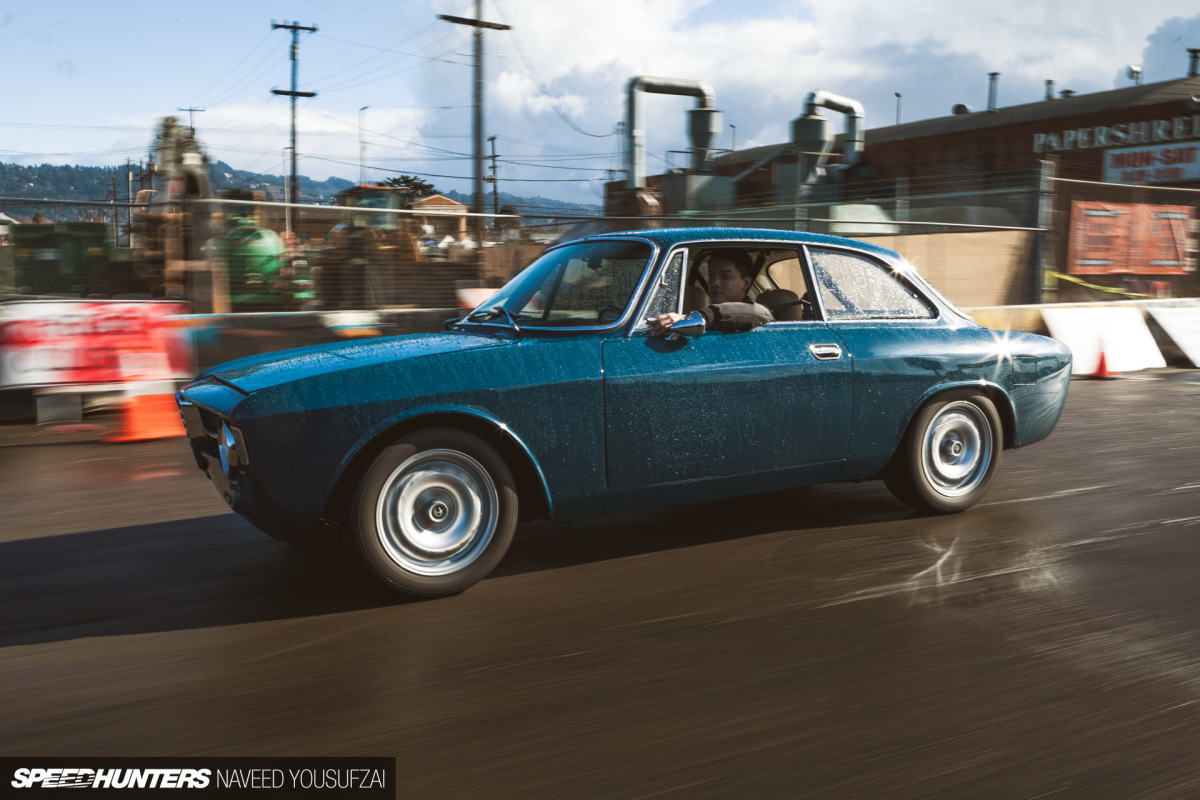
Throughout the course of the build process, Justin mentioned there were numerous moments where he nearly sold the car. There were other Alfas that came and went that could’ve saved him a ton of money and time versus building his own car. But his devotion to creating his own car outweighed the idea of owning something that someone else built. He explains, “In the end, I’m glad I didn’t go down that primrose path. I got to build a car that is truly mine: to pick the colors I wanted, to apply my personal blend of style and speed, and own a unique bespoke automobile.”
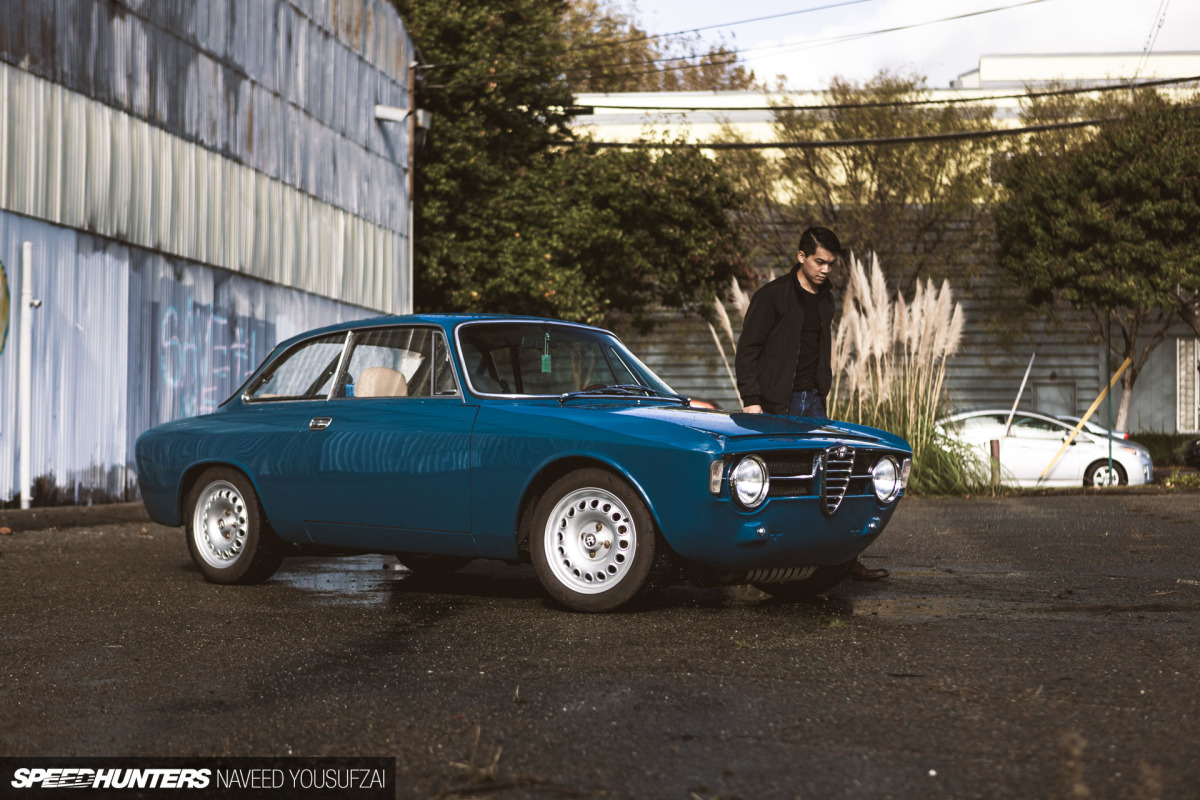
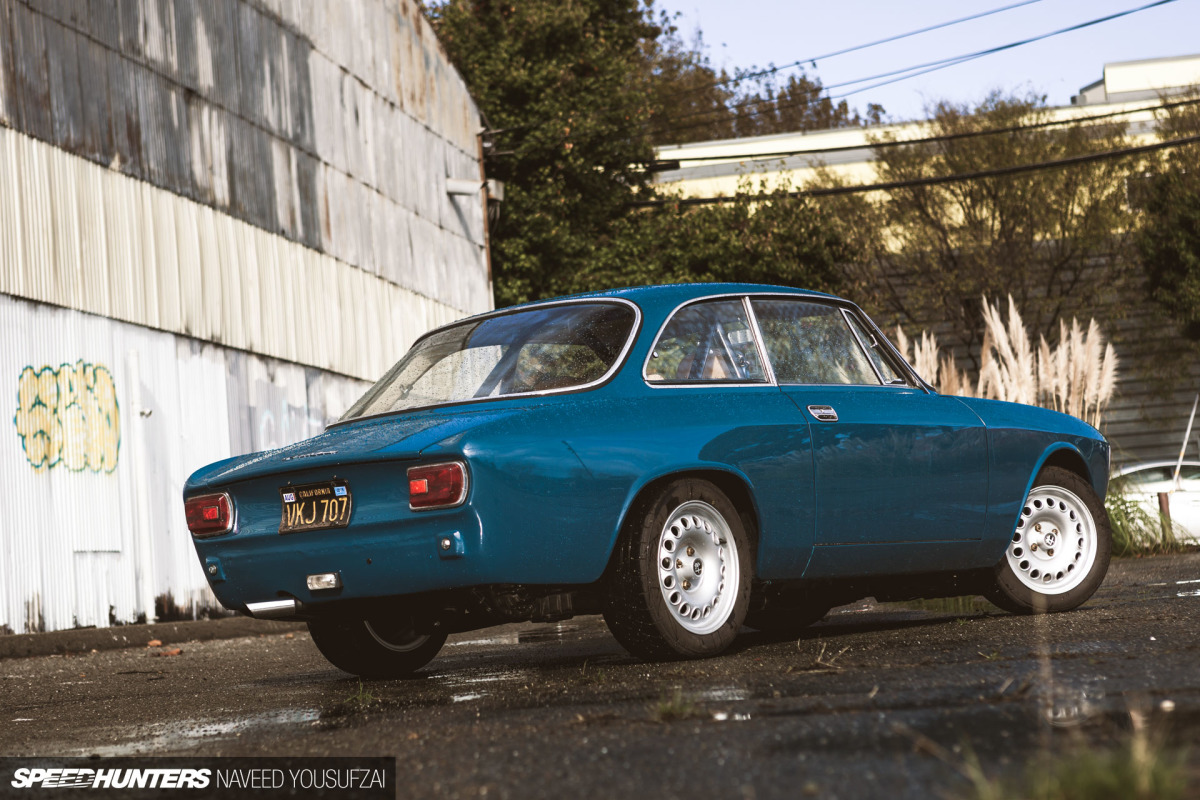
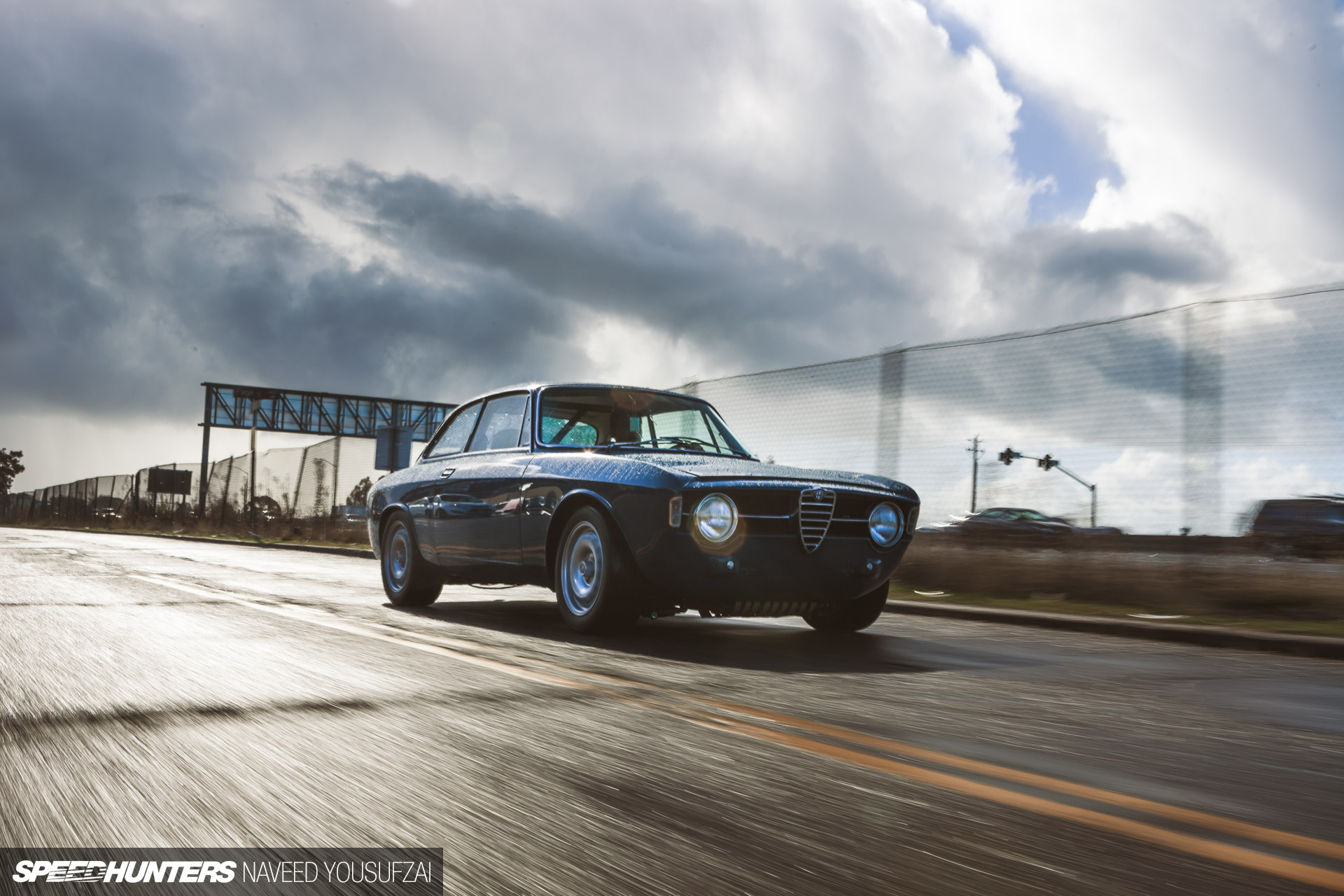
It truly became an Alfa tailored specifically for Justin, and after years of building the car and taking in an astronomical amount of information on getting it down just right, he can finally focus his energy on seat time. The long weekends of fabrication and engineering are now replaced with casual Saturday date-night-in-the-city outings with his wife and easy Sunday morning cruises through the back roads on spirited mountain runs with like-minded individuals. Perhaps even a casual cars and coffee.
But don’t sigh in relief just yet.
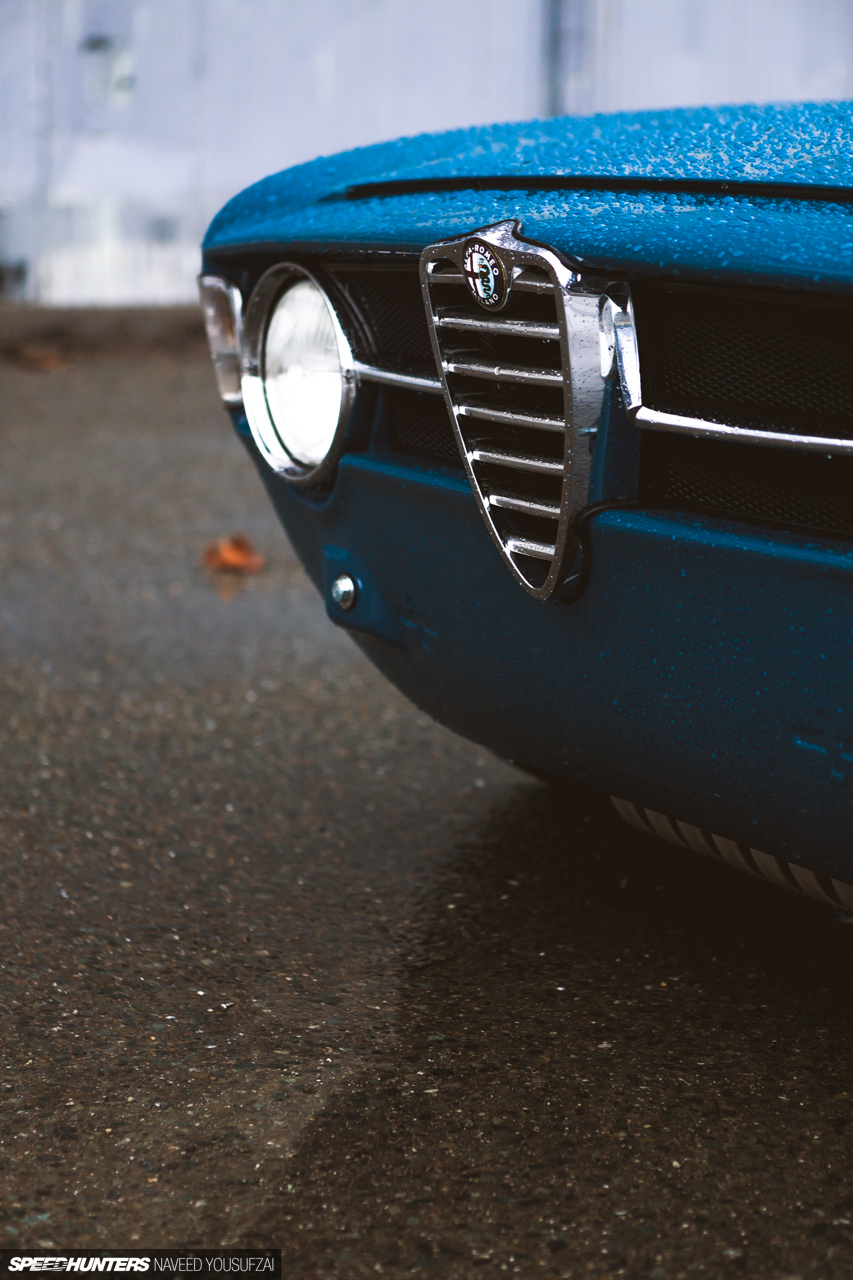
Though this build is a prime example of a period-styled resto-mod Alfa, Justin is, and always will be, the kid that built Frankenstein destructive robots. There is a point in the future where the heart of this little Junior is going to undergo yet another form of surgery, but this time, it won’t be so correct.
Justin explains: “My friend in Washington loves Austin wagons. He swaps engines into them but fabricates custom ‘Austin’ valve covers so they look ‘correct’ to the casual eye. I’d like to do something like that: A ‘hidden’ cross-platform engine swap. After all, there is a particularly potent and readily available 1,300cc engine here in the US domestic market.”
Well Justin, I guess we’ll have to follow up in the near future…
Naveed Yousufzai
Instagram: eatwithnaveed
Alfa Romeo Related Stories on Speedhunters
Cutting Room Floor