
The year is 1999. The Blitz ‘R348 Autobahn Project’ is due to make a pass on the German autobahn in a few days’ time. The target for the Nissan R34 GT-R? 348km/h.
This number, which translates into 216mph, was crazy for a street car at the time. It also was not coincidence, but rather conveniently a few clicks faster than the then-current, albeit relatively unofficial, record held by the RUF Yellowbird.
Gary Castillo, who I met at Sleepers Speed Shop earlier this year, was invited by Blitz and flown over to Germany to capture the story of the R348 for Turbo & High Tech Performance magazine. Gary was there during these days beforehand with the team; even better, he already knew all of the engineers and mechanics working on the project. He described the experience to me as more like buddies hanging out than a journalist assignment.
So, what happened?

Before the speed run, the car underwent final prep and testing in Germany. Gary went along for a little test run with an engineer, which he can describe only as “the nuttiest thing I’ve ever felt.” Still, to this day, he says the Blitz Skyline is the only car that’s pinned him in his seat and kept him there all the way up to 315km/h (196mph).
It may not seem like such a crazy number today, but keep in mind, this was not a safe, controlled test environment. This was the autobahn in 1999.
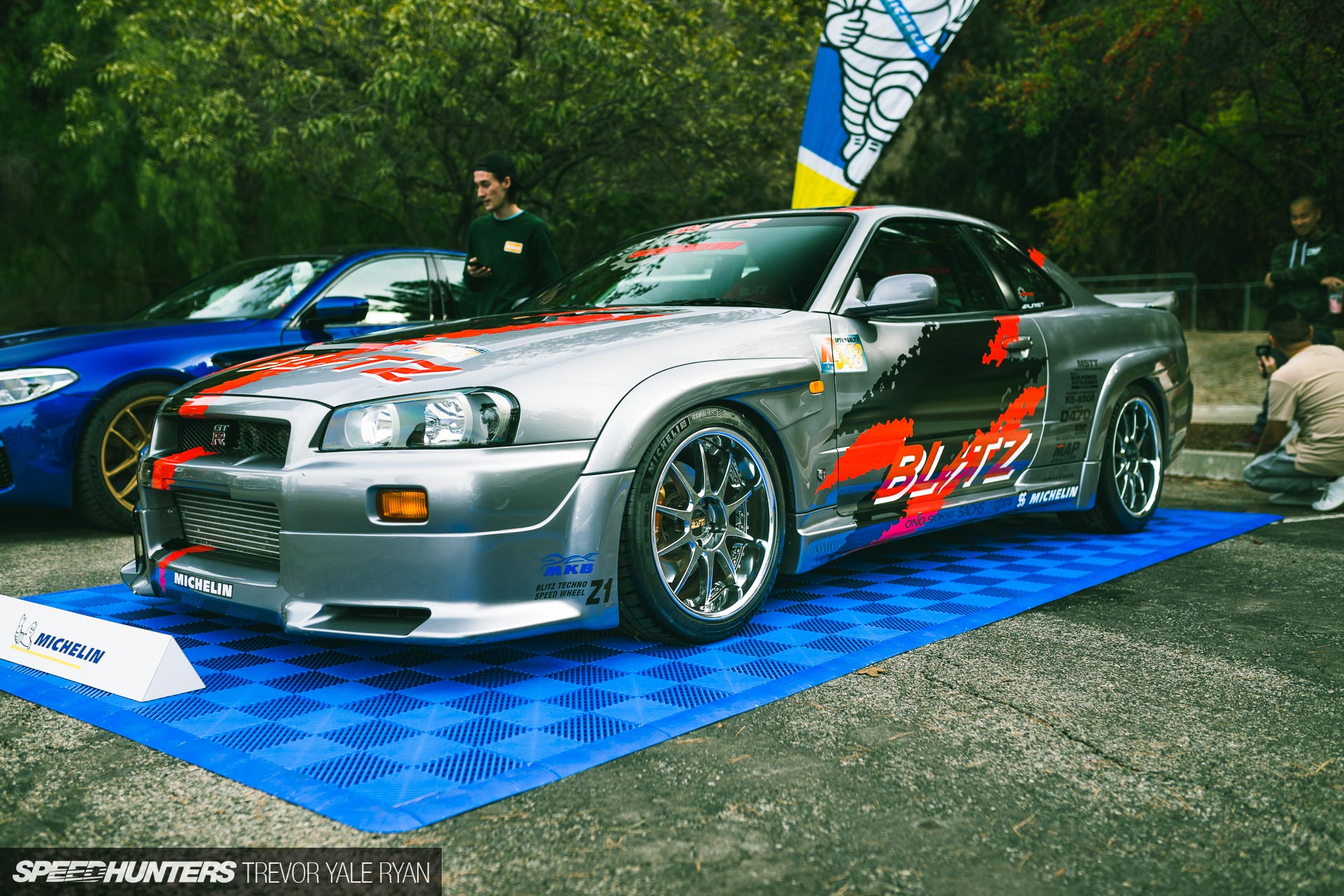
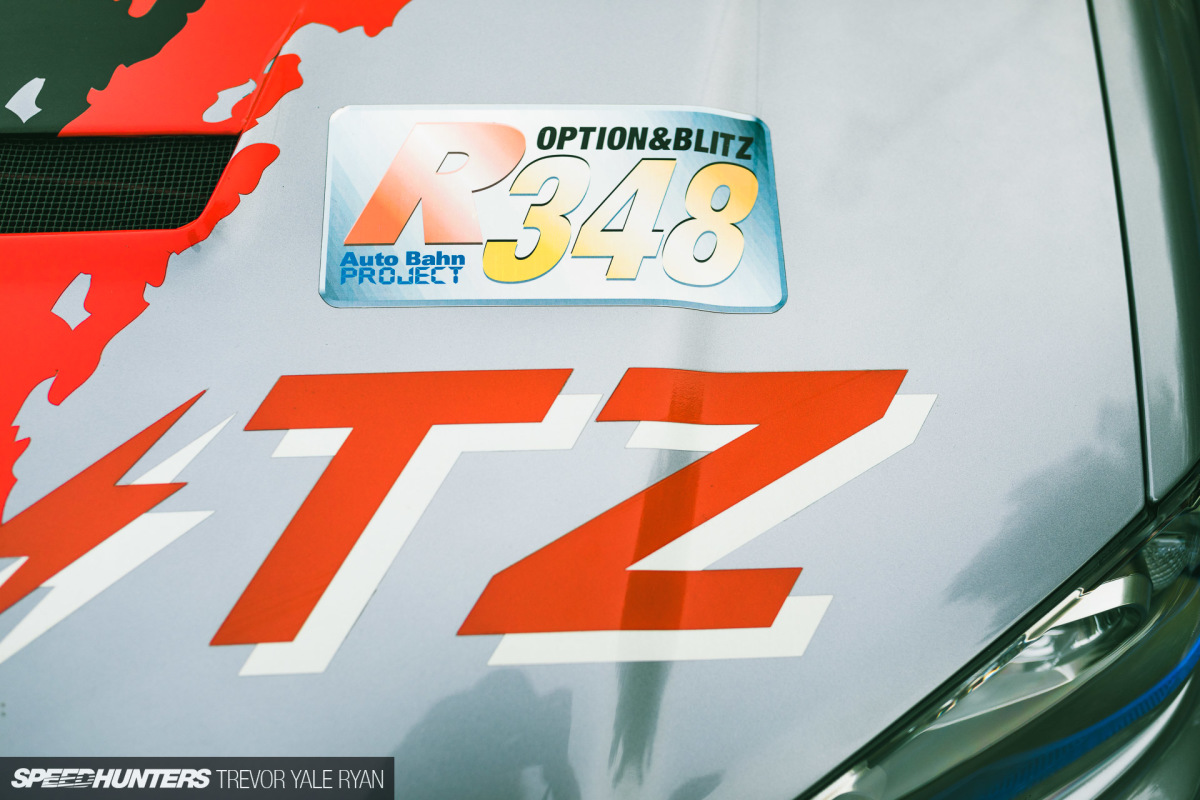
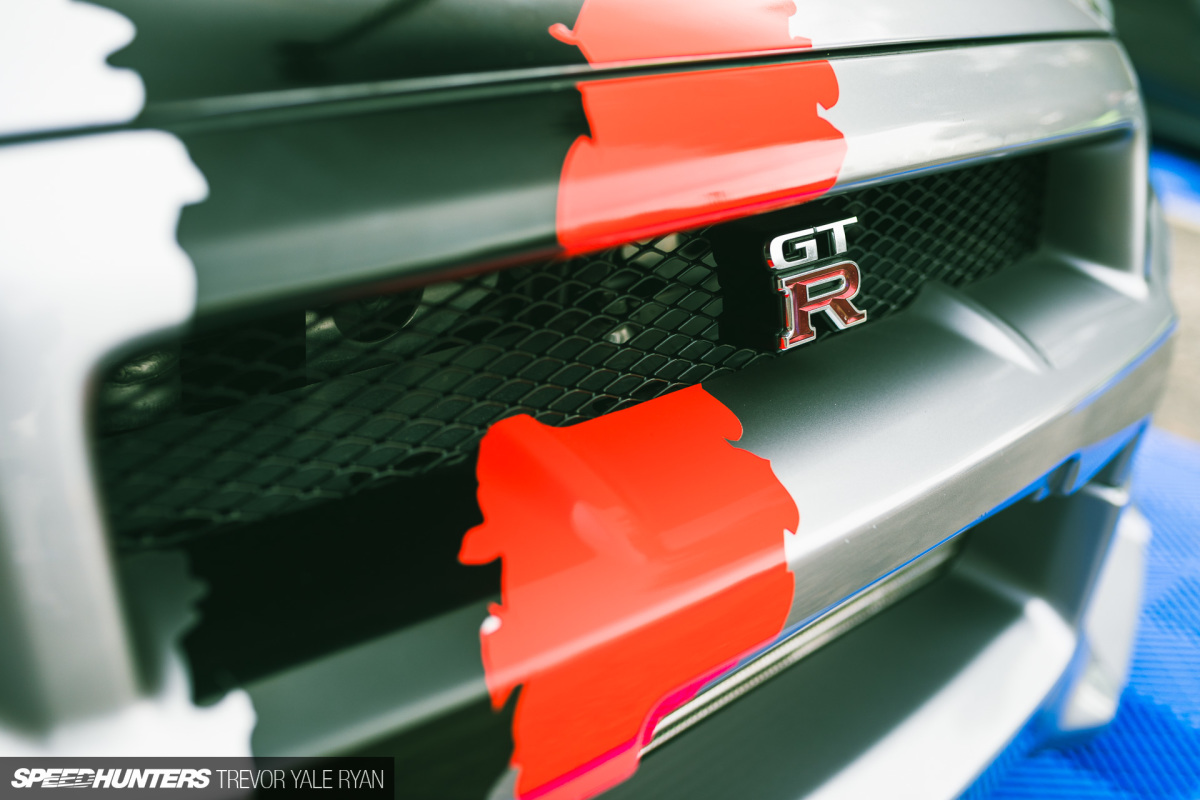
Ultimately, Blitz was able to propel their GT-R to a blazing 343km/h (213mph), but in the process the power steering belt decided to disintegrate. Looking at the data afterwards, the team realized they effectively tied the Yellowbird’s famous record.
Seeing as how the RUF’s autobahn speed was measured by a look-at-the-speedometer sort of thing, and the Blitz run was all verifiable with laboratory-spec speed reading equipment, the team gave up their search for a new belt and called it good enough.
From here, the car went to the US where it was modified to compete in the Silver State Classic, an event where State Route 318 is shut down for a 90-mile speed run. Plagued with setup issues to get the car to spec, the Blitz GT-R ran out of gas a couple miles before the finish line. Still, it averaged over 290km/h (180mph) on the two-lane American highway.
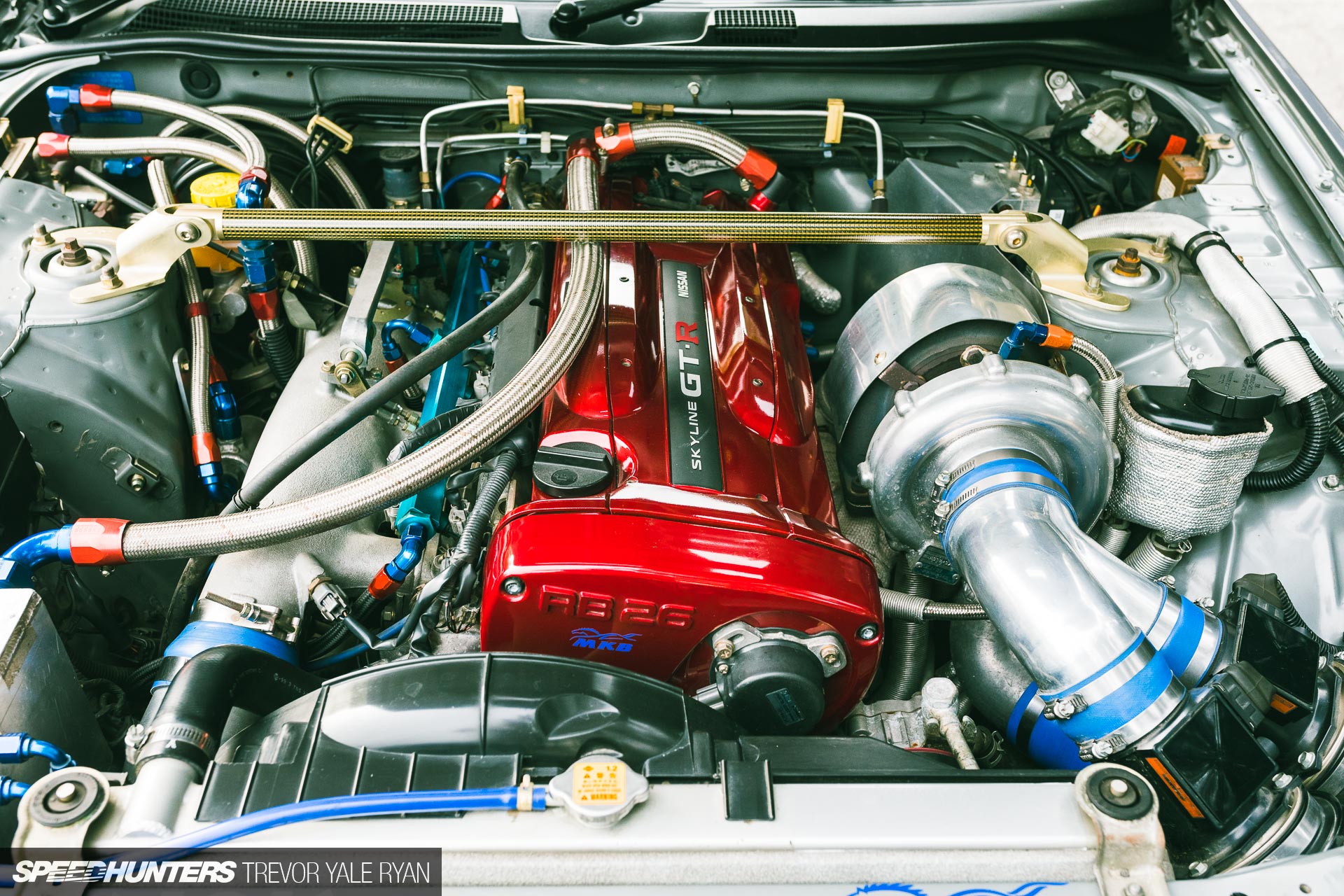
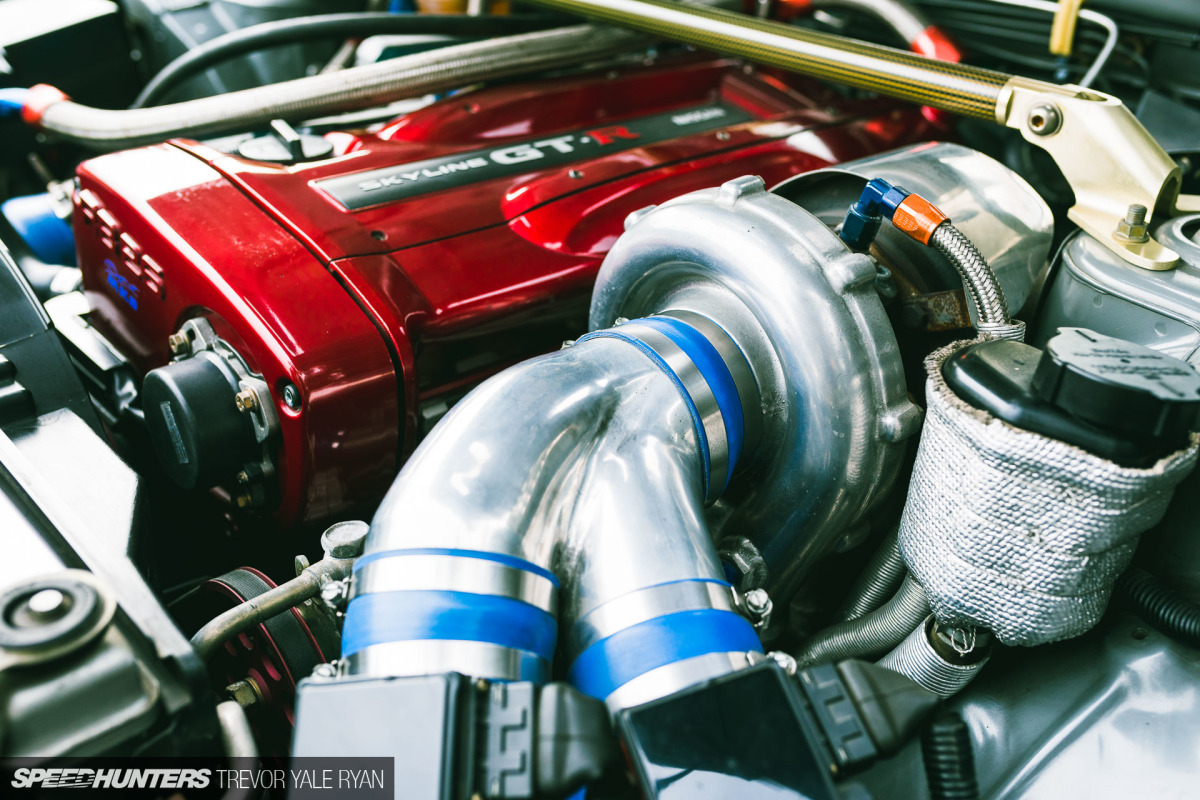
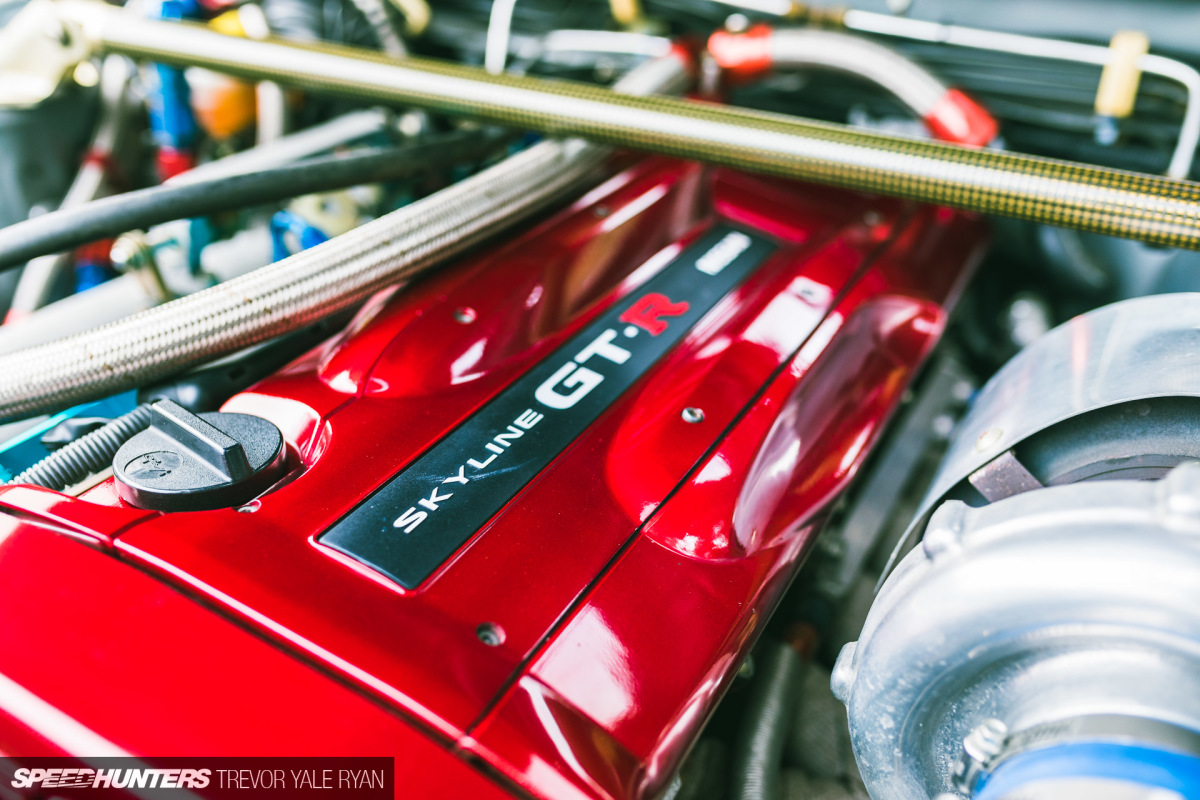
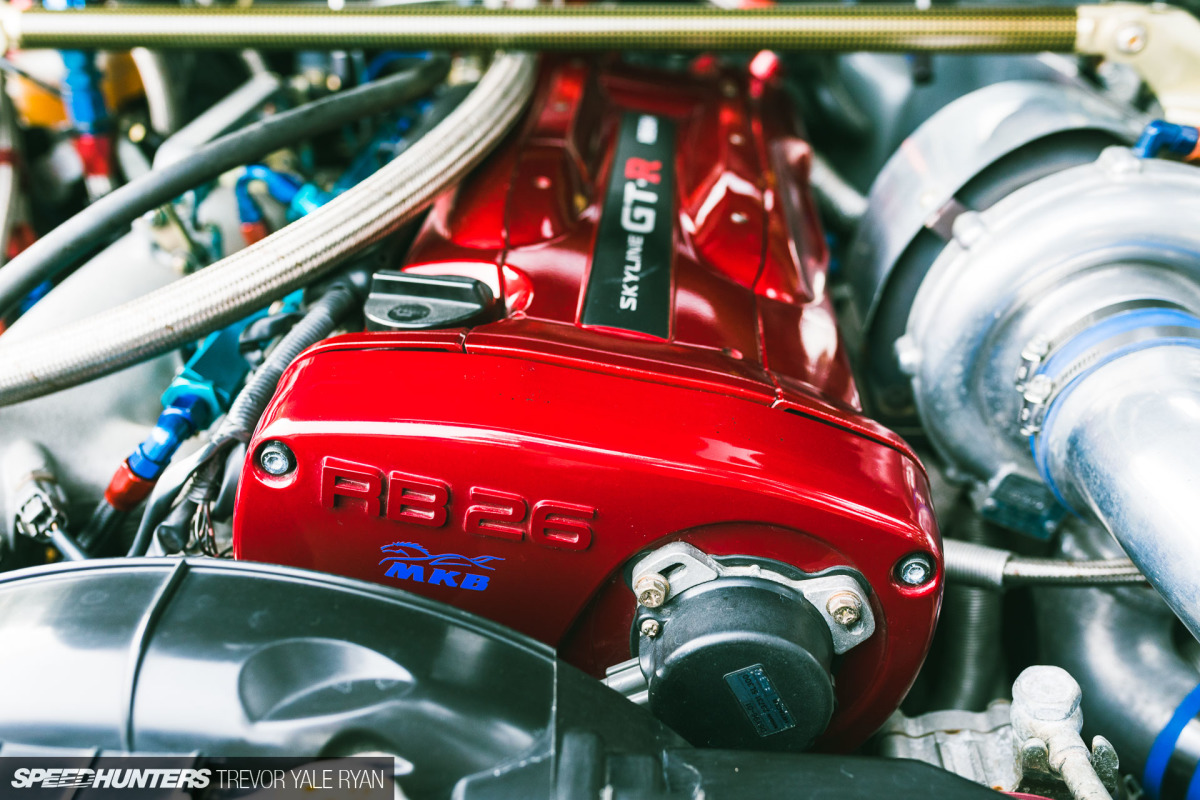
This ridiculous speed comes thanks to a number of factors, one of the most significant being what you see under the hood. The RB26 was stroked to 2.75-liters and converted to a big single turbocharger for top-end power. Power that, like Gary said and felt, just never seemed to run out as it climbed to over 320km/h. Looking around the engine bay it’s cool to see simple little details like the carbon fiber strut brace, something that would have been pretty exotic in the ’90s.
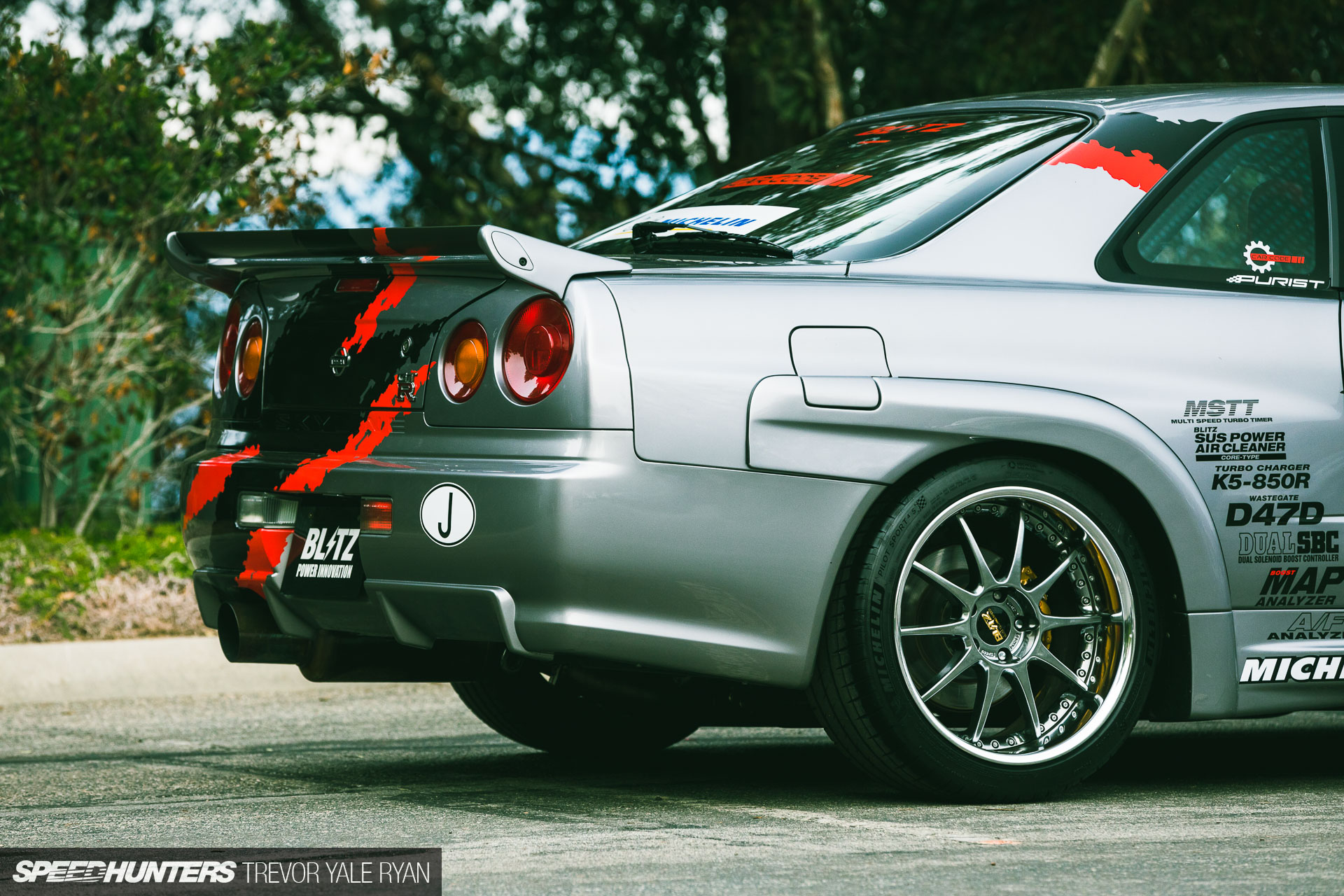
343km/h was also possible thanks to a number of Blitz upgrades, namely their complete aero kit on the car. Compared to what we see today it’s visually understated for a top speed car, but the important thing is that it actually all worked. Before proving itself on the autobahn, this kit was wind tunnel-verified; it’s quite an impressive and technical setup, even for today’s standards. The front lip acted more like a splitter, extending back underneath the car and integrating into a belly pan, for example.
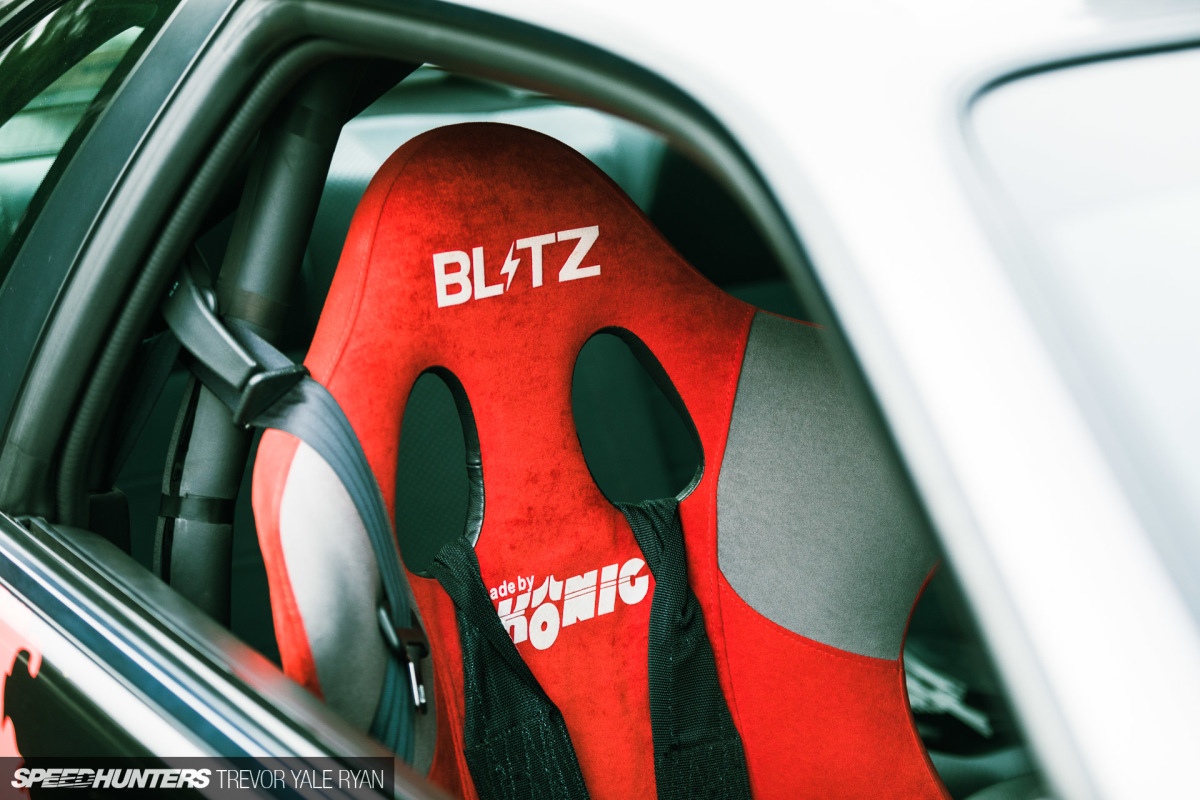
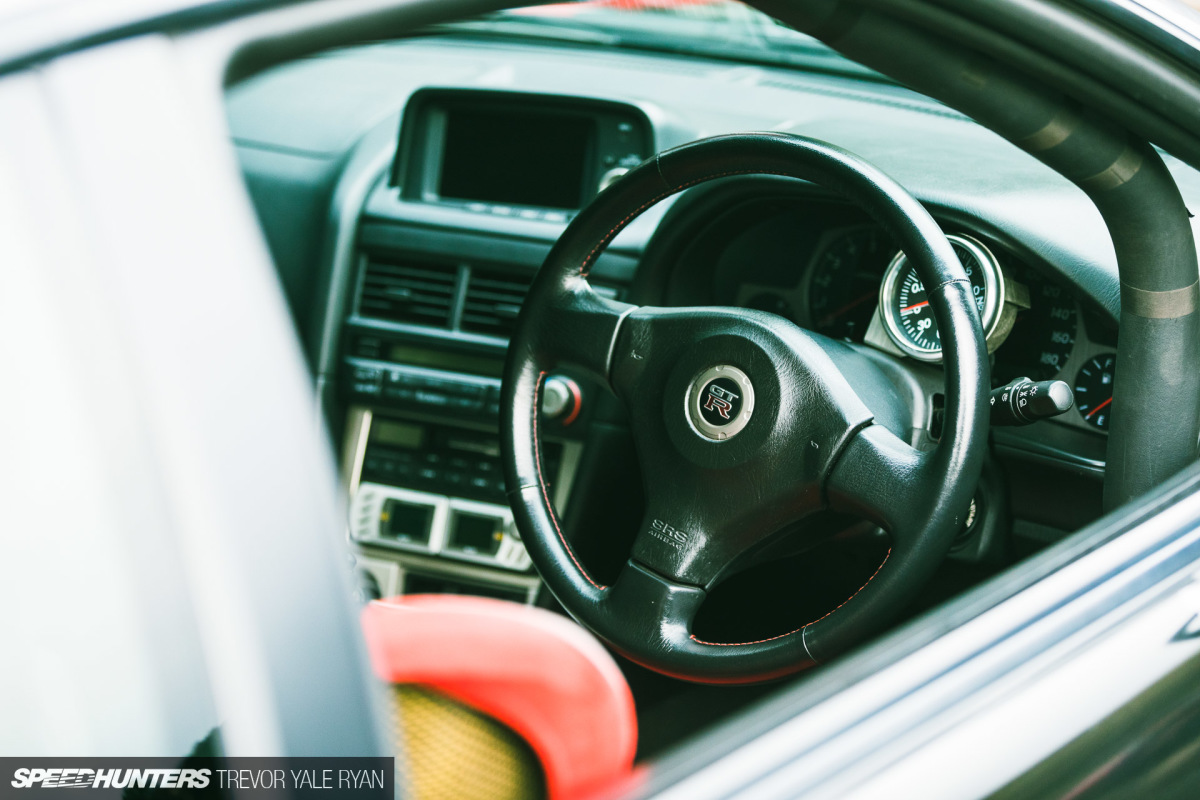
Perhaps what’s most impressive about this car is the fact that the entire interior remains. The driver got a lightweight Konig bucket, but the rear seats, speakers, door panels, and all of the trim pieces were left in place for the speed runs. Gary insists that this car drove itself everywhere the team went in Germany, too. To the shop, to the autobahn, around town, whatever. It wasn’t trailered; it wasn’t babied. It was driven.
And, if you’re wondering, the odometer now sits at around just 6,900km (4,300 miles). On the same token, all of the stickers (besides a couple) on the car are original to that run in ’99.
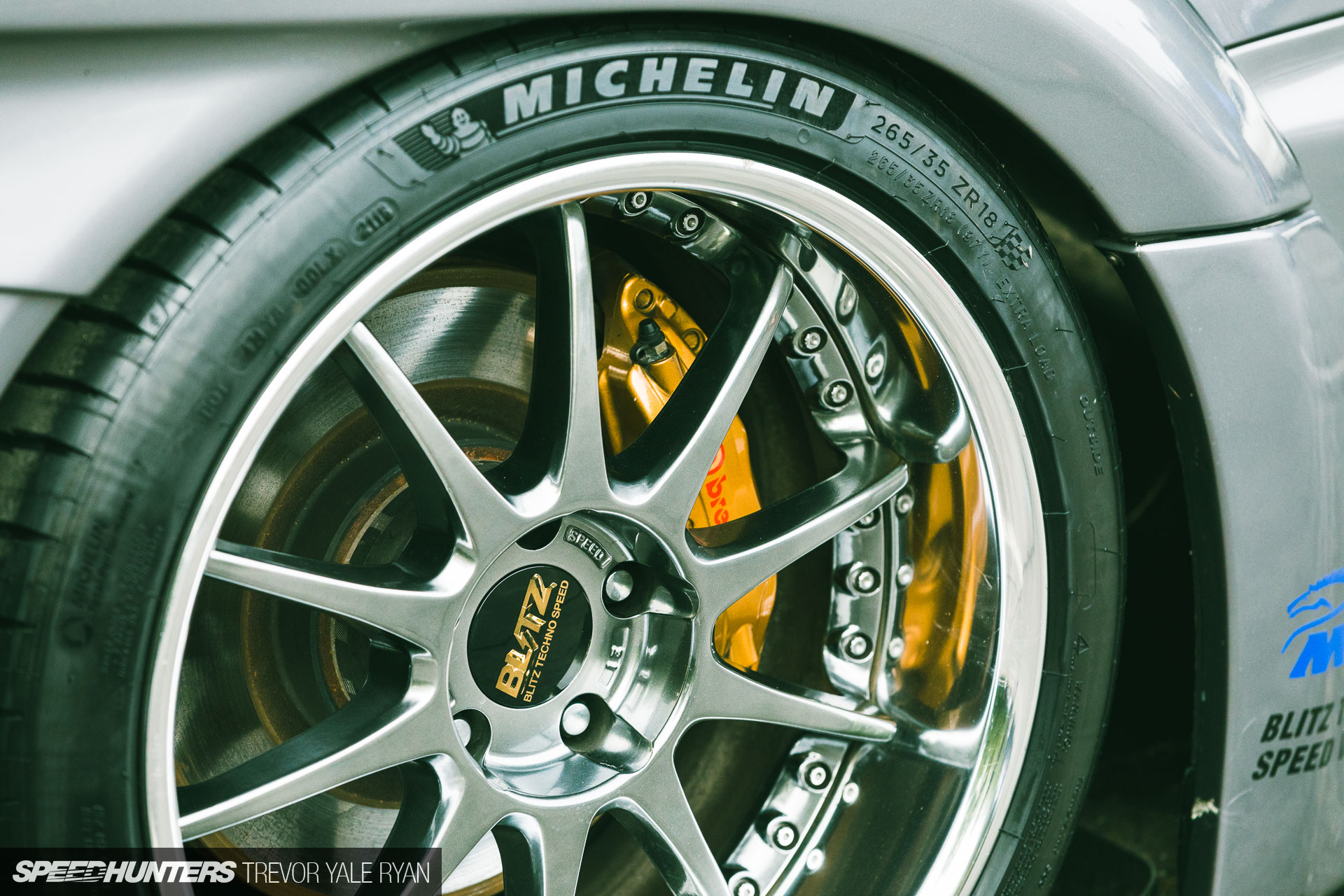
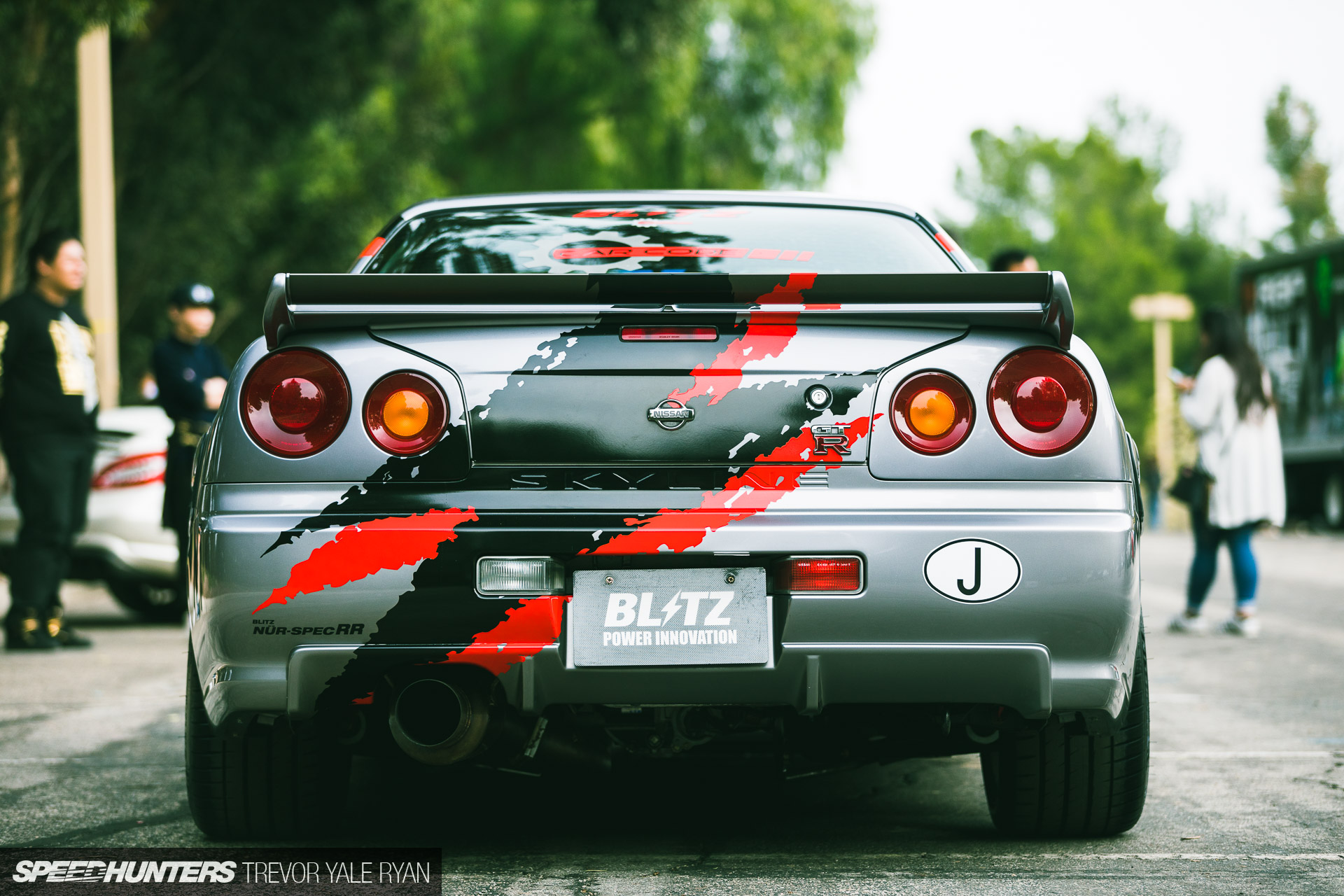
Back outside the car it’s all so ’90s. Stunning Blitz Technospeed Z1 wheels can be found on all four corners in 18×10-inch size, alongside that iconic black and red livery.
Even if you gathered all the parts, you could never build this car again though. For Gary, he says that’s what makes this thing so special, in fact, “one of the most sentimental cars to me.” It was Gary’s first international assignment for the magazine and this car ended up being his first cover shoot and feature.
But more importantly, Gary tells me this car is special to him because he could call the guys running the car on the autobahn his friends. It was about the people, the experience, the history.

It’s been nearly 20 years since that famous run, and while there are plenty of famous R34s, Gary says this is the one for him. As time goes on this car carries its amazing history with it, introducing the next generation to the greatness of ’90s Japanese cars and tuning legends alike.
The Purist Toy Drive this last weekend — an awesome Southern California event which Antonio and I will soon break down for you — was where I first came across the car in person. It’ll probably be the last time, too, as I’ve heard it’s heading back to Japan again to be quietly tucked away somewhere.
Project Autobahn, an icon in hiding.
Trevor Yale Ryan
trevor@speedhunters.com
Instagram: tyrphoto
TYRphoto.com