When I was at the Purist Group’s Winter Drive last weekend, I was on the lookout for something different. Two cars fit the bill quite well and also served to prompt a specific line of thinking.
Sure, it’s always cool to get up close to exotics, of which there were plenty at the show, but they don’t really hold my attention like an extensively modified car does. In thinking about this, it’s hard to actually pinpoint exactly what it is about any given car that I like or dislike. Quality of execution and rarity or parts is a good place to start, I suppose.
With that in mind, when I look at Koenigsegg or a Pagani, for example, I have great appreciation for what these brands have achieved. Their products are an incredible feat of functional engineering and beautiful design, both dancing together fluidly. The quality of execution, as well as the rarity, is just about second to none.
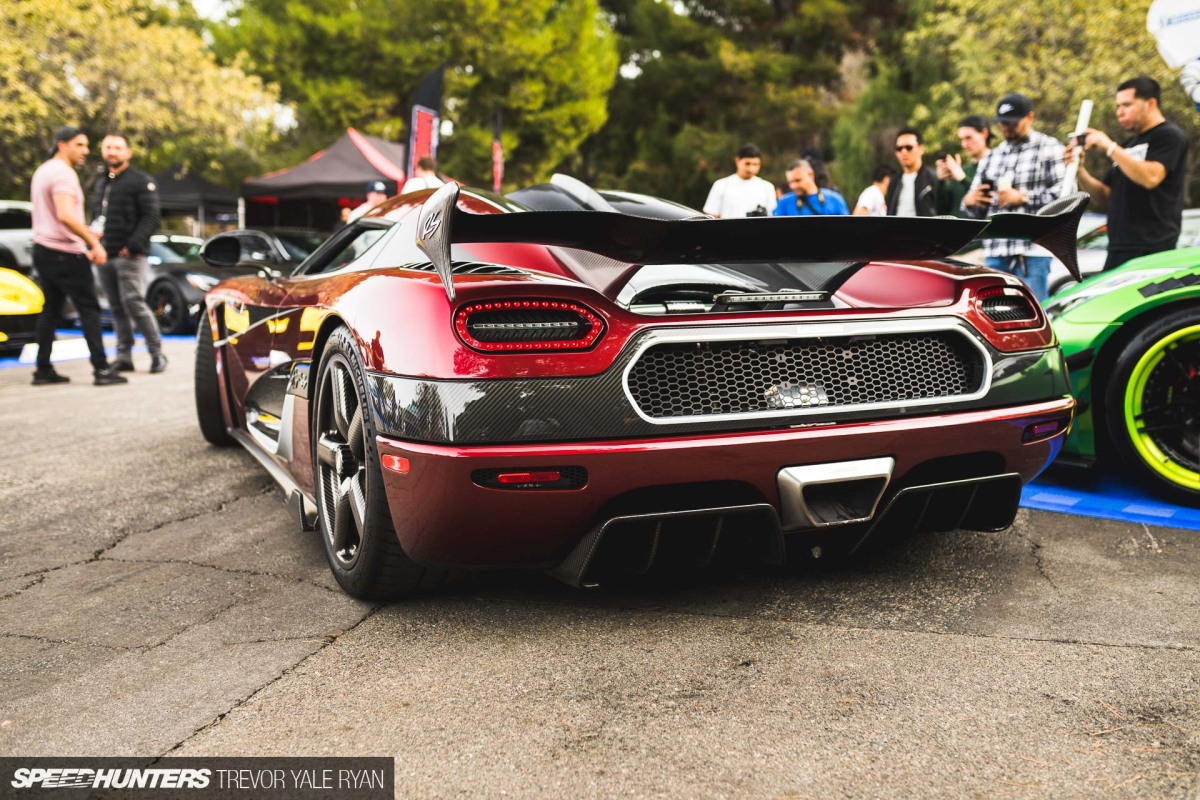
However, in beholding any supercar, what you generally see is the combined effort of a large team working to meet regulation, market trends, and design goals alike. The fact that any company can check all of these boxes and still deliver something exciting is an amazing accomplishment on its own.
What you don’t see in the end product, though, is one man’s vision. At the other end of the spectrum, when you look at a modified Japanese car from the 1990s, this is exactly what you get, and likely why these builds draw me in far more than any factory effort.
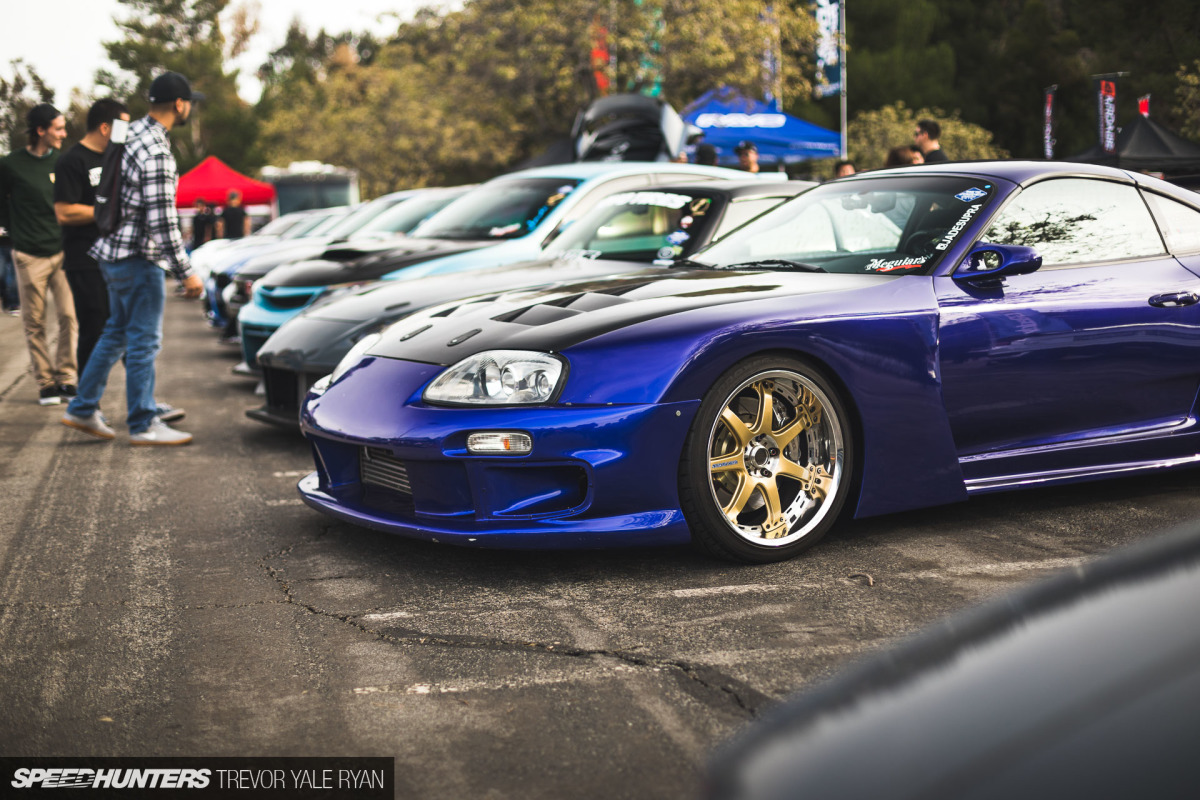
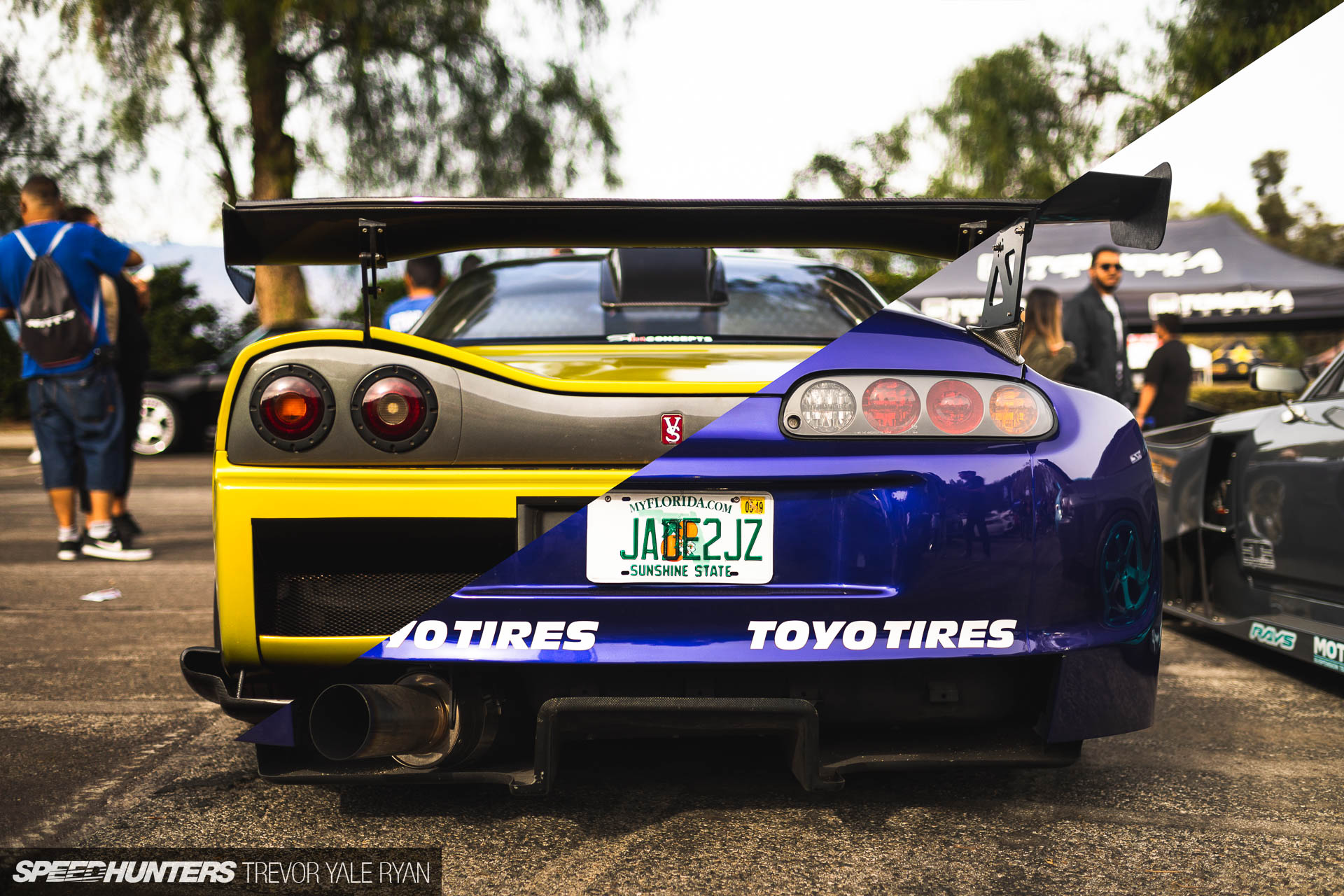
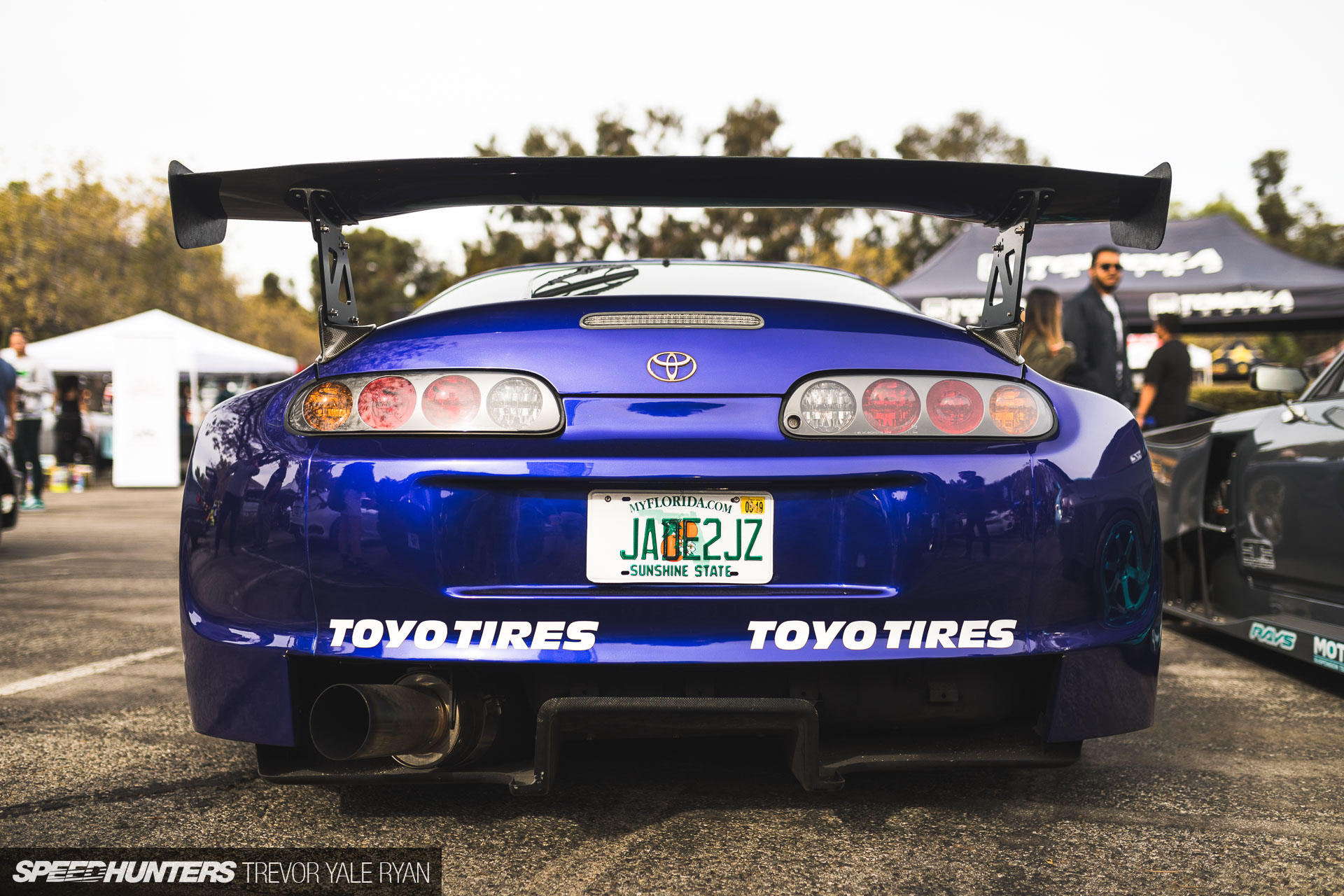
First up, Steve Sawicki’s JZA80 Toyota Supra, wearing the original version of Top Secret’s GT300 wide-body kit.
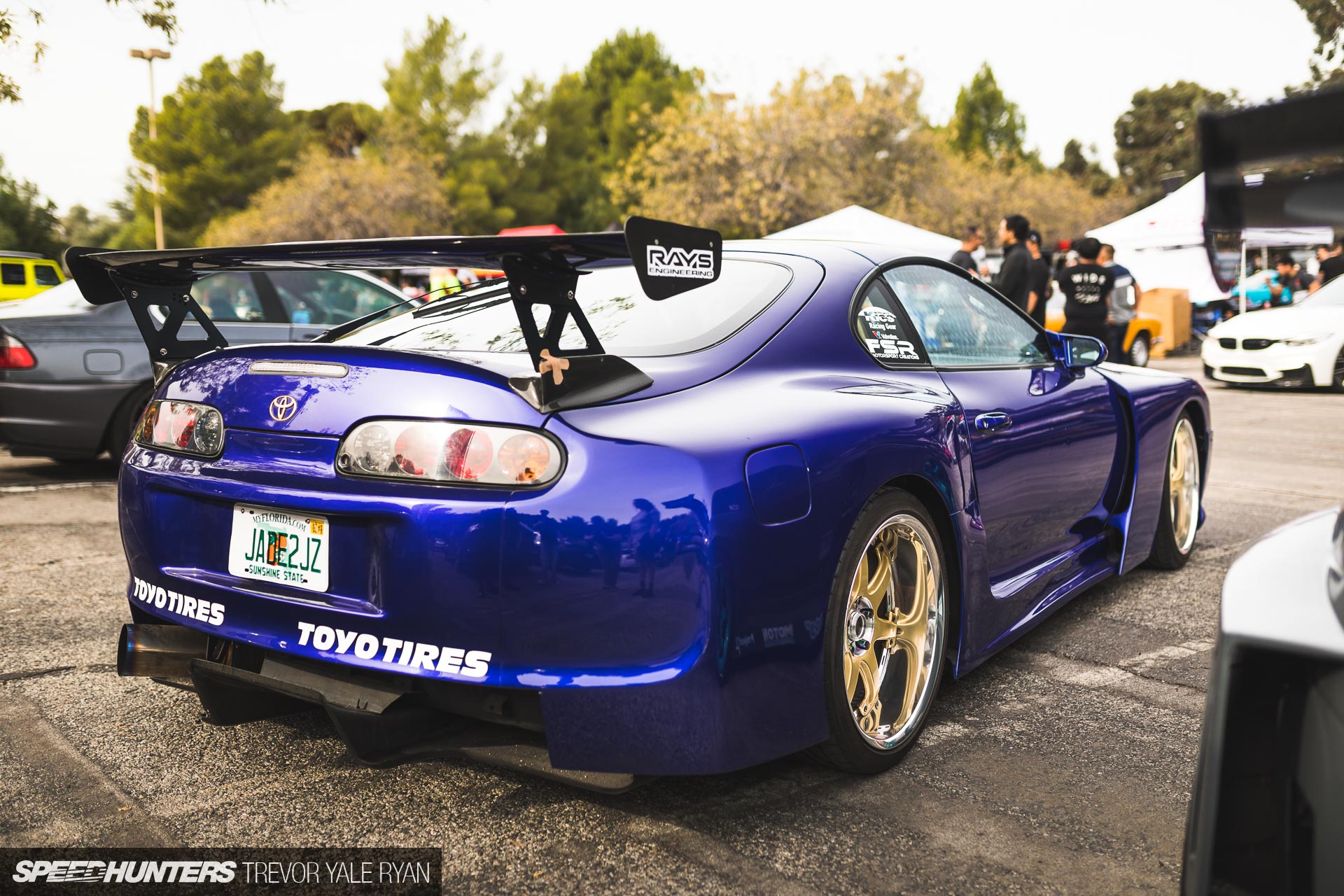
Steve has owned this car for 18 years now, with the build finished in 2005. For the most part it’s been sitting in this form ever since, and as such Steve says it’s time for a refresh soon.

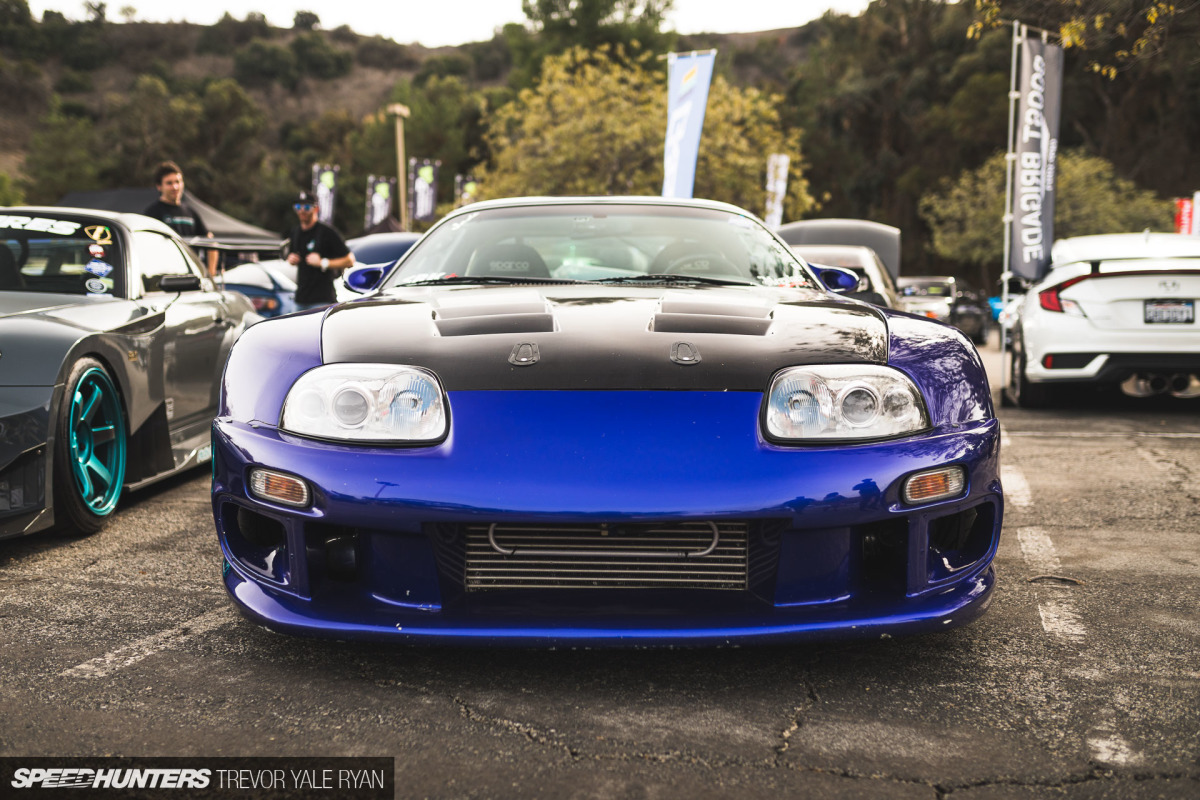

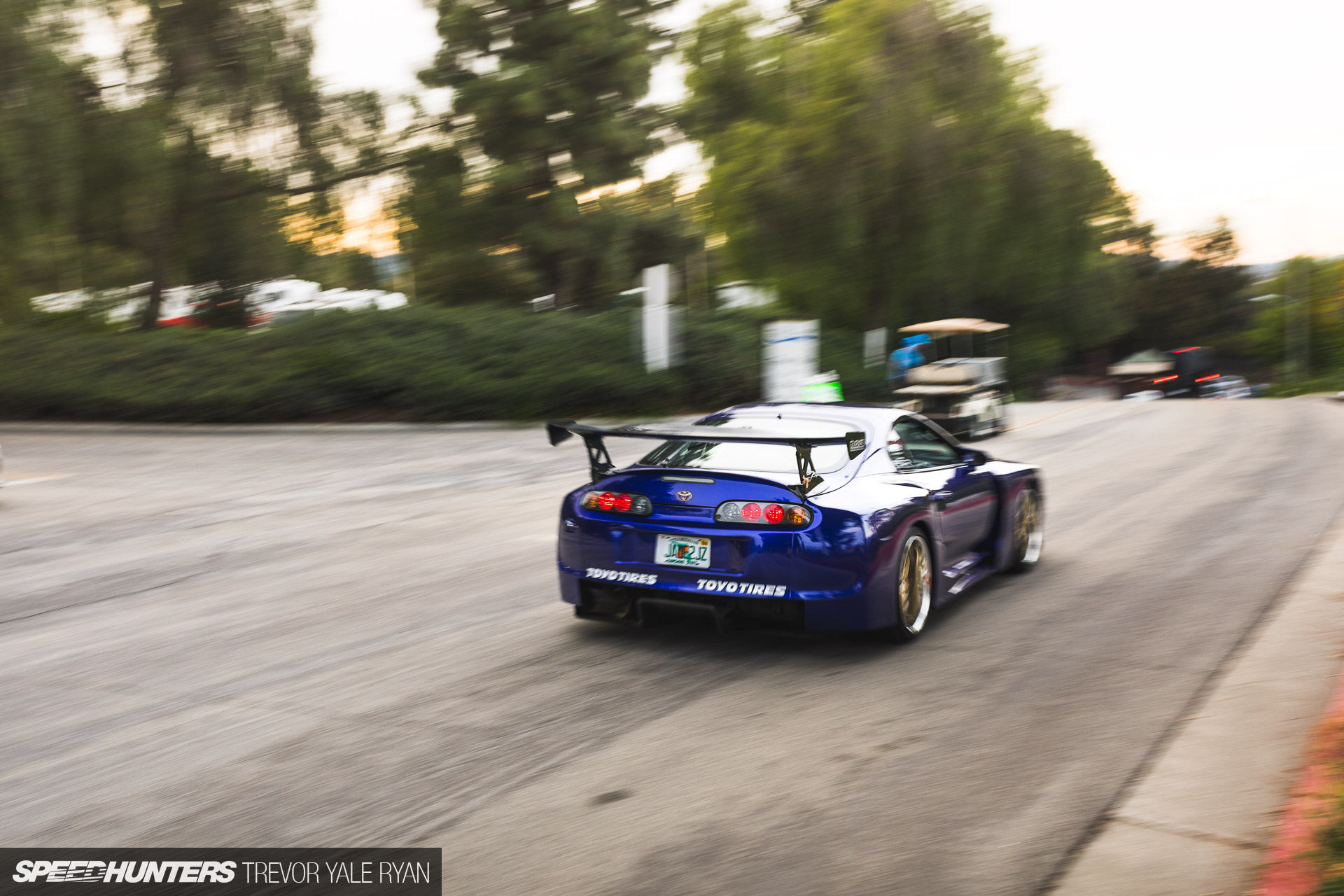
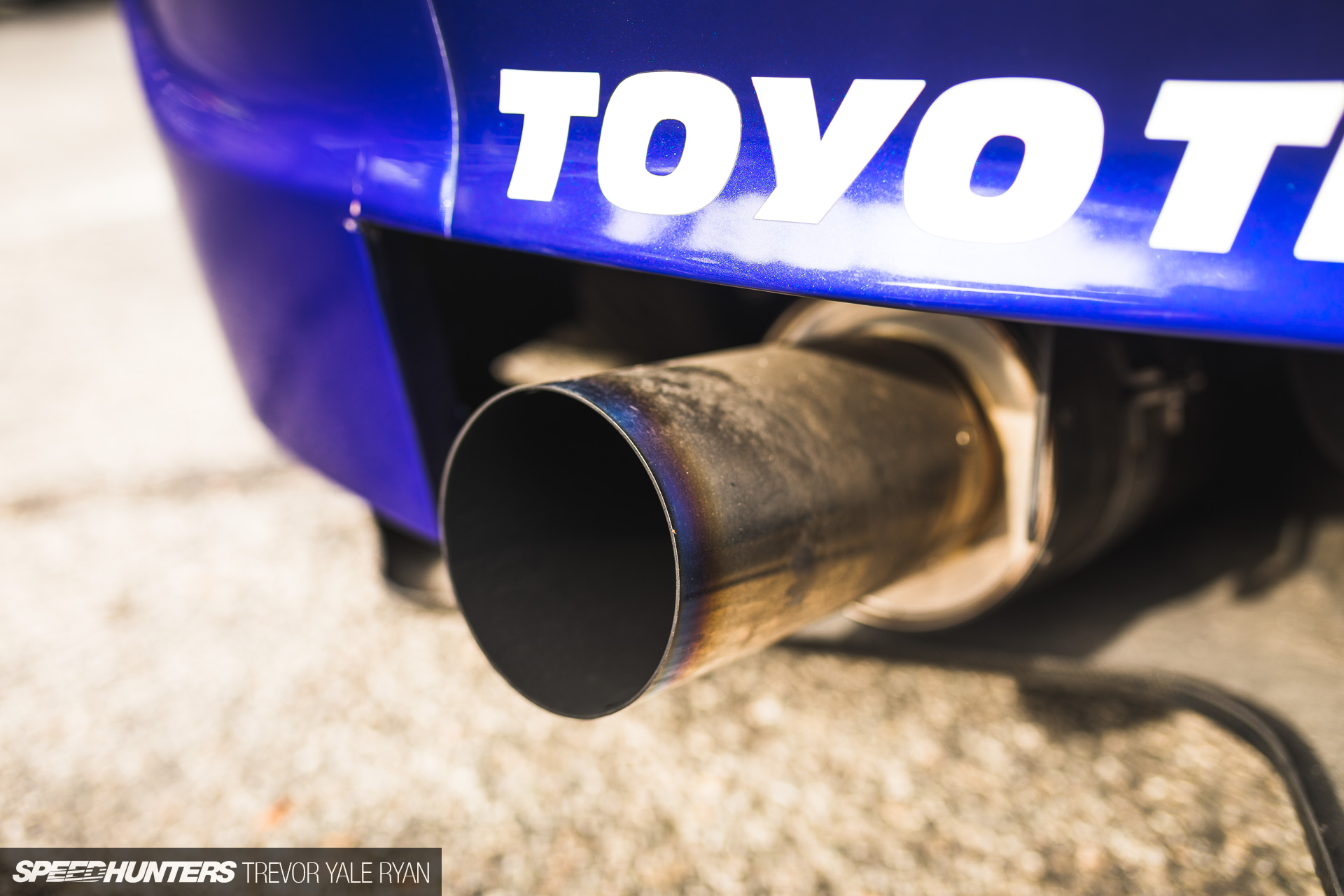
Looking at the details around the Supra, you can tell that it’s both a car that gets driven — rather than just parked up at shows, where the feel of the car is somehow much different — as well as one that a lot of time and attention has been dedicated to.
On a completely different note, Steve’s actually a stunt driver so we’ll definitely need to catch up for a chat and some photos once he’s seen his future plans through for this Supra. Many ideas come to mind for a feature…
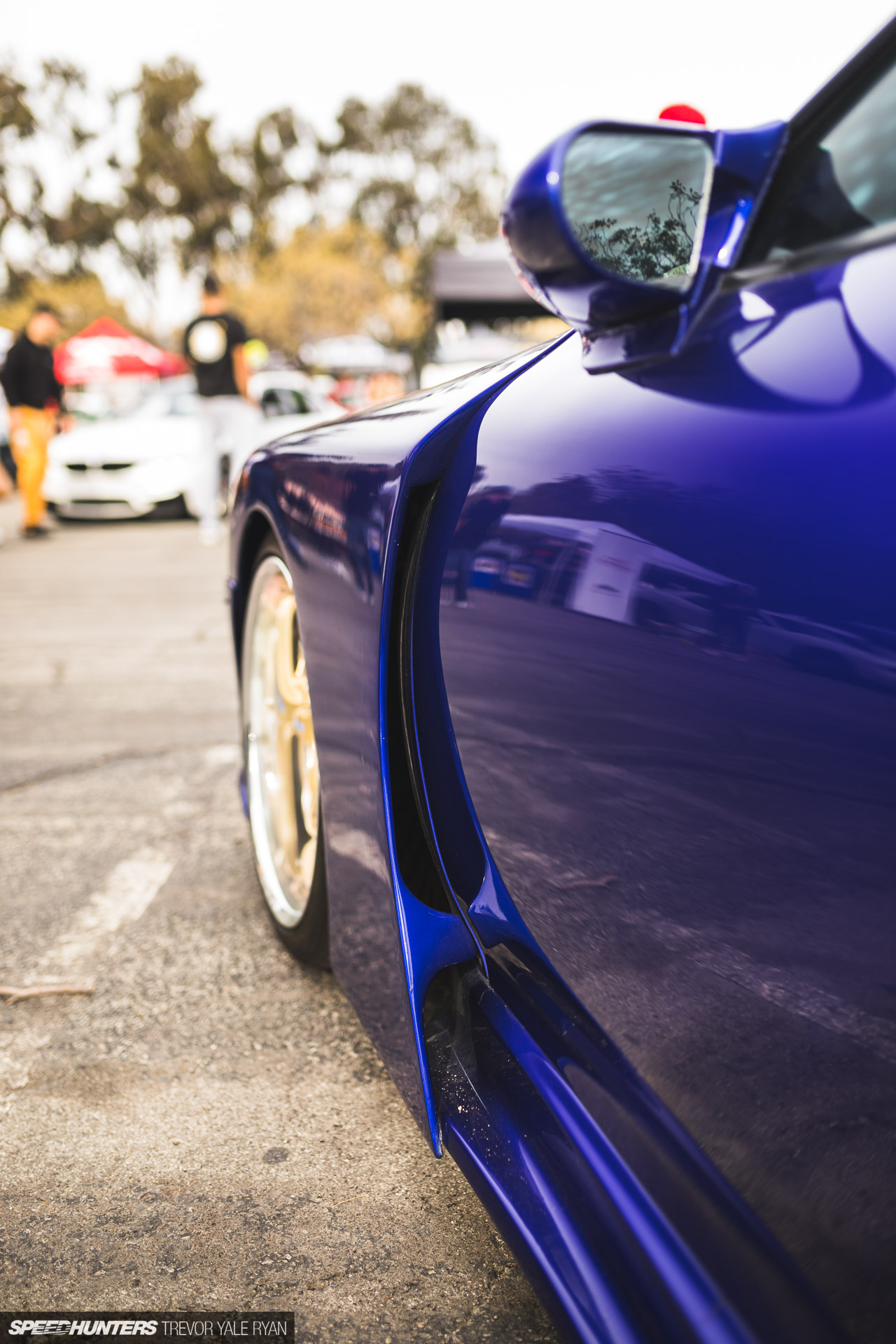
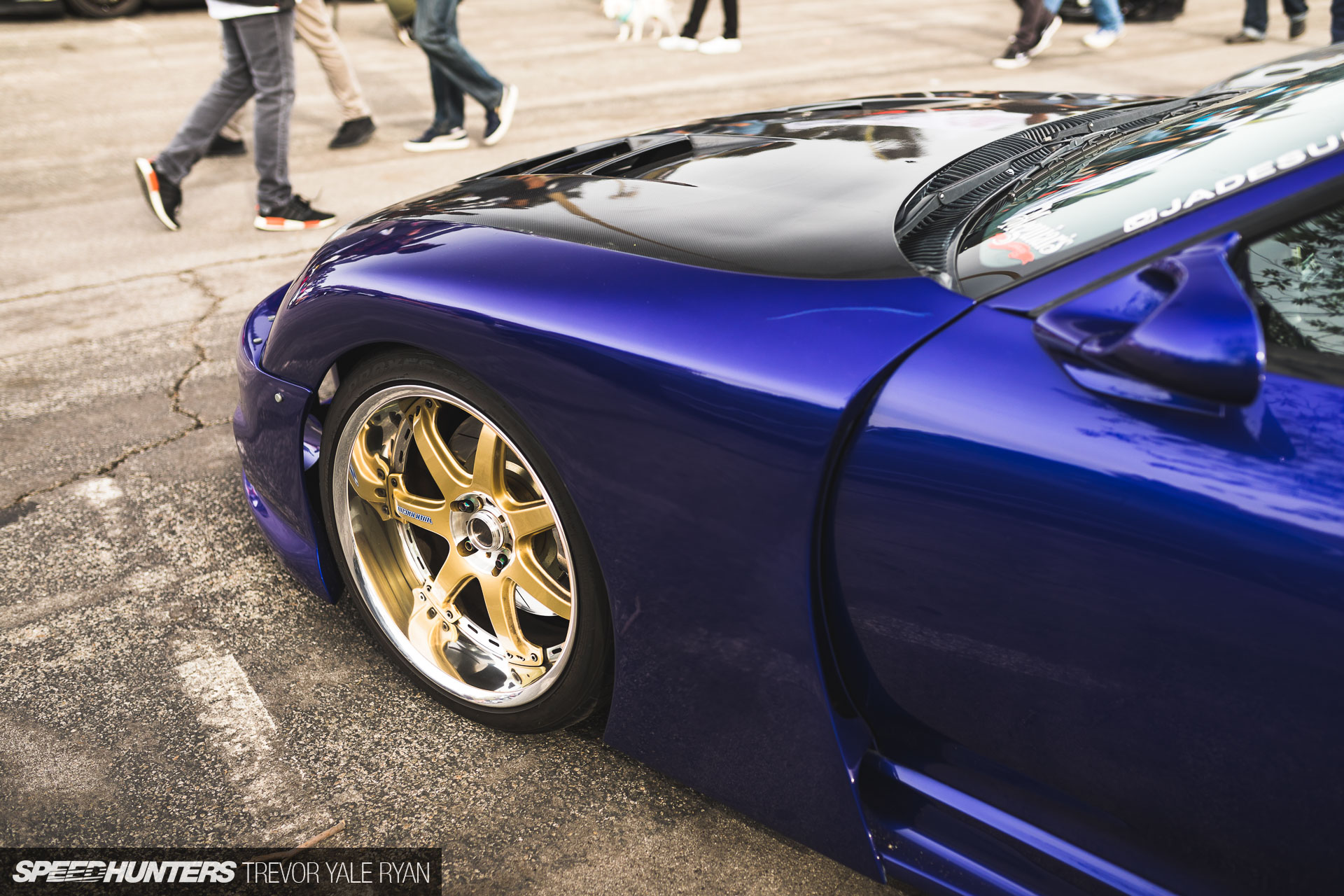
Personal taste aside, the Top Secret GT300 kit nicely fits into the two categories I introduced earlier: quality of execution and rarity. If you are interested in my opinion, I really do like the Top Secret kit on the MkIV as it seems to exaggerate the natural feel of the car rather than replace it altogether.
Come To The VeilSide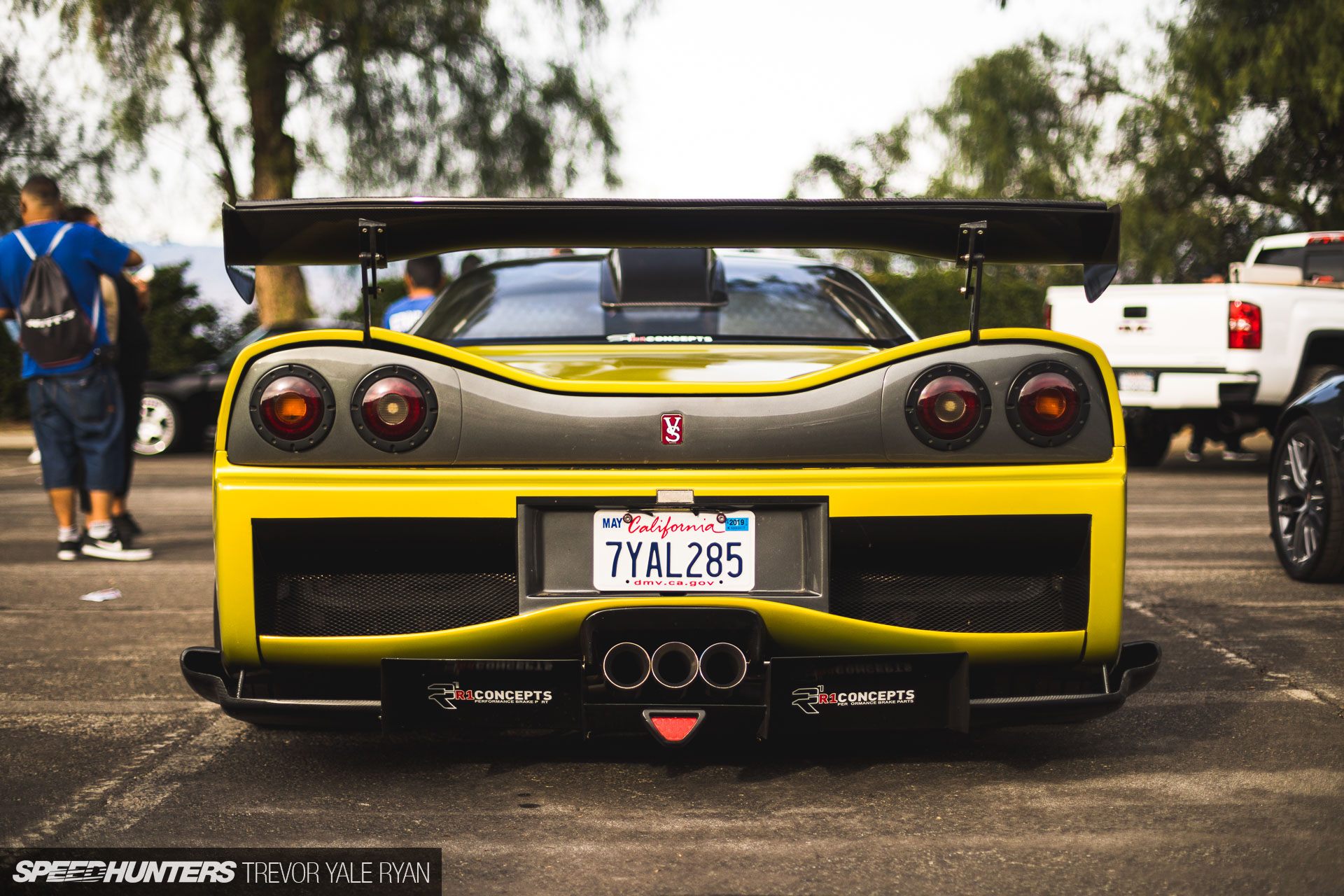
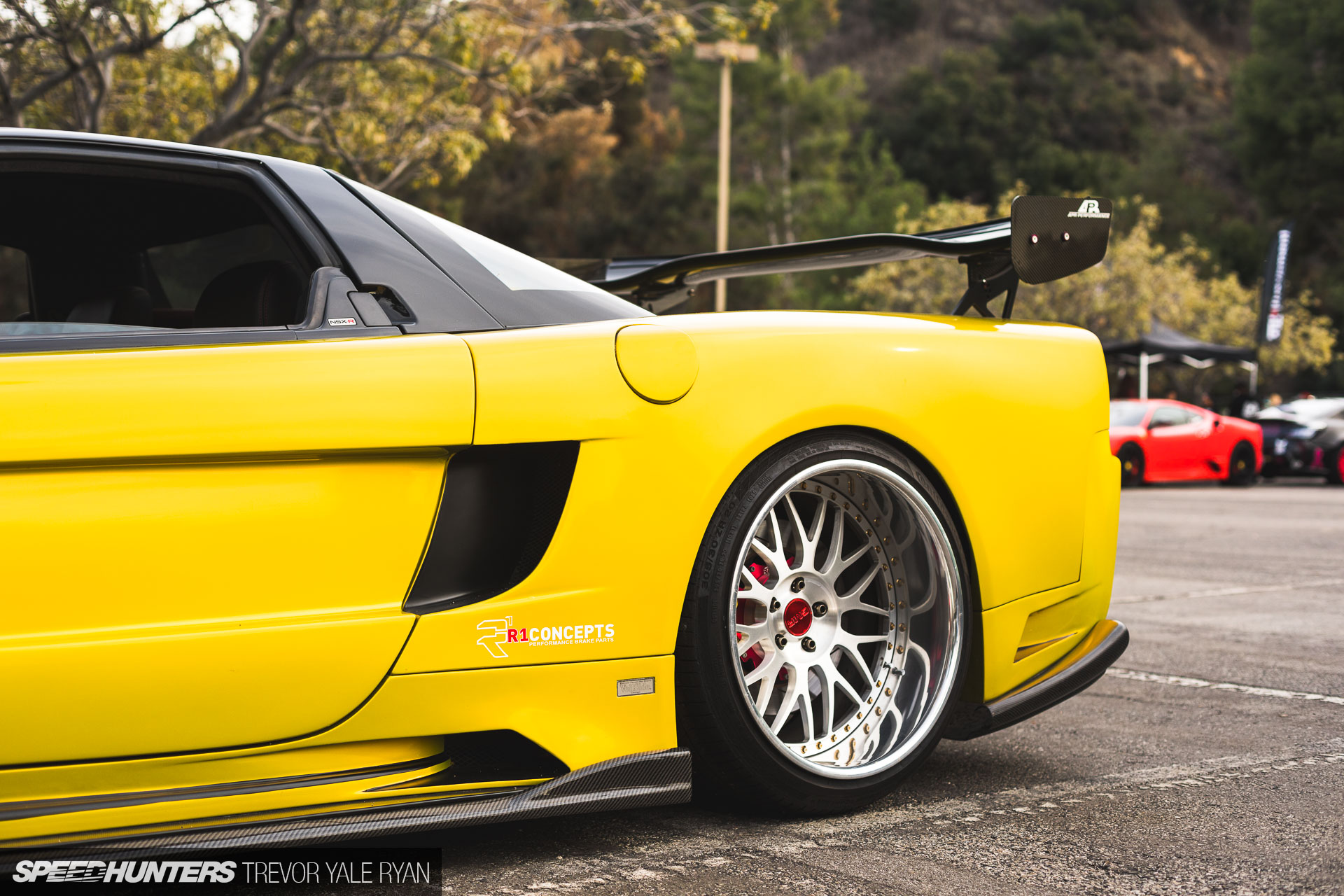
In contrast, the VeilSide Fortune NSX that I spotted towards the edge of the show completely alters many of the design cues that make an NSX an NSX.
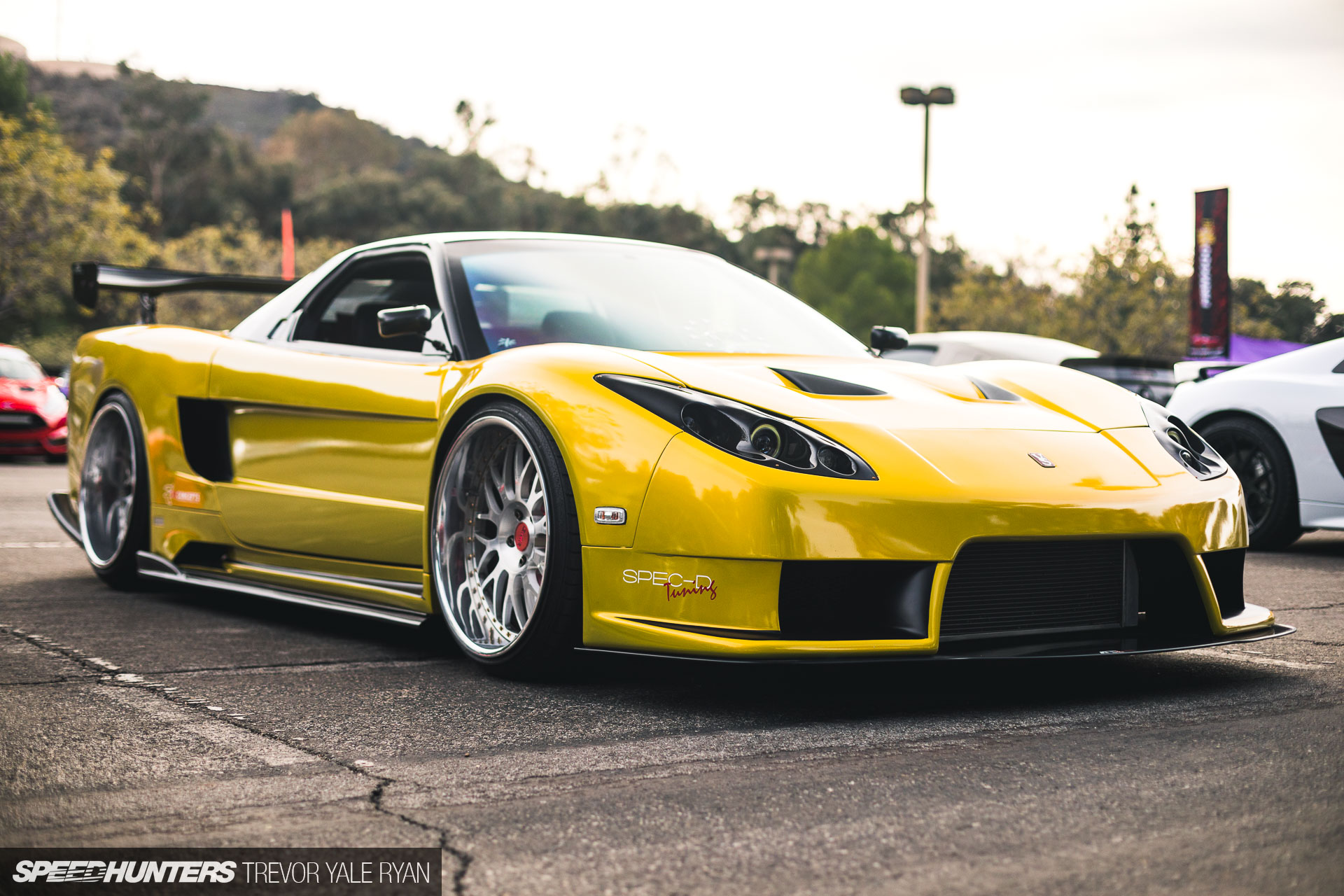
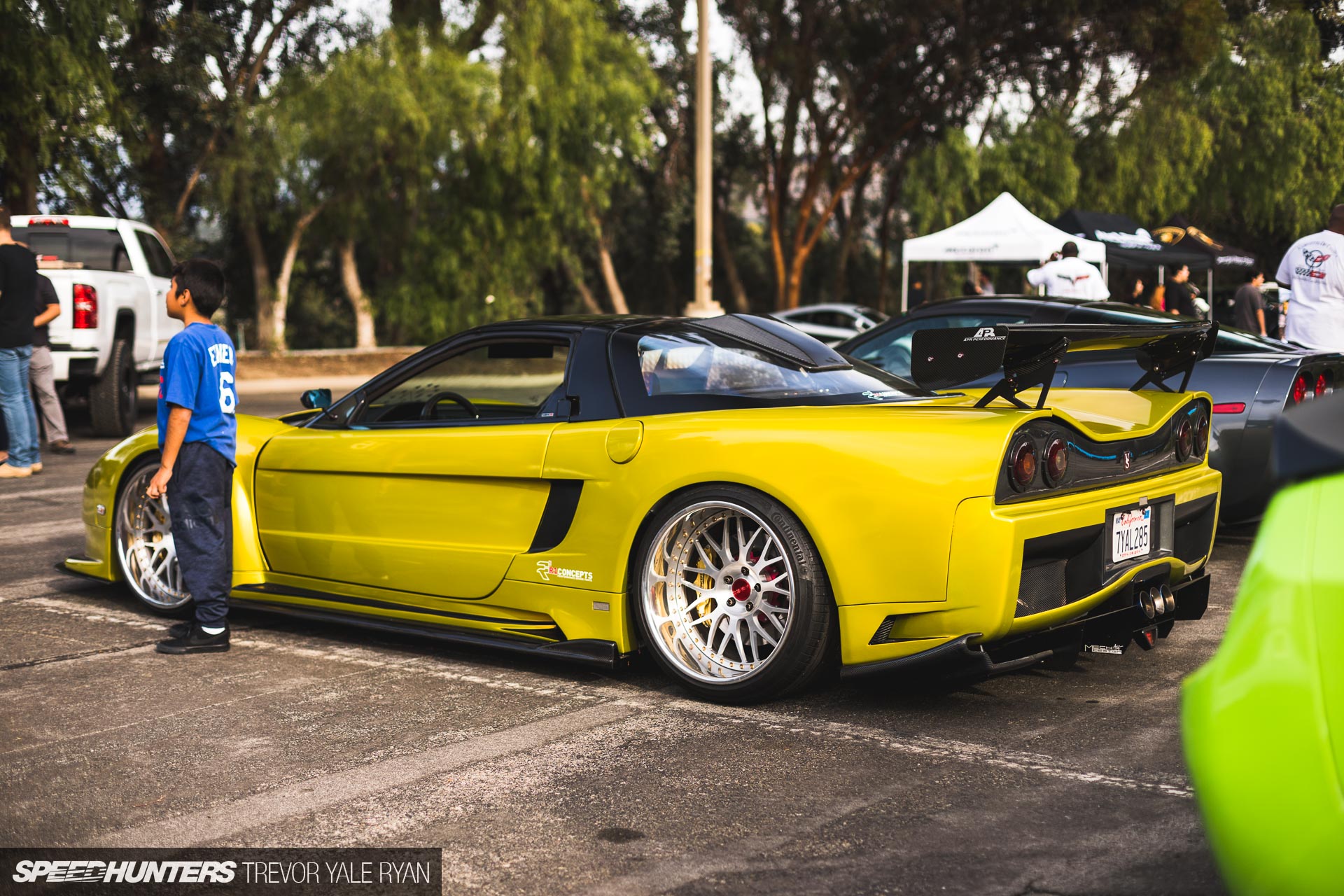
Having never seen this particular VeilSide bodywork up close in person, this car definitely checks the rarity box. When it comes to execution, both the Fortune kit itself and the adaptation to this particular chassis are both very well done as well.
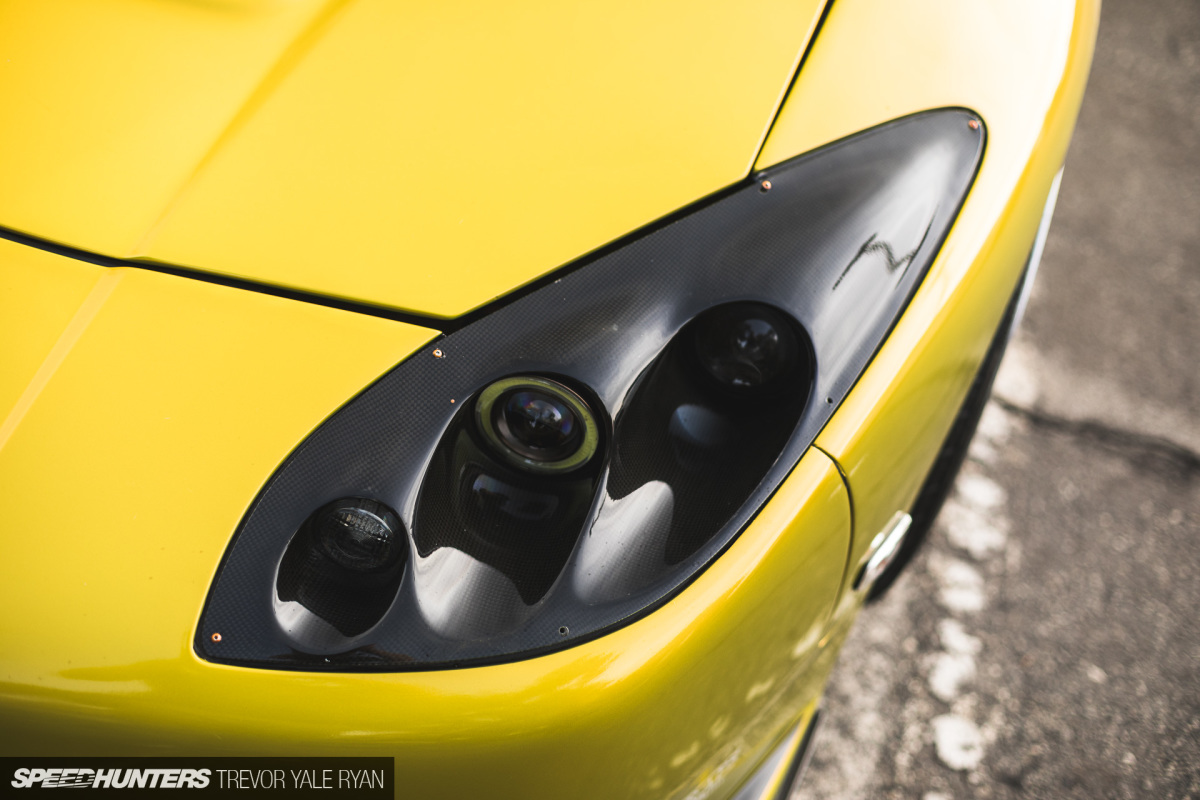


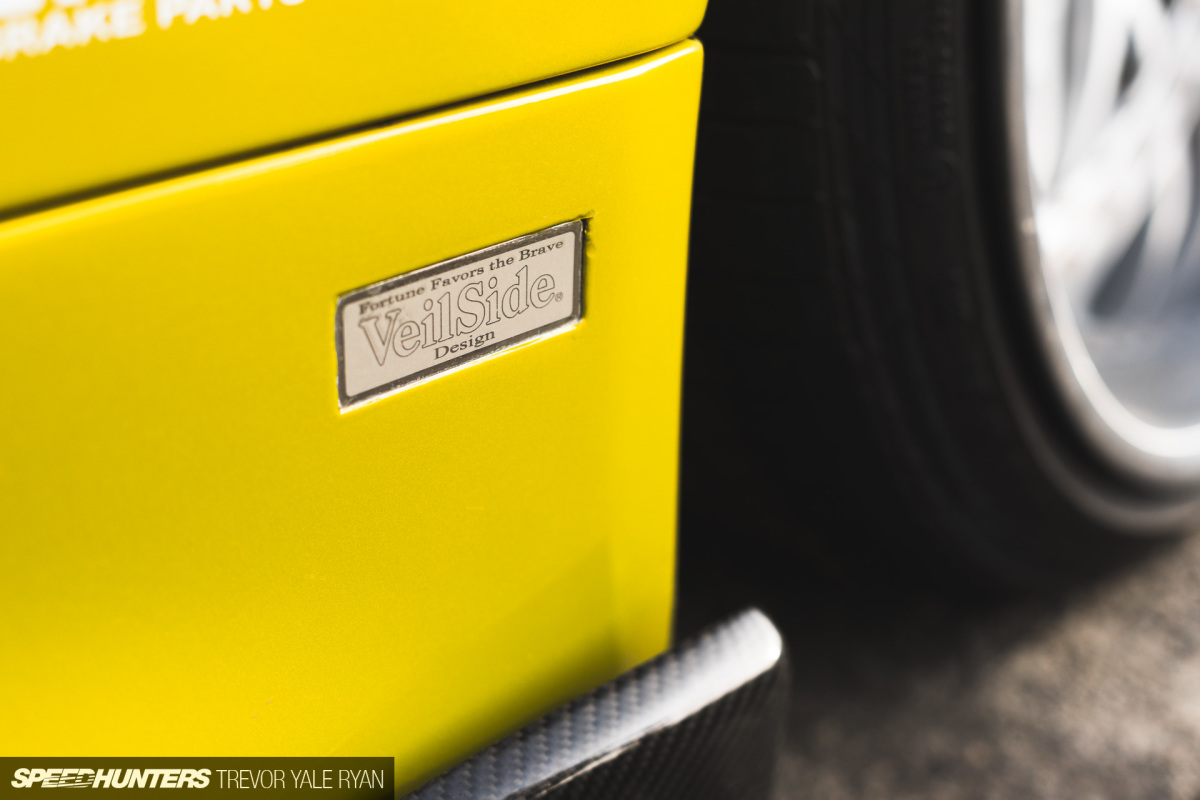
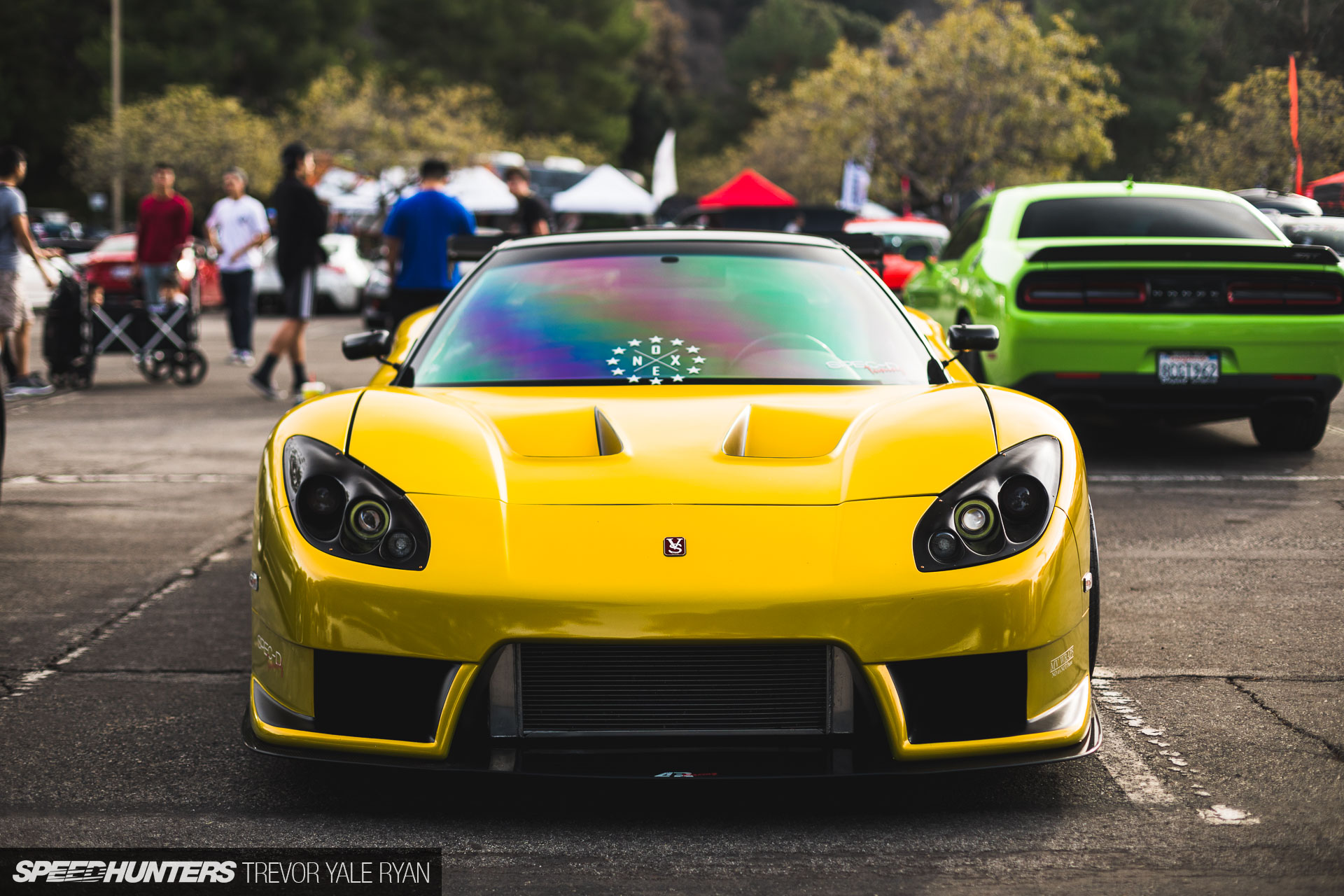
But it’s this deviation from from the original lines that I imagine will upset most die-hard NSX enthusiasts. Again, if you’re interested in my own thoughts, I love how sinister the car looks in this form, and it’s a nice shake-up to an ordinary NSX.
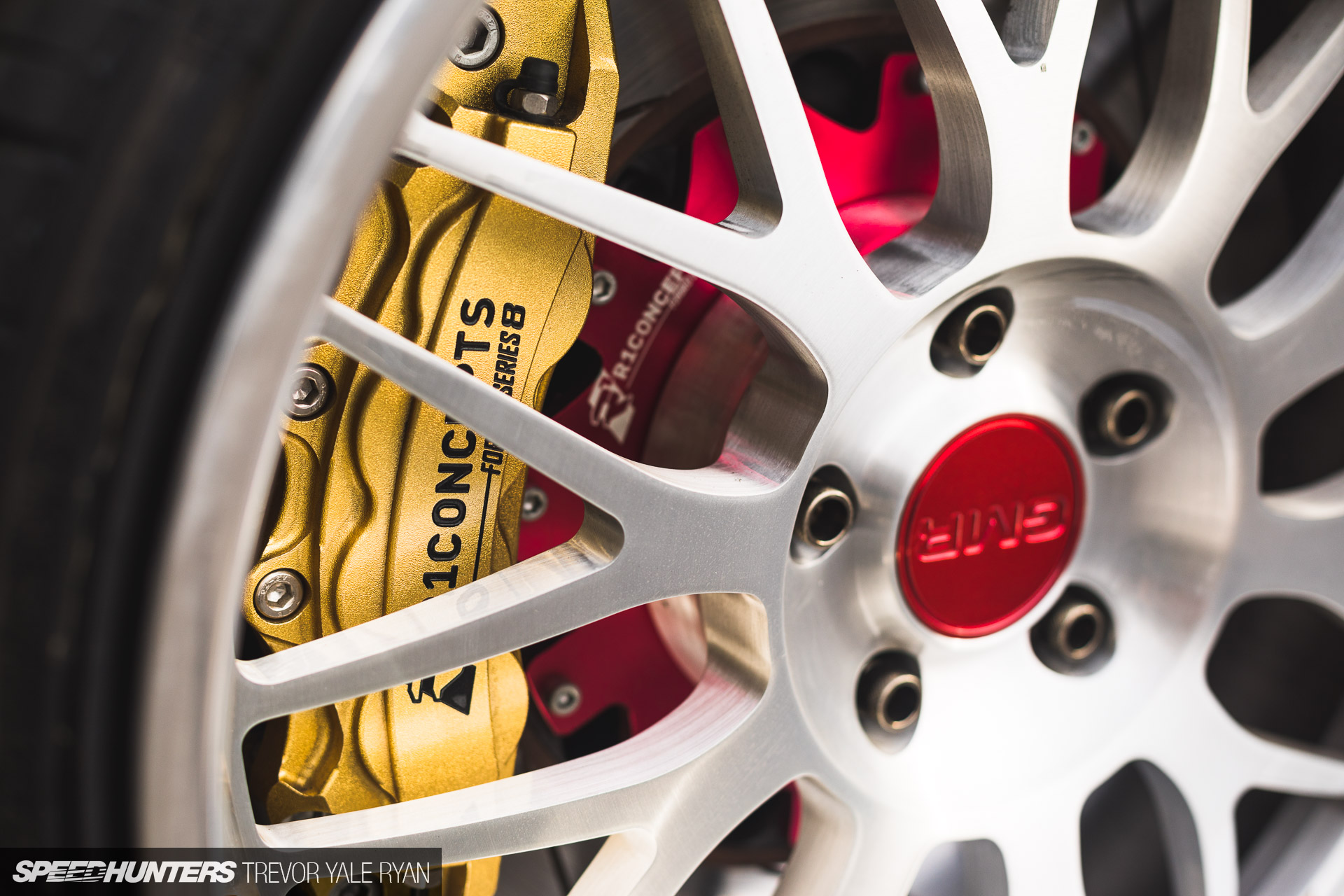
Still, wearing loads of bits from R1 Concepts all around the Acura, it appears to be an absolutely proper setup. I wasn’t able to connect with the owner this go-around, but as with the Supra I’m hoping we can connect some day in the future for a more in-depth look at the car.
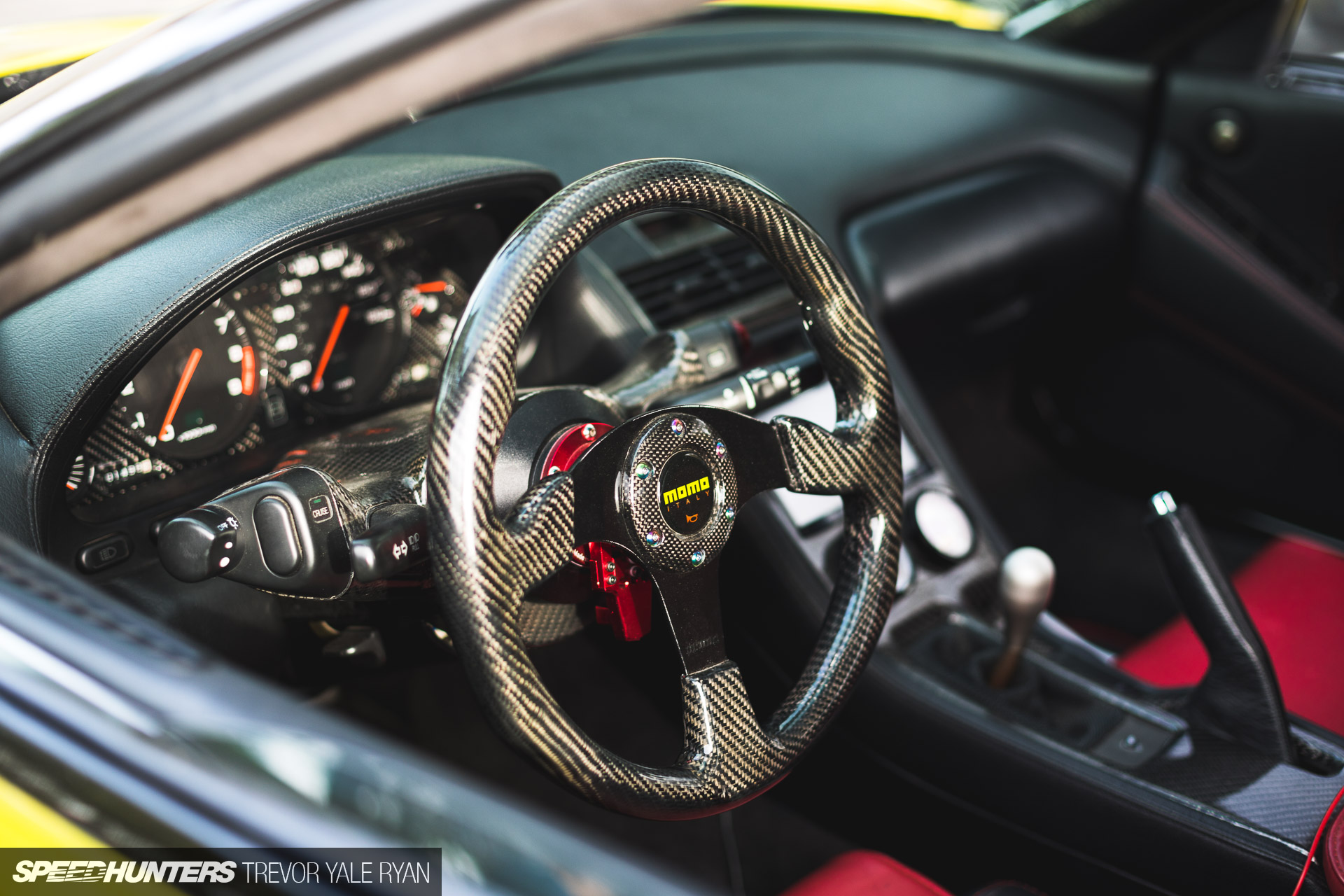

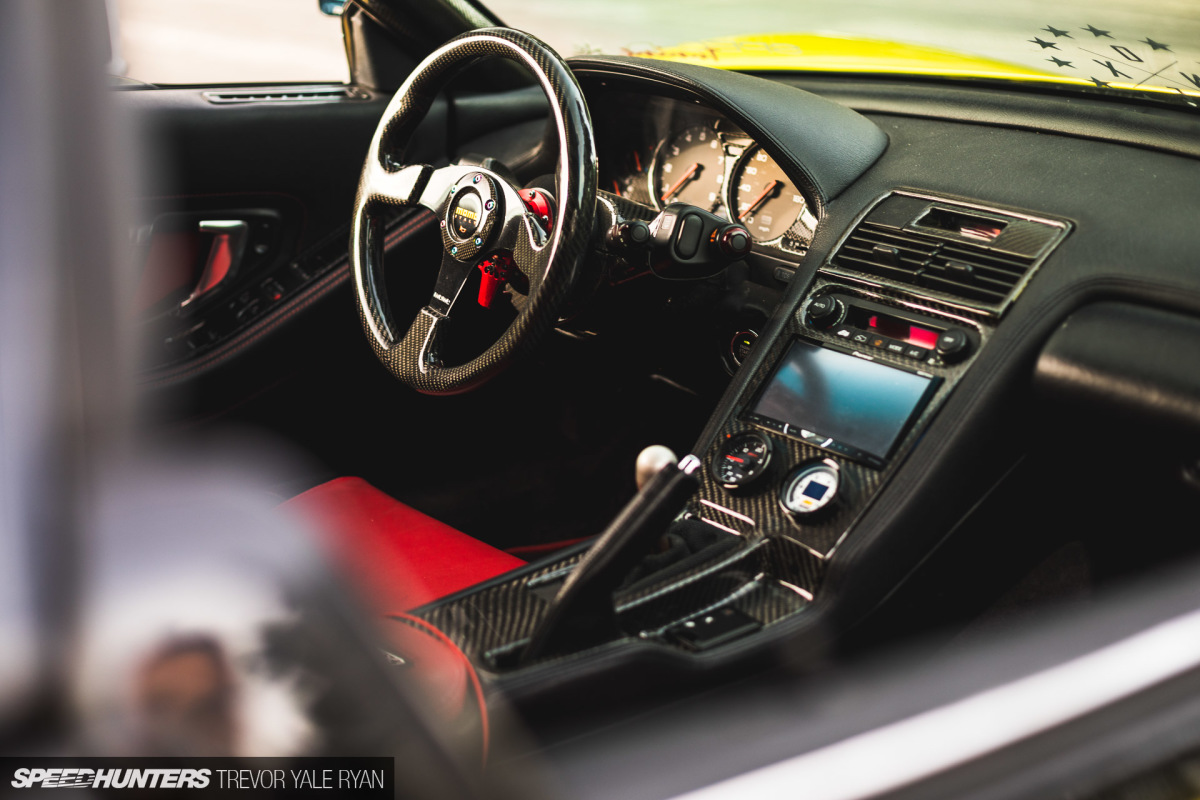


Even a quick glance here at the show is evidence enough that it’s a thorough build. A Momo steering wheel, carbon fiber trim, and a Paxton supercharger all immediately stand out.
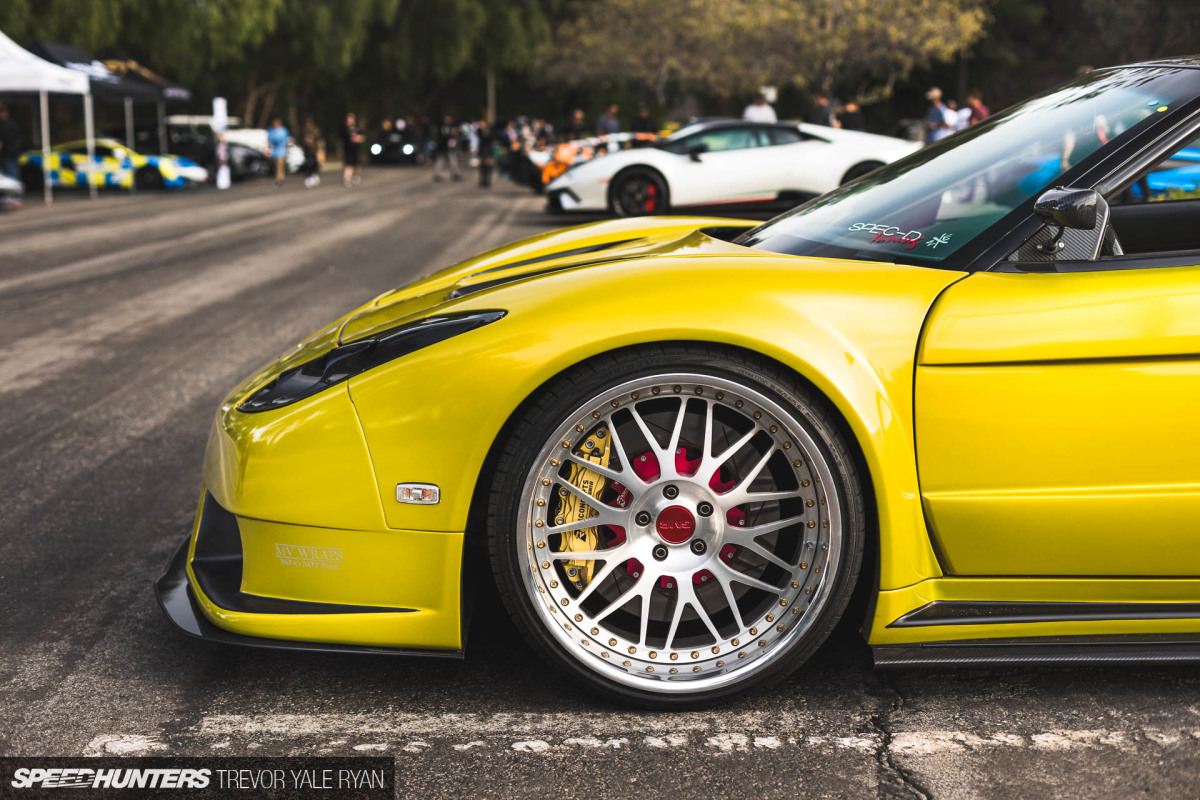
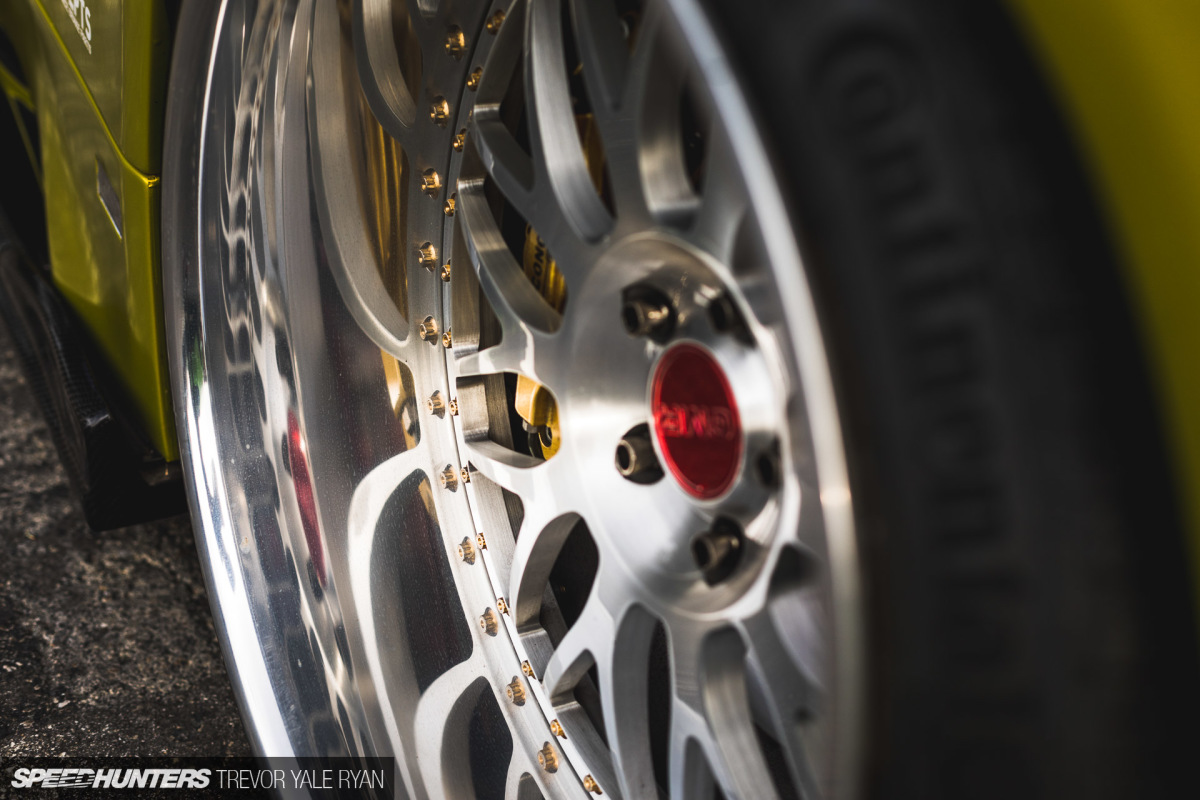
Wearing 20-inch wheels with meaty, yet slightly stretched rubber on all four corners, I’d be surprised to hear that this car sees track time. But how many guys are regularly tracking their NSX these days anyway?
In reality, especially in the face of skyrocketing prices for both of these JDM legends, only a couple examples come to mind when I try to think of either a fourth-gen Supra or an NSX that’s regularly driven on the edge.
It’s sort of a shame, too, because it means that owners are encouraged not just to store their cars rather than driving them, but also to maintain their factory specification in an effort to increase their value. It’s pretty apparent that neither of these owners are concerned about resale, but rather that they both had a specific vision and saw it through. Now they get to enjoy the fruits of their labor.
Sure, it’s fair to preserve historically significant examples, but for everyday, run-of-the-mill Japanese cars — as cool as these may be on their own — I don’t think anything is sacred, as some would suggest. Still, similar to the idea that no one really modifies a Koenigsegg, I’ve yet to see too many Japanese cars that weren’t sold here in the first place extensively going under the knife.
But what do you think, perhaps it’s about time?

Back on topic, there’s no doubt in my mind that both of these cars will evolve as time goes on, and that’s precisely the beauty of owning a car that you drive and modify rather than simply collect.
It’s really this very process that makes any car worth owning in the first place.
Trevor Ryan
trevor@speedhunters.com
Instagram: tyrphoto
TYRphoto.com