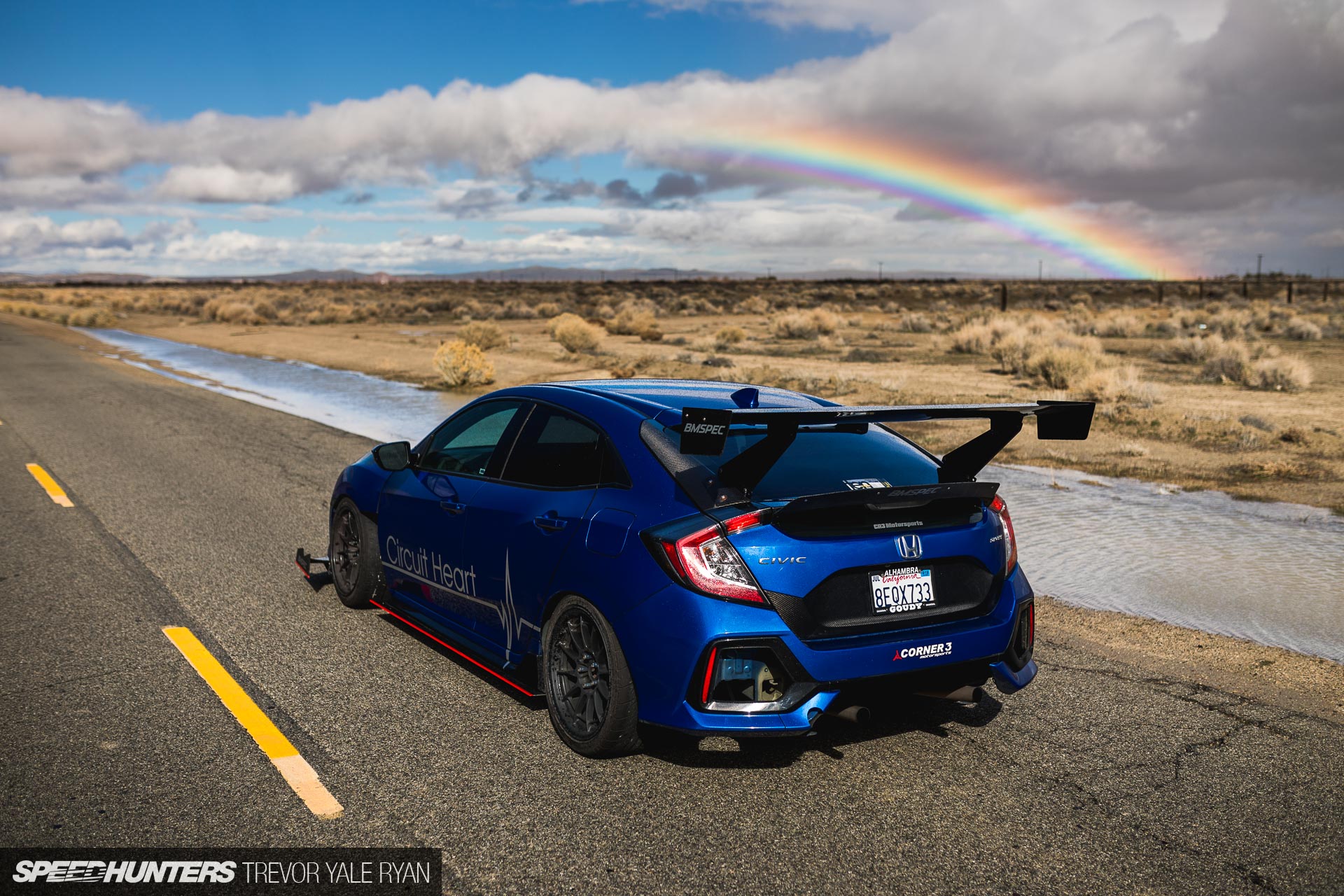
Driving a time attack car 800 miles to and from the Gridlife Streets Special TrackBattle should have been a terrible time.
Especially given that the car posted the third-fastest time in its class with Jackie Ding behind the wheel — on its first outing, no less, just days after an engine swap.
The trip south and back should have been uncomfortable, cold, harsh, loud, and generally unpleasant. Mechanical failure was practically expected, and the journey could have even been borderline dangerous given that we would be slicing through uncharacteristic waves of rain in Southern California’s desert to arrive at Willow Springs International Raceway.
But the drive wasn’t any of these things.
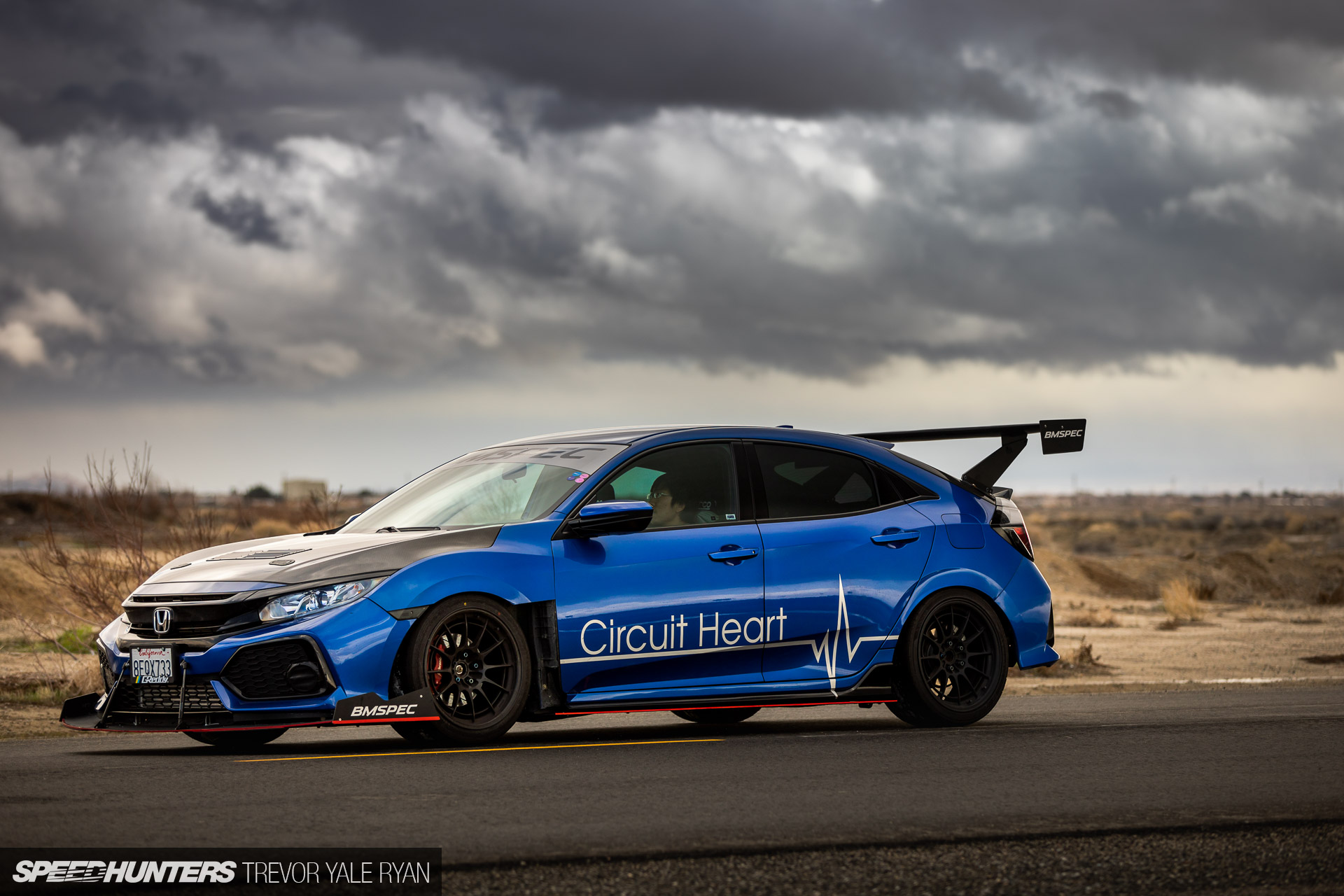
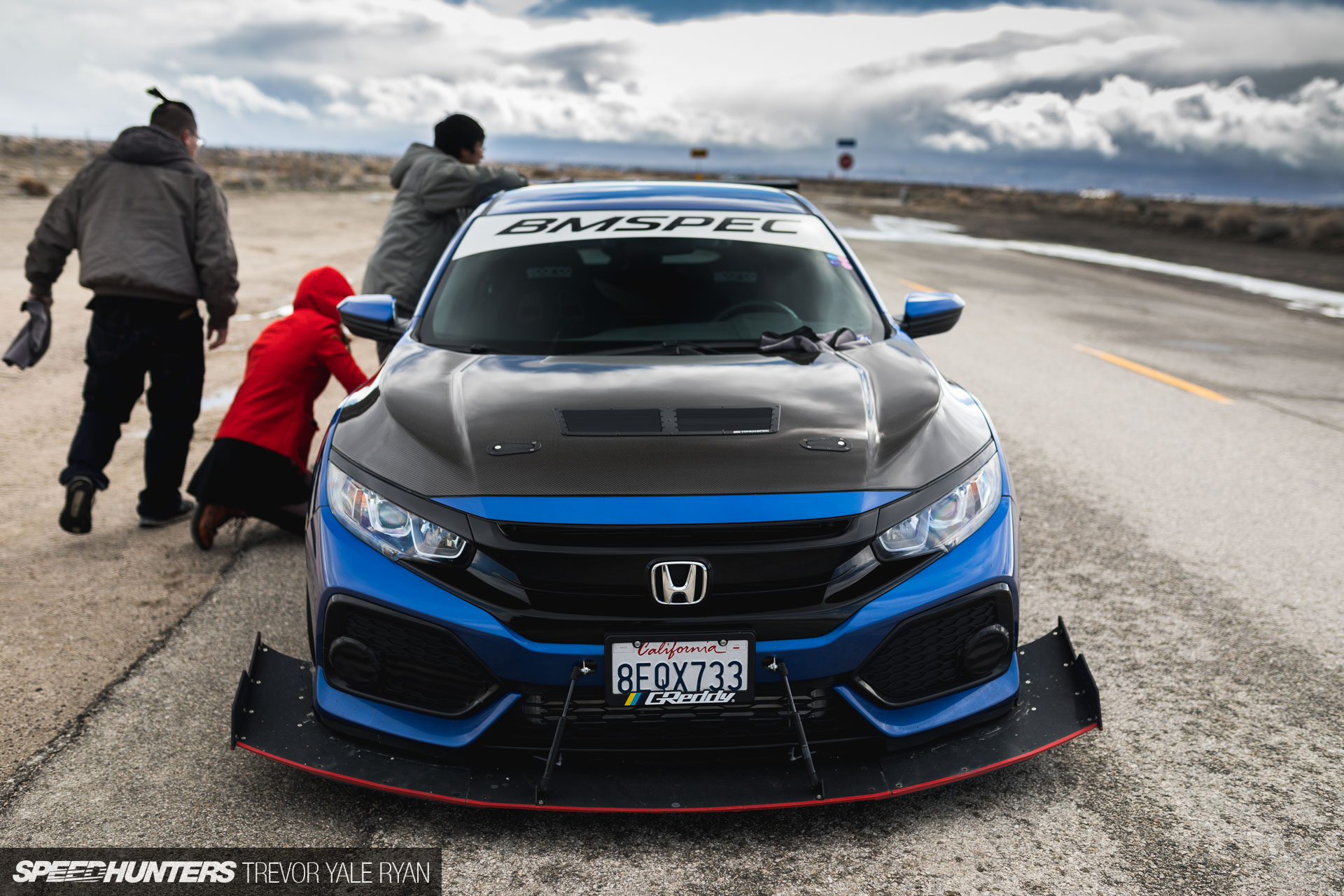
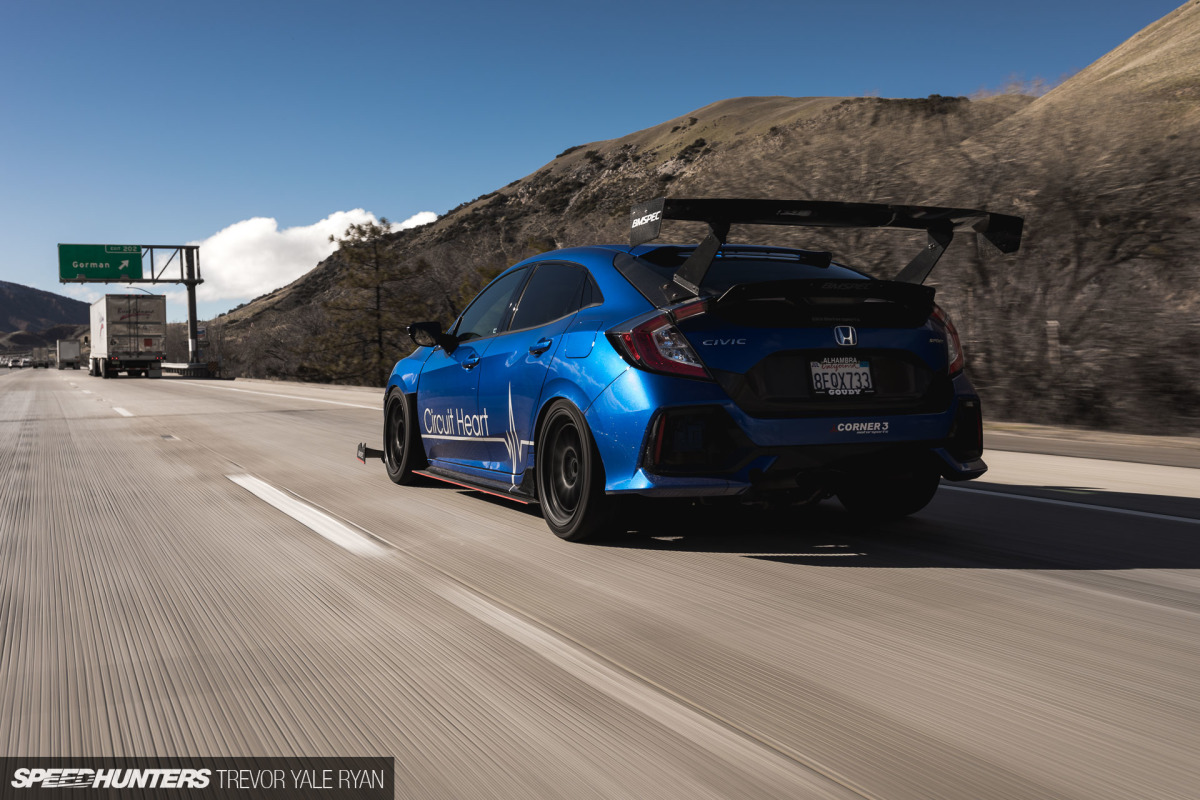
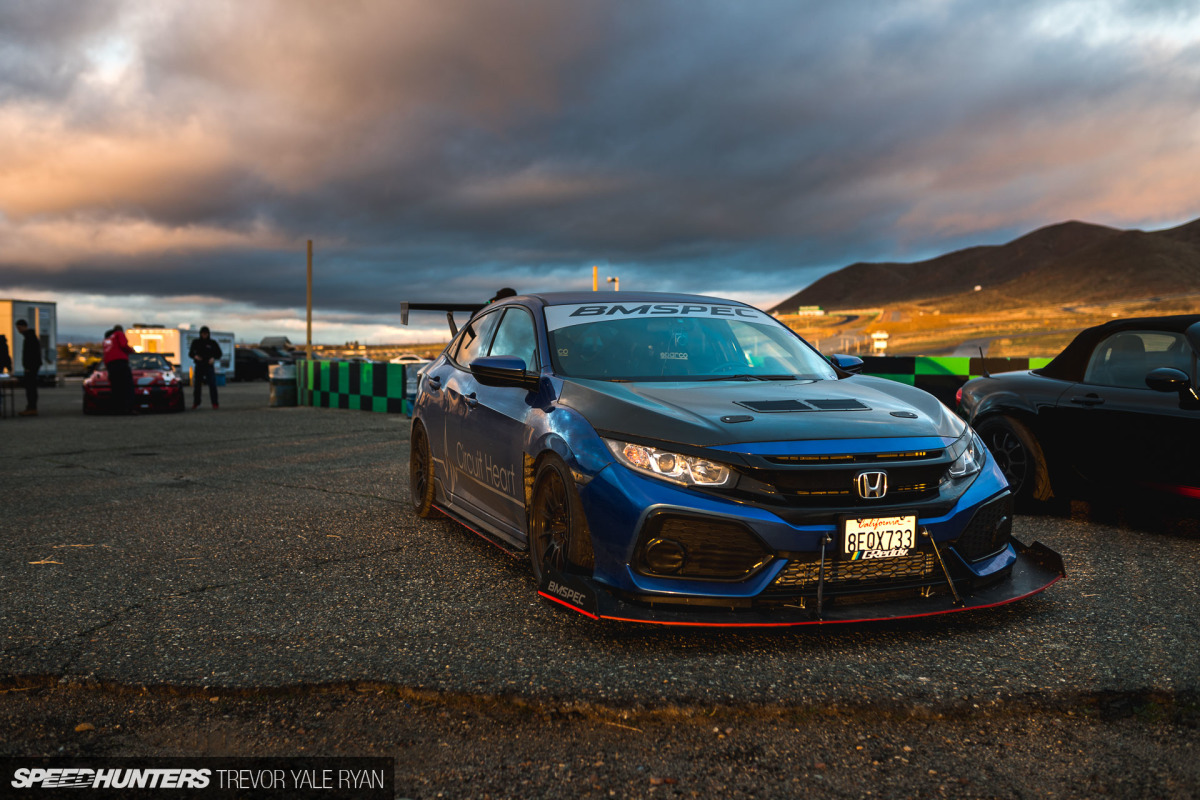
This makes sense, too, as the car is BMSPEC’s test mule, a 2018 Honda Civic Sport Hatchback. If you aren’t familiar, Brian Ma started BMSPEC with the idea that you shouldn’t have to give up practicality or aesthetics to enjoy racing products on your car.
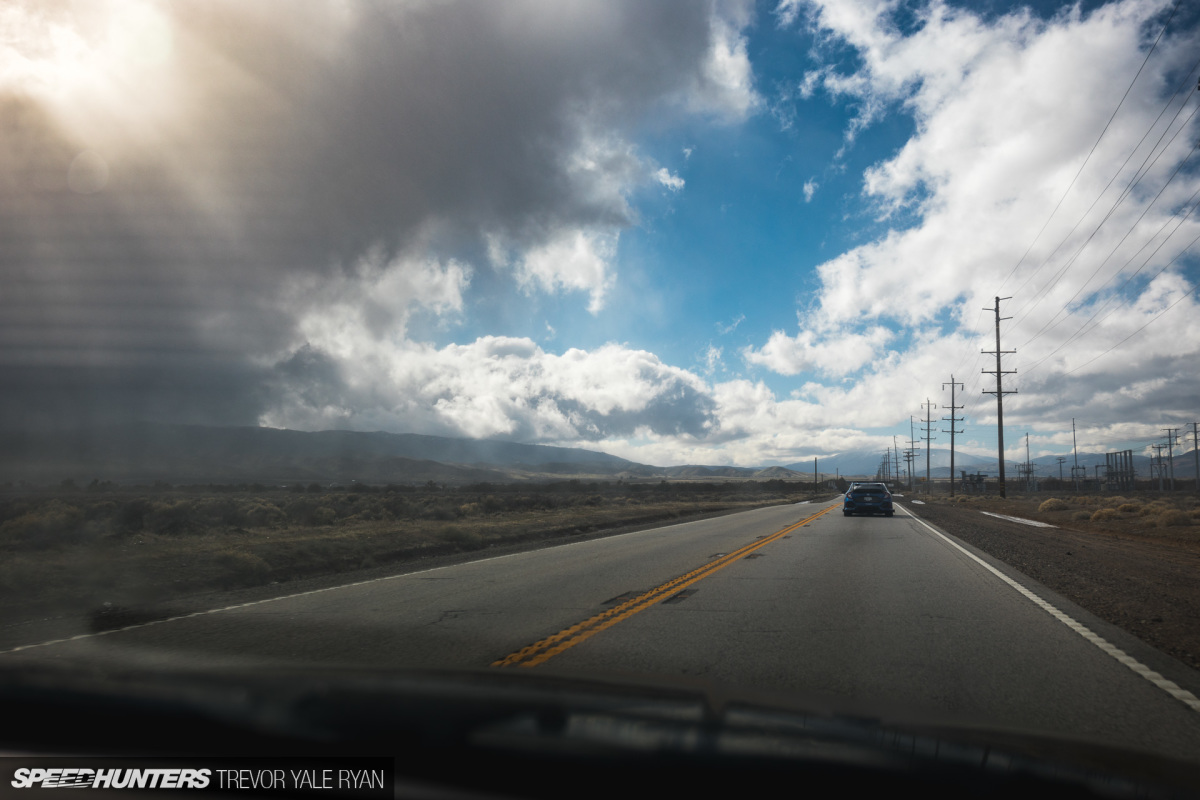
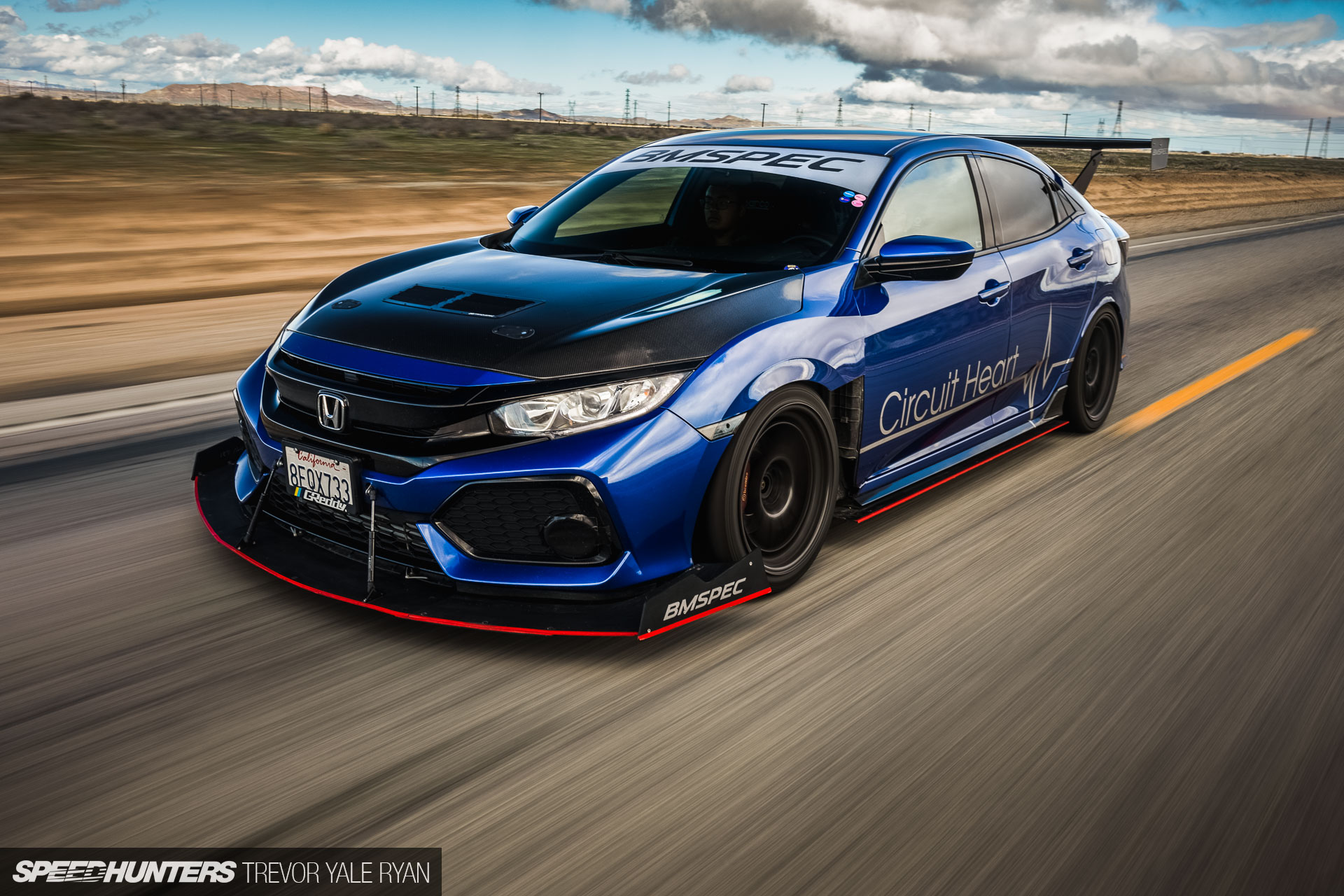
I’ll get back to this later, but from the quick winding backroads around my house to the long and arduous straight shot towards LA that is California’s Highway 5, everything was remarkably unremarkable.
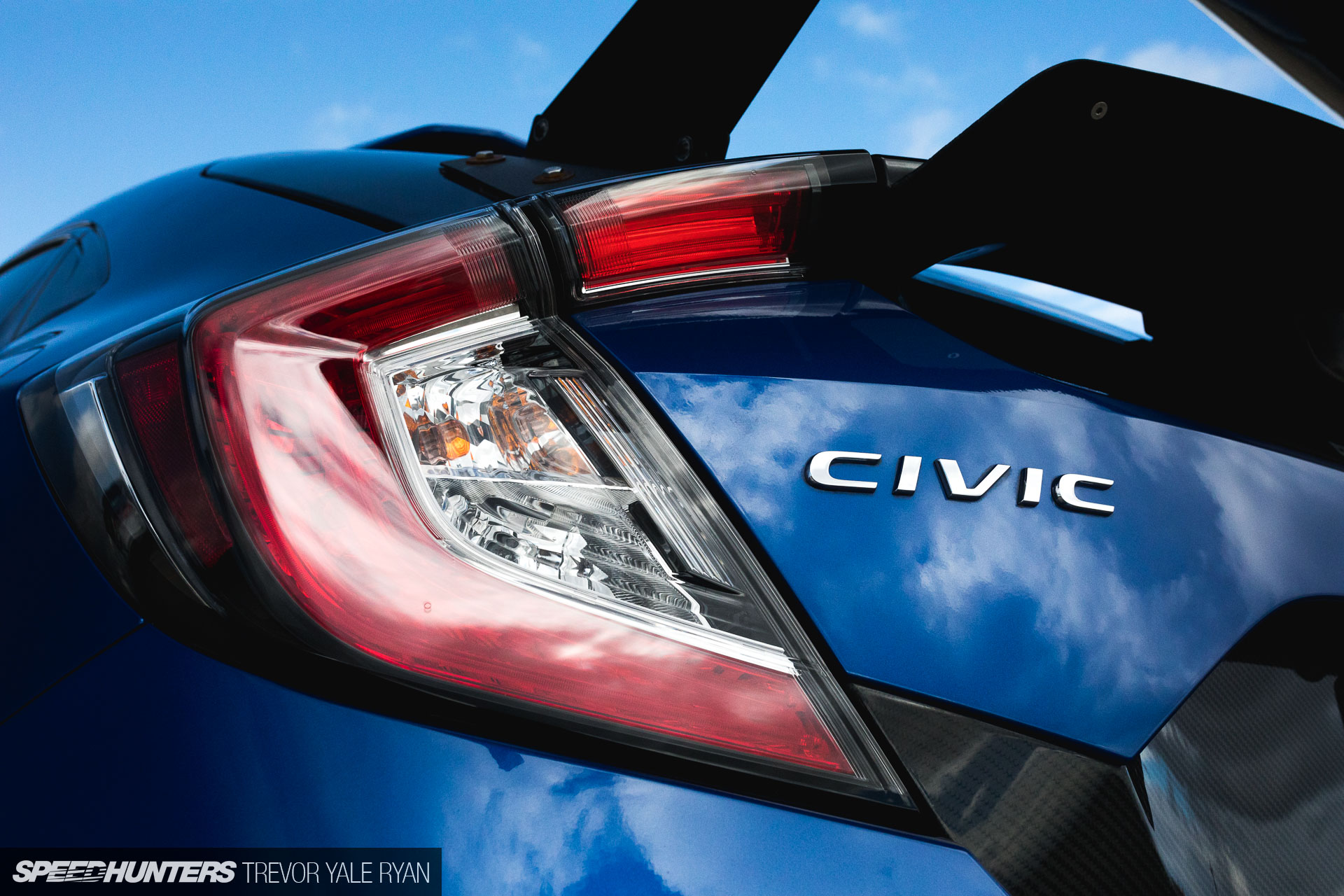
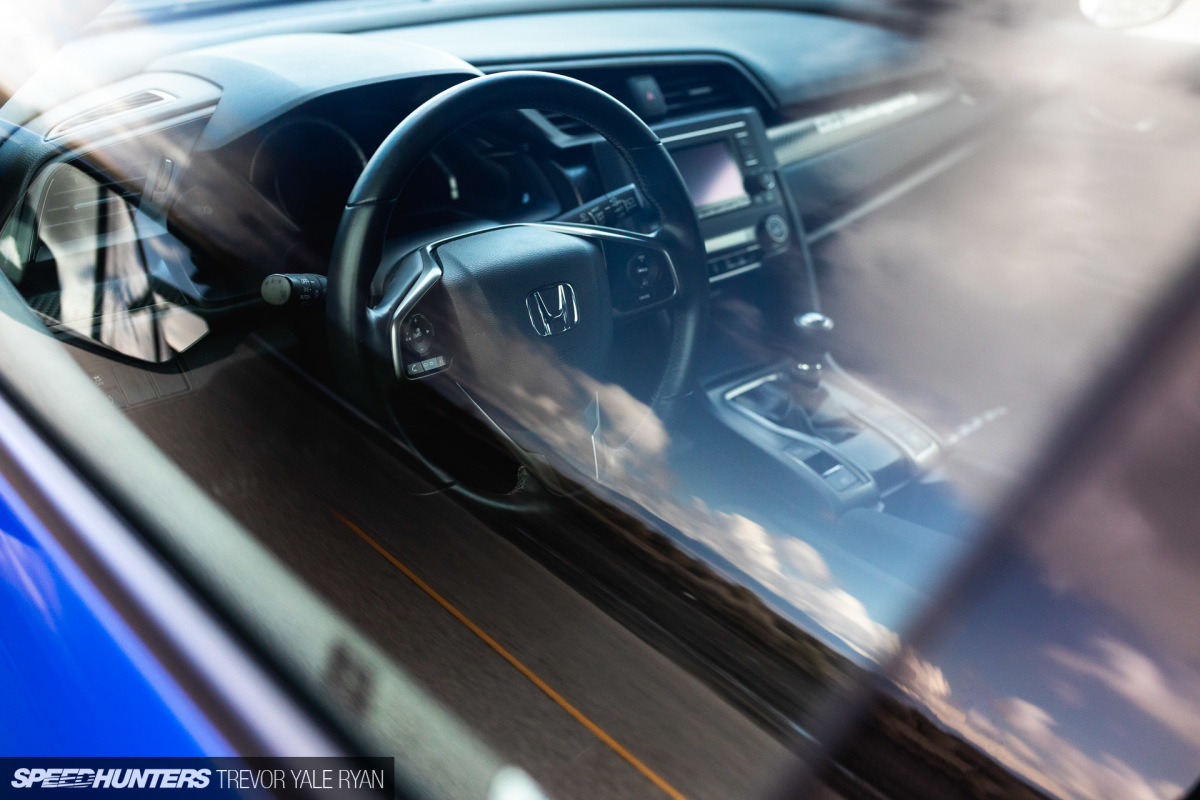
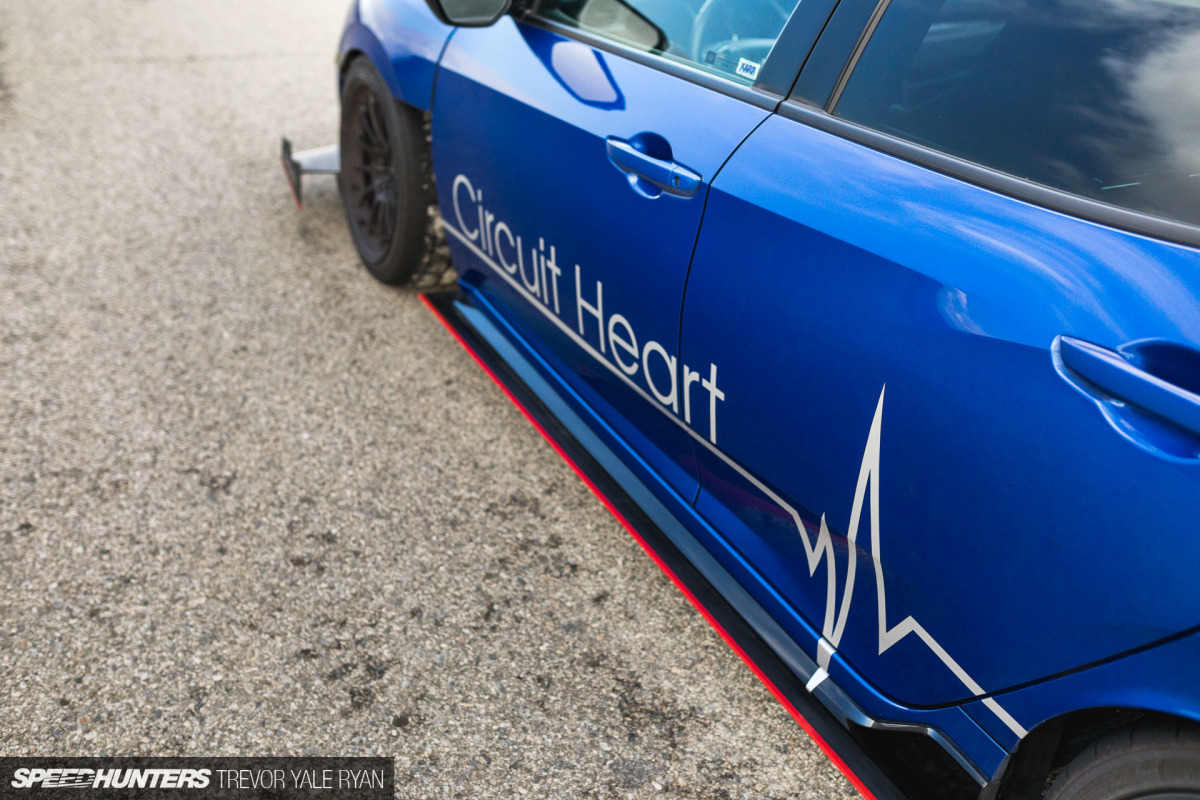
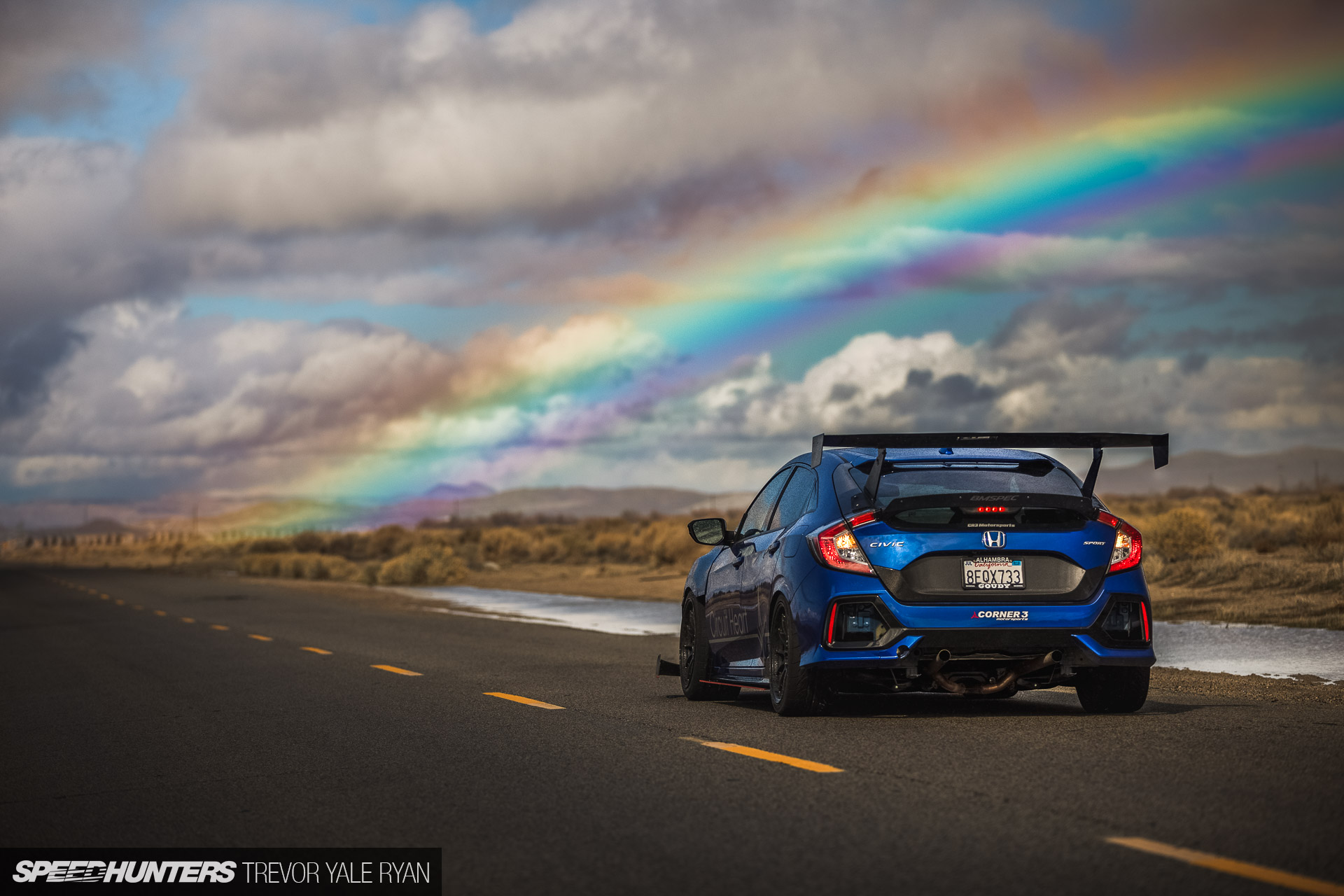
That isn’t a dig at the car, either, as at the end of the day it’s just a new Honda, one that Brian has modified as little as is reasonable while still keeping it competitive.
Still, the Civic, which is aptly named Circuit Heart — technically Circuit Heart II as the original Mazda3 Brian build has long since been parted out — has been under the knife consistently since Brian took ownership of the vehicle in July, 2018.
The SpecsJust two days before our trip, BMSPEC was wrapping up a last-minute Si swap, making use of a stock L15B7 engine.
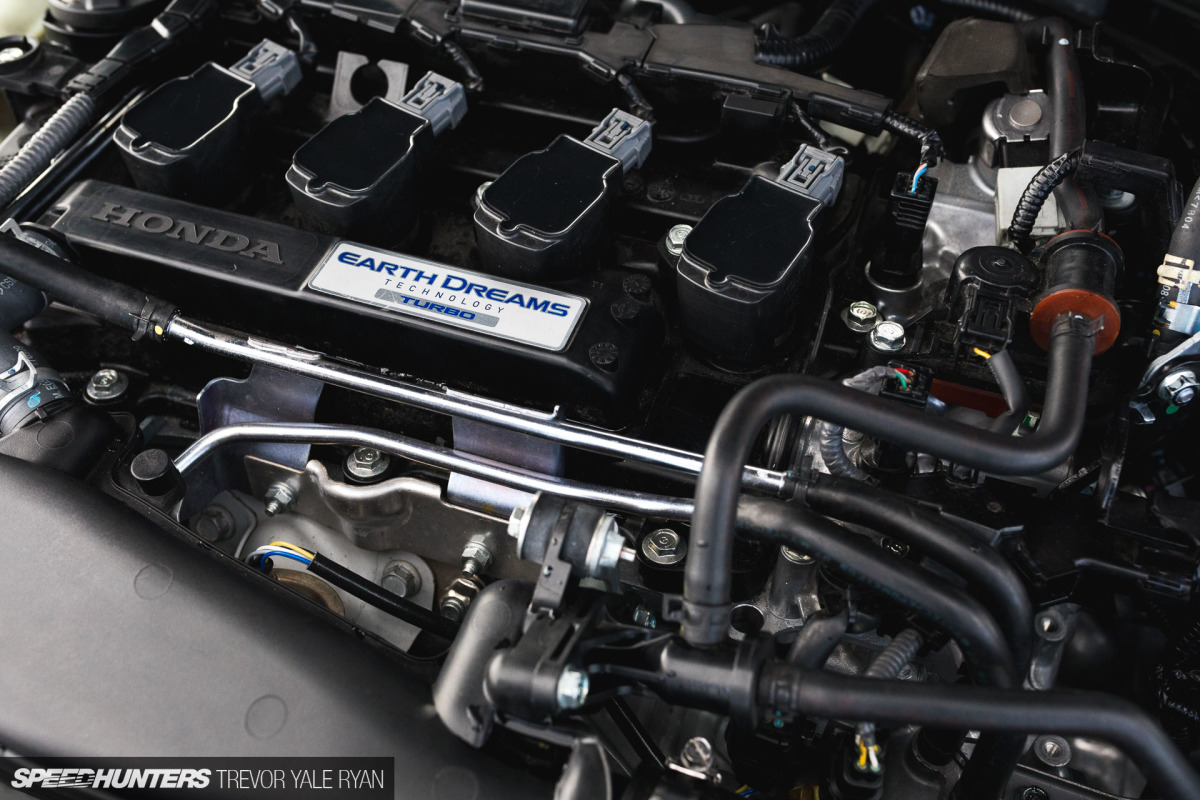
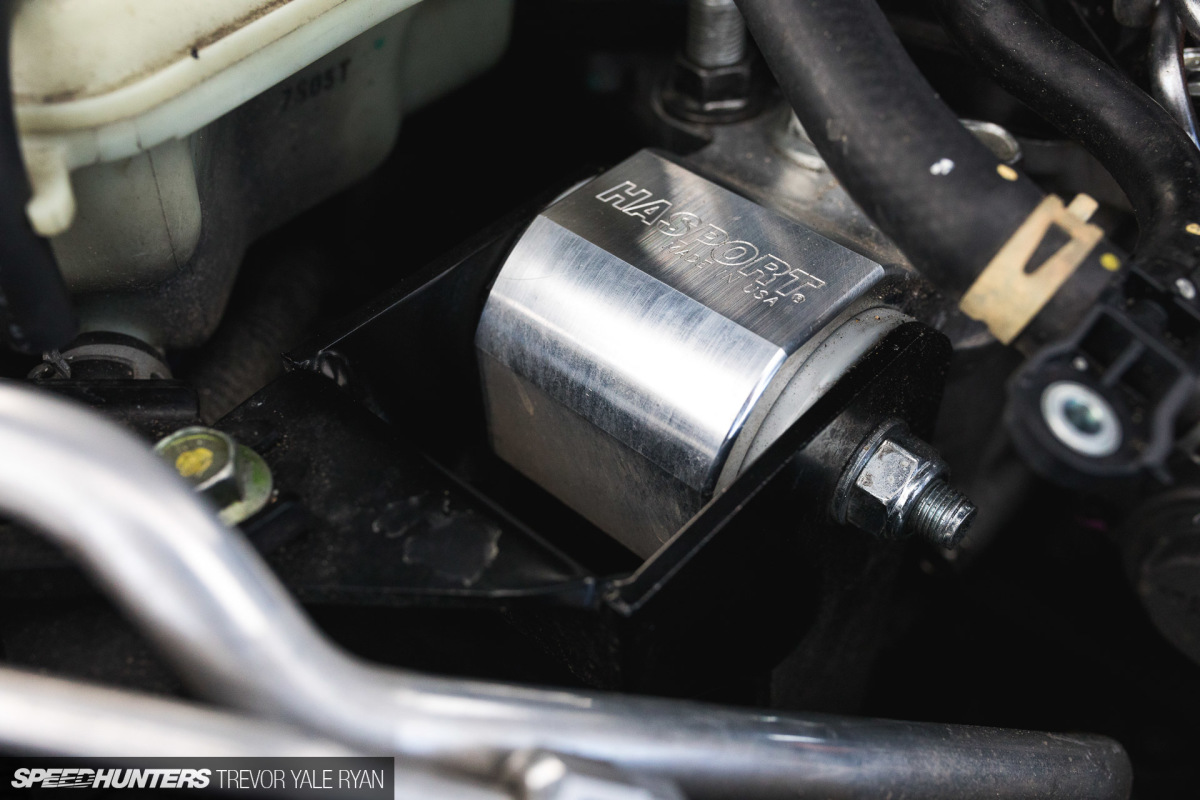
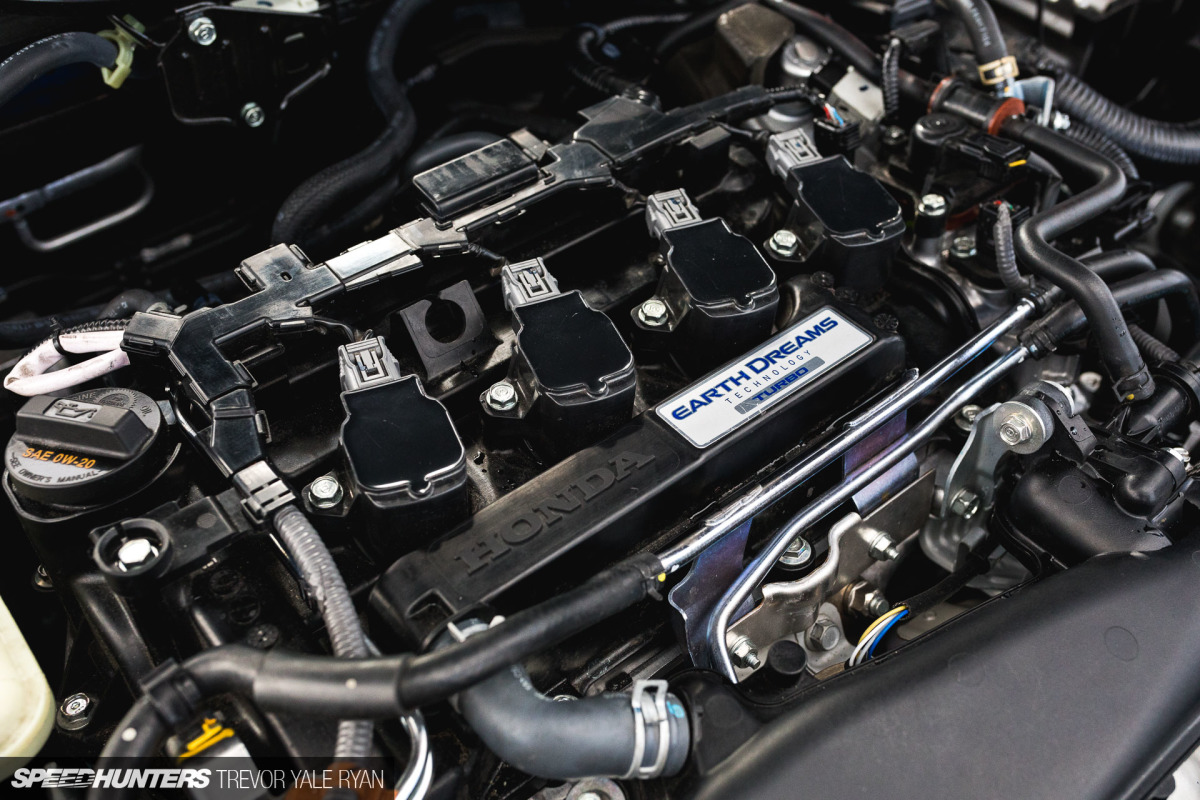
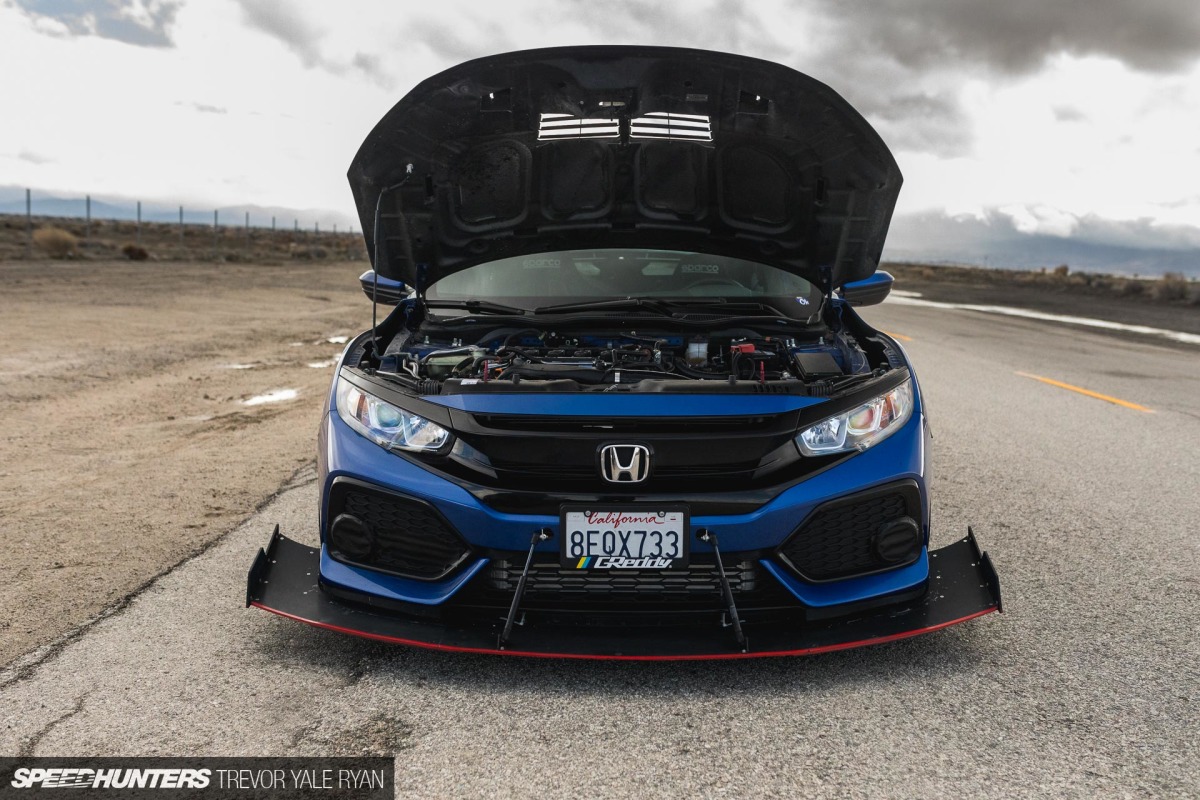
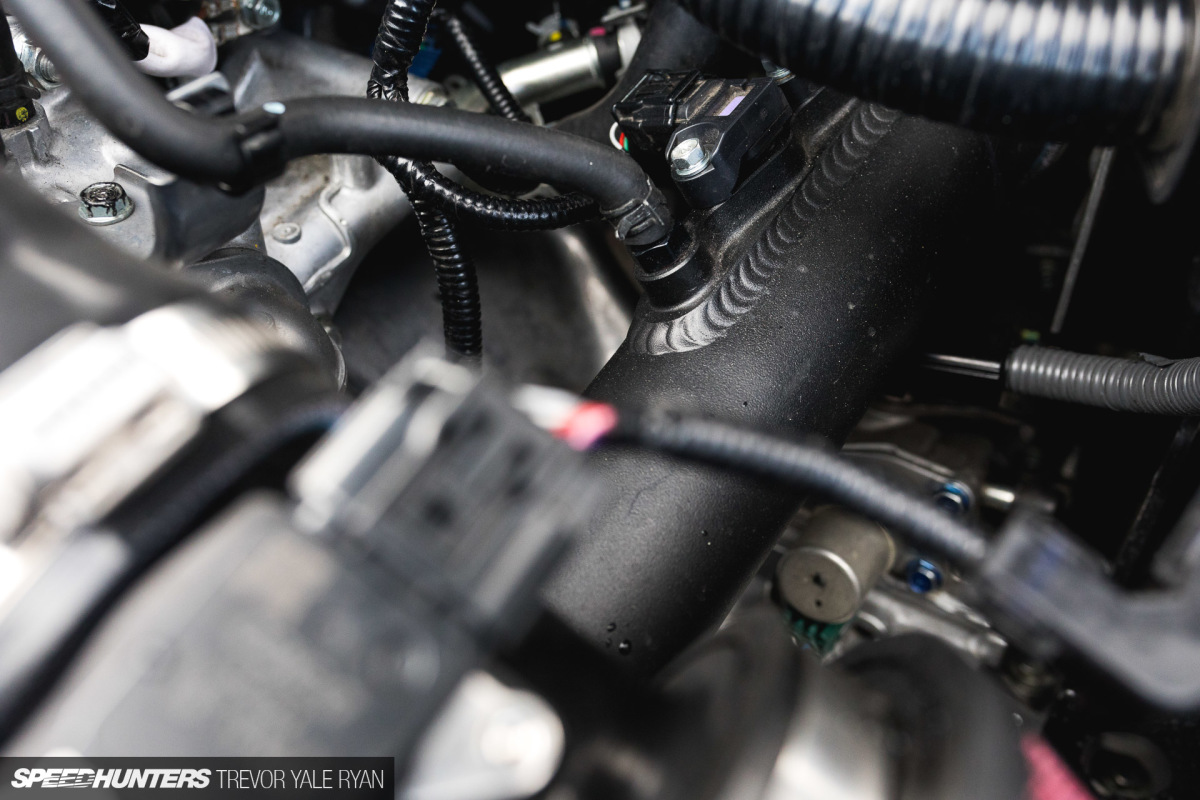
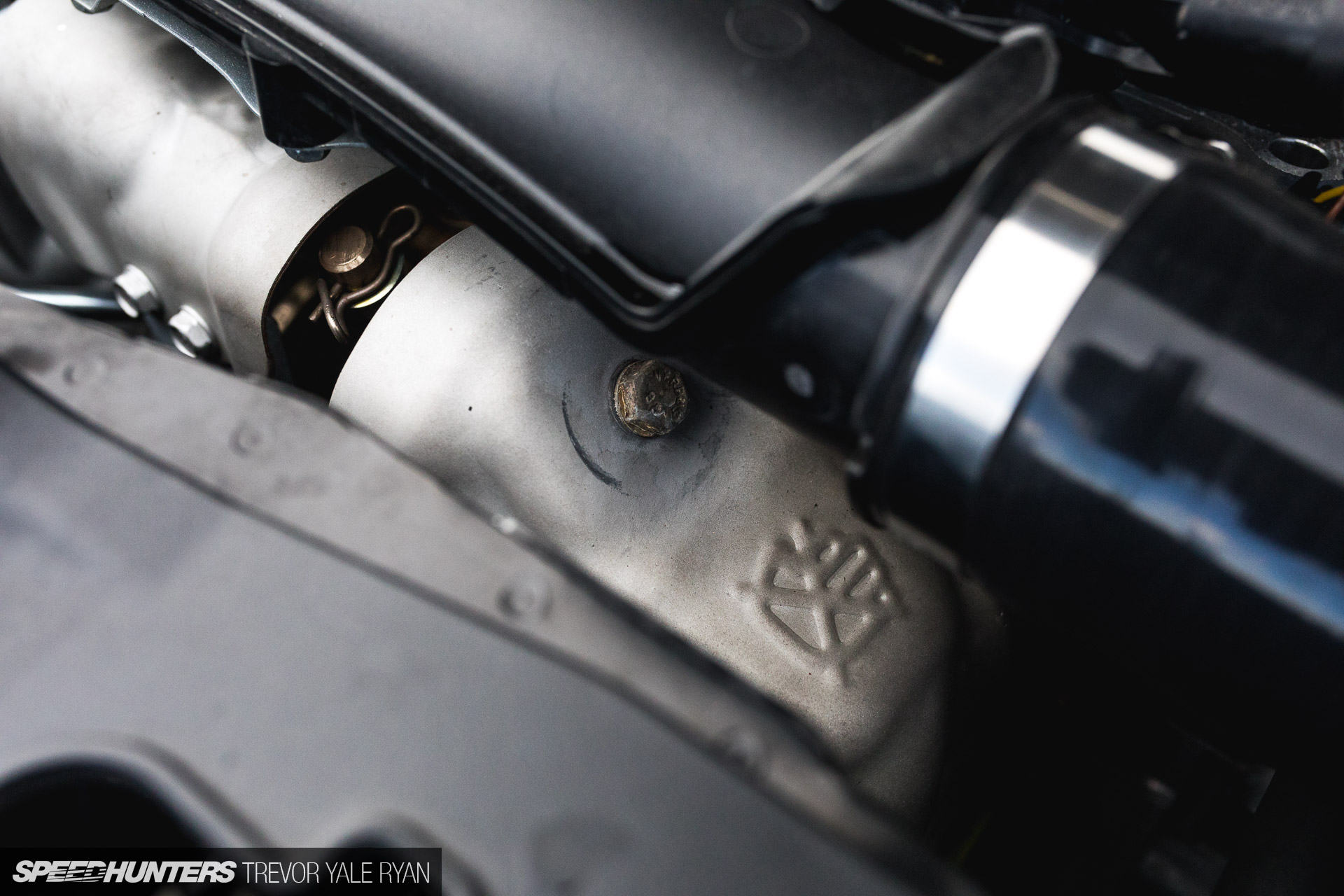
The engine is bolted into place with Hasport motor mounts, and the details of the swap were buttoned up the morning of our trip to SoCal. Surprisingly, the only issue that surfaced from the swap was that the reverse lockout wouldn’t work.
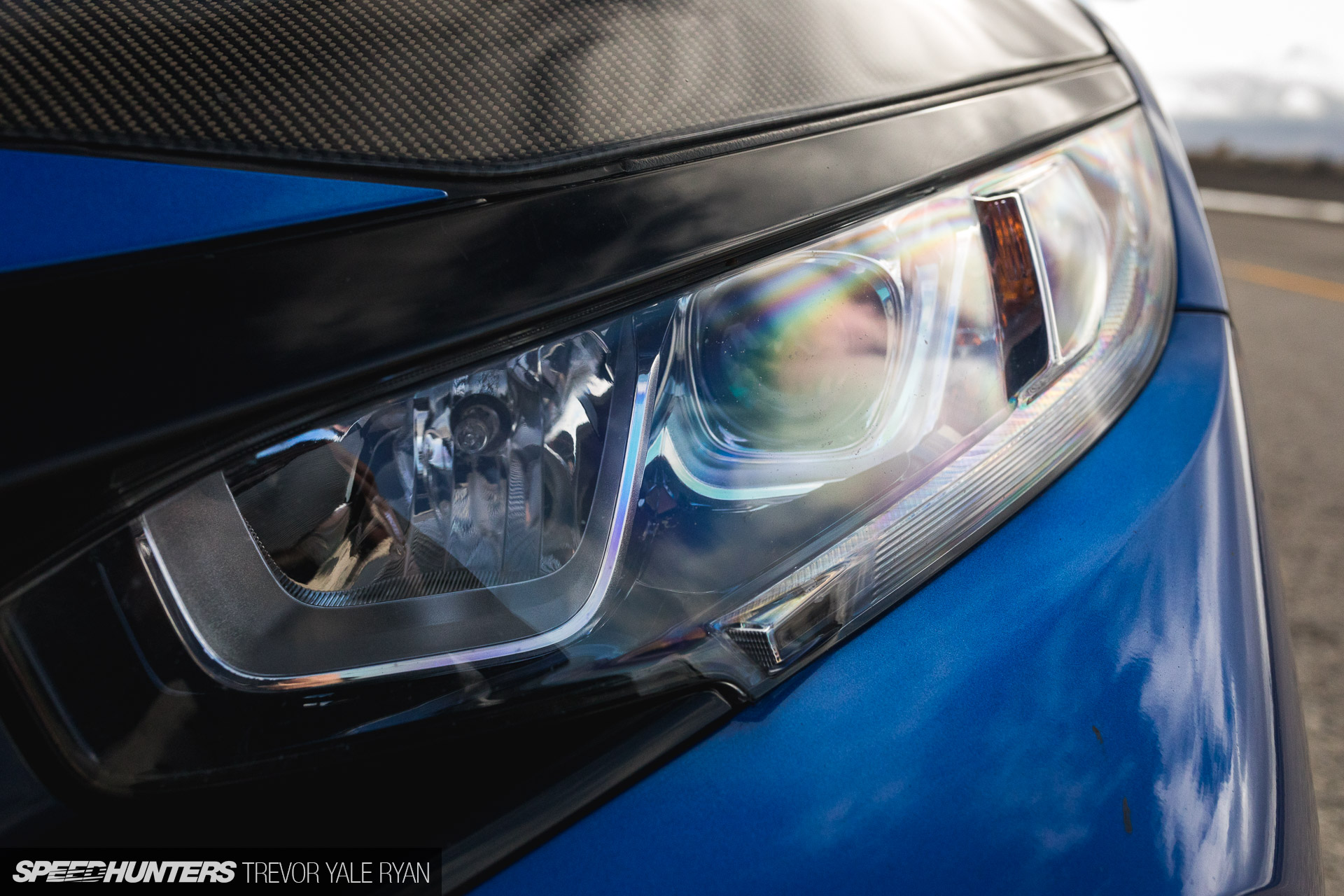
While the internals of the 1.5L remain as they came from the factory, Brian opted to install a larger W1 turbocharger from 27WON Performance out of Vancouver, Washington. Under the hood, this area of the car still appears entirely stock, but Brian also made use of a 27WON Performance down-pipe which still utilizes a catalytic converter. To pull air into the boosted L15B7, a PRL Motorsports short ram intake and front-mount intercooler are used.
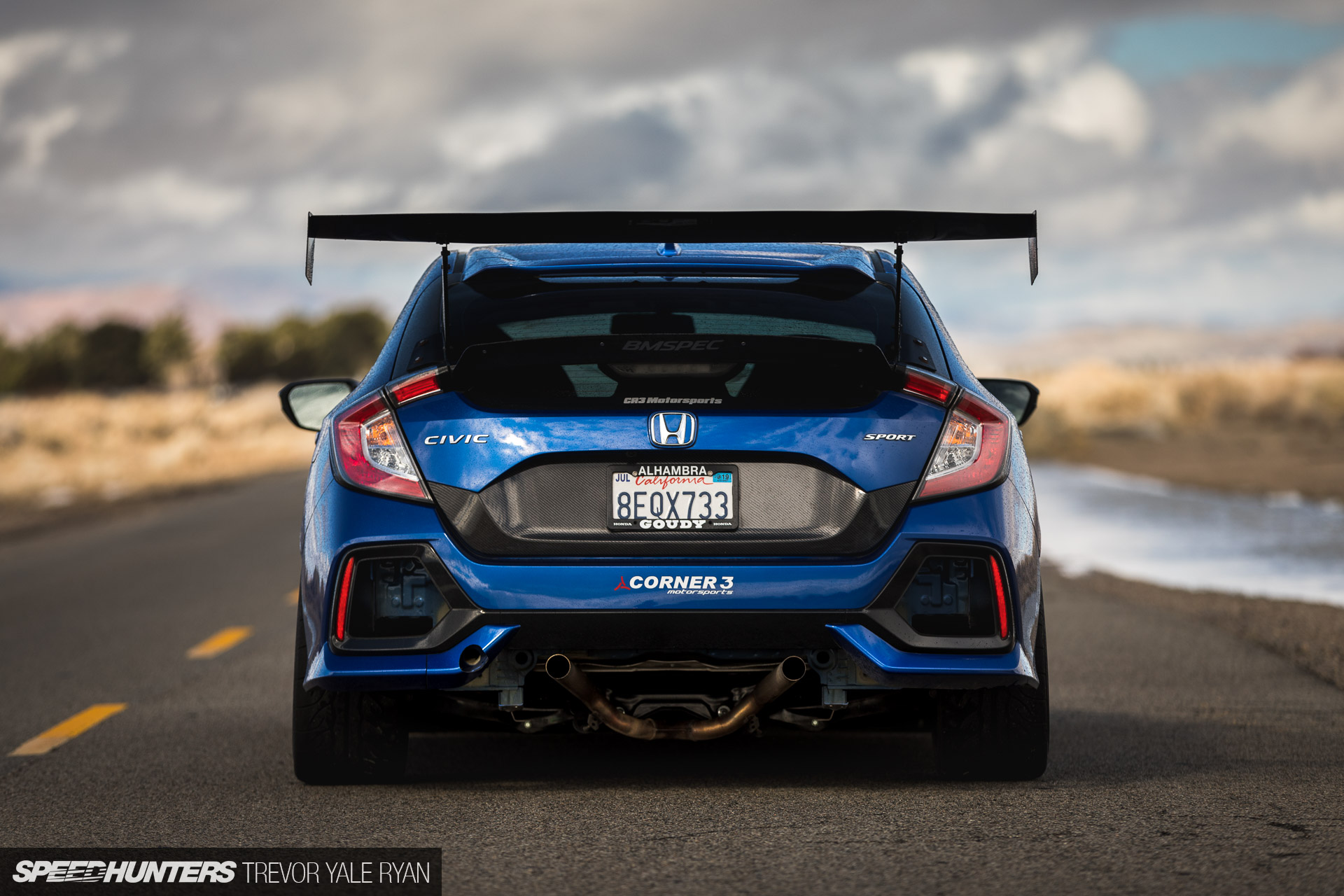
As much as the engine feels fairly stock when climbing a hill at low RPM, it certainly doesn’t sound that way anymore…
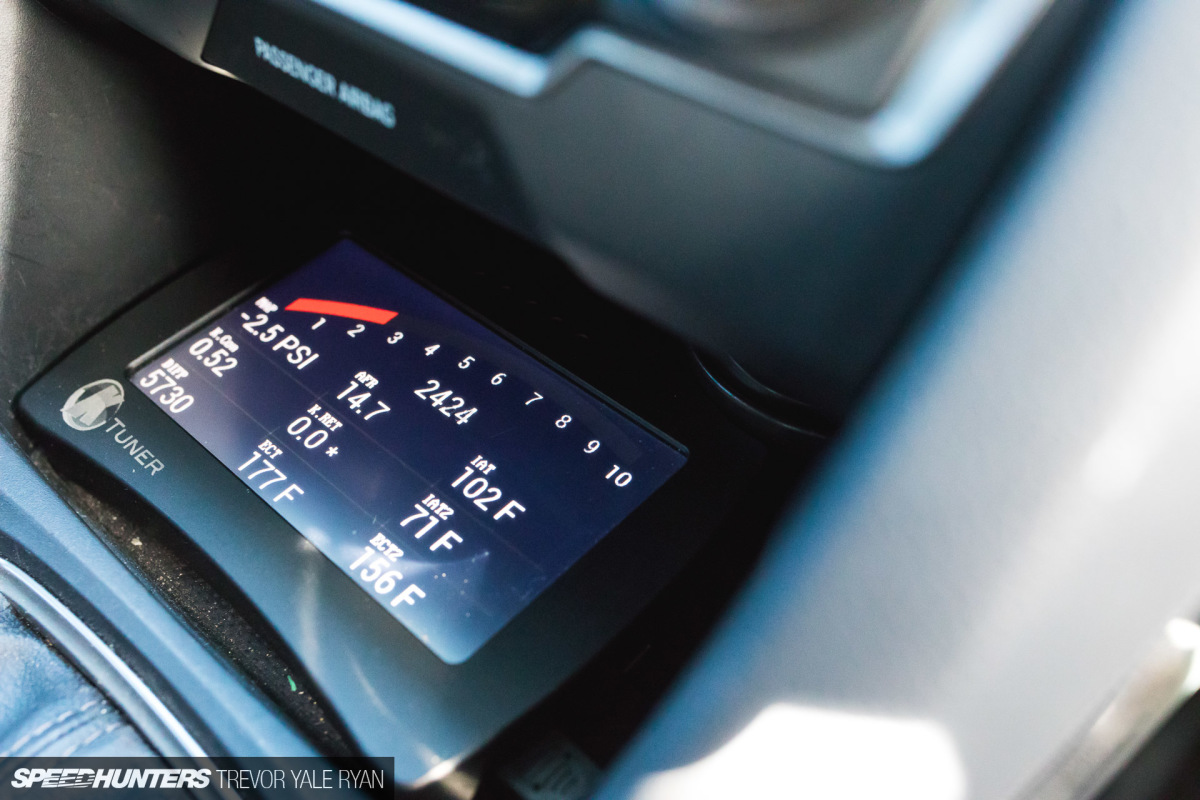
At any rate, power should be significantly higher after a tune, especially on the top end with the peaky turbo, but on the street the car almost feels underpowered. Frankly, it is, as it’s a 1.5L Honda at the end of the day, and still running on the base map.
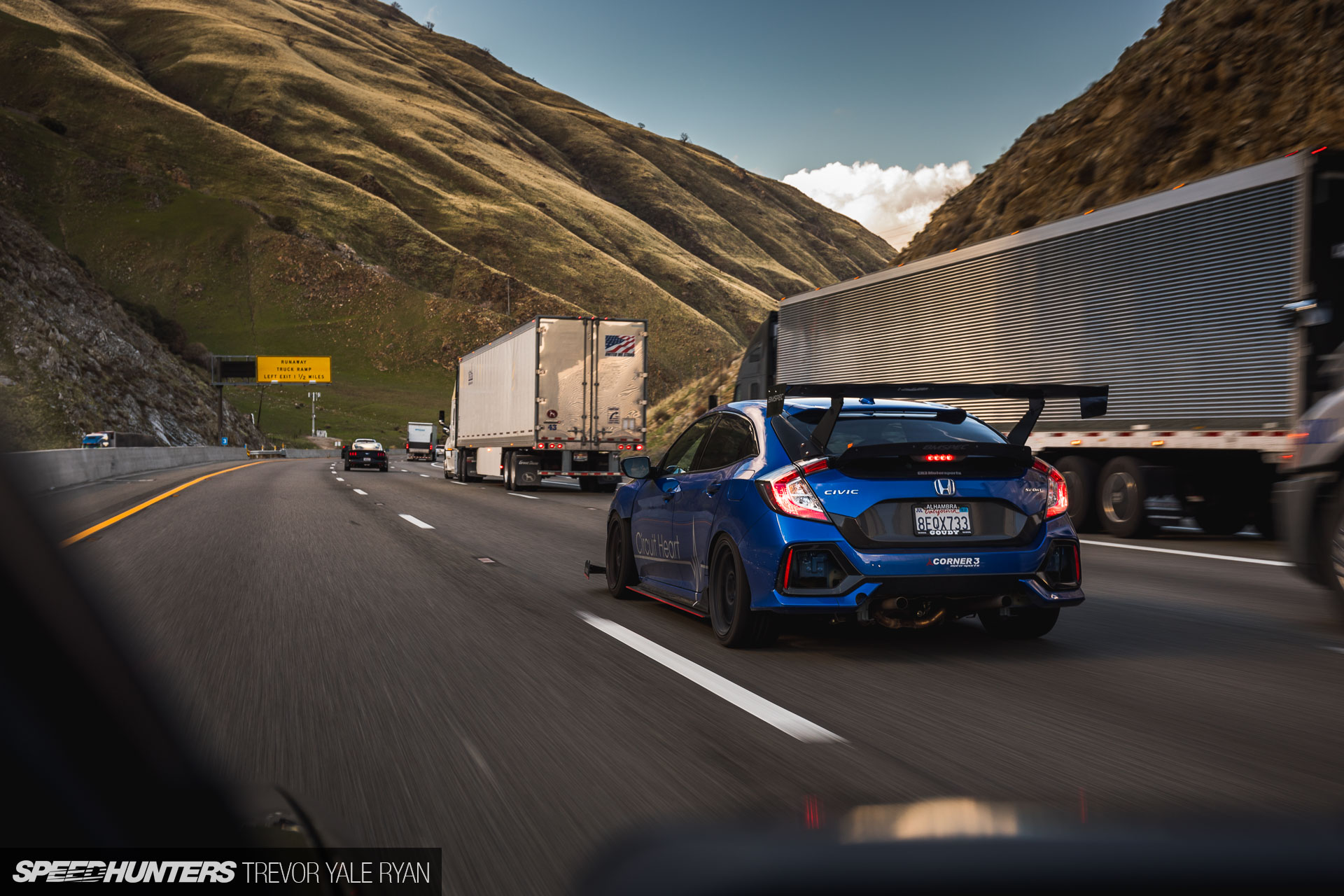
The factory 6-speed manual gearbox remains, but the rest of the drivetrain has been upgraded with a Clutch Masters FX725 twin-disc clutch and MFactory 1.5-way LSD. It’s easy to stall, but once you’re used to the feel driving through traffic or a crowded city street is a non-issue, and cruising on the freeway is expectedly the same as any other car.
The Civic sits on BC Racing BR-series coilovers with Swift springs rated 10kg in the front and 14kg in the rear. The front roll bar has been deleted — the softer setup without one is more forgiving on the limit, and as the GTA rulebook technically allows this Circuit Heart is also able to save a few pounds — and the setup is completed by BMSPEC front camber plates and K-Tuned rear toe links.
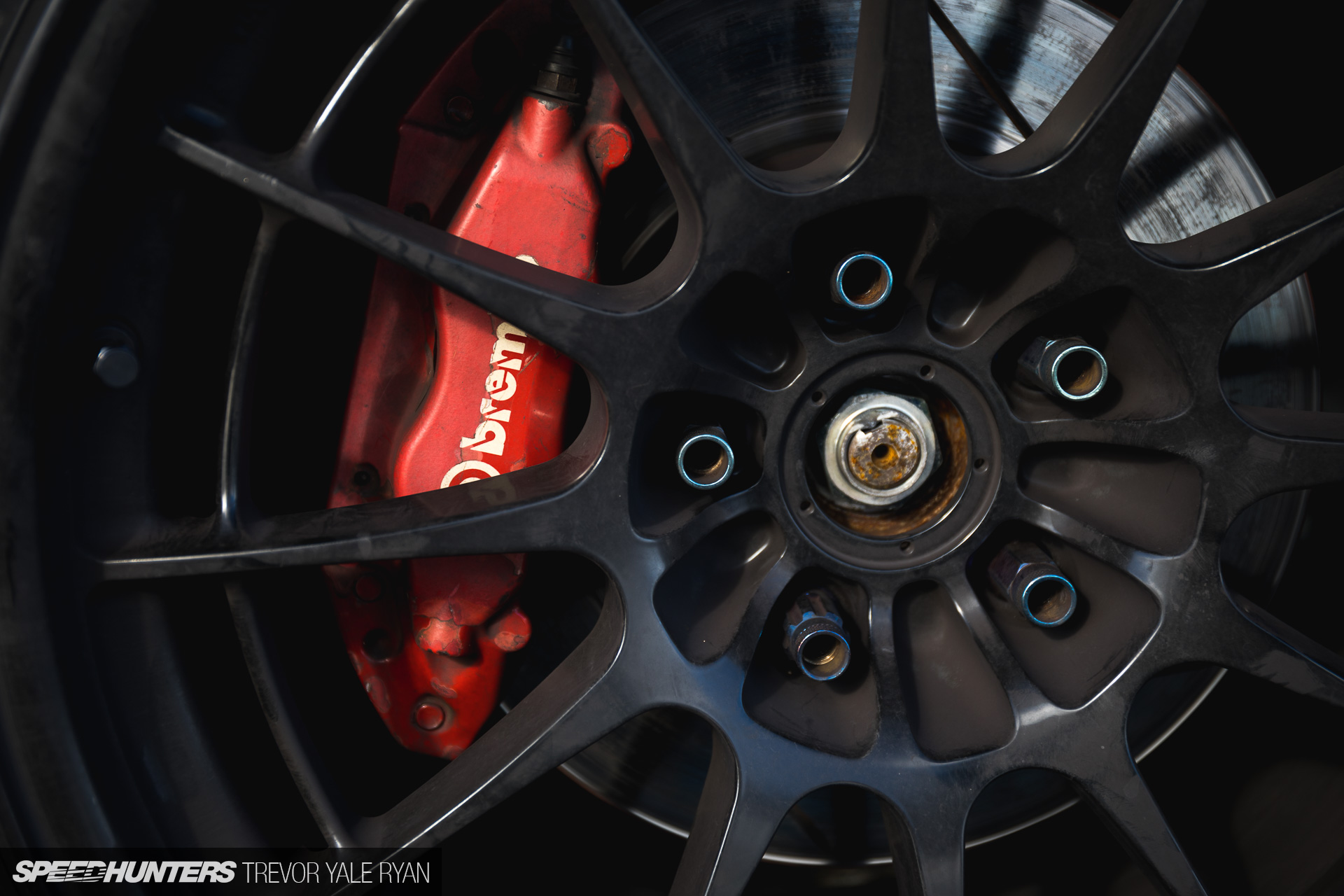
To slow the car at speed, Brembo DC5 Integra Type R front calipers were installed using StopTech S2000 front rotors. Out back, the brake setup remains stock.
While the BC Racing suspension and the Brembos were used at the Gridlife TrackBattle, Brian says he’s going to replace them with a JRZ RS Pro 2-way setup and a StopTech C43 Competition big brake kit in short order.
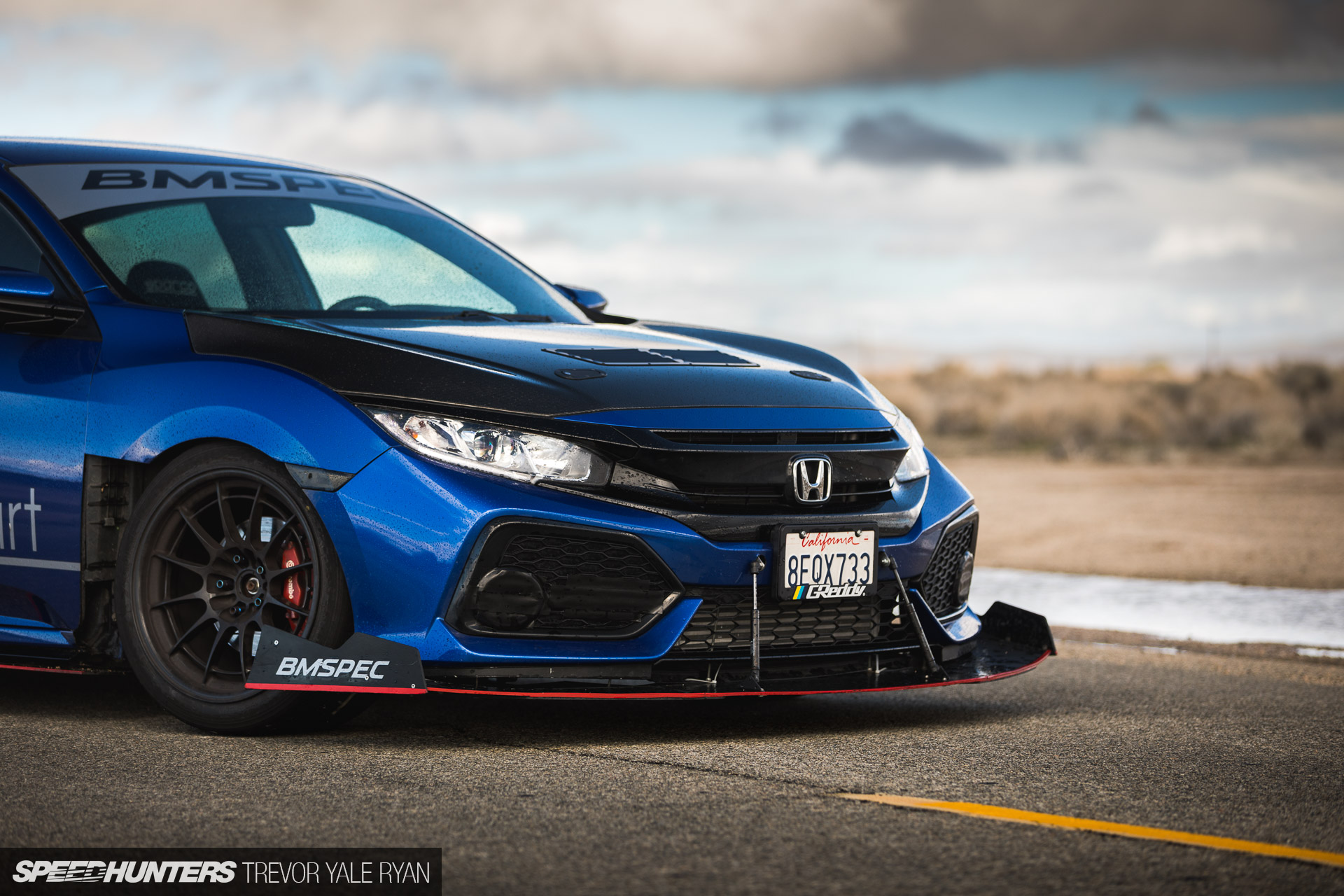
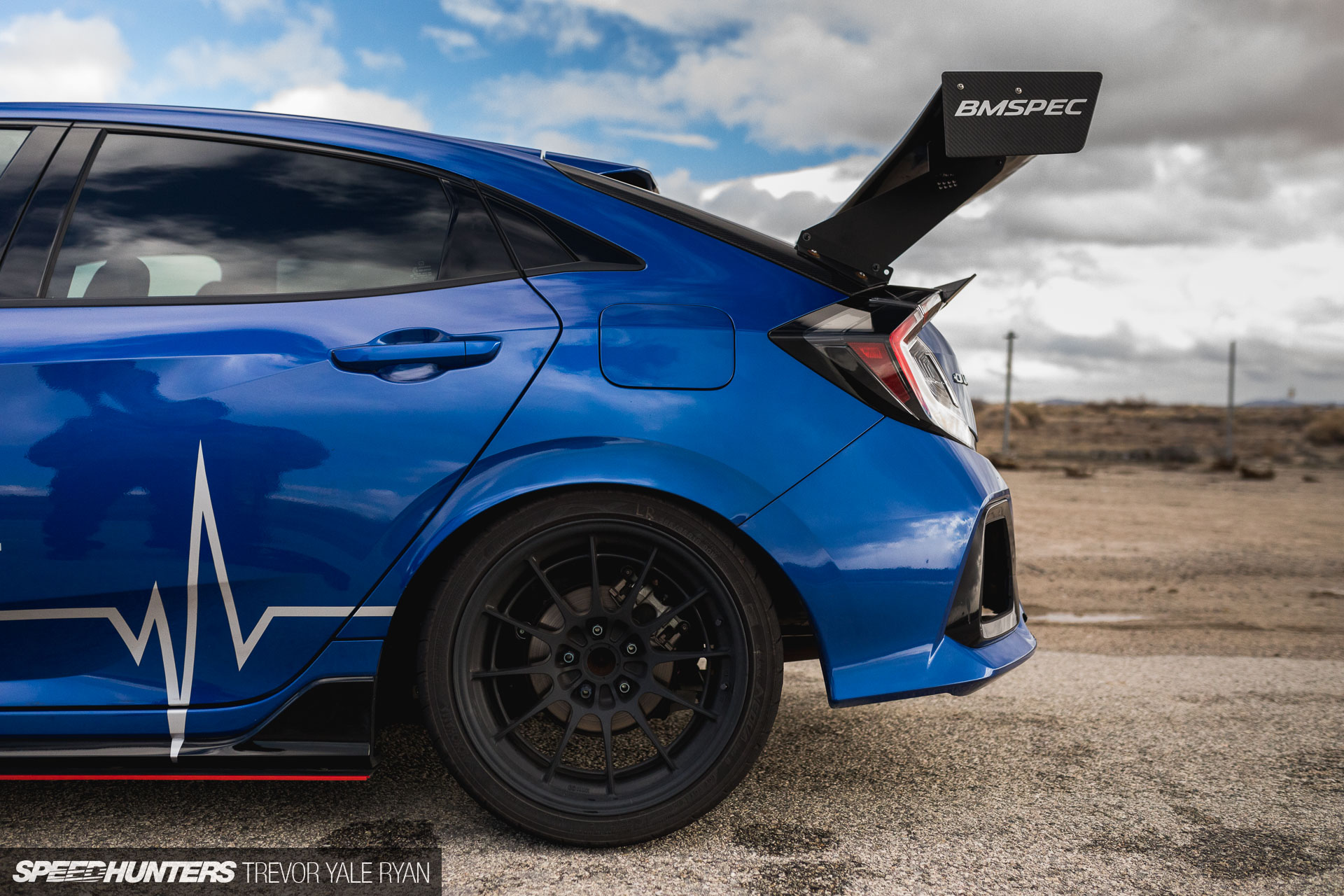
The Civic wears Enkei NT03+M wheels which measure 18×10.5-inch in the front and 18×9.5-inch out back. Rubber used at the shakedown event was Yokohama Advan A052 (265/35R18) for the fronts and AD08R (255/35R18) for the rears.
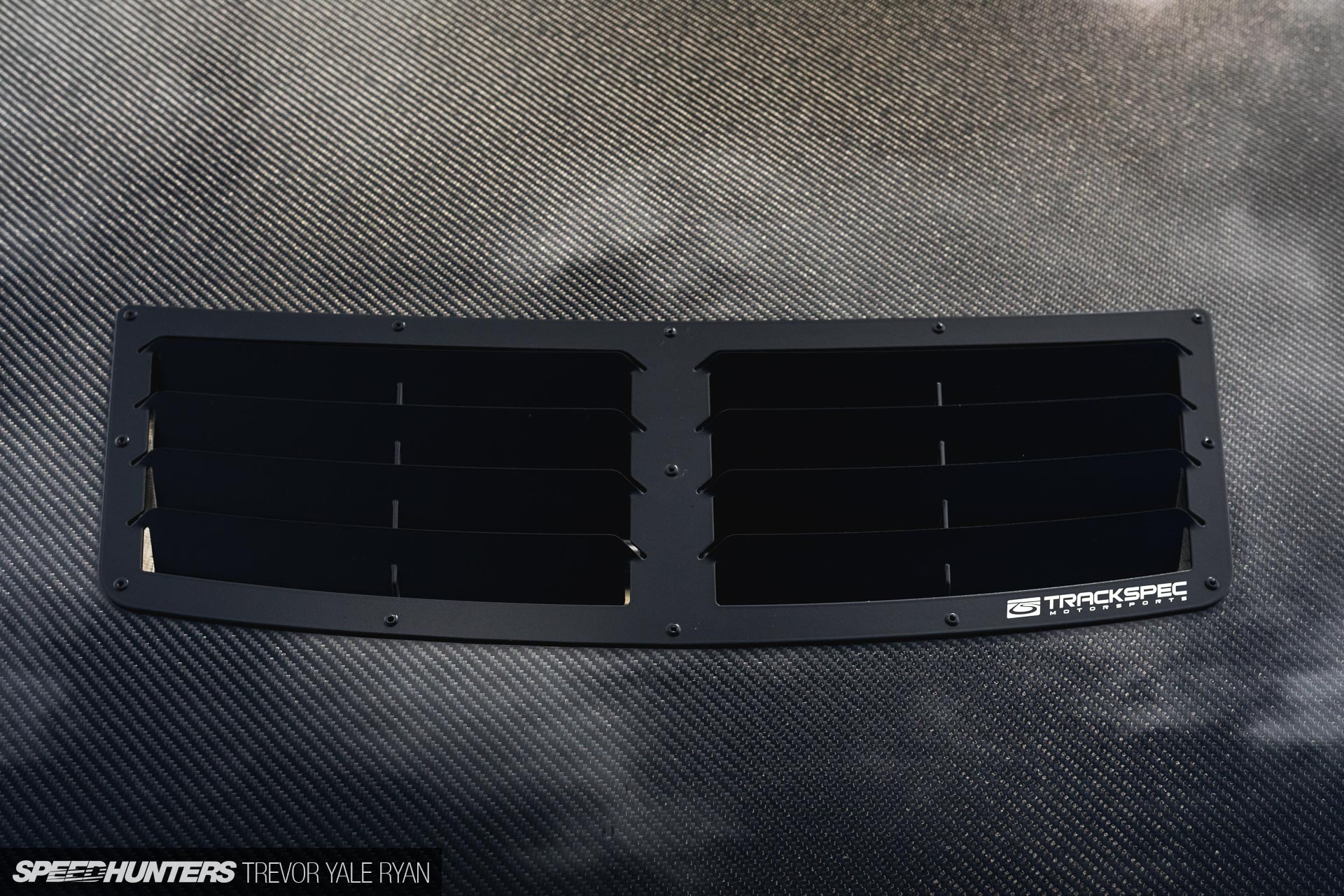
Non-BMSPEC parts which help save weight include lightened front and rear bumpers and a Seibon Carbon OEM-style hood, as well as their FK8 replacement hatch. You’ll also notice a TrackSpec Motorsports louvered hood vent for extra air flow around the engine bay.
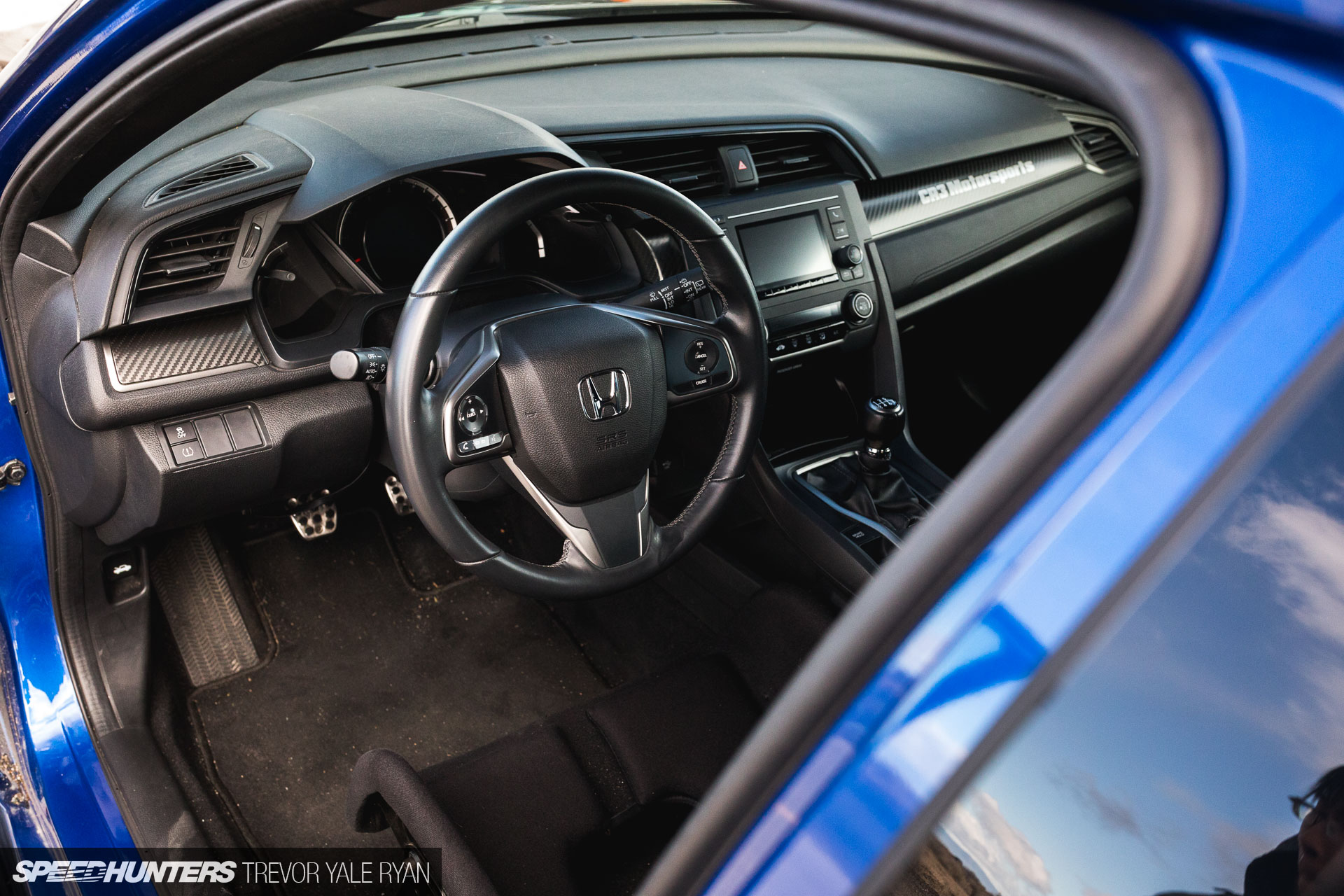
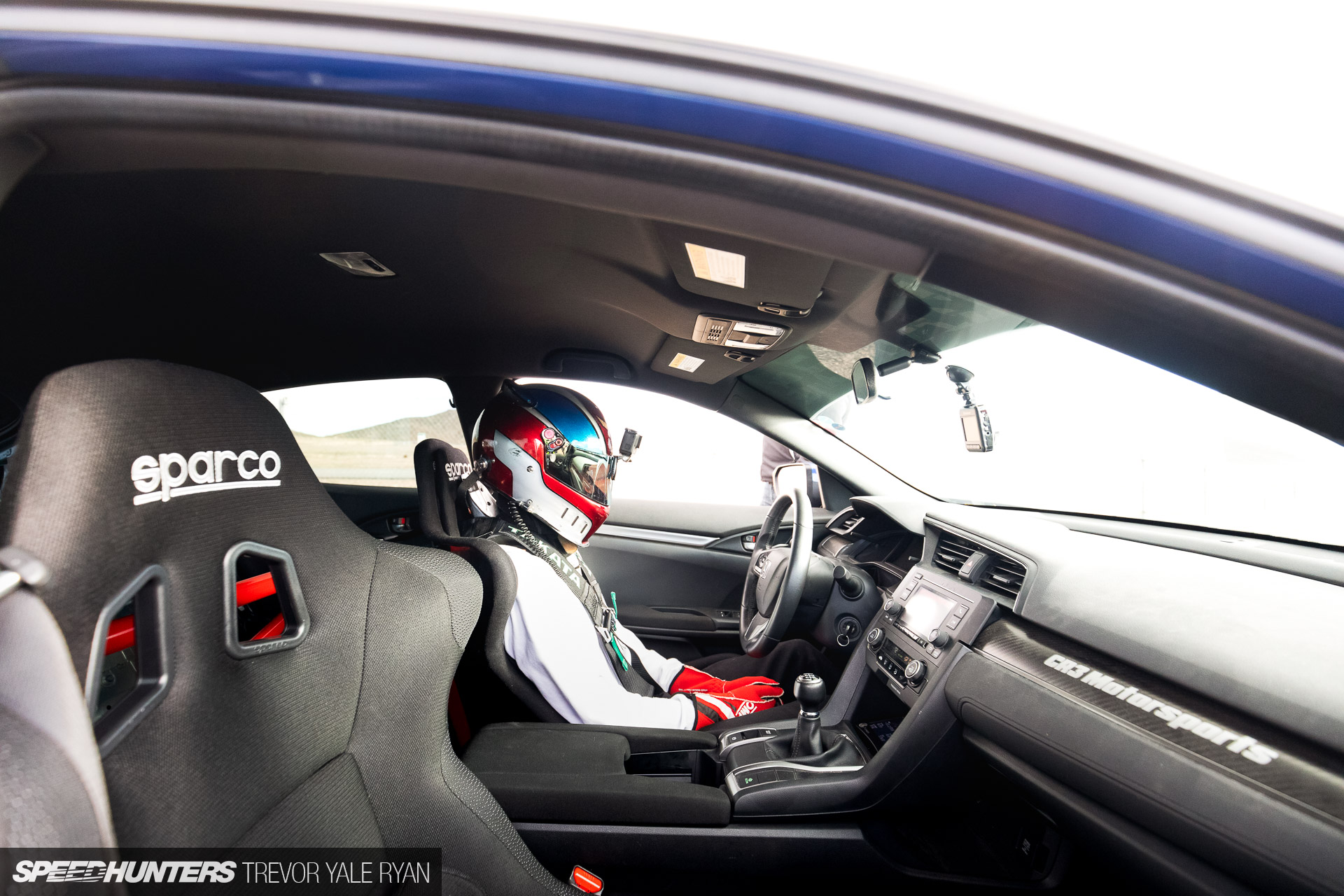
The interior is stripped past the B-pillar, but the factory dash and all of the associated electronics remain. You can connect to Bluetooth, play some tunes, and kick back for the ride like any proper Honda ought to allow.
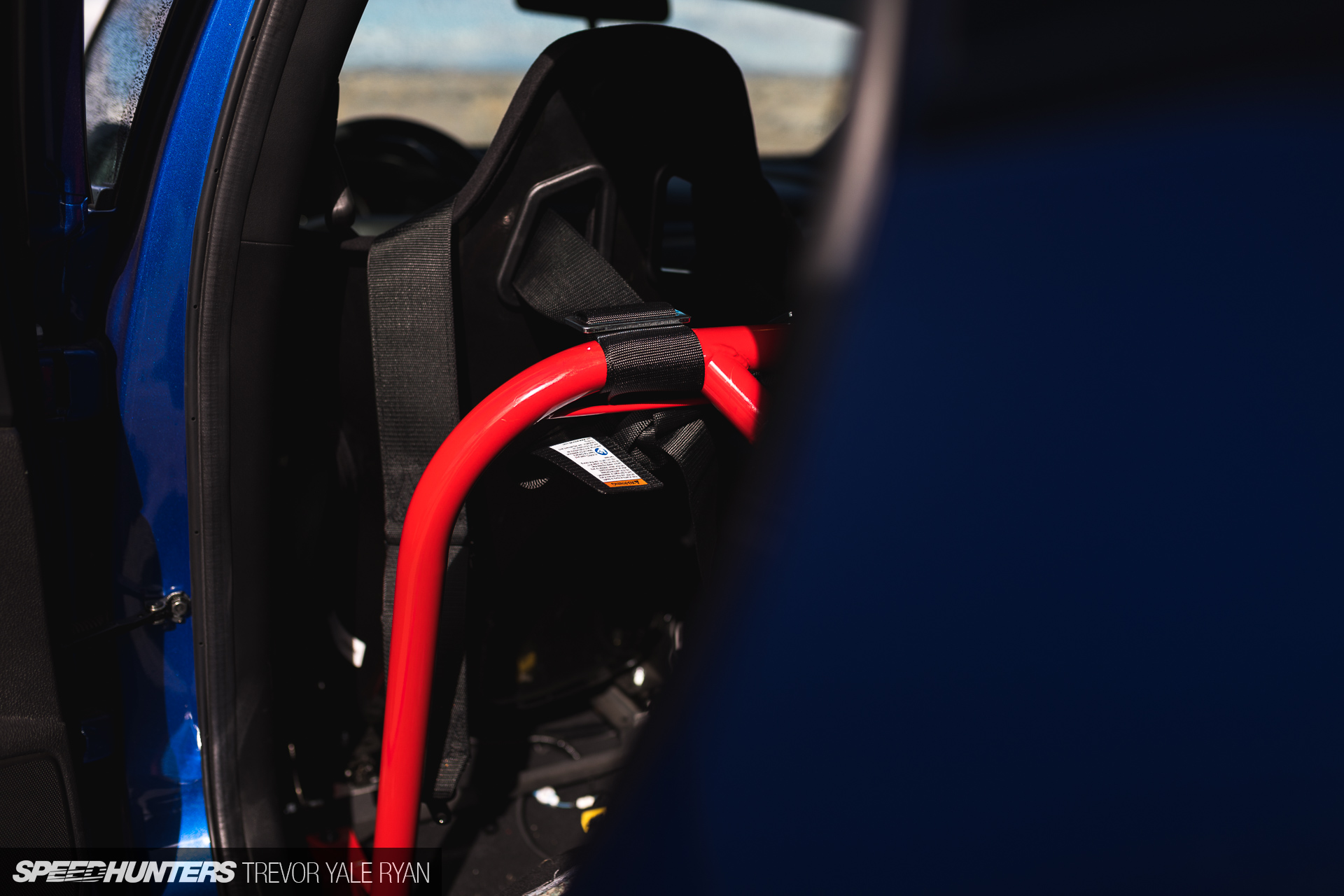
While I made use of the OEM three-point seatbelt on the street, a harness bar was installed for track use. Brian says he’s surprised this harness brace alone is time attack legal, but the rules are the rules. For the time being, the front half of the car remains more streetable without a fully integrated cage anyway.
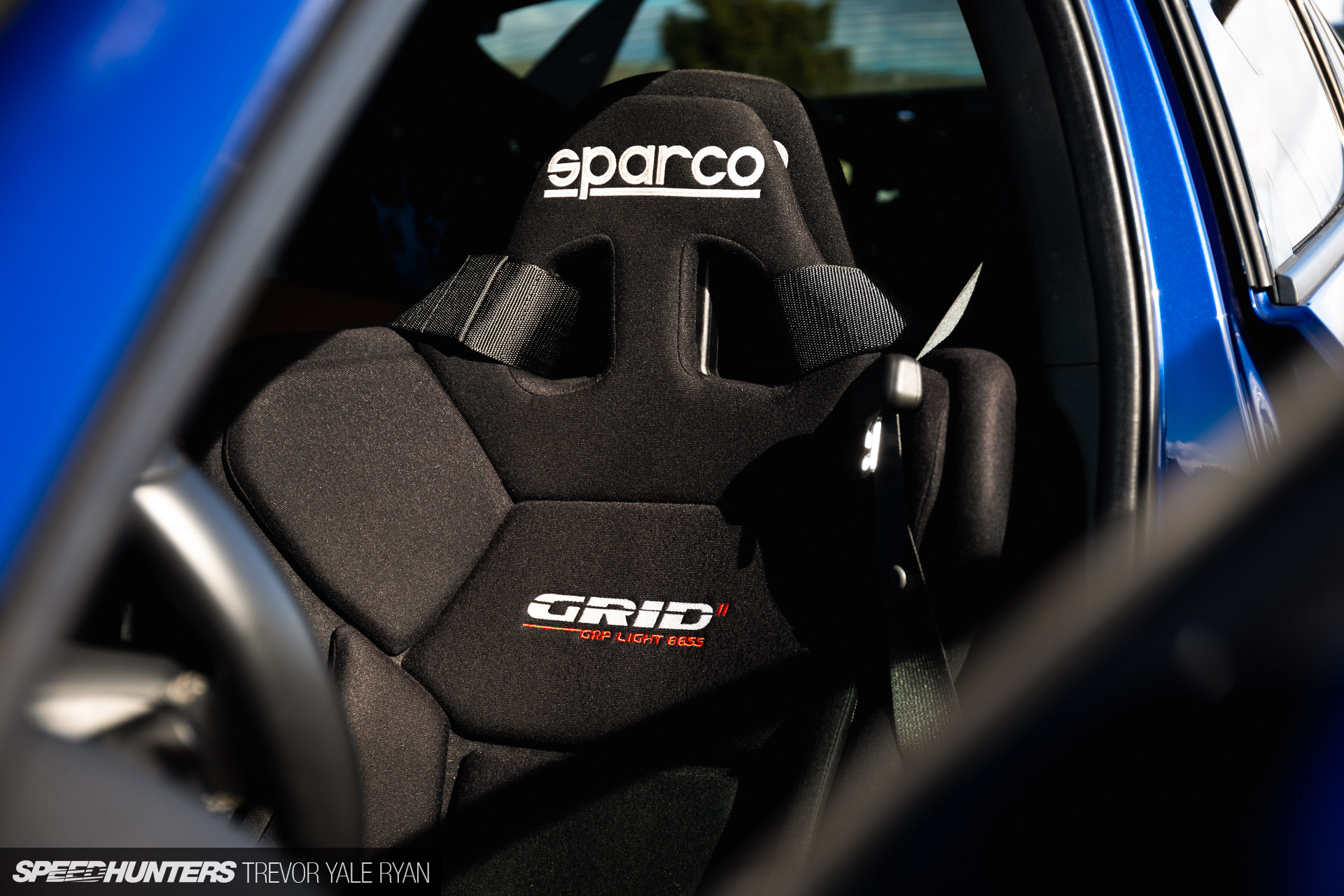
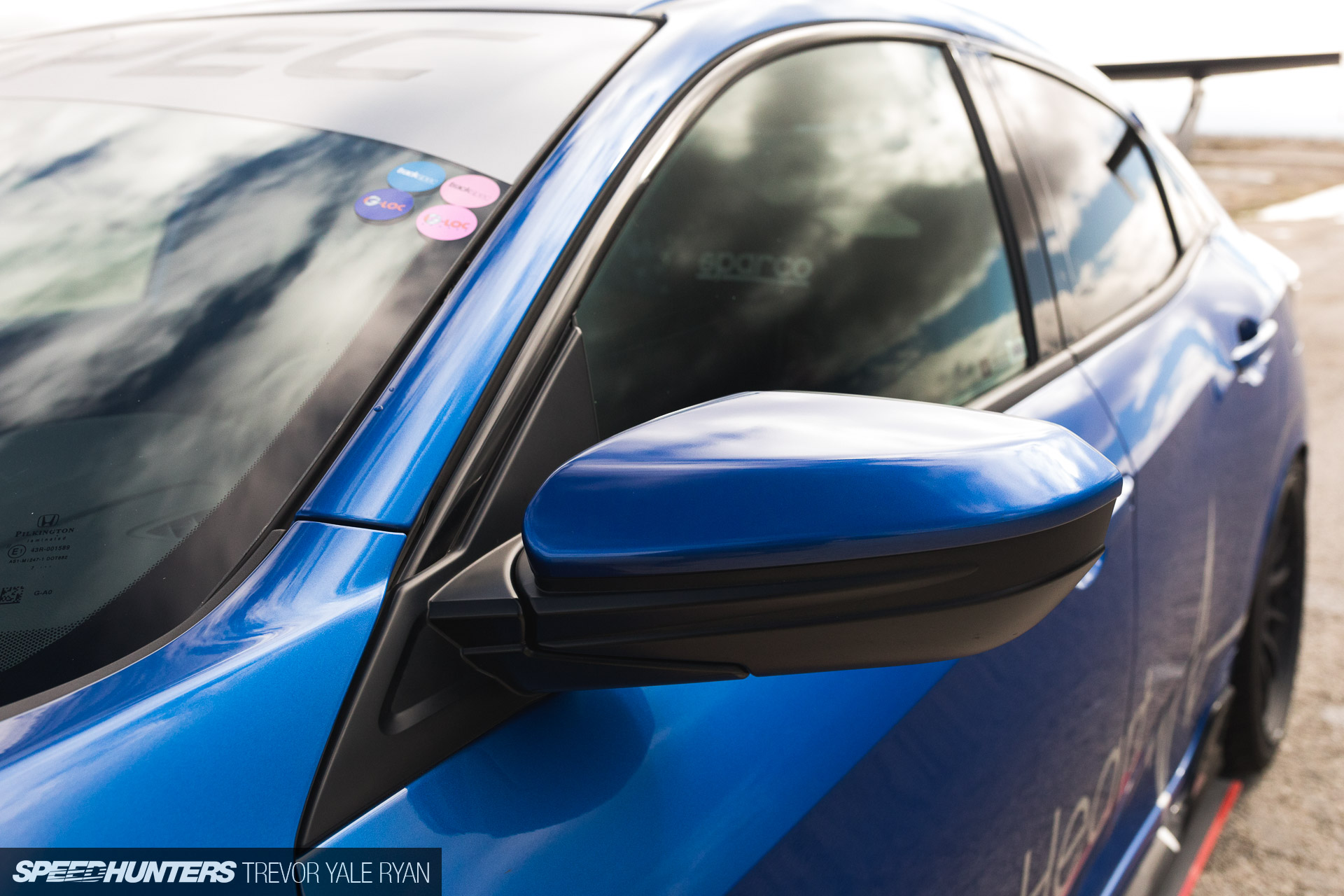
The Sparco Grid II wasn’t terrible for the drive down, but it’s not as comfortable as the Sparco Fighter that Brian’s wife convinced him to install on the passenger side. Still, for 800 miles in a bucket seat my back was A-ok.
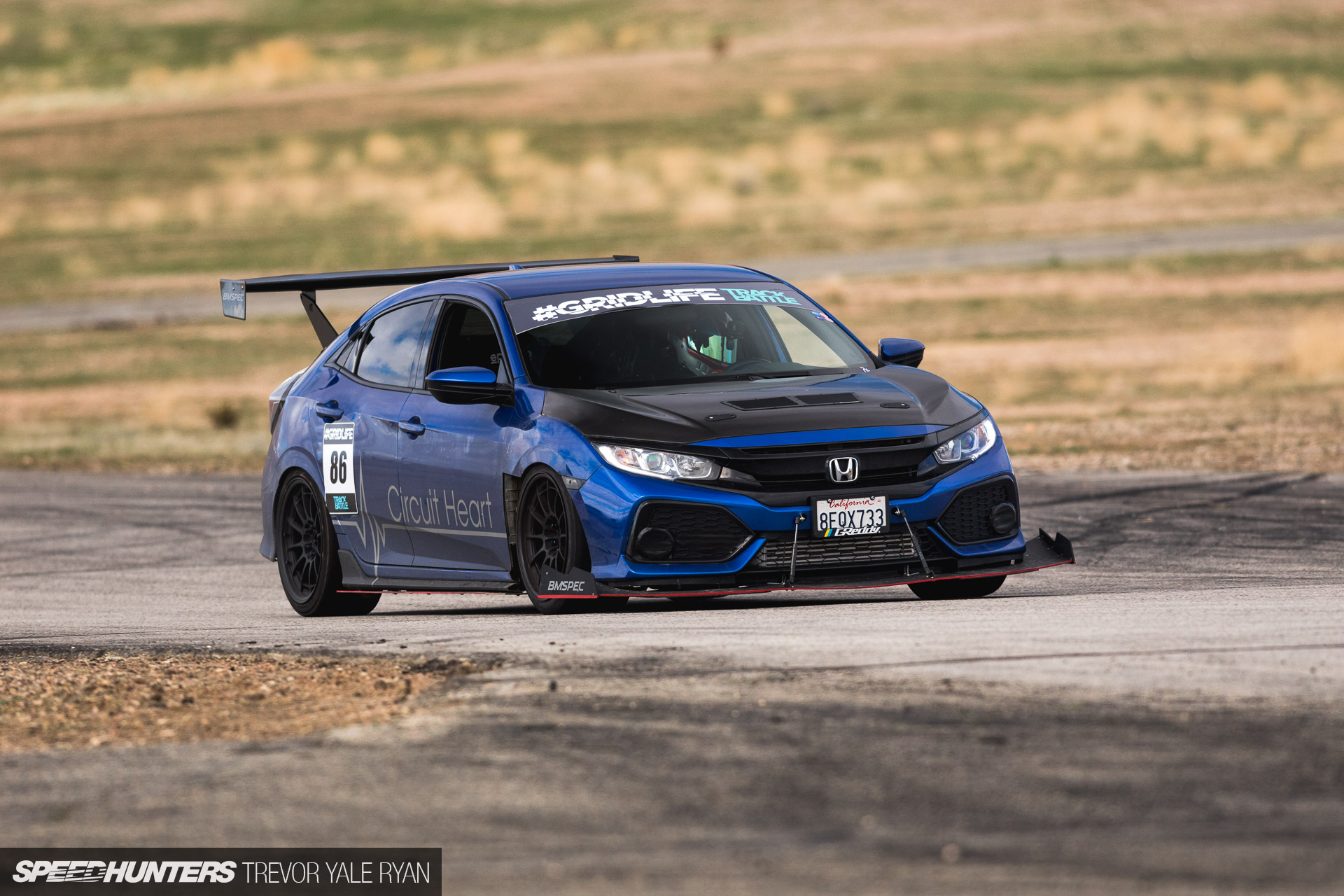
So, without anything too extreme going on under the skin and with barely 200hp on tap, how was Circuit Heart able to pull off one of the fastest times in its class at Streets of Willows?
Aero Advantage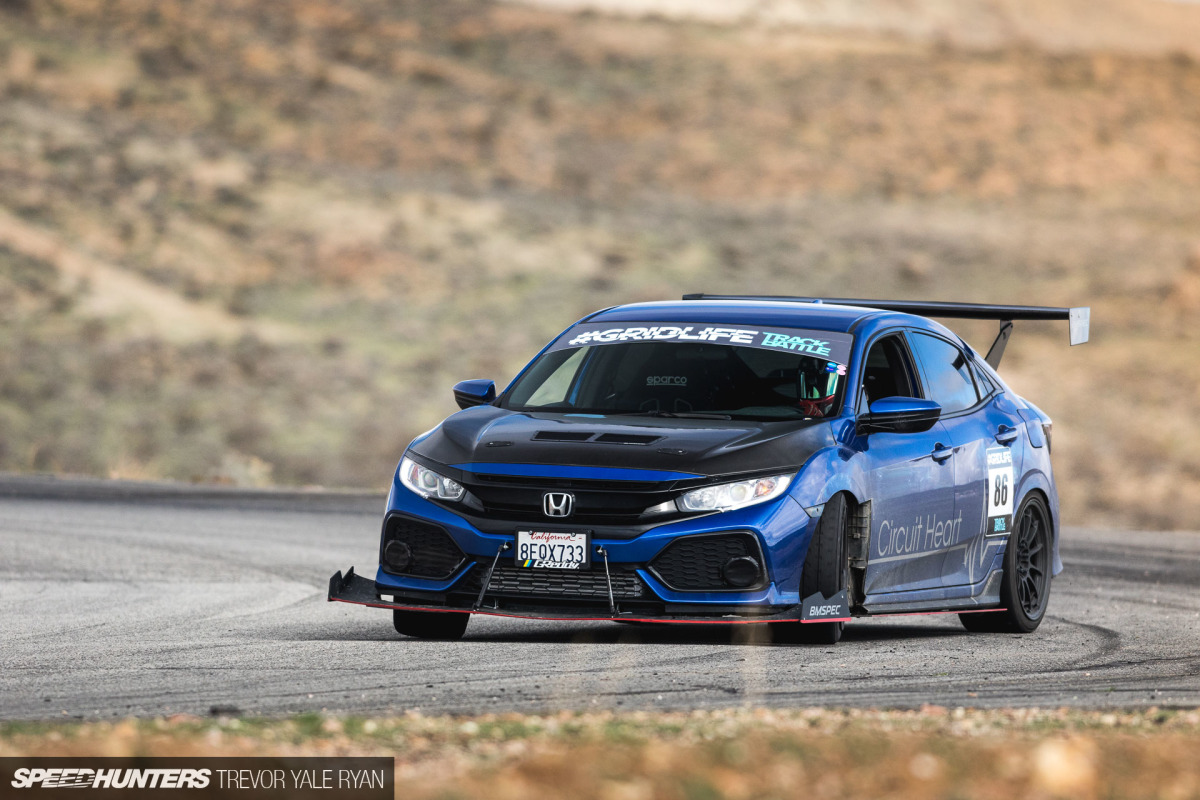
The well-known secret to quick laps with a slow car is to simply never slow down. But as anyone who’s pushed a momentum car knows, eventually — or sometimes quite suddenly — you’ll find where grip runs out.
It’s right on this limit that Circuit Heart really shines. And that’s to be expected considering BMSPEC’s bread and butter is making aero parts.
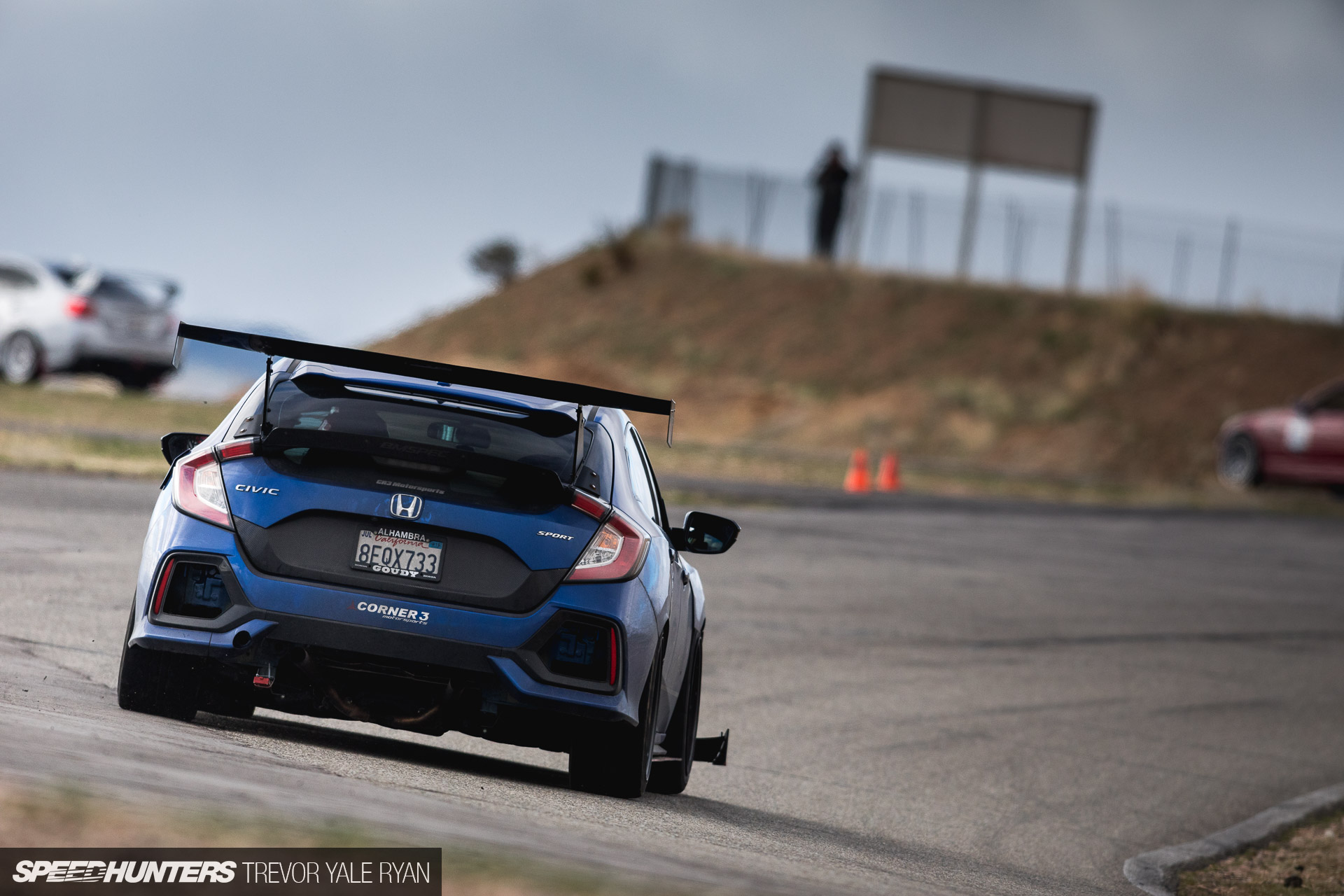
By using the air passing over and under you to shove your car into the ground, that limit is stretched as far as is possibly can be. It’s common sense, but the side effect of this is that the car is much more prone to snapping on the driver.
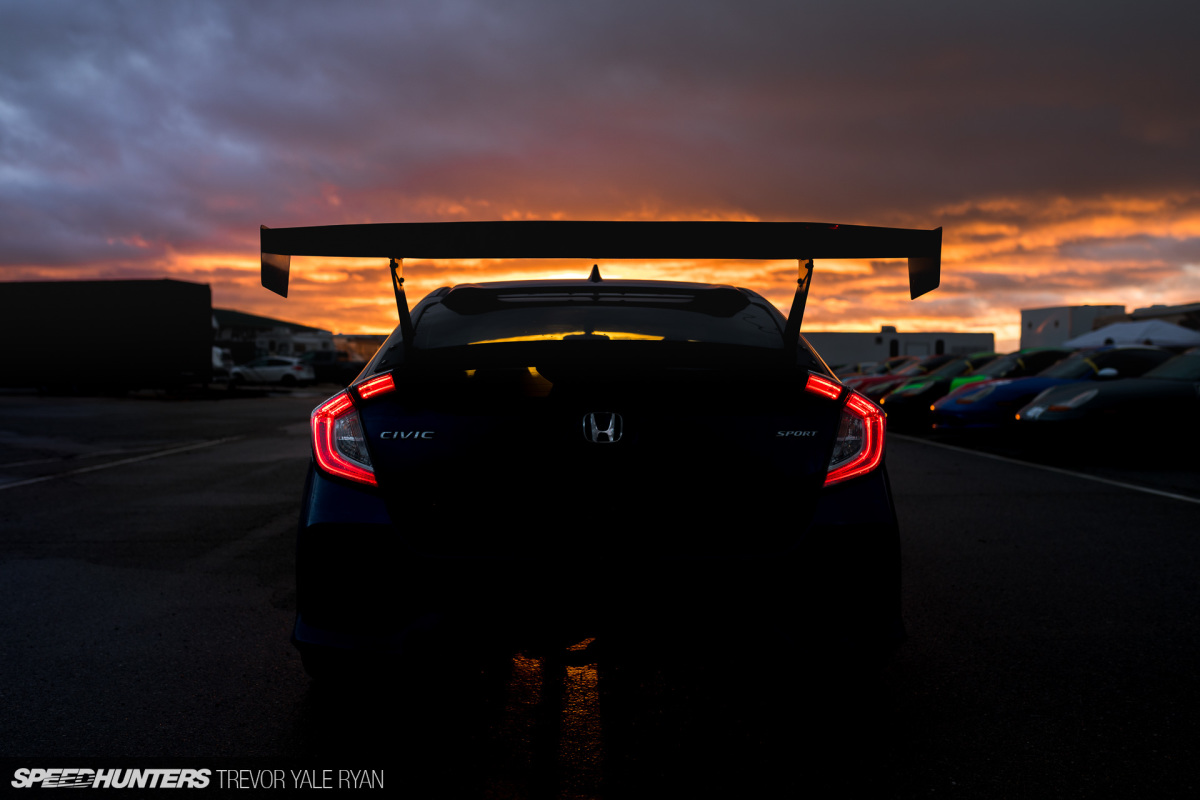
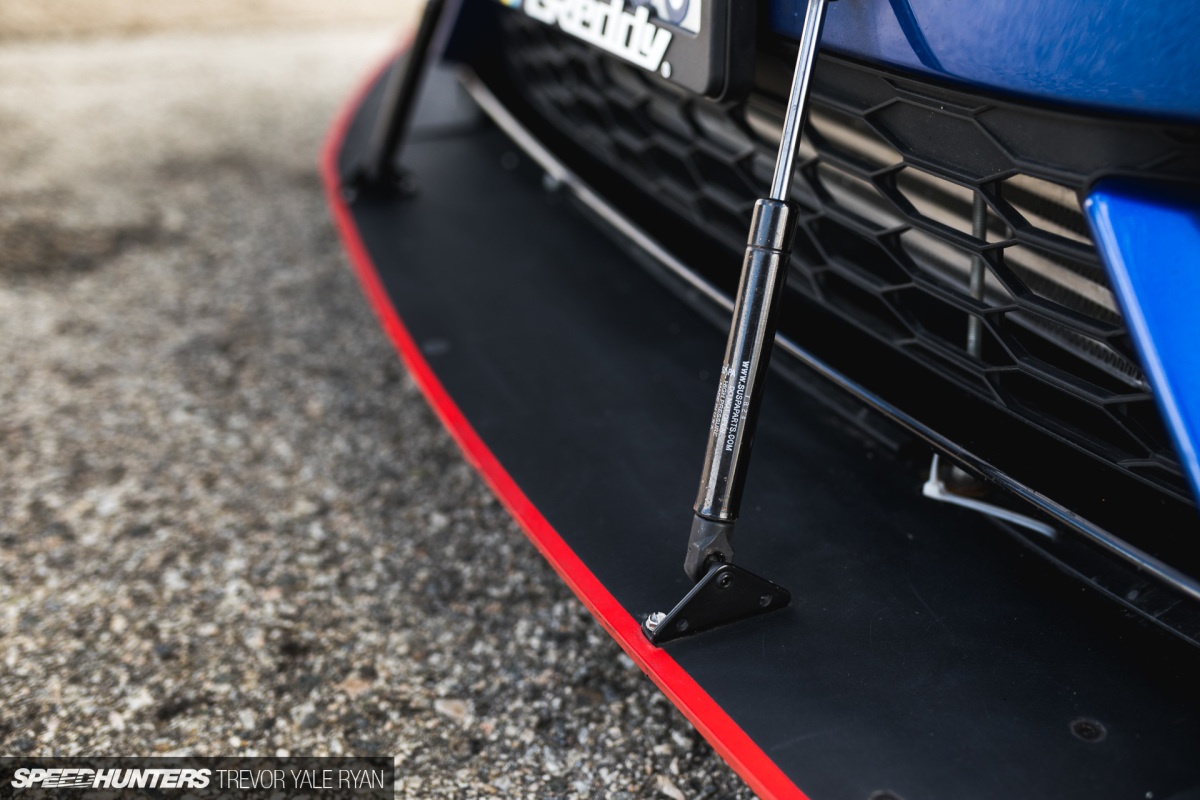
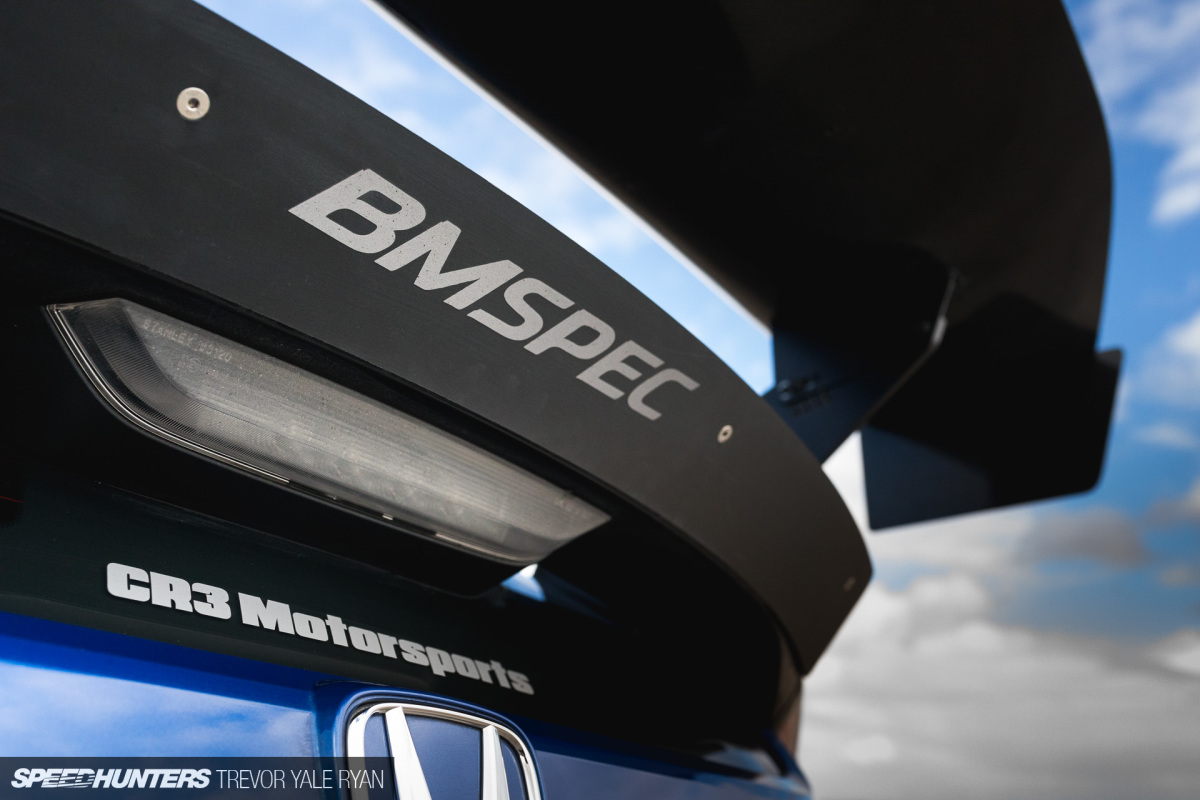
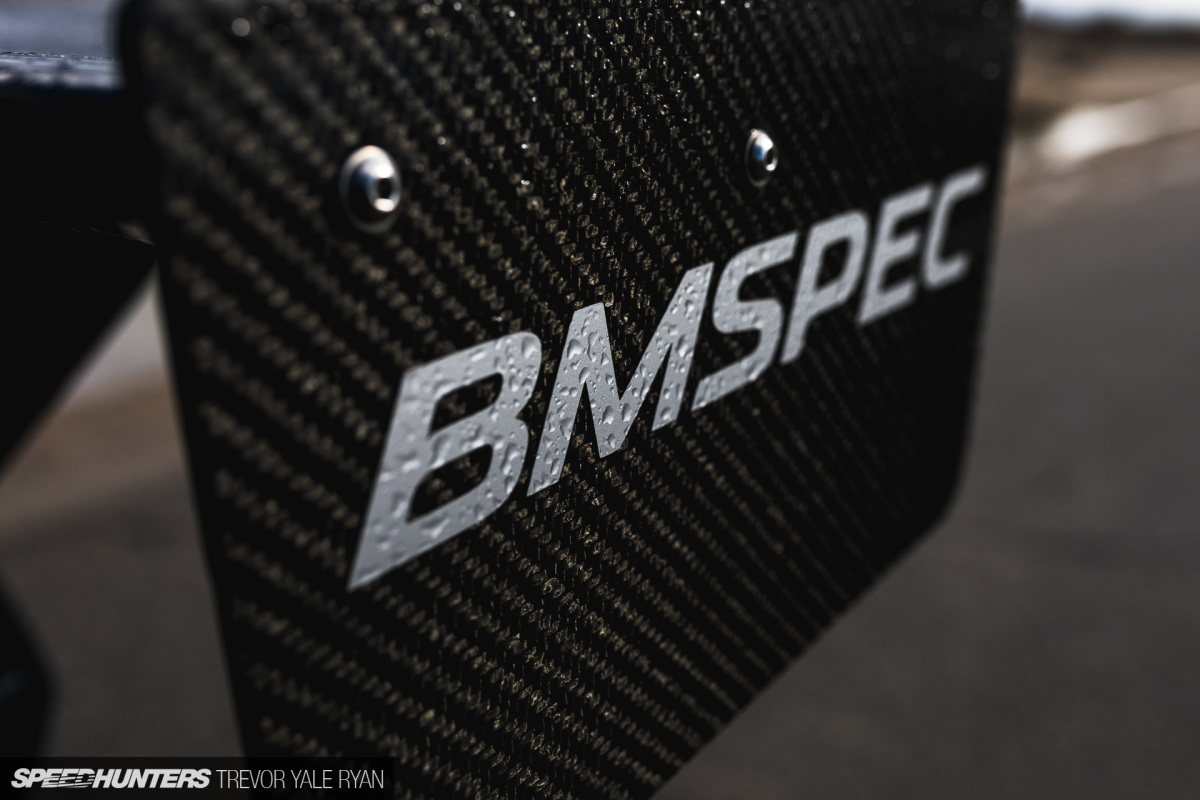
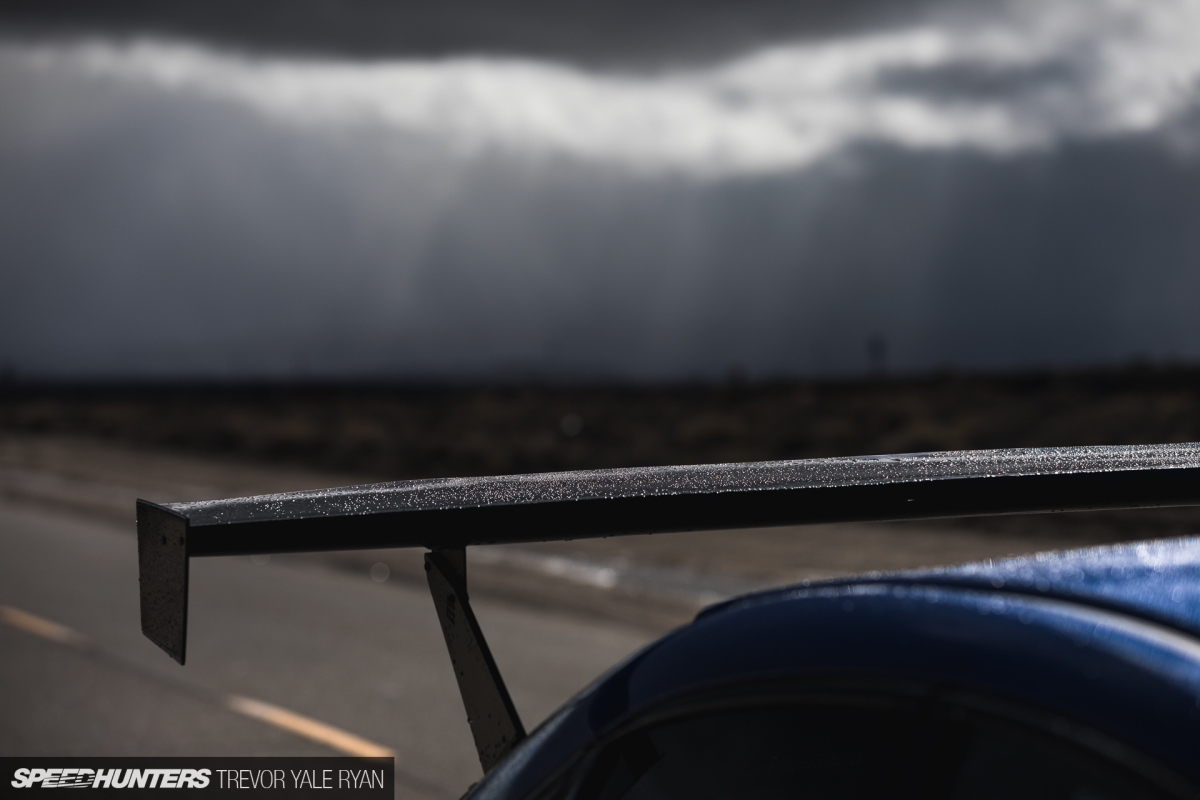
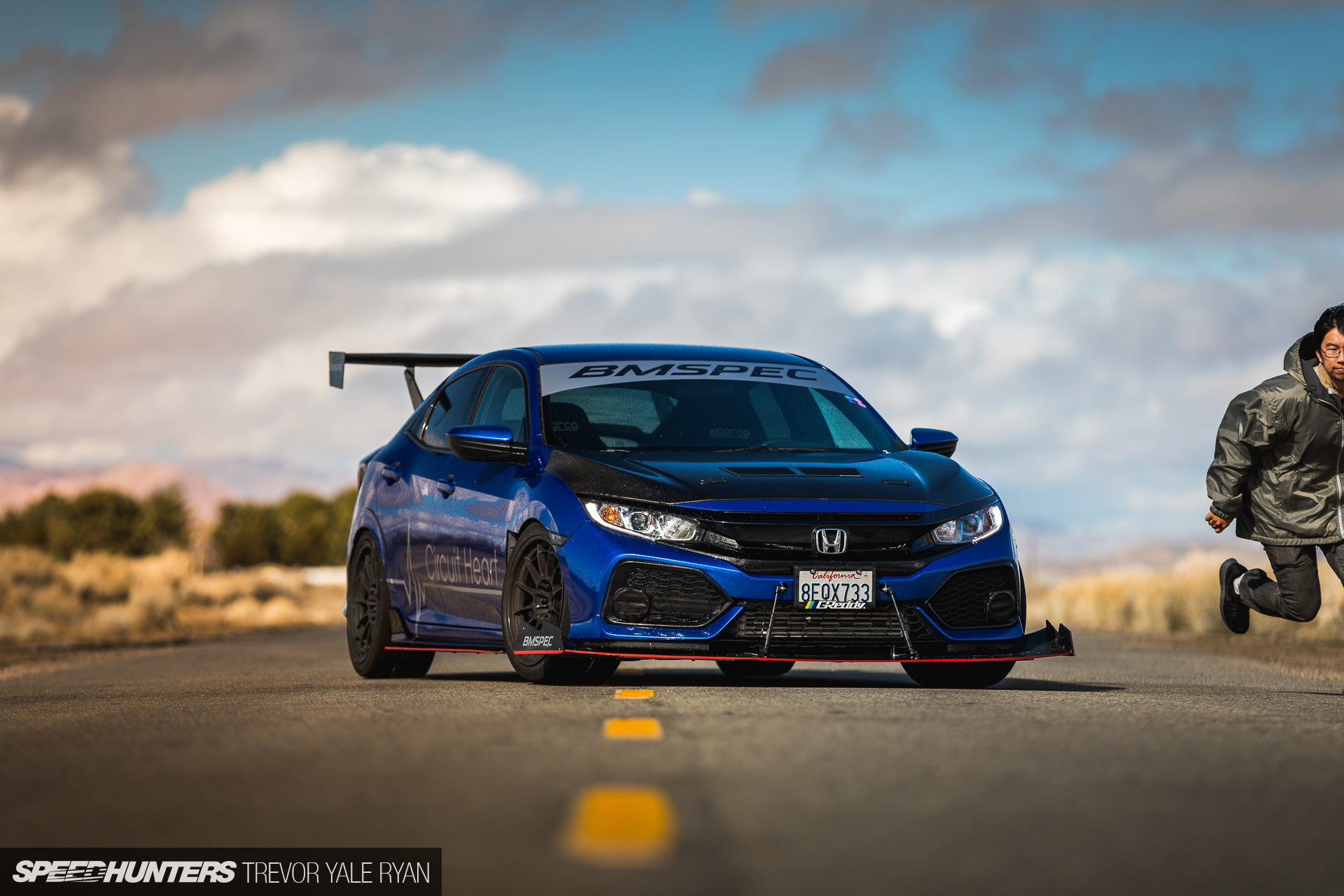
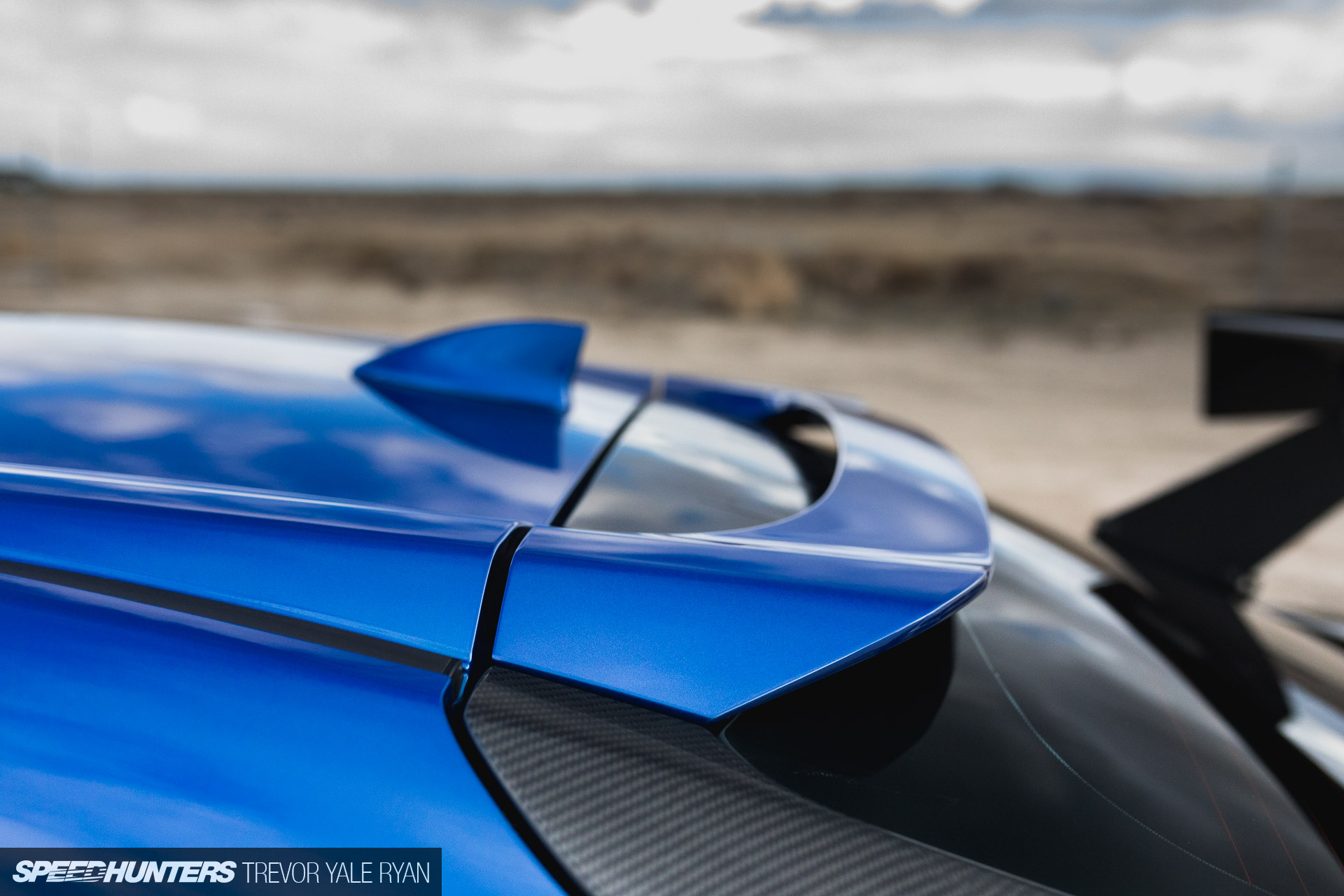
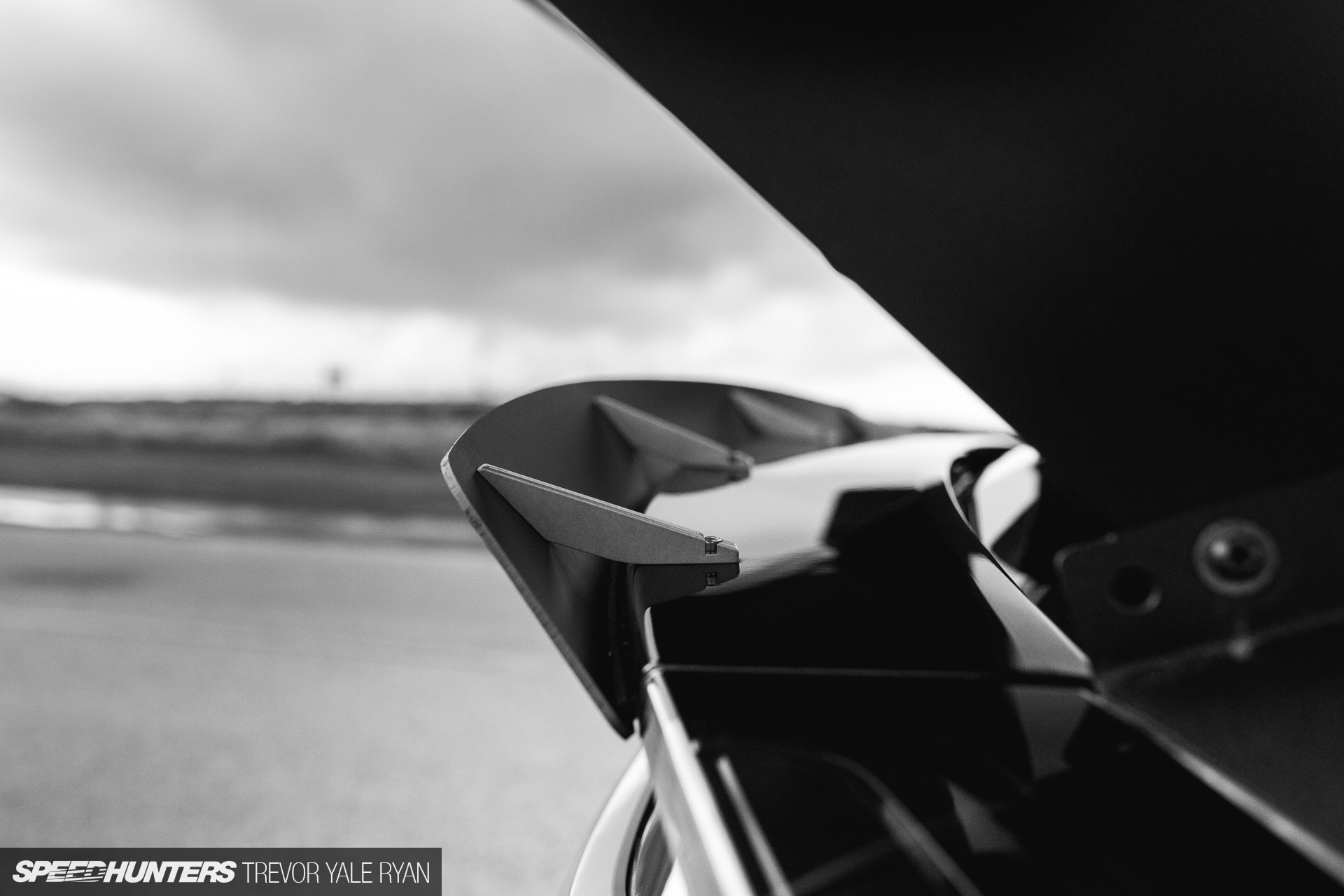
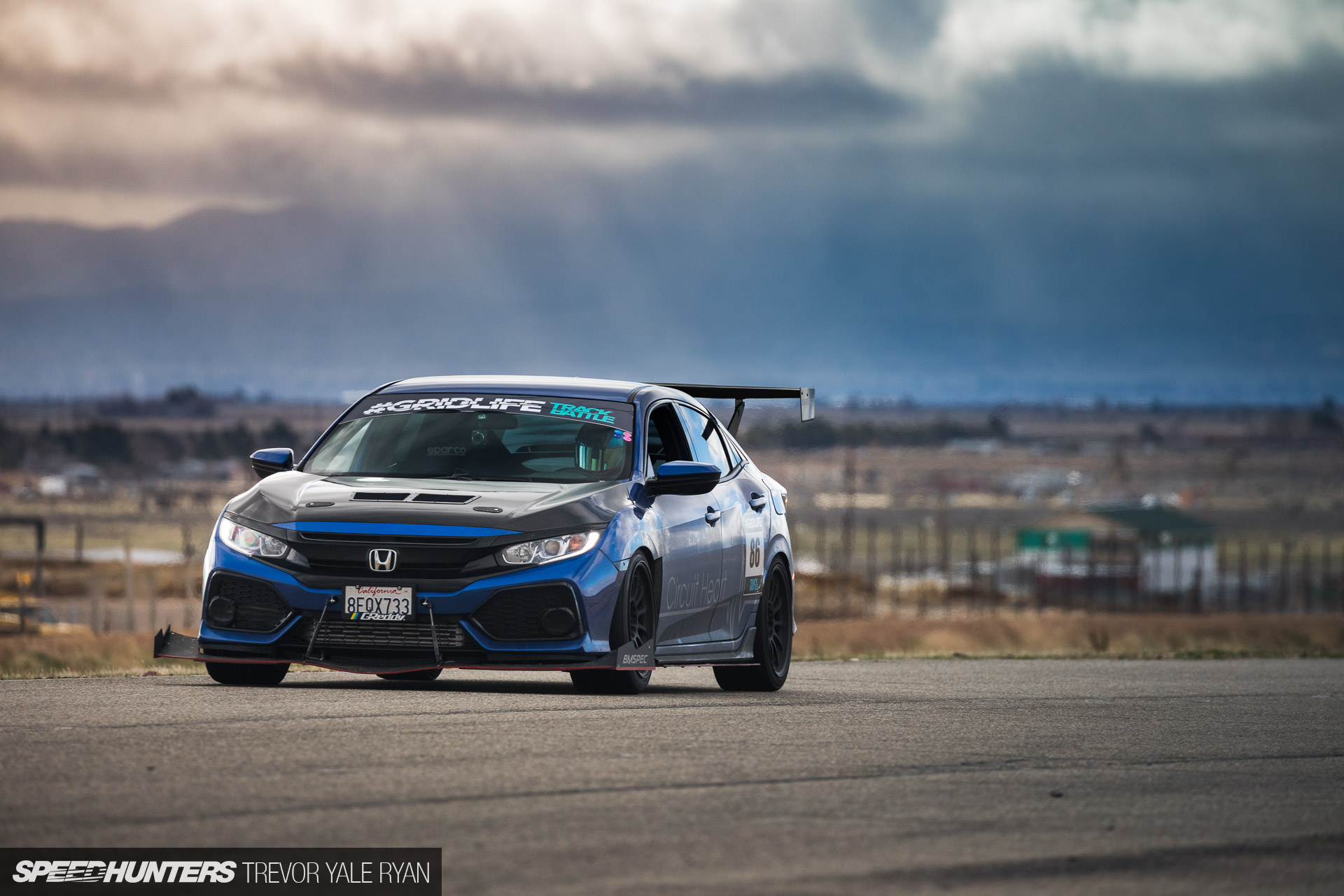
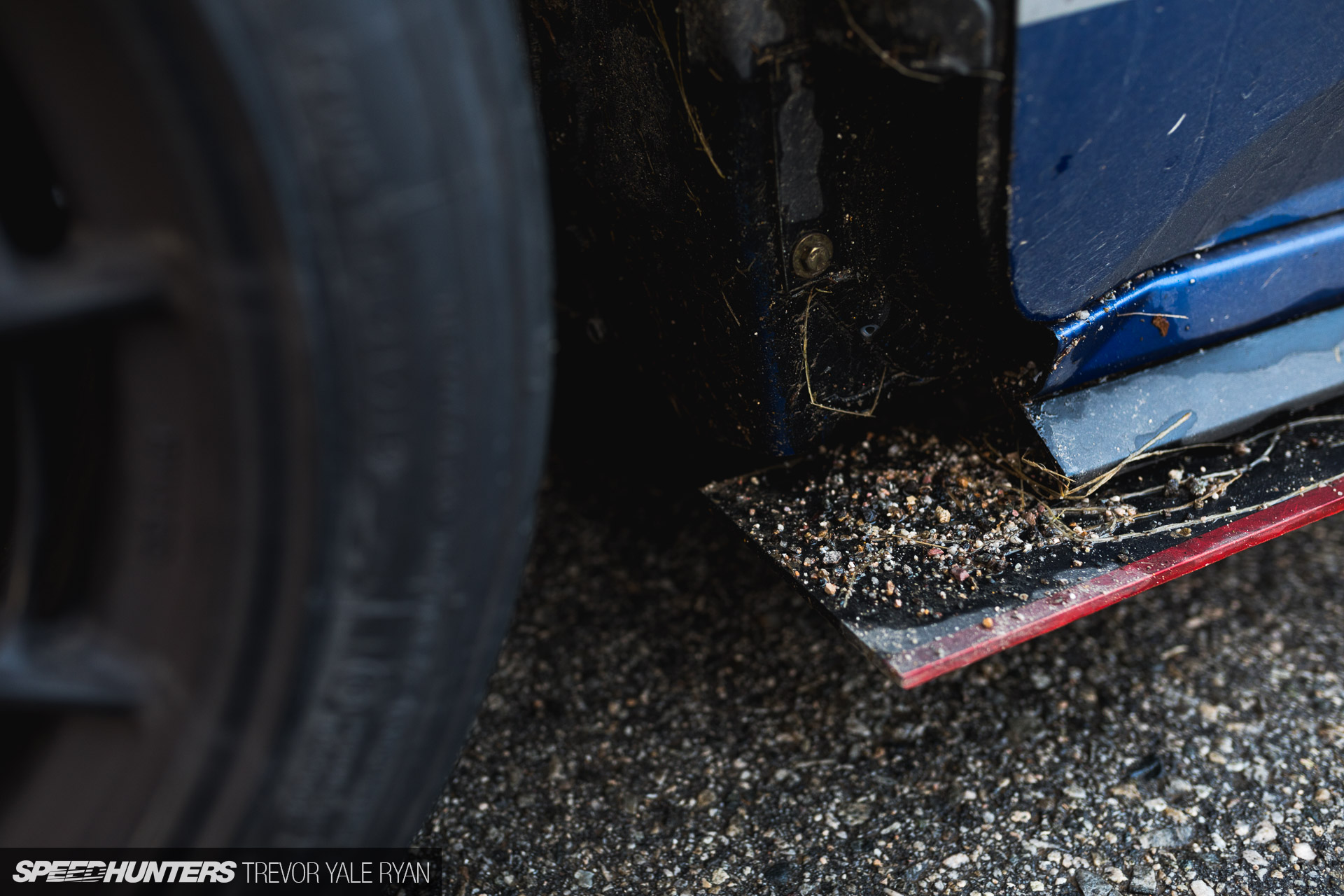
The car makes use of extensive aero upgrades including a BMSPEC front splitter prototype (which includes shocks rather than standard support rods to help absorb any blows on the street), version 2.1 of their GT wing, their standard DIY-style side skirts, and a BMSPEC spoiler extension.
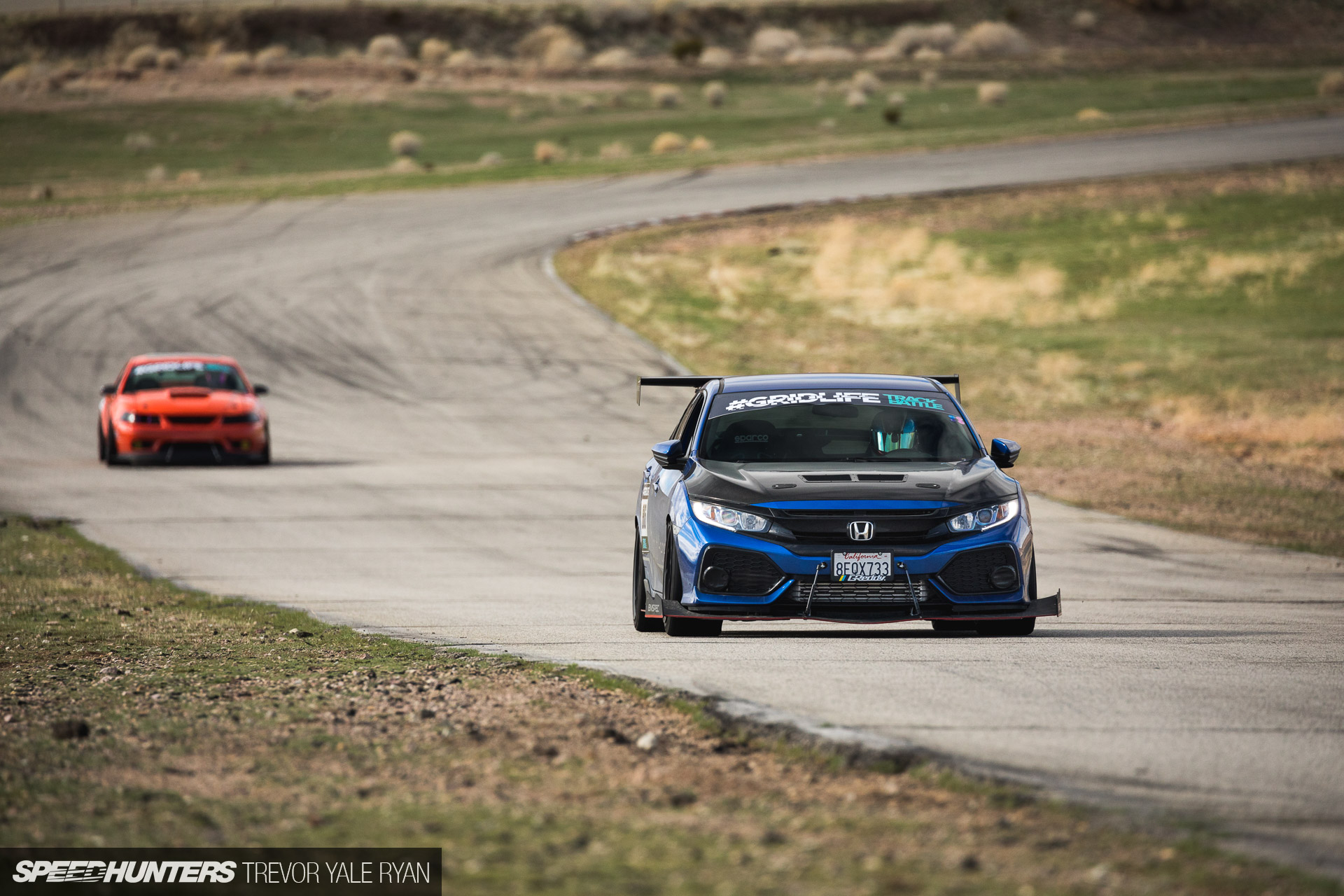
And the bendy bit the splitter does on track? “It doesn’t reduce downforce, I’ll tell you that,” Brian replied. His basic response was, “it doesn’t oscillate, so having a part of it lower to the ground is not a bad thing.”
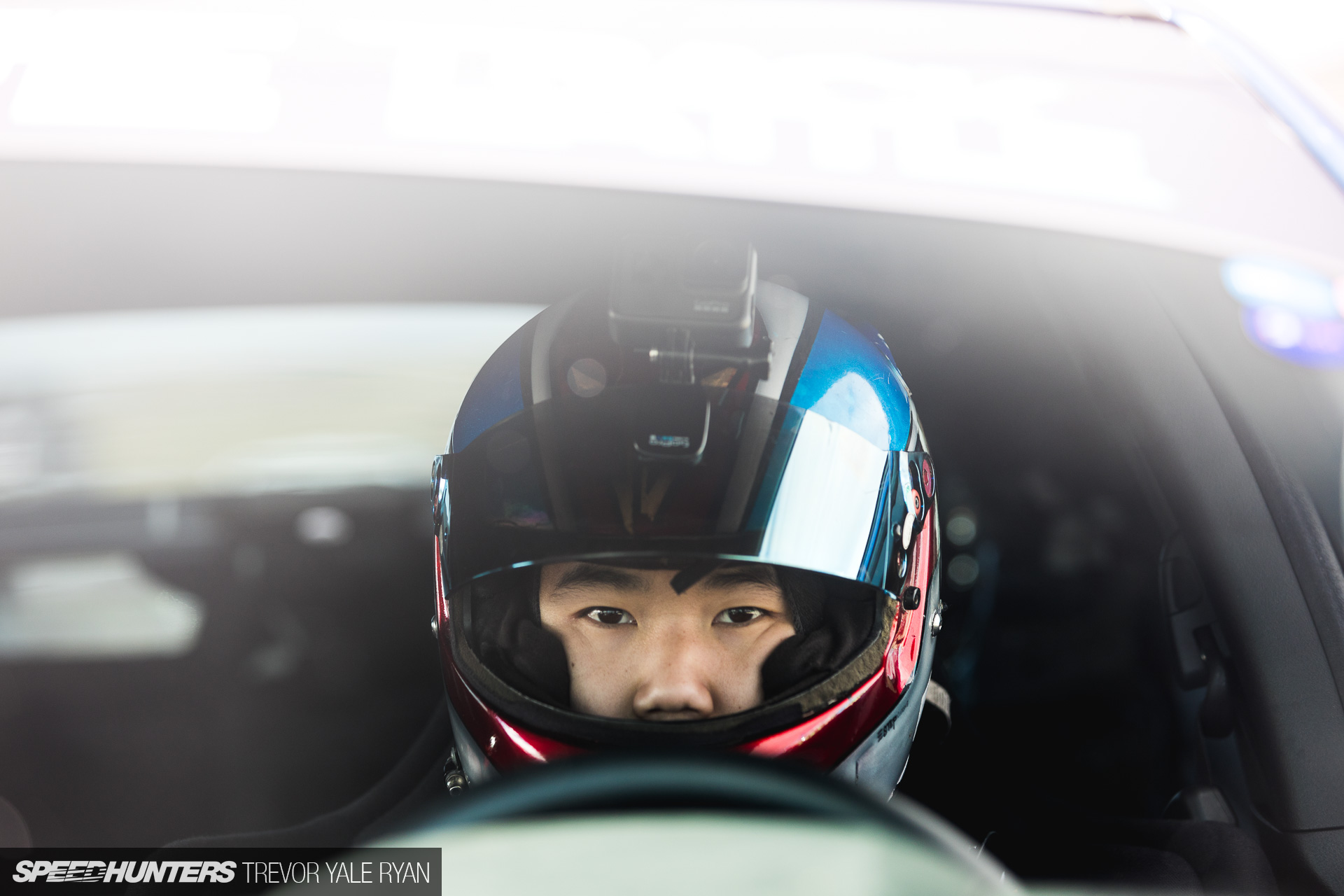
From the sidelines it seemed that Jackie Ding — who was driving the car for the Gridlife TrackBattle bracket competition — was flirting with the limit all day, so after the fact I asked about how the car actually felt at speed.
He laughed and said, “The Civic can get real rowdy; the rear was always moving around a little, but just by trusting the front end and keeping the throttle pinned I could keep the nose pointed in the right direction.”
From the cockpit on Jackie’s fast lap, it looks decidedly more tame than from outside.
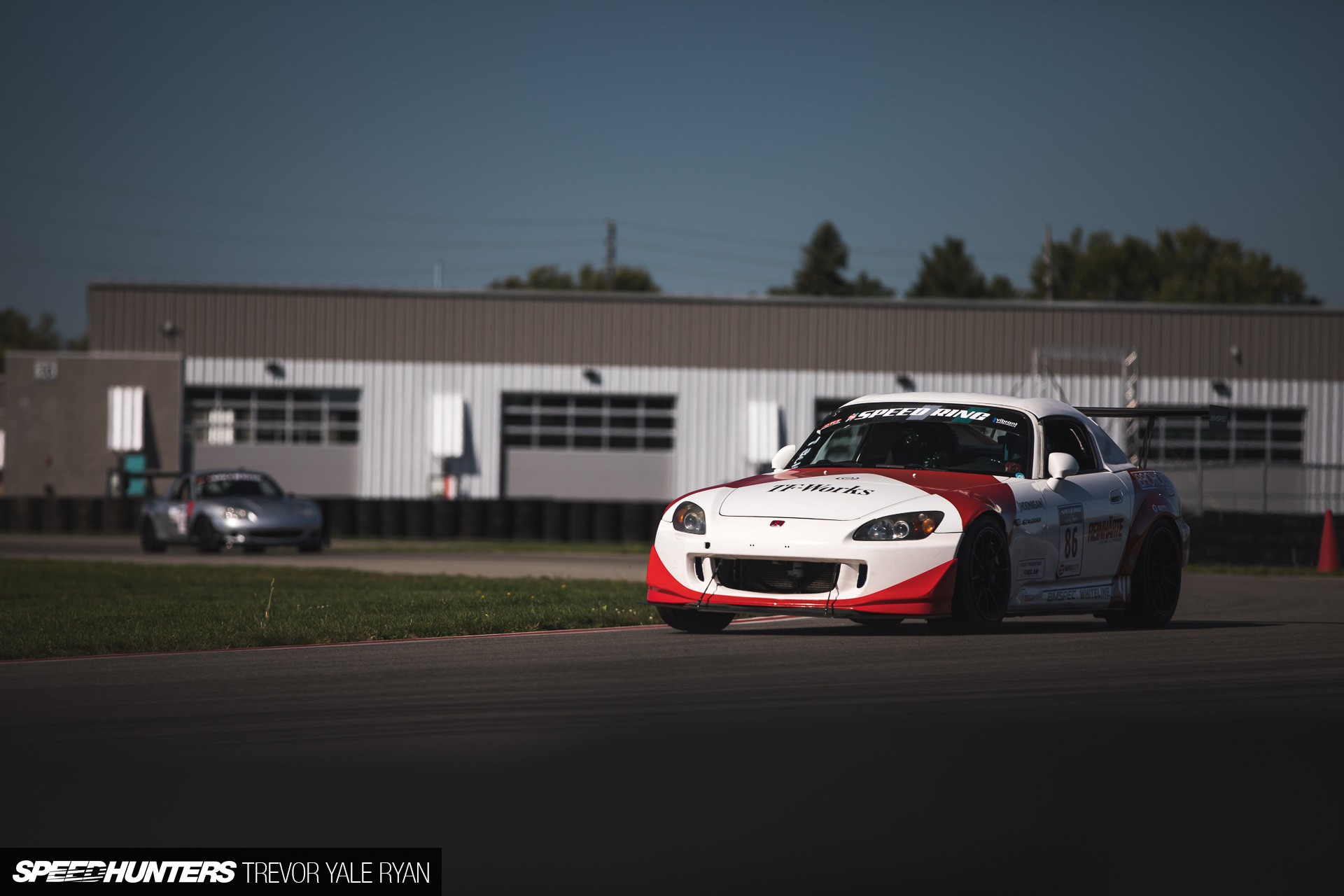
If you aren’t familiar, Jackie is known for driving his own Honda S2000 on the limit. His S2000 — prepped for the Street class in Global Time Attack (and Street Modified for Gridlife’s series) — runs similar BMSPEC aero, and is a car that Jackie feels very much at home in.
And while Jackie is a diehard RWD guy, he knows full well how potent a FWD car can be. “I think the results in the time attack world are speaking for themselves. Properly set up, FF is just as fast — maybe faster — than anything else.”
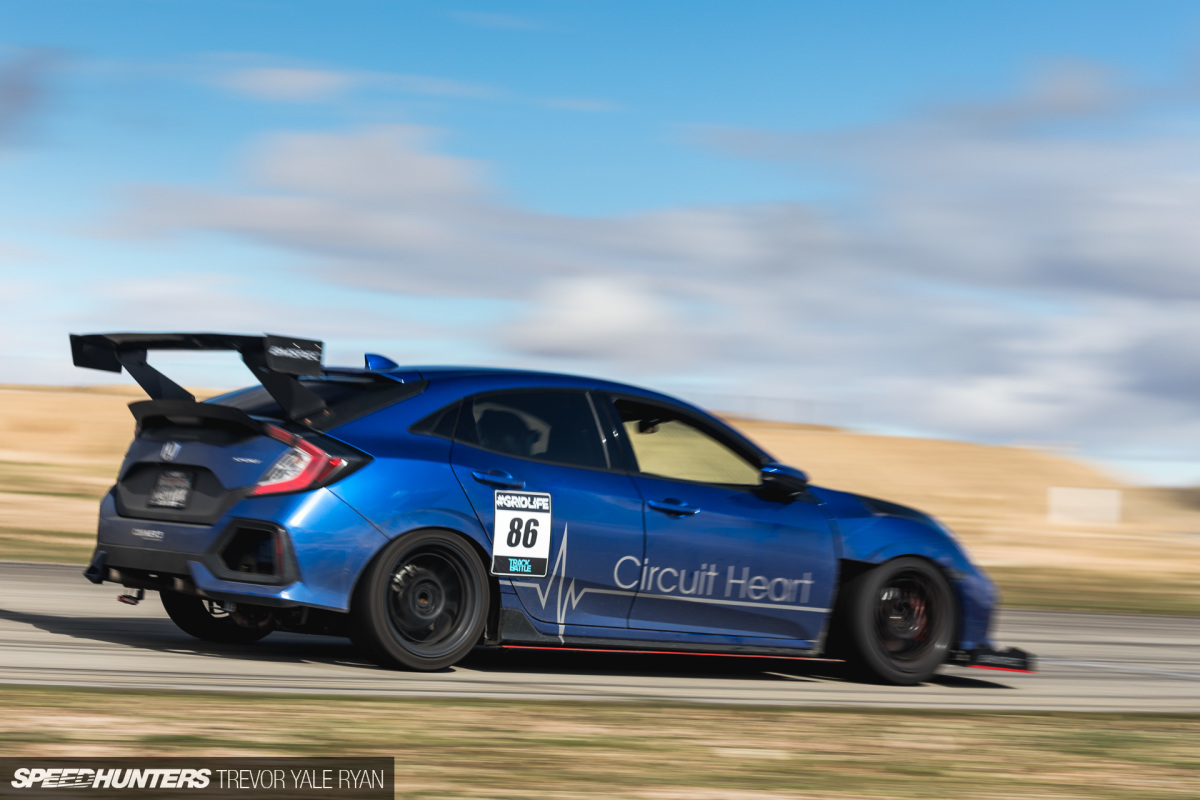
He also admits that the FF layout seemed to be easier to drive once he began to understand it. For his first outing at Streets of Willows during the Civic’s first shakedown, a lap time of 1:24.087 is properly quick and was third fastest in their class.
This is more impressive given that the team were struggling with fueling issues at high RPM throughout the weekend, and Jackie only had half a dozen laps of the new-to-him car and track to set his time.
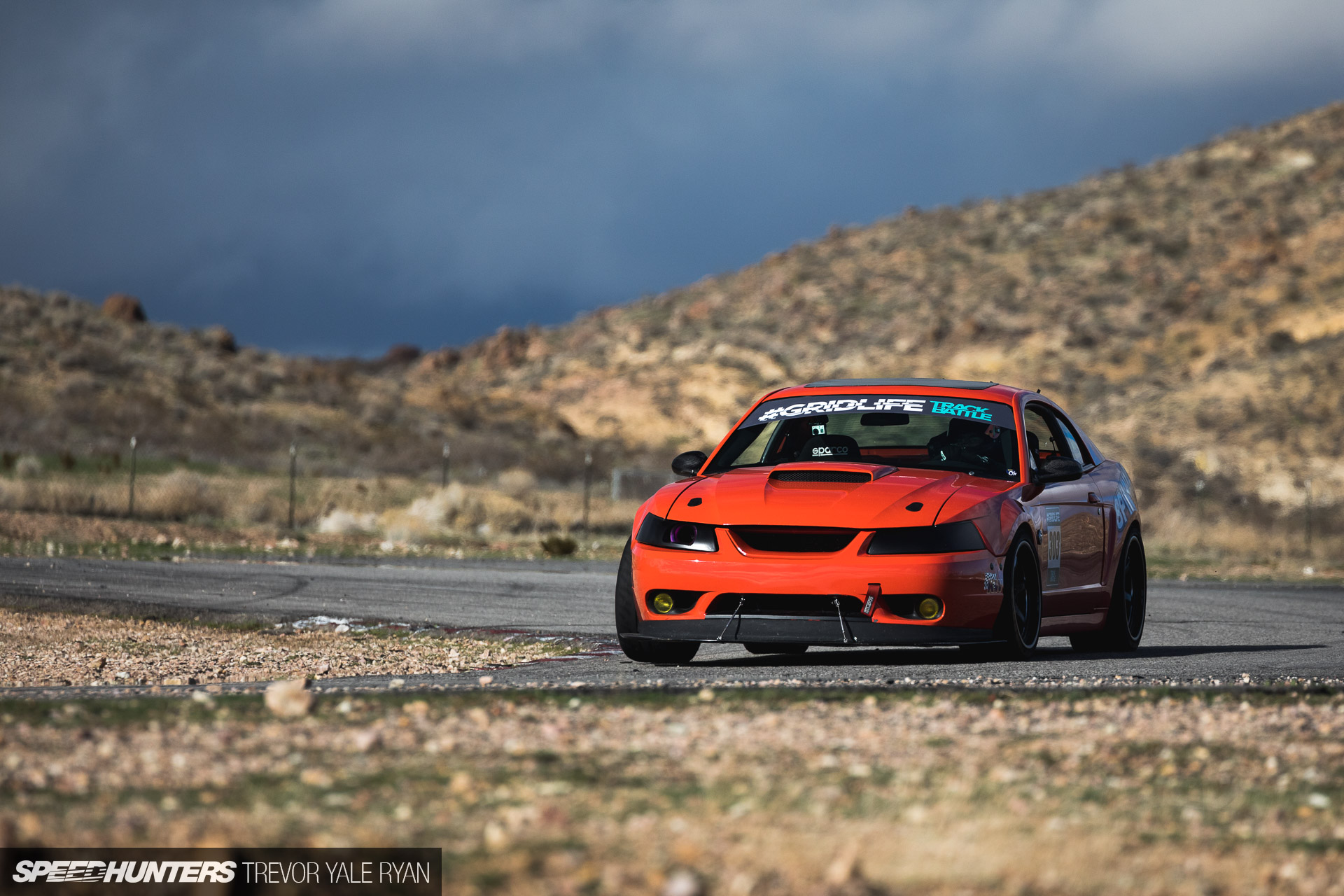
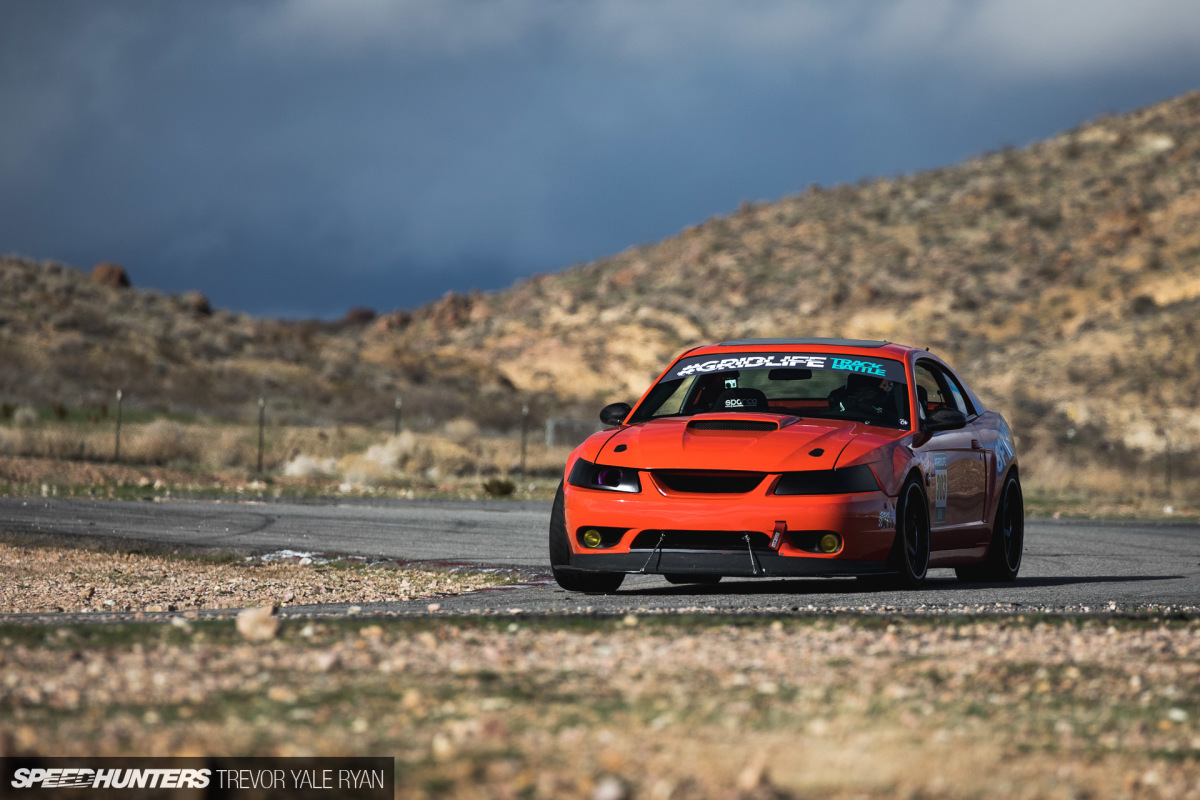
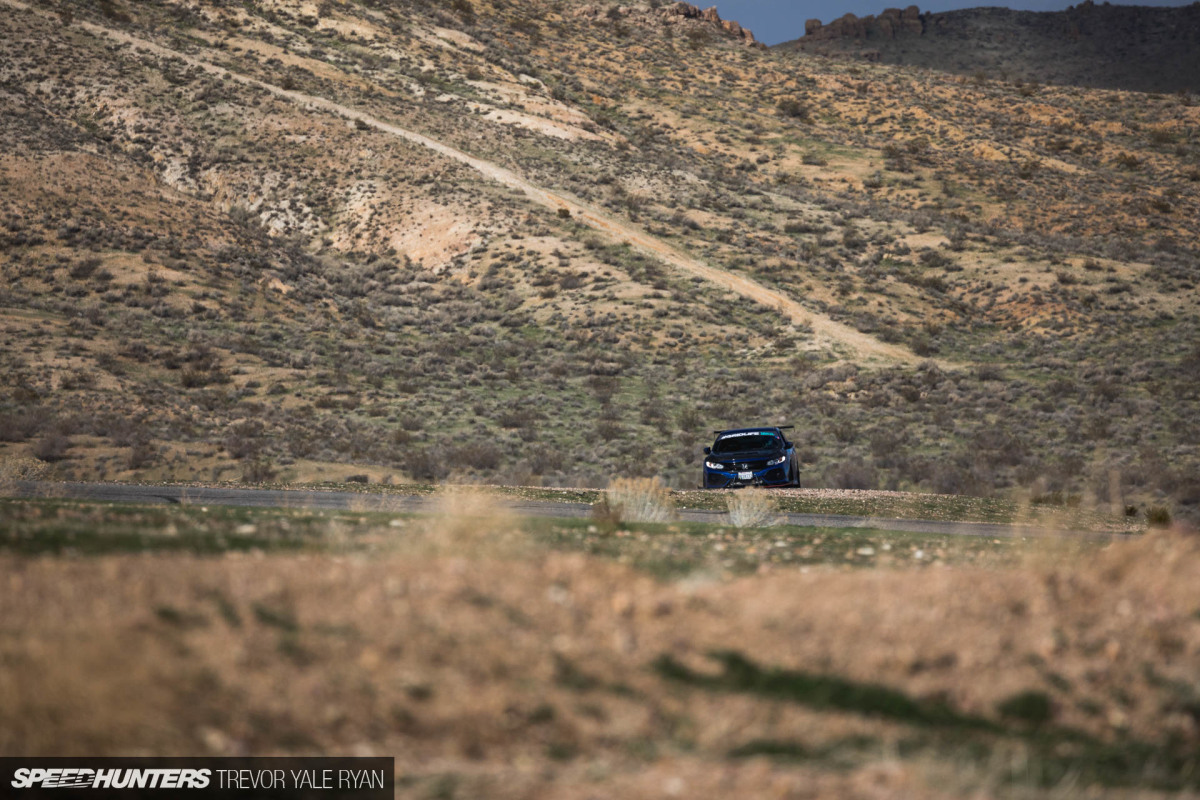
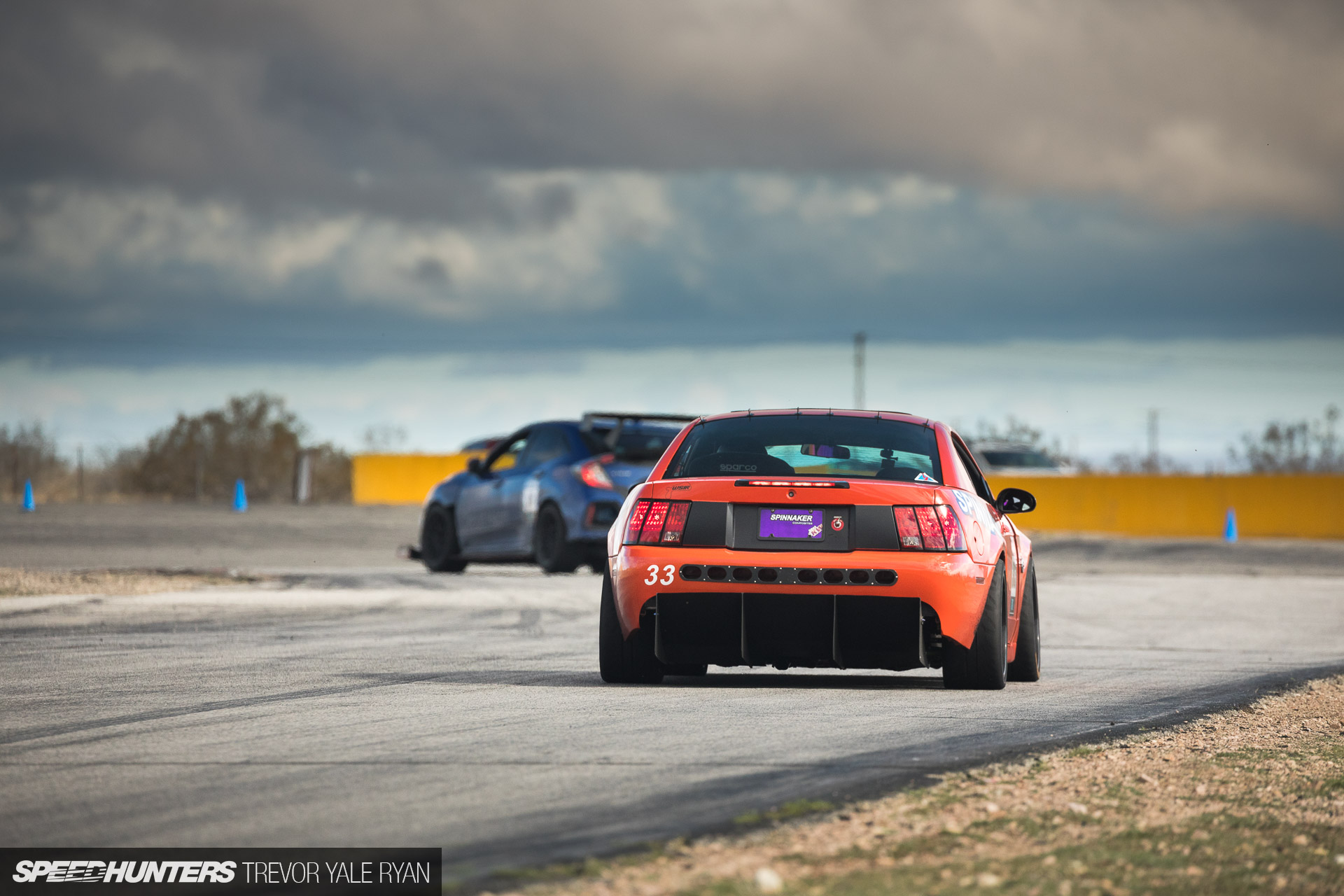
Unfortunately, the BMSPEC team couldn’t overcome these fueling issues (where the ECU would entirely cut fuel delivery, resulting in Jackie being reduced to a speck in the background while the Mustang marched on) during the bracket-style shootout at Streets of Willows, and being eliminated after their first matchup following a ‘one more time’ battle.
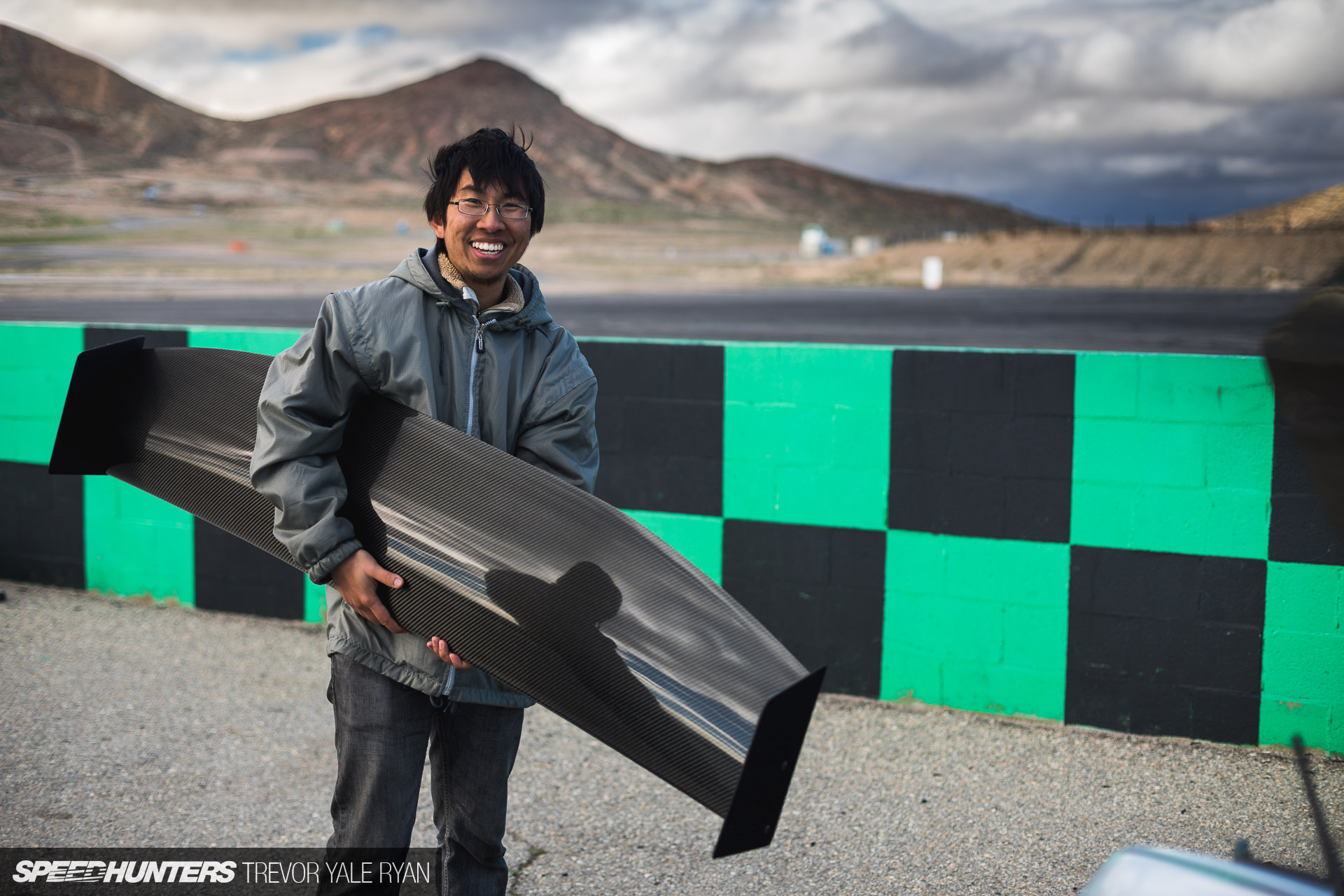
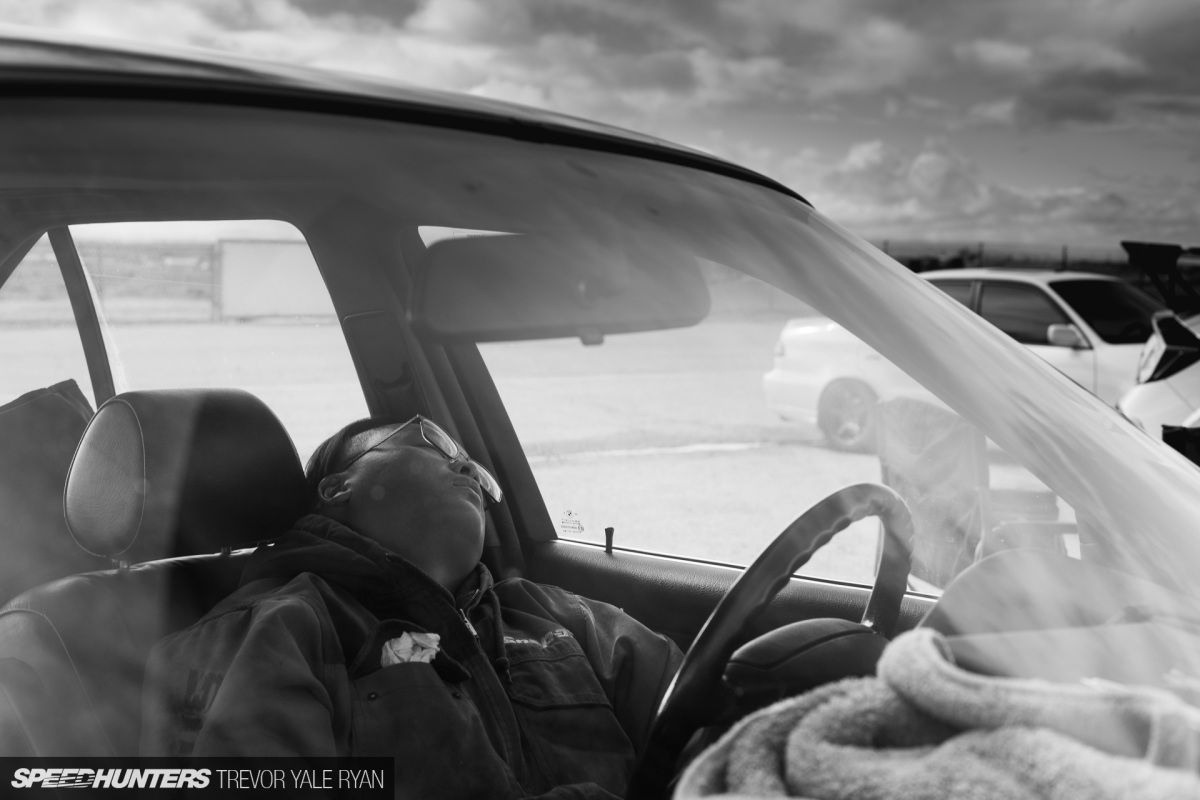
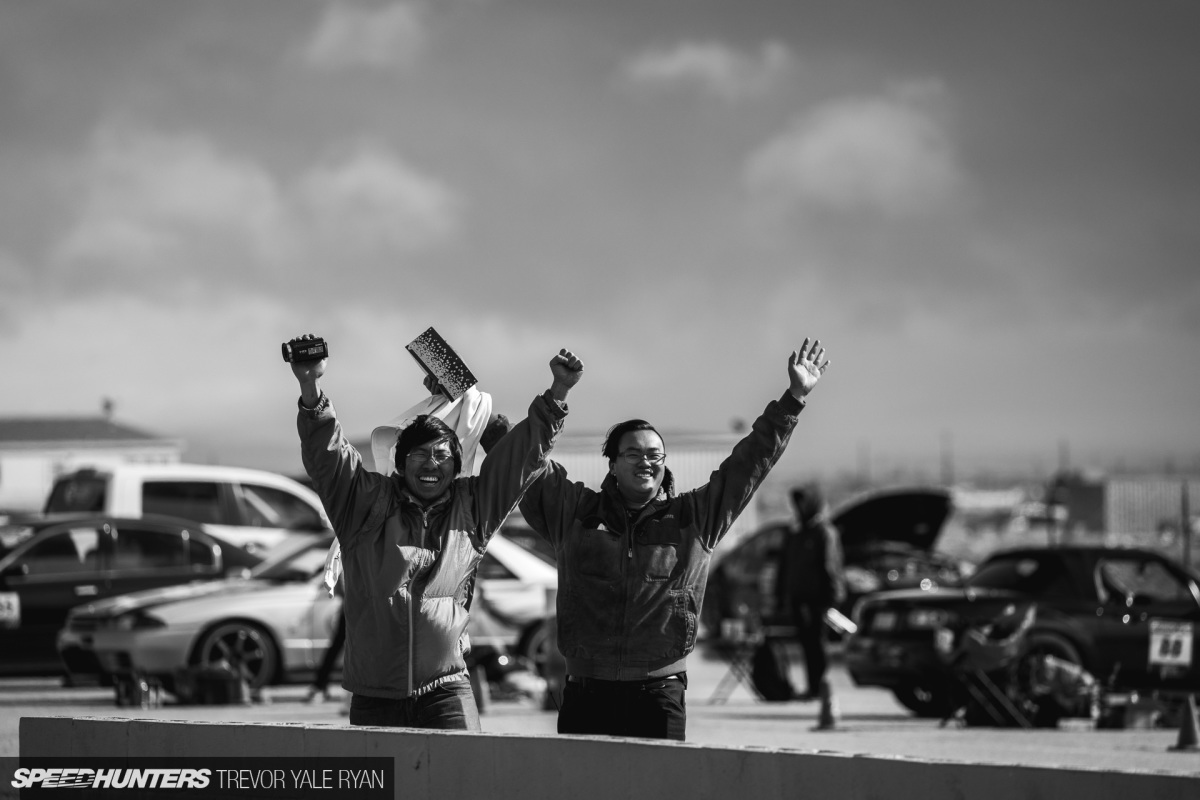
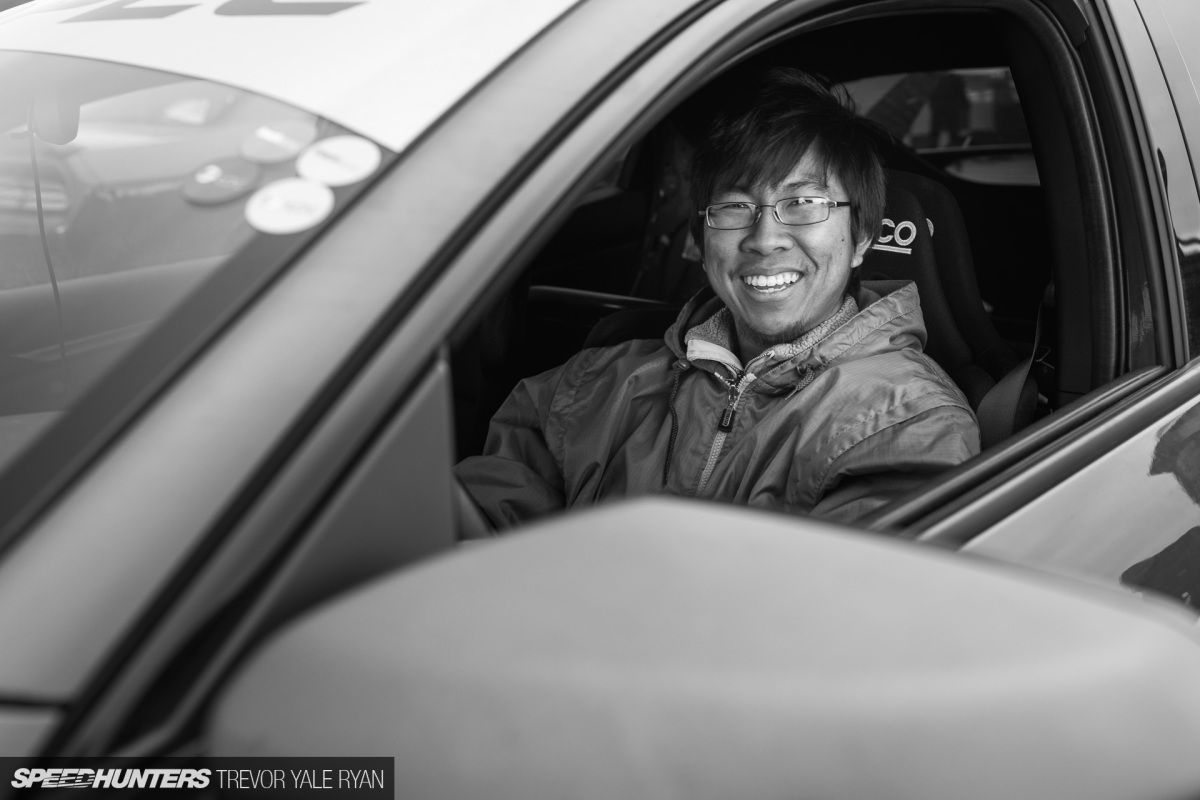


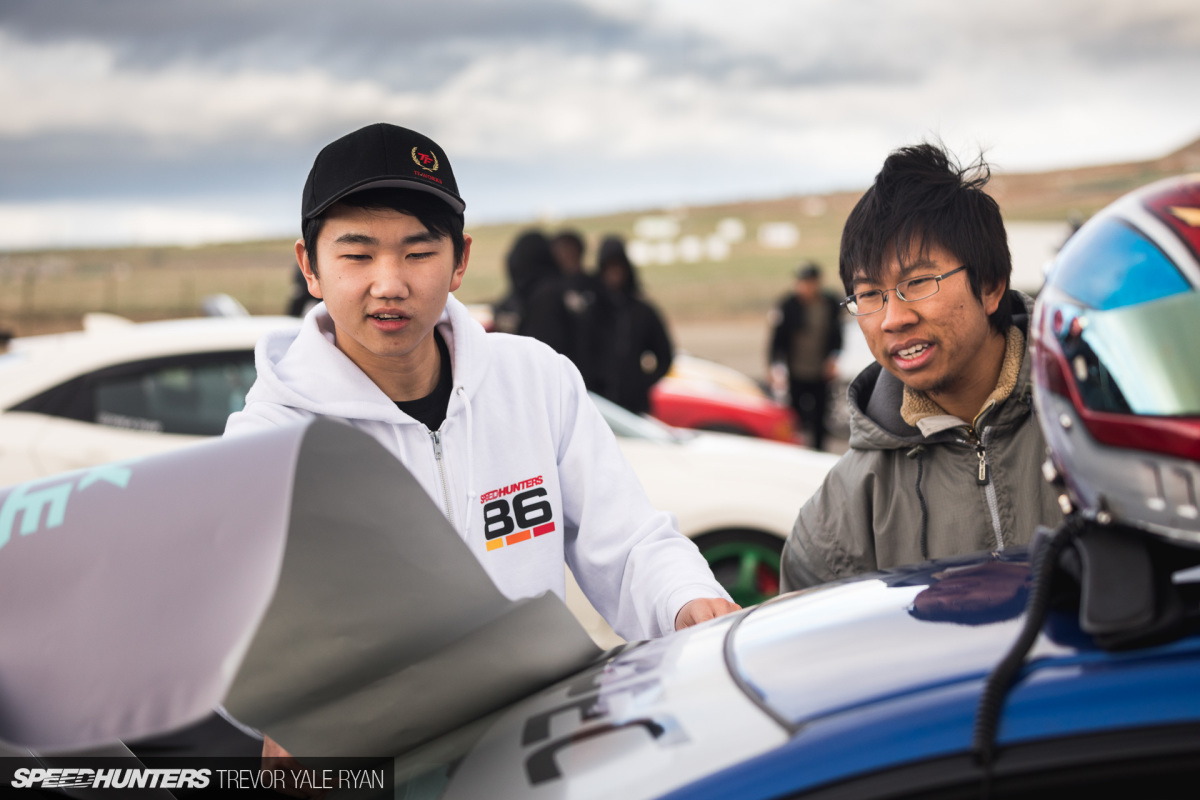
There were plenty of highs and lows throughout the weekend and the team worked endlessly to keep the car in the running, but ultimately it was a solid team-building exercise for Brian, Jackie, and Rainer (pictured here sleeping and celebrating). And Jackie got his first taste of country fried steak after a long day at the track — which he “enjoyed very much,” before hopping on a red eye to Detroit for class the next morning. You can watch his entire weekend recap on YouTube here.
Long story short, nothing with cars ever comes easy.
But to prove there’s a lot left on the table for the Civic, Honda factory racer Tom O’Gorman from TOMO Racing, and the 2018 PWC TCA champion, went out for a few laps in Circuit Heart and bested Jackie’s time.
With some tuning, tweaking, and more seat time I expect the Civic to become incredibly competitive in Jackie’s hands, but only time will really tell how high the ceiling is for this car.
Street & Track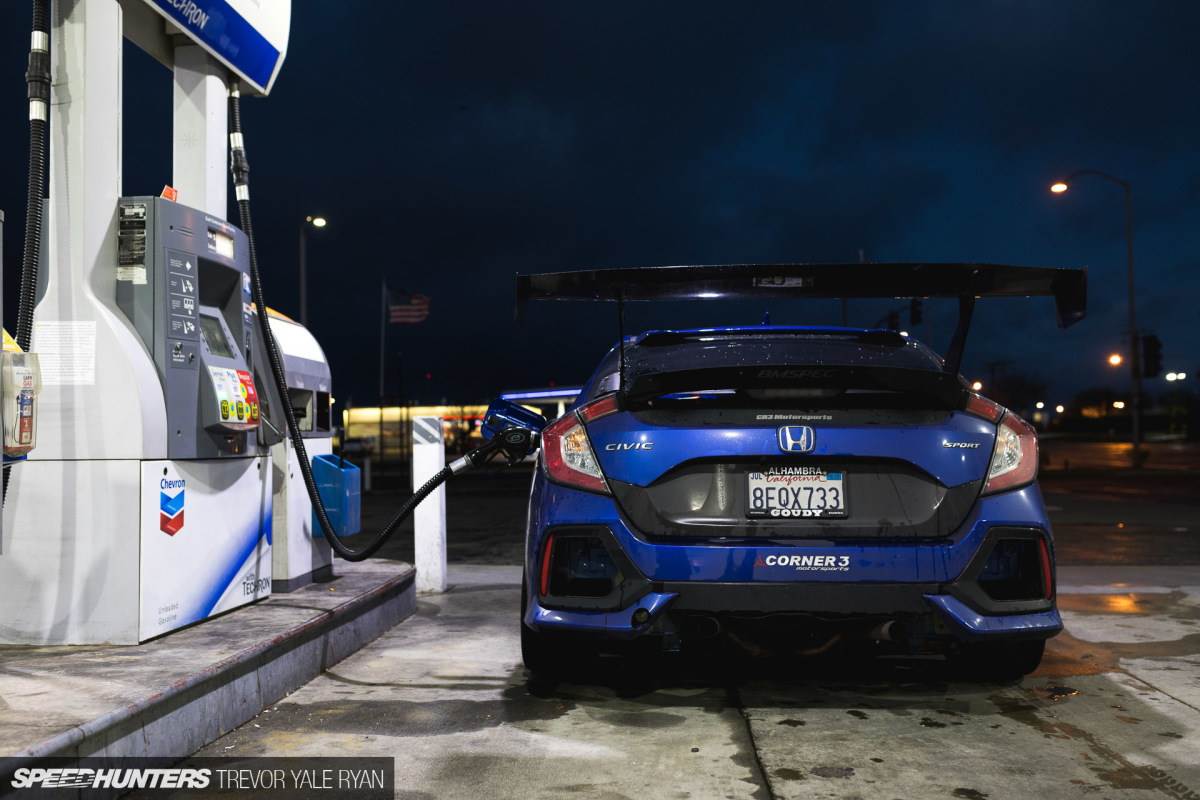
So, the car clearly works well on the track and has potential to be competitive in its class. But does it work on the street?
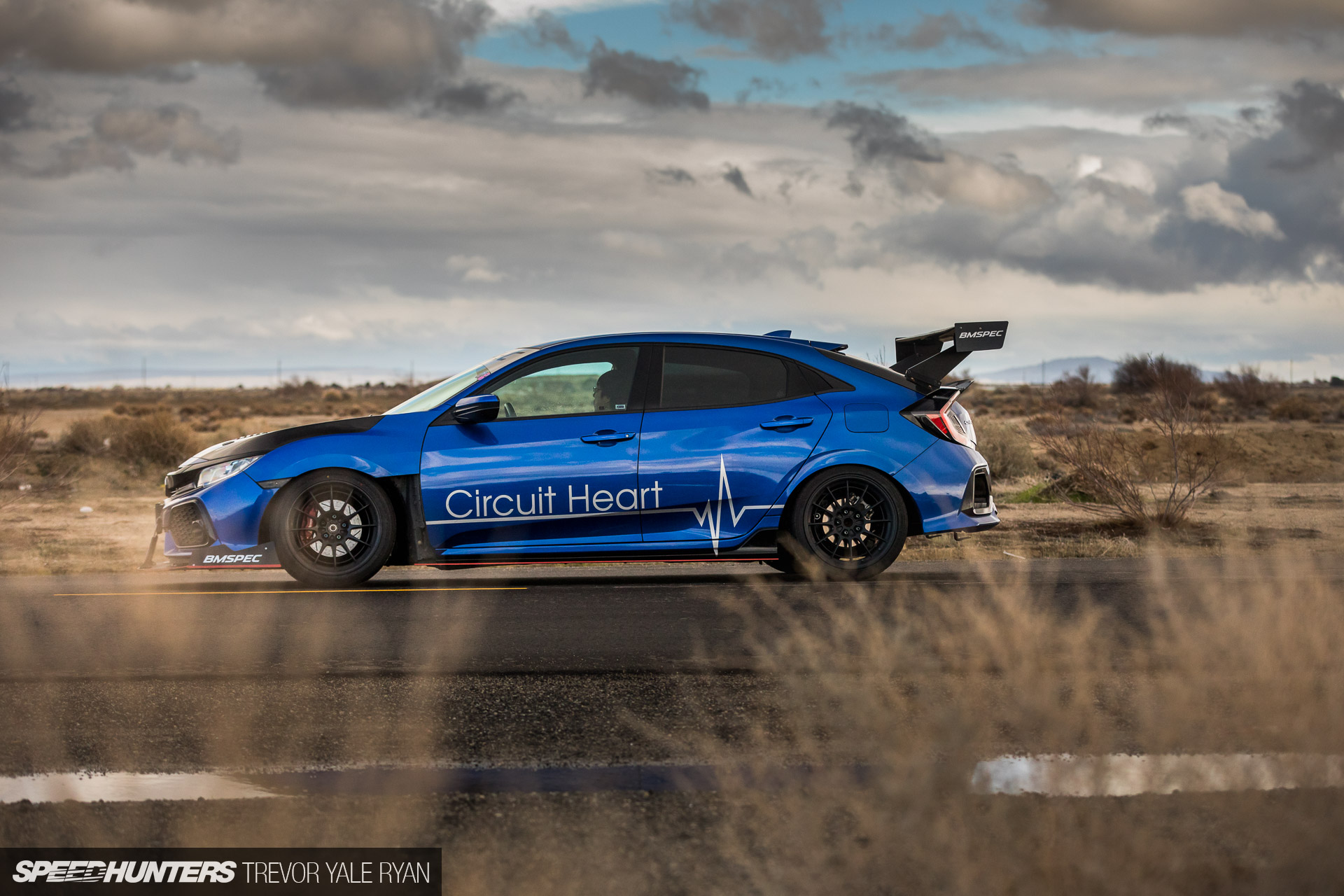
The answer is yes; it should be no surprise that the big-winged Civic was actually very reasonable to drive in a day-to-day setting. Brian says the original BMSPEC car — the Mazda3 I mentioned earlier which has since been dismantled to make way for the Civic — “was a daily driver, parts hauler, track car, and an occasional show car. It had to do all things well, so we simply made it do all things well.”
In an age where this seems to be the expectation, BMSPEC is filling this niche in the market by making parts which can indeed do everything, all at a reasonable price.

And, not to start another debate with a panel of enthusiastic internet scientists, but both in simulation and in practice a number of the aero parts Brian designs and makes actually increase your mileage on a tank of gas — SCIENCE! — making these parts more than reasonable for a daily driver or weekend warrior alike.
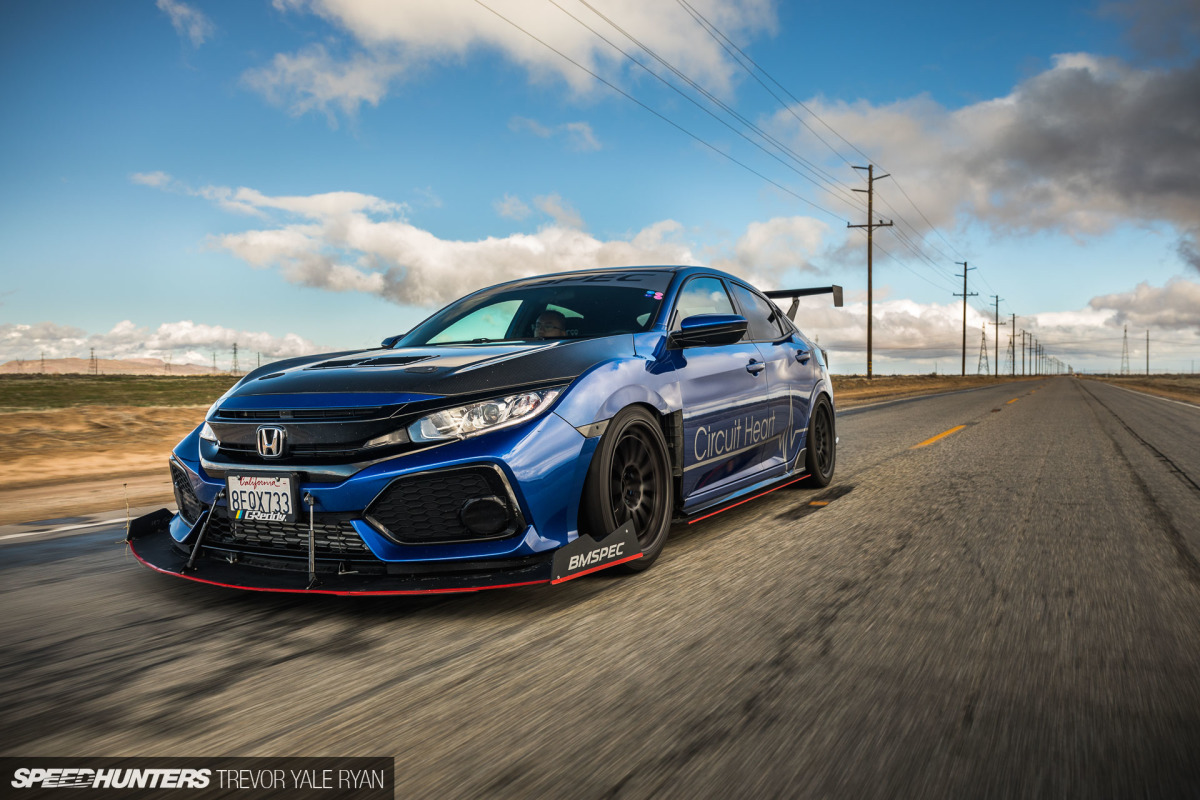
Beyond the standard issues which come from driving a low car, think angling into driveways and the like, the BMSPEC Civic was simple and straightforward to pilot to Los Angeles and back.
The car also showed great potential at the track, and Brian says that their concept is finally becoming a reality. It all started with his Mazda, though, as Brian simply states “the evolution of the designs on that car led to where we are today.”
Brian smiles when he says this knowing that — even years in the making — his 2018 Civic is only just the beginning for BMSPEC.
Trevor Yale Ryan
trevor@speedhunters.com
Instagram: tyrphoto
TYRphoto.com
Honda Related Stories on Speedhunters
Cutting Room Floor