We last parted ways in October with Project NSX finally getting some serious performance chops thanks to a proper performance exhaust manifold from Fujitsubo.
Note: this story was written in January, but is being published now due to some technical issues. [-Blake]

This might come as a surprise to some readers but my time with Project NSX in Japan is rather limited – the work contract that brought me here from Sydney two-and-a-half years ago requires me to be in Melbourne, Australia from 2019.
It’s been an unbelievably fun time – us Speedhunters are not exaggerating when we say Japan’s car culture is the best in the world – but there were still a few important lines to be scratched off the bucket list before the car is nosed into a container bound for Australia.
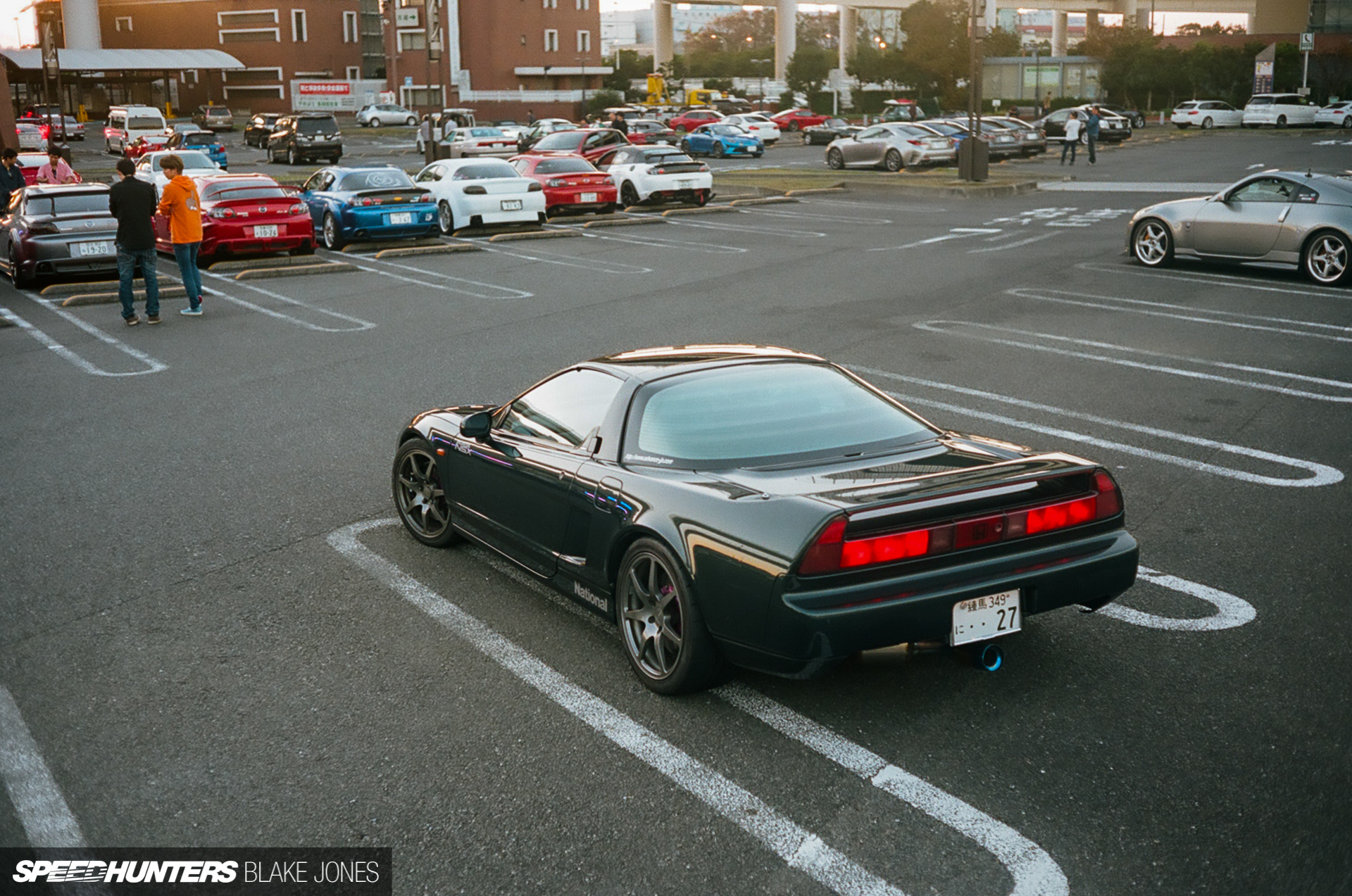
Fuji was done, along with most of the interesting touge passes around Tokyo – Hakone and Nikko to name the most obvious. The remaining were two race tracks, significant for different reasons: Suzuka representing the birthplace of the NSX legend – the location where Senna famously pushed the car to its limits in his leather loafers, and Tsukuba having an iconic place in JDM history as the site of countless time attack battles and Hot Version‘s famous Tuner Car Showdowns.

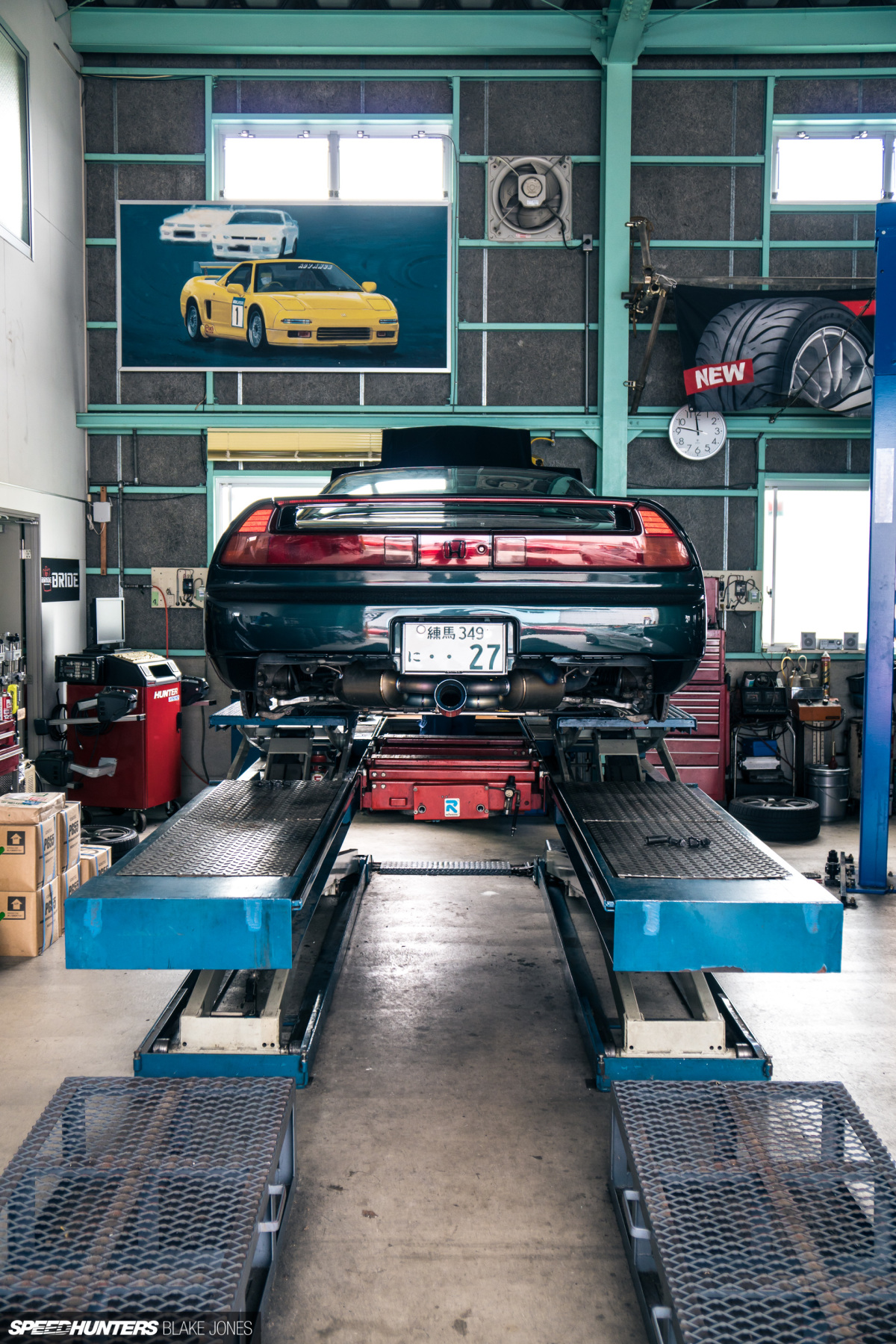
Let’s get back to reality though – I’m not Senna and 27 was still nursing some wounds from the last track day at Fuji, so some work needed to be done before any serious track time.
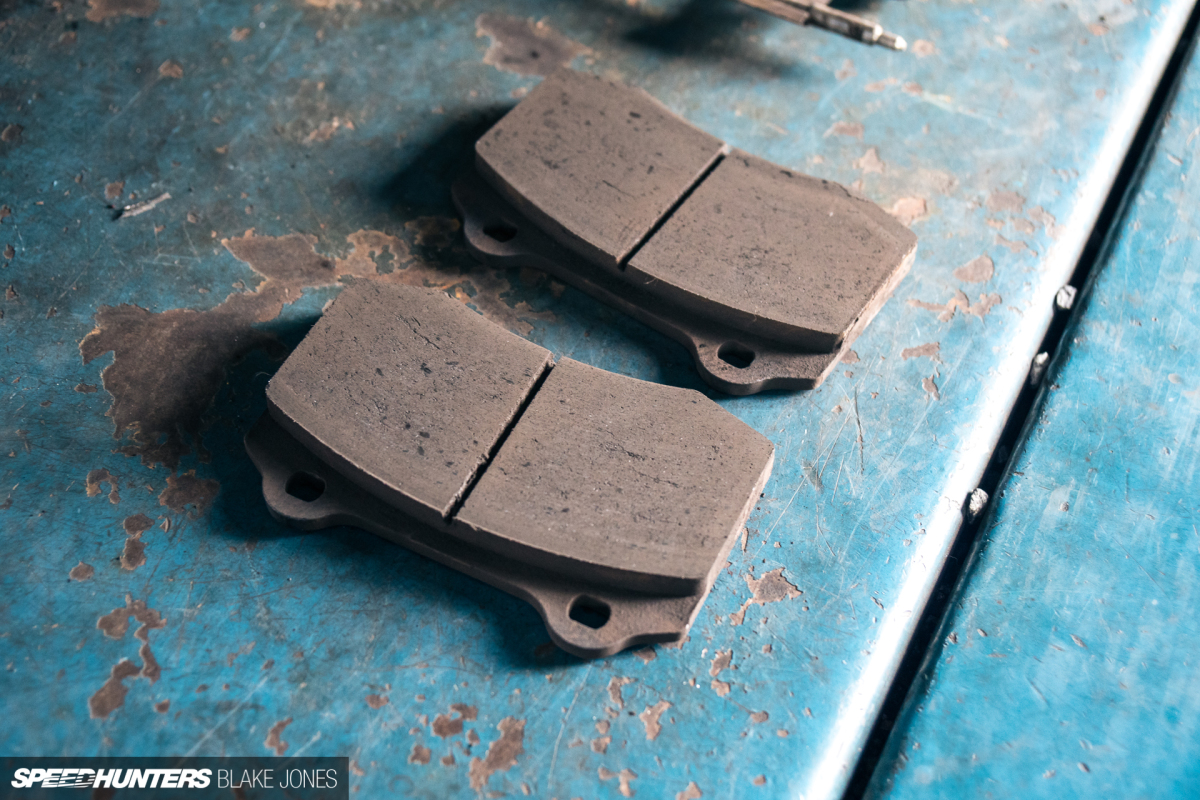

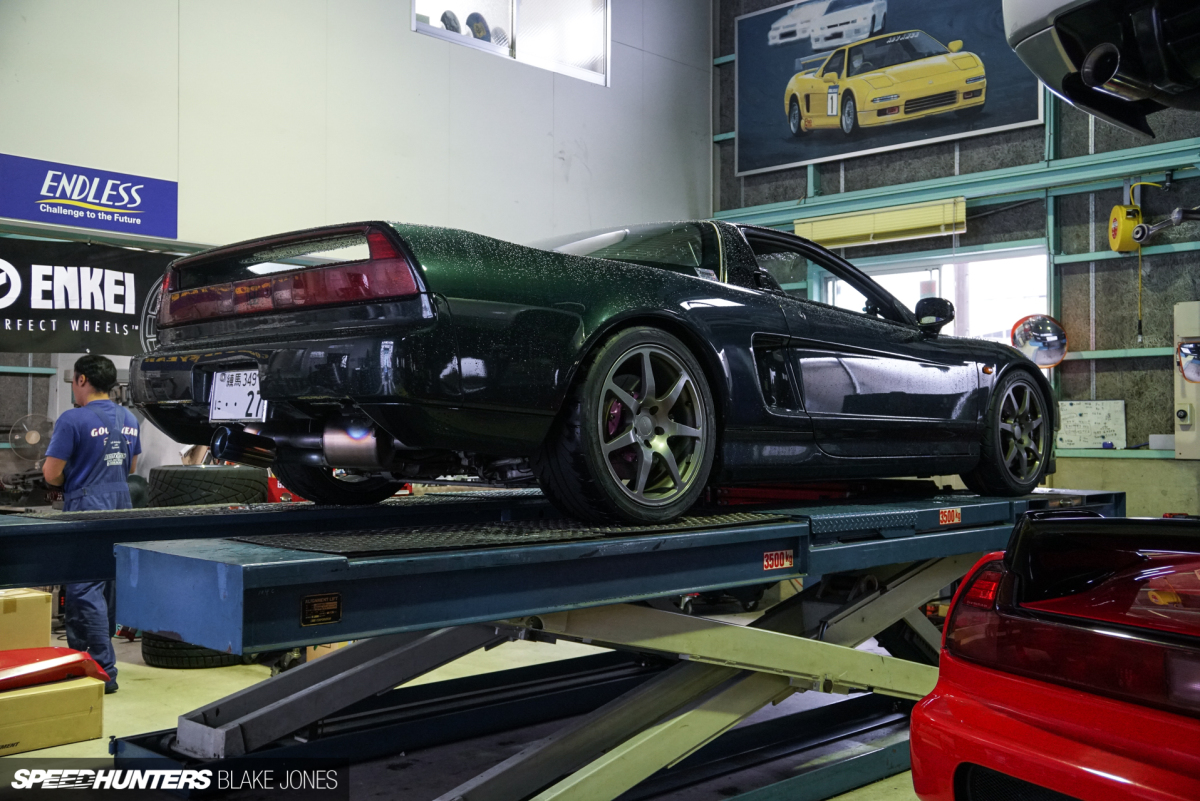
First up – brakes. The fronts had developed a colossal shudder under heavy application of the stop pedal, which meant new pads and discs were in order. Another Saturday afternoon spent on the Advance lift with Masa and Yagi spinning some tools.
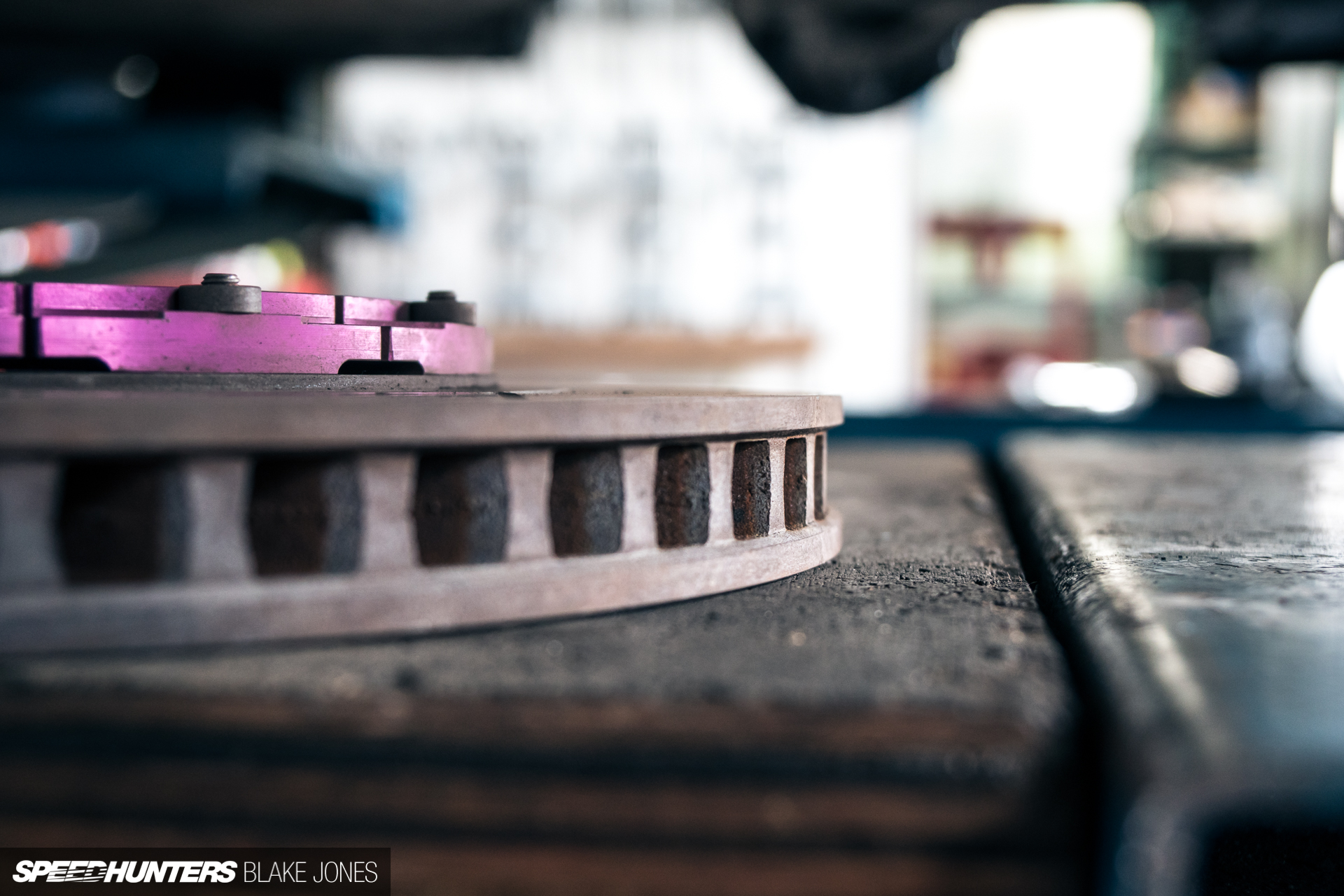
Brake shudder is often attributed to ‘warped’ rotors, but more commonly the issue is actually an uneven wearing of the disc surface. As the disc rotates, the section in contact with the pad will oscillate in and out, creating an uneven application of pressure and thus an even greater shudder sensation through the steering wheel and brake pedal.
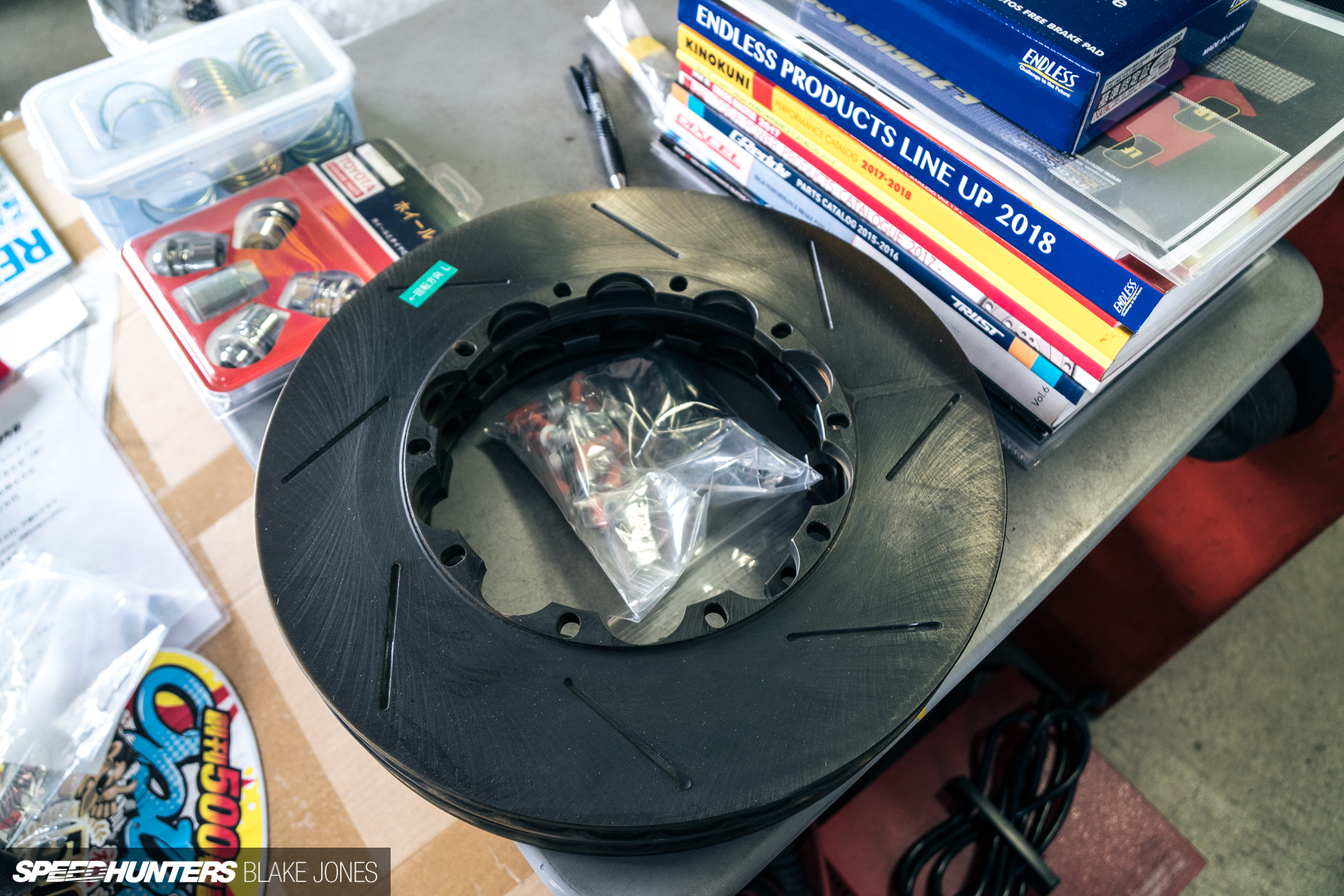
There’s the option of machining the discs to a completely flat surface, but given the severity of the shudder I decided to go with new front discs. The original brake upgrade kit was from Biot and it seems that only their custom rotors would fit, so the order was placed. At this price point though, I will be investigating some more cost-effective options next time the rotors need to be replaced.
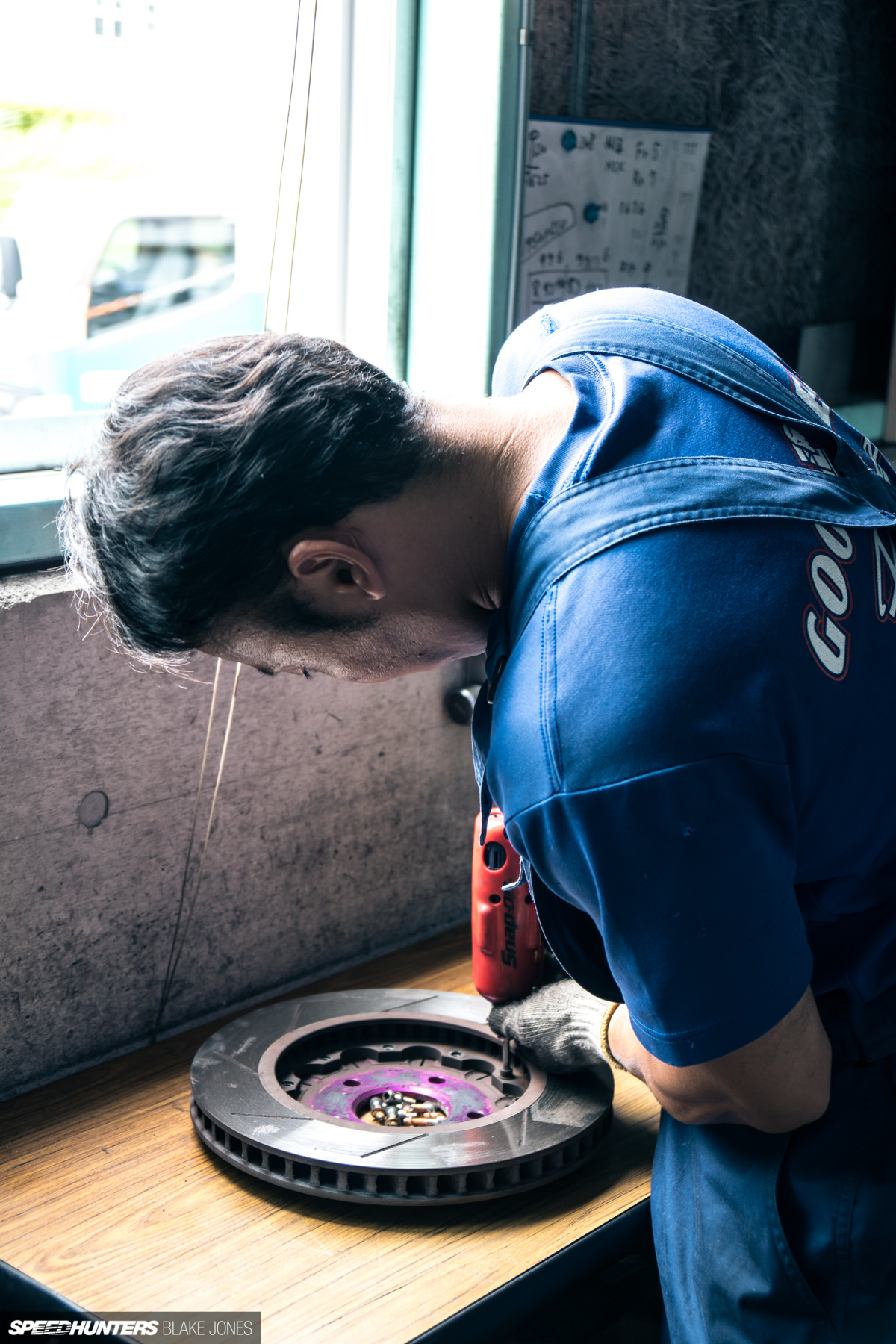
The floating/two-piece front rotor means the aluminium mounting bell is reused and attached to the new disc after a quick clean.
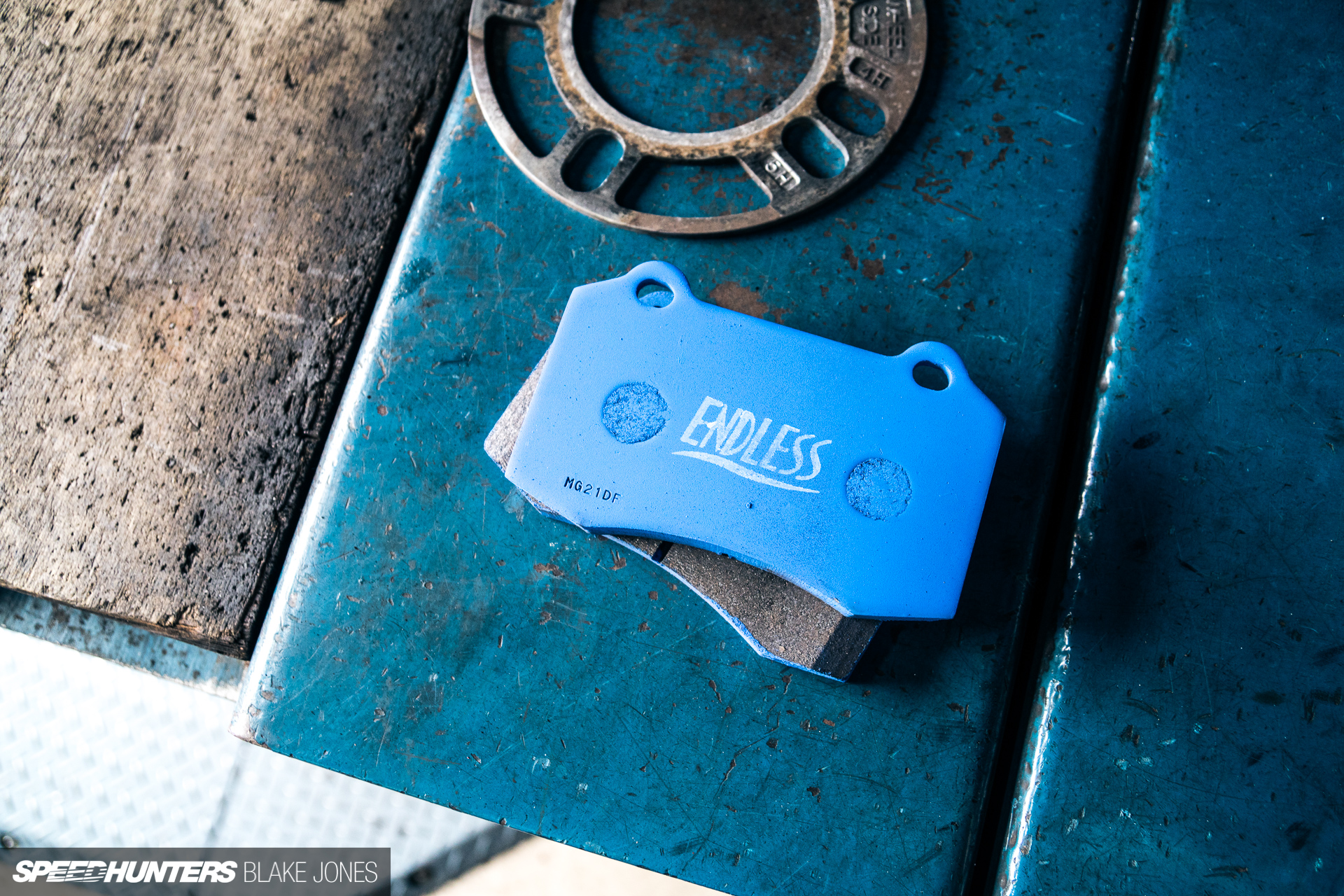
Advance runs Endless brake components on all their circuit cars, and Masa strongly recommended MX72 pads, a ceramic carbon metal compound that serves as the entry-level for track use. These MX72s have good high temperature performance but without the noise and dust that accompanies an all-out track pad.
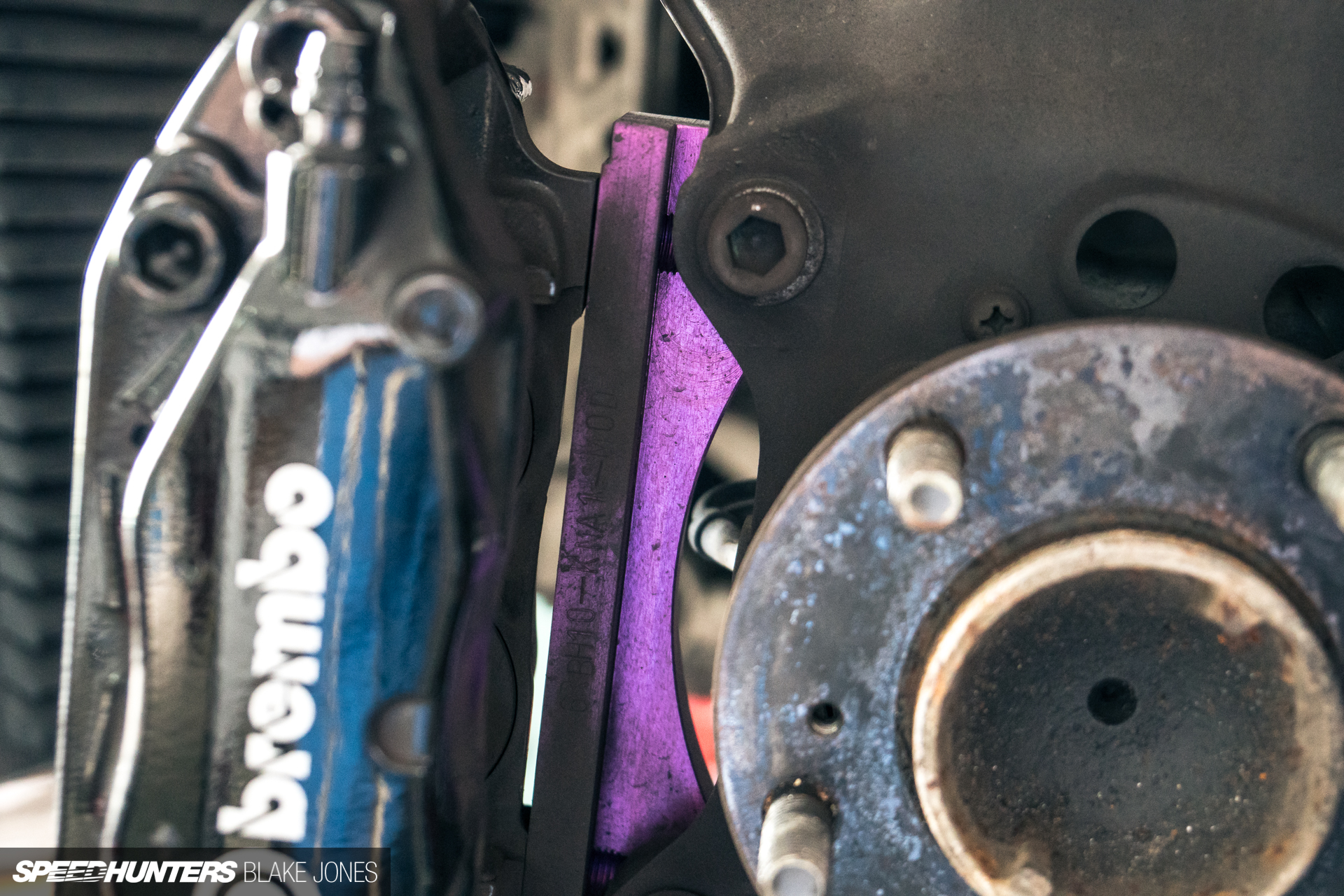
The Biot upgrade uses a Brembo caliper and a slotted 320mm disc (compared to 282mm stock), which means deceleration and heat dissipation abilities are more than sufficient for the car’s current power level, so a less aggressive pad can be used safely on track.
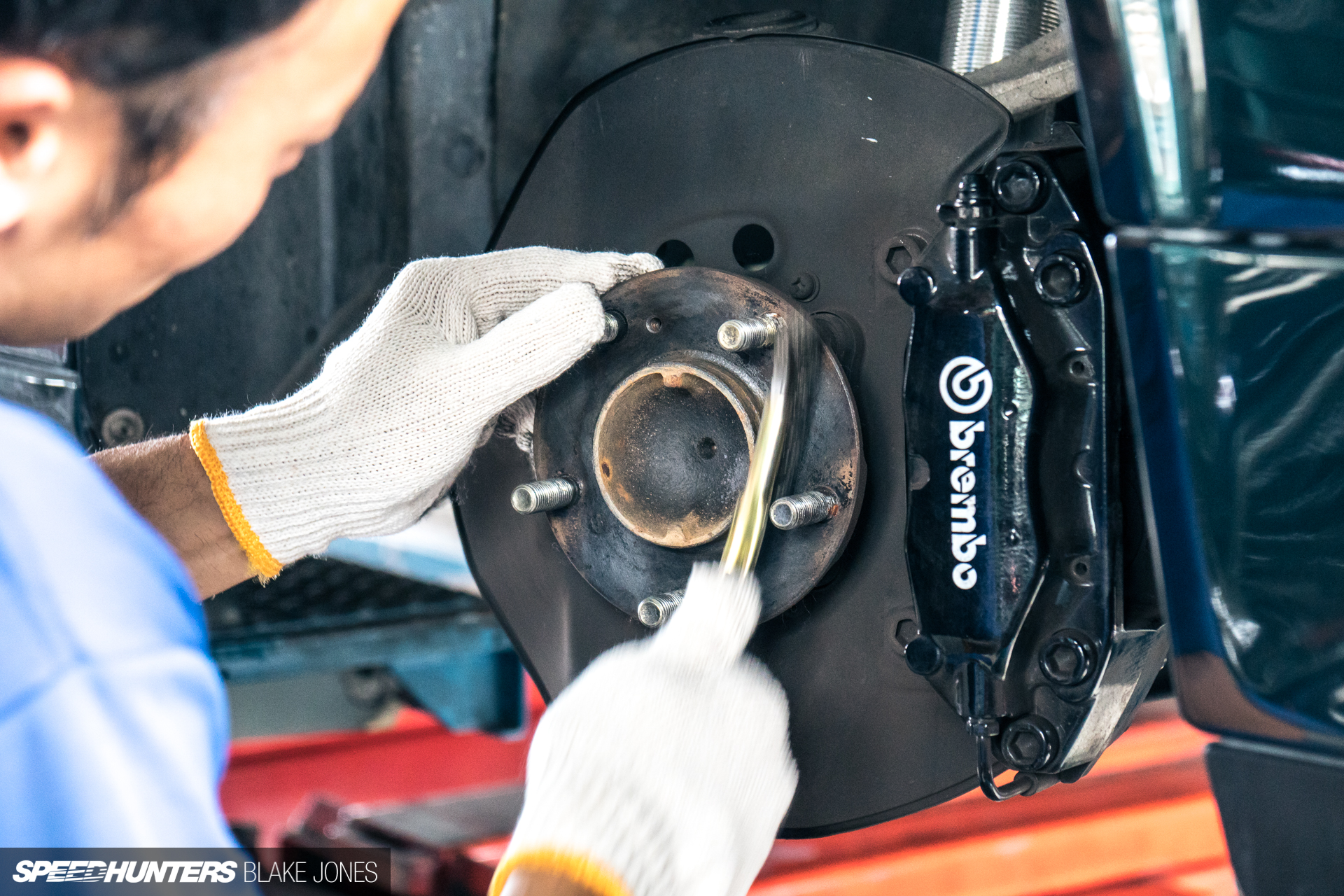
Perhaps the most important step in a rotor change is thoroughly cleaning the hub surface to ensure the surface is as flat as possible and limiting the possibility of further run-out/shudder issues forming again in the future.
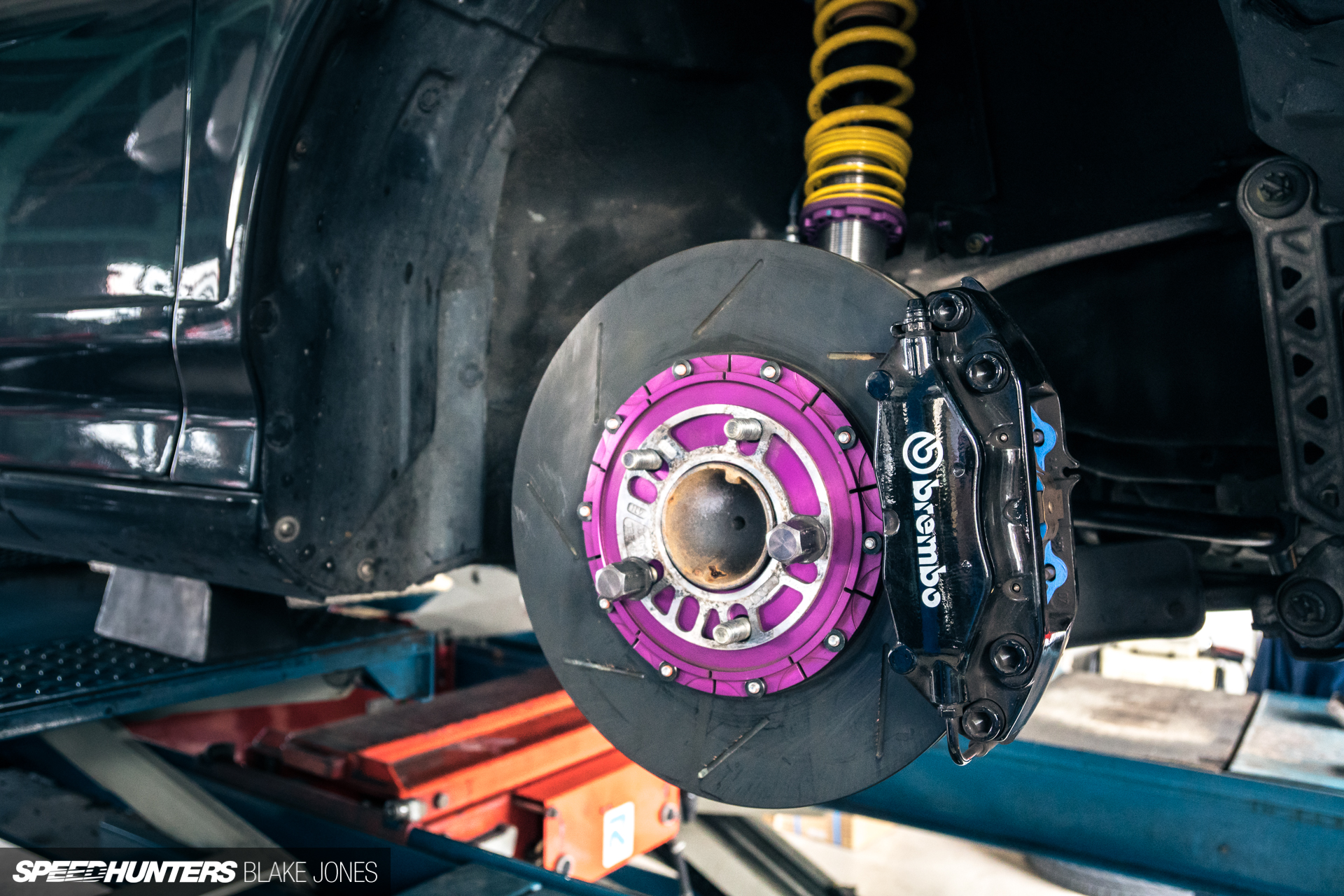
All done. The rear pads were replaced at the same time to ensure a balanced braking performance, and the fluid was flushed and replaced with a high-temp solution.

It was a bit of a dirty secret that I’d been running Project NSX on mismatched tyres front and rear on the street where the differential wasn’t noticeable, but the track was a completely different story. Every rubber compound reacts differently to heat, and a balanced street car turned into a pretty scary proposition on the track.
For example, the soft and vague-feeling Zestino tyres on the rear would grip up quicker than the Yokohama fronts, causing the car to push the front end wide without much communication via the steering or chassis, resulting in a car that just wasn’t happy above 80% pace.
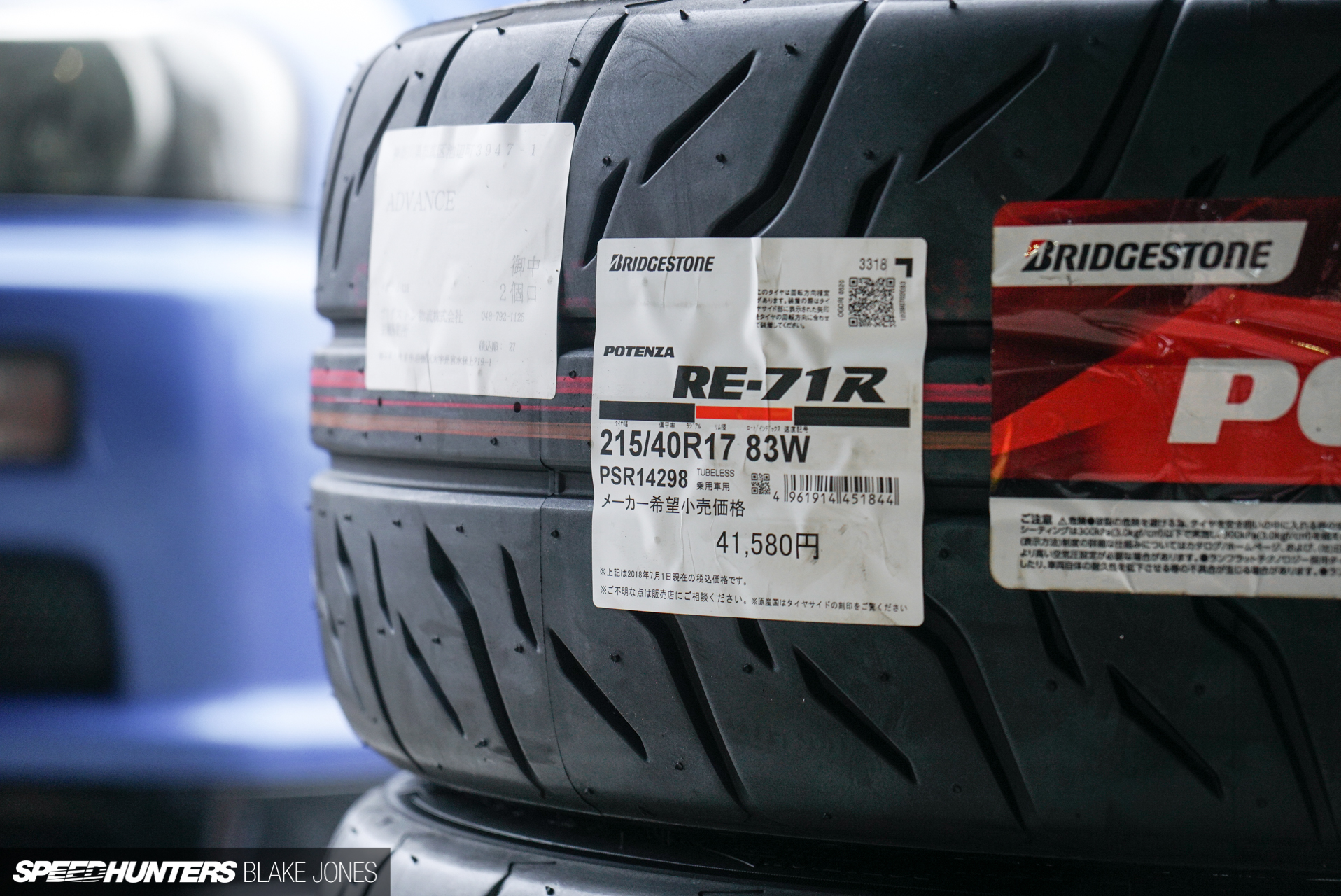
Considering the shared road/circuit duties, I’d be looking for an extreme performance road tyre. Anything less would leave too much performance on the table, and I wasn’t prepared to sacrifice my sanity to the constant sound of road debris that a semi-slick tyre would bring. I’d been happy with Michelins on a previous car, but next to nothing is available for 17-inch wheels, so they were out.
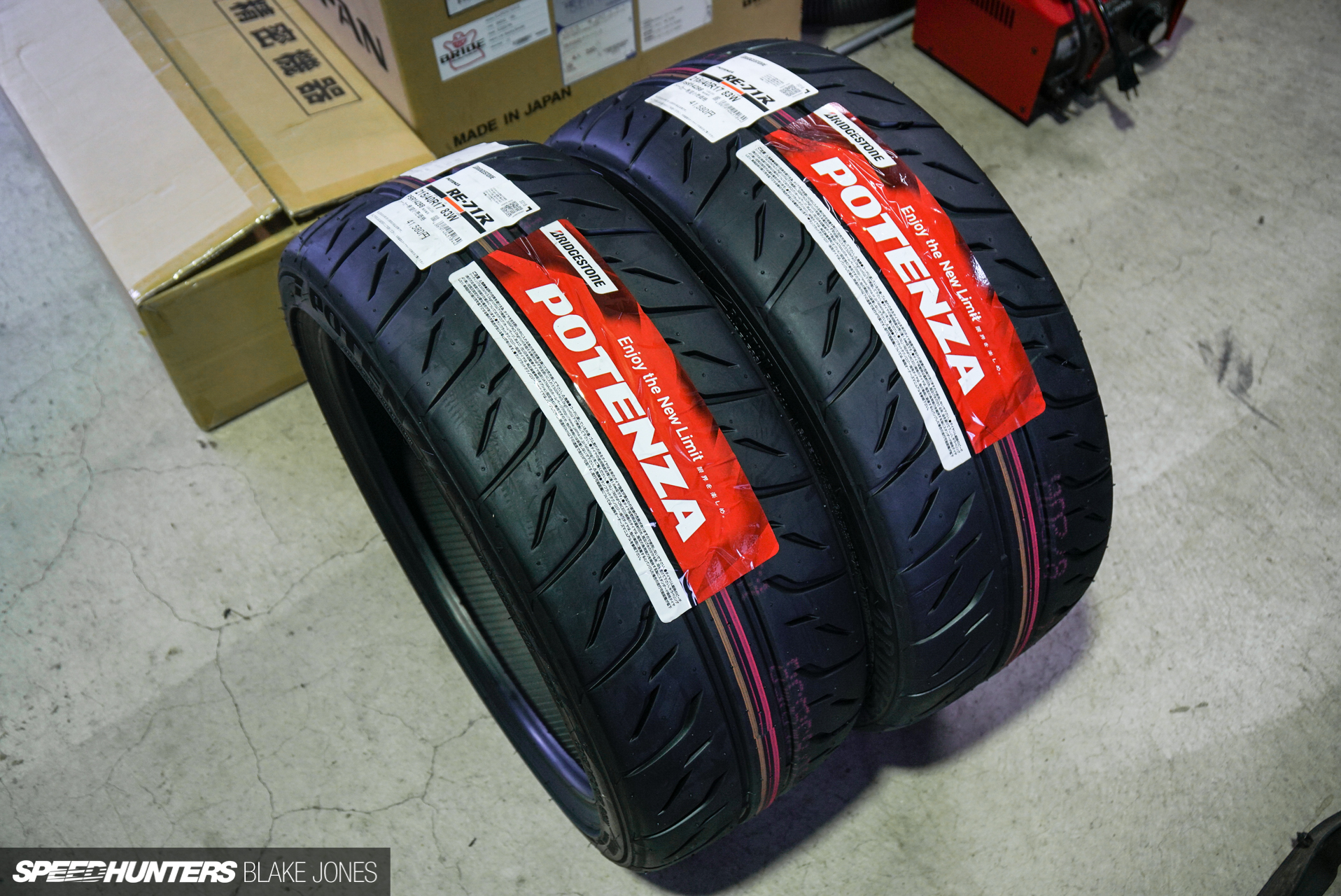
Offerings from Yokohama and Bridgestone – coincidentally the two suppliers of the OEM tyres for the NSX – remained. Both the Advan Neova AD08 R and Potenza RE-71R have been very highly reviewed, but it was my time with the Bridgestones in Spoon’s S660 that tipped me.
In fact, the RE-71R has been hugely popular amongst Japan’s thriving tuning and track day community, so it’s no surprise that certain sizes are backordered. Thus, it was about a two-month wait before both the front 215/40R17 and rear 265/35R18 pairs arrived.
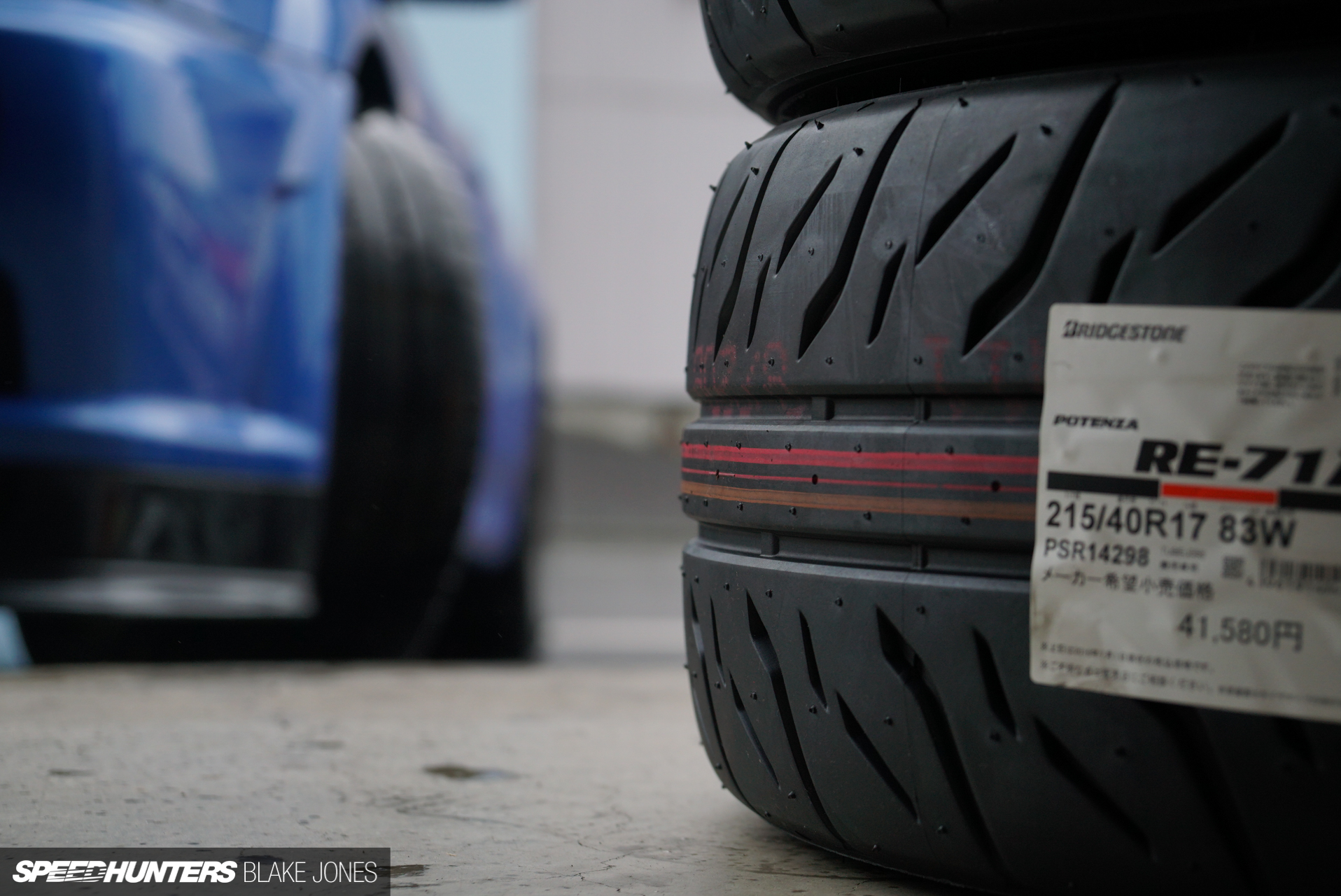
I know you’re probably thinking ‘only 215s?’ but there is reason for that size. The stock front fender is taken to its limit by a 215 tyre, and when the car was released it wore 205/50ZR15s, allowing smaller wheel wells for a lower nose and maximum footwell space.
At close-to-stock performance levels that’s probably enough for the lightweight front end, but you will see most high power or track-focused NSX owners going to a wider aftermarket front fender to squeeze a bit more rubber in.
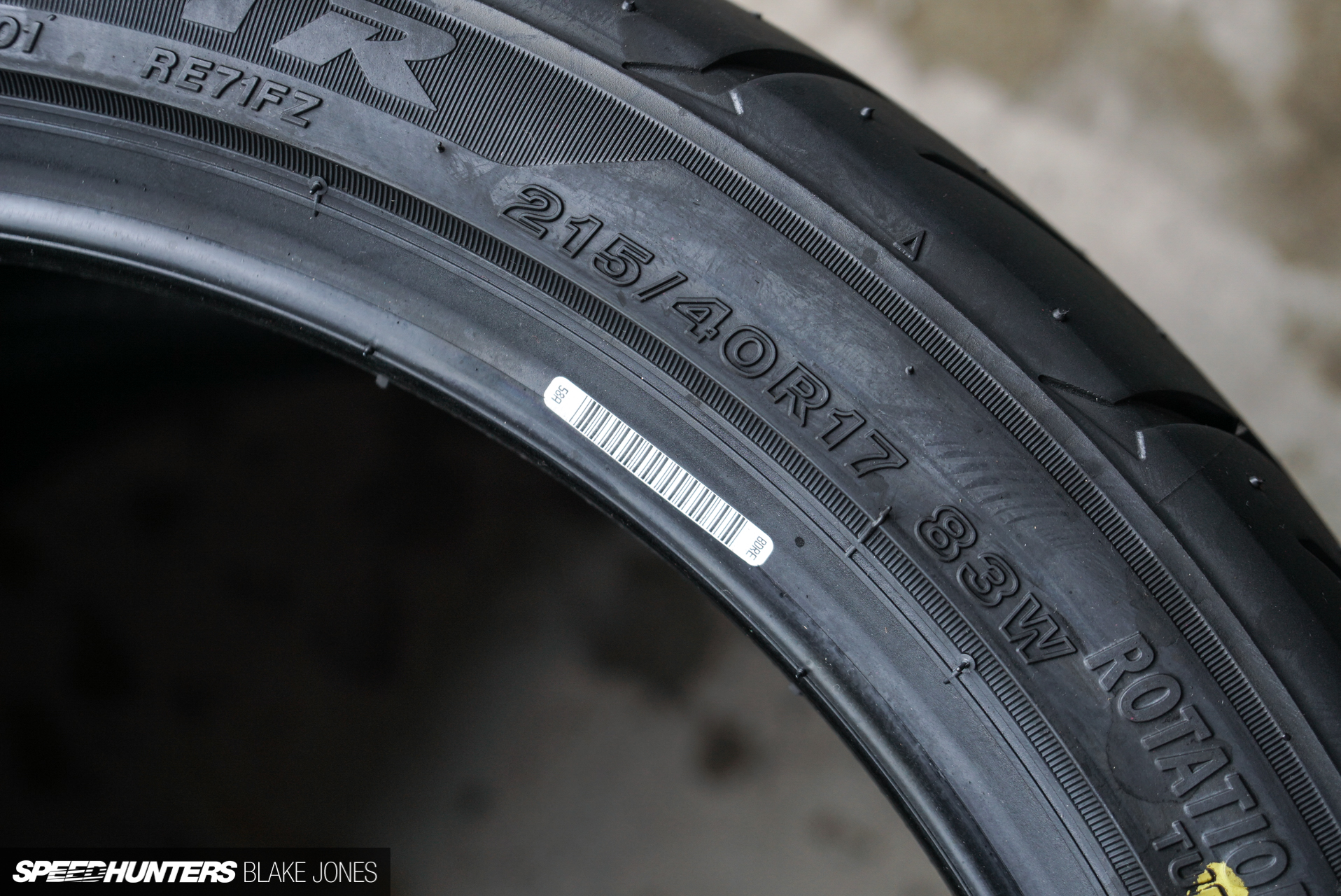
For Project NSX’s current 280hp-ish, a 215 is fine, and besides that I’m not quite ready for the painful process of getting fiberglass panels fitting properly and paint-matched. Hopefully the RE-71R’s modern compound can maximise the grip from a limited contact patch.
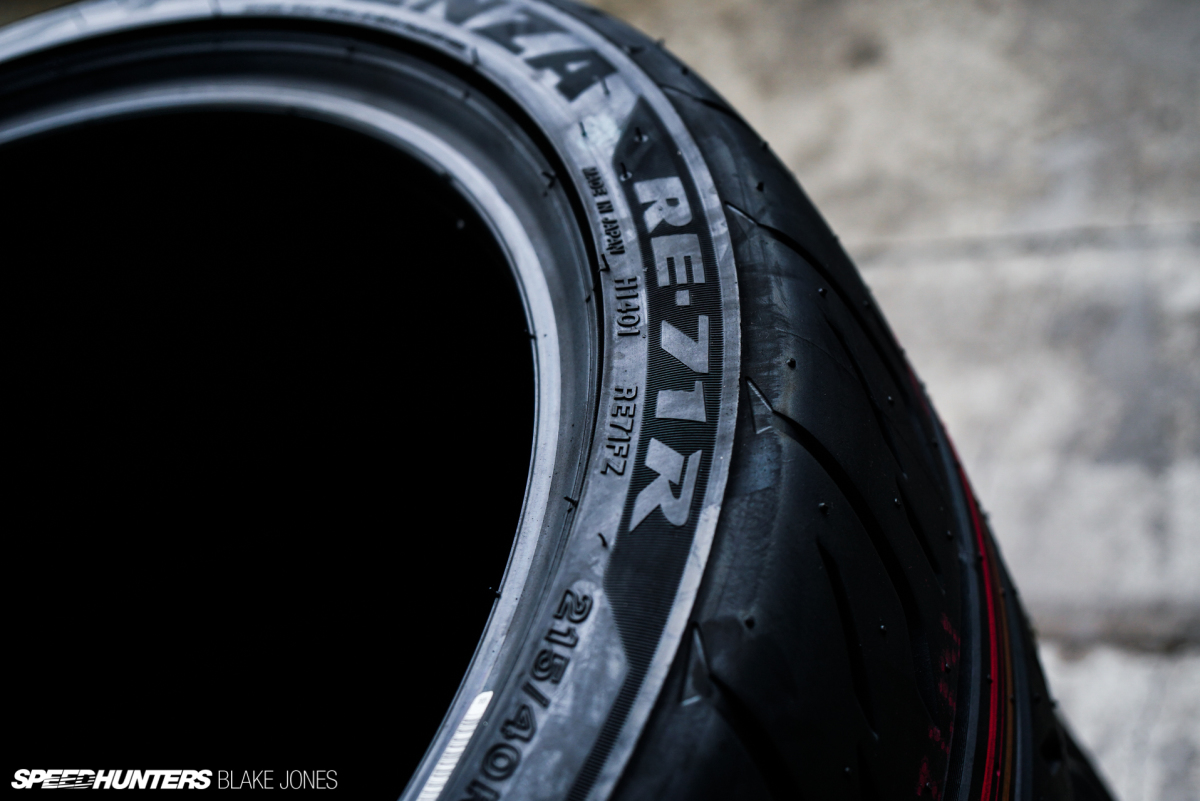
The RE-71R sits at the top of Bridgestone’s road-legal performance tree and was designed to maximise on-track performance with minimal sacrifice of wet performance. According to Bridgestone, the large centre block and broad shoulders combine with a high strength interior to provide a rigid structure, while “hydro evacuation surface ridges on their inner walls and multi-angle 7-shaped lateral grooves” help the tyres cut through water.
Big promises, but all reports so far set my expectations high for the Bridgestone’s performance.

Being a one-stop circuit shop means Advance is constantly changing tyres for customer cars, so Yagi made quick work of removing the old tyres.
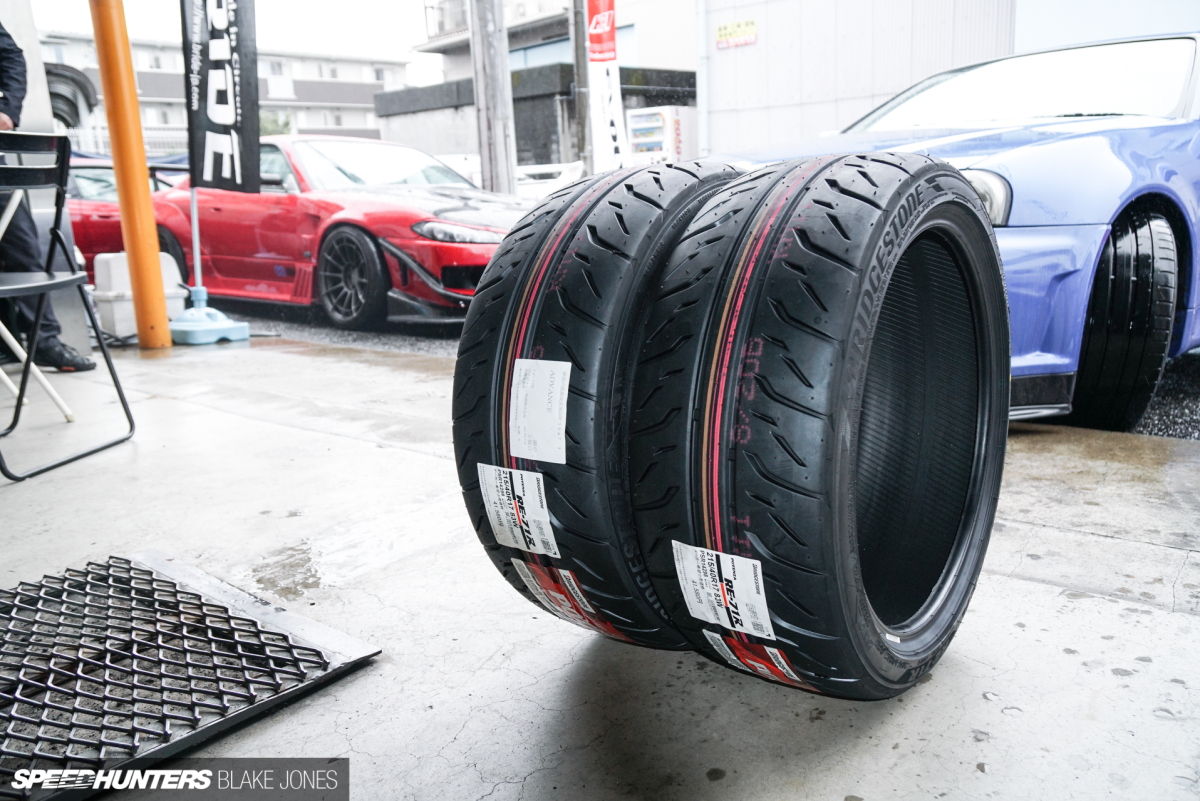

The new rubber was pressed onto the Prodrive wheels…
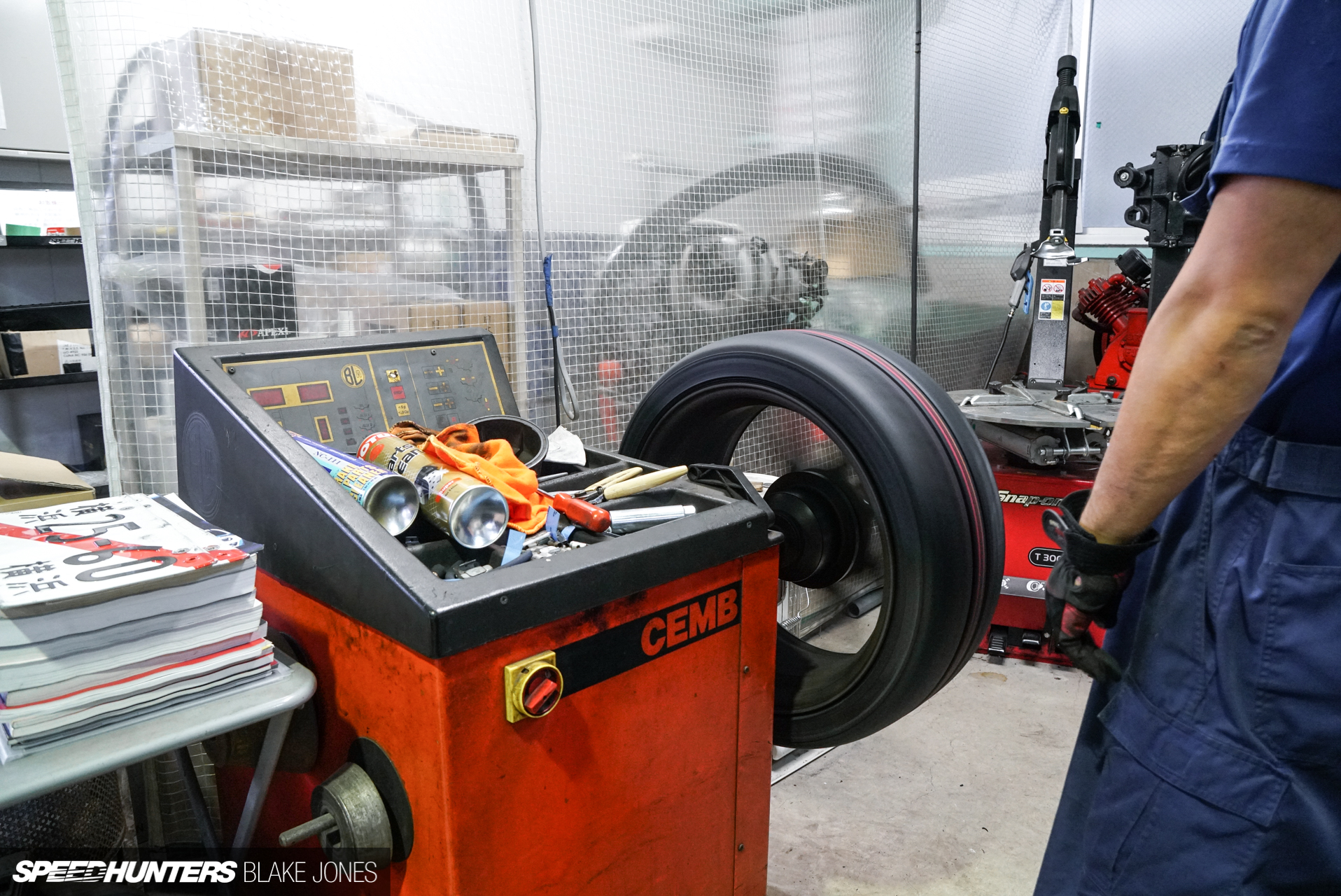
…before balancing each corner.
Curiously, with the new tyres fitted the car no longer drove straight (the steering wheel cocked about 10 degrees to the right) so a front-end alignment was required to get things back in line. Then off we go to Tsukuba.
Tsukuba Attack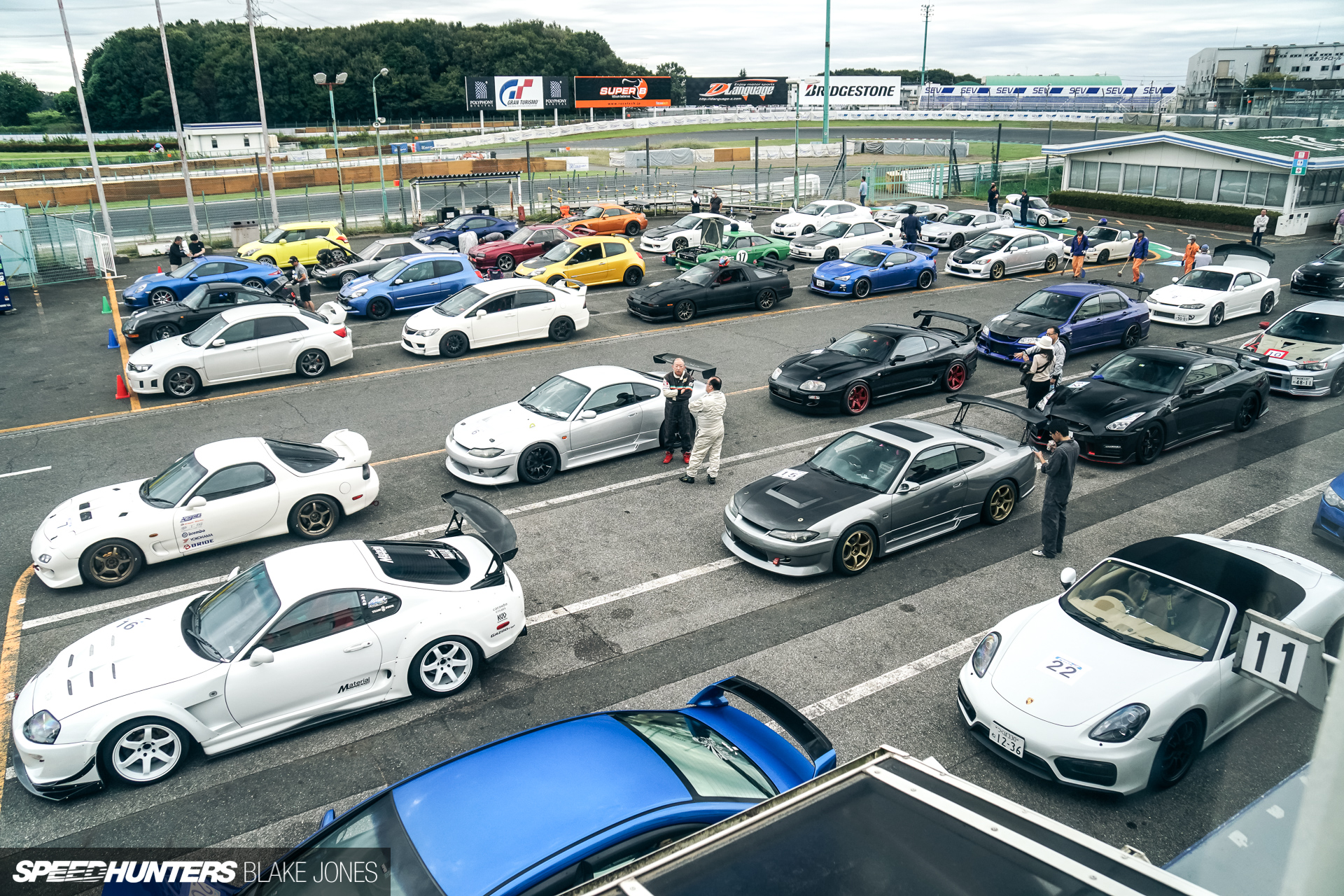
Tsukuba Circuit really needs no (re)introduction, but there’s some things that really struck me upon my first non-digital visit: The track is not only short in length, but extremely compact overall – the paddock is entirely tucked into the infield, and the track limits only extend a few metres beyond the tarmac – a metre or two of grass, a foam crash barrier, the armco and then you’re back into industrial Tsukuba city.
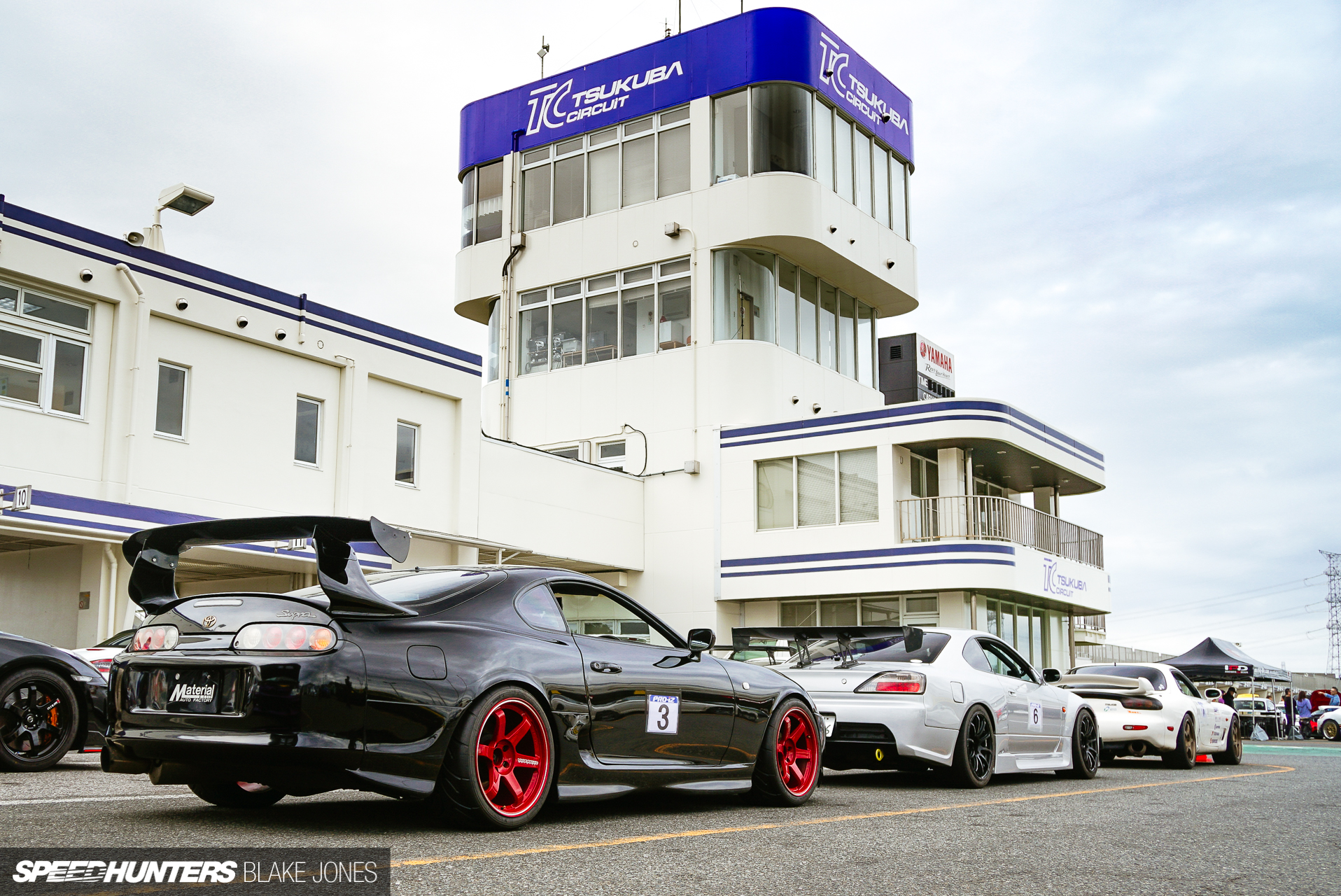
The organisers of the day’s meet were Pro-Iz, their formula being a low-cost and relatively relaxed way for beginners and veterans to get some track time on the circuits dotted around the Kantō region of Japan.
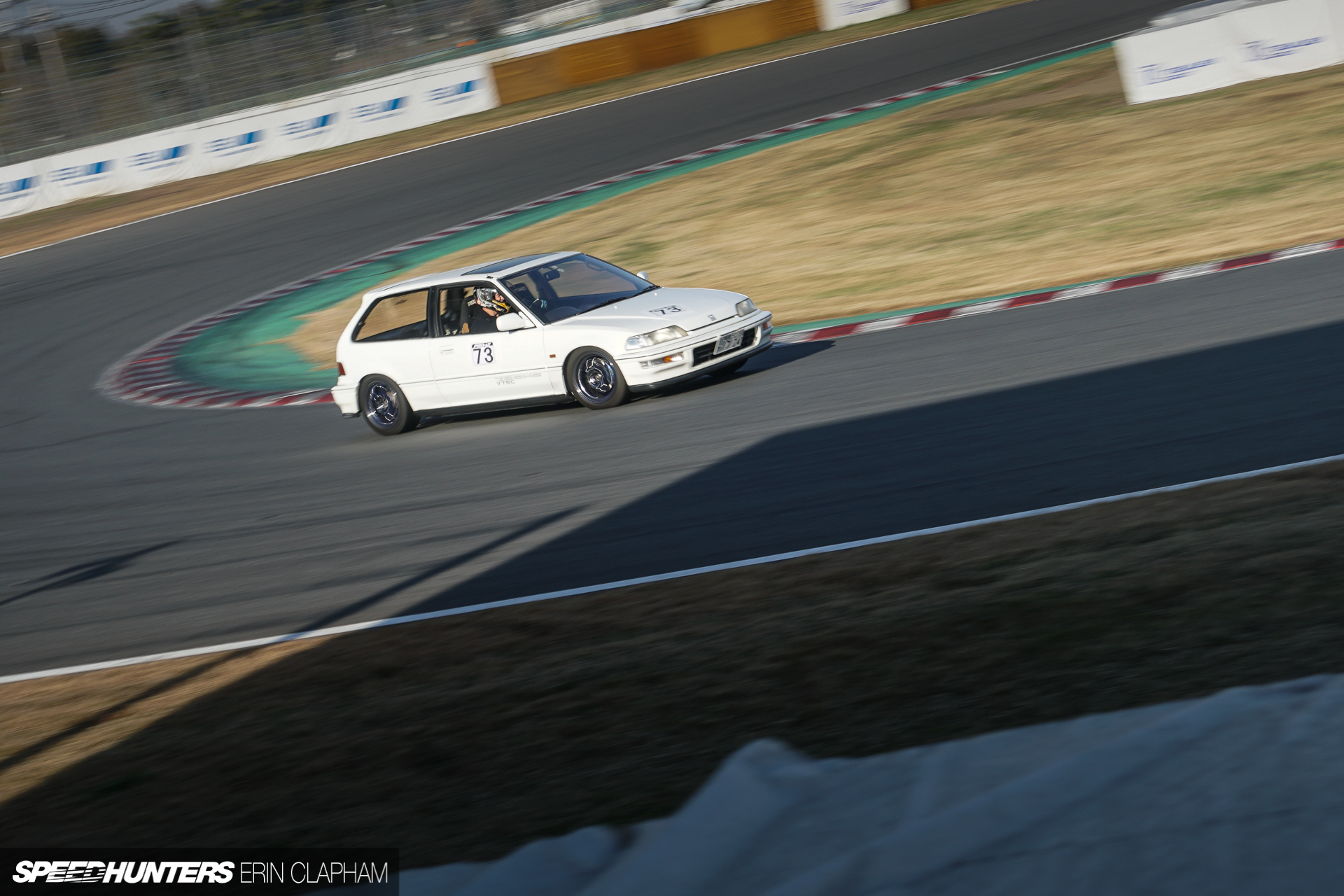
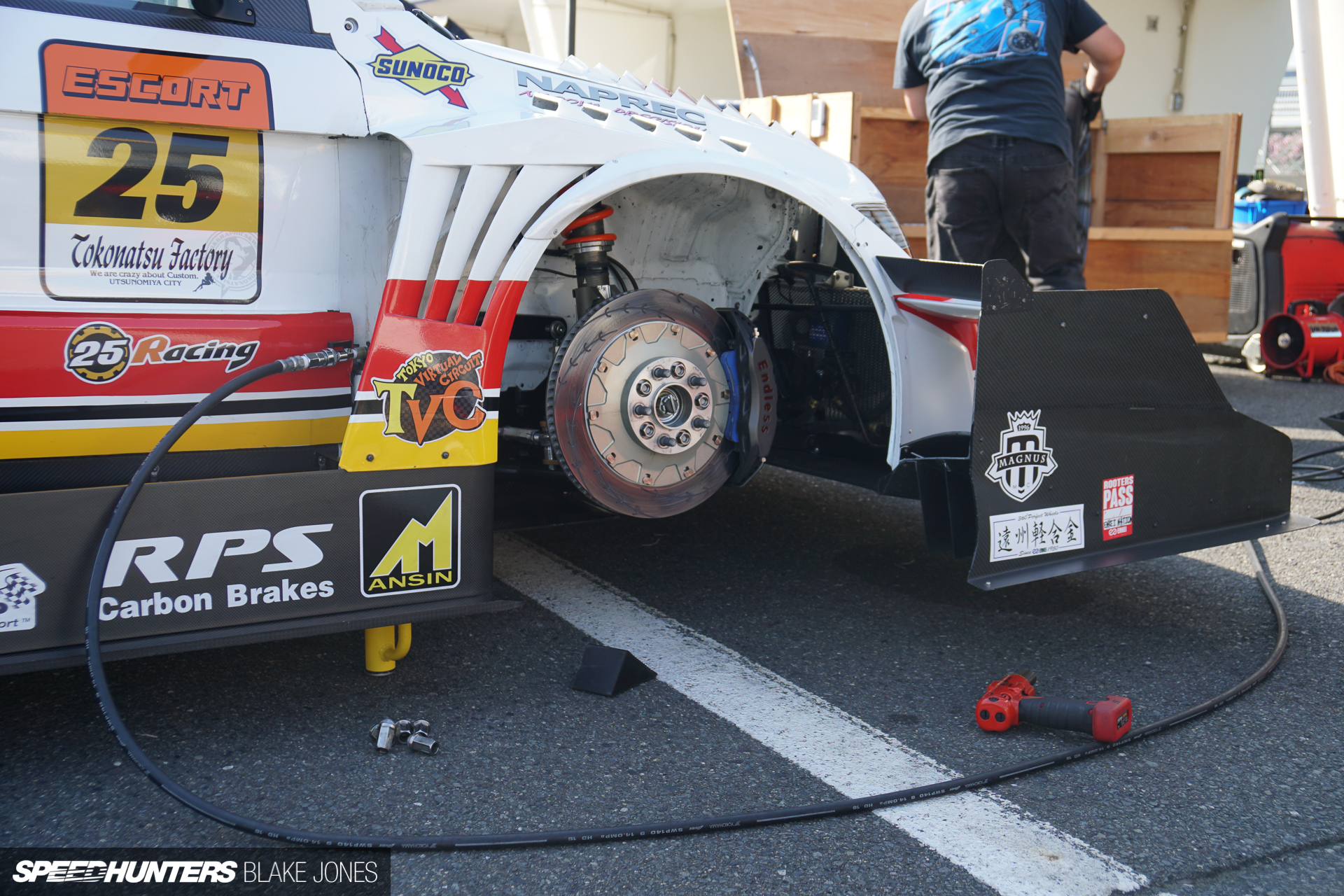
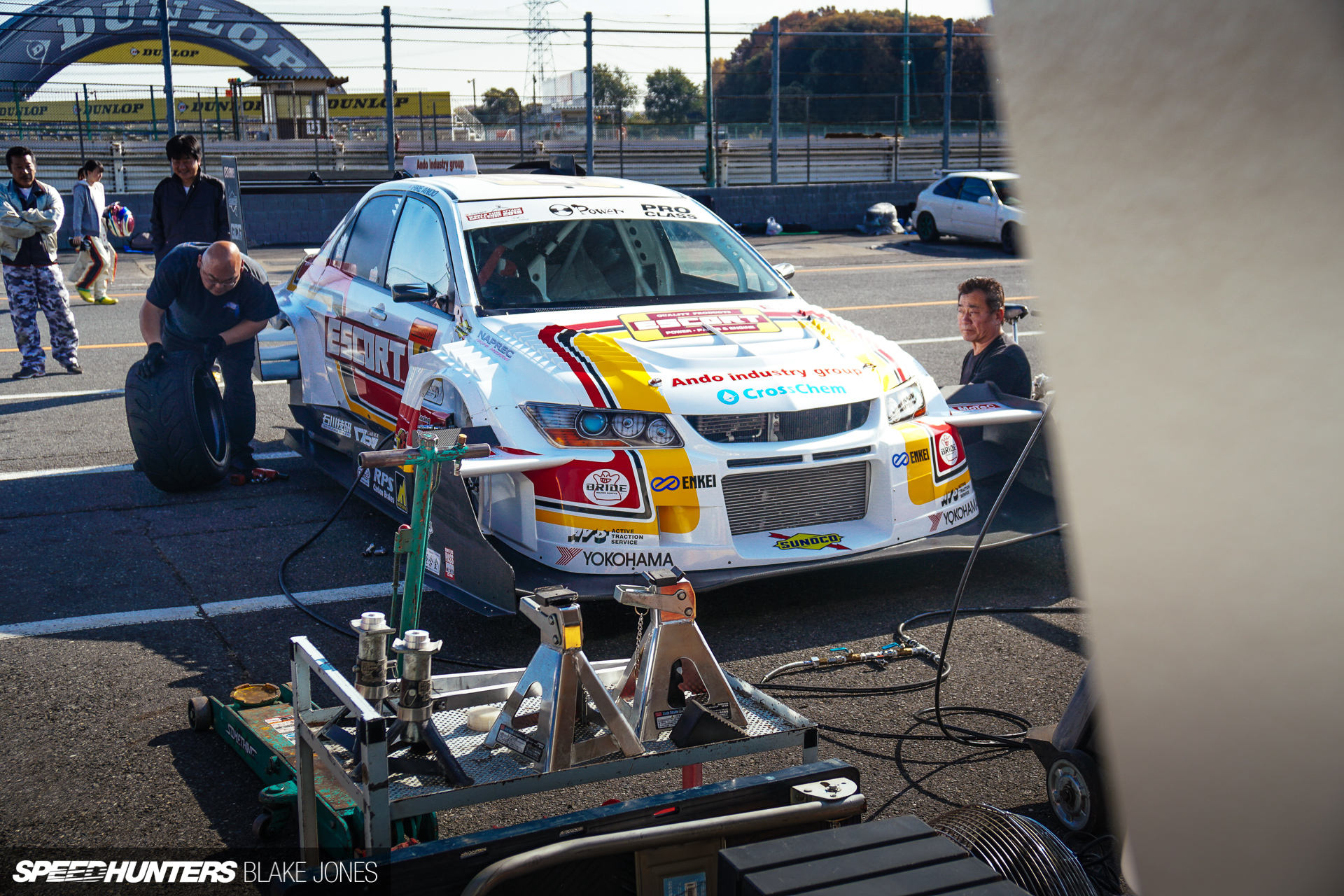
With modest ambitions I’d enrolled in the ‘beginner’ level, but up in the ‘high speed’ class their was some very tasty machinery indeed. I’ll put some more shots in a Tasty Tsukuba Treats chapter at the end of the article for your viewing pleasure.
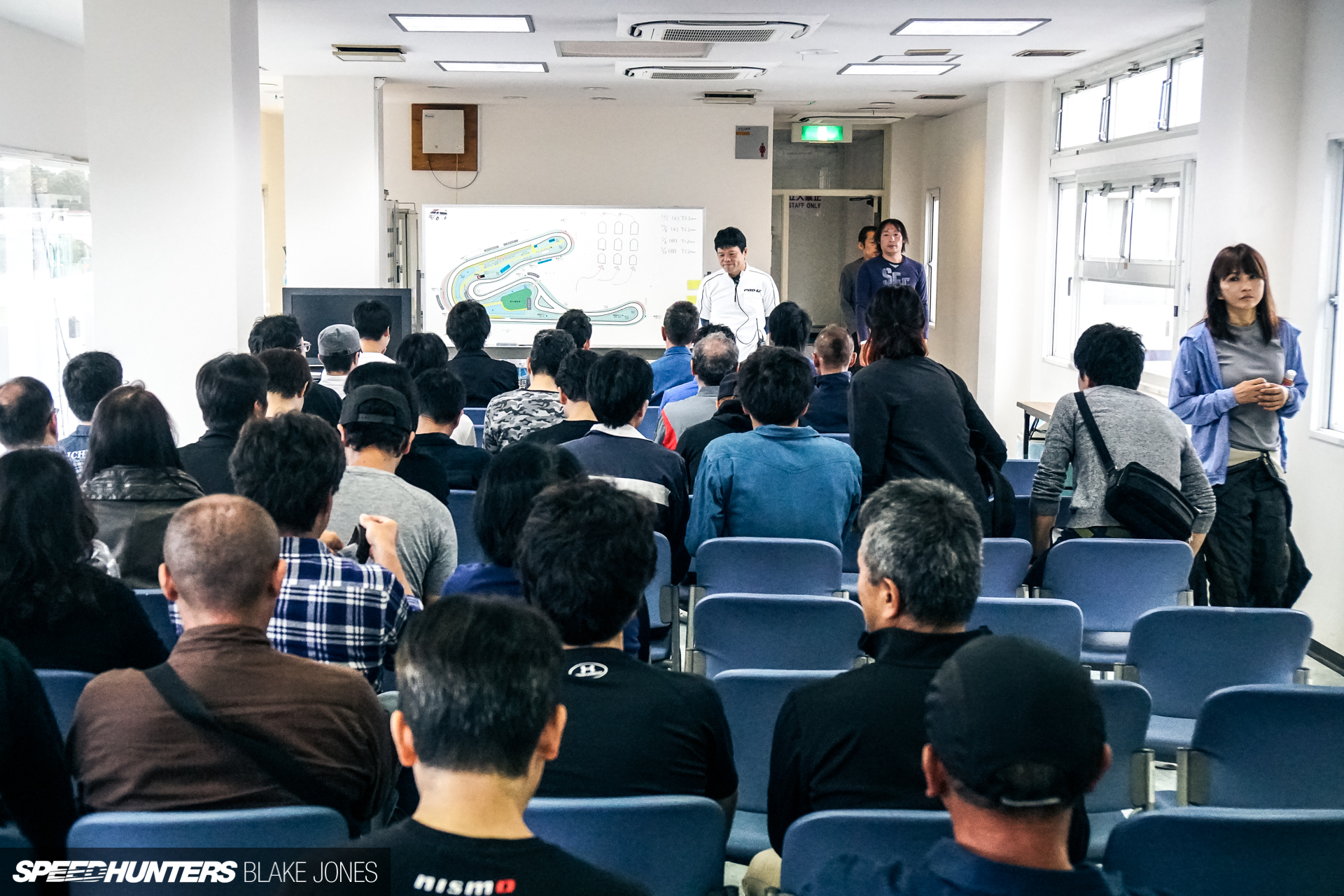
After a very thorough 7:00am briefing in Japanese, it was time to get back to the car for some final checks.
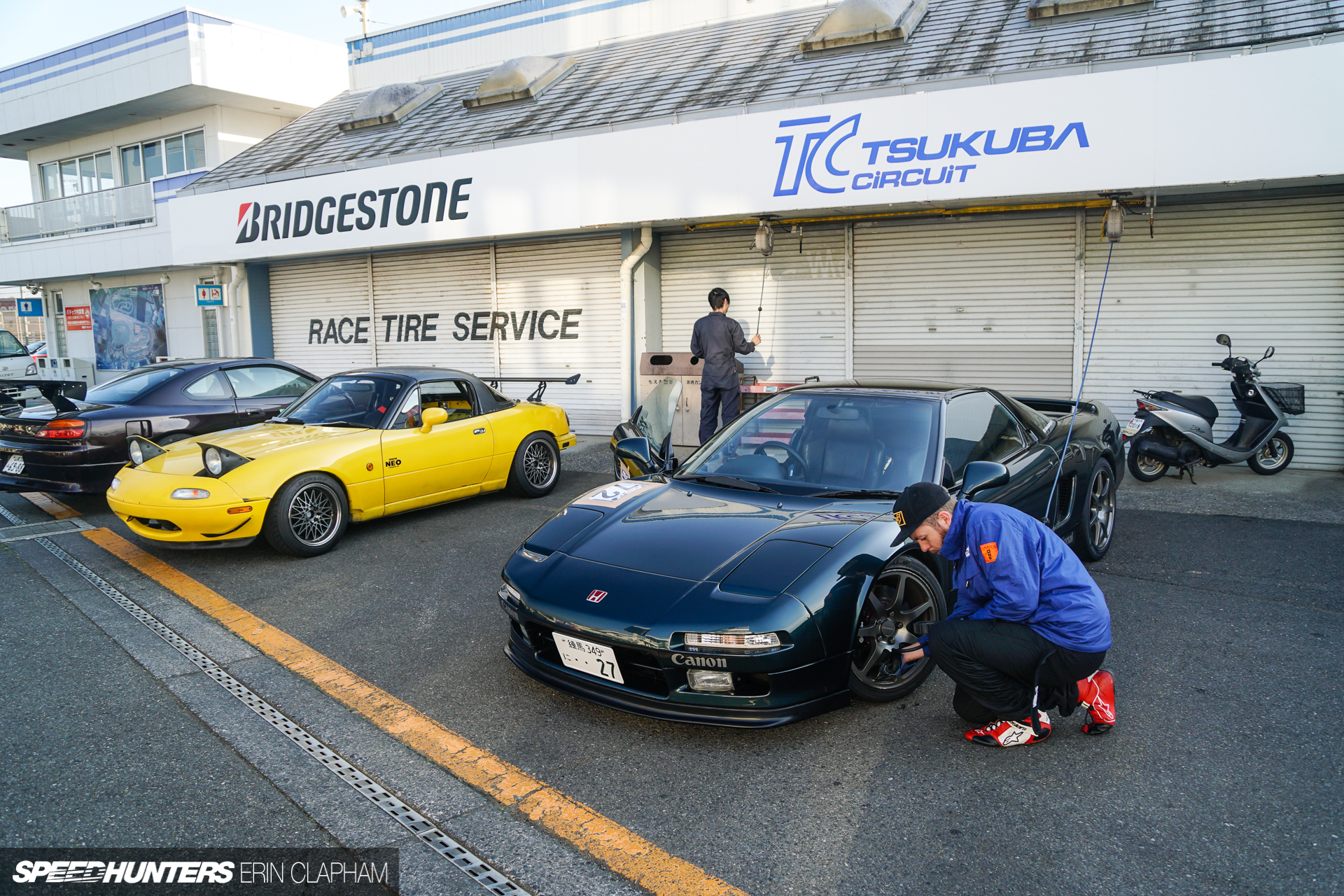
Compared to previous cars I’ve owned, track prep in the NSX is a very simple affair: Empty the trunk, slap on some race numbers, and set the KW Clubsport rebound from street to track. Today I’d also be paying close attention to pressures and temperatures of the fresh RE71R. Before the first session I dialled in 30psi cold all around as a baseline.

It never fails to surprise me the ability of a good tyre to really transform a car. By the end of the first sighting lap it was clear that the front and rear of the car was significantly more balanced than before, and the NSX’s eagerness to rotate on corner entry was a little bit shocking, to be frank.

With a bit more heat in the tyres the grip really turned on and I gradually started to feel out the limits of the RE-71Rs. With the Harry’s Lap Timer app running on the dash, I saw that even with significant traffic and a cautious approach, I’d ticked off a better lap than my previous best.
The nervousness that characterised the rear end was gone, which had previously robbed me of the confidence to push through some of the high speed corners.
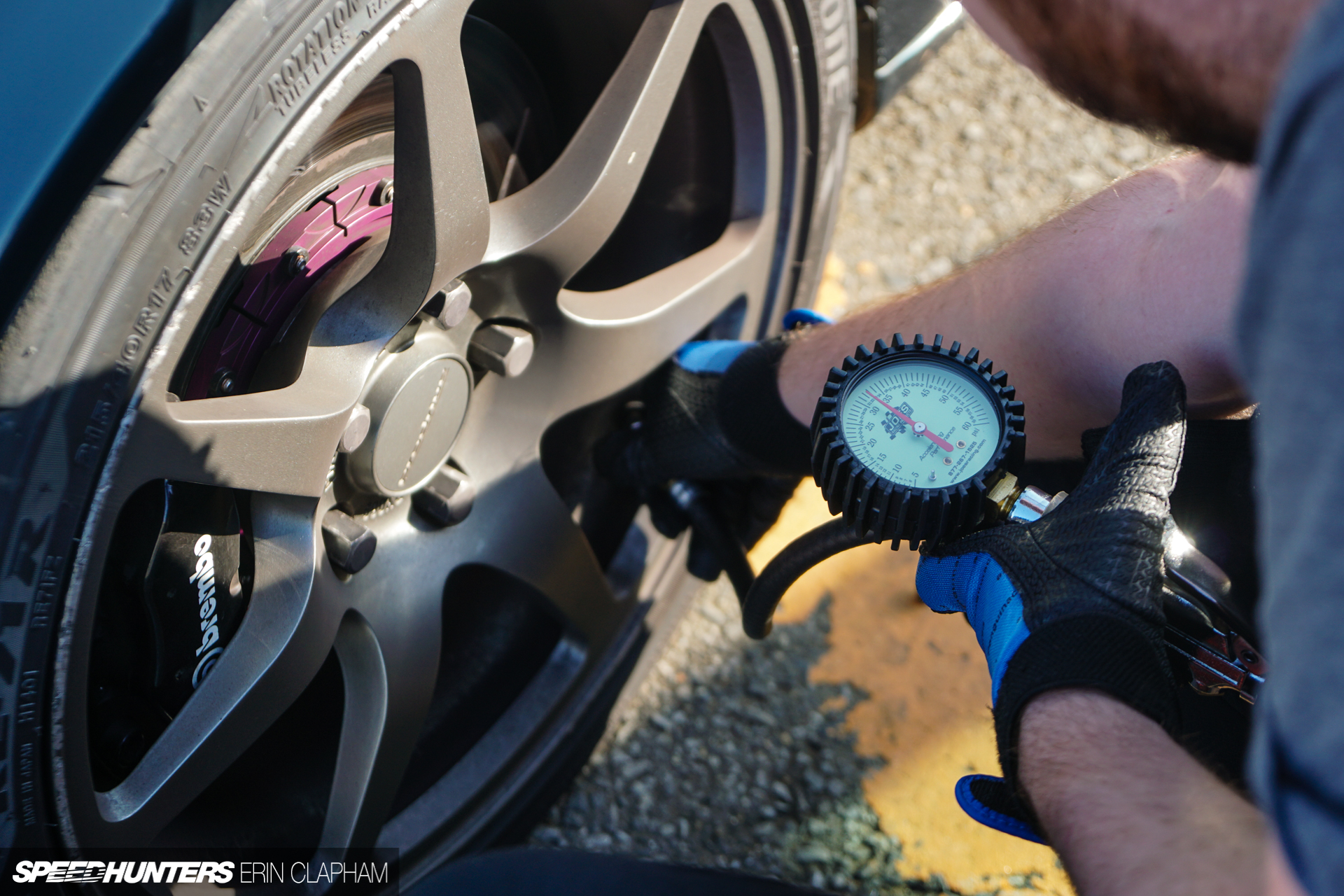
After our session’s cool down lap I pulled into the pits and immediately checked the pressures: From 30psi cold we were now sitting at between 36 and 37psi at all four corners. The advice I’d been given previously suggested that around 32psi hot was where the RE71R was happiest, so I bled the tyres down to 30psi ‘warm’ at each corner in preparation for the next session.
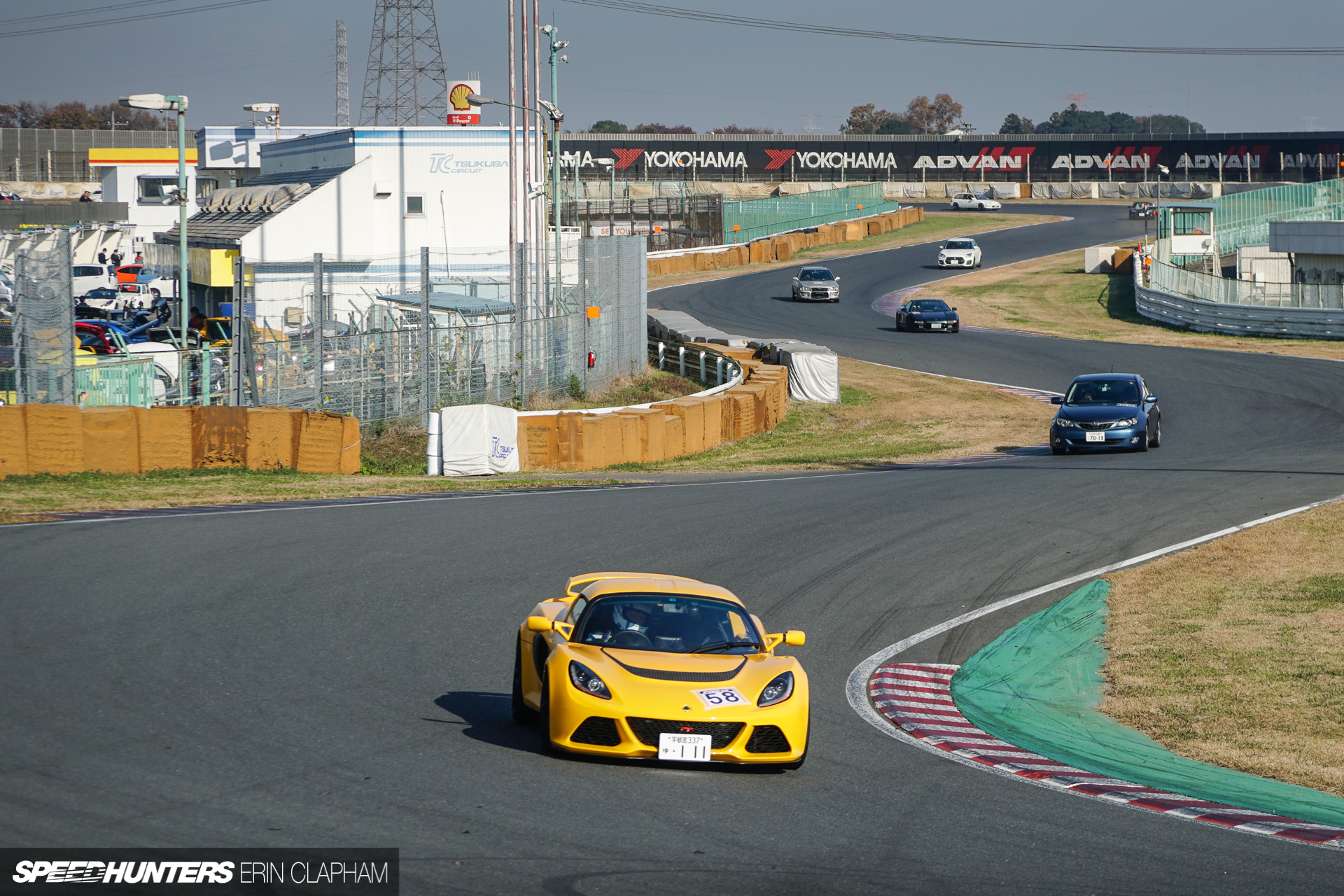
In the next session I tried to get a bit closer to the front of the pack for the out-lap. One downside of the newfound pace was that Project NSX had started to outgrow the ‘beginner class’ (although these guys were rather quick for ‘beginners’).
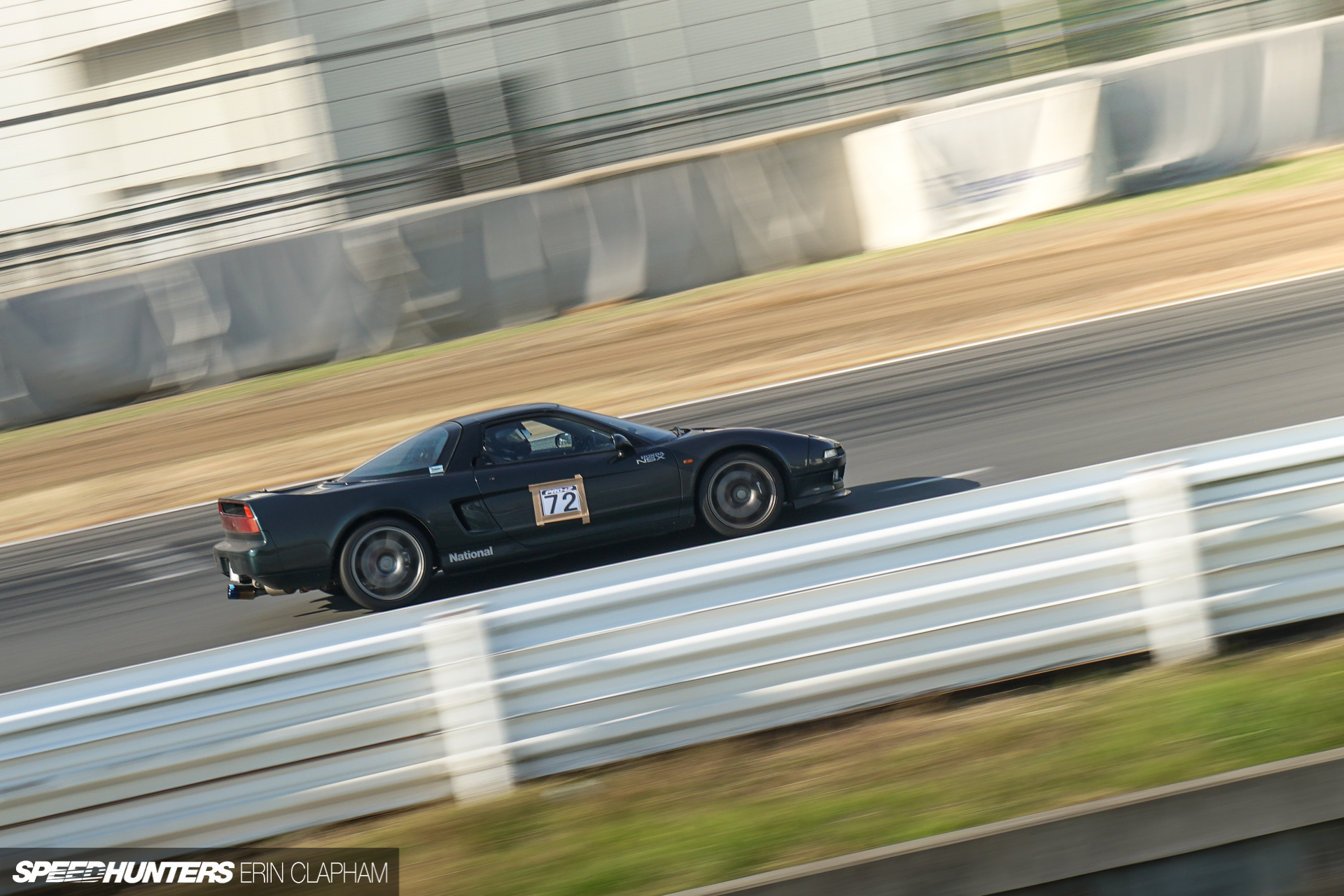
With the reduced pressure and growing confidence in the car and tyre combination, I could brake later and turn in harder and trim off more time. Tsukuba’s long, high-speed final corner was where the change was most obvious. I could get back to full throttle much earlier than previous attempts, and as a result carry much more speed onto the pit straight. My target for the day, a 1.10, was ticked off.
For the final session I bled another 2psi out of the tyres and buckled myself in. After two laps I’d cleared most of the group traffic so could really start to push; the corners were linking up nicely right until the final corner where I caught a well-driven Suzuki Swift and had to get out of the throttle, costing some time. Even so, a 1.08:1 was on the timesheet.
You can check out that lap above – with fuel running low I decided to call it a day before anything went awry. Undoubtedly the car has at least a 1.06 lap in it, which for reference is the best time the NSX-R recorded at the hands of a professional race driver, which I’m stoked about.
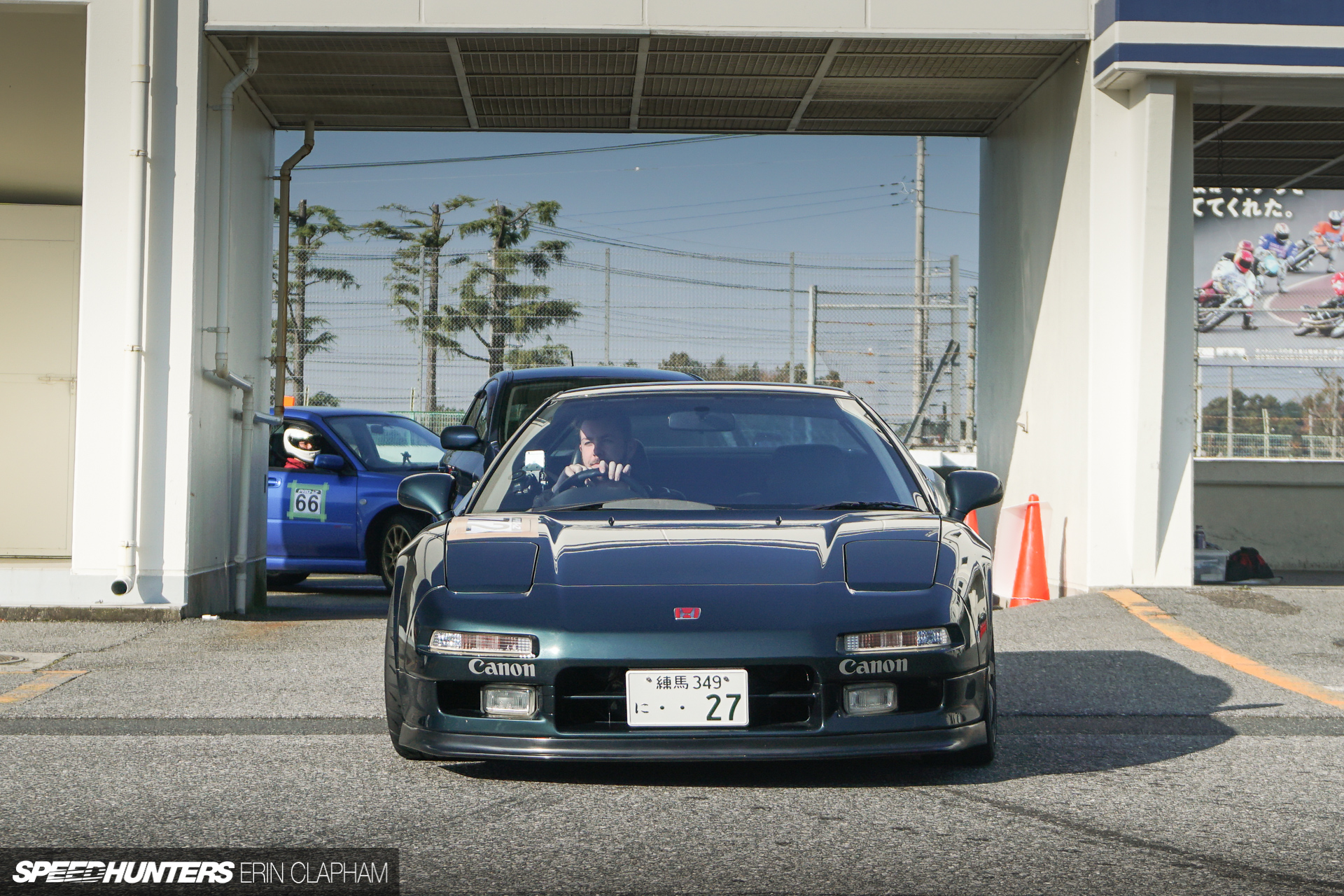
But more than recording a decent time, it was great to finally feel the car handling as it should. Last time I’d been to the track Ron wiped the floor with me in his ER34 Nissan Skyline, and I was left wondering what I’d done wrong. With the benefit of hindsight the answer was clear: tyres.

The Bridgestones are grippy and highly controllable at a range of pressures, and have finally unlocked a bit of the potential that the car certainly should have – especially considering the track-focused KW Clubsports.
A car is only as fast as its weakest link allows, but now I’m in a position where the tyre capability allows further performance to be extracted from the rest of the chassis and engine. That should keep me busy (and poor) for the next few years.
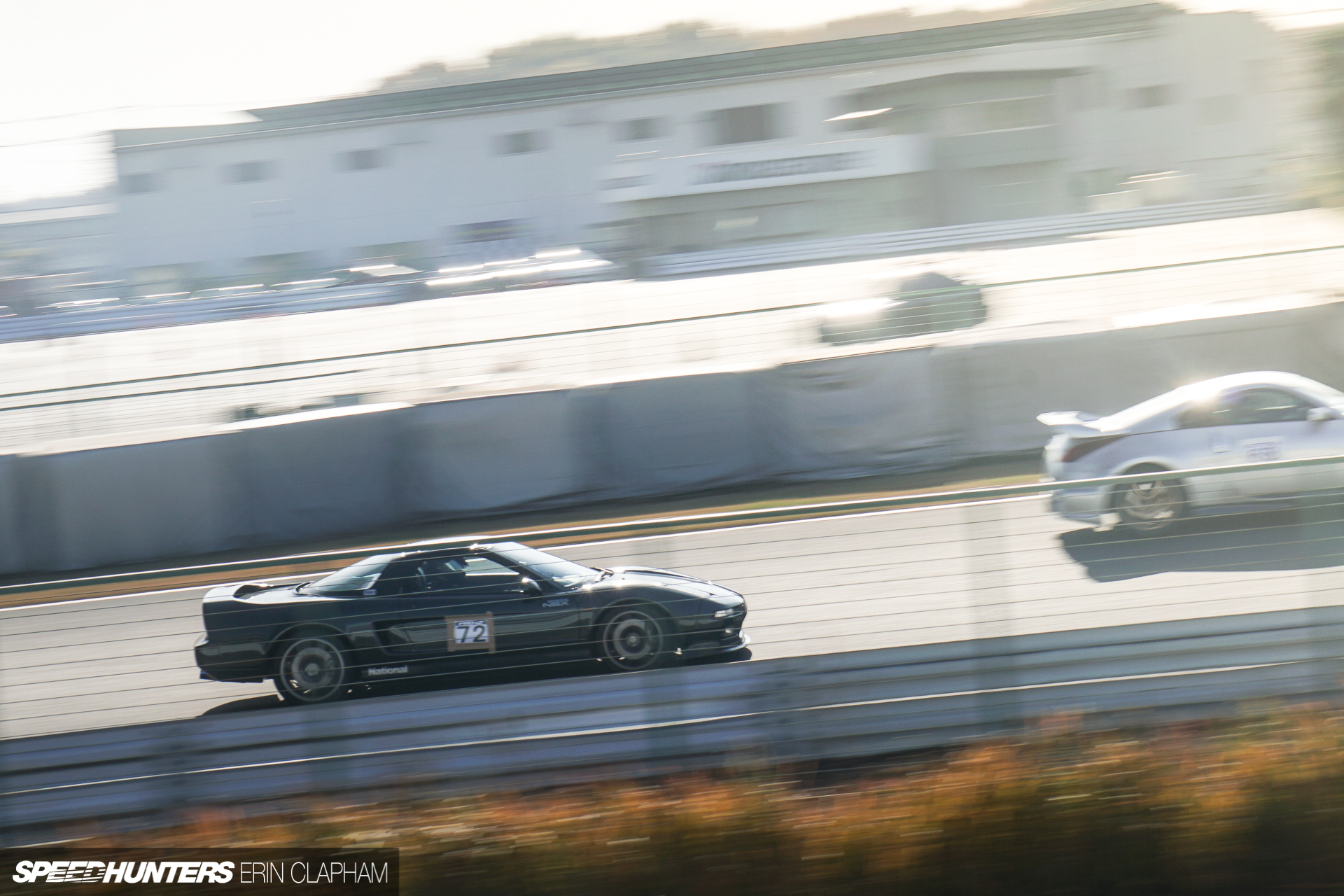
The only track time problem remaining at this point is the seating position. In my normal seating position my helmet hits the roof, forcing me to sit in an uncomfortable slouch – something I’ll need to address soon.

I’ve since had some time to do some decent street miles on the RE-71R and have continued to be impressed.

Advance’s Masa had warned me to expect significant road noise, but they haven’t been noticeably louder that the tyres they replaced. In fact, over most surfaces they are quieter.

Being a low treadwear tyre comes with the territory of high performance, but it will be interesting to see just how long these tyres can last. Such is their wet and general road performance that I have no reservations about leaving them on the car full time.
However, even the stock NSX had a tendency to chew up rear tyres (some readers might remember a class action brought against Acura for that very reason in the mid-1990s).
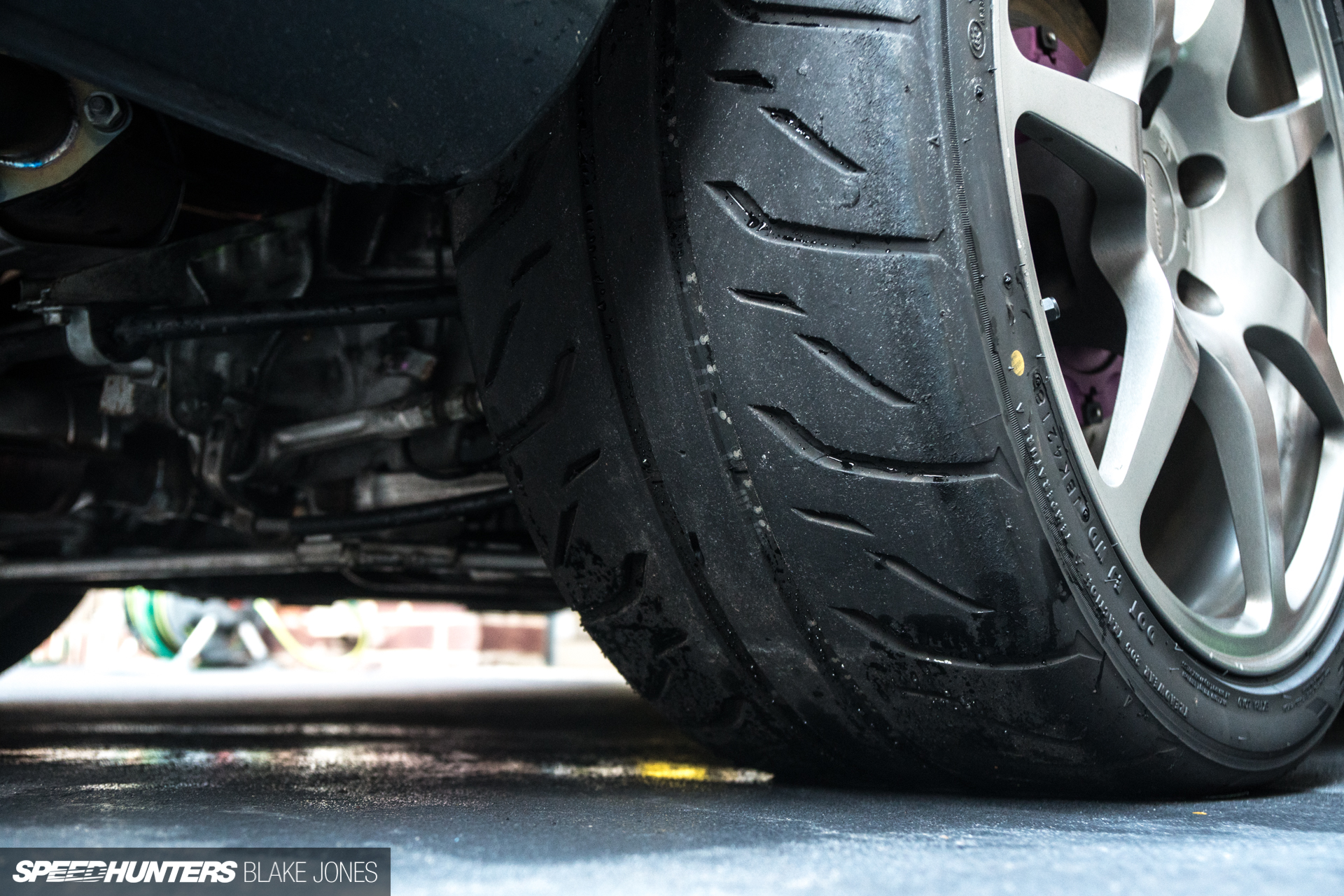
Project NSX is finally approaching the car I always wanted it to be. That’s all for this project update, although plenty has changed since first writing this story so expect another update shortly.
Blake Jones
Instagram: blaketjones
blake@speedhunters.com
Additional Photos by Erin Clapham
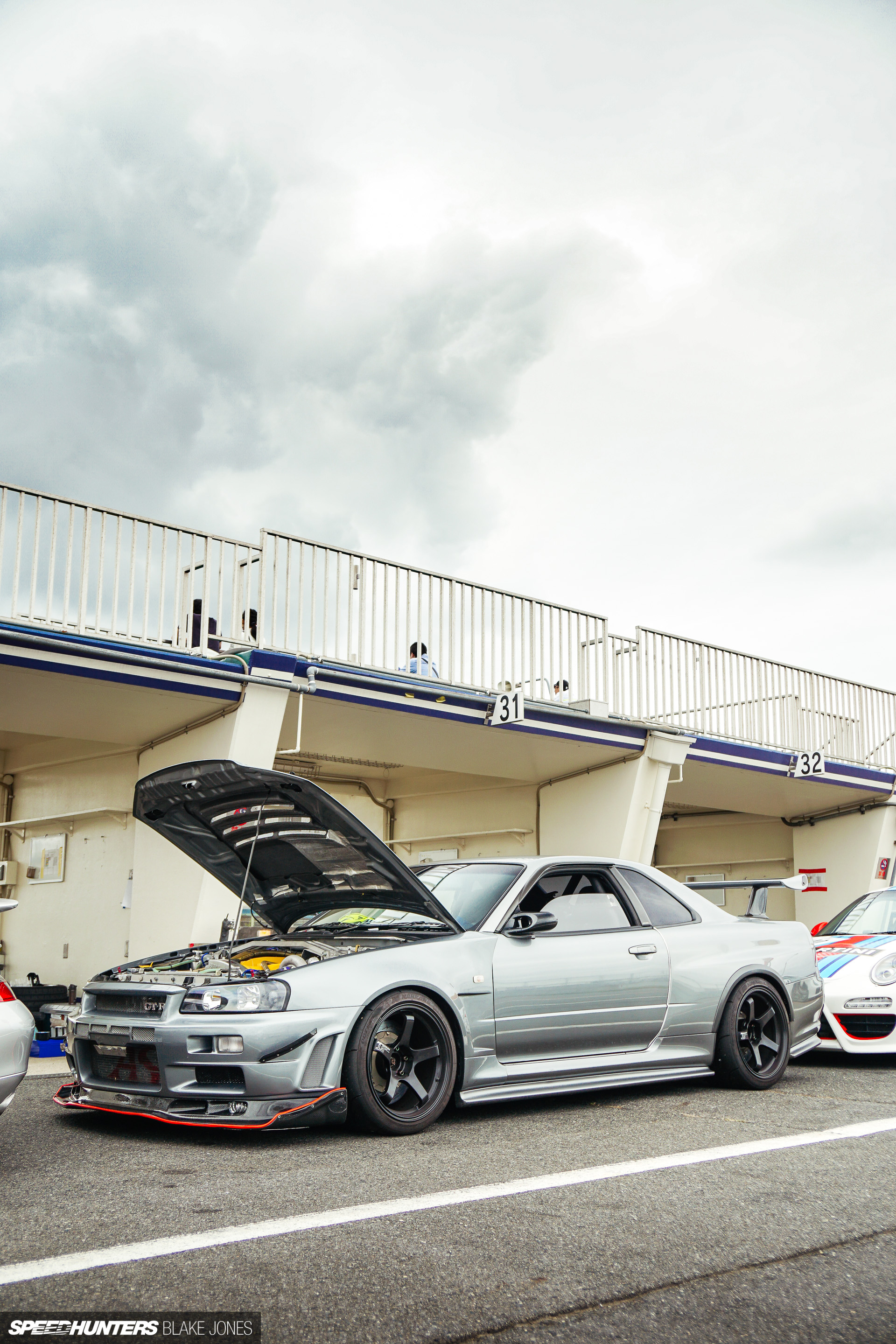
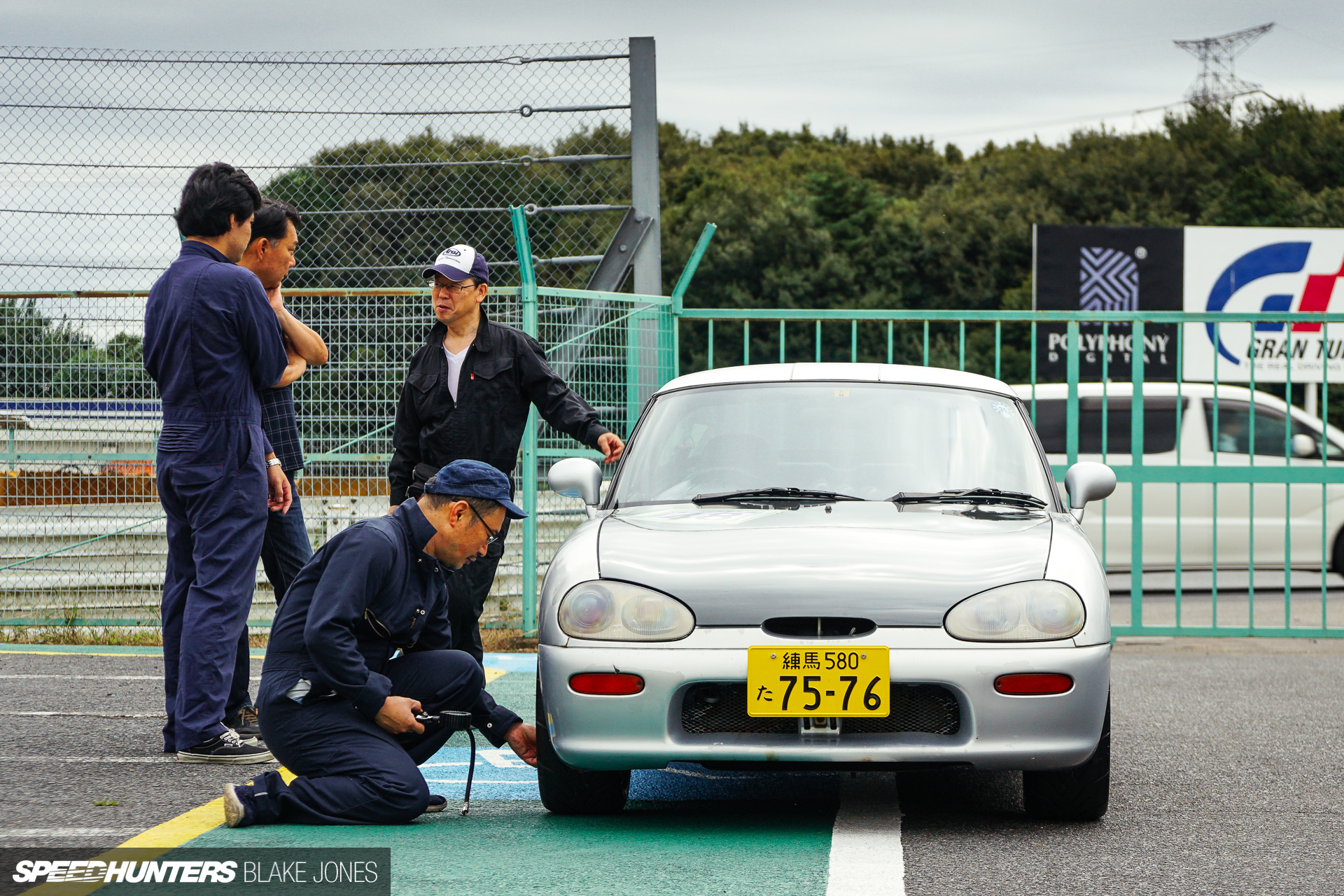
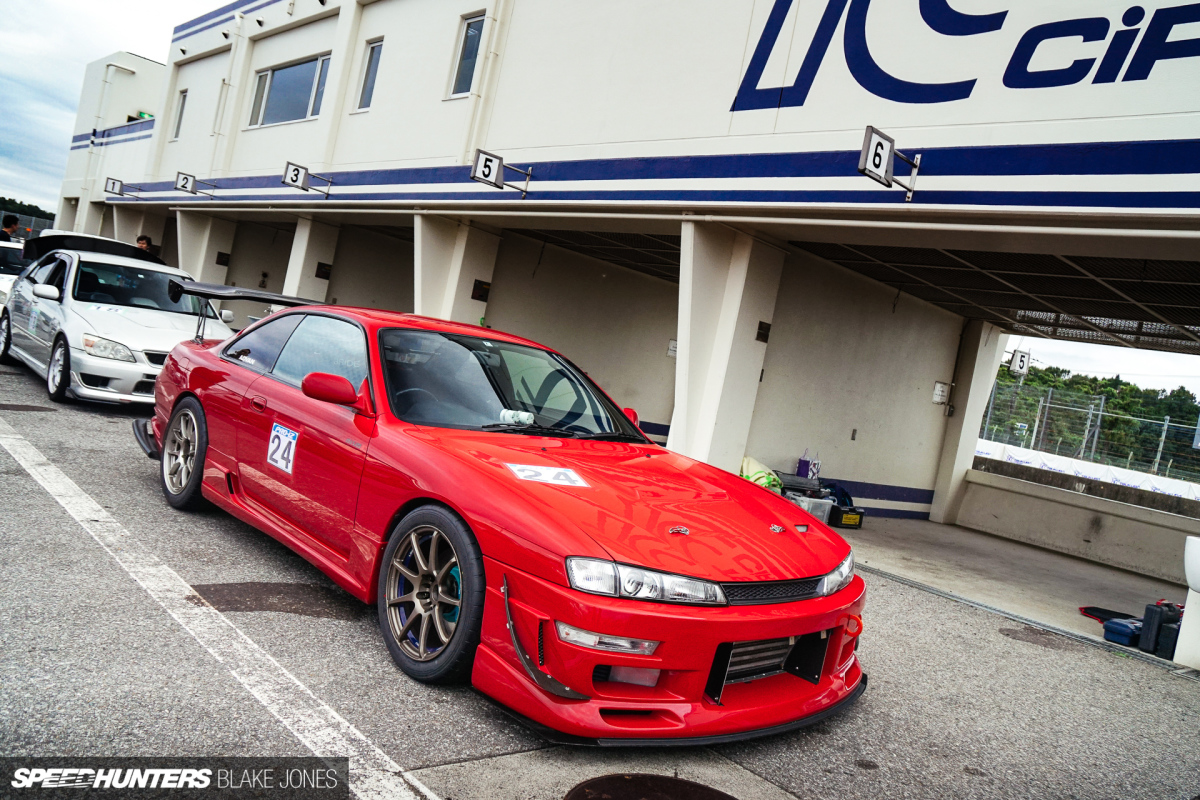
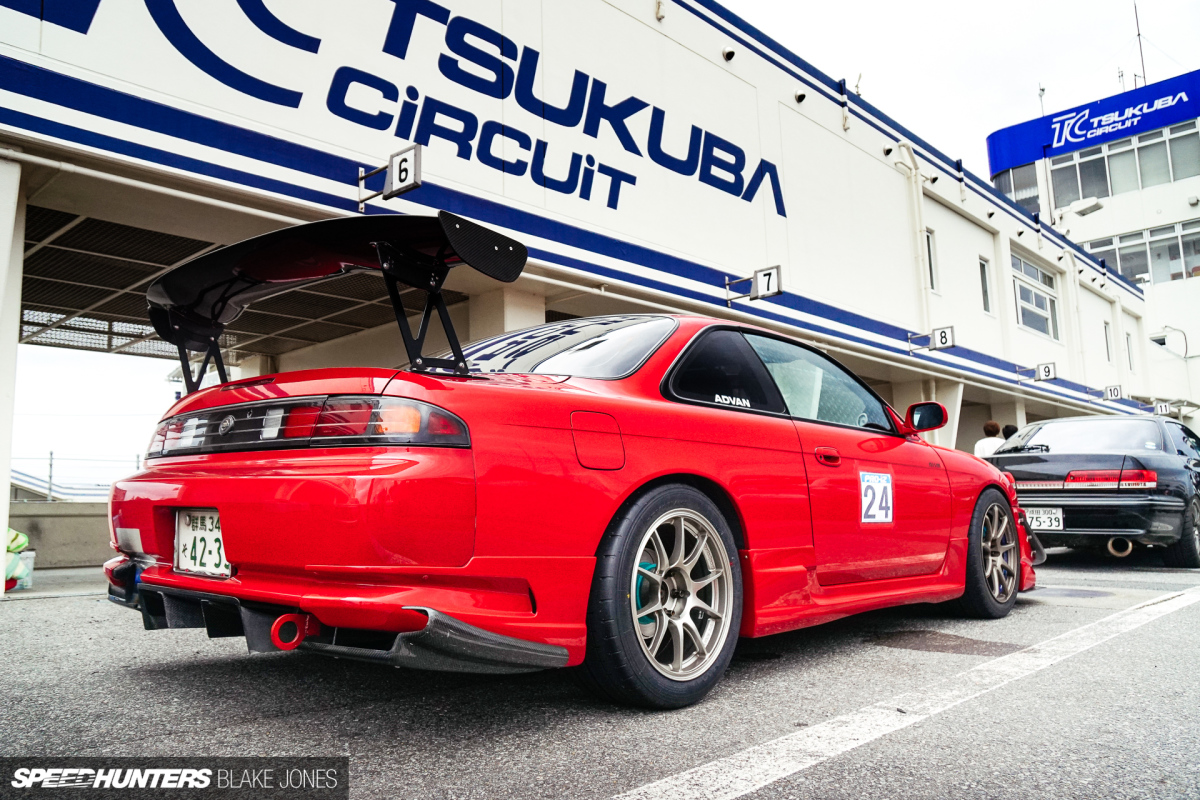
Tasty Tsukuba Treats