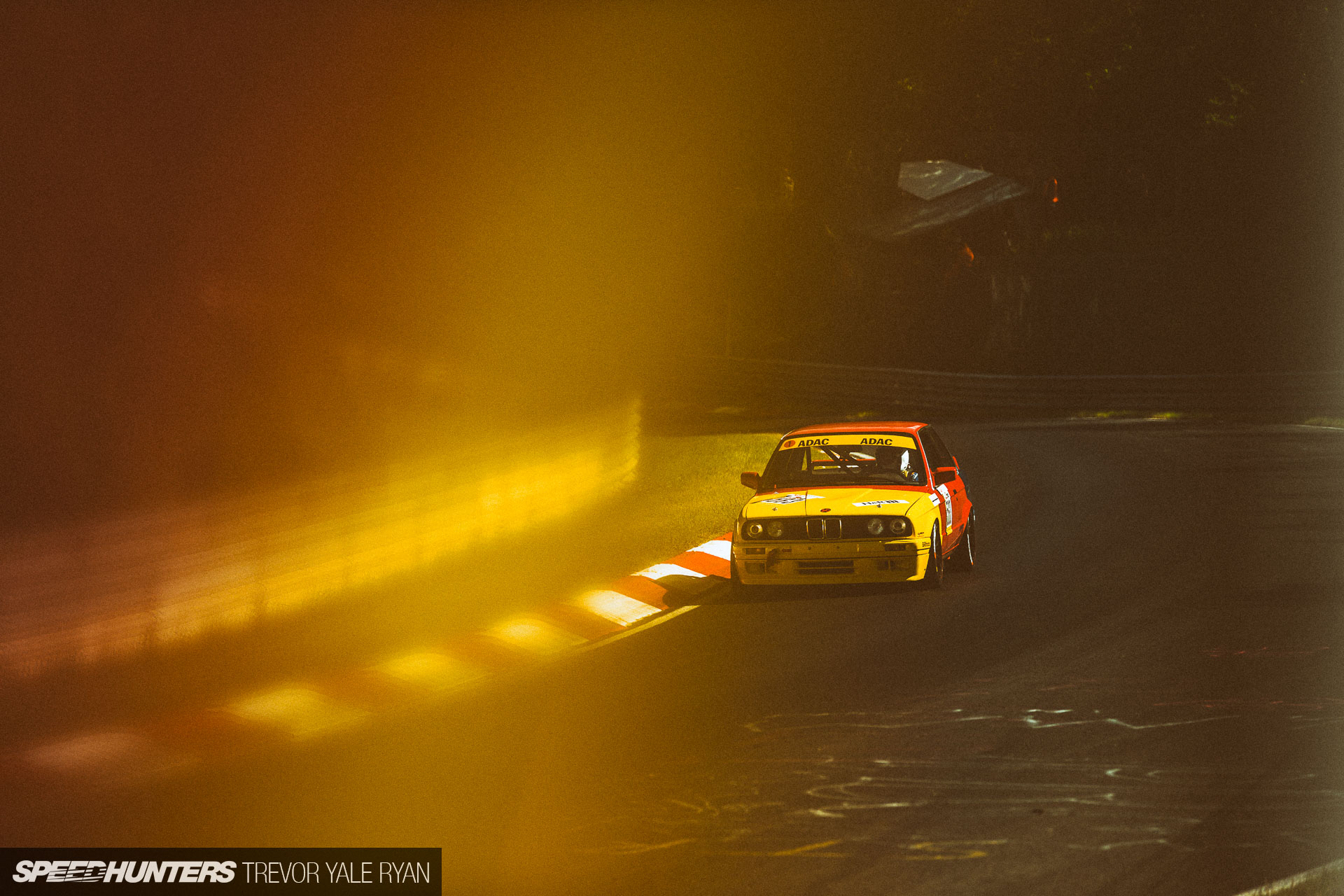
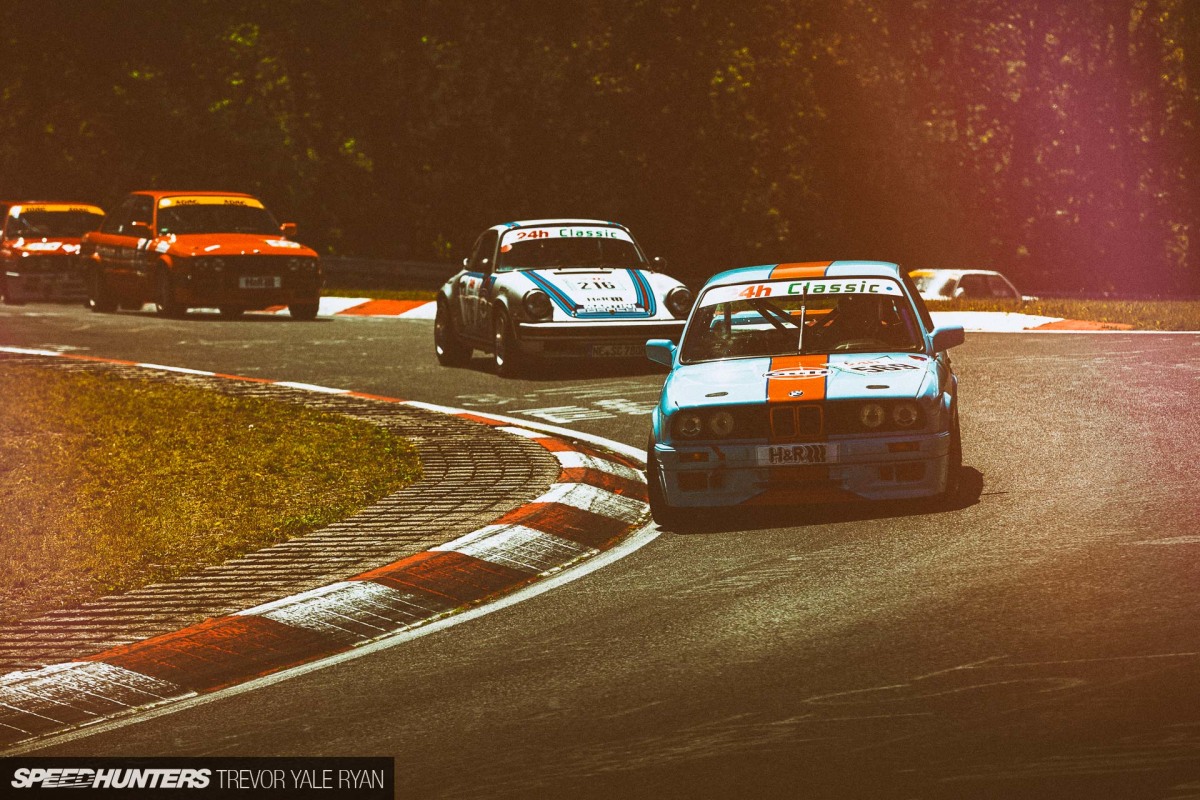
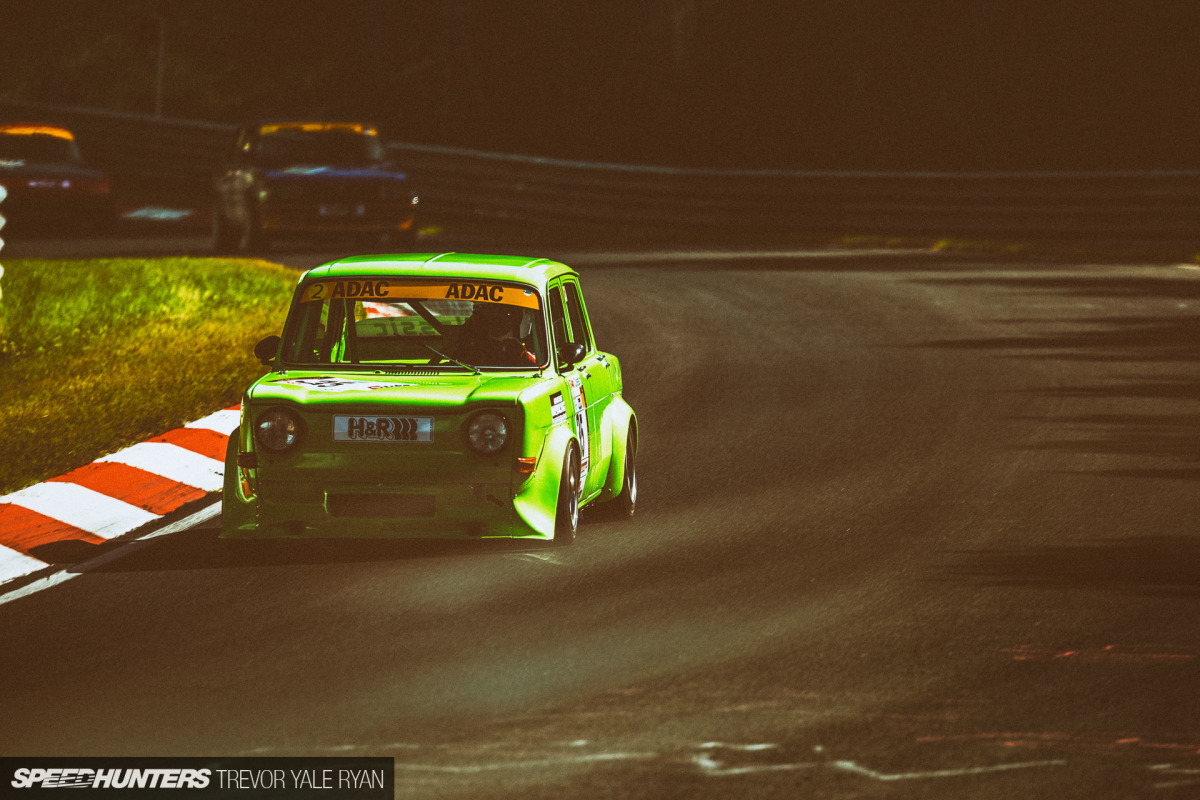
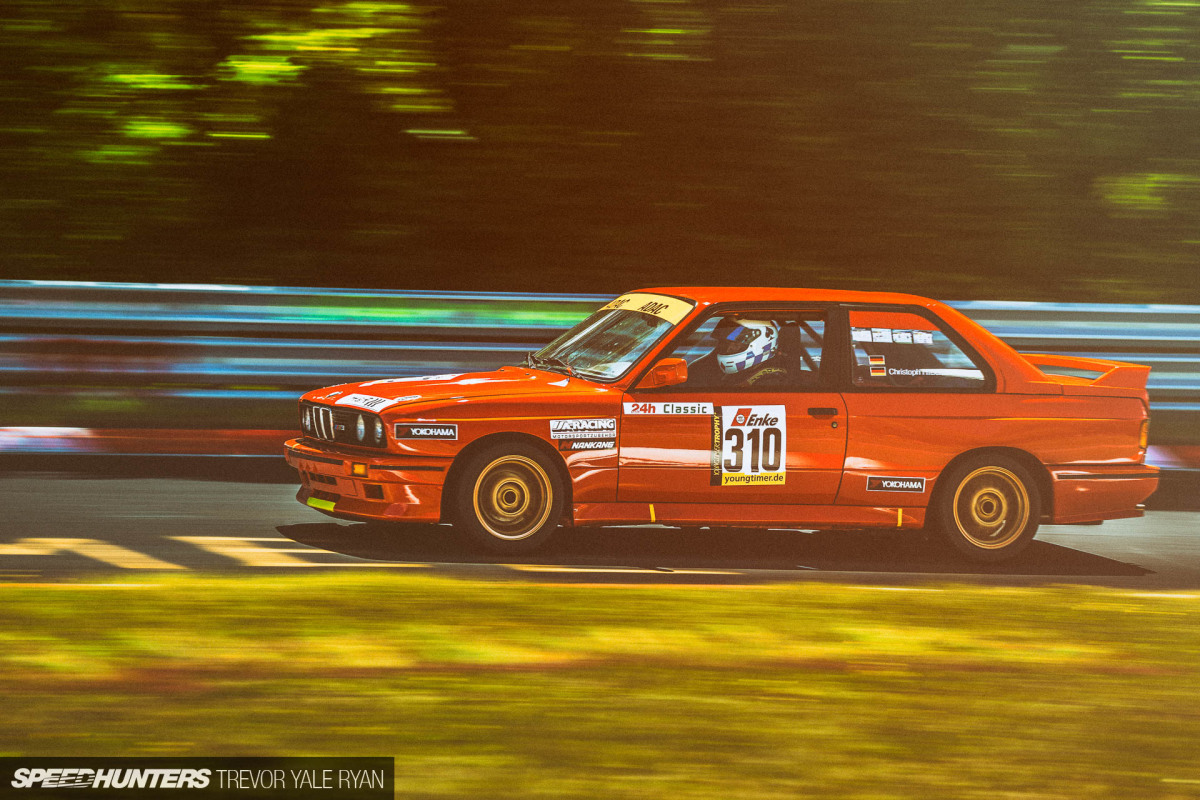
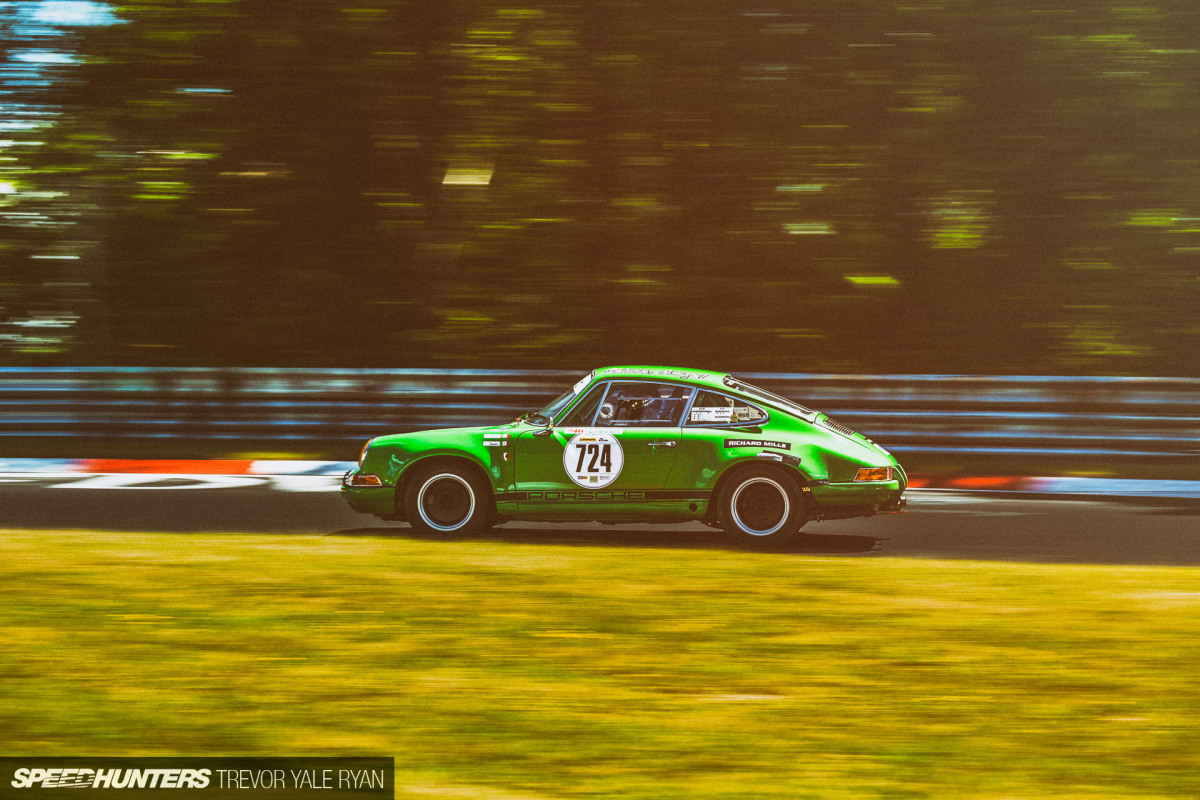
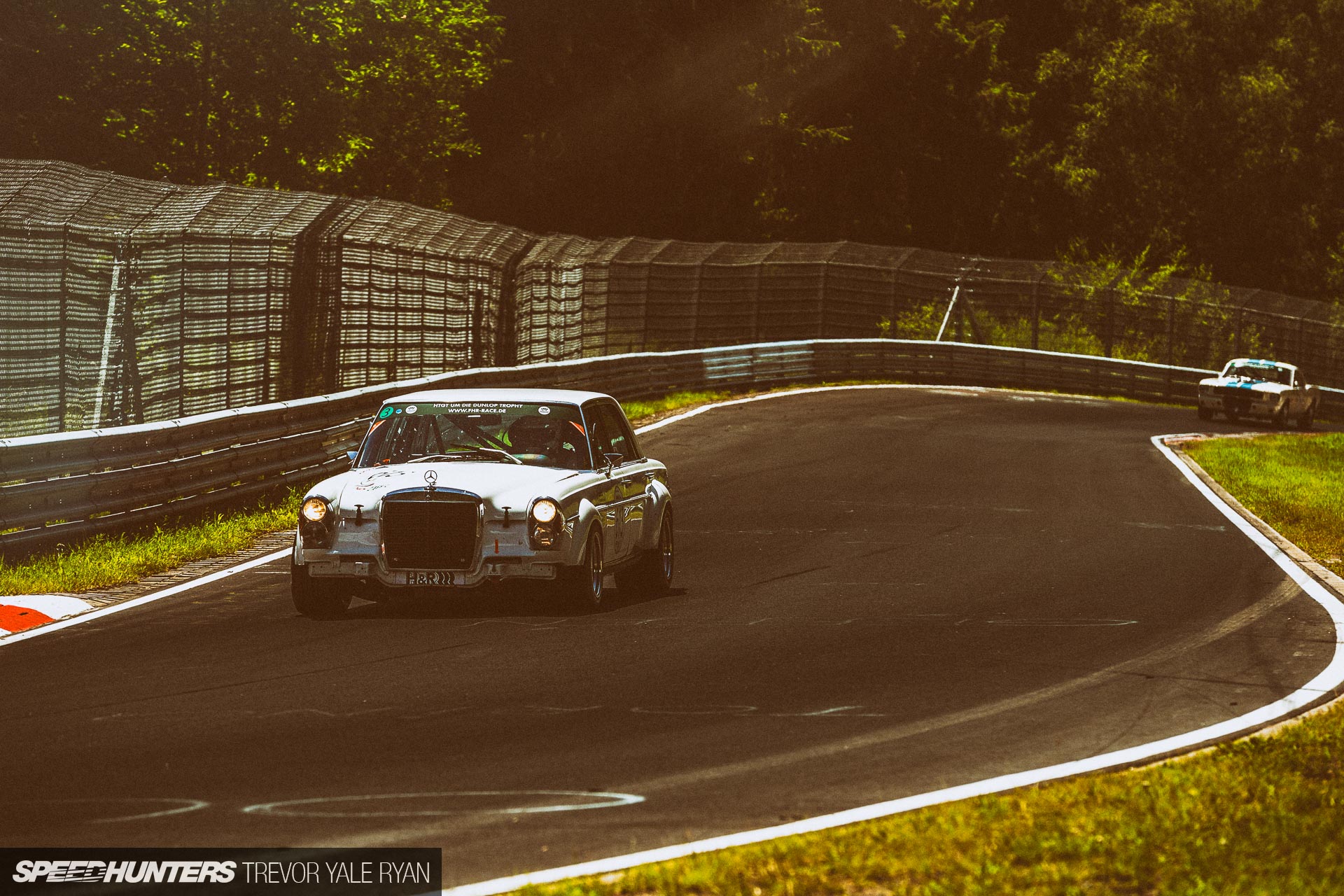
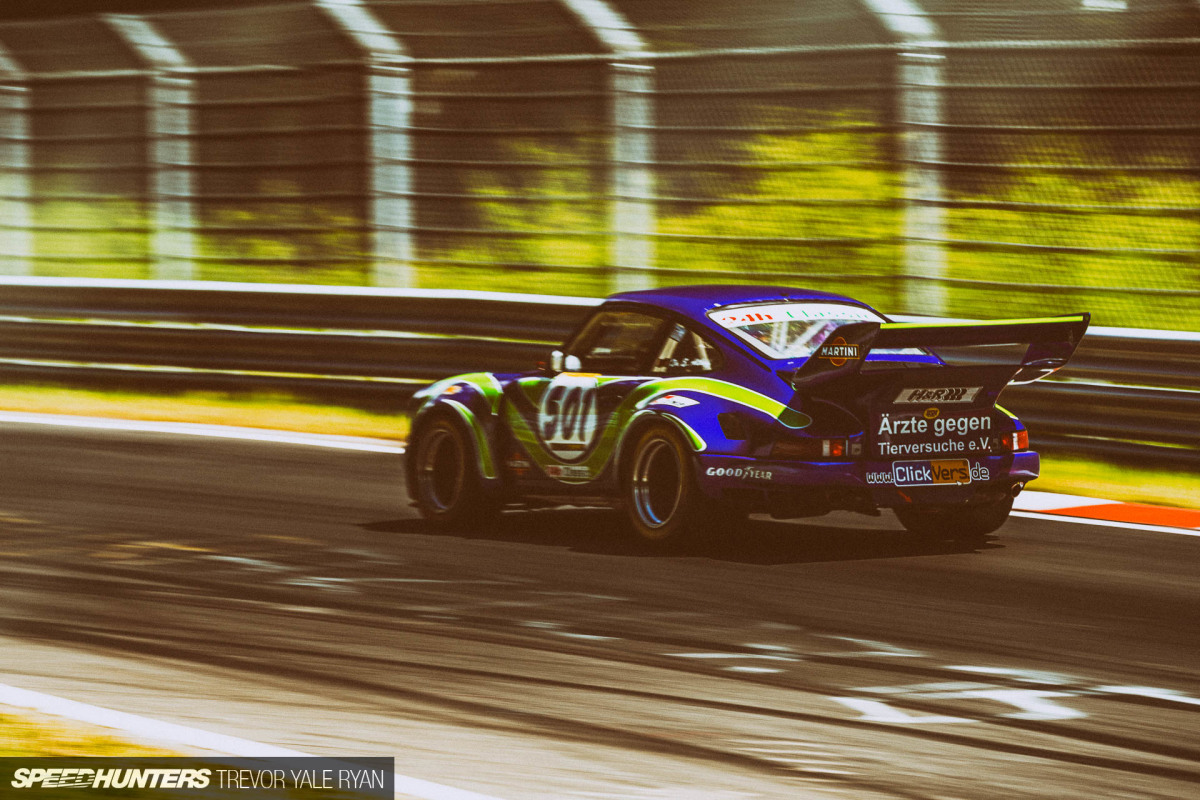
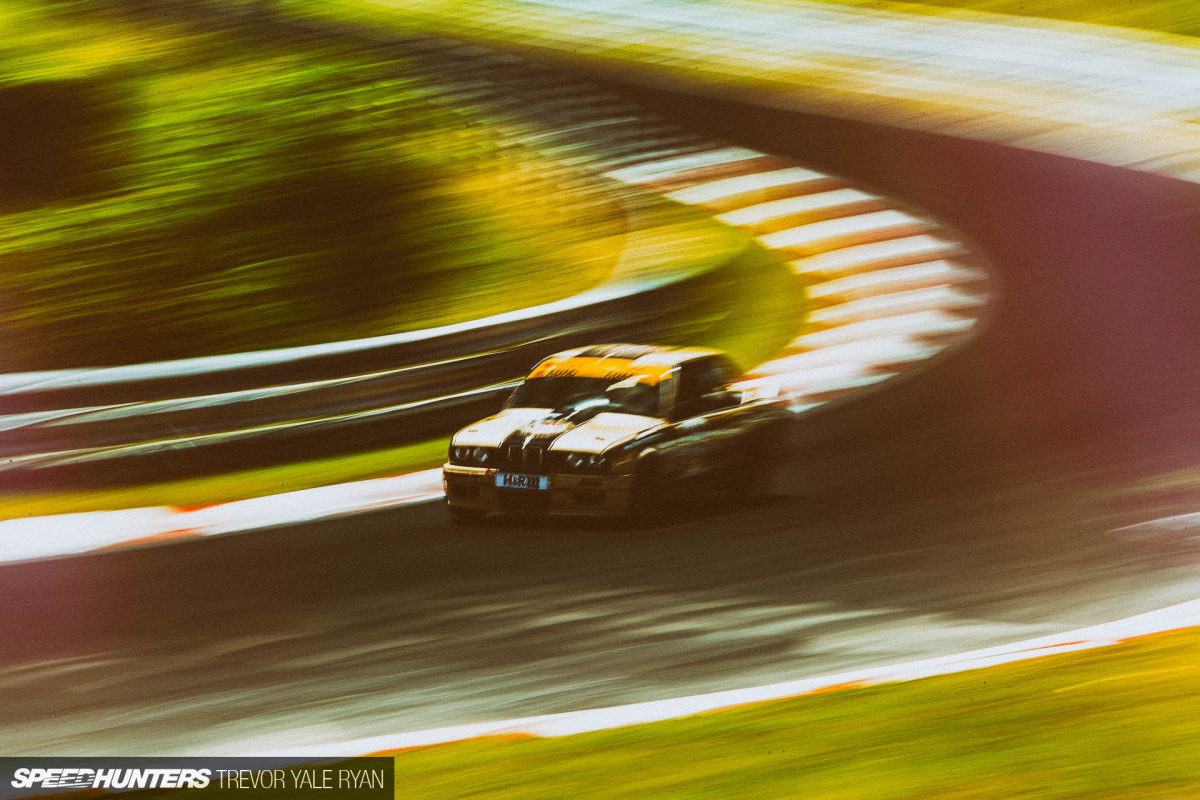
Zero run-off, three hours of racing, 25 kilometers per lap, 73 to 150-plus corners depending how you count them, and over 200 cars from the ’90s and earlier. These numbers could only add up to one thing: the Nürburgring Classic during the N24.
Of all of the intense and incredible activities over weekend of the Nürburgring 24 Hour, this vintage event was the one I was looking forward to the most. Although I have been spoiled in California when it comes to historic racing, no event there can even come close to the Classic.
First off, the entry list is absolutely massive and encompasses some of my all-time favorite cars in stunning race trim. Next, the race itself lasts a full three hours and, finally, the cars at the front are truly driven on the limit. No driver aids, no holding back, and nowhere to go if you get it wrong – this is the Green Hell as it was in decades past.
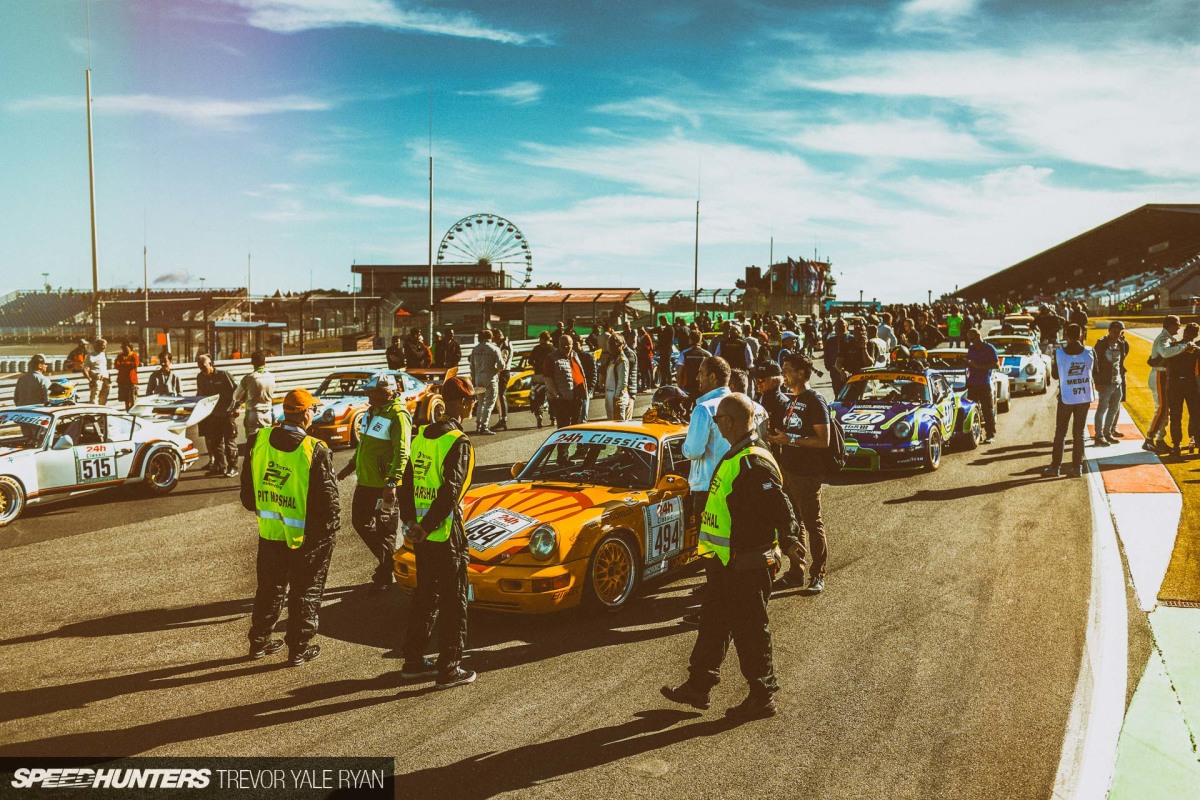
A day spent after travelling through nine time zones and a series of awkward extended naps, I was up at 6:00am (or 3:00pm at home) to prepare for my first-ever day of shooting at the Nürburgring Nordschleife. Exhausted as I was, I could not have been more stoked when I walked on to the grid before race start.
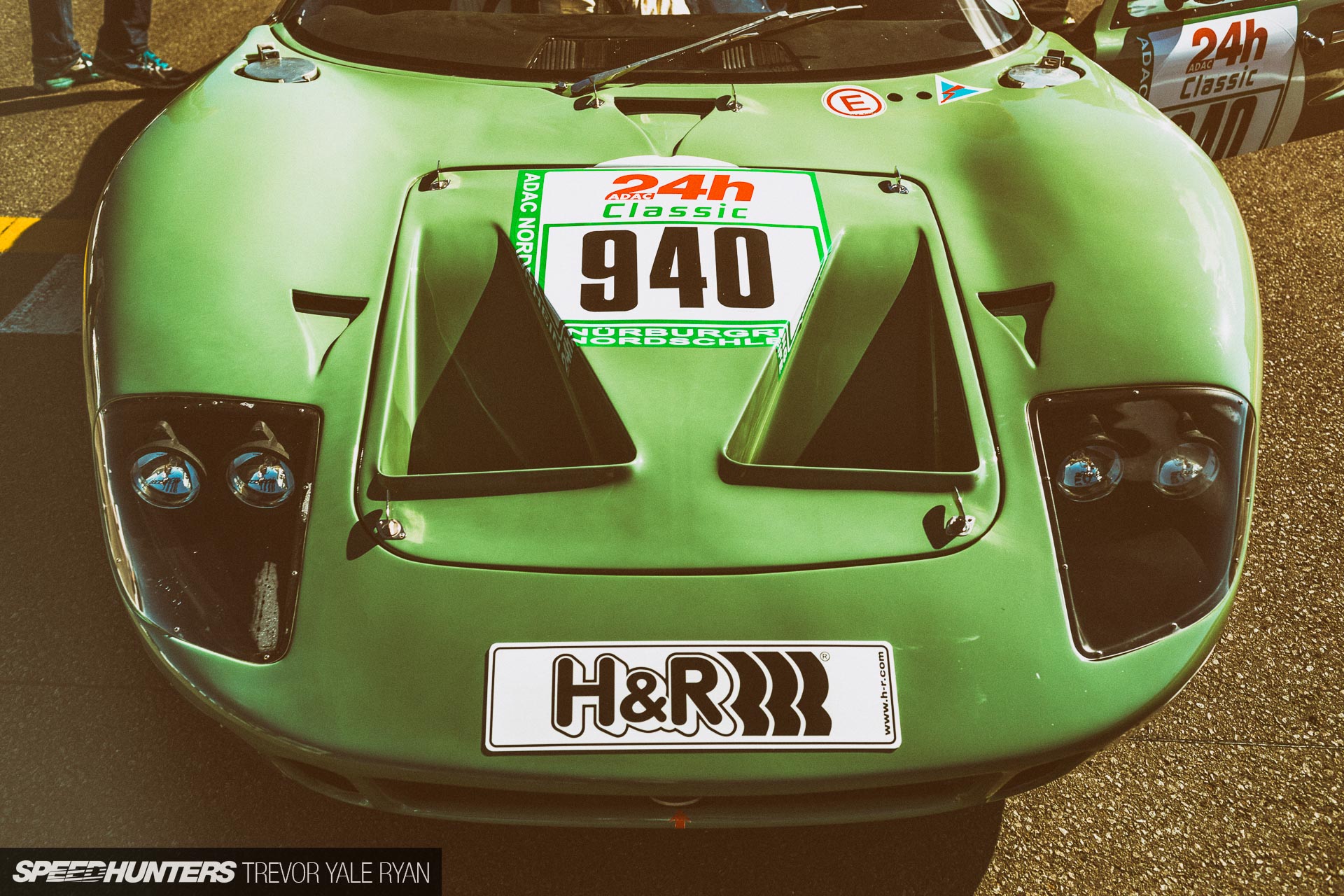
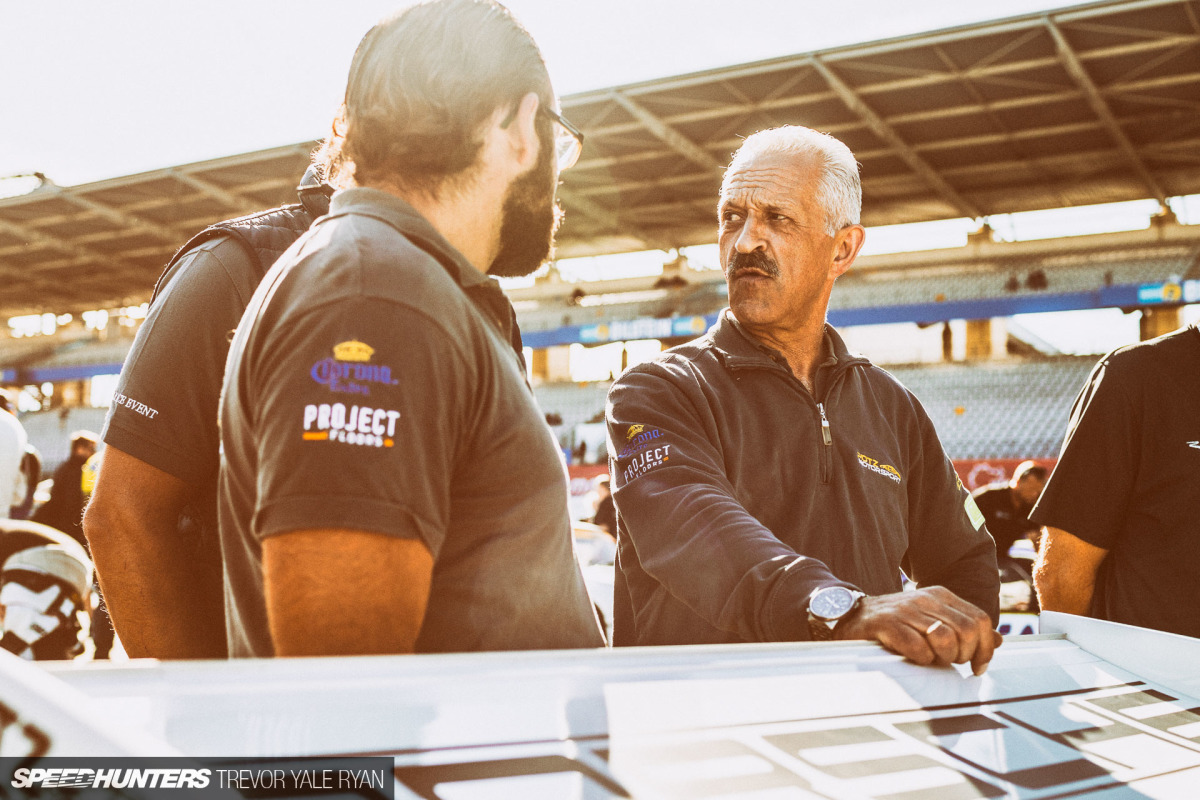
A couple of hundred cars from roughly the 1960s to the 1990s were strewn around, sorting themselves out into their positions to start the race. Race engineers and support crews were running about, buttoning up the final details to ready the cars for the long three hours ahead.
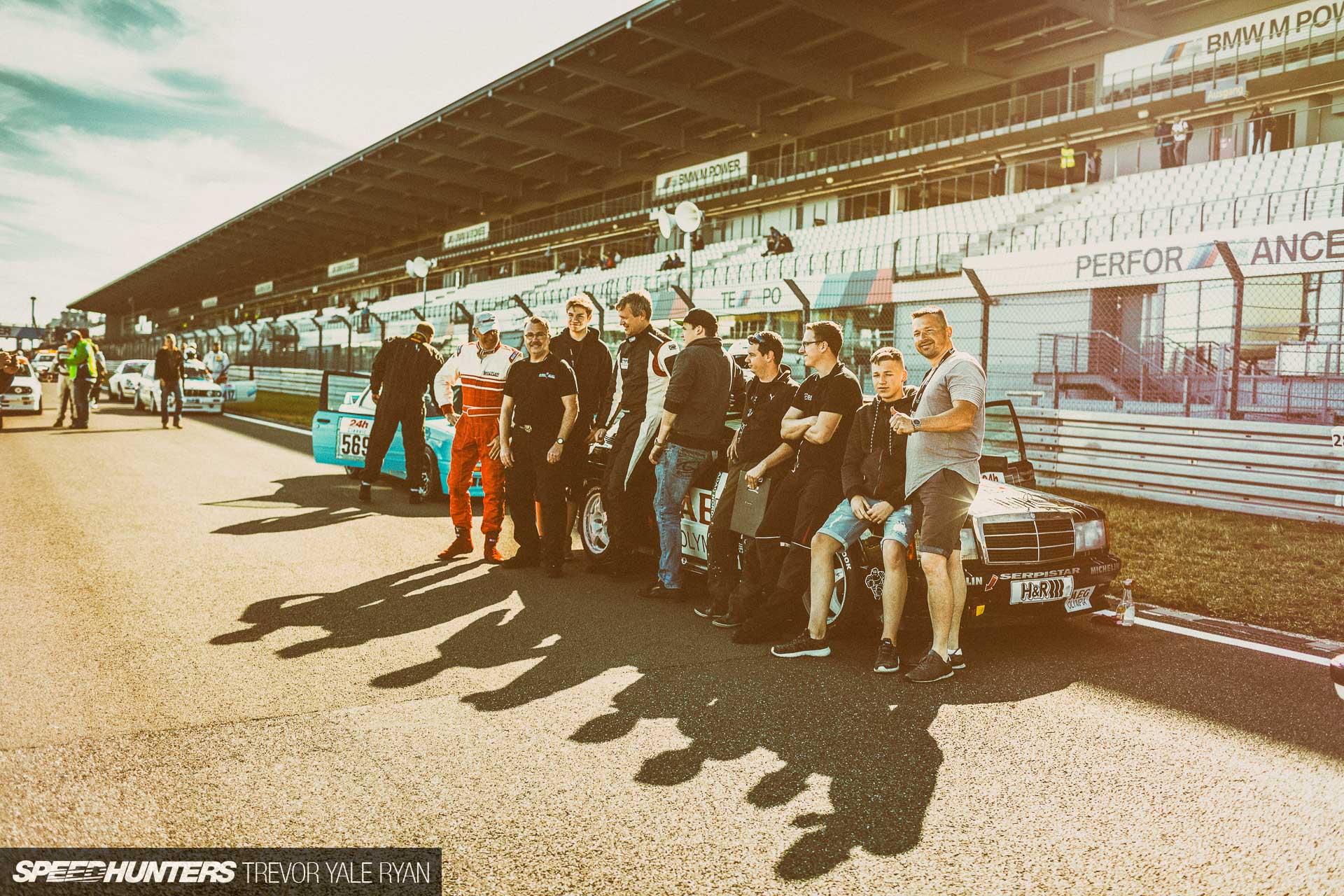
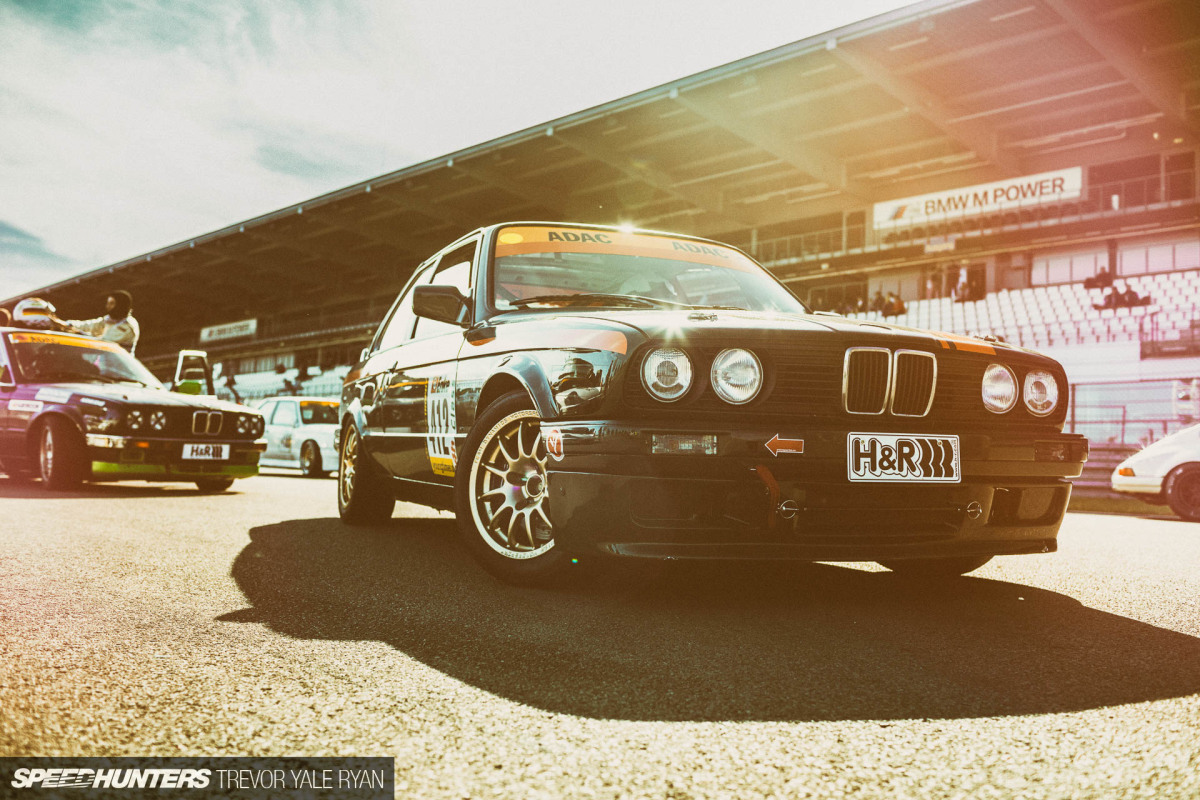
While a few of the regular high-end entries were absent this weekend — namely the flame-spitting BMW M1 Procars as well as a Kremer K1 I was rather looking forward to seeing — there was no shortage of mad machinery to take in.
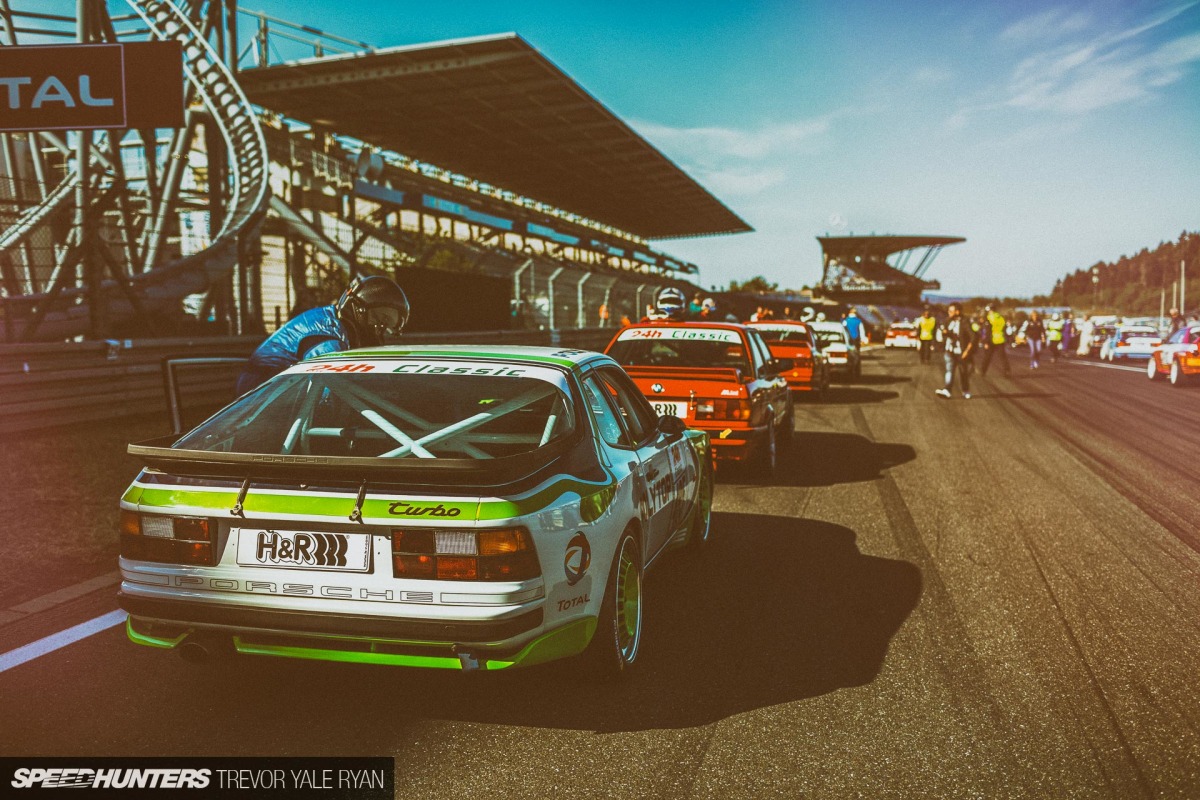
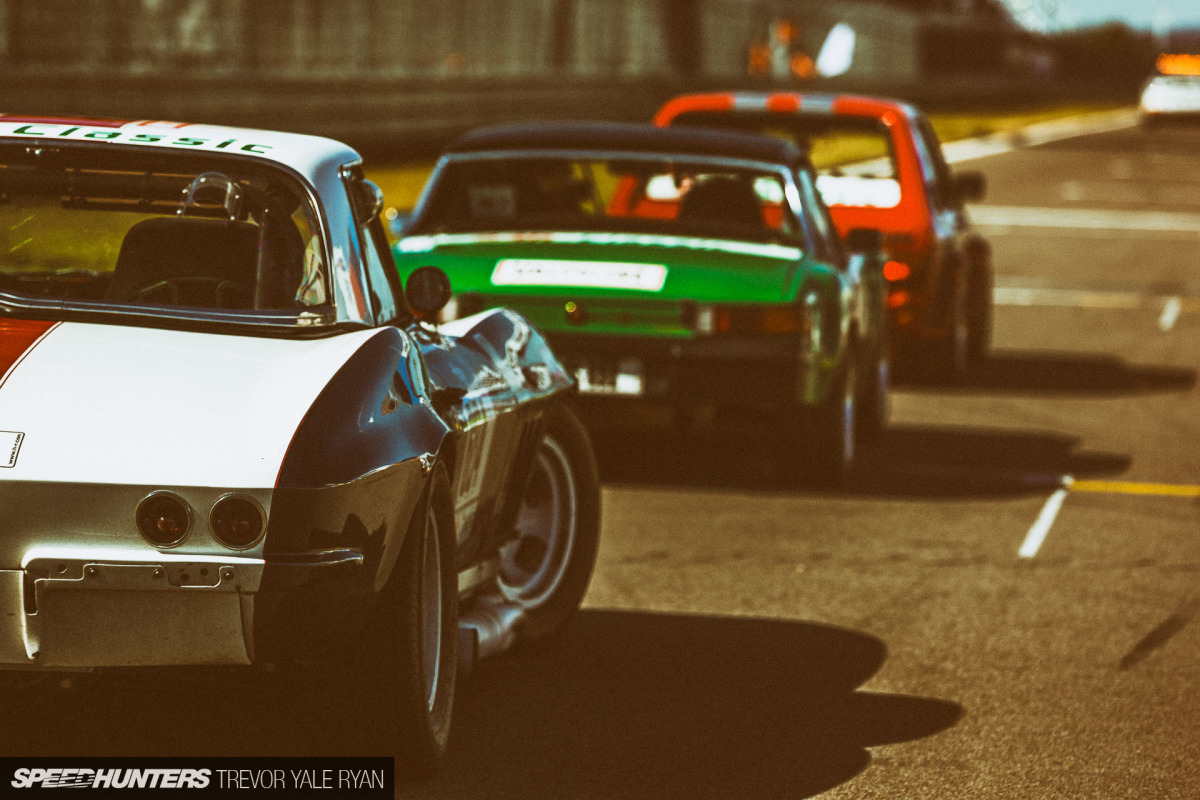
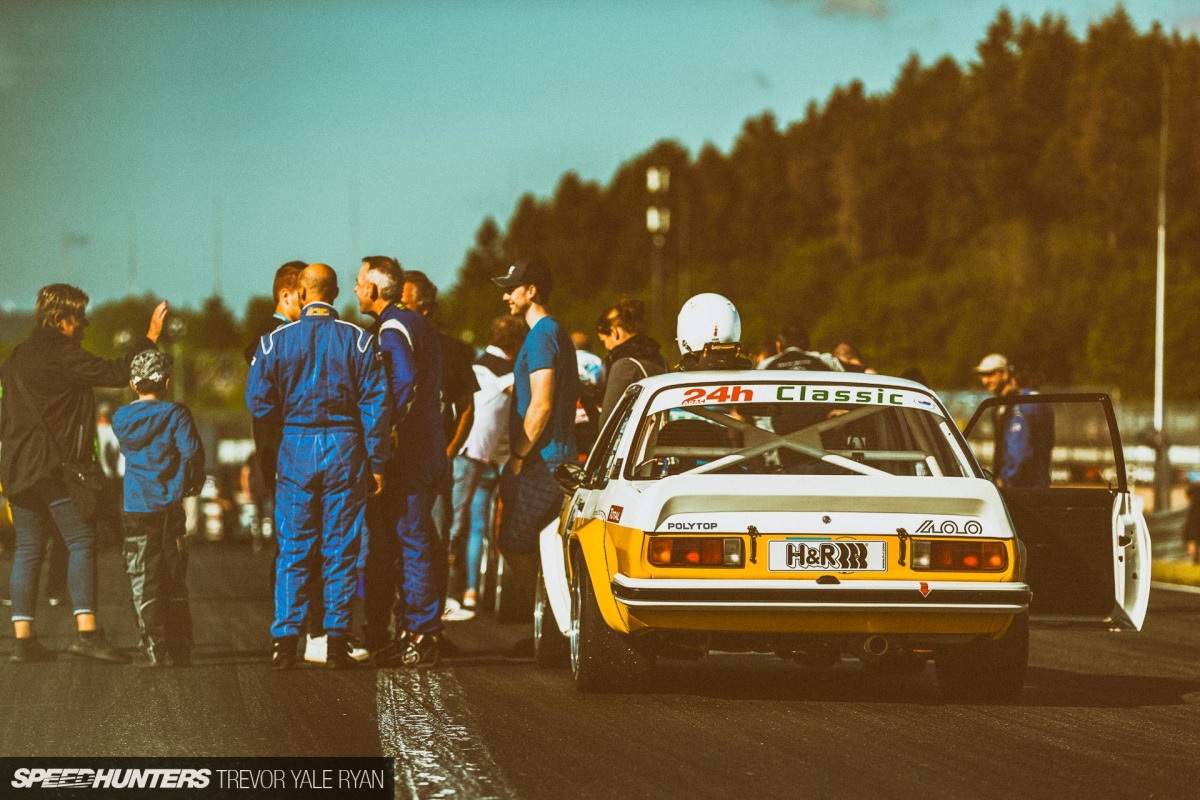

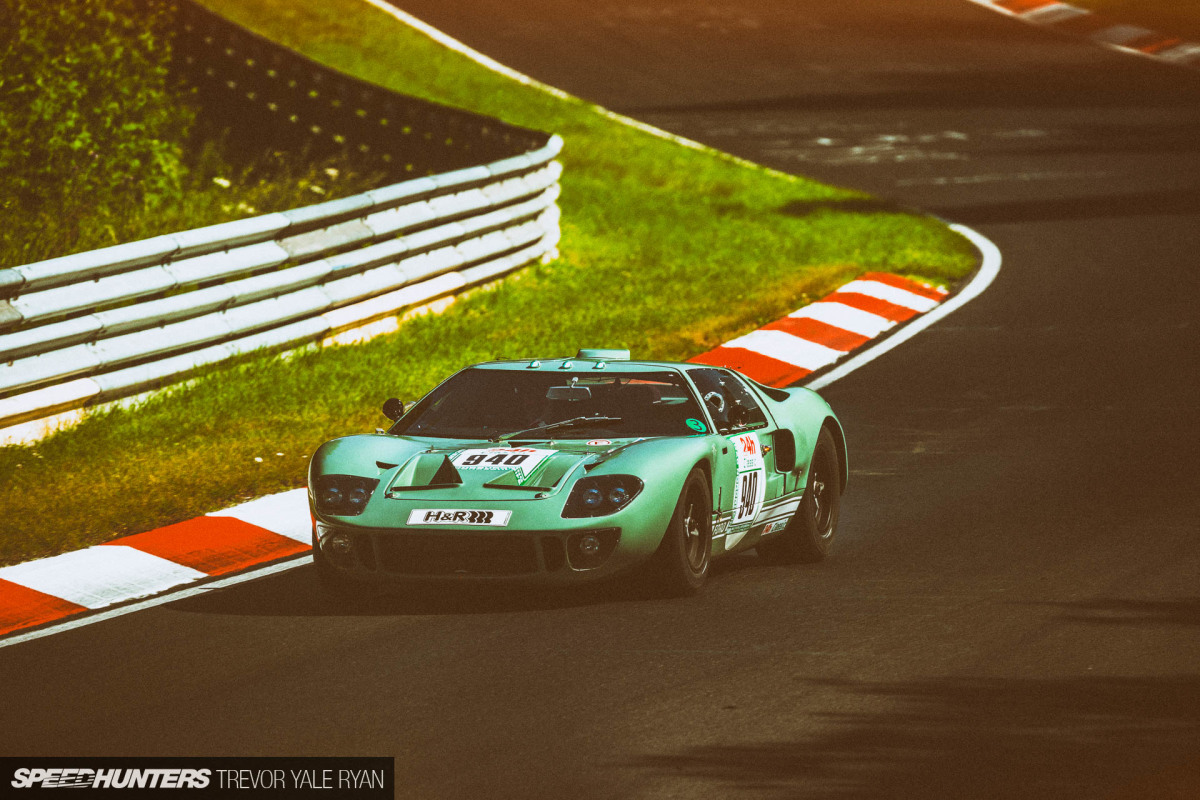
The German marques were unsurprisingly strong in number, but a few American entries snuck in along with at least one from Japan. I’ll need to run a little spotlight on the surprise R32 sighting later on, but for now let’s take a good look at the rest.
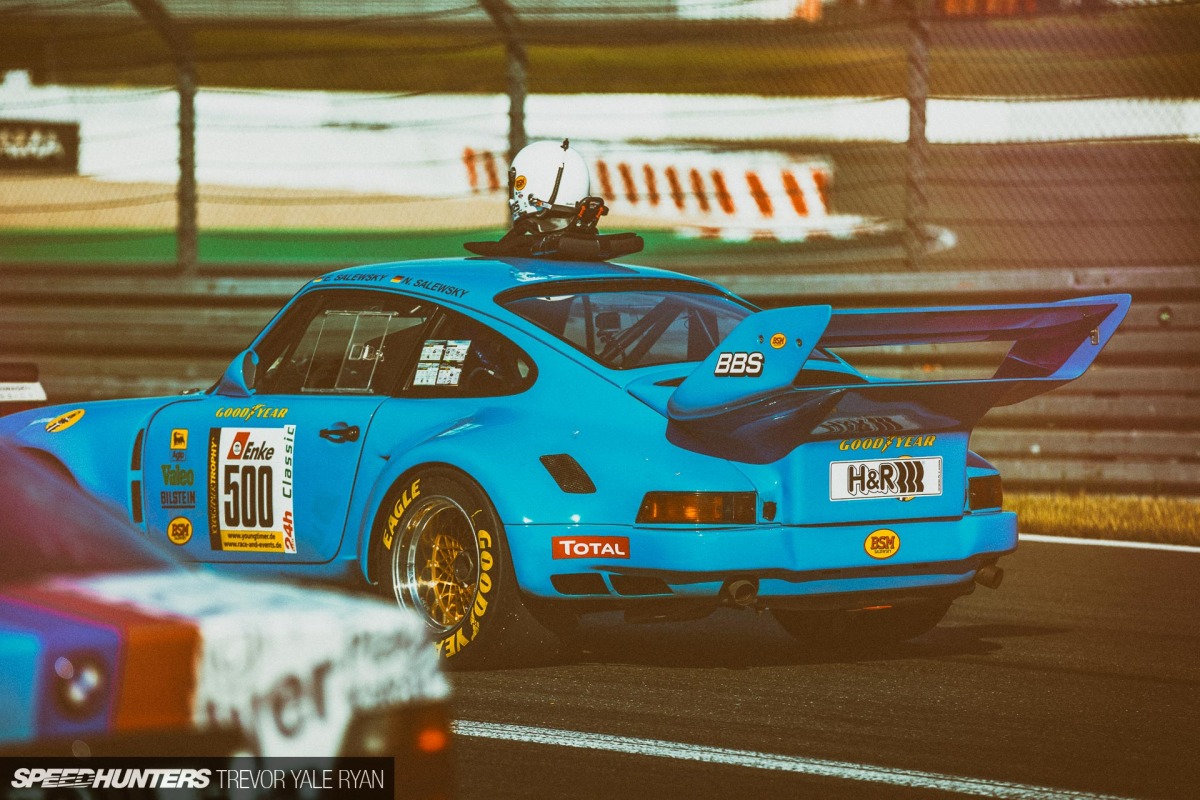
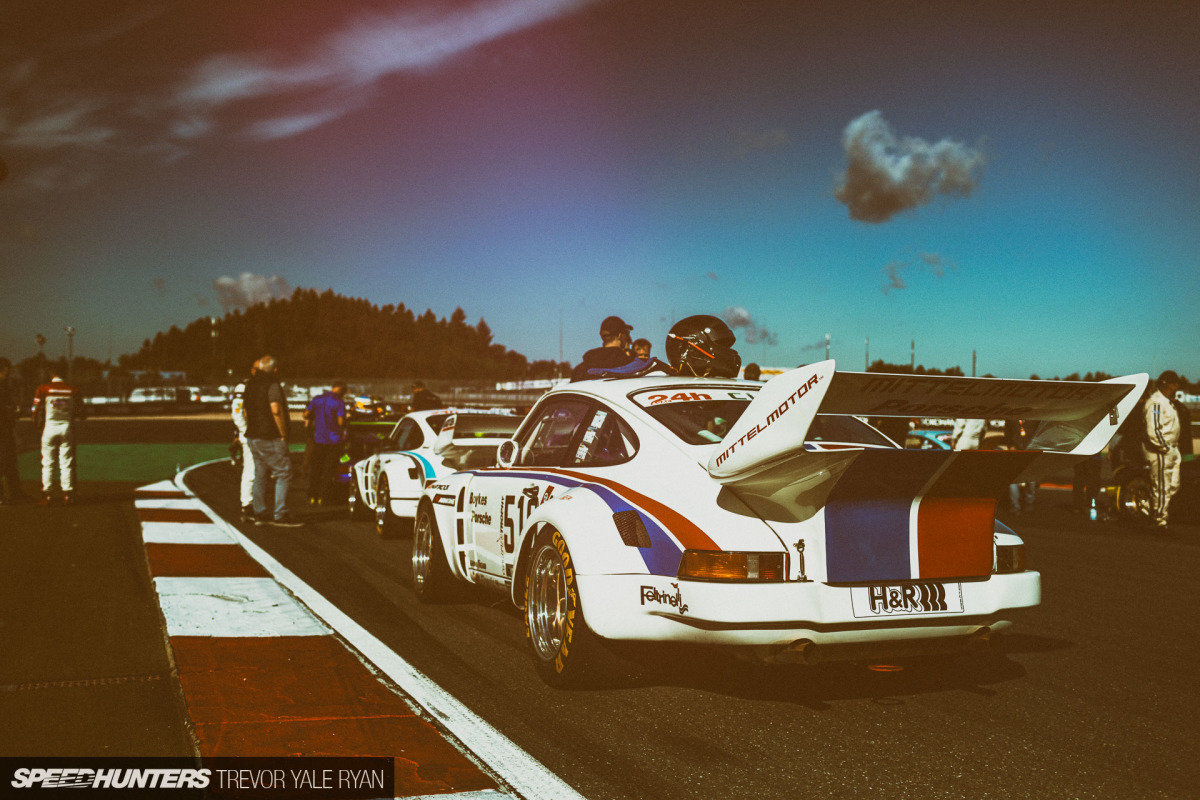
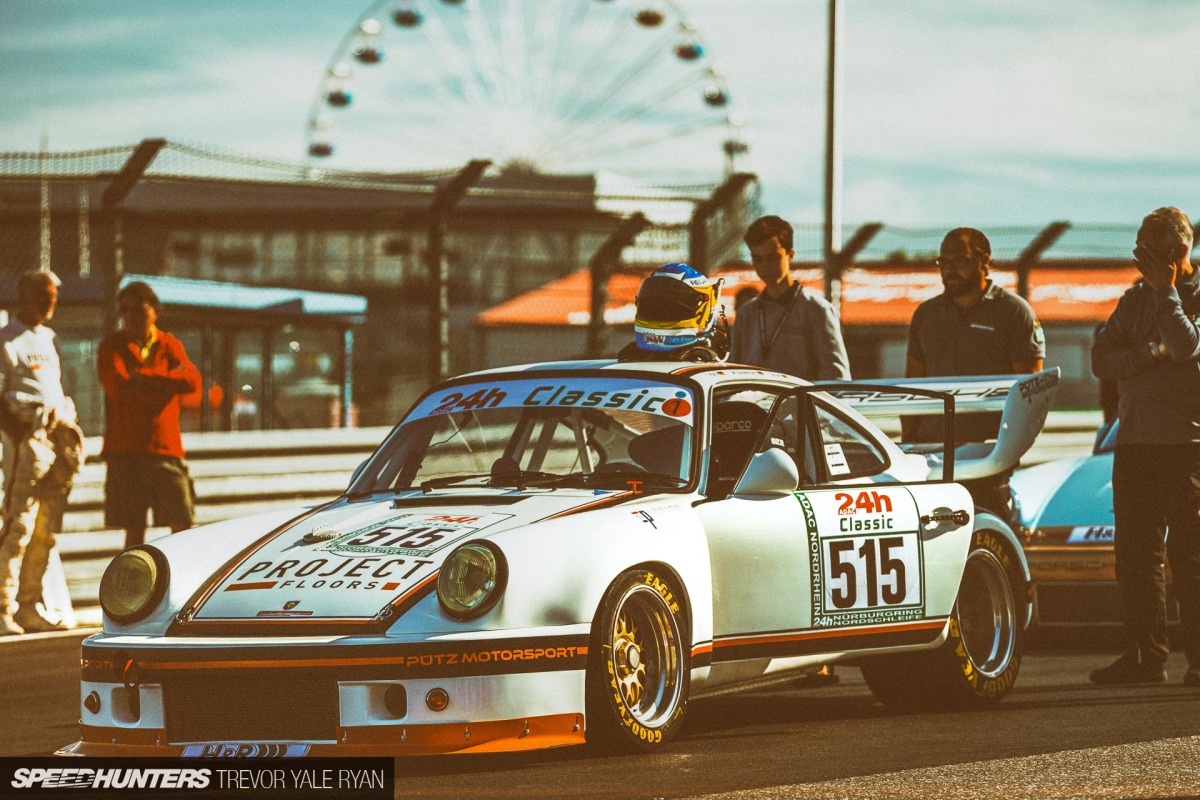
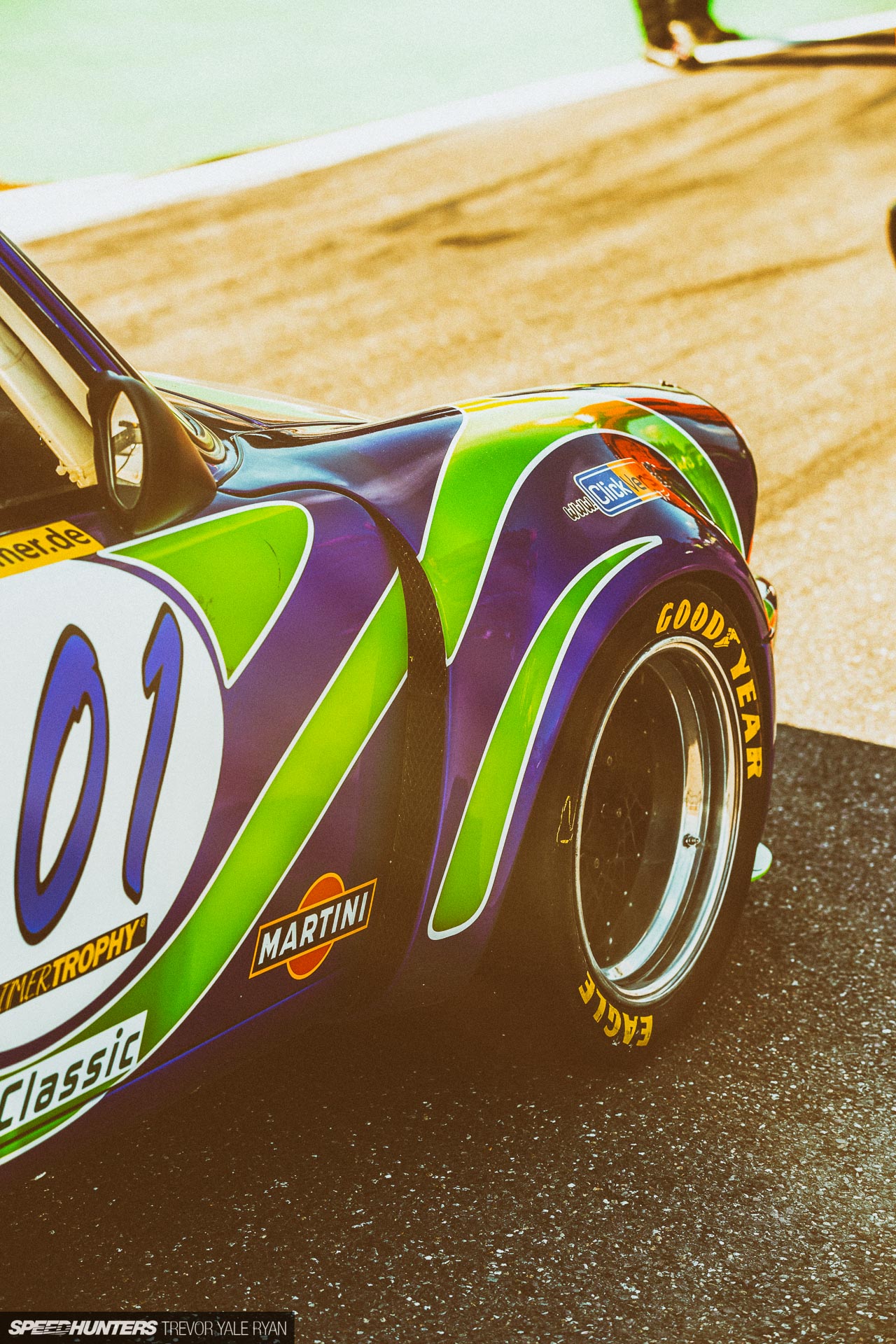
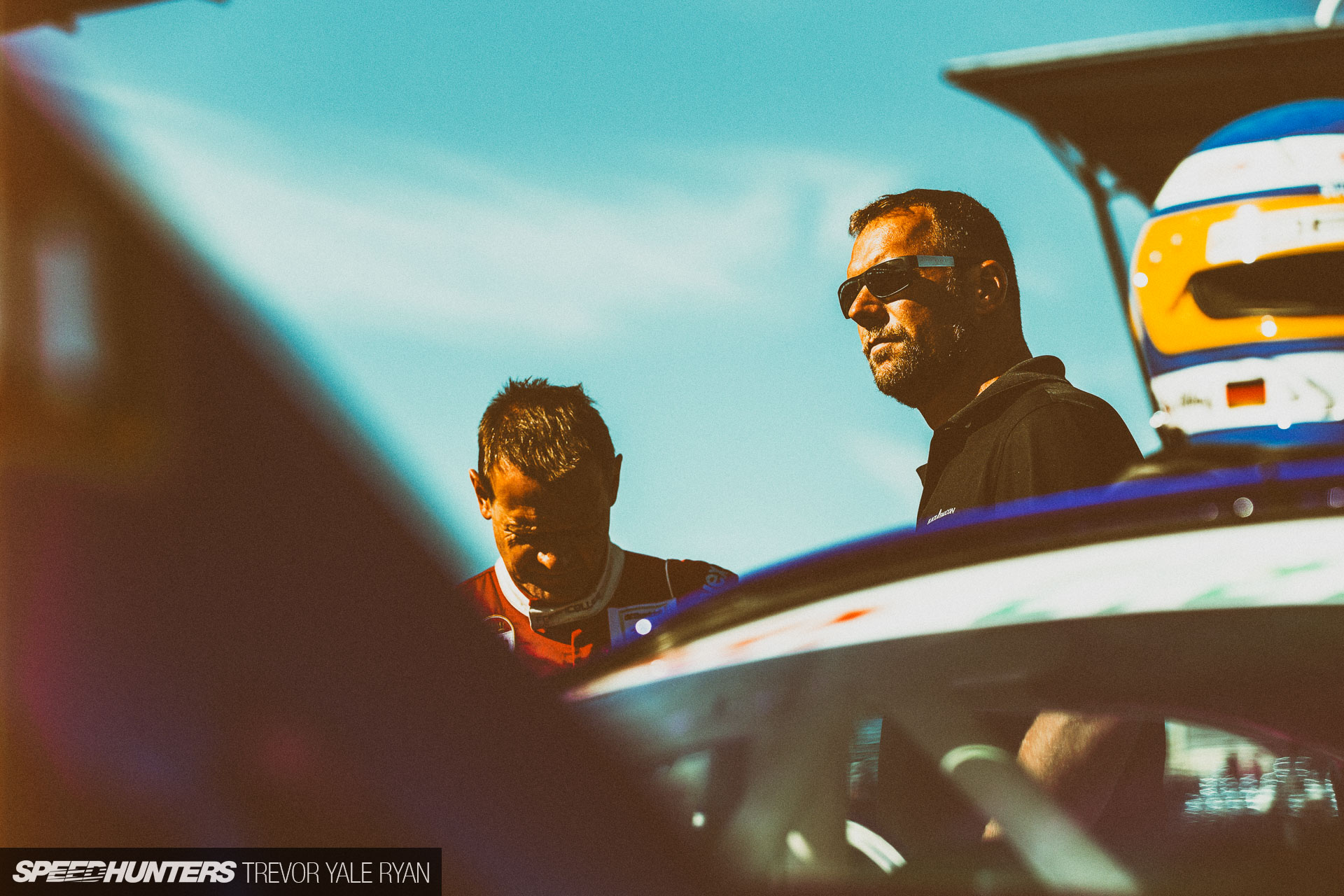
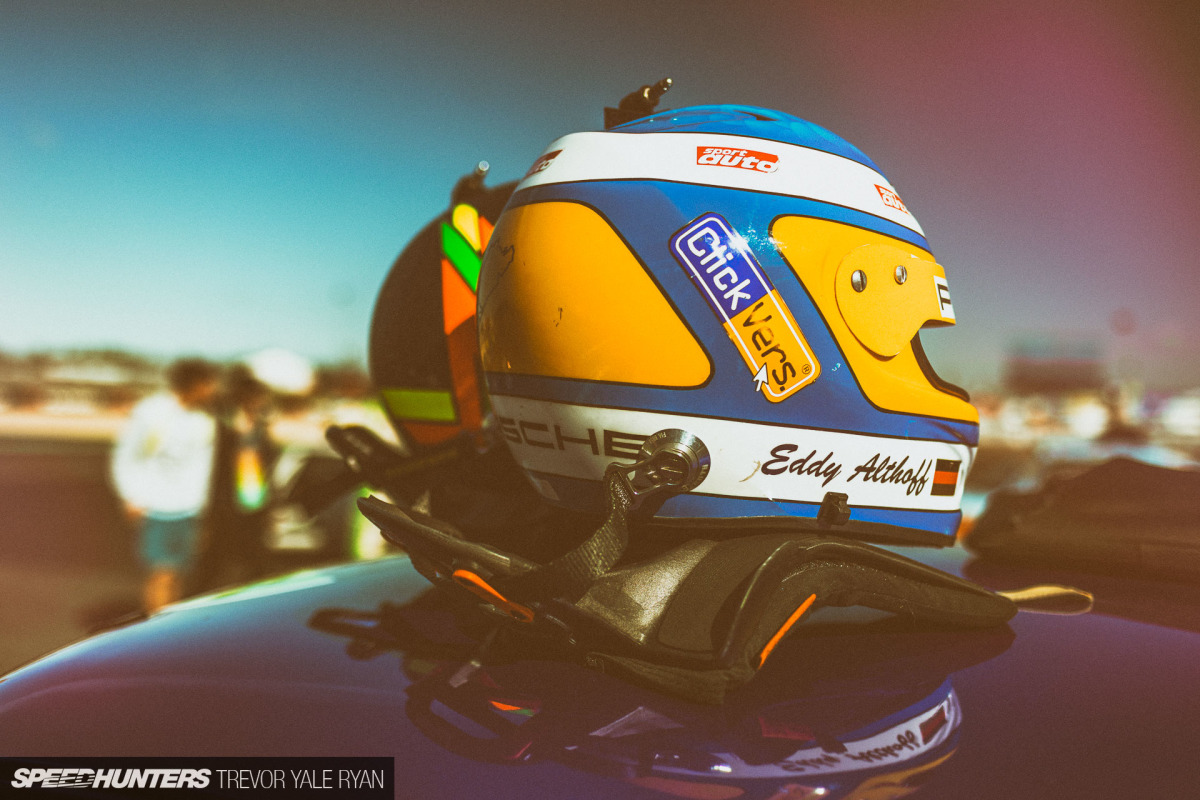
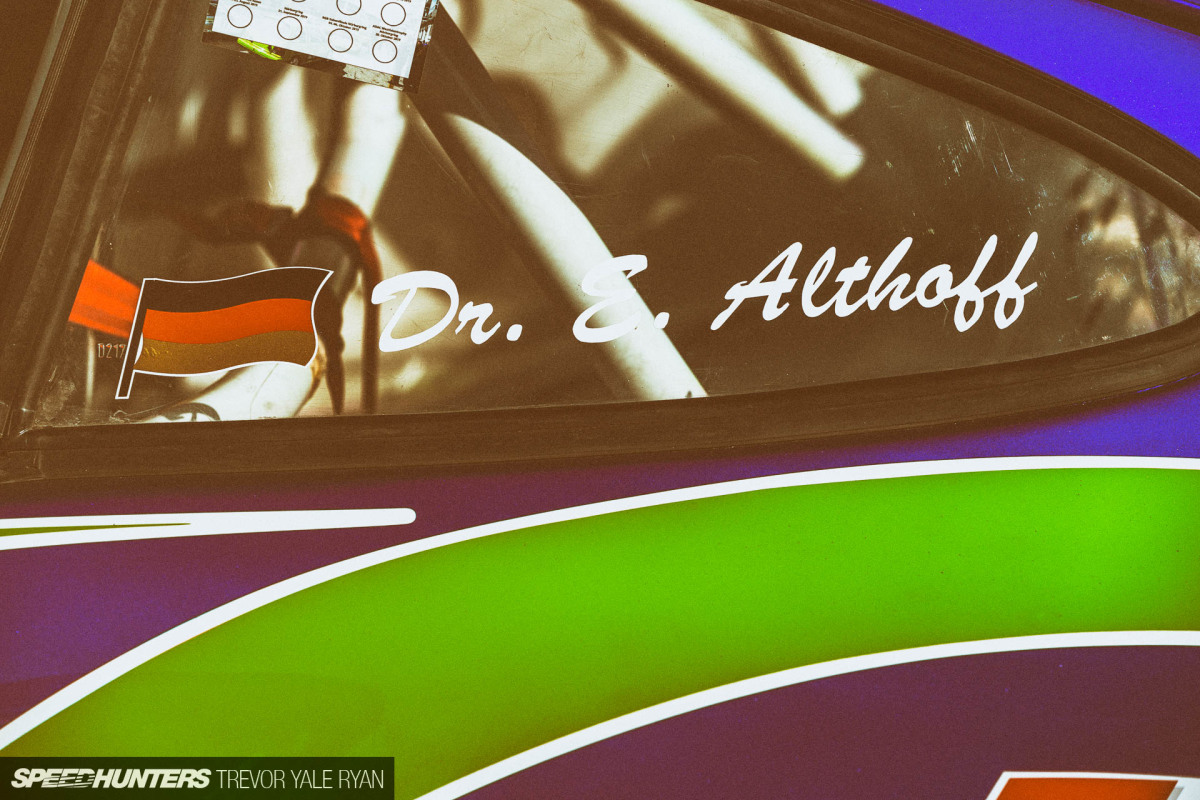
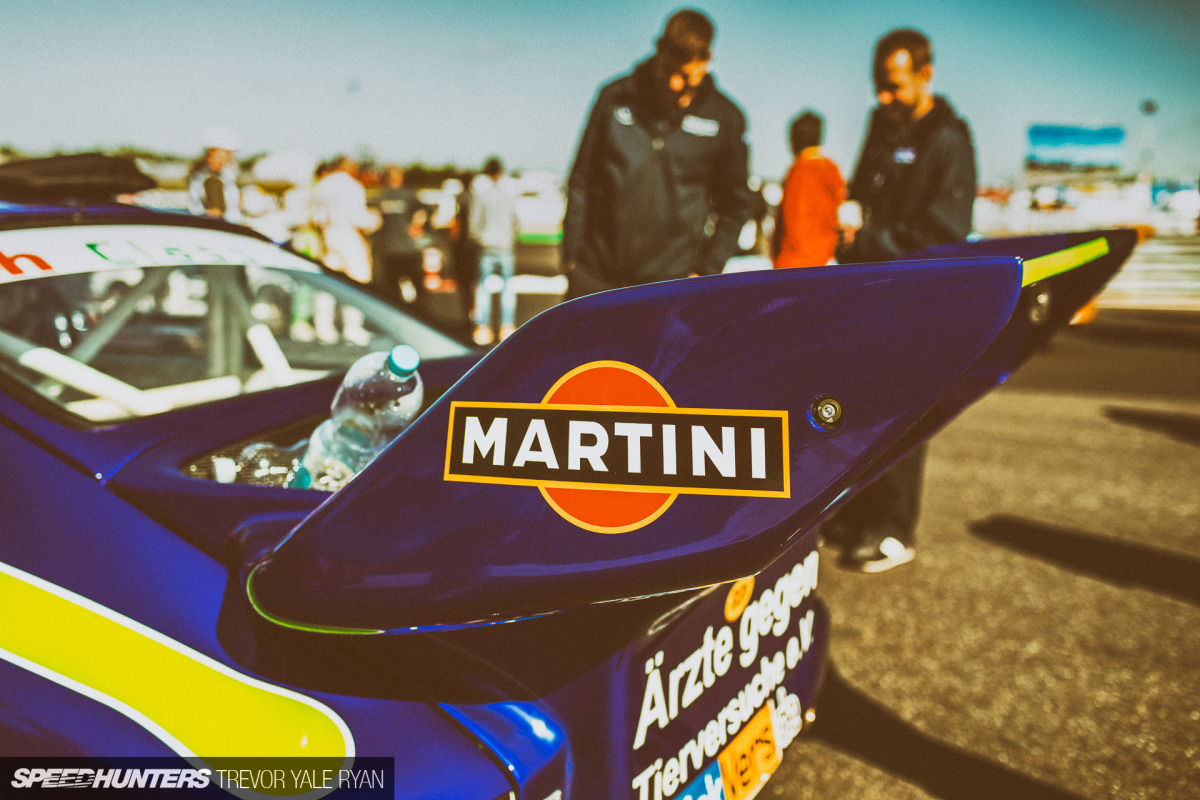
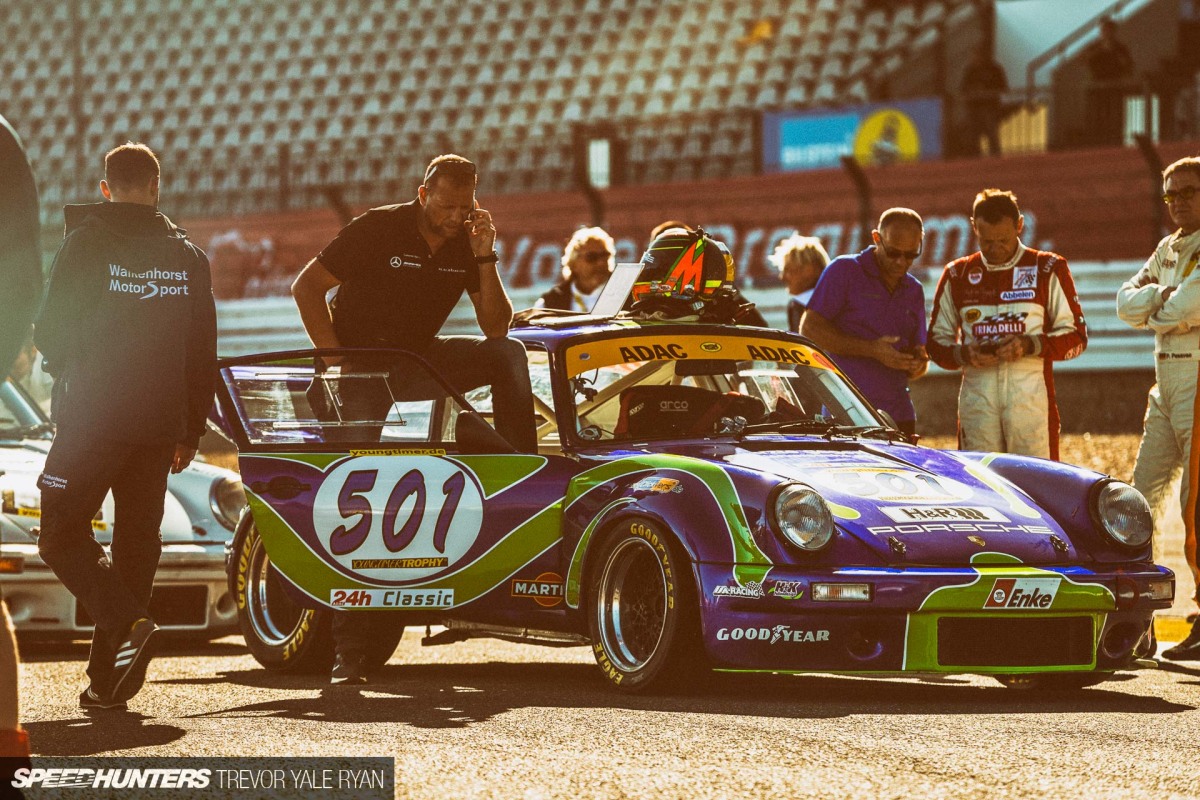
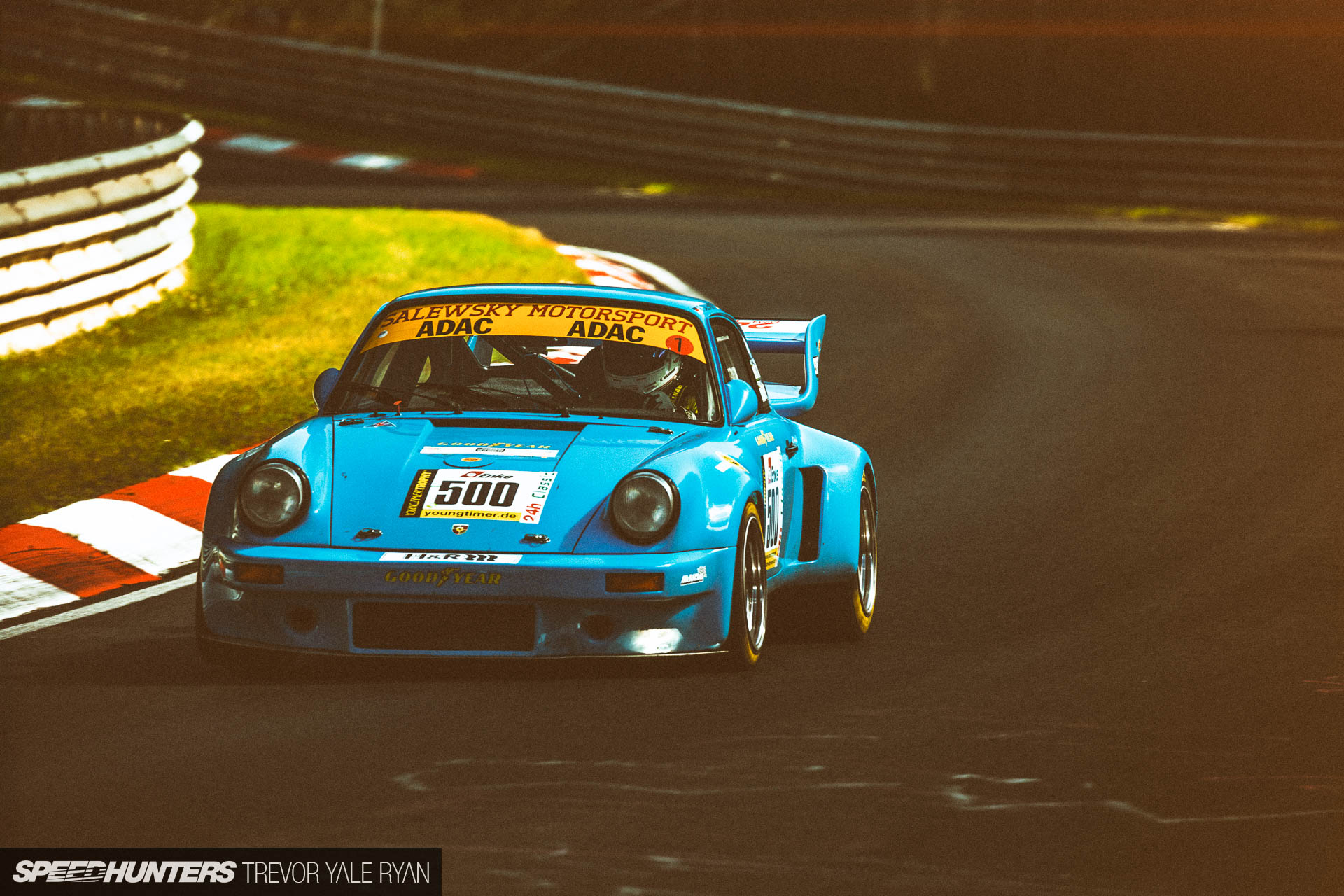
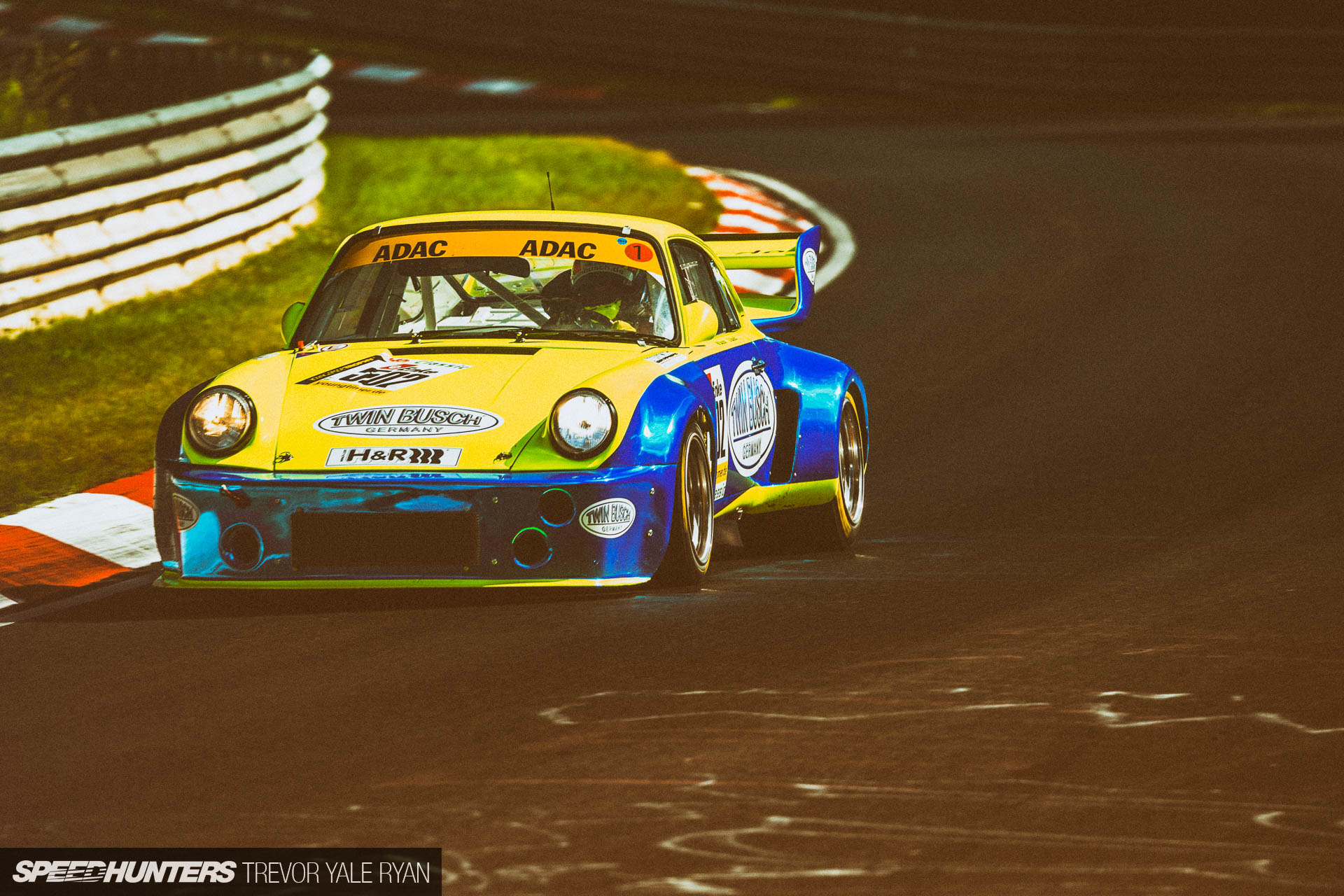
The front of the grid was made up almost entirely of RSR-based Porsches, which shouldn’t really come as a surprise. Not only were these cars exceedingly fast back in the day, the enthusiast base is very much still there to continue supporting these chassis. It also seems that the owners of vintage Porsches in particular are the least afraid to pitch them around a track, even if the consequences of getting it wrong in these rear-engined old timers are quite high.
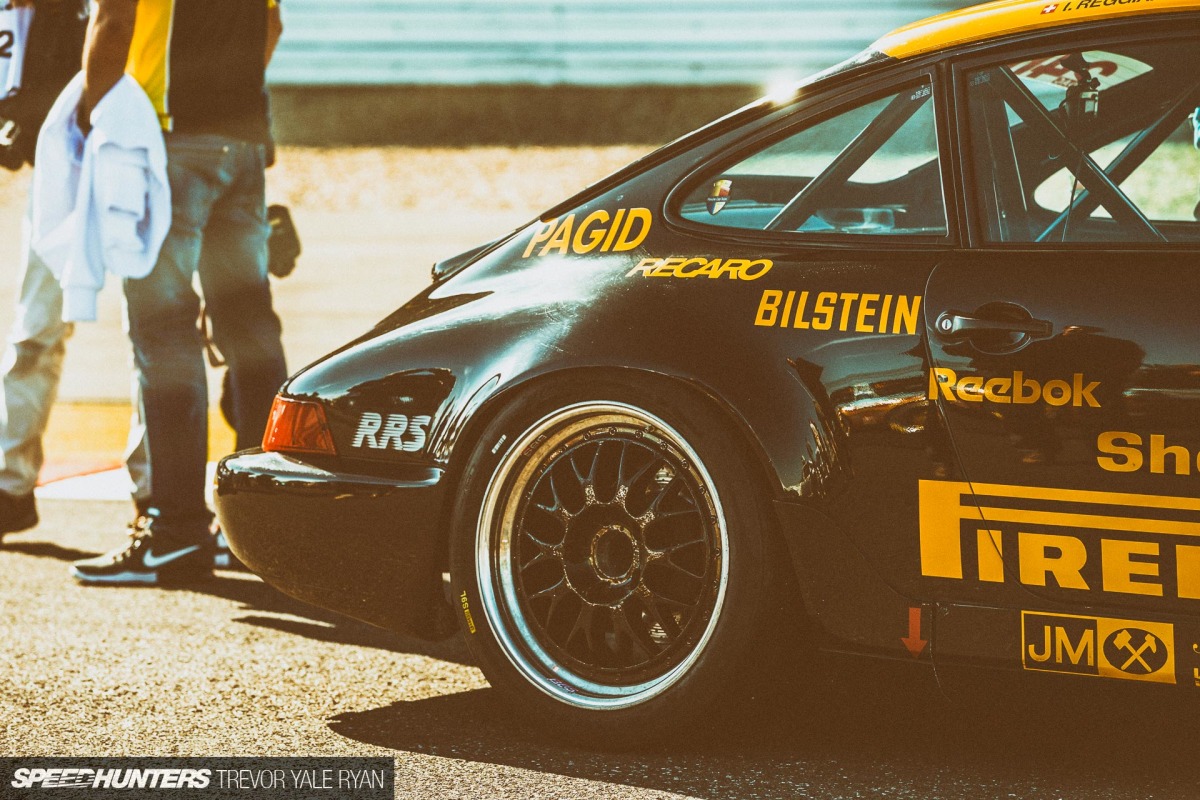
In fact, it seemed like the first six or seven rows of the grid were exclusively occupied by 911s.
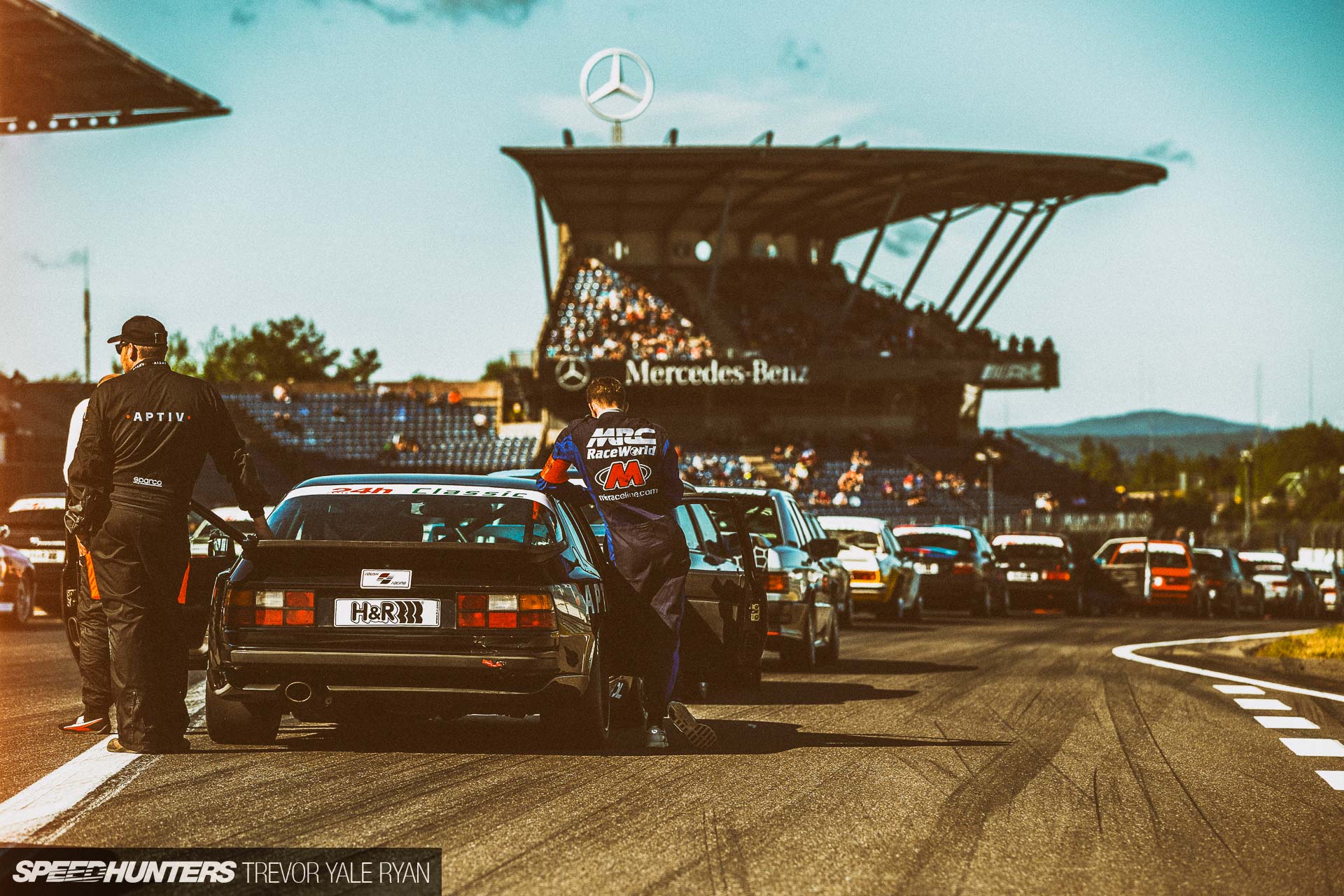
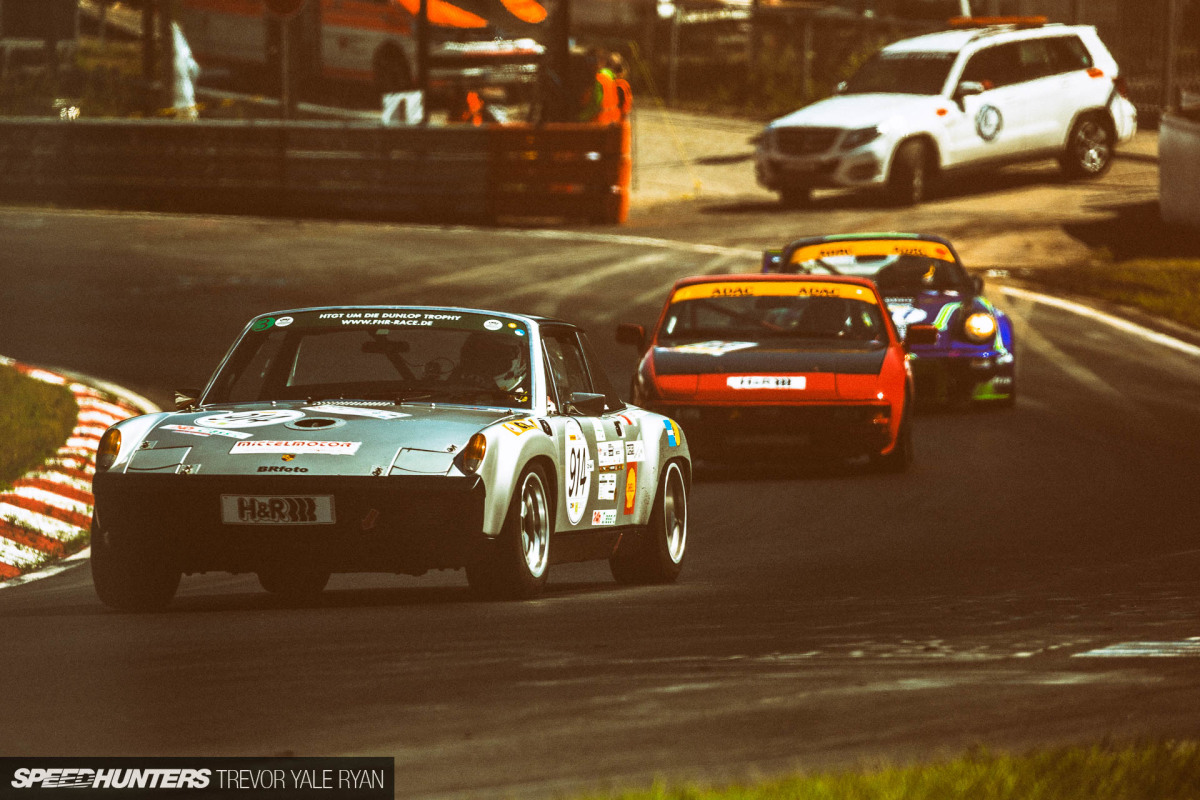
Porsche was obviously represented beyond the 911, and it was cool to see the model years creeping up into the ’90s and the variety within this one marque.

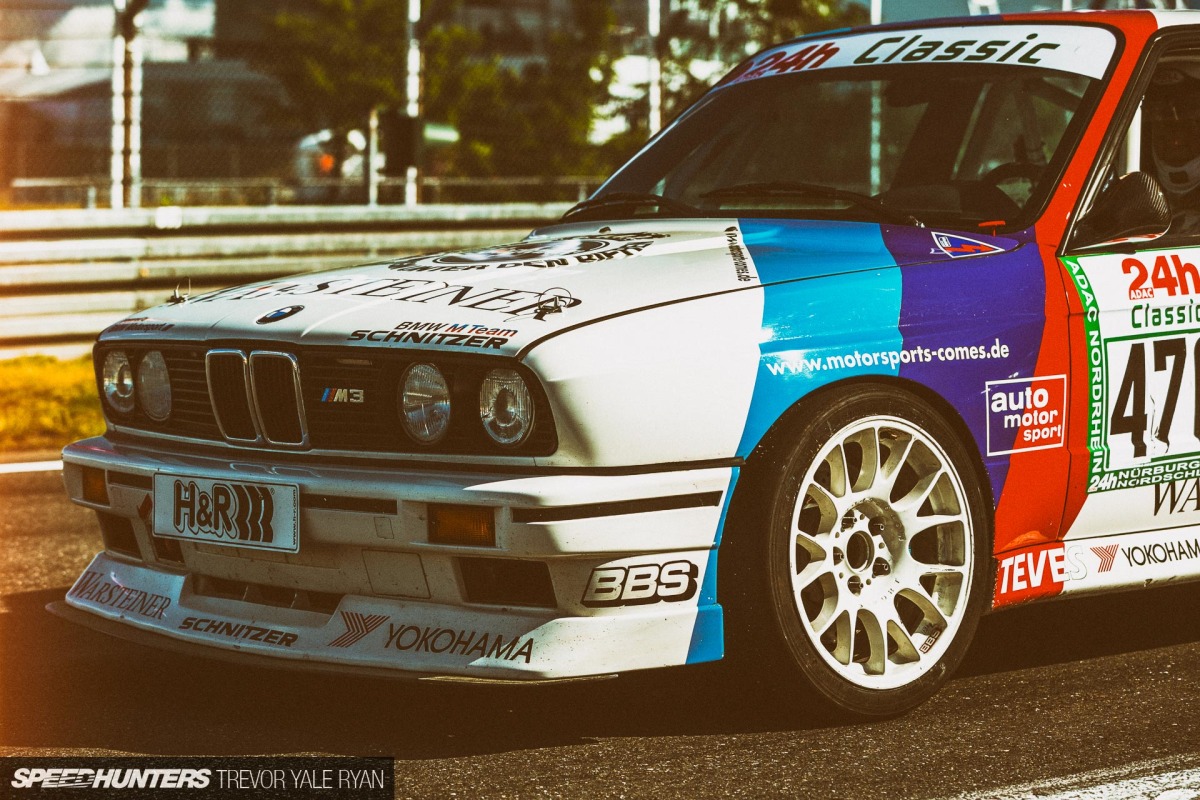
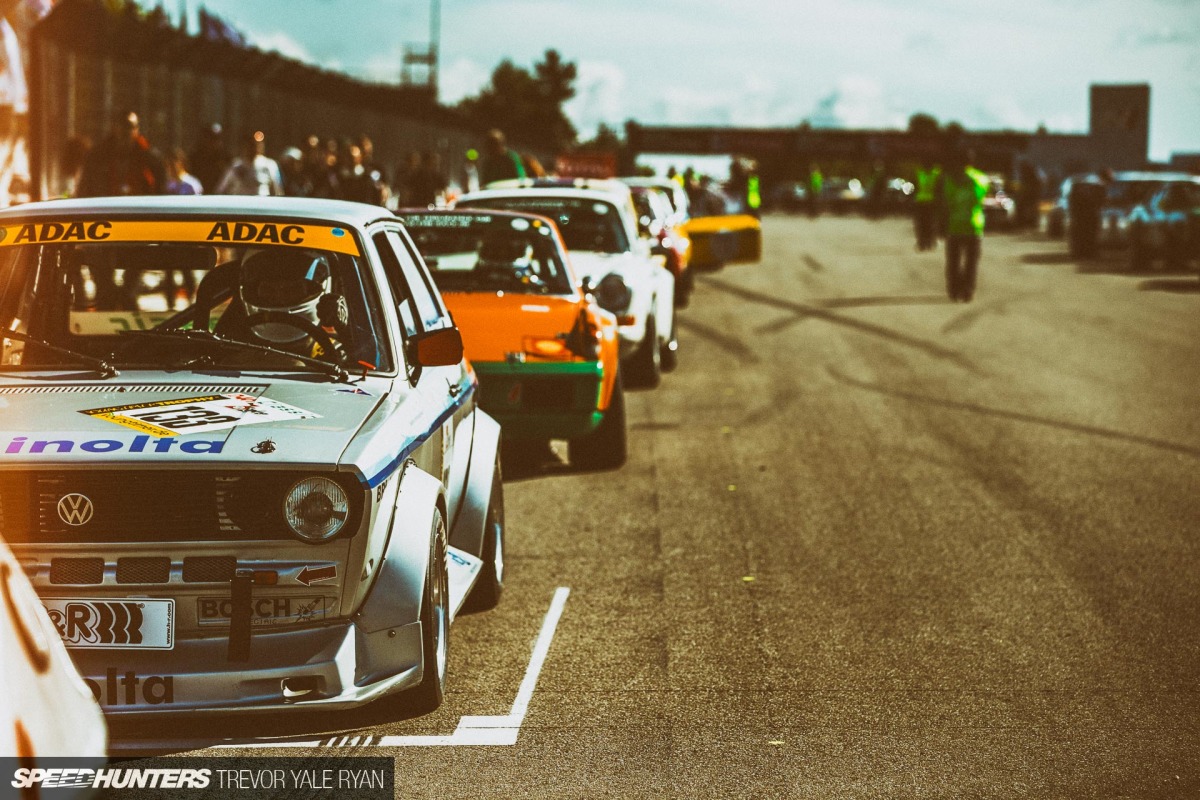
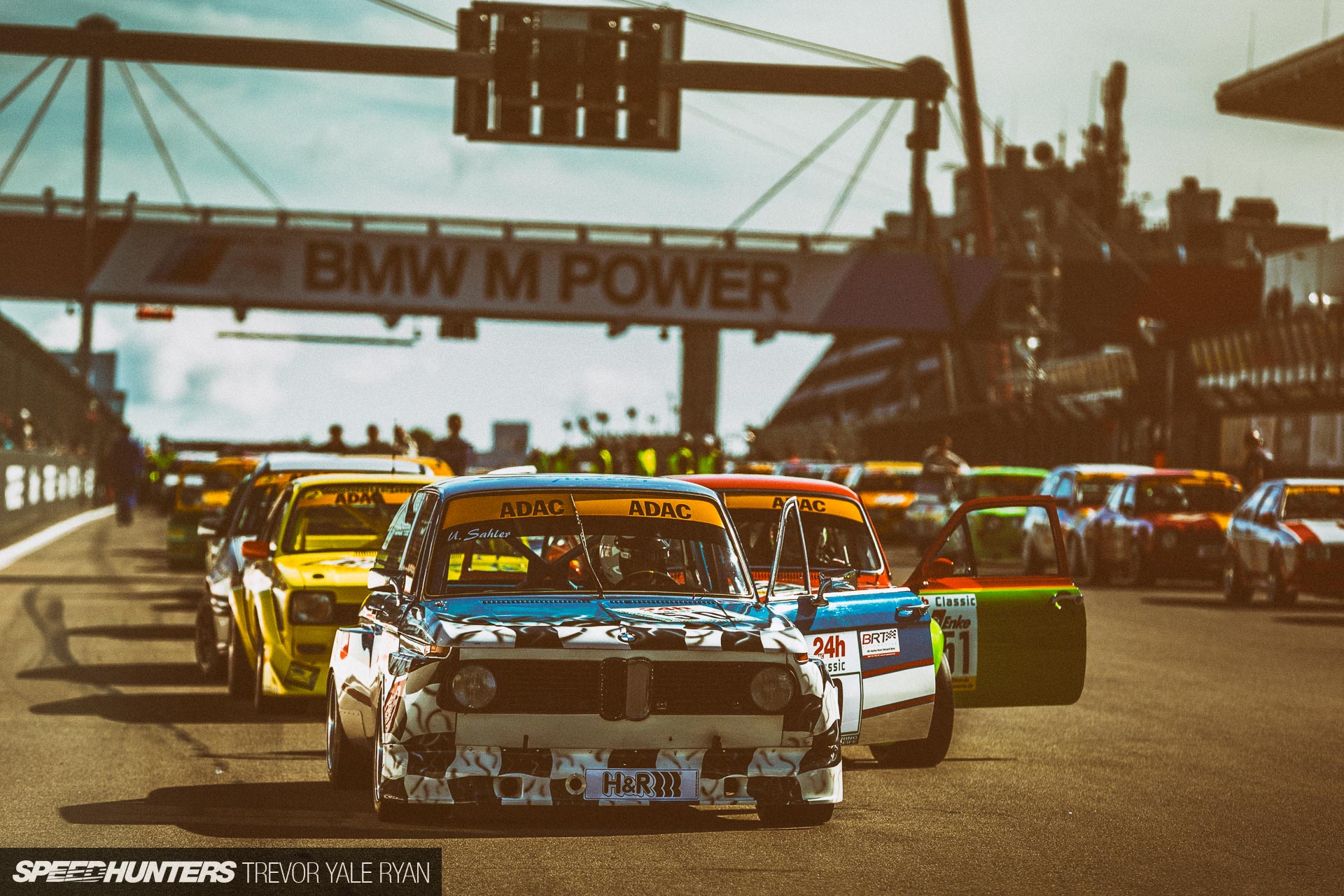
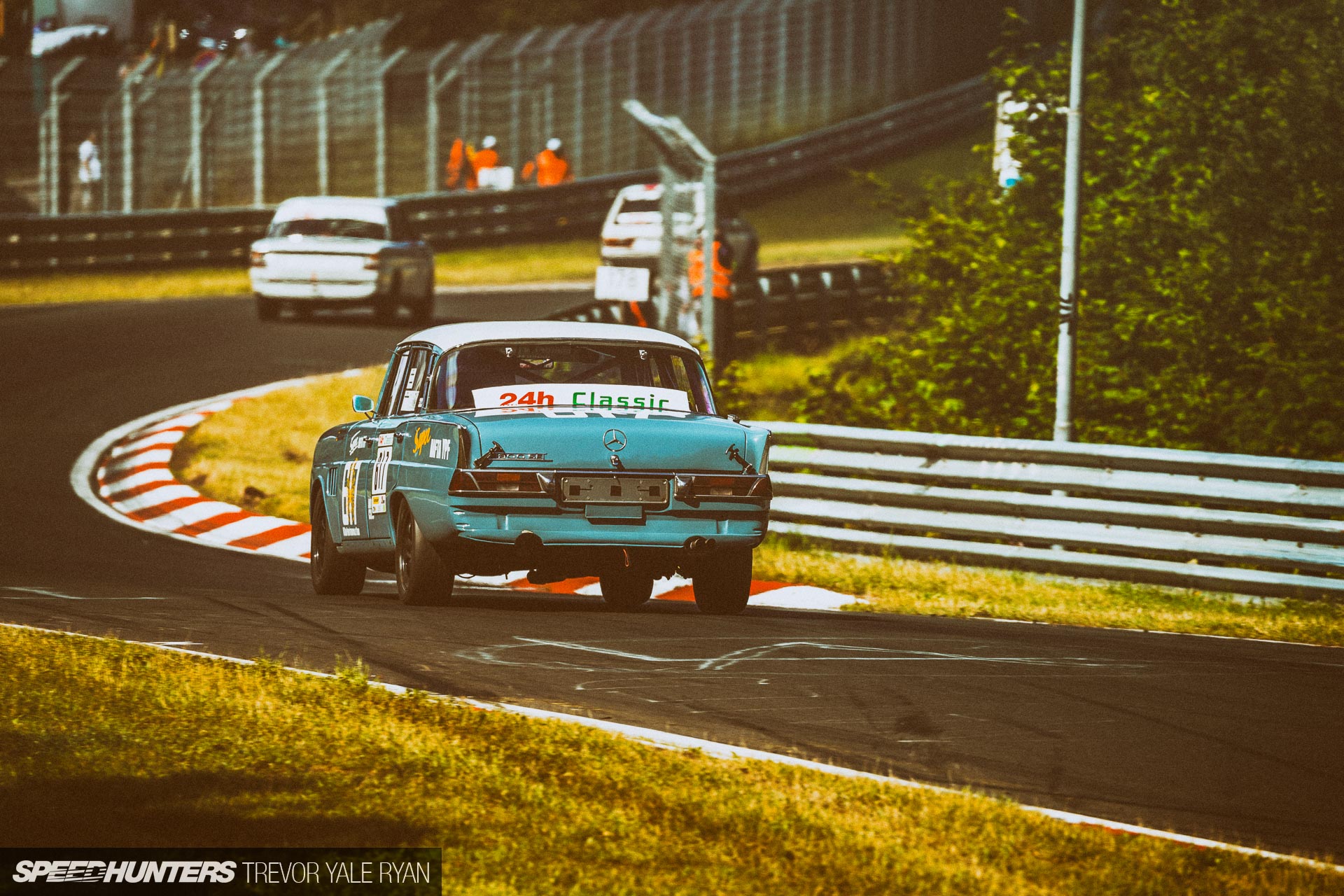
There was a plethora of other awesome German-made offerings on tap as well, and I couldn’t wait to see them driven at full noise.
Playing FavoritesOf course, you don’t end up at an event like the Nürburgring 24 Hour without being a bit obsessed with cars, and with this obsession comes a preference.
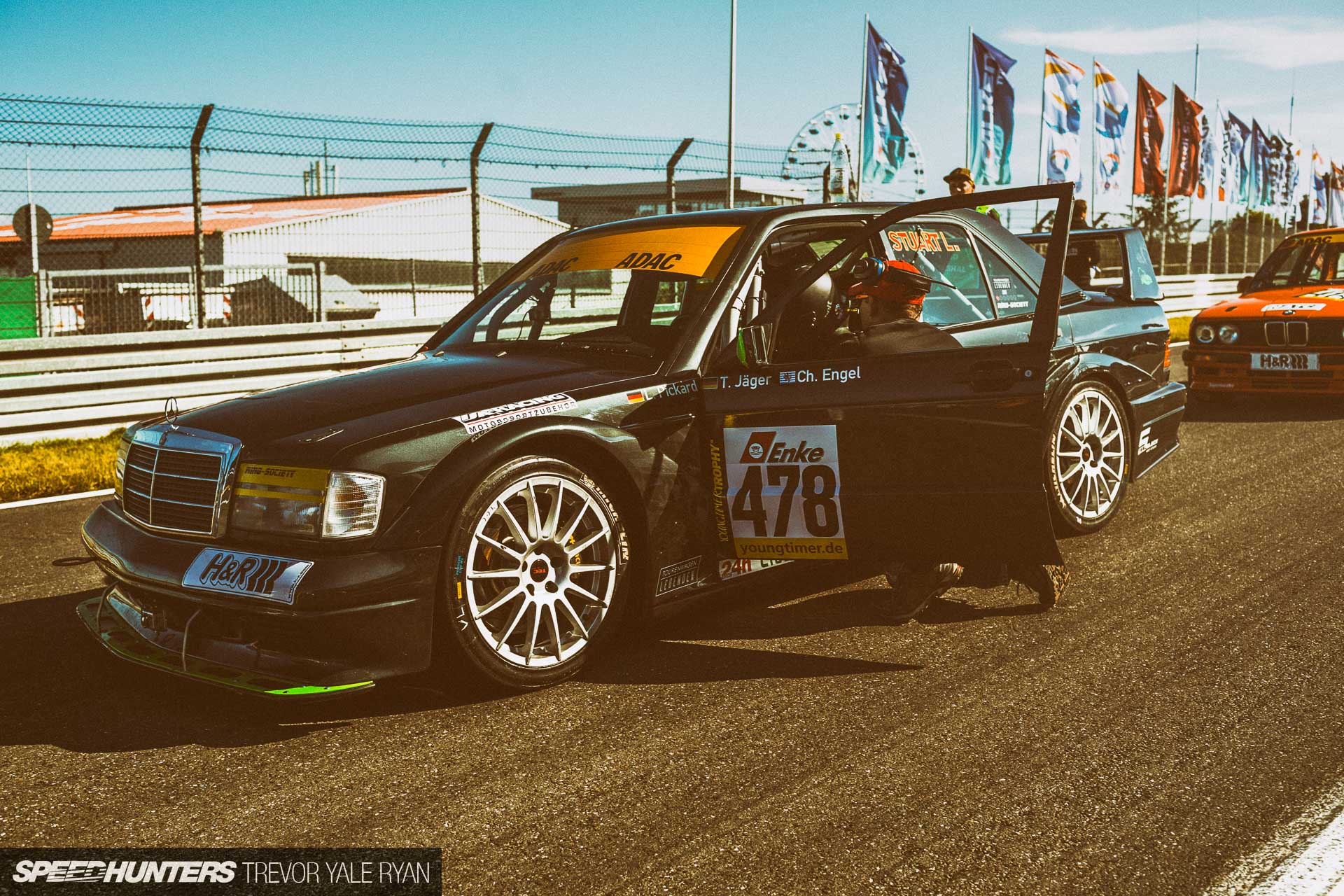
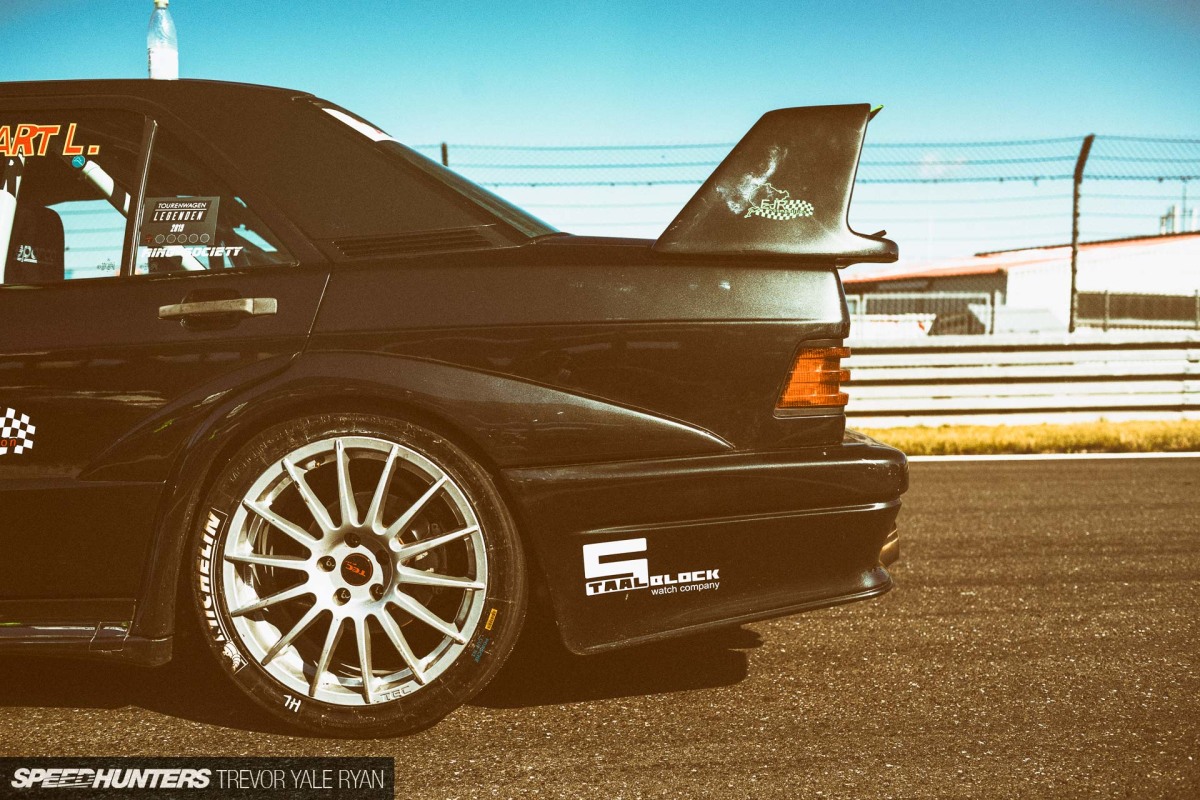
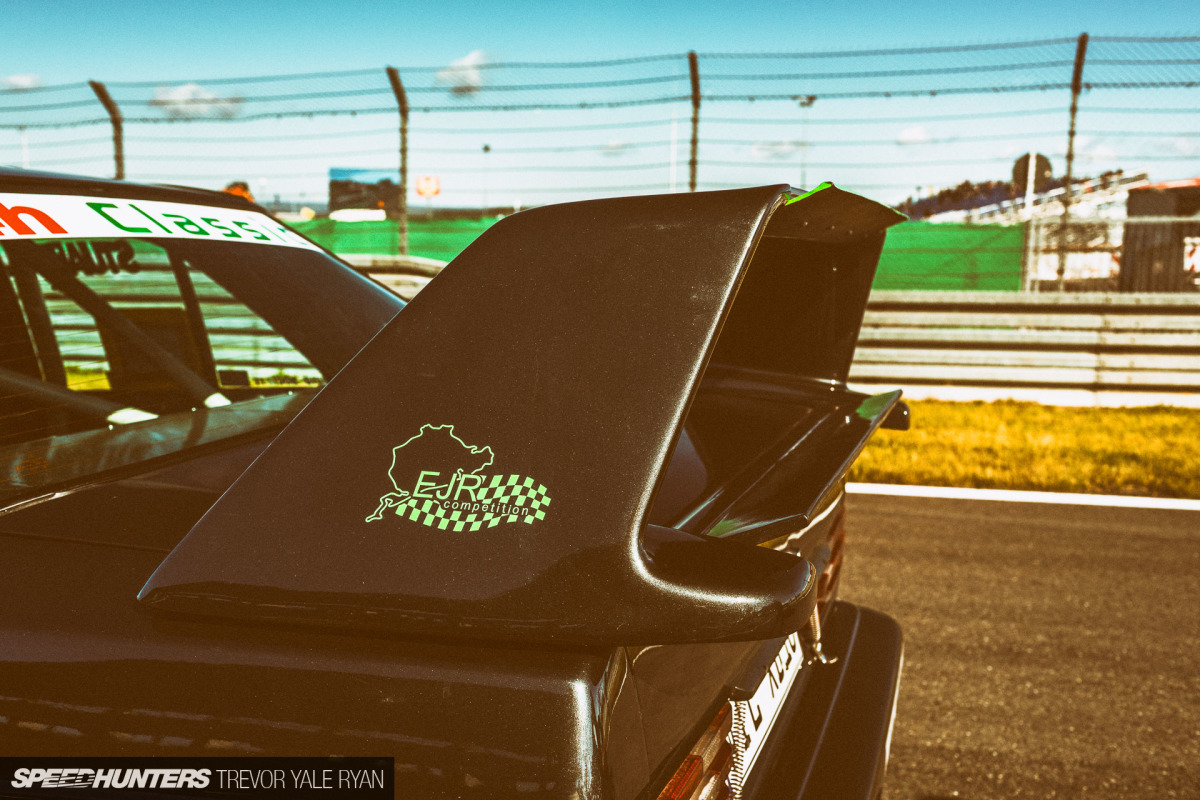
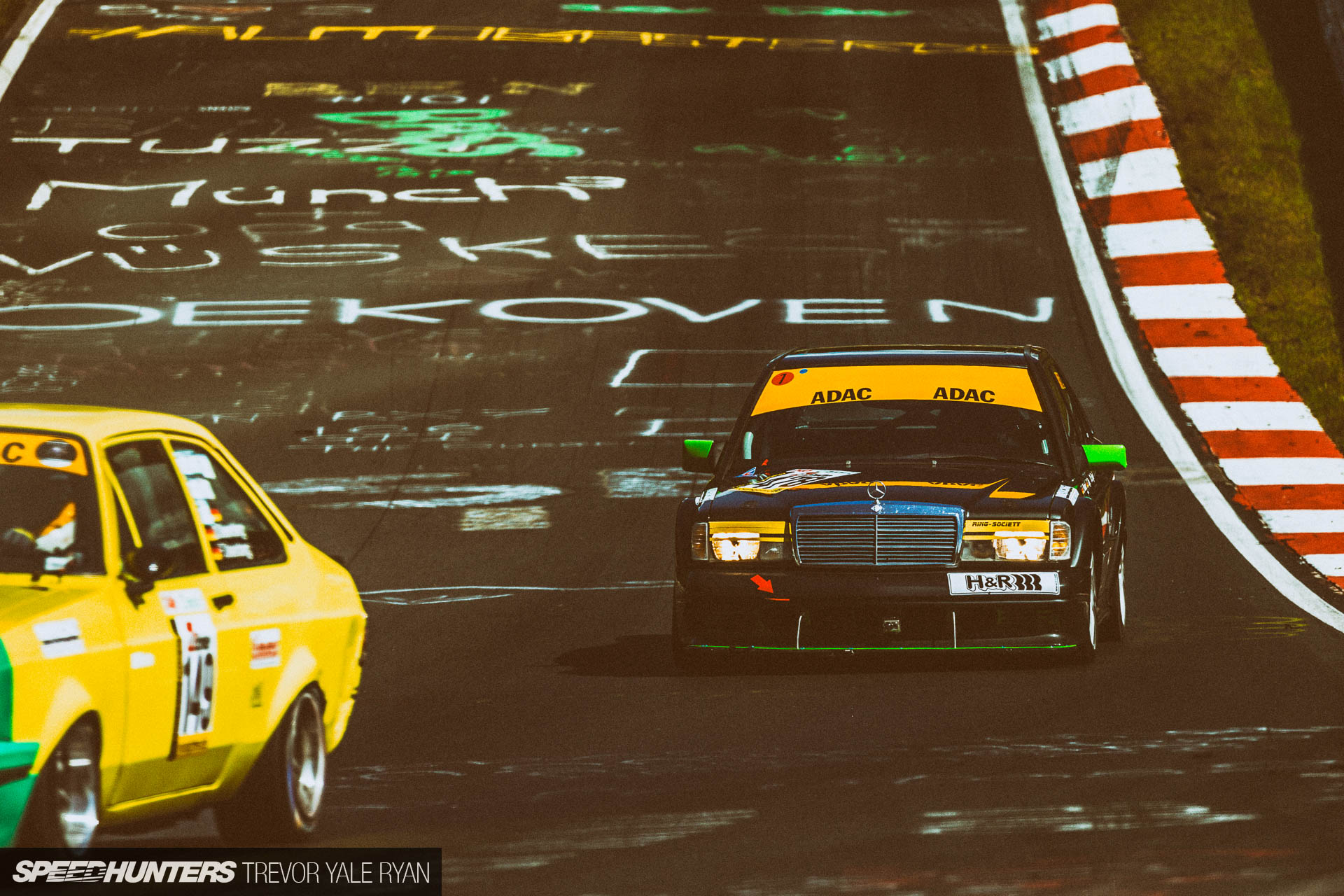
Making the rounds, the first car that really jumped out at me was this Mercedes-Benz 190E 2.5-16 in Evolution II trim. I really don’t know a whole lot about these cars beyond the fact that only 500 were built (plus two in silver) and that none were offered in the US market. We did get the original Cosworth-enhanced 190E 2.3-16 version good for 165hp, but the AMG-upgraded engine in the 2.5-16 Evo II produced 235hp from the factory.
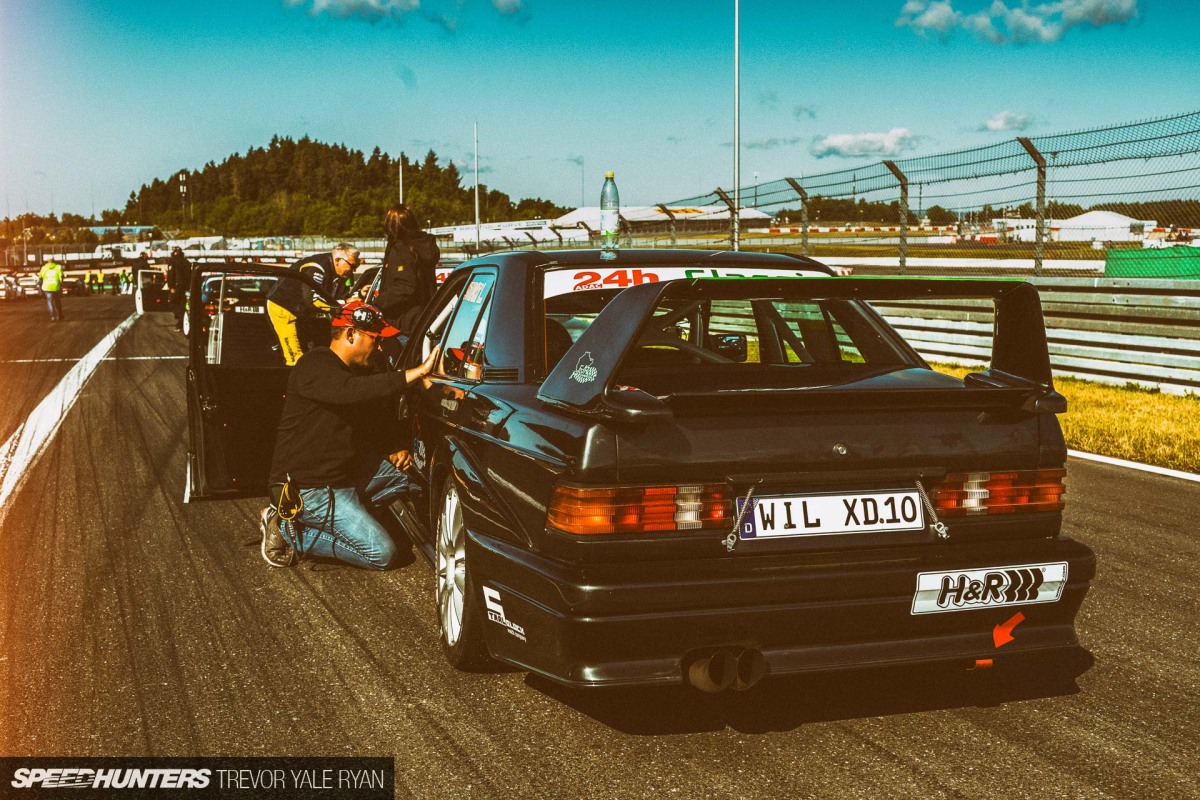
Regardless, the bodywork on the Evo II is what makes this car immediately recognizable and entirely unique. The wheel arches, the integrated wing, the front splitter – the whole thing just screams ‘90s DTM. In other words, it’s very, very cool.
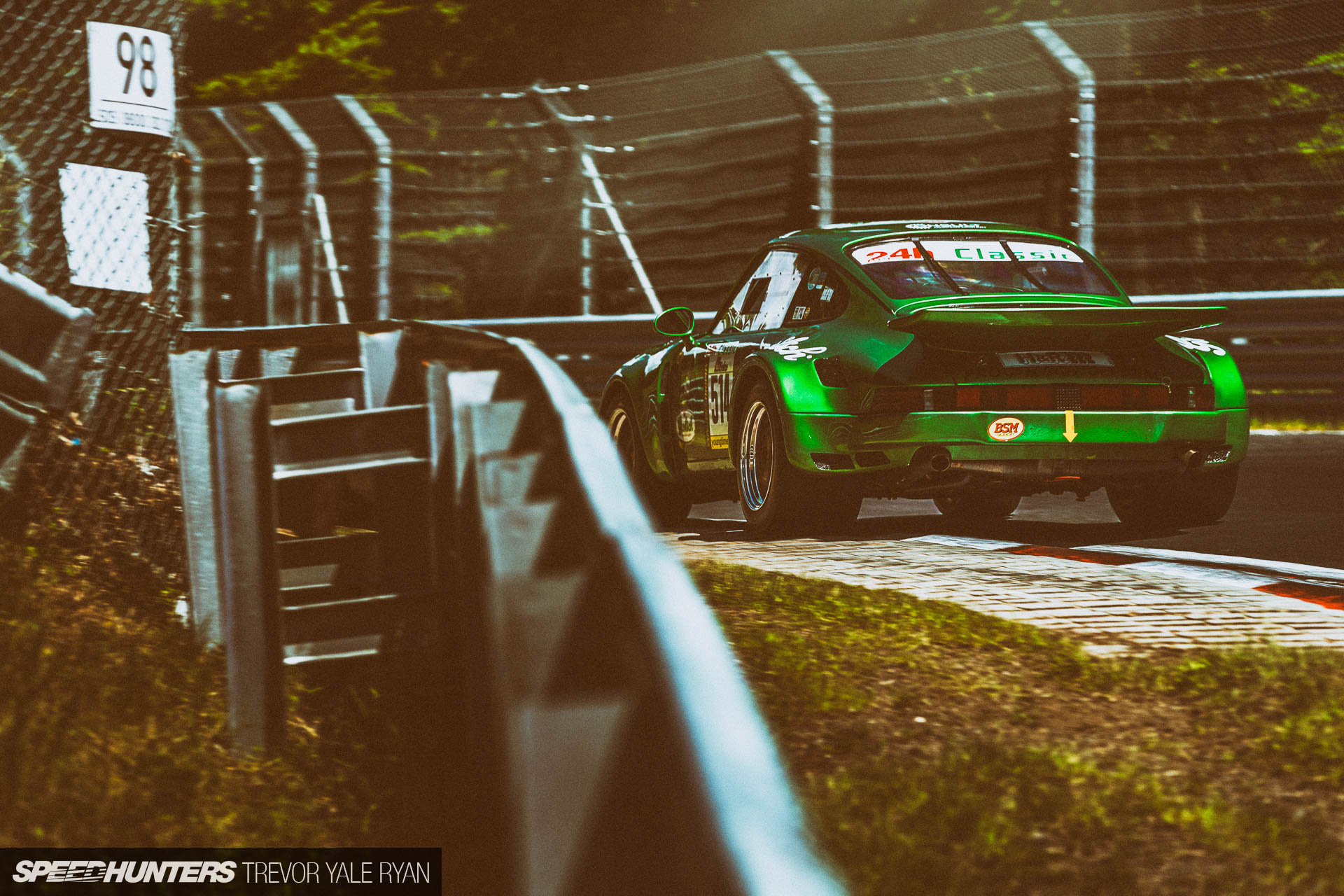
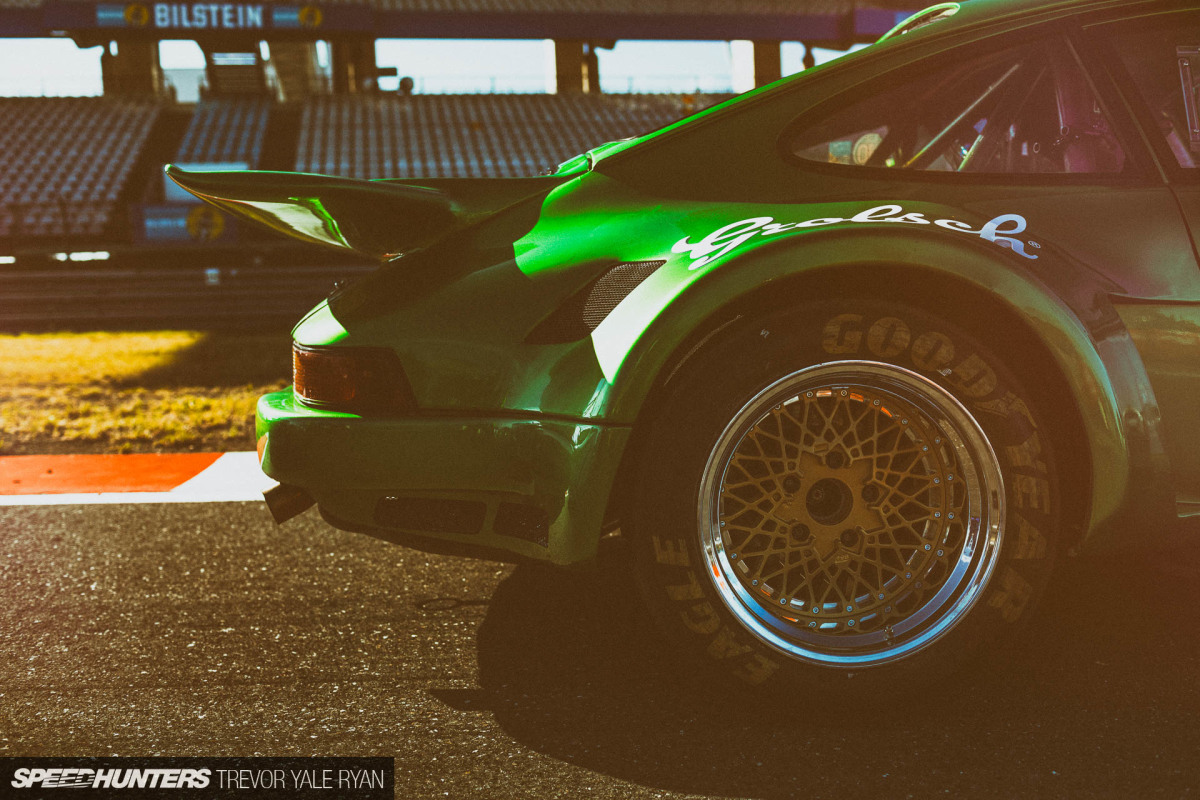
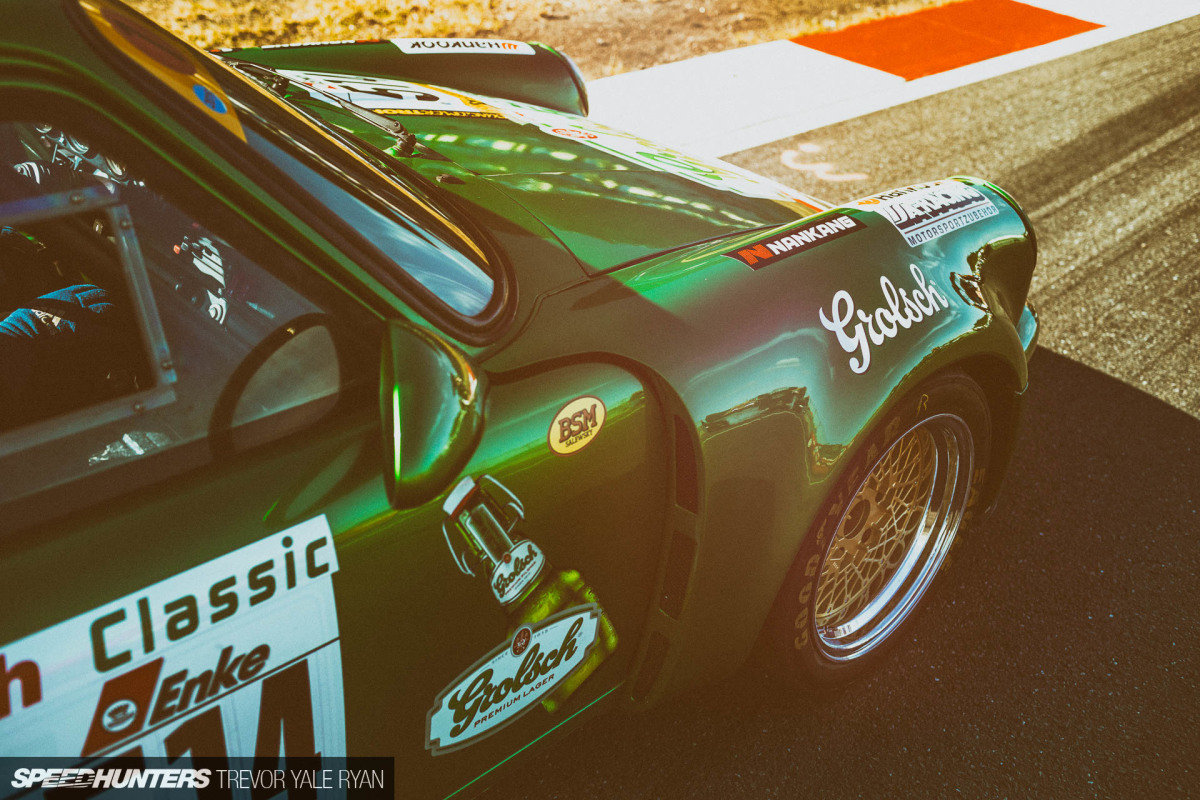
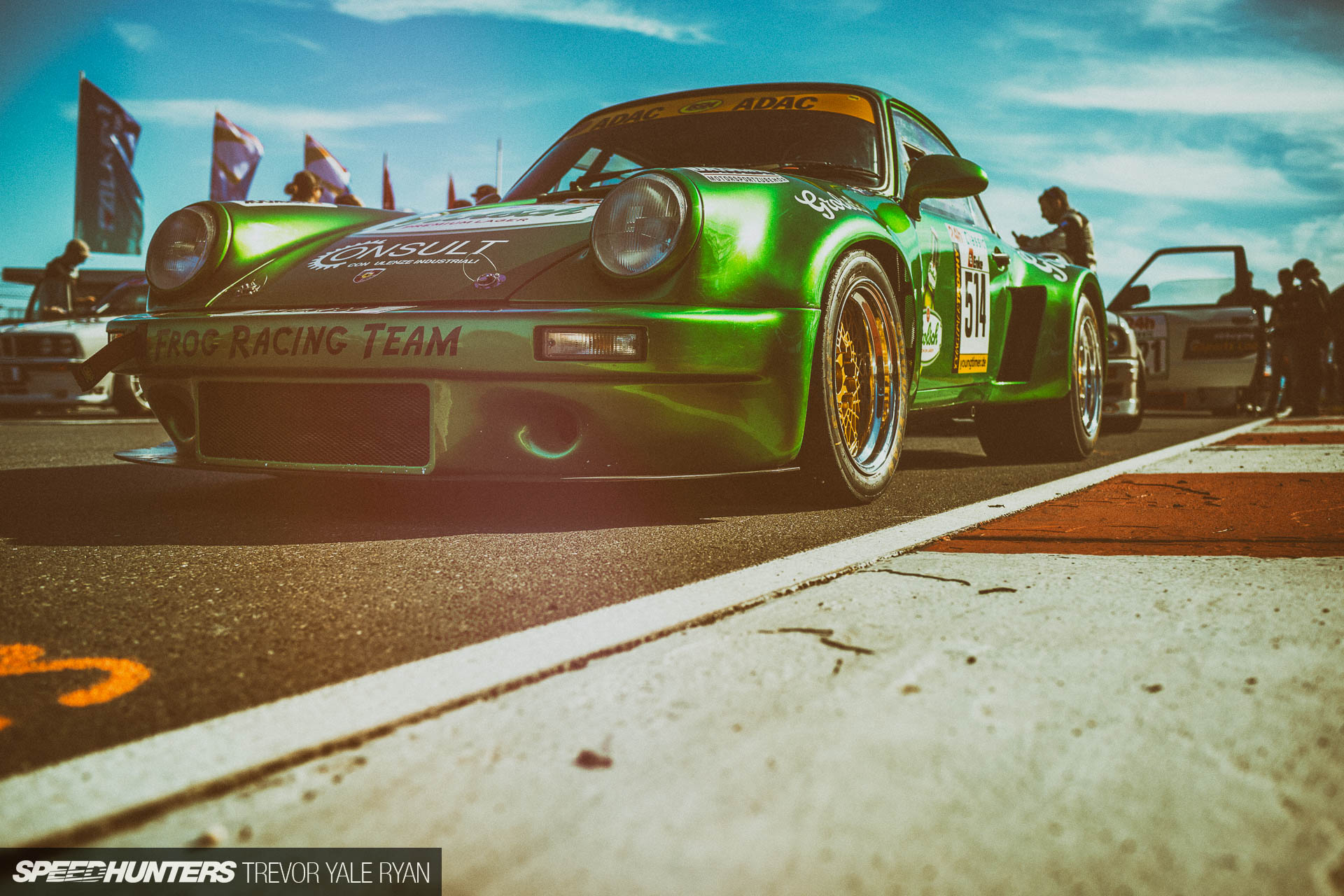
As for the Porsches, choosing a favorite was a toss-up between this stunning Group 4 hero, a gold-on-green RSR…
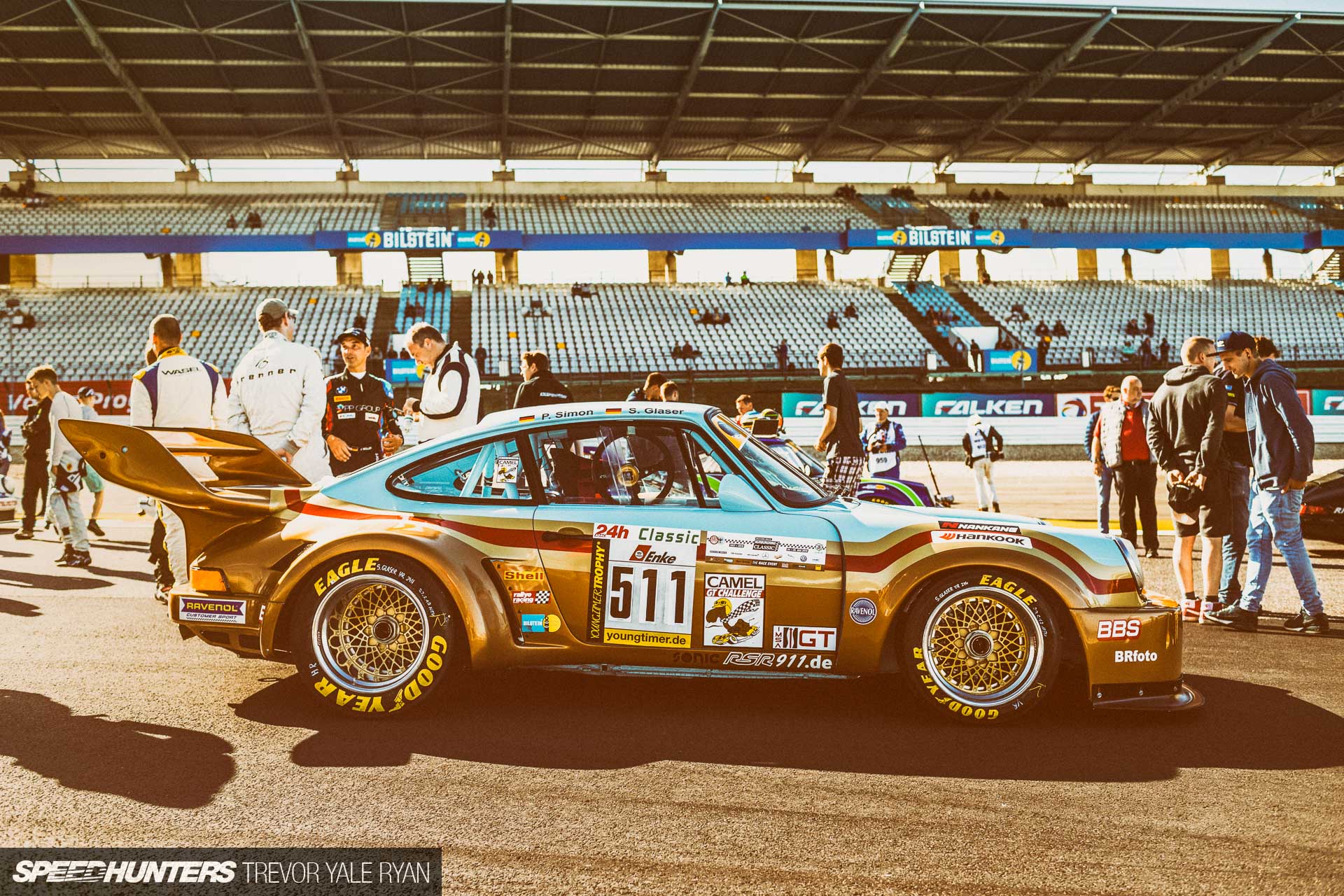
And this Camel-liveried RSR.
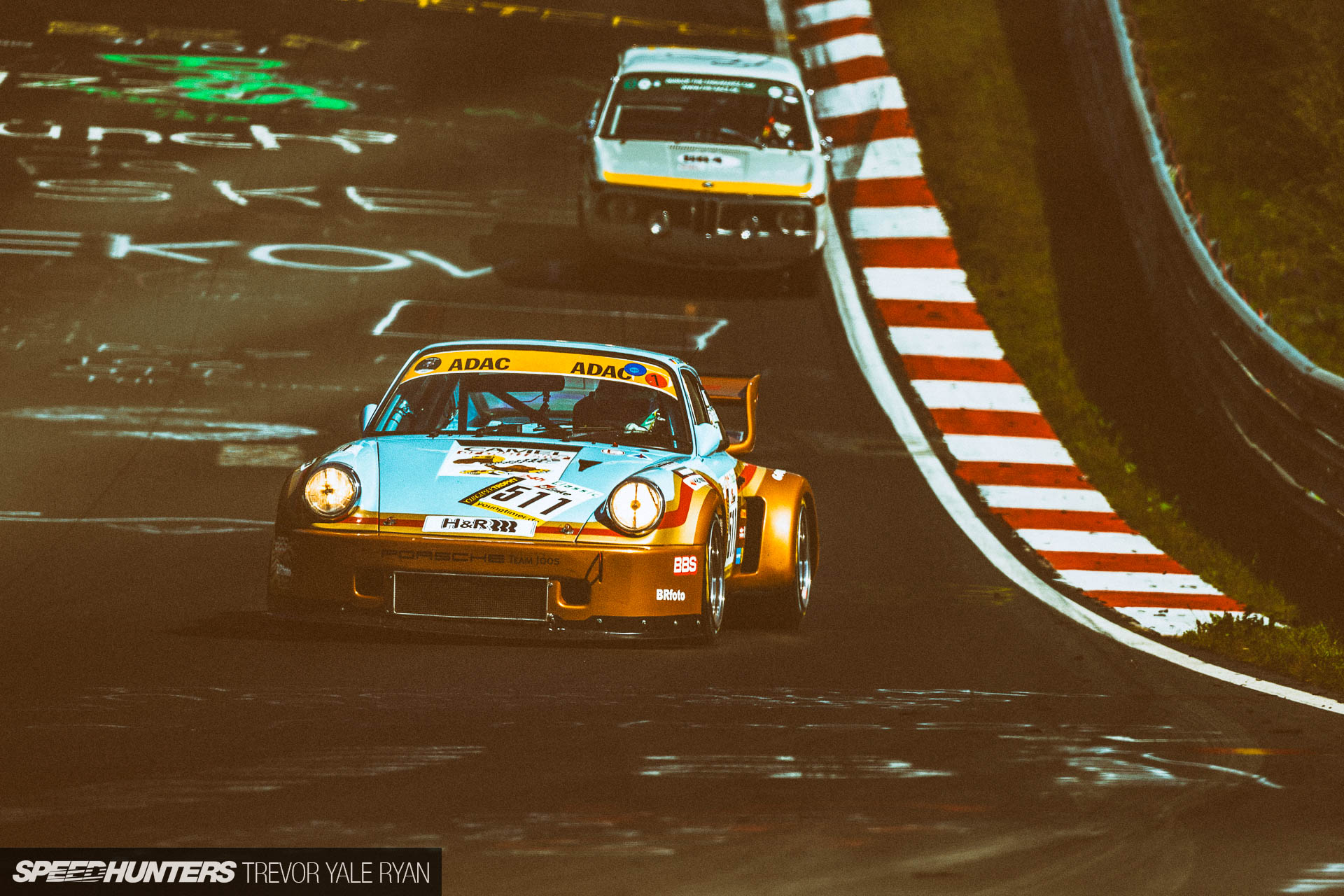
Based on aesthetics alone, my heart ultimately went for the blue-gold Porsche, but it’d be fascinating to sit down with the owners and hear about the history of these particular chassis, as well as to learn more about what’s under their skin today.
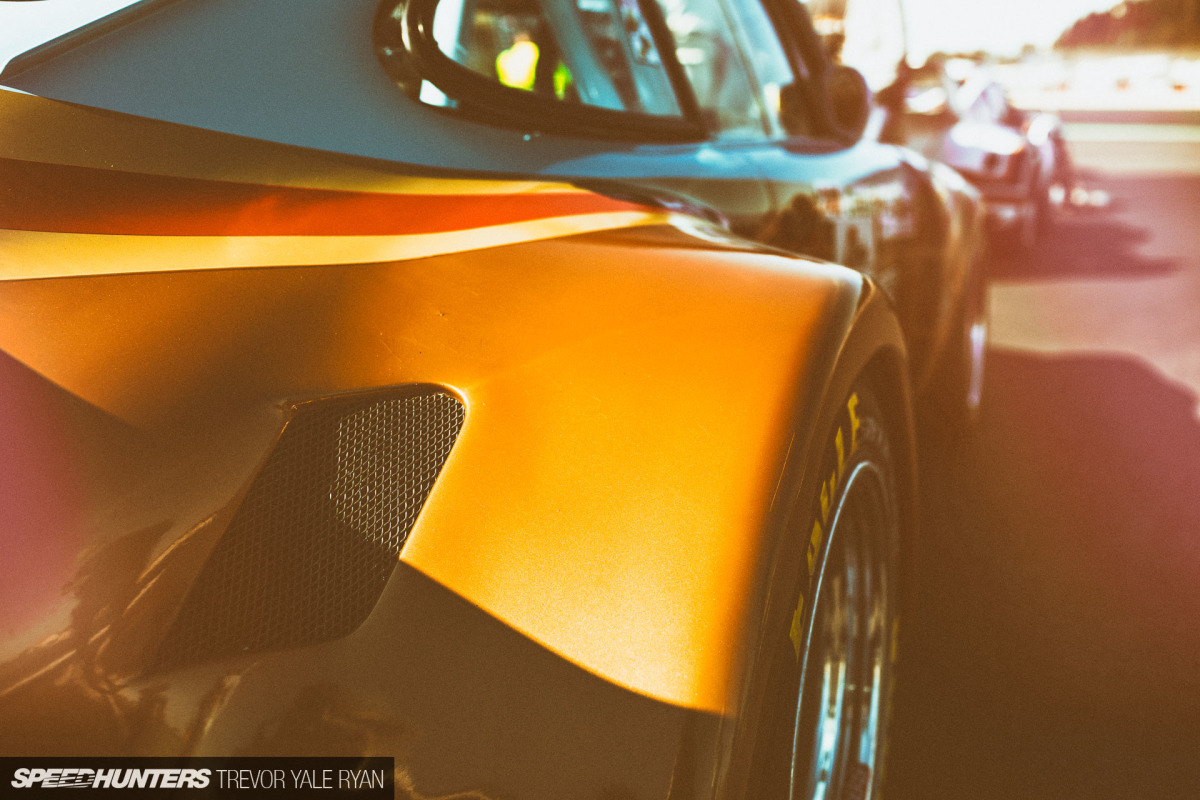
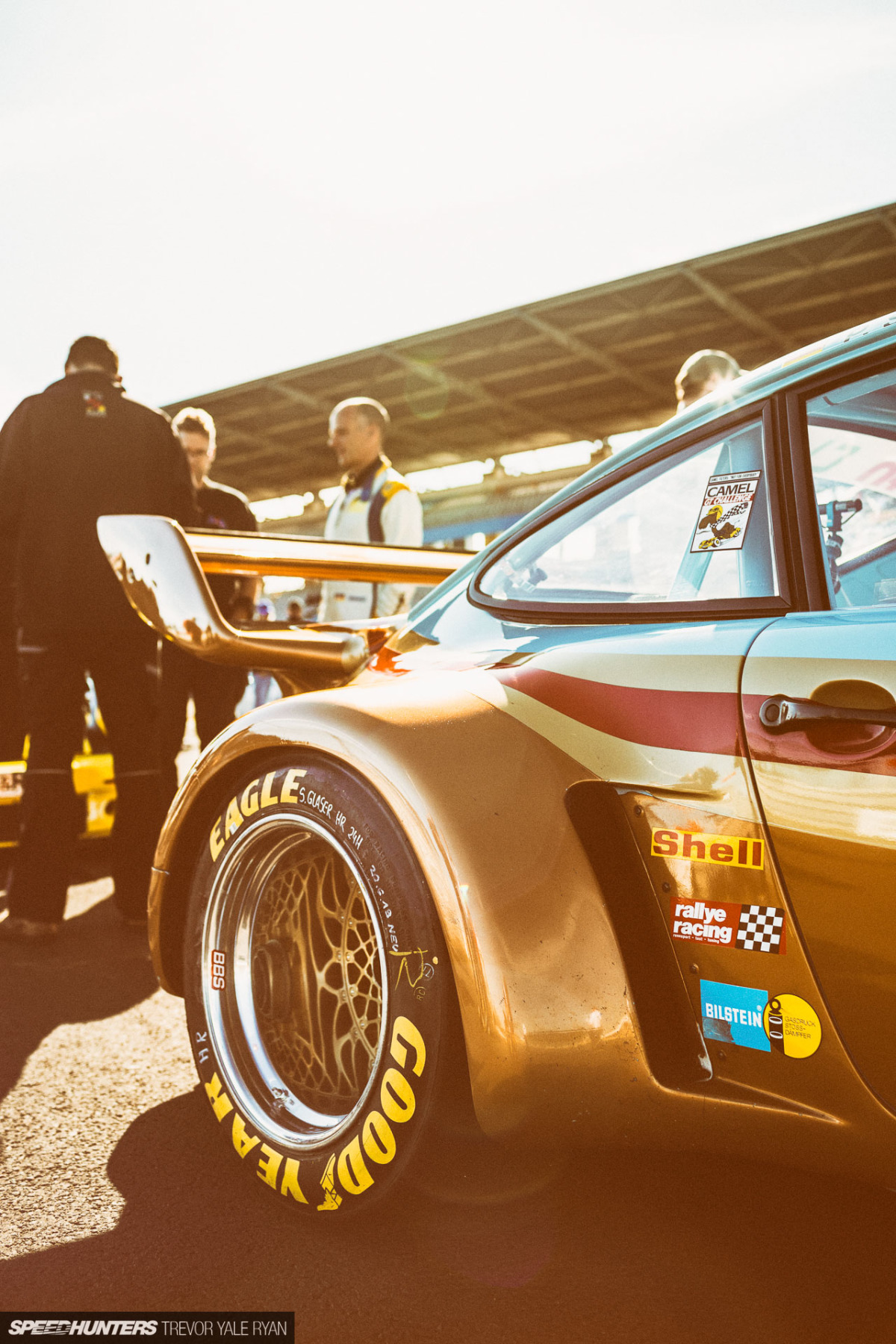
It’s surely the same power plant as back in the day, but to keep it running over the course of three hours I wouldn’t be surprised to see a bit of modern kit thrown in there. Although not all of the cars on the grid were originally race cars, there’s no doubt that any Porsche with this bodywork has absolute presence on any circuit around the globe.
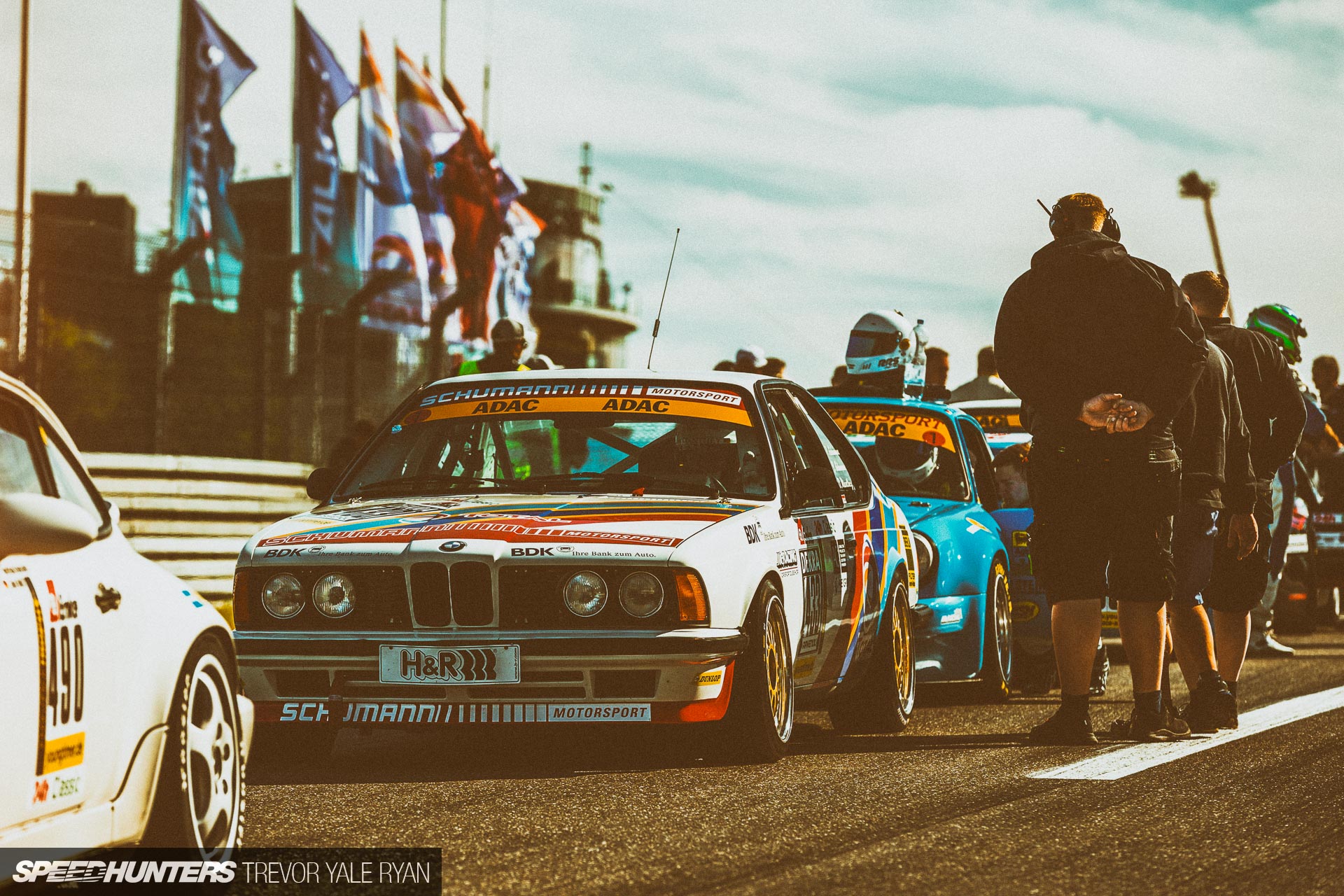
However, value aside, if there was one car in the lineup that I’d like to make my own, it would have to be this BMW E24. I have to admit, seeing this car up close on the grid of the N24 Classic definitely makes my search for a new project car a bit more complicated.
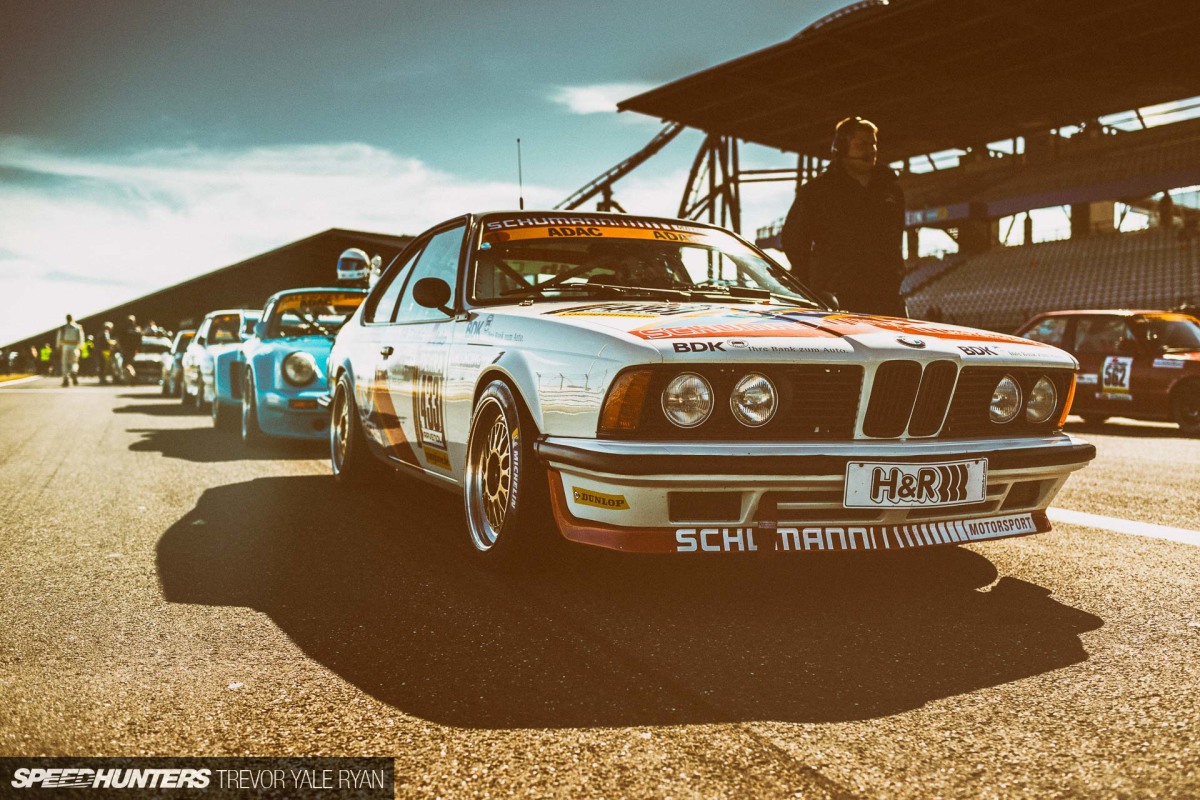
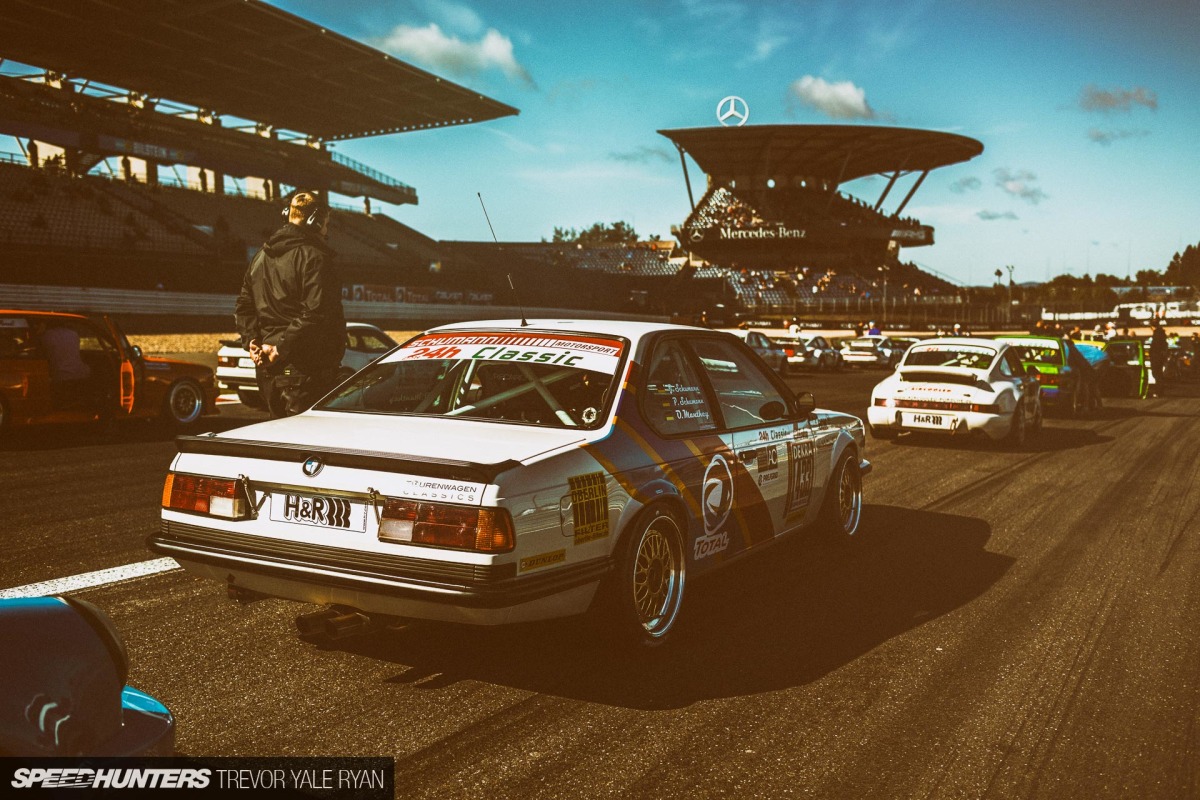
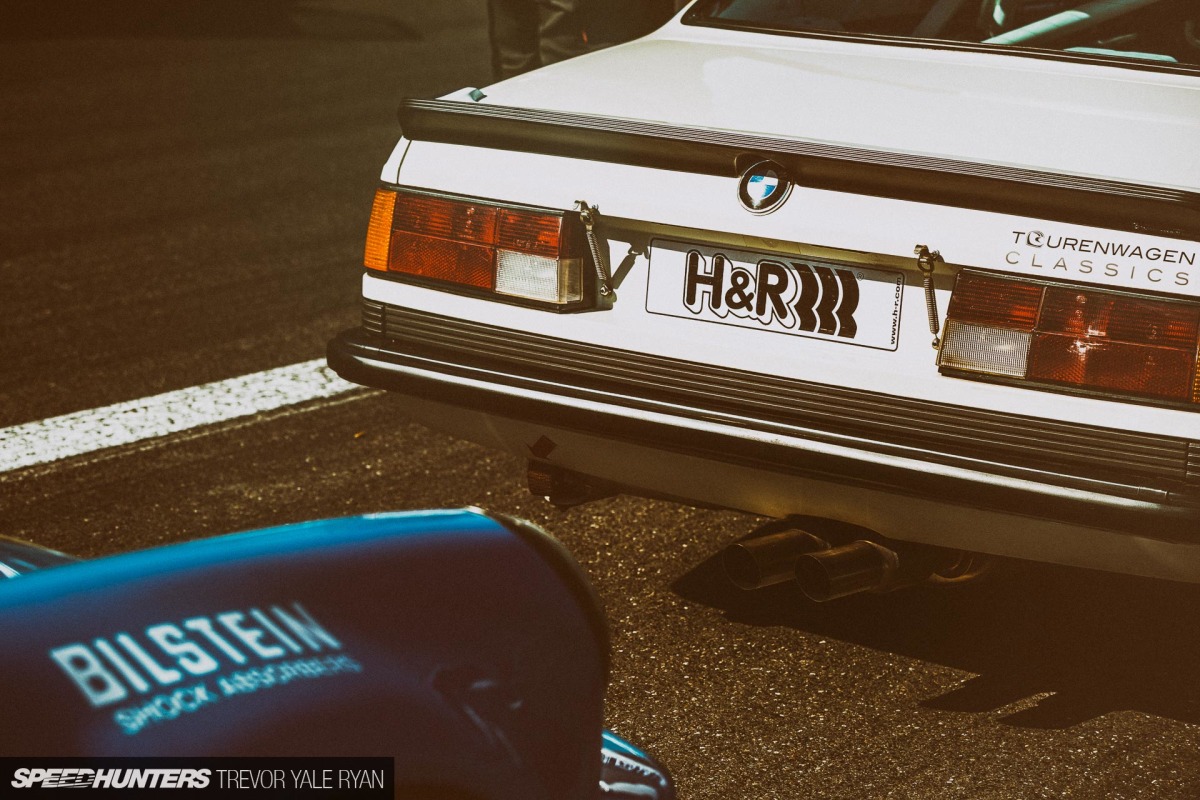
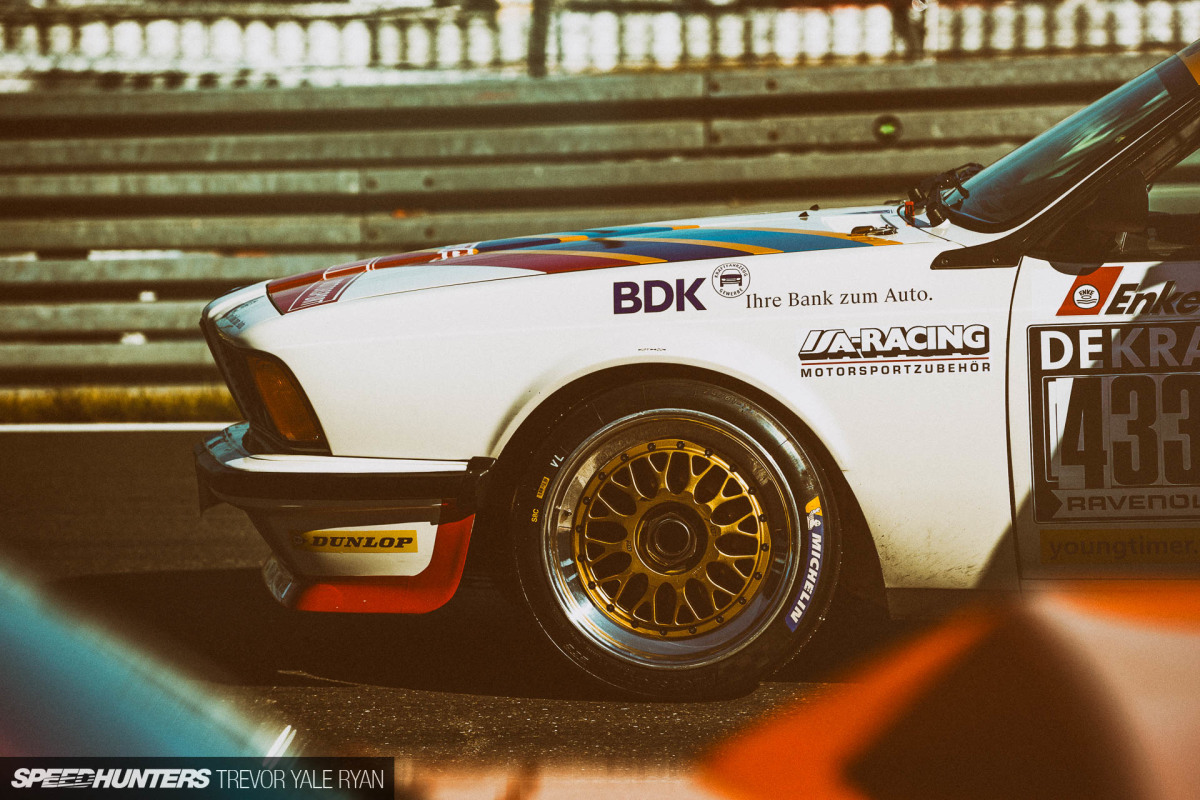
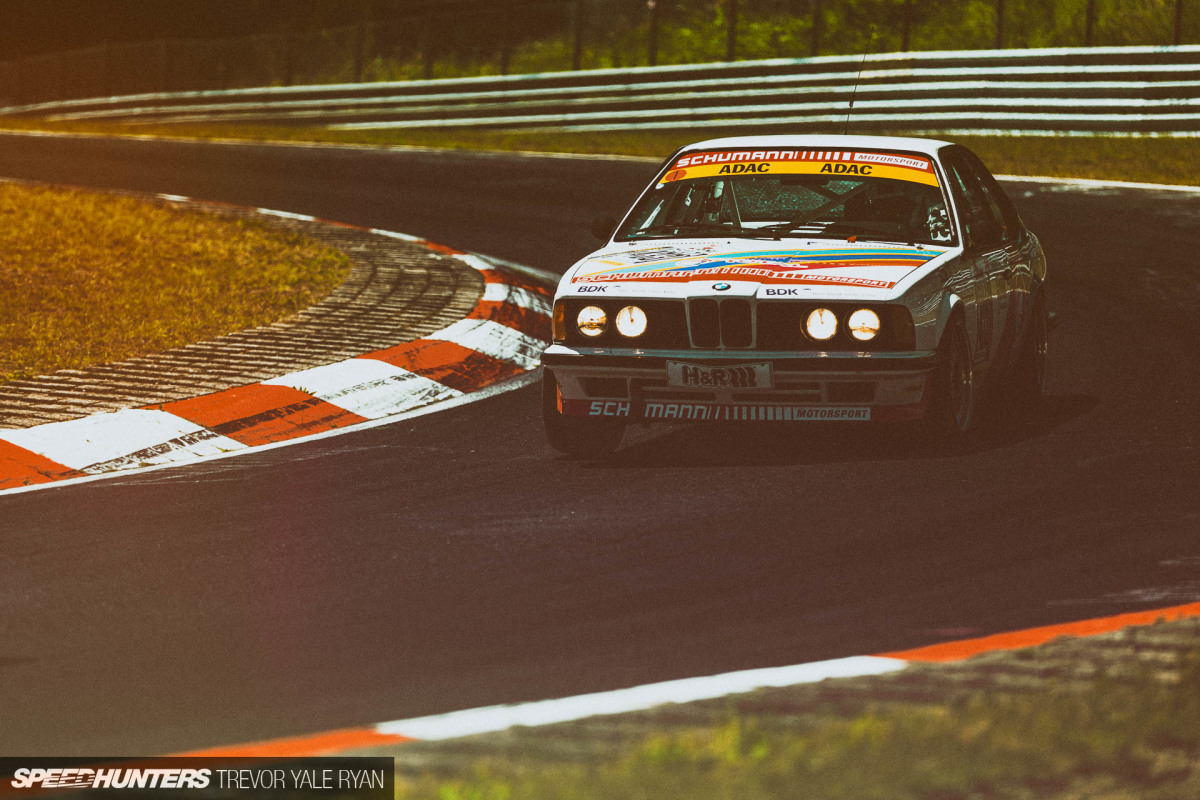
Sure, I’m aware the chassis isn’t the most robust, nor the most refined when compared to an M car from the 1990s, and a couple of decades’ worth of R&D in suspension geometry and material science will do that. But even if the cars are a bit flimsy when chucked around, there are just so many things that designer Paul Bracq simply nailed on the first 6 Series. The proportions are just right.
It’s becoming more and more difficult not to have one of these in my life…

The driver behind the wheel of this particular 635 was looking quite dapper as well, helping to complete the slightly vintage aesthetic of the shark-nose with a proper salt-and-pepper ‘stache.
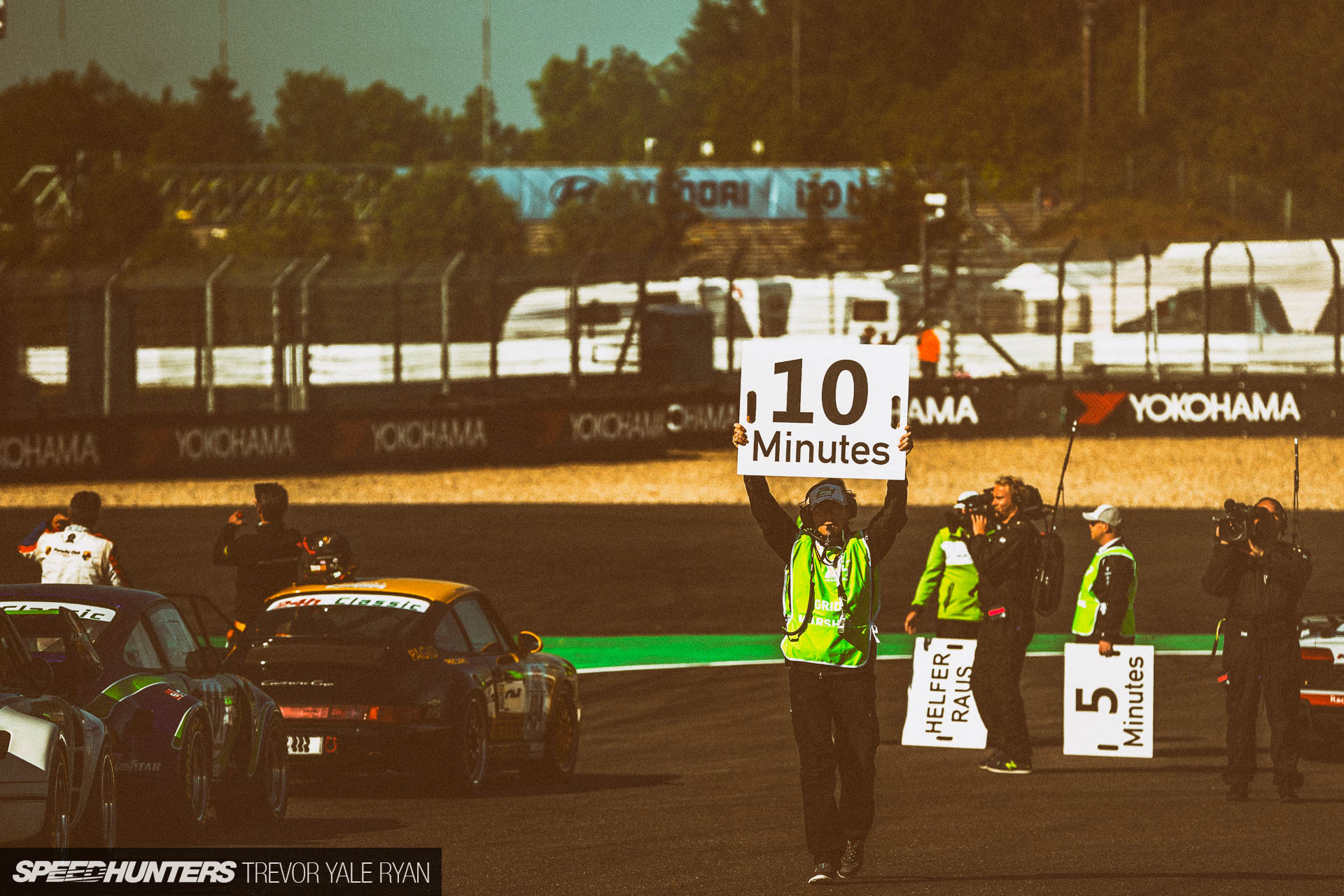

Eventually the start of the race was imminent, and I made my way back to the pits where I found a ’64 Ford Falcon pulling up to the line. The Green Hell in a car with a solid axle, originally designed for little more than to drive in a straight line across the vast American landscape? Sounds like a party.
Race Time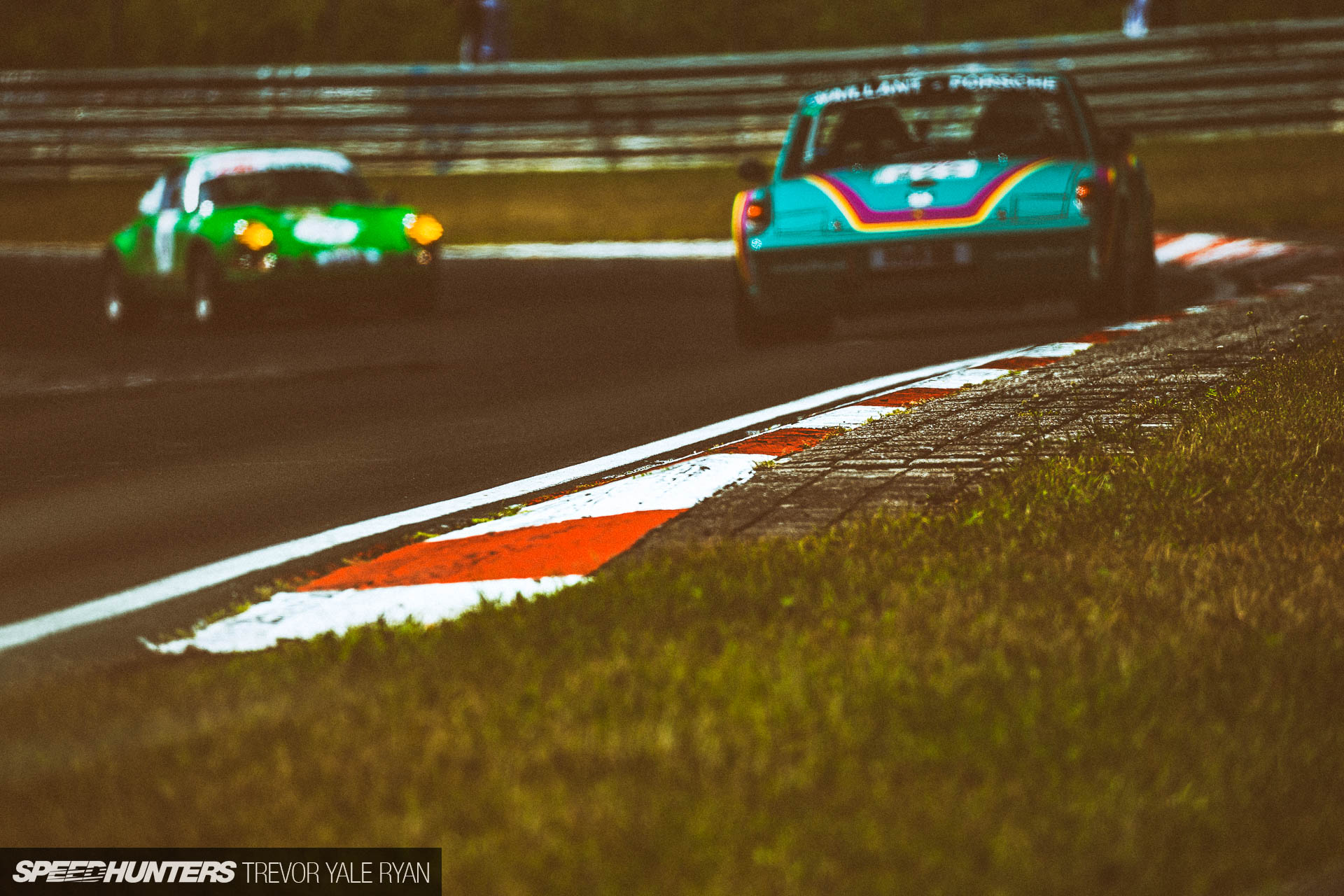
When the green flag dropped I wanted to get a few shots of the cars making their way into the first corner of the Grand Prix circuit four-wide, but I was worried I’d get lost in the maze of service roads and tunnels that I’d need to navigate to get out to the Nordschleife.
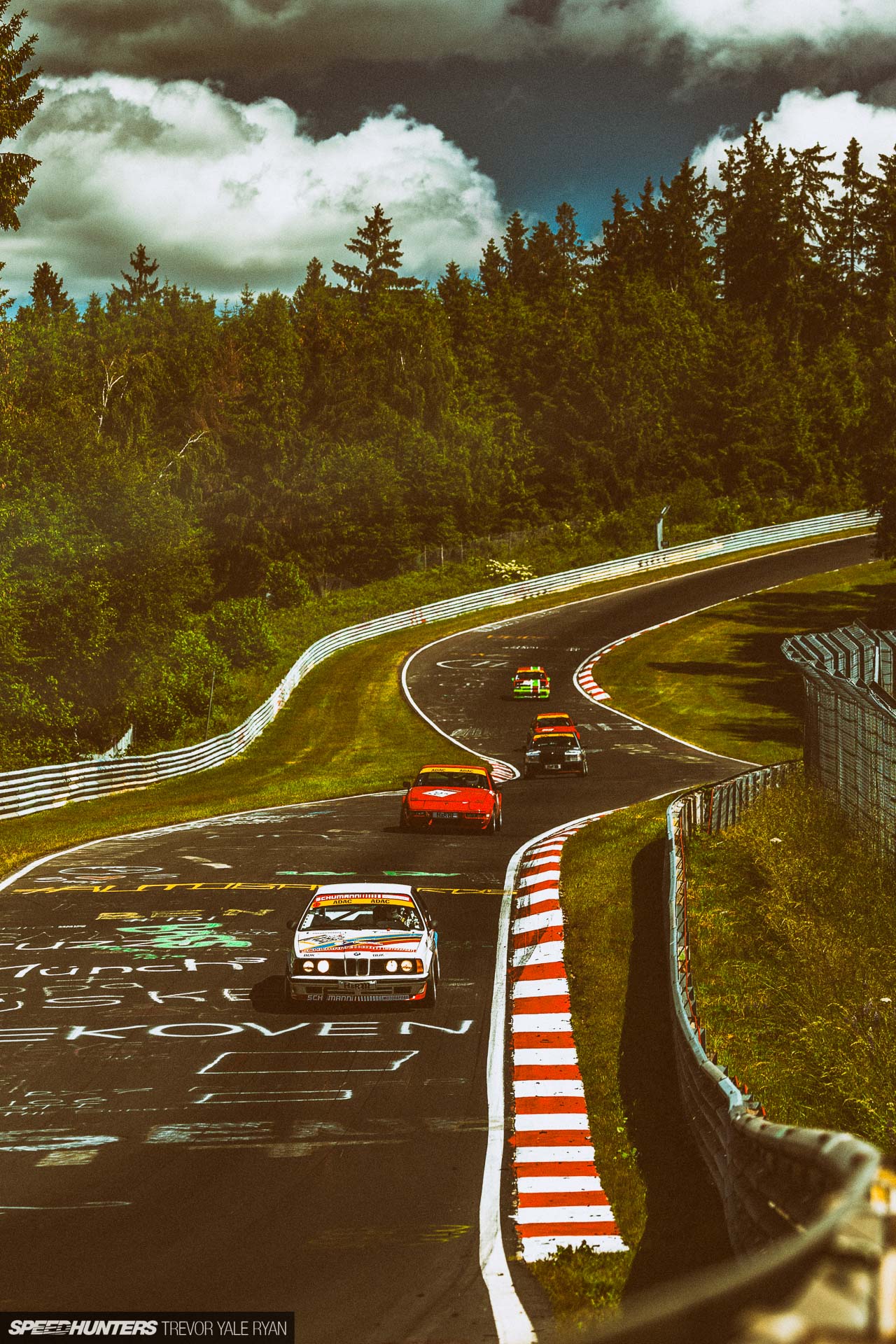
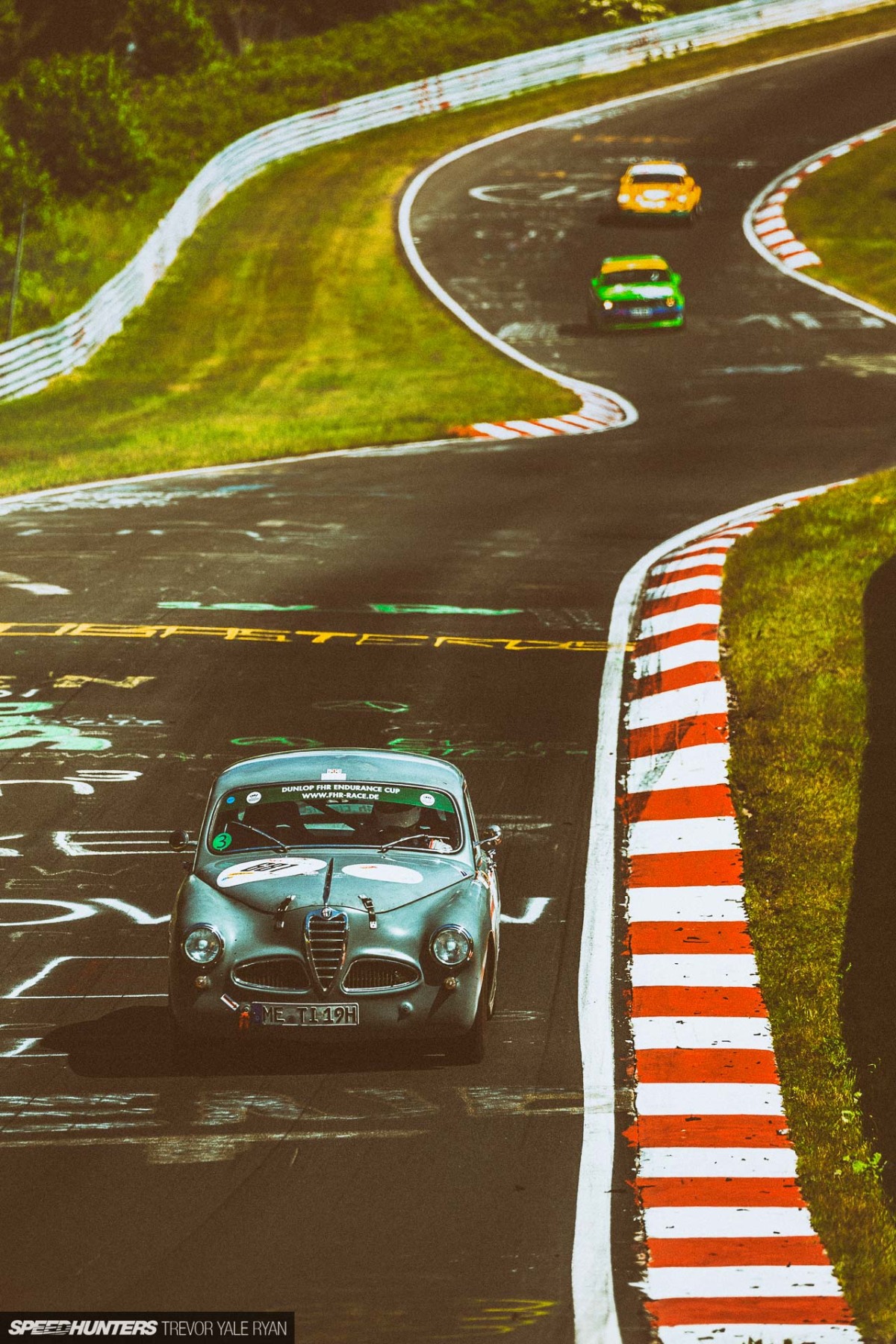
Since each of these models actually raced the long circuit in years past, I decided to skip the race start and head straight out to the big track. Seeing as how the Nordschleife itself is over 20km (plus another 5km for the Grand Prix Circuit which is also used over the N24 weekend), getting around to various corners was a daunting task.
While I did have a plan to shoot a little bit of the GP course and simply walk up from T13 through Nordkehre and on to Hocheichen and up as far as I could hike in three hours, I was lucky to run into a couple of friends – Nate Hassler and Lisa Linke – who offered to show me a few good locations.

If I hadn’t found Nate and Lisa on the grid, there’s no way I could have visited so many corners of the Nordschleife on my first visit to the track, so a huge thanks to them. Seeing more of the corners in person gave me a better perspective on how hard these guys really push, too.
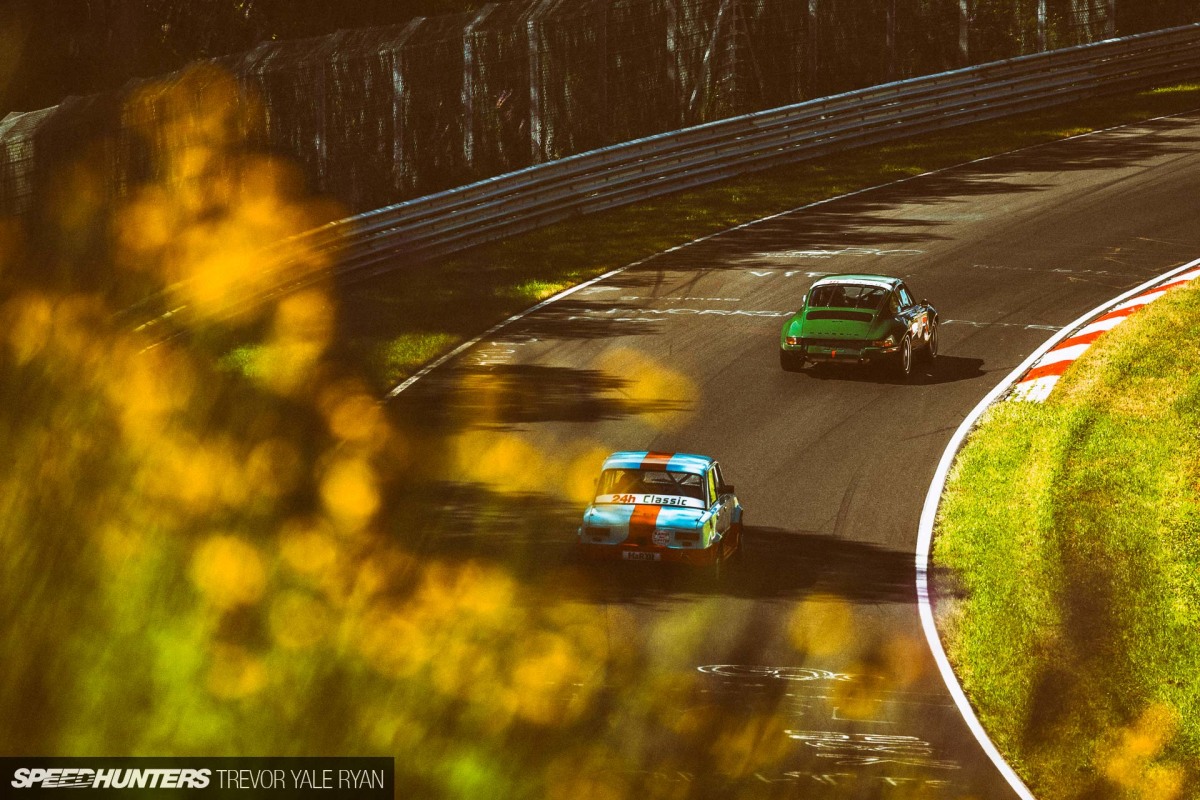
I’ve always maintained that California is the holy grail for vintage racing, with a number of events happening throughout the year and loads of variety at each one. This includes old Porsche 917s, 962s, Alphas, Formula Ford racers, even cars on wooden wheels, and so on.
But nothing compares to the Green Hell.

Sure, a handful of the drivers in the States are quite serious, but for the most part, the races are more exhibition than a flat-out, like you see here during the N24. There’s no doubt this is a proper race, and the competitors are fully willing to accept the consequences of their dedication to speed.
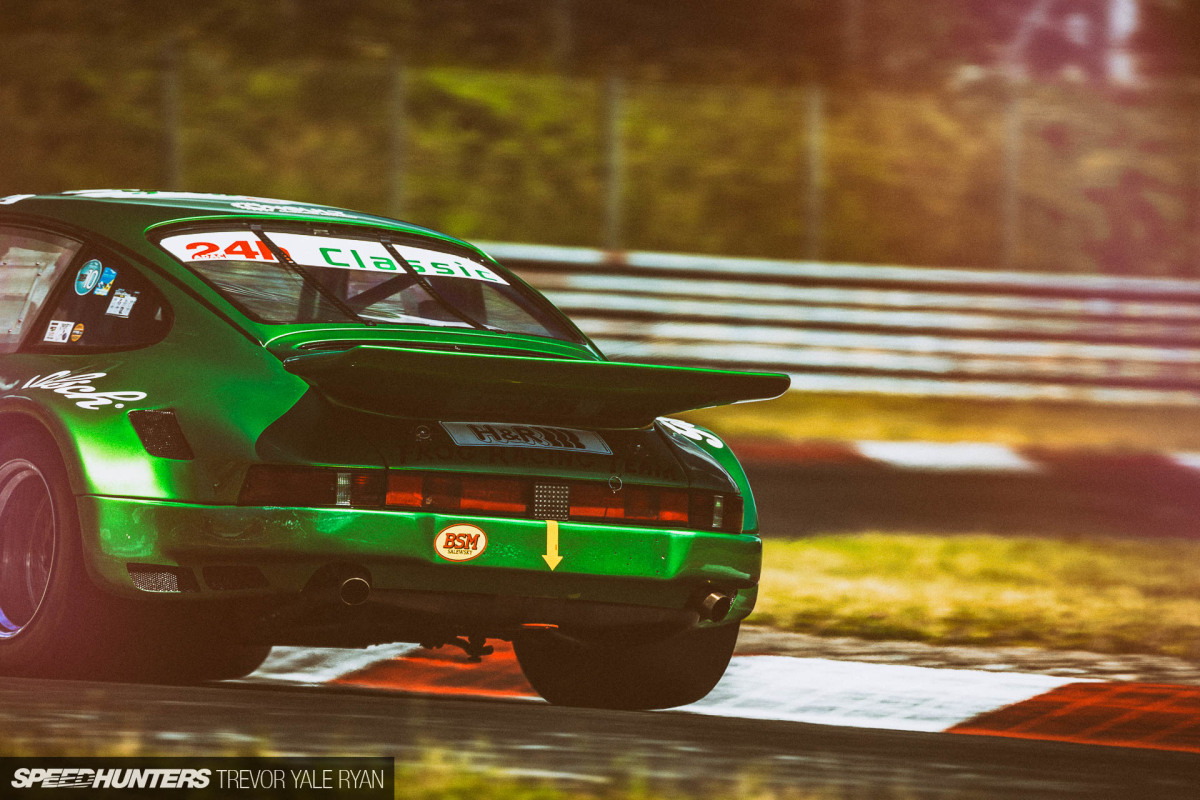


The other factor that makes the vintage events in California a bit less palatable is that at, say, Rolex Monterey Motorsports Reunion or Rennsport, the races themselves typically only last 20 minutes. That’s enough time for roughly 10 or 12 laps at Laguna Seca, which just isn’t enough to really call it a race.
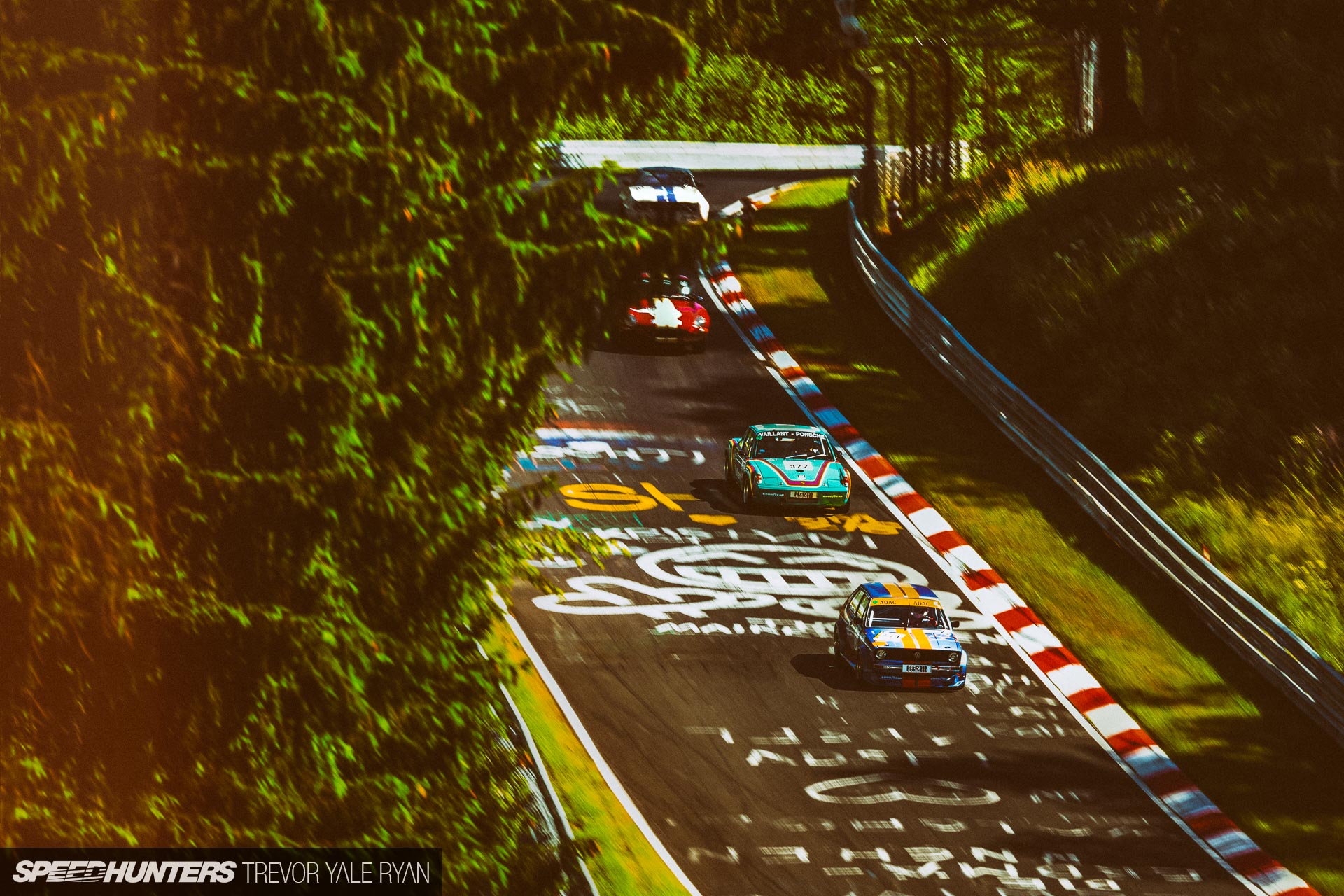
It’s more like an absolutely epic track day, and it’s great that each class gets equal share of the track, but it just doesn’t hold nearly the same level of excitement that an event like the N24 Classic does, being that this is a proper three-hour race. For some perspective, that’s longer than any Formula 1 race or the Long Beach Grand Prix.
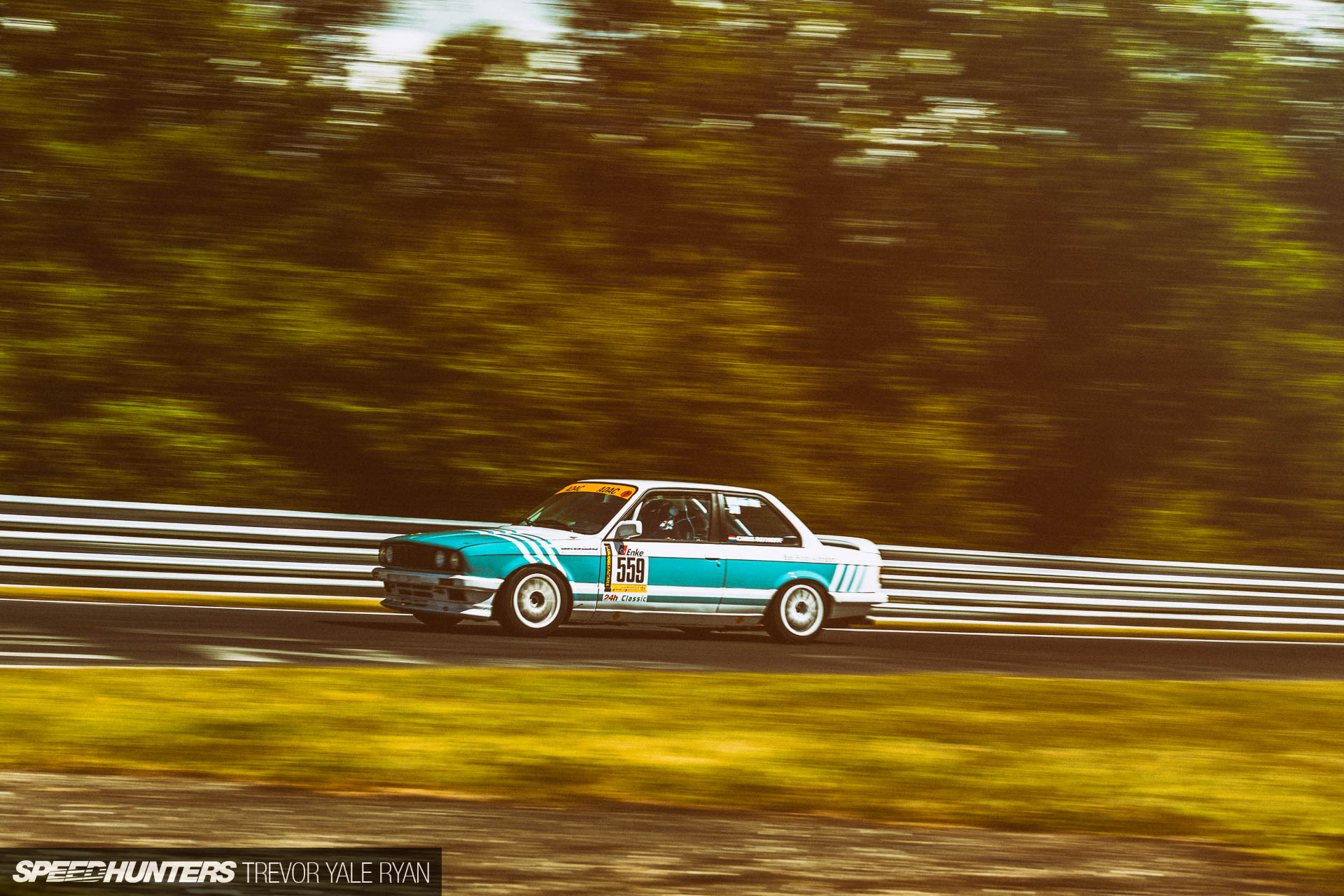
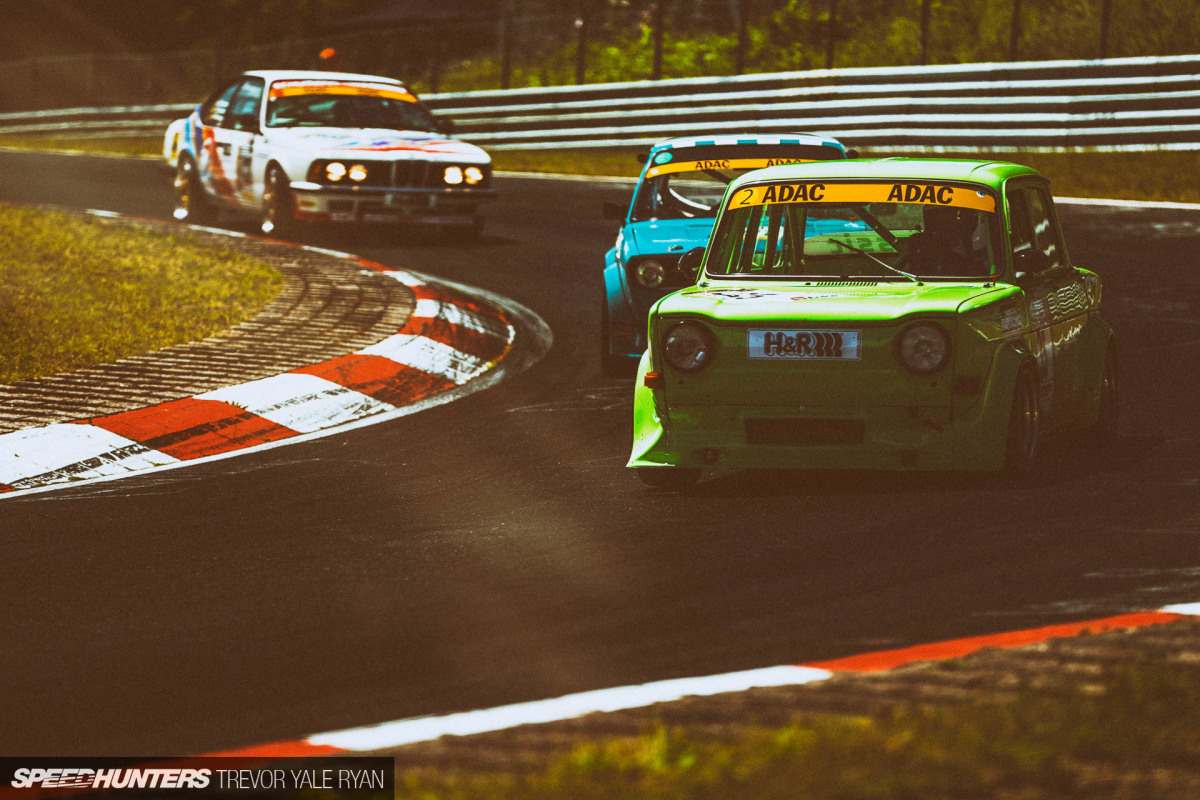
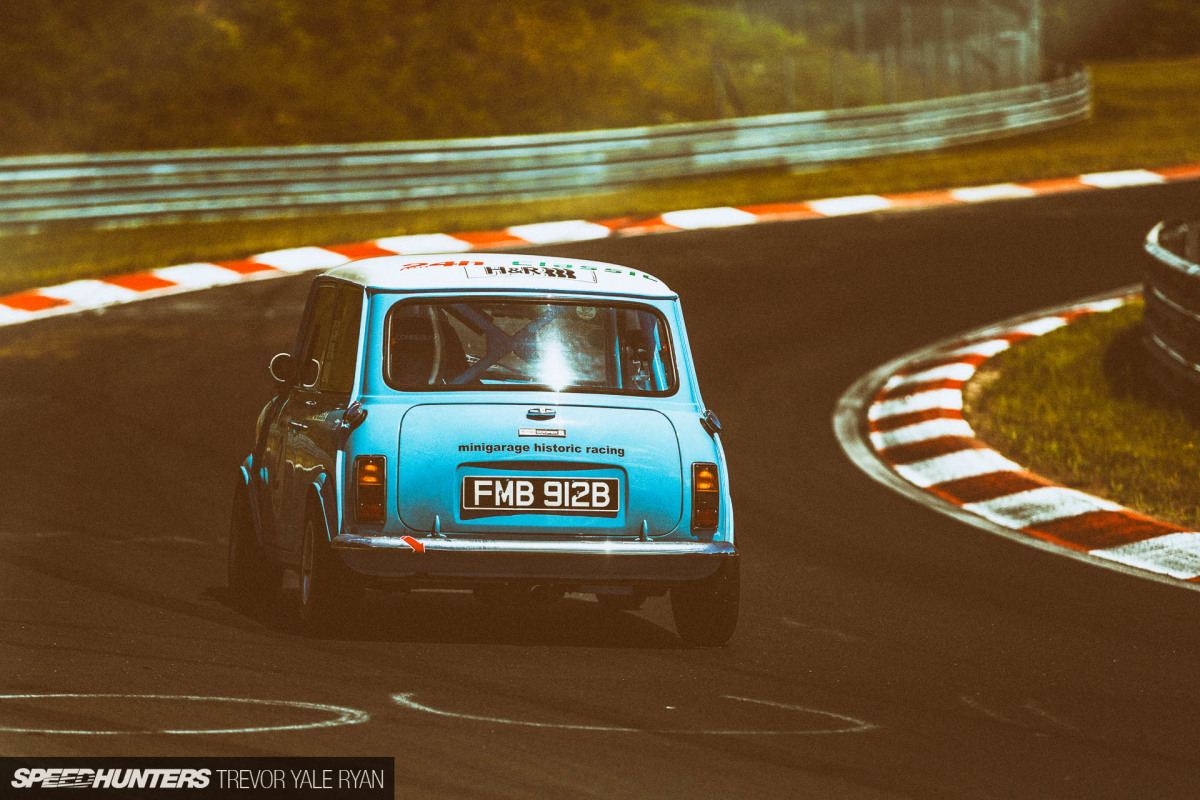
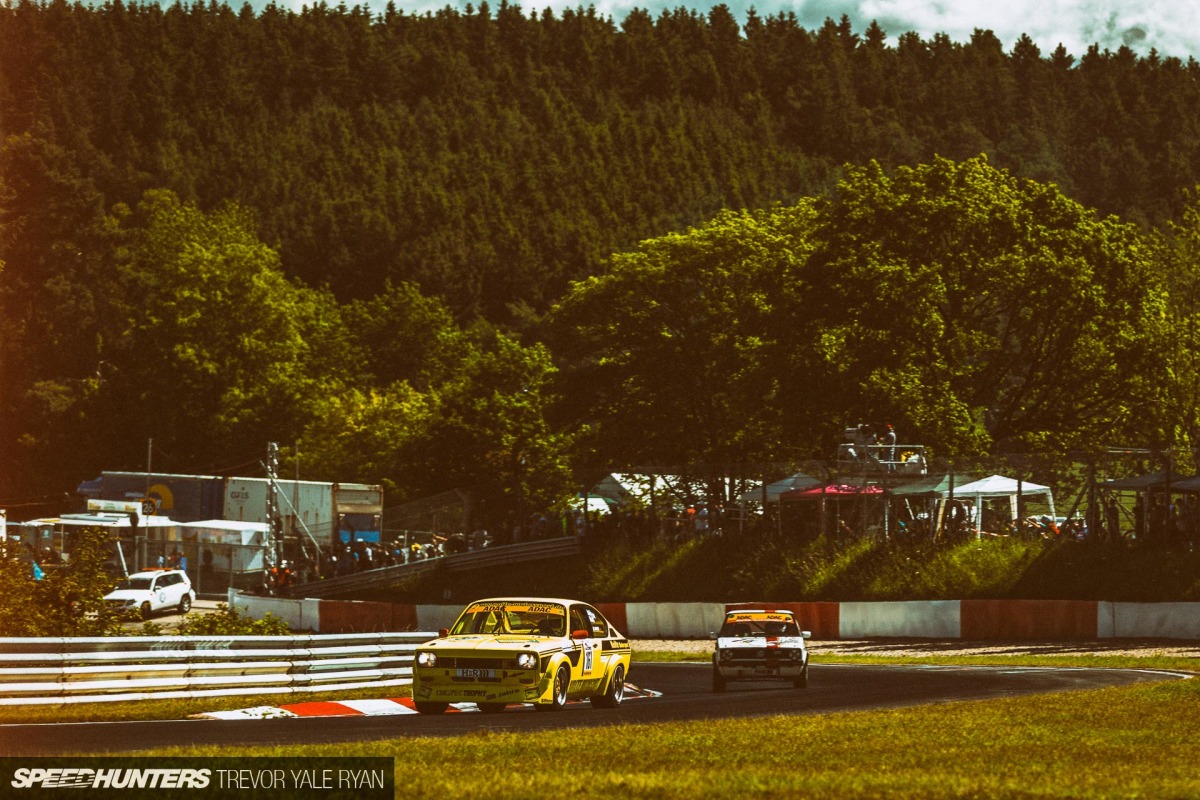
This means that not only do the cars need to be prepped to withstand multiple hours of abuse, but the driver skill (on average) is worlds ahead of what I’ve seen at similarly-themed events in California.
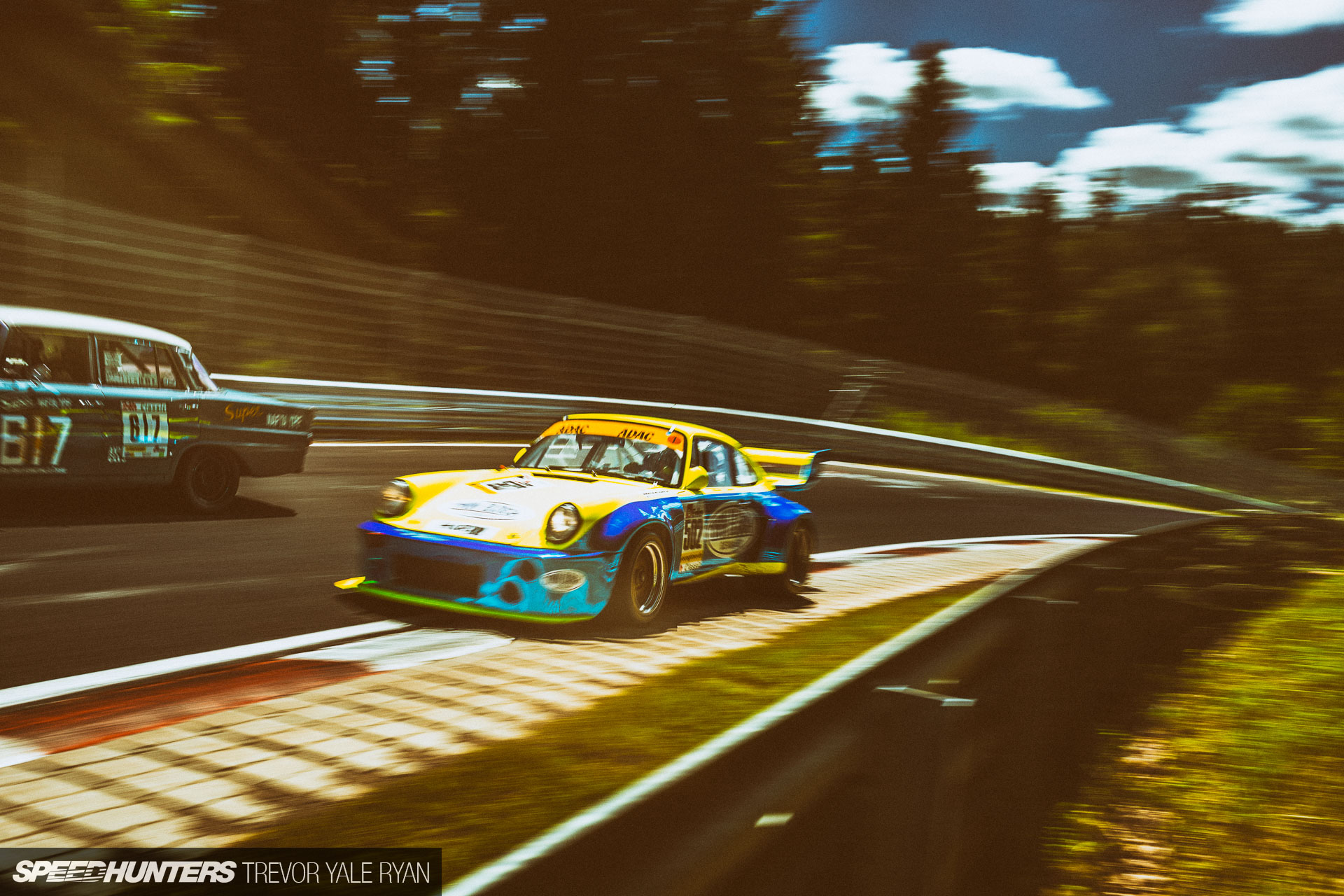
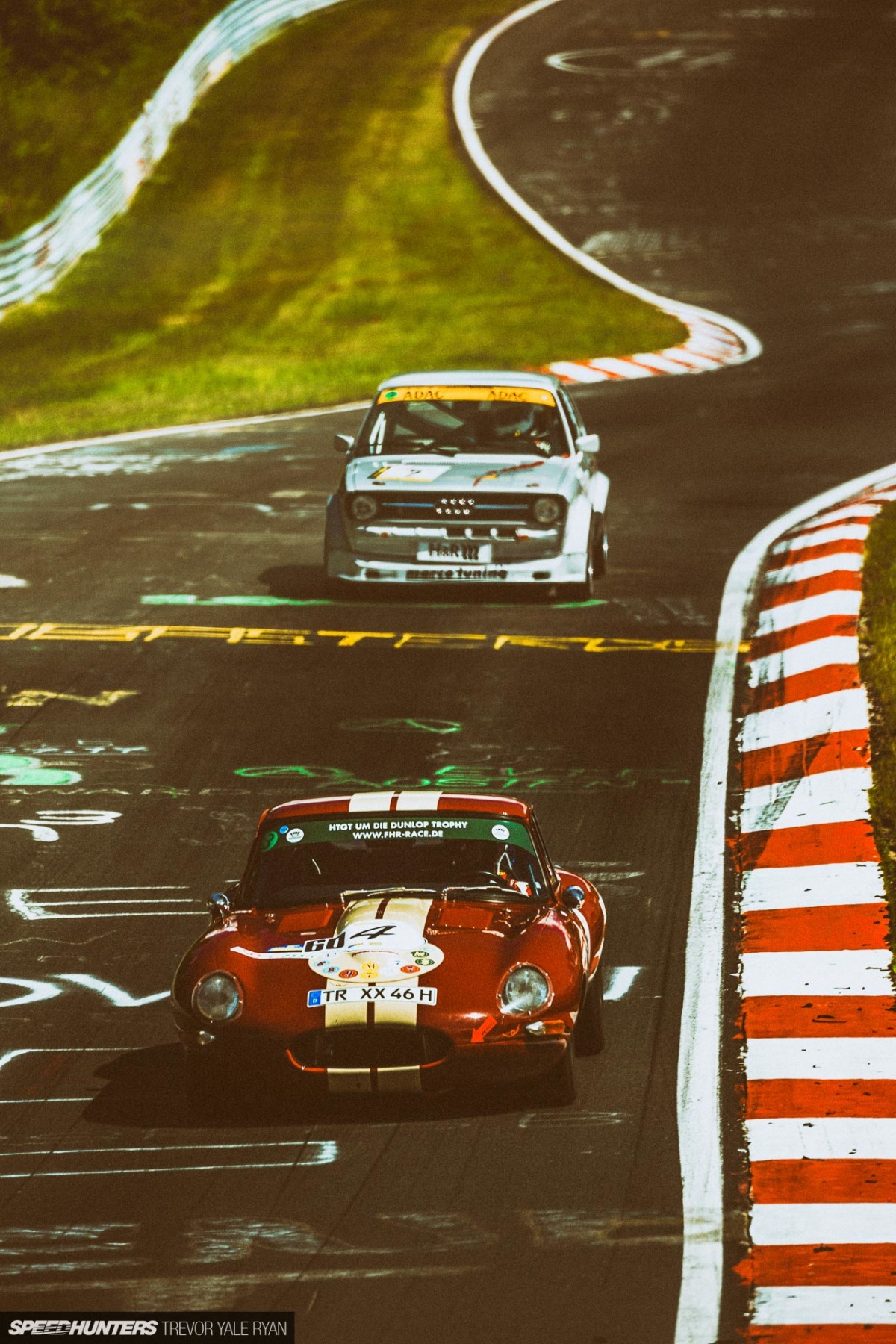
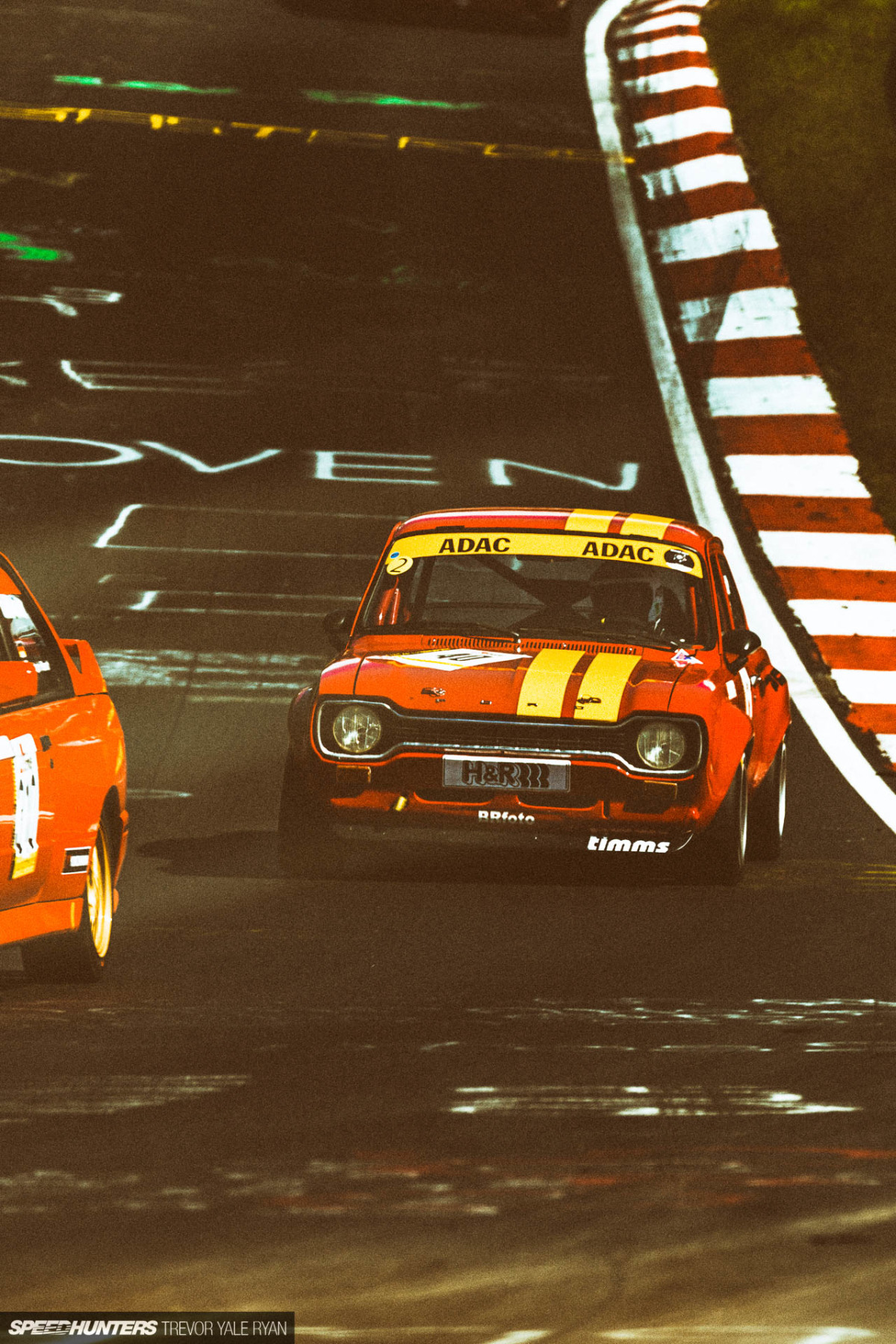
A track like the Nordschleife requires an insane amount of dedication, focus, and grit. The smallest of errors here means you’re heading over a couple meters’ worth of grass and into a guardrail. Any older car is going to be harder to sort on the limit, and this is exactly where the majority of these cars are driven.
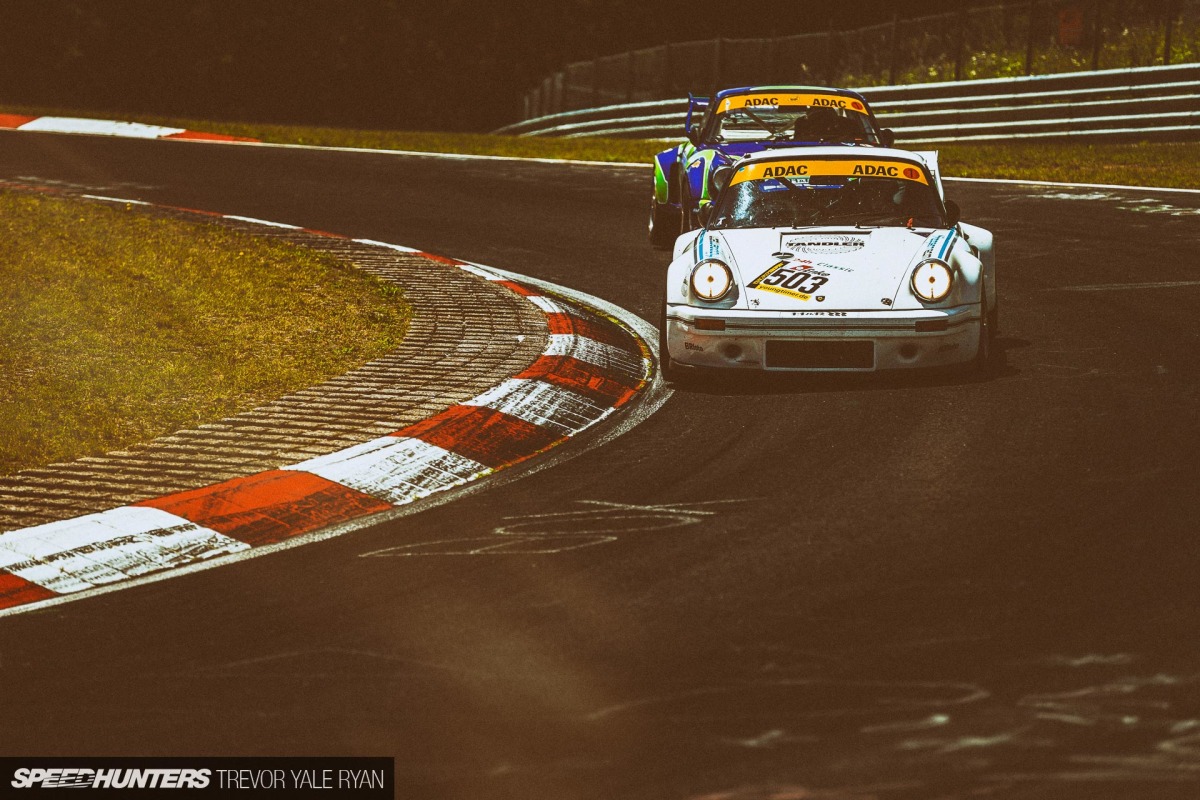
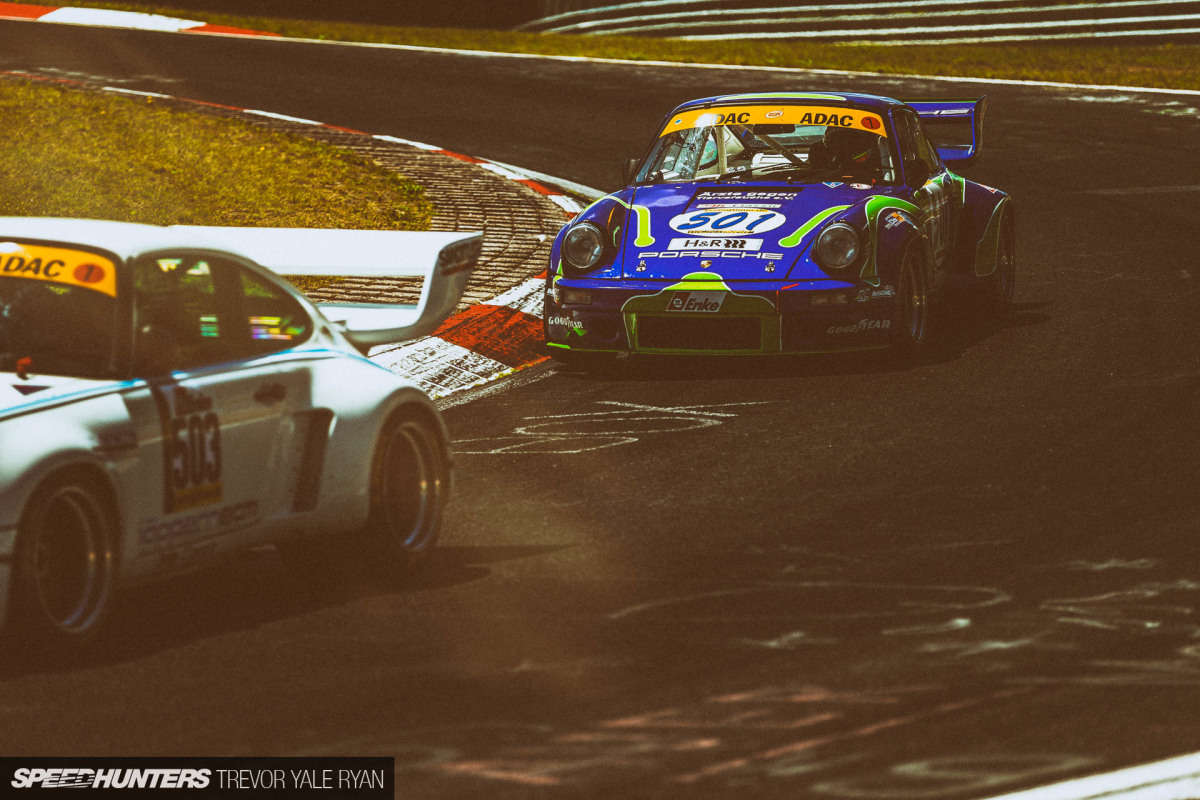
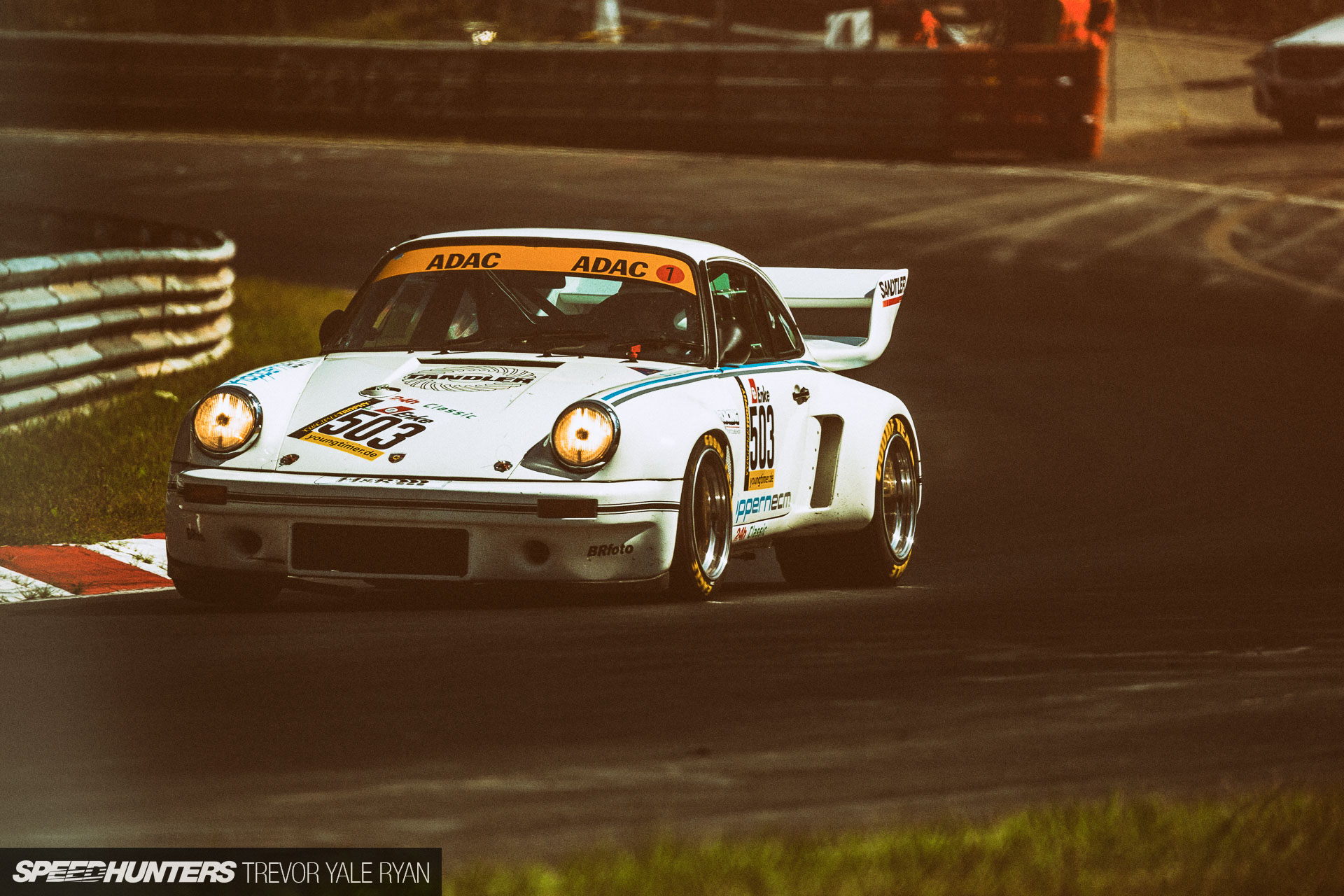
There were plenty of lead changes and a few minor mishaps, but in the end Michael Küke took the victory in his #503 Carrera RSR. Küke’s been racing at this event since 2004, so I can only imagine the satisfaction he must have had finding himself in P1 at the end of three intense hours behind the wheel.
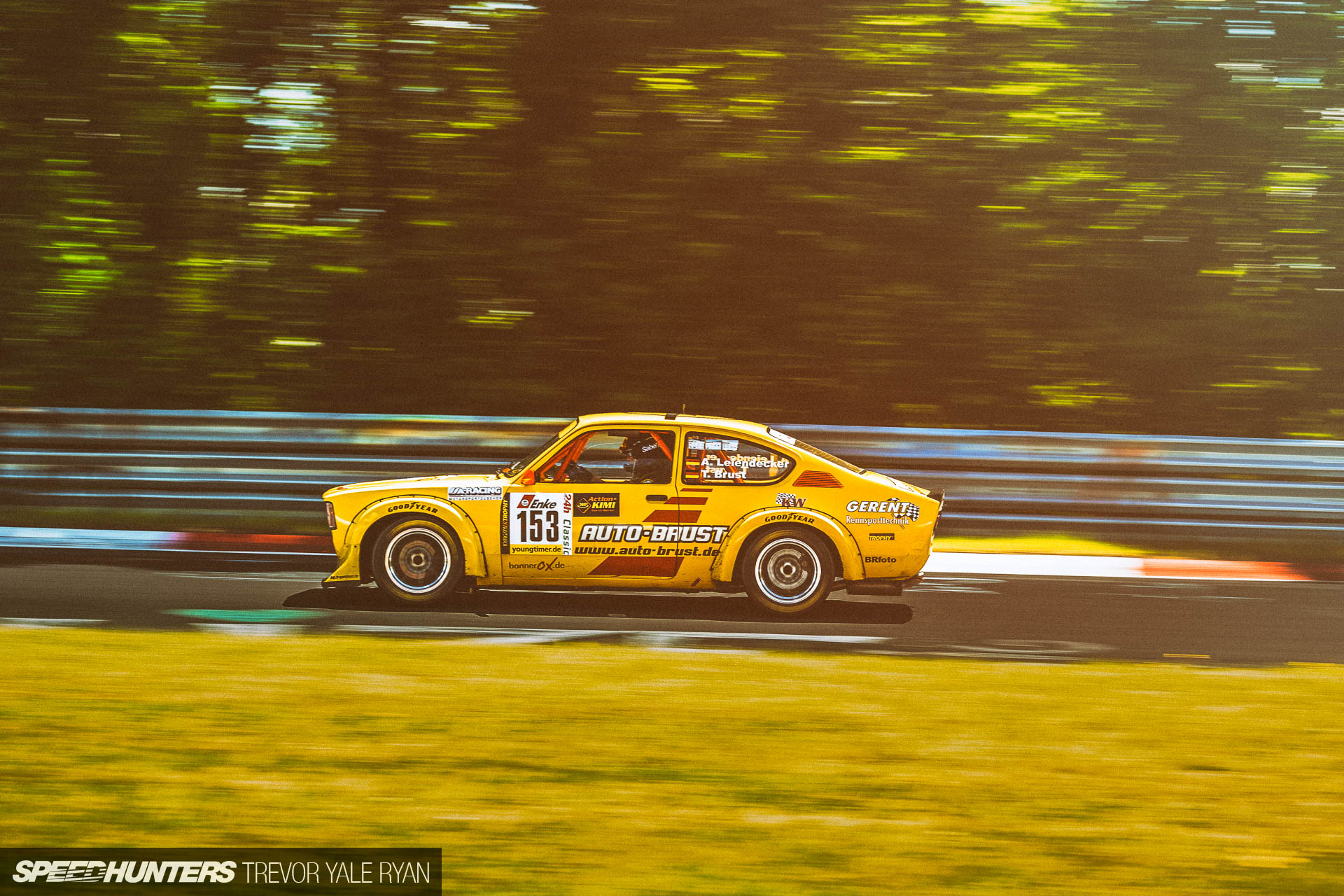
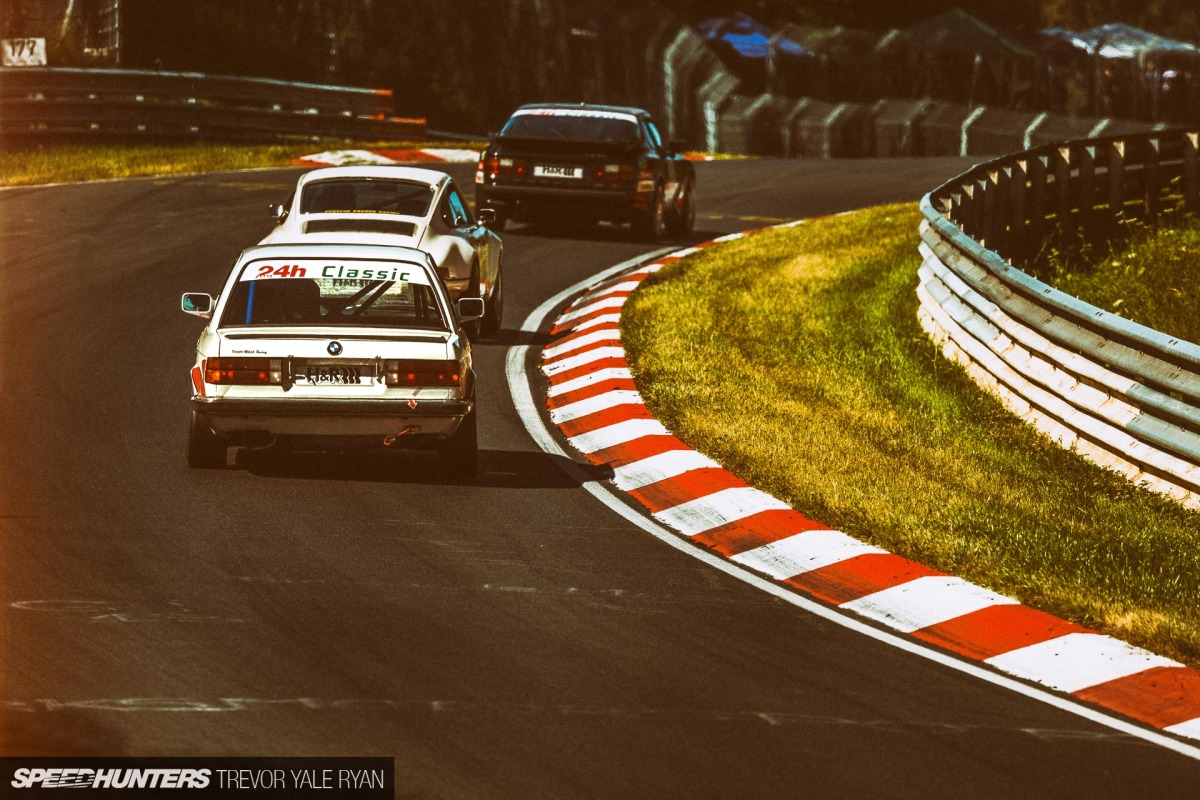
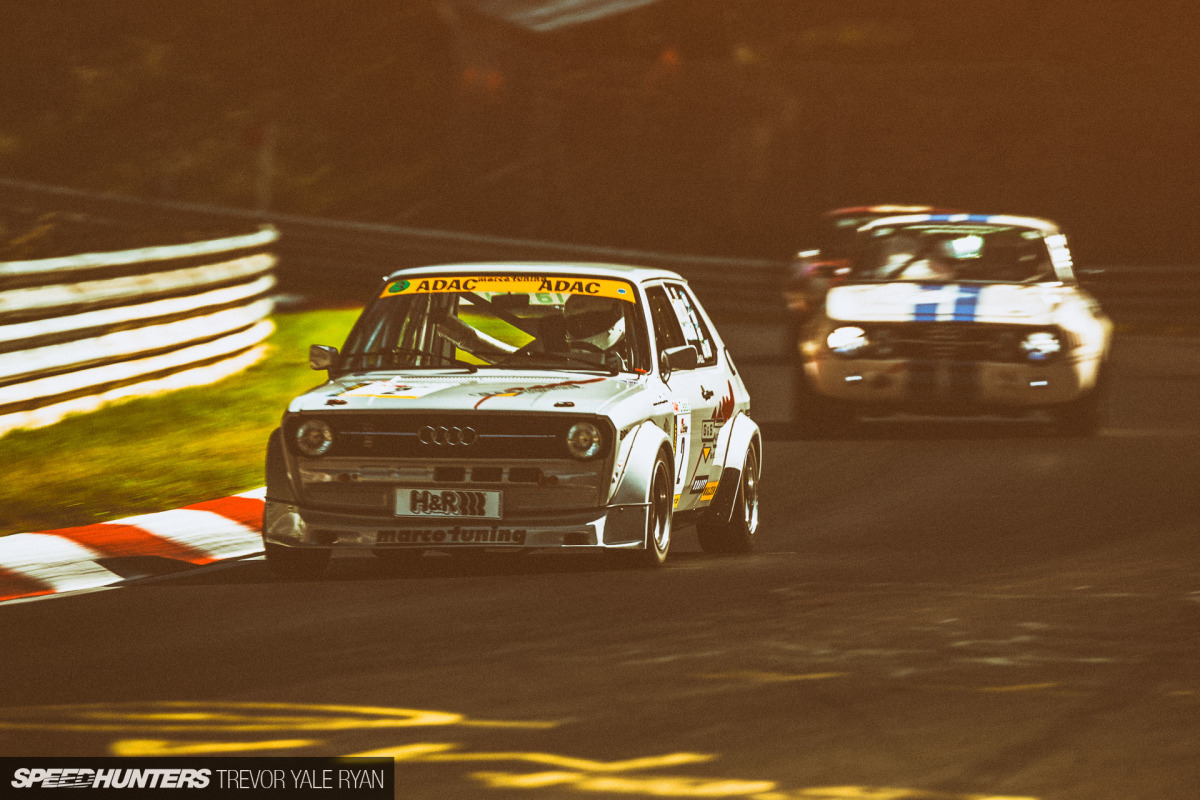
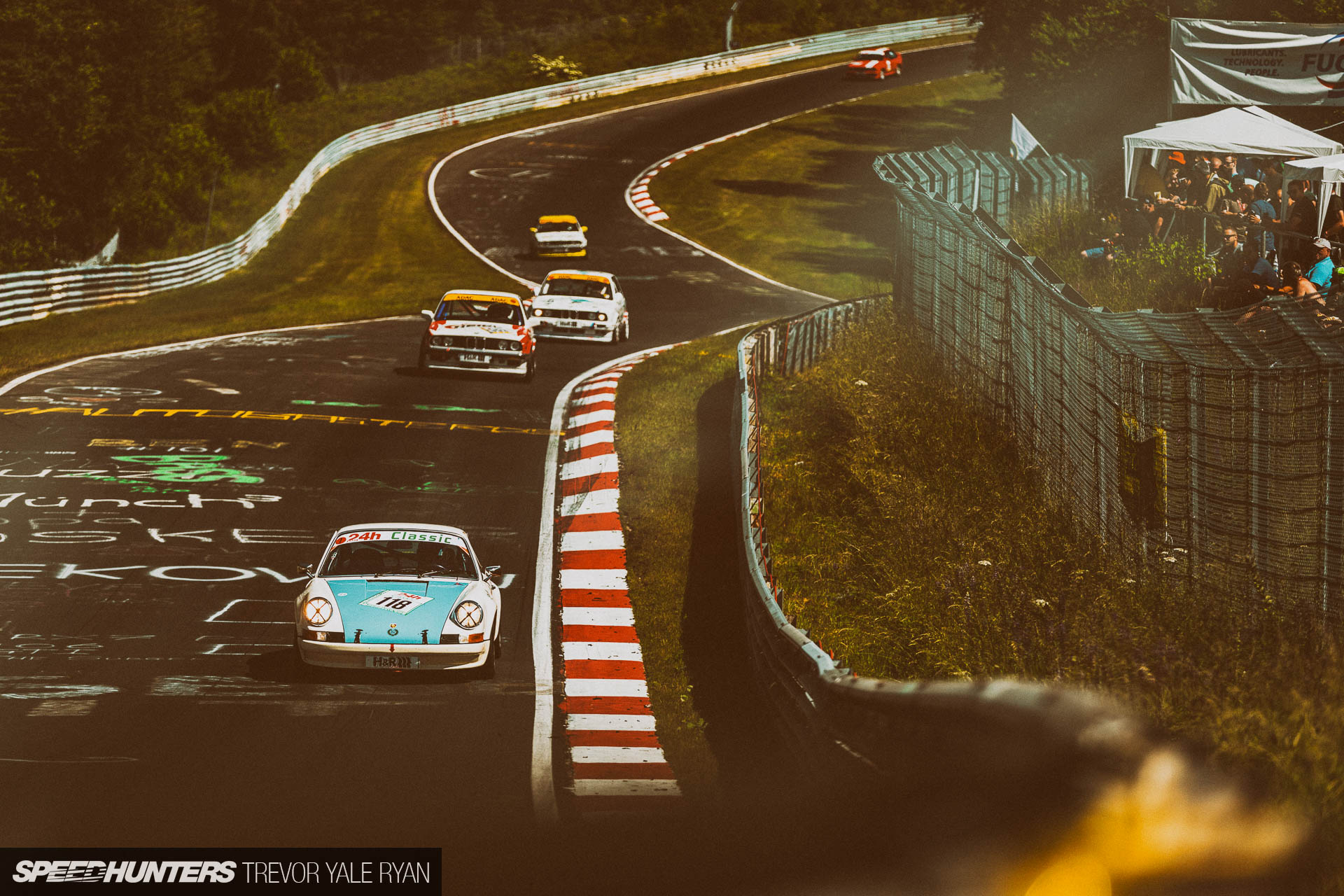
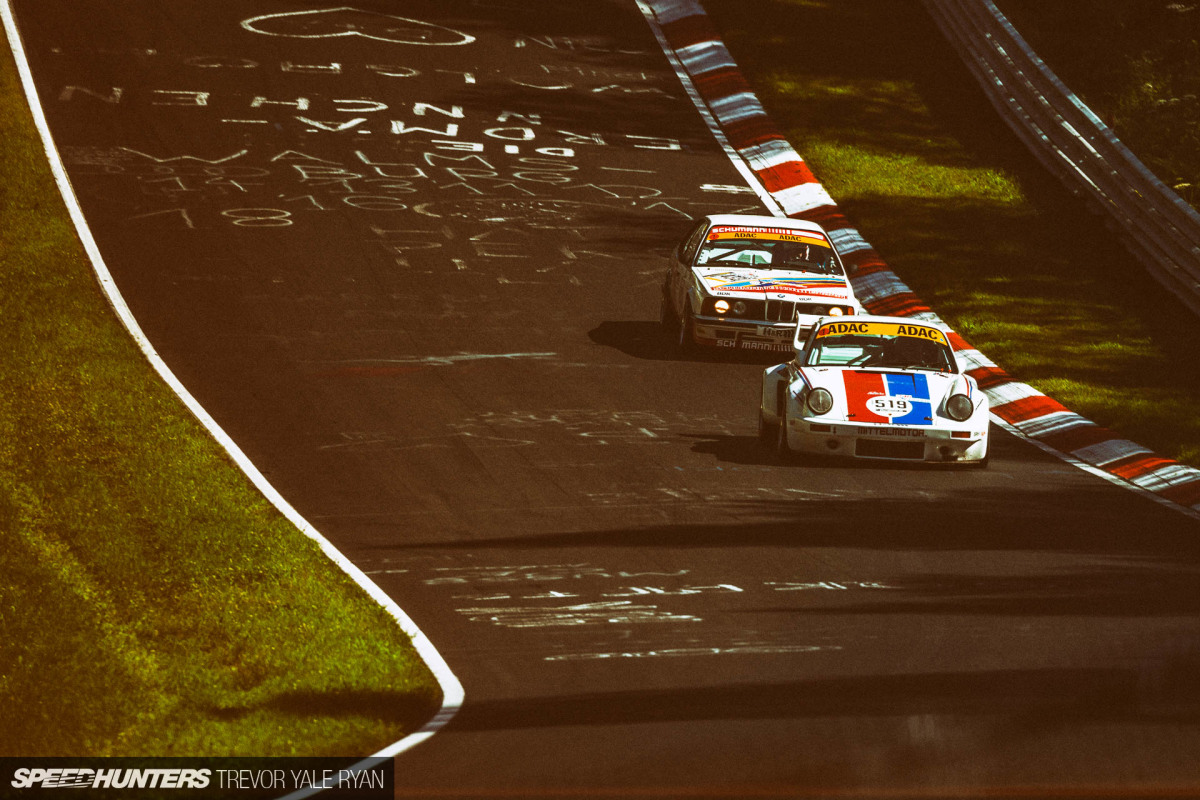
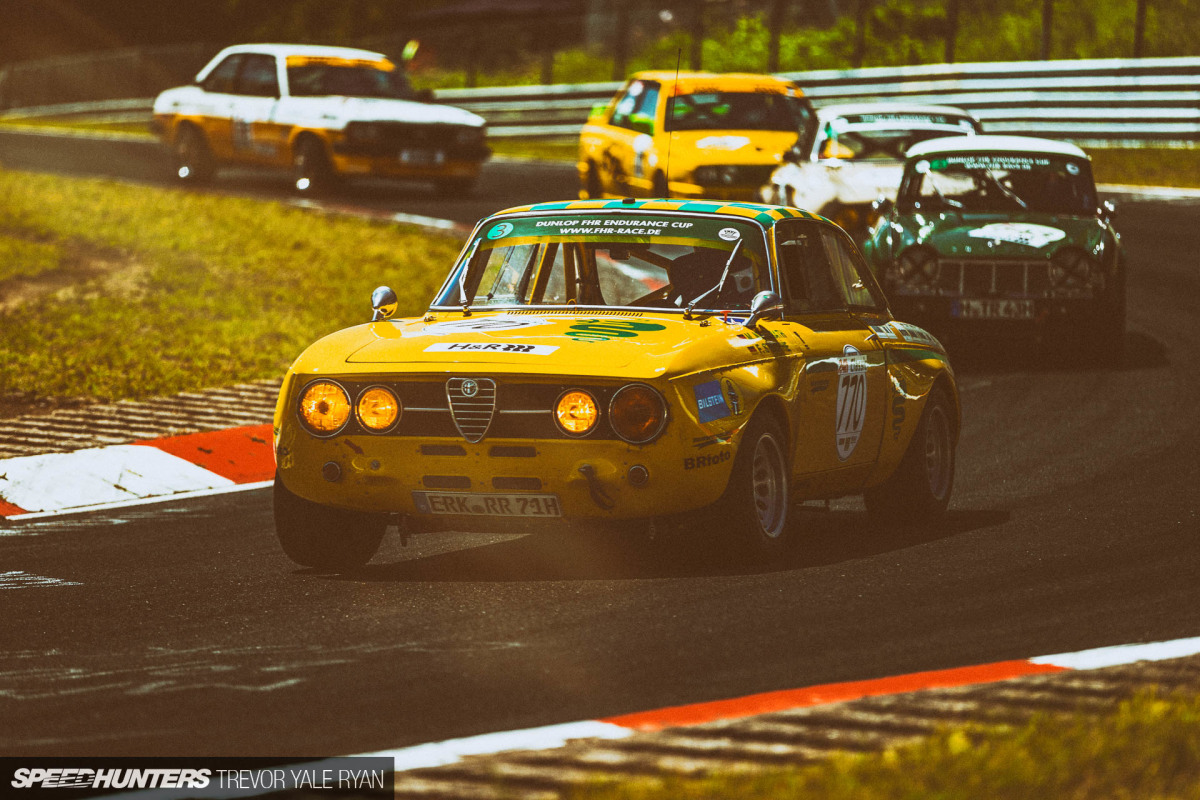
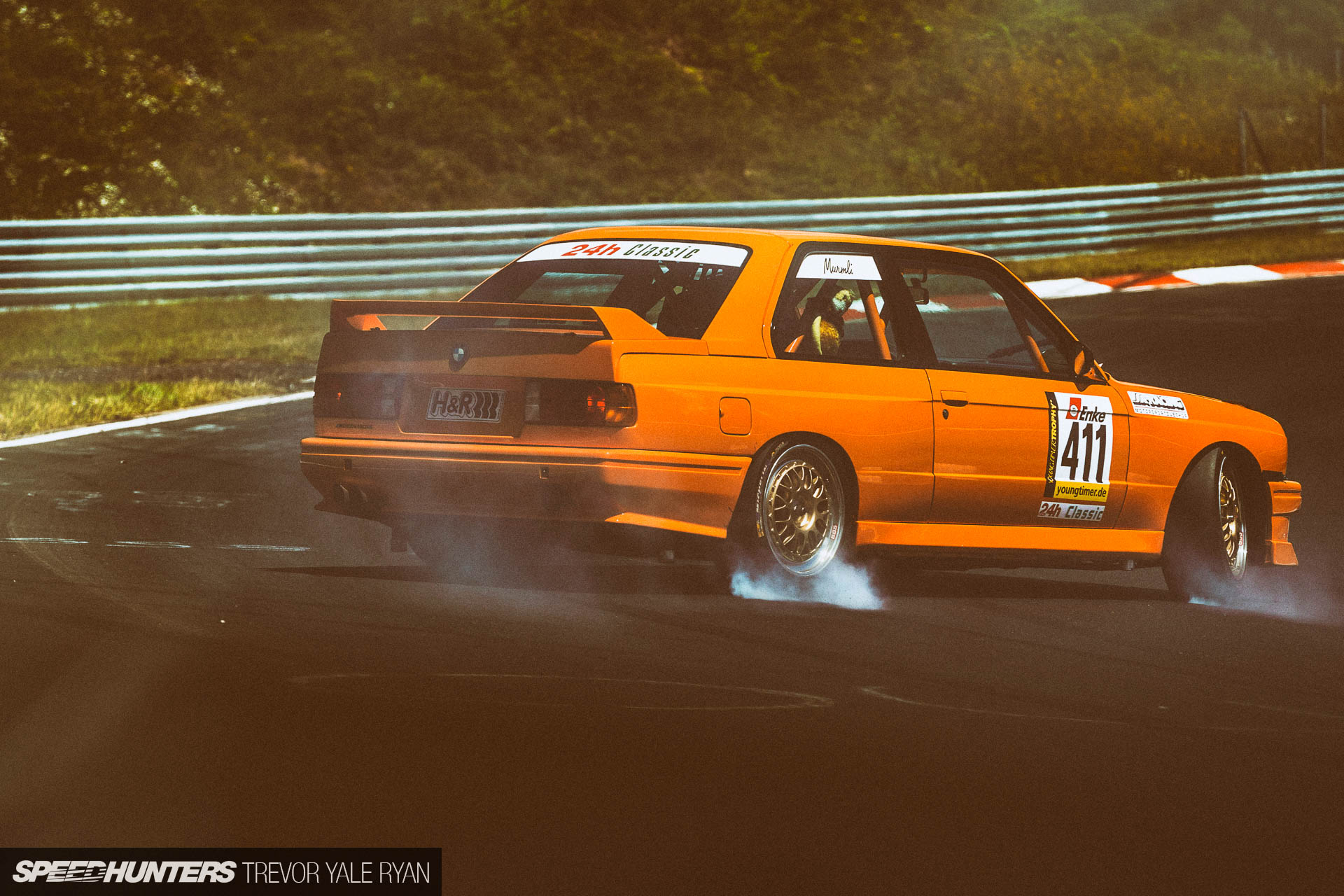
It’s hard to convey the insanity of the elevation change, blind crests, high-speed sweepers, and proximity of the racers, but it’s unlike anything I’ve ever experienced. Maintaining focus in vintage machinery for a few hours is no small ordeal, and I’ve never seen a classic race with so much drama in my life.

If you’re aware of the Dunning-Kruger effect — and if you aren’t, this should sort you — it’s pretty clear to me that when it comes to historic racing, I’m on that steep downward slope at the moment. I really thought I had it good in California.
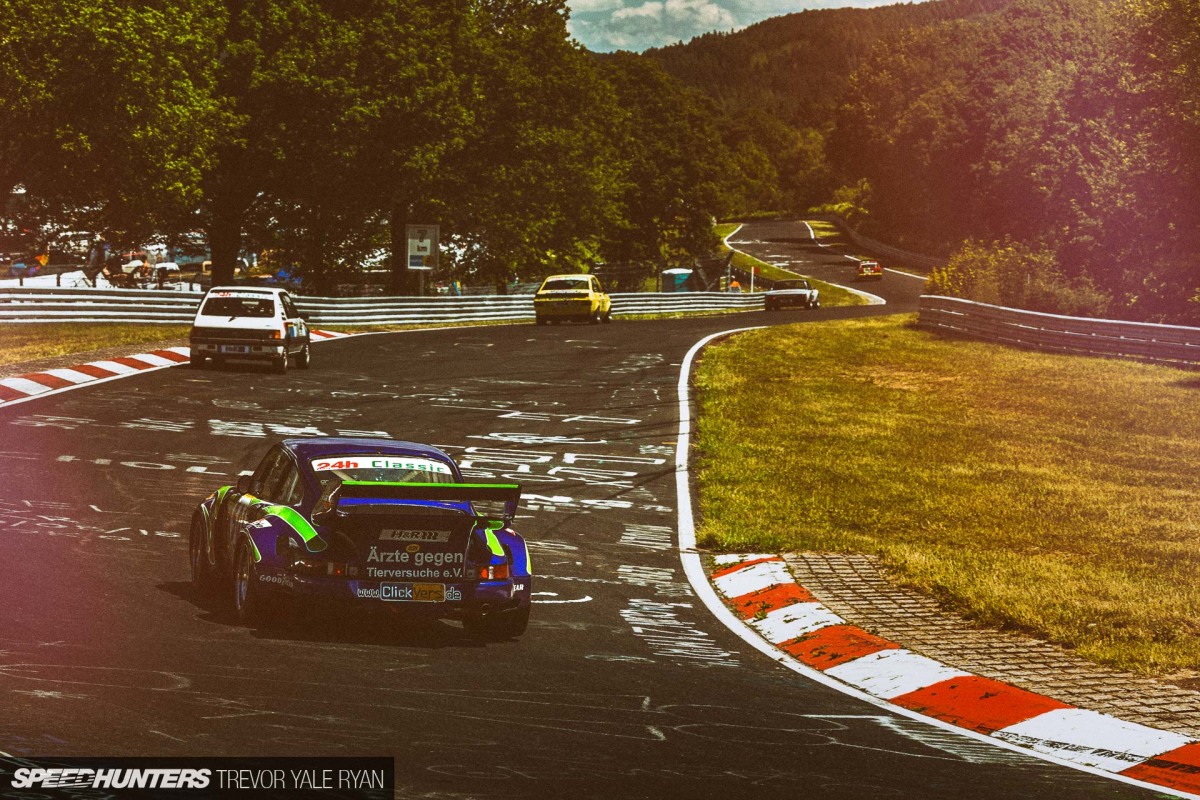
Still, little though I may know, I can safely say the three-hour torture test at the N24 Classic is unlike anything else. This era of cars — race cars in particular — have always held a special place in my heart, but seeing them unleashed on the legendary Nürburgring Nordschleife is quite nearly too much to bear.
The Green Hell truly is one-of-a-kind, and this was just the start of Friday…
Trevor Yale Ryan
Instagram: tyrphoto
The Nürburgring on Speedhunters
Galerie Klassische