In the last update, Project NSX had the engine dropped for some new go-fast bits and was due for a tune.
Let’s press pause on that story for a second and move from the engine bay into the cabin, where a performance improvement of a different kind is concurrently underway.
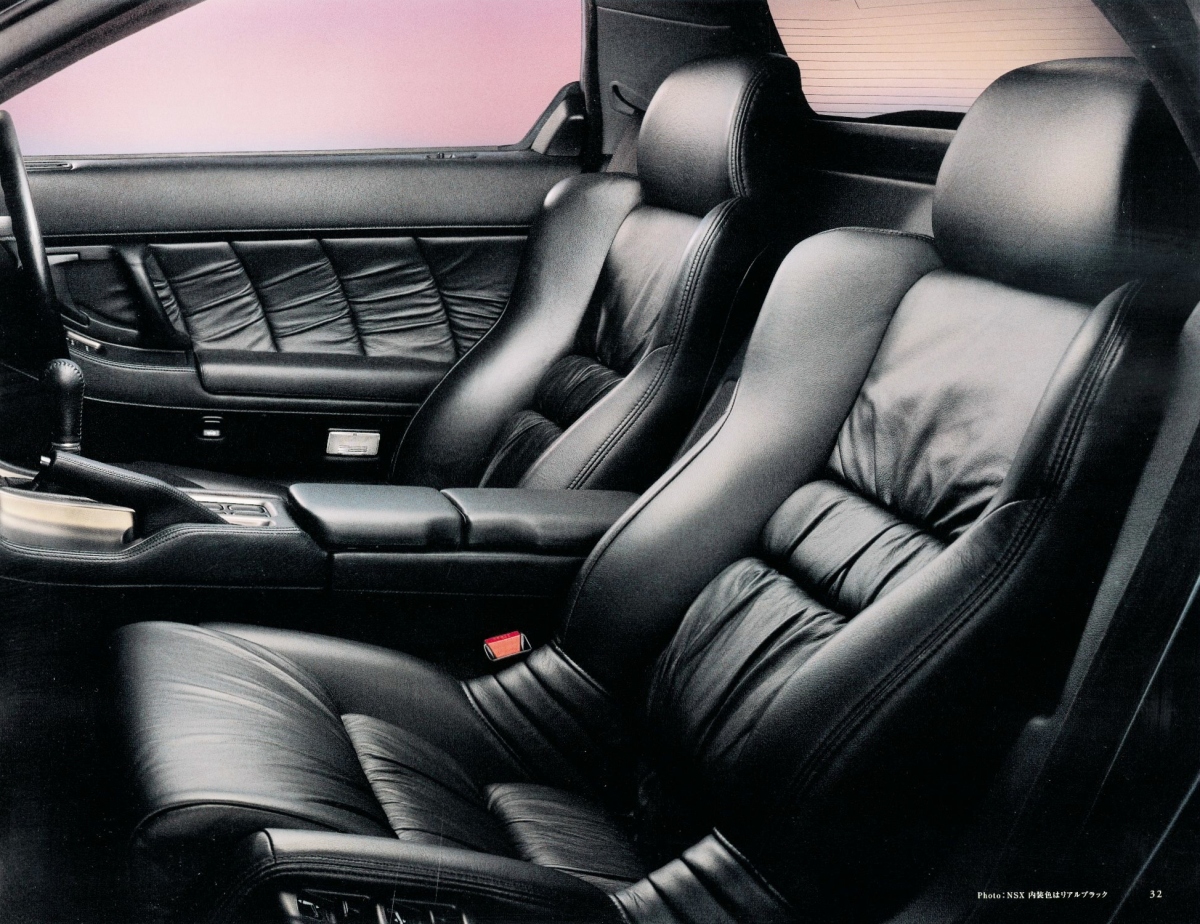
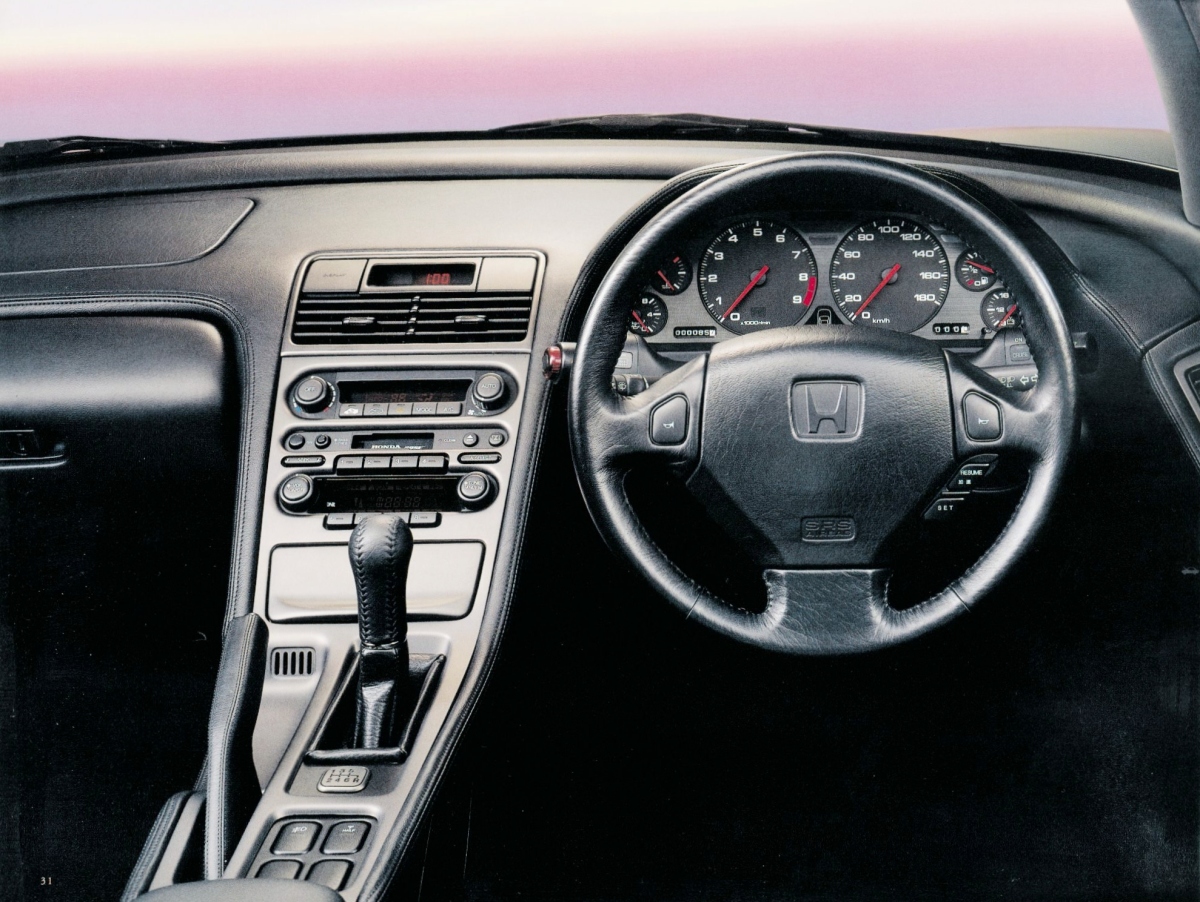
The NSX interior is nice from the factory and has aged well (except for a few too many cheap plastic controls). Typical for a ’90s Honda, the ergonomics are spot on and the visibility is better than almost any other car I’ve driven – impressive for a mid-engine. Any changes, then, should be well considered. So far I’d only been game to swap out the steering wheel and shifter for ‘sportier’ items; everything else was still happily stock.
However, I’d discovered that the stock seats were causing a small problem at the track. I’m no giant at 183cm (6ft), but add a helmet and suddenly I’m squished against the roof liner. It meant sliding my butt down the seat in an uncomfortable slouch, and thus not having the controls in their usual relative position. Not ideal. Time to upgrade!
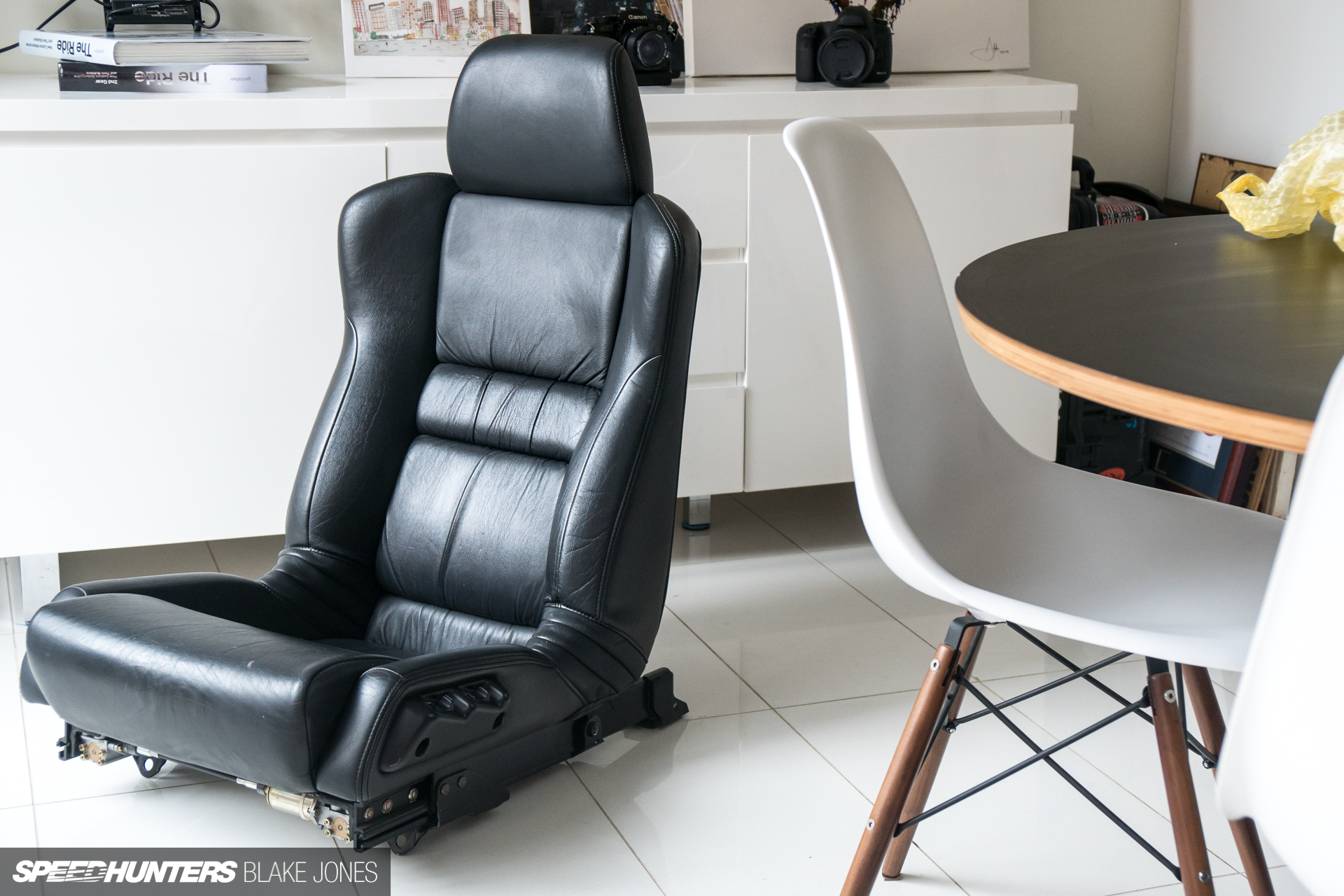
Before we take a look at the new pews, let’s take some time to appreciate the design of the stock seats. Like many elements of the NSX, there’s some smart thinking going on which is worth a look.
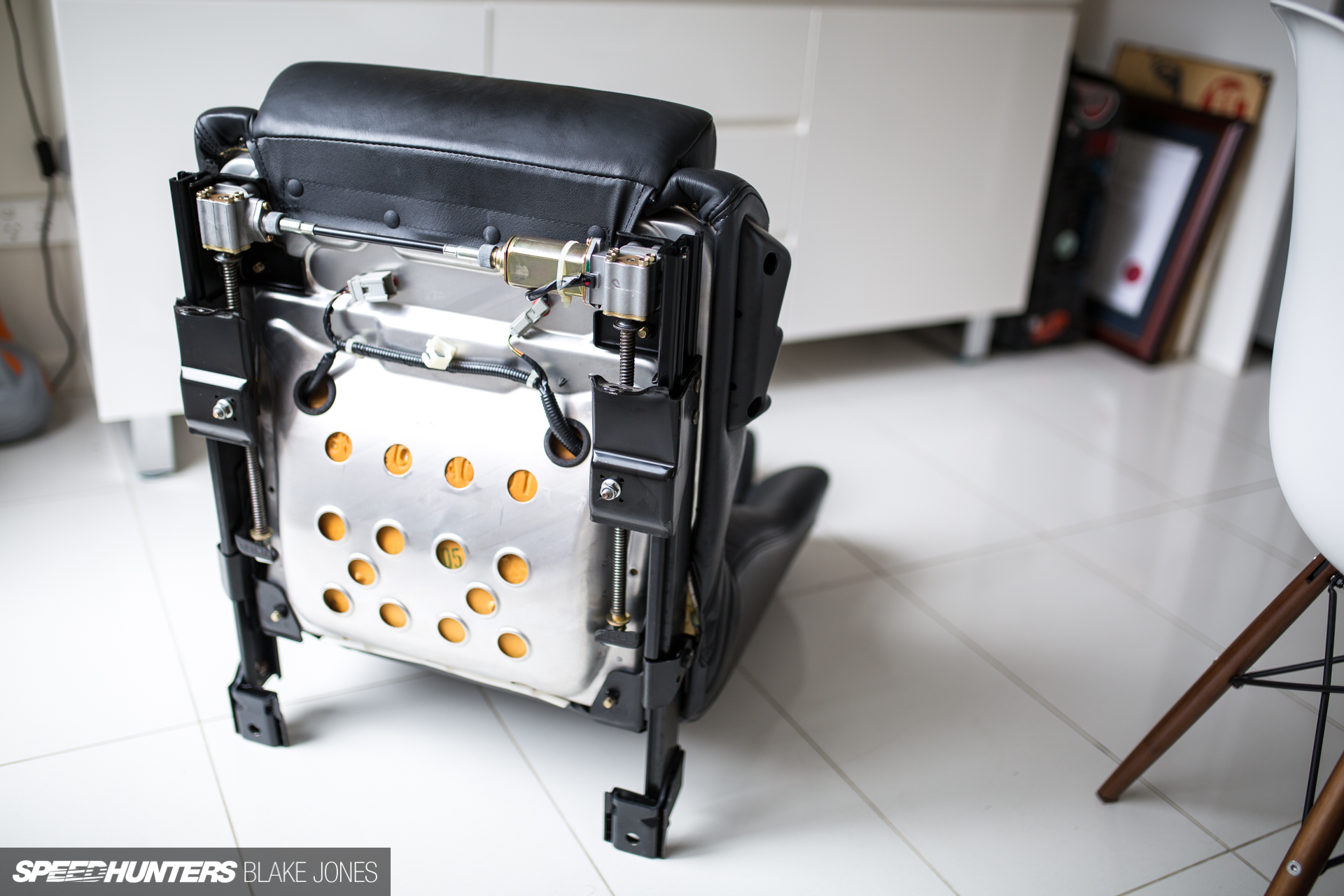
From beneath the seat you can see that the skeleton is a thin, stamped aluminium panel which cradles the cushion, meaning that the whole assembly including rail weighs in at only 18.3kg (40.3lb). For reference, an electrically-adjustable E36 M3 seat weighs 29.5kg (65.0lb).
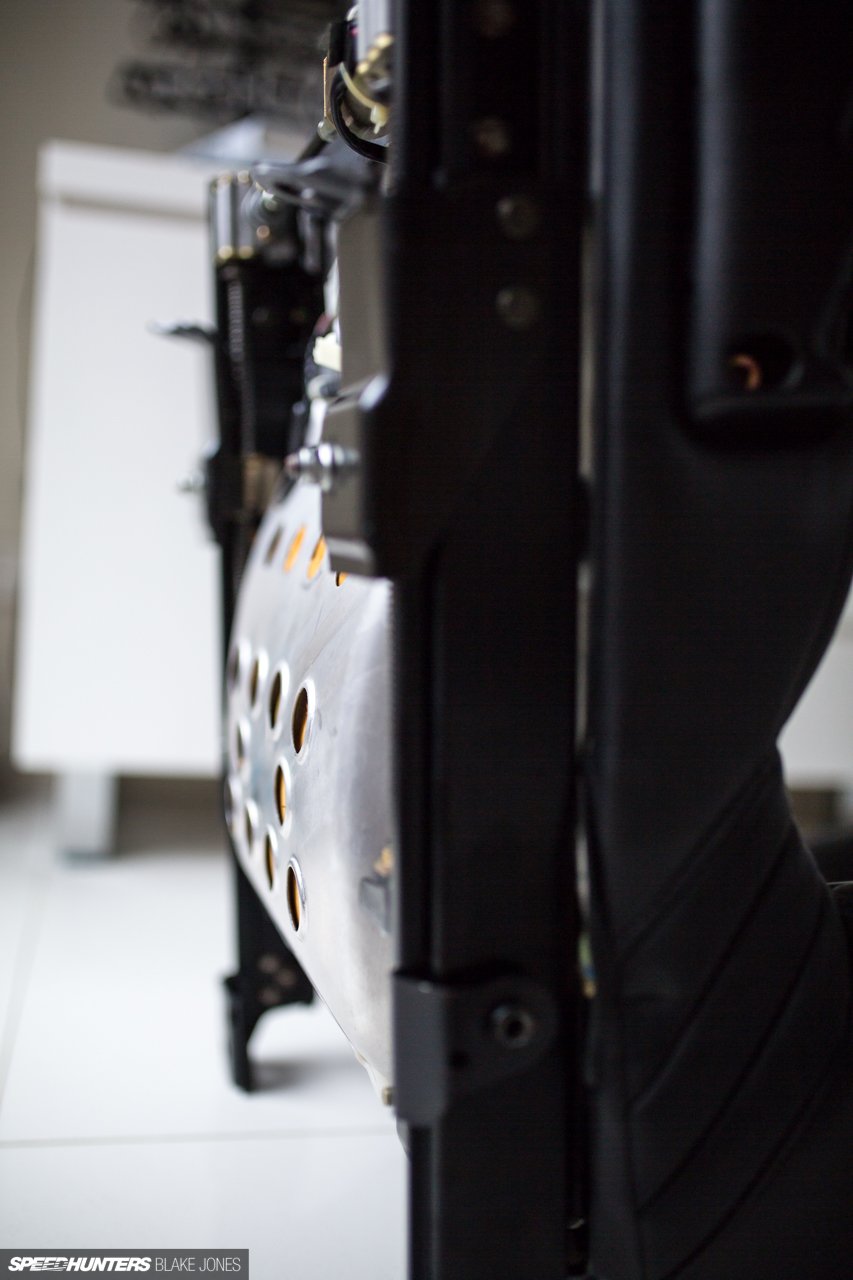
You can see in this photo how the seat pan actually sits lower than the bottom of the rails – an impressive effort to get the driving position as low as possible in the car without compromising comfort. I’d argue that this design is a strong contributor to the NSX’s great chassis ‘feel’ and feedback; with no seat springs, all the important information being channeled through the seat mounts is being transmitted directly to your butt.


The seats are two-way electronically-adjustable, befitting the GT character of the stock car. This compact electric motor is connected to both rails by a driveshaft and slides fore and aft with a screw-drive, which is both space and weight efficient. The controls sit on a small panel on the outside seat bolster.
But out with the old, in with the new.
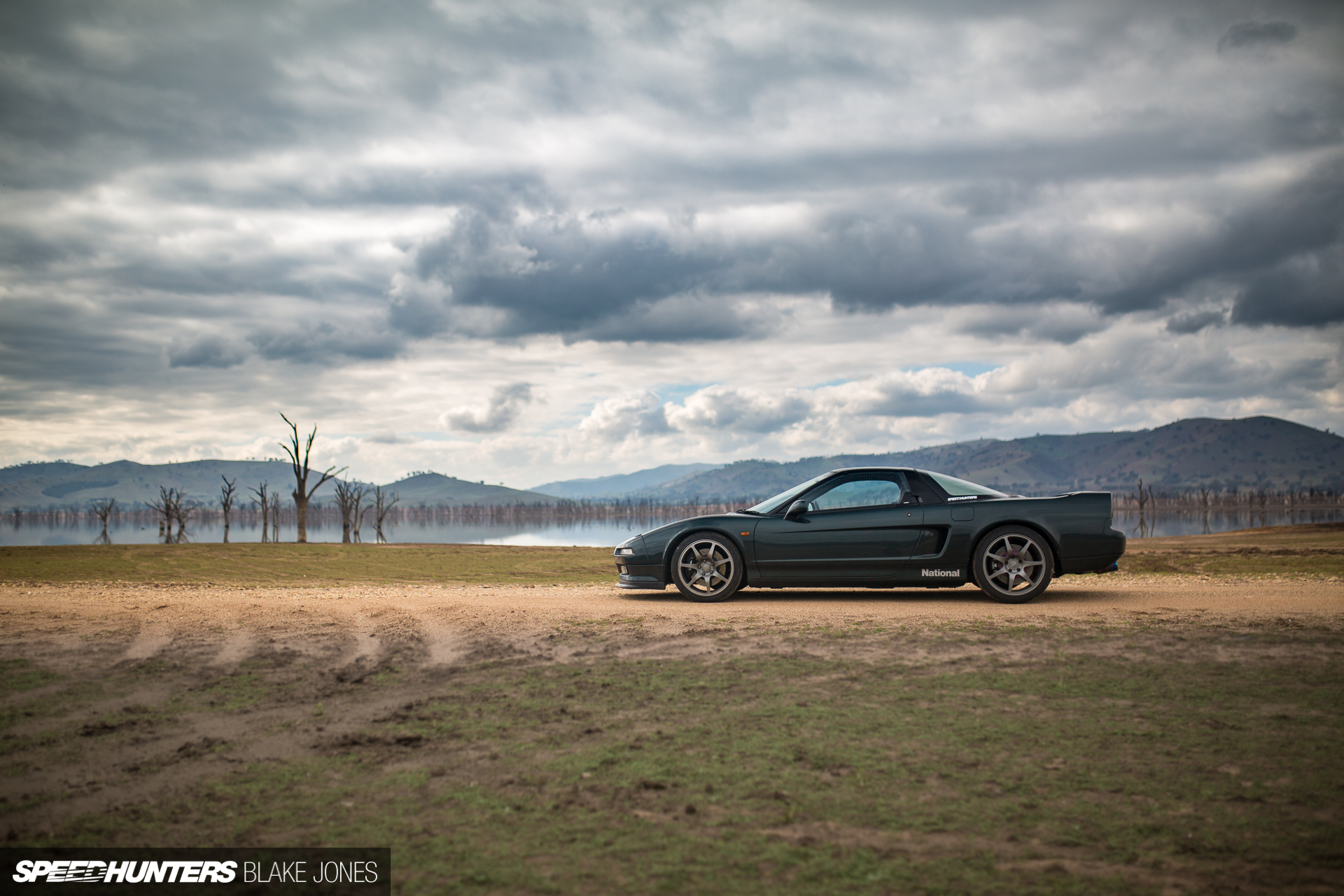
There was some criteria the new seats would have to meet: They should offer lateral support for the track, but be comfortable enough for long road trips. They should be a modern sports seat, but not look out of place in the NSX’s 30-year-old cabin. I’ve attempted to stay ‘OEM+’ with the build thus far, so it seemed like a good starting point to look at some factory sports seats.
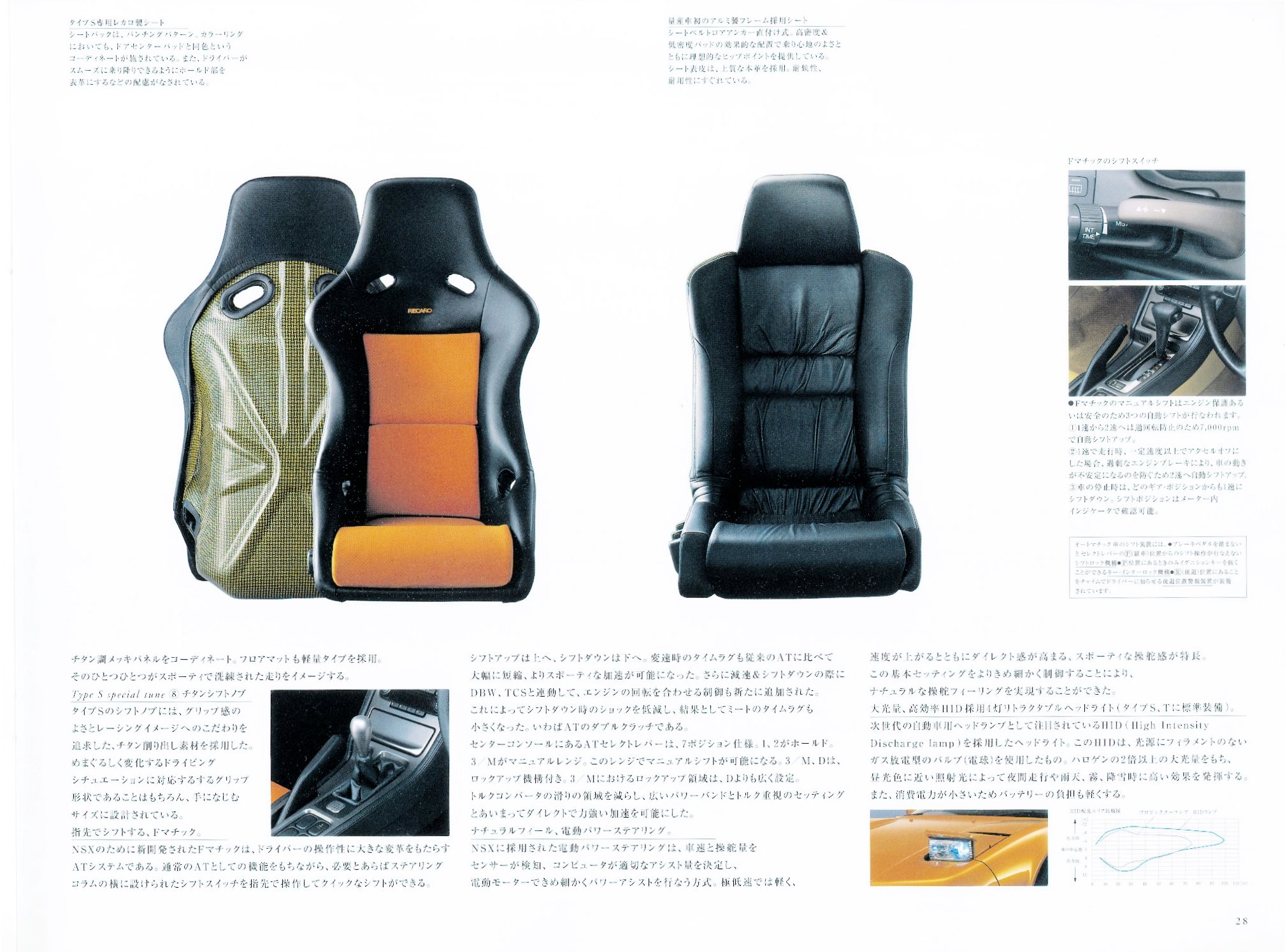
‘OEM-style’ fixed-back buckets are what you’ll find in factory-approved racers like the E46 M3 CSL, Porsche CS/RS models, and indeed the limited edition NSX Type S and Type R, as seen above. They differ from a regular aftermarket bucket seat in a few key ways. Firstly, padding. Aftermarket buckets are mostly race-derived where support and safety take priority over comfort, which makes for a stiff ride.
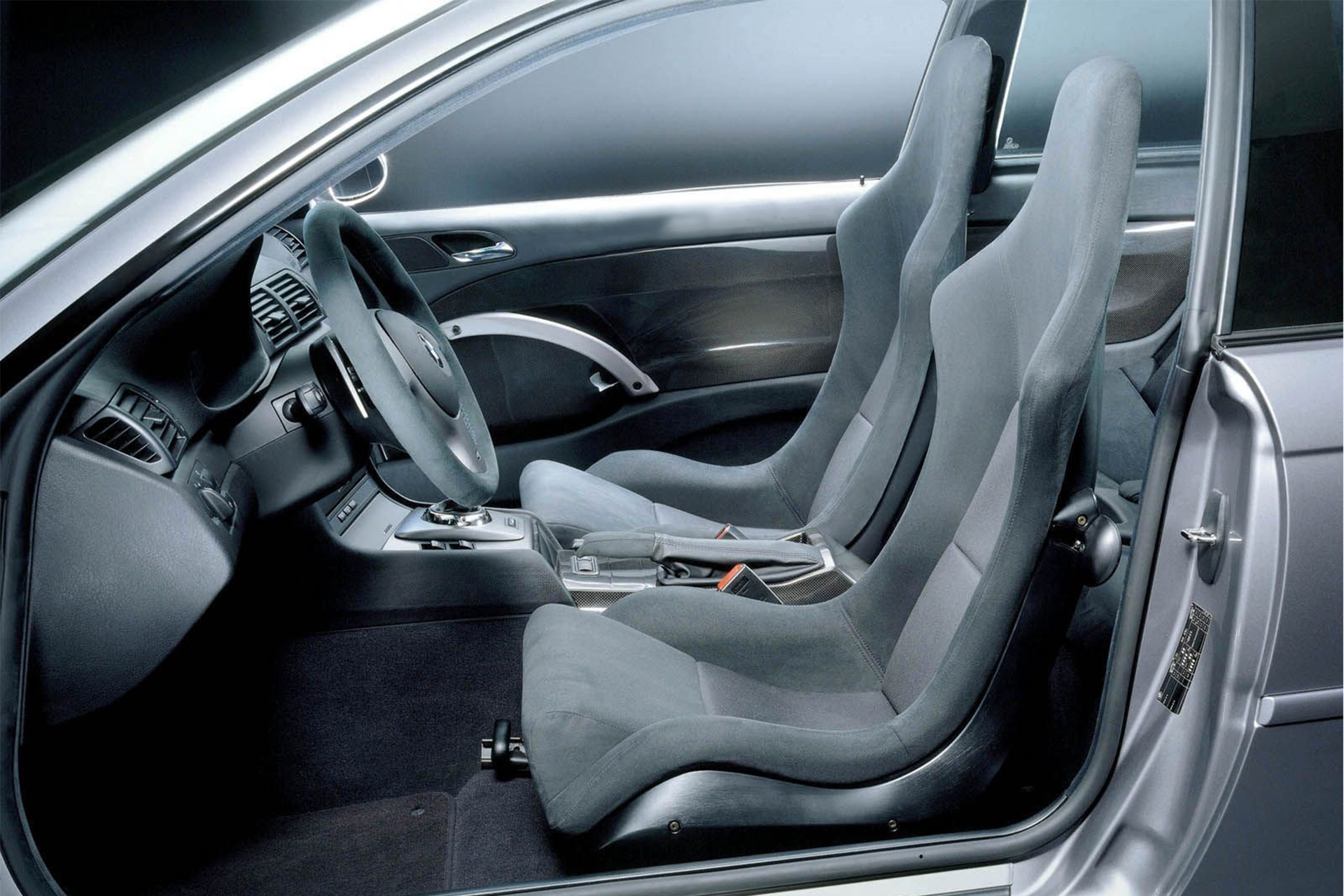
Secondly, ease of ingress. As you can see here with the E46 M3 CSL, an OEM-style bucket will taper the side bolster down at the front, allowing easy passage for the driver’s legs to swing in and out, as opposed to the ‘lift and drop’ technique required by a typical aftermarket bucket. Finally, and very importantly, stock seatbelt functionality is retained. Why not just buy the NSX-R seats? The $15,000 price tag made that decision for me…
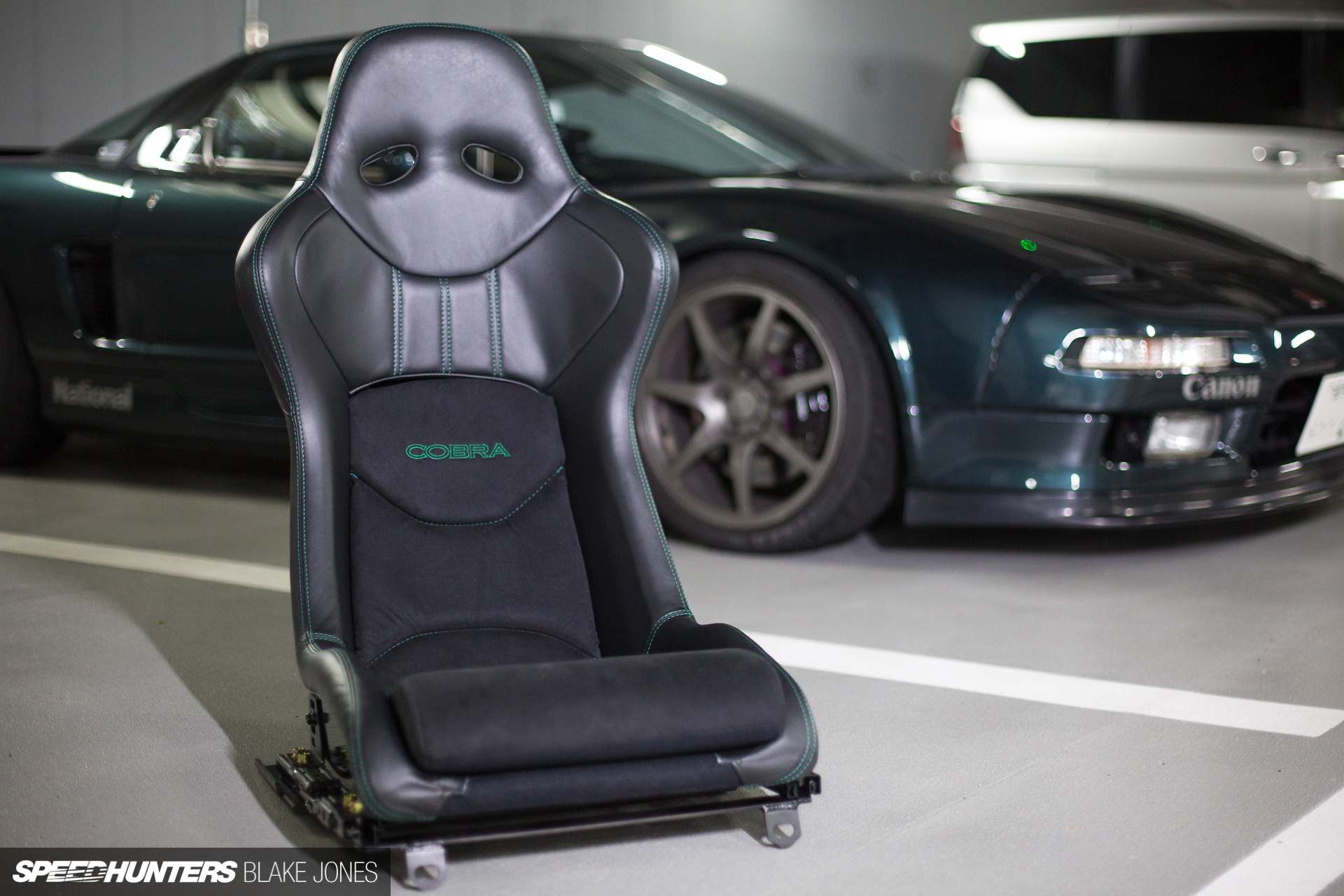
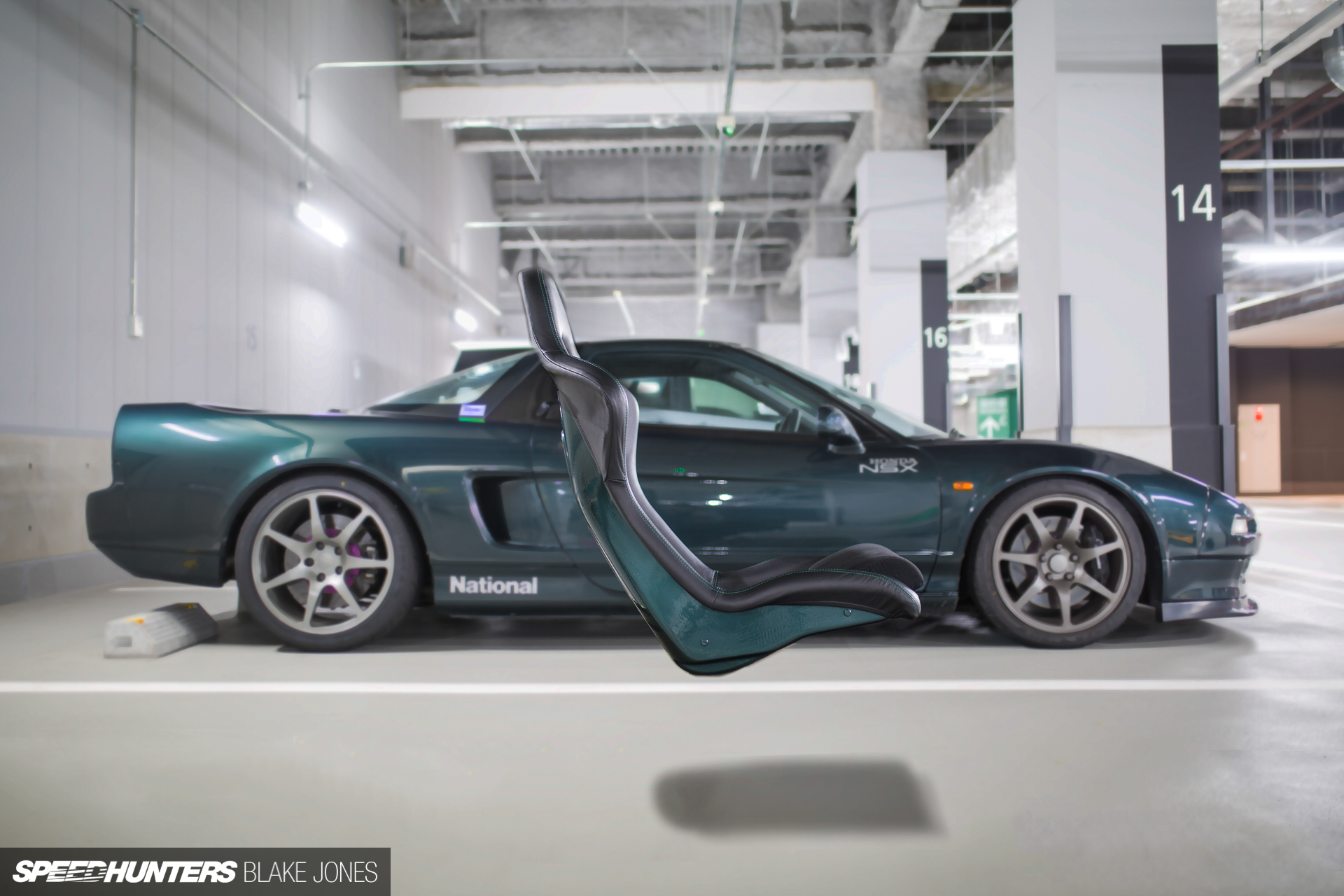
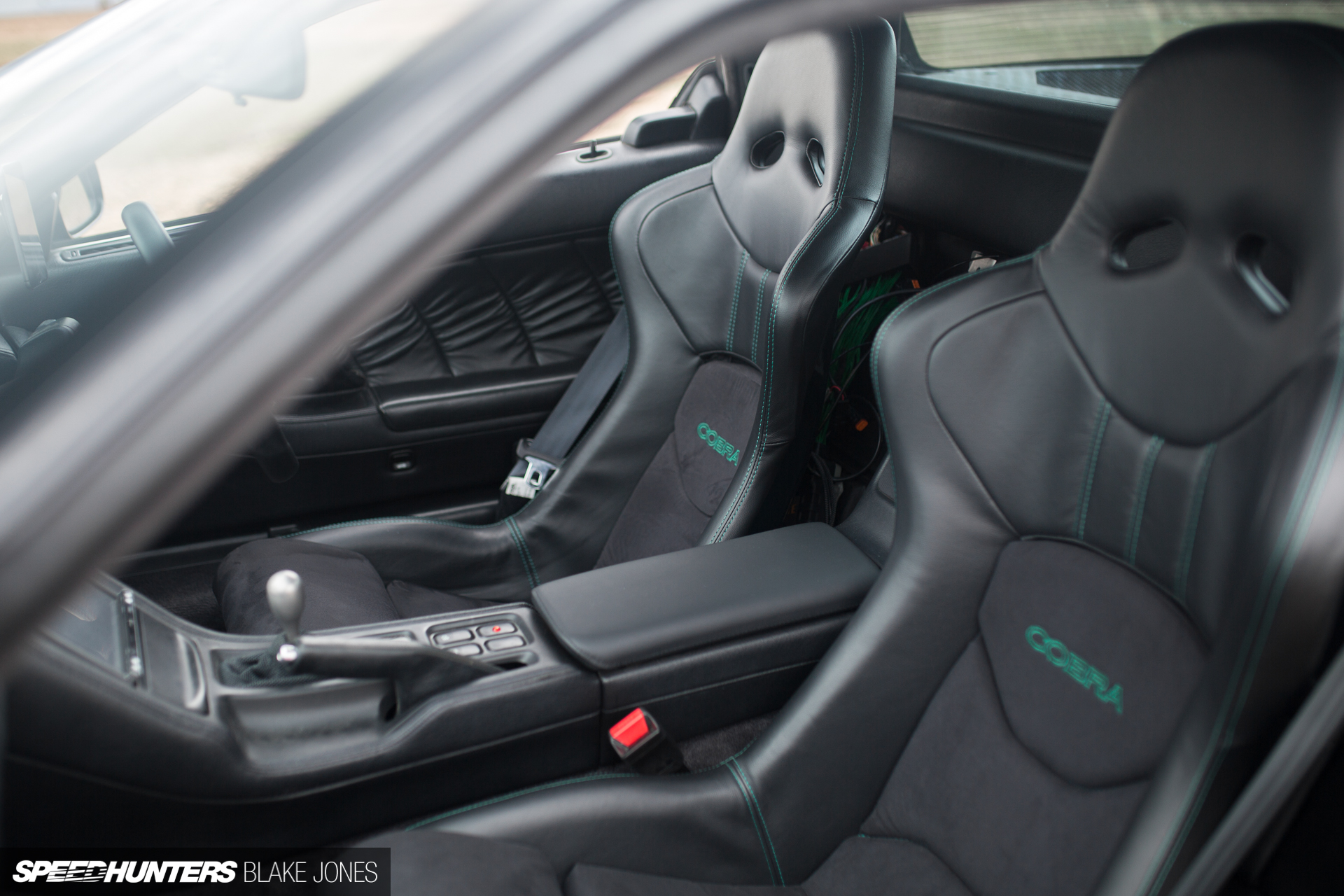
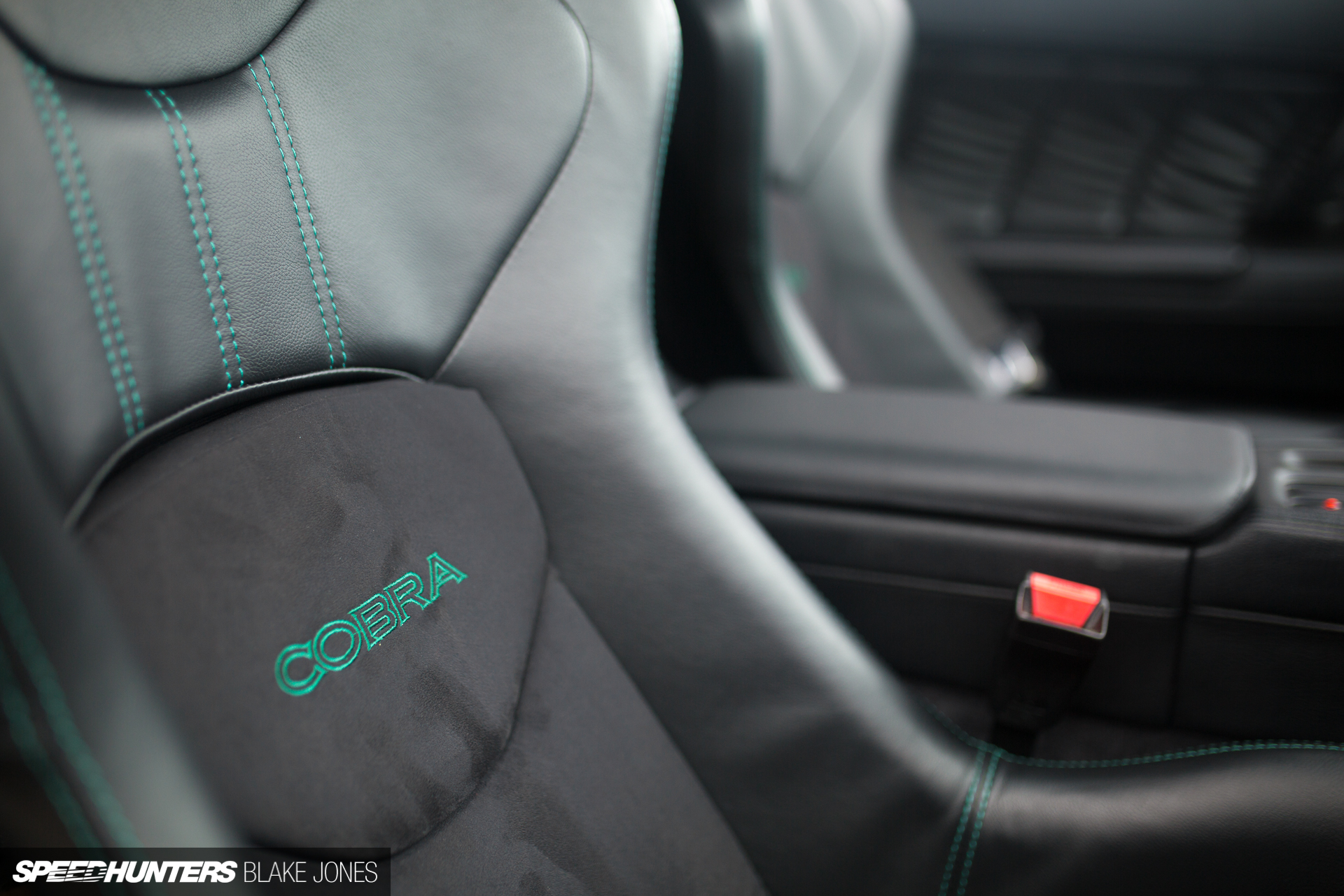
The usual parts research strategy (searching a few forums and asking some in-the-know friends) turned up a couple of options. The usual suspects – Bride, Recaro, Sparco – were all present. The latter two had some nice OEM+ options, but it was British manufacturer Cobra that really caught my eye with their Nogaro design. It ticked all the boxes: light and sturdy construction, ample cushioning, wide enough to accept my thicc-ness, and an understated design with just the right amount of detailing in the mid-section to make it stand out.
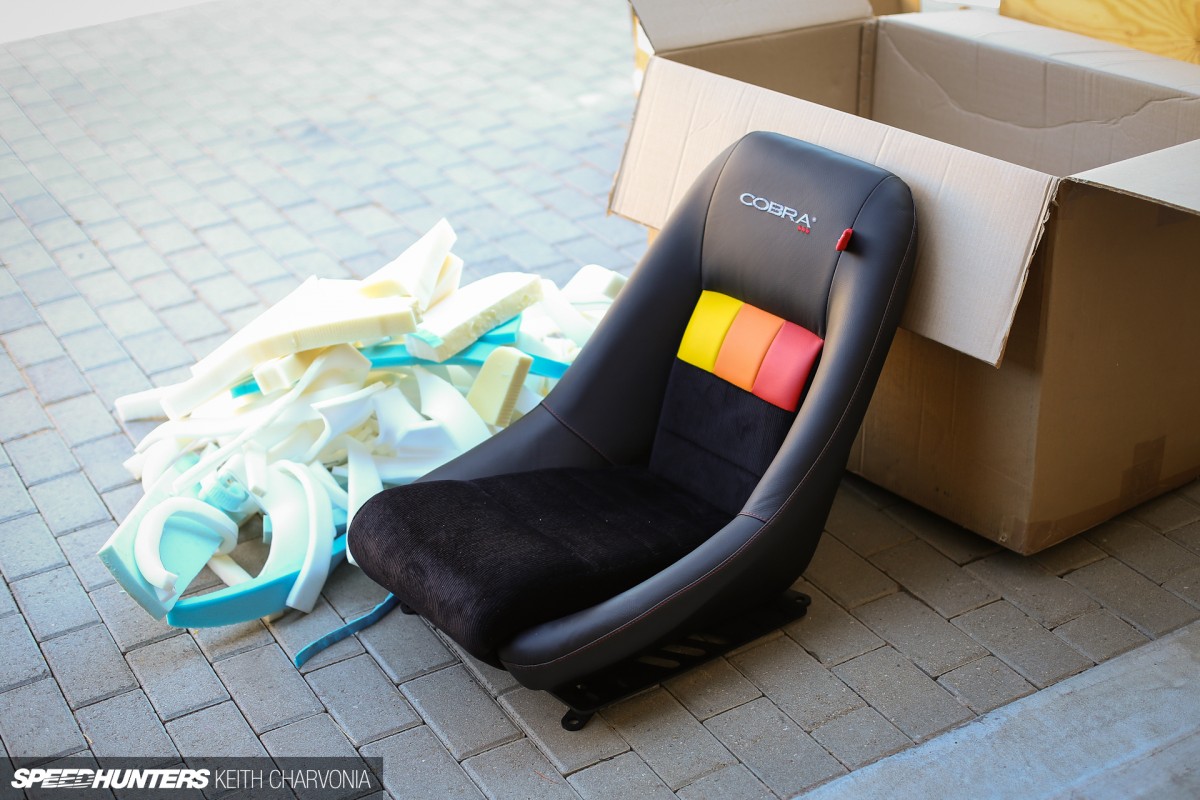
Cobra supplied the custom seats to the Speedhunters Scion Tuner Challenge FR-S back in 2014 – which went on to win the competition. Cobra brought Andy Blackmore’s design to reality seamlessly, so I asked them to do the same for Project NSX.

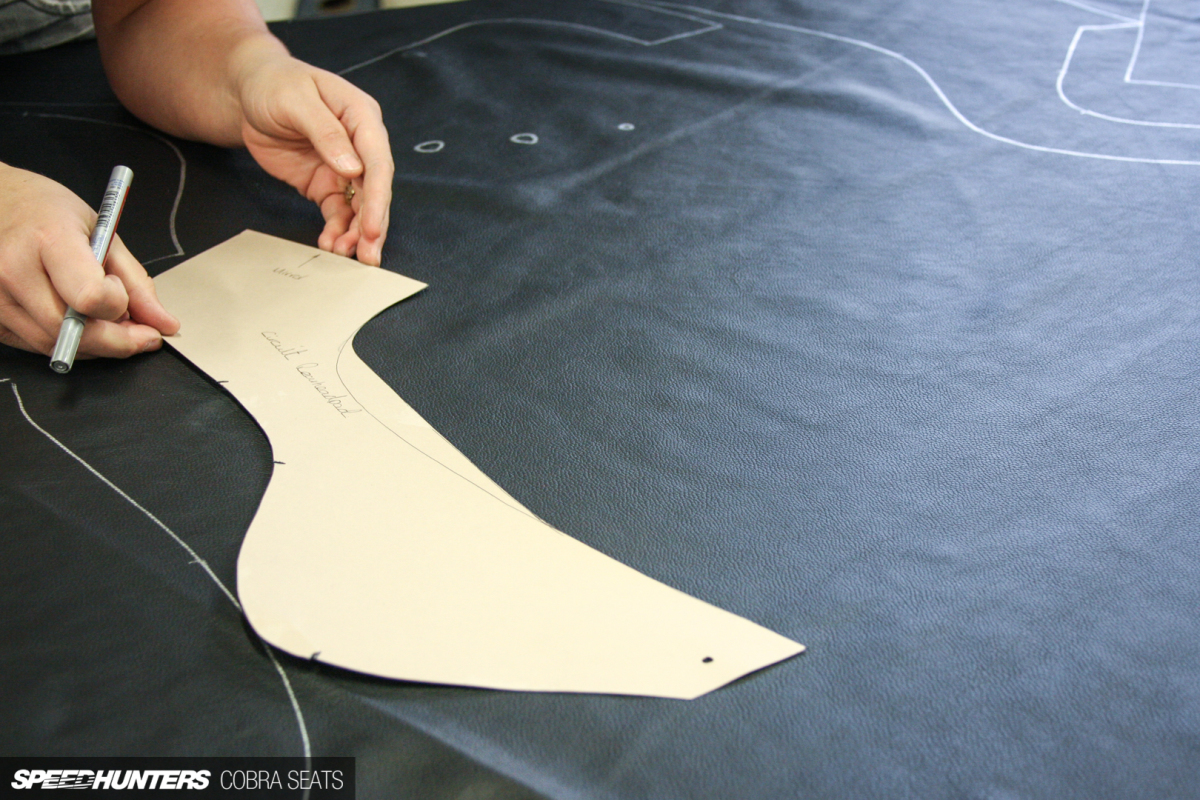
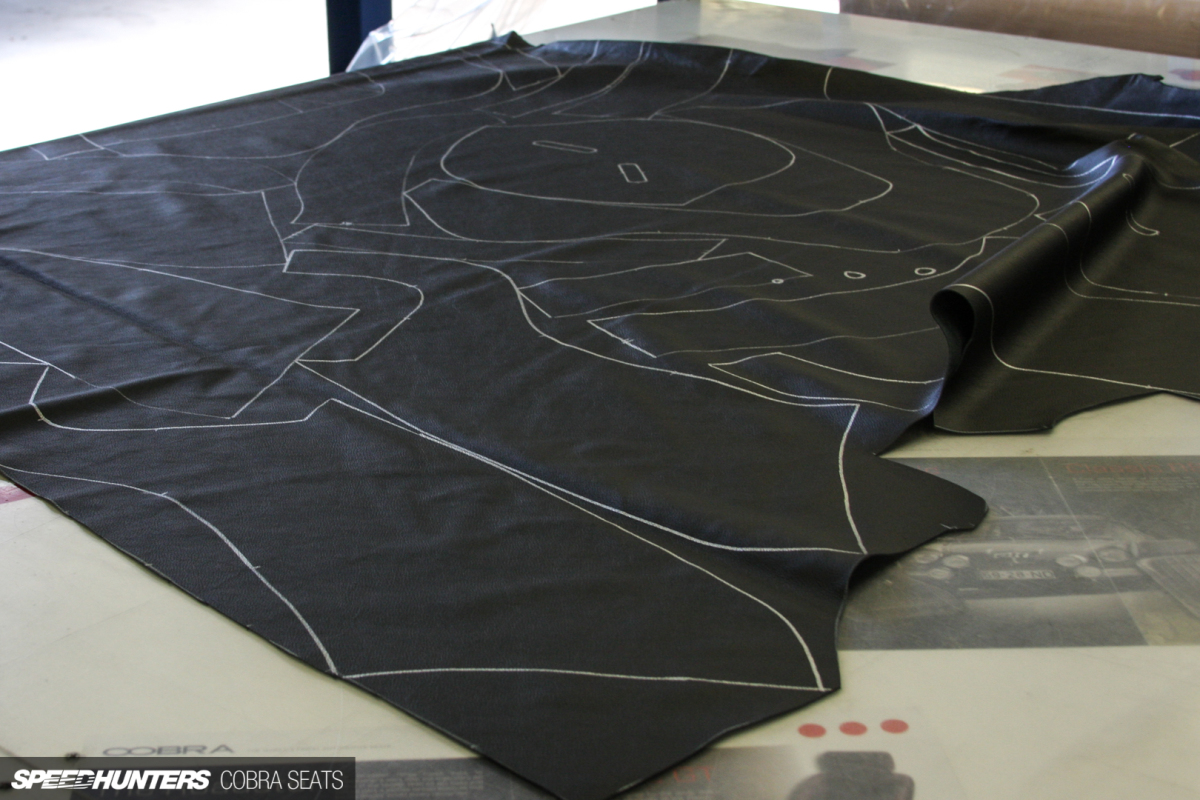
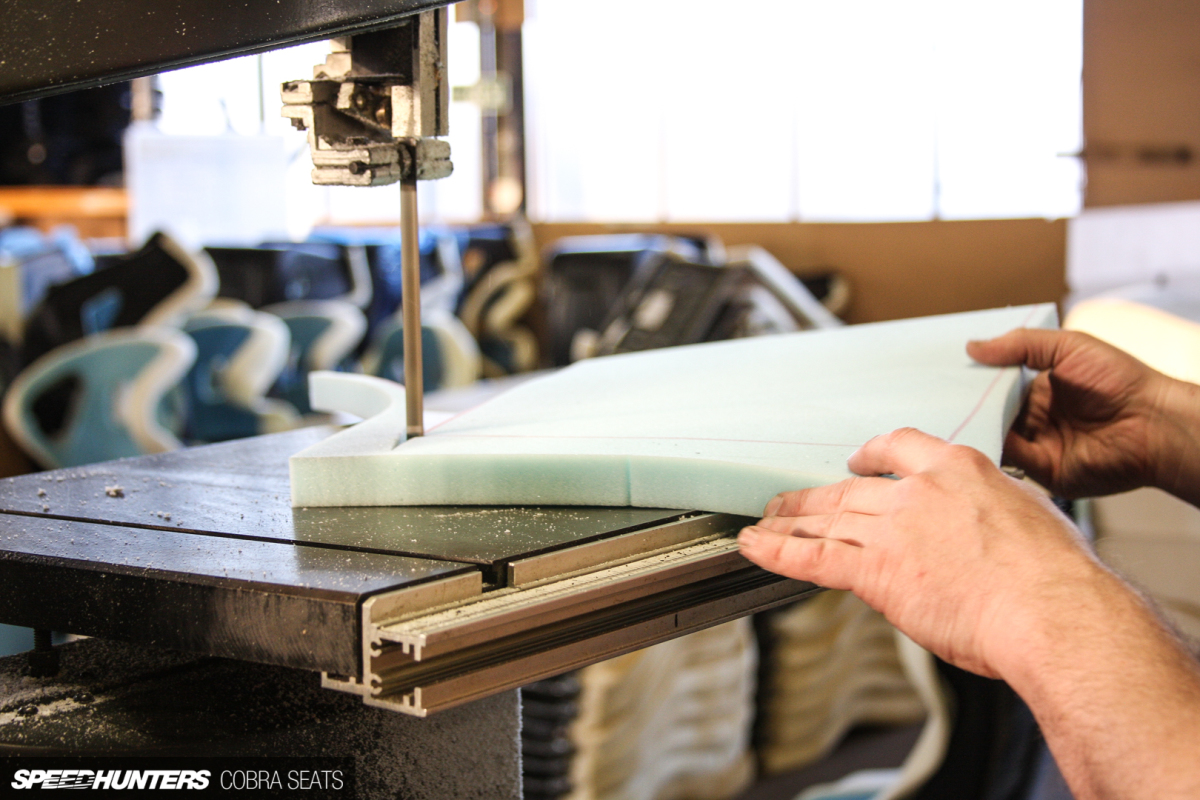
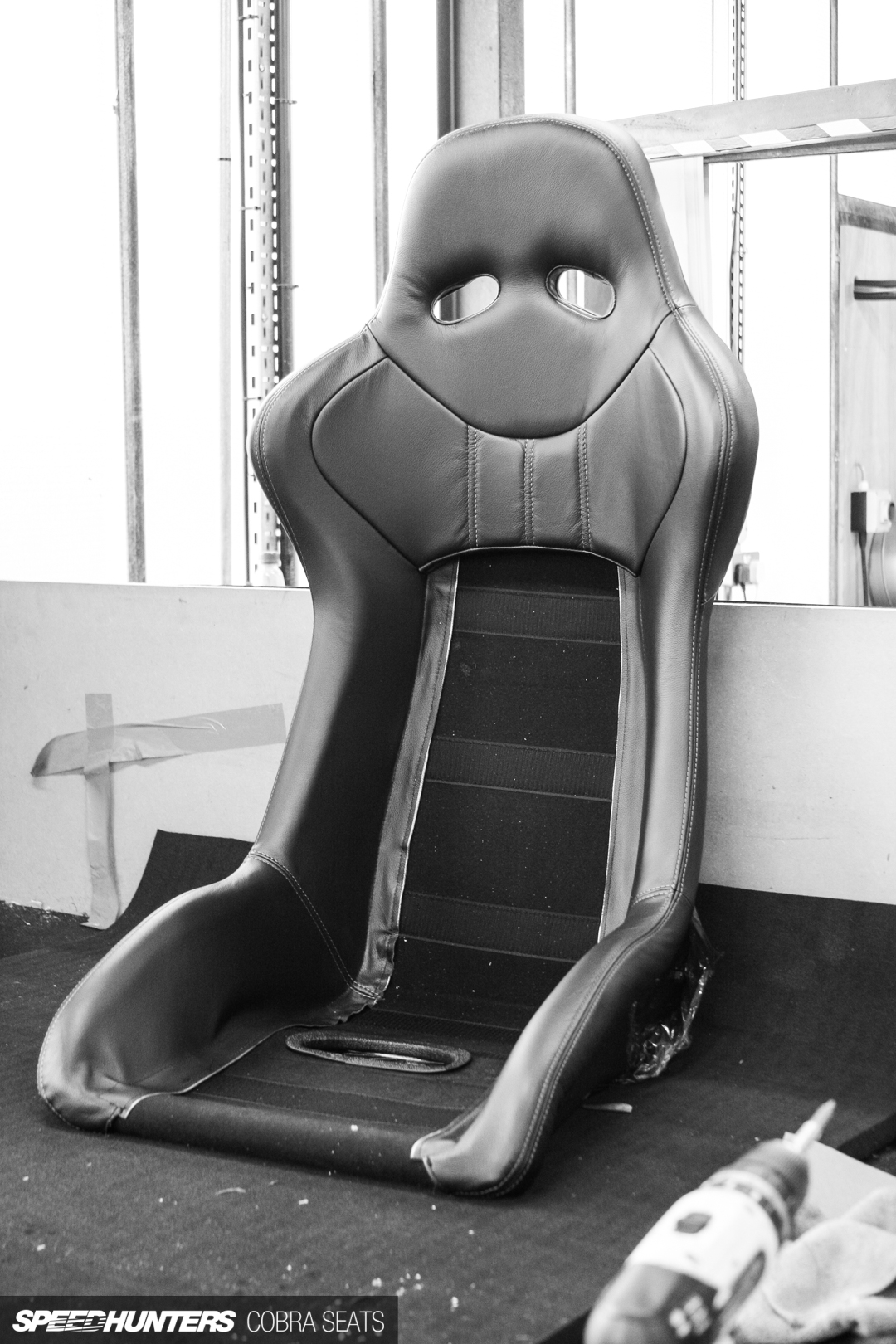
Since Cobra hand-make every seat from scratch, there’s basically no limit to the customisation possible. Fabrics, logos, and as you might have guessed – custom-painted shells. You can see a bunch of their other work on their website. They’ll even go as far as matching stitching width to your car’s upholstery. I went with leather outer and Dinamica microfibre inner. Dinamica is fully recycled, fireproof and found in modern AMG interiors amongst others. For me, it was about avoiding the dreaded transparent t-shirt situation on a hot and sweaty day.
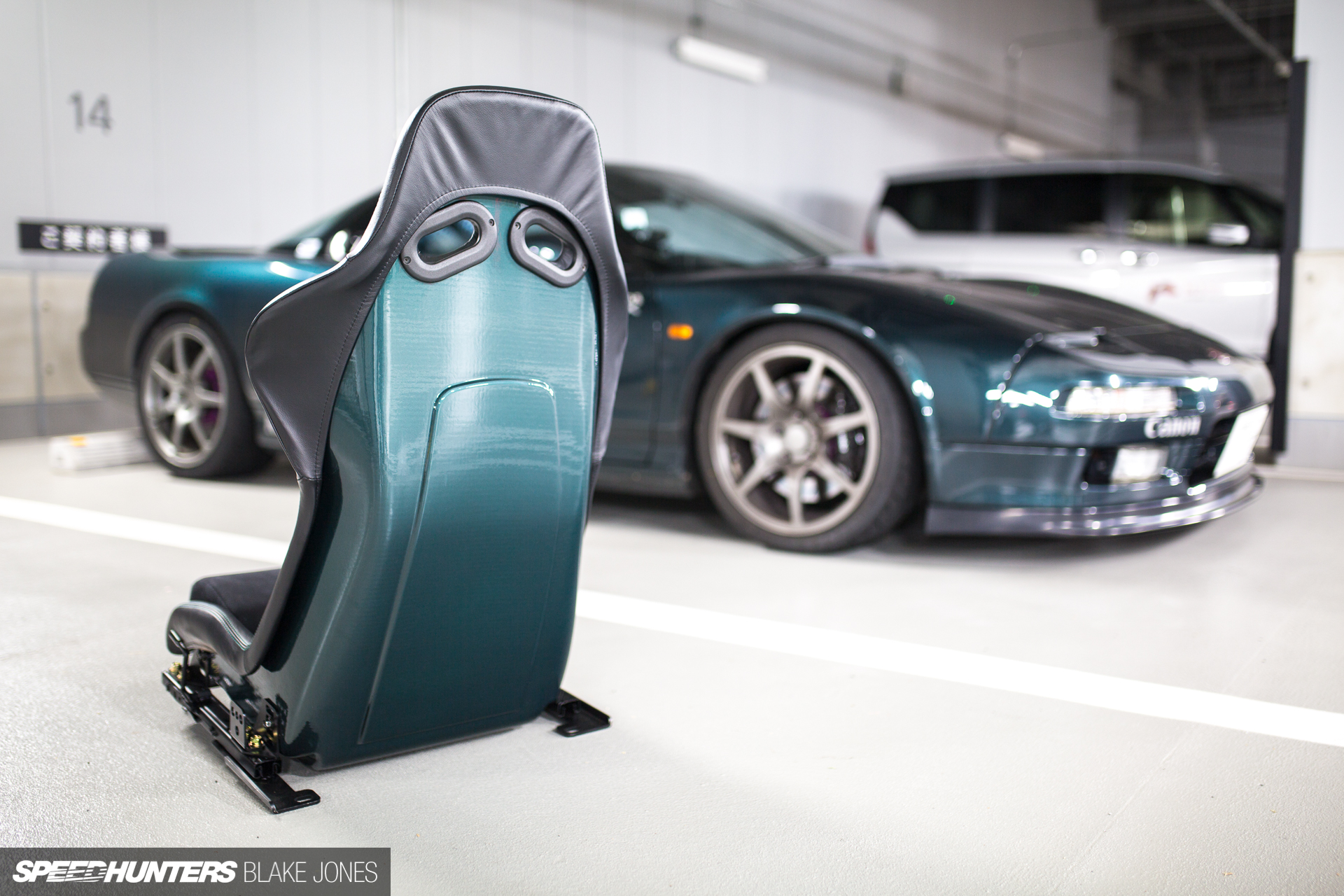
Project NSX unashamedly takes inspiration from Stuttgart’s high performance ‘RS’ range (adding a bit of power here, subtracting a bit of weight there) to turn a regular Carrera into a track-attacking weapon. On the exceptional 964 Carrera RS 3.8 (and the later but no less notable Porsche 968 Club Sport) owners could option their car with paint matched bucket seats for an extra pop of colour in the interior – this is my homage to those brilliant ’90s sports cars.
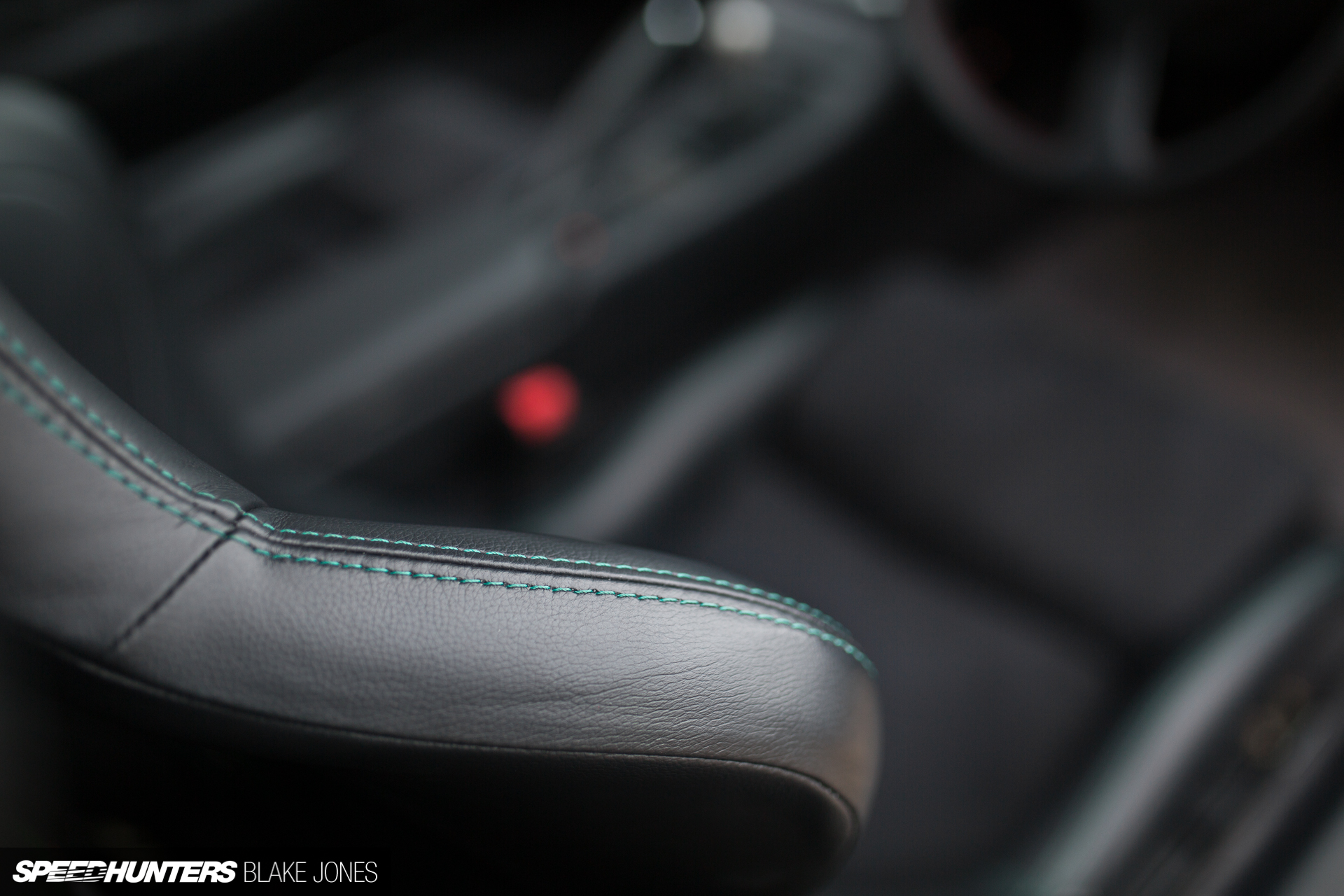
In addition to glazing the shell in a deep coat of G70P Brooklands Green Pearl, the team at Cobra suggested a dark green stitch and Cobra emblem to visually tie the rest of the seat together. I couldn’t have been happier with how it all came together unwrapping the seats for the first time.
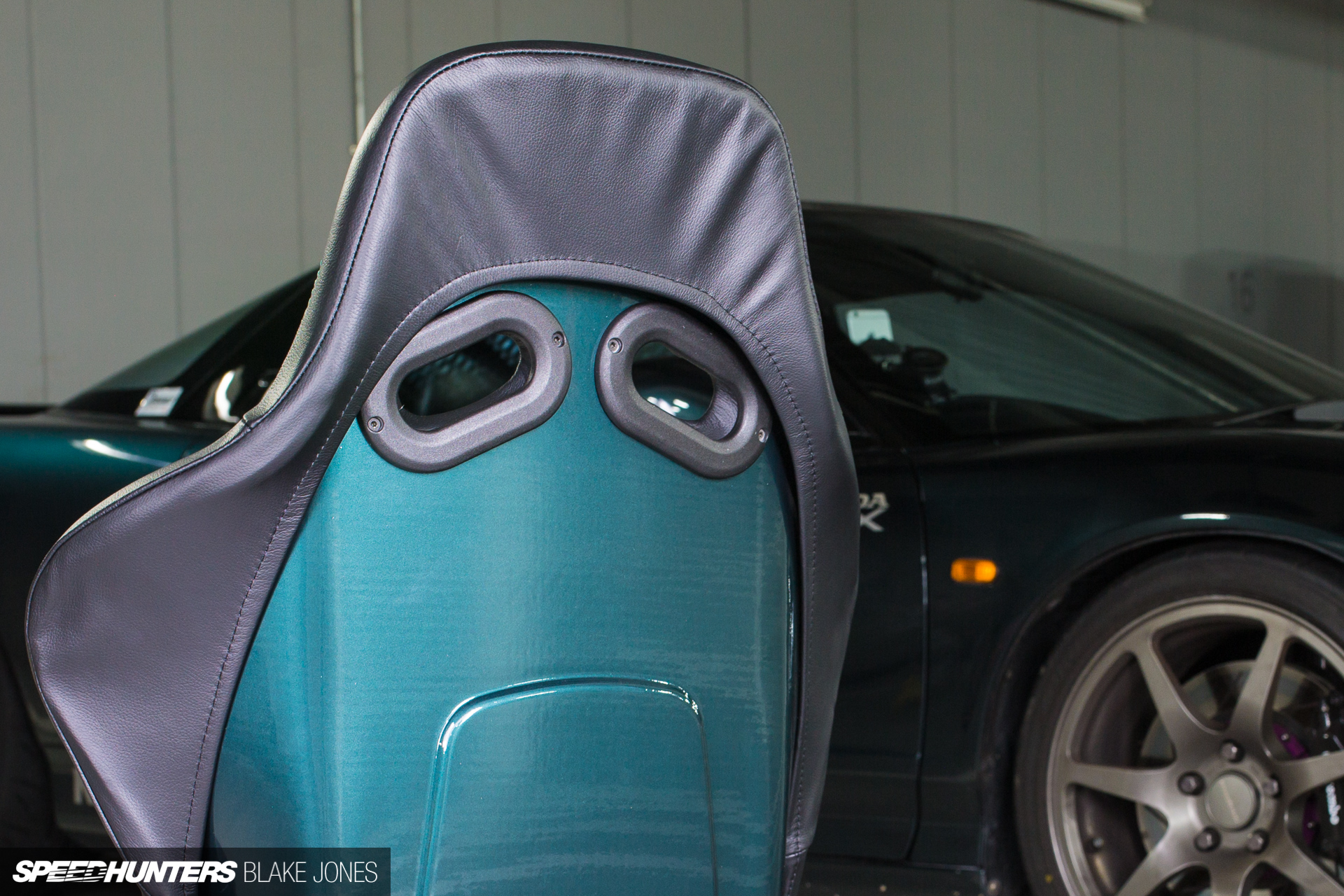
I also ticked the ‘Circuit’ option box for harness slots, just in case I need to run a harness in the future. These are placed exactly where they should be – not too low as you occasionally find on some race-styled seats.

The Nogaro takes a standard side-mount rail, so mounting them is easy. For the NSX, Racing Factory Yamamoto makes a low-mount rail system that does the job.
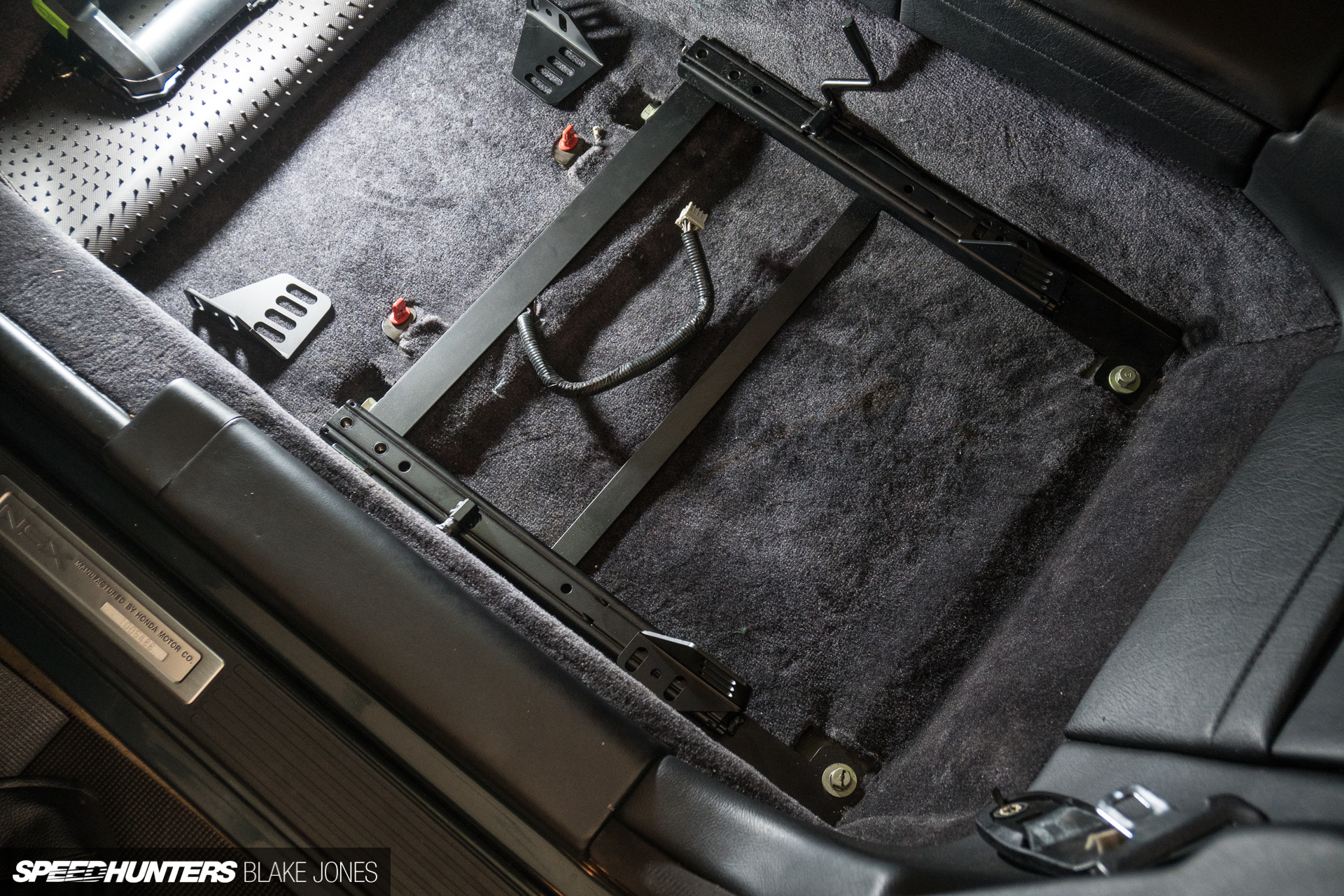
Although the Cobra Nogaro seats are relatively light (10.2kg/22.4lb per seat), the RFY low-mount seat rails are rather heavy. It’s an unfortunate, but probably necessary result of using materials that will deal with the forces of an impact appropriately, and not send me and my seat on a journey through the windscreen.
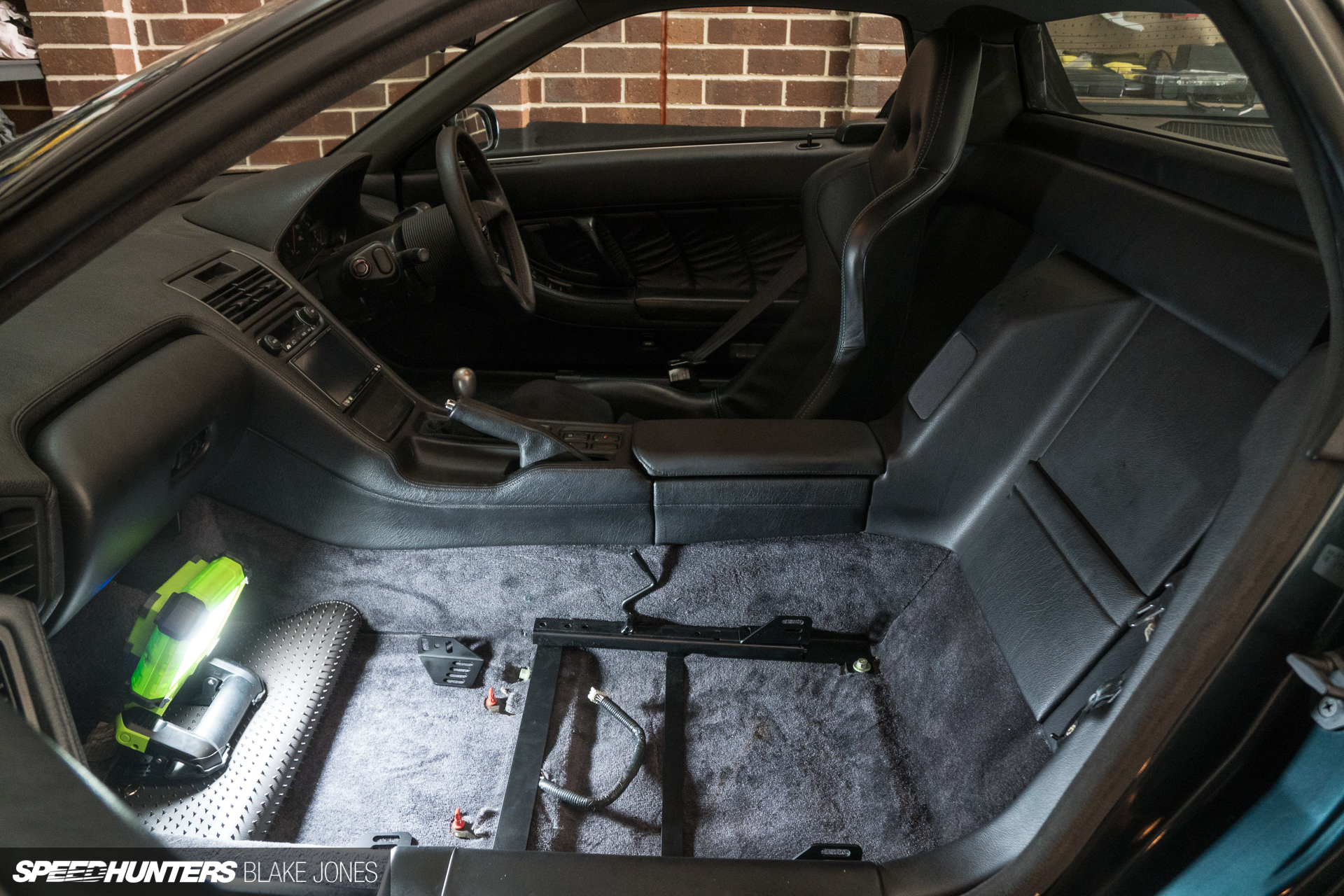
Installation was a straightforward process, but the tight confines of the NSX’s cabin made access difficult at times. The seat rails seemed ever so slightly oversized for the space which led to some sweating, swearing and a sore back, but everything did eventually fit. The better part of a day was then spent adjusting the seats to get the seating position right.
For anyone else attempting the same job, my recommendation is to set the seat up as inclined-back as possible from the beginning. The NSX naturally has a low, legs-out driving position, so mounting the seat upright (as you may in a sedan or hatchback) will turn your body into a right-angle.
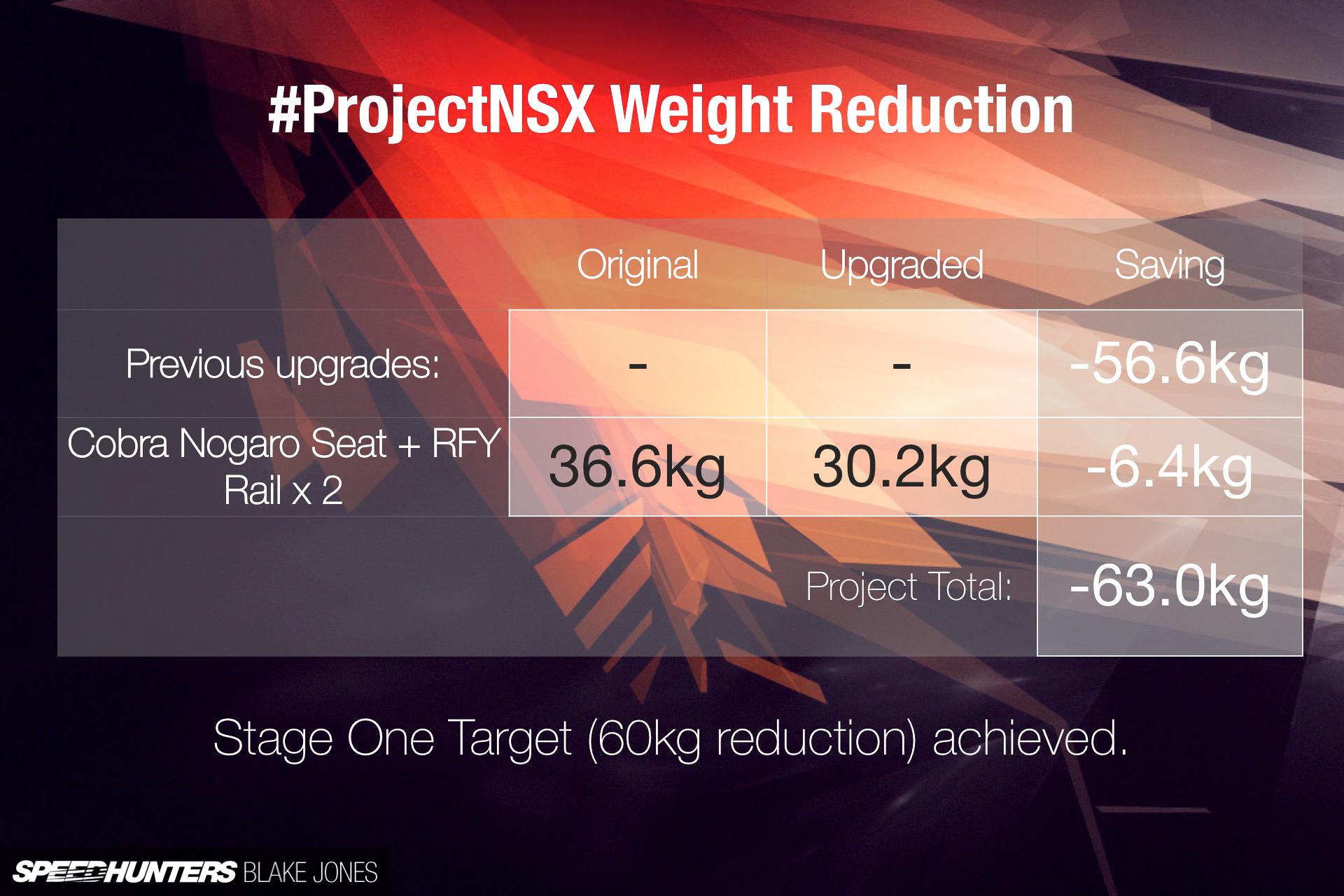
The good news is, that 6.4kg (14.1lb) saved takes us to 63kg (139lbs) saved overall – so 3.0kg (6.6lb) beyond the Stage One target.
Of course, the most important characteristic of a car seat is not how it looks nor how how much it weighs, but how it is to sit in. I figured a 1,450km round-trip to some of the best driving roads I know of would be the perfect test of the seat’s comfort (long stints on the highway) and hold (through the twisted mountain roads).
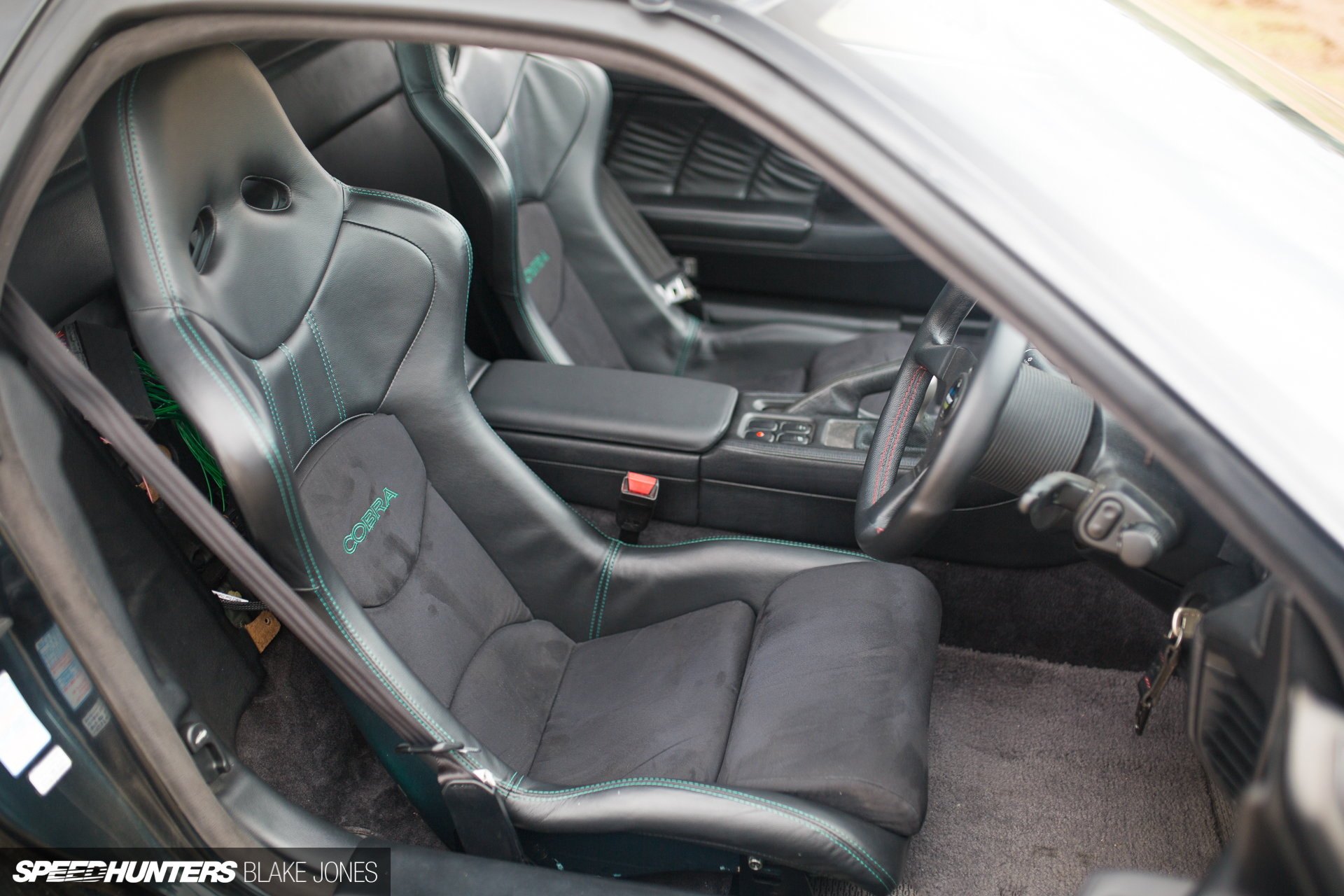
The stock seats were great, but the Nogaro’s most notable difference is the amount of lateral support – especially across the hips and shoulders. Coupled with the rigidity of the fibreglass shell, the whole experience of driving fast through a twisty section of road is taken to another level.
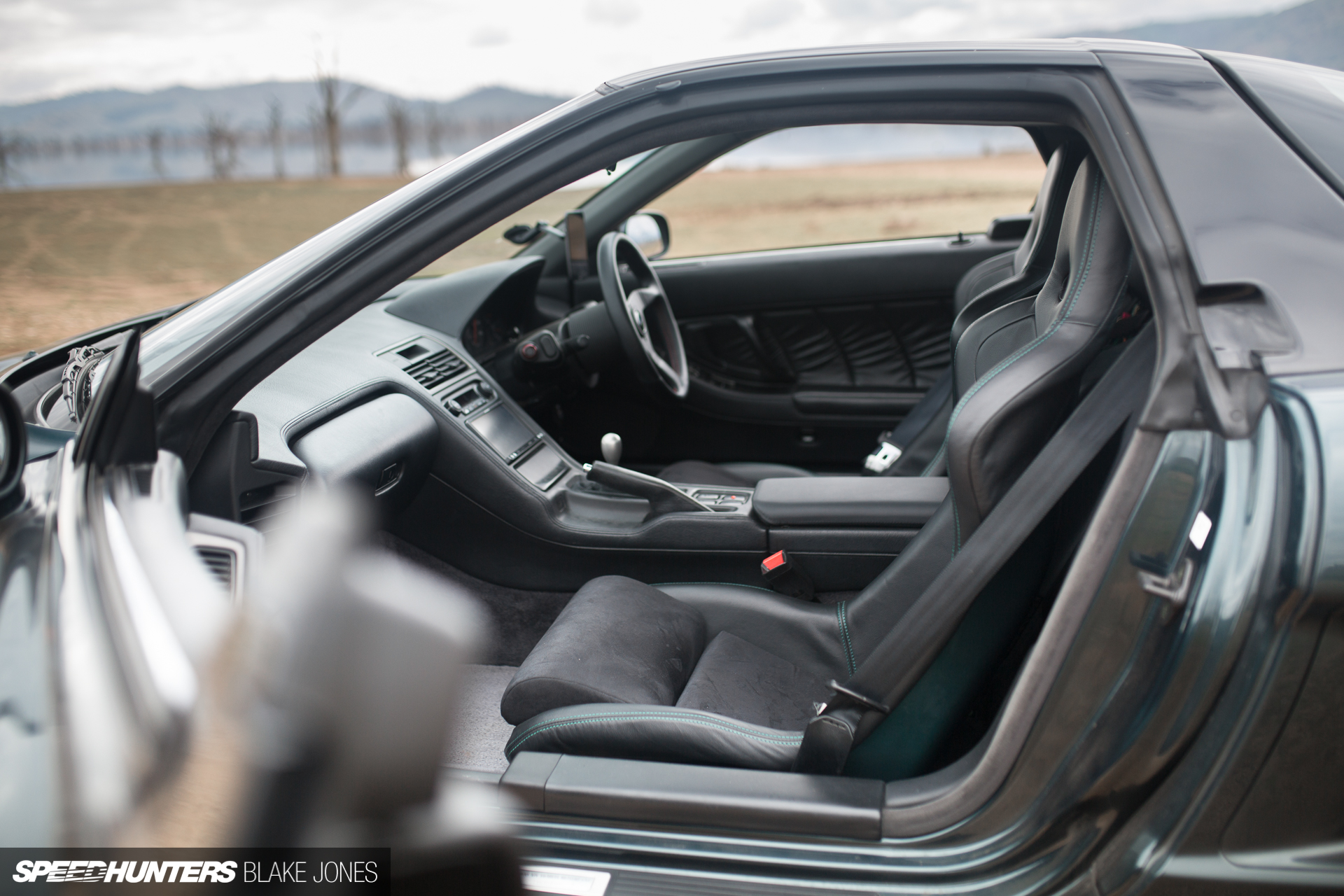
After four days of intense driving I’ll admit I was a bit stiff, but no more than I’d expect with the stock seats. If I pack on another 10kg to my burger-based body I might be in trouble, but perhaps that’s good inspiration to choose the sushi instead.
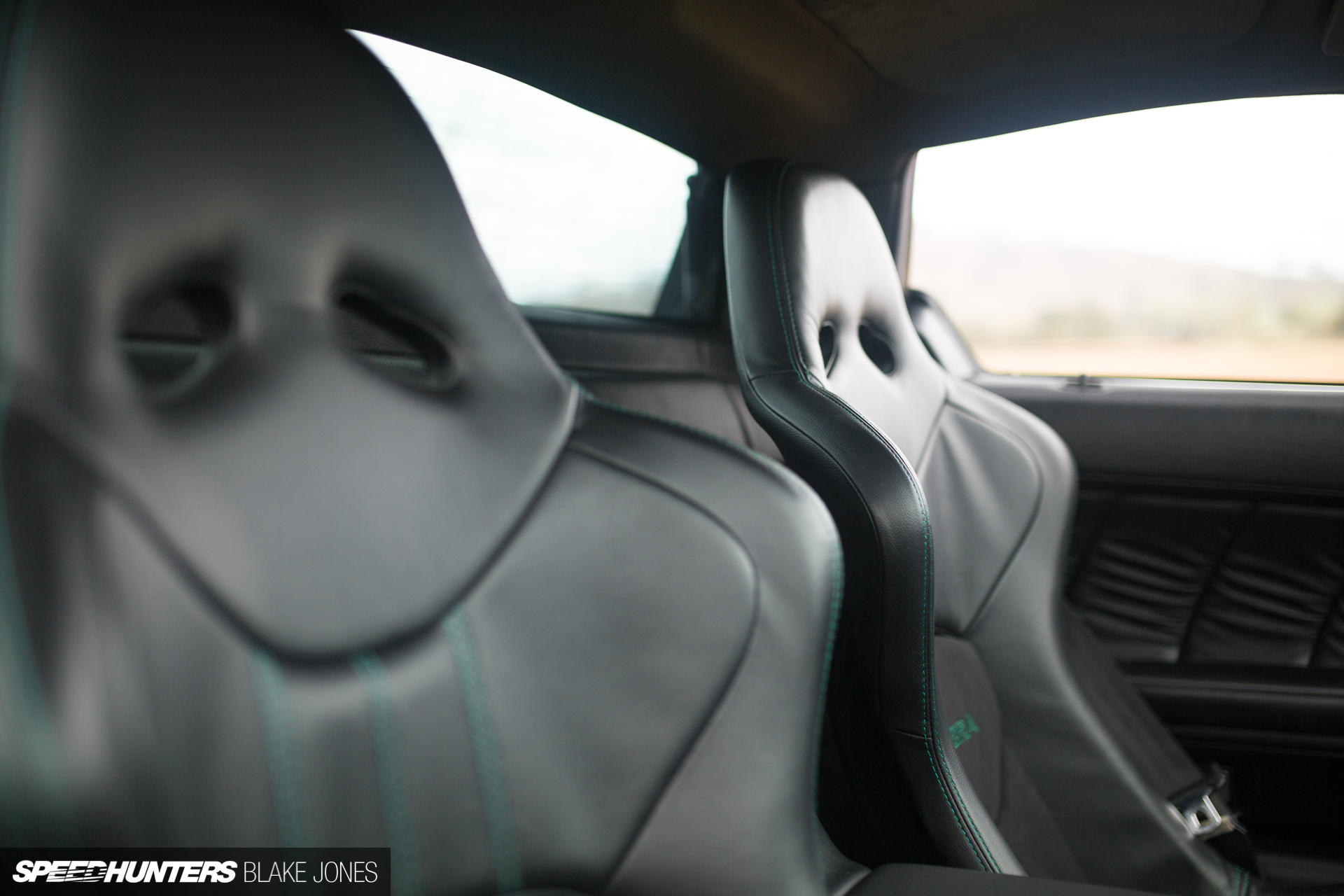
Negatives? The loss of electric adjustment is a shame, and these rails don’t give quite the level of adjustability I’d like. Another degree or two reclined and the positioning would be perfect, but I’m really nitpicking at this point. I love the change.
I’m also considering asking Cobra to make up an extra base cushion with less padding for the track, just to get as low as possible for helmet clearance. With the velcro-strip mounts, changing between ‘comfort’ and ‘race’ modes will only take seconds.
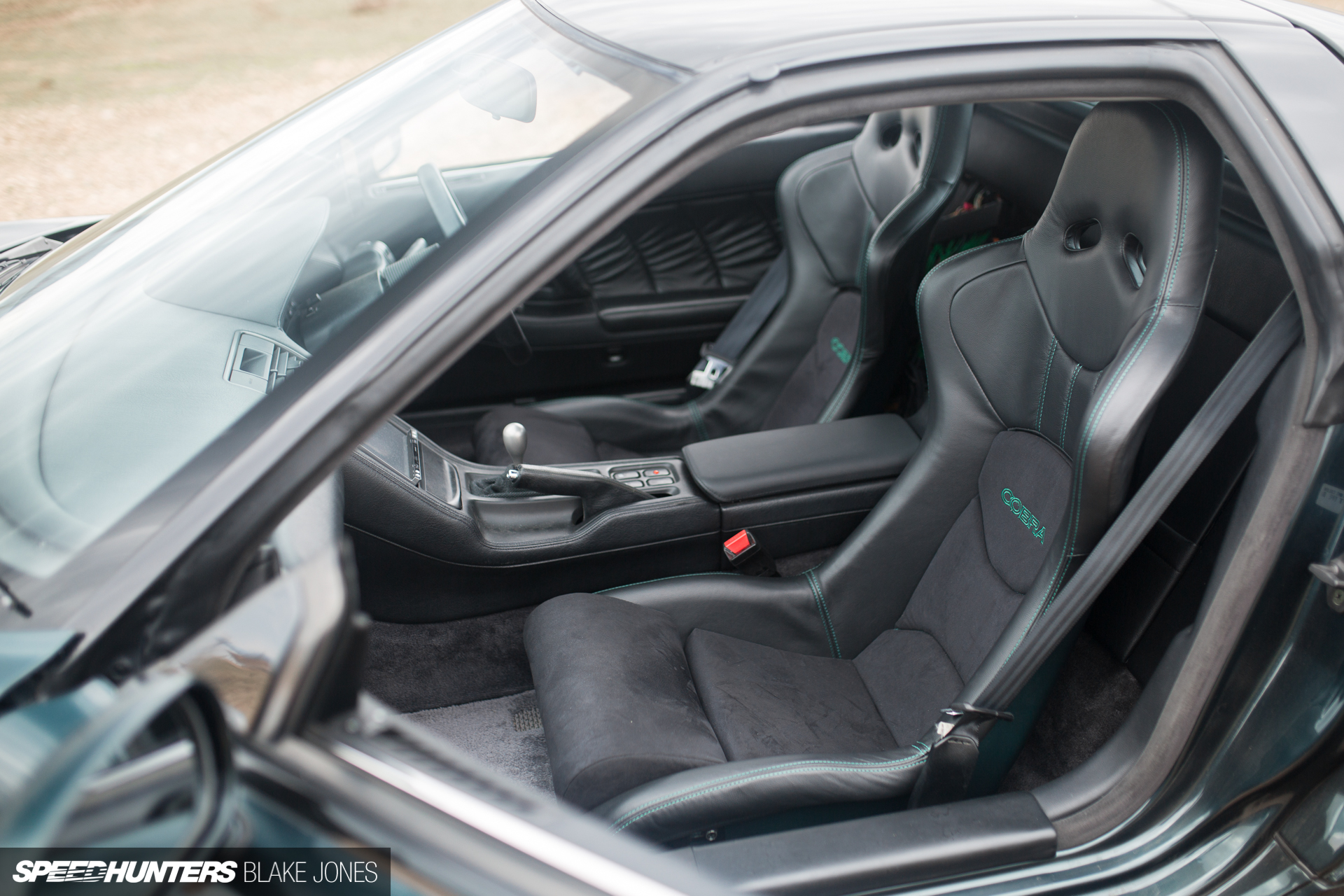
The whole experience reinforces that installing a bucket seat is right up there with suspension and tyres for modifications that can enhance feel and feedback, and thus the overall engagement level of a car. For a race car you’d ultimately want a ‘sportier’ seat design (like Cobra’s popular Suzuka design), but I think these have hit a sweet spot for Project NSX’s dual street/track aspirations.
There’s a few small touches I’d like to improve in the rest of the interior, but with proper seats sorted, it’s finally feeling like the focused cockpit I was aiming to create. I’ve really been enjoying the discussion in the comments below, so let me know your thoughts.
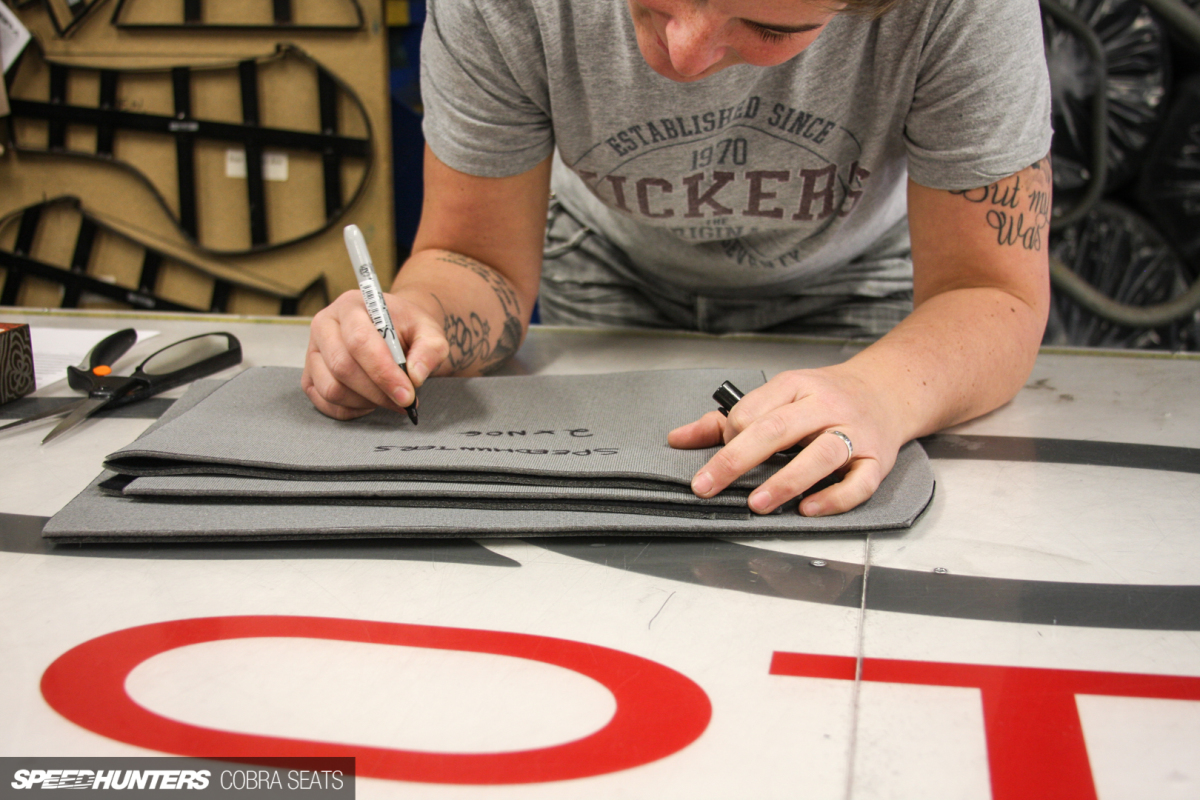
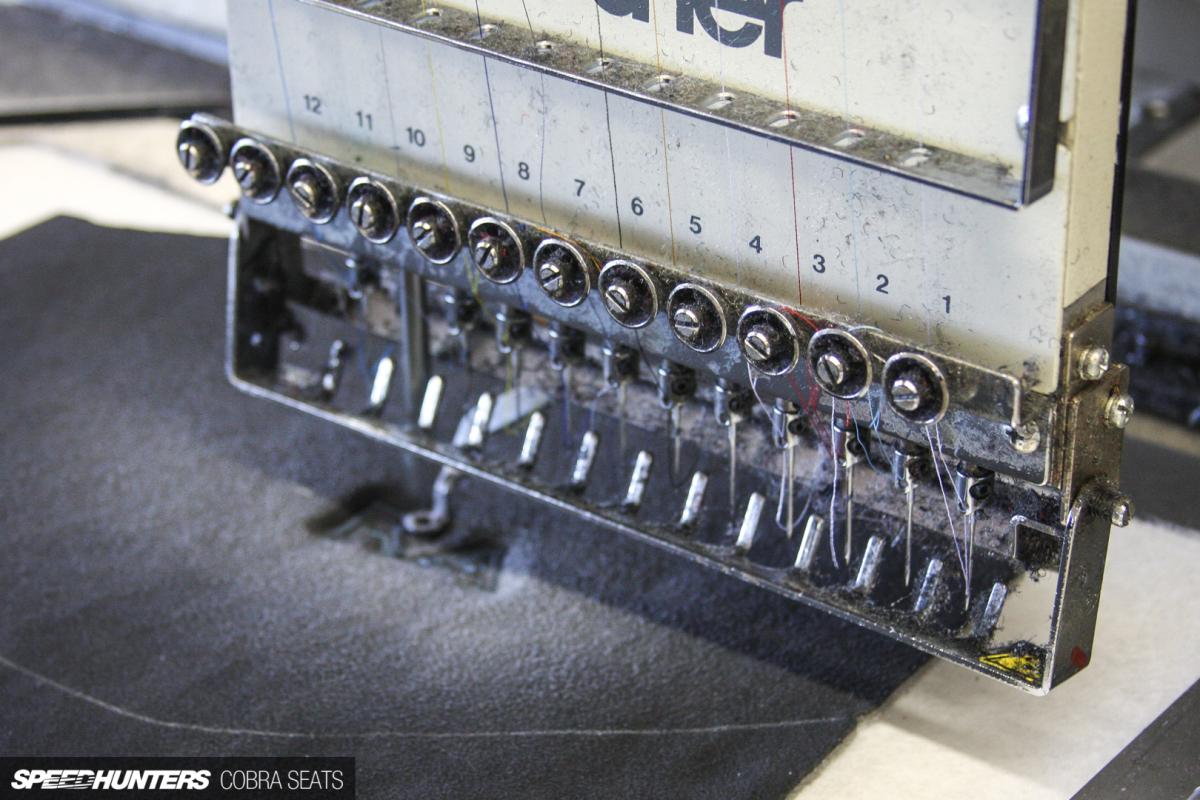
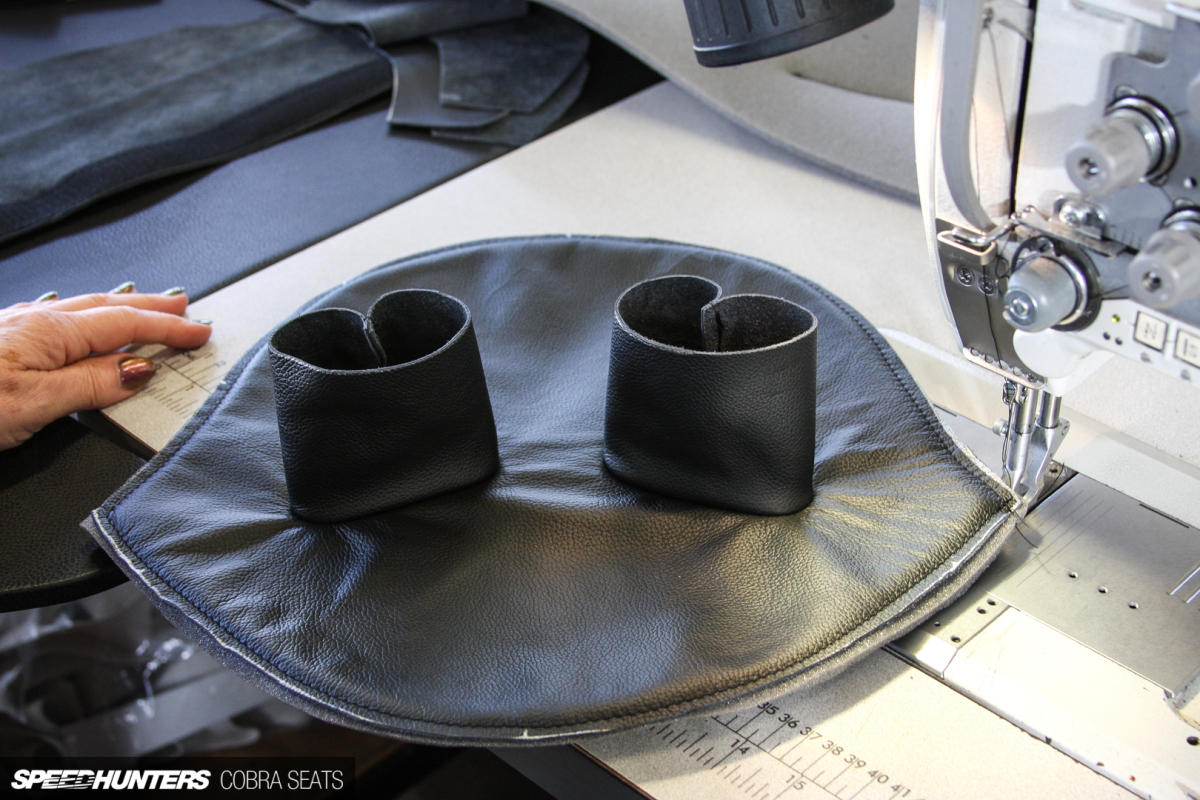
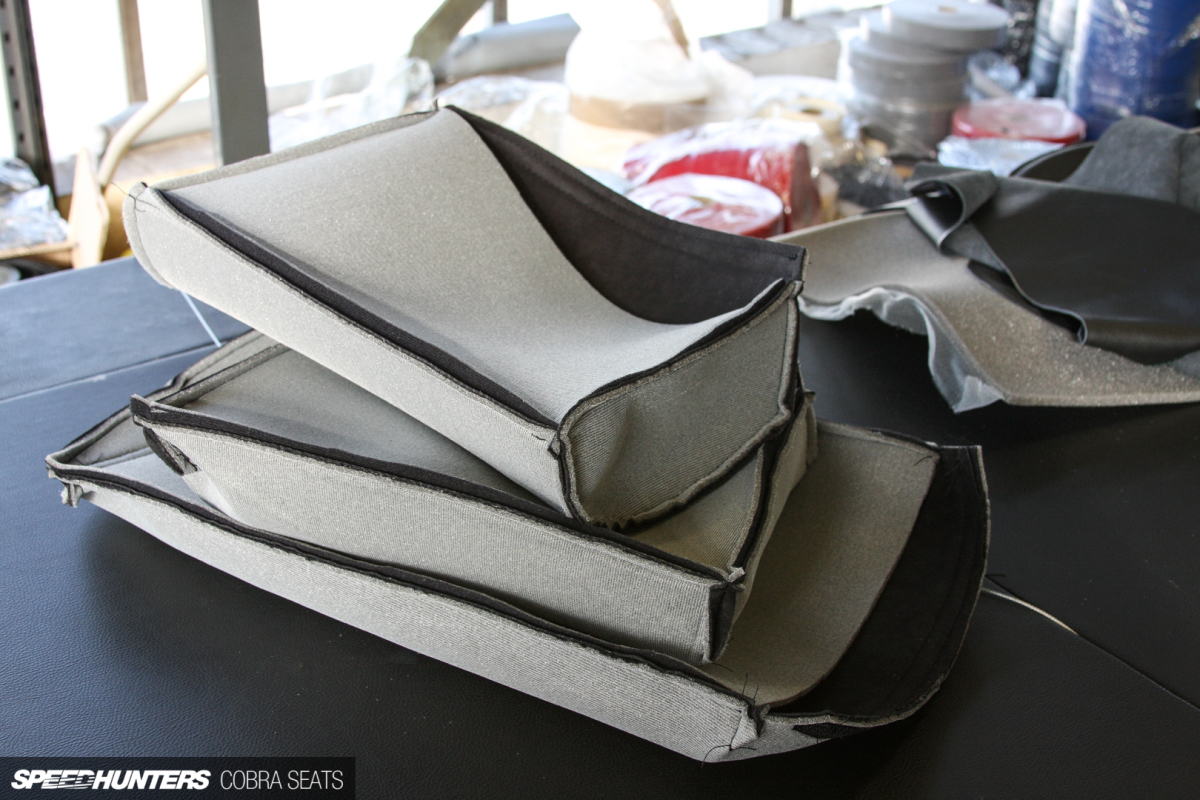
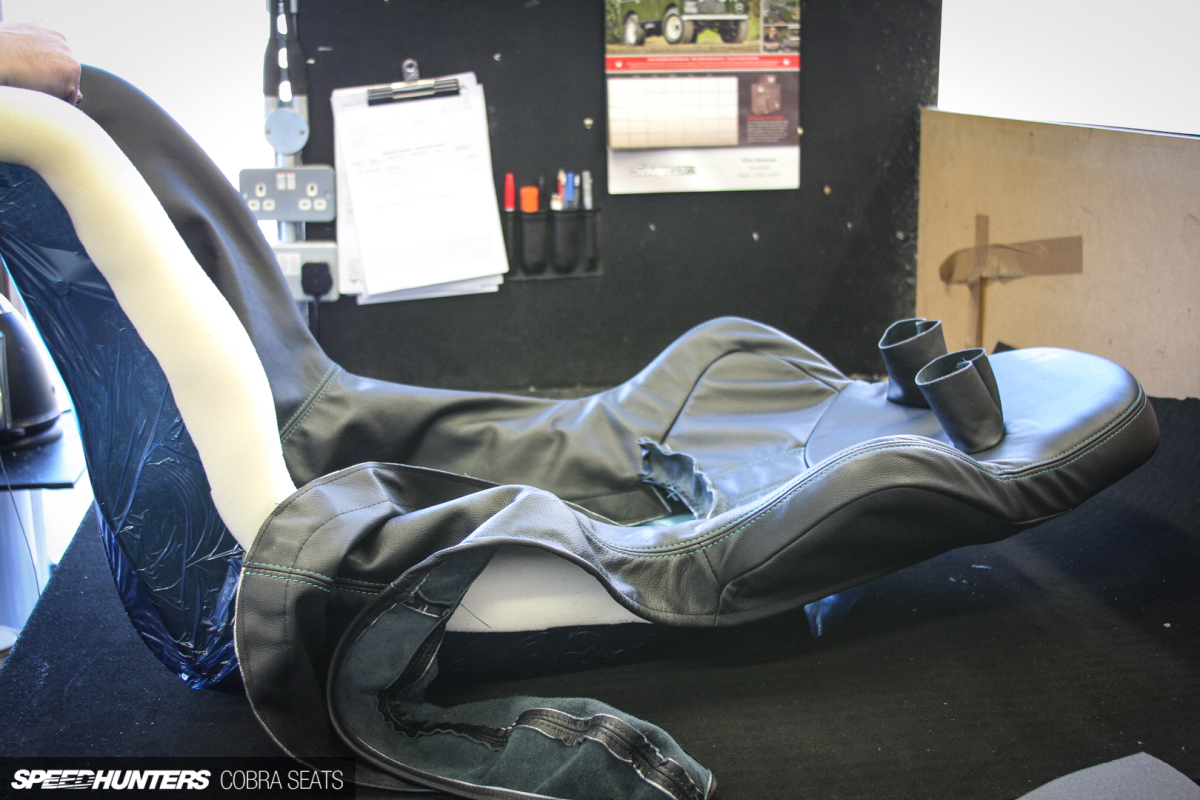
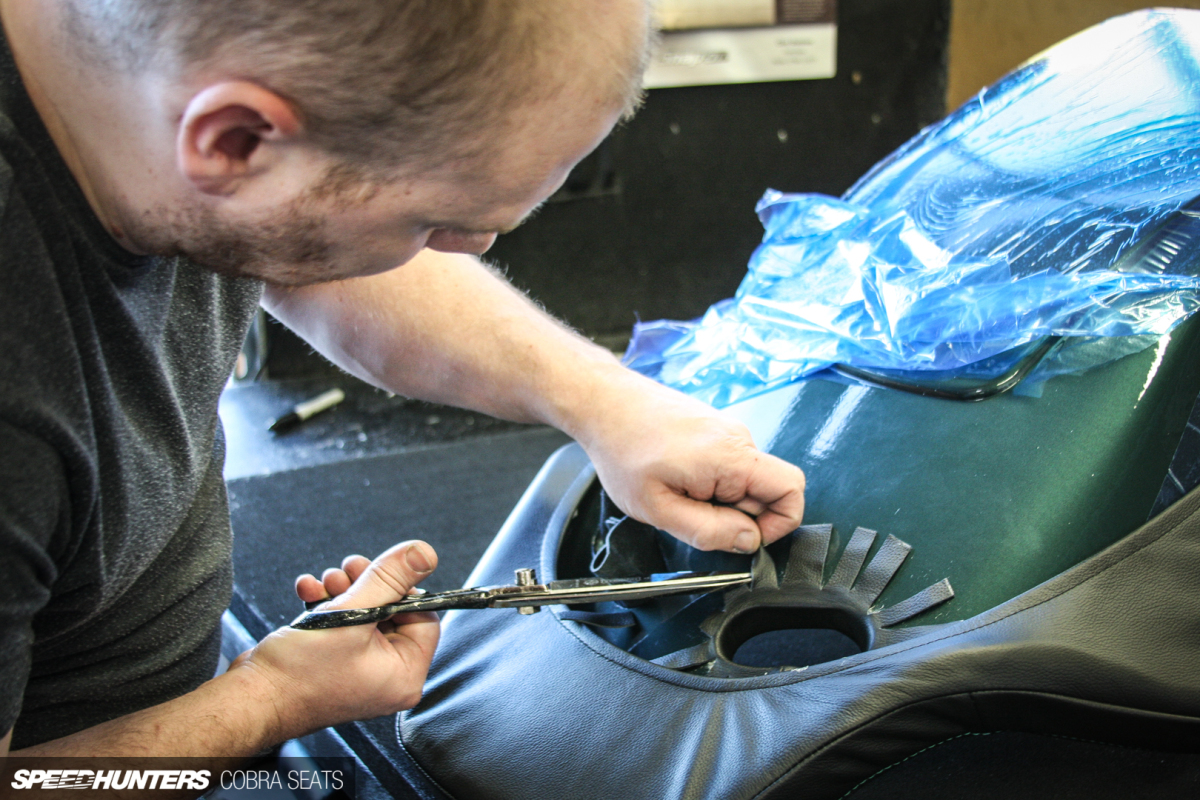
The team at Cobra were kind enough to photograph the construction process all the way from fabric roll to finished seat – check the pics out below.
Blake Jones
Instagram: blaketjones
blake@speedhunters.com
The SH Garage on Speedhunters
Cobra Seats