
Vehicle customization is one of the most, if not the most critical component of the automotive community today. Without it, we wouldn’t be here right now. It dates as far back as the end of the 18th century and has rooted itself in our culture, allowing us to create unique identities for the machinery we’ve grown to love.
So it’s easy to understand that with the evolution of cars, comes this parallel sub-segment that follows. Some call it the aftermarket, while others refer to it as tuning. Regardless of what your choice in terminology is, the focus with this story is that it exists.
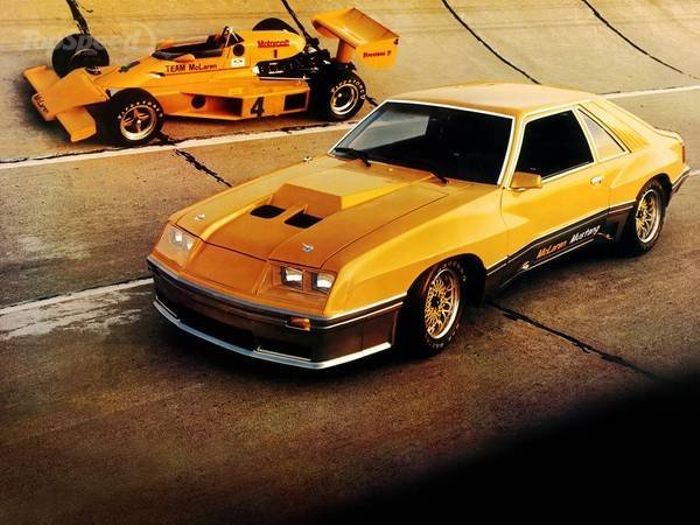
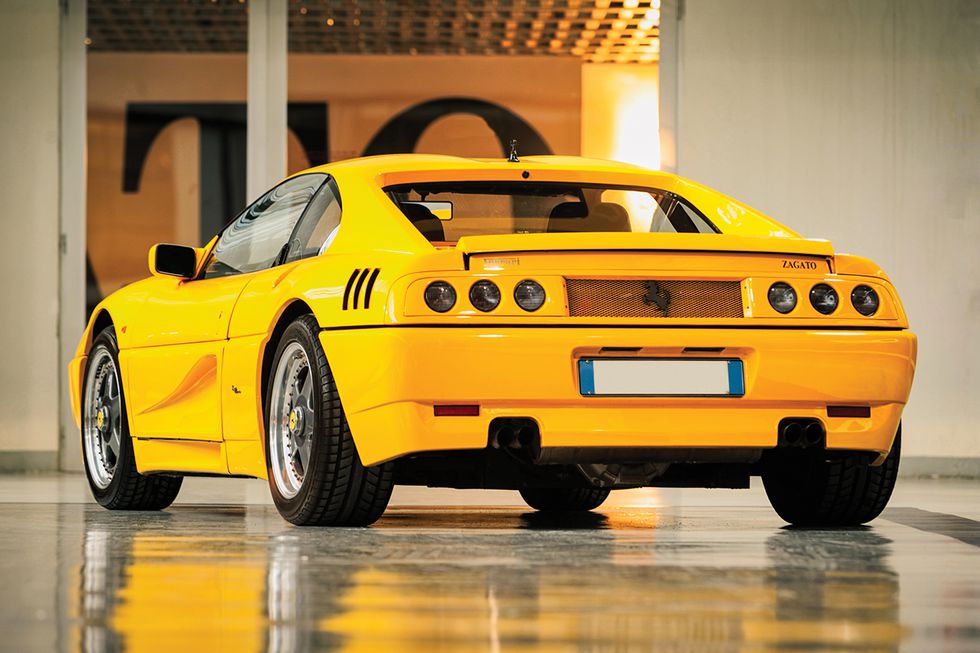
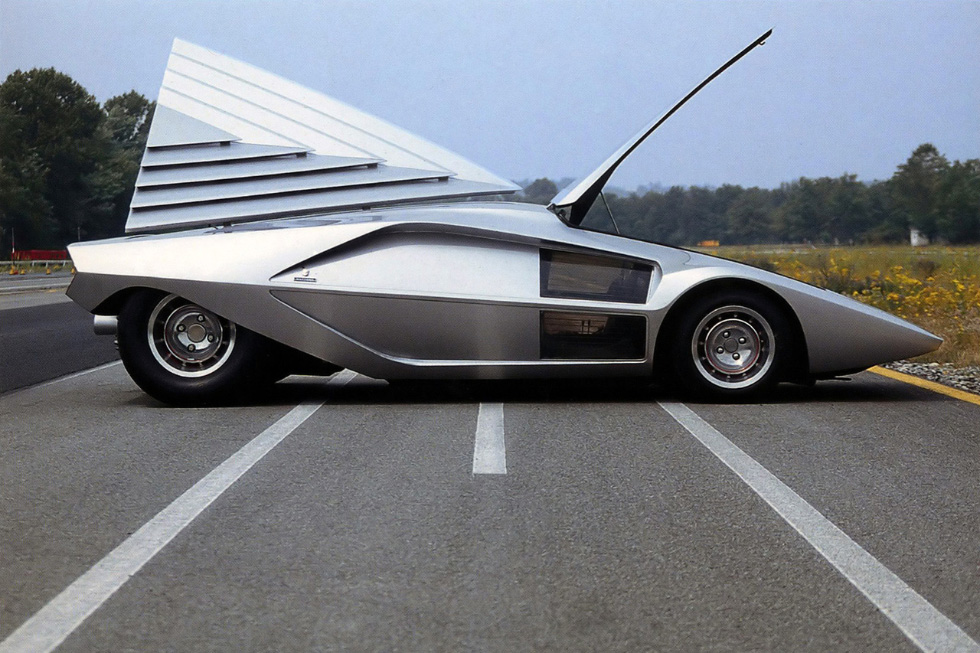
It was late into the 1970s when coachbuilders were finally being weeded out by the new age of automotive personalization. With a booming world economy and technological breakthroughs that followed, many of the industry newcomers set out to create some of the most iconic cars to ever exist. Companies from around the world made it a point to showcase their one-off concepts and tricked-out racers, but one specific geographical location managed to wear the crown at the end of the race: Germany.
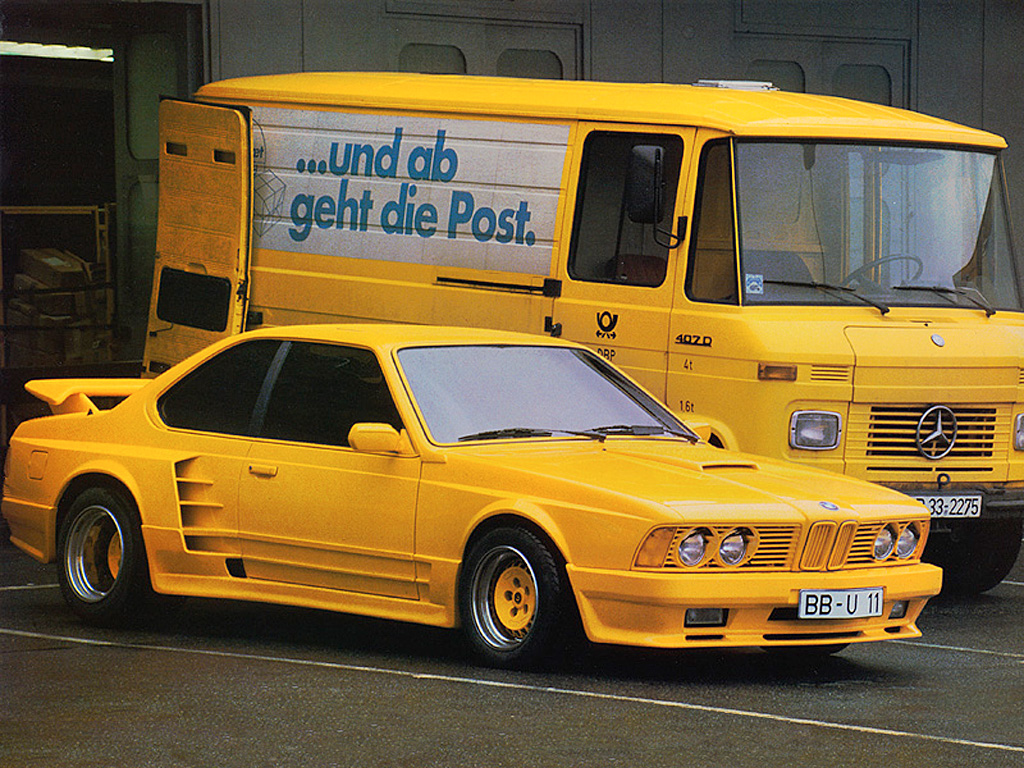
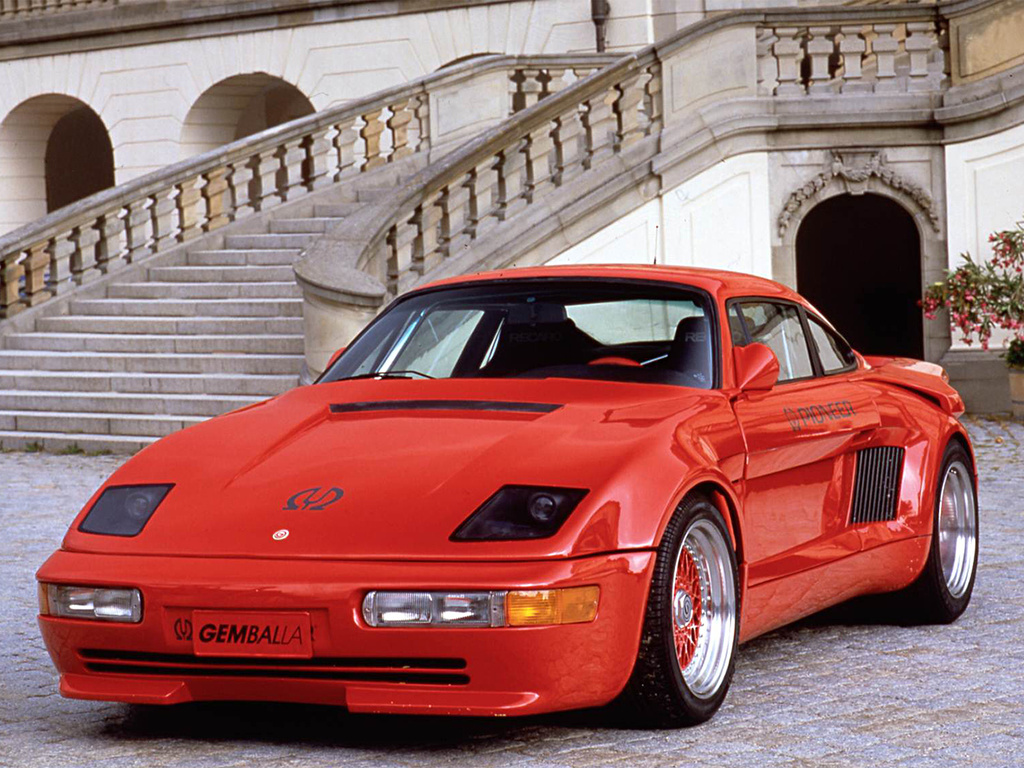
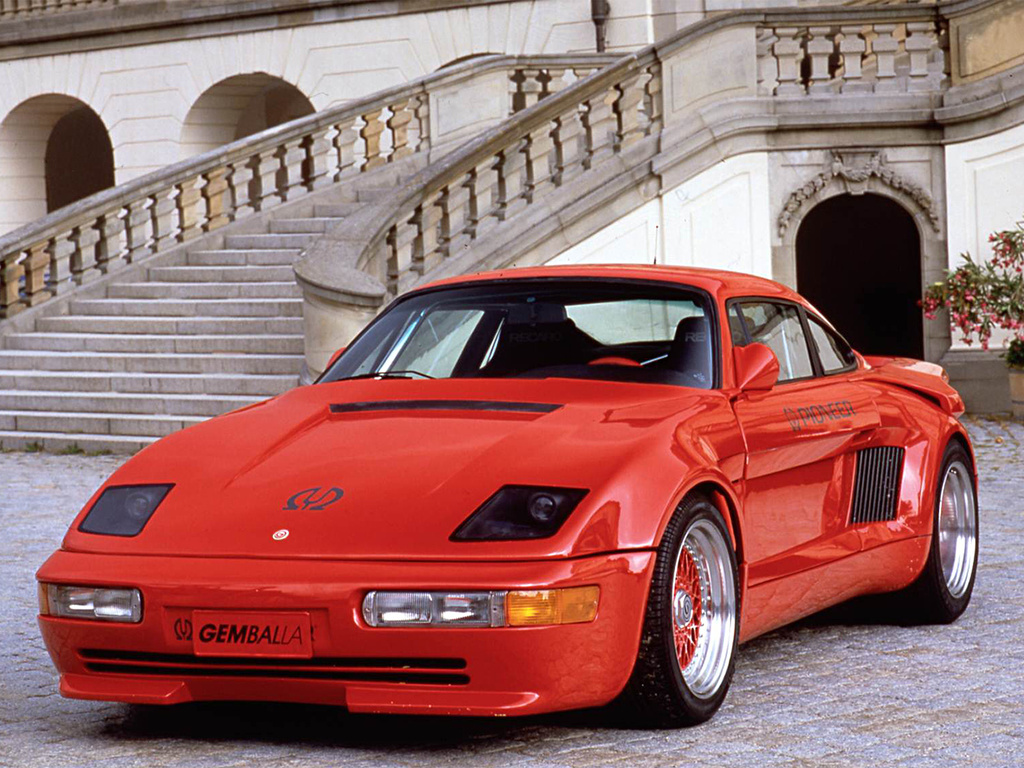
Showing off cars like their variants of the W123 Mercedes, Porsche 928, and BMW M6, tuning houses like Gemballa and Brabus slowly became household names. Some, including the ones just mentioned, even went as far as tuning exotics like the Ferrari 512 and Lamborghini Diablo, which in today’s terms would be like taking a Bugatti Veyron and reworking your own flavor to the body, whilst adding even more power than it already has. It’s almost sacrilegious to think about.
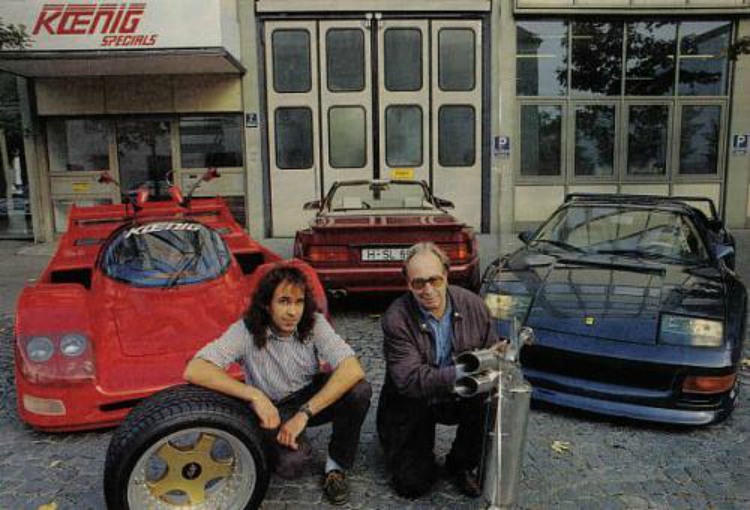
Amongst these crazy Germans was a particular fellow who found the need to take things to absolute berserk level. His name was Willy Konig, and his only goal was to be as over-the-top as physically possible.
Konig’s choice in tuning wasn’t just based on slight modifications to already iconic exotics; his success in racing played a huge influence in the types of cars he was out to develop, making speed a number one priority (a notion in which we are quite familiar with). But that’s not to say exaggerated body work didn’t follow along. Thus, Koenig Specials was born (yes, they added the ‘e’ to the name, but that’s a story in its own…).
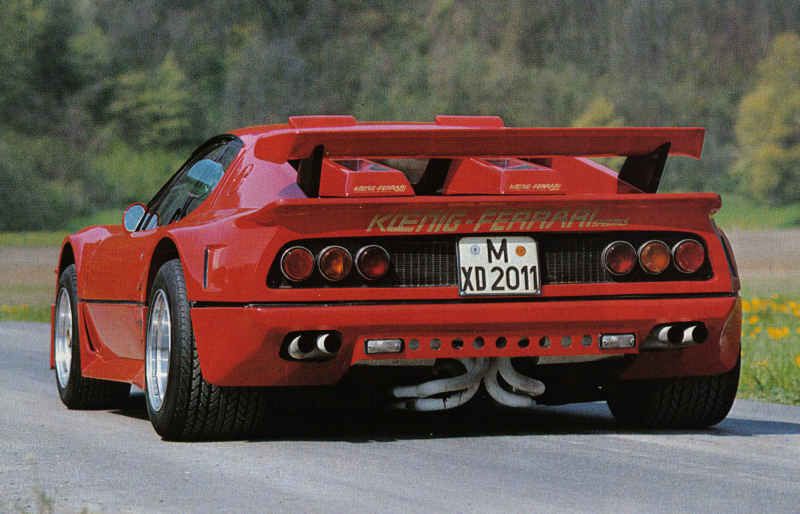
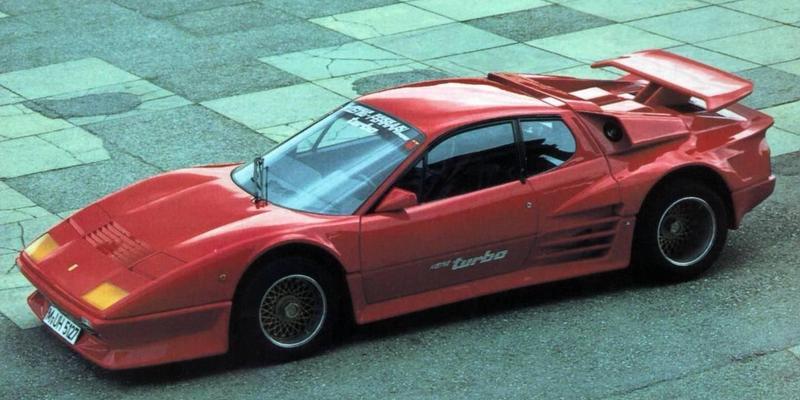
In the pre-teen years of Koenig Specials, Konig developed three variants of the Ferrari 365/512BB, all of which included dramatic power increases using racing-derived technology such as upgraded cams, exhausts, pistons, aerodynamics, and if the owners requested – twin turbocharger setups. His goal was to make Ferraris “proper sports cars again”, if that’s even a thing. But Konig didn’t stop there.
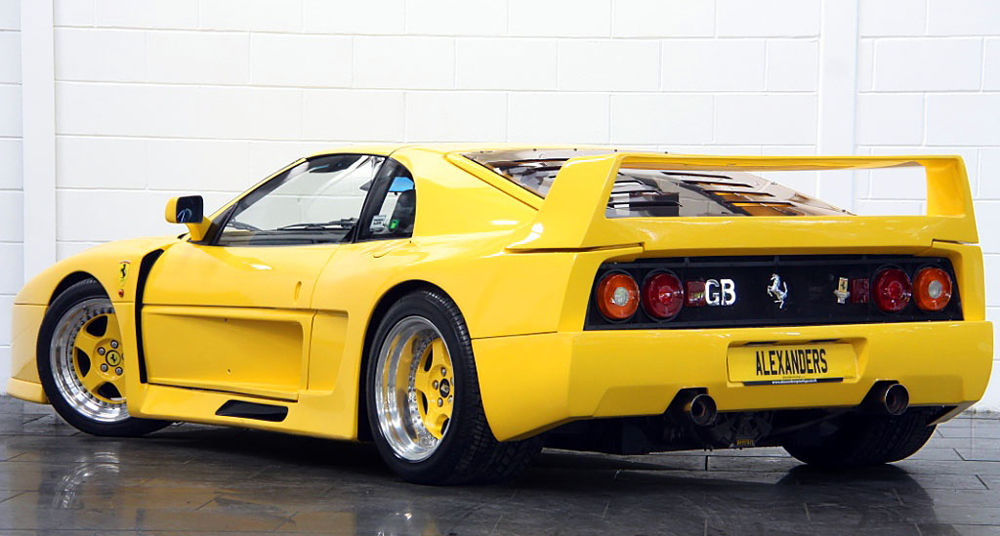
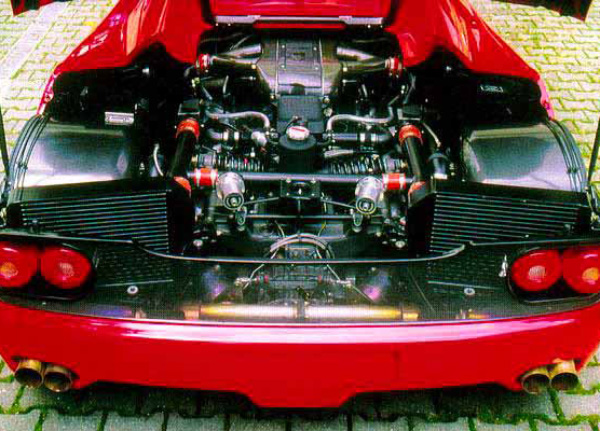
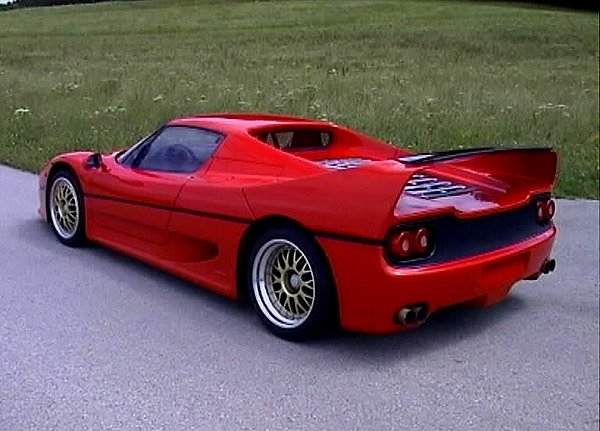
As time progressed and newer Ferraris rolled off the showroom floors, Konig would buy and modify them, continuing his desire to build monster machines, sometimes exceeding the 1,000hp mark. Keep in mind, these were legends like the F50 and 348.
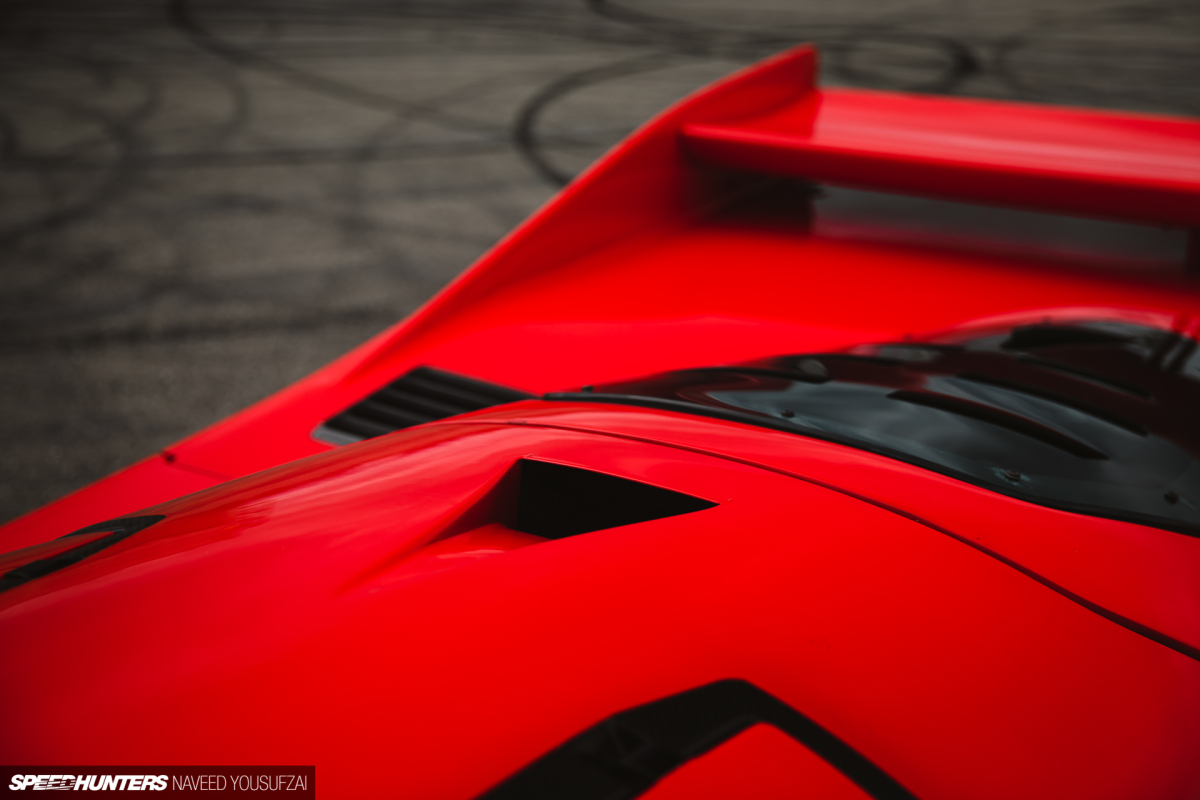
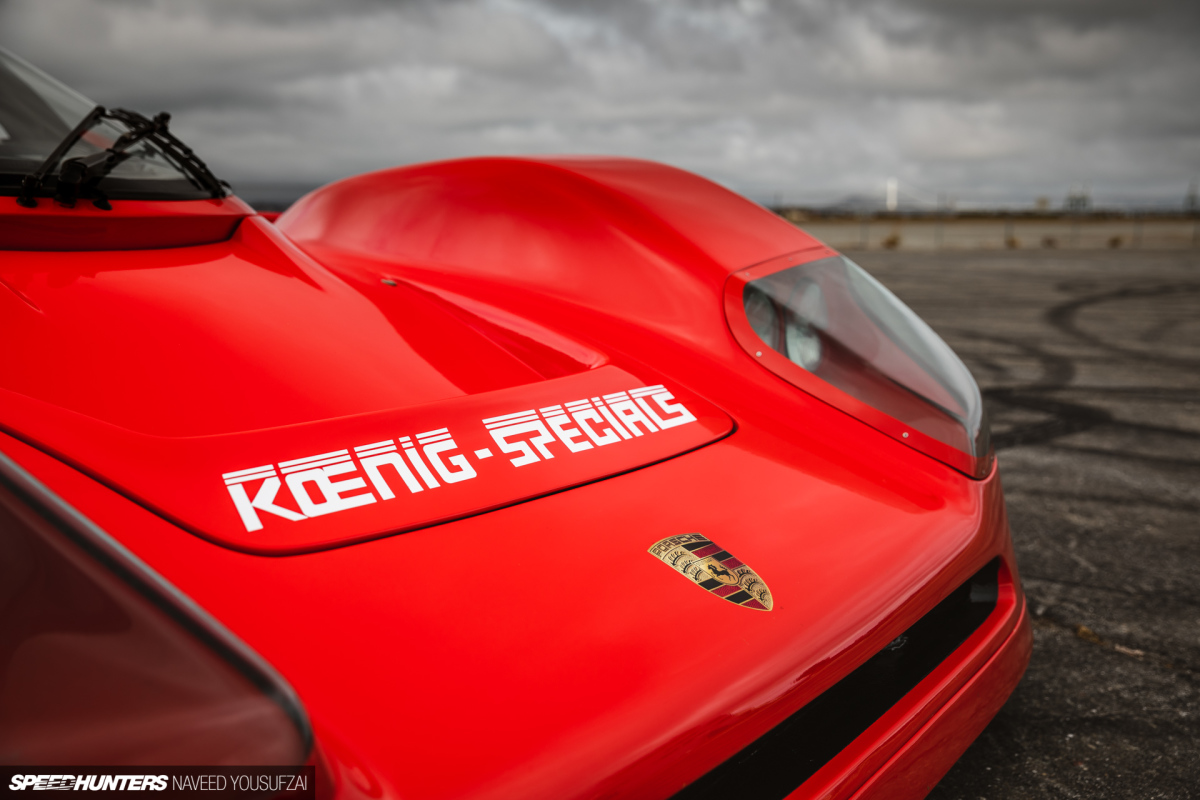
In 1991, as the Group C racing series came to halt, a new seed was planted in Konig’s mind, resulting in the car you see in the opening image of this story.
Legendary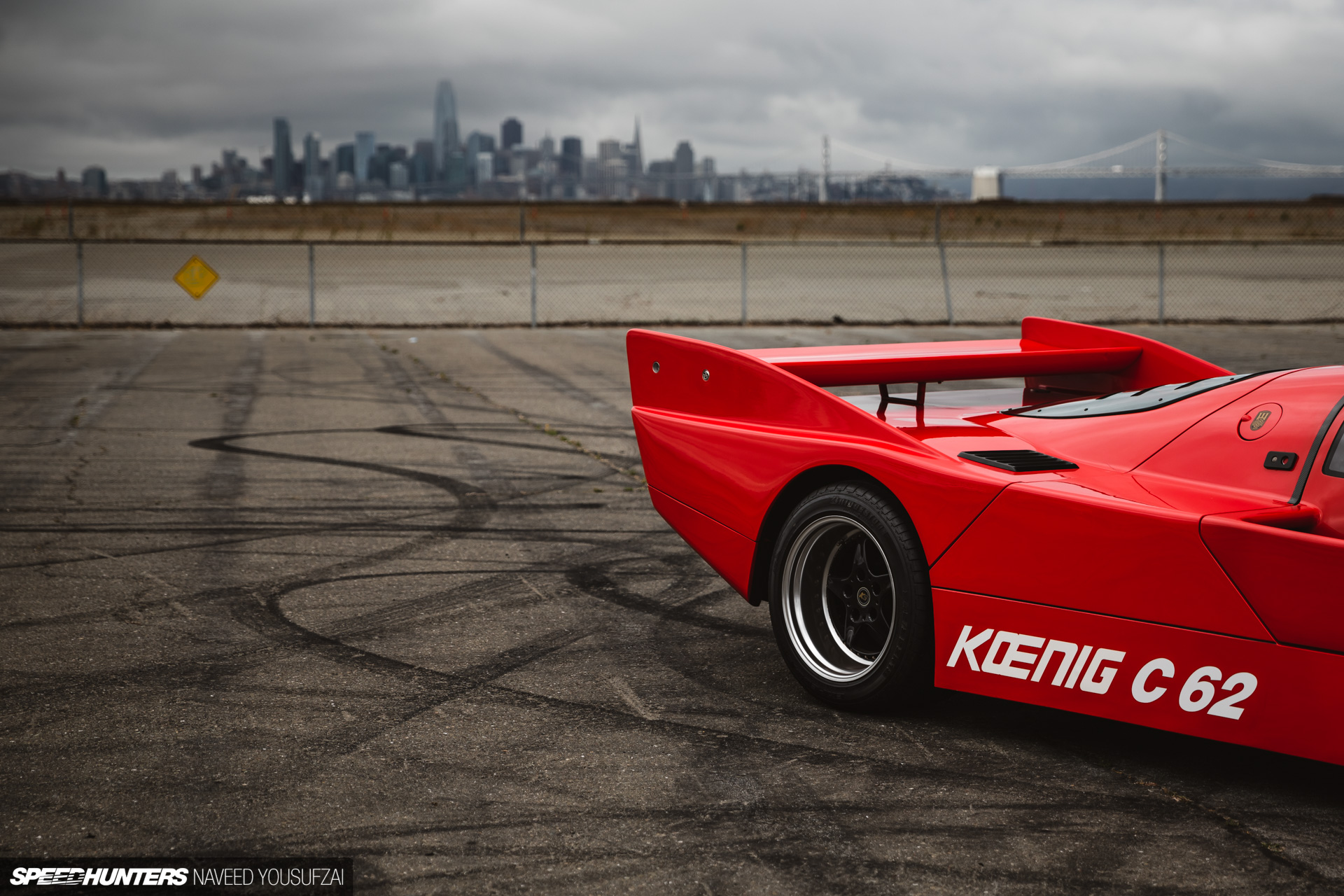
As the ’90s rolled over, Group C racing found itself in a tight predicament. Since the FIA eliminated the C2 class and replaced it with the formula series, it quickly became unaffordable for privateer teams to remain competitive. The new rules meant that you had to essentially run 3.5L F1-sourced engines in order to compete, bringing costs up to levels that only manufacturers could afford. So with the decrease in entrants for the series, Group C fell to its demise.
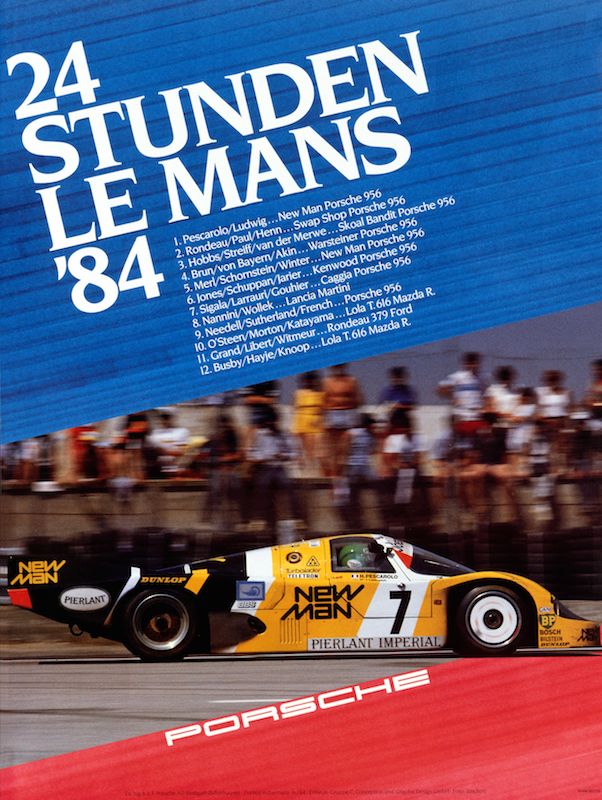
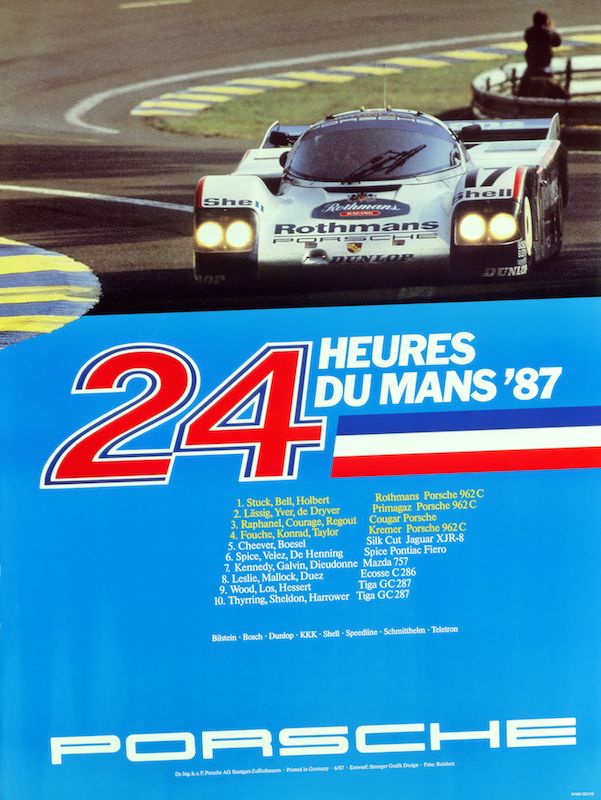
Why is that important? Well, with many of the privateer teams using the Porsche 962 chassis as their primary choice of race car, there suddenly became and abundance of these chassis in the free market. People had no use for them anymore, and that’s where Mr. Konig stepped in.
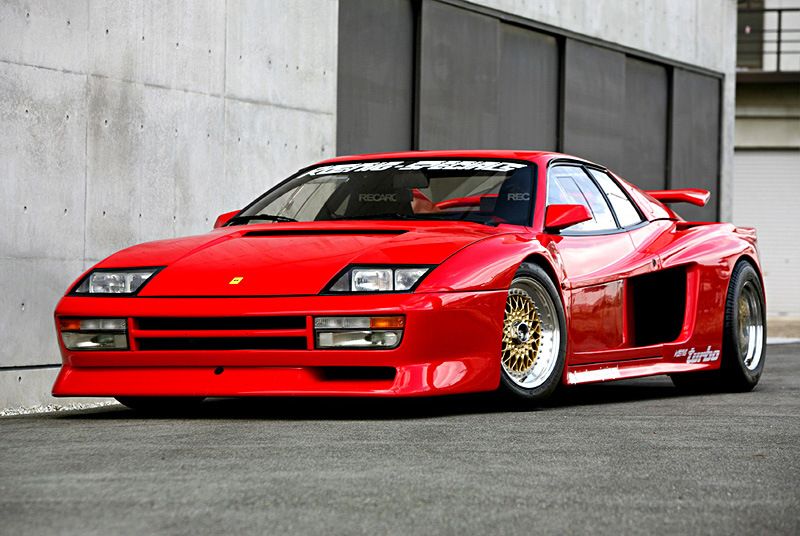
Up until this point, no one had ever considered turning one of these cars into a street car; the body was built over a tube chassis and would in no way meet road regulations. In hindsight, the astronomical costs that would be associated with re-bodying a 962 to work on the road was enough for most to simply walk away after a logical thought process. But this was Willy Konig remember – the same man who modified a Testarossa to nearly 1,000hp while reworking the entire body of the car.
Surely you all know what I’m getting at here.

Typically, I’m not huge about things being first, especially when related to cars, as I typically care more about who did it best. But in this case, being first plays quite the significant role when considering prototype-converted-to-street cars.
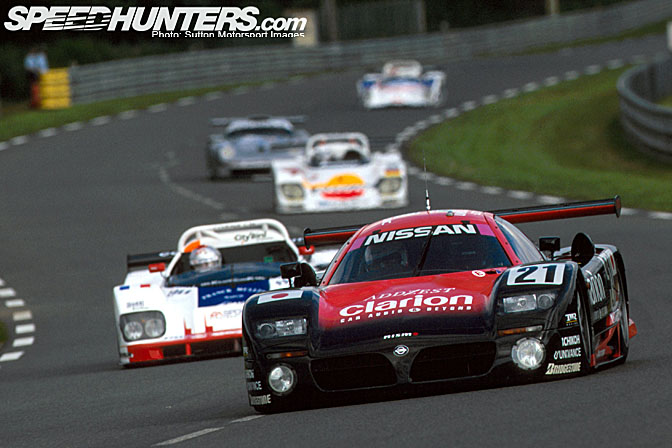
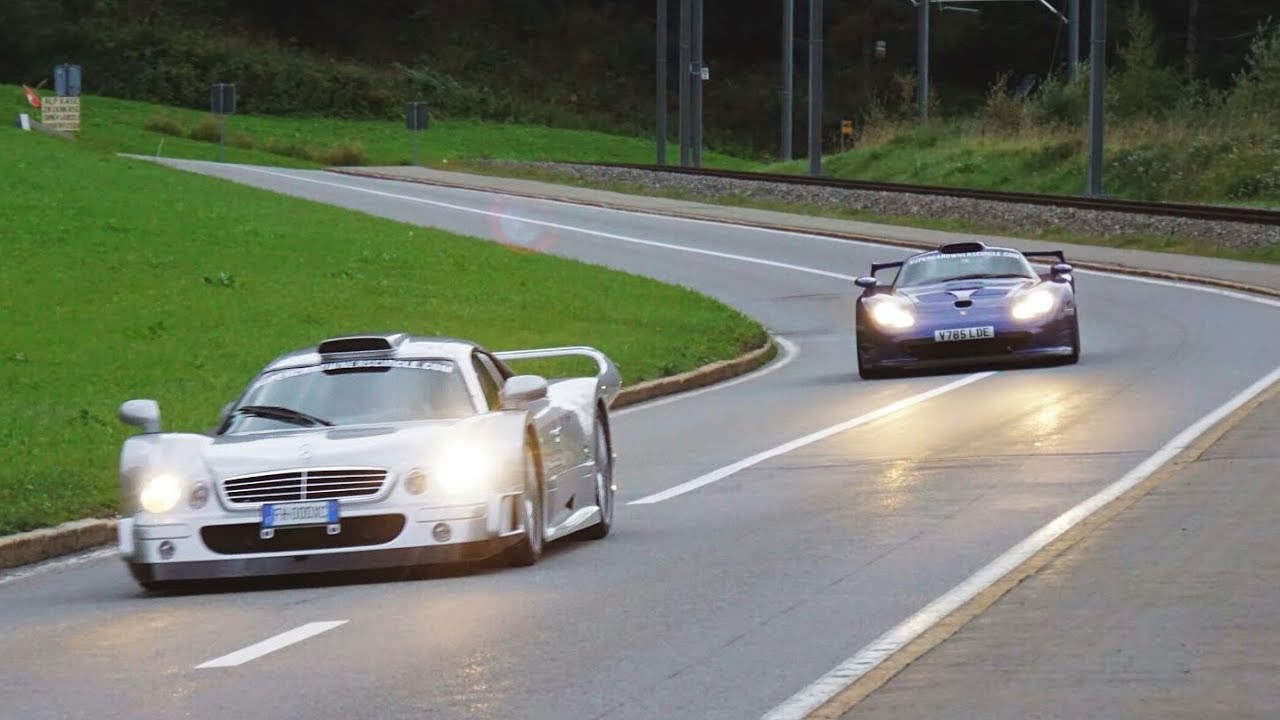
You see, this car was the benchmark for other tuning companies that followed years after, like Schuppan and Dauer, and later in the ’90s manufacturers like Nissan with the R390, Mercedes with the CLK GTR, Porsche with the 911 GT1, and McLaren with the F1. It wouldn’t be factual to say that Koenig is the exact reason why those cars exist, but would it be wrong to assume so? Probably not…
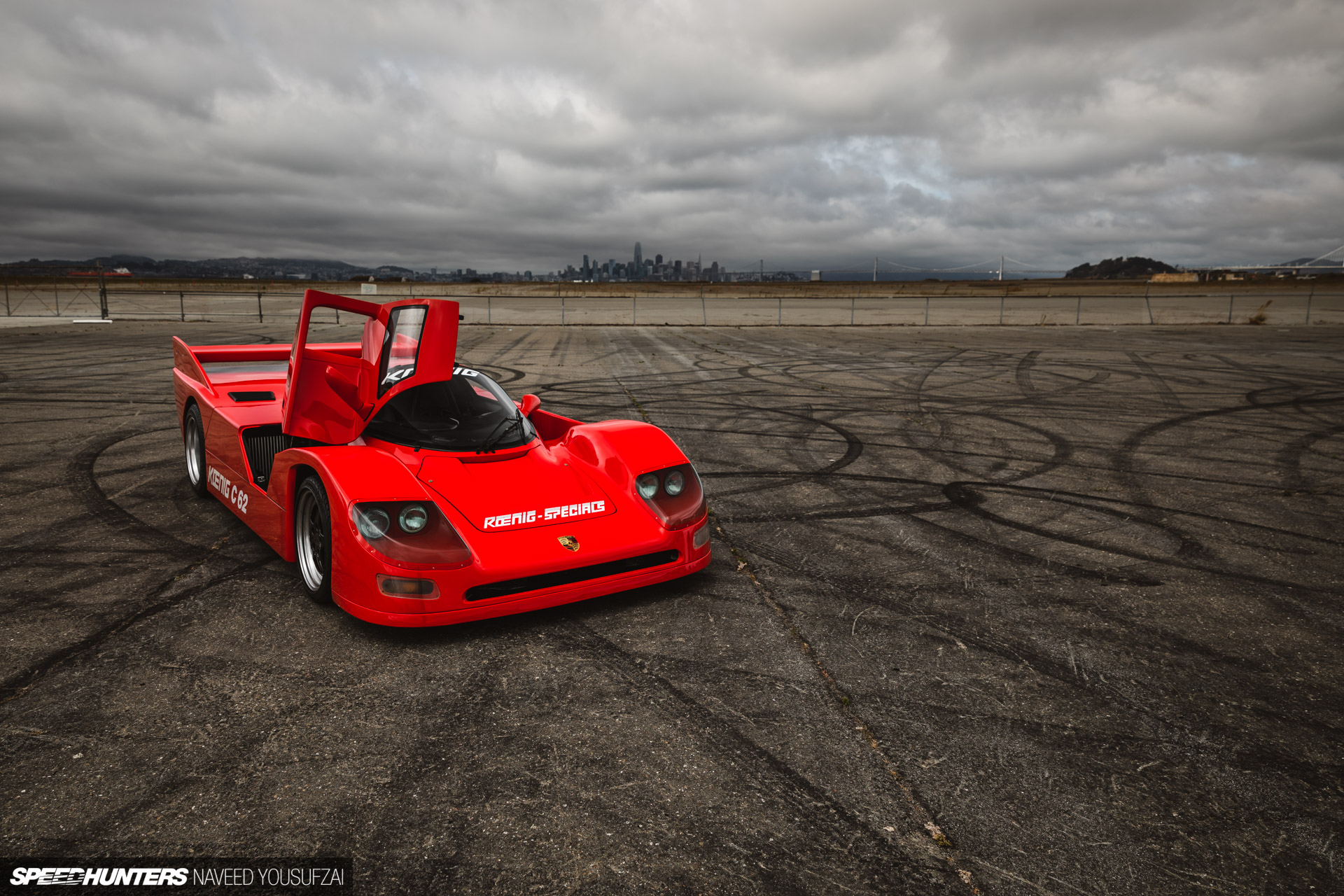
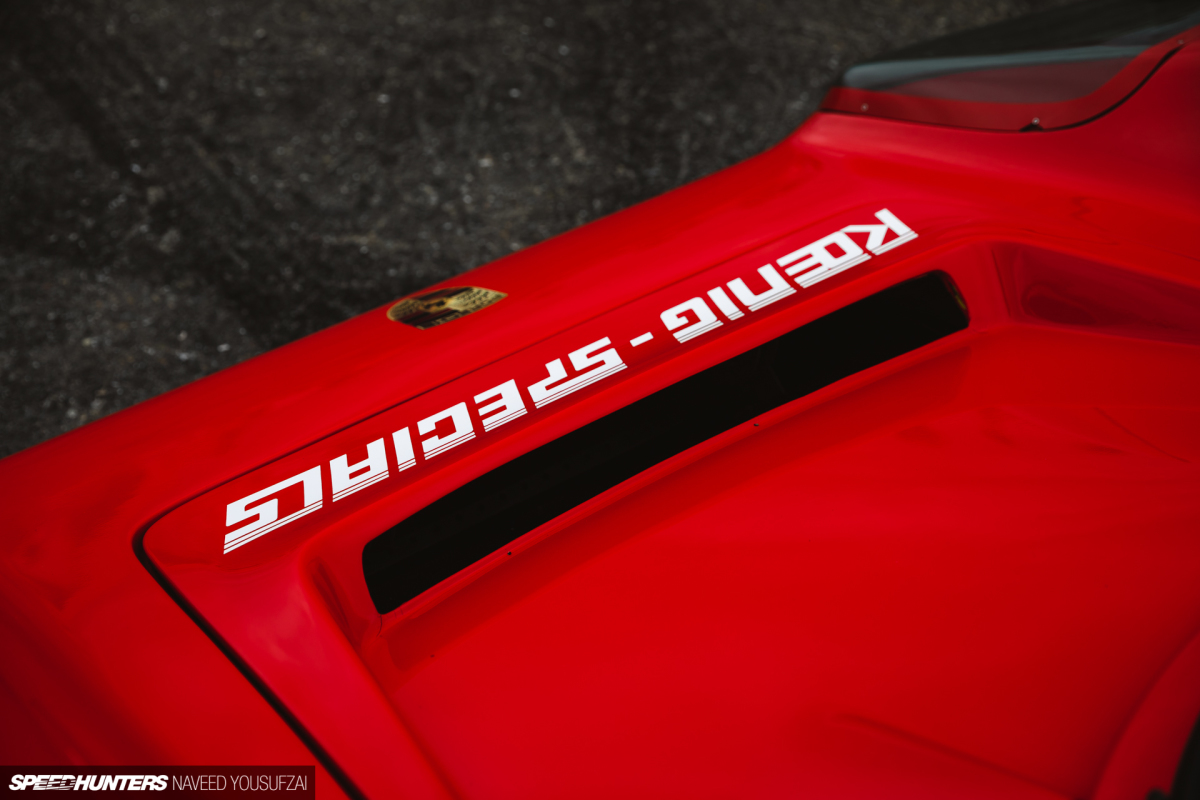
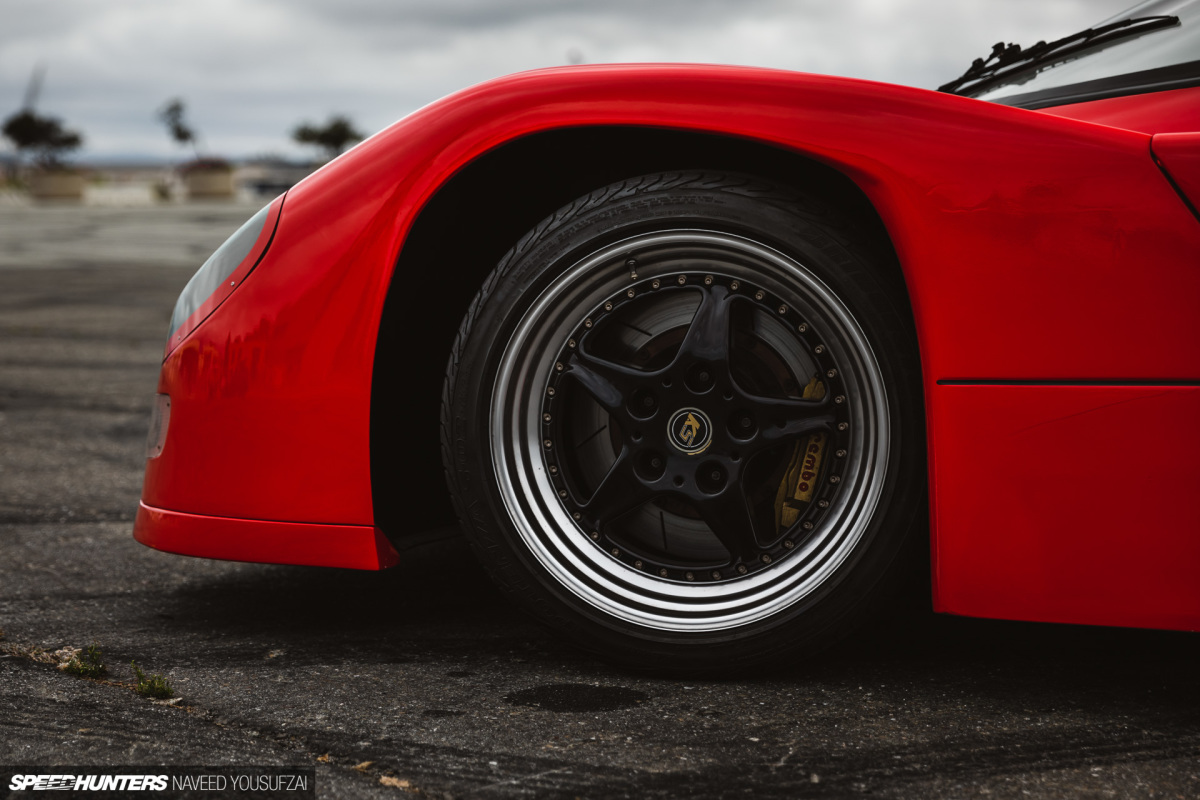
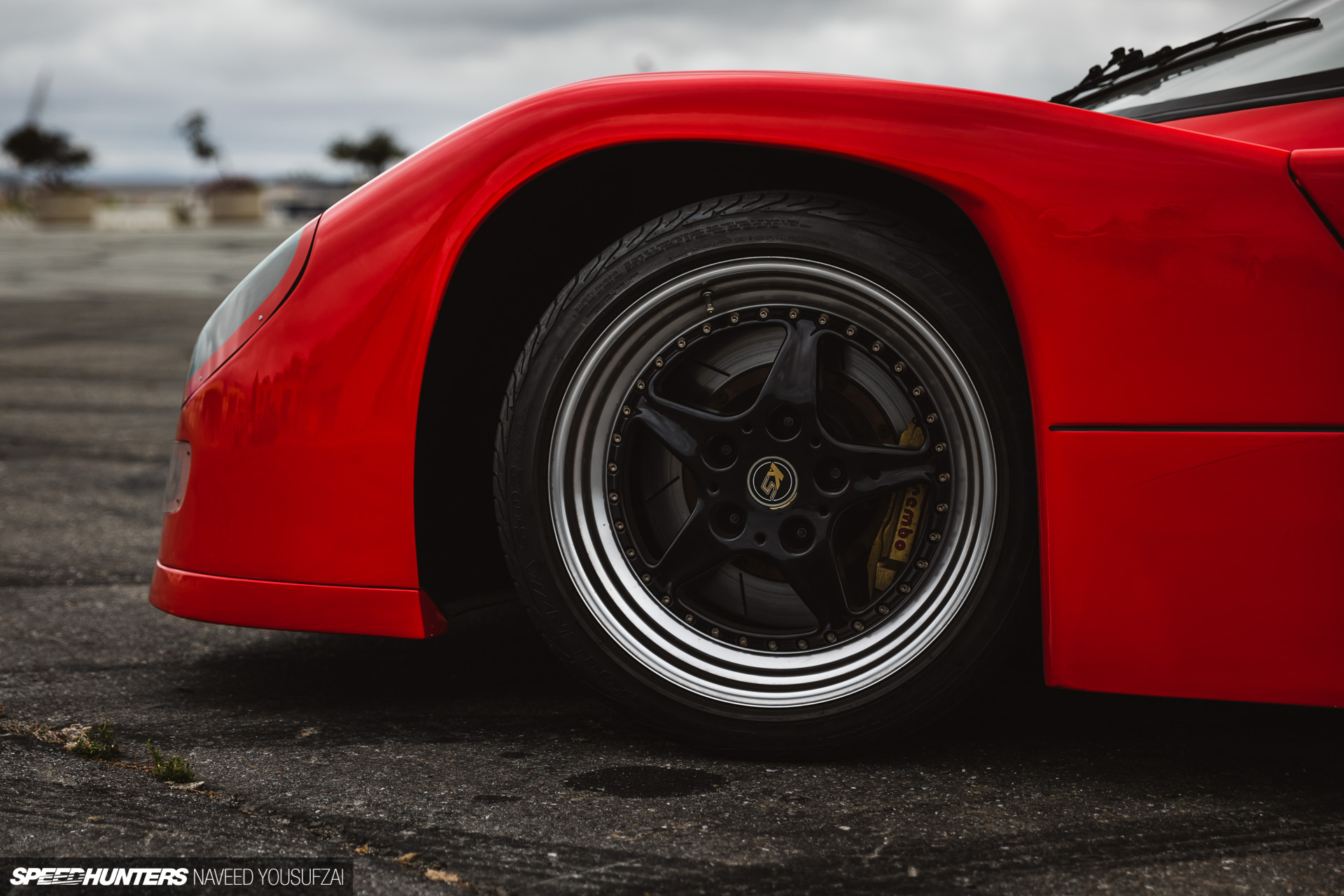
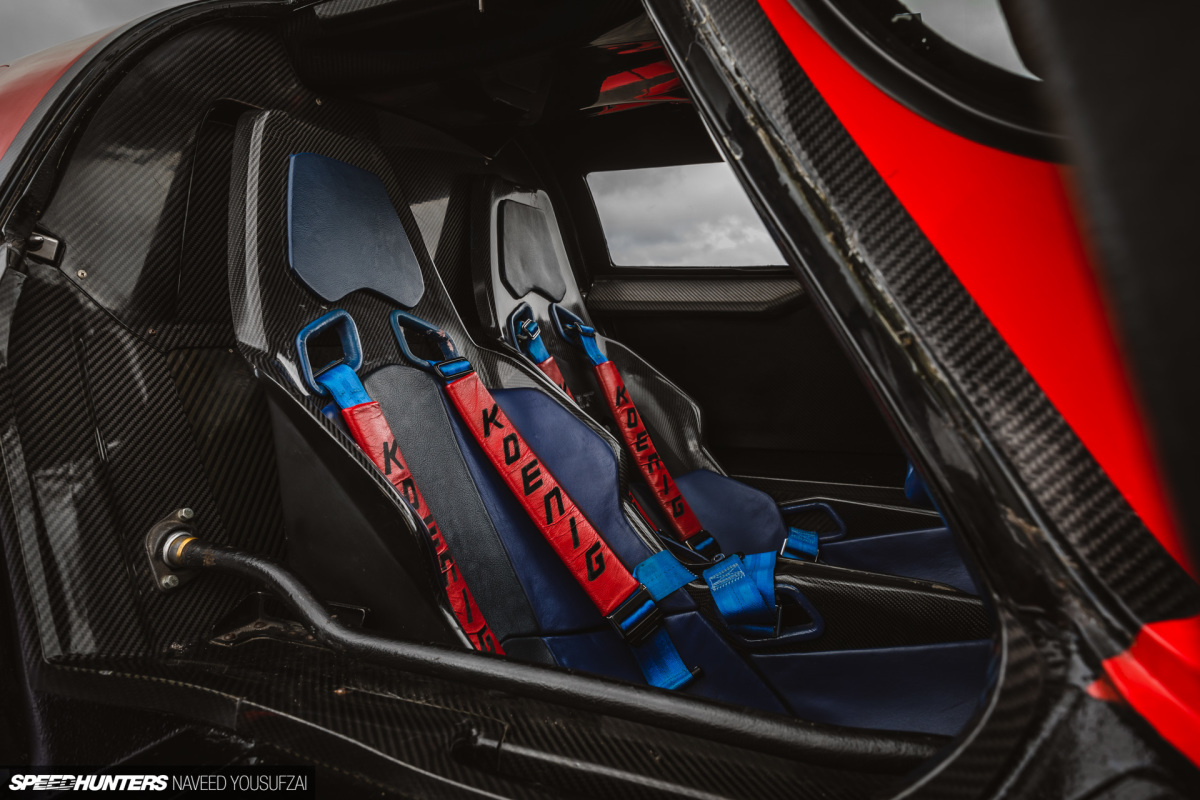
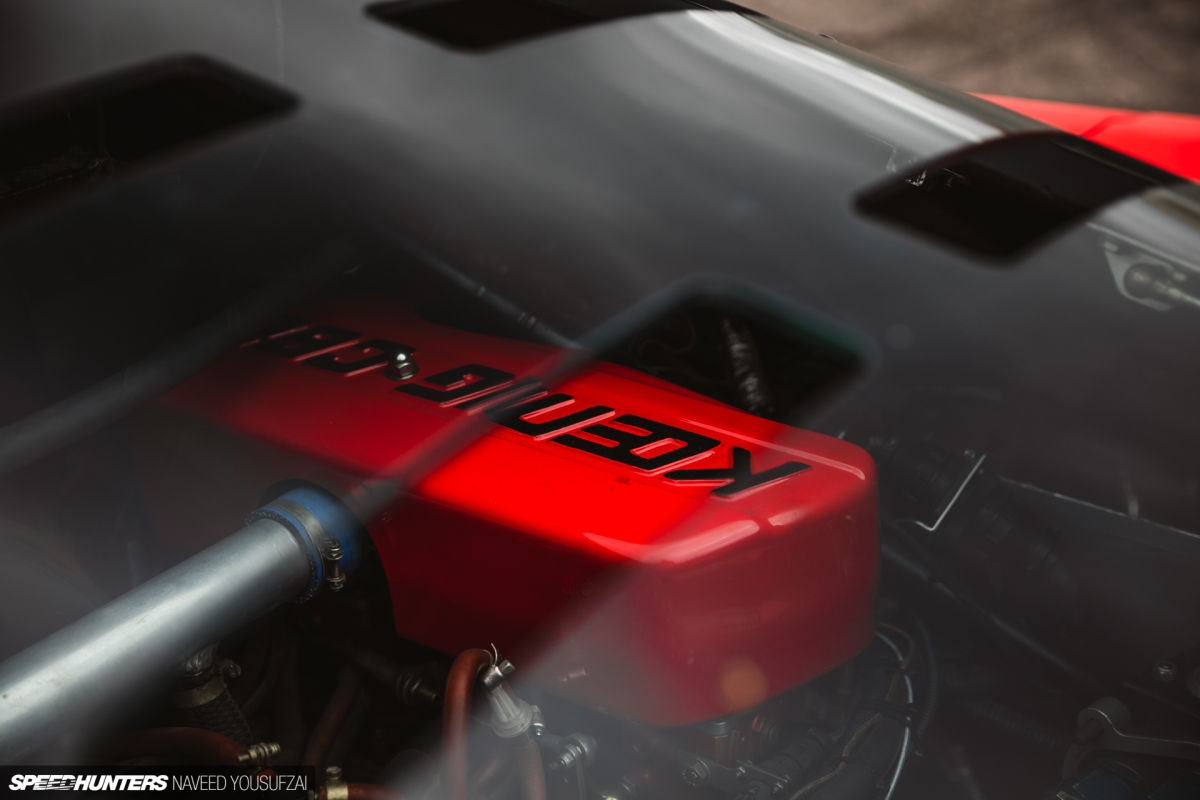
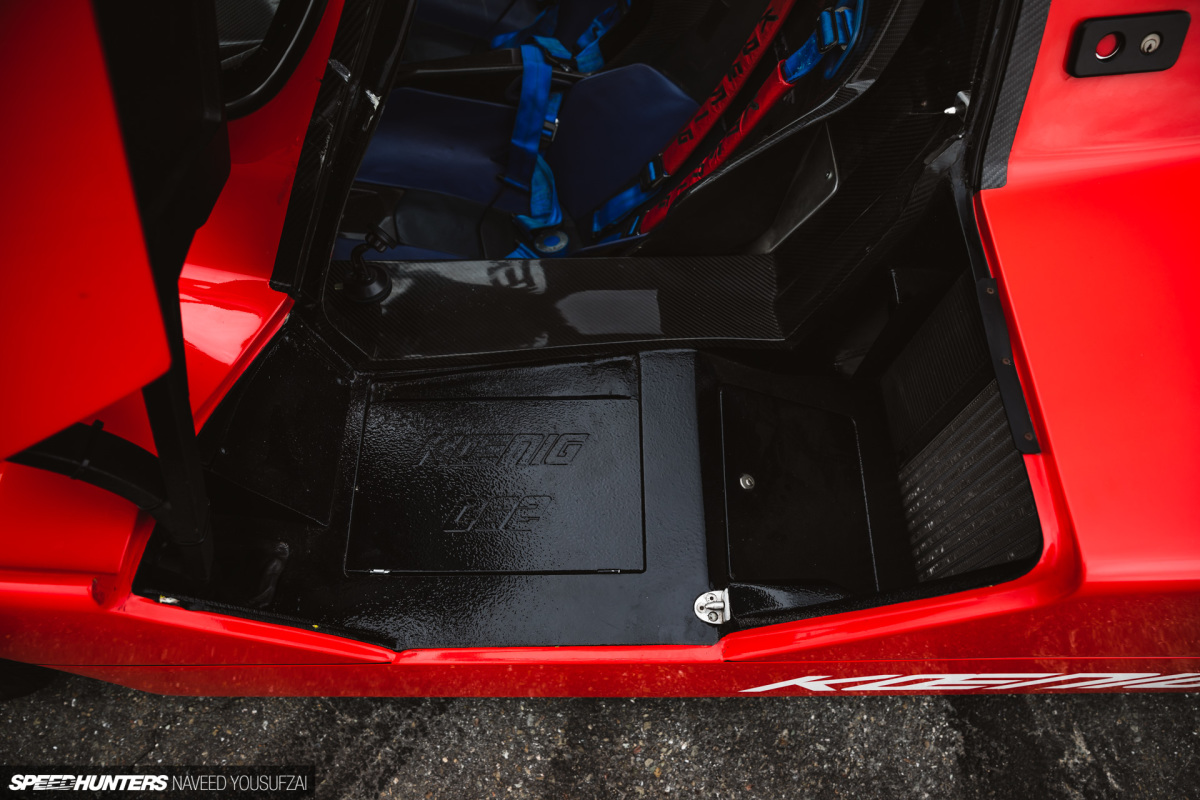
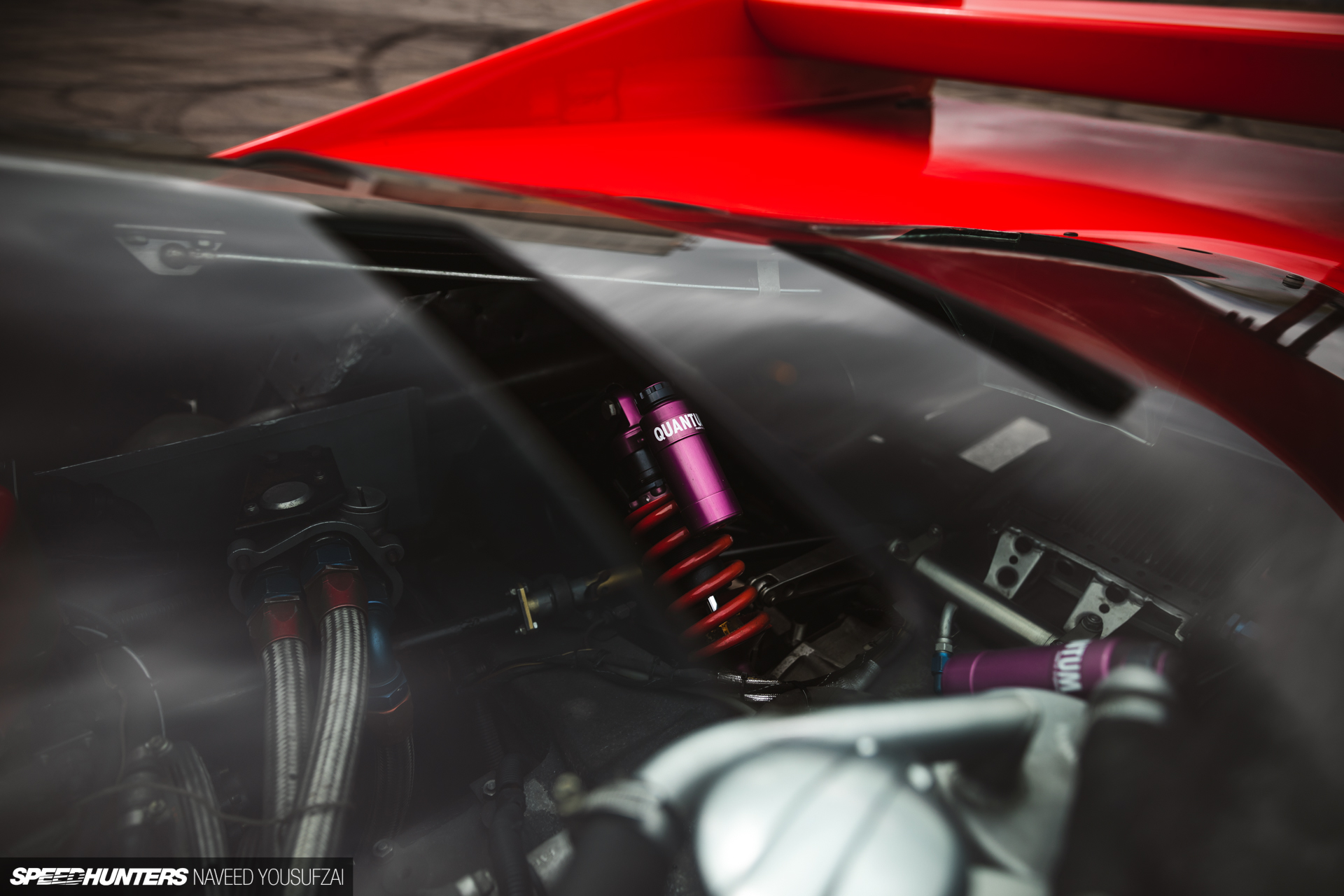

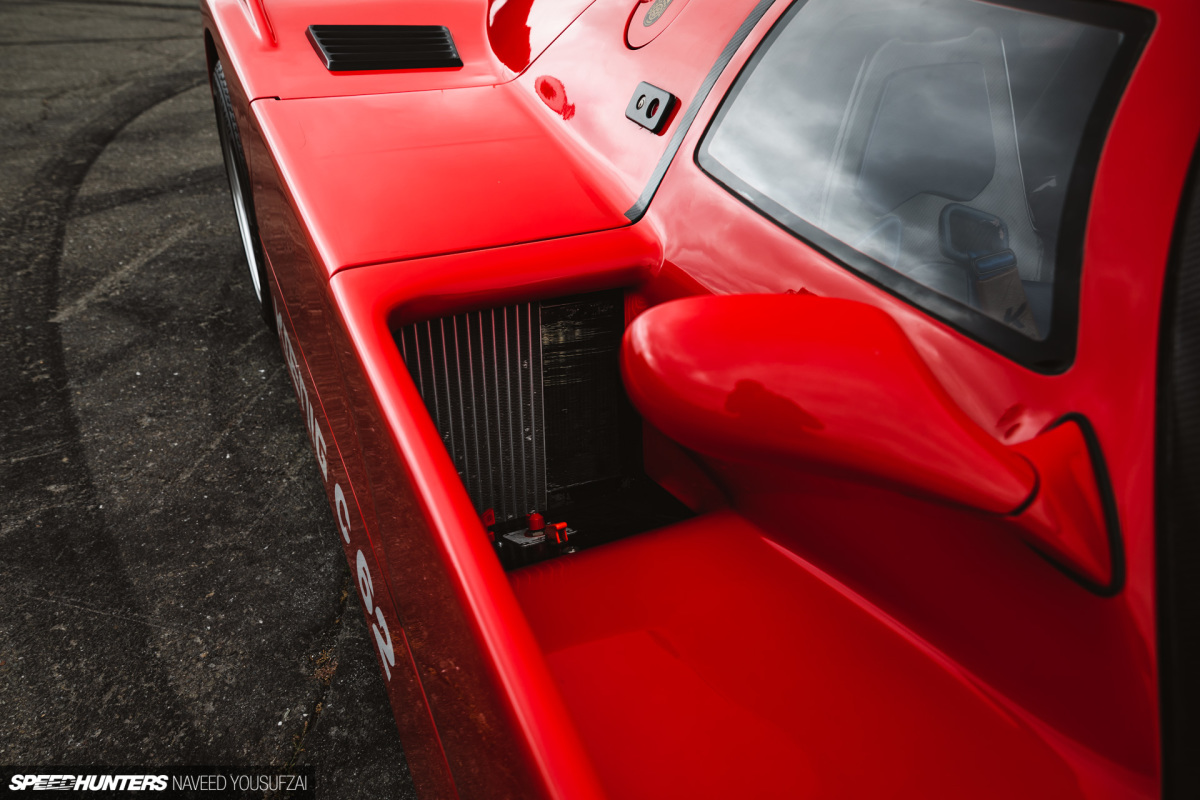
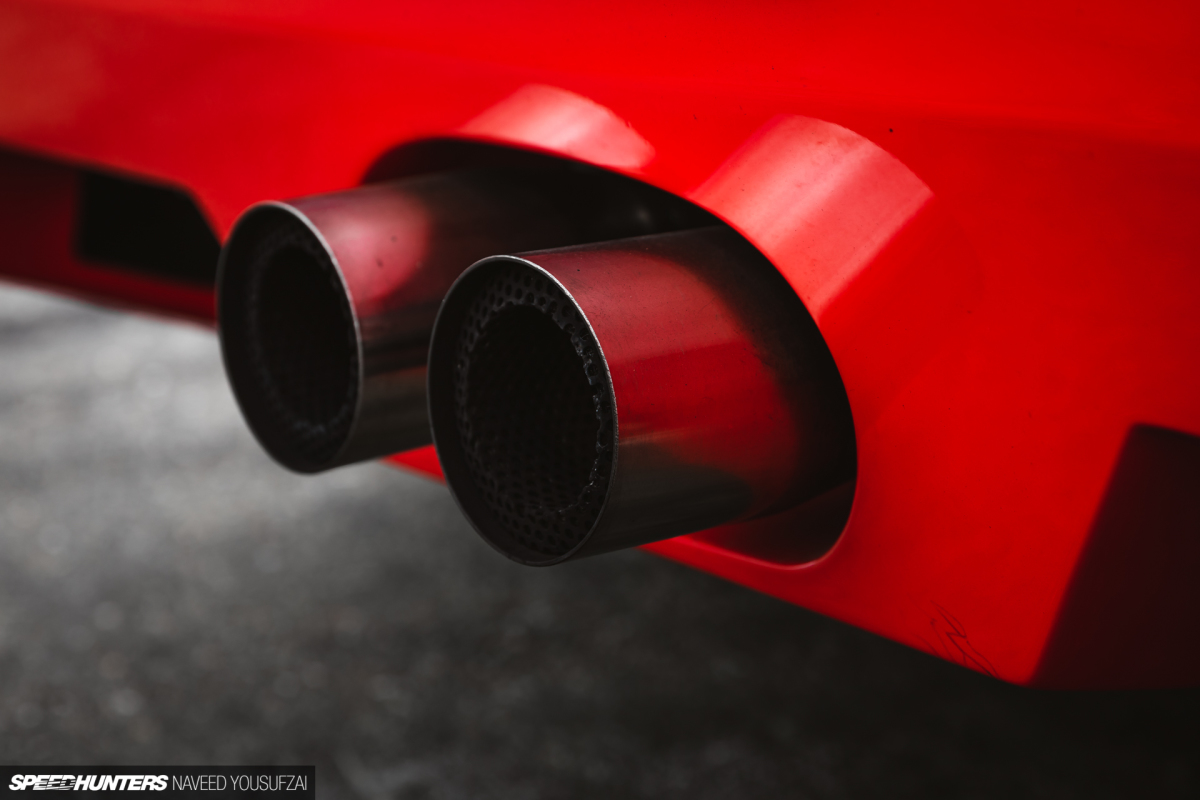
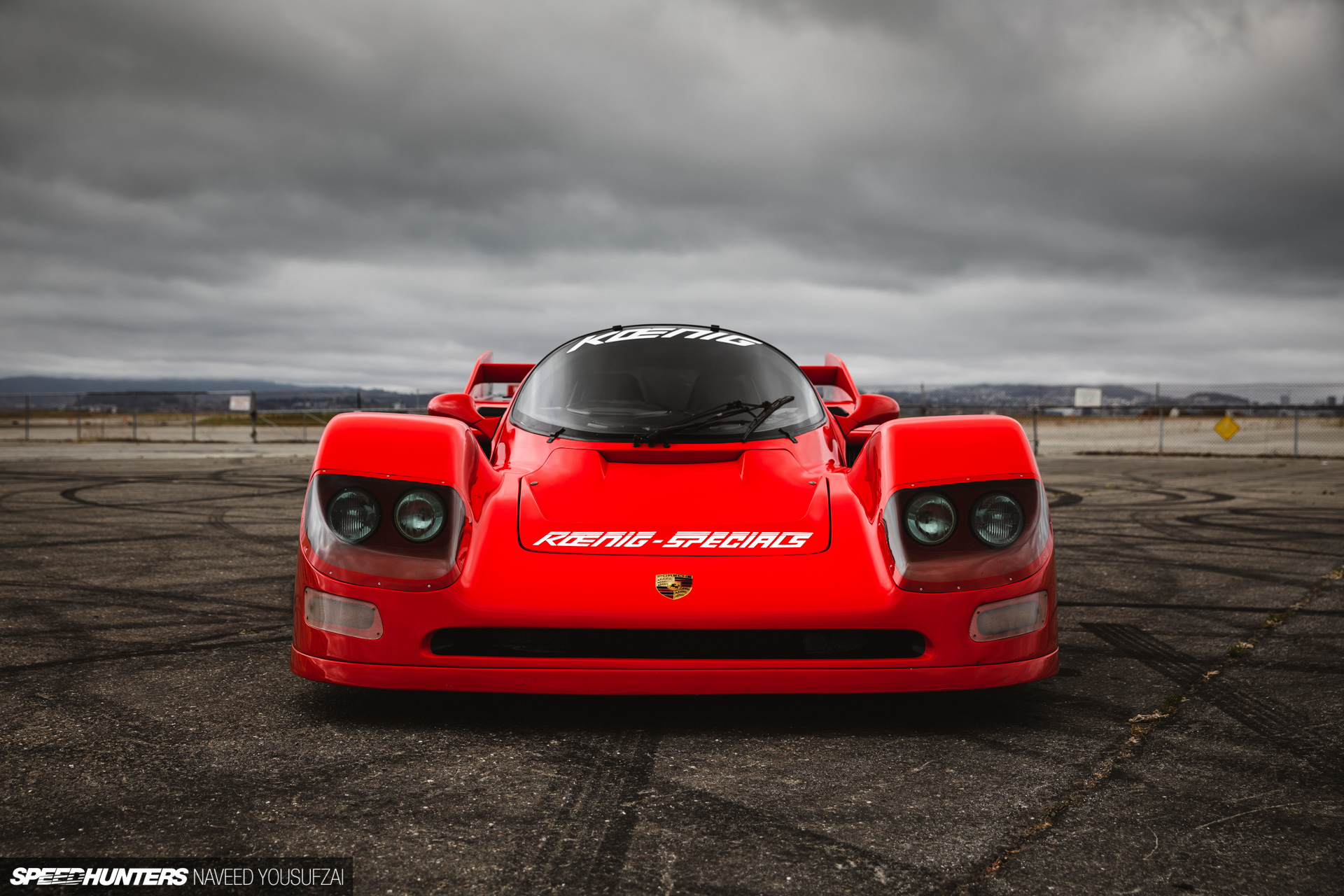
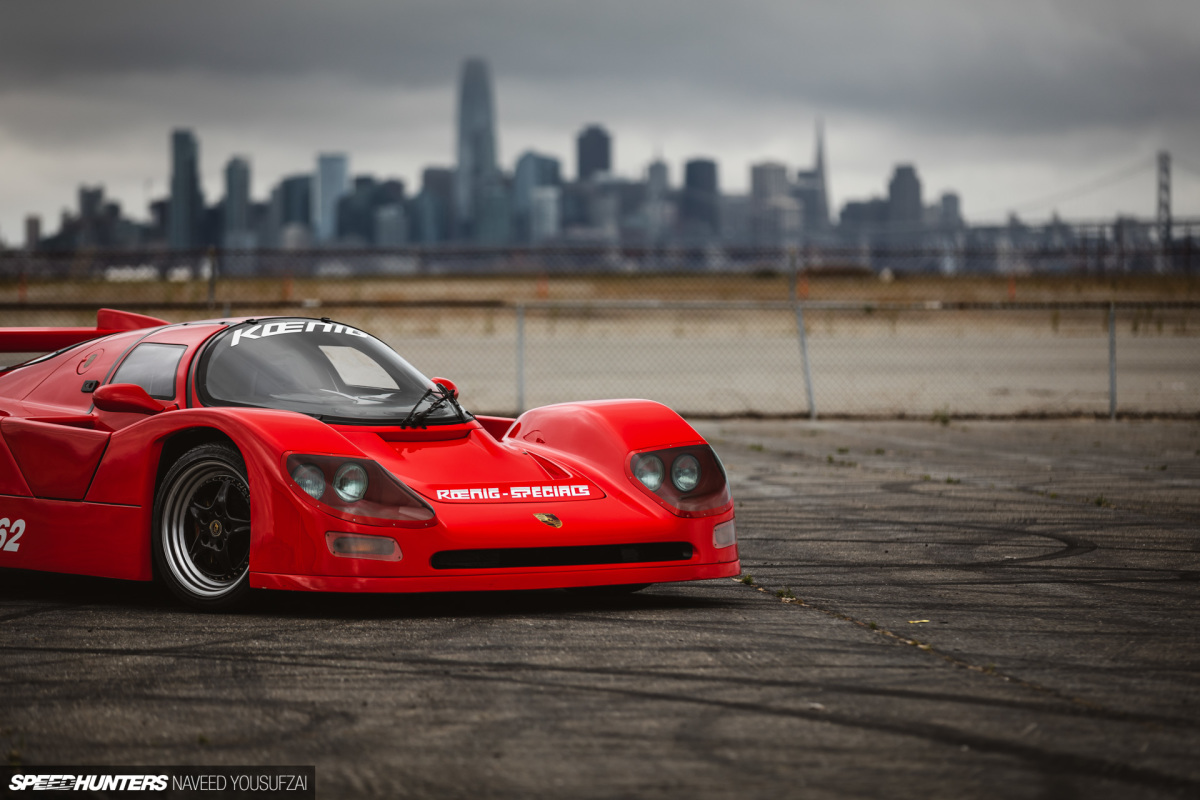
Though the C62 was built on an actual 962 chassis, the body was completely reworked in order to be a little more roadworthy. It’s made entirely of carbon fiber, with headlights and taillights high enough to meet ’90s German road legalities. The motor is still the same 3.4L twin-turbo flat-six setup found in the 962 Group C racer, but detuned with milder cams and a software upgrade, bringing power to a mere 800hp and a top speed of around 235mph (387km/h), all while weighing in at around 1,050kg (2,314lb). Inside, you’ll find a pair of carbon seats with hardly any sort of padding, a couple of racing harnesses, some interestingly designed gauges, and of course A/C that works when it feels like it since the windows are there to stay. Which brings me to my next point.
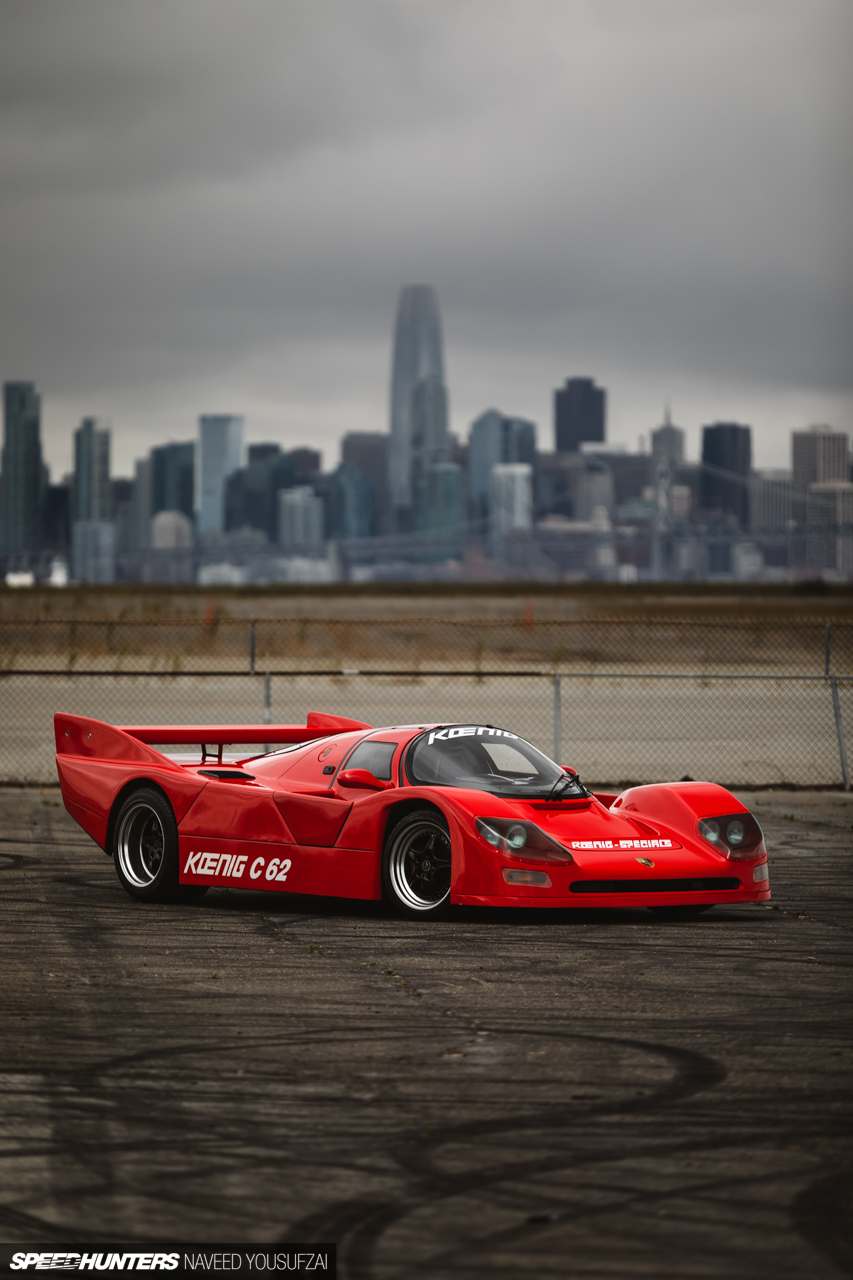
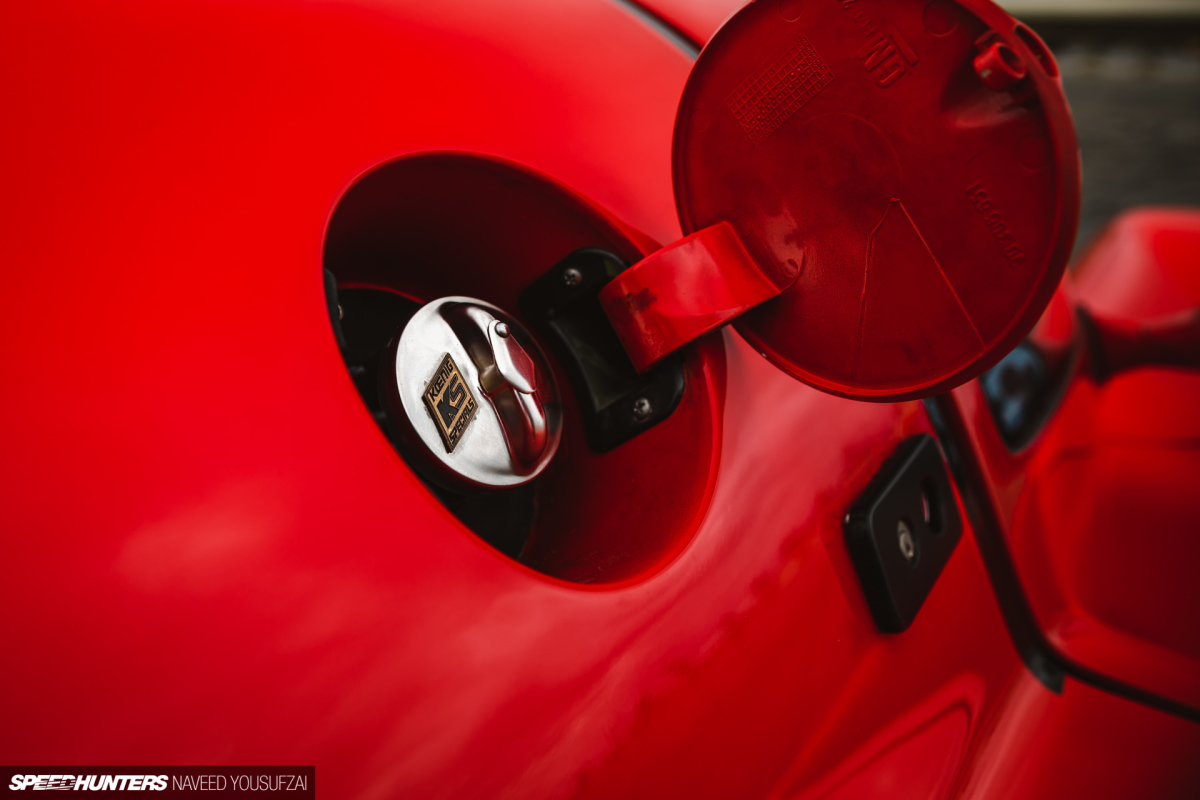
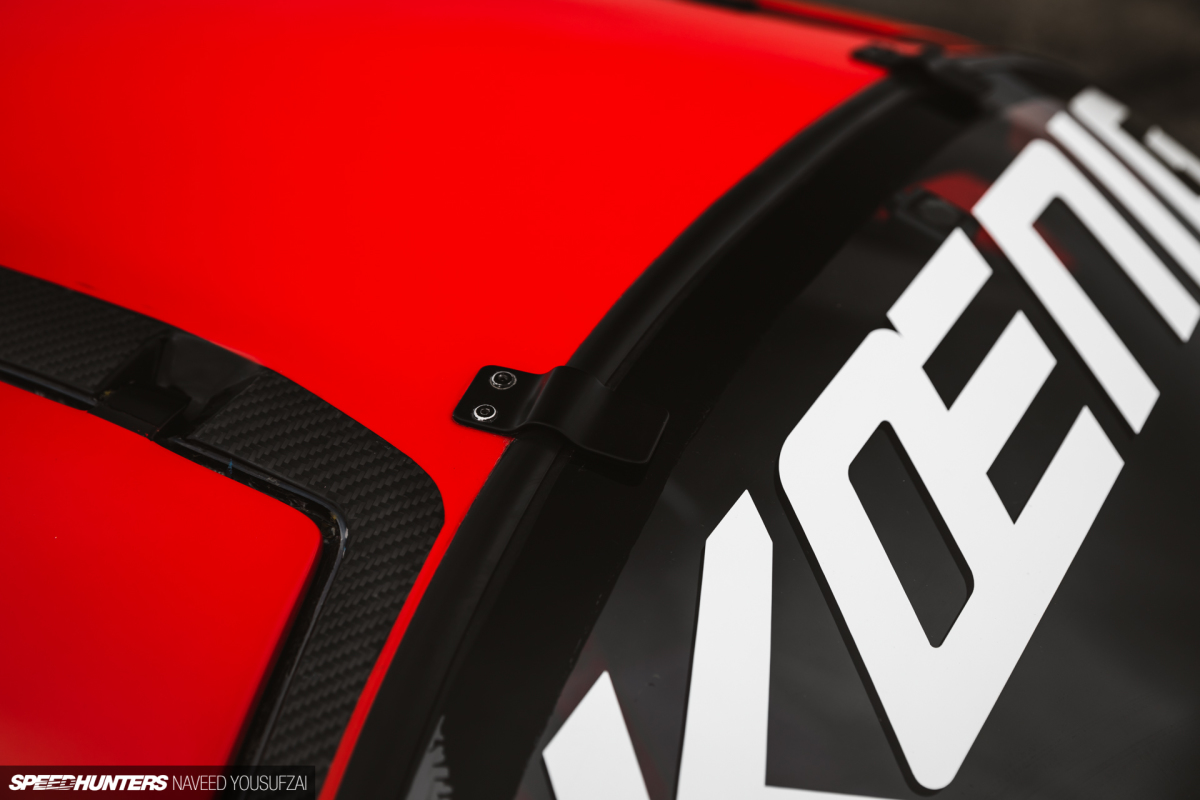
Since this car is my buddy G’s most recent acquisition, I was graced with the privilege of having the car for the day to see what all the fuss was about. He did offer it for the weekend, but unfortunately it’s simply too big to fit in my carport…
Driver’s Seat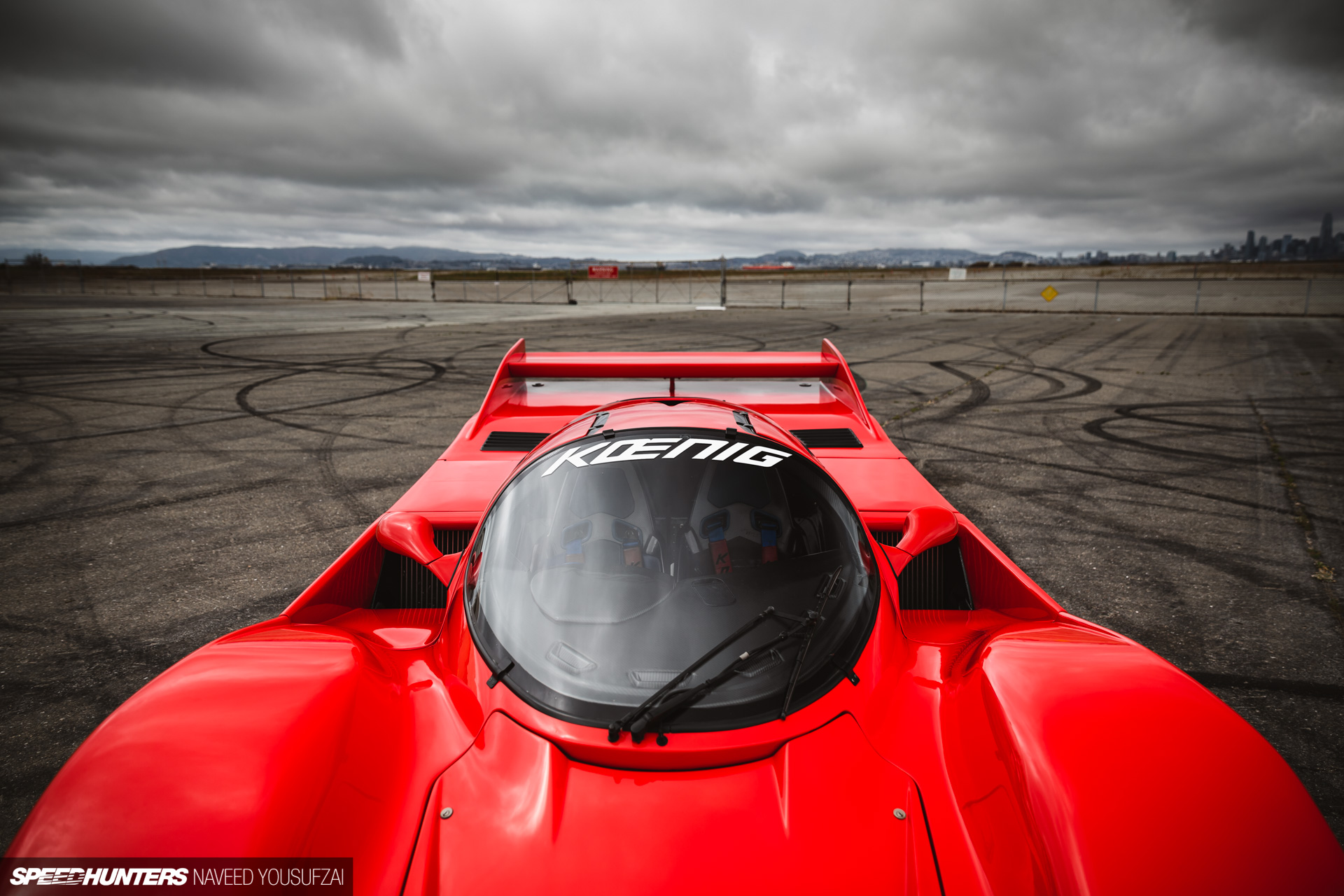
Though the internet is a large place for information, I actually found that there wasn’t a whole lot of driving perspective stories that could solidify a true testimony on how the C62 performs as a road car. Because as far as the track performance goes, it’s obviously a monster, since the 962 was a monster, and that’s what this is underneath. My priority was to see how it holds up against infamous San Francisco Bay Area traffic, terribly bumpy roads, and tightly-sectioned neighborhoods.

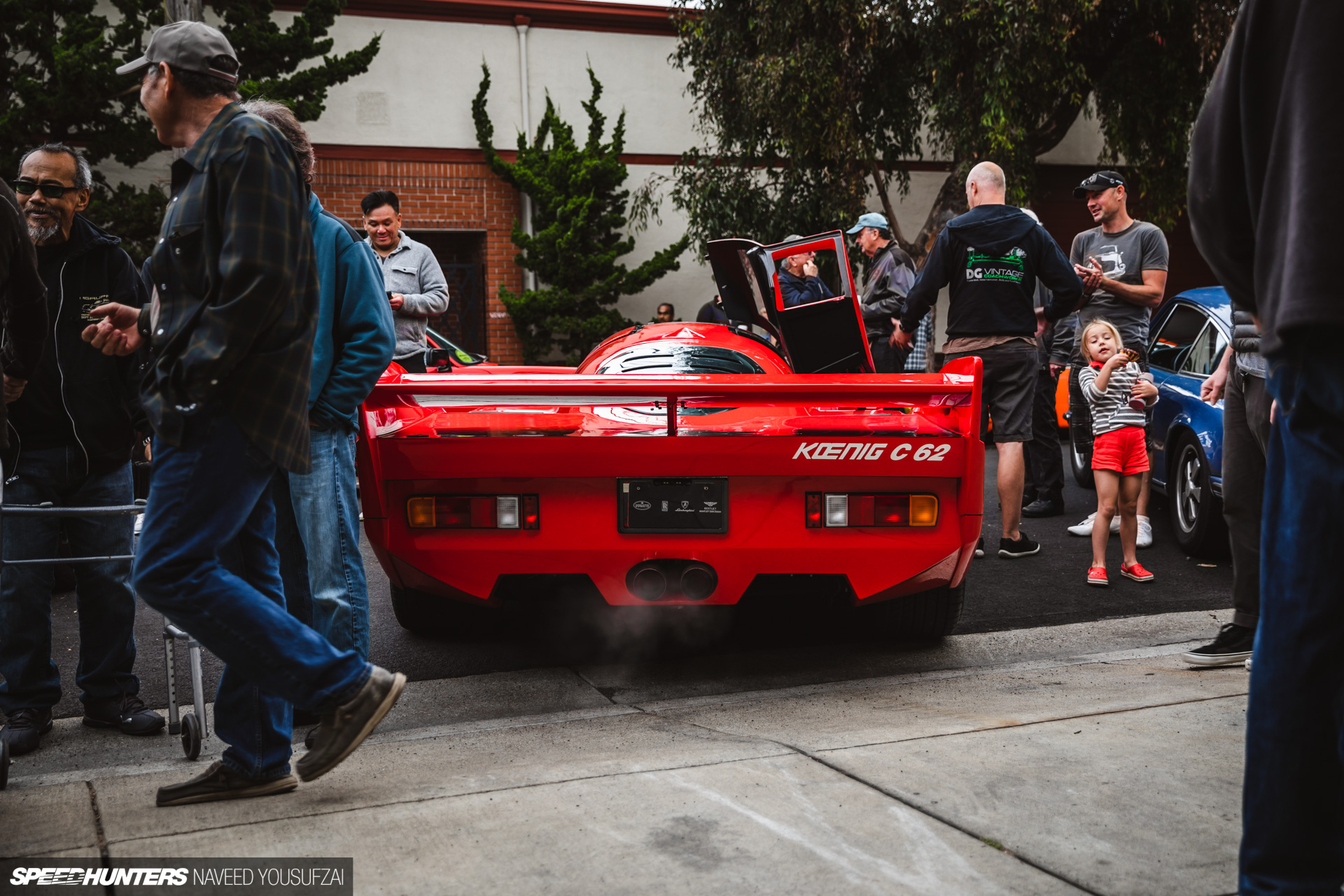
To my surprise, it actually wasn’t that bad at all, if you don’t mind feeling pressured from everyone looking at you like you are a god of some sort on the road. It took a couple of minutes to really get a feel of the clutch engagement for city traffic, but after I had that down the rest was a breeze.
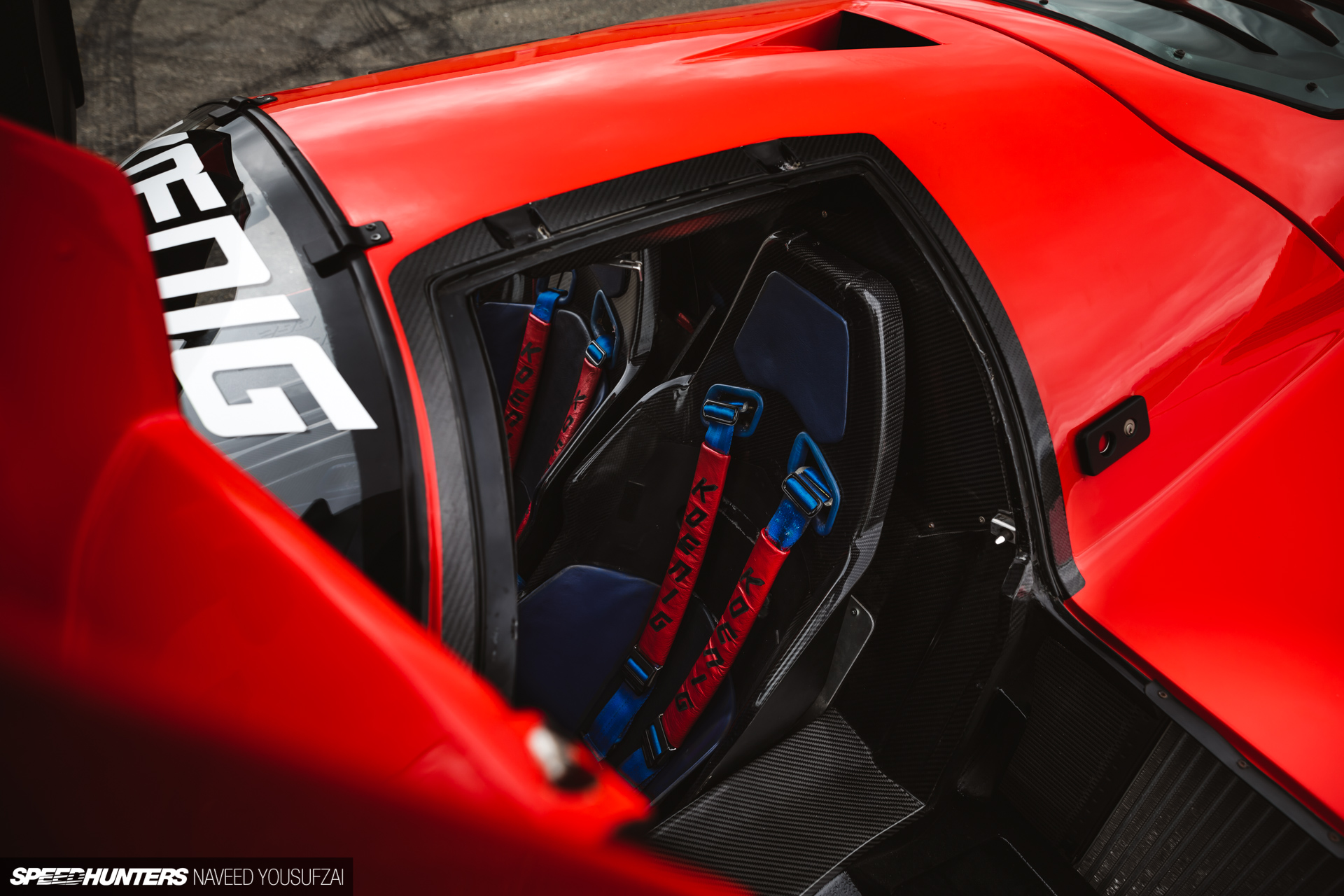
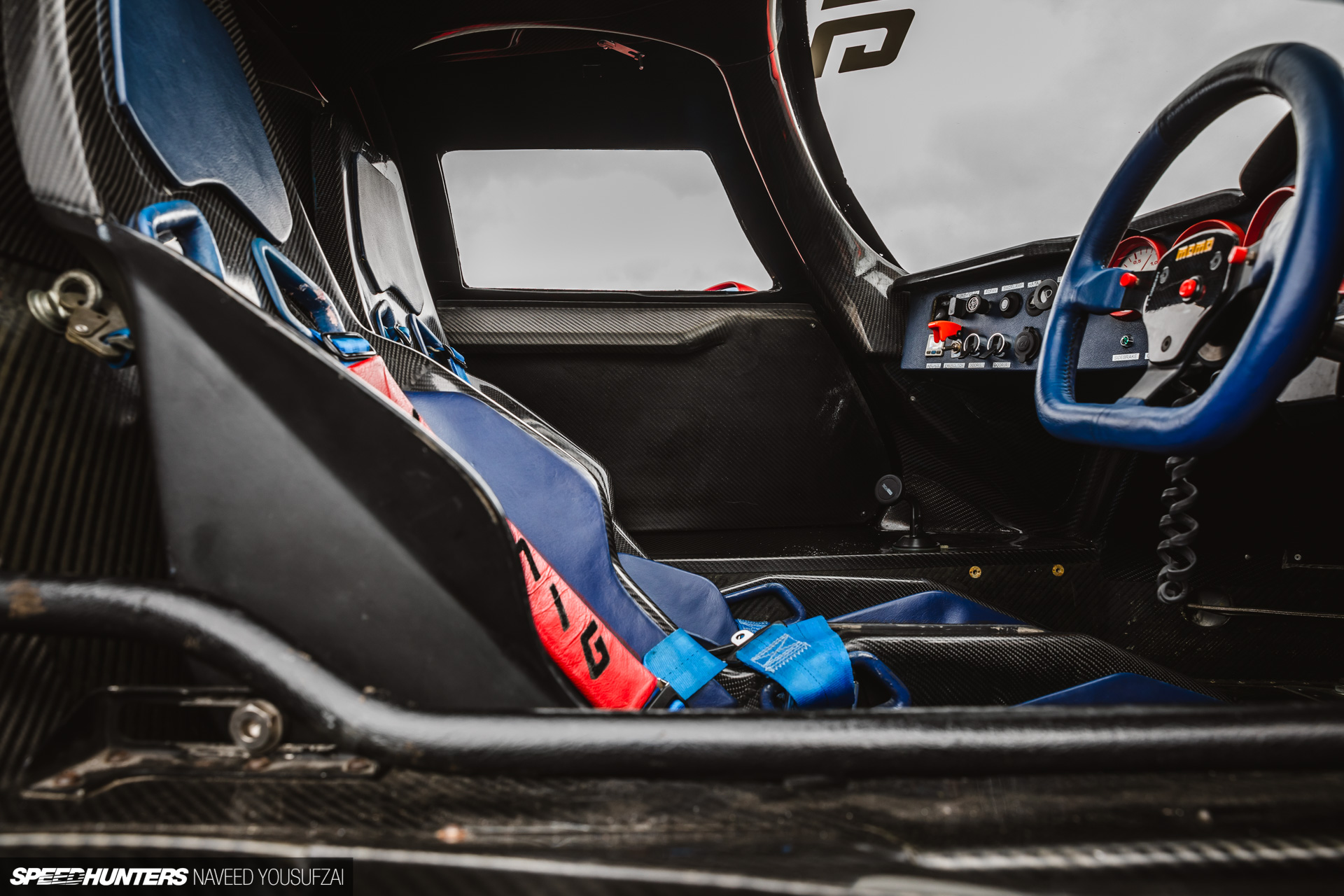
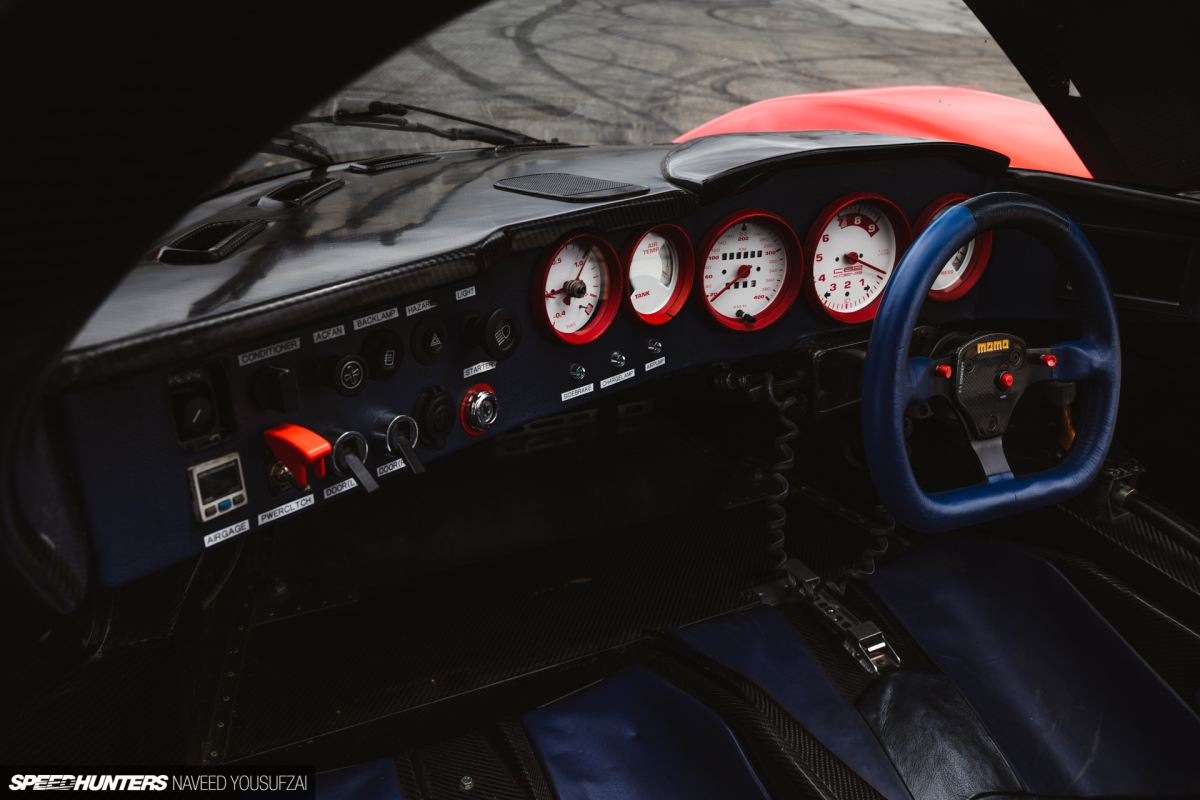
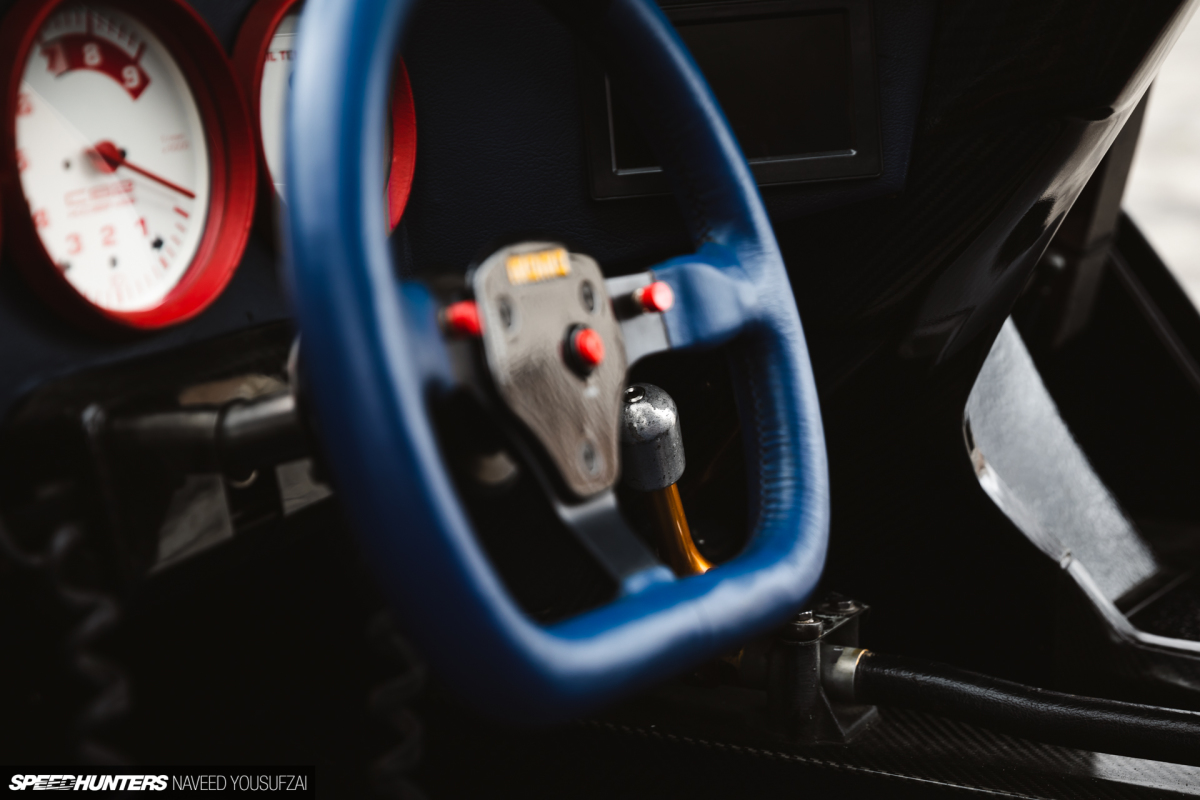
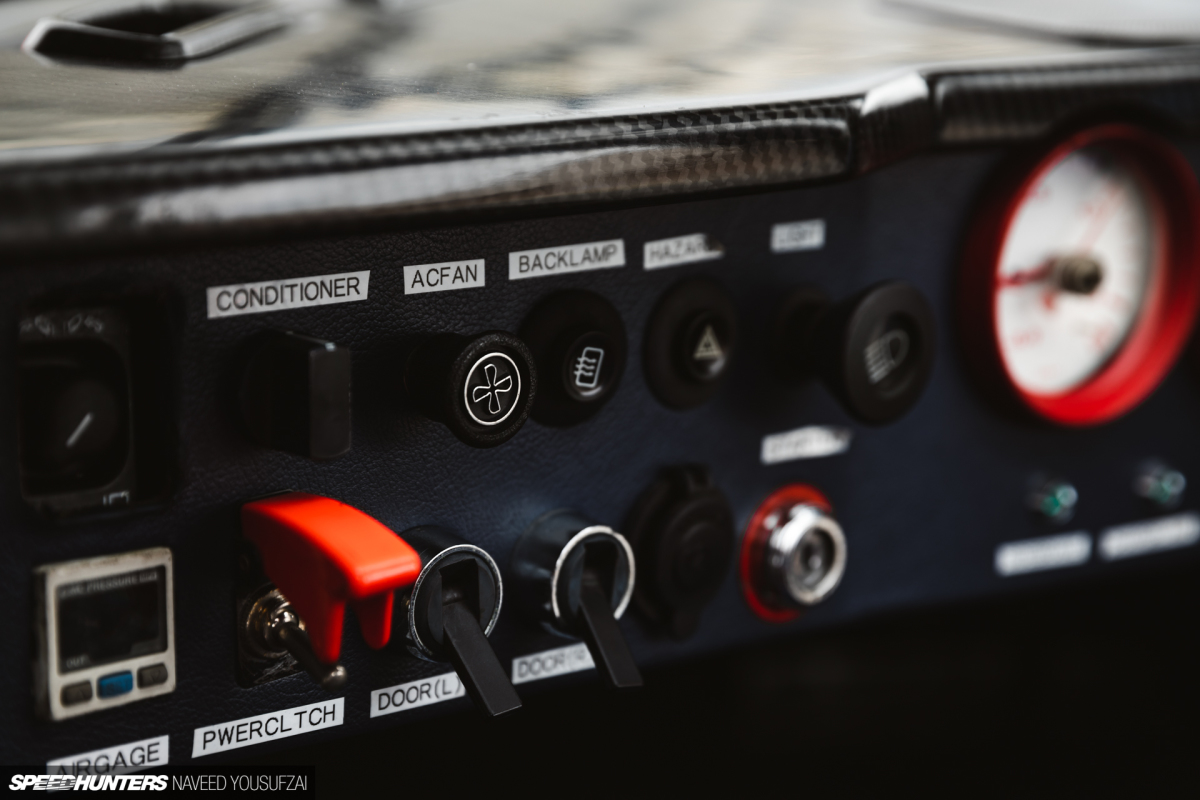
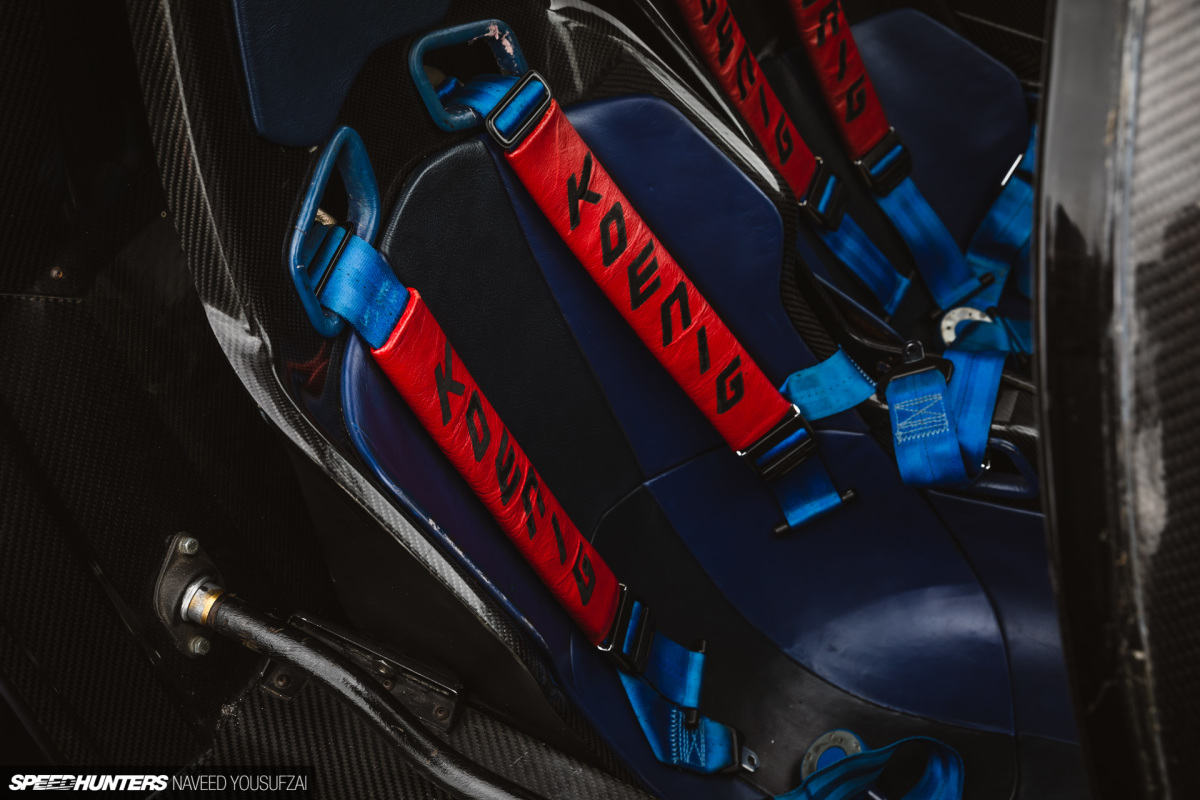
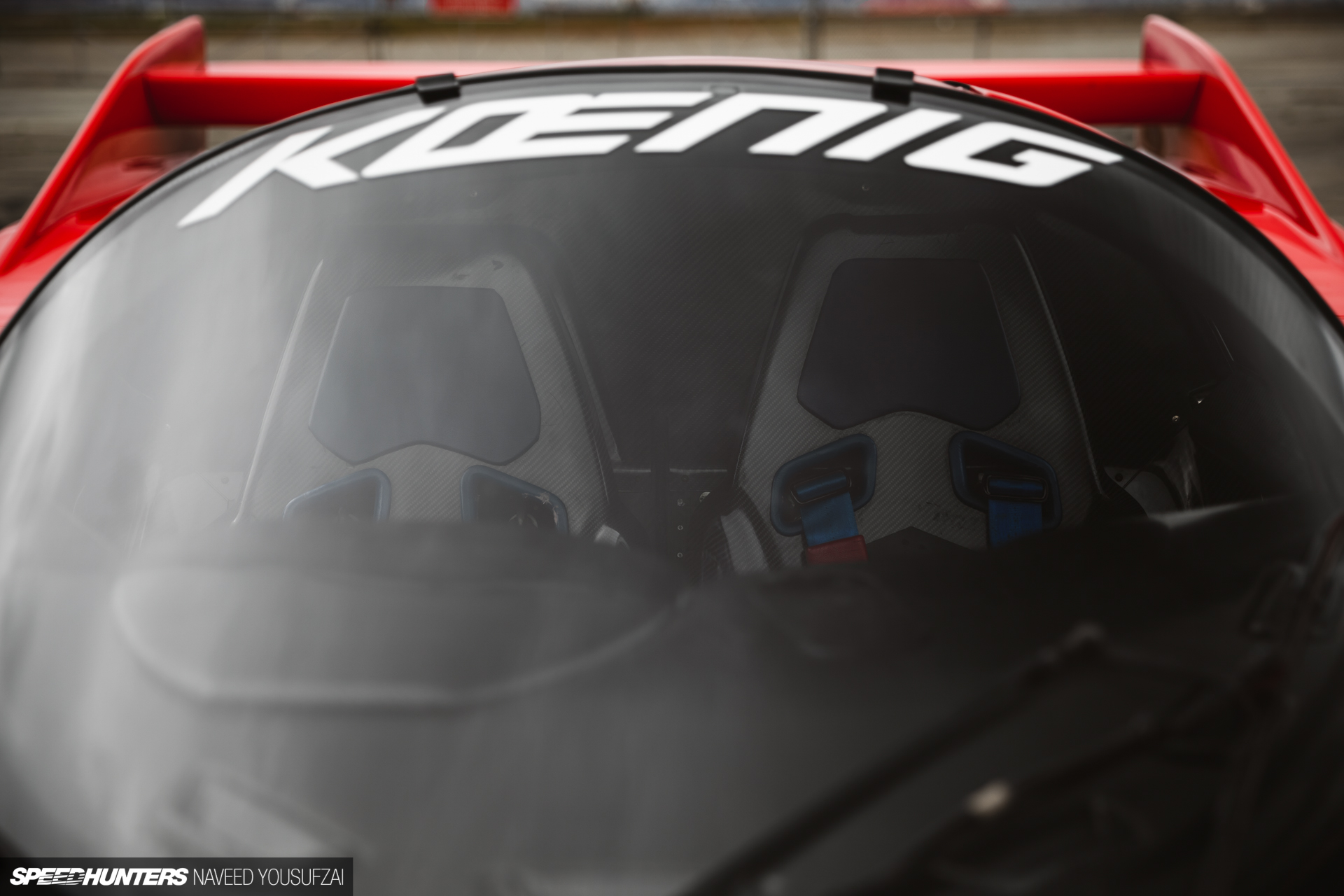
One thing I will note though, is that while behind the wheel of the C62 you really need to fight the urge of driving fast. It comes with no surprise that upshifts and downshifts actually work much smoother when resting on the upper end of the rev range. I noticed it performed most comfortably on the highway from a mechanical perspective, so long as you don’t mind the pressure of being stared at all the time.
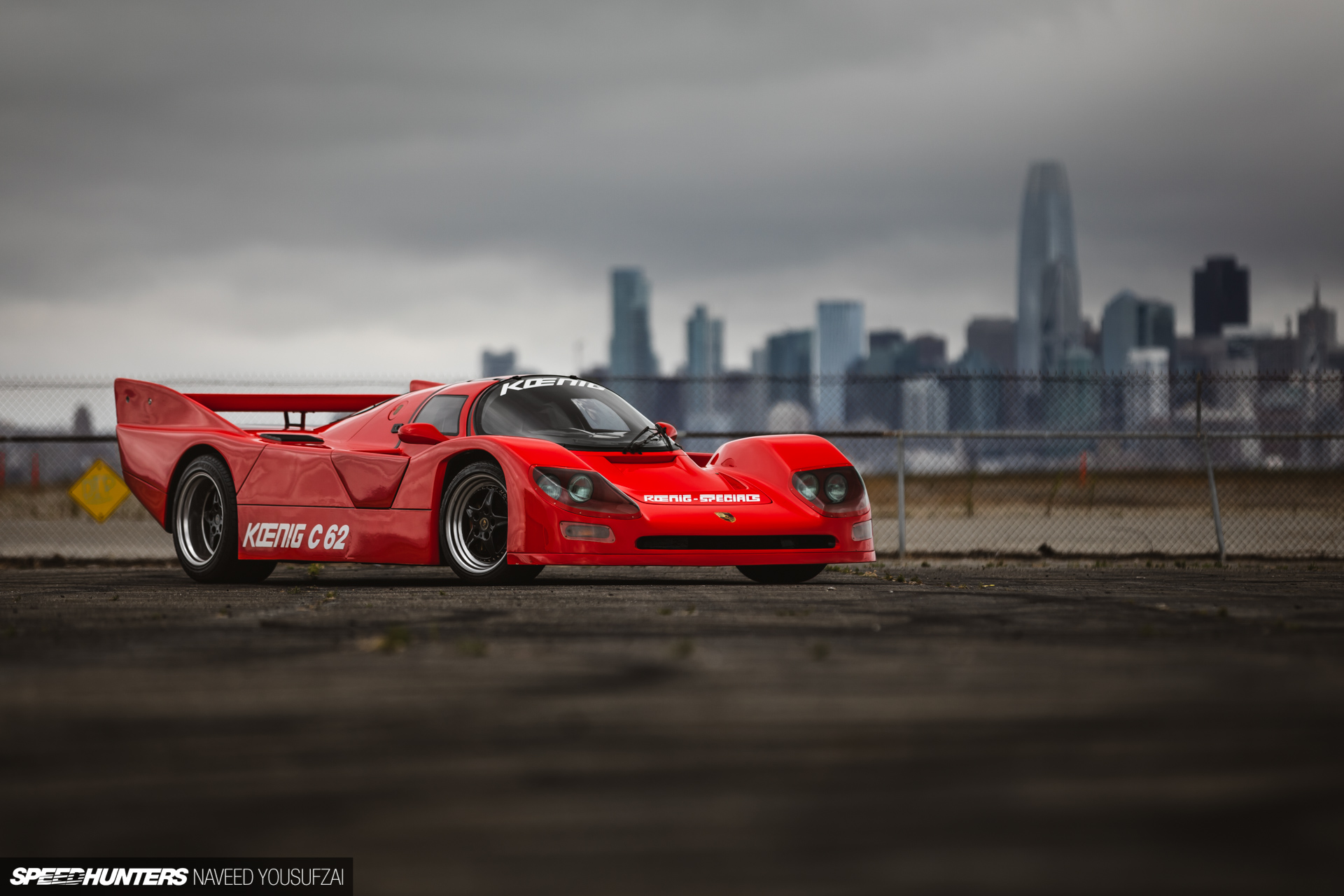
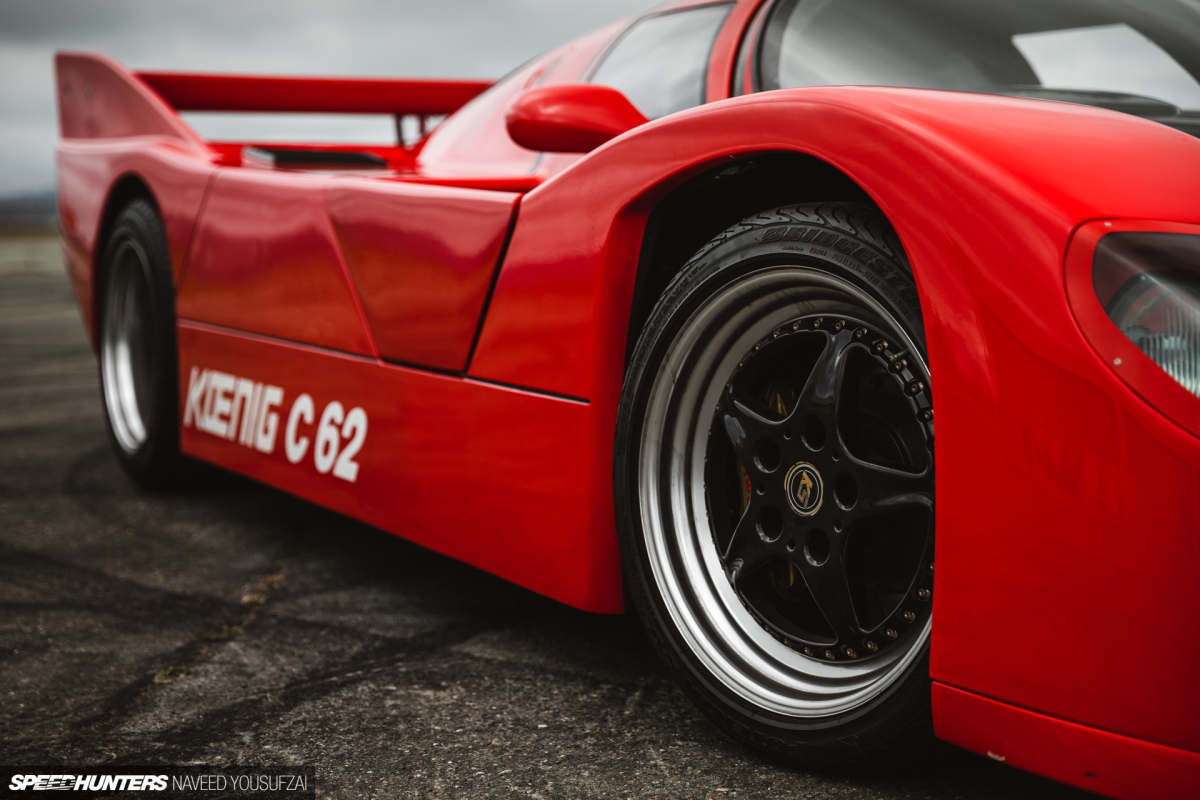
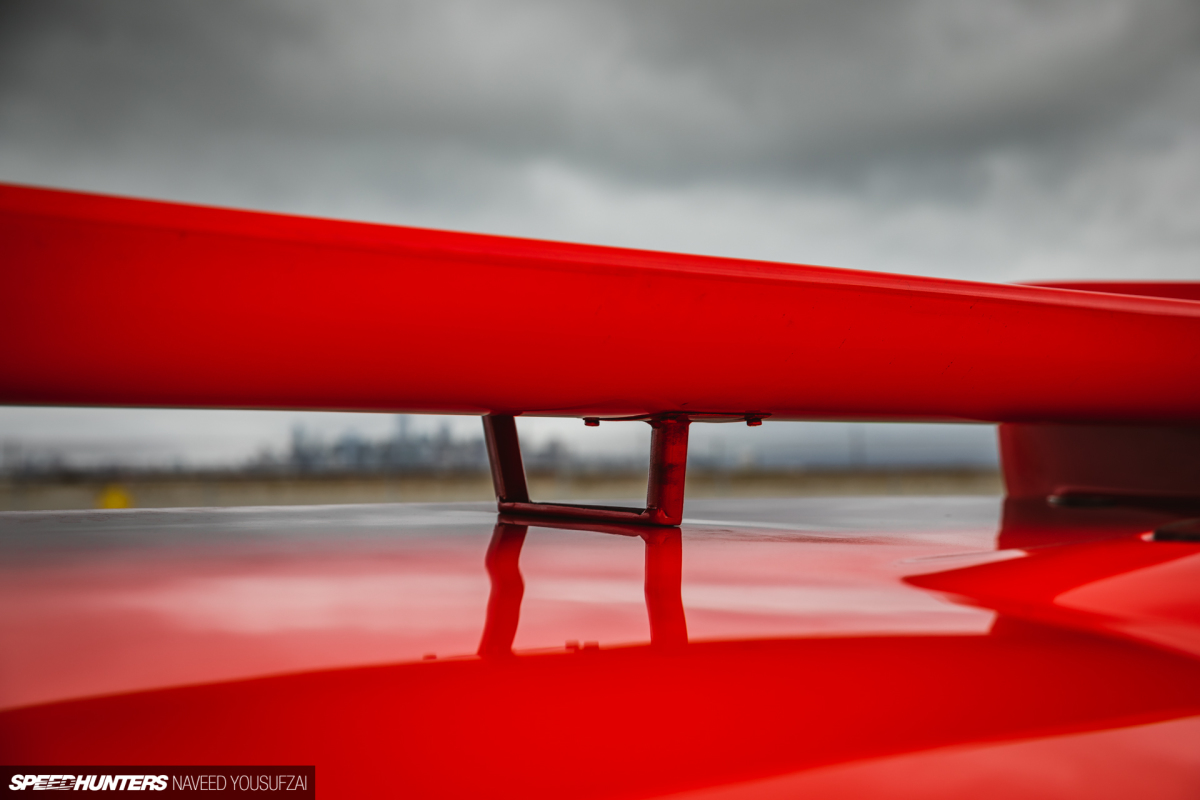


Insecurities aside, I’ve come to conclude that the Koenig Specials C62 is the outright king of ’90s supercars. Sure, the others were awesome too, and I’ll be the first to admit that this wasn’t a car that was on my poster wall as a child, but that’s only because I had no idea it existed. With only three made, it’s understandable that most other people didn’t either. It’s quite a shame to think that this car didn’t really get the recognition it deserved when it first debuted, but my goal here is to change that.
The Koenig Specials C62 was the first thoroughbred in the world of supercar. Period.

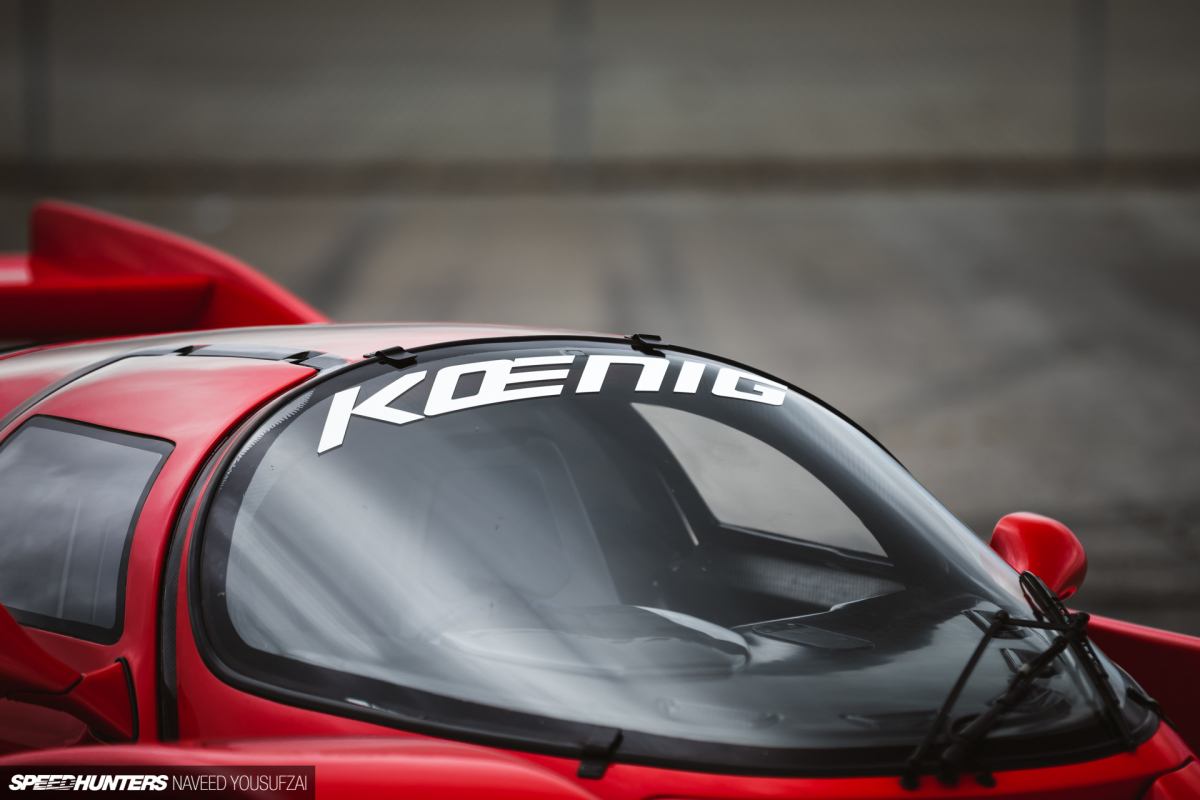
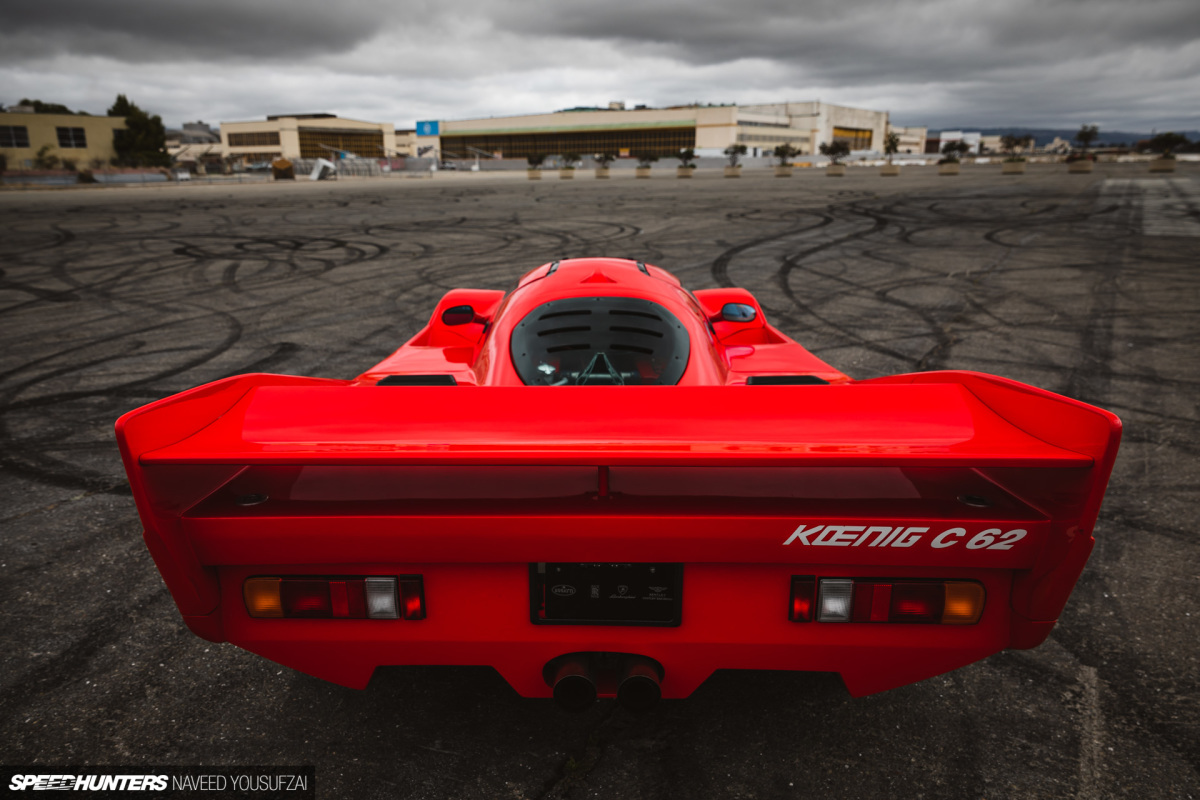

On that note, hats off to you, Mr. Konig. Your madness and lack of remorse for building some of the wildest cars to ever exist is truly inspirational. And if it weren’t for you, I don’t think we’d have the super and hyper cars that exist today.
Naveed Yousufzai
Instagram: eatwithnaveed