
The Evija is Lotus’s first fully developed car since it was bought out by the Chinese automotive group Geely, and on paper it’s pure madness.
For those of you who aren’t up to speed on Lotus’s entry into the realm of hypercars, the specification includes four extremely light and efficient single-speed helical gear ground planetary gearboxes that transfer power to each driveshaft from the battery pack mounted centrally behind the occupants.
Each gearbox comes with an e-motor that aims to produce the equivalent of almost 500hp a piece, for a total target output of 1,972hp. If this comes to fruition, it will make the Lotus Evija the most powerful production car ever created.
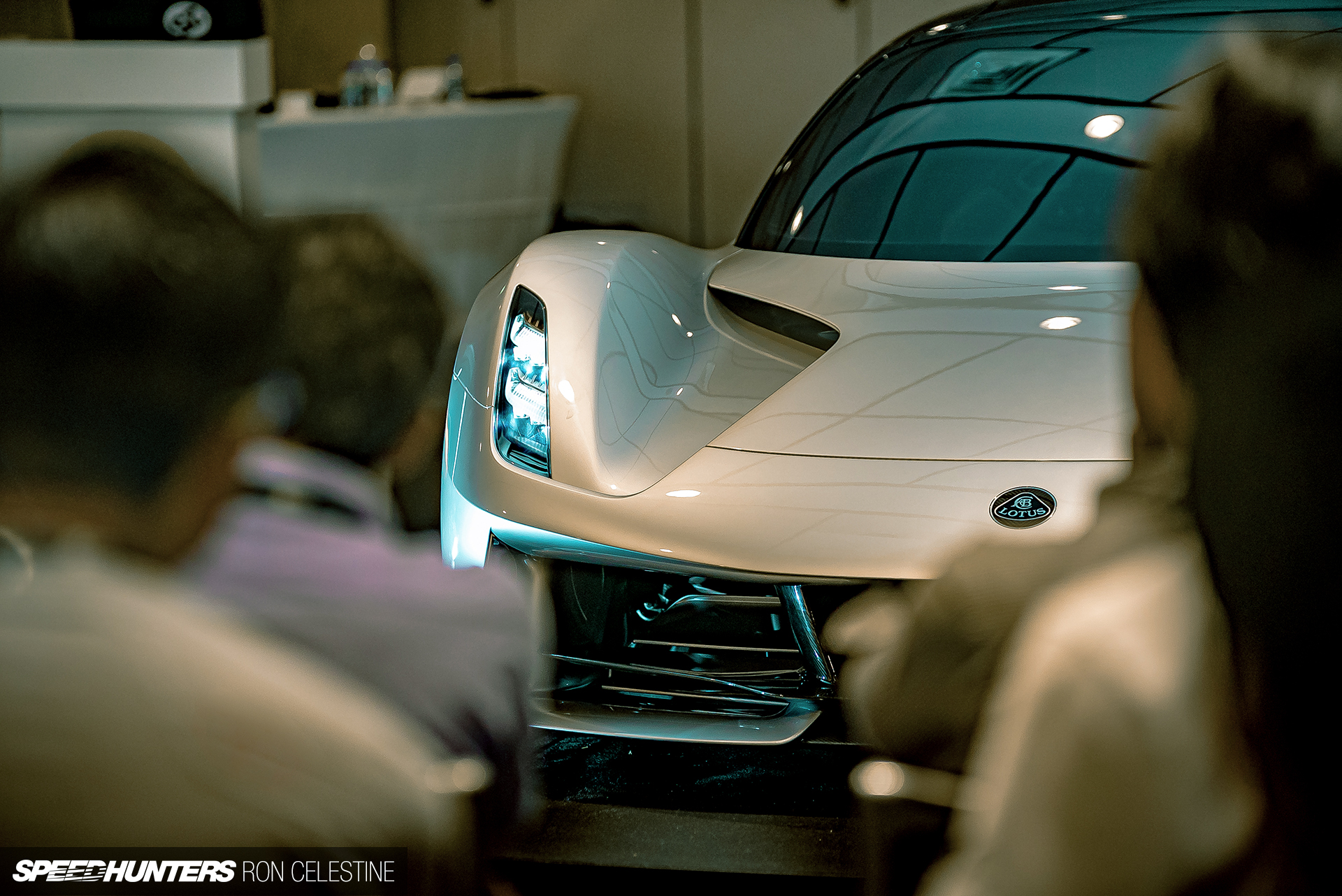
According to Lotus, the Evija will go from standstill to 60mph (96km/h) in under three seconds, and will keep accelerating up to over 200mph (321km/h). On top of this, its range will be around 250 miles (402 kilometers).
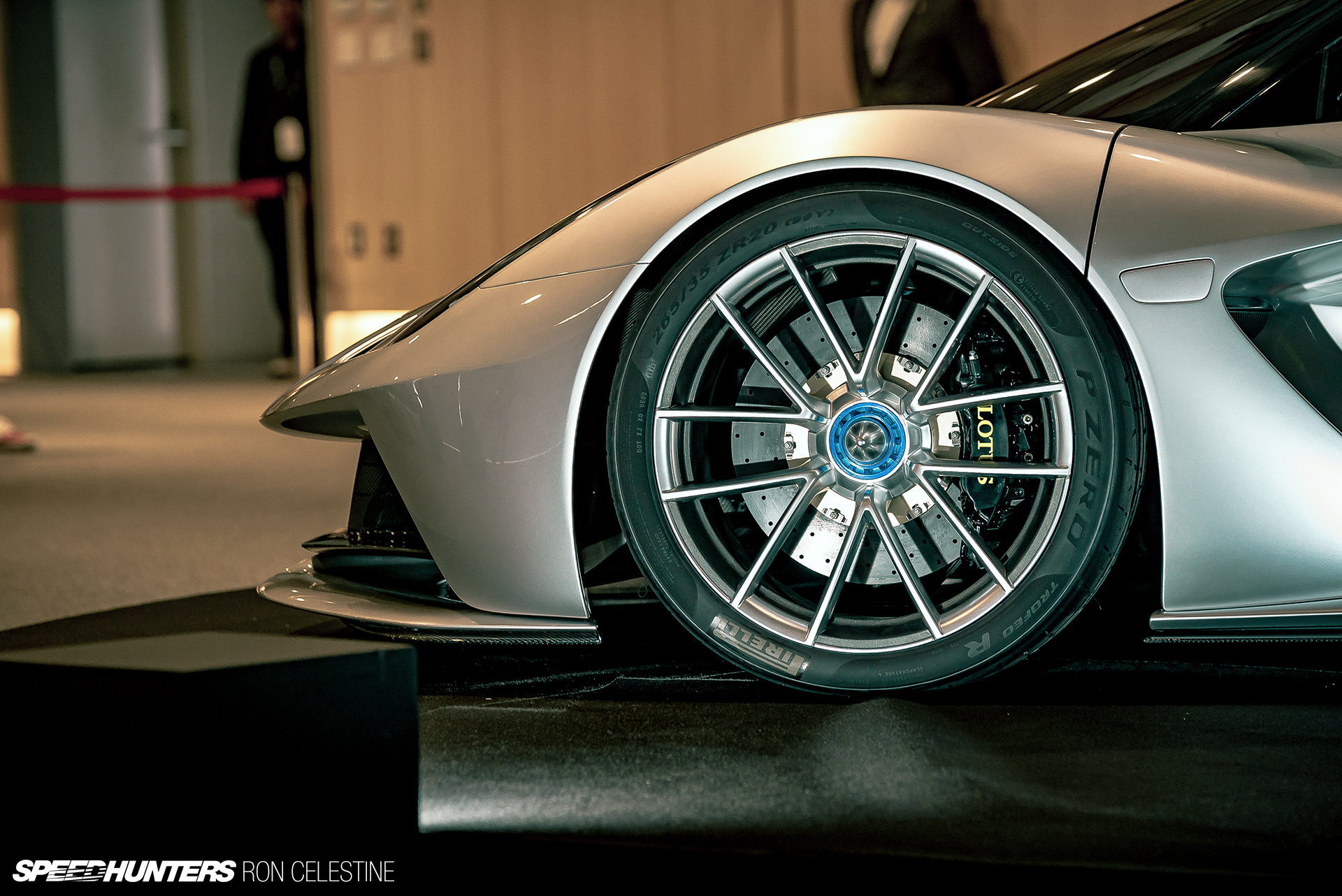
Lotus plans to make only 130 cars, each with a price tag of £2m (a little under $2.5m). The Evija will be a hypercar in every sense, but has Lotus strayed a little too far from its roots in the process?
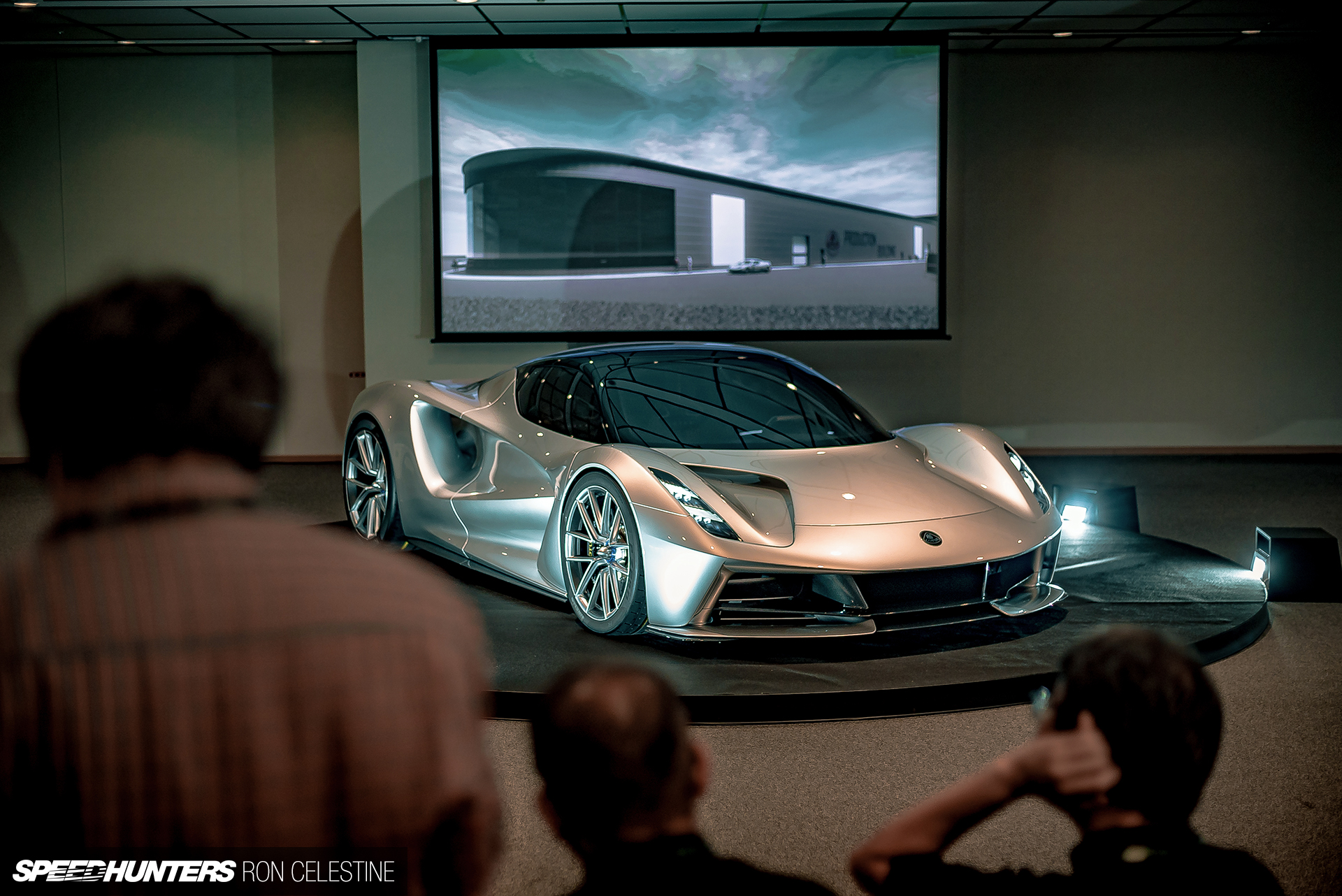
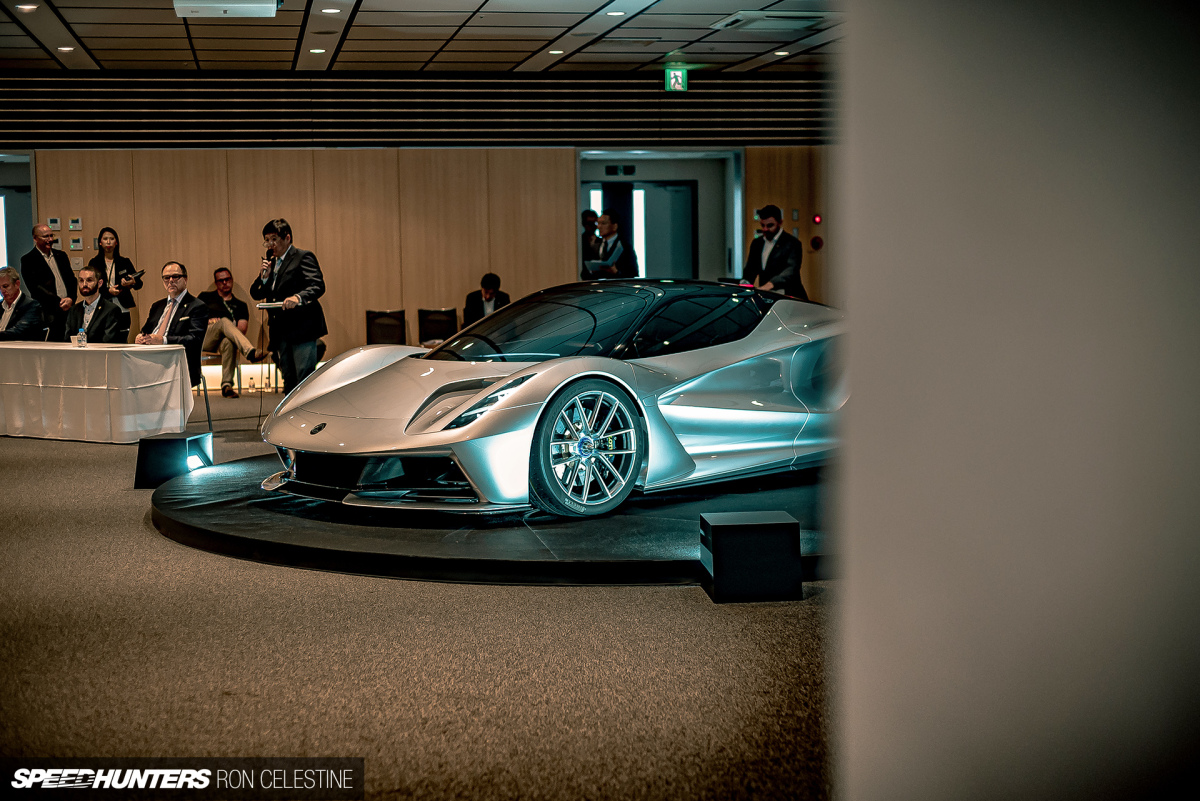
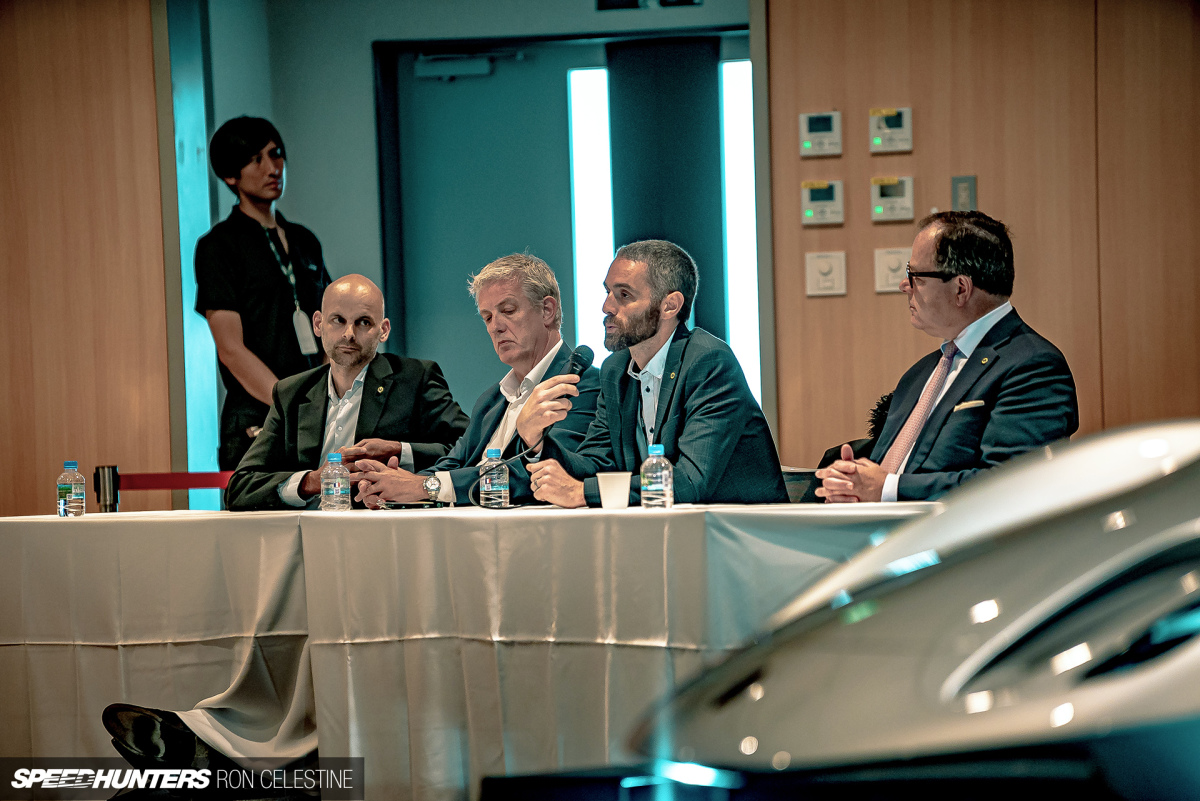
Light weight, function that dictates form, and pure driver connection – these are the elements that made Lotus, Lotus. Whether or not the Evija will live up to Lotus’s original philosophy was the subject of many burning questions fired off during a press conference at Fuji Speedway’s recent Lotus Day Festival.
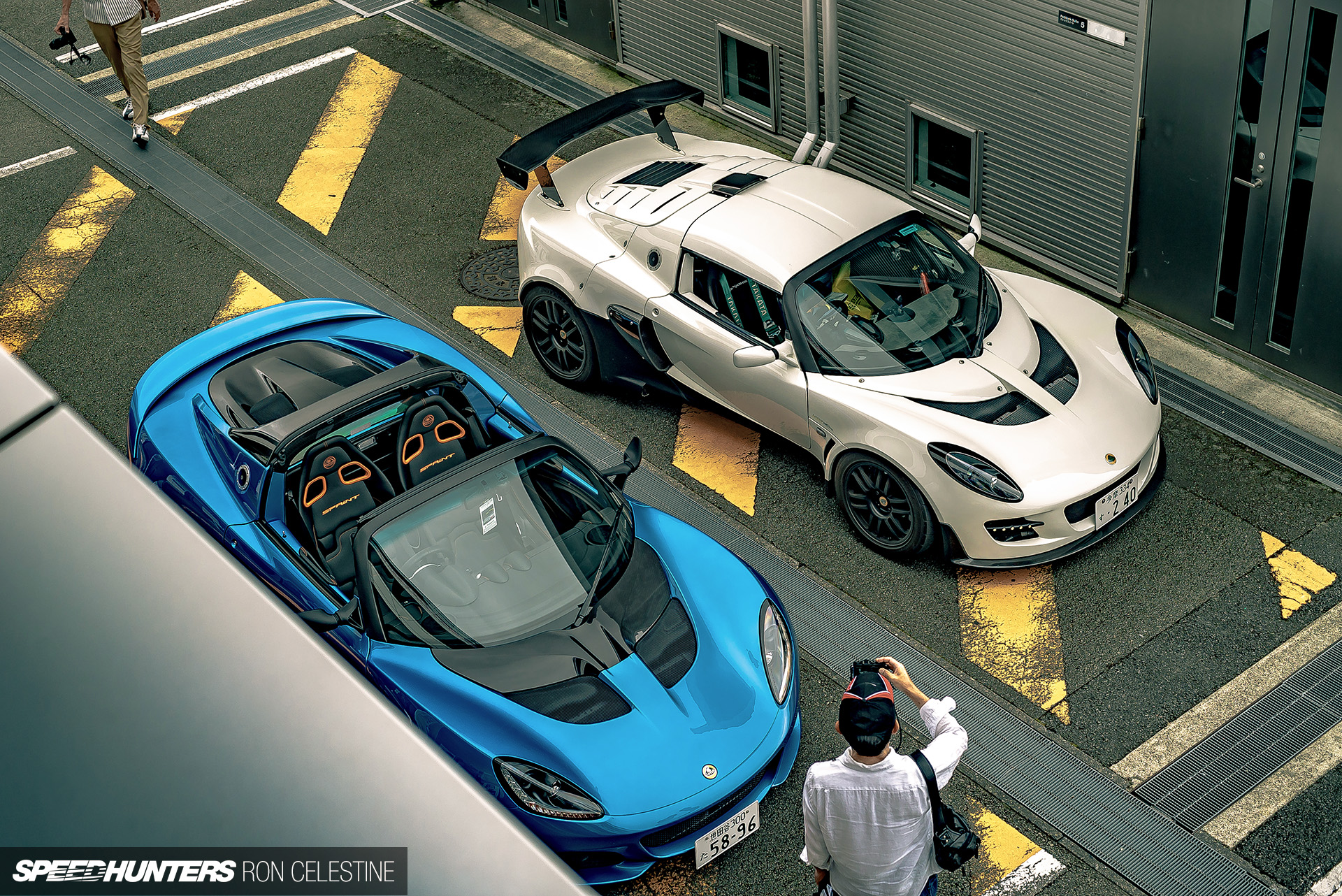
Weighing in at 1,680kg (3,703lb) in its lightest configuration, the Evija is a far cry from what’s considered ‘light’ – especially for a Lotus.
The counterargument to this is that despite the weight penalty from the batteries and electric motors, the Evija will still be the lightest EV hypercar ever produced – currently a very specific niche.
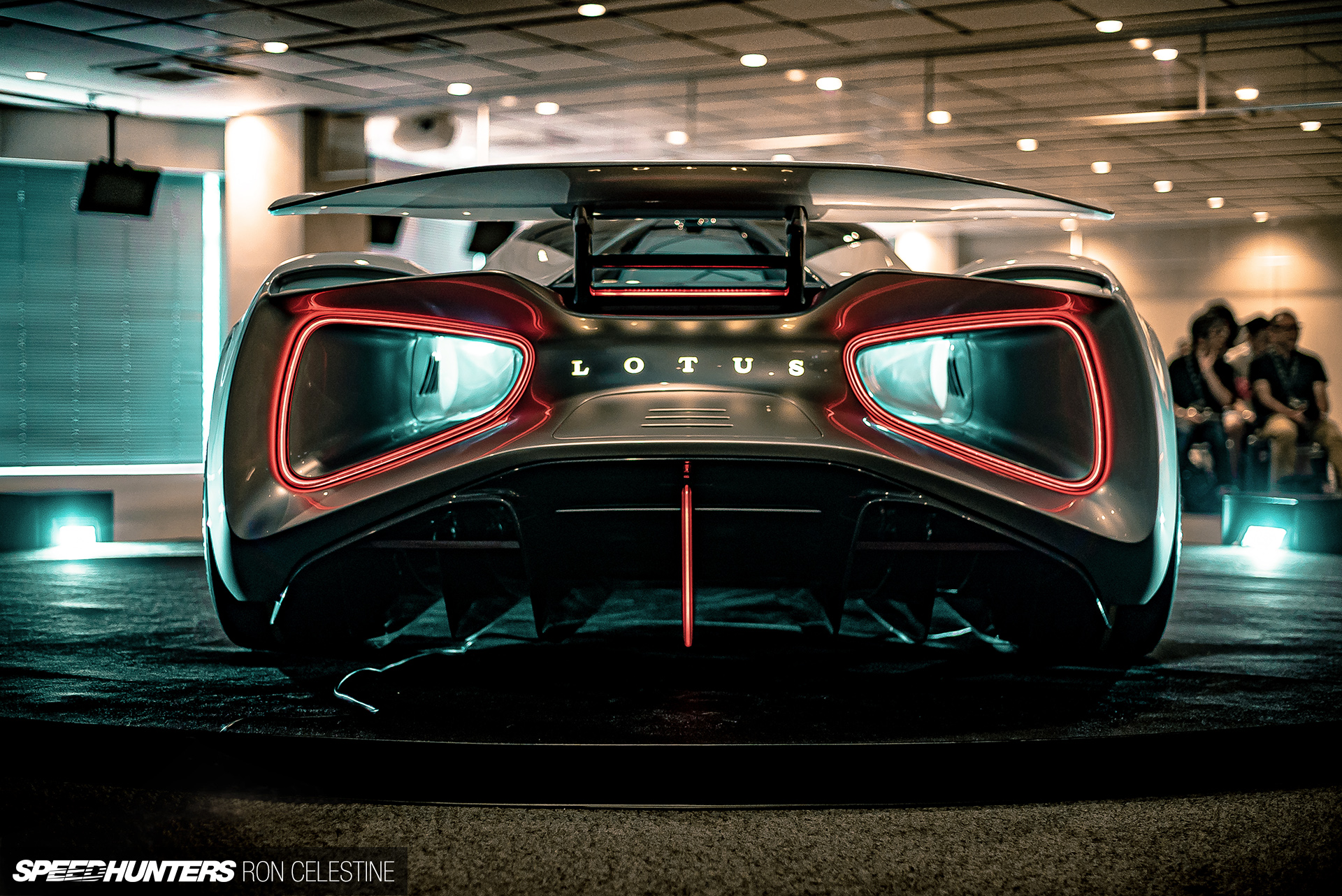
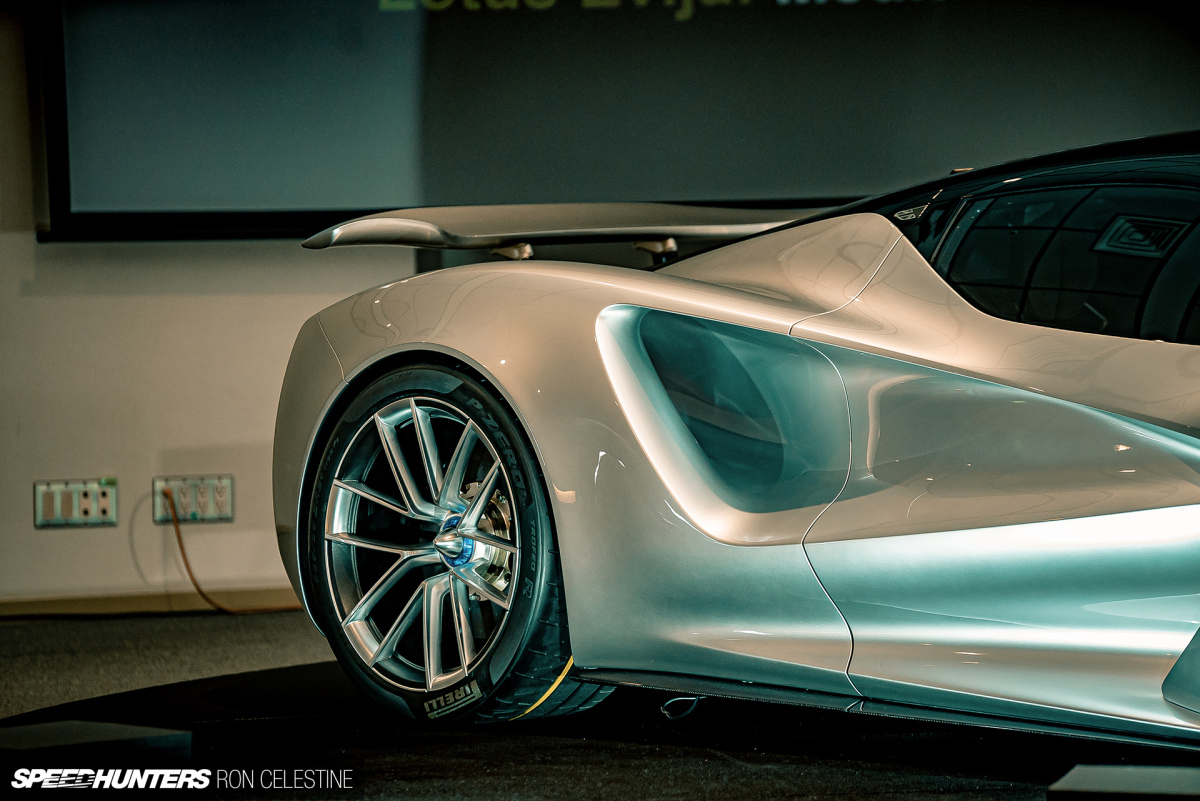
It’s hard to criticize the Evija’s appearance. Every haunch, curve, angle and line that has found its way on to this car has been designed to manipulate the air around it, and use it in the most effective manner.
To my eyes it looks absolutely stunning – especially from the rear.
The Lotus team present at Fuji Speedway discussed how the Evija was designed with driver interaction in mind, regardless of it coming equipped with a host of electronic nannies. But let’s face it – having almost 2,000hp and 1,253ft-lb at your right foot’s disposal without any assistance would not be a great idea.
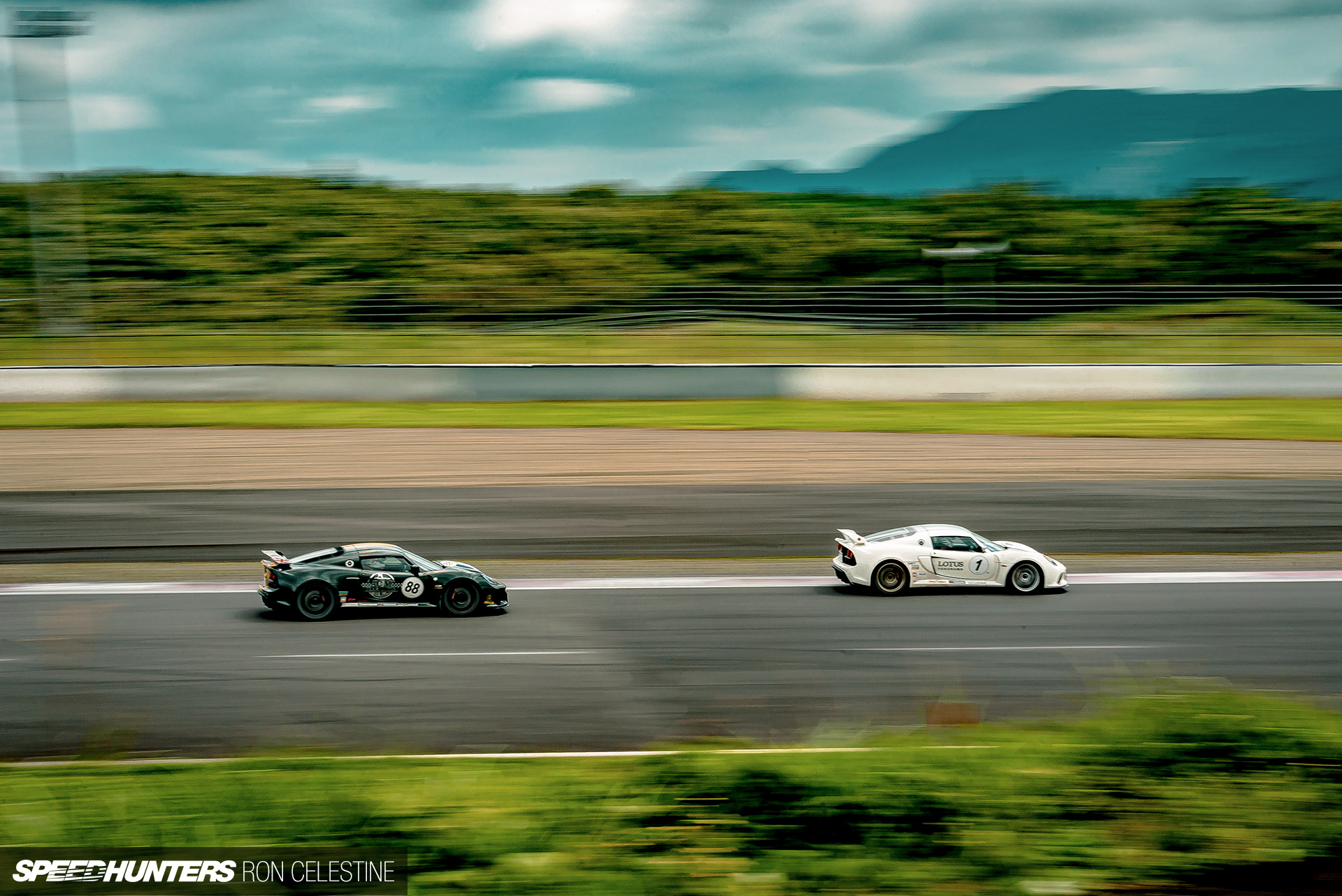
And therein lies perhaps a possible problem with the Evija – it’s entirely too much. If you’re in a position to be able to purchase one of these cars, are you really going to fang it around the track? Or does it become more of an investment piece to sit in a private collection?
It all seems very un-Lotus.
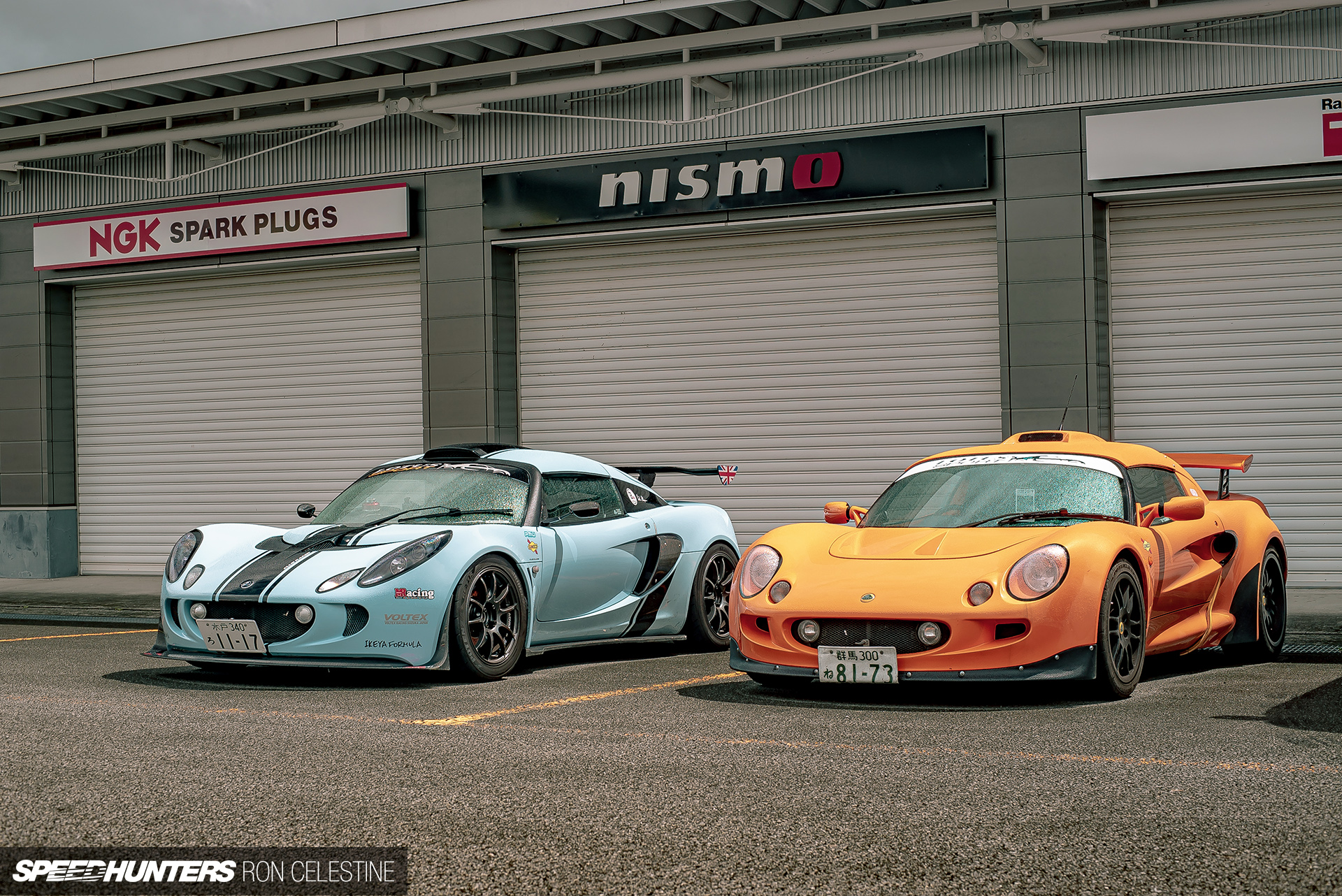
I understand this is first and foremost a halo product to show the car world that Lotus is back and that it had better take notice. The technology developed on this project will surely trickle down to the more obtainable Lotus models in the future, like the Exige and the Elise, but that was something the team remained very tight-lipped about during the Q&A session.

But one has to wonder if the quote, “The Evija is a Lotus like no other, yet a true Lotus in every sense,” by Lotus CEO, Phil Popham, rings true. Regardless, we are keen to hear what you think, but maybe we should first take a look at the past and present Lotus cars for a reminder as to what makes a Lotus, a Lotus.
I’ll be back with more, shortly.
Ron Celestine
Instagram: celestinephotography