
Car designers often say that it’s harder to design a small car than a big one.
I can see why. Each curve, line and detail contributes much more to the final appearance of a supermini than a full-size car, and you have less space to try and blend together those features into a cohesive design. Overcomplicate things and you have a busy little car that turns heads for the wrong reasons. On the other hand, play it too safe and you risk designing a car that has no presence whatsoever, both in physical size and design.
The same risks apply when modifying a car. In between the schools of less and more in the tuning world, there’s a fine line on which some of the best builds lie. To me, these are cars that capture your attention without searing your eyeballs, yet upon inspection have just the right touches to stand above the rest. I call these ‘second glance’ cars.

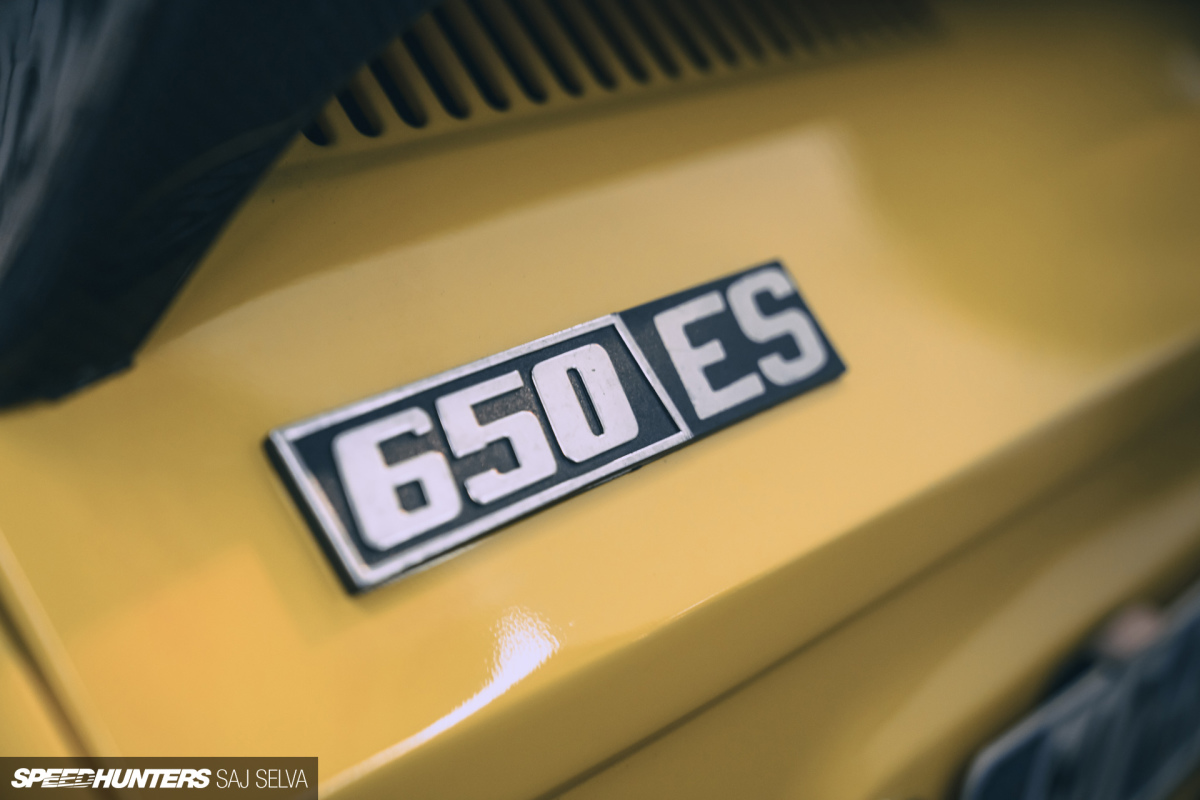
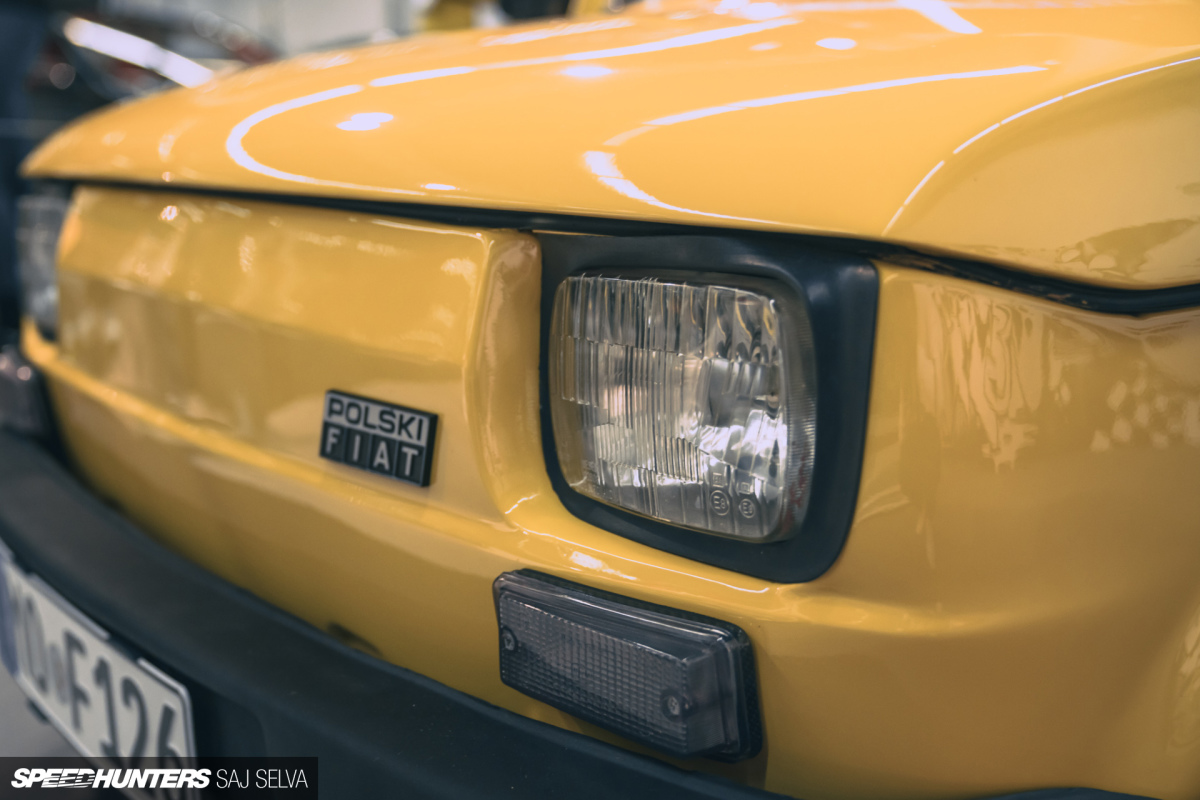
The Fiat 126p is an incredibly unremarkable car. It’s basic, slow, and the sole reason it had any success is because it was the only car that most people were allowed to buy in 1970s Poland. It’s the runt of a communist litter of hopeless cars. My mother wanted one growing up. She never got one. I would never want one. I like big, imposing cars that wouldn’t look out of place on a ’90s hip-hop album cover.



The one thing the 126p has going for it is that it’s a ‘cute’ car. This cuteness, combined with its pastel yellow paint (and maybe a sense of Polish pride), is the reason I paid any attention to this one. I’m glad I did though, because it didn’t take long for me to realise that this little yellow speck is definitely on that fine line of balance that’s so hard to come by nowadays.

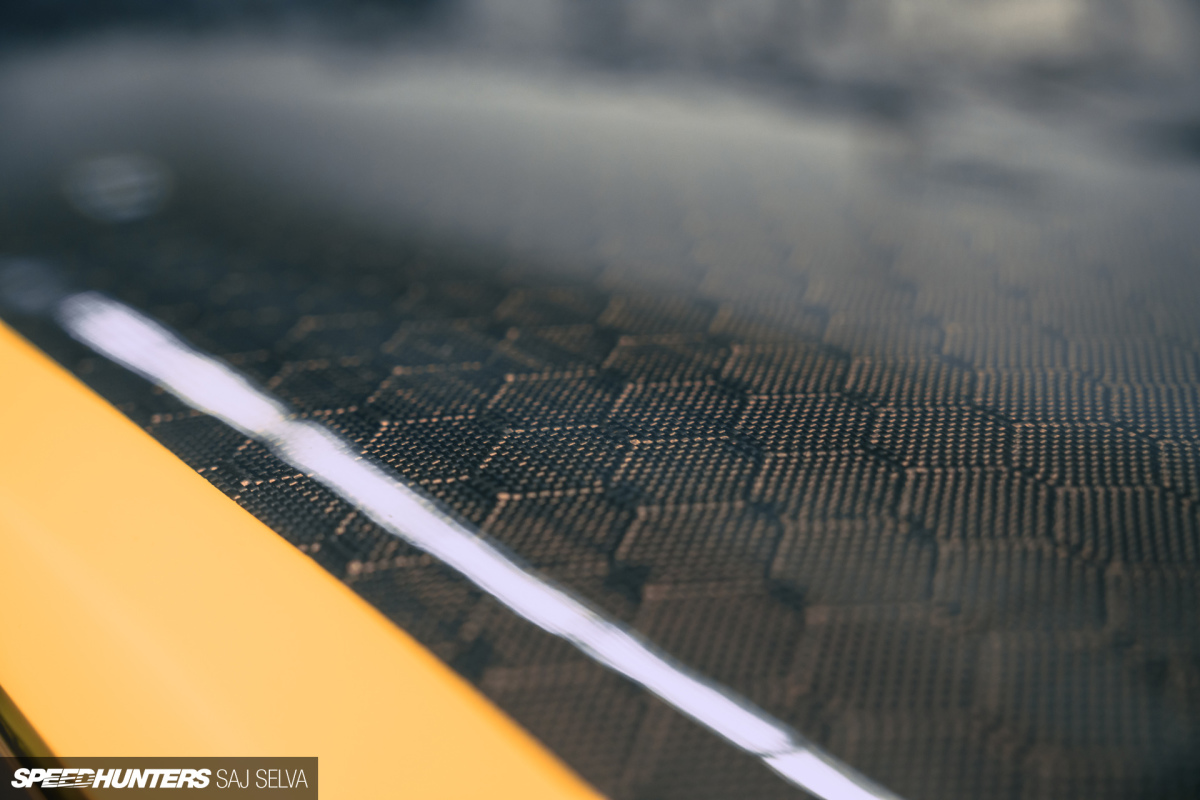
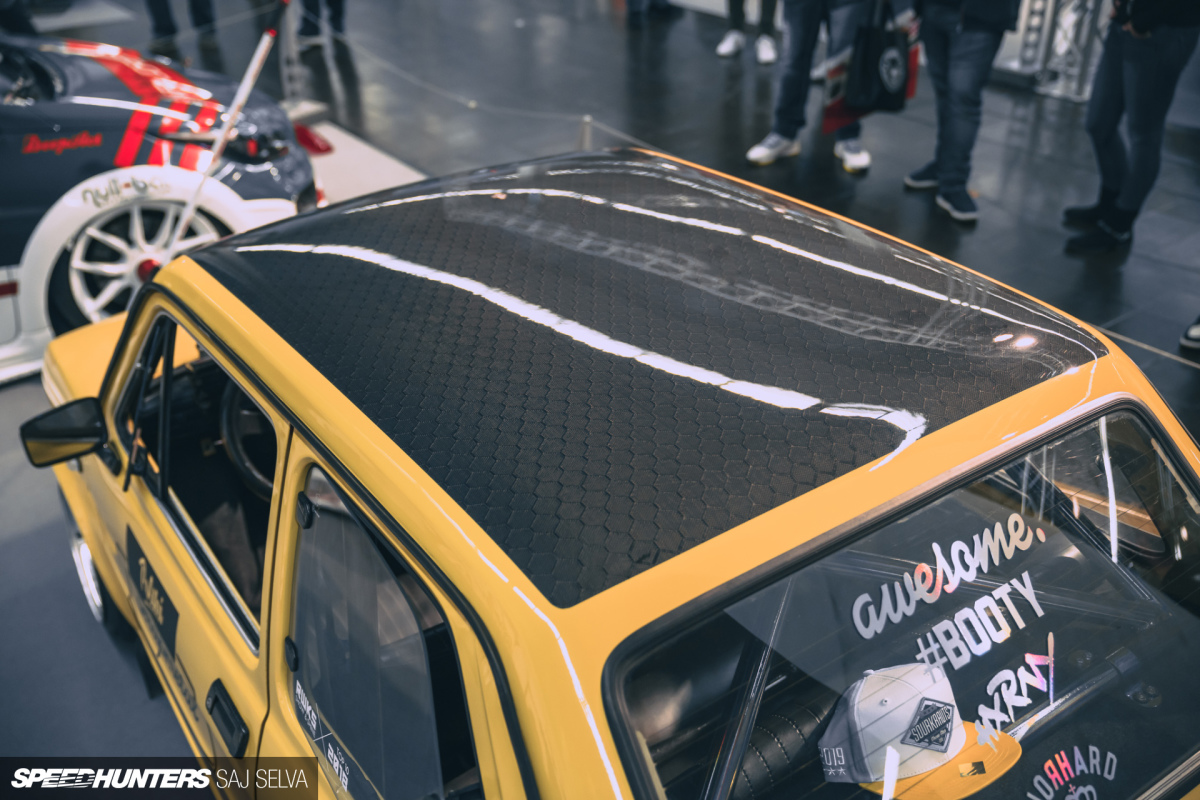
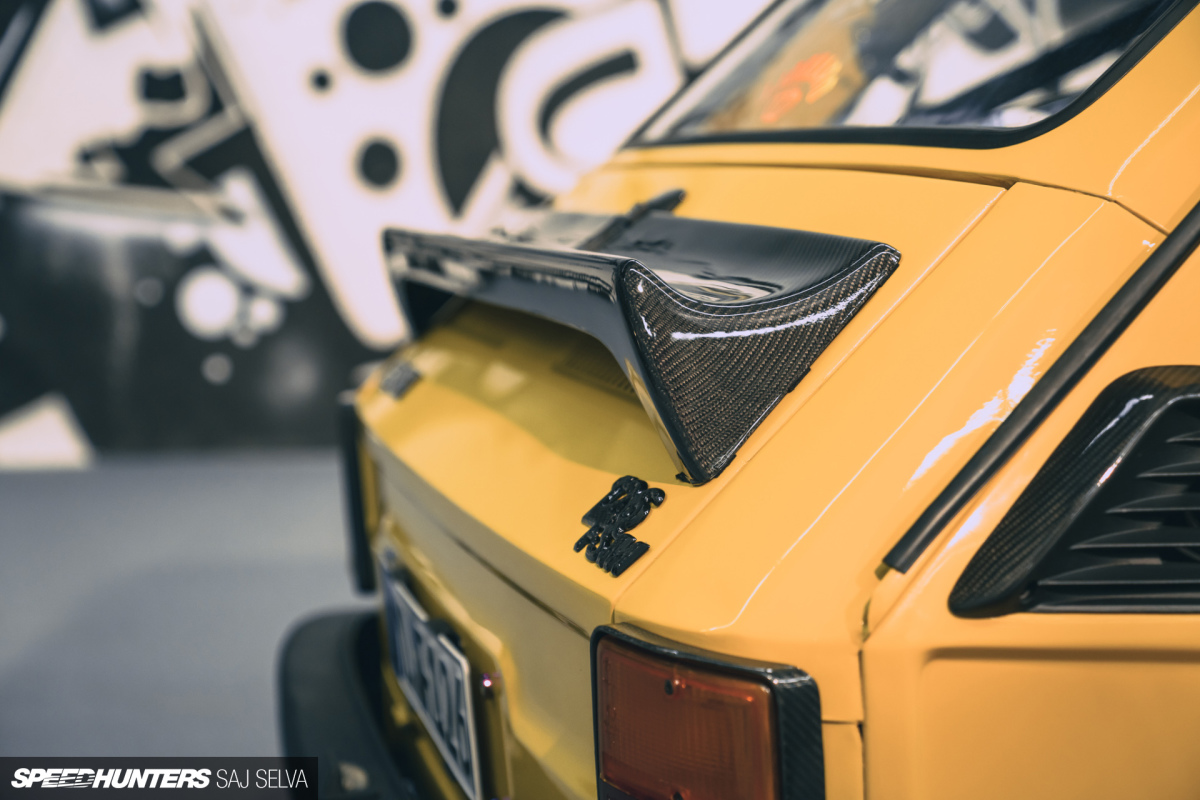
The paintwork is glossy, and the body is remarkably straight given its age. There appears to be a black contrast roof and little black ducktail spoiler. The plastic bumpers are a deep black, not the faded grey seen on most surviving 126s. From a distance, the only big clues to any modifications are the large ‘Polski Scrapmetal’ stickers adorning the doors, echoing my personal sentiment towards these little cars.
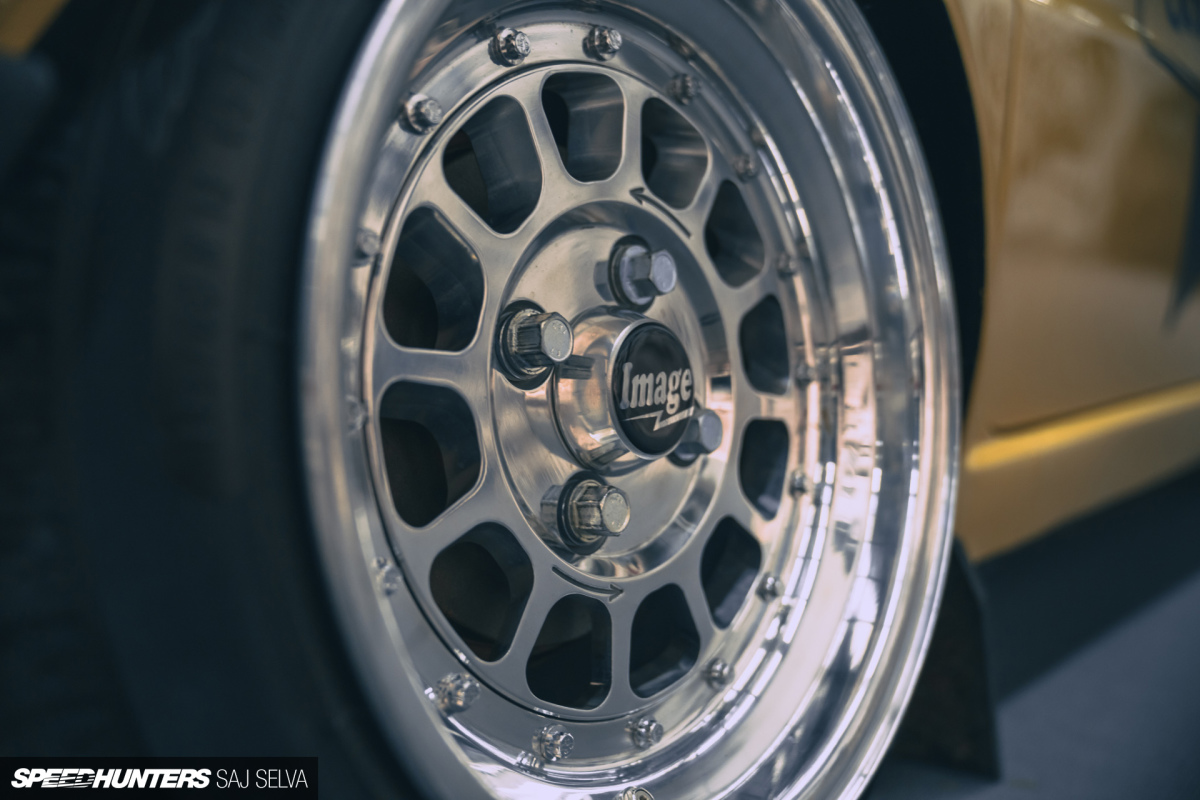
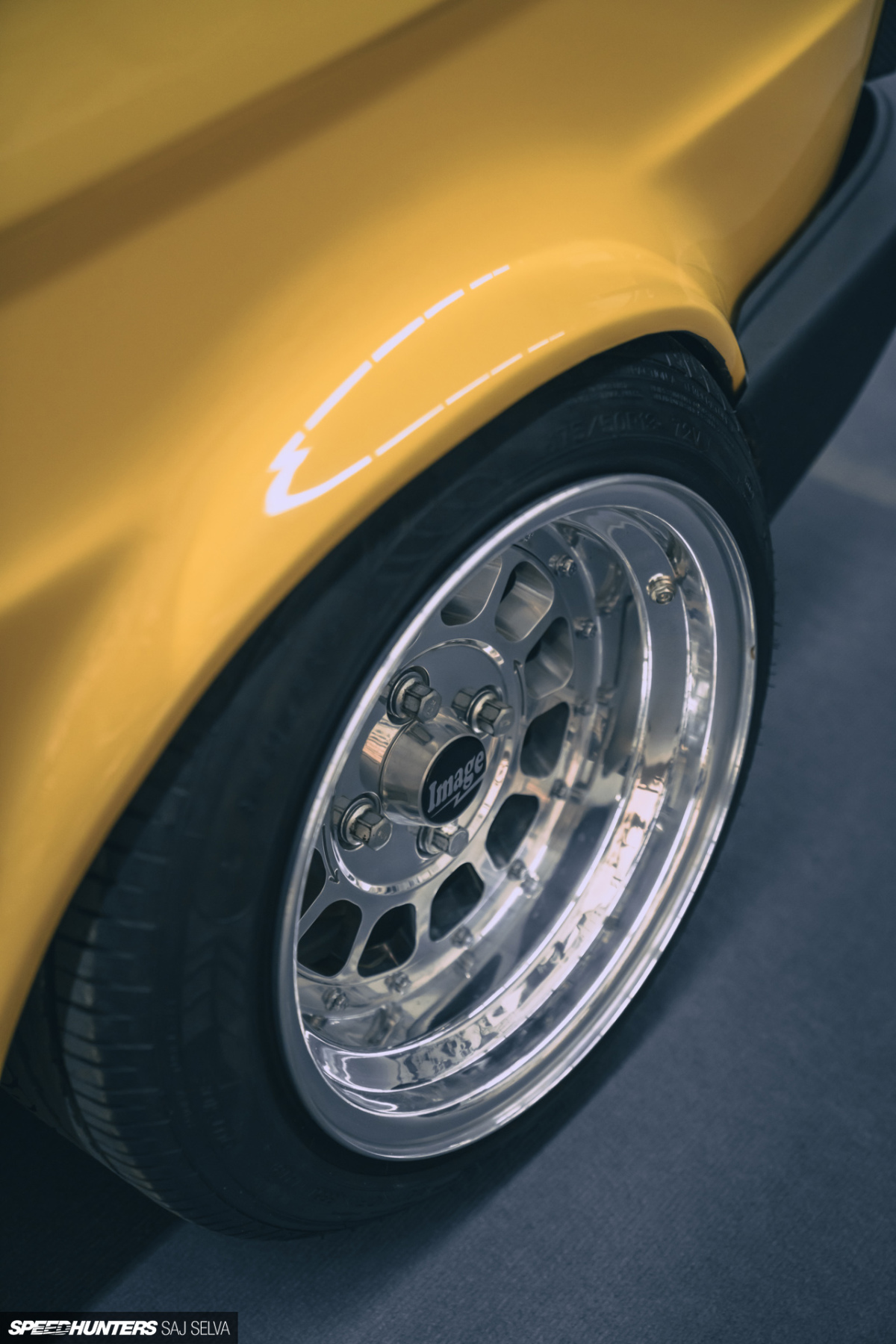
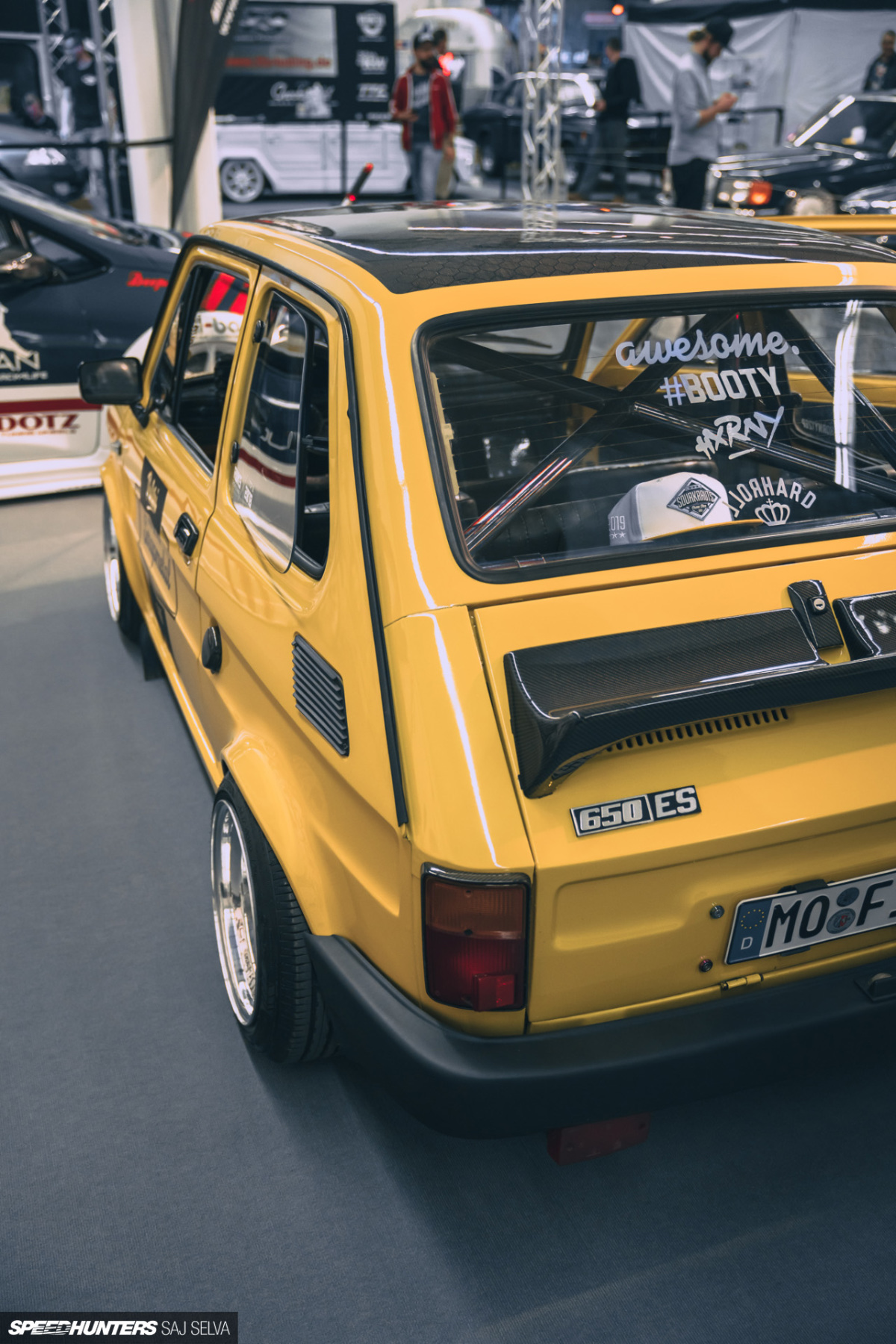
Look a bit closer however, and you’ll notice more. From the ground up there are well thought out touches such as the front chin spoiler and the custom metal rear flares housing aggressive 13-inch Image Billet 60 split rims. At the back of the car, the spoiler which appears black is actually carbon fibre. It’s a surprising feature, but not as surprising as the contrasting roof, which isn’t actually black either.
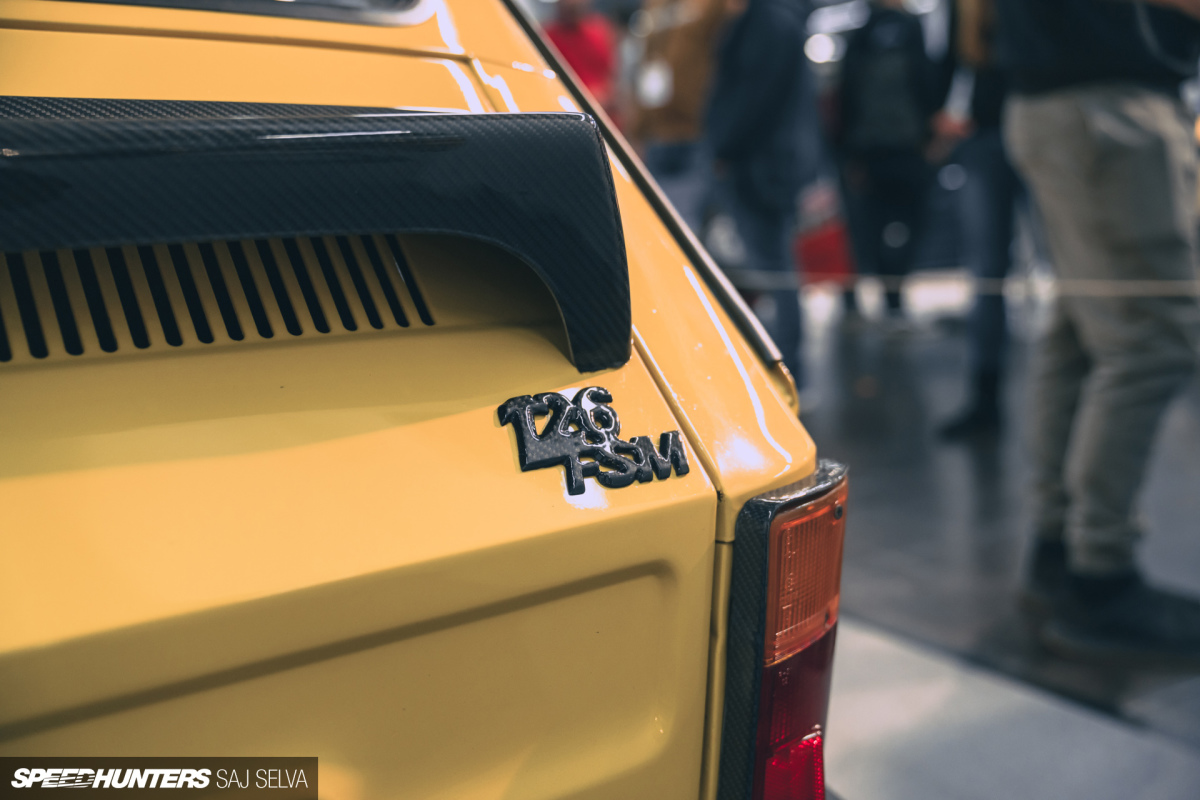
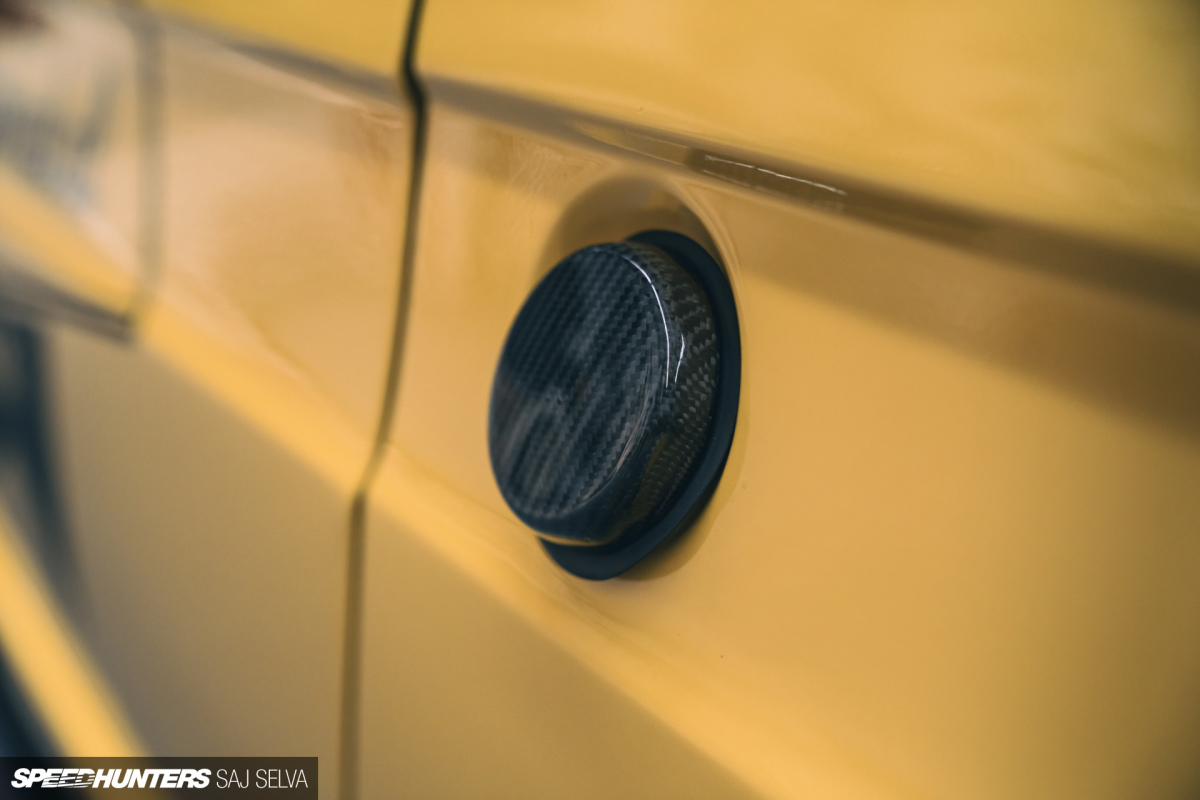
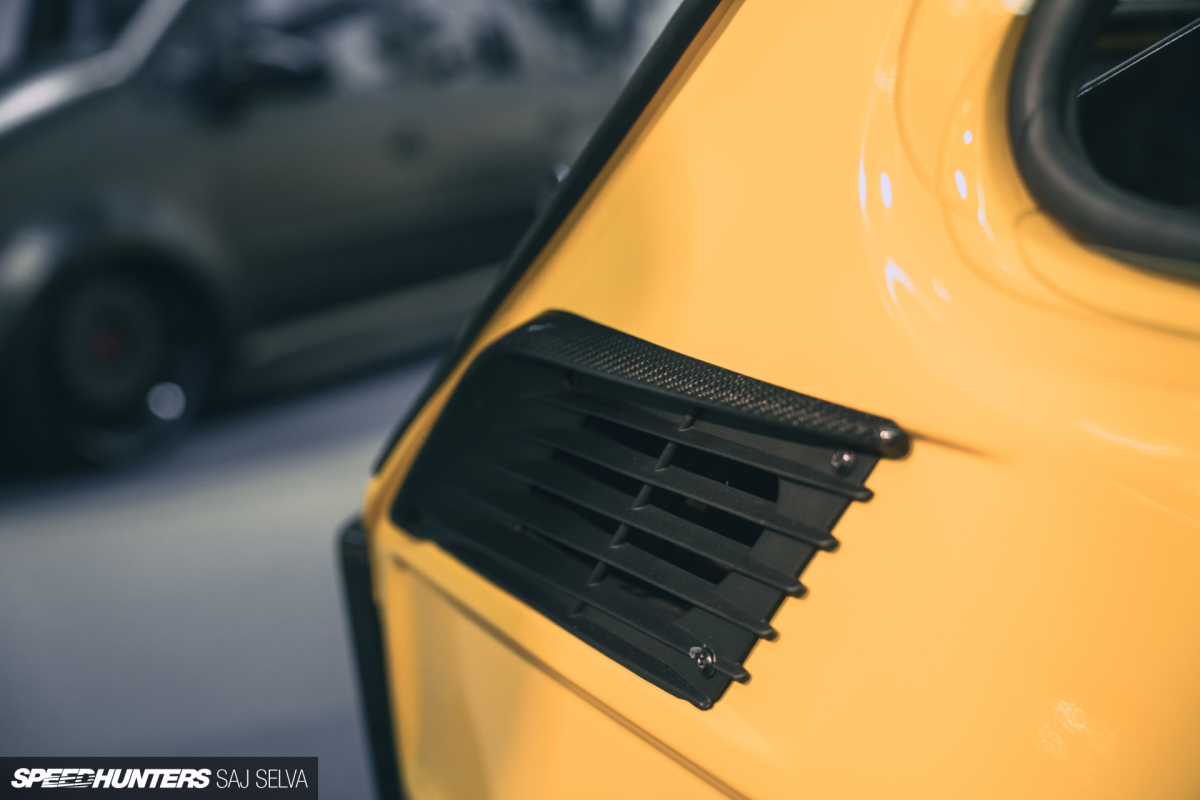
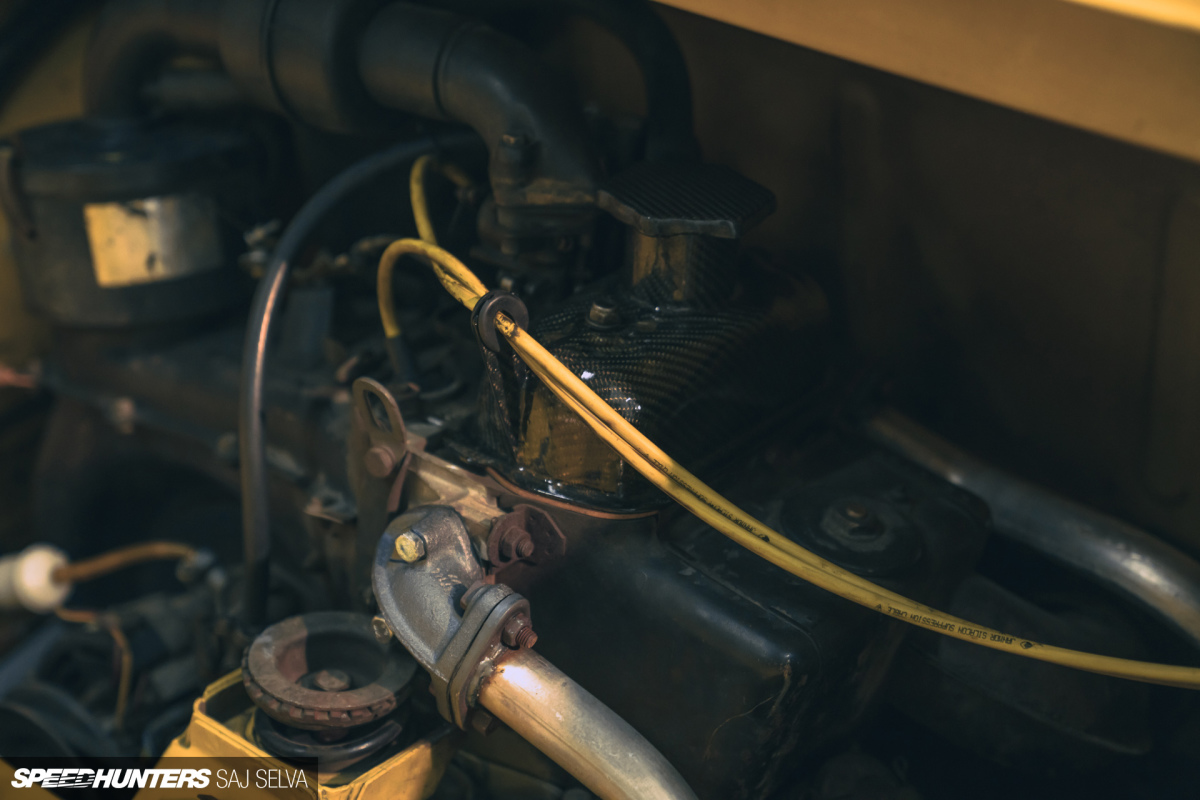
What looks at first glance to be a collection of painted black details are actually all custom, hand-laid carbon fibre pieces. Almost anything you can imagine on the exterior is carbon fibre – the badges, light surrounds, fuel cap, door mirrors, door handles, even the boot (bonnet) handle. The entire roof is skinned in hexagonal weave carbon fibre, and seeing these details on a Fiat 126p of all cars left me in a daze.
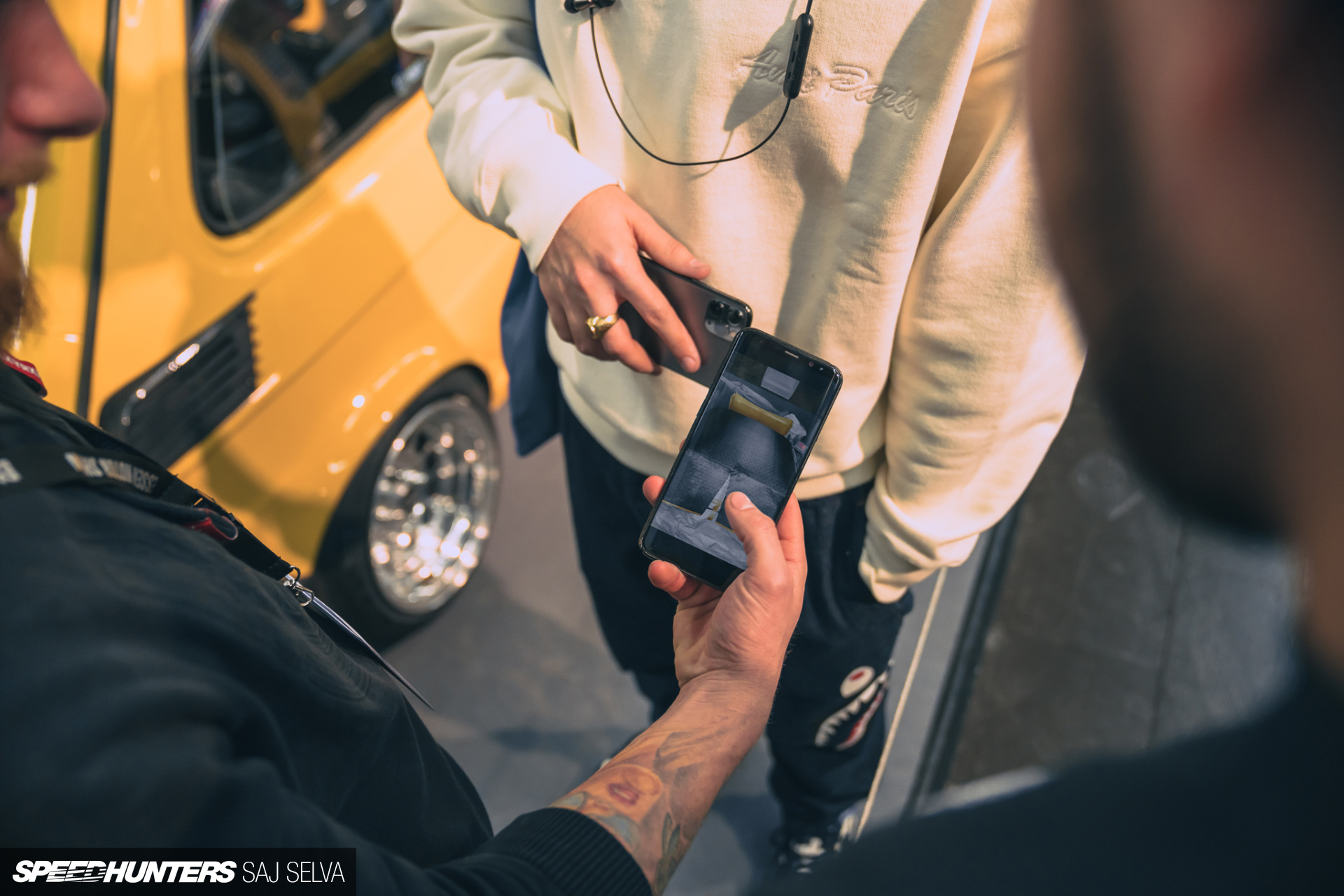
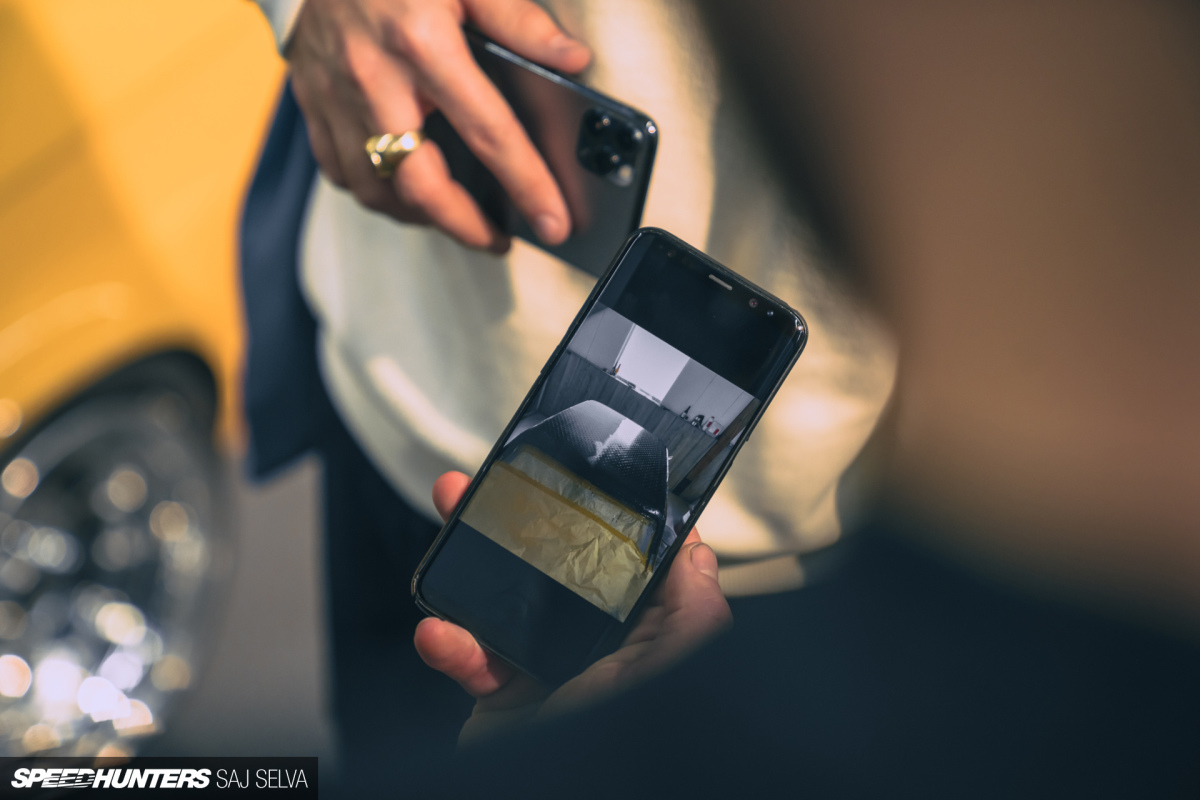
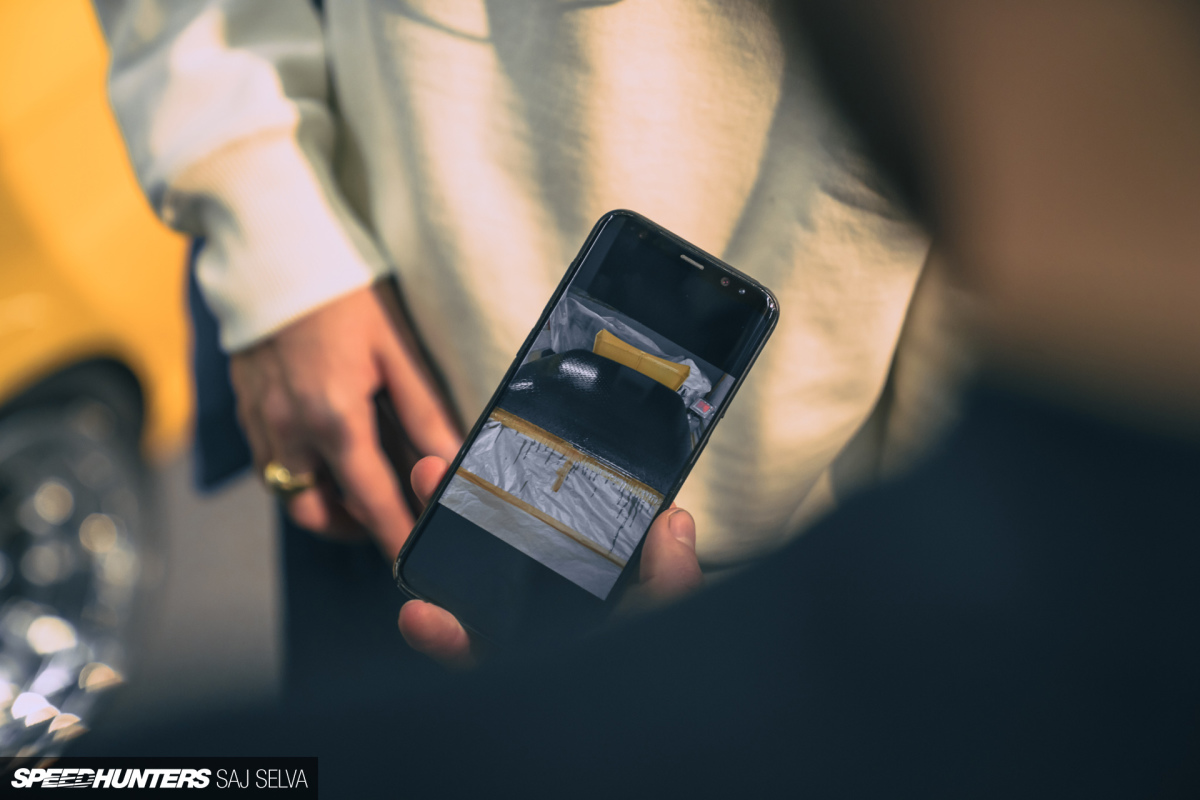
Fortunately, the owner Patric was on hand and thanks to my friend Till translating, he revealed the extent of the work that’s gone into making the little Fiat what it is. He showed us photos of the body work and the carbon fibre laying processes, and explained that he’d done it all himself by hand, including skinning and lacquering the whole roof.
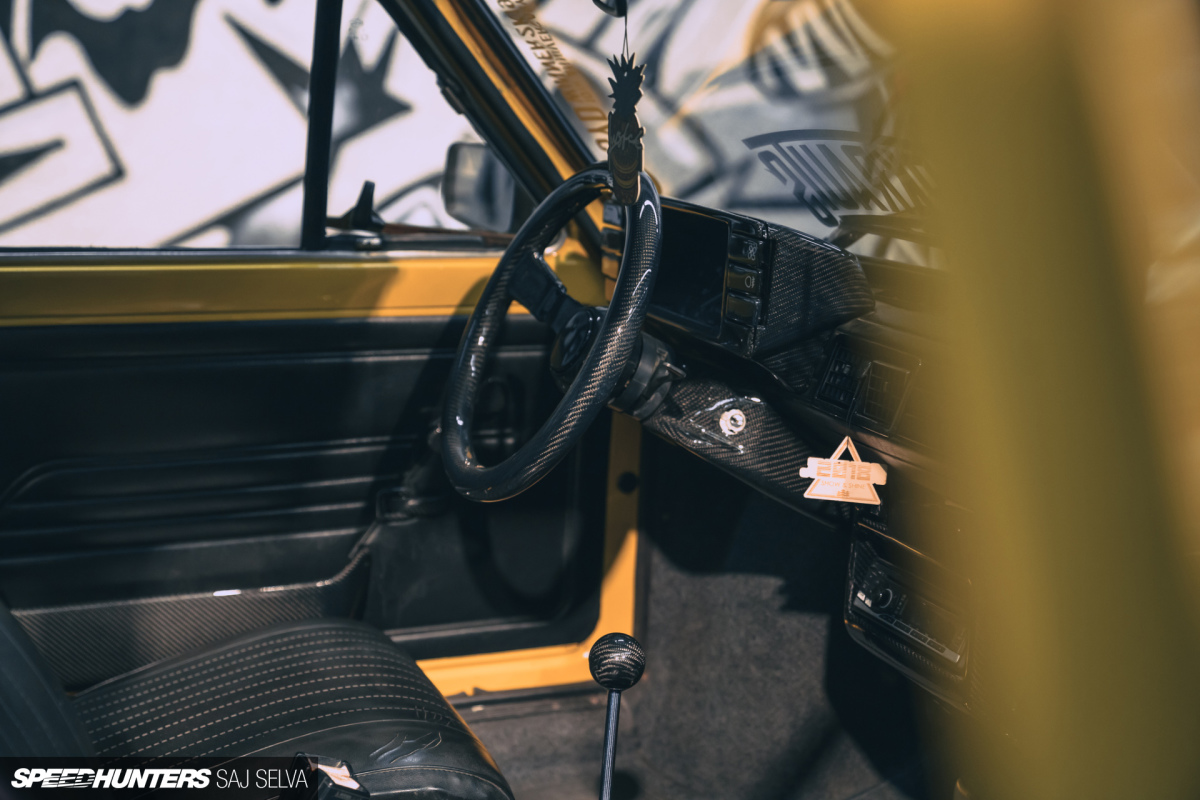
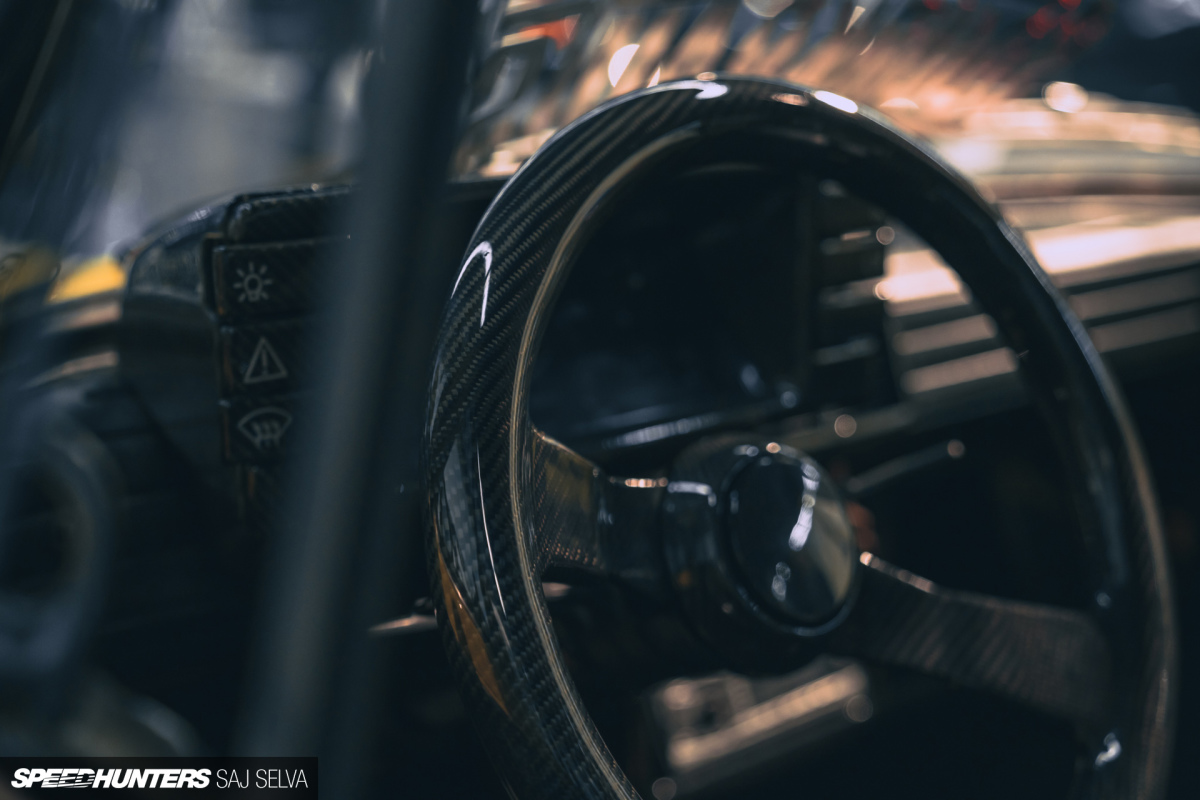
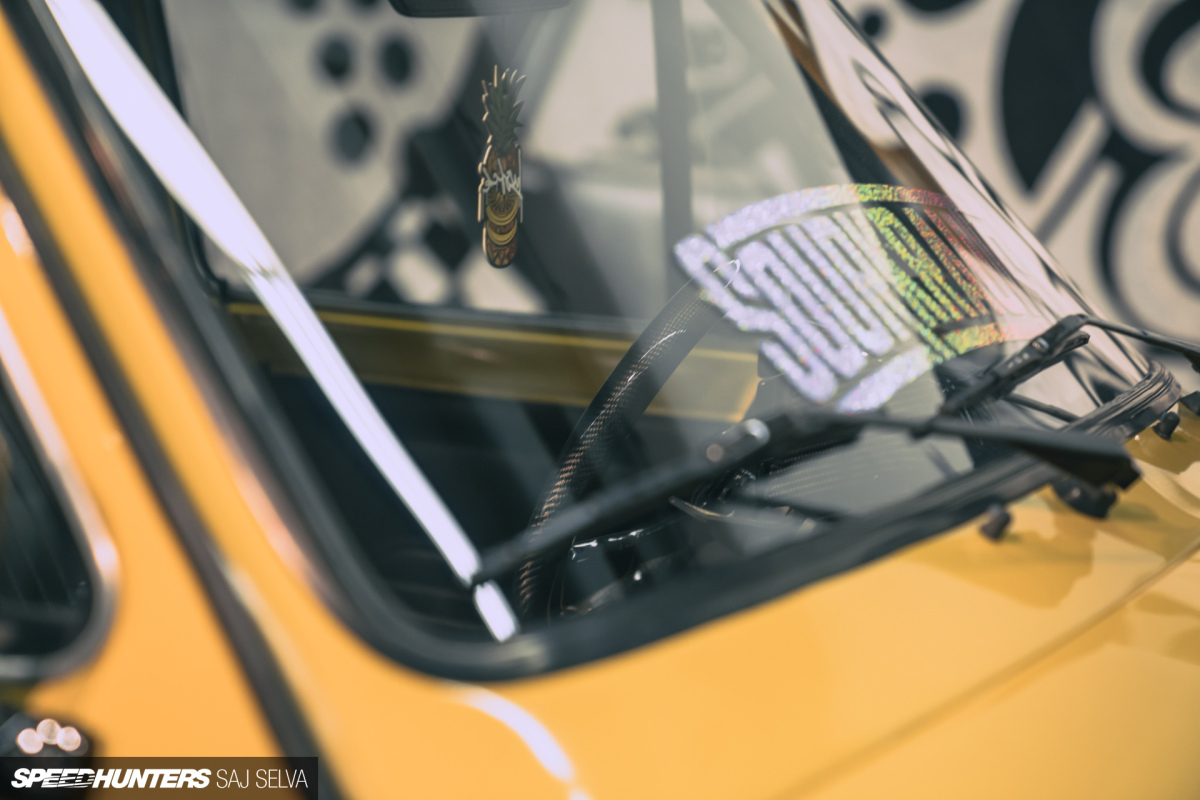
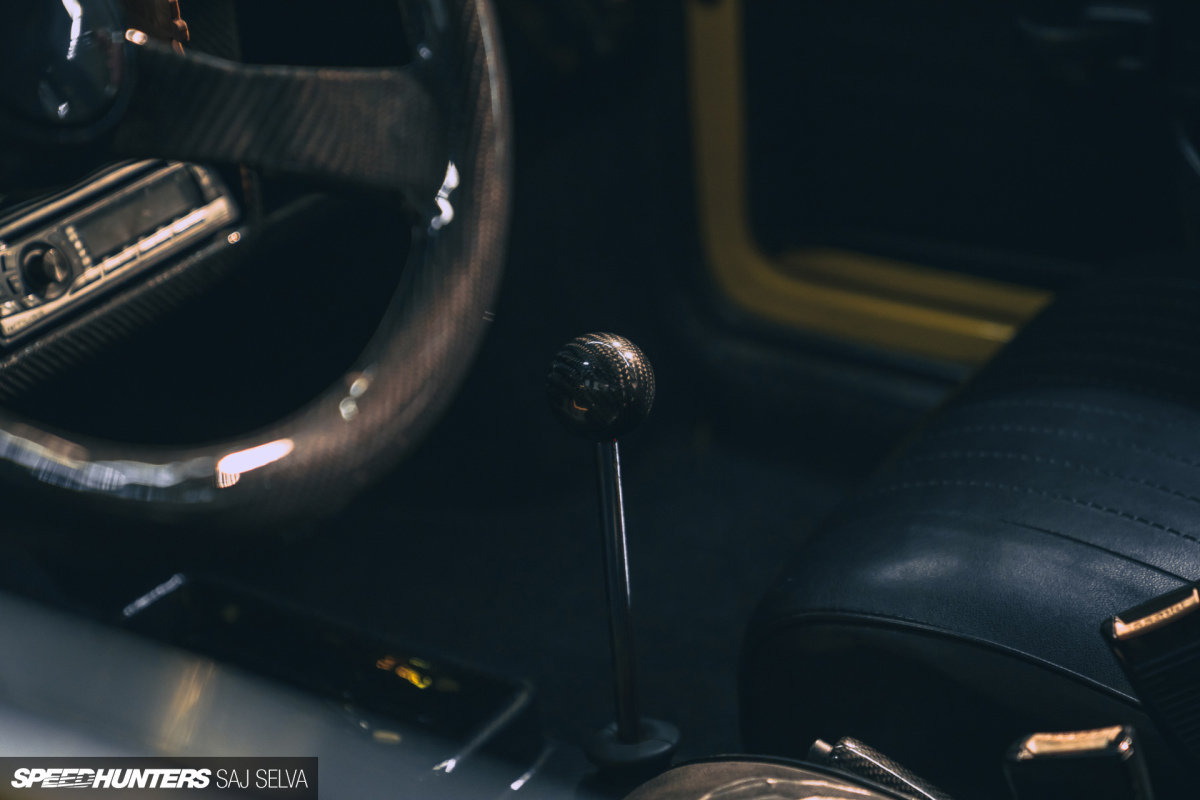
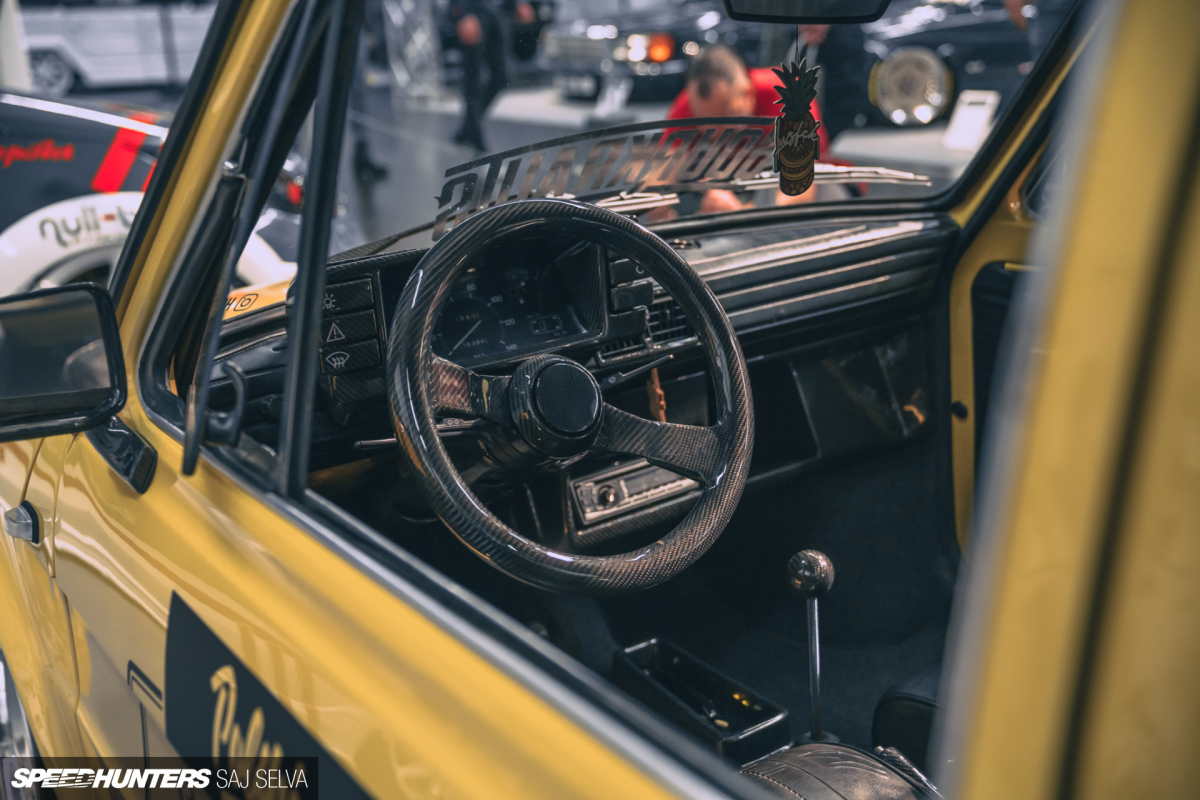
The interior is the most impressive part to me, though. The entire lower dashboard has been recreated out of carbon, as has the instrument binnacle, including all of the buttons. But it’s not just the quantity of the carbon fibre that’s impressive – it’s the quality. No matter the piece or panel, the weave is consistent with no major imperfections or irregularities. The attention to detail is immense.

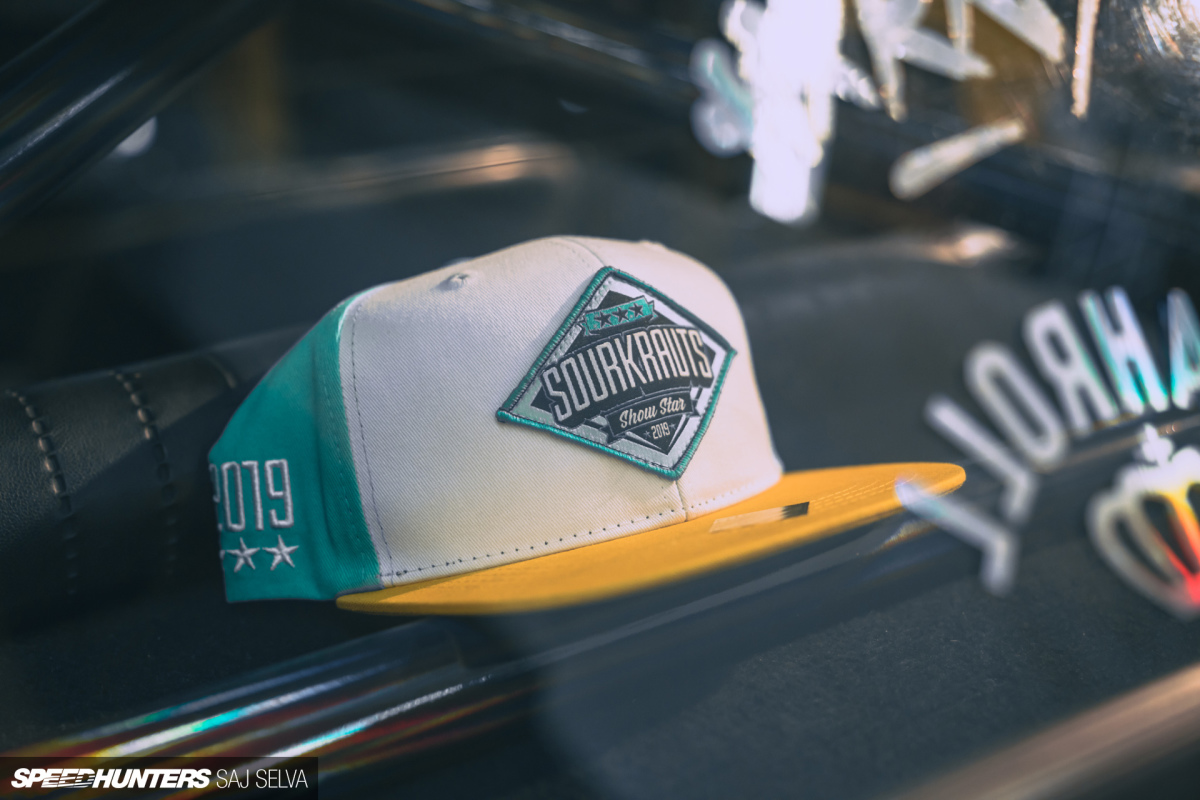
The show and shine hall at the 2019 Essen Motor Show had a wide range of large, loud and beautiful cars with various levels of modification and tuning that should’ve, in theory, appealed to me more. This little 126p, however, stood out amongst the rest. Having struck the ideal balance of subtlety and unique touches, Patric has managed to take what was once a dismal symbol of communism and turn it into a true second glance car.
Who would have thought that something so small could have such a big impact?
Mario Christou
Instagram: mcwpn
Photos by Saj Selva
Instagram: sajselva