
This car was built with a single purpose – to dominate.
The legendary BMW E30 325iS is really sought after today worldwide, but in the late ’80s it was already an icon of South African motorsport, where it dominated the local Group N racing series. At the time, the local arm of General Motors didn’t enjoy BMW’s countless victories, so they conjured up a plan to build something capable of dethroning the 325iS.
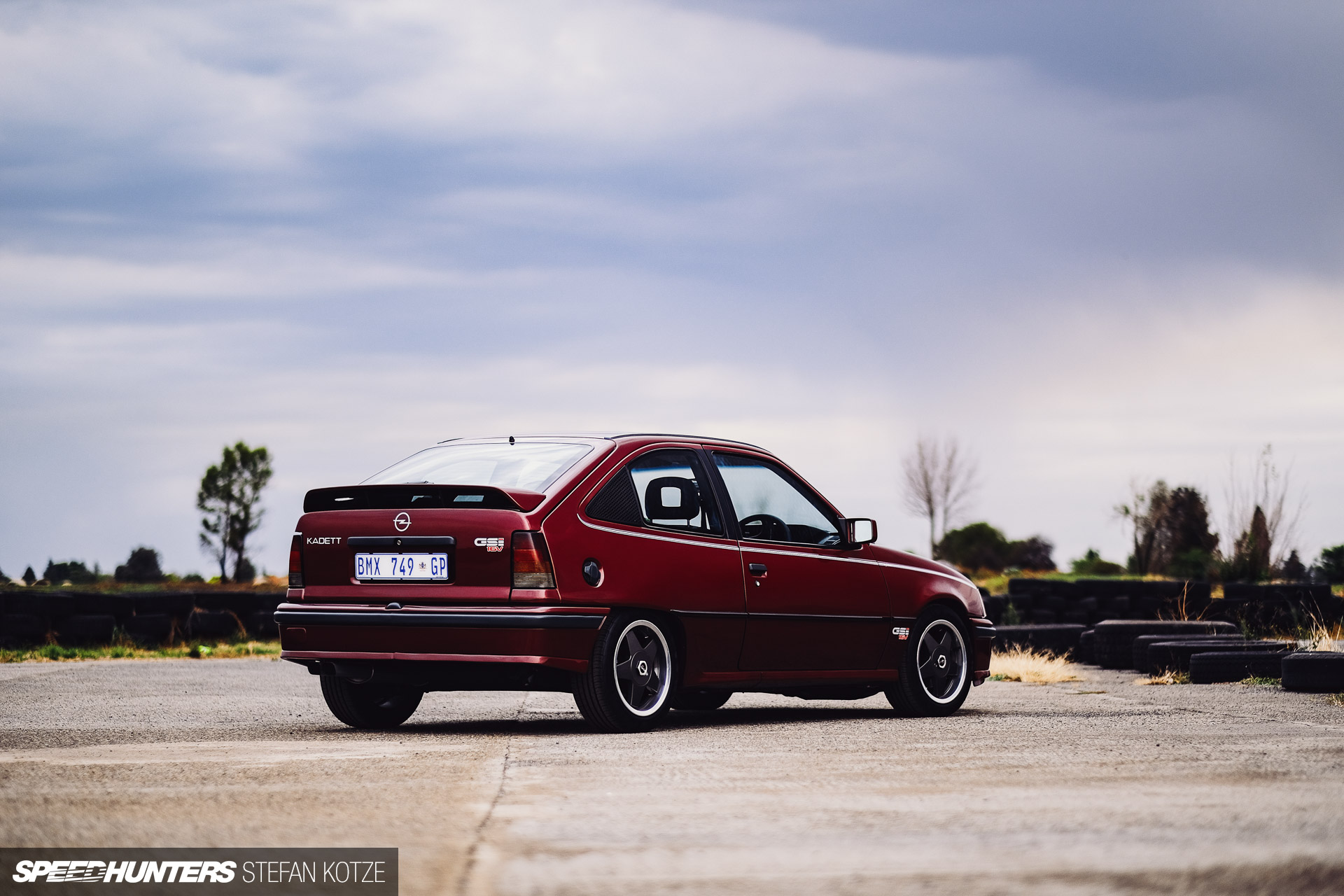
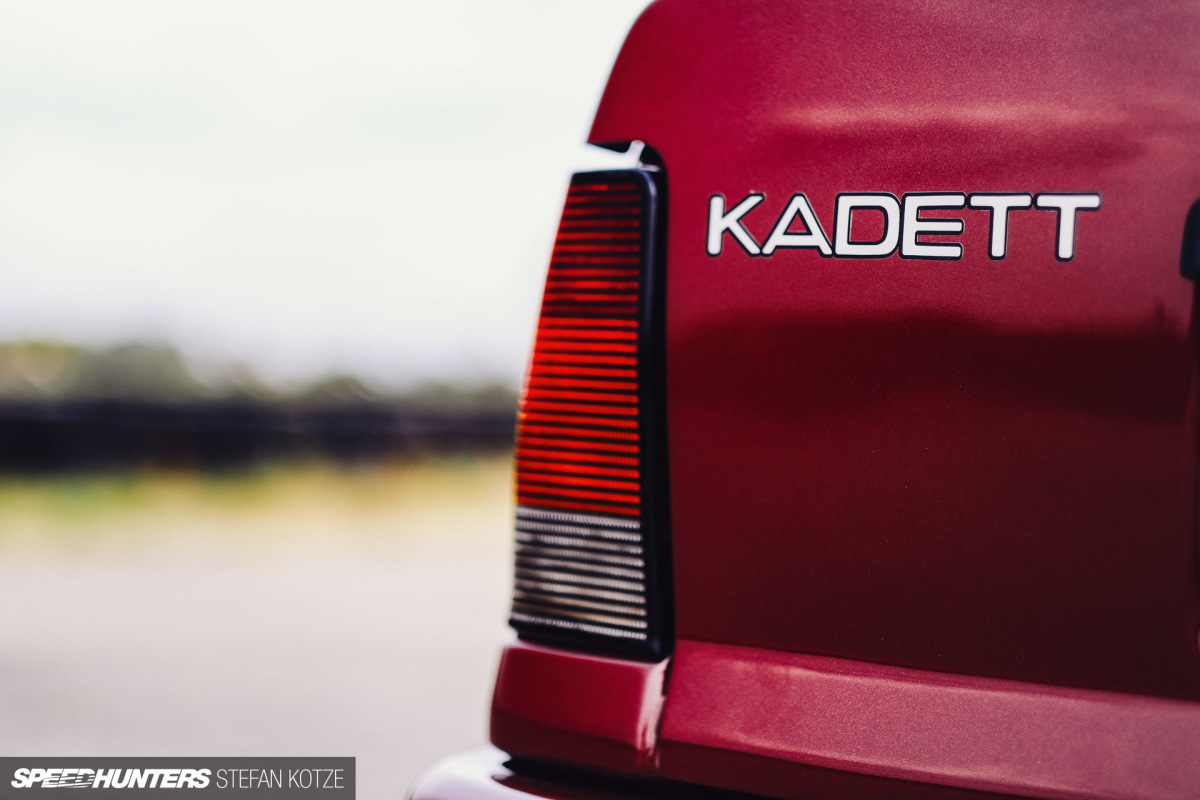
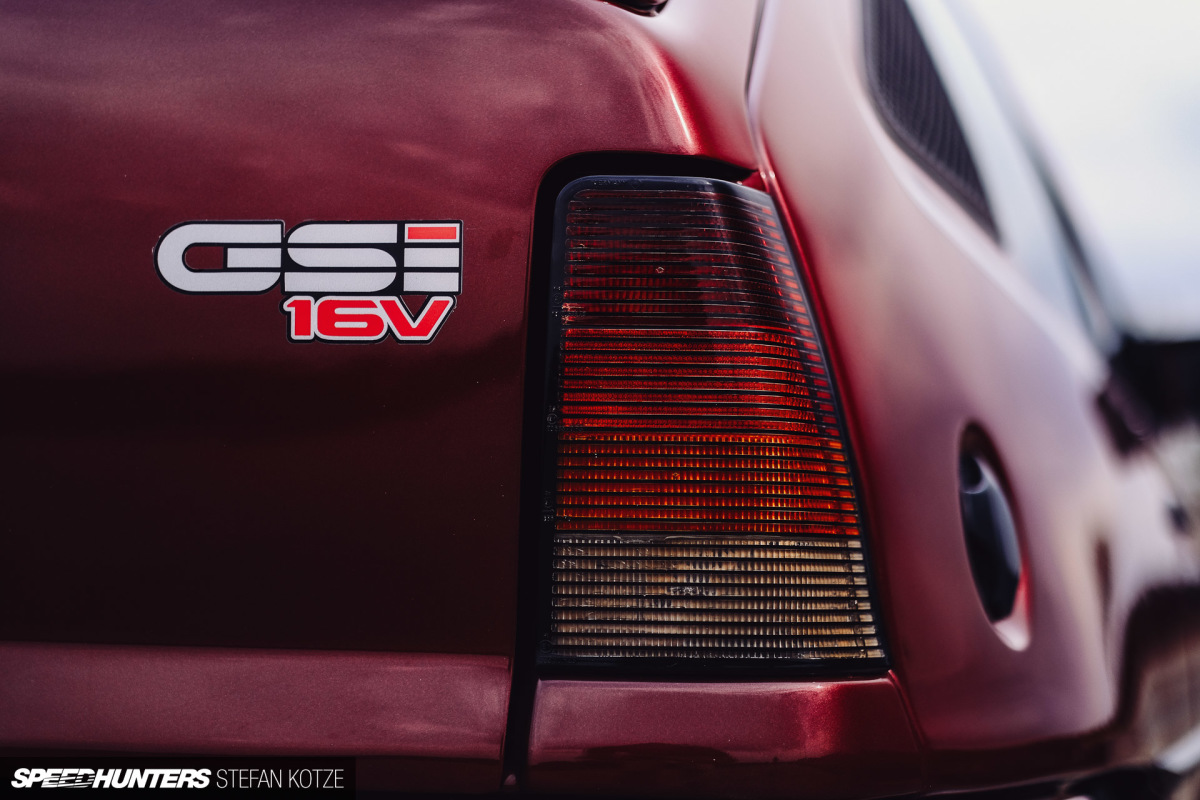
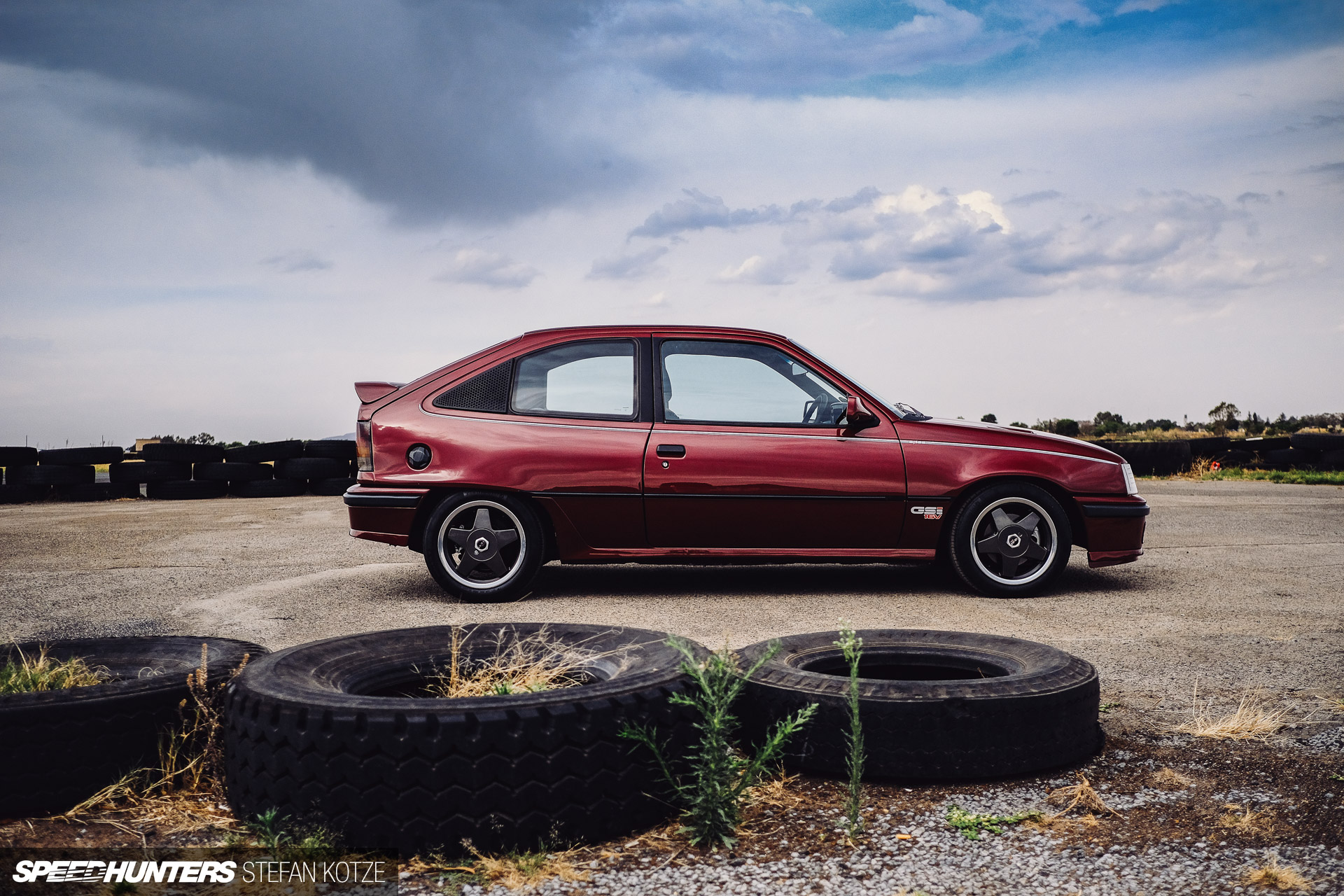
And this is what they came up with: The Opel Kadett GSi 16V S, better known as the Superboss.
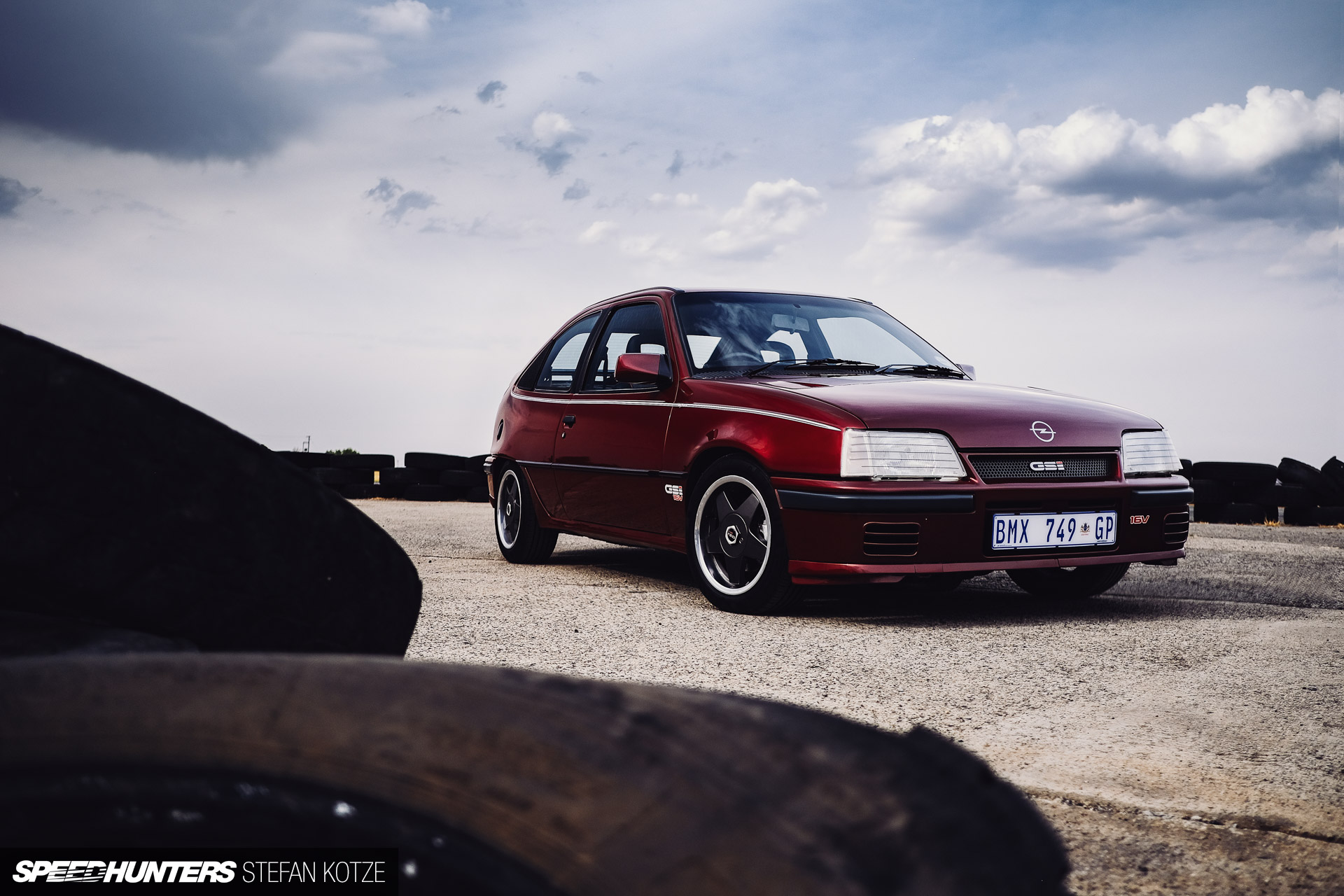
The Superboss wasn’t South Africa’s first performance-oriented Kadett. Prior to this model, there were various versions of the 2.0-litre hatchback spanning two generations of the vehicle. First was the SOHC 8V GSi, which earned the nickname Boss, followed by a DOHC 16V variant, which went by the name Big Boss.
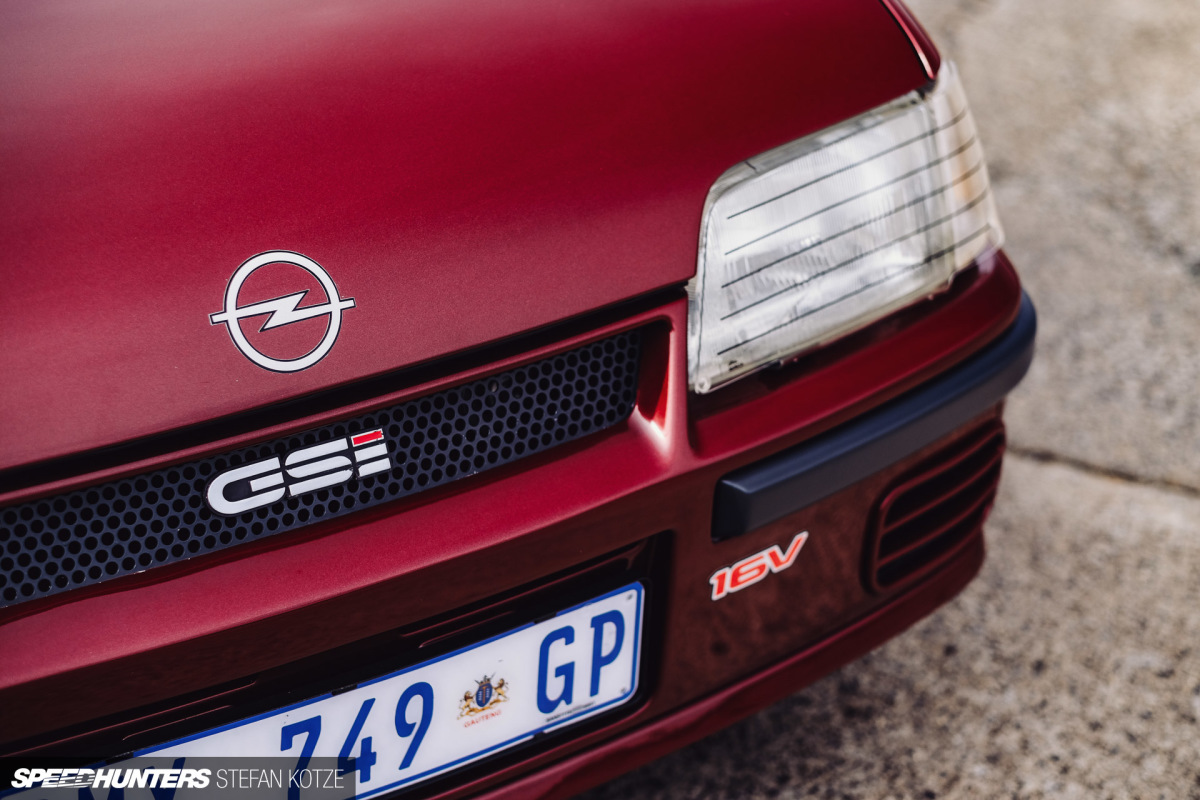

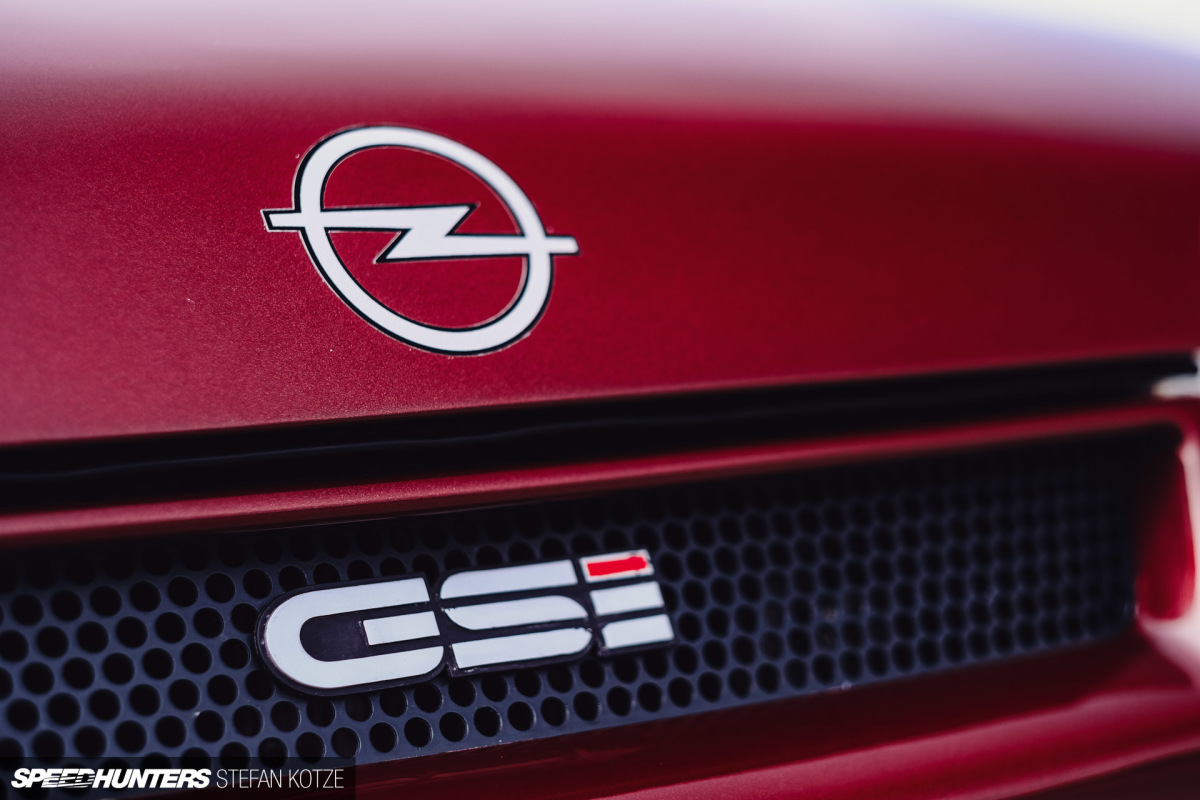
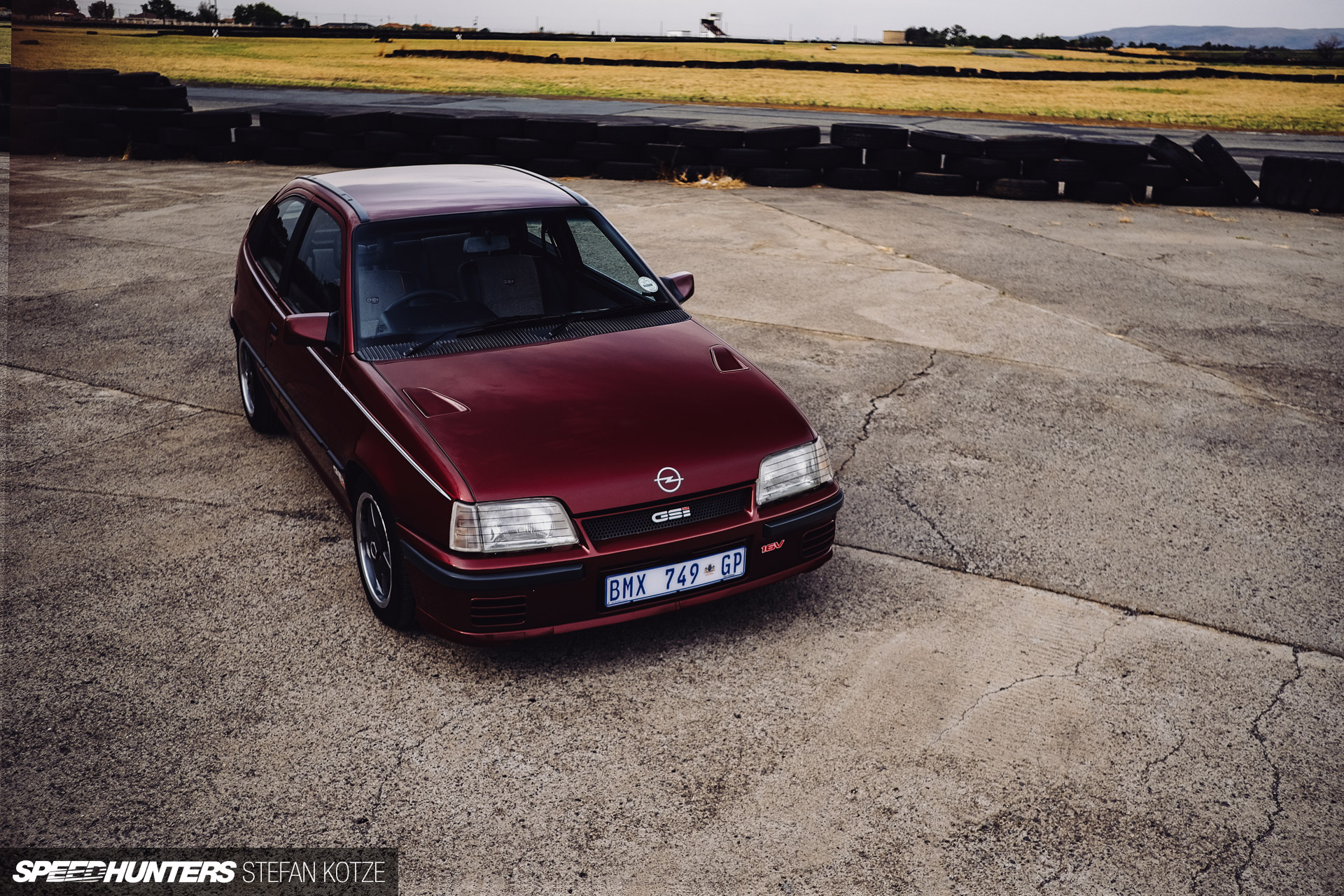
For the Superboss to be homologated for Group N racing, 500 road-going examples needed to be built. This is one of those cars.
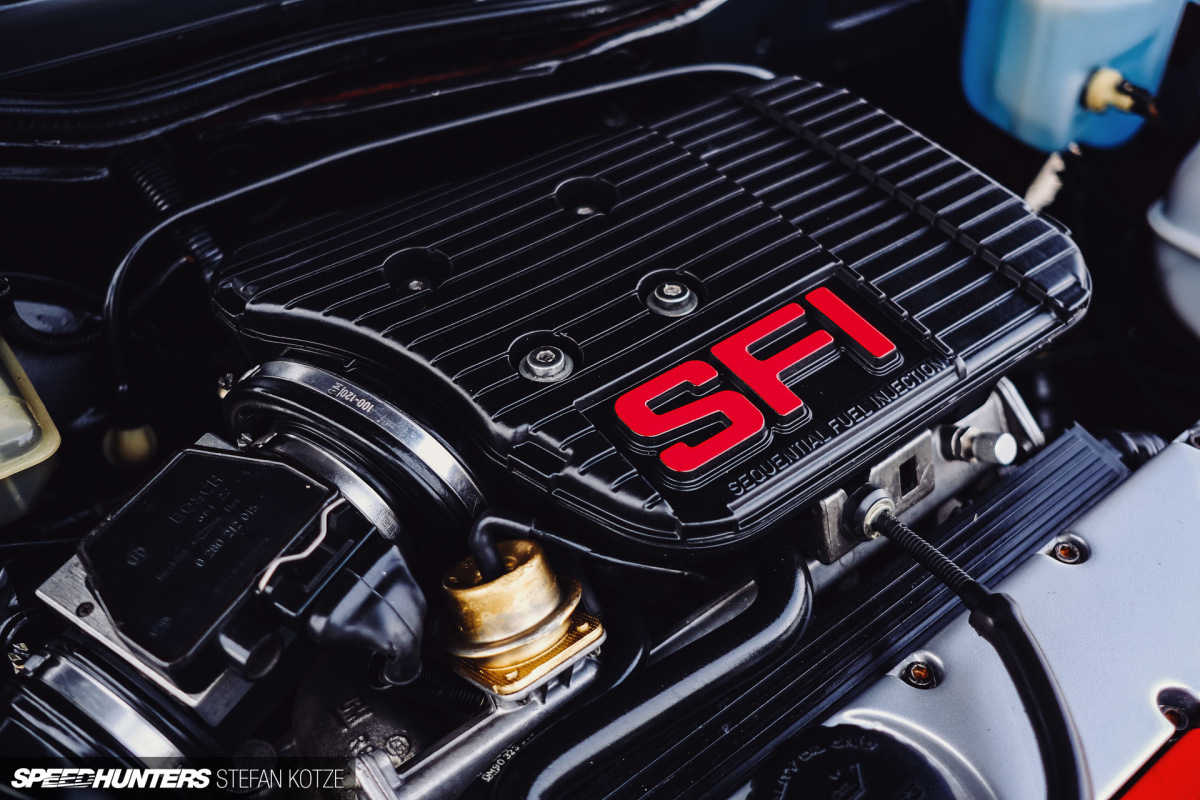

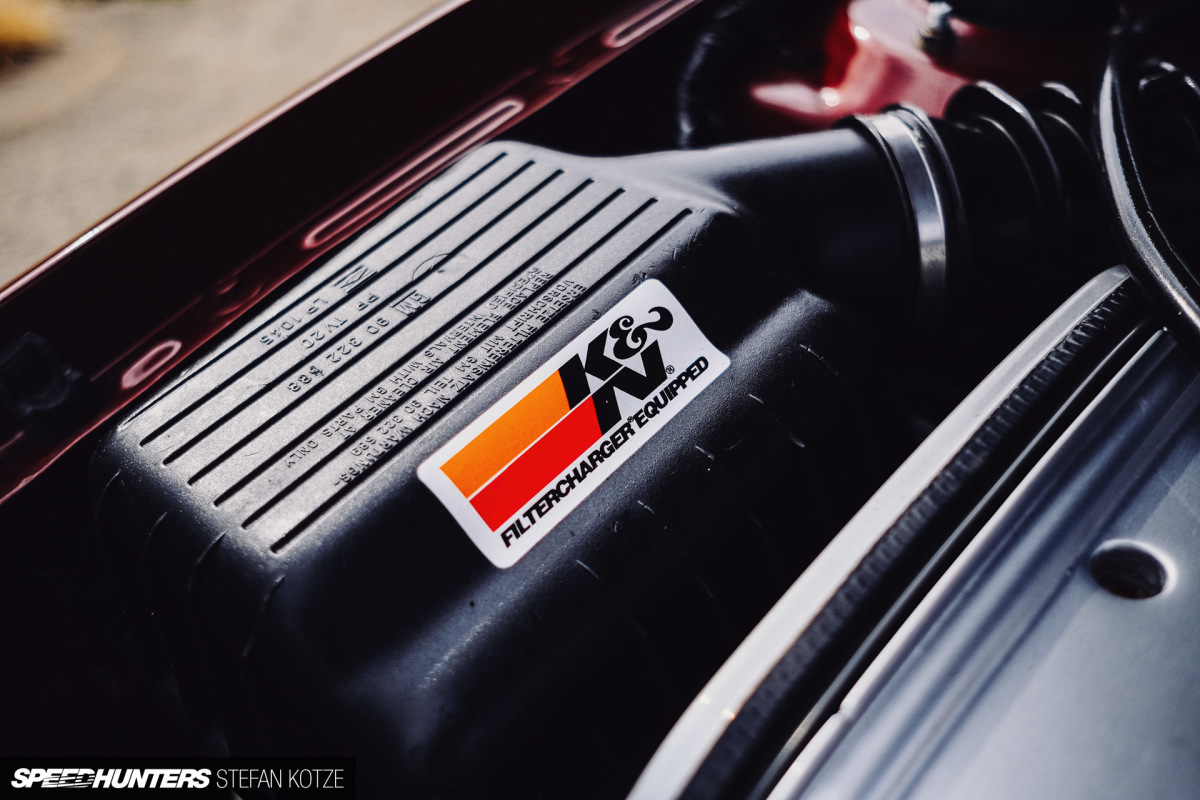

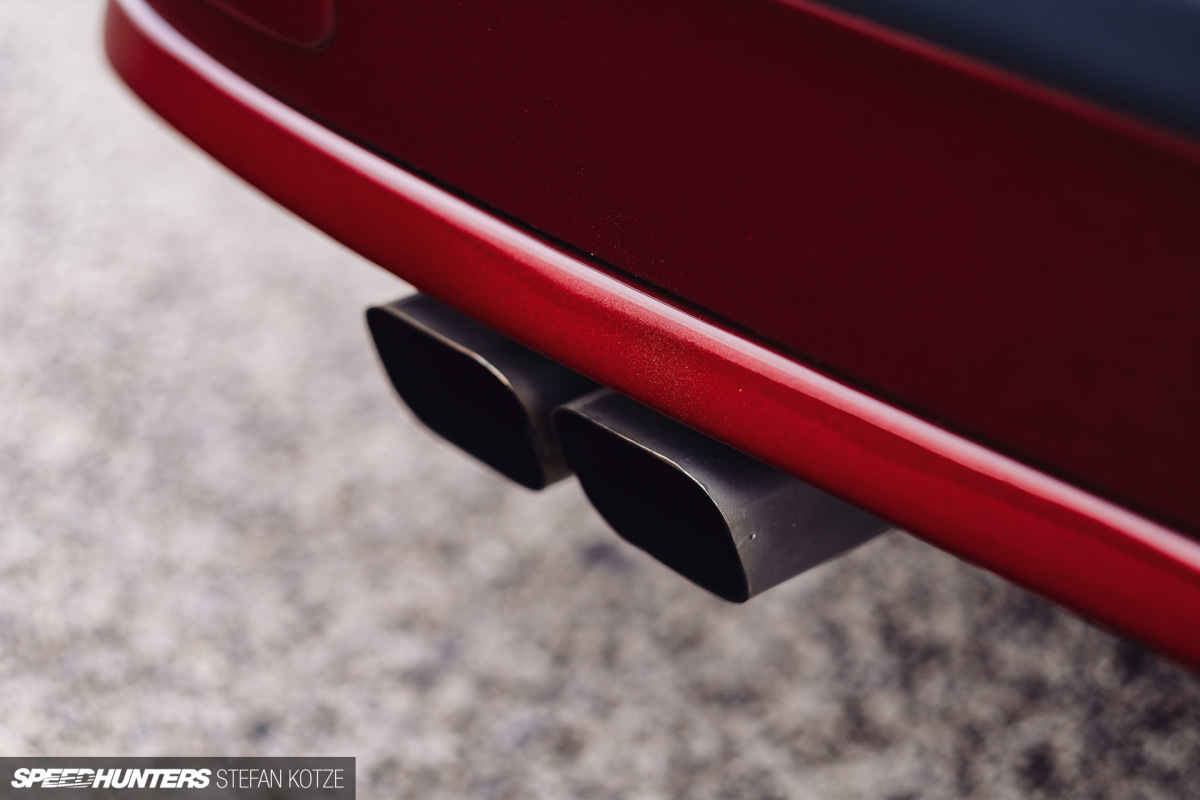
To bring the Kadett’s spec up to a level where it could rival the 325iS, Opel took the existing C20XE engine – a 2.0L DOHC 16-valve four-cylinder unit good for 115kW (152hp) – and made a few key changes. A Cosworth-designed cylinder head with 276-degree Schrick cams and sodium-filled valves, forged pistons, and higher compression got the party started, with Bosch Motronic fuel injection, a revised intake, 4-to-1 exhaust manifold running into a free-flow system, and a Promotec ECU chip finishing things off.
The result of all this was 125kW (170hp), not a huge number by today’s standards, but a decent amount in 1990. More impressive was the maximum torque figure of 228Nm, which equated to a naturally aspirated world record at the time of 114Nm per litre. In fact, this accolade stood until 2009 when it was finally eclipsed by the Ferrari 458 Italia (117Nm per litre).
The Superboss was also equipped with a limited slip differential specially designed and built in South Africa by André Verwey. This was a vital part, which really helped the car put its power down on the road.
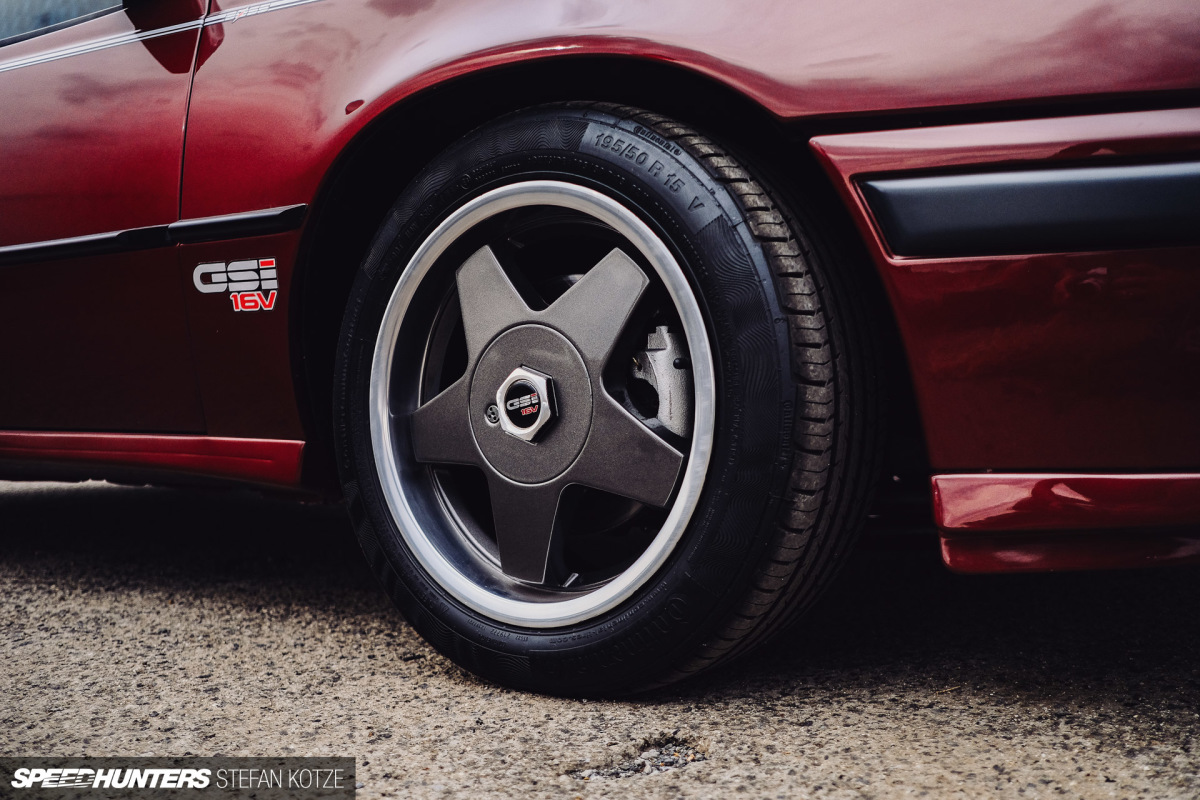
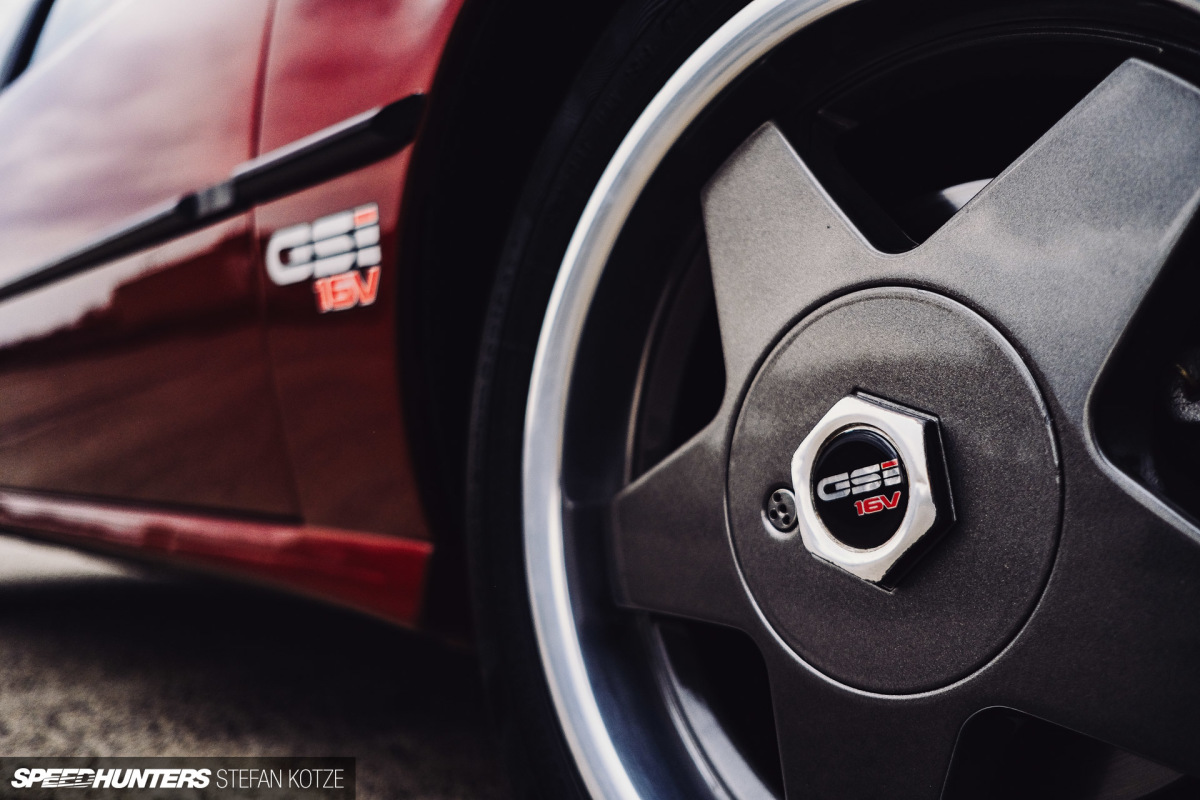
Another exclusive feature was the wheels – five-spoke Aluetts in a 15×7-inch fitment.
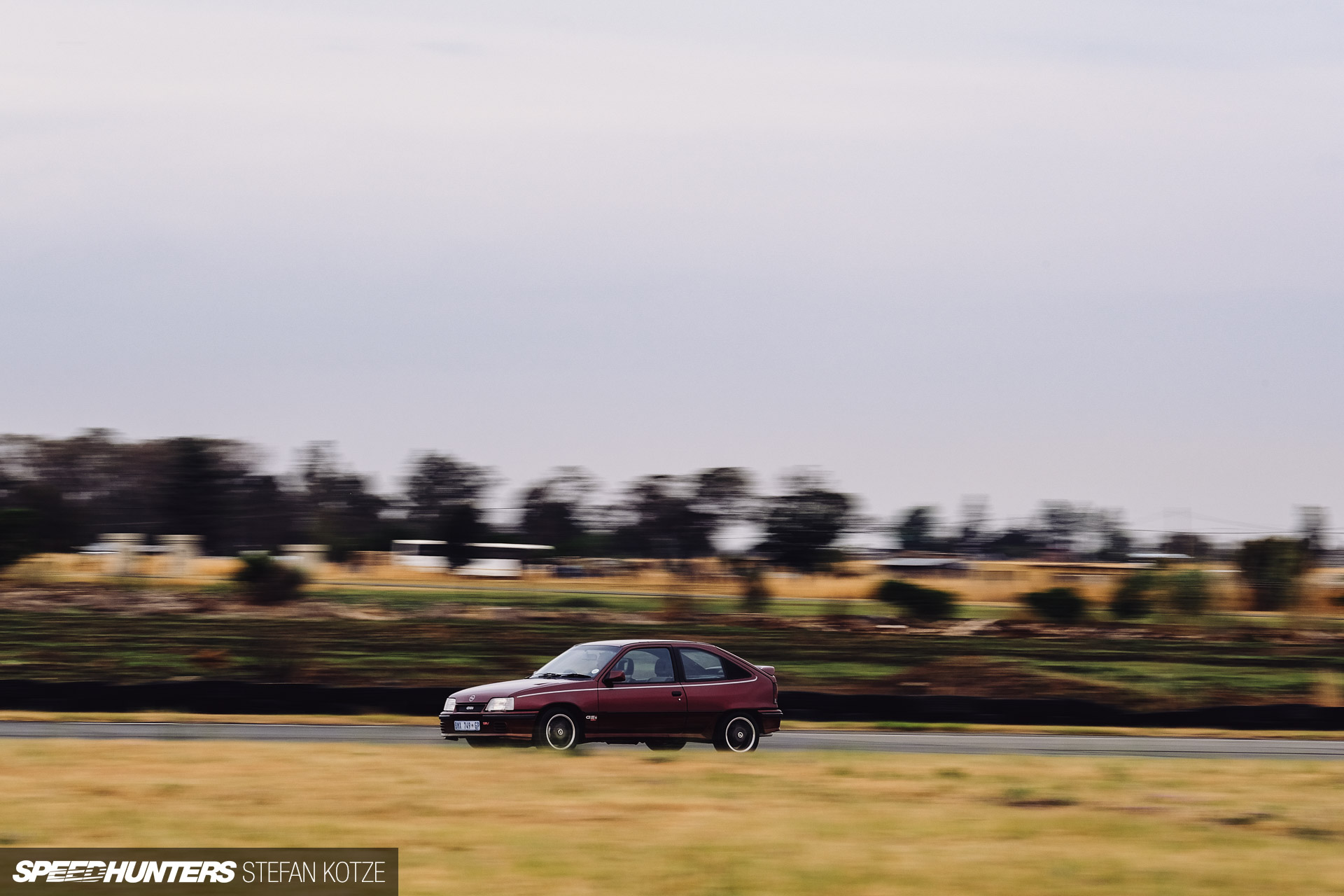

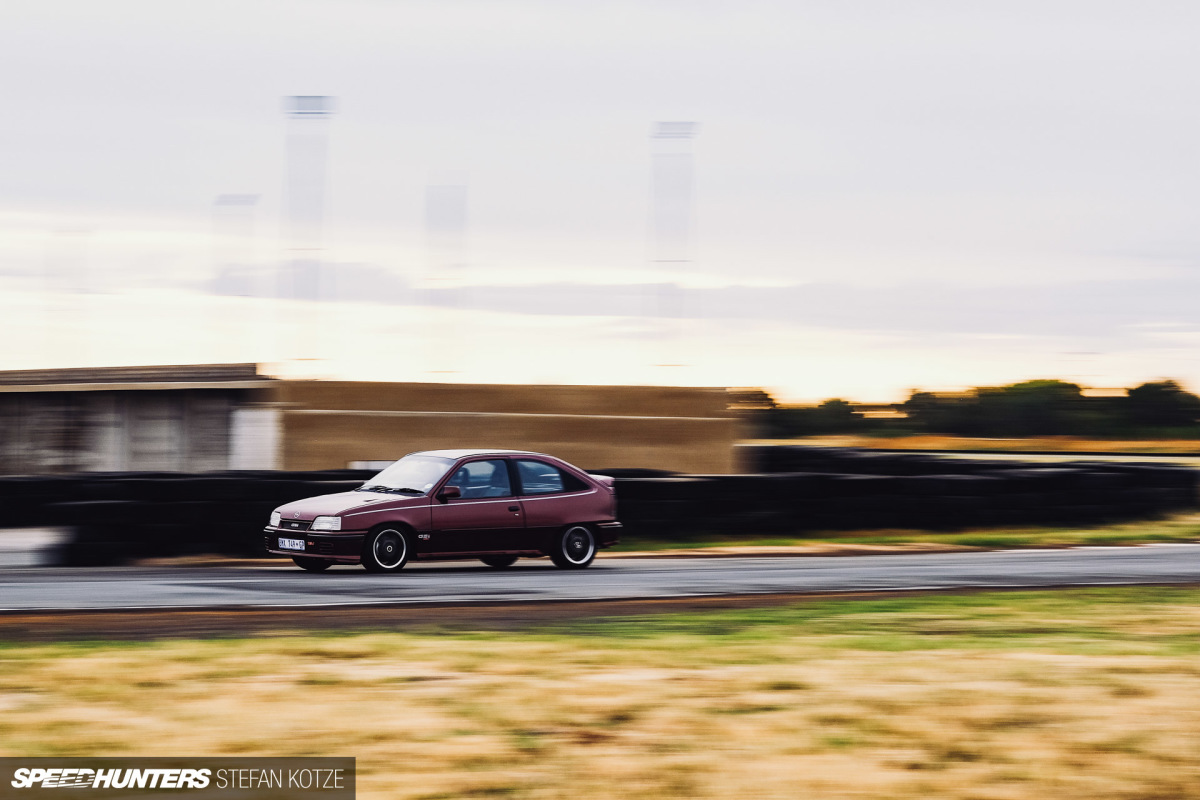

One interesting thing about the Superboss was its subtle exterior styling, which made the model a real sleeper on the street.
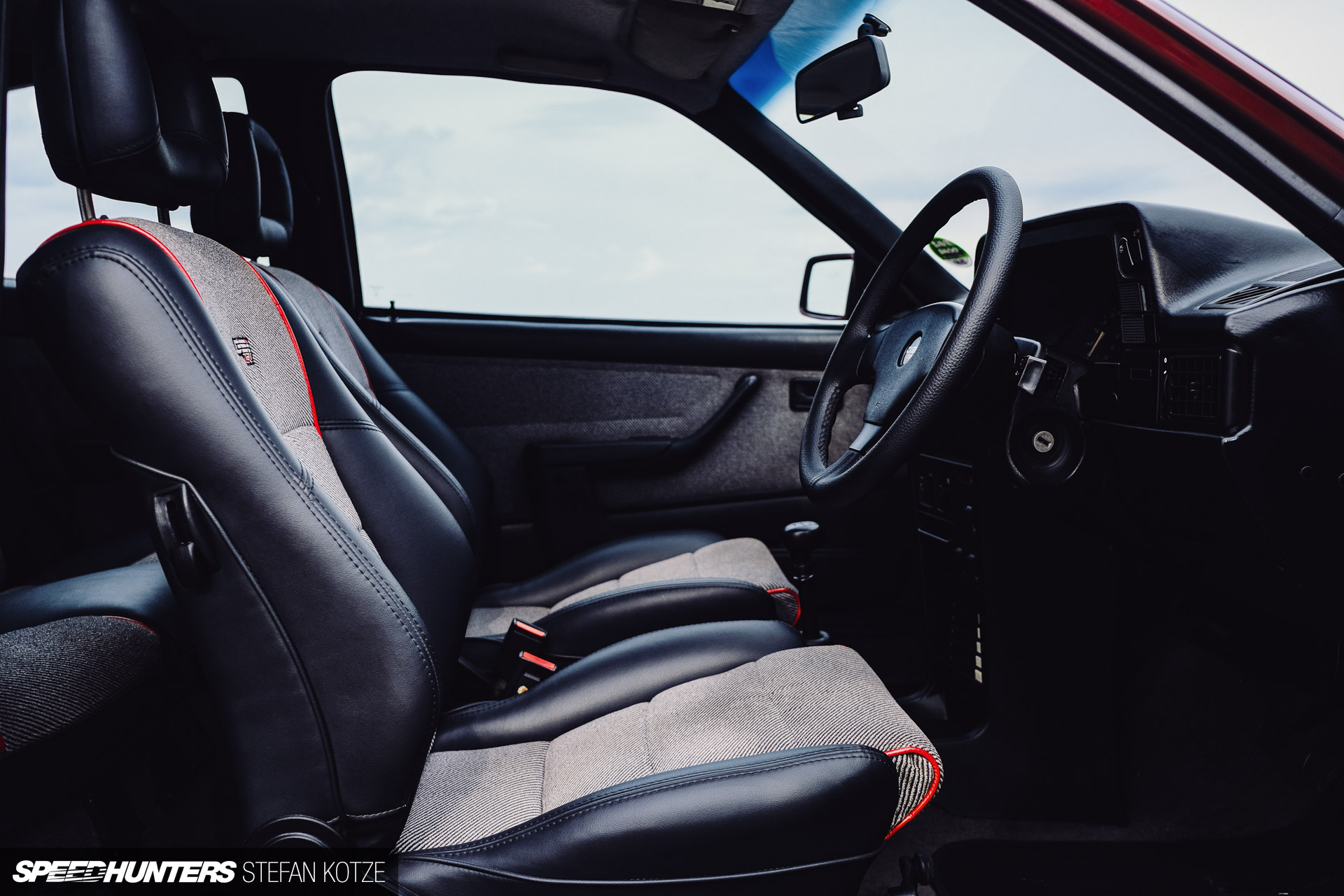
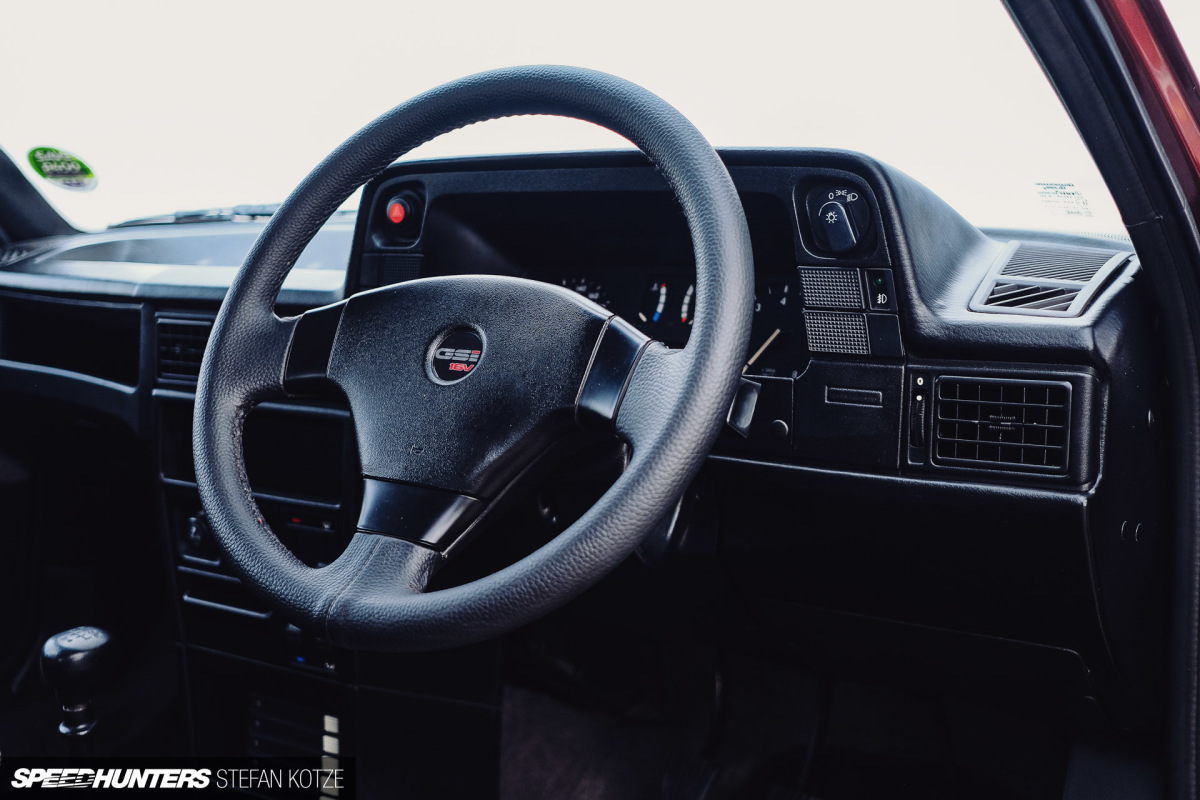
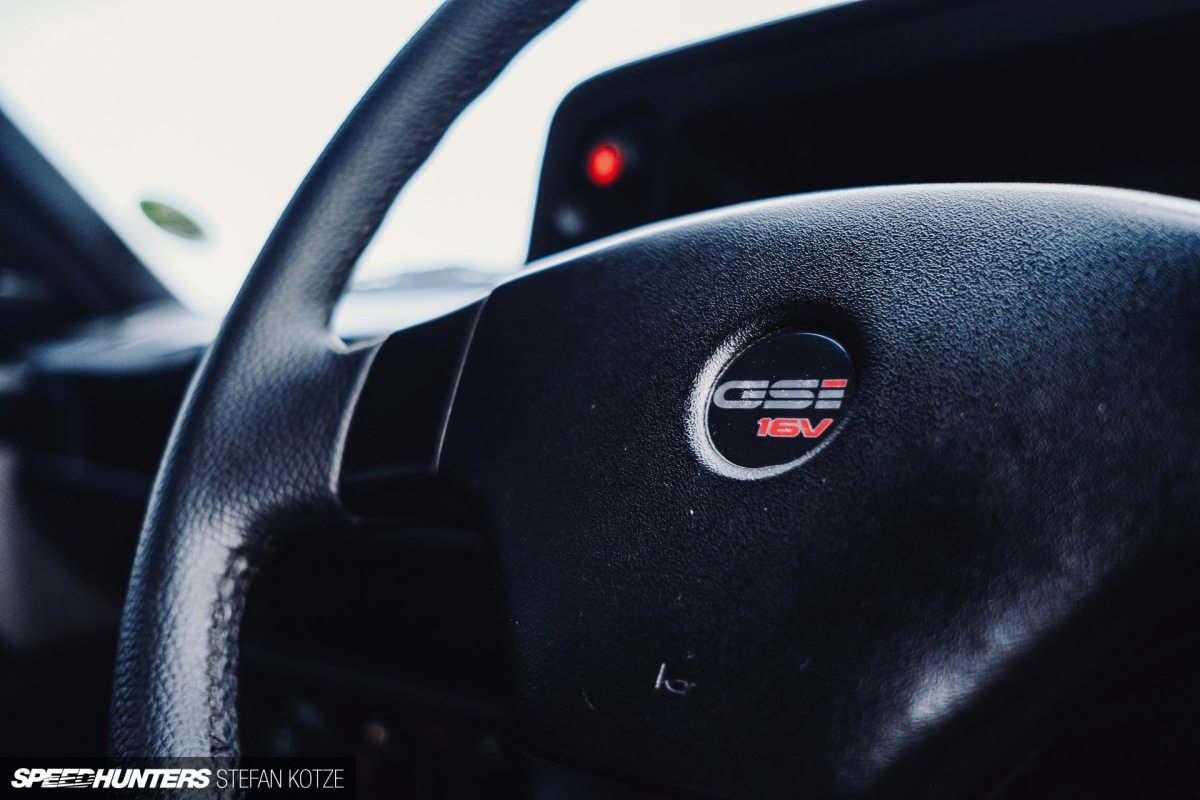
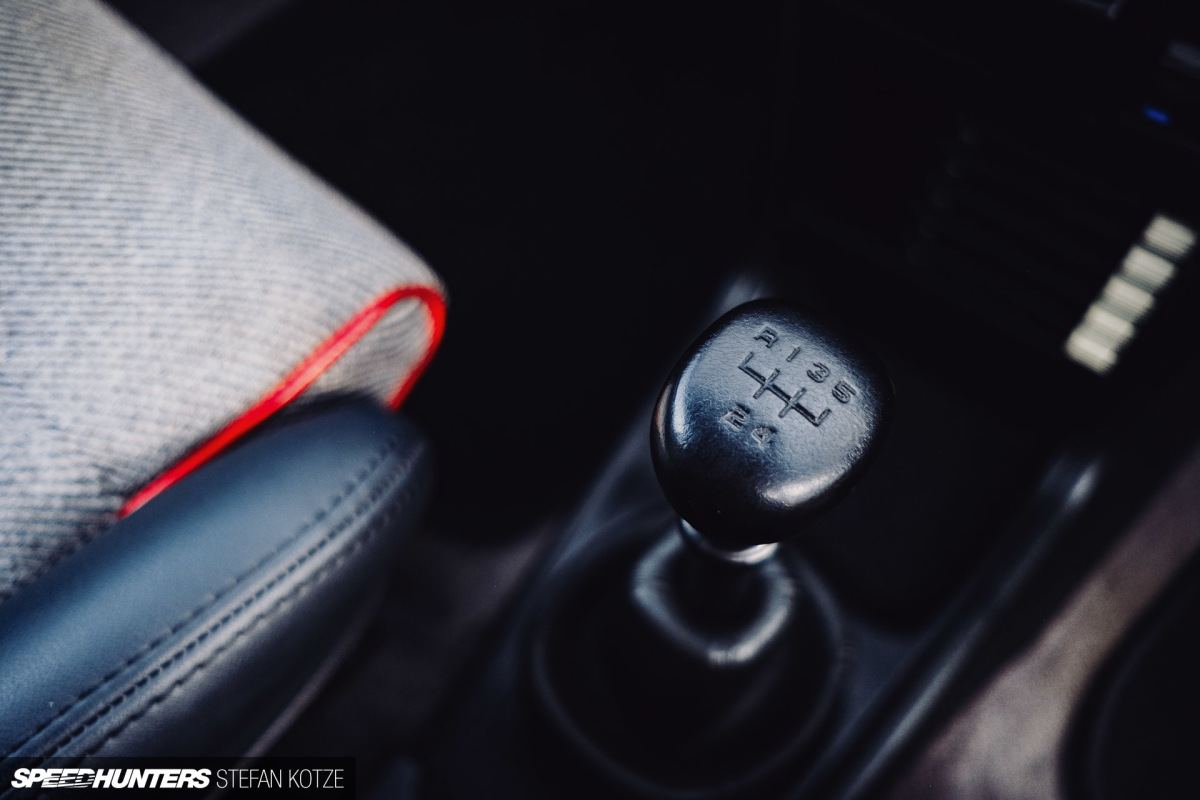
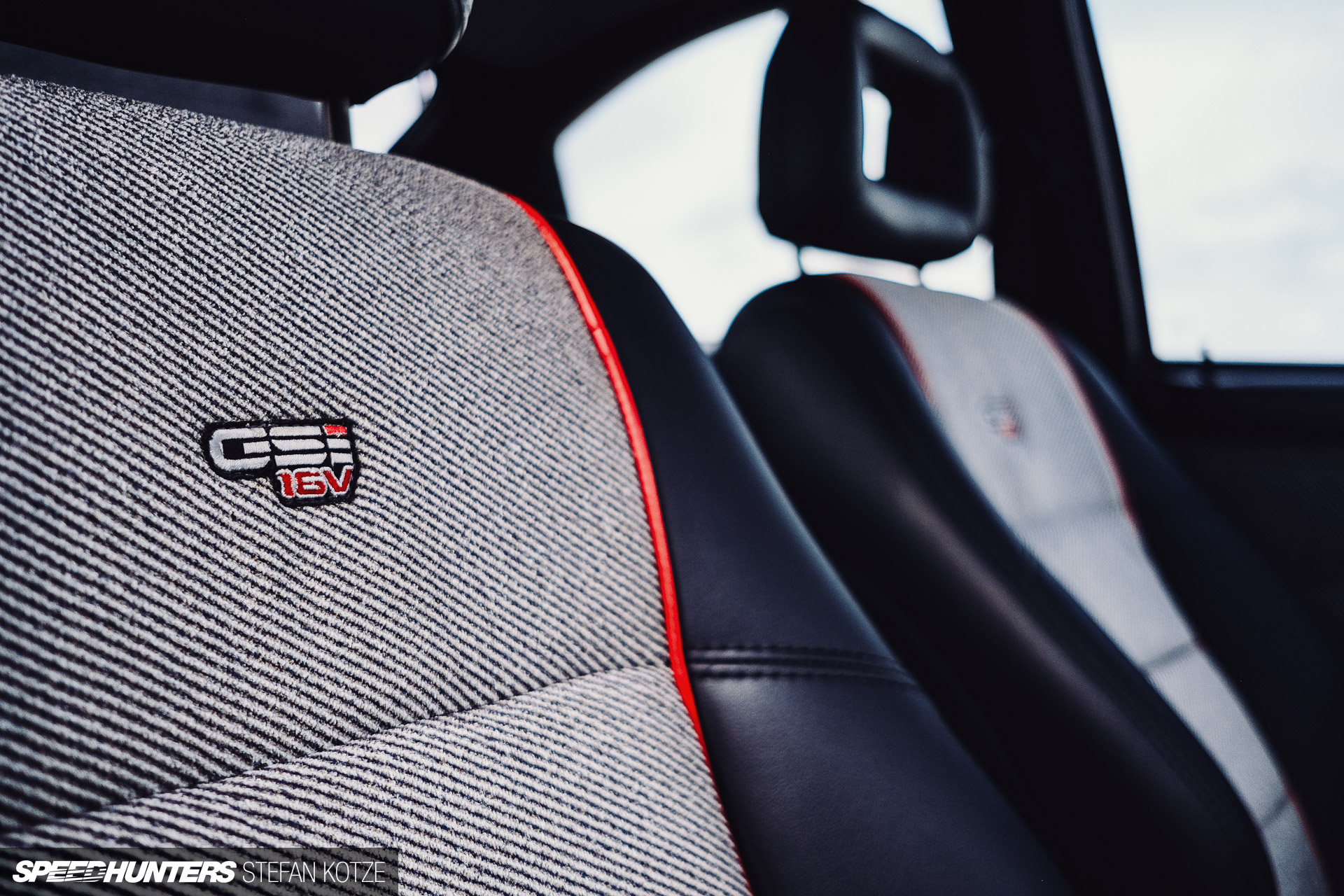
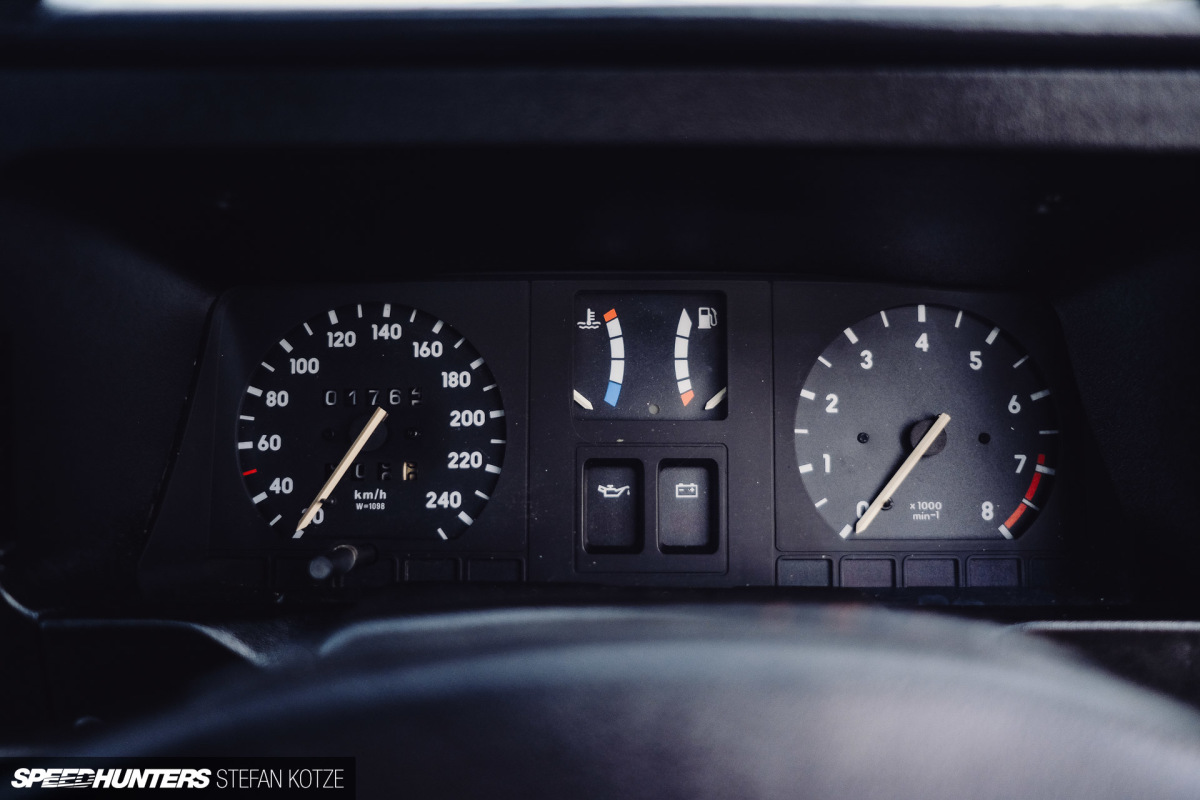

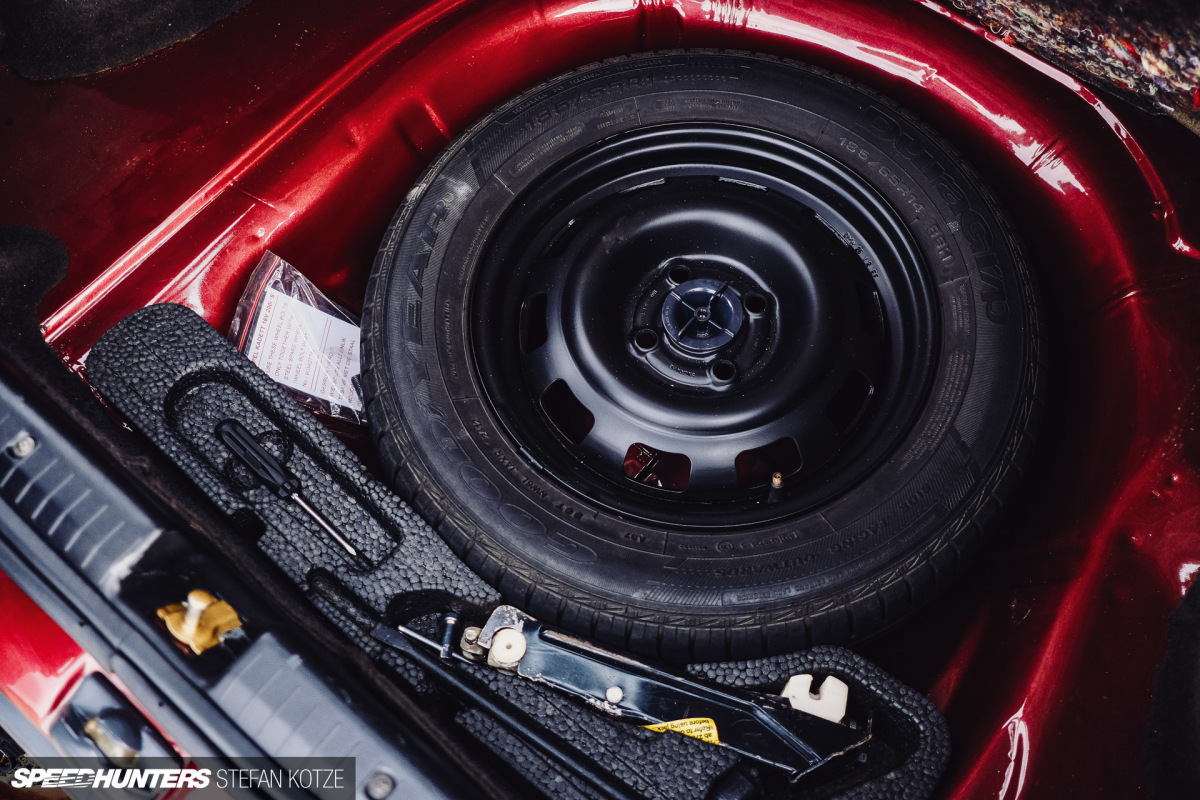
This thinking was carried through to the interior, which was higher spec than other Kadett models but no-frills at the same time.
The track version of the Superboss – the reason why it was conceived in the first place – was something special, as you’ll see in this historic race clip of Mike Briggs throwing his car around the Kyalami racetrack. Briggs won the 1991 and 1992 championships for Opel with this car.
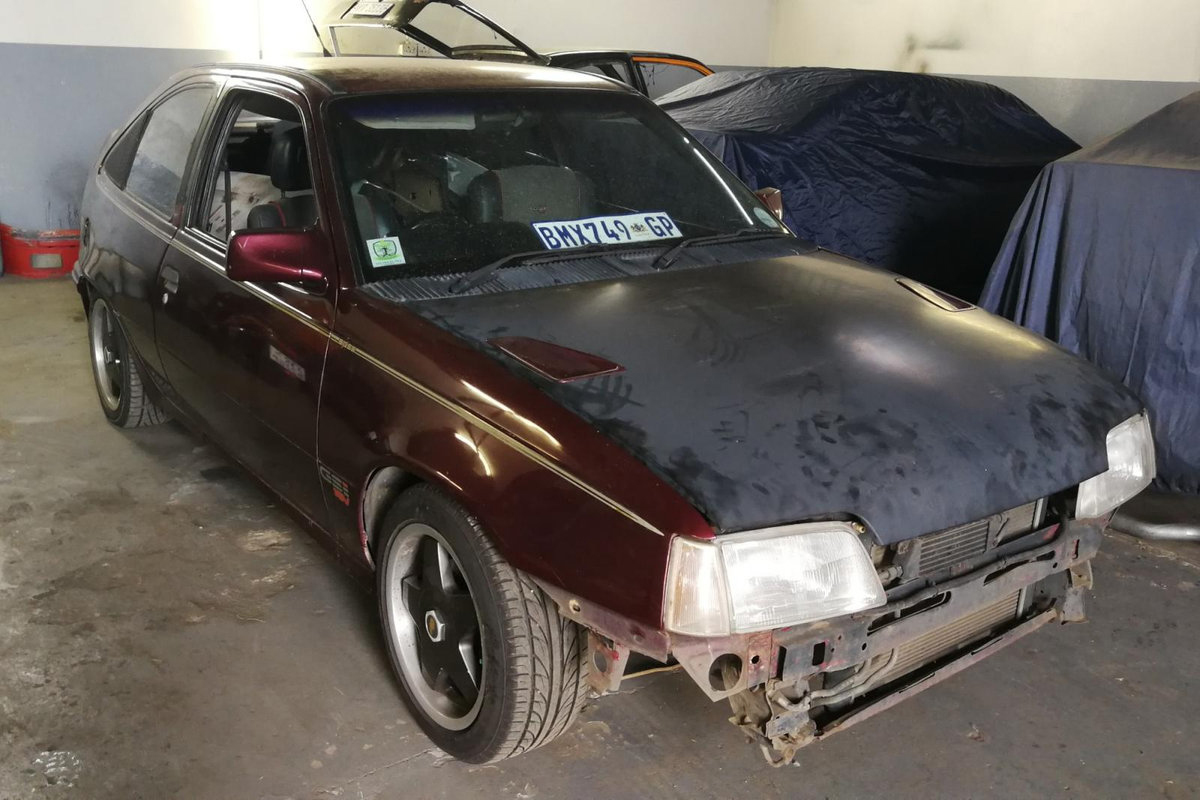
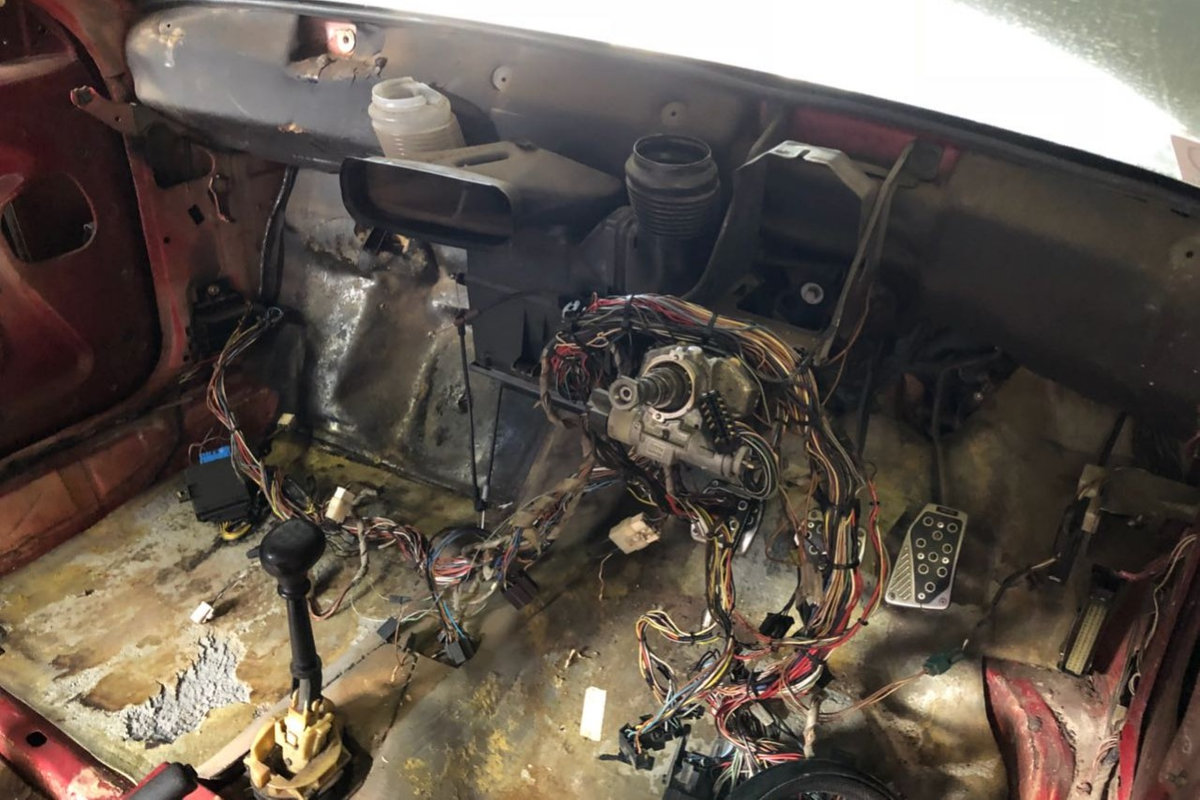
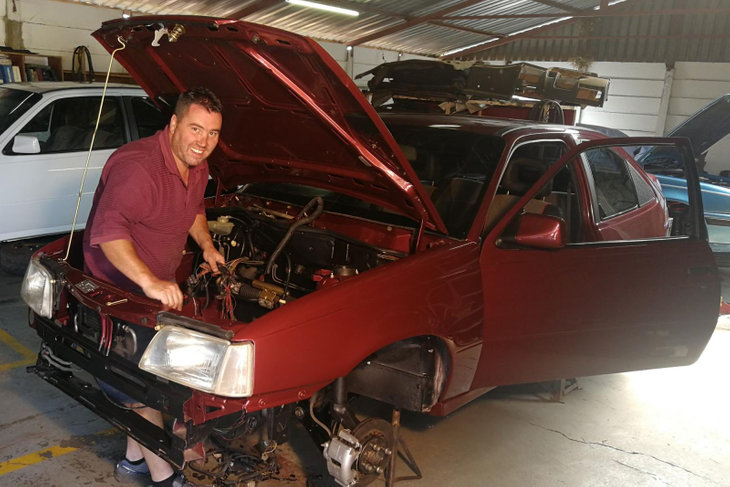
Our road car feature subject is owned by the team at SentiMETAL, and was found in a very sad state. They wanted to restore it to pristine condition so they enlisted the services of Werner Meyer, a highly-regarded local restorer of these cars.
In its lifetime the car had so many incorrect parts fitted, so it received a full nut and bolt restoration, including a respray and complete rewire. The team even did a little documentary on this special build.
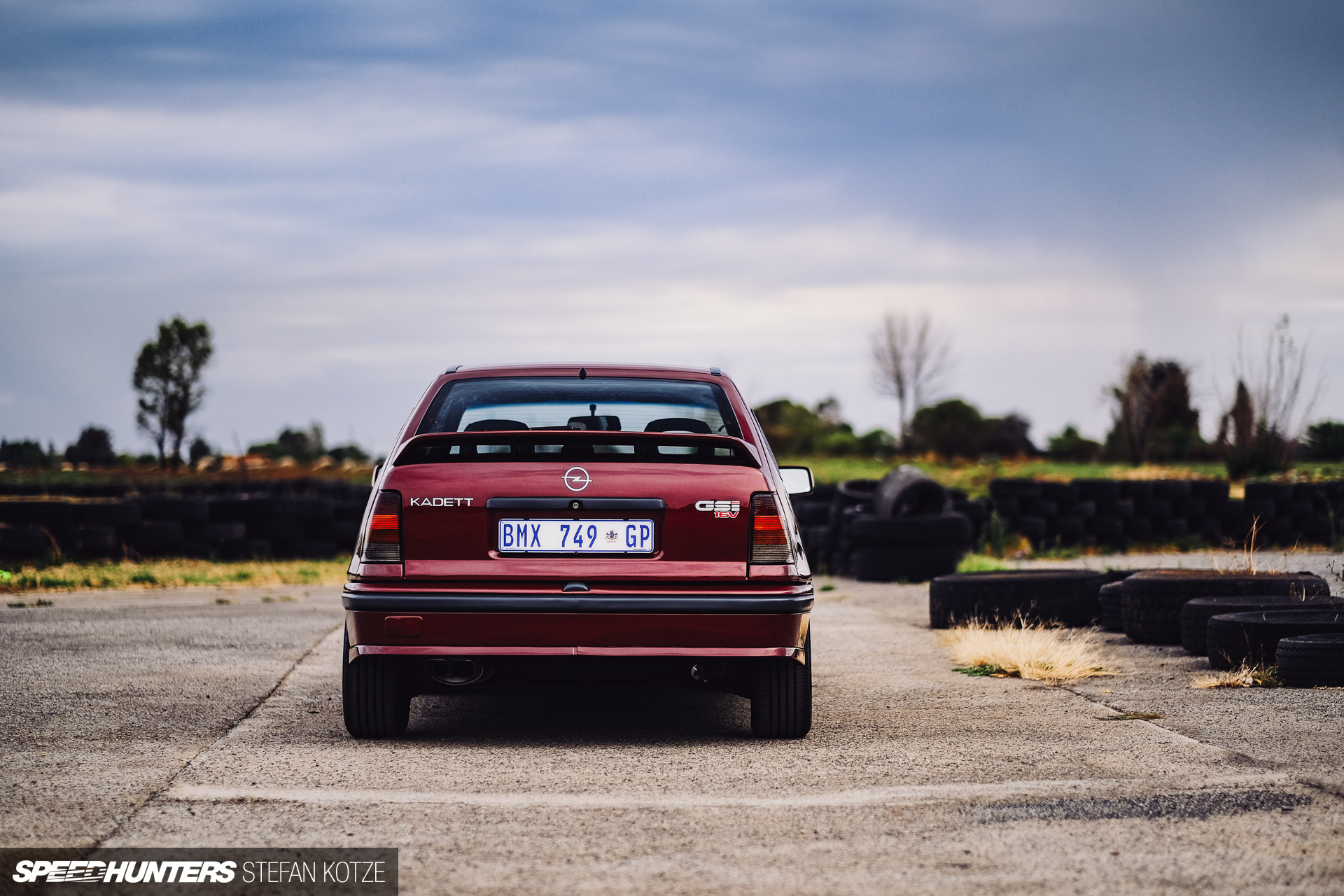
Thirty-odd years after it broke cover, the Superboss is still an immensely cool car. It made a real name for itself in period, and I’m sure in the years to come it’ll only become more and more sought after than it already is in South Africa.
Stefan Kotzé
info@stefankotze.com
Instagram: stefankotzephoto
www.stefankotze.com