
Last month I gave you guys the breakdown on how Project 912SiX came to light, and this time around I want to elaborate on the build process.
Before diving into the details, I’d like to excuse the majority of images throughout this story, as they were shot on an iPhone. I’ll explain why a bit later, but for now, we move into the update.
If you’ve read any of my features before, you may recollect a few of my notes that talk about having a theme for your build. That’s something I still stand behind, because frankly, every build should have some sort of aspiration or ethos it’s working towards. Which leads me to my end goal – making the driving characteristics of my 912 as similar to a ’73 RS as possible.
Why Though?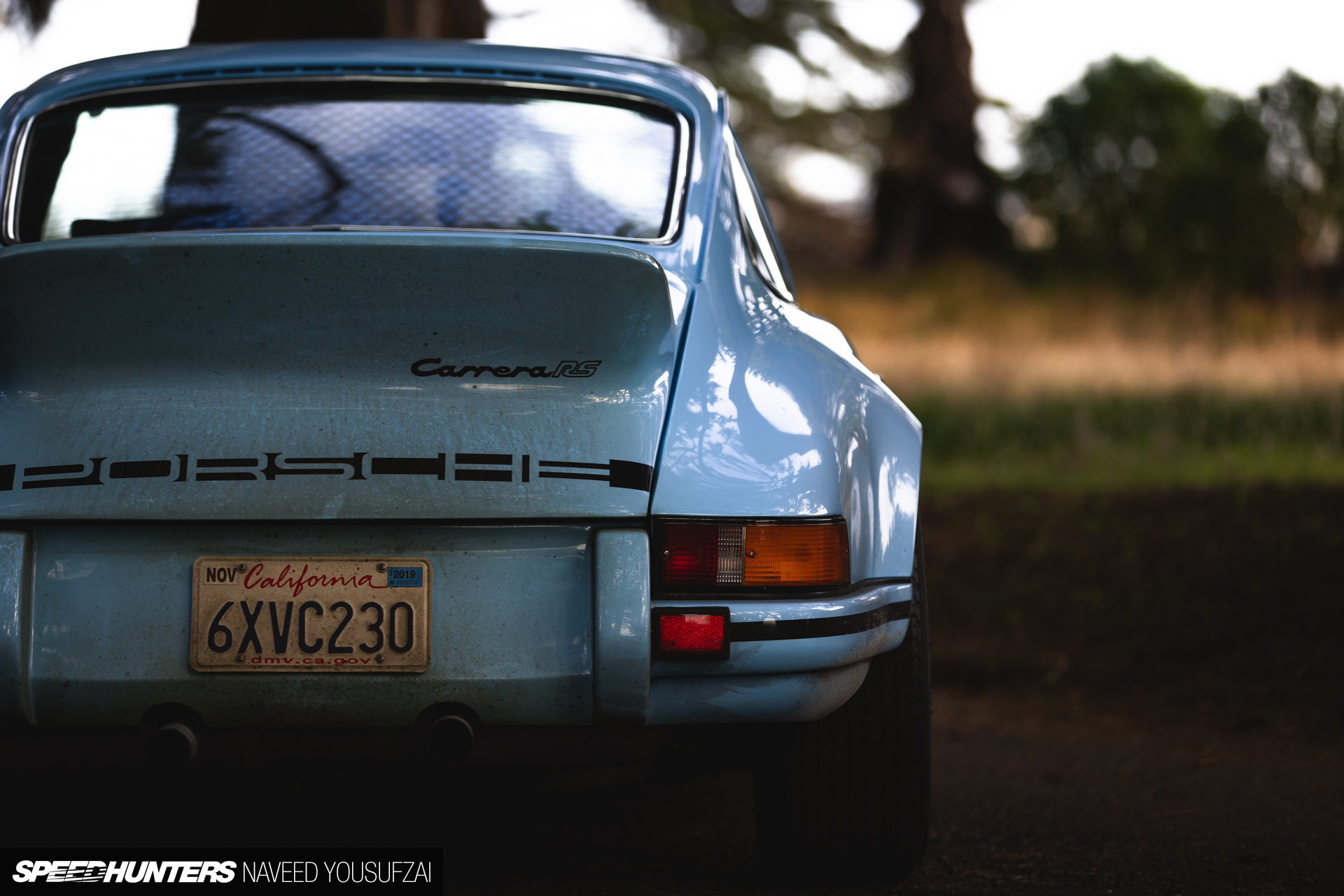
From the moment I sat in my friend G’s ’73 RS, my heart was won over. It was quite literally the pinnacle of air-cooled long-hood 911s, and for very good reason. It’s light, rigid, raw, and visceral with an indescribable amount of driver feedback. Everything could be felt in the driver’s seat, all while retaining its signature 911 charm. It’s truly a factory race car for the road, and also the exact opposite of where the 912 sat in its original state. There’s no way I could’ve settled for the four-banger variant of a Porsche – I had to have that RS recipe.
The Nitty-Gritty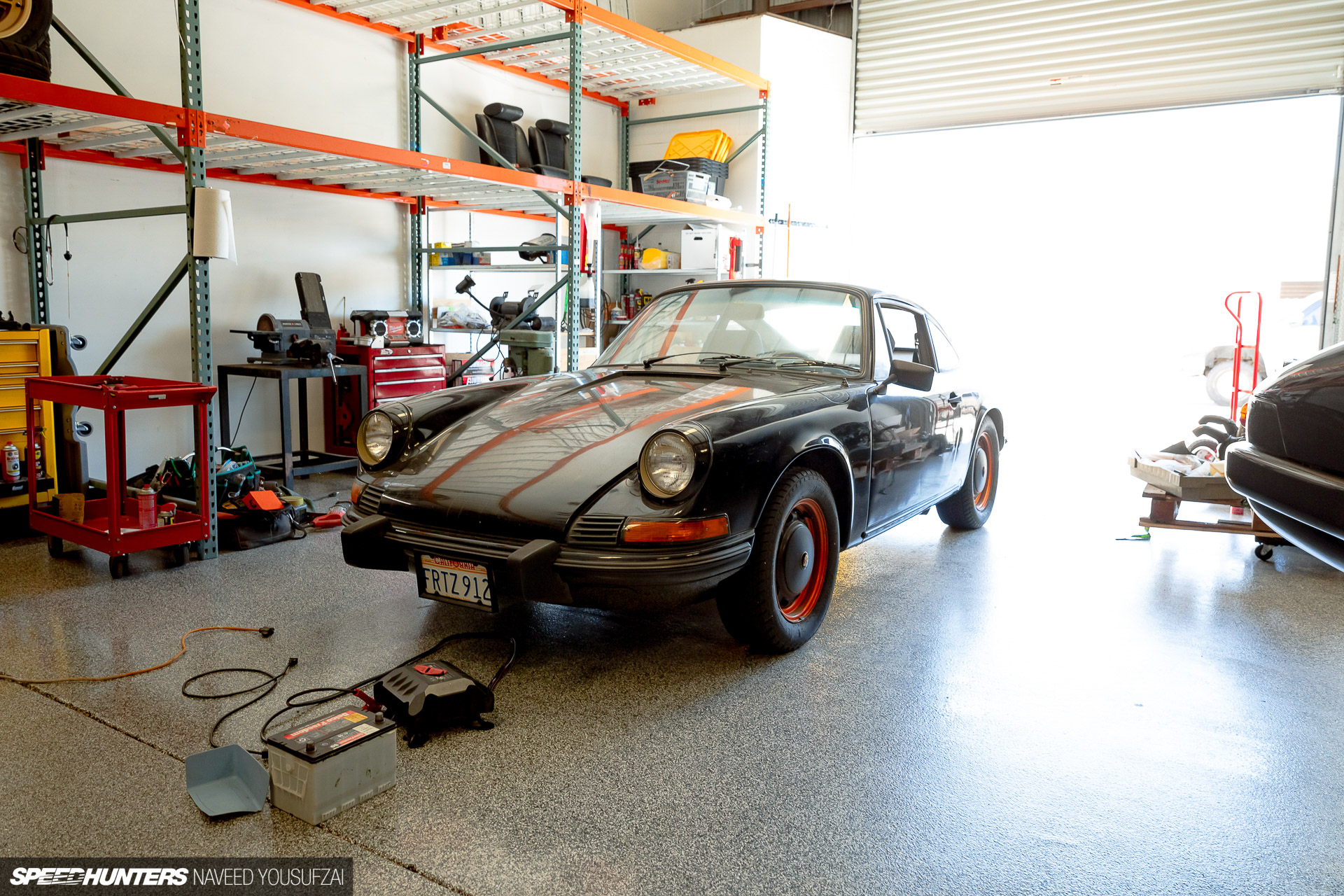
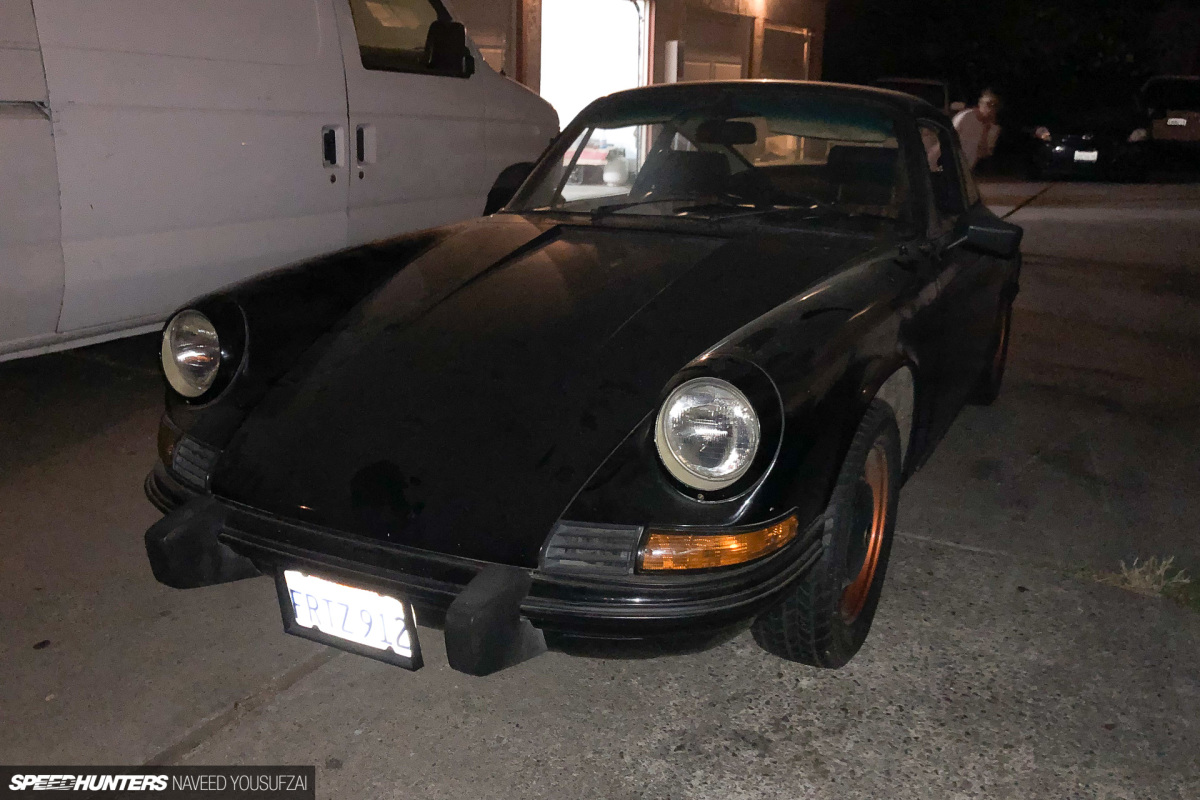
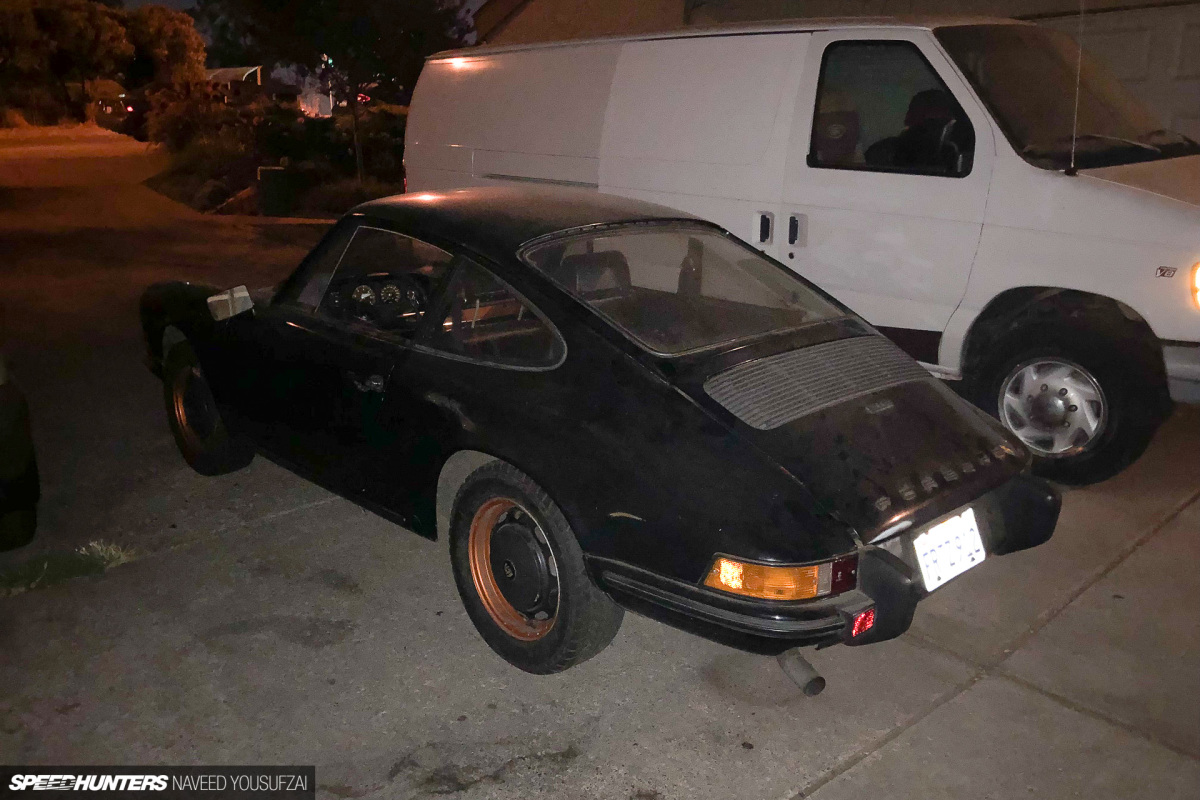
With that goal in mind, I dropped the car off to my buddy Erik at Sports Purpose Garage in Livermore, California, in hopes of achieving a modest fraction of that same 73RS driving experience. Before you guys hound me on not doing the build myself, I’ll note that I had many reasons for not taking it on, the two primary factors being that I don’t have a garage to work out of (and a homeowners association that flags me the moment I get any of my cars up on jacks), and mostly because of time, or lack thereof. Sometimes, it’s just easier to go this route, and for me, this was the best option.
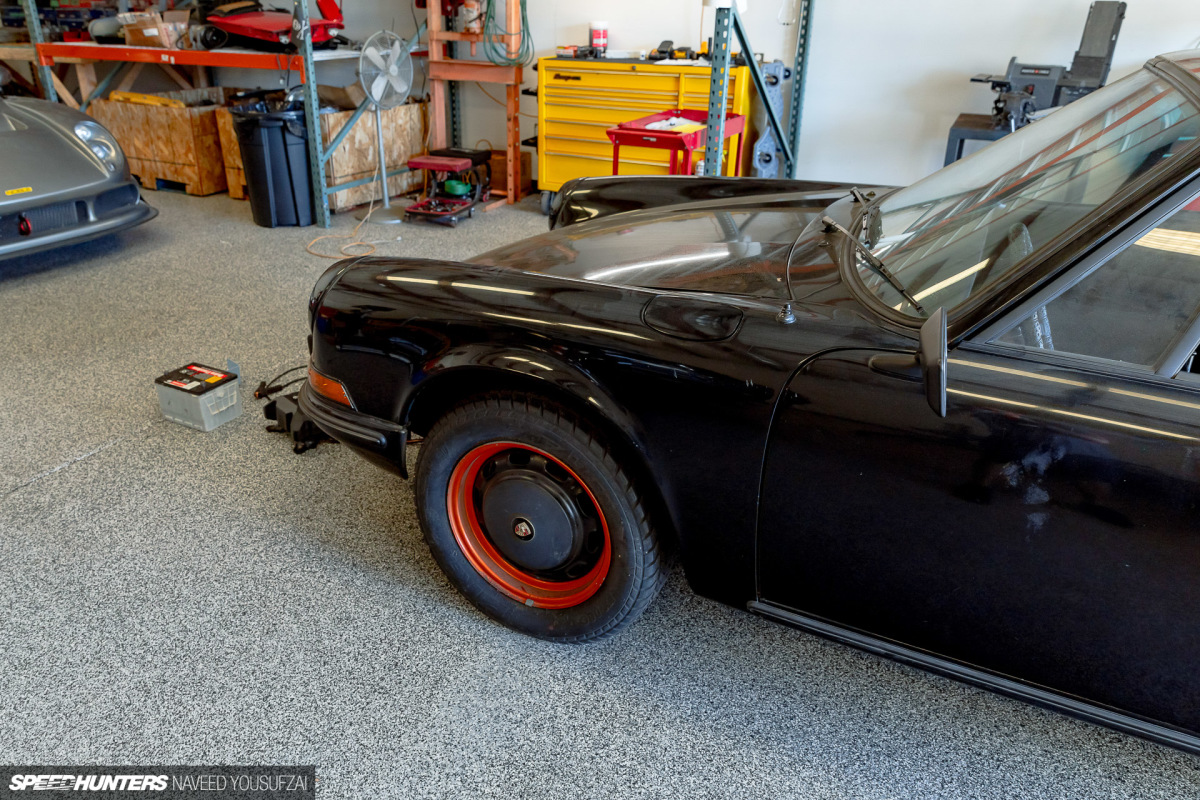
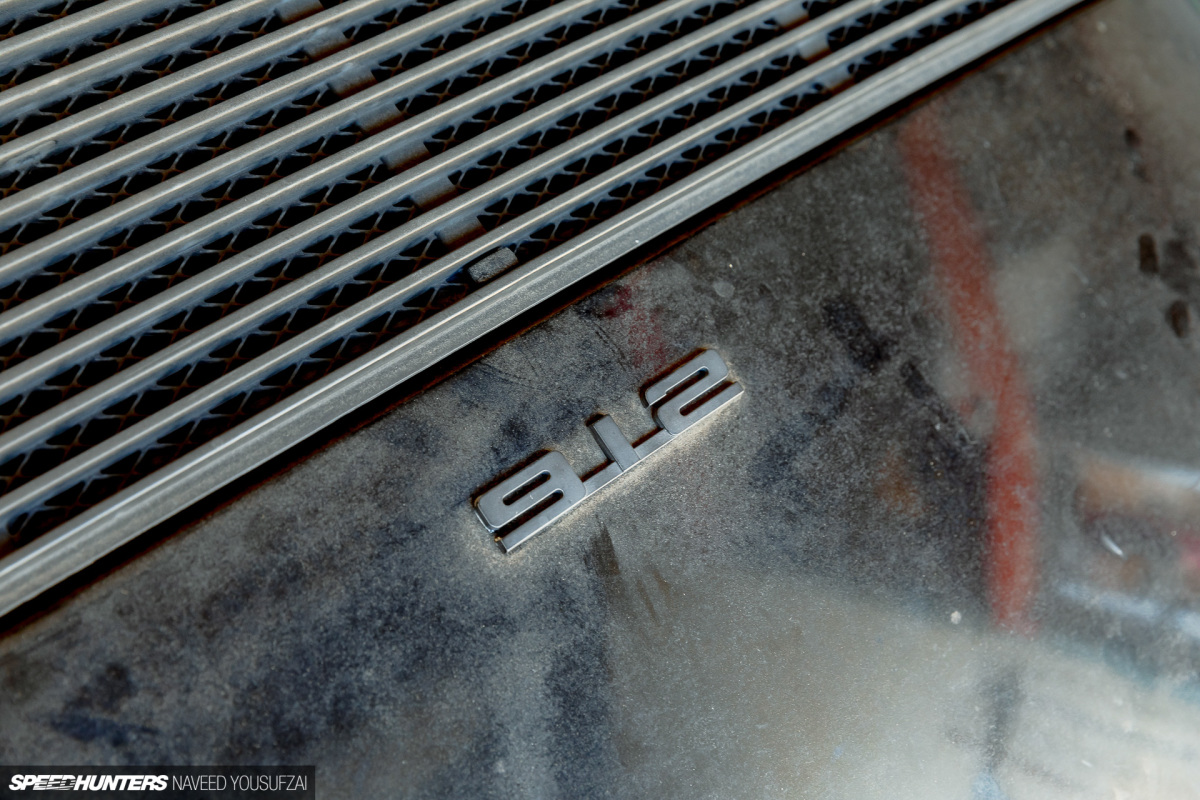
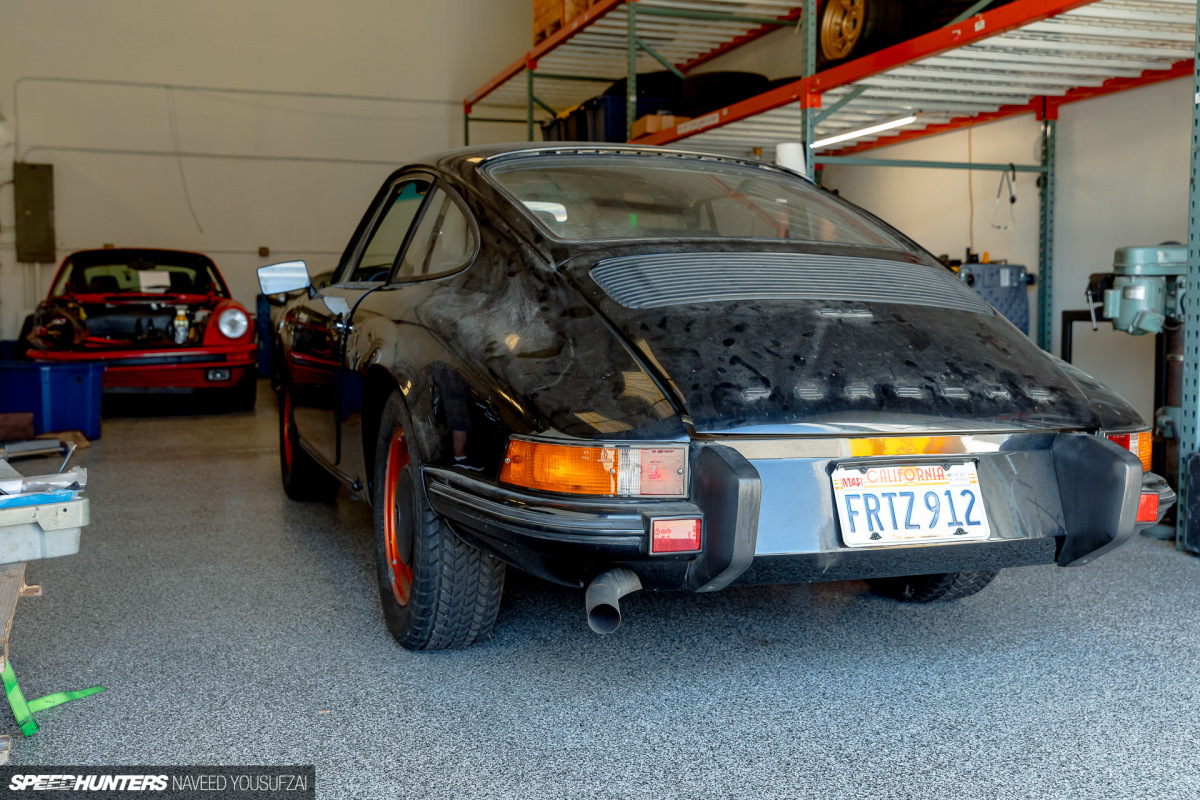
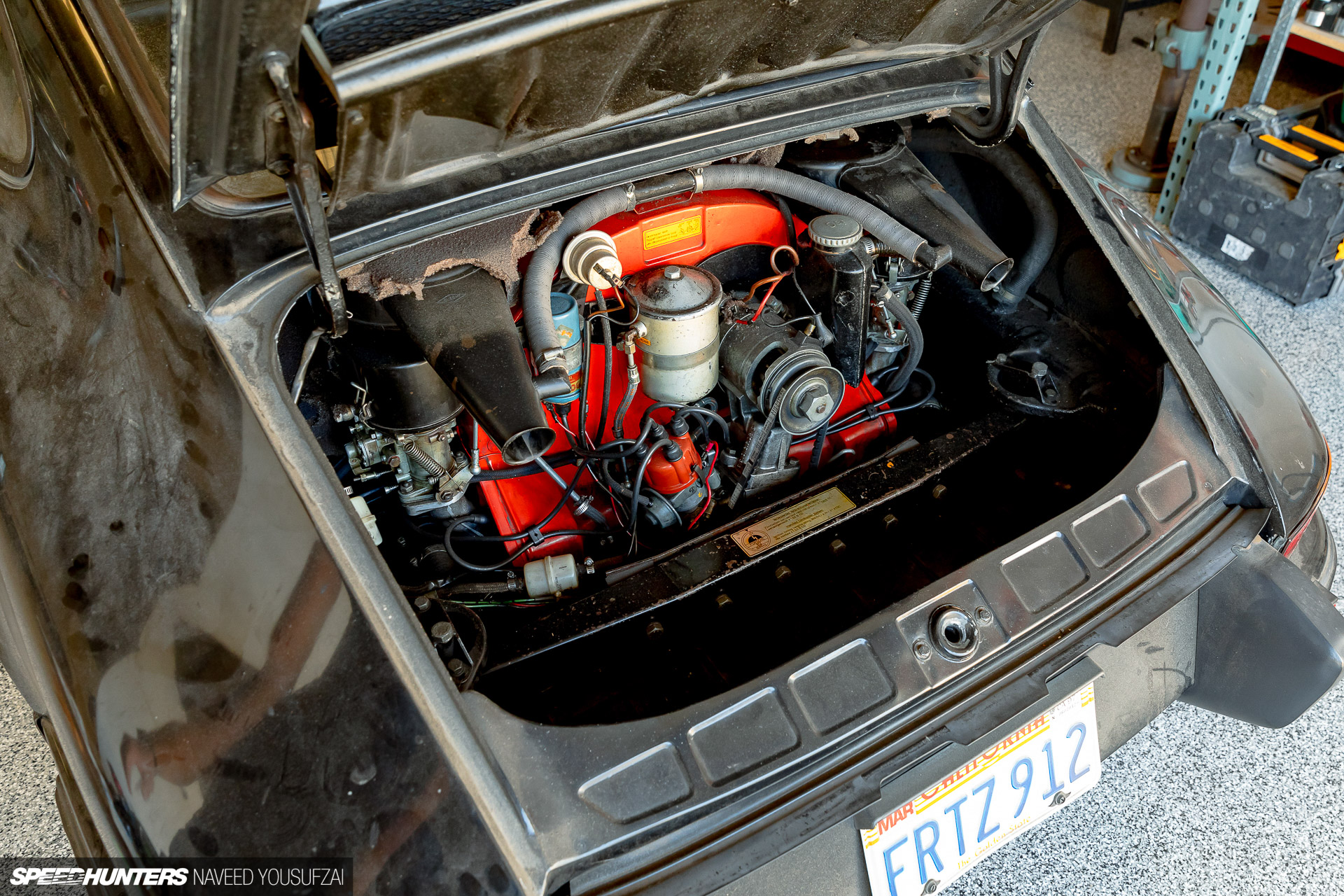
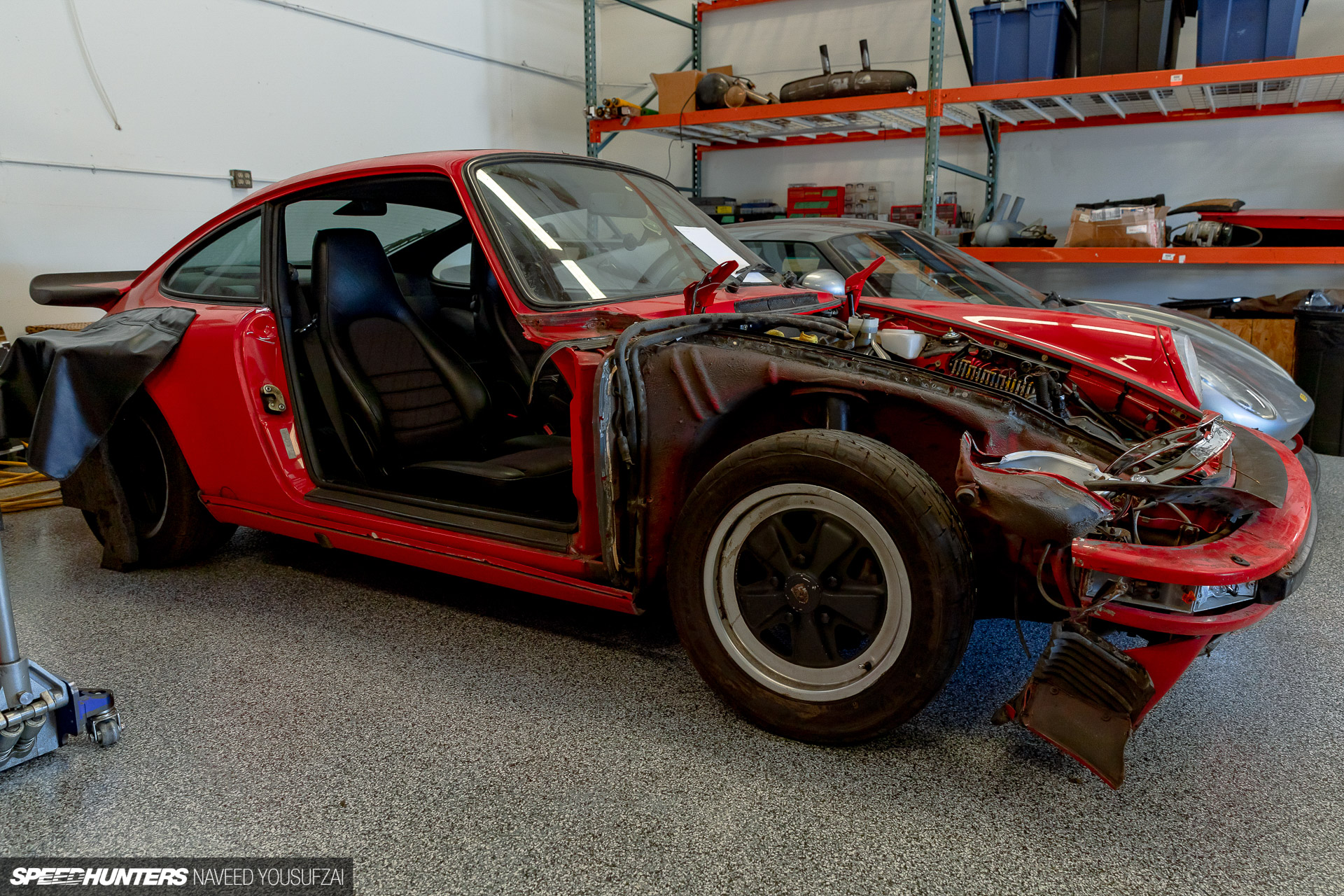
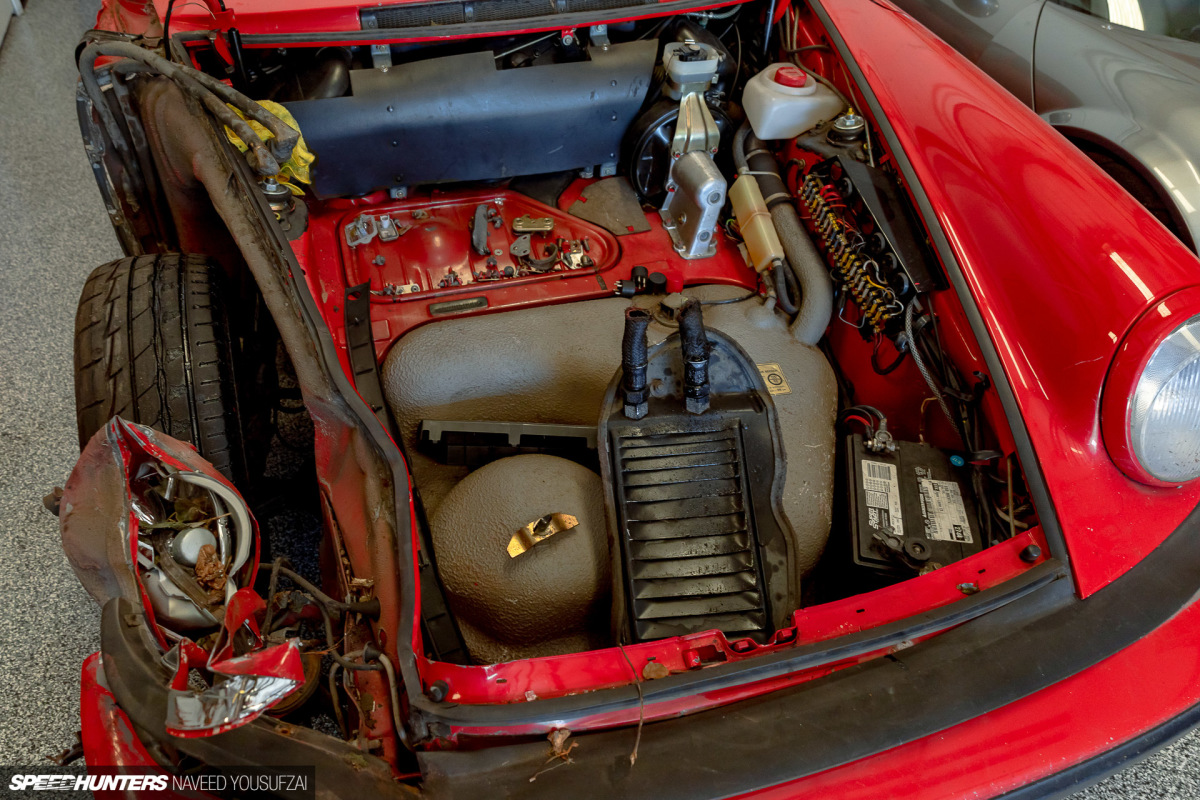
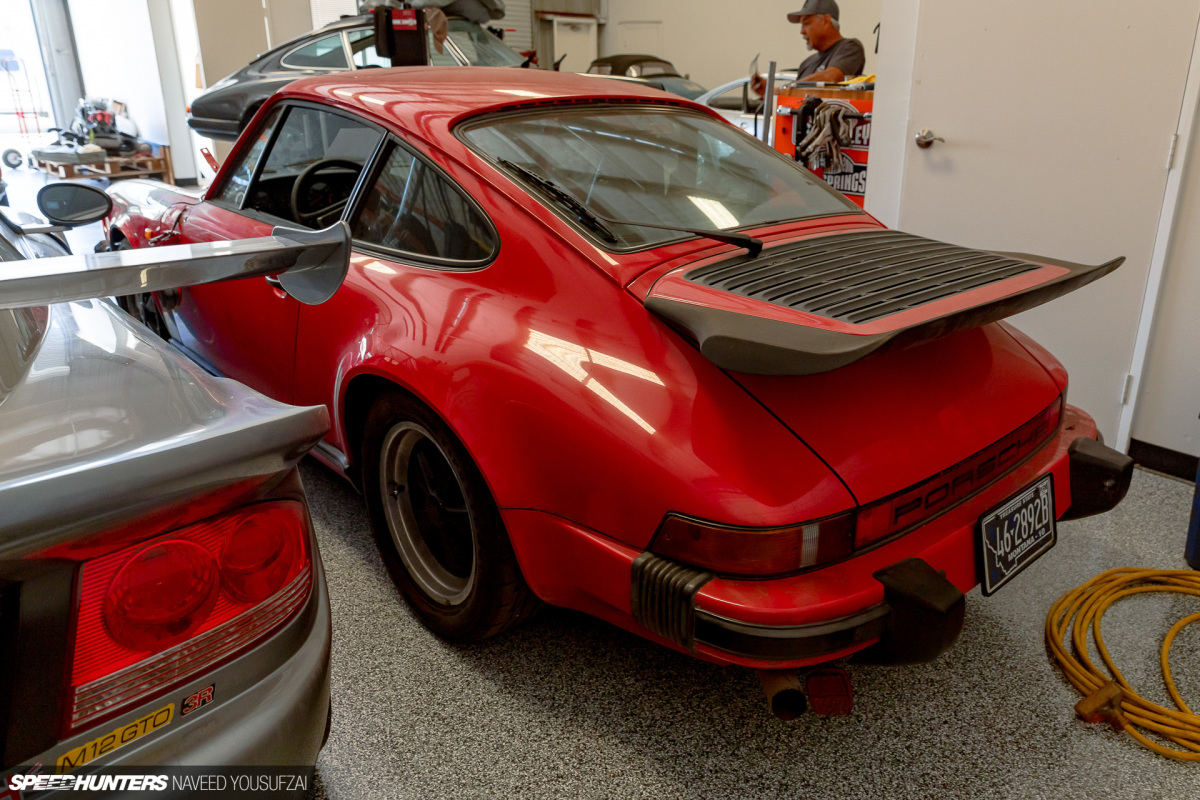
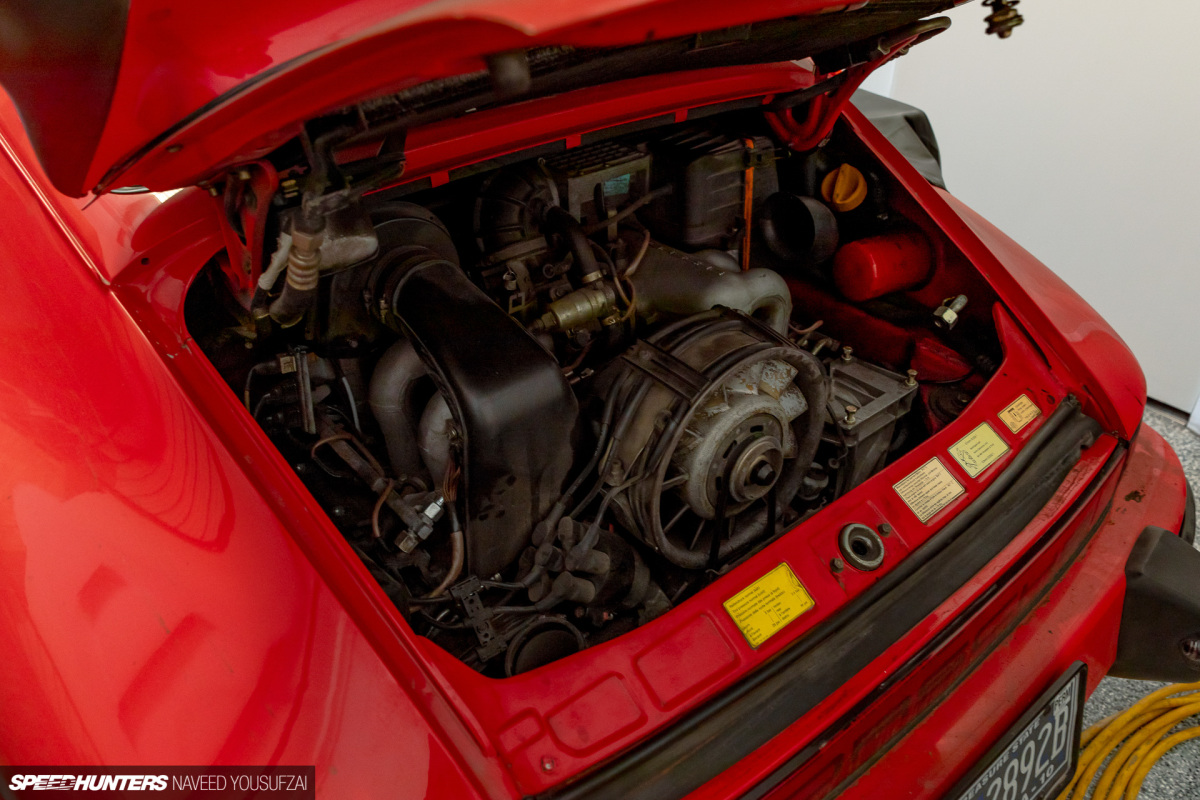
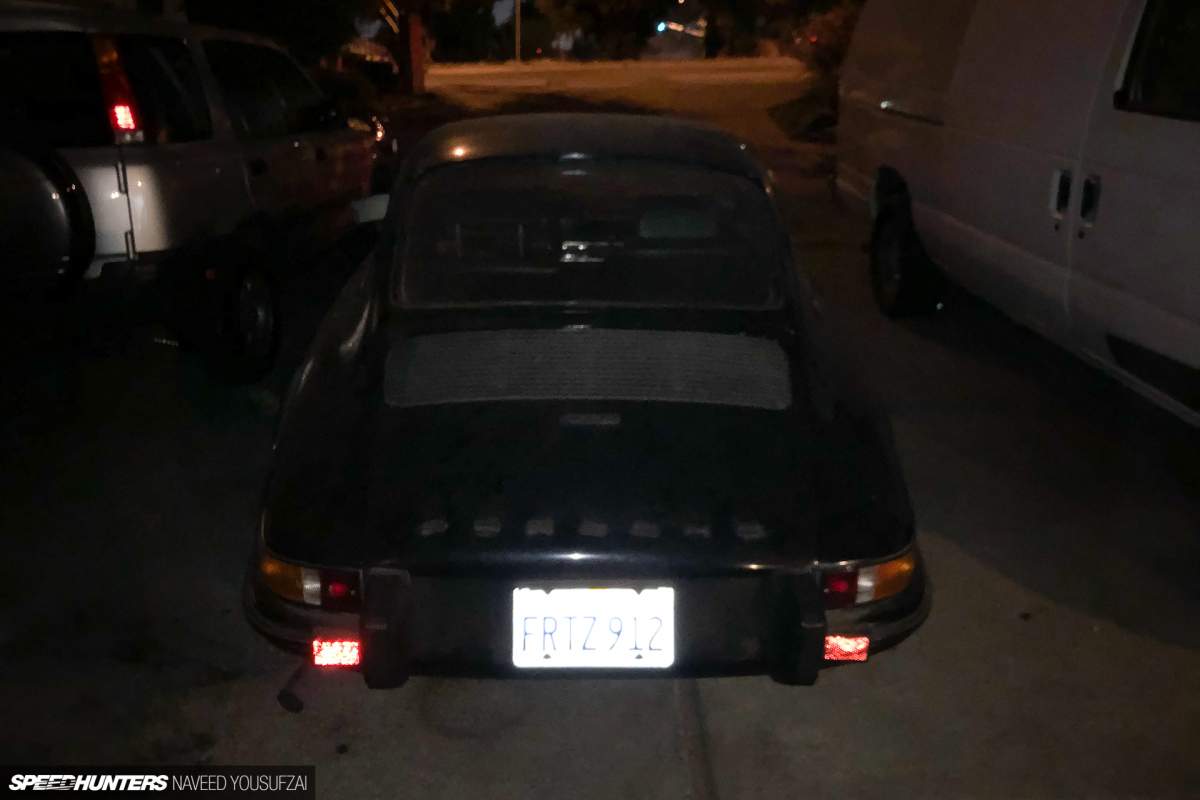
Anyway, when I purchased the 912 it wasn’t running and we didn’t know why. But it didn’t really matter either, as the plans were to gut everything underneath, essentially using only the unibody of the car. I had it towed straight to Erik’s garage the same night I purchased it, where the Euro Carrera donor was also awaiting its new and soon-to-be home.
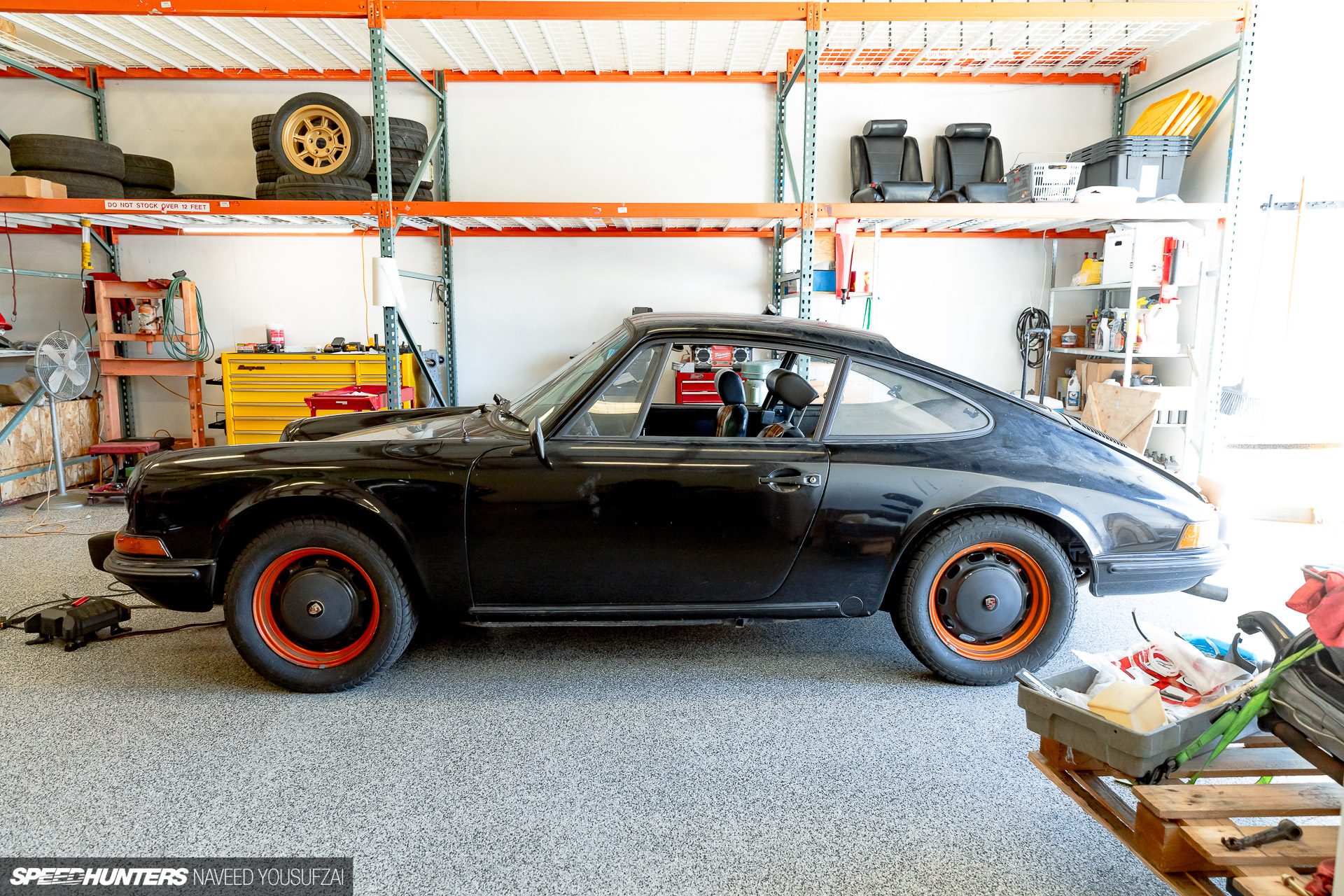
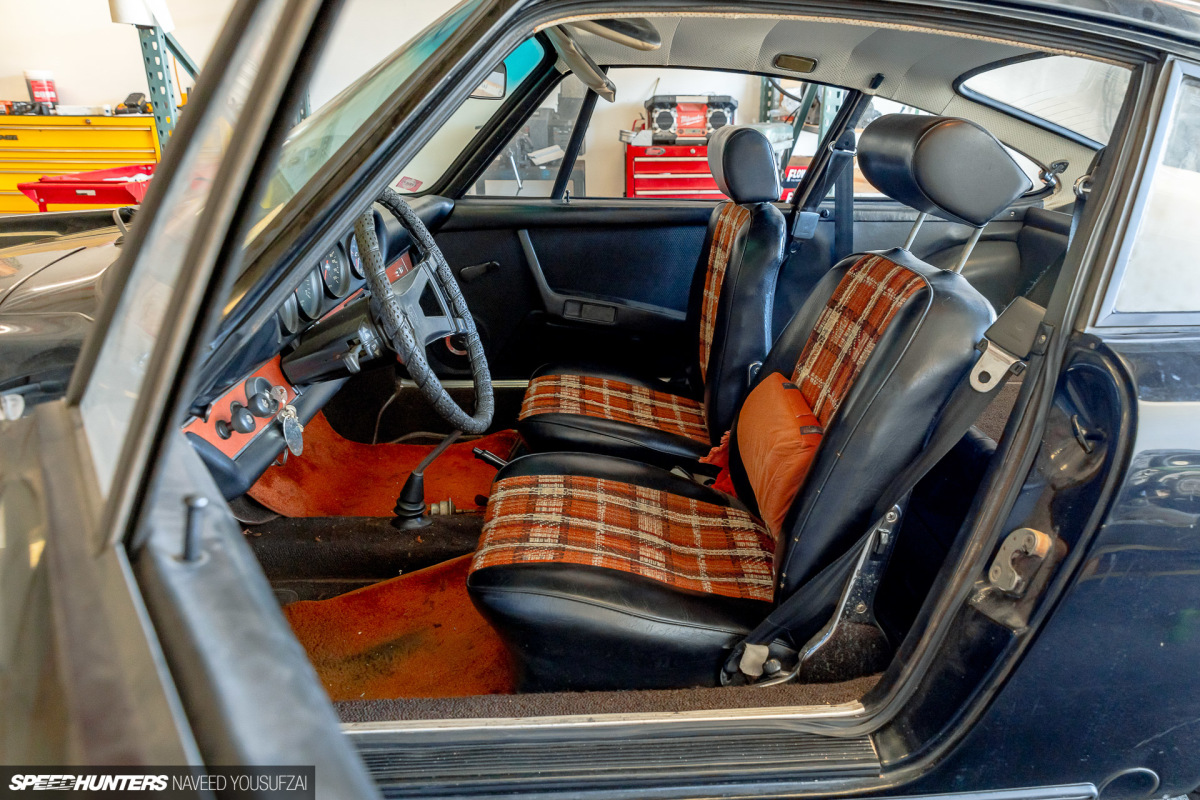
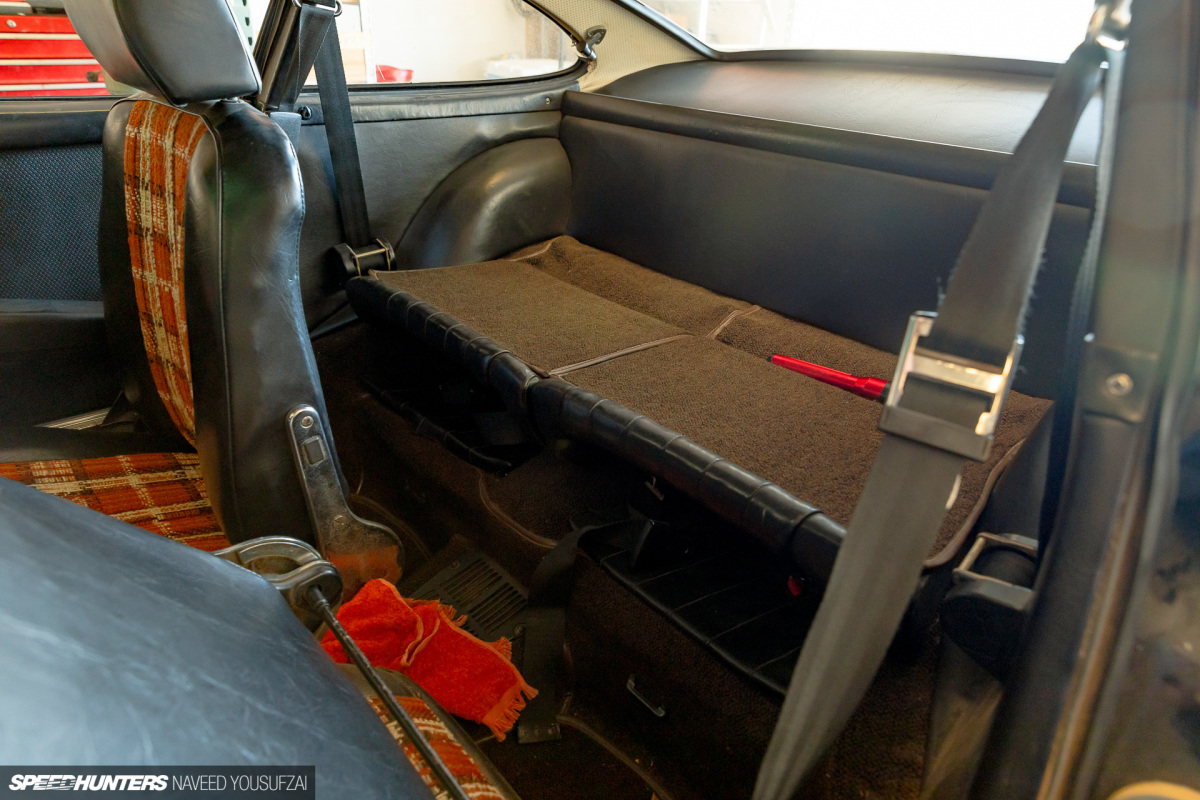
The next morning, I finally saw my 912 in the sunlight. Erik greeted me with a huge smile on his face, and proceeded to explain how great the car was in terms of its condition. The body was pretty straight despite its worn-down black repaint, and there wasn’t a spec of rust to be found given it was a Bay Area car all of its life. If I recall correctly, Erik’s words were, “Dude, you did great!”, instantly relieving me of all anxiety and worries. I got lucky on the gamble honestly.
Mechanicals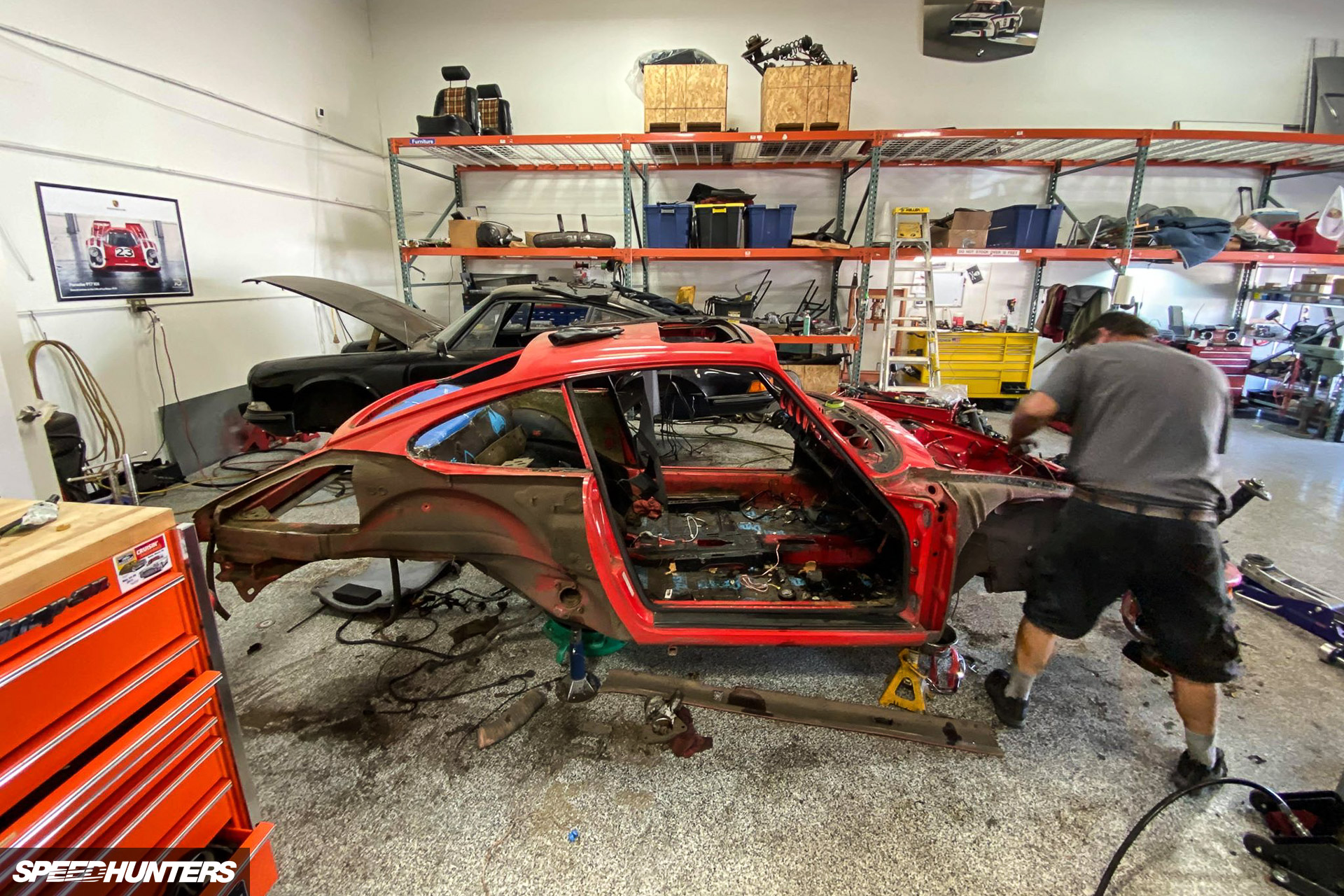
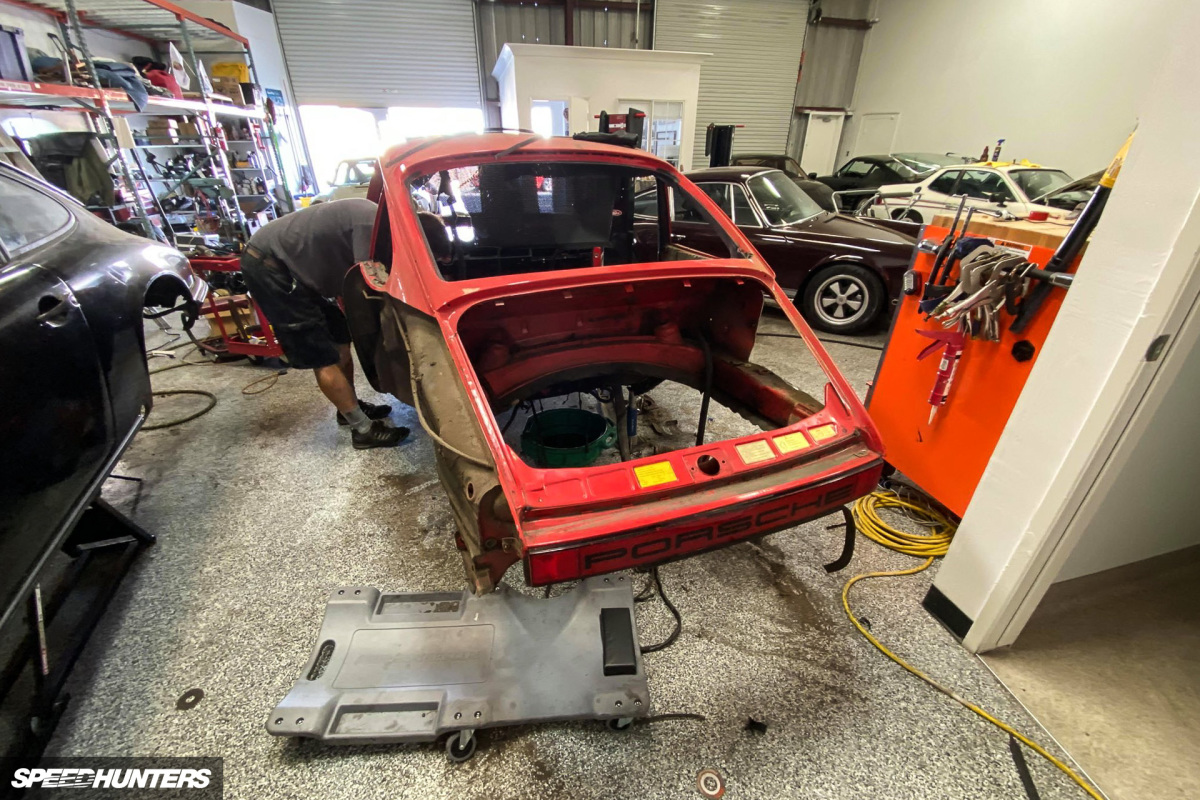
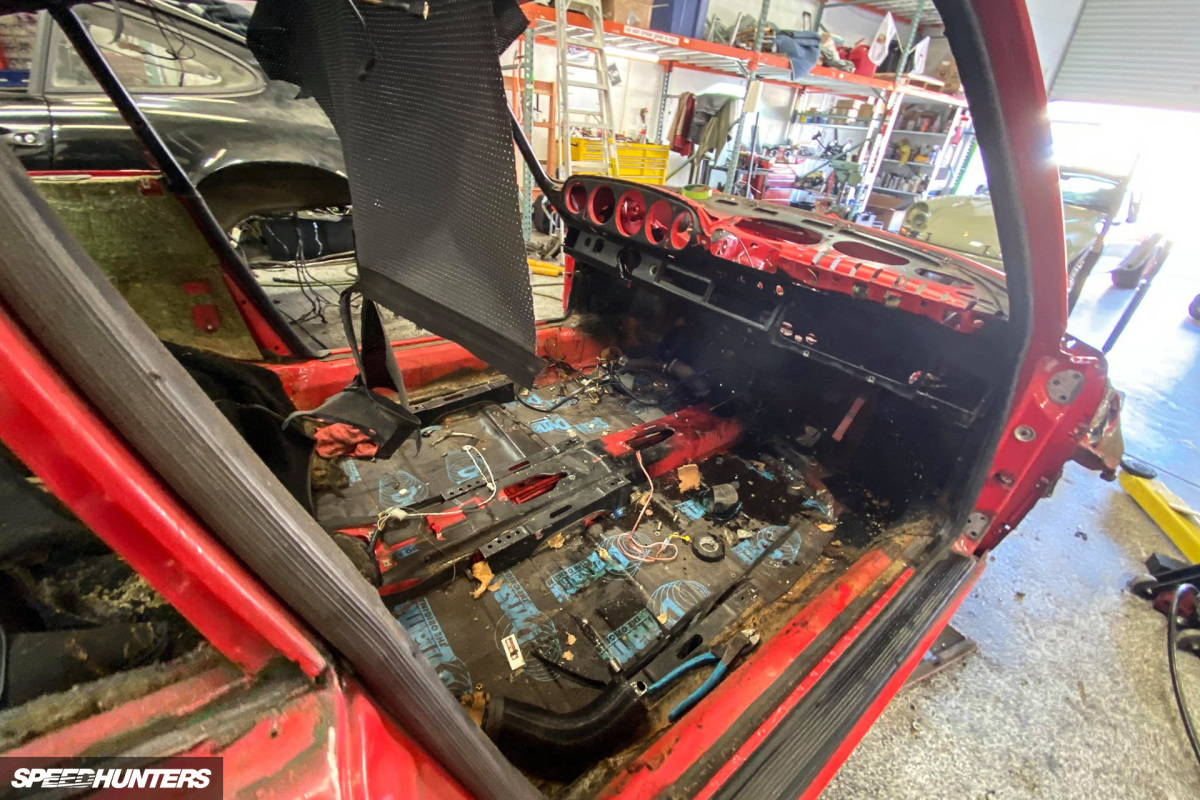
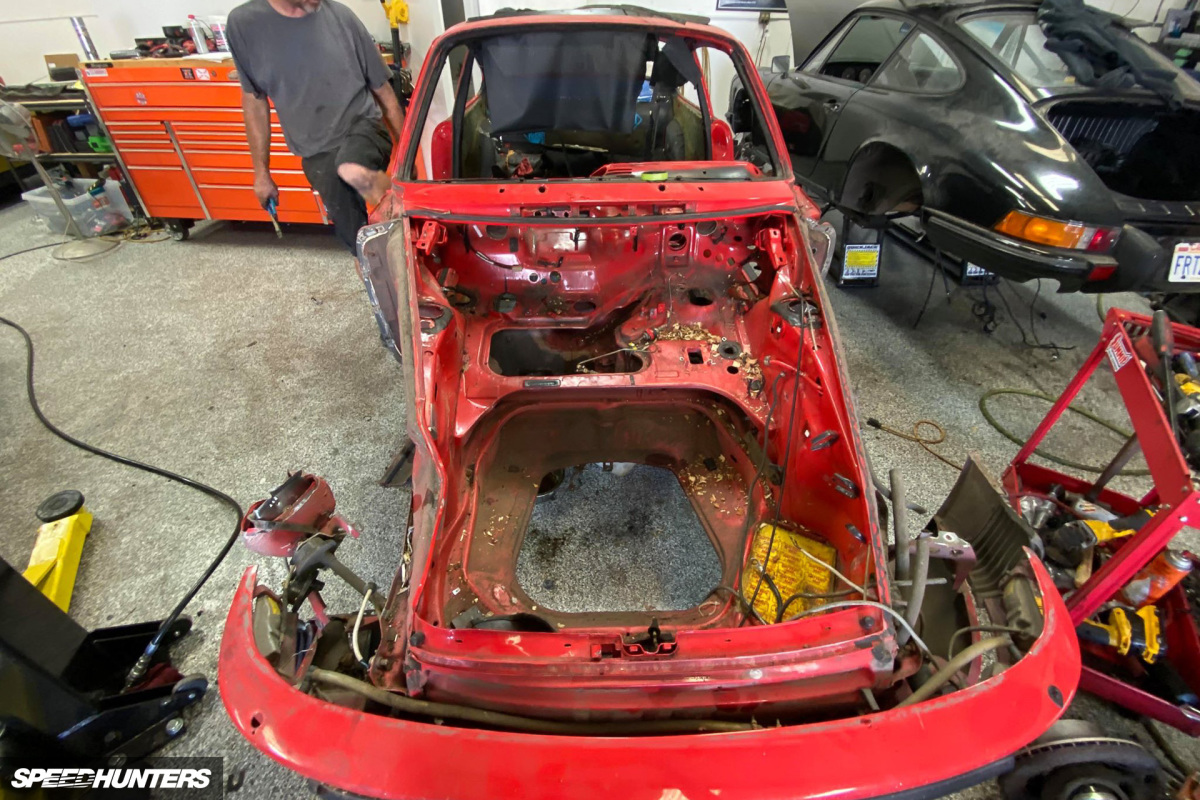
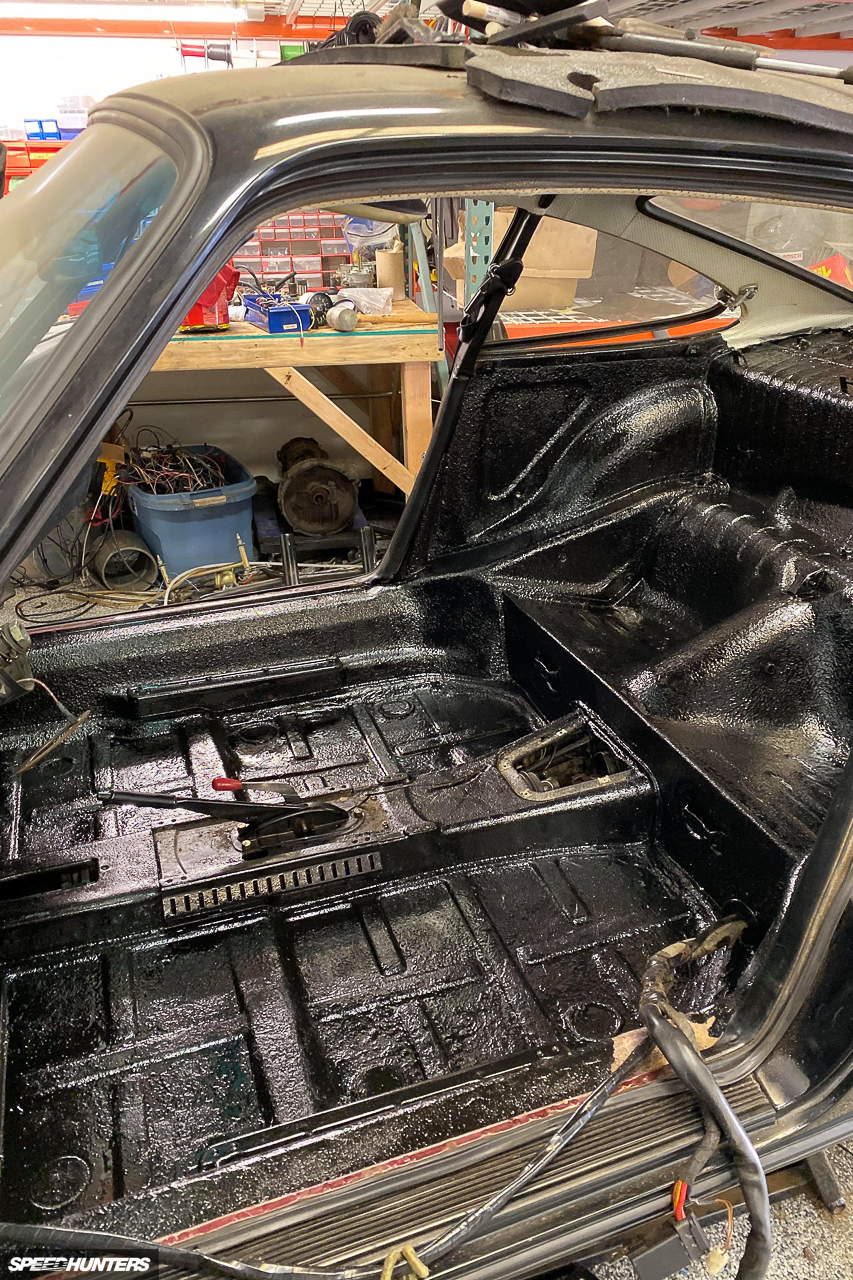
Over the course of the next three months, the 912 underwent its soul-reviving transplant. The first steps were to strip both cars down as much as possible. Since all the additional and excess parts would be listed for sale, I had Erik remove pretty much every bit of the 911, and nearly as much on the 912, minus the essentials needed like the seats, headlights, taillights, and other miscellaneous pieces that would be replaced later on.
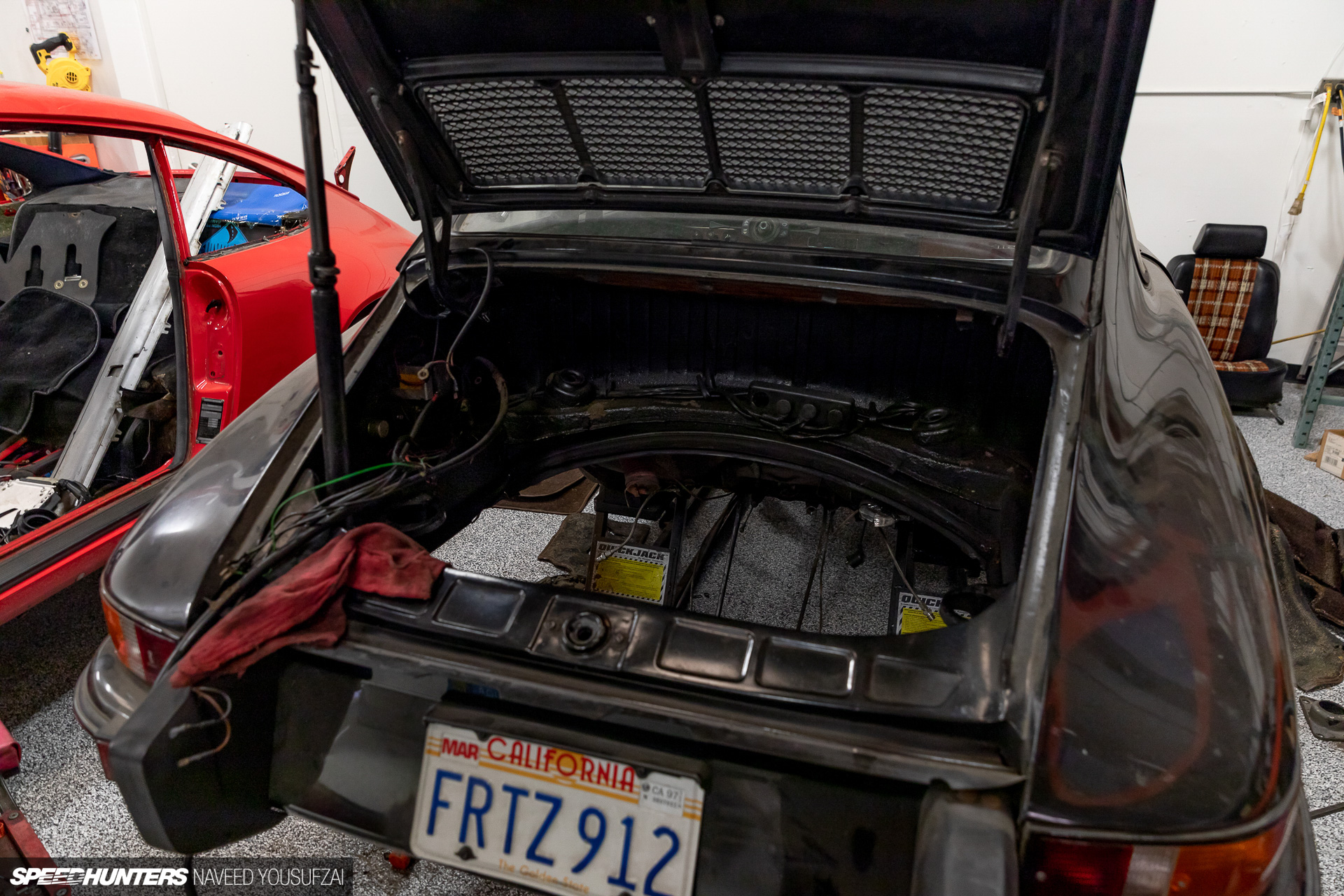
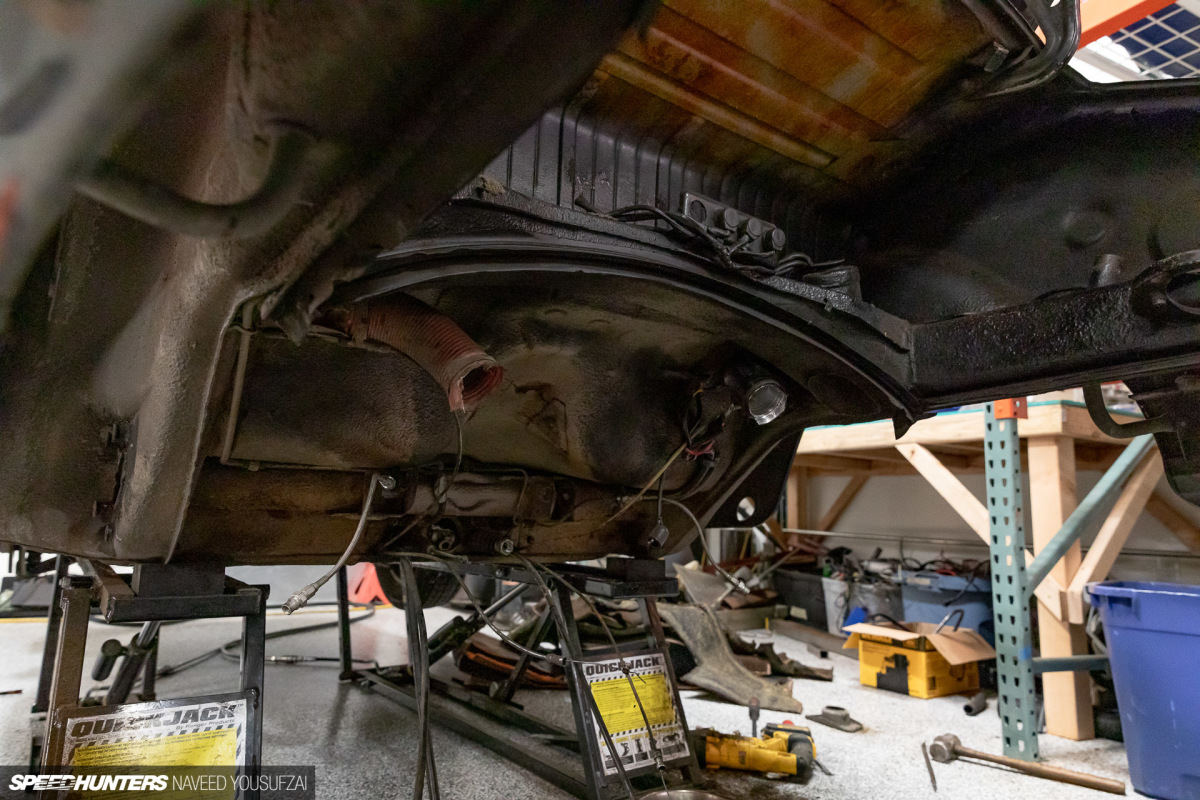
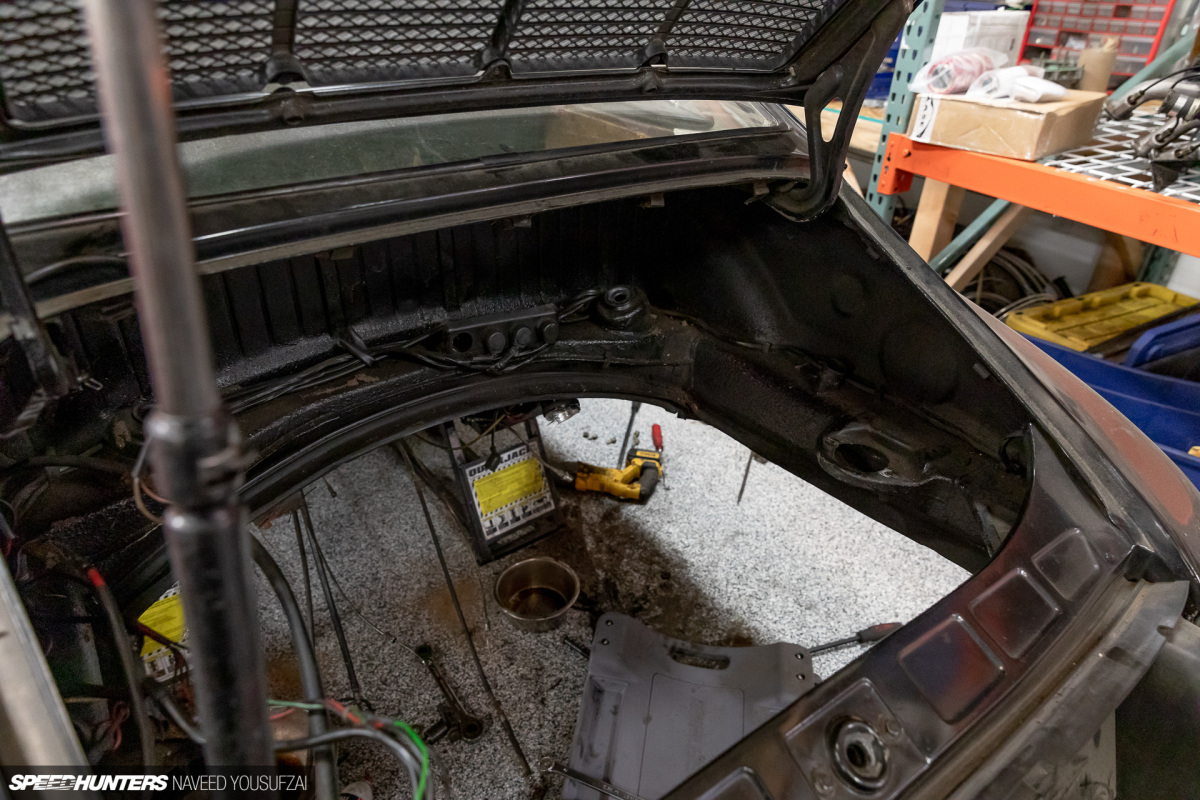
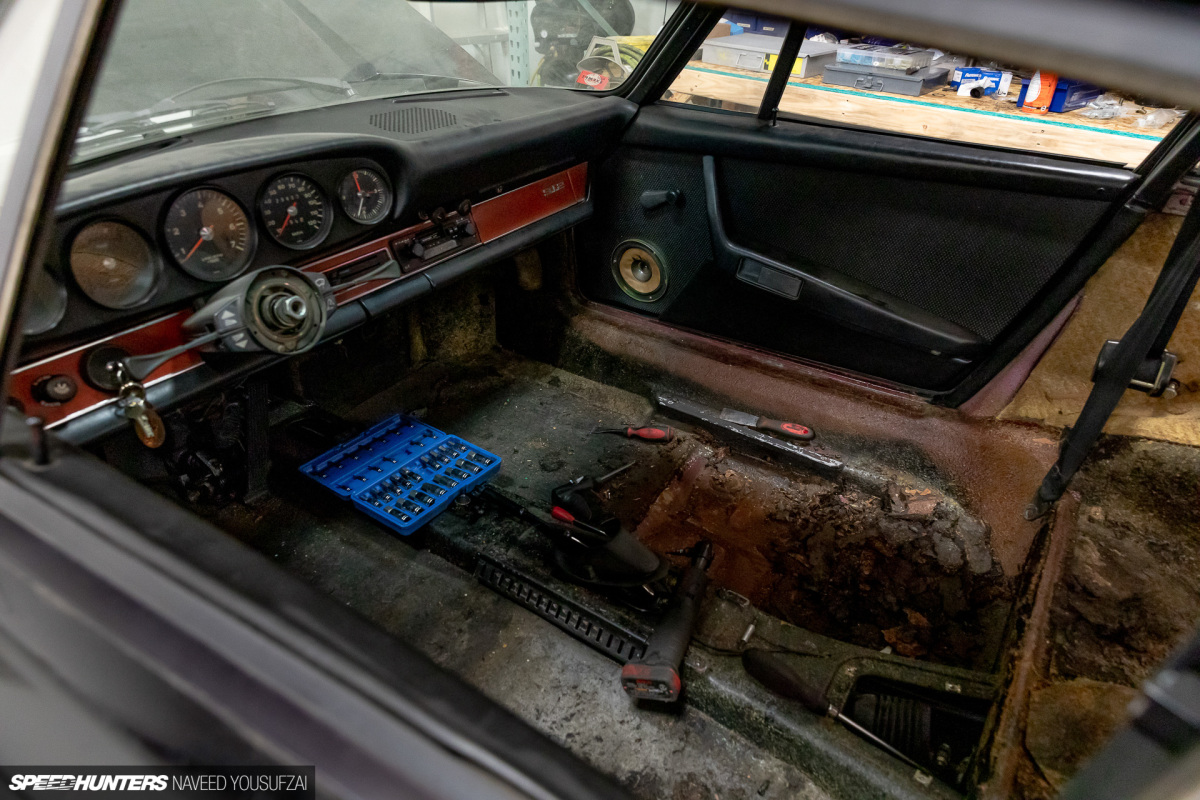
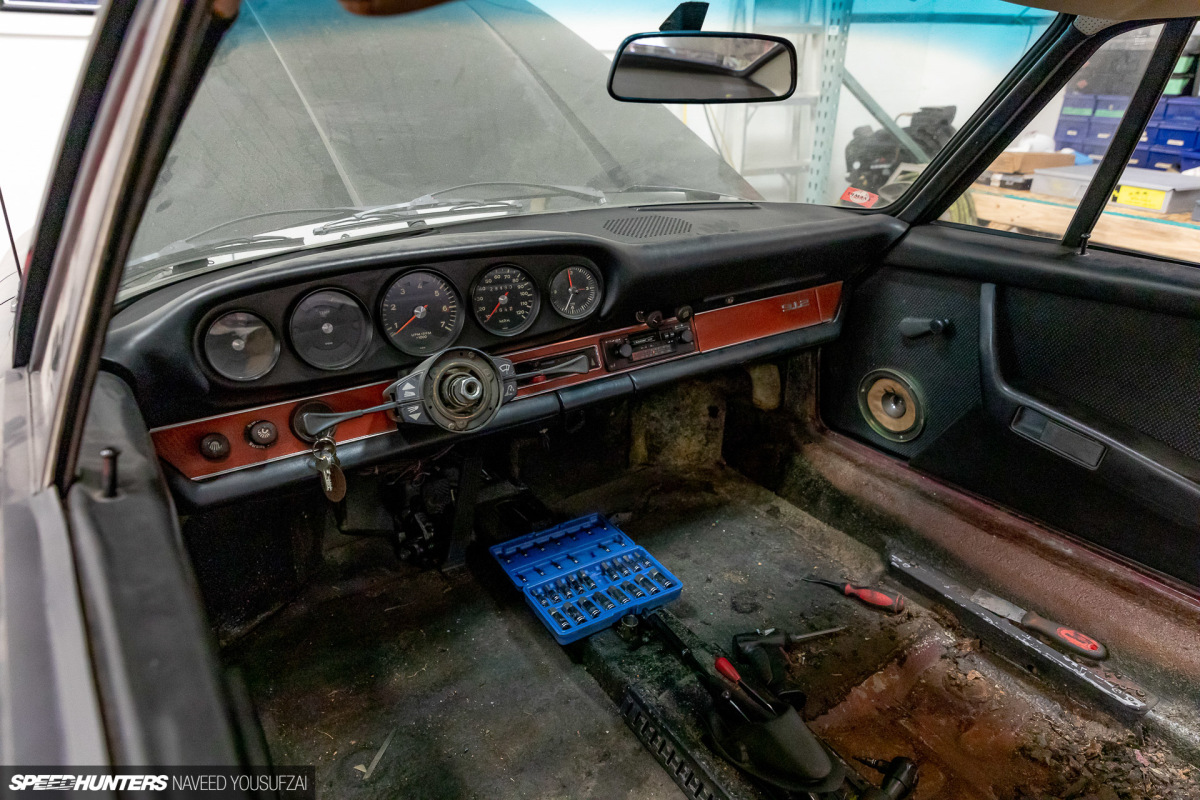
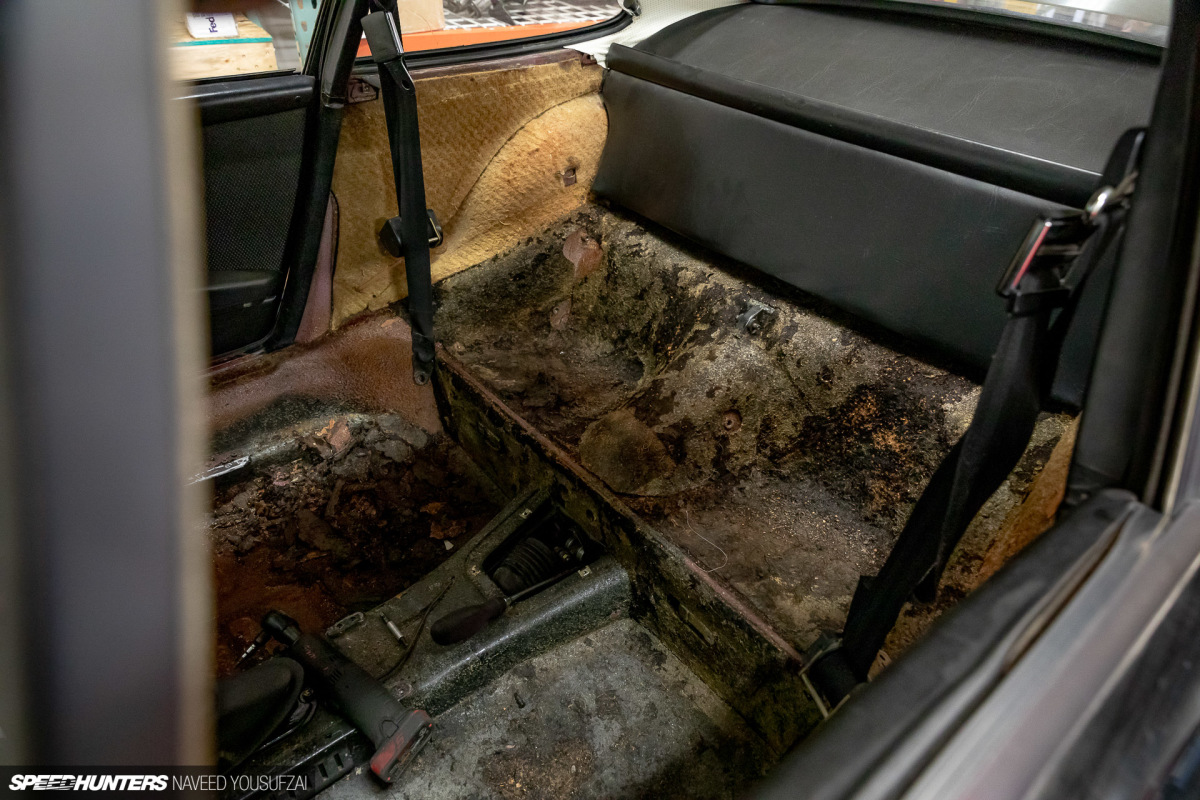
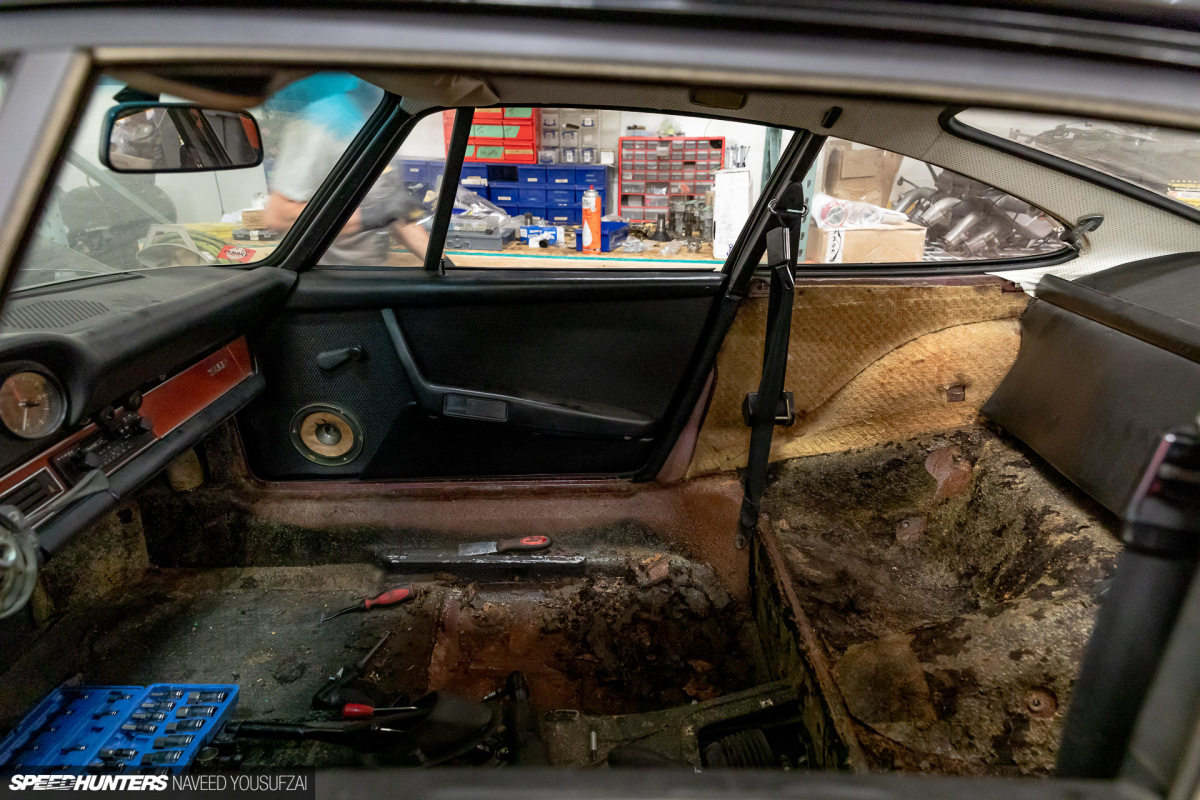
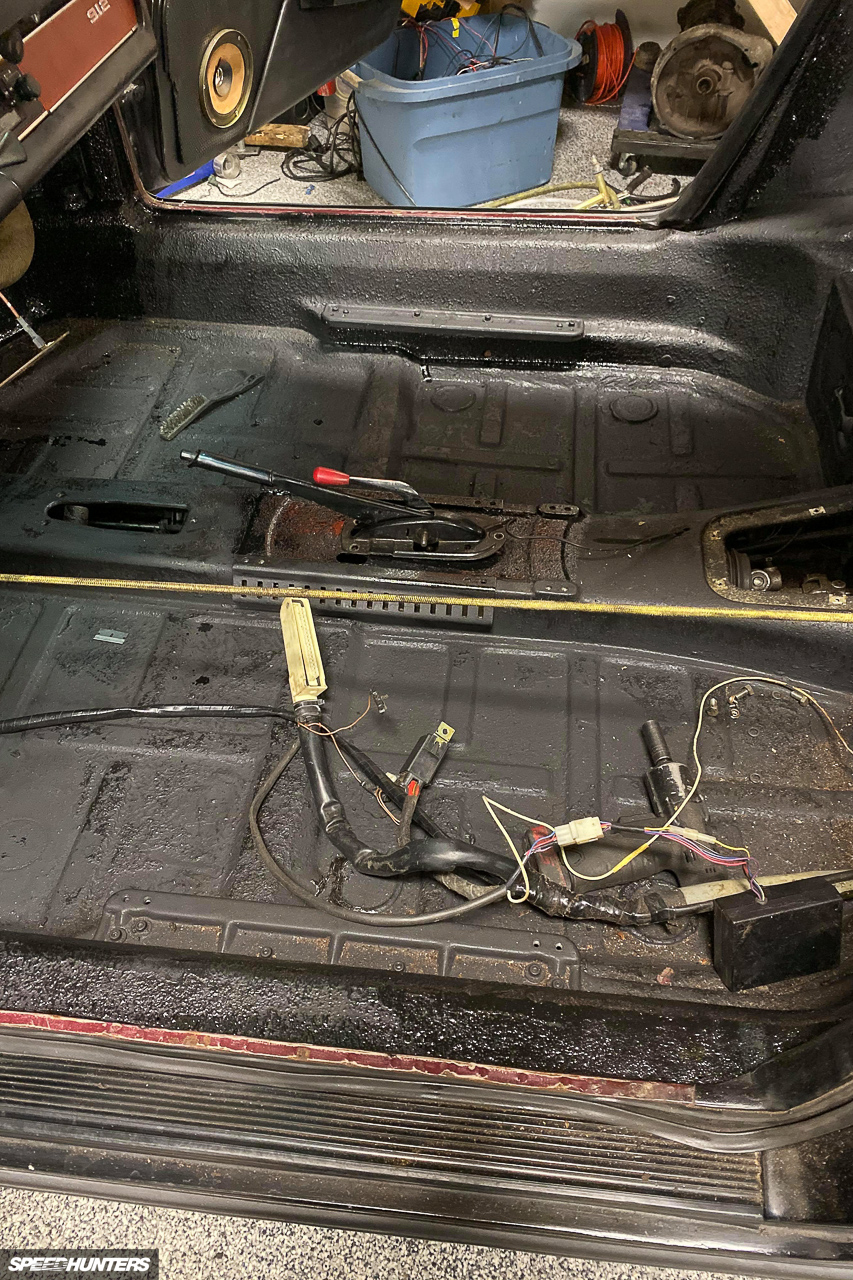
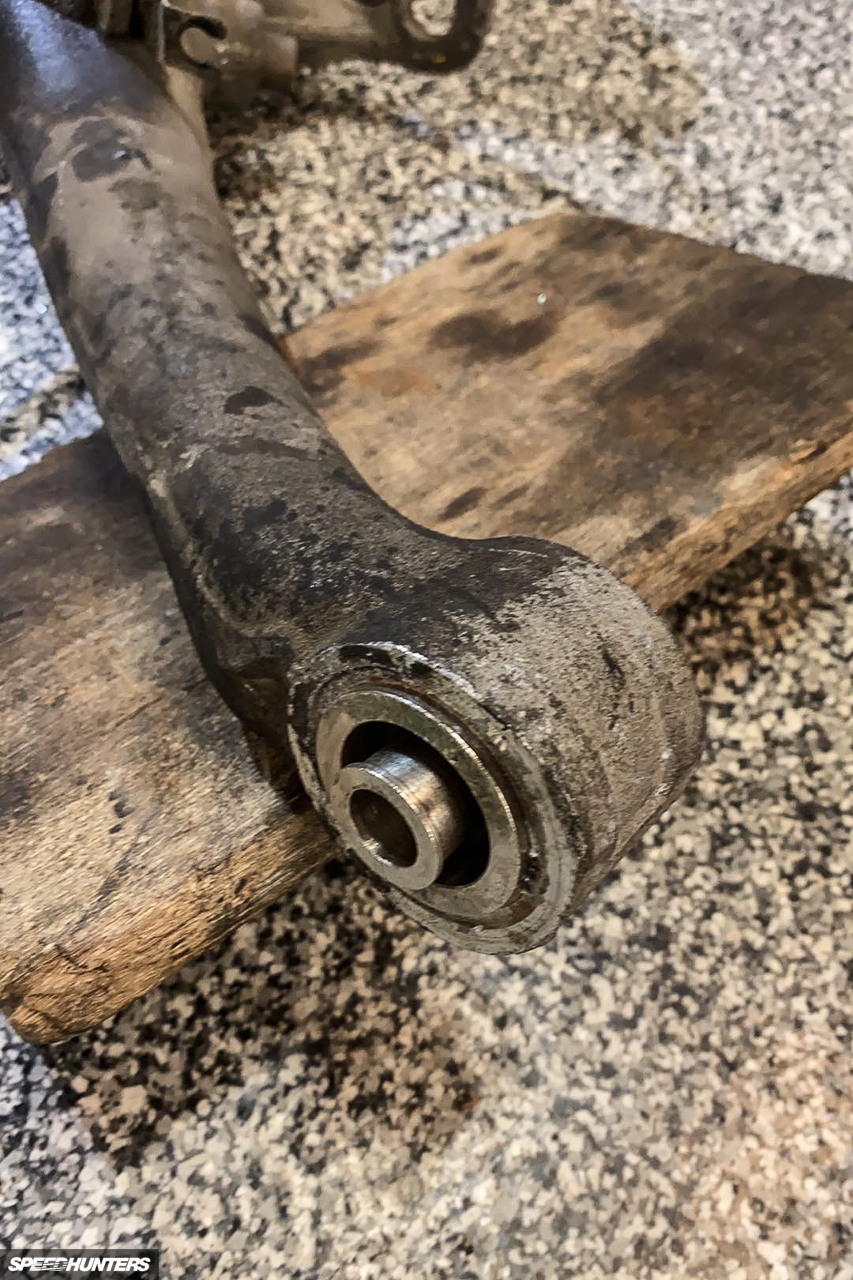
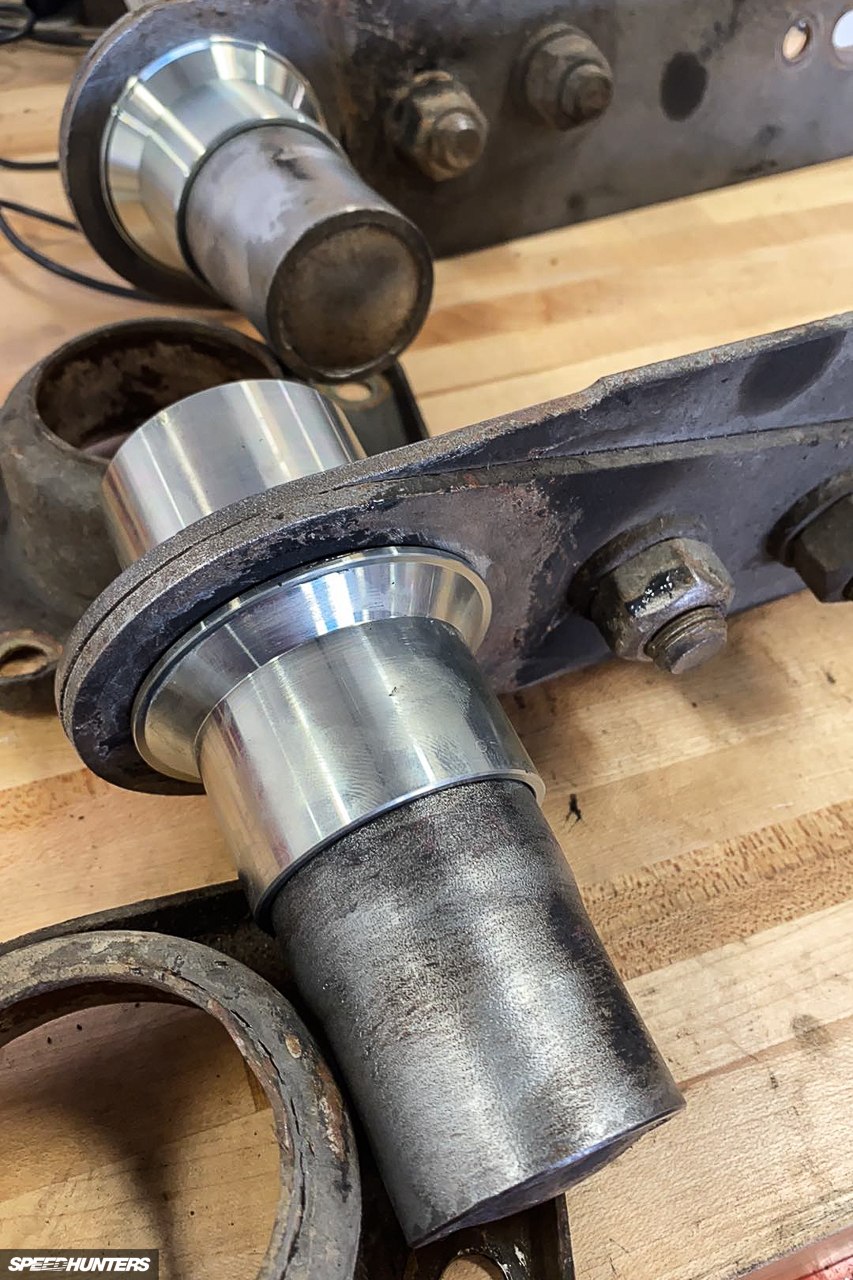
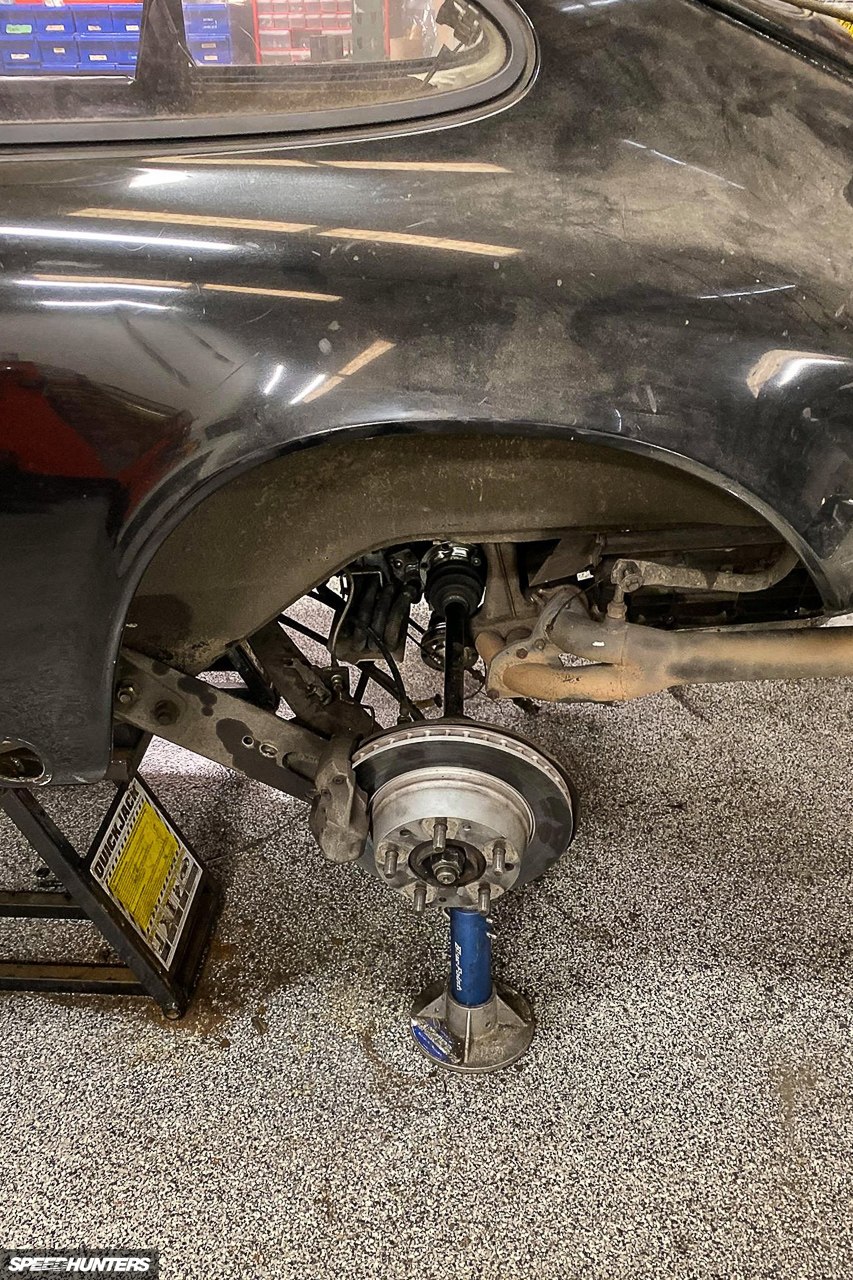
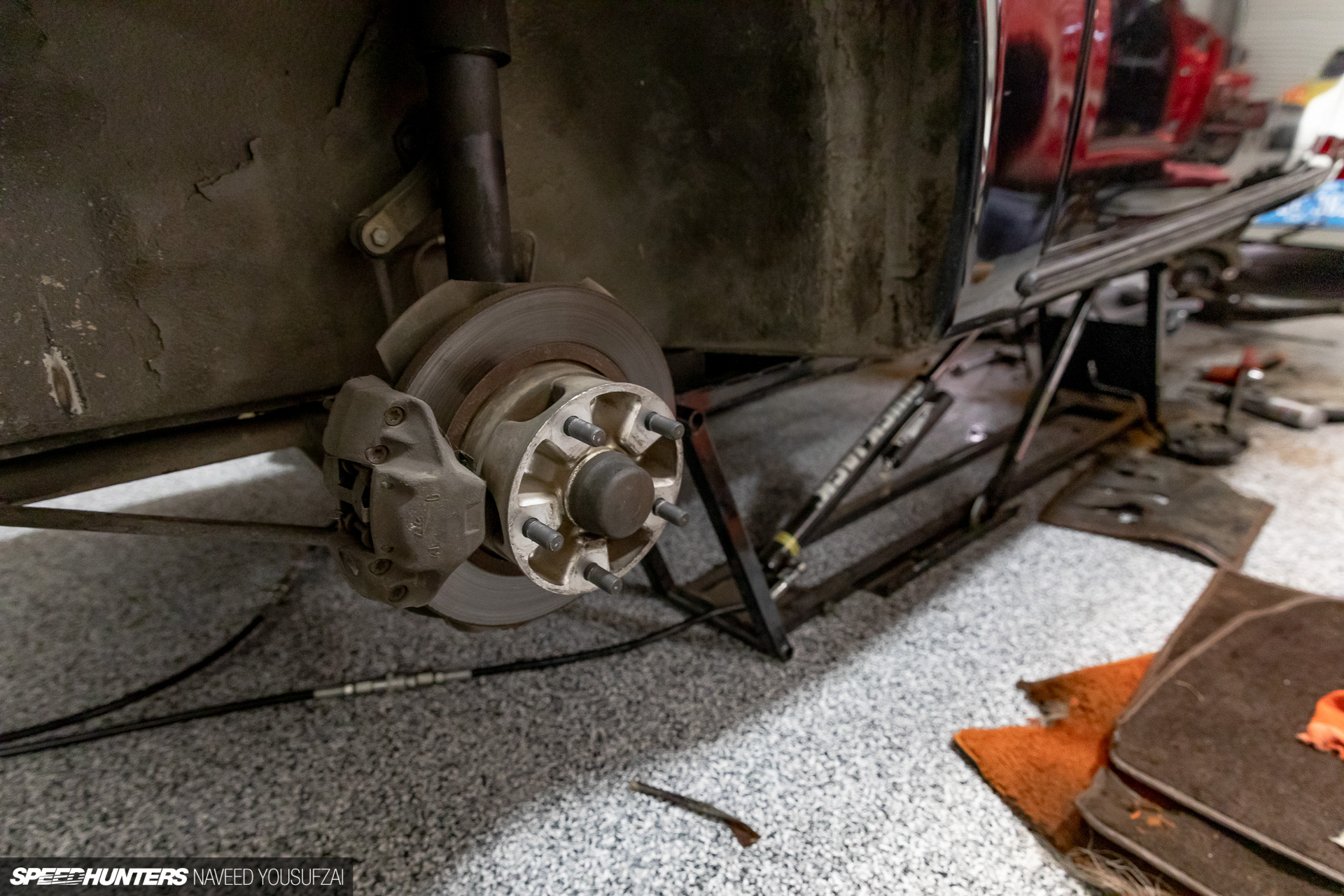
We would be stripping the 912 as much as possible for weight reduction, so the majority of the suspension components on the 911 would suffice, given that the 912 would be 800lbs (363kgs) lighter than the 911. Plus, the majority of these pieces were aluminum versus the original steel material used from factory, so most would consider it an upgrade either way.
With that understanding, we retained the adjustable BILSTEIN struts, aluminum control arms and trailing arms, and the Euro-spec torsion bars. Upon removal though, we figured it would be best to at least upgrade the bushings and spring plates on the car, so we decided to go with the obvious choice from Elephant Racing, as they have quite the proven track record for delivering excellent performance-grade pieces.
The brakes from the Euro Carrera would also be considered an upgrade from the factory 912 fare, being that they have larger calipers and rotors, so those were retained as well. I really lucked it on these modifications as G had serviced most of the parts on his car prior to me purchasing it from him.
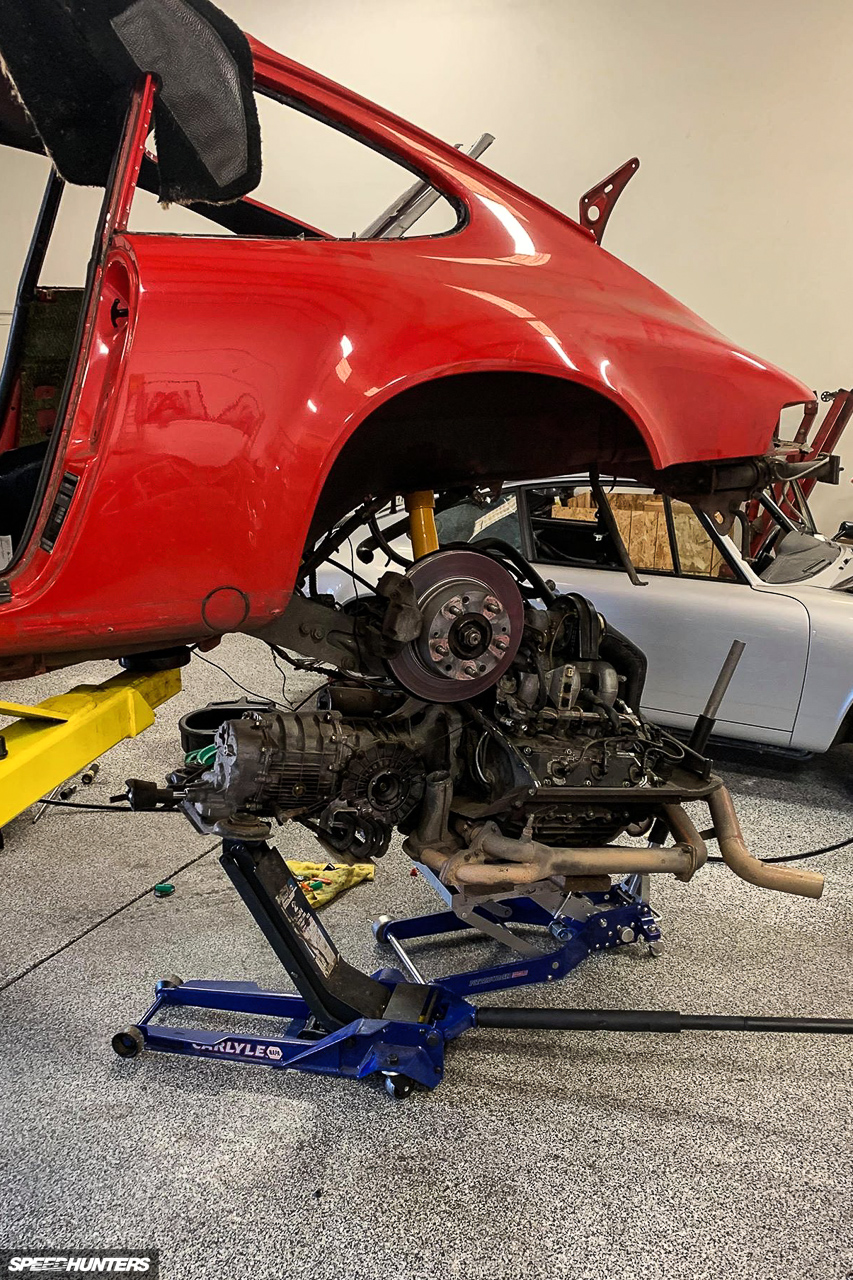
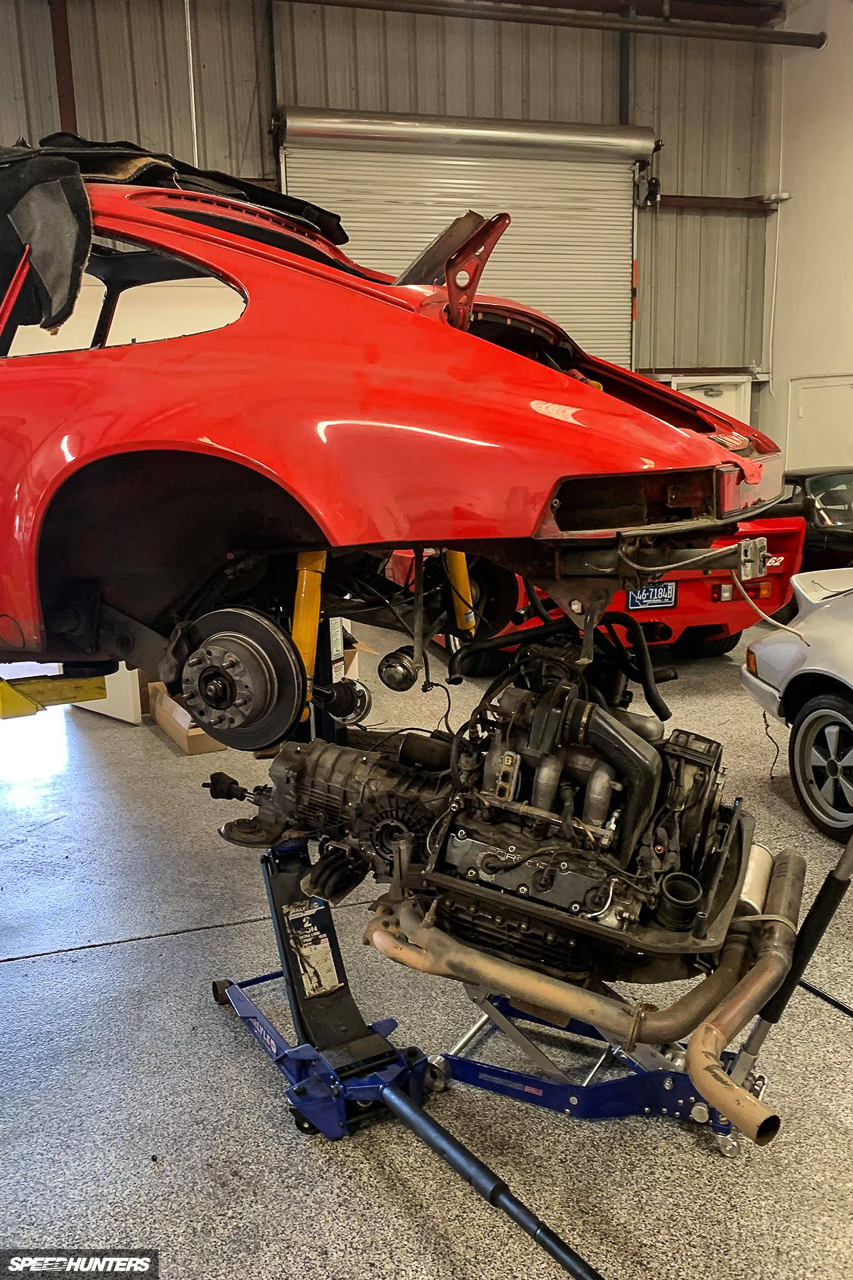
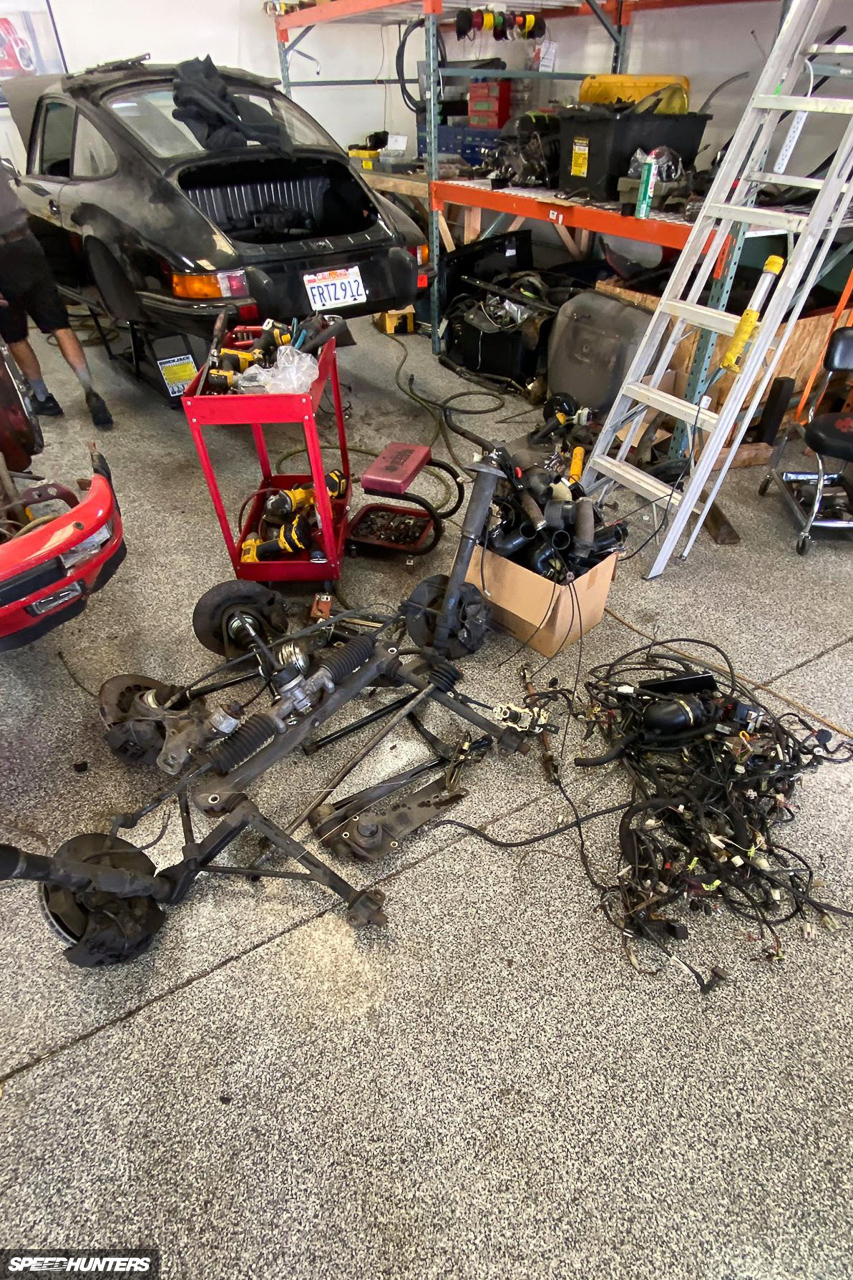
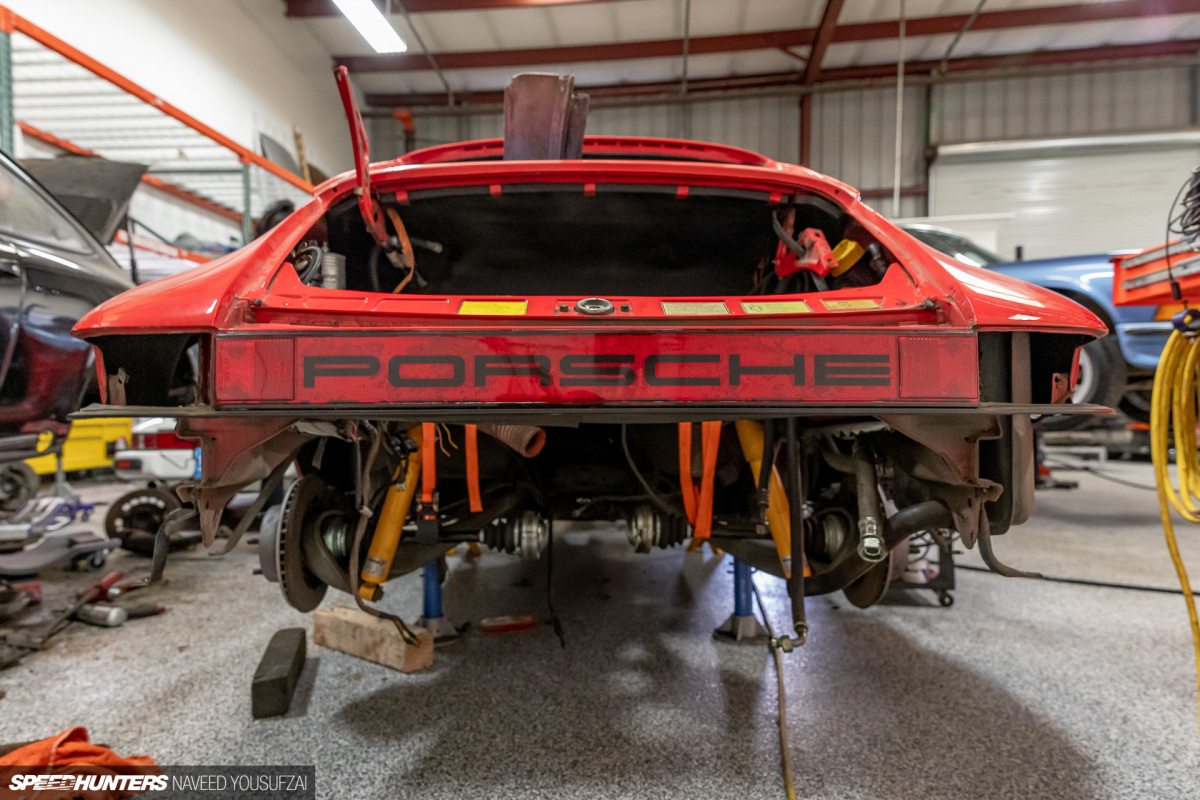
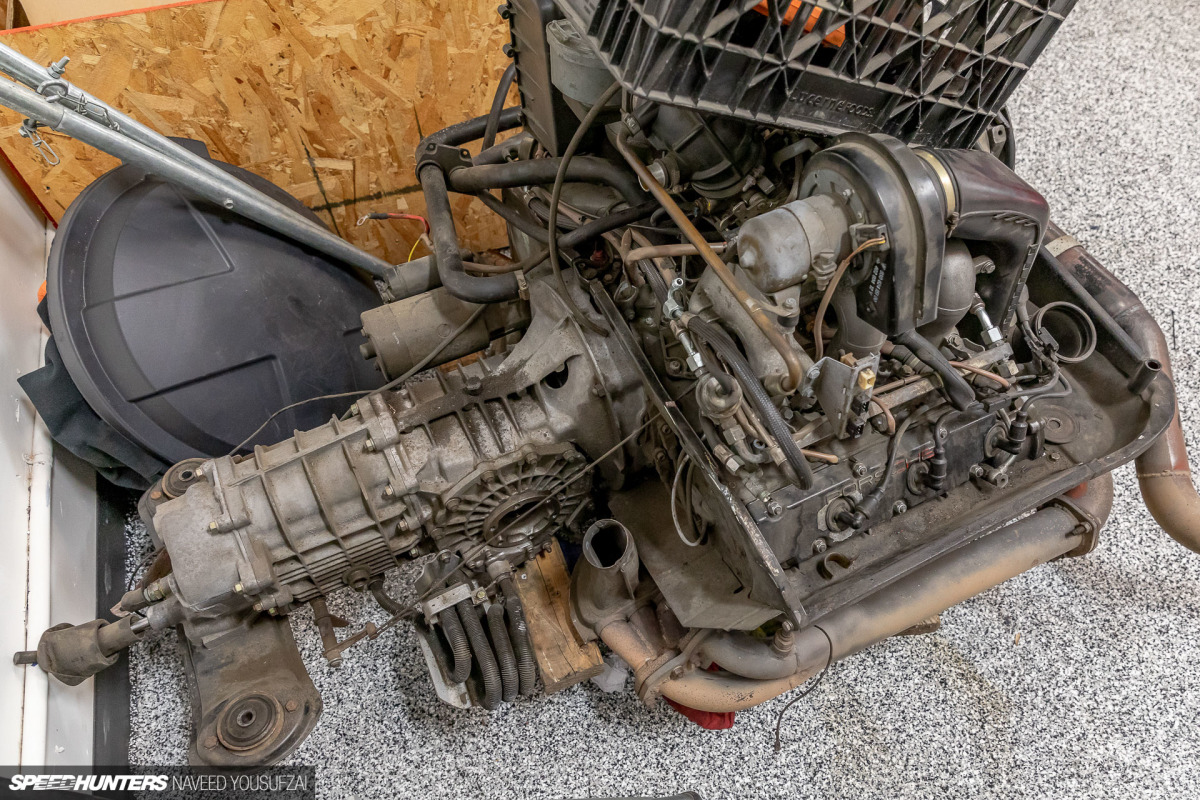
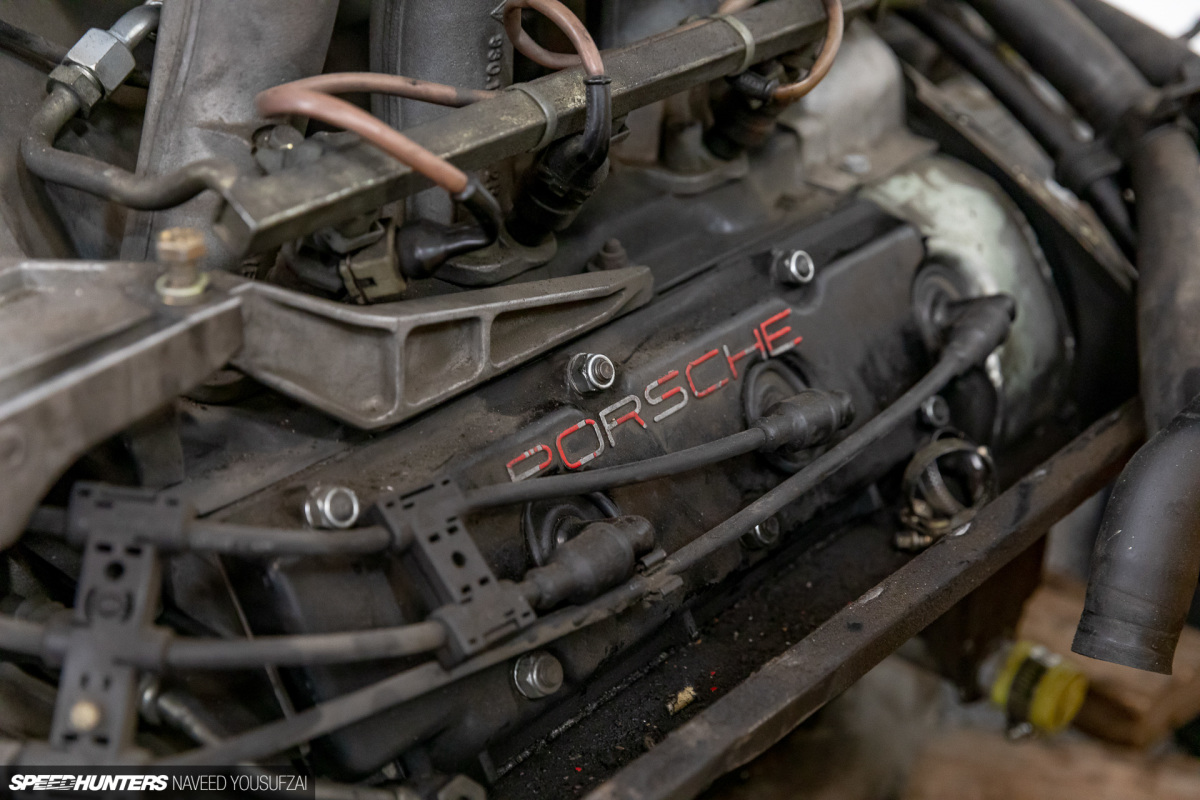
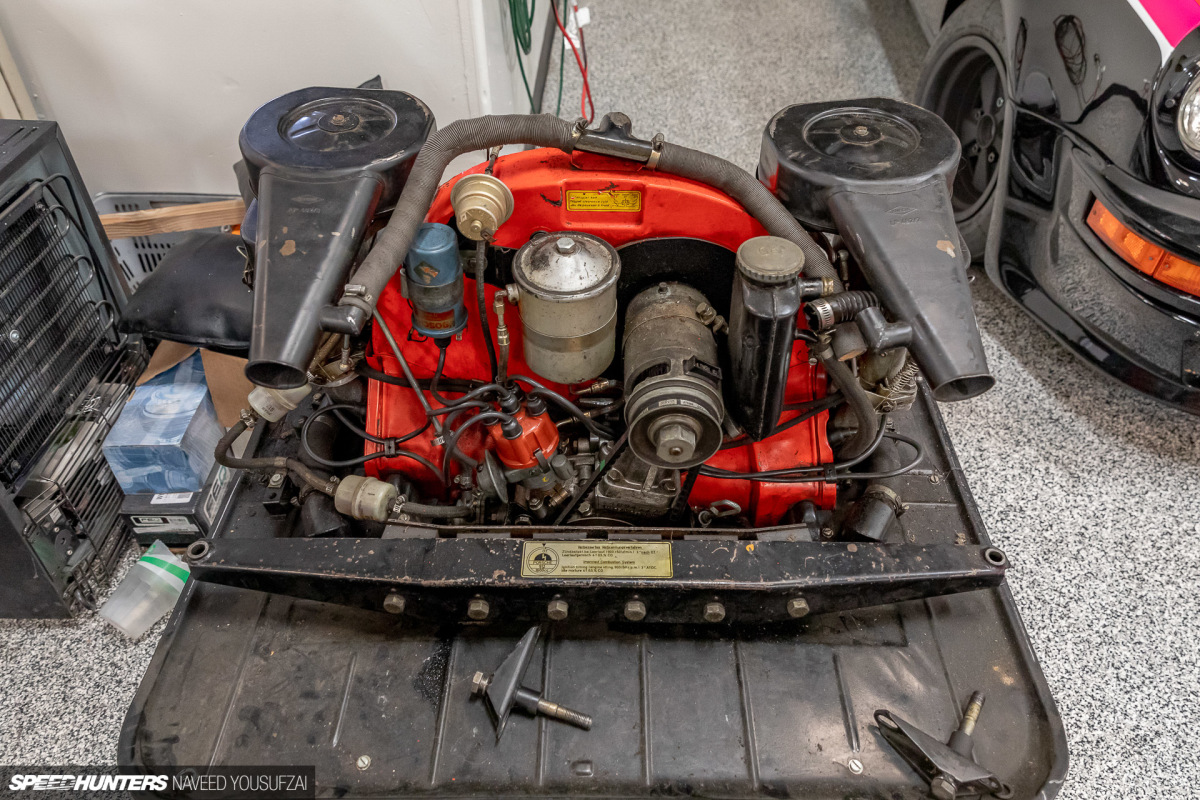
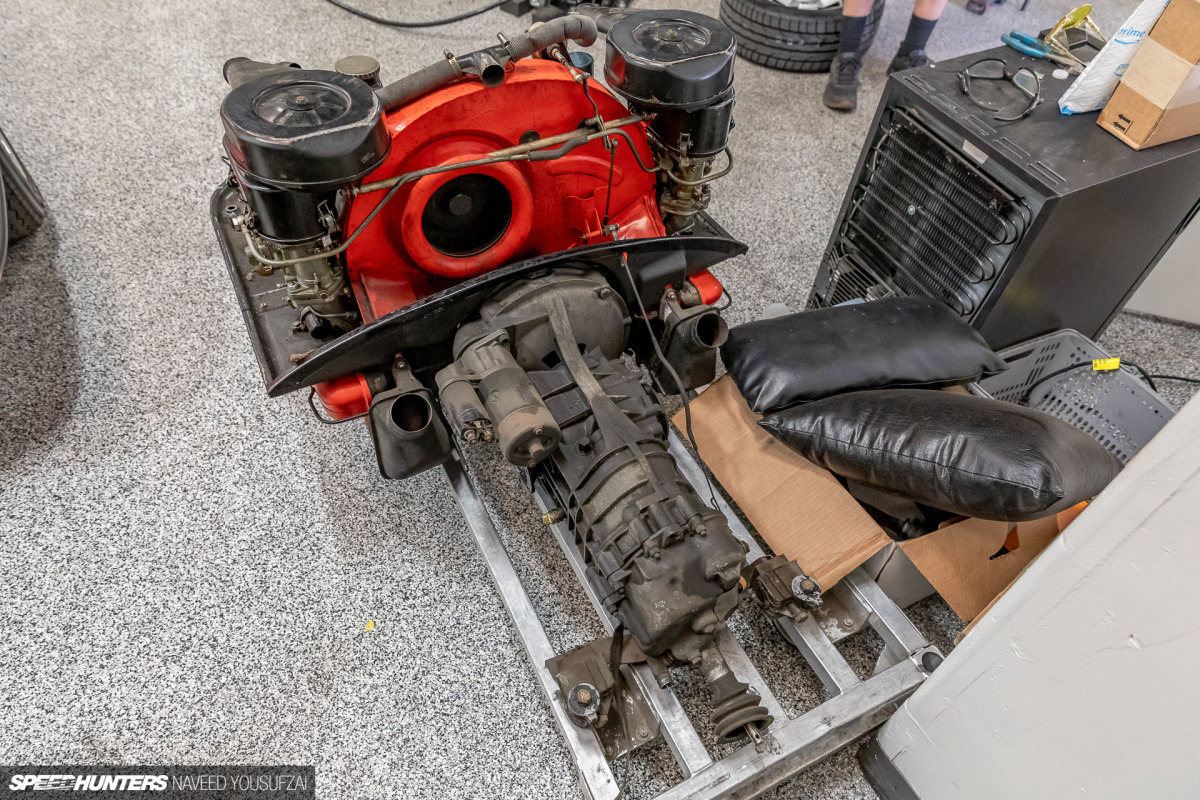
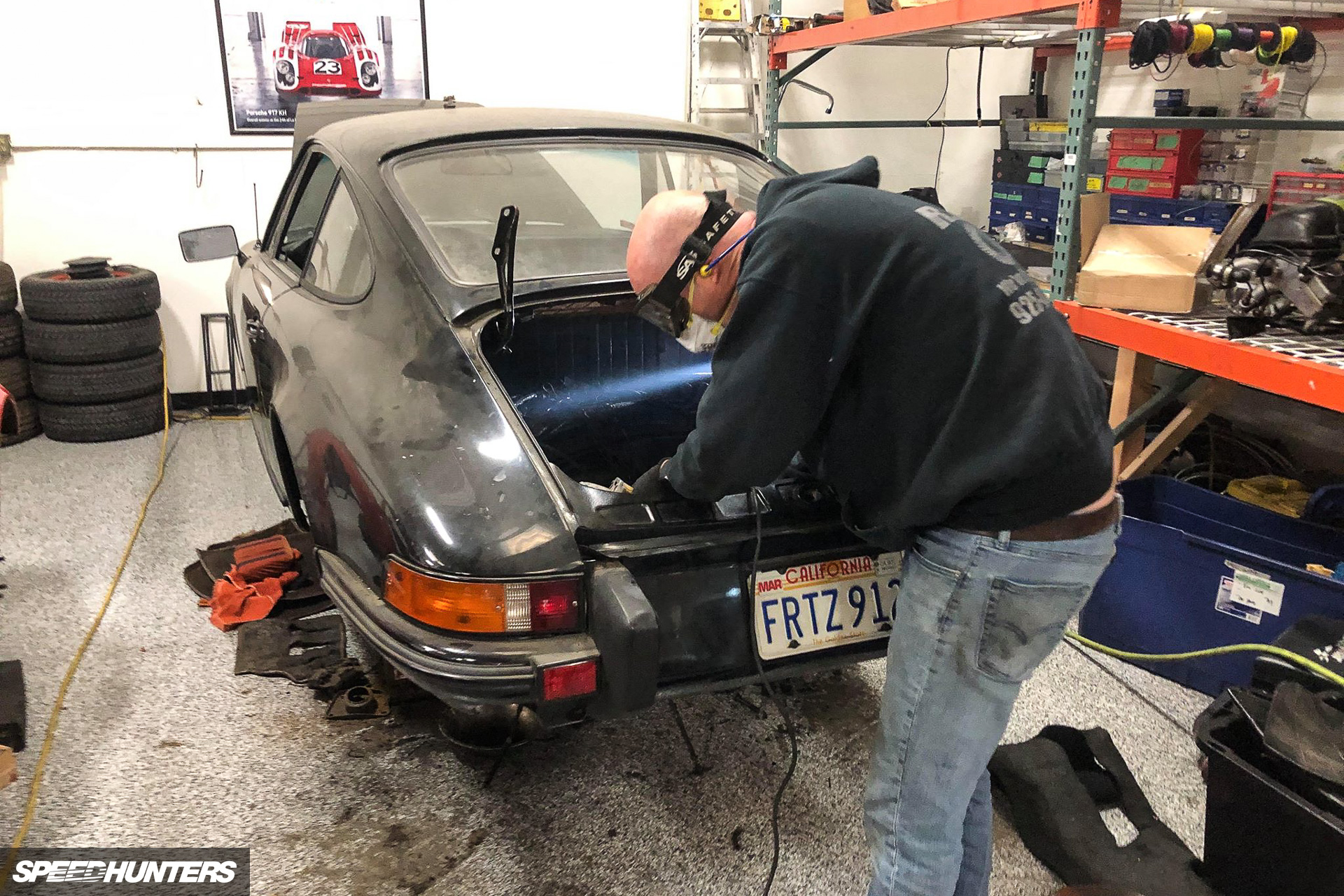
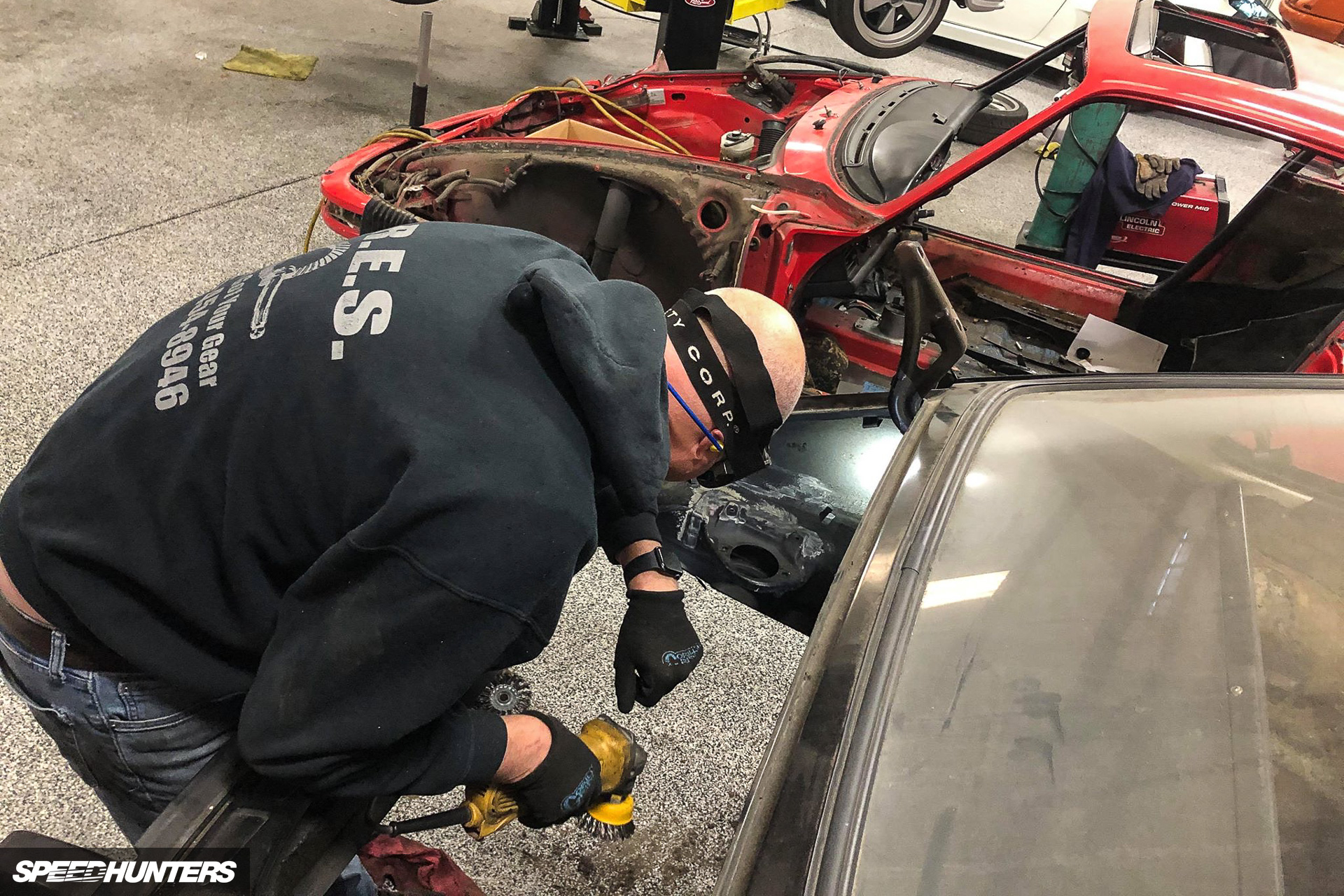
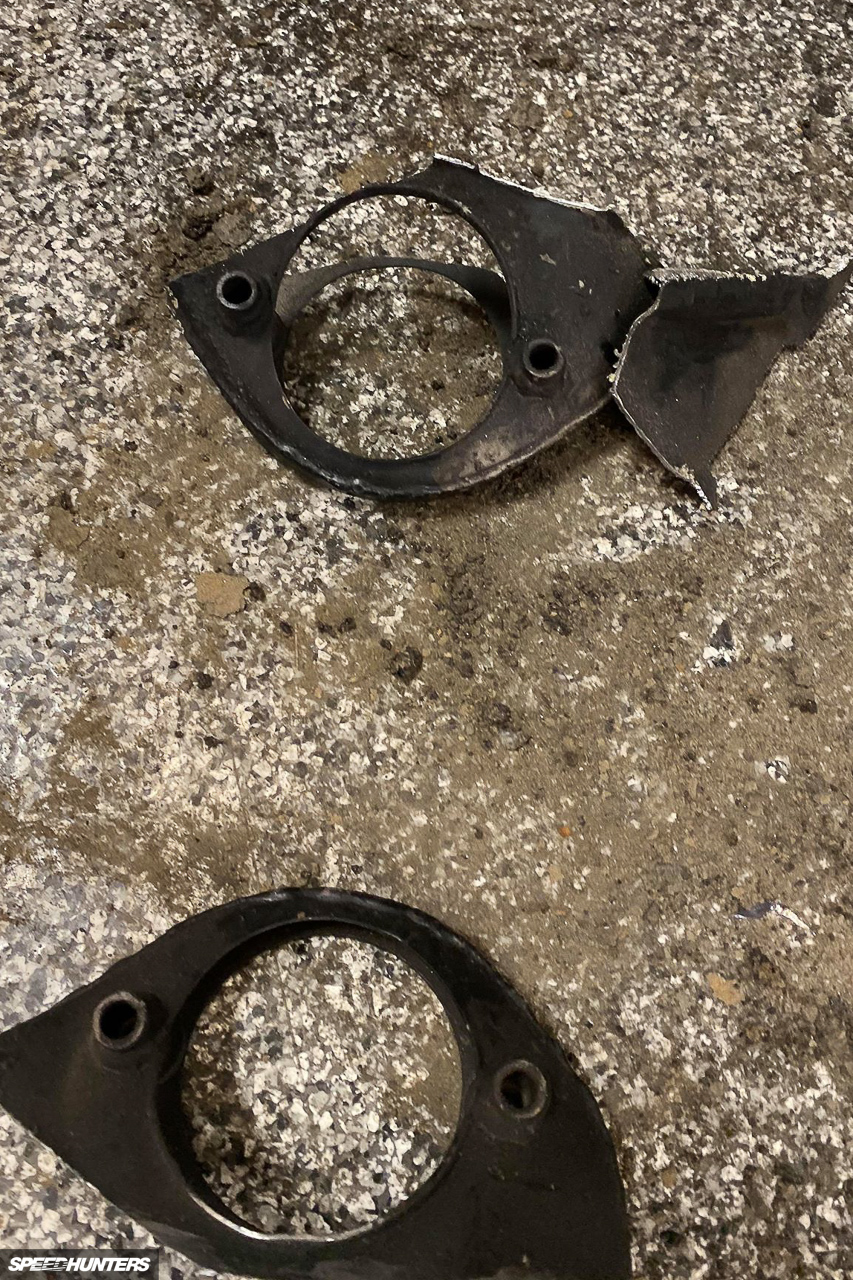
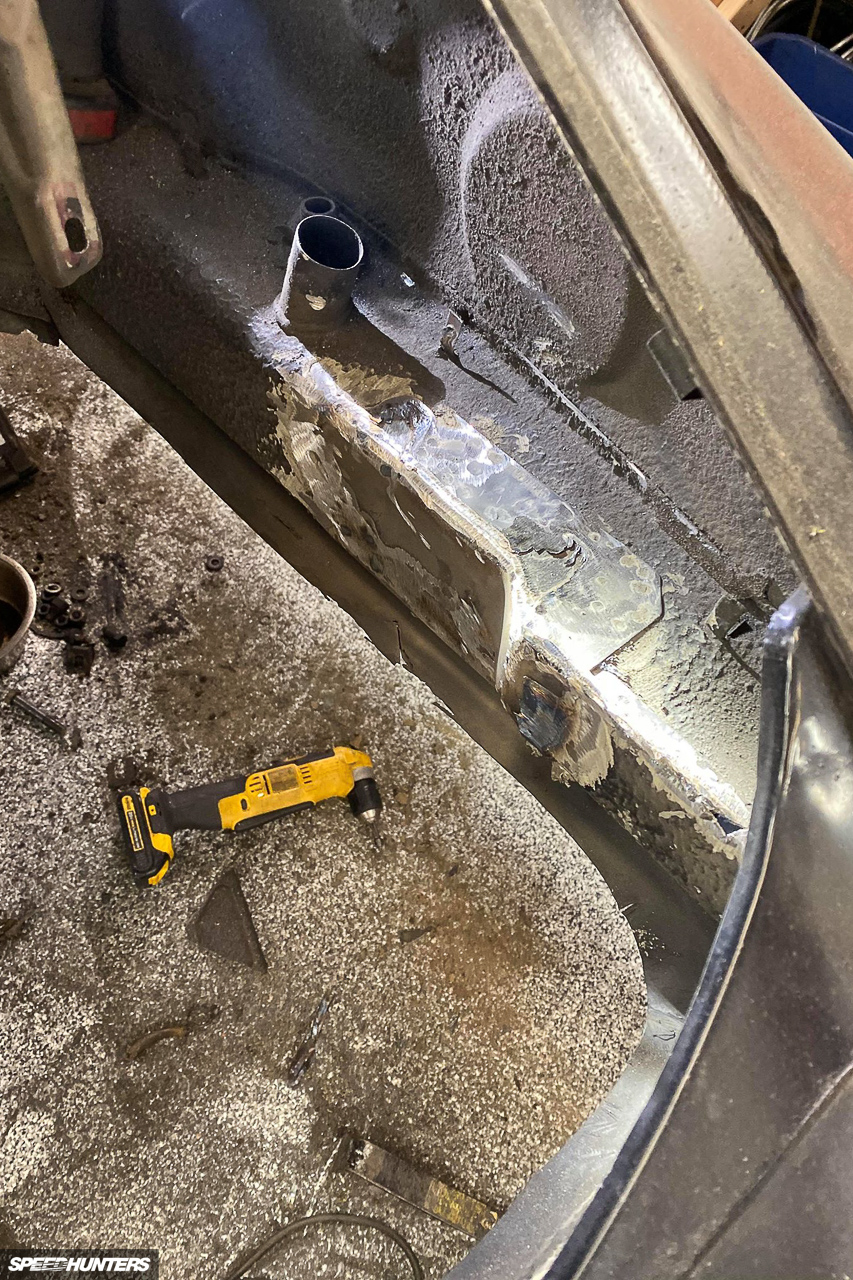
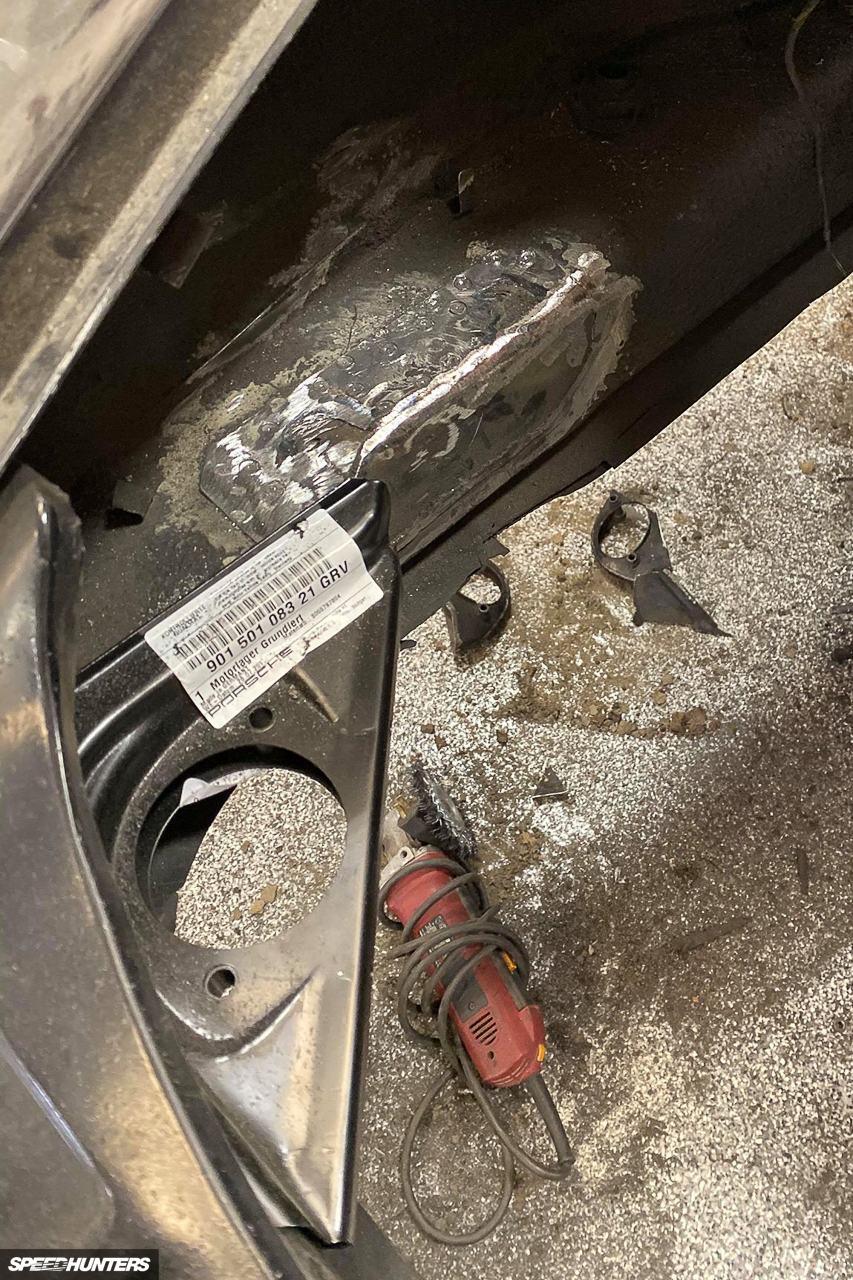
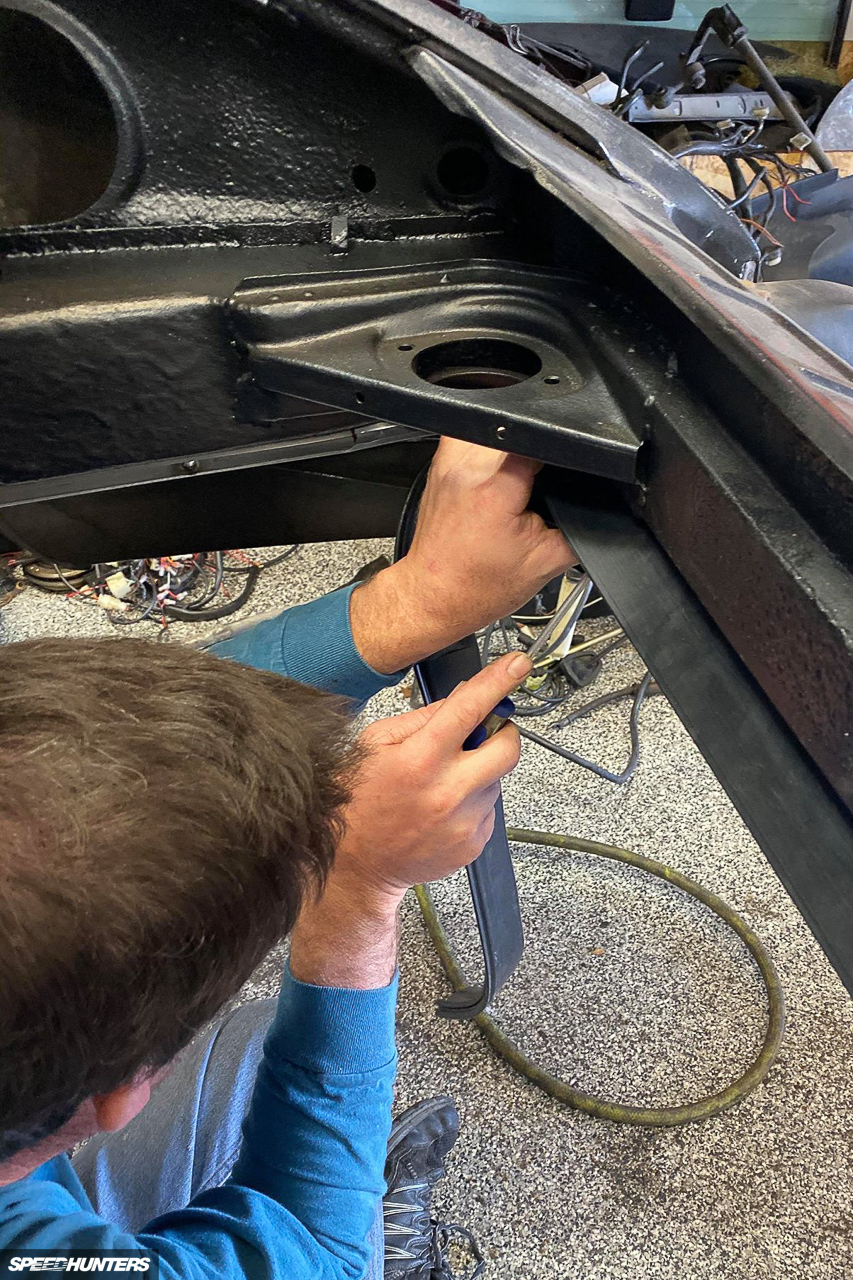
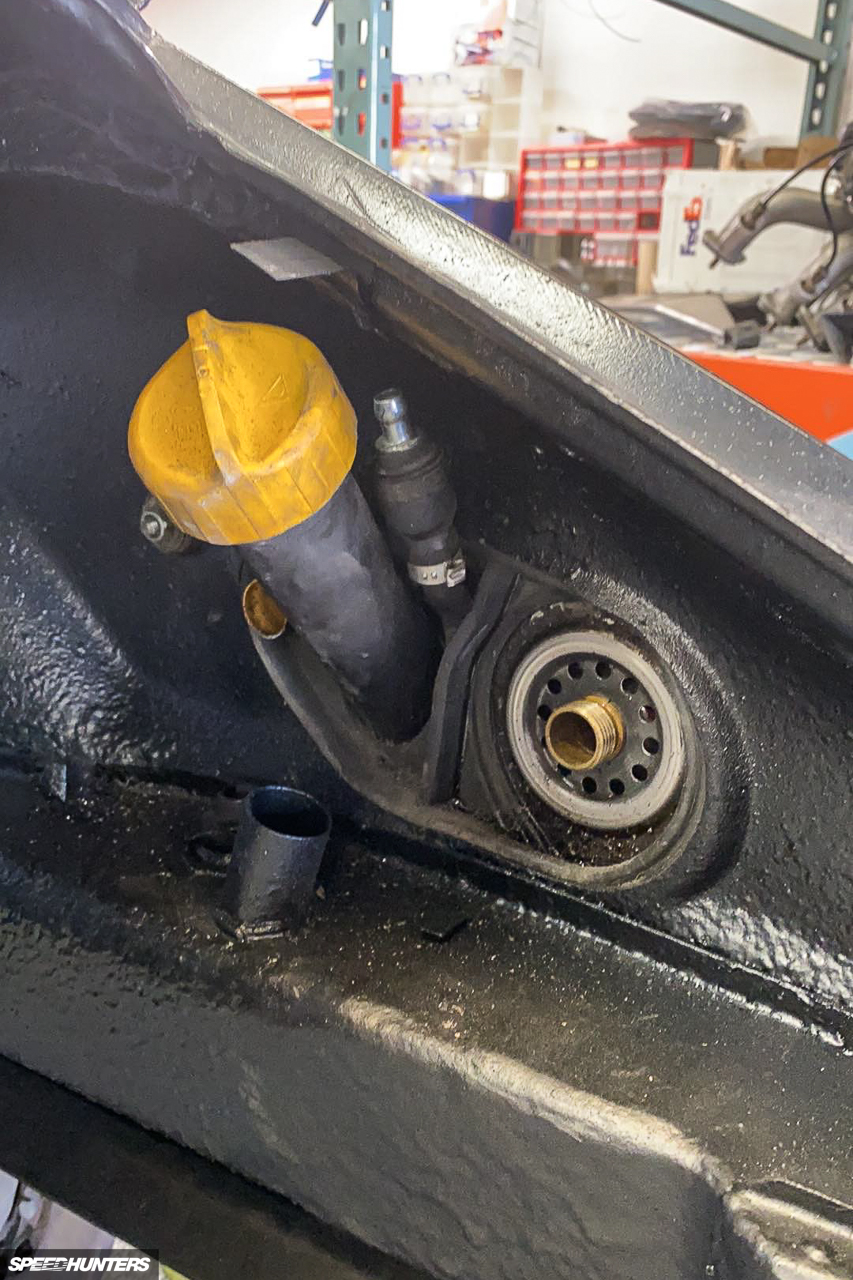
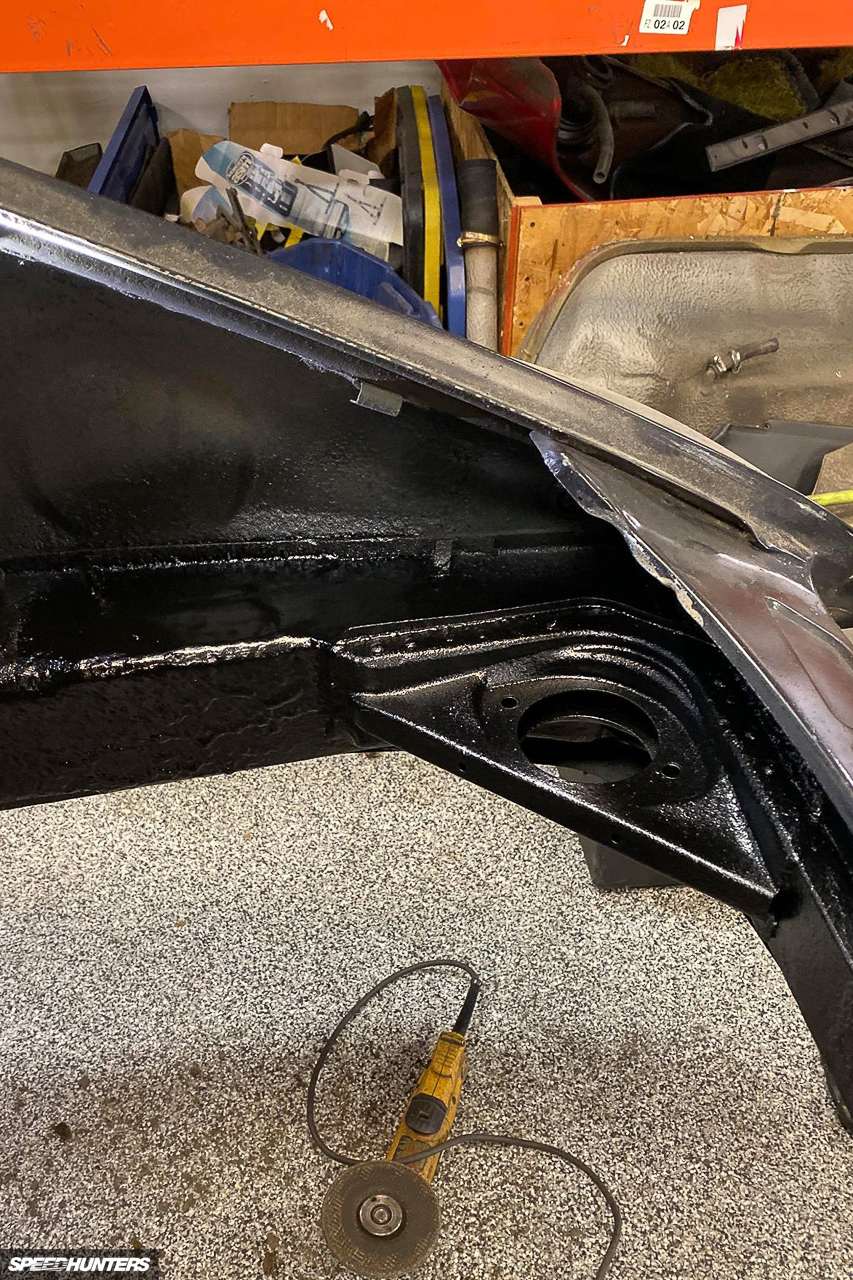
Moving on to the engine, the Euro 3.2-liter flat-six, rebuilt 915 transmission and wiring harness were all removed from the Euro Carrera and set aside until the new motor mounts arrived for the 912. Once they did, Erik welded them in along with the new oil tank and filler, and finished up the job with a fresh coat of paint prior to the engine install.
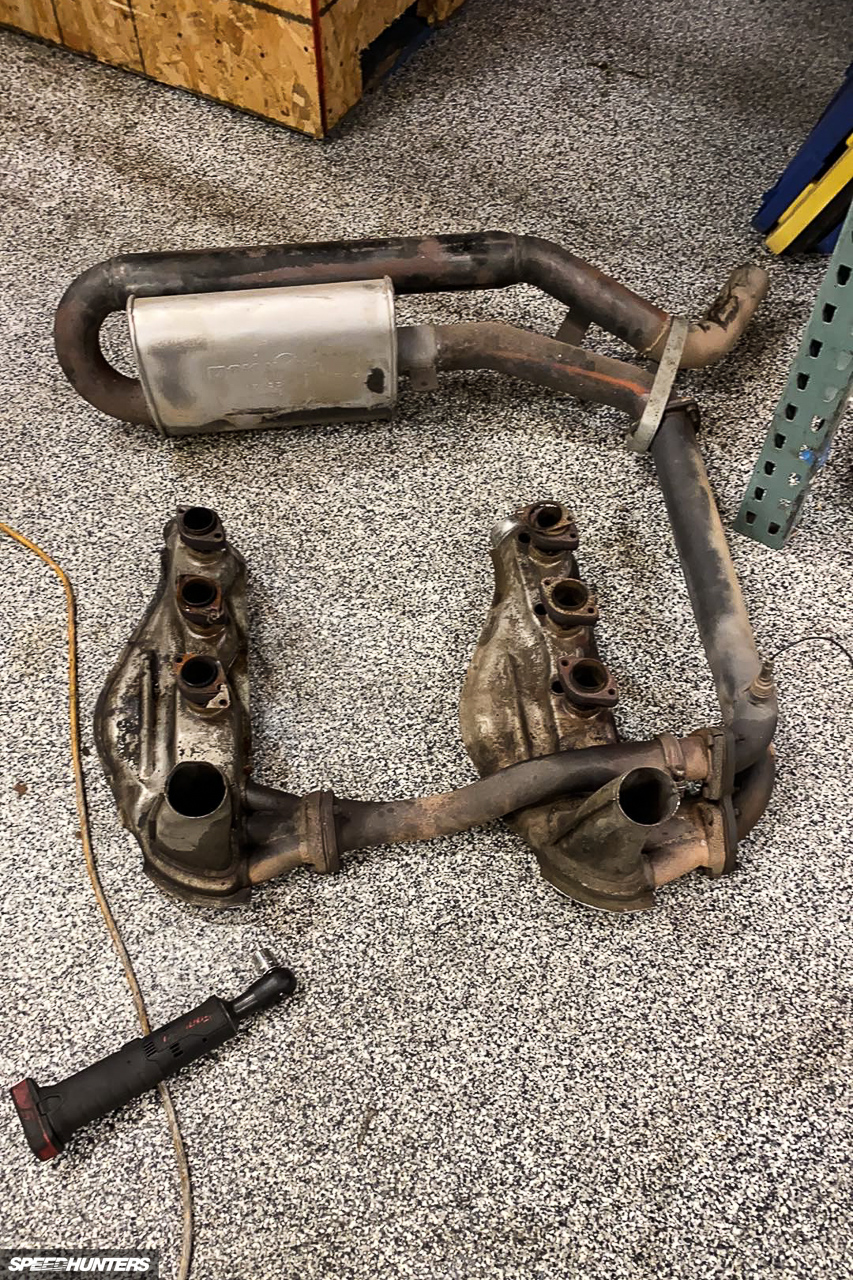
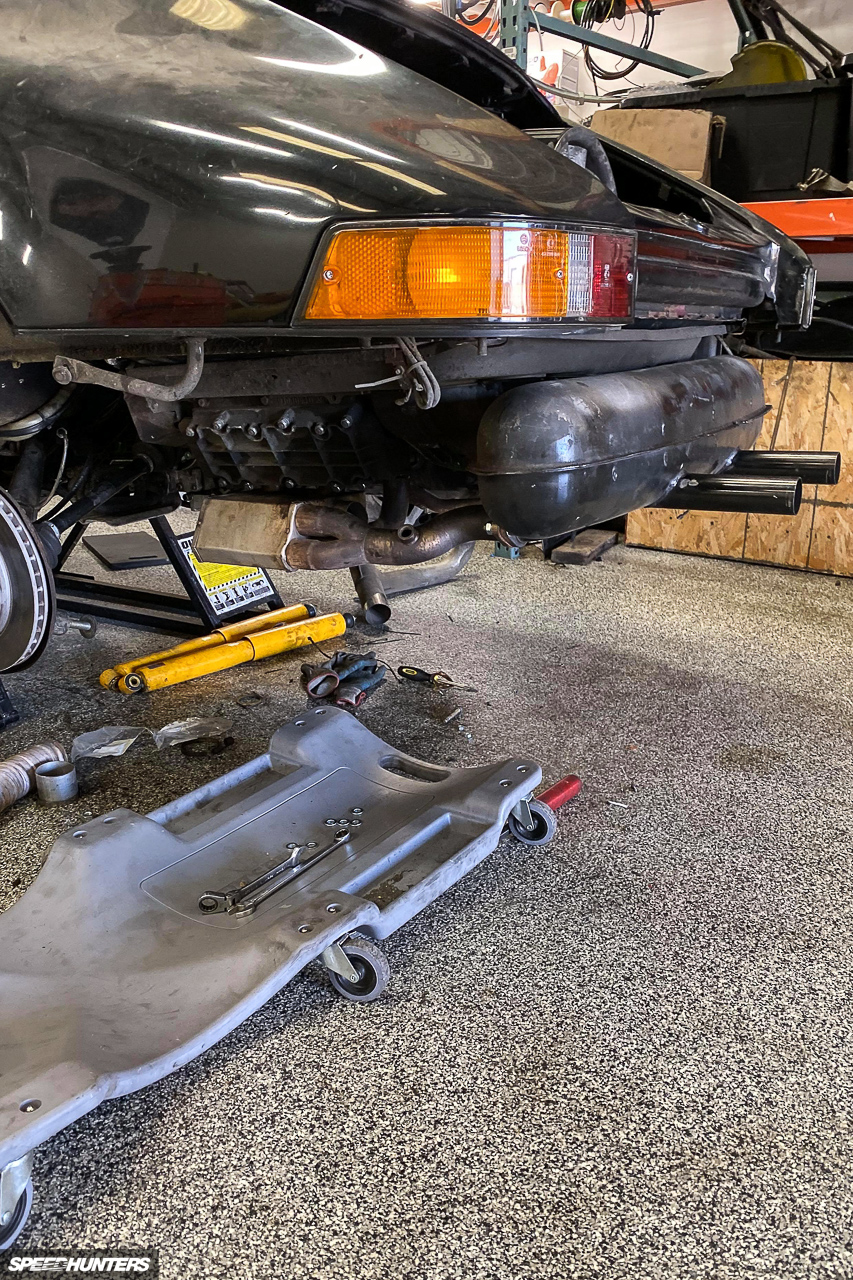
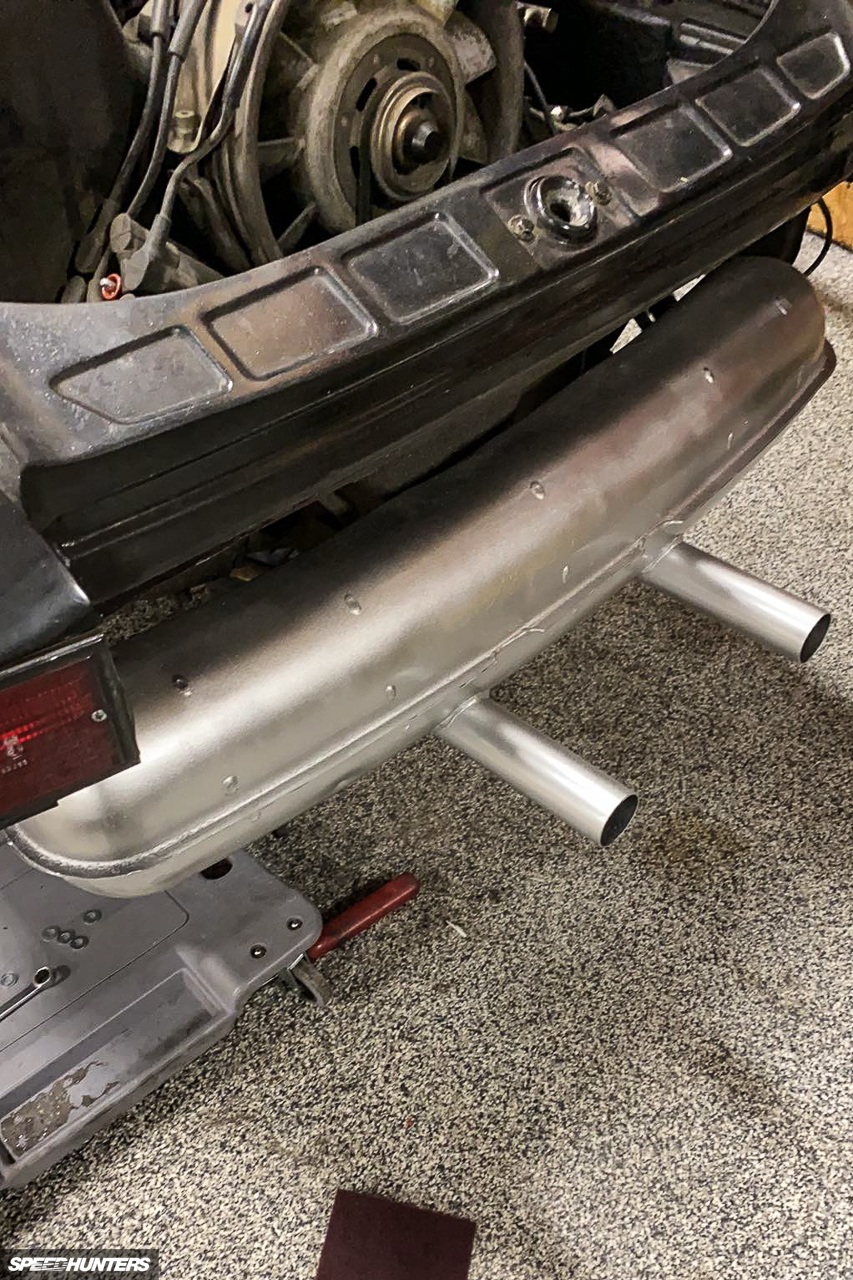
At this point, I realized that I had yet to purchase an exhaust setup for the car, so I started looking around to see what I could come up with. Despite searching for a few days, I came up short; the struggle was that I wanted to retain the heater in my car, and for those who don’t know, Porsches use the headers as heaters. A dumbed-down explanation of this is that the heat that is generated from the header gets passed through a filtration system, and is then forced into the cabin. Most aftermarket headers lose this aspect, and if I wanted to go with the OEM upgrade (known as SSIs), I’d have to fork out quite a bit of cash to get the right set that still worked. As fate would have it yet again, Erik told me that one of our mutual friends was selling a set of M&K aftermarket headers, and they actually designed this set to retain the heat-exchanging element. After a few back and forth negotiations, we made a deal on the set, along with a Dansk 2-in-and-2-out exhaust to match, resulting in a serious gain in horsepower and torque over the factory exhaust. And of course, a much throatier sound overall.
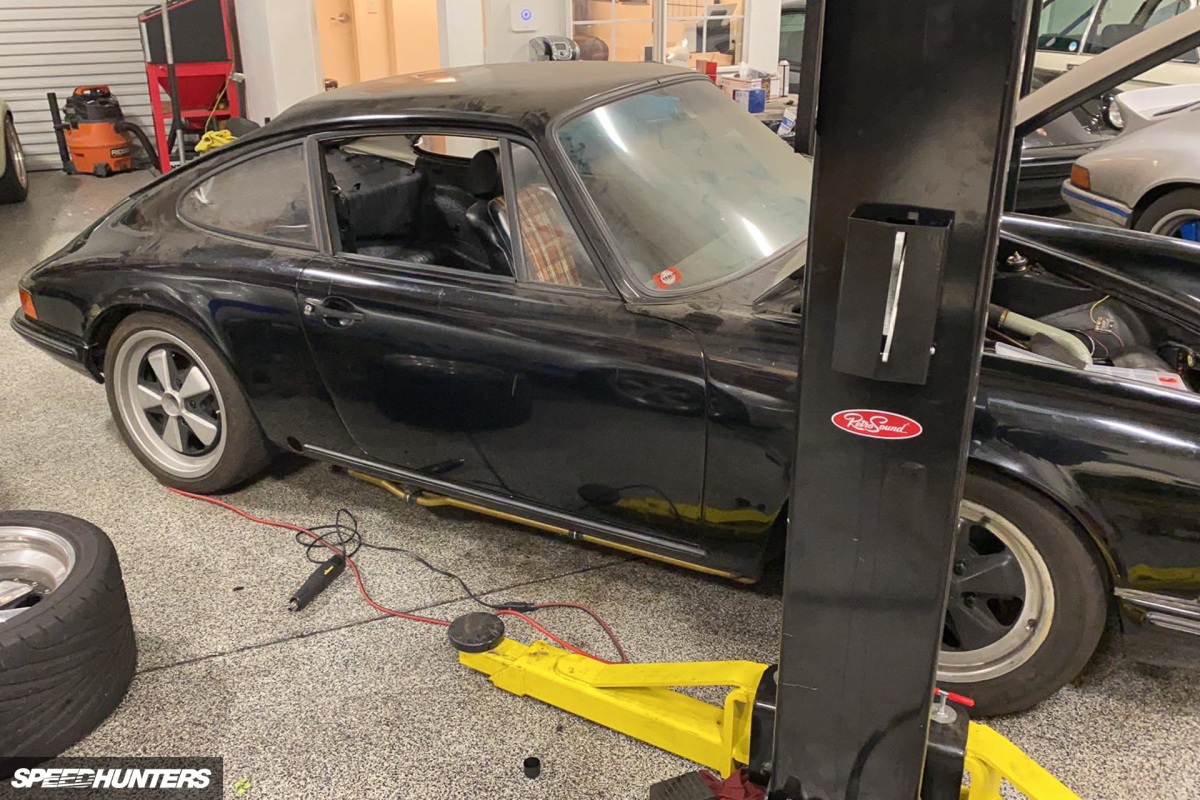
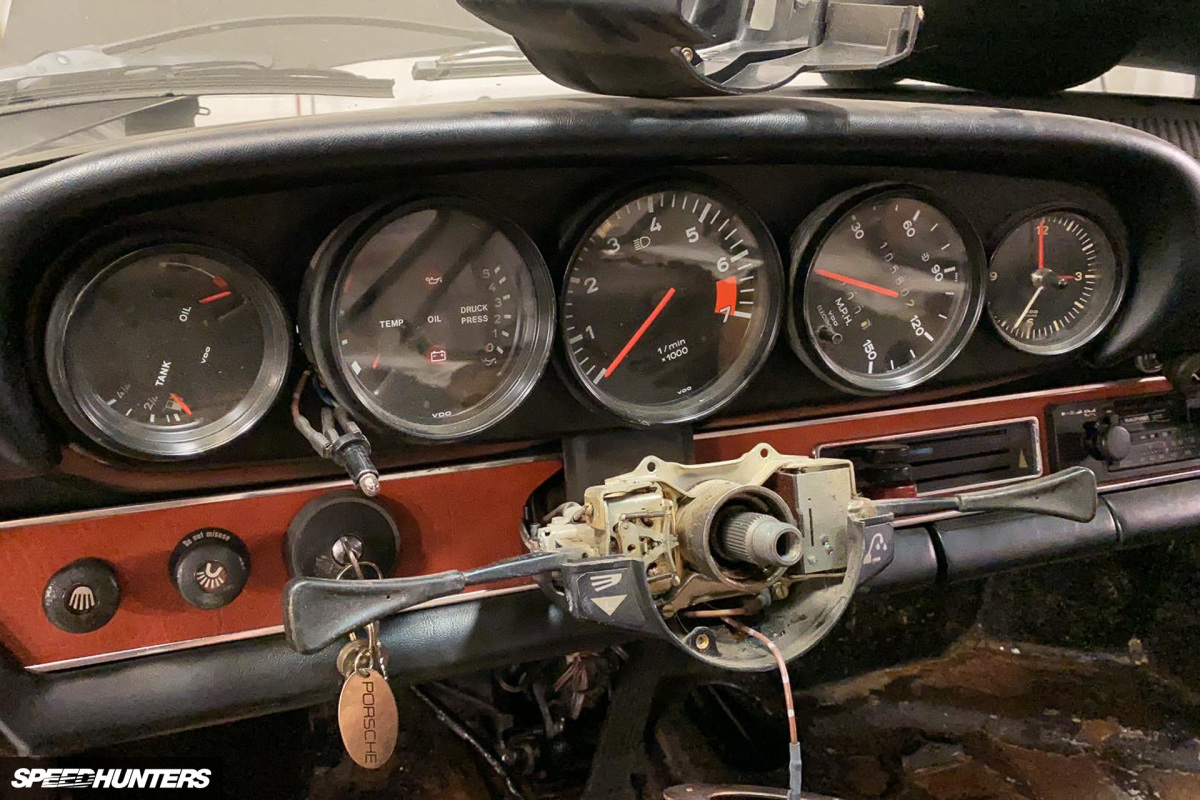
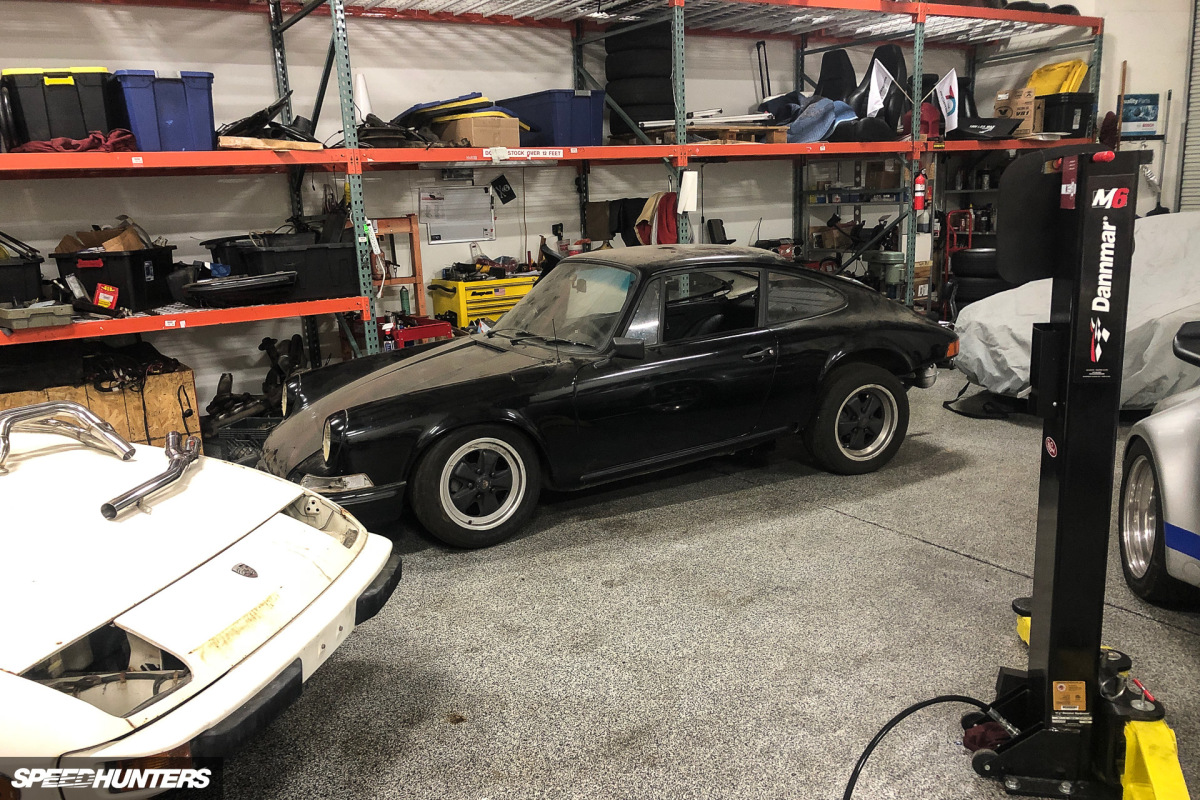
With everything mechanically sorted about two months in, Project 912SiX finally started to look like a car again. The motor, drivetrain, and electrical components were all in, and the car could actually move under its own power. The last thing left was to get everything dialed in and functioning correctly.
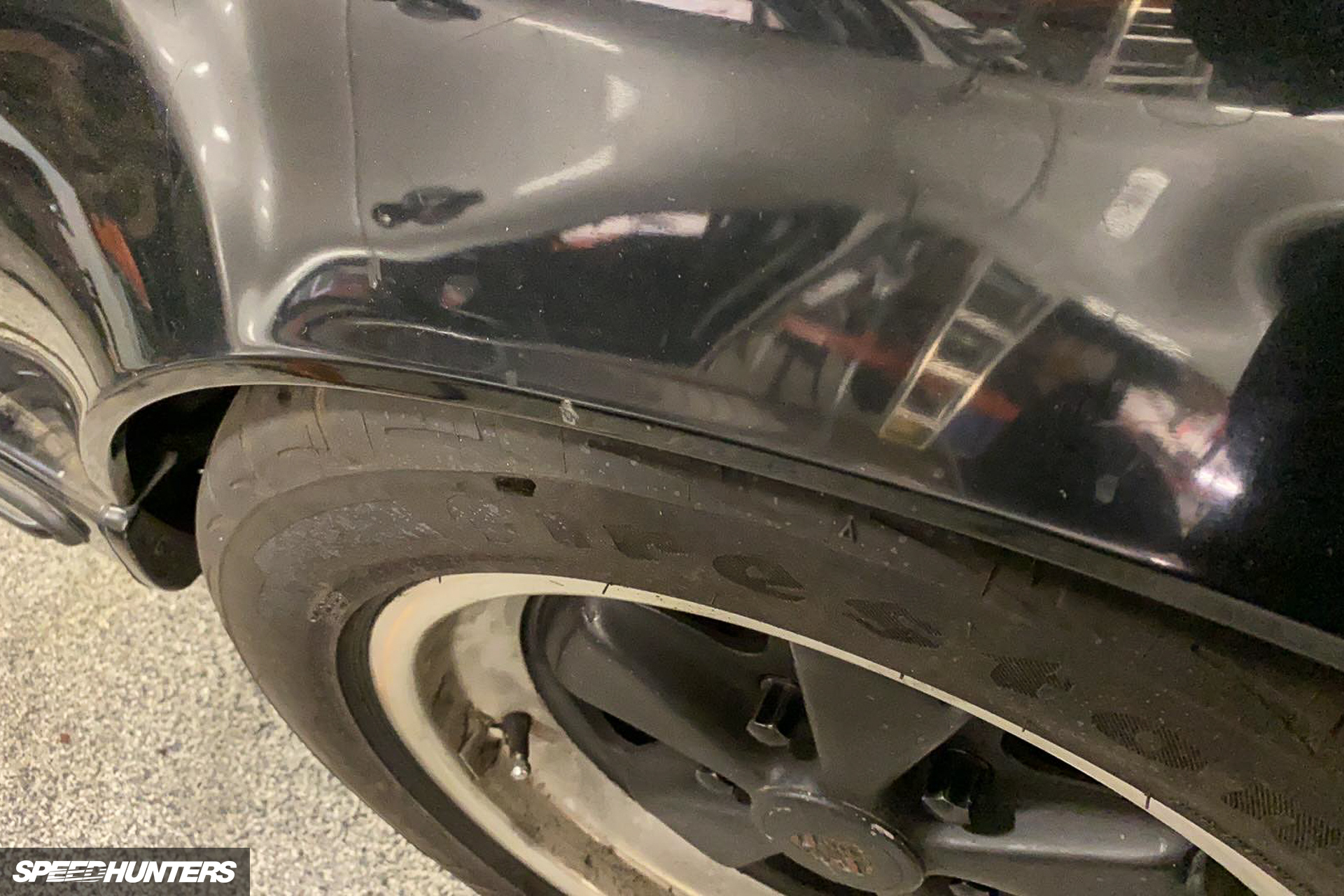
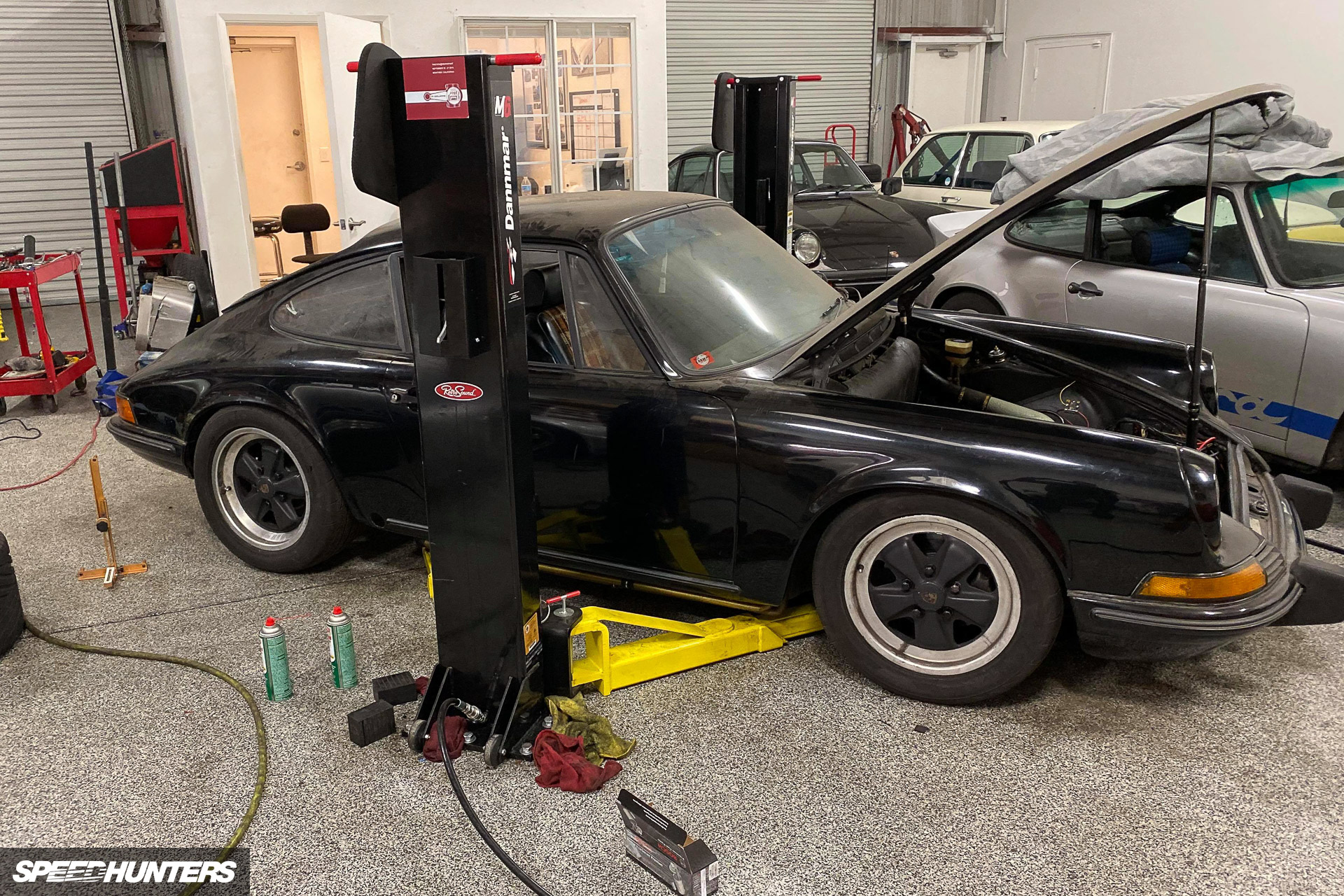
When dialing in the suspension bits on the car, I told Erik it needed to have an aggressive yet functional stance. The Euro Carrera’s 16×6-inch and 16×7-inch Fuchs would surely do the trick in terms of wheel fitment, but the struggle would be making them fit. After all, the 912 is narrow-body still, and it came with 5.5-inch steelies all around from the factory. So the extra width was a bit of a challenge. Needless to say, Erik managed to roll and pull the rear fenders just enough to get the 205s tucked nicely under the rear tub. That, and an aggressive alignment with corner balancing brought form to meet function.
Sorted
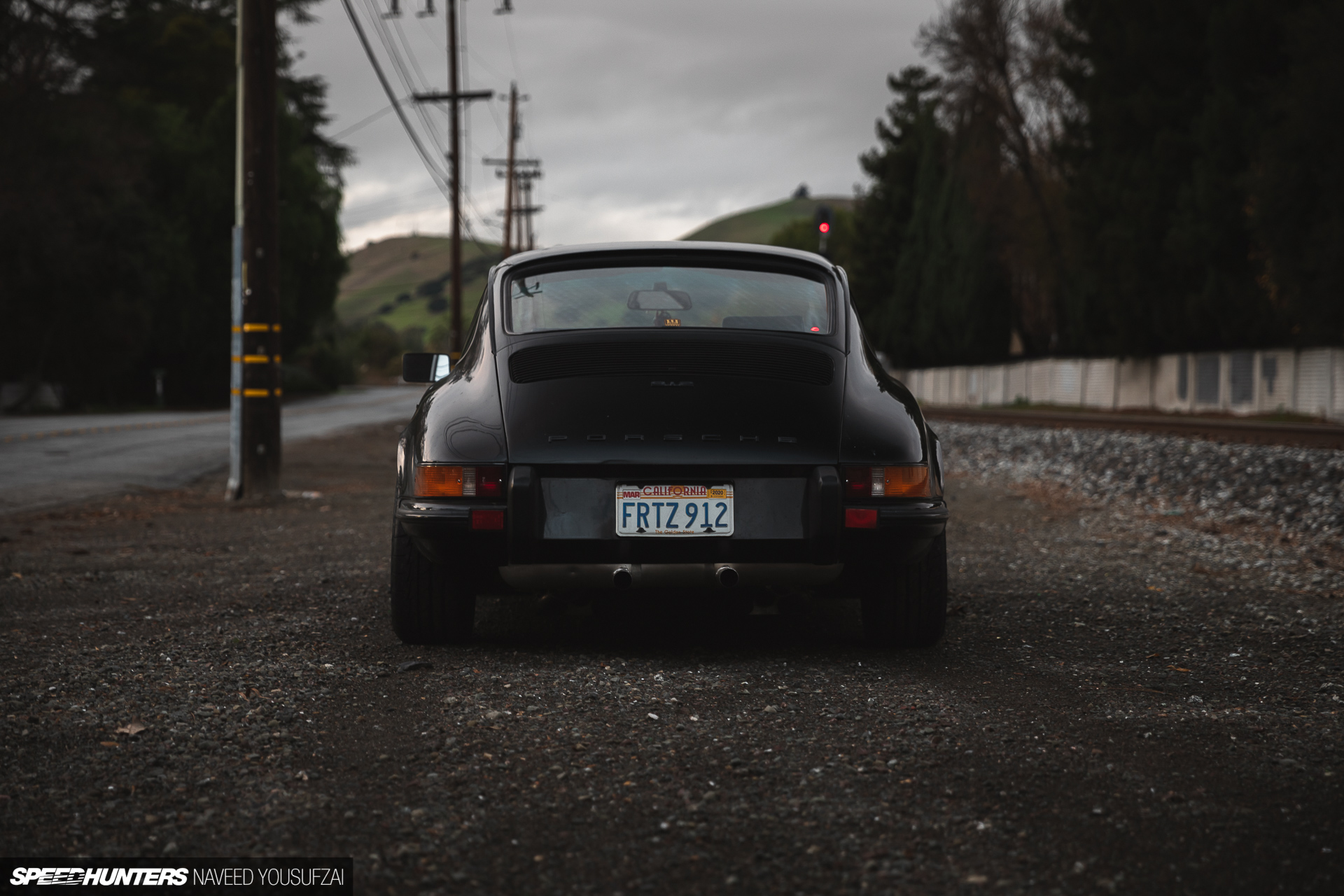
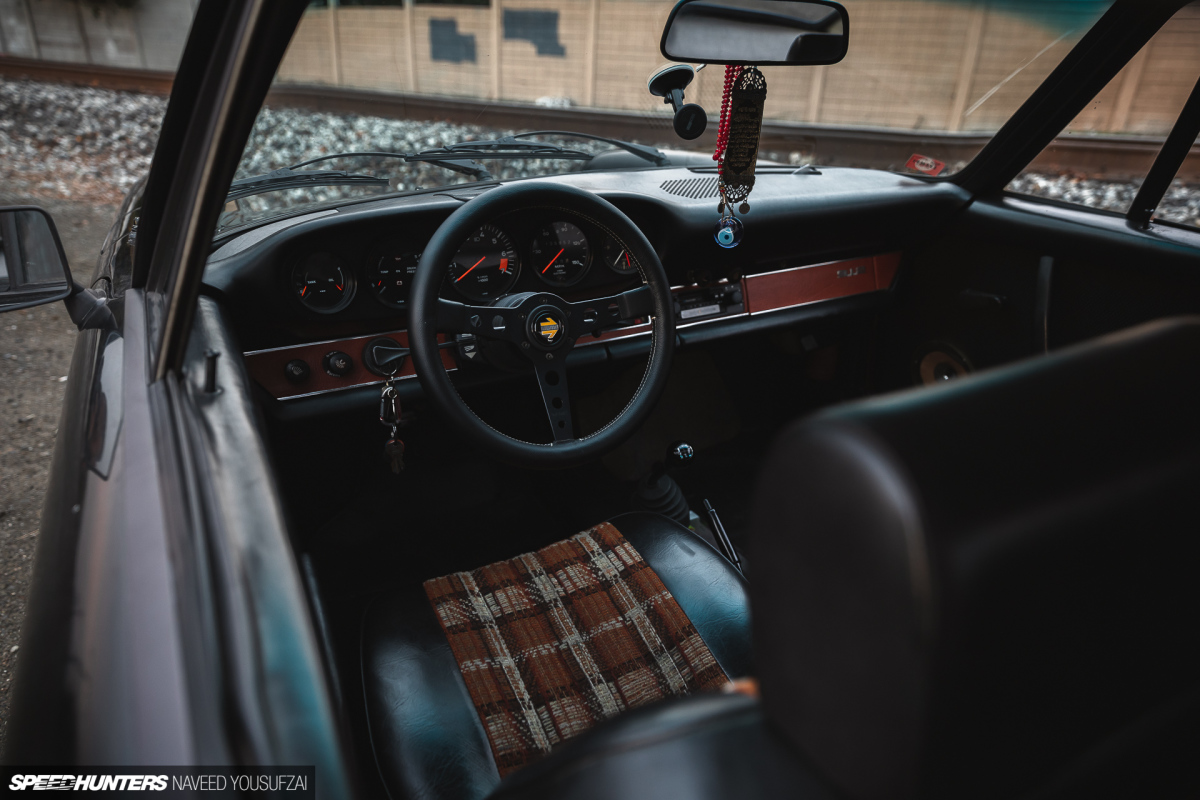
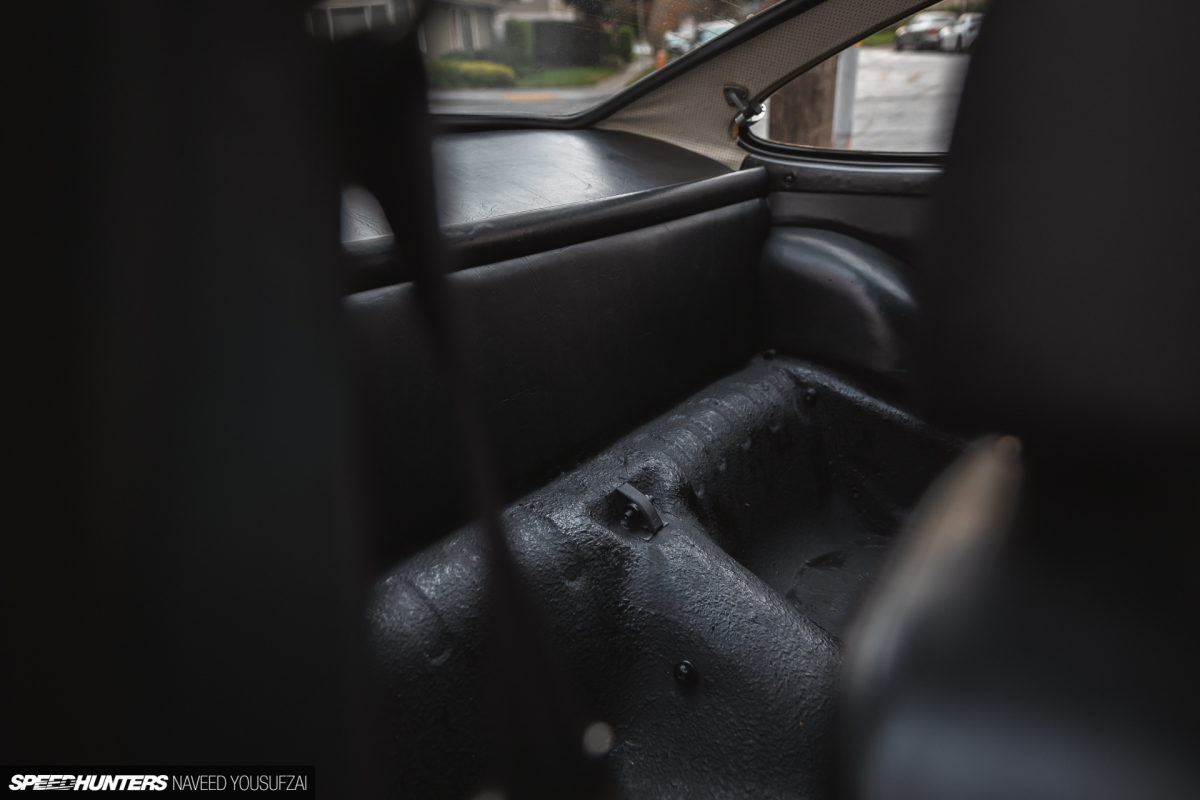
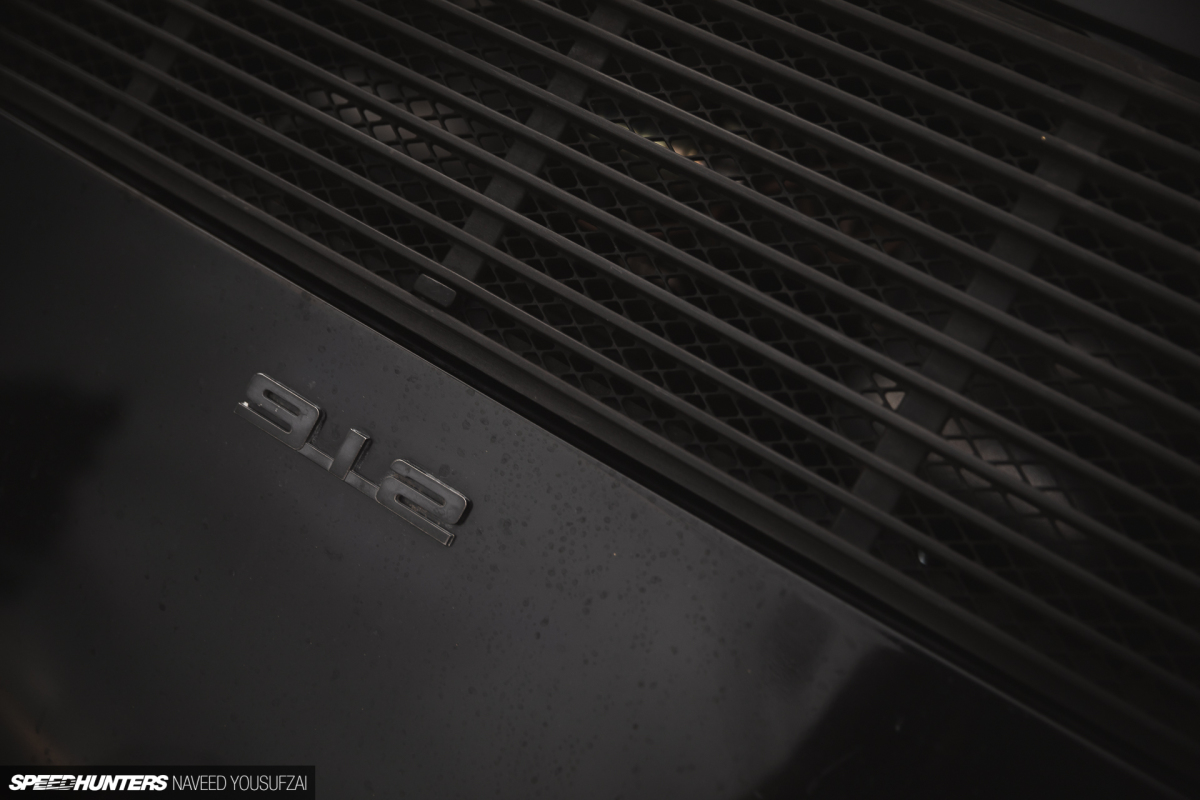
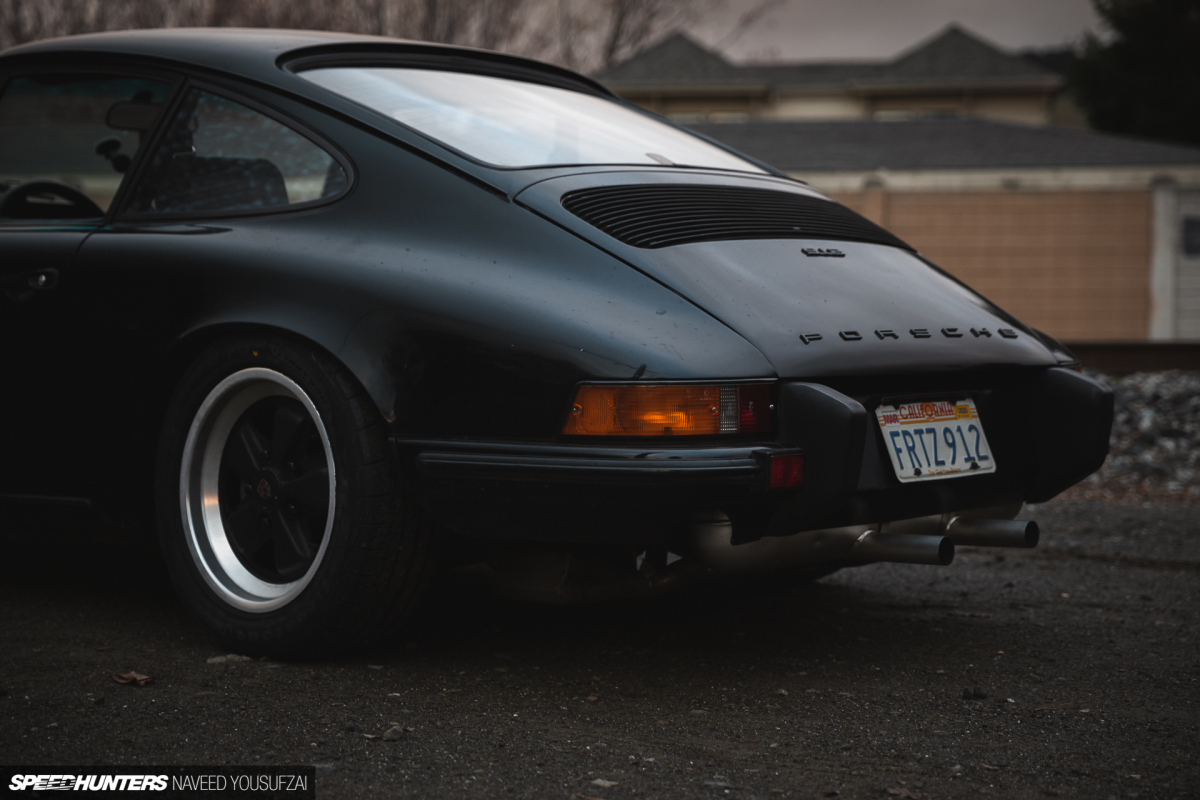
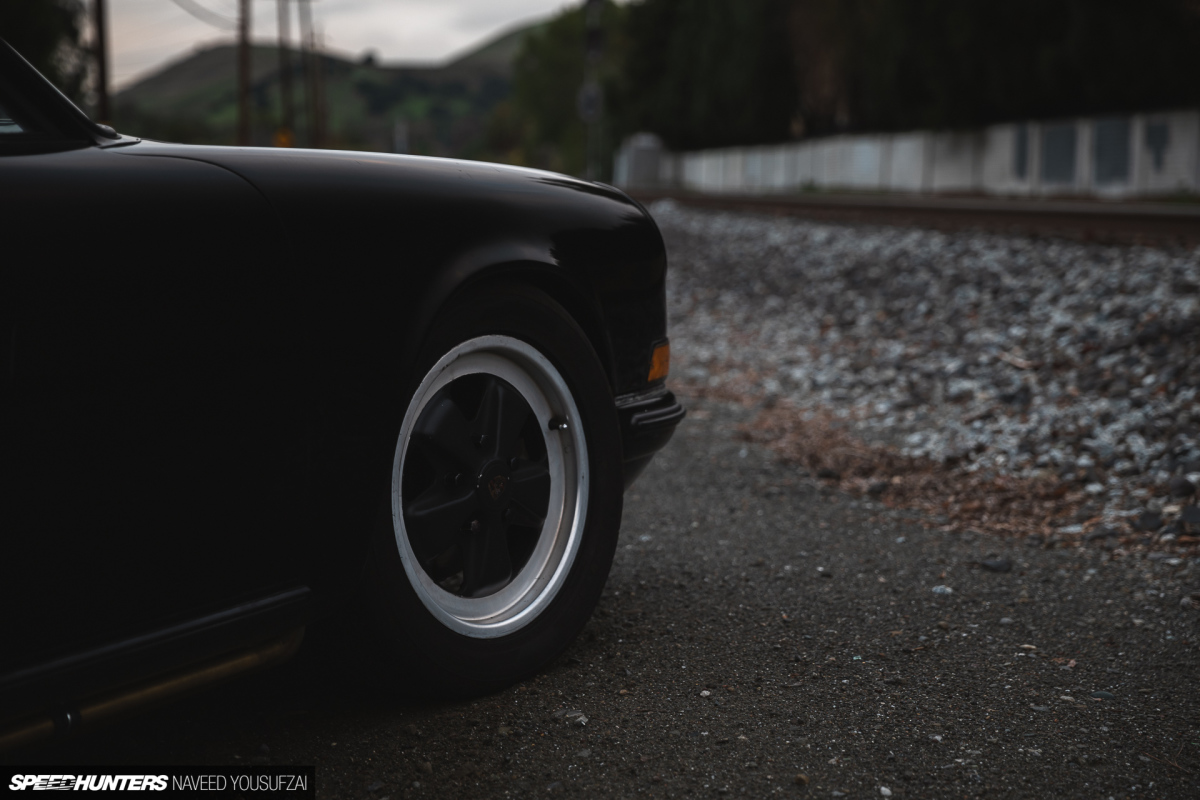
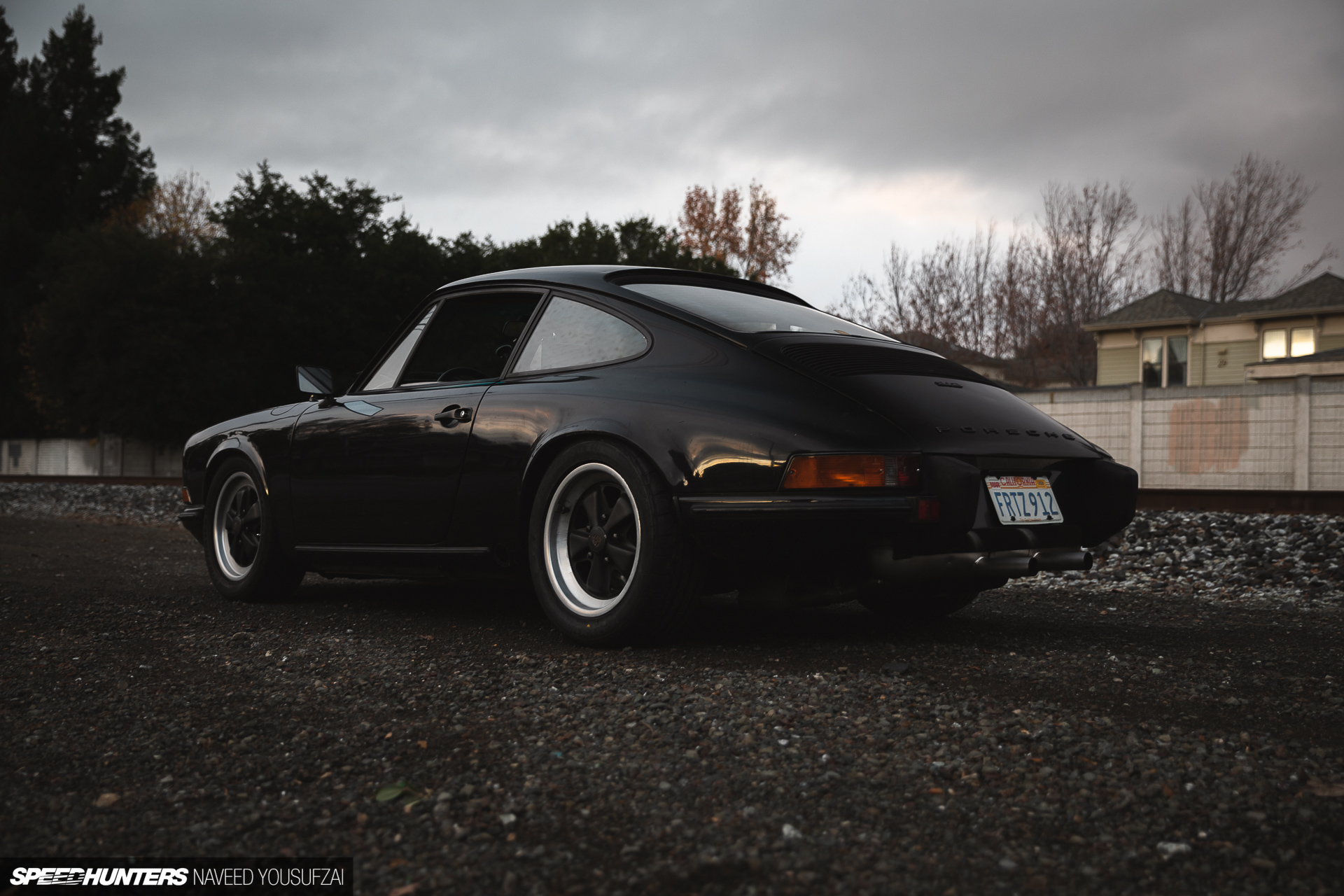
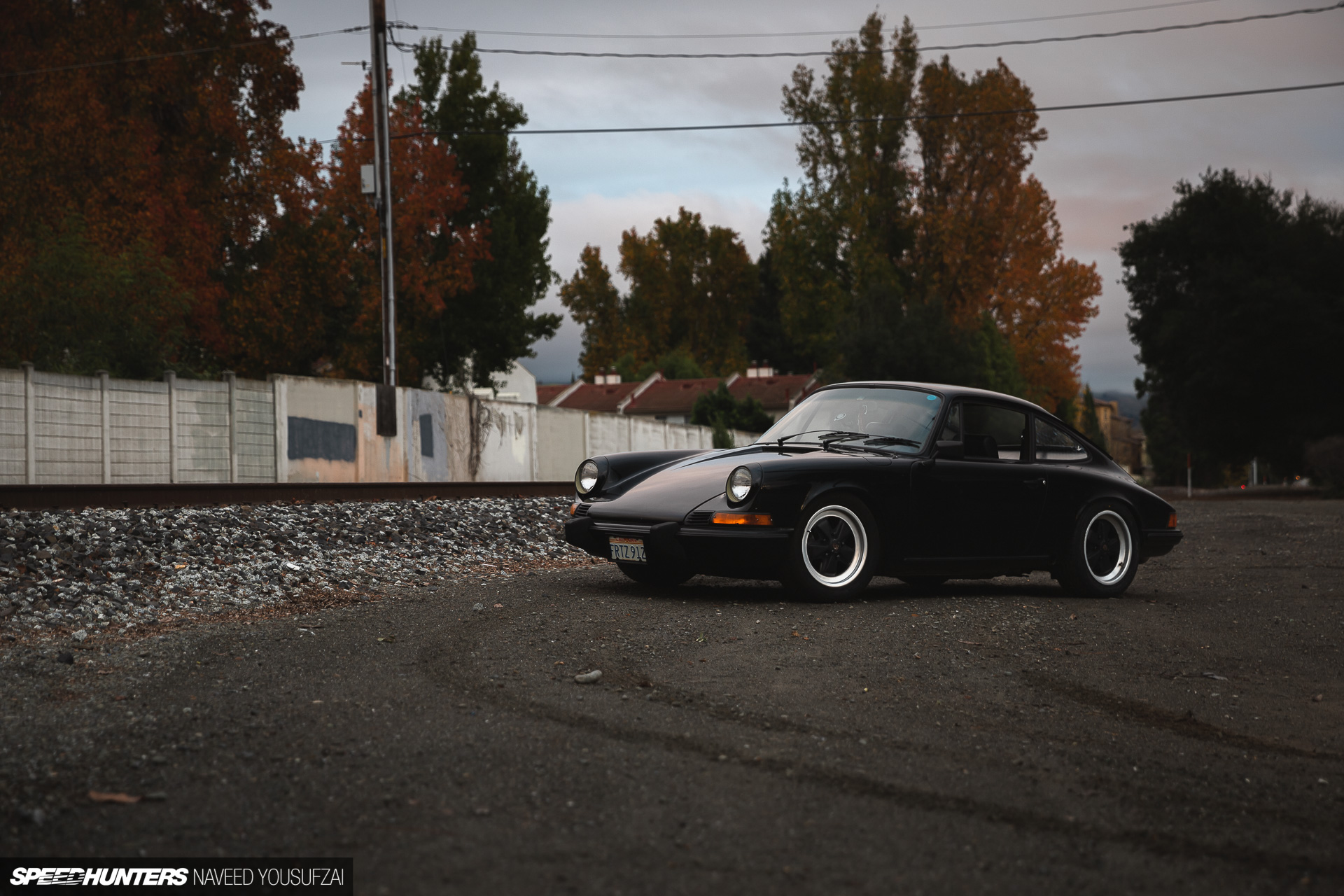
Finally, at the end of month three, the car was finally considered done (mechanically). I brought it back home and drove the hell out of it for the following few weeks, trying to sort out all of the kinks after the swap. To my surprise, there really wasn’t too many things that were out of sync. A few small adjustments were made to the alignment and ride height after wearing off my rear paint from a few spirited drives, but other than that, everything else was pretty well sorted.
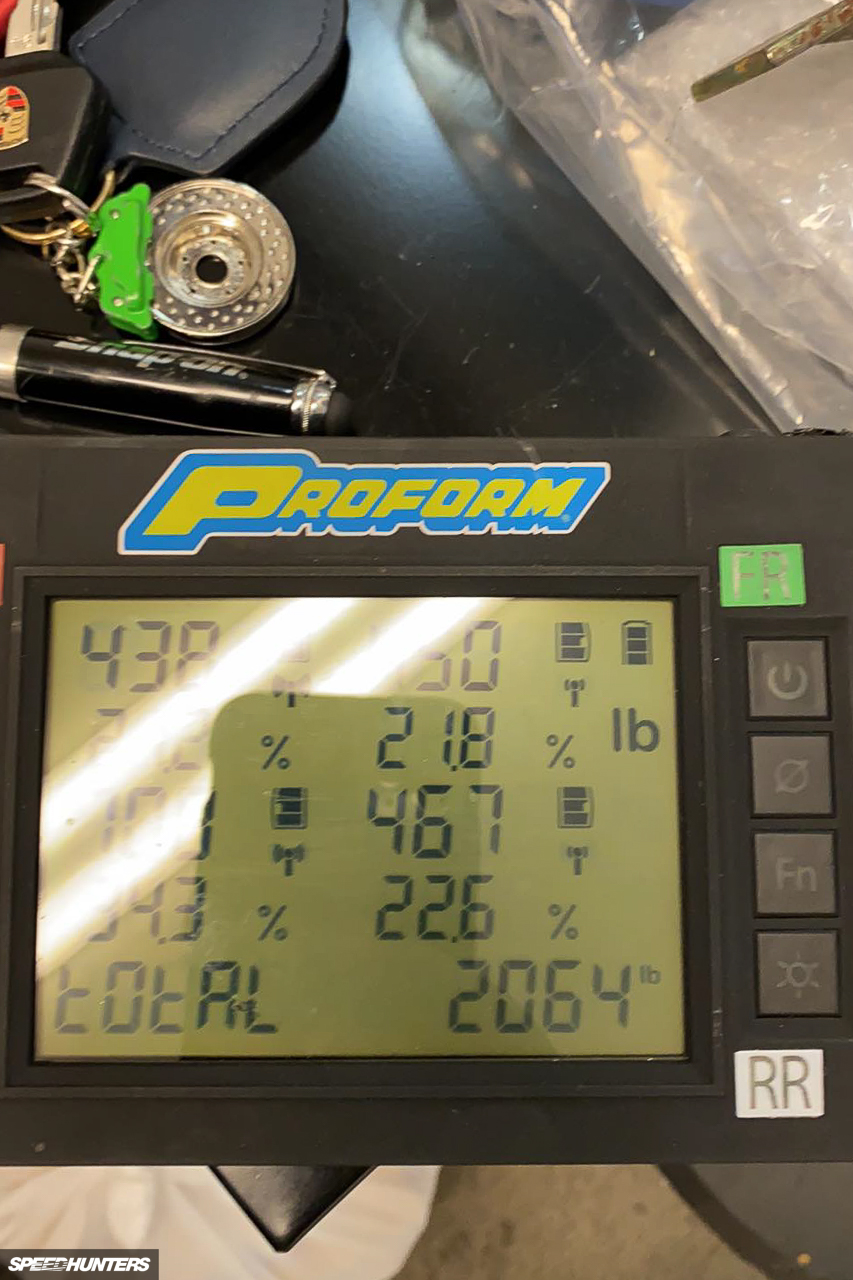
The big question in mind was how close or comparable was the driving experience to the end goal of the ’73 RS? I’m happy to report that it’s quite close. Sure, I don’t have the smell and sound of carbs, but the power-to-weight ratio is pretty much spot on. The overall end weight of the car came in at 2,064lbs (936kgs), and with the upgraded exhaust and tune in the 912, we are estimating about 210-220 wheel horsepower, which brings me on par with where the RS stands. Pair this with the upgraded drivetrain and suspension components all around and you end up with a hard bargain to rival the million-dollar end goal.
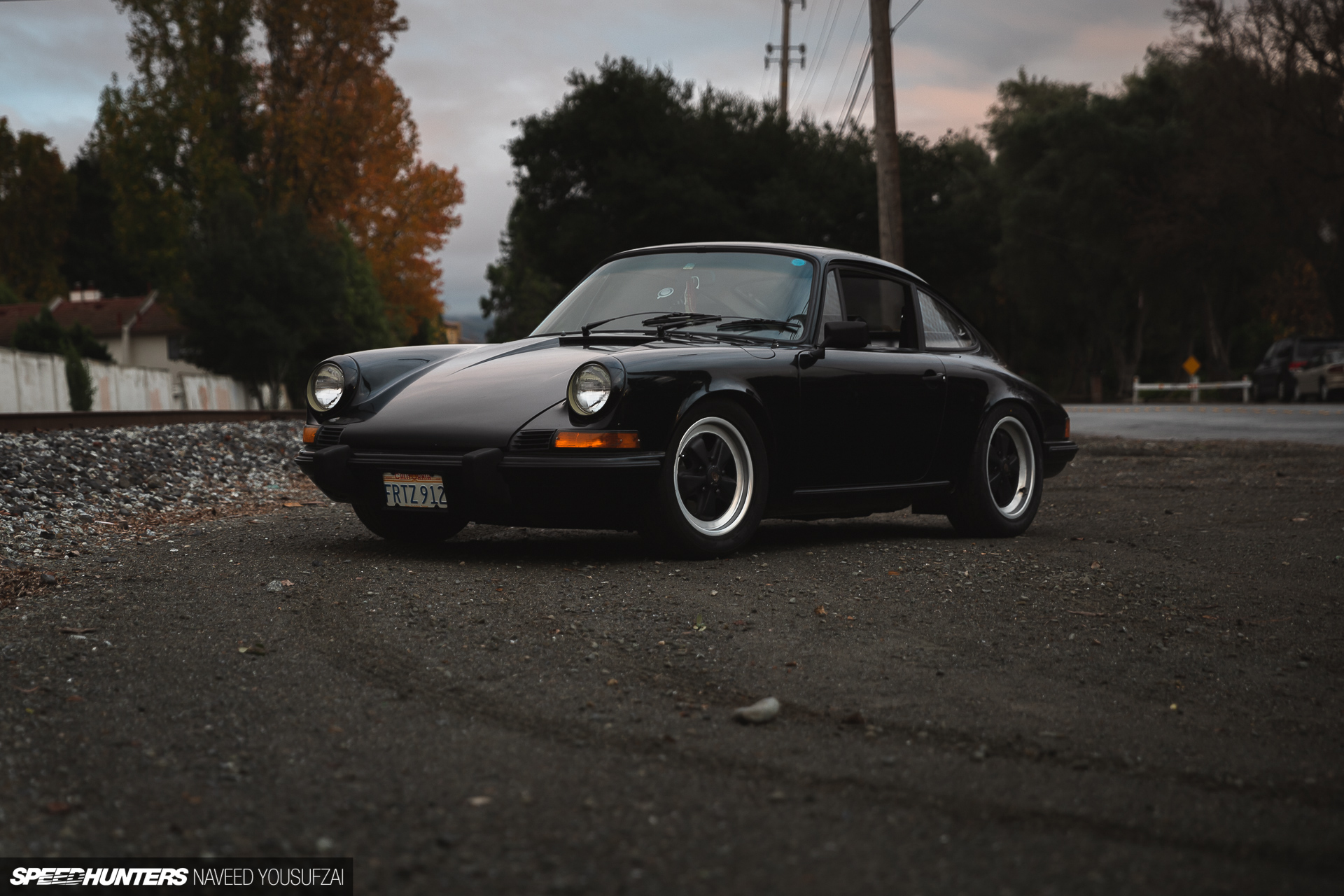
All that’s left now is making it pretty. More on that in the next update…
Naveed Yousufzai
Instagram: eatwithnaveed