
Before we get into this, I’d like to lay my own cards on the table.
A lot has been written and said about electric vehicles, and people tend to come down in either one camp or the other; for or against them. I’m open to electric vehicles, I’m interested in them but ultimately I remain unconvinced about their future in motorsport. Try as I might, I just can’t come to enjoy a series like Formula E or the Jaguar IPace eTrophy.
While I have the utmost respect for the people involved, for the engineering and the rapid advancement of the technologies, they still leave me cold. Volkswagen’s I.D. R has come the closest in eliciting the same joy I get from traditional motorsport, which is almost entirely down to its brutal performance and the fact that it faced off against its internal combustion engined rivals.
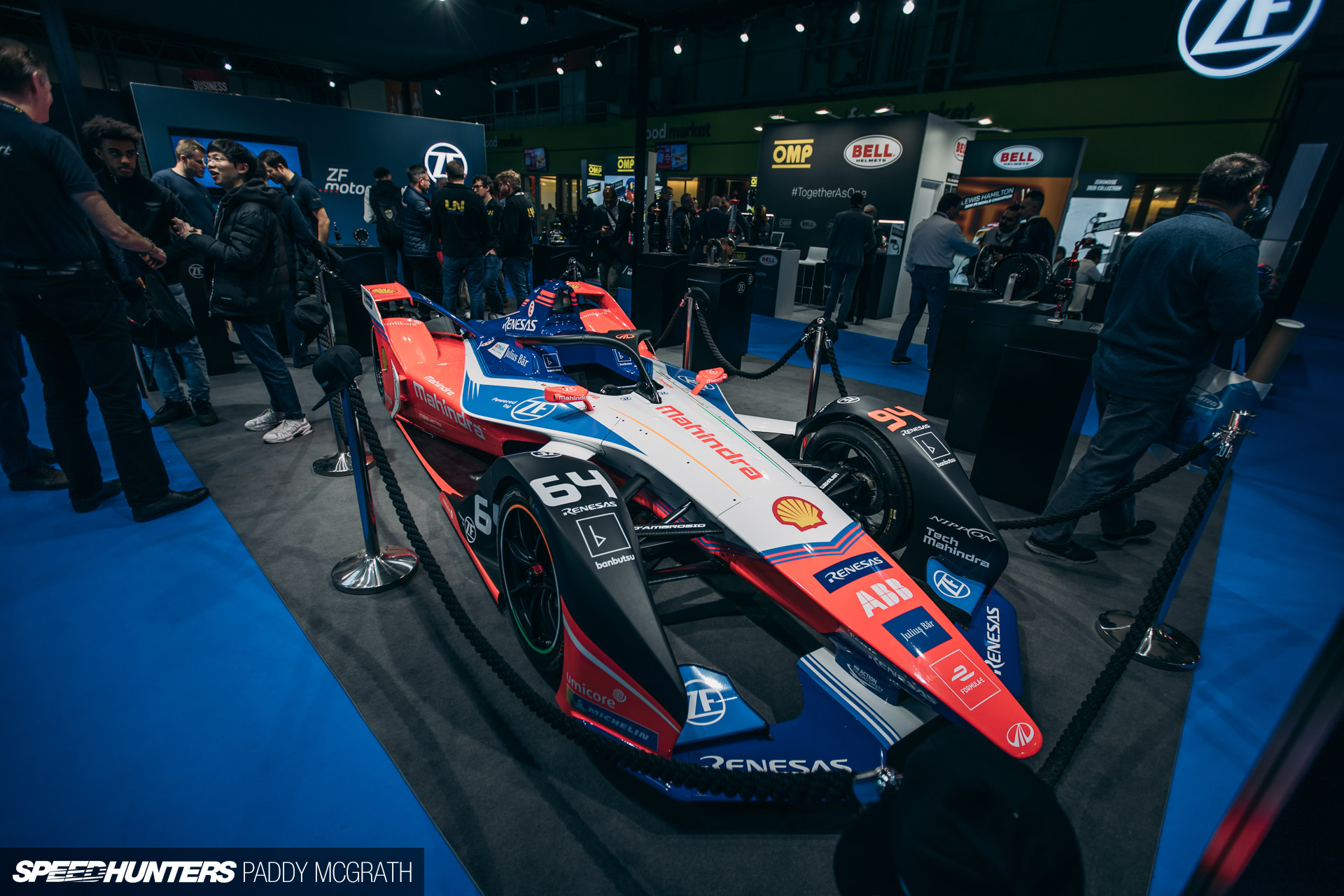
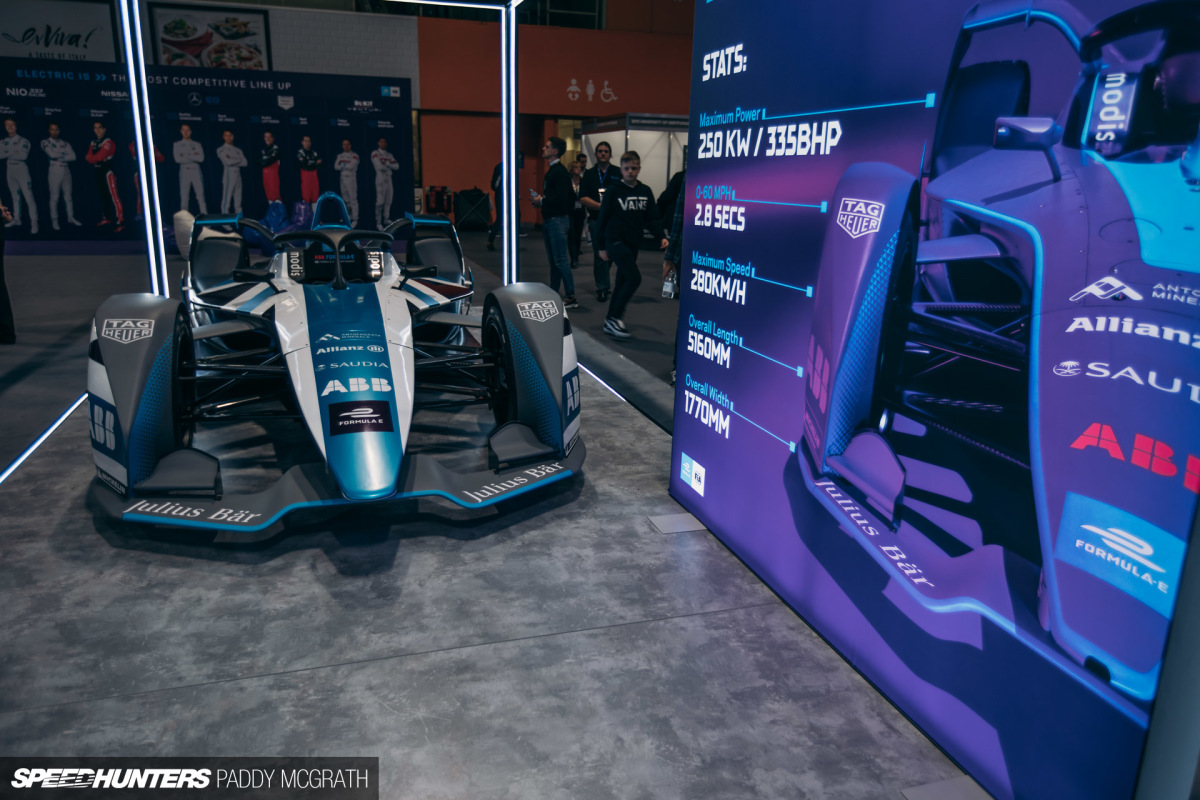
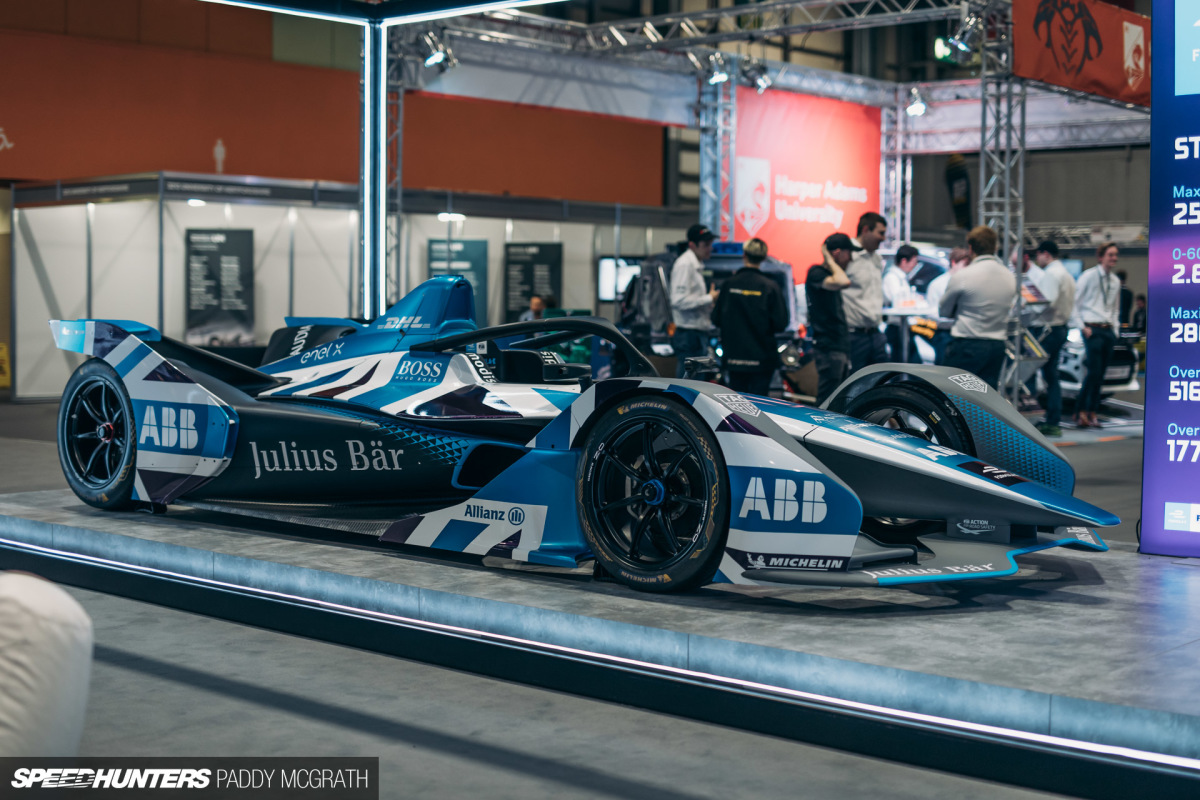
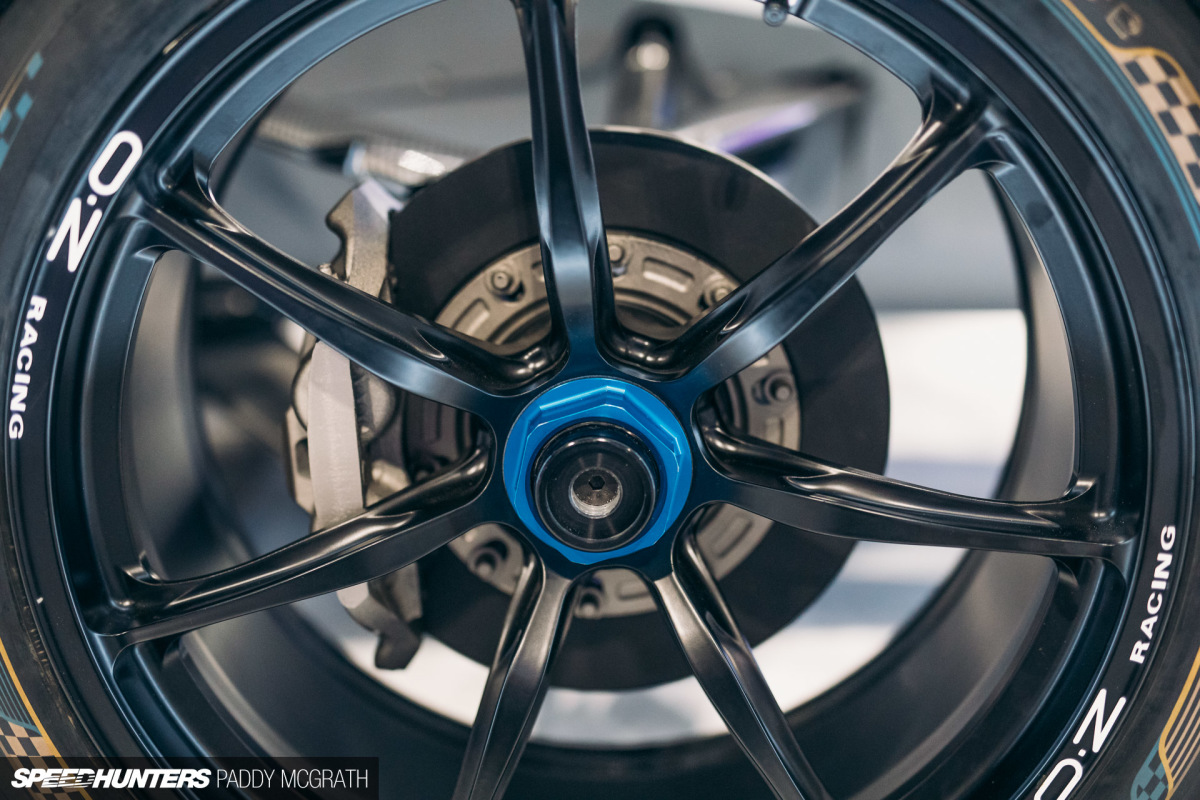
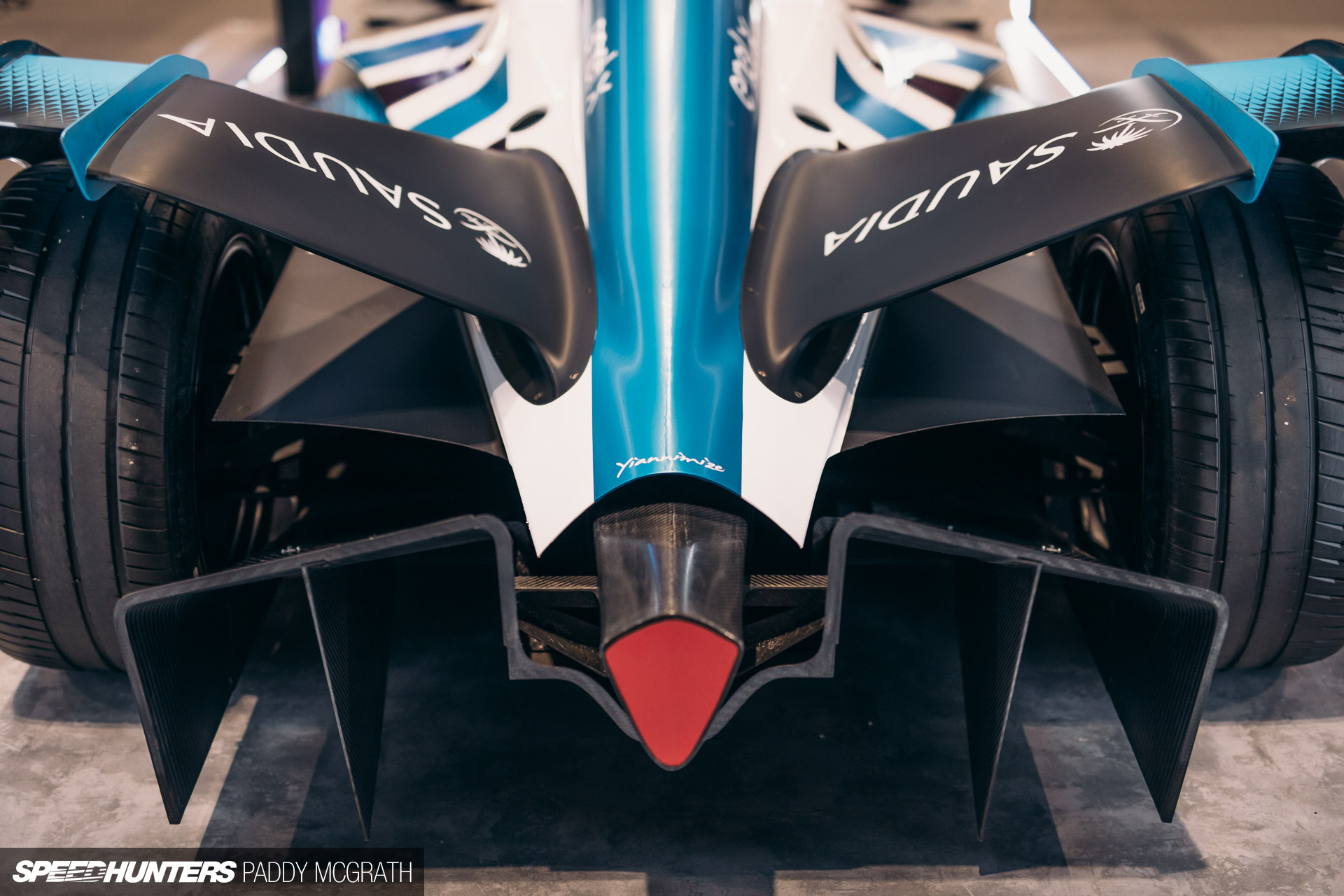
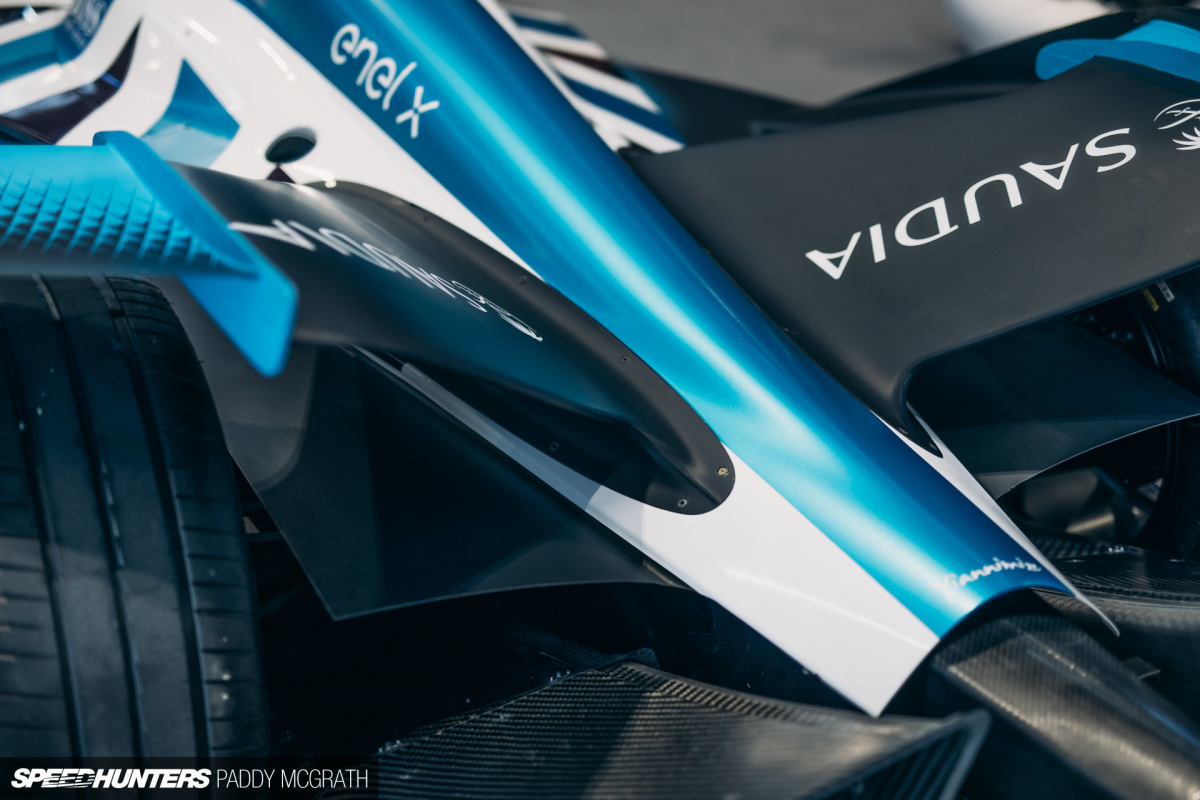
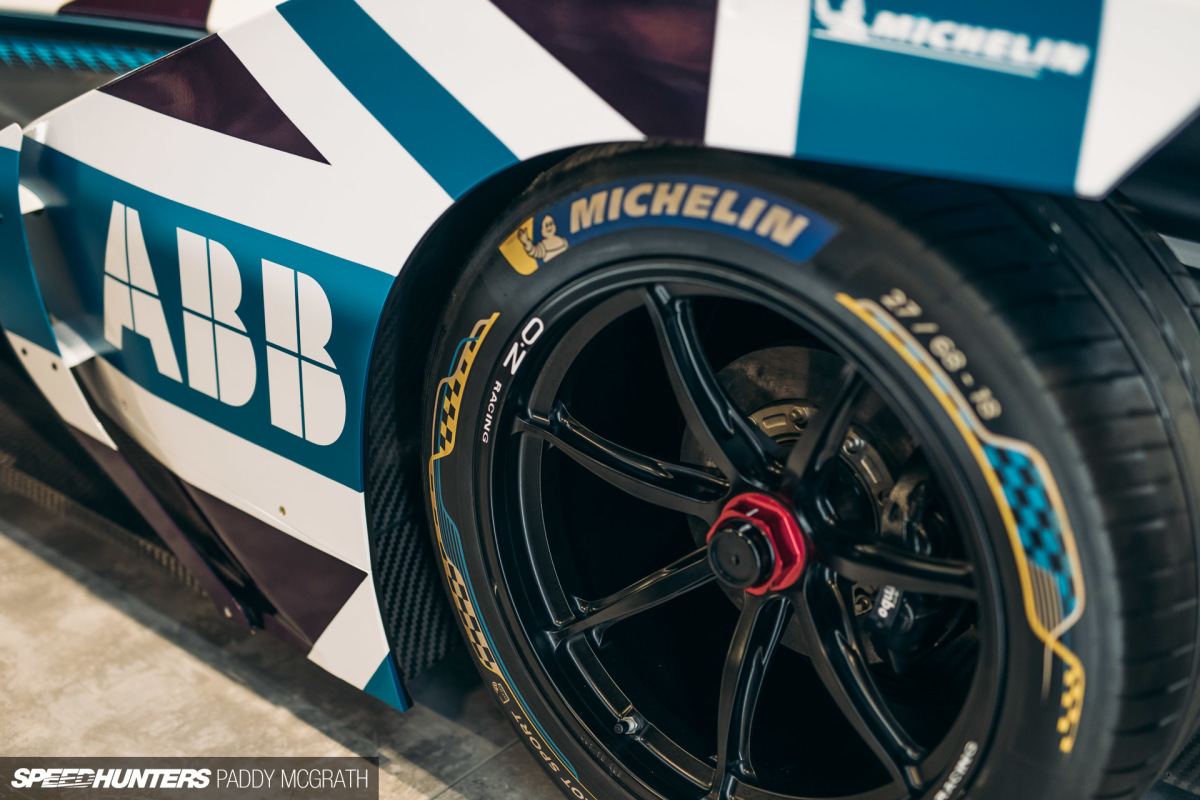
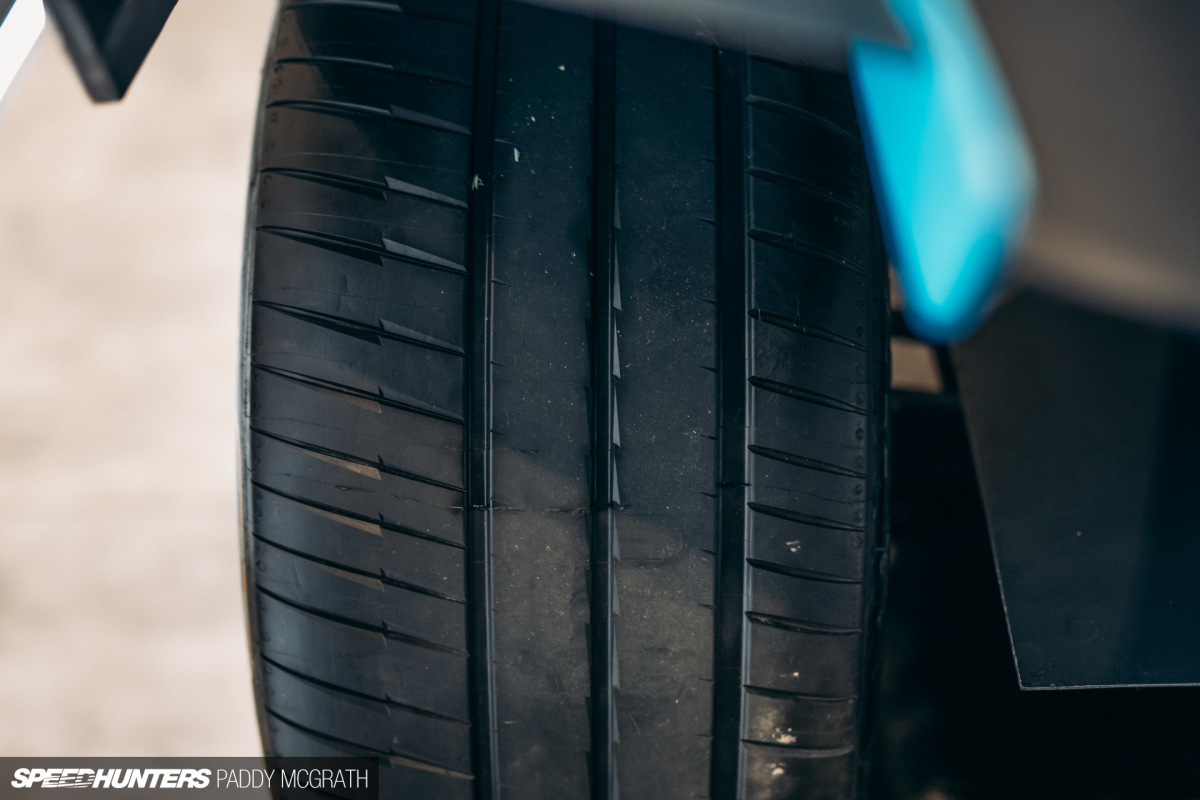
At Autosport International last week, I spent some time looking around the Formula E cars on display to see if I could better understand or appreciate them. As with most single-seaters, they’re difficult to relate to as most of the good stuff is either hidden away or just not in anyway applicable to a road car.
That was that then, I had tried but still remained unconvinced…
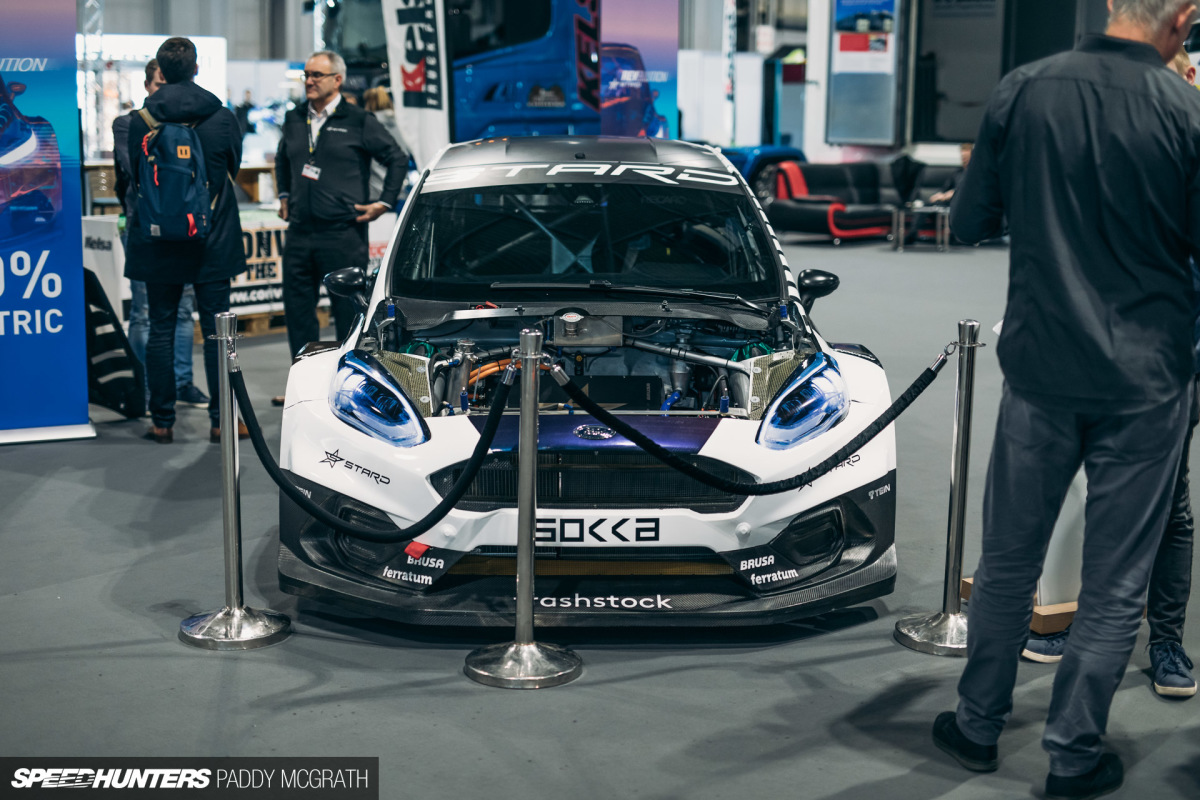
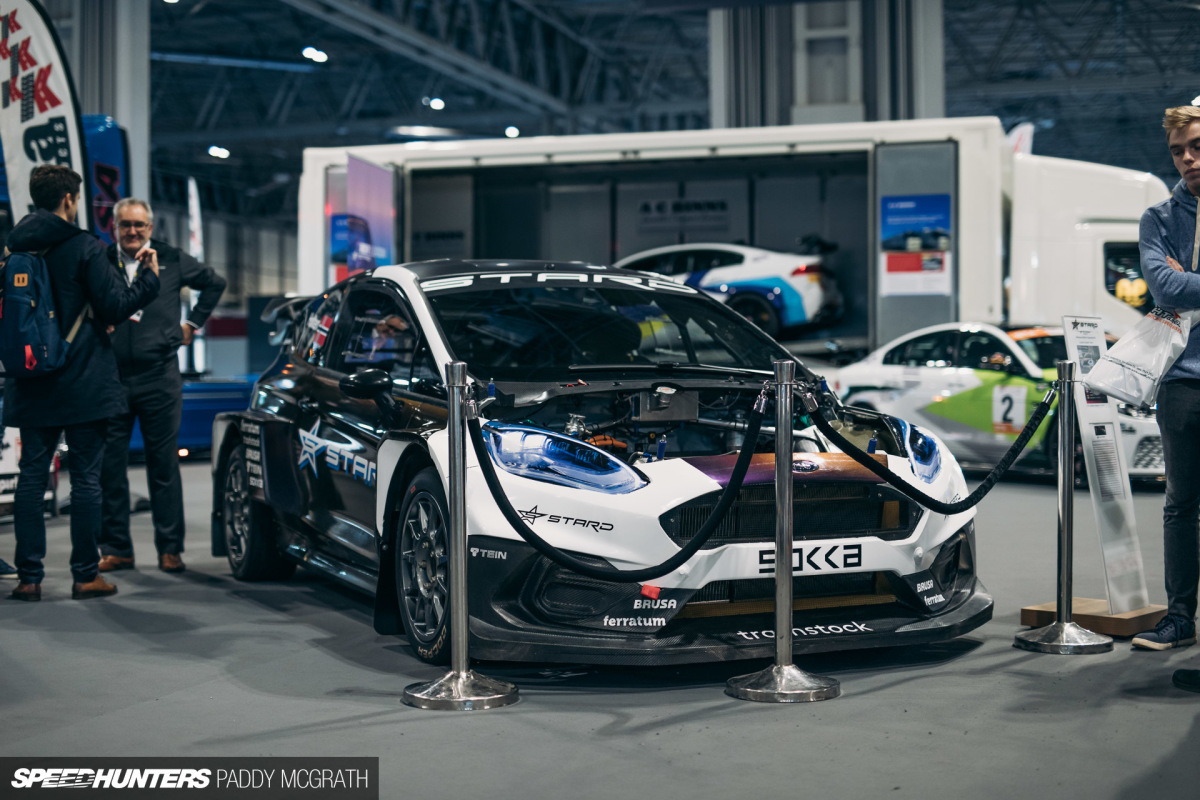
Until I happened upon this Ford Fiesta RX car later in the day.
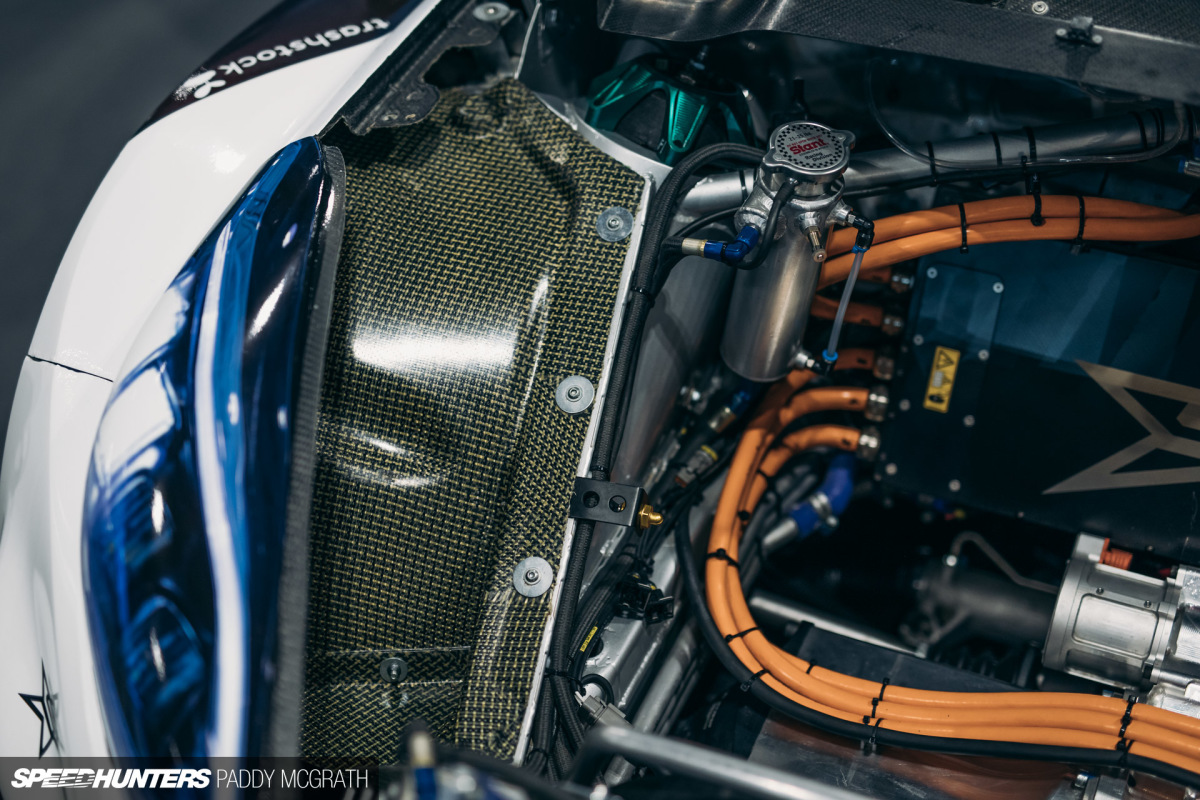
From a distance, it looked to be just a rolling RX shell without the engine, but I then noticed the distinctive orange high voltage cables which are the norm on most of the battery and hybrid electric vehicles I’ve spent time with over the last couple of years.
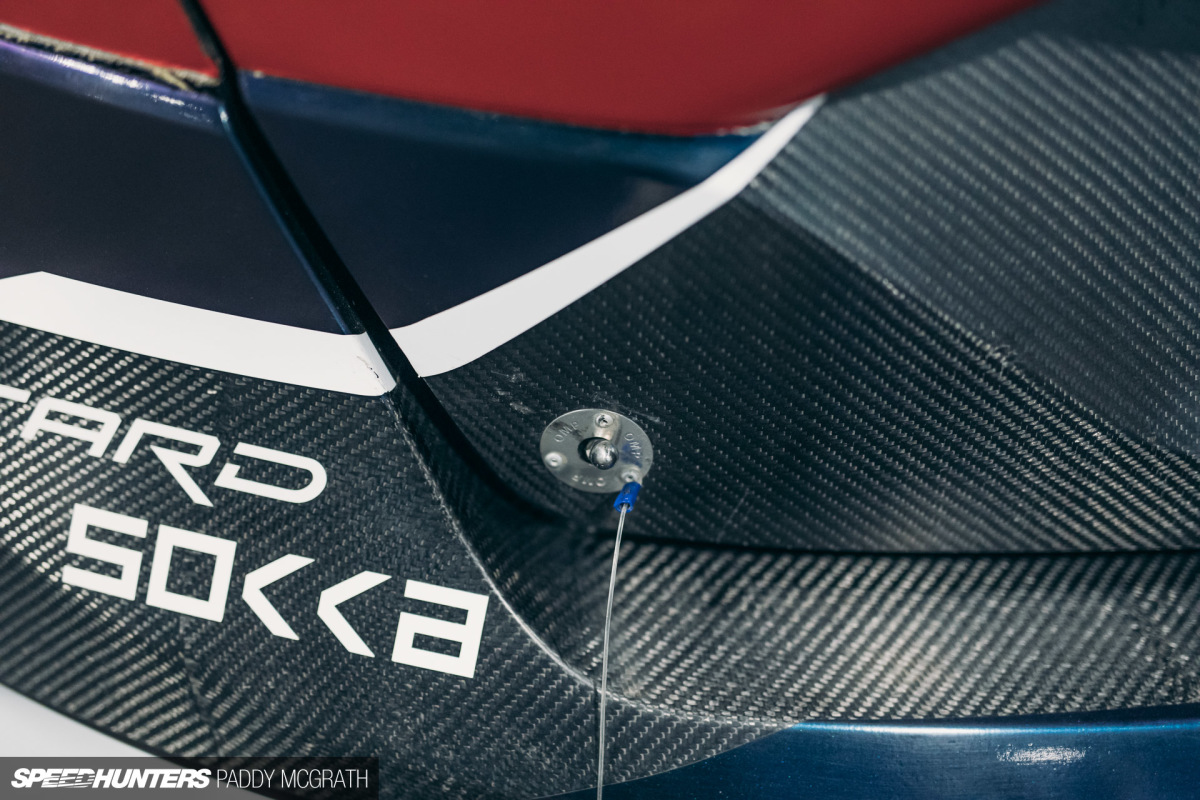
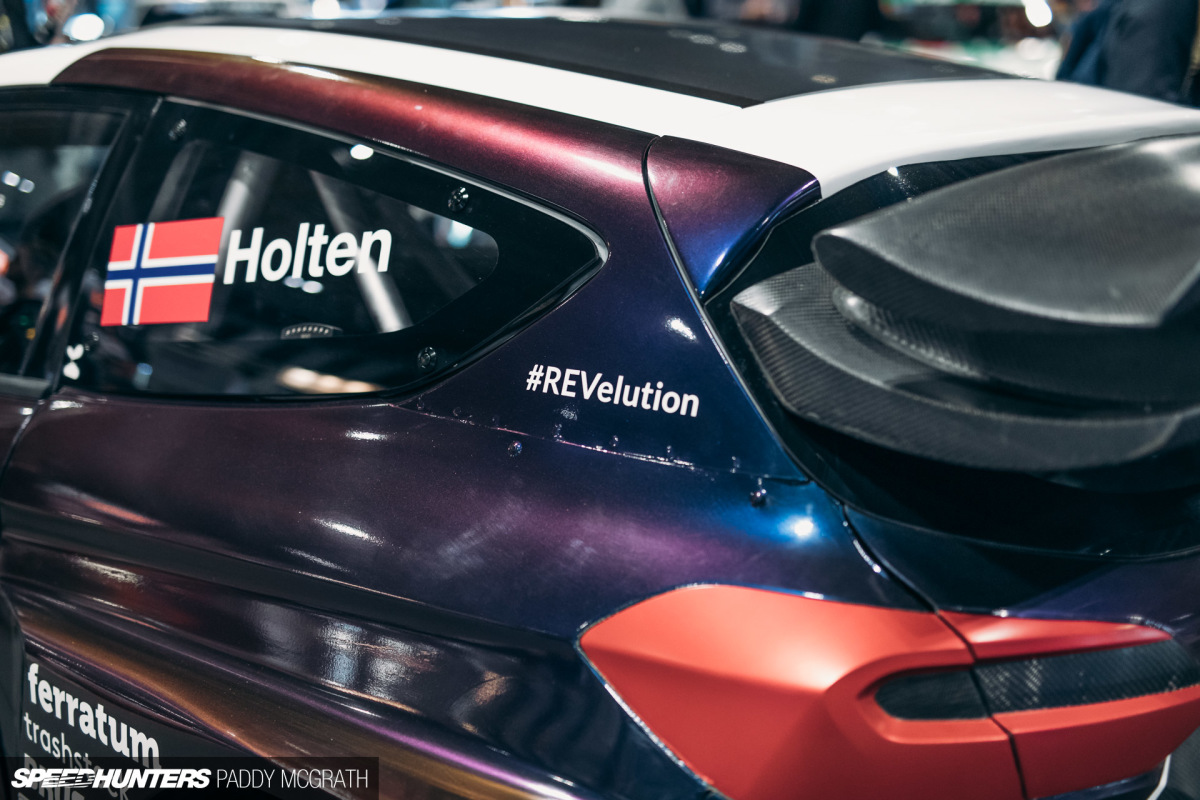
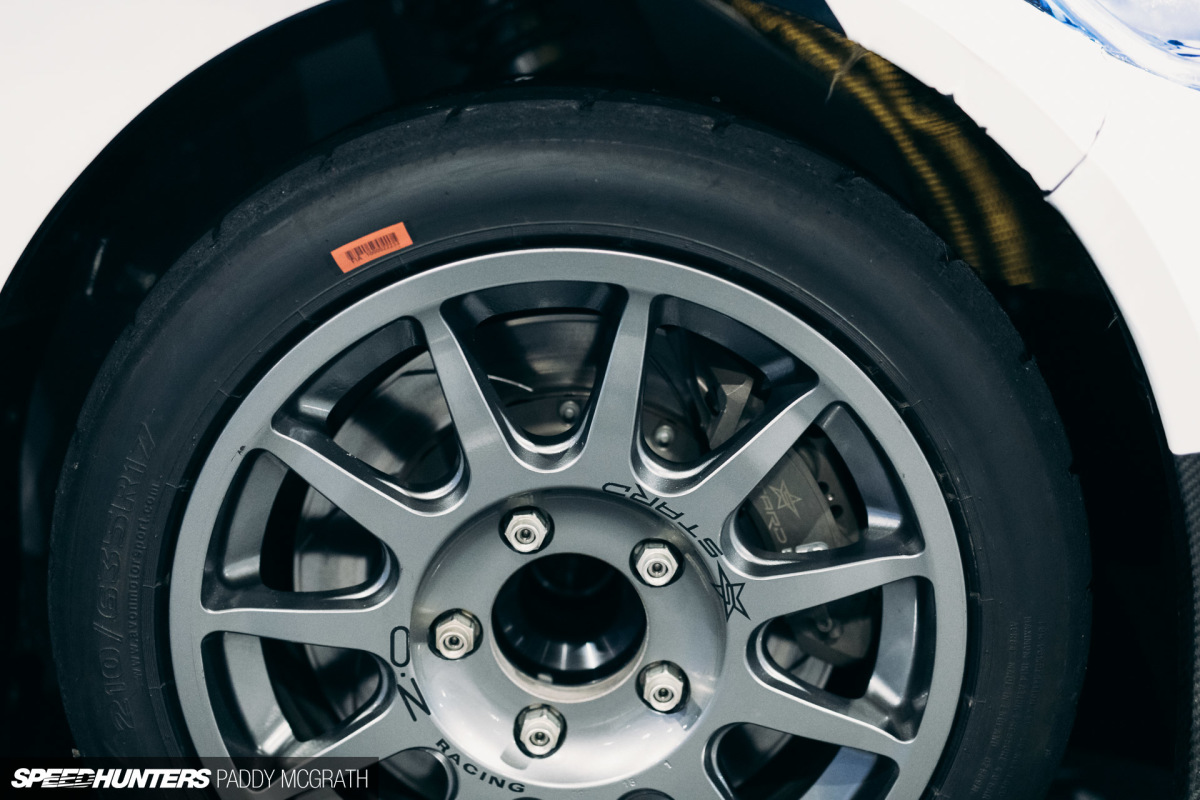
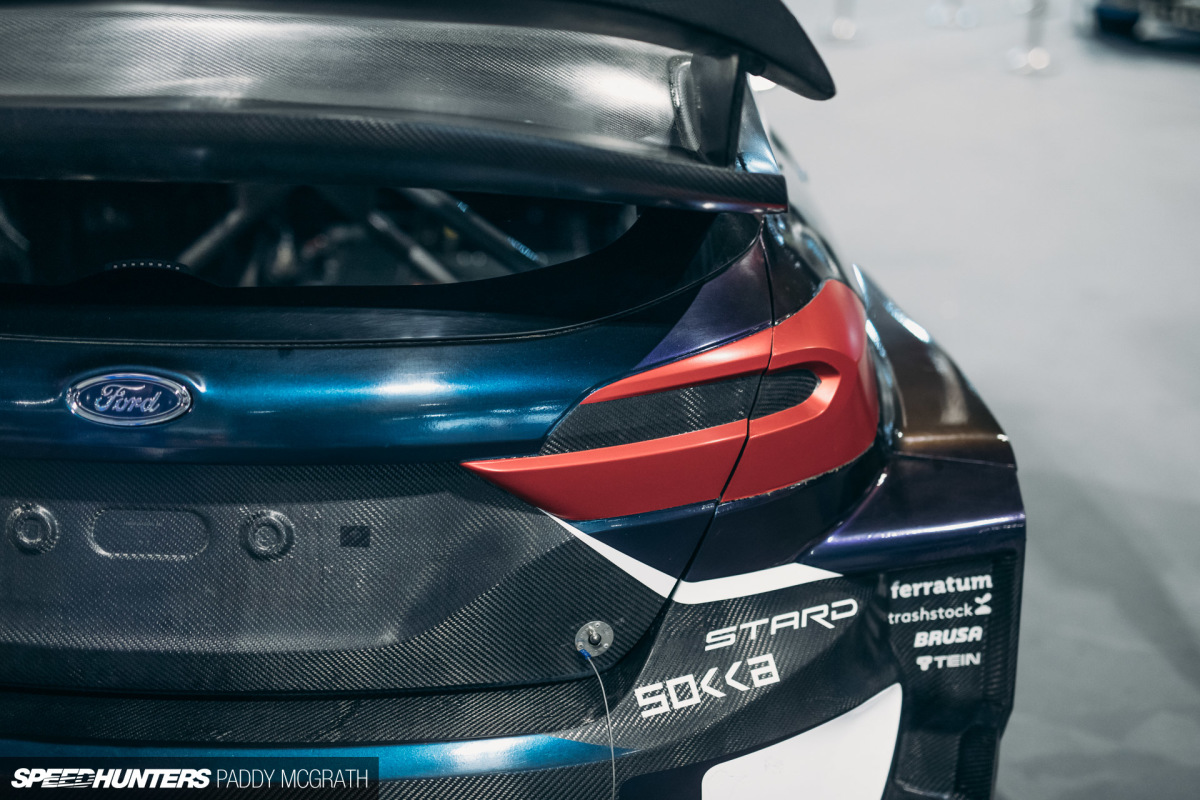
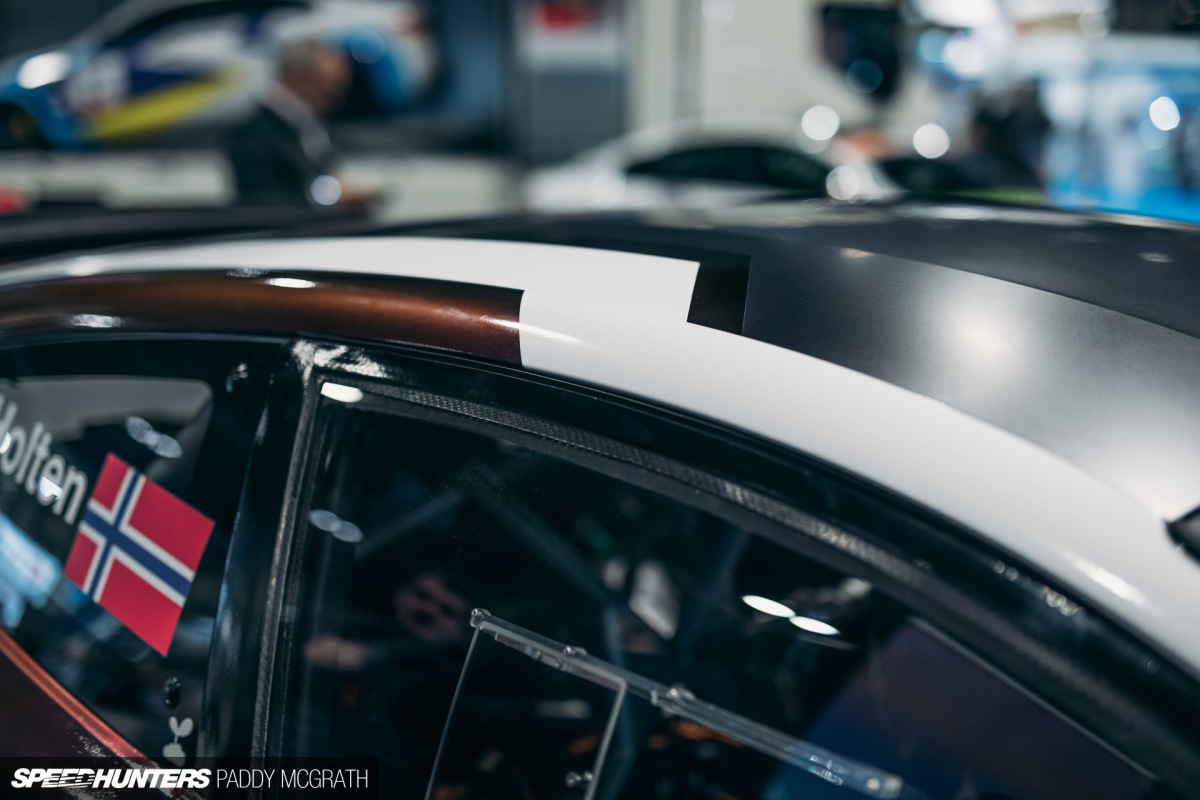
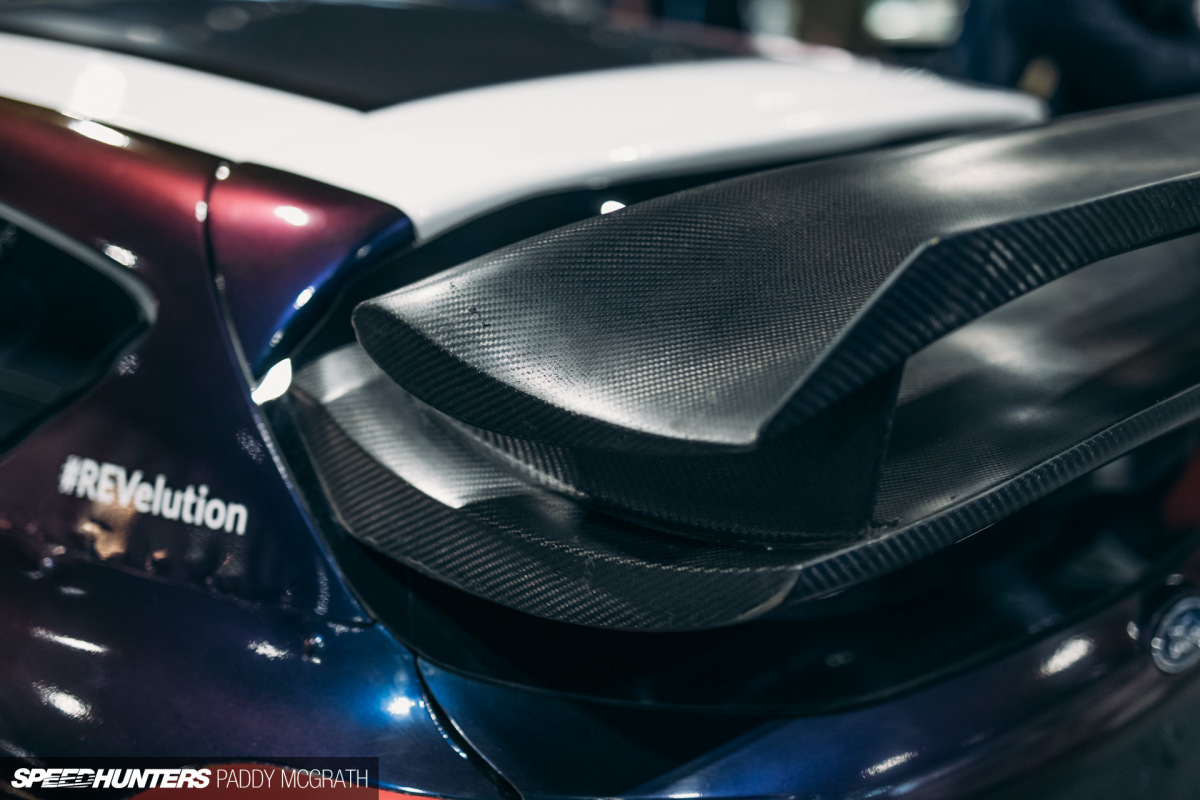
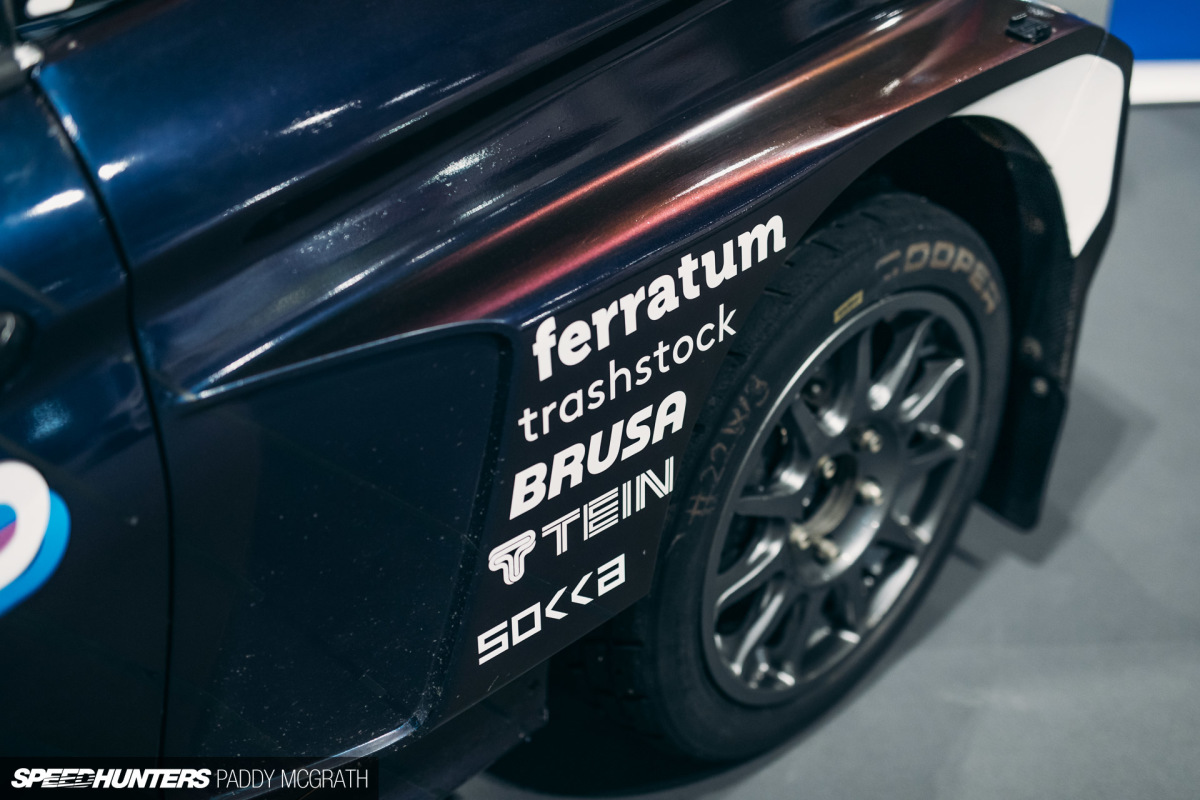
From pretty much every angle, it looks like your typical Supercar-class Fiesta, which is obviously a great thing. It’s something we’re all familiar with, and most importantly, we can all relate to.
However, as you’ve probably already guessed, it’s far from typical.
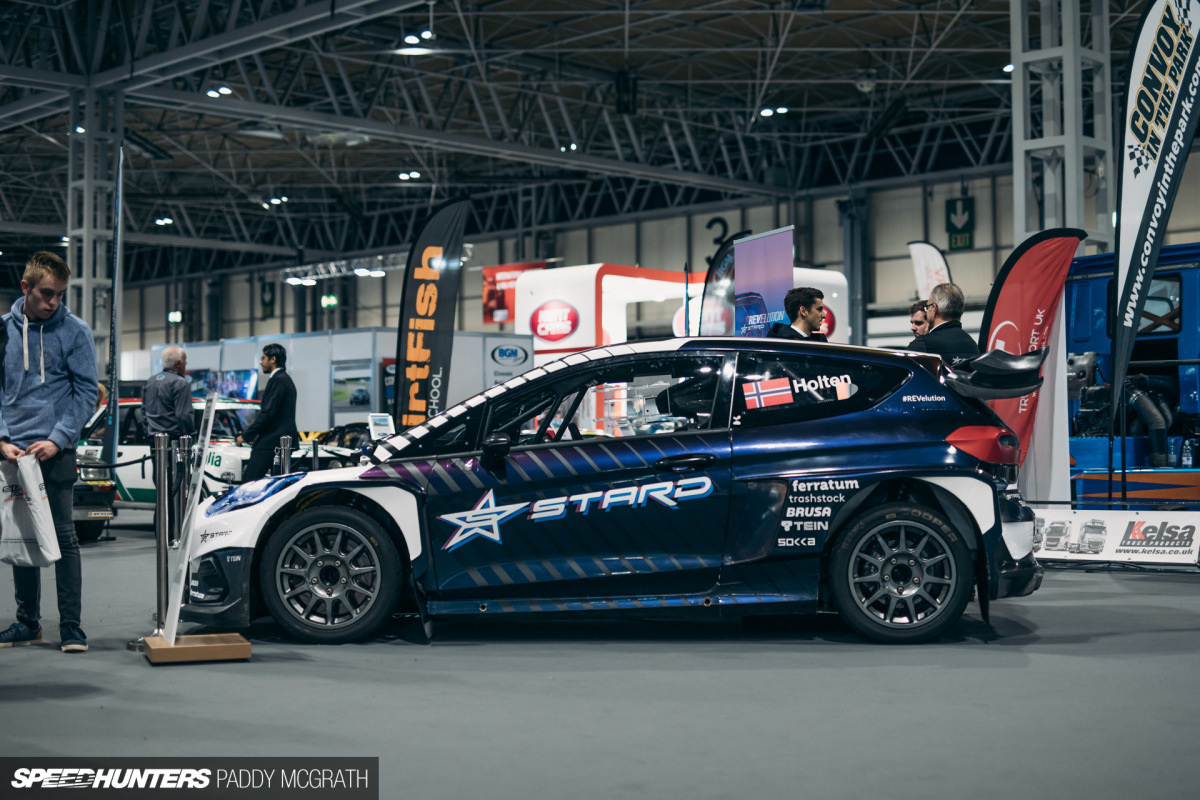
This is the STARD Ford Fiesta electRX, a 612hp all-electric rallycross car, and a machine I’m 100% on board with.
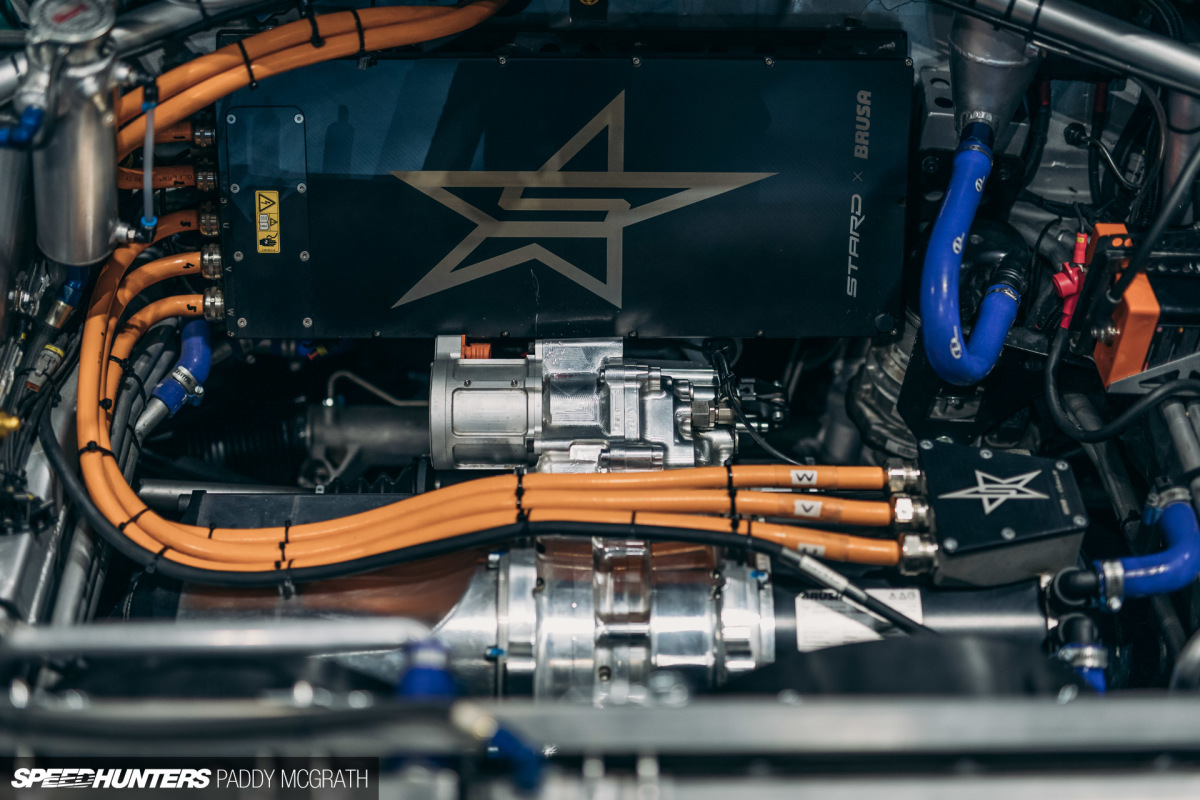
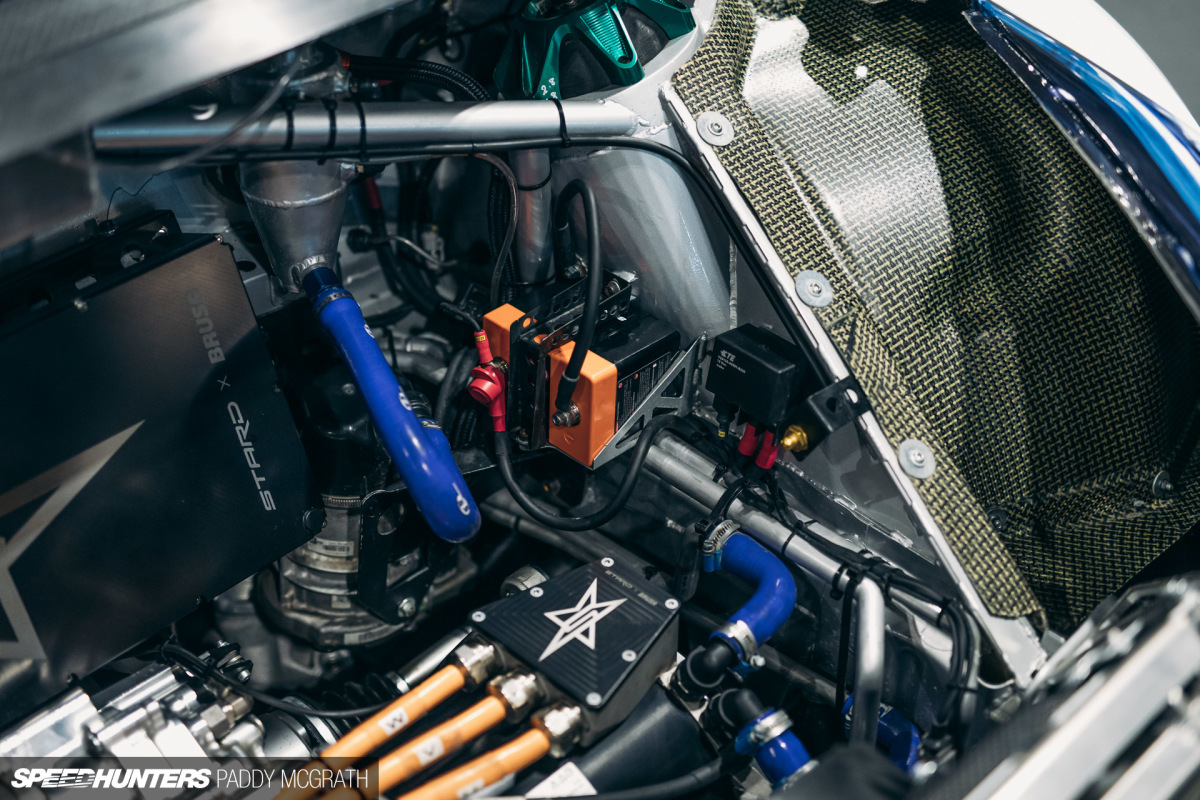
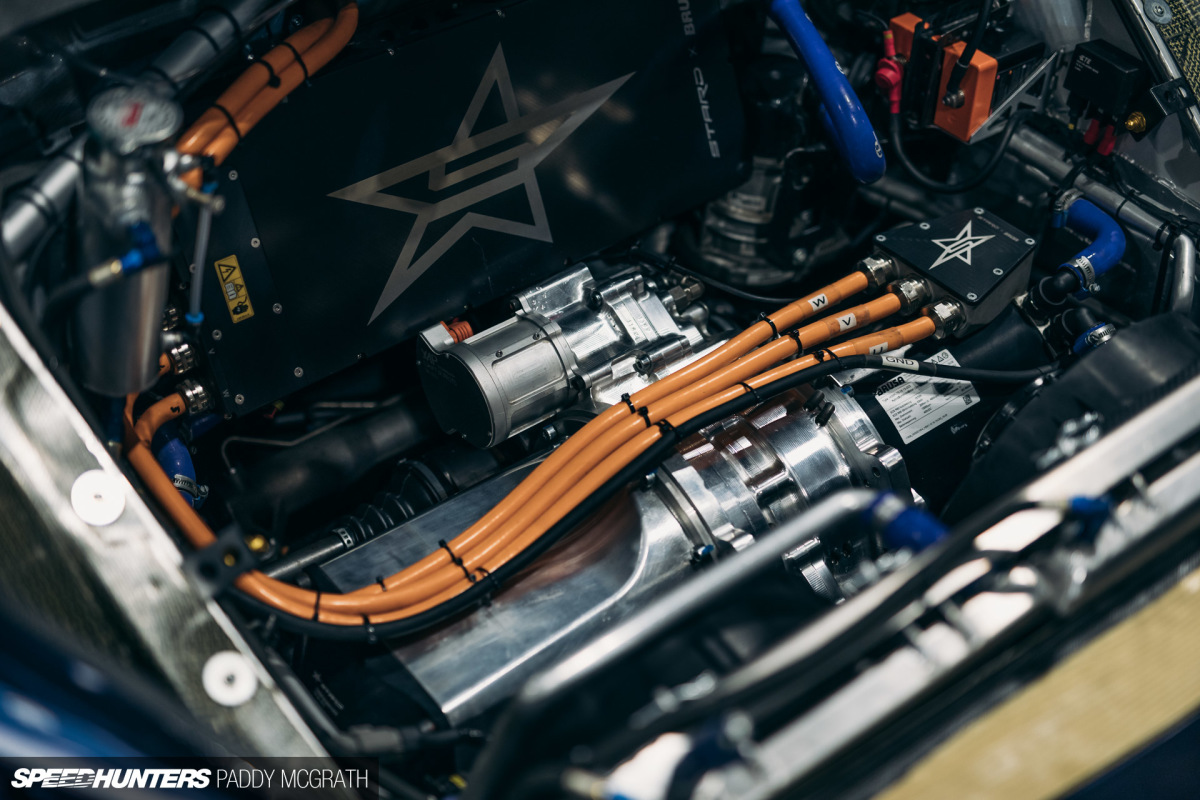
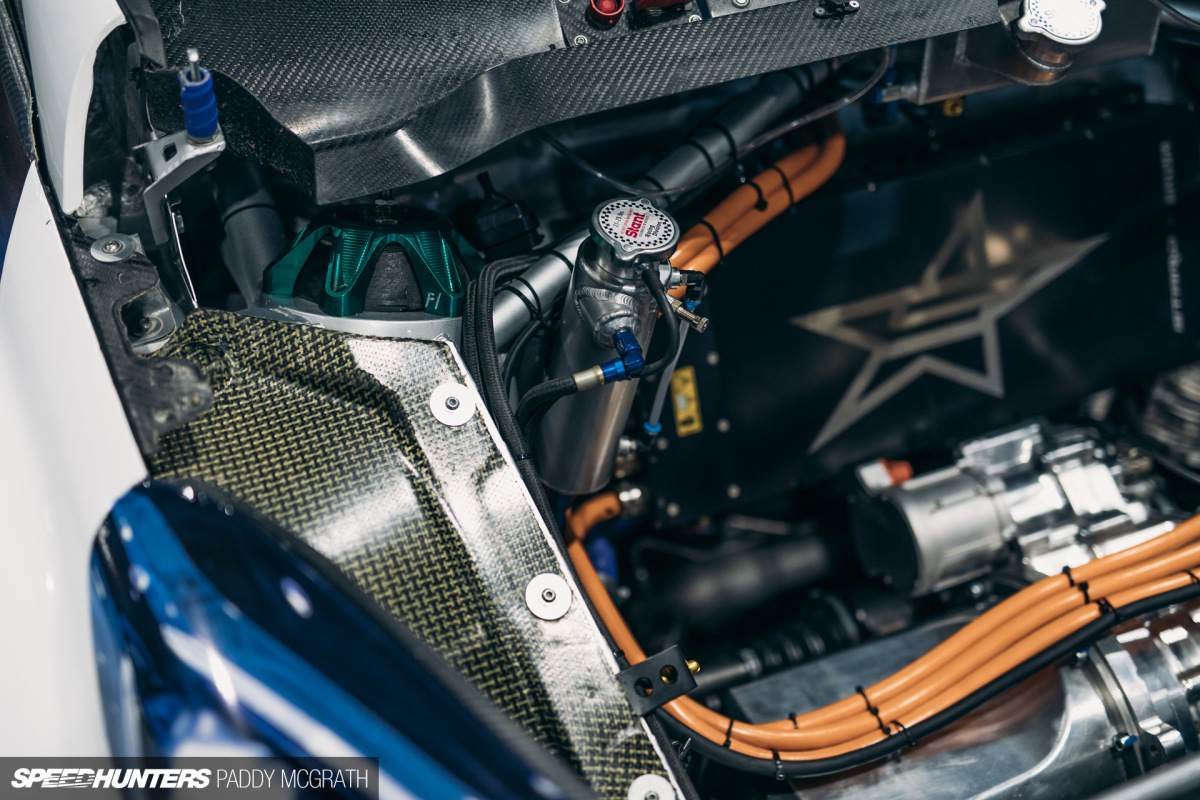
In place of a 2.0-litre fire-breathing internal combustion engine, it features three 150kW motors – one in the front and two in the rear. Each axle has its own transmission – a 2-speed with straight-cut gears – with no mechanical connection between the front and rear.
Each of the three motors develops 370Nm of peak torque for a combined 1,110Nm (819ft-lbs) with a maximum RPM of 13,500. Its top speed is 240km/h (150mph), which might be 40km/h less than a Formula E car, but it can reach 100km/h a full second faster in just 1.8s.
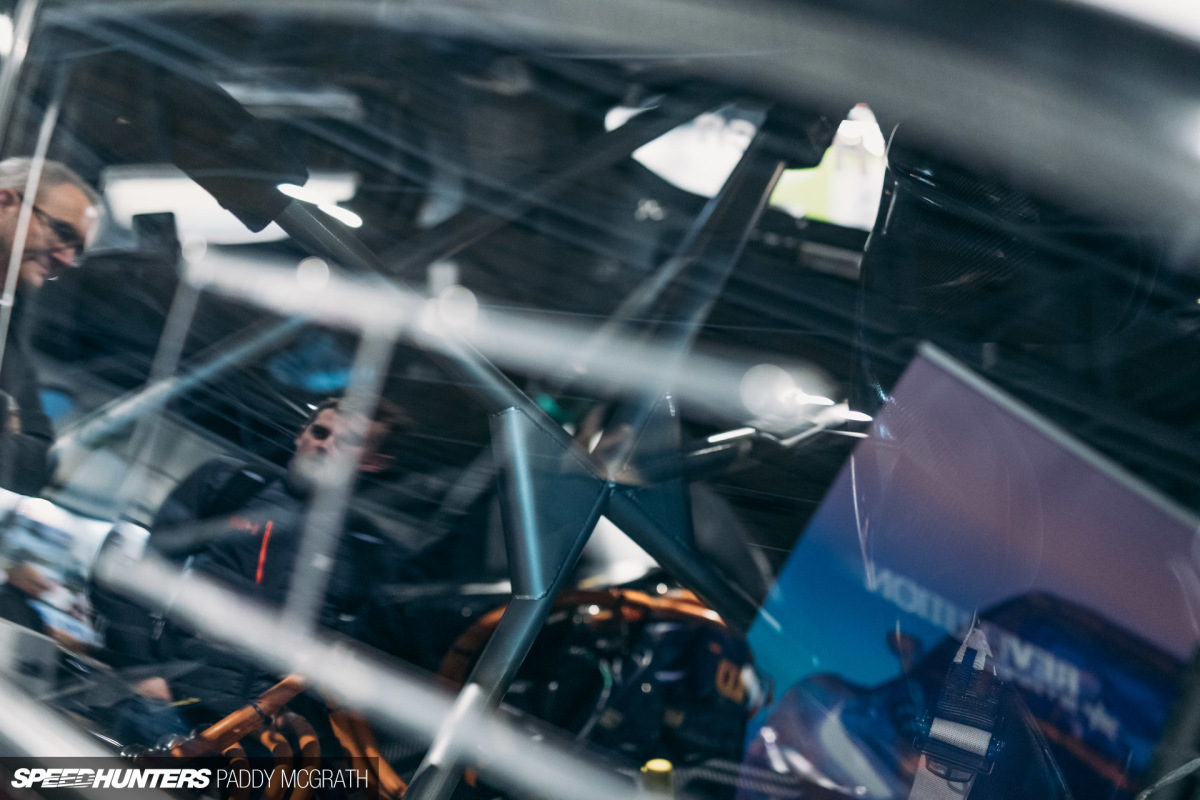
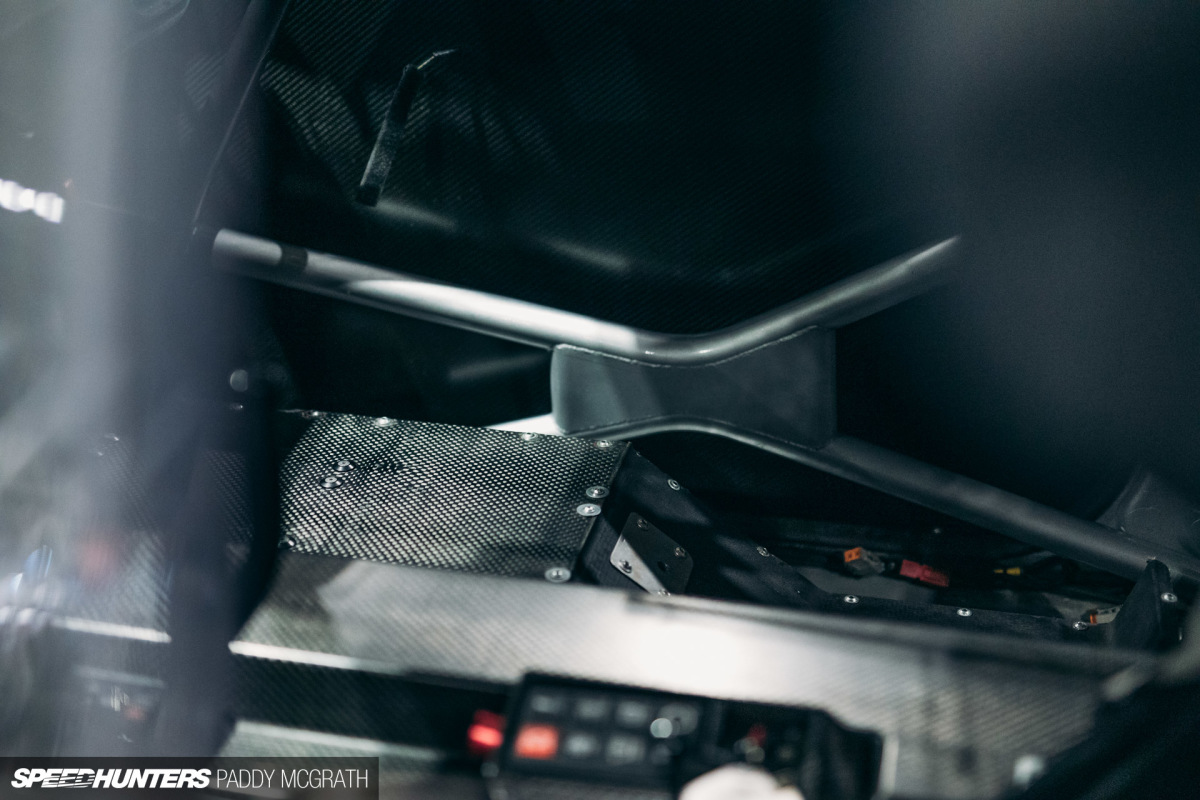
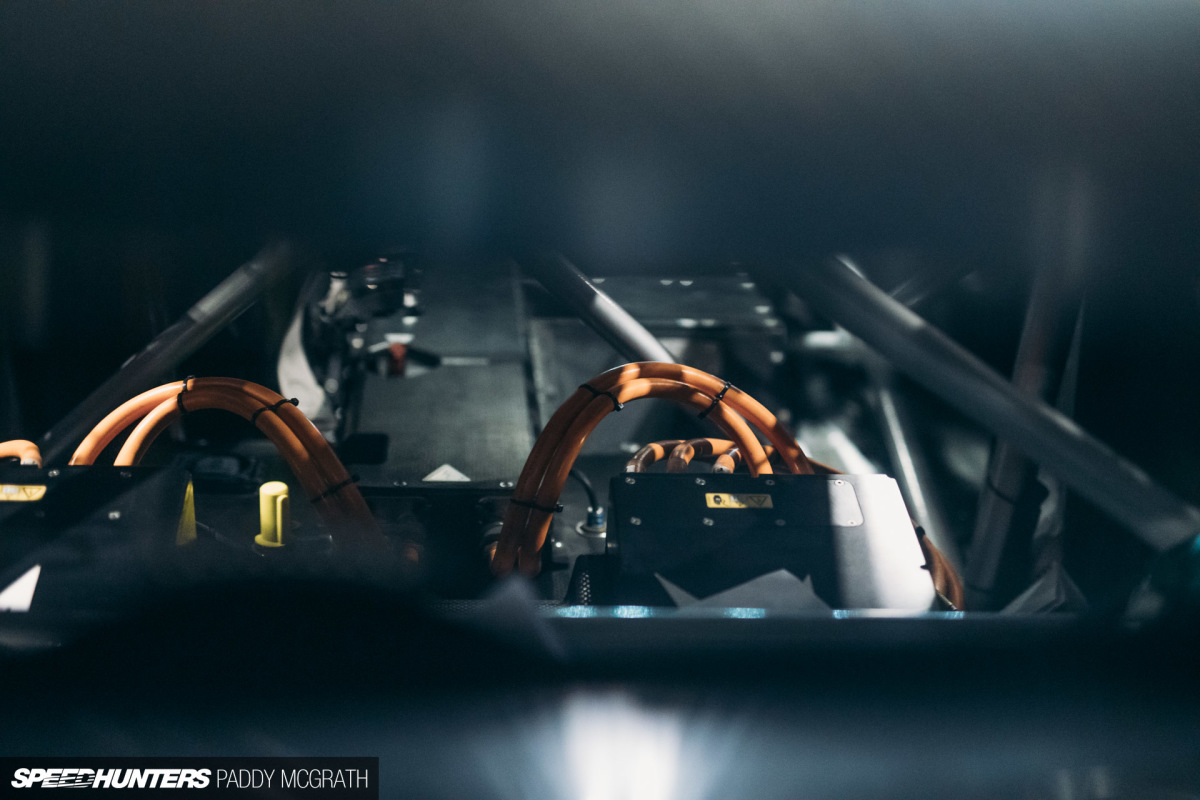
The cars are built from the ground up at STARD, who start with a Fiesta ST Mk8 shell and install an FIA homologated rollcage. The majority of the pieces which make the car work are all bespoke, even the motors are STARD-specific Brusa hybrid synchronous motors and controllers with their own in-house developed firmware and software for the vehicle control unit.
Torque distribution between the independent axles is controlled with STARD’s proprietary two-axle torque vectoring system, which was developed in conjunction with the Vienna University of Technology.
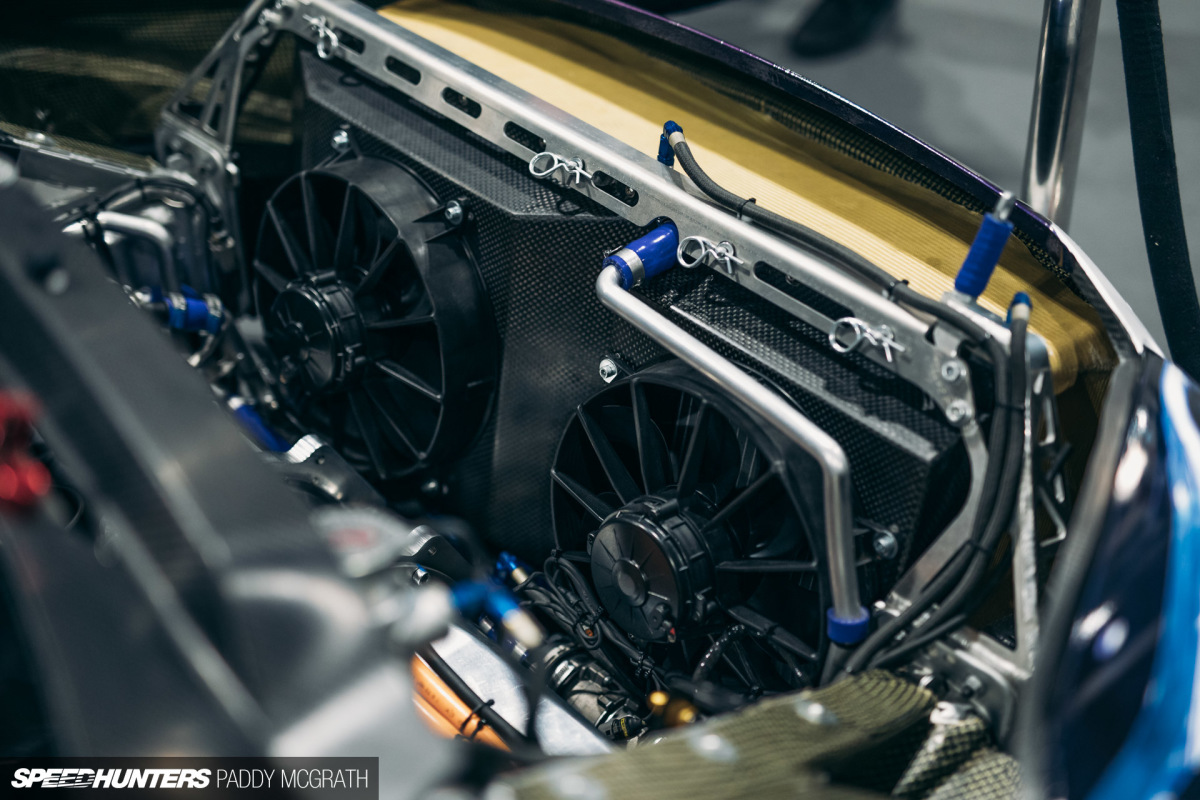
The centrally-mounted lithium-ion battery packs are again to their own specification, enclosed in a quick-release carbon fibre structure with its own liquid cooling and conditioning system. STARD state that the batteries can be charged to 80% capacity in 15 minutes.
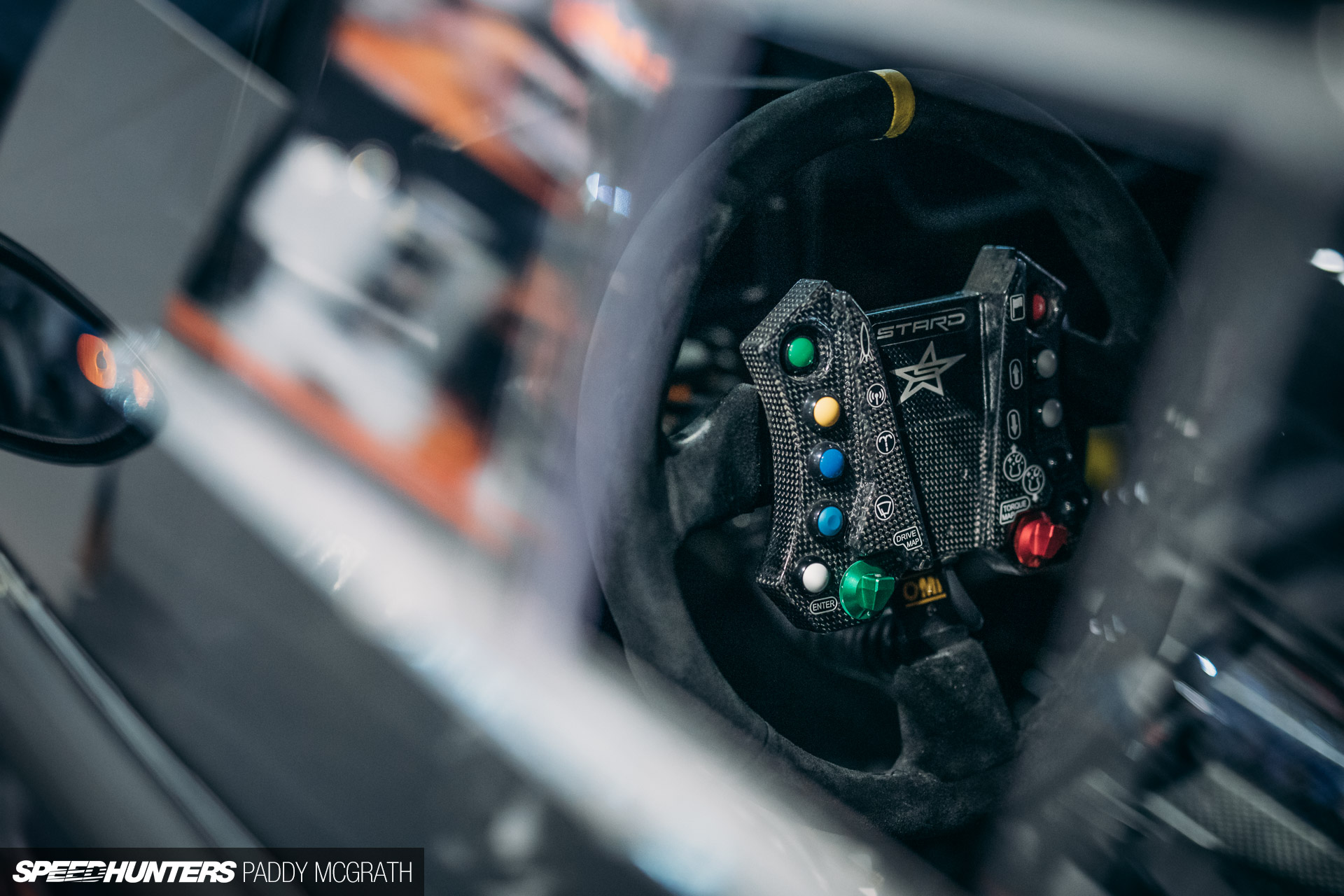
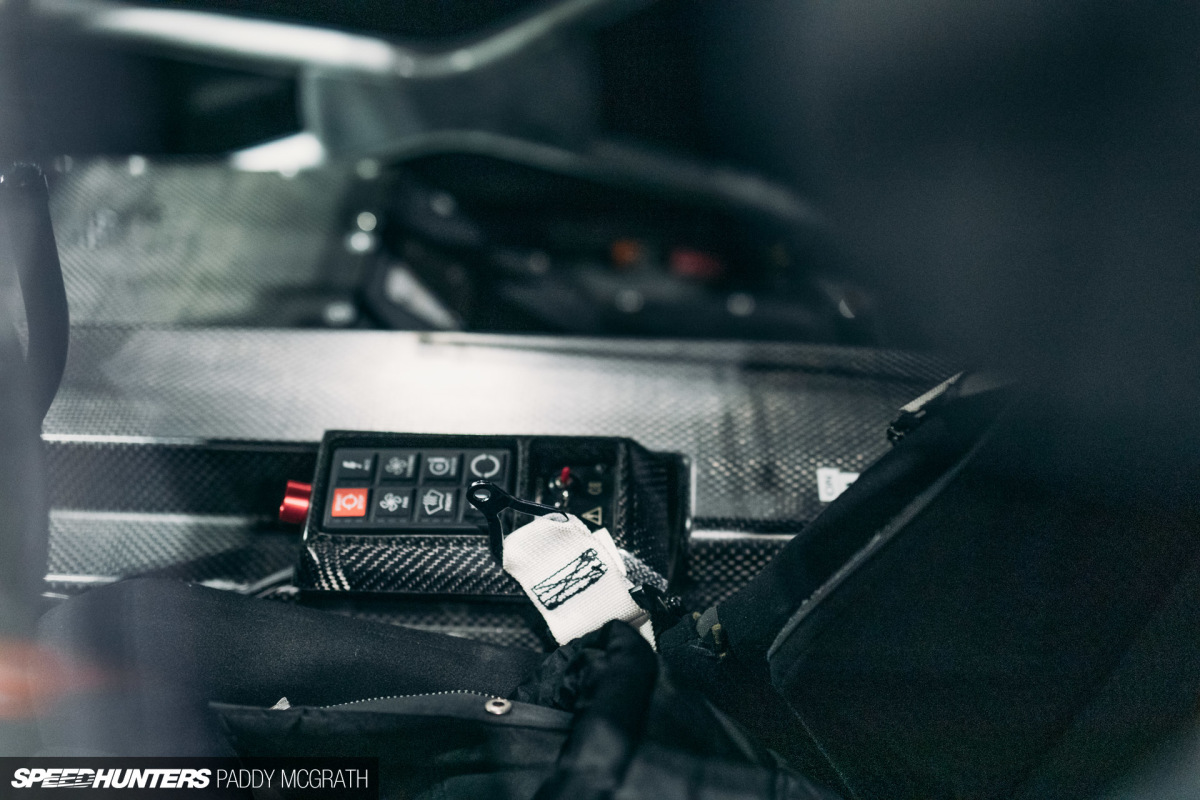
Electric drivetrain aside, the Fiesta electRX is pretty much your normal, competition specification rallycross car with adjustable differentials, McPherson suspension front and rear, and FIA safety devices. The steering is electro-hydraulic, and the AP Racing brakes front and rear feature blended adjustable energy recuperation.
While I haven’t been able to uncover the vehicle’s weight, I can’t imagine it being far off a normal RX car. The majority of an EV’s weight is normally in the batteries, and with the electRX car designed for short rallycross sessions, they would have been able to minimise the amount of batteries required. The above video features WRC driver Hayden Paddon testing the car recently, and shows the incredible lag-free power of the car.
There was talk not so long ago of a new electric World RX class to replace the current Supercars, which was met with much skepticism and condemnation. So much so in fact that plans to replace the Supercars have been put on hold for the mean time. While I don’t think that these should replace Supercars, I have no issue with them either lining up alongside, or in their own featured class at the same events.
That’s probably where the future of electric motorsport lies – alongside traditional motorsport instead of trying to outright replace it. I know that for me anyway, it makes it a lot easier to embrace an electric future, especially when the future looks like a 600+hp RX car.
Paddy McGrath
Instagram: pmcgphotos
Twitter: pmcgphotos
paddy@speedhunters.com