
Toyota’s 2JZ-GTE. The 1J-GTE. The 3S-GTE. The 4A-GE. The 2ZZ-GE. Lexus’s 2UR-GSE from the IS F, RC F and more recently the GS F. And of course the 1LR-GUE V10 in the LFA. These are some examples where Yamaha – who are most well known for their motorcycles and musical instruments – have been called in to engineer automobile engines. And as we enter the third decade of the 21st century, Yamaha aren’t waiting for EV technology to evolve without having a proper crack at it themselves.
Yesterday, the Japanese company – which Toyota owns a small stake in – announced that their relationship with the motor car – which can be traced all the way back to the straight-six engine in the famed Toyota 2000GT – will continue as the shift to EVs grows.
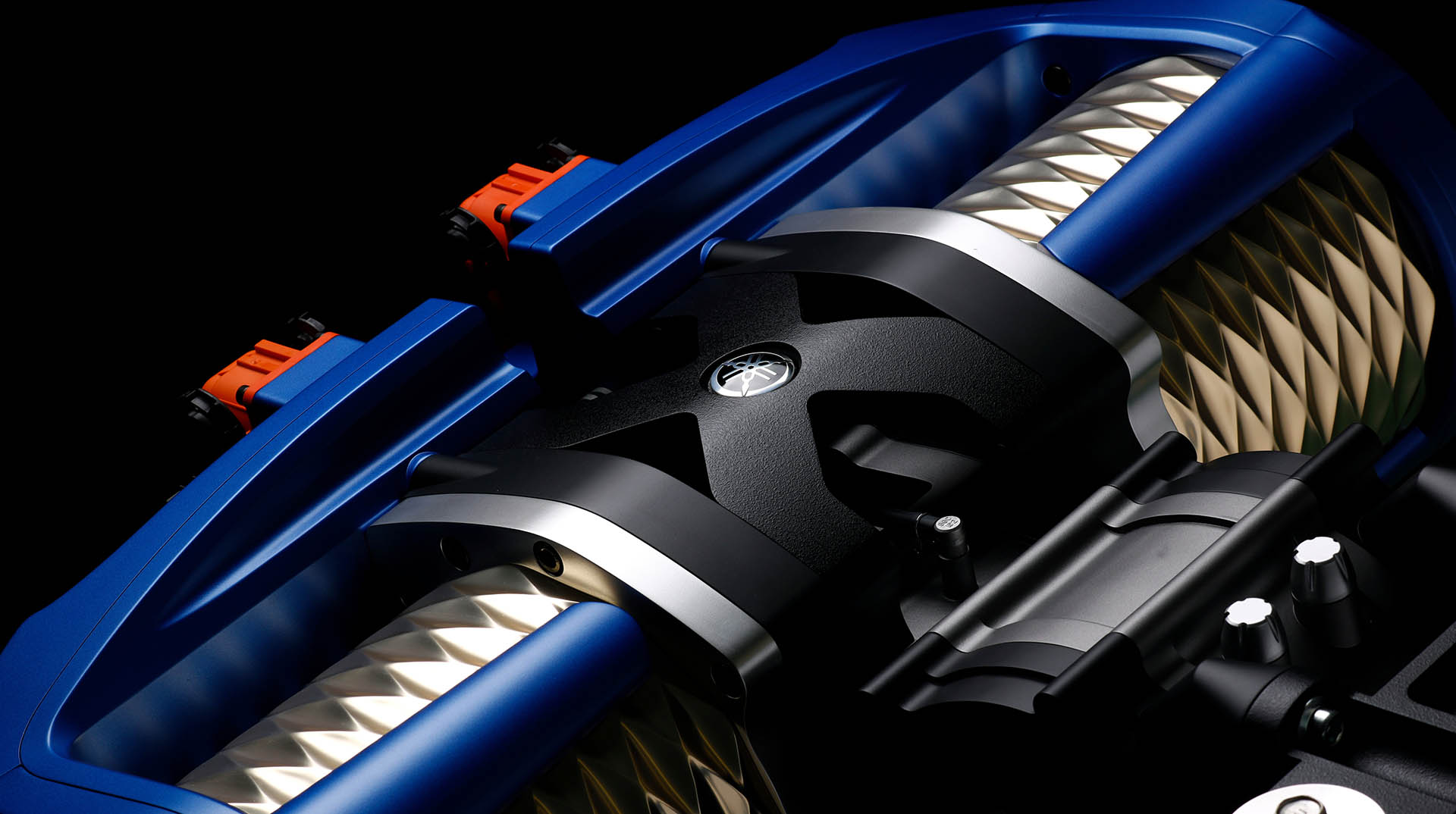
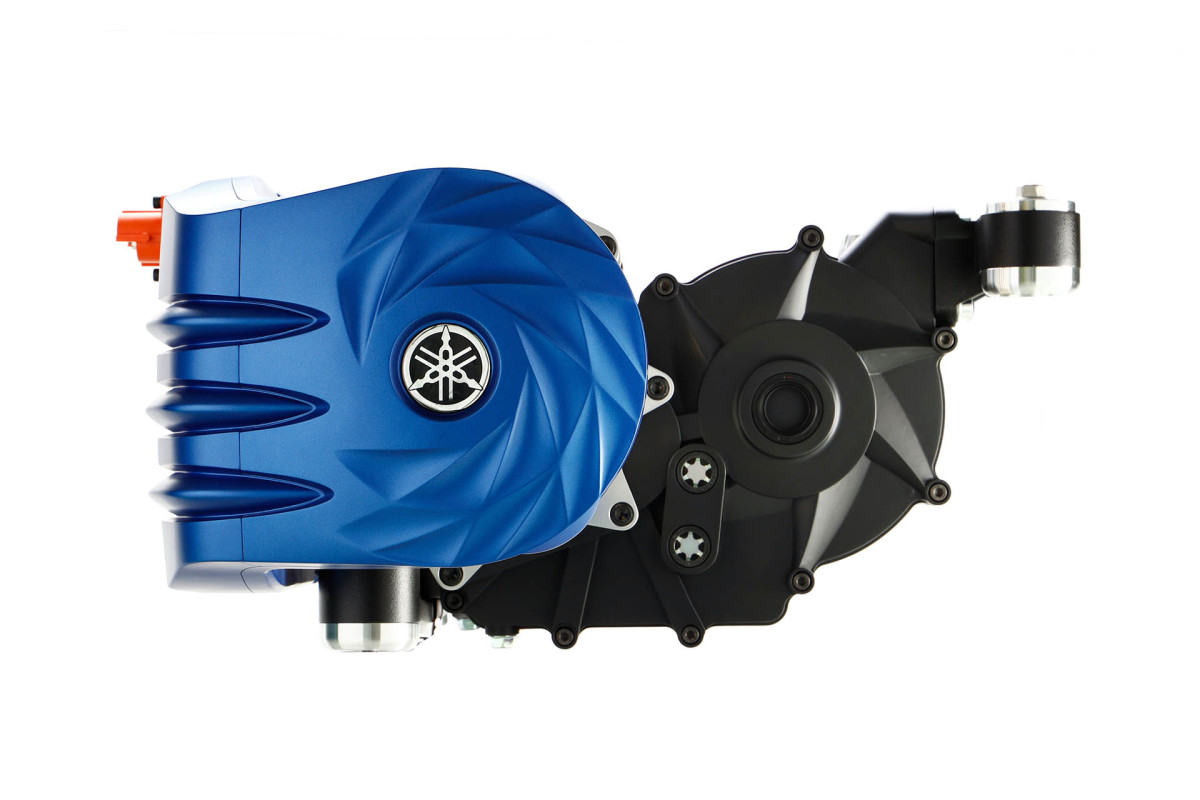
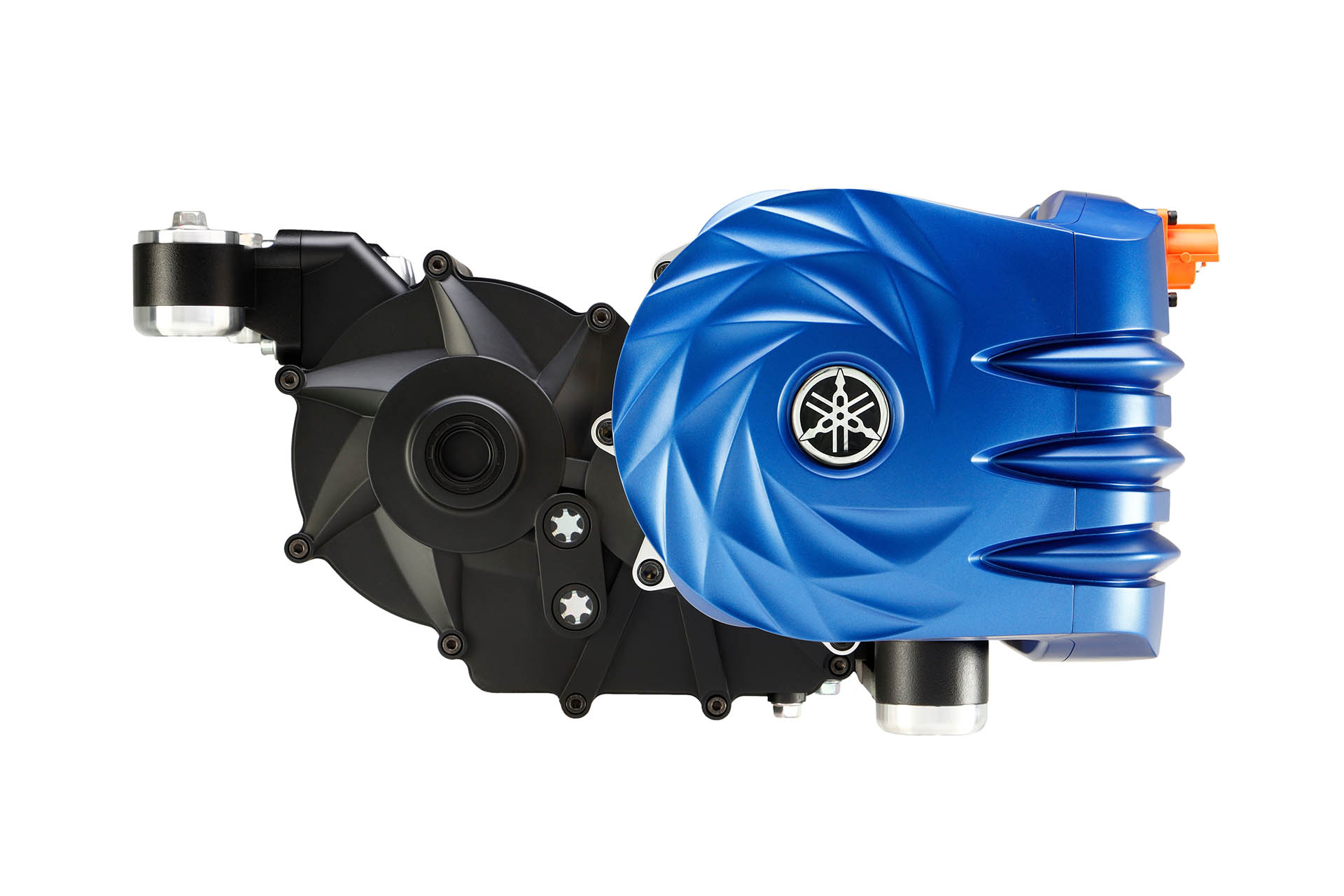
At first glance, you might have assumed that we’ve started reporting on autonomous lawnmowers, but this is actually what Yamaha’s motor unit for cars looks like.
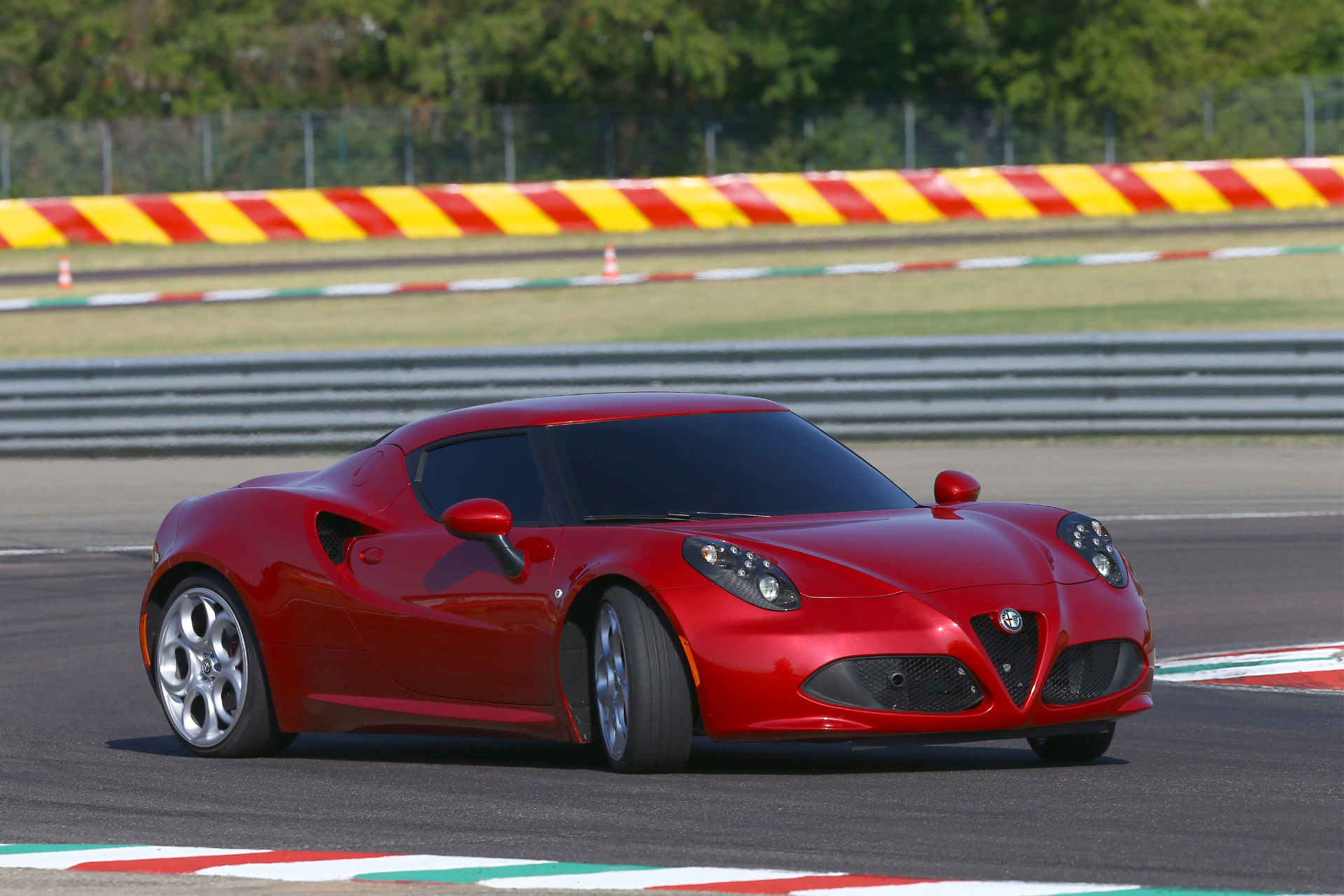
Yamaha have been developing this customizable system for some time, and as you can see in the video above, they now have a prototype setup using an Alfa Romeo 4C as a test bed for the technology.
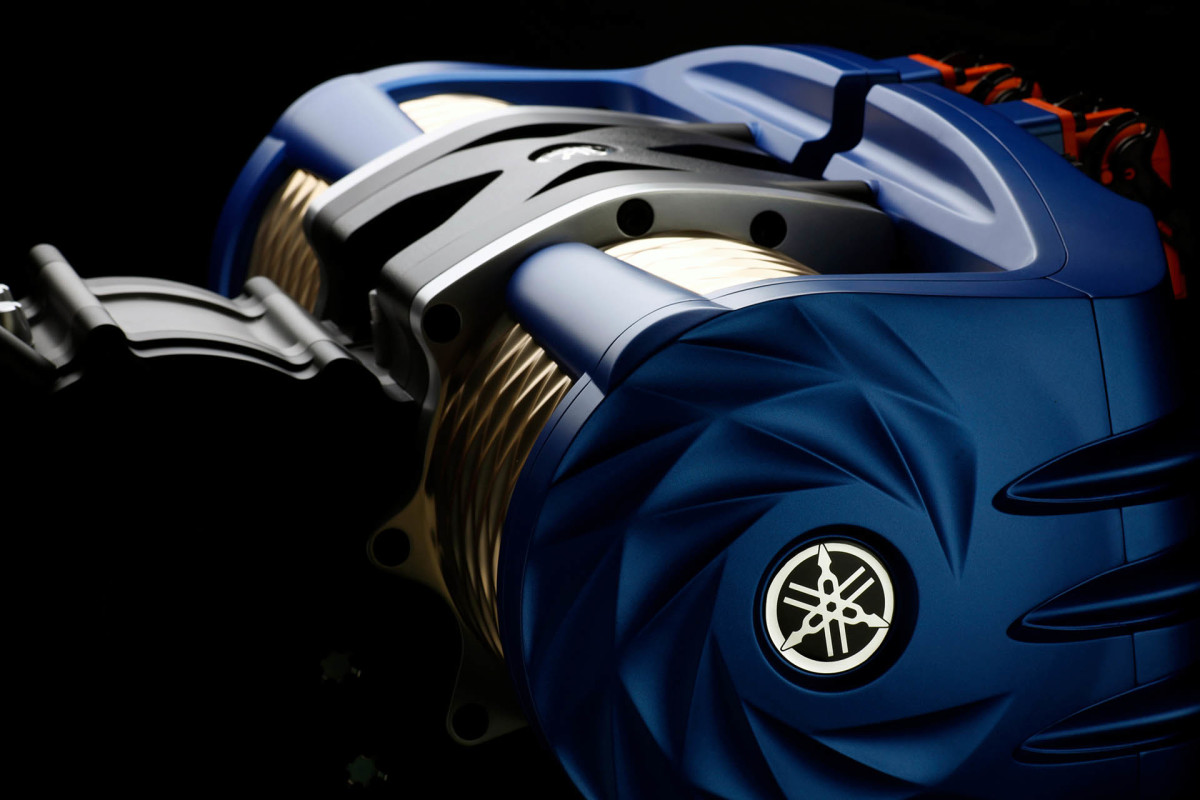
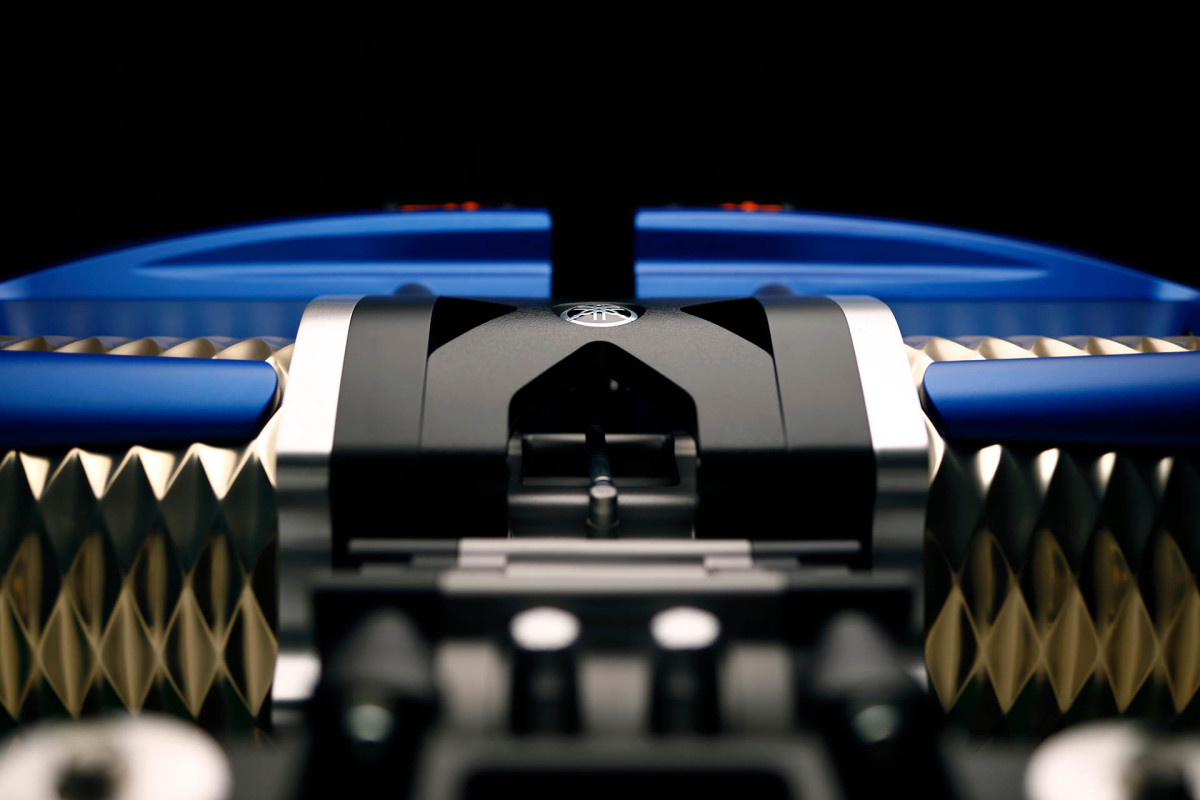
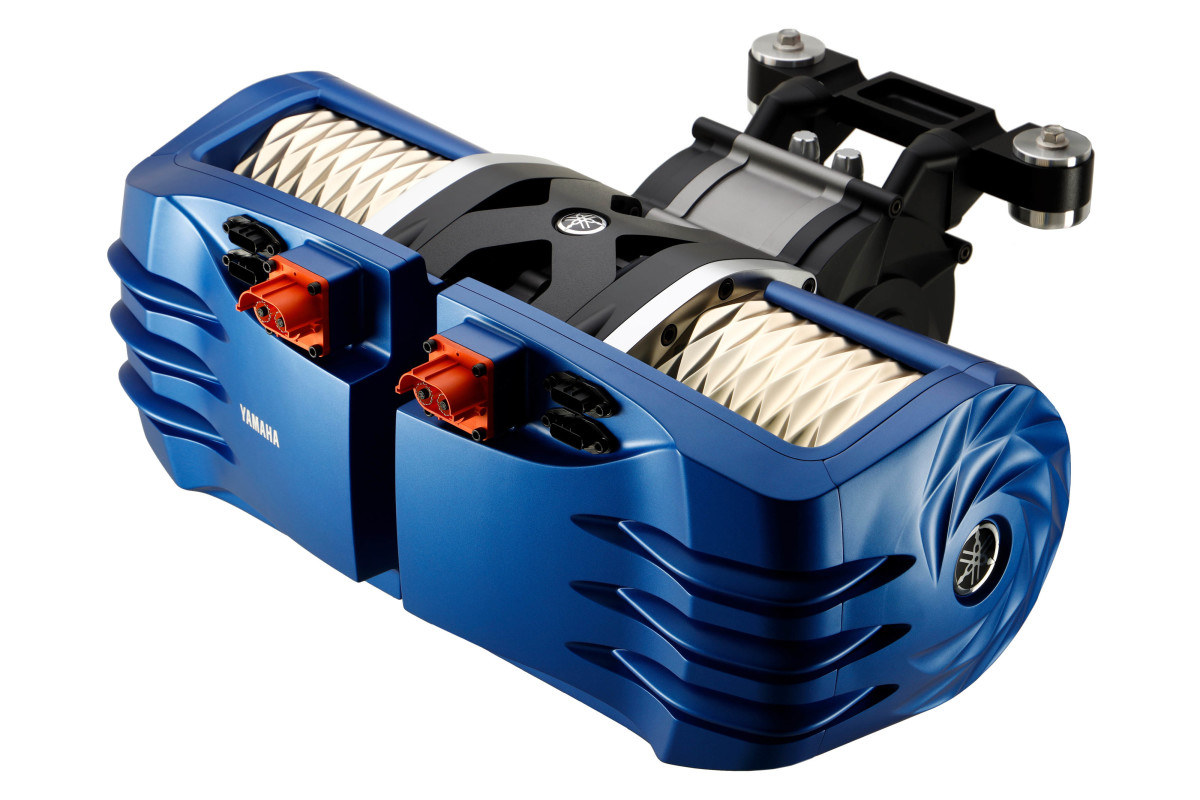
Currently, power output can range anywhere from 35kW to 200kW, and possibly more as EV technologies like as batteries, charging and control units continue to evolve. Of course, all-wheel drive applications will be catered for too; a 200kW unit at each axle is what we are seeing with some of the new crop of EV SUVs hitting the market. That is a scope of around 47hp to 268bhp, so imagine a world where you can bolt power on, any axle you like. That’s got to be a pretty exciting prospect for the aftermarket, especially as we’re seeing classic car ownership at odds with environmentalist ideals.
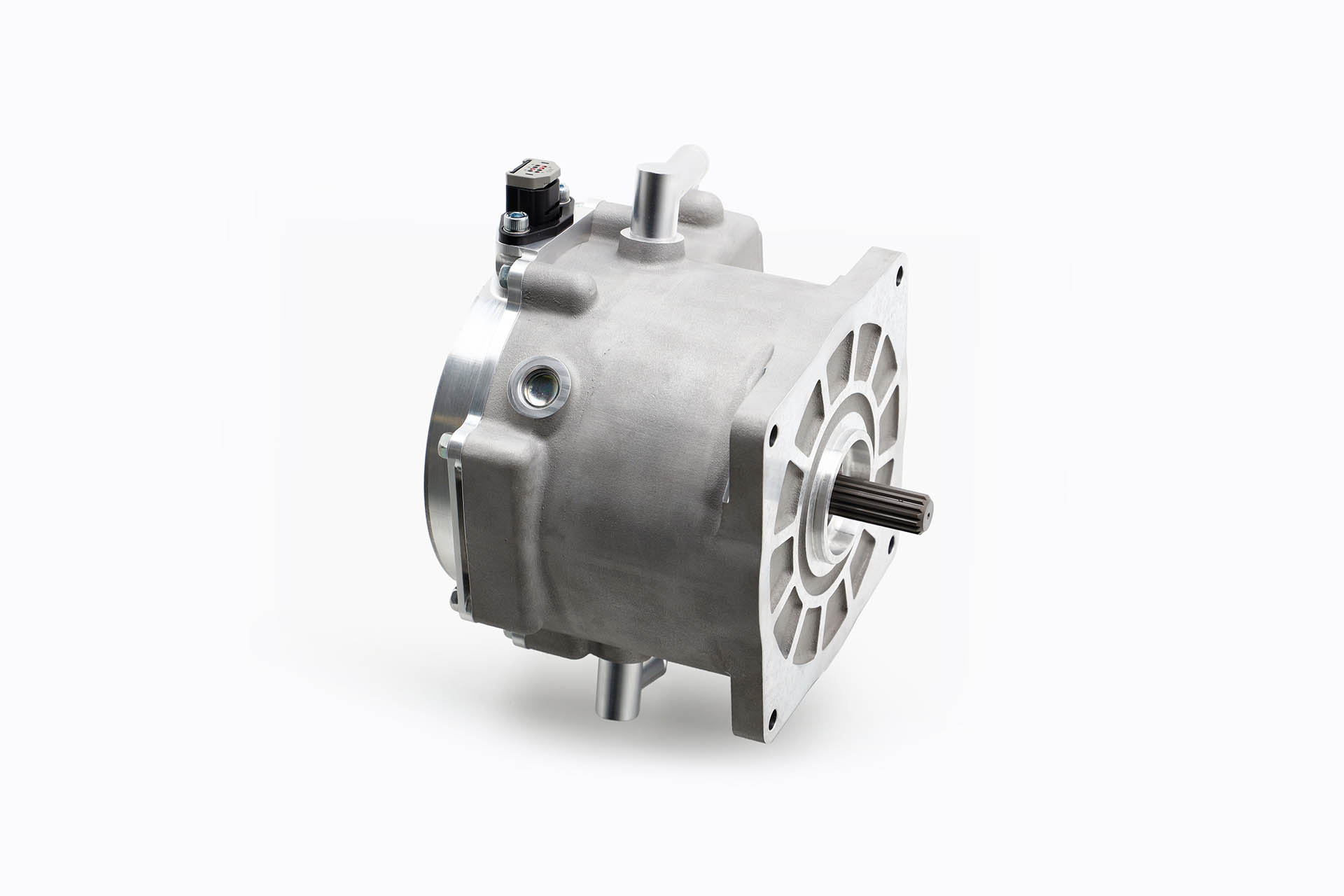
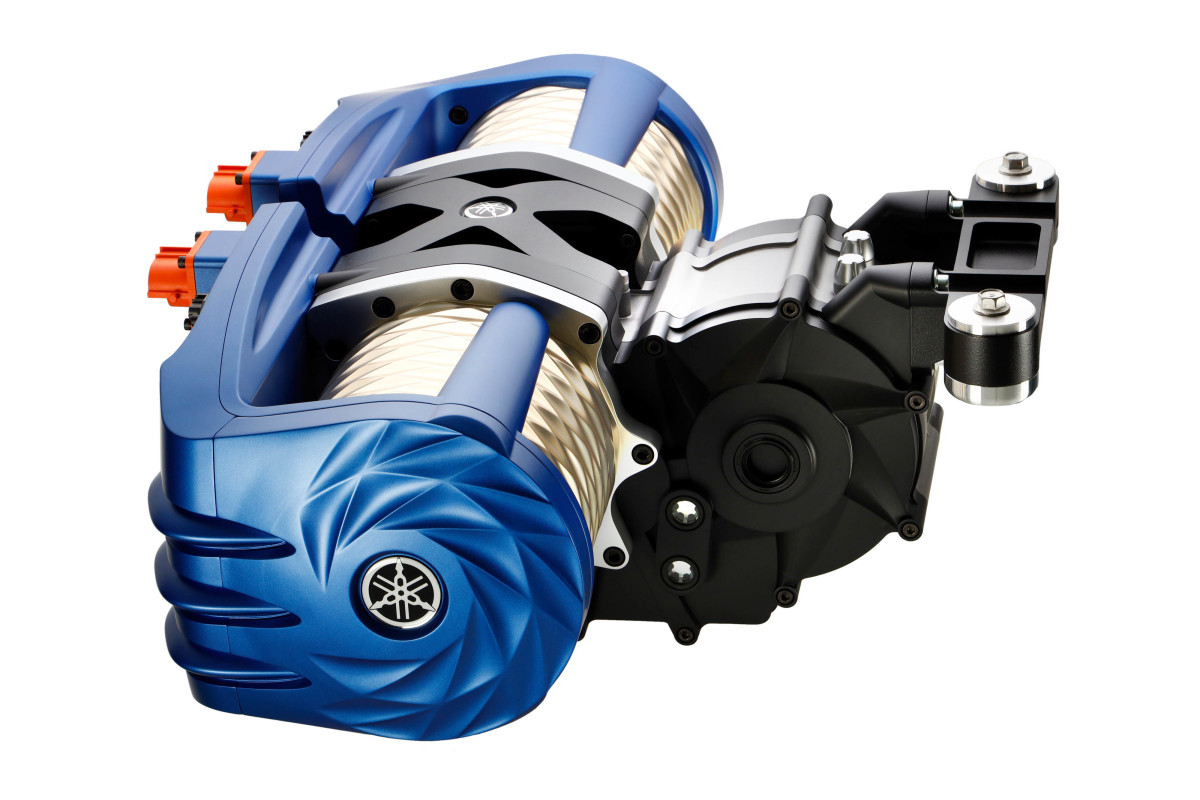

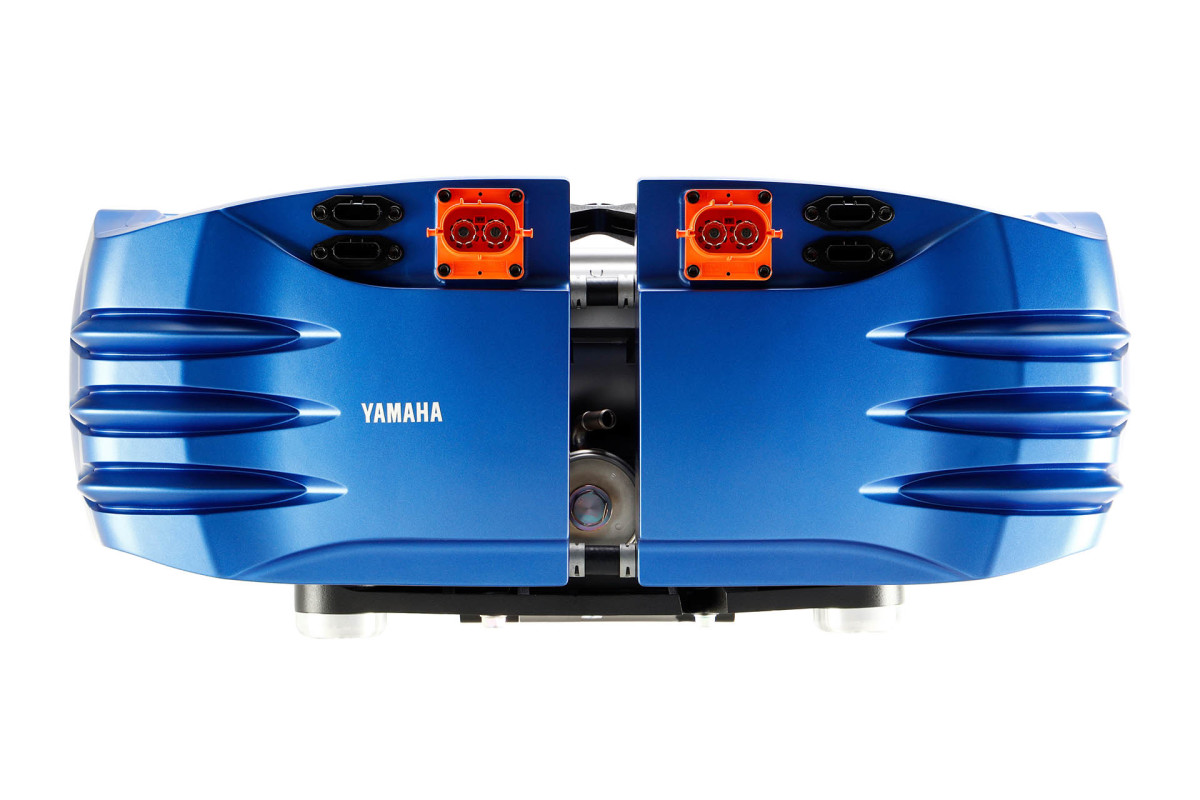
Given the compactness of these drive units and how neatly batteries can be packaged, creating fun and affordable electric performance cars is the next challenge manufacturers will face once the move to this propulsion has become more widespread. And then what next? Will we see the aftermarket adopt this technology?
I can imagine this being a way to retain the ‘soul’ of a car and still be able to use it in towns where combustion engines may become outlawed. On the flip-side, could this be a way to add power and keep up with modern traffic without compromising an original engine? Not everyone wants to turbo or supercharge an engine to increase output, so who knows, it might be an option in the future to just add a motor to an axle. Or even two.
Electric motors have been around for centuries (and used in cars since the early 1900s), but throughout this time their basic design has remained the same. So what’s really exciting is what new innovation Yamaha might be able to bring to the table.
At the beginning of this story I rattled off some of the iconic Toyota performance engines that Yamaha have had a big hand in developing. It’s highly likely that we’ll be able to add some Yamaha-developed electric motors to the list in the years and decades to come, and that’s pretty cool.
It certainly makes me feel better knowing that Yamaha are getting involved with this shift to electric vehicles. Because, if there’s one company out there that knows how to engineer inspiring power-plants, it’s this one. And seeing as Yamaha are very good at making stuff sound nice, maybe injecting a bit of aural emotion into the whole experience is something they can figure out, too.
Now, while we are imagining the future, which modern car do you think will become a classic? How would you incorporate this EV tech to boost power?
Dino Dalle Carbonare
Instagram: speedhunters_dino
dino@speedhunters.com