
A couple of weeks ago, I brought you a feature on Abbot Cars, a specialist workshop in South Africa maintaining and restoring classic Porsches. Tim Abbot’s story was a great one to tell, but it’s not the only one playing out at the family facility in Gauteng, Johannesburg.
AbbotEvolution is the brainchild of Tim’s brother Anthony, and it’s come about after a three-decade-long engineering career including a 12-year stint in Formula 1.

Anthony’s fascination with engineering began at a very young age, so no one in the Porsche-loving Abbot family was surprised when schooling led to a mechanical engineering degree at Witwatersrand University. But instead of going straight into the automotive field after graduation, Anthony initially pursued a career in banking and e-commerce, which eventually resulted in the co-founding of two software companies.
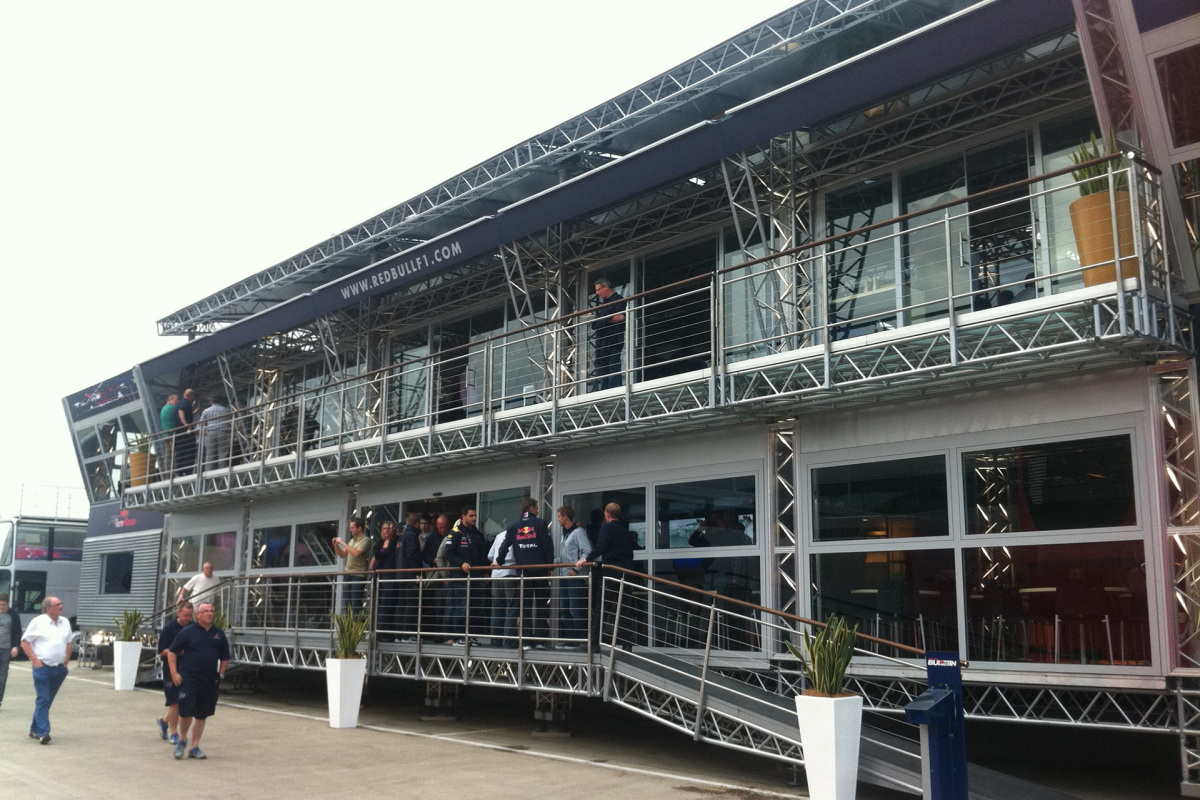
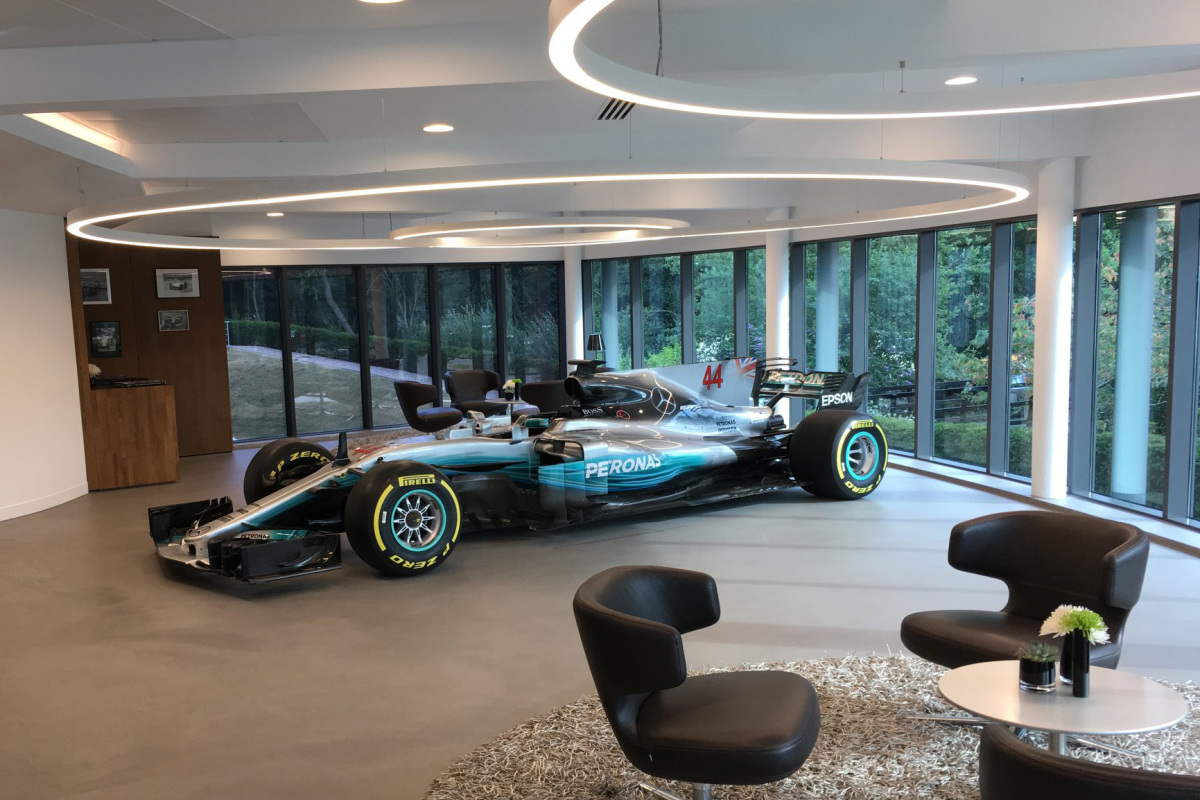
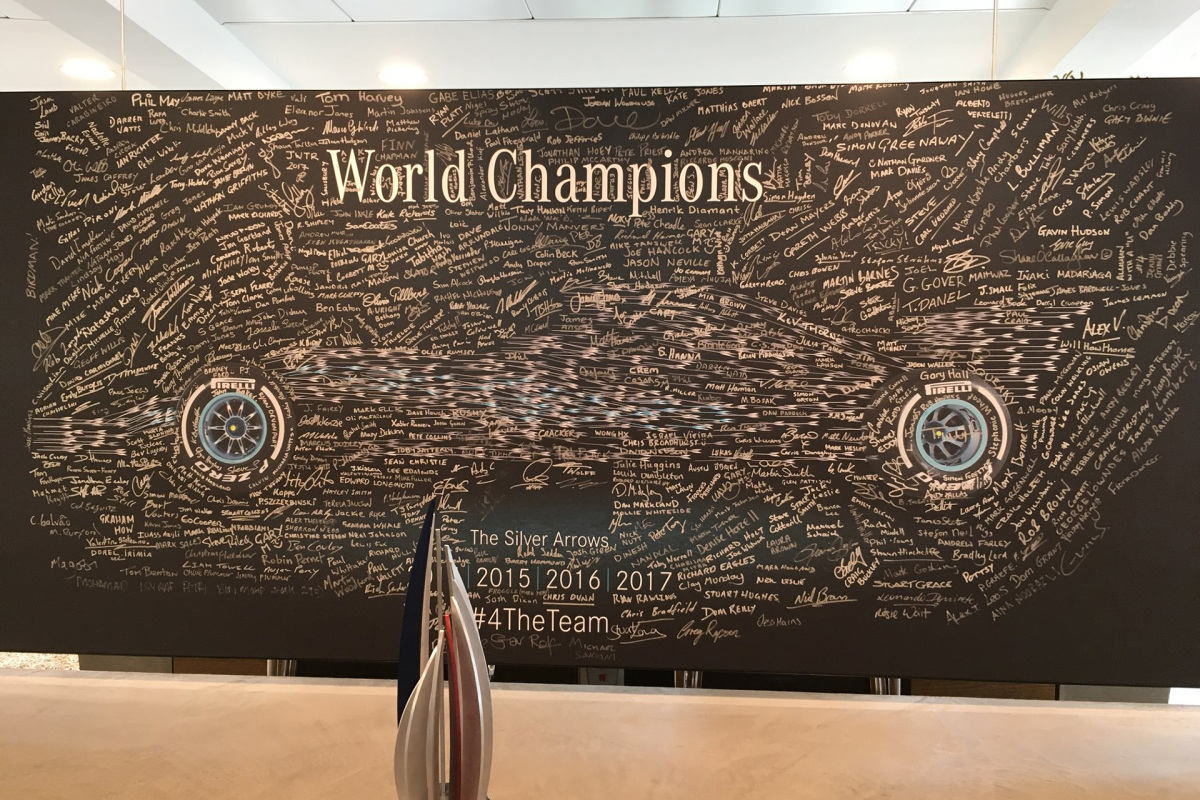
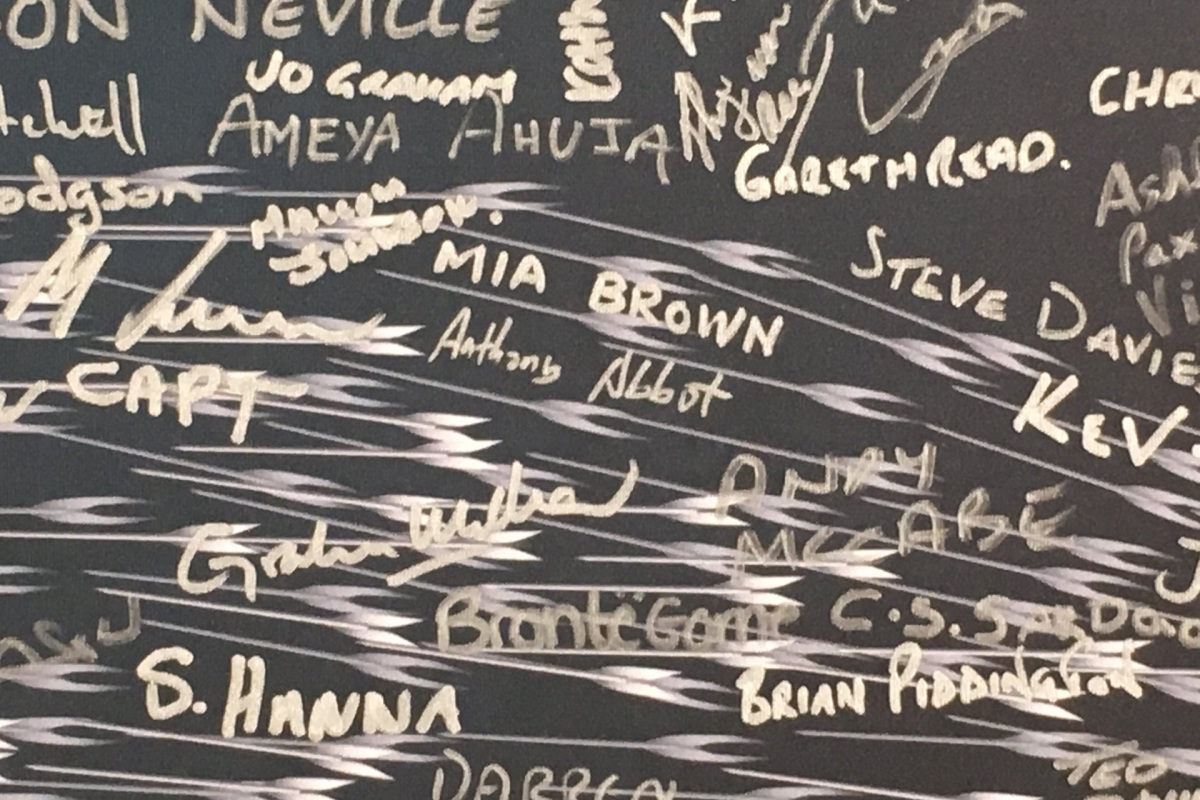
His automotive roots did come calling though, first with consultancy work for the McLaren F1 team in 2005, and then in 2007 with a full-time role at Red Bull Racing where Anthony developed high-end software for simulators and team/driver communications. He remained with RBR until 2013, before moving over to Mercedes F1 to work on similar projects for the next five years.
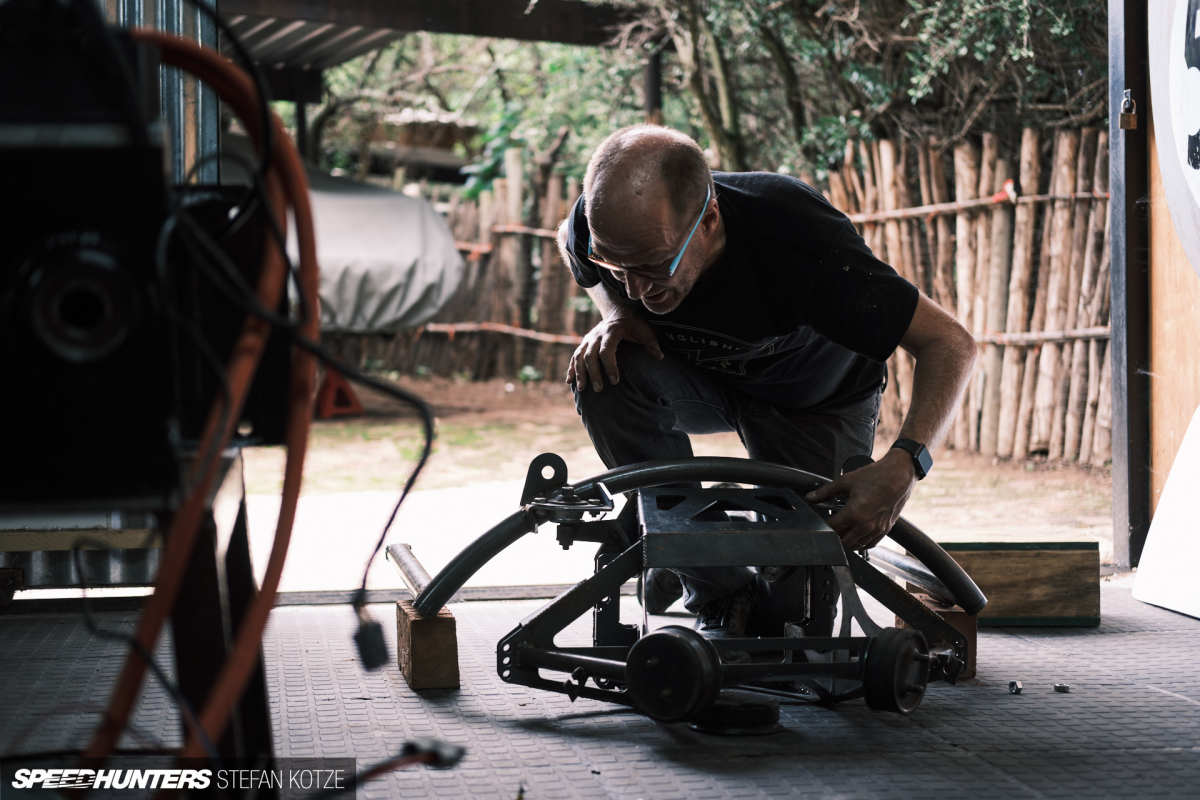
After an amazing F1 career, Anthony recently returned to South Africa to unite his lifetime of experience, passion for engineering, Porsche, and emerging technologies with a company he’s named AbbotEvolution. Its focus: to bring classic cars into the modern era through non-invasive modular electric conversions.

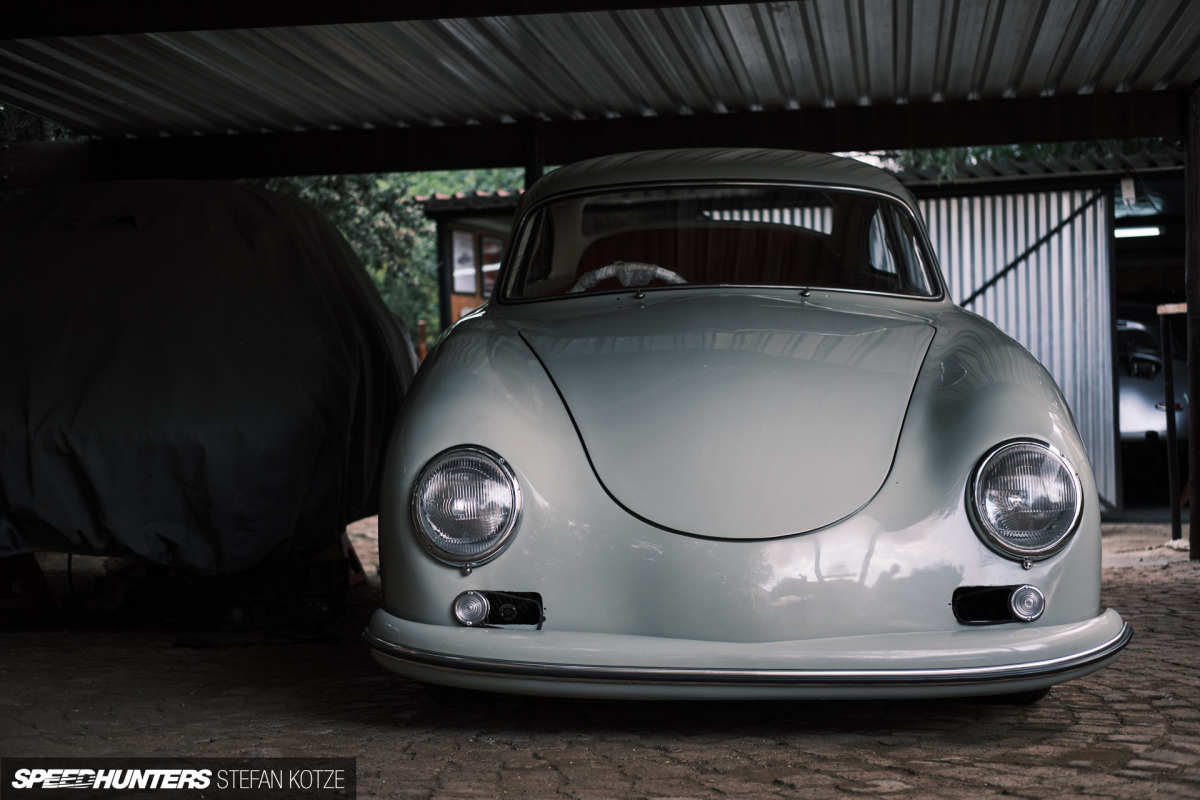
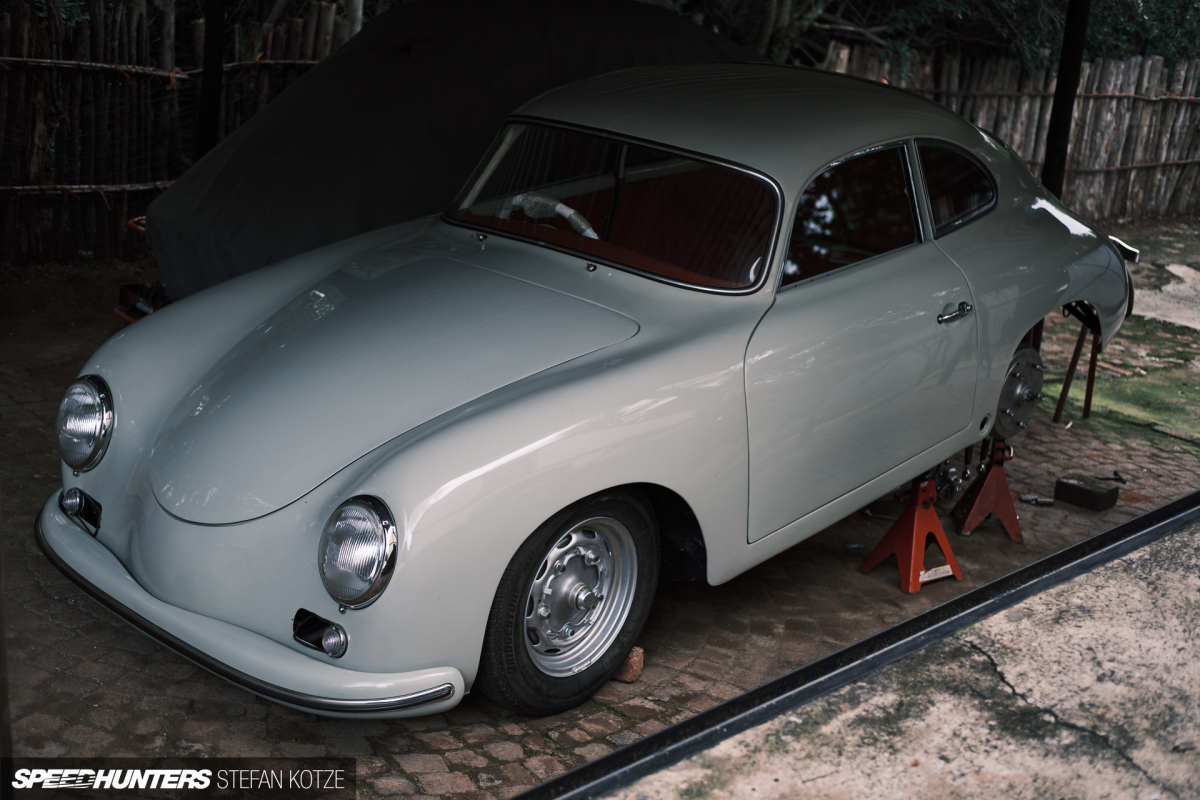
Anthony’s prototype project is a Porsche 356A nicknamed the e56, which is being built in collaboration with his brother Tim. Given the family affinity for all things Porsche, it was only natural that AbbotEvolution started there, however, converting a 356 into an environmentally-friendly, daily-drivable classic car was never going to be easy.

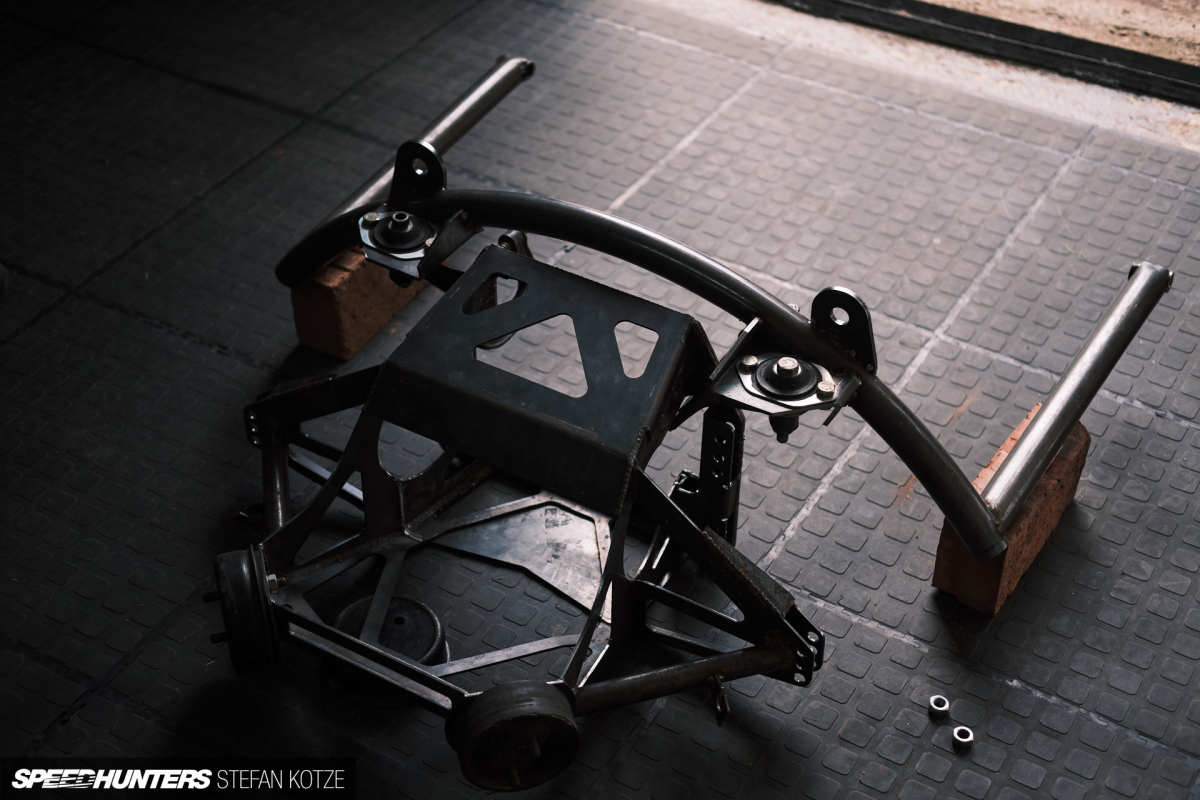
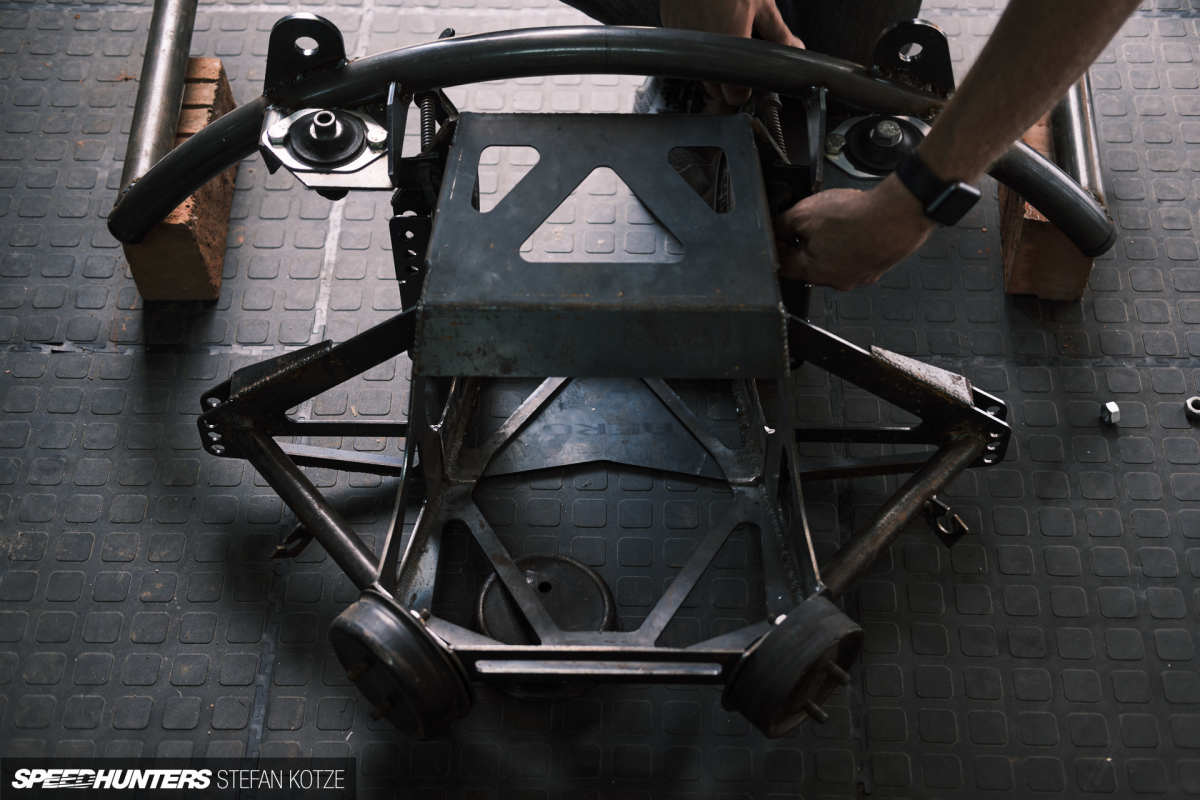

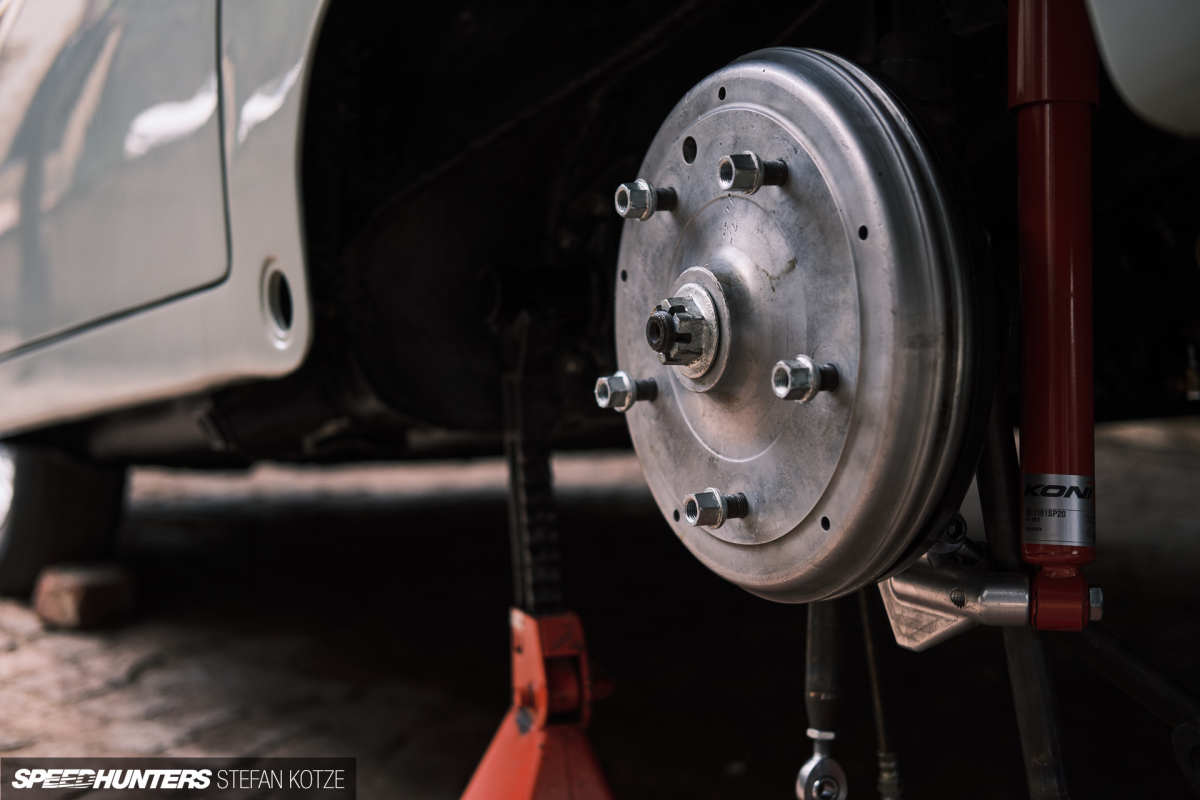
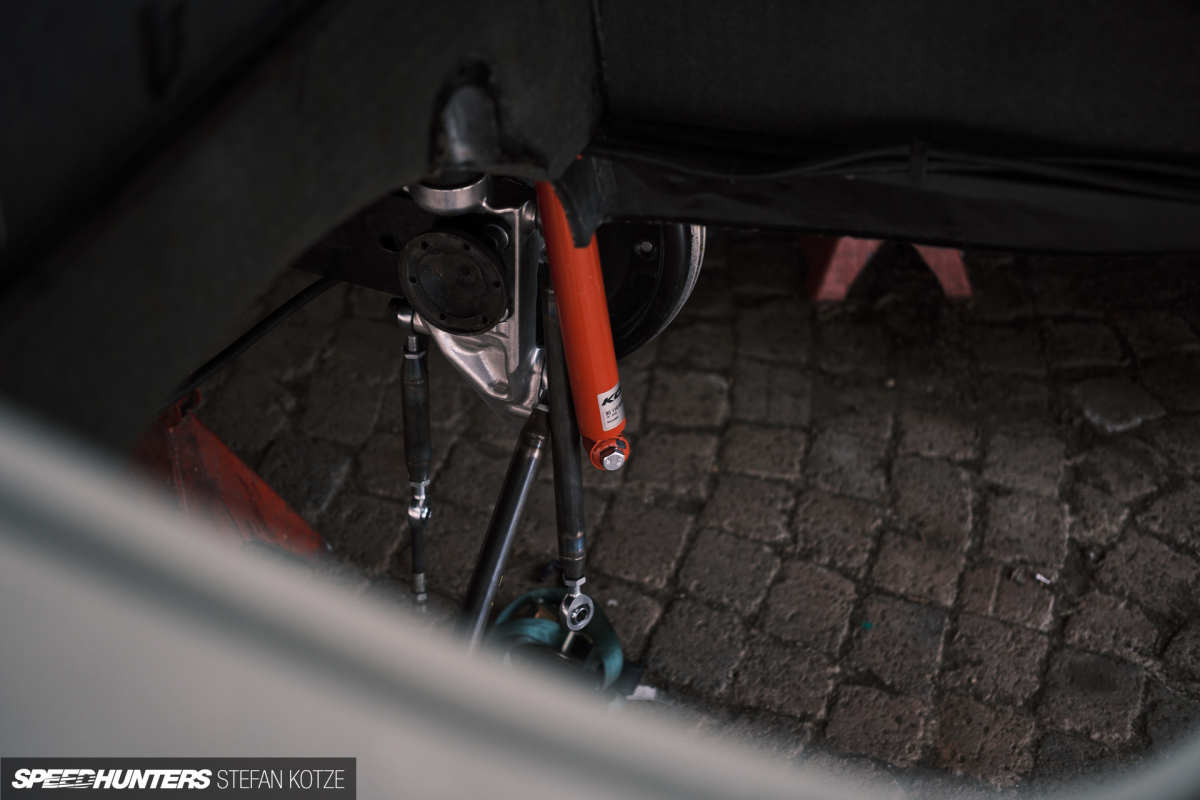

There were two main challenges that Anthony and Tim needed to work through. First, the 356’s rear suspension would need to be replaced outright. Second, and most importantly, the conversion needed to be completed without compromising the original integrity of the classic – something easier said than done when you’re infusing modern technology.
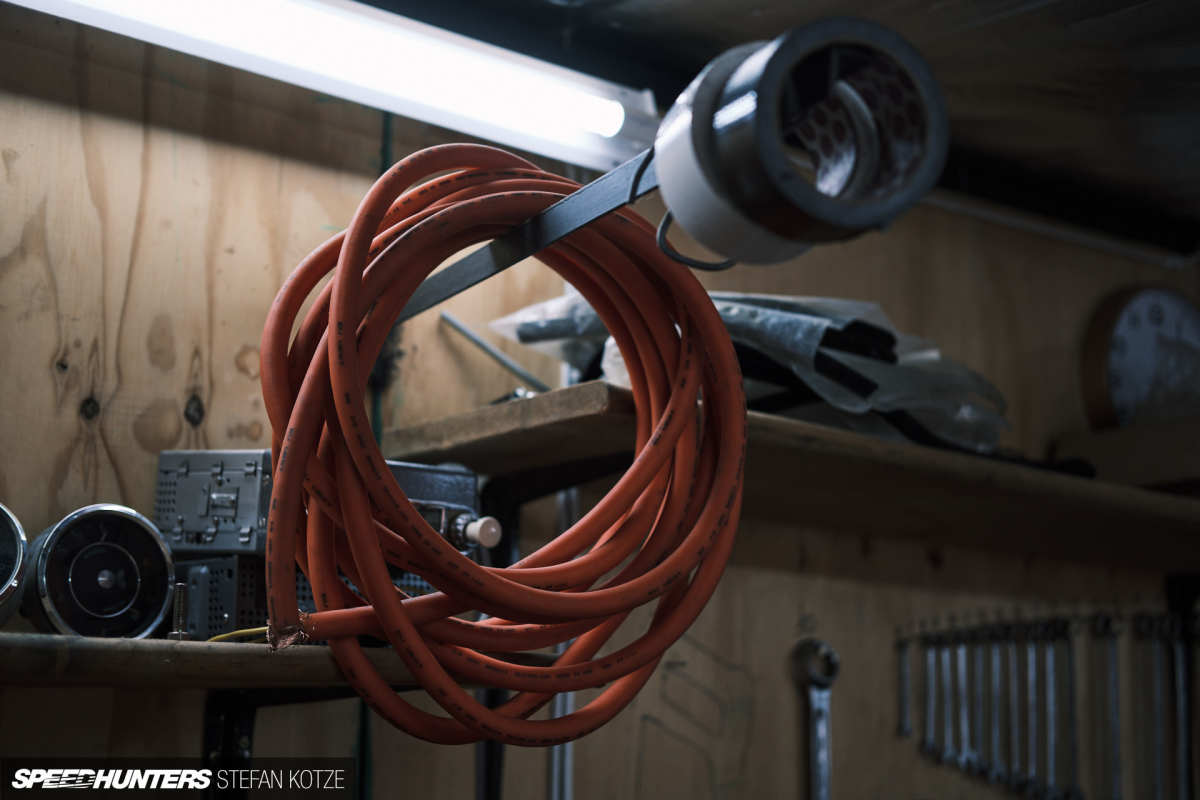
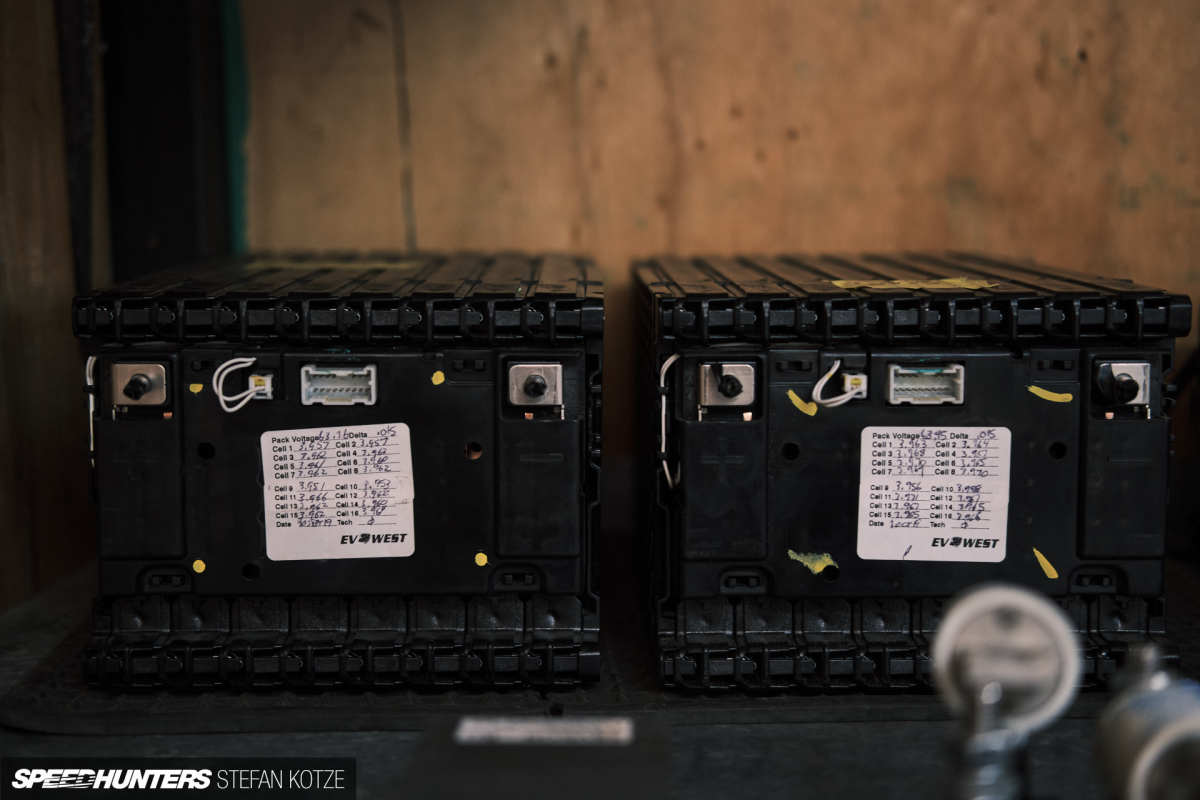
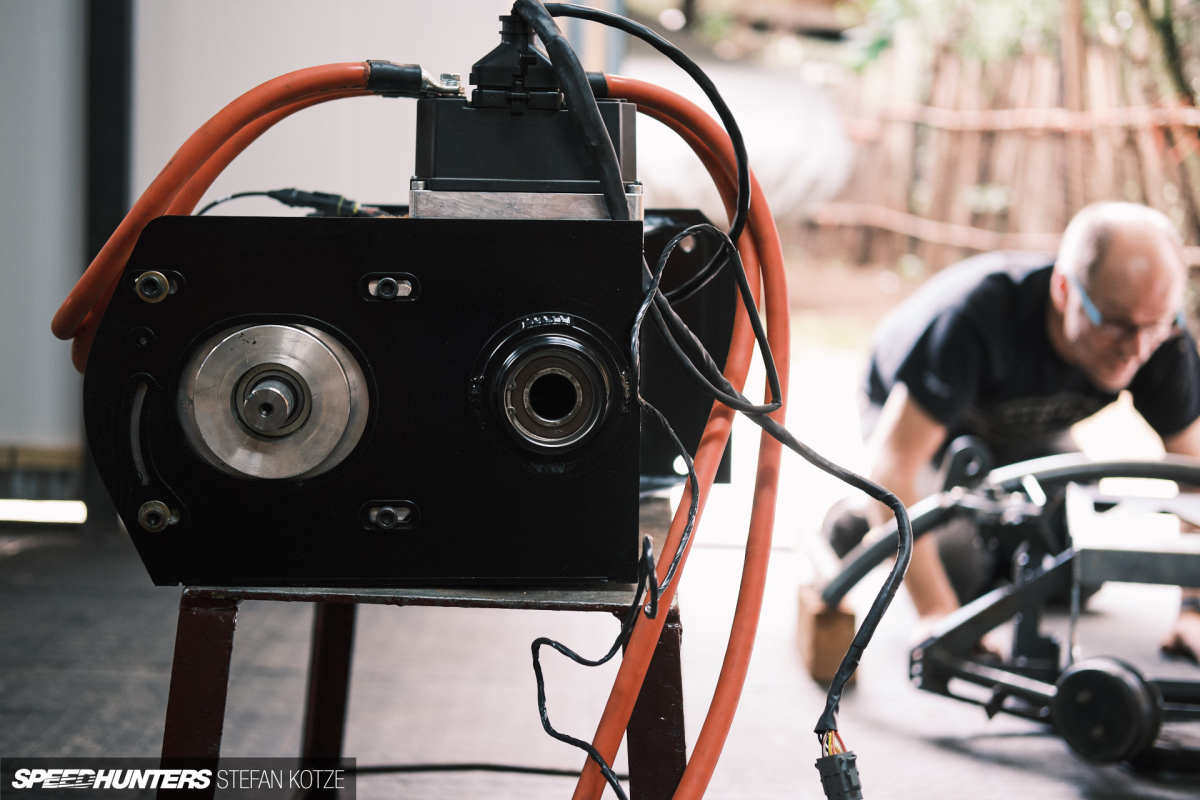

All the EV components chosen for the build are well considered ones. First and foremost, they needed to fit into existing spaces inside the car in a non-invasive way. That means no metal being cut; we’re talking about an original 356A after all. For example, the lithium batteries will fit into a hidden compartment under the front hood, ensuring the look is as factory as it possibly can be.
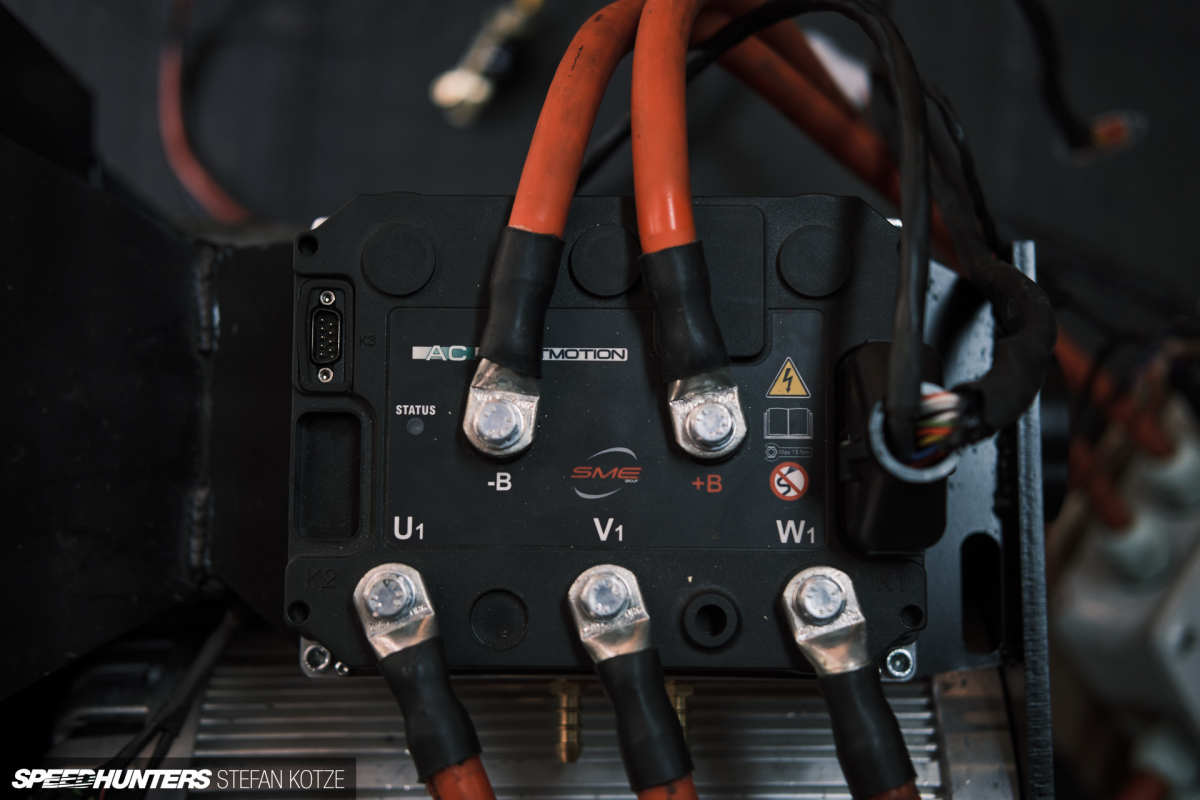
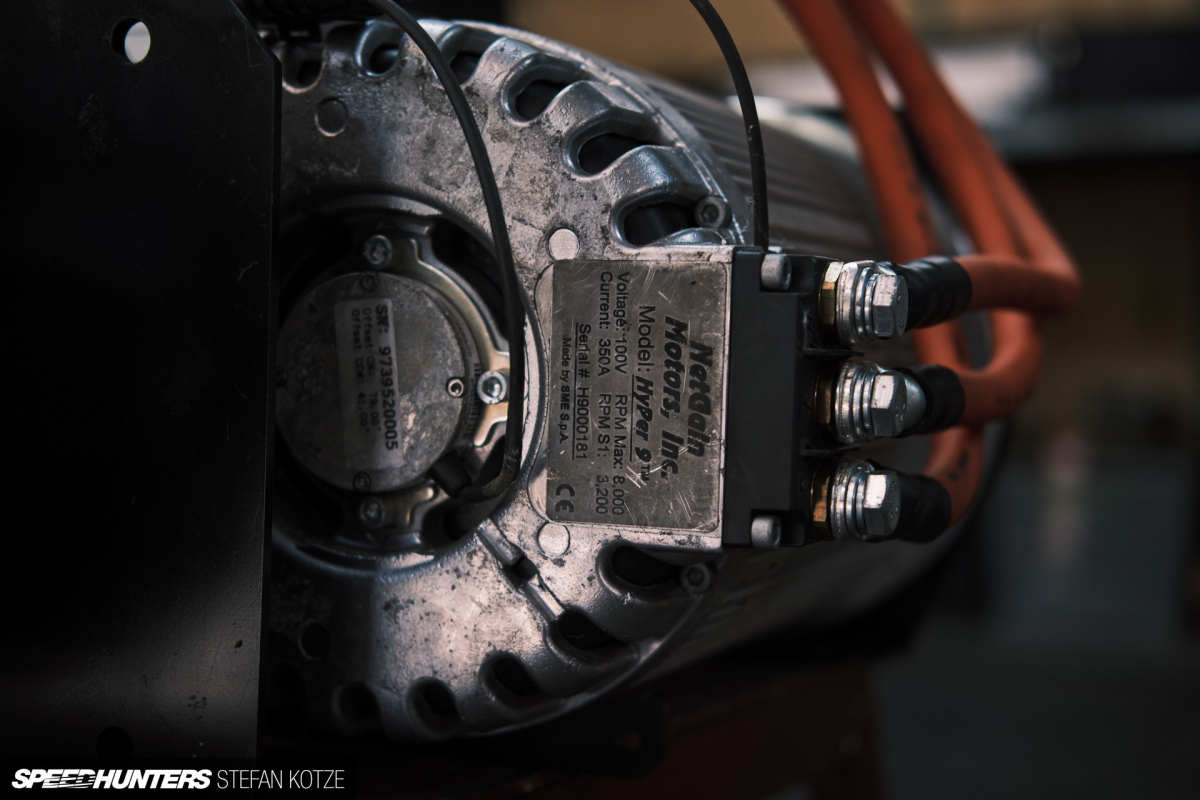
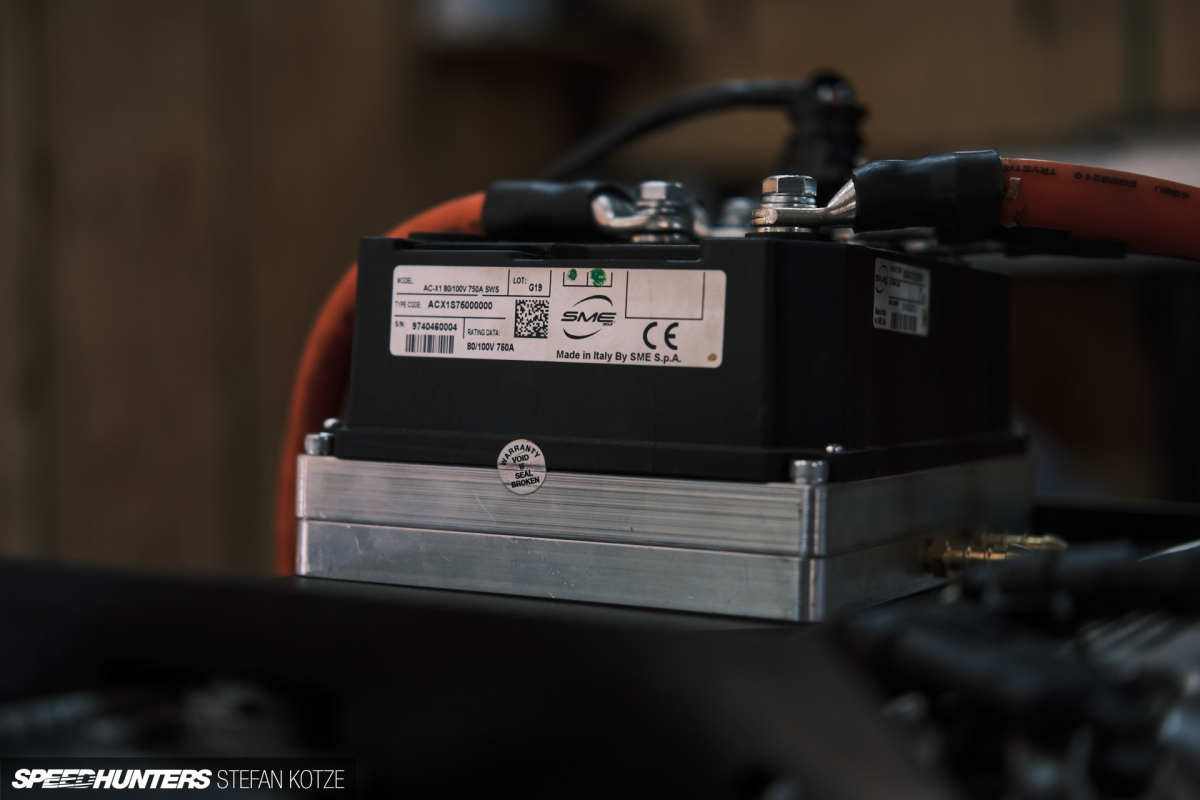

The modifications also needed to be totally reversible, so essentially Anthony has designed a bolt-in kit that does not damage the car in any way, thereby preserving its value.
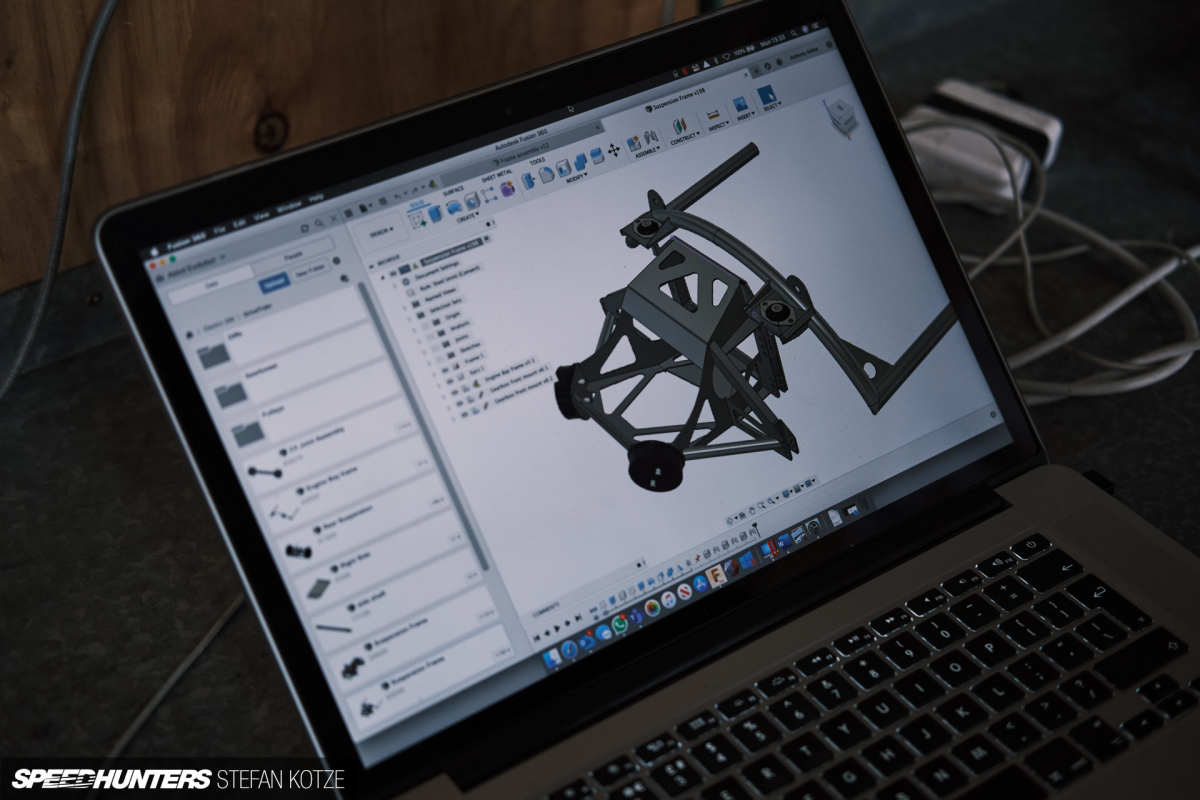
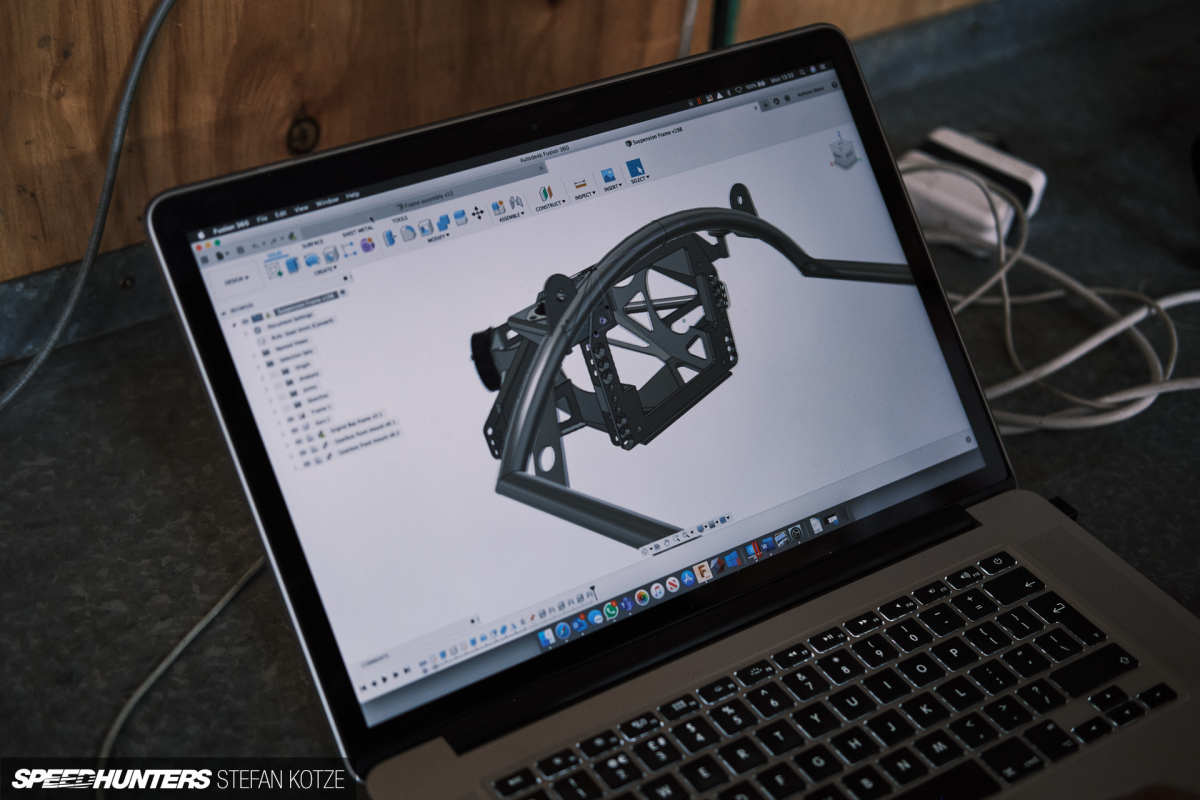

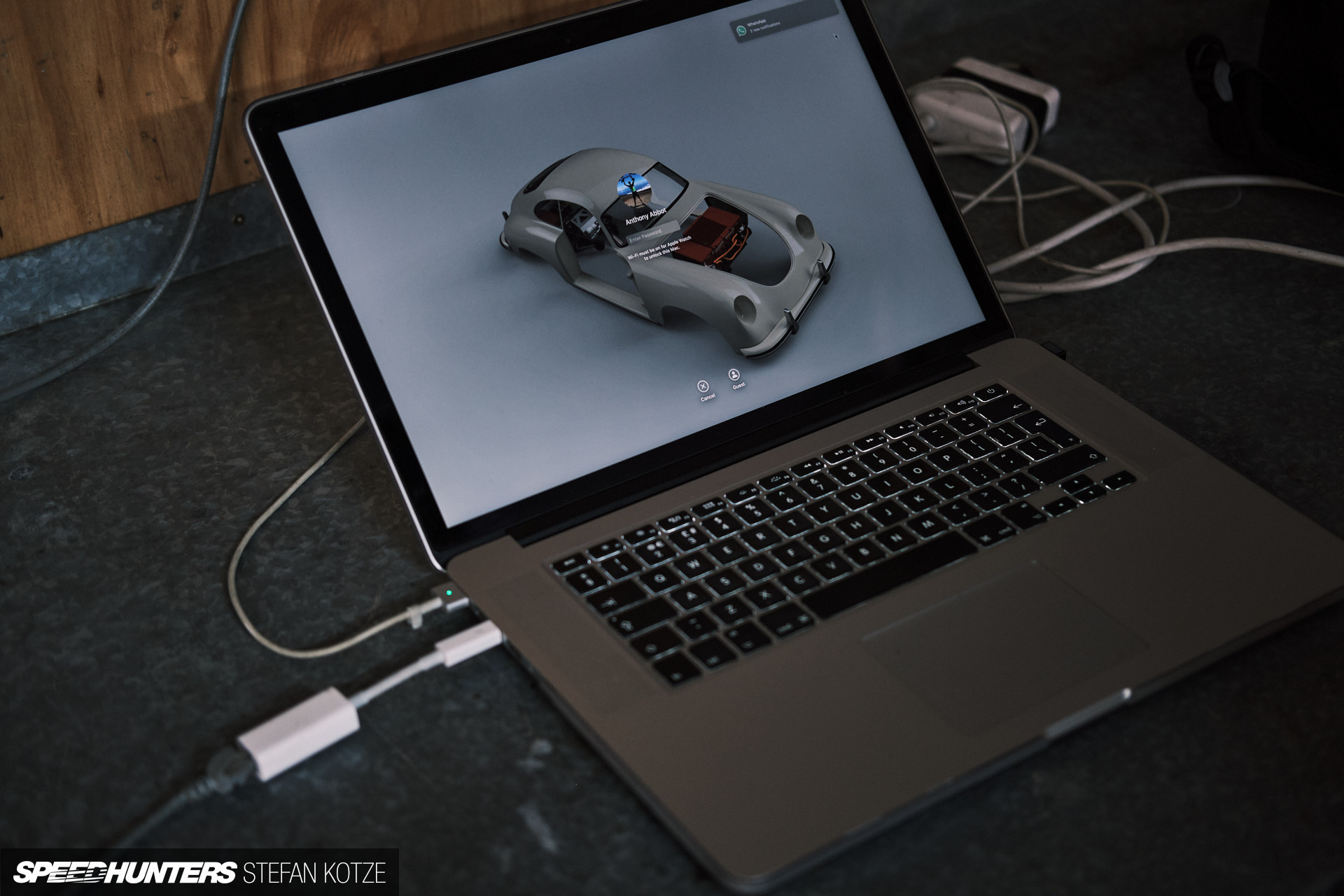
As you’d expect from someone with Anthony’s background and experience, before a single tool was swung in the EV conversion, it was all was mapped out in CAD software. Every last detail, no matter how minute, has been taken into consideration.

Anthony does every bit of work that he can himself, ensuring that everything is up to the standard you’d expect of an ex-F1 engineer.

He’s also thinking further ahead, designing a display stand that any engine removed for a EV conversion can be mounted in. This way, owners can keep their original engines safe and show them off at the same time.
Currently, Anthony’s workspace is located on the same property as Tim’s, making it really easy for the brothers to bounce ideas off each other and share their skillsets.
AbbotEvolution isn’t only working on EV conversions either. Anthony is applying his talents to other high-tech pursuits, including engine manifold design and aerodynamics. He’s heavily involved in the 3D printing/additive manufacturing of unique parts, both for electric cars and some of Tim’s projects.
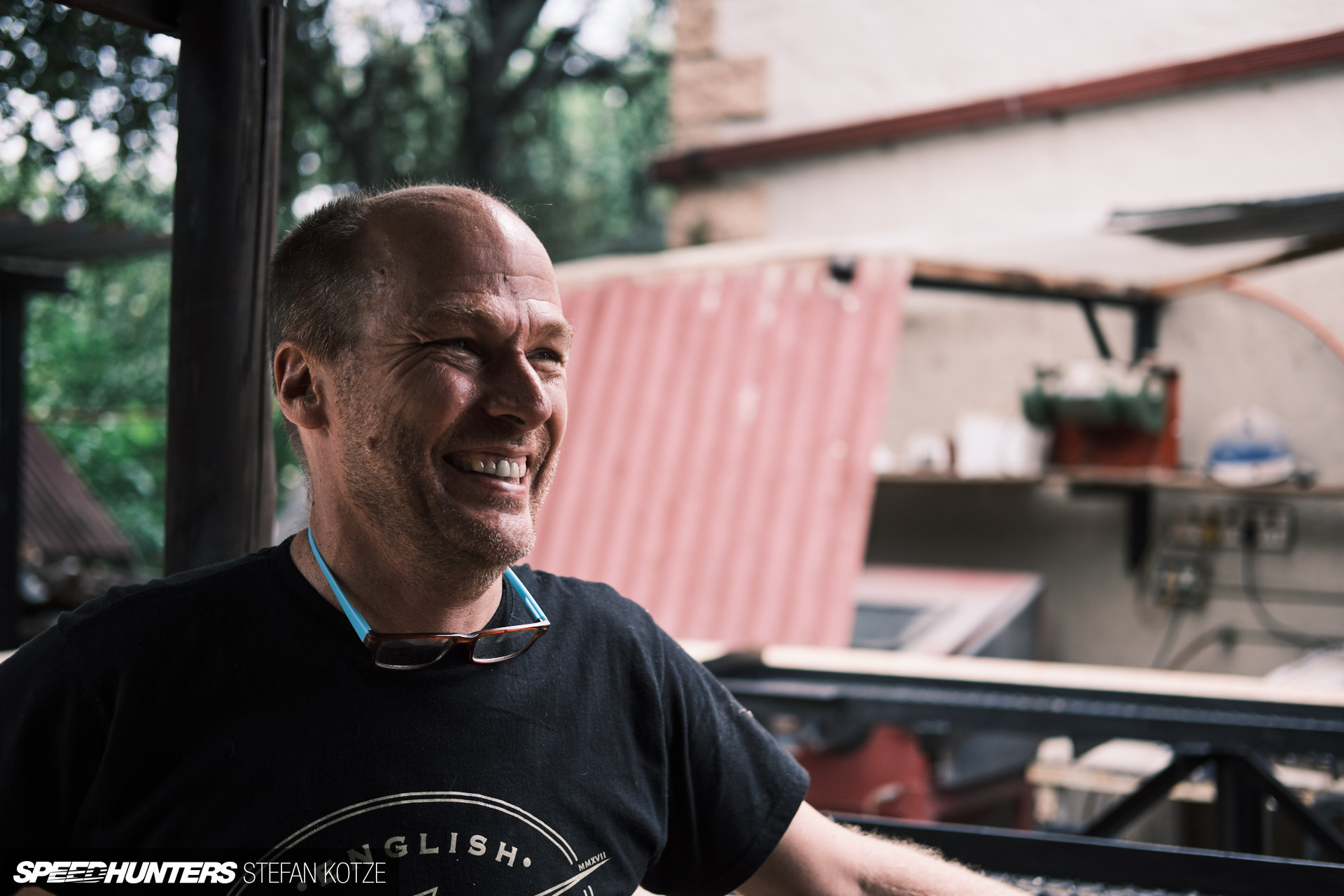
During these uncertain times, Anthony’s also leveraging his close connections with the Mercedes F1 team to critically evaluate ventilators in collaboration with Wits University and the South African government.
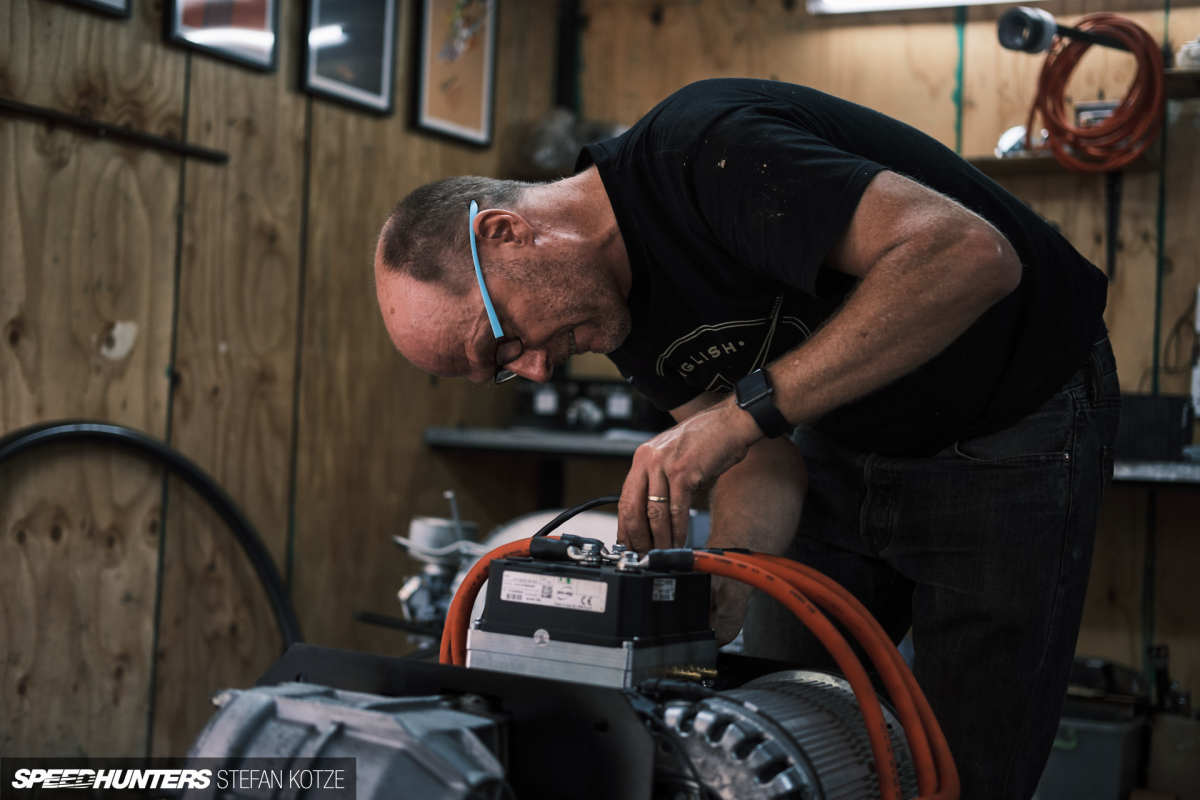

AbbotEvolution seeks to raise the bar for EV conversions to classic cars, and I think they’re off to a really good start. The e56 project is currently undergoing road-testing, and you can bet I’ll be heading back to see Anthony and Tim for a drive and a more detailed look when the time comes. I’m especially interested in how well it performs, but I’m sure that I won’t be disappointed in that respect.
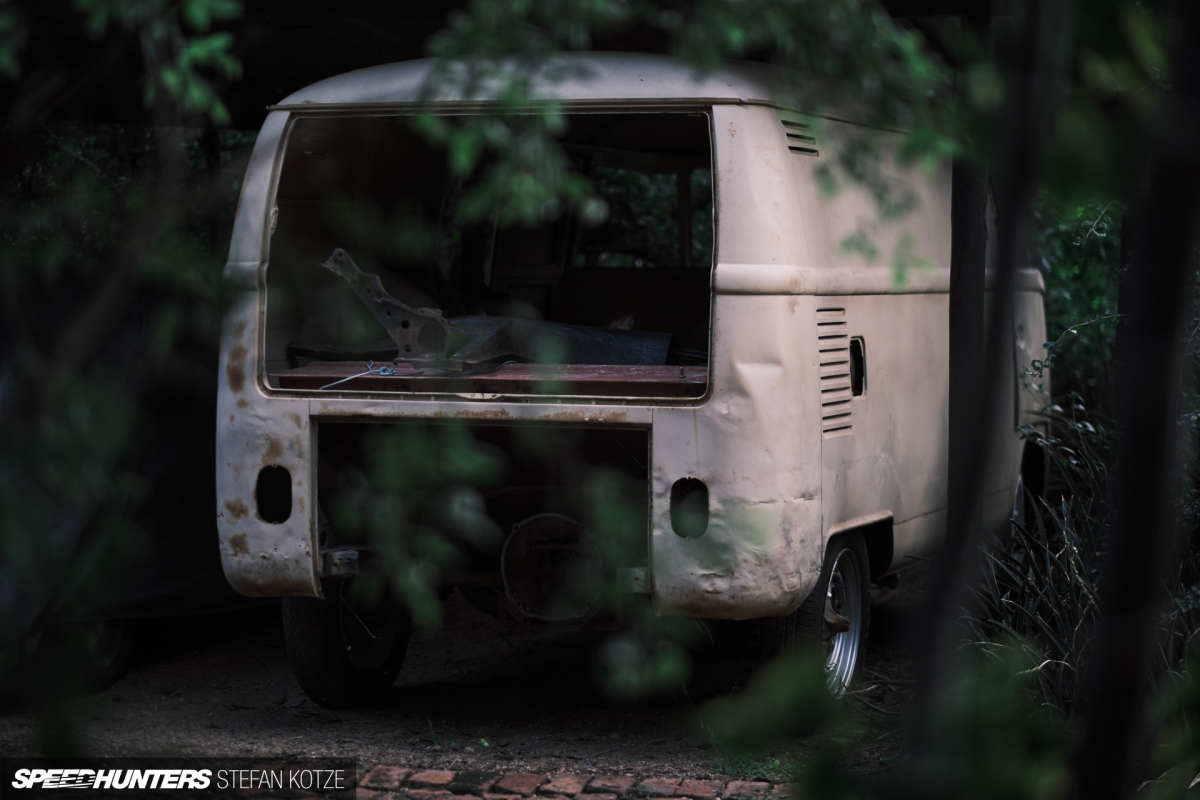
Anthony already has his sights set on the next AbbotEvolution build, which will likely take the form of a Type 2 Volkswagen, better known as a Bus. Taking these classic air-cooled icons and bringing them into the future is something I can’t wait to see more of.
Stefan Kotzé
info@stefankotze.com
Instagram: stefankotzephoto
www.stefankotze.com