
I’ve heard and read it all before as I’m sure you have too; people dismissing the Volkswagen Golf GTI as boring or plain, as if it’s some sort of original hot take. But to do so, is to completely miss the point of the car. That is, it’s the one car to do all things.
Yes, there are faster cars, more economical cars, more practical cars, and even more engaging cars to drive. But, are there any that can do all of these aforementioned things as well as the Golf GTI? If there is, would it even exist in the first place if it wasn’t for the GTI?

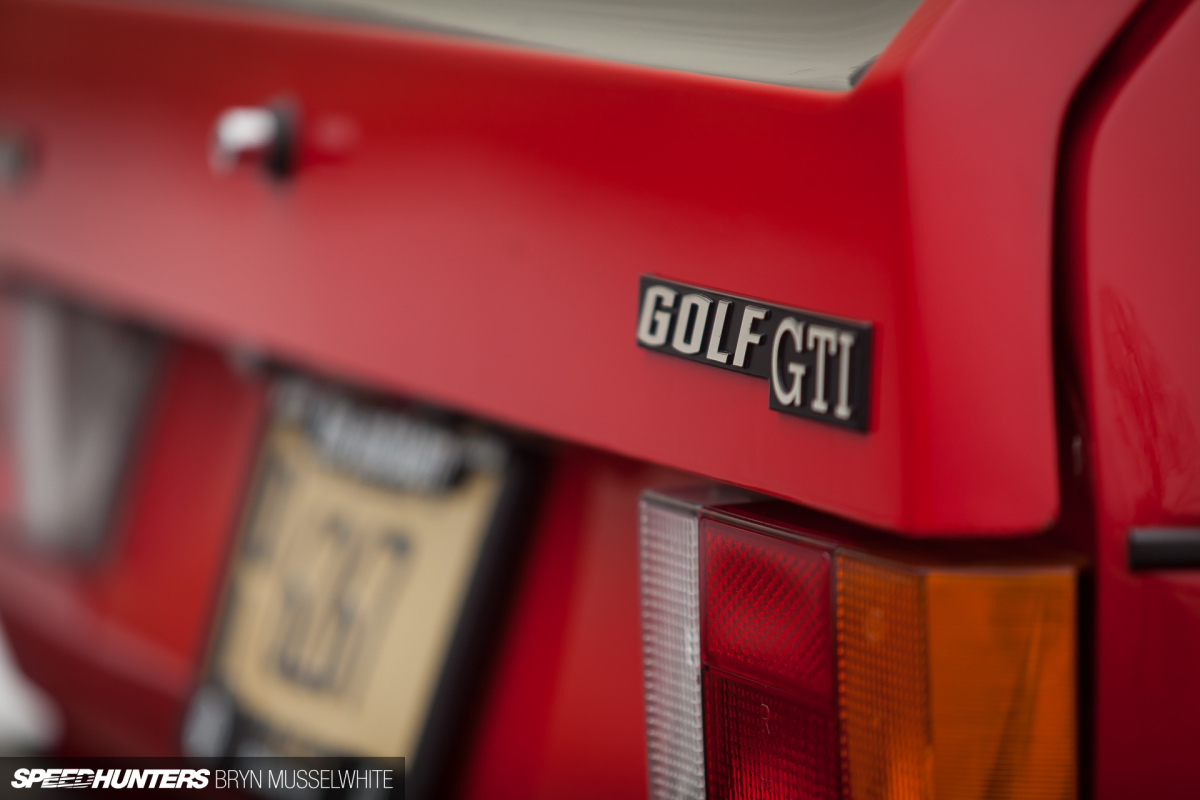
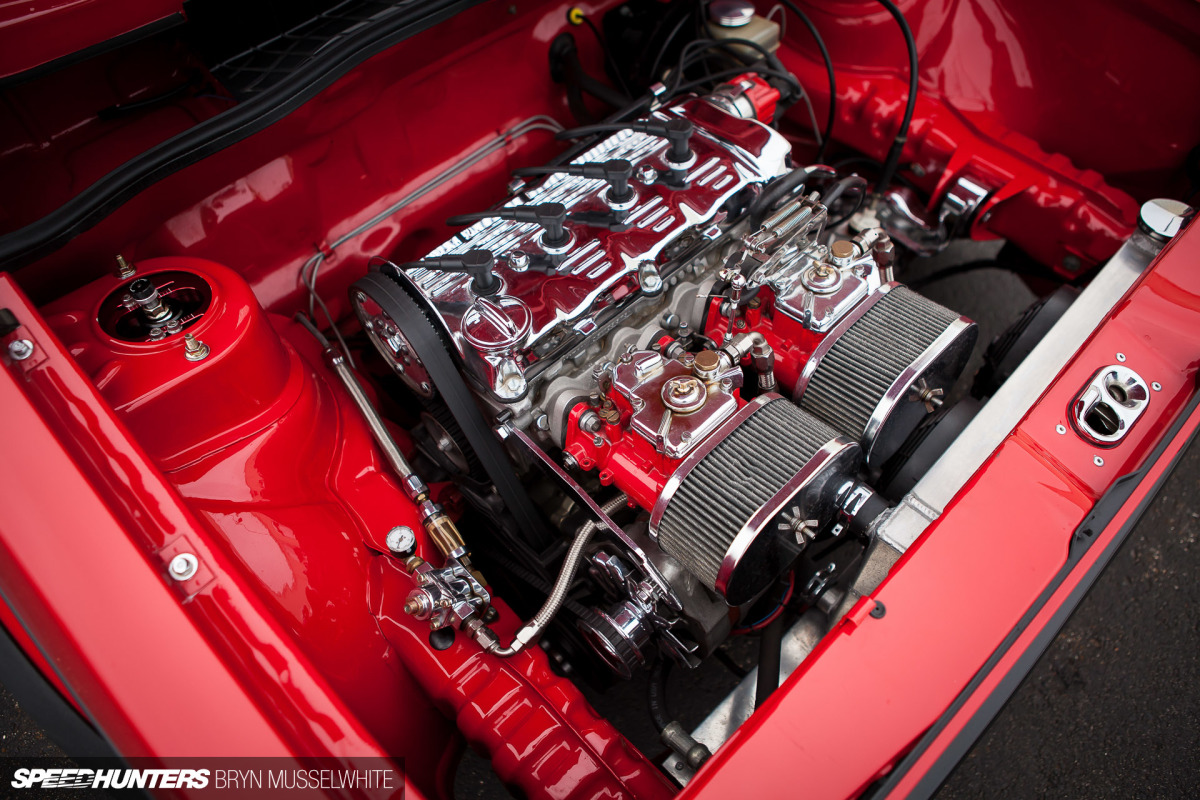
For me, the best part of any Golf GTI is that it represents the ultimate base car to modify and shape into whatever you desire. Regardless if it’s an original Mk1 or the soon-to-arrive Mk8, there are few better cars to start with for a project.
GTIs are capable of becoming track day specials, refined show cars, or a little bit of both, depending on what you fancy.

I’ve pored over and photographed so many examples over the last decade-plus, that it has got to a point where they almost stop being Volkswagens entirely, and start to become an extension of each owner and builder’s unique personality.
The Volkswagen bit is just the main ingredient, or the canvas if you’ll allow me that cliché.




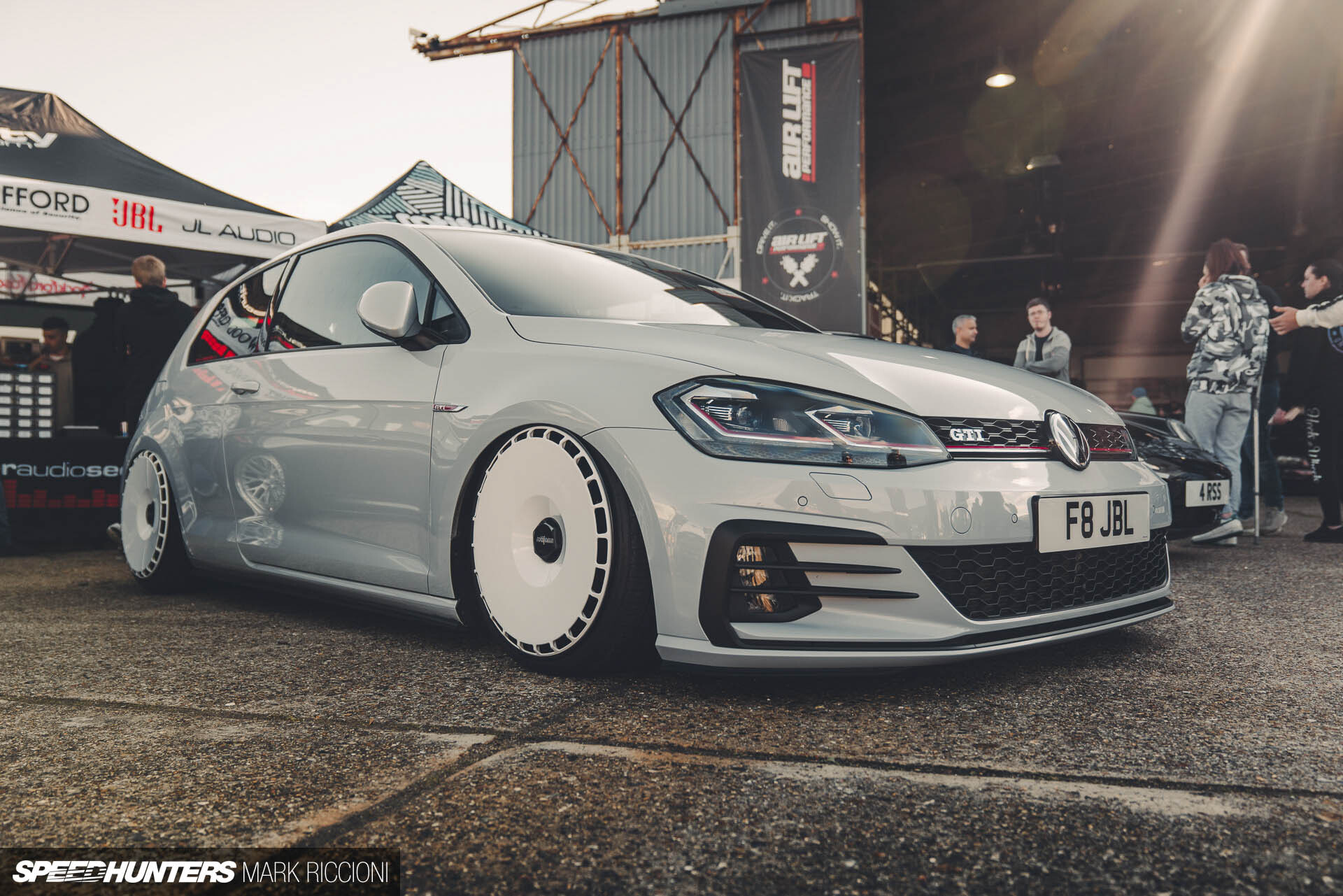
The subtle and often restrained evolution of the GTI over the years has ensured that the ‘old’ model is never really outshone by the latest arrival. GTIs age gracefully, and with dignity, and as such there is no real urge from within the community to always have the latest and greatest model. It’s all about what you do with what you have.
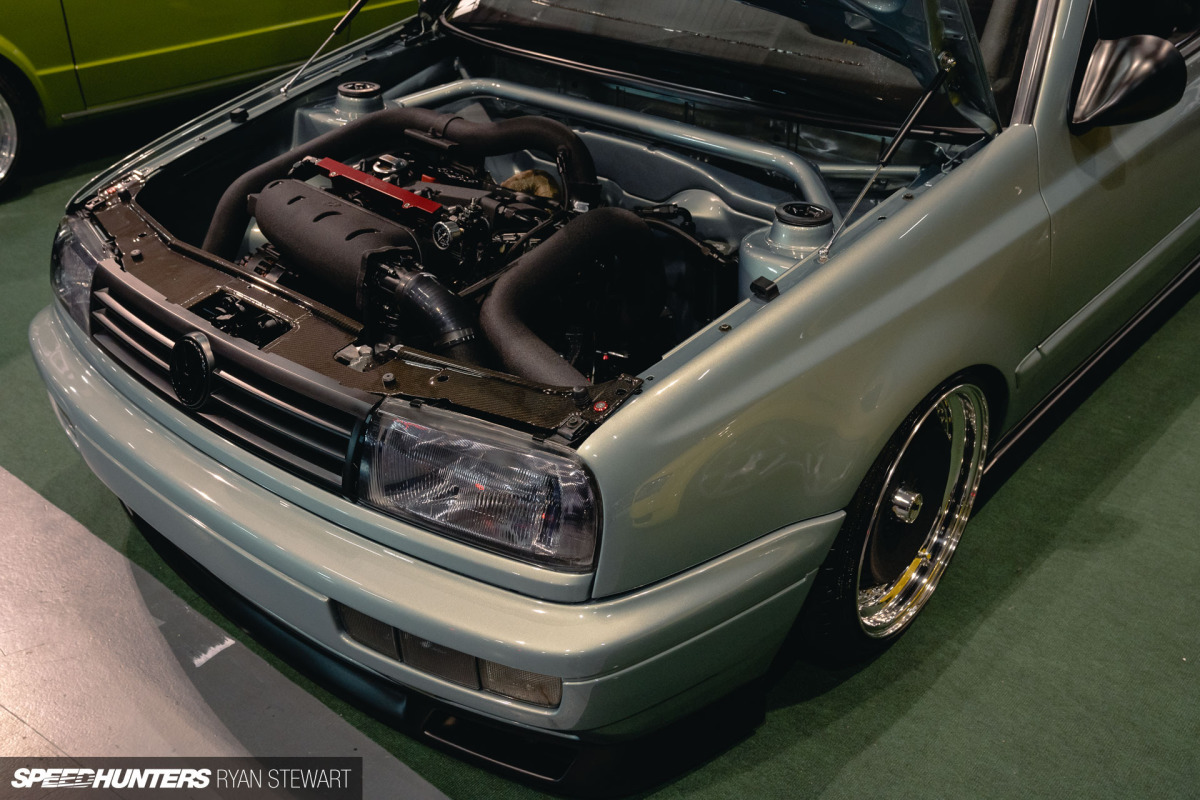
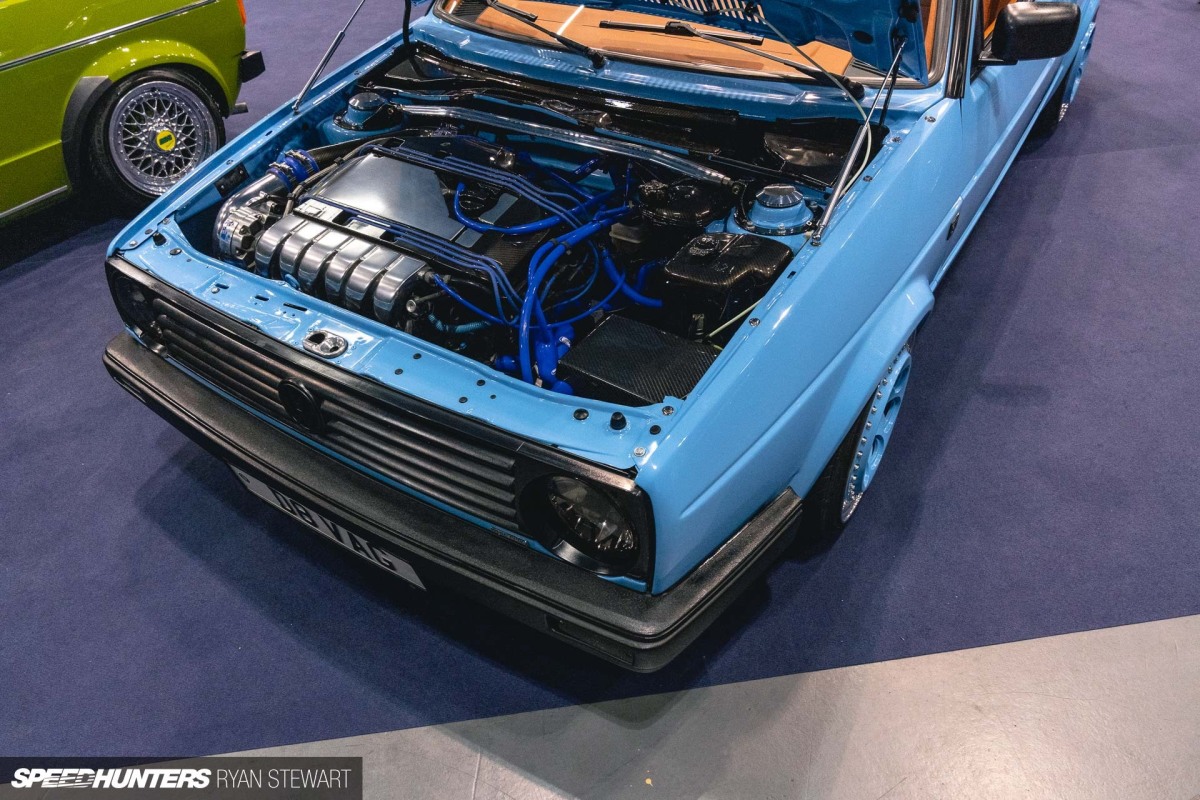
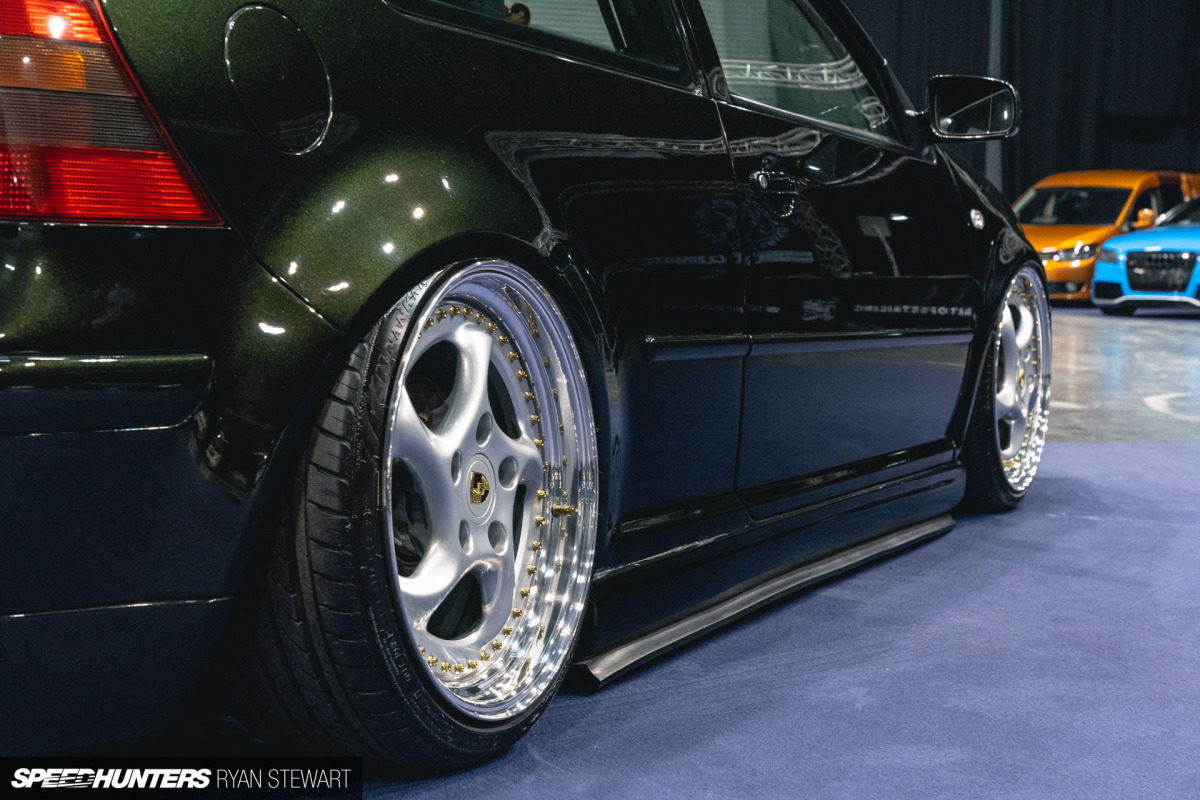
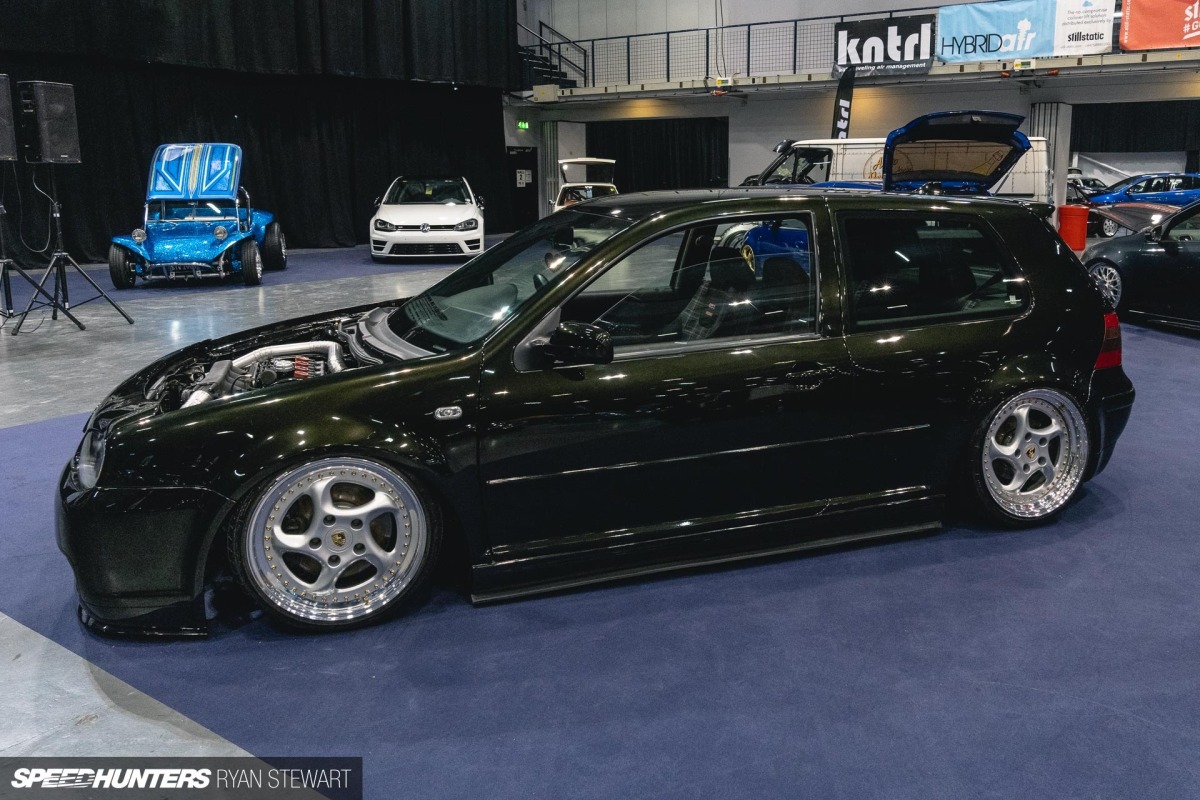
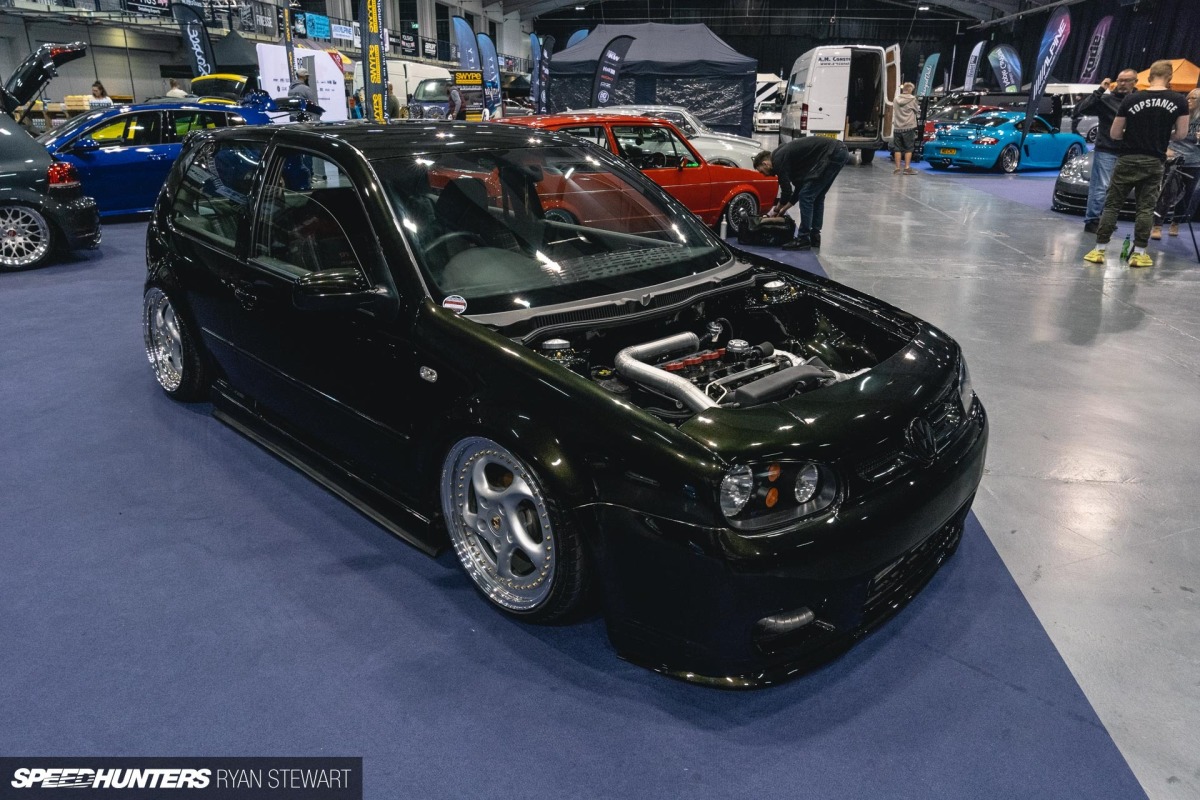
This goes a long way towards helping to keep the community tight; there’s a mutual respect and appreciation between owners, even if there’s 40 years between their respective cars.
It’s probably why the Volkswagen community remains so strong today, something which isn’t always the case within others.

Even with my own humble Project GTI, having owned it five years at this stage, I still can’t find anything to replace it with that would warrant a significant financial outlay. Well, with the exception of a newer GTI, but then I’d just be starting the process all over again.
It might have taken some time, but the platform allowed me to achieve exactly what I wanted with minimal compromise. The long and short of it is that I wanted to extract as much performance from the car as I could, without interfering with its abilities as my daily driver. Seeing that it remains in daily duties and happily brings the groceries home or takes the mountain bike to the local trails, while still offering enough to keep me on my toes at a track day, I’d say that it’s been a fairly successful endeavour.

One of the most significant modifications I’ve made to the car, which ensured that it retained its practicality and performance, was running the car on Air Lift Performance 3H. Having never owned a car on air before, or even having driven one actually, I did have my reservations as to what I should have expected post-installation.
From that first drive though, I knew it was the right decision.

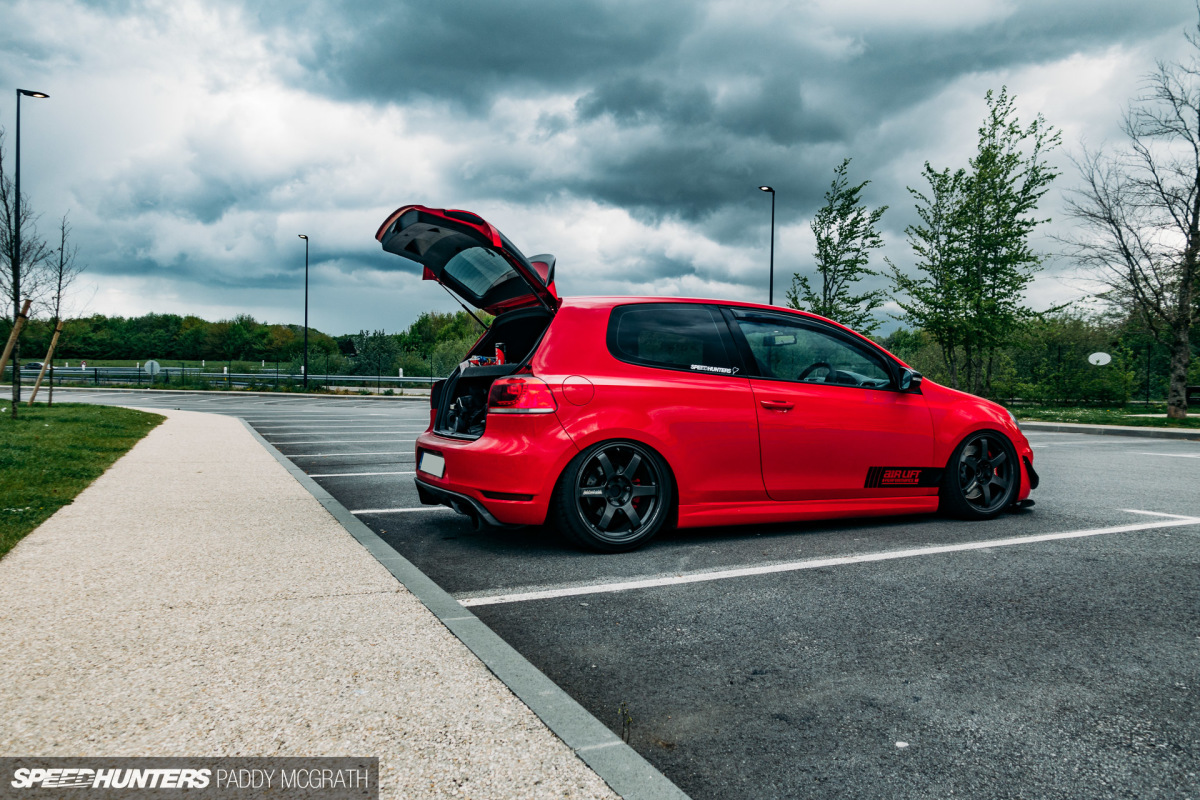
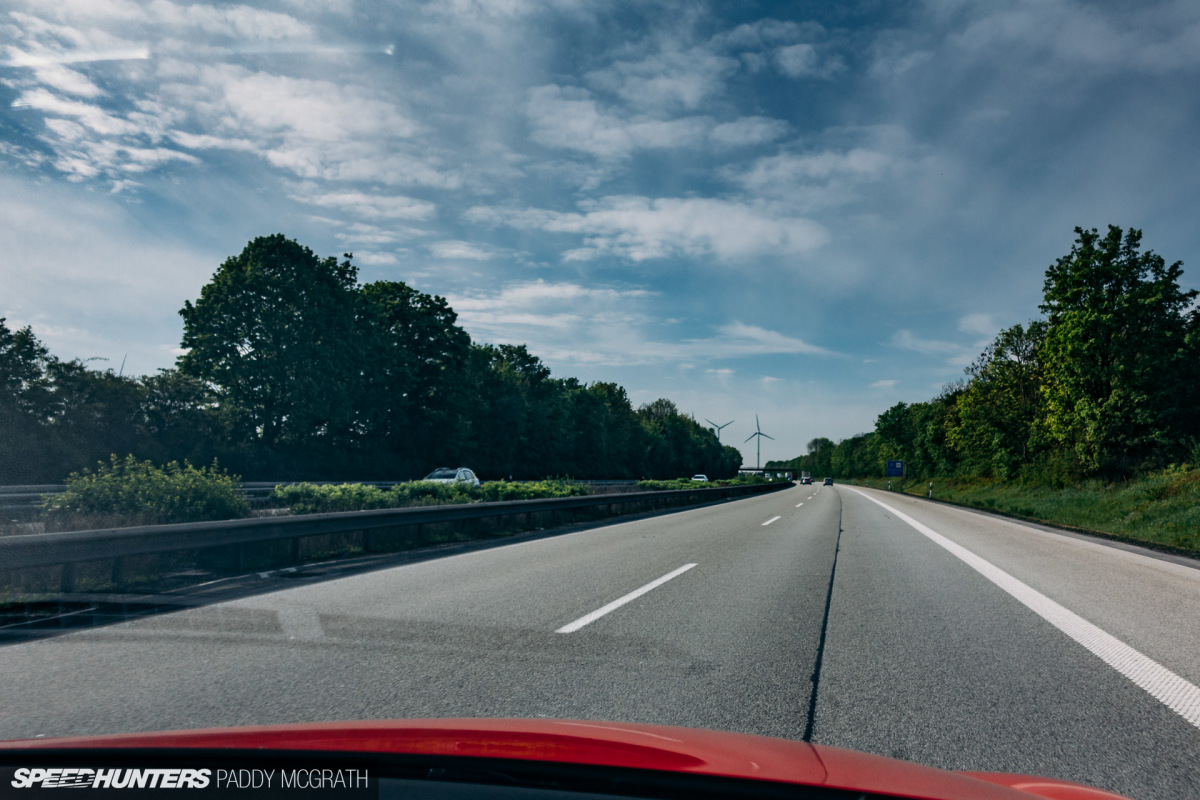
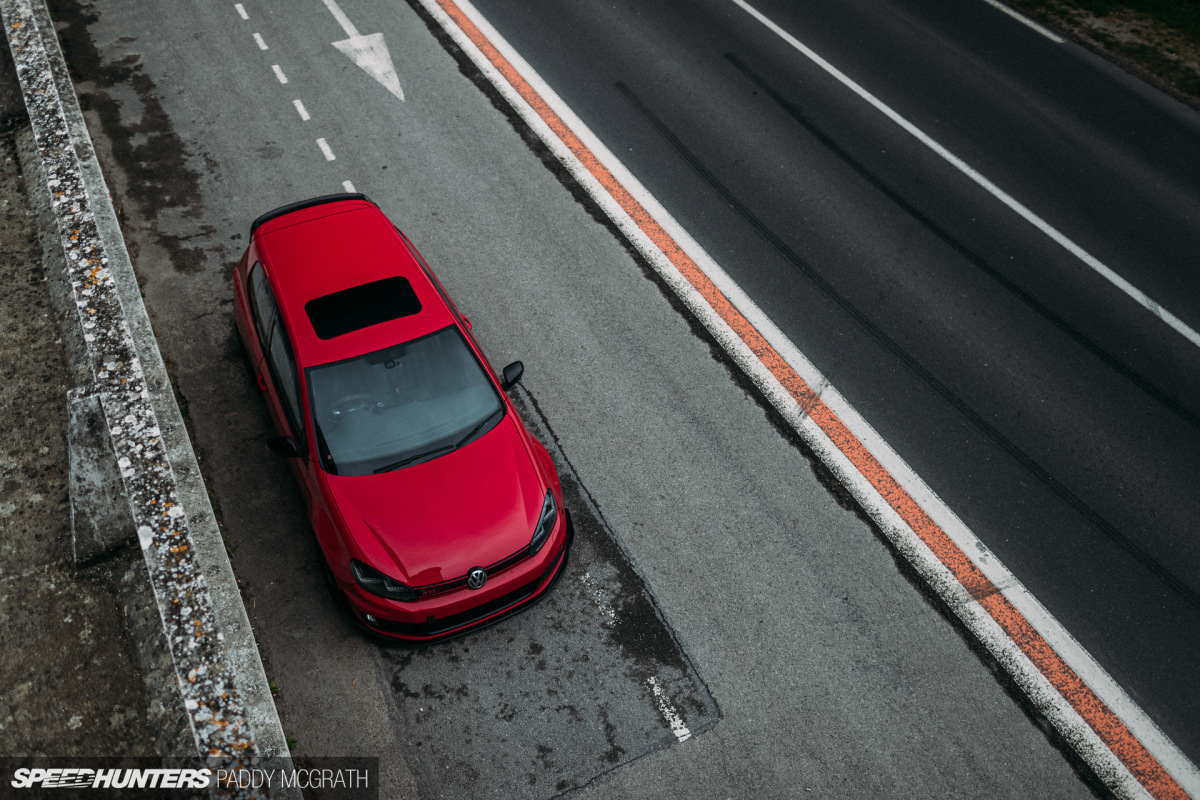
Since install, I’ve put up over 70,000km on the car, completed hundreds of laps on track without making a complete idiot of myself, aired-out for countless car shows, hit the guts of 170mph (273km/h) on the autobahn, lapped the Nordschleife multiple times, explored most of western Europe in it, and all while using the car day-to-day.
It has never once come unstuck.

In the four years it has been on air, I have noticed that people have a lot more knowledge around air suspension. At first, the questions were typically along the lines of ‘does it drive good?’ whereas now the questions tend to be focused on specific parts and details of the installation as they plan their own setup.
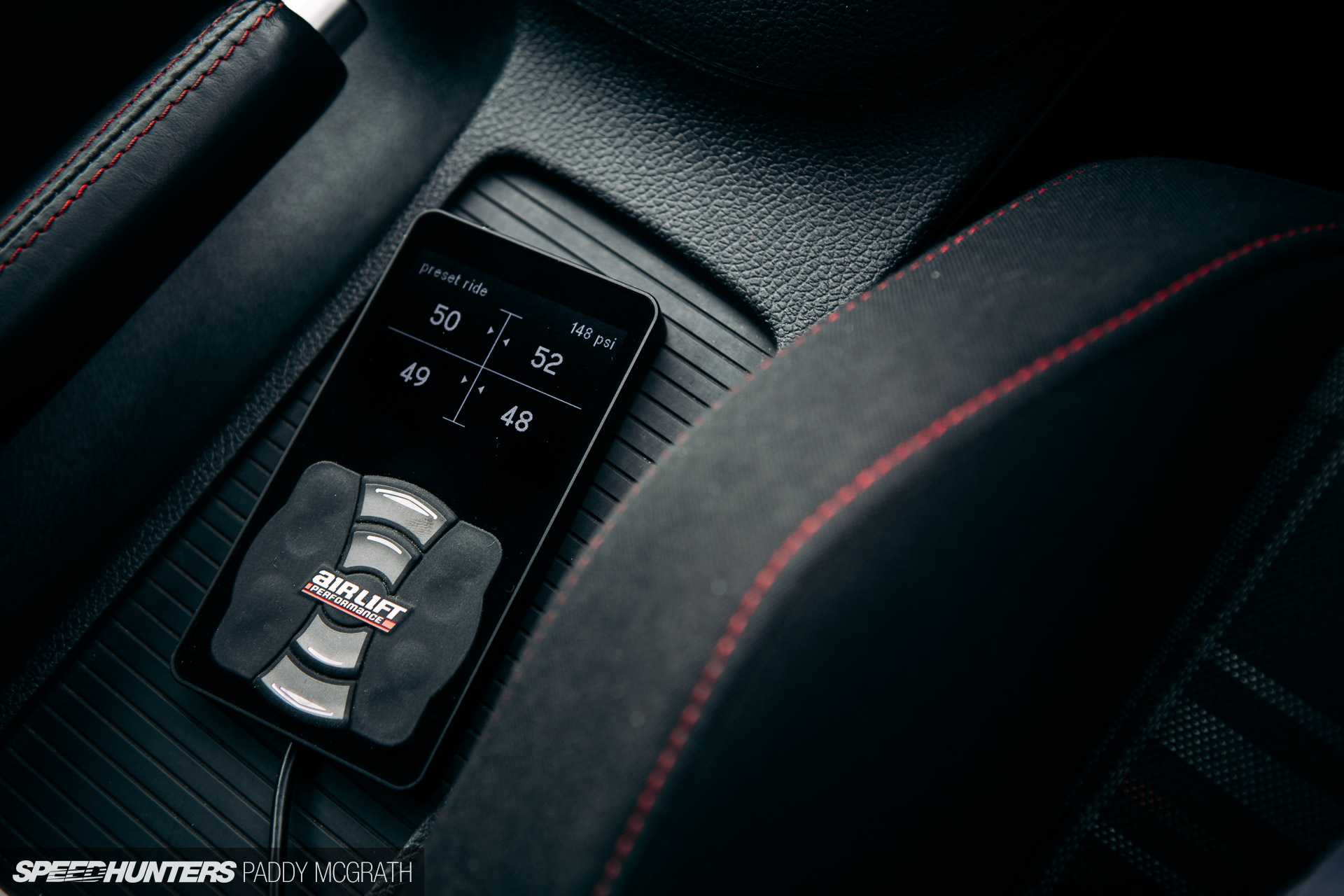
The advice I normally give is that digital management is an absolute must, and if you can’t add height sensors from the get-go, budget to add them at a later stage. The difference between a car on digital management like 3P, or with added height sensors like 3H, and a car on manual controls with no height sensors is absolutely night and day.
Other than that, take the time during installation to do everything right. Have a plan in place for where everything will go, measure twice, install once. Since the install, we’ve never had to modify a single thing or even adjust the height of a bag on its strut. I spent the first few weeks playing with pressures, presets and damper settings and they’ve remained pretty much the exact same ever since.
Get in car, turn key, rise up, drive. Every time.

Some might still bemoan that it’s not the last word in outright performance, while at the same time ignoring the fact that I drive a car with a full interior, sound system, and air-conditioning, which in total weighs over 1,400kg (3,086lb). If I absolutely need to extract more performance from the car, there are a lot of other areas which I can turn to first.
Not to mention that if the car was static, I wouldn’t be able to get it out of the underground car park it resides in these days at its fairly conservative driving height…
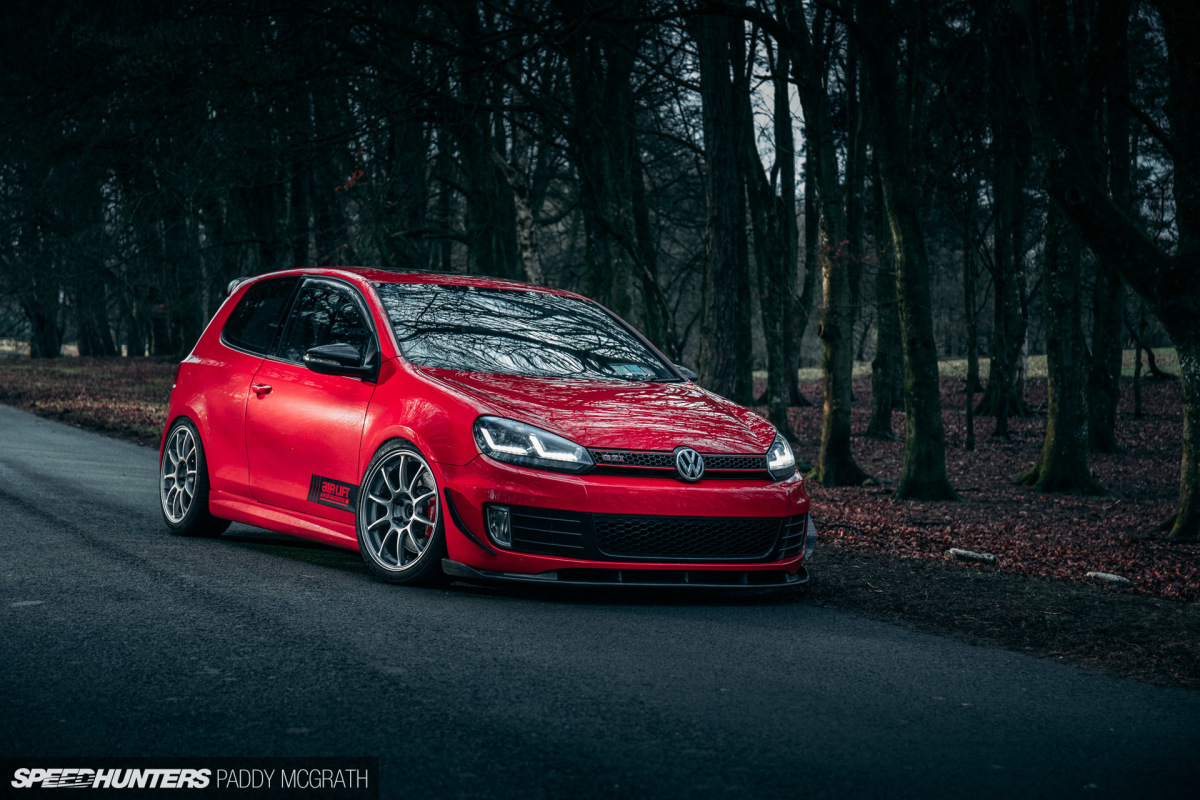

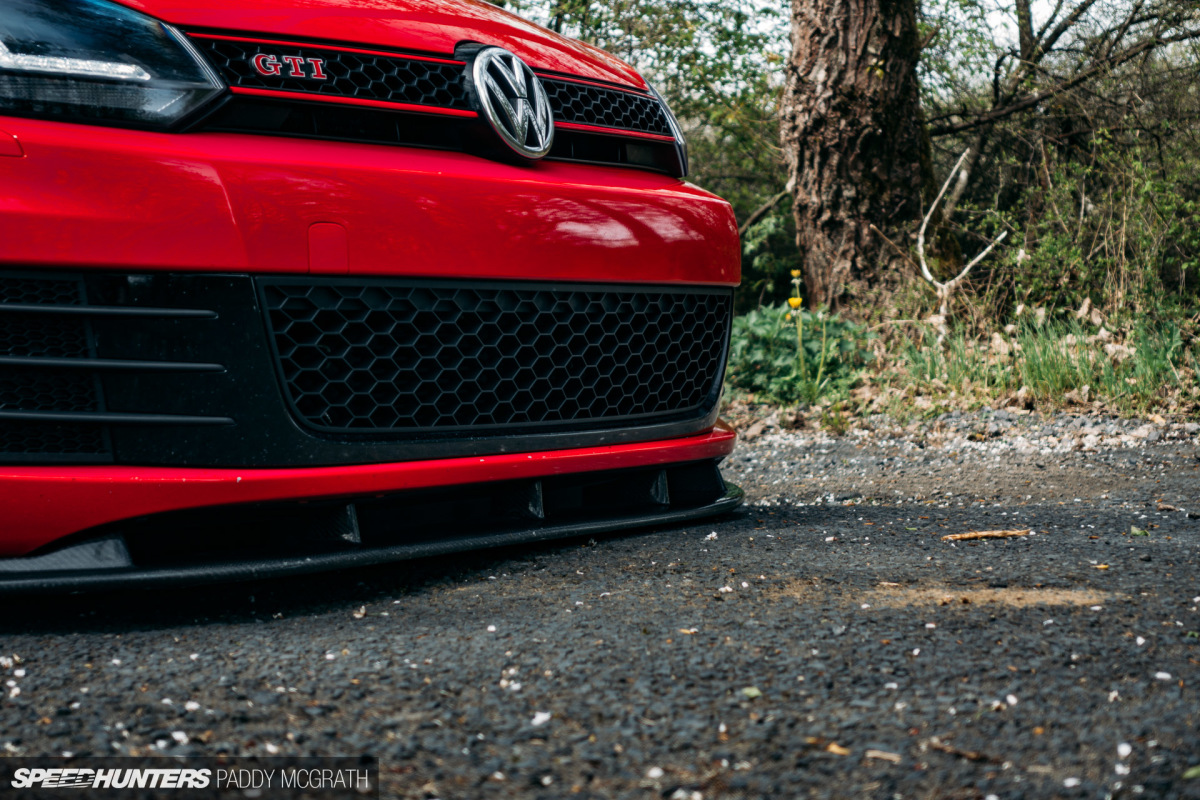
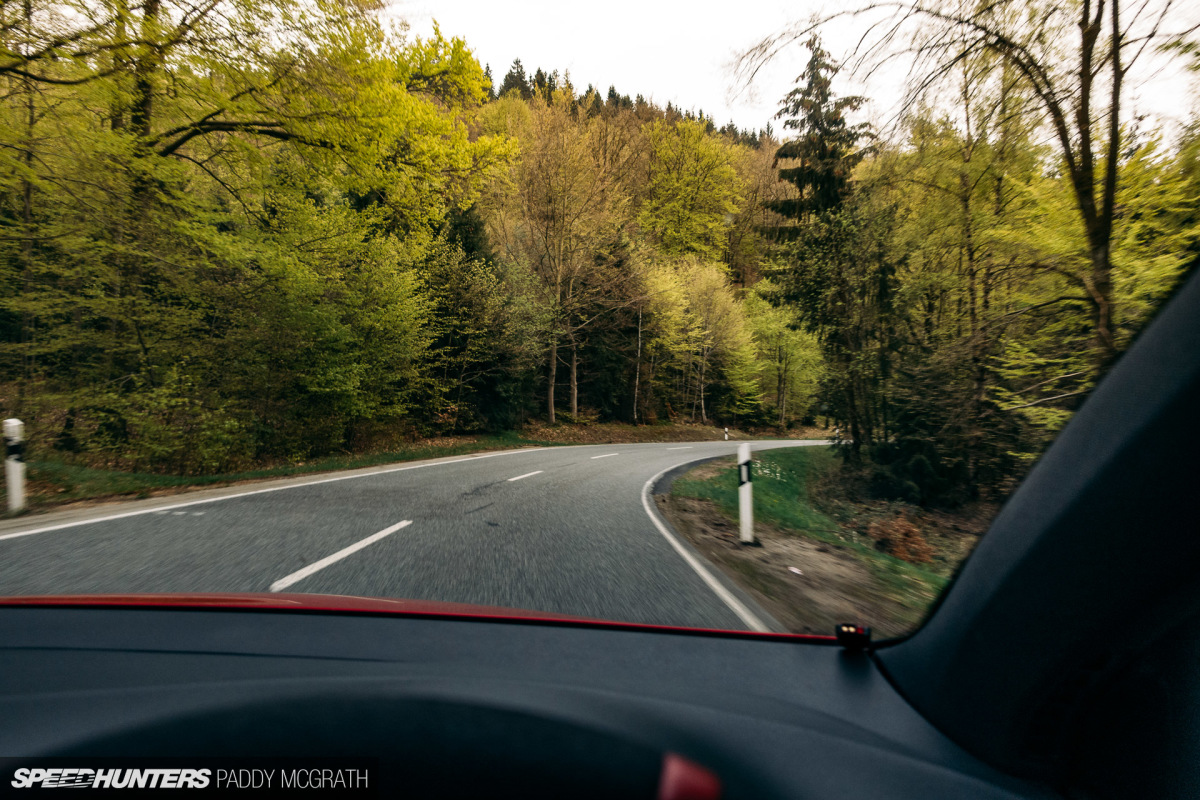
That’s what has always been key to me. I would personally rather have access to a car that I can drive anytime, anywhere, and in any manner. I don’t want to limit my driving freedom just because of a steep access ramp, traffic calming measures, poor road surfaces or aggressive speed bumps.
It matches up well with the rest of the car, and plays a massive role in retaining the GTI’s ethos of being a well-rounded performance car. It just happens that it’s now faster, sharper and more engaging to drive than ever, while still being as comfortable, practical and reliable as stock.
Now, if Volkswagen could only develop self-cleaning paint, it would be the perfect car altogether.
Paddy McGrath
Instagram: pmcgphotos
Twitter: pmcgphotos
paddy@speedhunters.com
This story was brought to you in association with Air Lift Performance, an official Speedhunters Supplier