When you think about 2.0-litre turbocharged, all-wheel drive cars, what first comes to mind?
Imprezas and Lancer Evolutions? Maybe Celicas? There’s probably a good reason for this, as we associate these models with their successes in the World Rally Championship (WRC), perceived or otherwise. They were the last of a generation of the ‘race on Sunday, sell on Monday’ rally cars.
When the French domination of the WRC began at the turn of the millennium, save for a Ford-shaped blip in 2006 and 2007 we never really saw those cars on the stages being sold in the showroom again. Sure, there were some marketing cash-ins like the Citroën C4 ‘By Loeb’ and the occasional bonafide front-wheel drive hot hatch such as the Focus RS, but the gap between race car and road car continued to widen.
It was no wonder then that interest in the sport began to fade for a couple of decades. When you remove the ability for someone to walk into a dealership and drive off in a car which shared the same basic underpinnings as McRae’s Group A Impreza – albeit without the livery – you do untold damage to the fans’ relationship with the sport.
Curiously, when the Germans decided it was their turn to conquer the WRC, Volkswagen never capitalised on this opportunity either. While the Polo R WRC won back-to-back-to-back-to-back constructor titles, matching the combined totals of Subaru and Mitsubishi, they too only released a lukewarm front-wheel drive hatchback in the shape of the 2013 Volkswagen Polo R WRC.
I think it’s criminal that the road-going version shared its name with the actual world championship-winning car, but there was something lurking which more than made up for this: The Golf R.

The Mk7 Golf R’s arrival in 2014 was missed by a lot of people. It followed in the footsteps of the original Mk6 Golf R, and like that car it sat awkwardly in Volkswagen’s lineup. It was clearly the most potent car in the manufacturer’s performance range, but it’s had to live its life in the GTI’s shadow. There were no tartan seats or flourishes of colour; instead it identified itself with hints of black and silver.
Where the GTI is Volkswagen’s crowd-pleasing front man, the Golf R is the personal security standing quietly in the background, waiting for things to kick off.

This is something I will be expanding on in an upcoming feature. That is, if there’s one thing above all else that the GTI and R share, it’s how well rounded they both are.
They’re both very, very good at what they do, to the point where they might even feel a little bit underwhelming in stock guise. This is actually the beauty of both models, and a big part of the reason why they are the perfect base cars to modify.

In general, Golfs are refined and pretty sensible; even the performance models. They can be used everyday in every circumstance, and be more than good at what they’re doing.
But, what a lot of people don’t realise is just how much potential they have in reserve, particularly with the Mk7 R.

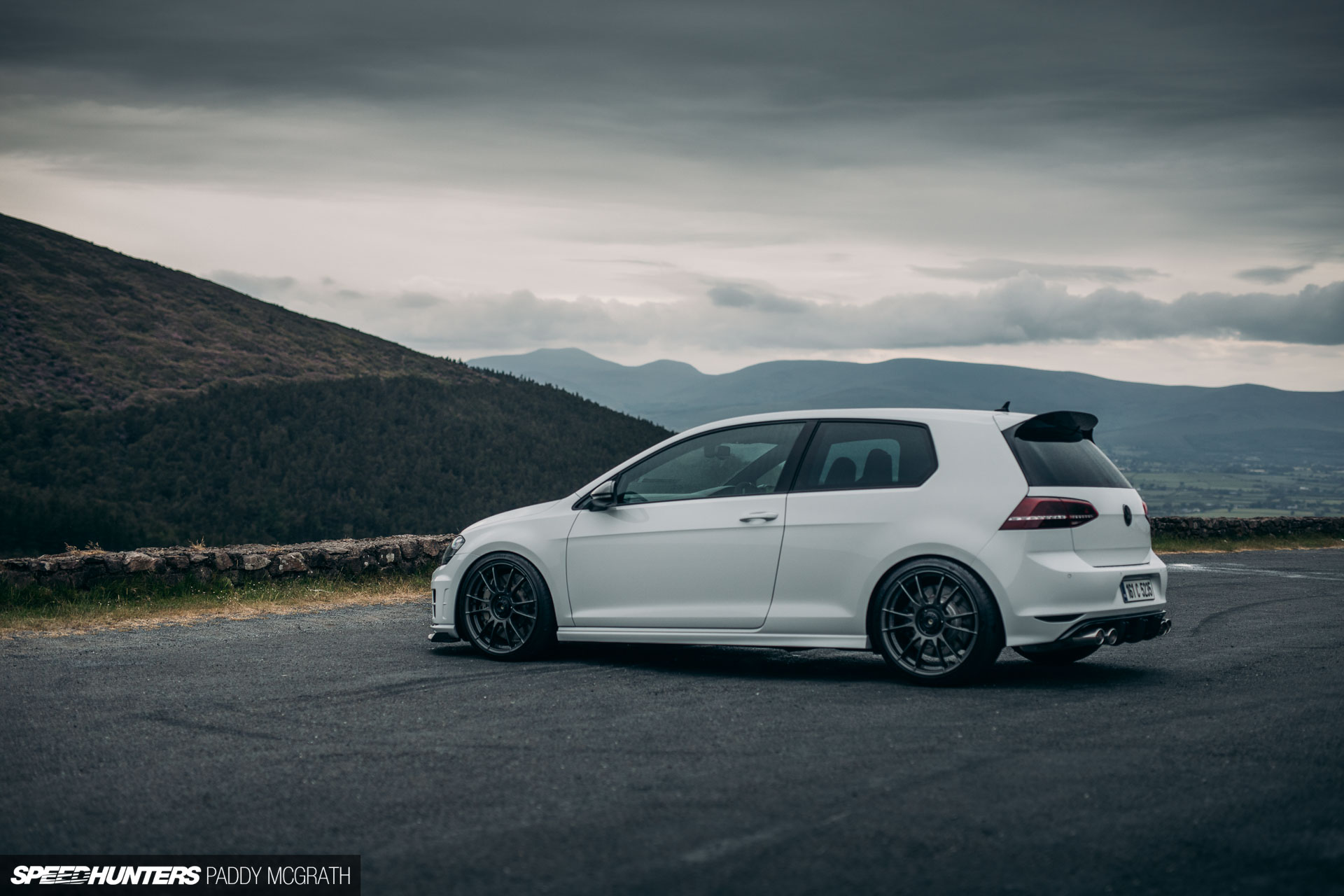
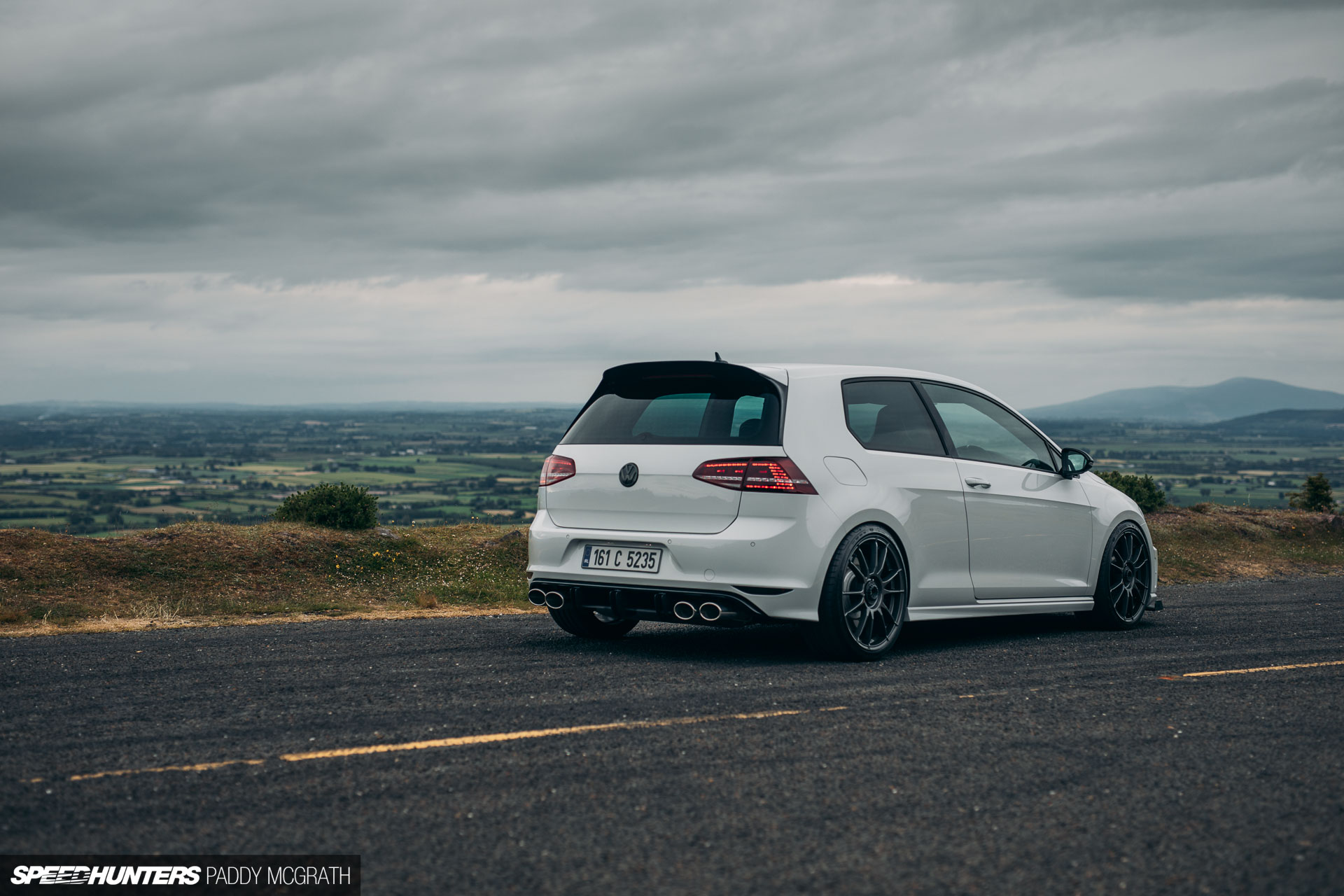
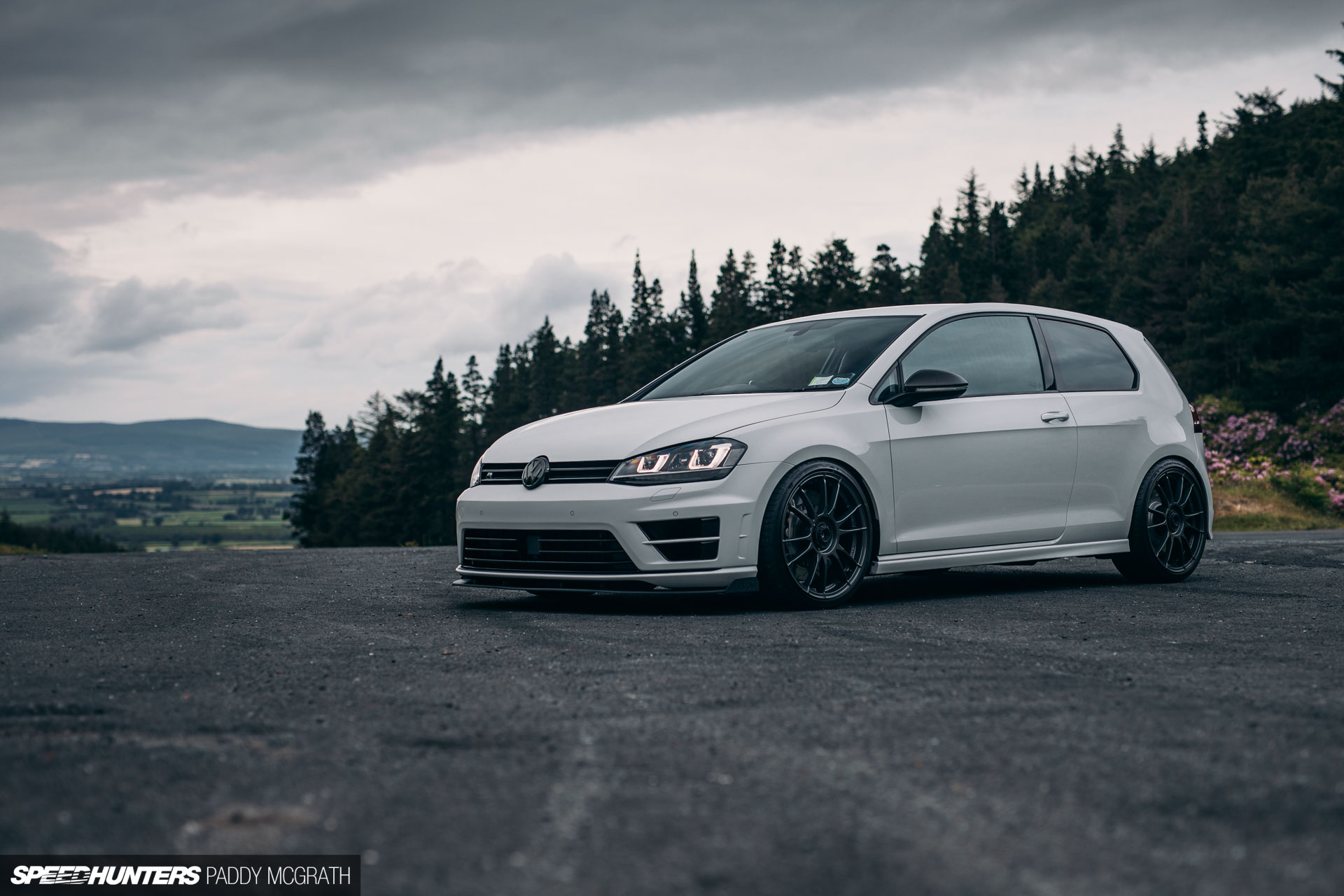
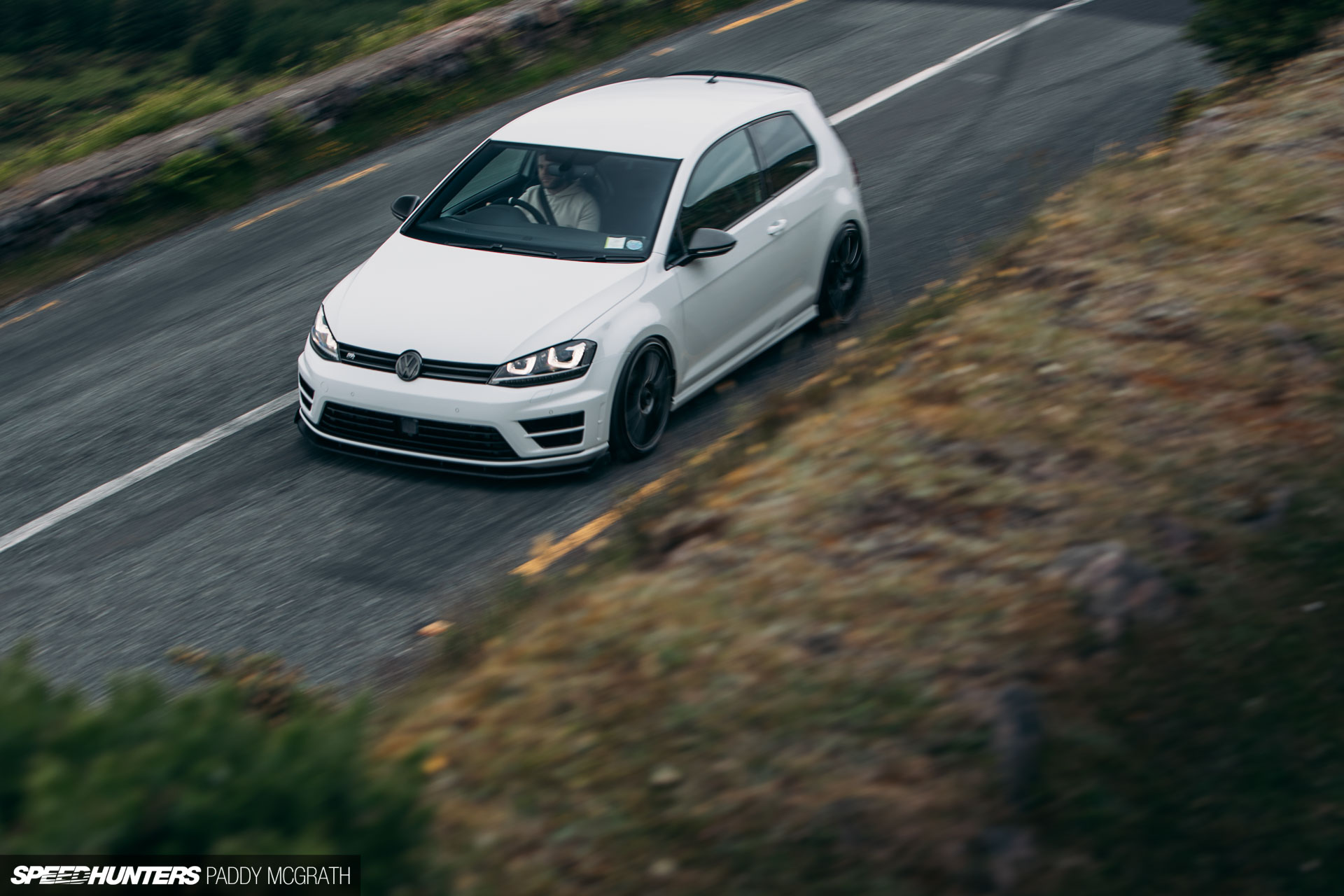
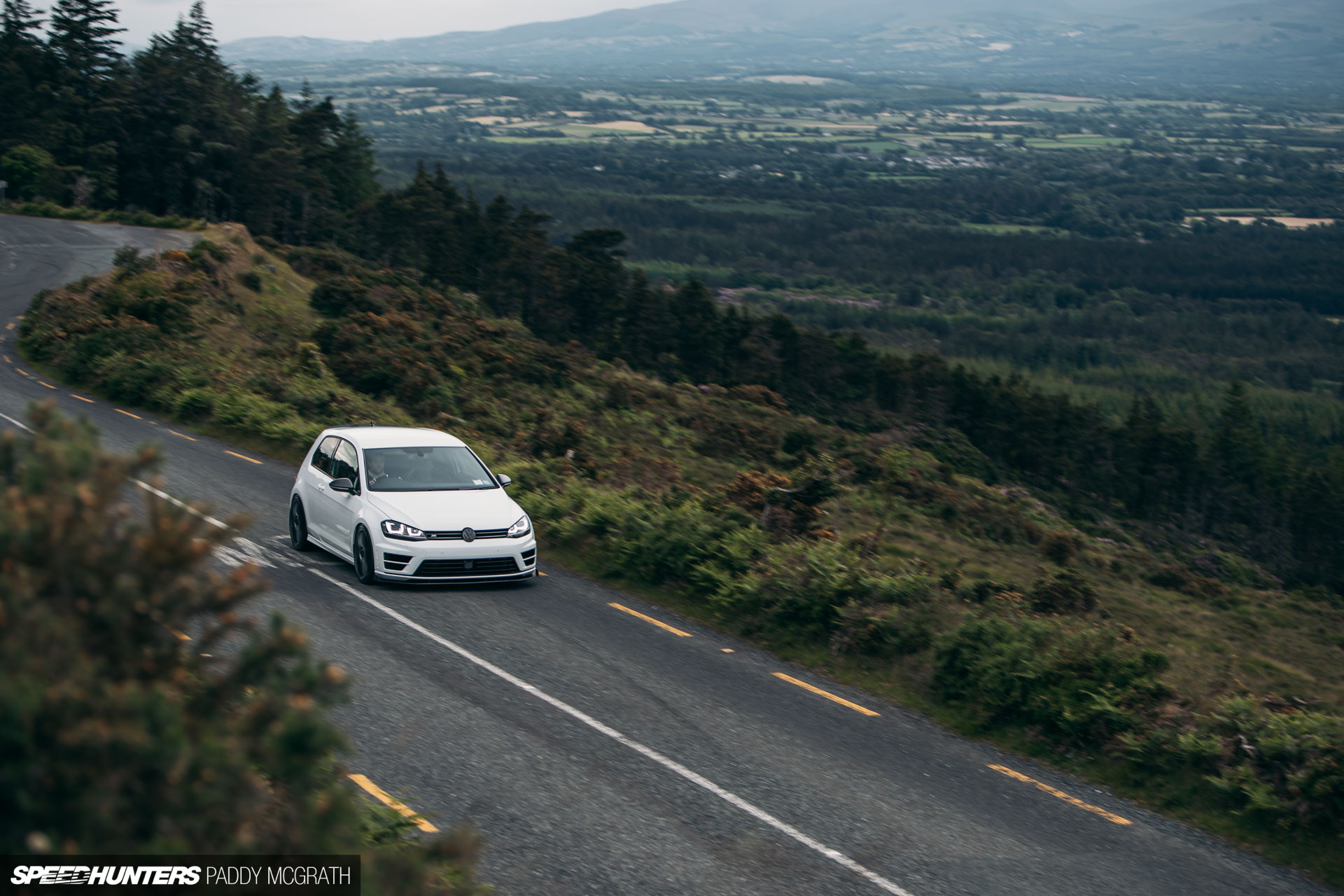
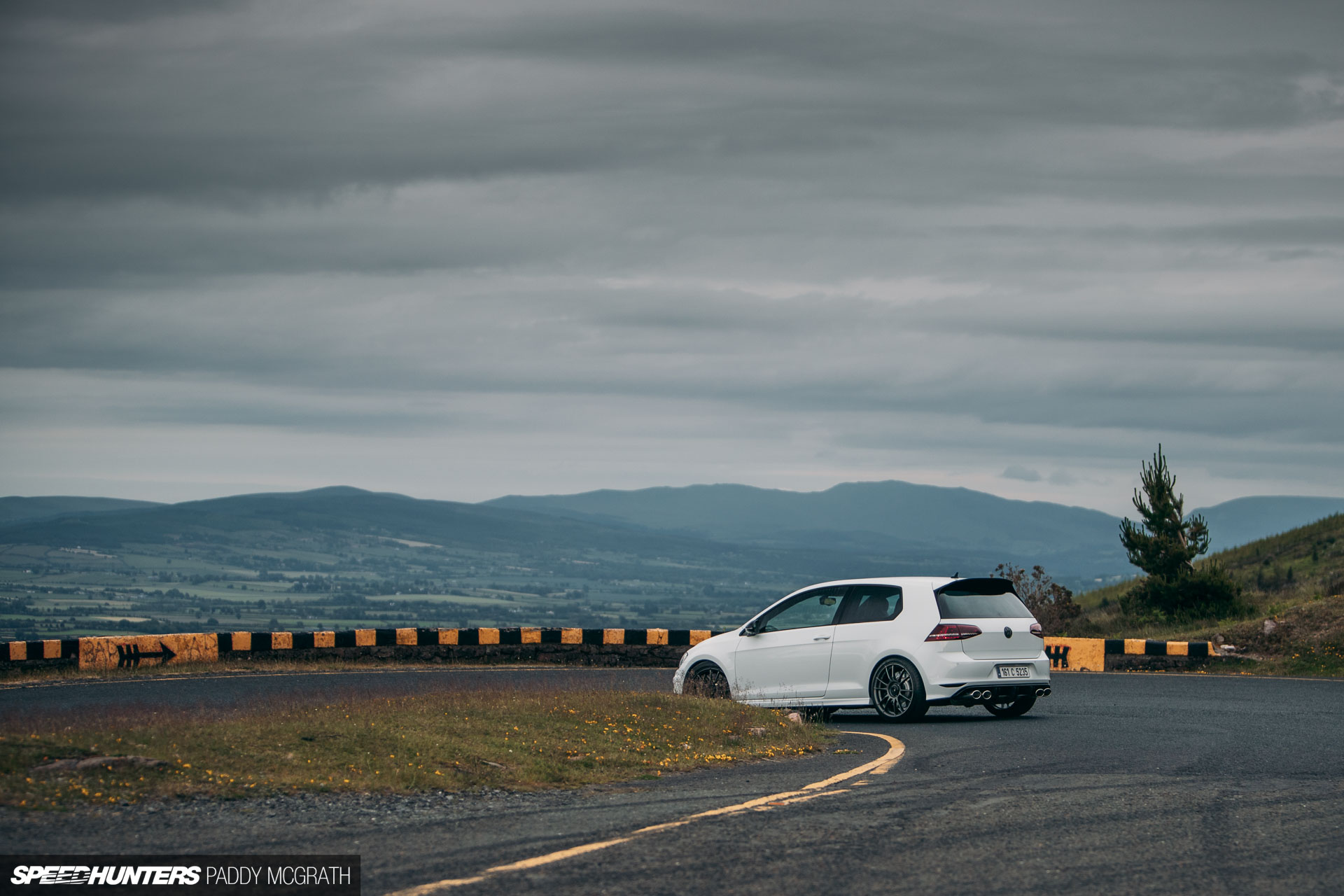
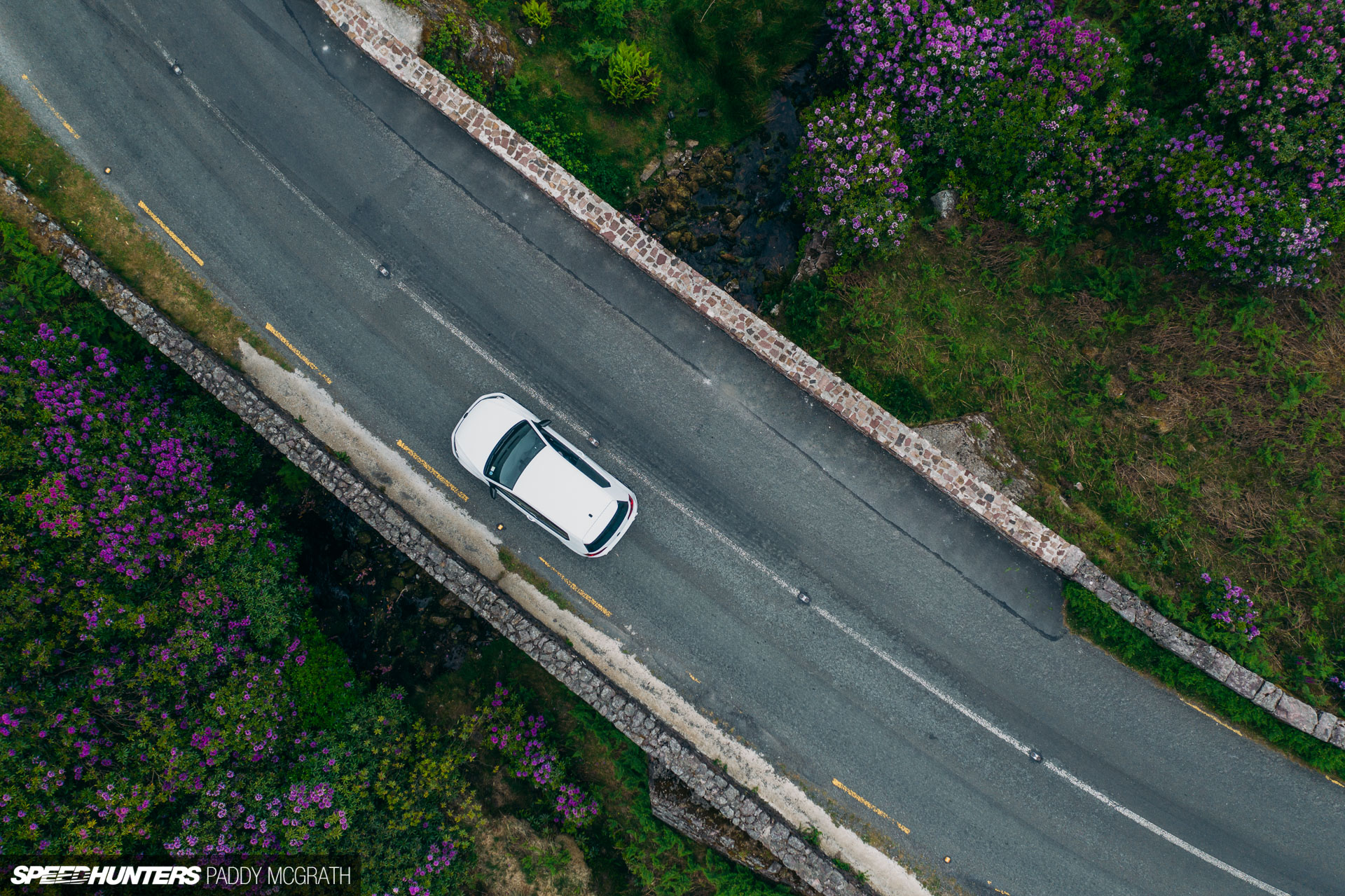
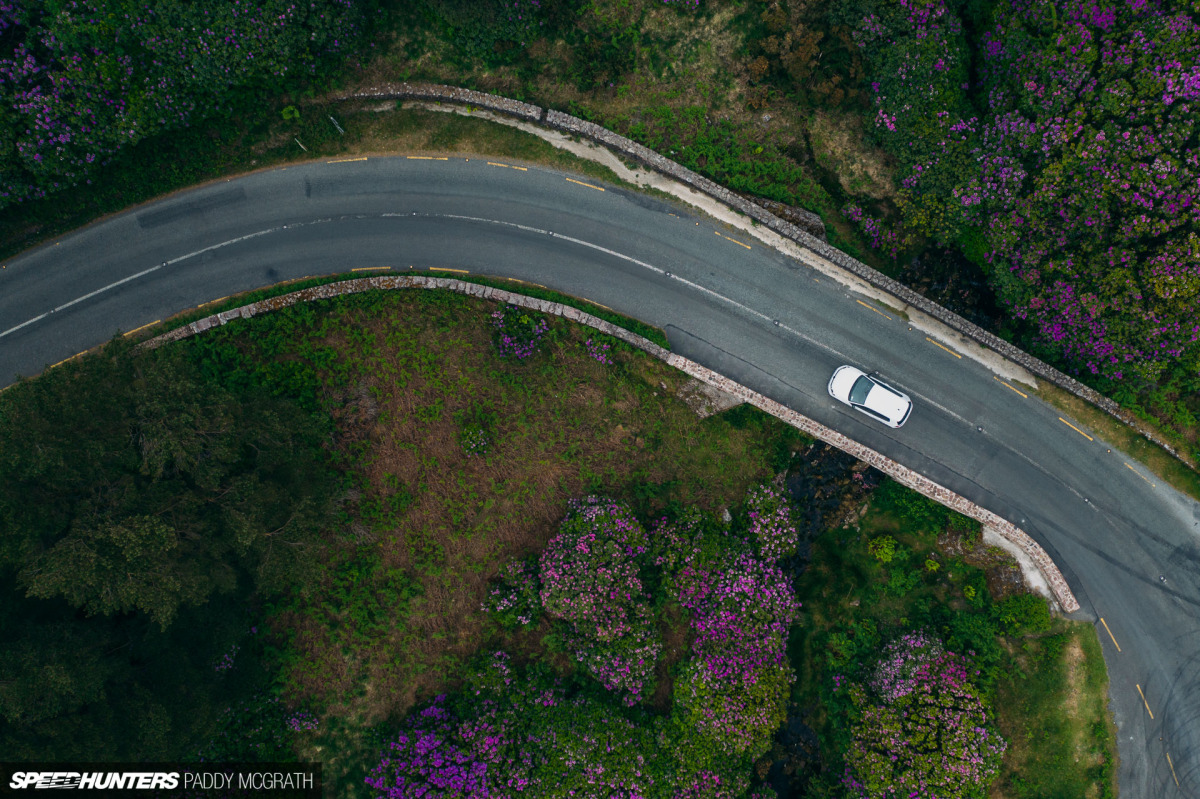
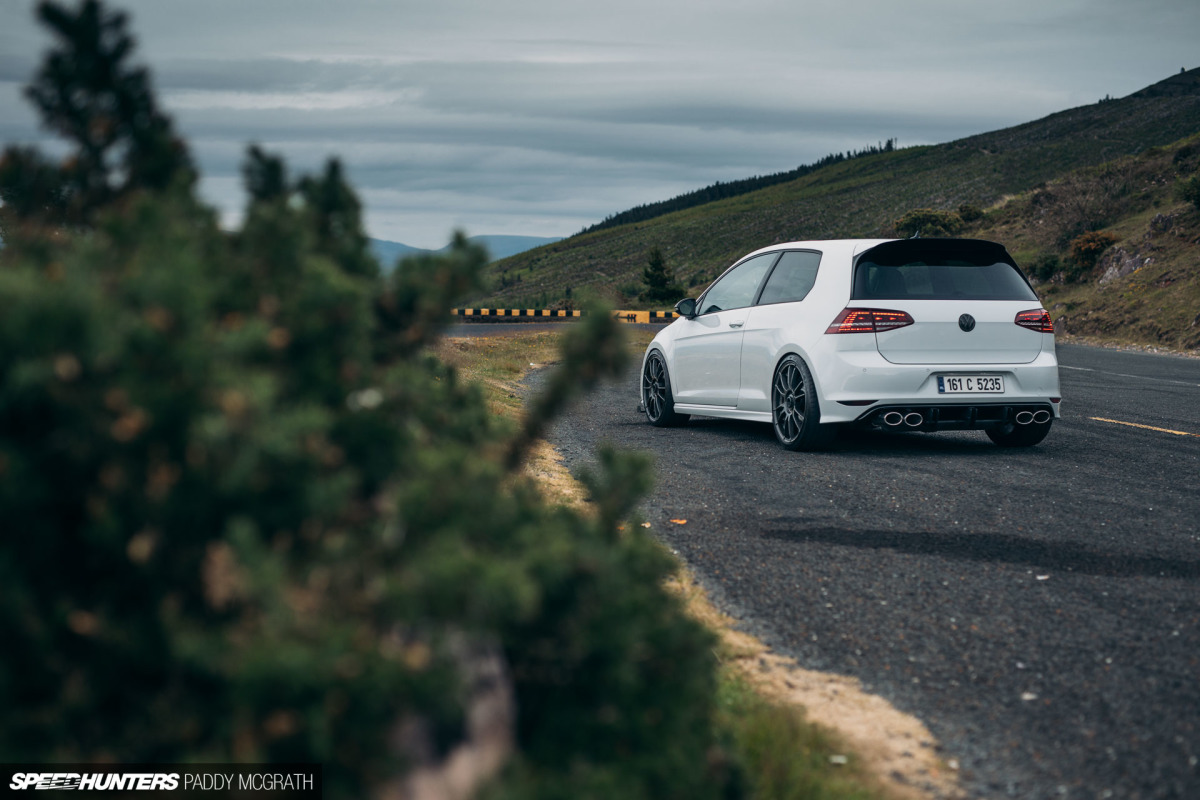
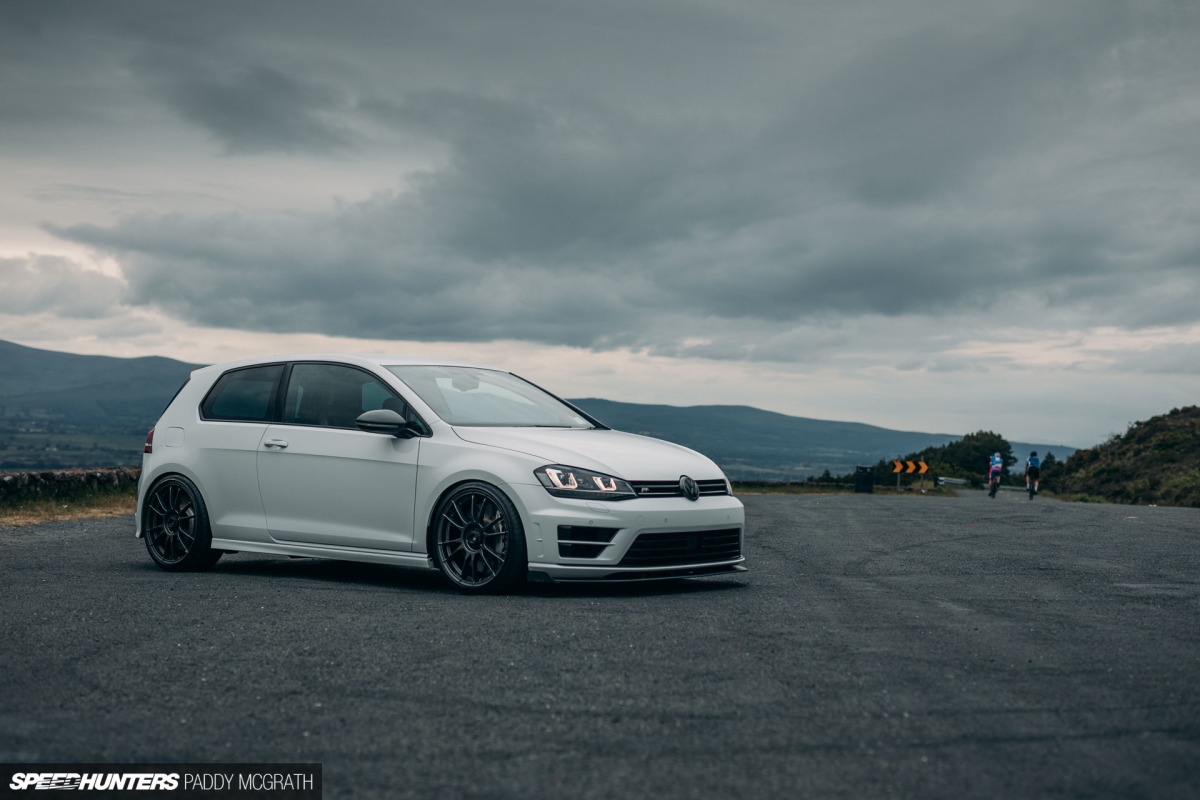
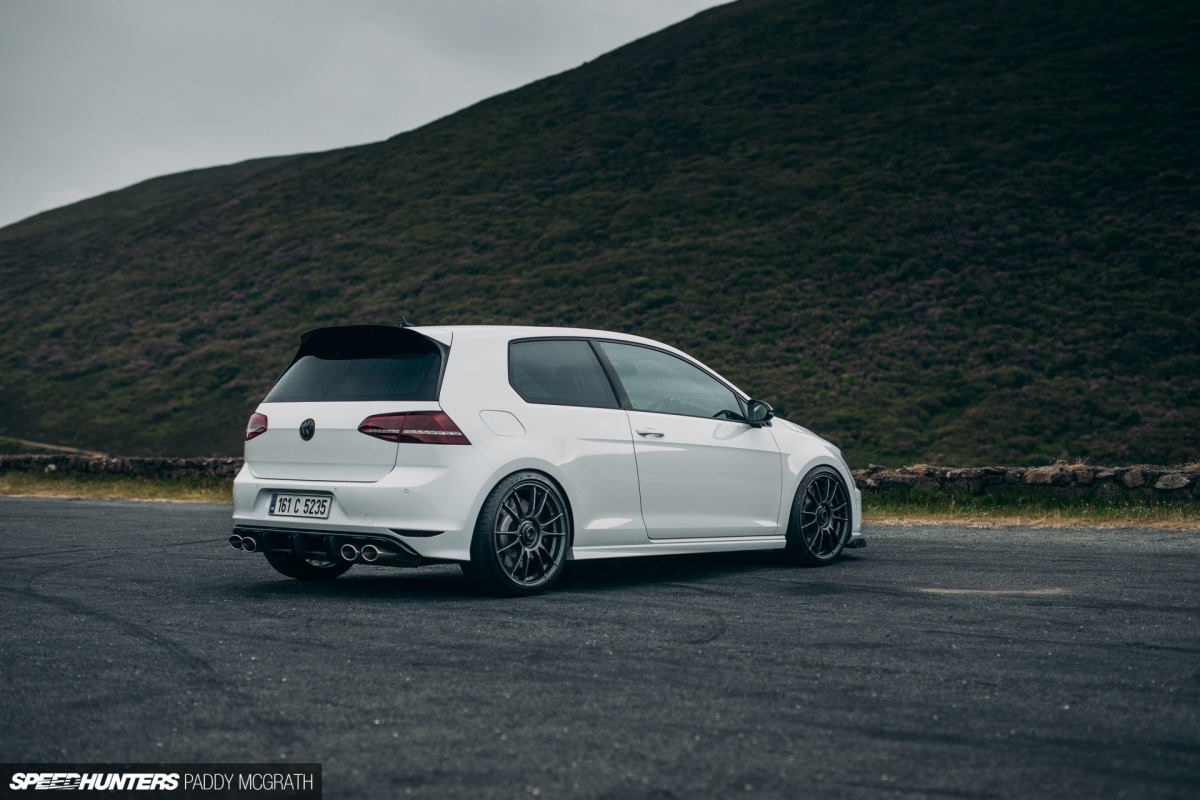
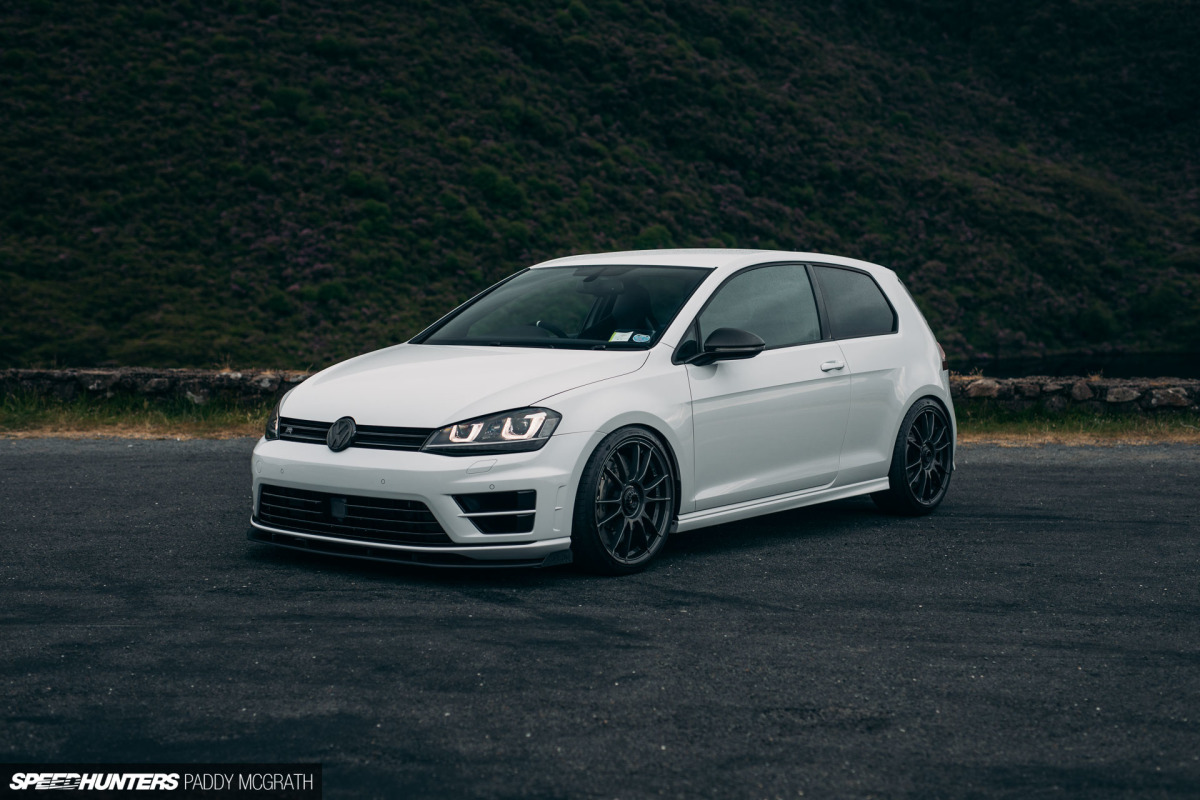
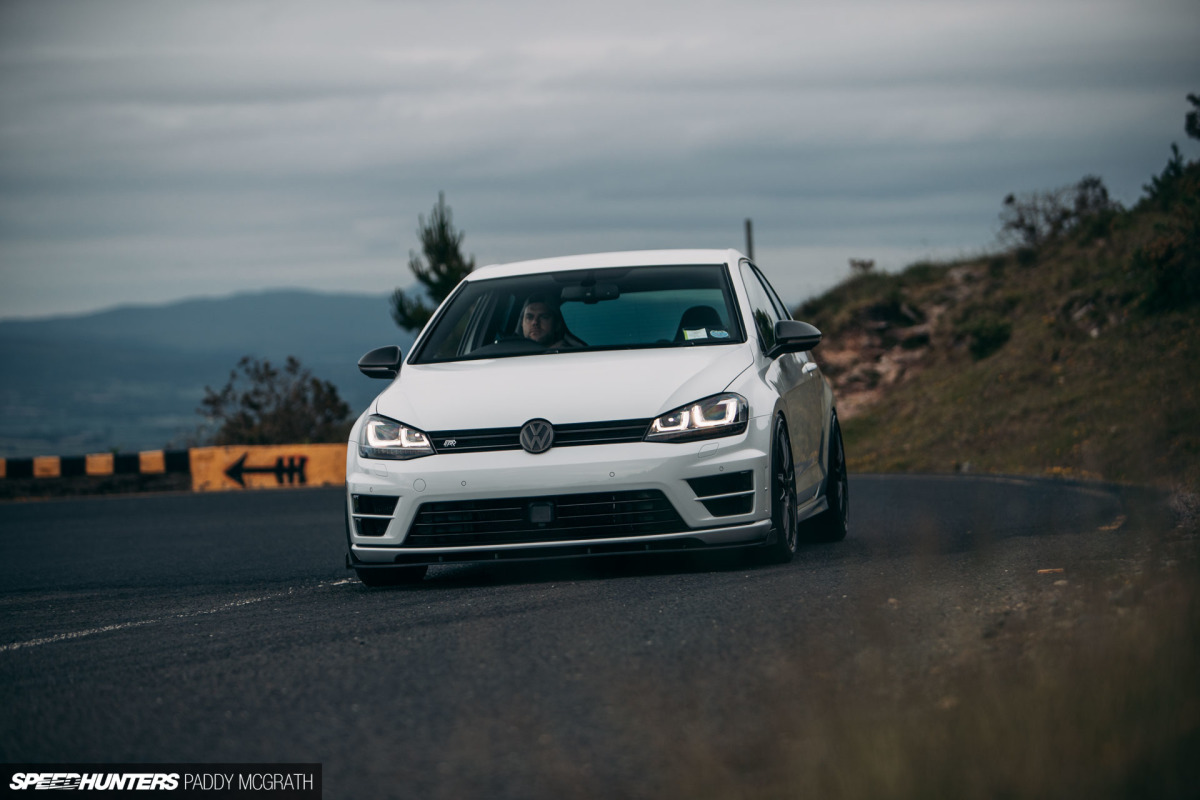
Donal Maher is one of many who has realised the potential of the Golf R. He’s taken his 2016 car from stock to its ultimate form, all while keeping it subtle and ensuring that it flies well below the radar.
Even the most astute of VW fans would be excused for not appreciating it at first glance.

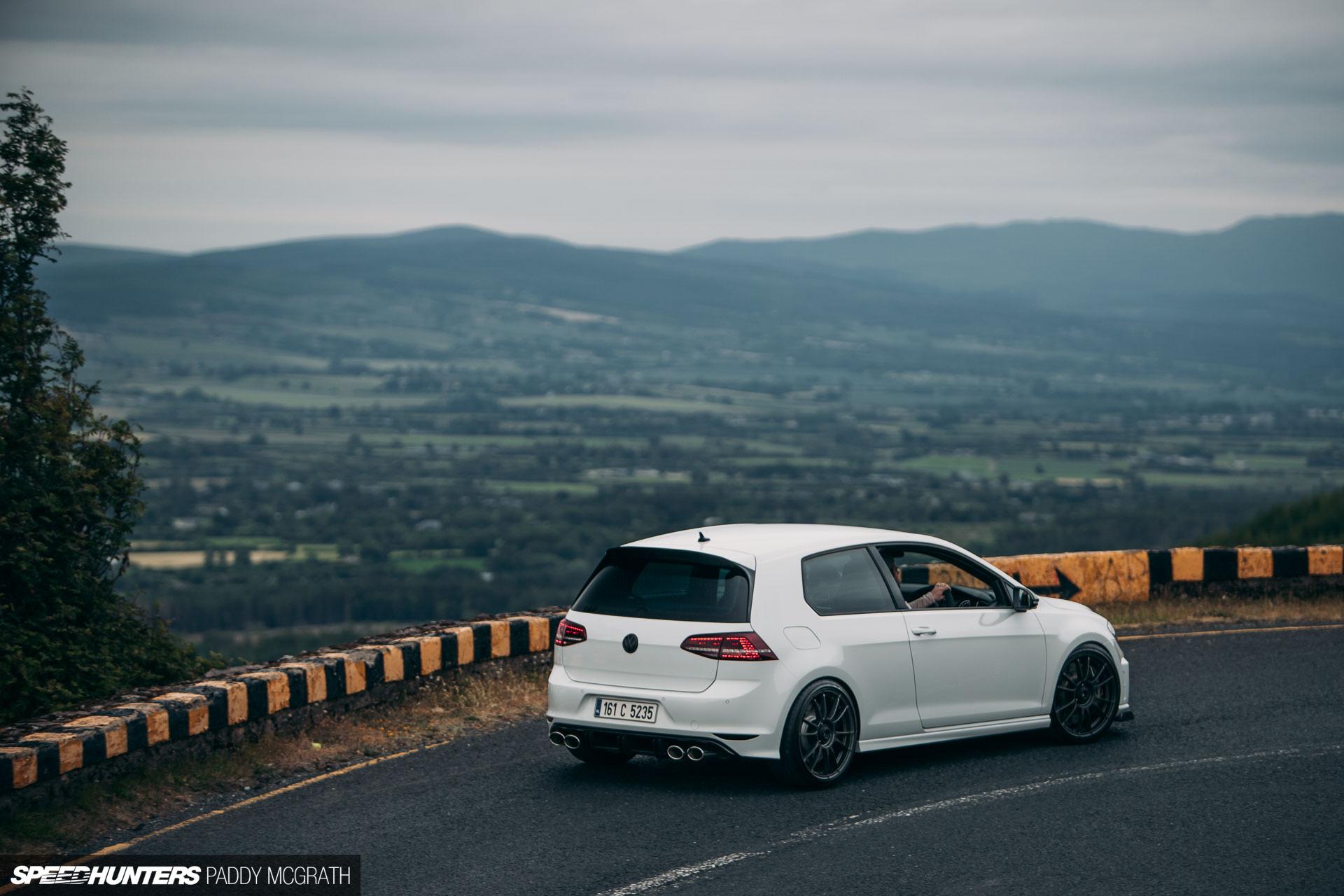
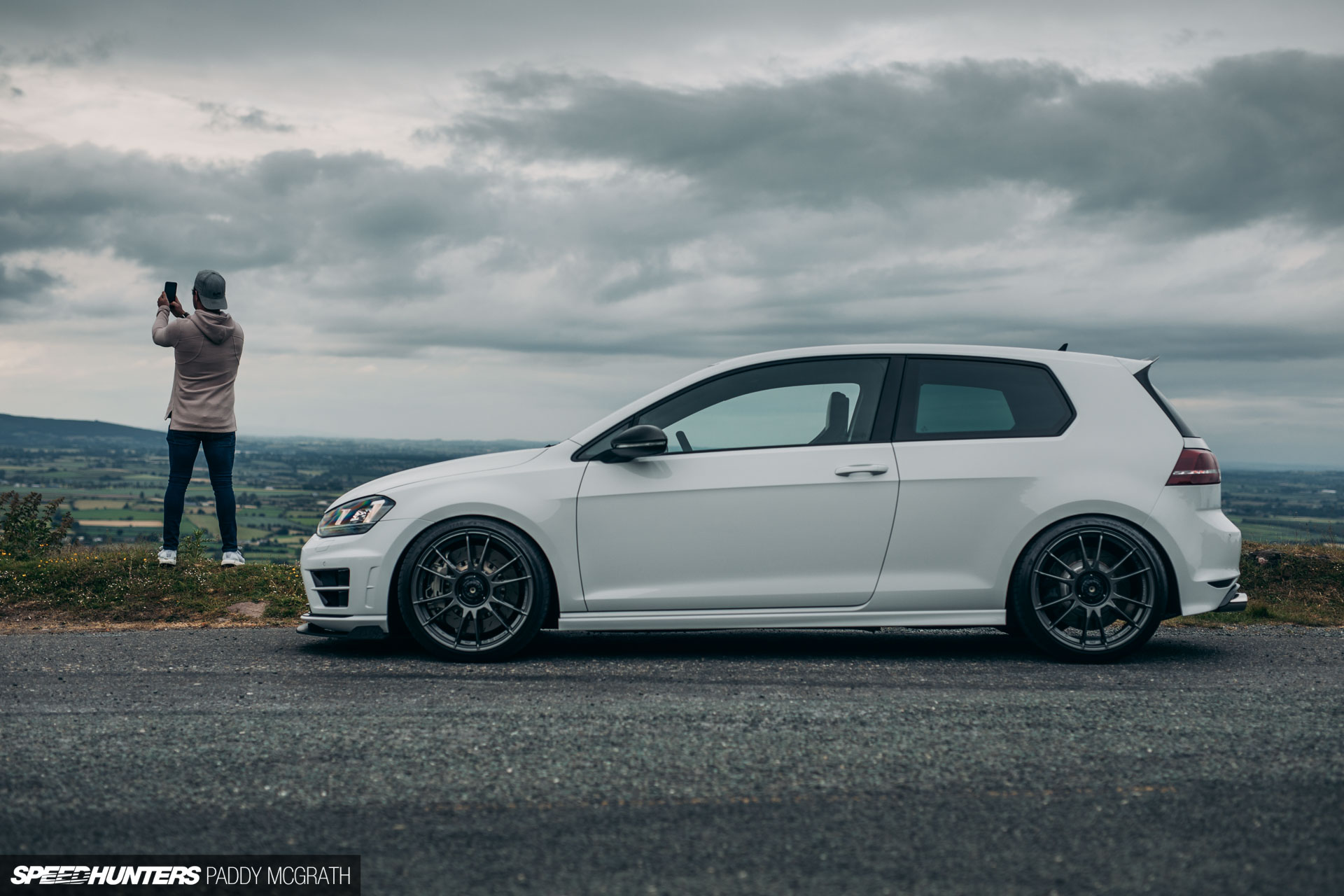
What makes his different from most other Golf Rs is that it’s both a three-door and a 6-speed manual. In a world dominated by five-door DSG examples, it does make a nice change and also addresses one of the key dividers on driving experience.
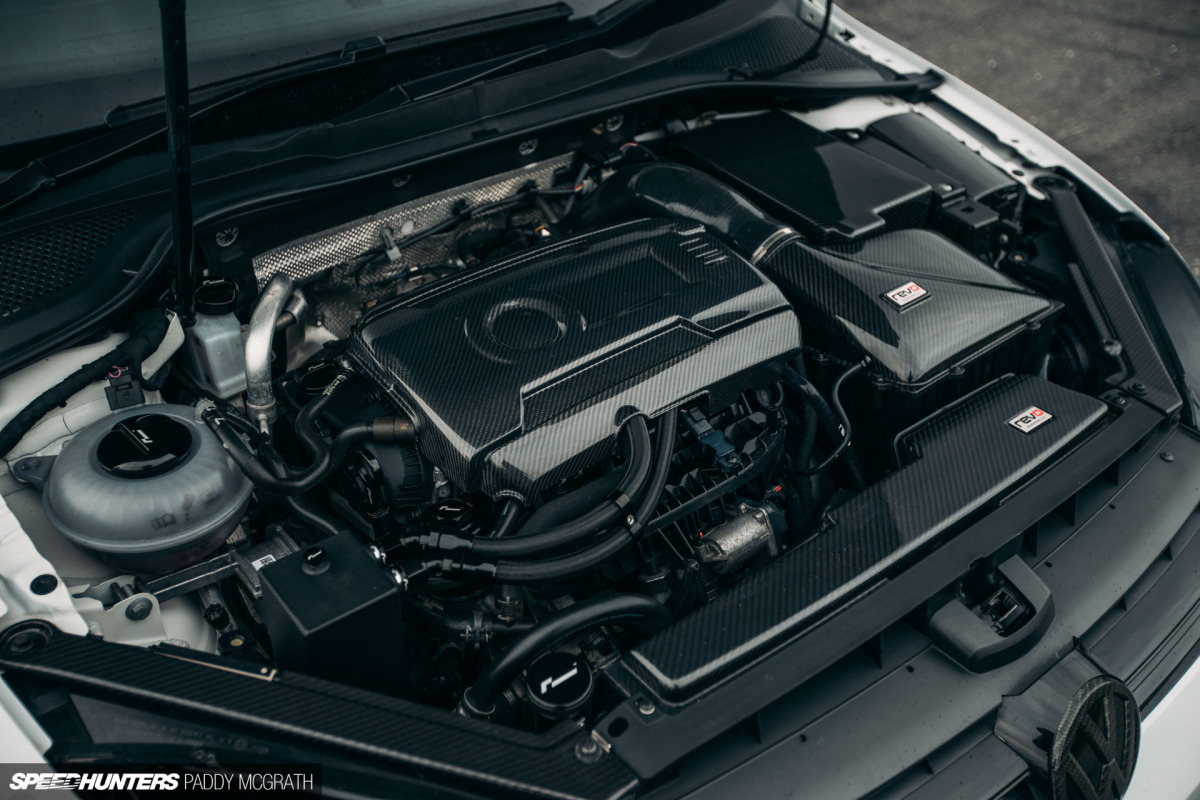
That it boasts some 500hp and 407ft/lbs is further icing on the cake. Perhaps what’s even more impressive – and this is common with the 2.0-litre turbocharged Gen III EA888 as found in the Mk7 R – is that this is achieved with just bolt-ons and is delivered in a usable and reliable manner.
A 66% power increase with standard pistons, connecting rods, crank et al.? That’s a fairly ringing endorsement for how over-engineered these cars are from factory.
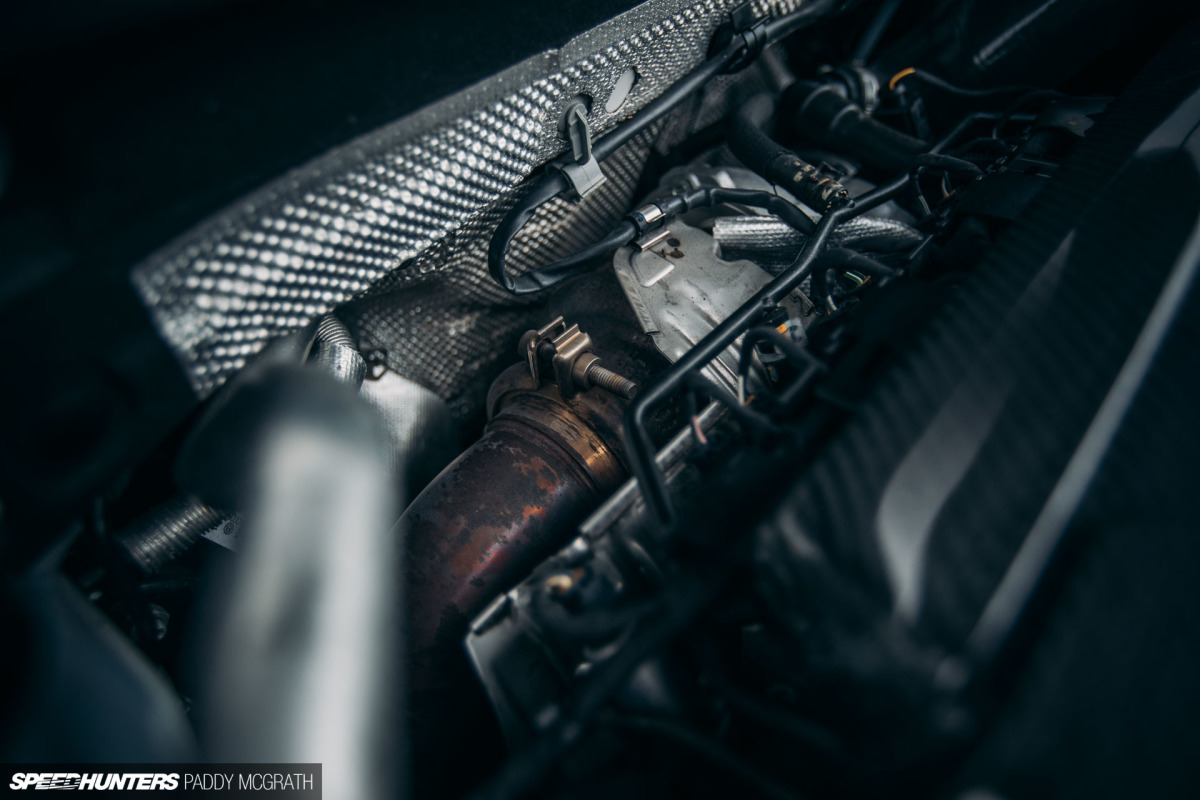
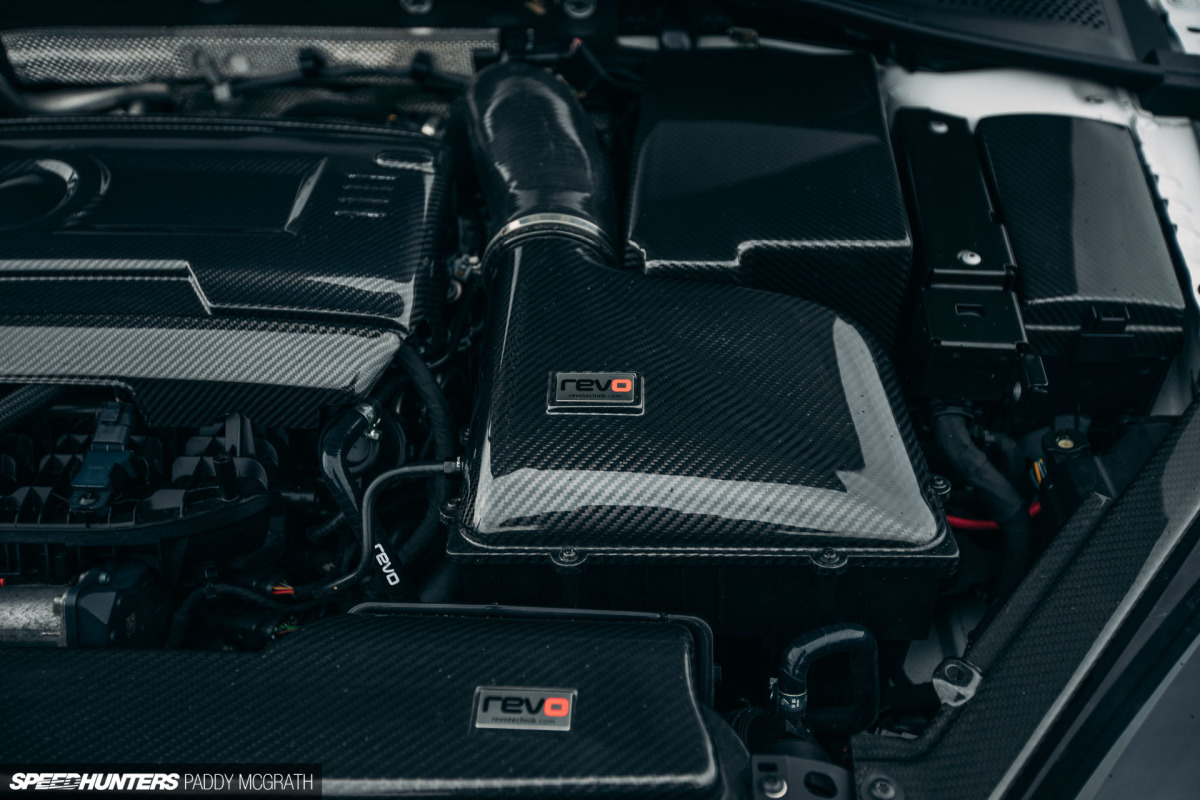
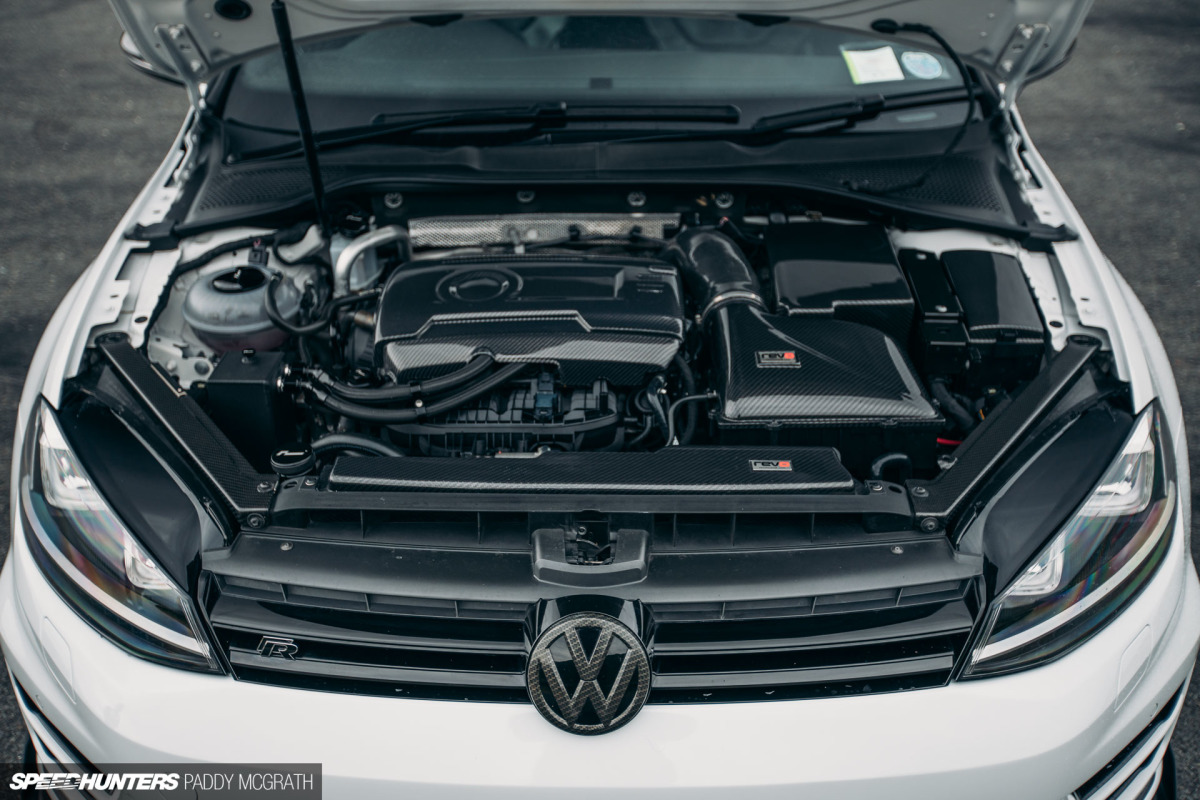
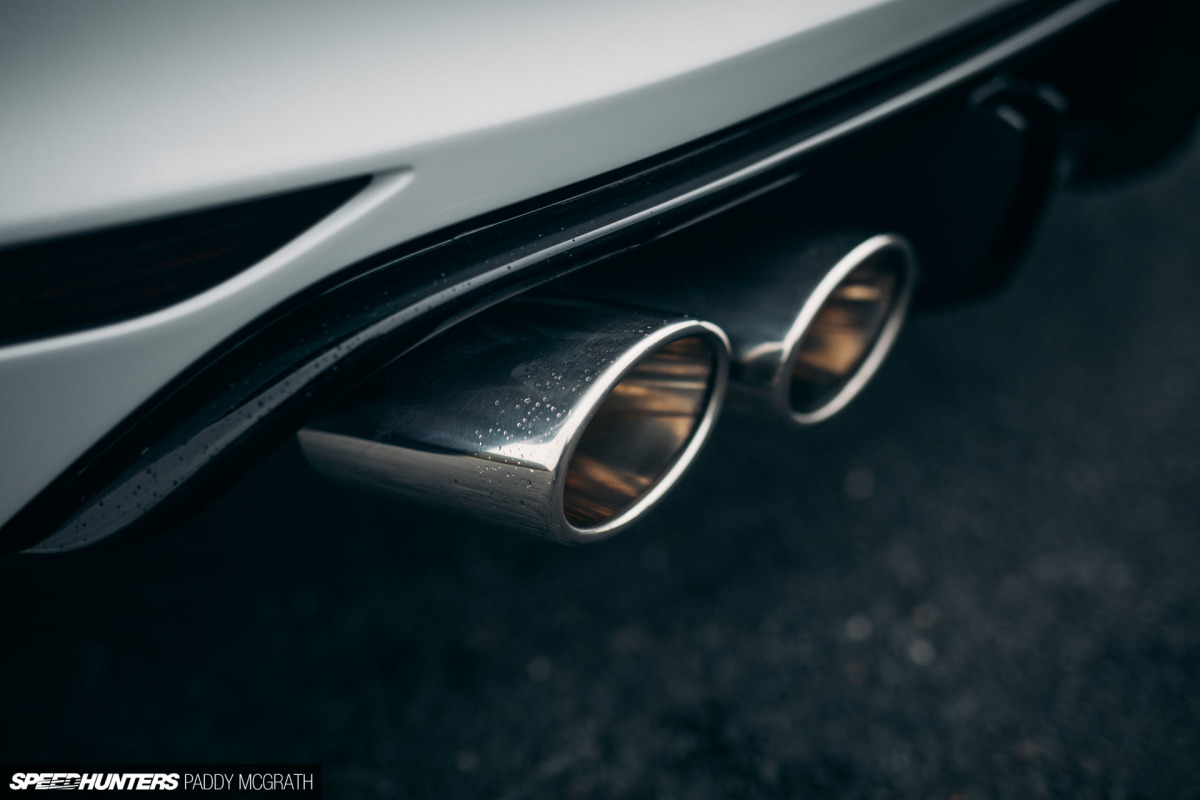
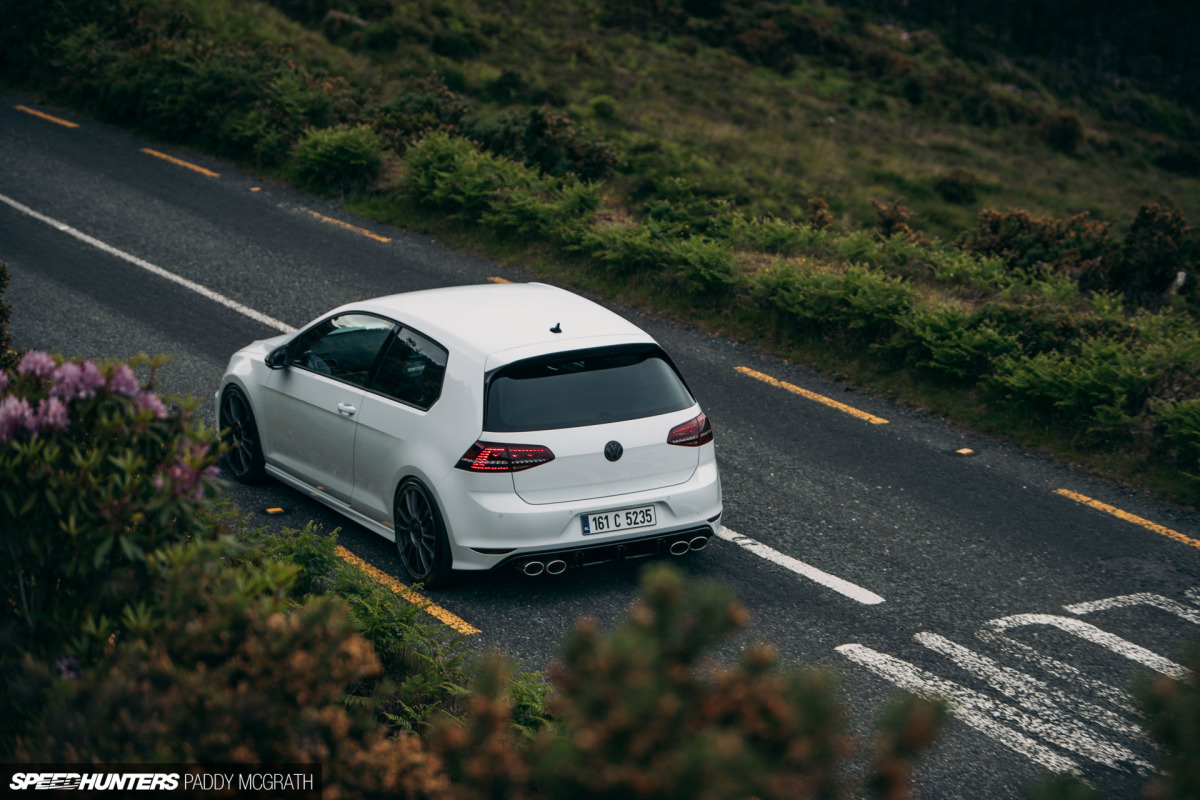
The majority of this power increase comes from the engine’s improved breathing abilities. The factory turbocharger has been replaced with a Revo IS38ETR, which features larger compressor and turbine wheels and increased airflow from the re-profiled housing. The turbo down-pipe has been changed to a larger Scorpion item, complete with sports cat, which flows into a Milltek cat-back exhaust system.
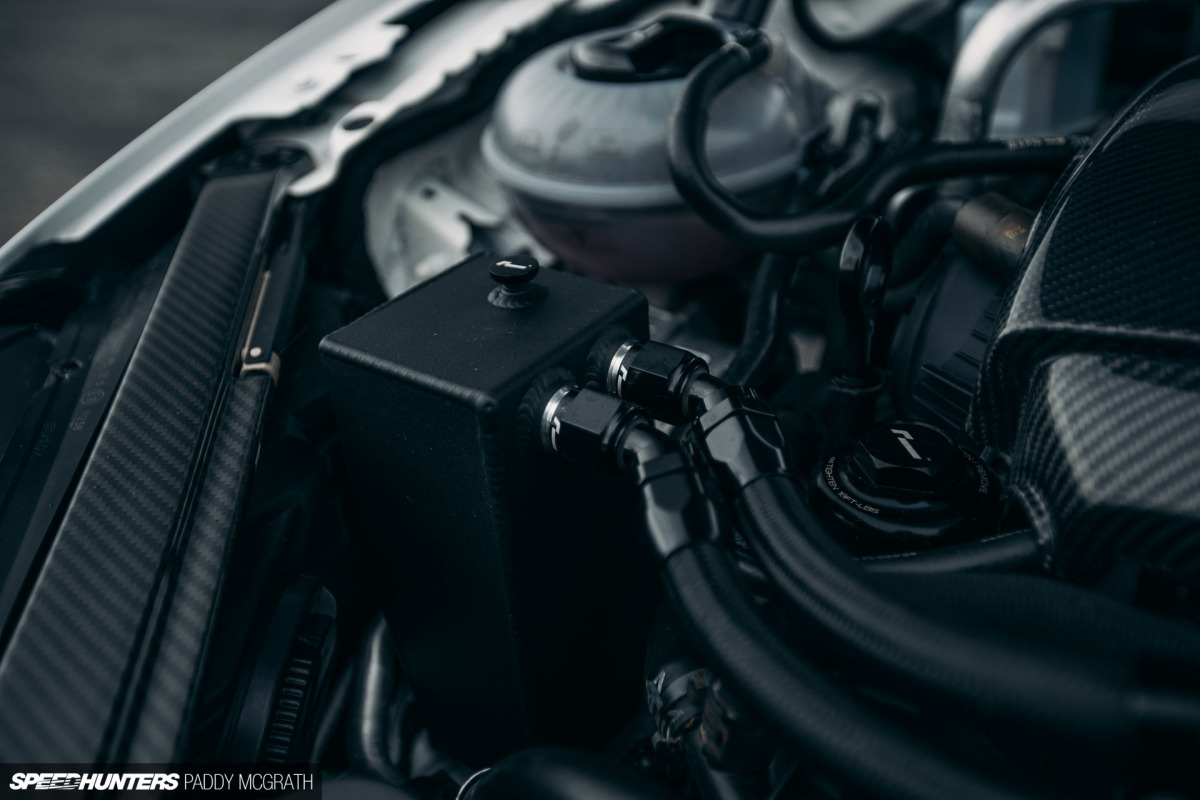
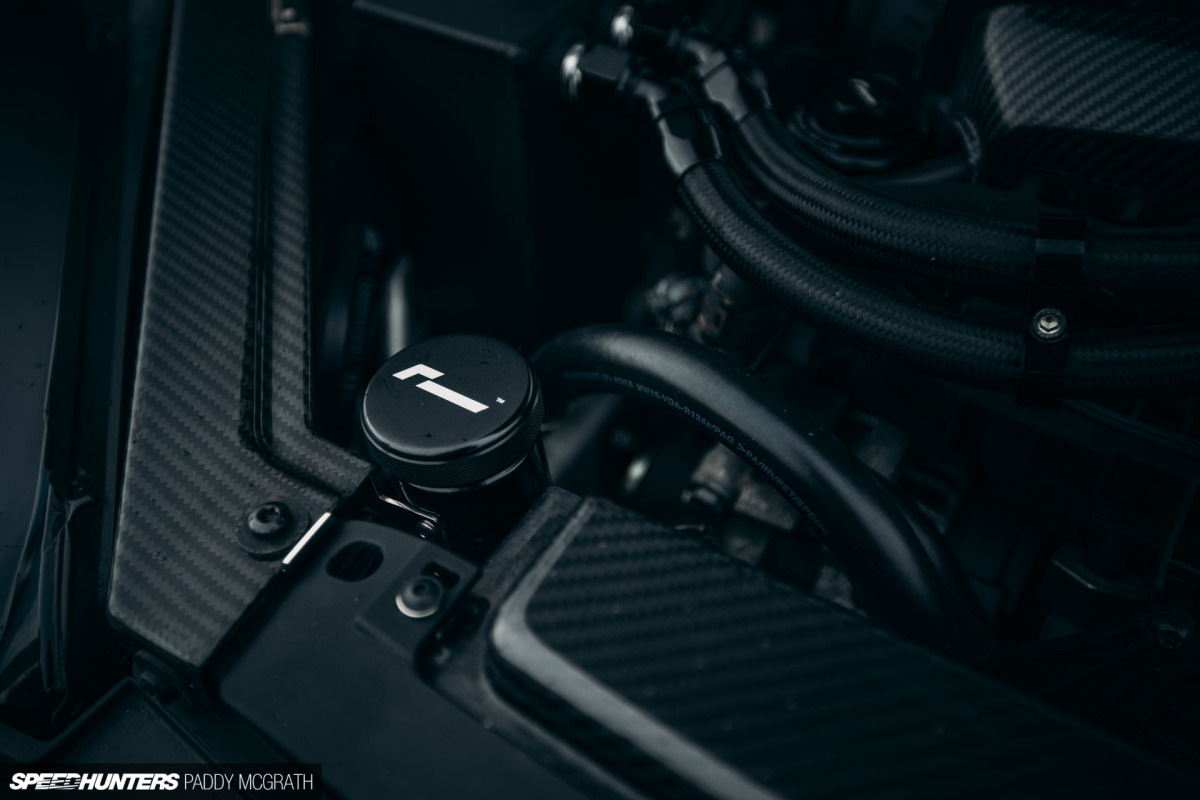
On the intake side, there’s a Revo carbon series air intake, along with their front-mount intercooler which is equipped with hard pipes. An increased demand for fuelling has been addressed with uprated high and low pressure fuel pumps. Engine management is again by Revo, with switchable engine maps, and there’s also a RacingLine catch can and oil management system.
Further to all of this are the various carbon fibre covers and RacingLine billet dress-up pieces. Looks good, makes power.
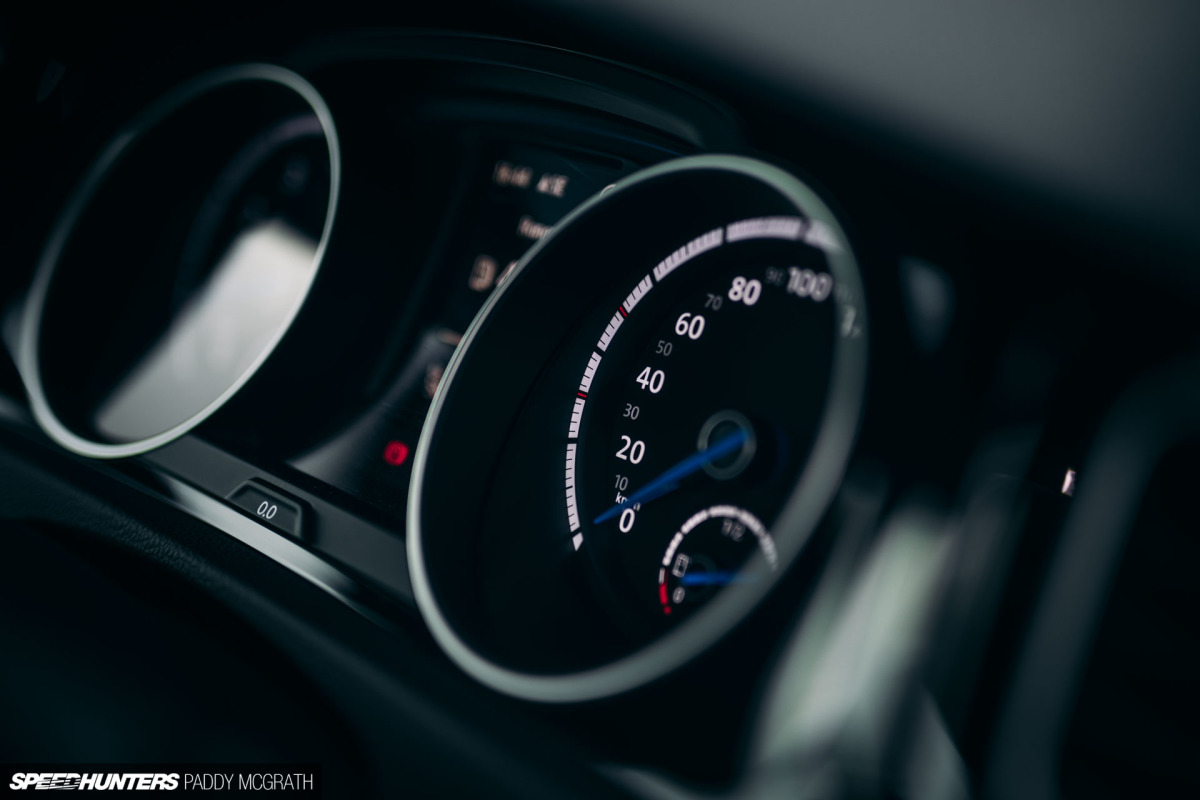
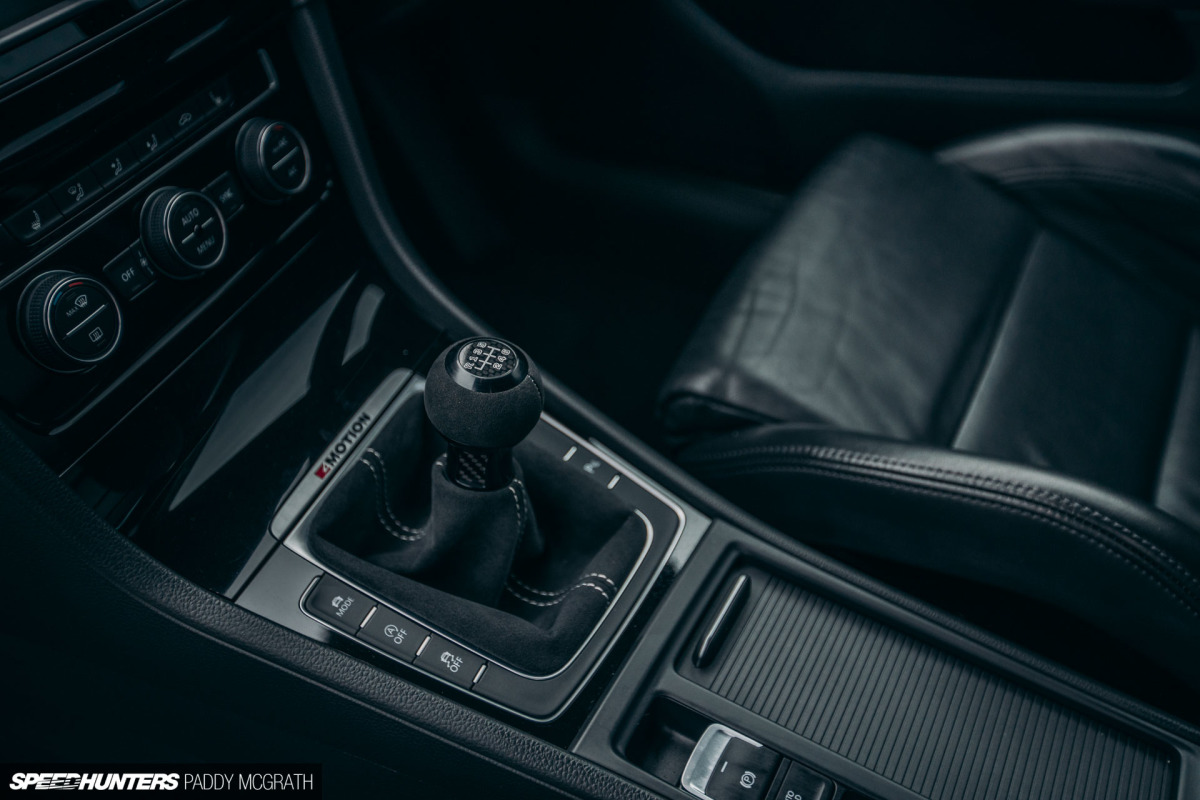
The transmission remains mostly stock, save for an APR short shifter, 42 Draft Designs bushings, and a Sachs uprated four-paddle clutch. Otherwise, the AWD Haldex-based system is as it left the factory.
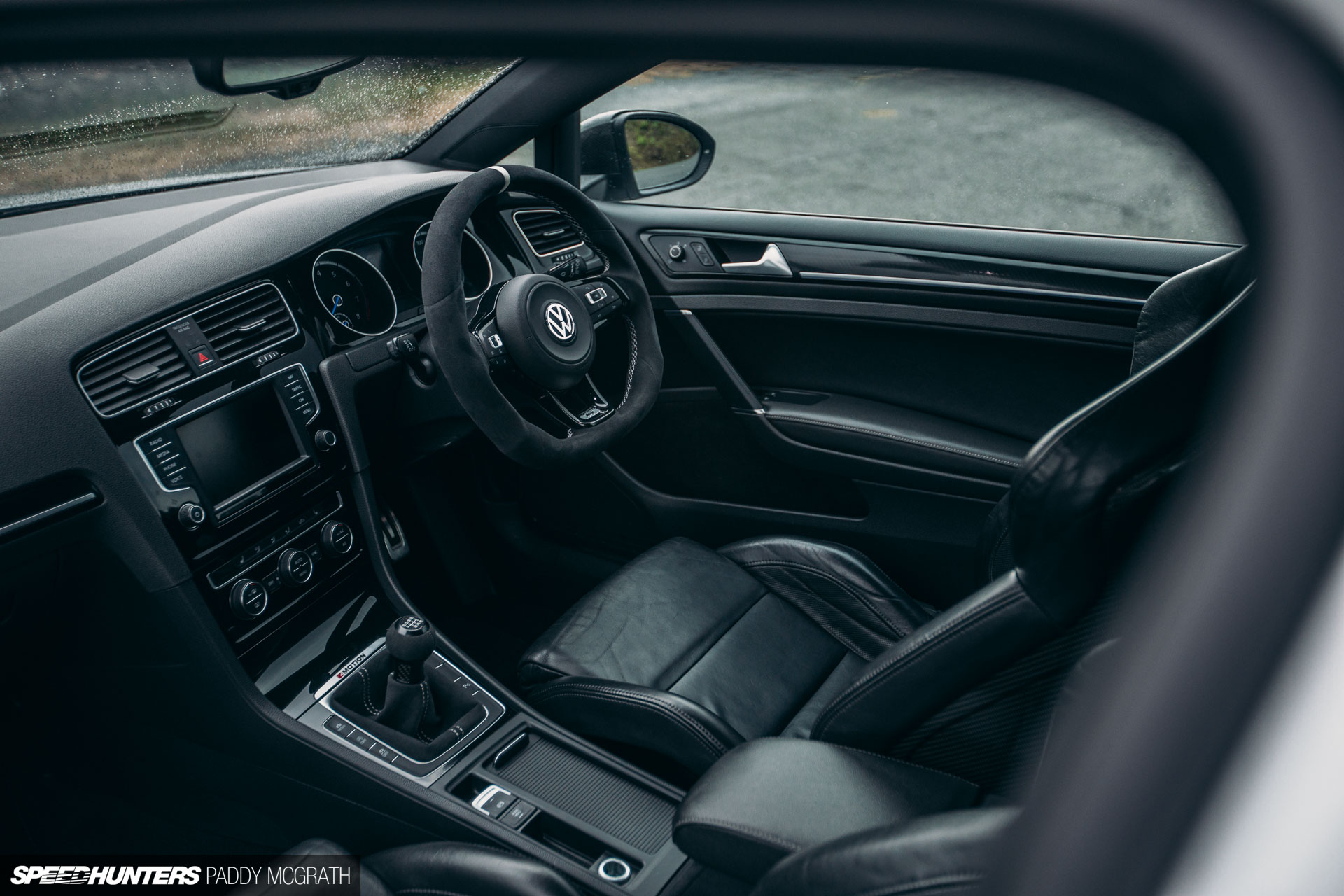
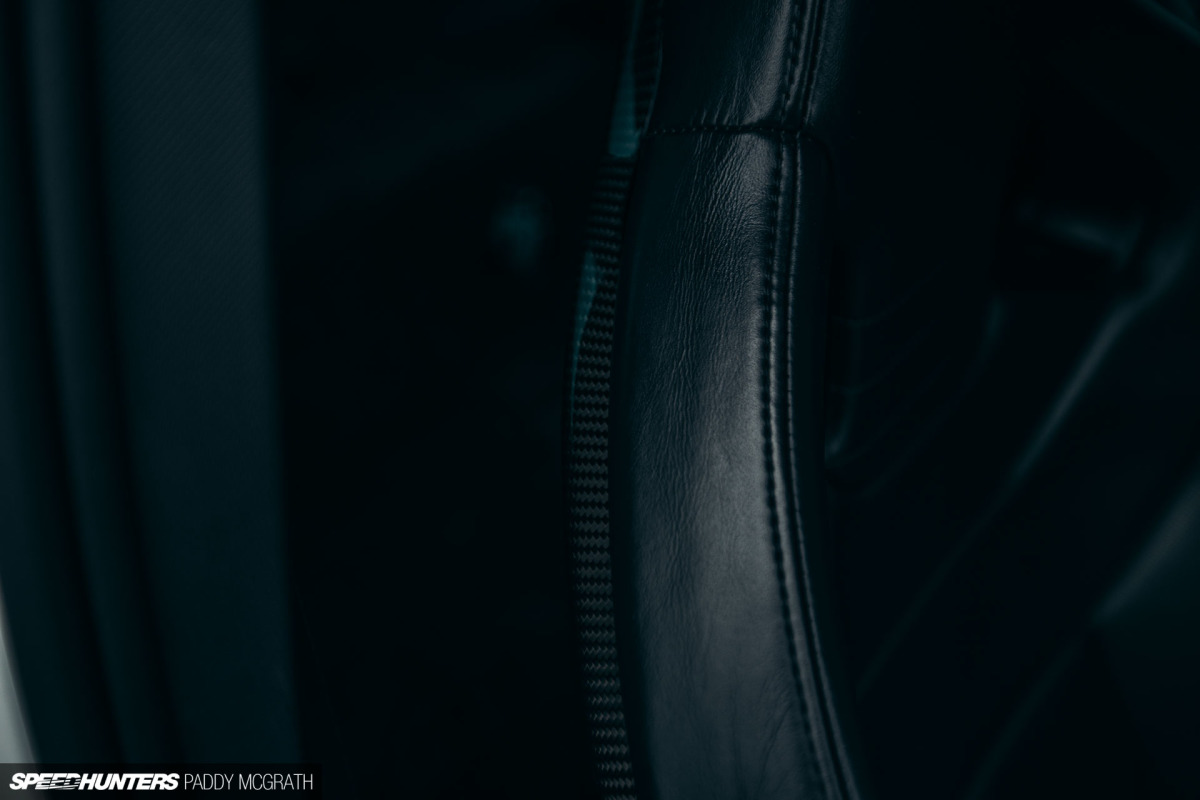
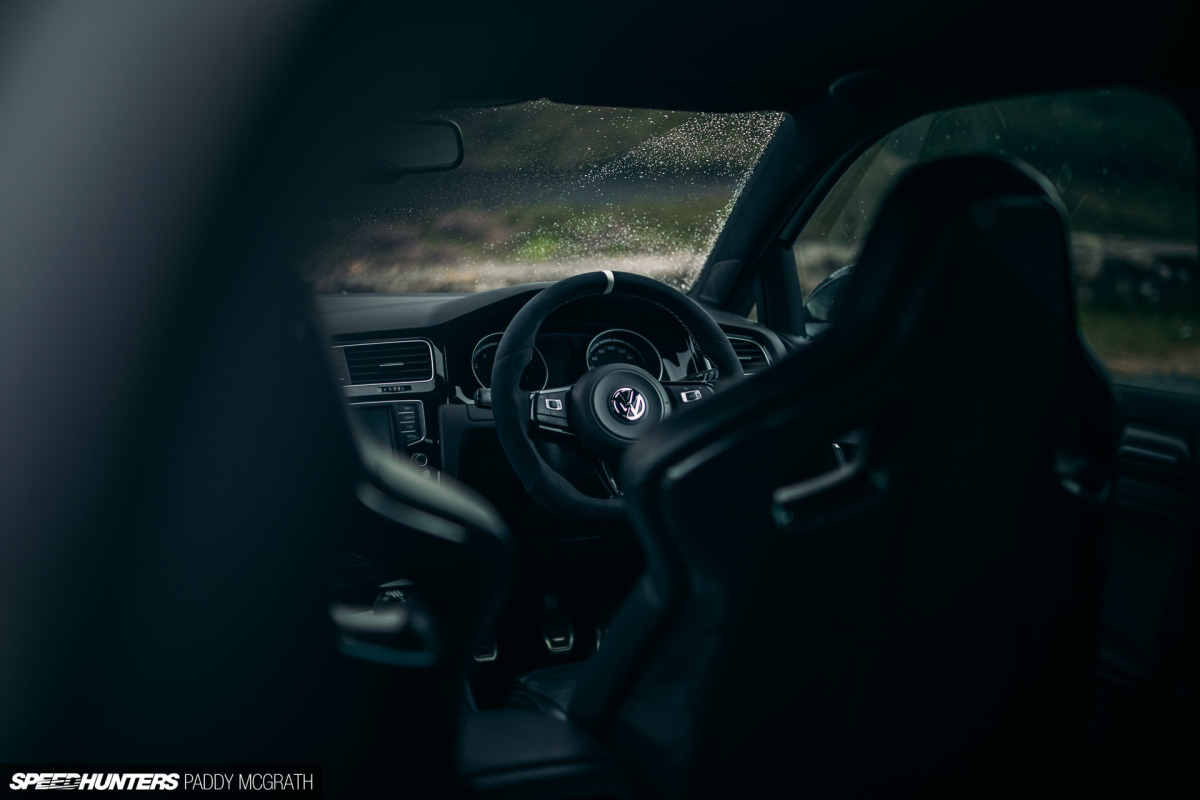
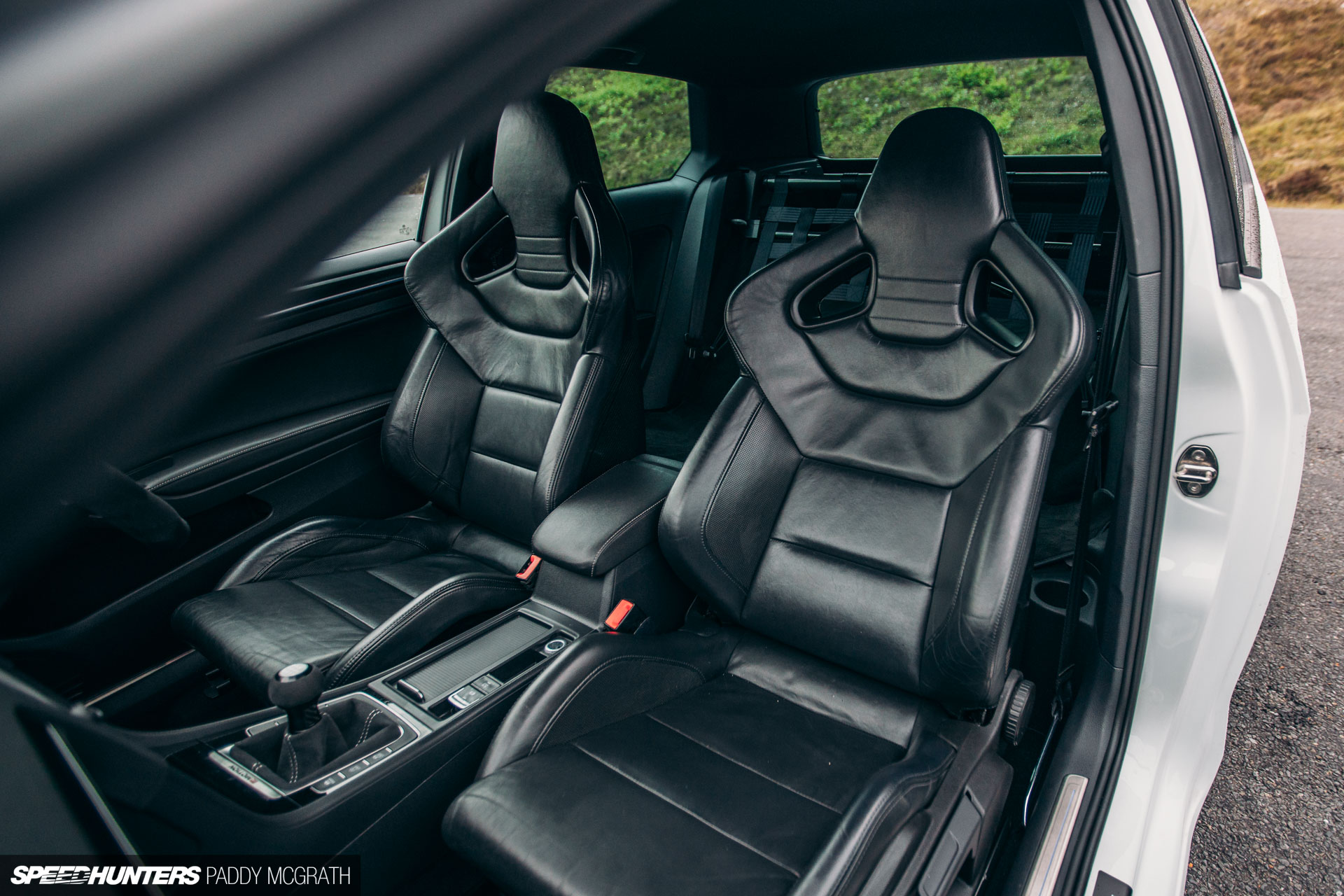
The same level of consideration and thought has been applied throughout the car, which ensures not just consistency but high standards as well. The interior is a perfect example of improving what needs to be improved, and leaving the rest well alone.
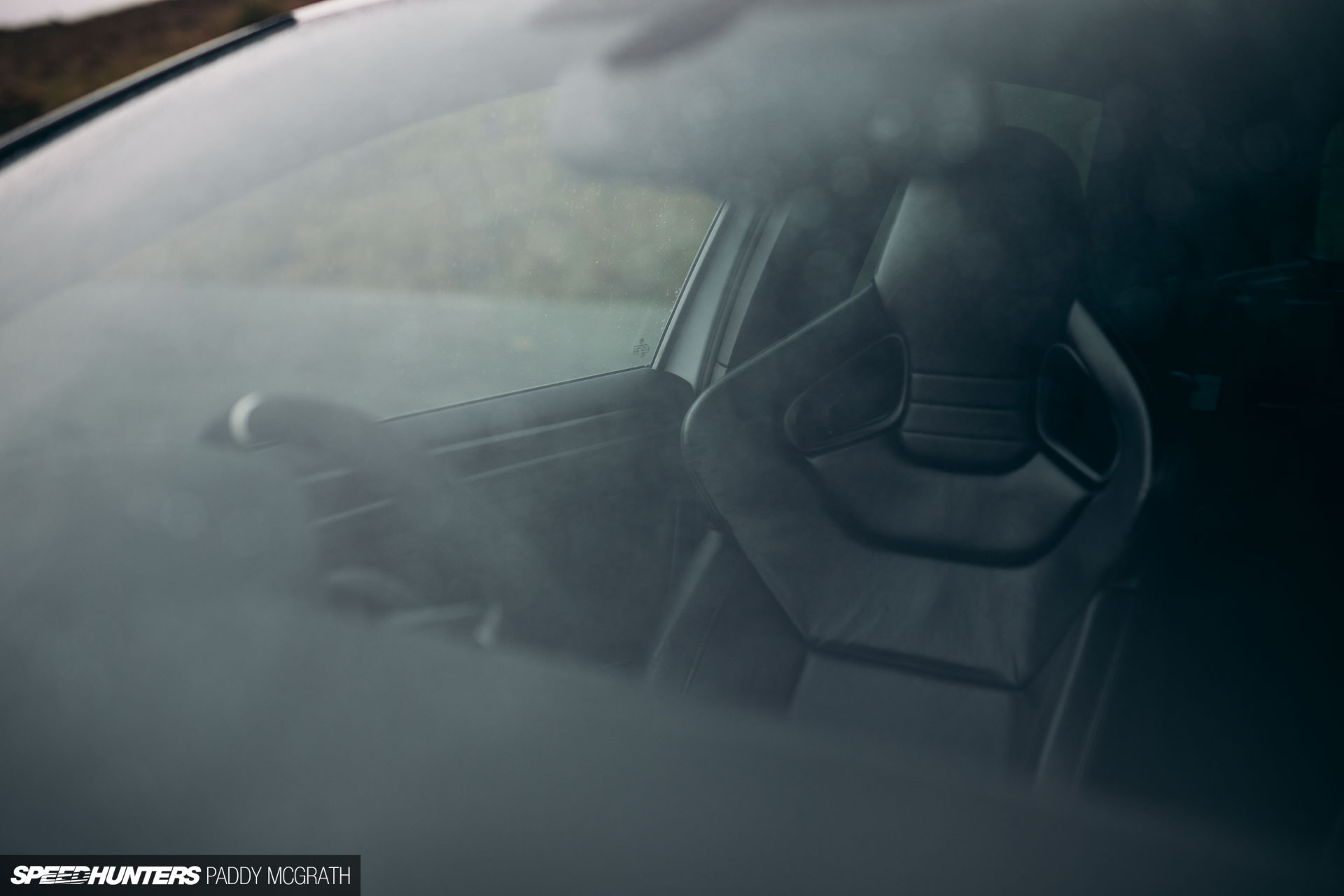
If there’s one area the Golf R falls down on from factory, it’s the seats. Donal has replaced his with a matching pair of leather VW/Audi Exclusive wingback Recaros, while also choosing to upgrade the rear shells to carbon fibre. The Alcantara-trimmed OE steering wheel matches the custom shift gaiter.
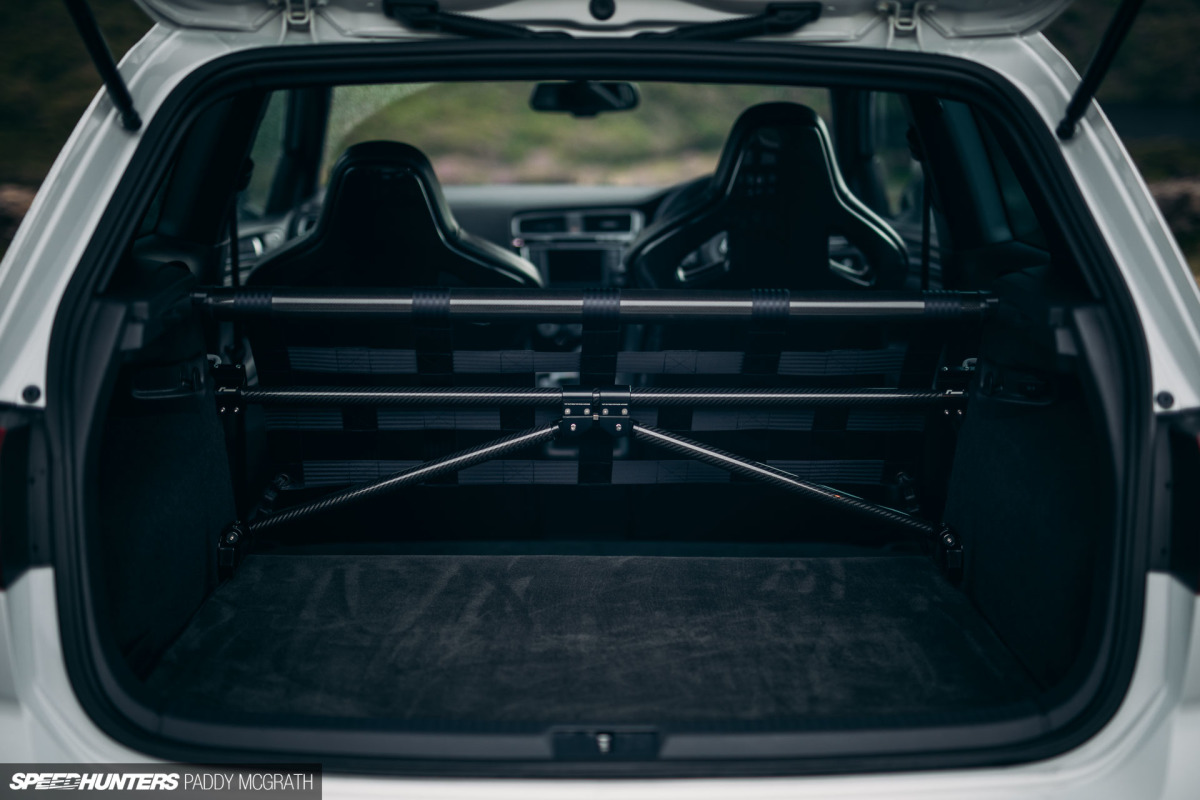
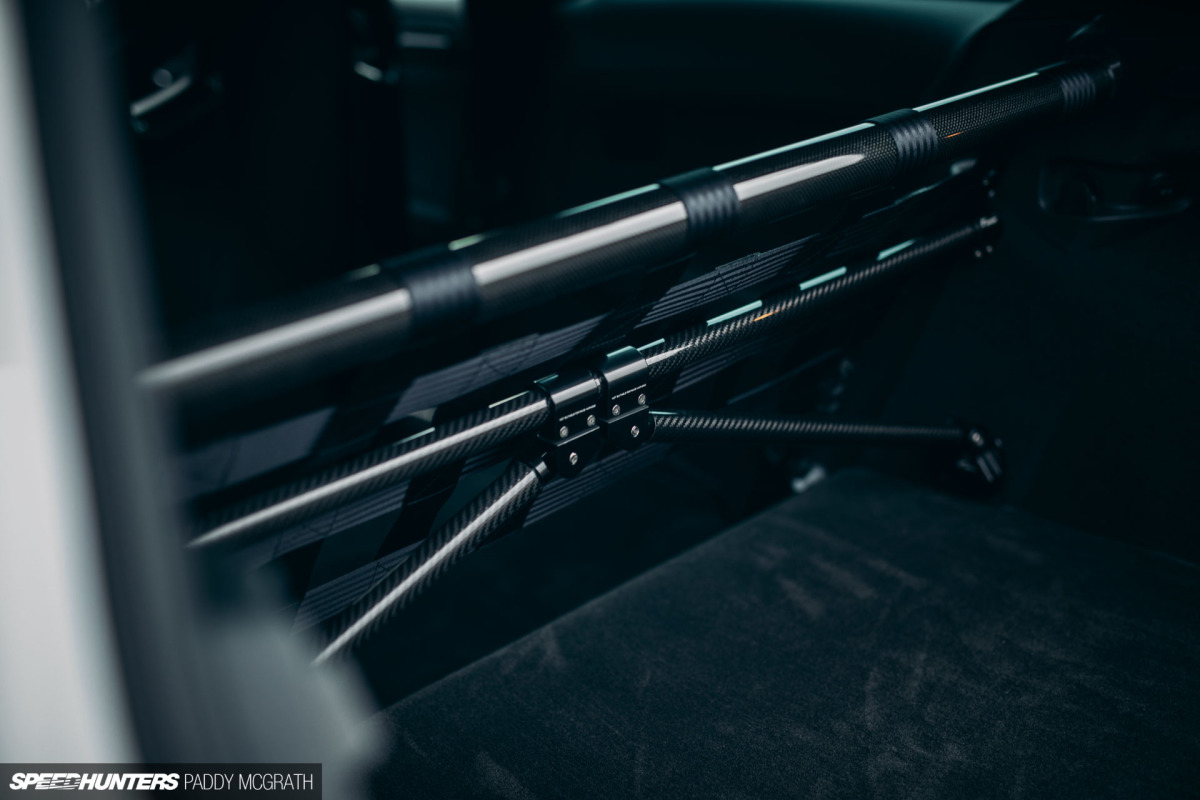
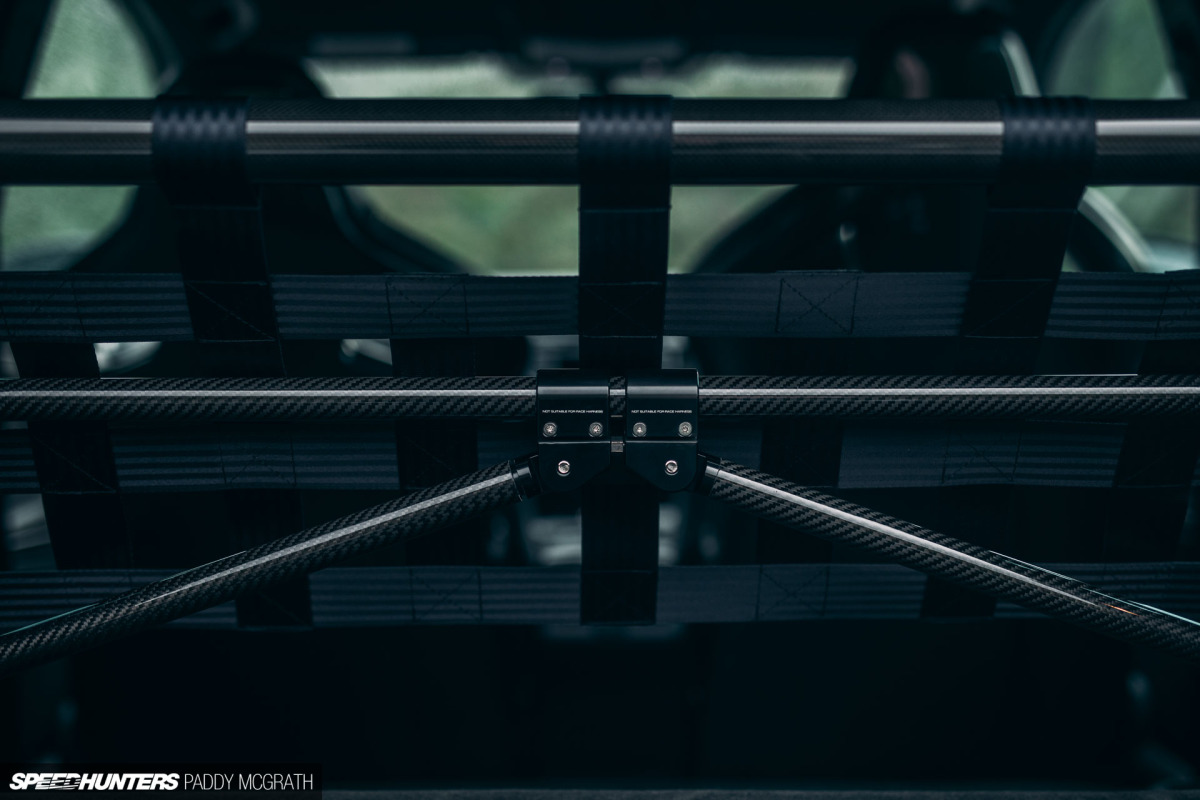
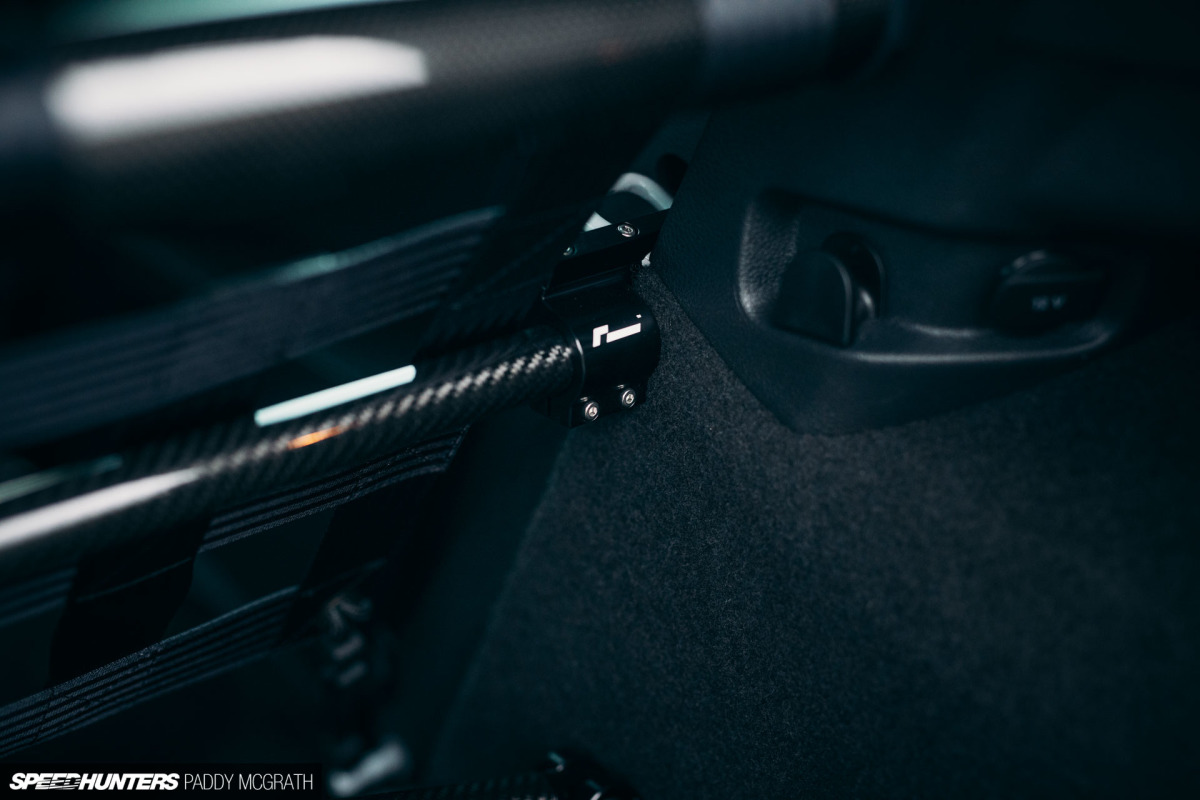
The rear of the car is more performance focused, with the rear seat having been removed with a Stern Motorsport Clubsport delete kit which features replacement carpet and and cargo netting attached to carbon fibre support brace, similar to the setup found in the GTI Clubsport S.
In tandem with this kit, there’s also a RacingLine carbon rear chassis brace tying the rear of the car together, both figuratively and literally.

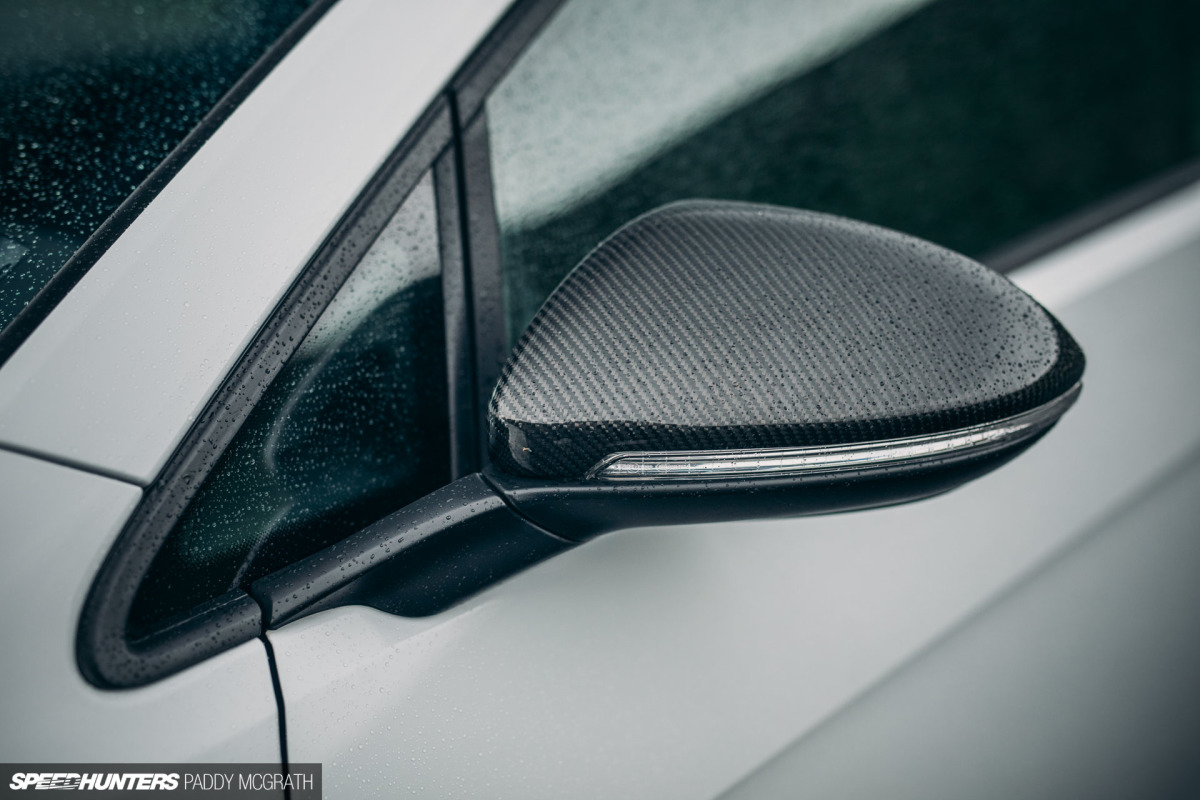
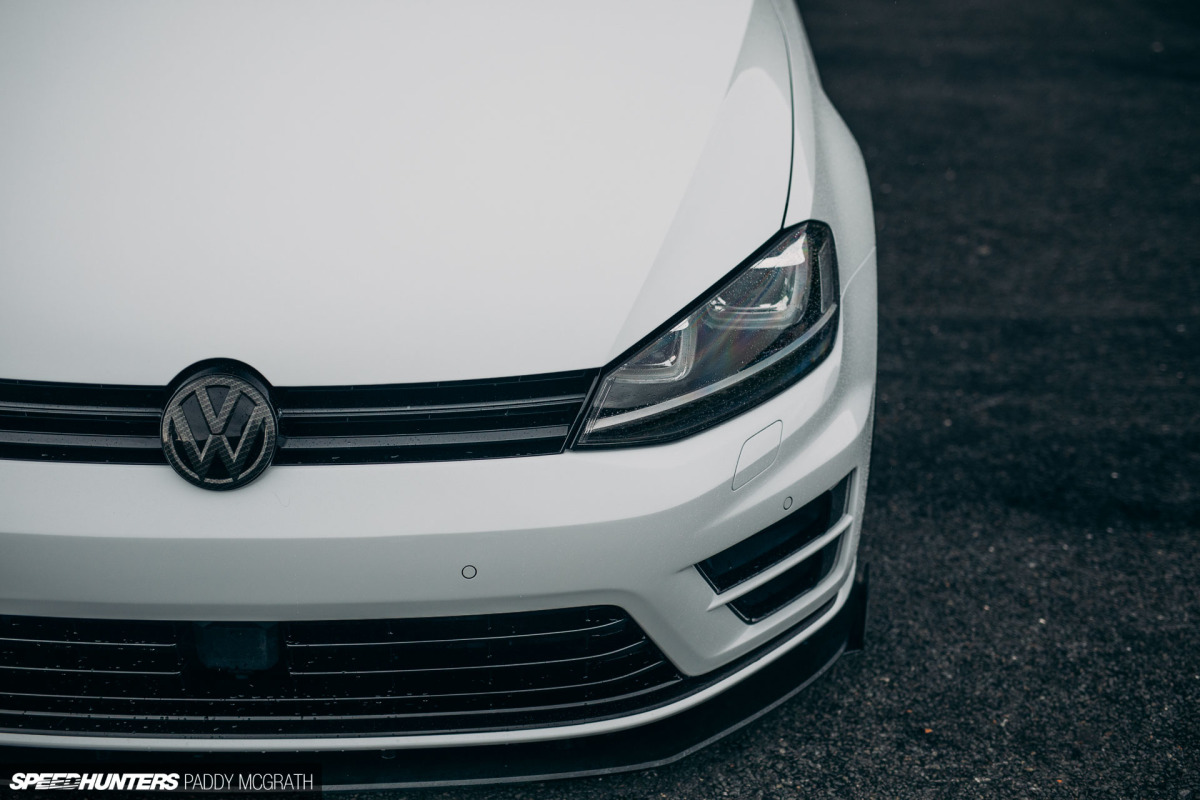
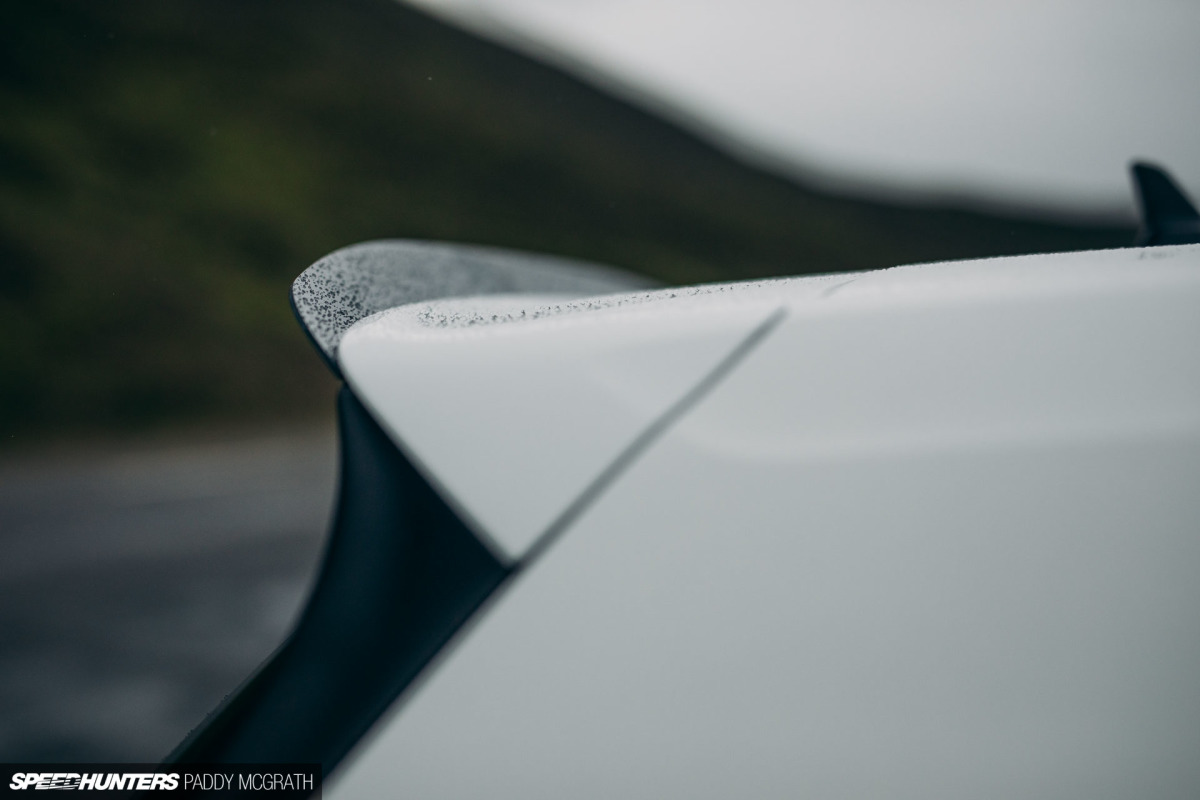
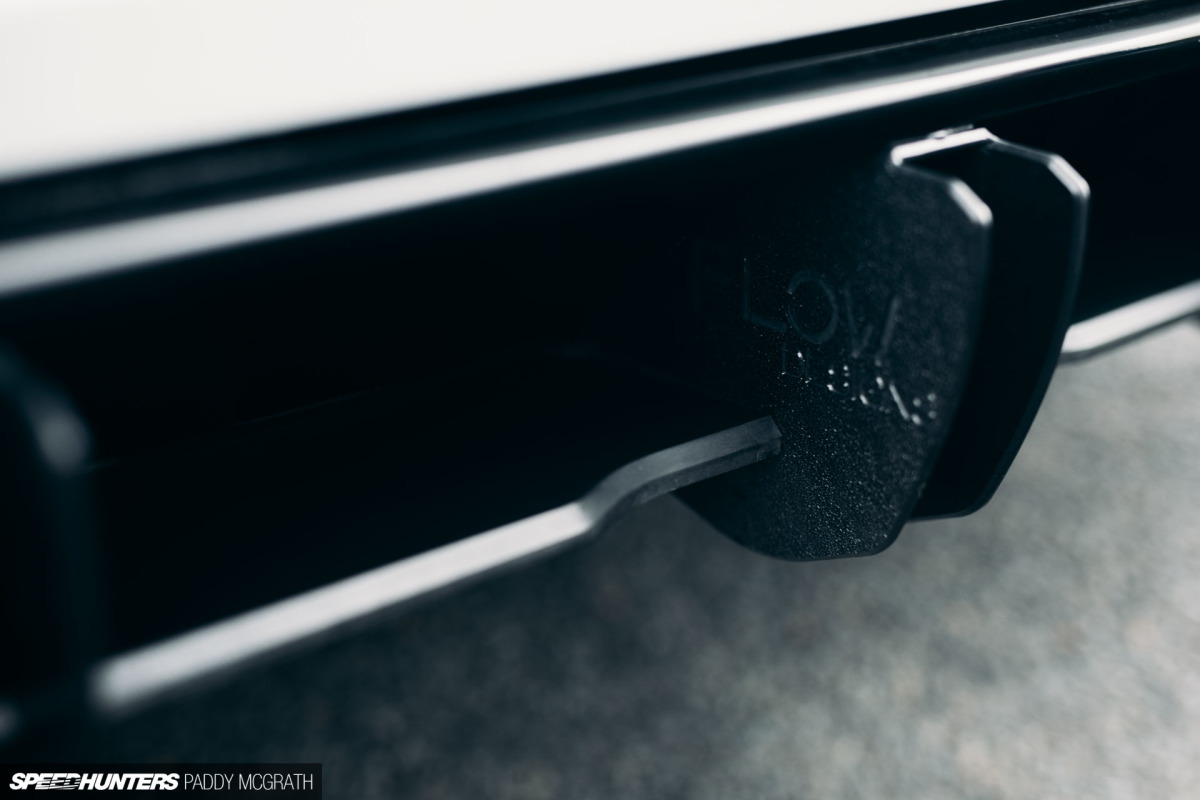
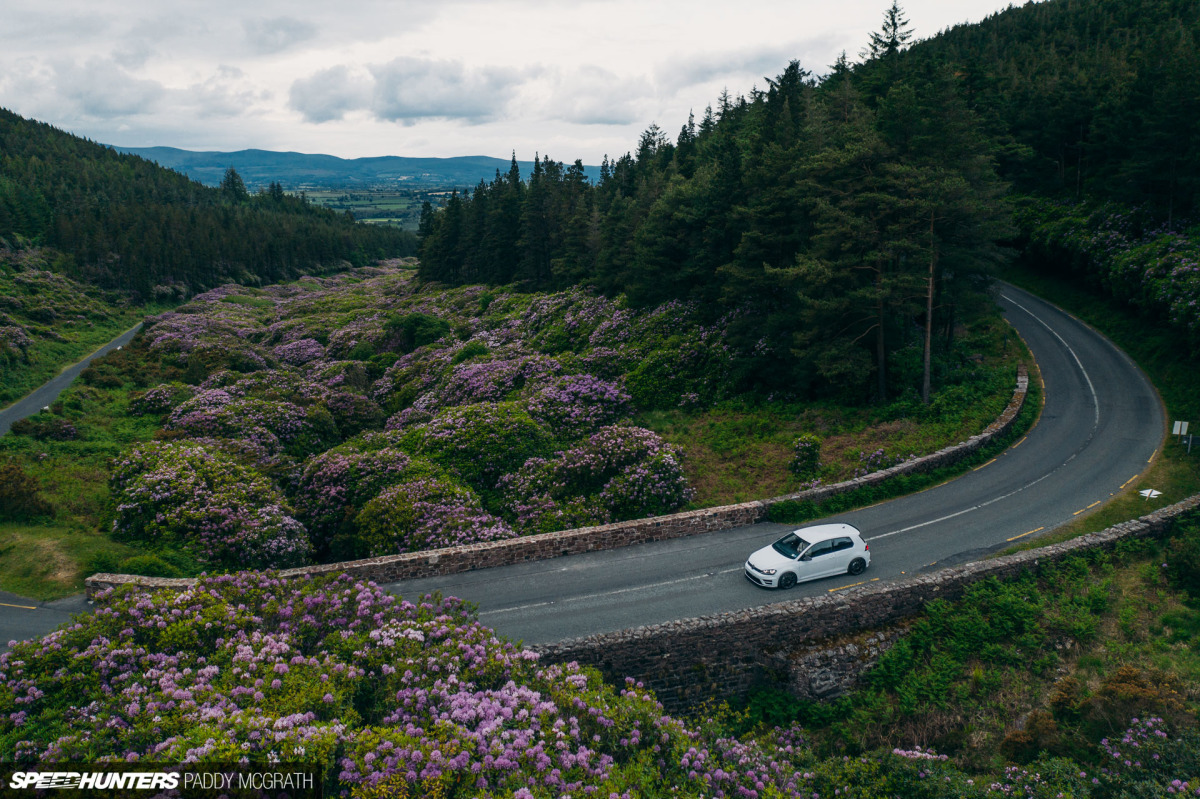
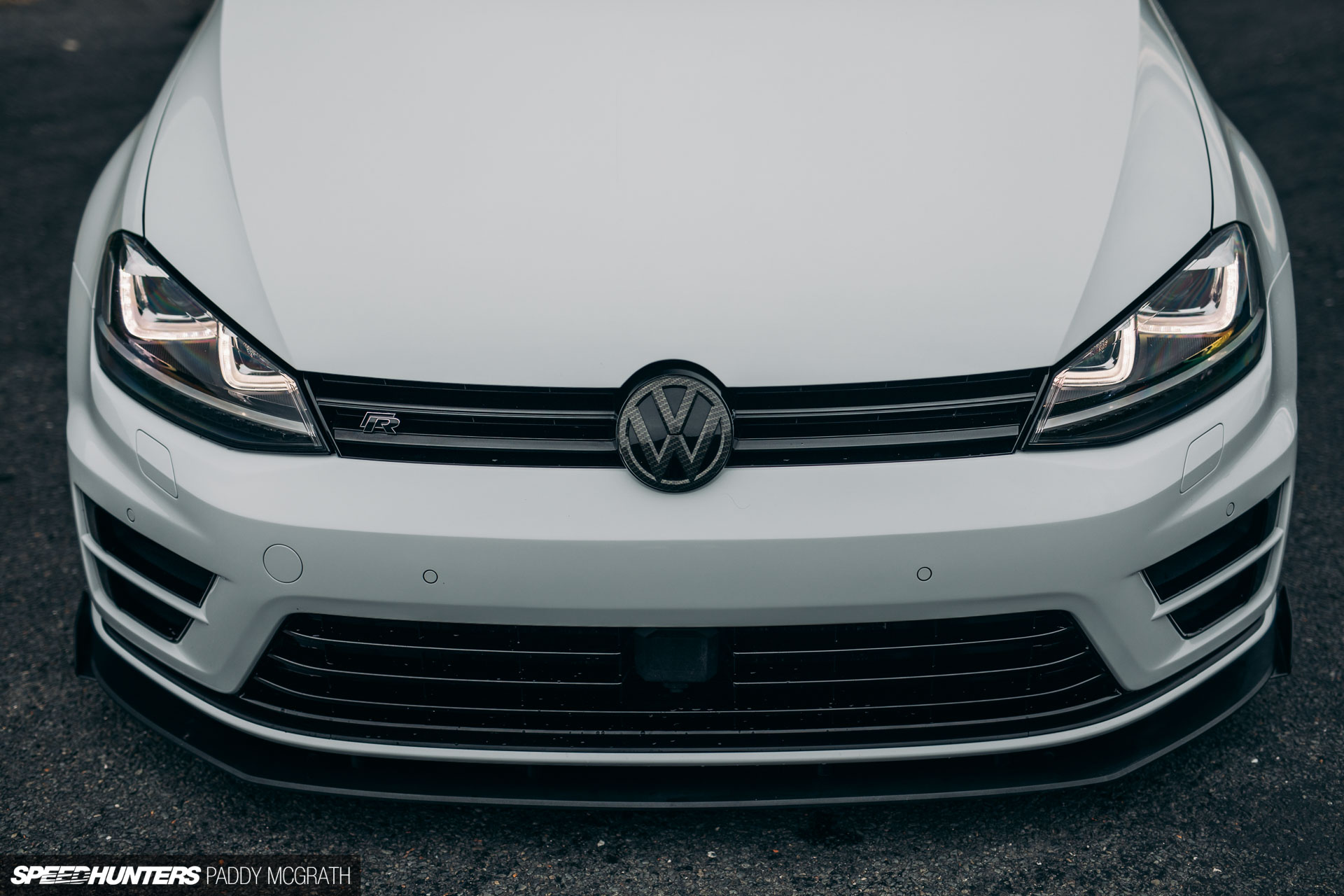
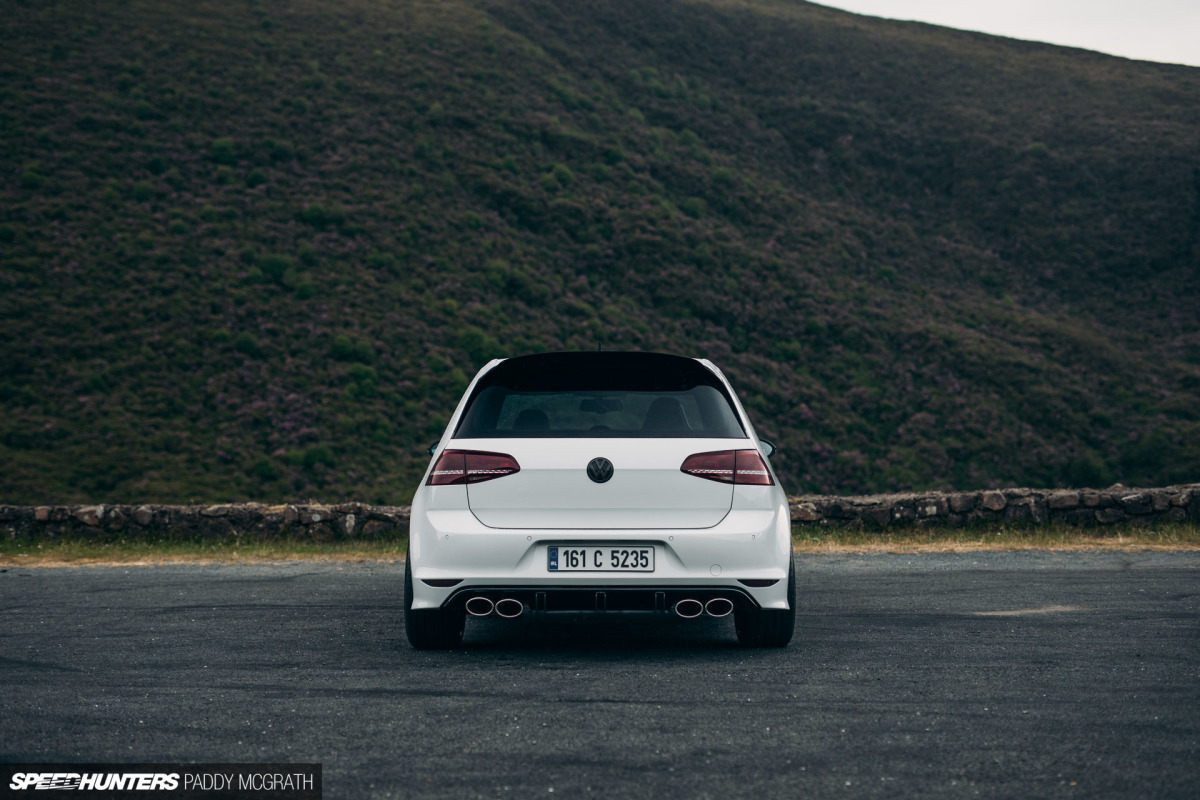
Unsurprisingly, the exterior follows the same theme of ‘blink and you’ll miss it’ levels of subtlety. Little dashes of carbon fibre here and there, a rear wiper delete, smoothed front bumper, rolled and widened front wings with Flow Designs front and rear diffusers, and an Aerofabb rear spoiler.
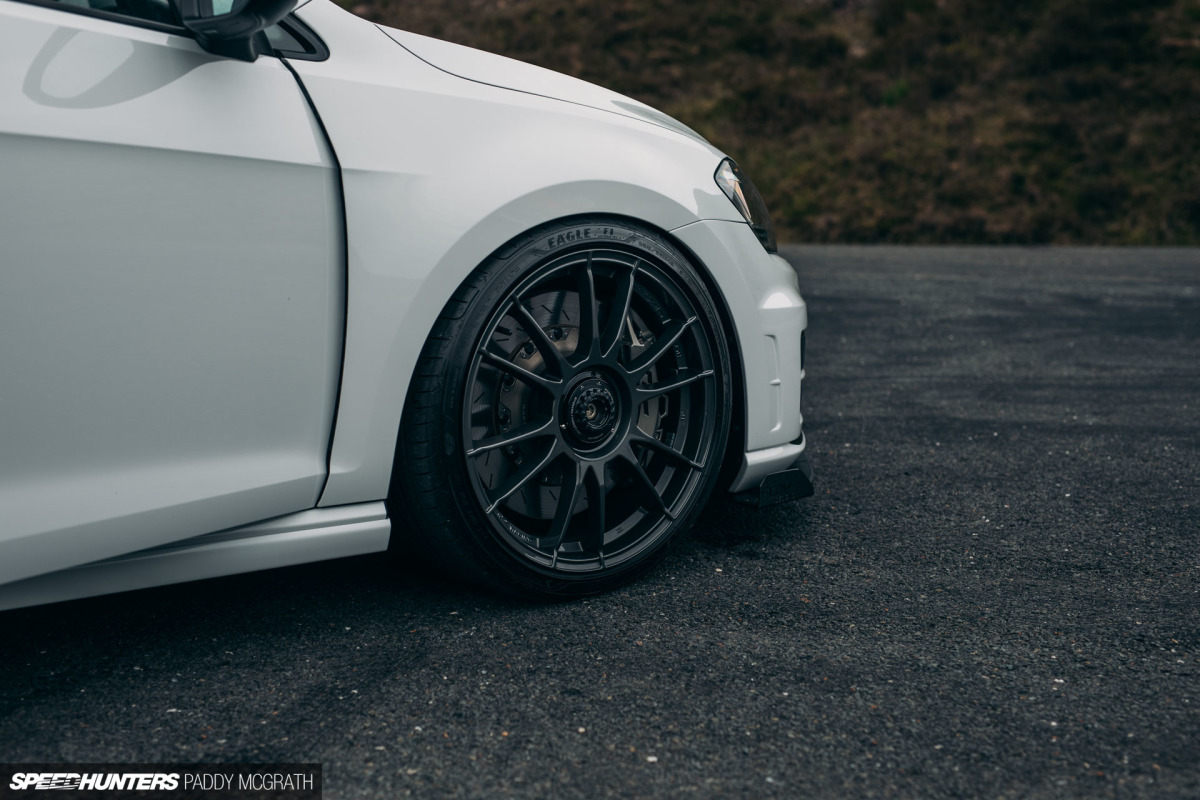

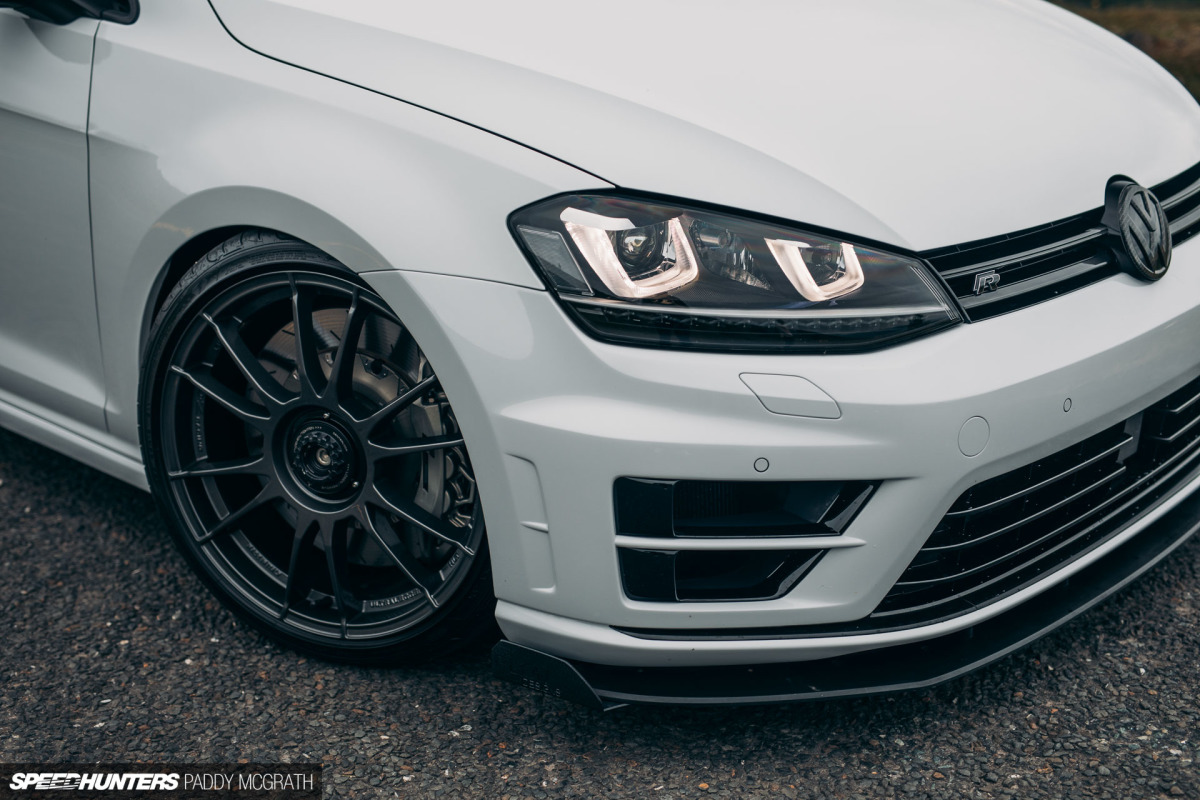
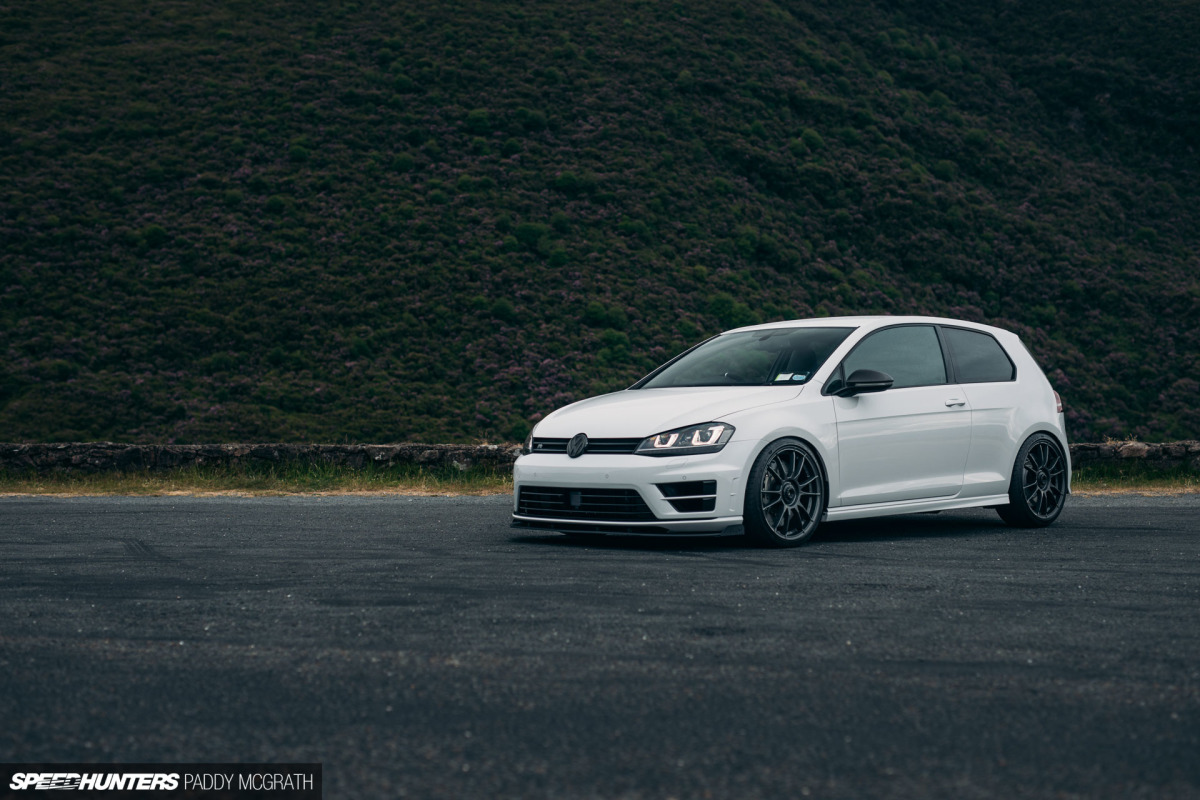
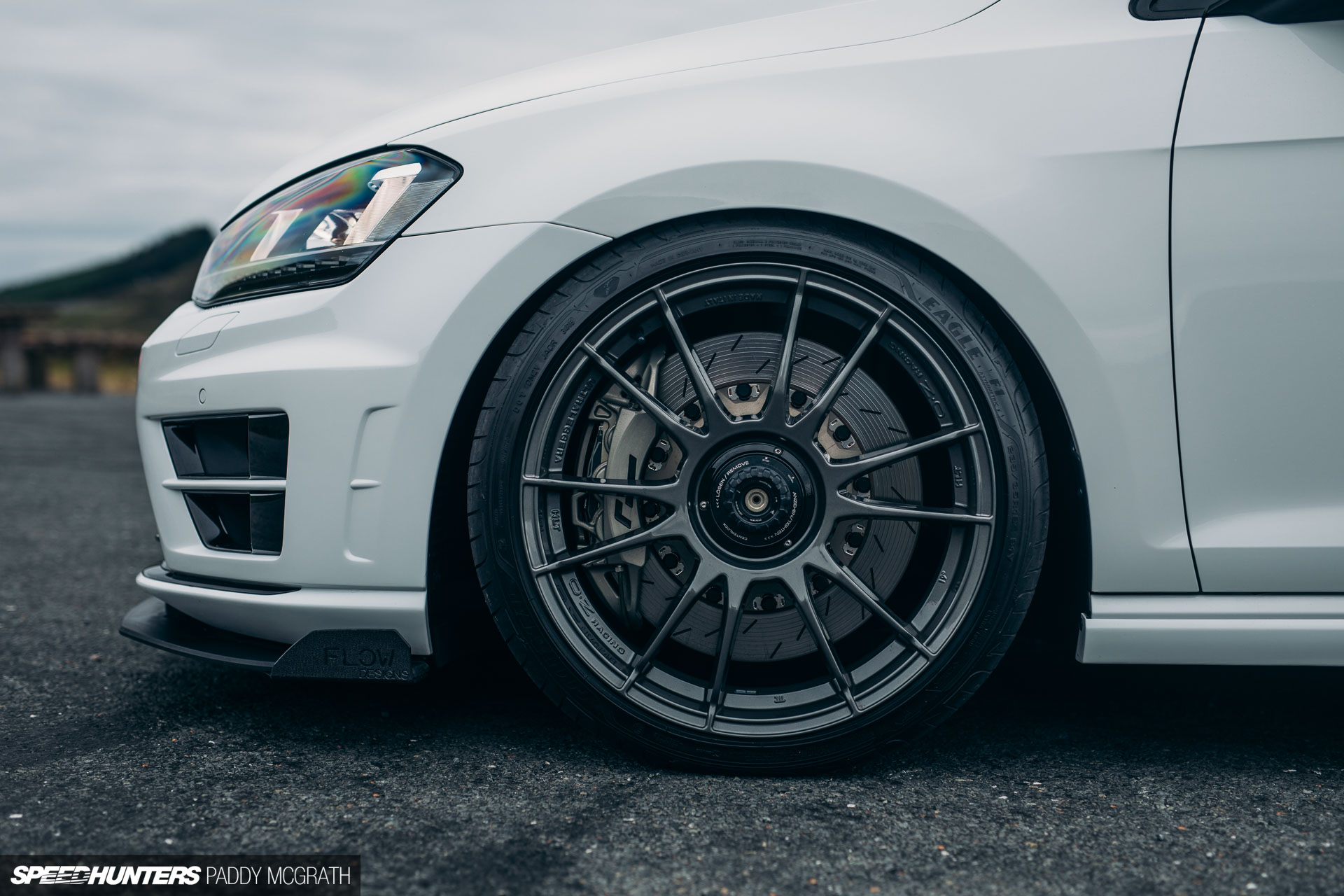
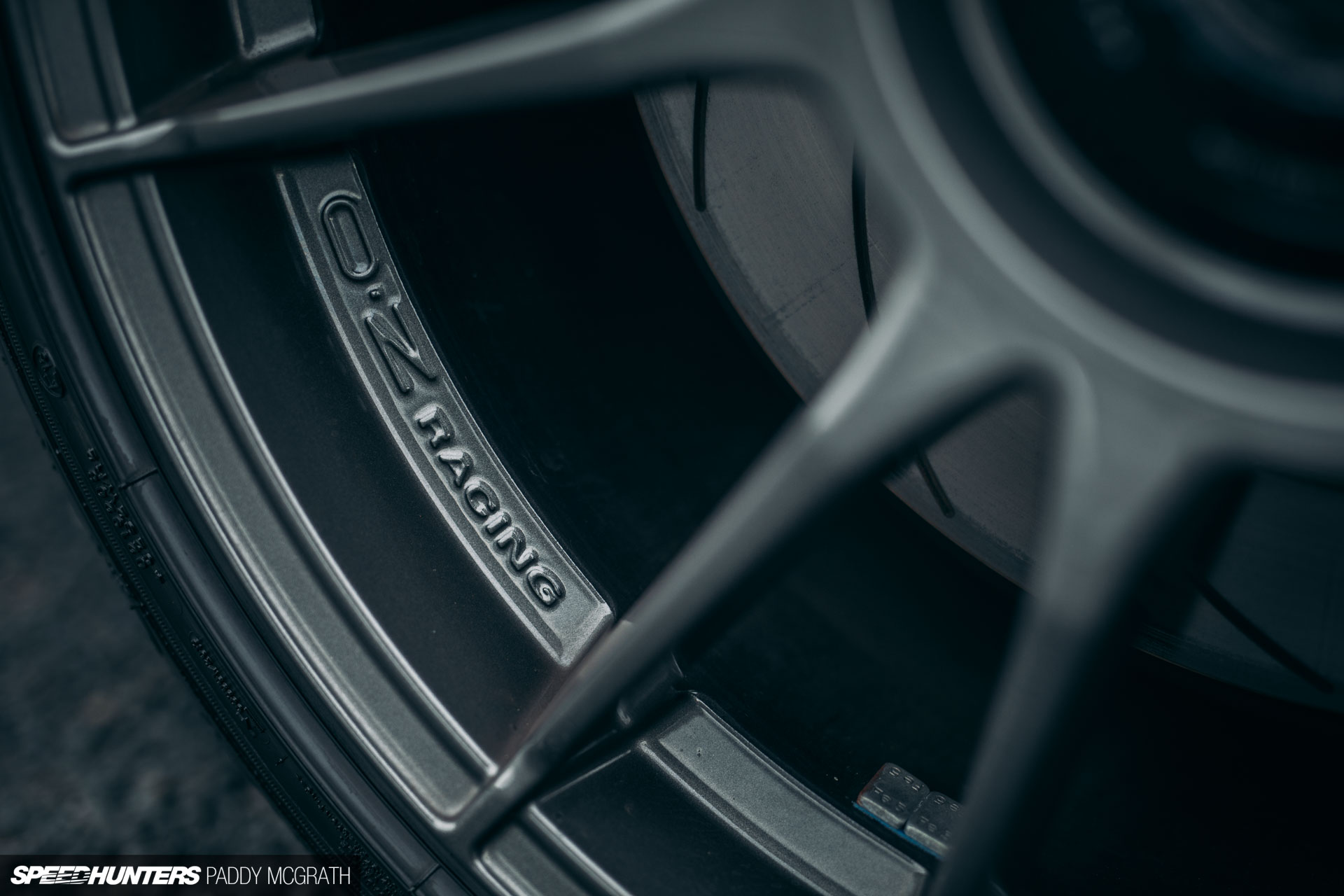
The only real extravagance Donal has allowed himself on the exterior is the addition of genuine centre-lock 19-inch OZ Ultraleggera HLT wheels, and even these are subtle.
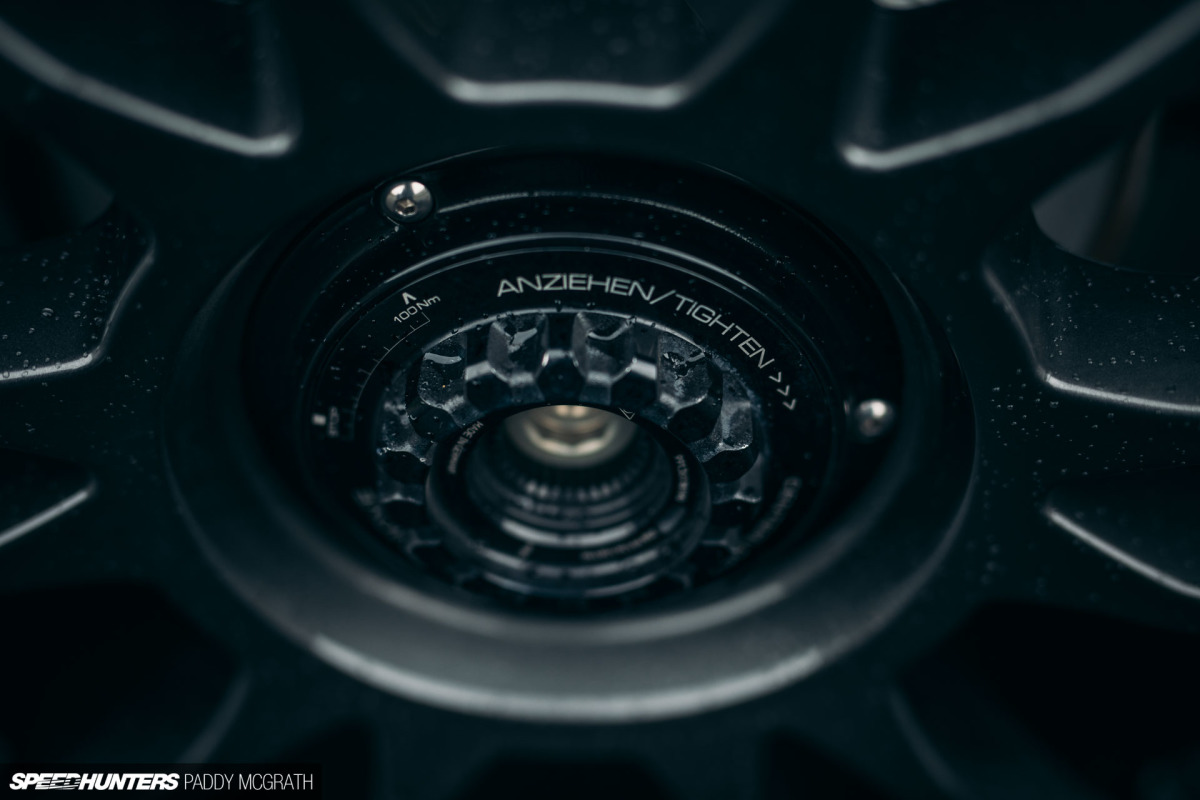
The wheels are secured to the hubs with custom 5×112-to-Porsche-centre-lock adapters, and are fastened with anodised Porsche GT3 centre-lock nuts. A Porsche GT3 secondary pin locking system serves as a failsafe.
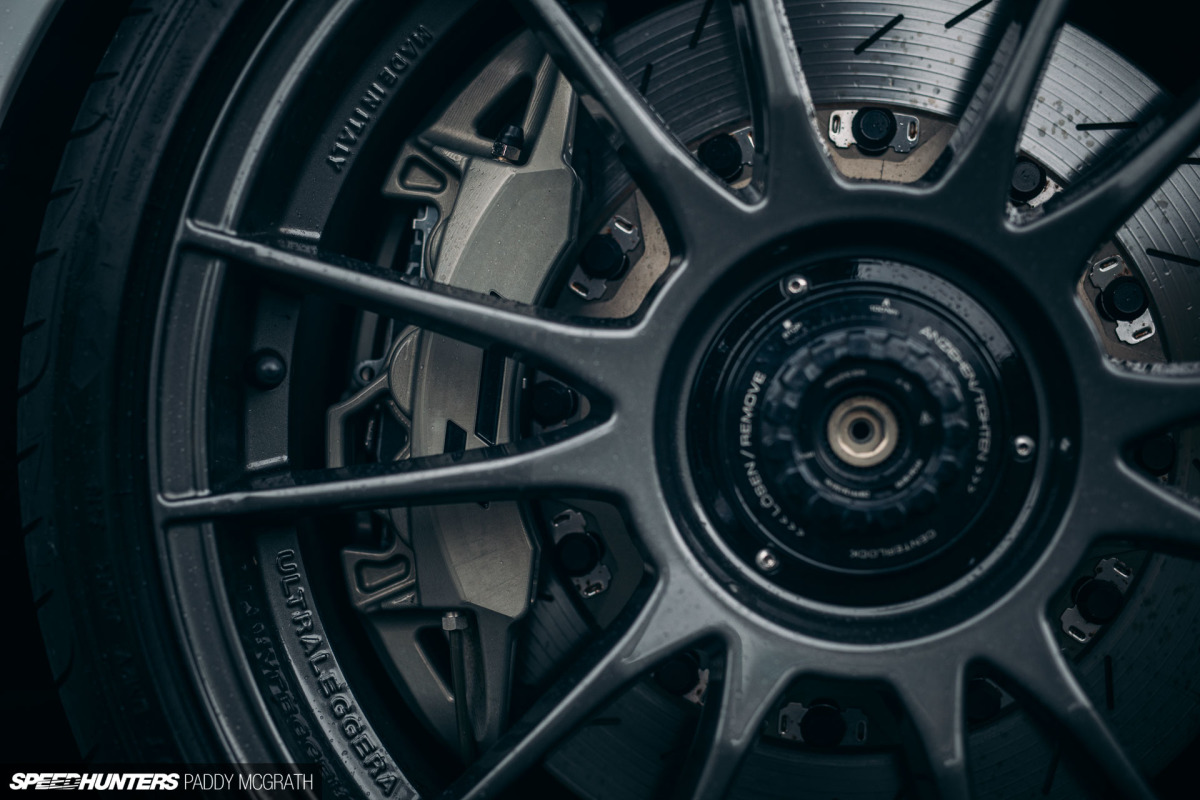
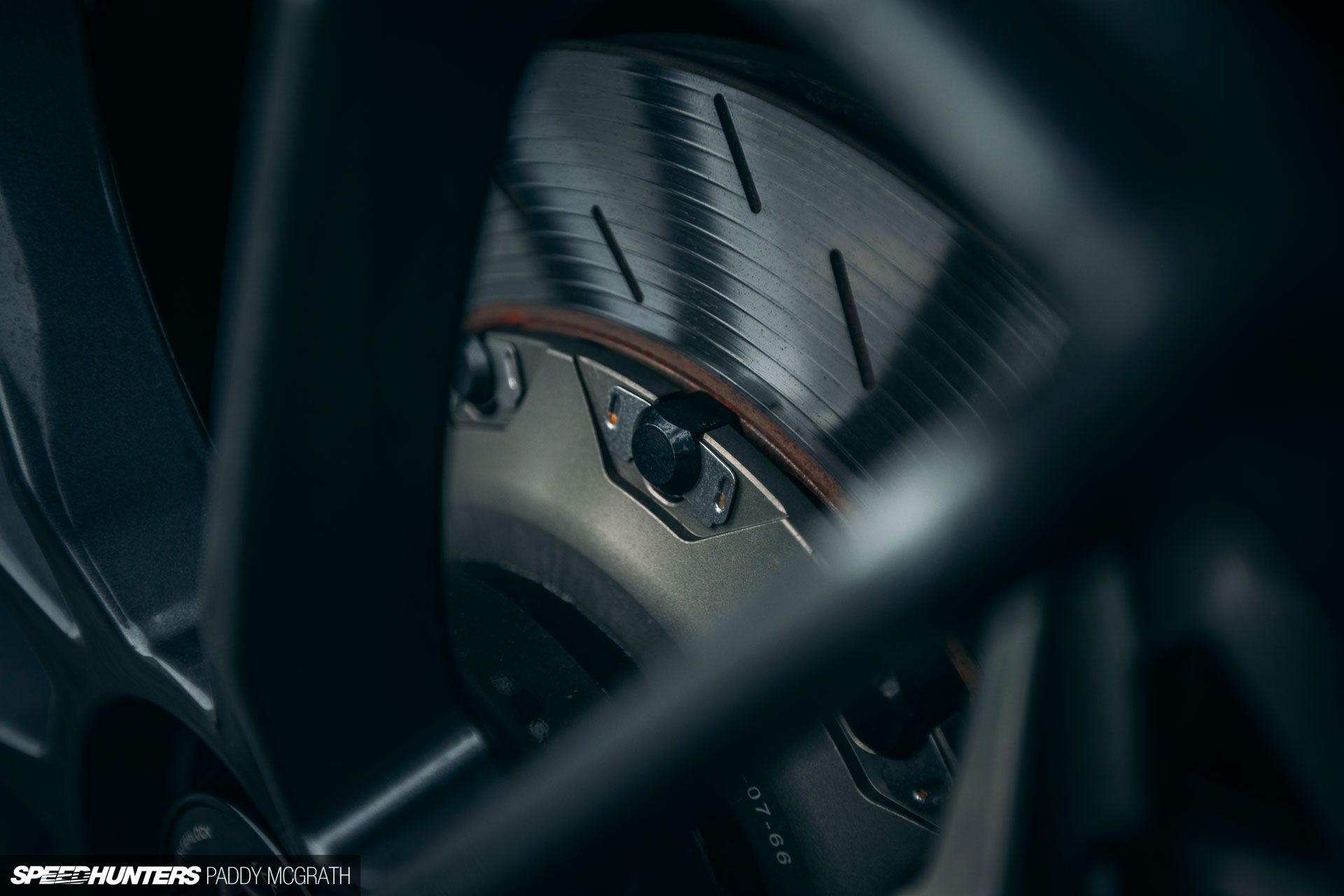
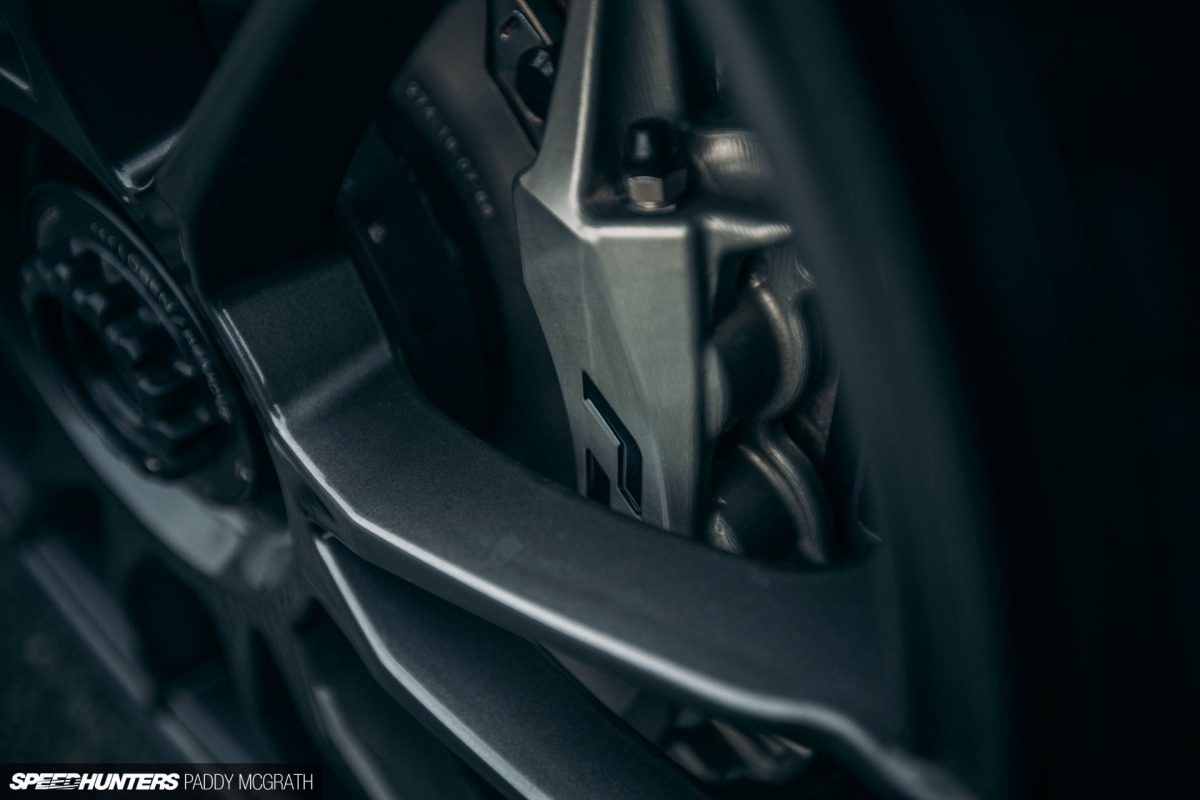
Less subtle are the RacingLine mono-block 6-piston brake callipers with 380mm two-piece slotted discs. The rears, too, have been upgraded to 356mm discs. There are braided brake lines front and rear, filled with Motul Racing fluid.
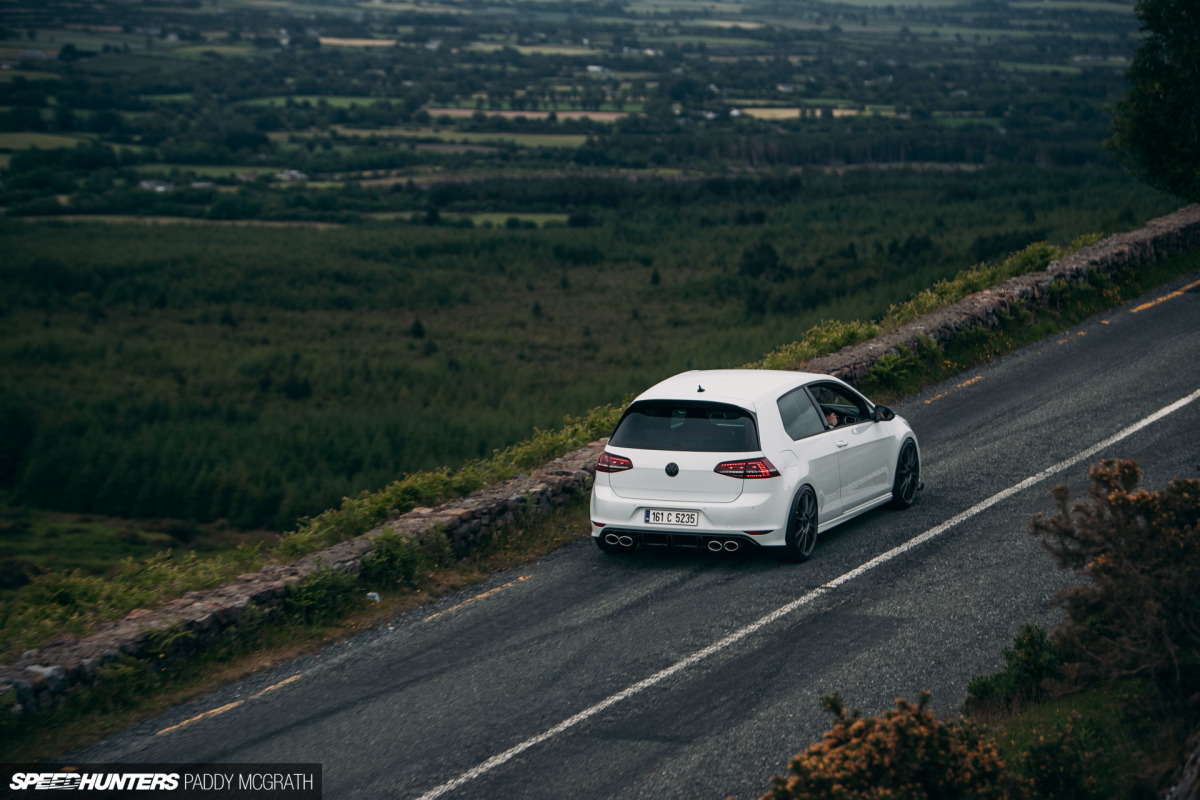
The chassis modifications might be minimal, but they’re effective. In addition to the aforementioned rear brace, a front strut brace hides beneath the plastic scuttle panel, while a RacingLine subframe alignment kit reduces deflection from the subframes and attached suspension components.
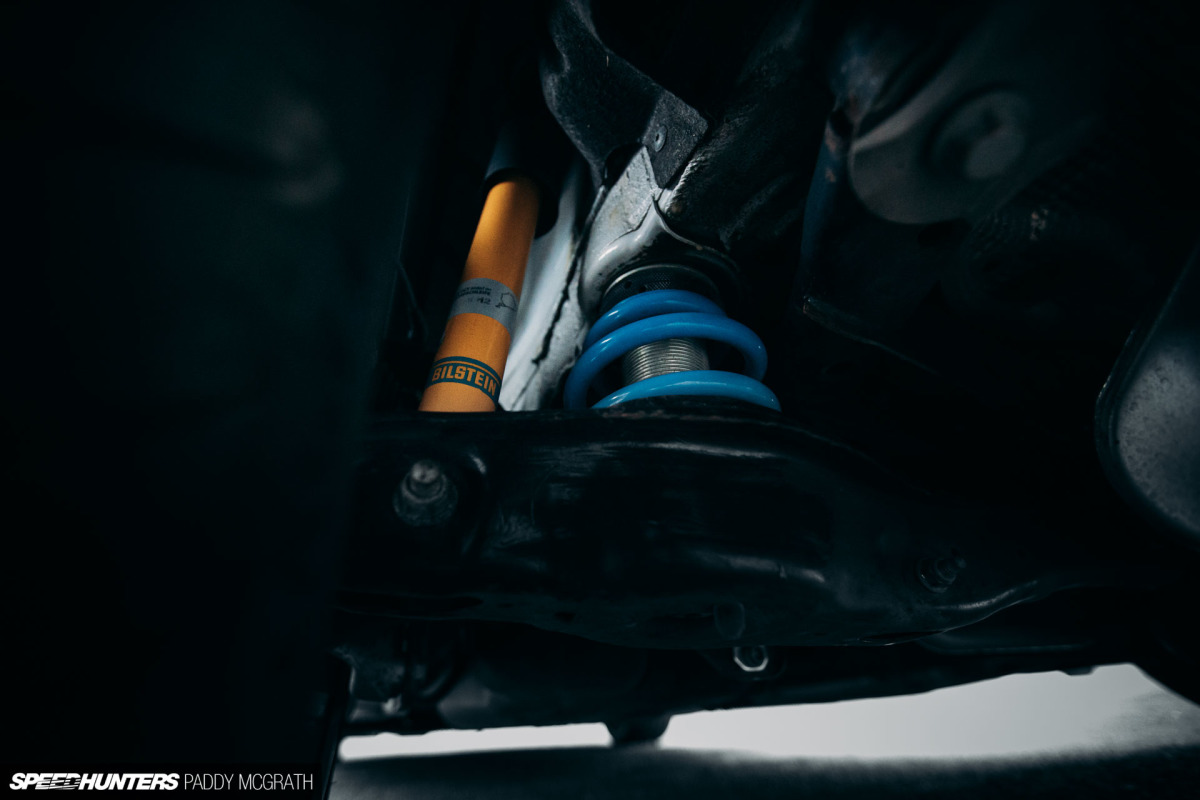
The car is sprung on BILSTEIN B14 adjustable front coilovers with matching adjustable rear dampers and springs housed within the multi-link setup.
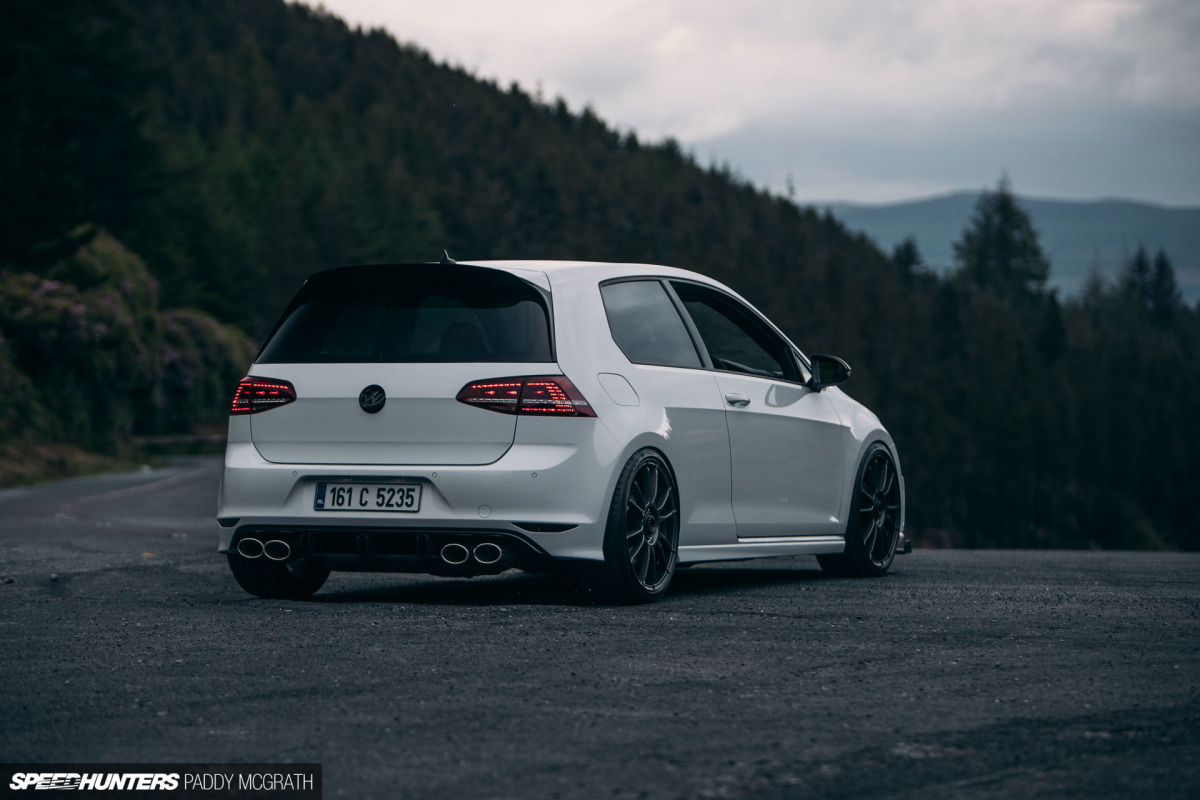
Donal has put together an exquisite car, one which I’m sure most will be able to appreciate, regardless of personal manufacturer allegiances. I feel like we can all take something away from it.
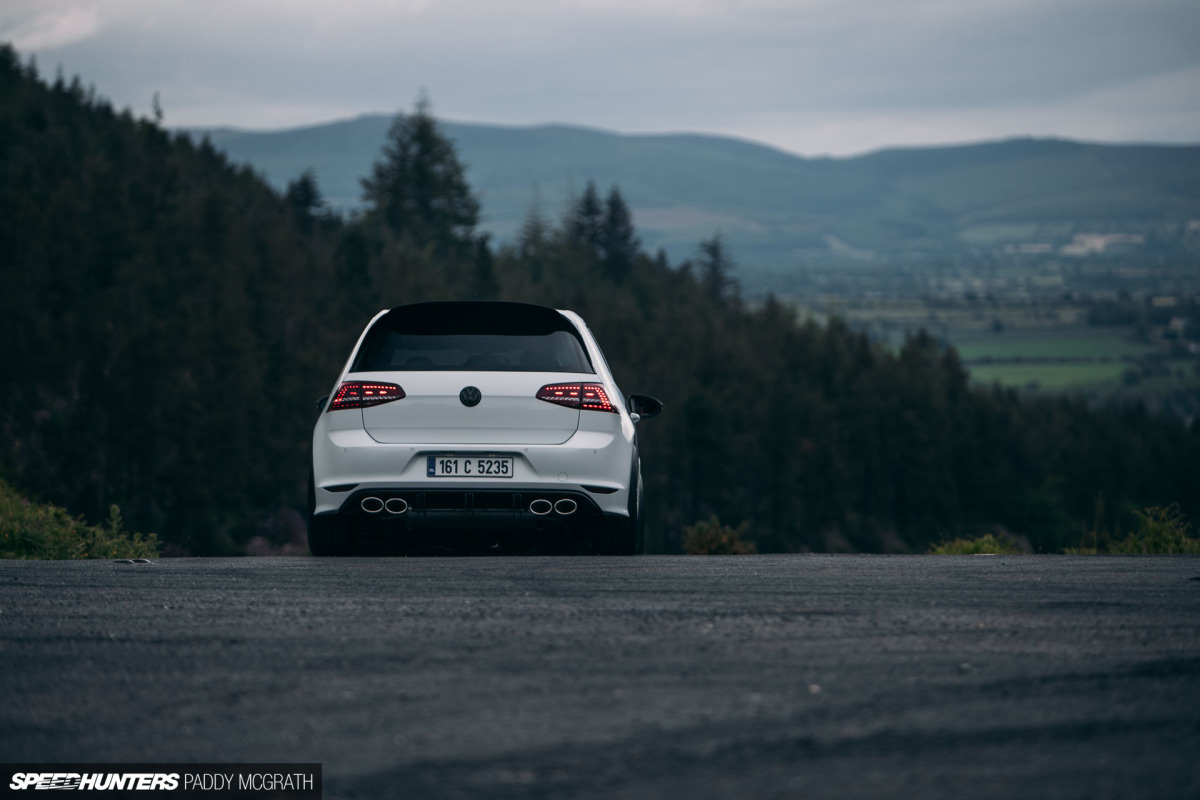
It’s cars like this that attracted me to the Volkswagen scene in the first place; subtle powerhouses that remain invisible to the majority of other road users. In a world of near-constant surveillance, there’s a lot to be said for going unnoticed.
While the Golf R itself might not have the racing pedigree and history behind the model name, I think it’s a car worthy of – at the very least – being included in the conversation when we talk about great all-wheel drive cars.
If anything, it’s only real sin is that it’s probably a bit too good from factory, requiring either massive amounts of speed or talent to find its limits. Otherwise, it usually feels unbothered from day to day. The other side of that coin is that it allows mere mortals to experience levels of speed and performance that they probably wouldn’t otherwise.
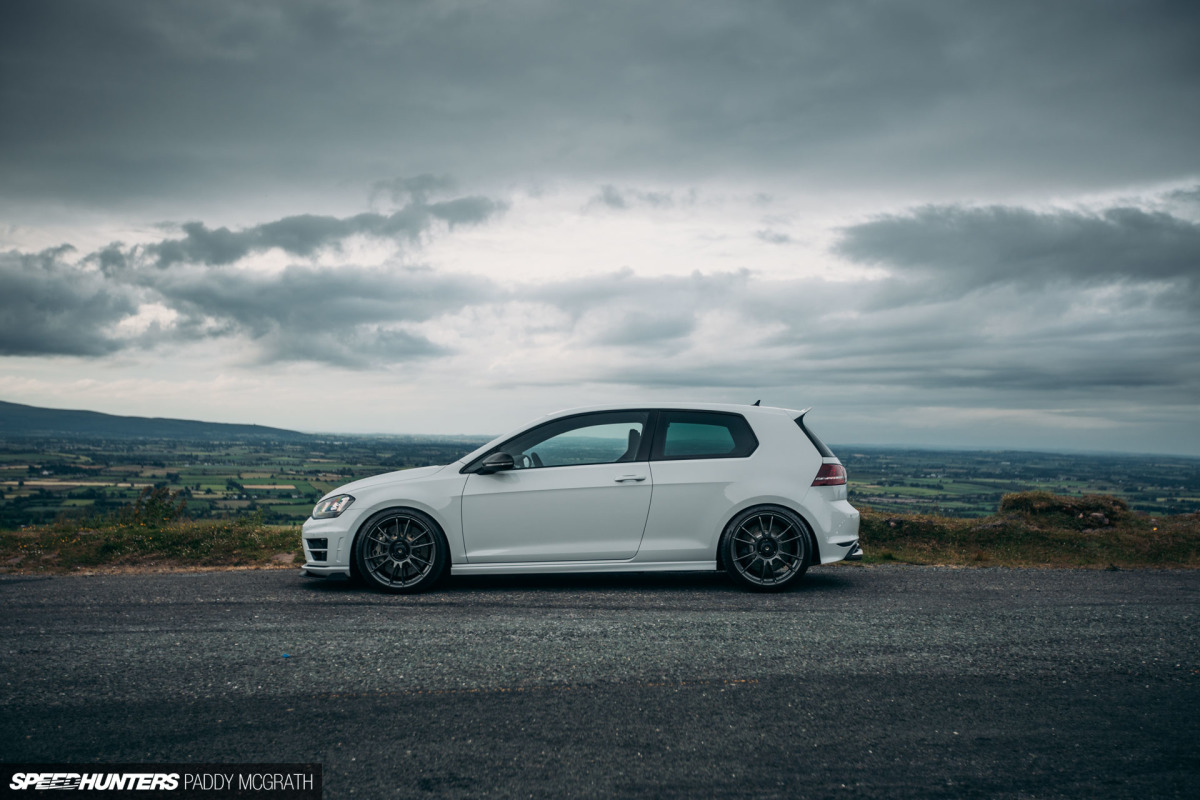
While, officially, the Golf R had nothing to do with Volkswagen’s WRC program, there’s a part of me that feels the engineers involved in the project almost certainly had posters of flying 555-liveried Imprezas on their walls growing up, or watched videos of Mr. Mäkinen on their lunch break.
We might be past the days of buying WRC cars in our local dealerships, but we should be thankful that manufacturers still build cars like the Golf R.
Paddy McGrath
Instagram: pmcgphotos
Twitter: pmcgphotos
paddy@speedhunters.com
The Volkswagen Golf R on Speedhunters
The Cutting Room Floor