
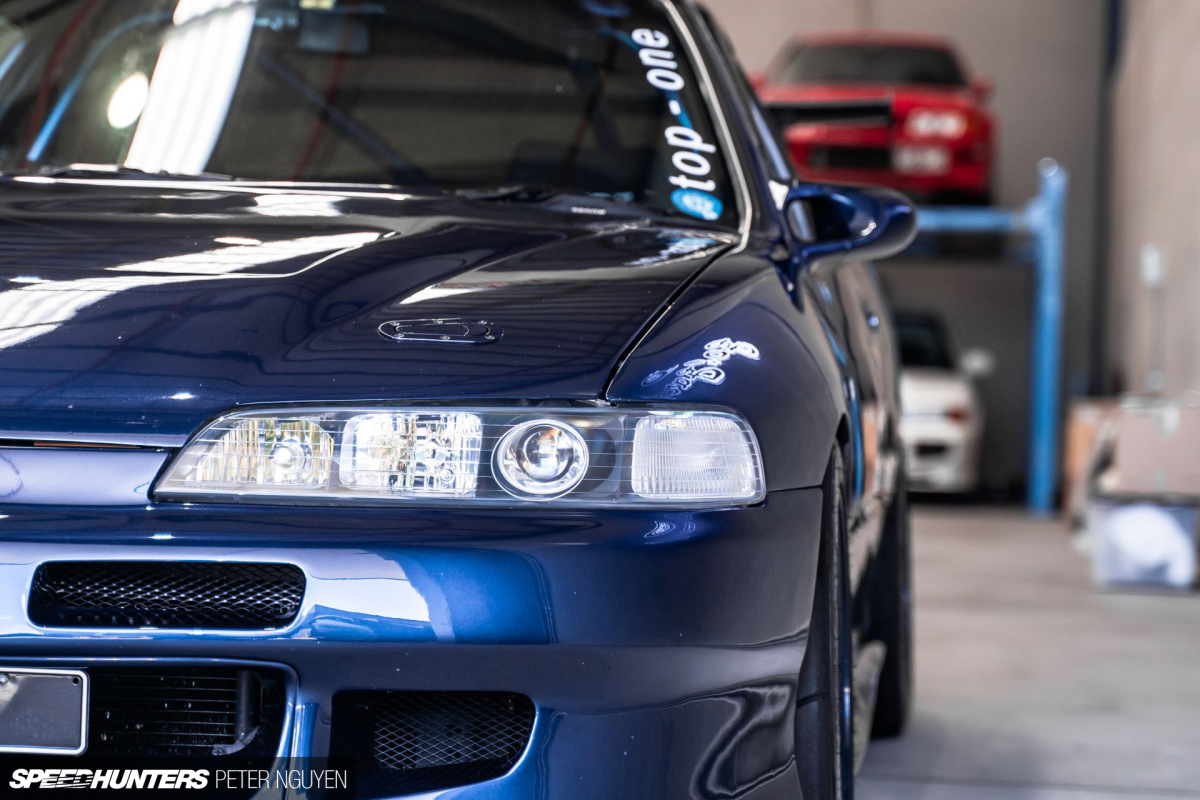
“Must be nice.” That’s how I greeted Frans Kusuma, the owner of this 1997 DC2 Honda Integra, when Peter (the photographer for this story) and I met him at Go Garage in Sydney, Australia.
It’s a standout build created by a mechanic who treated it as much as a learning experience as his passion project. “I tried everything on this car, making the smallest adjustments just so I could see what makes a difference and how it does so,” Frans admitted when we began to pore over the details.

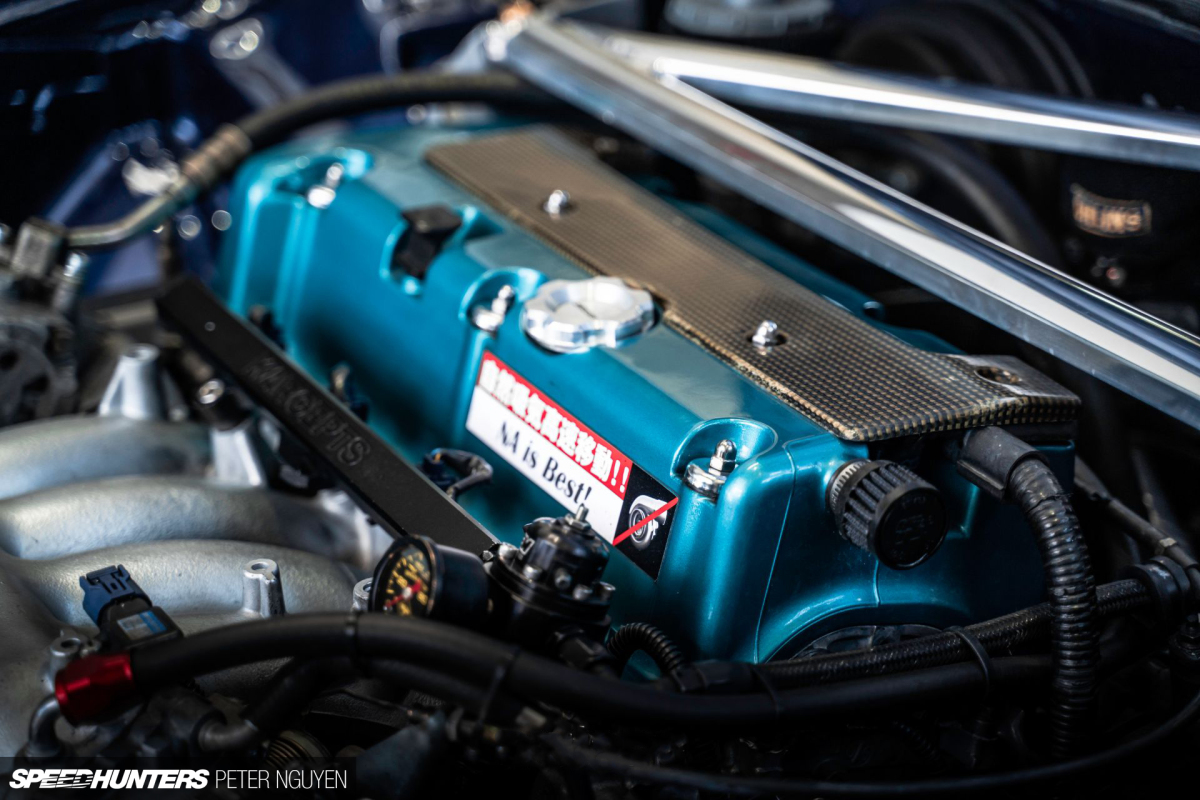
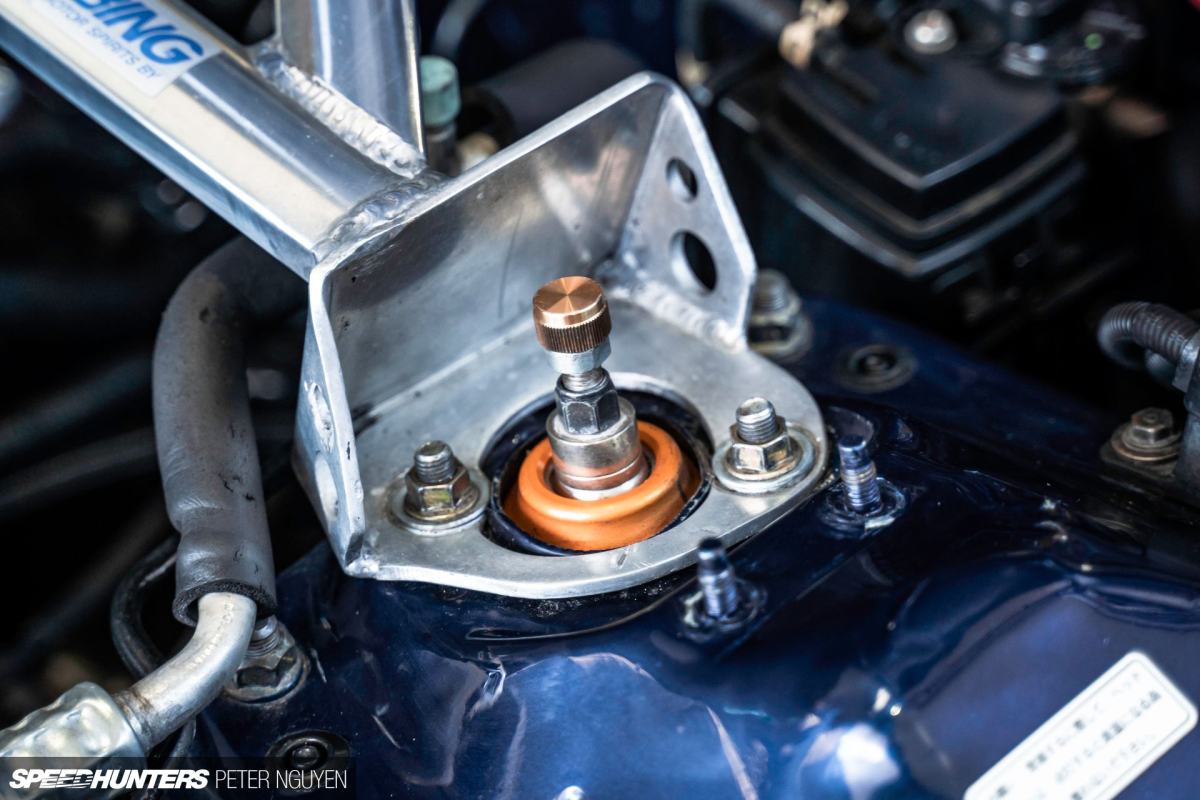
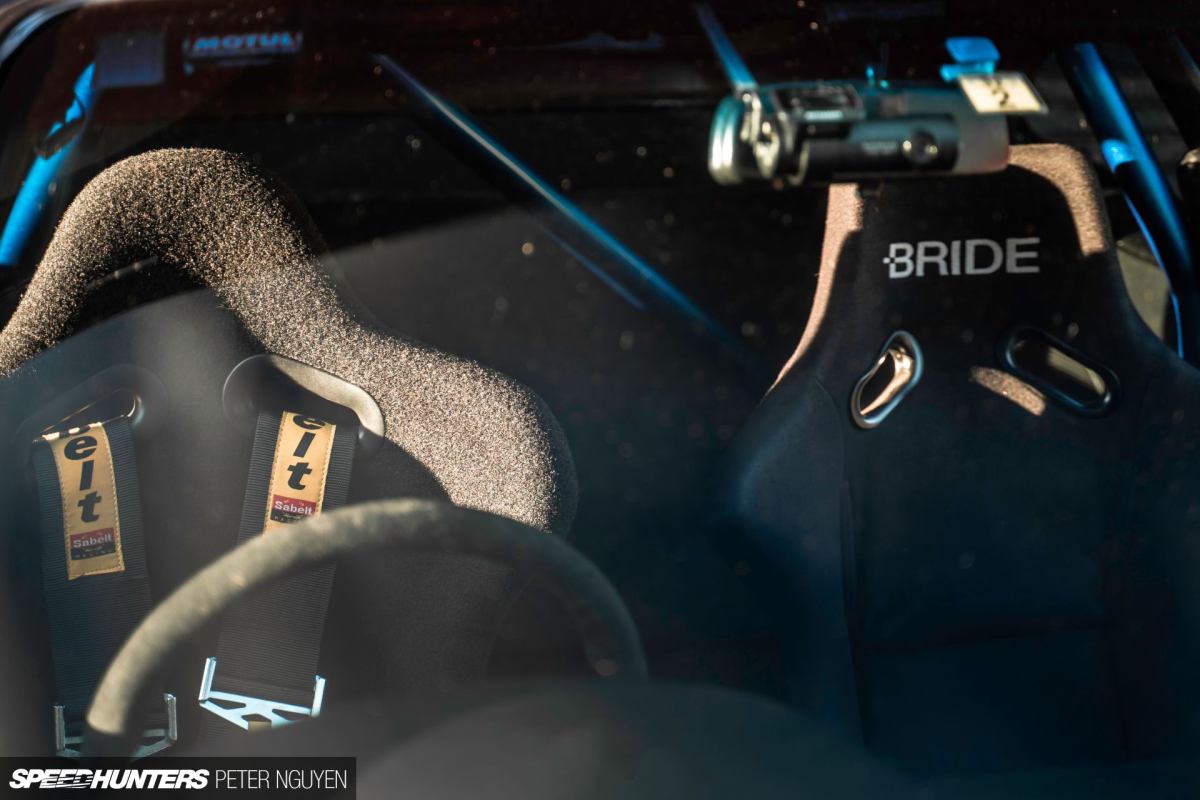
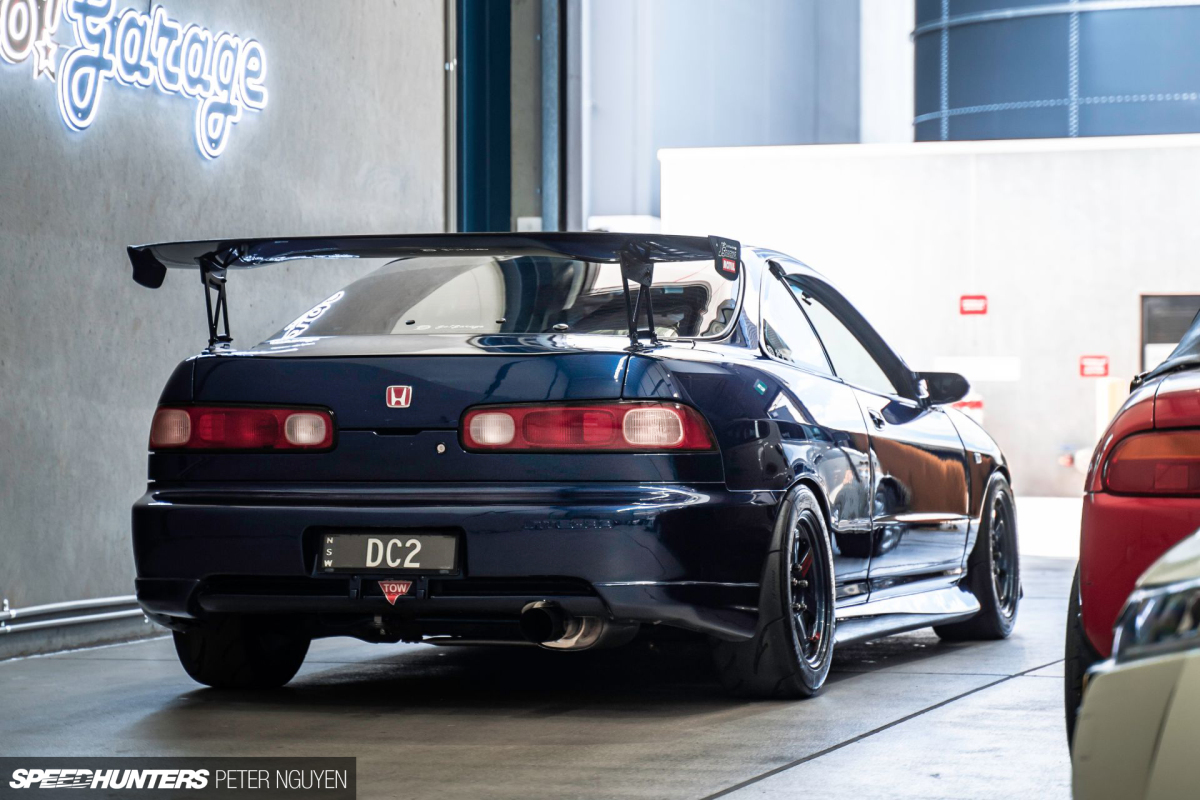
However, as we got deeper into the intricacies of Frans’ project car journey – from sourcing a high-comp K20A, the Spoon Sports and Bride bucket seats, and Öhlins DFVs – it became increasingly apparent: opportunity cost is a very real thing when it comes to building the ultimate track-ready but still street-registered Honda.
Modern performance vehicles present a comprehensive offering to customers, and without any real deficiencies. You can have your power delivery with your fuel economy. Soft, pothole-friendly damping is just a couple clicks away from the race setting. Your bucket seats can also heat your cold ass on a winter morning.
Vehicles are more complete than ever, but for purists like Frans, it’s a nightmare. Sports cars are supposed to be deeply visceral, creating a sense of occasion that can only be adequately explained if a person experiences it firsthand. Building the perfect emotional driving experience doesn’t come without sacrifices though, as Frans told me: “I built this car with the purpose of a street-registered track car. What I mean by that term is, I can still enjoy it on the streets or daily basis, and also enjoy it on the track. Given that it’s a Honda and it’s built with quality parts, my intention was to build a reliable and durable ‘sports car’.”
But the more money Frans poured into his machine, the less he actually drove it as it “leaned towards a track car – much more than what I originally intended.”
Talk about being stuck between a rock and a hard place. You invest in quality parts and performance upgrades to decrease lap times on track, and up the “on-track feel, response” etc., but for Frans, these occasions ended up becoming few and far between.
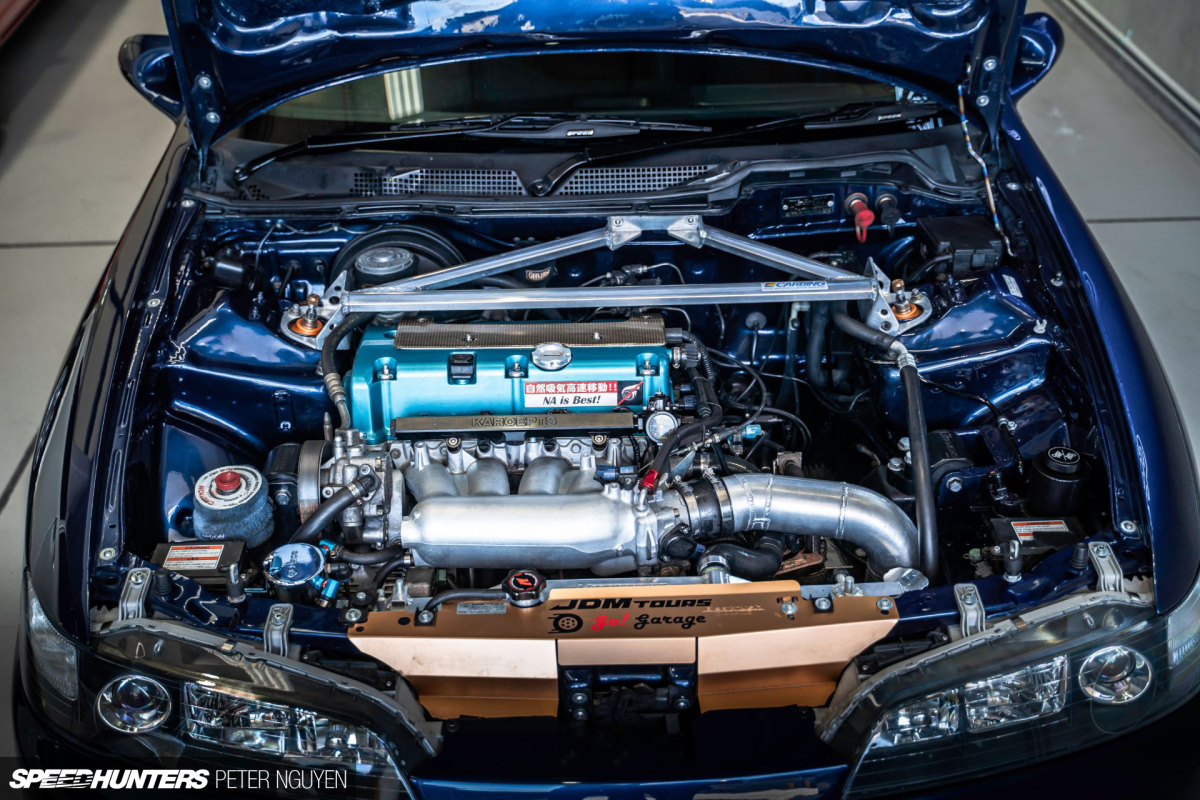
During our talk, it came to light that Frans had booked a track day, to which I asked if it was a good opportunity to wring out the swapped and tuned K20A to 9,800rpm through multiple gears. Frans looked at me bluntly and said that he wasn’t even taking the DC2, opting for his newly-finished EG Civic.

“I just got hooked with baller parts and now I’m scared to drive it,” he laughed as he tried to explain taking the daily to Sydney Motorsport Park over his purpose-built track car.
It’s such an odd situation. Frans could take the DC2 off the road and make it a dedicated track machine, but there’s too much invested into the car that going ten-tenths and having an off isn’t worth it. And that’s before you start looking at the extra resources needed to maintain and transport a track-only car.
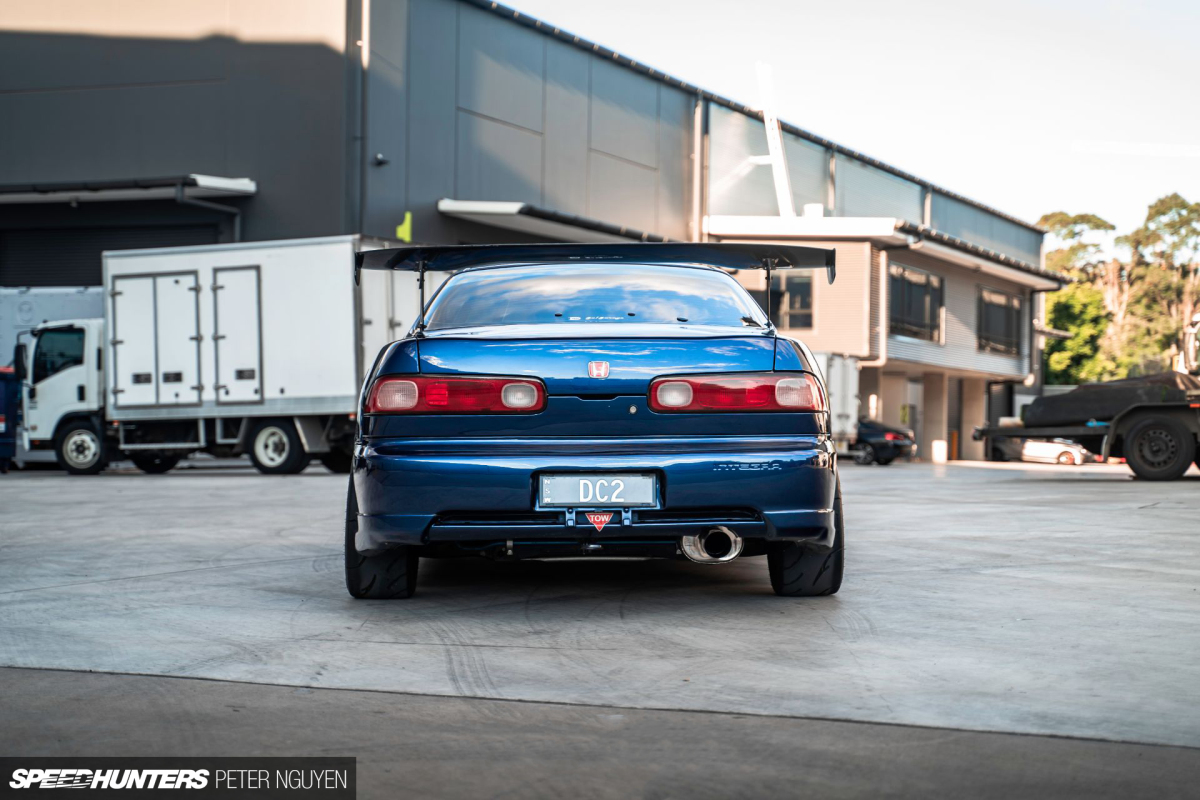
It’s a problem that so many of us face as entry-level track enthusiasts. We struggle to keep a lid on our decisions because the high of on-track fun is just too good, but in the blink of an eye, that OEM+ build has ballooned out into a super sprint-ready monster.

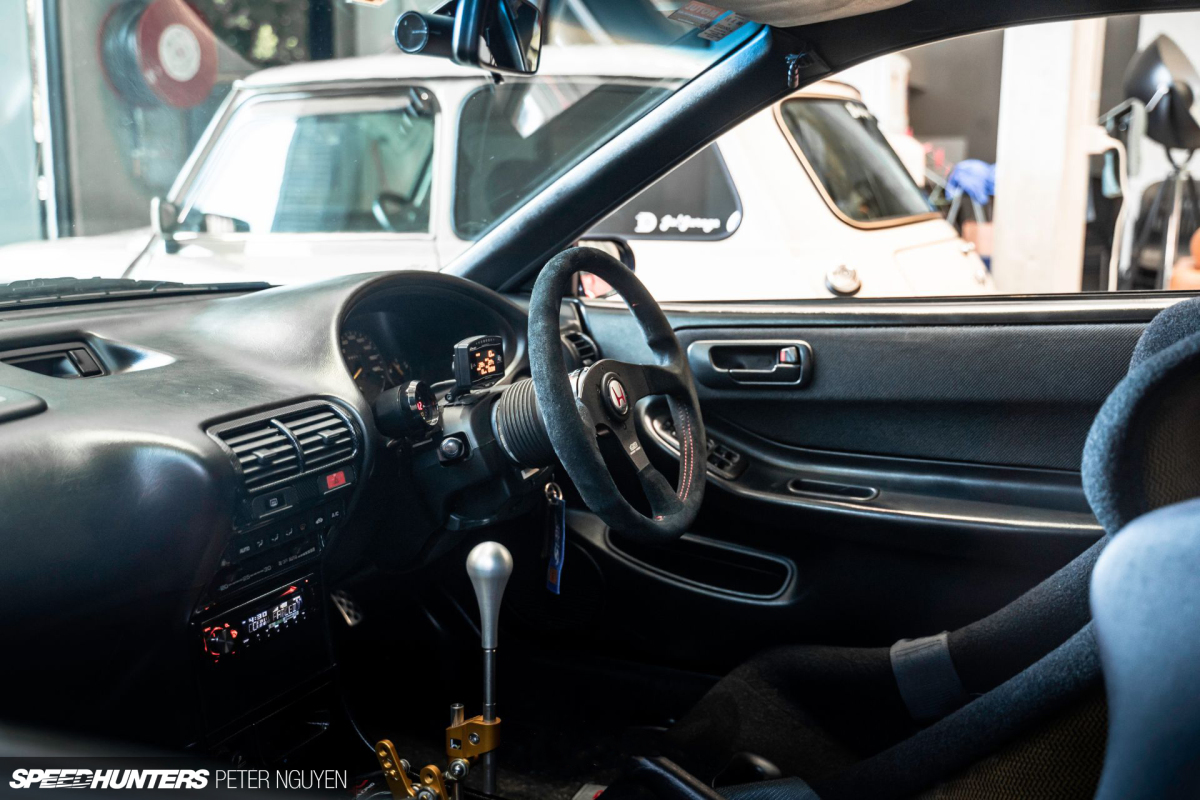
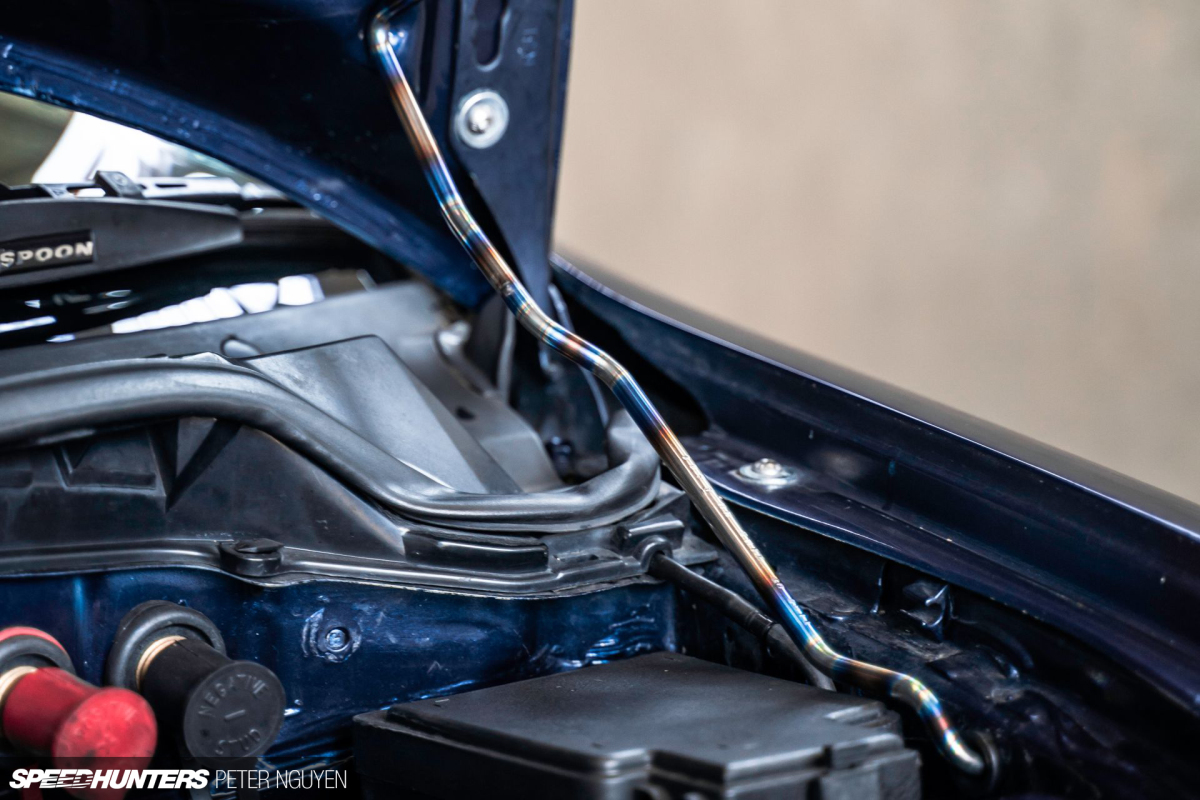
What would it take to make the car more road-friendly, so Frans could make the most of what he’s invested into the car over eight years? He keeps the answer quick and simple: “De-mod the entire car, soften the suspension, remove the bucket seats, the roll bar, get a quieter exhaust, and re-tune the engine for better fuel economy.”
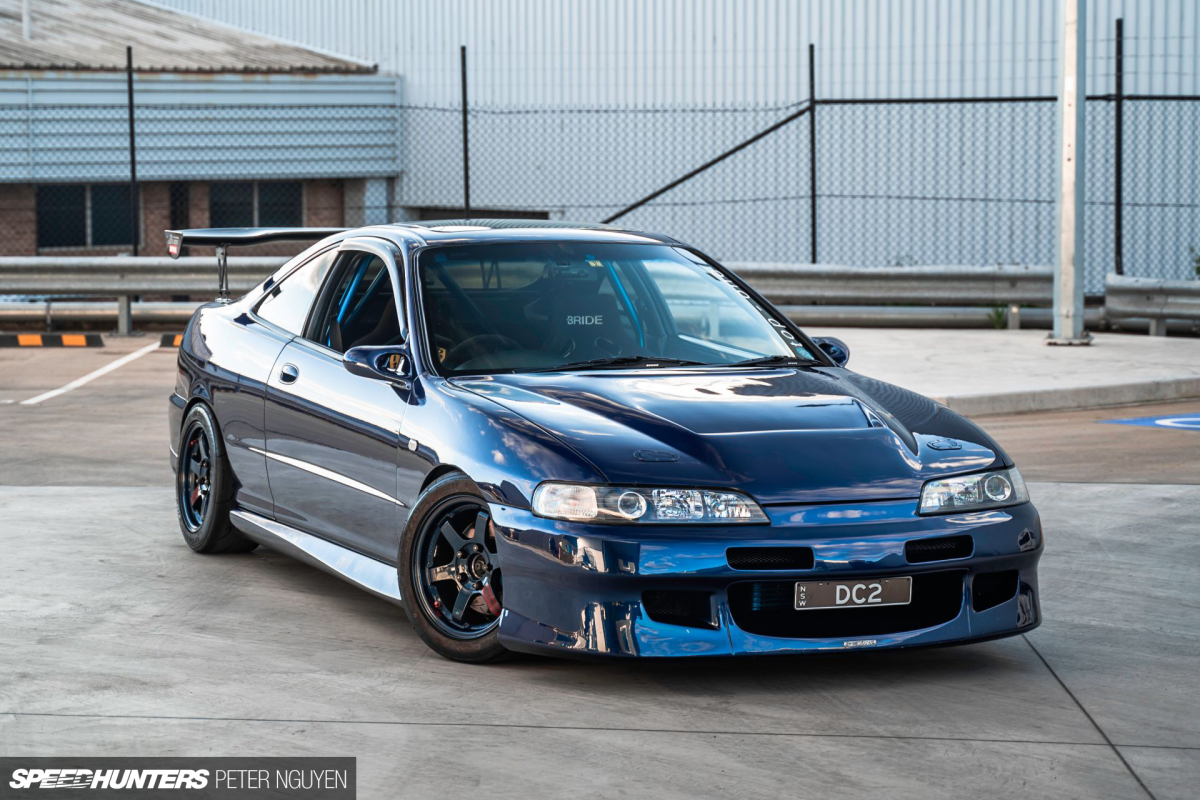
But as you’ve already guessed, Frans would probably end up unhappy again, because he’s already experienced the pinnacle of each component that would be downgraded. He has his B-series EG in the “fun daily” role, which is a different type of performance altogether.
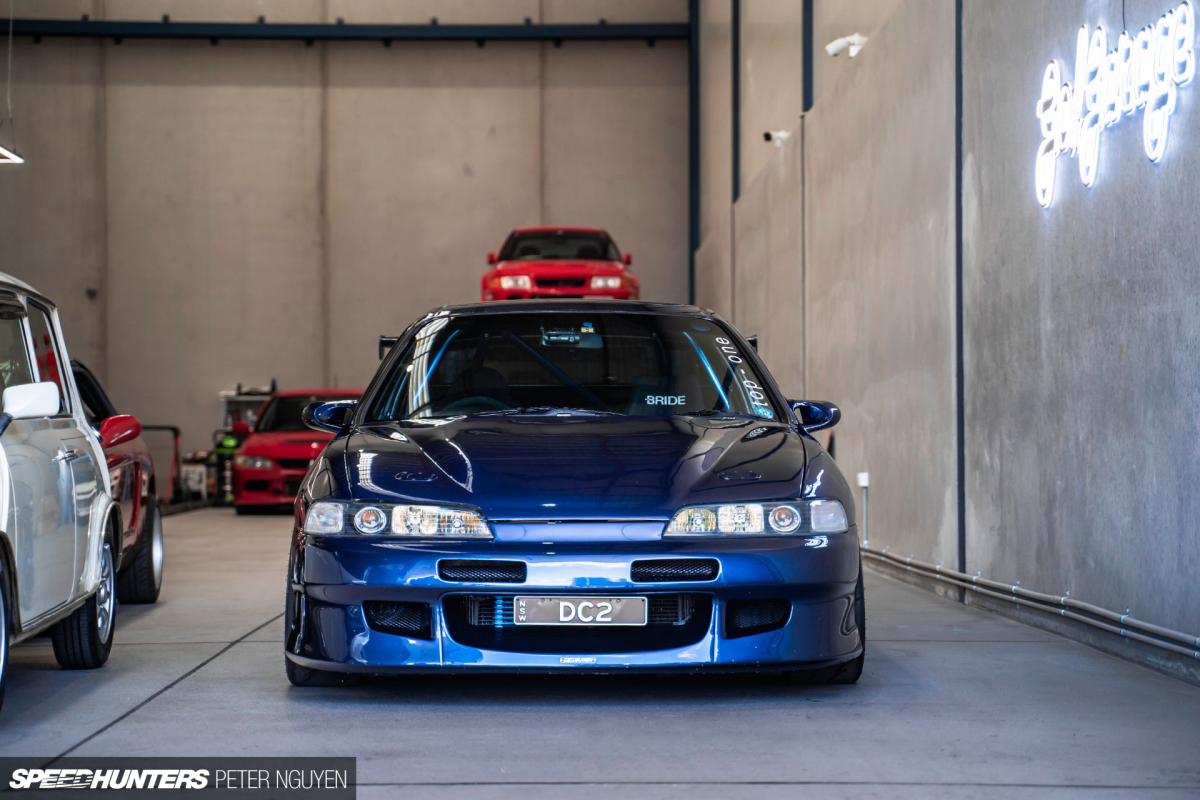
Where this leaves Frans is with a K-swapped Integra that isn’t particularly fit for any particular purpose. It’s perfect for the track, but for him the risk is relatively too high. Driving around town is fine, but the car was built for a different type of performance. This is where the simplistic definition of opportunity cost stops making sense.
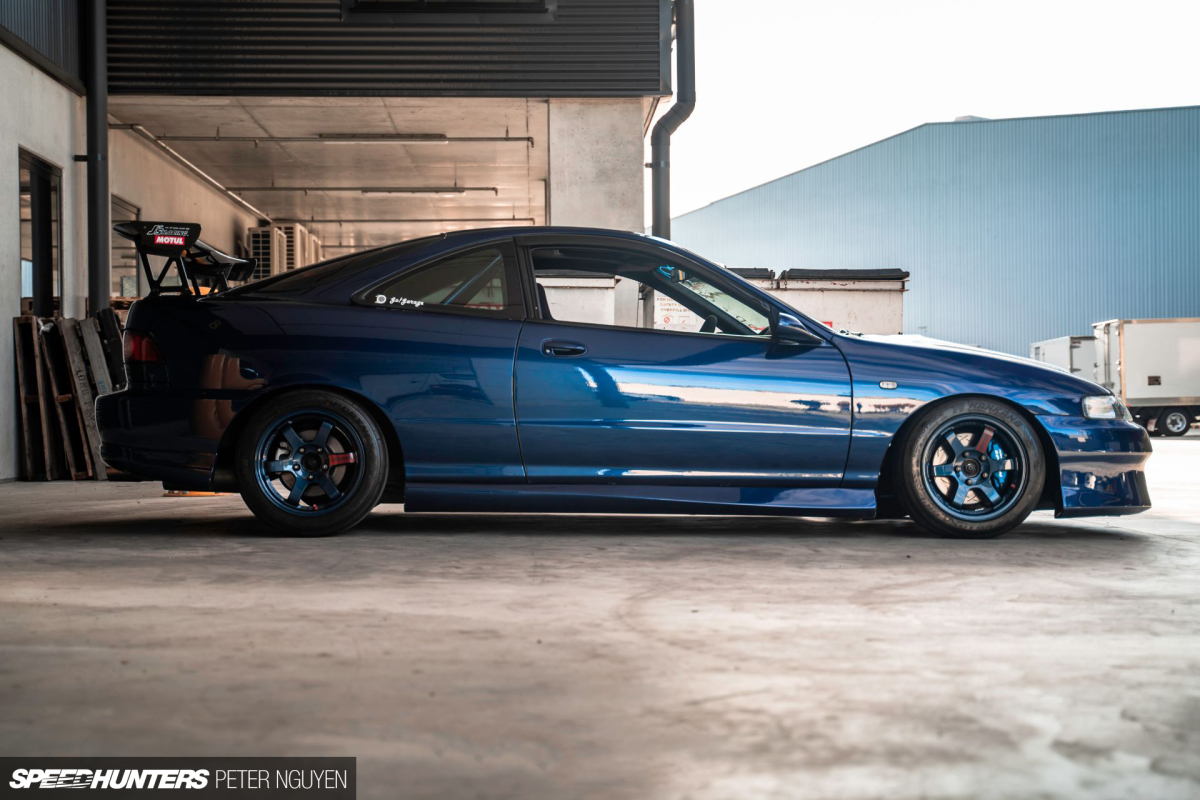
Frans has incredible perspective in relation to his experience with his pride and joy: “I don’t have any regrets. Maybe I spent a bit too much money, but the knowledge that I’ve gained and the appreciation I have for what it takes to build a complete car from scratch, I wouldn’t trade it at all.” He built so much of this car in his garage, applying skills from his trade as a mechanic while learning new approaches and figuring out every little detail that marks him out as a craftsman in his profession today.

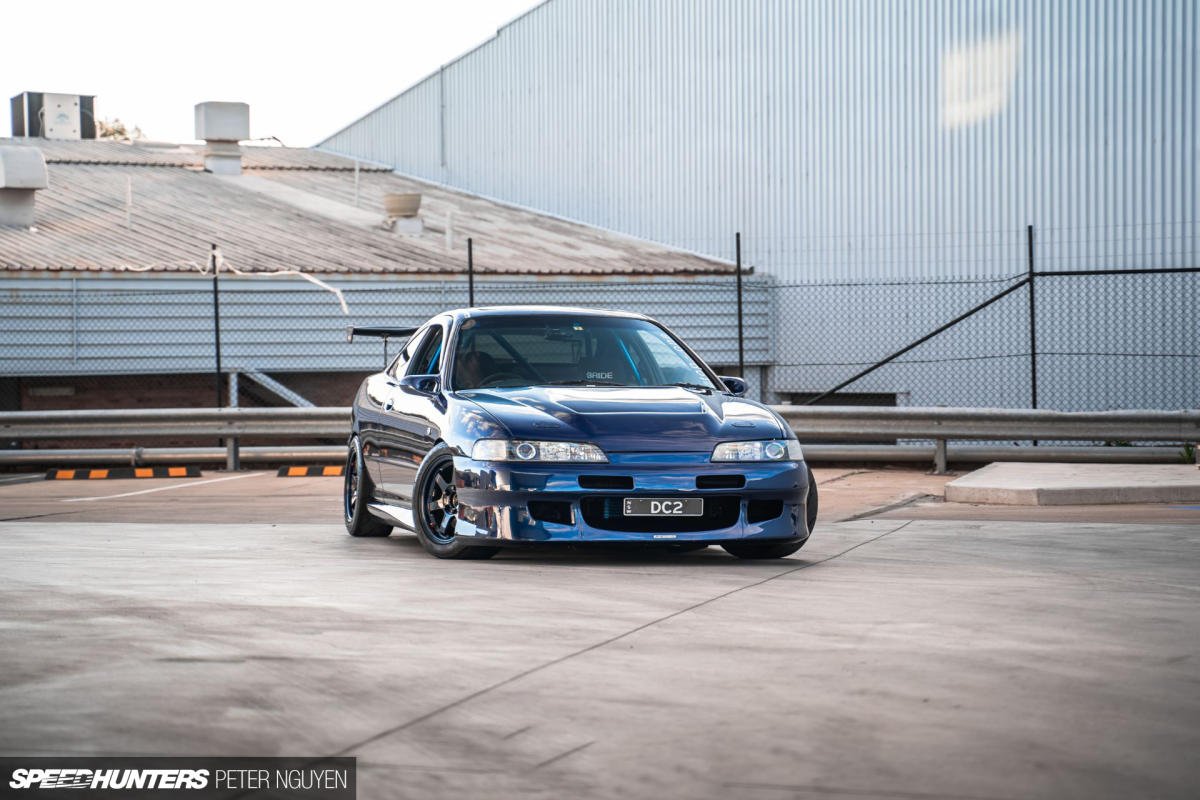
When talking over this feature, I made the analogy that he turned a car that was B+ on track and street, to an A+ on track and a solid F on street, and Frans definitely agreed. He’s felt the highest of highs that you can experience a street-driven lapping machine, put components on his vehicle – performance and aesthetic – that are certified crème de la crème, and made so many tiny-yet-expensive adjustments to ensure that he understood how the outcome was obtained.
The end result doesn’t fit into his life that well anymore, but that’s OK. It’s cliché to say, but success is the journey, not the destination.
Kelvin Chan
Instagram: kawingkelvin
Photography by Peter Nguyen
Instagram: fmzvisuals
Frans Kusuma’s 1997 DC2 Honda Integra
Engine:
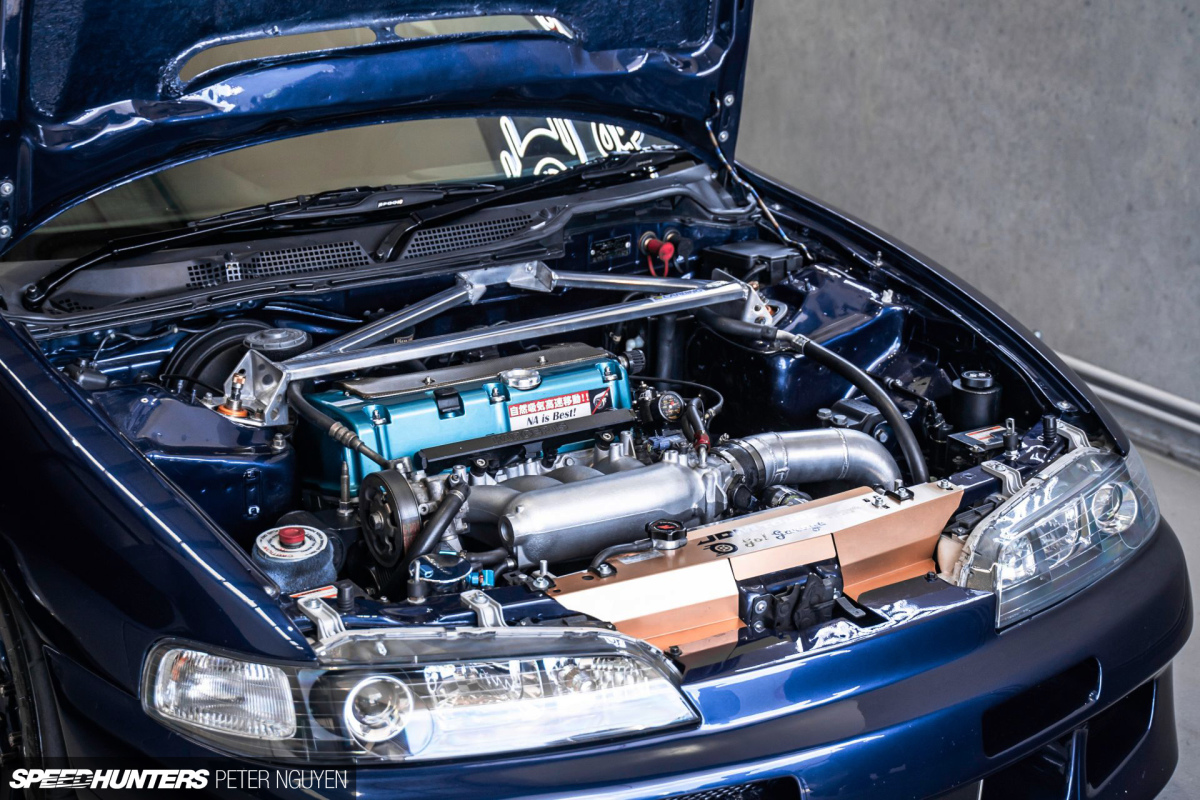
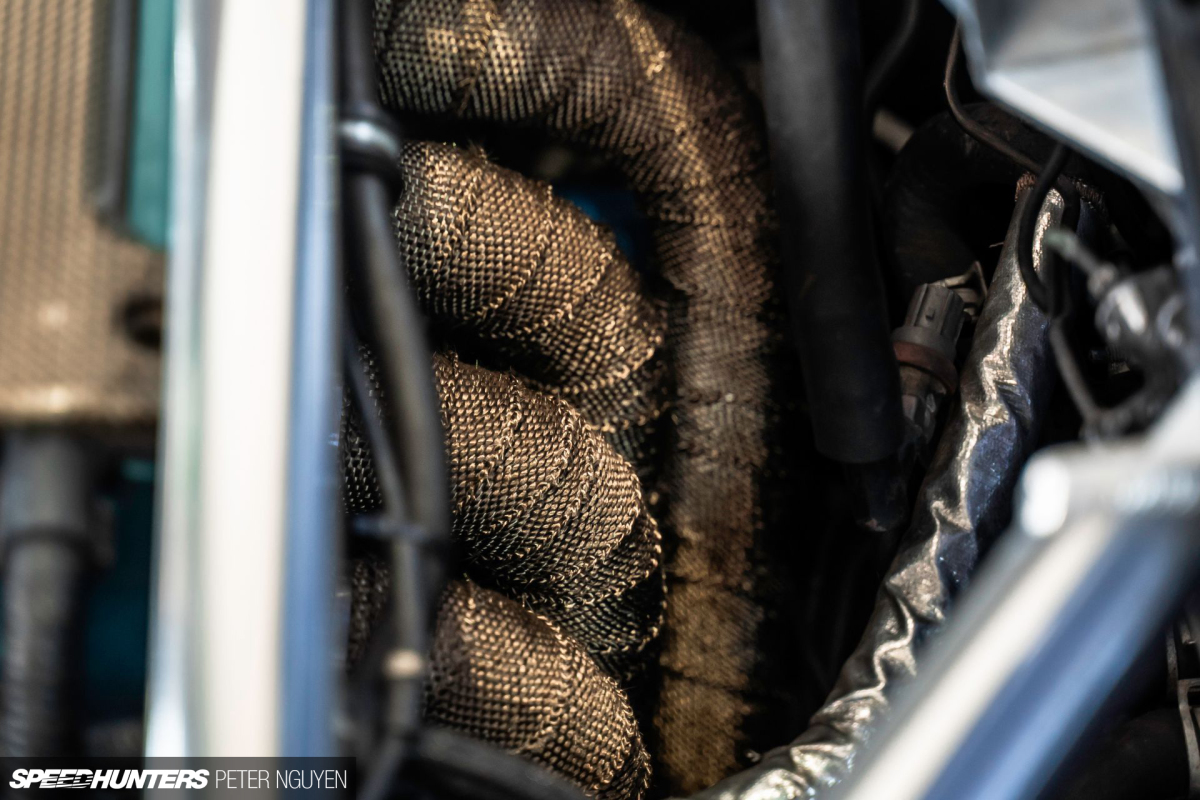
JDM Honda K20A Series II, Toda Spec C camshafts, Toda valve springs, Toda TCT, Toda 40-deg VTC gear, Toda RBC throttle body, stainless steel lobster weld intake arm, custom 2-piece aluminium cold air intake, K&N air filter with velocity stack, DC5R Mishimoto alloy radiator, 2x 12-inch Davies Craig slim fans, billet overflow bottle, Hybrid Racing radiator hoses, Spoon Sports baffled sump, Spoon Sports oil cap, Spoon Sports engine oil drain plug, Spoon Sports Gen 1 Kevlar spark plug cover, J’s Racing K20A rocker cover, NGK Iridium spark plugs, ported RBC manifold, OEM K20A engine harness, K-Tuned K-swap harness, Hondata KPro V3 ECU, Blackworks exhaust manifold, 3-inch stainless steel exhaust with de-cat & Hi-Tech mufflers, Mocal thermostatic oil sandwich plate, Earls 16-row oil cooler, Speedflow AN10 braided oil cooler lines with Speedflow fittings, custom A/C system, Hasport 60A K-swap mounts
Driveline:
Honda Integra Type S LSD gearbox, 4.7 final drive, Exedy clutch, OEM K20A lightweight flywheel, OEM DC5R shifter cables, 36mm driveshafts
Suspension/Brakes:
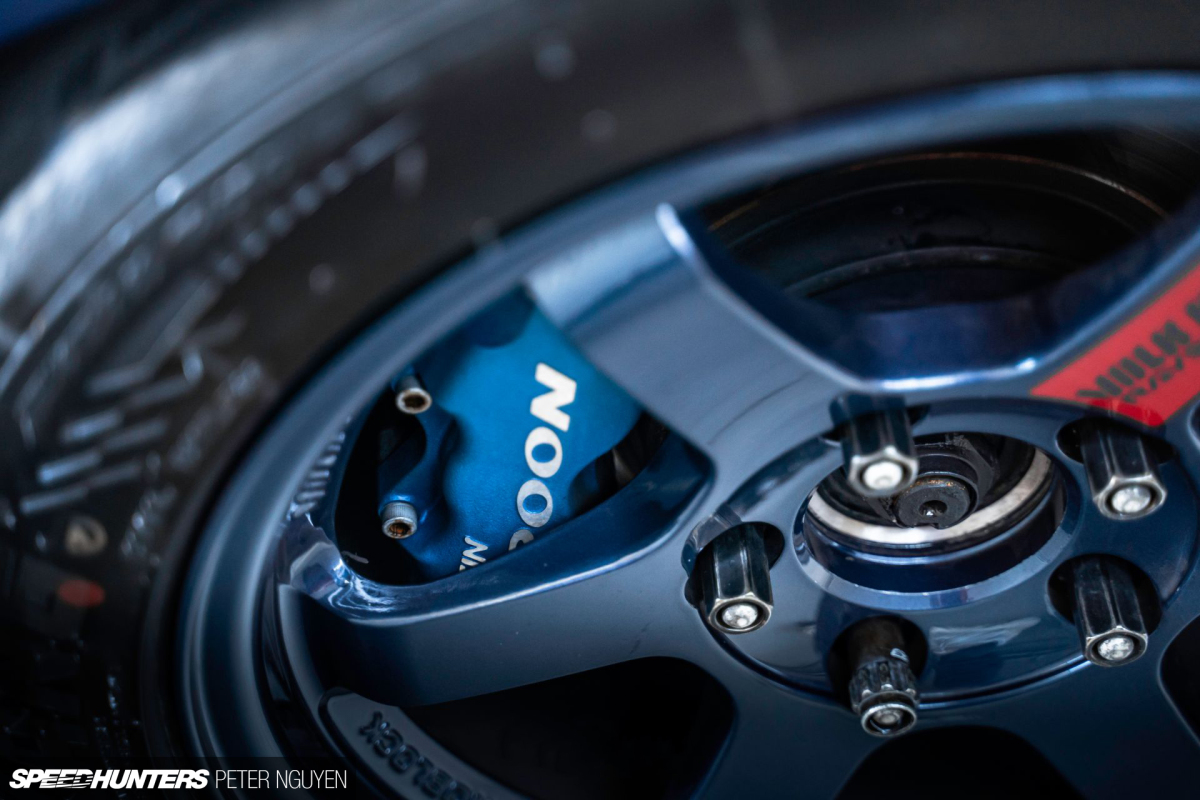
Öhlins DFV coilovers, Spoon Sports rigid collars, ITR rear lower control arms, JDM ITR front sway bar, JDM ITR rear sway bar, JDM ITR rear lower subframe brace, Hardrace DC2R rear LCA, ASR rear subframe brace, Skunk2 front camber arms, Hardrace rear camber arms, Hardrace front roll centre adjusters, custom adjustable front caster kit, Spoon Sports rear trailing arm bushes, Nolathane front lower control arm bushes, Carbing Gen 1 3-point front strut brace, Tegiwa rear strut brace, Cusco rear c-pillar brace, Spoon monoblock 4-pot front calipers, Endless MX72+ front pads, Project Mu HC800 rear pads, HEL braided brake lines, ABS delete, ITR 1-inch brake booster & master cylinder, OEM DC5R power steering
Wheels/Tyres:
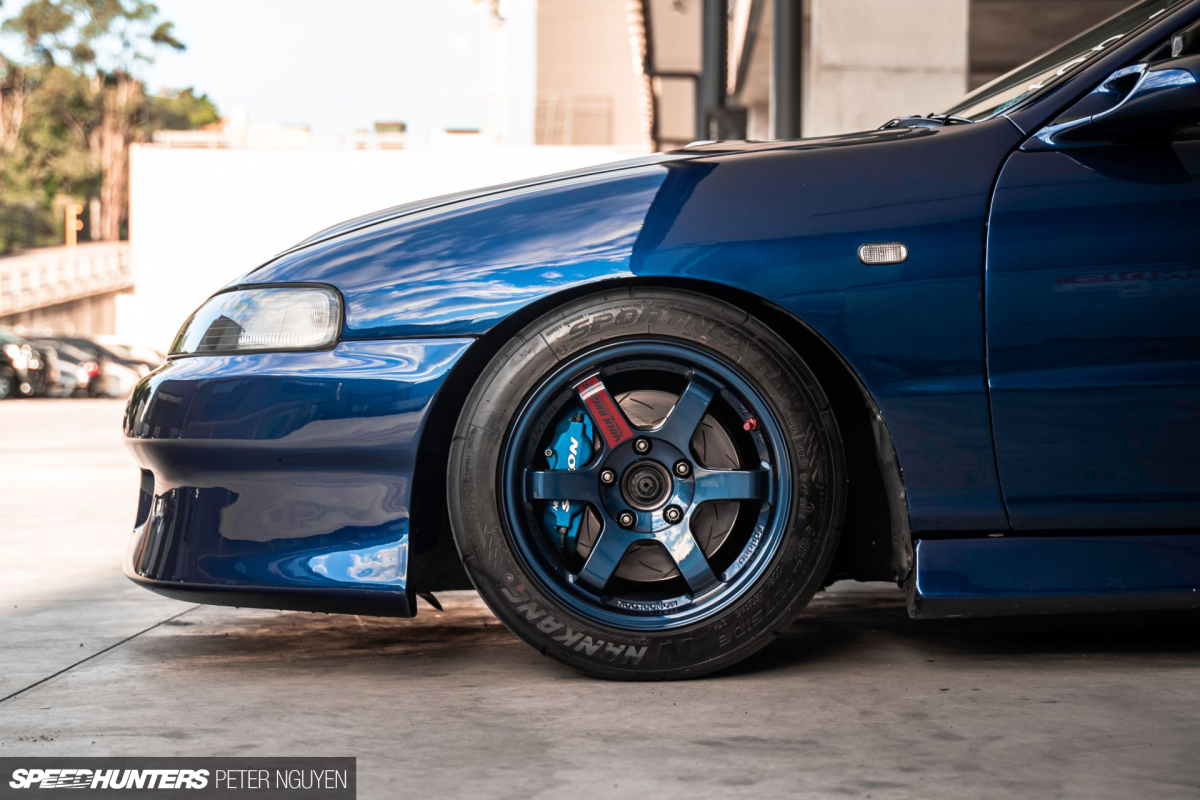
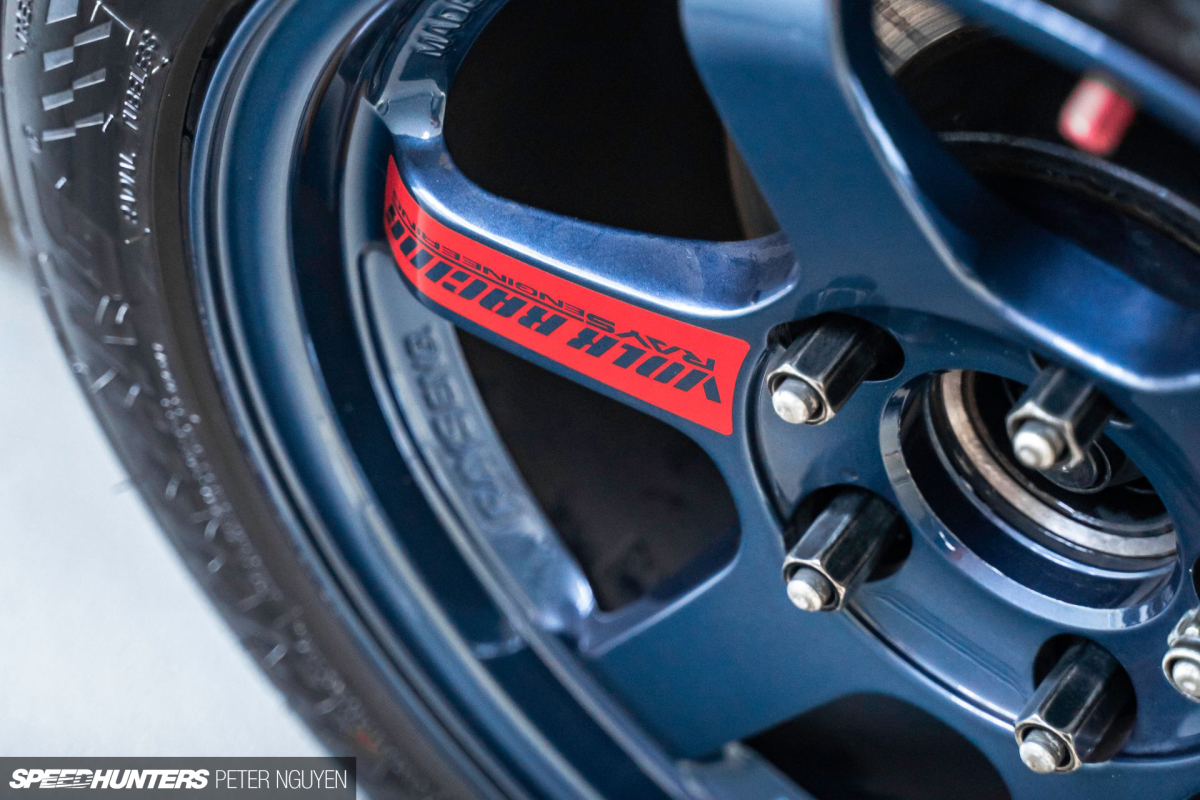
RAYS Volk Racing TE37SL 15×8-inch +32-offset, Nankang AR1 225/45R15, 5-stud conversion, ARP extended wheel studs, JDMyard extended wheel nuts
Exterior:
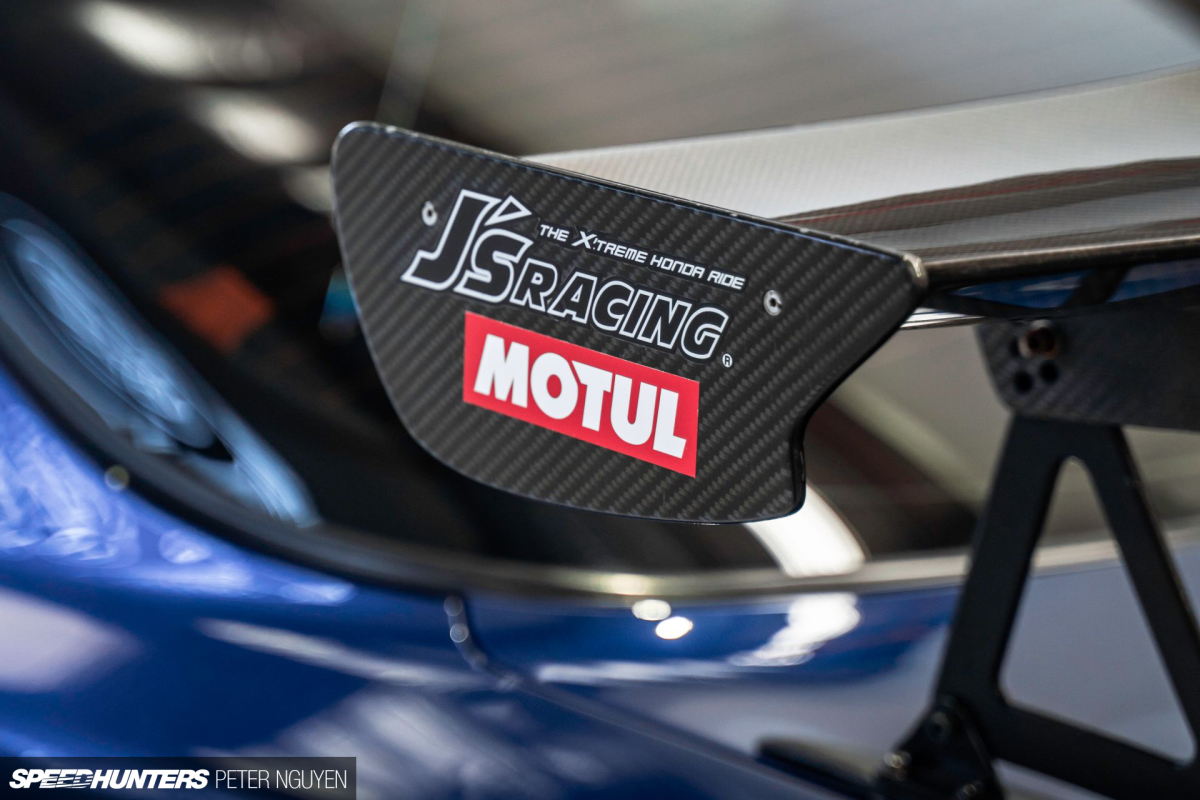
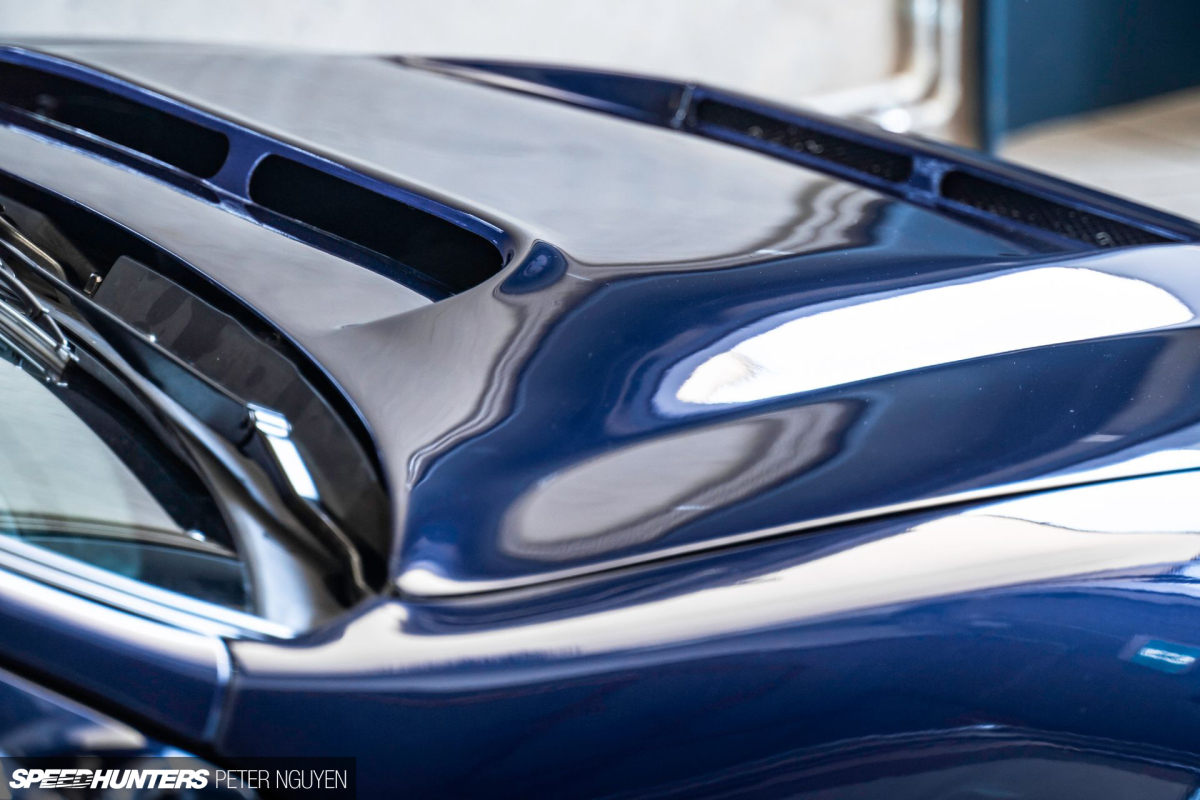
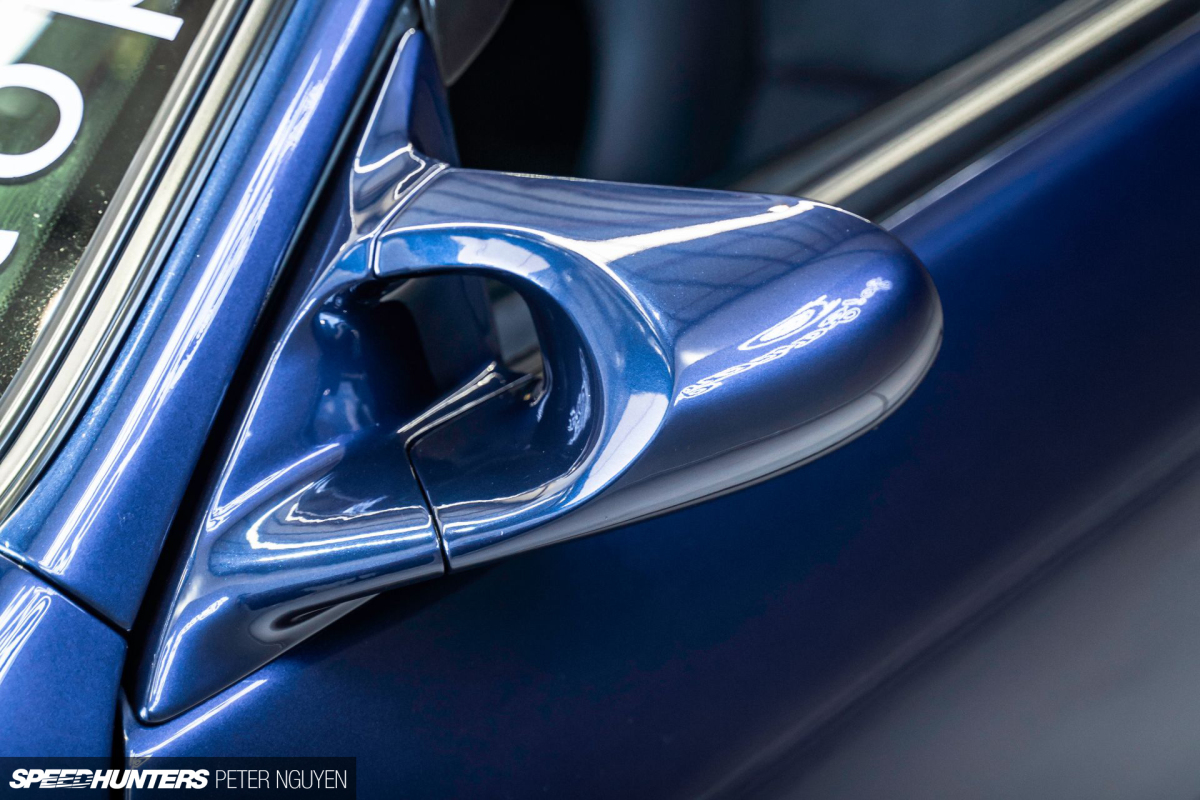
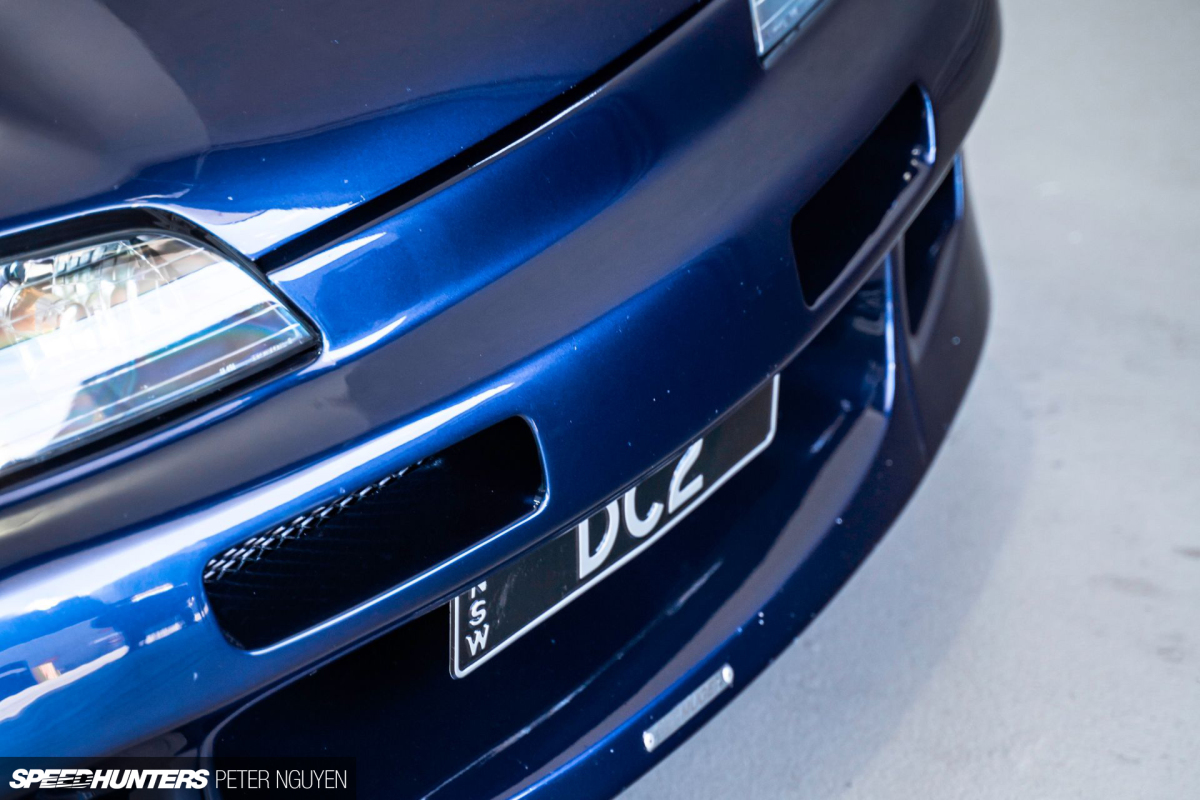
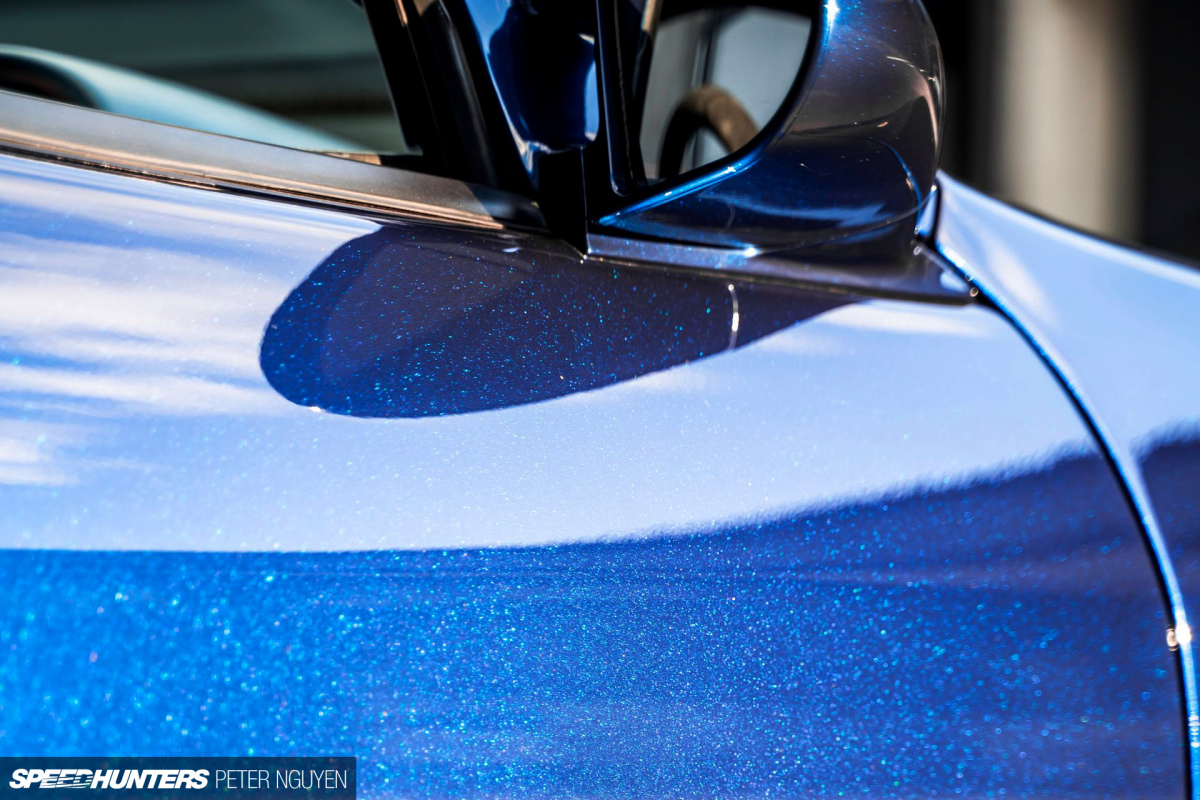
98-spec ITR JDM front end conversion, 98-spec JDM HID headlights, 98-spec ITR rear bar, 98-spec ITR taillights, OEM clear side indicators, Mugen front bar, Mugen side skirts, OEM ITR rear pods, J’s Racing carbon bonnet, J’s Racing carbon wing, Ganador mirrors, open door respray, shaved antenna, shaved rear washer jet, shaved front badge, shaved rear badge, shaved side mouldings, J’s Racing tow hook, rear wiper delete
Interior:
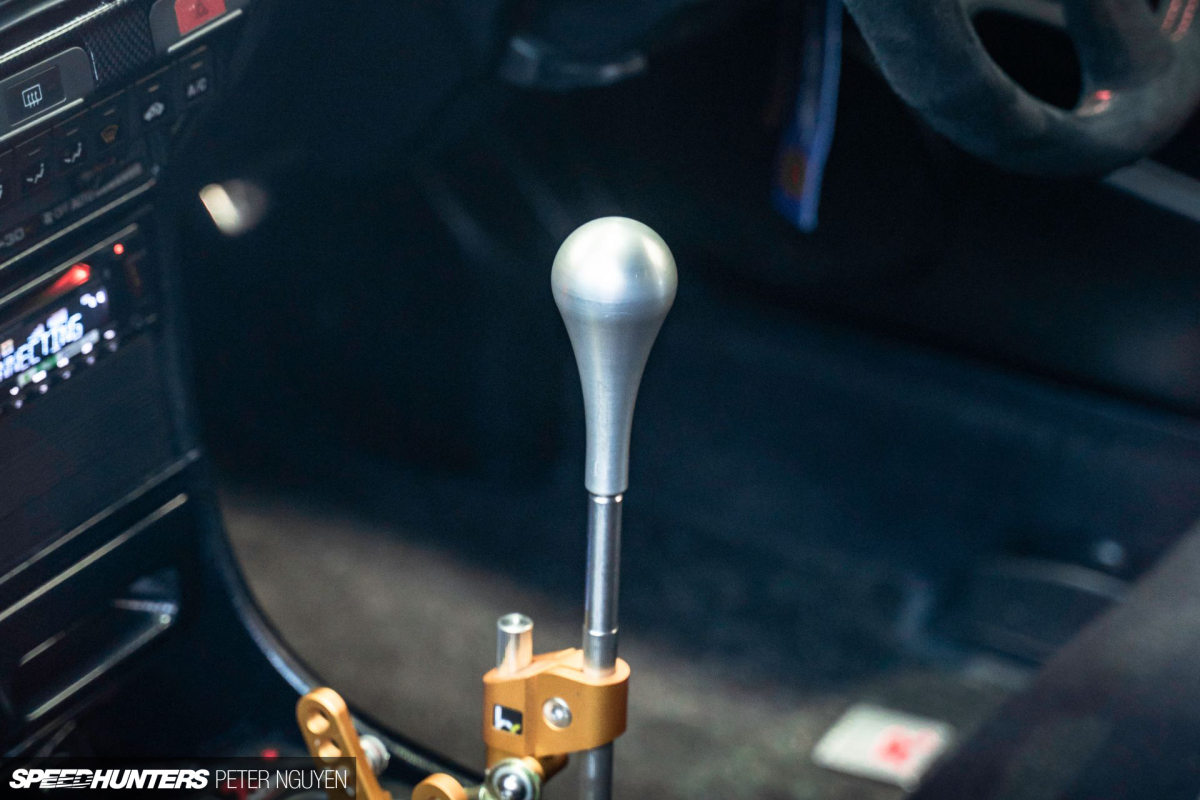
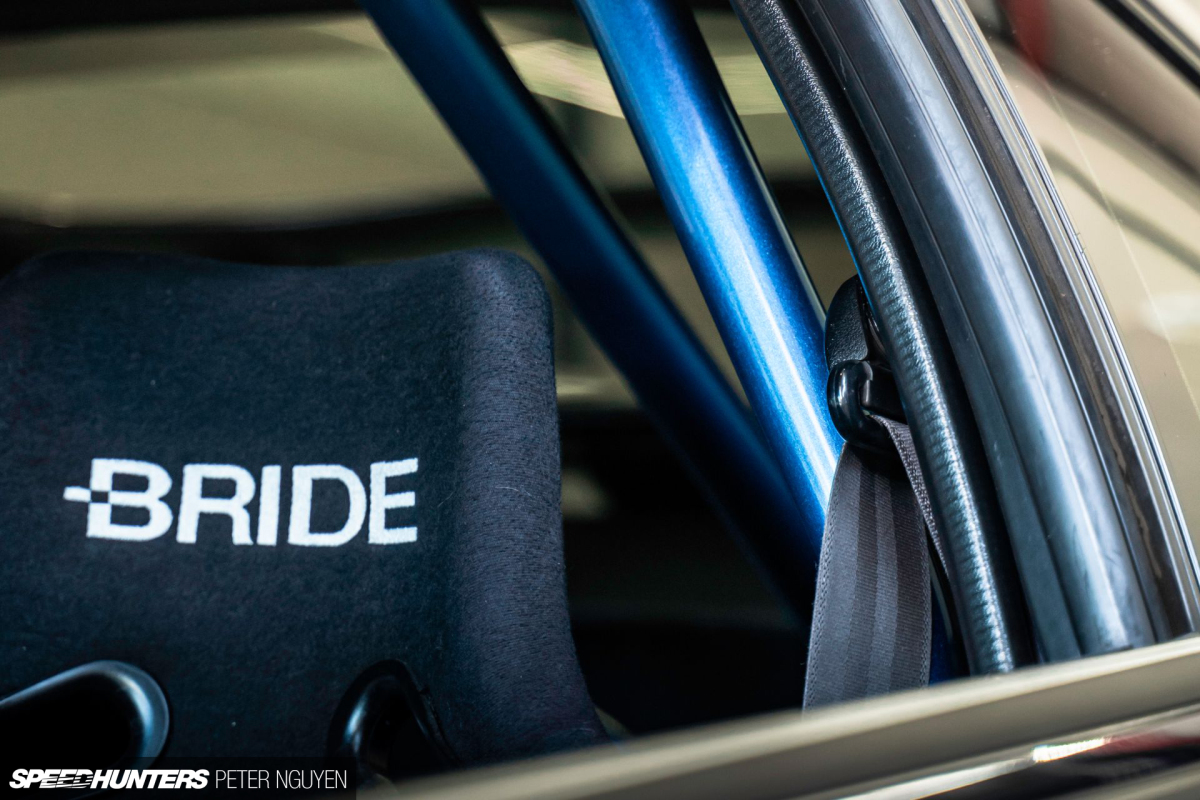
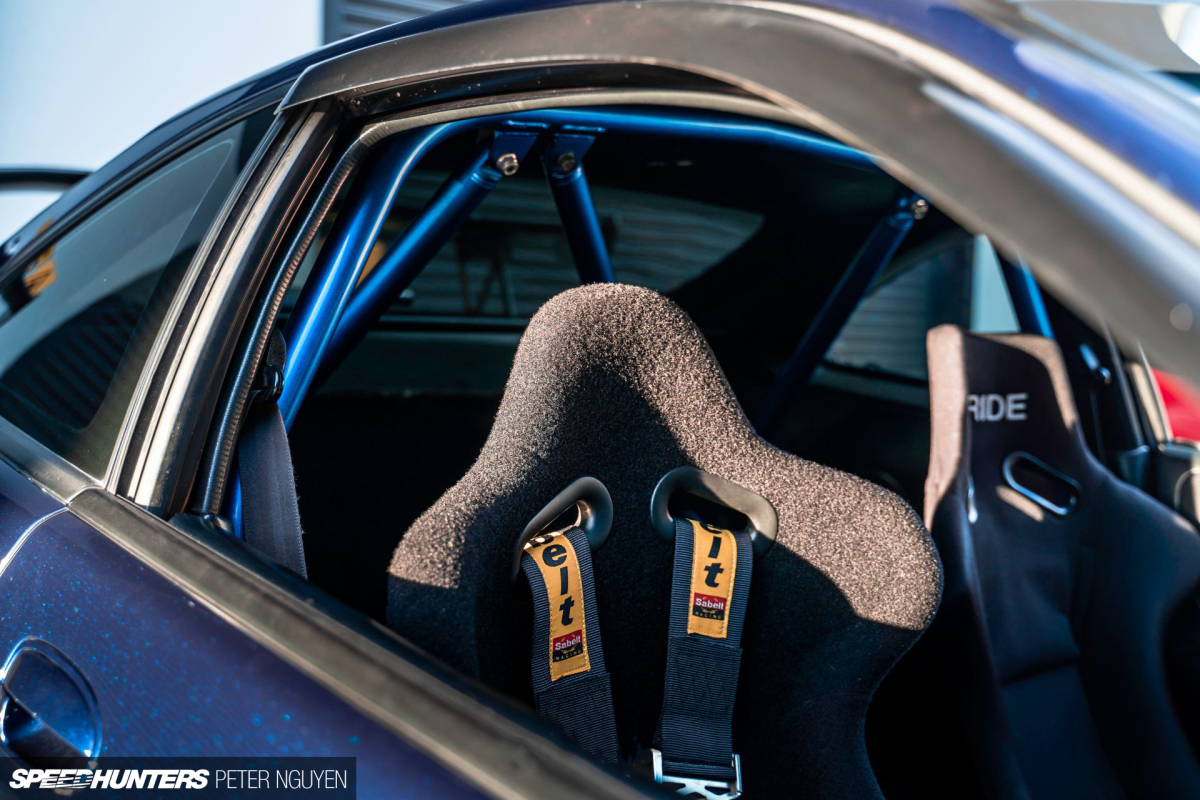
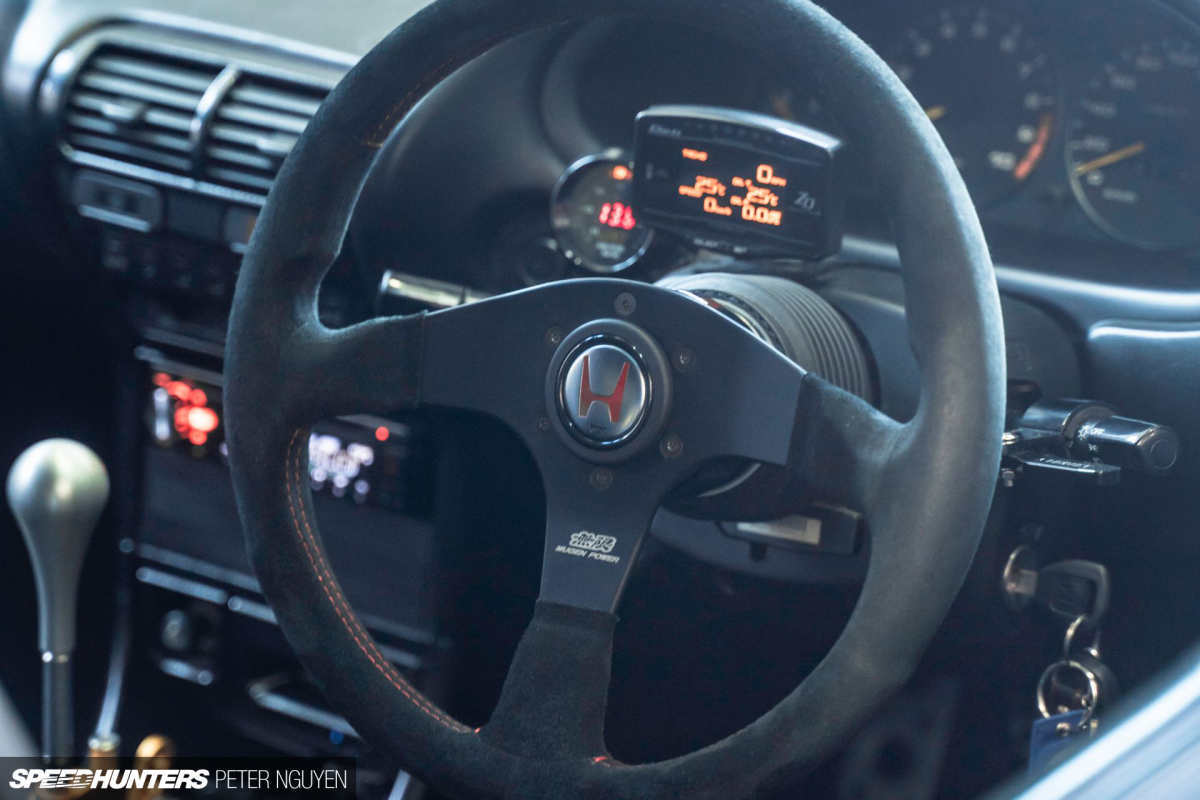
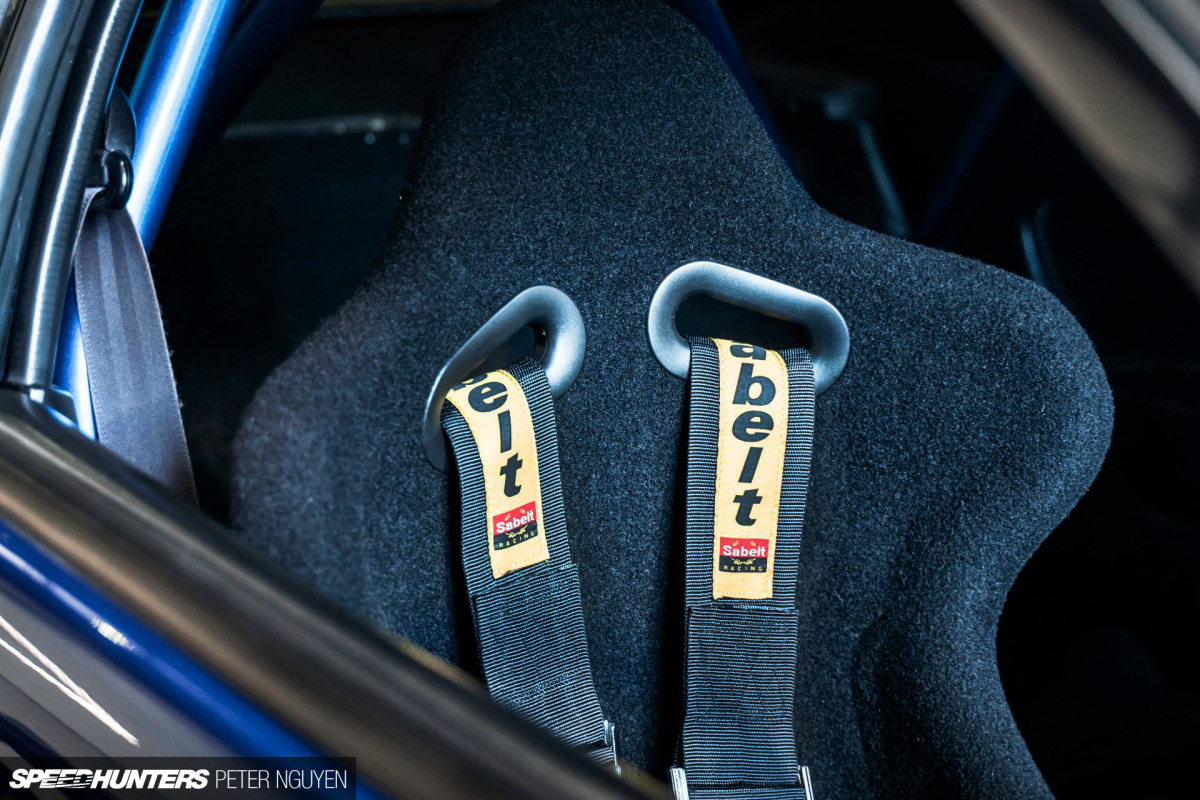
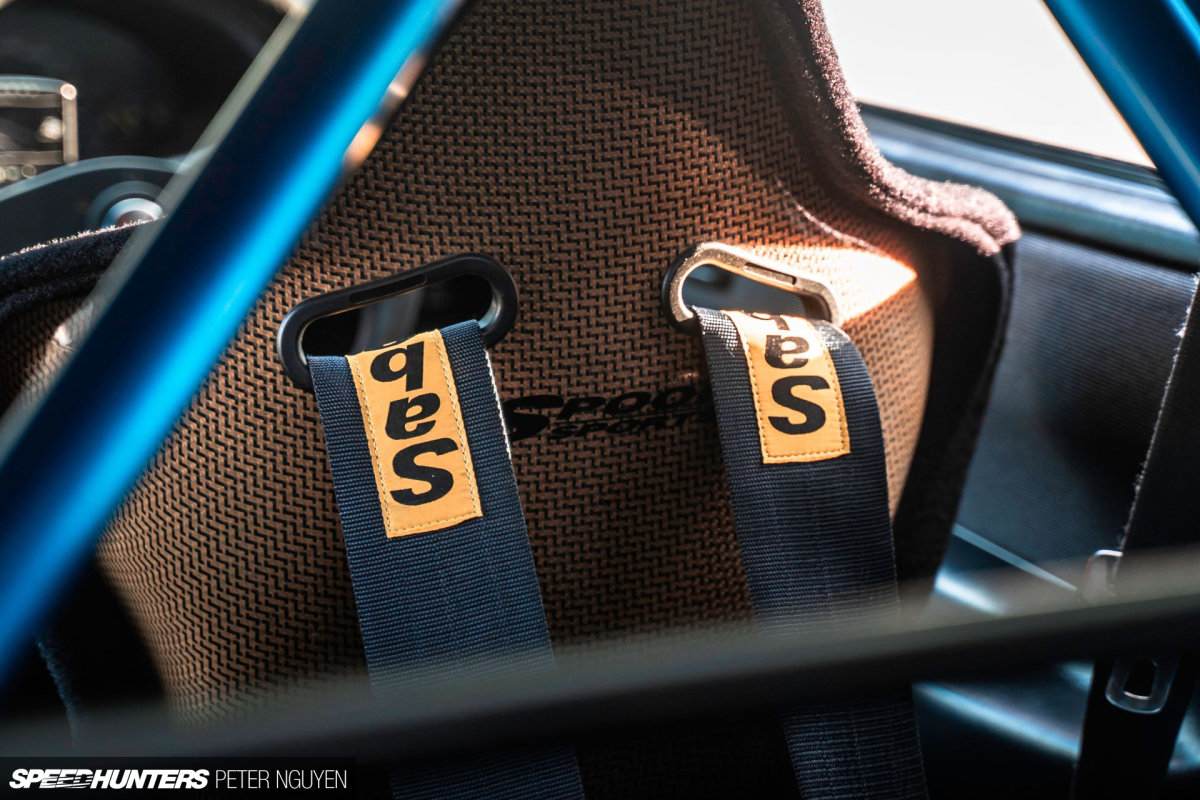
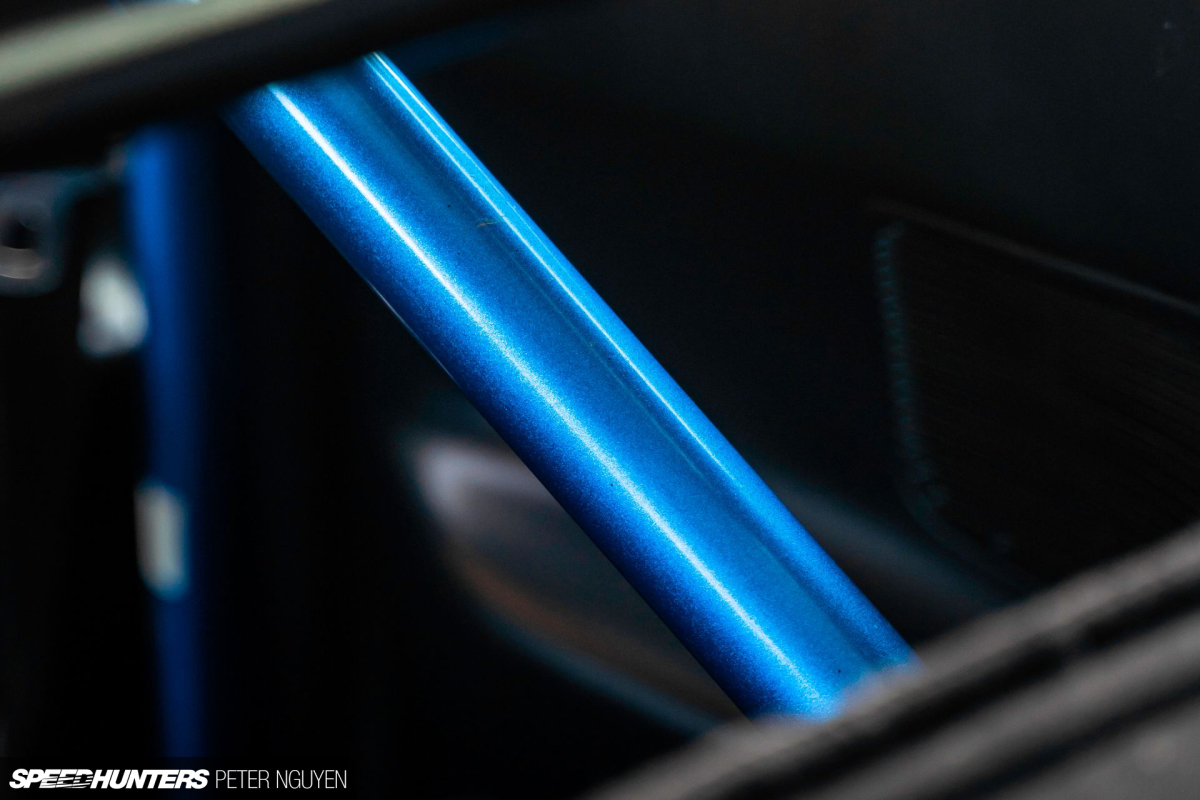
OEM ITR steering wheel with blue stitching, OEM JDM ITR wiper stalk, Mugen suede steering wheel, Works Bell quick-release hub, HKB boss kit, Hybrid Racing billet DC5 shifter, OEM ITR Type RX pedals, Spoon Sports Gen 1 carbon/Kevlar seat, Spoon Sports rear-view mirror, Bride Zeta passenger seat, Sabelt 4-point harnesses, Bride rails, Cusco 5-point roll cage, BattleCraft Hyper Teardrop gear knob, JDM ITR cluster, JDM ITR amber clock, JDM ITR climate control, Defi ZD unit, reupholstered rear section, black-dyed panels & roof lining, sound deadening removed, OEM ITR floor mats
How To join the IATS program: We have always welcomed readers to contact us with examples of their work and believe that the best Speedhunter is always the person closest to the culture itself, right there on the street or local parking lot. If you think you have what it takes and would like to share your work with us then you should apply to become part of the IAMTHESPEEDHUNTER program. Read how to get involved here.