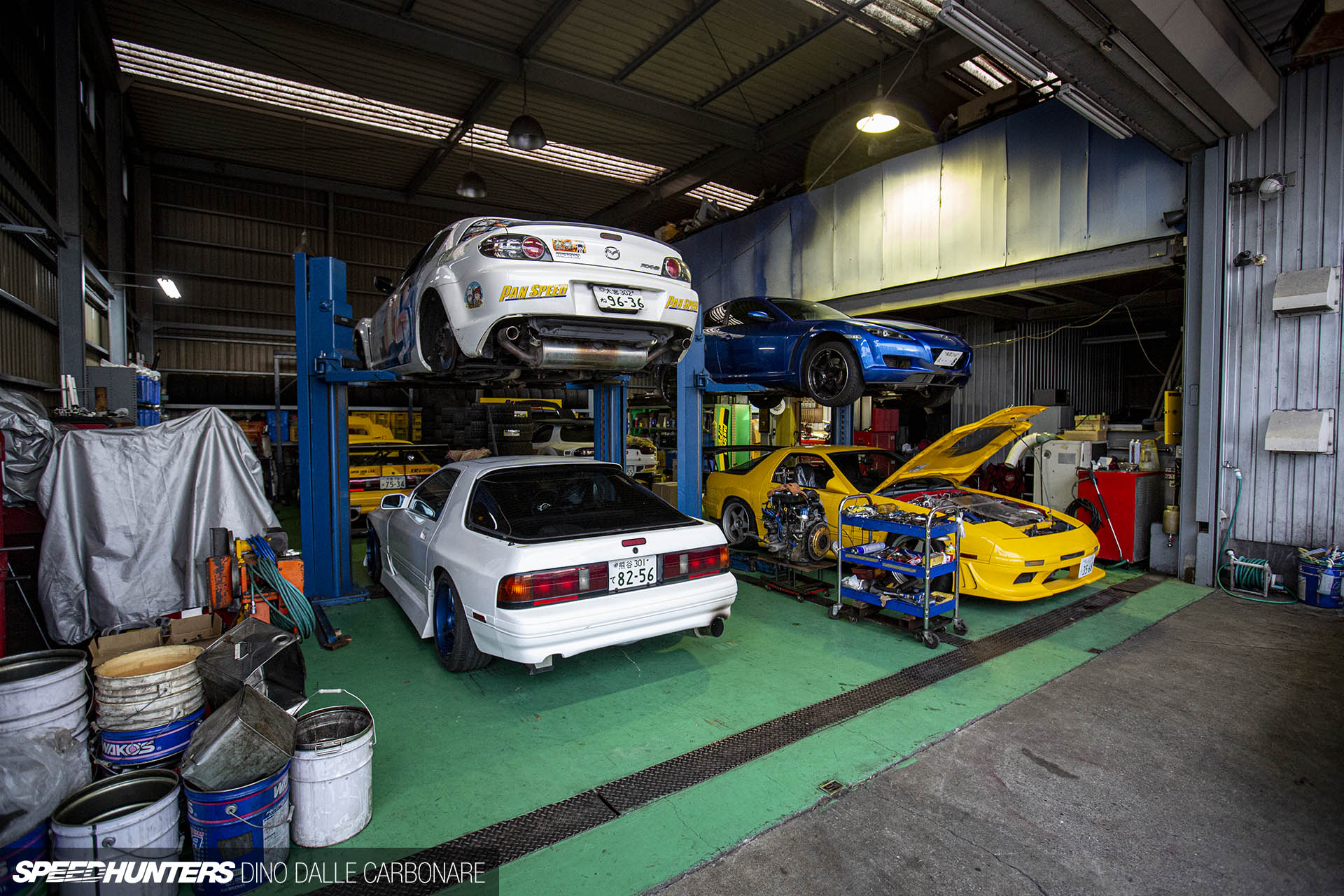
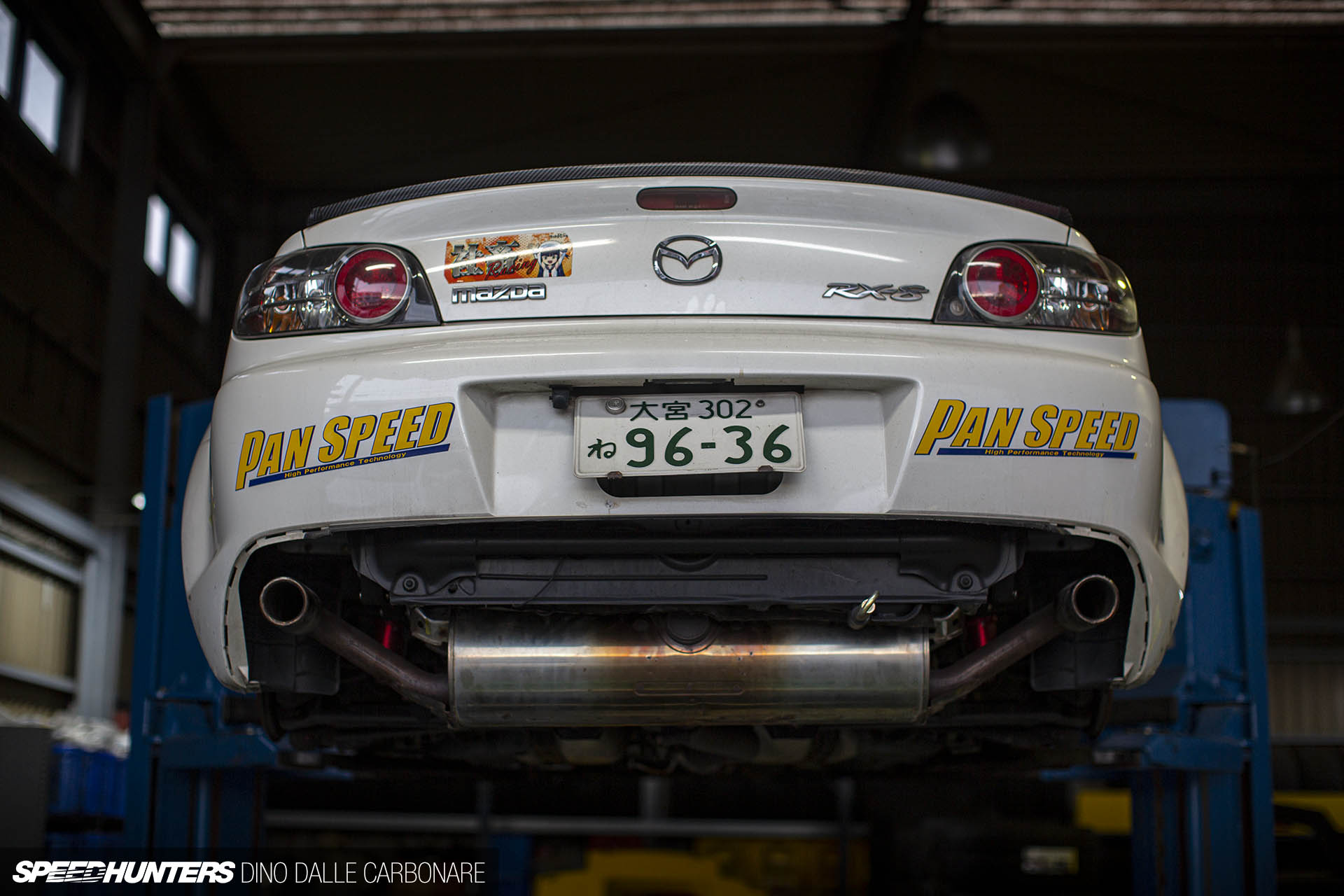
Will Mazda ever make a successor to the RX-7? Will they not pursue the Wankel engine into the future? Nobody seems to know the actual answer to either of these questions, so to pick the brain of someone that has lived and breathed rotaries for the past 40 or so years, I decided to drop by Pan Speed.
Of course, this isn’t something that I just decided to do out of the blue. Today is 7’s Day.
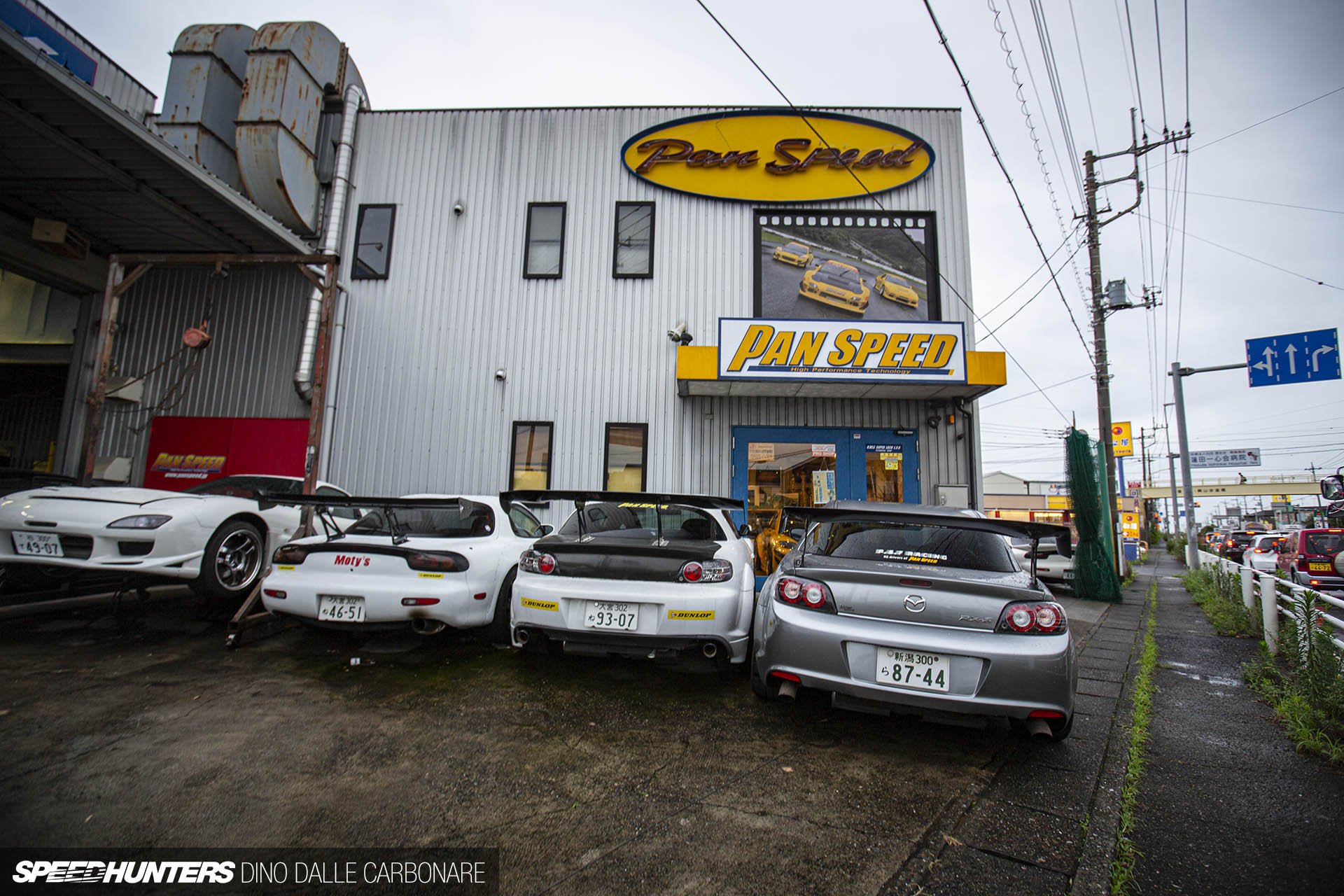
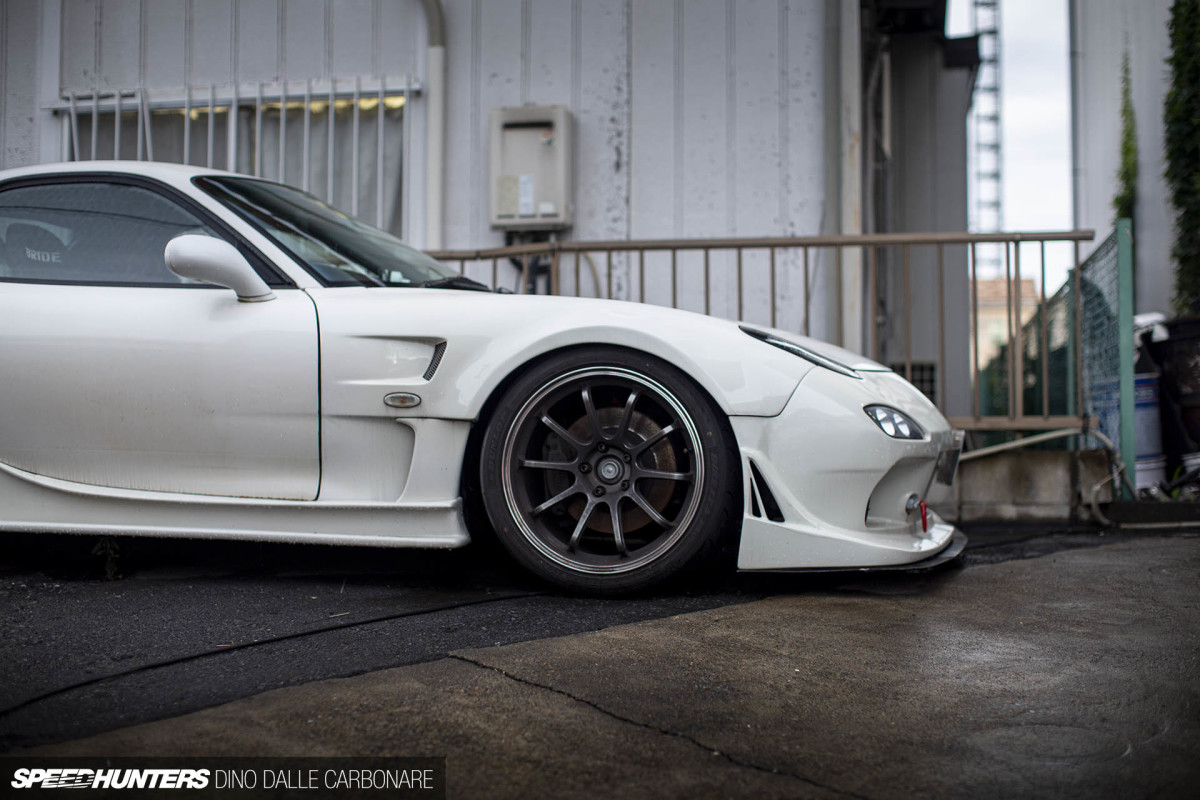

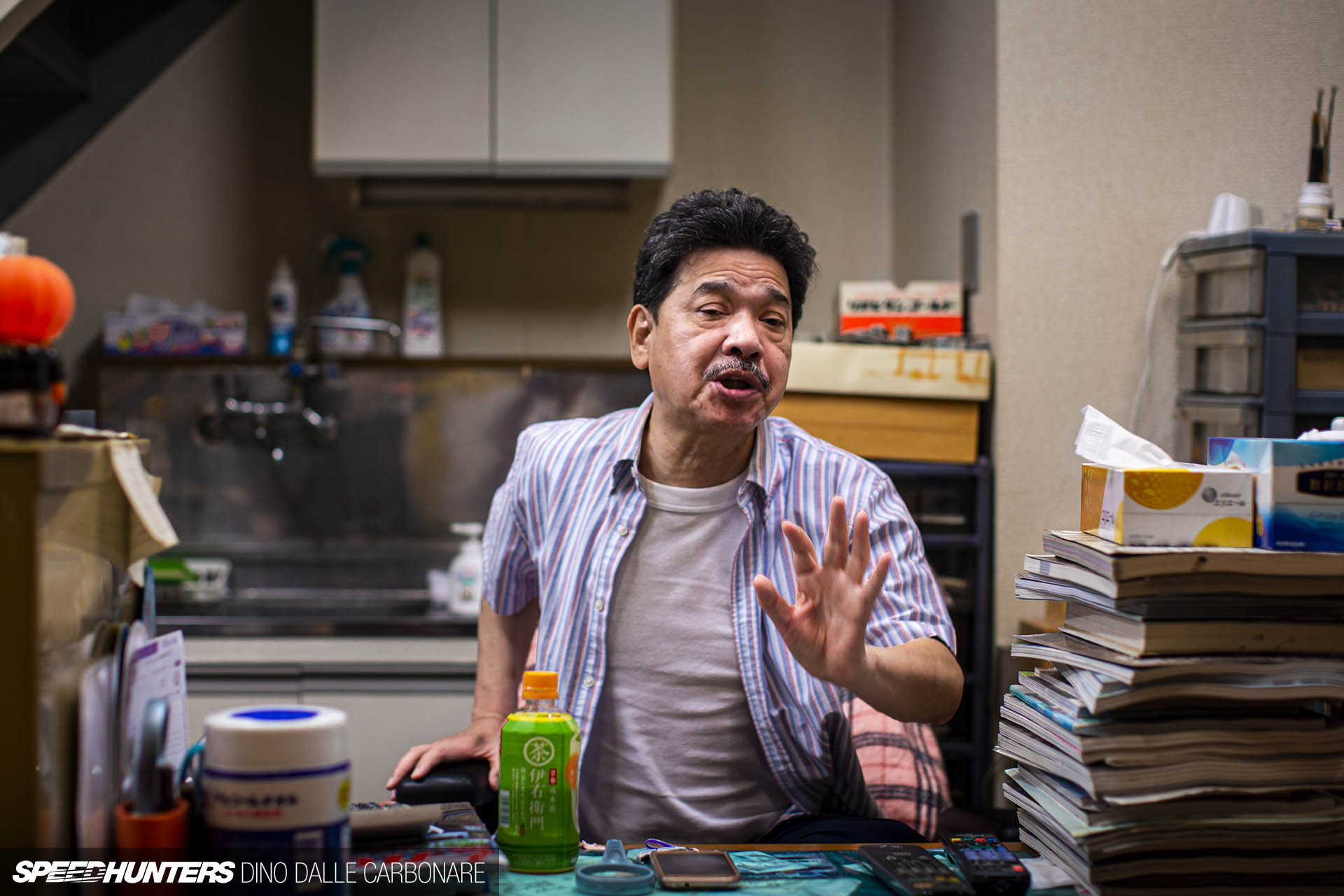
It was a pleasure to be able to talk with Komoriya-san again, as he’s as colorful as a JDM character can possibly get, and thankfully now back to full health and spirit after battling a serious illness over the last few years.
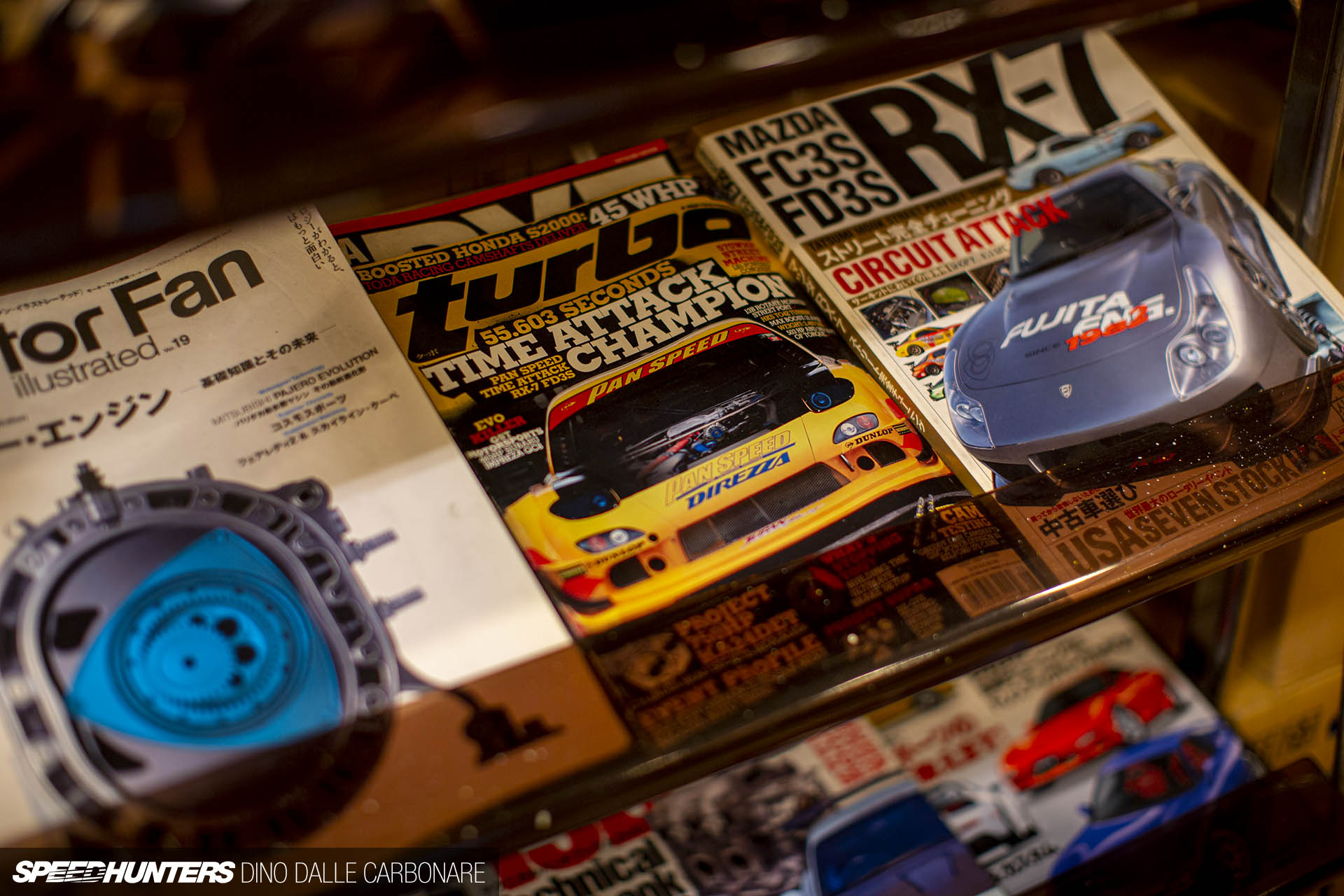


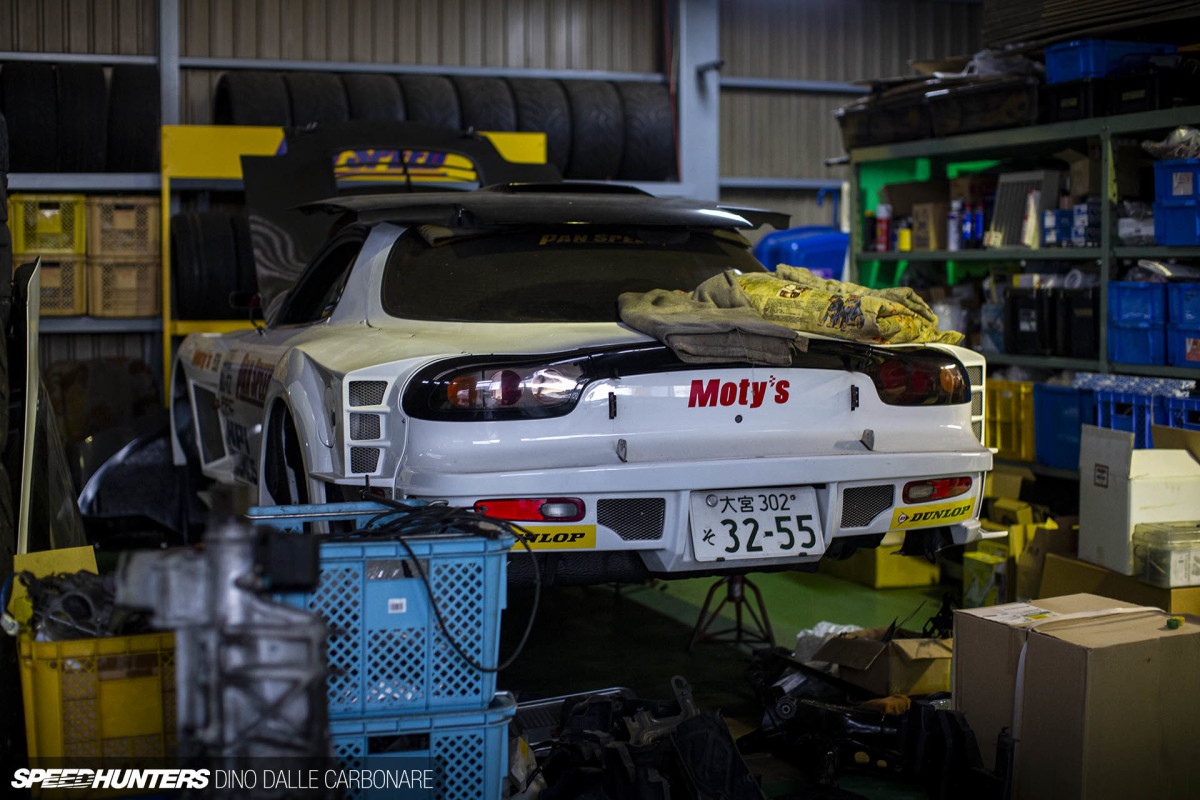
It was during the first few years of covering the Super Battle that I discovered this rotary specialist in Saitama, north of Tokyo. The first story I put together with Pan Speed was a feature on the crazy RX-8 they built back in 2007, and then the following year their blisteringly-fast FD3S RX-7. Both cars made the cover of the now defunct but awesome in the day Turbo magazine.
What’s always made Pan Speed stand out to me is their approach to rotary tuning. As Komoriya-san to this day tells me, “It’s all about the balance with these cars. As a basic rule of thumb, each rotor will net you 150hp in naturally aspirated form. Add boost and that’s when the problems start.”


I quickly followed up that statement by asking Komoriya-san what his idea of ‘balance’ is?

“For turbocharged engines, we pretty much advise our customers to take one of two routes. Number one, 350-360hp as a first ‘boost-up’ step, and then two, 430hp or thereabouts, which calls for porting, a larger turbo, upgraded fuelling, cooling and various driveline modifications to sustain it all. If you keep it naturally aspirated, 300hp is pretty much the perfect place you want to be, and it just to happens that’s precisely what our new project RX-8 is developing.”
“Of course, we can – and do – accommodate those that want something more punchy when it comes to power, especially if they like to race on track. That’s the reason we’ve always kept our time attack projects running, pushing development and solutions when going more extreme. But the bottom line is, engines go, they run past their sell-by date or just plain break. These engines are fragile. Their inherent design is around wear, and with no real breakthroughs ever having come from addressing that, engine rebuilds just become routine maintenance.”
Knowing very well the things rotary owners must endure to keep their cars performing well, I asked Komoriya-san if the majority of Pan Speed’s business is centered around rebuild work.
“Yes, absolutely. We tune and set up street and track cars for our customers, but the day-to-day work that goes on here is keeping cars in tip-top condition. And in this time, and with what’s happening right now, we are fortunate to say we have plenty to keep us busy. In fact, we are actually looking to hire a couple of additional mechanics.”
“That said, Mazda really does make it hard for us to continue doing what we do. There’s very little support. Thankfully, engine parts and components are still being made, but for the rest, it’s all stopped. They’ve gone and set up a heritage program to start reproducing parts for the Roadster, and RX-7 owners are asking – what about us?”
Given Komoriya-san’s strong contacts and links within Mazda, I had to ask him about a future successor in the RX line.
“There won’t be a next RX-7; they [Mazda] have tried to figure out ways to engineer a Wankel engine for the future, but as far as I know that was all dropped years ago. These motors were great in the older days, but they are too unreliable, too thirsty, and pollute too much to be relevant in the future. The best we can do is hope Mazda realize they need to continue to support rotary lovers, so that they can continue to maintain and keep their cars fresh.”
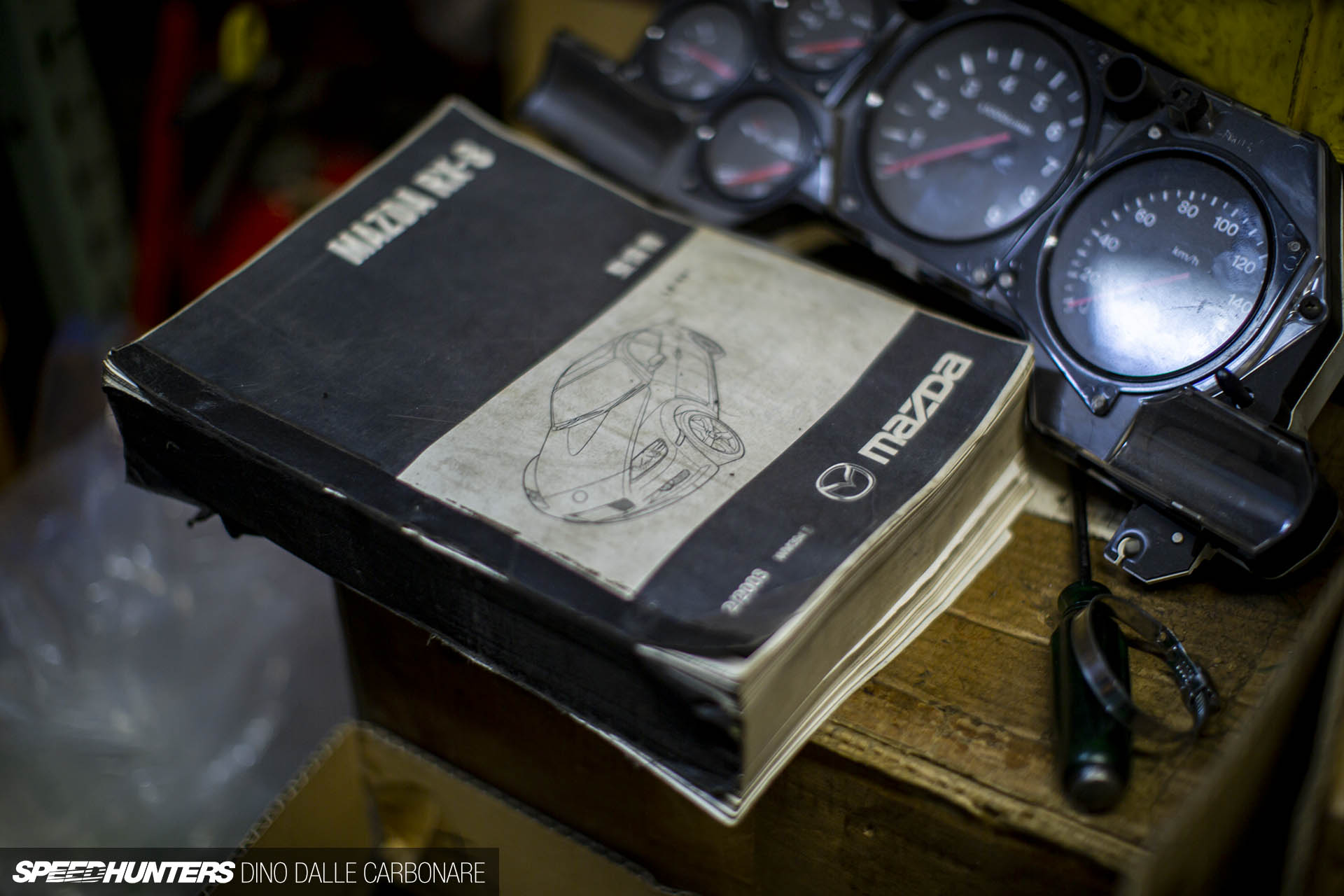
While a tad sad to hear it spelled out so clearly, the automotive rumor mill in Japan has pretty much been hinting at the same. Komoriya-san also added that a rotary project would be a special thing; something a manufacturer would do when profits are high, and that’s not the case with Mazda right now.


But what about that RX-8 project Komoriya-san brushed on earlier on?
“Ah yes, the RX-8, that’s one year in the making and something I’m very proud of. It’s our first Pan Speed complete car; the perfect interpretation of what a modern day rotary car should be. It’s light at just over 1,200kg thanks to the RX-8 already coming in light when stock, and then we built a side-port engine for it which generates 300hp at 8,200rpm. It’s beautifully responsive and peak power comes in way under 9,000rpm, which means it can be more reliable. We’ve teamed up with Kinoshita-san [a famous Japanese race driver) who set up the suspension and handling for fast road use. You have to try it to believe it. Everyone that drives it comes away impressed at how supple the ride is, how sharp and precise the turn-in is, and how well the engine responds. It’s only 300hp, but it’s a lot of fun to drive. Take it for a drive now!”
I did have to turn Komoriya-san down as it was late at night and raining hard. But we agreed that once the rainy season ends, I’ll return for a drive and a full Speedhunters feature.
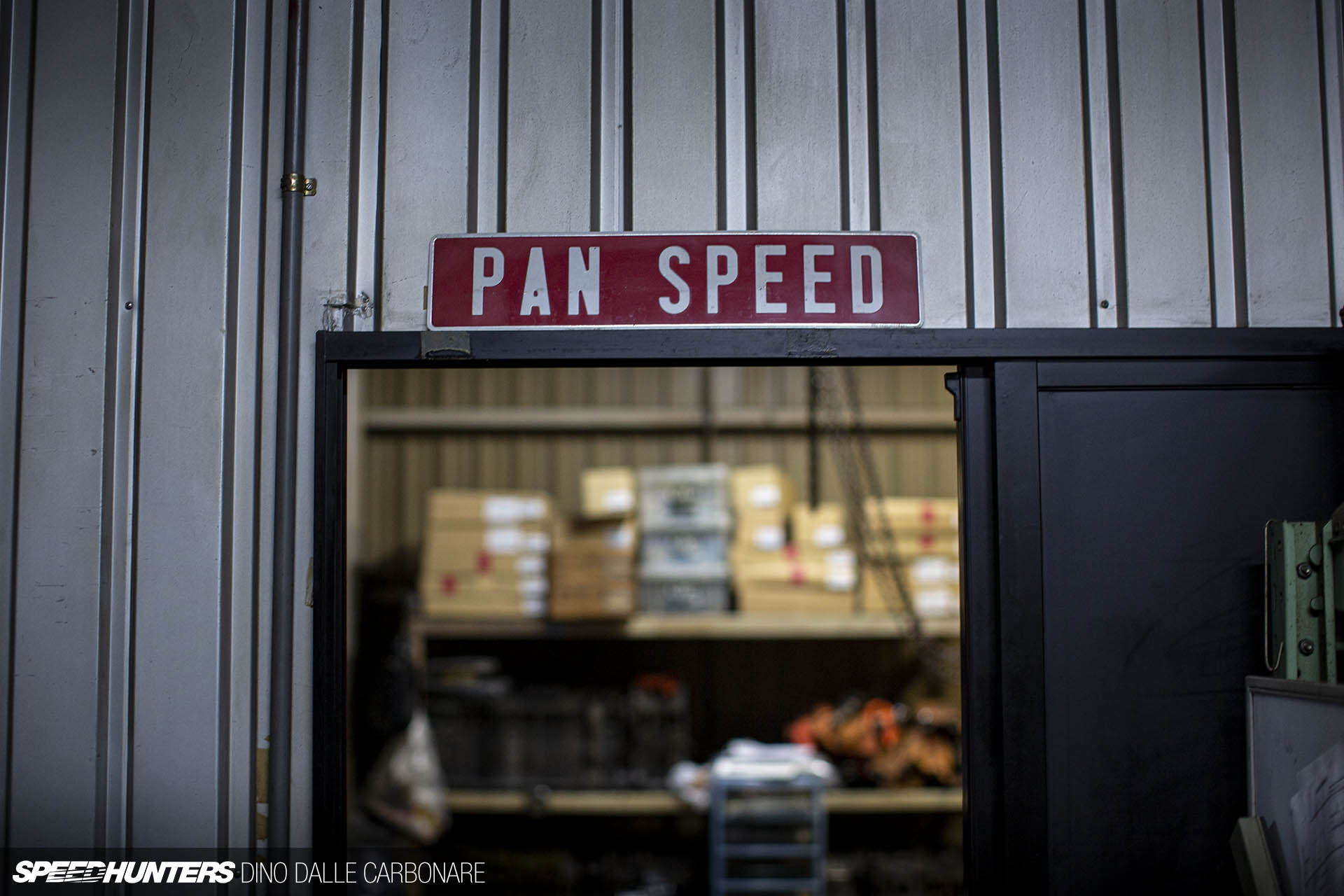
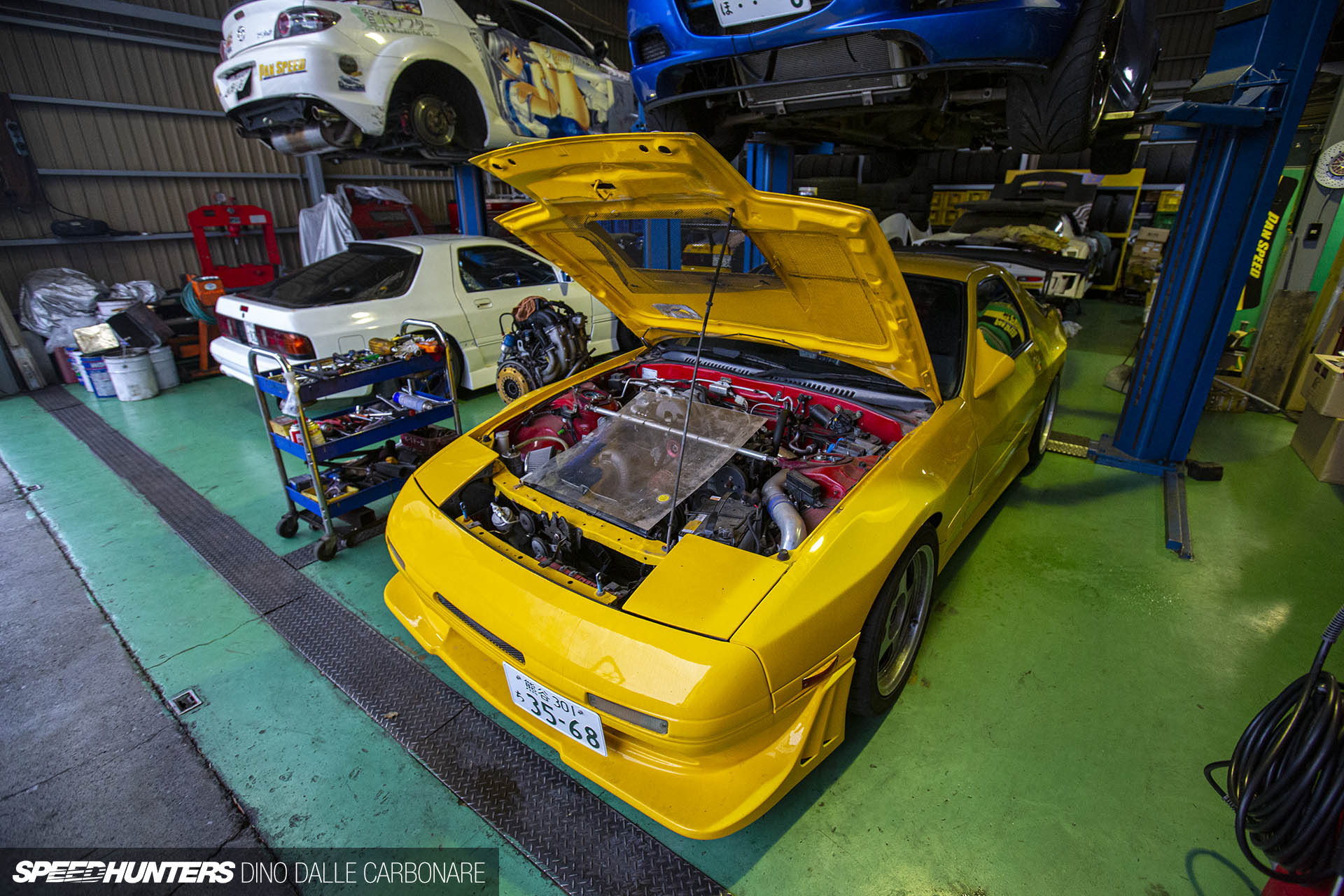
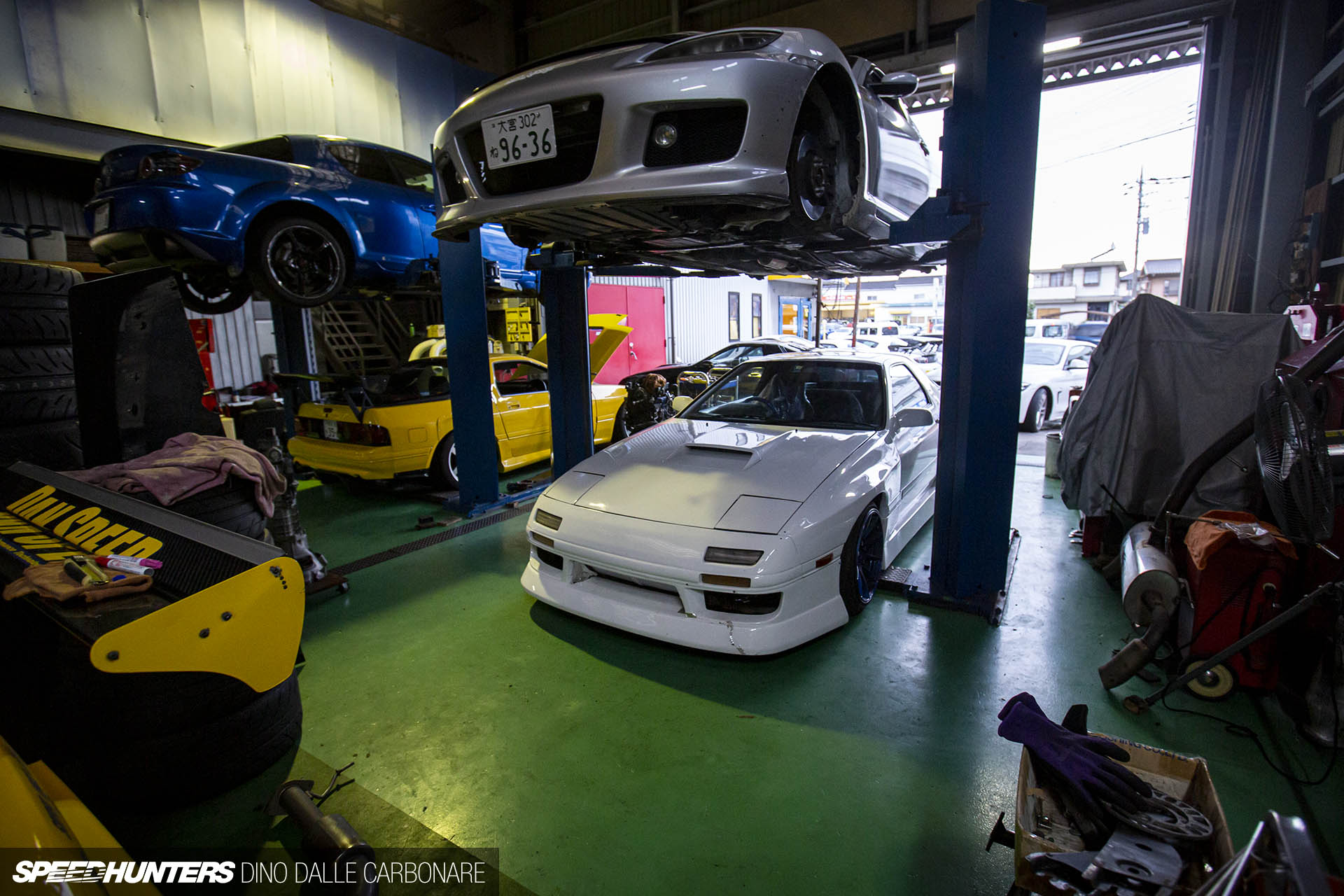
While there, and as you have so far seen through this post, I was able to take a wander around the shop with my camera.
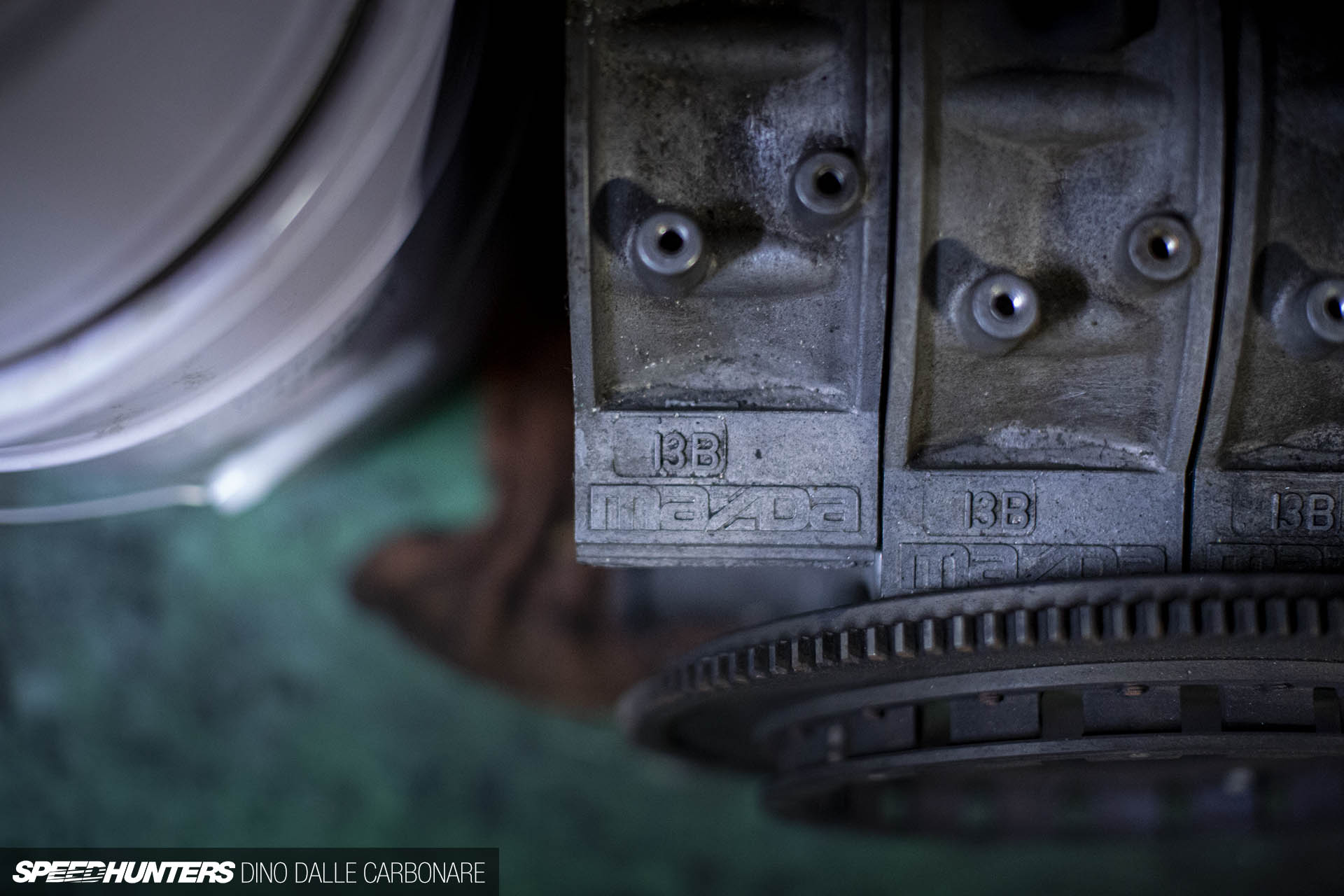


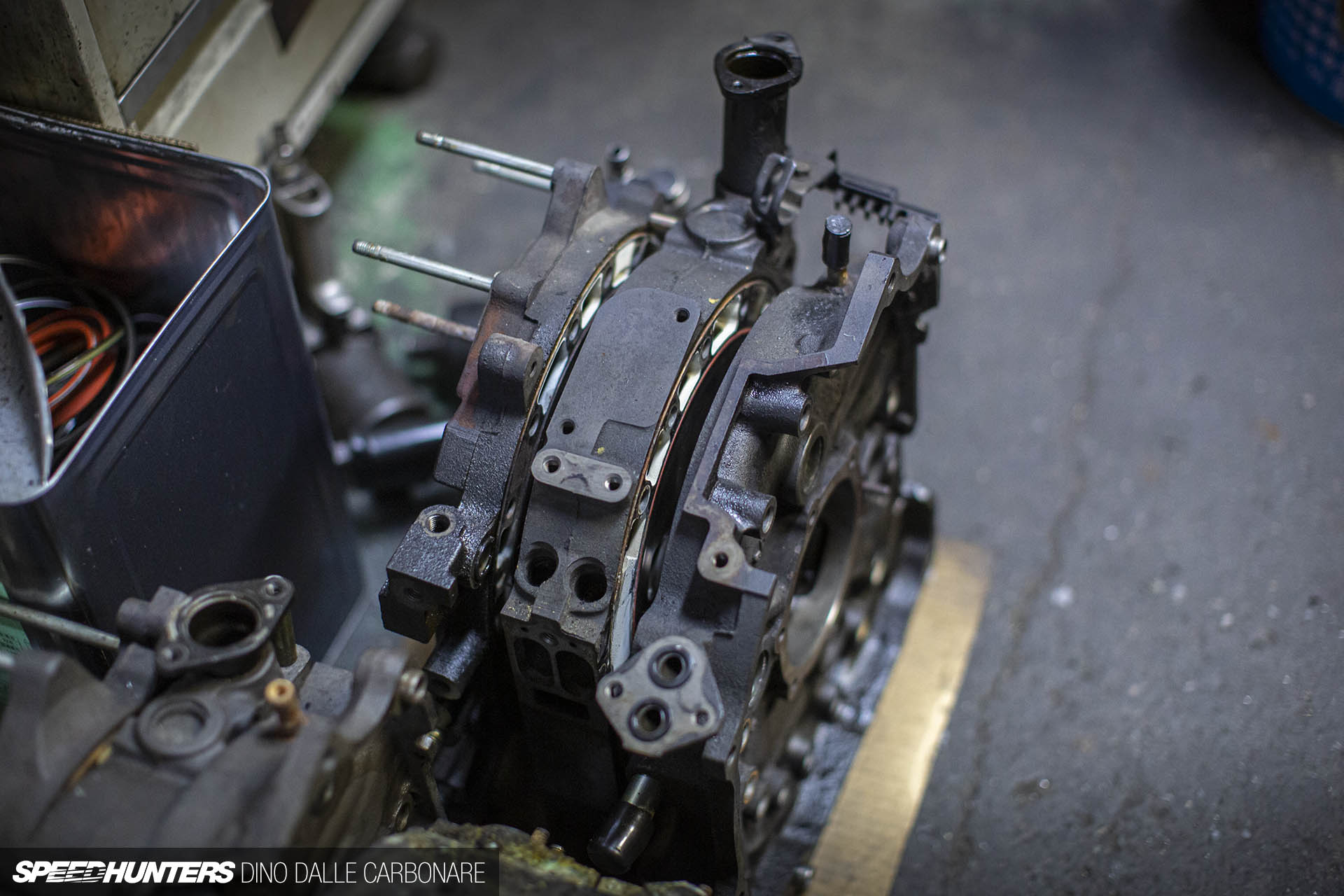
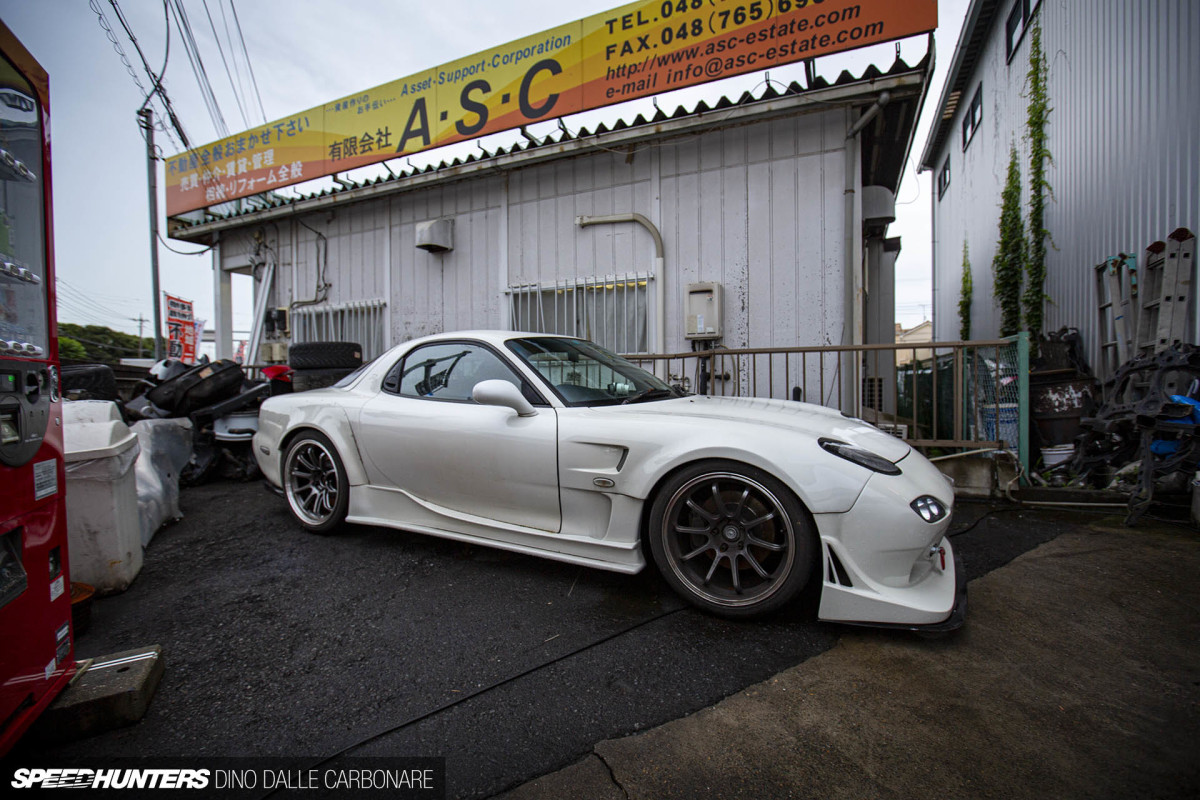
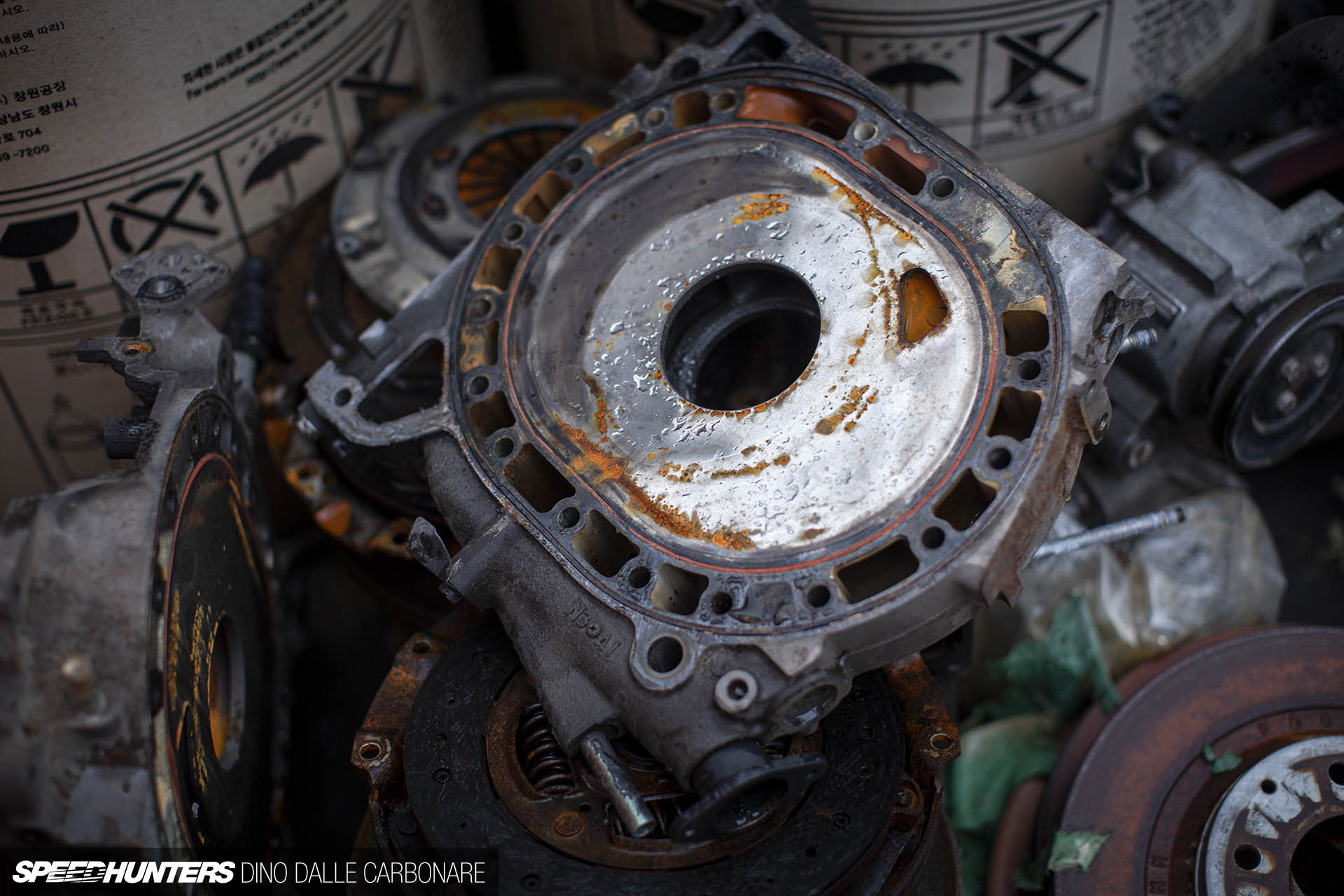
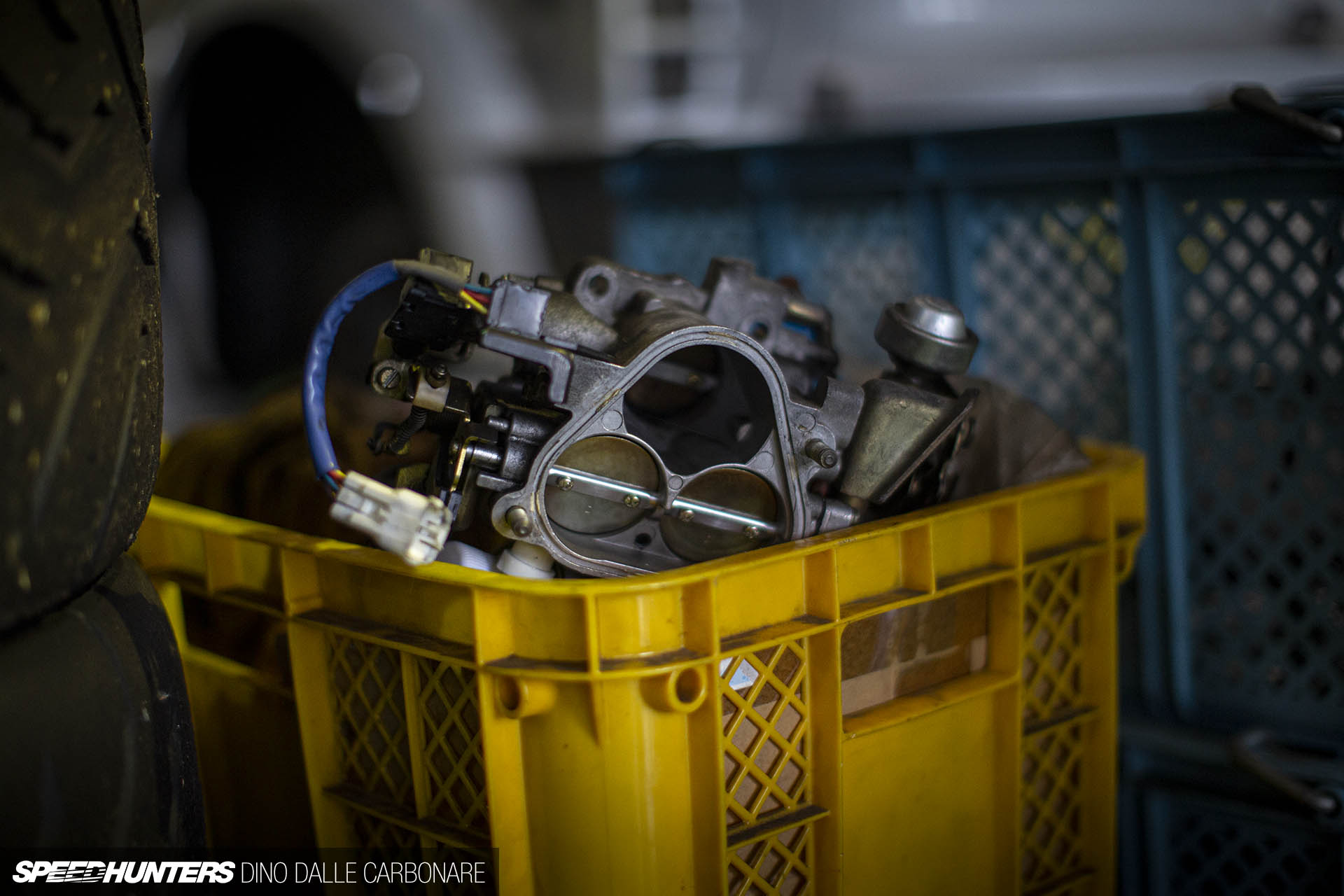
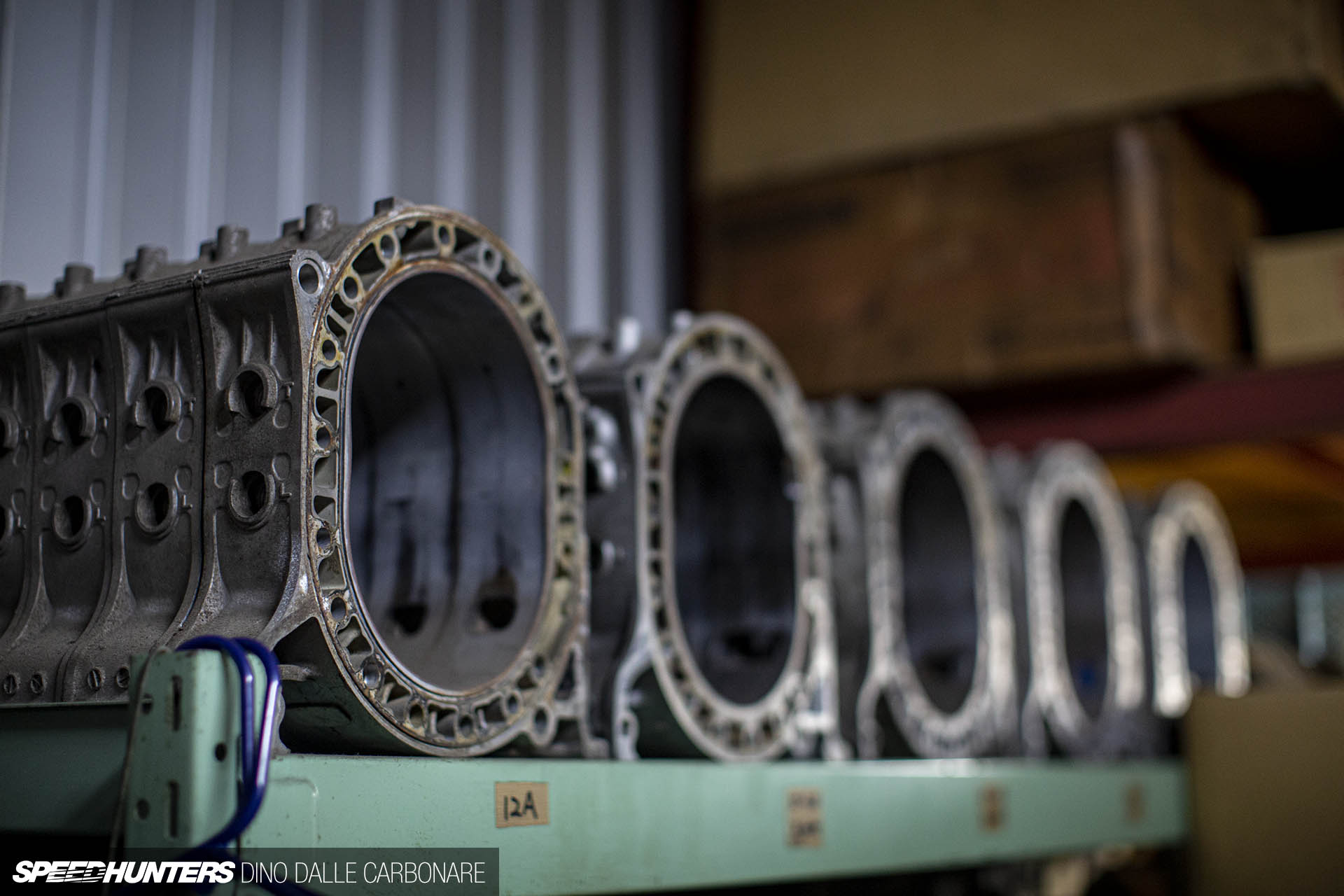
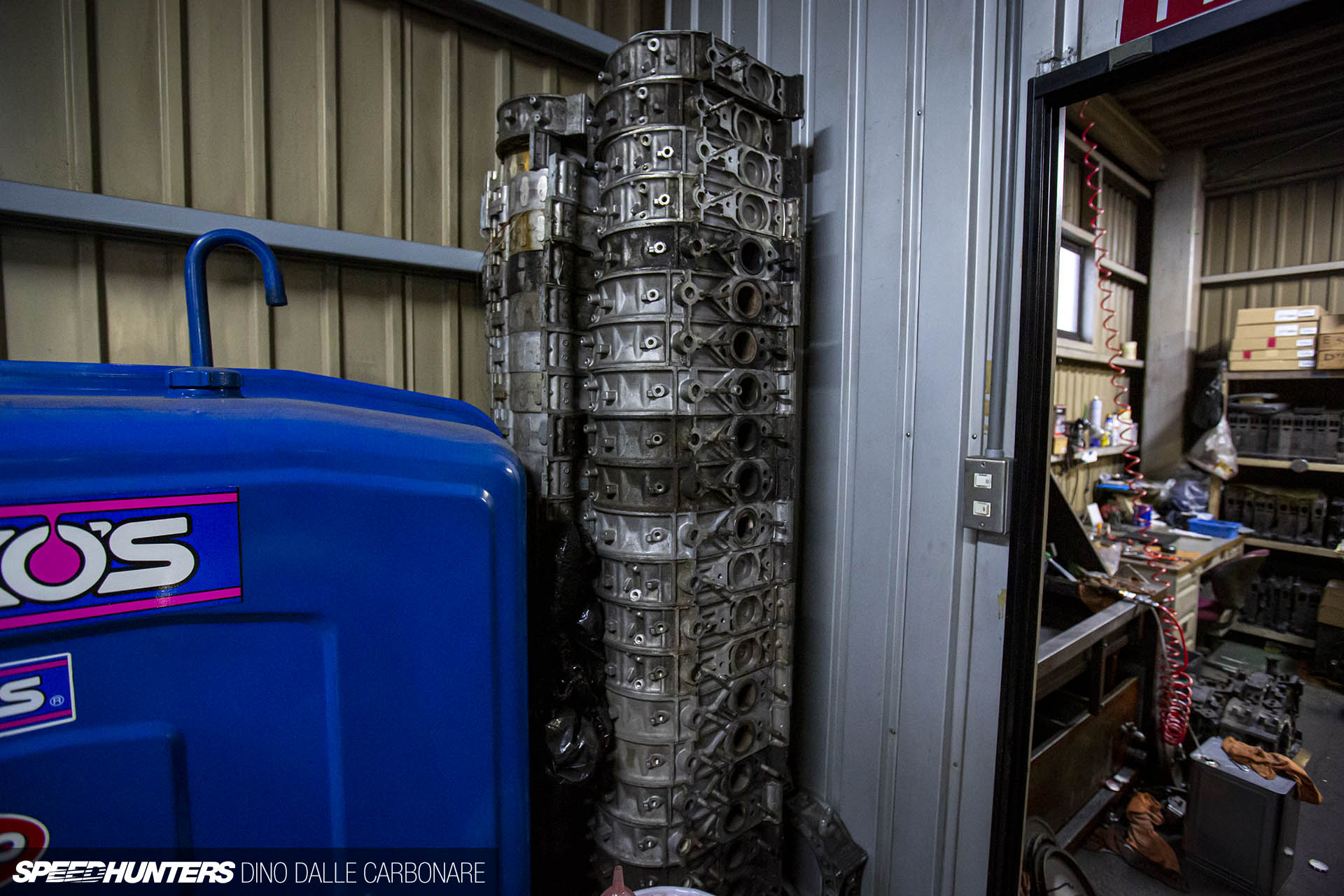
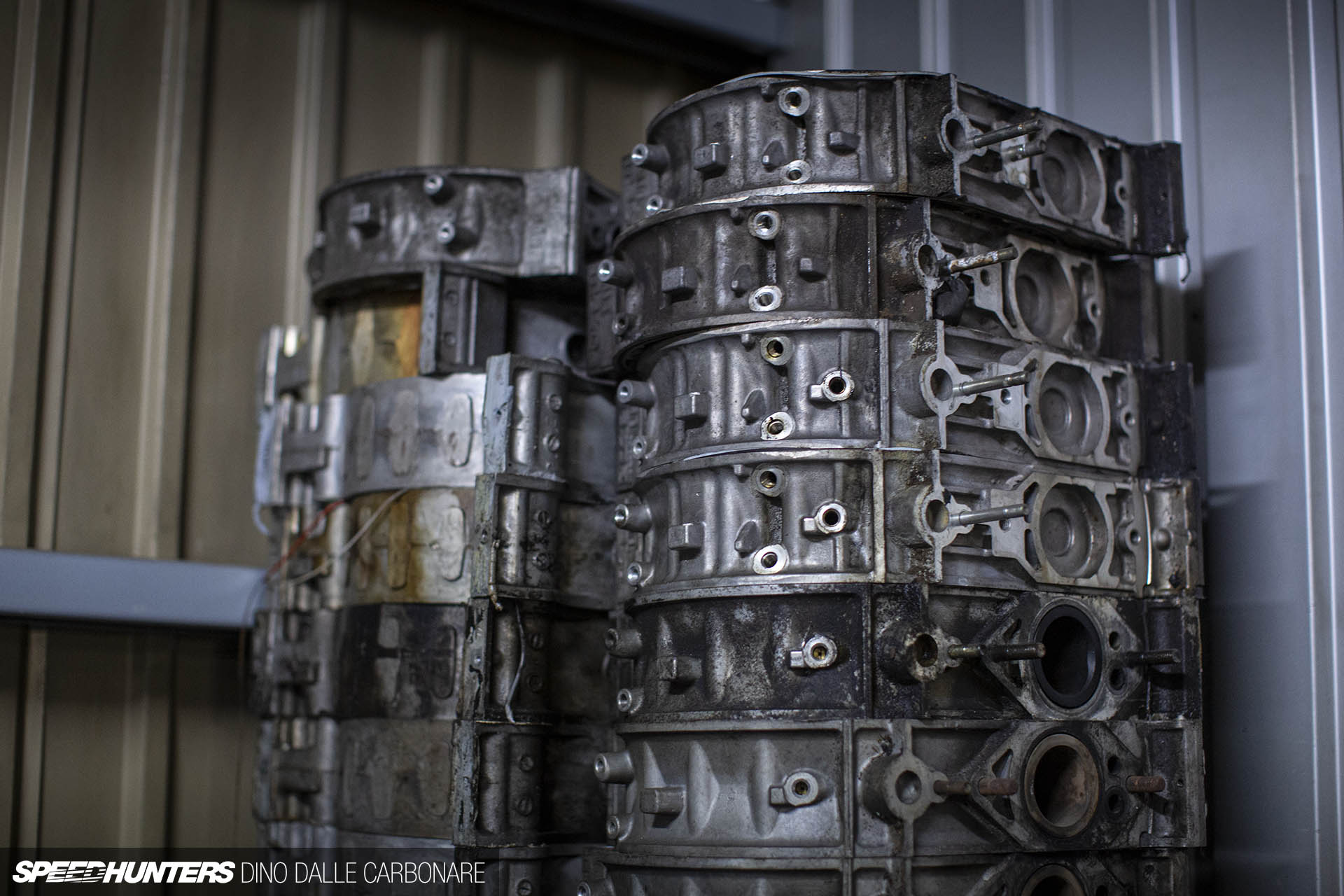
Komoriya-san seemed amused by the fact that I want to grab pictures of his workshop, but for me, Pan Speed has an amazing atmosphere about it. Just like so many other old school Japanese tuner shops, there are always parts stored everywhere – vertically, horizontally, on top of each other – all slowly collected through the hundreds if not thousands of cars that have come through the doors over the years.
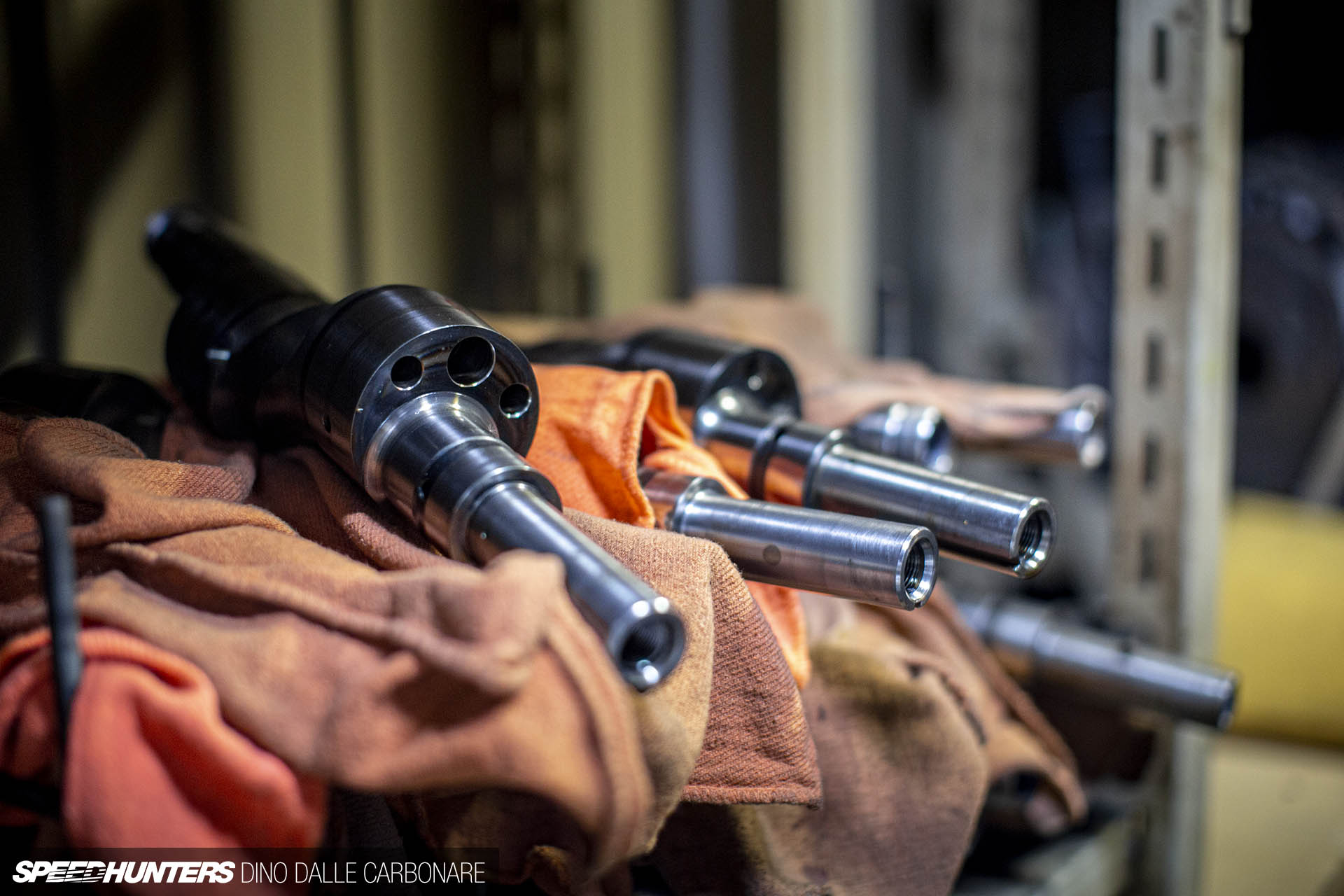
“Knock yourself out, there are a craploads of housings to see. Be careful you don’t get scratched up.”
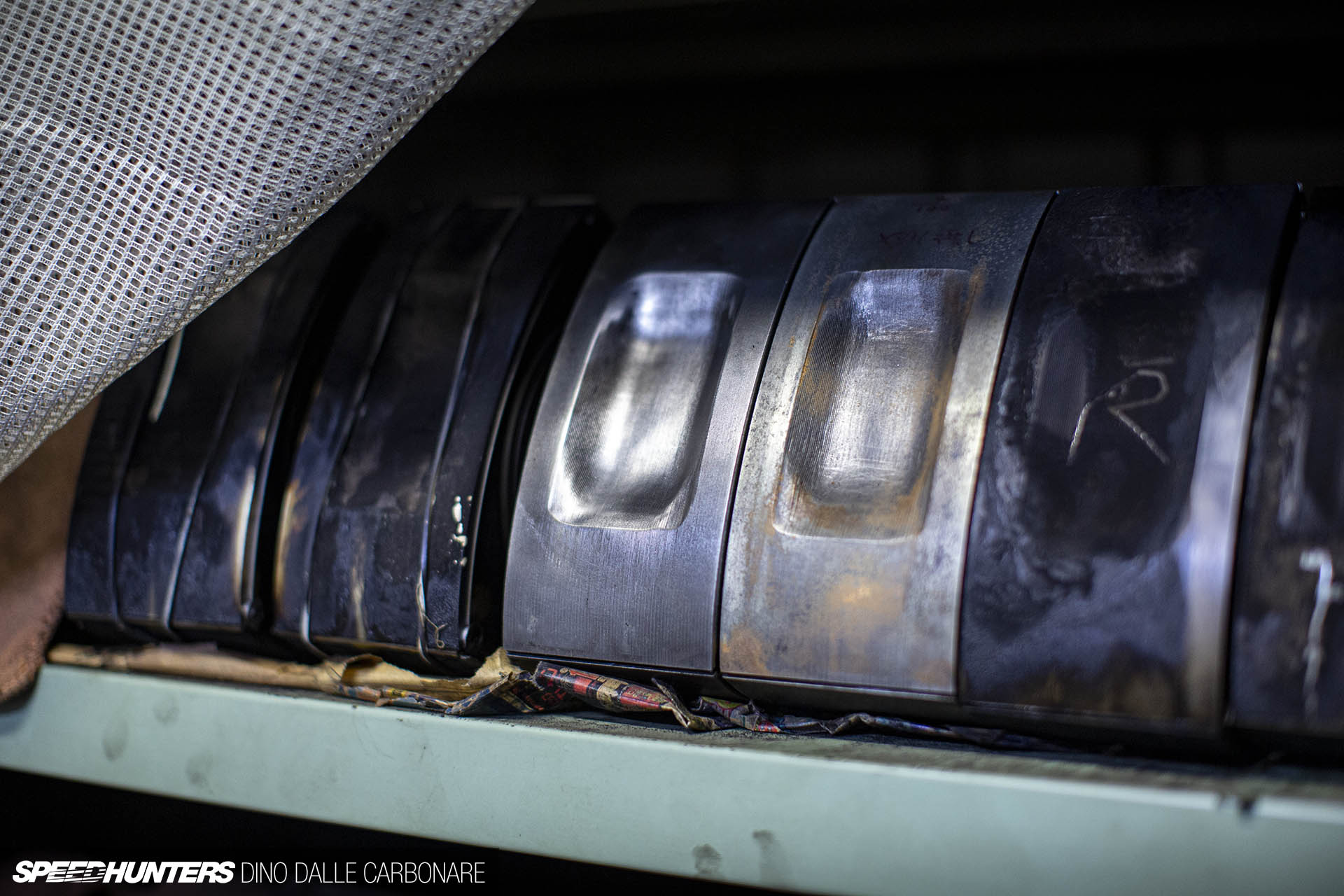
I don’t know if it’s the fanboy in me, but to spend a few minutes in the Pan Speed engine build room where their side and peripheral-port engines are pieced together was nothing short of awe-inspiring. These are engines that have powered cars to mid-50-second lap times at Tsukuba. That includes the peripheral-port 20B in the Pan Speed RX-8 time attack machine, the same car that they brought over to the Speedhunters Live with Dynamo event late last year.


Like many workshops that have been around since the early days of JDM tuning, Pan Speed have been through it all. From Option Yatabe Speed Trials to time attack cars, everything has served as a testbed for the knowhow that’s applied to their customer cars.

As ever, it was a pleasure to spend a few hours with Komoriya-san talking about the past, present and future of the rotary world. And on the back of that, I hope this story serves as a great way to kick off our Mazda rotary theme this month.
Dino Dalle Carbonare
Instagram: speedhunters_dino
dino@speedhunters.com