
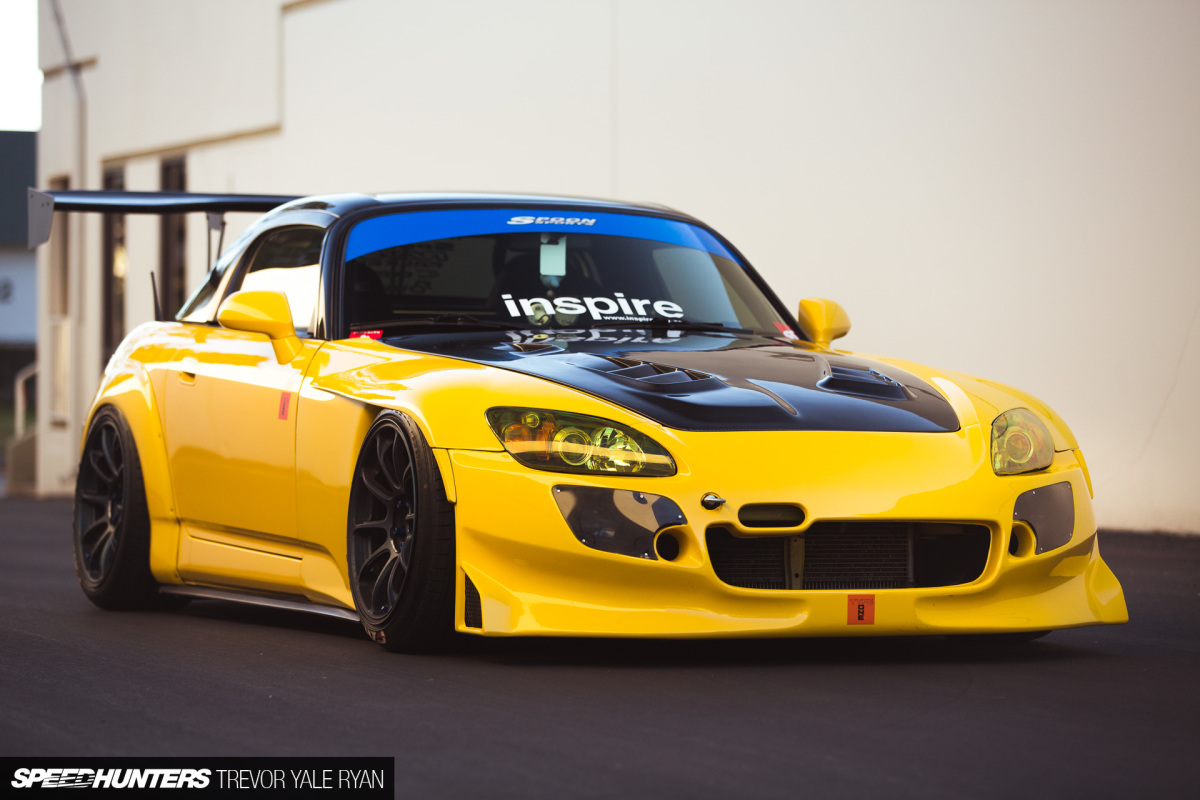
Pretending that now, exactly now, is the right time to buy a Honda S2000 is a little bit silly. That’s because the right time to buy a rear-wheel drive two-seater sports car with a high-revving naturally aspirated engine is, well, always.
However, it could be argued that now might be the absolute best time to get your hands on Honda’s little roadster. The S2000 has transitioned into a bonafide modern classic but, although prices of the S2K have never really slumped, values haven’t started to rocket up just yet.
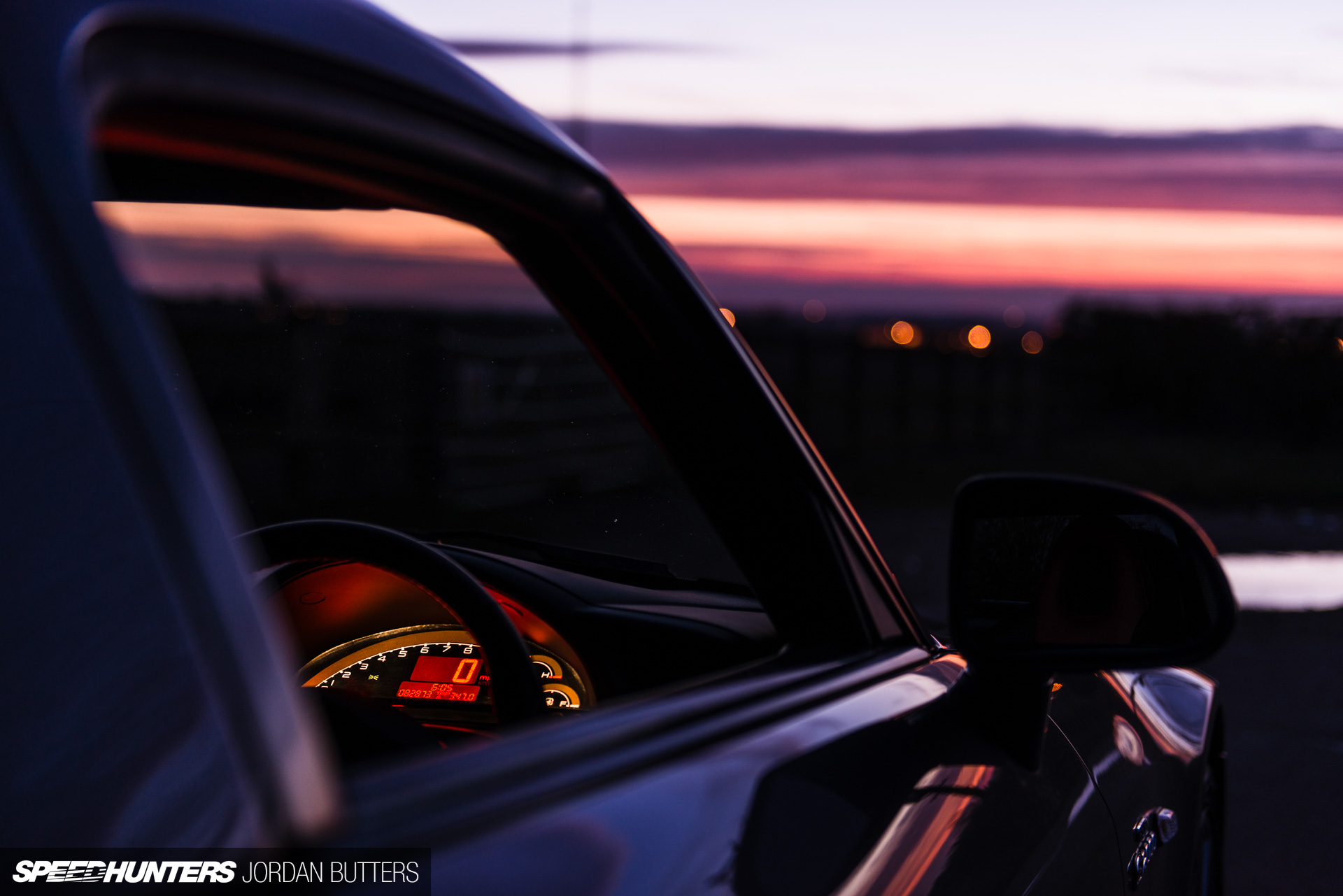
But, perhaps for some inexplicable reason, you’re not quite on board with the idea of an S2000. Perhaps your money is safely tucked away, earmarked for another car. Well, let me be your irresponsible guide to why you want to blow your savings on a 20-year-old four-cylinder Honda.
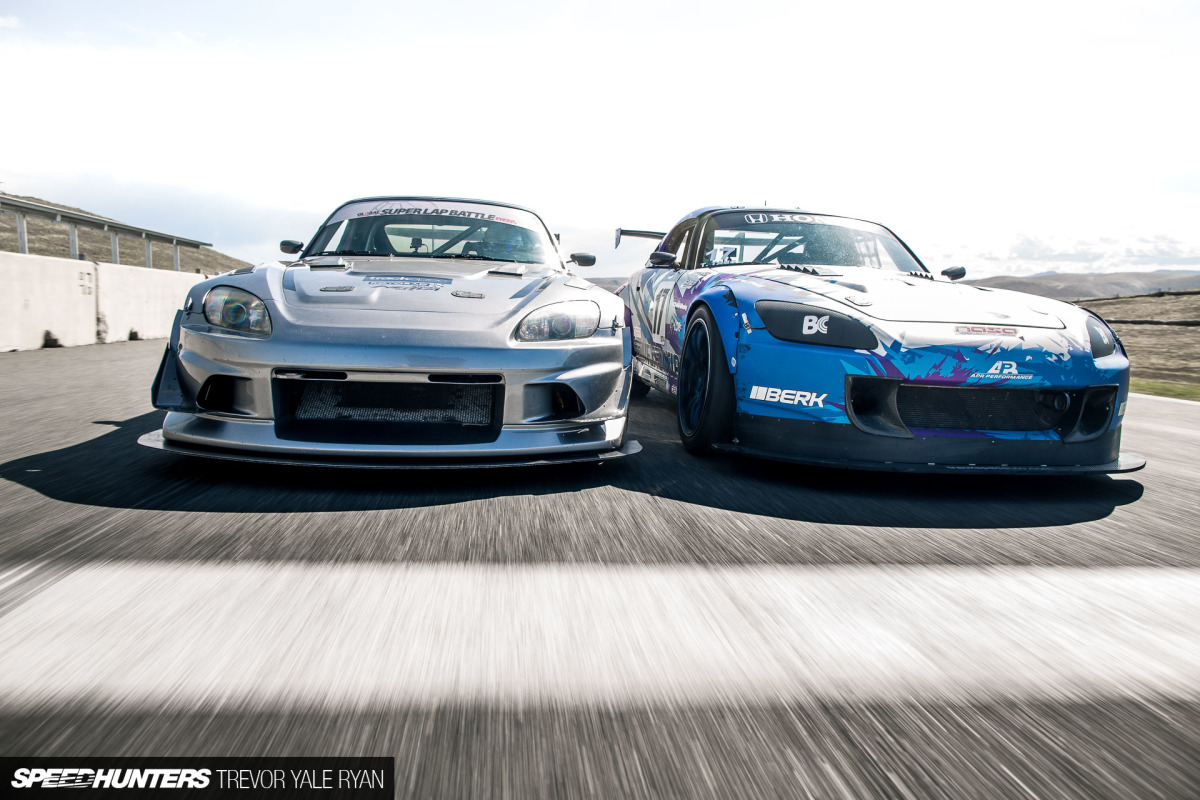
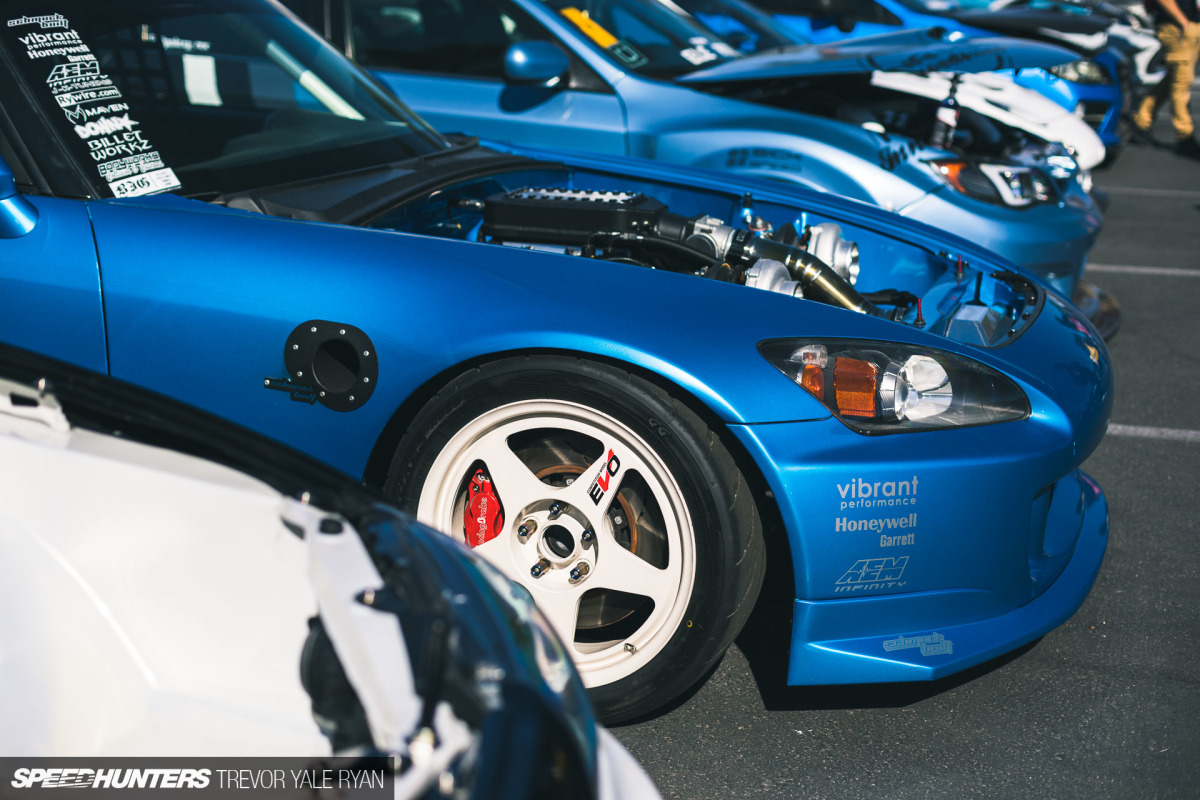
The first and most significant reason is its engine. In fact, it’s more like 9,000 reasons why you want an S2000. Its four-cylinder 16-valve VTEC-equipped engine, called the F20C, revs all the way to 9,000rpm, granting the humble roadster entry into an exclusive group, mostly comprised of supercars. There’s the Lexus LFA, Ferrari LaFerrari, Porsche 911 GT3 (991), as well as a diminutive little Honda, the S600.

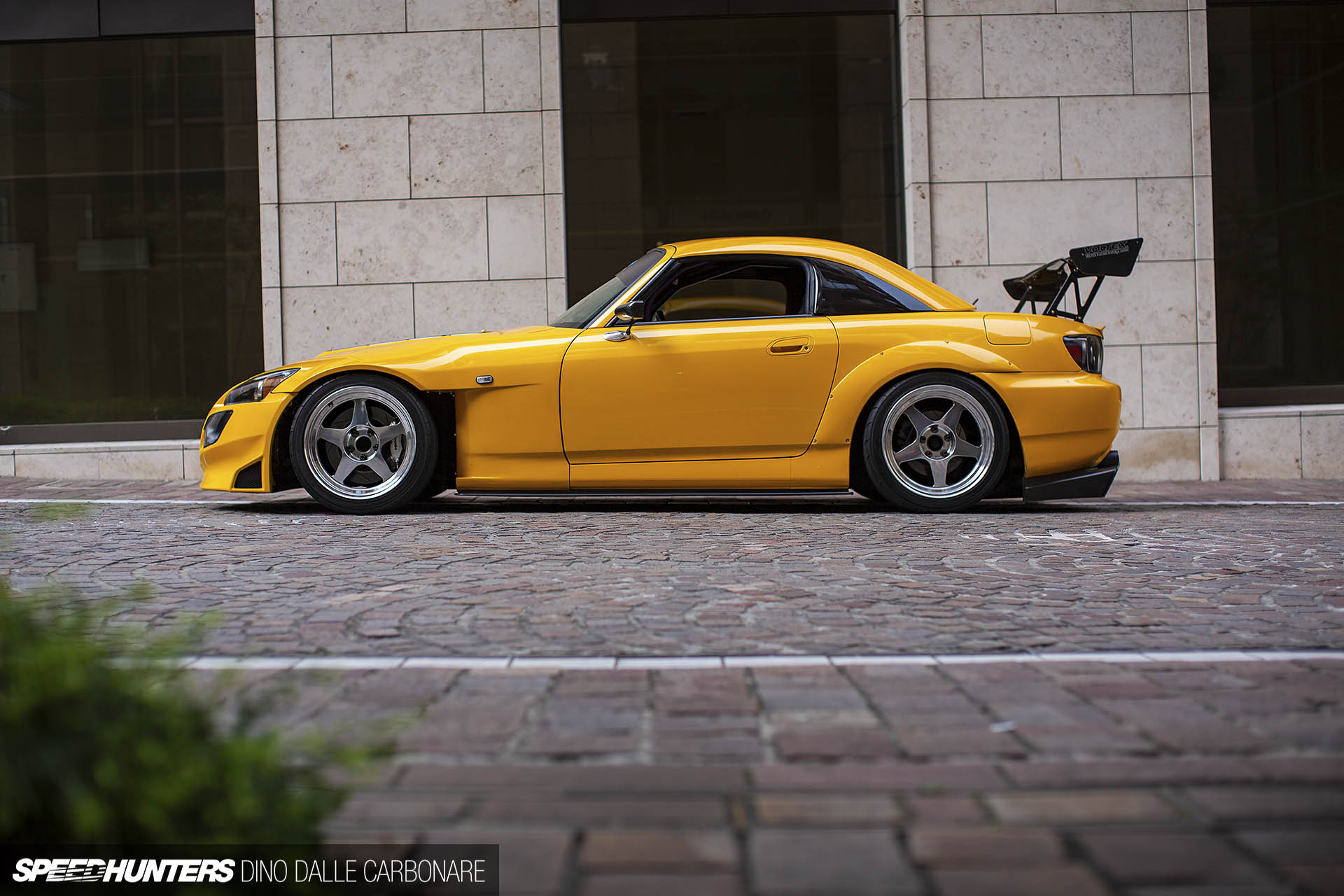
Amazingly though, considering how integral we think the F20C is to the S2000, it wasn’t part of Honda’s initial plan. Four years before the S2000 was released, a concept was unveiled at the 1995 Tokyo Motor Show called the SSM, which stood for Sport Study Model. The shape and proportions of the concept are thoroughly S2000; it has the same silhouette and wide front wheel arches that, implausibly, reach higher than the bonnet line. But the concept’s details are totally different; the top half is entirely without embellishment. Instead, everything including the headlights is pushed close to the ground.
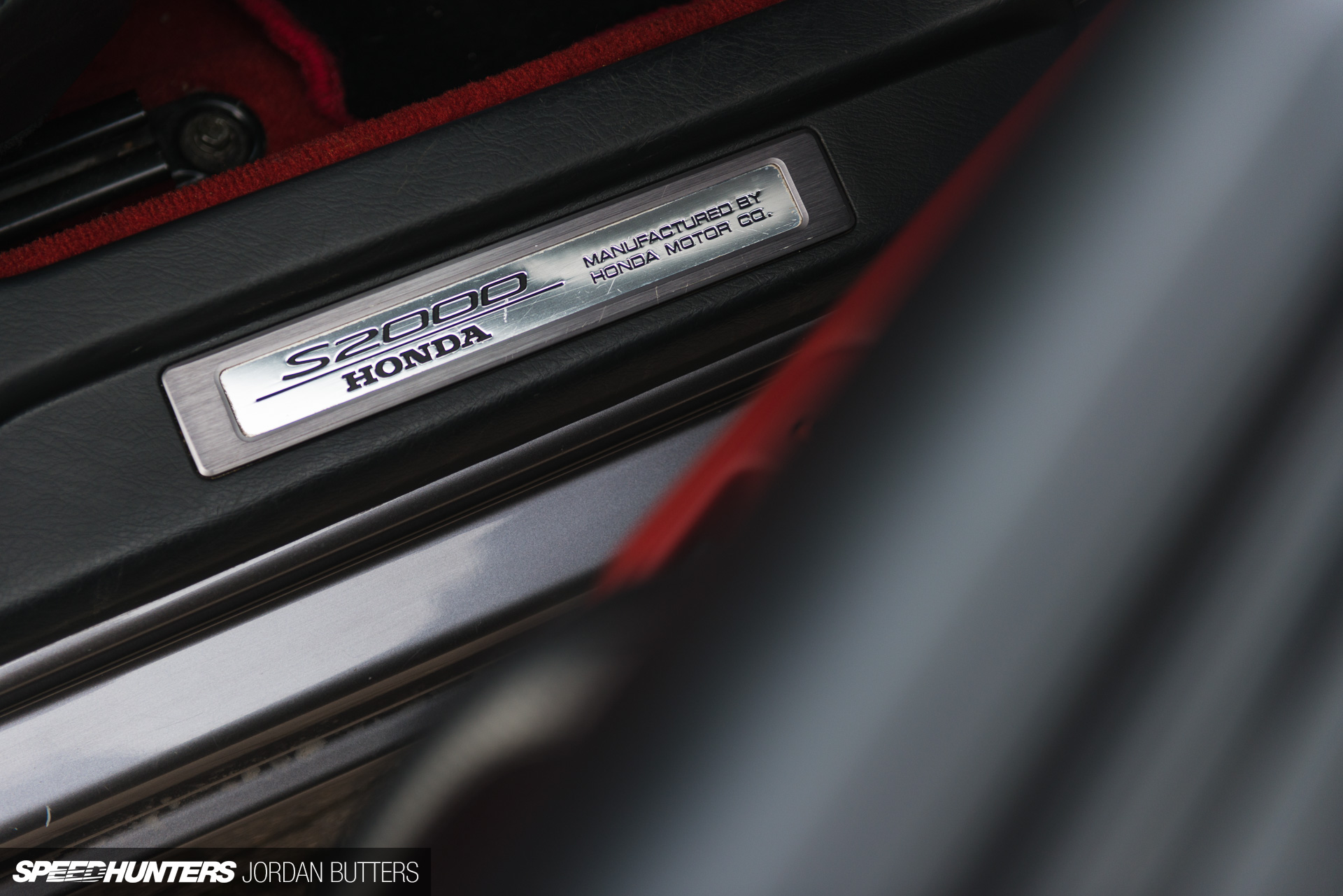

Under those show-car looks is where the biggest differences are. It might have been a front-mid engined car, just like the S2000 turned out to be, but the motor up front was a 20-valve five-cylinder with, by comparison, only a measly 8,000rpm limit. And even worse than that comparatively low RPM cut-off, the engine was connected to an auto ‘box.
OK, so I’d quite like to experience a fast-spinning five-cylinder with Honda’s VTEC system – I imagine it might sound like an Audi 80 on both helium and amphetamines – but not at the expense of the S2000’s precise and mechanical 6-speed manual.
In reality, the S2000’s engine doesn’t need any more cylinders than four to make it truly exotic. The idea that only exceptional, lust-worthy engines need many, many cylinders is eradicated by one sweep of the S2000’s digital rev counter. Instead of six, eight or 12 pistons, the F20C makes the absolute most of every single one of its components and every cubic centimetre of its capacity.
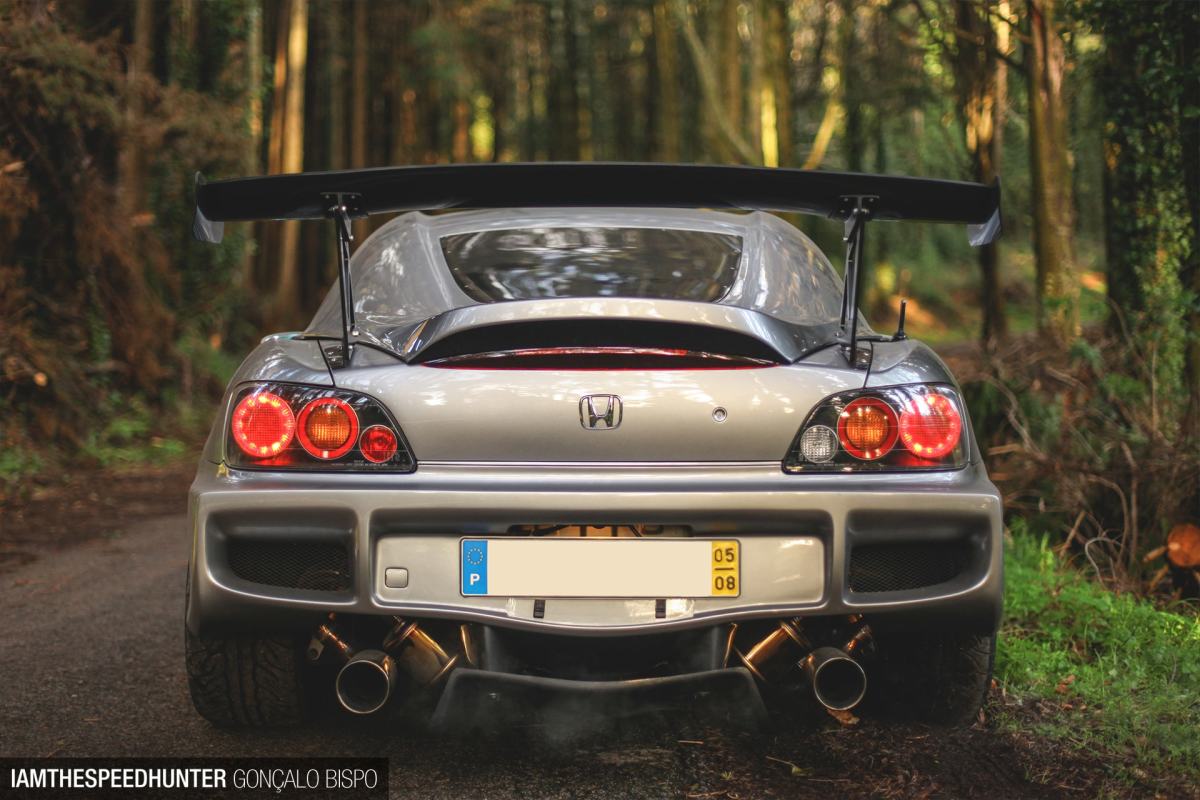
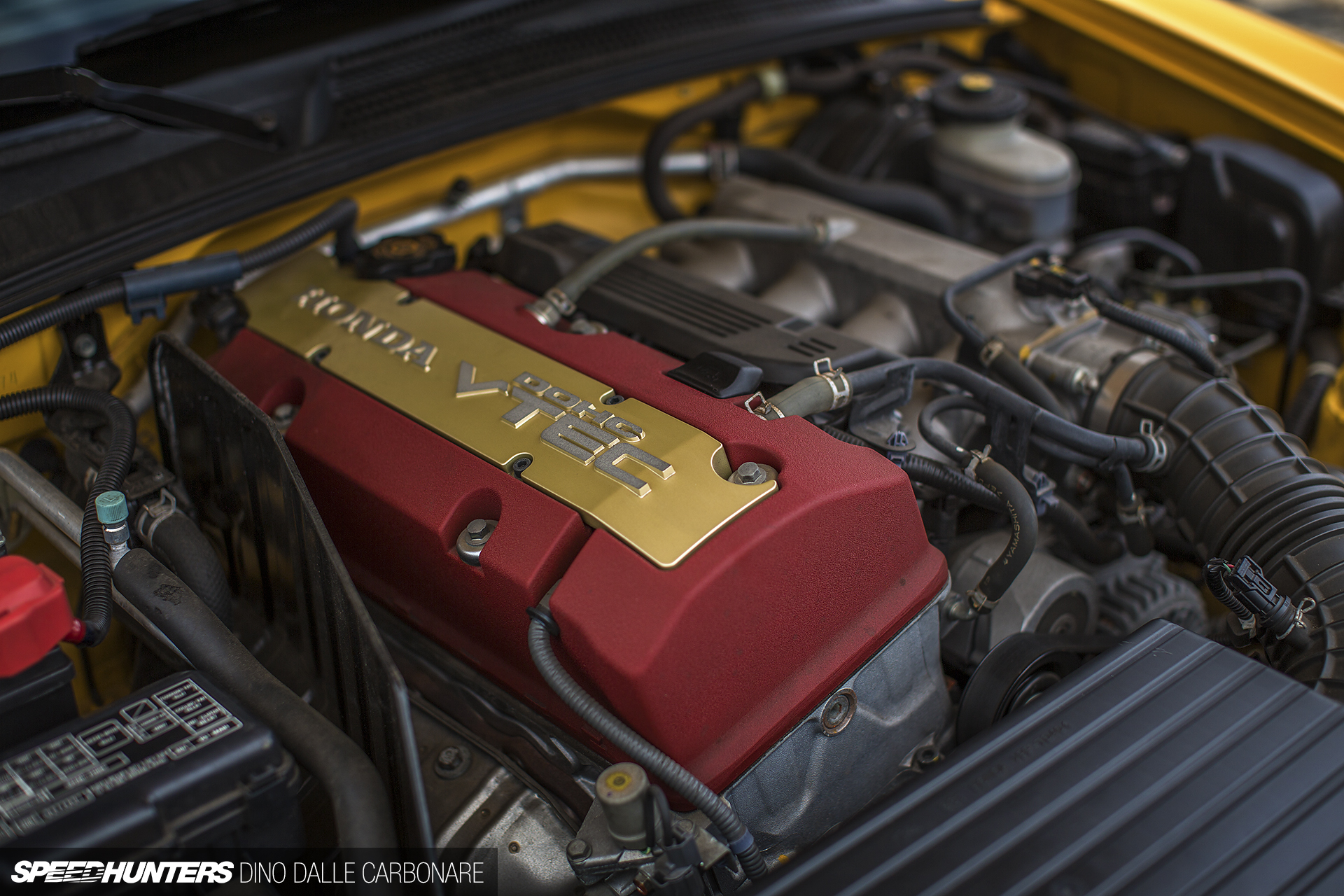
Thanks to an 11.7:1 compression ratio (compared to the 11:1 of that of export cars), the JDM-spec S2000 has an extra 10hp over export models. That means, from just 1,997cc, the F20C conjures up 247hp. When it was launched, that made it the naturally aspirated engine with the highest specific output ever to go into mainstream production. It was a title Honda has previously held with the 114.1hp-per-litre B16B motor in the EK9 Civic Type R. The hot hatch was then beaten by Nissan with its 123.4hp-per-litre SR16VE NEO VVL engine in the Pulsar VZR N1. Then, with its searingly high rev limit – remember power equals torque multiplied by revs – the S2000’s F20C just stole the award back with 124hp per litre.
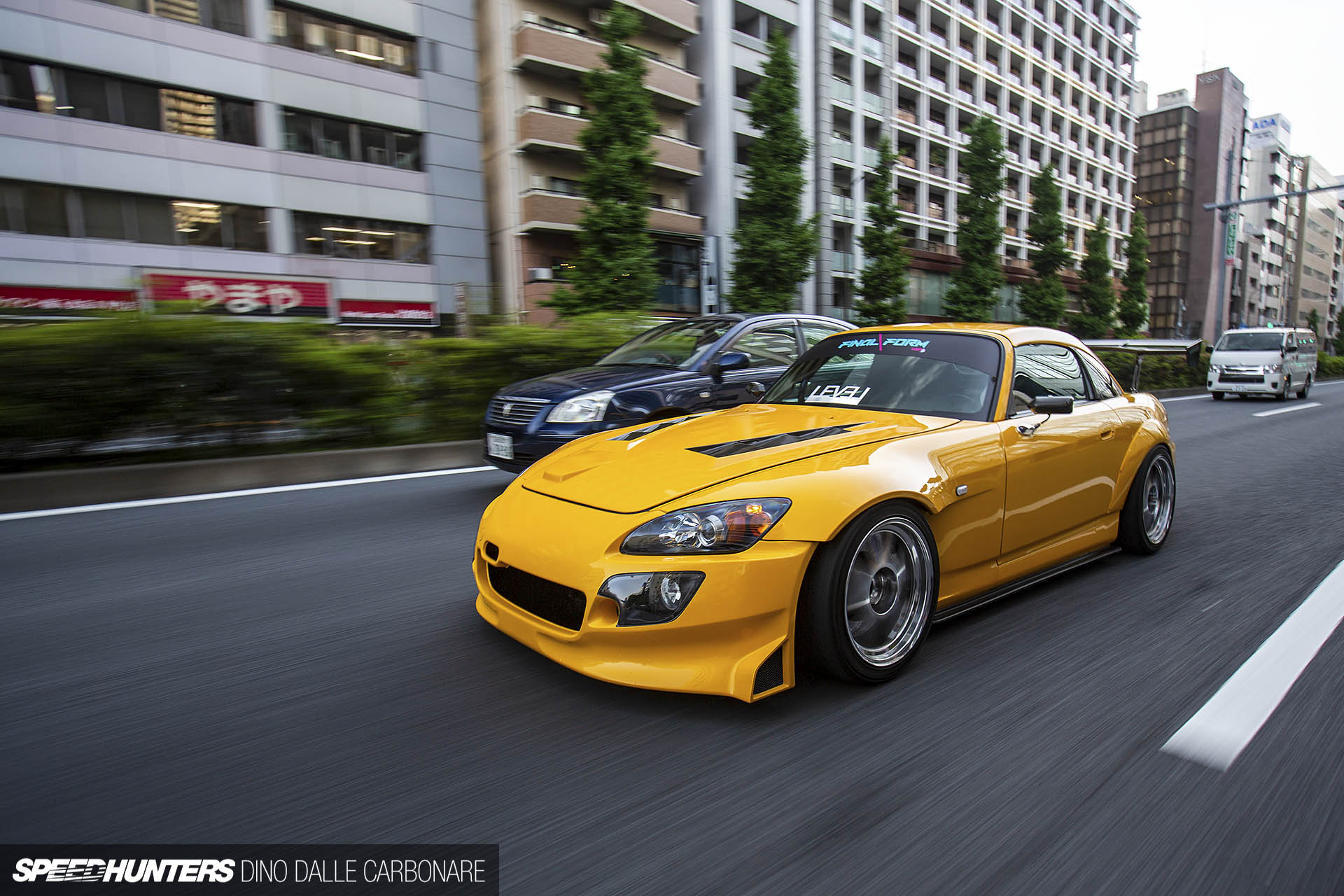
Despite being so highly-strung, the S2000’s F20C engine is generally reliable and durable, but they do also tend to go through oil. As a result, the level does need to be checked regularly, especially as there is no warning for when the oil starts to drop, only when it’s really too low and too late. The biggest killer of the S2000’s engine is cars driven hard without a sufficient amount of oil in the sump; corner hard with just a piddling amount of lubricant in the engine and it all sloshes to one side and the pump just sucks up air.
Early cars that were driven without much sympathy for the drivetrain, where drivers side-stepped and kicked the clutch, saw crank bearing issues. Honda introduced a clutch delay valve to later cars to soften the blow to the drivetrain.
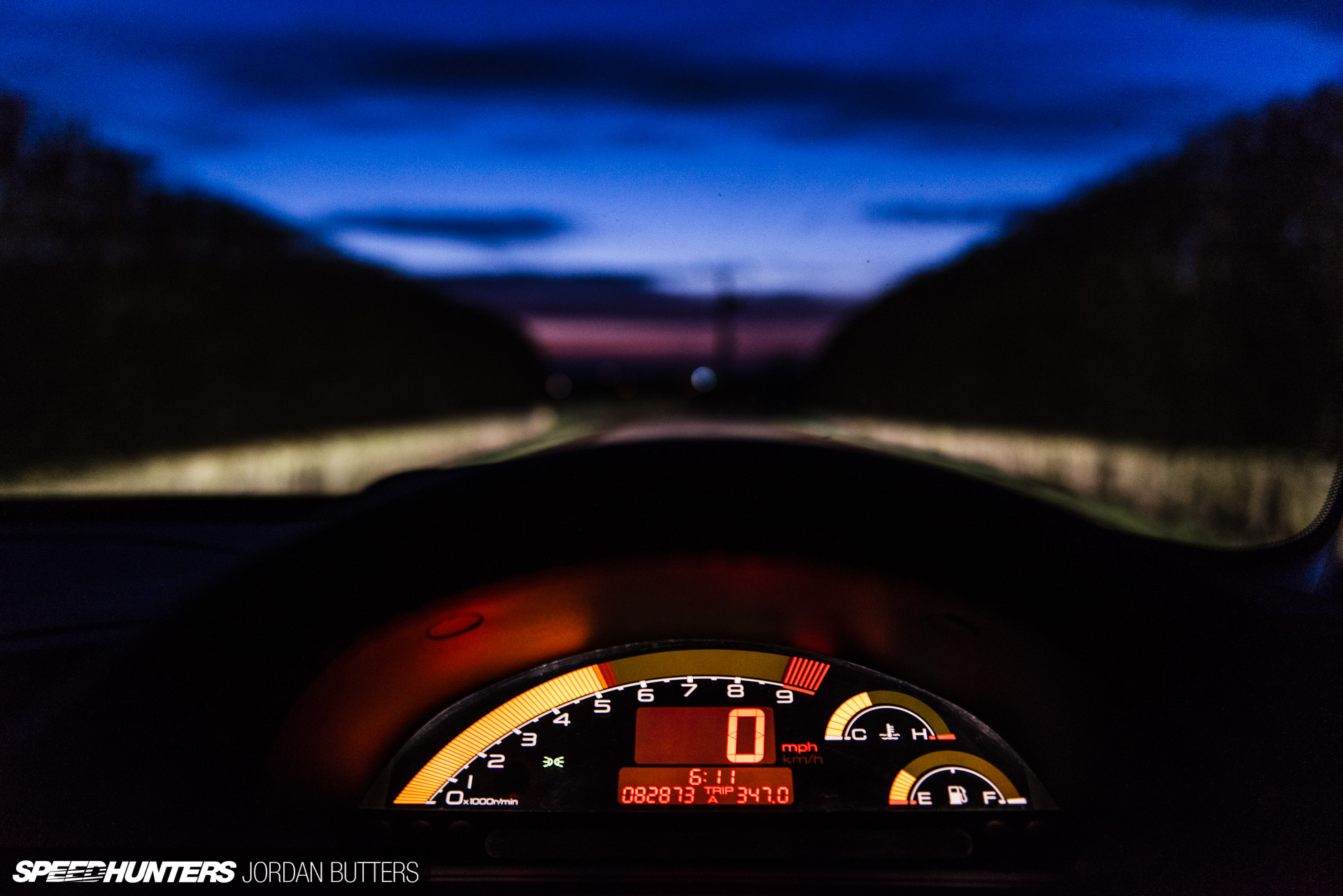
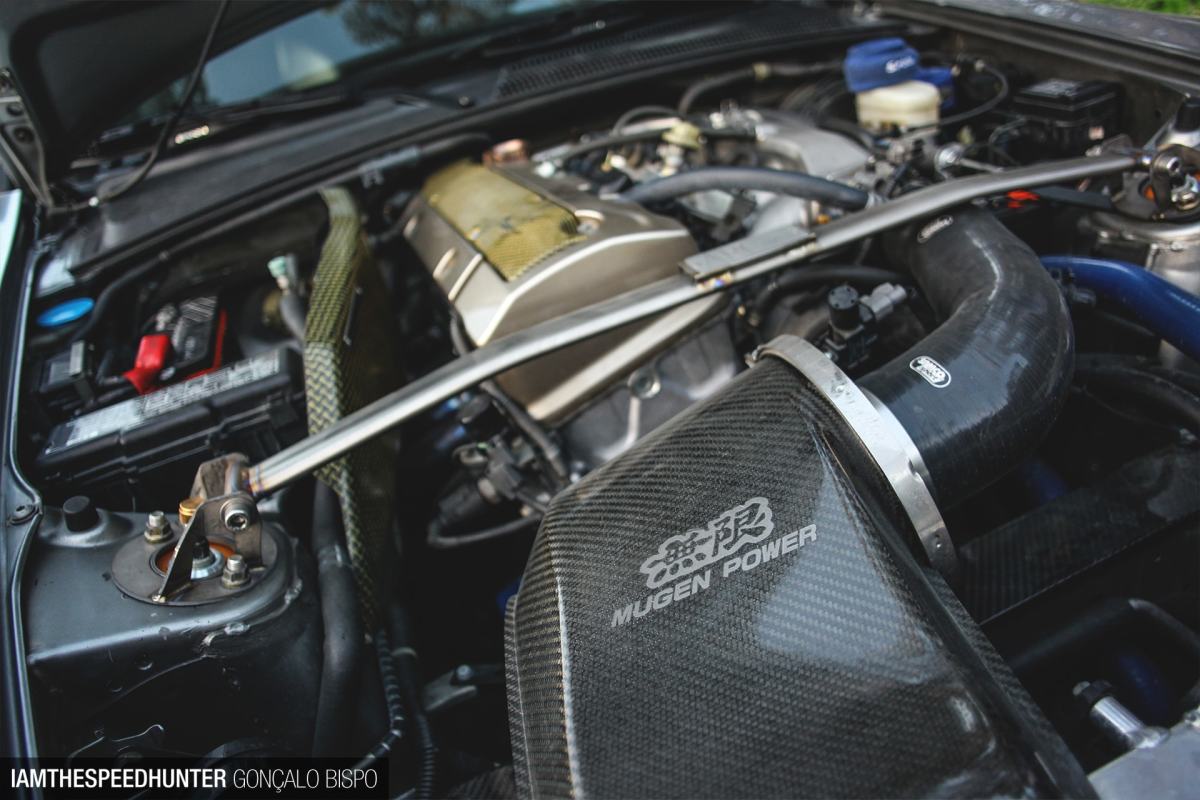
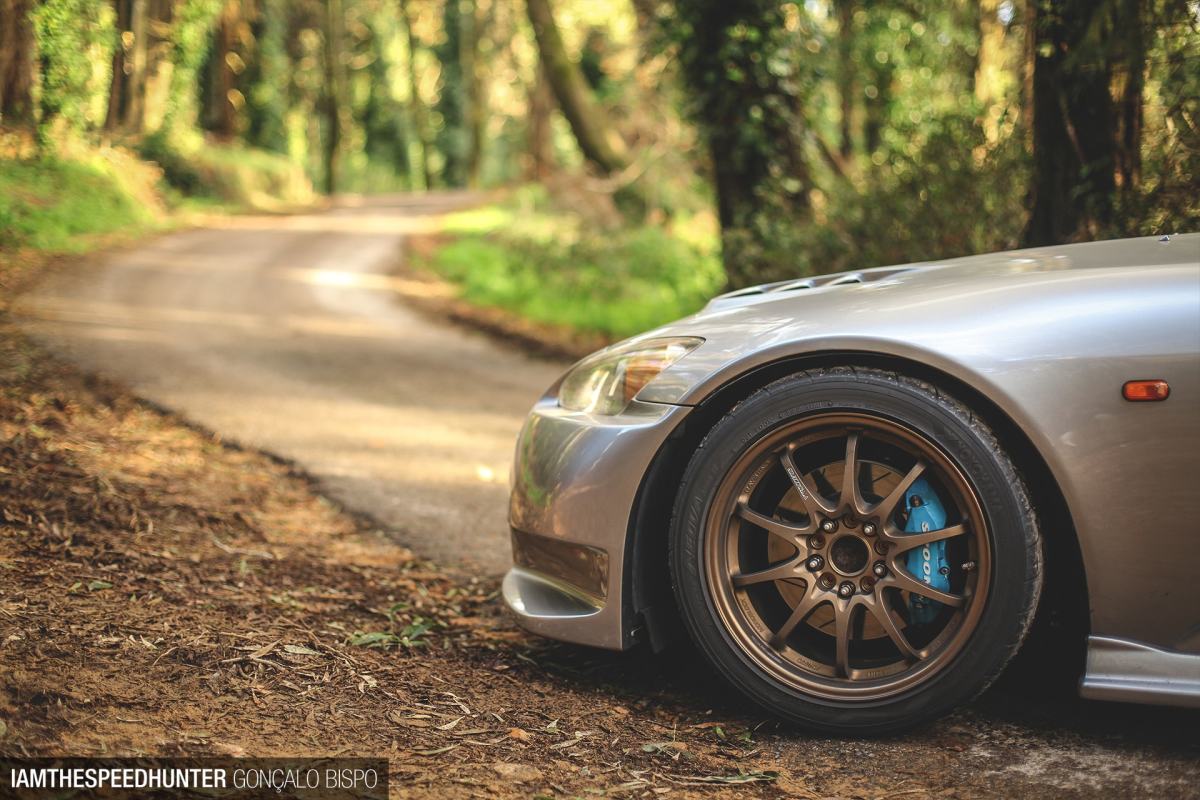
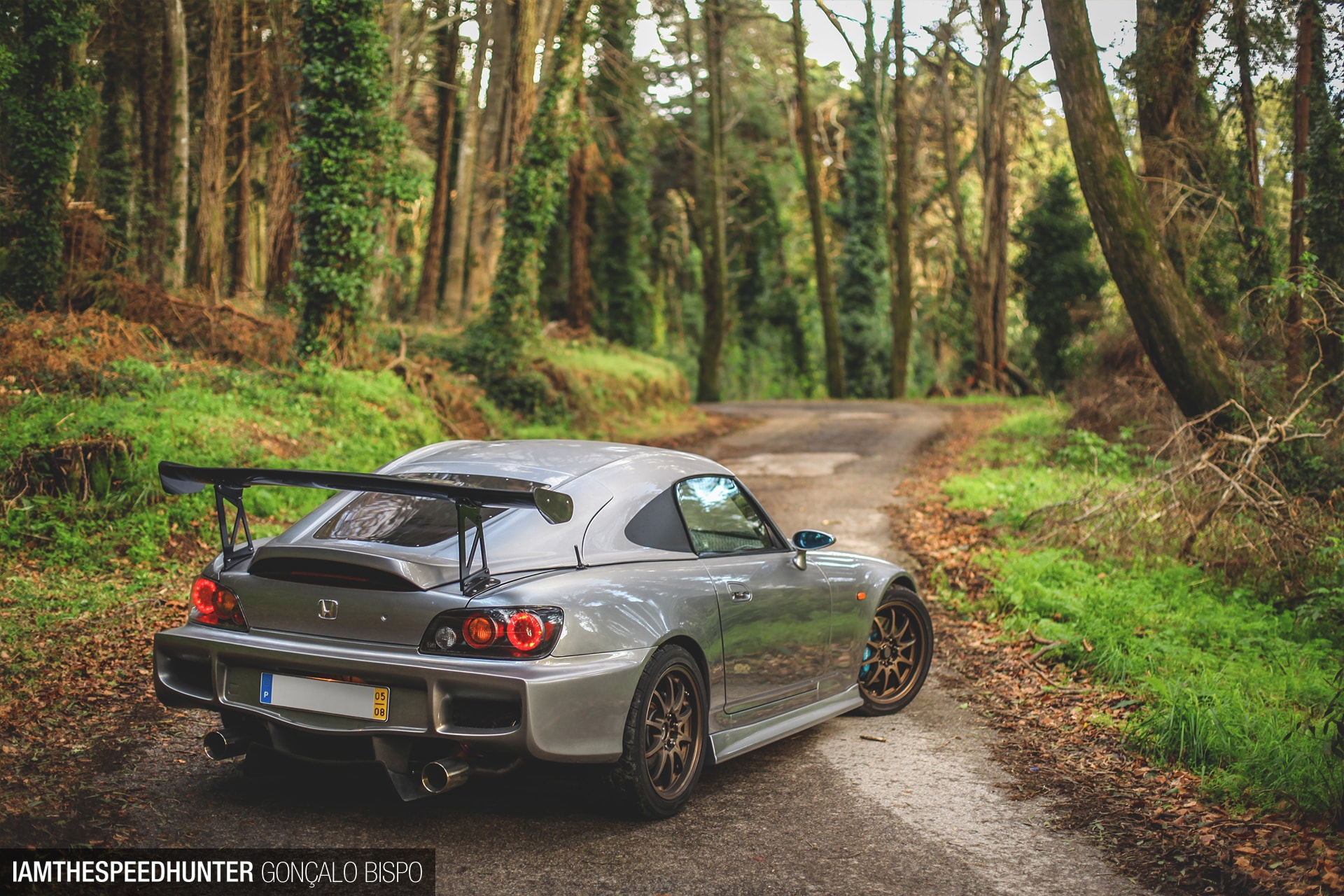
While most of the 2004 updates were meaningful (geometry alterations and cosmetic touch-ups) they weren’t momentous. American cars, however, did receive a significant change; the F20C engine was replaced by a 2.2-litre version, called the F22C1. Power from the bigger motor is still the same (240hp), but the extra capacity (160cc) from a longer stroke helps increase torque to 162lb-ft. Sadly, the 9,000rpm rev limit of the smaller engine didn’t make it to the 2.2-litre; its revs were capped at 8,200rpm. But, in all honesty, unless you’re addicted to the buzz that only 9,000rpm can give you and you want to dine-out on the cache of an engine that once held a coveted title, the higher capacity engine is just as good to drive. Even the Japanese market cars adopted the F22C1 from 2006 onwards.
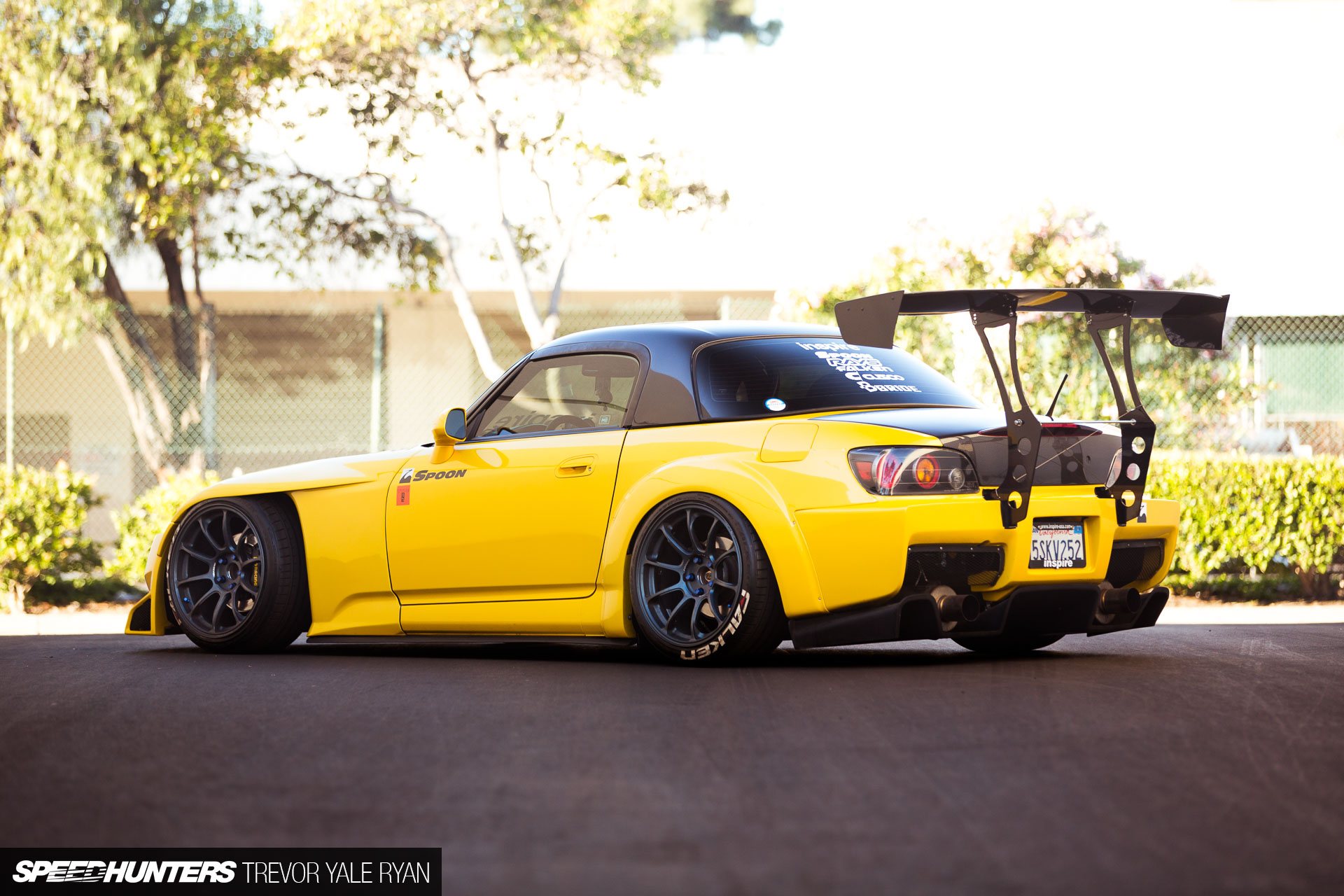
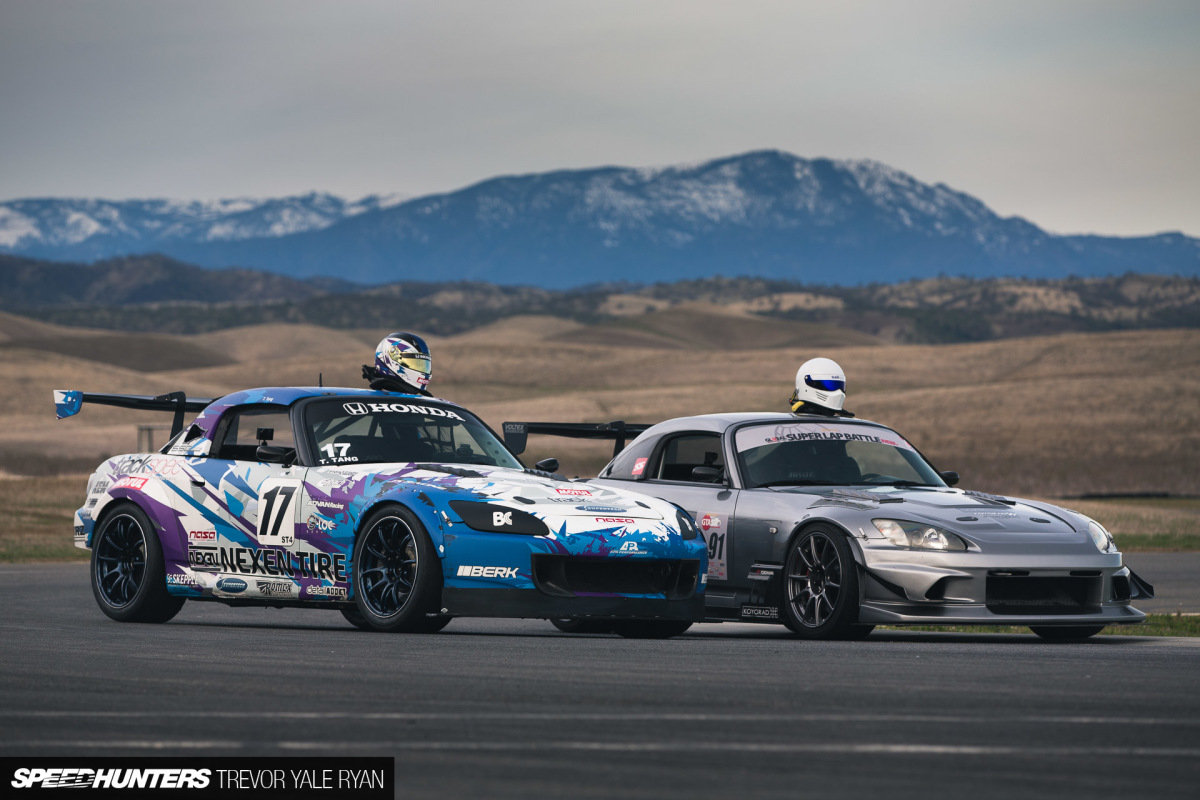
Once you’ve settled down after the excitement of the S2000’s glorious engine – and no matter what size it comes in, that may never happen as it really is a wonderful motor – one or two of the car’s deficiencies start to become apparent. The S2000’s steering isn’t as natural as you might hope, and the suspension, especially at the rear of the car, doesn’t fill you with confidence. It feels as though it rolls along an axis that’s unnervingly high up, and it rolls just a little more than you feel comfortable with.
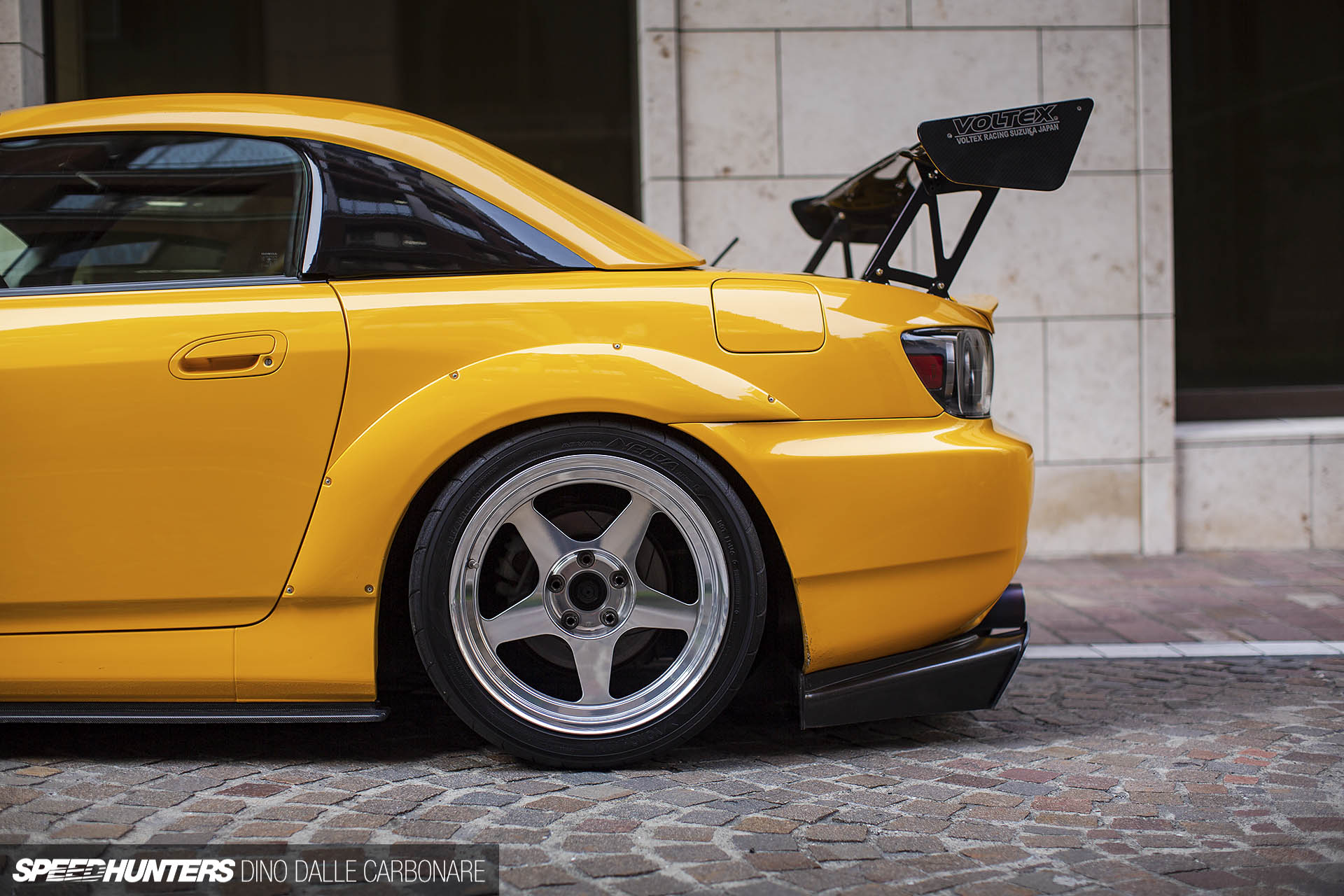
Now, that’s not to say the S2000 is a bad car to drive, it’s just not the Type R-style roadster you initially expect. It’s not really the sort of car the exceedingly sharp engine leads you to believe it might be, or what it should be. The two don’t have the same attitude; the engine is all fizz and aggression, where the chassis seems as though it wants an easy life.

Of course, the fundamental layout of the S2000 is not flawed. Its engine position (just behind the front axle), its rear-wheel drive chassis (with a limited-slip differential as standard), its small dimensions (only 15mm wider than an ND MX-5), its power-to-weight ratio (as well as grip to power ratio) all sit firmly between the parameters of ‘ideal’ and ‘perfect’. To unlock the S2000’s potential, to shift the chassis from ‘out of sync’ to match the engine’s well-honed nature, takes a suspension overhaul. Some well-chosen coilovers and a set of anti-roll bars have the potential to transform Honda’s sports car into the perfect sports car.
Will Beaumont
Instagram: will_beaumont88
Photography by The Speedhunters
Instragram: thespeedhunters