
I’ve tried, but I just can’t get as excited as everyone else about forced induction by the way of turbocharging.
Sure, there are good reasons turbochargers are popular. If you want to go fast you need power, and turbos happen to be rather good at producing it. But I believe there’s a different way, a purer path to pursue performance car bliss. Natural Aspiration.
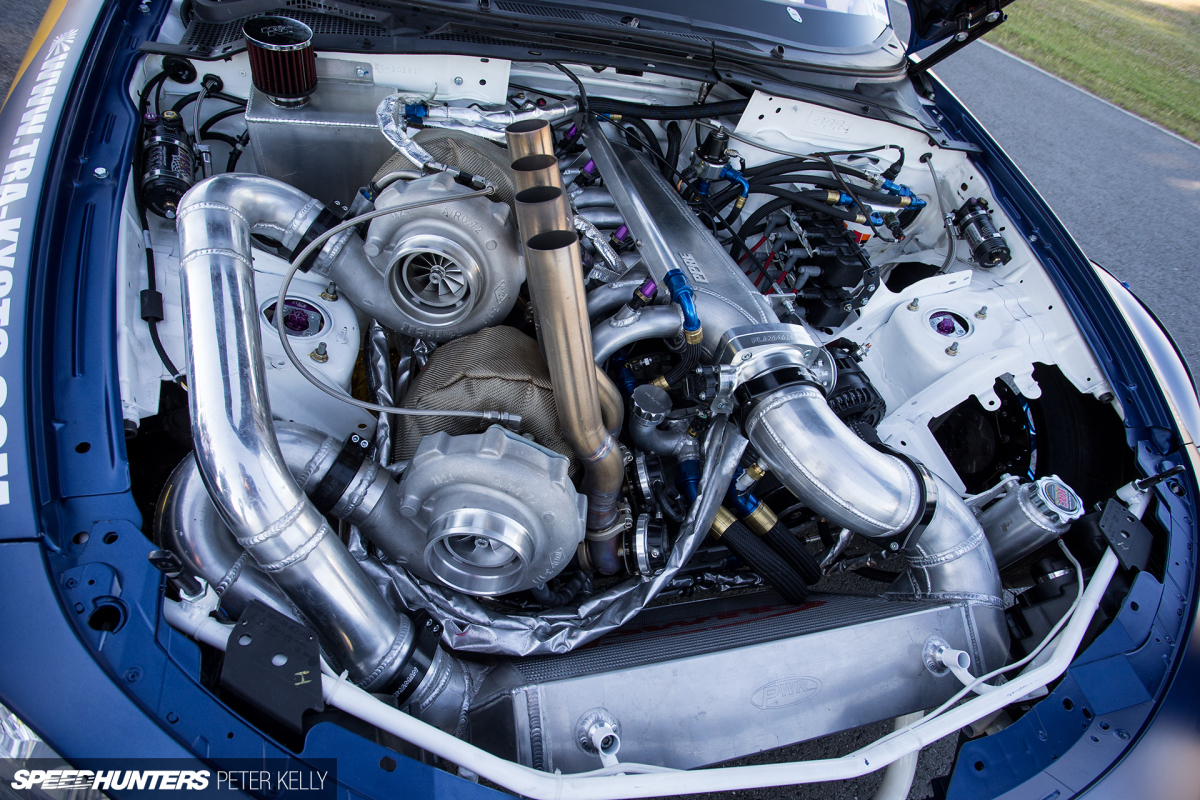
Indeed, during any performance build there’s a point where forced induction needs to be considered. If you’re a smart cookie, you’ve decided your performance goals and how to reach them before the first spanner is turned. If you’re like me, you have an idea of how much power you’d like to make, but the path forward is unsure and involves lots of vague research, hypothesising and experimentation. This is fun, but of questionable effectiveness.

The reason we need to consider forced induction is the law of diminishing returns. The law of diminishing returns is an economic theory, but applies perfectly to our project cars where the limiting factor of progress is how well we manage our funds. Simply put: assuming a sensible approach to tuning, your first dollar spent will buy you more horsepower than the ten-thousandth. Turbo or NA, it’s why one of the most popular modifications across the board is an improved exhaust; it’s a relatively cheap way to free up some performance.
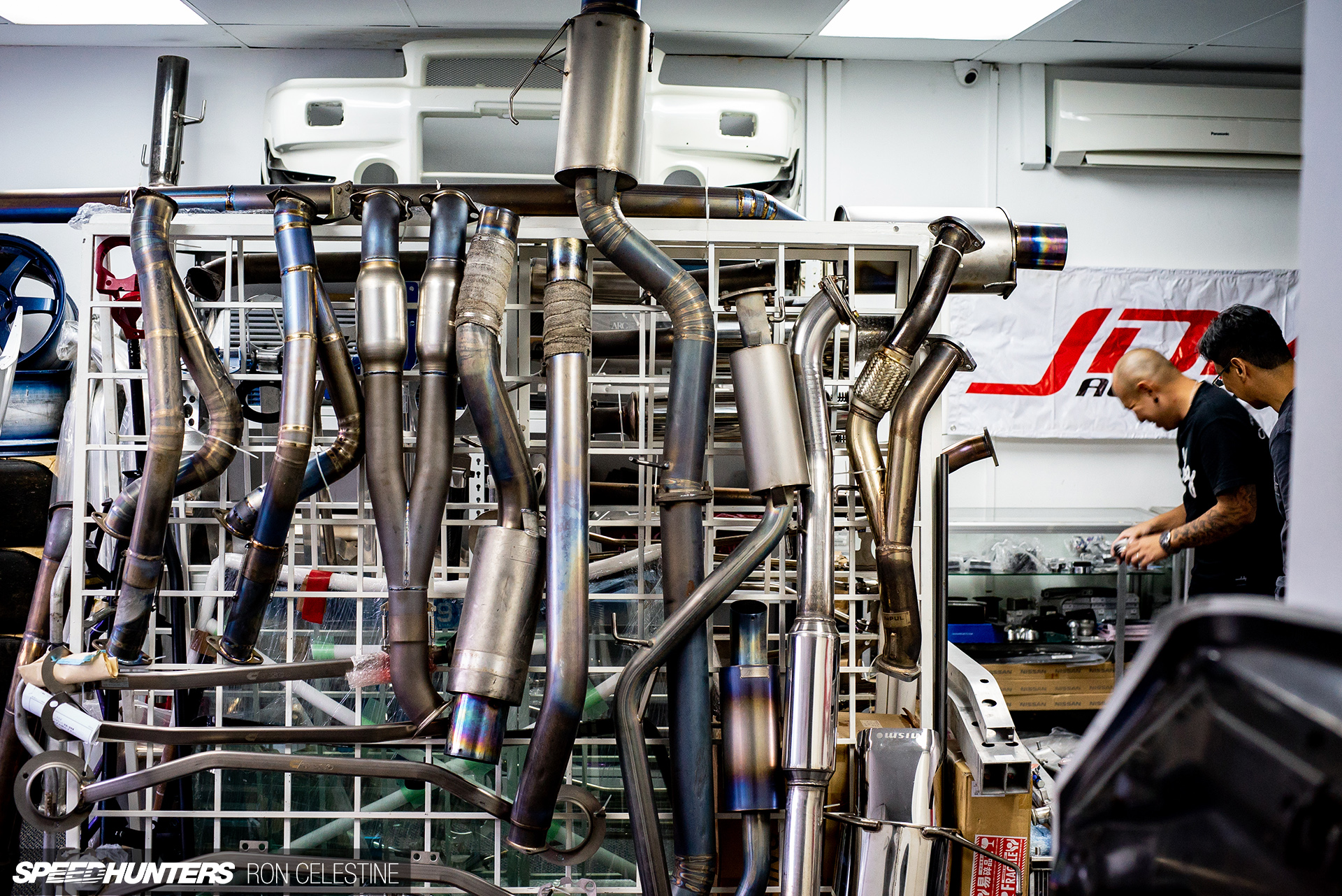
But here’s the problem – an upgraded cat-back exhaust on an atmospheric engine like the 370Z’s VQ might net you a useful 10 horsepower in the midrange, and a couple extra up top if you’re lucky. The same mods – a mid-pipe and muffler – are a guarantee of 25 horsepower on an R35’s VR. Percentage-wise, these are still both looking like good-value mods.
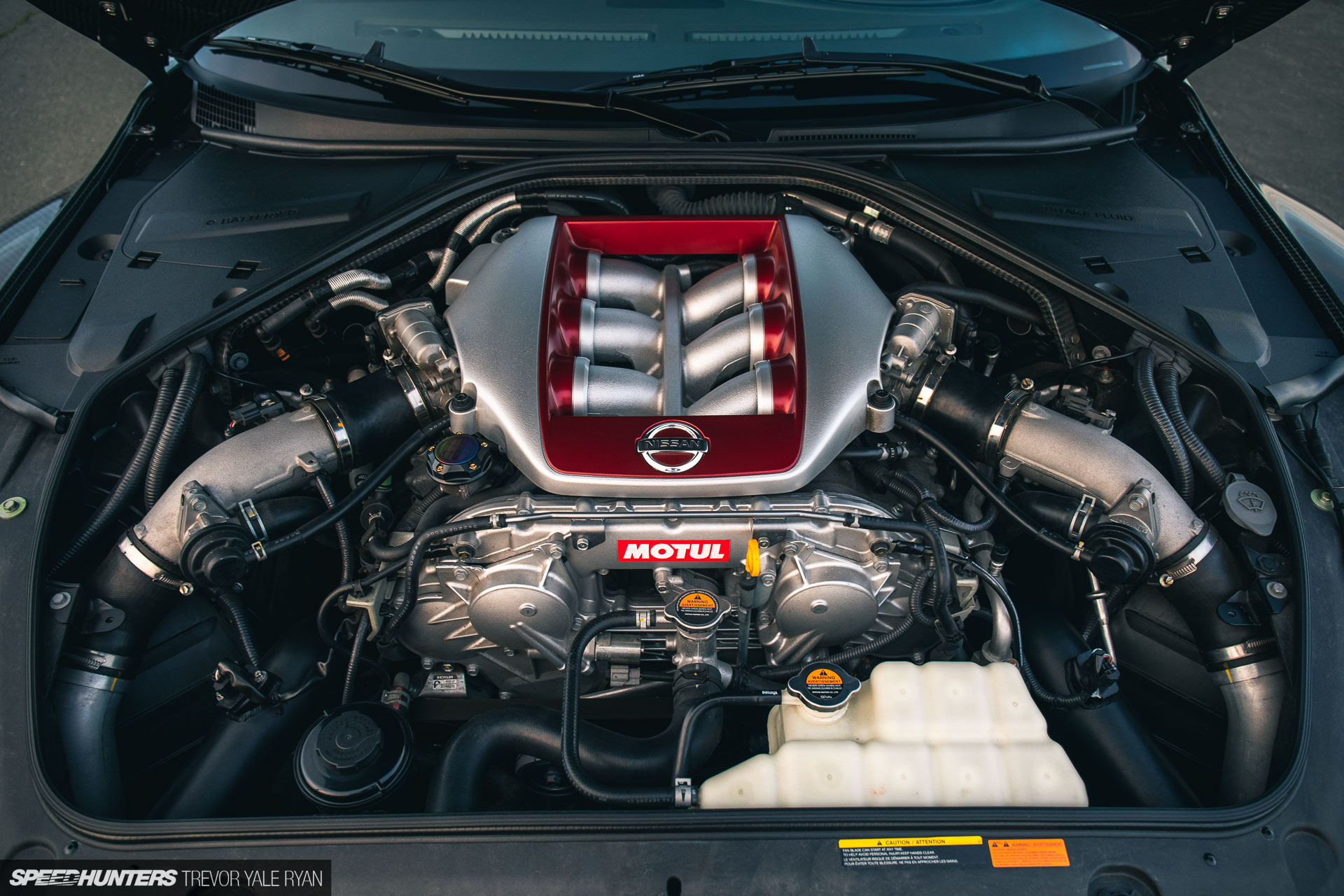
Your next step might be an off-the-shelf tune to make the most of your shiny new exhaust. The 370Z nets another 10hp, but the GT-R nabs a whopping 70hp increase on the dyno. ‘And she’ll make forty more with an intake,’ the tuner says. While Mr. Z is scratching his head about his next 5 or 10hp, GT-R-san has a good 200hp more in just bolt-ons before he obliterates his dual-clutch transmission leaving the car meet (dyno chart still on the dashboard, but that’s a different story).
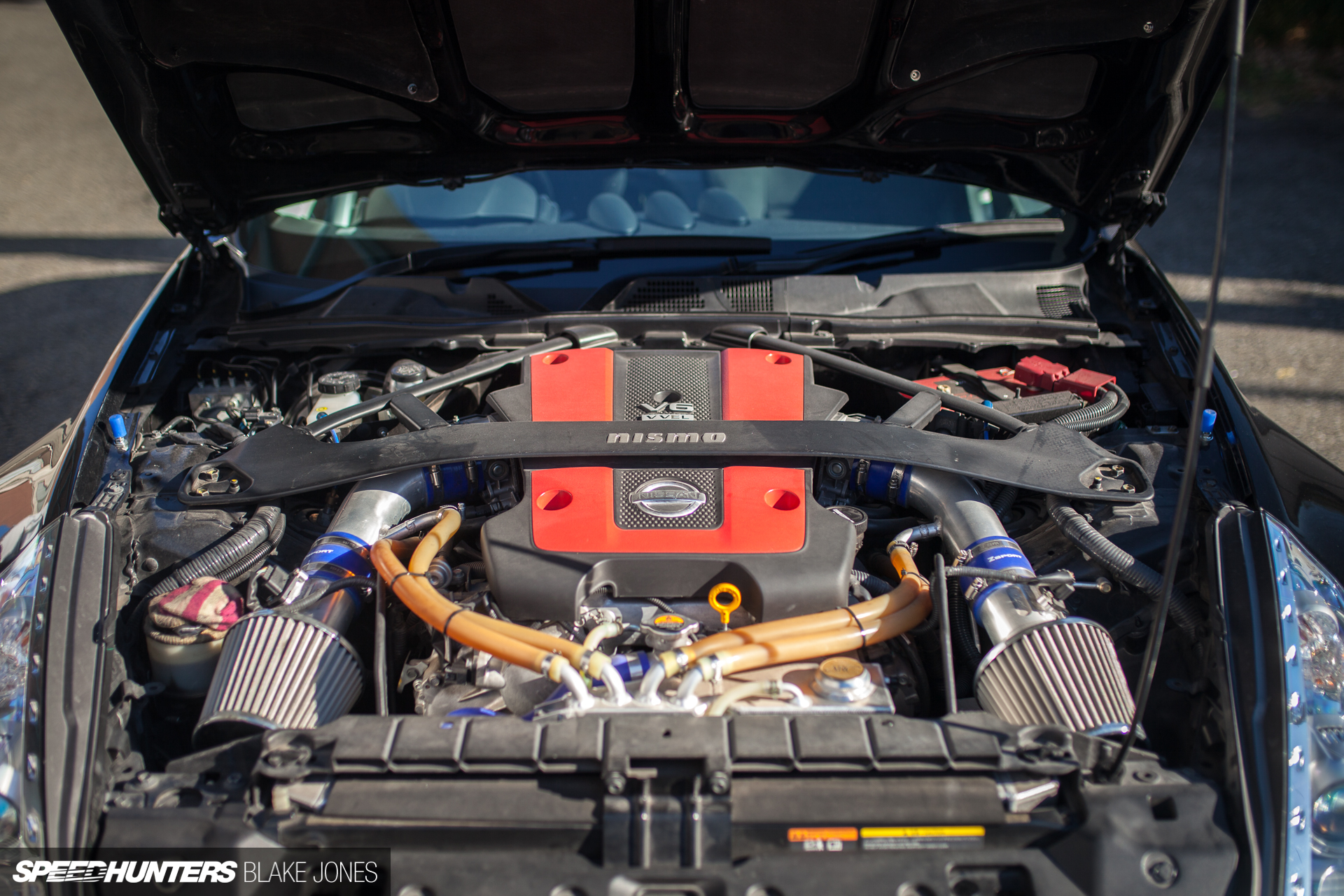
Turbocharging that 370Z won’t be cheap, but it will be cheaper than trying to make the same amount of power without boost. It’s a losing battle; an NA engine can only ever make the most of whatever oxygen density happens to be in the atmosphere (more at sea level, less up high), whereas even a basic turbo setup will have two to three times atmospheric pressure to play with.

But I would suggest that although all the above is true, it doesn’t actually apply to most of us. We don’t drive these old cars because they are the fastest, most reliable or cost efficient options – they are often the opposite. Just ask our own Mark Riccioni about how emotion can trump logic every time.
Now, there are a few situations where a turbo is the only option, so let’s get those out of the way…

You want bragging rights.
If you have aspirations of putting a power figure in your forum signature (or Instagram bio, it is 2020), install a turbo. If you want to put dyno sheets in your front window at car shows, install a turbo. I will silently judge you, but you can tell yourself it’s because I’m jealous of your peak power figure.
You are in a racing class which allows them without penalty.
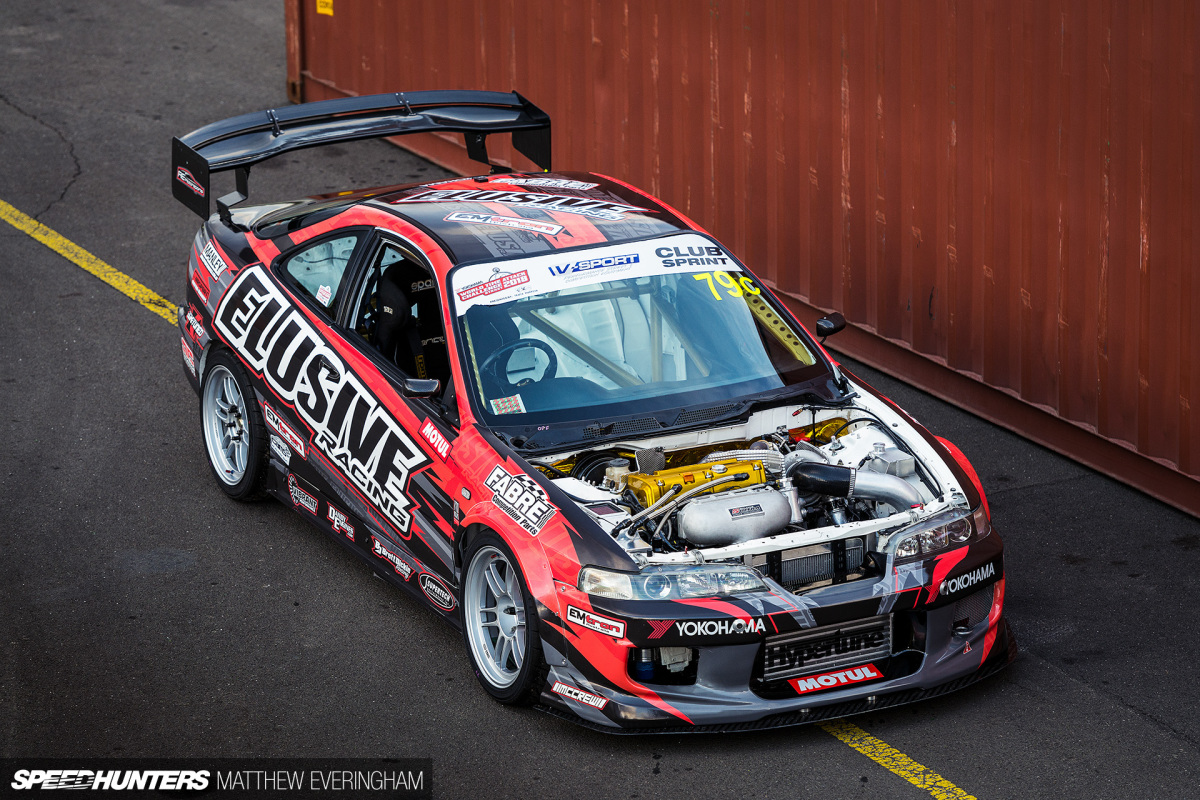
You will not win your class at the World Time Attack Challenge without a turbo. Install one.
However, there are many racing series that, in an effort to keep a cap on costs and ensure performance parity, employ a ‘Balance of Performance’ (BOP) strategy, which will limit the outright power advantage of a turbocharged car. In this scenario, sticking with something naturally aspirated can come with significant packaging, reliability and drivability advantages.
Your car is already turbocharged.
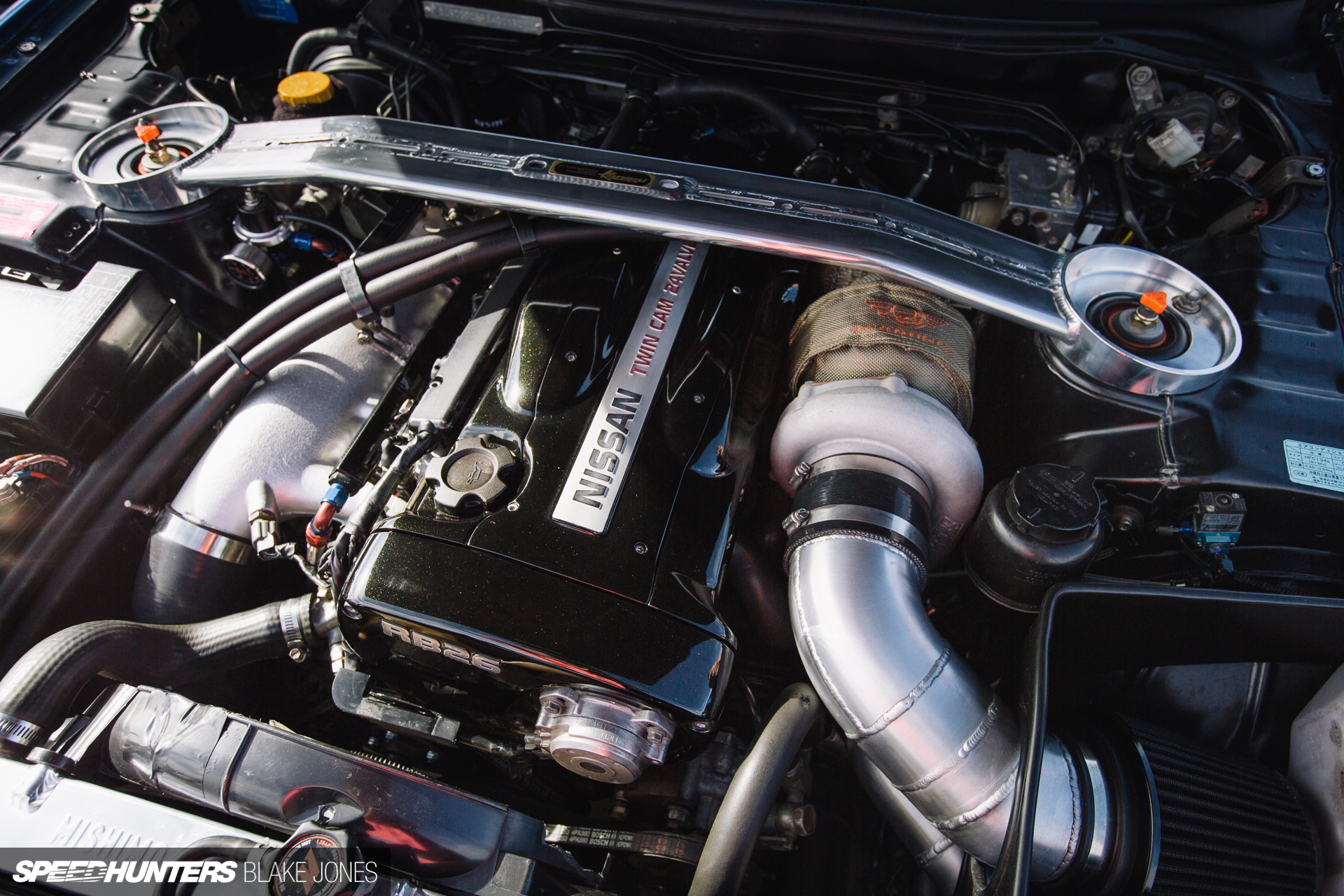
I’m not sure why you’re reading this. Bored? Regretful? If you already have a turbo, it’s imperative that you continue to crank up the boost until things start to break. Go hop in your car and enjoy your whistles and bangs – while they last!
If you’re still with me, I’ll go ahead and assume you and I share something in common. You have a project car that is not turbocharged. My 1992 Honda NSX is a prime example. I would like to make it faster, but is a turbo really the way to go?
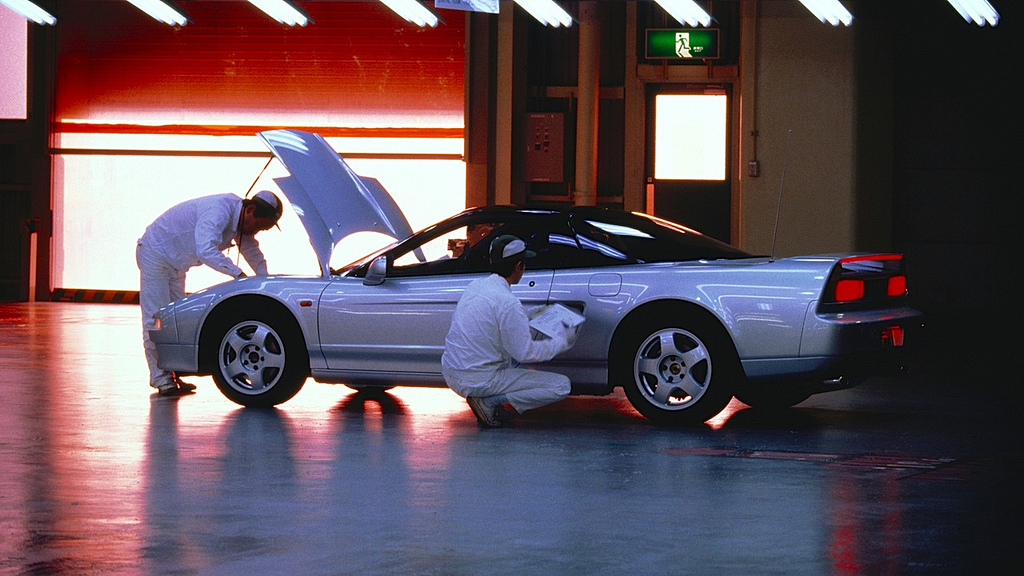
There’s precedent for a boosted NSX. Honda experimented with turbochargers on a prototype of the NSX before deciding it added too much weight and complexity compared to the NA 3.0L which eventually made it into production.
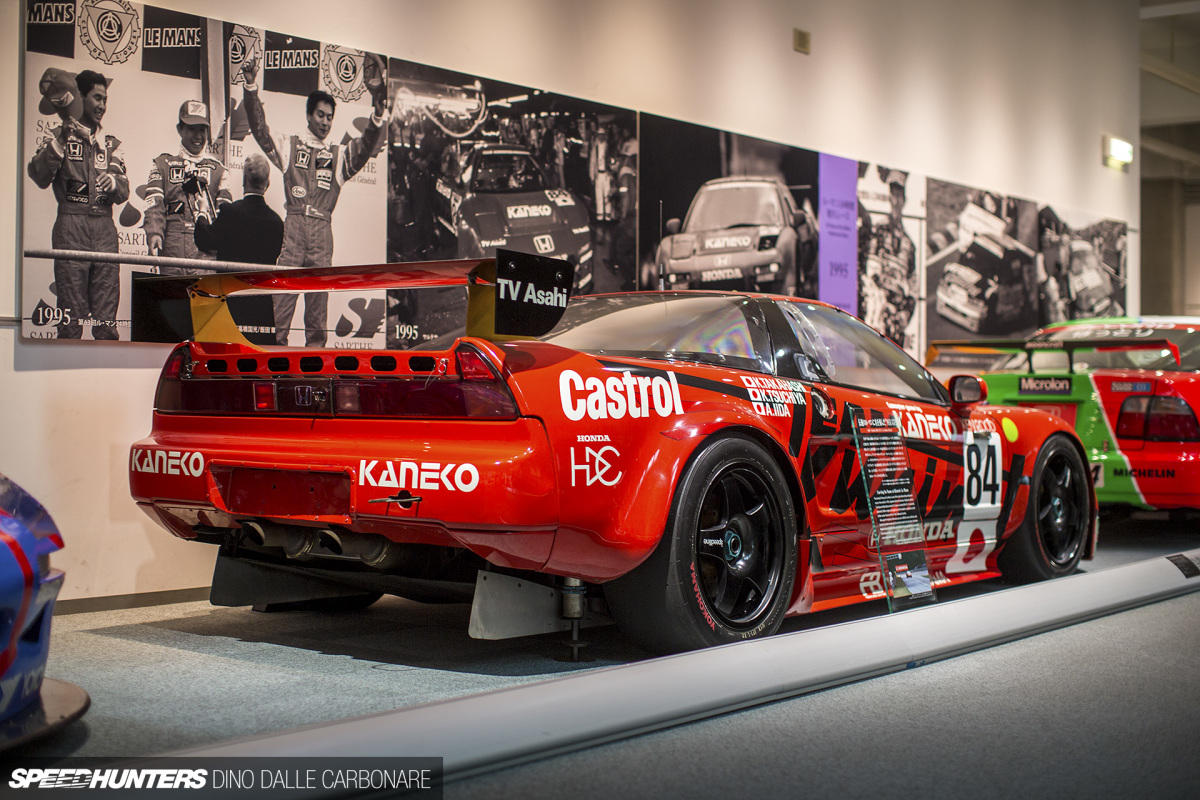
Then five years after the road car launched, Honda’s engineers again bolted a turbo to each bank and shipped two cars to Le Mans to take on the McLaren F1, although neither were classified finishers due to mechanical issues. The third car – a naturally aspirated NSX (driven by none other than Keiichi Tsuchiya) – finished 8th overall, taking home gold in the GT2 class. Who said what about reliability?
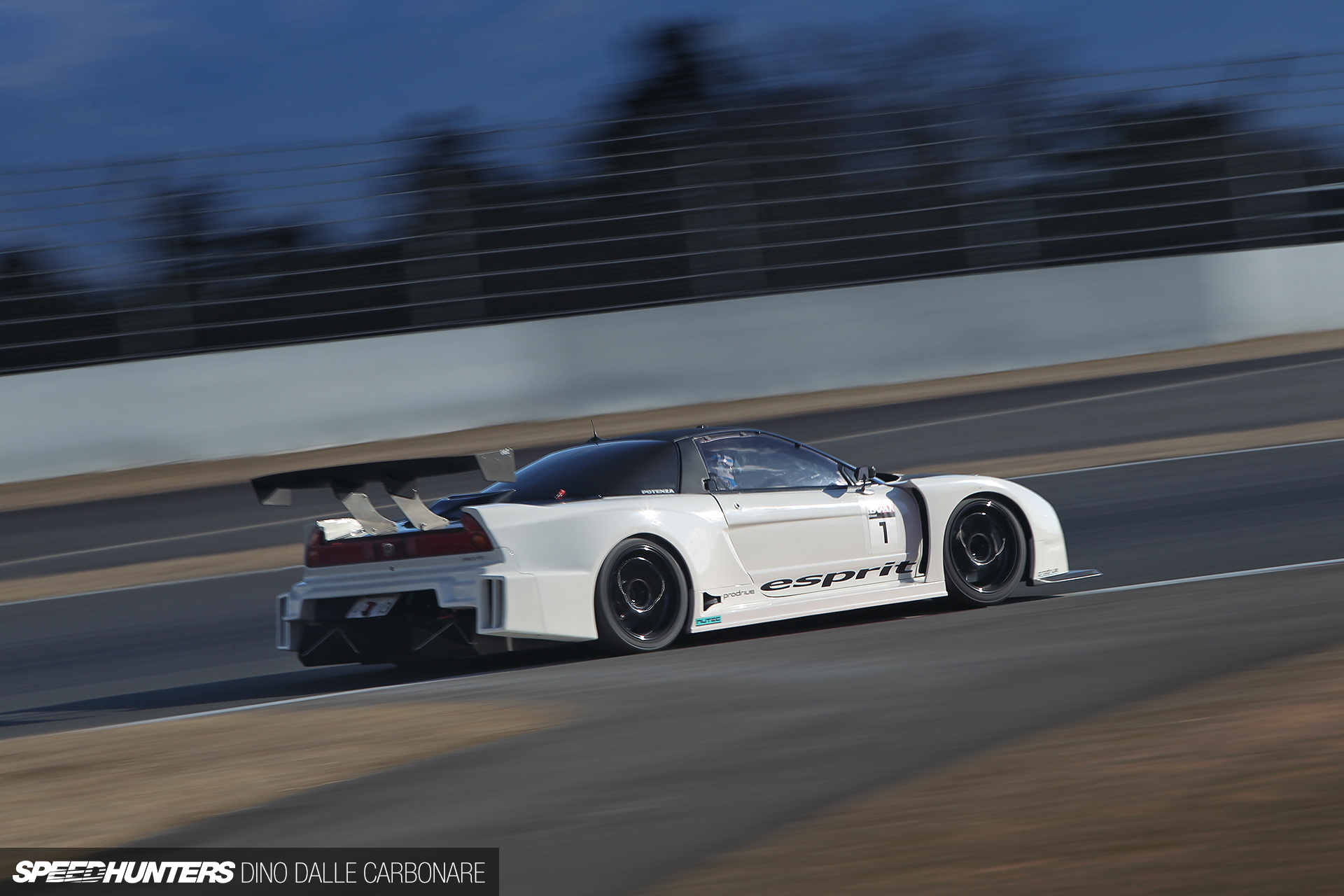
This hasn’t stopped the aftermarket from boosting the C30A and C32B variants of the Honda V6. Japanese tuner Esprit has proven the V6 capable of 700hp and 53-second laps at Tsukuba.
The Tomiyoshi Racing NSX was lapping Tsukuba in the 56-second range back in 2011, making it one of the fastest time attack cars ‘despite’ its naturally aspirated powerplant producing ‘just’ 400hp. Any excuse to watch that video again…
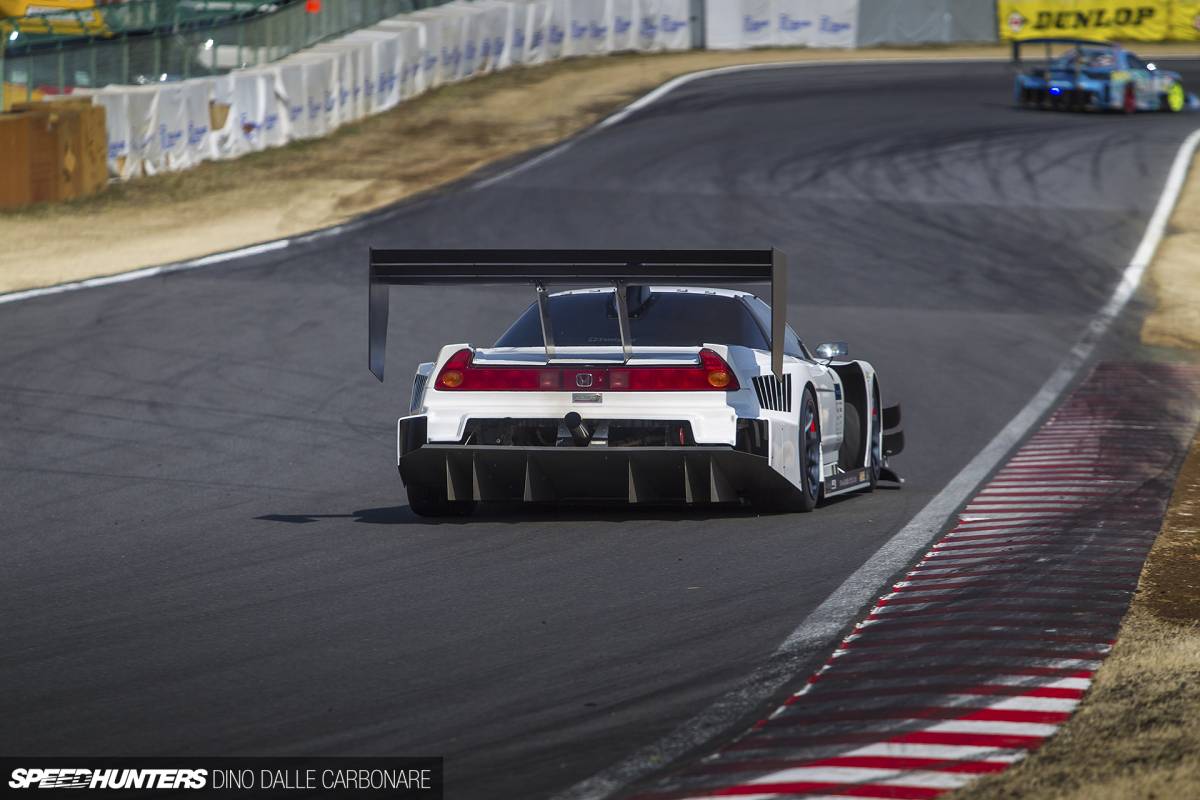
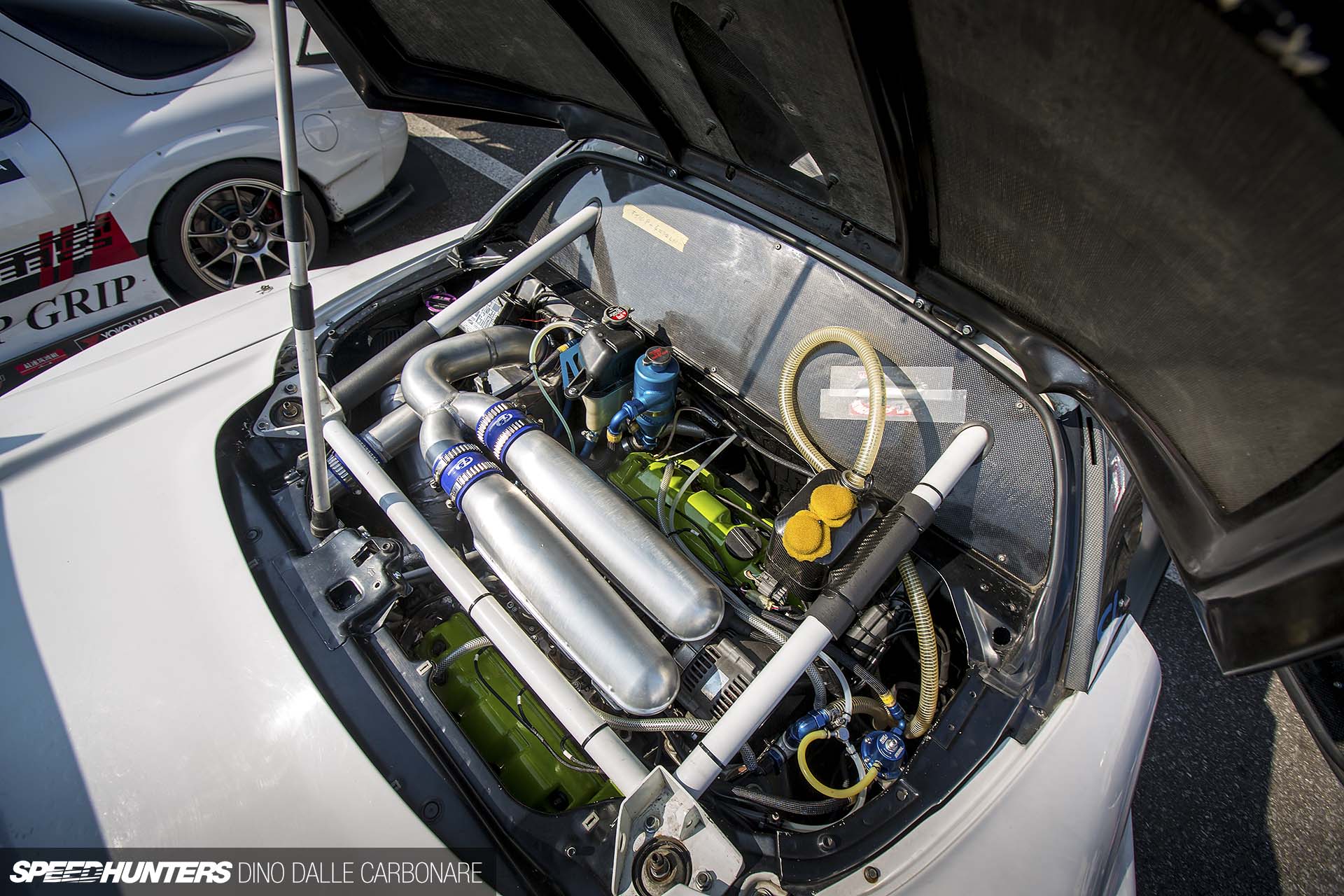
But as the years marched on and times continued to drop, 400hp wasn’t going to cut the wasabi mustard regardless of how much speed Hannita-san could carry through the final hairpin. A BorgWarner EFR 9180 was fitted, and before you can say ‘Kyushu Danji’ the Tomiyoshi Racing team had lopped almost three seconds from their previous best time.
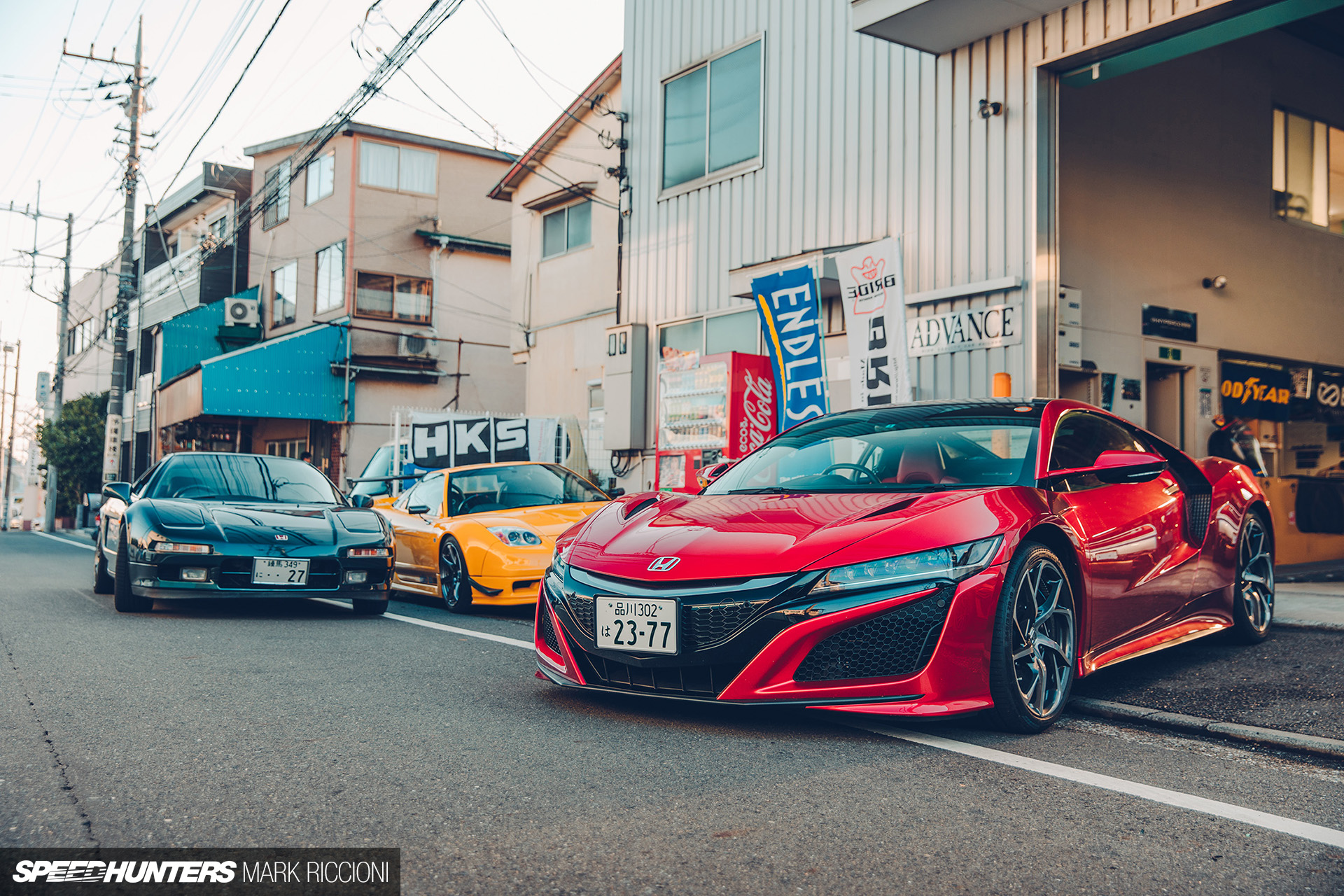
Honda also eventually relented; the new NSX features a twin-turbocharged 3.5L V6 (plus hybrid power) which makes it very, very fast – but a bit two-dimensional. It’s received a lukewarm reception from the market despite presenting like a poor man’s Porsche 918 Spyder in many ways. Do you think this would be the case if Honda had used the NA V10 which had been in development for the stillborn NSX replacement of the late 2000s? I doubt it.
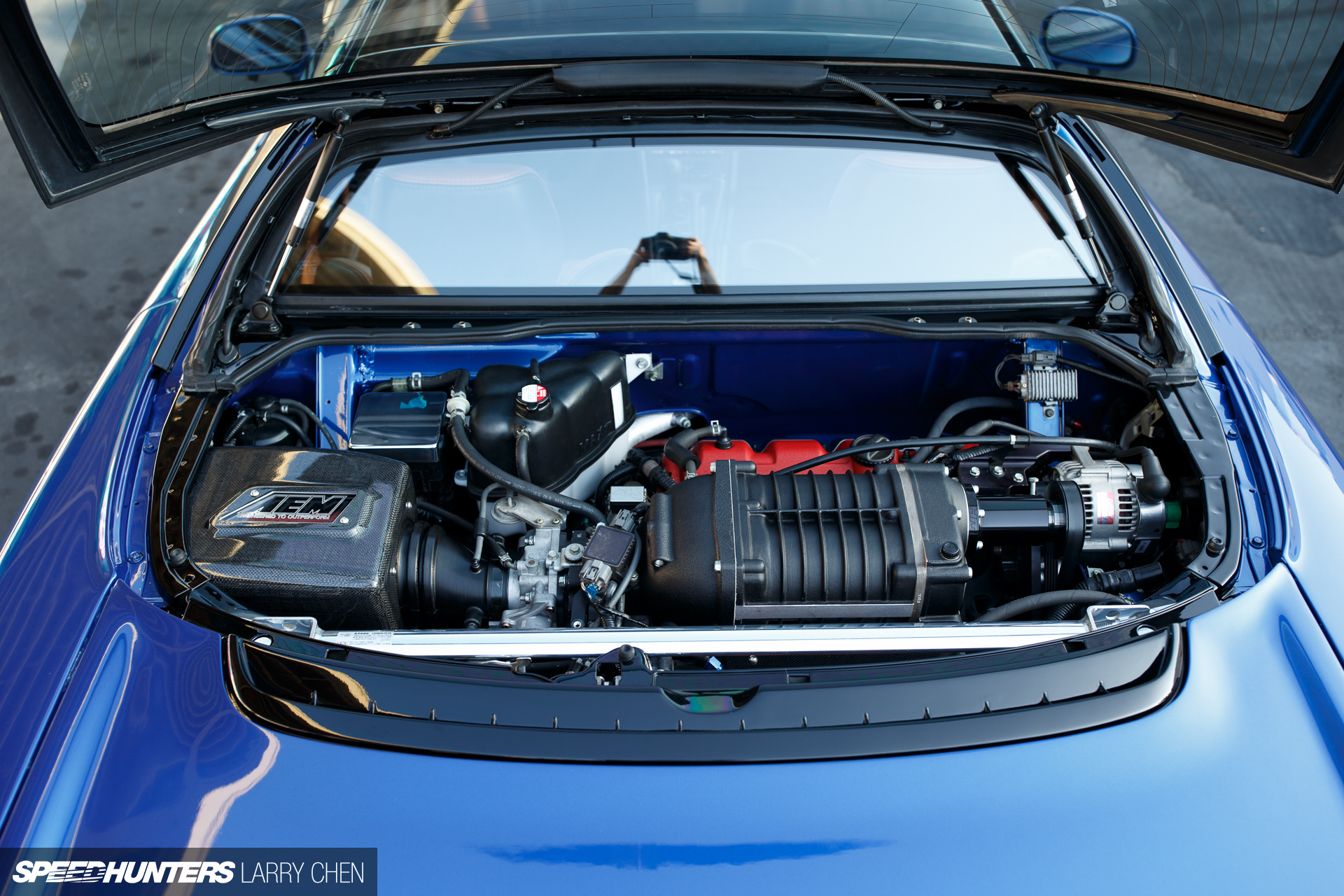
Supercharging is also an option. In fact, for the original NSX it is far more popular to bolt up a belt-driven turbine due to the relative ease of installation on top of the longitudinal V6.

The NSX was well ahead of its time, and blessed with a stiff and tractable chassis which will happily deploy up to around 400hp assuming tyres and brakes are upgraded to cope with the increased demands of acceleration and deceleration.

My goal of matching the power-to-weight of a 996 GT3 would be ticked off rather easily with boost, and I could legitimately set my sights on Porsche’s latest GT3 – the 500hp 991.2 – on an internally-standard, 3.0-litre engine.
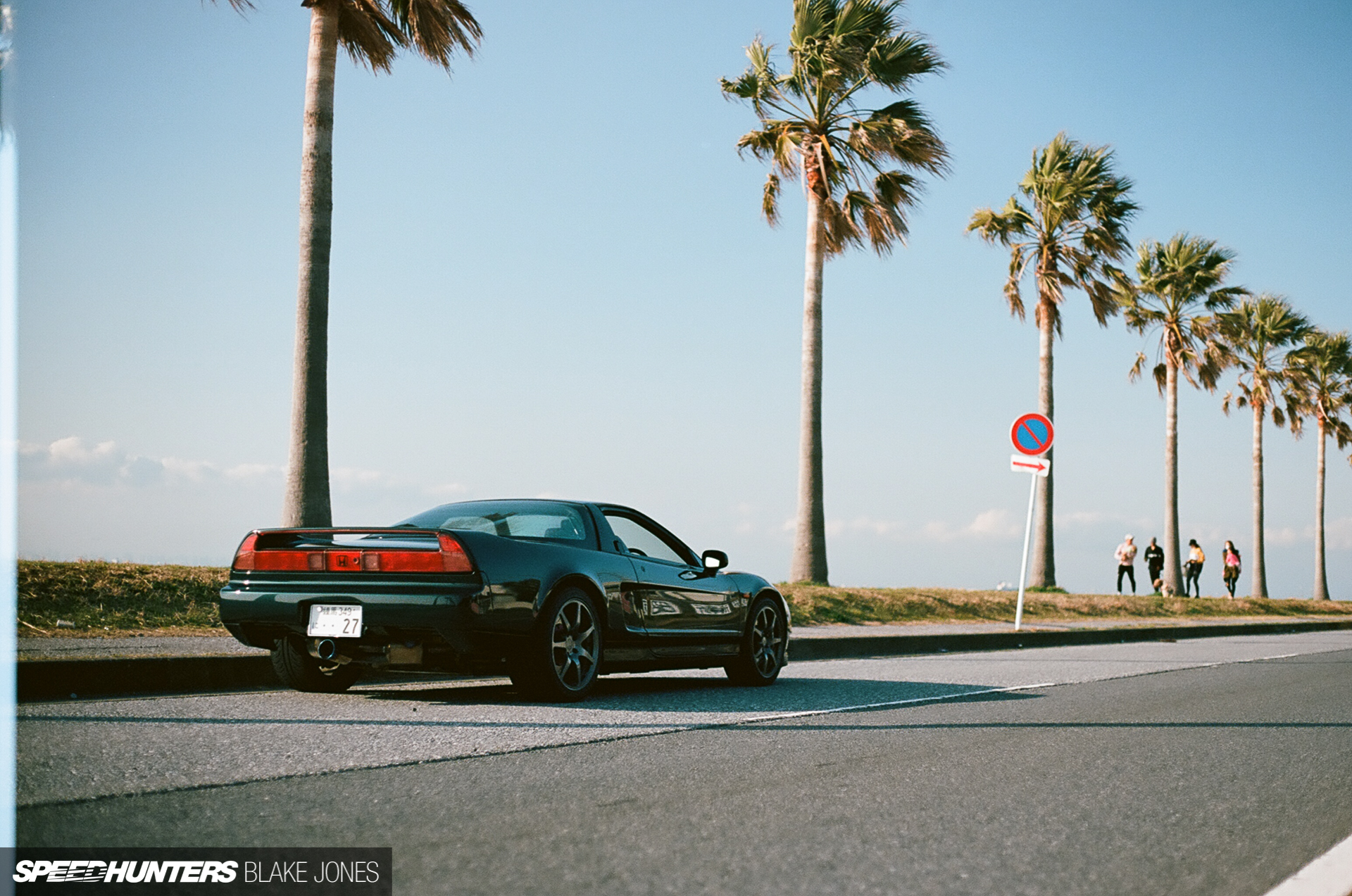
But I can say (with reasonable confidence) that is not the path I will take.
I intend to follow in the footsteps of guys like Masa Shinbori of Advance instead.
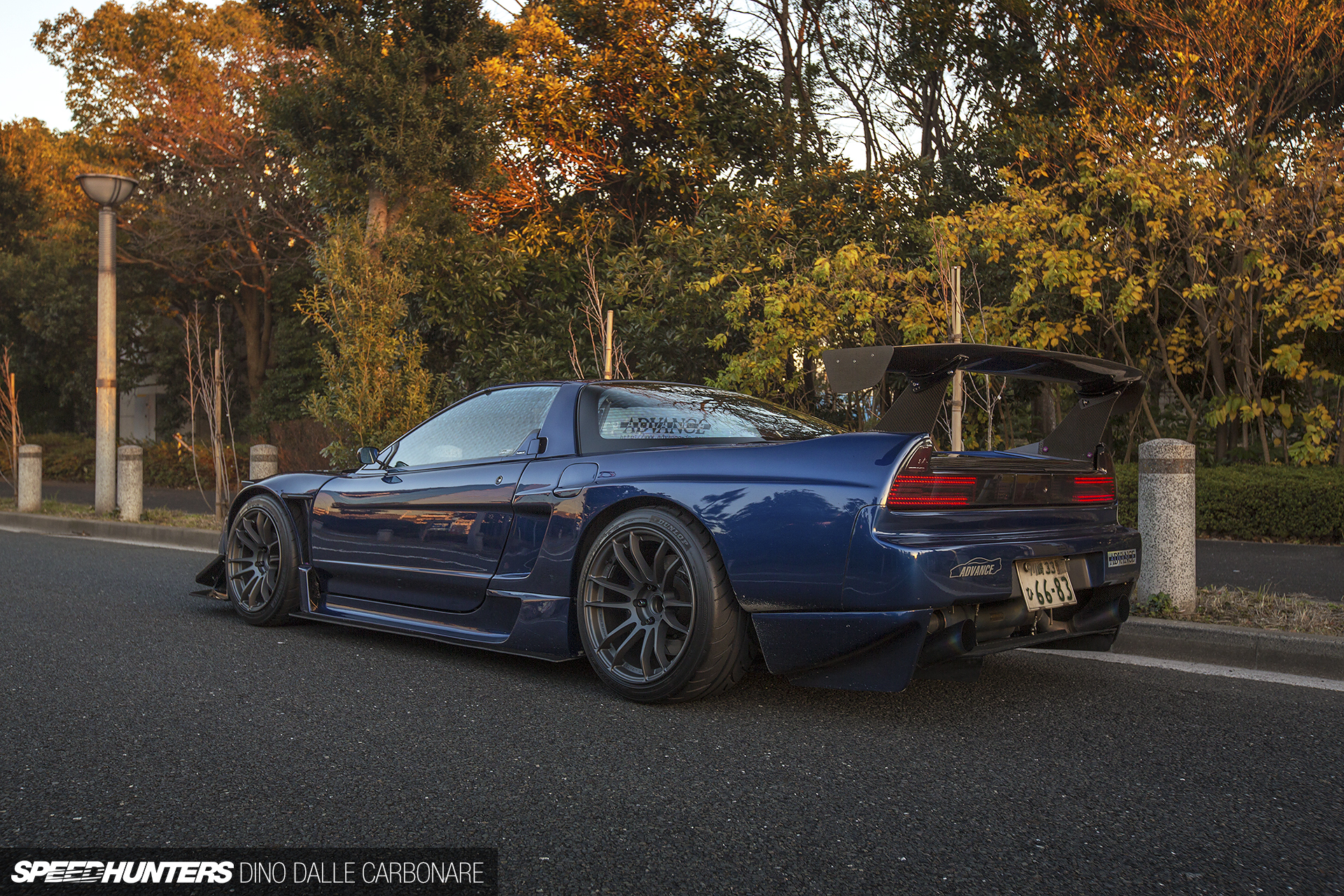
Masa has continued his father’s work to perfect the NSX, rather than altogether change it. If we get metaphorical and look at the Advance demo car as a sword passed between generations, Masa has decided to sharpen it religiously and learned how to wield it, as opposed to replacing the original blade with something altogether more deadly.
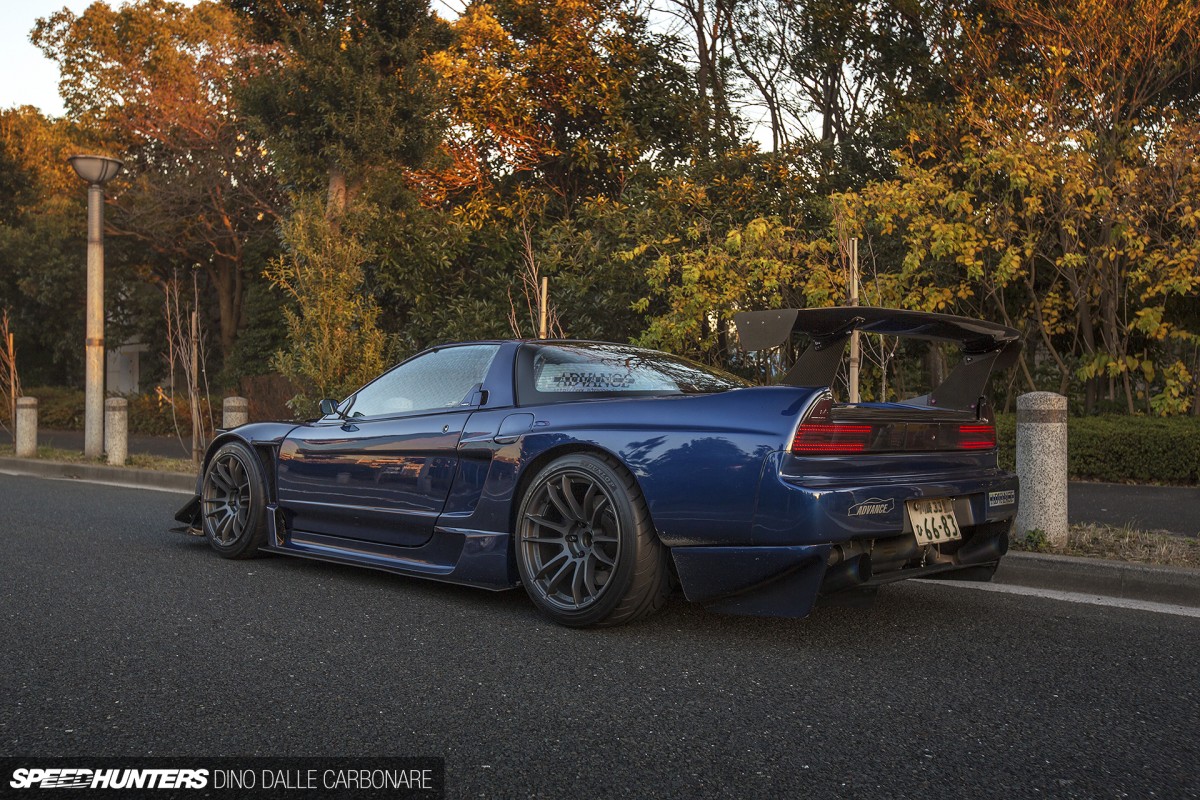
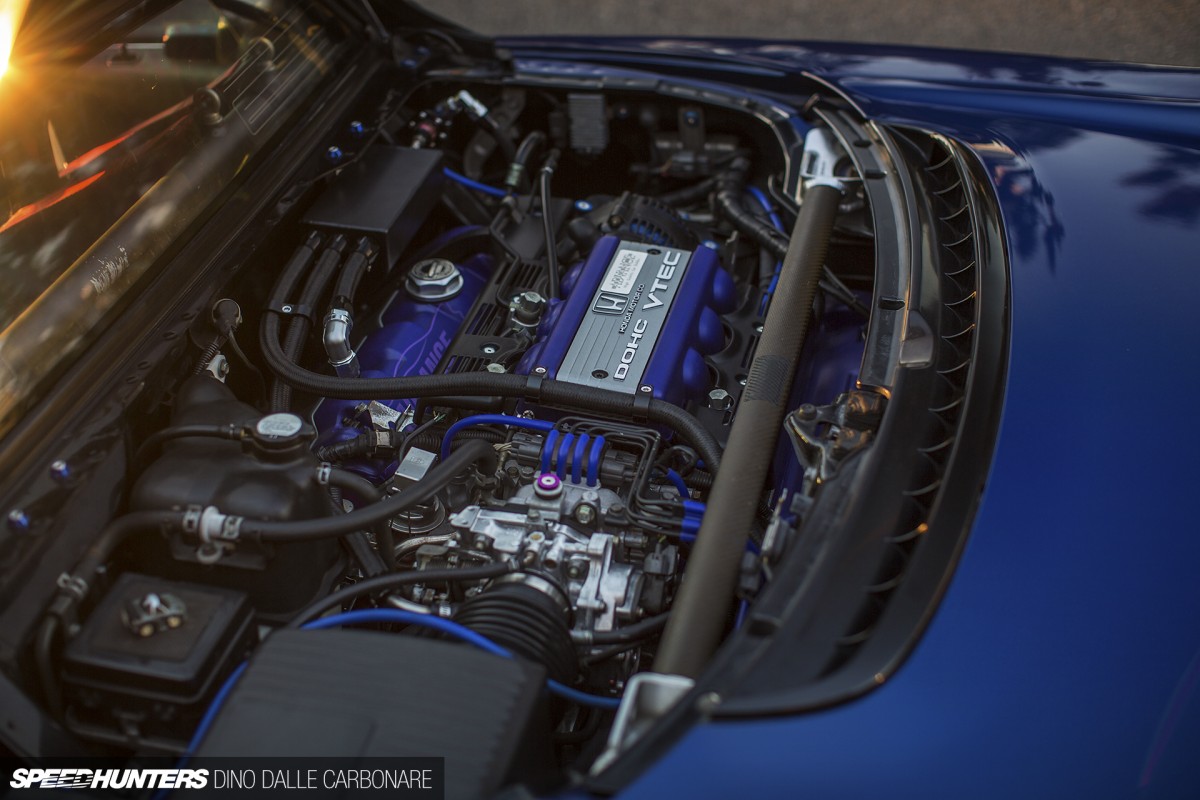
Some of the cars that come out of the Advance workshop are so far from standard it might seem like they don’t abide by this rule, but I’ll attempt to explain the difference as I see it.
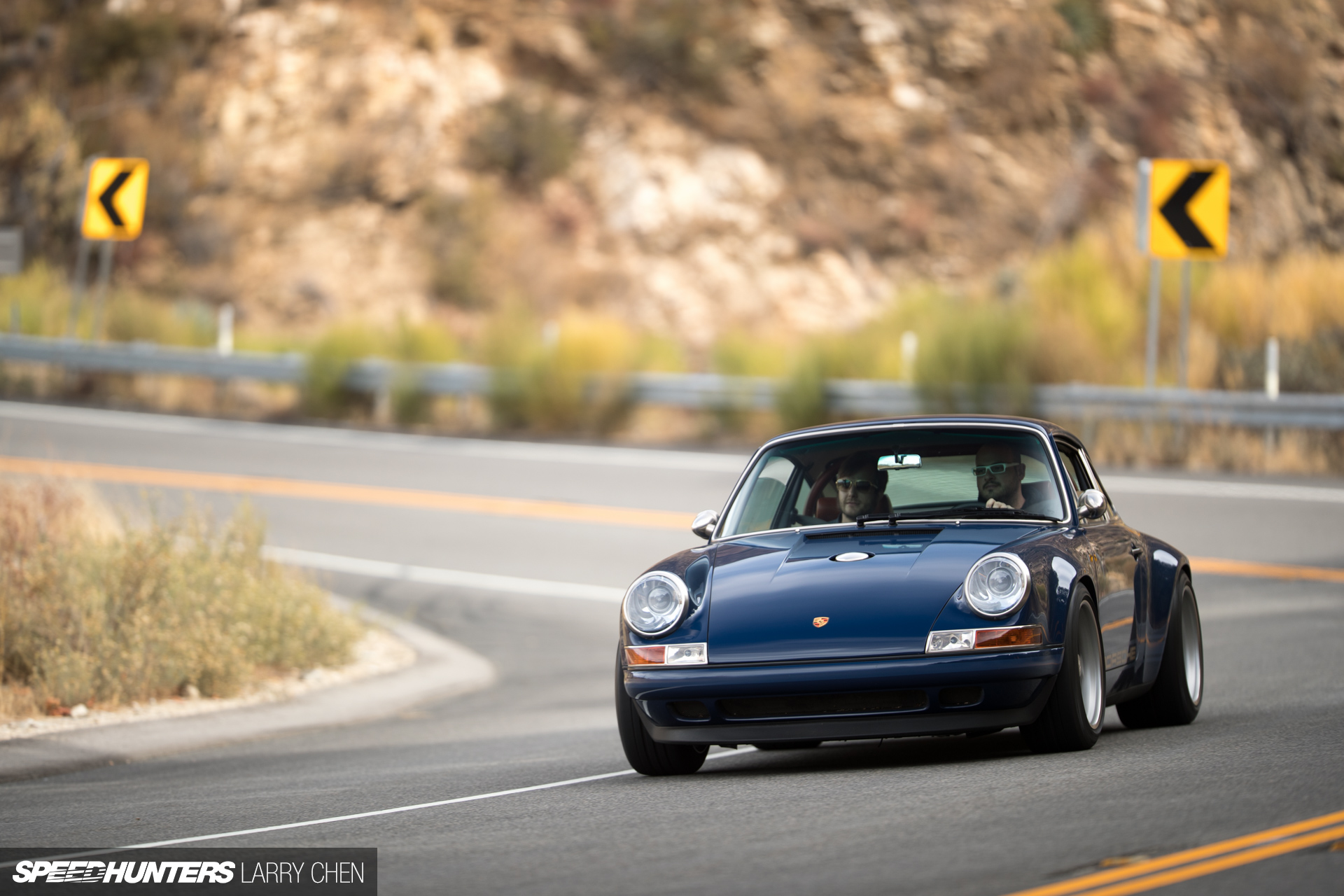
A clear definition of ‘great character’ from the driver’s seat is elusive, but like Justice Stewart famously observed about artistic nudity vs. obscenity: “I perhaps could never define it, but I know it when I see it.”
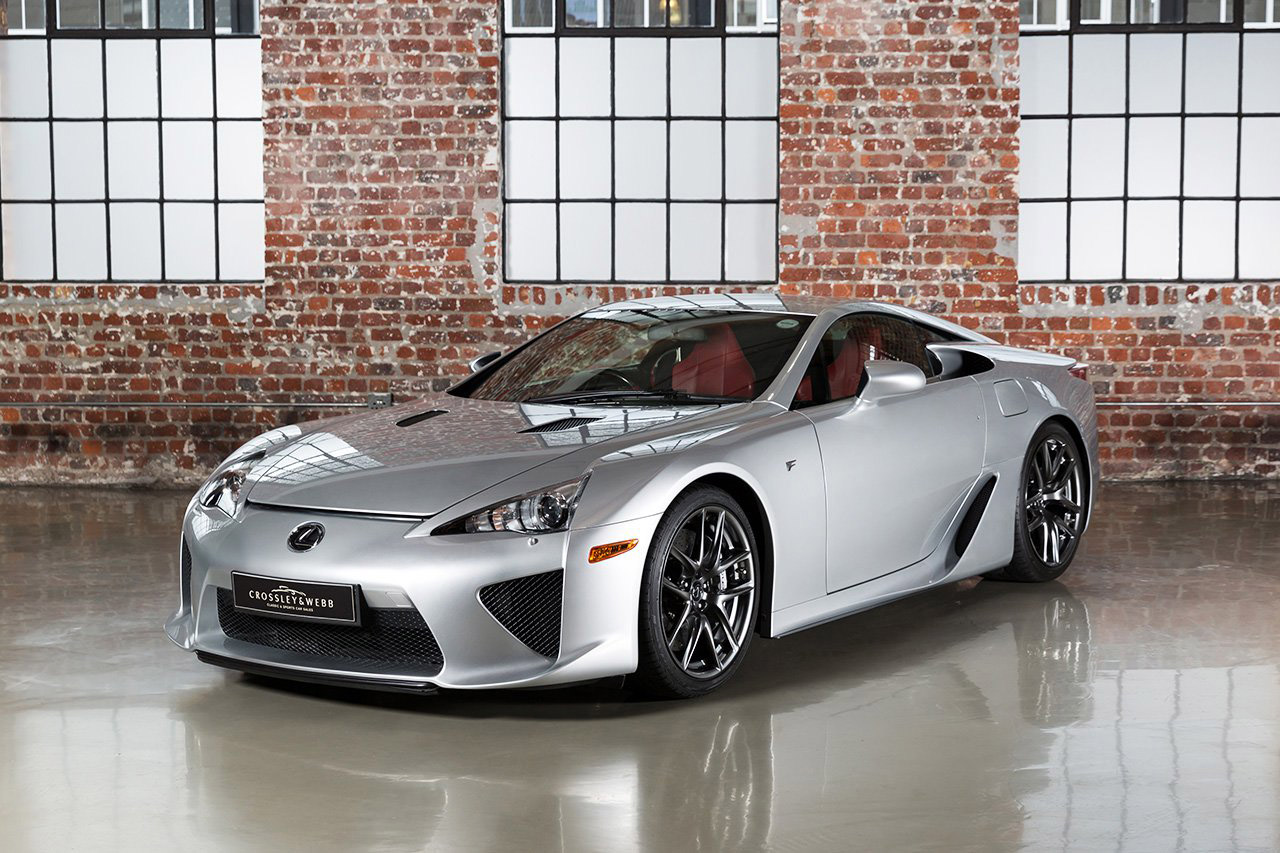
I’d argue that the way in which an engine develops its power is the most important factor in determining a car’s character, followed closely by how the engine sounds. Everything else – steering weight, brake pedal feel, seating position, accelerative ability – is of much lesser importance individually, and poor performance in one or more areas can be forgiven in the presence of an iconic engine – the Lexus LFA and its tragic electronic gearshift comes to mind. Once a car is no longer sold new, its absolute speed matters less than its ability to offer the owner a unique and visceral experience.

In stock form, I love the way the NSX makes power. It has torque from low RPM which continues to build and build towards a genuinely feisty top end. An 8,200rpm limit is still nothing to be sneezed at 30 years on.
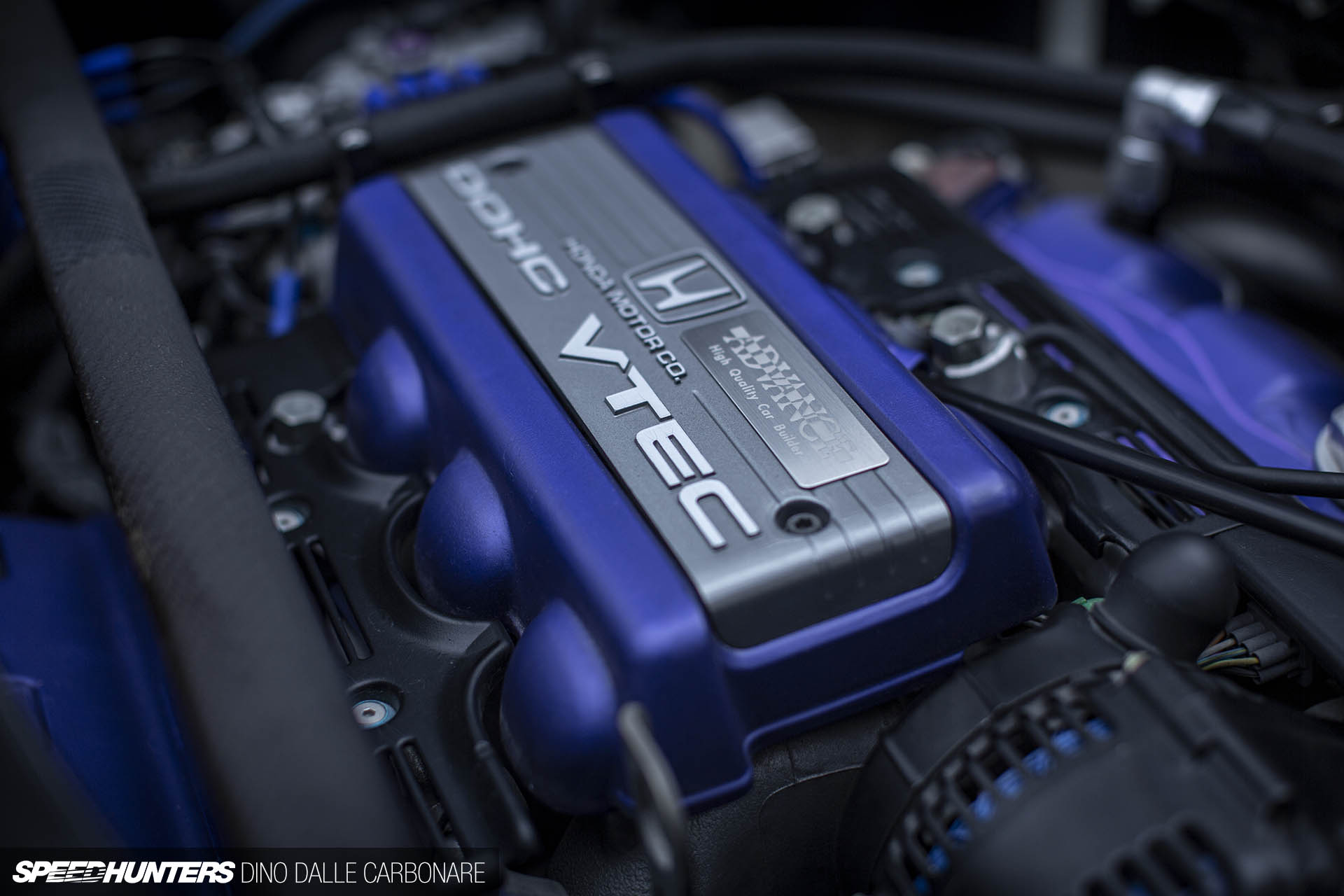
As far as engine layouts go, a V6 isn’t all that exciting, but Honda deployed VTEC and VVIS (Variable Volume Induction System) to ensure a linear power curve, and futuristic (for the time) materials ensured a lightweight, low-friction reciprocating mechanism which gave response and top-end power. The end result is that every millimetre of pedal travel makes a difference, and every 1,000 RPM has a different story to tell. In my opinion, this is worth preserving.
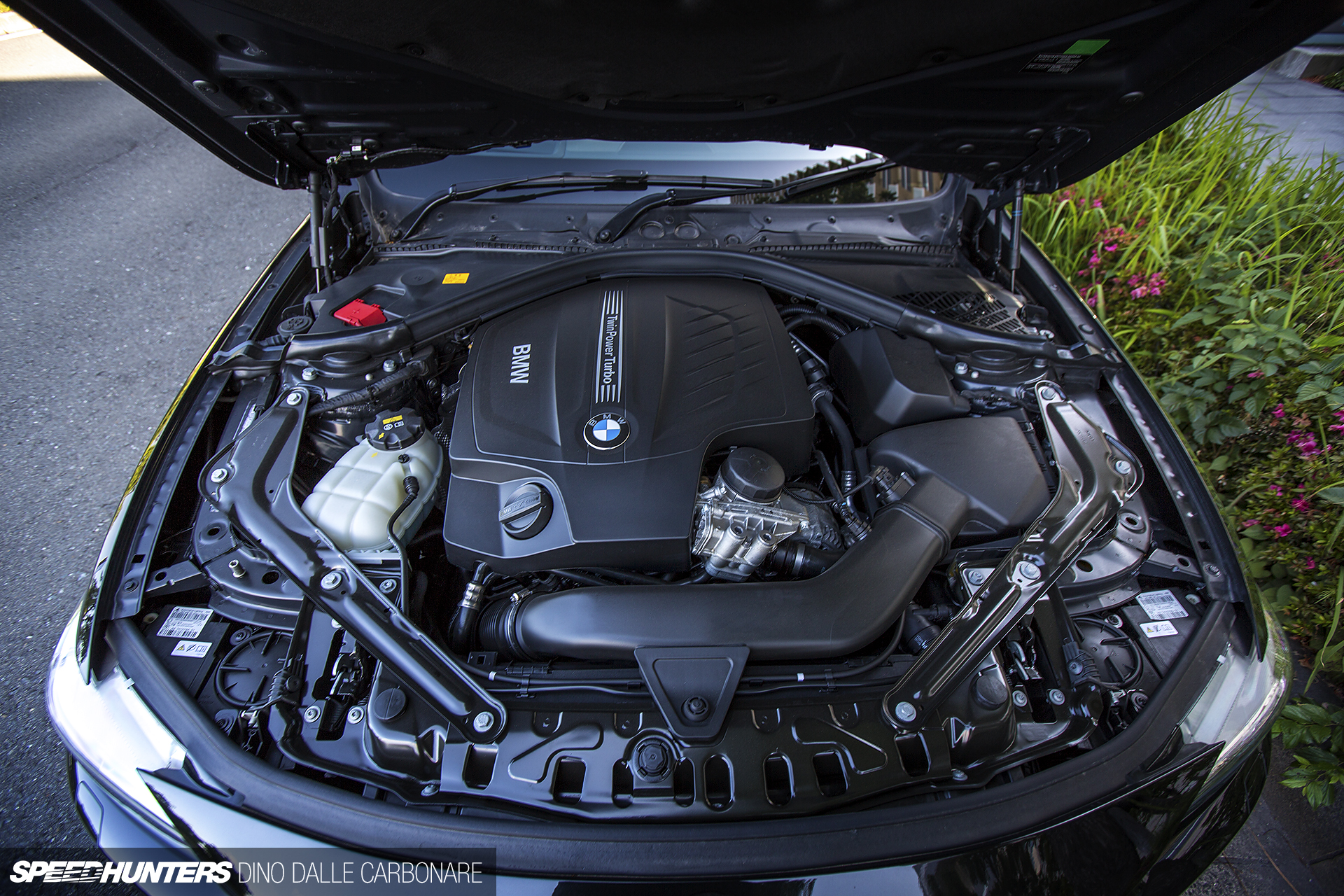
Turbo engines with this sort of character are much harder to come by. Most that I’ve driven feel and sound very monotonous, regardless of what RPM they are at, and the worst offenders (looking at you, BMW B58) actually offer less performance at the top of their rev range. I’ll believe Chris Harris when he writes that the 488 Pista’s turbo V8 offers ‘zing’ at the top end, but it is telling that he compliments Ferrari for making the engine “feel as un-turbocharged as possible”.
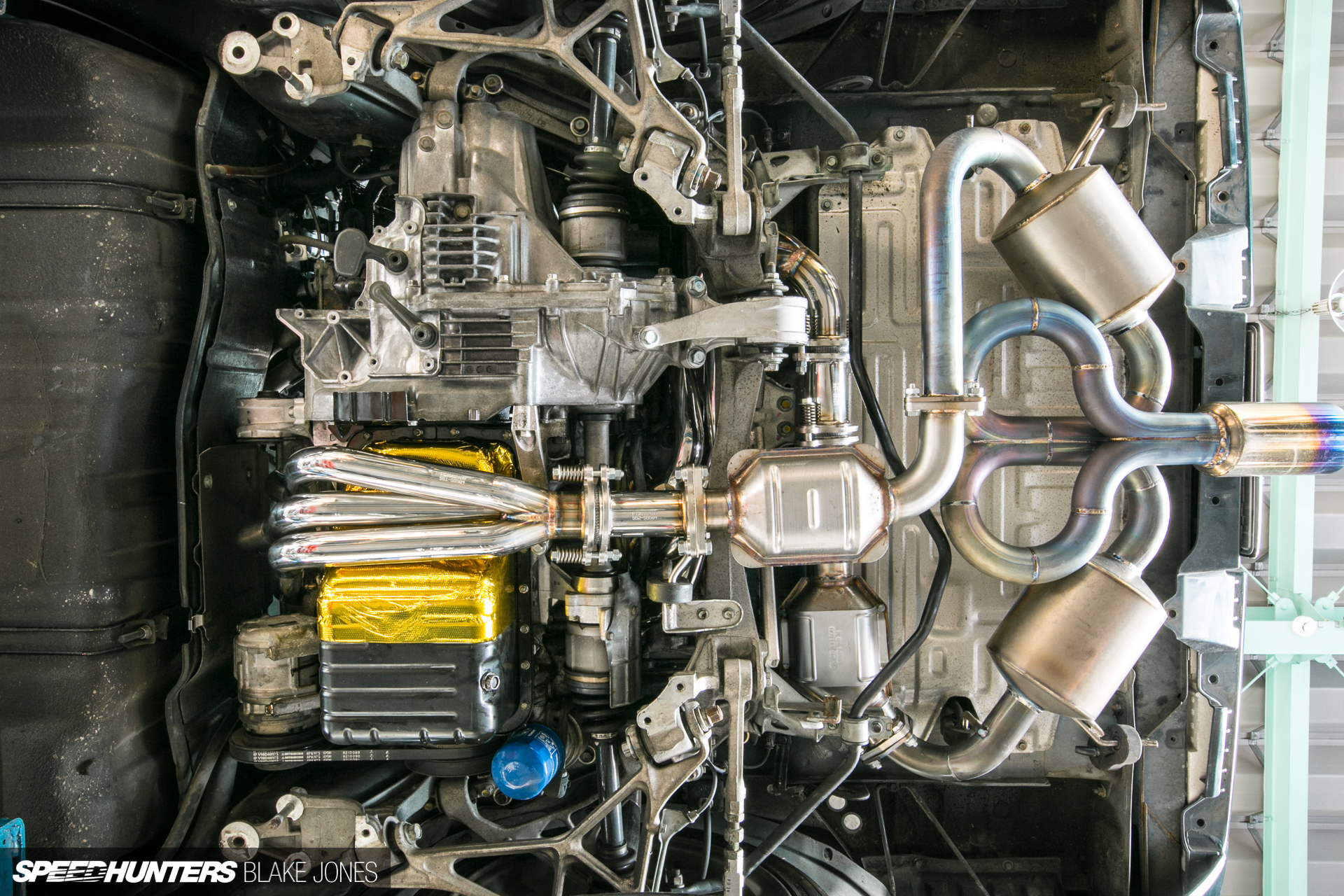
In standard form the NSX has a nice growl under hard acceleration, but the engine was deliberately muzzled by Honda’s engineers who were insistent the car should be as quiet as an Accord for daily and grand touring duties. Like most classics, Project NSX is far from a daily driver, so a proper exhaust and induction resonator delete both boosted power and gave the V6 the doort it always deserved.
Every modification I have made and intend to make is guided by a similar principle: how can I iteratively add performance without sacrificing or significantly altering the character that I fell in love with originally. Thus I say ‘no thank you’ to turbochargers.
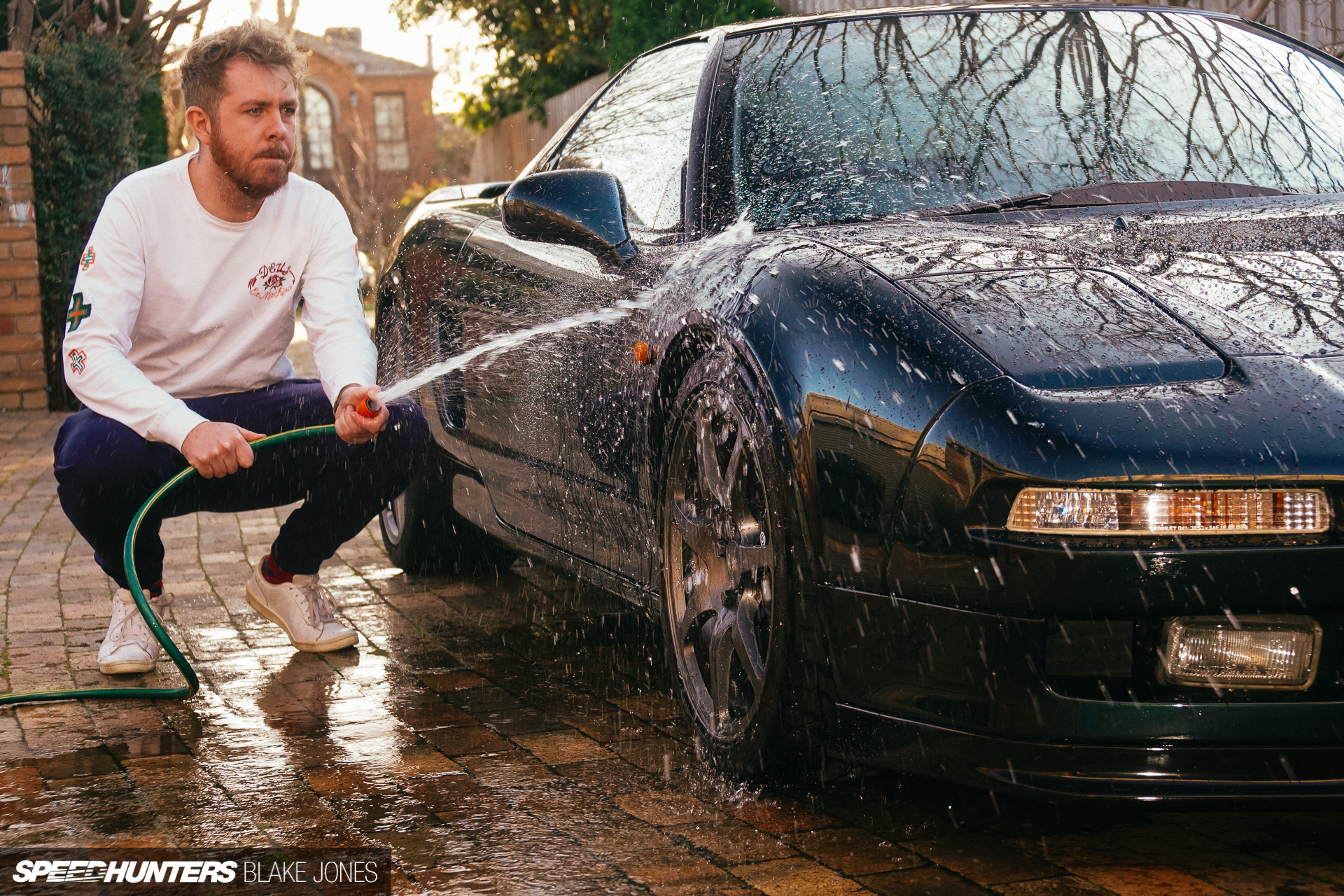
Thanks for indulging me thus far – perhaps this has given you the confidence to join me in giving forced induction the flick. But we all have moments of weakness, so I’ve prepared a cheat sheet of four reasons it’s OK to be NA. For greatest effect, hold a gaze with your reflection in a mirror and repeat each one 10 times in a loud, confident voice.
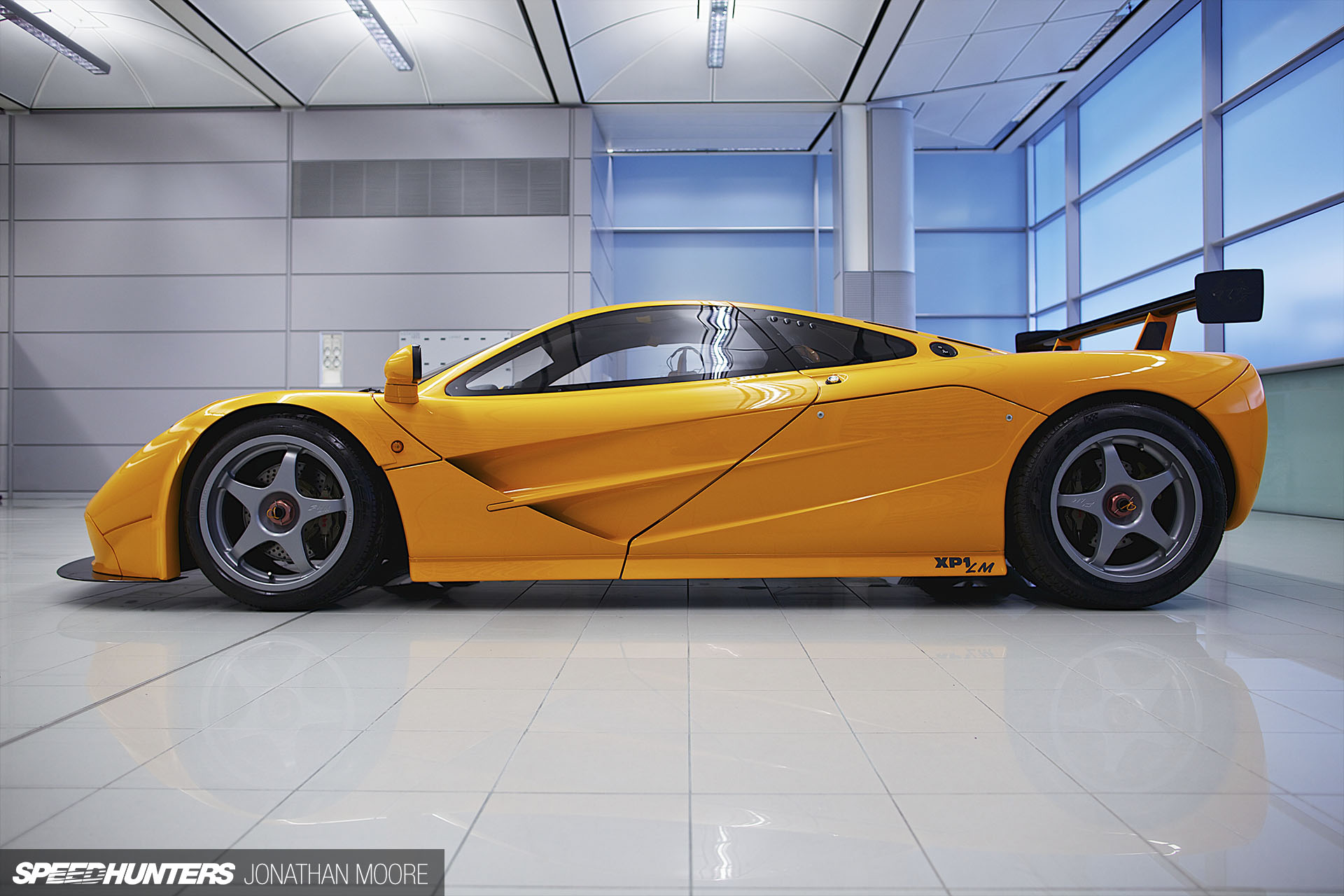
#1 The greatest driver’s car in the world is naturally aspirated.
If it’s good enough for Gordon Murray, it’s more than good enough for the rest of us. Not only is the McLaren F1’s engine renowned for its theatrics and absolute response, an NA V12 is still considered the best option in 2020 for Dr. Murray’s latest expression of the ultimate driver’s car, the T.50.

#2 Power is a Band-Aid for poor setup and driving.
Nobody is impressed if you can only pass cars at the track on the straights. Pressing the gas pedal is not a talent.
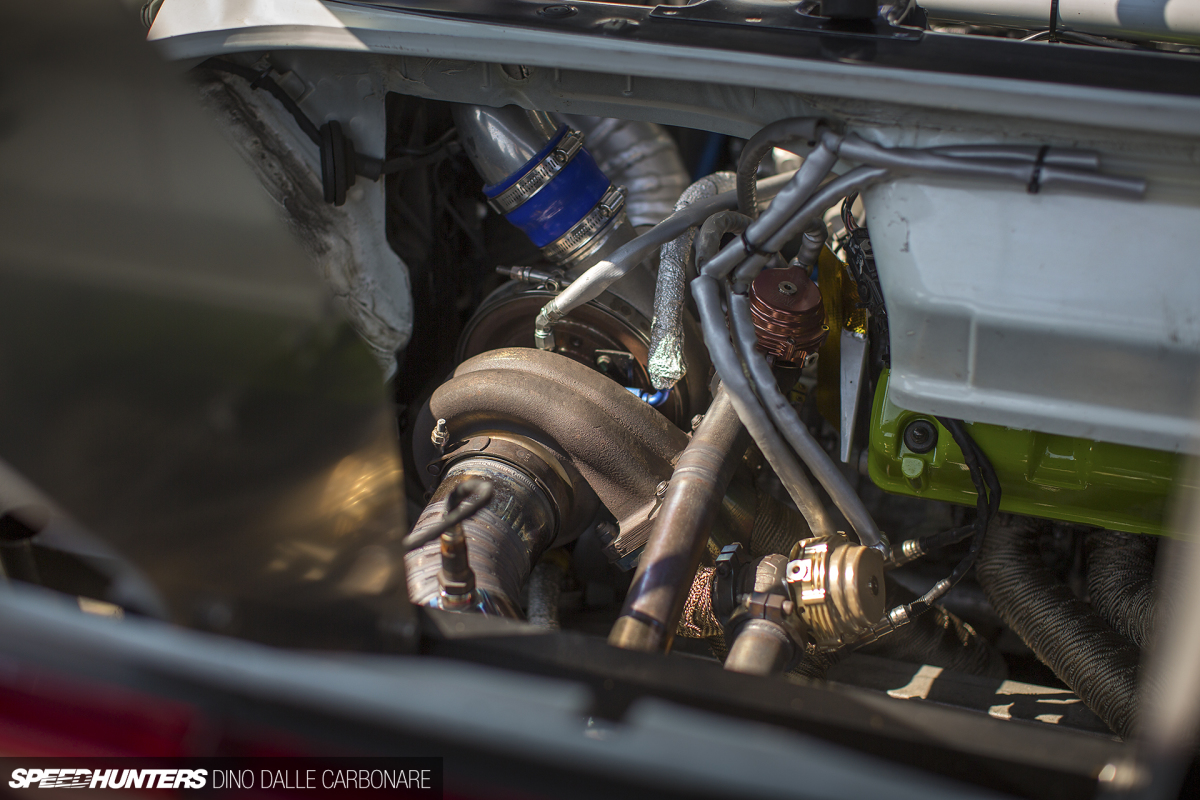
#3 Weight and simplicity are key.
There’s a lot to be said for simplicity in a performance car. Turbines, blow-off valves, intercoolers and downpipes all add weight, take up space and generate significant amounts of heat, which limits how hard you can drive your car.
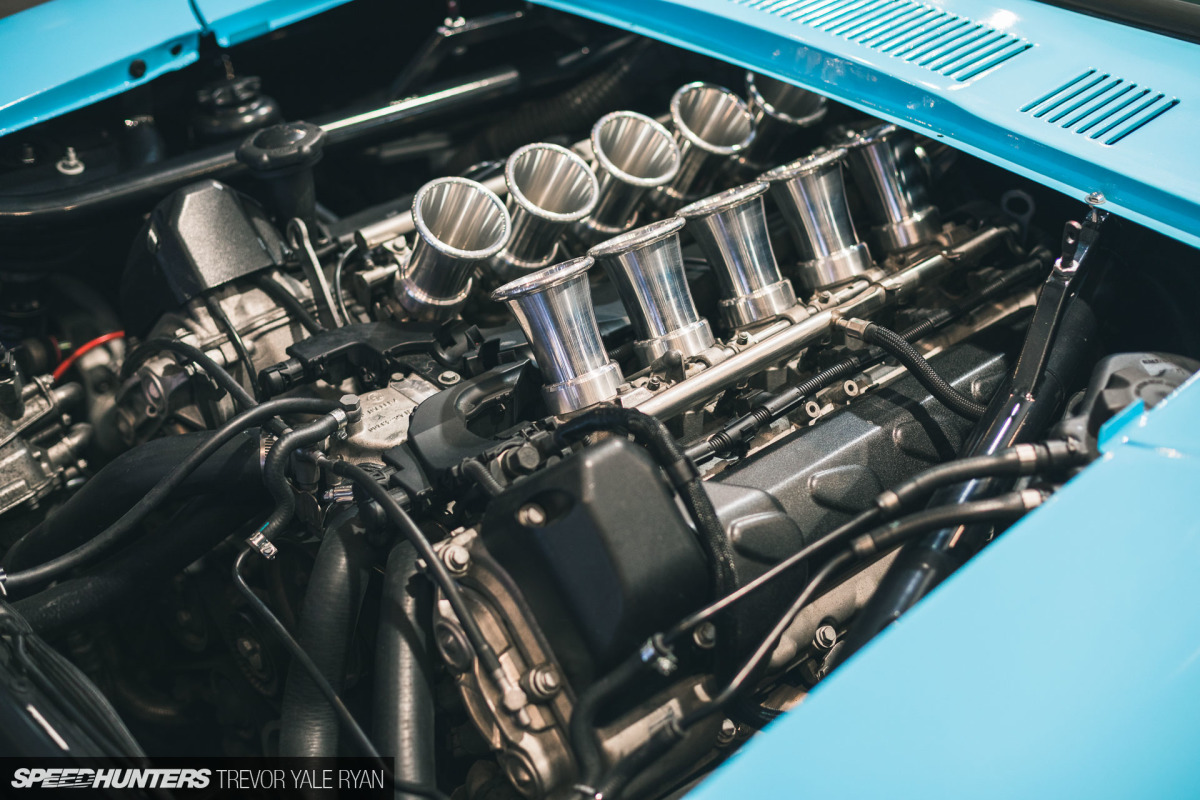
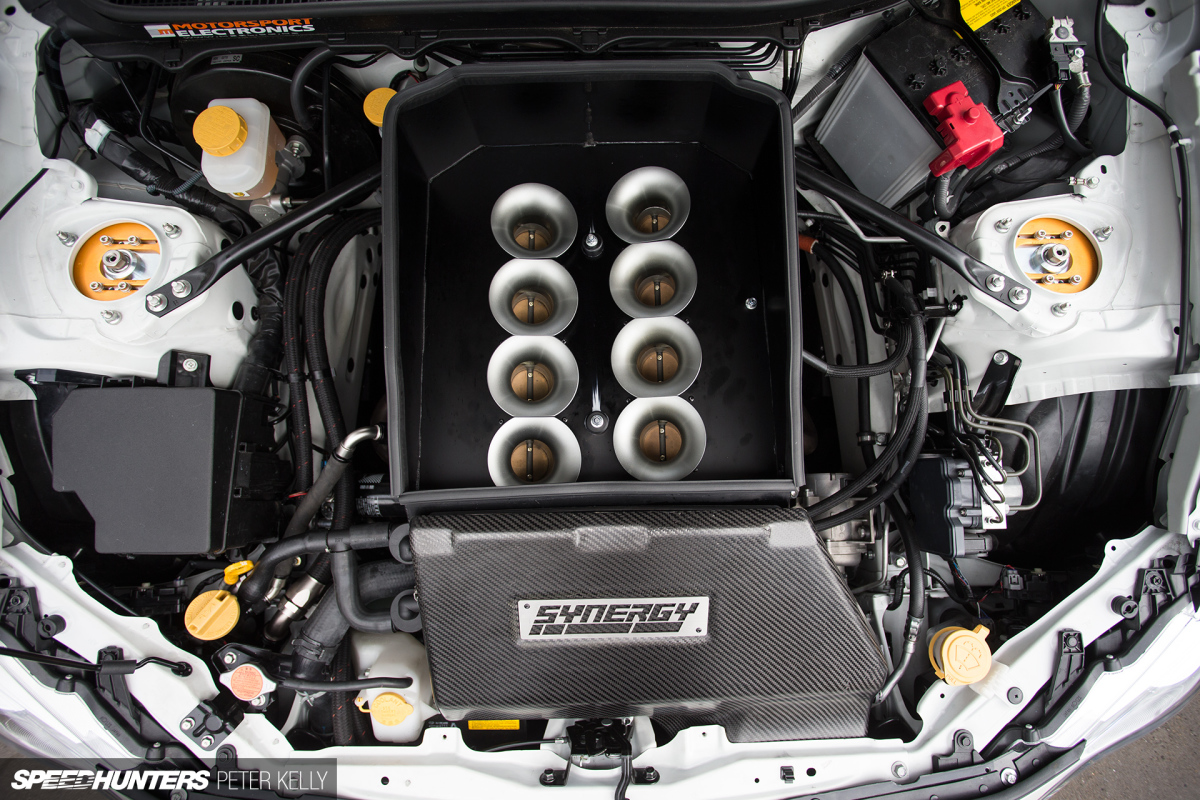
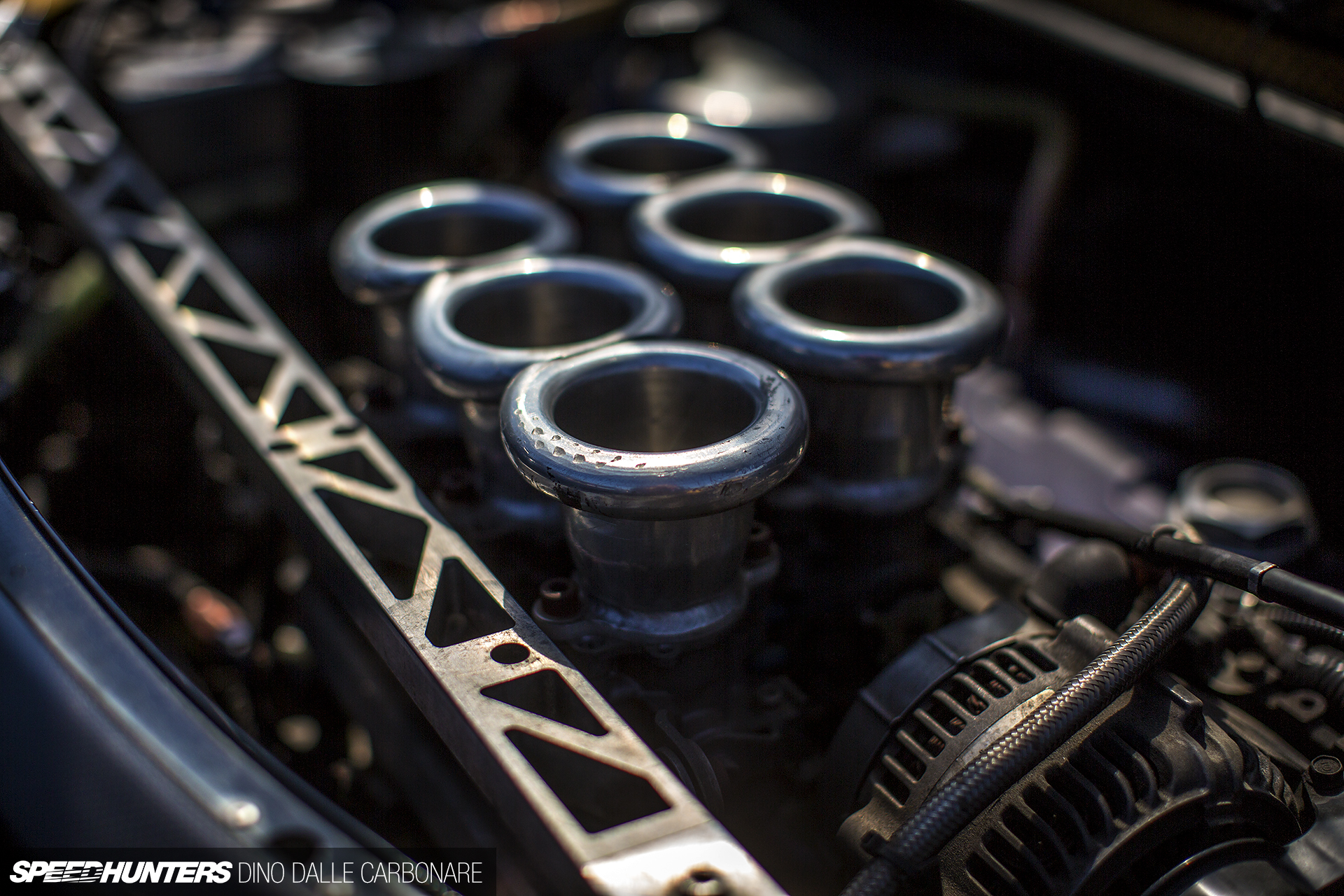
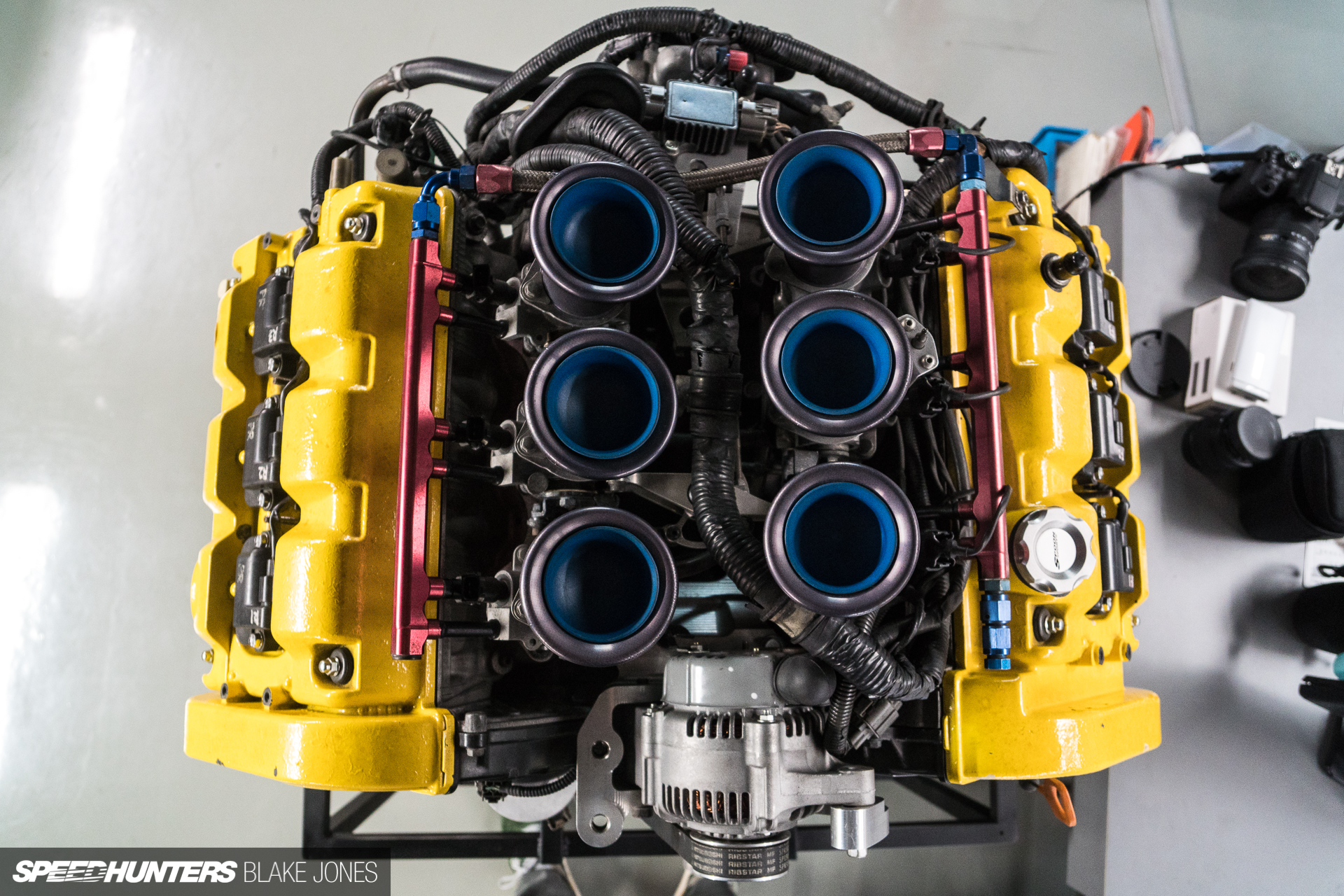
#4 Open ITB trumpets are cool.
No further explanation required.
Blake Jones
Instagram: blaketjones
blake@speedhunters.com