“For the future realization of carbon neutrality, Honda will make a major change in the course of our challenges and concentrate our corporate resources on research and development of new power units and energy technologies.”
That’s an excerpt of Honda President Takahiro Hachigo’s speech on October 2nd, in which he announced the company would pull out of Formula 1.
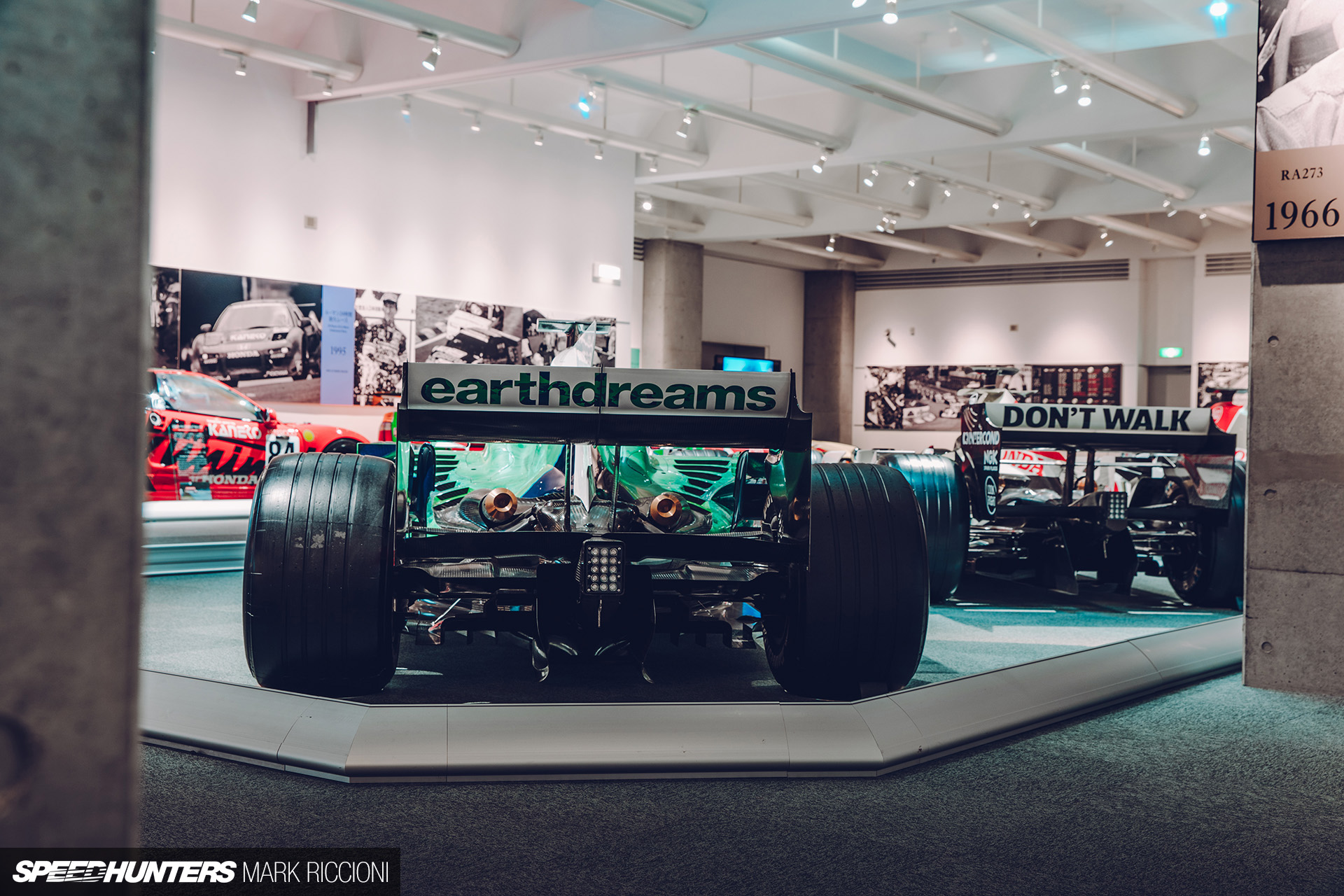
I should clarify, that’s from the most recent ‘we are no longer competing in F1′ announcement, not the one in 2008, nor 1992, nor 1968. Yes, we are watching Honda withdraw from Formula 1 for the fourth time since their first race in 1964 (which has to be some sort of record, in this year of record breaking).
Each time I’m sure there was a great press release with many thoughtfully placed buzzwords, but invariably the truth boiled down to ‘we’re a bit low on yen, Mr.Honda, and our new Civic needs a new front suspension design,’ so I’m inclined to toss this latest retirement in the same basket.
But the shift to alternate power sources is no longer a pipe dream of futurists – it is here. From this point on, electric and hydrogen vehicles will make up a greater and greater proportion of vehicle lineups until the internal combustion engine (ICE) is gone forever.
This die-off will take longer than expected though. There is still plenty of efficiency and performance being found in ICE thanks to forced induction, leaner combustion, and variable transmissions – all things Honda knows plenty about.
But undoubtedly there are furrowed brows in the Honda boardroom when it comes to alternative energy – the defensible drivetrain advantage the company has enjoyed for over 50 years will mean nothing in the post-ICE era.
So how can a company known for characterful yet economical engines and smartly-packaged, reliable drivetrains maintain a competitive advantage in a world of commoditised electric mobility?

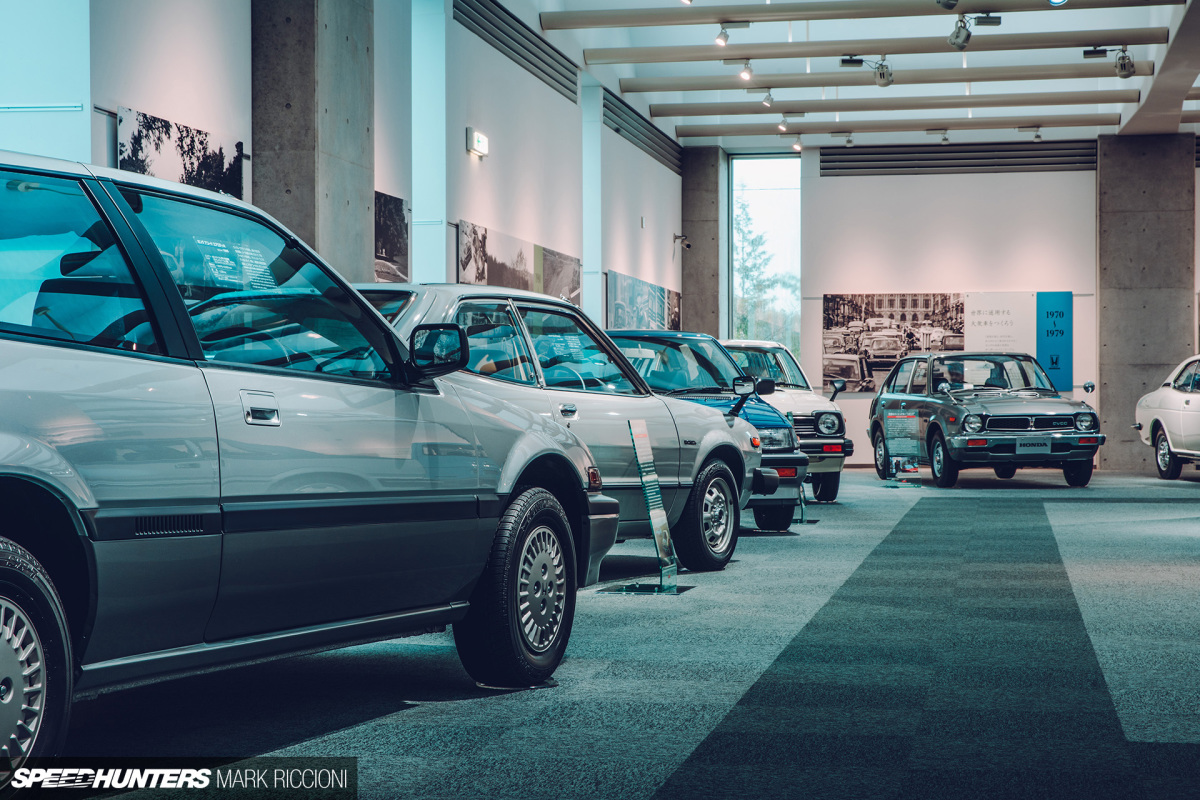
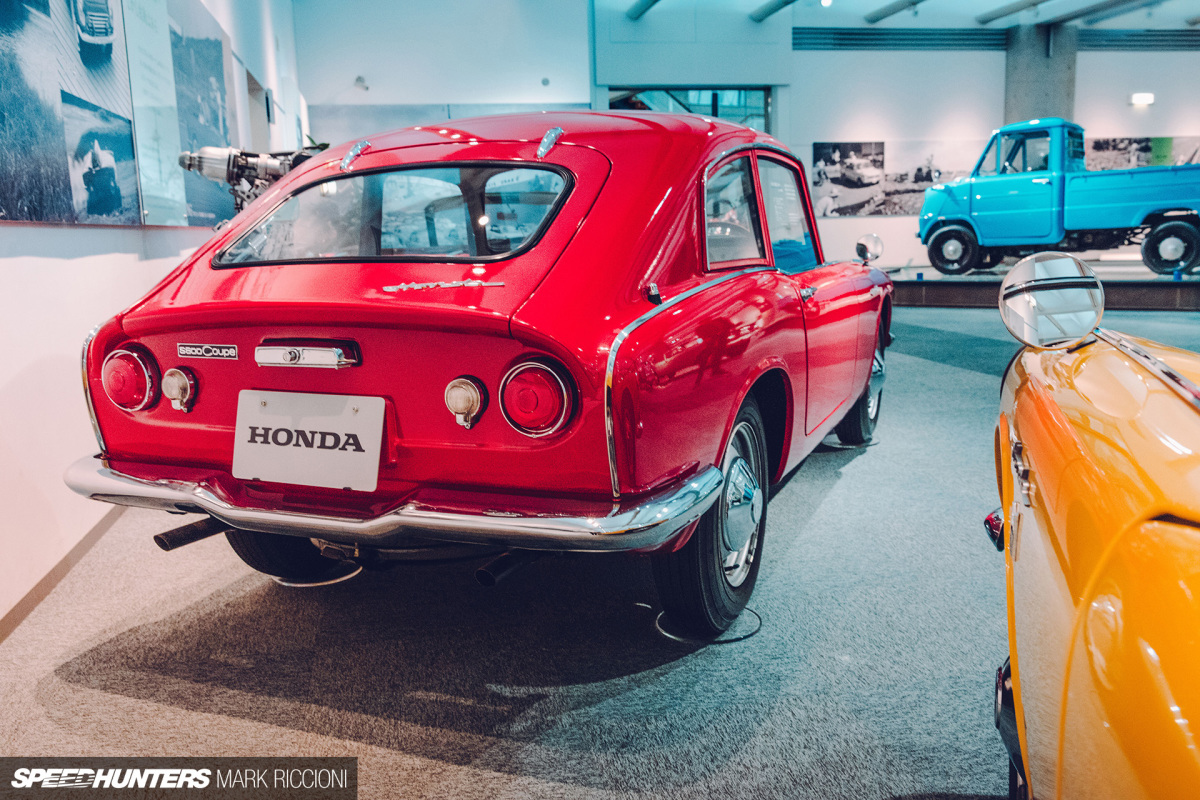
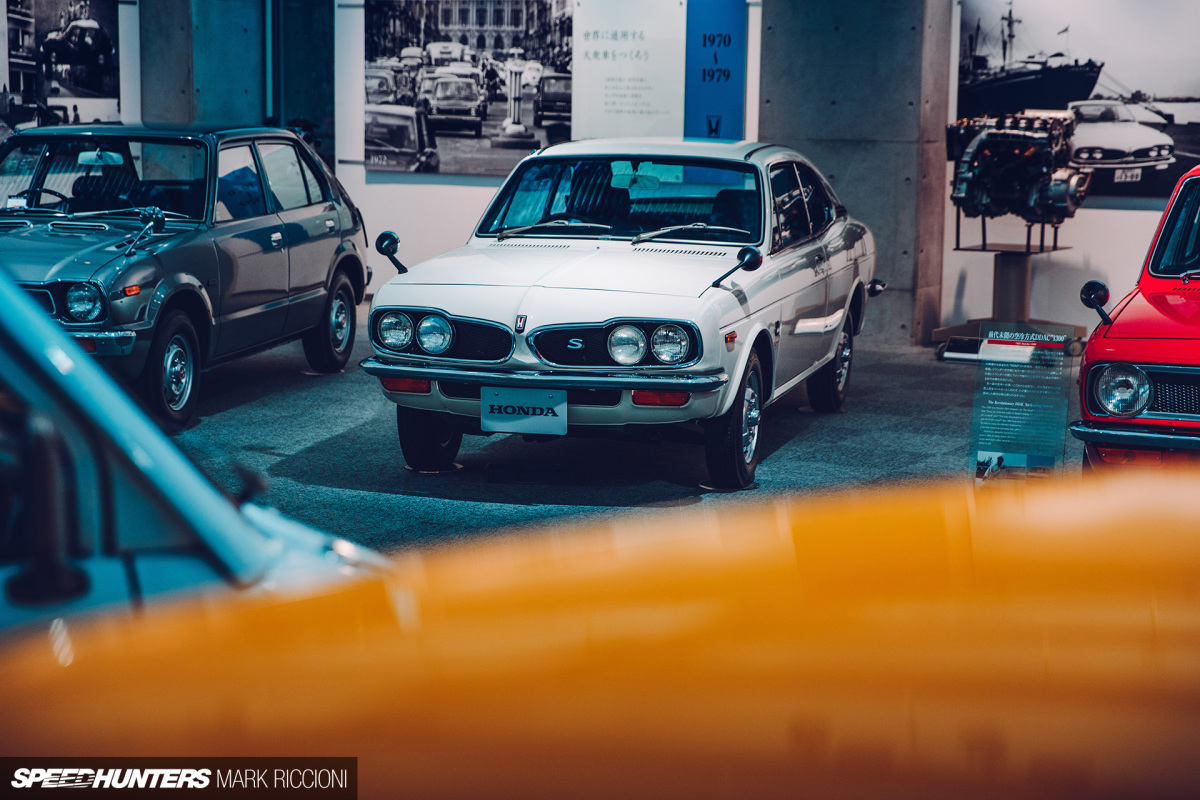
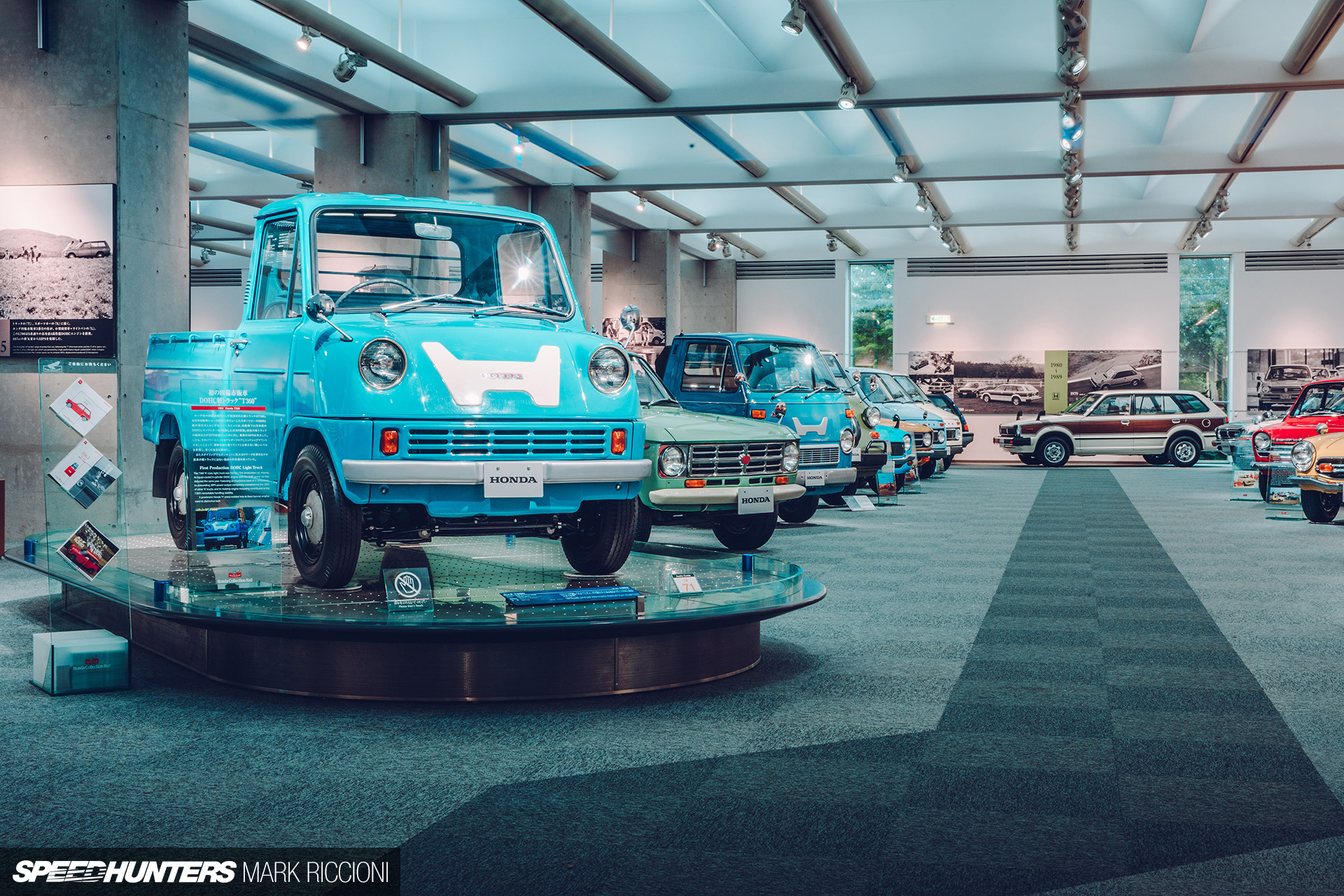
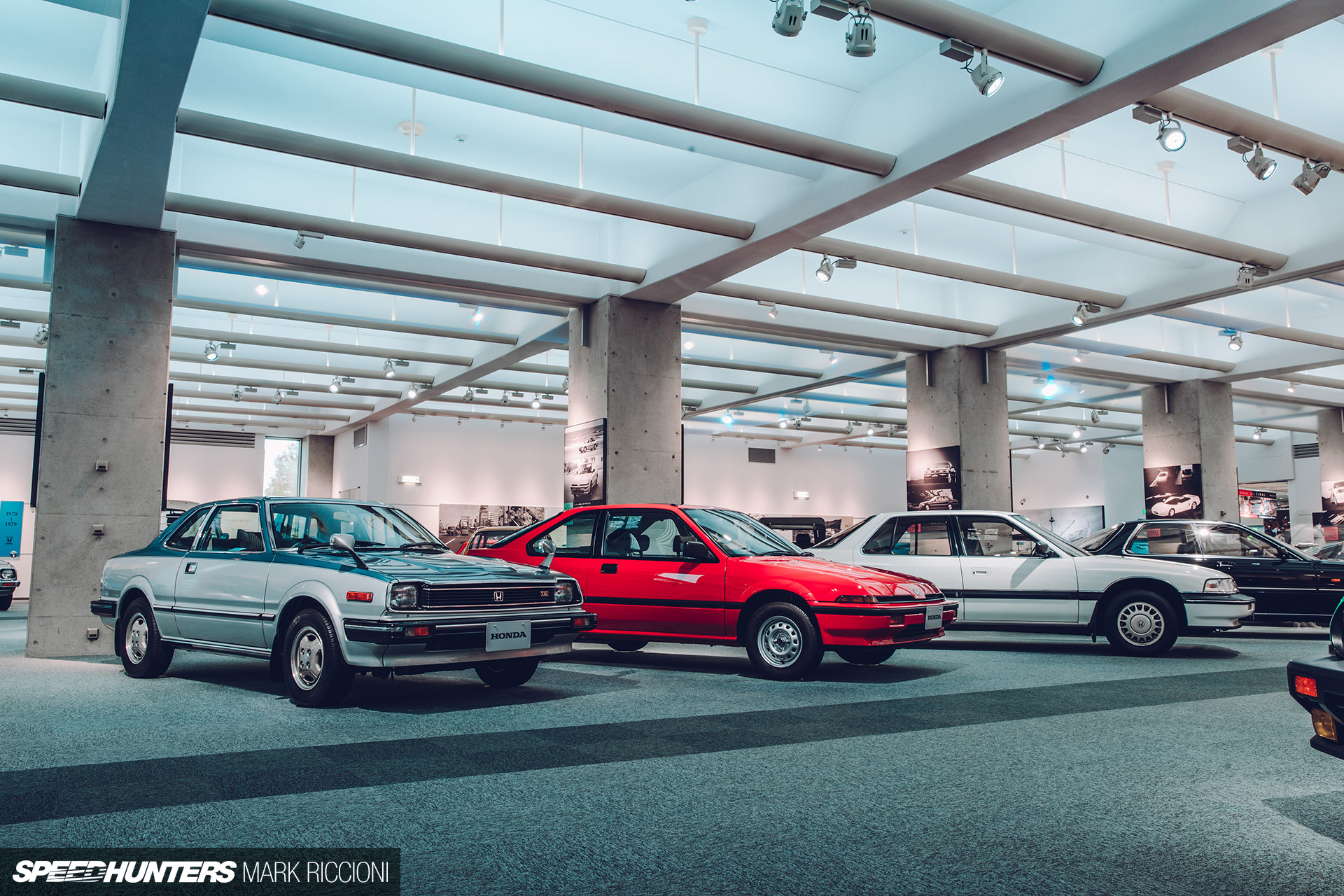
To look forward Honda must look back, and what better place to do it than the Honda Collection Hall in Motegi, Japan. I’ll be your guide, and together we can discover the hallmarks that make Honda, Honda.
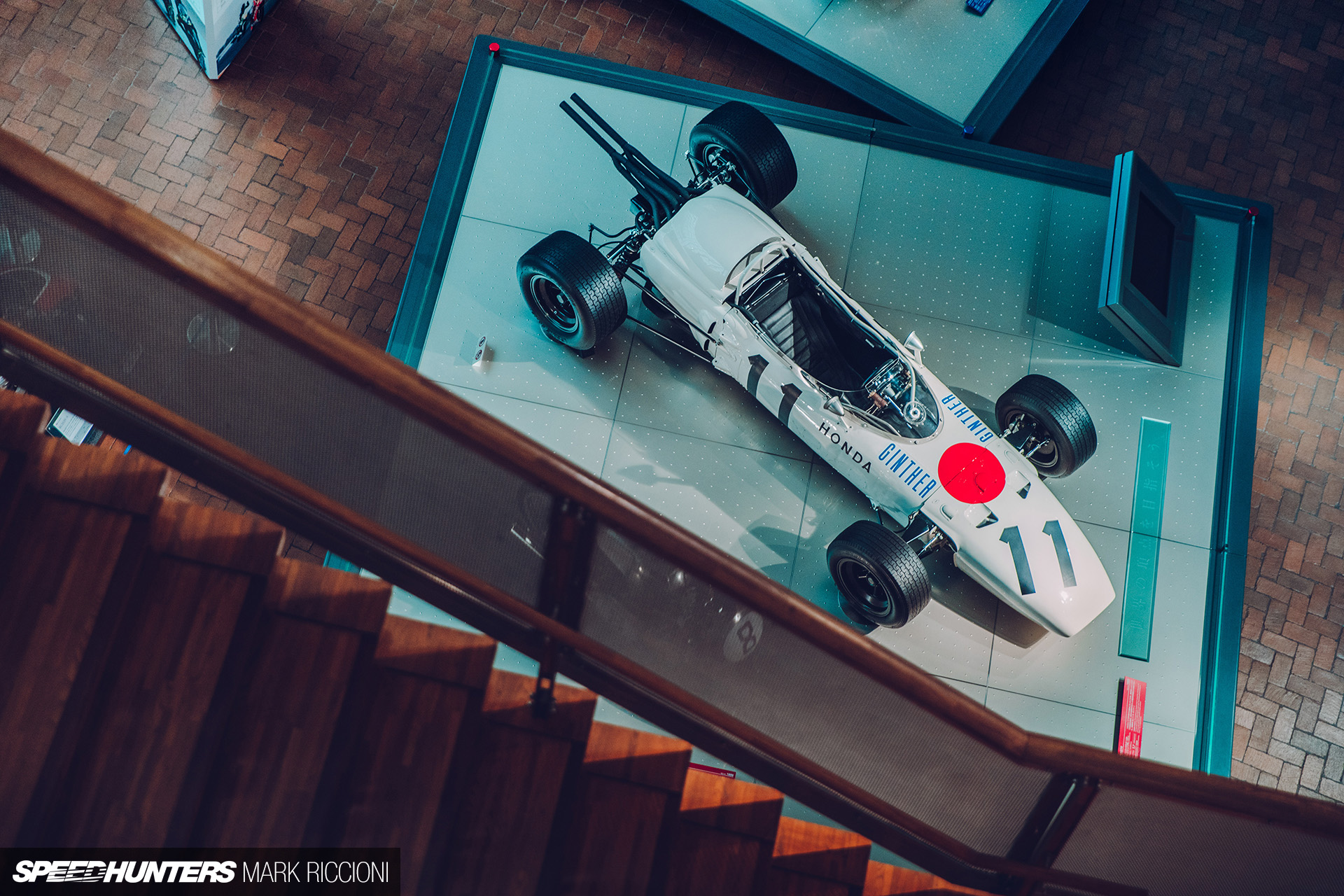
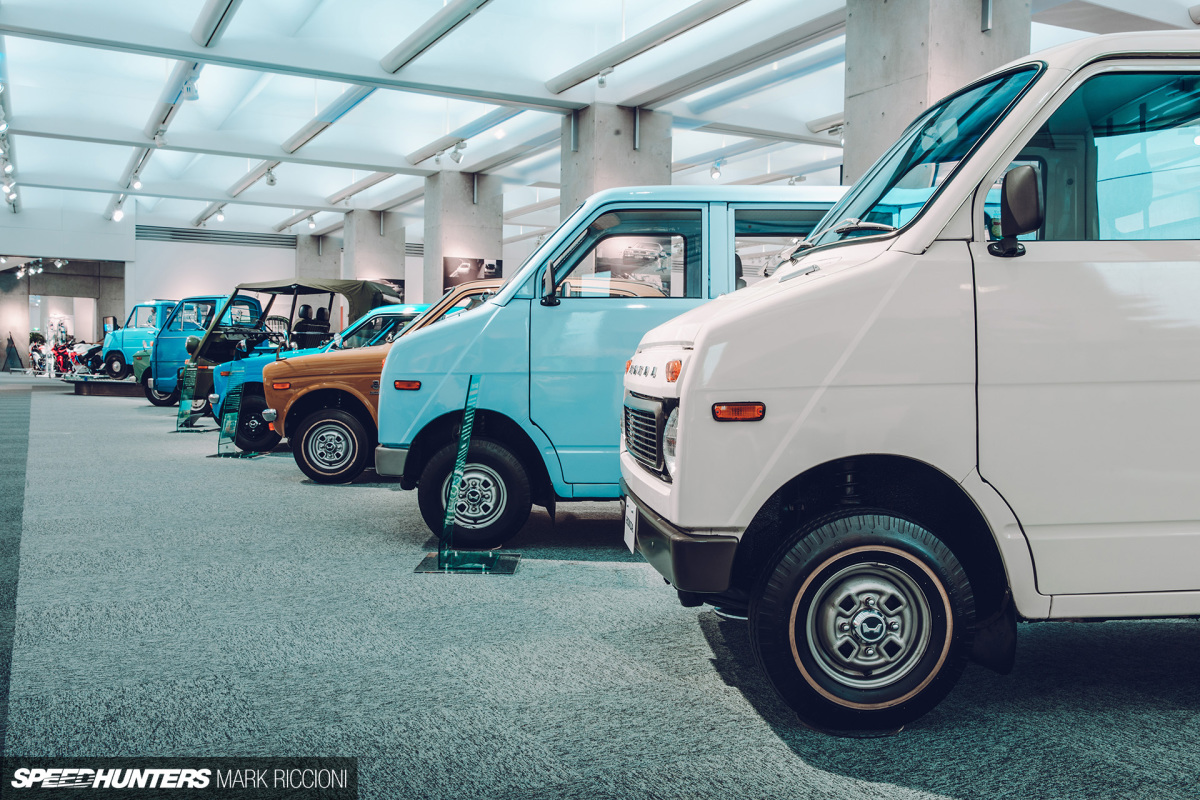
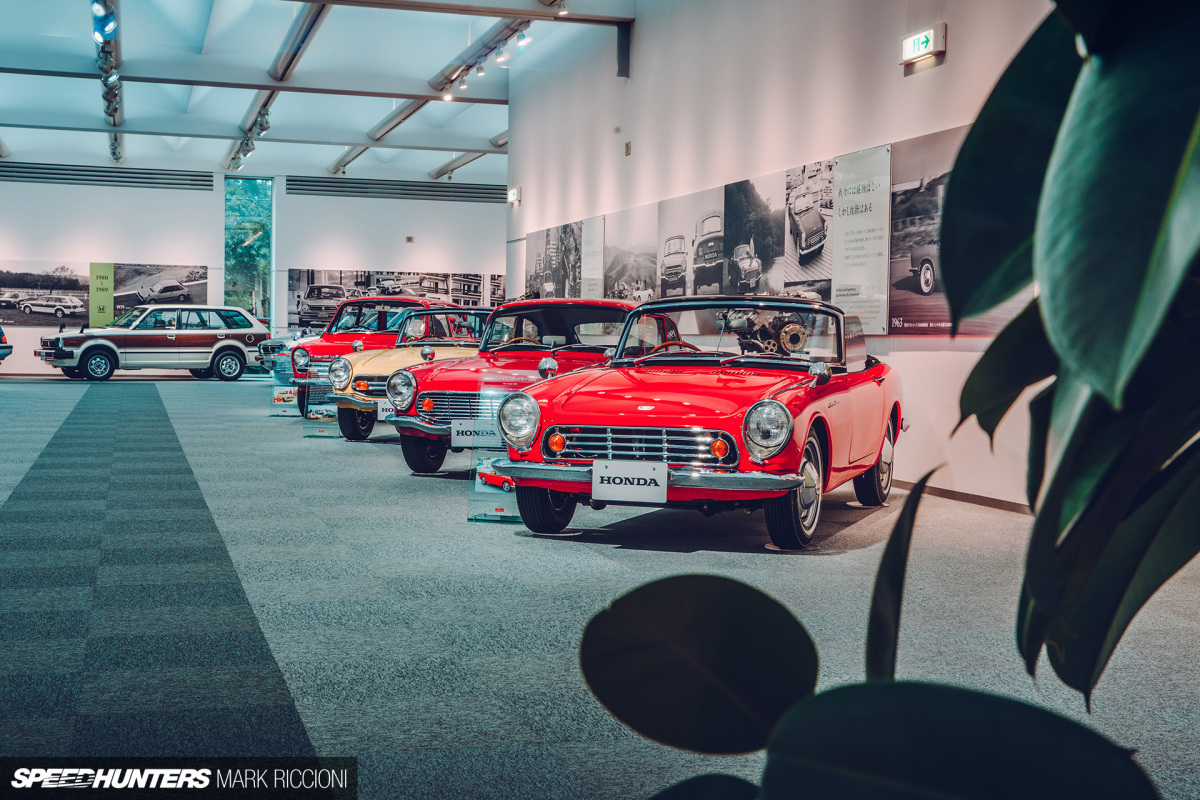
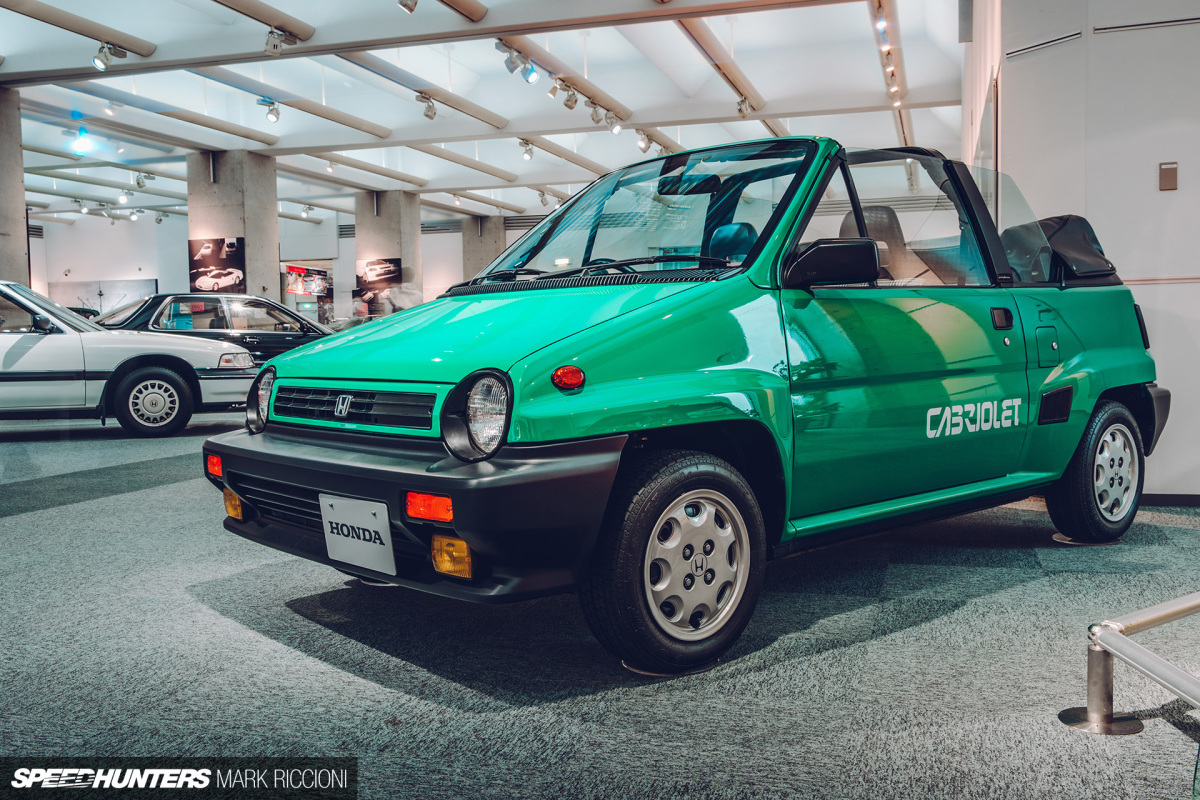
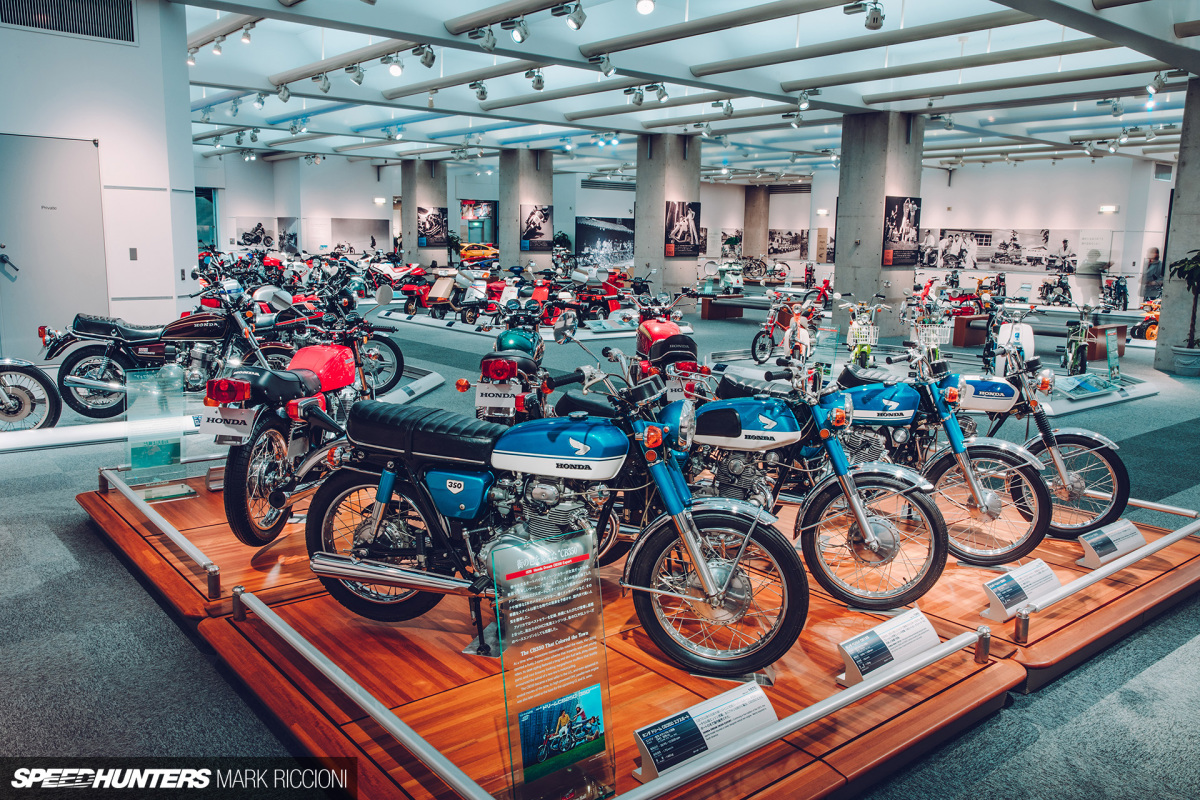
The Collection Hall is a mecca for Honda enthusiasts. I’ve visited twice, but was so drunk with childish excitement on both occasions that I failed to take more than a few phone snaps. Thankfully, Mark kept his composure and provided some brilliant shots of the facility for us to enjoy.
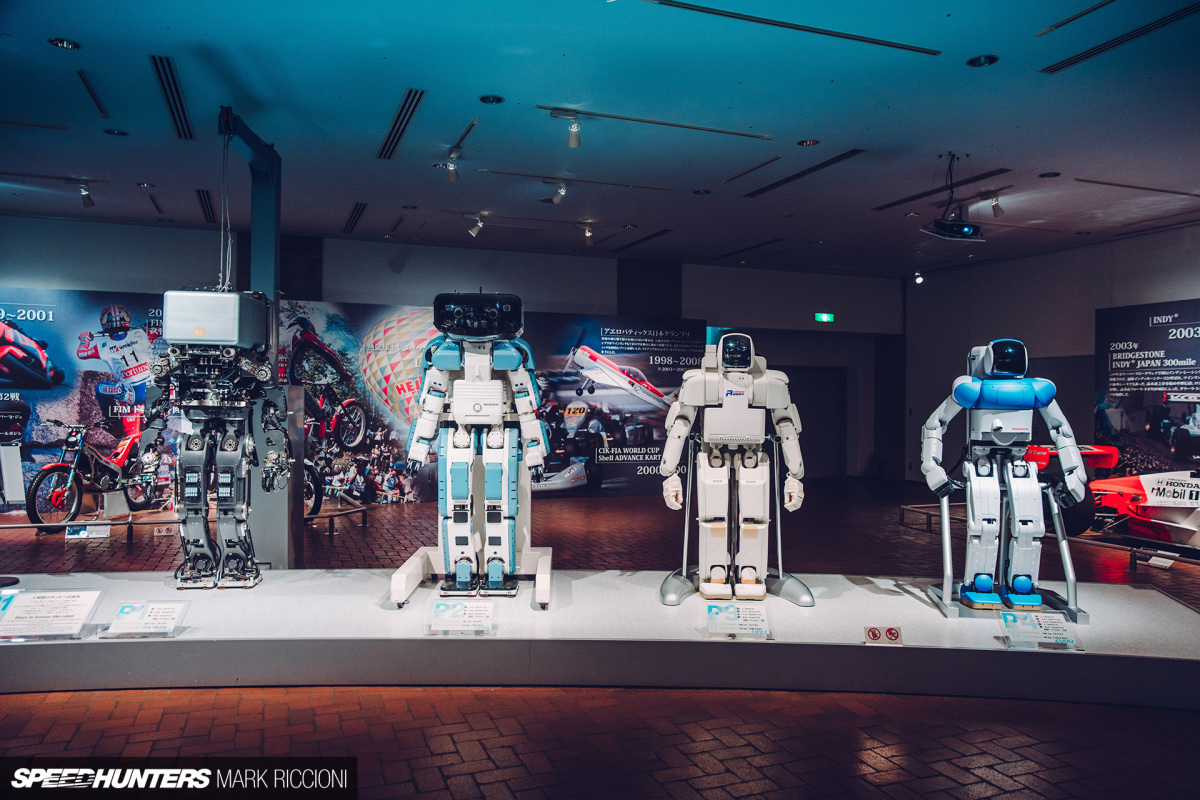
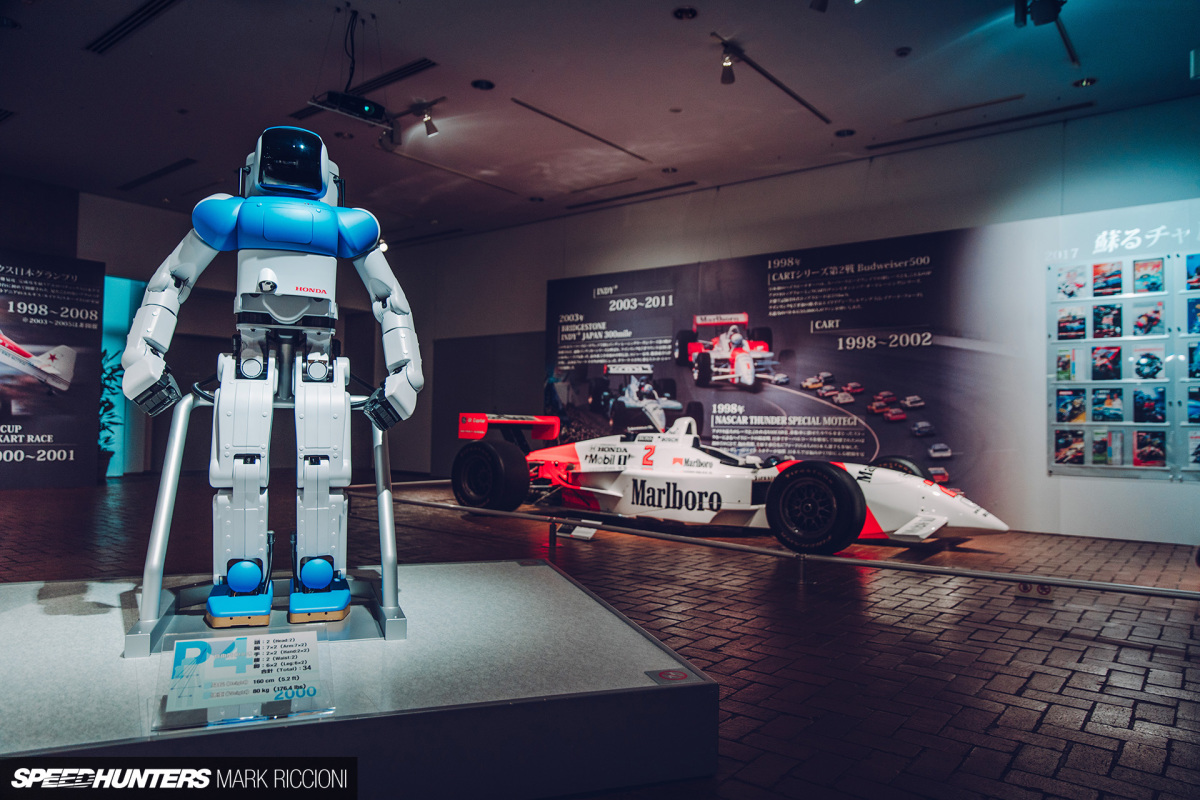
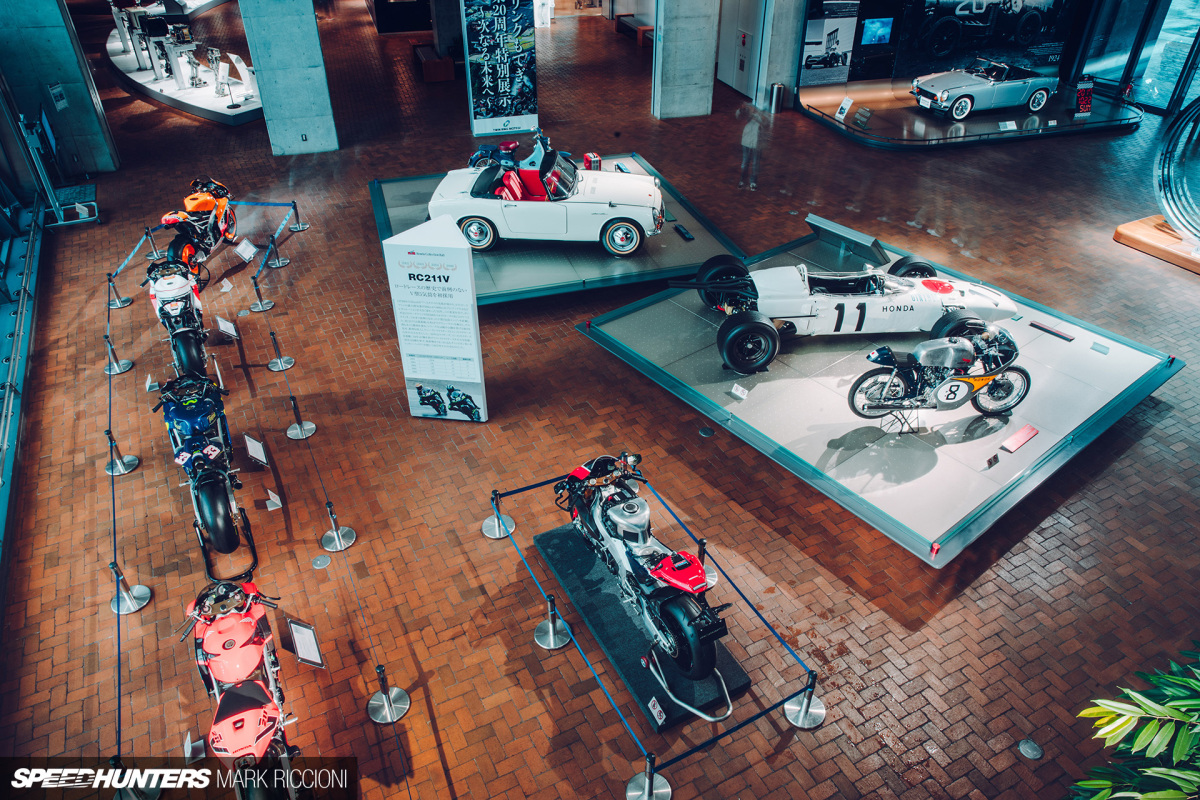
The name of the hall is revealing in itself. This is not a ‘museum’ of static displays, but a living, breathing collection of every significant product that has borne the Honda name.
One of my favourite things about the Collection Hall is their YouTube series, where each vehicle gets a turn to be fired up and driven (with gusto!) around the winding ‘test track’ behind the facility by technicians in pristine white coats.
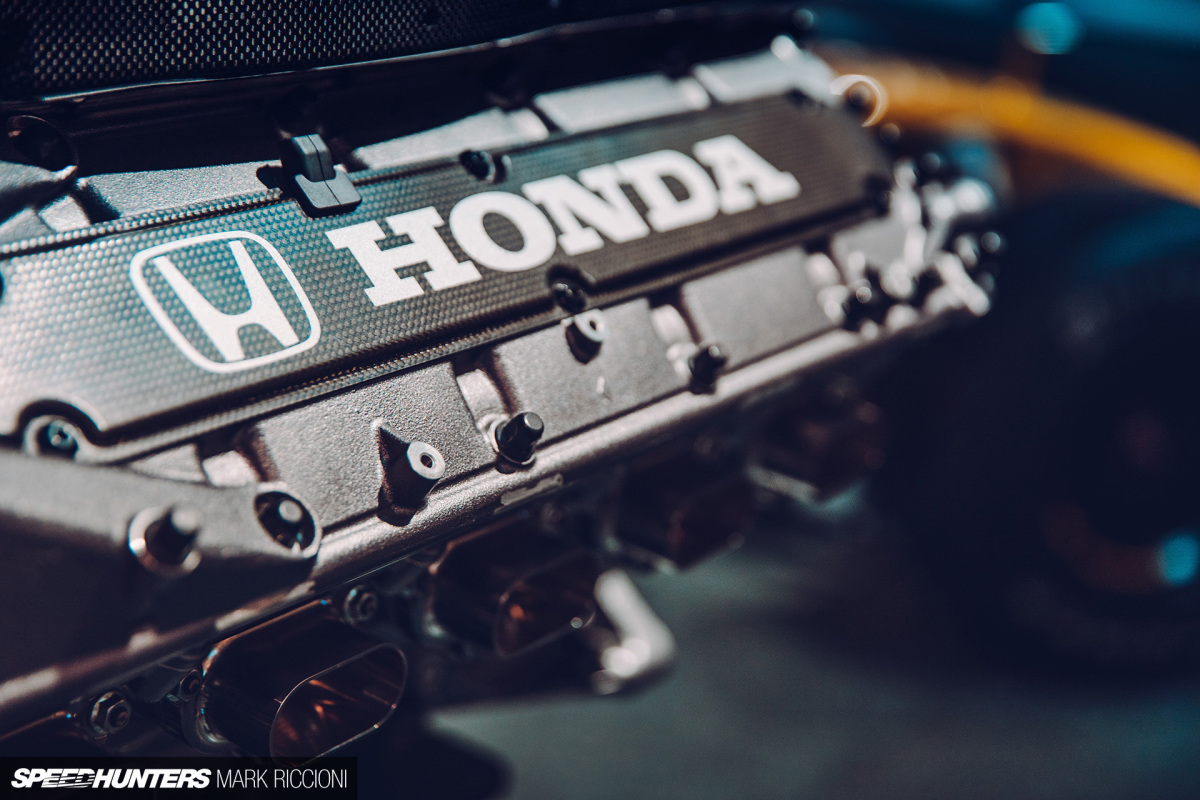
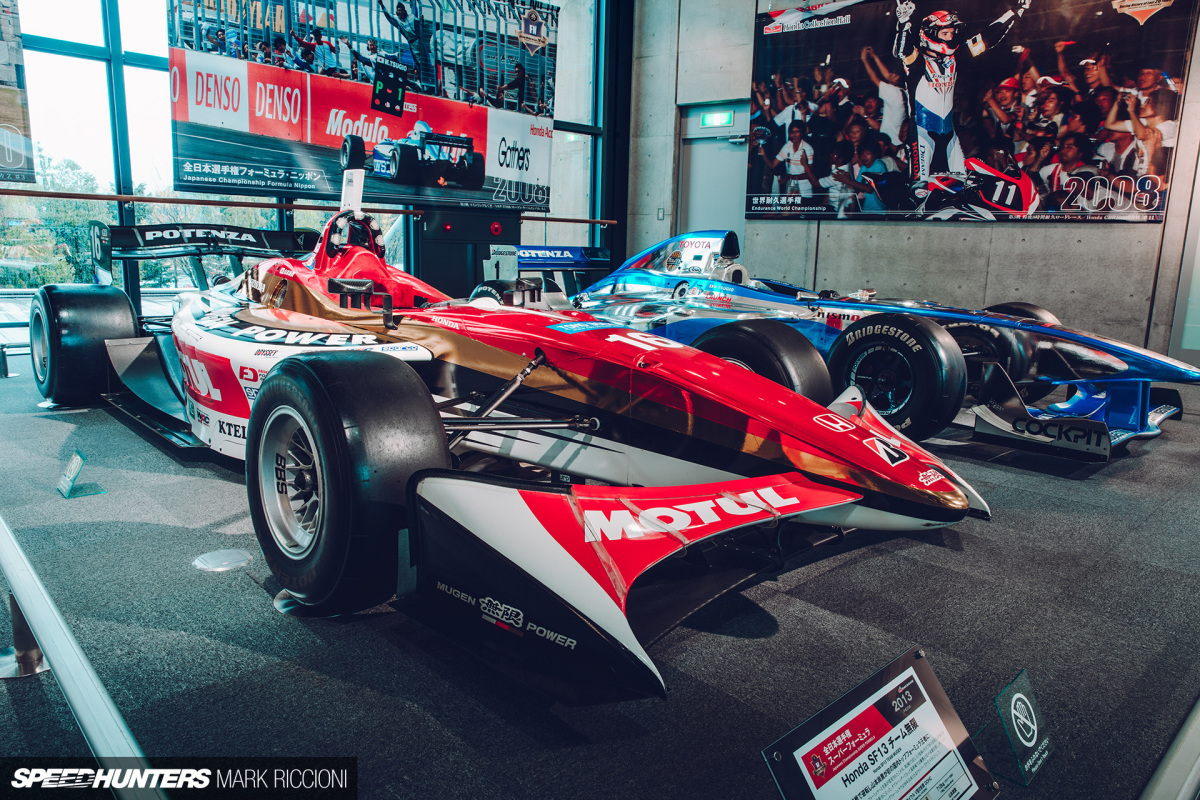
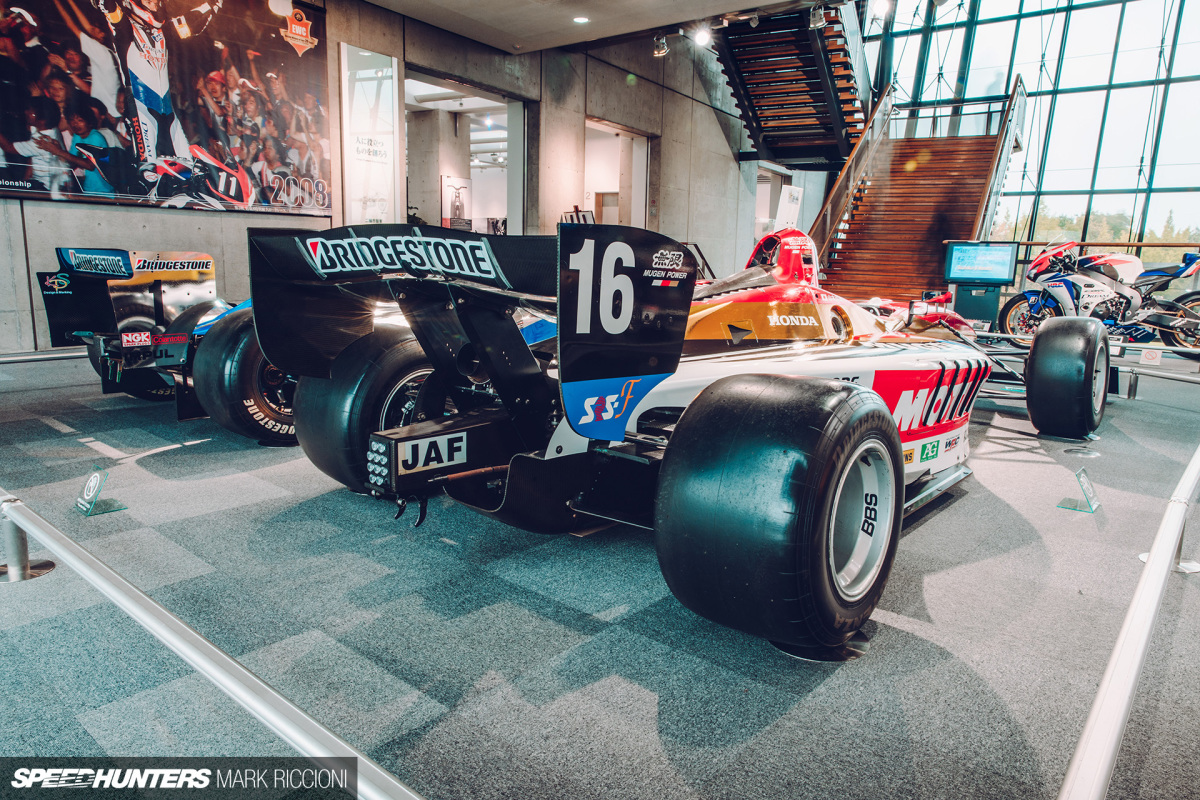
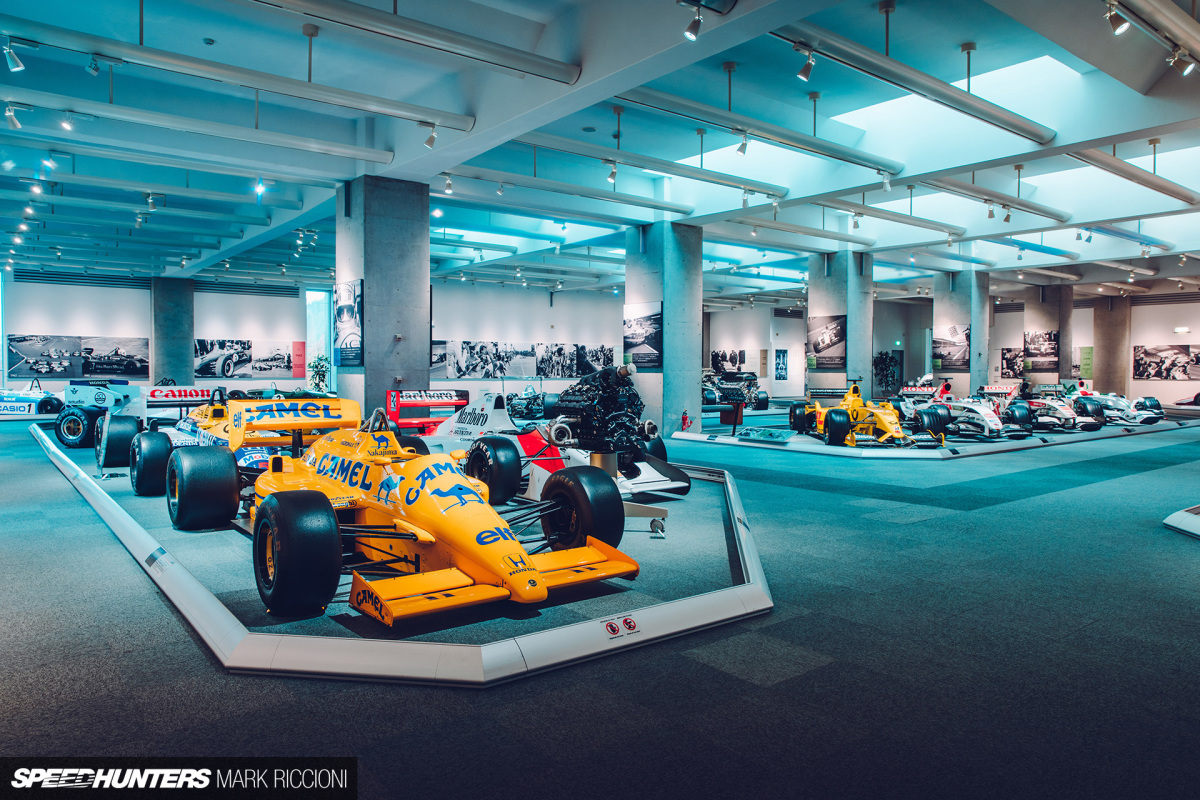
The Formula 1 cars aren’t the ‘first’ displays that you encounter when you stroll into the Collection Hall (looking for a place to buy a ticket? There isn’t one – it’s free) but I can’t help myself from starting there.
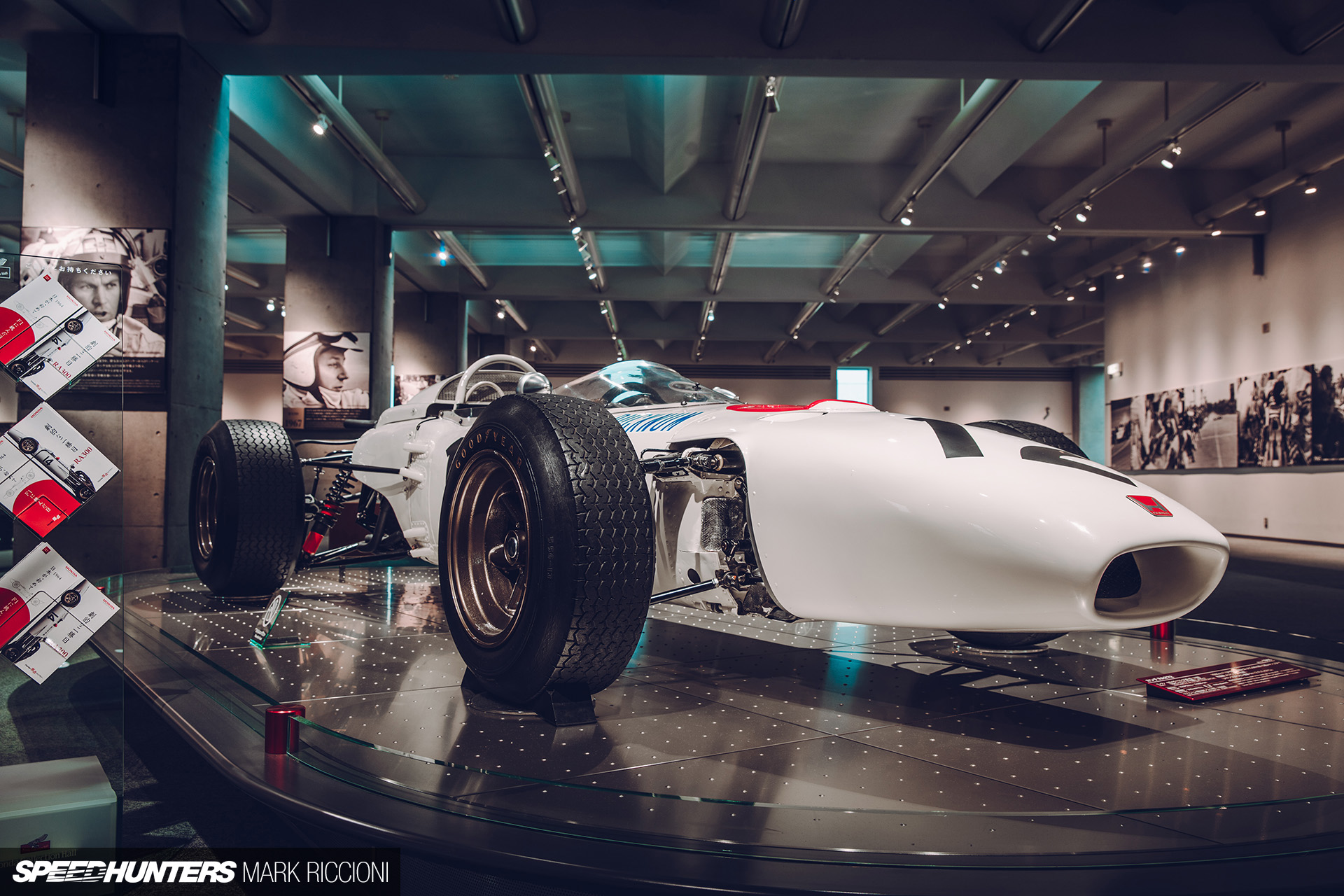
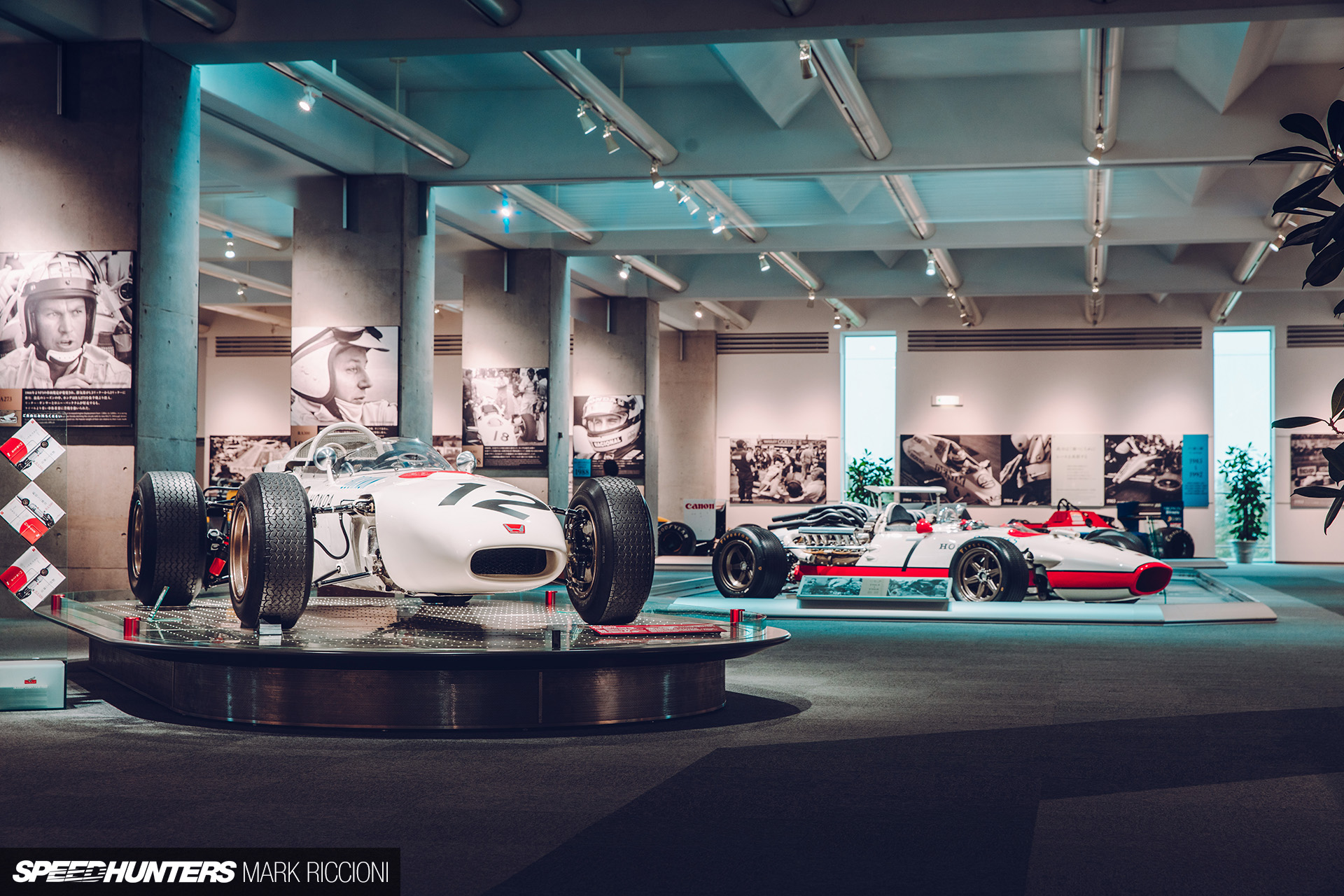
Honda’s first entry into Formula 1 was in 1964, at which point the company had only been producing cars for four years.
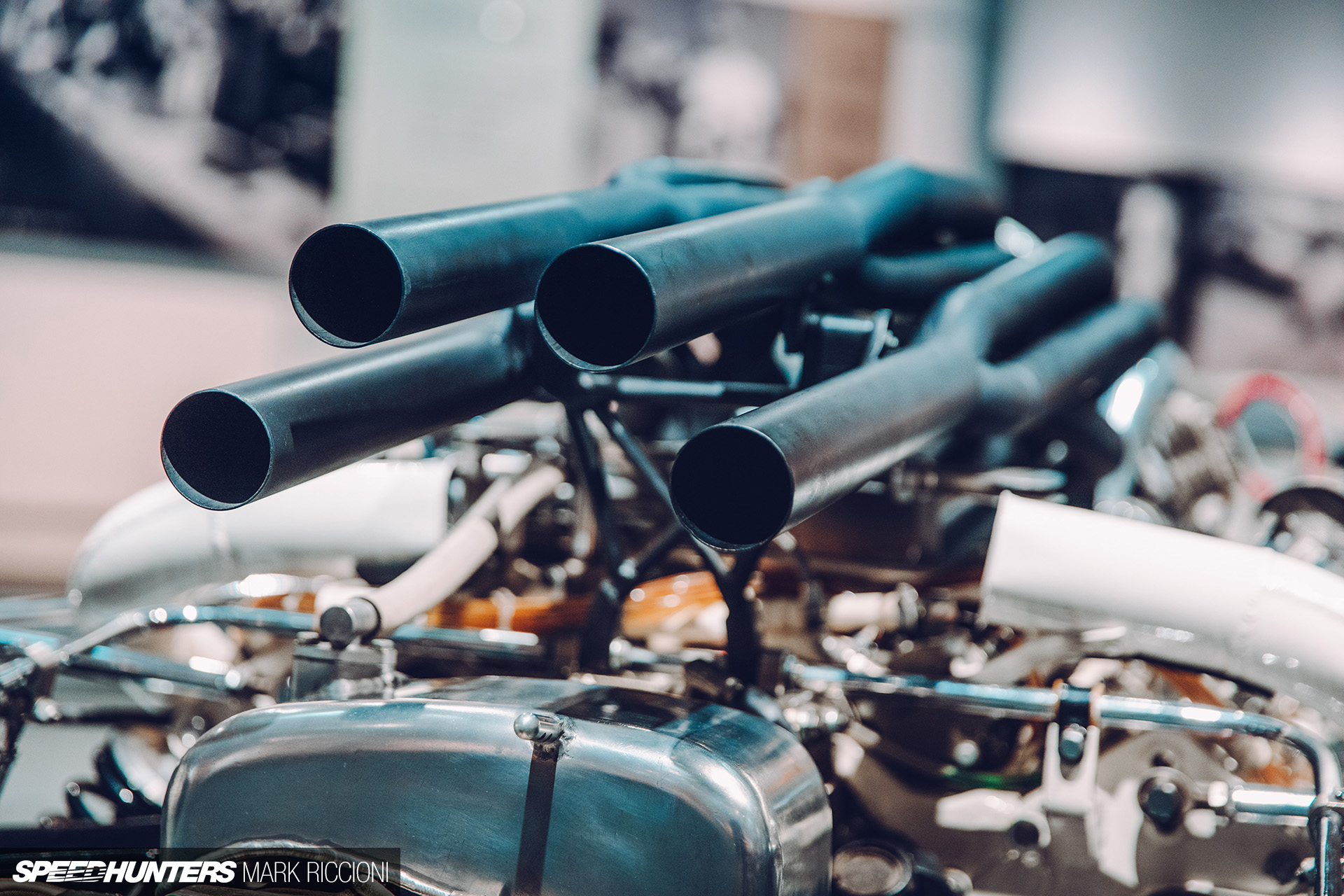
The way Honda entered the sport says a lot. They were the only non-European team and at the time only Ferrari and BRM had built their own chassis and engine, meaning Honda really did jump straight in the deep end. The team hired foreign drivers, but everything else was done in house, because the company saw this as primarily a learning opportunity rather than marketing, as it often is today.
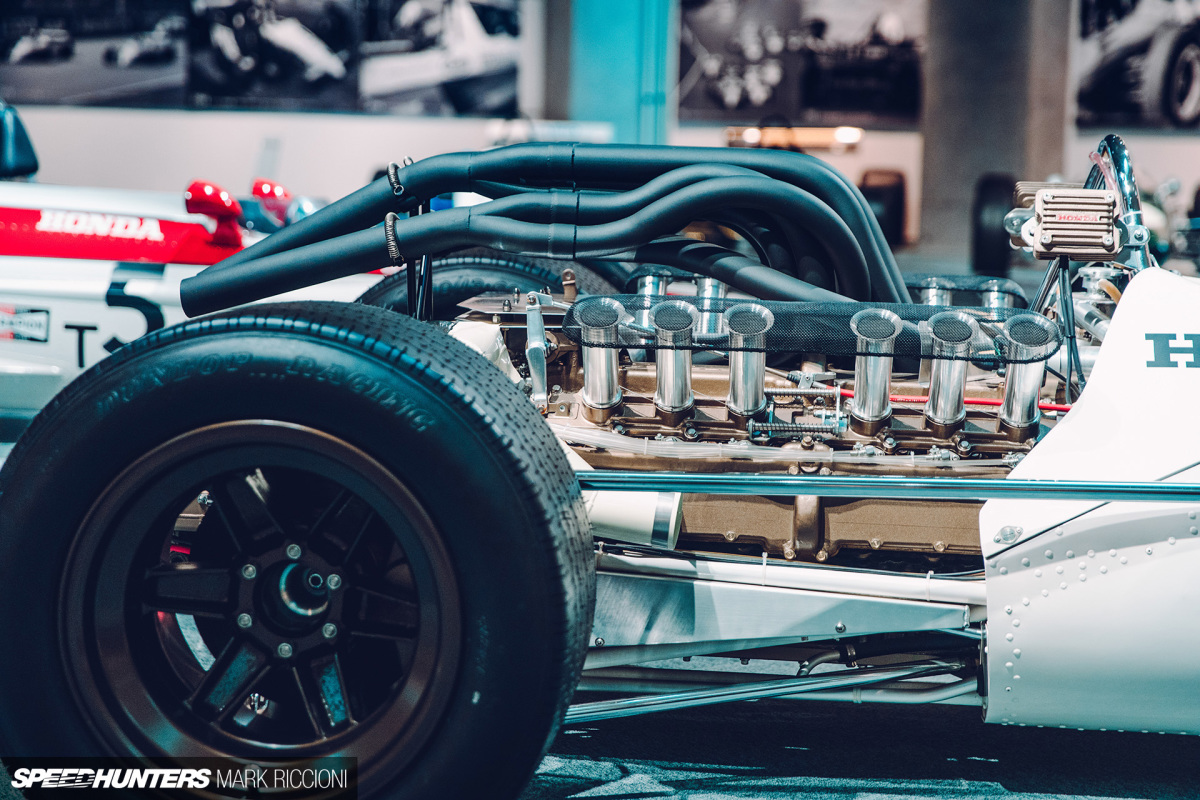
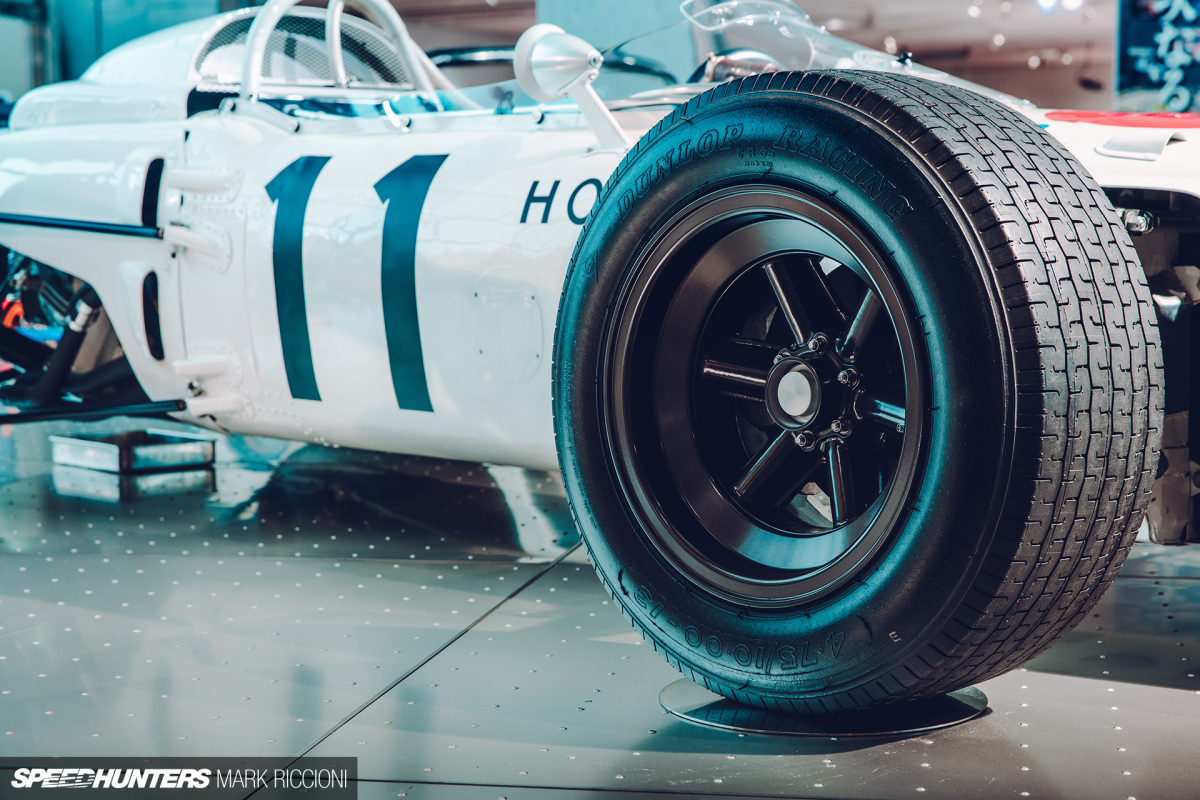
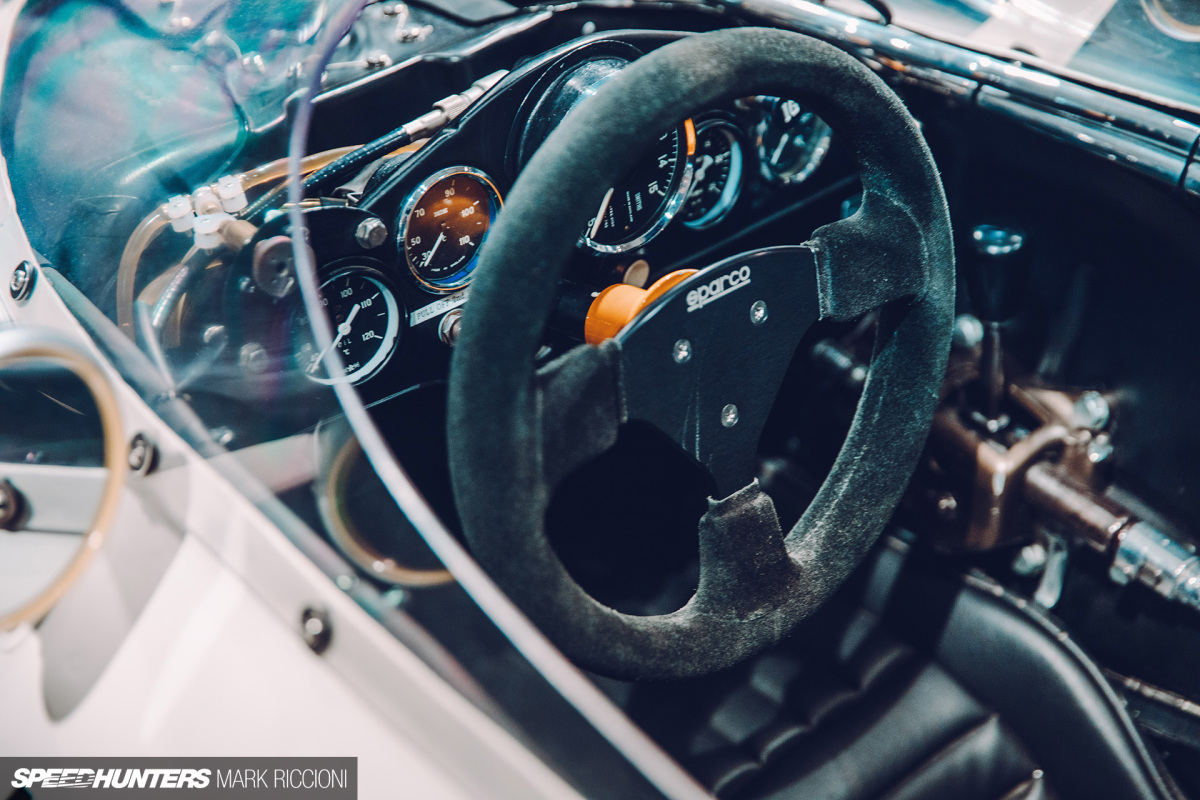
There were successes – race wins even – and Honda had established itself as the Japanese automaker to watch, before the tragic loss of driver Jo Schlesser prompted the company to withdraw and refocus on building exportable road cars.
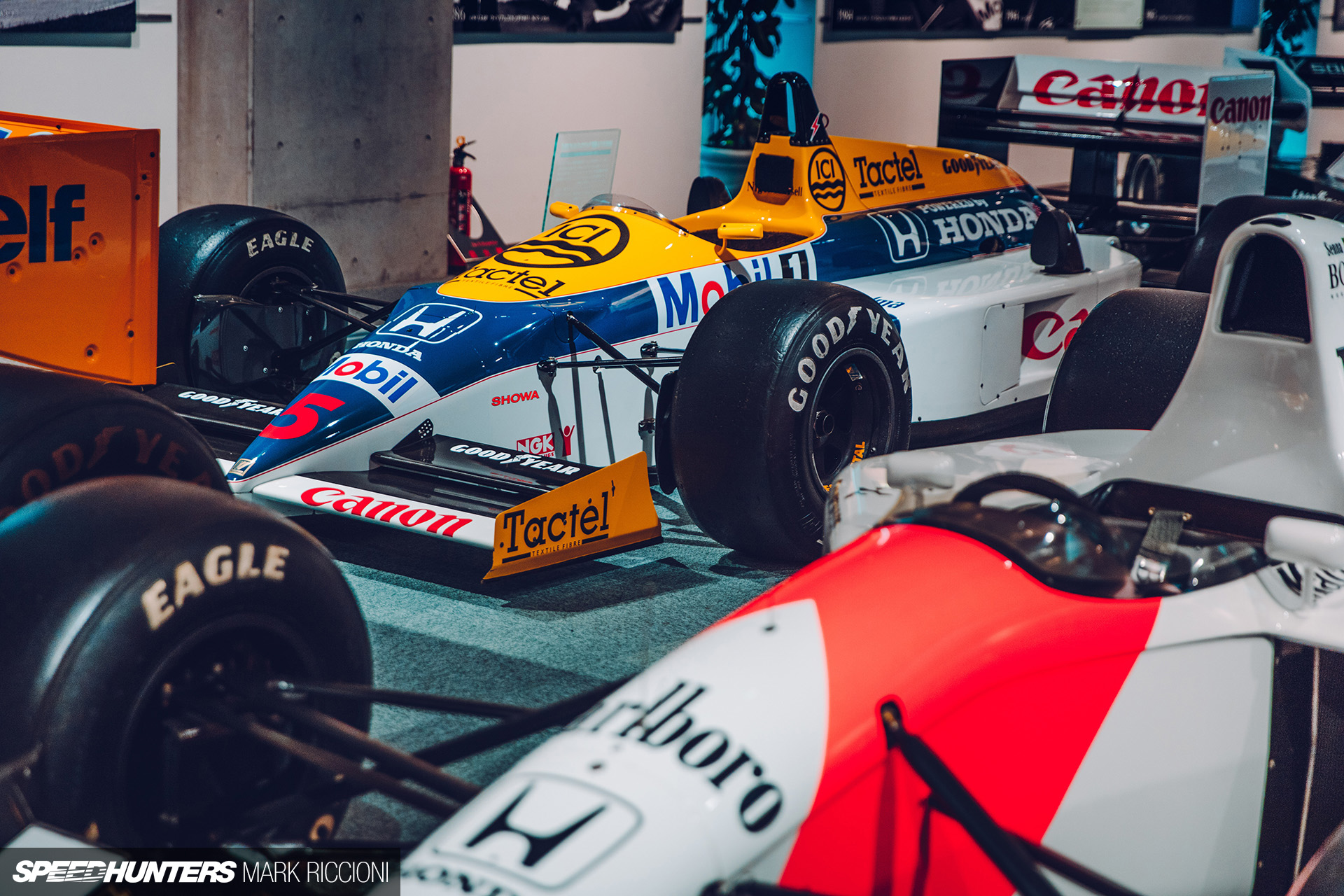
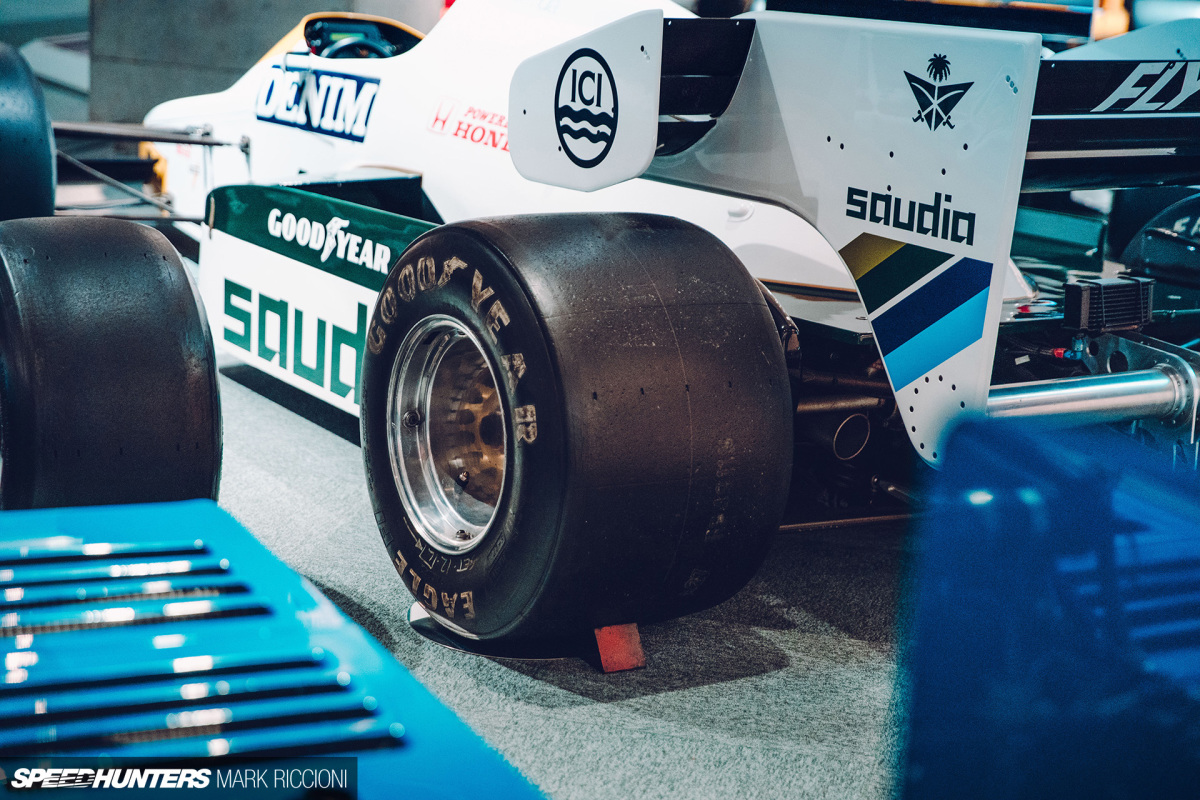
For many of us, Honda’s most iconic cars weren’t actually full factory efforts, but the Honda-powered Williams and McLarens that dominated the late ’80s and early ’90s.
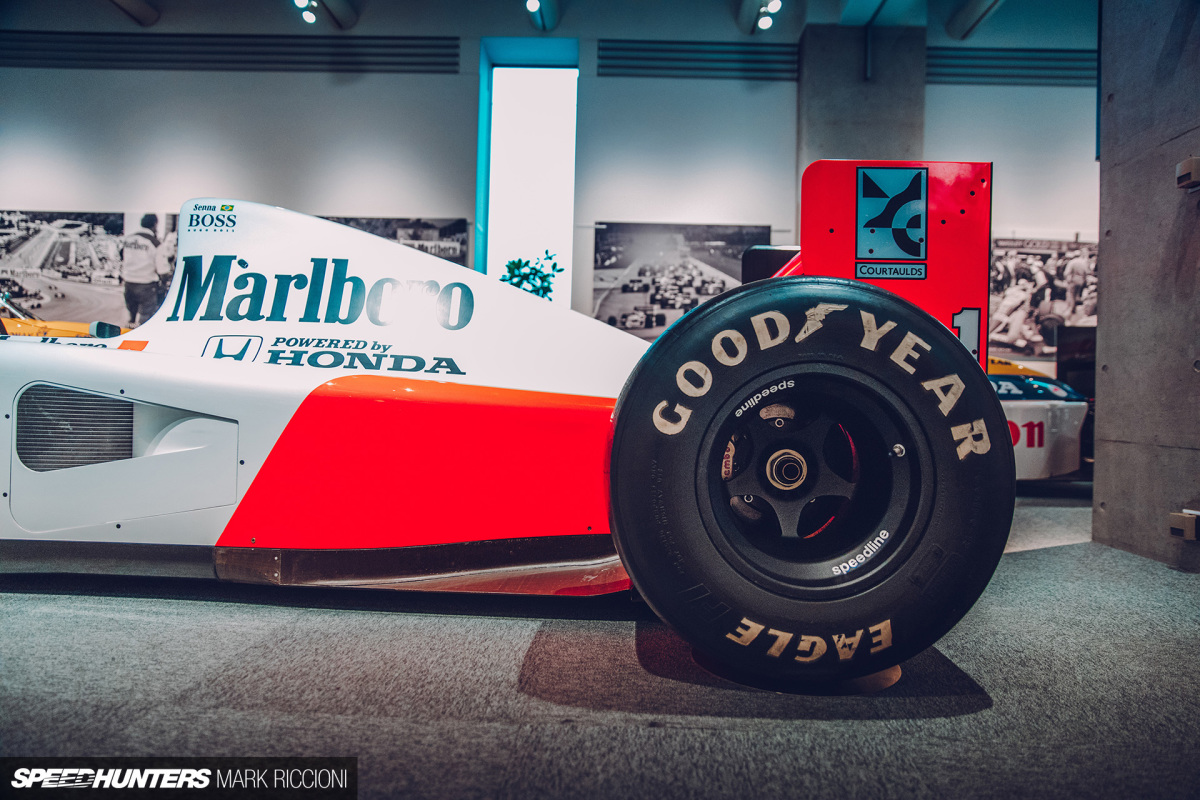
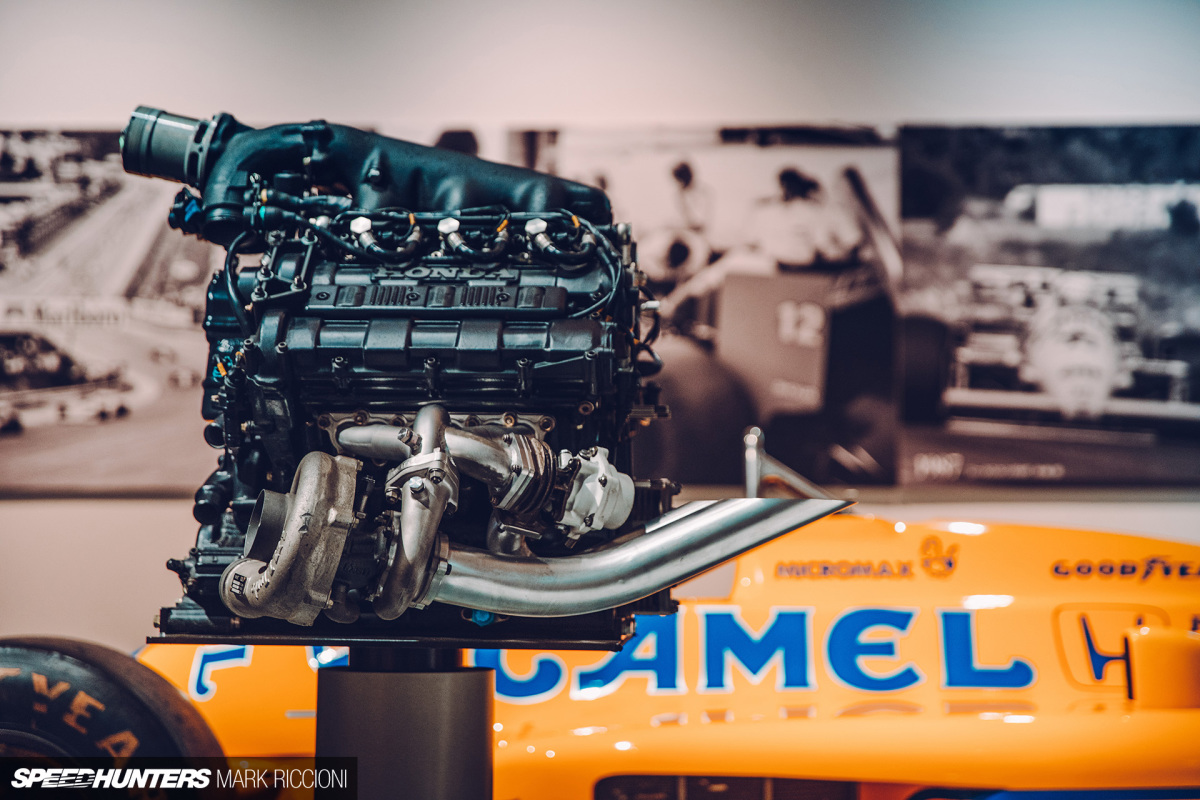
One can’t discount the talent of Mansell, Piquet, Senna or Prost, but the Honda’s reputation for engine performance and – just as importantly – reliability, made them the tool to win with – a reputation shared with the fantastic high-revving engines to be found in the CR-X, Civic and NSX of the era. That’s Honda Hallmark #1.
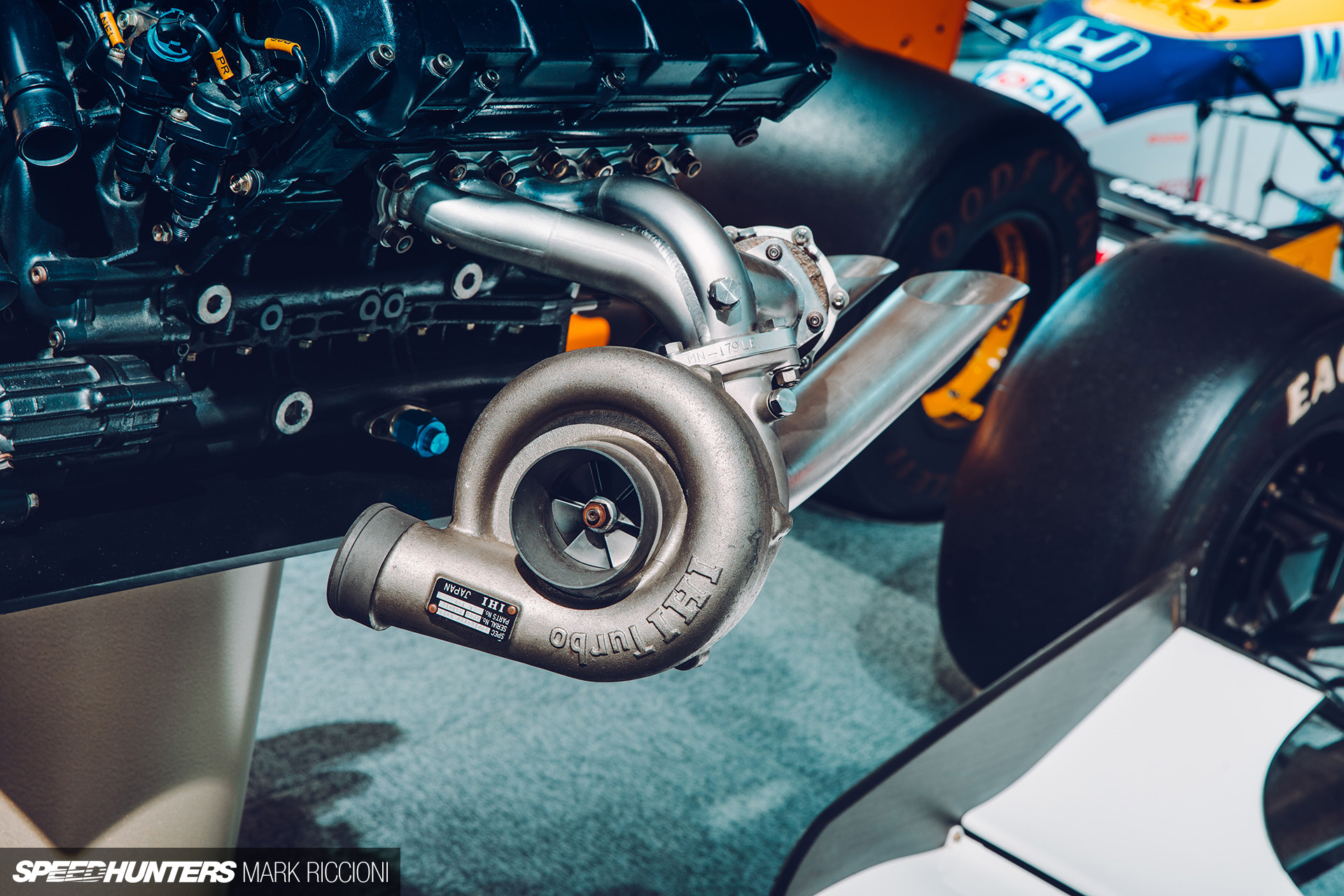
Considering just how successful these turbocharged engines were it’s a bit surprising that we didn’t see boost appear on more models than the very limited City Turbo of 1982 (which was actually released the year before Honda re-entered F1).
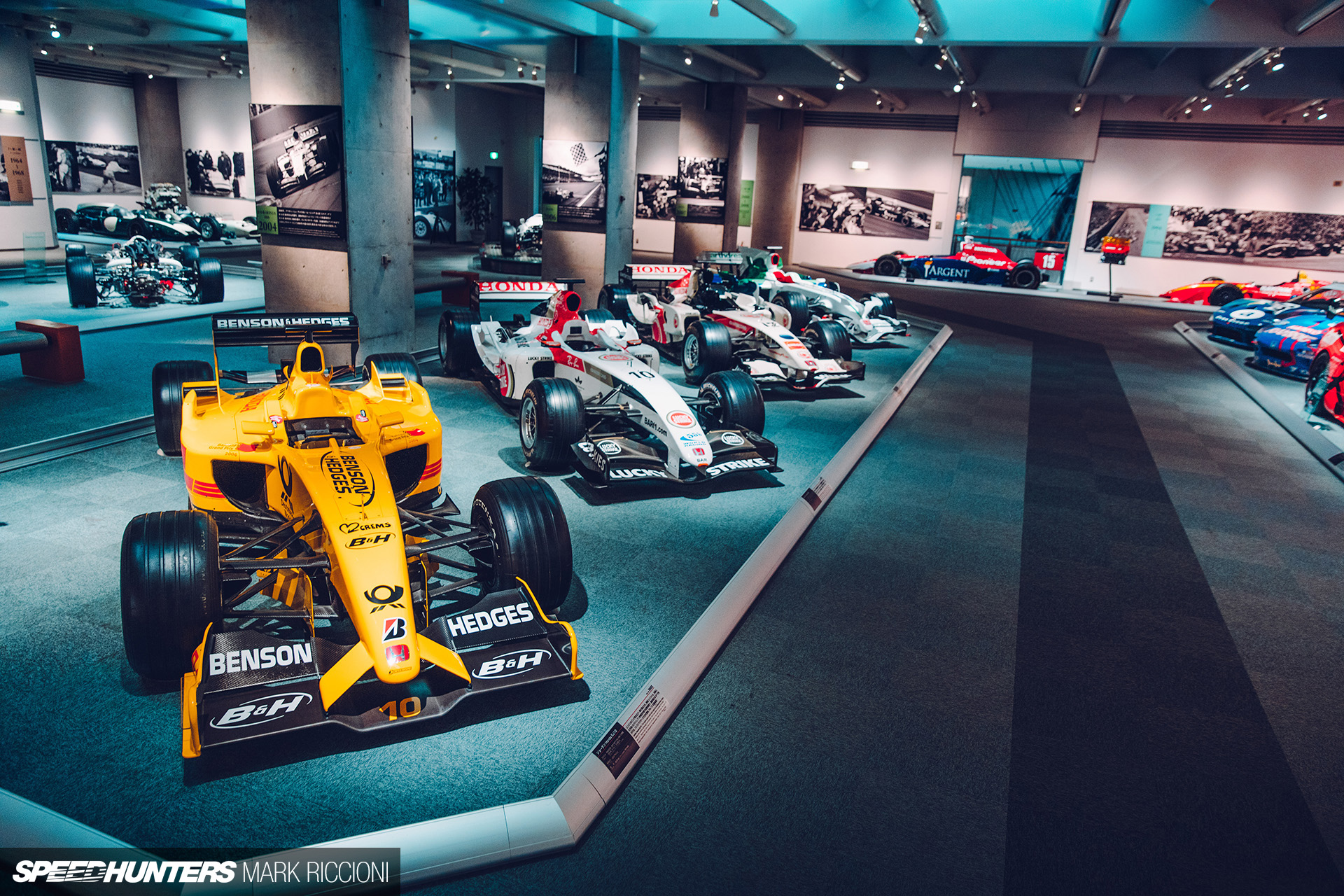
Bowing out in 1992 due to the bursting of Japan’s economic bubble, Honda was absent from Formula 1 until 2000 when they began supplying engines to – and eventually buying – the BAR team.
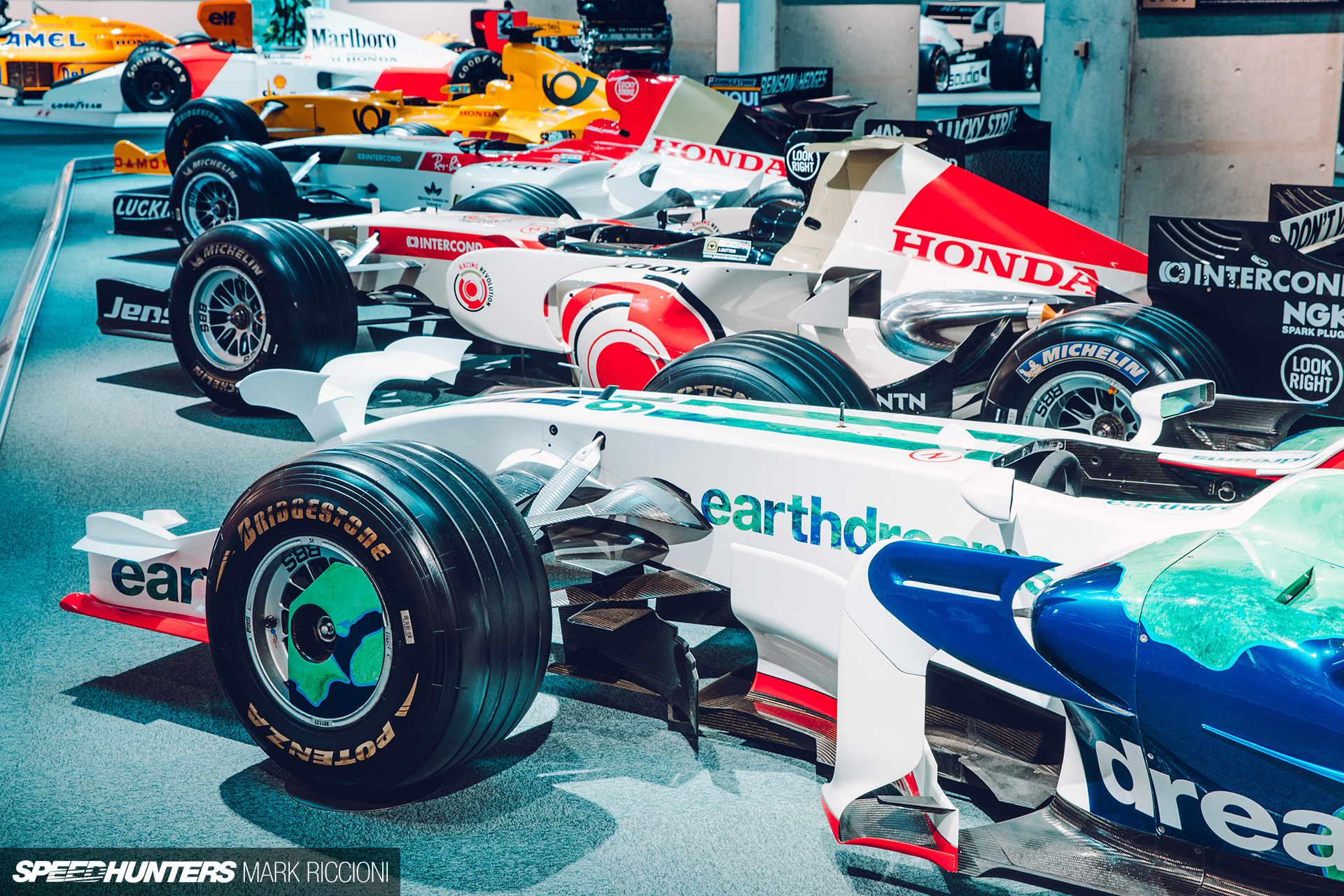
Again there were successes, but in 2008 another announcement: this time Honda’s exit was due to the global financial crisis. Painfully for Honda fans, the 2009 car – developed by Honda – took out the World Championship but without the Honda name anywhere to be seen – the glory went to Brawn GP.
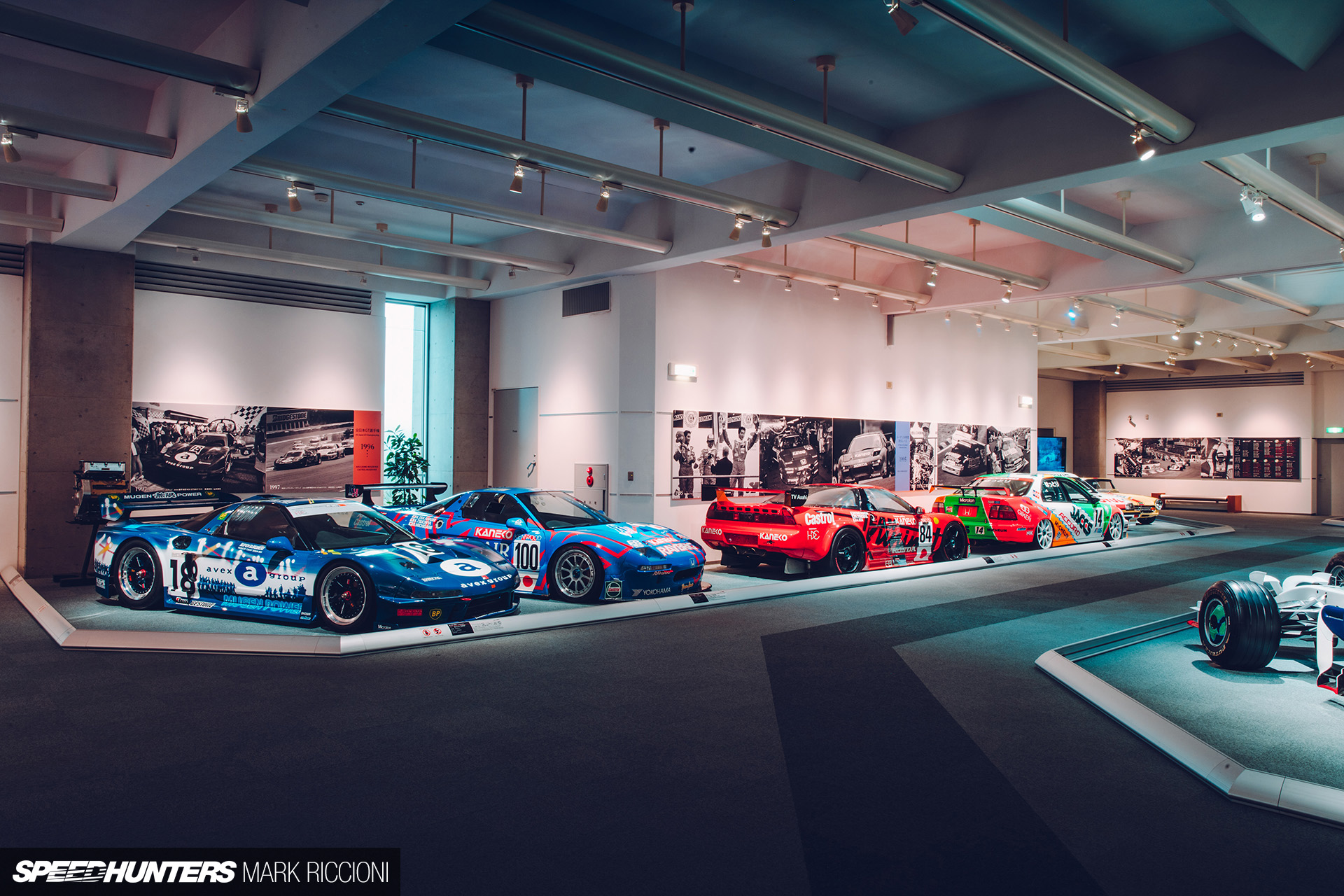
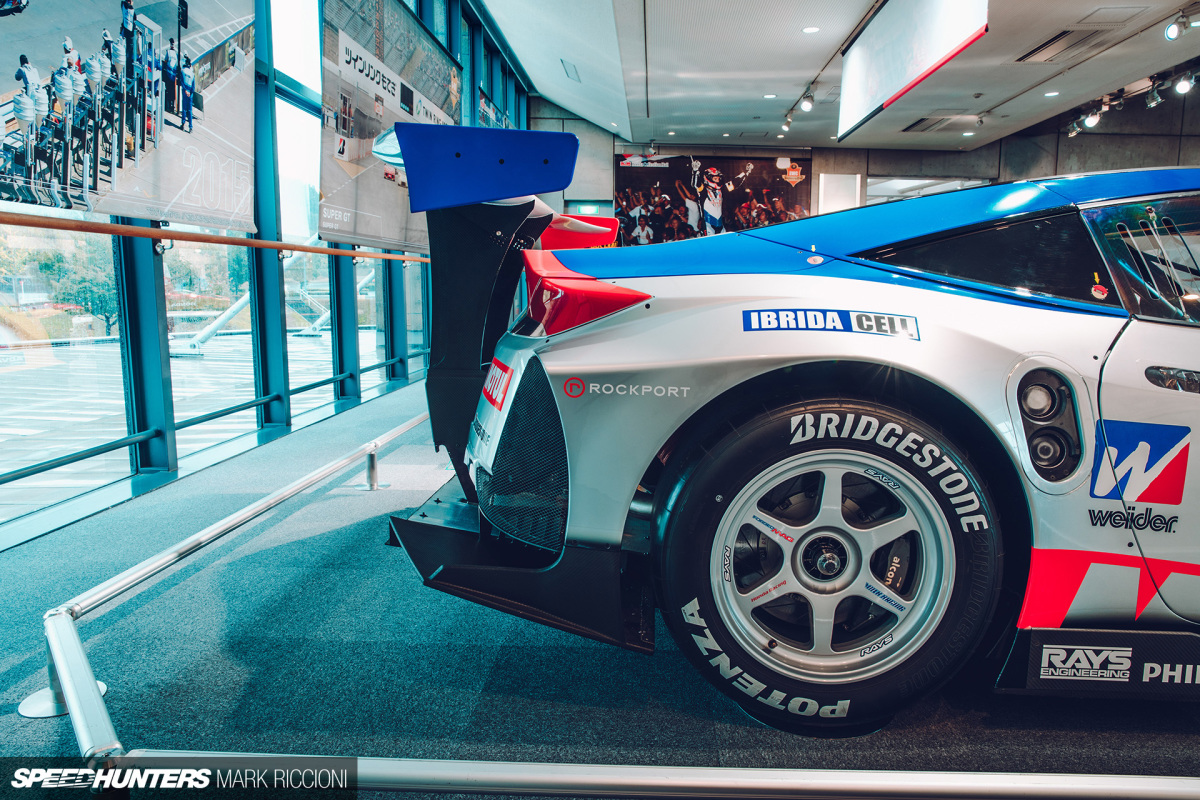
Although the F1 cars demand my immediate attention, it’s probably the touring cars that I spend most time with overall.
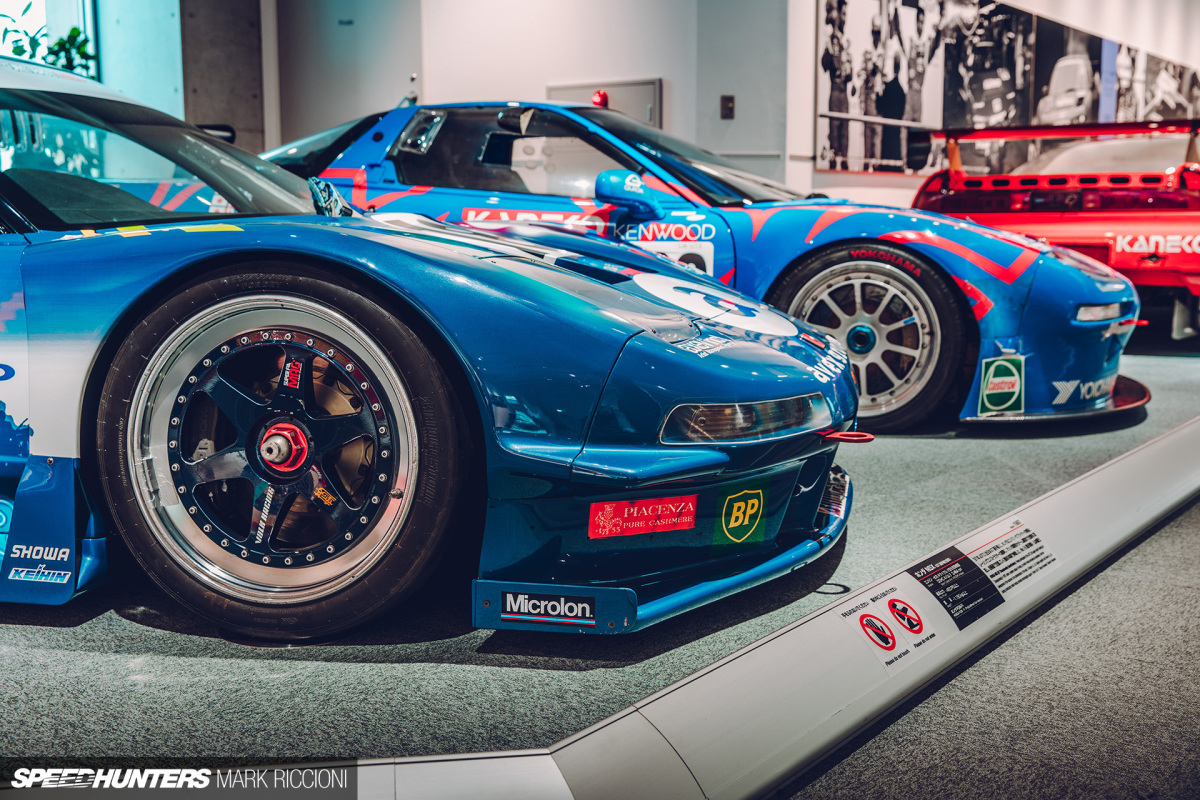
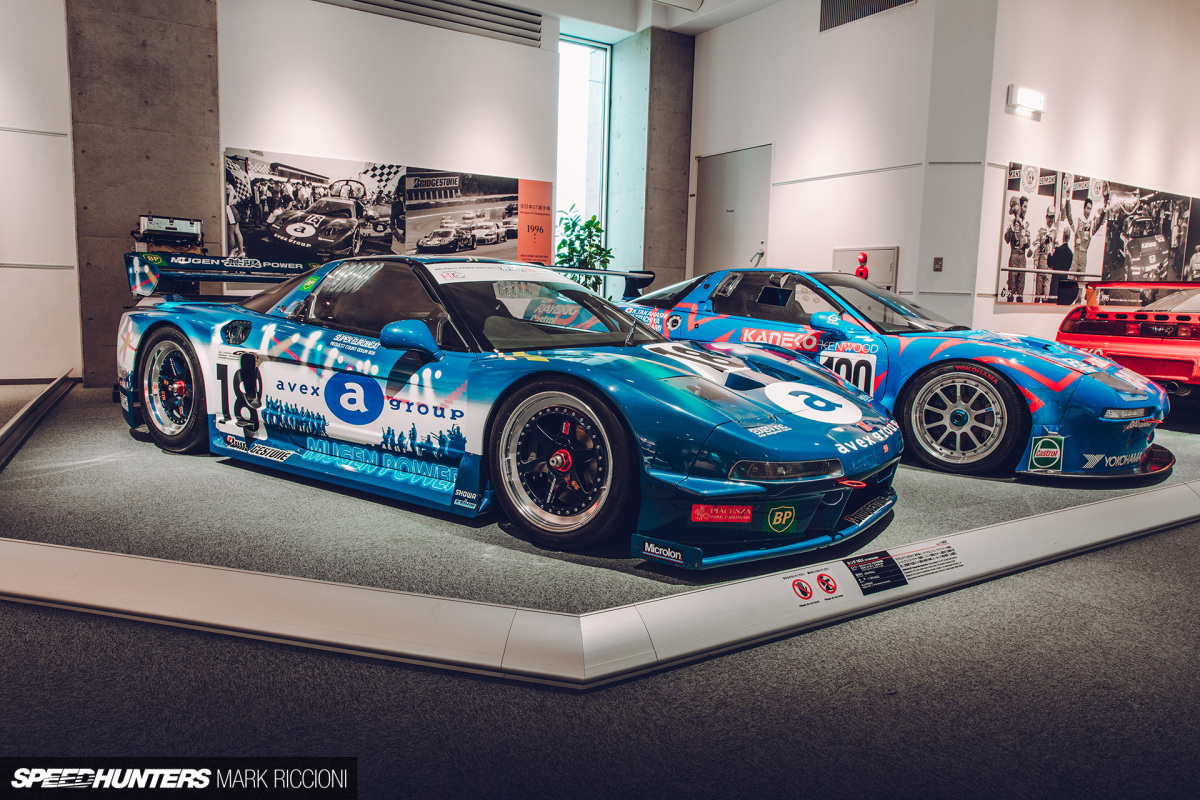
Of course it helps that this is where most of the NSX’s reside – including the Dome Mugen GT500 from 1997.
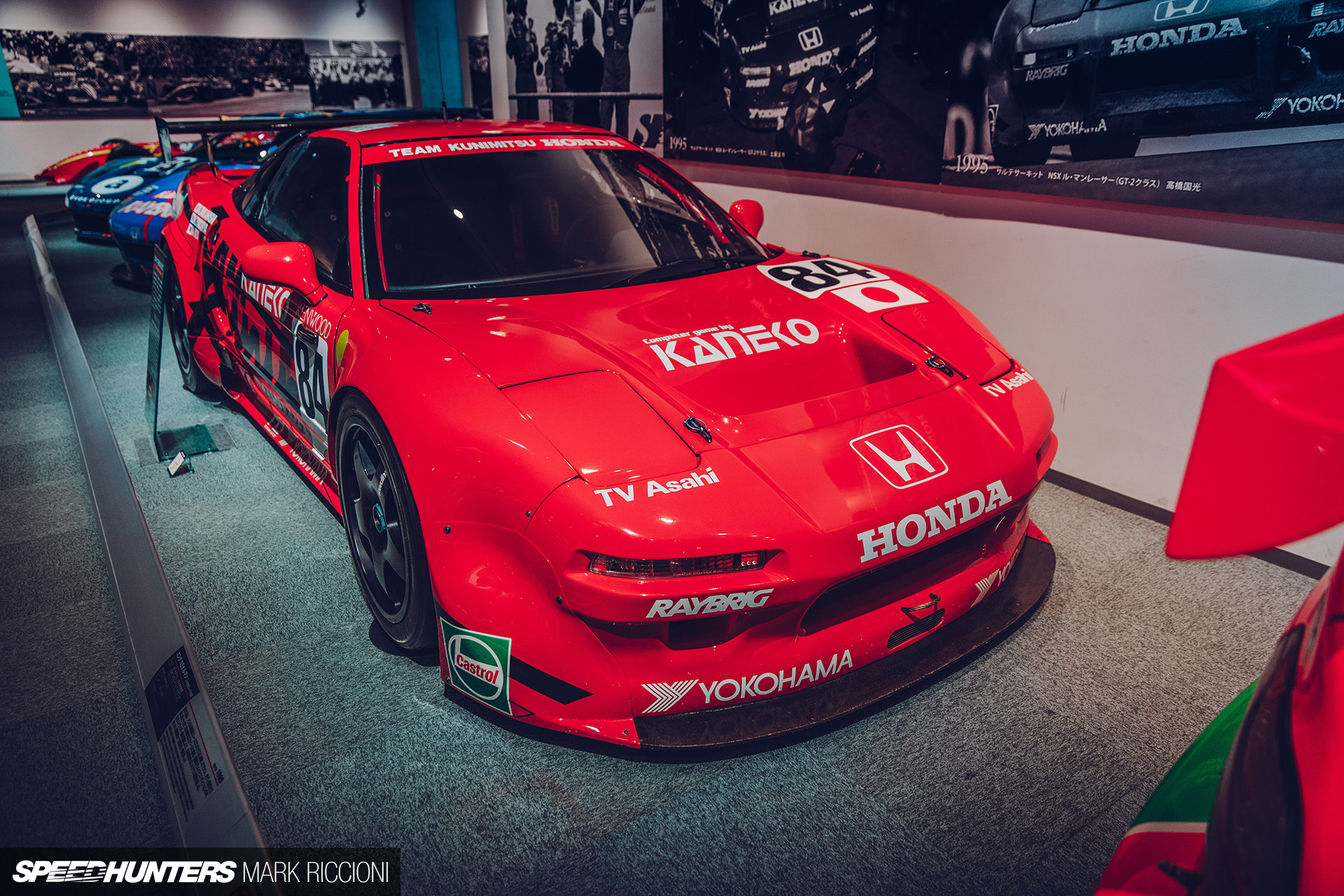
But my favourite – and probably the one car I’d take the keys to if given the chance – is the NSX that Honda sent to Le Mans in 1995. GT2 regulations mean that this is surprisingly similar to the road car – not some tube-framed, engine-swapped silhouette – and in many ways an inspiration for my own development of Project NSX.
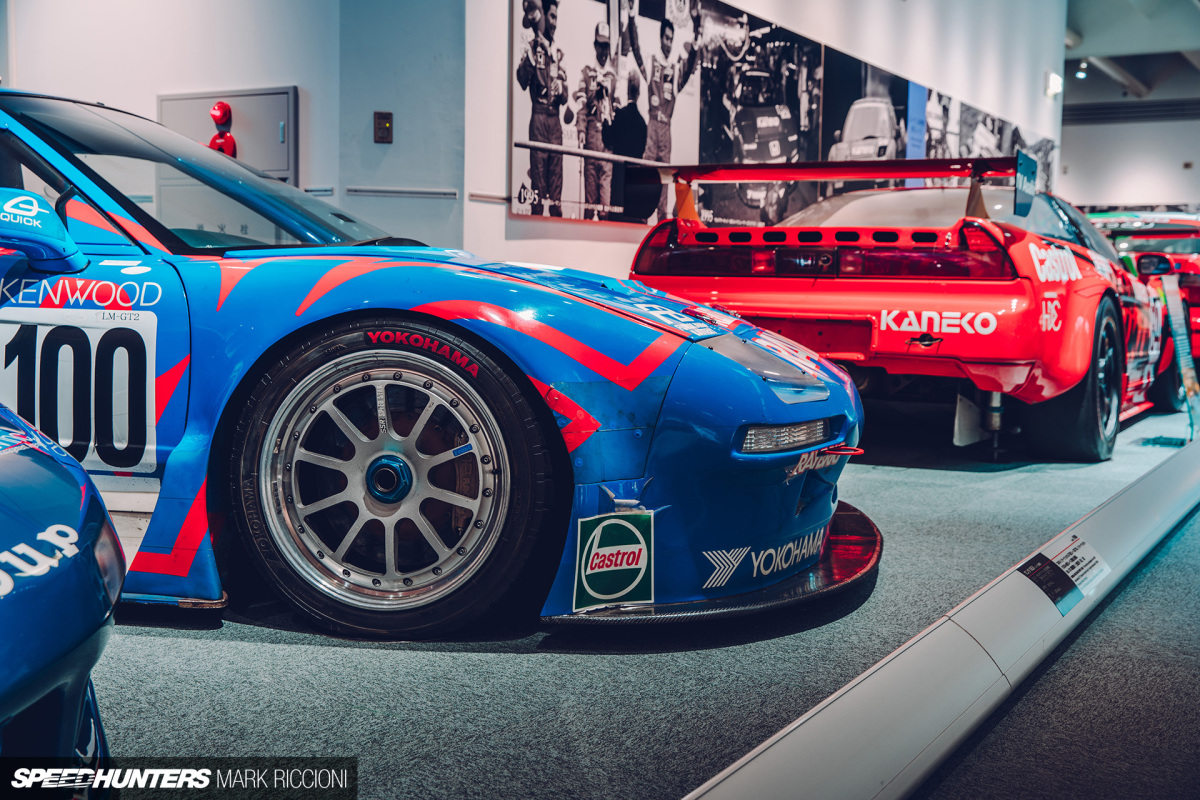
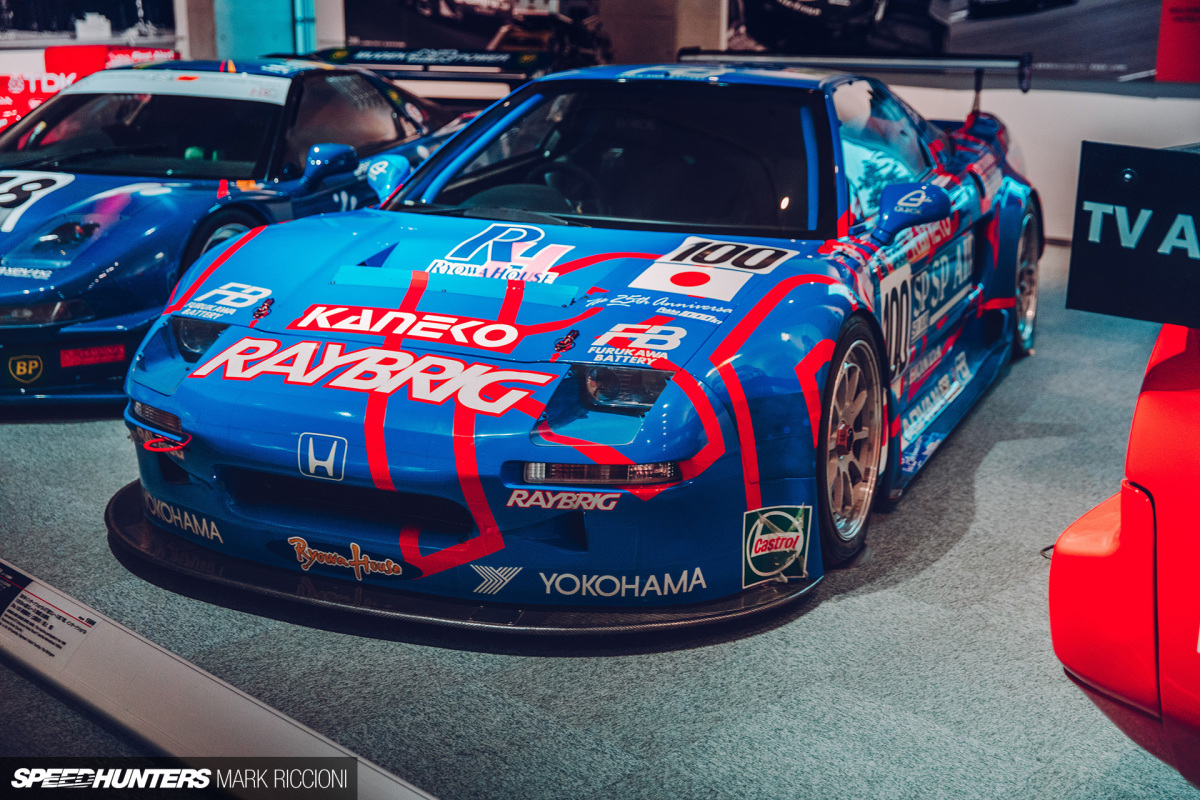
Honda went back in 1996 but couldn’t best the Porsche GT2s, having to be content with the third step of the podium.
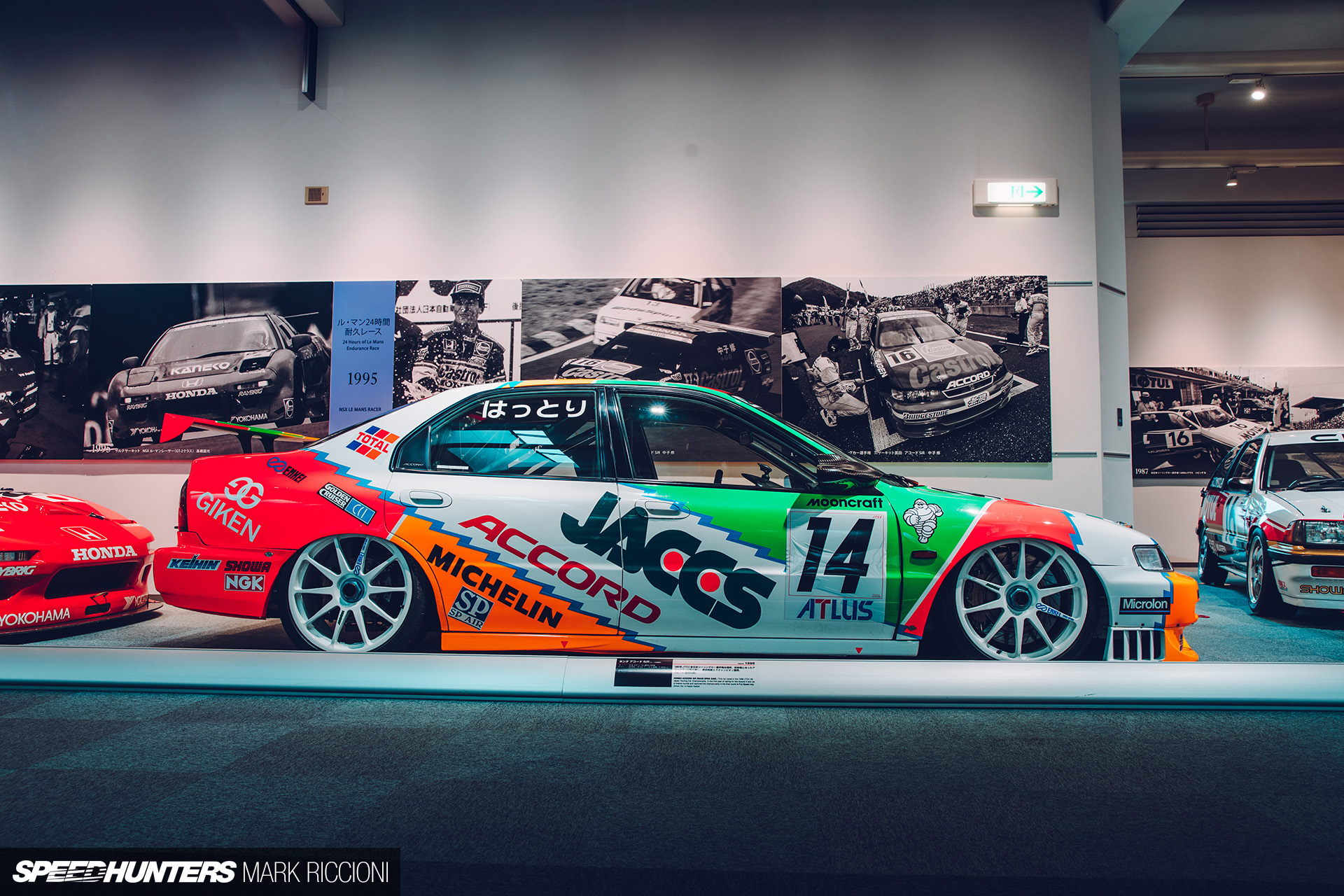
Leaving the trio of NSXs behind, your eyes are immediately captured by the iconic JACCS livery-clad Accord as driven by Naoki Hattori.
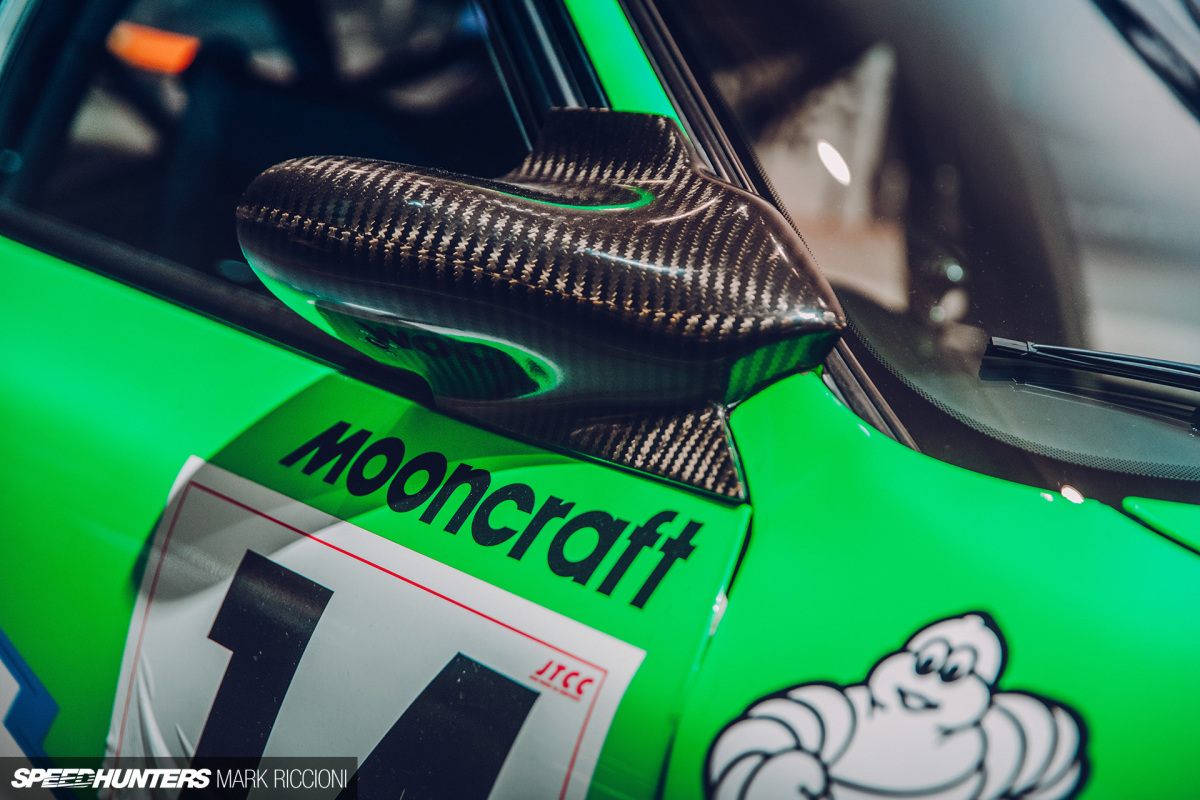
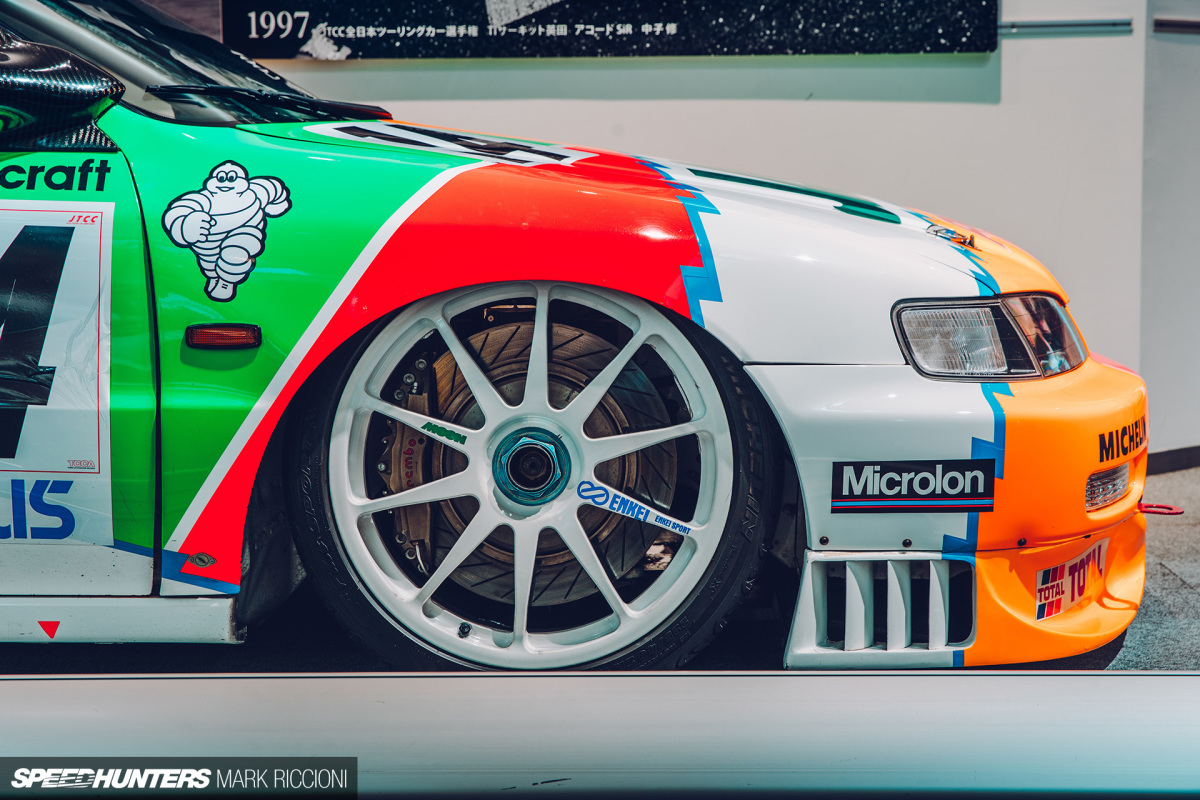
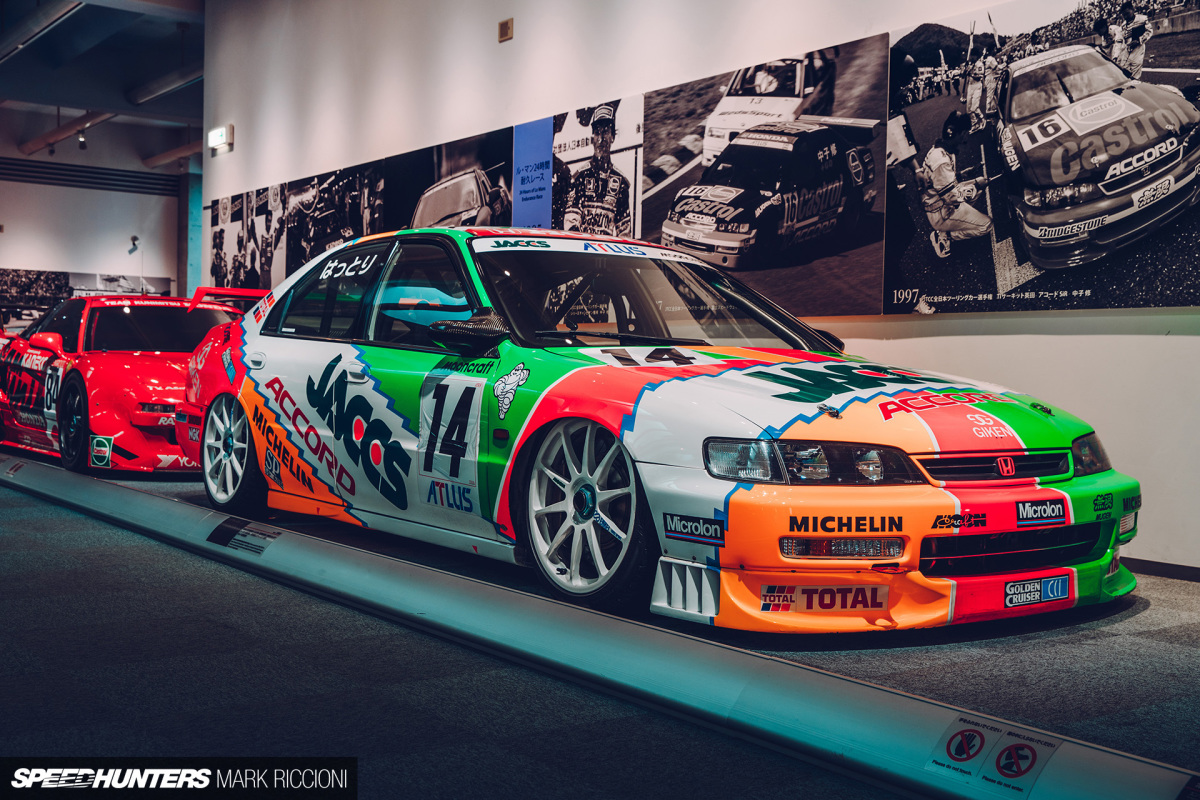
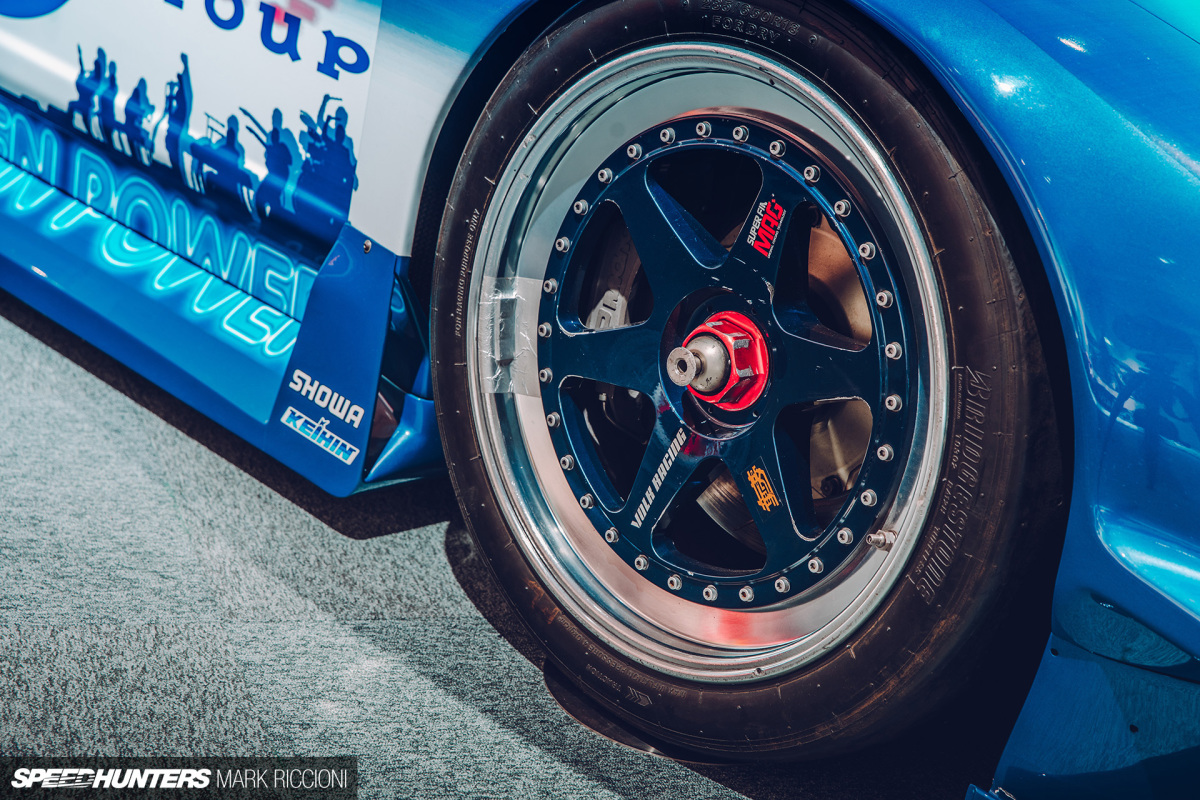
Inspecting the details that differentiate these battle machines from their road-car siblings is endlessly entertaining, and always gets me thinking about how I could cook up a rim-tucking replica at home.
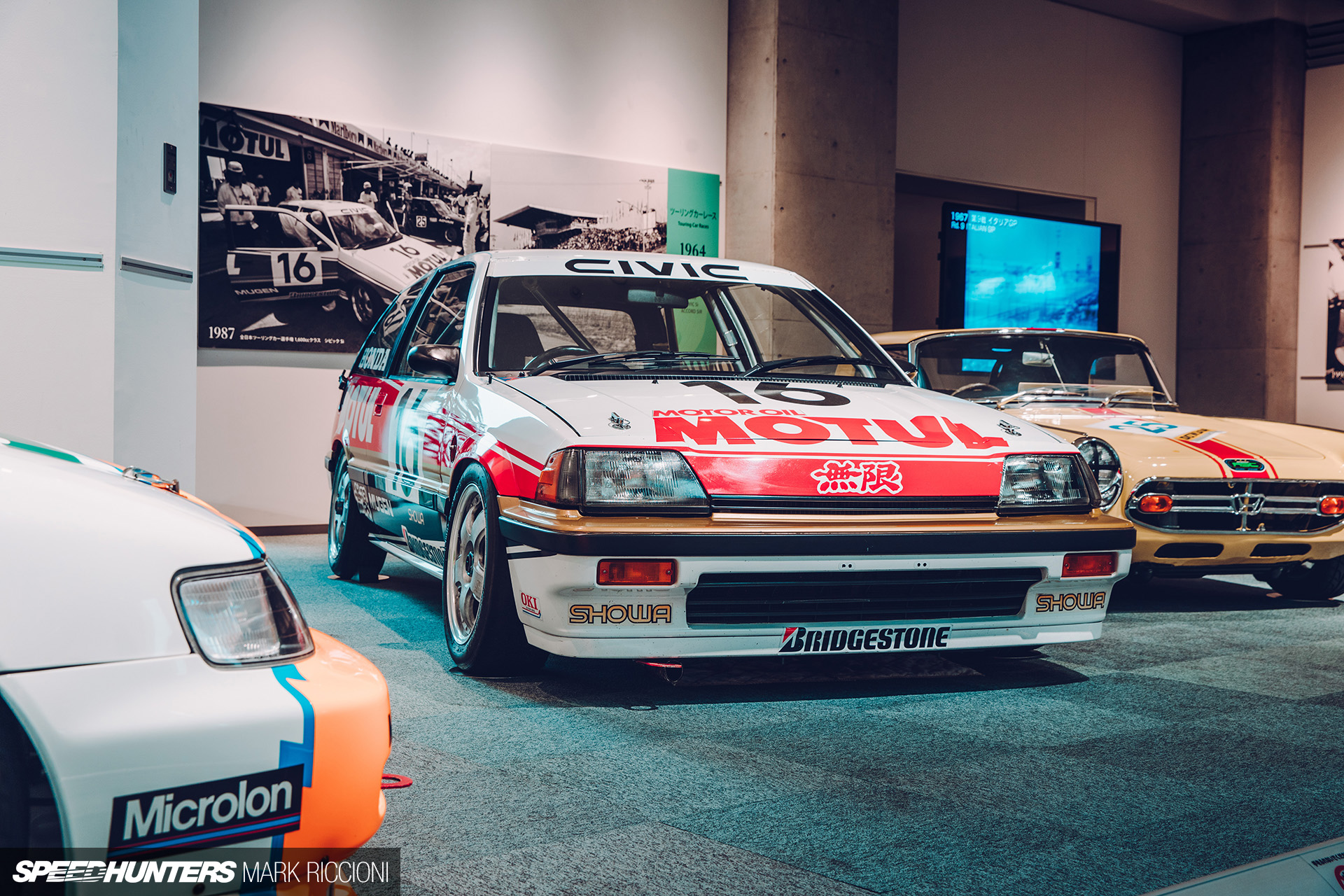
The Motul Mugen Civic was perhaps the starting point of the modern Honda ‘sports compact’ spirit, which is surely the first thing that comes to mind for most enthusiasts when they think of Honda performance. The ZC engine in this car featured DOHC and hollow camshaft technology straight from the F1 engines, but preceded the introduction of VTEC.
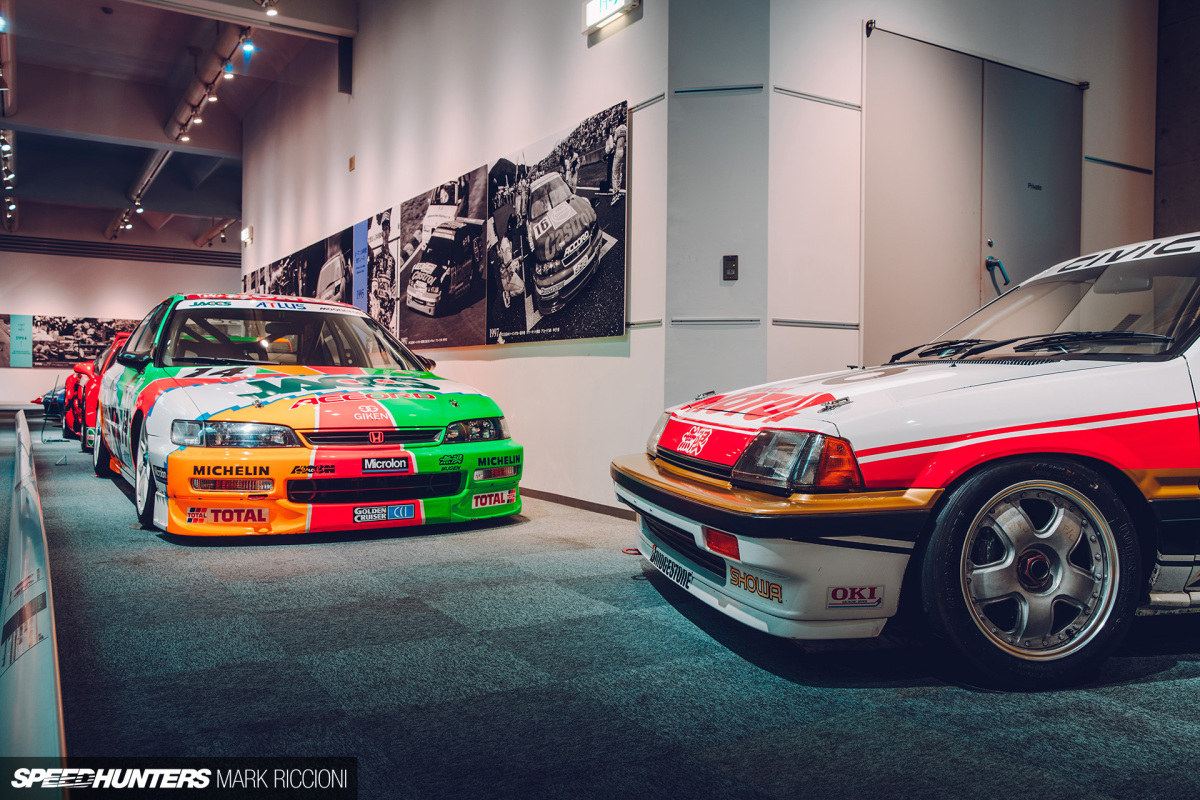
Both cars are of course front-wheel drive, which brings us to Honda Hallmark #2 – making the most of the two front wheels.
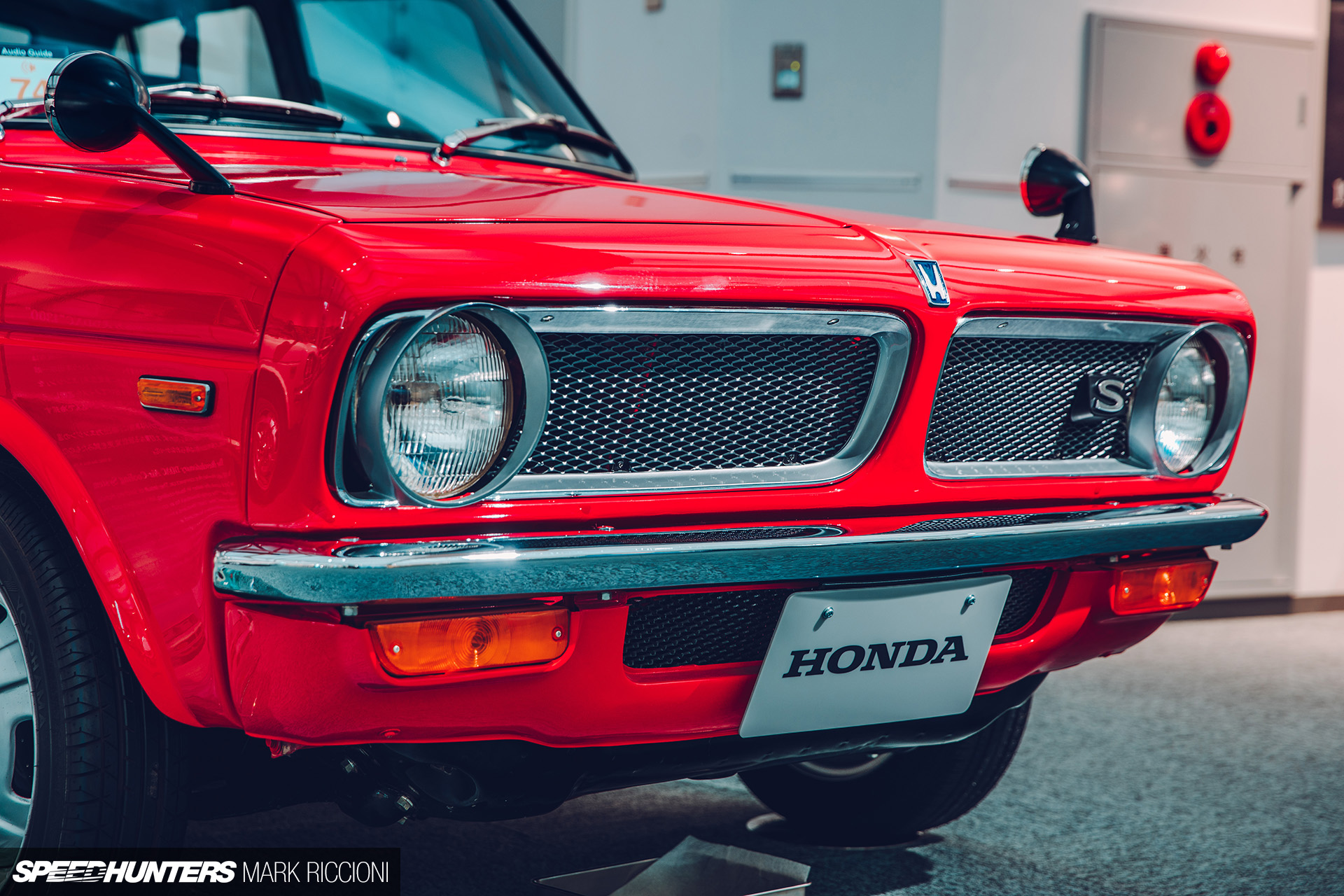
Now is a great time to transition from race track to road in the Collection Hall.
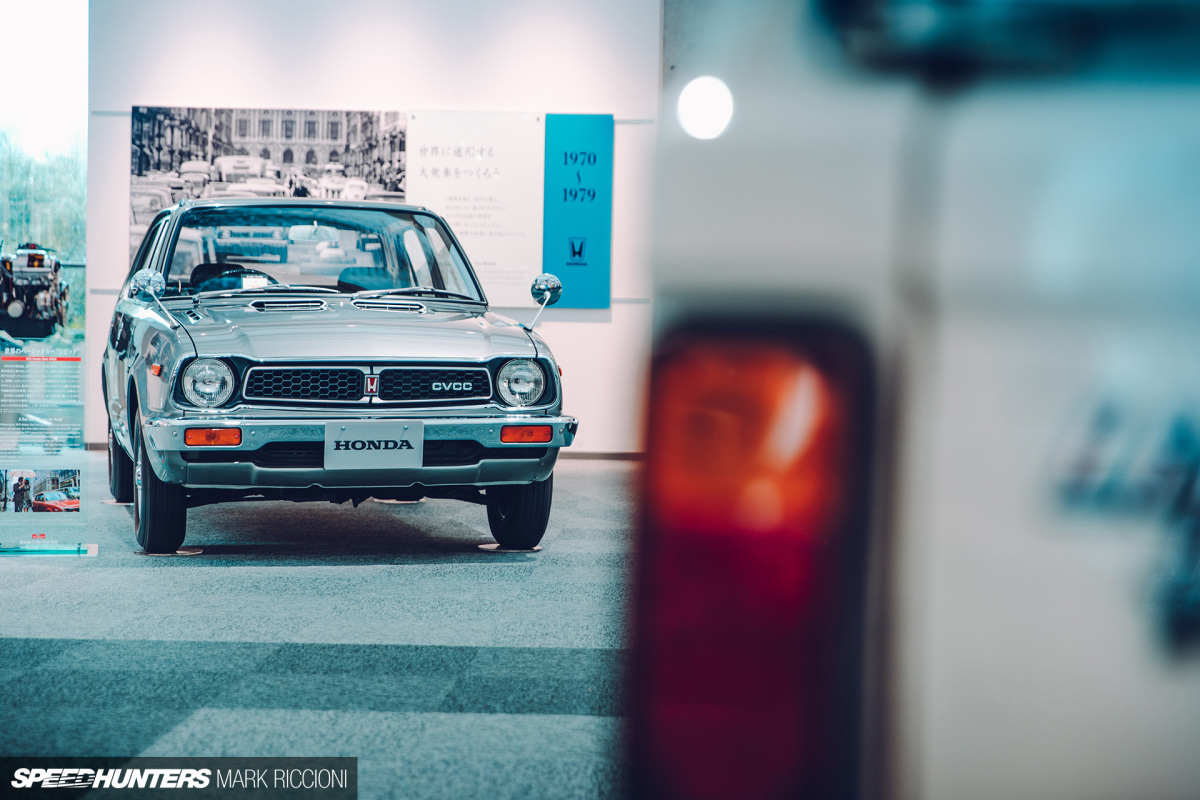
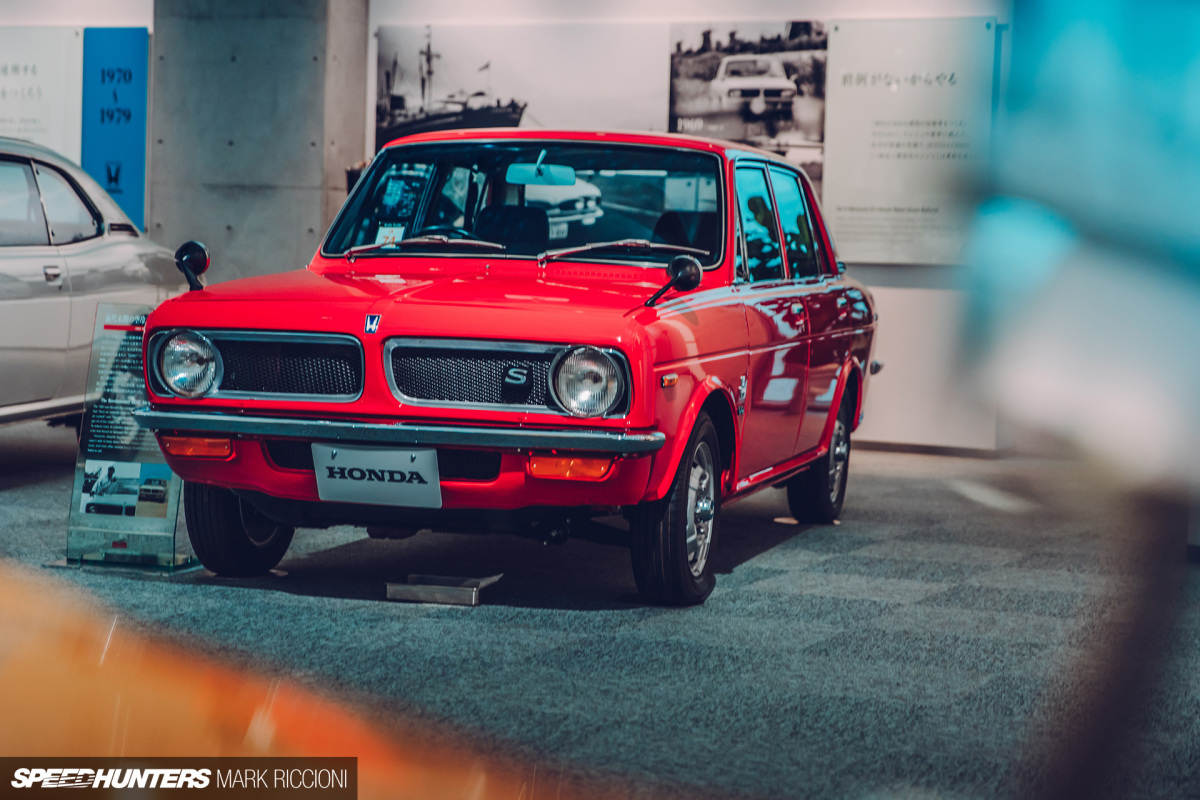
Front-wheel drive is primarily appealing to manufacturers due to the cost and simplicity of the drivetrain, meaning cheaper cars and servicing for the end consumer.
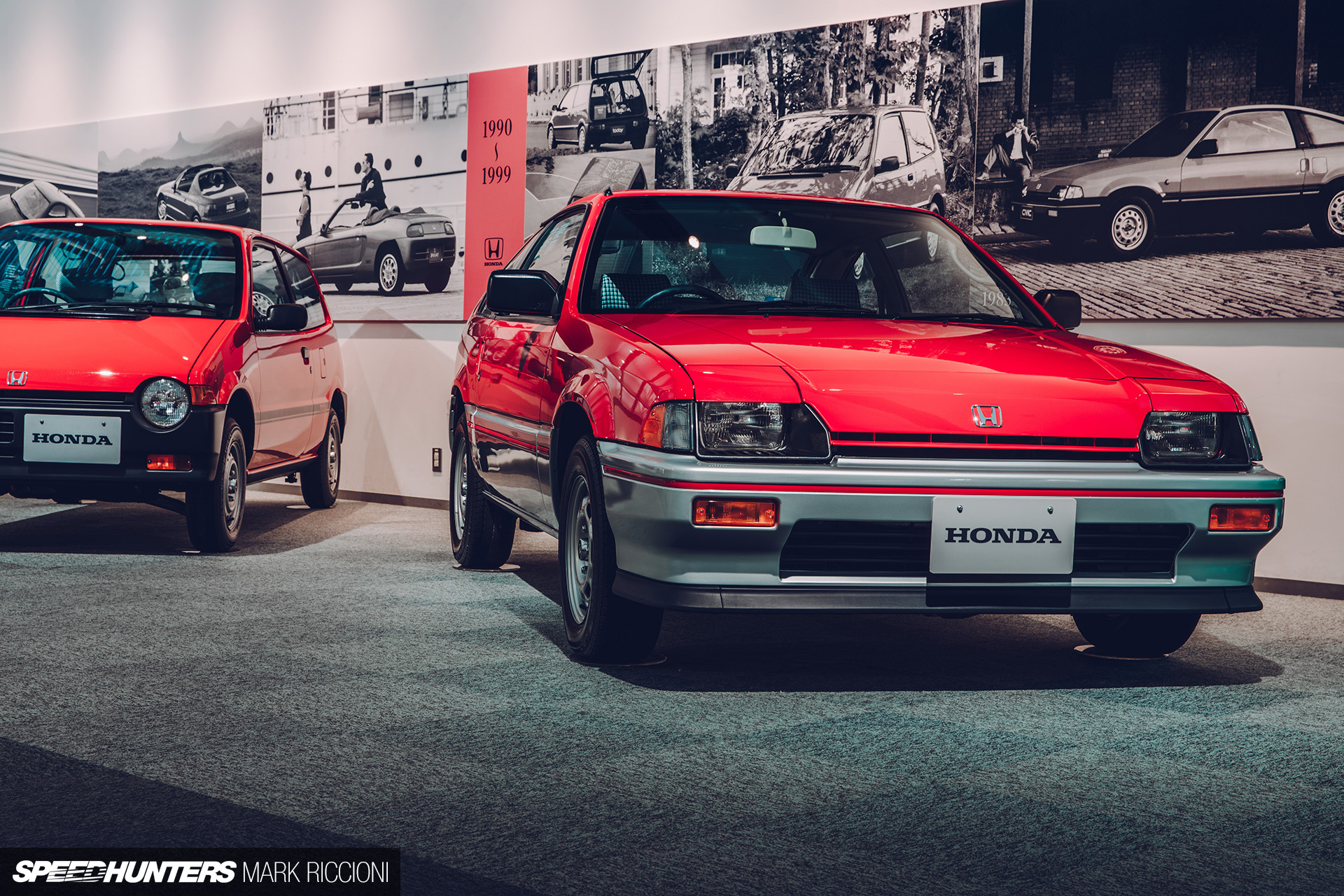
Most brands would put the minimum effort into tuning the driving characteristics of their economy FWD models, and as a result the configuration earned a reputation for being lame and unsporting compared to a rear-wheel drive equivalent.
I think the original Mini has to be acknowledged for being the first to show FWD and fun could coexist, but Honda definitely took the baton and ran with it.
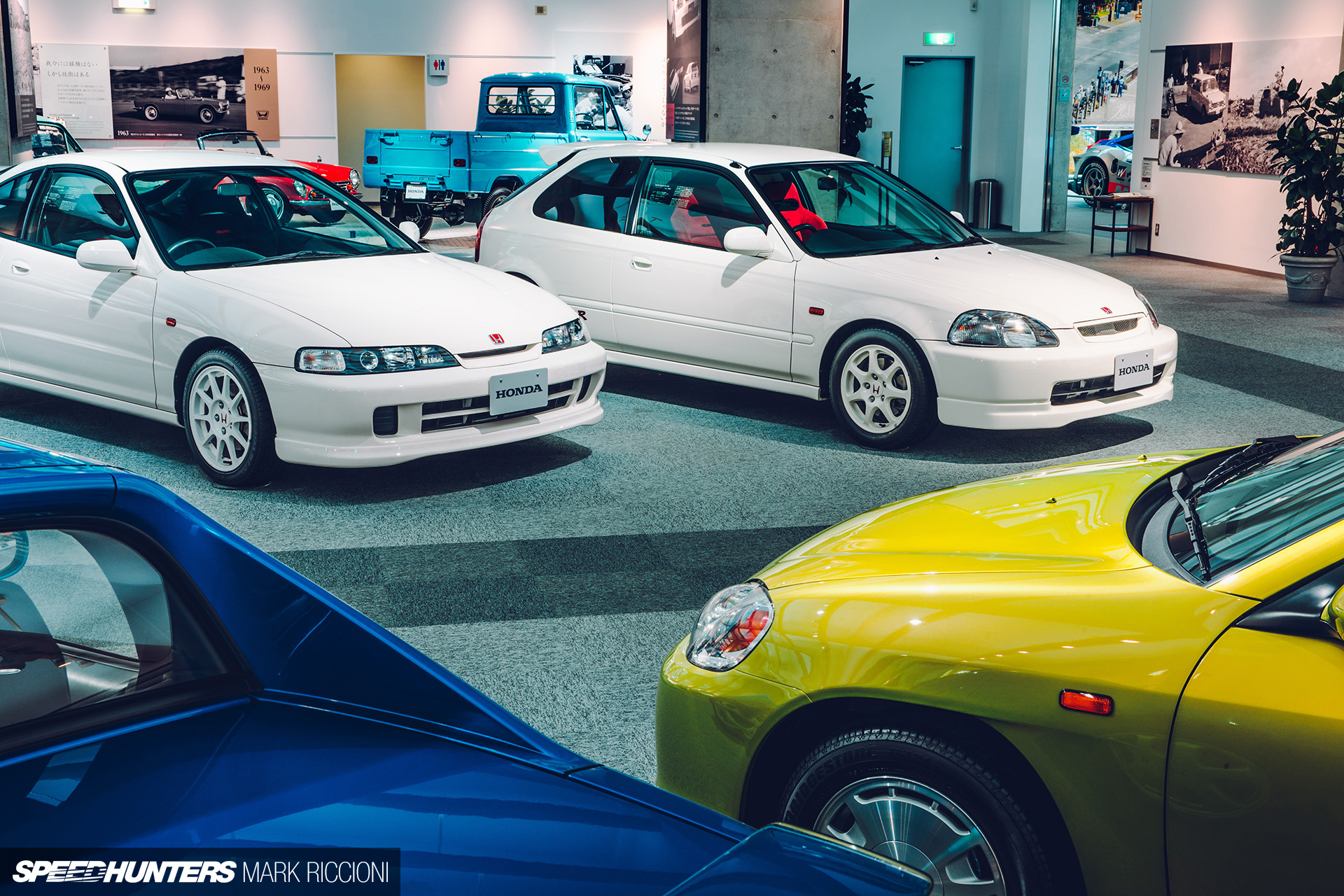
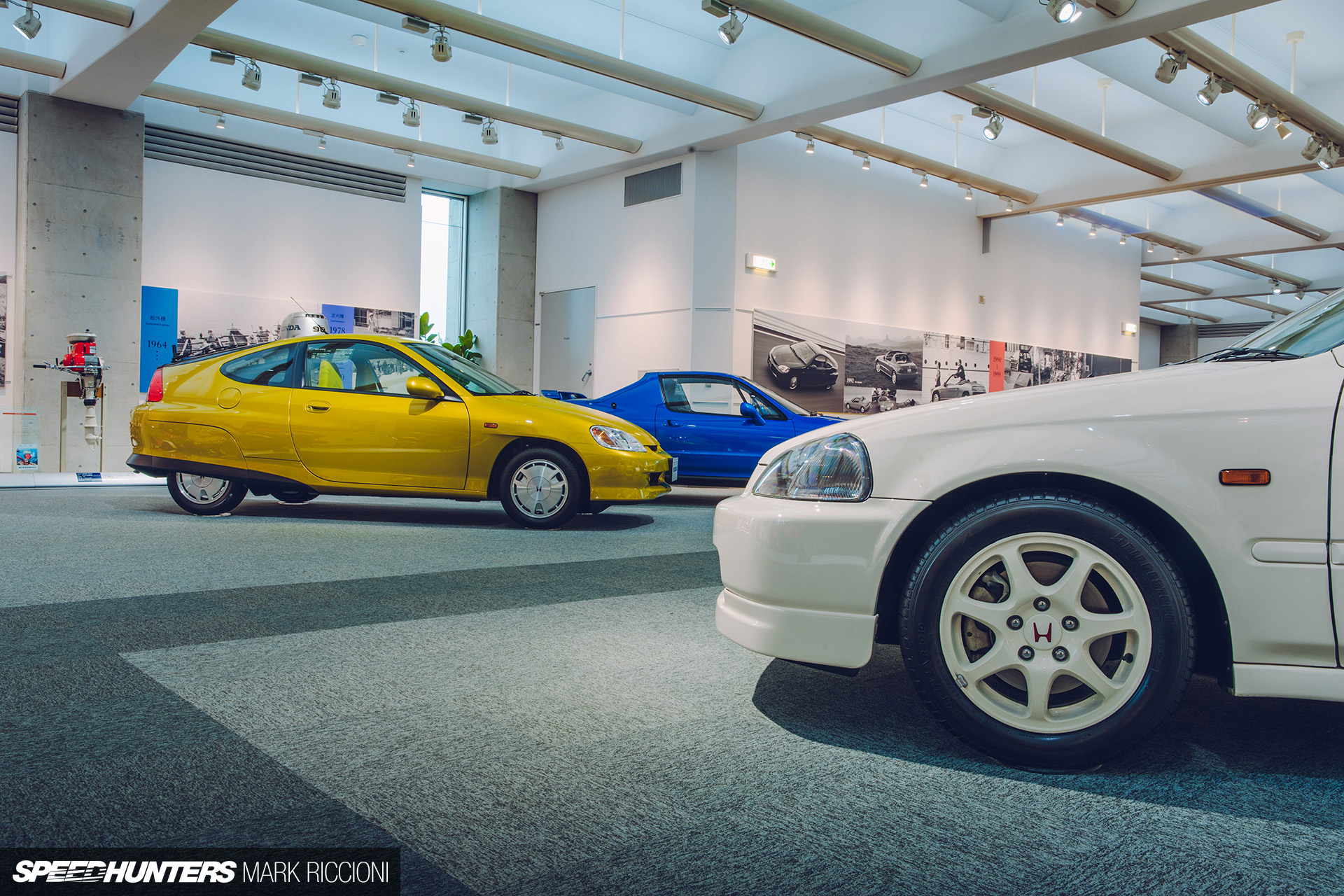
The DC2 Integra Type R is probably the ultimate expression of this. It’s still referenced today as a benchmark of front-wheel drive handling, able to offer a level of balance and engagement equal to or greater than more typical FR (front engine, rear drive) or RR (rear engine, rear drive) layouts.
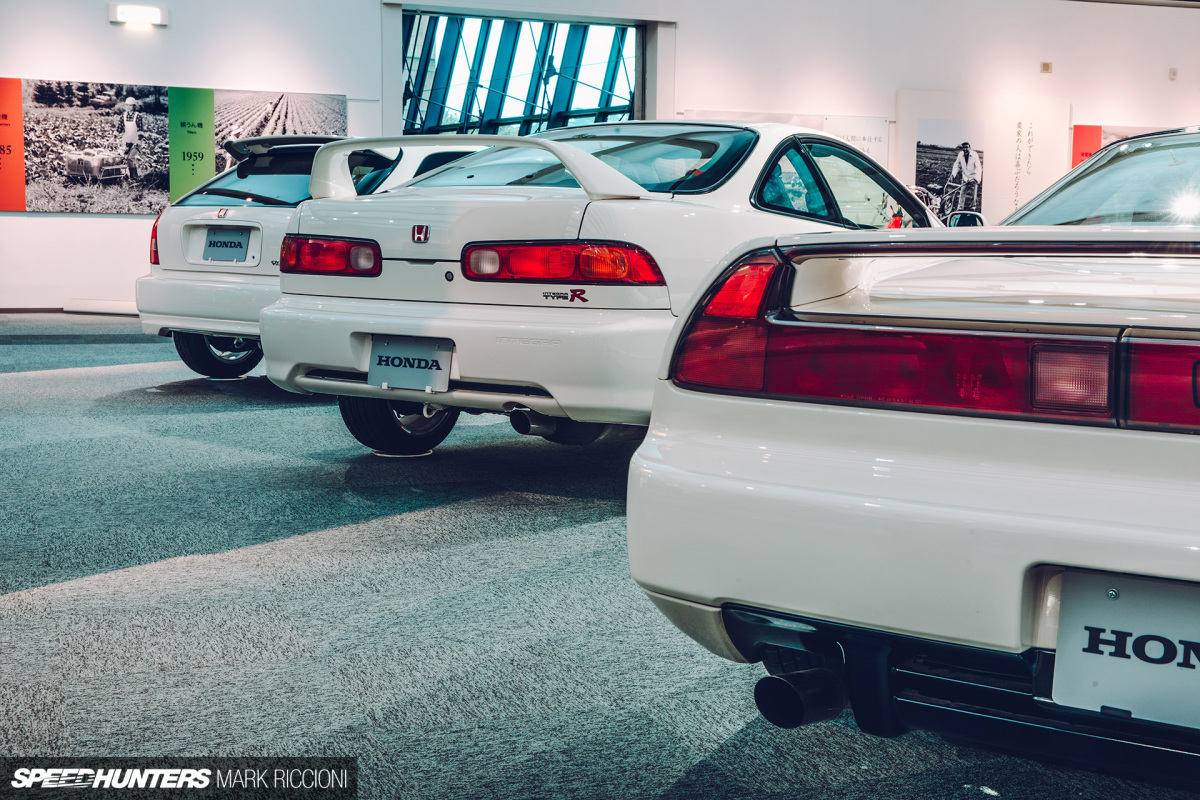
The double-wishbone suspension at each corner had much to do with the ITR’s stellar on-limit performance, but most impressive to me is that the same suspension underpinnings could be found in even a base Civic. Honda was not prepared to accept any less than the best.
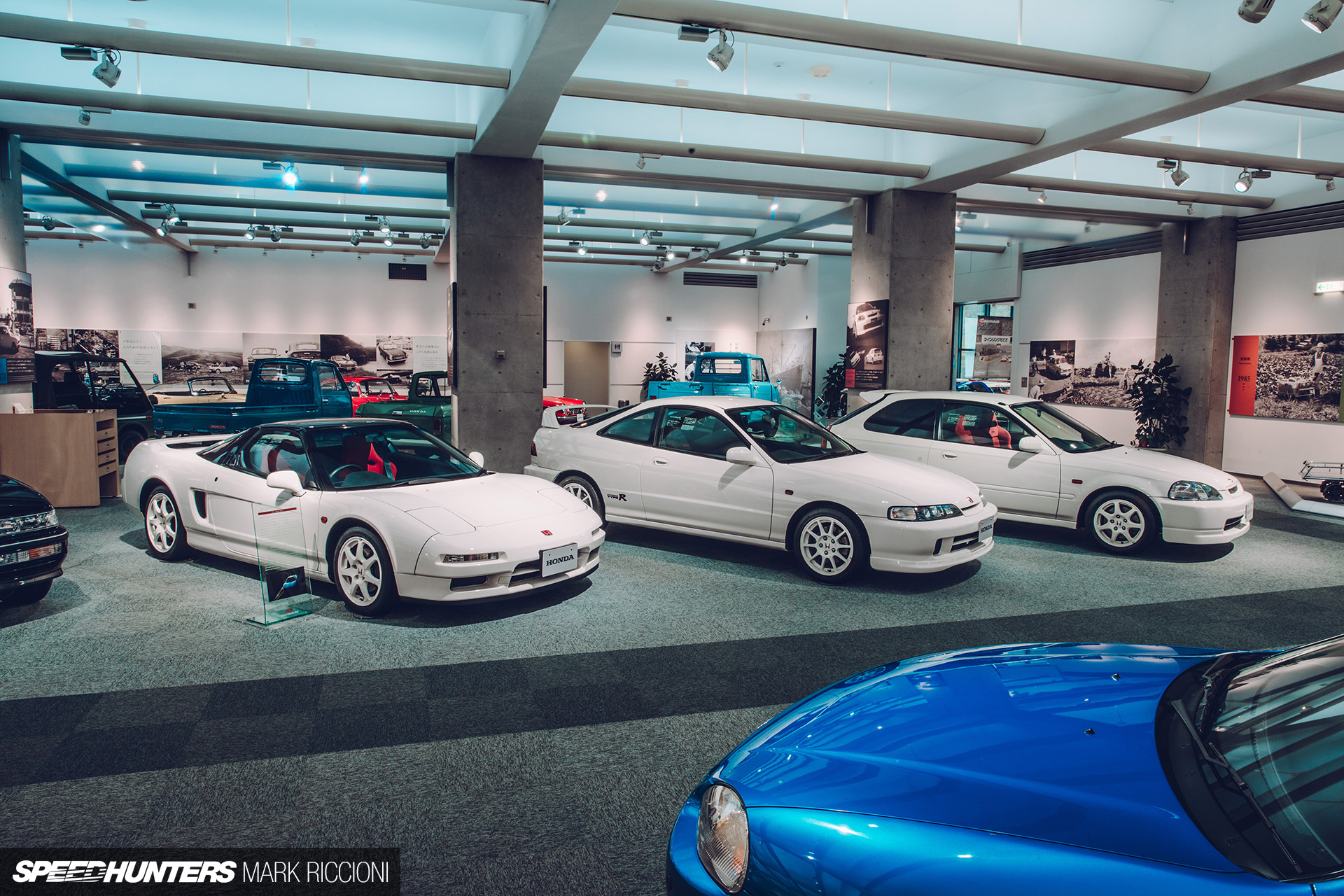
Honda’s Type R range – stripped out and finessed to cater to owners looking for the ultimate track toy – needs no introduction. Although these cars are rightly well recognised, I still don’t think the sheer number of tiny differences which seperate them from the ‘regular’ versions are appreciated – something I’ve started to realise as I tweak my own NSX for track performance.
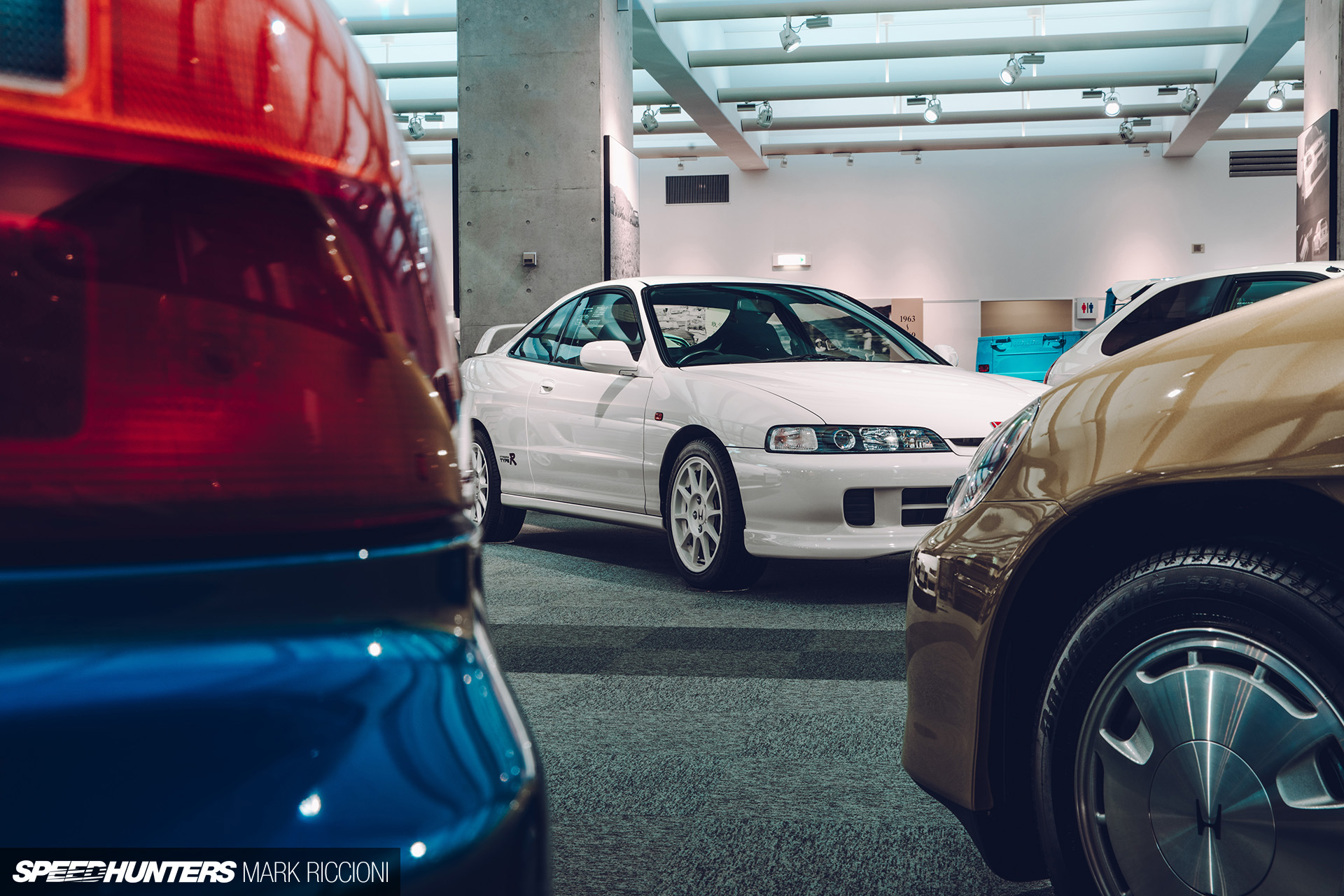
Yes, they may be the darlings of collectors now, but these cars were built to be thrashed, and I’m glad that most owners have done exactly that. The horsepower-per-litre figures for these small-capacity sports cars are still untouched 20-plus years on by most ‘mainstream’ manufacturers – only Ferrari, Porsche and the like need apply to join this club.
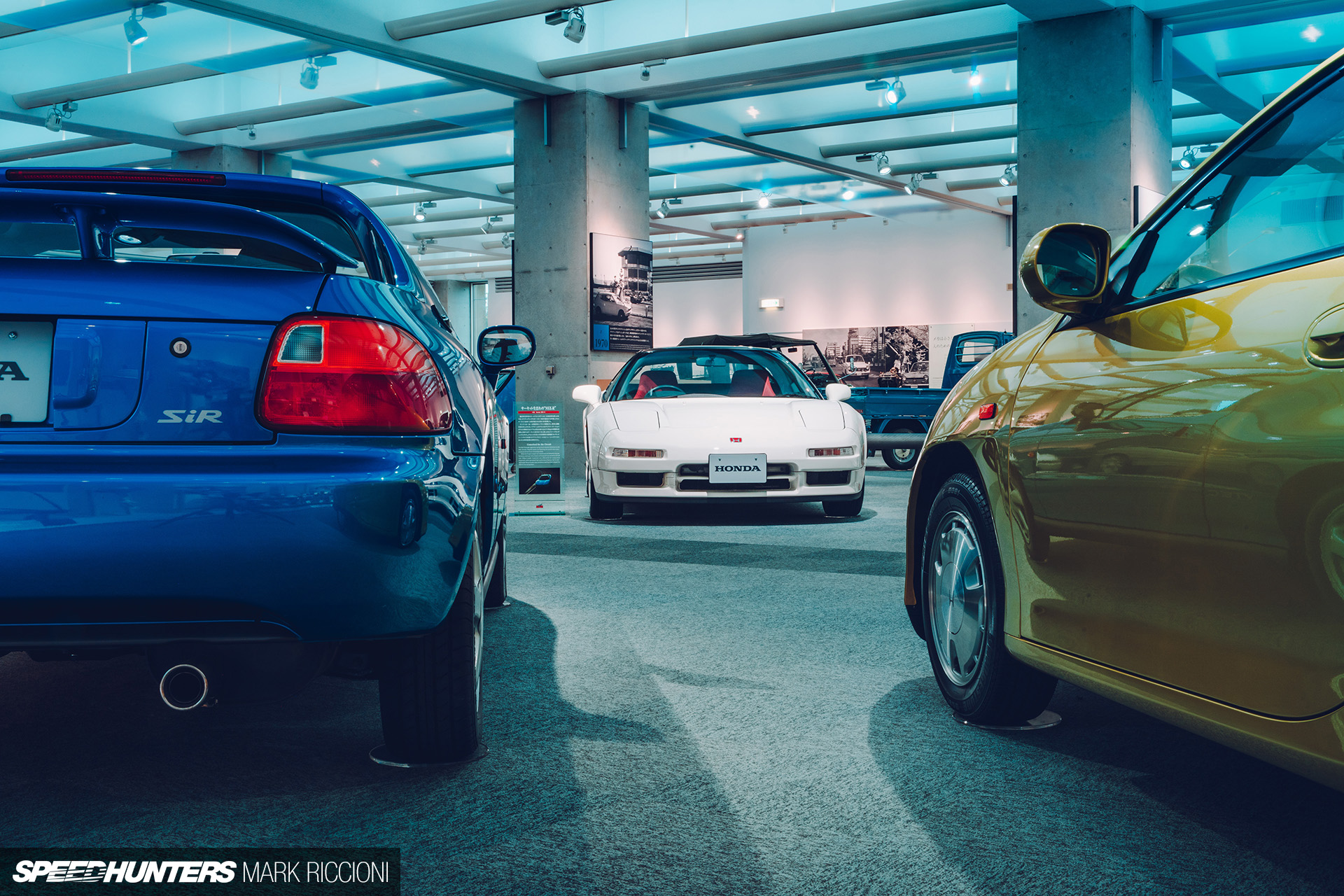
Curiously, an S2000 was nowhere to be found by Mark. Perhaps the museum has a minimum age requirement which the lithe roadster has yet to meet?

As grateful as I am for Honda’s fantastic four and six cylinder engines, I can’t help but feel a little sad we never got to see what the brand could do with an eight or 10 cylinder power unit. Imagine – two F20C heads and a 4.0L V8 good for 500 naturally aspirated ponies… Rear-wheel drive would be a mandatory, however.
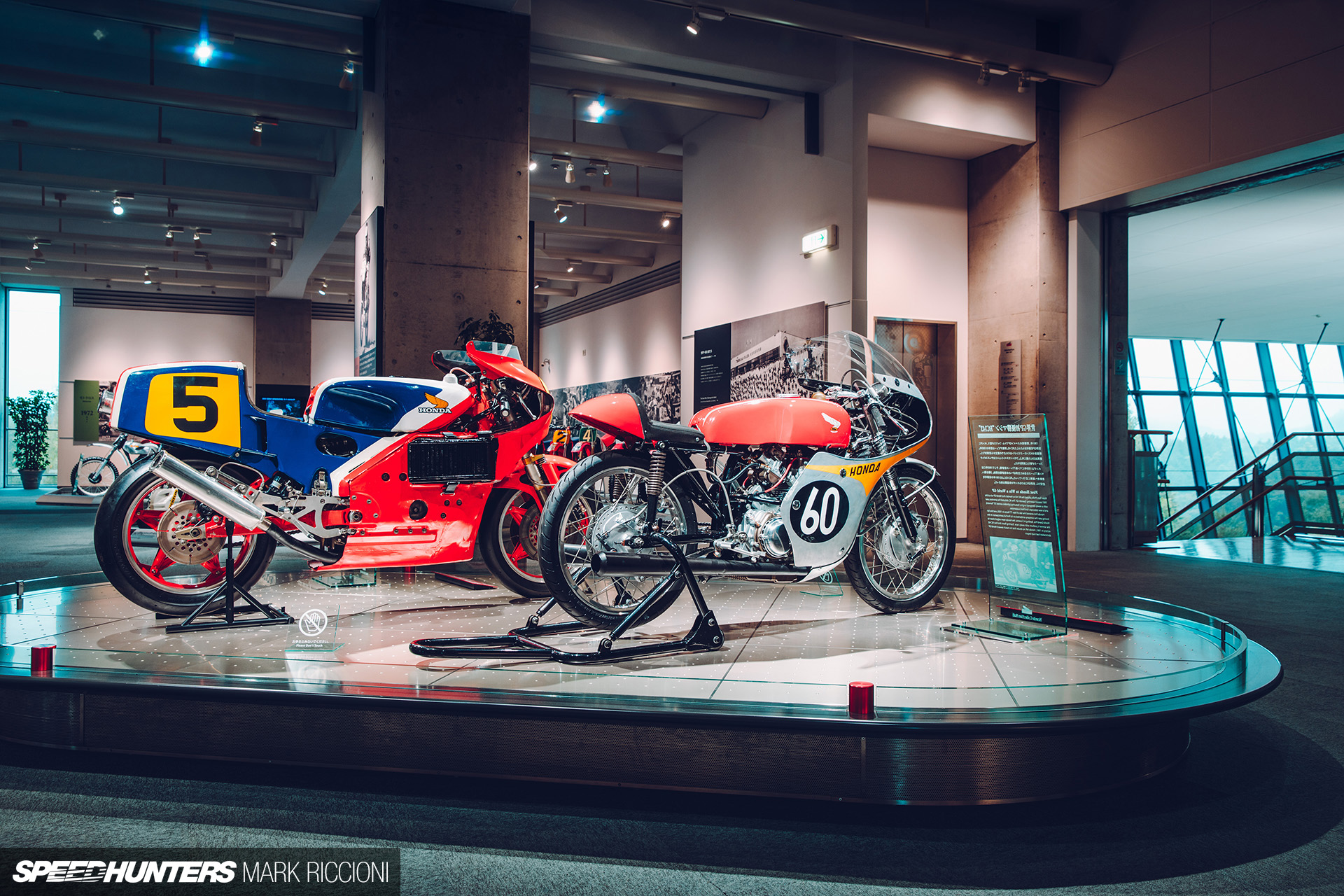
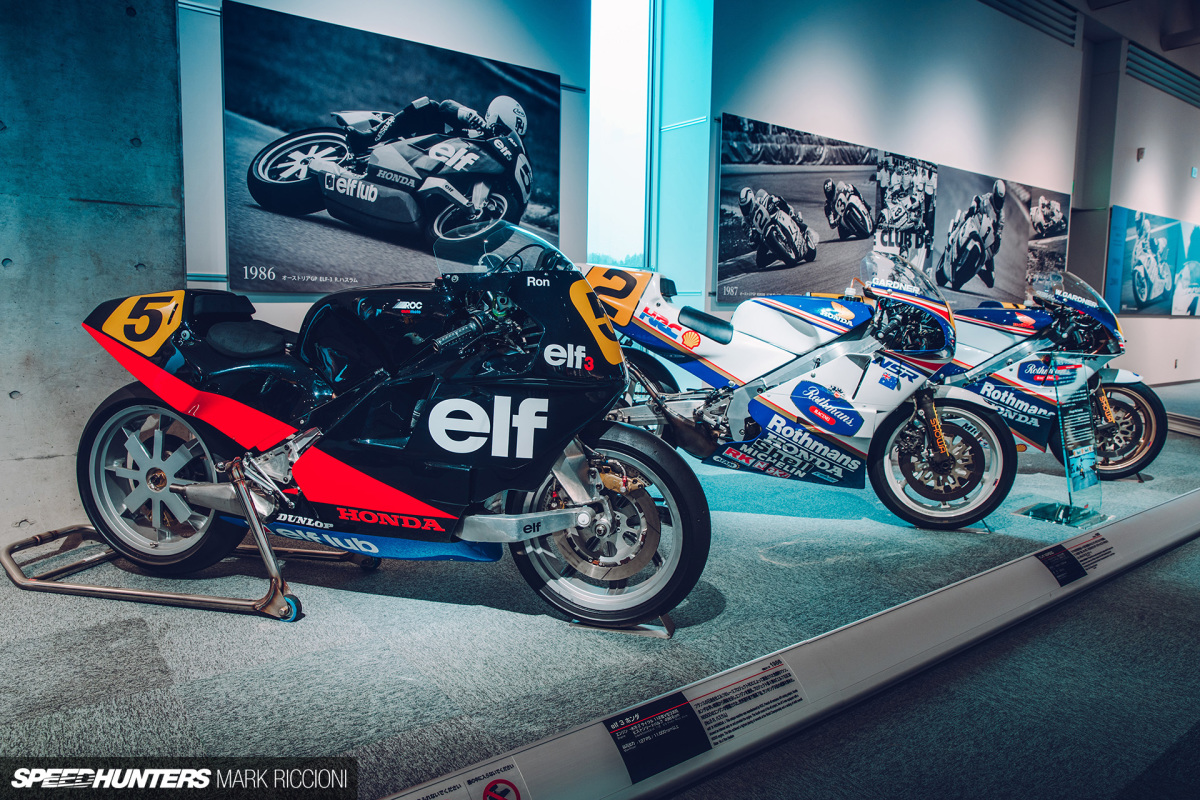
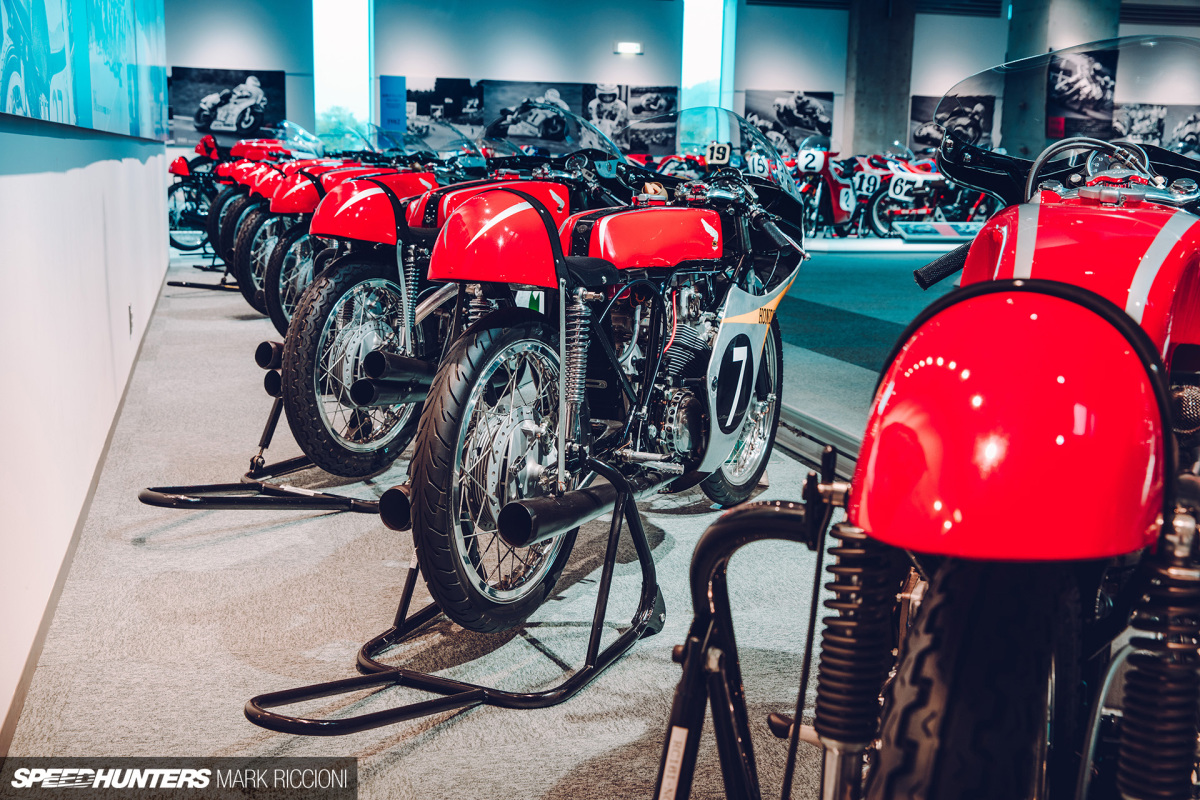
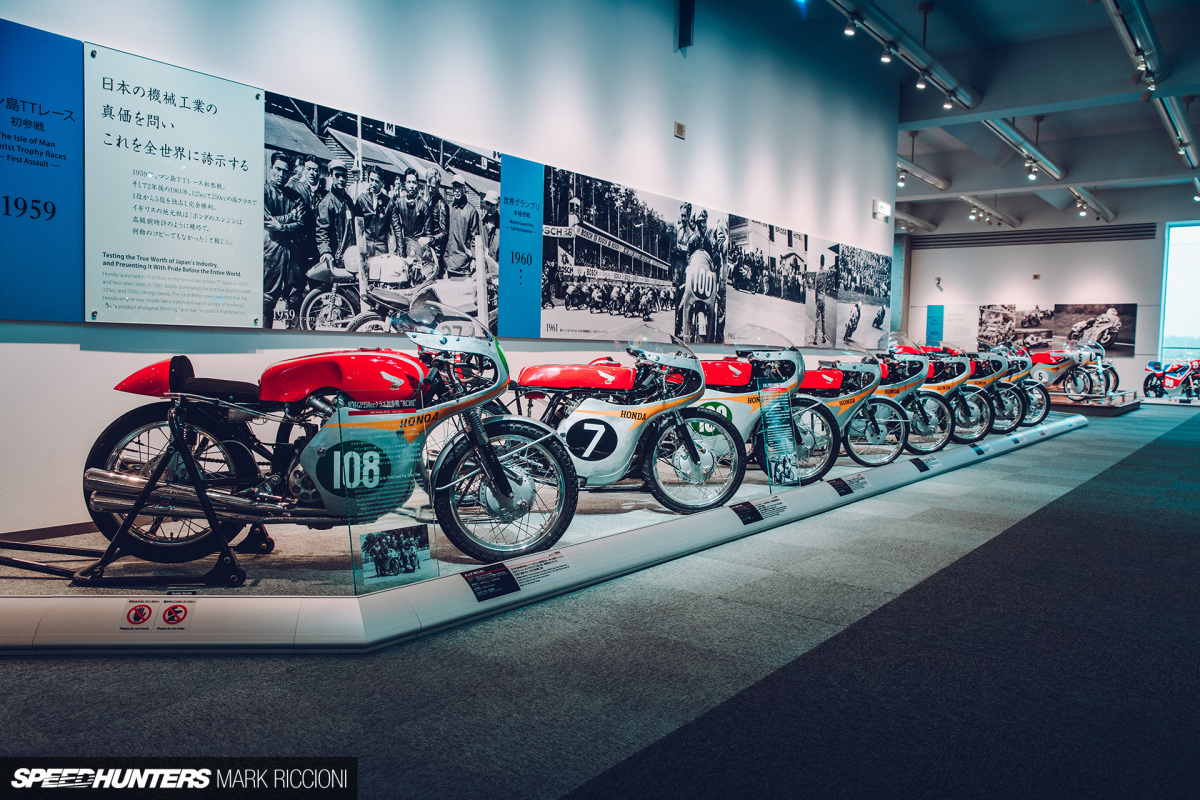
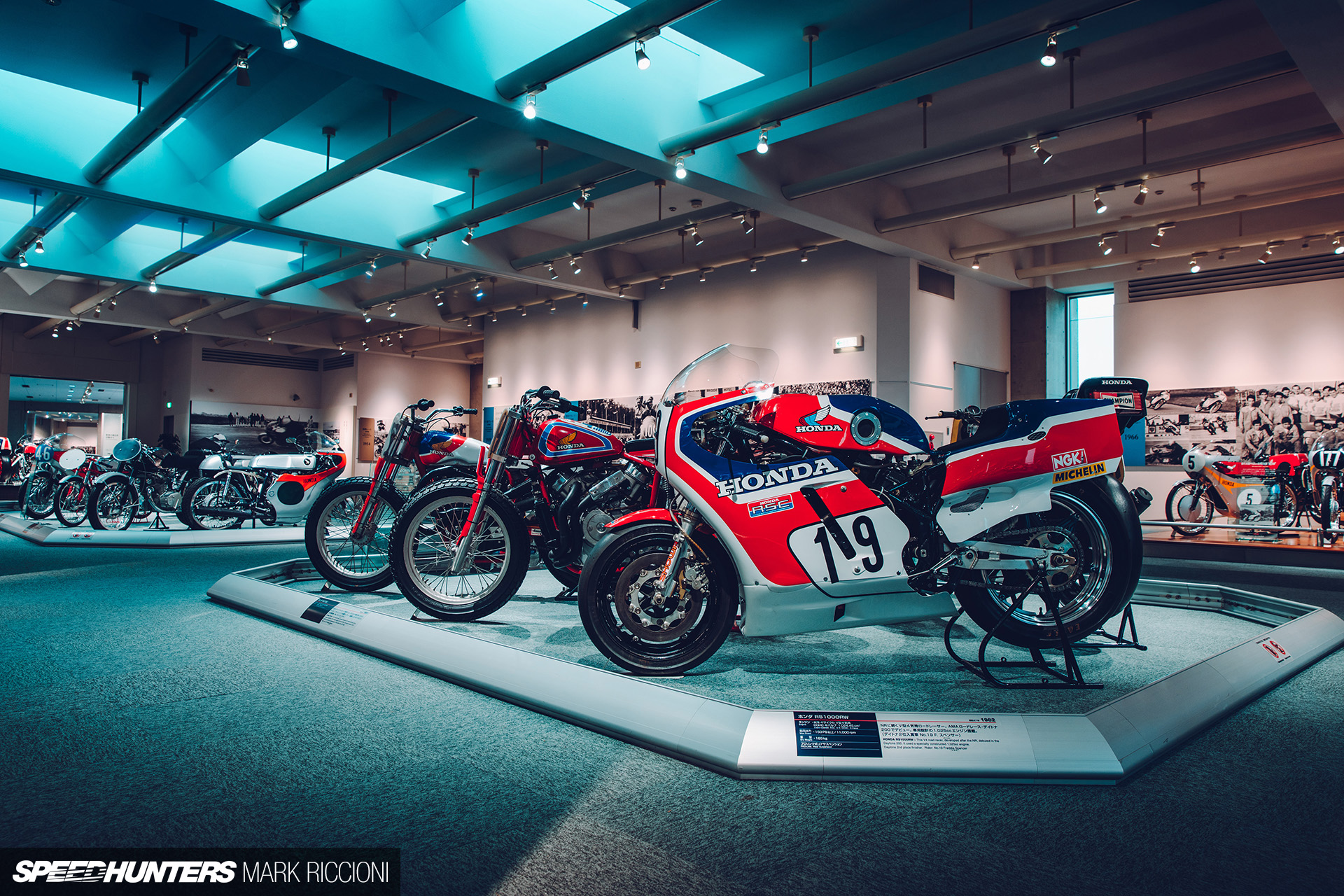
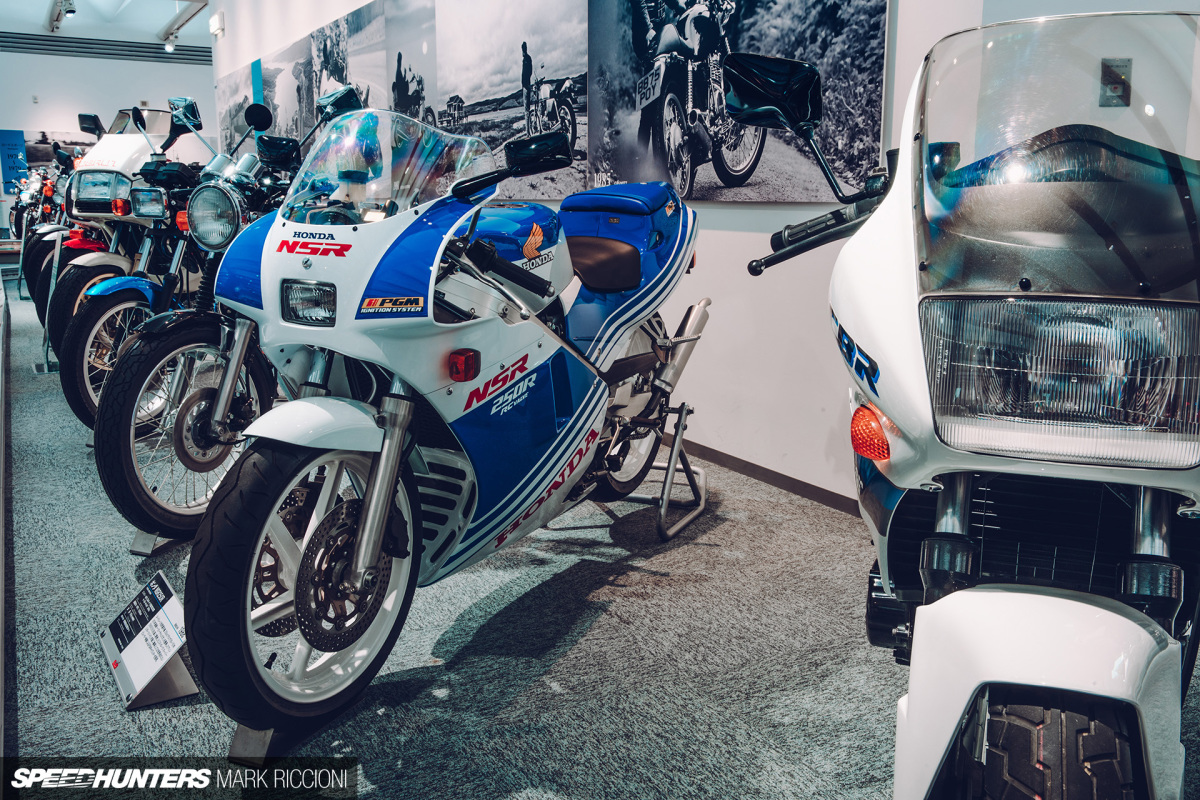
While our focus is still admittedly focused on hunting four-wheeled machines of speed, we’d be remiss not to mention Honda’s powerhouse two-wheeled division.
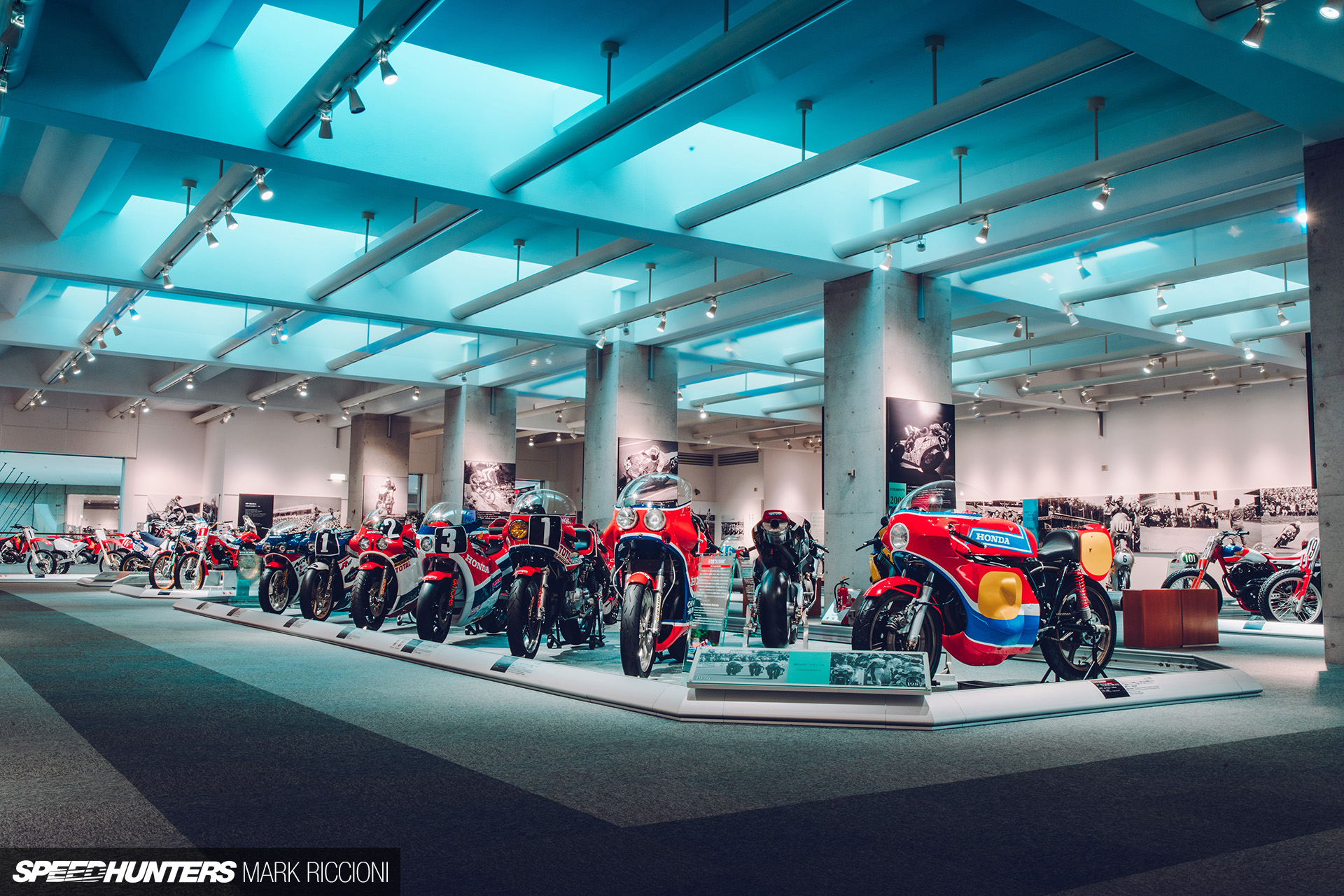
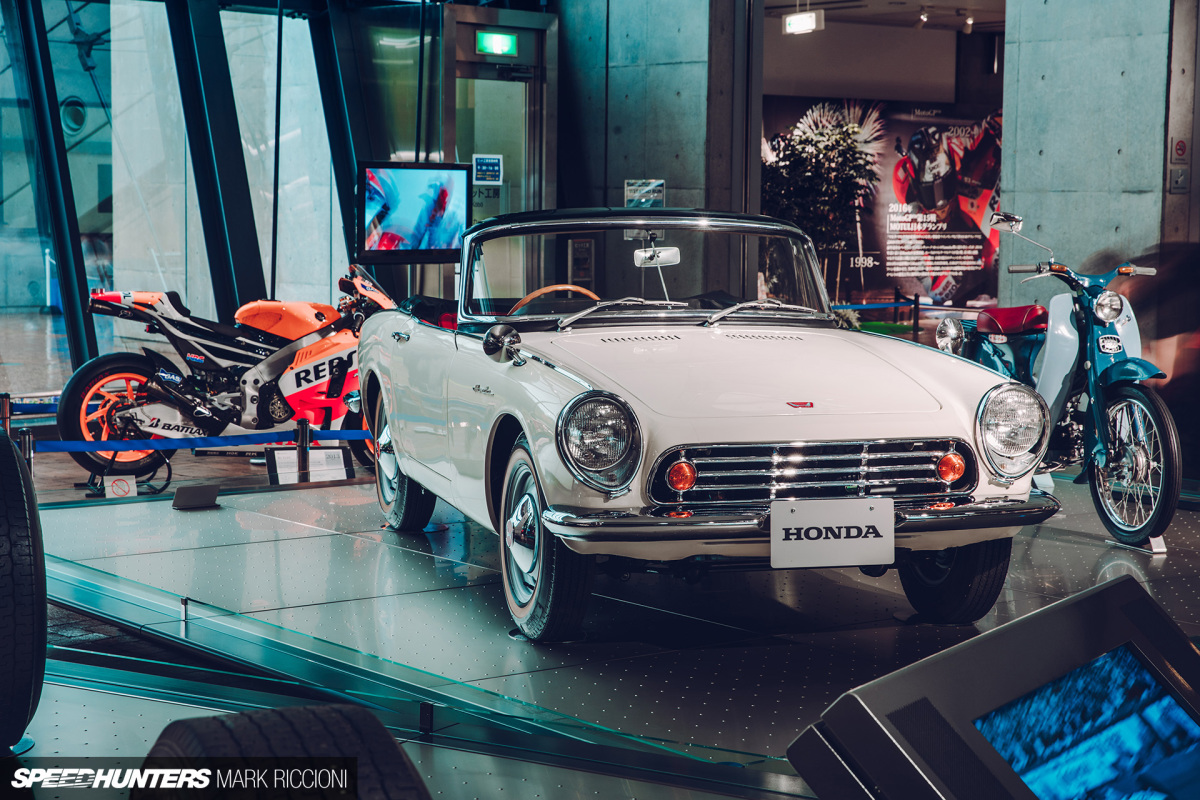
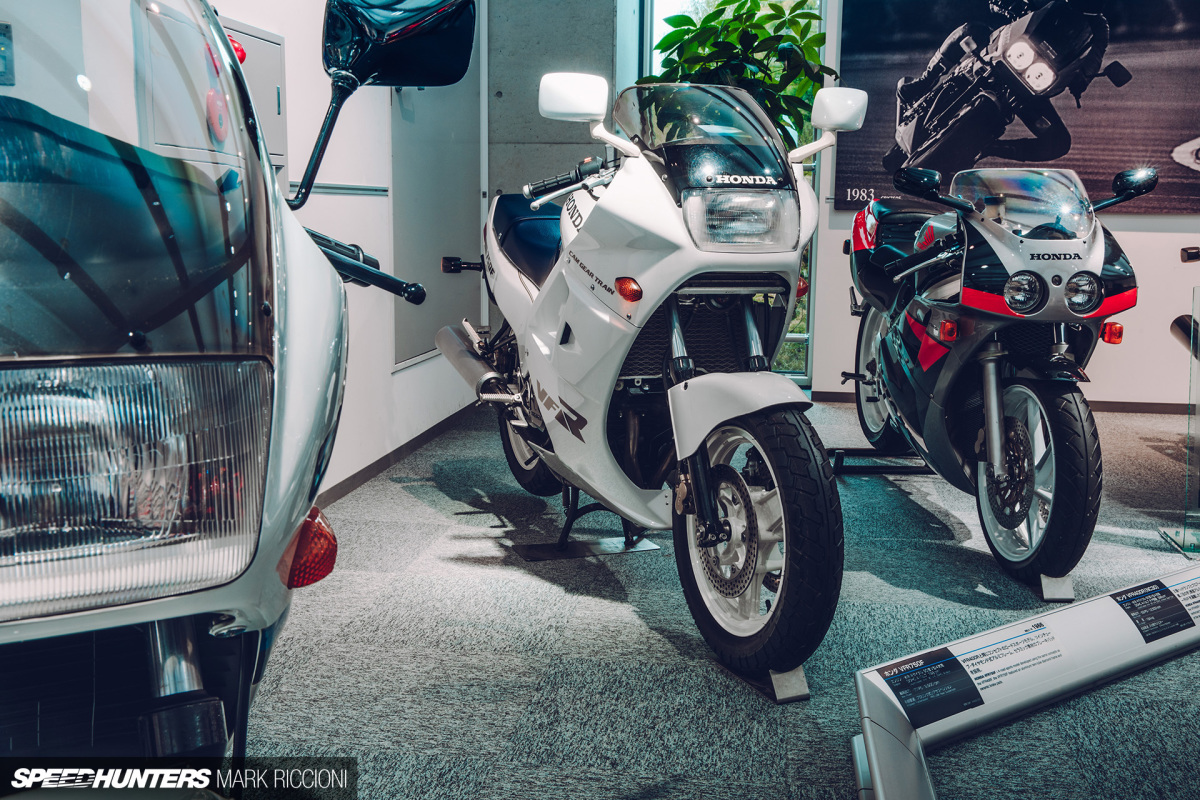
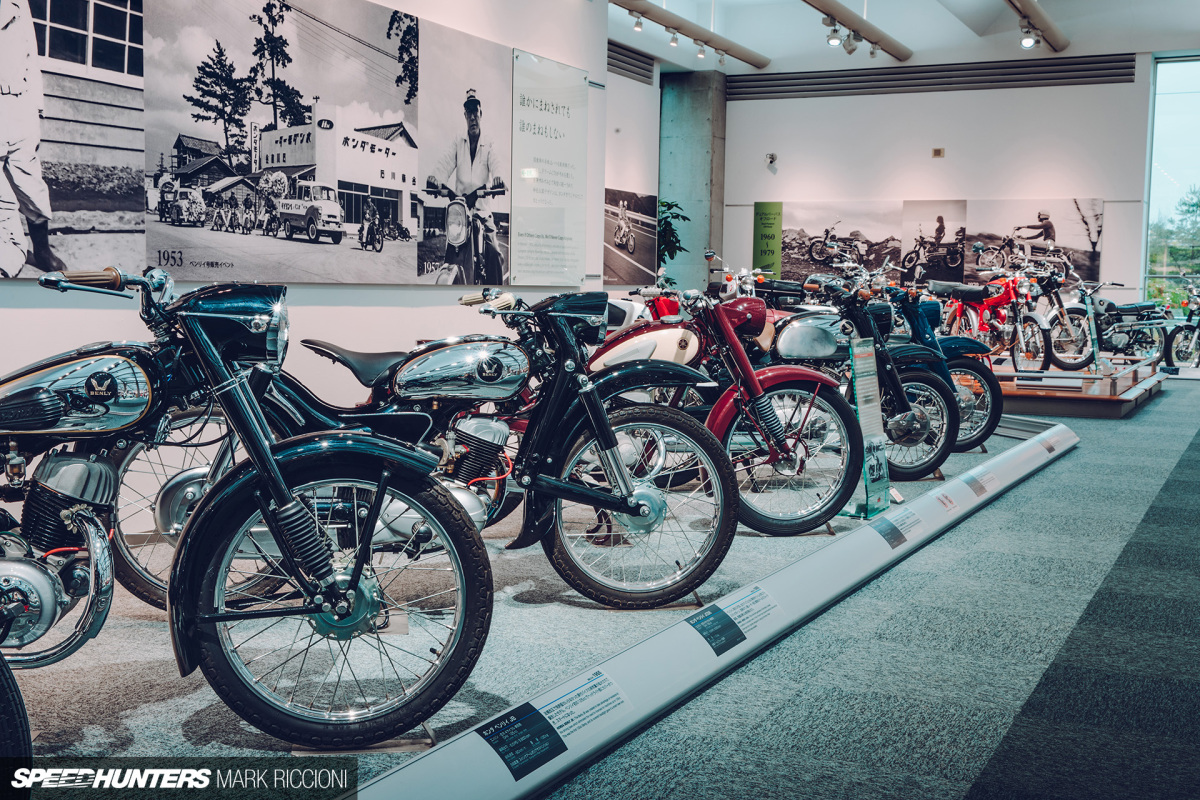
Almost half of the Collection Hall is dedicated to the scooters and motorcycles, which it can be argued are actually the cornerstone of Honda’s worldwide success.
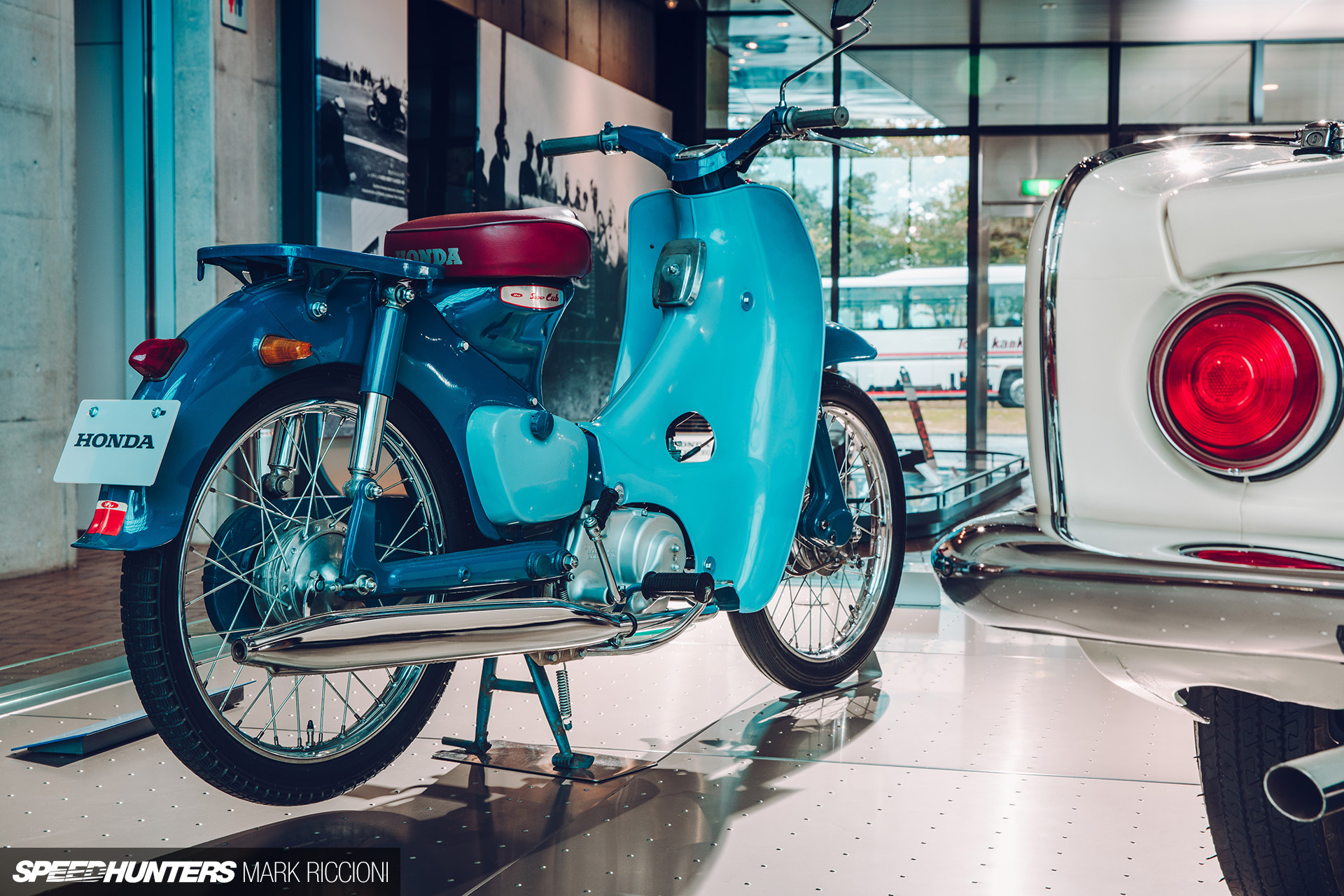
The first vehicles that Honda exported to the US in 1960 were indeed motorcycles, promoted with the now iconic tagline: “You meet the nicest people on a Honda”. It wasn’t until 10 years later that Honda first showed the N600 sedan to the American public.
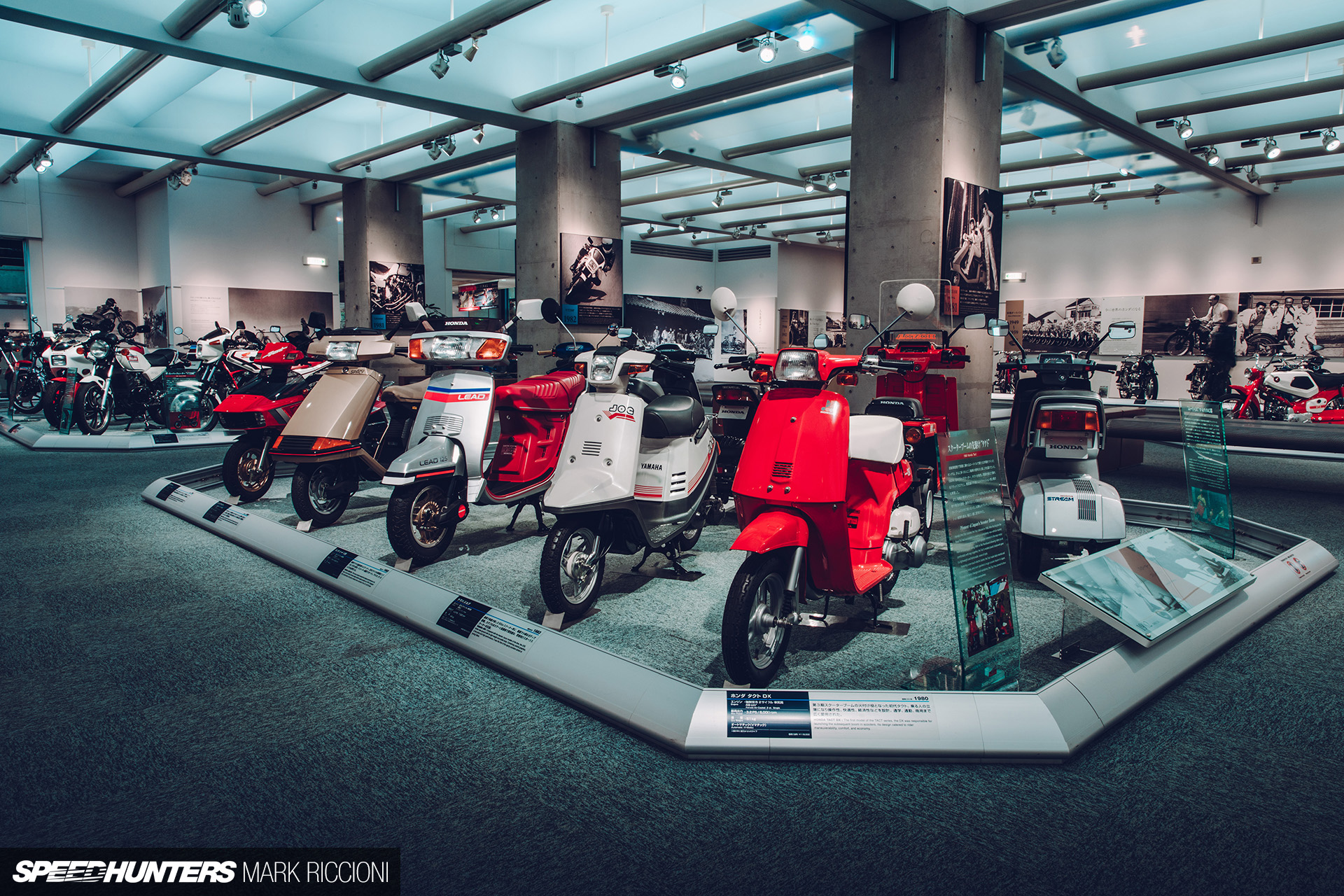
To most of the developing world, Honda is the name in personal mobility. It dominates much of Asia’s scooter market with sales figures large enough to truly boggle the mind.
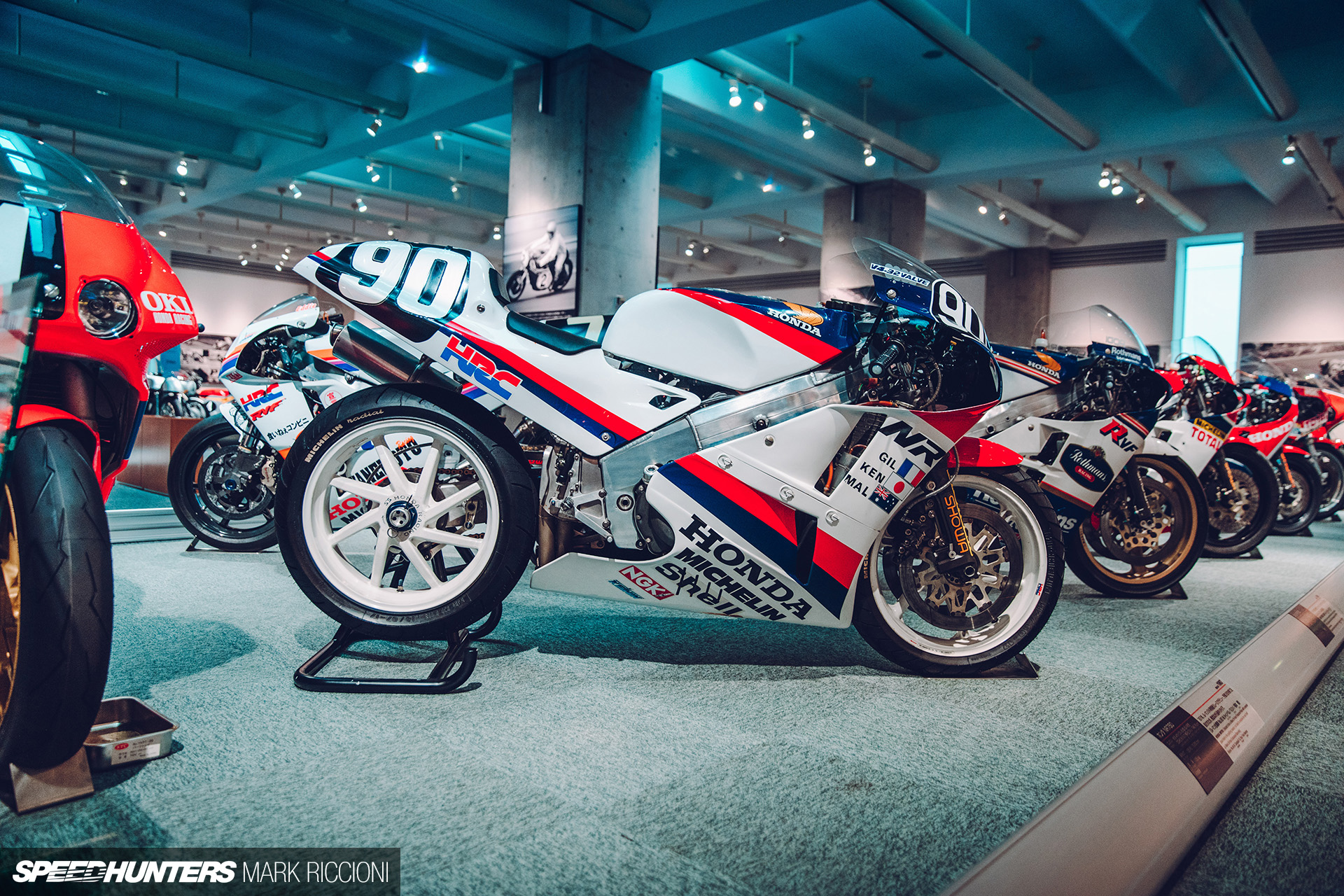
Honda has always had a strong belief in the role of motorsports in developing engineering talent and technologies, and this applies equally to both their automotive and motorcycle divisions.

The direct connection to product has always been visible; Honda dealers are happy to sell customers a very close replica to Sunday’s race-winning machines come Monday morning. Even today, all it takes to swing a leg over an almost-identical machine ridden by Marc Márquez is a significantly fat chequebook.
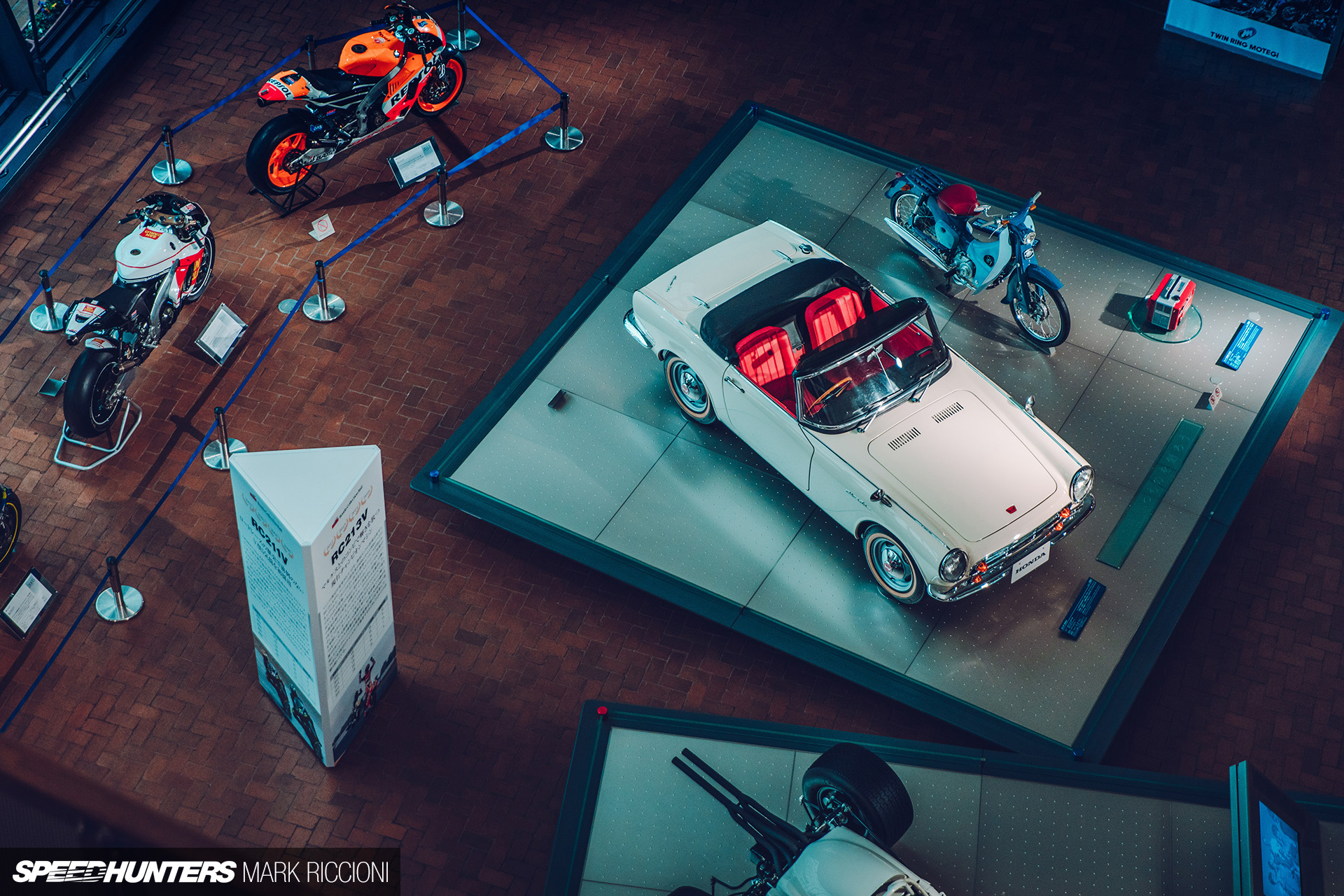
Less direct is the contribution to the success of Honda’s road cars.
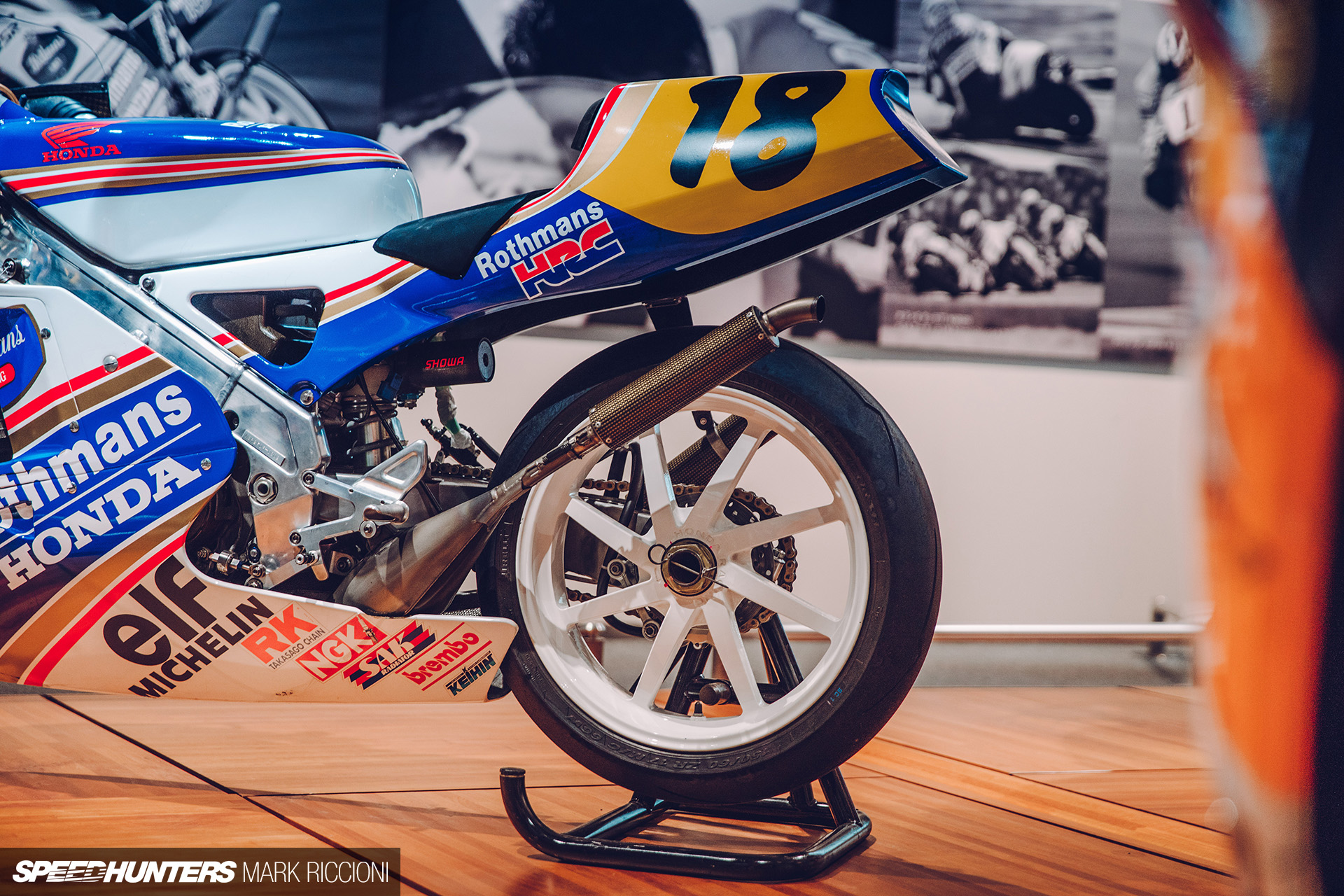
Motorcycles are by their nature very compact, meaning space is at a premium. This is particularly true for a bike’s engine – making more power is not simply a factor of adding more cylinders or displacement.
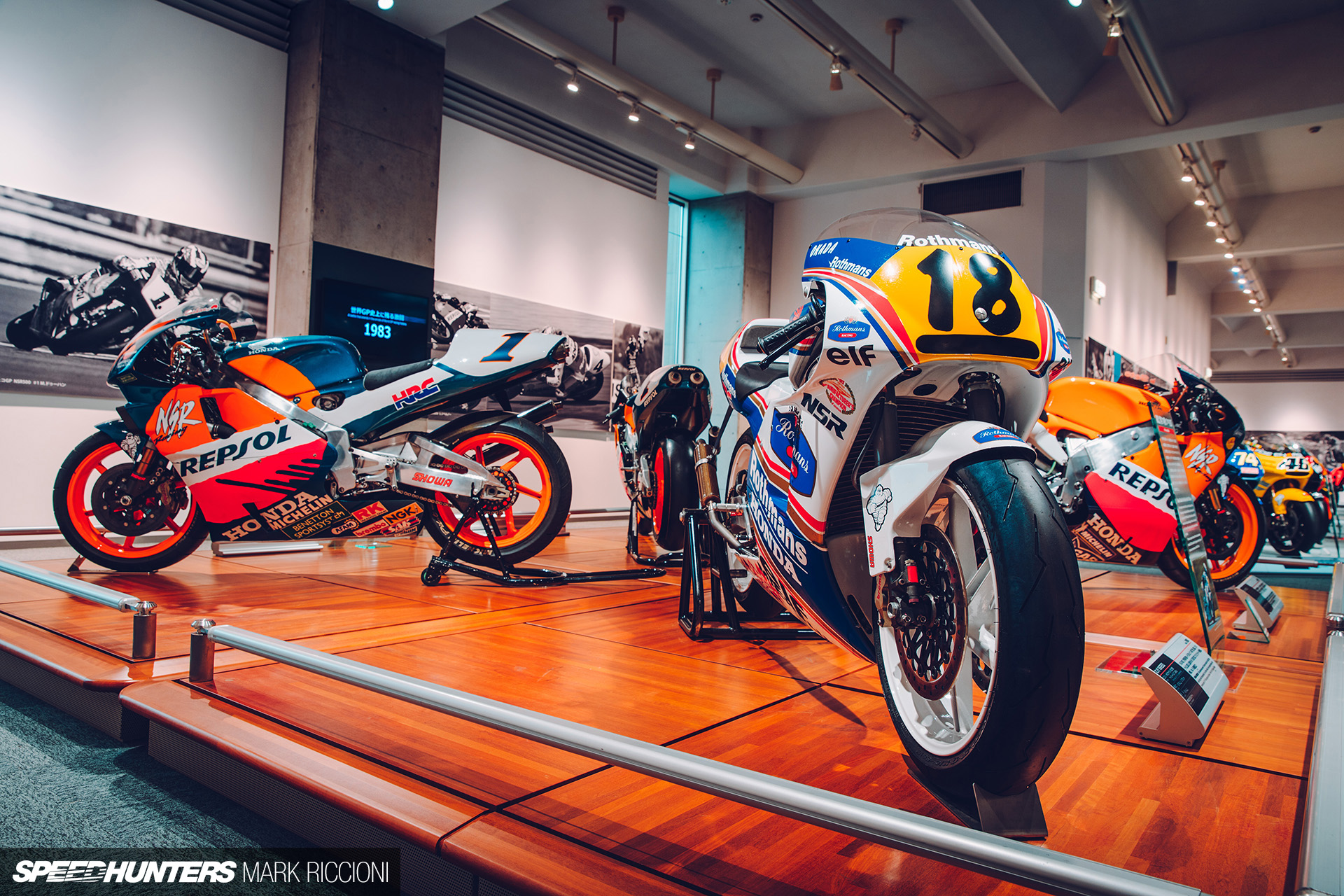
There are exceptions, but a conventionally packaged sports bike cannot fit much more than four cylinders and about 1,000cc.
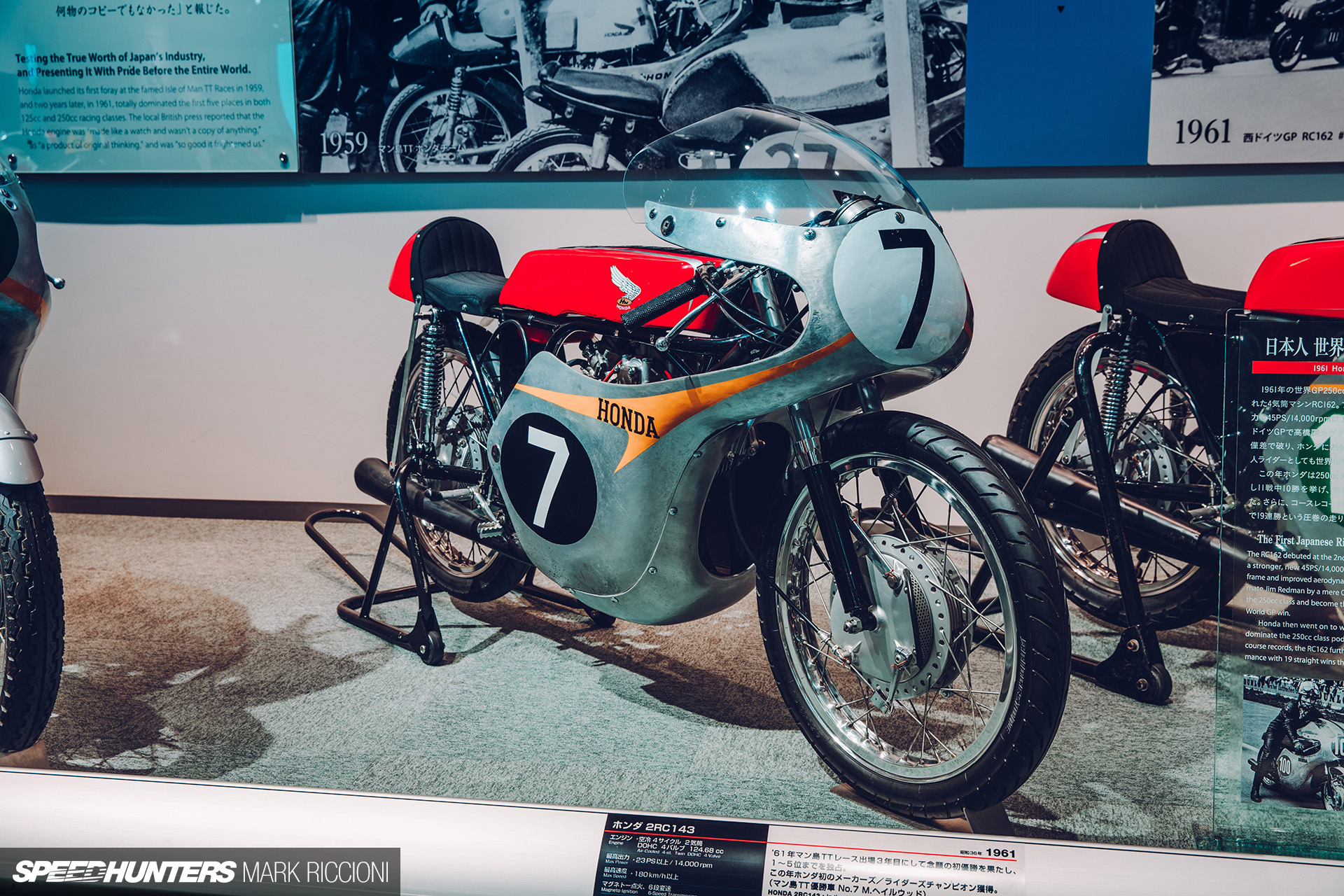
Furthermore, there are numerous motorcycle racing categories that are competitive and popular, but apply strict engine capacity limits.
These constraints force engineers to extract more from less, to repeatedly make 1+1=3. Honda Hallmark #3, big innovation on a small scale.
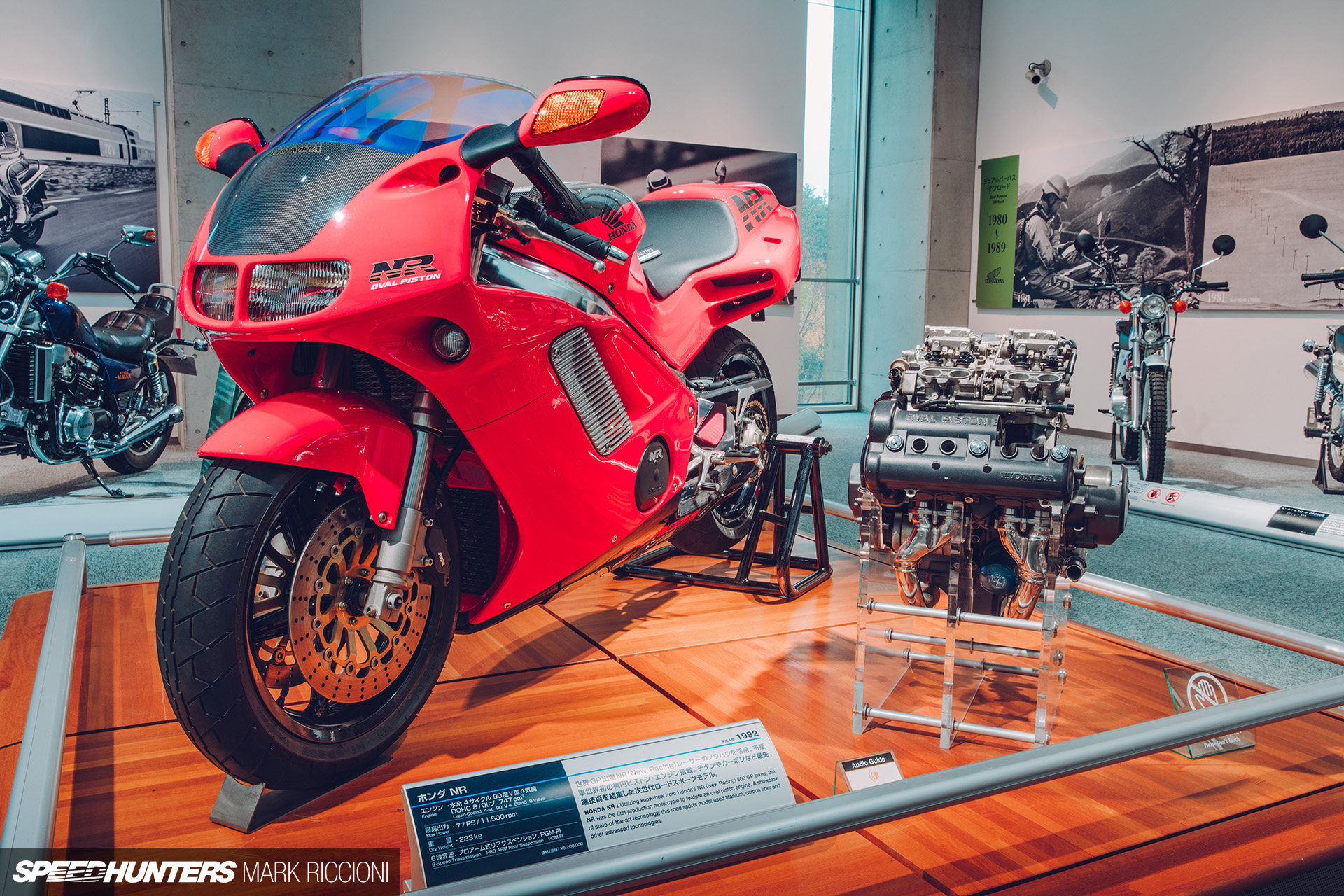
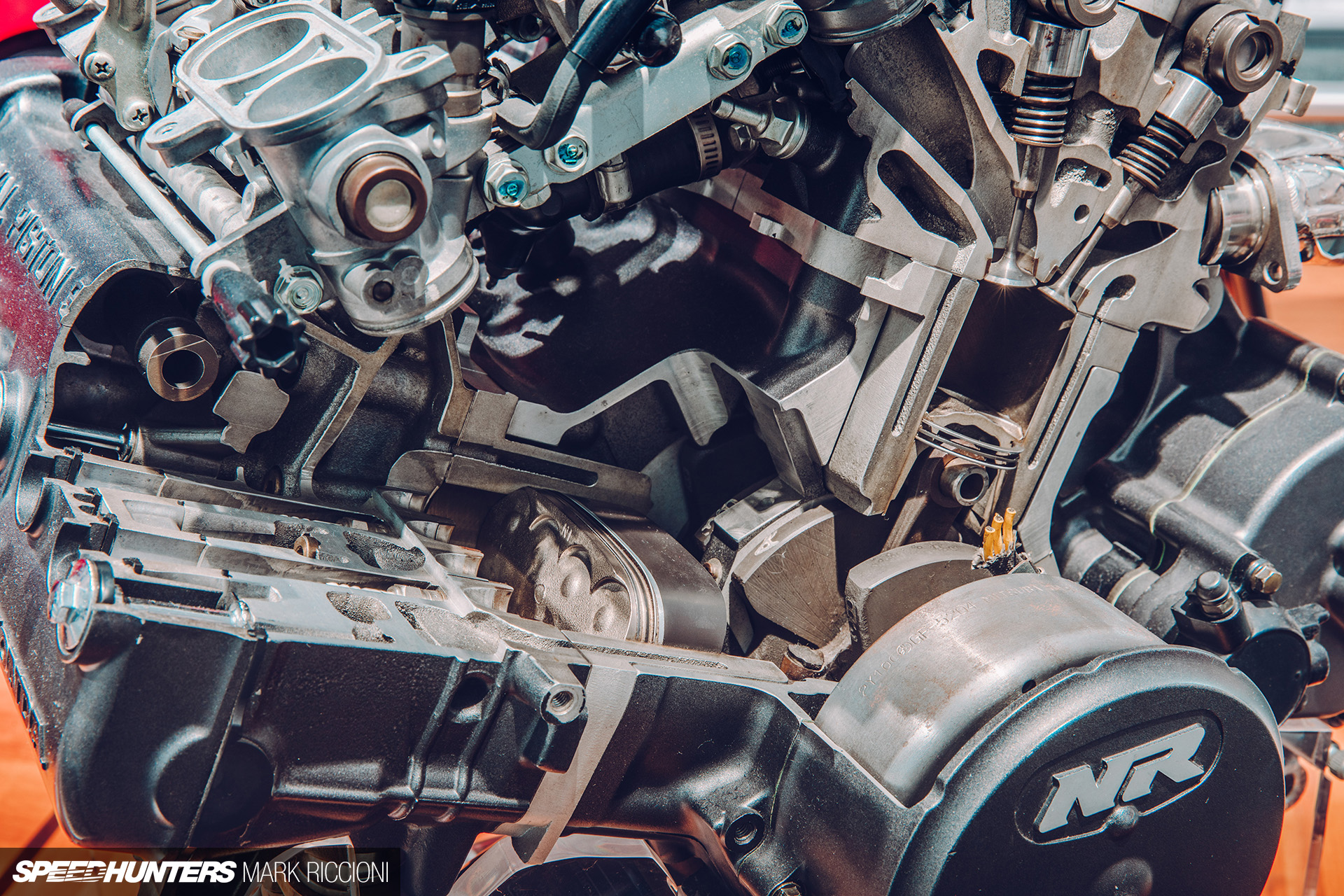
The result is crazy technological solutions. Some go on to become proliferate in road bikes and eventually even passenger vehicles, while others – like the NR750’s infamous oval pistons – remain a one-off, the end of a branch of engineering exploration.
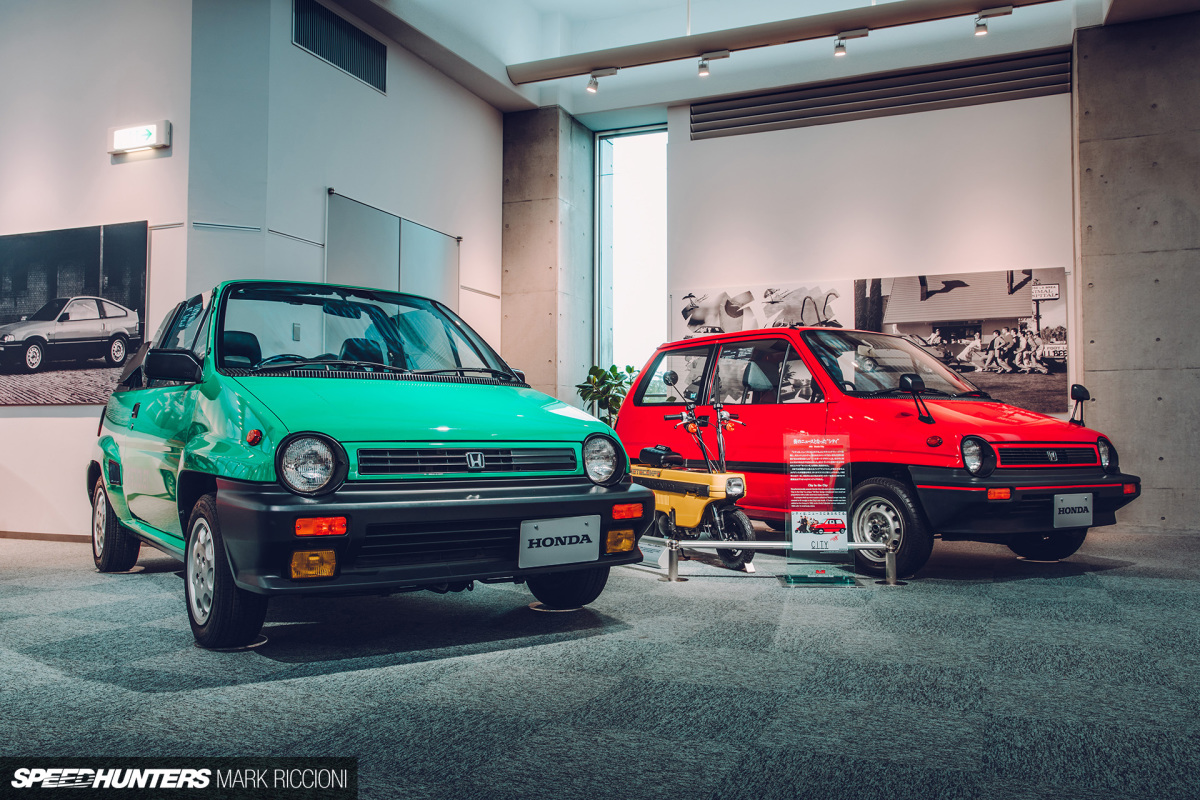
Honda has consistently brought cutting edge technology to consumers at a reasonable price point. Examples that haven’t already been mentioned include: variable valve timing and lift, hydrogen propulsion, hybrid technology, four-wheel steering, aluminium monocoques, electric power steering, satellite navigation, motorcycle ABS, and most importantly – the folding scooter (Motocompo).
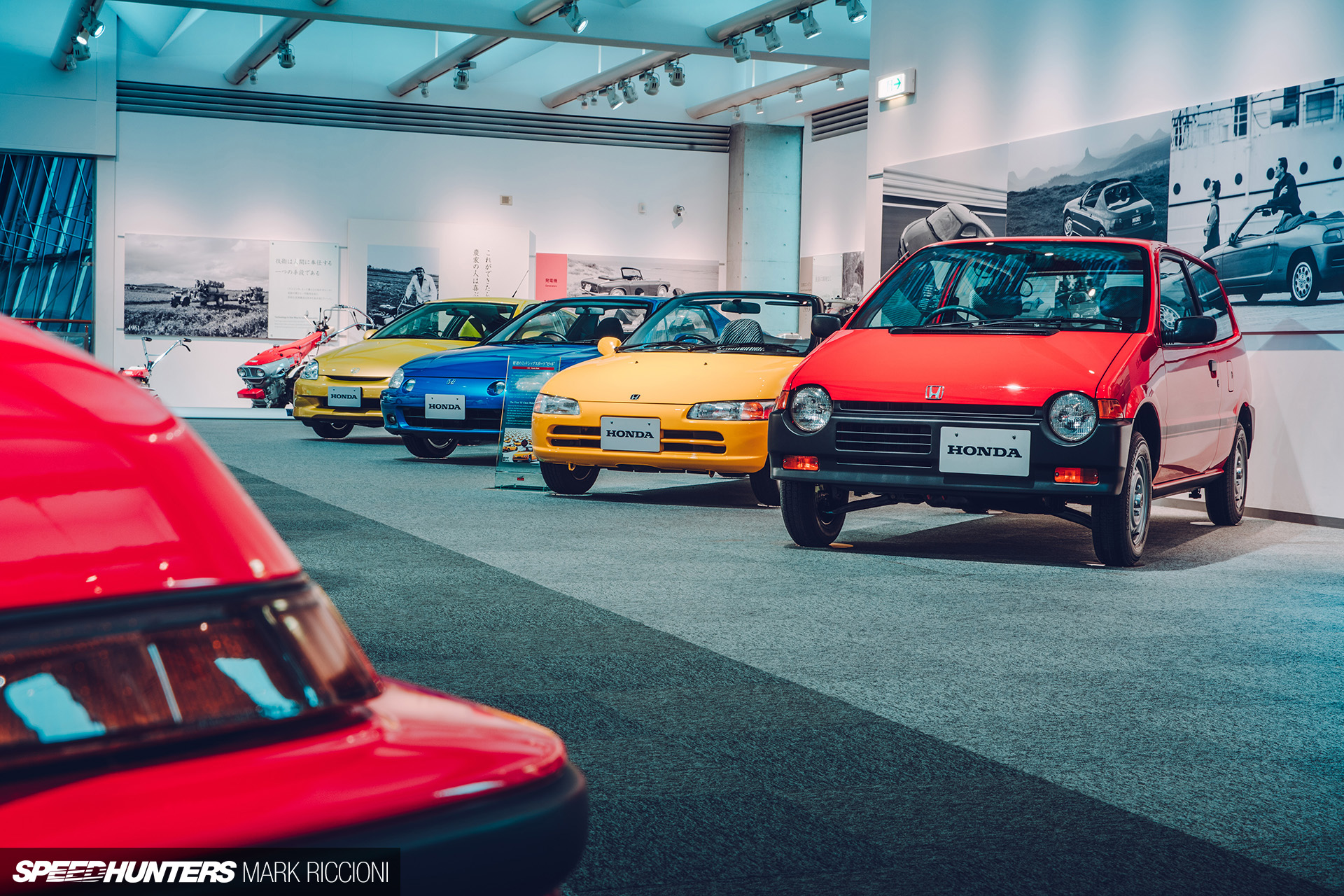
It’s something Honda drivers have been grateful for for decades, but we should all tip our hat to the big H for pushing the industry to bring us cheaper, safer, more economical and fun cars.
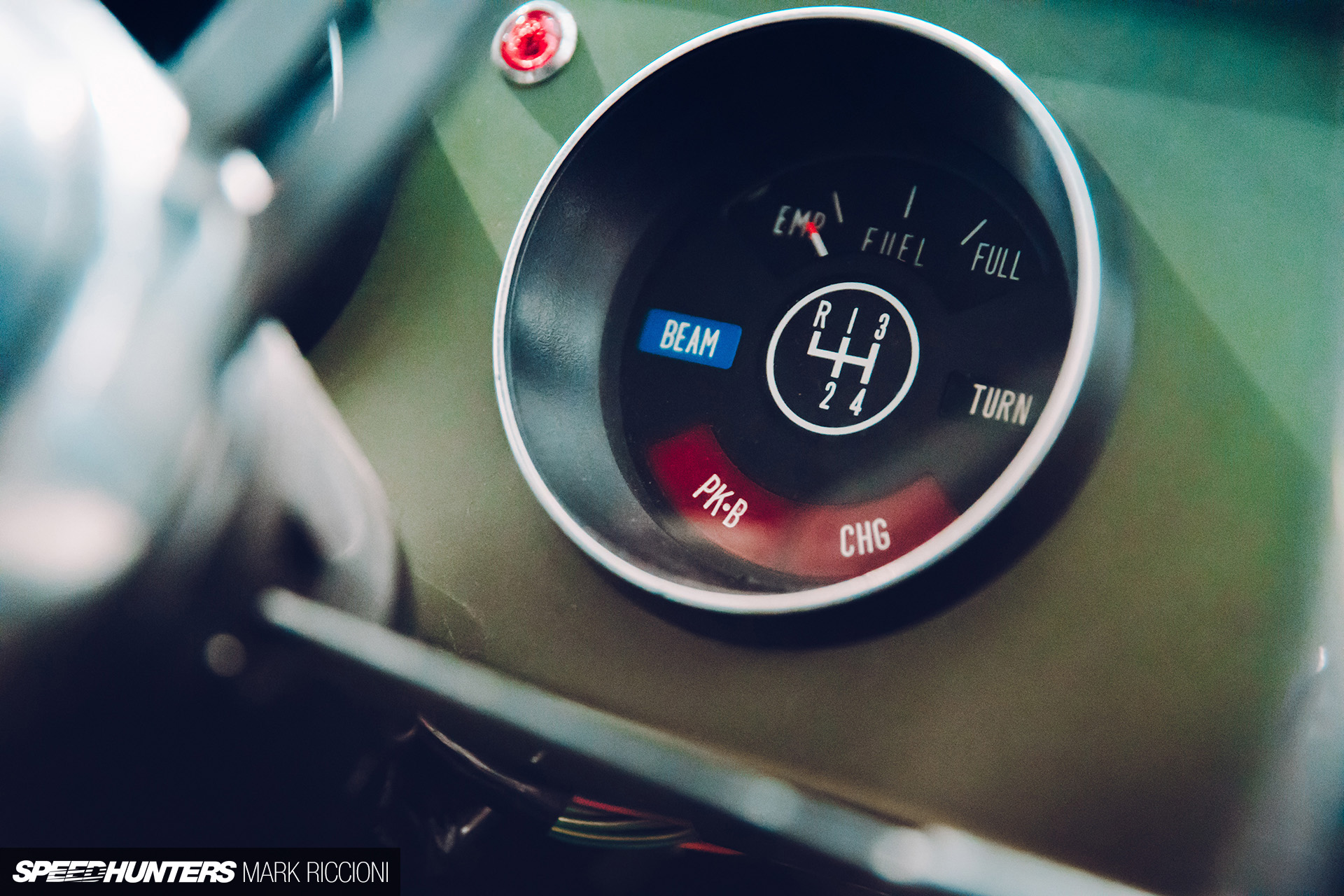
I don’t know what the Honda of 2030 or 2050 looks like. But looking back at the hallmarks that have made them such a beacon for enthusiasts thus far, I think they might still hold the key to continued success.
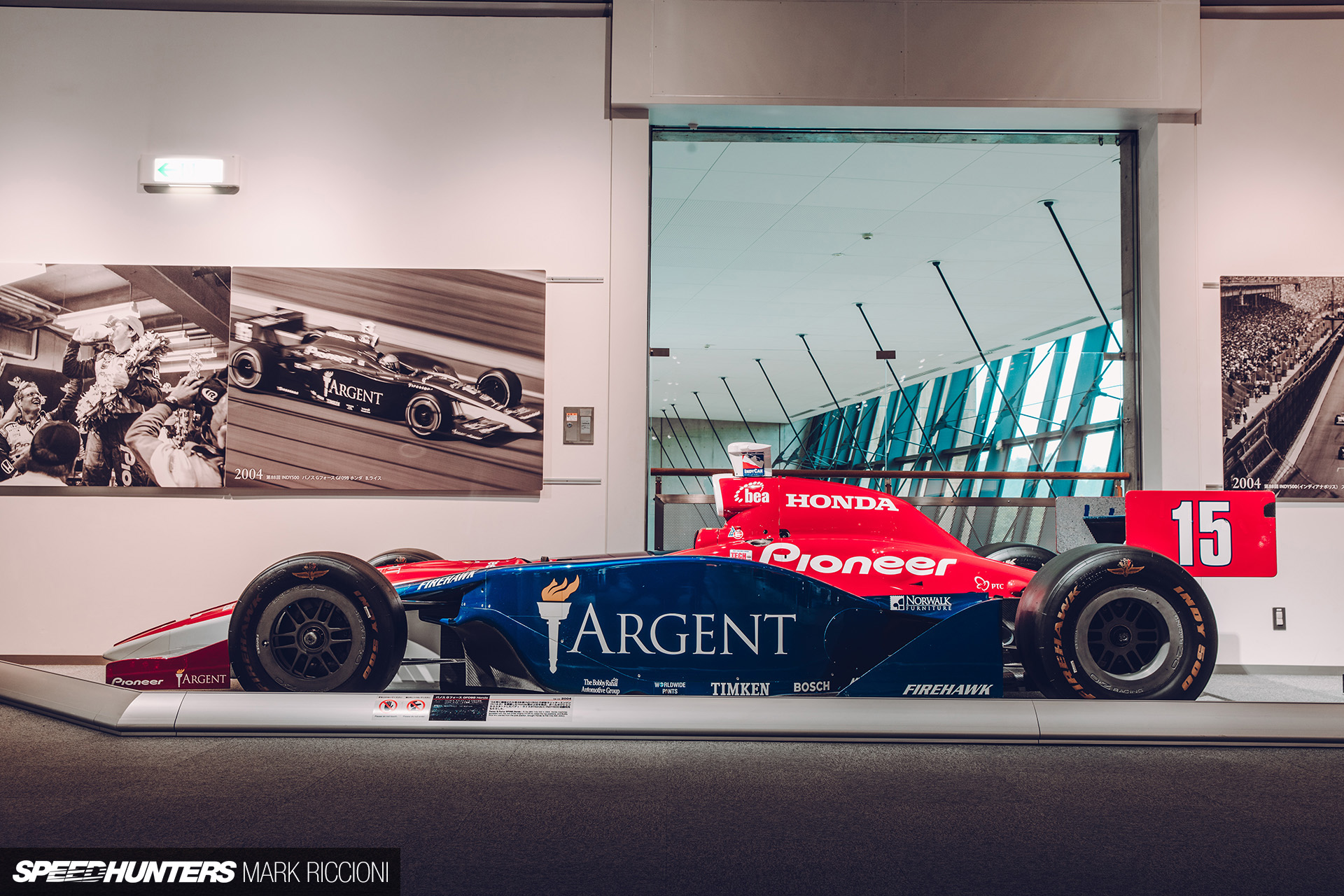
Although Honda is waving goodbye to the F1 paddock, it has reaffirmed its commitment to IndyCar in the US, which is encouraging.
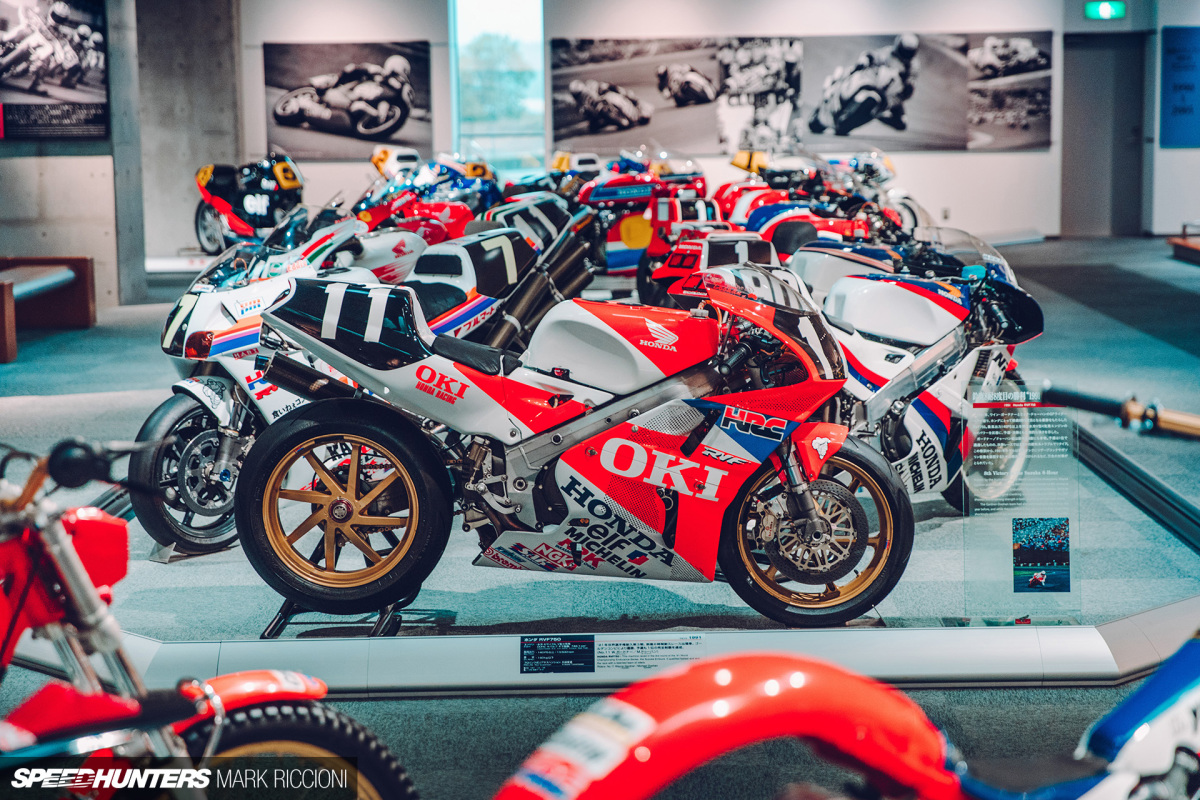

There also seems to be no end in sight for Honda’s efforts in various forms of motorcycle racing around the world.
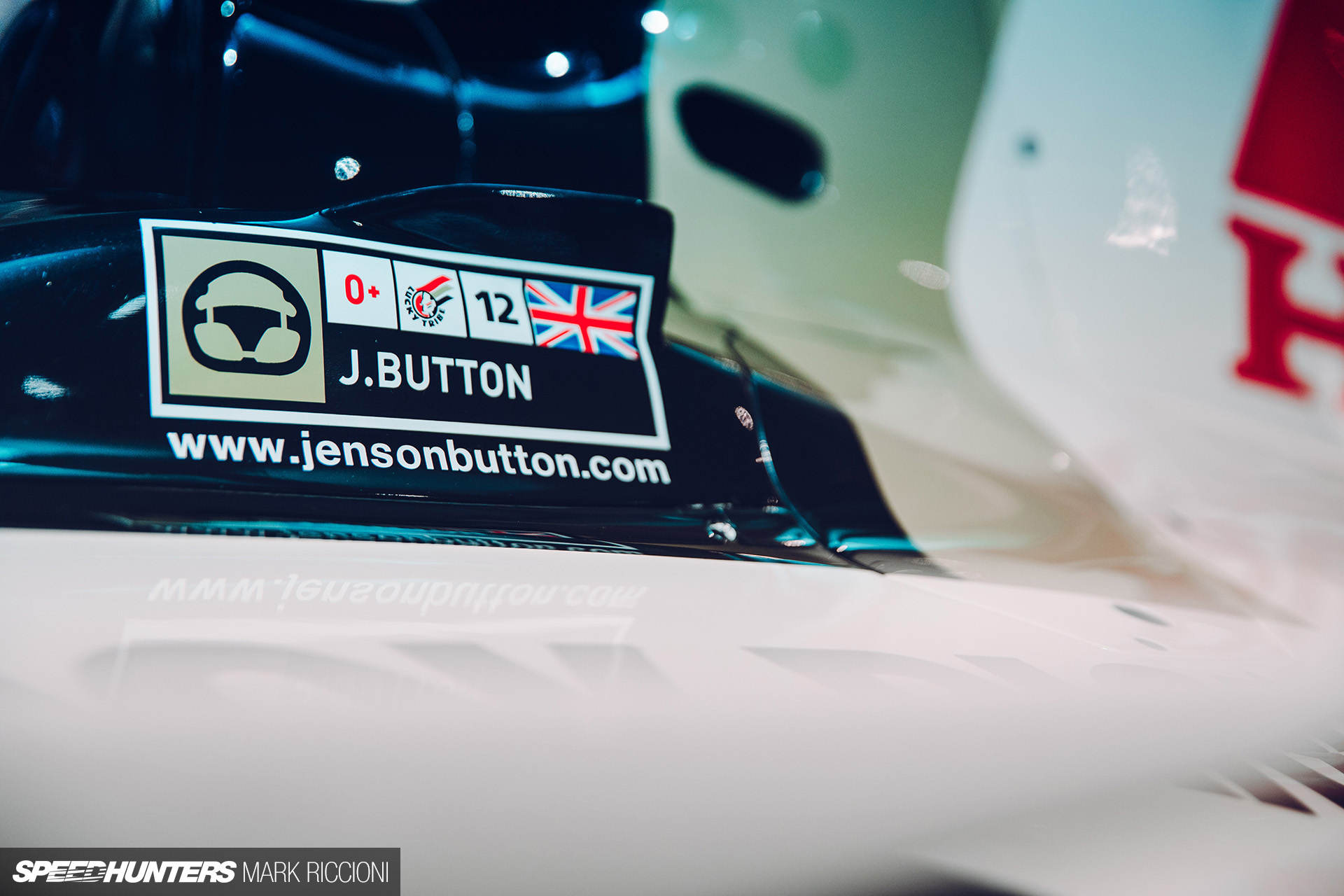
Ross Brawn was even quoted saying that he thinks he can see Honda reentering F1 in the not-too-distant future, depending on drivetrain regulations. A dystopian electric future for F1, perhaps?
To this writer, it’s those innovative, powerful and reliable front-drivers which characterise Honda – and the brand’s continued commitment to proving their products in motorsport competition which makes them deserving of every enthusiast’s respect. I’m curious to hear from you in the comments – what does Honda mean to you?
Blake Jones
Instagram: blaketjones
blake@speedhunters.com
Honda related stories on Speedhunters