I’m pre-empting your enthusiasm for this Honda Civic EG from my recent Galway Carbon visit, as I write this before that feature is actually published.
This will either mean that you’re excited to read about it, or it’s a feature that nobody asked for. Regardless, I’m going to share this, because I think it’s a car worth sharing – even if it doesn’t fit the traditional Honda mould. By that, I mean this isn’t some sort of kanjo racer or street car; it’s a competition-spec rallycross car, which in itself is pretty interesting.
The Civic belongs to Brian Grealish, one of the co-founders of Galway Carbon, and he primarily uses the car in Class 3B Modified (modified 2WD vehicles up to 2,150cc) of the Irish Rallycross Championship.
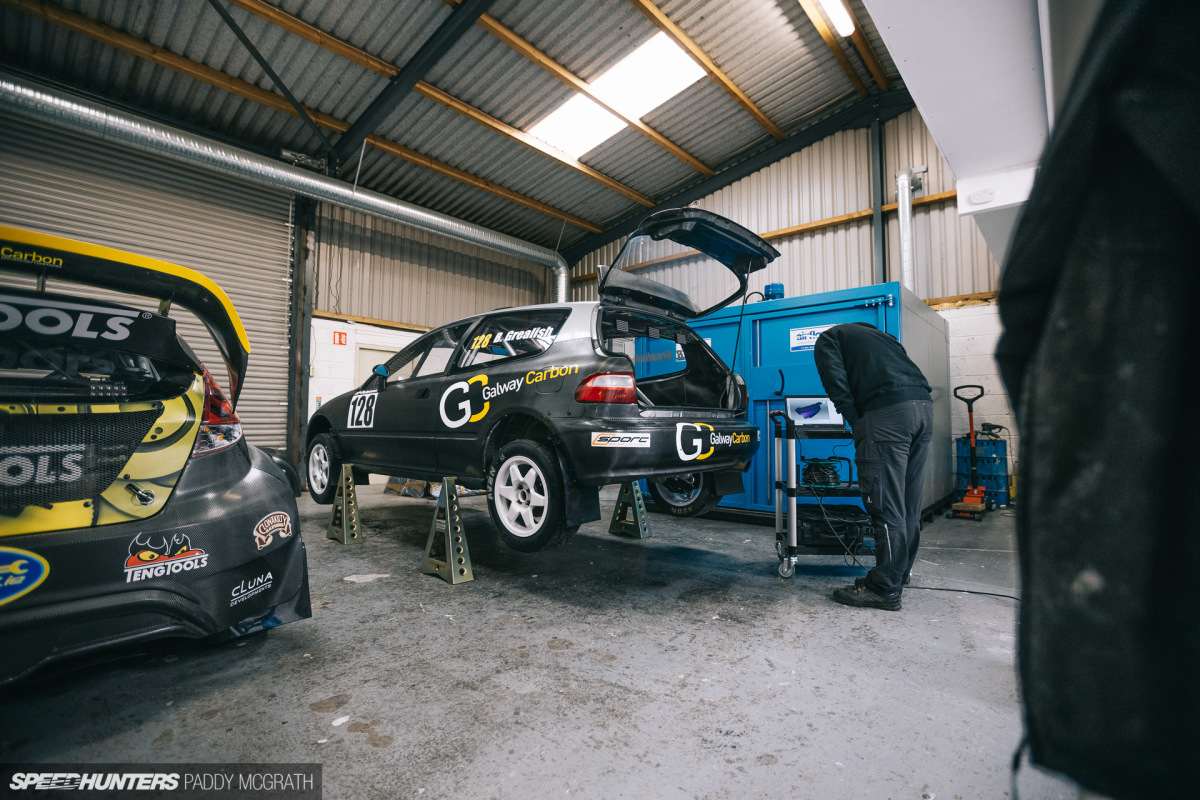
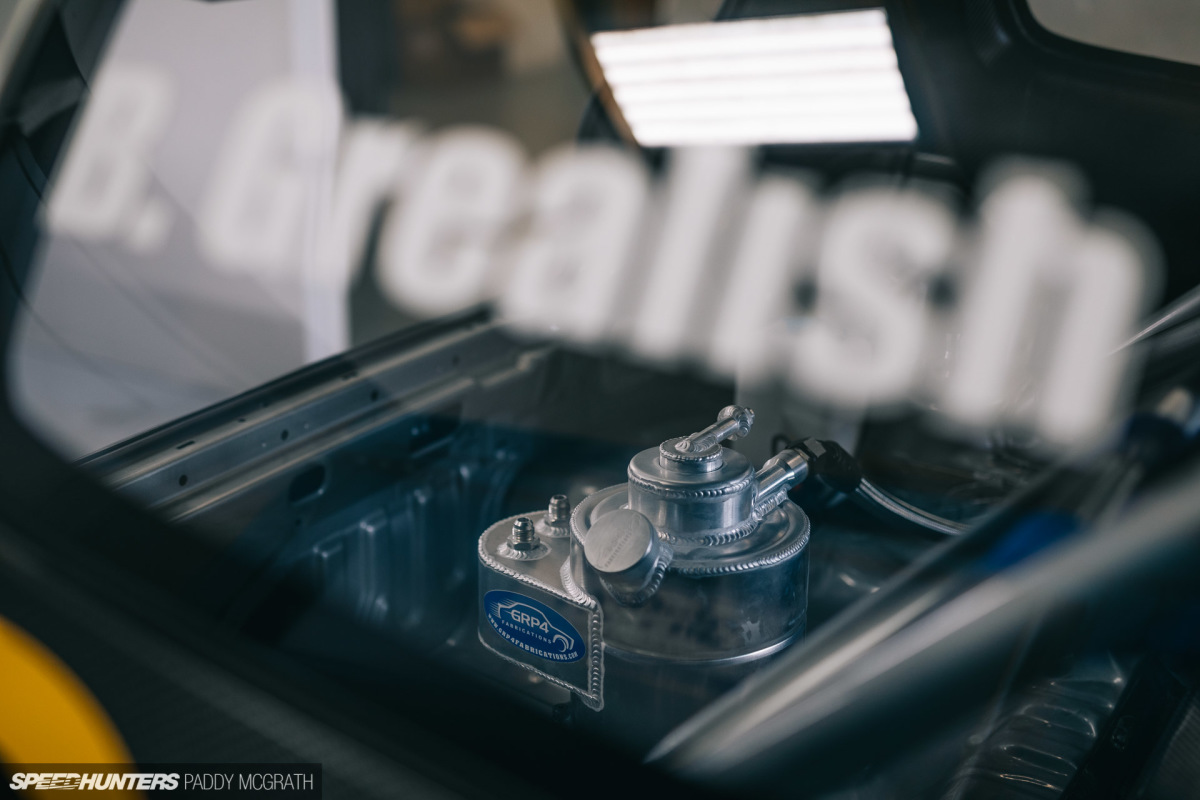
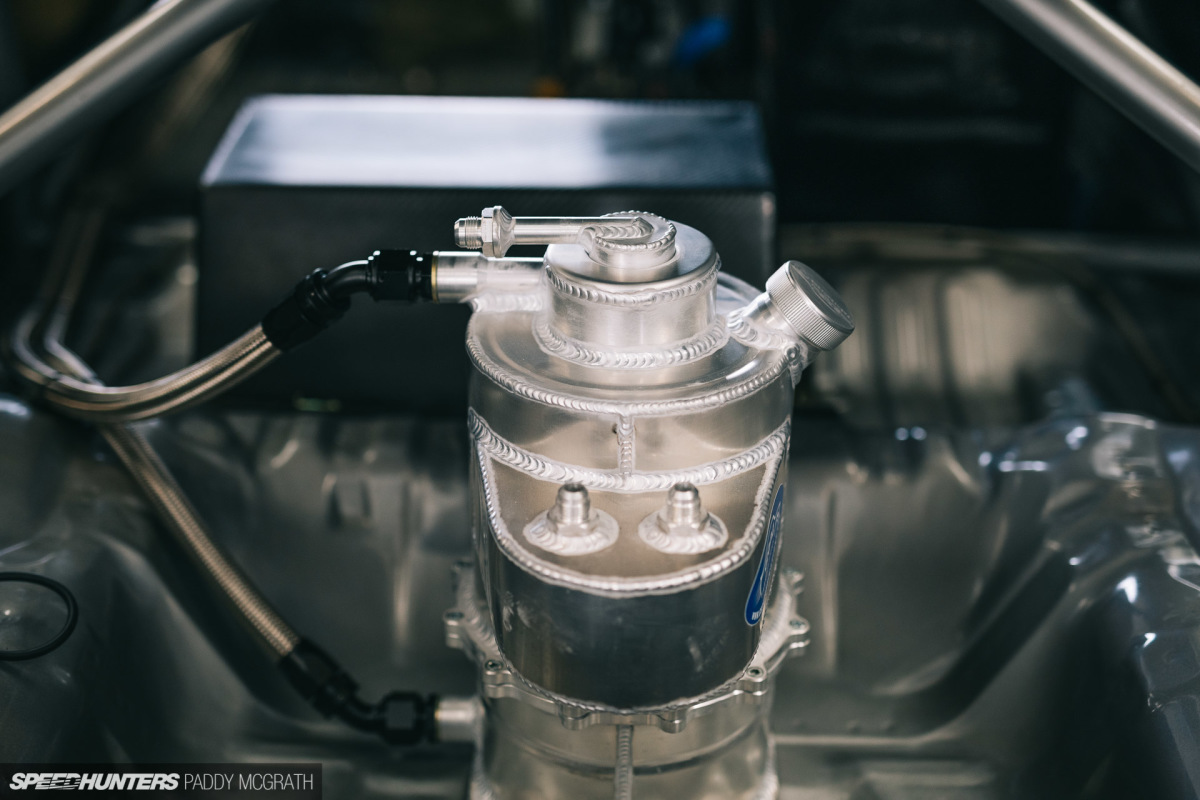
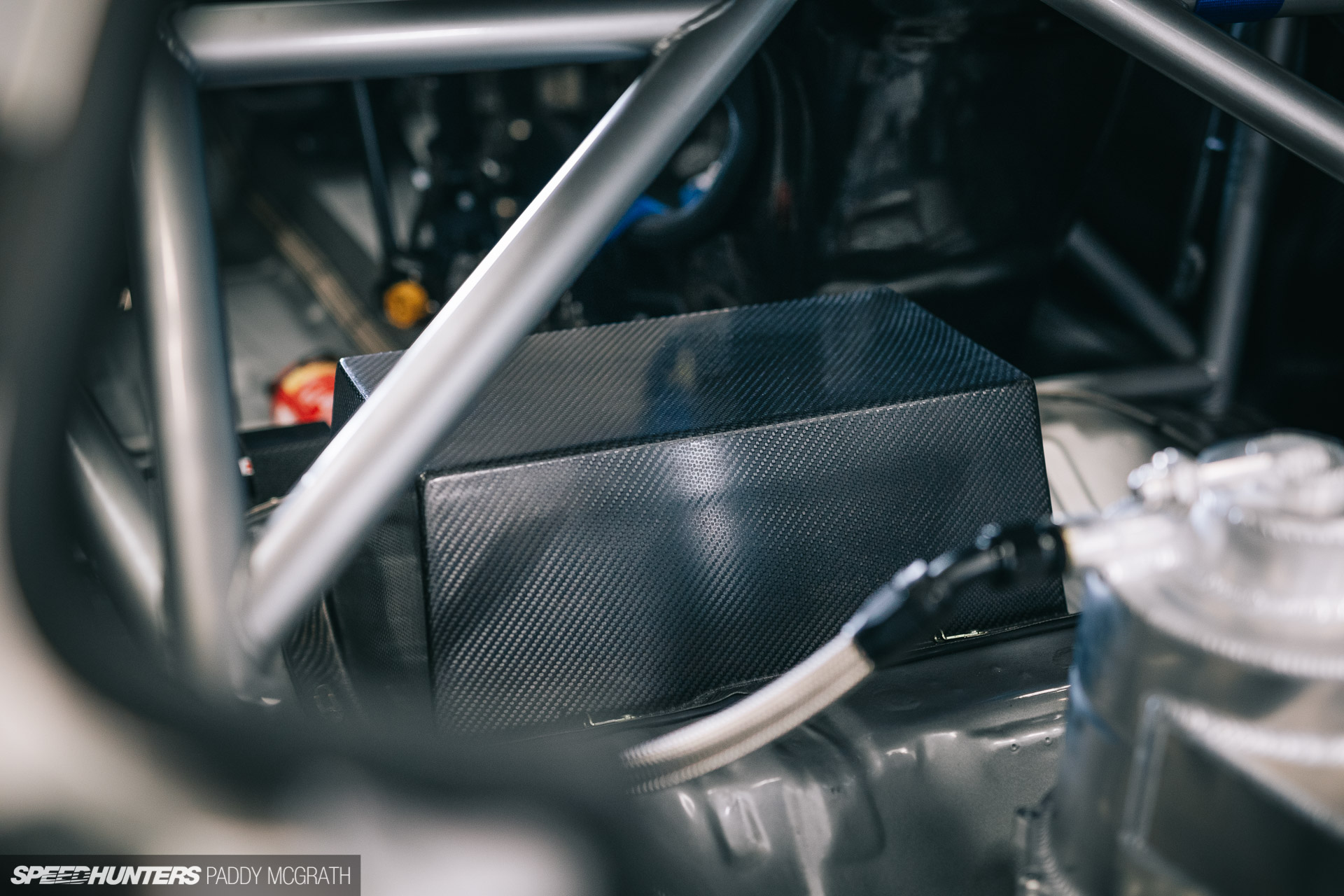
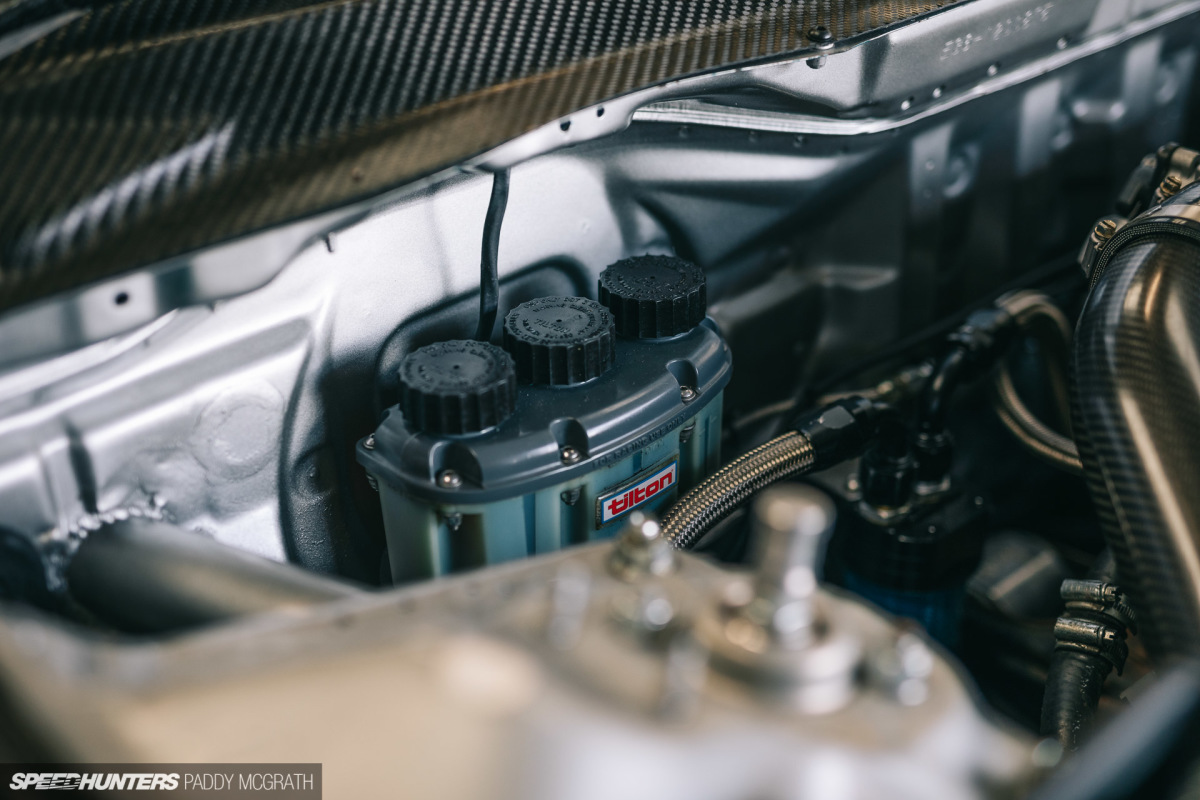
Since moving from the 1,600 to the 2,000 class, Brian has not had the opportunity to do a full season for various reason. During my visit to the Galway premises, the car was up on stands as Brian was working on designing a new dry sump tank cover for the car.
Brian was a little bit bashful about having me photograph the Honda, as it was still wearing some scars from the previous season’s action. But in my opinion, this is the best time to photograph a race car.
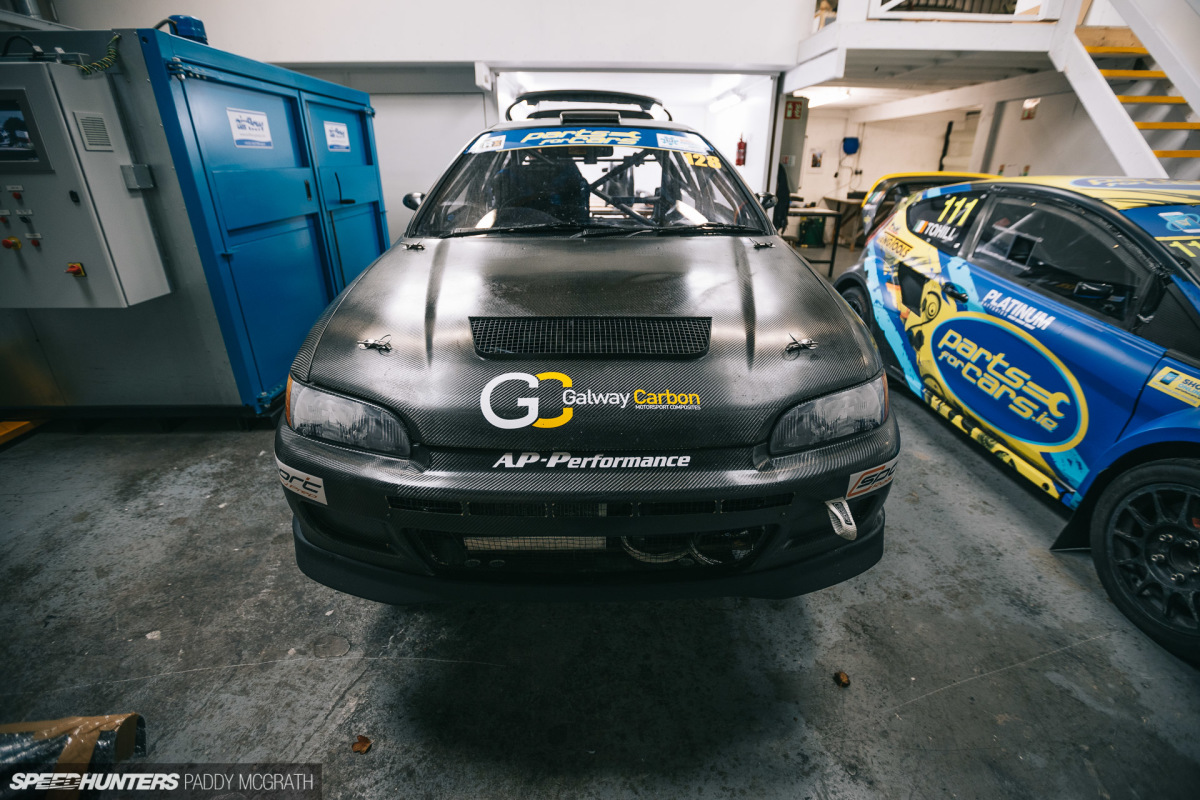

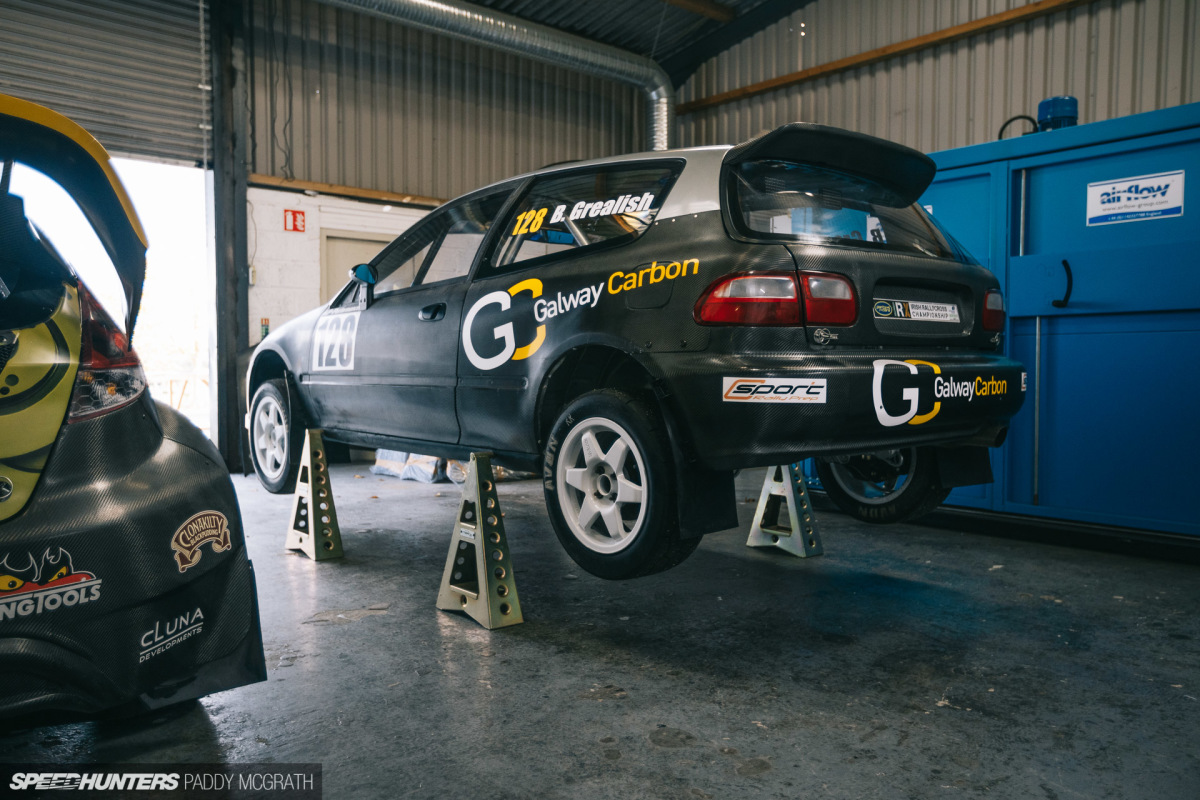
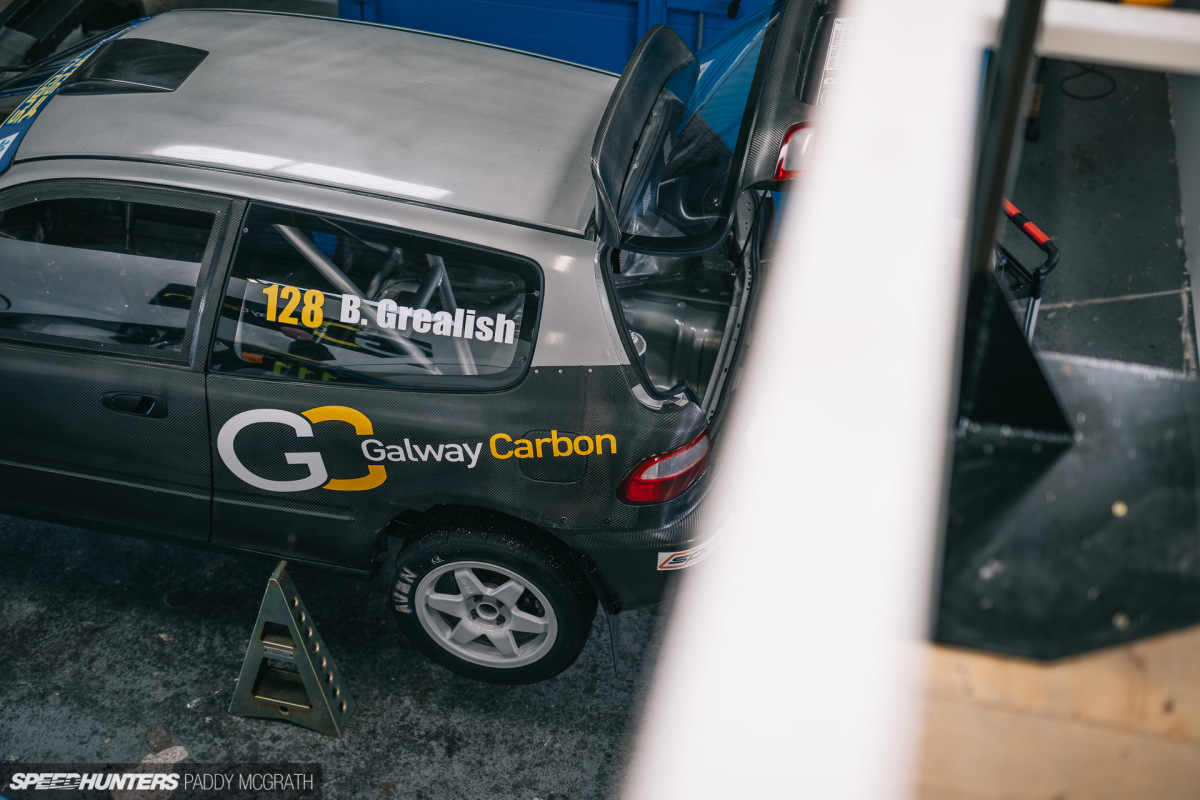
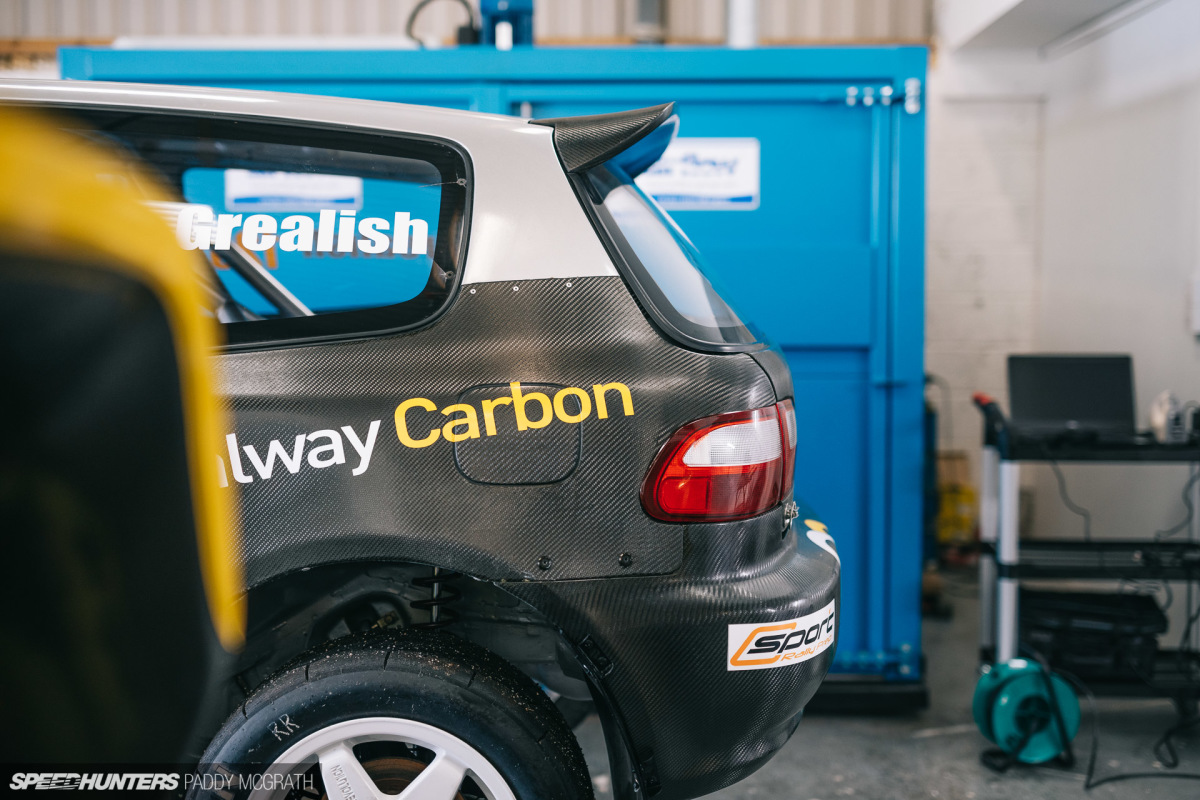
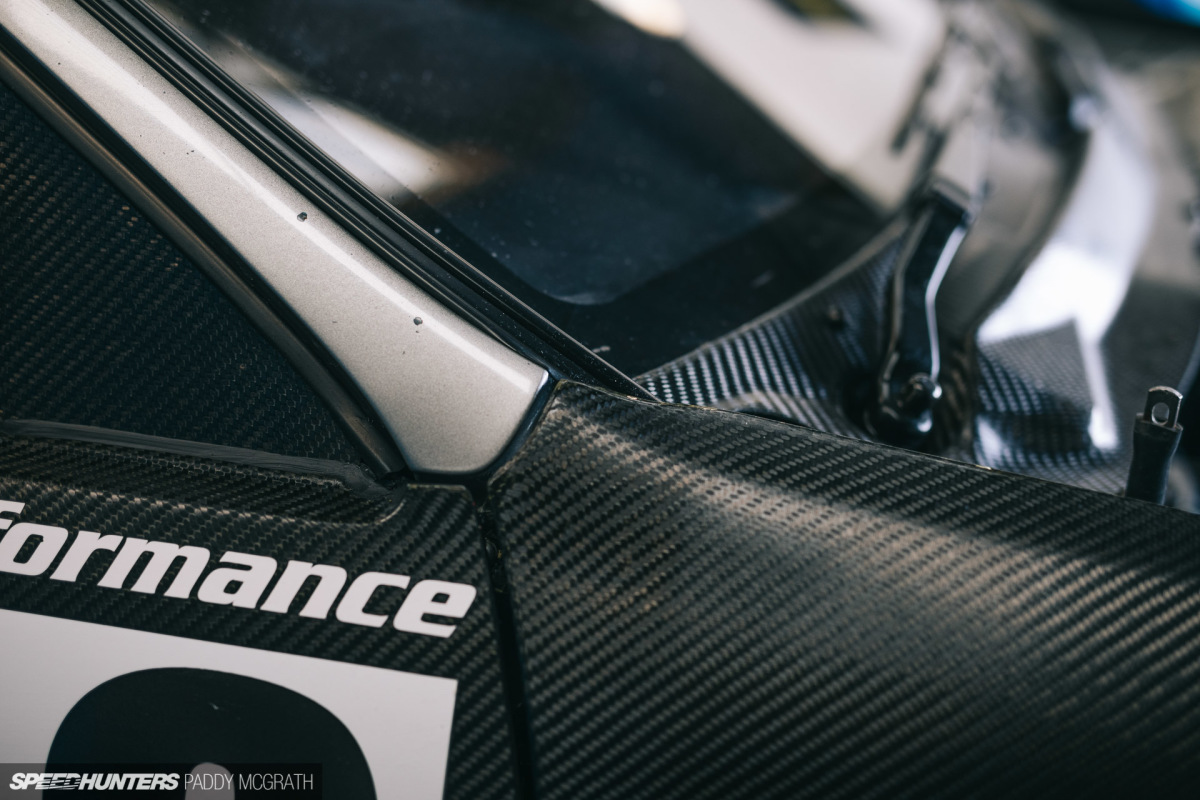
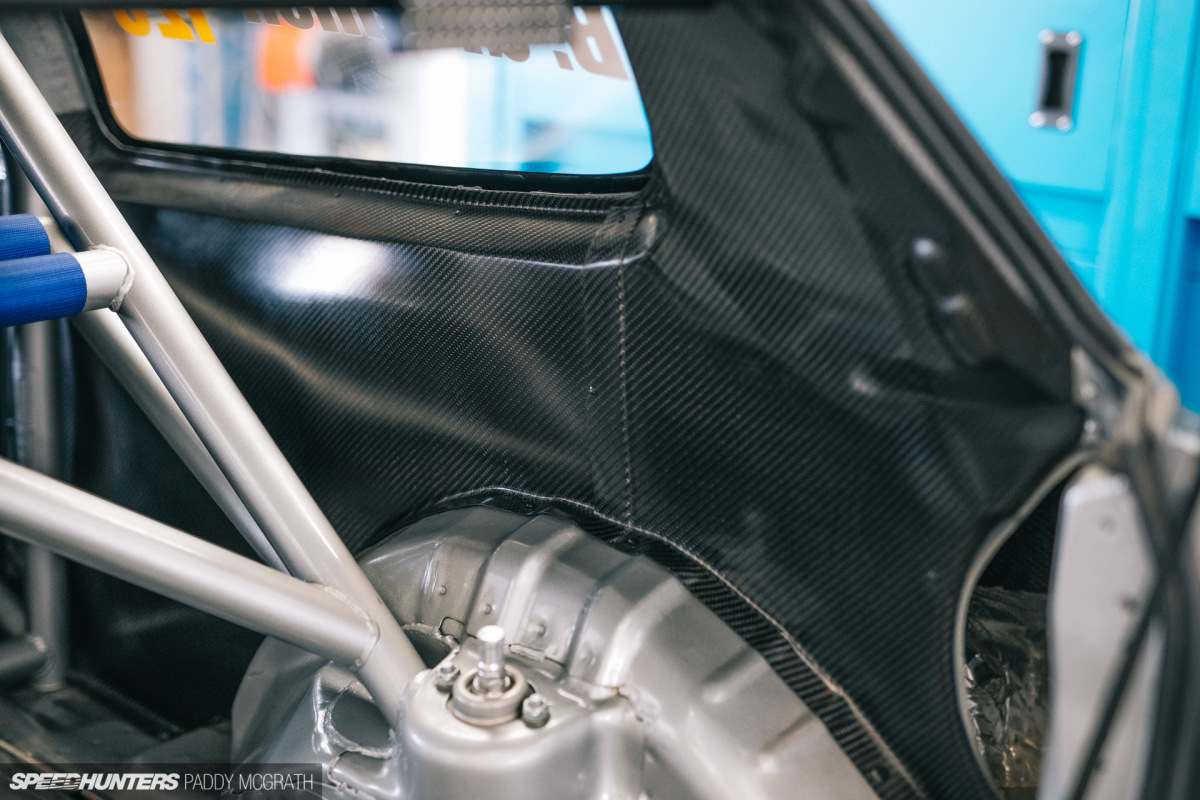
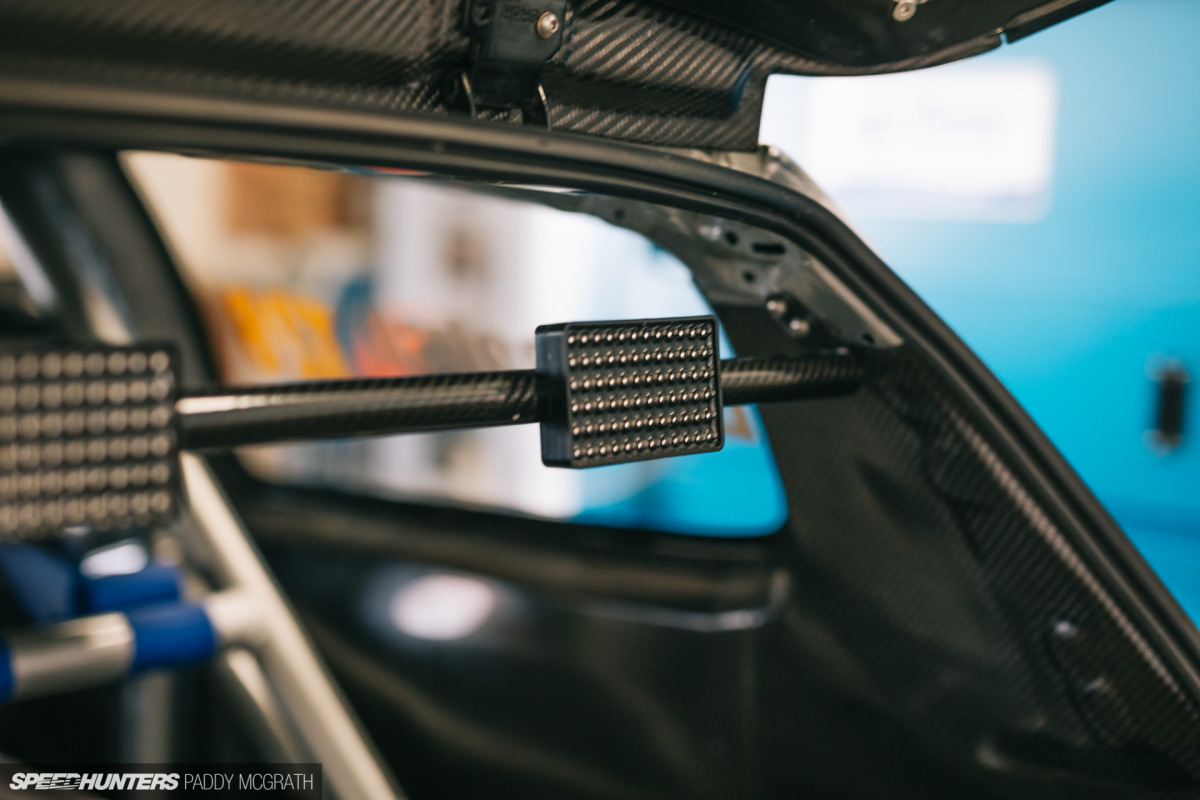
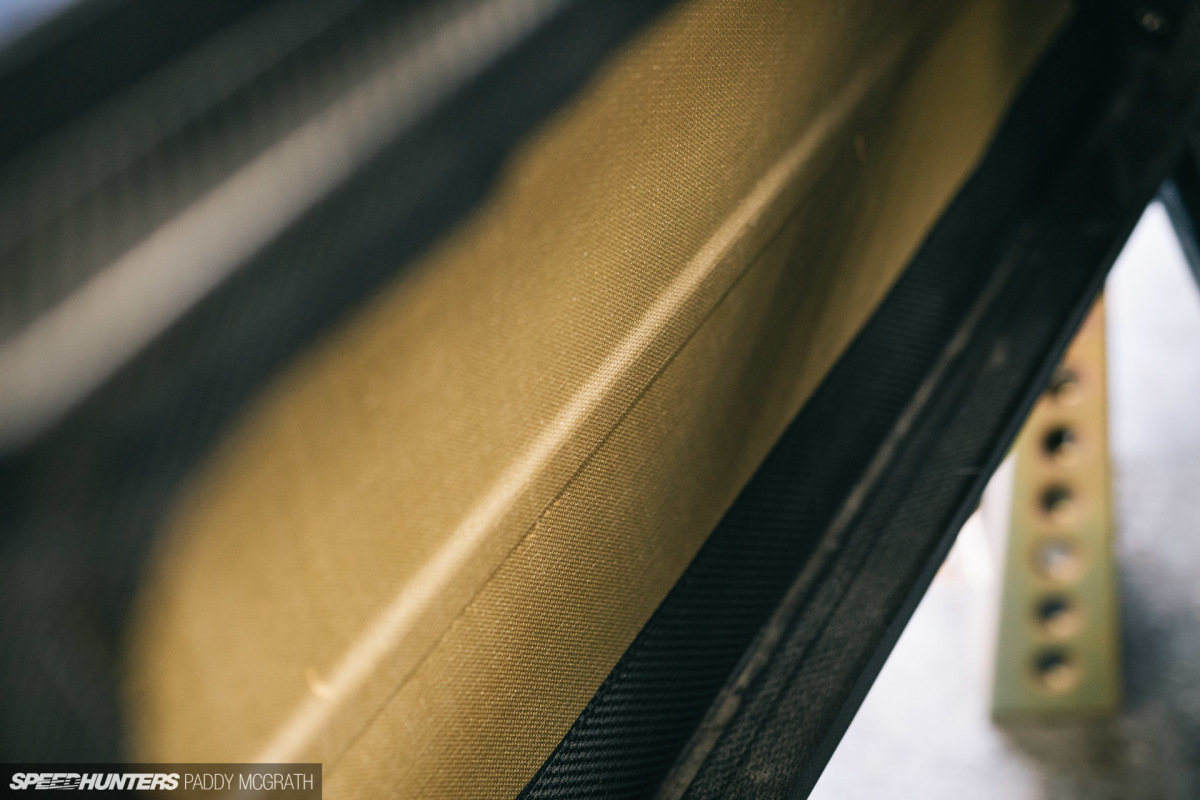
Considering the nature of Brian’s business, it’s not surprising to see that there’s a lot of carbon fibre in play here. Naturally, there’s the weight-saving benefits – the car is 830kg (1,830lb) – but also the carbon’s ability to take an impact without falling to pieces. This is due to the particular system of fabric and resin which Galway developed in 2013 specifically for rallycross applications.
As rallycross is (unofficially, anyway) a contact form of motorsport, this was a sensible decision. However, the first time Brian arrived into his Clubman class in a full carbon car, it might have put a bit of a target on his back. All good natured, of course.
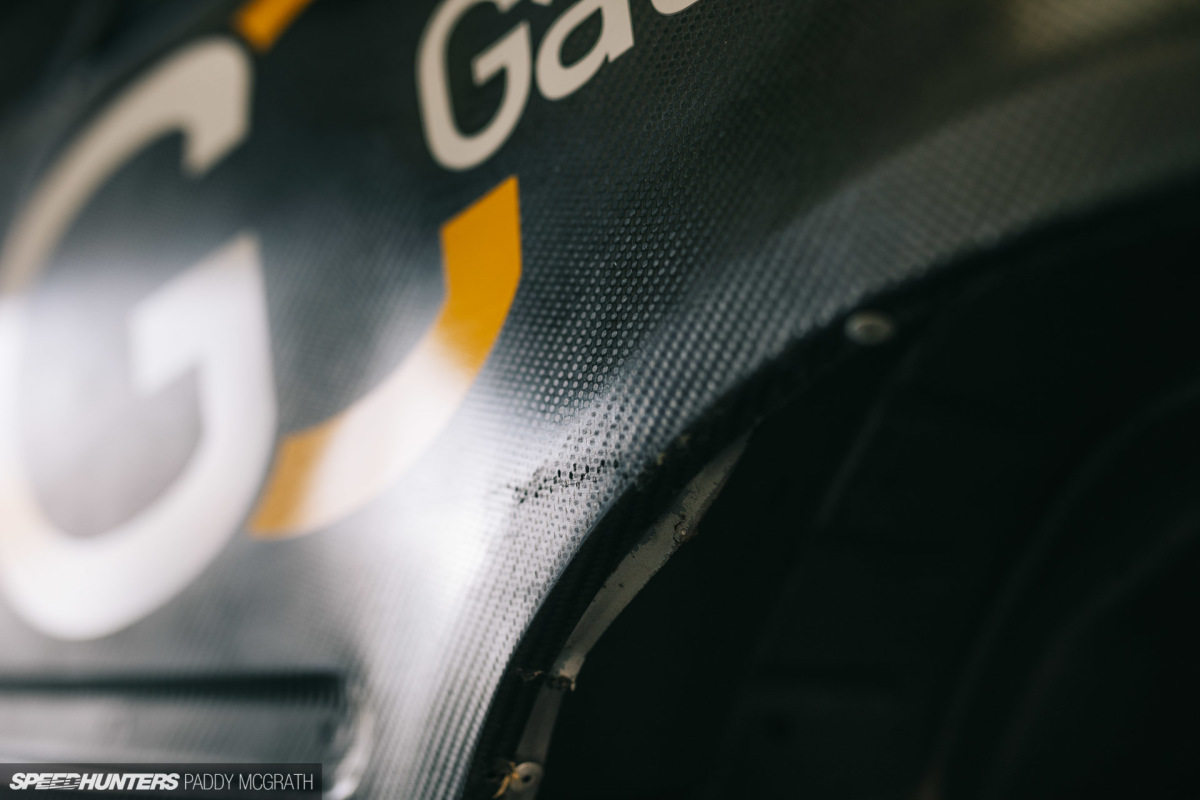
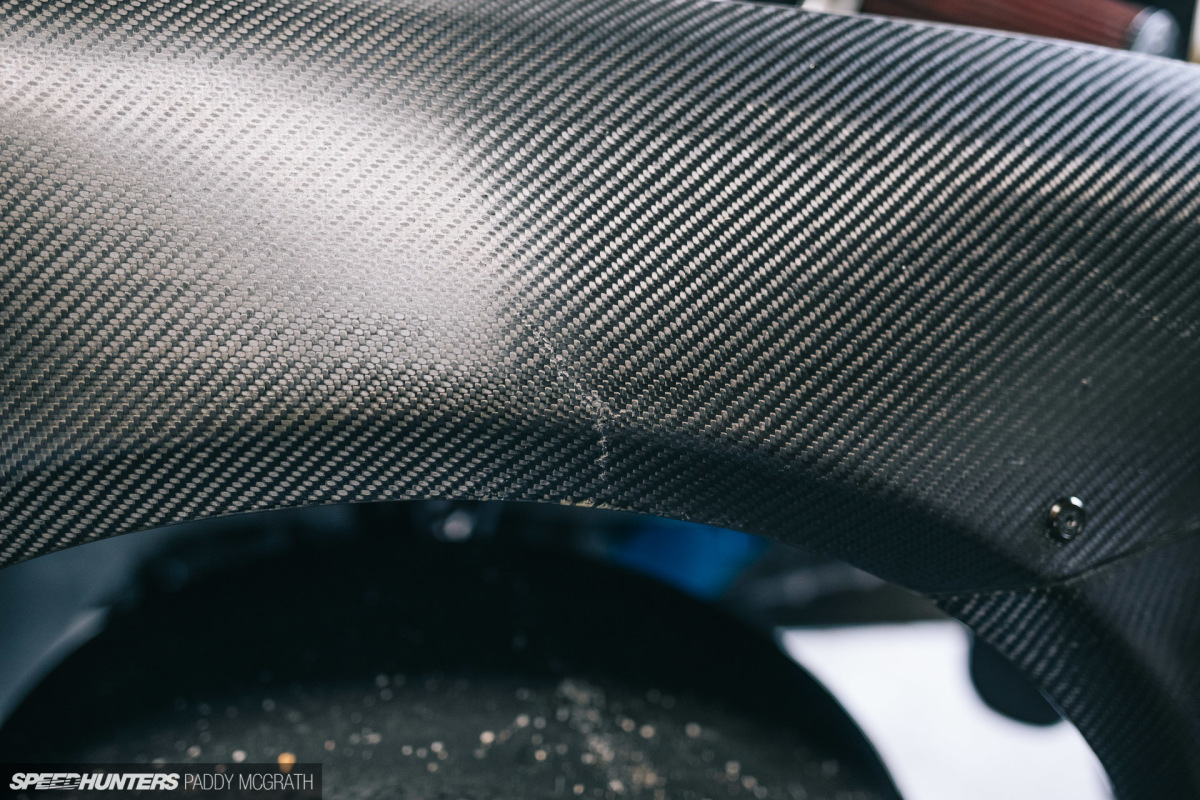
The blemishes shown above are the only reminders of two significant impacts that the car has had, both of which did more damage to the metalwork behind the carbon than the carbon itself.
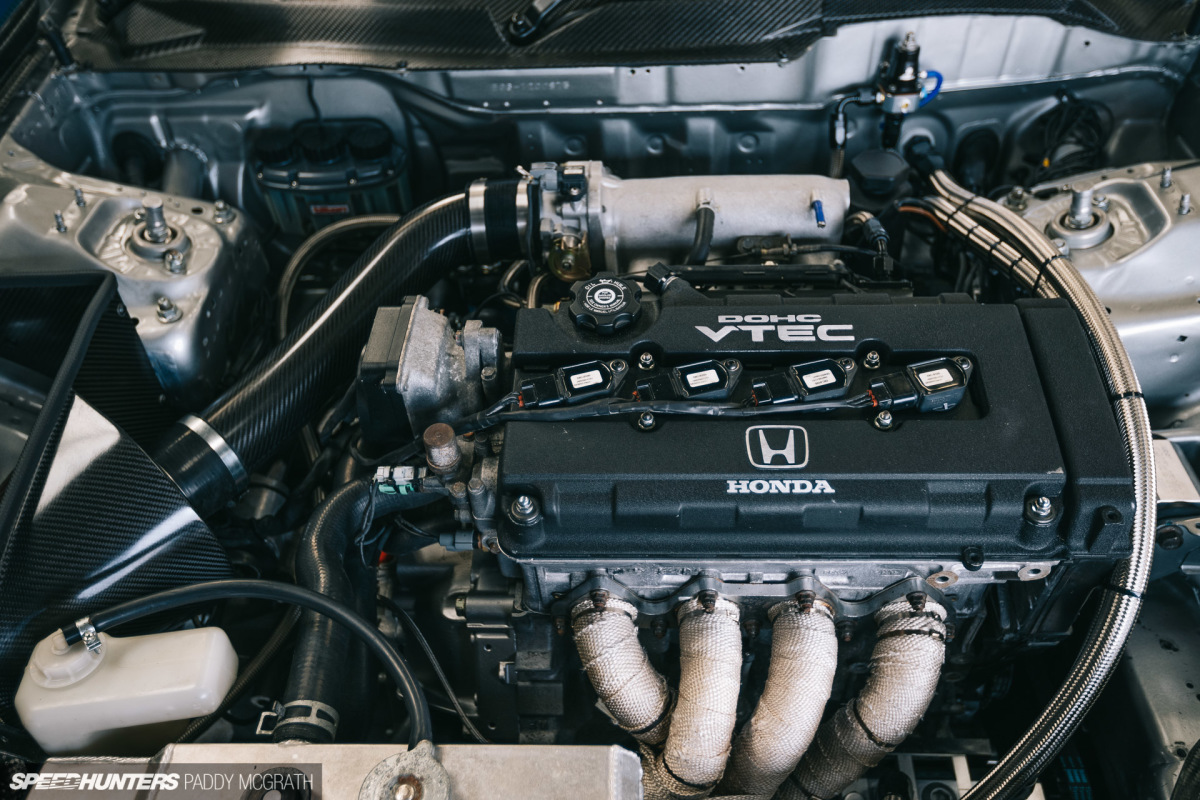
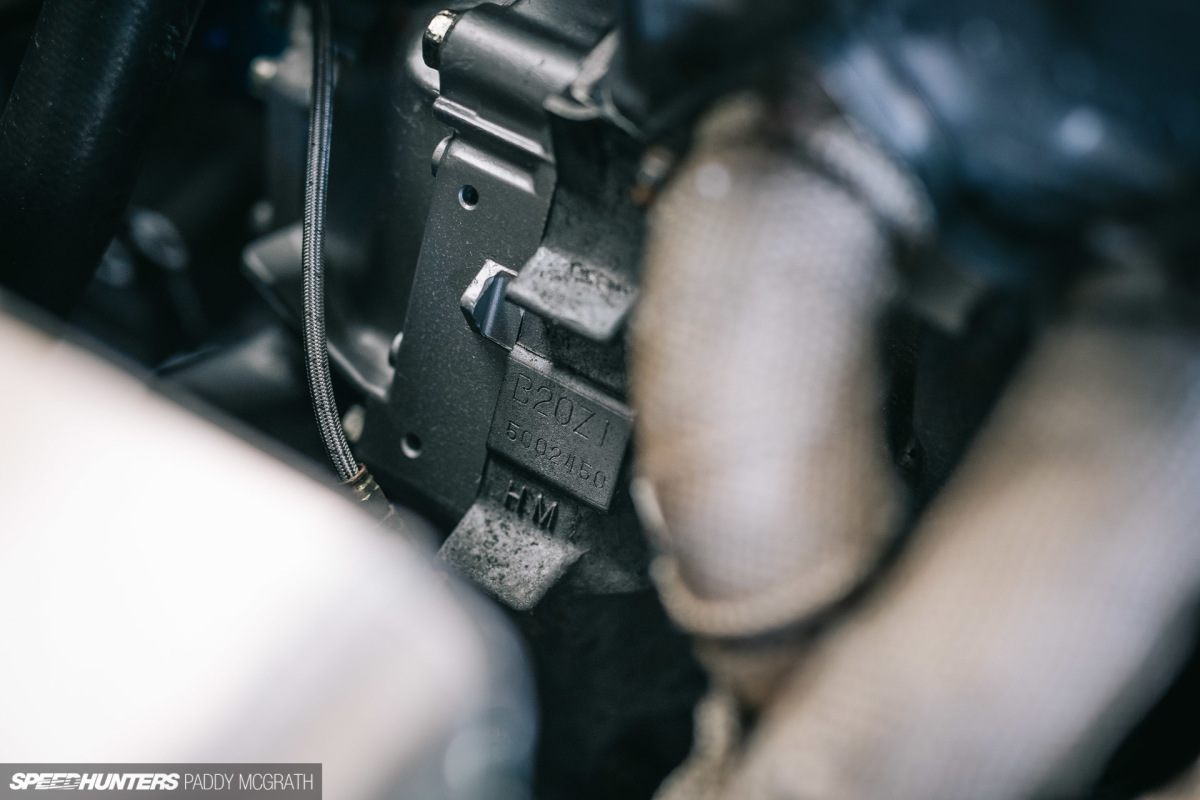
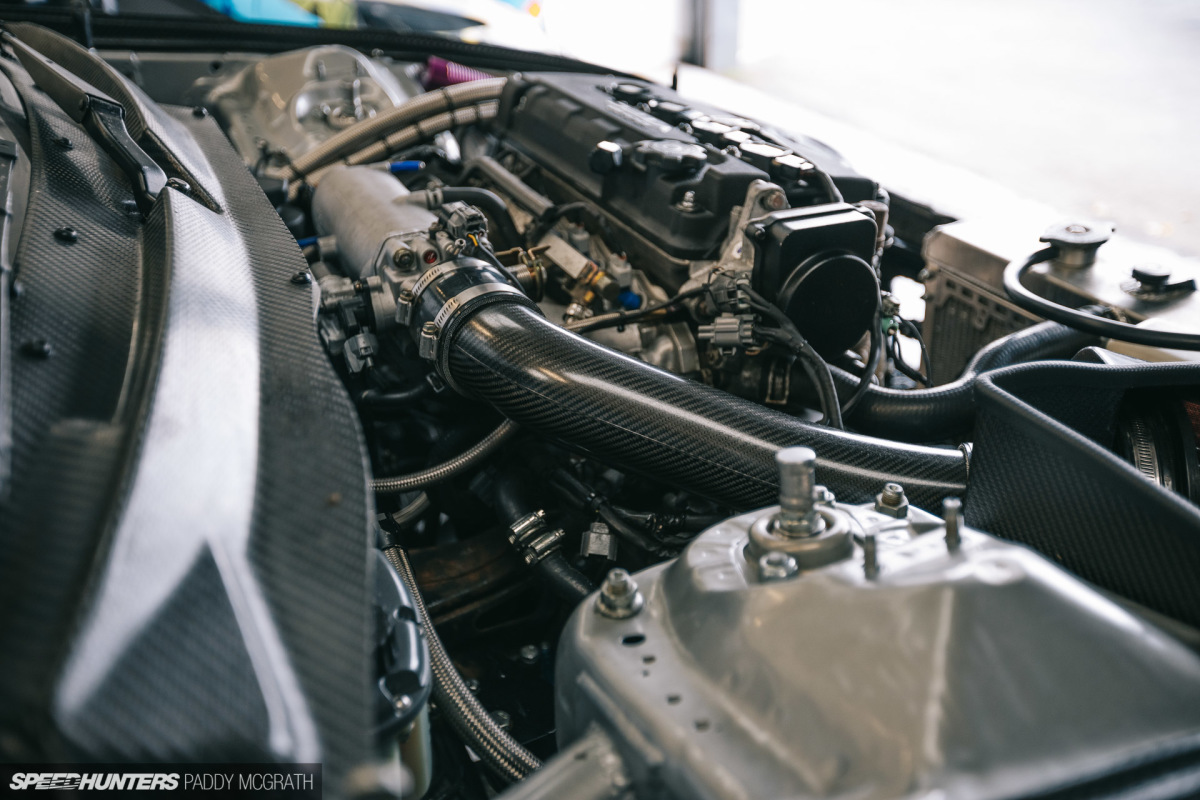
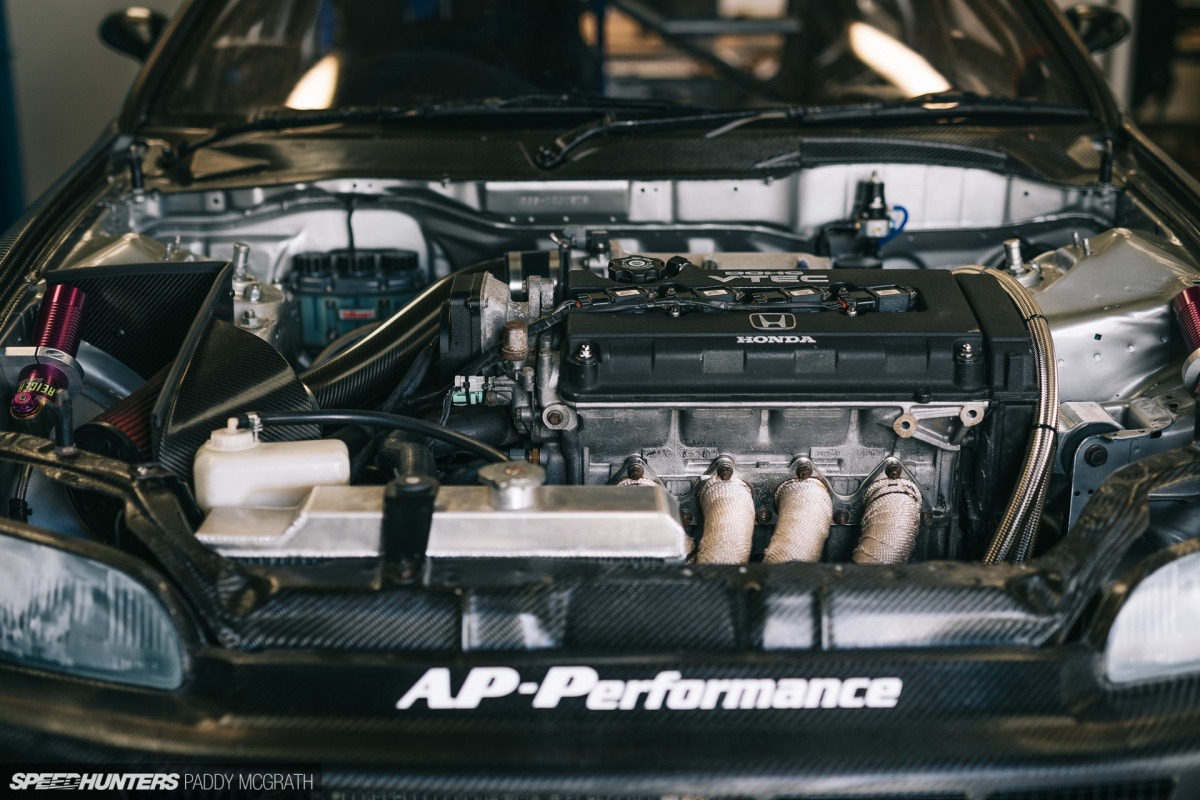
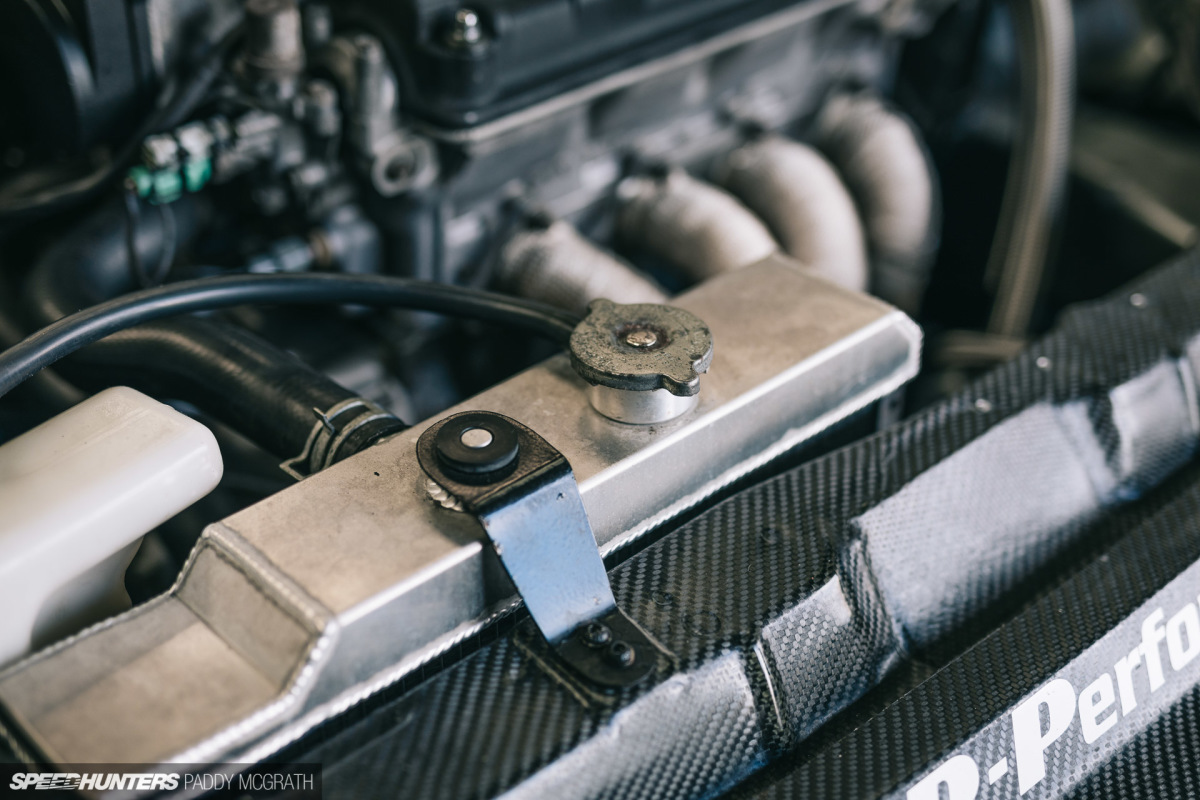
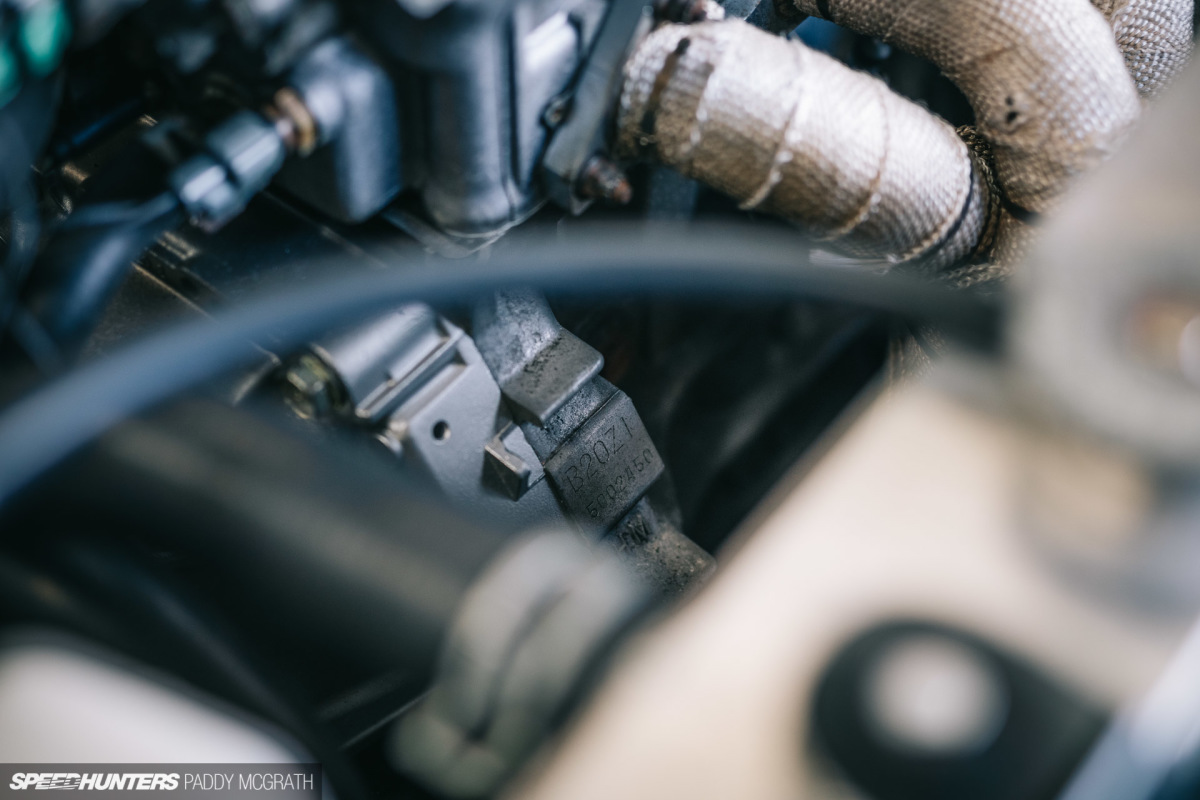
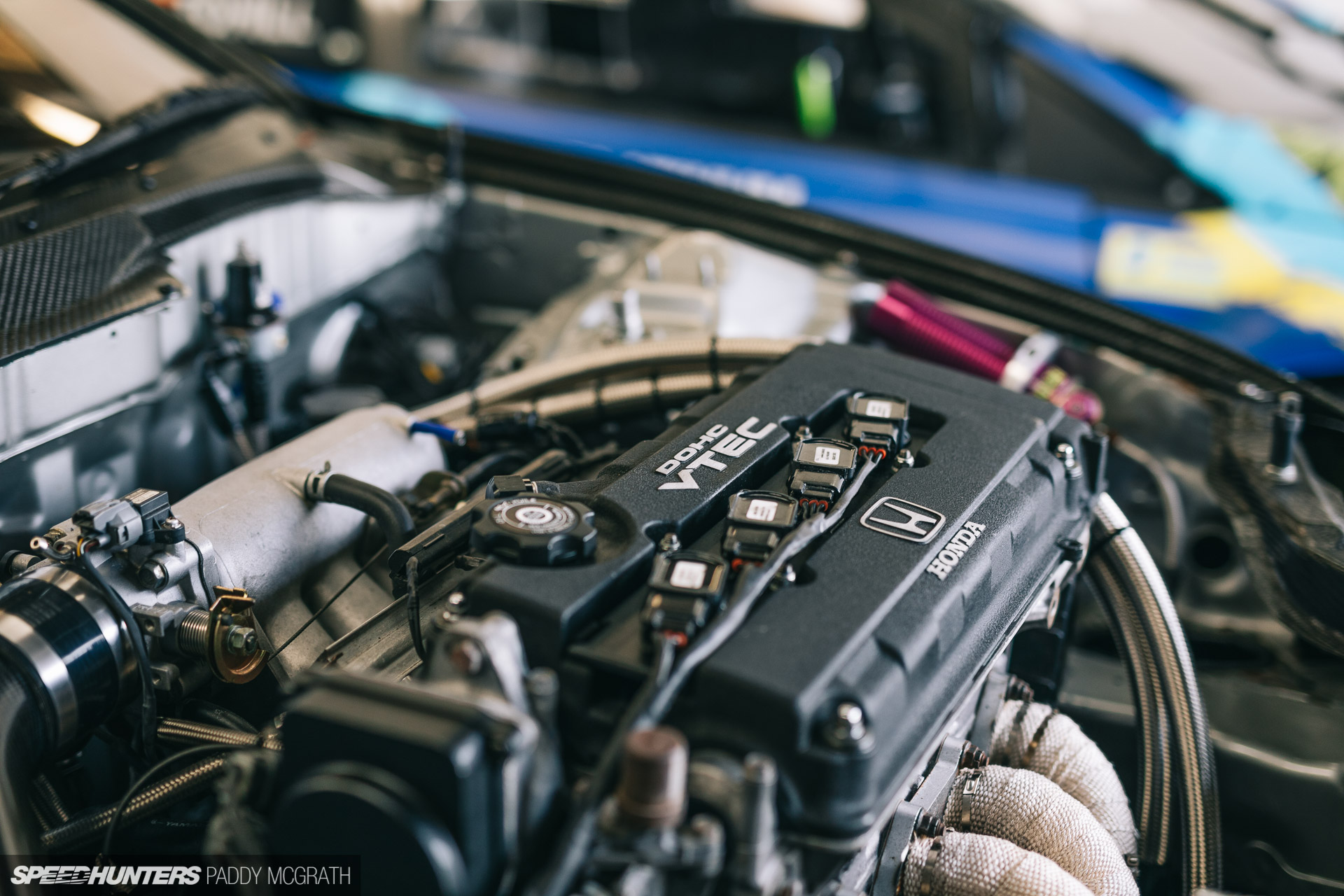
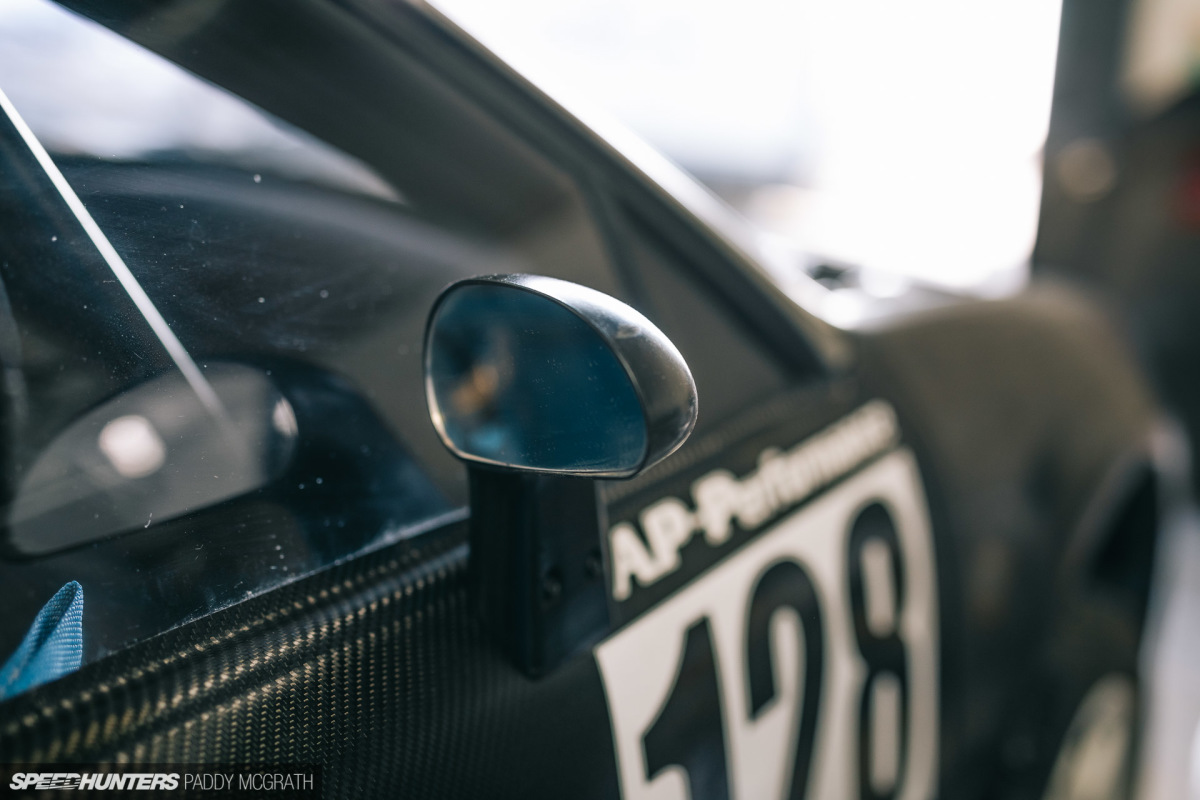
At the literal heart of things is a Honda B-series engine comprising of a B20Z1 block and a B16A DOHC VTEC cylinder head. The extra capacity from the 2.0L block provides a significant bump in torque over the original 1.6L, something which is much appreciated during heats. The engine is managed by a Link ECU, and was tuned by AP Performance, a neighbour of Galway Carbon.
Brian did supply some in-car footage from last season, so you can appreciate the car that little bit better. I do apologise to Brian for choosing the footage where he finished second, rather than winning, but it’s a more compelling view.
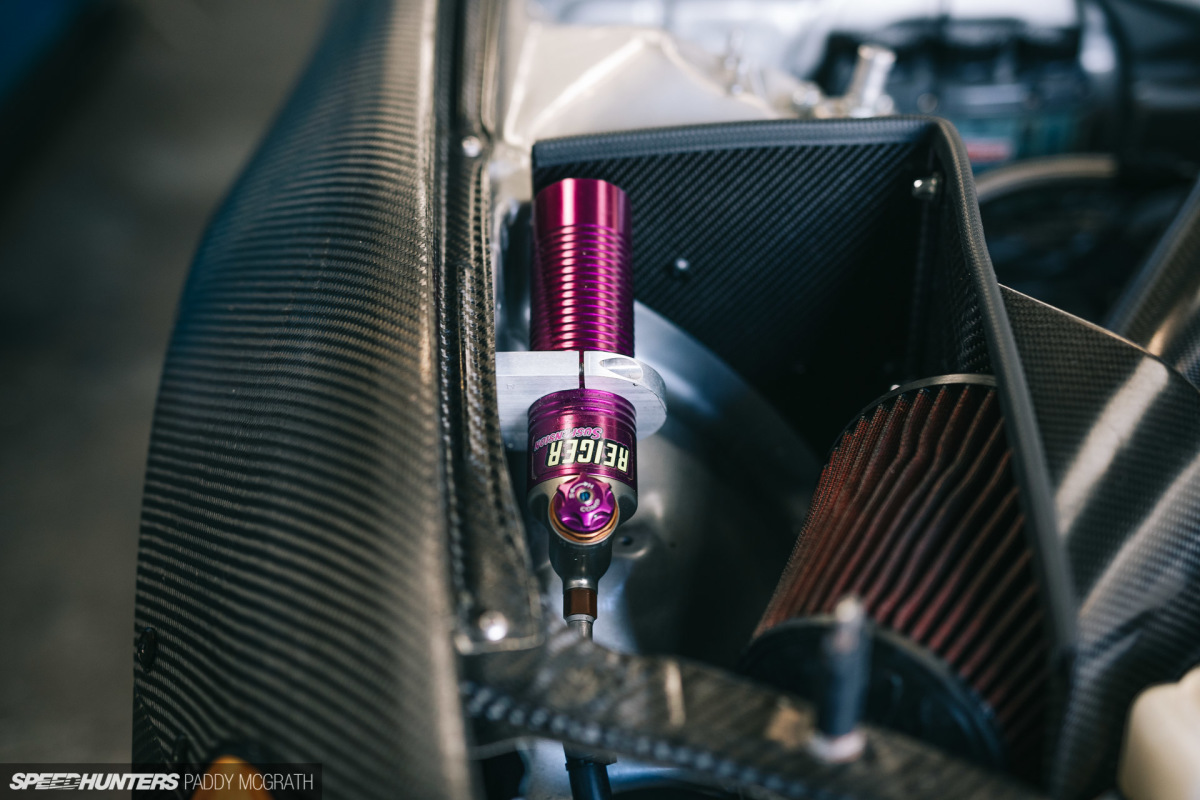
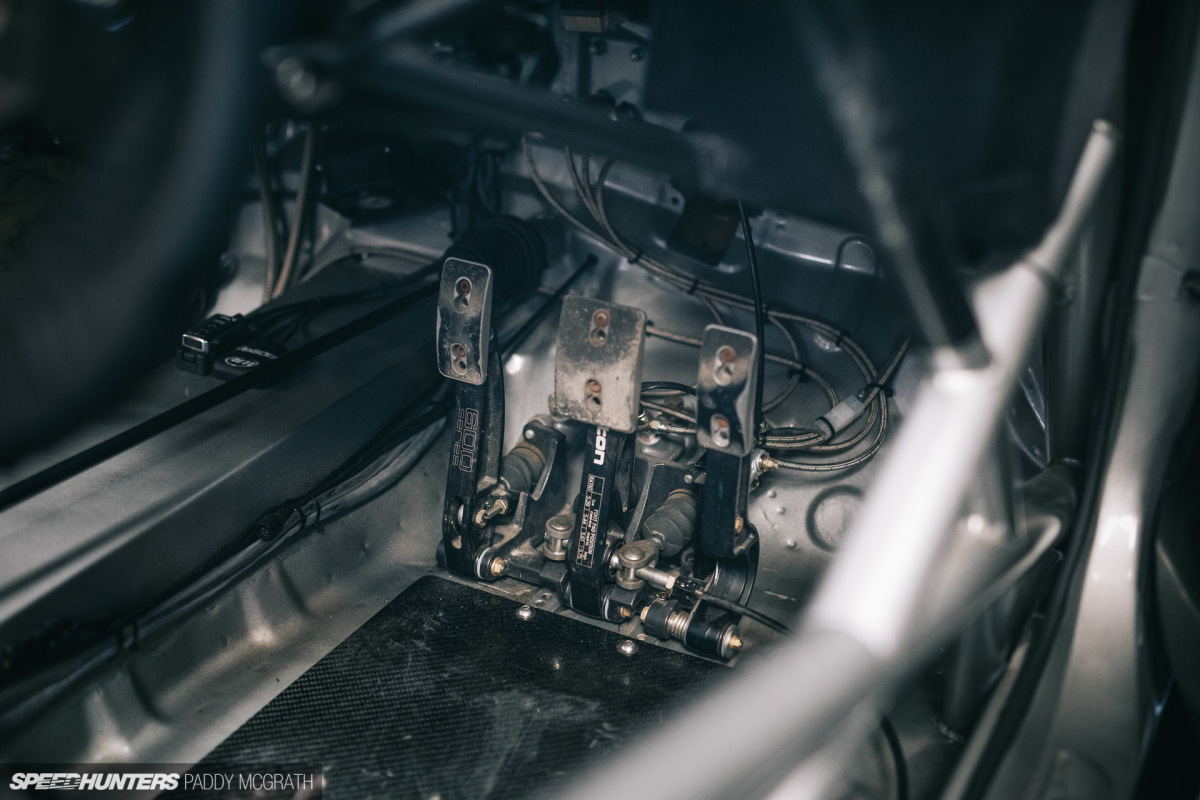
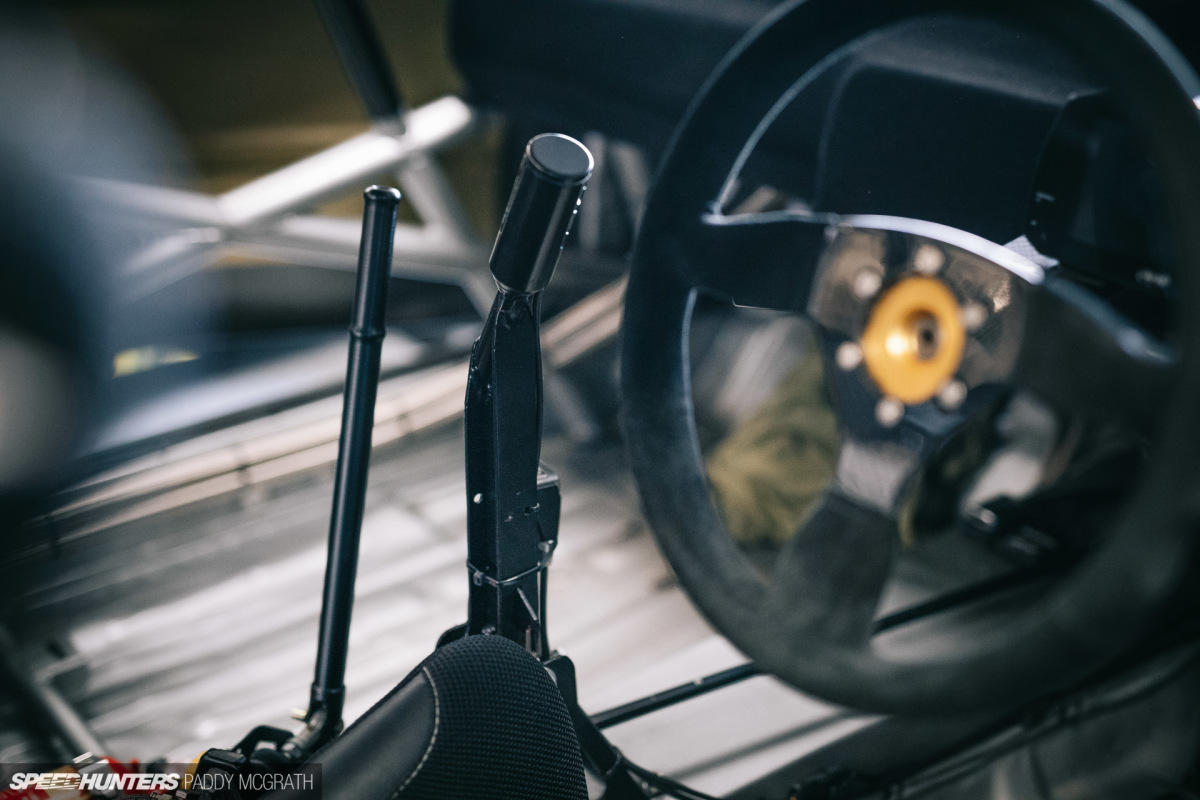
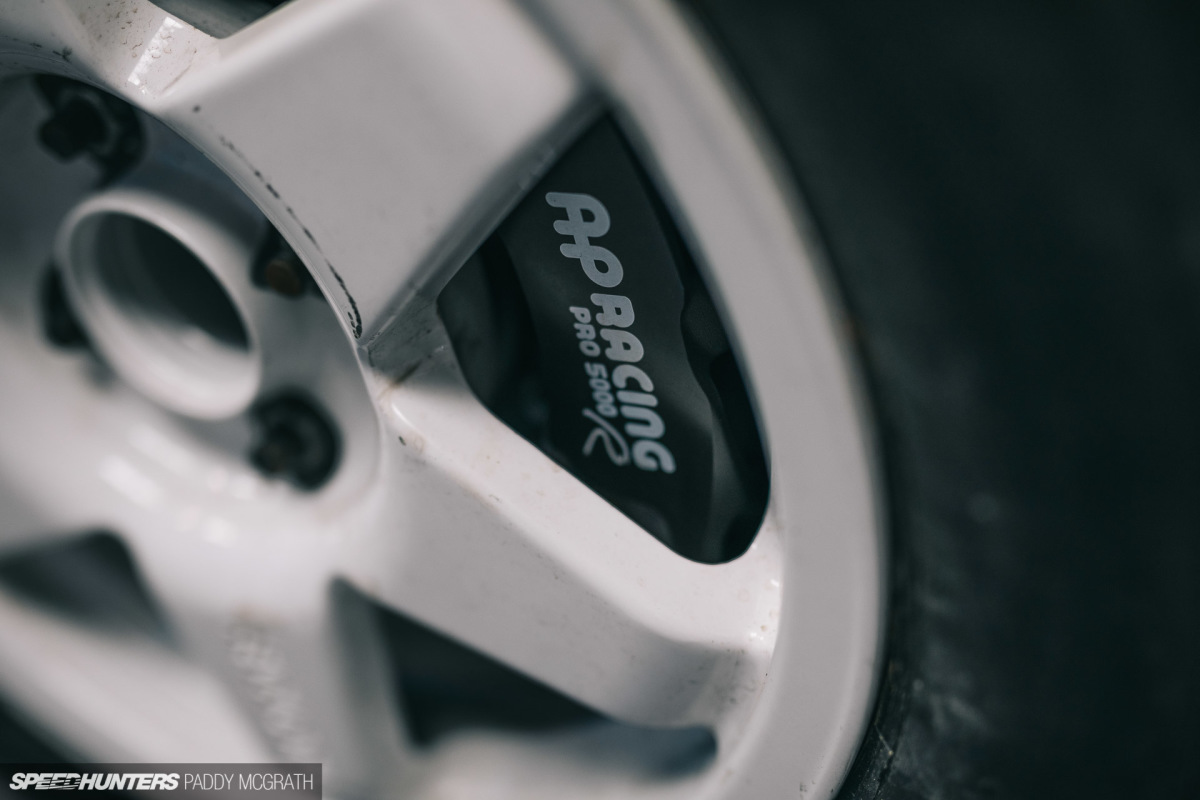
The car runs on Reiger suspension with remote reservoirs and adjustment, along with Revolution wheels and 304mm AP Racing Pro 5000R 4-piston front brakes. There’s a Quaife sequential gearbox with a Kaaz limited-slip differential as well.
What struck me was the use of slicks on a rallycross car. Brian explained that their compound makes them incredibly versatile on tarmac and loose surfaces, and even in the wet they can still perform, although standing water is their downfall.
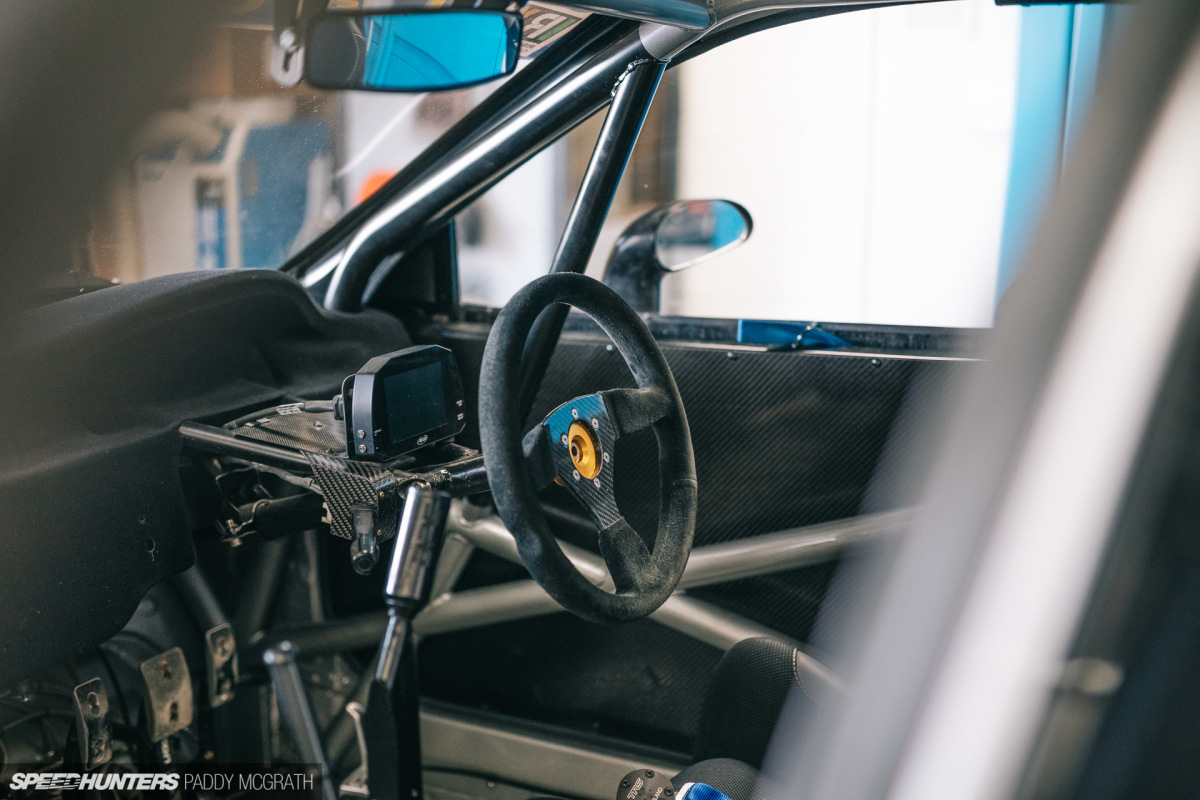
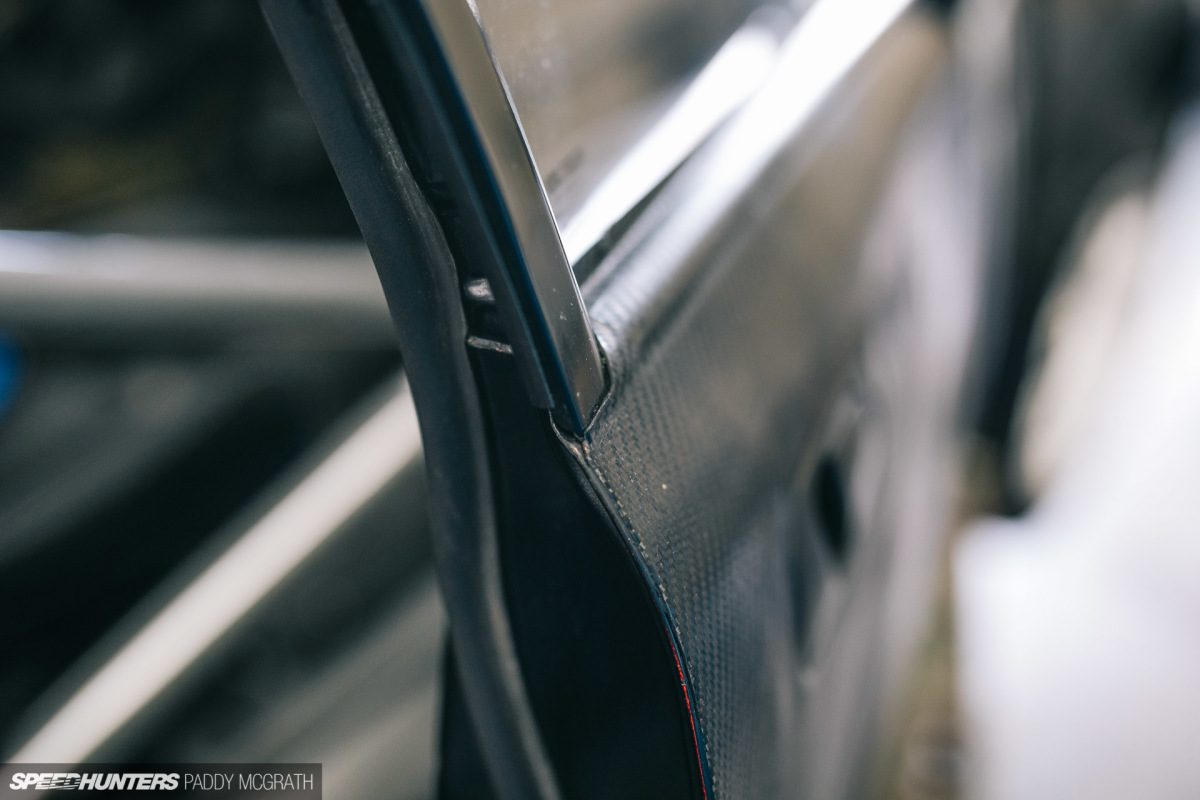
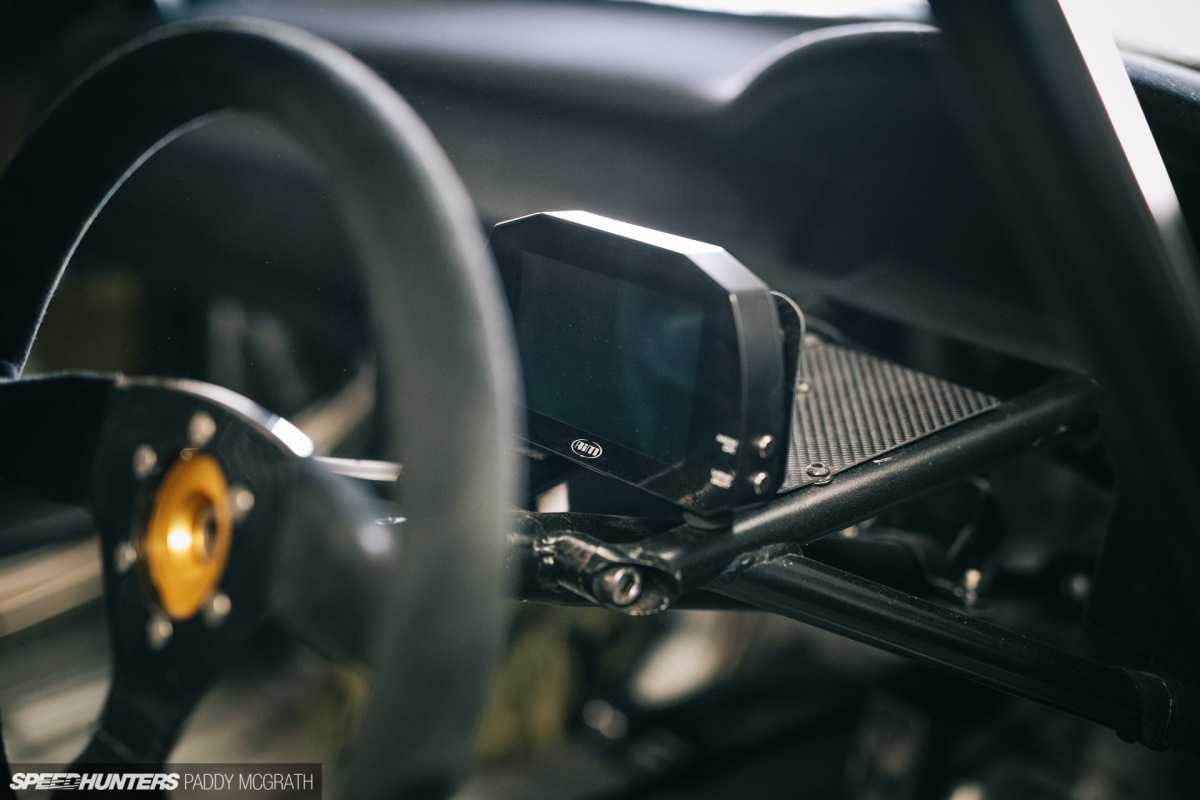
The driver’s door, although covered in carbon, is still steel as per regulations. The flocked carbon dashboard weighs just 800gm (under 2lb), and all the glass has been replaced by moulded Lexan, including the windscreen which further reduces weight.
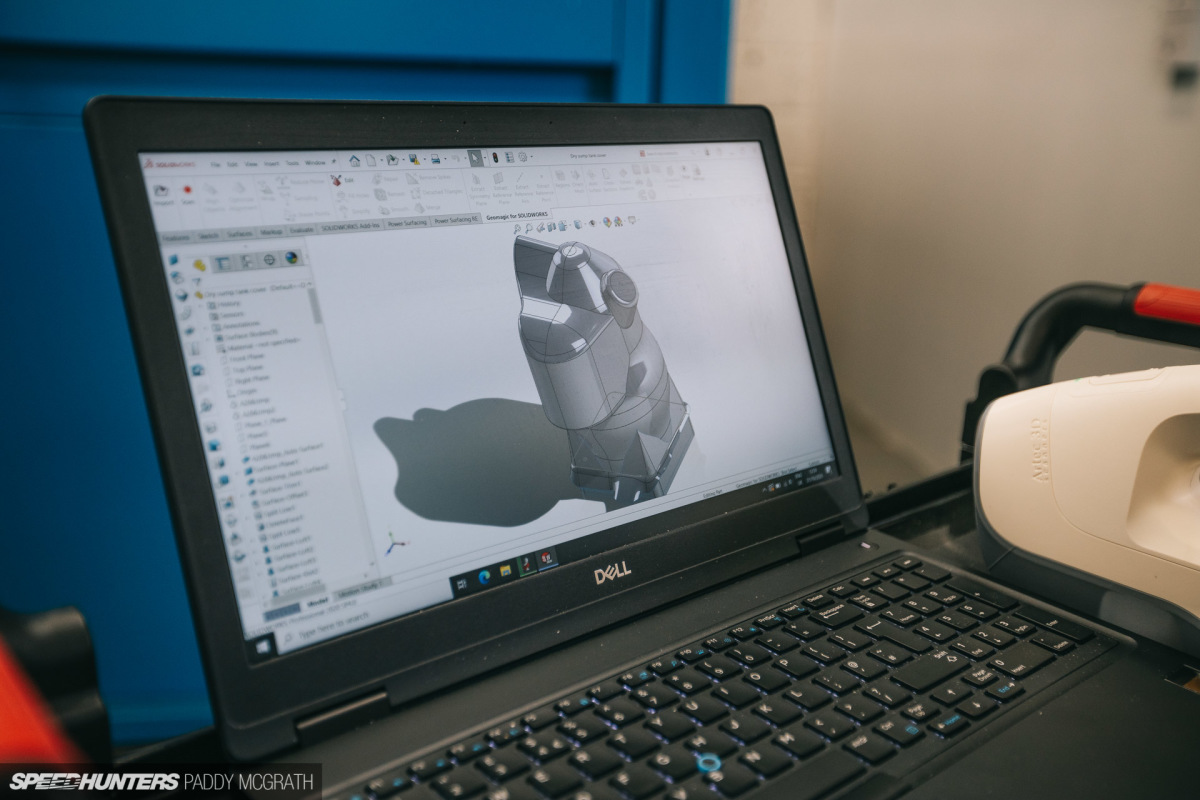
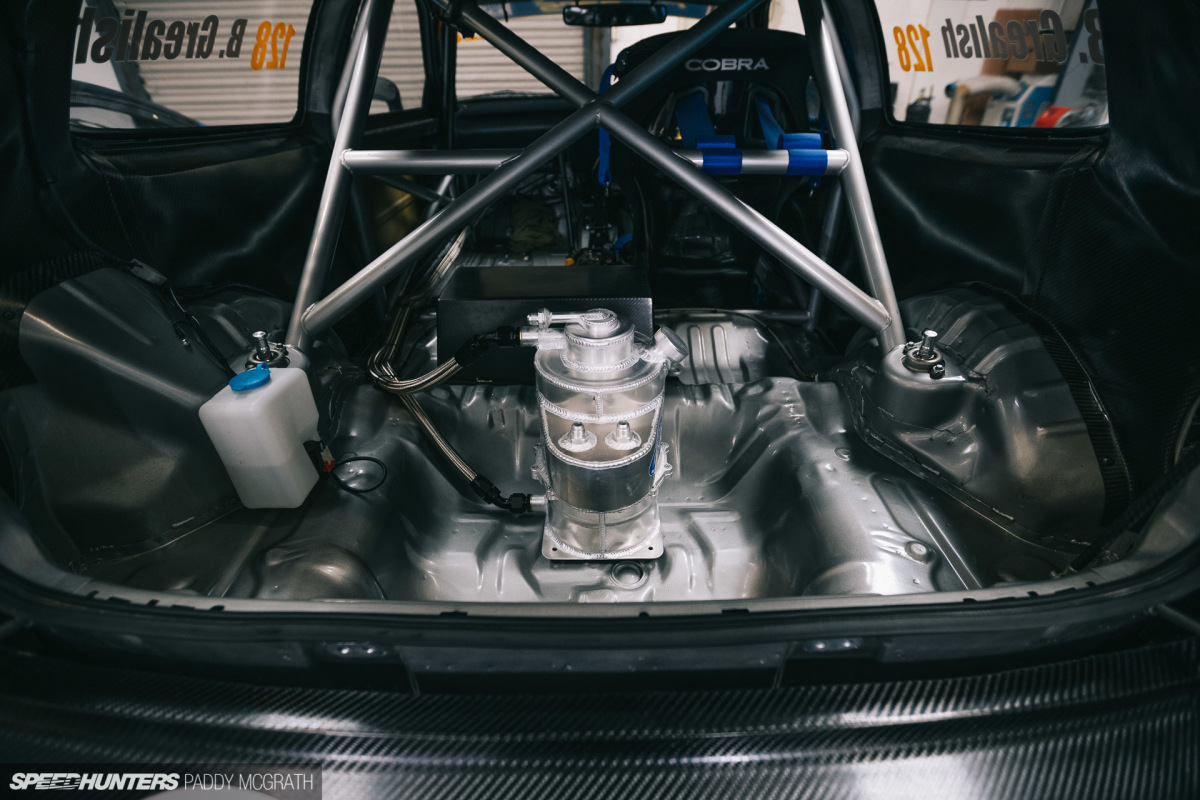
As mentioned previously, Brian was in the process of designing an intricate cover for the dry sump tank at the rear of the car. Of course, a simple box design would satisfy regulations, but where’s the fun in that? This will be pretty neat when it’s completed.
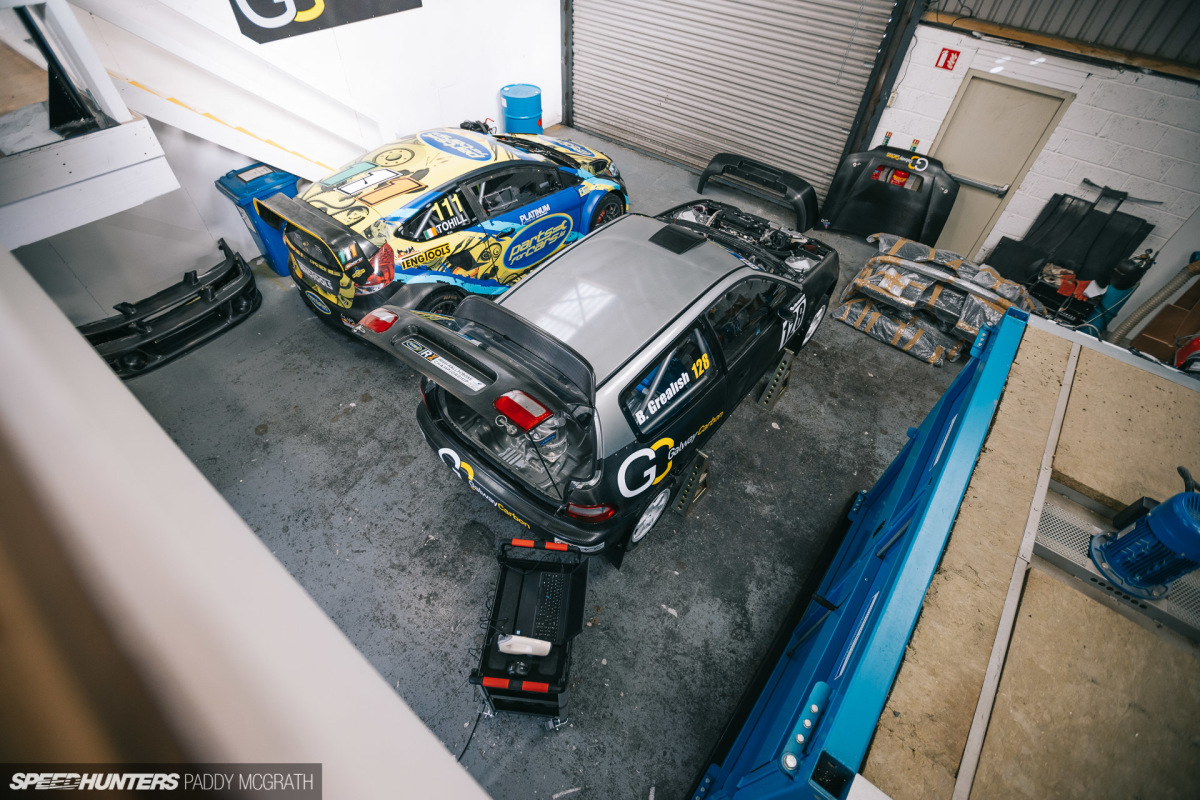
I won’t drag this spotlight out any longer than necessary, but I will include more photographs in the gallery below.
Now to gamble on whether you want to see more of that Fiesta…
Paddy McGrath
Instagram: pmcgphotos
Twitter: pmcgphotos
paddy@speedhunters.com
Rallycross related stories on Speedhunters