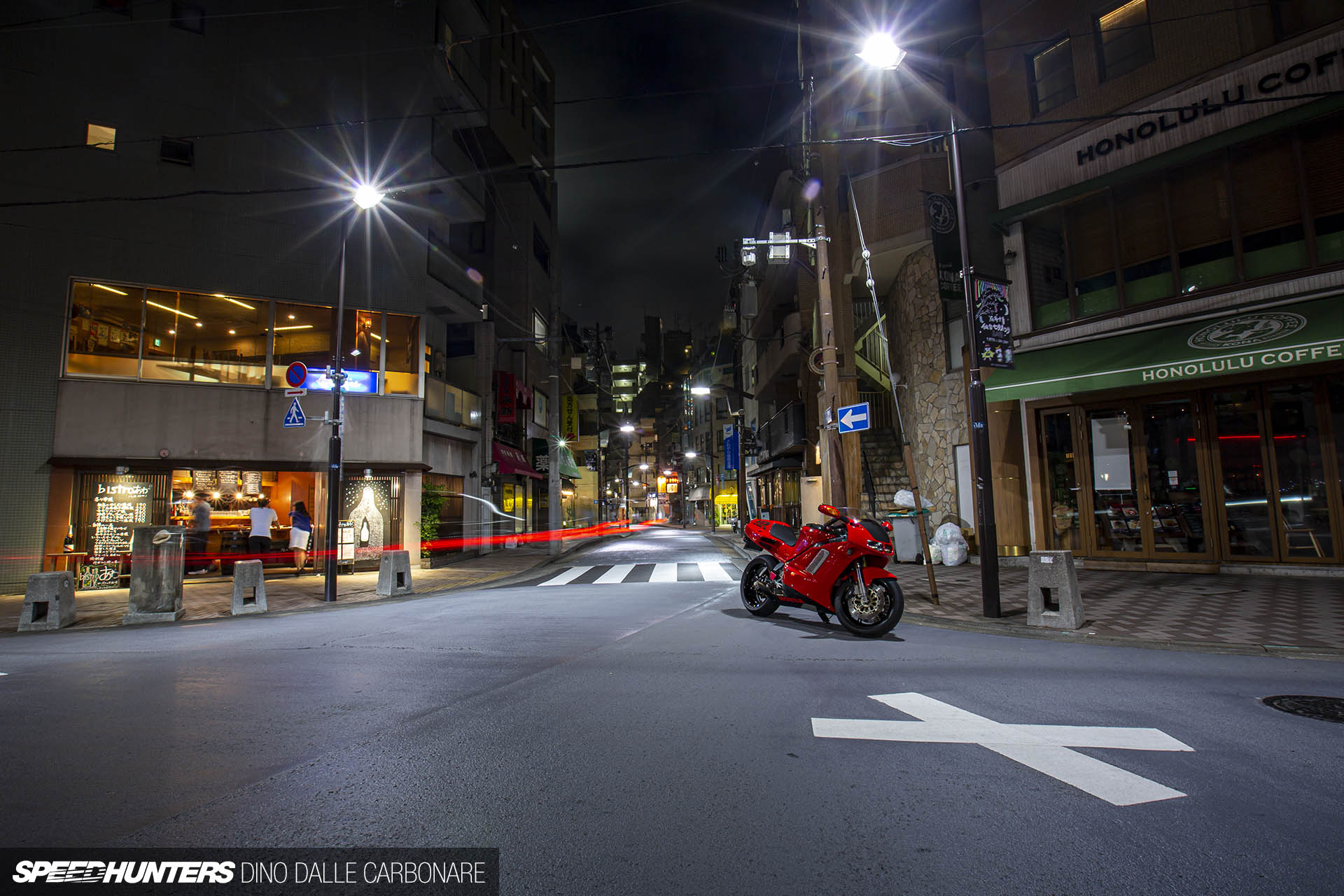
I haven’t done a motorcycle feature in quite some time, probably because I don’t actively seek them out. When it comes to two-wheeled machinery, it’s more a case of whatever-I-uncover-in-my-travels sort of approach.
You might be wondering why I’m presenting you with a feature on a completely stock 28-year-old Japanese sports bike. Well, regardless of its age, this model definitely isn’t your everyday motorcycle. Blake touched on the Honda NR750 in a recent story on the manufacturer’s Collection Hall at Twin Ring Motegi, and today I’m here to give you the full story on this iconic Japanese machine.
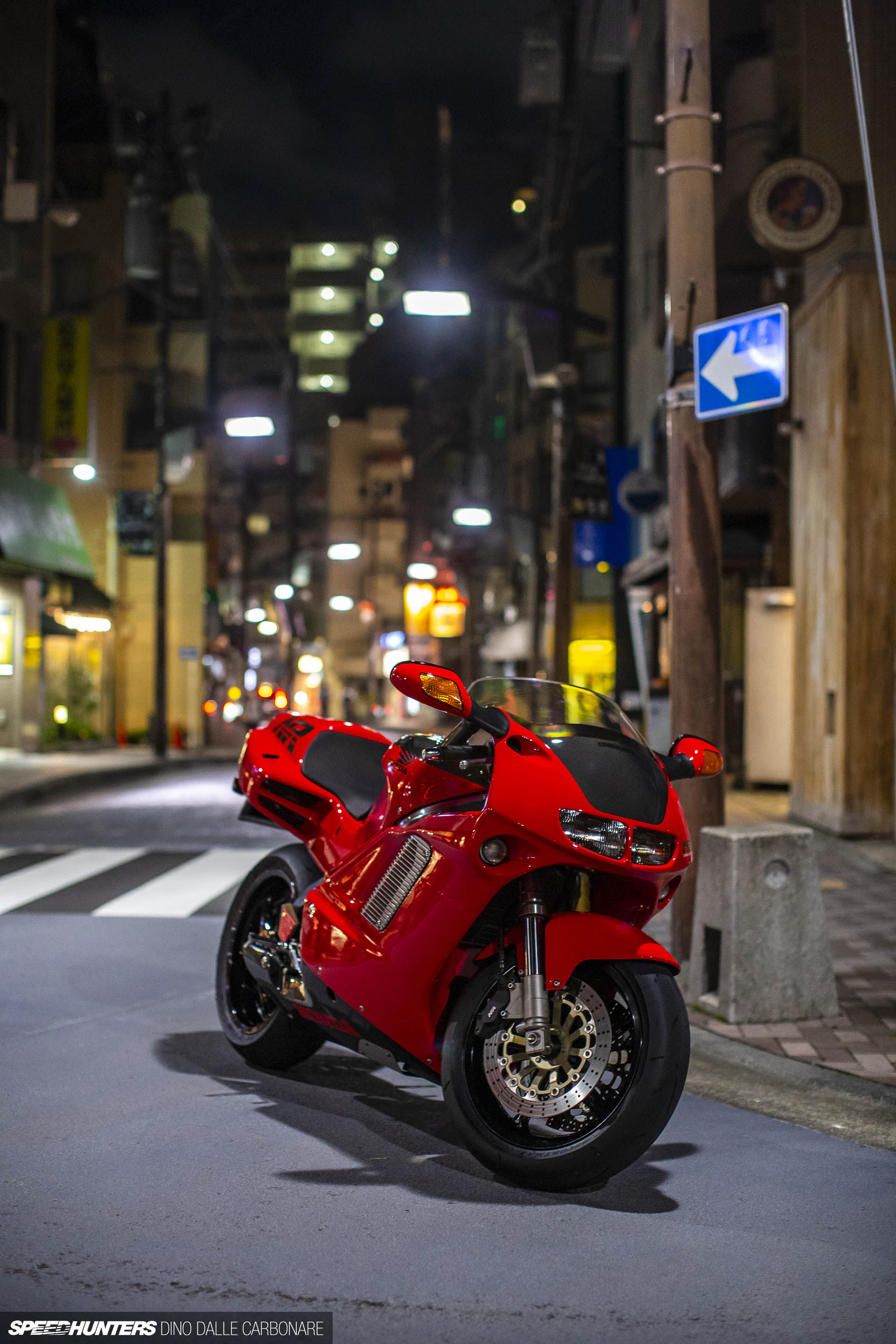
This is the equivalent of a company putting all its best engineering know-how together for the sole purpose of, well… showing off. The Honda NR750 came at the end of the economic bubble in Japan, where a lot of companies were spending up large on special projects, just to show the world what they could do.
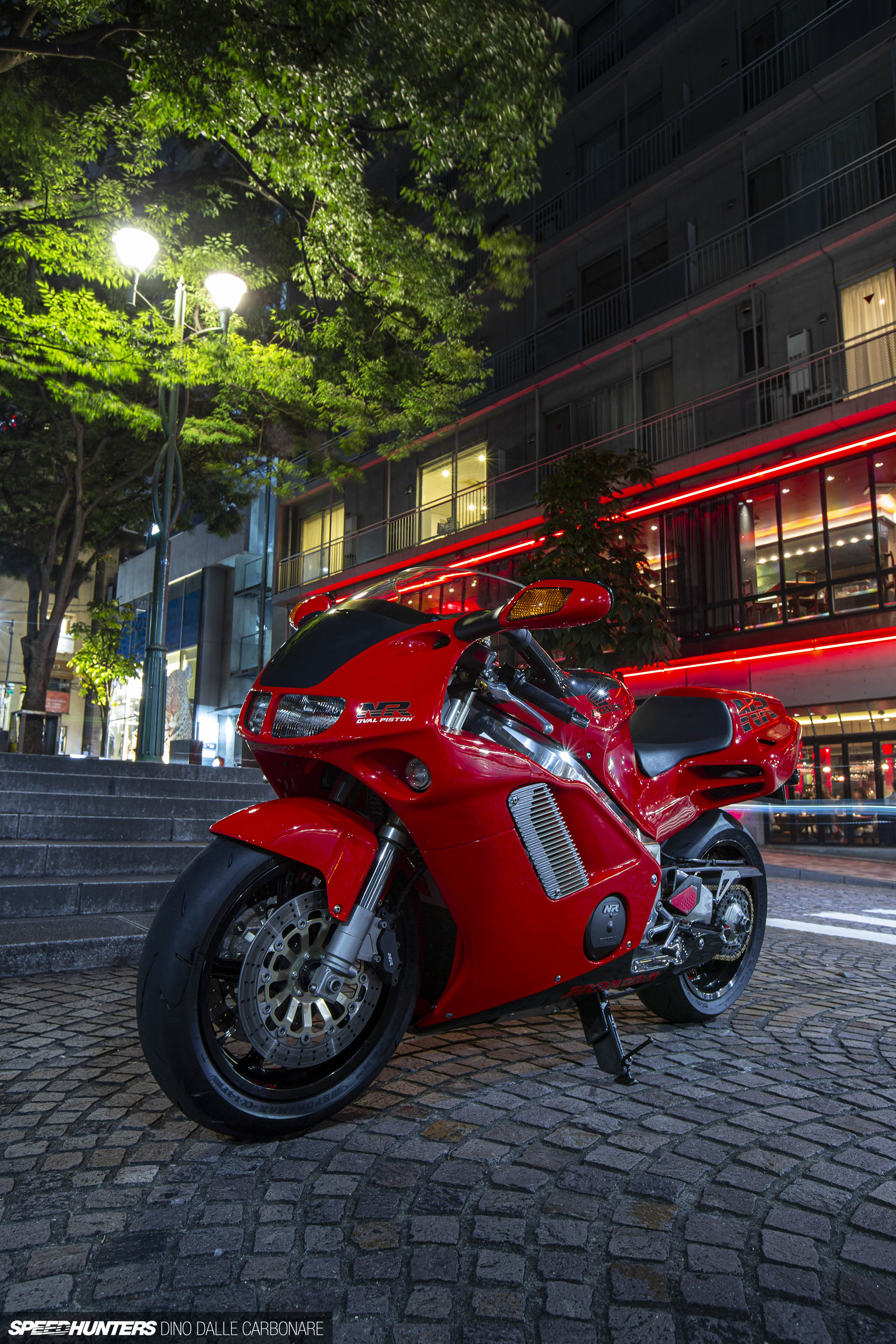
What Honda did with this bike was pretty amazing, starting off with a design that almost 30 years on remains remarkably fresh.
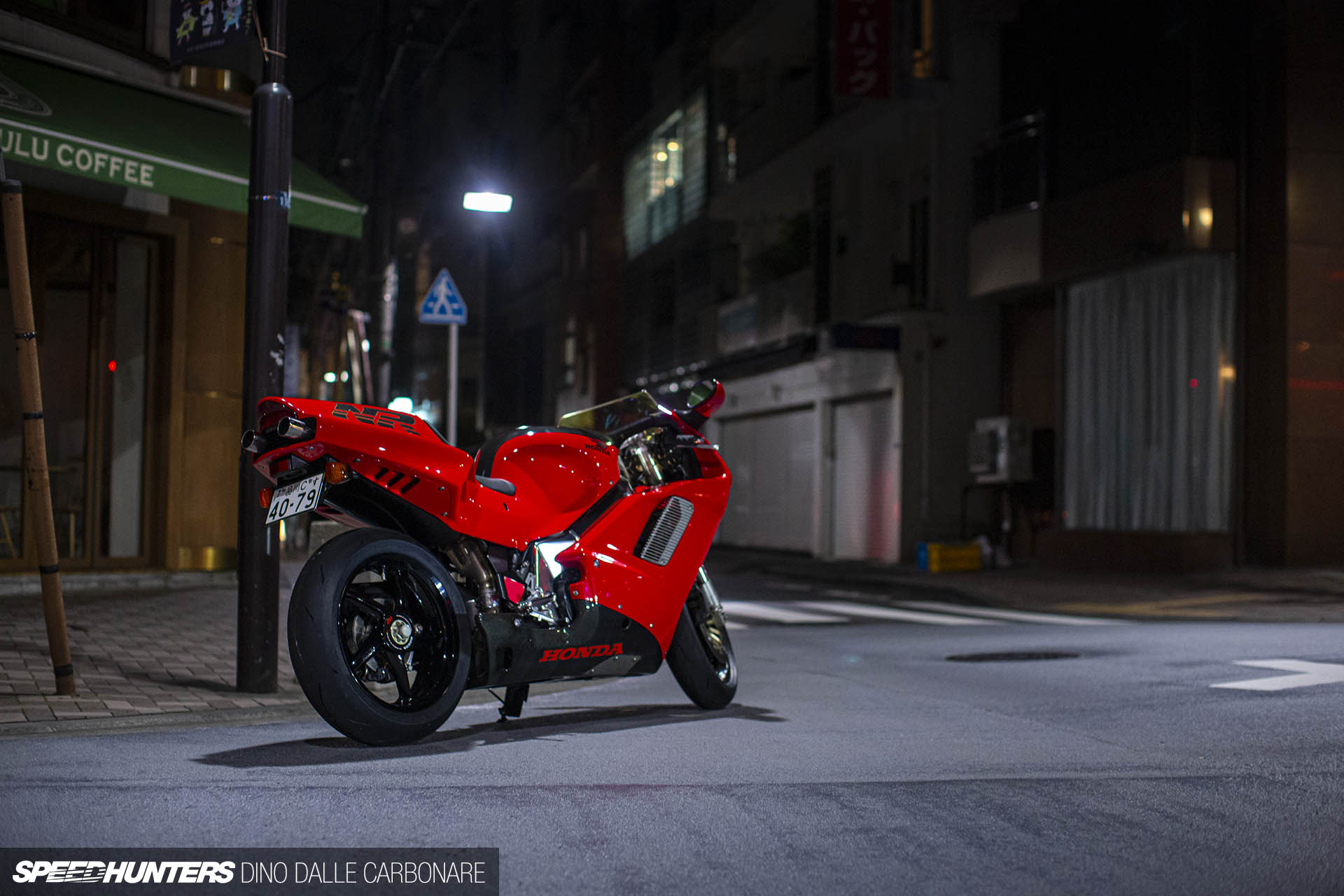
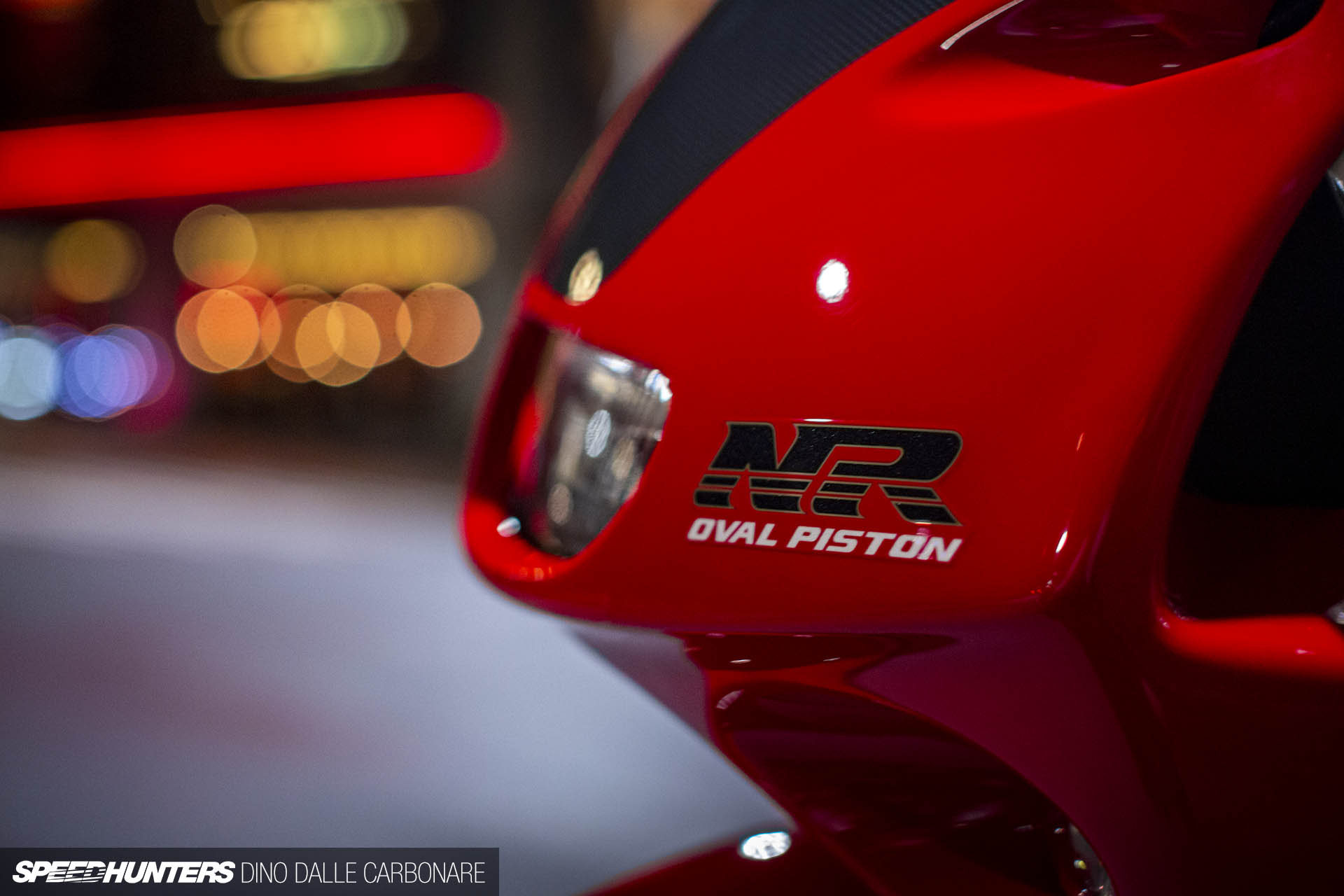
The bike was laden with carbon fiber, ran magnesium wheels, featured tail-mounted exhausts that sprouted out from a little grille under the passenger seat, used a single side swing arm, and an iridium windscreen. But craziest of all was its v-four engine with four oval pistons each mounted to a pair of connecting rods, 8-valves per cylinder, and an 15,000rpm redline.
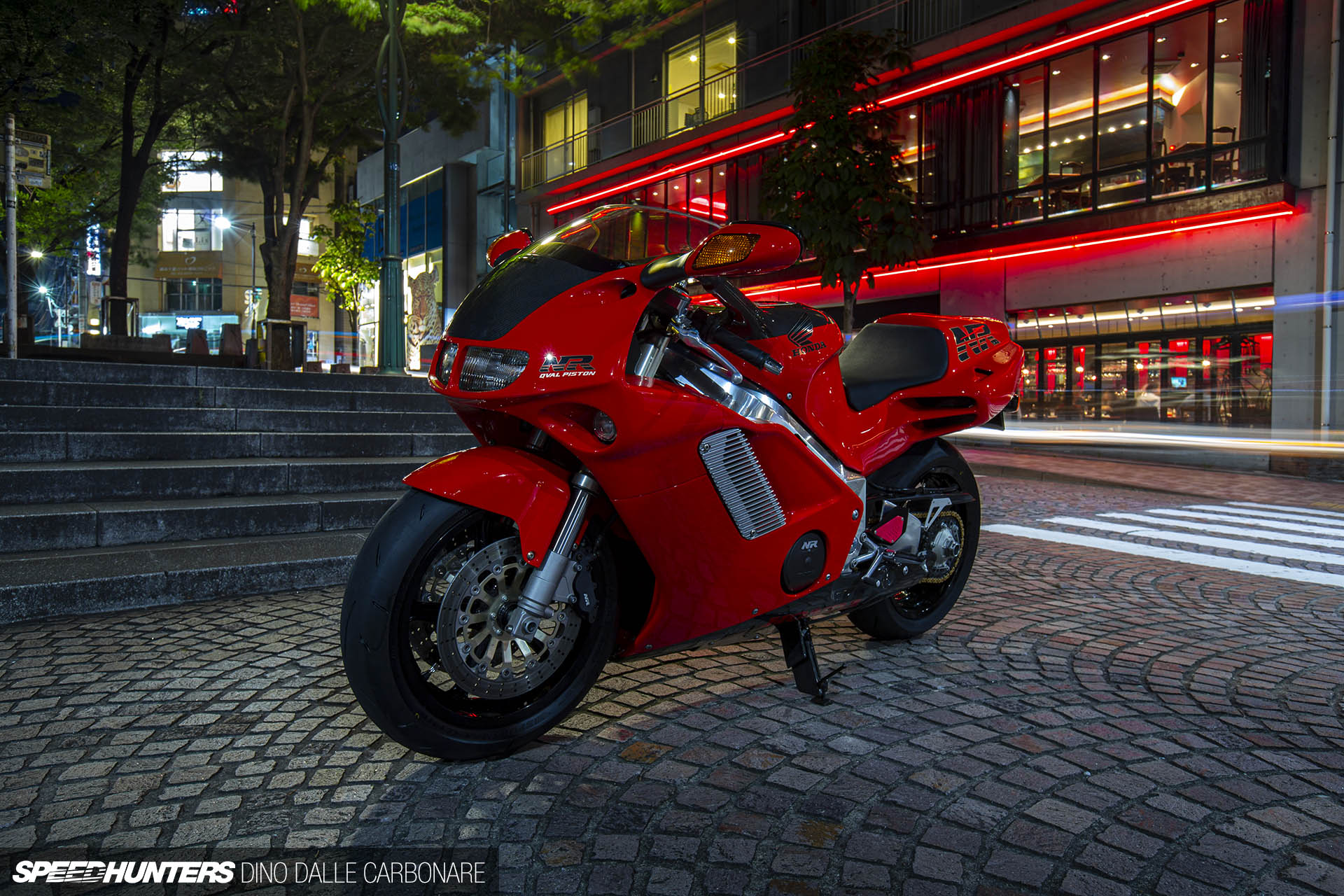
At ¥5.2 million in 1992, the NR750 was expensive. Factor in that only 200 units were ever built, and they’ve been a collector’s dream ever since.
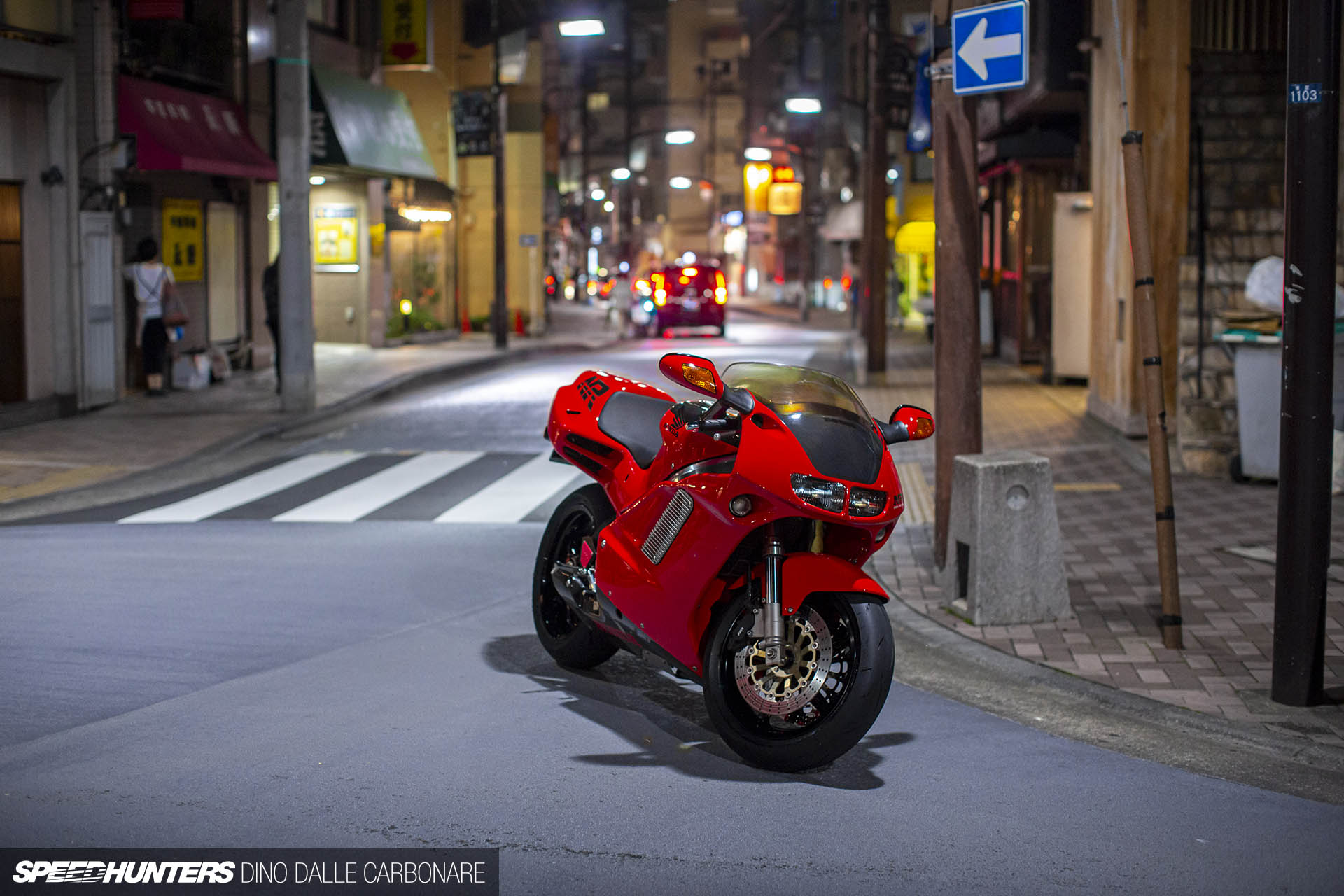
Given their rarity, you’d be extremely lucky to see an NR750 out and about these days (or even back in their day), but thanks to Greg, this particular bike’s owner, we were able to change that on one late summer’s night in the heart of Tokyo’s Azabu district.

If there’s ever been one bike I’ve wanted to shoot, it’s the NR.
In the late 1990s, right before Twin Ring Motegi opened to the public, I remember my father receiving special tickets from the Honda dealer he bought his Accord from, to take a preview tour of the facility and the Collection Hall. We took up the offer of course, and among the countless Honda models on display, a shiny red NR750 sat on a special pedestal. This was only the second time I had ever seen one in person; the first time was at the 1995 Tokyo Motor Show, which was also my first time visiting the Makuhari Messe.
Being able to check out the bike up close has always stuck in my mind. Reading the detailed specs of the engine was simply fascinating, and to this day every time I’m at Motegi, I make a point of going to see the display bike and the cut-away ‘oval piston’ engine that sits alongside it.
I mean, seriously… what on earth was Honda even thinking with this engine?
The oval piston design spans back to 1979 when Honda raced the two-stroke NR500 in the World GP. The idea was to craft something akin to a V8 engine in order to make more power, but with race regulations stipulating a maximum of four cylinders, they had to think outside of the box. Combining what is essentially two round pistons into a single elongated oval one with a pair of titanium rods was the solution – a tiny 500cc ‘fused’ V8.
But the NR500 race bike didn’t find true success in competition; it seems like Honda was more interesting in showing the world that this radical idea could be done, rather than attempting to make it successful in any way, shape or form. Then it took more than a decade for a viable four-stroke version of this motor to be used in a production bike.
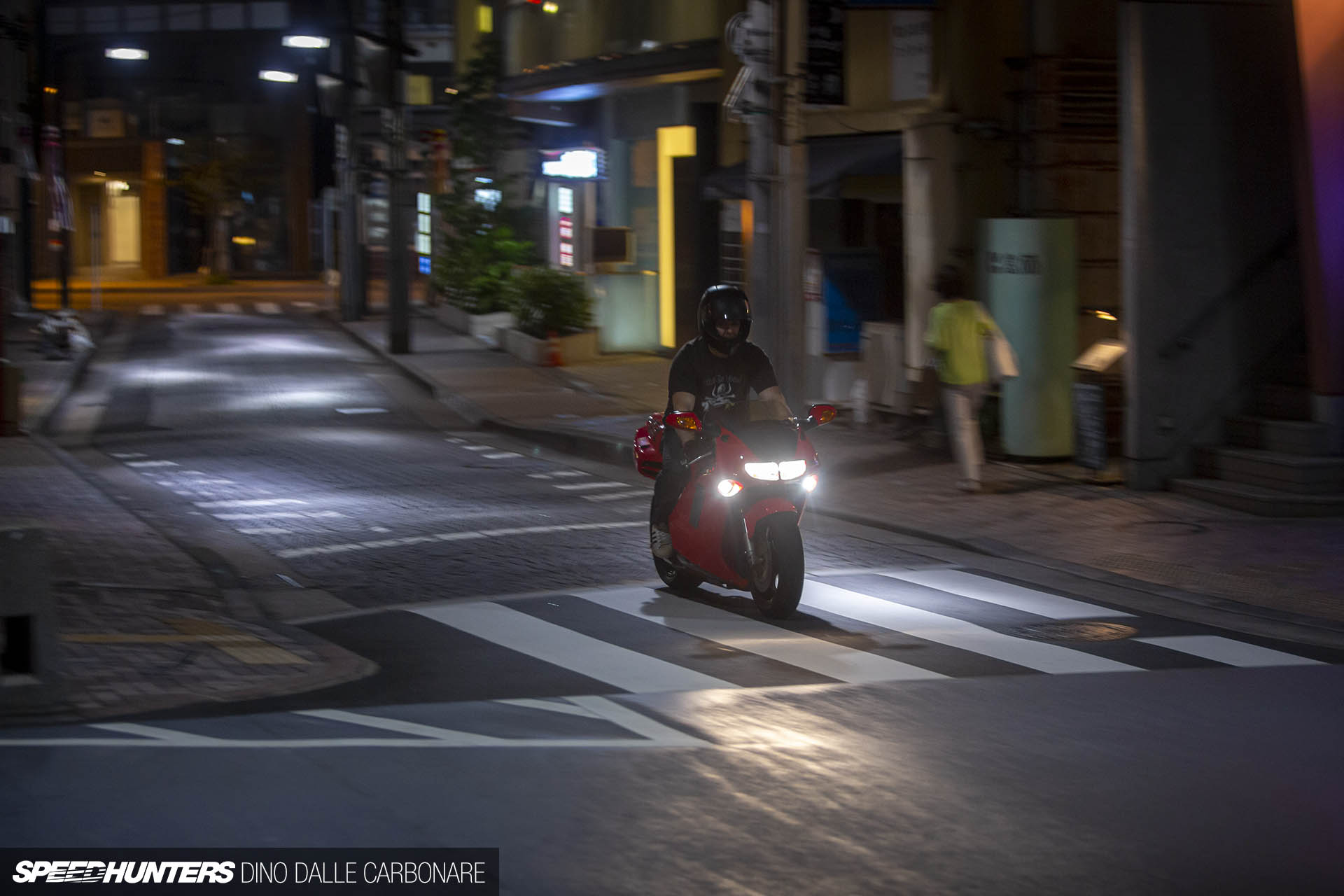
Greg tells me the 750cc engine runs smooth as silk, purrs into life effortlessly, and makes this bike a joy to ride around town. It’s been reliable too, which is good, because the thought of having to replace the three rings each of the elongated oval pistons use to ensure a proper seal against the oval cylinder walls sounds like a nightmare.


That said, the 125hp produced pales by today’s standard where 2020 model 600cc sport bikes have a similar power output to the NR750, and Ducati’s wild Panigale V4 R packs around 100hp more with the race kit exhaust. But for Greg, it’s more about the experience of riding such a special motorcycle than anything else; he doesn’t need on the throttle to enjoy it.
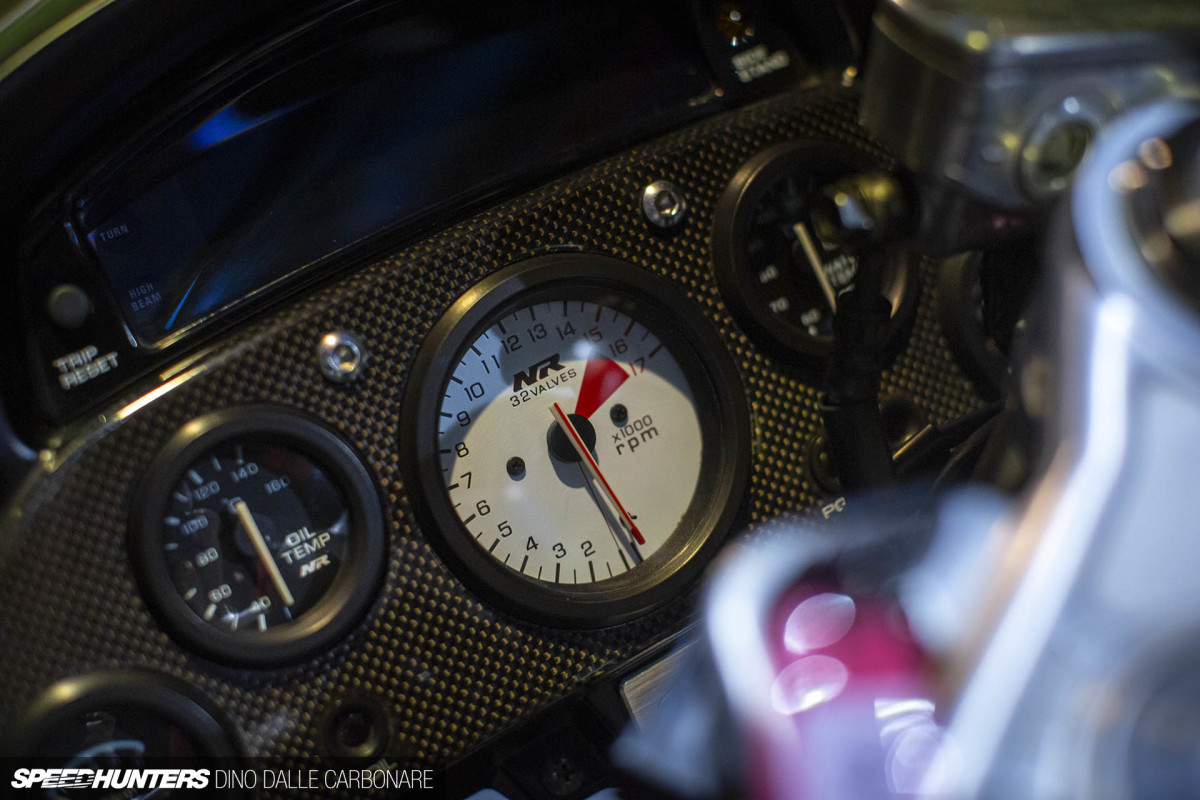
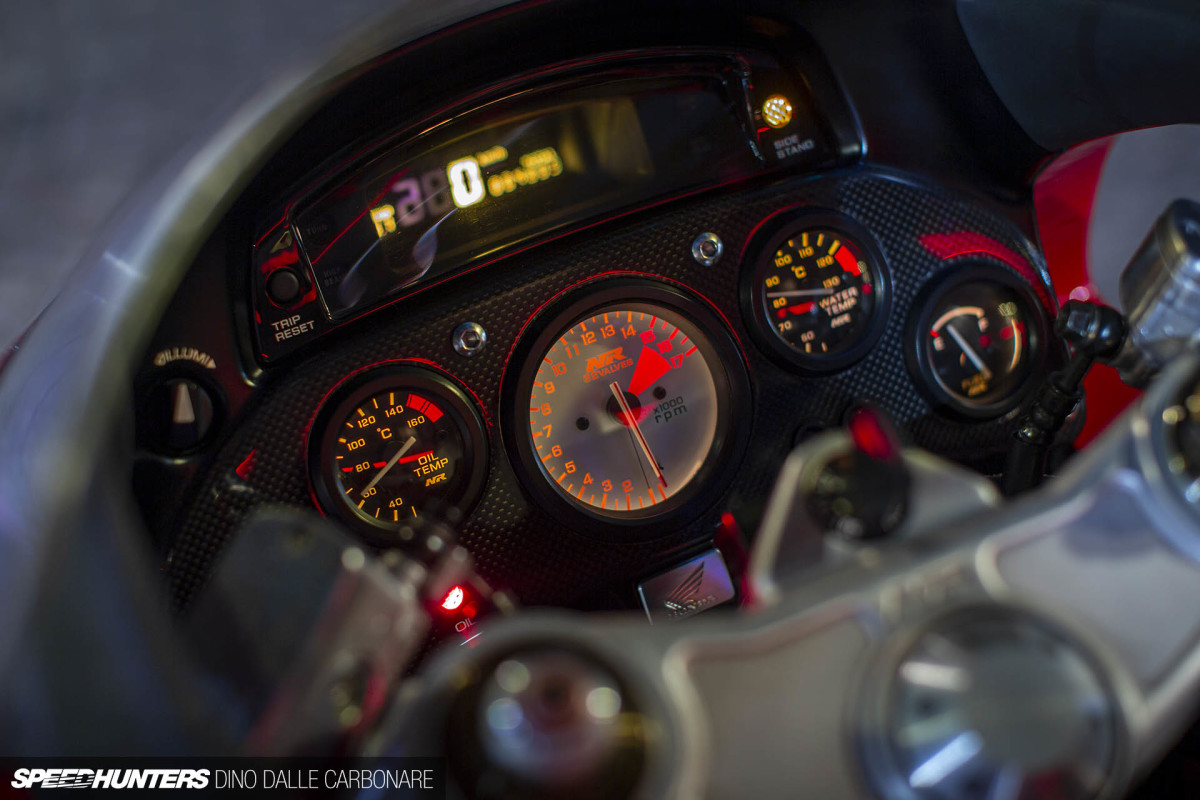
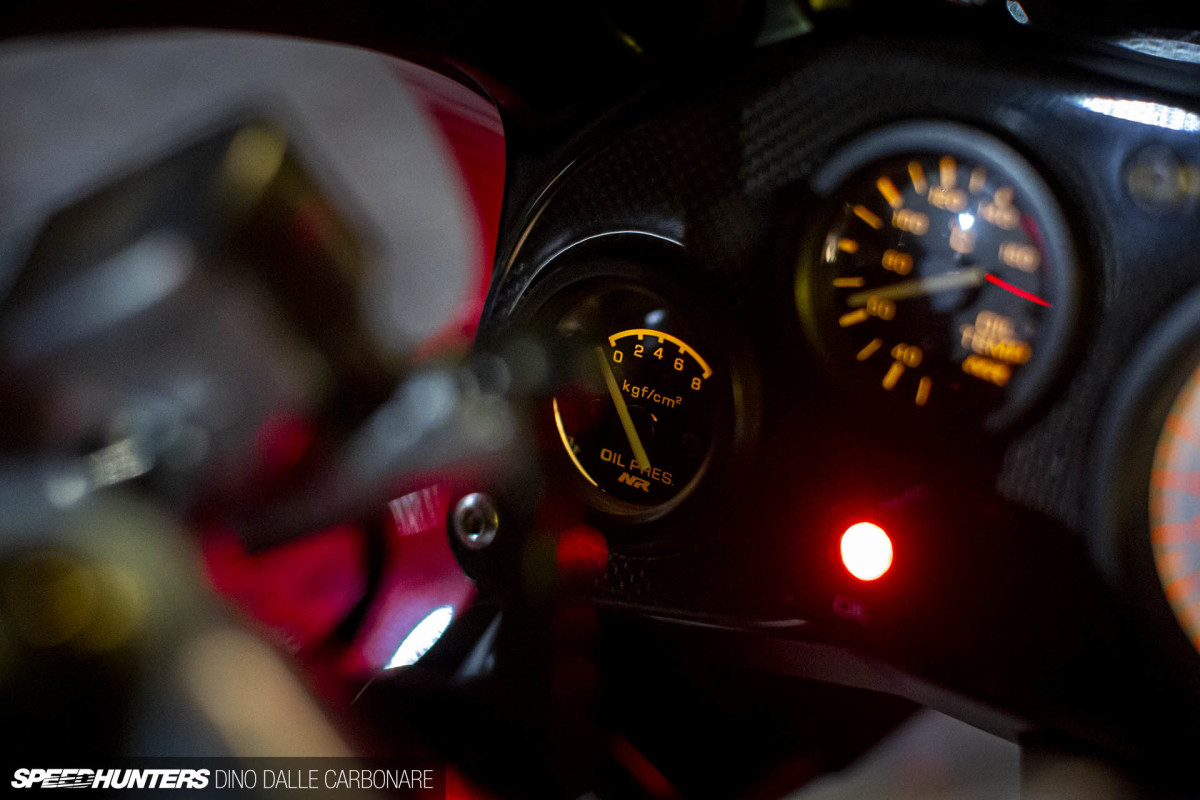
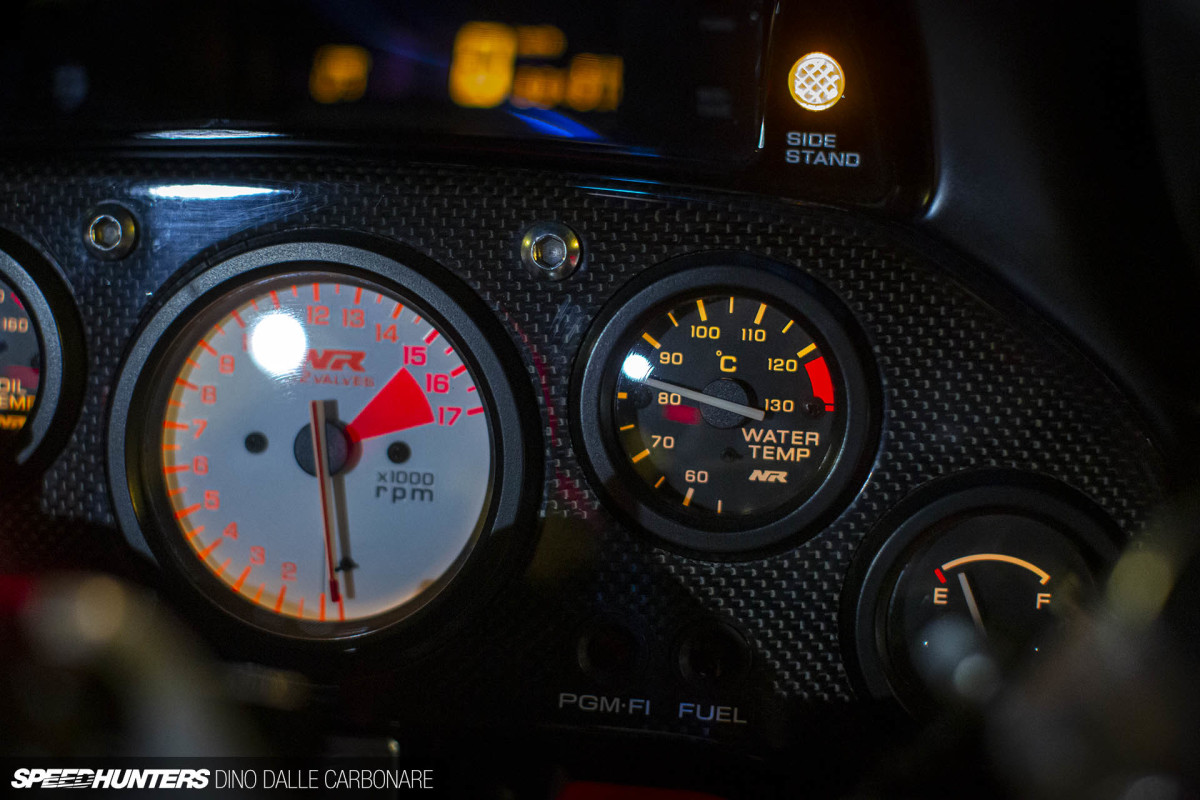
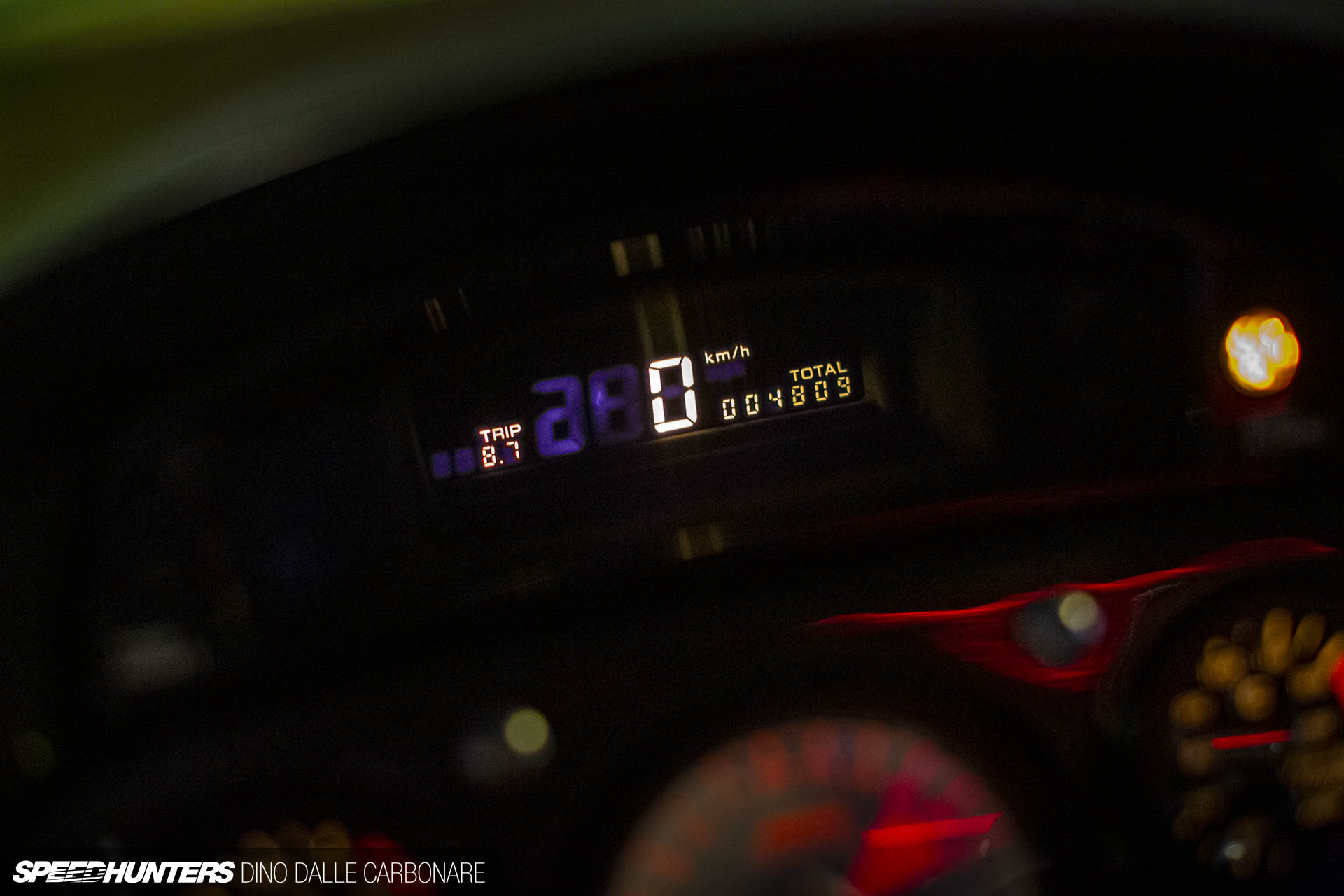
Not that he rides it much, but probably still more than most NR owners out there. Mainly little excursions within the city to keep it running well, and not just sitting in a garage all the time.
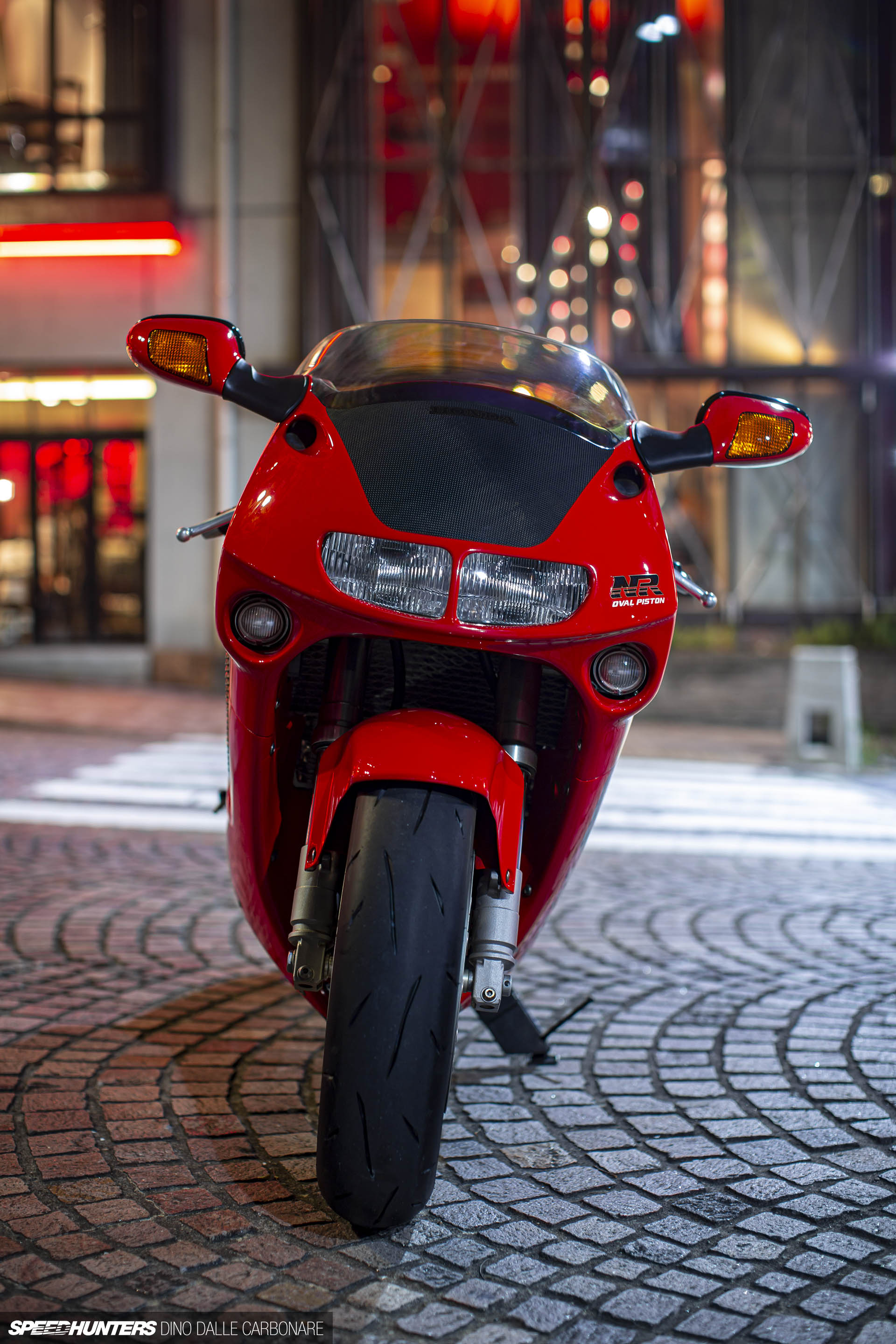
Looking over the details is akin to dissecting a car like the McLaren F1. Every part is beautifully designed and built, and there because it serves a purpose.

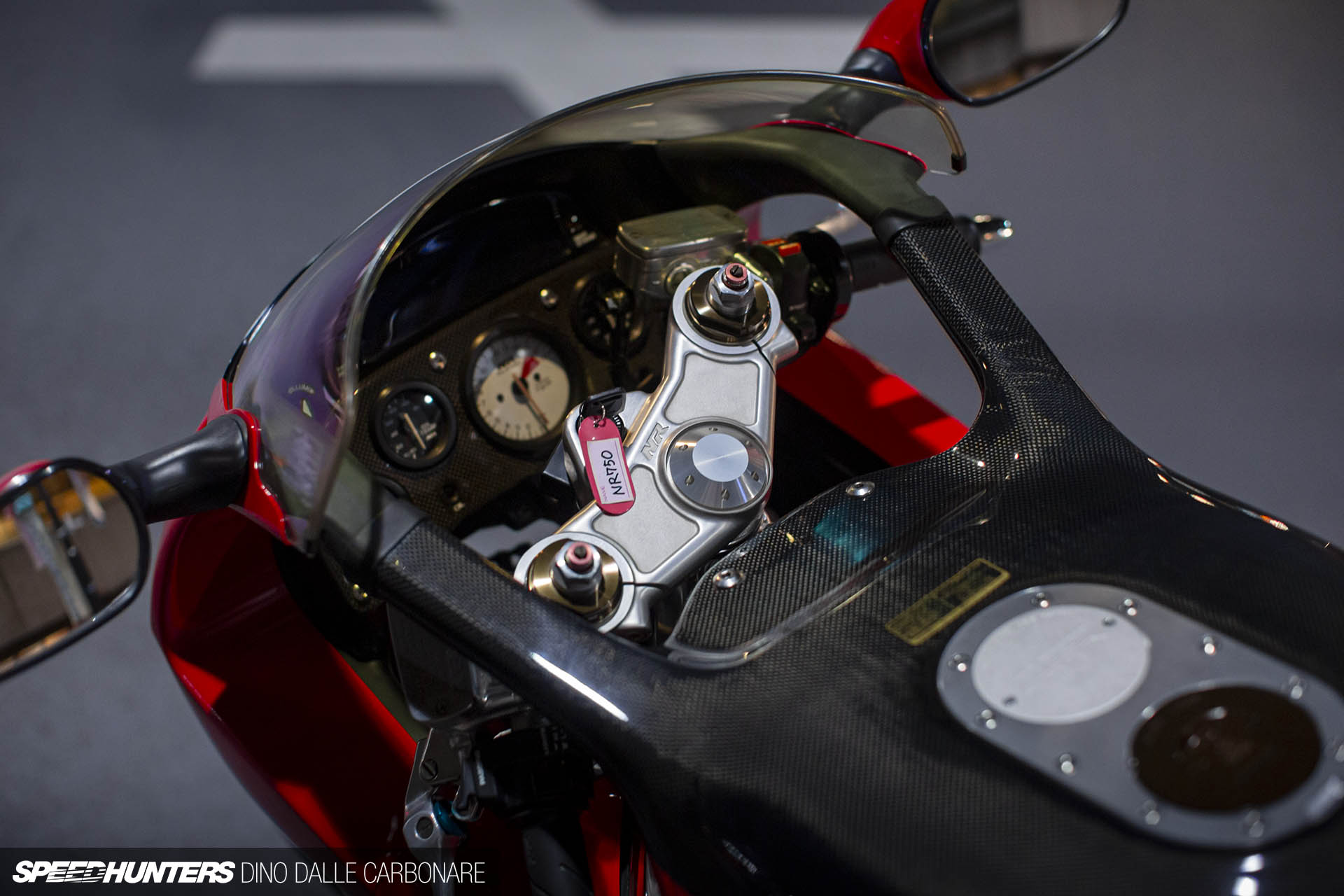
Case in point, the carbon fiber intakes that guide air from the front of the bike into the 90-degree engine sitting low in the frame, while merging into the carbon fuel tank.
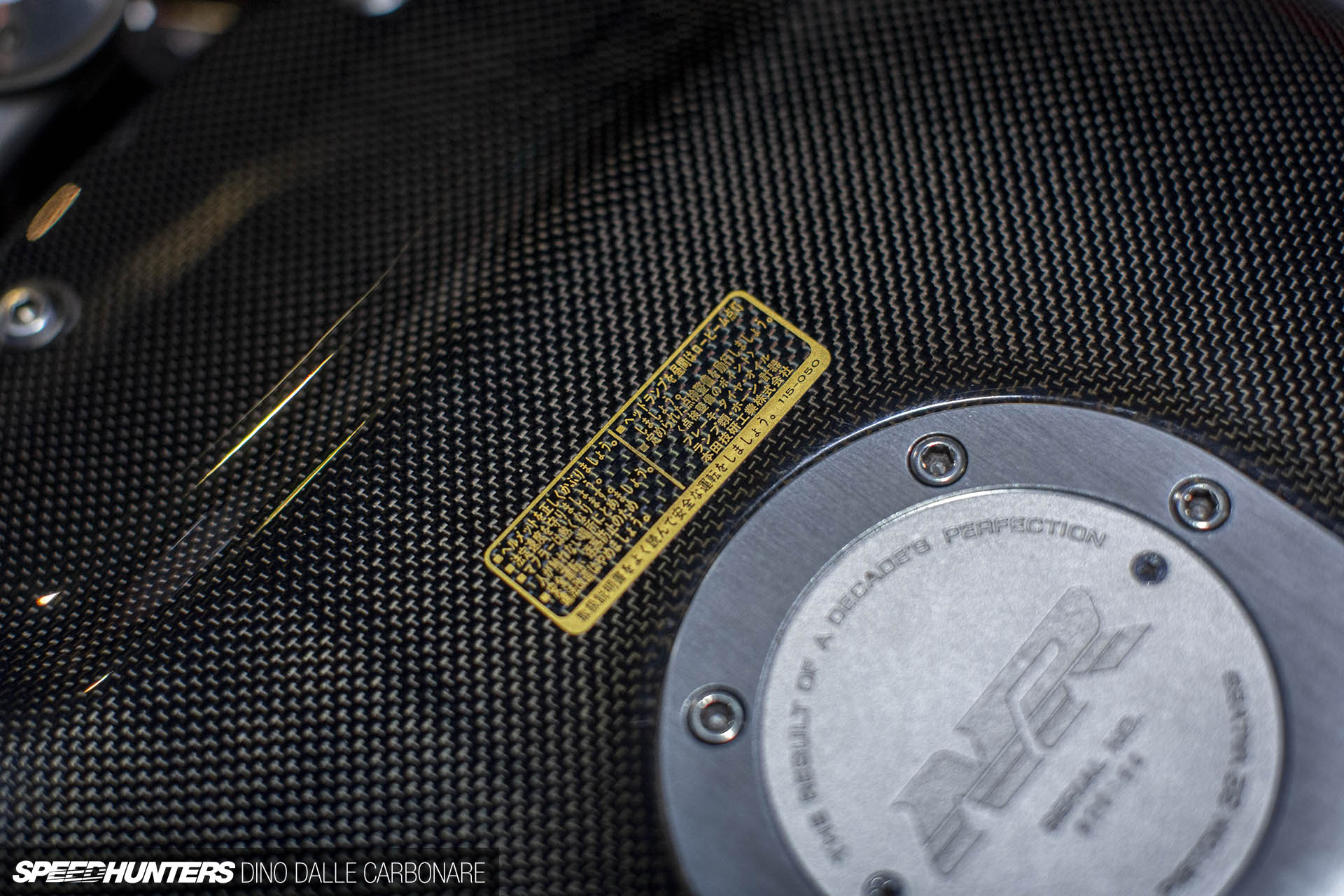
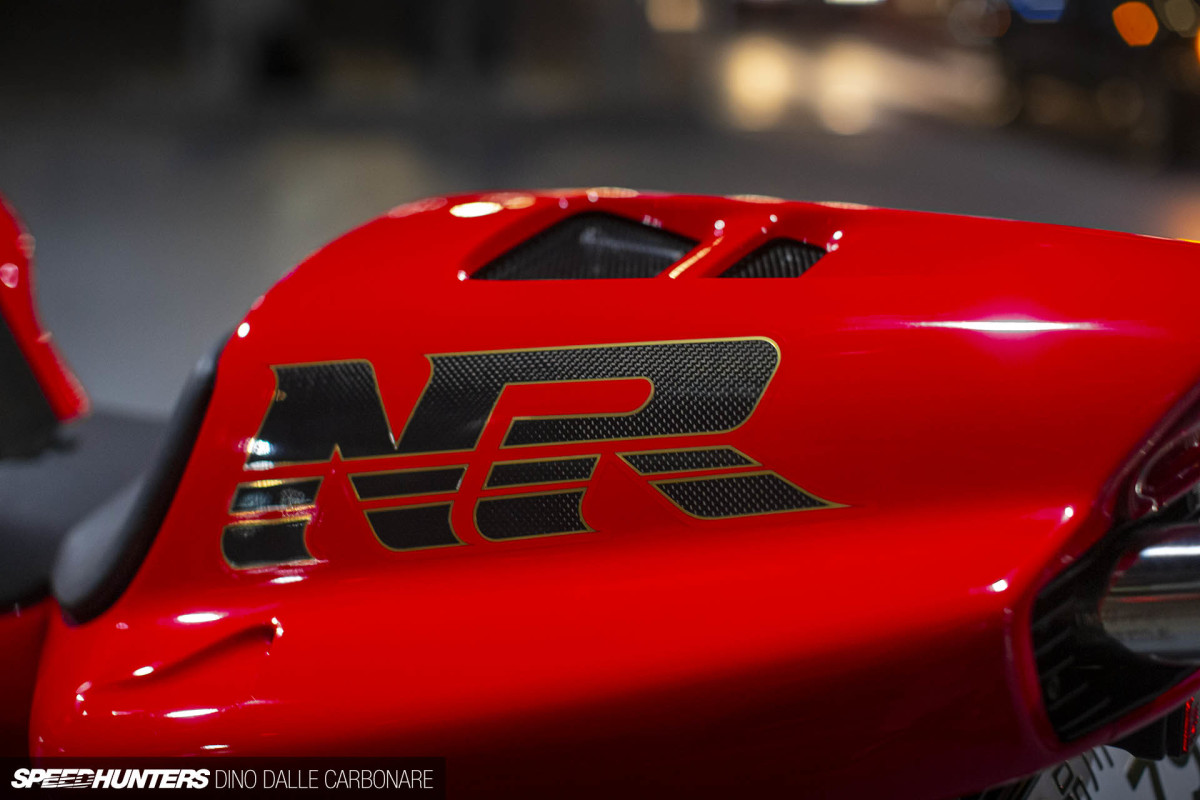
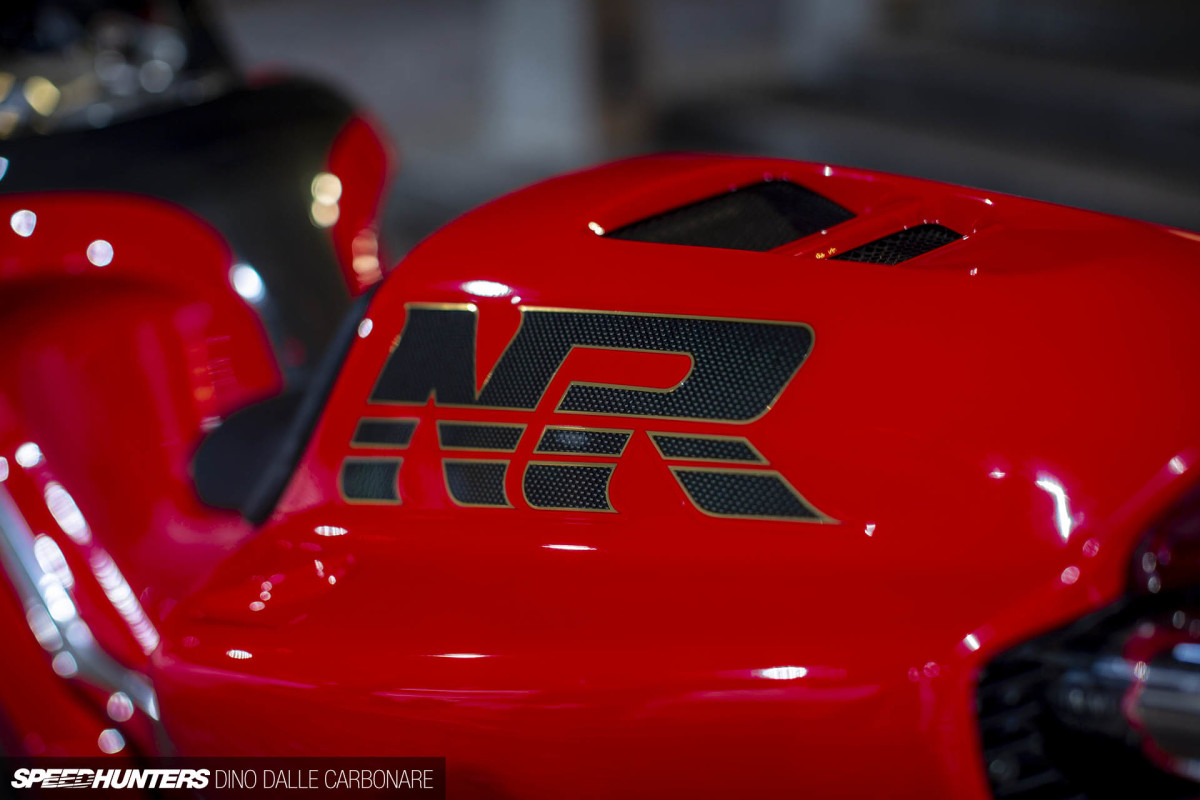
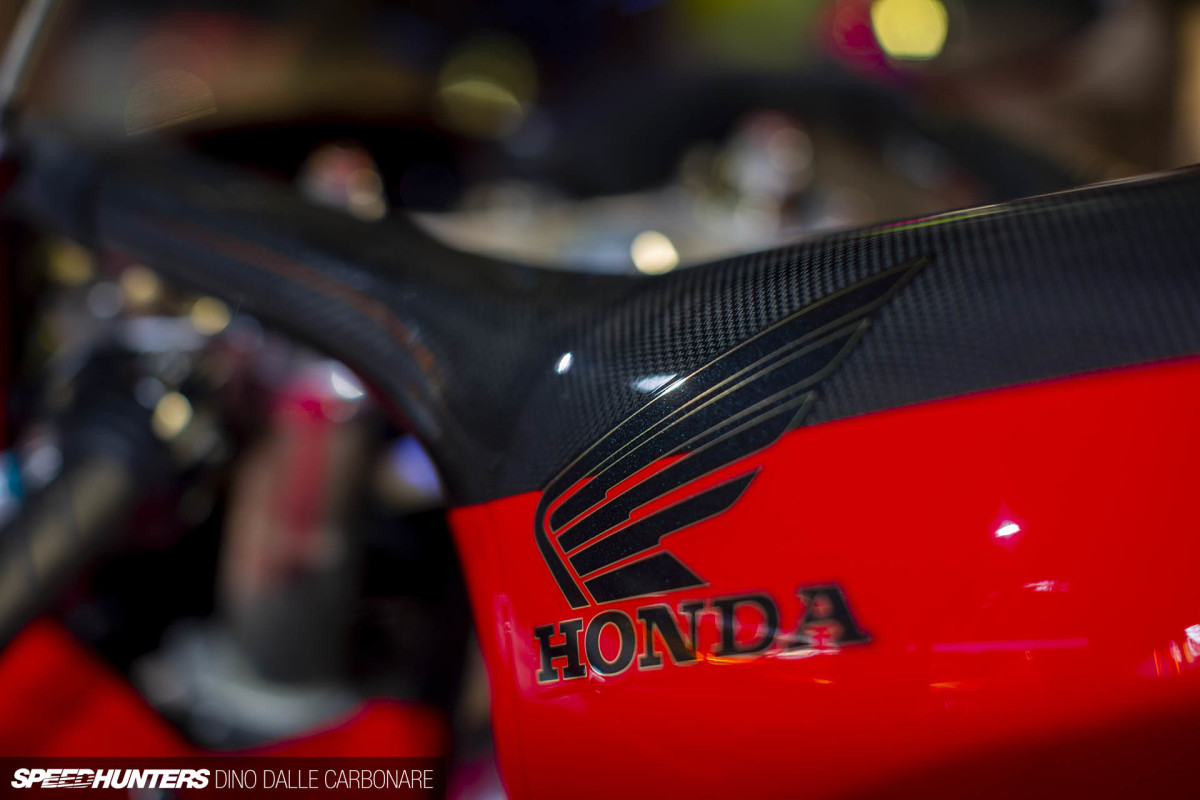
Even the original stickers on the tank are preserved. There isn’t a single blemish on this bike.

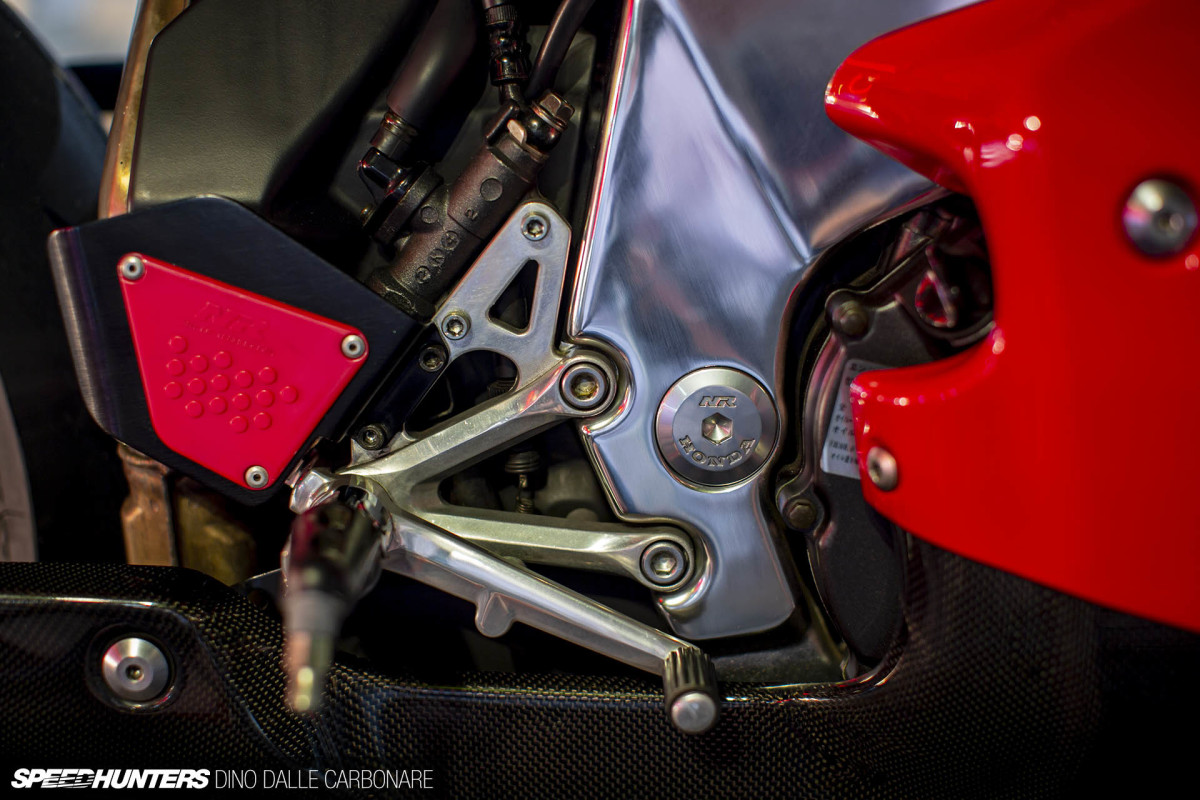
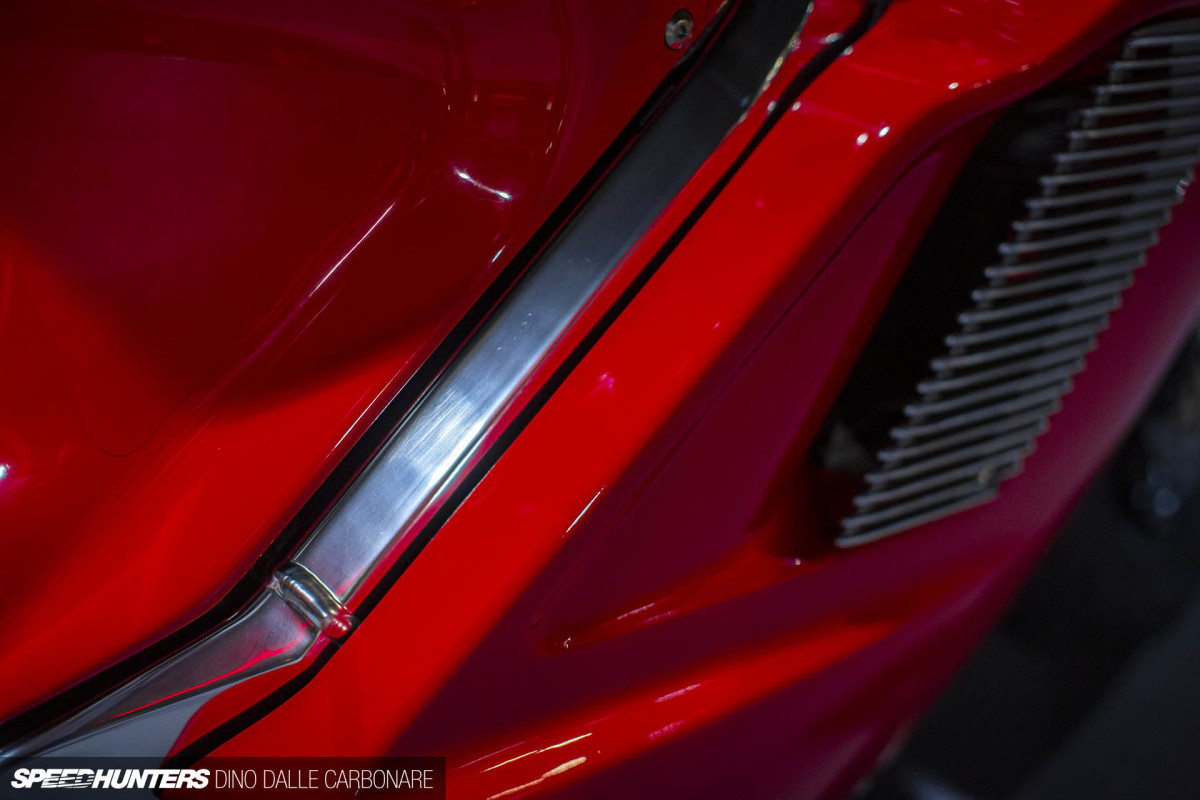
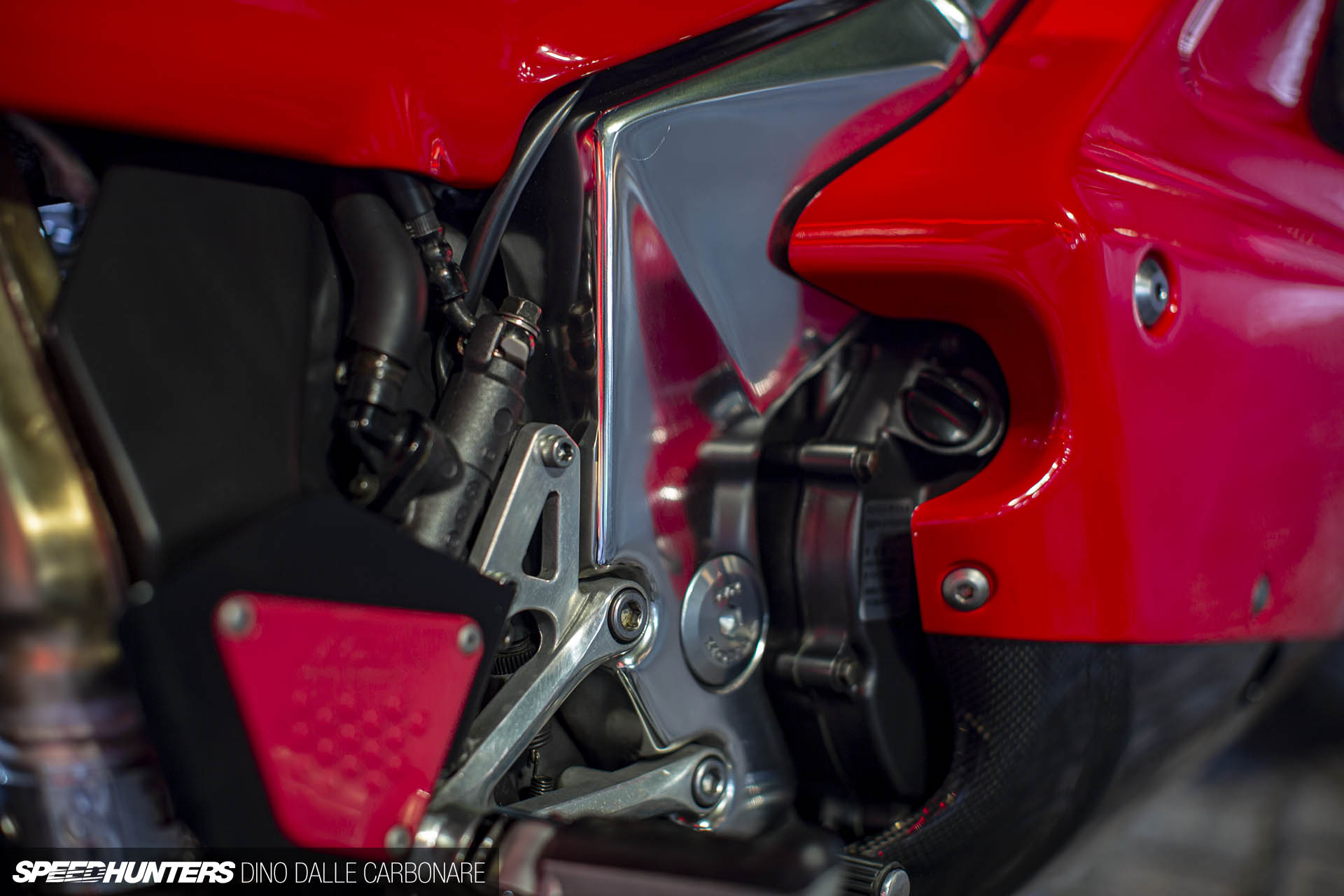
After feasting over the mix of engineering perfection and a build quality that you don’t often see these days, you notice the frame. You’d be forgiven for wondering why Honda didn’t got all the way and sculpt it out of carbon fiber, but the quality of the alloy, the perfect welds and the mirror-like polished finish, has to be seen to be believed. Even the way other components are arranged and and seamlessly integrated is impressive.
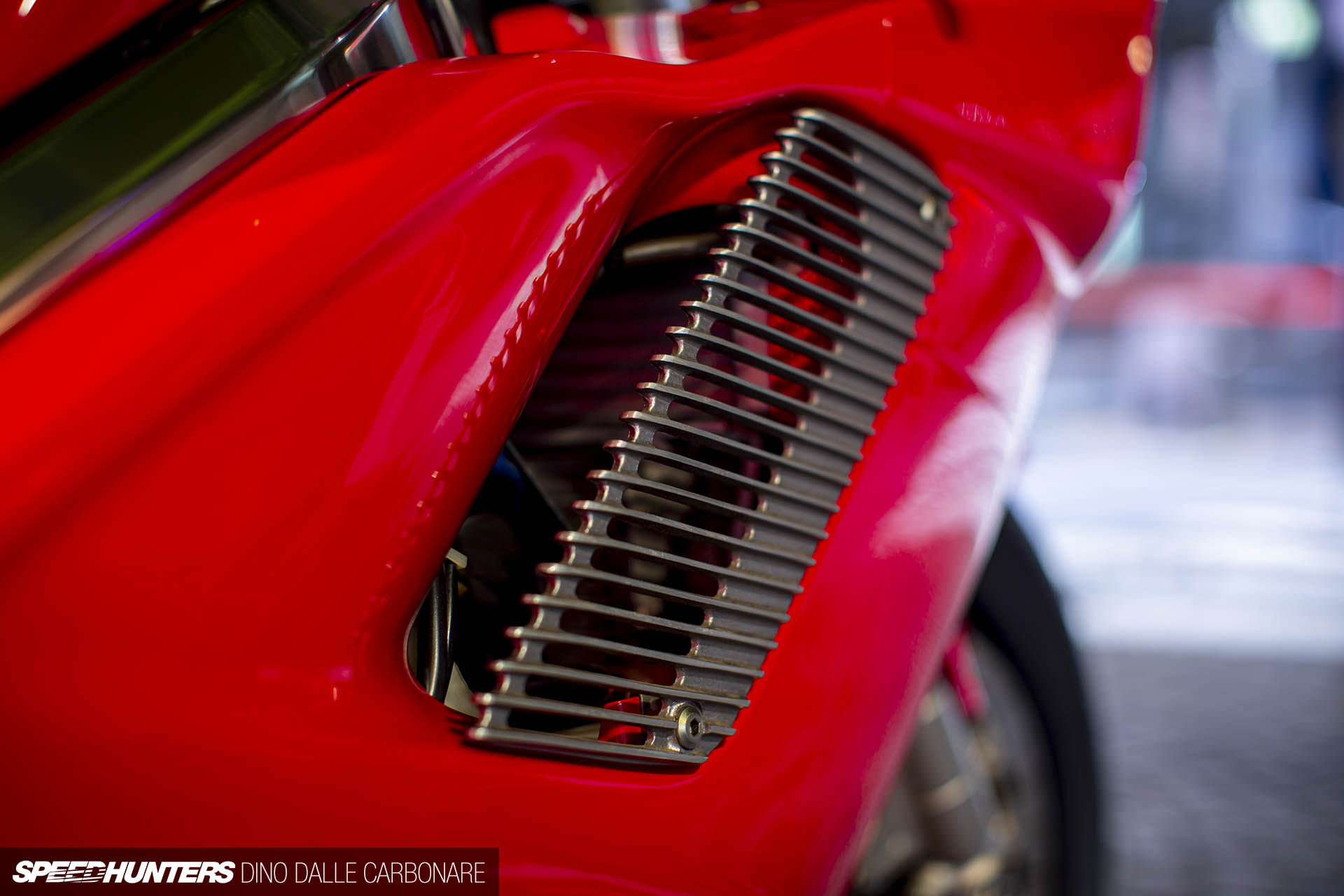
The side air outlets, designed to help air diffuse outwards with a clean path, feature a cast one-piece grille mounted with a pair of titanium Allen bolts.
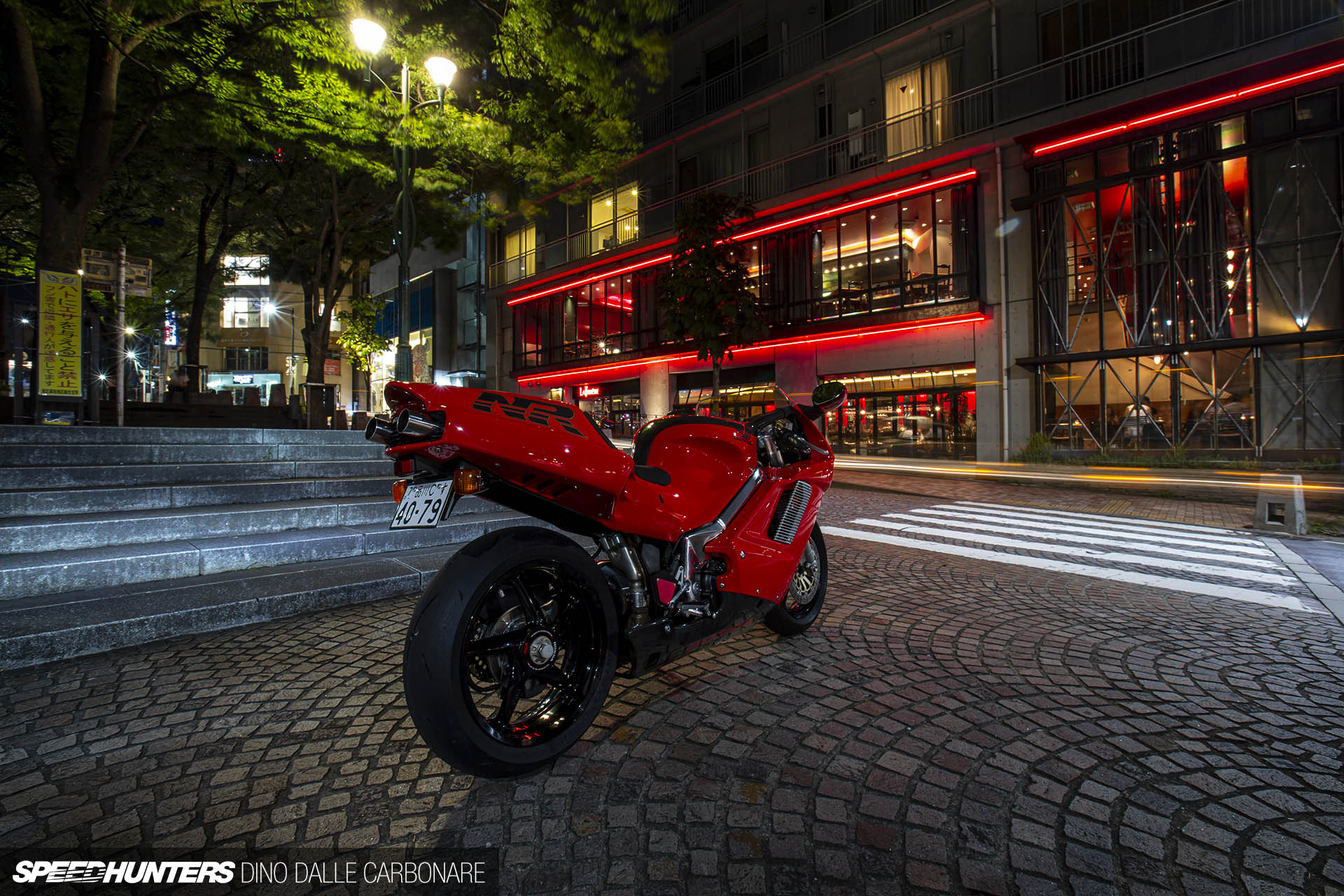
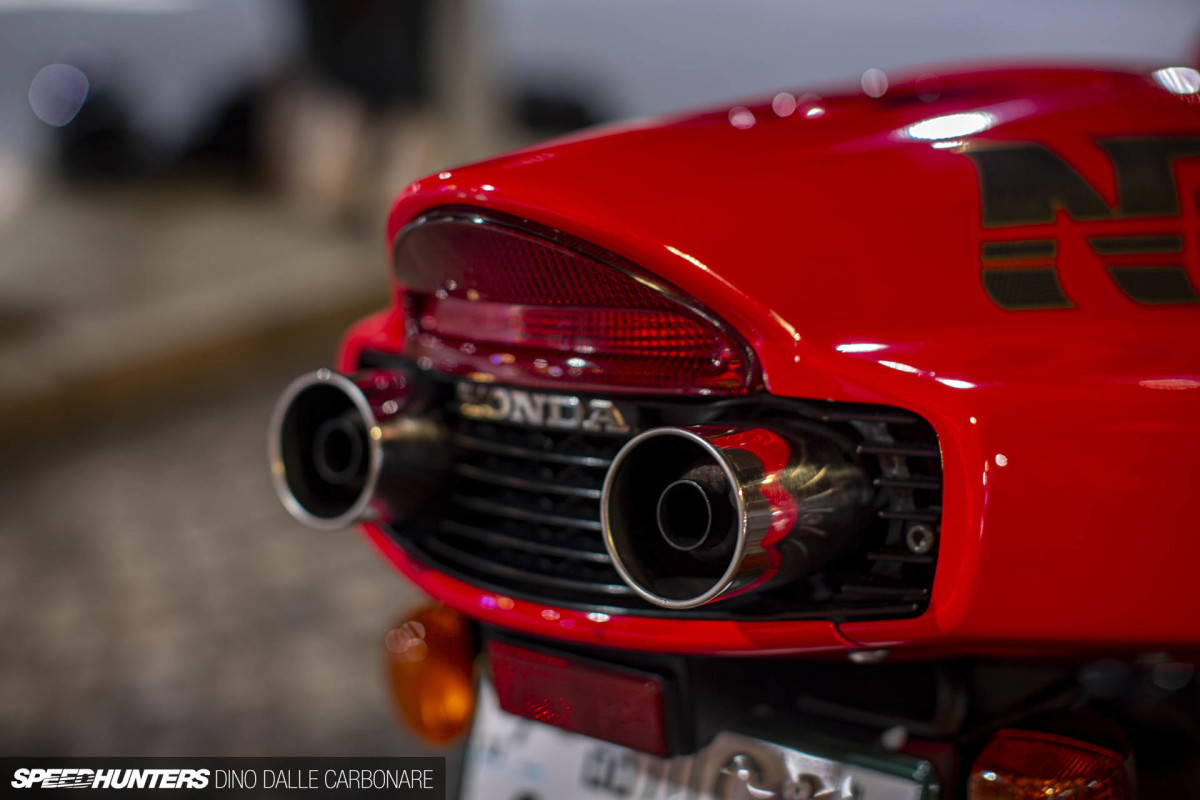

I always love seeing bike exhausts neatly tucked under and inside the tail, a style that was popular in the ’90s. These days exhausts have shrunken to short little contoured stubs that poke out a little from the lower section of a bike, but I much prefer the original alternative. Plus, it cleans up the sides and overall profile of the bike, allowing more design features to be incorporated into the bodywork. In the case of the NR, that includes the large air intakes to help cool the twin silencers under the rider’s butt.

If you needed another example of Honda’s maniacal attention to detail with this bike, check out the foot stand. Notice how there are two small carbon fiber panels mounted against it? These slide away from each other via a hinged mount that allows the foot stand to disappear into the cowl and the two panels to slide away from each other and seal up flush against the rest of the carbon body work. Amazing.
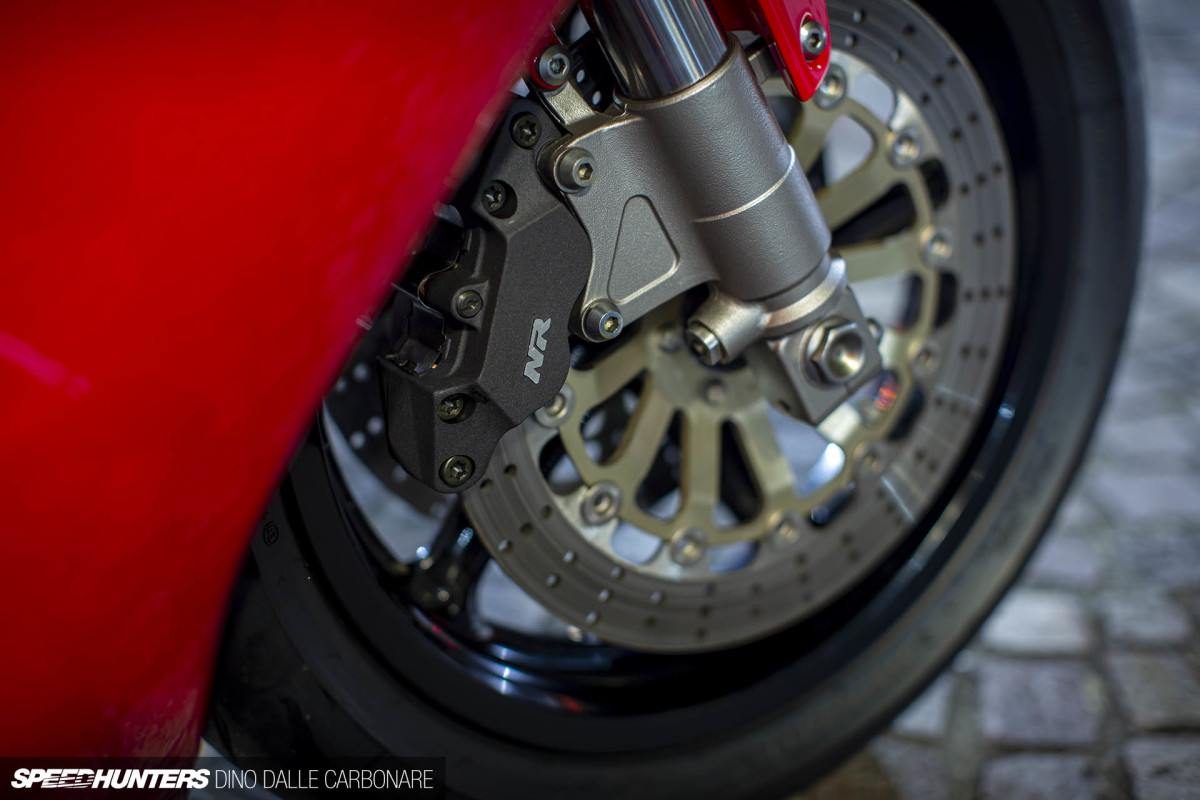
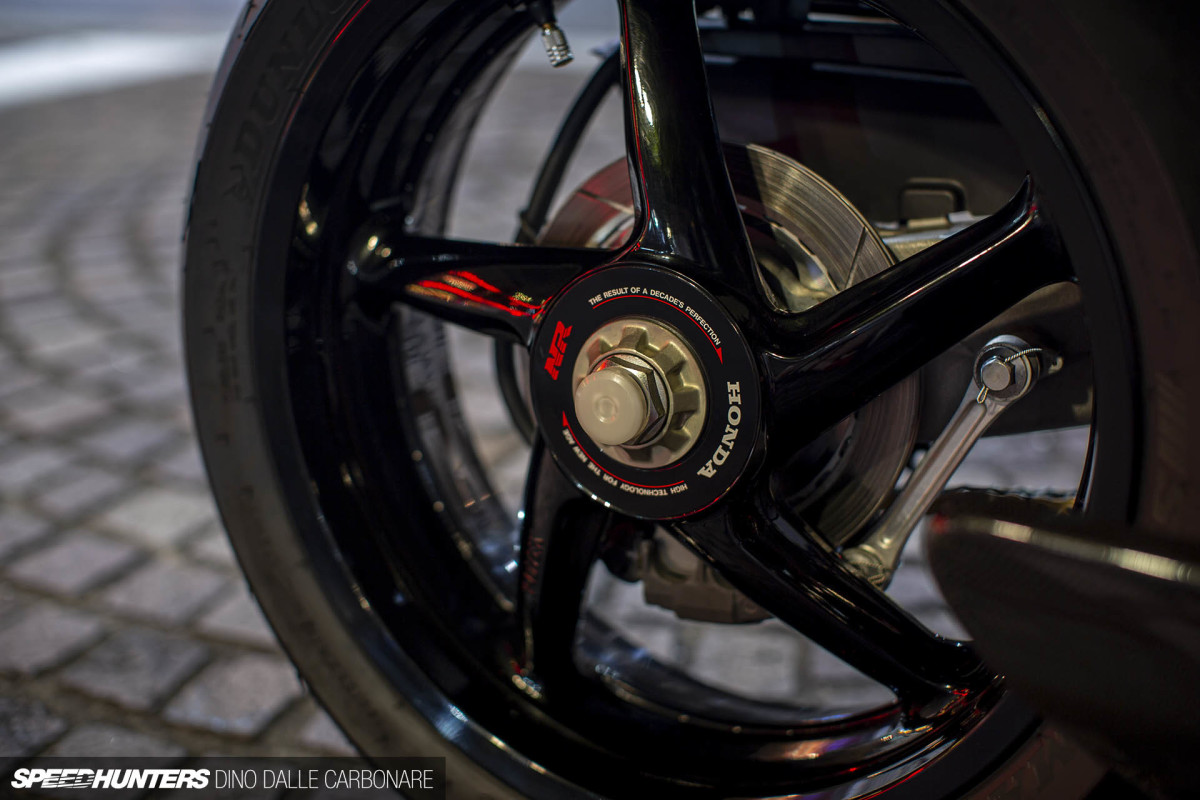
The magnesium alloy wheels too are drool-worthy; the back wheel especially, along with the single-sided swing arm it’s mounted to.
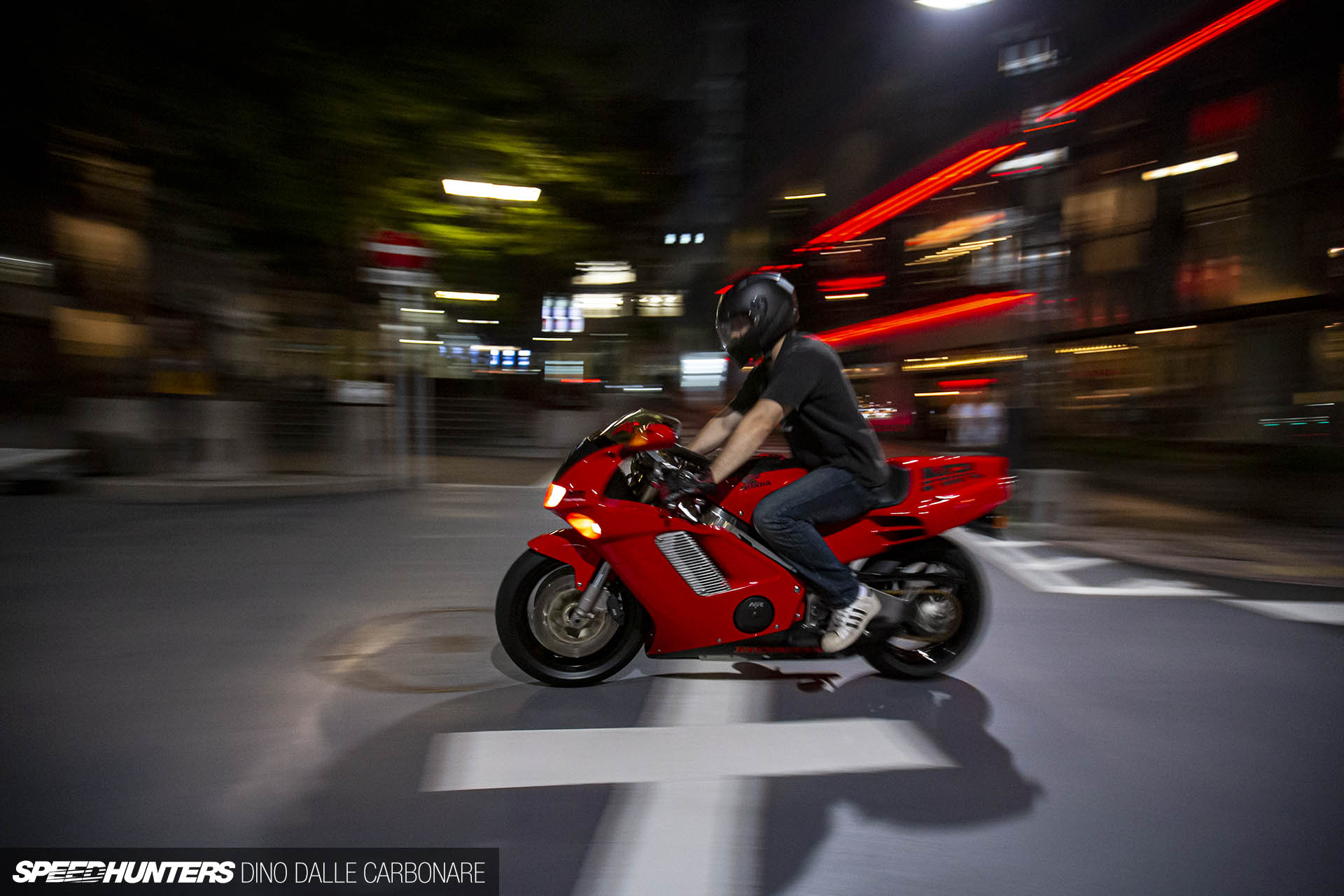
With the NR750 Honda didn’t want to create a hardcore race replica for the street, but rather a refined machine; a concoction of complexity that highlighted their technical abilities. This was a celebration of the original oval piston idea, which Honda actually managed to make reliable for use on a street bike that everyday customers (albeit with deep pockets) could buy.
But more than that, you could say the NR750 potentially paved the way for ’90s sports bike design language, while also pushing the boundaries for motorcycle price points and technology.
Dino Dalle Carbonare
Instagram: dino_dalle_carbonare
dino@speedhunters.com