When someone says Mazda, my mind immediately goes to sports cars. MX-5, RX-7, rear-wheel drive, rotary engines. Sign me up, get me a Mazda cap, let me join the owners club.
I need to actively remind myself of 323 hatchbacks, Xedos saloons and CX-5 SUVs. There’s no doubt, once you’ve added those to the model line-up, it takes a little of the mystique away from the marque. But not entirely.
It seems as though no one ever told Mazda that its boring, normal cars needed to be well, boring and normal. Okay, its range of economical hatchbacks, practical SUVs and mile-munching saloons aren’t doing battle with a 911 GT3s for sheer driving pleasure, but there’s always a palpable amount of magic in even the most mundane-looking of Mazdas.
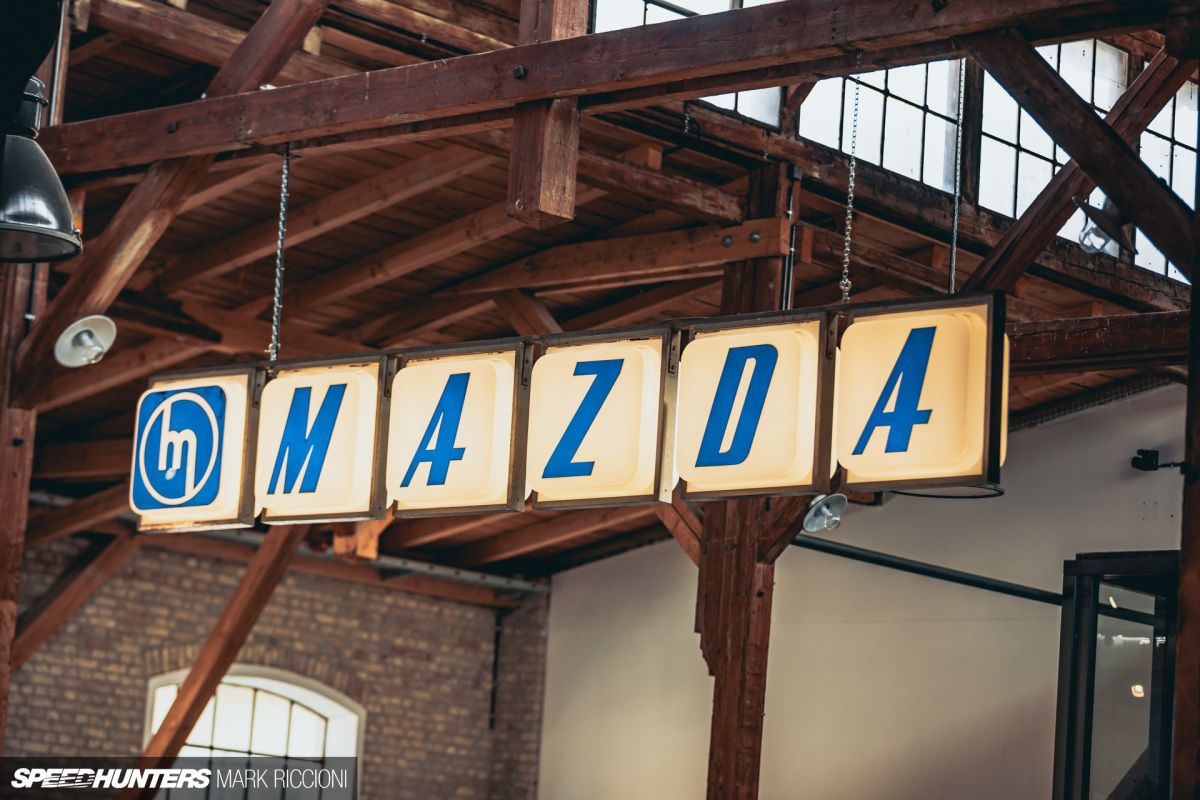
There’s no doubt, Mazda has an unorthodox attitude to what cars should be like, and that comes as no surprise when you look at its unique history. The origins of Mazda are based in Hiroshima, Japan which, as you will know, was practically destroyed at the end of World War 2 by an atomic bomb.
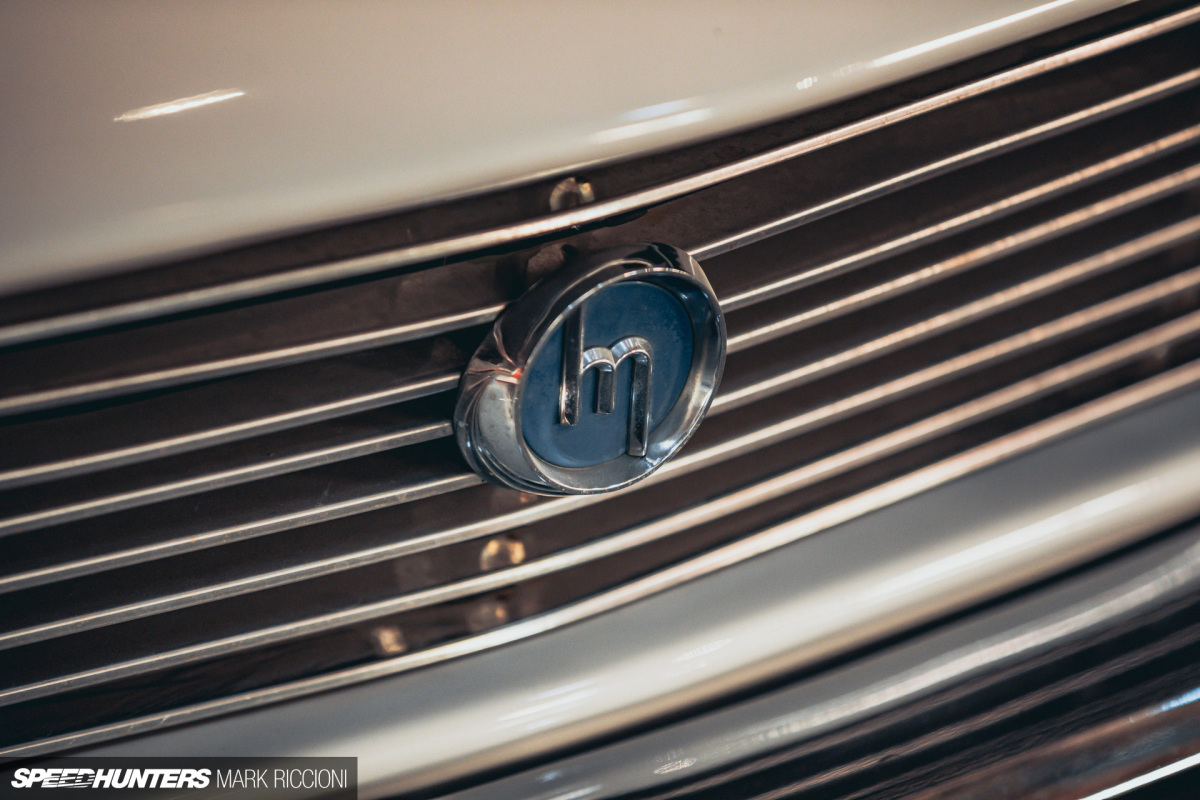
However, that nuclear weapon wasn’t the first time that Mazda needed to reconstruct itself. The company started in 1920 as a cork manufacturer called Toyo Cork Kogyo, and shortly after it was established was managed by Jujiro Matsuda, a blacksmith and ex-water pump manufacturer, who turned it into a successful business. But a fire destroyed the original factory, so Matsuda decided to take this as his opportunity to pursue his love of engineering and totally transformed the establishment. Cork was abandoned from the company name and it started to build mechanical objects instead.
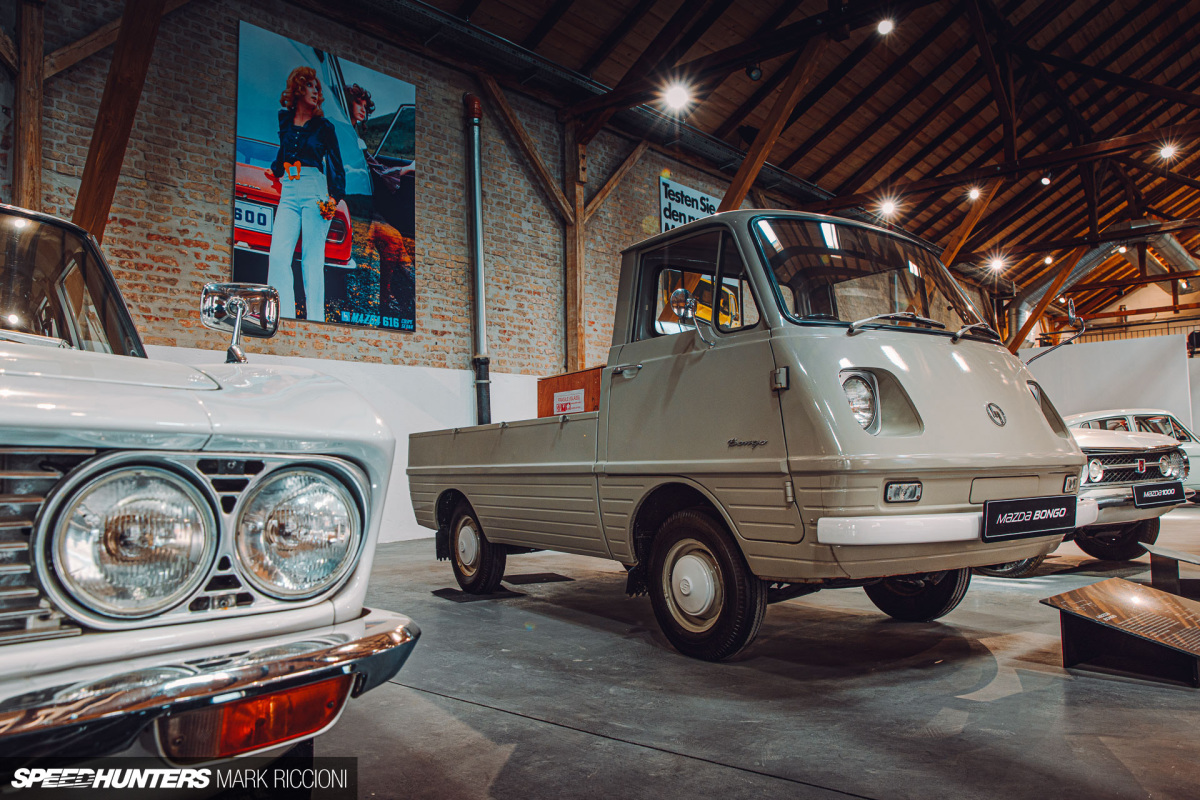
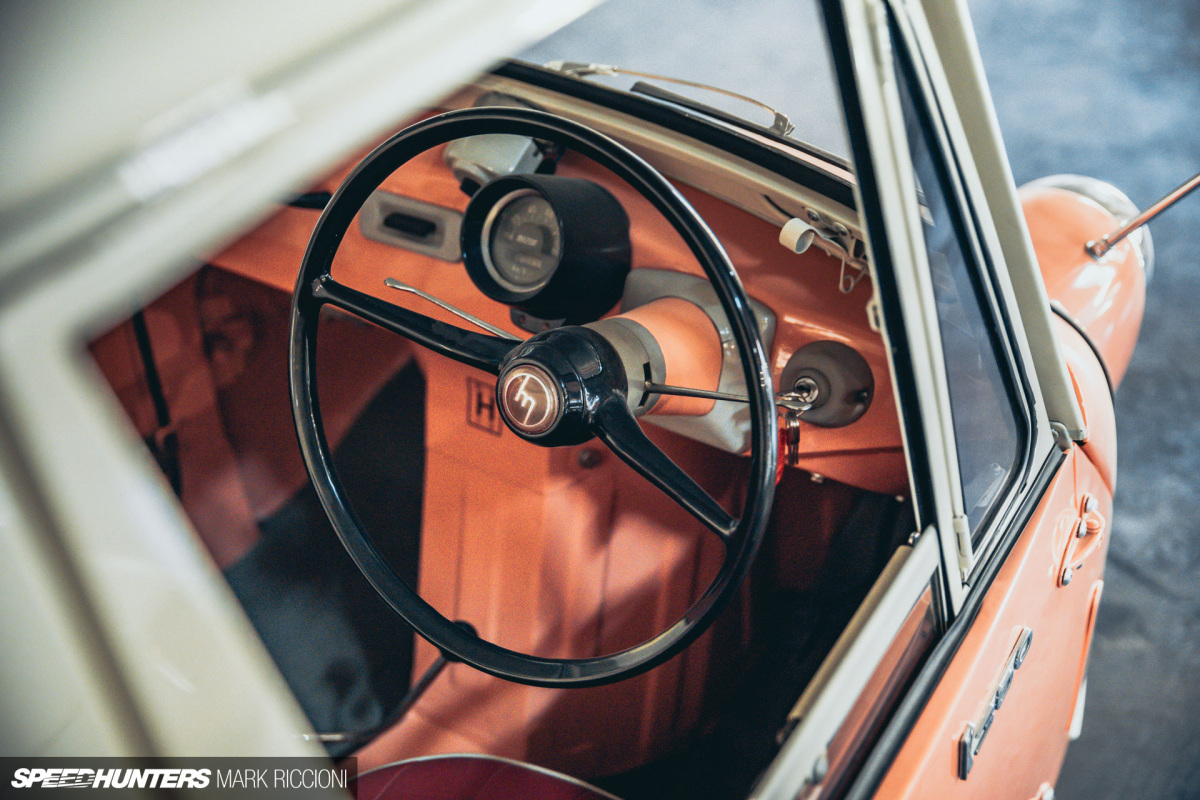
Initially, the business built motorbikes and then in 1931, the Mazda-go went into production, a tricycle truck. It was essentially a motorbike at the front with a large box above an axle at the back.

For the following three decades, and particularly after the war, Toyo Kogyo persisted with its three-wheeled trucks believing that the region would again prosper with the help of machines; both by building them and using them to rebuild the city. Amazingly, after the atomic bomb destroyed almost 70% of Hiroshima’s buildings, Toyo Kogyo’s facility near Fuchū remained intact. As well as a factory, the site was used as a hospital and the headquarters for the prefecture’s government as the city recovered. This site is still where Mazda’s HQ is based today.
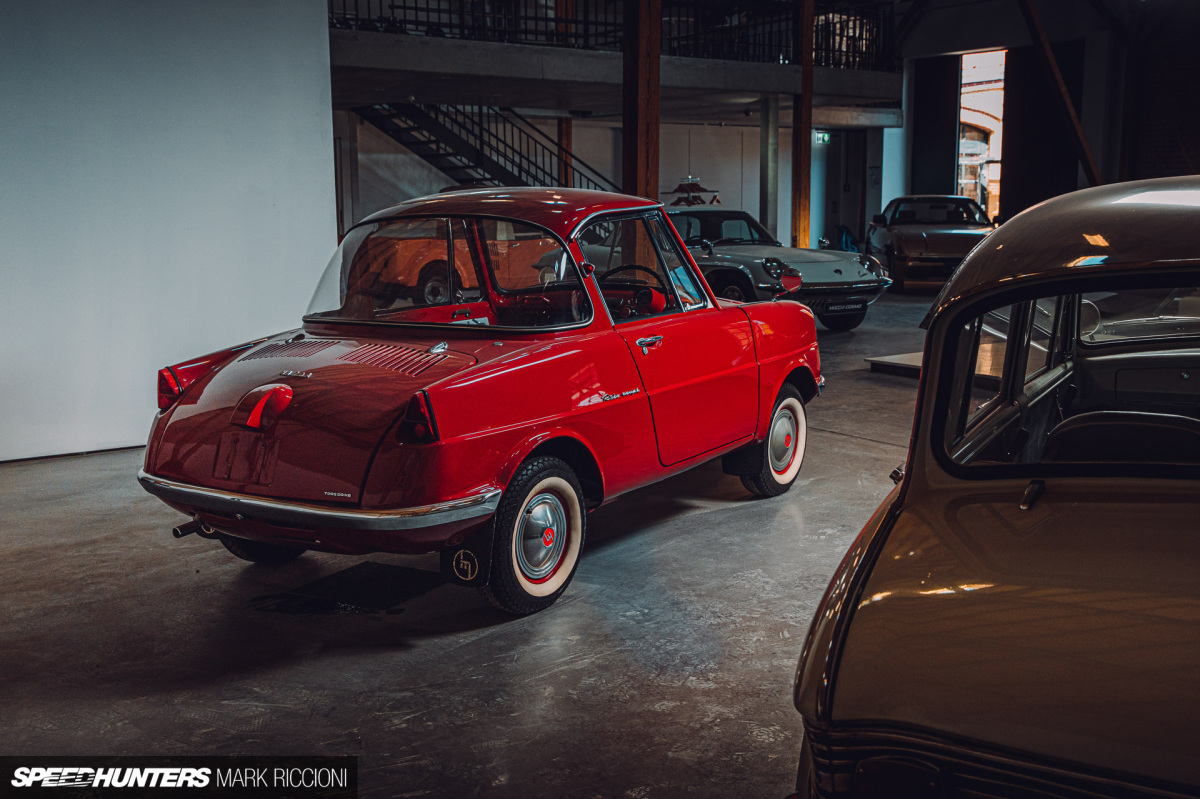
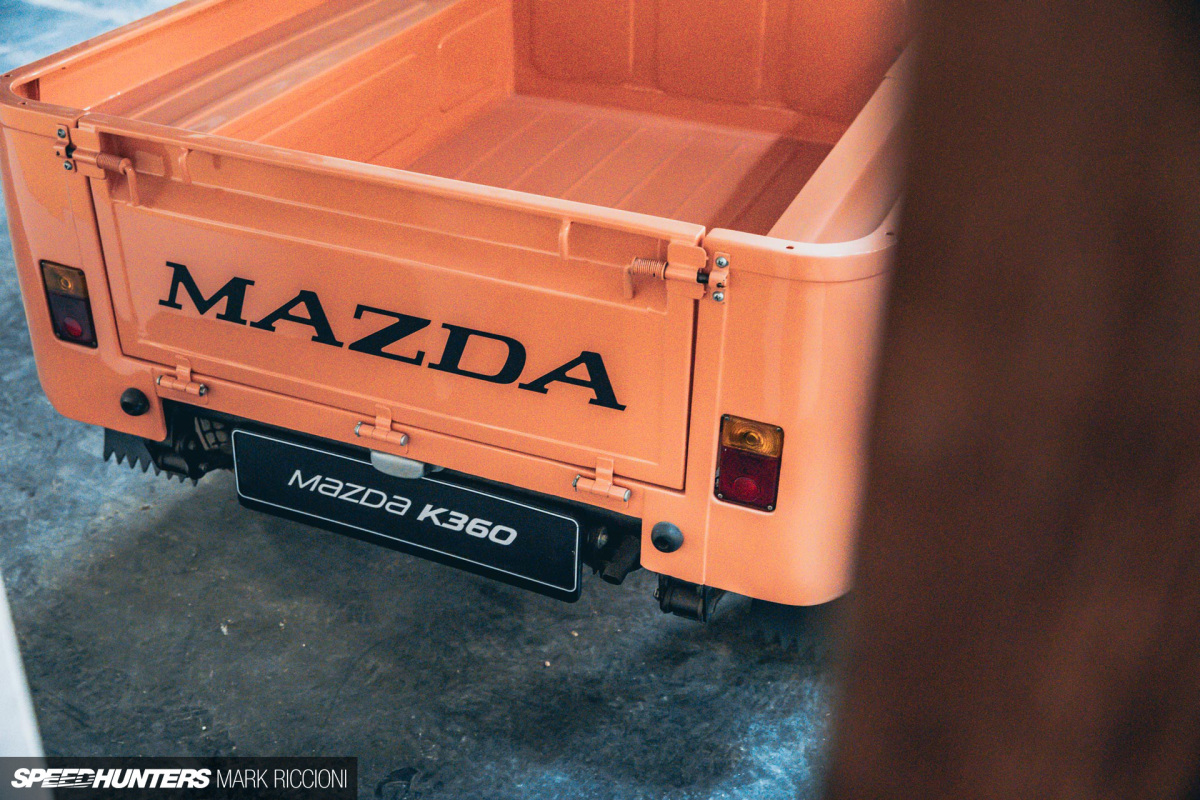
By the 1960s Mazda had 30 models of trucks on sale, but a new form of legislation would inspire the business to try something new. Japan’s kei jidosha program – a scheme that allows cars under certain dimensions and engine capacity to benefit from low taxes – was modified in the mid-’60s to allow larger engines. Mazda believed it could build a car suitable for the Japanese within these tweaked rules and came up with the R360, a two-seater powered by a 360cc air-cooled v-twin. It was not wrong, and the first Mazda road car quickly became the best selling car in Japan.
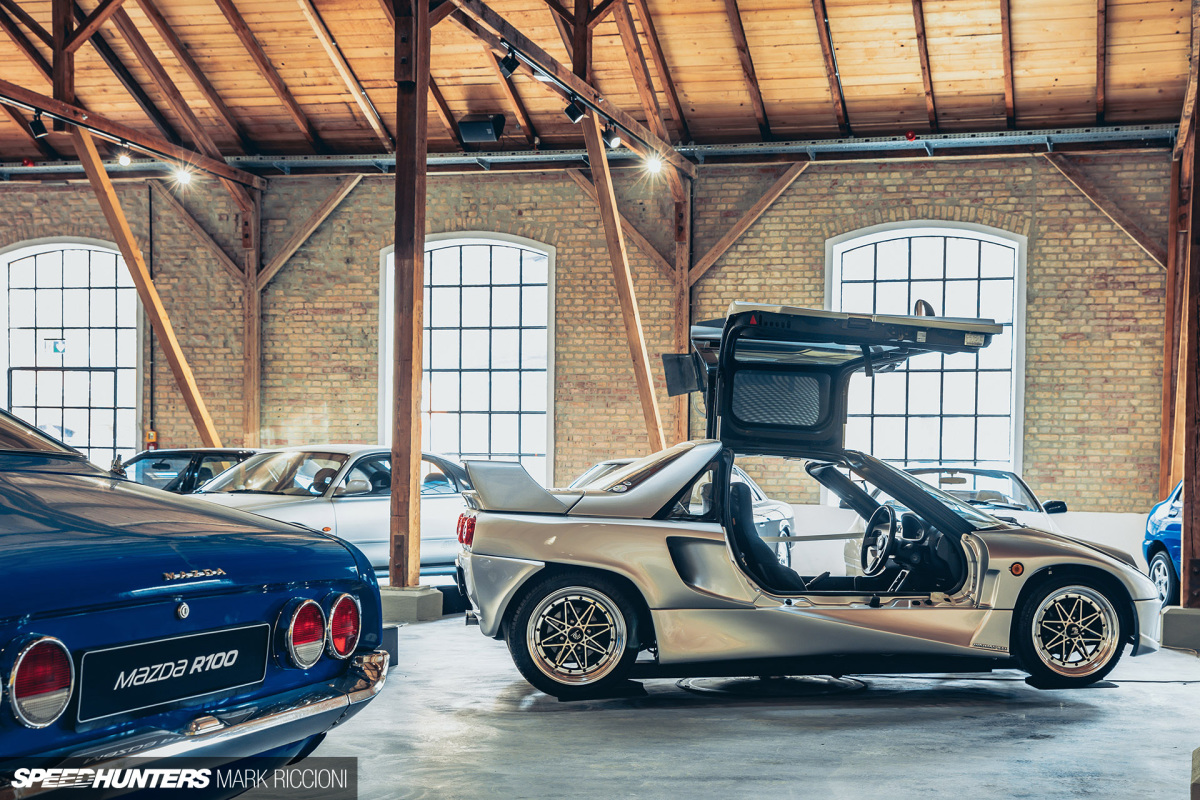
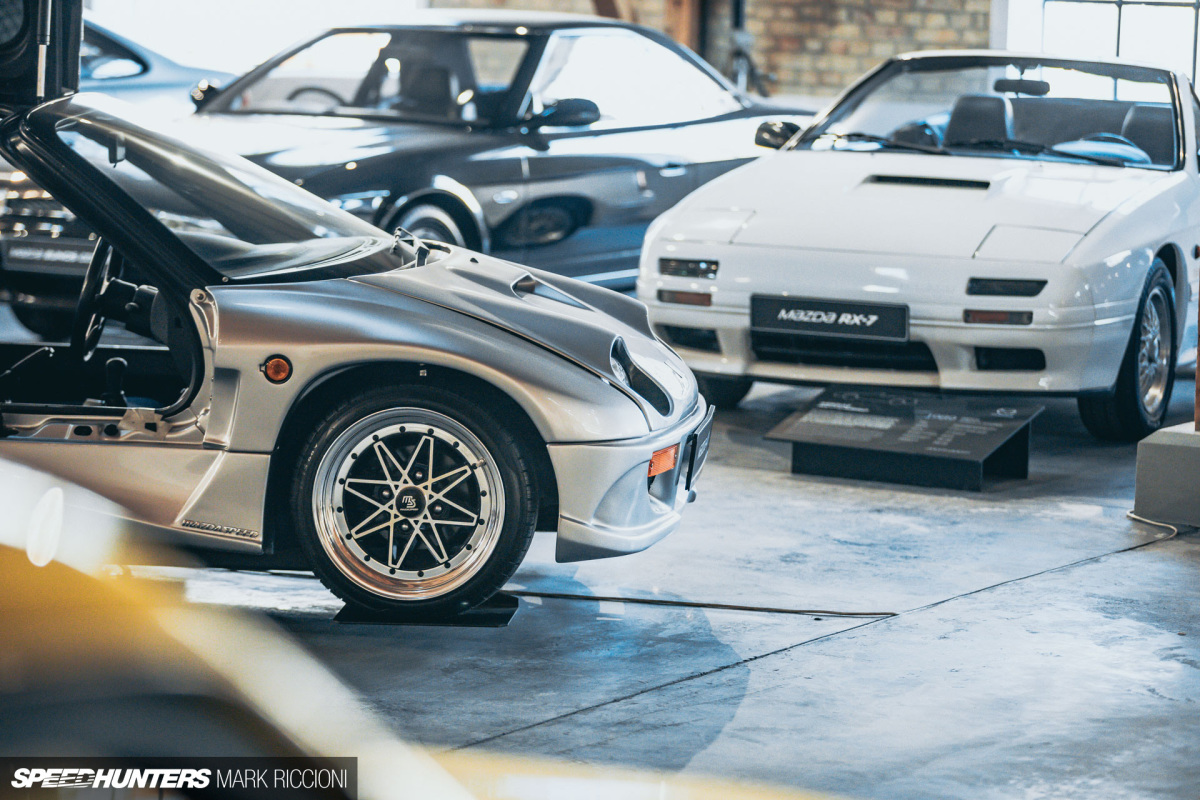


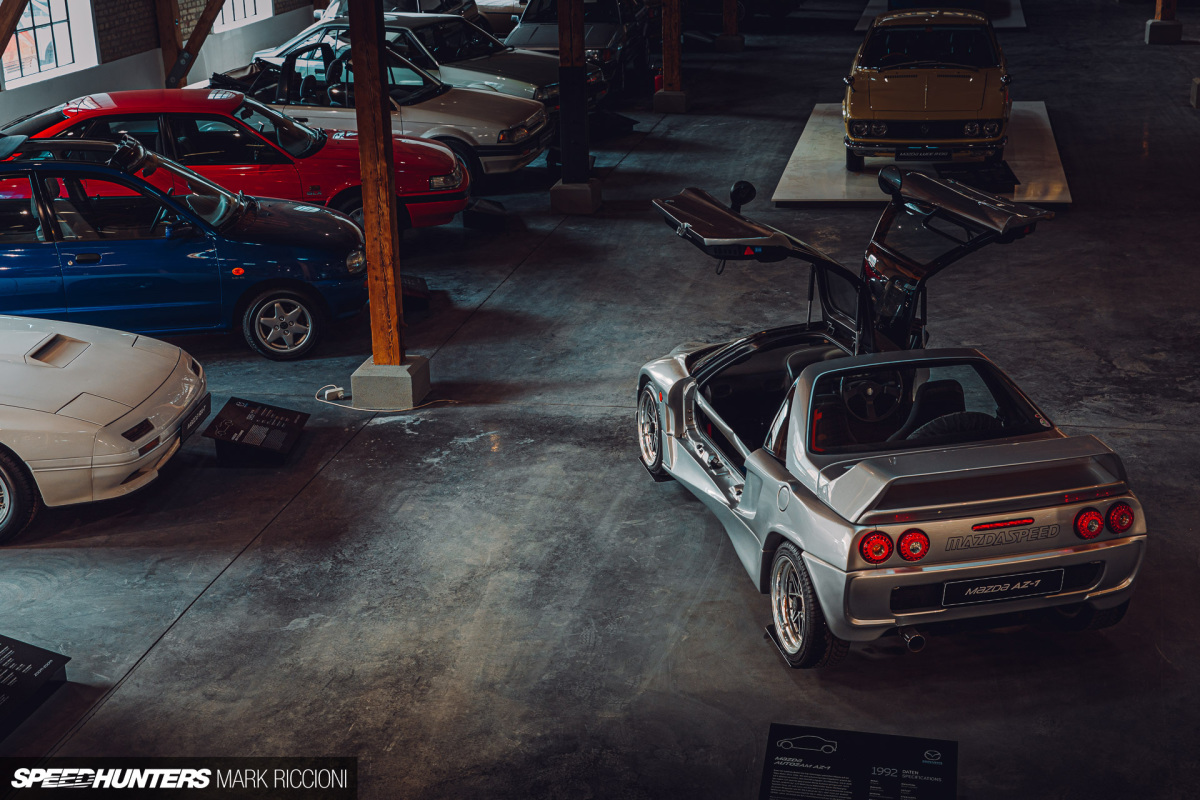
Despite continuing to build kei cars throughout its existence, including the wonderfully outrageous Autozam AZ1, these tiny machines aren’t what Mazda is most famous for. Amongst its many innovations, including being the first manufacturer to put an active four-wheel steering system in a road car, and the first to make a transverse-engined car with permanent four-wheel drive, it’s rotary engine technology that we most associate with Mazda.
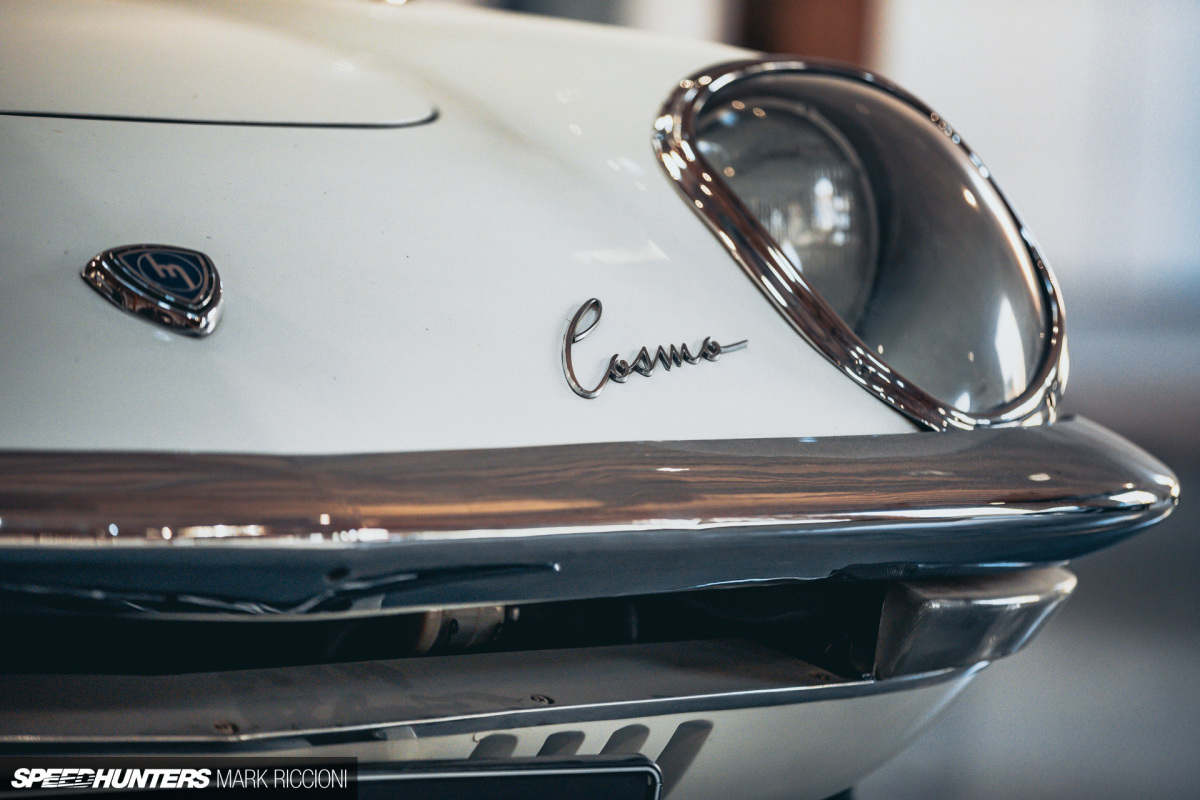
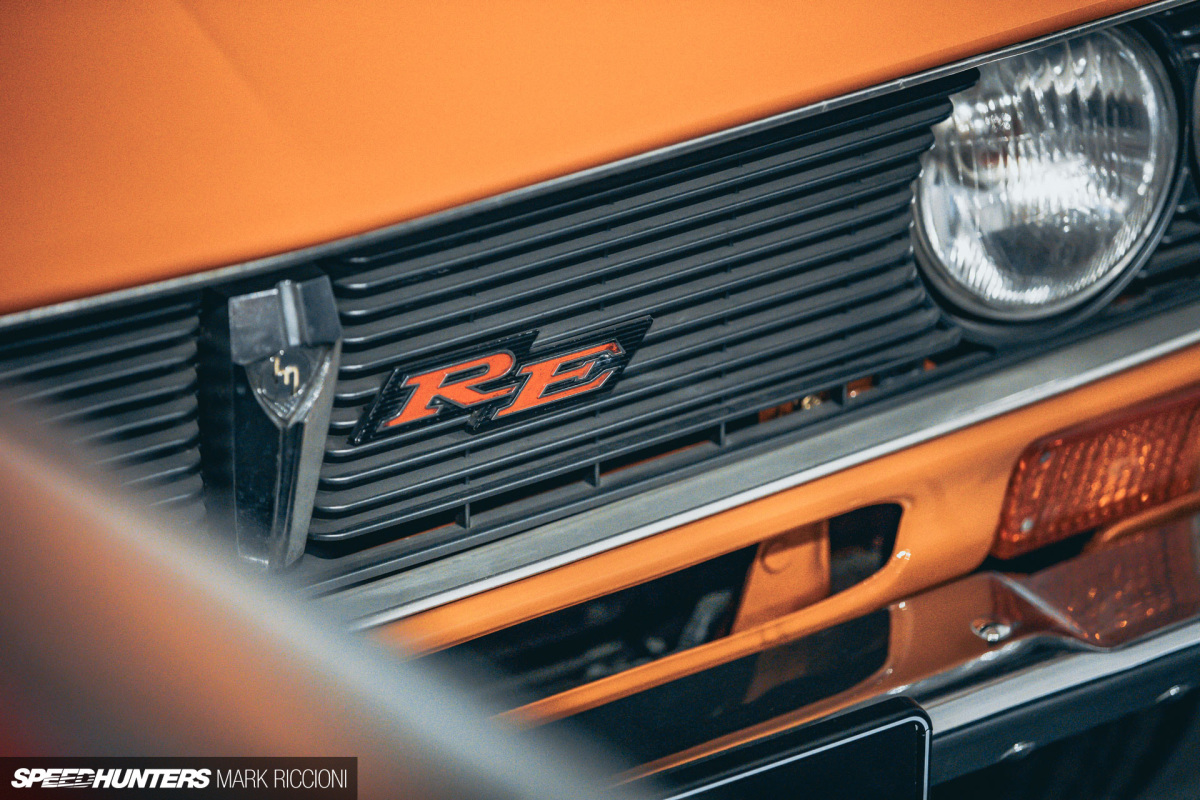
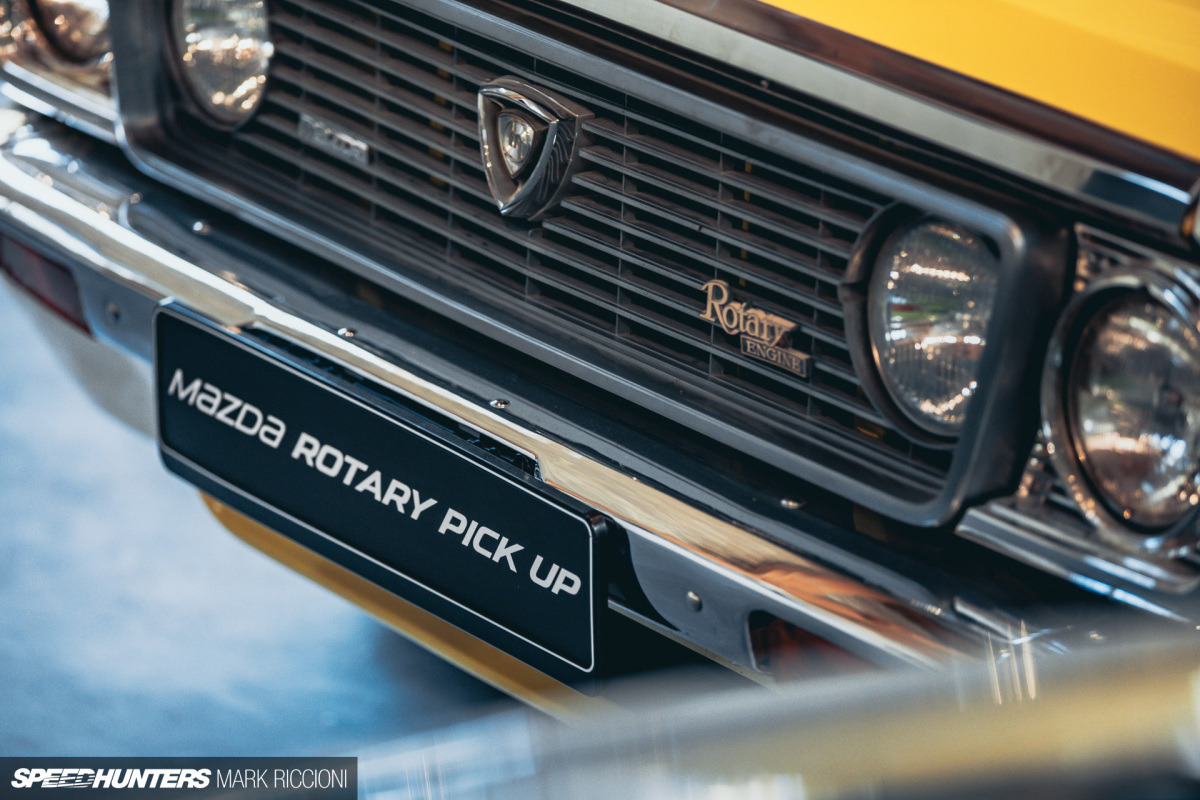
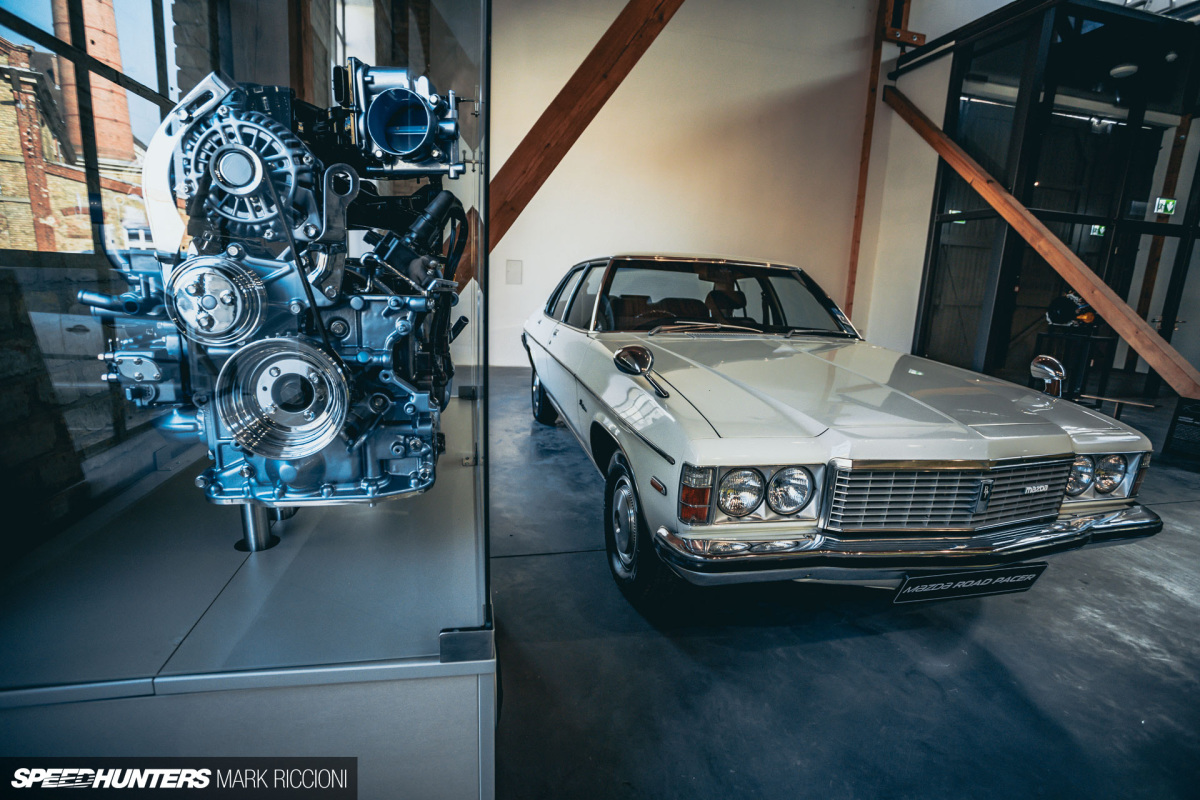
In the early 1960s, Mazda created its Rotary Engine Development centre. It comprised 47 engineers, led by Kenichi Yamamoto, who had originally worked on Mazda’s transmission production line and would then later become president of the whole company. Encouraged by the nothing-is-impossible attitude Mazda had engendered since WW2, the team turned the experimental ideas of the Wankel engine design into a practical, usable and reliable passenger car motor.

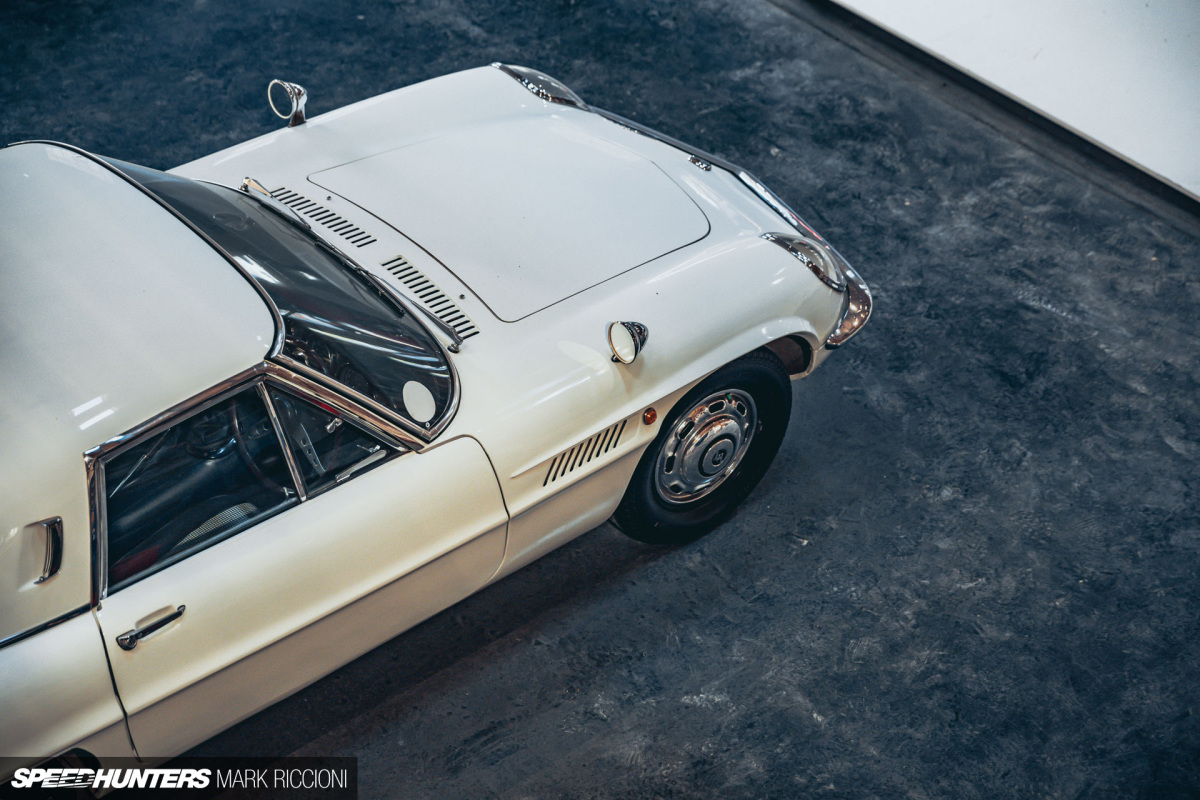
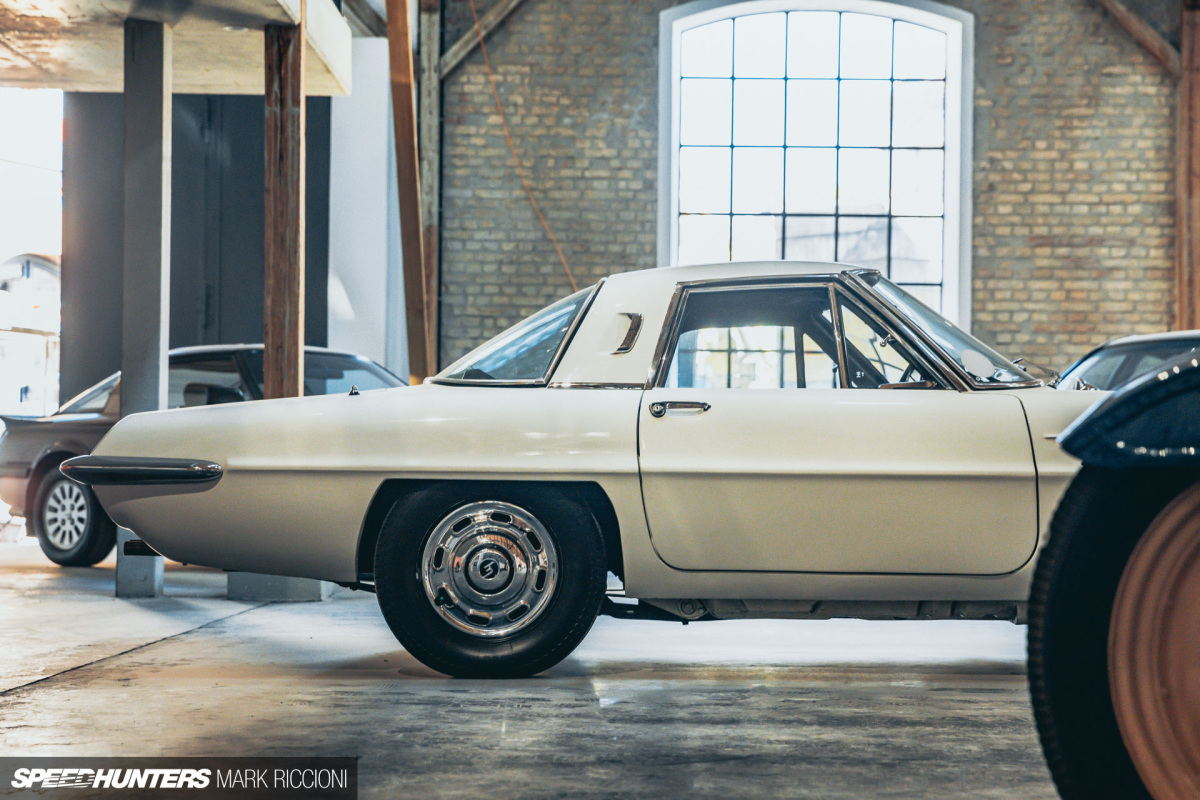
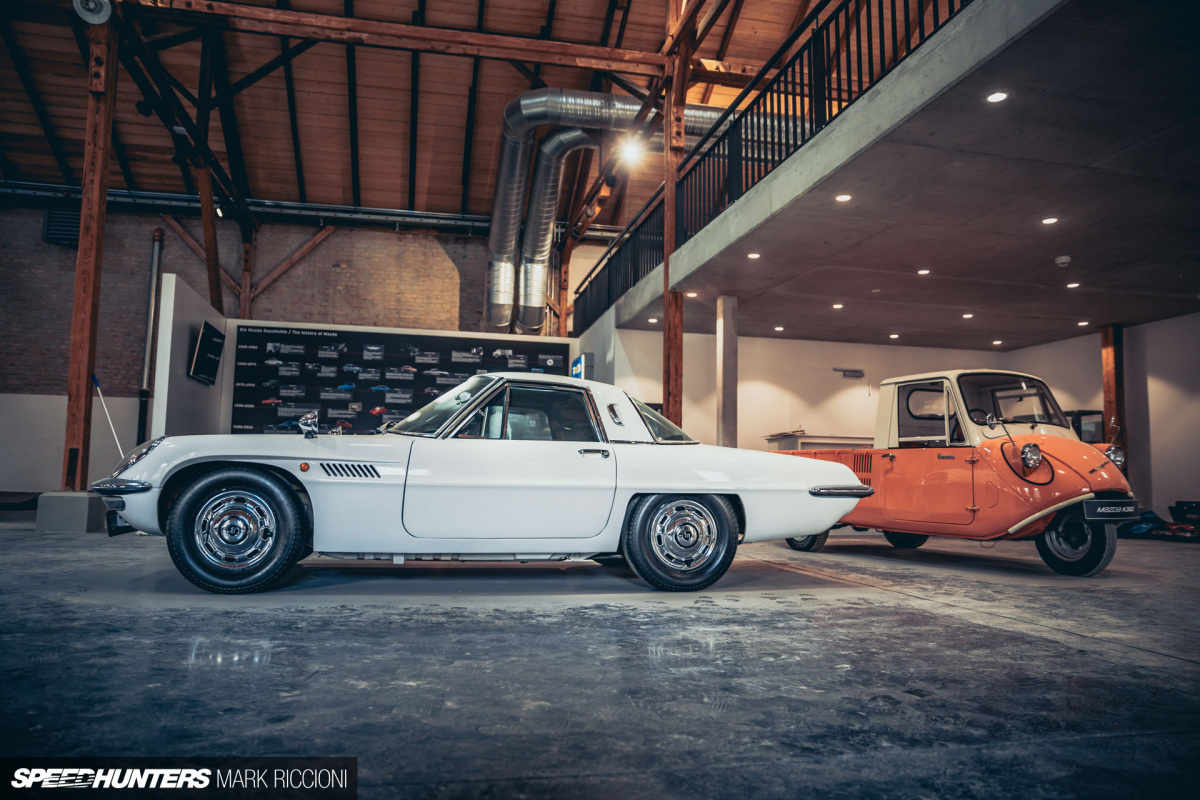
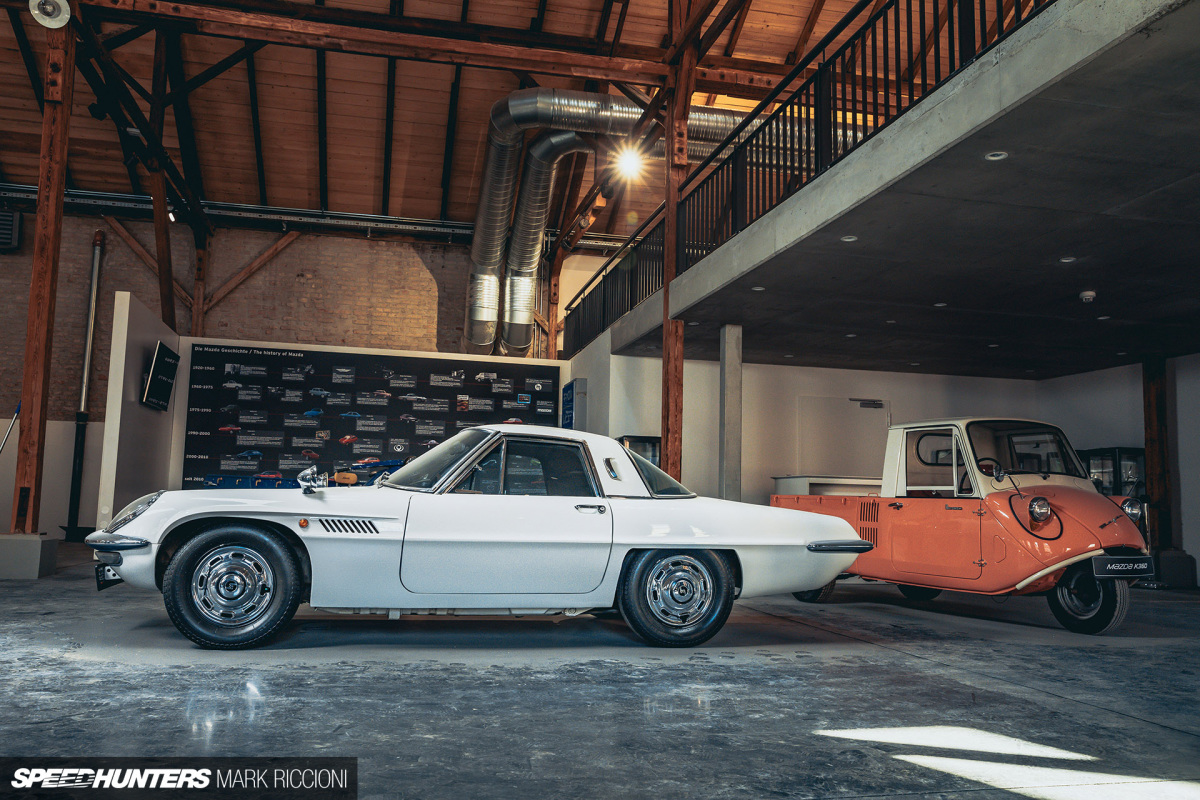
The project’s initial efforts were made public with the Cosmo Sport, a sporty two-seater coupe with a twin-rotor rotary engine, that was displayed at the 1964 Tokyo Motor Show. If the car wasn’t advanced enough, to further exemplify Mazda’s post-war bounce-back, the concept was littered with symbols that referenced the atomic bomb.
Mazda began to prove the value of its rotary technology through motorsport. In 1968, once a production version of the Cosmo was on sale, Mazda entered the gruelling Marathon de la Route, which by then was held at the Nürburgring over a non-stop 82-hour period. The pioneering Cosmo completed the event and finished fourth in a pack full of much more conventional cars with proven, decades-old technology powering them.
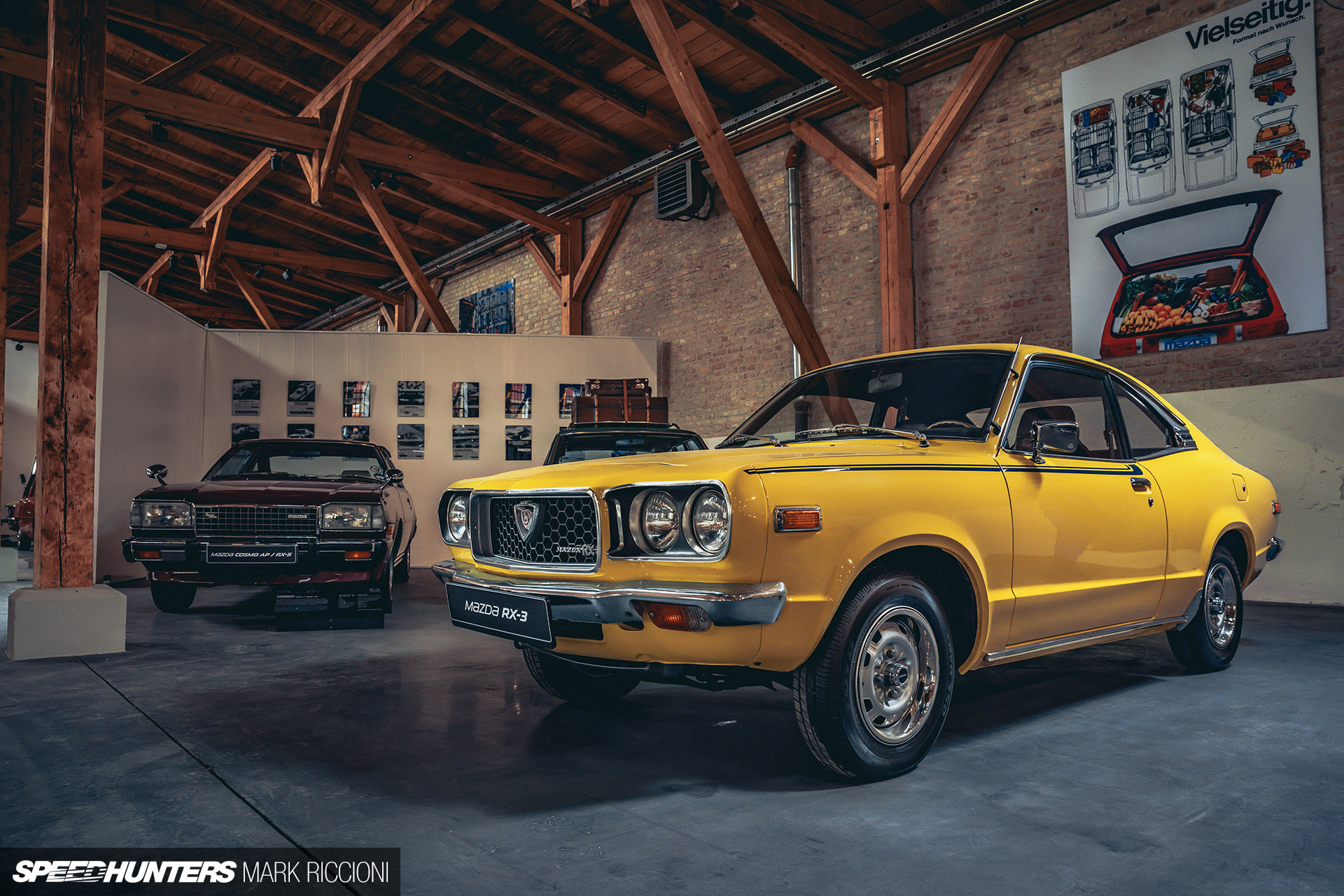

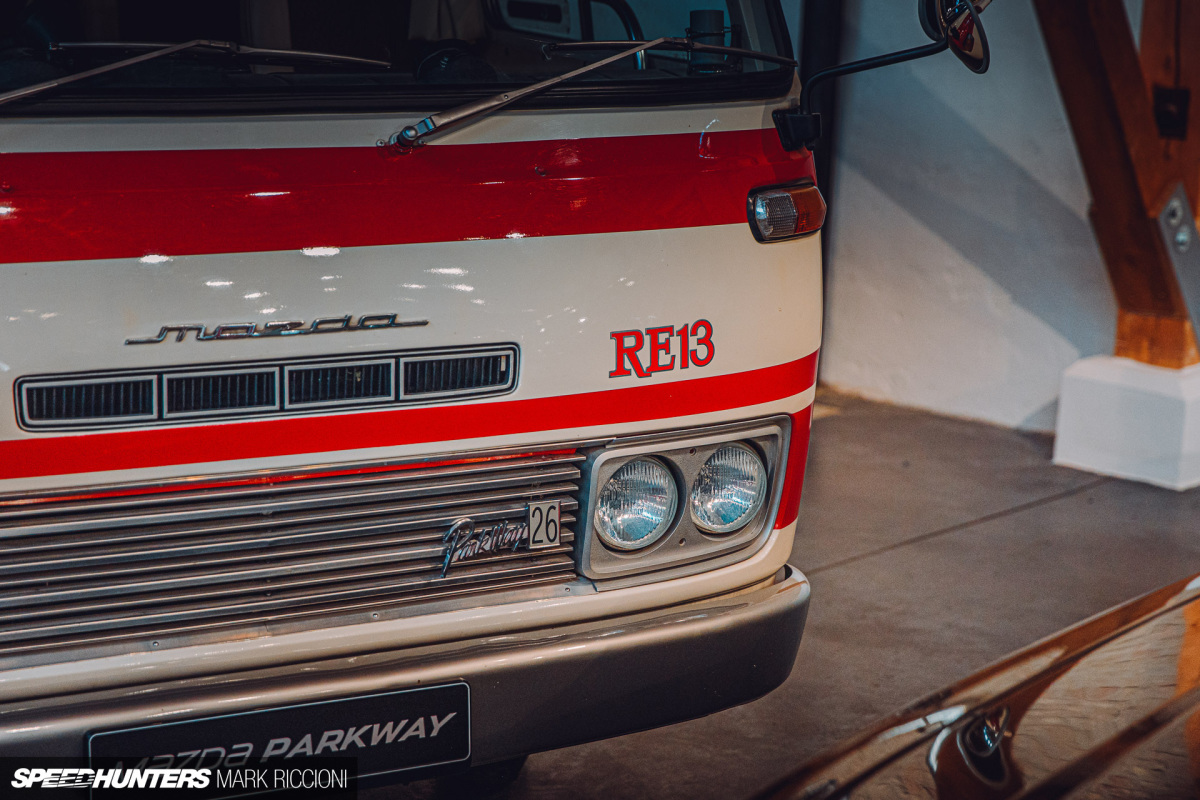
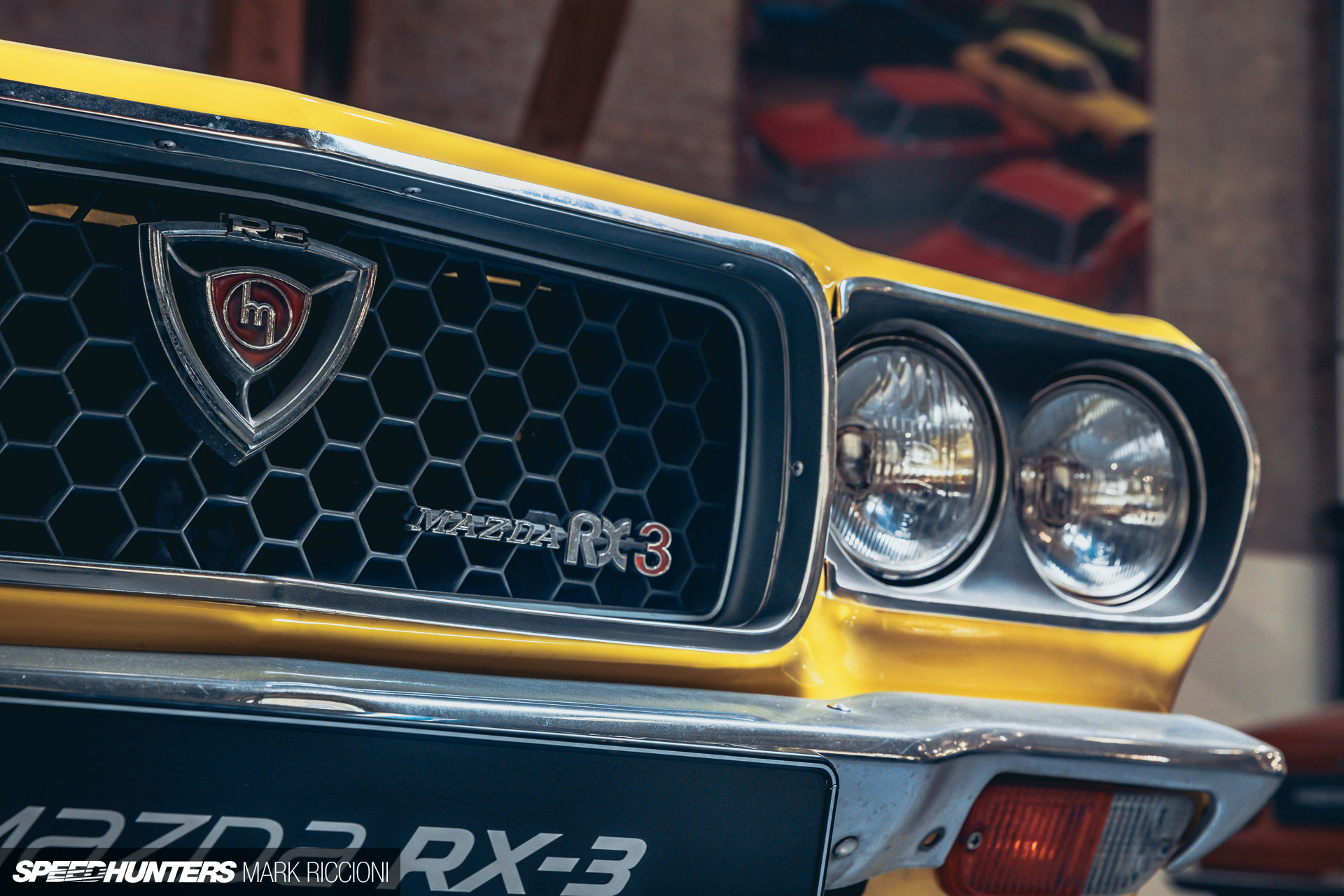
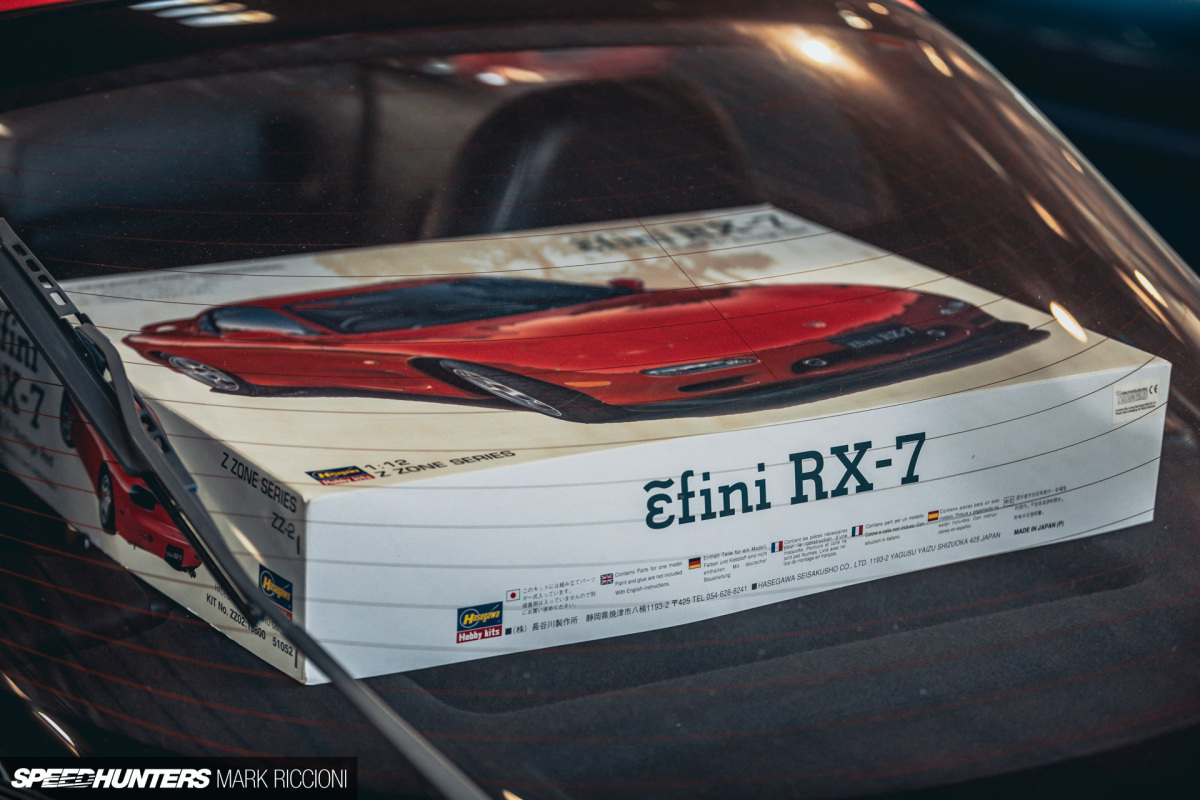
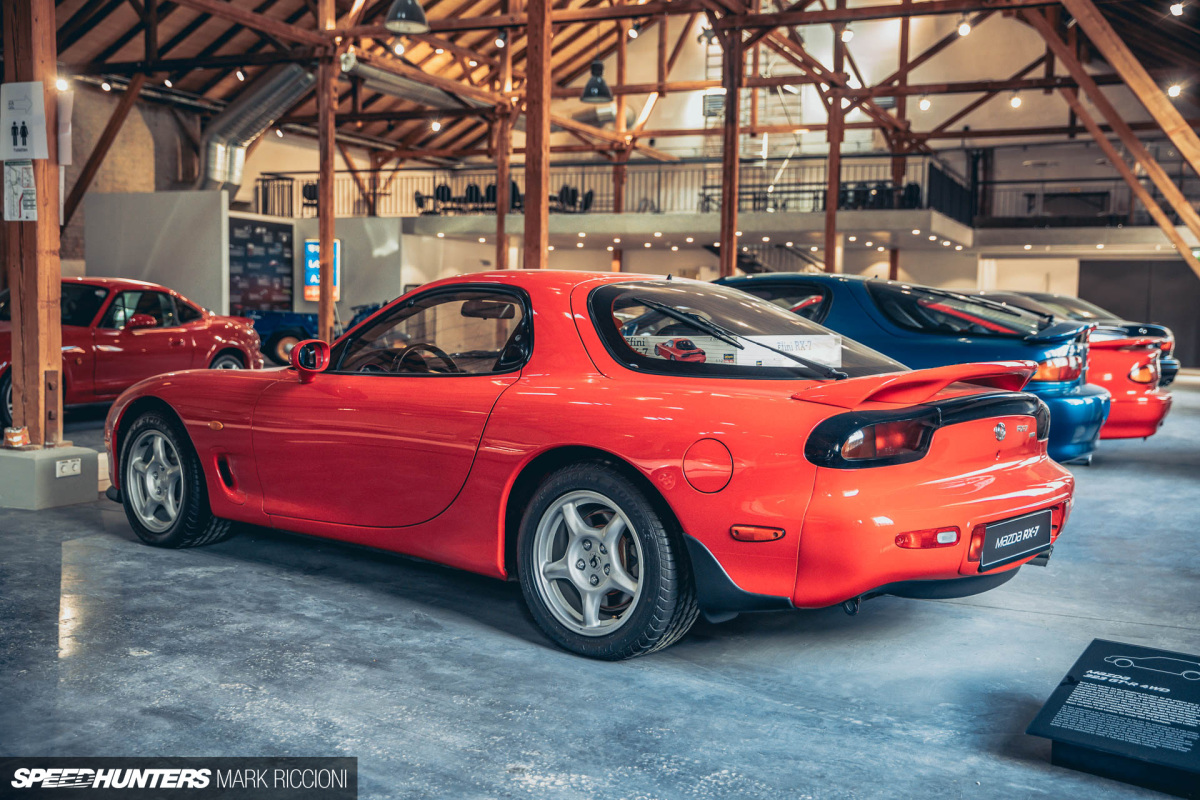
This really kick-started a long relationship between Mazda’s rotary engines and endurance competition. Mazda’s next rotary-powered sports car, the RX-7, would win its class at its race debut at the 24 hours of Daytona in 1979. The RX-7 has since become the most successful model in the history of IMSA, winning 100 races in 12 years of competition.


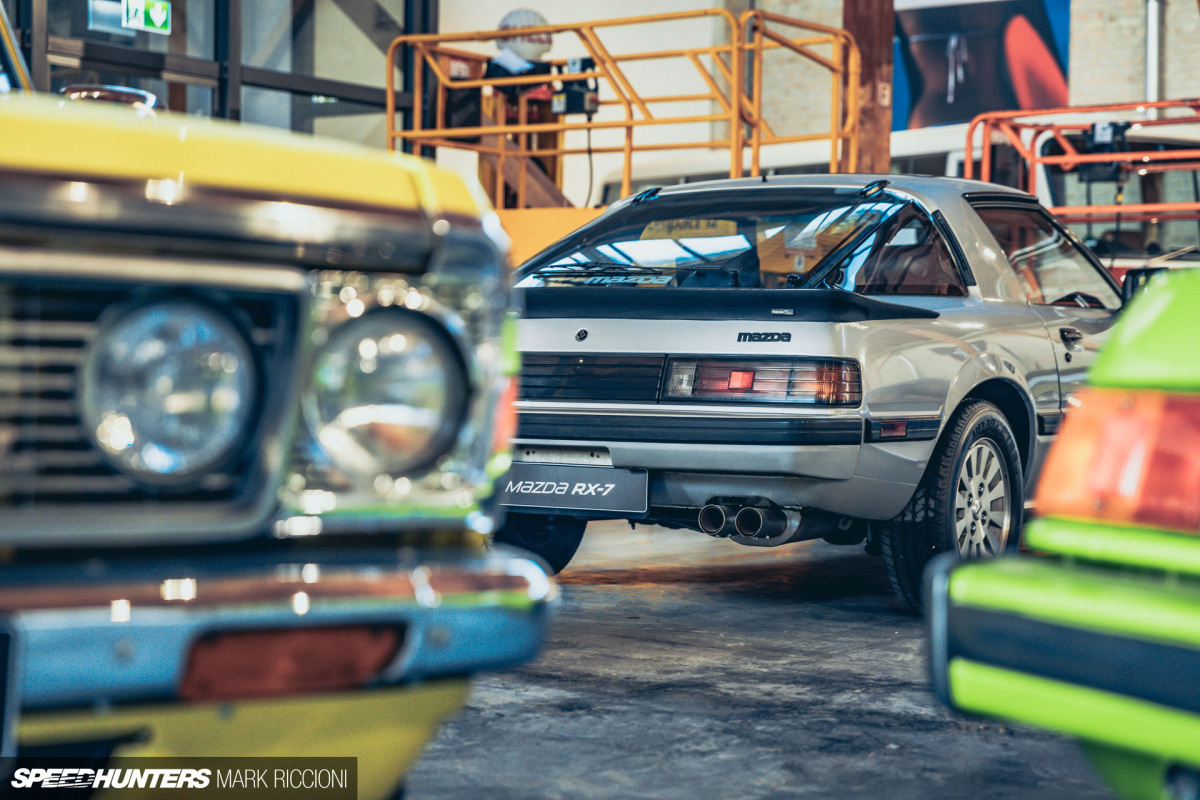
In Europe, the RX-7 competed at Le Mans over four years and won the 1981 24 hours of Spa. But still, the little sports car would have to play a supporting role to Mazda’s full-bore race cars. A Group C rotary-powered prototype racer was built to take on the 1982 Le Mans 24, the 717C. Mazda’s race department, Mazdaspeed, entered two cars and finished 12th and 18th.
Over the following nine years, Mazdaspeed persevered at Le Mans with a series of rotary-engined Group C race cars. After relative success with class podium positions and a class win with a Mazda-engined Lola, the real accomplishment happened in 1991. At the 59th 24 Hour of Le Mans, in an era when endurance racing was fiercely competitive, the Mazda 787/B, resplendent in its green and orange Renown livery, took the overall victory. It was the first time a Japanese manufacturer had won the race and the first and only time a rotary-engined car had taken the top spot on the podium.
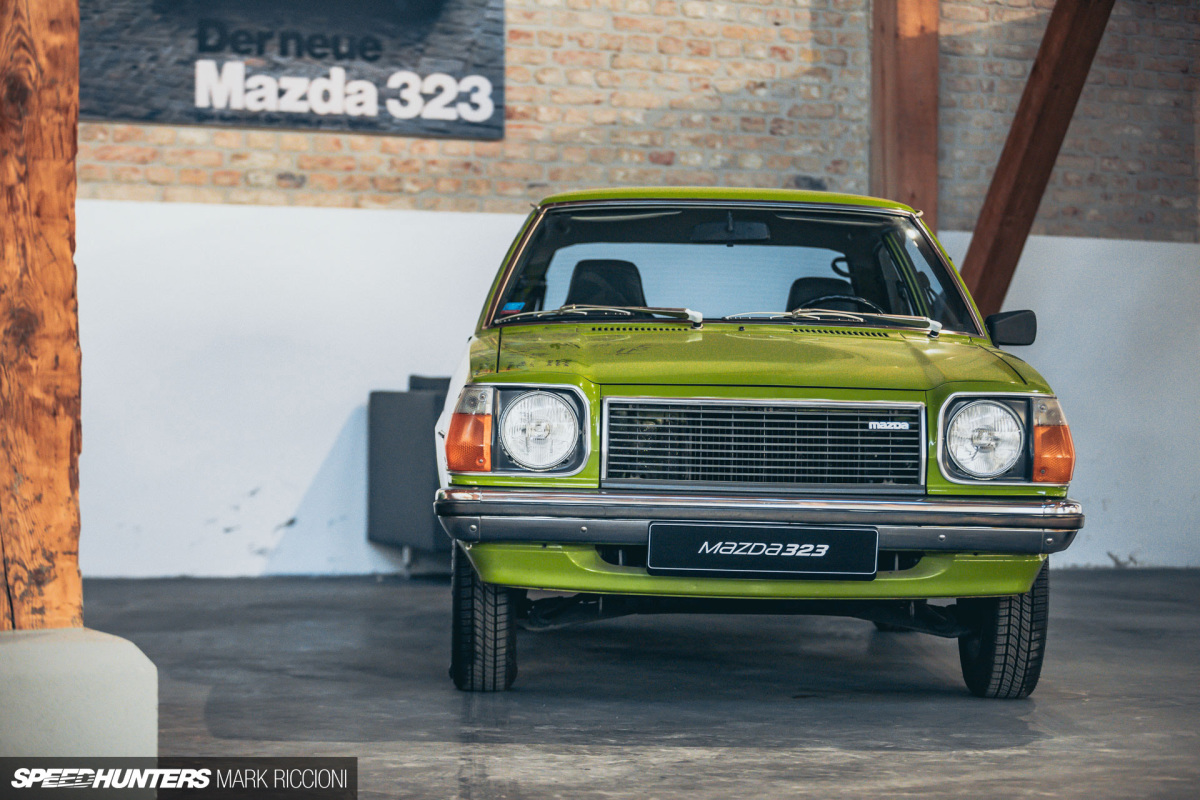
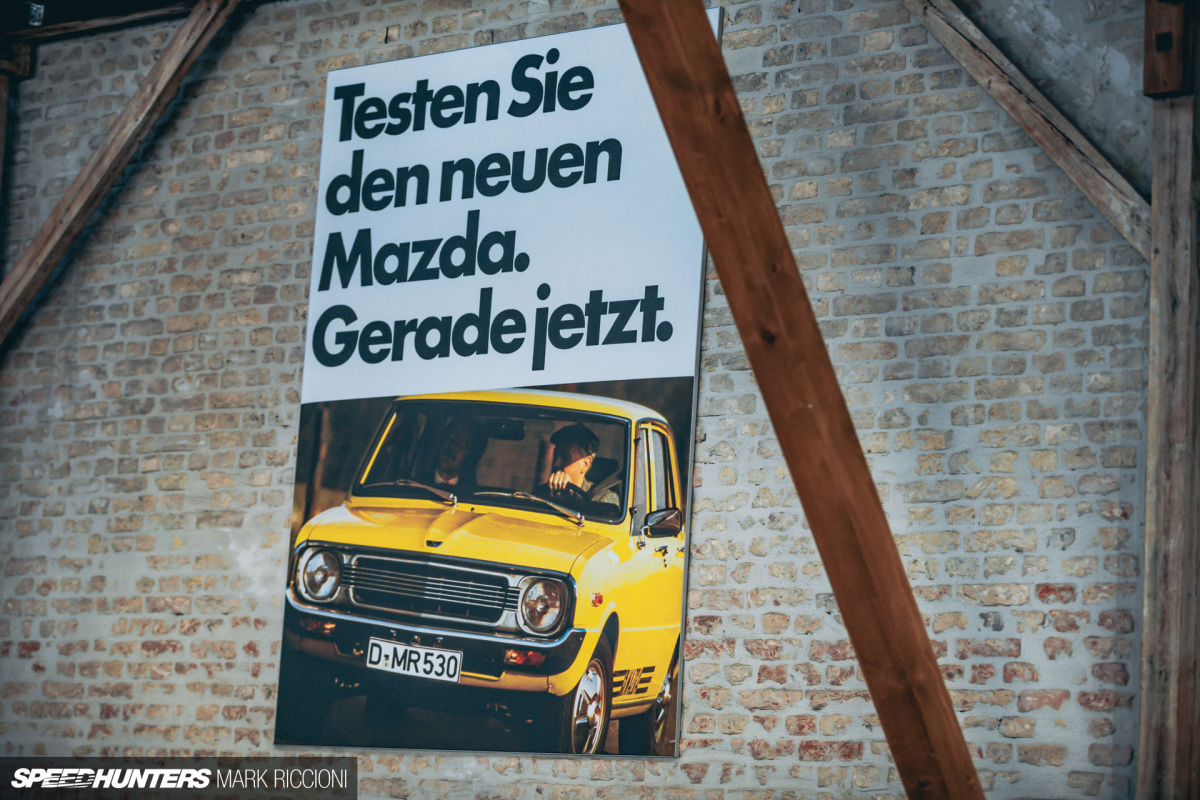
Winning races in Europe was not just fun for Mazda, it was important. It had started exporting its cars in 1967, first to Norway, Canada, the US and then Germany, where it set up its European base. The importance of the German market to Mazda was demonstrated when Masayuki Kirihara, who ran the company at the time, renamed the Familia for Europe. He chose the number of the hotel room he stayed in the night before Mazda Deutschland was opened, 323.
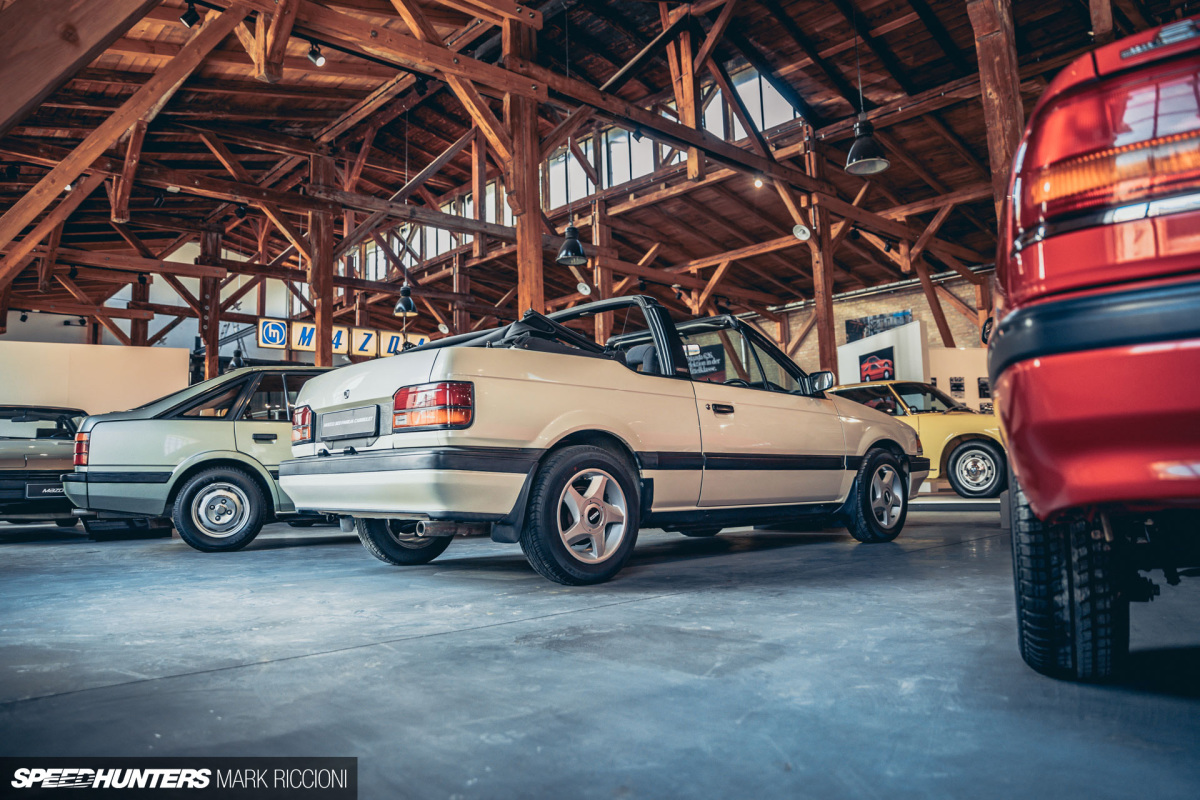

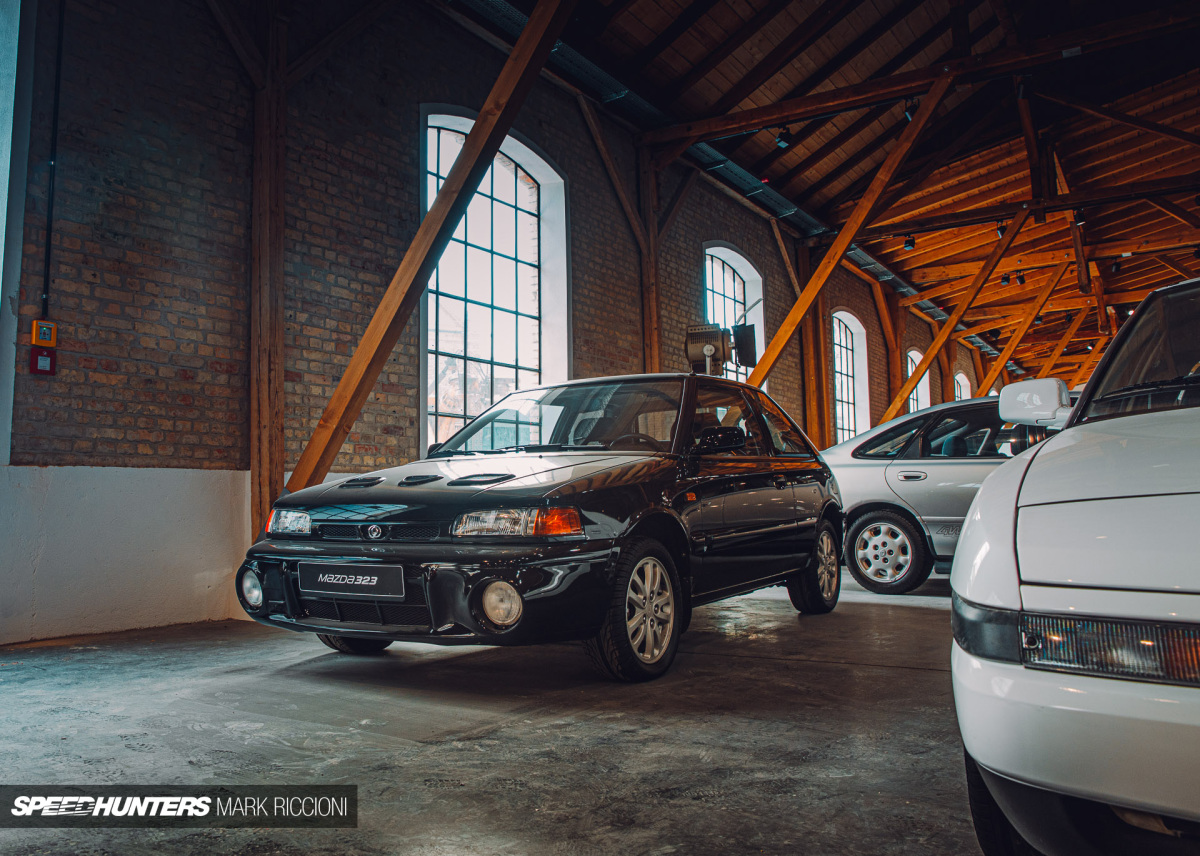
Since then, the 323 became the most popular import in Germany and Mazda opened a European Research facility near Frankfurt. As a result, Germany seems like an ideal place to have a museum dedicated to Mazda’s achievements then. Well, outside of Hiroshima, Japan, that is.
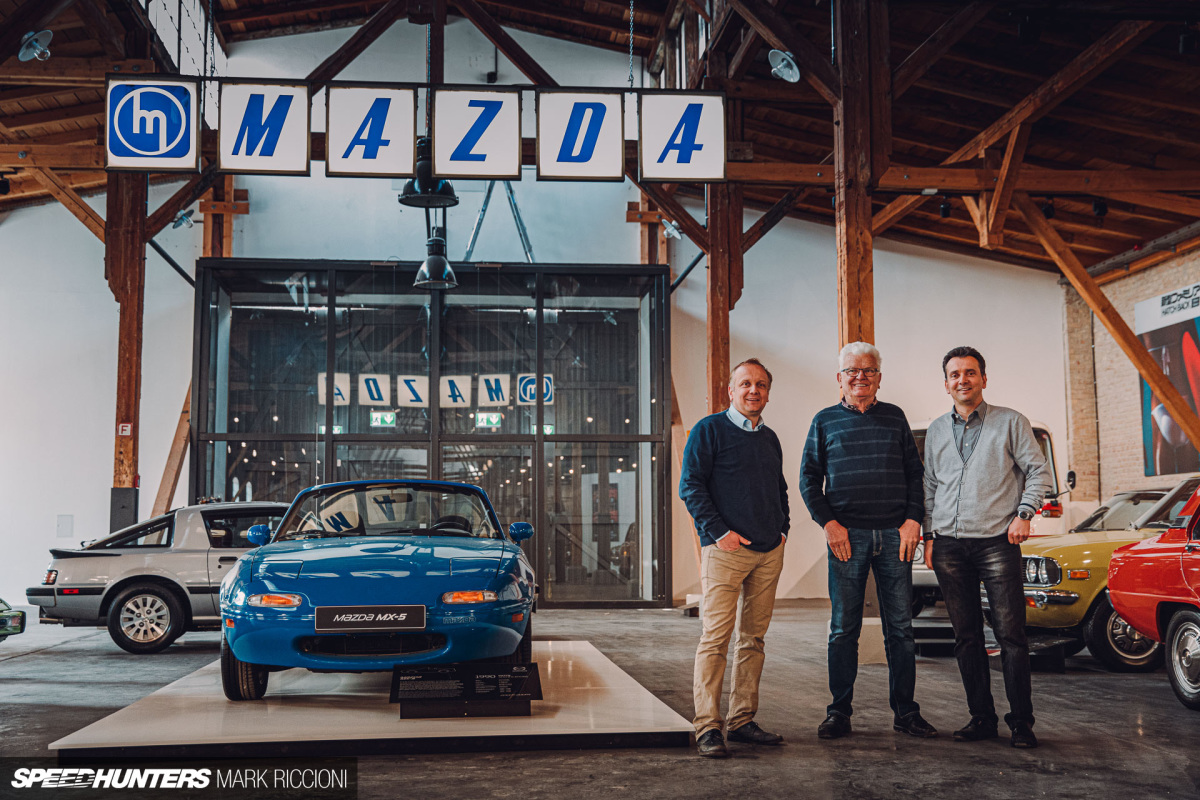
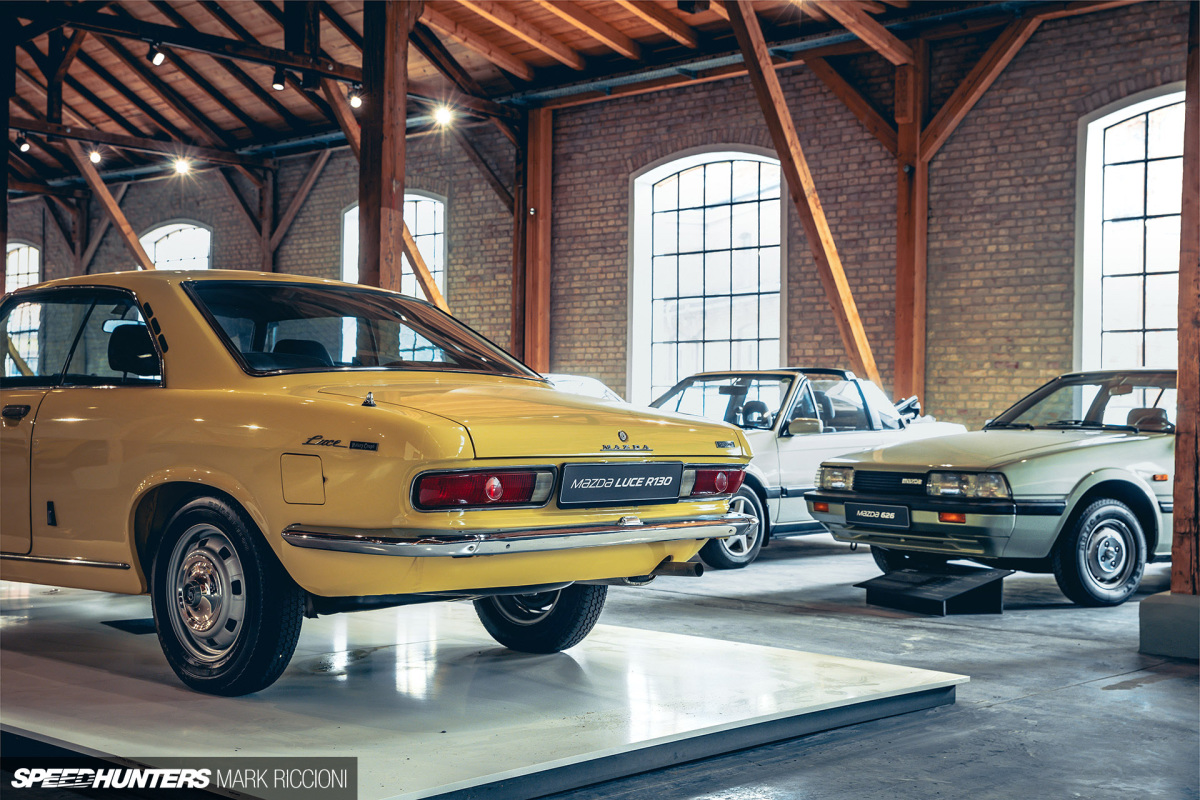

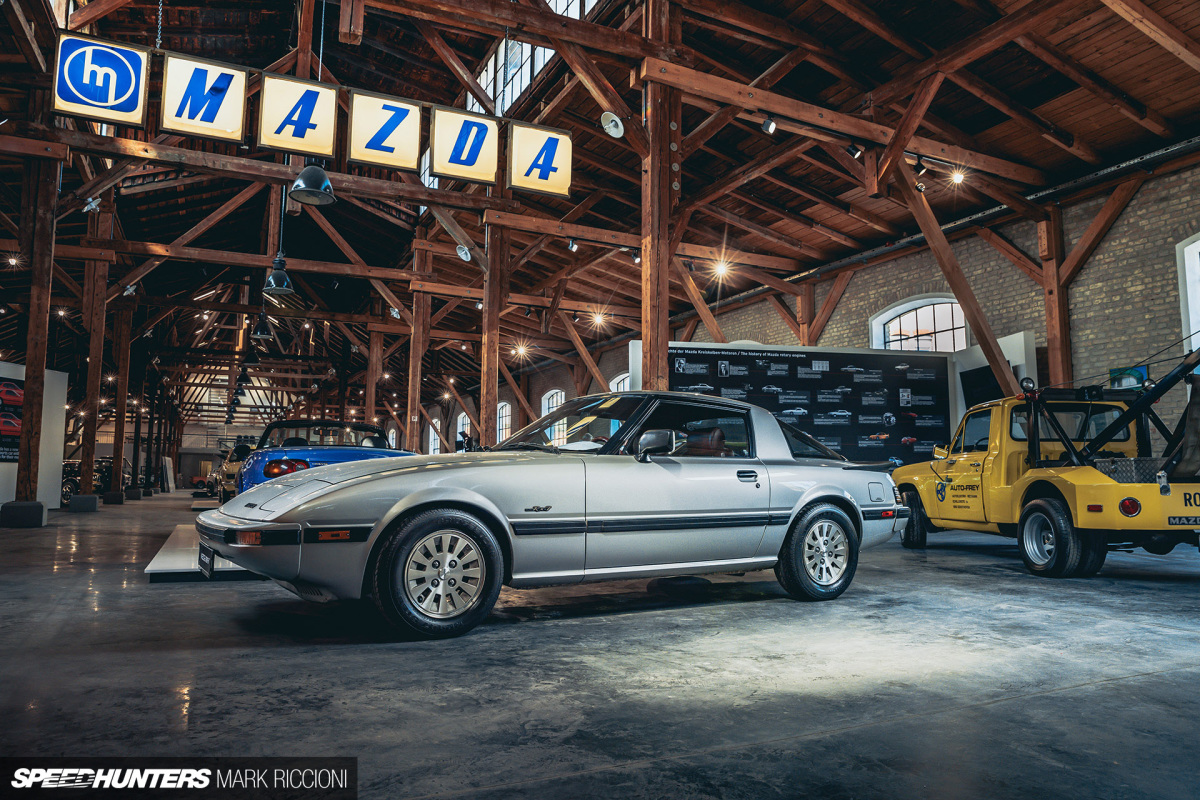
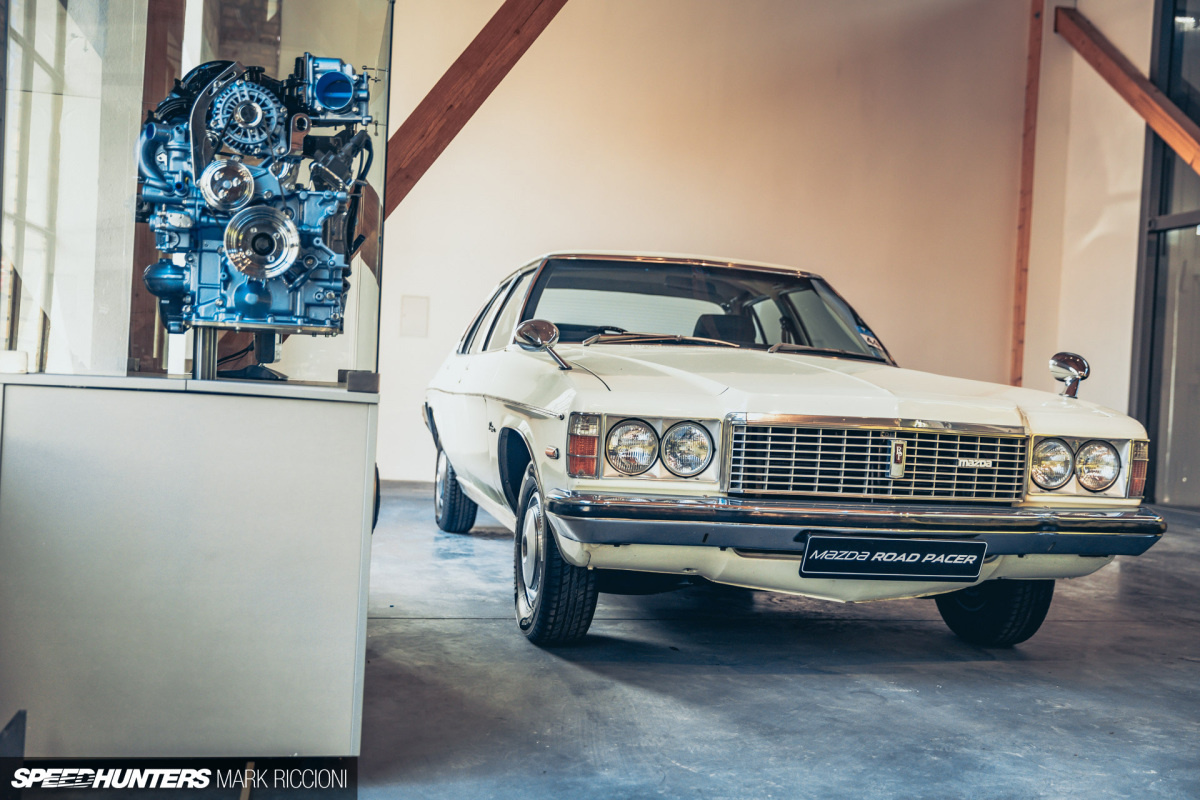
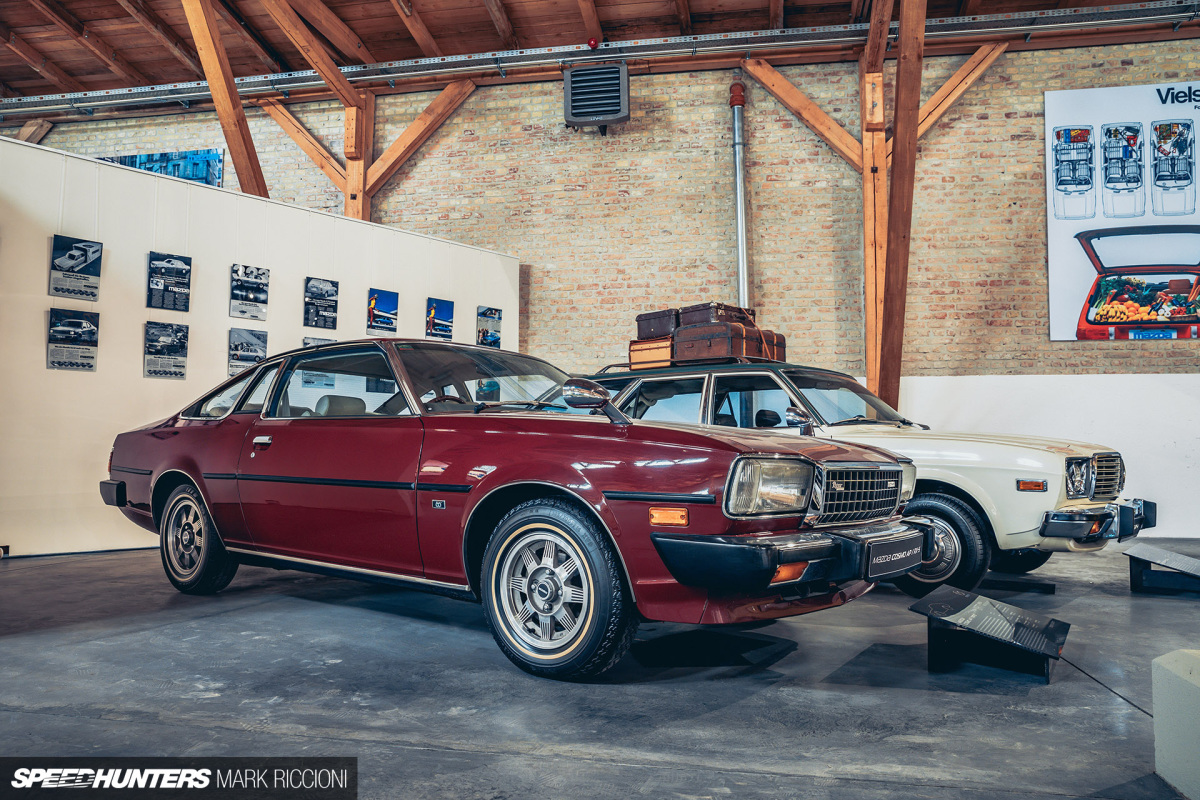
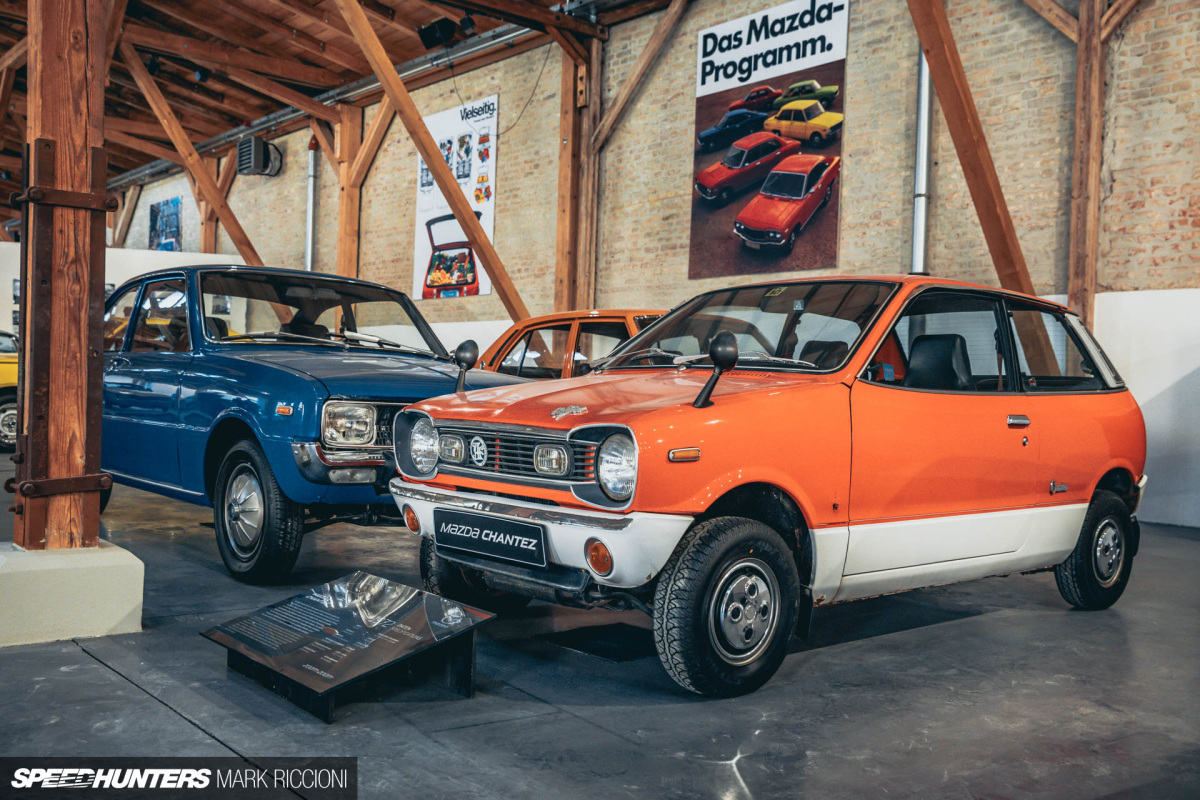
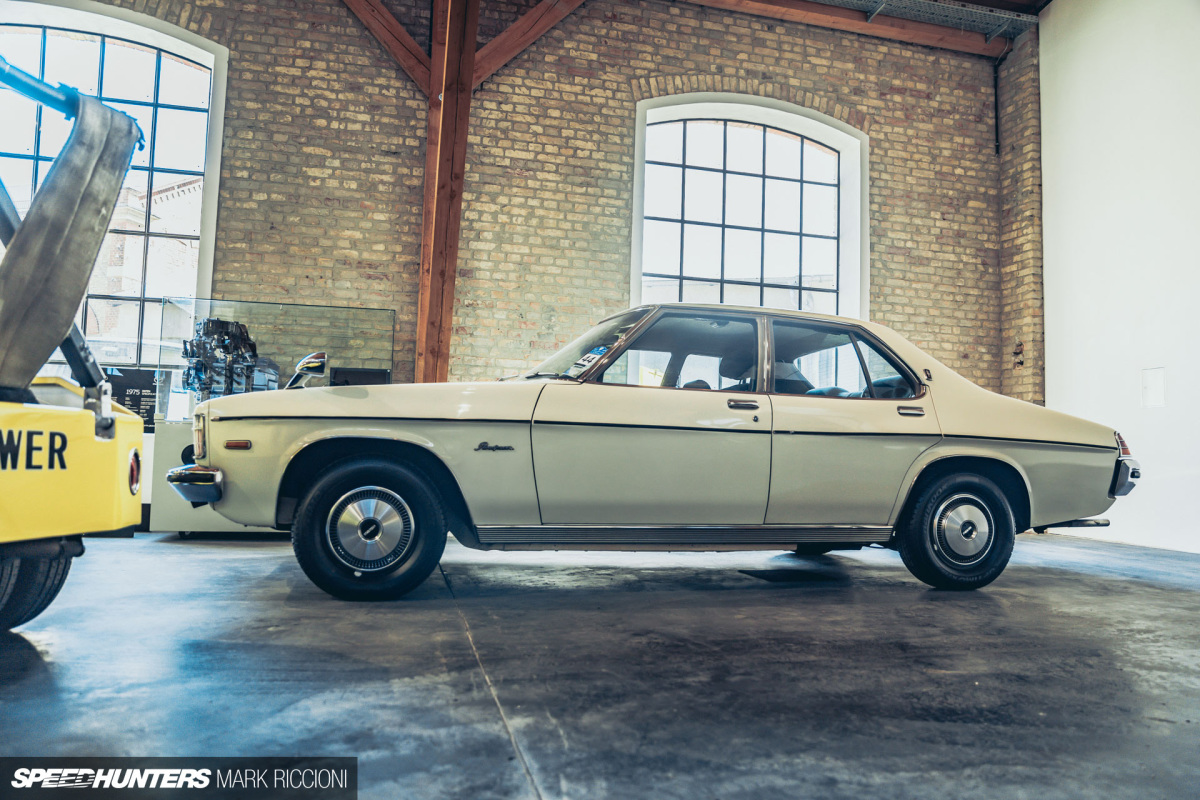
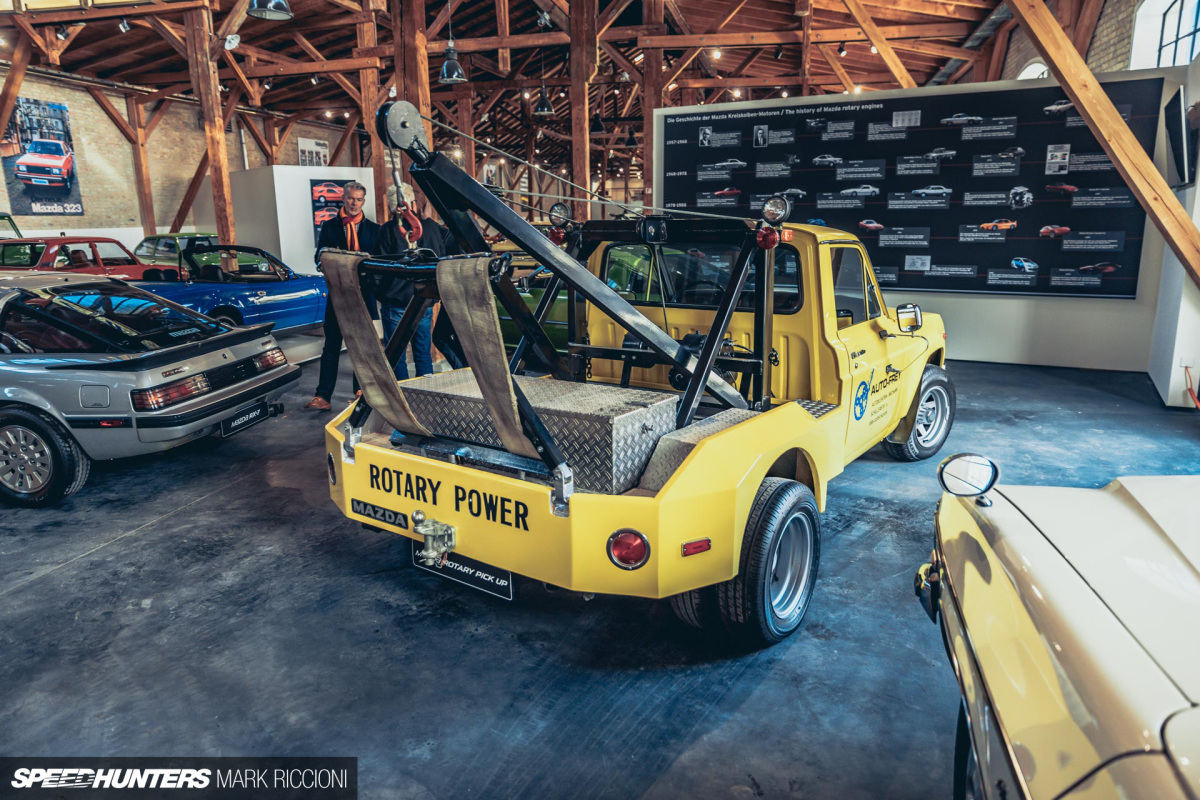
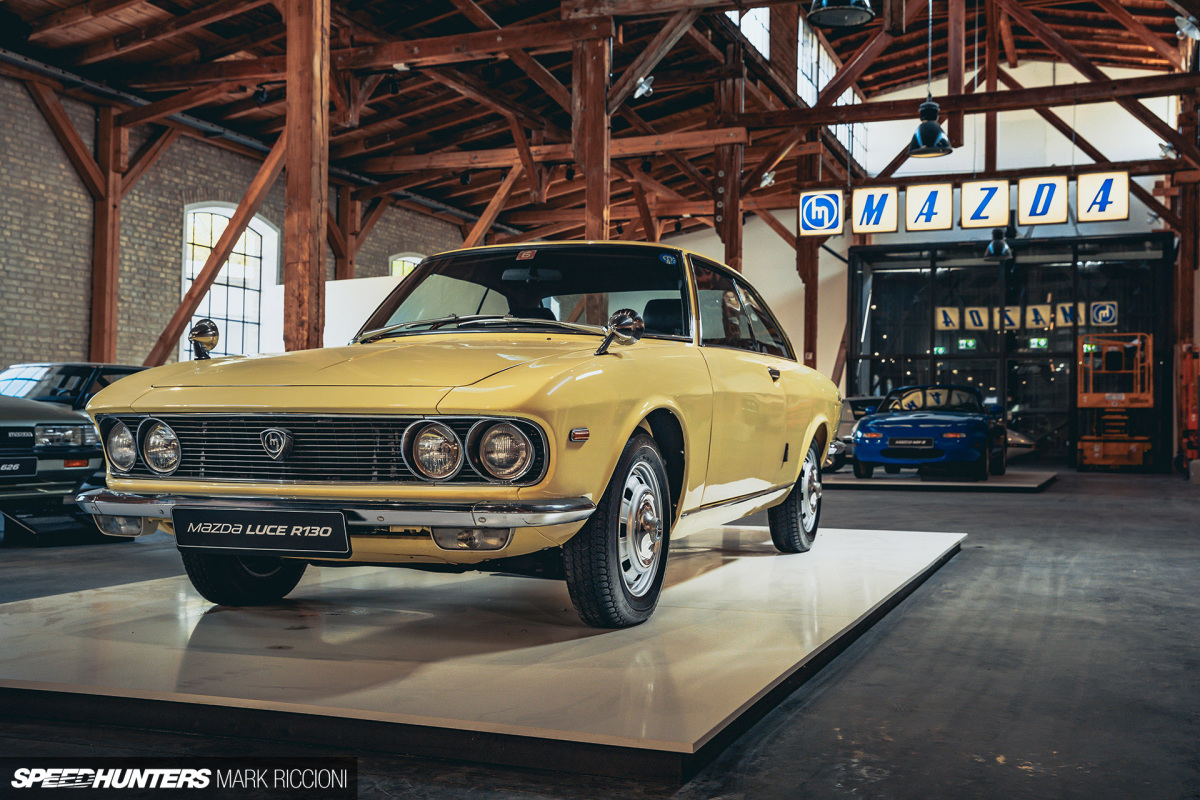
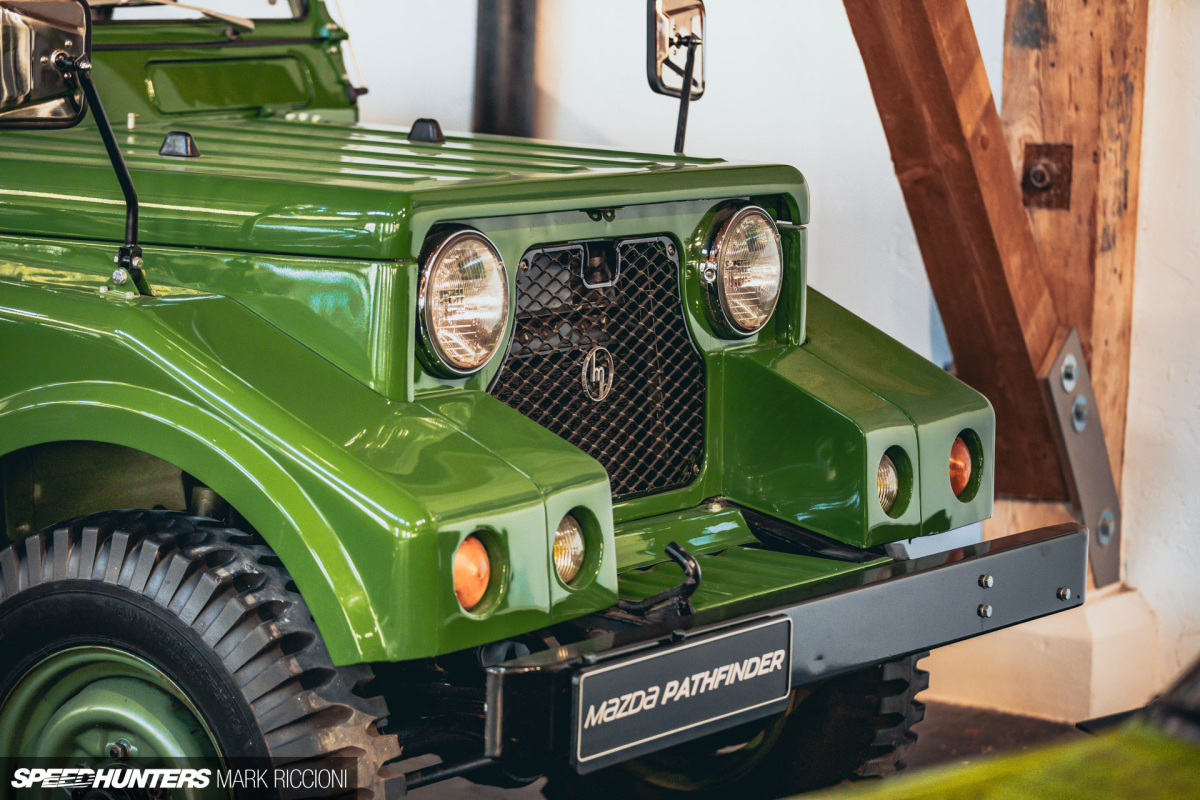
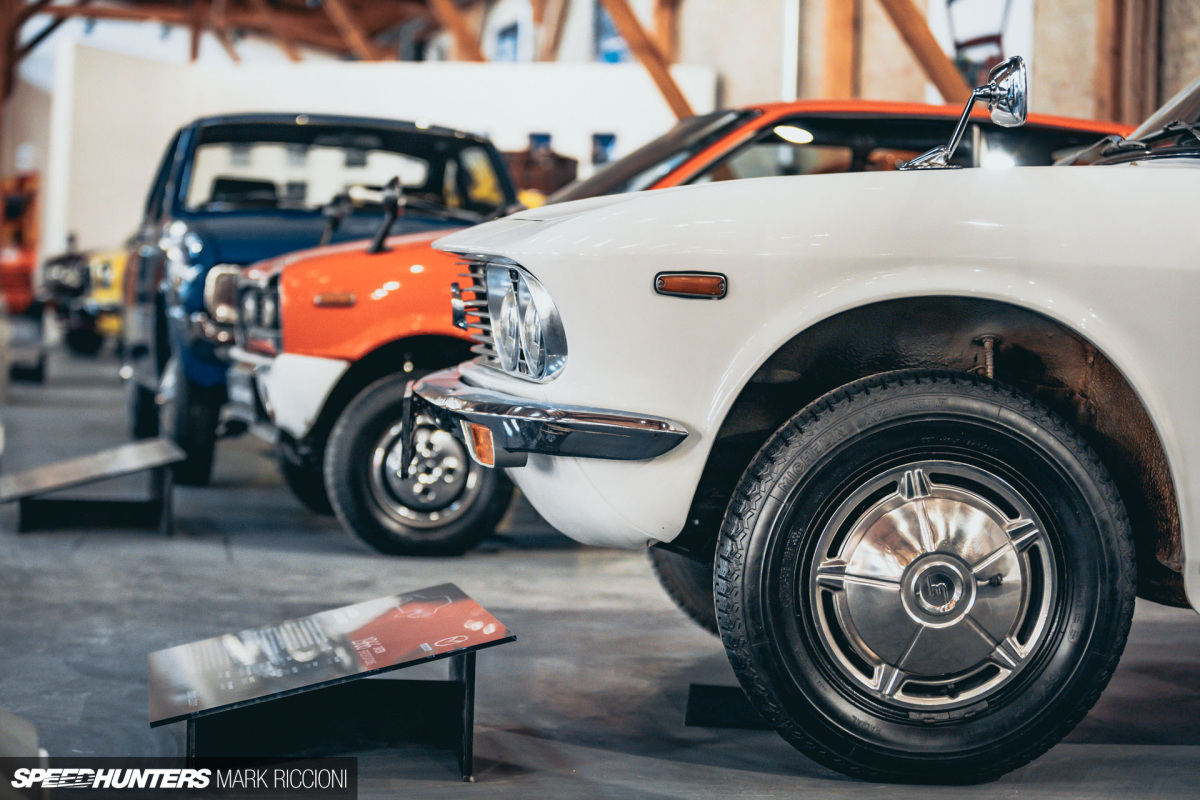
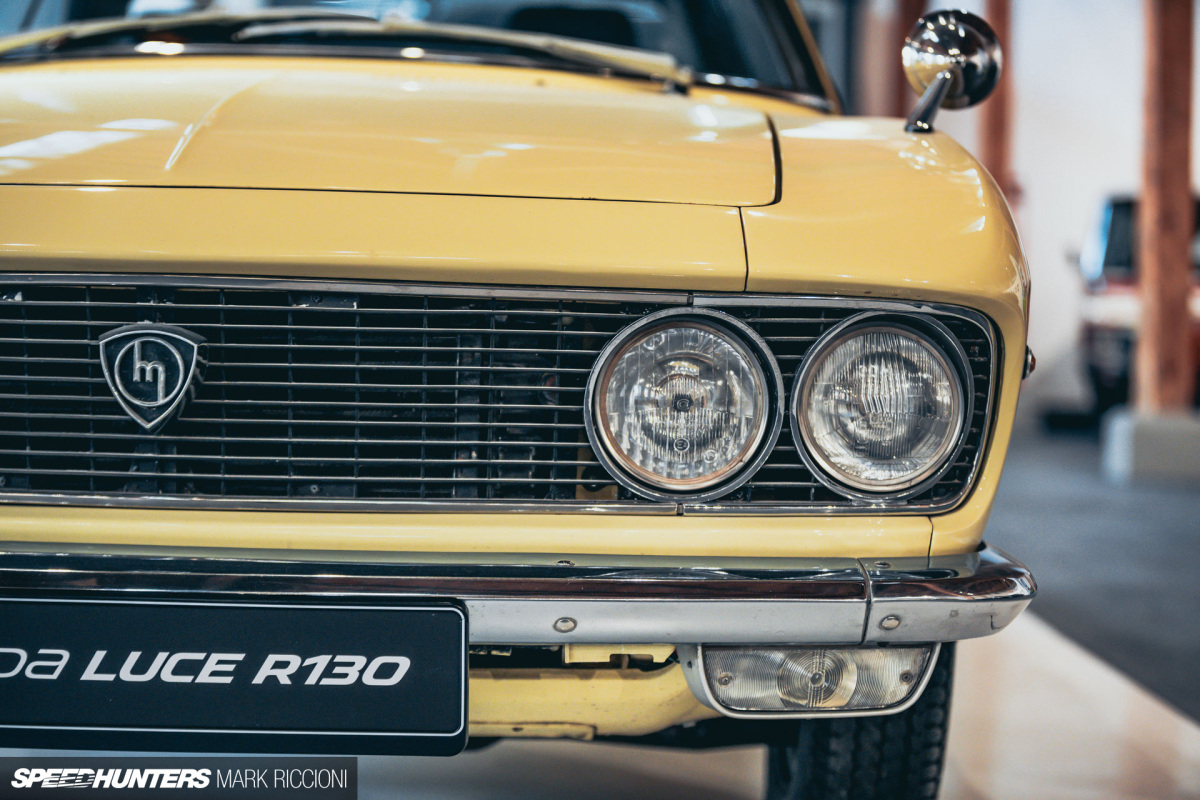
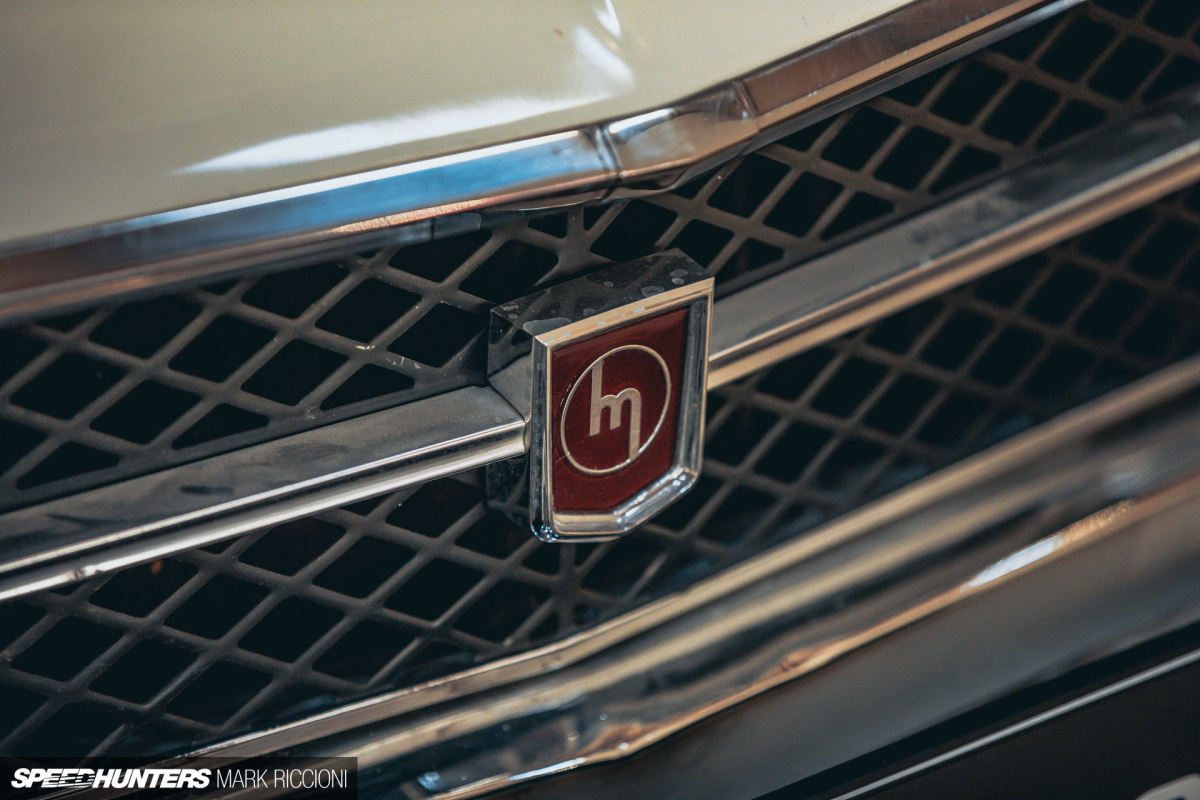
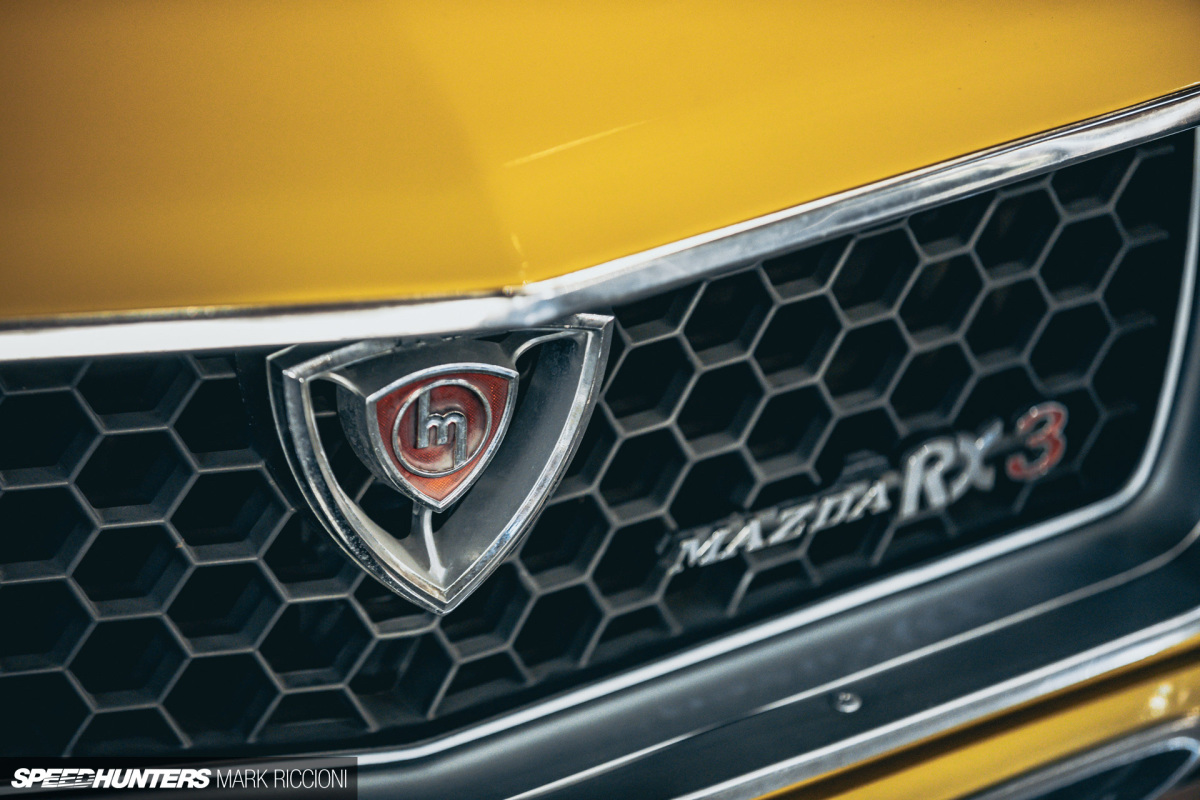
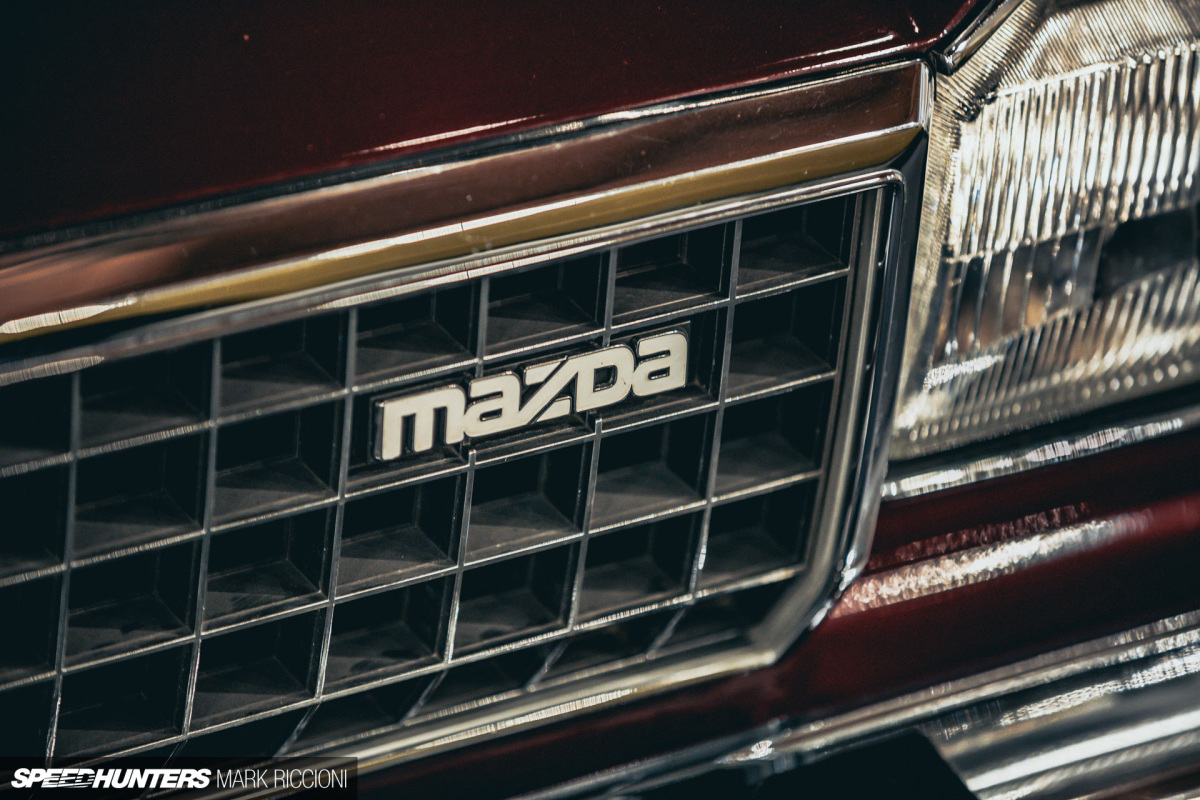
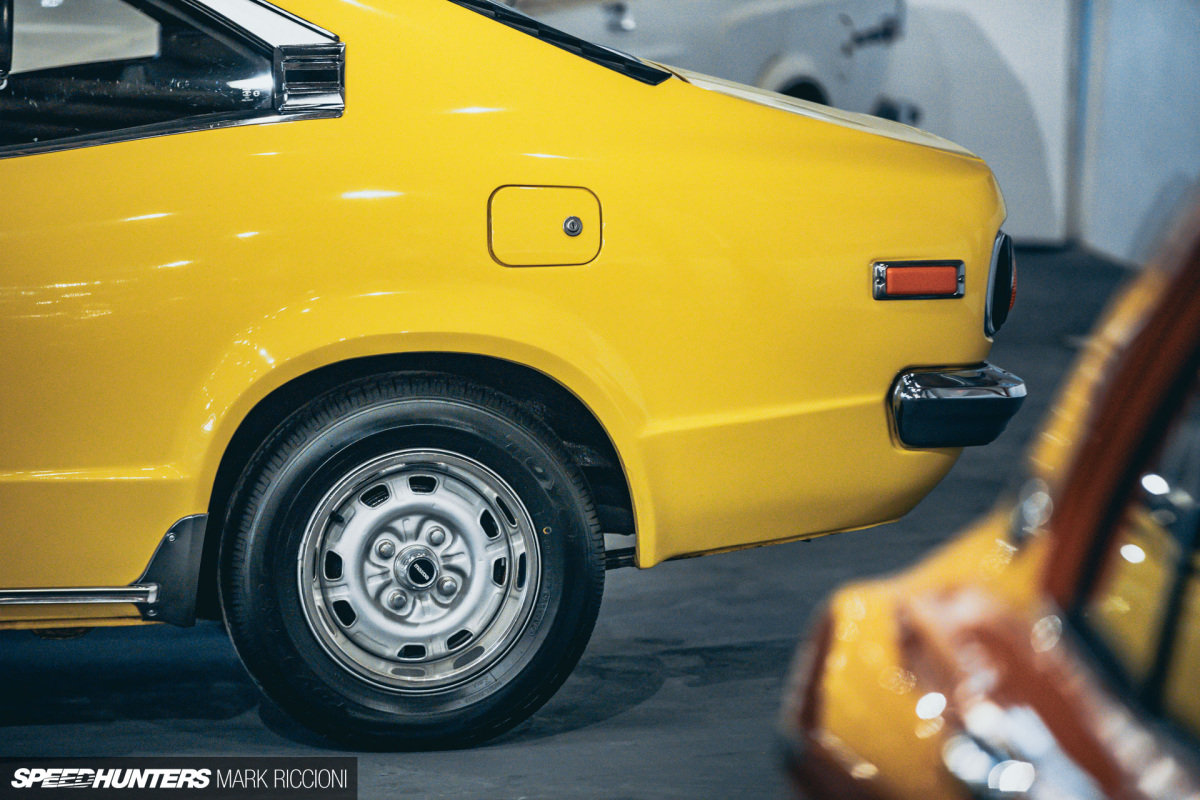
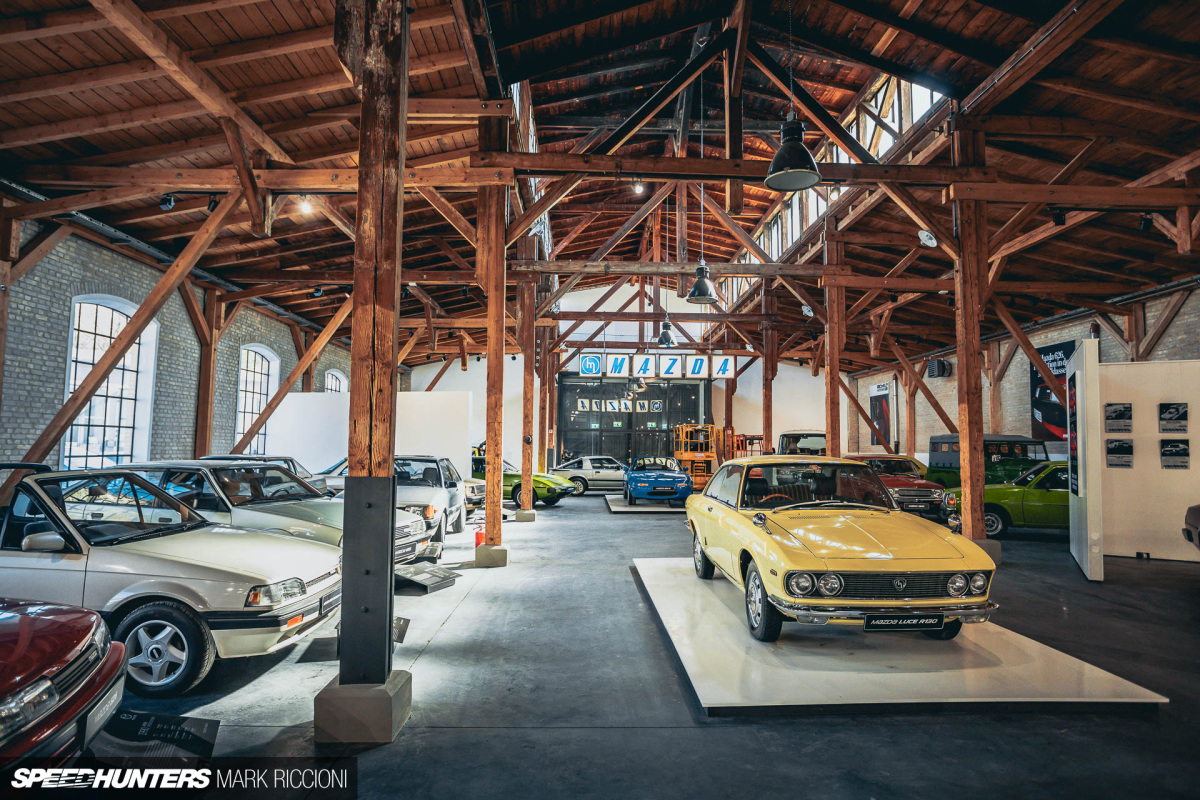
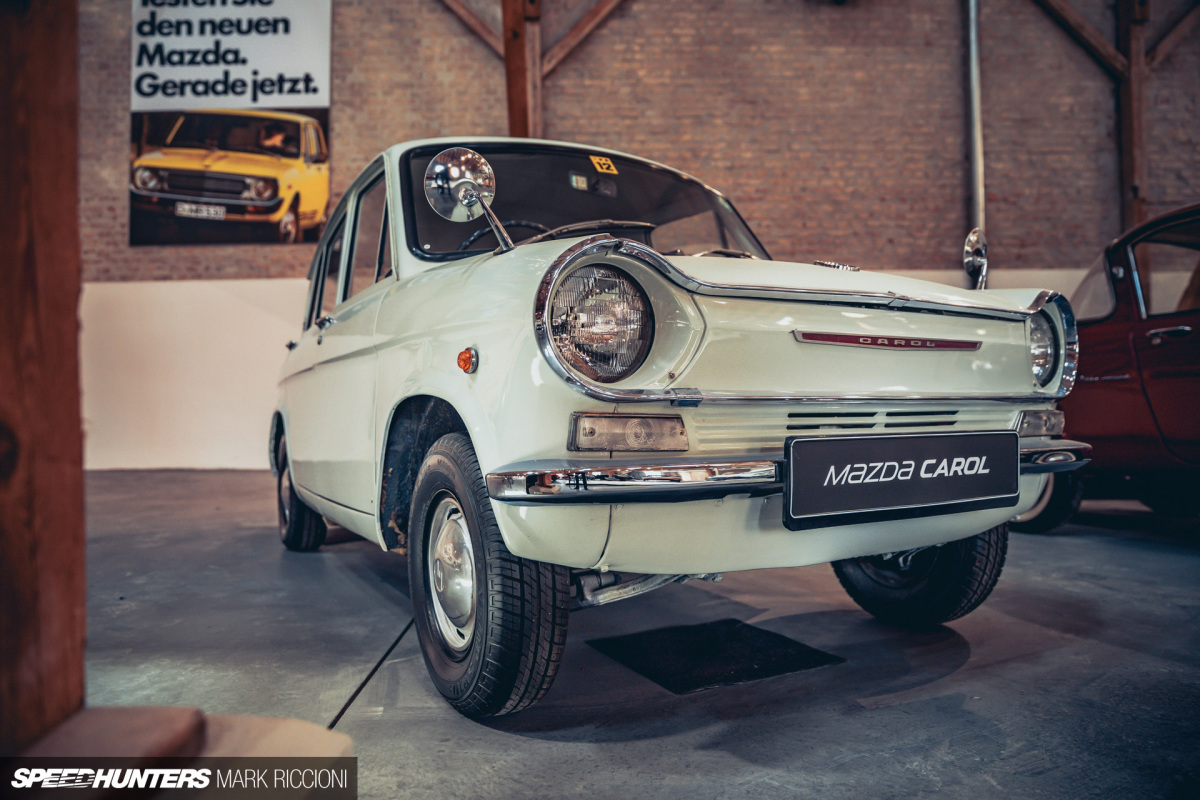
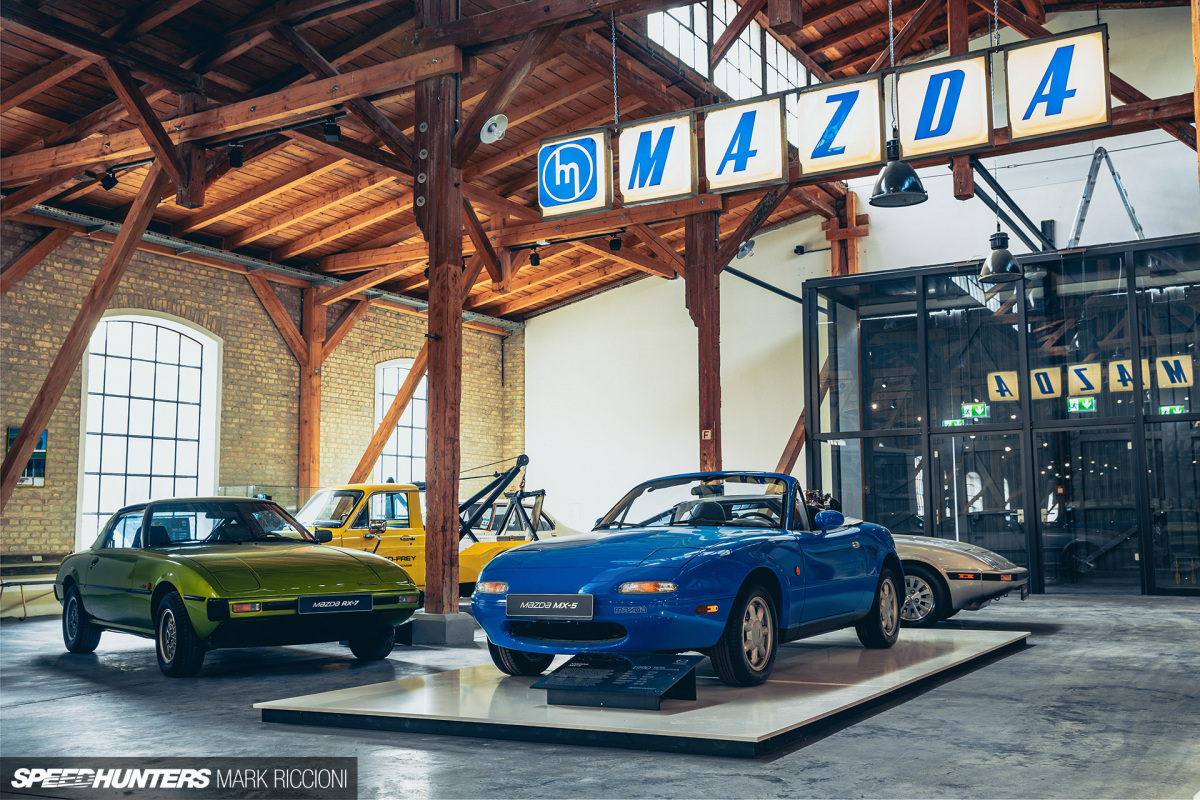
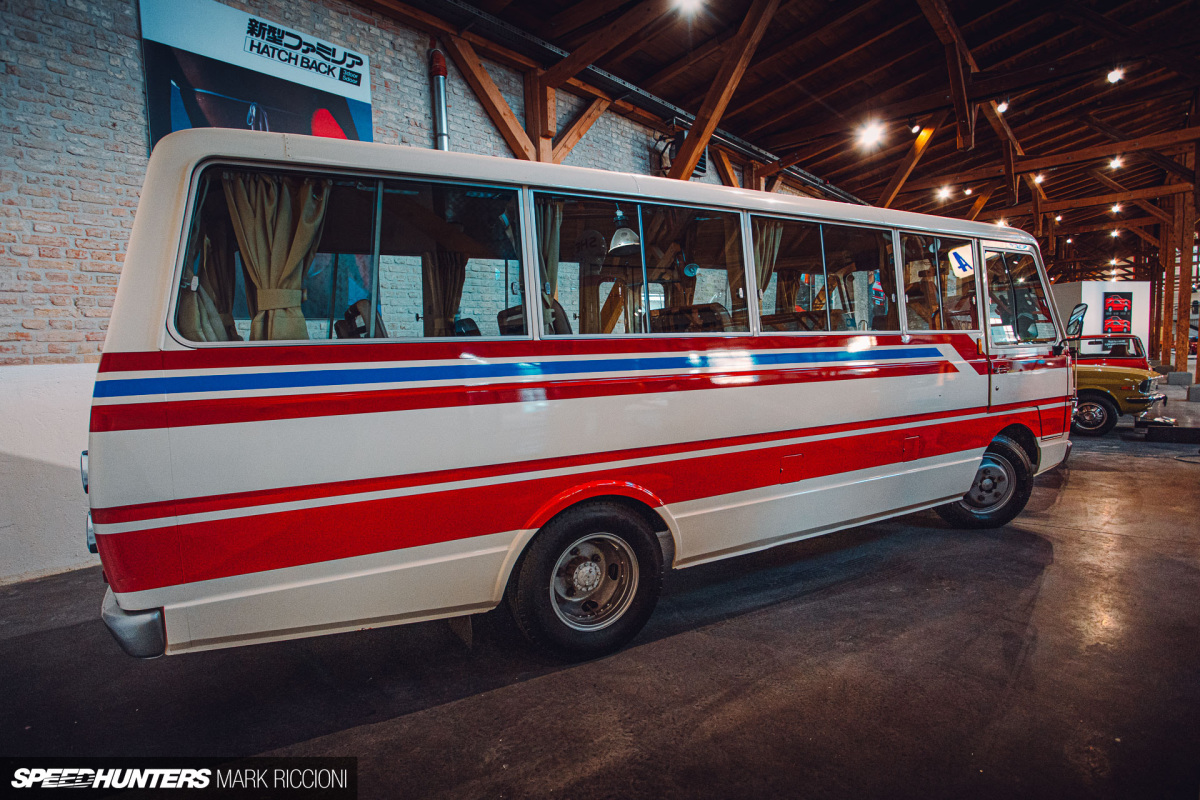
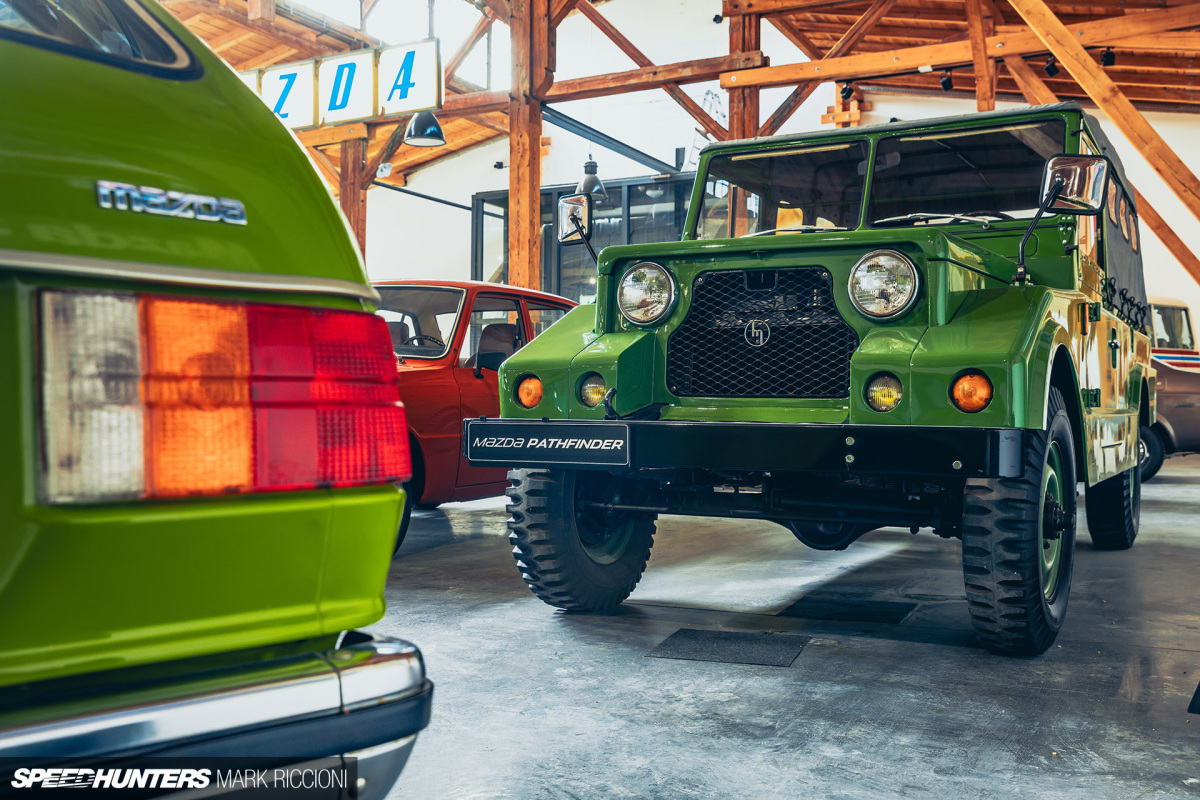
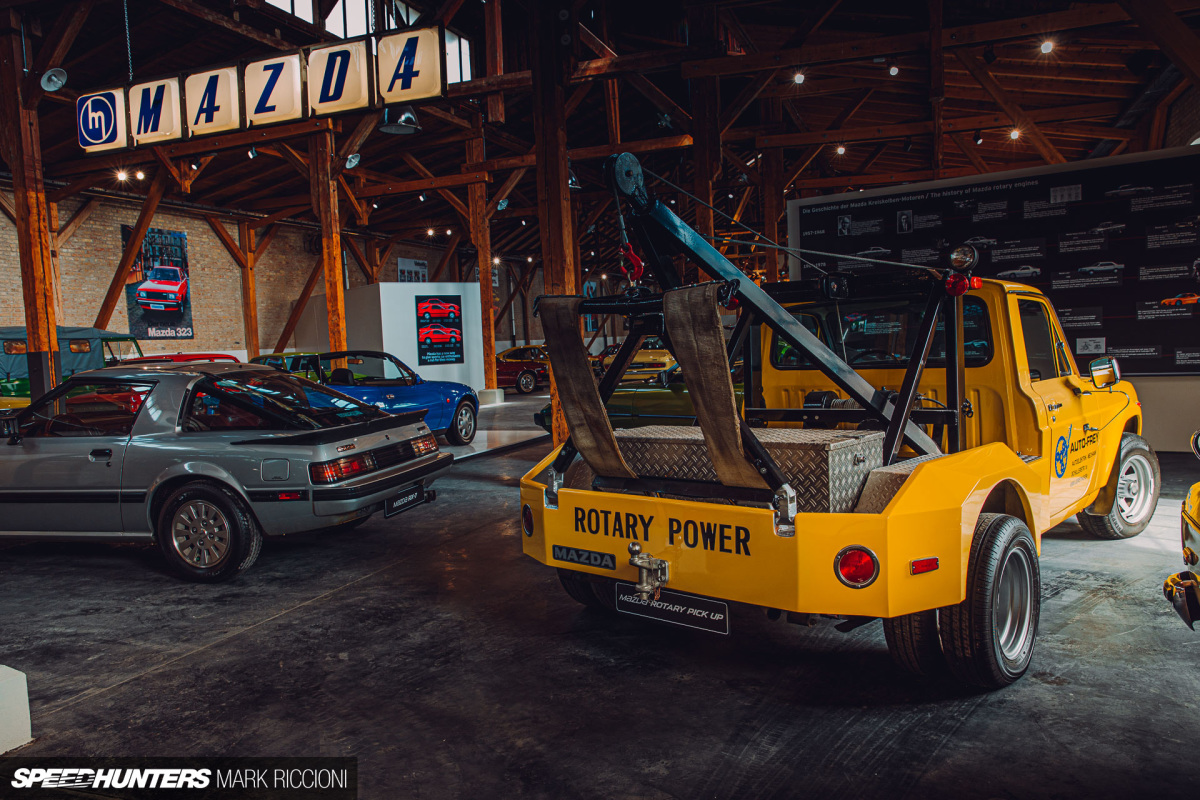
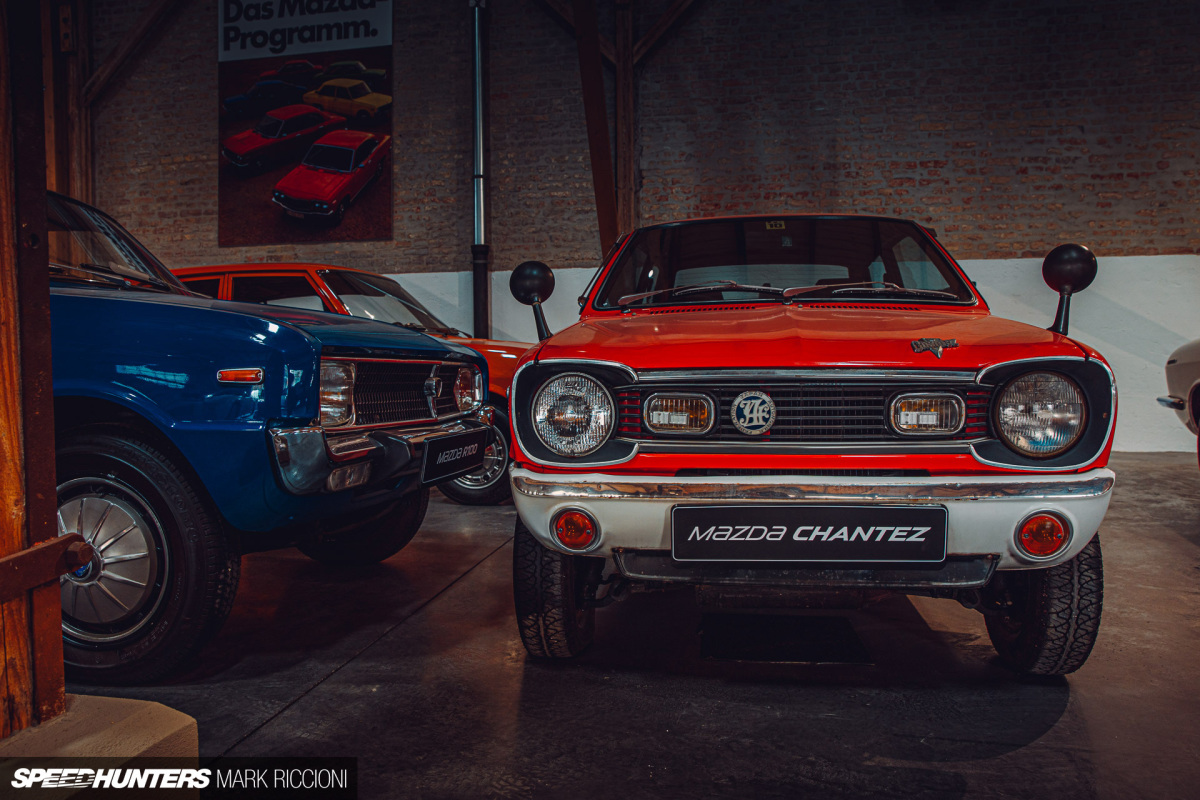
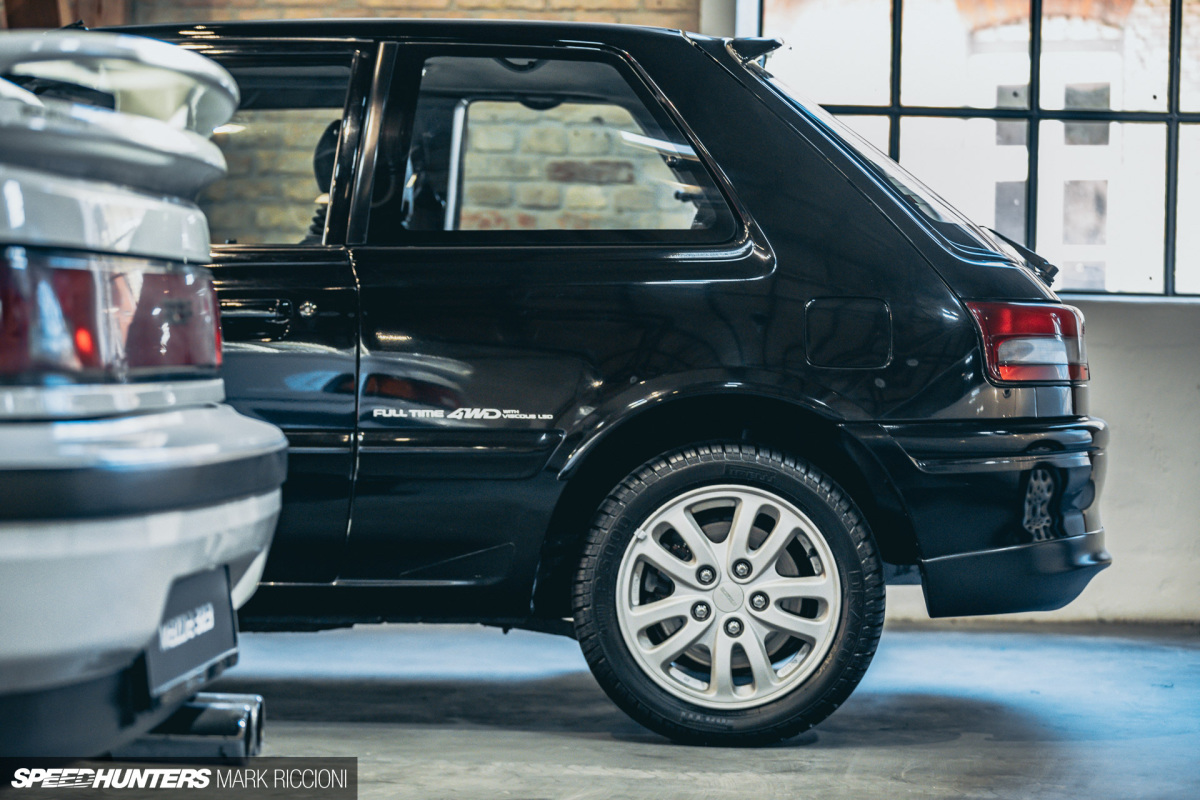
The Automobil Museum Frey, dedicated to classic Mazdas and supported by Mazda Deutschland, is located in an old tram depot at Augsburg, a town between Stuttgart and Munich. The collection consists of over 50 cars, from early commercial vehicles to concepts, as well as examples of almost every rotary-powered machine Mazda has ever built.
These photos were originally taken before the museum’s official opening, hence why in some shots there’s a bit of building work going on.

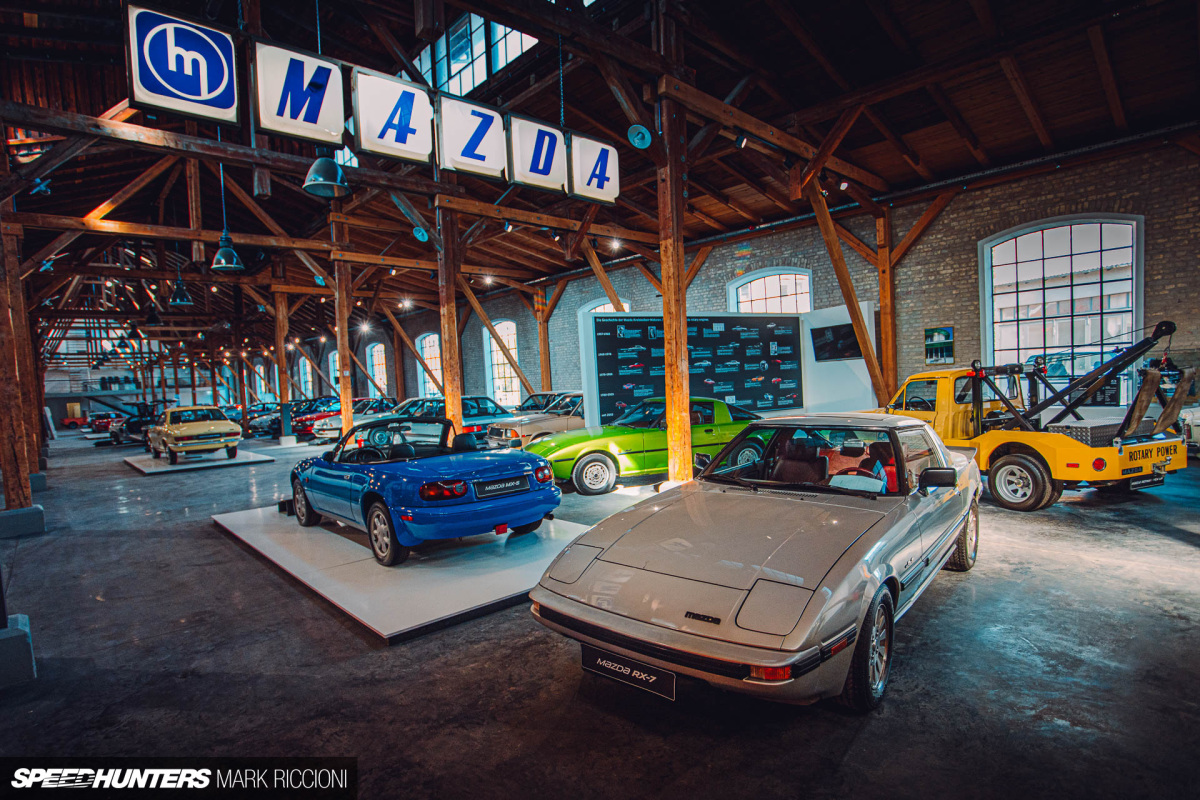
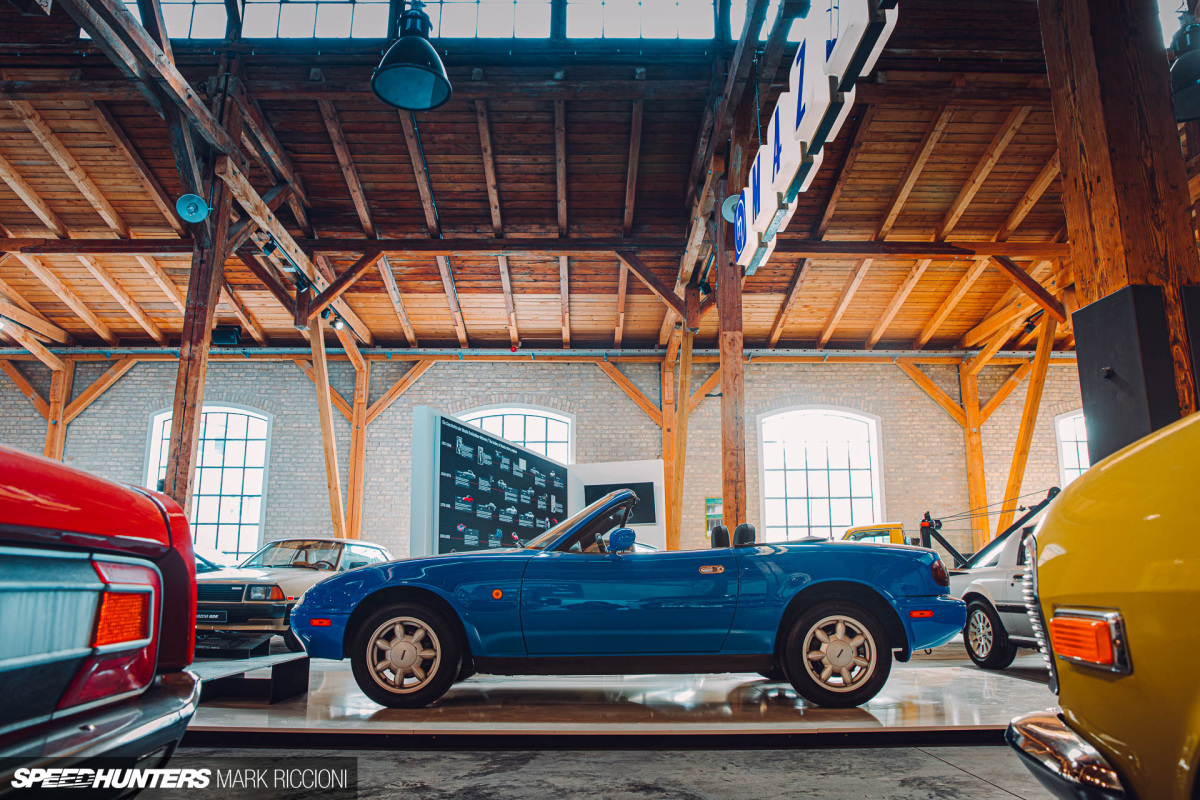
And there is, of course, a fine selection of MX-5s. As if we’d forget about that little cheeky scamp in a run-through of Mazda’s highlights. Because, despite the fact the MX-5 template was really a rehash of an old idea, only a company like Mazda could really have made it a success. Sticking steadfastly to the principles that made old European sports cars so appealing, and not muddying that recipe with unnecessary modern technology, was what made it a success.
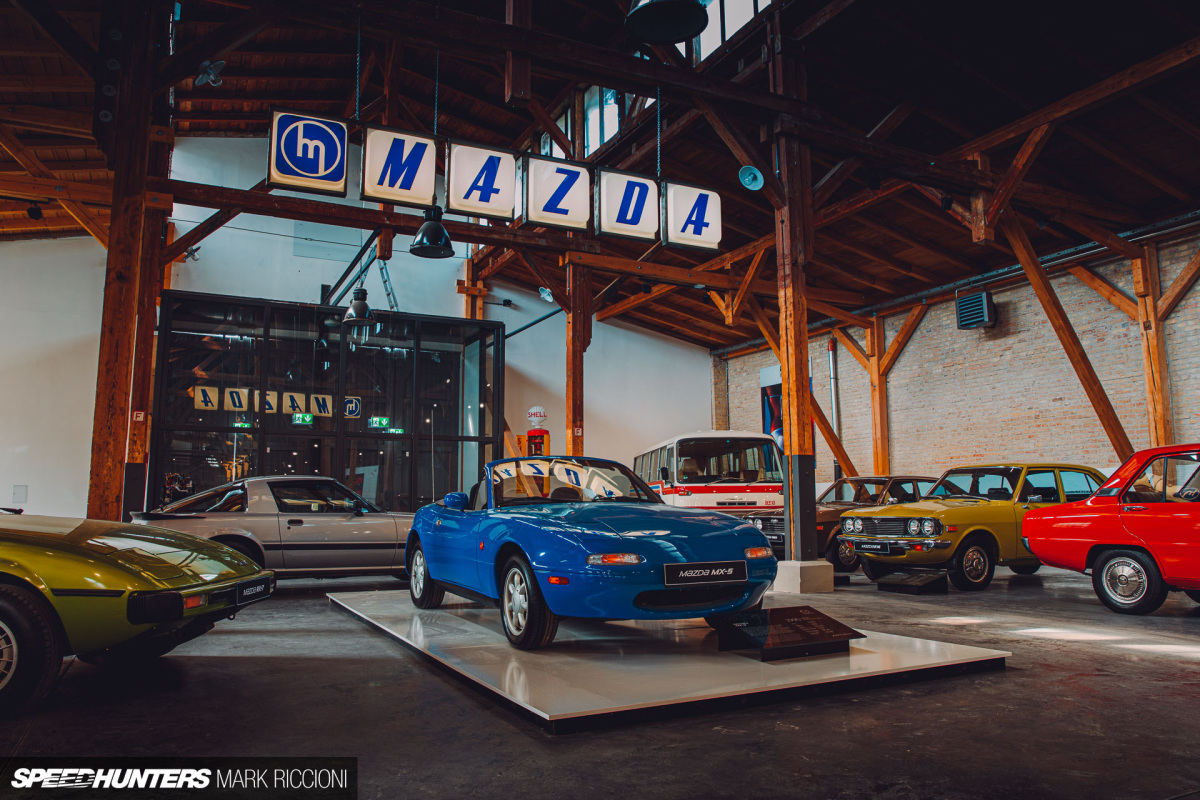
Make it any more advanced because, well, new cars need a raft of gizmos, gadgets and gimmicks, and you end up with a Toyota MR2, an M100 Lotus Elan, a Honda S2000. All great cars, but none of those can boast the accolade of being the best-selling sports car in history. And none quite have the simple, unadulterated charm that can wheedle its way into the hearts of the most staunch anti-car crusader or highfalutin automotive snob. Only the MX-5 can claim that.
Few car manufacturers have quite such devastation and tragedy in its history as Mazda, but there are few manufacturers which are able to embark on such experimental ideas, harness unconventional technology and turn them into actual cars. Attainable ones, at that.
Allowing such purity of its ideas to be turned into real-life cars may well have hampered its growth. Mazda is hardly the dominant power that Toyota or Nissan is, but it has meant that it has produced more than its fair share of exceptional, quirky and profoundly memorable cars.
Will Beaumont
Instagram: will_beaumont88
Photography by Mark Riccioni
Instagram: mark_scenemedia
Twitter: markriccioni
mark@scene-media.com