
Remember when a 10-second street car seemed like a massive deal?
It was around the same time overnight parts from Japan became a thing, and the quality of tuna sandwiches would drive some individuals to turn violent.
Over the past decade, I feel we’ve become normalised to seeing quarter mile and lap records tumble on an almost monthly basis, to the point there’s now road cars – from the factory – going even faster than the race cars we grew up idolising.

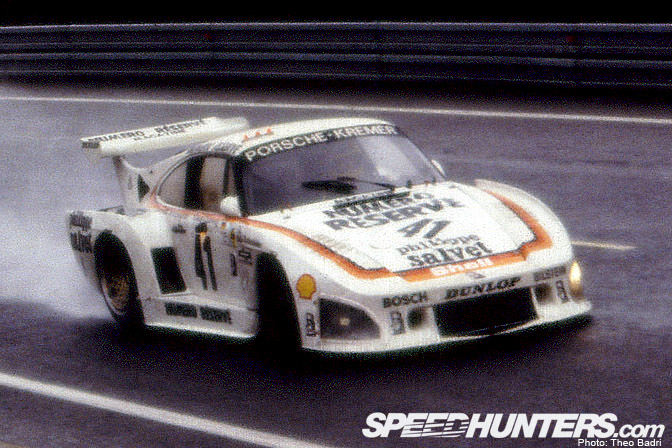
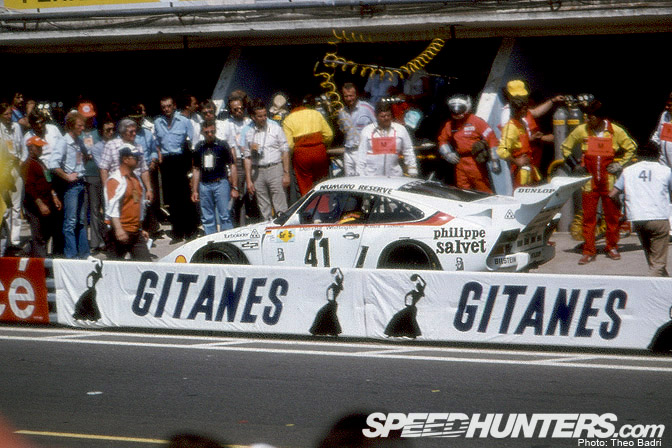
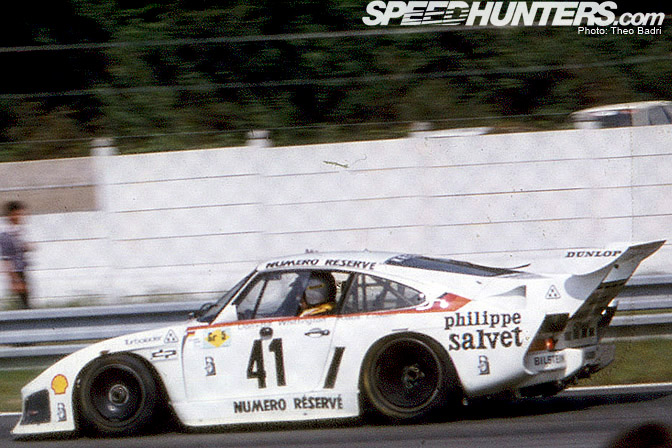
Take Klaus Ludwig’s fire-spitting Porsche 935 K3. I don’t think anyone would ever describe it as slow, yet its pole-position lap time around the ‘Ring in 1979 is now two-seconds slower than a stock C8 Corvette. On road tyres at that.
Before that vein on your forehead explodes, I know there’s a giant list of variables that make this comparison unfair, but it’s a pretty wacky example of just how far we’ve come in a few decades. Which is, er… actually quite a long time thinking about it.
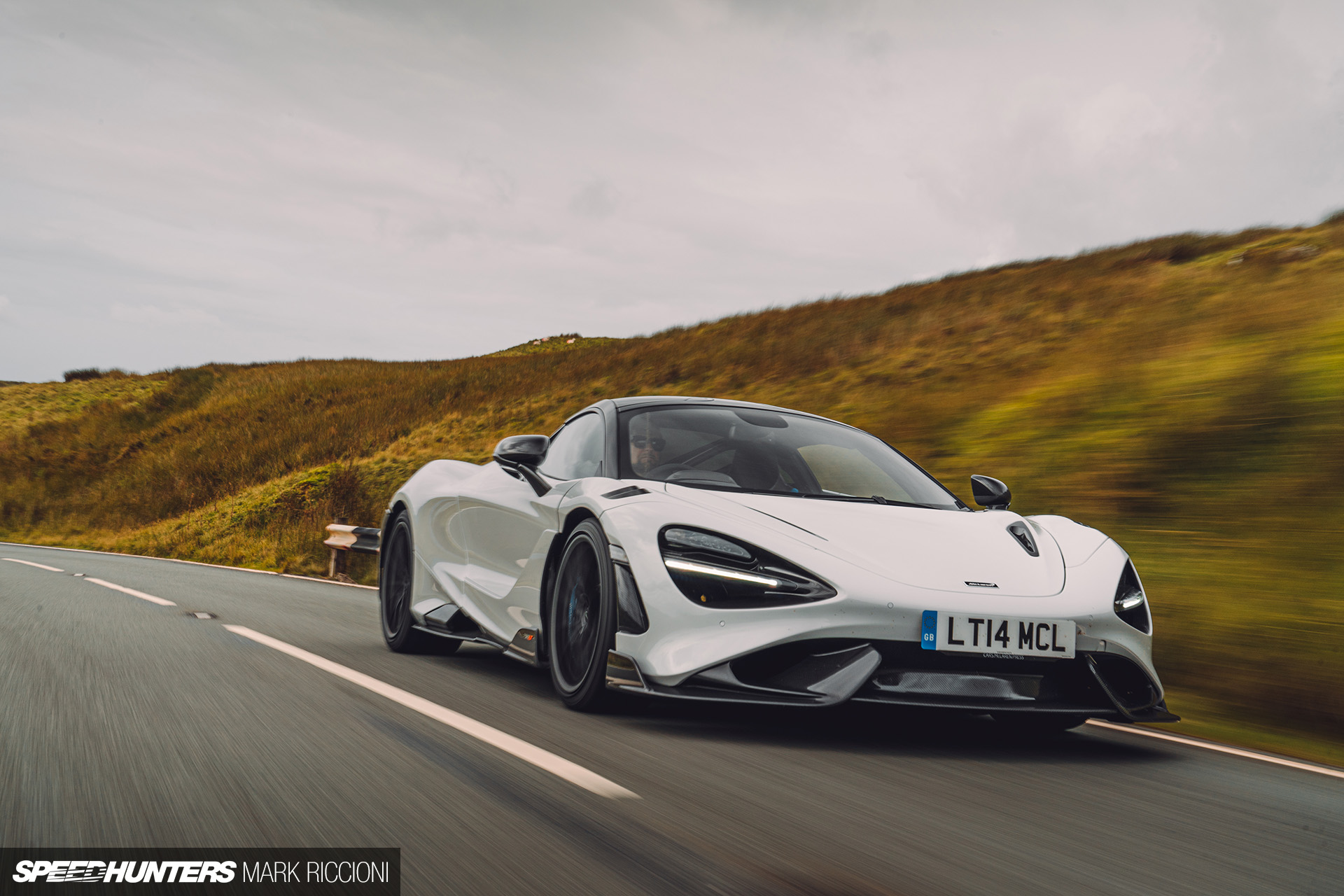
What’s the point of this story, then? A few days ago, the Drag Times YouTube page posted a video of a McLaren 765LT setting a 9.41-second quarter mile and a 0-60mph time of just 2.1-seconds. Stock. Making it supposedly the fastest production car in the world.
No optional slicks you get in a big wooden box and no secret engine map, just fuel (which ironically it nearly runs out of) and a heavy right foot.
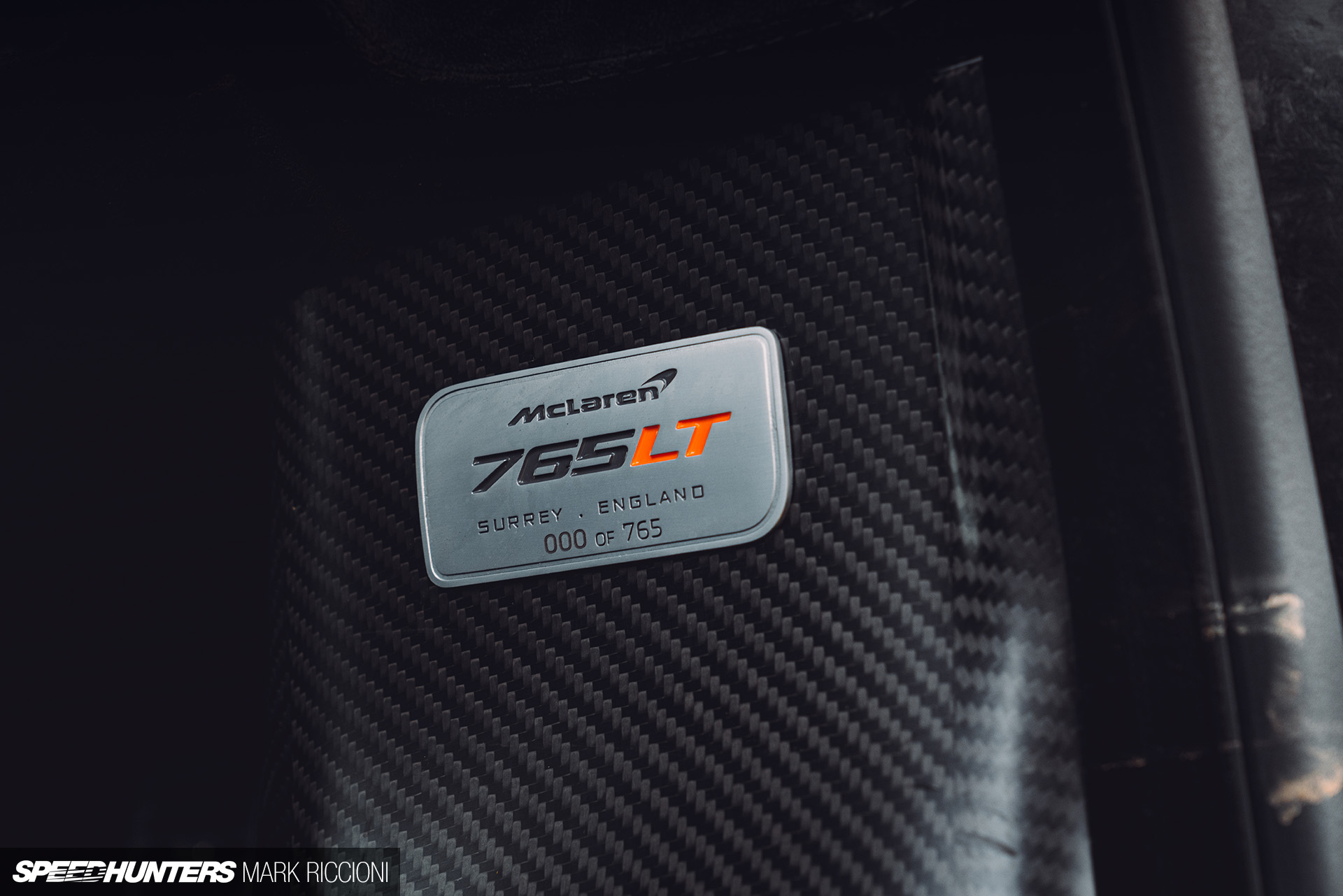
That’s a ridiculous achievement regardless of what you make of McLarens. Especially when you factor in the 765LT is designed to go fast on the track, not the quarter mile. It’s a legitimate road car.

We’ve all seen the wild twin-turbo conversions from the likes of Sheepey and Underground Racing in the past, but this one’s boosted from the factory. The fact any person with a bag full of cash can go and buy a road car with this kind of performance boggles my mind.

Even the standard 720S – which you could argue is more of a sports car on steroids rather than a supercar – does the quarter mile in 9.9-seconds, and they can be picked up secondhand for quite literally half their original price now.

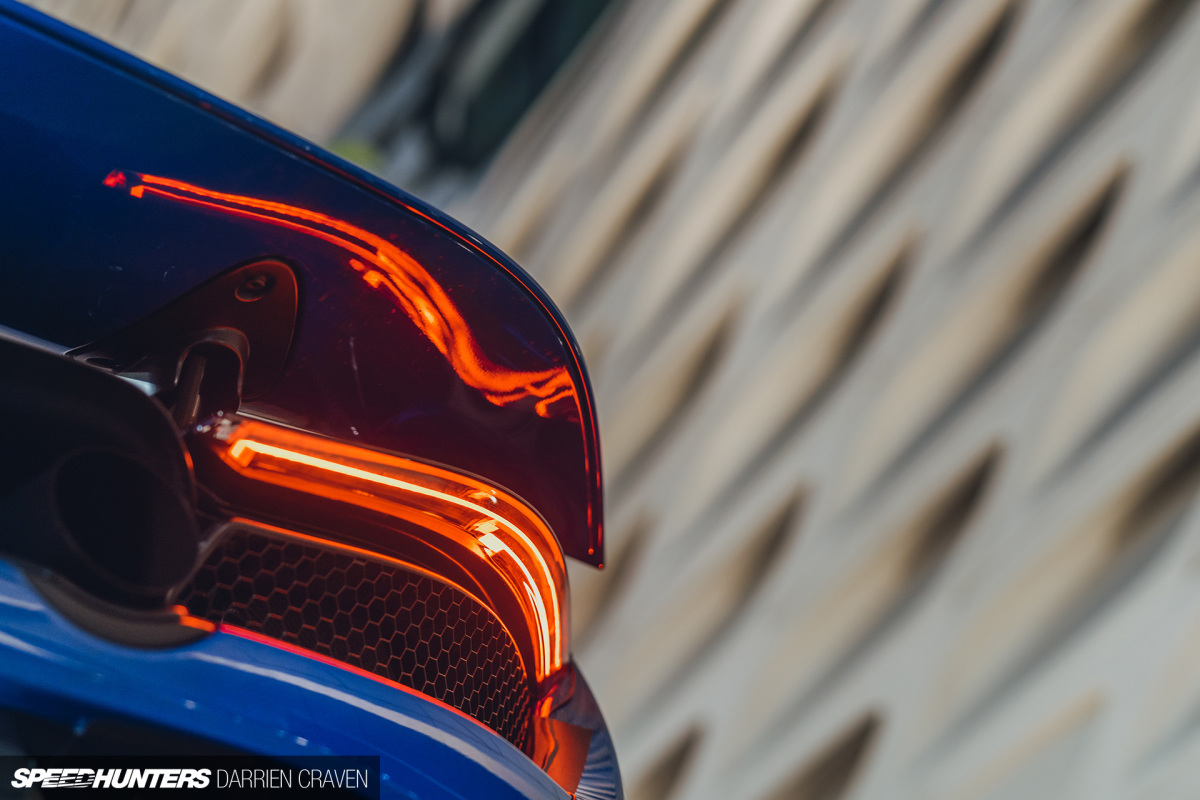
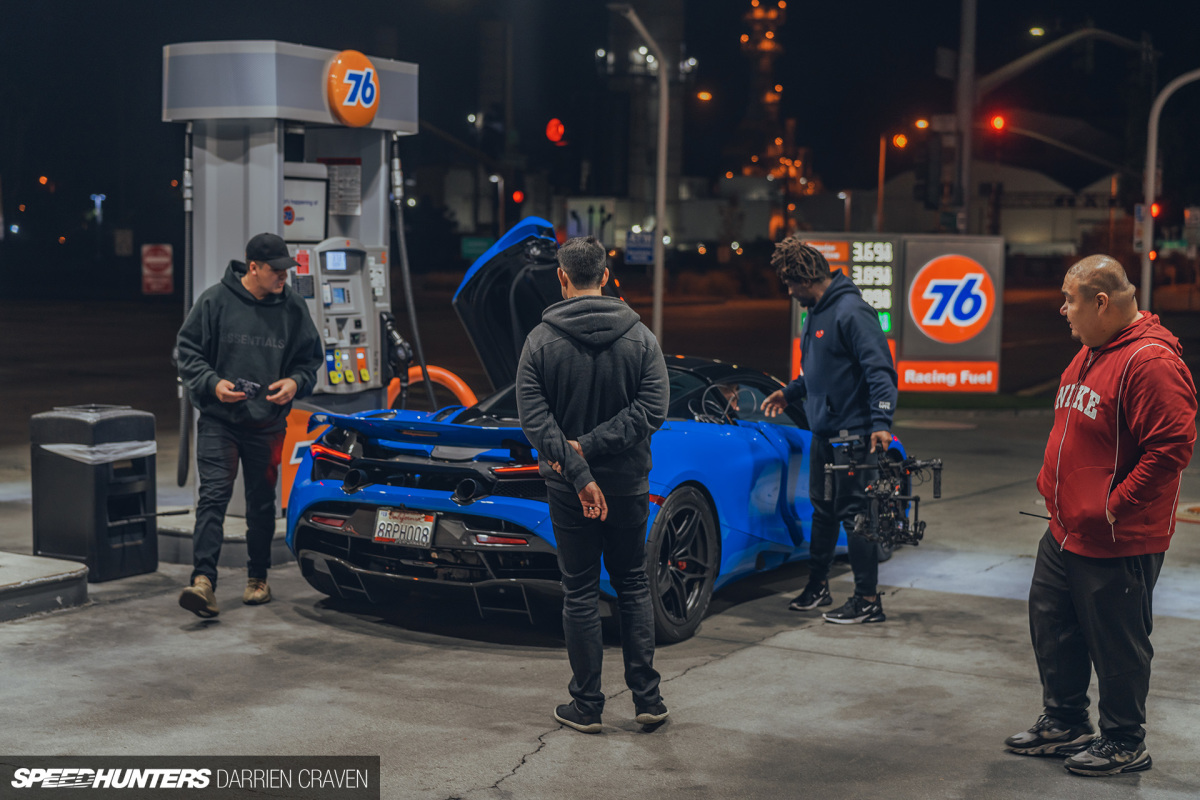
That got me thinking – which is always a terrible prospect. If the 720S/765LT platform can go this fast standard, what exactly are they going to be capable of with a bit of tuning? EkanooRacing have given us a little insight – their 720S with downpipes, filters and a flash went 8.85-seconds at 159mph (255km/h) last year. But what about when you’re north of 1,000hp?
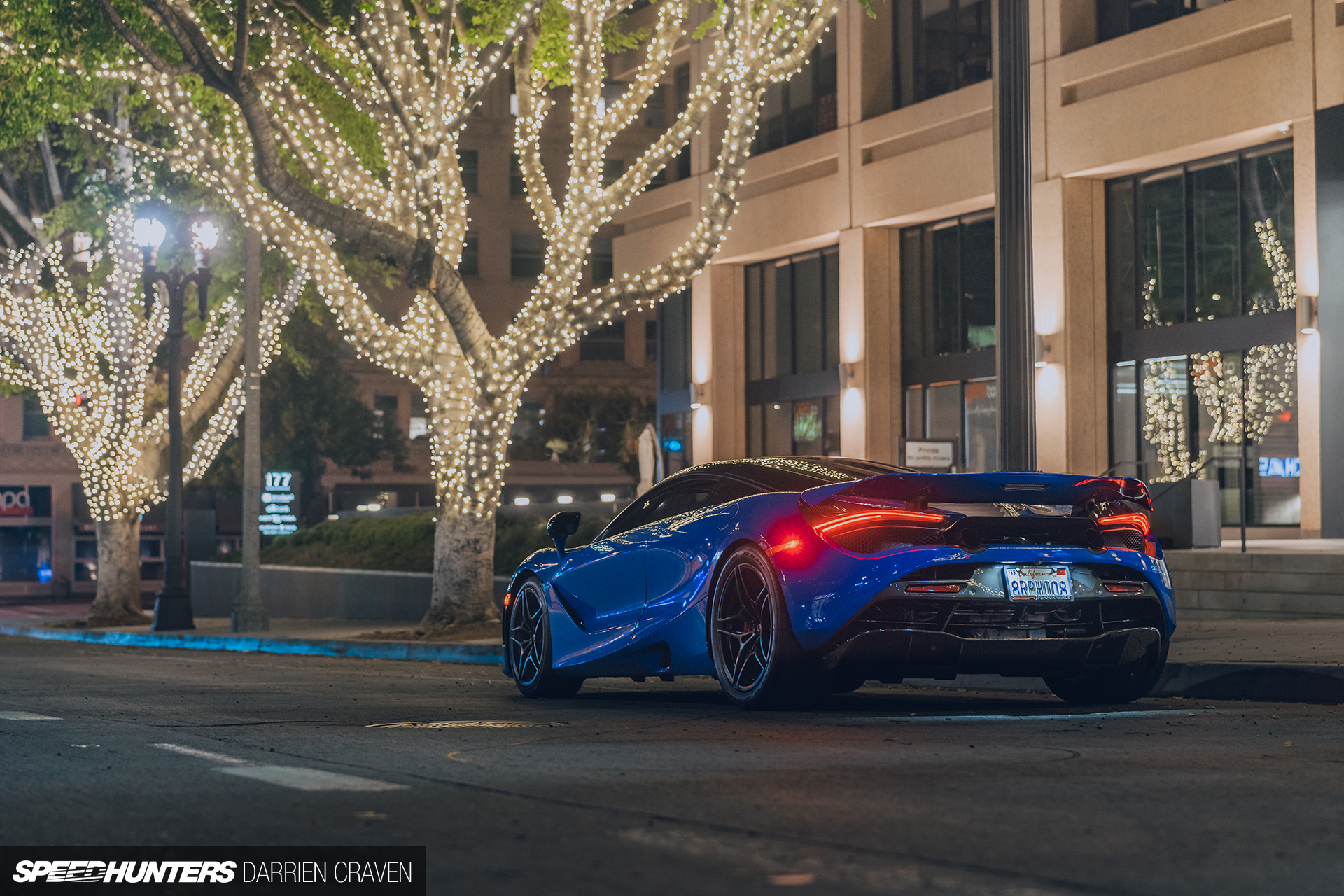
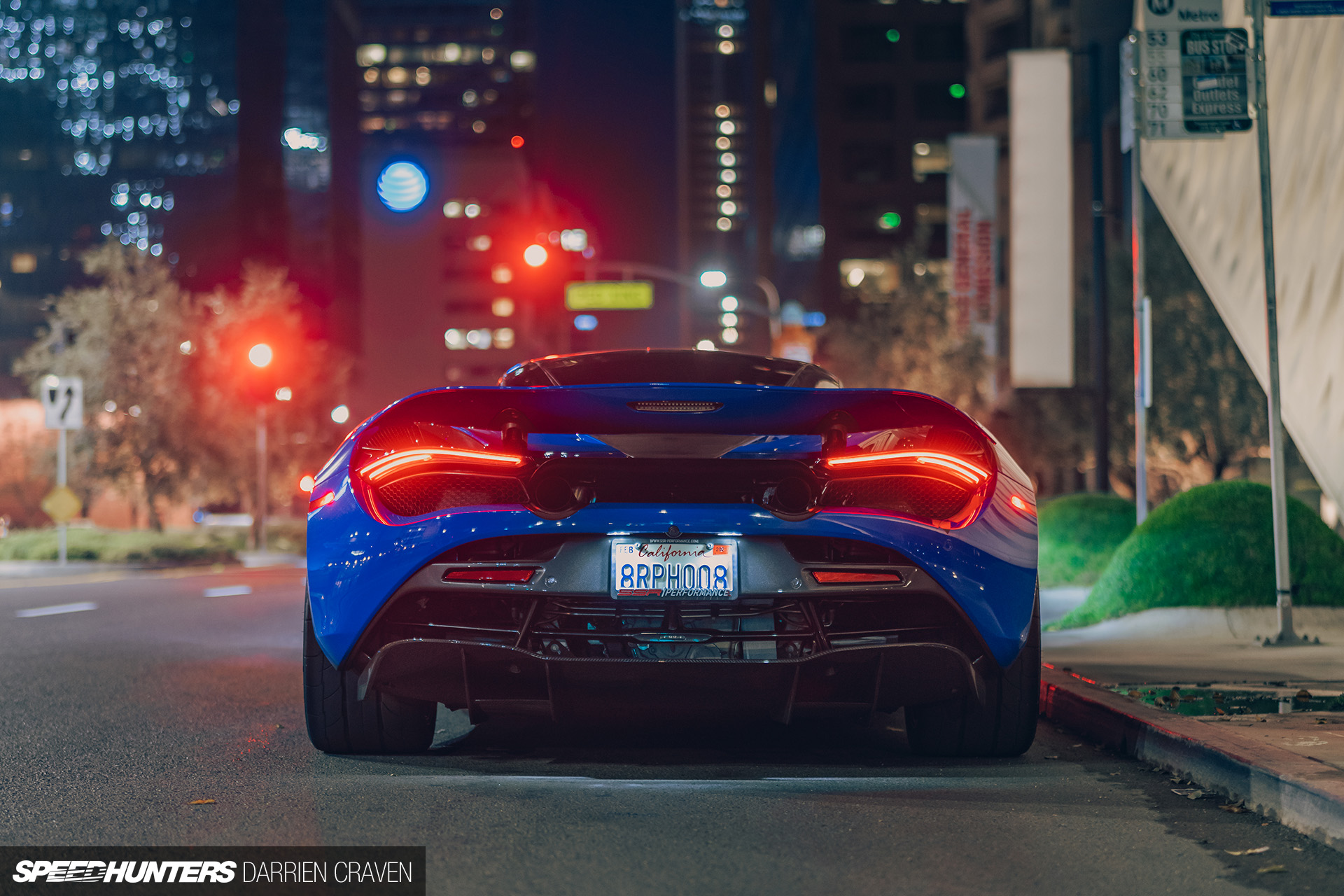
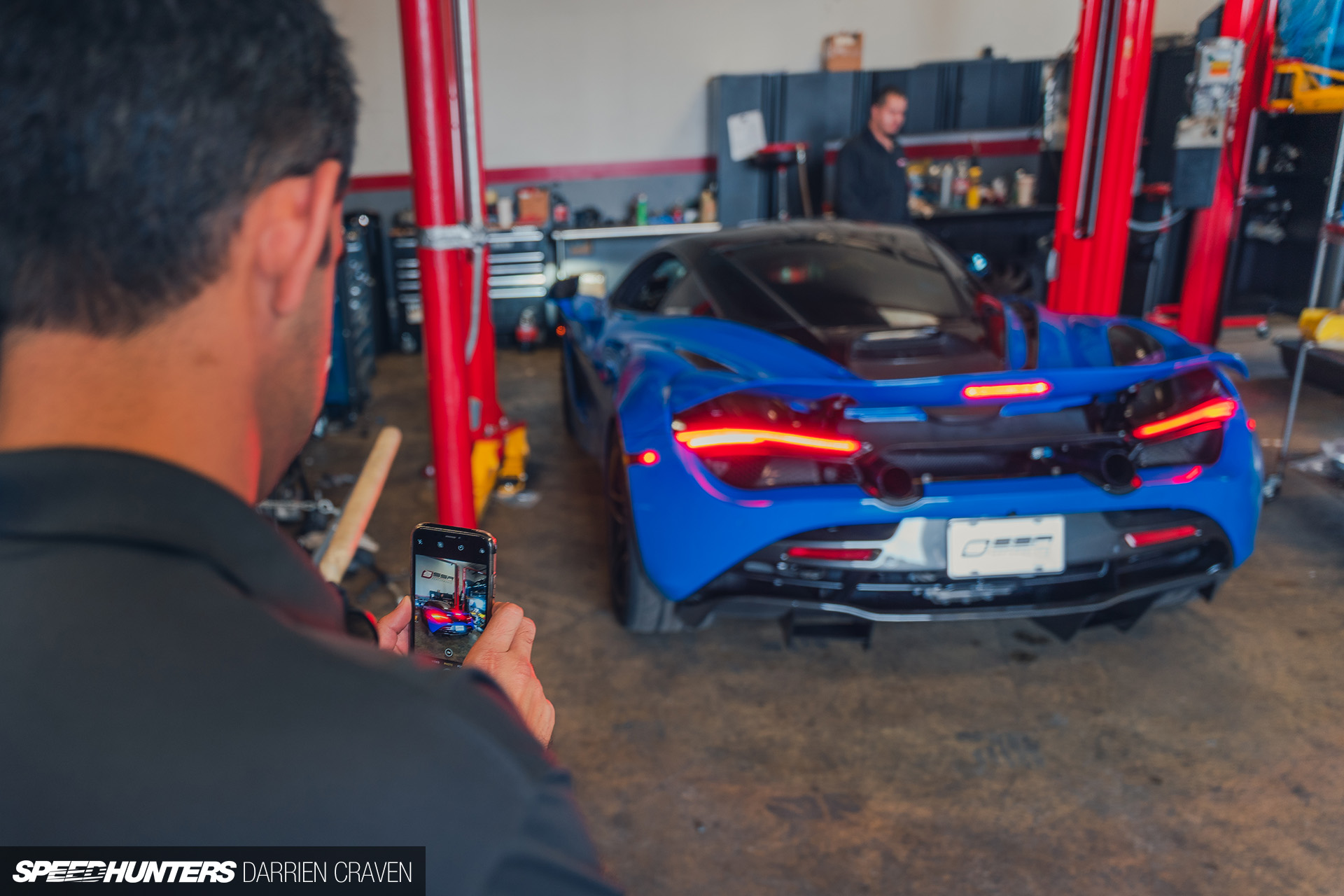
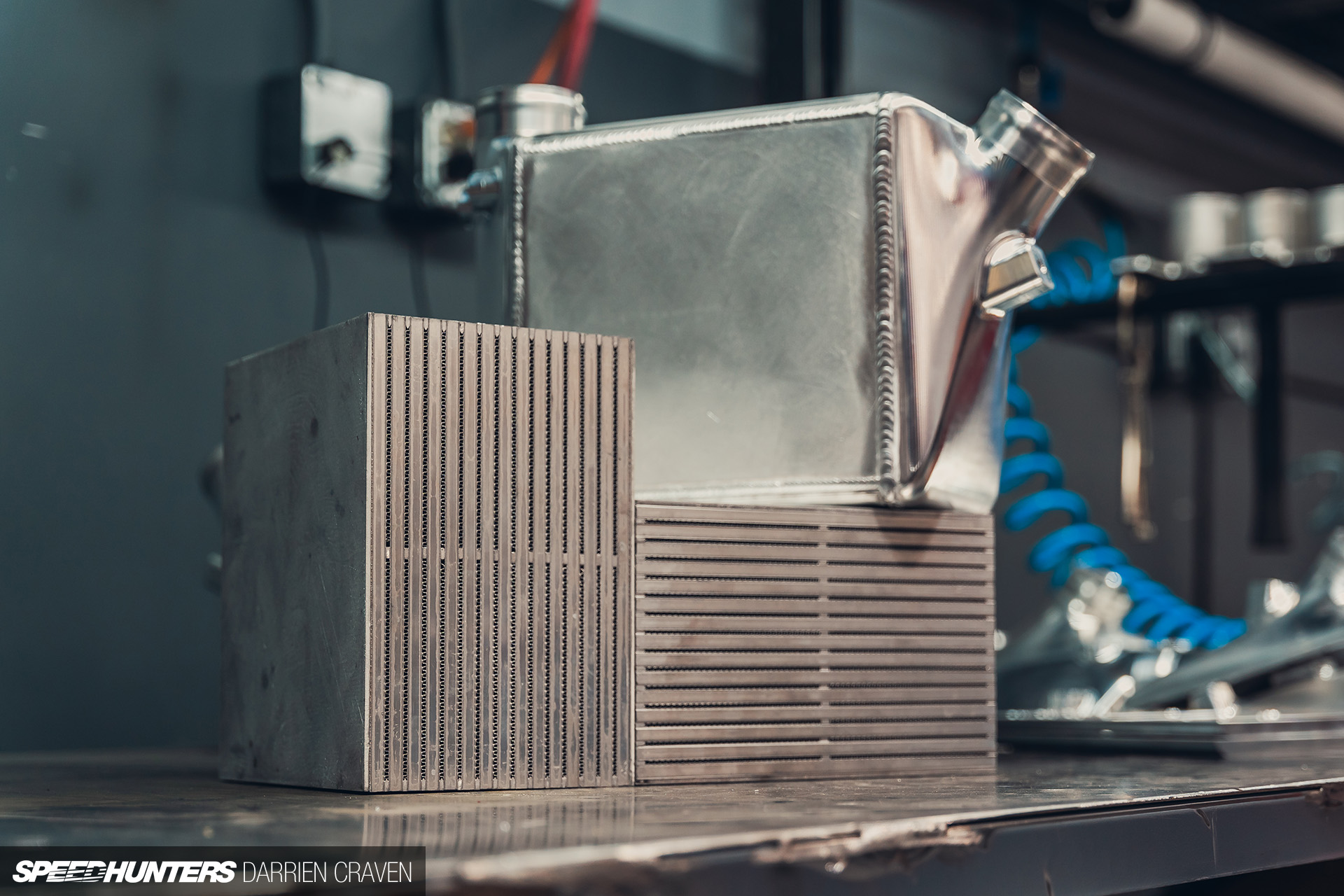
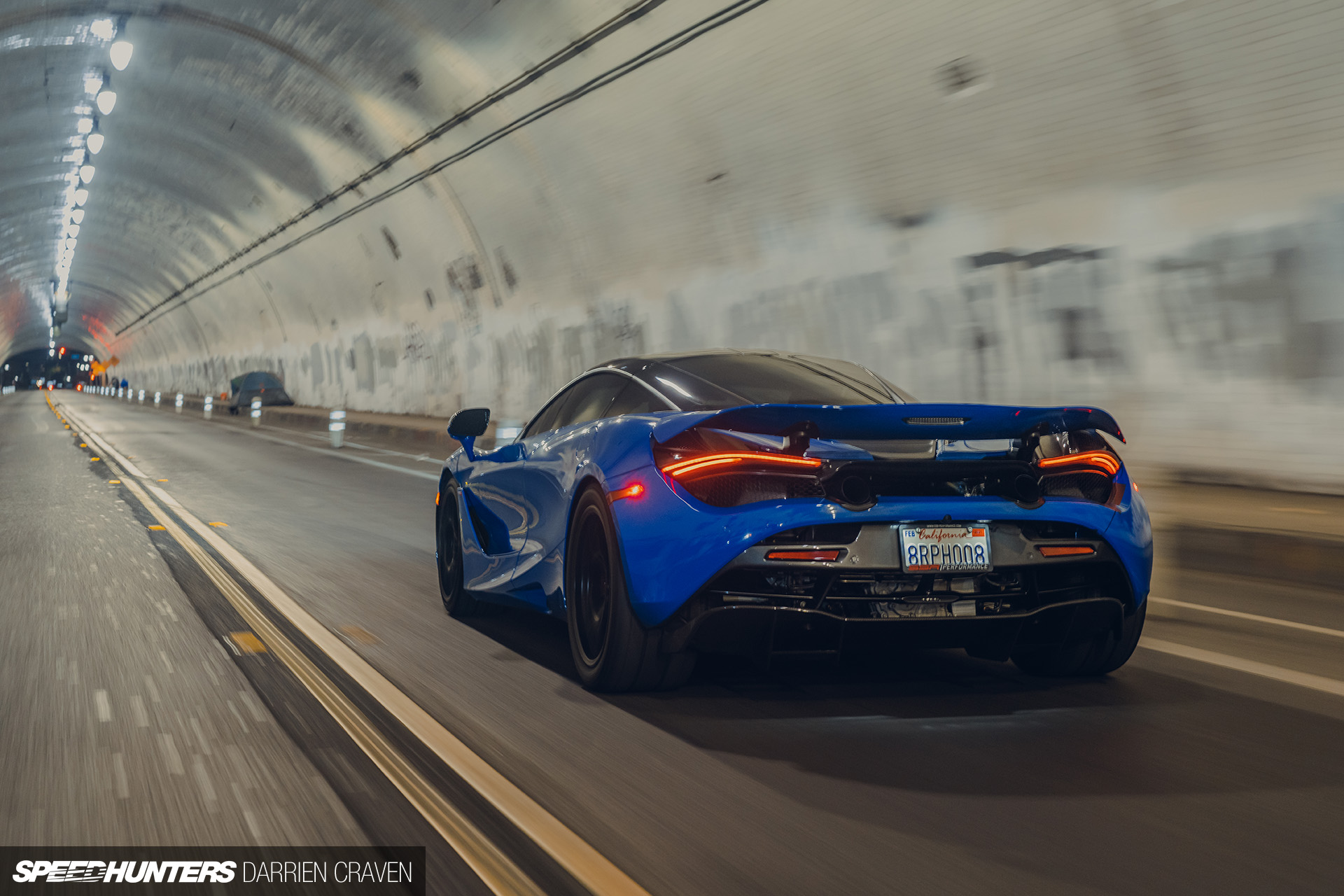
CSF Cooling – in conjunction with partners M Engineering, RK Autowerks and Voodoo Engineering – have just launched a set of new high-performance intercoolers which are already fitted to SSR Performance’s McLaren 720S pictured above.
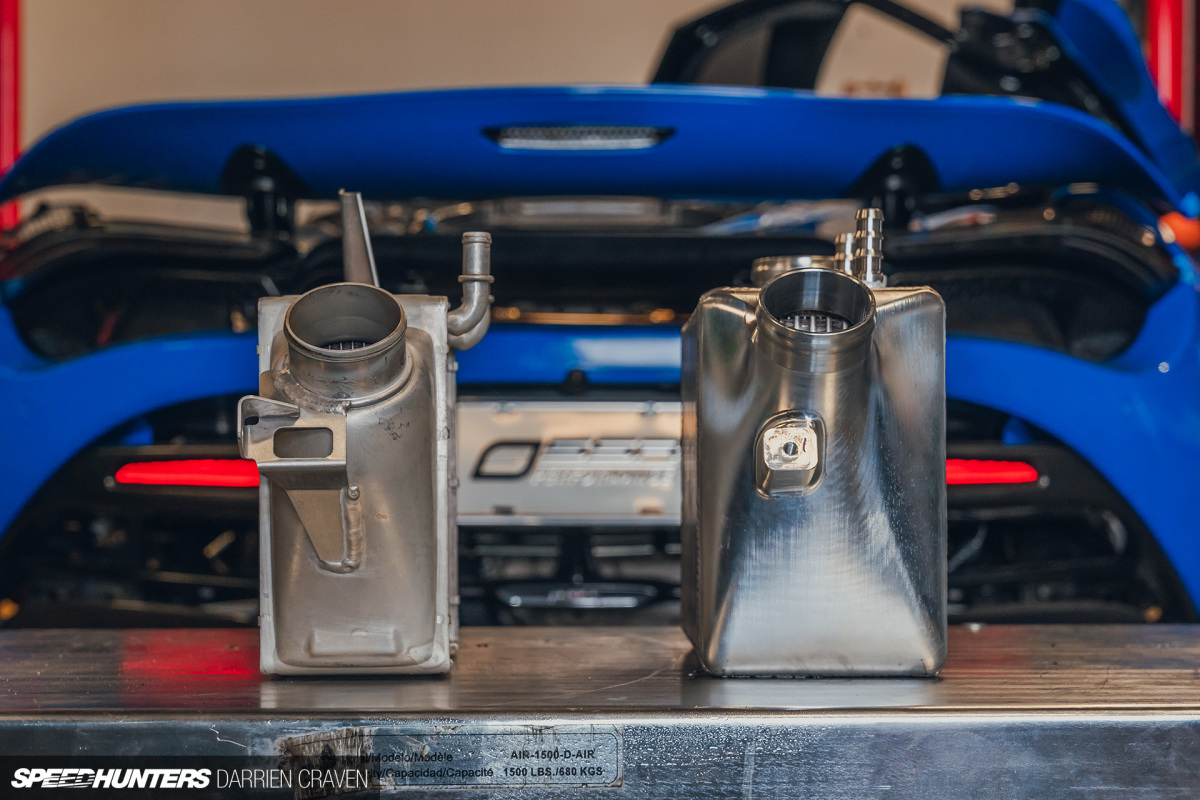
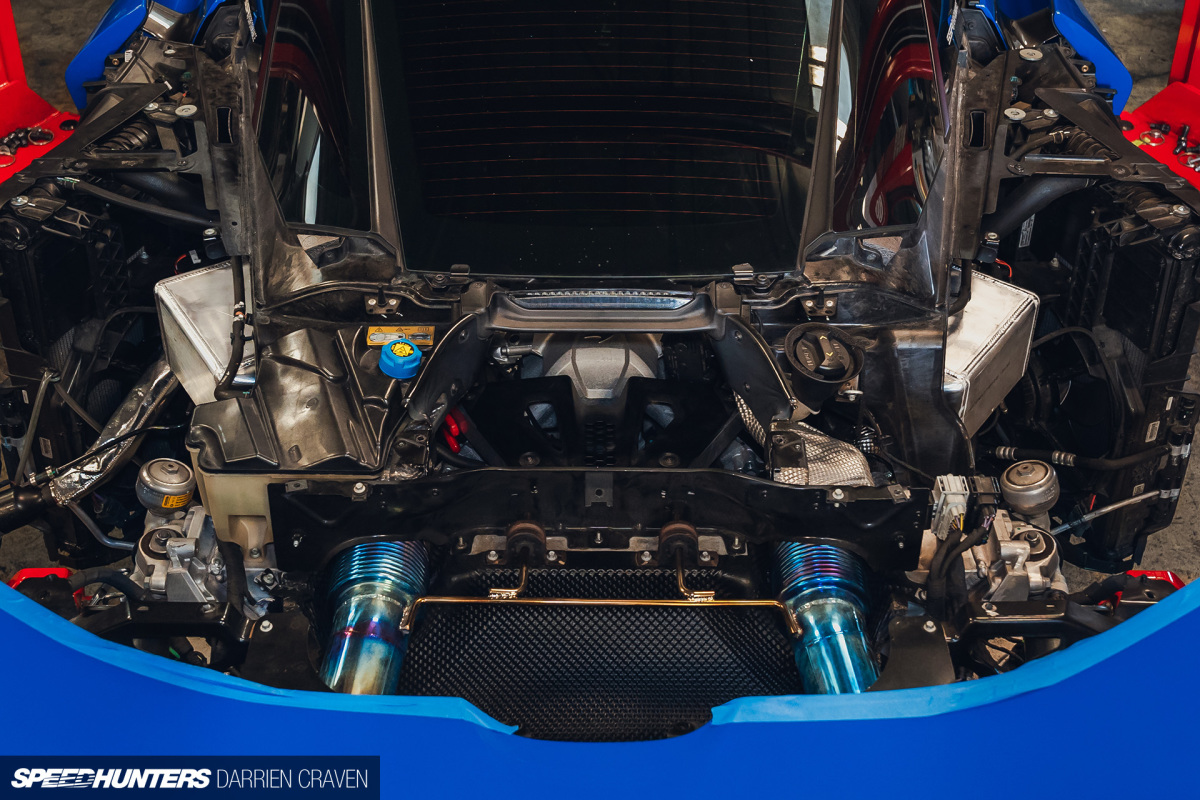
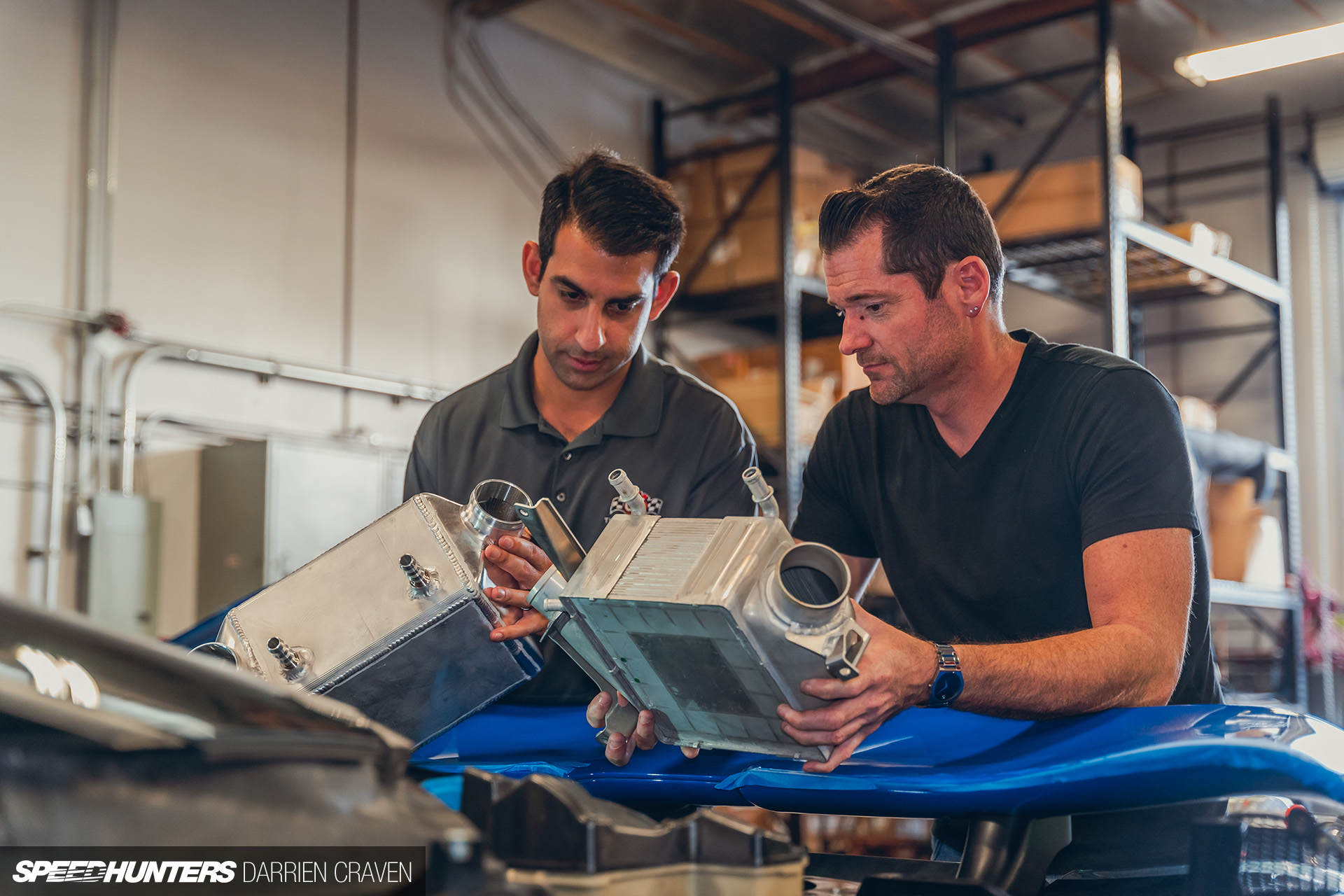
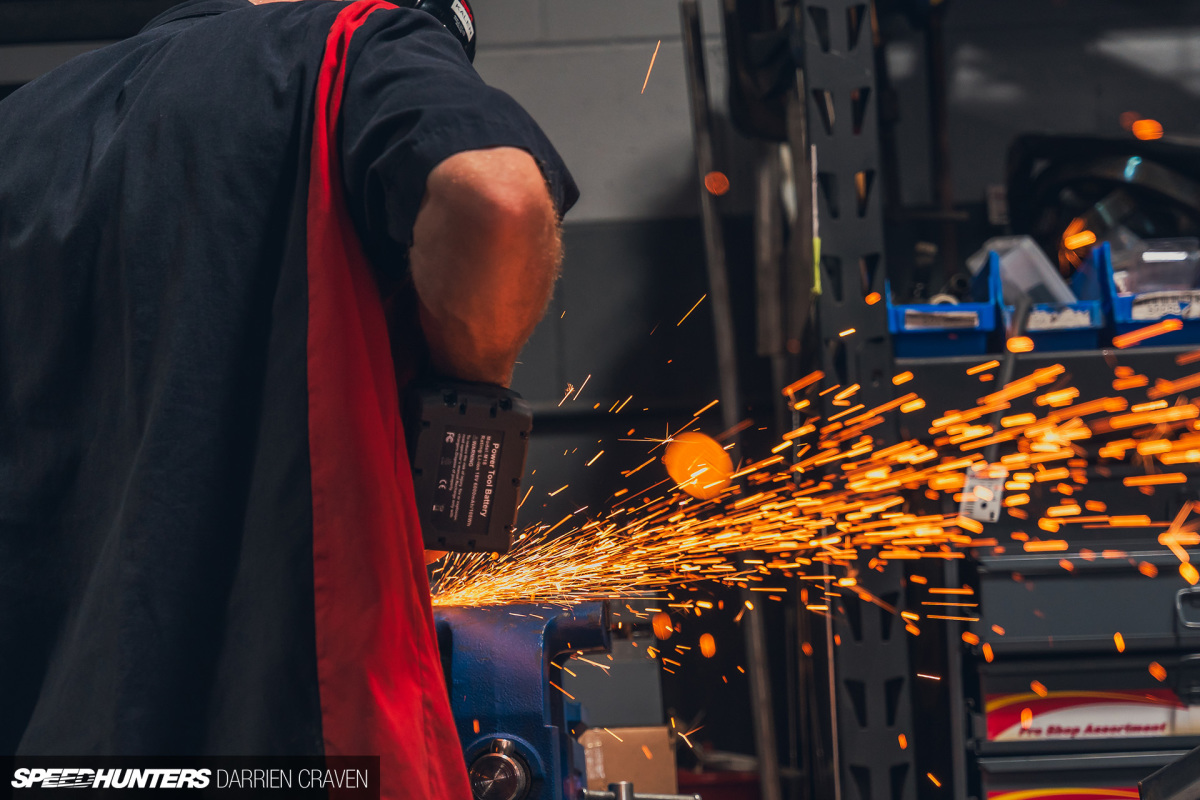
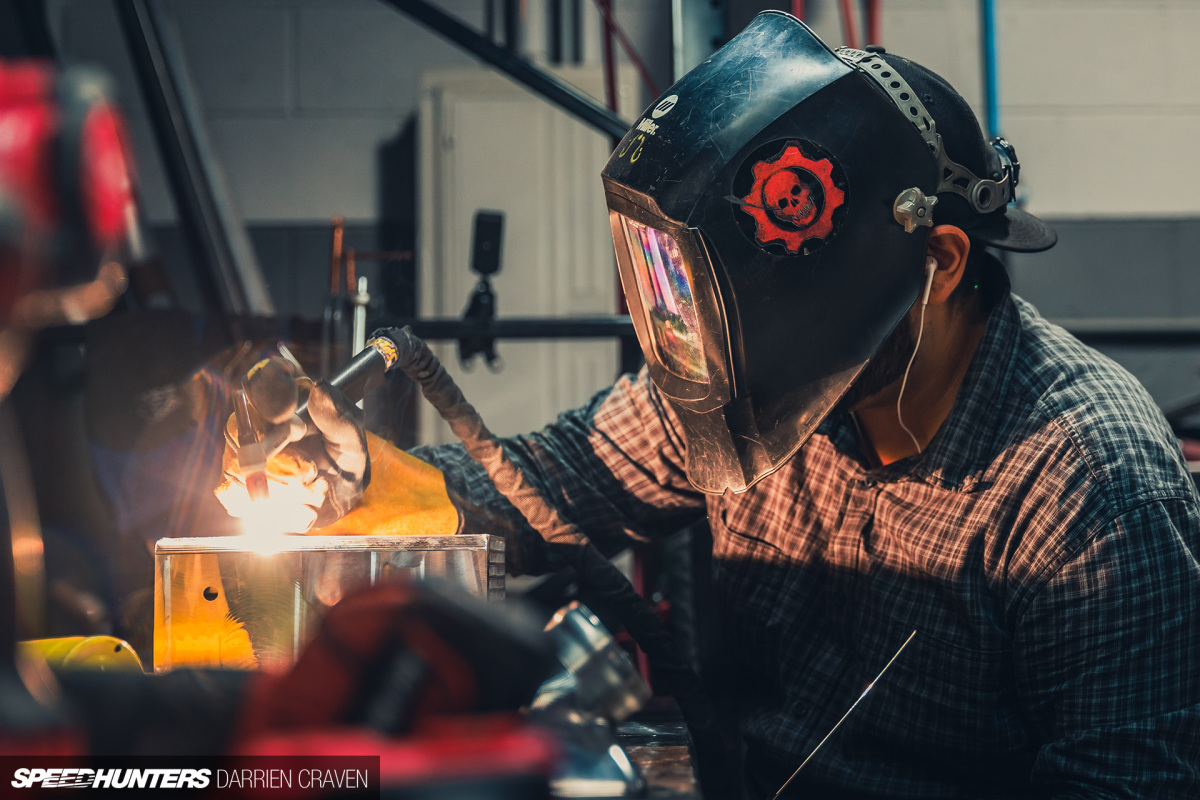
Used in conjunction with SSR downpipes, exhaust system, methanol injection and an M Engineering tune, they’ve managed to unleash a staggering 1,122whp from an otherwise stock McLaren 720S. To put that into perspective, that’s over 400whp more than standard in a car weighing 1,419kg (3,128lb). Now think how quick a car weighing that much with 400whp feels. And that’s just additional power.
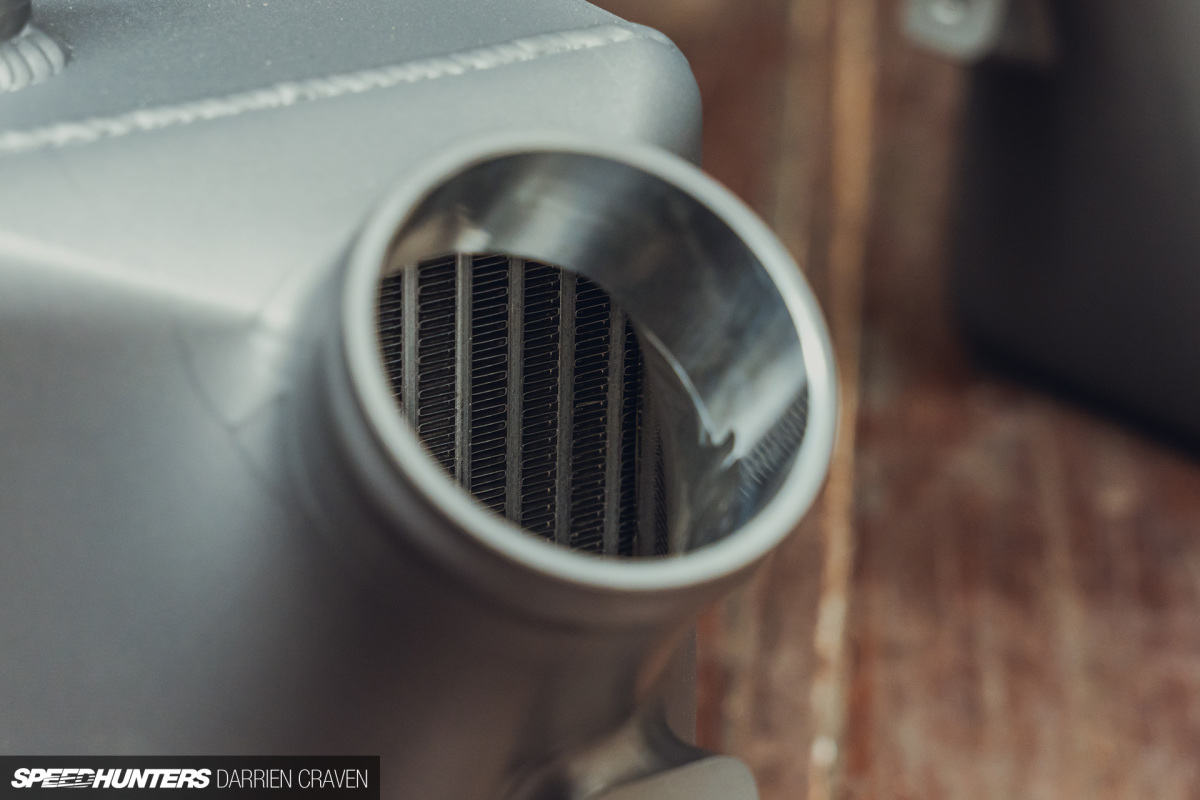
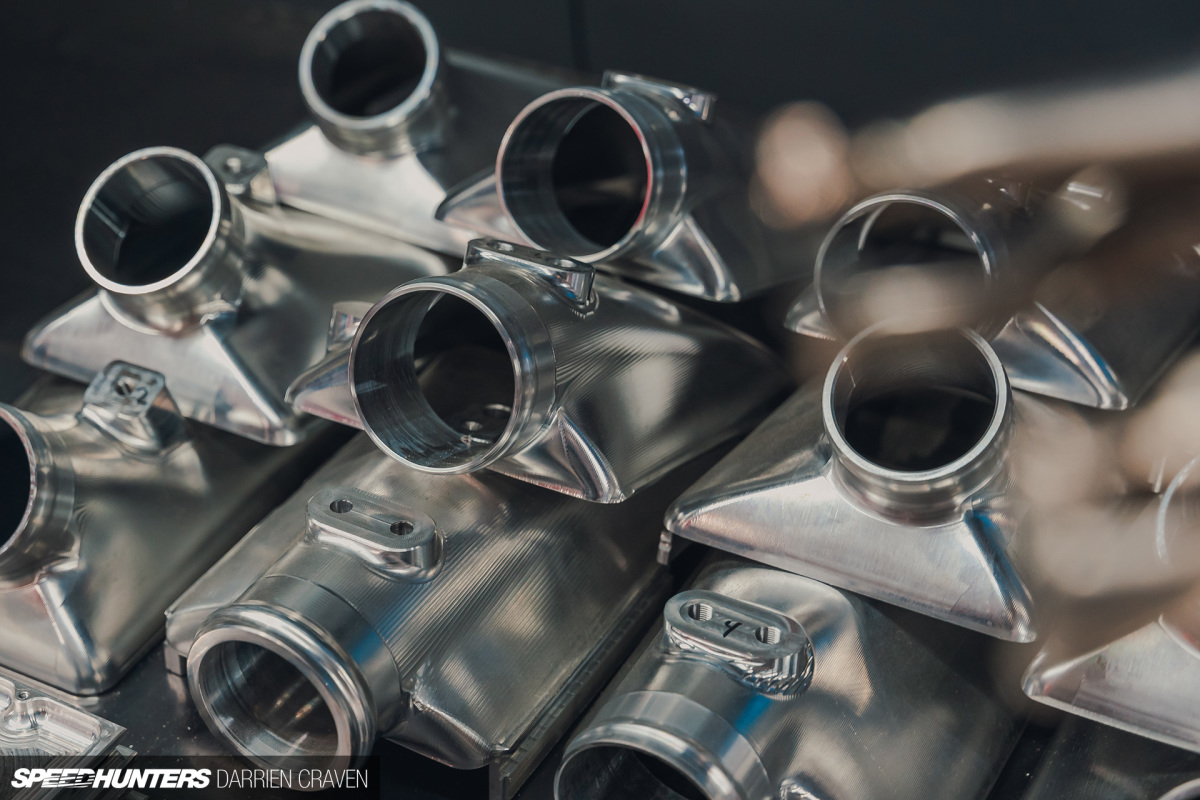

Understandably, building and developing a set of intercoolers for a $300,000 McLaren isn’t quite as straightforward as cramming a larger FMIC behind your Focus RS bumper. Especially given how efficient the stock design is, which makes the flow gains CSF have achieved (while remaining a bolt-in replacement) even more impressive. You can see the full process over on the CSF website here.
These kinds of horsepower figures only tell half the story, though. With that level of power, will the SSR Performance 720S struggle to launch without wheelspin? Can the stock transmission cope with the added torque? Luckily, they’ll be putting it to the test very soon.
There are a lot of modern supercars I struggle to get on board with these days; they’re unobtanium and for the most part seem like engineering exercises rather than an emotive driving experience. But when tuners like CSF, SSR Performance and M Engineering start pushing the boundaries, I’m properly curious to see just how fast they can go when unleashed.
With that in mind, where do you reckon the limit for the McLaren 720S/765LT platform is? Are we looking at the new benchmark for those quarter mile and half mile racers, or will its complexity be its downfall? Let us know in the comments below.
Mark Riccioni
Instagram: mark_scenemedia
Twitter: markriccioni
mark@scene-media.com
Photos by Darrien Craven
Instagram: _crvn_