
After reminiscing about that Ferrari F40 snow shoot in 2016 for a recent Speedhunters holiday post, it was almost inevitable that my mind would drift to another legendary piece of automotive art from Maranello – the Ferrari F50
But unlike the F40 story, this is not a retrospective. This is a car that I shot in 2020, and today is quite possibly the most original example of the 349 F50s that were made. It’s also a car that has been meticulously cared for throughout its life, and now is owned by Chiba-san, whose amazing garage house kicked off a new story series last year.
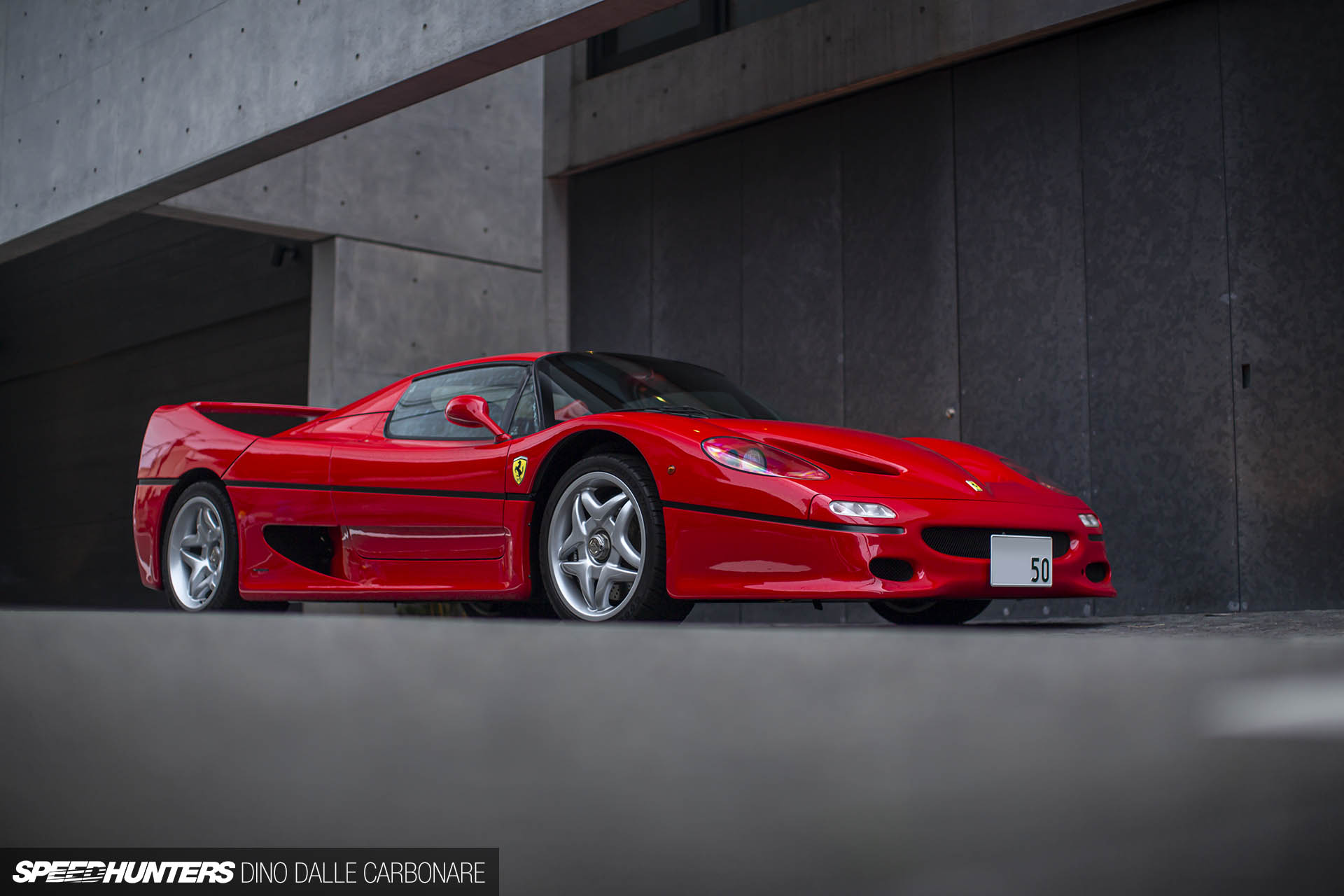
If we were asking playground type questions, the F40 would still remain my absolute favorite Ferrari ever. But the F50 is so, so close. In many ways it’s a better car, if totally different. It wasn’t as raw as the F40, but was obviously light years ahead in terms of materials, engineering and execution. It’s also the perfect embodiment of a very well-defined goal, that being to create an F1 machine for the road.
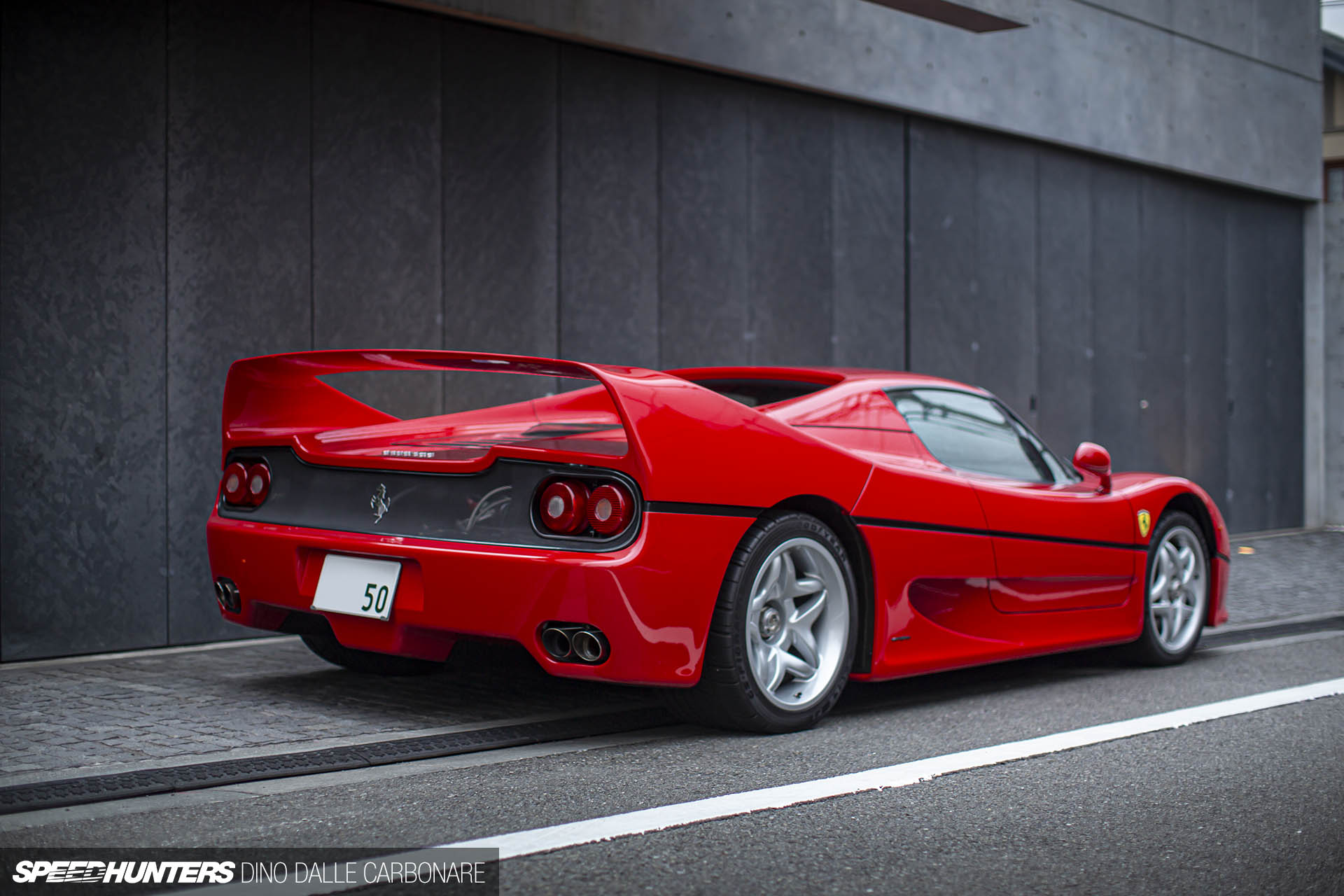
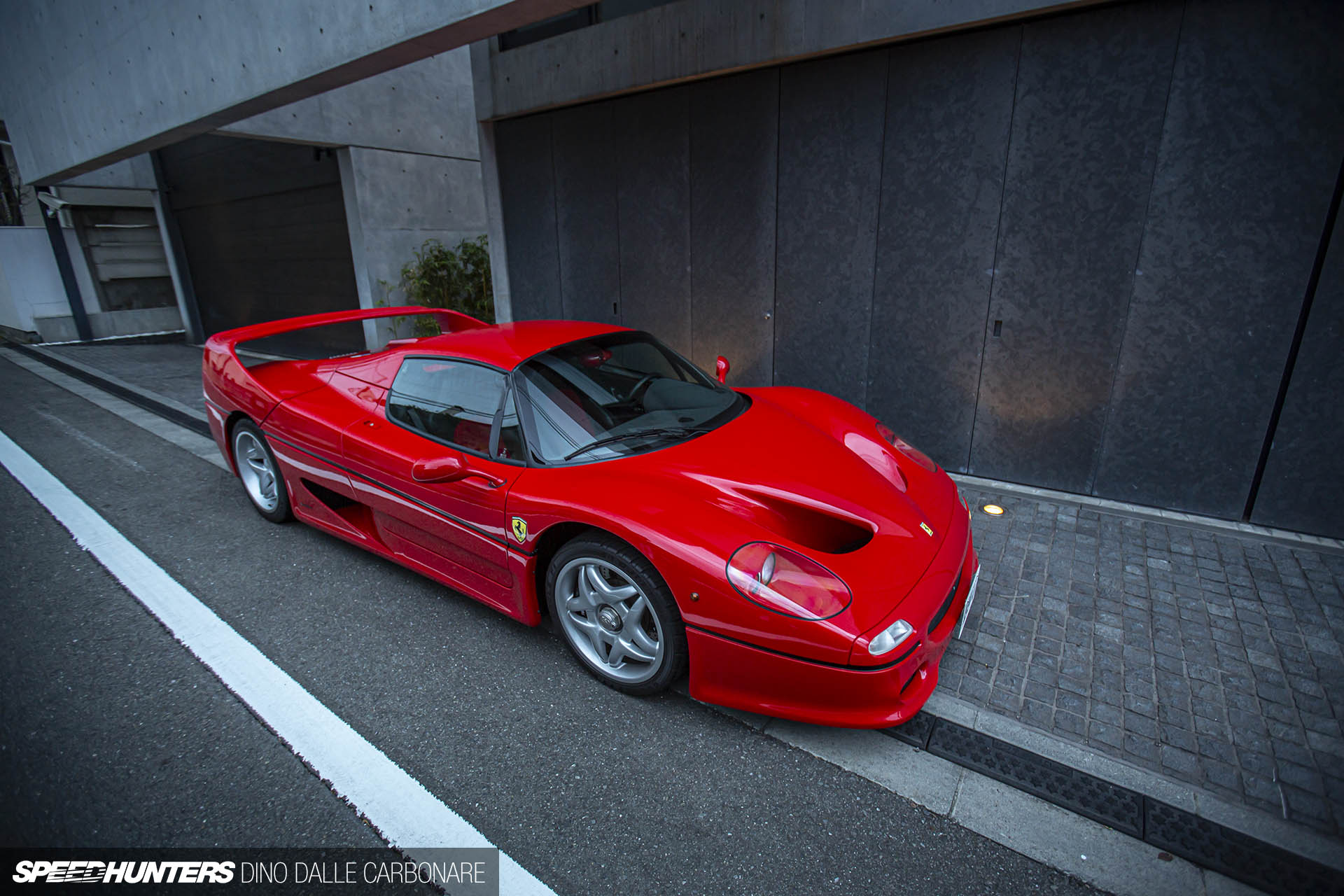
Up close, the F50 is simply striking. The rear end stretches almost two meters across with the wing arching out and over to form an instantly recognizable and iconic shape.
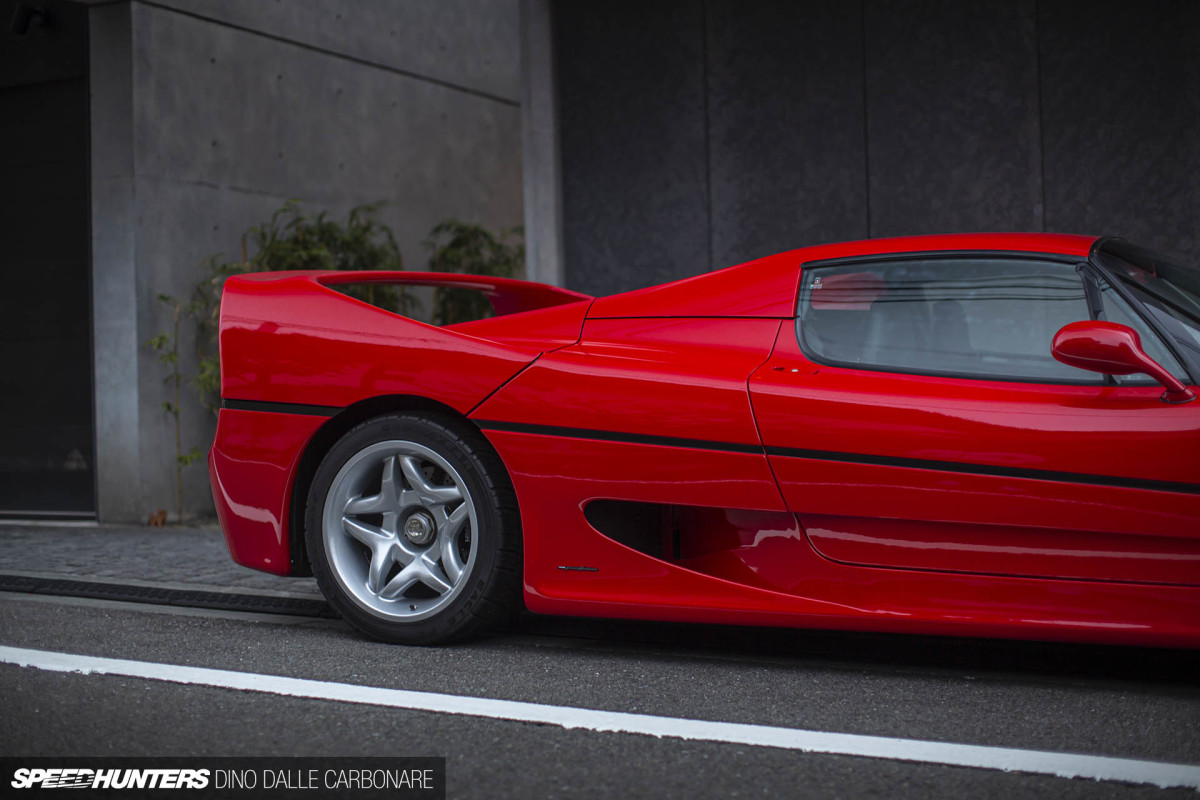

The 18-inch center-lock wheels by Speedline emulated the then trademark Ferrari five-spoke look, but with a more modern spin. Chiba-san’s car is purposely set at a higher height at the front so that he doesn’t catch the bumper on any ramps when driving around Tokyo.
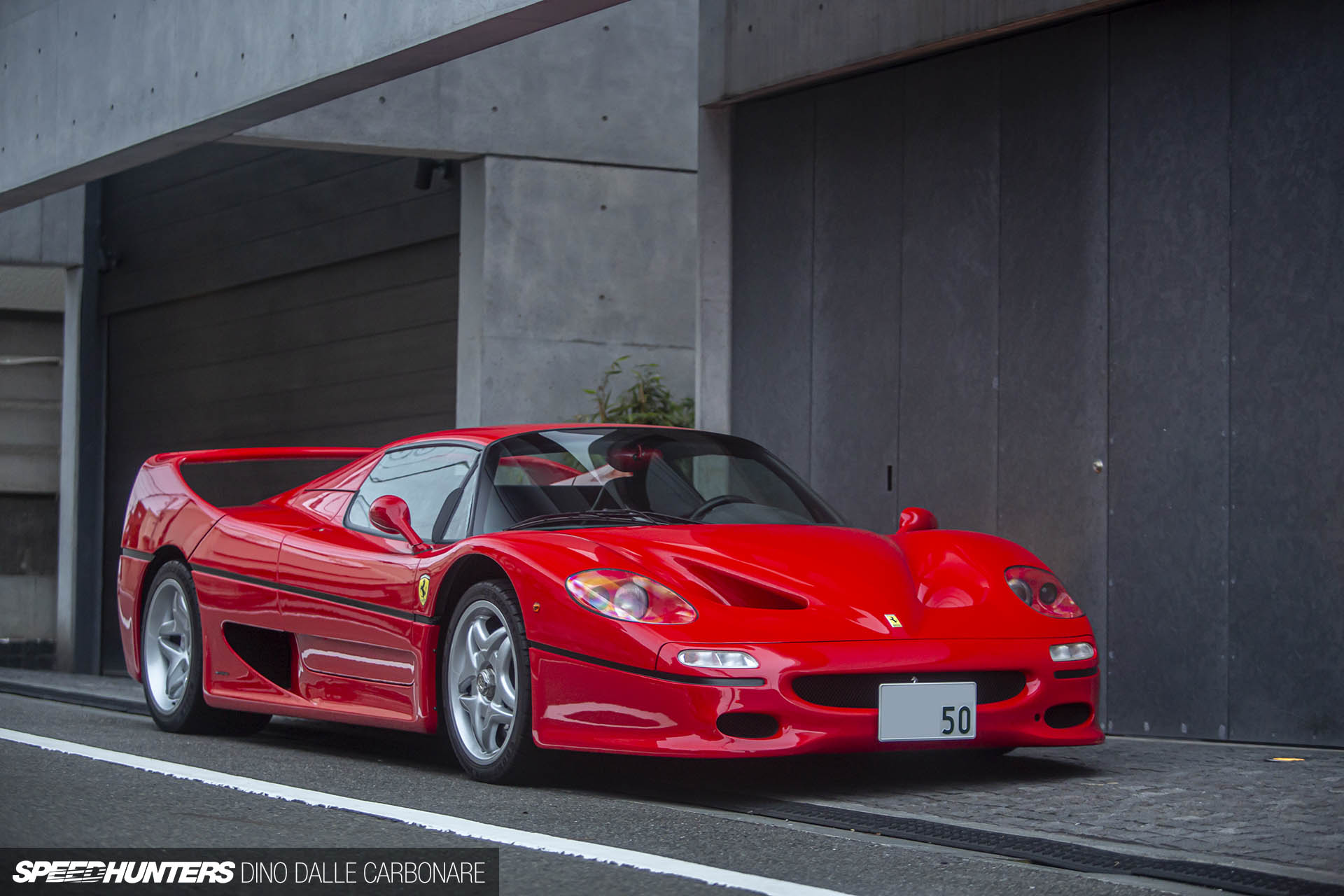
That wild shape will make most people think back to a time when supercar design was simpler, more flowing and less cluttered. A lot has changed since 1995.

That simplicity is carried across all areas of the exterior.
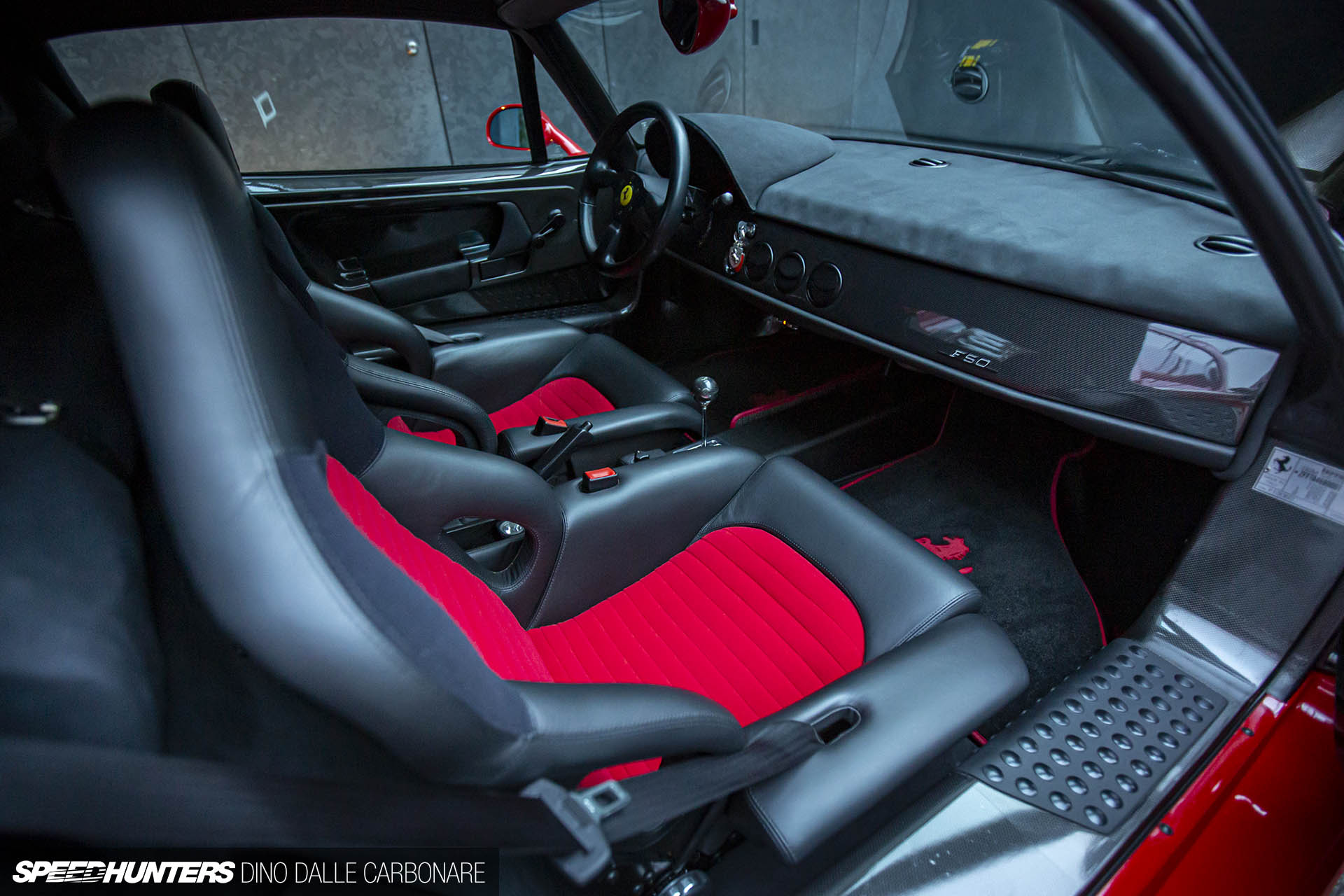
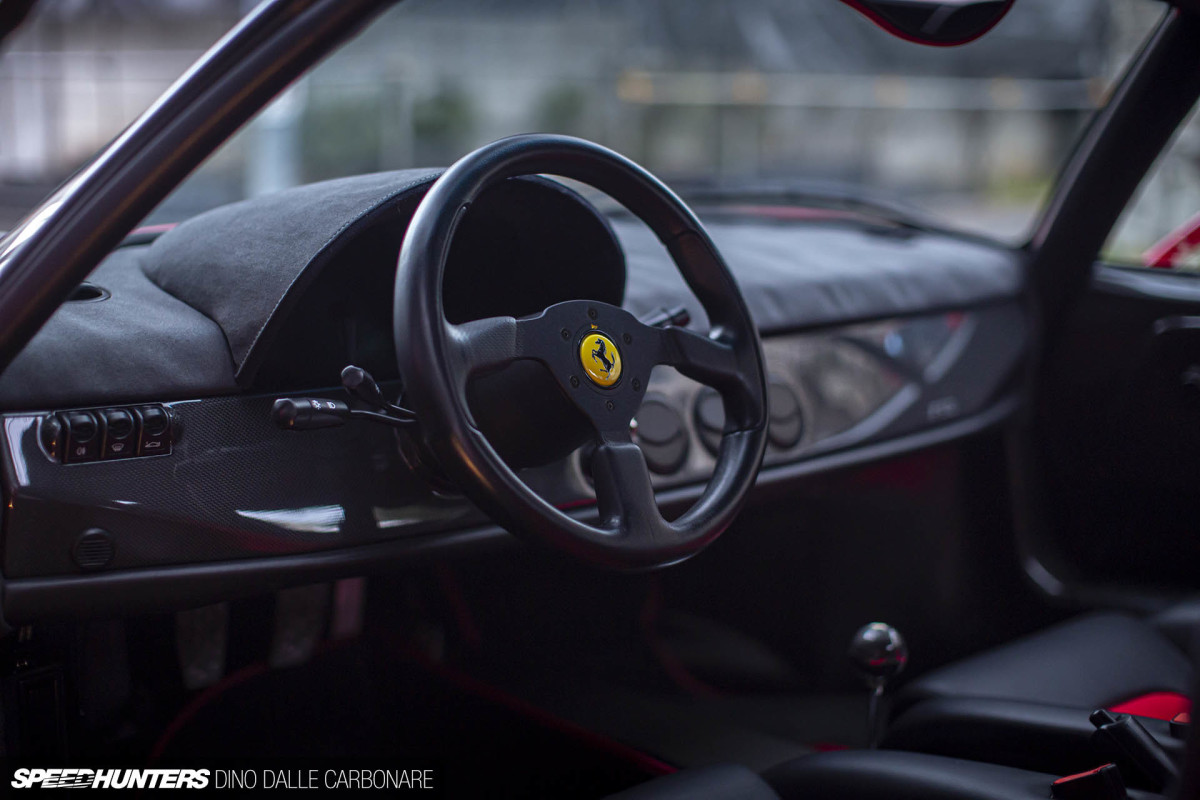
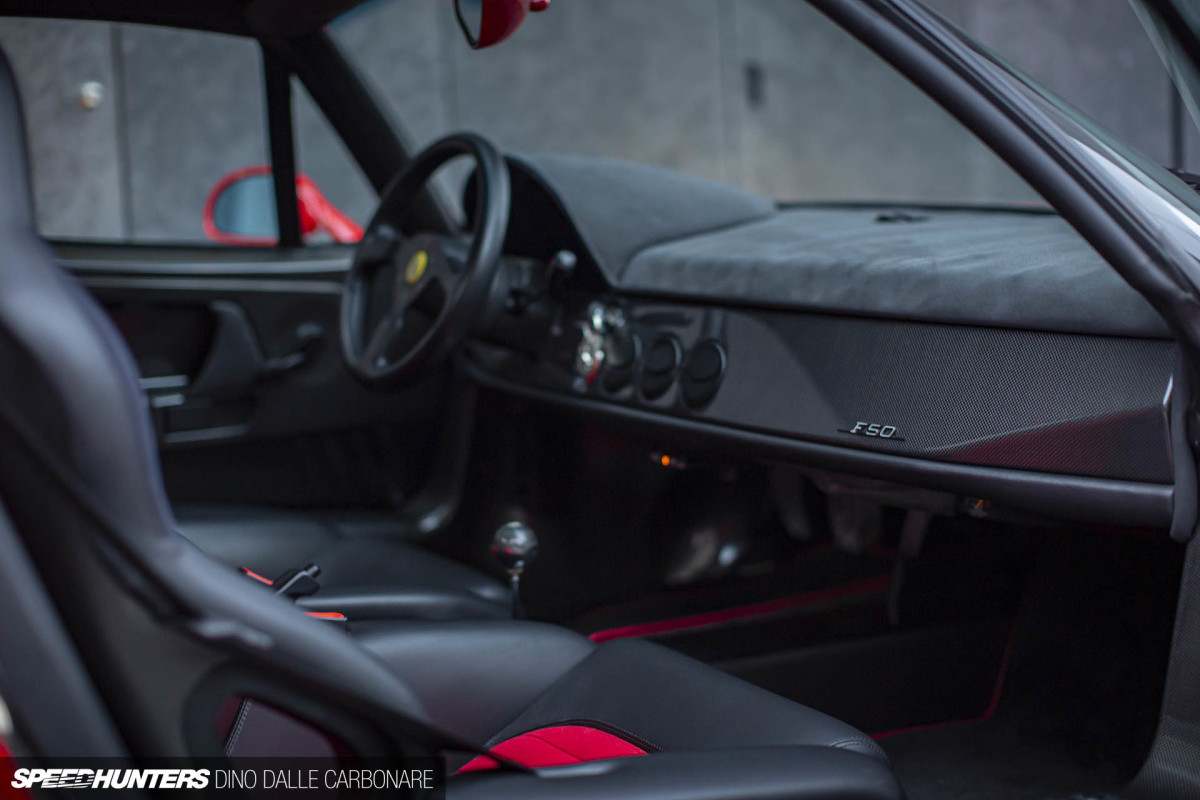
And the interior too. The F50 takes that spartan feel the F40 perhaps had too much of, and executes it with more finesse. There’s a more cohesive feel and it just shouts ‘drive me!’
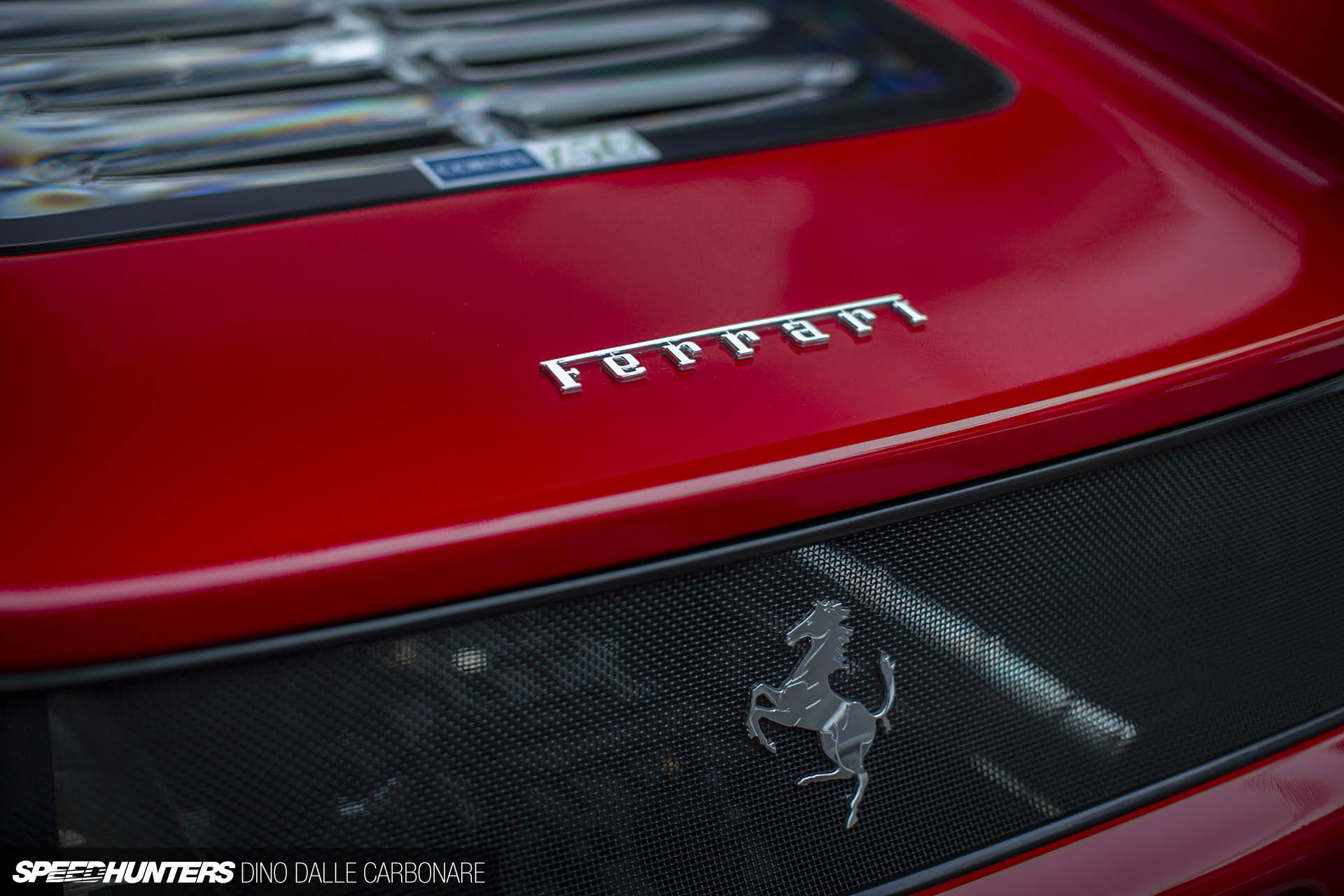
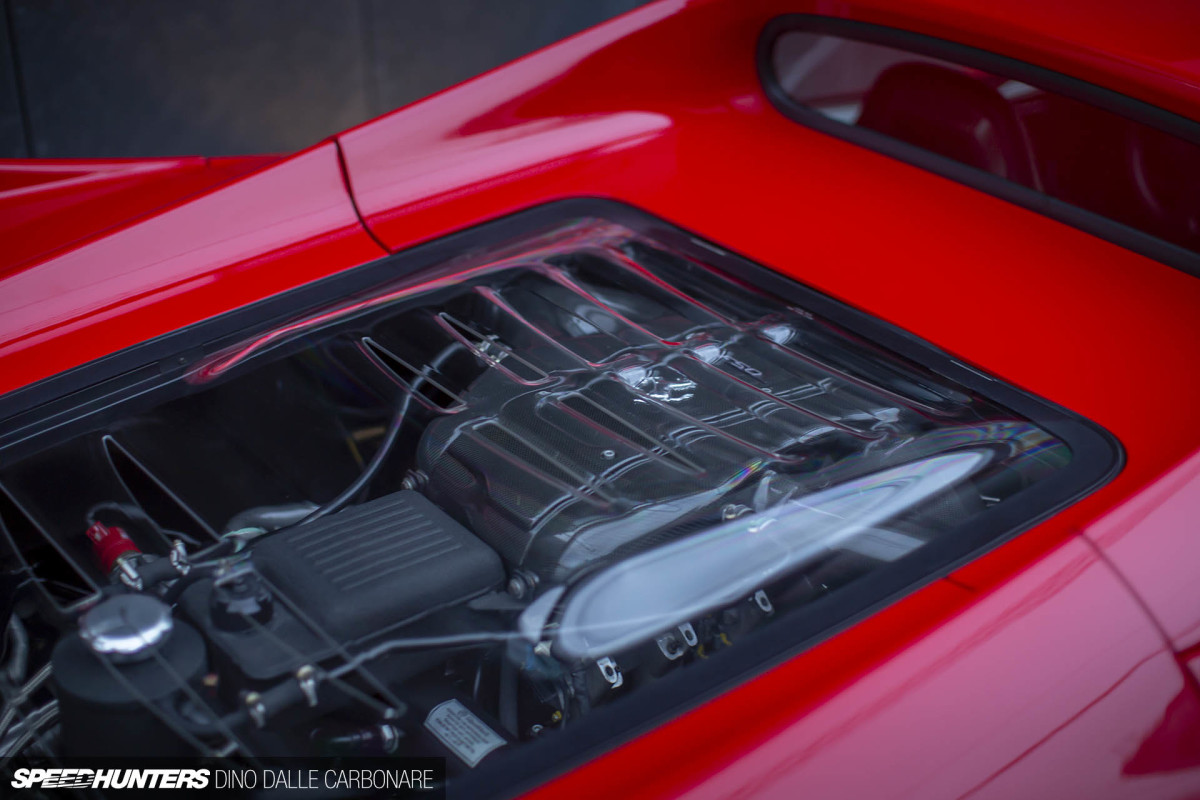
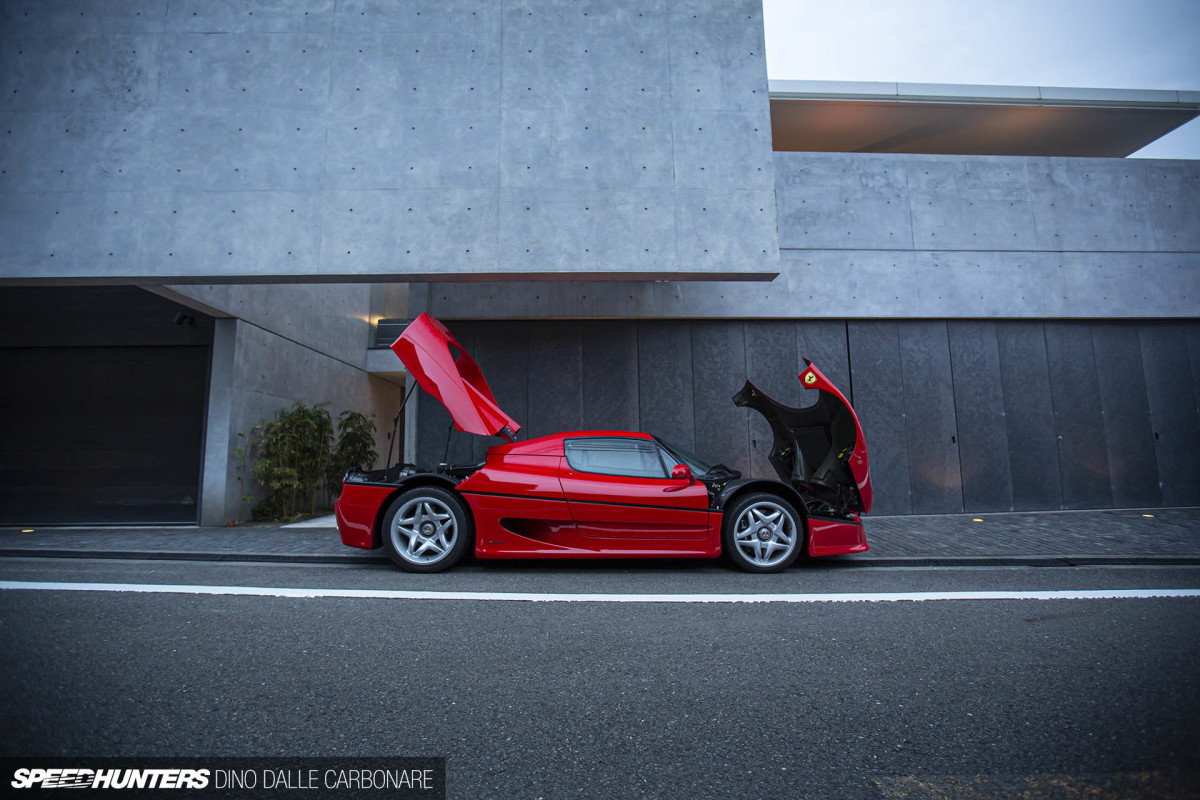
But the real theater hides under the massive one-piece rear cowl.
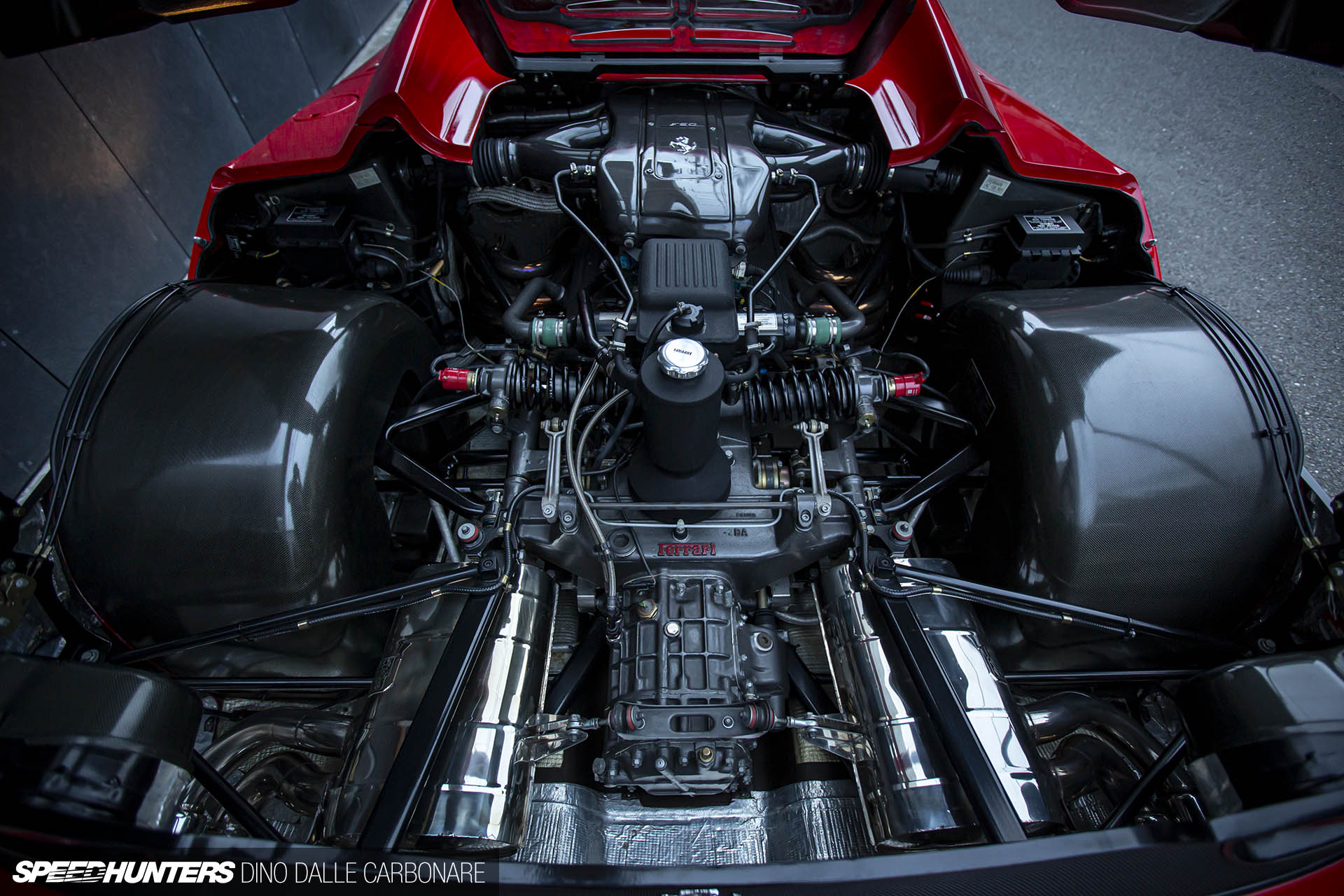
This is what we get very little of these days. There are a few specialty manufacturers – like Pagani and Koenigsegg – who still understand that engines and mechanical components should be as beautiful to the eye as they are functional to vehicle performance.
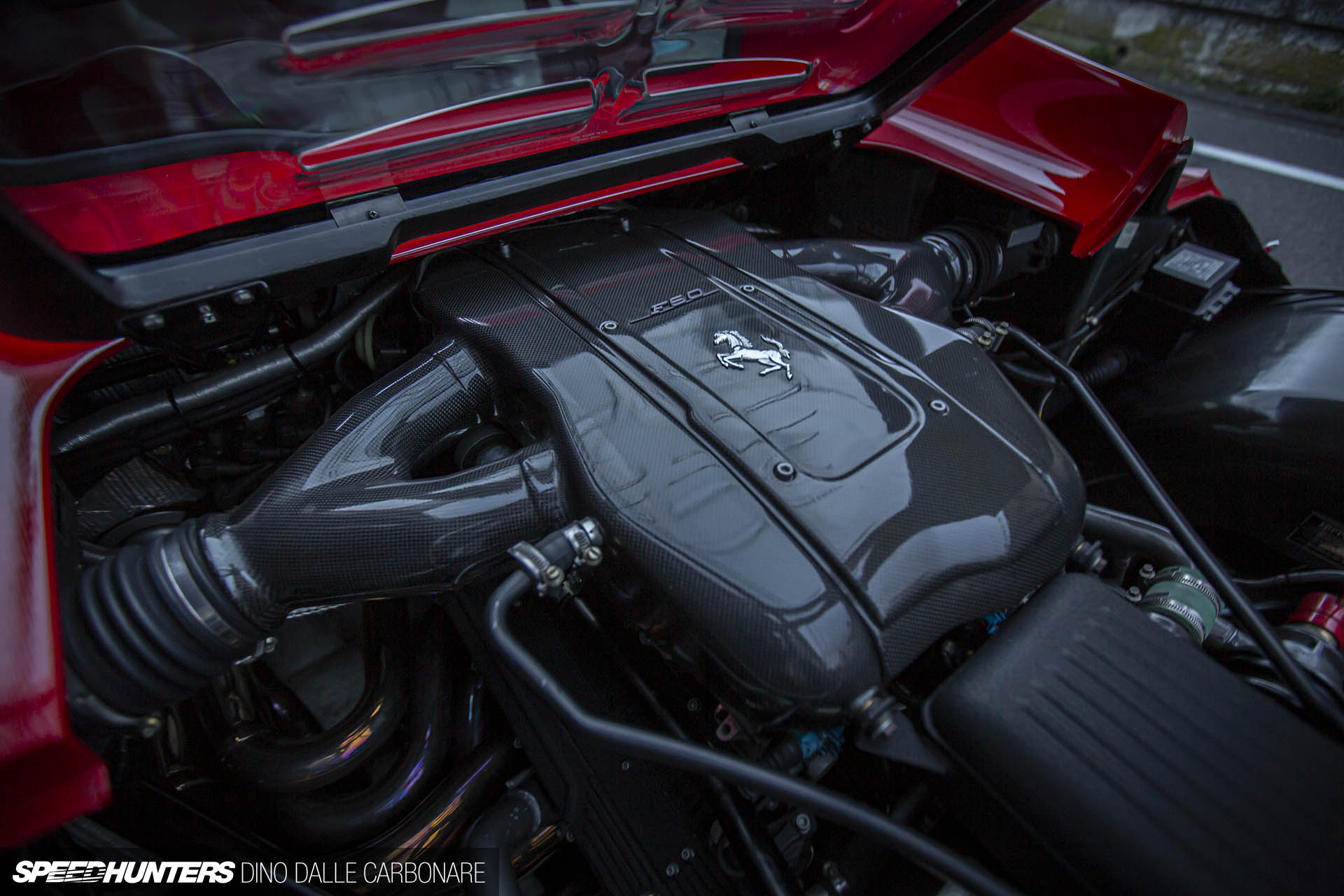
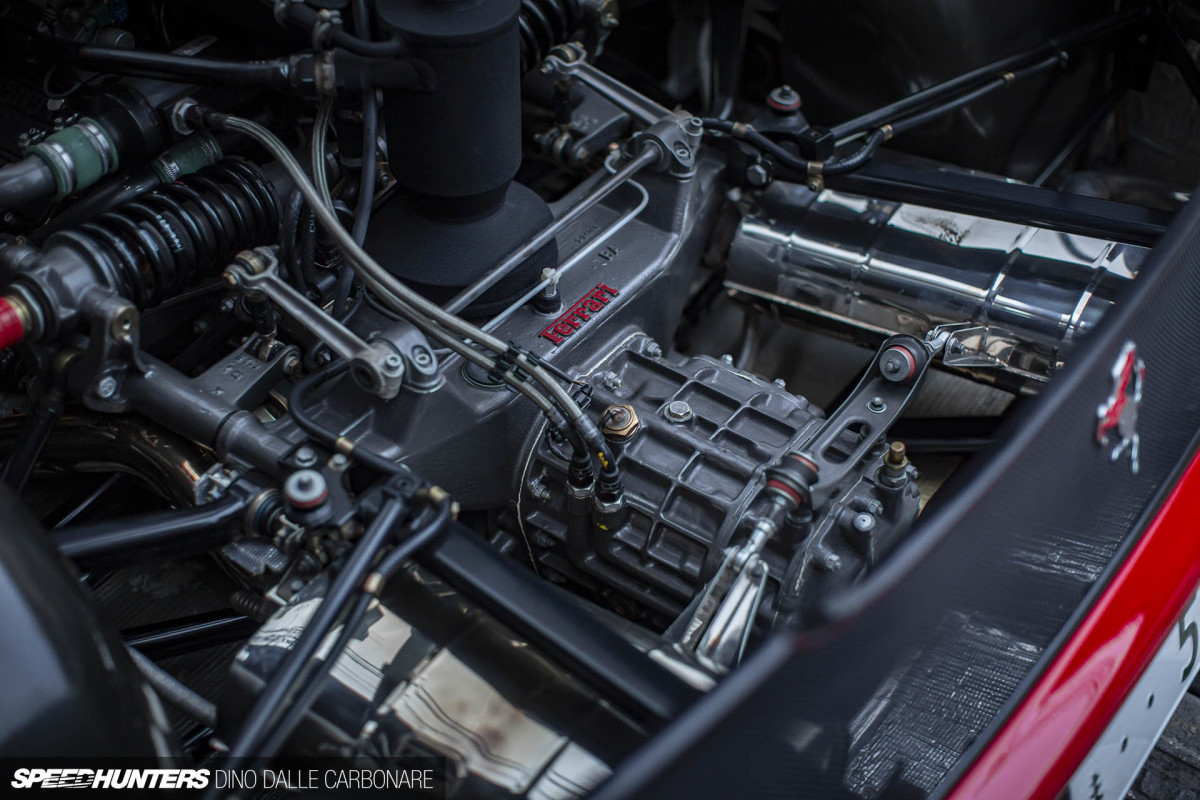
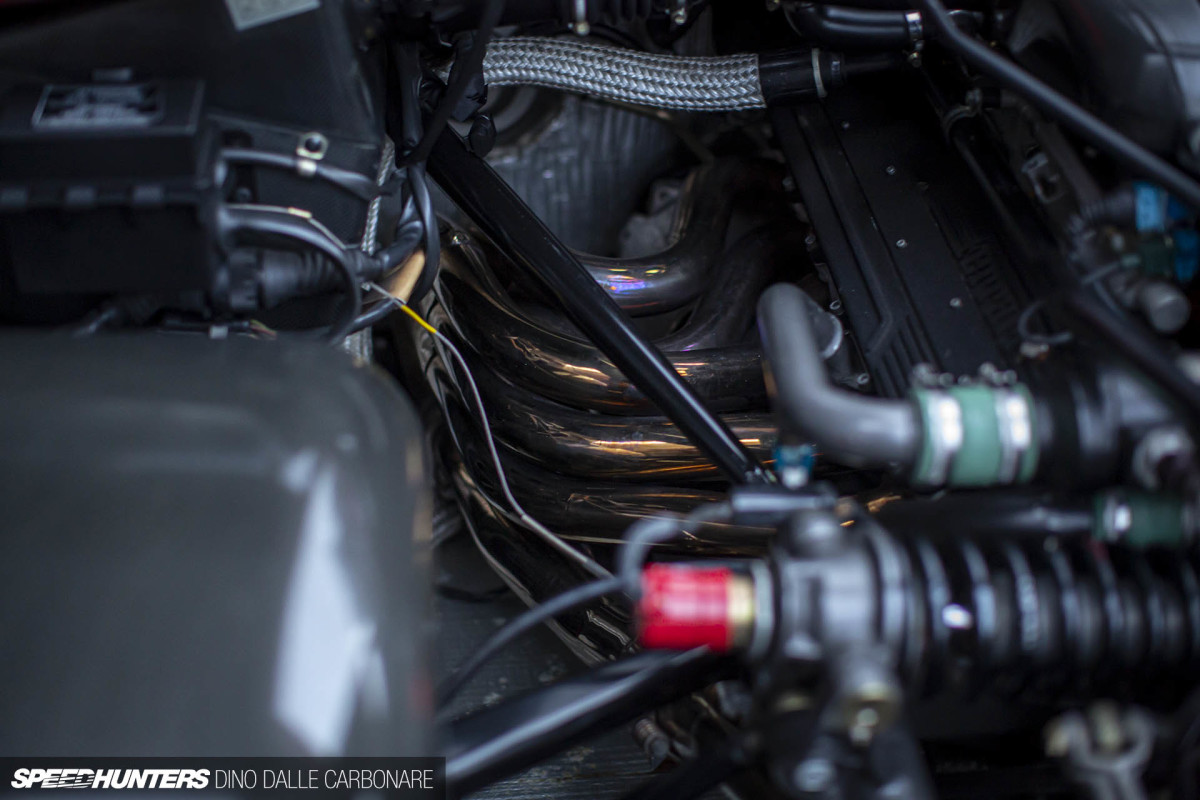
These days most supercars might treat us to a peek of an intake plenum or a fancy engine shroud, but most components are covered over or totally hidden from view.
With the F50, you see it all: the naturally aspirated 4.7L V12 sitting low in the center of the chassis as a stressed member; how the gearbox hangs in the rear and shoots out a pair of drive shafts that spin the wheels and their 335-section rubber; the suspension layout and how it actuates the inboard dampers through push-rods.
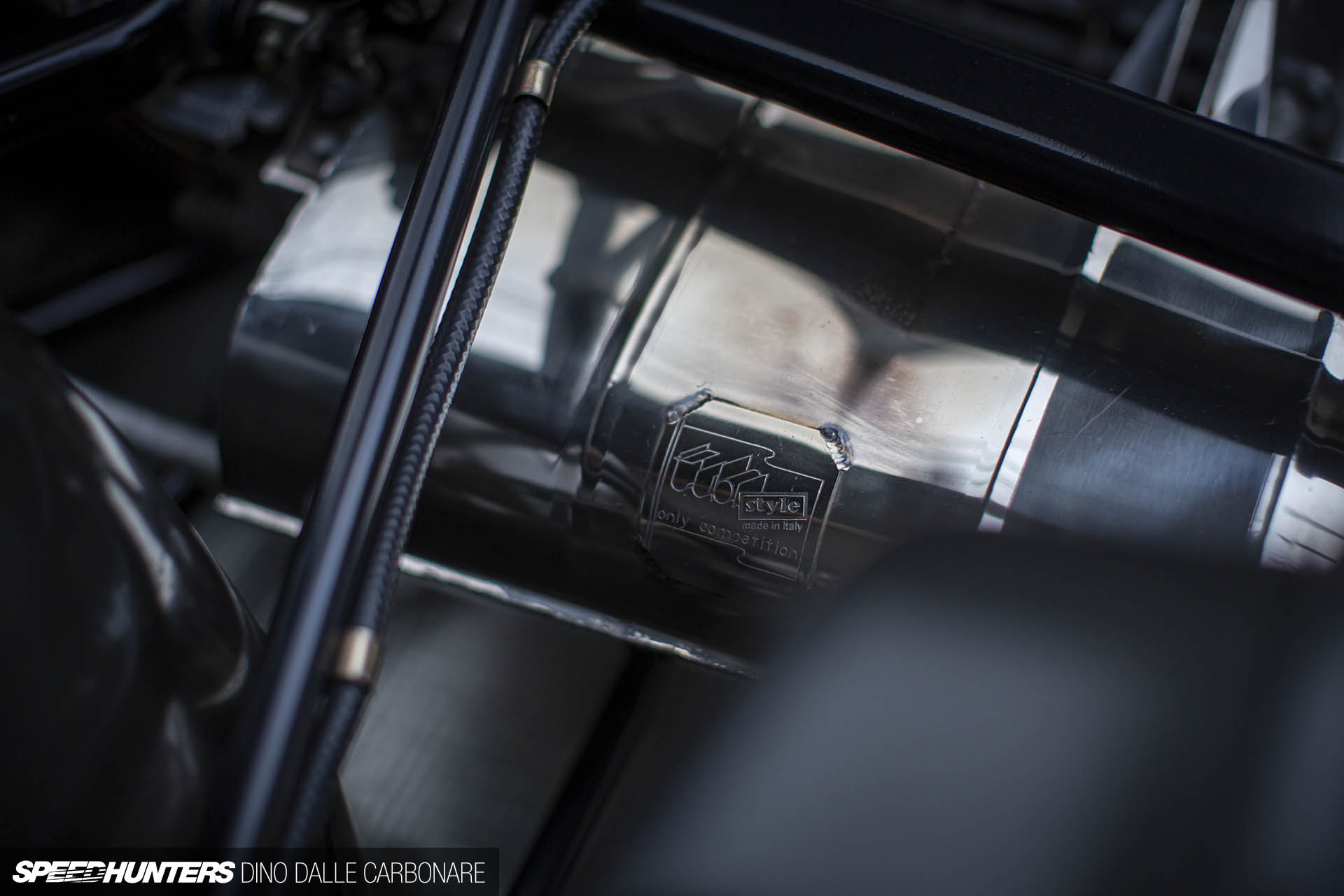
Chiba-san’s car is fitted with headers and a barely-silenced exhaust system from Tubi Style. It’s so loud, even at idle, that I didn’t bother asking to shoot a video of a few aggressive revs, as being in the densely-populated heart of Tokyo you could potentially disturb a good few hundred neighbors. I was just happy to be spending time with an F50.


Sometimes we really have to stop and take a few minutes to remember the greats, something the F50 is undoubtedly one of. Let me know in the comments your answer to the now age-old question: F40 or F50?
Dino Dalle Carbonare
Instagram: dino_dalle_carbonare
dino@speedhunters.com