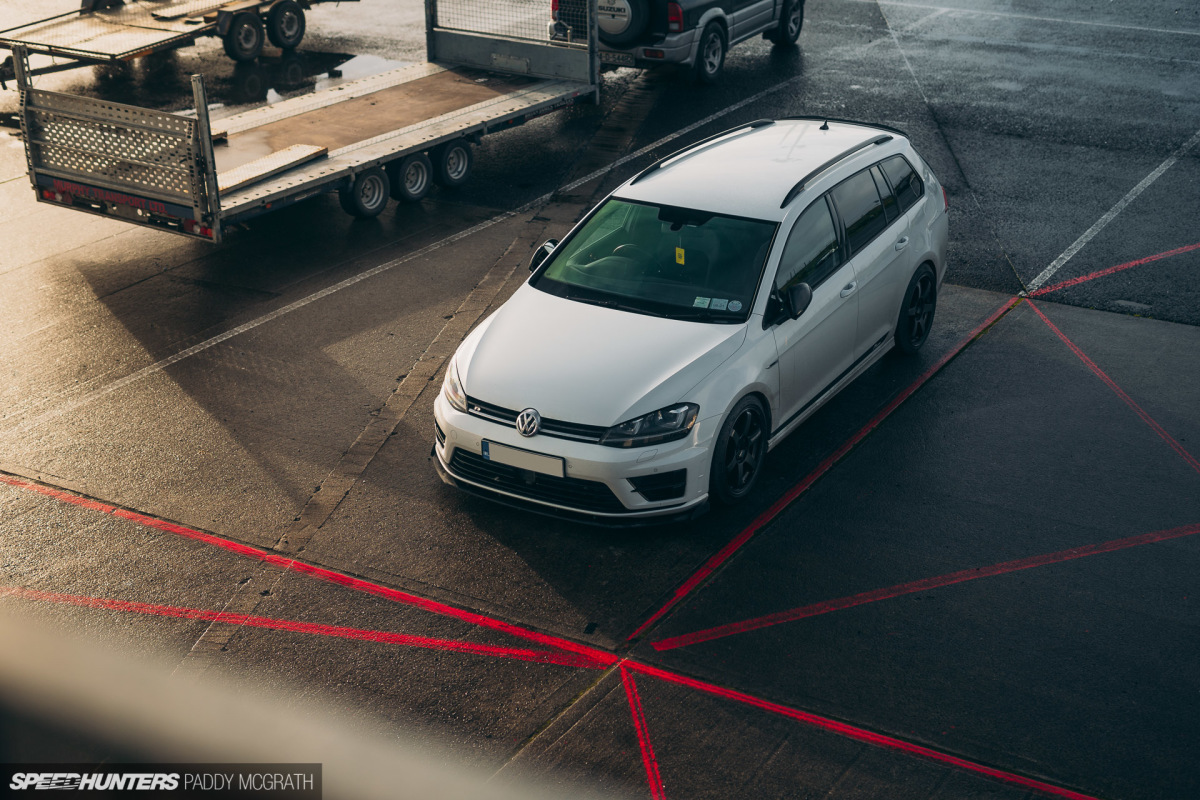
When I sat down to write my goodbye to Project GTI and hello to Project R, AKA Habu, Ireland had just been put into a six-week lockdown. Guess what’s just happened again?
With the seemingly never-ending cycle of stay-at-home restrictions here set to continue for the foreseeable future, it won’t come as a surprise that progress on Habu has been glacial since its arrival. Opportunities to both work and drive have been rare, so my approach and thought process is completely different to that of Project GTI.

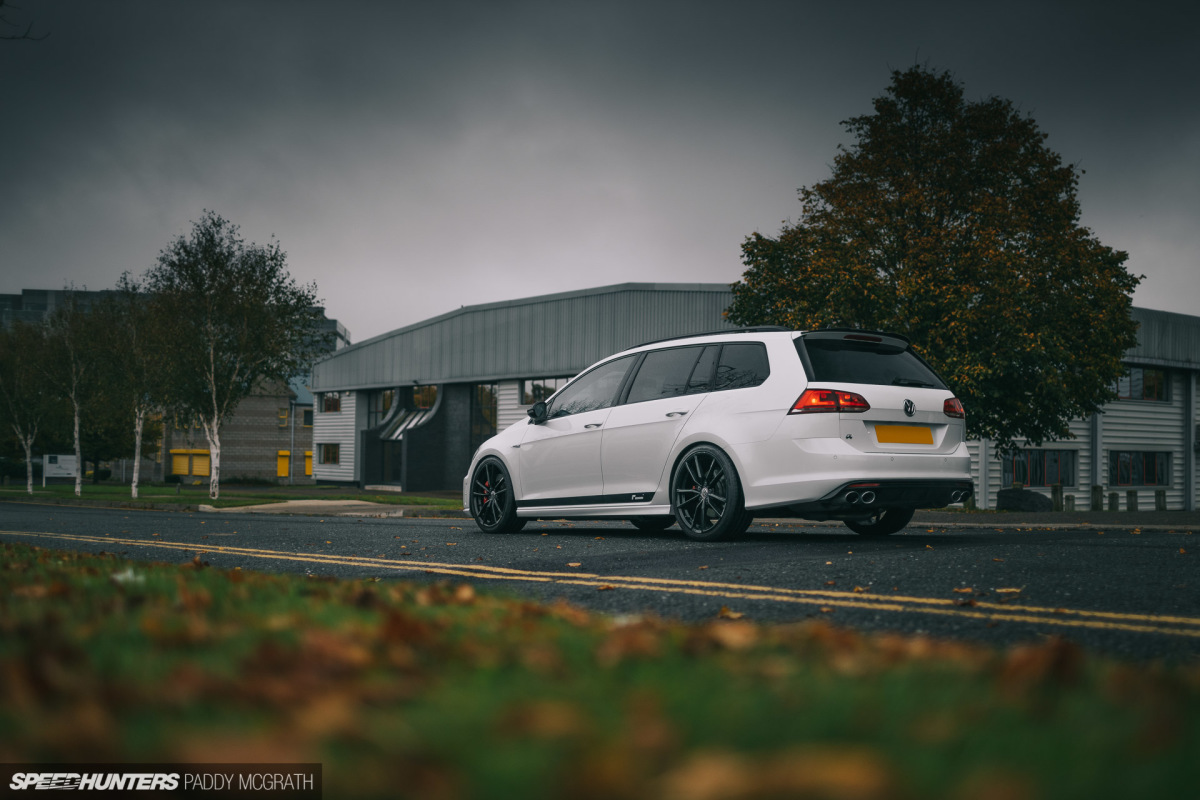
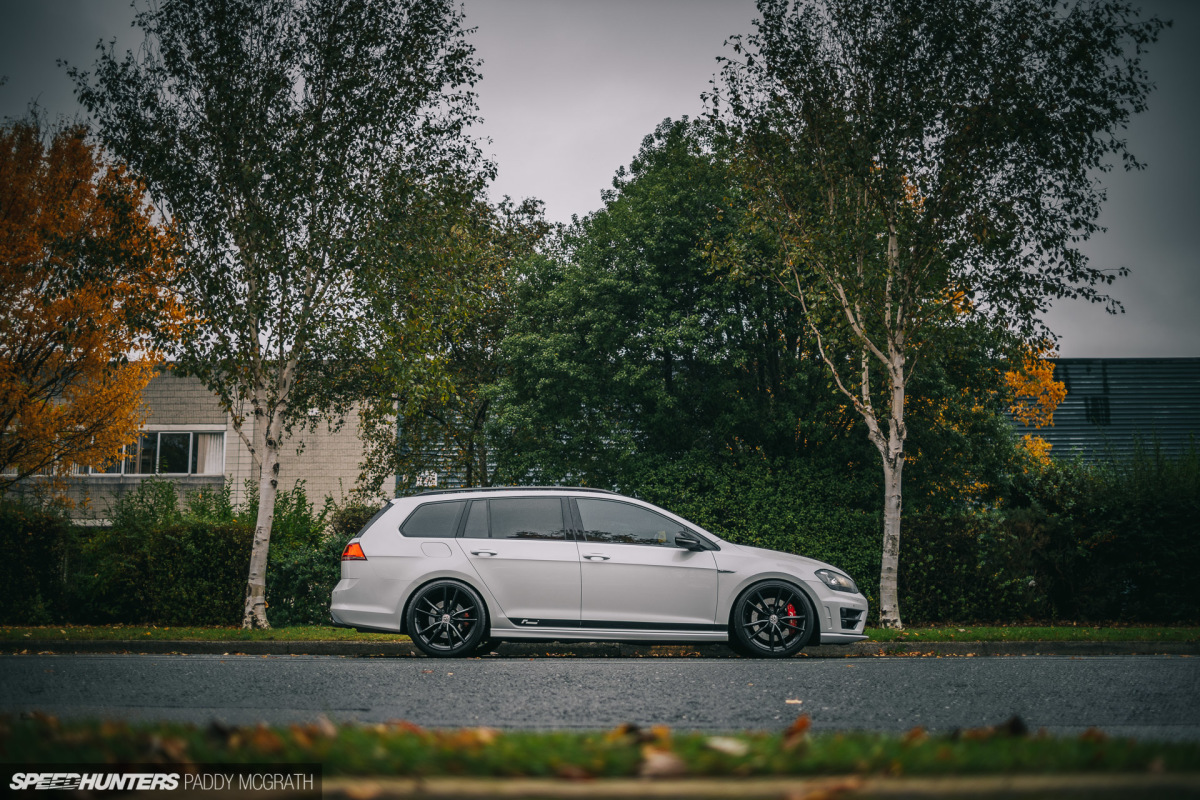
To quickly catch you up, I bought this already-modified Golf R Variant last October when an offer came through for Project GTI that I couldn’t turn down. It’s a well-specced and tastefully-upgraded example, which at first glance probably doesn’t need much more.
If that was the case, however, I wouldn’t be writing this.

The first (and most expensive) part of the puzzle was to register the car in Ireland. I estimated that this would cost around €6,500, but the actual number turned out to be €6,080 for the privilege of Irish registration plates. The really wild part? Even after this vehicle registration tax, the car was still significantly cheaper than buying an equivalent car already registered in Ireland. At time of registration, the cheapest comparable car was almost €9,000 more expensive.
Once registered it needed to pass the National Car Test, which it did at the second time of asking. First time around it failed on emissions, requiring a new catalytic convertor. With a Scorpion 200-cell downpipe sourced and installed, it sailed through.

Now fully road legal in Ireland, I could finally turn my attention to making my own changes. While I liked how the car visually looked with the 19-inch Borbet Pretoria wheels, Ireland isn’t a country for 19s. Even with the car’s DCC set to comfort, the low-profile Goodyear tyres were less than pleasant for daily driving.
Naturally, they were first to go.

I did use the opportunity of a wheel change to install Garage Midnight’s Hold Fast stud kit, which is the same kit I used on my GTI. I cannot abide by wheel bolts, so this nut and stud conversion is a cheap and simple solution to fasten your wheels to the hubs while providing a better clamp as an added bonus.
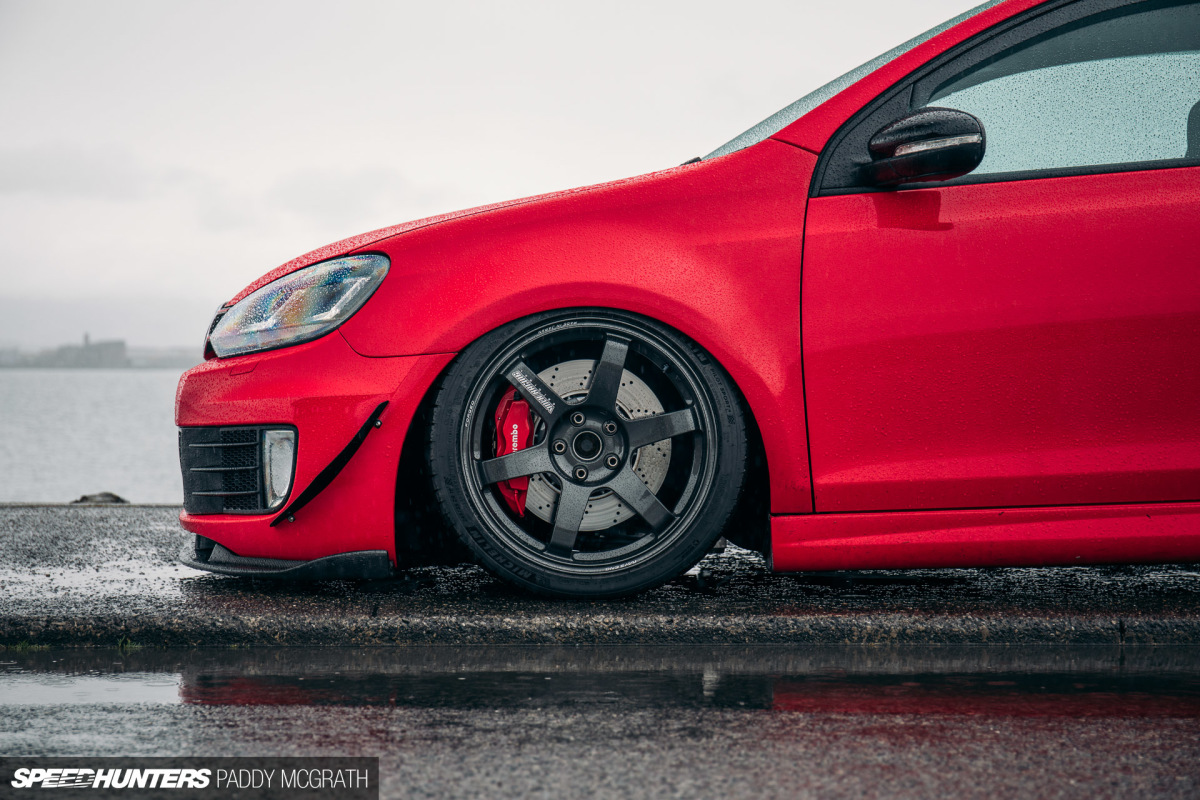

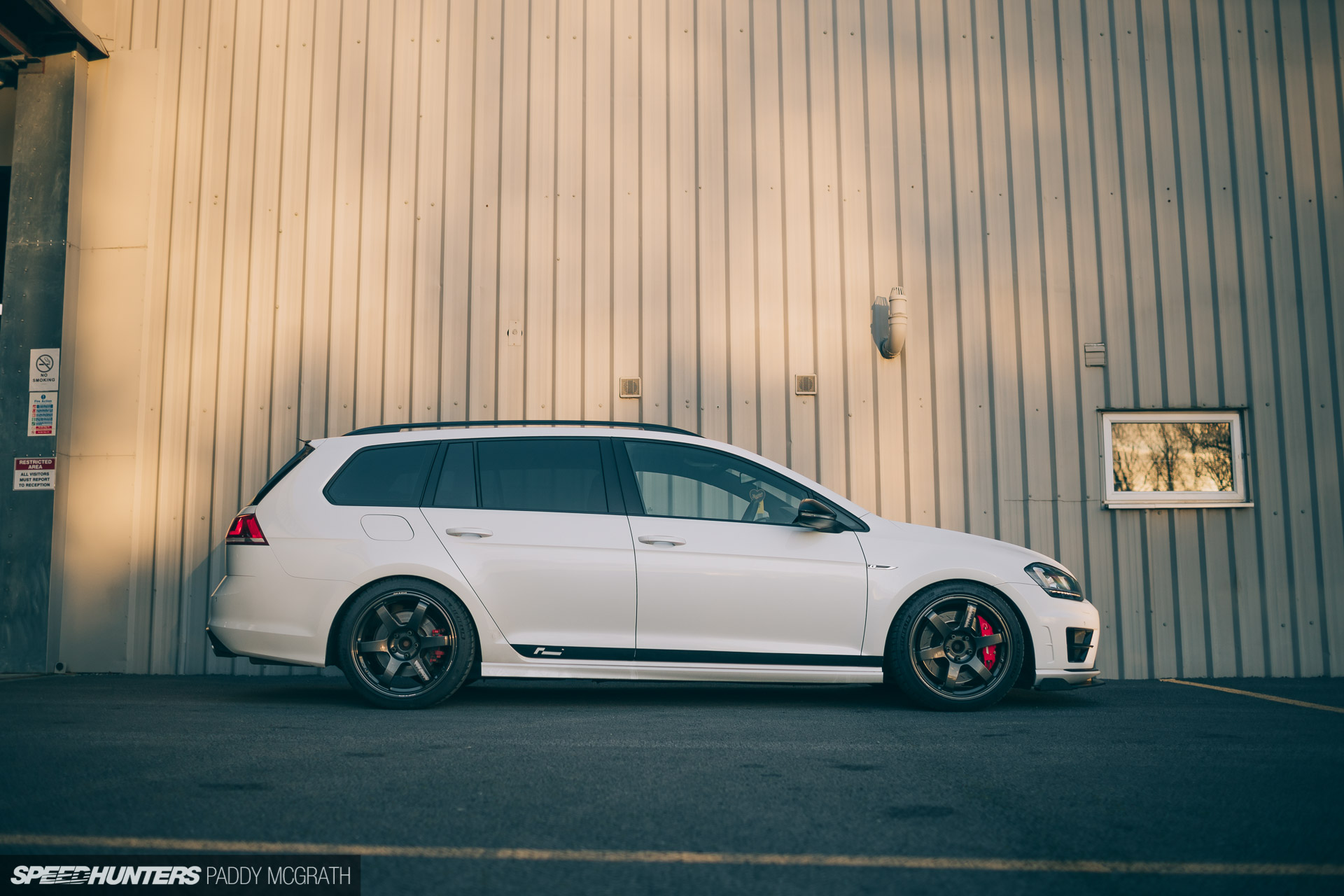
While my GTI might be gone, its RAYS Volk Racing TE37 Sagas continue to live on with Habu. If you remember, the TE37s were sourced in a reverse stagger for the GTI with wider front wheels and tyres.
As the R is AWD, I needed to pay heed to the overall rolling radius of each wheel and tyre. A handy online calculator helped me select a square tyre setup for the staggered wheels, which ensured the Haldex system would be kept happy. I went with Michelin’s Pilot Sport 4S tyre in a 235/40R18 fitment.

The wider rims are on the rear now, with the slightly narrower and lighter wheels on the front axle. I’ve briefly read about Audi offering a reverse stagger from factory on the current model RS 3, which uses a similar Haldex system as the R, but that’s something which I’ll look into again when these tyres reach the end of their life.
There’s a lot to be said about buying quality parts that you can carry over from one project to another, and the improvement in how the R drives on these lighter, smaller wheels is significant.


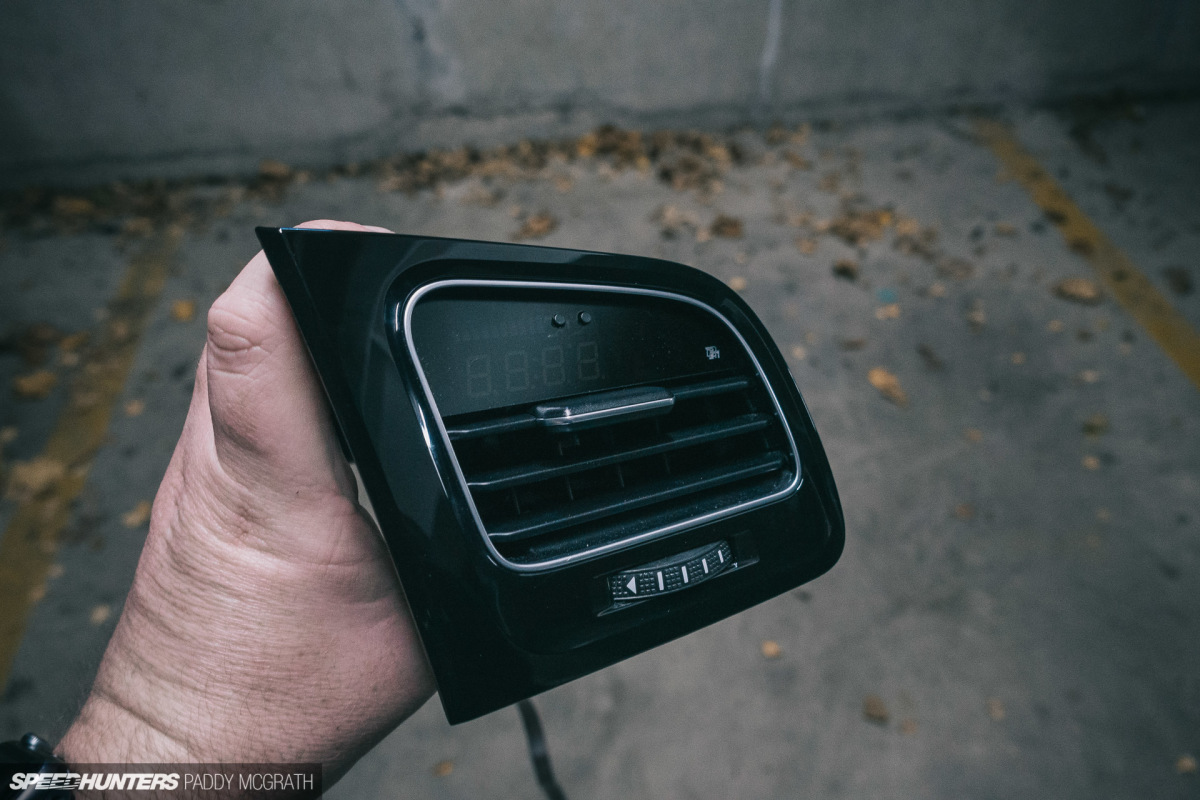

Another lockdown upgrade was the installation of an integrated P3 Gauges vent gauge. It’s subtle, simple, and as it communicates with the car via the factory OBD port, didn’t require any extra wiring. The unit itself is customisable, can display a vast array of information from the ECU, and features a few performance timers to boot. I typically use it to monitor engine oil temperature or boost. For those curious, my fastest recorded 0-100km/h (0-62mph) time according to the gauge so far has been 3.58 seconds.
I won’t mention the amount of swearing when the factory vent disassembled itself on removal, however.
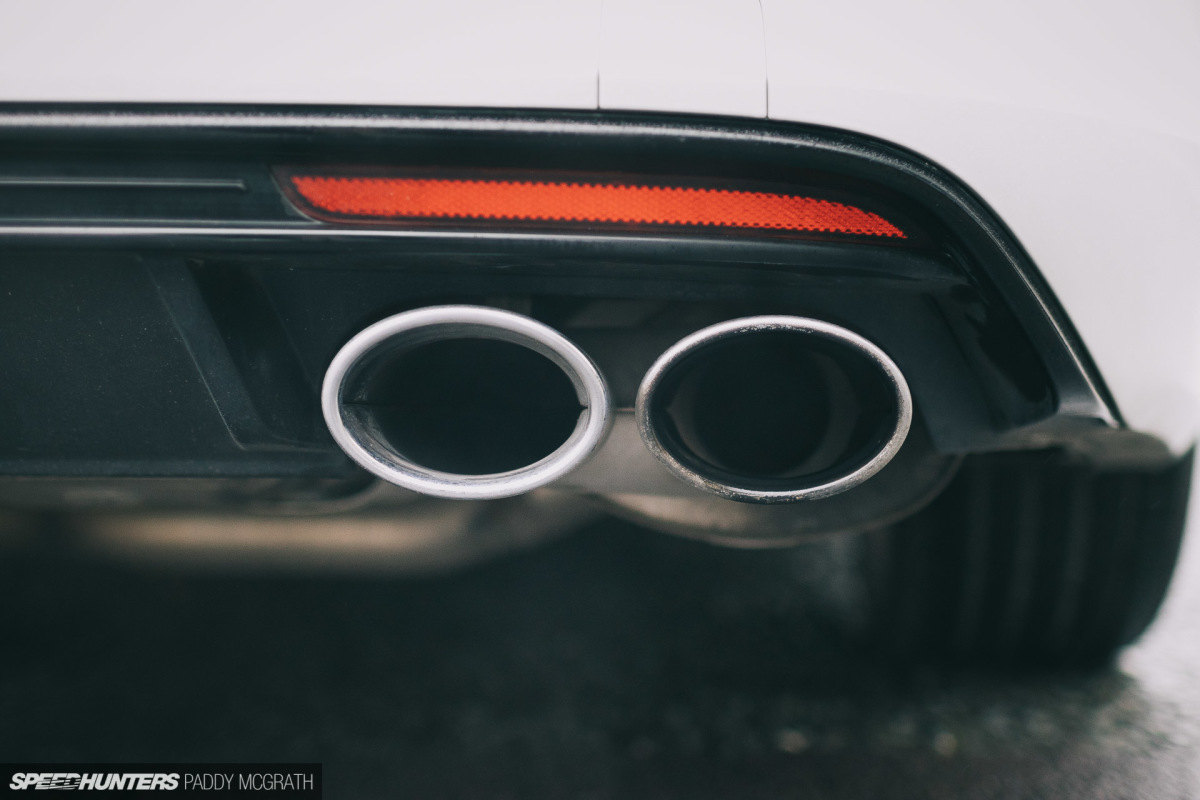

As background, the Mk7 R Variant features a different rear silencer setup to the normal hatchback, due to the addition of a rear wheel well. The exhaust trims are attached directly to the bumper, with the single exhaust exiting either side, sort of aiming towards them. So, another of the simple changes was to remove these exhaust trims and replace them with more discreet H-joined tips which actually attach to the rear silencers and ensure all four tips flow waste gasses. I still think four tips is too many, but running two tips leaves a massive gap in the rear diffuser. Hence, the new smaller and more discreet quad setup.
Breathe EasyThis project has so far been a lot more conservative from a financial perspective. Partly out of necessity, but also because a lot of the big ticket items have already been covered off. The upgrades so far have all been relatively affordable (stud conversion, P3 gauge, exhaust tips etc.) or in the case of the TE37s, which actually added money into my account via the sale of the Pretorias, even after the Michelins had been purchased and fitted.

Another example of my increasing fiscal responsibility was acquiring the Flow Designs front splitter from Donal Maher’s Golf R, when it came up for sale. I wanted a strong, resilient front splitter as I don’t have the benefits of air suspension any longer, and this Australian product is the toughest of them all. It attaches to the front crossmember and I dread to think what it would take to break it.
As an added bonus, it’s not one of the thousands of cheap, fibreglass lips which seem to adorn nearly every Golf R in Ireland. By purchasing it used, I saved probably 50% of the cost of importing a new one. Money saved which can be used elsewhere is always a positive.

The honeymoon period with the car has long since elapsed, and while I’m still absolutely smitten with it, I now have a much better idea of the things I want to improve.


Over the Christmas period, I made some headway on these areas (in no particular order).
I had spent time researching air intakes for the R, as I found the APR intake fitted to the car, while perfectly good, was a bit too quiet for my liking. I didn’t want to go back to a fully open air intake (although I was tempted), but something able to add a little bit more to the experience would be welcomed. Something that performed better again would be a bonus.
For what it’s worth, the ‘soundaktor’ on my car is either disabled or broken, but either way I have no intentions of bringing it back to life.

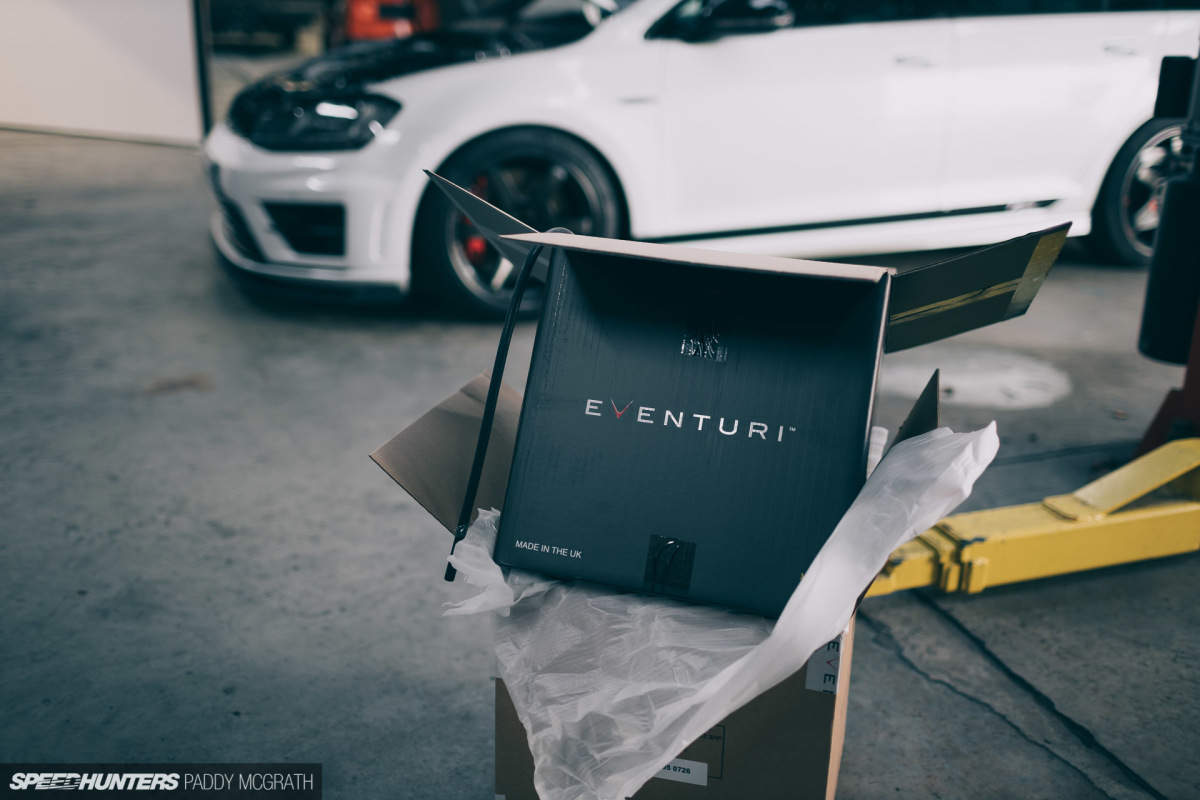
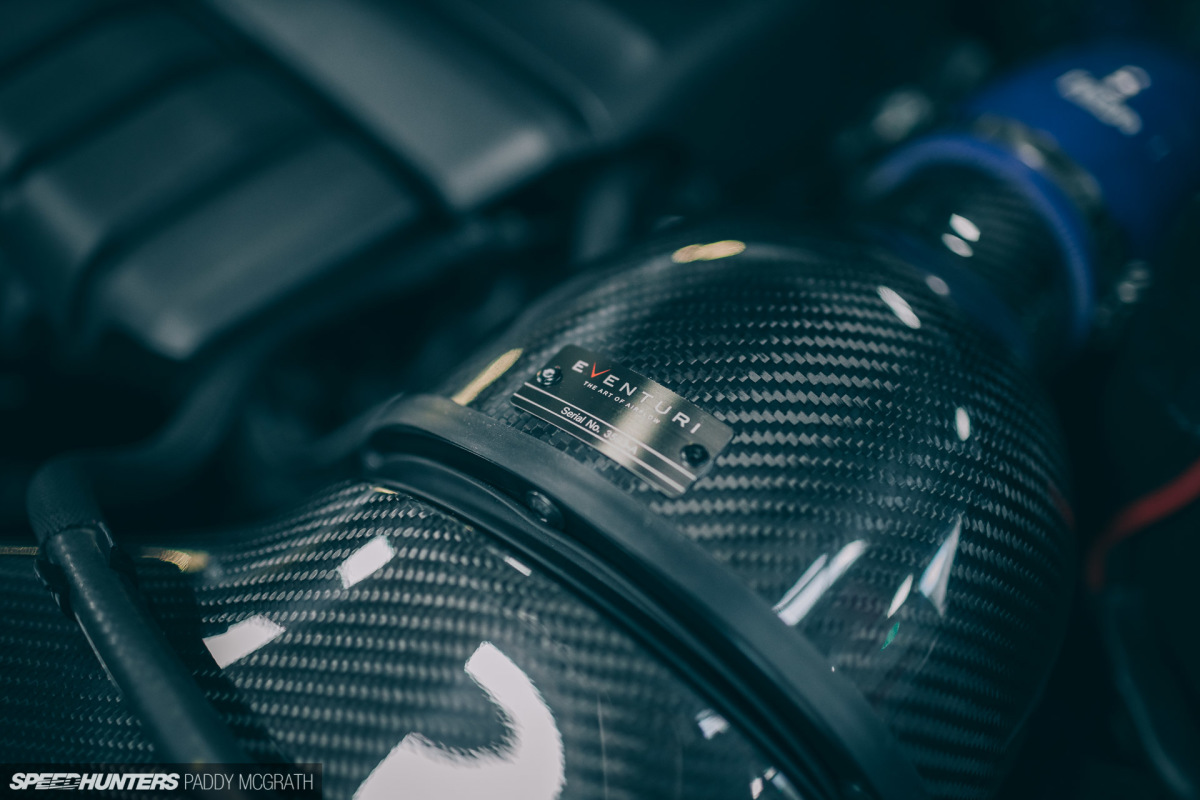
When Eventuri offered an intake for the car, and I had done some research on the product, I was keen to try it out. There’s a lot of thought and development behind this product, with the carbon fibre housing providing an aerodynamically-efficient airflow path from the air filter to the turbo inlet.
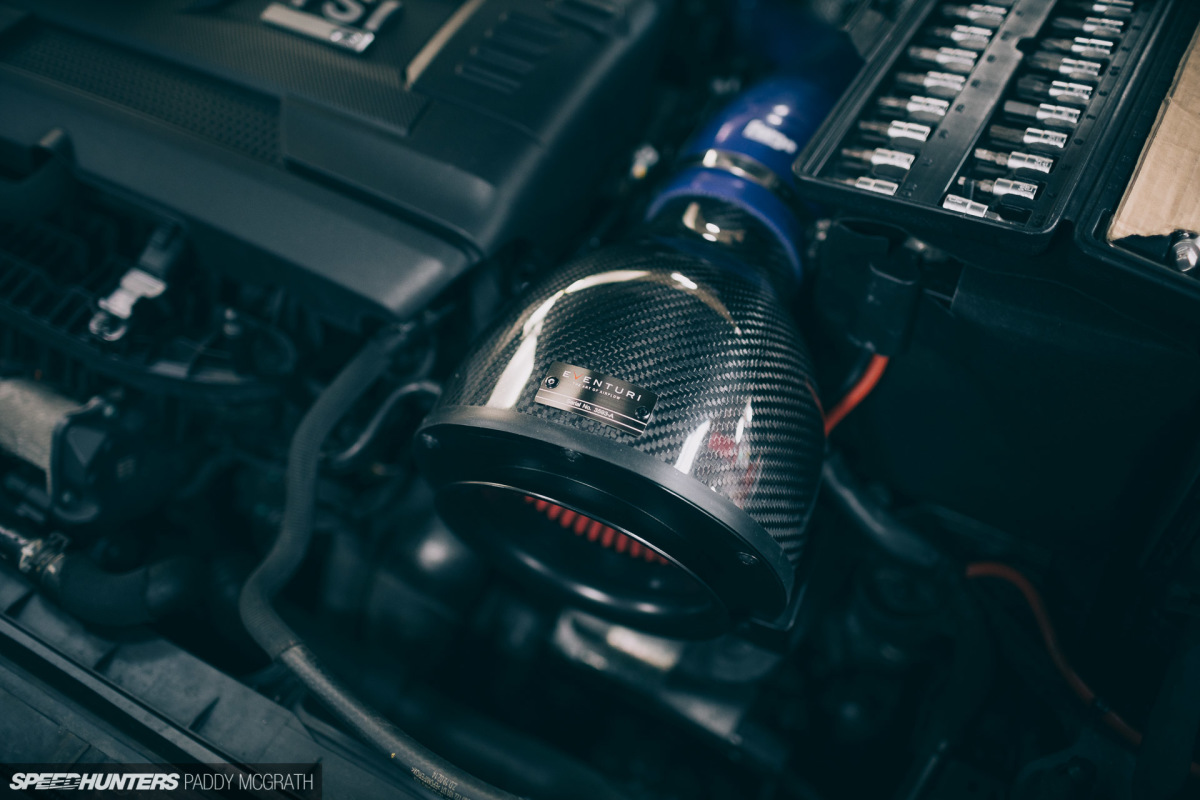

The intake runs an inverted cone filter and utilises the carbon housing to control the shape of the airflow, resulting in a smoother (and more efficient) air flow through to the turbocharger. Eventuri claim a 16-25hp and 15-22ft-lb increase over the stock air intake system.


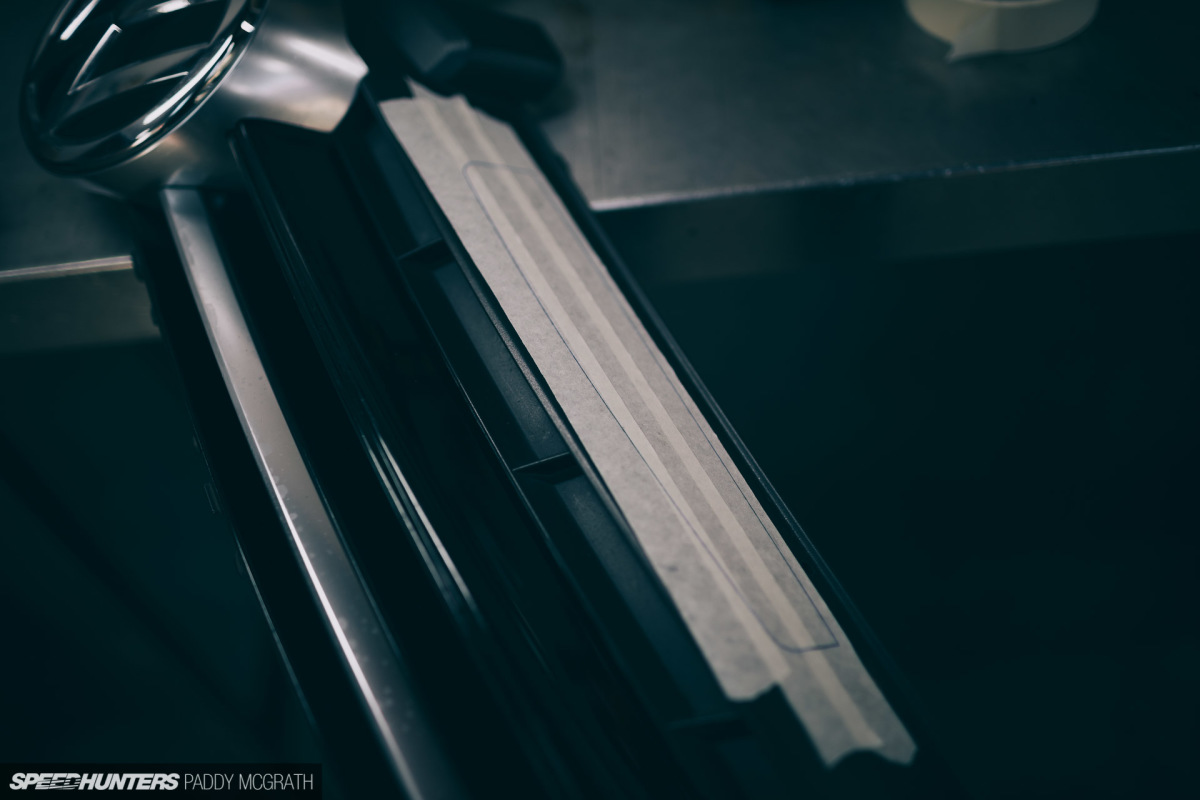
They also supply a cold air scoop which requires the front grill to be slightly modified in order to provide a direct path for outside air to the front duct portion of the intake.
What I found interesting is that Eventuri also provide research as to why they opted for a single duct design, and not an extended double-width front duct which is common to other manufacturers. Long story short, they found the double-width duct produced less power than the single duct design for a number of reasons.

I won’t claim that I can feel an increase in power, as there are too many variables when driving on the street and +16hp on a previously 385hp car is around a 4% increase, but I certainly cannot detect any drawbacks. Engine response is very nice, too. There’s a noticeable, but not intrusive, increase in volume from the front of the car and so far, it has been a worthwhile upgrade. I’ll make it back onto a dyno at some stage.

With that installed, my attention turned to the rear of the car and another secondhand purchase.
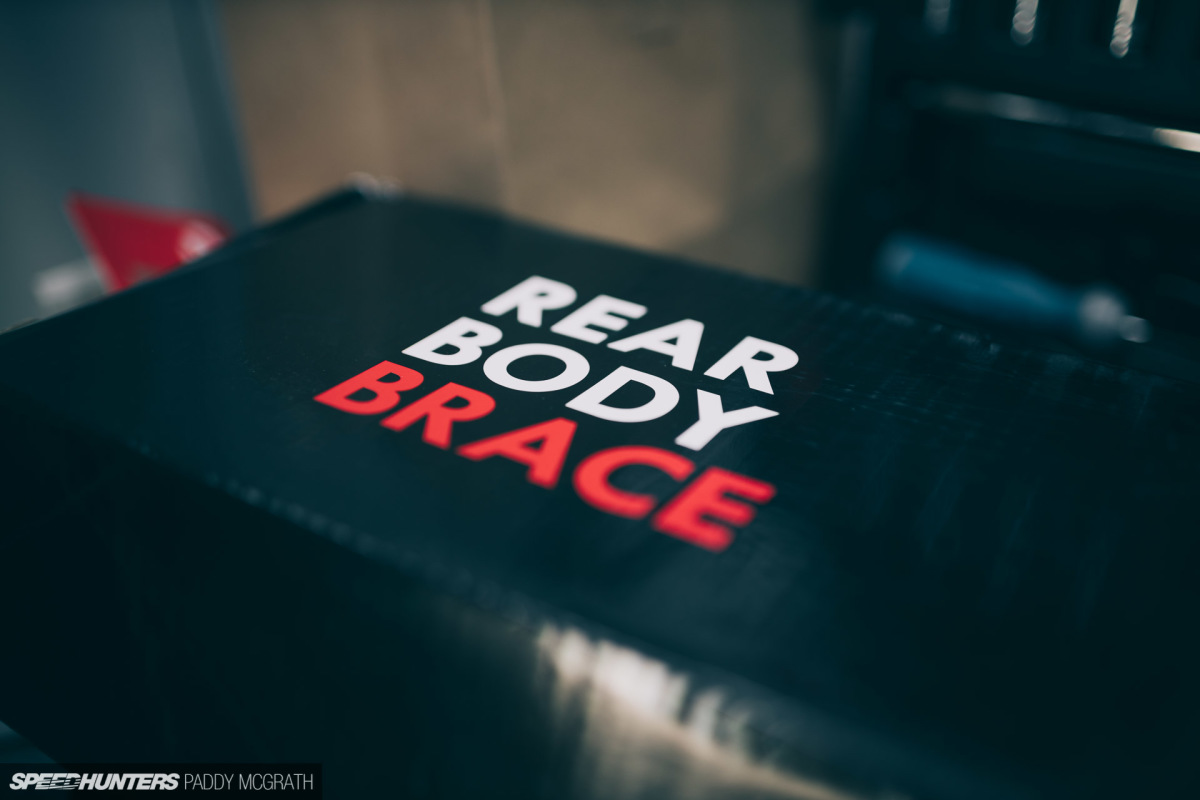

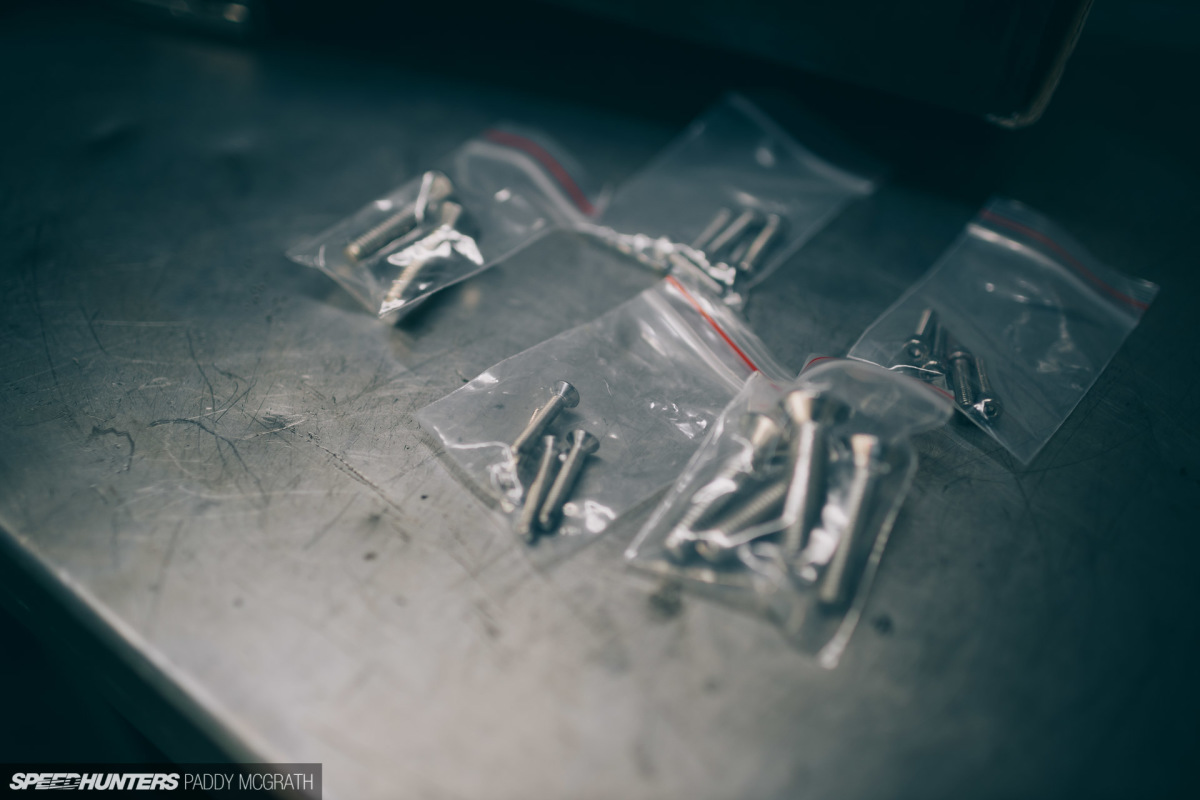
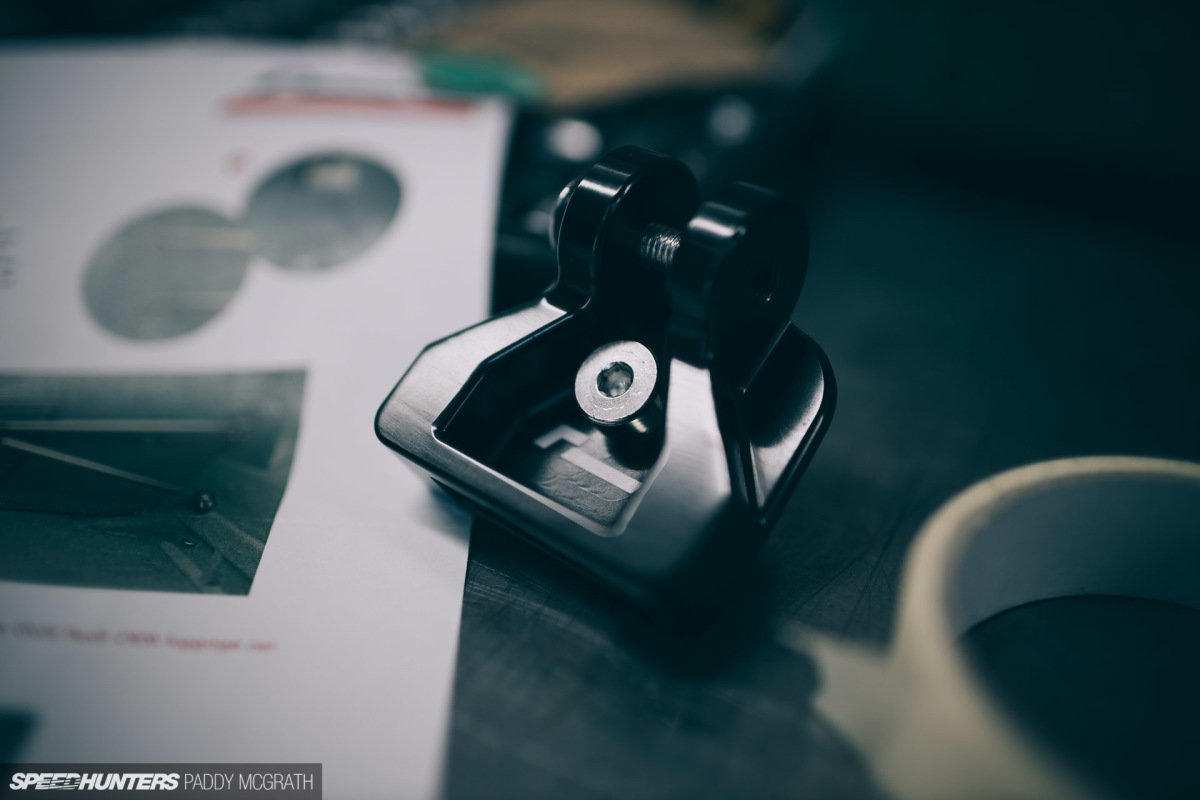
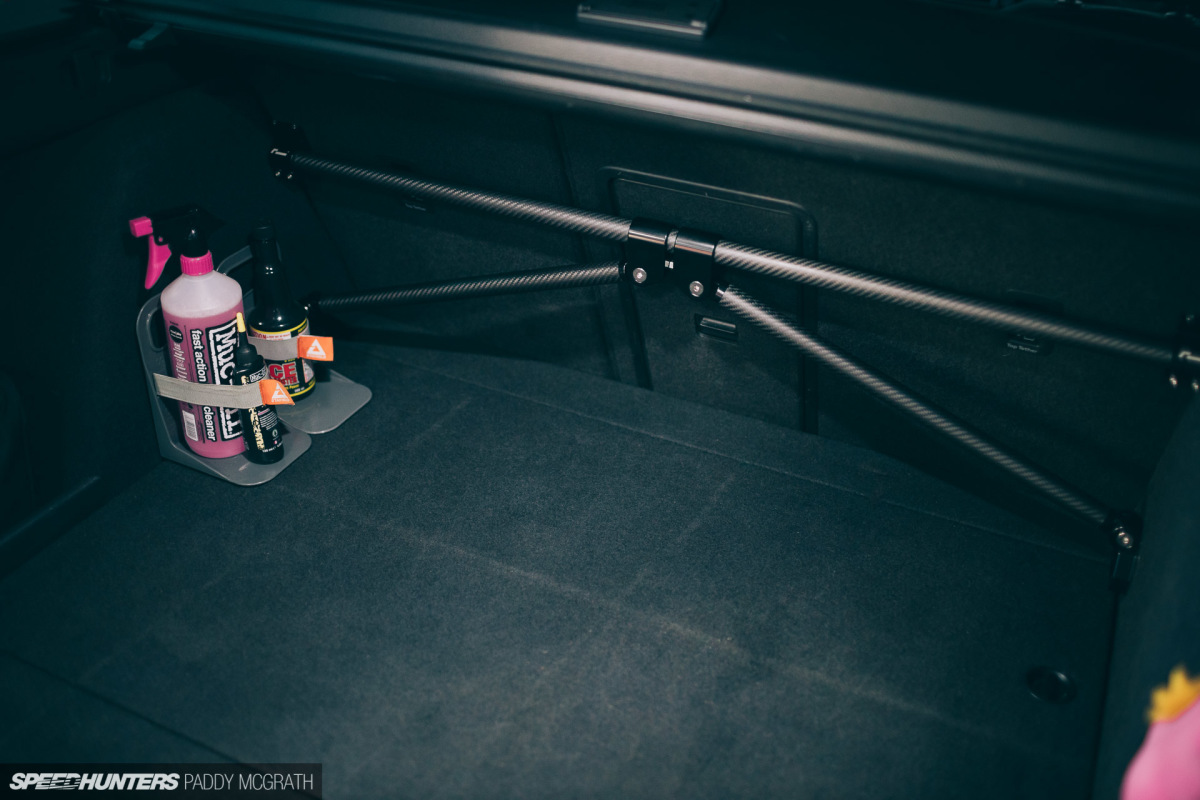
I lucked it with this RacingLine carbon fibre rear body brace on Facebook Marketplace. It had only been installed in the previous owner’s Mk7 GTI for a short period of time, and when he removed it, had put everything back into its original packaging, including the hardware.
‘Like new’ would be an understatement.

This is a pretty sensible upgrade for the big-bodied estate car, and one I was keen to carry out early in the car’s life. Installation was a breeze; it didn’t require any modifications to the car and can be easily unbolted in the future if need be.

It’s a four-point brace and is quite compact in its design. As expected, it doesn’t interfere with the rear seats, but its low height and generous openings allow maximum use of the rear storage space. Mountain bike still goes on the roof, for those curious.

The difference even on the road was immediate, without any drawbacks in terms of NVH. Previously, I found the GTI was much more eager to change direction compared to the R (no surprise considering the amount of suspension and chassis upgrades), but this has helped to close that gap.

I’m quite conscious of not introducing any NVH into this car, as I found previously that a little bit here and there can quickly add up. You only get the benefits of stiffer bushings (as an example) a couple of days a year on track, but have to live with the drawbacks every other day of the year.
I already passed on the opportunity to replace the front lower wishbone bushings with polyurethane bushes when the subframe was dropped to fit the Scorpion downpipe. Instead, I chose OE bushings for that particular piece of preventive maintenance.

I’ve spent a lot of time thinking about how this car will be used, and compliance will absolutely be key as that’s what the roads I do most of my spirited driving on will reward. There are still further upgrades to come; some will be performance orientated and some aesthetic. However, I’m in no rush.

The car is good, and its ability to be whatever I need it to be when I get behind the wheel is utterly remarkable. Need a comfortable cruiser to cover a long distance efficiently? No problem. Need to embarrass an unsuspecting executive at the traffic lights in his ‘sports car’? Let me introduce you to launch control and show you four discreet exhaust pipes vanishing up the road. Need something that can absolutely redefine what you thought a car could do on a damp backroad? Look no further.
Like a lot of the current VW Group performance offerings, the Golf R is often criticised for its lack of excitement in stock form. What a lot of people don’t seem to grasp is that by delivering the R in a neutral way from factory, it allows each owner to extract however much excitement from the car as they wish. And believe me, there’s plenty to go around.
Paddy McGrath
Instagram: pmcgphotos
Twitter: pmcgphotos
paddy@speedhunters.com
Habu AKA Project R on Speedhunters
Gallery